Showing posts sorted by relevance for query sumo. Sort by date Show all posts

Chiyonofuji: The Tyrant of the Ring and the Soul of Grand Sumo

The Rise of the Wolf

The scent of sweat, the roar of the crowd, the immense, almost primal tension before the clash of titans. This is the world of Grand Sumo, a realm where tradition meets raw power, and where legends are forged not just in muscle, but in spirit. Today, we delve into the life and legacy of a man who didn't just participate in this ancient sport, but defined an era: Chiyonofuji Mitsugu (千代の富士 貢).

Chiyonofuji, often dubbed "The Wolf of the Ring," was more than just a successful wrestler; he was a phenomenon. His electrifying presence, his stoic demeanor, and his astonishing string of victories captivated Japan and the martial arts world. But what truly set him apart? Was it merely his overwhelming success, his chiseled physique that defied the typical sumo wrestler's form, or the striking, almost fierce beauty that emanated from him even in defeat?

This isn't just a eulogy; it's an exploration. We will dissect the essence of Chiyonofuji, examining the discipline, the philosophy, and the sheer indomitable will that propelled him to heights few have ever reached in the sumo wrestling world. Prepare yourselves, for we are about to witness the power of a true Budo warrior.

A Physique Forged in Discipline

In a sport often characterized by immense girth, Chiyonofuji presented a striking anomaly. His muscular build was a testament to a rigorous, almost obsessive training regimen. While many sumo wrestlers focused on accumulating mass, Chiyonofuji sculpted his body into a weapon of lean power and explosive agility. This was not mere aesthetics; it was a strategic advantage.

"The human body is a machine that can be perfected. Every drop of sweat shed in training is an investment in future victory." - A principle echoed in the dedication of athletes like Chiyonofuji.

His training was legendary. Early mornings in the stable, endless repetitions of basic exercises, intense conditioning drills, and a strict diet that prioritized strength and readiness. He understood that true power in combat is not just about size, but about efficient, explosive force. This dedication is a cornerstone of any true martial arts discipline, whether it be Karate, Judo, or the demanding art of Grand Sumo.

The Tyrant's Reign: A Cascade of Victories

Chiyonofuji's career is a ledger of unparalleled achievements. From his debut in 1968 to his retirement in 1991, he shattered records and redefined what it meant to be a yokozuna, the highest rank in sumo.

  • 31 Top Division Championships: A record that stood for years, showcasing his consistent dominance.
  • 65 Consecutive Wins: An astonishing feat of endurance and skill, earning him the nickname "The Wolf" for his predatory prowess.
  • Yokozuna Status: Attained in 1981, he embodied the ideals of this revered rank – strength, dignity, and integrity.
  • Record for Most Wins in a Calendar Year: Demonstrating his relentless fighting spirit.

These aren't just numbers; they represent countless hours of sweat, pain, and unwavering focus. Each victory was a testament to his mental fortitude as much as his physical prowess. In the UFC or any MMA bout, you see a similar dedication, a drive to push beyond perceived limits. The principles are universal across combat sports.

Beyond the Dohyo: The Spirit of a Champion

What separated Chiyonofuji from mere athletes was his deep connection to the spirit of Budo. While sumo is a sport, its roots are steeped in ancient Shinto rituals and a philosophy of self-mastery. Chiyonofuji embodied this. His stoicism, his respect for his opponents, and his unwavering commitment to excellence reflected the core tenets of bushido, the warrior's code.

"The way of the warrior is to master oneself. True strength lies not in overpowering others, but in conquering one's own weaknesses." - Miyamoto Musashi, 'The Book of Five Rings.'

He understood that the mental game is paramount. The ability to remain calm under pressure, to analyze an opponent's movements, and to execute techniques with precision, even when fatigued, are hallmarks of a true Martial Artist. This mental resilience is transferable to any field, from intense kickboxing matches to the challenges of everyday life.

Chiyonofuji vs. The World: A Tactical Masterclass

Chiyonofuji's style was characterized by its deceptive simplicity and brutal effectiveness. He wasn't one for elaborate throws or flashy maneuvers. Instead, he relied on impeccable timing, powerful thrusts (tachi-ai), and masterful grappling to gain an advantage. His signature move, the uwatenage (overarm throw), executed with devastating precision, often ended bouts swiftly.

His ability to read his opponents was uncanny. He would patiently absorb initial attacks, waiting for the slightest opening, then explode with overwhelming force. This is a tactic seen in all forms of combat sports. Think of Jon Jones in MMA, or a skilled Judo black belt waiting for the perfect moment to execute an ippon seoi nage. The underlying principle – patience, observation, decisive action – remains constant.

Consider the fight against his fiercest rival, Futabayama Sadaji. Their bouts were legendary, a clash of styles and wills that drew unprecedented attention. These encounters weren't just physical duels; they were strategic chess matches played out with immense physical force.

Veredicto del Sensei: ¿Un Icono Inmortal?

Chiyonofuji Mitsugu transcended the sport of Grand Sumo. He was a beacon of dedication, a testament to the power of disciplined training, and a living embodiment of the warrior spirit. His legacy is not just in the records he set, but in the inspiration he provided to countless aspiring athletes and martial artists worldwide.

His approach to training, his mental fortitude, and his respectful yet fierce competitive spirit are lessons that remain relevant today. In an era dominated by fleeting trends, Chiyonofuji’s enduring impact serves as a powerful reminder of the timeless values of perseverance, self-mastery, and the pursuit of excellence.

Cinturón Negro en Legado.

Equipo Esencial para tu Entrenamiento

While Grand Sumo requires a unique training environment, many of the principles and conditioning methods can be adapted. For those inspired by Chiyonofuji's dedication to physical perfection, consider the following:

  • Gi/Kimono de Alta Calidad: Para Judo, BJJ, o incluso Karate, un gi de doble tejido es esencial para resistir el riguroso entrenamiento.
  • Guantes de Sparring (16oz+): Si te inclinas hacia deportes de combate como el kickboxing o el MMA, la protección es primordial.
  • Esterillas de Entrenamiento: Para entrenamientos en casa que involucren suelo o caídas seguras.
  • Kettlebells y Pesas Rusas: Ideales para desarrollar fuerza funcional y explosividad, emulando la potencia de los luchadores de sumo.
  • Makiwara (Hecho en Casa o Comprado): Una herramienta tradicional para desarrollar la potencia de golpeo en artes como el Karate Kyokushin.

Guía de Entrenamiento: La Mentalidad del Campeón

Chiyonofuji's success wasn't solely physical. Cultivating a champion's mindset is crucial. Here’s an exercise to build that mental toughness:

  1. Establece un Objetivo Desafiante: Elige una meta de entrenamiento que te saque de tu zona de confort (ej: dominar un kata avanzado, mejorar tu resistencia en sprints, aprender una nueva técnica de grappling).
  2. Planifica tu Camino: Divide tu objetivo en pasos más pequeños y manejables. Crea un calendario de entrenamiento realista.
  3. Enfrenta la Adversidad: Cuando surjan dificultades (días de baja motivación, fatiga, fracasos), en lugar de rendirte, analízalos. ¿Qué puedes aprender?
  4. Visualiza el Éxito: Dedica 5-10 minutos al día a visualizarte ejecutando tus técnicas perfectamente, alcanzando tu objetivo, sintiendo la satisfacción.
  5. Practica la Gratitud y la Reflexión: Al final de cada sesión, agradece la oportunidad de entrenar. Reflexiona sobre lo que salió bien y lo que se puede mejorar.
  6. Mantén la Disciplina: La clave es la constancia. Incluso en los días difíciles, realiza una versión modificada de tu entrenamiento. La voluntad de continuar cuando es difícil es lo que forja el carácter de un campeón.

Preguntas Frecuentes

¿Fue Chiyonofuji el mejor luchador de sumo de todos los tiempos?
Muchos lo consideran así, o al menos uno de los más grandes. Sus récords y dominio en su era son innegables, aunque la comparación entre épocas es siempre subjetiva.
¿Qué significa "The Wolf of the Ring"?
Este apodo se originó por su ferocidad, su implacable estilo de lucha y su apariencia afilada, similar a la de un lobo acechando a su presa.
¿Es el entrenamiento de sumo aplicable a otras artes marciales?
Sí, los principios de disciplina, fuerza, resistencia y mentalidad son universales. Las técnicas específicas varían, pero la base de dedicación es la misma.
¿Cuál fue la mayor rivalidad de Chiyonofuji?
Aunque tuvo muchas grandes peleas, sus enfrentamientos con Futabayama Sadaji son considerados algunos de los más icónicos en la historia del sumo.

Para Profundizar en tu Camino

Watch more GRAND SUMO on NHK WORLD-JAPAN! Link to NHK WORLD-JAPAN

Learn more about GRAND SUMO here! Link to GRAND SUMO Information

Reflexión del Sensei: Tu Próximo Paso

Chiyonofuji nos enseñó que la fuerza reside no solo en el cuerpo, sino en la indomable voluntad del espíritu. Nos mostró que la excelencia se alcanza a través de la disciplina implacable y el respeto por el camino elegido. Ahora, dime tú, ¿cuál es esa "bestia" dentro de ti, esa debilidad o ese miedo que te impide alcanzar tu máximo potencial en tu propio dojo, ya sea físico o metafórico? ¿Y qué acción concreta, por pequeña que sea, darás hoy para empezar a domarla?

``` GEMINI_METADESC: Descubre la leyenda de Chiyonofuji, 'El Lobo del Ring', y su impacto en Grand Sumo. Lecciones de disciplina, fuerza y filosofía marcial para tu camino.
Chiyonofuji Mitsugu: The Lion of Sumo - A Masterclass in Budo and Warrior Spirit

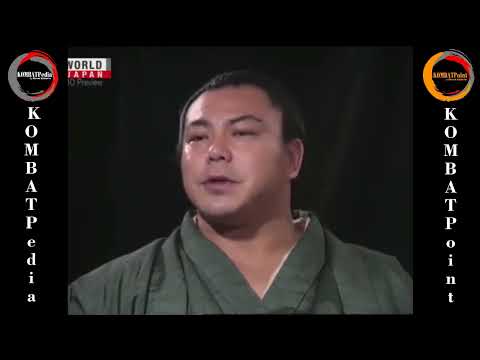
In the hallowed halls of Sumo, where tradition and raw power converge, few figures loom as large as Chiyonofuji Mitsugu. His dominance in the late 20th century was not merely a statistical anomaly; it was a testament to a profound understanding of Budo, the Way of the Warrior, a philosophy that transcends the wrestling ring and permeates the very essence of martial discipline. Today, we delve into the life and legacy of this legendary Yokozuna, not just as a Sumo wrestler, but as a paragon of martial artistry. This is not merely a biography; it is a dissection of the principles that forged a champion and what we, as practitioners of the martial arts, can learn from his enduring spirit.

The Rise of the Lion: Chiyonofuji's Early Years

Born Mitsugu Apopka, Chiyonofuji's journey began not with inherent divine talent, but with unwavering perseverance. From humble beginnings, he entered the world of Sumo with a slight frame that belied the ferocity within. His early career was marked by struggles, a common theme for many aspiring warriors. This period forged his mental fortitude, teaching him the invaluable lesson that true strength is cultivated, not merely bestowed.

His ascent through the ranks was a slow, arduous climb, each victory a hard-won battle against larger, more experienced opponents. He didn't just win; he conquered, dismantling opponents with a blend of speed, technique, and an almost palpable fighting spirit. This relentless pursuit of excellence laid the foundation for his eventual reign as the 58th Yokozuna, the highest rank in Sumo.

Beyond the Dohyo: Chiyonofuji and the Spirit of Budo

What truly set Chiyonofuji apart was his embodiment of Budo. In Japanese martial arts, Budo is more than just combat techniques; it is a way of life, a path of self-perfection through rigorous training and ethical conduct. Chiyonofuji approached Sumo with an intensity and dedication that mirrored the most disciplined Karateka or Kendo master.

"The spirit of the warrior is not to be afraid of defeat, but to be willing to die for victory."

This quote, though not directly attributed to Chiyonofuji, perfectly encapsulates the mindset he displayed. His unwavering resolve in the face of formidable opponents, his dignified demeanor both in victory and defeat, and his dedication to his craft spoke volumes. He understood that the dohyo (Sumo ring) was his dojo, and every bout was a lesson in humility, respect, and the constant pursuit of self-mastery. This is a principle that resonates deeply within the BUDO community and all artes marciales.

His training was famously grueling. He pushed his body to its limits, refining his techniques and building an indomitable will. This commitment to rigorous practice is a cornerstone of all effective martial arts, from Judo to Kyokushin Karate. The Budo way demands sacrifice and an unyielding commitment to self-improvement, qualities Chiyonofuji possessed in abundance.

The Art of the Strike: Chiyonofuji's Signature Techniques

While Sumo is characterized by throws and grappling, Chiyonofuji was renowned for his powerful tsuppari (thrusting strikes) and his exceptional agility. He was not a hulking brute, but a strategic warrior who used his speed and precise timing to overwhelm his opponents. His signature move, the uwatenage (overarm throw), executed with devastating speed and power, often left his opponents bewildered.

Consider the uwatenage: it requires impeccable timing, a strong grip, and the explosive power to lift and throw an opponent significantly larger than oneself. This is not brute force; it is applied physics, timing, and an understanding of leverage. It is a technique that requires immense skill and practice, much like a well-executed O-goshi in Judo or a powerful punch in Kickboxing.

His approach to the dohyo was akin to a seasoned fighter entering the Octagon for an MMA bout. He studied his opponents, exploited their weaknesses, and applied his strengths with calculated precision. The mental game, so crucial in all combat sports, was clearly one of his greatest assets. He entered each match with confidence, but without arrogance, a fine line that separates true champions from mere contenders.

Chiyonofuji's Enduring Impact on Martial Arts

Chiyonofuji's legacy extends far beyond the world of Sumo. He demonstrated that size is not always the ultimate advantage, and that technique, speed, and an indomitable spirit can overcome seemingly insurmountable odds. This is a universal truth in the martial arts.

His record of 31 tournament championships is a testament to his sustained excellence, a feat rarely seen in any sport. He inspired a generation of wrestlers and martial artists alike, proving that the principles of Budo – discipline, respect, perseverance, and self-mastery – are the bedrock of true achievement. His influence can be seen in the dedication of athletes across disciplines, from Karate practitioners honing their katas to BJJ athletes perfecting their ground game.

"To win is to die, to lose is to die. Thus, there is no room for carelessness." - A principle echoed in many warrior traditions.

He embodied the warrior's ethos: to strive for perfection, to face adversity with courage, and to conduct oneself with honor. This resonates deeply with the philosophy of WarriorPhilosophy and the broader MartialArtsCommunity.

Lessons for the Modern Warrior: Training Principles

Chiyonofuji's approach to training offers invaluable insights for any martial artist, regardless of their chosen discipline.

Guía de Entrenamiento: Principios de Chiyonofuji

  1. Disciplina Inquebrantable: Commit to your training schedule with absolute regularity. Treat every session as if it were your most important bout.
  2. Perfección Técnica: Focus on mastering the fundamentals. Chiyonofuji refined his core techniques to an art form, making them devastatingly effective.
  3. Fortaleza Mental: Cultivate resilience. Learn to push past physical discomfort and mental fatigue. Visualize success and embrace challenges.
  4. Respeto por el Arte: Approach your training with reverence for the traditions and principles of your martial art. This includes respect for your instructors, training partners, and the art itself.
  5. Adaptabilidad: While mastering fundamentals is key, be willing to adapt your approach, as Chiyonofuji did, using speed and strategy to counter opponents' strengths.

These principles are not unique to Sumo; they are the universal tenets of BUDO and effective MartialArtsTraining. They form the core of what it means to be a true Martial Artist.

Veredicto del Sensei: A True Martial Master

Chiyonofuji Mitsugu was more than a Sumo champion; he was a living embodiment of the martial spirit. His career was a masterclass in dedication, discipline, and the philosophical underpinnings of Budo. He proved that true strength lies not just in physical power, but in the unwavering resolve of the spirit and the mastery of one's craft. He wasn't just a fighter; he was an artist of combat, a testament to what can be achieved when dedication meets innate talent, guided by a profound respect for the Way.

Calificación: Cinturón Negro de Honor en Espíritu Marcial.

Equipo Esencial para tu Entrenamiento

While Chiyonofuji's discipline was primarily body-weight focused within the unique context of Sumo, many martial arts require specific gear. For those seeking to emulate his dedication in related disciplines, consider:

  • Kimono de Judo/BJJ: A durable, double-weave kimono is essential for grappling arts, allowing for effective grips and techniques.
  • Guantes de Entrenamiento: For striking arts like Karate or Kickboxing, padded gloves are crucial for safe sparring and developing power.
  • Protector Bucal: A necessity for any contact sport to protect your teeth and jaw.
  • Espinilleras y Empeineras: For disciplines involving kicks, these offer protection and improve technique during practice.
  • Esterillas de Entrenamiento: For home practice of techniques involving falls and groundwork, ensuring safety and comfort.

Investing in quality MartialArtsMerchandise is a commitment to your training and safety.

Preguntas Frecuentes

¿Era Chiyonofuji un practicante de otras artes marciales además del Sumo?

Si bien Chiyonofuji dedicó su vida al Sumo, su entrenamiento y mentalidad reflejaban los principios del Budo, que son comunes a muchas artes marciales japonesas como el Karate, Judo y Kendo. Su enfoque en la disciplina, el respeto y la auto-mejora es universal en el mundo marcial.

¿Cuál fue el mayor logro de Chiyonofuji?

Su mayor logro es indiscutiblemente haber sido el 58º Yokozuna y haber ganado un récord de 31 torneos de Sumo, manteniendo la categoría de Yokozuna durante un período excepcionalmente largo.

¿Cómo influyó Chiyonofuji en el espíritu de lucha?

Chiyonofuji demostró que la agilidad, la técnica y una mentalidad inquebrantable podían superar la mera fuerza bruta, inspirando a atletas de todo el mundo a perseguir la excelencia a través de la disciplina y la perseverancia.

¿Se practica el "tsuppari" en otras artes marciales?

El concepto de golpes de empuje (tsuppari) se asemeja a las técnicas de puñetazo recto y empuje encontradas en artes como el Karate y el Taekwondo, aunque la aplicación y el contexto difieren.

Para Profundizar en tu Camino

Chiyonofuji Mitsugu nos dejó un legado imborrable, un recordatorio de que el espíritu de lucha, la disciplina férrea y la búsqueda constante de la maestría son los pilares sobre los que se construye un verdadero guerrero.

Reflexión del Sensei: Tu Próximo Paso

Chiyonofuji triunfó en un deporte que valora la tradición y la confrontación directa. Pero, ¿cuál es el verdadero "ring" en el que luchas tú cada día? ¿Son tus adversarios los demás, o eres tú mismo? ¿Estás dispuesto a sacrificar la comodidad por la conquista de tu propio potencial?

``` GEMINI_METADESC: Explore Sumo legend Chiyonofuji Mitsugu's mastery of Budo, warrior spirit, and disciplined training. A deep dive into his techniques and enduring legacy for martial artists.

Takanoyama Shuntarō: The "Small But Mighty" Master of Judo Throws in Sumo

Introduction: The Anomaly of Takanoyama

Have you ever watched a martial artist, seemingly outmatched by their opponent's size and strength, still emerge victorious? This isn't magic; it's the elegant application of technique, timing, and an indomitable spirit. In the world of Sumo, a sport often defined by sheer mass, one wrestler stood out, not for his bulk, but for his brilliance. Takanoyama Shuntarō, hailing from the Czech Republic, shattered expectations, proving that in combat, as in life, technique and tenacity can indeed conquer brute force. This analysis dives deep into his arsenal, dissecting the throws that made him a beloved figure and a testament to the "small but mighty" principle.

Takanoyama's Unique Journey: Defying Sumo's Giants

Takanoyama Shuntarō, born Martin Koselecta, carved a unique path in the hallowed dohyo of professional Sumo. As a European venturing into a deeply traditional Japanese sport, he faced an uphill battle from the outset. The average weight of a top-division Makuuchi wrestler often exceeds 150 kg. Takanoyama, however, consistently competed in the 80-100 kg range. This stark physical disparity could have been a career-ending limitation. Instead, it became his greatest teacher, forcing him to hone an exceptional understanding of leverage, timing, and evasive footwork. His speed and mastery of judo principles, a natural fit for his agile frame, allowed him to outmaneuver and defeat opponents who dwarfed him. He wasn't just a novelty; he was a strategic genius on the mat.

Technique Breakdown: The Arsenal of a Smaller Wrestler

The brilliance of Takanoyama lay in his ability to execute techniques that maximized his advantages while neutralizing his opponents' size. He didn't rely on overwhelming power; he employed precision and speed. Let's examine some of his signature finishes that consistently saw him victorious:

Kote-nage (Armlock Throw)

Takanoyama's kote-nage was a masterclass in deception and leverage. The core of this technique involves establishing a firm grip on the opponent's wrist (kote). From there, instead of forcing the throw, he artfully used the opponent's own forward momentum or attempted forward movement against them. A swift rotation of his body, combined with a pulling action on the captured wrist, redirected their energy, causing them to lose balance and be thrown over his back or to the side. This is a classic judo throw, but Takanoyama's execution, particularly the precise timing and angle, made it devastatingly effective against larger sumo wrestlers.

Koshi-guruma (Hip Wheel)

Another technique that highlights his judo background is the koshi-guruma. This throw involves wrapping one of Takanoyama's legs around the opponent's hip, creating a fulcrum. With a simultaneous pull forward and a powerful twist of his torso, he would elevate and unbalance his opponent, using his hip as the pivot point. The momentum generated would send the larger wrestler crashing down. The effectiveness here lies in getting the leg placement correct and generating the rotational force quickly, preventing the opponent from stabilizing or counteracting.

Oshi-dashi (Push Out)

While Takanoyama excelled in throwing techniques, his oshi-dashi, or push out, was a pure display of his speed and agility. This technique requires an explosive burst of energy to drive the opponent backward. Takanoyama, with his lighter frame, could generate rapid forward pressure. He would use quick, powerful shoves, often targeting the opponent's upper body and shoulders, to force them out of the ring. His ability to maintain balance and drive forward while his opponent was attempting to resist or counter was crucial to its success. It’s a testament to his conditioning and lower body strength.

Sukuinage (Beltless Arm Throw)

This technique, often seen in judo, involves an arm throw where the grip is established differently, often without a traditional belt grip. Takanoyama would secure a grip on his opponent's arm and, using a scooping motion with his body, throw them over his hip. The key here is to get under the opponent's center of gravity and use their own weight to complete the throw. His agility allowed him to make the necessary adjustments to create the throwing angle, turning a potential disadvantage into an offensive opportunity. It’s a dynamic throw that requires excellent body control.

Uchimuso (Inner Thigh Throw)

Takanoyama's mastery of judo skills shone through in his uchimuso. This throw involves attacking the opponent's legs or inner thigh area. He would use his grappling ability to secure a grip, often on the opponent's leg or gi near the thigh. With a precise hip movement and a lifting or sweeping action, he would unbalance the opponent, using their own forward pressure or stability against them. This technique requires significant timing and the ability to get low and deep, something Takanoyama was adept at, allowing him to execute it even against much larger opponents.

Beyond Technique: The Mental Game

What truly set Takanoyama apart, and what offers the most profound lessons for any martial artist, was his mental fortitude. He entered a sport steeped in tradition, where size was king, and had to overcome not only his physical limitations but also potential cultural barriers. His ability to persevere through rigorous training, maintain focus, and execute complex techniques under pressure is a testament to his inner strength and dedication. He proved that a warrior's heart and a sharp mind are often more critical than sheer physical dominance.

"In the martial path, it is not the size of the warrior that matters, but the size of their heart."

This adage resonates deeply when we consider Takanoyama's career. He embodied this philosophy, turning perceived weaknesses into strengths through sheer willpower and intelligent application of skill.

Lessons for Every Budoka: Perseverance and Adaptability

The journey of Takanoyama Shuntarō offers invaluable lessons for every practitioner of martial arts, regardless of their style or size. His career is a powerful reminder that:

  • Technique over Brute Force: Superior technique, timing, and leverage can overcome significant size and strength disparities.
  • Adaptability is Key: Understanding your own physical attributes and adapting your strategy and techniques accordingly is crucial for success.
  • Mental Strength is Paramount: True mastery is forged not just in the body, but in the mind. Perseverance, discipline, and a positive attitude are essential tools.
  • Embrace Challenges: Difficulties, whether physical limitations or external obstacles, can be catalysts for growth and innovation.

As martial artists, we face our own challenges, whether it's mastering a difficult technique breakdown, improving our mental strength, or simply staying dedicated. Takanoyama’s story encourages us to push past our perceived limits and continually refine our skills and our spirit.

Cross-Training: Expanding Your Martial Horizon

While Takanoyama's primary discipline was Sumo, his effective use of judo principles demonstrates the power of cross-training. For martial artists today, broadening one's skillset beyond a single discipline is not just beneficial, it's increasingly essential. Exploring different combat sports and martial arts can:

  • Introduce new strategic perspectives.
  • Develop different physical attributes (e.g., grappling, striking, flexibility).
  • Enhance problem-solving skills on the mat.
  • Provide a more well-rounded understanding of combat.

Whether it's incorporating Judo throws into your BJJ, understanding striking principles from Kickboxing for your Muay Thai training, or learning defensive strategies from Aikido, the martial world is interconnected. Embracing this diversity makes you a more complete and adaptable fighter.

Essential Gear for Your Training

To effectively train in disciplines like Judo, Sumo, or any other martial art, having the right equipment is crucial. For Judo practitioners, a high-quality Judo gi is paramount. Look for a durable, double-weave gi that can withstand the rigors of throws and grappling. For those interested in simulating Sumo or practicing specific throwing drills, sturdy mats are essential for safety. Consider investing in:

  • High-Quality Judo Gi: Look for brands known for durability and fit. A good gi enhances grip and withstands pulling forces.
  • Training Mats: Essential for safe practice of throws, falls (ukemi), and groundwork.
  • Wrestling Shoes: For styles that require precise footwork and grip on the mat.
  • Resistance Bands: Excellent for strength and conditioning, mimicking pulling and pushing motions relevant to grappling.

Exploring gear can also lead you to discover resources like specialized training manuals or online courses focused on specific technique breakdowns.

Frequently Asked Questions

What made Takanoyama unique in Sumo?

Takanoyama Shuntarō was unique due to his significantly smaller stature compared to his peers, competing between 80-100 kg in a sport dominated by wrestlers over 150 kg. He compensated with exceptional speed, agility, and judo-based techniques.

What are some key Judo techniques Takanoyama utilized?

He effectively employed techniques such as Kote-nage (armlock throw), Koshi-guruma (hip wheel), Sukuinage (beltless arm throw), and Uchimuso (inner thigh throw), adapting them for the Sumo ring.

How did Takanoyama overcome his size disadvantage?

He leveraged his speed, agility, and precise execution of Judo throws. His strategy focused on outmaneuvering opponents, using their momentum against them, and exploiting openings rather than relying on brute strength.

What broader lessons can martial artists learn from Takanoyama?

Martial artists can learn about the importance of technical mastery, adaptability, mental fortitude, perseverance in the face of adversity, and the strategic advantage of speed and timing over sheer size.

For Deeper Insight

Sensei's Reflection: Your Next Step

Takanoyama's story is more than just a series of successful throws; it's a living testament to the power of a determined spirit. He demonstrated that the physical ring of a dojo, or the clay of the dohyo, is but one arena. The true battlefield often lies within, where the fight against doubt and limitation is waged. Ask yourself:

"When faced with an opponent, or a challenge, that seems insurmountable due to size or perceived advantage, do you instinctively shrink, or do you instinctively seek the angle, the leverage, the technique that will allow you to prevail?"

Reflect on this. True martial arts mastery isn't just about knowing techniques; it's about embodying the spirit to apply them when it matters most. Now, let your actions speak louder than your thoughts.

```

Las 9 Competencias Marciales Más Peculiares y Desconcertantes del Planeta: Un Vistazo al Extremo del Combate

El mundo de las artes marciales y los deportes de combate es vasto y, a menudo, sorprendente. Más allá del ring tradicional del boxeo o la lona del judo, existen competiciones que desafían nuestra concepción de la lucha, fusionando disciplinas o introduciendo elementos que rozan lo surrealista. ¿Hasta dónde puede llegar la búsqueda de la confrontación física y la exhibición de habilidades? En esta lección magistral, desentrañaremos nueve de los eventos de combate más extraños y desconcertantes que la humanidad ha concebido. Prepárense, porque la realidad, en ocasiones, supera a la ficción más descabellada.

Tabla de Contenidos

Del Ring a lo Inesperado: ¿Qué Define una Competición Marcial?

Antes de sumergirnos en las profundidades de lo bizarro, debemos plantearnos: ¿qué es una competencia marcial? Tradicionalmente, hablamos de sistemas de combate estructurados, con reglas, técnicas codificadas y un linaje histórico. El karate, el judo, el aikido, el jiujitsu, el taekwondo, e incluso el MMA, comparten esta base. Sin embargo, la línea entre la disciplina y el espectáculo circense es a veces peligrosamente fina. ¿Son estas competiciones raras una extensión del espíritu competitivo o una degeneración del arte marcial en sí? La respuesta, como suele ocurrir en el Budo, reside en la intención y el respeto.

1. El Sumo Humano contra el Sumo: Un Choque de Disciplinas

Imaginemos un enfrentamiento donde la técnica del sumo tradicional se topa con la fuerza bruta y la estrategia de... bueno, de un humano normal. En este tipo de eventos, a menudo vemos a luchadores de sumo profesional enfrentándose a individuos sin entrenamiento específico, pero con una considerable masa corporal. La sorpresa no es quién gana, sino la diferencia abismal de técnica. Un luchador de sumo entrenado posee una comprensión del equilibrio y la palanca que va mucho más allá de la simple fuerza. Es una lección visual sobre la supremacía de la técnica refinada sobre el puro peso.

2. El Karate contra la Bestia: ¿Un Homenaje o una Locura?

Hemos oído hablar de leyendas y exhibiciones de karate capaces de romper objetos duros. Pero, ¿qué hay de romper la barrera de lo inanimado para enfrentarse a lo vivo? En algunas demostraciones históricas, se han realizado combates simbólicos donde practicantes de karate "rompían" objetos para luego enfrentarse a animales, como perros o toros. Aunque la intención podría ser demostrar la potencia del Ki o la eficacia de un golpe, la ética es cuestionable. Aquí, la línea entre el arte marcial y el espectáculo cruel se difumina hasta casi desaparecer. La verdadera prueba de un arte marcial no está en la crueldad, sino en la autodisciplina y el control.

"La fuerza de un hombre no se mide por su habilidad para destruir, sino por su capacidad para controlar." - Maestro anónimo.

3. El Water Polo de Combate: La Lucha Bajo el Agua

Si creías que el agua ralentiza las cosas, piénsalo de nuevo. El water polo de combate, una variante menos común pero existente, lleva el aspecto físico del deporte acuático a un nuevo nivel de agresión controlada. Aquí, las reglas se relajan para permitir un grappling limitado y un juego más brusco, transformando la piscina en una arena líquida donde la resistencia y la estrategia bajo presión son clave. Requiere una forma física hercúlea y una mente fría para no sucumbir al caos acuático.

4. El Arte Marcial del Futbolín Humano: Precisión y Caos

¿Imaginas estar atado a una barra, como en un futbolín, pero siendo tú el jugador? Ahora, añade el elemento de un combate cuerpo a cuerpo limitado. El futbolín humano es un deporte de equipo, pero algunas variantes introducen un combate de baja intensidad entre jugadores de equipos opuestos en ciertas configuraciones. La destreza para moverse dentro de las restricciones de la barra, coordinar con tus compañeros y, al mismo tiempo, defender tu espacio, lo convierten en una forma extraña pero fascinante de competencia física.

5. La Lucha de Almohadas Gigantes: ¿Deporte o Pesadilla?

Es fácil descartar la lucha de almohadas como un juego de niños. Sin embargo, en algunos festivales y eventos promocionales, se llevan a cabo competiciones de lucha de almohadas a gran escala, con participantes adultos y almohadas tan grandes como sacos de arena. Aunque superficialmente parezca una broma, la fuerza necesaria para manejar estas almohadas gigantes y el equilibrio para mantenerse en pie sobre plataformas inestables pueden ser sorprendentemente demandantes. Un divertido ejemplo de cómo la creatividad puede generar formas de combate.

6. El Karate contra una Pandilla de Luchadores: La Prueba Definitiva de Habilidad

Existen leyendas y demostraciones (algunas más creíbles que otras) de maestros de karate enfrentándose a múltiples oponentes. En estos eventos raros, se recrea esta dinámica: un solo artista marcial contra varios adversarios que, a menudo, usan tácticas de grupo pero sin la letalidad de una pelea callejera real. El objetivo es probar la efectividad del sistema de combate del practicante solitario en un escenario de desventaja numérica. Requiere una habilidad excepcional en el combate cuerpo a cuerpo, defensa personal y una mentalidad guerrera férrea. ¿Es un entrenamiento extremo o una exhibición de maestría marcial?

7. El Sumo con Reglas de Lucha Libre: La Fusión Irresistible

Imagina la fuerza explosiva del sumo combinada con las llaves y sumisiones de la lucha libre. Este tipo de fusión híbrida, aunque no siempre estandarizada, aparece en eventos donde los luchadores de sumo o practicantes de artes marciales con un físico similar son introducidos en un entorno de grappling más permisivo. El resultado es un espectáculo brutal donde la potencia del empuje se une a la técnica de derribo y control. Un auténtico deporte de combate extremo.

8. La Lucha de Dedos de los Pies: El Arte Olvidado

Sí, has leído bien. La lucha de dedos de los pies es un deporte real, aunque minoritario, con campeonatos organizados en algunas regiones. Los competidores se sientan uno frente al otro, entrelazan sus pies y, usando solo la fuerza de sus dedos y el control del tobillo, intentan doblegar el pie del oponente hasta que este ceda o sufra una luxación. Es una demostración de fuerza en una parte del cuerpo que rara vez se considera para el entrenamiento de combate. Sorprendentemente, requiere una técnica y una resistencia considerables.

9. El Combate de Borrachos (¡No Recomendado!): La Realidad Cruda

Este punto es crucial y merece una advertencia clara: NO es un deporte, es un peligro. Sin embargo, existen informes y eventos (generalmente de carácter informal y deplorable) donde individuos bajo la influencia del alcohol se involucran en combates. La falta de control, la imprevisibilidad y la ausencia total de técnica hacen de esto una representación cruda y peligrosa de la agresión descontrolada, muy alejada del espíritu marcial. Es un recordatorio sombrío de lo que ocurre cuando el combate se despoja de toda disciplina y respeto. La mente y el cuerpo deben estar en armonía para que el arte marcial florezca.

"El camino de las artes marciales es un camino de autodisciplina, no de autodestrucción." - Frase popular en los dojos.

Veredicto del Sensei: El Límite entre la Innovación y el Espectáculo

Como Sensei, mi perspectiva sobre estas competiciones va más allá del mero entretenimiento. Algunas de estas "modalidades" rozan lo absurdo y parecen más diseñadas para la viralidad en redes sociales que para el desarrollo marcial genuino. El verdadero arte marcial busca perfeccionar el cuerpo y la mente, inculcar valores y proporcionar herramientas de defensa y autoconocimiento. Cuando una competición se centra únicamente en la rareza o el shock, pierde su conexión con el espíritu del Budo. Sin embargo, no podemos ignorar que la creatividad humana no tiene límites, y algunas fusiones, como las que combinan MMA con elementos específicos o que empujan los límites de la resistencia, pueden ofrecer lecciones sobre adaptabilidad y fuerza.

Calificación: 7/10 en Curiosidad, 4/10 en Esencia Marcial. Son espectáculos dignos de ver por su extravagancia, pero no esperen encontrar en ellos la profundidad de un Kyokushin o la filosofía de un Judo.

Equipo Esencial para tu Entrenamiento (Incluso en lo Bizarro)

Aunque algunas de estas competiciones desafían la lógica del equipamiento, el entrenamiento subyacente requiere bases sólidas:

  • Kimono de Entrenamiento Resistente: Para judo, jiujitsu, o incluso para simular ciertas presiones en combates híbridos. Busca un tejido de doble tejido para mayor durabilidad.
  • Guantes de MMA o Boxeo: Imprescindibles si exploras alguna forma de combate de puños o combinaciones. Unos buenos guantes de 10-14 oz son versátiles.
  • Protector Bucal: Fundamental para cualquier tipo de sparring o combate. La salud bucal es prioritaria.
  • Esterillas de Entrenamiento: Para practicar caídas, grappling o ejercicios de suelo en un entorno seguro, incluso si tu "competición" es inusual.
  • Cuerda de Saltar: Un clásico para el acondicionamiento cardiovascular y la agilidad, útil en casi cualquier disciplina.

Guía Práctica: Entrenando la Adaptabilidad Marcial

La clave para enfrentar escenarios de combate inesperados es la adaptabilidad. Aquí hay un circuito de entrenamiento para mejorarla:

  1. Calentamiento Dinámico (10 minutos): Movilidad articular completa, saltos, trote ligero.
  2. Resistencia con Obstáculos (3 rondas):
    • Ejecuta 20 saltos sobre un cajón (o escalón).
    • Realiza 10 burpees.
    • Haz 30 segundos de plancha con desplazamiento lateral (walk-out plank).
  3. Fuerza Funcional (3 rondas):
    • 15 sentadillas con peso corporal (o con carga si tienes).
    • 10 flexiones (si son fáciles, prueba flexiones con palmada).
    • 10 zancadas alternas por pierna.
  4. Agilidad y Coordinación (3 rondas):
    • 30 segundos de trabajo en escalera de agilidad (o saltos en forma de X en el suelo).
    • 15 "mountain climbers" rápidos por pierna.
    • Simula movimientos de esquiva y contraataque durante 30 segundos.
  5. Enfriamiento y Estiramiento (10 minutos): Estiramientos estáticos enfocados en los principales grupos musculares.

Este tipo de entrenamiento, enfocado en la condición física general, te preparará para lo inesperado, ya sea en un ring tradicional o en una competencia menos convencional.

Preguntas Frecuentes

  • ¿Son seguras estas competencias raras? La seguridad varía enormemente. Algunas son relativamente controladas, mientras que otras, como el combate de borrachos, son intrínsecamente peligrosas. El respeto por las reglas y el oponente es crucial para la seguridad.
  • ¿Puedo entrenar para estas competiciones raras? Depende de la competición. Para las más físicas, un buen acondicionamiento general es clave. Para las más técnicas, necesitarás entrenamiento específico en el arte marcial o deporte subyacente.
  • ¿Qué arte marcial es mejor para defenderse en situaciones impredecibles? Sistemas como el MMA, que combinan lucha en pie y en suelo, o disciplinas de defensa personal como el Krav Maga, suelen considerarse más versátiles para escenarios impredecibles.
  • ¿Cuál es la diferencia entre un arte marcial y un deporte de combate? Un arte marcial a menudo incluye una filosofía, un código de conducta y un enfoque en el desarrollo personal y espiritual, además de las técnicas de combate. Un deporte de combate se centra principalmente en la competición reglamentada.

Para Profundizar en tu Camino

Reflexión del Sensei: Tu Próximo Paso

Hemos navegado por las aguas, a veces turbias, de las competencias marciales más extravagantes. Ahora, la pregunta para ti, mi discípulo: ¿Qué lección fundamental extraes de la rareza? ¿Es una advertencia sobre la búsqueda del espectáculo a costa de la sustancia, o un recordatorio de la infinita adaptabilidad y creatividad del espíritu humano en el combate? Medita sobre ello. El verdadero arte marcial no reside solo en la ejecución perfecta de un kata, sino en la sabiduría para discernir lo valioso de lo trivial, incluso en los rincones más insospechados del mundo de la lucha.

``` GEMINI_METADESC: Explora las 9 competencias marciales más extrañas y bizarras del mundo. Desde el sumo humano hasta la lucha de dedos, un análisis profundo del combate extremo.

10 Unexpected Moments in MMA and Boxing: A Sensei's Critical Analysis

In the arena of combat sports, where the ebb and flow of battle can shift in an instant, unpredictability is not merely a feature; it is the very essence that electrifies the crowd and tests the mettle of the warrior. MMA and boxing, in their rawest forms, are cauldrons of chaos, designed to push individuals to their absolute limits. From the electric atmosphere of a packed stadium to the quiet intensity of a training dojo, the most profound lessons are often learned not from meticulous planning, but from the unexpected. This is where true character is forged, and where legends are born from moments that defy all logic. Today, we delve deep into the annals of pugilistic and mixed martial arts history to dissect 10 of the most astonishing and unforeseen occurrences that have left spectators breathless and fighters re-evaluating their understanding of the fight game.

The Illusion of Control: When Predictability Shatters

The allure of combat sports lies in this inherent tension: the planned strategy versus the spontaneous reaction. We, as practitioners and aficionados, meticulously study techniques, analyze opponents, and train relentlessly, all in pursuit of control. Yet, time and again, the ring and the cage have proven to be humbling arenas where the best-laid plans can be dissolved by a single, unexpected blow, a sudden shift in momentum, or an act of sheer, unadulterated will. These are the moments that transcend mere athletic achievement; they become etched into the lore of the sport, prompting debates that echo through generations of martial artists.

A Sensei's Perspective on the Unforeseen

As a lifelong student and teacher of the martial path, I've witnessed countless bouts, trained under formidable masters, and felt the sting of defeat and the euphoria of victory. What fascinates me most are not the technically perfect performances, but those instances where the unexpected intervenes. These moments reveal the deeper truths of combat: the importance of adaptability, the raw power of human spirit, and the humbling realization that even in the most structured disciplines, a profound element of the uncontrollable exists. It is in confronting this unpredictability that we truly grow, both as fighters and as individuals. The following ten moments are not just historical footnotes; they are case studies in the unpredictable nature of war, sport, and life itself.

The Ten Most Unexpected Moments Examined

Let us now dissect these pivotal moments, not just as historical curiosities, but as lessons in strategy, psychology, and the sheer resilience of the human spirit. We will analyze the techniques (or lack thereof), the mental states, and the situational dynamics that led to these unforgettable spectacles.

1. Buster Douglas Knocks Out Mike Tyson (1990)

Analysis: The heavyweight boxing landscape, at this time, was dominated by the aura of Mike Tyson. He was perceived as invincible. Douglas, an underdog by every conceivable metric, delivered a performance that defied all pre-fight narratives. It wasn't just a knockout; it was a masterclass in resilience, as Douglas rose from a knockdown to systematically dismantle the seemingly unstoppable 'Iron Mike'. This moment underscores a cardinal principle: never underestimate the opponent, and always fight until the final bell. The mental fortitude displayed by Douglas was as crucial as his physical prowess. This is a prime example of how Fighter Legacy can be rewritten in a single night.

2. Matt Serra Knocks Out Georges St-Pierre (2007)

Analysis: Georges St-Pierre was on an ascent to becoming an all-time great in the UFC's welterweight division. Matt Serra, while a skilled fighter, was considered a significant underdog. In their bout at UFC 69, Serra landed a short, powerful hook that sent GSP crashing to the canvas, leading to a stunning TKO victory. This fight is a stark reminder of the 'puncher's chance' in MMA. A single mistake, a momentary lapse in concentration, can lead to absolute devastation, regardless of your dominance up to that point. It highlights the critical need for constant vigilance, a concept fundamental to BUDO philosophy – always be ready for the unexpected. This is why conditioning is so vital, and why a NoEquipment home workout can still prepare you for the unimaginable.

3. Anderson Silva vs. Chael Sonnen II (2012)

Analysis: The first fight between Silva and Sonnen was a tactical masterpiece by Sonnen, who dominated with his wrestling for most of the bout, only to be caught in a triangle choke in the final minutes. In the rematch, Sonnen again controlled the fight with his wrestling, seemingly poised to finally dethrone Silva. However, in the fifth round, with Sonnen pressing aggressively, Silva landed a devastating knee strike as Sonnen was dropping down. The precision and timing were immaculate. This exemplifies the 'kill or be killed' mentality often seen in MMA. Even when seemingly on the verge of defeat, a true champion like Silva finds a way to exploit an opening. It reinforces the importance of mental toughness in Martial Arts, a core tenet of SelfMastery.

4. Manny Pacquiao vs. Oscar De La Hoya (2008)

Analysis: This was a highly anticipated superfight. De La Hoya, a much larger man and a boxing icon, was expected to dominate. However, 'Pac-Man' Pacquiao, moving up in weight, looked incredibly sharp and powerful. He systematically outboxed and outfought De La Hoya, who eventually retired on his stool after the eighth round. This fight demonstrated Pacquiao's incredible speed, power, and adaptability, defying the size disparity. It's a testament to the fact that technique, speed, and heart can often overcome sheer size – a lesson relevant to any Kickboxing or Boxing practitioner. It’s a perfect illustration of how Agility and precision can conquer brute force.

5. Ronda Rousey vs. Holly Holm (2015)

Analysis: Ronda Rousey was a dominant force in the UFC women's bantamweight division, seemingly untouchable with her formidable judo and armbar skills. Holly Holm, a decorated boxer and kickboxer, was stepping into the octagon as a significant underdog. The fight's narrative was that Holm’s striking would be tested against Rousey’s grappling. Instead, Holm masterfully utilized her superior boxing, evading Rousey's attempts to close the distance and landing crisp, powerful shots, culminating in a spectacular head kick knockout. This was a harsh lesson in the limitations of an overly specialized skillset and the importance of a well-rounded approach, a crucial aspect of Artes Marciales Mixtas (MMA). It reminds us that while Judo is powerful, it cannot stand alone against diverse threats.

6. Julian Jackson vs. Herol Graham (1990)

Analysis: This fight is famous for one of the most devastating knockouts in boxing history. Herol Graham was a masterful boxer, incredibly elusive and seemingly untouchable. He was ahead on all scorecards and controlling the fight with ease. In the fourth round, Jackson, known for his explosive power, threw a seemingly harmless jab. Graham, trying to counter, moved his head into the path of Jackson's follow-up right hand, which landed with catastrophic effect. Graham collapsed instantly, unconscious. It's a stark reminder of the power that can be generated in boxing and the danger that lurks even when a fighter appears completely in control. This highlights the principle that in Combat Sports, even a single moment of defensive vulnerability can be fatal. This fight is a testament to the raw power, the KnockoutPower that can change a fight instantly.

7. Shogun Rua vs. Lyoto Machida (2009)

Analysis: This light heavyweight title fight was a stylistic clash of titans. Shogun Rua, a dangerous Muay Thai striker known for his powerful kicks and aggressive style, faced Lyoto Machida, the elusive "Dragon" who employed a unique, karate-based style focused on counter-striking and defense. Machida appeared to be outboxing Shogun and controlling the pace. However, in the first fight, Machida was controversially awarded a split decision. In the rematch, Shogun Rua switched tactics, becoming more aggressive and pressuring Machida, ultimately knocking him out in the first round. This showed a critical adaptation by Rua, proving that while a unique style can be effective, sometimes a more direct, aggressive approach is needed to break down a defensive master. It’s a brilliant example of how fighters must adapt and overcome, a key skill in Martial Philosophy and Grappling alike.

8. Takanoyama Shuntaro vs. Kyokutenho (2011)

Analysis: In the world of Sumo wrestling, size and mass are typically paramount. Takanoyama, a Czech sumo wrestler, was significantly smaller than most of his opponents. In a match against the much larger Kyokutenho, Takanoyama faced immense pressure. Against all expectations, and defying the typical power dynamics of Sumo, Takanoyama executed a masterful throw, sending his much larger opponent to the clay. This moment is a profound illustration of how technique, leverage, and spirit can overcome sheer physical advantage. It’s a powerful message for anyone practicing Judo or any discipline where understanding body mechanics is key. This is a perfect example for those interested in Sumo Wrestling, showing that SmallButMighty can indeed triumph.

9. Dan Henderson vs. Mauricio "Shogun" Rua (2011)

Analysis: This fight, voted Fight of the Year by many, was a brutal back-and-forth war. Both fighters were knocked down and appeared to be on the verge of defeat multiple times. Henderson landed his signature "H-bomb" right hand, nearly finishing Rua. Later, Rua had Henderson in deep trouble with ground-and-pound. The fight went to the judges, who controversially awarded Henderson a split decision. What made it unexpected was the sheer, unrelenting ferocity and the constant shifts in momentum. It was a battle of wills, pushing both warriors to their absolute limits, demonstrating the resilience required in MMA and the concept of Perseverance in the face of overwhelming odds. Such fights are why fans flock to UFC events, seeking that raw Fight.

10. The Upsets in UFC 283: Moreno vs. Figueiredo & Glover Teixeira vs. Jamahal Hill

Analysis: UFC 283 featured not one, but two significant title changes that defied many predictions. The highly anticipated fourth fight in the Brandon Moreno vs. Deiveson Figueiredo flyweight saga saw Moreno decisively win, unifying the belts. More surprisingly, the light heavyweight title fight saw Jamahal Hill, who many considered the underdog against the veteran champion Glover Teixeira, put on a dominant performance and win via unanimous decision. Teixeira, a beloved champion known for his toughness, was thoroughly outclassed. These fights highlight the ever-evolving nature of MMA, where new talent constantly emerges and established champions can be dethroned. It’s a testament to the sport’s dynamism and the continuous need for fighters to evolve, a lesson applicable to any pursuit requiring SelfImprovement.

Veredicto del Sensei: La Belleza de lo Impredecible

What unites these disparate moments across boxing and MMA? It is the raw, untamed spirit of competition and the humbling power of the unexpected. These are not mere sporting events; they are profound illustrations of human resilience, strategic adaptation, and the ever-present possibility of the improbable. Each instance serves as a vital lesson for any martial artist: prepare diligently, train relentlessly, but always, ALWAYS, be ready to discard your plan when the fight demands it. The true master is not the one who avoids chaos, but the one who thrives within it.

Equipo Esencial para tu Entrenamiento

While the moments discussed are often born of spontaneous action, a solid foundation in training is crucial for capitalizing on opportunities and enduring the rigors of combat sports. Investing in the right equipment can significantly enhance your practice and safety.

  • Guantes de Entrenamiento: Para boxeo y MMA, unos guantes de 14-16 oz son ideales para sparring, ofreciendo protección para ti y tu compañero.
  • Vendajes para las Manos: Imprescindibles para proteger tus muñecas y nudillos durante entrenamientos intensos.
  • Kimono de Judo/BJJ: Un gi de doble tejido es robusto y duradero, perfecto para las sesiones de grappling y el desgaste constante. Considera buscar Karate Merchandise o kimonos específicos para tu disciplina.
  • Protector Bucal: Absolutamente esencial para proteger tus dientes y mandíbula en cualquier disciplina de contacto.
  • Esterillas de Entrenamiento: Para prácticas en casa o en el dojo, especialmente para técnicas de suelo o caídas, unas buenas esterillas son clave para la seguridad. Explora opciones para un AtHomeWorkout.

Guía de Entrenamiento: El "Sensei's Stance" para la Adaptabilidad

A continuación, te presento un ejercicio práctico, bautizado como el "Sensei's Stance", diseñado para mejorar tu adaptabilidad y reacción ante lo inesperado. Requiere un compañero de entrenamiento o puedes adaptarlo para practicar solo frente a un espejo.

  1. Posición Inicial: Adopta tu postura de guardia habitual. Tu compañero estará frente a ti, a una distancia de combate moderada.
  2. La Señal Aleatoria: Tu compañero te dará una señal aleatoria (un sonido, un movimiento súbito de mano, una palabra).
  3. Reacción Inmediata: Inmediatamente después de la señal, debes reaccionar con una acción defensiva o evasiva predeterminada (ej: un bloqueo, un paso lateral, una finta). La clave es que la señal sea impredecible.
  4. Contrataque o Contra-Evasión: Tras tu reacción inicial, tu compañero intentará capitalizar tu movimiento o te presentará una nueva oportunidad. Debes reaccionar a esta nueva situación.
  5. Aumenta la Complejidad: A medida que te sientas más cómodo, introduce más variables: múltiples señales, diferentes tipos de ataques simulados, cambios de distancia rápidos.
  6. Práctica en Soledad (Adaptación): Si entrenas solo, simula las señales tú mismo o utiliza un dispositivo de audio con sonidos aleatorios. Practica tu capacidad de mantener la guardia alta y estar listo para moverte o defenderte en cualquier instante. Esto fomenta la Mental Game.

Este ejercicio desarrolla tu Flexibility no solo física, sino mental, preparándote para los giros inesperados de un combate real, como los vistos en UFC Fight.

Preguntas Frecuentes

¿Por qué la imprevisibilidad es tan importante en las artes marciales?

La imprevisibilidad mantiene a tu oponente adivinando y te permite explotar sus reacciones. En un entorno de combate real, la predictibilidad te convierte en un blanco fácil. El BUDO enfatiza la adaptabilidad como una virtud esencial.

¿Pueden los momentos inesperados ser estudiados o previstos?

Si bien la sorpresa es inherente, la preparación rigurosa en diversas áreas (físicas, técnicas, mentales) te equipa mejor para afrontar y, a veces, incluso anticipar ciertas eventualidades. El estudio de patrones de movimiento y psicología del combate ayuda.

¿Cómo puedo entrenar para ser más adaptable en mi propio entrenamiento?

Introduce variabilidad en tus entrenamientos. Entrena con diferentes compañeros, cambia tus rutinas, practica bajo diferentes condiciones (fatiga, estrés simulado), y estudia una amplia gama de técnicas de diferentes Artes Marciales. El objetivo es desarrollar una respuesta instintiva y eficaz ante lo desconocido.

Para Profundizar en tu Camino

  • Fight Analysis: Cómo los maestros desglosan combates para extraer lecciones valiosas.
  • Martial Arts Inspiration: Historias de luchadores que superaron adversidades increíbles.
  • SelfMastery: El camino hacia el control interno y la resiliencia mental en el Budo.

Reflexión del Sensei: Tu Próximo Paso

Hemos recorrido momentos de asombro, combates que reescribieron la historia y demostraciones de que, en el fragor de la batalla, nada está garantizado. Estos eventos son más que meros espectáculos; son enseñanzas directas del campo de batalla. Mi pregunta para ti es la siguiente: En tu propio entrenamiento, ¿cuánto tiempo dedicas a prepararte para lo 'esperado' versus lo 'inesperado'? ¿Estás cultivando la flexibilidad mental y física para adaptarte cuando tu plan se desmorone, como inevitablemente ocurrirá? El verdadero guerrero no teme el caos; lo abraza y lo utiliza como su arma más poderosa. Ahora, analiza tus propias sesiones de entrenamiento: ¿te estás preparando para la guerra o solo para un simulacro?

``` GEMINI_METADESC: A martial arts Sensei dissects 10 unexpected upsets and moments in MMA & Boxing history, offering critical analysis and training insights.

The Unyielding Foundation: Mastering Bodyweight Leg Exercises for the Martial Artist

As a Sensei, I've seen countless practitioners focus on the flashy techniques, the powerful strikes, the intricate throws. But what truly underpins every successful move, every solid stance, every explosive burst of power? It is, without question, the legs. A martial artist with weak legs is like a castle built on sand – impressive from afar, but doomed to crumble under pressure. This isn't just about aesthetics; it's about fundamental strength, balance, and the ability to generate force from the ground up.

The Foundation of Power: Why Leg Strength is Paramount

Many believe the core of martial arts power lies in the hips or the upper body. While crucial, these areas are merely conduits. The true engine is the earth beneath your feet, translated through powerful legs. Think of a Muay Thai fighter delivering a devastating roundhouse kick; the power originates from their planted leg, driving through the hip, and culminating in the strike. Consider a Judo throw like the O-goshi; a strong base and powerful leg drive are essential to unbalance and lift your opponent. Even a simple Karate Kihon (basics) requires rooted stances like Zenkutsu-dachi (front stance) and Kiba-dachi (horse stance) to be executed with authority. Without strong legs, your techniques become superficial, lacking the necessary torque, stability, and explosiveness.

This is why we must embrace exercises that forge resilient, powerful legs, even without access to weights. The bodyweight training principles, honed over centuries by warriors and monks alike, offer a profound path to developing this essential physical attribute. It's not just about building muscle; it's about developing functional strength, proprioception, and the mental fortitude to push through discomfort.

Mastering the Bodyweight Arsenal: Essential Leg Exercises

Forget the notion that effective leg training requires a fully equipped gymnasium. Your own body, combined with a determined spirit, is all you truly need. Here are some foundational bodyweight movements that will forge the legs of a warrior:

1. The Sumo Squat

A variation of the traditional squat, the Sumo Squat emphasizes the inner thighs (adductors) and glutes, crucial for stability and generating power from a wide base.

  • Execution: Stand with your feet wider than shoulder-width apart, toes pointed outwards at a 45-degree angle. Keep your chest up and back straight. Lower your hips down as if sitting into a chair, ensuring your knees track over your toes. Go as low as you can with good form. Push through your heels to return to the starting position.
  • Martial Application: Develops strength for wide, stable stances common in many Karate styles and for generating power from a grounded position.

2. Single Leg Heel Touch Squat

This exercise challenges balance and requires significant strength in the glutes and hamstrings of the supporting leg.

  • Execution: Stand on one leg with the other leg slightly bent. Reach down with the opposite hand to touch your heel (or as close as you can) while keeping your back straight and chest up. Control the descent and ascent.
  • Martial Application: Enhances single-leg stability, vital for dynamic movements, kicks, and maintaining balance after evasive maneuvers.

3. Sliding Leg Curl on Floor with Towel

A fantastic exercise for isolating the hamstrings and glutes, mimicking some of the function of a Nordic curl.

  • Execution: Lie on your back with your knees bent and feet flat on the floor. Place a towel or sliders under each heel. Lift your hips off the floor, creating a straight line from your shoulders to your knees. Slowly extend your legs outwards, keeping your hips elevated. Use your hamstrings to pull your heels back towards your glutes.
  • Martial Application: Strengthens the posterior chain, critical for explosive leg extension in kicks and preventing hamstring injuries.

4. Split Squats

A unilateral exercise that targets quads, glutes, and hamstrings while improving balance and addressing muscle imbalances.

  • Execution: Stand with one foot forward and the other back, feet hip-width apart. Lower your body straight down until your front thigh is parallel to the floor and your back knee is close to the ground. Ensure your front knee stays behind your toes. Push off your front heel to return to the start.
  • Martial Application: Improves power generation from a staggered stance, essential for linear movements and maintaining balance during aggressive exchanges.

5. Bodyweight Single Leg Deadlift

This exercise is superb for hamstring and glute development, as well as improving balance and coordination.

  • Execution: Stand on one leg, keeping a slight bend in the knee. Hinge at your hips, lowering your torso towards the floor while extending the non-standing leg straight back behind you for counterbalance. Keep your back straight. Lower until you feel a stretch in your hamstring, then return to the upright position by squeezing your glutes.
  • Martial Application: Develops crucial hamstring strength and proprioception, vital for powerful, controlled kicks and preventing injuries during rapid weight shifts.

6. Bodyweight Overhead Squat

This advanced variation challenges mobility, stability, and strength throughout the entire kinetic chain.

  • Execution: Stand with feet shoulder-width apart, toes pointed slightly out. Extend your arms straight overhead, locking your elbows. Keeping your arms as vertical as possible, lower into a squat. Your chest should remain up, and your lower back should maintain its natural arch. Try to keep your arms reaching towards the ceiling as you descend.
  • Martial Application: Improves shoulder mobility, core stability, and squatting mechanics, translating to better posture and dynamic control during movement.

7. Squat Tip Toe

This variation places an increased load on the calf muscles and requires significant ankle mobility and balance.

  • Execution: Perform a regular squat, but at the bottom, rise up onto the balls of your feet, holding the squat position. Lower back down slowly, then return to standing.
  • Martial Application: Strengthens the calf muscles and improves ankle stability, crucial for quick footwork and maintaining balance during dynamic techniques.

8. One Leg Quarter Squat

A less intense variation of the single-leg squat, focusing on control and building foundational strength in the supporting leg.

  • Execution: Stand on one leg with a slight bend in the knee. Lower your hips a quarter of the way down into a squat, maintaining control. Focus on the tension in your thigh and glute. Return to the starting position.
  • Martial Application: Excellent for active recovery or building foundational single-leg strength without excessive strain.

9. Alternate Heel Touch Side Kick Squat

This complex movement integrates a squat with a dynamic kick and balance challenge.

  • Execution: Begin in a wide stance. Lower into a squat, touching the heel on one side with the opposite hand. As you return to standing, transition into a side kick with the same leg used for the squat. Repeat on the other side.
  • Martial Application: Combines lower body strength with dynamic kicking mechanics and balance.

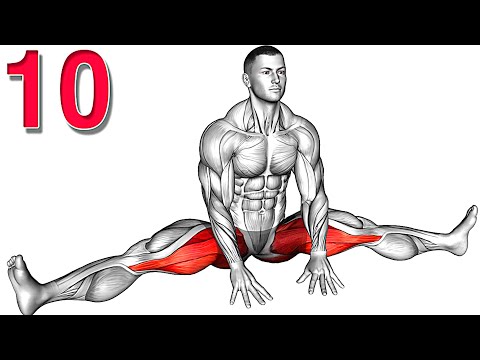
10. Sitting Wide Leg Adductor Stretch

Flexibility is as vital as strength. This stretch targets the adductor muscles, essential for wide stances and deep kicks.

  • Execution: Sit on the floor with your legs extended wide apart. Lean forward from your hips, keeping your back straight, to increase the stretch in your inner thighs. Hold for 30 seconds or more.
  • Martial Application: Increases hip flexibility and range of motion, allowing for higher kicks and more stable, deeper stances.

Your Dojo at Home: A Bodyweight Leg Training Regimen

Consistency is key. Integrate these exercises into your training routine. Here’s a sample regimen you can adapt:

  1. Warm-up (5-10 minutes): Light cardio (jogging in place, jumping jacks), dynamic stretching (leg swings, hip circles).
  2. Compound Movements (Choose 2-3):
    • Sumo Squat: 3 sets of 10-15 repetitions
    • Split Squats: 3 sets of 8-12 repetitions per leg
    • Bodyweight Overhead Squat: 3 sets of 5-10 repetitions
  3. Accessory/Unilateral Movements (Choose 2-3):
    • Single Leg Heel Touch Squat: 3 sets of 8-10 repetitions per leg
    • Bodyweight Single Leg Deadlift: 3 sets of 10-12 repetitions per leg
    • Sliding Leg Curl on Floor: 3 sets of 12-15 repetitions
  4. Finisher (Optional):
    • Squat Tip Toe: 2 sets to failure
    • One Leg Quarter Squat: 2 sets to failure per leg
  5. Cool-down (5 minutes): Static stretching, focusing on hamstrings, quadriceps, glutes, and adductors. Hold each stretch for 30 seconds.

Progression: As these exercises become easier, increase repetitions, decrease rest times, or slow down the tempo of each movement to increase time under tension. You can also explore more challenging variations as your strength and control improve.

Essential Gear for Your Home Dojo

While bodyweight training requires minimal equipment, a few items can enhance your training and expand your options:

  • Resistance Bands: A set of resistance bands (loops and long bands) can add significant challenge to squats, leg curls, and abduction exercises. They are portable and versatile.
  • Sliders or Towels: For exercises like the Sliding Leg Curl, sliders or even old towels (on a smooth surface) are essential for creating the gliding motion.
  • A Sturdy Chair or Bench: Useful for Bulgarian split squats and various step-up exercises.
  • Comfortable Training Attire: Choose clothing that allows for a full range of motion and is breathable.
  • A Yoga Mat: For comfort during floor exercises and stretching.

Sensei's Verdict: Bodyweight Training for True Combat Readiness

Do these bodyweight leg exercises truly prepare you for the rigors of combat? Absolutely. While heavy weightlifting can build mass, bodyweight training cultivates a deeper, more functional strength. It hones your balance, control, and proprioception – the very senses that keep you grounded and agile in a fight. Exercises like the Single Leg Deadlift and Split Squat build the kind of unilateral strength needed for powerful kicks and stable evasive movements. The Sumo Squat develops the rooted power essential for grappling exchanges and absorbing impact. This isn't about replicating gym lifts; it's about forging a resilient, adaptable physique that serves the martial artist directly.

"The true strength of a warrior is not in the weapons they wield, but in the foundation they stand upon." - Unknown Martial Master

This focus on bodyweight training builds a mind-muscle connection that is often lost with external resistance. You learn to command your own body, understanding its limits and pushing beyond them through sheer will and technique. It is a path that has been walked by countless masters before us, from the Shaolin monks to the samurai, and its efficacy remains undisputed.

Frequently Asked Questions

Q1: Can bodyweight exercises alone build strong legs for martial arts?

Yes, absolutely. While weights can accelerate muscle hypertrophy, bodyweight exercises, when performed with proper intensity, volume, and progression, can build significant functional strength, power, and endurance essential for martial arts.

Q2: How often should I train my legs with bodyweight exercises?

For most martial artists, training legs 2-3 times per week, with at least one rest day in between, is optimal. Listen to your body and adjust based on your overall training schedule and recovery capacity.

Q3: I have knee pain. Which leg exercises are safest?

Focus on exercises that don't place excessive shear force on the knees. Start with controlled movements like glute bridges, single-leg quarter squats, and hamstring curls. Ensure proper form is maintained at all times. Consulting a physical therapist or experienced coach is highly recommended.

Q4: How can I make bodyweight leg exercises more challenging?

Increase repetitions, decrease rest periods, perform exercises more slowly (increasing time under tension), add pauses at the hardest part of the movement, incorporate plyometric variations (like jump squats), or use resistance bands.

Q5: What is the role of calf strength in martial arts?

Calf strength is crucial for explosive push-offs, quick footwork, maintaining balance on the balls of your feet, and generating power for kicks. Exercises like the Squat Tip Toe directly target this often-overlooked muscle group.

To Deepen Your Path

"The greatest victory is that which requires no battle." - Sun Tzu

This ancient wisdom, often misunderstood, speaks not of inaction, but of preparation and efficiency. A warrior who has cultivated unshakeable leg strength, unwavering balance, and profound control over their own body has already won half the battle before the first move is even made.

Reflection of the Sensei: Your Next Step

Have you truly dedicated yourself to building the foundation upon which all your martial arts skills rest? Or have you neglected the very ground that supports your spirit and your technique? I challenge you: next time you train, focus not on the blow, but on the root from which it springs. Feel the earth, command your legs, and discover the hidden power that awaits.

``` GEMINI_METADESC: Master bodyweight leg exercises for martial arts. Build a strong foundation for kicks, stances, and combat readiness with exercises like Sumo Squats, Split Squats, and more.