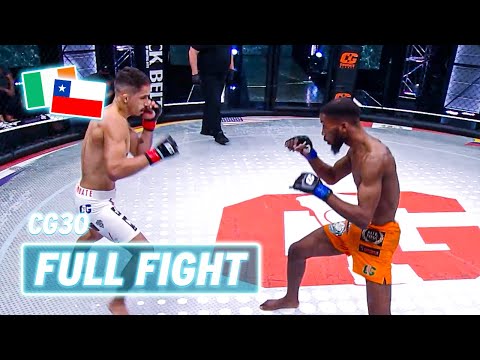
¡Atención, budokas! Hoy no venimos a hablar de katas ancestrales ni de la serenidad del Zen. Venimos a diseccionar la cruda realidad de un combate que ha encendido la llama de la competición en la #CombateGlobal. La semifinal masculina del CG30 nos presenta un choque de titanes: Frans Mlambo contra Cristian Barraza. No estamos ante un simple intercambio de golpes, sino ante la culminación de un camino, la lucha por una suma que puede cambiar una vida, 100 mil dólares que ponen a prueba la resistencia y la voluntad. La pregunta resuena en el aire, tan punzante como un golpe bien dirigido: ¿quién de estos dos guerreros alzará la mano victoriosa y avanzará hacia la gloria?
¿Te has preguntado alguna vez qué separa a un buen peleador de un campeón? No es solo la fuerza bruta o la velocidad. Es la inteligencia marcial, la capacidad de adaptarse, de leer al oponente y, sobre todo, de mantener la calma bajo presión extrema. Este combate, mis alumnos, es un microcosmos de esas lecciones vitales.
Duelo de Estilos: Muay Thai vs. Jiu-Jitsu Brasileño en el Octágono
La descripción nos da pistas valiosas. La esquina azul, defendida por Frans Mlambo, exhibe "patadas e intentos de llaves". Esto sugiere un trasfondo de striking, muy probablemente Muay Thai o Kickboxing, artes donde las patadas son el pan de cada día y los intentos de agarre pueden ser para controlar la distancia o buscar un derribo. Por otro lado, la esquina roja, donde reside el chileno Cristian Barraza, se enfoca en "tratar de someter a su contrincante en la lona con técnicas del Jiujitsu". Aquí la intención es clara: llevar el combate al suelo, donde su arte del #JiuJitsu tiene la ventaja. Este es el clásico enfrentamiento entre el arte de golpear (striking) y el arte de la sumisión (grappling).
Observen cómo los estilos se complementan y a la vez se desafían. El striker busca mantener la pelea de pie, a una distancia segura donde sus golpes puedan hacer daño sin exponerse a ser derribado. El grappler, por el contrario, necesita acortar la distancia, cerrar el espacio, asegurar un agarre y llevar la batalla a su terreno. Es un ajedrez humano, donde cada movimiento, cada intento de agarre o cada patada, tiene una respuesta calculada.
Más Allá de los Golpes: El Espíritu del Guerrero en Juego
El Budo, la vía marcial, no se limita al aspecto físico. Un combate como este es un crisol donde se forjan la #Disciplina, la #Autodisciplina y la #Perseverancia. Ambos peleadores han recorrido un camino arduo para llegar a esta #Semifinal. Han sacrificado tiempo, han soportado el dolor, han superado la duda. Sus músculos pueden estar tensos, sus corazones latiendo a un ritmo frenético, pero su mente debe ser un remanso de paz, un estado de #Mushin (mente sin mente), donde las decisiones se toman de forma instintiva y precisa.
"El guerrero que conquista a otros es fuerte; el guerrero que se conquista a sí mismo es poderoso." - Lao Tse
Esta filosofía resuena con fuerza aquí. La verdadera victoria no es solo someter al oponente, sino superar las propias limitaciones. ¿Podrá Mlambo mantener la compostura ante los intentos de sumisión de Barraza? ¿Será Barraza capaz de imponer su juego de suelo sin sucumbir a los golpes que seguramente recibirá en el intento? La #MentalStrength es tan crucial como cualquier técnica.
CG30: Mlambo vs. Barraza - Una Coreografía de Violencia Controlada
Analicemos la dinámica que se describe: Mlambo, desde la esquina azul, utiliza "patadas e intentos de llaves". Esto puede interpretarse como una estrategia para mantener la distancia, desgastar al oponente con golpes circulares y frontales, y quizás buscar un clinch para controlar el ritmo o explorar derribos si se presenta la oportunidad, aunque su base parezca más orientada al golpeo. Los "intentos de llaves" en esta fase inicial, lejos de la lona, podrían ser para desequilibrar o buscar un intercambio en el cuerpo a cuerpo corto antes de separarse.
Por otro lado, Barraza, el contendiente chileno en la esquina roja, se dedica a la "defensa y trata de someter" en la lona. Esto nos indica una estrategia clara: evadir los golpes de Mlambo, buscar el cierre de distancia para iniciar el derribo y, una vez en el suelo, aplicar las técnicas de #JiuJitsu. Las menciones a "técnicas del Jiujitsu que son dignas del chileno" resaltan su habilidad y posible especialización en este arte marcial. El Jiu-Jitsu brasileño, con sus estrangulaciones y llaves articulares, es un arte de sumisión por excelencia.
La tensión del combate reside en este choque: Mlambo intentando mantener la pelea de pie y Barraza buscando desesperadamente llevarla al suelo. Cada vez que Barraza se acerca para intentar el derribo, Mlambo deberá defenderse con sus golpes y movimientos de cadera, buscando crear el espacio necesario para volver a golpear. Si Barraza logra el derribo, el foco se traslada a la habilidad de Barraza para navegar por las posiciones, defenderse de los golpes cortos que pueda recibir y buscar una sumisión, mientras Mlambo deberá usar su fuerza, su base y su conocimiento del escape para intentar volver a la posición de pie o defenderse hasta que suene la campana.
Veredicto del Sensei: ¿Un Verdadero Clásico o Otro Combate Olvidable?
Este tipo de enfrentamiento entre estilos es, en teoría, la esencia de las #ArtesMarcialesMixtas. Sin embargo, la efectividad y el "espectáculo" dependen en gran medida de la ejecución. Si ambos peleadores demuestran habilidad, corazón y una inteligencia táctica superior, estamos ante una joya. Si uno de los estilos domina abrumadoramente al otro, o si la técnica falla y se convierte en una lucha torpe, puede resultar menos atractivo para el conocedor.
La descripción es prometedora, sugiriendo una batalla estratégica. La pregunta final, "¿Quién ganará la semifinal?", queda abierta para que la emoción del combate lo resuelva.
Cinturón Negro en Potencial.
Equipo Esencial para tu Entrenamiento
Si te inspiras en estos guerreros para empezar tu propio camino, tener el equipo adecuado es fundamental. No necesitas mucho para empezar, pero la calidad marca la diferencia en tu progreso y seguridad.
Guantes de Entrenamiento: Para el striking, busca guantes de al menos 12-14 oz para proteger tus manos y las de tu compañero en sparring.
Protector Bucal: Indispensable para cualquier tipo de combate o sparring.
Pantalones Cortos de MMA o Rashguard: Ropa cómoda y resistente que permita libertad de movimiento.
Kimono de Jiu-Jitsu (Gi): Si te enfocas en el grappling, un kimono de buena calidad es una inversión a largo plazo. Busca un tejido resistente (doble tejido es ideal para alta competición).
Espinilleras y Guantes de MMA (para sparring): Complementos esenciales para entrenar de forma segura las técnicas de golpeo y las transiciones.
Taller Práctico: Desarrollando tu Lucha en el Suelo
Para aquellos atraídos por las técnicas de sumisión de Barraza, aquí tenéis un ejercicio básico para empezar a desarrollar vuestra defensa y ataque en el suelo.
Posición de Guardia Cerrada (Closed Guard): Siéntate en el suelo con las piernas cruzadas alrededor de la cintura de tu compañero (o un saco de arena pesado si entrenas solo). Asegúrate de que tus piernas están bien cerradas, controlando su movilidad.
Control del Cinturón y las Mangas: Agarra el cinturón o el gi de tu oponente con una mano y la manga de su kimono con la otra. Esto te da control y palanca.
Crear la Apertura: Levanta tu cadera ligeramente y tira de tu oponente hacia ti, rompiendo su base y haciendo que se incline hacia adelante.
La Transición al Derribo (si entrenas con compañero): Aprovecha su desequilibrio para intentar un derribo, como un "hip bump sweep" (barrida con la cadera), girando tu cuerpo para quedar por encima.
Posición Dominante (Montada o Espalda): Si logras el derribo, busca inmediatamente una posición dominante. La montada (estar por encima, entre las piernas del oponente) o controlar la espalda son posiciones ventajosas.
Ejercicios de Transición (entrenando solo): Practica pasar de una posición a otra (ej: de guardia a montada) en el suelo, usando un saco pesado para simular la resistencia del oponente. Concéntrate en el movimiento fluido y en mantener la tensión.
Recuerda, el #JiuJitsu es un arte que requiere paciencia y repetición. No esperes ser un maestro de la noche a la mañana.
Preguntas Frecuentes
¿Qué significa CG30? CG30 se refiere probablemente al evento número 30 de la organización Combate Global.
¿Qué es el Jiujitsu Brasileño? Es un arte marcial y deporte de combate enfocado en la lucha en el suelo y las técnicas de sumisión, como estrangulaciones y llaves articulares.
¿Es peligroso este tipo de combate? Como cualquier deporte de contacto, conlleva riesgos. El uso de protecciones, entrenamiento supervisado y el respeto por las reglas minimizan las lesiones.
¿Cuánto dura un combate de este tipo? La duración varía según la organización y la ronda, pero suelen ser combates cortos y de alta intensidad.
Para Profundizar en tu Camino
Si el análisis de combates y la #FilosofiaMarcial te cautivan, te invito a explorar más en nuestro blog:
Hemos desglosado este combate, no solo como un espectáculo, sino como una lección viva de estrategia, coraje y la intrincada danza entre el golpeo y la sumisión. Mlambo contra Barraza. La esquina azul contra la esquina roja. El arte de golpear contra el arte de someter.
"El que domina su propia mente puede dominar el mundo." - Un antiguo adagio marcial.
Ahora, la pregunta para ustedes, mis alumnos. En su propio entrenamiento, ¿están equilibrando sus habilidades? Si se inclinan por el #Striking, ¿están fortaleciendo su defensa contra derribos? Si prefieren el #Grappling, ¿están siendo lo suficientemente eficientes para no ser castigados mientras buscan la posición? O, quizás, ¿están cayendo en la complacencia de su estilo preferido, olvidando que la verdadera maestría marcial reside en la versatilidad y la capacidad de adaptarse a cualquier circunstancia?
Este combate es un espejo. ¿Qué ven reflejado en él? ¡Demuéstrenlo en los comentarios! No quiero ver excusas, quiero ver análisis. ¡Adelante!
```
GEMINI_METADESC: Análisis del CG30: Frans Mlambo vs. Cristian Barraza. Un choque estratégico de Muay Thai y Jiu-Jitsu. Descubre lecciones de Budo y tácticas de combate.
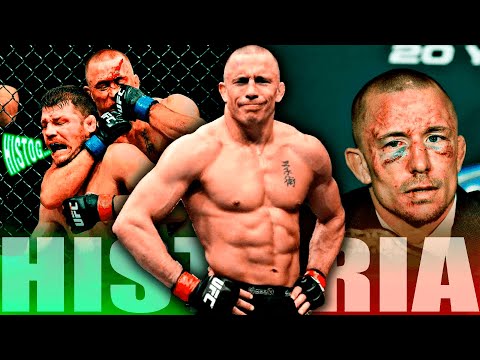
¿Qué distingue a un simple campeón de una leyenda viva en el universo de las artes marciales mixtas (MMA)? ¿Es la cantidad de victorias, la dominancia en múltiples divisiones, o esa rara cualidad de dejar el deporte en la cima, antes de que el declive sea inevitable? En el panteón de los guerreros que han forjado su nombre en el octágono, pocos resuenan con la fuerza y la elegancia de Georges St-Pierre, conocido universalmente como GSP. Este análisis no es una mera biografía; es una disección profunda de un atleta que trascendió el deporte para convertirse en un estudio de caso sobre dedicación, adaptabilidad y la búsqueda incansable de la maestría. ¿Cómo un joven de Quebec se convirtió en "Captain Canada" y definió una era en el UFC, manteniendo un nivel de excelencia casi inaudito? Acompáñenme en este viaje para desentrañar el ascenso y el legado de uno de los más grandes.
Orígenes de un Guerrero: De Saint-Isidore a la Cima del UFC
La historia de Georges St-Pierre es un testimonio del poder de la disciplina arraigada desde la juventud. Nacido en Saint-Isidore, Quebec, GSP no se encontró con las MMA de la noche a la mañana. Su camino comenzó en las disciplinas fundamentales del Budo: Karate Kyokushin, y posteriormente Muay Thai y Jiu-Jitsu Brasileño. Estas bases técnicas fueron cruciales. El Kyokushin, conocido por su riguroso entrenamiento de combate a contacto completo, forjó una resistencia y una dureza mental que lo acompañarían durante toda su carrera.
Su entrada al UFC fue más que un debut; fue el inicio de una revolución táctica. Desde sus primeras peleas, GSP demostró una inteligencia de combate excepcional, una capacidad para estudiar a sus oponentes y explotar sus debilidades con una precisión quirúrgica. No era el peleador más espectacular en cuanto a nocauts fulminantes, pero su dominio era absoluto. Implementó una estrategia de "pelear inteligente", minimizando los riesgos y maximizando las oportunidades.
"La diferencia entre la maestría y la mediocridad no reside en el talento innato, sino en la perseverancia ante la adversidad y la voluntad de aprender de cada error." - Un principio que GSP encarnó a la perfección.
Su ascenso no estuvo exento de tropiezos. La derrota ante Matt Serra en 2007, un resultado sorpresivo que conmocionó al mundo de las MMA, se convirtió en uno de los puntos de inflexión más importantes de su carrera. En lugar de desmoronarse, GSP regresó con una ferocidad renovada y una humildad que lo impulsó a pulir aún más sus habilidades. Volvió para vengarse, demostrando que el verdadero campeón no es el que nunca cae, sino el que se levanta más fuerte cada vez.
La Evolución Constante: El Maestro de la Adaptación Táctica
Una de las facetas más admirables de GSP fue su capacidad para evolucionar. En una era donde las MMA se volvieron cada vez más especializadas, GSP se negó a ser encasillado. Si bien sus raíces estaban en el striking del Karate y el Muay Thai, su desarrollo en el grappling, bajo la tutela de entrenadores como John Danaher, lo transformó en un peleador completo.
Observen su lucha: no era un grappler de sumisión puro como los que vemos en el #bjj, ni un luchador de desarticulación como los de #lucha olímpica. GSP integró el derribo y el control de lona como extensiones de su striking, utilizando la presión para desgastar a sus oponentes y crear aperturas. Su "wrestling" defensivo era casi impenetrable, negando a los grapplers de élite la oportunidad de llevar la pelea al suelo a su favor.
La comparación con otros grandes como #JonJones o #CyrilGane revela patrones distintos de dominio. Mientras Jones es un innovador impredecible y Gane un maestro del movimiento y la distancia, GSP era el estratega por excelencia. Analizaba a sus rivales hasta el último detalle, construyendo planes de juego personalizados que rara vez fallaban. Esta adaptabilidad táctica es lo que lo mantuvo en la cima durante tantos años, enfrentando diversas amenazas dentro del peso welter y luego, brevemente, en el peso medio.
Análisis del Arsenal: La Ciencia del Combate de GSP
El "Capitán Canadá" no solo dominaba en la teoría, sino que su aplicación práctica era impecable. Su jab era una herramienta devastadora, no solo para marcar puntos o preparar golpes, sino para controlar la distancia y dictar el ritmo del combate. Combinaba este jab con patadas bajas y medias, desgastando las piernas de sus oponentes y limitando su movilidad.
Su juego de derribos, una combinación de wrestling y Judo, era de una eficiencia asombrosa. No se trataba de derribos llamativos, sino de ejecuciones precisas y control total una vez en el suelo. Su capacidad para neutralizar amenazas en el suelo era legendaria, y su "ground and pound" era metódico, diseñado para acumular daño y asegurar la victoria sin arriesgarse innecesariamente.
"En el combate, la simplicidad bien ejecutada vence a la complejidad caótica. GSP entendía que la forma más directa de ganar es la más eficiente."
Su ética de trabajo es legendaria. Se rumorea que entrenaba hasta el agotamiento, perfeccionando cada movimiento, cada defensa, cada estrategia. Esta dedicación se reflejaba en su condición física superior, su resistencia inagotable y su capacidad para mantener un alto nivel de rendimiento durante cinco asaltos. Es este nivel de compromiso lo que separa a los atletas amateurs de los profesionales de élite, y GSP era la personificación de este principio.
Más Allá del Octágono: La Filosofía del Guerrero
Lo que a menudo se pasa por alto al hablar de GSP es la filosofía del #BUDO que impregnaba su carrera. Más allá de ser un atleta de élite, GSP encarnaba el respeto, la disciplina y la automejora continua. Su comportamiento fuera del octágono era tan ejemplar como su desempeño dentro de él. Nunca se vio envuelto en polémicas innecesarias, prefiriendo centrarse en su entrenamiento y en el respeto hacia sus oponentes.
Su enfoque en el "mental game" y la #Autodisciplina fue clave. Comprendía que la batalla se gana tanto en la mente como en el cuerpo. Su capacidad para manejar la presión, para recuperarse de las derrotas y para mantener la calma bajo fuego es un testimonio de su fortaleza mental. Esto es algo que todos los practicantes de artes marciales, sin importar su estilo, pueden y deben aspirar a cultivar. El #MentalStrength es tan crucial como cualquier #Fuerza física o técnica.
Veredicto del Sensei: ¿Un Mito Viviente?
Georges St-Pierre no es solo un ex-campeón; es un arquetipo del peleador moderno de MMA que entiende la ciencia, el arte y la filosofía del combate. Su carrera es un monumento a la adaptabilidad, la inteligencia y la disciplina. Demostró que la victoria no siempre proviene del golpe más potente o de la sumisión más vistosa, sino de la preparación meticulosa, la ejecución impecable y la voluntad inquebrantable de triunfar.
Calificarlo es casi un insulto a su trayectoria. Si tuviera que acuñar un término, diría que GSP es **"Cinturón Negro Honorífico en Estrategia de Combate y Liderazgo Marcial"**. Su legado va más allá de los cinturones que ostentó; reside en la inspiración que proporciona a innumerables artistas marciales y atletas en todo el mundo.
Equipo Esencial para tu Entrenamiento
Para aquellos inspirados por la dedicación de GSP y que desean llevar su entrenamiento al siguiente nivel, el equipo adecuado es fundamental. Si bien la inteligencia y la técnica son primordiales, el material correcto puede mejorar el rendimiento y la seguridad.
Guantes de Entrenamiento de MMA: Busca guantes con buen acolchado para proteger tus manos y las de tu compañero de sparring. Un peso de 4 a 6 oz es común para #ArtesMarcialesMixtas.
Protector Bucal: Indispensable para proteger tus dientes y prevenir conmociones.
Espinilleras y Empeineras: Esenciales para el entrenamiento de #Kickboxing y #KarateKyokushin, protegen contra patadas y golpes.
Kimono (Gi): Si estás explorando el #Judo o el #BJJ, un kimono resistente y de buen ajuste es crucial. Para #Judo, un gi de doble tejido es ideal.
Protector Genital (Cup): Una medida de seguridad básica pero vital en cualquier deporte de contacto.
Ropa de Entrenamiento de Compresión: Ayuda a la circulación y reduce la fatiga muscular durante sesiones intensas de #EntrenamientoDeMMA o #AtHomeWorkout.
Para Profundizar en tu Camino
Si la historia de Georges St-Pierre te ha cautivado y deseas explorar más a fondo los pilares del #BUDO y la mentalidad de los guerreros, te invito a consultar estos artículos:
¿Fue Georges St-Pierre el mejor peso welter de todos los tiempos?
Muchos argumentan que sí, basándose en su largo reinado, sus defensas exitosas y su dominio sobre una división increíblemente competitiva. Su capacidad para adaptarse y vencer a una variedad de oponentes lo coloca en esa conversación.
¿Qué arte marcial practicaba GSP principalmente?
GSP comenzó en Karate Kyokushin y luego se expandió a Muay Thai, Jiu-Jitsu Brasileño y Lucha Olímpica. Su habilidad radicaba en la integración y aplicación de todas estas disciplinas en el contexto de las MMA.
¿Por qué se retiró Georges St-Pierre?
GSP se retiró y regresó varias veces. Sus retiros iniciales se debieron a problemas de salud (como la colitis ulcerosa) y a la búsqueda de nuevos desafíos. Su último regreso para ganar el título de peso medio demostró su determinación, pero las razones para colgar los guantes definitivamente están ligadas a su deseo de cerrar su carrera en sus propios términos y explorar otros intereses.
¿Qué lecciones podemos aprender de la carrera de GSP?
Las lecciones son múltiples: la importancia de la adaptabilidad, la necesidad de una preparación mental y física rigurosa, el valor de la humildad ante la derrota, y la búsqueda constante de la mejora. Su carrera es un modelo de profesionalismo y dedicación.
Reflexión del Sensei: Tu Próximo Paso
La historia de Georges St-Pierre es un faro de lo que es posible cuando el talento se une a una ética de trabajo inquebrantable y una mente enfocada. Su camino es un recordatorio de que el verdadero arte marcial reside no solo en la técnica, sino en el carácter forjado a través del esfuerzo.
Reflexión del Sensei: Tu Próximo Paso
Observa tus propias rutinas. ¿Dónde puedes aplicar una mayor precisión? ¿En qué área de tu entrenamiento o de tu vida te resistes a evolucionar? La próxima vez que te enfrentes a un desafío, pregúntate: "¿Cómo abordaría GSP esta situación? No en términos de golpes o derribos, sino en términos de preparación, adaptabilidad y enfoque mental." El verdadero combate se libra en el interior. Ahora, ve y aplica esta lección.
```
GEMINI_METADESC: Descubre la fascinante historia de Georges St-Pierre (GSP), el legendario campeón de MMA. Analizamos su ascenso, técnica, filosofía y legado como "Captain Canada".
Are you searching for an art form that blends profound martial principles with accessible health benefits? Do you yearn to understand a system that embodies the Wudang legacy, yet remains adaptable for practitioners of all ages and backgrounds? This is not just another martial arts tutorial; it's an invitation to explore the essence of Wudang Taiji 18 Forms, a practice designed to cultivate both the body and the spirit.
In the pursuit of martial excellence and holistic well-being, the Wudang Mountains have long been a sacred crucible. It is from this hallowed ground that traditions like Wudang Taiji 18 Forms have emerged, a testament to the enduring philosophy of harnessing internal power and cultivating harmony. But what truly defines this particular set of forms, and why has it garnered such attention, even being prepared as a tribute for the 2008 Olympic Games opening ceremony?
The Wudang Taiji 18 Forms are a relatively modern elaboration, meticulously compiled to meet the growing global interest in Wudang martial arts. Developed under the guidance of Grandmaster You Xuande, a prominent figure in the Wudang lineage, this routine is an amalgamation of the profound principles found within traditional Wudang Taiji, the dynamic flows of Xiaoyao Palm and Mian Palm, the health-cultivating movements of the Five Forms Health Preservation techniques, and the fundamental strategies of Xingyiquan and Baguazhang. This synthesis is not arbitrary; it represents a deliberate effort to distill the essence of diverse Wudang internal arts into a coherent and accessible practice.
The 'new frame' aspect signifies its structured approach, aiming for standardization and international promotion, aligning with initiatives like the "National Fitness Program." The intention was clear: to create a unified Wudang competition routine that could be taught and practiced worldwide. Its selection as a potential tribute for the 2008 Olympic Games opening ceremony underscores its perceived significance and its ability to represent the grace and depth of Chinese martial heritage on a global stage.
The Core Philosophy: Softness Overcomes Strength
At the heart of Wudang Taiji 18 Forms lies the quintessential Wudang martial philosophy: "softness overcomes strength" (以柔克刚). This is not a passive surrender, but an active strategy of yielding, redirecting, and neutralizing an opponent's force. The forms embody the principles of "发劲" (fa jin), which translates to explosive power, but in the Wudang context, it is a power generated internally and applied with precision, often described as "发劲于无形" (fa jin yu wu xing) – emitting force from a state of apparent formlessness.
The characteristic movements are characterized by a moderate, flowing pace – "柔和顺随" (rou he shun sui) – meaning soft, harmonious, and yielding. This approach allows the practitioner to remain centered and conserve energy while effectively countering an opponent's momentum. Key technical elements include:
"以柔克刚" (Yi Rou Ke Gang): Softness overcomes hardness. The ability to absorb and redirect force rather than meeting it head-on.
"后发先至" (Hou Fa Xian Zhi): Striking after the opponent, but arriving first. This emphasizes timing, anticipation, and efficient movement, rather than brute speed.
"沾衣而发" (Zhan Yi Er Fa): "Touch the clothes and strike." This signifies a highly sensitive touch, where slightest contact is enough to initiate a counter or leverage a movement.
"缠丝封闭" (Chan Si Feng Bi): Silken thread closing. This refers to spiraling movements that control an opponent's limbs and center line, creating openings or defenses.
"点打挤靠" (Dian Da Ji Kao): Point strikes, pushes, and leans. A combination of precise strikes, controlling pressures, and body positioning.
"In martial arts, the ultimate aim is not victory, but the cultivation of oneself. True strength lies not in overpowering others, but in mastering one's own limitations." - A principle echoed in the Wudang tradition.
This focus on internal mechanics and strategic application makes Wudang Taiji 18 Forms a profound martial art, offering a path to self-defense that relies on skill, timing, and understanding rather than sheer physical might. It's a testament to the idea that true power is often subtle and deeply rooted.
Training Guide: Mastering the 18 Forms
The Wudang Taiji 18 Forms are designed to be a comprehensive yet manageable routine, suitable for individuals of varying ages and physical conditions. While the full mastery of any martial art takes years, this routine offers a structured path for progress. The sequence of forms, though precise in its execution, flows naturally, allowing practitioners to build a strong foundation in fundamental Wudang principles.
Initiation & Stance: Begin with foundational stances and breathing exercises to cultivate internal energy (Qi). This phase emphasizes grounding and root.
Hand Techniques (The First Few Forms): Introduce basic hand movements that embody the principles of "缠丝" (silk reeling) and "沾衣" (touching contact). These movements, while seemingly simple, are crucial for developing sensitivity and coordination.
Body Mechanics & Movement (Mid-Sequence Forms): As the forms progress, focus shifts to integrating the entire body's movement. Each step, turn, and shift of weight should be a connected, flowing action originating from the dantian (energy center).
Application of Principles (Later Forms): The latter forms often demonstrate more direct applications of the "softness overcomes strength" and "striking after the opponent" principles, incorporating redirection, evasion, and precise strikes.
Integration & Flow (Final Forms): The concluding forms serve to integrate all the learned movements and principles into a continuous, harmonious flow, reinforcing the holistic nature of the practice.
Key Training Focus Points:
Relaxation (松 - Song): Achieve a state of physical and mental relaxation to allow for free circulation of Qi and efficient power generation.
Rooting (根 - Gen): Maintain a strong connection to the ground, providing stability and leverage.
Coordination (协调 - Xie Tiao): Ensure that the hands, eyes, body, and feet move in unison.
Breathing (呼吸 - Hu Xi): Synchronize breath with movement; typically, inhale during expansive movements and exhale during contractions or strikes.
Intention (意 - Yi): Direct your mind and intention throughout the movements, visualizing the applications and energy flow.
"The journey of a thousand miles begins with a single step." - Lao Tzu. In Taiji, that first step is often the most challenging, but also the most rewarding.
Consistent practice is paramount. Even short, focused sessions daily will yield more significant results than infrequent, long sessions. Pay close attention to the details of each movement, as prescribed by experienced instructors. Without proper guidance, one risks developing inefficient habits.
Benefits Beyond the Forms: Health and Spirituality
The Wudang Taiji 18 Forms are not solely about combat effectiveness; they are a potent tool for health cultivation and spiritual development, aligning perfectly with the broader goals of #BUDO and #MartialArtsJourney. The gentle, flowing nature of the movements makes them accessible to virtually everyone, regardless of age or physical condition, contributing significantly to overall well-being.
Physical Health Benefits:
Improved Balance and Coordination: The precise footwork and weight shifts enhance proprioception and stability, reducing the risk of falls, especially in older practitioners.
Cardiovascular Health: While not as intense as high-impact aerobics, sustained practice can improve circulation and cardiovascular function.
Joint Health and Flexibility: The circular motions gently move joints through their full range of motion, promoting lubrication and maintaining flexibility without strain. This is crucial for practices like #Judo or #BJJ where joint mobility is key.
Stress Reduction: The combination of mindful movement, deep breathing, and focused intention acts as a powerful antidote to modern life's stresses, promoting a sense of calm and mental clarity.
Strengthened Core and Lower Body: The emphasis on rooting and rooted stances builds foundational strength in the legs, hips, and core.
Spiritual and Mental Development:
Enhanced Mental Focus and Concentration: The necessity of remembering the sequence and coordinating breath with movement trains the mind to be present and focused. This is a cornerstone of #MentalStrength training.
Cultivation of Patience and Perseverance: Mastering Taiji, like any martial art, requires dedication and the ability to overcome frustration, fostering resilience.
Inner Peace and Emotional Regulation: The practice encourages a calm demeanor and the ability to respond to challenges with equanimity, a key aspect of the #WarriorPhilosophy.
Connection to Nature and Philosophy: Wudang arts often draw inspiration from natural phenomena and Taoist philosophy, fostering a deeper appreciation for the interconnectedness of all things.
The practice aligns with concepts found in related arts such as #aikido, where redirecting energy and minimizing resistance are paramount. It's a holistic approach to self-improvement, emphasizing the unity of mind, body, and spirit – a core tenet of #BudoLife.
Essential Equipment for Your Practice
One of the great advantages of Wudang Taiji 18 Forms is its minimal equipment requirement, making it highly accessible for home practice or in any setting. This aligns with the spirit of many traditional martial arts that prioritize natural movement over specialized gear.
Comfortable, Loose-fitting Clothing: Natural fabrics like cotton or linen are ideal as they allow for freedom of movement and breathability. Avoid restrictive synthetics.
Soft-soled Shoes or Bare Feet: Footwear should allow for a good connection to the ground and freedom of ankle and foot articulation. Many practitioners prefer flat, soft-soled shoes, while others practice barefoot to enhance their connection and sensitivity. Avoid athletic shoes with thick, cushioned soles that can impede balance.
A Dedicated Practice Space: While you can practice anywhere, having a relatively clear, flat space (even indoors) allows for proper movement and focus without obstruction.
Access to Instruction (Crucial): While not physical equipment, reliable instruction is the most vital component. This could be through a qualified local instructor, reputable online courses, or well-produced instructional videos.
For those seeking to deepen their practice or explore related Wudang arts, you might eventually consider:
Traditional Wudang Training Uniforms: For aesthetic and cultural immersion.
Books on Wudang Philosophy and History: To understand the cultural and spiritual context of the art.
If you're serious about your martial arts journey, investing in quality instruction and comfortable attire is paramount. Consider looking for #MartialArtsMerchandise that supports traditional practices.
Frequently Asked Questions
Q1: Is Wudang Taiji 18 Forms a self-defense system?
Yes, while it also emphasizes health and internal cultivation, the Wudang Taiji 18 Forms are rooted in a martial tradition and contain practical self-defense applications based on principles like redirection, yielding, and sensitive contact. Its effectiveness lies in timing and strategy rather than brute force.
Q2: How long does it take to learn the 18 Forms?
Learning the sequence can take a few weeks to months, depending on your dedication and the quality of instruction. However, achieving proficiency and understanding the underlying martial principles requires years of consistent practice. Like mastering #KarateKyokushin or #Judo, depth comes with time.
Q3: Can older adults or individuals with physical limitations practice this art?
Absolutely. The Wudang Taiji 18 Forms are renowned for their adaptability. The movements are generally low-impact and can be modified to suit individual capabilities, making it an excellent choice for promoting mobility, balance, and overall health in older adults and those recovering from injuries.
Q4: What is the difference between Wudang Taiji 18 Forms and other Tai Chi styles?
While sharing core Tai Chi principles, the Wudang 18 Forms are specifically curated from the Wudang lineage, integrating elements from various Wudang arts. They often feature a more dynamic pace and a clearer emphasis on martial applications compared to some other popular Tai Chi styles, reflecting the martial heritage of the Wudang Mountains.
The Wudang Taiji 18 Forms offer a compelling gateway into the rich tapestry of Chinese internal martial arts. It’s a practice that respects tradition while embracing accessibility, a testament to the enduring power of movement for health, self-defense, and spiritual growth.
Reflection of the Sensei: Your Next Step
The Wudang Taiji 18 Forms present a beautiful paradox: a martial art that emphasizes yielding, a health practice rooted in combat principles, and a complex system distilled into an accessible form. Many are drawn to Tai Chi for its health benefits, only to discover a profound martial depth. Others seek martial efficacy and find a path to inner peace. This art bridges those divides. But the question remains: In a world obsessed with instant gratification and visible displays of power, can the subtle, persistent cultivation of internal strength and strategic softness truly prevail? How will you choose to embody this principle not just in your training, but in the challenges of your daily life?
```
GEMINI_METADESC: Explore the Wudang Taiji 18 Forms: a martial art blending health, spirituality, and self-defense. Discover its philosophy, training, and benefits.
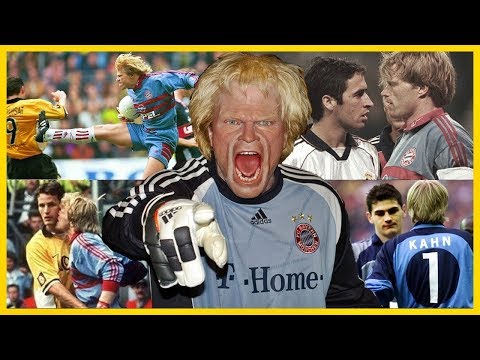
The roar of the crowd, the tension on the pitch, the sheer will to not concede a single goal. This is the arena where legends are forged, and few have embodied raw, unadulterated fighting spirit quite like Oliver Kahn. While the world knows him as the formidable German goalkeeper, a closer look reveals a mindset, a ferocity, and a dedication that transcends the boundaries of football and echoes the principles found in the deepest traditions of Budo and martial arts. My students often ask me about the true essence of a warrior, and while we may train with fists and feet, the mental fortitude required is universal. Kahn, in his own domain, was a master of this inner combat.
The history of this hostile and feared German custodian is a testament to the power of sheer determination. His presence alone was enough to intimidate opponents. He wasn't just playing a game; he was defending his territory with the ferocity of a lion guarding its pride. This uncompromising attitude, this refusal to yield, is a trait I've seen in the most seasoned practitioners of Karate Kyokushin and in the stoic discipline of Judo. It's the embodiment of `Mushin` – the mind without mind, reacting instinctively and powerfully to any threat.
"Kahn’s intensity on the field was legendary. He was a leader, a warrior who demanded excellence not just from himself, but from his entire team. This is the hallmark of true mastery."
His career was not without its controversies, but even in moments of perceived aggression, there was an undeniable conviction. He played with his heart on his sleeve, his emotions fueling his performance. This raw, unfiltered passion, when channeled correctly, can be an incredible asset. In the dojo, we learn to control our emotions, to use them as fuel rather than let them consume us. Kahn, perhaps unknowingly, demonstrated this delicate balance on the grandest stage.
From the Pitch to the Dojo: Parallels in Warrior Spirit
The common thread weaving through elite athletes and dedicated martial artists is a profound understanding of sacrifice, discipline, and the unyielding pursuit of self-improvement. Oliver Kahn's journey is a prime example. He didn't just show up to play; he prepared. He trained with an intensity that became his trademark. This relentless dedication to his craft mirrors the daily grind of a martial artist honing their skills.
Consider the `kata` – the pre-arranged forms practiced in Karate and other arts. They are not mere dances; they are simulations of combat, practiced thousands of times to ingrain techniques into muscle memory. Kahn's countless hours in training, perfecting his reflexes, his positioning, his command of the penalty area, were his own form of `kata`. He was preparing for battle, for the moment the fight came to him.
The Mental Fortitude of a Champion
What truly set Kahn apart was his mental resilience. The goalkeeper position in football is unique. One mistake, one moment of hesitation, can decide the fate of a match. This is a pressure cooker environment, demanding unwavering focus and the ability to bounce back from setbacks instantaneously.
"The greatest glory in living lies not in never falling, but in rising every time we fall." - Nelson Mandela
This wisdom is as applicable to a goalkeeper facing a penalty shootout as it is to a martial artist enduring a grueling sparring session or facing defeat in a tournament. Kahn embodied this. He would dust himself off, glare at the opposition, and stand ready for the next challenge. This refusal to be broken, this inherent `fighting spirit`, is the bedrock of true martial character. It’s the spirit that drives us to continue, even when every fiber of our being screams to stop. This is the core of what we teach in #BUDO and #MartialArts.
Beyond the Game: Lessons for the Modern Warrior
Oliver Kahn's legacy extends far beyond his remarkable saves and leadership on the football field. He serves as a powerful metaphor for anyone striving for excellence in their chosen field, especially those who walk the path of martial arts.
* **Unwavering Commitment**: Kahn's dedication to his training and his team was absolute.
* **Emotional Control (and Channeling)**: He displayed intense emotion, but it rarely compromised his performance. This is a difficult balance to strike.
* **Leadership by Example**: His presence commanded respect and inspired his teammates.
* **Resilience in the Face of Adversity**: He never shied away from challenges and always bounced back stronger.
His intensity, his determination, his sheer will to win – these are qualities we cultivate in the dojo. Whether you are practicing #Karate, #Judo, #BJJ, or any other discipline, the mental game is paramount. The physical techniques are only as strong as the mind behind them.
Kahn's Impact on the Pitch: A Tactical Masterclass
From a tactical perspective, Kahn was a game-changer. His ability to read the game, anticipate plays, and organize his defense was exceptional. He wasn't just a shot-stopper; he was a strategic commander on the field. This proactive approach, this ability to see the 'flow' of the battle, is something that advanced martial artists strive for. It’s the difference between reacting to an attack and dictating the terms of the engagement.
In MMA, for instance, fighters like Jon Jones or Cyril Gane demonstrate this strategic depth, constantly analyzing their opponent and adapting their tactics. Kahn's presence in the box was similar – a constant tactical threat and defensive anchor.
Veredicto del Sensei: ¿Merece la pena la Furia?
Oliver Kahn's on-field persona was that of a fierce warrior, a "Titan" as he was often called. Was his intensity always controlled? Perhaps not by conventional standards. But did it serve him and his team? Absolutely. His brand of controlled aggression and unshakeable self-belief made him one of the greatest goalkeepers of all time. He understood the psychological aspect of the game, using his imposing presence and fierce determination to gain an edge.
His legacy is a powerful reminder that true strength comes from within. It’s about having the courage to face your fears, the discipline to prepare relentlessly, and the resilience to rise after every fall. He may not have thrown a punch or executed a submission, but Oliver Kahn’s spirit was undeniably that of a champion warrior. He earns a **Cinturón Negro en Determinación y Liderazgo en la Cancha**.
Equipo Esencial para tu Entrenamiento
While Oliver Kahn didn't need specific martial arts gear, his dedication to peak physical condition is something every practitioner should emulate. For those serious about their training, the right equipment can make a significant difference:
Guantes de Entrenamiento de Calidad: Para sesiones de sparring intensas, especialmente si practicas #Kickboxing o #ArtesMarcialesMixtas.
Kimono de Judo o Jiu-Jitsu Resistente: Un buen gi es crucial para el grappling. Busca tejidos duraderos que soporten el rigor de los entrenamientos.
Protecciones Adecuadas: Cascos, protectores bucales y espinilleras son vitales para entrenar de forma segura, especialmente en #combate.
Ropa Deportiva Transpirable: Para mantenerte cómodo durante largas sesiones de #entrenamiento, ya sea en el dojo o en casa con un #AtHomeWorkout.
Zapatillas de Deporte con Buen Agarre: Esenciales para deportes de combate que implican mucho movimiento en el suelo, como el #bjj.
## Guía de Entrenamiento: Cultivando la Mentalidad de Kahn
Although we cannot replicate Kahn's exact football training, we can certainly adopt his mental approach. Here’s a simple exercise to cultivate that unyielding spirit:
Define tu "Portería": Identifica tu objetivo principal en tu entrenamiento de artes marciales o en tu vida. ¿Qué quieres defender? ¿Qué quieres lograr?
Visualiza la "Amenaza": Reconoce tus debilidades o los desafíos que te impiden alcanzar tu meta. No huyas de ellos; míralos de frente.
Practica la "Reacción Rápida": En tus entrenamientos, enfócate en reaccionar instintivamente a los ataques o desafíos. No pienses, simplemente actúa. Esto mejora la #Agility y la #Coordination.
Simula "Presión": Durante el sparring o sesiones de alta intensidad, simula que cada movimiento cuenta. Entrena bajo una presión controlada para acostumbrarte a la exigencia.
Desarrolla la "Resiliencia Post-Golpe": Después de cada error, cada caída, o cada técnica fallida, levántate inmediatamente. Sacúdete el polvo y prepárate para la siguiente ronda. La #Perseverance es clave.
Lidera con tu Espíritu: Incluso si entrenas solo, infunde cada movimiento con tu intención y determinación. Sé el líder de tu propio entrenamiento.
## Preguntas Frecuentes
¿Por qué se considera a Oliver Kahn un "guerrero"?
Oliver Kahn es visto como un guerrero por su intensidad inquebrantable, su liderazgo feroz en el campo, su valentía ante el peligro y su negativa a rendirse, características comunes en los practicantes de artes marciales.
¿Qué paralelismos existen entre el fútbol y las artes marciales en términos de mentalidad?
Ambos requieren una disciplina rigurosa, una preparación mental sólida, la capacidad de recuperarse de los fracasos y una voluntad inquebrantable para competir y mejorar continuamente. La gestión de la presión es crucial en ambos dominios.
¿Podría Oliver Kahn haber sido un buen artista marcial?
Dada su mentalidad competitiva, su fuerza física y su espíritu indomable, es plausible que Kahn hubiera destacado en disciplinas de combate que valoran la agresividad controlada y la determinación, como el #Kyokushin Karate o incluso el #MMA.
¿Qué lección principal podemos aprender de Oliver Kahn para nuestro entrenamiento?
La lección más importante es la importancia de la #MentalStrength y la #Resistencia. Nunca te rindas ante un desafío, entrena con propósito y lucha por tus objetivos con toda tu pasión y determinación.
"El corazón es el que marca la diferencia. No la técnica, no la fuerza, sino el corazón." - Oliver Kahn
In the realm of #MartialArts, we speak of "Shin" – the heart, the spirit. Kahn's relentless spirit embodied this perfectly, proving that the fight within is often more crucial than the fight without.
Reflexión del Sensei: Tu Próximo Paso
Kahn's journey teaches us that the battlefield can take many forms. Whether it's a football pitch, a dojo mat, or the challenges of daily life, the warrior's spirit remains the same: face your fears, train with unwavering dedication, and never, ever stop rising.
Now, I pose this to you: What 'goal' are you defending in your life right now? And what is the first, unyielding step you will take today to defend it, channeling the spirit of the Iron Kahn? Discuss below.
```
GEMINI_METADESC: Explore the warrior spirit of Oliver Kahn, the legendary German goalkeeper, and discover the parallels between his intensity and the principles of Budo and martial arts.
¿Alguna vez te has preguntado qué separa a un simple atleta de un verdadero héroe? En el fragor del combate, ya sea dentro del octágono o en las impredecibles calles, a veces la línea entre el competidor y el protector se desdibuja hasta desaparecer. Hoy no hablaremos de guiones ni de capas, sino de actos de valentía desinteresada, de guerreros que, ante la injusticia o el peligro, respondieron con la fuerza y el coraje que solo un artista marcial sabe invocar.
Este artículo surge de la profunda fascinación que muchos de nosotros compartimos: la capacidad de los practicantes de artes marciales para trascender el ámbito deportivo y convertirse en guardianes en la vida real. Hemos visto innumerables videos y escuchado relatos de hombres y mujeres que, equipados solo con su entrenamiento, su disciplina y un inquebrantable sentido de la justicia, se han interpuesto entre la inocencia y el peligro. Hoy, vamos a explorar estos momentos cumbre, donde el espíritu del Budo se manifiesta en su forma más pura.
El arte marcial es un camino de autodescubrimiento y dominio. Pero, ¿qué sucede cuando ese dominio se pone a prueba en las circunstancias más inesperadas? Cuando un peleador se encuentra en una situación donde la vida de un inocente está en juego, no hay árbitros, no hay reglas establecidas, solo la cruda realidad y el instinto forjado en años de entrenamiento. No se trata solo de técnica, sino de una profunda convicción moral. Es la manifestación del Bushido en su forma más terrenal: la lealtad, la benevolencia, el coraje, la rectitud, la honestidad, el honor y el deber.
Muchos de estos actos heroicos no son planeados. Son reacciones impulsivas nacidas de un carácter templado. Un karateka que detiene un robo, un judoka que interviene en una agresión, un practicante de Jiu Jitsu Brasileño (BJJ) que desarma a un asaltante. Estos son los verdaderos campeones, aquellos cuyas acciones resuenan mucho más allá de cualquier medalla o título. Como dijo alguna vez Bruce Lee: "El arte marcial supremo es como la vida; no tiene reglas, no tiene límites". Y esa adaptabilidad, ese coraje para actuar cuando otros dudan, es la esencia de lo que estamos discutiendo hoy.
Kevin Holland: El Espíritu Competitivo en Acción Fuera del Octágono
Un ejemplo reciente que ilustra perfectamente este punto es el del peleador de la UFC, Kevin Holland. Conocido por su personalidad extravagante y su estilo de pelea agresivo en el octágono, Holland ha demostrado en múltiples ocasiones que su instinto de protección se extiende más allá de las luces brillantes del evento. Se le ha visto interviniendo en situaciones de peligro real en su comunidad, demostrando que el coraje marcial no se apaga cuando el reloj de la pelea deja de sonar.
"La verdadera fortaleza no reside en la capacidad de golpear más fuerte, sino en la valentía de levantarse cuando otros caen, y en la voluntad de defender a quienes no pueden hacerlo por sí mismos."
La presencia de Holland en eventos como UFC 272, donde el ambiente estaba cargado con la rivalidad entre Jorge Masvidal y Colby Covington, resalta la dualidad del peleador profesional. Son atletas de élite entrenados para el combate, pero también individuos con un código de conducta personal. La capacidad de estos atletas para procesar y actuar en escenarios de alto estrés, forjada a través de incontables horas de entrenamiento en Artes Marciales Mixtas (MMA), les otorga una ventaja única en situaciones críticas. No es solo la técnica, sino la confianza en su capacidad para manejar la adversidad, que se traduce en una intervención decisiva y controlada.
El Debate: ¿Sirve el Entrenamiento para la Vida Real?
Existe un debate constante y a menudo acalorado en las comunidades de artes marciales sobre la aplicabilidad del entrenamiento deportivo en escenarios de defensa personal o situaciones de la vida real. Algunos argumentan que los deportes de combate, con sus reglas y sistemas de puntos, alejan al practicante de la brutalidad de una confrontación callejera. Otros defienden que la disciplina, la conciencia situacional, el acondicionamiento físico y la capacidad de manejar la adrenalina son activos invaluables, independientemente del estilo practicado.
Desde mi perspectiva como Sensei, veo ambas caras de la moneda. Es cierto que un deporte como el Kickboxing o el Judo tiene regulaciones que no existen en un altercado callejero. Sin embargo, un peleador que ha dedicado años a entrenar Muay Thai, por ejemplo, ha desarrollado una resistencia al dolor, una percepción del espacio y una coordinación que son universalmente aplicables. El Karate Kyokushin, con su énfasis en el combate a cuerpo completo y la resistencia al golpe, entrena la mente y el cuerpo para soportar y continuar a pesar del castigo físico. La pregunta no es tanto si el estilo es "deportivo" o "real", sino qué principios fundamentales ha internalizado el practicante.
Consideremos el concepto de "Mushin" (mente sin mente) en las artes marciales japonesas. Es un estado de flujo donde las acciones son instintivas y fluidas, libres de pensamiento consciente y miedo. Este estado es el objetivo de muchos practicantes y es precisamente lo que permite a un artista marcial actuar con rapidez y eficacia en una situación de crisis. No se trata solo de técnicas de golpeo o llaves de sumisión, sino de la capacidad de mantener la calma bajo presión extrema.
Ecos de Heroísmo: Casos Notables
La historia está repleta de guerreros que demostraron un coraje excepcional fuera del dojo. Desde los samuráis que juraron proteger a los débiles hasta los artistas marciales modernos que se han visto obligados a usar sus habilidades para defenderse o a otros.
El caso de un luchador de Sumo: Hemos visto relatos de luchadores de Sumo, hombres de una fortaleza física imponente, interviniendo para detener actos delictivos. Su mera presencia puede ser disuasoria, pero su entrenamiento les proporciona la capacidad de controlar a un agresor si es necesario.
Intervenciones de practicantes de BJJ: El jiu jitsu, enfocado en la sumisión y el control en el suelo, ha visto a muchos de sus practicantes utilizar sus técnicas para neutralizar amenazas de manera efectiva y con un mínimo de daño colateral innecesario. Su conocimiento de la mecánica corporal y el apalancamiento es crucial.
El coraje de los artistas marciales femeninos: No podemos olvidar a las guerreras. Mujeres que practican Taekwondo, Aikido o cualquier otra disciplina, y que han demostrado una valentía asombrosa al enfrentarse a situaciones peligrosas, a menudo superando a atacantes físicamente más grandes.
Estos actos no buscan la gloria, sino que surgen de un profundo sentido de responsabilidad. Un maestro de Kendo me dijo una vez: "La espada no es solo un arma, es una extensión de tu voluntad. Y esa voluntad debe estar guiada por la rectitud". Esta filosofía se aplica a cualquier arte marcial; las habilidades que adquirimos son herramientas, y cómo las usamos define nuestro carácter.
Equipo Esencial para tu Entrenamiento
Para aquellos inspirados por estos actos de valentía y que desean cultivar su propio "instinto de guerrero", el equipamiento adecuado es fundamental. Si bien la determinación es primordial, contar con el material correcto puede mejorar significativamente tu progreso y seguridad:
Guantes de Entrenamiento/Sparring: Para disciplinas de golpeo como el Karate, Kickboxing o MMA, unos guantes de buena calidad (de 14oz a 16oz para sparring) son esenciales para proteger tus manos y las de tu compañero.
Kimono (Gi): Imprescindible para Judo, BJJ y Aikido. Busca un tejido resistente, como el doble tejido para Judo, que aguante la presión de los agarres y las proyecciones.
Protecciones: Protectores bucales, espinilleras y coquillas son cruciales para la seguridad durante el sparring en la mayoría de las disciplinas.
Esterillas (Tatami): Para entrenamientos en casa o en el dojo, especialmente para artes de proyección o suelo.
Makiwara o Saco de Boxeo: Herramientas clásicas para desarrollar la potencia de golpeo y la resistencia.
Invertir en merchandise de artes marciales de calidad no es un lujo, es una inversión en tu propio desarrollo y seguridad.
Guía de Entrenamiento: Desarrolla tu "Instinto de Guerrero"
Si bien no podemos simular perfectamente una situación de vida o muerte en el dojo, podemos entrenar principios clave que aumentan nuestra capacidad de respuesta y resiliencia. Aquí tienes un enfoque práctico:
Entrenamiento de Fuerza Funcional (Sin Equipo): Realiza ejercicios como flexiones (push-ups), sentadillas (squats), zancadas (lunges) y planchas (planks). Enfócate en la resistencia muscular. Busca rutinas de #AtHomeWorkout o #NoEquipment.
Acondicionamiento Cardiovascular: Una buena resistencia aeróbica es vital. Incorpora carreras (#RunningTips, #EmpezarACorrer), saltos a la comba o ejercicios de alta intensidad (HIIT).
Desarrollo de la Conciencia Situacional: Practica "estar presente". Cuando camines por la calle, observa tu entorno. Minimiza distracciones como el móvil. Presta atención a quién está a tu alrededor y a posibles anomalías.
Entrenamiento de Reacción: Juega a juegos que mejoren tus reflejos. Lanzar y atrapar una pelota de tenis contra la pared, o usar aplicaciones de entrenamiento de reflejos.
Meditación y Respiración: La práctica de la meditación Zazen o técnicas de respiración profunda (control del Ki) es fundamental para mantener la calma bajo presión. Busca recursos sobre #MentalStrength y #SelfMastery.
Sparring Controlado: En un entorno seguro con un instructor cualificado, practica el sparring. Esto te enseña a manejar el contacto físico, a reaccionar ante ataques y a controlar tus emociones. La variedad de estilos en el #MMA es un buen ejemplo de cómo integrar diferentes habilidades.
Recuerda, la verdadera defensa personal comienza con la prevención. Estar alerta y evitar el conflicto es siempre la mejor estrategia.
Veredicto del Sensei: ¿El Código del Guerrero Vale Más que el Combate?
Este análisis nos lleva a una conclusión clara: el espíritu de un guerrero trasciende el tapiz del tatami o el octágono. Los actos de valentía de Kevin Holland y otros peleadores que se han convertido en héroes inesperados son un testimonio del poder transformador de las artes marciales. No se trata solo de aprender a pelear, sino de cultivar un carácter que responde al mal con coraje y a la necesidad con acción.
Calificación del Sensei: Cinturón Negro en Valentía y Responsabilidad. Las artes marciales nos enseñan a luchar, pero también, y quizás más importante, nos enseñan cuándo y por qué hacerlo, y cuándo es más valiente detenerse. Estos guerreros demuestran que el verdadero combate se libra a menudo fuera de las cámaras, y que el verdadero héroe es aquel que usa su fuerza para proteger.
Preguntas Frecuentes
¿Qué arte marcial es el más efectivo para la defensa personal?
No existe un "arte marcial más efectivo" único. La efectividad depende del practicante, el entrenamiento constante y la situación. Estilos como el BJJ, Muay Thai, Krav Maga y el Karate Kyokushin son altamente valorados por su aplicabilidad en escenarios reales, pero la base de disciplina y principios de cualquier arte marcial tradicional es fundamental.
¿Es posible que un peleador de UFC pierda una pelea callejera?
Absolutamente. Las peleas callejeras son impredecibles y a menudo implican múltiples oponentes, armas, o factores que no se encuentran en un combate deportivo. Si bien un peleador profesional tiene una ventaja significativa en habilidades de combate, la prudencia y la evasión del conflicto son siempre la mejor estrategia.
¿Cómo puedo entrenar para tener la mentalidad de un guerrero?
La mentalidad de guerrero se cultiva a través de la disciplina constante en el entrenamiento, la meditación para el control mental, el establecimiento y consecución de objetivos difíciles, y la reflexión sobre los principios éticos de tu arte marcial. Busca el desarrollo de la #SelfMastery y la #InnerStrength.
¿Intervenir en una pelea callejera es siempre lo correcto?
Intervenir debe ser tu último recurso y solo cuando creas que hay un peligro inminente para ti o para otros y te sientes capaz de hacerlo de manera segura y efectiva. A veces, llamar a las autoridades es la acción más responsable. Evalúa siempre la situación y tu propia seguridad.
La valentía no es la ausencia de miedo, sino la capacidad de actuar a pesar de él. Los guerreros que hemos honrado hoy no son solo atletas, son ejemplos vivientes de que las habilidades adquiridas en el dojo pueden y deben servir para un propósito mayor. Son la prueba de que el verdadero espíritu marcial reside en la voluntad de proteger.
Reflexión del Sensei: Tu Próximo Paso
Has leído sobre actos de valentía, has considerado la aplicabilidad de tu entrenamiento y quizás te has inspirado a cultivar tu propio espíritu protector. Ahora te planteo este desafío: ¿En tu día a día, ¿cómo puedes manifestar los principios de tu arte marcial, no en un momento de crisis, sino en tus interacciones cotidianas, en tu trabajo, en tu familia? ¿Estás viviendo los valores que juraste defender cuando te pusiste tu gi por primera vez?
Comparte tu perspectiva. ¿Qué otro peleador o artista marcial te ha inspirado con sus acciones fuera del ámbito deportivo? ¿Crees que el entrenamiento deportivo actual prepara adecuadamente para la vida real, o crees que se ha perdido algo en la evolución de las artes marciales? ¡Expresa tu opinión en los comentarios y que comience el debate!
Comprame un NFT: [Enlace NFT ficticio o Placeholder]
```
GEMINI_METADESC: Descubre actos heroicos de peleadores de MMA y artes marciales que protegieron inocentes. Analizamos el espíritu guerrero y el Budo en la vida real.
Welcome, warriors and scholars of the martial way, to a deep dive into the controversial and undeniably compelling figure of Tex Cobb. Today, we cast our analytical gaze not merely as boxing fans, but as practitioners and aficionados of martial arts, dissecting a life that, while not strictly adhering to traditional martial disciplines, embodies a raw, unadulterated fighting spirit that resonates through the very core of combat. We are here to explore the legacy of one of boxing's most colorful outlaws of the 1980s, a man whose presence in the ring was as unpredictable as it was captivating.
This isn't just another retrospective; it's an exploration through the prism of martial philosophy. How does a figure like Cobb, often characterized by his brawling style and larger-than-life persona, connect with the principles we hold dear in disciplines like Karate, Judo, or Jiu-Jitsu? Can we find echoes of Bushido in his actions, or perhaps a stark contrast to the spiritual development we strive for?
The world of combat sports is replete with characters, but few burned as brightly and erratically as Tex Cobb. His boxing career was a whirlwind of controversial fights, audacious pronouncements, and a physical presence that commanded attention. For us, immersed in the discipline, tradition, and philosophy of martial arts, it's crucial to ask: what can we glean from such a figure? Is his raw aggression a testament to the primal nature of combat that martial arts aim to refine, or a cautionary tale of uncontrolled impulse? We will dissect his career, examining his fights not just for knockout power or defensive prowess, but for the underlying intent, the spirit of engagement, and what it reveals about the universal pursuit of conflict resolution, whether through sport or through the more profound paths of Budo.
Tex Cobb: The Fighter's Fire
Tex Cobb wasn't your textbook boxer. He wasn't known for the intricate footwork of a Sugar Ray Robinson or the technical precision of a Muhammad Ali. Instead, Cobb brought an almost primal ferocity to the ring. His style was often described as rugged, aggressive, and seemingly without fear. He faced formidable opponents, including Larry Holmes and earned a reputation for being a tough, durable fighter who could absorb punishment and dish it out.
His fights were often chaotic, a reflection of his persona. While not a practitioner of codified martial arts like Karate or Judo, Cobb's raw courage and willingness to engage in brutal exchanges speak to a certain, albeit untamed, fighting spirit. This willingness to confront adversity head-on, even when outmatched technically, is a core element often discussed in discussions of martial arts philosophy. It’s the "can-do" attitude, the refusal to yield, the embodiment of the warrior's heart.
"In any form of combat, the will to fight is as important as the skill to fight. Cobb, for all his flaws, never lacked the will." - A common sentiment among combat sports analysts.
His career was a testament to a particular brand of resilience. He wasn't always winning, but he was always in the fight, often in a very real, visceral sense. This is where we, as martial artists, can find points of connection and divergence. While we strive for technical perfection and mental discipline, Cobb's journey highlights the fundamental human drive to overcome, to compete, and to survive.
Martial Principles in the Ring: Substance or Spectacle?
This is where our critical analysis truly begins. Martial arts, at their core, are systems of self-development that often extend far beyond physical combat. They teach discipline, respect, humility, and the strategic application of force. Tex Cobb's boxing, while undeniably a form of combat, often appeared to prioritize brute force and aggressive engagement over the refined principles that define many traditional martial arts.
Consider the concept of "Mushin" (no-mind) in Japanese martial arts, or the strategic depth of Sun Tzu's "The Art of War." These principles emphasize calm, awareness, and decisive action born from understanding, not just raw impulse. Cobb's style, at times, seemed to embody the opposite: a reactive, almost emotional approach driven by the heat of the moment.
However, one must also consider the context of professional boxing. It is a sport, a spectacle, and often a brutal business. Cobb operated within these parameters, and within that arena, his aggression and toughness were his primary tools. Could his willingness to absorb punishment, his sheer grit, be interpreted as a form of extreme resilience, a trait valued in disciplines like Kyokushin Karate, known for its full-contact sparring?
Perhaps the distinction lies in *intent* and *control*. While a martial artist seeks to control the engagement, to subdue with minimal necessary force, Cobb's approach often seemed to revel in the raw power of the exchange. This isn't to condemn him, but to understand the different pathways that combat can take. He might not have been performing a kata with perfect form, but he was certainly engaging in a dynamic, high-stakes physical confrontation.
The Philosophy of the Outlaw: A Different Kind of Budo
Is it possible to find a form of Budo, the "martial way," in the life of a boxer like Tex Cobb, even one labeled an "outlaw"? Budo is not solely about the techniques; it's about the journey, the self-mastery, and the ethical development that arises from rigorous training. Cobb's life, both in and out of the ring, was certainly one of struggle and constant confrontation.
He was known for his outspoken nature and his willingness to challenge norms, even within the boxing world. This defiance, while perhaps lacking the refined etiquette of a dojo, speaks to a fierce independence and a refusal to be molded into something he was not. In a way, this mirrors the spirit of independent martial traditions that sometimes developed outside established systems, prioritizing practical effectiveness and individual expression.
However, the ethical dimension of Budo is where this connection becomes most tenuous. The Five Maxims of Budo emphasize virtues like courtesy, integrity, and courage. While Cobb displayed courage in abundance, the "outlaw" label often implies a disregard for rules or conventional morality. This is a crucial point of divergence. Martial arts training aims to *elevate* character, not just *hone* combat skills. Cobb's path suggests that raw fighting ability can exist without the accompanying moral and spiritual refinement that is the hallmark of true Budo.
We can learn from his tenacity, his refusal to back down. But we must also critically examine the lack of discipline and ethical grounding that separated him from the ideals of many martial traditions. It's a debate that sparks passion: can true "way" exist without strict ethical adherence?
Legacy and Impact: More Than Just a Boxer
Tex Cobb's influence extends beyond his boxing record. He also ventured into acting, appearing in films that often played on his imposing presence and tough-guy persona. This diversification of his career highlights a potential for adaptation and reinvention, traits that are also valued in martial arts. A martial artist must be adaptable, able to adjust their strategy and technique to different opponents and situations.
His public image was that of a larger-than-life character, a man who lived life on his own terms. This charisma, while perhaps chaotic, is a powerful force. It draws people in, it creates interest, and it leaves a lasting impression. In the realm of martial arts, while discipline and humility are paramount, the ability to inspire and command respect, even through a different style, is also a form of influence.
What resonates most profoundly is the raw, unapologetic nature of his existence. He was a product of his environment and his choices, a man who confronted life with a fighting spirit. For martial artists, this can serve as a reminder of the fundamental human drive to overcome obstacles, a drive that fuels our training every day. His story prompts us to consider what "fighting spirit" truly means and how it manifests in different arenas.
Veredict of the Sensei: Cobb's Place in the Combat Pantheon
Tex Cobb was a fighter. He possessed the raw courage and physical resilience that are prerequisites for anyone stepping into a combative arena. He wasn't a martial artist in the traditional sense; he didn't follow a codified path of self-development through structured techniques and philosophical tenets. His career was raw, often brutal, and driven by an instinctual will to compete.
He earns a "Cinturón Negro en Tenacidad Bruta," but he falls short of "Maestro de Disciplina Marcial." His legacy is that of a compelling, albeit flawed, warrior whose life serves as a fascinating case study on the diverse expressions of the fighting spirit. He reminds us that while the path of Budo is a refined journey of mind, body, and spirit, the primal impulse to fight and overcome is a universal force that shapes many lives, in and out of the ring. He’s a reminder that not all warriors walk the disciplined path of the dojo, but their struggles can still offer profound lessons to those who do.
Training Essentials for the Unconventional Fighter
While Cobb’s style was unique and often unconventional, certain fundamental training principles are crucial for anyone aspiring to excel in combat sports or martial arts. If you find yourself drawn to the intensity and resilience he displayed, consider these areas:
* **Cardiovascular Conditioning**: Essential for any fighter. Endurance allows you to maintain intensity throughout a bout, absorb more punishment, and make better decisions under duress. Think high-intensity interval training (HIIT) and long-distance running.
* **Strength and Power Training**: Boxing, like many martial arts, requires explosive power. Focus on compound movements like squats, deadlifts, and explosive push-ups.
* **Grit and Mental Fortitude**: This is where Cobb’s spirit truly shines. Developing mental toughness involves pushing your limits in training, facing discomfort, and learning to persevere when you want to quit. Practicing MentalStrength exercises and mindfulness techniques can build this resilience.
* **Sparring Experience**: While Cobb sparred in a boxing context, engaging in sparring within your chosen martial art is crucial for developing timing, reflexes, and tactical awareness. Look for safe and controlled environments.
* **Understanding of Leverage and Body Mechanics**: Even in a brawling style, understanding how to generate power through your entire body, not just your arms, is key. This is a core principle in Grappling and many striking arts.
For those looking to enhance their training, investing in quality equipment is vital.
### Equipo Esencial para tu Entrenamiento
* **Guantes de Boxeo/MMA de Alta Calidad**: Protect your hands and your training partners. Aim for 16oz for sparring.
* **Casco de Entrenamiento**: Essential for protecting your head during intense sparring sessions, especially if focusing on striking.
* **Protector Bucal**: Non-negotiable for any combat sport involving impact.
* **Ropa de Entrenamiento Cómoda y Duradera**: Look for breathable fabrics that allow for a full range of motion. For striking arts, consider supportive shoes.
* **Protector de Ingle**: Crucial for protecting sensitive areas.
* **Saco de Boxeo o Pera Rápida**: For developing power and speed.
* **Mochila de Entrenamiento o Equipo de Ejercicios en Casa**: For incorporating strength and conditioning without a gym, focusing on NoEquipment workouts.
### Recursos para Profundizar
* **Libros sobre la Psicología del Combate**: Understand the mental game that separates the good from the great.
* **Biografías de Grandes Peleadores y Maestros Marciales**: Learn from their journeys, their triumphs, and their failures.
* **Documentales sobre Diferentes Artes Marciales y Deportes de Combate**: Expand your understanding of the vast world of combat.
Frequently Asked Questions
Is Tex Cobb considered a martial artist?
No, Tex Cobb was primarily known as a professional boxer and actor. While he possessed immense courage and a fighting spirit, he did not train in or adhere to the principles of traditional martial arts disciplines.
What was Tex Cobb's fighting style in boxing?
Cobb was known for his rugged, aggressive, and tenacious boxing style. He was durable and willing to engage in fierce exchanges, often relying on his toughness and power rather than refined technical skill.
Can we learn anything from non-martial artists like Tex Cobb?
Absolutely. While not a martial artist, Cobb's career and life story offer insights into courage, resilience, the raw nature of combat, and the pursuit of one's path, even if unconventional. His tenacity can be a source of motivation for any fighter.
How does Cobb's approach differ from traditional Budo?
Traditional Budo emphasizes not only physical technique but also mental discipline, spiritual development, respect, and ethical conduct. Cobb's "outlaw" persona and aggressive style often showcased raw impulse and a disregard for conventional rules, contrasting with the refined self-mastery sought in Budo.
What made Tex Cobb such a colorful figure?
His larger-than-life persona, outspoken nature, willingness to take on tough opponents, and his transition into acting contributed to his status as a unique and memorable character in the world of combat sports and entertainment.
Further Exploration
To continue your journey into the multifaceted world of martial arts and combat, explore these related topics on our blog:
Fight Analysis: Deconstructing bouts and fighter strategies.
Martial Arts History: Unearthing the origins and evolution of various disciplines.
BUDO: The deeper philosophical aspects of the martial way.
Combat Sports: Exploring the diverse landscape of competitive fighting.
Reflexión del Sensei: Tu Próximo Paso
Cobb confronted his world with a raw, unyielding spirit. We, in the dojo, seek to temper that spirit with discipline, wisdom, and a profound understanding of the 'why' behind our actions. The question remains: When faced with your own internal or external battles, do you channel the raw power of the outlaw, or do you seek the refined precision of the warrior who has mastered the self? How will you integrate the lessons of tenacity with the principles of discipline in your own training and life? Reflect on this. Let the answer forge your next move.
GEMINI_METADESC: Explore Tex Cobb's boxing legacy through a martial arts lens. Analyze his fighting spirit, resilience, and controversial career. Discover lessons on tenacity and the true meaning of combat.