Showing posts sorted by relevance for query MartialArtsMastery. Sort by date Show all posts

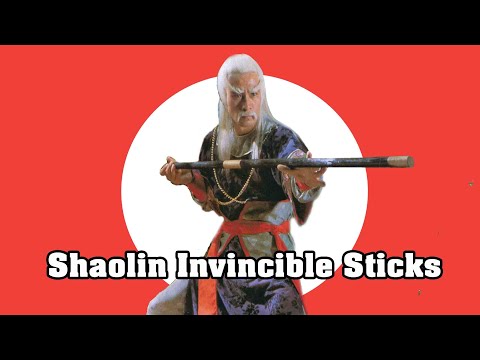
Wu-Tang Collection: Shaolin Invincible Sticks - A Masterclass in Pole Combat?

The name "Wu-Tang Collection" immediately conjures images of raw, unadulterated martial arts cinema, a treasure trove for any devotee of the **BUDO** and the visceral thrill of **combatsports**. Today, we dissect a gem from this collection: Shaolin Invincible Sticks. This isn't just another kung fu flick; it's a testament to the enduring power of traditional weapon-based combat, a cinematic exploration of discipline, rivalry, and the very essence of **lucha**.

Many come to these films seeking spectacle, the flashy maneuvers that dazzle the eye. But beneath the surface lies a deeper narrative, a reflection of the arduous **MartialArtsJourney**. Are these films mere entertainment, or do they hold valuable lessons for the modern practitioner? Let us delve into the philosophy and technique presented within Shaolin Invincible Sticks, and see if it truly earns its place as a masterclass in pole combat.

The Invincible Sticks Clan: Setting the Stage

Directed by the seasoned Lee Tso Nam, Shaolin Invincible Sticks introduces us to a world where lineage and skill are paramount. The narrative centers around Wong Tao's portrayal of the aspiring leader of the Invincible Sticks Clan. This is not simply a struggle for power; it's a deep dive into the martial ethos that defines such groups. The **MartialArtsJourney** is often fraught with internal conflict, and the clan's quest for control serves as a microcosm of this universal struggle.

Opposing Wong Tao's character is the formidable Air Splitting Pole Fighter, brought to life by Chang Yi. Their confrontations are the meat of the film, showcasing the destructive potential and elegant beauty of the staff as a weapon. The very concept of an "Invincible Sticks Clan" hints at a martial tradition built on a specific, highly refined skill set. In the world of **BUDO**, specialization often leads to mastery, and it is this mastery we are about to witness.

Pole Combat as a Narrative Device: The Art of the Staff

The staff, or bo in Japanese, is one of the oldest and most versatile martial arts weapons. Its use transcends borders and styles, from the Okinawan kobudo traditions to the Chinese gun shu. In Shaolin Invincible Sticks, the staff is not merely an extension of the body; it's a character in itself. The film's title isn't hyperbole; it highlights the central role of this weapon in defining the clan's identity and the conflict.

Wong Tao and Chang Yi engage in a series of duels that are choreographed to showcase the unique capabilities of the staff. We see sweeping strikes designed to control distance and disarm opponents, powerful thrusts aimed at vital points, and intricate parries that turn an adversary's force against them. The visual language of the film emphasizes the weapon's reach, its ability to generate momentum, and its capacity for both devastating offense and robust defense.

"The staff is the mother of all weapons." This ancient saying resonates deeply when watching masters like Wong Tao and Chang Yi. Their movements, while cinematic, echo centuries of practical application in close-quarters combat and battlefield scenarios.

For practitioners of **lucha** and **combatsports**, observing these weapon-based fights offers valuable insights into principles that apply even to unarmed combat: range management, timing, commitment to movement, and the strategic use of leverage. The film's dedication to showcasing staff work makes it a compelling watch for anyone interested in the **MartialArtsMastery** of traditional weapons.

Choreography: Grace, Power, and Deadly Intent

The effectiveness of any martial arts film hinges on its fight choreography, and Shaolin Invincible Sticks, directed by Lee Tso Nam, does not disappoint. The clashes between Wong Tao and Chang Yi are the film's centerpiece, meticulously crafted to display the fluidity and lethality of pole combat. We witness sequences that blend speed and precision, demonstrating the weapon's capacity for both rapid-fire attacks and decisive, powerful blows.

The choreographers understood the physics of the staff: the centrifugal force that amplifies strikes, the leverage that allows for blocks and counters with minimal effort, and the sheer reach that creates an advantage against unarmed opponents or those with shorter weapons. Chang Yi's "Air Splitting" moniker is well-earned, as his movements appear to cut through the air itself. Wong Tao, as the clan's future leader, must embody both the tradition and the innovation required to maintain dominance.

It's crucial to distinguish between stylized choreography and practical application. While these cinematic battles are heightened for dramatic effect, they are rooted in the fundamental principles of **gun shu** and other staff fighting arts. The sequences are not just visually impressive; they serve the narrative by illustrating the skill, dedication, and sometimes ruthless nature required to be a true warrior within the clan's hierarchy. The raw energy of these fights is palpable, a testament to the performers' dedication and the director's vision.

Beyond the Blows: Discipline and Rivalry in Budo

While the action is undeniably a major draw, Shaolin Invincible Sticks also touches upon deeper themes relevant to the **BUDO** philosophy. The rivalry between Wong Tao and Chang Yi is more than a personal dispute; it represents the eternal tension between tradition and change, individual ambition and the collective good. This internal conflict is a recurring motif in the **WarriorPhilosophy**.

The Invincible Sticks Clan, as an organization, demands immense discipline from its members. The mastery of the staff is not achieved overnight; it requires years of dedicated training, sacrifice, and adherence to strict rules. This mirrors the **SelfMastery** sought in all traditional martial arts. The film subtly portrays the character development that arises from such rigorous training – the cultivation of patience, resilience, and mental fortitude.

"The path of martial arts is a path of constant self-improvement, not just of the body, but of the mind and spirit." This ancient wisdom is echoed in the film's portrayal of the characters' journeys.

The film prompts us to consider the nature of leadership in a martial context. Is it merely about who can fight the best, or does it involve wisdom, responsibility, and the ability to unite a group? Wong Tao's quest for leadership is therefore not just a physical challenge, but a test of character. This aspect elevates the film beyond a simple action spectacle, inviting viewers to contemplate the **InnerStrength** and **SpiritualDevelopment** that are the true hallmarks of a martial artist.

Sensei's Verdict: A True Test of Skill?

Shaolin Invincible Sticks, while perhaps not reaching the dizzying heights of cinematic perfection, stands as a robust example of weapon-based martial arts cinema. Lee Tso Nam’s direction, coupled with the dedicated performances of Wong Tao and Chang Yi, delivers exciting and technically proficient **pole combat**. The choreography is well-executed, showcasing the versatility and danger of the staff with a satisfying blend of grace and power.

Does it offer a perfect representation of **BUDO** principles? Like many films of its era, it emphasizes spectacle. However, the underlying themes of discipline, rivalry, and the arduous **MartialArtsJourney** are present and lend substance to the action. It serves as an excellent primer for those interested in **kobudo** or Chinese staff arts, illustrating fundamental principles in an engaging format.

Sensei's Rating: Bronze Staff of Mastery

It's a film that respects its core subject matter, delivering solid action that resonates with the spirit of traditional martial arts. While not a documentary, it captures the essence of dedication required for weapon-based **training**. It's a worthwhile viewing for any enthusiast of **artes marciales**, **lucha**, and **combatsports**.

Essential Equipment for Your Training

For those inspired by the pole combat showcased in Shaolin Invincible Sticks, the primary piece of equipment is, of course, the staff itself. However, safety and proper technique are paramount, whether you're training with weapons or unarmed.

  • Training Staff (Bo): Opt for a sturdy yet lightweight staff, typically made of hardwood like oak or ash, or modern materials like fiberglass or carbon fiber. Beginners often start with a length that is roughly their own height.
  • Protective Gear: When engaging in sparring or practicing with partners, protective gear is essential. This includes headgear, mouthguards, padded gloves (such as **boxing gloves** for general striking practice), and shin guards. For **Judo** or **BJJ** training, a durable **kimono de judo** or **gi de jiu jitsu** is standard.
  • Training Mats: For practices involving throws, groundwork, or falling techniques (like those seen in **Aikido** or **Judo**), good quality **tatami mats** or **yoga mats** are crucial for safety.
  • Workout Apparel: Comfortable and flexible clothing is key. Breathable fabrics that allow for a full range of motion are ideal. For **Kyokushin Karate** training, a white gi is traditional.

Investing in quality **martial arts merchandise** and training tools can significantly enhance your practice and ensure your safety as you embark on your own **MartialArtsTraining**.

Frequently Asked Questions

Q1: Is the staff fighting shown in the movie realistic for self-defense?
A: While the film showcases impressive techniques, real-world self-defense scenarios often require simpler, more direct actions due to unpredictable environments and the legal ramifications of using a weapon. However, the principles of reach, leverage, and control demonstrated are fundamental.

Q2: What martial arts are represented by the "Invincible Sticks Clan"?
A: The film draws inspiration from traditional Chinese martial arts that prominently feature the staff, such as various forms of **Kung Fu** and **Wushu**. The name itself suggests a lineage dedicated to mastering the staff.

Q3: Can I learn staff fighting without formal training?
A: While it's possible to learn basic movements from resources like this film or online tutorials, formal training under a qualified instructor is highly recommended to develop proper technique, prevent injuries, and understand the nuances and safety protocols involved.

Q4: What is the "Wu-Tang Collection" and why is it significant?
A: The Wu-Tang Collection is a series of films focusing on classic Hong Kong martial arts cinema. These films are often celebrated for their authentic fight choreography, showcasing a wide array of **artes marciales** and providing a valuable historical record of the genre.

To Deepen Your Path

If the world of traditional weaponry and disciplined combat has captivated you, consider exploring these related topics:

Sensei's Reflection: Your Next Step

The kinetic energy of Shaolin Invincible Sticks is undeniable. It showcases a weapon that, in the hands of a master, becomes an extension of the soul, a tool for both creation and destruction. But the true lesson lies not just in the flourish of the staff, but in the dedication it took to achieve such proficiency. The **WarriorPhilosophy** teaches us that every great technique is born from countless hours of sweat, repetition, and unwavering focus. The film presents the climax, but the true story is in the training.

Now, I ask you: When faced with a daunting task, a complex technique, or a personal challenge, do you focus solely on the desired outcome, or do you embrace the rigorous, often unglamorous, process of training that leads to mastery? Reflect on this, and let your actions in the dojo, and in life, speak louder than any cinematic display.

``` GEMINI_METADESC: Explore the martial arts classic "Shaolin Invincible Sticks" from the Wu-Tang Collection. Analyze pole combat choreography, Budo philosophy, and its impact on martial arts cinema.
Lee Priest Claims He Never Used Insulin: A Budo Perspective on Performance Enhancement

"The way of the warrior is a path of rigorous self-discipline, not a shortcut paved with artificial aids."
The world of athletic performance is a constant tightrope walk between dedication and temptation. When we delve into the realm of **martial arts**, this dichotomy becomes even more pronounced. Our journey is not merely about physical prowess; it's about forging the spirit, cultivating mental fortitude, and understanding the true essence of combat. Today, we dissect a controversial claim: Lee Priest's assertion of never using insulin. This isn't just about bodybuilding; it's a lens through which we can examine the very foundations of **BUDO** and the ethical considerations that should govern any pursuit of physical excellence, especially within the **martial arts community**.

The Claim: Lee Priest and the Insulin Controversy

Lee Priest, a bodybuilder known for his controversial career and outspoken nature, has recently claimed he never utilized insulin, a substance often associated with performance enhancement in bodybuilding circles. This statement, if true, challenges the widely held perception within the sport that such substances are commonplace for achieving extreme physiques. But why should this matter to us, practitioners of **BUDO** and **martial arts**? The core of **martial arts** training, the very bedrock of **BUDO**, is self-mastery through discipline and hard work. It's about pushing your own limits, understanding your body's natural capabilities, and honing them to perfection. When we hear claims of never using substances like insulin, it forces us to confront what we value in athletic achievement. Is it the *result* at any cost, or the *process* of honest, dedicated effort?

Insulin in Performance: A Dangerous Game

Insulin is a naturally occurring hormone that regulates blood sugar. In the context of bodybuilding, exogenous insulin use is a perilous endeavor. It can lead to rapid muscle growth but carries severe risks, including hypoglycemia, coma, and death. Its use is banned by most sporting organizations for a reason: it fundamentally alters the playing field and bypasses the natural physiological adaptations that come from dedicated training. From a **martial arts** standpoint, the pursuit of strength and conditioning should always be rooted in natural, sustainable methods. We seek to develop power through **conditioning**, **agility**, and **flexibility**, not through endocrinological manipulation. The principles of **BudoLife** emphasize patience, perseverance, and understanding the interconnectedness of mind and body. Introducing powerful external agents like insulin disrupts this holistic approach. It represents a shortcut, a deviation from the path of **SelfMastery** and **InnerStrength** that **martial artists** strive for.

The Ethical Compass of a Warrior

The **WarriorPhilosophy** demands a commitment to integrity. Whether on the mat or in life, the ethical compass of a warrior guides their actions. Using banned substances for performance enhancement, regardless of the specific sport, raises questions about fair play and respect for the discipline itself. For **martial artists**, this extends beyond mere competition. It's about the purity of the art and the personal development it fosters. If Lee Priest's claim is indeed truthful, it offers a rare example of an athlete achieving peak physical condition through dedication alone, even in a sport rife with speculation. However, for the **martial artist**, the lesson isn't necessarily about Priest's personal choices, but about the intrinsic value of honest effort.

Training for Martial Arts: The Budo Way

Our training is not about achieving a single, extreme physique. It's about developing a complete, functional body capable of executing techniques, enduring combat, and maintaining health over a lifetime. Let's explore what true **MartialArtsTraining** entails, in line with **BUDO** principles:

Guiding Principles for Your Training

  1. Consistency is Key: Daily practice, even for short durations, builds the foundation. This applies whether you're training **KarateKyokushin**, **Judo**, **BJJ**, or **MMA**.
  2. Holistic Development: Focus on strength, **flexibility**, **agility**, **endurance**, and mental acuity. These are pillars of **SelfImprovement**.
  3. Mindfulness in Movement: Every strike, every block, every stance should be executed with intention and awareness. This is where **MentalGame** meets physical action.
  4. Respect for the Body: Understand your body's limits and needs. Proper nutrition, rest, and recovery are as crucial as the training itself. This is a core tenet of **SaludFísica**.
  5. Patience and Perseverance: Mastery takes time. Embrace the journey, learn from setbacks, and never stop striving for **MartialArtsMastery**.

Equipment Essential for Your Training

While the spirit of **BUDO** emphasizes minimal reliance on external aids, certain equipment can enhance safety and effectiveness in your **MartialArtsTraining**.
  • Kimono/Gi: Essential for Judo, BJJ, and Karate. Look for durable, double-weave fabrics for longevity, especially for intense grappling or **Kyokushin** Karate. (Consider searching for best Karate gis or high-quality Judo kimonos for competitive sparring).
  • Training Mats: For home workouts, especially if practicing throws or grappling, mats provide crucial cushioning and prevent injuries.
  • Sparring Gear: For disciplines involving striking, headgear, mouthguards, and sparring gloves (e.g., 16oz gloves for MMA sparring) are vital for safety.
  • Resistance Bands: A versatile tool for **AtHomeWorkout** sessions, aiding in **strength** and **flexibility** training without heavy equipment.
  • Makiwara/Striking Pads: For developing striking power and conditioning in Karate or Kickboxing, these are invaluable tools.

Frequently Asked Questions

Why is insulin considered performance-enhancing?

Insulin helps transport glucose (sugar) into cells for energy or storage. In bodybuilding, exogenous insulin use can rapidly shuttle nutrients into muscle cells, promoting rapid growth and recovery, effectively bypassing natural physiological processes.

What are the risks associated with insulin use in sports?

The primary risk is hypoglycemia (dangerously low blood sugar), which can lead to confusion, seizures, coma, and death. It also carries risks of weight gain, water retention, and long-term health complications.

How does the Budo philosophy approach physical enhancement?

**BUDO** emphasizes natural development through consistent, disciplined training. It prioritizes cultivating inner strength, mental fortitude, and spiritual growth alongside physical prowess. Enhancement is seen as an organic process of self-cultivation rather than artificial augmentation.

Can Lee Priest's claim impact the perception of bodybuilding?

It could inspire some to focus more on natural training methods and raise questions about the prevalence of PEDs (Performance-Enhancing Drugs) in the sport. However, the culture and pressures within elite bodybuilding may remain largely unchanged.

What is the primary difference between bodybuilding and martial arts training goals?

Bodybuilding primarily focuses on aesthetic muscular development and symmetry. **Martial arts** training, rooted in **BUDO**, aims for functional strength, combat effectiveness, self-defense capabilities, mental discipline, and overall personal development.

FAQ Page Schema

For Deeper Insight into Your Journey

Sensei's Reflection: Your Next Step

Priest's claim, whether fact or fiction, serves as a catalyst. In the pursuit of physical excellence, are you seeking to sculpt a facade, or to forge a warrior's spirit? The path of **BUDO** is not about shortcuts; it is the journey itself. When faced with the temptation of artificial enhancement, remember the enduring power of honest effort and the profound satisfaction of true **SelfMastery**. Now, I pose this to you: In your own training, are you building a foundation of genuine strength and character, or are you merely chasing a fleeting illusion? Discuss. GEMINI_METADESC: Explore Lee Priest's claim about not using insulin from a martial arts perspective. Understand the Budo philosophy on training, ethics, and true self-mastery versus performance enhancement.

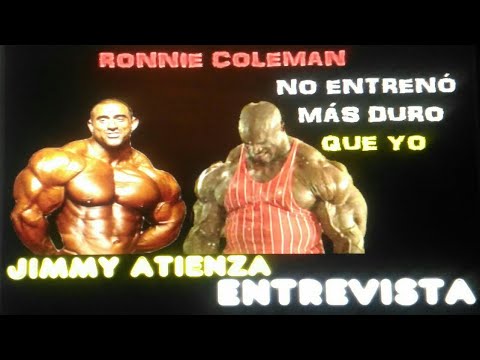
El Espíritu del Guerrero Invisible: Más Allá del Músculo y la Técnica en el Camino Marcial

La fuerza bruta y la técnica impecable son, sin duda, pilares fundamentales en cualquier disciplina marcial. Sin embargo, reducir el arte de la lucha a la mera manifestación física es un error craso, un camino directo al estancamiento. Hoy no hablaremos de un combate cuerpo a cuerpo, ni de un kata perfecto, sino de una disciplina que, aunque a primera vista parezca alejada del "budo" tradicional, comparte con él una filosofía subyacente de sacrificio, disciplina y superación: el culturismo. Y para ello, hemos tenido el honor de sentarnos a conversar con Jimmy Atienza, una figura que muchos apodan el "Mike Tyson del culturismo español". A través de sus palabras, desgranaremos no solo la vida de un atleta de élite, sino las verdades universales que resuenan en todos los caminos de la maestría, ya sea levantando pesas o empuñando una katana. El culturismo, para muchos una mera exhibición de físico, es en realidad una batalla constante contra uno mismo, una prueba de voluntad que exige una disciplina férrea, comparable a la de cualquier guerrero que se prepara para el combate.

Tabla de Contenidos

¿Qué es el Culturismo? Más Allá de la Apariencia Física

El culturismo, a menudo malinterpretado como una simple búsqueda de la estética, es en realidad un arte de transformación. No se trata solo de músculo, sino de una dedicación extrema a la disciplina del cuerpo y la mente. Es la manifestación tangible de la voluntad, la planificación meticulosa y la ejecución implacable. Como en las artes marciales, donde cada movimiento está cargado de intención y historia, cada fibra muscular en culturismo es el resultado de innumerables horas de esfuerzo deliberado. Se busca esculpir el cuerpo no solo para el ojo externo, sino como un templo de la fuerza interior y la resistencia.

¿Existe Deporte Más Sacrificado que el Culturismo?

Esta es una pregunta que resuena en el corazón de todo atleta de élite. Si bien muchas disciplinas exigen un alto grado de sacrificio, el culturismo lleva el concepto a extremos que pocos pueden comprender. La dieta es rigurosa, a menudo monótona y restrictiva, dictando cada aspecto de la vida social y personal. El entrenamiento es brutal, diseñado para llevar el cuerpo al límite, día tras día, sin descanso aparente. Y sobre todo, existe el sacrificio mental: la constante lucha contra la fatiga, el dolor y la duda. Es un camino solitario en muchos aspectos, donde la recompensa no es solo el trofeo, sino la propia superación. Este nivel de dedicación es un eco directo de los principios del BUDO, donde el sacrificio personal es el precio de la maestría.

Inicios en el Gimnasio: Forjando el Carácter

Todo camino marcial tiene un comienzo, y para Jimmy, como para muchos, este se forjó en el gimnasio. No se trata solo de levantar pesas, sino de aprender el lenguaje del cuerpo, de entender los límites y, crucialmente, de cómo empujarlos. Los primeros días en el gimnasio son a menudo un campo de pruebas para la voluntad. Es donde se forja la disciplina, se aprende la paciencia y se sientan las bases para la grandeza. En esos primeros compases, se cultiva no solo el músculo, sino el carácter, una cualidad tan vital en un dojo como en una tarima de culturismo.

¿Cuándo Decidiste que Querías Ser Culturista? La Llamada de la Disciplina

La decisión de dedicar la vida a una disciplina tan exigente no suele ser impulsiva. Para Jimmy, como para cualquier guerrero que abraza un camino marcial, debió haber un momento de epifanía, una llamada interna que resonó con la promesa de la disciplina y la automejora. Convertirse en culturista no es solo una elección de carrera, es una elección de vida. Implica un compromiso total, una dedicación que trasciende el simple deseo de un físico imponente. Es la aceptación voluntaria de un régimen estricto, donde cada día presenta un nuevo desafío y una nueva oportunidad para fortalecer la voluntad y el cuerpo.

Hablamos de Química: Sombra y Luz en el Rendimiento

Uno de los temas más espinosos y controvertidos en el culturismo es el uso de sustancias para mejorar el rendimiento. Abordar este tema requiere honestidad y una profunda comprensión de las presiones que enfrentan los atletas. Si bien las ganancias musculares pueden ser impresionantes, el camino "químico" viene con riesgos significativos, tanto para la salud como para la integridad deportiva. Como en cualquier ámbito, existe una delgada línea entre la mejora legítima y el atajo peligroso. Es fundamental discutir abiertamente estas realidades, reconociendo la ética y la responsabilidad que deben guiar cada decisión de un atleta serio. Este debate sobre la mejora artificial nos recuerda la importancia del BUDO como camino de desarrollo integral, donde la auténtica fortaleza proviene del esfuerzo interno, no de la ayuda externa.

Fútbol Americano en los EEUU: Lecciones de Equipo y Estrategia

Es fascinante cómo los principios de la disciplina se manifiestan en campos de batalla tan diversos. El fútbol americano, con su énfasis en la fuerza, la estrategia y el trabajo en equipo, ofrece paralelismos intrigantes. Cada posición, cada jugada, requiere una combinación de habilidad física y una comprensión táctica profunda. Aunque la forma individual del culturismo difiere de la dinámica de equipo del fútbol americano, ambos comparten la búsqueda de la excelencia a través de la dedicación y el entrenamiento riguroso. Es un recordatorio de que la maestría, sin importar la disciplina, se basa en la comprensión de los principios universales de esfuerzo y estrategia.

¿Cómo es el Culturismo Profesional? La Alta Competición del Cuerpo

El culturismo profesional no es para los débiles de corazón. Requiere un nivel de dedicación que roza la obsesión. Implica una planificación casi militar de la dieta, el entrenamiento, el descanso e incluso la hidratación y el bronceado para el día de la competición. Es un arte donde el cuerpo se convierte en la obra maestra, y la competencia, en una batalla por la supremacía estética y muscular. La diferencia entre los profesionales y los aficionados radica no solo en el tamaño del músculo, sino en la disciplina microscópica que rige cada aspecto de su vida. Este nivel de detalle y control es un eco del MartialArtsMastery, donde cada detalle cuenta.

De Fiesta una Semana en Canarias con Dennis James: Camaradería y Leyendas

El mundo del culturismo, al igual que el de las artes marciales, está lleno de historias, anécdotas y leyendas. Compartir experiencias, incluso en momentos de ocio, fortalece los lazos entre atletas. La mención de una semana en Canarias con Dennis James evoca la camaradería que puede surgir entre individuos que comparten una pasión y un nivel de dedicación similar. Estas interacciones no son solo entretenimiento; son oportunidades para aprender, para compartir conocimientos y para recordar que, incluso en la competición más feroz, existe un espíritu de comunidad. Es un recordatorio de que, detrás de los físicos imponentes, hay personas con historias y relaciones.

Las Operaciones que Casi Acaban con su Vida y el Doctor Hernández: La Resiliencia del Espíritu

La vida, en su impredecibilidad, a menudo pone a prueba incluso a los más fuertes. Las operaciones médicas que Jimmy Atienza tuvo que enfrentar son un testimonio de su increíble resiliencia. Enfrentarse a la fragilidad de la propia existencia y luchar por la recuperación requiere una fortaleza que va más allá del físico. Es la fortaleza del espíritu, la voluntad inquebrantable de vivir y de volver a superar los obstáculos. Este tipo de adversidad, aunque dolorosa, forja un carácter aún más fuerte y ofrece una perspectiva invaluable sobre lo que realmente importa. Es un ejemplo de la filosofía SelfMastery llevada al extremo.
"El cuerpo es un templo, y como tal, debe ser tratado con el máximo respeto y disciplina. Pero la verdadera fortaleza no reside solo en el músculo, sino en la voluntad indomable que guía cada acción." - Jimmy Atienza (interpretación del Sensei)

La Pregunta del Cabronazo: El Veredicto del Adversario

La "Pregunta del Cabronazo" sugiere un momento de verdad, un desafío directo donde no hay lugar para excusas. Es el instante en que el atleta se enfrenta a su crítico más severo: él mismo. Este tipo de preguntas, a menudo provocadoras, sirven para despojar las pretensiones y llegar al núcleo de la verdad. En el camino marcial, es esencial poder mirarse al espejo sin miedo, reconociendo las propias debilidades y virtudes. Es un ejercicio de honestidad brutal que puede ser el catalizador de un crecimiento exponencial.

La Pregunta del Conde: Buscando la Profundidad Filosófica

Mientras que la "Pregunta del Cabronazo" busca la cruda realidad, la "Pregunta del Conde" insinúa una búsqueda de sabiduría, de reflexión más profunda. Es el momento de elevar la conversación más allá de lo puramente físico, explorando las implicaciones filosóficas y existenciales de la disciplina. ¿Qué lecciones trascienden el culturismo? ¿Qué verdades universales se esconden detrás de la dedicación a una forma de vida tan extrema? Es un llamado a la introspección, a conectar el camino del atleta con los principios más elevados de la existencia humana, al igual que se busca en el BUDO.

Veredicto del Sensei: ¿Merece la pena?

Esta entrevista trasciende la mera curiosidad por el culturismo. Nos ofrece una visión del espíritu del guerrero en uno de sus escenarios menos esperados. La disciplina, el sacrificio, la resiliencia ante la adversidad y la constante lucha contra uno mismo son temas universales en el mundo marcial. Jimmy Atienza, a través de su historia, nos demuestra que el camino hacia la maestría, sin importar la forma que tome, está pavimentado con un temple inquebrantable. Su historia es un recordatorio de que la verdadera fuerza no solo se ve, sino que se forja en el crisol del esfuerzo y la adversidad. Calificación: Cinturón Negro en Resiliencia y Disciplina.

Equipo Esencial para tu Entrenamiento

Si la disciplina de Jimmy Atienza te inspira a mejorar tu propio rendimiento, ya sea en el gimnasio o en tu arte marcial, el equipo adecuado puede ser tu aliado.
  • Ropa de Entrenamiento de Alta Calidad: Busca materiales transpirables y que ofrezcan libertad de movimiento. Para el KarateCommunity, un buen KarateMerchandise es clave.
  • Calzado Deportivo Adecuado: Dependiendo de tu disciplina, necesitarás desde zapatillas de levantamiento de pesas hasta Karate tabi o zapatillas de MMA.
  • Guantes de Entrenamiento: Si practicas deportes de Combate como el Kickboxing o el MMA, unos buenos guantes de 16oz para sparring son esenciales para proteger tus manos y las de tu compañero.
  • Diario de Entrenamiento: Fundamental para registrar tus progresos, cargas y sensaciones. Es una herramienta crucial para atletas de cualquier disciplina, desde culturistas hasta practicantes de Judo.
  • Proteínas y Suplementos (con precaución): Si bien no son esenciales, ciertos suplementos pueden apoyar la recuperación y el crecimiento muscular. Consulta siempre con un profesional.

Guía de Entrenamiento: La Disciplina Invisible

La entrevista con Jimmy Atienza no es una guía técnica de culturismo, sino una lección de disciplina. Aquí te presento un ejercicio para cultivar esa "disciplina invisible" en tu entrenamiento marcial:
  1. Define tu "Por Qué": Antes de cada sesión, recuerda por qué entrenas. No se trata solo de la técnica, sino de la superación personal, la autodefensa, la conexión espiritual.
  2. El "Último Repetición" Imposible: Cuando sientas que no puedes hacer una repetición más en tu entrenamiento de fuerza, o un movimiento más en tu kata, empuja un poco más. Ese esfuerzo adicional es donde se forja la verdadera voluntad.
  3. Rutina de Concentración Pre-Entreno: Dedica 5 minutos antes de entrenar a meditar o visualizar tu sesión. Imagina cada movimiento con precisión. Esto aplica al Karate, al Judo, o al levantamiento de pesas.
  4. Dieta Consciente: Aplica la misma rigurosidad que un culturista a tu alimentación. Cada bocado debe ser intencionado, apoyando tu rendimiento y tu salud. Esto es vital para la energía y la recuperación en cualquier disciplina MartialArtsTraining.
  5. Descanso Activo y Reflexivo: El descanso no es inactividad, es recuperación. Usa ese tiempo para reflexionar sobre tu entrenamiento, planificar el futuro y cuidar tu mente.

Preguntas Frecuentes

  • ¿Es el culturismo un arte marcial? Si bien no implica combate directo, comparte principios fundamentales como la disciplina extrema, el sacrificio y la superación constante del propio límite, características esenciales del BUDO.
  • ¿Por qué se compara a Jimmy Atienza con Mike Tyson? La comparación se refiere a su intensidad, dedicación y la percepción de una voluntad inquebrantable y una historia personal desafiante, similar a la del legendario boxeador.
  • ¿Qué lecciones del culturismo se aplican a las artes marciales? La disciplina en la dieta y el entrenamiento, la importancia de la recuperación, la fortaleza mental ante la adversidad y la búsqueda constante de la mejora personal son lecciones universales.
  • ¿Qué significa la "Química" en el culturismo? Se refiere al uso de sustancias farmacológicas (esteroides anabólicos, hormonas de crecimiento, etc.) para acelerar el crecimiento muscular y mejorar el rendimiento, un tema controvertido en el deporte.

Para Profundizar en tu Camino

Reflexión del Sensei: Tu Próximo Paso

Si pudieras aplicar la décima parte de la disciplina que un culturista de élite dedica a su físico a tu entrenamiento marcial, ¿qué nivel de maestría alcanzarías en un año? ¿O acaso crees que la verdadera batalla se libra solo en el dojo y no también en la cocina y en la cama? ``` GEMINI_METADESC: Explora la profunda conexión entre el culturismo y las artes marciales a través de la entrevista con Jimmy Atienza: disciplina, sacrificio y la fuerza del espíritu guerrero.

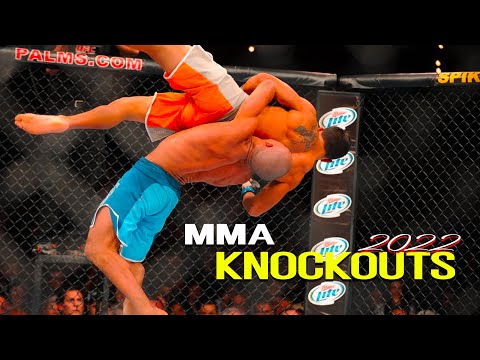
The Devastating Art of the MMA Knockout: More Than Just a Finish

A raw display of power, precision, and sometimes, sheer brutality. The knockout in Mixed Martial Arts (MMA) is the ultimate punctuation mark, a moment that electrifies the arena and sends shockwaves through the sport. But what truly separates a fleeting strike from a fight-ending concussive blow? Is it merely about brute force, or is there a deeper martial philosophy at play that separates the amateurs from the apex predators of the cage? Today, we delve into the heart of the MMA knockout, dissecting its mechanics, its psychological impact, and what it truly signifies within the broader spectrum of combat sports.

The Essence of the Knockout: Beyond a Simple Blow

The roar of the crowd when a fighter is rendered unconscious is primal. It’s a visceral reaction to the decisive end of conflict. However, for the seasoned martial artist, a knockout is more than just the opponent falling. It is the culmination of calculated strategy, superior technique, and often, a profound understanding of human physiology and psychology. In the context of MMA, where diverse martial arts collide, the knockout can be the ultimate testament to a fighter's ability to synthesize their chosen disciplines into a single, devastating offensive strategy.

Many dismiss MMA as mere brawling, a chaotic free-for-all. This couldn't be further from the truth. Each strike, each clinch, each takedown is a manifestation of years of dedicated training, drawing from traditional arts like Karate, Muay Thai, Boxing, Judo, and Wrestling. The knockout, therefore, is not an accident; it is the planned result of applying these principles under extreme pressure. It’s the perfect application of force to a specific, vulnerable point, exploiting the opponent’s defensive lapses.

A true understanding of the knockout requires looking beyond the immediate impact. It involves appreciating the setup, the defensive countermeasures that were overcome, and the sheer audacity of the fighter who delivered the final blow. It is a moment where the theory of combat science meets the harsh reality of physical engagement.

"There is no finesse in your strikes, only brutality. But there is a brutal beauty in a perfectly executed knockout." - A seasoned brawler, speaking under the guise of anonymity.

Anatomy of a Fight-Ender: Technique and Timing

What makes a knockout so effective? It's a confluence of physics and biology. A knockout punch or kick aims to transmit a rapid and powerful rotational force to the head. This force causes the brain to rapidly accelerate and decelerate within the skull, leading to a temporary disruption of neurological function. This can manifest as dizziness, loss of consciousness, or a complete inability to continue fighting.

Key factors contributing to a knockout strike include:

  • Power Generation: This isn't just about muscle mass. It involves efficient kinetic chain transfer, where power is generated from the ground up through the hips, core, and shoulders, culminating in the fist, elbow, knee, or foot.
  • Accuracy: Hitting the "button" – a vulnerable point like the jaw hinge, the temple, or the chin – significantly increases the likelihood of a knockout, even with less raw power.
  • Speed: A faster strike is harder to defend against and delivers more impact force upon contact.
  • Timing and Deception: Catching an opponent off-guard, as they are attacking, moving, or recovering from a previous exchange, is crucial. A well-timed counter-punch can be devastating.
  • Combination: Often, a knockout isn't the result of a single shot but a series of well-placed strikes that break down the opponent's defenses and equilibrium.

Consider the classic "check hook" in boxing or the devastating roundhouse kick in Karate. These techniques, when honed through rigorous MartialArtsTraining, become fight-enders. The goal is to exploit openings, and a fighter trained in diverse arts will have a wider arsenal of such fight-ending techniques. An experienced MMA fighter understands that a well-placed leg kick can not only inflict damage but also compromise their opponent’s base, setting them up for a subsequent head strike. This is the true art of MMA.

The Psychology of the KO: Mind Over Matter

The physical aspect of a knockout is undeniable, but the mental game is equally, if not more, important. A fighter who fears the knockout will often fight defensively, subconsciously protecting themselves and limiting their offensive output. Conversely, a fighter who projects confidence and aggression, coupled with knockout power, can psych themselves up and their opponent.

A fighter entering the cage with a strong MentalGame and a belief in their ability to finish the fight has a significant psychological edge. This stems from:

  • Belief in Training: Years of drilling techniques, sparring, and conditioning build unwavering confidence.
  • Fear Management: Learning to control fear and channel it into focused aggression is a hallmark of a true warrior.
  • Reading the Opponent: Identifying an opponent's weaknesses and anxieties can allow a fighter to dictate the pace and exploit their mental fragility.
  • Intimidation Factor: A reputation for knockout power can induce fear in opponents, making them more susceptible to mistakes.

This is where the martial philosophy truly shines. True mastery isn't just about technique; it's about cultivating a state of mind where fear is absent, and focus is absolute. Concepts like Budo’s "Mushin" (no-mind) or the Zen principle of "Zanshin" (lingering awareness) are crucial. A fighter operating in such a state is less likely to be surprised and more likely to land the decisive blow when the opportunity arises.

Evolution of the Knockout in MMA

Early MMA, particularly in the UFC's nascent years, often saw a heavy emphasis on grappling. Fighters like Royce Gracie dominated by utilizing Brazilian Jiu-Jitsu, submitting opponents rather than knocking them out. However, as the sport evolved, the necessity of well-roundedness became apparent.

The rise of strikers like Chuck Liddell, Anderson Silva, and later, fighters such as Conor McGregor and Israel Adesanya, showcased the devastating potential of combining striking arts with MMA strategy. These fighters didn't just possess power; they had the Agility, timing, and fight IQ to land their most potent weapons on opponents who were often trained predominantly in grappling.

The modern MMA landscape is characterized by fighters who are masters of multiple disciplines. A wrestler with KO power, a jiu-jitsu black belt with dangerous striking, or a striker who can seamlessly transition to grappling – these are the athletes who consistently produce highlight-reel knockouts. The sport has become a melting pot where the most effective techniques from all MartialArtsCommunity branches are integrated and refined for the ultimate goal: victory.

"You can't just be a one-trick pony in MMA. You need to be able to strike, wrestle, and grapple. But if that strike can end the fight, then you've got a significant advantage." - Quoted from a retired MMA champion.

Iconic MMA Knockouts: Moments That Defined Eras

The history of MMA is punctuated by knockouts that are etched into the minds of fight fans forever. These aren't just finishes; they are cultural touchstones:

  • Anderson Silva vs. Vitor Belfort (UFC 126): Silva’s front kick to the face, delivered with surgical precision, is a masterclass in timing and technique. It wasn't just a knockout; it was an artistic statement.
  • Conor McGregor vs. Jose Aldo (UFC 194): A 13-second demolition. McGregor's left hook, timed perfectly as Aldo stepped in, exemplified the power of deception and explosive striking.
  • Jorge Masvidal vs. Ben Askren (UFC 239): The flying knee. A brutal, instant knockout that showcased the explosive power and athleticism possible in MMA. This is a prime example of FightAnalysis at its most primal.
  • Israel Adesanya vs. Alex Pereira (UFC 287): Adesanya, who had lost to Pereira twice before (once via KO in kickboxing), engineered a stunning comeback knockout, proving that in MMA, revenge is best served with a knockout punch.

These moments, and countless others, illustrate the diverse methods by which an MMA fight can be ended with a single, decisive blow. They inspire aspiring fighters and showcase the pinnacle of MartialArtsMastery.

Training for Knockout Power: The Martial Approach

Developing knockout power is not merely about hitting the heavy bag harder. It requires a holistic approach, rooted in the principles of traditional ArtesMarciales, adapted for the demands of MMA.

Guía de Entrenamiento: Desarrollando Fuerza de Golpeo

  1. Fortalecimiento del Core: A strong core is the engine of all powerful movements. Exercises like planks, Russian twists, and medicine ball slams are essential.
  2. Potencia de Piernas y Caderas: Squats, deadlifts, lunges, and plyometric exercises (jump squats, box jumps) build the foundation for explosive power.
  3. Técnica de Golpeo: This is paramount. Learn proper body mechanics from boxing, Muay Thai, and Karate. Focus on hip rotation, weight transfer, and snapping the limb through the target.
  4. Velocidad y Explosividad: Incorporate plyometric drills and focus mitt work that emphasizes rapid striking. Think about striking as quickly as possible, then decelerating to control the limb.
  5. Sparring Inteligente: Practice striking in sparring sessions, focusing on accuracy and timing rather than just raw power. Learn to set up your shots and exploit openings.
  6. Acondicionamiento Específico: Incorporate drills that mimic fight scenarios, like striking after a takedown attempt or throwing combinations under fatigue.

Remember, efficiency is key. A technically sound strike delivered with moderate power can be far more effective than a wild, powerful swing that misses its mark. This is the philosophy that separates a mere brawler from a true martial artist.

Equipment Essential for Your Training

To effectively train for knockout power and overall MMA proficiency, having the right gear is crucial. Investing in quality equipment not only enhances your training but also helps prevent injuries, a common pitfall for fighters pushing their limits.

  • Boxing Gloves (10-16oz): For bag work, pad work, and sparring. Heavier gloves are generally used for sparring to protect both partners.
  • MMA Gloves: Essential for EntrenamientoDeMMA, allowing for grappling while still offering knuckle protection.
  • Shin Guards: Crucial for Muay Thai and kickboxing drills to protect your shins during kick exchanges.
  • Mouthguard: Non-negotiable for any striking or sparring activity.
  • Hand Wraps: Provide crucial support to your wrists and hands when hitting pads or bags.
  • Heavy Bag/Punching Bag: A staple for developing power, speed, and endurance.
  • Training Partner/Coach: Essential for effective pad work, sparring, and technical feedback.

For those looking to enhance their power generation at home, consider investing in resistance bands or a HomeWorkout setup that allows for explosive movements.

Veredict of the Sensei: Is the KO the Ultimate Goal?

From a pure spectacle standpoint, the knockout is king. It's definitive, exciting, and unequivocally proves dominance in that moment. However, as a practitioner of the martial arts, I must urge caution against making the knockout the *sole* objective.

The true path of martial arts is one of self-improvement, discipline, and respect. While knockout power is a valuable tool in MMA, relying solely on it can lead to a shallow understanding of combat. What happens when your power shots are blocked? What if you face an opponent who is immune to your strikes, or who can weather the storm? This is when technique, strategy, resilience, and the ability to adapt become paramount.

A fight can be won by submission, by points, or by a devastating knockout. Each path requires different skills and mindsets. The greatest martial artists are those who possess a complete arsenal, understanding when to strike hard, when to grapple, and when to simply outmaneuver their opponent with superior strategy and conditioning. Therefore, while the knockout is a thrilling aspect of MMA, it is but one facet of the intricate diamond that is the martial path.

My Verdict: MMA Knockouts are a Cinturón Negro en Espectáculo, but true mastery lies in the complete martial journey.

Frequently Asked Questions

What is the fastest knockout in UFC history?

The fastest knockout in UFC history is currently held by Jorge Masvidal, who knocked out Ben Askren in just 5 seconds with a flying knee at UFC 239.

Does MMA training improve striking power for self-defense?

Yes, MMA training, particularly the striking components from disciplines like Boxing and Muay Thai, can significantly improve striking power, accuracy, and timing, making it highly effective for self-defense scenarios.

Is it possible to train for knockout power without sparring?

You can develop significant power through bag work, pad work, plyometrics, and strength training. However, sparring is crucial for learning timing, accuracy under pressure, and how to apply that power effectively in a dynamic, unpredictable environment.

What are the main martial arts that contribute to MMA knockouts?

The primary martial arts contributing to MMA knockouts include Boxing (punches), Muay Thai (kicks, knees, elbows), Karate (powerful kicks and punches), and Taekwondo (dynamic kicking techniques).

How important is conditioning for landing a knockout blow?

Crucial. A fighter who is exhausted will not be able to generate optimal power or speed. Good conditioning allows a fighter to maintain their striking effectiveness throughout the fight, increasing the chances of landing a decisive blow even in later rounds.

Deepen Your Understanding

  • FightAnalysis: Learn to break down techniques and strategies.
  • MartialArtsTraining: Explore training methodologies for various combat sports.
  • MMA: Discover the intricacies of Mixed Martial Arts.

Reflection of the Sensei: Your Next Step

We've dissected the knockout, explored its mechanics, its psychological impact, and its place within the broader martial arts philosophy. But knowledge without application is like a sharpened sword left to rust. My question to you, warrior, is this: When you step onto the mats, or into the cage, or simply face the daily challenges of life, are you seeking only the decisive blow, or are you cultivating the complete skill set of a well-rounded martial artist, ready to adapt, endure, and overcome, no matter the circumstance?

Now, your turn. Does the allure of the knockout blind you to the deeper principles of martial arts, or do you see it as one powerful tool among many? Voice your thoughts below. Debate. Disagree. But above all, learn.

``` GEMINI_METADESC: Explore the mechanics, psychology, and martial philosophy behind the devastating MMA knockout. Is it the ultimate goal or just one weapon in a warrior's arsenal?

武道の真髄:近藤魁成 vs アラン・ソアレス戦における格闘技の哲学を徹底分析

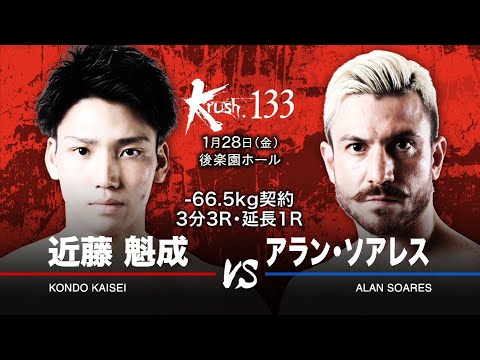
我々、武道を愛し、その深淵なる精神性を探求する者たちよ。今宵、我々の心を燃え上がらせる一戦がある。それは、2022年1月28日に後楽園ホールで開催されたKrush.133、-66.5kg契約における近藤魁成選手とアラン・ソアレス選手の激突だ。これは単なる試合ではない。それは、武道家が人生で直面する数々の困難、そしてそれを乗り越えるための哲学そのものの体現である。煽りVTR(

)が公開され、両者の意気込みが伝わる中、我々は、この戦いを通して、格闘技、いや、武道に宿る普遍的な教訓を読み解いていこうではないか。

煽りVTRから読み解く、両者の「武士道」

Krush.133の煽りVTRは、単なる試合告知映像ではない。それは、近藤魁成選手とアラン・ソアレス選手、それぞれの「道」への覚悟と、勝利への執念を映し出す鏡である。VTRに映し出される表情、鍛え抜かれた肉体、そして対峙する眼差し。これら全てが、彼らが日頃からどれほど厳しい鍛錬を積み、この舞台に立つために何を捧げてきたのかを物語っている。

近藤選手は、若き才能として、その勢いを証明しようとしている。彼のスタイルには、恐れを知らぬ攻撃性と、それを支える繊細な技術が見え隠れする。一方、アラン・ソアレス選手は、経験に裏打ちされた落ち着きと、一瞬の隙を突く鋭い攻めが持ち味だろう。彼らがリングの上で繰り広げるであろう駆け引きは、まさに「武士道」の精神、すなわち、勇気、礼節、誠実さ、そして克己心のぶつかり合いに他ならない。

彼らの闘いは、我々が日常生活で直面する困難、例えば仕事のプレッシャー、人間関係の葛藤、あるいは自己成長への挑戦といったものと、本質的に何ら変わらない。重要なのは、いかにして逆境に立ち向かい、己の信念を貫き通すか、という点にある。

「武士道とは、死ぬことと見つけたり。」 - 山本常朝『葉隠』

この言葉は、単に命を惜しまないという意味ではない。それは、常に死を意識し、一瞬一瞬を全力で生き抜く覚悟を説いている。近藤選手とソアレス選手もまた、この覚悟を持ってリングに上がるのだ。

Krush.133:技術論と精神論の交差点

格闘技は、極めて高度な身体技術の結晶であると同時に、極限状態における精神力の試金石でもある。Krush.133のこの一戦においても、両者の技術のぶつかり合いはさることながら、それを支える精神力が勝敗を分ける鍵となるだろう。

近藤選手の攻撃は、おそらくスピーディーで、予測不能なコンビネーションを伴うだろう。彼は、相手のガードの隙間を縫うように、あるいは意表を突くタイミングでパンチやキックを繰り出すことに長けているのかもしれない。対してソアレス選手は、堅実なディフェンスを軸に、カウンターを狙う戦術を得意としている可能性がある。彼は、相手の攻撃を受け流し、その勢いを利用して反撃する、いわば「柔よく剛を制す」戦い方をするかもしれない。

しかし、どんなに優れた技術も、精神的な動揺には勝てない。相手の強烈な一撃を受けた時、あるいは試合が劣勢に傾いた時、そこで顔を出すのが「不動心」、すなわち、いかなる状況下でも冷静さを失わない精神力だ。この精神力は、日々の厳しい #MartialArtsTraining#Meditation を通して培われる。

「Krush.133」は、まさにこの技術と精神の頂上決戦の場となる。観客は、両者の繰り広げる高度なテクニックに魅了されるだろうが、それ以上に、極限のプレッシャーの中で自分自身と戦う彼らの姿に、人間の強さ、そして #InnerStrength の真髄を見るはずだ。

「勝つ」ことだけではない、武道家の生き様

一般的に、格闘技は「勝敗」という二元論で語られがちだ。しかし、真の武道家にとって、試合で勝つことだけが全てではない。むしろ、その過程で何を学び、どのように成長するか、という点にこそ、本当の価値がある。

近藤魁成選手とアラン・ソアレス選手の戦いも、勝敗の結果がどうであれ、彼らの人生における貴重な経験となるはずだ。敗北は、次の勝利への糧となる。強敵との戦いは、己の限界を知り、それを超えるための原動力となる。

我々が彼らから学ぶべきは、単なる格闘技のテクニックではない。それは、 #Perseverance (忍耐力)、 #Discipline (規律)、そして #SelfMastery (自己制御)といった、人生を豊かに生きるために不可欠な資質である。彼らのひたむきな姿は、我々自身の #SelfImprovement (自己改善)への道を照らしてくれるだろう。

また、武道においては、相手への敬意もまた重要な要素だ。試合前の握手、試合後の健闘を称え合う姿。これらは、相手を倒すことだけを目的とするのではなく、互いを高め合う「稽古相手」としての関係性を重視する武道精神の表れである。

「勝利は、最高の技術を持つ者ではなく、最高の精神を持つ者に微笑む。」 - 不明

この言葉は、 Krush.133 のリングに立つ両者、そして全ての #MartialArtists に捧げたい。

武道における「間合い」と「呼吸」の重要性

格闘技、特に武道において、「間合い」と「呼吸」は、技術の根幹をなす極めて重要な要素である。これらを制する者は、戦いを制すると言っても過言ではない。

「間合い」とは、単に相手との物理的な距離のことだけを指すのではない。それは、相手の意図を読み、攻撃のタイミングを計り、最適な距離を保つ、高度な心理戦の領域にまで踏み込む概念である。近藤選手とソアレス選手は、リング上で常にこの「間合い」を巡って激しい攻防を繰り広げるだろう。一瞬の判断ミスが、致命的な隙を生み出す。

一方、「呼吸」は、武道における生命線である。力みすぎず、かといって緩みすぎず、自然で深い呼吸を保つこと。これにより、身体はリラックスし、エネルギーが円滑に循環する。激しい打撃の応酬の中でも、冷静に呼吸を整えられる者は、疲労を軽減し、精神的な安定を保つことができる。これは、 #aikido#TaiChi といった内功を重視する武道では特に顕著な要素だが、 #Kyokushin Karate のようなハードなスタイルにおいても、その重要性は揺るぎない。

Krush.133 の試合映像を #ABEMA で視聴する際には、ぜひ両者の「間合い」の取り方と「呼吸」の仕方に注目してほしい。そこには、勝利への戦略と、武道家としての深遠な哲学が隠されている。

Veredicto del Sensei: この一戦が我々に与えるもの

近藤魁成 vs アラン・ソアレス戦、Krush.133 のこの一戦は、単なるスポーツイベント以上の意味を持つ。これは、人間の精神力、技術、そして #WarriorPhilosophy が織りなすドラマである。

両選手がリング上で見せるであろう、激しい攻防、緊迫した駆け引き、そして互いへの敬意。これらは、我々が日常の「戦い」に立ち向かうための示唆に富んでいる。失敗を恐れずに挑戦すること、困難に直面しても諦めないこと、そして何よりも、自分自身を律し、成長し続けることの重要性を、彼らは身をもって教えてくれるだろう。

この試合は、 #MMA#Kickboxing といった現代格闘技のダイナミズムを示すと同時に、 #BUDO (武道)の持つ普遍的な価値を再認識させてくれる機会となるはずだ。

「Krush.133」は、 #ABEMA にて生中継される(1月28日(金)17:30 視聴URL https://gxyt4.app.goo.gl/e3r7A)。格闘技ファンはもちろん、 #MartialArtsJourney を歩む全ての人々に、ぜひ視聴していただきたい。

Krush.133 名勝負認定!

トレーニングに役立つ武道具・情報

真の武道家は、常に自己鍛錬の機会を求めている。試合の興奮が冷めやらぬ今こそ、自身の #MartialArtsTraining を一層深めるべき時だ。以下に、あなたのトレーニングをサポートするであろう、いくつかの重要な要素を挙げる。

  • 高品質な #KarateMerchandise (空手着): 動きやすさ、耐久性、そして伝統的なスタイルを兼ね備えた空手着は、稽古へのモチベーションを高める。素材や厚みは、あなたの #KarateKyokushin#OkinawanKarate のスタイルに合わせて選ぶと良いだろう。
  • トレーニンググローブ: #Kickboxing#MMA のトレーニングには、適切な衝撃吸収性を持つグローブが不可欠だ。16ozのグローブは、スパーリング時の相手への負担を軽減し、自身の手の保護にも役立つ。
  • #Judo 用柔道着: 投げ技や寝技の練習には、丈夫で動きやすい柔道着が必須だ。ダブルウィーブ(二重織り)の柔道着は、特に激しい稽古に耐えうる耐久性を持つ。
  • #BJJ (ブラジリアン柔術) ギ: 柔術特有のグラップリング技術を磨くためには、柔らかく、しかし破れにくい素材のギが求められる。
  • 武道に関する書籍: #Bushido#Philosophy 、あるいは特定の #MartialArtsMastery に関する古典や現代の著作は、技術だけでなく、精神的な成長をもたらしてくれる。宮本武蔵の『五輪書』などは、時代を超えて愛される名著だ。

実践!武道家が磨くべき「心技体」

武道において「心技体」は、車輪の両輪、いや、三つの車輪であり、いずれか一つでも欠けては安定した走行はできない。Krush.133 の試合を観戦するだけでなく、自らの #Workout に活かすための具体的なトレーニング方法を提案しよう。

  1. 心の鍛錬:瞑想と呼吸法
    • 目的: 精神統一、集中力向上、感情のコントロール
    • 方法: 静かな場所で、背筋を伸ばし、楽な姿勢で座る。ゆっくりと鼻から息を吸い込み、口から静かに吐き出す。呼吸に意識を集中し、雑念が浮かんできたら、それに囚われず、再び呼吸に意識を戻す。10分から始めて、徐々に時間を延ばしていく。
    • 関連タグ: #MentalGame, #SpiritualDevelopment, #SelfMastery
  2. 技の鍛錬:基本技の反復練習
    • 目的: 正確性、スピード、パワーの向上
    • 方法: 自身の #MartialArts の基本となるパンチ、キック、受け、投げ技などを、鏡の前で、あるいは #PartnerTraining を通して徹底的に反復する。一回の動作の質を重視し、完璧を目指す。例えば、空手であれば、正拳突き、上段受け、前蹴りなどを、動画で確認しながら、または指導者の下で正確なフォームを身につける。
    • 関連タグ: #TechniqueBreakdown, #JudoSkills, #KarateCommunity
  3. 体の鍛錬:コンディショニングと強化
    • 目的: 筋力、持久力、柔軟性、瞬発力の向上
    • 方法:
      • 筋力: #NoEquipment トレーニング(腕立て伏せ、腹筋、スクワット)、ウェイトトレーニング(ベンチプレス、デッドリフトなど)。
      • 持久力: #RunningTips (インターバル走、ペース走)、 #AtHomeWorkout (HIIT)。
      • 柔軟性: 動的ストレッチ(ウォーミングアップ時)、静的ストレッチ(クールダウン時)、ヨガ。 #Flexibility は、怪我の予防とパフォーマンス向上に不可欠だ。
      • 瞬発力: プライオメトリクス(ジャンプトレーニング)、メディシンボールを使ったトレーニング。
    • 関連タグ: #Fitness, #Conditioning, #Agility

よくある質問

Krush.133 のような激しい試合や、武道全般に関して、よく寄せられる質問に簡潔に答えよう。

  • Q1: Krush.133 はどのように視聴できますか?
    A1: Krush.133 は、ABEMA にて生中継されます。試合当日の視聴URLは、記事冒頭の概要をご確認ください。
  • Q2: 近藤魁成選手とアラン・ソアレス選手の戦績は?
    A2: 具体的な戦績については、 Krush や k-1 の公式サイト、あるいは格闘技専門のデータベースサイトで確認できます。彼らのこれまでのキャリアが、この一戦にどう影響するかを考察するのも面白いでしょう。
  • Q3: 武道を始めるのに、年齢は関係ありますか?
    A3: いいえ、武道を始めるのに年齢は関係ありません。 #BeginnerWorkout として、 #aikido#Judo は、比較的どのような年齢層でも始めやすい武道と言えるでしょう。重要なのは、自身の #Motivation です。
  • Q4: 格闘技のトレーニングは危険ですか?
    A4: 適切な指導と安全対策のもとで行われれば、格闘技のトレーニングは非常に安全です。しかし、 #MMA のようなコンタクトスポーツでは、当然ながら怪我のリスクも伴います。 #SafetyFirst を心がけ、無理のない範囲でトレーニングを続けることが重要です。
  • Q5: 武道における「礼」とは具体的に何を意味しますか?
    A5: 武道における「礼」は、相手への敬意、道場への感謝、そして稽古への真摯な姿勢を示す行為です。試合での挨拶はもちろん、稽古の開始・終了時、道具を扱う際など、あらゆる場面で「礼」は実践されます。

さらに深めるための武道探求

今回の Krush.133 の分析を通して、格闘技の奥深さに触れたことでしょう。しかし、武道の探求は終わりがありません。さらに自身の道を深めるために、以下の記事も参考にしてください。

師範からの問い:次なる一歩

近藤魁成選手とアラン・ソアレス選手の戦いは、技術、精神、そして生き様がぶつかり合う場であった。彼らの姿から、我々は多くのことを学んだはずだ。

しかし、学びとは、知識を得ることで完結するものではない。それは、行動を伴って初めて意味を持つ。

「知ることは、行うことのためにある。」 - 不明

今、君は、この試合から、そしてこの分析から、何を掴み取っただろうか? そして、その学びを、君自身の #MartialArtsJourney 、いや、人生という名のリングで、どのように活かしていくつもりだろうか?

師範からの問い:君は、今日、昨日よりも一歩でも成長しただろうか? その証を、コメント欄で示してみせよ。

``` GEMINI_METADESC: Krush.133 近藤魁成 vs アラン・ソアレス 戦を武道の哲学、技術、精神論の観点から徹底分析。格闘技の奥深さと人生訓を探求。

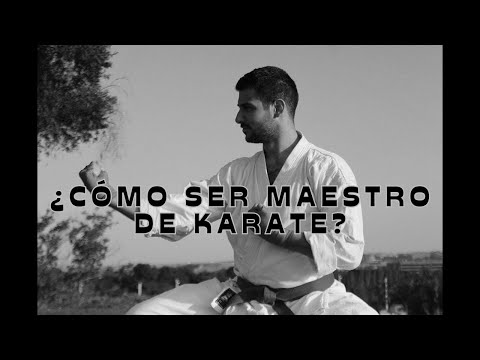
El Camino del Maestro de Karate: Más Allá del Cinturón Negro

¿Te has preguntado alguna vez qué se necesita para trascender la mera práctica del Karate y alcanzar la maestría? No hablo solo de obtener un cinturón negro, sino de encarnar verdaderamente el espíritu del Budo. Muchos aspirantes se centran en la técnica, en la potencia de un golpe, o en la complejidad de un kata. Pero el verdadero maestro es mucho más que eso. Es un faro de sabiduría, un guardián de la tradición y, sobre todo, un ejemplo viviente de los principios marciales. Hoy, desgranaremos no solo las habilidades, sino la filosofía y la dedicación que forjan a un auténtico sensei.

Tabla de Contenidos

El Arte y la Disciplina: Un Vínculo Indisoluble

El Karate, en su esencia, no es solo un conjunto de técnicas de combate; es un camino marcial (Budo). La palabra misma, "Karate", significa "mano vacía", pero su significado profundo va mucho más allá de la ausencia de armas. Implica la disciplina de la mente y el cuerpo, la búsqueda constante de la perfección y el desarrollo del carácter. Un maestro de Karate no es simplemente alguien que domina Kihon (fundamentos), Kata (formas) y Kumite (combate), sino alguien que ha internalizado estos principios hasta que se convierten en una parte intrínseca de su ser.

En el dojo, la jerarquía es clara. El Sensei (maestro) no es solo un instructor, sino un guía que ha recorrido un camino largo y arduo. Su autoridad emana de años de práctica rigurosa, de innumerables kensho (experiencias de iluminación) y de un profundo entendimiento de la filosofía detrás del arte. He visto a muchos aspirantes detenerse en la superficie, obsesionados con la potencia o la velocidad, sin comprender que la verdadera fuerza reside en el control, la precisión y la calma interior. Este enfoque superficial es una trampa común que impide el avance hacia la maestría.

"La victoria no pertenece a quien golpea más fuerte, sino a quien controla su propio ser." - Principio del Budo

Para aquellos que aspiran a ser maestros, la dedicación debe ser absoluta. No se trata de unas pocas horas a la semana, sino de una integración completa del Karate en la vida. Esto implica no solo entrenar en el dojo, sino también practicar la meditación, el estudio de textos clásicos sobre estrategia y filosofía, y la aplicación de los principios del Budo en las interacciones diarias. La autodisciplina es la piedra angular sobre la que se construye toda la estructura de la maestría.

La Trayectoria del Practicante: De Novato a Ícono

El camino para convertirse en maestro de Karate es un viaje largo y arduo, a menudo comparado con escalar una montaña escarpada. Comienza con la inocencia del principiante, donde cada movimiento es un descubrimiento y cada corrección del instructor es vital. Esta etapa requiere una humildad radical, una disposición para aprender sin cuestionar la autoridad del maestro. Aquí es donde se sientan las bases técnicas y se inculcan los primeros rudimentos de la disciplina.

A medida que el practicante avanza, gana experiencia y confianza. Los Katas, inicialmente confusos, comienzan a tener sentido, y el Kumite se vuelve más estratégico. Es fácil caer en la complacencia en esta etapa intermedia, creyendo que se ha alcanzado un nivel de competencia. Sin embargo, la verdadera prueba reside en cómo se maneja el fracaso y la adversidad. Un futuro maestro aprende tanto de sus derrotas como de sus victorias, analizando cada error para refinar su técnica y fortalecer su espíritu. La #Resistencia y la #Perseverancia son claves en esta fase.

La transición hacia niveles superiores implica una profunda introspección. El practicante comienza a cuestionar no solo su técnica, sino también su propia motivación y su propósito dentro del arte marcial. Aquí es donde la influencia de un buen Sensei es crucial. Un maestro experimentado puede guiar al aspirante a través de las complejidades del combate, la filosofía y el desarrollo personal. El estudio de figuras históricas como Miyamoto Musashi, autor de "El Libro de los Cinco Anillos", ofrece lecciones invaluables sobre estrategia, enfoque y la mentalidad del guerrero.

Pasos en la Ascensión a la Maestría:

  1. Fundamentos Sólidos (Kihon): Dominio absoluto de las posturas, golpes, bloqueos y desplazamientos básicos.
  2. Comprensión del Kata: No solo memorización, sino entendimiento de las aplicaciones (Bunkai) y la fluidez de cada movimiento.
  3. Aplicación en Kumite: Habilidad para utilizar las técnicas de manera efectiva en combate, adaptándose al oponente.
  4. Desarrollo Mental: Cultivo de la calma, la concentración, la determinación y la humildad.
  5. Estudio Filosófico: Profundización en los principios del Budo y su aplicación en la vida.
  6. Transmisión del Conocimiento: Capacidad para enseñar y guiar a otros, inspirando y formando a la próxima generación.

La maestría no es un destino final, sino un estado de aprendizaje continuo. Incluso los maestros más consumados siguen buscando la mejora, reconociendo que siempre hay algo nuevo que aprender.

Principios Fundamentales del Budo: La Brújula del Maestro

El Karate, como muchas artes marciales tradicionales, está intrínsecamente ligado a los principios del Budo. Estos principios actúan como una brújula moral y ética, guiando al practicante no solo en el dojo, sino en todos los aspectos de su vida. Para un maestro, estos no son meros conceptos abstractos, sino directrices vivas.

Uno de los pilares fundamentales es la disciplina. No se trata de una obediencia ciega, sino de un autocontrol férreo que permite mantener el enfoque, la perseverancia y el respeto. El maestro que ha cultivado la disciplina puede mantener la calma bajo presión, tomar decisiones racionales en momentos críticos y servir como un modelo a seguir inquebrantable para sus alumnos. La #Disciplina y la #Autodisciplina son, por tanto, inherentes a la figura del Sensei.

Otro principio vital es la cortesía (Rei). El saludo al inicio y al final de cada sesión de entrenamiento, el respeto mutuo entre estudiantes y maestro, y la consideración hacia los demás son esenciales. Esta cortesía se extiende más allá del dojo, promoviendo relaciones armoniosas y un comportamiento respetuoso en la sociedad. Un maestro que exhibe cortesía demuestra que comprende que el poder conlleva una gran responsabilidad.

"El respeto es la base de toda relación humana. En el Budo, es el cimiento del dojo." - Sensei Anónimo

La humildad es igualmente crucial. El maestro verdadero reconoce que no lo sabe todo y que siempre hay espacio para el crecimiento. Evita la arrogancia y la vanidad, y valora la experiencia y el conocimiento de los demás. La humildad permite aceptar la crítica constructiva y seguir aprendiendo, incluso de aquellos que son menos experimentados. Es un antídoto contra la complacencia.

Finalmente, el principio de la sinceridad (Makoto) implica actuar con honestidad y autenticidad en todo momento. Un maestro debe ser genuino en su enseñanza, en su práctica y en su carácter. La falta de sinceridad erosiona la confianza y debilita el propósito del arte marcial.

La Importancia de la Autenticidad: Más Allá de la Forma

En la era moderna, donde la información fluye libremente y las artes marciales se presentan a menudo de manera superficial en películas y redes sociales, la autenticidad se ha convertido en un bien escaso y, a la vez, invaluable. Un maestro de Karate auténtico no se limita a ejecutar movimientos; encarna los principios detrás de ellos.

La autenticidad se manifiesta en la coherencia entre lo que se enseña y lo que se practica. Un maestro que predica la calma pero se exalta fácilmente en situaciones cotidianas, o que habla de humildad pero exhibe arrogancia, pierde su credibilidad. La #Autenticidad es el puente entre la teoría y la práctica, el hilo conductor que une el conocimiento intelectual con la sabiduría experiencial. Un maestro auténtico vive el Budo.

El dominio técnico, por sí solo, no garantiza la autenticidad. Un luchador de #ArtesMarcialesMixtas (#MMA) puede ser increíblemente hábil y ganar peleas, pero ¿encarna realmente los principios del Karate si su enfoque es puramente competitivo y carece de la profundidad filosófica? Esta es una pregunta que a menudo genera debate, especialmente cuando se compara con estilos como el #Kyokushin, que enfatizan el combate a pleno contacto y la fortaleza mental. Ambas disciplinas tienen su lugar y su valor, pero la autenticidad en el Karate tradicional se centra en un desarrollo holístico del individuo.

La autenticidad también implica el respeto por la historia y la tradición. Si bien es importante adaptar las técnicas a los tiempos modernos, un maestro auténtico comprende la raíz de su arte. No desecha el conocimiento ancestral en favor de las tendencias pasajeras. Busca la innovación desde una base sólida, en lugar de la mera imitación.

"El Karate es como agua hirviendo; si no la calientas constantemente, se enfría." - Anónimo

Para alcanzar esta autenticidad, el aspirante a maestro debe someterse a un riguroso proceso de autoevaluación. Debe ser honesto acerca de sus fortalezas y debilidades, y estar dispuesto a confrontar sus propias limitaciones. La #SuperaciónPersonal es un componente intrínseco de la autenticidad.

El Karate en el Siglo XXI: ¿Tradición o Adaptación?

El mundo evoluciona, y con él, las artes marciales. El Karate de hoy no es idéntico al Karate de hace un siglo. La inclusión del Karate en los Juegos Olímpicos, la popularidad creciente de las #ArtesMarcialesMixtas (#MMA) y la accesibilidad de la información han planteado preguntas importantes sobre la dirección del Karate. ¿Debe permanecer fiel a sus raíces tradicionales o adaptarse a las demandas del mundo moderno?

Desde mi perspectiva como Sensei, la respuesta no es binaria. La clave reside en el equilibrio. La tradición proporciona el alma y el propósito del Karate. Los Katas, la filosofía del Budo, la cortesía del dojo; todo esto confiere una profundidad que el puro enfoque en el combate deportivo a menudo pasa por alto. Sin embargo, ignorar las realidades del combate moderno, como las técnicas de #Grappling que son fundamentales en el #BJJ o las estrategias de golpeo del #Kickboxing, sería un error.

Un maestro moderno de Karate debe ser capaz de integrar lo mejor de ambos mundos. Esto no significa mezclar estilos de forma indiscriminada, sino comprender los principios subyacentes de cada arte y cómo pueden complementar y enriquecer la práctica del Karate. Por ejemplo, entender la biomecánica de un derribo de Judo o la importancia de la distancia y el timing en el #MuayThai puede mejorar significativamente la eficacia de un practicante de Karate en situaciones de combate real.

La controversia surge cuando se sacrifica la esencia del Karate en aras de la eficacia deportiva o la comercialización. Debemos preguntarnos: ¿El Karate sigue siendo un camino para el desarrollo del carácter, o se ha convertido puramente en un deporte de competición? La respuesta varía enormemente entre diferentes dojos y federaciones.

La enseñanza de la #DefensaPersonal, por ejemplo, requiere un enfoque pragmático que pueda diferir de la enseñanza de katas competitivos. Un maestro debe ser lo suficientemente versátil como para abordar estas diferentes necesidades, siempre manteniendo la integridad del arte. La verdadera maestría implica navegar esta dicotomía con sabiduría.

Comparativa: Karate Tradicional vs. Karate Deportivo/Moderno
Aspecto Karate Tradicional Karate Deportivo/Moderno
Énfasis Principal Desarrollo del carácter, autodisciplina, aplicación práctica (Bunkai). Competición, puntos, eficacia en el combate deportivo.
Rol del Kata Base de la técnica, estudio de aplicaciones (Bunkai), desarrollo mental. Demostración de técnica y forma, a veces adaptado para competición.
Kumite Combate simulado con énfasis en el control, la estrategia y el impacto. Combate con reglas, puntuación, enfocado en la velocidad y la agilidad.
Filosofía Budo: Camino marcial, desarrollo integral del individuo. Deporte: Rendimiento, victoria, reglas específicas.
Aplicación en la Calle Considerada alta, con énfasis en la simplicidad y eficacia. Variable, a menudo requiere adaptación fuera de las reglas.

Equipo Esencial para tu Entrenamiento

Si bien el Karate es, en su origen, el arte de la "mano vacía", el equipo adecuado puede mejorar significativamente tu entrenamiento, protegerte y facilitar tu progreso hacia la maestría. Un buen Sensei siempre enfatiza que el equipo es una herramienta, no un sustituto de la habilidad y la dedicación.

  • Kimono (Gi): La vestimenta tradicional del Karate. Busca un gi de buena calidad, preferiblemente de algodón grueso para entrenamiento de alto impacto o combate simulado. Un gi de doble tejido es ideal para una mayor durabilidad y presencia. Las marcas como Shureido o Mizuno son reconocidas por su calidad.
  • Protectores Corporales: Para el Kumite (combate) y especialmente en el #Kyokushin o estilos similares de contacto, son esenciales protectores para el torso (body protector), espinillas y empeines, y guantes de protección. Estos ayudan a prevenir lesiones durante el entrenamiento intenso.
  • Protectores Bucales: Imprescindibles para cualquier tipo de combate o sparring. Protegen los dientes, la mandíbula y pueden prevenir conmociones cerebrales.
  • Vendajes para Manos: Incluso con guantes de protección, usar vendajes debajo puede ofrecer soporte adicional a las muñecas y nudillos, previniendo lesiones.
  • Calzado Deportivo (Opcional): Para entrenamientos en superficies duras o si se practican aspectos del Karate que se benefician de un mayor agarre, un calzado deportivo ligero puede ser útil. Sin embargo, muchos estilos prefieren entrenar descalzos para desarrollar un mejor sentido del equilibrio y conexión con el suelo.
  • Mochila de Entrenamiento: Para transportar tu equipo de forma organizada.

Invertir en equipo de calidad es una inversión en tu propio desarrollo marcial. No escatimes en tu seguridad y comodidad. Para quienes buscan lo mejor en #KarateMerchandise, existen tiendas especializadas que ofrecen una amplia gama de productos. Visita nuestro artículo sobre las mejores marcas de equipamiento de Karate para más detalles.

Guía de Entrenamiento: La Perseverancia en el Kata

Los Katas son la columna vertebral del Karate tradicional. Son secuencias de movimientos preestablecidos que simulan un combate contra múltiples oponentes. Dominar un Kata no es solo memorizar una secuencia; es comprender su propósito, su fluidez, su potencia y su aplicación (Bunkai). La maestría de un Kata requiere una dedicación que va más allá de la simple repetición.

Ejemplo: Entrenamiento de un Kata Básico (Ej. Taikyoku Sono Ichi)

  1. Estudio Inicial: Observa y aprende la secuencia completa del Kata bajo la guía de tu Sensei. Presta atención a cada postura, cada golpe, cada bloqueo y cada transición.
  2. Práctica Lenta y Controlada: Ejecuta el Kata a una velocidad muy reducida. Enfócate en la precisión de cada movimiento, la forma correcta de las posturas, la tensión y relajación muscular en el momento adecuado. Siente la conexión entre los movimientos.
  3. Visualización de la Aplicación (Bunkai): Imagina los oponentes contra los que estás luchando. ¿Dónde están? ¿Qué ataques están lanzando? ¿Cómo responden tus movimientos a esos ataques? Esta es la clave para dar vida al Kata.
  4. Desarrollo de la Potencia y la Velocidad: Una vez que la forma y la aplicación son correctas, comienza a aumentar gradualmente la velocidad y la potencia. Siente la explosividad en los golpes y la firmeza en los bloqueos. Utiliza la respiración para potenciar tus movimientos.
  5. Resistencia y Flujo: Repite el Kata varias veces seguidas, buscando mantener la intensidad y la concentración hasta el final. El objetivo es que el Kata fluya de forma natural, sin pausas innecesarias, como un solo movimiento continuo.
  6. Revisión y Corrección: Grábate practicando o pide a tu Sensei o a un compañero más experimentado que revise tu ejecución. Identifica áreas de mejora y vuelve a empezar el ciclo de práctica.
  7. Incorporar Principios del Budo: Mientras practicas, sé consciente de tu postura, tu equilibrio, tu centro de gravedad y tu estado mental. ¿Estás tranquilo? ¿Estás enfocado? ¿Estás proyectando confianza?

La repetición incansable (#RepetirHastaElAgotamiento) de un Kata, combinada con la comprensión profunda de su significado, es lo que transforma una secuencia de movimientos en una poderosa herramienta de desarrollo personal y marcial. Este es un ejemplo de la #MartialArtsJourney que busca la #MartialArtsMastery.

Veredicto del Sensei: ¿Es Posible la Verdadera Maestría?

Si la pregunta es si se puede alcanzar la "maestría" en el sentido de un conocimiento y habilidad absolutos, mi respuesta es un rotundo **sí, pero con matices cruciales**. La verdadera maestría en el Karate, o en cualquier arte marcial, no es un punto de llegada, sino un camino continuo de aprendizaje y autoperfección. Es un estado de ser, no un título.

Muchos obtienen el cinturón negro y creen haber llegado a la cima. Otros, incluso con grados superiores, pueden carecer de la comprensión profunda y la aplicación práctica de los principios del Budo. La maestría real se manifiesta en:

  • La capacidad de transmitir conocimiento de forma clara y efectiva.
  • La sabiduría para adaptar la enseñanza a las necesidades individuales.
  • Un carácter forjado en la disciplina, la humildad y el respeto.
  • La habilidad de aplicar los principios marciales en situaciones de la vida real, no solo en el dojo.
  • Un compromiso inquebrantable con el aprendizaje continuo.

En mi experiencia, he visto a practicantes alcanzar niveles de maestría que van más allá de la destreza física. Han desarrollado una presencia, una calma y una sabiduría que influyen positivamente en quienes los rodean. Sin embargo, también he visto a muchos estancarse, ciegos a sus propias limitaciones o seducidos por el ego. La "maestría" se desmorona si no se nutre constantemente.

Cinturón Negro Honorífico en Sabiduría Marcial. Porque la verdadera maestría no se mide solo por los años de práctica o el color del cinturón, sino por la profundidad del entendimiento y la integridad del carácter.

Preguntas Frecuentes

  • ¿Cuánto tiempo se tarda en ser maestro de Karate? El tiempo varía enormemente según el individuo, la dedicación, la calidad de la instrucción y el estilo de Karate. Sin embargo, la maestría verdadera es un camino que dura toda la vida, no algo que se logra en un número fijo de años.
  • ¿Es el Karate efectivo en la defensa personal? Sí, si se entrena de manera adecuada, con énfasis en la aplicación práctica y escenarios realistas. Estilos como el #Kyokushin o el #KarateKyokushin, que practican combate a pleno contacto, suelen ser muy efectivos.
  • ¿Puedo ser maestro de Karate sin enseñar? Técnicamente puedes alcanzar grados altos, pero la figura del maestro (#Sensei) implica intrínsecamente la transmisión del conocimiento y la guía de otros. La maestría se completa al compartirla.
  • ¿Es necesario competir para ser un buen Karateka? No es obligatorio. La competición puede ser una herramienta valiosa para el desarrollo, pero muchos Karatekas logran una gran profundidad y habilidad sin competir, centrándose en el estudio del Kata y su aplicación.
  • ¿Qué diferencia hay entre un instructor y un maestro de Karate? Un instructor enseña las técnicas; un maestro guía el camino marcial completo, impartiendo no solo habilidades sino también filosofía, disciplina y desarrollo del carácter.

Para Profundizar en tu Camino

Reflexión del Sensei: Tu Próximo Paso

Hemos recorrido el sendero que lleva hacia la maestría en el Karate. Hemos hablado de técnica, de filosofía, de disciplina y de la importancia innegable de la autenticidad. Pero el conocimiento, sin acción, es solo información. El verdadero aprendizaje comienza cuando te levantas del suelo, te pones el gi y vuelves a la práctica.

Ahora, te planteo una pregunta para meditar:

Reflexión del Sensei: Tu Próximo Paso

Considera las lecciones de este día. ¿En qué área de tu práctica sientes que te detienes por miedo al fracaso? ¿Qué técnica o principio evitas porque te resulta incómodo? ¿Es tu ego el que te frena, o es tu dedicación al camino marcial? Identifica ese punto de resistencia y comprométete, no a superarlo de la noche a la mañana, sino a enfrentarlo con intención en tu próximo entrenamiento. La verdadera maestría no se gana en la victoria fácil, sino en la confrontación honesta con uno mismo.

Ahora te toca a ti. ¿Has sentido alguna vez la tentación de abandonar este camino marcial? ¿Qué te hizo seguir adelante? Comparte tus experiencias y reflexiones en los comentarios. Demuéstrame que tienes el coraje de un guerrero y la humildad de un estudiante.

``` GEMINI_METADESC: Descubre el verdadero camino para ser maestro de Karate. Más allá del cinturón negro: filosofía, disciplina, autenticidad y la esencia del Budo.