Showing posts sorted by relevance for query karate. Sort by date Show all posts

The Karate Edge in MMA: 15 Fighters Who Prove Its Lethal Potential

The Striking Art Meets the Octagon

Is Karate just a traditional art form, a relic of the past? Many outside the dojo might think so. But for those who understand the profound principles and devastating techniques forged over centuries, the answer is a resounding no. Karate, at its core, is about the unification of mind and body, about discipline, and about developing an unshakeable inner strength. It's an art where age is but a number, and continuous practice refines not just physical prowess but mental acuity. As we witness the relentless evolution of Mixed Martial Arts (MMA), a crucial question emerges: how does this ancient striking art fare against the modern, multifaceted combat sports landscape? This is not merely an academic exercise; it's about understanding the practical application of lethal techniques under the brightest lights of the modern combat arena. My journey through the dojo and the fight analytics has shown me time and again that the principles of Karate are not only relevant but foundational. Today, we delve into the heart of this intersection, exploring 15 fighters who have masterfully integrated Karate into their MMA arsenals, proving its efficacy and power.

Why Karate Translates to MMA Success

Karate, in its purest form, is a striking discipline. It emphasizes powerful punches, swift kicks, precise elbow and knee strikes, and the devastating efficiency of open-hand techniques like knife-hands and palm-heels. However, to dismiss it as *just* striking is a grave error. Historically, and in many contemporary styles, Karate also encompasses grappling, throws, joint locks, restraints, and the critical application of pressure to vital points. This comprehensive foundation is precisely why Karate practitioners can adapt so effectively to the demands of MMA. The explosive power generated from Karate stances and movements, the footwork that allows for rapid entry and exit, and the strategic use of distance are invaluable assets. Moreover, the mental fortitude cultivated through Karate training – composure, strategic thinking, and an unyielding confidence – are the bedrock of any successful fighter. It's about more than just throwing a punch; it's about timing, precision, and understanding the opponent's intent. The philosophy of Budo, the warrior's path, imbues Karateka with a resilience that transcends the physical. This is the essence that makes Karate not just viable, but often dominant, in the MMA cage.

"Karate practice strengthens the mind, develops composure, a clearer thought process, deeper insight into one's mental capabilities, and more self-confidence."

The "striking art" label often conjures images of stand-up exchanges, but the principles of Karate extend far beyond this. The ability to maintain distance, to react instantaneously to an incoming threat, and to deliver precise, fight-ending strikes are skills that resonate deeply in MMA. Fighters who possess a strong Karate background often exhibit a unique rhythm and flow in their exchanges, an almost predatory awareness that allows them to exploit openings before their opponents even perceive them. This isn't about adhering strictly to kata; it's about internalizing the principles and applying them dynamically in the chaos of a fight. Many top contenders, while their primary discipline might be grappling or Muay Thai, often possess Karate as a significant secondary or even primary influence, demonstrating its versatility.

The Elite 15: Karate's MMA Vanguard

The integration of Karate into MMA is not theoretical; it's demonstrably present in the performances of numerous elite athletes. These individuals have not only adopted Karate techniques but have internalized its spirit, using it as a weapon to achieve victory. Their success serves as a testament to the enduring power and adaptability of this ancient art. Here are 15 fighters who embody the lethal effectiveness of Karate in the MMA landscape:

  • 1. Lyoto Machida: The undisputed "Dragon," renowned for his traditional Karate approach, exceptional timing, and elusive movement.
  • 2. Georges St-Pierre (GSP): While a master of all disciplines, GSP’s Karate background provided him with exceptional distance control and precise striking.
  • 3. Chuck Liddell: "The Iceman" utilized powerful Karate-based striking, blending it with his wrestling for a dominant era.
  • 4. Gunnar Nelson: A submission specialist with a strong Karate foundation, showcasing effective Karate striking in his grappling setups.
  • 5. Uriah Hall: Known for his spectacular spinning attacks and devastating knockout power, heavily influenced by his Karate training.
  • 6. Seth Petruzelli: A powerful striker whose Karate background led to quick, decisive victories.
  • 7. Kyoji Horiguchi: A dynamic fighter with lightning-fast Karate striking and excellent counter-punching ability.
  • 8. Robert Whittaker: "The Reaper" combines devastating striking power with a solid Karate base, making him a threat from anywhere.
  • 9. Guy Mezger: A pioneer in MMA, Mezger showcased effective Karate striking in his early career.
  • 10. Bas Rutten: While known for his Muay Thai and Pancrase background, Rutten incorporated elements of Karate striking into his aggressive style.
  • 11. Katsunori Kikuno: An elegant striker whose Karate techniques were often breathtaking to watch.
  • 12. Ryo Chonan: Famous for his spinning heel kick knockout, demonstrating the spectacular possibilities of Karate in MMA.
  • 13. Justin Scoggins: A Karateka with dynamic kicking ability and fluid striking.
  • 14. Michelle Waterson: "The Karate Hottie" uses her Karate background effectively, blending it with her Muay Thai and BJJ.
  • 15. Shonie Carter: A veteran who often utilized Karate-based techniques and unique striking approaches.

Spotlight on Lyoto Machida: The Karate Master

When discussing Karate in MMA, Lyoto Machida is the first name that often comes to mind. His fighting style was a direct embodiment of traditional Karate principles, specifically Shotokan Karate. Machida employed a highly defensive, counter-striking strategy, utilizing exceptional footwork and timing to evade attacks and land precise, powerful blows. He masterfully controlled the distance, making his opponents uncomfortable and forcing them to commit to attacks, thereby opening themselves up for devastating counter-strikes. His signature move, the Uraken (reverse punch), delivered with pinpoint accuracy, often ended fights decisively. Machida’s approach proved that a pure Karate style, when executed with discipline and strategic brilliance, could overcome brute force and overwhelming grappling. He taught the world that intelligence and technique, honed through dedicated Karate practice, are formidable weapons in the MMA arena. His career is a masterclass in the philosophy of 'Sen' – initiative and preemptive action – a core concept in martial arts.

Spotlight on Georges St-Pierre: The Versatile Champion

Georges St-Pierre (GSP), often considered one of the greatest MMA fighters of all time, represents a different facet of Karate's integration. While GSP developed a well-rounded game encompassing elite wrestling, Brazilian Jiu-Jitsu, and Muay Thai, his foundation in Karate provided him with a significant advantage in striking. His jab was renowned for its speed and accuracy, his movement was fluid, and his ability to mix up strikes with takedowns was unparalleled. GSP's Karate background allowed him to maintain excellent distance control, keeping opponents where he wanted them and dictating the pace of the fight. He demonstrated how Karate's principles of explosive power, precise targeting, and efficient movement could be seamlessly integrated into a comprehensive MMA strategy, elevating his overall fighting prowess and contributing to his legendary status. His career highlights the versatility of Karate – not just as a standalone style, but as a critical component in a larger combat system.

Spotlight on Michelle Waterson: The "Karate Hottie"

Michelle Waterson, affectionately known as "The Karate Hottie," brings a vibrant Karate influence to the women's atomweight and strawweight divisions. Her style is characterized by fluidity, agility, and a keen sense of timing. Waterson leverages her Karate background to deliver sharp, precise strikes, often utilizing quick combinations and evasive maneuvers. She has a knack for finding angles and creating openings with her Karate-based striking, which she then skillfully blends with her Muay Thai and Brazilian Jiu-Jitsu. Her ability to transition between striking and grappling, all while maintaining the core principles of Karate’s dynamic movement and striking efficiency, makes her a compelling and dangerous opponent. Waterson’s success underscores the fact that Karate is not limited to male fighters or heavyweights; its principles are universally applicable, empowering athletes across all divisions and genders. Her dedication to her martial arts journey is an inspiration to many.

Equipment Essentials for Your Training

To truly harness the power and discipline of Karate, the right equipment can make a significant difference. While the art emphasizes mind and body, proper gear enhances safety, improves technique, and instills a sense of seriousness in your training. For striking practice, investing in quality sparring gloves (16oz is standard for MMA sparring) is paramount for protecting your hands and your training partners. A durable, well-fitting Karate gi or a versatile MMA uniform is essential for drills that involve movement, grips, and throws. For those looking to develop powerful strikes, consider investing in a makiwara or a similar striking pad for home practice. Additionally, a good pair of training shoes that offer support and grip can be beneficial for footwork drills. For conditioning, basic items like a jump rope can dramatically improve cardiovascular fitness and coordination, key elements in Karate.

Frequently Asked Questions

  • Can Karate be effective in a real street fight?

    Yes, Karate can be very effective in self-defense situations. Its focus on powerful strikes, defensive maneuvers, and developing situational awareness are invaluable. However, effectiveness depends heavily on the practitioner's training, adaptability, and the specific context of the confrontation.

  • Is Karate better than other martial arts for MMA?

    There is no single "best" martial art for MMA. Karate offers significant advantages in striking, distance management, and mental discipline. Elite MMA fighters often combine techniques from various arts, including Karate, Judo, BJJ, and Muay Thai, to create a well-rounded skillset.

  • Do I need a traditional Karate gi for MMA training?

    While a traditional Karate gi is excellent for Karate-specific training, for MMA, a more robust gi designed for grappling (like a Judo or BJJ gi) or a dedicated MMA uniform might be more practical for incorporating throws and ground transitions. However, the fundamental principles of Karate can be practiced in any suitable attire.

  • How can Karate improve my mental strength?

    Karate training emphasizes discipline, focus, perseverance, and overcoming challenges. The practice of kata, sparring, and the philosophy behind the art cultivate mental resilience, composure under pressure, and a stronger sense of self-confidence.

Deepen Your Martial Path

Sensei's Final Reflection: Your Next Step

The evidence is clear: Karate is not merely an art of tradition; it is a potent force that has carved its path through the brutal landscape of MMA. The fighters we've highlighted are living proof that the principles of unified mind and body, precision striking, and unyielding spirit are timeless. They have taken the essence of Karate and applied it with devastating success in the modern arena. But this is not just about fighting; it's about the application of disciplined movement and focused intent in all aspects of life. The path of Karate, like the path of any true martial art, is a continuous journey of self-discovery and mastery.

Sensei's Final Reflection: Your Next Step

Now, consider this: Are you merely a spectator of these martial feats, or are you actively engaged in your own journey of refinement? If you train Karate, or any martial art, what one principle have you learned that transcends the dojo and impacts your daily life? And if you don't train, what is stopping you from embracing this transformative path?

``` GEMINI_METADESC: Discover the lethal potential of Karate in MMA. Explore 15 elite fighters who masterfully blend Karate's striking power and discipline into their combat strategies.
The Karate Edge: 10 MMA Warriors Who Bring the Spirit of the Empty Hand

The echo of a sharp kiai, the precision of a devastating roundhouse kick, the unwavering focus of a fighter staring down their opponent. These are the hallmarks of Karate, an art steeped in tradition and honed through relentless discipline. But what happens when this ancient warrior spirit clashes with the modern, brutal arena of Mixed Martial Arts? Does the philosophy of the empty hand translate to the cage? Many scoff, dismissing Karate as a "sport" divorced from real combat. I say they are blind. Today, we dissect this notion, not with platitudes, but with the cold, hard reality of combat performance. We will explore the fighters who have transcended their Karate roots to become formidable forces in MMA, proving that the principles of Karate are not just alive, but lethal.

Table of Contents

Introduction: The Karate Kata in the Cage

The common misconception is that Karate, with its emphasis on form (kata) and controlled sparring (kumite), is ill-suited for the chaotic, multi-faceted nature of MMA. Critics argue that it lacks the grappling, the ground game, the sheer brutality required to succeed. But this view overlooks the fundamental principles Karate instills: discipline, resilience, explosive power, and an understanding of distance and timing. These are not mere 'sporting' attributes; they are the very essence of effective combat. Today, we celebrate ten warriors who embody this fusion, proving that the spirit of Karate, when applied with the right mindset and adaptability, can indeed conquer.

1. Andy Hug: The Kickboxing King with a Karate Soul

Andy Hug was more than just a fighter; he was an artist of destruction. His Kyokushin Karate background, particularly his devastating spinning back kicks and his signature "Hug Kick" (a horizontal spinning kick to the head), set him apart. While he achieved legendary status in kickboxing promotions like K-1, his roots in full-contact Karate were undeniable. Hug demonstrated how Karate's emphasis on conditioning, powerful hip rotation, and precise striking could translate into a terrifying arsenal in any combat sport. His legacy is a testament to the raw power and adaptability of Karate's striking principles. He showed the world that a fighter with deep Karate fundamentals could stand toe-to-toe with anyone.

"The ultimate aim of Karate is not victory or defeat, but the perfection of the character of its participants." - Gichin Funakoshi. Andy Hug embodied this, bringing honor and respect even in the fiercest battles.

2. Stephen "Wonderboy" Thompson: The Striking Maestro

Stephen "Wonderboy" Thompson is perhaps the most prominent modern example of Karate's direct influence on MMA striking. With a background in Tetsushin-ryū Kempo and a decorated kickboxing career, Thompson’s style is characterized by its fluidity, unorthodox angles, and pinpoint accuracy. His Karate training instilled in him exceptional footwork, a keen sense of distance, and the ability to generate tremendous power from seemingly simple movements. In the UFC, he has consistently baffled opponents with his diverse kicking arsenal, deceptive head movement, and the ability to switch stances seamlessly. He proves that Karate's foundational striking techniques are not only relevant but can be elevated to an art form in the modern MMA landscape.

3. Ewerton Teixeira: The Kyokushin Powerhouse

Ewerton Teixeira is a formidable force who brought the uncompromising power of Kyokushin Karate directly into the MMA cage. As a multiple-time World Champion in Kyokushin, Teixeira's raw power, devastating low kicks, and relentless pressure were well-documented. His transition to MMA saw him apply these skills effectively, showcasing the effectiveness of full-contact Karate in stand-up exchanges. While his MMA career may not have reached the stratospheric heights of some others on this list, his presence alone served as a powerful reminder of the fighting spirit forged in the crucible of Kyokushin. He is living proof that the discipline of Karate translates directly into fight-ending power.

4. Frank Mir: The Unconventional Karateka Grappler

While Frank Mir is primarily known for his exceptional Brazilian Jiu-Jitsu and devastating boxing, his martial arts journey began with Kempo Karate. This early foundation provided him with a unique blend of striking knowledge and agility that complemented his formidable grappling. Mir’s ability to transition between striking and submissions, often catching opponents off guard with a sudden offensive surge, hints at the underlying Karate principles of fluid movement and opportunistic striking. His career, marked by numerous championship reigns and iconic knockouts and submissions, demonstrates how a Karate base can provide an unexpected edge in a multi-disciplinary sport.

5. Sam Greco: The Seidokaikan Warrior

Sam Greco is a name synonymous with hard-hitting Karate and kickboxing. With a background in Kyokushin and Seidokaikan Karate, Greco brought an aggressive, all-action style to MMA. His power punches and relentless forward pressure, honed through rigorous Karate training, made him a dangerous opponent. He fought with the tenacity and spirit that is the hallmark of these Karate organizations, never backing down and always looking to impose his will. Greco's contributions highlight how the intense sparring and conditioning of Karate can forge fighters ready for the demands of MMA.

6. Gerard Gordeau: The Pioneer of Full-Contact Karate in MMA

Gerard Gordeau is a significant figure in the early history of MMA, and a testament to the fighting prowess developed through full-contact Karate. A world champion in Savate and a decorated Karateka, Gordeau competed in the very first UFC event, UFC 1. His notorious eye-poke during his bout with Telia Tuli showcased a brutal pragmatism that, while controversial, underlined the effectiveness of his Karate-derived striking power and aggression. Gordeau proved that Karate practitioners, even with older rulesets, possessed the tools to compete and dominate in the nascent world of MMA.

7. Harold Howard: A Blend of Styles from Karate's Depth

Harold Howard entered the UFC octagon with a unique blend of martial arts, including Gōjū-ryū and Shito-ryū Karate, alongside Jujutsu. His approach was marked by powerful Karate strikes and an aggressive, unpredictable style that surprised many. Howard's performance at UFC 3, where he famously knocked out Ken Shamrock with a powerful punch, is etched in MMA history. It demonstrated that a fighter with a solid Karate foundation, combined with other arts, could possess the explosive power and tactical awareness to defeat highly regarded opponents.

8. Sage Northcutt: The Dynamic Fusion

Sage Northcutt, often dubbed "Super Sage," represents a new wave of fighters who have incorporated Karate from a young age into a modern MMA skillset. With a background in Shuri-ryū Karate and Taekwondo, combined with Brazilian Jiu-Jitsu and Muay Thai, Northcutt’s style is incredibly dynamic. His Karate foundation provides him with excellent kicking technique, agility, and hand speed, which he seamlessly integrates into his MMA strategy. While still developing, his speed and diverse striking arsenal are clear testaments to the power of a well-rounded Karate education in MMA.

9. Semmy Schilt: The Giant of Ashihara and Kyokushin Budokai

Semmy Schilt is a colossal figure in combat sports, and his martial arts journey is deeply rooted in Karate. With a background in Ashihara Karate and Kyokushin Budokai, Schilt developed an imposing presence, powerful striking, and a strategic approach to combat. Standing at over 6'11", he utilized his reach and power to devastating effect, particularly in kickboxing promotions like K-1, where he became a legendary champion. His success demonstrates how the discipline, power, and strategic striking taught in these Karate systems can be leveraged to dominate opponents, even in weight classes where opponents are often much smaller.

10. Adam Khaliev: The Kudo Prodigy

Adam Khaliev is a highly skilled fighter with a background in Kudo, a hybrid martial art that evolved from Kyokushin Karate. Kudo emphasizes full contact, realistic techniques, and even includes some grappling and headbutting, making it a natural stepping stone for MMA. Khaliev’s Karate heritage is evident in his powerful strikes, aggressive combinations, and impressive conditioning. His performances showcase the brutal effectiveness and adaptability of the Karate principles instilled by Kudo, proving that this art continues to produce formidable competitors ready for the challenges of the cage.

Veredicto del Sensei: ¿Karate vs. MMA? La Verdadera Lucha

The notion that Karate is irrelevant in MMA is, frankly, ignorant. What these ten fighters demonstrate is not merely the application of kicks and punches, but the transfer of core principles: discipline, resilience, the ability to withstand pain, explosive power generation, and strategic thinking. Karate, in its truest form, teaches a complete combat system, not just a series of movements. The kata are not just dances; they are pre-arranged combat scenarios that develop muscle memory, timing, and tactical awareness. The kumite, when trained with a focus on realistic application, hones the ability to react, adapt, and overcome an unpredictable opponent. The issue isn't whether Karate *can* succeed in MMA, but whether the fighter has truly internalized its lessons and adapted them. These ten individuals have not only adapted but thrived, proving that the empty hand, wielded with the spirit of Karate, remains a potent weapon.

Calificación: ¡Cinturón Negro en Adaptabilidad!

Equipo Esencial para tu Entrenamiento

While Karate is an art of the "empty hand," effective training and competition, especially when bridging to MMA, require specific gear. Here’s what you should consider:

  • Karate Gi: Look for a durable, double-weave gi that can withstand intense sparring. Brands like Blitz or Fuji offer good quality.
  • Sparring Gear: For safety during sparring, especially when simulating MMA scenarios, invest in padded gloves (10-16 oz), shin guards, and a mouthguard.
  • Training Mats: If you're working on takedowns or groundwork inspired by your Karate base, puzzle mats or tatami mats are crucial for safe practice.
  • Focus Mitts and Punching Bags: Essential for developing power, speed, and accuracy in your striking.
  • Hand Wraps: Always use hand wraps under your sparring gloves to protect your wrists and knuckles.

Preguntas Frecuentes

Can Karate fighters really compete in MMA?
Absolutely. As demonstrated by the fighters listed, a strong Karate background provides excellent striking, discipline, and conditioning that are highly transferable to MMA. The key is adaptability and cross-training.
What are the main Karate principles that help in MMA?
Core principles include discipline, perseverance, explosive power generation, efficient movement, strategic distance management, and mental fortitude. These are universal to effective combat.
Is it important for Karate practitioners to learn grappling?
For MMA, yes. While striking is a core Karate strength, a well-rounded MMA fighter needs to be proficient in grappling (wrestling, BJJ) to be truly effective. Karate training can provide a strong base for takedown defense and offensive striking that sets up grappling exchanges.
What is the difference between Kyokushin Karate and other styles in MMA?
Kyokushin is known for its full-contact, bare-knuckle sparring and conditioning, which creates fighters with immense toughness and powerful, conditioned strikes. This raw power and resilience are highly valued in MMA.

Para Profundizar en tu Camino

Reflexión del Sensei: Tu Próximo Paso

We have seen how warriors from the Karate lineage have carved their names into the annals of MMA. But this is not just about listing names; it's about understanding the underlying principles. Do you believe the philosophy of the empty hand is truly a complete system for modern combat, or merely a foundation? When you step onto the mat, are you just practicing techniques, or are you embodying the spirit that allowed these fighters to conquer?

Now, I pose this to you: If Karate's essence is about self-mastery and overcoming challenges, how can you better integrate this philosophy into your own training, whether you compete in MMA, practice traditional Karate, or simply seek a more disciplined life? Discuss.

``` GEMINI_METADESC: Descubre cómo 10 guerreros de MMA, inspirados por el Karate, demuestran la potencia y disciplina del arte marcial en la jaula. Análisis de sus estilos y legados.

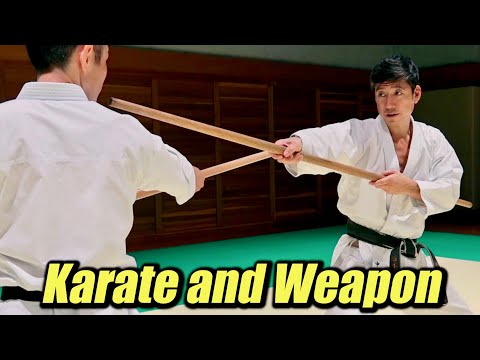
Karate and Weapons: Unveiling the Astonishing Parallels Through Tatsuya Naka's Vision

As a seasoned practitioner and observer of the martial way, I often find myself contemplating the profound interconnectedness that underpins seemingly disparate disciplines. Today, we delve into a topic that has sparked considerable debate and fascination: the striking similarities between Karate and the art of weaponry. We're not just talking about superficial resemblances; we're exploring the shared principles, the common roots, and the philosophical underpinnings that bind them. This exploration is brought to you through the lens of Tatsuya Naka, a prominent figure within the Japan Karate Association, whose insights offer a compelling perspective on this age-old question.

The Unseen Symphony: Shared Principles Between Karate and Weaponry

The human body, in its purest form, is a weapon. Its limbs, its structure, its very movement can be honed to deliver force, deflect attacks, and control an opponent. This fundamental truth is the bedrock upon which both unarmed Karate and armed combat are built. When we examine the stances, the footwork, the body mechanics, and the strategies employed in disciplines like sword fighting (Kenjutsu), stick fighting (Jo-jutsu, Bo-jutsu), or even knife combat, we discover an uncanny echo within Karate techniques. Consider the concept of *kime* (kí-mé), often translated as "focus" or "snap," the explosive culmination of power at the moment of impact. This principle is paramount in a Karate strike – the simultaneous contraction of the entire body to generate maximum force. Now, imagine a swordsman executing a decisive cut. The same principle of full-body engagement, albeit through different kinetic chains, is at play. The *hikite* (hí-ki-té), the pulling back of the rear hand in Karate, isn't just about retracting a limb; it's about generating torque and balance, mirroring the preparatory motion of a sword draw or a powerful swing. Similarly, the essential footwork in both realms emphasizes stability, mobility, and the ability to generate power from the ground up. A solid stance in Karate provides the foundation for a devastating punch or kick, just as a stable base allows a warrior to execute a precise and powerful sword thrust or parry. The circular movements, the evasive maneuvers, the redirection of force – all are common threads woven into the fabric of both Karate and weapon-based martial arts.
"The sword and the hand are one. What the hand can do, the sword can do, and what the sword can do, the hand can do." - A sentiment echoed by many ancient martial texts, reflecting the deep connection between unarmed and armed combat.
This isn't merely a coincidence; it's a testament to the universal laws of physics and biomechanics, applied through centuries of refinement and combat experience. The goal in both is efficiency, effectiveness, and the seamless integration of technique and spirit.

Tatsuya Naka: A Modern Master's Perspective

Tatsuya Naka, a highly respected figure in the world of Karate, has dedicated his life to understanding and propagating the art as taught by the Japan Karate Association (JKA). His work, often showcased in detailed instructional videos, emphasizes the depth and complexity of Karate, revealing how its principles extend far beyond mere punching and kicking. Naka's approach encourages practitioners to see Karate not just as a physical discipline but as a holistic system of movement, strategy, and philosophy. The "amazing similarity" noted in the original title likely refers to how Naka's teachings illustrate the applicability of Karate principles to weapon use, and vice-versa. He often breaks down techniques, showing how the same body mechanics used to execute a *gyaku-zuki* (reverse punch) can be adapted for wielding a staff or sword. This highlights a core tenet of traditional martial arts: the fundamental principles remain constant, regardless of the implement used.
The commitment to fluid transitions, maintaining balance, and controlling distance are critical in a close-quarters Karate exchange and equally vital when facing an opponent armed with a blade or staff. Naka's visual explanations often serve as a powerful demonstration of this transference of skill. He embodies the ideal of the martial artist who understands the underlying mechanics, allowing for adaptability and a deeper comprehension of combat.

The Philosophical Backbone: Bushido and the Warrior's Spirit

Beyond the mechanics, the philosophical underpinnings of Karate and traditional weaponry share a common ancestry, particularly within the framework of *Bushido* (Bú-shi-dō), the way of the warrior. Concepts like discipline, respect, courage, and self-control are not exclusive to Karate-ka or swordsmen; they are the hallmarks of a true warrior, regardless of their chosen path. The mental fortitude required to face an opponent, whether armed or unarmed, is immense. The ability to remain calm under pressure, to make split-second decisions, and to act with decisiveness is forged through rigorous training and a deep understanding of one's own capabilities and limitations. This mental discipline, often referred to as *Mushin* (Mú-shin) or "no-mind," is the ultimate goal, allowing the practitioner to react instinctively and effectively. The pursuit of perfection, the endless cycle of training and refinement, is another shared characteristic. In Karate, this is seen in the meticulous practice of *kata* (ká-ta), the prearranged forms that embody combat techniques. In weapon arts, it's the relentless drilling of cuts, thrusts, and parries. Both paths demand unwavering dedication and a willingness to push beyond perceived limits.
"If you are a warrior, practice will make you perfect. If you are not, it will make you better." - A principle that resonates across all martial traditions.
The pursuit of excellence in Karate, much like the mastery of a blade, is not just about defeating an opponent; it's about self-discovery and self-mastery. It's about understanding the nature of conflict, both external and internal, and striving to embody the virtues that make a true martial artist.

Practical Application: Why This Matters for the Modern Practitioner

Understanding the connection between Karate and weaponry offers invaluable benefits to the contemporary martial artist. * **Enhanced Body Awareness**: Recognizing how body mechanics translate across different disciplines deepens your understanding of movement and force generation. * **Improved Strategy**: Learning from weapon-based combat can offer new strategic insights applicable to unarmed fighting, and vice-versa. How does an opponent with reach advantage differ from one who aims for close-quarters clinching? These lessons are often illuminated by studying weapon use. * **Philosophical Enrichment**: The shared emphasis on discipline, focus, and self-control enriches the practitioner's understanding of the martial way as a path of personal development. * **Preservation of Tradition**: By acknowledging these connections, we contribute to a more holistic appreciation of martial history and the evolution of combat arts. For those seeking to expand their martial horizons, exploring traditional weapon arts can profoundly impact their Karate training. Conversely, a solid Karate foundation can provide an intuitive understanding of weapon dynamics.

Equipo Esencial para tu Entrenamiento

While the core principles of Karate and weaponry are universal, specialized equipment can enhance your training experience, particularly if you decide to explore weapon-based arts alongside your Karate practice.
  • Karate Gi: A durable, well-fitting Karate Gi is essential for Kata and sparring. Look for double-weave fabrics for increased longevity, especially for Kumite.
  • Training Weapons (Bokken, Jo, Bo): For exploring weapon parallels, start with safe training implements. A wooden practice sword (Bokken), a short stick (Jo), or a long staff (Bo) are excellent choices. Ensure they are appropriately sized and weighted for your build.
  • Protective Gear: If you engage in sparring (Kumite) or weapon drills that involve contact, appropriate protective gear such as sparring gloves, mouthguards, and shin guards are indispensable.
  • Training Mats (Tatami/Judo Mats): For practicing throws, breakfalls, or dynamic movements common to both Karate and grappling-based weapon defense, good quality mats are crucial for safety.
Exploring resources like the Japan Karate Association's official channels or specific instructional DVDs can provide further guidance on training methods and equipment.

Veredicto del Sensei: ¿Merece la pena esta conexión?

¡Absolutamente! Ignorar las profundas similitudes entre el Karate y las artes de armamento es quedarse ciego ante una parte fundamental de la historia y la evolución de las artes marciales. Lo que Tatsuya Naka y otros maestros demuestran es que no son disciplinas separadas, sino facetas de un mismo diamante: la comprensión del movimiento humano y la aplicación efectiva de la fuerza. Si eres un practicante de Karate, explorar las armas te abrirá una nueva dimensión de tu arte. Si vienes de un arte de armas, verás tu disciplina reflejada en la potencia y la economía de movimiento del Karate. Es una conexión vital para cualquier budoka serio.

Guía de Entrenamiento: Integrando Principios de Armas en tu Karate

Aquí te presento un ejercicio sencillo para comenzar a sentir la conexión:
  1. Postura Base y Equilibrio: Adopta tu postura natural de Karate (Shizentai o Kokutsu-dachi). Siente cómo tu peso está distribuido y cómo puedes generar potencia desde tus pies y caderas.
  2. Simulación de Ataque con Arma: Imagina que sostienes un Bo (bastón) largo. Extiende tus brazos como si estuvieras sujetando el Bo, sin mover los pies. Practica movimientos fluidos de corte y empuje, manteniendo la base firme y el cuerpo alineado. Nota cómo tus caderas y torso giran para generar el movimiento, similar a un golpe de Karate.
  3. Transición a Bloqueo: Ahora, imagina que el Bo te está siendo atacado. Utiliza tus brazos extendidos para simular un bloqueo circular o una desviación, similar a un Soto-Uke (bloqueo exterior) o Uchi-Uke (bloqueo interior). Siente cómo tu cuerpo se mantiene estable, absorbiendo la fuerza imaginaria.
  4. Conexión con la Cadera: Al realizar estos movimientos simulados, presta atención a la rotación de tu cadera. Esta rotación es clave tanto para la potencia de un golpe de Karate como para la fuerza de un corte con arma. Asegúrate de que tu cadera dirige el movimiento, no solo tus brazos.
  5. Repetición y Adaptación: Repite estos movimientos lentamente, enfocándote en la fluidez y la conexión entre tus pies, caderas y brazos. Luego, intenta integrarlos en tus Katas o ejercicios de calentamiento.
Este ejercicio te ayudará a sentir cómo los principios de manejo de armas pueden mejorar tu conexión corporal y la generación de potencia en tus técnicas de Karate.

Preguntas Frecuentes

¿Es el Karate una forma de combate con armas?

No directamente, pero comparte principios fundamentales de movimiento, estrategia y generación de fuerza con muchas artes de armas. La teoría es que el cuerpo humano es la "arma" original, y sus principios se aplican independientemente del implemento.

¿Por qué Tatsuya Naka es una figura importante en este tema?

Tatsuya Naka es un instructor de alto nivel de la Japan Karate Association (JKA), conocido por su profunda comprensión técnica y filosófica del Karate. Su habilidad para descomponer y explicar la complejidad del Karate a menudo revela estas conexiones subyacentes.

¿Debo aprender a usar armas si practico Karate?

No es obligatorio, pero hacerlo puede enriquecer enormemente tu comprensión del Karate. Te permite ver cómo los principios que aprendes se aplican en contextos más amplios de combate.

¿Existen otros estilos de Karate que integren armas?

Sí, estilos como el Kobudo son específicamente artes de armas, a menudo practicadas junto con el Karate y con raíces históricas entrelazadas en las islas Ryukyu.

¿Cómo puedo encontrar más videos de Tatsuya Naka?

Puedes buscar en plataformas como YouTube o en los canales oficiales de la Japan Karate Association y Kuro-Obi World. Los enlaces proporcionados en la fuente original también dirigen a contenido de suscripción y compra.

Para Profundizar en tu Camino

* Kyokushin Karate: La Fortaleza del Espíritu * Defensa Personal: Más Allá del Arte Marcial * El Camino del Budo: Disciplina y Automaestría ```

As a seasoned practitioner and observer of the martial way, I often find myself contemplating the profound interconnectedness that underpins seemingly disparate disciplines. Today, we delve into a topic that has sparked considerable debate and fascination: the striking similarities between Karate and the art of weaponry. We're not just talking about superficial resemblances; we're exploring the shared principles, the common roots, and the philosophical underpinnings that bind them. This exploration is brought to you through the lens of Tatsuya Naka, a prominent figure within the Japan Karate Association, whose insights offer a compelling perspective on this age-old question.

The Unseen Symphony: Shared Principles Between Karate and Weaponry

The human body, in its purest form, is a weapon. Its limbs, its structure, its very movement can be honed to deliver force, deflect attacks, and control an opponent. This fundamental truth is the bedrock upon which both unarmed Karate and armed combat are built. When we examine the stances, the footwork, the body mechanics, and the strategies employed in disciplines like sword fighting (Kenjutsu), stick fighting (Jo-jutsu, Bo-jutsu), or even knife combat, we discover an uncanny echo within Karate techniques.

Consider the concept of kime (kí-mé), often translated as "focus" or "snap," the explosive culmination of power at the moment of impact. This principle is paramount in a Karate strike – the simultaneous contraction of the entire body to generate maximum force. Now, imagine a swordsman executing a decisive cut. The same principle of full-body engagement, albeit through different kinetic chains, is at play. The hikite (hí-ki-té), the pulling back of the rear hand in Karate, isn't just about retracting a limb; it's about generating torque and balance, mirroring the preparatory motion of a sword draw or a powerful swing.

Similarly, the essential footwork in both realms emphasizes stability, mobility, and the ability to generate power from the ground up. A solid stance in Karate provides the foundation for a devastating punch or kick, just as a stable base allows a warrior to execute a precise and powerful sword thrust or parry. The circular movements, the evasive maneuvers, the redirection of force – all are common threads woven into the fabric of both Karate and weapon-based martial arts.

"The sword and the hand are one. What the hand can do, the sword can do, and what the sword can do, the hand can do." - A sentiment echoed by many ancient martial texts, reflecting the deep connection between unarmed and armed combat.

This isn't merely a coincidence; it's a testament to the universal laws of physics and biomechanics, applied through centuries of refinement and combat experience. The goal in both is efficiency, effectiveness, and the seamless integration of technique and spirit.

Tatsuya Naka: A Modern Master's Perspective

Tatsuya Naka, a highly respected figure in the world of Karate, has dedicated his life to understanding and propagating the art as taught by the Japan Karate Association (JKA). His work, often showcased in detailed instructional videos, emphasizes the depth and complexity of Karate, revealing how its principles extend far beyond mere punching and kicking. Naka's approach encourages practitioners to see Karate not just as a physical discipline but as a holistic system of movement, strategy, and philosophy.

The "amazing similarity" noted in the original title likely refers to how Naka's teachings illustrate the applicability of Karate principles to weapon use, and vice-versa. He often breaks down techniques, showing how the same body mechanics used to execute a gyaku-zuki (reverse punch) can be adapted for wielding a staff or sword. This highlights a core tenet of traditional martial arts: the fundamental principles remain constant, regardless of the implement used.

The commitment to fluid transitions, maintaining balance, and controlling distance are critical in a close-quarters Karate exchange and equally vital when facing an opponent armed with a blade or staff. Naka's visual explanations often serve as a powerful demonstration of this transference of skill. He embodies the ideal of the martial artist who understands the underlying mechanics, allowing for adaptability and a deeper comprehension of combat.

The Philosophical Backbone: Bushido and the Warrior's Spirit

Beyond the mechanics, the philosophical underpinnings of Karate and traditional weaponry share a common ancestry, particularly within the framework of Bushido (Bú-shi-dō), the way of the warrior. Concepts like discipline, respect, courage, and self-control are not exclusive to Karate-ka or swordsmen; they are the hallmarks of a true warrior, regardless of their chosen path.

The mental fortitude required to face an opponent, whether armed or unarmed, is immense. The ability to remain calm under pressure, to make split-second decisions, and to act with decisiveness is forged through rigorous training and a deep understanding of one's own capabilities and limitations. This mental discipline, often referred to as Mushin (Mú-shin) or "no-mind," is the ultimate goal, allowing the practitioner to react instinctively and effectively.

The pursuit of perfection, the endless cycle of training and refinement, is another shared characteristic. In Karate, this is seen in the meticulous practice of kata (ká-ta), the prearranged forms that embody combat techniques. In weapon arts, it's the relentless drilling of cuts, thrusts, and parries. Both paths demand unwavering dedication and a willingness to push beyond perceived limits.

"If you are a warrior, practice will make you perfect. If you are not, it will make you better." - A principle that resonates across all martial traditions.

The pursuit of excellence in Karate, much like the mastery of a blade, is not just about defeating an opponent; it's about self-discovery and self-mastery. It's about understanding the nature of conflict, both external and internal, and striving to embody the virtues that make a true martial artist.

Practical Application: Why This Matters for the Modern Practitioner

Understanding the connection between Karate and weaponry offers invaluable benefits to the contemporary martial artist.

  • Enhanced Body Awareness: Recognizing how body mechanics translate across different disciplines deepens your understanding of movement and force generation.
  • Improved Strategy: Learning from weapon-based combat can offer new strategic insights applicable to unarmed fighting, and vice-versa. How does an opponent with reach advantage differ from one who aims for close-quarters clinching? These lessons are often illuminated by studying weapon use.
  • Philosophical Enrichment: The shared emphasis on discipline, focus, and self-control enriches the practitioner's understanding of the martial way as a path of personal development.
  • Preservation of Tradition: By acknowledging these connections, we contribute to a more holistic appreciation of martial history and the evolution of combat arts.

For those seeking to expand their martial horizons, exploring traditional weapon arts can profoundly impact their Karate training. Conversely, a solid Karate foundation can provide an intuitive understanding of weapon dynamics.

Equipo Esencial para tu Entrenamiento

While the core principles of Karate and weaponry are universal, specialized equipment can enhance your training experience, particularly if you decide to explore weapon-based arts alongside your Karate practice.

  • Karate Gi: A durable, well-fitting Karate Gi is essential for Kata and sparring. Look for double-weave fabrics for increased longevity, especially for Kumite.
  • Training Weapons (Bokken, Jo, Bo): For exploring weapon parallels, start with safe training implements. A wooden practice sword (Bokken), a short stick (Jo), or a long staff (Bo) are excellent choices. Ensure they are appropriately sized and weighted for your build.
  • Protective Gear: If you engage in sparring (Kumite) or weapon drills that involve contact, appropriate protective gear such as sparring gloves, mouthguards, and shin guards are indispensable.
  • Training Mats (Tatami/Judo Mats): For practicing throws, breakfalls, or dynamic movements common to both Karate and grappling-based weapon defense, good quality mats are crucial for safety.

Exploring resources like the Japan Karate Association's official channels or specific instructional DVDs can provide further guidance on training methods and equipment.

Veredicto del Sensei: ¿Merece la pena esta conexión?

¡Absolutamente! Ignorar las profundas similitudes entre el Karate y las artes de armamento es quedarse ciego ante una parte fundamental de la historia y la evolución de las artes marciales. Lo que Tatsuya Naka y otros maestros demuestran es que no son disciplinas separadas, sino facetas de un mismo diamante: la comprensión del movimiento humano y la aplicación efectiva de la fuerza. Si eres un practicante de Karate, explorar las armas te abrirá una nueva dimensión de tu arte. Si vienes de un arte de armas, verás tu disciplina reflejada en la potencia y la economía de movimiento del Karate. Es una conexión vital para cualquier budoka serio.

Guía de Entrenamiento: Integrando Principios de Armas en tu Karate

Aquí te presento un ejercicio sencillo para comenzar a sentir la conexión:

  1. Postura Base y Equilibrio: Adopta tu postura natural de Karate (Shizentai o Kokutsu-dachi). Siente cómo tu peso está distribuido y cómo puedes generar potencia desde tus pies y caderas.
  2. Simulación de Ataque con Arma: Imagina que sostienes un Bo (bastón) largo. Extiende tus brazos como si estuvieras sujetando el Bo, sin mover los pies. Practica movimientos fluidos de corte y empuje, manteniendo la base firme y el cuerpo alineado. Nota cómo tus caderas y torso giran para generar el movimiento, similar a un golpe de Karate.
  3. Transición a Bloqueo: Ahora, imagina que el Bo te está siendo atacado. Utiliza tus brazos extendidos para simular un bloqueo circular o una desviación, similar a un Soto-Uke (bloqueo exterior) o Uchi-Uke (bloqueo interior). Siente cómo tu cuerpo se mantiene estable, absorbiendo la fuerza imaginaria.
  4. Conexión con la Cadera: Al realizar estos movimientos simulados, presta atención a la rotación de tu cadera. Esta rotación es clave tanto para la potencia de un golpe de Karate como para la fuerza de un corte con arma. Asegúrate de que tu cadera dirige el movimiento, no solo tus brazos.
  5. Repetición y Adaptación: Repite estos movimientos lentamente, enfocándote en la fluidez y la conexión entre tus pies, caderas y brazos. Luego, intenta integrarlos en tus Katas o ejercicios de calentamiento.

Este ejercicio te ayudará a sentir cómo los principios de manejo de armas pueden mejorar tu conexión corporal y la generación de potencia en tus técnicas de Karate.

Preguntas Frecuentes

¿Es el Karate una forma de combate con armas?

No directamente, pero comparte principios fundamentales de movimiento, estrategia y generación de fuerza con muchas artes de armas. La teoría es que el cuerpo humano es la "arma" original, y sus principios se aplican independientemente del implemento.

¿Por qué Tatsuya Naka es una figura importante en este tema?

Tatsuya Naka es un instructor de alto nivel de la Japan Karate Association (JKA), conocido por su profunda comprensión técnica y filosófica del Karate. Su habilidad para descomponer y explicar la complejidad del Karate a menudo revela estas conexiones subyacentes.

¿Debo aprender a usar armas si practico Karate?

No es obligatorio, pero hacerlo puede enriquecer enormemente tu comprensión del Karate. Te permite ver cómo los principios que aprendes se aplican en contextos más amplios de combate.

¿Existen otros estilos de Karate que integren armas?

Sí, estilos como el Kobudo son específicamente artes de armas, a menudo practicadas junto con el Karate y con raíces históricas entrelazadas en las islas Ryukyu.

¿Cómo puedo encontrar más videos de Tatsuya Naka?

Puedes buscar en plataformas como YouTube o en los canales oficiales de la Japan Karate Association y Kuro-Obi World. Los enlaces proporcionados en la fuente original también dirigen a contenido de suscripción y compra.

Para Profundizar en tu Camino

```

Reflexión del Sensei: Tu Próximo Paso

The parallels between Karate and weaponry are not merely academic curiosities; they are living lessons etched into the very essence of combat. Having dissected these connections, the true question for you, the dedicated martial artist, is not if they exist, but how deeply you will explore them. Will you continue to see your Karate as a closed system, or will you open your mind to the wider martial universe that mirrors its principles? The journey of mastery is one of constant discovery. Where will this revelation lead you next?

GEMINI_METADESC: Unveil the surprising connections between Karate and traditional weaponry, guided by Tatsuya Naka's expertise. Explore shared principles, philosophy, and practical training insights.

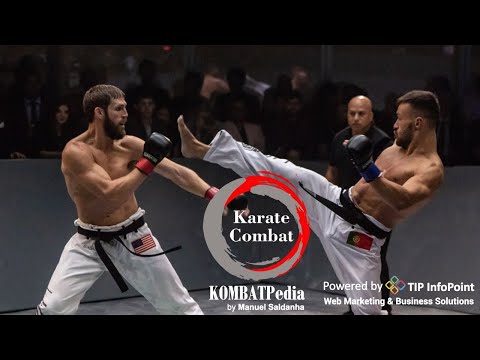
Karate Combat: A Warrior's Deep Dive into the Art of Empty Hand**

Are you truly prepared to understand Karate Combat? Many mistake it for a mere spectacle, a shallow display of kicks and punches. But for those who have walked the dojo floor, who have felt the sting of sweat and the burn of disciplined exertion, Karate Combat represents something far more profound. It is the crystallization of centuries of martial evolution, a living testament to the warrior spirit. This isn't just about winning; it's about the journey, the refinement, and the unyielding pursuit of self-mastery through the art of the empty hand. Let us delve beyond the surface and explore the very essence of what makes Karate Combat a compelling force in the world of martial arts and combat sports.

The Genesis of Karate: From Okinawa to the Global Stage

Karate, as we know it today, did not spring forth fully formed. Its roots are deeply entwined with the history of Okinawa, where indigenous fighting traditions, known as Te, merged with Chinese martial arts techniques. This fusion, driven by necessity and survival under foreign occupation, gave birth to a unique system of self-defense. Early masters like Soken "Bushi" Matsumura and Anko Itosu were instrumental in codifying its principles, transforming it from a practical fighting method into a structured discipline.

"Karate is a defensive art from its very conception and a life's devotion." - Richard Kim

The introduction of Karate to mainland Japan in the early 20th century, spearheaded by figures like Gichin Funakoshi, marked a pivotal moment. Funakoshi's efforts to popularize Karate through demonstrations and the establishment of the Shotokan dojo were crucial. He emphasized not just the physical techniques but also the philosophical underpinnings – the Dojo Kun, or training hall rules, which stress principles like sincerity, politeness, courage, and self-control. This transition from a regional Okinawan art to a national Japanese martial art, and subsequently to a global phenomenon, is a testament to its efficacy and enduring appeal.

Karate Combat: Defining the Modern Arena

While traditional Karate often emphasizes forms (kata) and point-based competition, Karate Combat emerged to showcase a more direct, full-contact application of Karate techniques. The format is designed to test practitioners in a high-stakes environment, bridging the gap between traditional martial arts and modern combat sports like MMA. It demands not only technical proficiency but also resilience, strategic thinking, and the mental fortitude to perform under intense pressure.

The Principles at Play: Beyond the Punch

At its core, Karate is built upon several fundamental principles:

  • Kihon (Basics): The foundation of all Karate practice. This includes stances (dachi), strikes (tsuki, uchi), blocks (uke), and kicks (geri). Mastery of kihon is paramount for developing power, speed, and accuracy.
  • Kata (Forms): Prearranged sequences of movements simulating combat scenarios. Kata are not merely routines; they are intricate moving libraries of martial knowledge, honing technique, balance, and an understanding of applied combat.
  • Kumite (Sparring): The practical application of techniques against an opponent. Karate Combat takes kumite to an extreme, demanding full-contact engagement within a set of rules designed to protect fighters while allowing for decisive action.
  • Zanshin (Awareness): A state of continuous awareness and readiness, extending beyond the immediate action. It's the understanding that the fight is never truly over until one is completely safe and mentally prepared for any follow-up threat.
  • Mushin (No Mind): The state of mental clarity achieved when the mind is free from distracting thoughts, fear, or ego. In combat, Mushin allows for instinctive, fluid, and optimal responses.

Karate Combat tests these principles directly. The speed and power required to land effective strikes, the ability to evade and block incoming blows, and the mental resilience to stay in the fight – all are direct manifestations of these core Karate tenets. It forces practitioners to confront the practical efficacy of their training, often revealing flaws that traditional settings might mask.

Critique Marcial: The Spectacle vs. The Substance

As a seasoned observer and practitioner of martial arts, I approach Karate Combat with a critical eye. On one hand, it undeniably brings Karate to a wider audience, showcasing impressive athleticism and the devastating potential of Karate strikes. The sheer power generated by practitioners like Jorge Perez or Abdalla Shaick is breathtaking. The visual appeal is undeniable; the explosive kicks and focused punches captivate.

However, the debate rages: Does this full-contact format truly represent traditional Karate? My stance is nuanced. Traditional Karate, with its emphasis on precise technique, control, and often non-contact or semi-contact sparring, cultivates a different kind of warrior. The discipline required to execute a perfect kata, the mental focus for controlled sparring, and the philosophical journey of self-improvement are equally vital aspects of the art. Karate Combat, by necessity, streamlines these elements for a spectator sport. It prioritizes the "combat" aspect, which, while exciting, can sometimes overshadow the deeper martial and ethical principles.

"The ultimate aim of Karate is not victory or defeat, but the perfection of the character of its participants." - Gichin Funakoshi (paraphrased interpretation)

The question then becomes: is it still Karate? If the fundamental techniques and the spirit of disciplined combat are present, then yes. But it is a specific manifestation, a modernized iteration designed for a different purpose. It's akin to comparing classical ballet to a street dance crew. Both involve movement, artistry, and skill, but their contexts, objectives, and execution differ significantly. Karate Combat excels at demonstrating the combative effectiveness of Karate's striking arsenal, and this is valuable in its own right.

Equipo Esencial para tu Entrenamiento

While Karate Combat emphasizes raw technique, proper training gear is crucial for safety and progression, both in traditional dojos and for those inspired by the combatants you see in the ring. Investing in the right equipment is an investment in your development:

  • Karate Gi: Look for a durable, double-weave gi designed for full-contact training. A heavier gi can offer some protection and withstand the rigors of intense sparring.
  • Hand Protection: Padded sparring gloves are non-negotiable for Karate Combat and high-impact kumite. Ensure they offer good knuckle protection and wrist support.
  • Mouthguard: Essential for protecting your teeth and jaw. Custom-fitted mouthguards offer the best protection and comfort.
  • Groin Protection: A protective cup (jockstrap or compression shorts with a pouch) is vital for male practitioners.
  • Shin Guards: For intense kicking drills and sparring, padded shin guards are highly recommended.
  • Headgear: In full-contact sparring, headgear can significantly reduce the risk of concussions and facial injuries.

Guía de Entrenamiento: Desarrollando el "Golpe de Karate"

To emulate the power seen in Karate Combat, focus on these foundational elements. This is a simplified guide; a qualified instructor is essential for proper technique and safety.

  1. Posición (Dachi): Begin with a stable, balanced stance like the Zenkutsu-dachi (forward stance). Ensure your weight distribution is correct and your body is aligned.
  2. Cadencia y Rotación (Koshi): Power in Karate comes from hip rotation (koshi). Practice turning your hips explosively into your strikes. Imagine winding up before delivering a punch or kick.
  3. Concentración de la Fuerza (Kime): This is the explosive focus of energy at the moment of impact. Practice hitting a target (like a padded mitt held by a partner, or a makiwara if you have one) with a sharp, focused exhalation. The strike should be fast, then stop sharply.
  4. Secuencia de Movimientos: Combine stance, hip rotation, and a focused strike. For a punch, like a Gyaku-tsuki (reverse punch), practice stepping forward and rotating your hips to drive the punch with maximum force.
  5. Resistencia y Repetición: Train consistently. Perform repetitions of basic punches and kicks, focusing on form, power, and speed. Incorporate conditioning exercises like push-ups, squats, and core work to build the physical resilience needed for sustained combat.
  6. Práctica Aplicada (Kumite): Engage in controlled sparring with a partner. Focus on executing techniques with controlled power, observing your partner's reactions, and practicing defensive maneuvers. Gradual progression to full-contact sparring under strict supervision is the path to emulating Karate Combat.

Preguntas Frecuentes

What is the main difference between Karate Combat and traditional Karate competitions?

Karate Combat is a full-contact professional league emphasizing knockouts and decisive finishes, often with unique rulesets designed for viewer excitement. Traditional Karate competitions vary widely, from non-contact point sparring (like WKF) to semi-contact or full-contact styles (like Kyokushin), but often place greater emphasis on kata and adherence to strict traditional rules.

Are Karate Combat fighters considered true Karate masters?

This is a point of contention. Karate Combat fighters are undeniably skilled and powerful martial artists who demonstrate the combative application of Karate techniques. However, "mastery" in traditional Karate often encompasses a deeper philosophical understanding, extensive kata proficiency, and decades of dedicated practice rooted in specific dojo traditions, which may not be the primary focus in a professional combat league.

Is Karate Combat dangerous?

Like any full-contact combat sport, Karate Combat carries inherent risks of injury. However, the organization implements safety measures, including rule sets designed to mitigate severe harm and requiring fighters to wear protective gear.

Can Karate techniques be effectively used in MMA?

Absolutely. While Karate's focus on striking can be challenged by grappling, many Karate techniques, particularly powerful kicks and precise hand strikes, are highly effective and have been successfully integrated by many MMA fighters. The key is often blending Karate's striking prowess with complementary skills like wrestling and Jiu-Jitsu.

Veredicto del Sensei: ¿Merece la pena el espectáculo?

Karate Combat is a thrilling showcase of Karate's offensive capabilities. It's undeniably exciting to watch powerful athletes deliver devastating strikes and execute dynamic kicks. For those seeking to understand the practical, combat-oriented side of Karate, it offers a compelling glimpse. However, it is crucial to remember that this is a sport, a performance, and a highly specialized application of the art. It doesn't encompass the full spectrum of traditional Karate, which includes the rigorous self-discipline, philosophical depth, and intricate forms that are equally vital to its legacy. Think of it as a powerful, focused beam of light from a much larger, more complex lantern.

Mi Verdedicto:

  • Coreografía y Demostración Técnica: Cinturón Negro en Espectáculo Explosivo
  • Autenticidad como Arte Marcial Tradicional: Un Paso Más Allá de la Superficie, pero no el Viaje Completo.
  • Valor para el Practicante Moderno: Inspirador, pero debe complementarse con el estudio de los fundamentos.

Para Profundizar en tu Camino

Reflexión del Sensei: Tu Próximo Paso

Karate Combat te muestra la punta del iceberg de lo que un artista marcial puede lograr. Pero, ¿entiendes la profundidad de las aguas que yacen debajo? ¿Te conformas con la admiración del espectáculo, o sientes la llamada a explorar los principios que dan forma a esa fuerza? La próxima vez que veas una patada devastadora o un golpe certero, pregúntate: ¿qué disciplina, qué filosofía, qué mil horas de entrenamiento silencioso permitieron que ese golpe se materializara? La verdadera maestría no se encuentra en la victoria efímera, sino en la constancia del aprendizaje. Ahora, ve y entrena. Pero, más importante aún, ¡piensa por qué entrenas!

``` GEMINI_METADESC: Explore the essence of Karate Combat: its history, principles, and its place in the modern martial arts landscape. A critical analysis for every warrior.

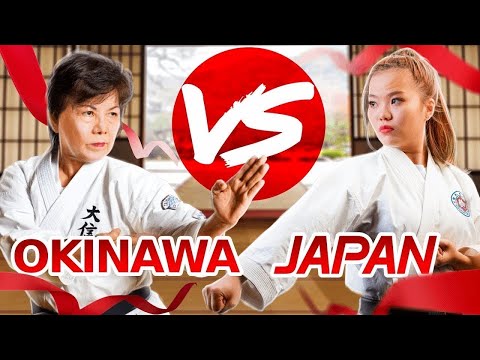
Karate's Roots: Unearthing the 10 Defining Differences Between Okinawa and Japan

The true warrior is a craftsman, a master of his art. To understand Karate, we must understand its origin, its very soul. This isn't just about punches and kicks; it's about history, philosophy, and a lineage that stretches back through time.
The world knows Karate. It’s a global phenomenon, a martial art that has graced Olympic stages and countless dojos from Tokyo to Toronto. Yet, how many truly grasp the profound chasm that separates the Karate born on the subtropical islands of Okinawa from the Karate that evolved on mainland Japan? This isn't a mere stylistic nuance; it’s a divergence rooted in history, culture, and the very purpose for which the art was honed. To truly appreciate Karate, one must delve into its genesis, and that journey begins in Okinawa. Here, I will illuminate ten critical distinctions that define the Karate of its birthplace versus its mainland evolution, offering you, the dedicated practitioner, a deeper, more critical understanding.

Table of Contents

Introduction: The Heartbeat of Karate's Origin

Karate's journey from the shores of Okinawa to the global stage is a testament to its efficacy and enduring appeal. Yet, in this global dissemination, certain core principles and distinctions have become diluted, misunderstood, or even lost. Understanding the differences between Okinawan Karate and Japanese Karate is not about declaring one superior, but about appreciating the distinct evolutionary paths each has taken. Okinawa, the cradle of Karate, developed an art forged in the crucible of survival and oppression. Japan, upon its introduction, adapted and transformed it, often for different societal roles and eventually, as a modern sport. This distinction is crucial for any serious martial artist seeking to connect with the art's historical integrity and profound depth.

Difference 1: Origins and Purpose - Survival vs. Modern Sport

The fundamental divergence lies in the initial *raison d'être*. Okinawan Karate, or 'Tōde' (Chinese Hand), emerged from a need for effective self-defense under the Satsuma domain's ban on weapons. Its primary objective was **survival**. Techniques were direct, brutal, and designed to incapacitate quickly. This ethos permeates the older Okinawan styles like Naha-te, Shuri-te, and Tomari-te. Conversely, when Karate was introduced to mainland Japan by masters like Gichin Funakoshi (who, it's crucial to remember, was Okinawan himself), it was systematically reorganized and formalized. Funakoshi sought to integrate Karate into the Japanese educational system, emphasizing its character-building aspects and moving it away from its overtly combative roots. This led to the development of styles like Shotokan, which, while still powerful, often prioritized aesthetics, formalized sparring (kumite), and competitive sport aspects.
"The purpose of martial arts is not to defeat an enemy, but to defeat oneself." - Gichin Funakoshi
This quote, while profound, highlights the shift. Okinawan Karate's "self-defeat" was often literal: overcoming the enemy before they overcame you. Japanese Karate's "self-defeat" evolved towards overcoming personal limitations, ego, and developing discipline within a structured framework.

Difference 2: Kobudō Integration - Weapons as an Extension of the Body

In Okinawa, Karate and Kobudō (the art of weapon-based self-defense) are inextricably linked. Masters of Karate were often masters of weapons. The movements, principles, and body mechanics learned in empty-hand forms (kata) directly translated to the use of weapons like the *bō* (staff), *sai* (truncheon), *tonfa* (nightstick), and *kama* (sickle). Kobudō wasn't an add-on; it was an integral part of the complete martial education. On mainland Japan, while Kobudō exists, it is often taught as a separate discipline from Karate. The focus shifted predominantly to empty-hand techniques, and the weapon arts, while respected, did not always retain the same symbiotic relationship with Karate training.

Difference 3: Bunkai Methodology - Practical Application vs. Abstract Forms

Bunkai, the practical application and analysis of Karate kata, is where the Okinawan emphasis on survival truly shines. In traditional Okinawan Karate, bunkai is dissected with ruthless practicality. Each movement, each block, each strike is analyzed for its most direct and effective application in a life-or-death scenario. The aim is to understand how to neutralize an opponent efficiently, often with joint locks, throws, or debilitating strikes to vital points. While Japanese Karate styles also practice bunkai, the interpretation can become more abstract or focused on pre-arranged drills for sport kumite. The sheer number of potential applications and the nuanced interpretations sometimes overshadow the raw, unadorned effectiveness demanded by Okinawan masters. Think of it as the difference between studying a surgeon's scalpel for its precise function versus studying a warrior's blade for its decisive cut.

Difference 4: Hojō Undo - The Foundation of Functional Strength

Hojō Undo, meaning "supplementary training," is a cornerstone of Okinawan Karate. This involves the use of weighted tools like the *chi'ishi* (stone weights), *nigiri game* (gripping jars), and *makiwara* (striking posts). The purpose is to develop a deep, functional strength, power generation from the ground up, and resilience in the hands and body. The *makiwara*, in particular, is a training tool designed to condition the striking surfaces and develop powerful, accurate impact. In many Japanese Karate dojos, Hojō Undo is less emphasized. Strength and conditioning often rely more on calisthenics, modern weight training, or sparring itself. While effective, it can lack the specific, hard-conditioning focus that Hojō Undo imparts, which directly correlates to the power needed for devastating strikes.

Difference 5: Iaijutsu Influence - The Art of the Quick Draw

While not a direct part of all Okinawan Karate, there’s a discernible influence of Japanese sword arts, particularly Iaijutsu, on some Okinawan Karate katas. This influence is seen in techniques that mimic drawing a sword, the rapid draw and cut motions, and the understanding of striking from a state of readiness. Masters like Miyamoto Musashi, though primarily a swordsman, embodied a holistic approach to combat that resonated beyond the sword. The introduction of Karate to Japan coincided with a period when swordsmanship was being formally codified. This environment meant that Karate, when adapted, naturally incorporated some of the elegance and precision associated with these established Japanese martial traditions.

Difference 6: Emphasis on Kata - Purity of Form vs. Interpretation

Kata, the pre-arranged forms, are central to all Karate. However, the *approach* to kata can differ significantly. In Okinawan Karate, there's often a strong emphasis on preserving the kata's original form and understanding the myriad implied applications. The kata is viewed as a living repository of techniques and principles. In Japan, particularly in styles that have embraced sport Karate, kata can sometimes be judged based on athletic performance, speed, power, and precision within a competitive framework. While this fosters discipline and performance, there's a risk that the deeper, more subtle applications and the original intent of the movements might be de-emphasized in favor of a visually impressive, yet potentially less practical, execution.

Difference 7: Self-Defense Realities - The 'Gegō' Principle

One of the most stark contrasts lies in the approach to self-defense. Okinawan Karate, born from necessity, often embodies the principle of *Gegō* – the concept of "attack to counterattack" or "strike before being struck." It embraces efficiency and decisiveness. The goal is to end the confrontation as quickly as possible. Japanese Karate, in its more formalized and sport-oriented expressions, often trains in controlled sparring environments (kumite) where points are scored, and direct incapacitation is not the immediate goal. While this develops skill and reflexes, it may not fully prepare a practitioner for the chaotic, no-holds-barred nature of a genuine street encounter, where the Okinawan approach of decisive action might be more crucial.
"In the heat of battle, the clear mind of the warrior discerns the shortest path to victory. Hesitation is death." - Anonymous Okinawan Master

Difference 8: Teaching Methodology - Direct Transmission vs. Formalization

Historically, Okinawan Karate was often taught through direct, one-on-one transmission from master to student (a *Sensei-deshi* relationship). The teaching was highly personalized, adapting to the individual's strengths and weaknesses, and emphasizing practical application above all else. The curriculum was often fluid, guided by the master's experience and the student's progress. Mainland Japan saw the formalization of Karate into a structured curriculum, with standardized syllabi, belt rankings, and uniform grading systems. This approach democratized Karate, making it accessible to a wider audience. However, it could also lead to a more generalized teaching style, where the nuanced, personalized instruction of the Okinawan *Sensei* might be less prevalent.

Difference 9: Spiritual and Philosophical Depth - 'Miyagi Chojun' and 'Gichin Funakoshi'

Both Okinawan and Japanese Karate are rich in philosophy, but the flavor differs. Okinawan masters like Chojun Miyagi (founder of Goju-ryu) emphasized the integration of mind, body, and spirit, often drawing from Chinese philosophical concepts, including Taoism and Buddhism, to develop inner strength and resilience. Their philosophy was deeply intertwined with the practicalities of survival and personal growth. Gichin Funakoshi, while deeply spiritual, introduced Karate to a Japan steeped in its own warrior traditions (Bushido). His teachings, while rooted in Okinawan principles, also resonated with the Japanese ideals of discipline, respect, and self-cultivation within a hierarchical society. The emphasis on *Dō* (the Way) became more pronounced, transforming Karate into a path of lifelong personal development.

Difference 10: Cultural Nuances and the 'Okinawan Spirit'

Okinawa has a unique cultural identity, distinct from mainland Japan, shaped by centuries of trade, isolation, and a history of both resilience and subjugation. This unique environment imbued Okinawan Karate with a particular spirit – one of pragmatism, resilience, and a deep respect for tradition, often expressed with understated intensity. As Karate integrated into Japanese culture, it absorbed elements of Japanese societal norms, such as emphasis on politeness, formal etiquette, and group harmony within the dojo. While these are valuable, they represent a cultural adaptation that subtly alters the original Okinawan expression of the art.

Veredict of the Sensei: Which Karate Reigns Supreme?

To ask which is "supreme" is to misunderstand the martial path. Both Okinawan and Japanese Karate have immense value, but they serve different purposes and offer different lessons. Okinawan Karate, with its direct lineage to the art's origins, offers a profound understanding of practical application, survival, and the raw, unadulterated principles of combat. It is the **foundation**. Japanese Karate, particularly its sport-oriented manifestations, offers structure, accessibility, and a pathway to athletic excellence and character development on a global scale. It is the **evolution and dissemination**. A true martial artist respects both. The ideal practitioner seeks to understand the roots in Okinawa to inform and deepen their practice, regardless of the style they train in Japan or elsewhere. My advice? Seek out the purest form of your chosen style, understand its historical context, and always strive for practicality.

Essential Equipment for Your Training

While Karate is adaptable, certain equipment can significantly enhance your training, particularly if you wish to explore the Okinawan approach.
  • Makiwara: Essential for developing striking power and conditioning. Look for a well-constructed striking post that allows for adjustable tension.
  • Chi'ishi and Nigiri Game: While often homemade, these traditional Okinawan tools are crucial for developing grip strength and dynamic power. Seek out resources or communities that can guide you in their use or creation.
  • Kobudō Weapons: If your dojo teaches Kobudō, invest in quality training weapons such as a Bō, Sai, or Tonfa. Ensure they are appropriately weighted and balanced for your size and skill level.
  • Quality Gi: A durable, well-fitting Karate gi is paramount. For intense training, consider a double-weave gi that can withstand rigorous practice, especially if you delve into Hojō Undo or controlled impact drills.
  • Training Mats (optional): If exploring throws or groundwork, consider appropriate mats for safety.
For those looking to invest in quality martial arts gear, exploring brands that focus on authentic designs and durability is key. Many online retailers offer a wide range of traditional Okinawan and Japanese Karate merchandise.

Training Guide: Developing Your Own Bunkai

Understanding bunkai is crucial, but it requires active engagement. Here's a guide to developing your own practical analysis:
  1. Choose a Kata: Start with a foundational kata that you know well.
  2. Isolate a Movement: Select a single block, strike, or stance from the kata.
  3. Consider the Context: What movements precede and follow it? What is the overall direction of the kata at that point?
  4. Brainstorm Applications:
    • How can this block defend against common attacks (punch, grab, strike)?
    • What kind of strike is this? Is it for distance, close range, or a follow-up?
    • Could this stance be used for balance, evasion, or transitioning to a throw/sweep?
    • Imagine different scenarios: a single attacker, multiple attackers, confined spaces.
  5. Incorporate Principles: Think about body mechanics, hip rotation, connection, and breath. How do these contribute to the technique's effectiveness?
  6. Sparring (Controlled): With a trusted training partner, test potential bunkai applications in a safe, controlled manner. Focus on understanding the principle, not necessarily landing a full-power blow.
  7. Seek Guidance: Discuss your interpretations with your Sensei. Their experience is invaluable in refining your understanding.
Remember, bunkai is not just about replicating movements; it's about understanding the *why* and *how* behind them.

Frequently Asked Questions

What is 'Tōde'?

'Tōde' (meaning "Chinese Hand") is the original name for Karate as it was practiced in Okinawa before its formalization and introduction to mainland Japan. It reflects its Chinese martial arts origins.

Is Okinawan Karate more effective for self-defense?

Generally, Okinawan Karate, with its emphasis on practical application, directness, and historical context of survival, is often considered more directly applicable to self-defense scenarios. However, the effectiveness of any martial art ultimately depends on the practitioner, their training, and the specific style.

Should I switch styles if I train Japanese Karate?

Not necessarily. The goal is to understand the principles. A skilled practitioner of a Japanese style can still learn and apply the core concepts of Okinawan Karate. The key is to seek depth and practical understanding within your existing training.

How did Karate become an Olympic sport?

Karate was introduced to the Olympics in Tokyo 2020. This was a significant step, reflecting its global popularity. However, it primarily featured competitive aspects like Kata and Kumite, which some argue further emphasize the sport over the traditional martial art.

What is the significance of the 'makiwara'?

The makiwara is a vital training tool in traditional Okinawan Karate for developing striking power, proper technique, and conditioning the striking surface of the hand or foot. It is designed to provide tactile feedback and build resilience.

To Deepen Your Path

The journey into the depths of Karate is a lifelong commitment. To further enrich your understanding and practice, I recommend exploring these related subjects:

Sensei's Reflection: Your Next Step

We have journeyed through the essence of Karate's origins, discerning the vital distinctions between its Okinawan cradle and its Japanese evolution. These are not mere academic points; they are keys to unlocking deeper understanding and more effective practice. Now, I pose this question: When you stand on the dojo floor, practicing your kata, hitting your makiwara, or sparring, do you feel the weight of history, the echo of survival, and the practical intention behind every movement? Or do you merely execute a series of forms and techniques? **The true test is not in knowing the differences, but in feeling their truth in your own body and spirit. What will you *do* with this knowledge?** GEMINI_METADESC: Explore the 10 critical differences between Okinawan and Japanese Karate. Understand the roots, purpose, and evolution of Karate from its survivalist origins to its modern forms.