Showing posts sorted by relevance for query Boxing. Sort by date Show all posts

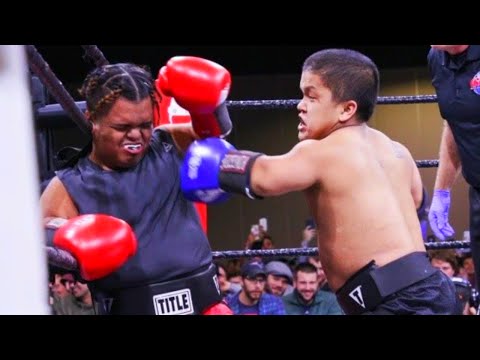
Budo's Verdict: Ayala vs. Gonzalez - A Raw Look at Boxing's Unscripted Drama

The roar of the crowd, the glint of sweat under the arena lights, the primal dance of two warriors facing off – this is the essence of combat sports. But beyond the spectacle, what truly defines a fight? Is it the flawless technique, the thunderous knockout, or the unwavering spirit that refuses to yield? Today, we delve into the raw, unvarnished reality of a boxing match: Gaston Ayala vs. Cristian Gonzalez. This isn't just about highlights; it's about dissecting the very soul of the battle.

The Essence of the Bout

The matchup between Gaston Ayala and Cristian Gonzalez, presented as a boxing event, serves as a microcosm of the broader world of combat. While boxing itself is a specific discipline, the underlying principles of dedication, strategy, and mental fortitude are universal across all martial arts. We're not just watching punches thrown; we're observing the culmination of countless hours of training, sacrifice, and the relentless pursuit of self-mastery.

Boxing, in its purest form, is a brutal ballet. It demands incredible physical conditioning, lightning-fast reflexes, and an iron will. Every jab, hook, and uppercut is a product of intense repetition and a deep understanding of timing and distance. This particular fight, while perhaps not reaching the legendary status of Ali-Frazier, offers valuable insights for any practitioner of the martial path.

"The supreme art of war is to subdue the enemy without fighting." - Sun Tzu

While Sun Tzu's wisdom speaks of strategic victory, a boxing ring is where that strategy is put to the ultimate test, often resulting in a direct confrontation. The "highlights" reel often focuses on the decisive moments, the knockdowns, and the explosive exchanges. But the true story lies in the rounds leading up to them, the subtle shifts in momentum, and the mental battles waged between each fighter.

Dissecting the Combat: Technique vs. Tenacity

In analyzing the encounter between Ayala and Gonzalez, we must move beyond the mere spectacle. From a martial perspective, it's crucial to observe the application of technique. Did Ayala employ superior footwork to create openings? Did Gonzalez demonstrate effective defensive strategies, such as the peek-a-boo guard or the Philly shell? These are the elements that separate mere brawlers from true martial artists.

We're looking for:

  • Stance and Balance: Was their base solid? Did they maintain their center of gravity throughout exchanges? A fighter who can't stay balanced is a fighter who will fall.
  • Punching Mechanics: Were punches thrown with proper hip rotation and body weight transfer? Or were they arm punches, lacking power and efficiency?
  • Defensive Awareness: Beyond simply blocking, did they utilize slips, rolls, and upper body movement to evade strikes?
  • Ring Generalship: Who dictated the pace and controlled the center of the ring? This often indicates a superior understanding of boxing strategy.

It's easy to be swayed by raw power or a dramatic knockdown. However, a seasoned martial eye seeks the underlying principles. A clean, economical combination that scores points is often more impressive, from a technical standpoint, than a wild flurry that misses its mark. We need to ask: was this a display of masterful boxing, or a testament to sheer grit and determination? Often, it's a potent mix of both.

The training required for such a fight is immense. It involves not just punching bags and sparring, but conditioning, strength work, and mental preparation. The endurance displayed in later rounds, when fatigue sets in, is as critical as the explosive power of an early knockout punch.

Beyond the Punch: The Mindset of a Warrior

The true martial artist understands that combat is as much a mental game as it is physical. A boxer's mindset is crucial. How does one handle adversity when knocked down? Does the spirit break, or does it ignite a fiercer resolve? This is where the concept of Ki, or internal energy, becomes relevant, even in a sport not explicitly focused on it.

A fighter who displays unwavering courage after absorbing heavy blows demonstrates a profound inner strength. This mental resilience, the ability to push past pain and doubt, is a hallmark of any serious martial practitioner. It's the "never give up" spirit that transcends specific techniques or styles.

"Defeat is not the opposite of success, it’s part of success." - Unknown Martial Artist

In the context of Ayala vs. Gonzalez, observing how each fighter reacted to being pressured is key. Did they adapt their strategy, or did they cling to what wasn't working? This adaptability is a core tenet of martial philosophy. The ability to flow like water, to bend without breaking, is a sign of true mastery.

Boxing's Place in the Martial Tapestry

While often viewed as a separate entity, boxing occupies a significant space within the broader martial arts landscape. It is one of the oldest forms of codified combat. Its influence can be seen in the striking techniques of many other disciplines, and its focus on disciplined training and competition has inspired generations.

The discipline required to become a competent boxer mirrors the dedication needed for any traditional art form. The endless hours spent perfecting a single punch, the sacrifice of social life for training, the mental fortitude to face opponents – these are shared values across the martial spectrum. Whether it's the sharp, precise movements of boxing or the flowing circularity of Aikido, the underlying commitment is the same.

Consider the evolution of Artes Marciales Mixtas (MMA). Boxing remains a foundational striking art within MMA. Fighters like Jon Jones and Cyril Gane, renowned for their MMA prowess, have backgrounds that often incorporate boxing techniques, demonstrating the enduring relevance of the sport. The raw power of a boxing knockout is a spectacle that continues to captivate audiences worldwide.

It's important to distinguish between the sport of boxing and its application in other contexts. While the rules of a boxing match are specific, the principles of striking, defense, and conditioning are transferable. This is why studying fights like Ayala vs. Gonzalez can be beneficial, even for practitioners of arts like Karate or Judo. It's about understanding different facets of combat.

Veredicto del Sensei: Is This a True Test of Martial Prowess?

Gaston Ayala vs. Cristian Gonzalez, as presented, is a clear demonstration of the sport of boxing. It showcases the dedication, the physical demands, and the mental fortitude inherent in this ancient discipline. From a pure boxing perspective, it offers an exciting display of skill and heart. However, to assess it as a "true test of martial prowess" in the broadest sense requires context.

If the question is whether it exemplifies the core principles of disciplined training, courage under fire, and strategic application of technique – then yes, it largely succeeds. The raw combat elements are undeniable. However, boxing operates within a strict rule set that limits its scope compared to arts designed for self-defense or broader combat scenarios.

Rating: 3.5 out of 5 Black Belts in Raw Combat Intensity.

While the fight delivers on excitement and demonstrates the dedication of the athletes, its applicability as a singular "martial" experience is confined to the realm of boxing. It's a powerful spectacle, but lacks the versatility found in more comprehensive martial systems.

Essential Equipment for Your Training

To truly engage with the spirit of any martial art, including the discipline that fuels boxers, the right equipment is paramount. Whether you're in a dojo, a boxing gym, or training at home, quality gear enhances both performance and safety.

  • Boxing Gloves: For sparring, 14-16oz gloves are standard for most weight classes to protect both hands and your partner. For bag work, 10-12oz gloves offer a good balance of protection and feedback.
  • Hand Wraps: Essential for protecting the metacarpals and wrists during intense training.
  • Mouthguard: A non-negotiable piece of safety equipment for any form of sparring or live-contact training.
  • Jump Rope: An excellent tool for cardiovascular conditioning and developing footwork, crucial for boxing and many other martial arts.
  • Focus Mitts and Thai Pads: If training with a partner, these are invaluable for practicing combinations and defensive maneuvers.
  • Durable Training Shoes: Offering good ankle support and grip, essential for dynamic movements.

Investing in quality martial arts merchandise is an investment in your training journey. It shows respect for the art and ensures you can train safely and effectively.

Frequently Asked Questions

What makes boxing a martial art?

Boxing is considered a martial art due to its emphasis on disciplined training, codified techniques, strategic combat, and the development of physical and mental attributes like discipline, courage, and resilience. While its scope is focused on punching, its roots and the dedication required place it within the martial tradition.

How does boxing differ from other martial arts?

The primary difference lies in its rule set and focus. Boxing strictly prohibits kicks, grappling, and strikes below the belt, focusing solely on punching with gloved hands. Other martial arts, like Karate, Taekwondo, Judo, or BJJ, incorporate a wider range of techniques, including kicks, throws, joint locks, and ground fighting.

Can boxing techniques be useful for self-defense?

Absolutely. Boxing's emphasis on powerful punching, evasive footwork, head movement, and defensive blocking provides a solid foundation for self-defense, especially in close-range encounters. However, it's crucial to supplement boxing training with other skills (like grappling or situational awareness) for comprehensive self-protection.

What is the importance of "highlights" in fight analysis?

Highlights offer a quick, exciting glimpse into the most impactful moments of a fight – knockdowns, impressive combinations, or dramatic comebacks. However, for a true martial understanding, they are insufficient. They often omit the strategic buildup, defensive nuances, and conditioning efforts that define a fighter's performance over the entire bout.

To Dive Deeper Into Your Journey

  • Kickboxing vs. Boxing: A Technical Showdown
  • The Role of Discipline in Mastering Any Martial Art
  • MMA Training: How Boxing Fits into the Modern Warrior's Arsenal

The confrontation between Gaston Ayala and Cristian Gonzalez is more than just a fight; it's a testament to the human spirit's capacity for struggle and triumph. It reminds us that every discipline, from the most complex martial art to the focused intensity of boxing, demands a profound commitment.

Reflexión del Sensei: Tu Próximo Paso

We've dissected the combat, explored the philosophy, and considered boxing's place in the vast world of martial arts. Now, I pose this question to you, the dedicated practitioner: In your own training, are you merely going through the motions, or are you actively seeking to understand the deeper principles that bind all martial disciplines? Are your "highlights" truly representative of your commitment, or do they mask the quiet hours of dedication that truly forge a warrior?

``` ```json { "@context": "https://schema.org", "@type": "FAQPage", "mainEntity": [ { "@type": "Question", "name": "What makes boxing a martial art?", "acceptedAnswer": { "@type": "Answer", "text": "Boxing is considered a martial art due to its emphasis on disciplined training, codified techniques, strategic combat, and the development of physical and mental attributes like discipline, courage, and resilience. While its scope is focused on punching, its roots and the dedication required place it within the martial tradition." } }, { "@type": "Question", "name": "How does boxing differ from other martial arts?", "acceptedAnswer": { "@type": "Answer", "text": "The primary difference lies in its rule set and focus. Boxing strictly prohibits kicks, grappling, and strikes below the belt, focusing solely on punching with gloved hands. Other martial arts, like Karate, Taekwondo, Judo, or BJJ, incorporate a wider range of techniques, including kicks, throws, joint locks, and ground fighting." } }, { "@type": "Question", "name": "Can boxing techniques be useful for self-defense?", "acceptedAnswer": { "@type": "Answer", "text": "Absolutely. Boxing's emphasis on powerful punching, evasive footwork, head movement, and defensive blocking provides a solid foundation for self-defense, especially in close-range encounters. However, it's crucial to supplement boxing training with other skills (like grappling or situational awareness) for comprehensive self-protection." } }, { "@type": "Question", "name": "What is the importance of \"highlights\" in fight analysis?", "acceptedAnswer": { "@type": "Answer", "text": "Highlights offer a quick, exciting glimpse into the most impactful moments of a fight – knockdowns, impressive combinations, or dramatic comebacks. However, for a true martial understanding, they are insufficient. They often omit the strategic buildup, defensive nuances, and conditioning efforts that define a fighter's performance over the entire bout." } } ] }

Anderson Silva vs. Jake Paul: A Martial Master's Reckoning with the YouTube Pugilist

The air crackles with anticipation, not of a championship MMA bout within the hallowed Octagon, but of a boxing ring. On one side stands Anderson Silva, "The Spider," a legend whose ethereal grace and devastating striking redefined middleweight combat in the UFC. On the other, Jake Paul, the enigmatic YouTuber who has systematically dismantled a roster of athletes from combat sports, not all of them boxers. This isn't just a fight; it's a clash of eras, of disciplines, and perhaps, of philosophies. Welcome, warriors, to Budo and Martial Arts.

Table of Contents

The Enduring Legacy of "The Spider"

Anderson Silva's name is synonymous with breathtaking artistry in mixed martial arts. For years, he held the UFC Middleweight Championship, a reign marked by innovative striking, seemingly telepathic defense, and an almost arrogant confidence that bordered on the mystical. His Muay Thai-infused boxing, coupled with an uncanny ability to gauge distance and timing, made him a nightmare for opponents. He could weave, feint, and counter with devastating precision, often making world-class fighters look amateurish. His famous "Spider-web" defense, where he'd taunt opponents while casually evading strikes, wasn't just showmanship; it was a testament to his supreme confidence in his reflexes and understanding of combat dynamics.
"True mastery lies not in overwhelming force, but in anticipating the storm before it even gathers." - A principle echoed by Silva's performances.
Silva's mastery wasn't limited to raw power; it was in his *understanding* of combat. He moved with a fluidity that transcended mere technique, embodying a deeper connection between mind and body – a core tenet of **BUDO**. His ability to absorb punishment and then explode with a fight-ending sequence was legendary. While this bout is under boxing rules, the core of Silva's prowess stems from an art that embraces all forms of striking. Can that deep-seated martial knowledge translate when confined to the squared circle?

The Problematic Rise of "The Problem Child"

Jake Paul. The name itself evokes a spectrum of reactions, from adoration to disdain. What began as a novelty act – a social media star stepping into the ring – has morphed into something far more complex. Paul has shown a surprising dedication to the sport of boxing, a willingness to learn, and, crucially, a capacity to secure meaningful opponents. He’s not just fighting fellow YouTubers; he’s gone after former MMA champions and established boxers, albeit often past their prime. His power is undeniable, his chin has proven resilient, and his promotional acumen is unparalleled.
Paul's success, however controversial, raises a critical question: what constitutes a "real" fighter in the modern era? Is it the years spent in traditional dojos and gyms, honing a specific discipline? Or is it the grit, the heart, and the willingness to step into the fire, regardless of background? Paul embodies the latter, and his persistence has earned him a grudging respect from many, even as his methods and persona remain polarizing. His journey highlights the crossover appeal of combat sports, blurring lines between entertainment and genuine competition.

Boxing Versus MMA: A Fundamental Divide

This is where the true debate lies. Boxing is a singular art form: the art of the fist. It emphasizes footwork, head movement, offensive and defensive punching, and clinch work within very specific rules. MMA, on the other hand, is a synthesis. It's the ultimate test of a complete martial artist, where striking, grappling, wrestling, and submissions all play a role. Silva, while a striking savant, is fundamentally an MMA fighter. His defense, his movement, his rhythm – they are all steeped in the multi-disciplinary nature of MMA. He has faced strikers, grapplers, and wrestlers. Jake Paul, conversely, is a boxer. His training, his instincts, his entire competitive framework are built around the nuances of boxing. The question for martial arts purists: can a boxer, even a formidable one like Paul, truly challenge a striking legend like Silva when the ruleset heavily favors the boxer? Or does Silva's decades of high-level combat experience, even in a different sport, grant him an inherent advantage rooted in deeper martial principles? This isn't just about who hits harder; it's about who understands the *context* of combat better.

Analysis of the Striking Arts: Silva's Edge and Paul's Grit

Silva’s striking is poetry in motion. His counters are legendary, his jab often a deceptively powerful tool, and his kicks – though largely absent in boxing – demonstrate an exceptional understanding of body mechanics and power generation. In a boxing match, Silva's boxing fundamentals are surprisingly strong. He possesses excellent head movement, footwork that allows him to cut angles effectively, and a jab that he can use both offensively and defensively to control distance. His experience against elite strikers in boxing-heavy MMA contests gives him a unique perspective. Paul, on the other hand, has developed a raw, powerful boxing style. He throws with conviction, aims for knockout blows, and has shown an ability to absorb punishment. His training under reputable boxing coaches has undoubtedly refined his technique. However, his movements can sometimes appear more mechanical than fluid when compared to Silva. He relies on his physical strength and power, whereas Silva often relies on timing, accuracy, and anticipating his opponent's intentions.
"In combat, as in calligraphy, the striking force of the brushstroke depends on the integrity of the line." - A lesson in precision that applies to both arts.
The crucial difference lies in their ingrained instincts. Silva's instincts are honed by decades of MMA, where feints, level changes, and defensive reactions are multi-faceted. Paul's instincts are pure boxing. In the heat of battle, which set of instincts will prevail? Will Silva be tempted to use MMA-like movements, or can he purely adapt to boxing's demands? Will Paul's raw power overwhelm Silva, or will Silva's evasive mastery render Paul's aggression moot?

The Mental Game: Pressure and Expectation

Both fighters carry immense pressure. Silva, the aging legend, faces questions about his physical prime and the challenge of performing in a sport he hasn't competed in professionally for years, against an opponent whose entire career is built on defying expectations. There’s the pressure to prove he’s still got it, to cement his legacy, and perhaps, to show the world that martial arts mastery transcends specific rule sets. Paul, conversely, shoulders the burden of being the "challenger" in the eyes of many traditionalists, yet the "favorite" in the betting world due to his recent boxing activity. He faces the pressure to validate his boxing career, to prove that his wins weren't flukes, and to defeat a true legend. The psychological warfare that Paul employs outside the ring is a significant part of his strategy. How will Silva, a master of mental warfare within the cage, respond to Paul's external provocations? This battle of wills could be as significant as the physical one.

Veredicto del Sensei: A Fight for Respect

This bout is more than just a boxing match; it’s a referendum on legacy, discipline, and the evolving landscape of combat sports. Anderson Silva, "The Spider," represents the pinnacle of striking artistry in MMA. His technical prowess, his timing, and his understanding of distance are second to none. However, he is stepping into a domain heavily favoring his opponent, Jake Paul, whose singular focus has been the art of boxing. Paul has shown surprising power, resilience, and dedication to the sport. He has systematically worked his way up, defeating opponents who, while not always elite boxers, were certainly seasoned combatants. His aggression and determination are palpable. From a pure martial arts perspective, Silva’s deep understanding of combat, honed over decades against the world’s best, should theoretically allow him to adapt. His defensive capabilities and counter-striking are world-class. However, boxing’s specific ruleset and Paul’s younger legs and dedicated boxing training cannot be underestimated. This fight is a fascinating case study: can an MMA legend, even one with exceptional striking skills, defeat a dedicated, albeit less experienced, boxer on his own turf? The answer hinges on whether Silva can leverage his superior combat intelligence and defensive mastery, or if Paul’s raw power and boxing focus will prove too much. **Cinturón Negro en Análisis Crítico.**

Equipo Esencial para tu Entrenamiento

Whether you're inspired by Silva's artistry or Paul's dedication, proper training equipment is paramount.
  • Guantes de Boxeo: For sparring and bag work, 14oz to 16oz gloves are standard for protection and conditioning.
  • Vendas de Mano: Essential for wrist and knuckle support during intense training sessions.
  • Saco de Boxeo (Heavy Bag): For developing power, speed, and endurance.
  • Cuerda de Saltar: Crucial for improving footwork, coordination, and cardiovascular health.
  • Protector Bucal: Non-negotiable for any form of sparring or high-intensity training.
  • Kimono (Gi): If you're looking to delve deeper into grappling arts like Judo or BJJ, a durable gi is key. Look for double-weave options for longevity.

Preguntas Frecuentes (FAQs)

  • Q: Is Anderson Silva still a UFC champion?
    A: No, Anderson Silva is no longer with the UFC and is retired from MMA competition. This fight is under professional boxing rules.
  • Q: Has Jake Paul fought any other MMA fighters?
    A: Yes, Jake Paul has defeated former MMA champions like Tyron Woodley and Ben Askren in boxing matches.
  • Q: What are the rules for this fight?
    A: This is a professional boxing match, adhering to standard boxing rules regarding punches, rounds, and permitted actions.
  • Q: Is this fight considered an official boxing record for Silva?
    A: Yes, Anderson Silva has had professional boxing matches prior to this, and this bout will count towards his professional boxing record.

Para Profundizar en tu Camino

* BUDO: Explore the philosophical underpinnings of martial arts. * Martial Artists: Discover the journeys of other legendary fighters. * Fight Analysis: Deep dives into the tactics and strategies of combat sports.

Reflexión del Sensei: Tu Próximo Paso

This bout between Anderson Silva and Jake Paul is a microcosm of the constant evolution in the world of combat. It forces us to question what defines a "fighter" and whether discipline transcends sport. As you digest this analysis, ask yourself: In your own training, are you merely practicing techniques, or are you striving for the deeper understanding and adaptability that defines true martial mastery? How will you integrate the lessons of both Silva's artistry and Paul's tenacity into your own path? ```

The Unvarnished Truth: Mastering the Pugilistic Arts – A Sensei's Uncompromising Guide to Boxing for the True Warrior

The ring. A crucible where raw courage meets honed technique. For millennia, humanity has sought to test itself in combat, and boxing, in its purest form, stands as a testament to that primal drive. But do not mistake its apparent simplicity for a lack of depth. To truly understand the art of boxing is to delve into a discipline that demands more than just brute force; it requires unwavering focus, ironclad discipline, and a spirit as unyielding as tempered steel. This isn't about flashy moves for the masses; it's about understanding the *bushido* of the pugilist. This guide is not for the faint of heart, but for those who seek to understand the soul of the fight.

Table of Contents

Introduction: The Pugilist's Path

Many claim to understand boxing. They watch from the sidelines, mesmerized by the ferocity, yet blind to the underlying strategy. This is not a sport for those who seek mere violence; it is a sophisticated dance of strategy, timing, and absolute control. Forget the theatrics; we delve into the core. If your intention is to learn the fundamental principles that separate a brawler from a boxer, you have arrived. This guide is built upon the rigorous principles that underpin all true martial disciplines, adapted for the squared circle. We will dissect each element, from the devastating power of a well-placed punch to the subtle art of evading a blow that could end your night.

The Four Pillars of Offense: Mastering the Punches

In the unforgiving arena of boxing, your fists are your instruments of expression. But not all expressions carry the same weight. Understanding the *purpose* and *execution* of each fundamental punch is paramount. This is where the foundation of your offensive strategy is laid, where the *ki* flows through your strikes.

The Jab: The Maestro's Measure

"The jab is the painter's brush. It sketches the outline of the masterpiece."
The jab is the foundational punch in boxing, often underestimated by novices. It's your primary tool for range-finding, disrupting your opponent's rhythm, and setting up more potent attacks. Thrown with your lead hand, it must be swift, straight, and retracted quickly to maintain balance. A lazy jab is an invitation to disaster. Master the jab, and you control the distance; control the distance, and you control the fight. This requires constant practice, honing the muscle memory until the movement is as natural as breathing.

The Cross: The Hammer of Judgment

"The cross is the testament of power, delivered with the truth of your entire body."
This is where true power is unleashed. The cross, thrown with your rear hand, involves a rotation of your hips and shoulders, transferring the force from the ground up through your body. It's not just an arm punch; it's a full-body commitment. Used to end exchanges, exploit openings, or deliver a decisive blow, the cross demands precision. A poorly executed cross leaves you vulnerable, off-balance, and ripe for punishment. For those seeking the ultimate expression of boxing power, understanding the mechanics of the cross is non-negotiable. Consider the legacy of fighters who made this their signature – their power was no accident.

The Hook: The Serpent's Coil

"The hook strikes from unexpected angles, a sudden turn of fate."
The hook is a semi-circular punch delivered with either hand, targeting the head or body. Its effectiveness lies in its ability to bypass an opponent's guard when thrown correctly. Whether it's a short, sharp hook to the chin or a looping power hook to the ribs, the principle remains: utilize your core rotation for maximum impact. This punch requires adaptability, as it can be employed both offensively and defensively to disrupt an opponent's attack. Mastering hooks is essential for breaking down a guarded opponent, a skill honed through countless hours of drilling.

The Uppercut: The Rising Dragon

"The uppercut is the surprise from below, a sudden ascent of power."
The uppercut is a powerful, upward-striking punch. It's designed to catch an opponent coming in, or to lift their head from a lower guard. Again, hip and shoulder rotation are key, generating explosive upward force. This punch is particularly effective against opponents who tend to drop their hands or lean forward. Its trajectory makes it a formidable weapon, capable of causing significant damage. For any aspiring boxer serious about their arsenal, the uppercut is a vital, albeit challenging, technique to master.

The Dance of the Warrior: Essential Footwork

Boxing is often described as a thinking person's sport, and nowhere is this more evident than in its footwork. The ring is your chessboard, and your feet are your pawns. Superior footwork allows you to control the engagement, evade danger, and dictate the terms of the fight. Neglect this, and you are merely a stationary target. This is where the true *Budo* spirit manifests – not just in the strike, but in the movement, the strategy, the evasion.

The Foundation: Your Boxing Stance

Your stance is your base, your equilibrium. A proper boxing stance keeps you balanced, protected, and ready to move. Feet should be shoulder-width apart, with your lead foot slightly forward. Knees are softly bent, distributing your weight primarily on the balls of your feet, allowing for quick transitions. Your lead hand is up, protecting your face, and your rear hand guards your chin. This isn't just about standing; it's about being prepared to explode into action or disappear from danger at a moment's notice.

Step and Slide: Navigating the Arena

This is the most fundamental movement. To move left, step with your lead foot, then bring your rear foot to meet it, maintaining your stance's width. To move right, do the opposite. This "step and slide" ensures you never cross your feet, which is a cardinal sin in boxing, leading to imbalance and vulnerability. It's about maintaining your structure while traversing the terrain. This fluid motion is crucial for effective offensive and defensive positioning, a silent testament to your control.

The Pivot: Shifting the Battlefield

Pivoting allows you to change angles, creating offensive opportunities or evading an opponent's attack. By stepping with your lead foot and rotating your rear foot, you can shift your body and create a new line of attack, surprising your opponent. This technique is vital for turning defense into offense and is a hallmark of experienced boxers who can manipulate the space within the ring. It’s a subtle art, but one that can dramatically alter the course of a fight.

The Shield of Wisdom: Impregnable Defense

Offense wins rounds, but defense wins championships. A fighter who cannot defend themselves is merely playing with fire. True mastery lies in the ability to avoid punishment while simultaneously creating openings. This is where the discipline of the martial artist truly shines – understanding that the greatest victory is often not to strike, but to *not be struck*.

The Parry: Deflecting Misfortune

A parry is a controlled deflection of an opponent's punch. Using your lead hand, you gently redirect the incoming blow to the side. It's not a block; it's a subtle redirection that uses minimal energy and can even be transitioned into a counter-attack. This requires excellent timing and awareness, distinguishing it from a crude, energy-sapping block.

The Slip: The Ghost's Evasion

The slip involves moving your head to the left or right, causing your opponent's punch to whistle past. Crucially, your feet remain planted, allowing for an immediate counter-punch. This requires impeccable timing and understanding of an opponent's range and power. A well-timed slip can not only evade a devastating blow but also set up a powerful retaliatory strike.

Bob and Weave: The Willow in the Storm

This classic defensive maneuver involves bending your knees and moving your upper body in a U-shape. It's used to evade punches, particularly hooks, and to get inside an opponent's reach. The bob and weave allows you to move under punches and come up in a position to attack, turning defense into a potent offensive tool. It’s about being fluid, adaptable, and always one step ahead.

The Forge of the Fighter: Rigorous Training Regimen

Talent is a spark, but discipline is the fire that sustains it. Consistent, intelligent training is the only path to true mastery in boxing. Without it, your potential remains dormant, a whisper lost in the roar of the crowd.

Shadowboxing: The Solitary Duel

Before you face an opponent, you must first face yourself. Shadowboxing is your private rehearsal. It's where you practice your technique, footwork, and combinations without resistance. This is your opportunity to refine every movement, to build muscle memory, and to develop the fluidity and speed that define a skilled boxer. It's a critical component for developing *internal strength* and mastering your own movements.

The Heavy Bag: Facing the Silent Adversary

The heavy bag is your relentless training partner. Punching it develops power, stamina, and the conditioning necessary to endure the rigors of a fight. Each strike against the bag is a commitment, building the resilience required to absorb and deliver punishment. Focus on proper form with every punch; the bag doesn't judge technique, but the results speak for themselves. Using a high-quality boxing glove during these sessions is crucial for joint protection.

Sparring: The Crucible of Reality

Sparring is where theory meets practice. It's the closest you'll get to a real fight in a controlled environment. Here, you test your techniques, timing, defense, and mental fortitude against a live opponent. It teaches you to adapt, react, and manage the pressure of combat. Sparring is not about winning; it's about learning. Every session is a lesson, a chance to identify weaknesses and build upon strengths. This is where the true *fighter's spirit* is forged. Remember, proper sparring gear is non-negotiable for safety.

Veredicto del Sensei: ¿Merece la pena?

This guide presents the foundational pillars of boxing. It is a distilled essence of technique and strategy, stripped of hyperbole. Boxing, when approached with the discipline and respect of a martial art, is profoundly rewarding. It builds not only physical prowess but also mental fortitude, strategic thinking, and an unshakeable self-confidence. However, it demands dedication. This is not a quick fix; it's a lifelong pursuit. For those willing to commit, the journey is transformative. **Calificación:** Cinturón Negro en Fundamentos.

Equipo Esencial para tu Entrenamiento

To begin your journey in the pugilistic arts, certain equipment is not merely recommended, but essential for safe and effective training:
  • Boxing Gloves: Essential for protecting your hands and wrists during striking. For beginners, 14-16oz gloves are generally recommended for training.
  • Hand Wraps: Worn under gloves, these provide crucial extra support to your hand and wrist bones.
  • Mouthguard: Absolutely vital for protecting your teeth and preventing concussions.
  • Headgear (for sparring): Protects against cuts, bruises, and reduces the impact of blows during sparring sessions.
  • Jump Rope: An indispensable tool for warming up, improving footwork, coordination, and cardiovascular conditioning.
  • Heavy Bag: For developing power, stamina, and practicing combinations.
  • Boxing Shoes: Offer ankle support and provide the necessary grip for agile footwork in the ring.
Investing in quality boxing equipment is an investment in your safety and progress.

Guía de Entrenamiento: Perfeccionando tu Jab

Let us focus on the most fundamental punch, the jab, and refine its execution.
  1. Stance: Assume your proper boxing stance. Your lead hand is forward, eyes forward.
  2. Initiation: Begin the movement by extending your lead arm directly forward. Do not cock your wrist or bend your elbow prematurely.
  3. Extension: Fully extend your arm, rotating your fist slightly as it reaches its target. This rotation adds snap and power. The palm should ideally face downwards upon impact.
  4. Target Impact: Aim to strike with the knuckles of your index and middle fingers.
  5. Retraction: Immediately snap the punch back to your guard position. This is crucial for defense and maintaining balance. The retraction should be as fast as the extension.
  6. Body Mechanics: As you extend, you may subtly shift your weight forward onto the ball of your lead foot. Engage your core.
  7. Practice: Perform 10-20 repetitions with focus. Then, practice transitioning from a jab to a cross, or a jab to a slip.
  8. Shadowboxing: Integrate this refined jab into your shadowboxing routine.
  9. Heavy Bag: Practice your jab on the heavy bag, focusing on speed, accuracy, and retraction.
Mastering the jab is a journey, not a destination. Be patient, be persistent.

Preguntas Frecuentes

Q: How long does it take to become proficient in boxing?
A: Proficiency varies greatly depending on natural aptitude, training frequency, and quality of instruction. However, expect at least 1-2 years of consistent training to develop fundamental skills and ring awareness.

Q: Is boxing too dangerous for beginners?
A: While boxing carries inherent risks, proper training under qualified instructors, with emphasis on defense and safe sparring practices, significantly mitigates danger, especially for beginners.

Q: Can boxing be used for self-defense?
A: Absolutely. The core principles of boxing – footwork, distance management, and powerful striking – are highly applicable to real-world self-defense situations.

Q: What is the difference between boxing and other martial arts?
A: Boxing specifically focuses on punches using the fists, employing unique footwork and defensive strategies. Other martial arts may incorporate kicks, grappling, or weapons, offering broader combat applications.

Para Profundizar en tu Camino

Reflexión del Sensei: Tu Próximo Paso

You have studied the theory. You understand the mechanics of the jab, the cross, the hook, the uppercut. You know the importance of footwork and defense. But theory is a map; practice is the territory. So I ask you: When you stand before the mirror, practicing your jab, are you merely moving your arm, or are you channeling the intent of a warrior? Are you executing a technique, or are you embodying the spirit of the strike? The answer to this question will define your path. ```json { "@context": "https://schema.org", "@type": "FAQPage", "mainEntity": [ { "@type": "Question", "name": "How long does it take to become proficient in boxing?", "acceptedAnswer": { "@type": "Answer", "text": "Proficiency varies greatly depending on natural aptitude, training frequency, and quality of instruction. However, expect at least 1-2 years of consistent training to develop fundamental skills and ring awareness." } }, { "@type": "Question", "name": "Is boxing too dangerous for beginners?", "acceptedAnswer": { "@type": "Answer", "text": "While boxing carries inherent risks, proper training under qualified instructors, with emphasis on defense and safe sparring practices, significantly mitigates danger, especially for beginners." } }, { "@type": "Question", "name": "Can boxing be used for self-defense?", "acceptedAnswer": { "@type": "Answer", "text": "Absolutely. The core principles of boxing – footwork, distance management, and powerful striking – are highly applicable to real-world self-defense situations." } }, { "@type": "Question", "name": "What is the difference between boxing and other martial arts?", "acceptedAnswer": { "@type": "Answer", "text": "Boxing specifically focuses on punches using the fists, employing unique footwork and defensive strategies. Other martial arts may incorporate kicks, grappling, or weapons, offering broader combat applications." } } ] }

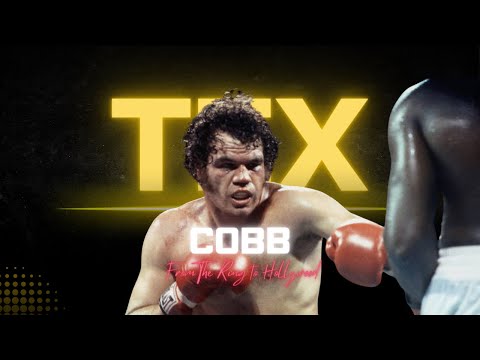
Tex Cobb: The Unconventional Pugilist - A Martial Arts Critique

Welcome to the Dojo: Understanding Tex Cobb's Legacy

Welcome, aspiring warriors and seasoned practitioners, to Budo and Martial Arts. Today, we delve into the life and times of a figure who, while not a traditional martial artist in the strictest sense, embodied a raw, uncompromising spirit that resonates deeply within the martial world. We are dissecting the documentary "Tex Cobb: Boxing's Outlaw," published on April 22, 2022. Forget the sanitized versions of combat you might see on screen; Cobb's story is one of grit, rebellion, and a fierce, albeit unconventional, approach to fighting. Is this documentary merely a peek into the life of a boxing anomaly, or does it hold valuable lessons for those who dedicate their lives to the path of the warrior? Let us begin this critical examination.

Who Was Tex Cobb? Beyond the Boxing Ring

Tex Cobb. The name itself conjures images of a formidable presence, a man who navigated the turbulent waters of professional boxing in the 1980s. But to label him solely as a boxer is to miss the multifaceted individual he was. Cobb was an actor, a colorful personality, and, in his own way, a reflection of the primal struggle at the heart of all combat sports. This documentary revisits his journey, incorporating interviews that aim to paint a comprehensive portrait of a man often misunderstood.

He wasn't your textbook technician, meticulously executing jab-cross combinations with textbook precision. Cobb was a force of nature, a brawler whose sheer physical presence and unwavering determination often compensated for a lack of formal martial arts discipline. This documentary seeks to explore that duality, presenting him not just as a fighter but as a character who played a unique role in the pantheon of combat sports figures.

"The boxing ring is merely a stage. The true battle lies within." - A principle often echoed by martial artists, and one that Tex Cobb, in his own chaotic way, seemed to embody.

The Pugilistic Philosophy: Raw Power vs. Refined Technique

In the grand tapestry of martial arts, boxing occupies a vital, though sometimes controversial, section. While it focuses solely on striking with the fists, its core principles of timing, distance, footwork, and strategic aggression are fundamental. Tex Cobb’s style, however, leaned heavily towards the raw power and intimidation aspect of pugilism. His approach was less about the elegant dance of a seasoned boxer and more about overwhelming his opponents with brute force and sheer will.

This brings us to a crucial debate within the martial community: the efficacy of brute strength versus disciplined technique. Can sheer power and aggression, as demonstrated by figures like Cobb, overcome years of dedicated training in more refined arts like Karate or Judo? Or does the latter always hold an advantage in a true test of skill? The documentary prompts us to consider this, showcasing Cobb's raw, unadulterated fighting spirit.

Consider the concept of Kiai, the unified spirit and intent often expressed audibly in Japanese martial arts. While Cobb didn't employ the Kiai in the traditional sense, his roars, his visible anger, and his aggressive demeanor served a similar psychological purpose: to intimidate and destabilize the opponent. It’s a different expression of the same fundamental principle of martial intent.

For those who practice Karate, the focus on powerful, precise strikes with proper body mechanics is paramount. Cobb's method, while effective in boxing, might be considered crude by many Karateka. Yet, the sheer force behind his punches cannot be dismissed. It begs the question: can a lifetime of intense physical conditioning and aggressive intent truly substitute for intricate striking patterns and defensive strategies honed over decades?

Analyzing "Boxing's Outlaw": Authenticity and the Martial Spirit

When evaluating a documentary about a combat athlete, particularly one with a reputation like Tex Cobb, our critical lens as martial artists must be sharp. "Boxing's Outlaw" aims to present an authentic portrayal. But what constitutes authenticity in this context? Is it simply showcasing the brutality of boxing, or does it delve into the underlying principles that make a fighter, a warrior?

The inclusion of additional interviews suggests an effort to provide depth, moving beyond mere highlight reels. A true martial arts critique examines the portrayal of:

  • The Warrior's Mindset: Does the documentary capture the psychological fortitude, the mental discipline, and the resilience required not just to compete, but to survive in a brutal environment?
  • Primal Instinct vs. Learned Skill: How does Cobb's reliance on raw instinct and aggression contrast with the structured training found in arts like Judo or Taekwondo? Is there a hierarchy, or are they simply different paths to the same destination of effectiveness?
  • The Spirit of Budo: While boxing lacks the explicit philosophical underpinnings of Budo (the Japanese Way of the Warrior), does Cobb's story touch upon aspects like courage, perseverance, and the pursuit of self-mastery, however unrefined?

The documentary’s title, "Boxing's Outlaw," is telling. It implies a defiance of convention, a willingness to operate outside the established norms. This resonates with the idea of the lone warrior, the ronin, who forges their own path. However, the question remains: is this outlaw spirit a sign of true independence, or a symptom of undisciplined aggression that ultimately limits potential?

From the Ring to the Street: Cobb's Relevance in Self-Defense

This is where the rubber truly meets the road for any martial artist. We often discuss the efficacy of various arts in a real-world self-defense scenario. While boxing can be incredibly effective for striking, its limitations become apparent when grappling, throws, or weapon defense are introduced. Tex Cobb, with his pure boxing background, would face significant challenges in a chaotic street encounter against a mixed martial artist or even a skilled grappler.

However, Cobb’s sheer toughness and his ability to absorb punishment are undeniable attributes that translate across disciplines. A crucial lesson from Cobb's life for self-defense practitioners is the importance of mental toughness. The ability to remain calm, to persevere through pain, and to maintain a fighting spirit even when outmatched are critical. This is a principle that transcends boxing and is core to many martial philosophies, such as the concept of Mushin (no-mind) in Zen Buddhism, which allows for spontaneous and effective action under duress.

A common misconception is that pure power equates to street effectiveness. While power is a component, it must be coupled with technique, situational awareness, and an understanding of legal ramifications. Cobb’s story, as depicted, might glorify raw aggression, but in reality, it’s the disciplined application of skills, combined with the mental fortitude he possessed, that is most valuable.

"In a real fight, there are no judges. Only survival." - This stark reality underscores the difference between sport and combat, a distinction Tex Cobb understood implicitly.

Sensei's Verdict: Is "Boxing's Outlaw" a Knockout?

As a piece of cinema exploring a controversial figure in combat sports, "Tex Cobb: Boxing's Outlaw" offers a compelling, if sometimes one-dimensional, look at a fighter who refused to conform. From a martial arts perspective, its value lies not in teaching specific techniques, but in provoking thought about the nature of combat, the warrior spirit, and the diverse paths to effectiveness.

Does it perfectly encapsulate the depth of martial philosophy? No. Does it showcase the nuanced application of a specific martial art? Not really. But it does present a raw, visceral portrayal of a fighter who possessed undeniable heart and a formidable will to overcome. It serves as a reminder that effectiveness in combat can stem from various sources, even from those who operate outside the conventional dojo.

Verdict: A solid contender for exploring the *spirit* of a fighter, but not a masterclass in martial technique. It's a documentary worth watching for its insights into a unique personality within the combat sports world, offering a different perspective on what it means to be a warrior.

Training Insights: Cultivating the Cobb Mentality

While we cannot, and should not, replicate Cobb’s potentially reckless aggression, we can learn from the underlying principles that made him formidable. How can you integrate this into your training?

  1. Build Unshakeable Willpower: Push your limits in training. When your body screams to stop, find that inner voice that urges you forward. This mental resilience is paramount in any combat scenario.
  2. Embrace Intensity: While technique is vital, don't shy away from explosive, high-intensity drills that simulate the pressure of a fight. This could be through intense sparring sessions or high-impact conditioning exercises.
  3. Develop Physical Toughness: Conditioning is not just about aesthetics; it's about building a body that can withstand punishment and deliver powerful blows. Incorporate strength training, plyometrics, and cardiovascular endurance work.
  4. Psychological Warfare (Ethically Applied): Learn to project confidence and control. This doesn't mean intimidation, but rather projecting an aura of readiness and calm resolve that can unsettle an opponent.

Resources for the Dedicated Practitioner

To further understand the world of combat sports and the philosophies that underpin martial arts, consider these resources:

  • Books on Boxing History: Explore the lives of other boxing legends to understand the evolution of the sport and its different styles.
  • Documentaries on Martial Arts Masters: Seek out films focusing on practitioners of Kyokushin Karate, Judo, or other disciplines to contrast Cobb's approach with more traditional methods.
  • Biographies of Warriors: Read about historical figures who exemplify the warrior spirit across different cultures and eras.

Frequently Asked Questions

Is Tex Cobb considered a martial artist?

While Tex Cobb was a professional boxer, he is not typically classified as a martial artist in the traditional sense. His expertise was limited to the skills of boxing, rather than encompassing the broader philosophical and technical spectrum of martial arts.

What makes boxing different from other martial arts?

Boxing primarily focuses on striking with the fists, emphasizing footwork, head movement, and punching techniques. Most other martial arts incorporate a wider range of skills, including kicks, grappling, joint locks, throws, and weapon usage, along with a greater emphasis on philosophy and spiritual development.

How can understanding boxers like Tex Cobb benefit martial artists?

Studying figures like Cobb can offer insights into the psychological aspects of combat, the importance of physical conditioning, mental toughness, and the power of sheer determination. It also highlights the differences and potential limitations of specialized disciplines versus well-rounded martial arts.

Is the "outlaw" mentality beneficial in martial arts?

While a degree of independence and willingness to challenge convention can be valuable, a true "outlaw" mentality, devoid of discipline and respect for tradition or safety, is detrimental. Martial arts emphasize self-control and ethical conduct above all.

Deepen Your Martial Journey

To continue your quest for knowledge and mastery, explore these related topics on our blog:

Sensei's Reflection: Your Next Step

Cobb's story is a potent reminder that the fight is often more internal than external. Did his "outlaw" spirit grant him a freedom that disciplined practitioners lack, or did it ultimately limit his potential? Reflect on this: In your own training, where do you draw the line between embracing your primal fighting spirit and adhering to the discipline that refines it? Is it a balance, or an inherent conflict?

``` GEMINI_METADESC: A martial arts critique of the Tex Cobb documentary 'Boxing's Outlaw'. Explore his pugilistic style, warrior spirit, and relevance to self-defense and Budo.

The Most Baffling Mysteries in Boxing History: A Martial Scholar's Perspective

Ah, boxing. The "Sweet Science," as it's often called. A sport that, on the surface, appears to be a straightforward test of power, speed, and endurance. Yet, beneath the veneer of primal combat, lies a history shrouded in intrigue, where inexplicable events have left even the most seasoned observers scratching their heads. While my expertise lies in the broader spectrum of martial arts – from the disciplined katas of Karate to the fluid transitions of Judo, and the philosophical depths of Budo – I cannot deny the unique allure and the peculiar mysteries that have punctuated the annals of pugilism. Some are tragic, others merely bizarre, but all serve as potent reminders that even in the controlled chaos of a boxing ring, the unpredictable can manifest in its most confounding forms. Welcome, fellow seekers of martial wisdom, to a deep dive into some of the strangest enigmas that have ever graced the squared circle. You are watching "Budo and Martial Arts," and today, we unwrap the veils of mystery that surround boxing's most perplexing moments.

Introduction: Beyond the Punch

Boxing, a sport that distills combat into a raw, head-to-head confrontation, often simplifies the complexities of fighting. Yet, its history is replete with incidents that defy simple explanation. These aren't mere "what ifs" or controversial calls; these are genuine mysteries that have endured, sparking debate and fueling speculation for decades. From inexplicable knockouts to baffling disappearances, the boxing world has witnessed its share of baffling phenomena. As practitioners of martial arts, we understand that control, precision, and understanding are paramount. How, then, do these inexplicable events fit into a sport so dedicated to order?

The Phantom Knockout: When the Blow Never Lands

One of the most unsettling mysteries in boxing is the "phantom knockout." This occurs when a fighter is knocked down or declared knocked out, yet there is no clear evidence of a significant blow connecting. In traditional martial arts, a knockdown or submission is the direct result of technique, timing, and applied force. A clean strike, a well-executed throw, or a suffocating hold – the cause is usually evident. Consider the case of **Sugar Ray Robinson**, arguably one of the greatest pound-for-pound fighters of all time. While not a clear-cut phantom knockout, there have been instances throughout boxing history where a fighter seemed to collapse from seemingly minimal contact, or even from the *threat* of a punch. Is it psychological warfare? A sudden, incapacitating cramp? Or something more profound, a momentary lapse of the body's will to continue, triggered by the sheer pressure of the moment? This concept resonates, in a strange way, with the martial principle of disrupting an opponent's center of balance and intent – the "kiai" in some Eastern arts can have a profound psychological effect, but a knockout without a strike? That's a puzzle that transcends mere technique.

The Curious Case of the Disappearing Belt

Championship belts in boxing are symbols of ultimate achievement, fiercely guarded and highly coveted. Yet, there have been instances where these prestigious artifacts have seemingly vanished into thin air. This isn't about a fighter losing it in a drunken stupor (though that has likely happened too), but rather a more official, or at least publicly acknowledged, disappearance. One notable (though perhaps exaggerated) tale involves a championship belt that was reportedly stolen or lost shortly after a major fight. The ensuing search and public outcry only deepened the mystery. For martial artists, the concept of losing something so vital, so representative of one's journey and mastery, is almost unthinkable. The **Budo spirit** emphasizes honor, discipline, and responsibility. A lost belt speaks to a failure of these principles, or perhaps a more sinister plot. Was it an inside job? A deliberate act to devalue the championship? The lack of concrete answers leaves this as a lingering enigma.

Mysterious Judges' Decisions: A Matter of Perception or Malice?

Perhaps the most common, yet consistently baffling, mysteries in boxing revolve around judges' scorecards. We've all seen fights where the outcome seems obvious to the naked eye, only for the judges' scorecards to tell a wildly different story. This isn't just about a difference in opinion; it's about scorecards that appear divorced from the reality of the fight. In the spirit of honest critique, a fighter's performance is judged on aggression, effective punching, ring generalship, and defense. When a decision appears to contradict these fundamental tenets, it raises serious questions. Could it be simple incompetence? Or does it hint at something darker – corruption, bias, or pressure from outside forces? In the discipline of **Kyokushin Karate**, for instance, judging is often highly standardized, with clear criteria for points. While boxing's subjective nature allows for interpretation, some decisions stretch the bounds of credulity to the breaking point. These controversial calls leave fans and fighters alike questioning the integrity of the sport, a concern that reverberates through all forms of competitive martial arts.
"The supreme art of war is to subdue the enemy without fighting." - Sun Tzu, The Art of War. While this applies to strategy, in boxing, the "fight" is inevitable. But the *outcome* being predetermined by factors beyond the combat itself? That is a perversion of martial principles.

Fighter Disappearances: Vanishing Acts in the Sport of Kings

Boxing has a dark underbelly, and one of its most chilling mysteries is the occasional disappearance of fighters. These aren't just fighters stepping away from the sport; they are individuals who seem to vanish without a trace, leaving behind bewildered families and unanswered questions. The circumstances surrounding these disappearances are often murky. Was it voluntary? Were they targeted? Did they fall victim to the dangers that sometimes lurk outside the ring, away from the bright lights and the adoring crowds? In the disciplined world of **Budo**, where every movement, every intention, is honed with purpose, the idea of simply "disappearing" is antithetical to the path of self-mastery and accountability. These cases serve as stark reminders of the human cost of a sport that demands so much, and the unseen struggles that fighters may face beyond the arena.

Unexplained Injuries: More Than Just Bruises?

While injuries are an unfortunate, yet accepted, part of combat sports, some boxing injuries defy easy explanation. We're not talking about a broken nose or a fractured rib, but rather peculiar ailments that strike fighters without any apparent cause during or after a bout. Could it be a pre-existing condition that was exacerbated? Or are there rare, freak accidents that can occur even in controlled environments? Some theories delve into the realm of psychosomatic effects or even more esoteric explanations, though these lack concrete evidence. In martial arts training, we learn to understand the body's limits and the mechanics of impact. An injury that seems to come from nowhere challenges this understanding. It forces us to consider factors beyond the obvious physical exchanges, prompting questions about the athlete's overall well-being and the subtle, unseen forces at play.

Veredicto del Sensei: Boxing's Enigmas and the Martial Way

Boxing, in its rawest form, is a brutal ballet. These mysteries, however, highlight that it is not always a pure expression of skill and will. They often speak to the darker, more complex aspects of human nature and competition: greed, corruption, psychological fragility, and the sheer unpredictability of life. From a martial arts perspective, these enigmas serve as valuable, albeit somber, lessons. They remind us that while we strive for control and understanding in our training, the world outside the dojo is far less predictable. They underscore the importance of integrity, not just in combat, but in the systems that govern it. While I cannot definitively solve these historical puzzles, their existence prompts critical thought. **¿Merece la pena? (Does it deserve attention?)** Absolutely. These mysteries, while unsettling, offer a different lens through which to view the sport. They are a testament to the enduring power of the unknown and the stories that persist long after the final bell. They remind us that even in the most structured of contests, an element of the inexplicable remains. Calificación: Cinturón Negro en Enigma Histórico

Essential Equipment for Your Training

While boxing has its own specialized gear, many martial arts principles apply, and having the right foundation is key. For those looking to build their physical and mental fortitude, which is crucial for any competitive endeavor, consider these essentials:
  • Quality Training Shoes: Essential for grip, ankle support, and agility in footwork, whether in a boxing ring or on the mats.
  • Hand Wraps: Protect your metacarpals and wrists, crucial for both striking and absorbing impact.
  • Sparring Gloves: Proper padding is vital for safety during any form of partnered combat training.
  • Jump Rope: A timeless tool for cardiovascular conditioning and improving coordination – a staple in boxing and many martial arts.
  • Durable Workout Apparel: Comfortable, breathable clothing that allows for a full range of motion.

Resources for Deeper Learning

To truly grasp the martial principles behind any combat sport, and to understand the context of its history, delving into foundational texts and reputable sources is paramount.
  • Books on Boxing History: Seek out well-researched historical accounts that don't shy away from controversy.
  • Biographies of Legendary Boxers: Understanding their struggles and triumphs can offer insights into the human element of the sport.
  • Documentaries on Combat Sports: Visual mediums can often bring historical events and the nuances of training to life.

Training Guide: Developing Ring Awareness

Ring awareness isn't just for boxers; it's a crucial aspect of spatial intelligence for any martial artist. It's about understanding your position, your opponent's position, and the boundaries of the engagement area.
  1. Footwork Drills: Practice moving in all directions (forward, backward, lateral) within a confined space, such as a marked square or the actual ring. Focus on maintaining balance and a low center of gravity.
  2. Shadow Boxing with Visualization: Imagine an opponent. Practice throwing strikes, defending, and moving away from imaginary attacks. Visualize the ring boundaries and use them to your advantage – pinning opponents to the ropes, for example.
  3. Partner Drills with Controlled Movement: Work with a partner, maintaining a specific distance. Practice pushing and pulling, responding to your partner's advances and retreats. Focus on feeling their presence and anticipating their next move.
  4. Defensive Reaction Drills: Have a partner lightly tap you from different angles. Your reaction should be to block, evade, or counter-move – developing an instinctive response to incoming threats.
  5. Boundary Awareness Exercises: Practice fighting near the edge of your training area, focusing on not stepping out while still maintaining offensive and defensive posture.

Frequently Asked Questions

Q: Are there any credible explanations for "phantom knockouts"? A: While true "phantom knockouts" where no contact occurs are exceptionally rare and often debated, some incidents might be attributed to misinterpretations, subtle body shots that cause delayed reactions, or even fighters feigning a knockdown for strategic advantage. The human body is complex, and the psychological pressure of a fight can manifest in unexpected ways. Q: How often do championship belts genuinely disappear? A: While stories abound, actual documented cases of championship belts being truly "lost" or "stolen" and never recovered are uncommon. More often, these tales are embellished or refer to specific incidents where a belt might have been misplaced temporarily or involved in a dispute. The value and symbolism of these belts make them highly sought after, but also closely guarded. Q: Can judges' decisions in boxing be truly corrupt? A: Unfortunately, history suggests that corruption or undue influence in boxing judging is a possibility, though difficult to prove definitively in most cases. The sport's decentralized nature and significant financial stakes can create opportunities for impropriety. However, it's also crucial to acknowledge that judging is subjective, and honest disagreements about who won a round or a fight are common. Q: What martial arts philosophy best addresses the unpredictable nature of combat sports? A: Philosophies like **Mushin** (no-mind) from Zen Buddhism, which encourages acting without conscious thought, or the **principle of adaptability** found in many styles, are key. Accepting that not everything can be controlled and learning to react effectively to the unexpected is paramount.

For Further Exploration on Your Path

To truly round out your understanding of combat sports and their inherent challenges, consider these related topics explored on our platform:

Reflection of the Sensei: Your Next Step

These boxing mysteries serve not just as curiosities, but as profound reminders of the limits of our knowledge and the persistent presence of the unknown, even in a sport as seemingly straightforward as boxing. They challenge our assumptions and force us to confront the complexities that lie beneath the surface. Now, consider this: In your own martial journey, what is the biggest "mystery" you've encountered? Not a physical one, but a moment where your understanding was shattered, where the expected outcome did not materialize, and you were left questioning. How did you adapt? Or how *should* you have adapted? Reflect on this, and be prepared to discuss it. The path of mastery is paved with such moments of profound learning. ``` GEMINI_METADESC: Explore the most perplexing mysteries in boxing history, from phantom knockouts to unexplained disappearances. A martial scholar's perspective on the enigmas of the Sweet Science.

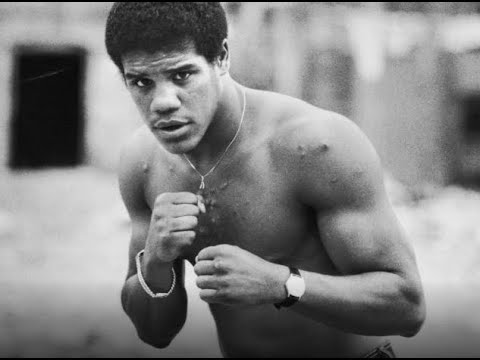
Alex Ramos: A Bronx Bomber's Legacy Through the Eyes of a Martial Scholar

The roar of the crowd, the thunderous impact of leather on leather, the sheer will to dominate – these are the visceral elements that draw us to combat sports. But beyond the raw aggression, what truly resonates with the martial spirit? In this installment of our "Tomorrow's Champions" series, we delve into the life and career of Alex Ramos, the "Bronx Bomber." This is not merely a retrospective; it's an examination of a fighter's journey through the lens of Budo and Martial Arts philosophy, seeking the deeper currents that flow beneath the surface of every bout.

Who Was Alex Ramos?

Alex Ramos, famously known as the "Bronx Bomber," was a significant figure in the world of boxing. Born in the heart of the Bronx, New York, his journey from the urban streets to the squared circle is a testament to dedication, raw talent, and the unyielding pursuit of excellence. While his boxing career often defined him, understanding the man requires looking beyond the ring, into the environment that forged his fighting spirit. The narratives of fighters from such backgrounds often speak to a fierce determination born from necessity, a quality deeply admired in the martial arts tradition.

The "Bronx Bomber" and the Art of Boxing

Ramos's moniker, "Bronx Bomber," was not given lightly. It spoke to the concussive power of his punches, a force capable of ending a fight with a single, well-placed strike. His style was often characterized by aggression, relentless pressure, and a knockout punch that became his signature. In examining his fights, we can appreciate the intricate dance of offense and defense, the strategic use of footwork, and the mental fortitude required to face opponents in a high-stakes environment. Each landed blow, each evaded jab, is a product of countless hours of rigorous training and an innate understanding of timing and distance.
"The difference between a successful person and others is not a lack of strength, not a lack of knowledge, but rather a lack of will." – Vince Lombardi (A sentiment that resonates deeply with any fighter's journey).

Boxing as a Martial Discipline

While some may categorize boxing solely as a "sport," its roots and practices firmly place it within the broader spectrum of martial disciplines. Boxing demands discipline, precision, resilience, and an acute awareness of one's opponent. The philosophy of Budo, with its emphasis on self-mastery, respect, and the continuous refinement of technique, finds a parallel in the training and mindset of a dedicated boxer. The development of "Ki" or internal energy, while often discussed in Eastern martial arts, can be seen in the explosive power and stamina a boxer cultivates. The focus required to anticipate an opponent's move, the controlled aggression, and the ability to remain calm under pressure are all hallmarks of a true martial artist, regardless of the specific combat system. To truly appreciate boxing as a martial art, one must look past the commercial spectacle and focus on the fundamental principles: body mechanics, strategy, conditioning, and the mental fortitude to push beyond perceived limits. Alex Ramos, in his prime, embodied these principles with a ferocity that captivated audiences and earned him respect within the fighting community.

Legacy and Lasting Impact

The legacy of a fighter like Alex Ramos extends beyond win-loss records. It lies in the inspiration he provided, the stories told, and the impact he had on aspiring athletes. His career serves as a case study for understanding the dedication required to reach the pinnacle of a demanding discipline. For those who follow martial arts, his journey offers valuable lessons in perseverance, the development of powerful technique, and the mental strength needed to face adversity. The "Bronx Bomber" may have hung up his gloves, but his spirit and the lessons from his time in the ring continue to echo.

Training Essentials for Fighters

Any aspiring fighter, whether in boxing, MMA, or any other combat discipline, understands that success is built on a foundation of consistent and intelligent training. Here are some fundamental elements that are crucial for developing the kind of resilience and power exemplified by fighters like Alex Ramos:
  • Technical Proficiency: Mastering the core techniques of your chosen art is paramount. For boxing, this means perfecting jabs, crosses, hooks, uppercuts, footwork, and defensive maneuvers.
  • Cardiovascular Conditioning: Endurance is key. Fighters need to maintain high intensity for multiple rounds. This involves running, skipping rope, and high-intensity interval training (HIIT).
  • Strength and Power Training: Explosive strength is what makes a "bomber." This includes weightlifting, plyometrics, and specialized exercises to develop punching power.
  • Flexibility and Agility: Being able to move freely and quickly is essential for both offense and defense. Regular stretching and agility drills are vital.
  • Mental Fortitude: The ability to stay calm under pressure, focus, and push through pain is often the deciding factor in a fight. Meditation and visualization techniques can be beneficial.
  • Proper Nutrition and Recovery: Fueling the body correctly and allowing for adequate rest are as important as the training itself.
For those looking to enhance their training, investing in quality equipment can make a significant difference. Consider durable Karate mitts and focus pads for partner drills, a high-quality workout MMA bag, and comfortable yet supportive Judo shoes if your training involves grappling on mats.

FAQ About Alex Ramos

Who was Alex Ramos in boxing?

Alex Ramos was an American professional boxer, often referred to as the "Bronx Bomber," known for his powerful punching ability.

What made Alex Ramos famous?

He gained fame for his aggressive fighting style and knockout power, which earned him his memorable nickname.

Did Alex Ramos compete in MMA?

While primarily known as a boxer, information regarding his participation in other combat sports like MMA is limited. His main career was in boxing.

What is the legacy of the "Bronx Bomber"?

His legacy lies in his impactful boxing career and as an inspiration to those from similar backgrounds who achieve success through determination and skill.

Further Reading

To deepen your understanding of the martial world and the philosophies that guide fighters, explore these essential topics:
"The ultimate aim of martial arts is not victory or defeat, but the perfection of one's character." - Gichin Funakoshi (A principle that applies to all dedicated practitioners, including boxers like Ramos).
### Reflection of the Sensei: Your Next Step Alex Ramos, the "Bronx Bomber," serves as a potent reminder that power in combat is not just about brute force, but the culmination of discipline, strategy, and an indomitable spirit. We’ve examined his boxing career through the lens of martial philosophy, seeking common ground in the relentless pursuit of mastery. Now, I pose this question to you: In your own training, whether it's boxing, karate, judo, or any other path, where do you find the most profound connection between your physical actions and your inner Budo? Is it in the perfect execution of a kata, the strategic outmaneuvering of an opponent, or the quiet discipline of a solitary training session? Share your thoughts, your struggles, and your breakthroughs below. Let us engage in a true dialogue of the martial spirit.

Team / Resources for Your Training

To truly embody the warrior spirit and hone your skills, the right equipment can be a valuable ally. Whether you're training in boxing, Karate, Judo, or BJJ, investing in quality gear can enhance your practice and safety:

  • Boxing Gloves: Look for gloves with good wrist support and adequate padding for sparring (e.g., 12-16oz).
  • Focus Mitts and Punching Pads: Essential for partner drills to refine accuracy and power.
  • Heavy Bag: A staple for developing punching power and stamina. Ensure it's properly weighted and secured.
  • Jump Rope: An excellent tool for cardiovascular conditioning and footwork.
  • Protective Gear: Mouthguards and groin protectors are non-negotiable for any form of sparring.
  • Comfortable Training Apparel: Breathable fabrics that allow for a full range of motion are crucial.

For those seeking to expand their knowledge beyond practical training, consider these resources:

  • Books on Boxing History and Technique: Explore autobiographies of legendary boxers and instructional guides.
  • Documentaries on Combat Sports: Visual narratives can offer deep insights into the lives and training of fighters.
  • Works on Martial Arts Philosophy: Texts like Miyamoto Musashi's "The Book of Five Rings" offer timeless wisdom applicable to any combat discipline.
``` GEMINI_METADESC: Explore Alex Ramos, the 'Bronx Bomber,' through a martial arts lens. Understand boxing's discipline, power, and philosophy, and his lasting impact.