Showing posts sorted by relevance for query mentalgame. Sort by date Show all posts

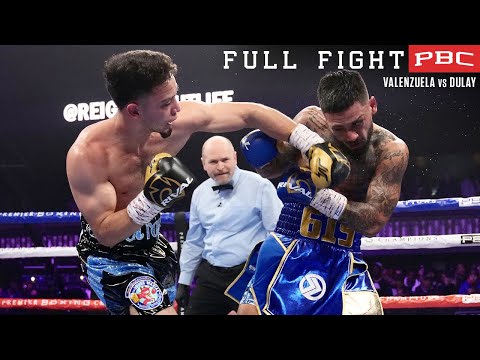
Jose Valenzuela Dominates Austin Dulay: A Tactical Breakdown from a Martial Arts Perspective

The roar of the crowd, the glint of sweat under the lights, the primal dance of combat – these are the elements that draw us to the world of prizefighting. But beyond the raw aggression and the immediate spectacle, lies a deep well of strategy, discipline, and philosophical underpinnings that resonate with the core tenets of Budo. Today, we dissect the Valenzuela vs Dulay bout, not merely as a recap of a UFC or PBC fight, but as a case study in the application of martial principles under immense pressure. Is this merely a commercialized spectacle, or does it hold lessons for the dedicated martial artist in their own journey?

The Essence of the Bout: More Than Just a Fight

The encounter between Jose Valenzuela and Austin Dulay, which transpired on December 18, 2021, under the Premier Boxing Champions banner, presented a fascinating dynamic. While some may dismiss it as another bout in the ever-expanding universe of combat sports, for those who understand the deeper currents of martial philosophy, it offers valuable insights. Jose Valenzuela, with an undefeated record, entered the ring as a rising lightweight contender, while Austin Dulay sought to prove his mettle against a formidable opponent. What unfolded was a masterclass in aggression and resilience, a testament to the strategic depth inherent in even the most explosive of contests.

Our intention here is not to merely rehash the play-by-play, but to analyze the strategic choices, the psychological warfare, and the physical execution through the lens of true martial arts.

Valenzuela's Approach: The Calculated Assault

From the opening bell, Valenzuela established a dominant presence. His record of 11 wins, 7 by KO, hinted at his power, but his approach against Dulay was a study in controlled aggression. The early stages of the fight showcased a fighter who understood the principle of Sen no Sen – anticipation and striking before the opponent even commits. His initial strategy wasn't just about overwhelming force; it was about methodical dismantling.

The first knockdown was a direct result of a well-timed combination. A powerful left hook, the kind that echoes the devastating precision seen in disciplines like Kyokushin Karate or Kickboxing, sent Dulay to the canvas. But Valenzuela didn't stop there. He demonstrated an understanding of targeting vital areas, landing subsequent blows to the body and head in the same round. This isn't mere brute force; it's a strategic application of pressure, designed to break down the opponent's defense and spirit.

"The game plan was to use my jab, touch him to the body and then finish him up top. I just stayed patient, took the shots he gave me and landed a good one. I was surprised he fell right away, but he showed a lot of heart."

This quote from Valenzuela is crucial. He speaks of patience, of a "game plan," and of understanding the opponent's reactions. This is the very essence of strategic combat, a concept far removed from simple brawling. It highlights the importance of **`Discipline`** and **`MentalGame`** even in a sport often characterized by raw power.

Jose Valenzuela on His Game Plan

Valenzuela's ability to adapt and capitalize was evident. He followed up the initial knockdown with further combinations in the second round, reinforcing his dominance and inflicting significant damage. This relentless pressure, coupled with precision, is a hallmark of fighters who have truly internalized their training. It’s not just about throwing punches; it’s about understanding angles, timing, and the cumulative effect of each strike.

Dulay's Resilience: Fighting Against the Tide

Despite the overwhelming pressure and the multiple knockdowns, Austin Dulay exhibited remarkable grit. In the brutal world of MMA and boxing, a fighter can be physically broken, yet their spirit can endure. Dulay's willingness to continue fighting, to return fire with his own overhand lefts, speaks volumes about his own **`Perseverance`** and **`InnerStrength`**. He refused to simply succumb, even when the odds were stacked heavily against him.

This resilience is a quality deeply respected in all traditional martial arts. The ability to withstand adversity, to maintain composure under duress, is as vital as any physical technique. Dulay’s performance, though ultimately unsuccessful in securing victory, was a testament to his own warrior spirit, a spirit that many aspire to cultivate through rigorous training.

The Stoppage: A Question of Timing and Safety

The referee's decision to stop the fight at the beginning of the fourth round, upon the ringside physician's recommendation, is a point of contention for Dulay. He expressed surprise, feeling he was beginning to regain momentum. This highlights a perennial debate in combat sports: where is the line between a fighter's courage and the need for protection?

From a martial perspective, the ultimate goal is not merely to defeat an opponent, but to do so without causing unnecessary harm, a principle rooted in the concept of **`Budo`**. While professional boxing operates under different rulesets and commercial pressures, the ethical considerations remain. The referee and physician are tasked with a difficult judgment call, balancing the fighter's will with their physical well-being. This situation underscores the importance of fighter safety in all forms of competitive combat sports.

Valenzuela's Vision: The Future of the Game?

Valenzuela's post-fight declaration – "I showed everyone that I'm a solid fighter and that I'm here to stay. I believe I'm the future of this game" – is a bold statement of ambition. It reflects the confidence gained from a dominant performance and the aspiration to reach the pinnacle of his sport. This level of self-belief is crucial for any athlete aiming for greatness. It is the internal fire that fuels the endless hours of **`Entrenamiento`** and sacrifice.

His performance certainly positions him as a significant player in the lightweight division. Whether he truly represents "the future" remains to be seen, but his performance against Dulay undoubtedly put the boxing world on notice. This ambition mirrors the drive of legendary figures in Karate, Judo, or BJJ, who constantly sought to push the boundaries of their respective arts.

Veredicto del Sensei: Where Does This Bout Stand?

While Valenzuela vs. Dulay was a professional boxing match, it offered a compelling display of strategic application and warrior spirit. Valenzuela's calculated aggression, sharp technique, and ability to capitalize on openings were exemplary. Dulay's refusal to quit, despite the adversity, showcased immense heart and resilience. The stoppage, while perhaps debated by the losing fighter, highlights the crucial element of fighter safety in combat sports.

Overall Assessment: A solid performance showcasing technical proficiency and a strong will to win. It serves as an excellent example of strategic striking in a high-pressure environment. While not a demonstration of traditional Budo, the underlying principles of discipline, strategy, and perseverance are undeniably present.

Calificación: Cinturón Negro en Estrategia de Combate

Training Implications: Lessons from the Ring

What can the everyday martial artist, the dedicated practitioner of Aikido, Karate, or Lucha Libre, glean from this bout?

  1. The Power of the Jab and Body Shots: Valenzuela's strategy emphasized setting up power shots with jabs and body punches. This is a universal principle. A strong jab controls distance and pace, while body shots sap an opponent's energy and reduce their willingness to attack. Incorporate focused jab and body shot drills into your own training, regardless of your primary art.
  2. Combinational Striking: Don't rely on single, powerful strikes. Learn to string together punches and kicks effectively. Practice combinations that flow naturally and exploit openings created by previous strikes. This requires coordination and timing, skills honed through relentless repetition.
  3. Patience and Observation: Valenzuela wasn't reckless. He waited for his opportunities. In your training, cultivate patience. Observe your training partners, anticipate their movements, and strike with precision when the moment is right. Rushing into an exchange often leads to your own downfall.
  4. Resilience in Adversity: Dulay's fight, though a loss, was a lesson in endurance. When facing difficulties in training or in life, remember his spirit. Push through discomfort, learn from mistakes, and never give up on your fundamental principles.
  5. Understanding the Stoppage: While competitive, martial arts training should always prioritize safety. Understand your limits and those of your training partners. Learn when to "tap" and when to call a halt to protect yourself and others.

Equipo Esencial para tu Entrenamiento

To effectively train the principles demonstrated in boxing, and to complement your existing martial arts practice, consider the following:

  • Guantes de Boxeo de Calidad: Para sparring y trabajo de saco. Busca guantes de 12oz o 14oz para entrenamiento general, y 16oz para sparring más intenso. Marcas como Winning, Cleto Reyes, o Top King son excelentes opciones.
  • Vendas de Mano: Imprescindibles para proteger tus muñecas y nudillos durante el entrenamiento de golpeo.
  • Protector Bucal: Fundamental para la seguridad durante cualquier tipo de sparring.
  • Saco de Boxeo o Pera Loca: Para desarrollar potencia, velocidad y resistencia en tus golpes.
  • Comba (Cuerda de Saltar): Un elemento clásico y efectivo para mejorar la agilidad, el juego de pies y la resistencia cardiovascular, habilidades cruciales para cualquier arte marcial.
  • Kimono de Judo o Karate de Alta Resistencia: Si practicas grappling o buscas un gi que resista el rigor de ejercicios de resistencia con un compañero, invierte en un kimono de doble tejido.

Preguntas Frecuentes

¿Es este tipo de combate relevante para las artes marciales tradicionales?

Sí, enormemente. Aunque el boxeo profesional tiene sus propias reglas y objetivos, las estrategias de golpeo, la gestión de la distancia, el timing y la resistencia mental son principios universales que se aplican a todas las artes marciales.

¿Qué significa "KO"?

KO es la abreviatura de "Knockout", que ocurre cuando un peleador es derribado por un golpe y no puede levantarse y continuar la pelea antes de que el árbitro cuente hasta diez.

¿Es seguro para los peleadores recibir tantos golpes en la cabeza?

Este es un punto de gran debate. Si bien los peleadores profesionales entrenan extensamente para mitigar el daño, la exposición repetida a golpes en la cabeza conlleva riesgos significativos a largo plazo. La seguridad del peleador es una preocupación creciente en el mundo del deporte de combate.

¿Qué arte marcial se enfoca más en el golpeo potente como el de Valenzuela?

Disciplinas como el Kyokushin Karate, el Kickboxing y el boxeo mismo son conocidas por su énfasis en el golpeo potente y efectivo. Sin embargo, la potencia también puede desarrollarse en otras artes a través de entrenamiento específico.

¿Qué diferencia hay entre un "stoppage" y un KO?

Un KO ocurre cuando un peleador no se levanta tras la cuenta de diez. Un "stoppage" (parada) ocurre cuando el árbitro, el médico o la esquina del peleador detienen la pelea porque consideran que el peleador ya no está en condiciones de continuar de forma segura, independientemente de si ha sido contado o no.

Para Profundizar en tu Camino

Reflexión del Sensei: Tu Próximo Paso

Valenzuela demostró cómo la planificación estratégica y la ejecución precisa pueden dominar la fuerza bruta. Dulay nos recordó que el espíritu de lucha puede persistir incluso ante la abrumadora adversidad. Ahora te pregunto: en tu propio entrenamiento, ¿te enfocas más en la estrategia calculada o en la pura fuerza de voluntad? ¿Y cómo equilibras ambas para alcanzar tu máximo potencial?

``` GEMINI_METADESC: Jose Valenzuela's dominant performance against Austin Dulay analyzed through a martial arts lens, focusing on strategy, resilience, and lessons for practitioners.


Lee Priest Claims He Never Used Insulin: A Budo Perspective on Performance Enhancement

"The way of the warrior is a path of rigorous self-discipline, not a shortcut paved with artificial aids."
The world of athletic performance is a constant tightrope walk between dedication and temptation. When we delve into the realm of **martial arts**, this dichotomy becomes even more pronounced. Our journey is not merely about physical prowess; it's about forging the spirit, cultivating mental fortitude, and understanding the true essence of combat. Today, we dissect a controversial claim: Lee Priest's assertion of never using insulin. This isn't just about bodybuilding; it's a lens through which we can examine the very foundations of **BUDO** and the ethical considerations that should govern any pursuit of physical excellence, especially within the **martial arts community**.

The Claim: Lee Priest and the Insulin Controversy

Lee Priest, a bodybuilder known for his controversial career and outspoken nature, has recently claimed he never utilized insulin, a substance often associated with performance enhancement in bodybuilding circles. This statement, if true, challenges the widely held perception within the sport that such substances are commonplace for achieving extreme physiques. But why should this matter to us, practitioners of **BUDO** and **martial arts**? The core of **martial arts** training, the very bedrock of **BUDO**, is self-mastery through discipline and hard work. It's about pushing your own limits, understanding your body's natural capabilities, and honing them to perfection. When we hear claims of never using substances like insulin, it forces us to confront what we value in athletic achievement. Is it the *result* at any cost, or the *process* of honest, dedicated effort?

Insulin in Performance: A Dangerous Game

Insulin is a naturally occurring hormone that regulates blood sugar. In the context of bodybuilding, exogenous insulin use is a perilous endeavor. It can lead to rapid muscle growth but carries severe risks, including hypoglycemia, coma, and death. Its use is banned by most sporting organizations for a reason: it fundamentally alters the playing field and bypasses the natural physiological adaptations that come from dedicated training. From a **martial arts** standpoint, the pursuit of strength and conditioning should always be rooted in natural, sustainable methods. We seek to develop power through **conditioning**, **agility**, and **flexibility**, not through endocrinological manipulation. The principles of **BudoLife** emphasize patience, perseverance, and understanding the interconnectedness of mind and body. Introducing powerful external agents like insulin disrupts this holistic approach. It represents a shortcut, a deviation from the path of **SelfMastery** and **InnerStrength** that **martial artists** strive for.

The Ethical Compass of a Warrior

The **WarriorPhilosophy** demands a commitment to integrity. Whether on the mat or in life, the ethical compass of a warrior guides their actions. Using banned substances for performance enhancement, regardless of the specific sport, raises questions about fair play and respect for the discipline itself. For **martial artists**, this extends beyond mere competition. It's about the purity of the art and the personal development it fosters. If Lee Priest's claim is indeed truthful, it offers a rare example of an athlete achieving peak physical condition through dedication alone, even in a sport rife with speculation. However, for the **martial artist**, the lesson isn't necessarily about Priest's personal choices, but about the intrinsic value of honest effort.

Training for Martial Arts: The Budo Way

Our training is not about achieving a single, extreme physique. It's about developing a complete, functional body capable of executing techniques, enduring combat, and maintaining health over a lifetime. Let's explore what true **MartialArtsTraining** entails, in line with **BUDO** principles:

Guiding Principles for Your Training

  1. Consistency is Key: Daily practice, even for short durations, builds the foundation. This applies whether you're training **KarateKyokushin**, **Judo**, **BJJ**, or **MMA**.
  2. Holistic Development: Focus on strength, **flexibility**, **agility**, **endurance**, and mental acuity. These are pillars of **SelfImprovement**.
  3. Mindfulness in Movement: Every strike, every block, every stance should be executed with intention and awareness. This is where **MentalGame** meets physical action.
  4. Respect for the Body: Understand your body's limits and needs. Proper nutrition, rest, and recovery are as crucial as the training itself. This is a core tenet of **SaludFísica**.
  5. Patience and Perseverance: Mastery takes time. Embrace the journey, learn from setbacks, and never stop striving for **MartialArtsMastery**.

Equipment Essential for Your Training

While the spirit of **BUDO** emphasizes minimal reliance on external aids, certain equipment can enhance safety and effectiveness in your **MartialArtsTraining**.
  • Kimono/Gi: Essential for Judo, BJJ, and Karate. Look for durable, double-weave fabrics for longevity, especially for intense grappling or **Kyokushin** Karate. (Consider searching for best Karate gis or high-quality Judo kimonos for competitive sparring).
  • Training Mats: For home workouts, especially if practicing throws or grappling, mats provide crucial cushioning and prevent injuries.
  • Sparring Gear: For disciplines involving striking, headgear, mouthguards, and sparring gloves (e.g., 16oz gloves for MMA sparring) are vital for safety.
  • Resistance Bands: A versatile tool for **AtHomeWorkout** sessions, aiding in **strength** and **flexibility** training without heavy equipment.
  • Makiwara/Striking Pads: For developing striking power and conditioning in Karate or Kickboxing, these are invaluable tools.

Frequently Asked Questions

Why is insulin considered performance-enhancing?

Insulin helps transport glucose (sugar) into cells for energy or storage. In bodybuilding, exogenous insulin use can rapidly shuttle nutrients into muscle cells, promoting rapid growth and recovery, effectively bypassing natural physiological processes.

What are the risks associated with insulin use in sports?

The primary risk is hypoglycemia (dangerously low blood sugar), which can lead to confusion, seizures, coma, and death. It also carries risks of weight gain, water retention, and long-term health complications.

How does the Budo philosophy approach physical enhancement?

**BUDO** emphasizes natural development through consistent, disciplined training. It prioritizes cultivating inner strength, mental fortitude, and spiritual growth alongside physical prowess. Enhancement is seen as an organic process of self-cultivation rather than artificial augmentation.

Can Lee Priest's claim impact the perception of bodybuilding?

It could inspire some to focus more on natural training methods and raise questions about the prevalence of PEDs (Performance-Enhancing Drugs) in the sport. However, the culture and pressures within elite bodybuilding may remain largely unchanged.

What is the primary difference between bodybuilding and martial arts training goals?

Bodybuilding primarily focuses on aesthetic muscular development and symmetry. **Martial arts** training, rooted in **BUDO**, aims for functional strength, combat effectiveness, self-defense capabilities, mental discipline, and overall personal development.

FAQ Page Schema

For Deeper Insight into Your Journey

Sensei's Reflection: Your Next Step

Priest's claim, whether fact or fiction, serves as a catalyst. In the pursuit of physical excellence, are you seeking to sculpt a facade, or to forge a warrior's spirit? The path of **BUDO** is not about shortcuts; it is the journey itself. When faced with the temptation of artificial enhancement, remember the enduring power of honest effort and the profound satisfaction of true **SelfMastery**. Now, I pose this to you: In your own training, are you building a foundation of genuine strength and character, or are you merely chasing a fleeting illusion? Discuss. GEMINI_METADESC: Explore Lee Priest's claim about not using insulin from a martial arts perspective. Understand the Budo philosophy on training, ethics, and true self-mastery versus performance enhancement.

Los 5 Pilares del Bushido: Más Allá de la Técnica, el Alma de las Artes Marciales Japonesas

Los Fundamentos del Espíritu Marcial

Muchos llegan al dojo buscando la técnica. Desean aprender un Golpe de Karate devastador, una llave de Judo irrompible, o un barrido de BJJ que deje al oponente en el suelo. Pero, ¿qué separa a un mero ejecutante de técnicas de un verdadero artista marcial? La respuesta, queridos camaradas del camino, reside no solo en el cuerpo, sino, y sobre todo, en la mente y el espíritu. El cine nos ha vendido la imagen del guerrero solitario, pero la realidad del Budo es mucho más profunda, arraigada en principios que trascienden el combate físico.

Hoy no vamos a hablar de MMA ni de la última pelea de la UFC. Vamos a desenterrar el corazón de las artes marciales japonesas: el Bushido. Este código de conducta, forjado en el fragor de batallas y en la serenidad de los templos, es la brújula moral del guerrero. Ignorarlo es como intentar construir un castillo sobre arena; tarde o temprano, la estructura colapsará.

El Bushido: ¿Mito o Realidad Inmutable?

La palabra "Bushido" evoca imágenes de samuráis estoicos, espadas afiladas y una lealtad fanática. Para muchos, es una reliquia romántica del pasado feudal de Japón. Sin embargo, los principios del Bushido no son meras leyendas. Son la destilación de siglos de experiencia marcial y filosófica, adaptados y transmitidos a través de generaciones de maestros. ¿Pero realmente siguen siendo relevantes en nuestro mundo moderno, lleno de tecnología y de disciplinas como el Kickboxing o el Taekwondo?

Mi propia experiencia, tras décadas en el tatami y frente a pantallas analizando combates, me dice que sí. La esencia del guerrero, su #MentalGame y su #InnerStrength, son universales. El Bushido nos ofrece un marco para cultivar esas cualidades internas que, créanme, marcan la diferencia no solo en un combate de Lucha, sino en cada aspecto de la vida.

"El Bushido es la ley que une al pueblo, la ley que hace fuerte a la nación." - Inazo Nitobe, "Bushido: El Alma de Japón".

Esta cita de Nitobe encapsula la importancia histórica y cultural del Bushido. No era solo un código para samuráis, sino una filosofía que impregnaba la sociedad. Hoy, exploraremos sus pilares fundamentales, desglosando su significado y cómo podemos aplicarlos para fortalecer nuestra propia práctica marcial y nuestro carácter.

Los Cinco Pilares del Bushido: La Base Inquebrantable

Aunque existen diversas interpretaciones y listas, la mayoría de los eruditos coinciden en que el Bushido se asienta sobre una serie de virtudes cardinales. Tradicionalmente, se habla de siete, pero a menudo se agrupan en cinco pilares principales que resumen la ética del guerrero. Estos pilares no son mandamientos rígidos, sino guías para vivir una vida de integridad y propósito marcial. Son el ADN del Budo.

Analicemos cada uno de ellos, no como conceptos abstractos, sino como herramientas prácticas para nuestro entrenamiento y nuestra existencia.

1. Justicia (義 - Gi): El Camino Recto del Guerrero

La Justicia, o Gi, es la capacidad de discernir entre el bien y el mal, y actuar en consecuencia. Para un artista marcial, esto significa tomar decisiones éticas en todo momento. No se trata solo de tener razón en una discusión, sino de actuar con rectitud, incluso cuando nadie te observa. Un maestro de Karate Kyokushin, por ejemplo, debe ser justo en sus enseñanzas y en su trato con los alumnos, incluso cuando imparte una disciplina rigurosa.

En combate, la Justicia se manifiesta en no abusar de un oponente más débil, en respetar las reglas de la competición y en utilizar la fuerza solo cuando es estrictamente necesario. Un practicante de Judo no usa sus técnicas de derribo para humillar, sino para controlar o neutralizar una amenaza. La falta de Gi corrompe el arte y al artista.

2. Honor (名誉 - Meiyo): La Reputación que Transciende la Vida

El Honor, Meiyo, es la conciencia de la dignidad personal y el valor de la propia reputación. En la era de los samuráis, el honor era, literalmente, la vida del guerrero. Perder el honor era peor que la muerte. Hoy, el Meiyo se traduce en mantener la integridad, ser fiel a la palabra dada y actuar de manera que inspire respeto. Un luchador de Sumo, por ejemplo, mantiene un profundo sentido del honor en su comportamiento dentro y fuera del dohyo.

Para nosotros, esto significa ser honestos sobre nuestras habilidades, admitir nuestras limitaciones y nunca atribuirnos méritos ajenos. Significa presentarnos con dignidad, tanto en la victoria como en la derrota. Un verdadero campeón no se pavonea en la victoria ni se lamenta en la derrota; mantiene la compostura, reflejando su honor.

3. Lealtad (忠義 - Chugi): El Vínculo Inquebrantable

La Lealtad, Chugi, es la devoción incondicional hacia aquellos a quienes servimos y con quienes compartimos un camino. Históricamente, esto se refería a la lealtad al señor feudal. En el contexto moderno de las artes marciales, se extiende a la lealtad hacia nuestro dojo, nuestros instructores, nuestros compañeros de entrenamiento y, por supuesto, hacia nosotros mismos y nuestros principios.

Un practicante de Aikido debe ser leal a los principios de su arte y a su maestro. Un equipo de Artes Marciales Mixtas depende de una lealtad férrea entre sus miembros para apoyarse mutuamente en entrenamientos duros y competiciones. La traición o la deslealtad erosionan la confianza, que es la base de cualquier comunidad marcial sólida. #CommunityOfWarriors, ¿verdad?

4. Coraje (勇 - Yu): La Audacia Frente a la Adversidad

El Coraje, Yu, no es la ausencia de miedo, sino la capacidad de actuar a pesar de él. Es la valentía de defender lo que es correcto, de enfrentarse a desafíos y de superar obstáculos, tanto físicos como mentales. Un niño que practica Taekwondo y supera su miedo a los giros complejos, o un atleta de Kayaking que se enfrenta a rápidos turbulentos, demuestran Yu.

En el arte marcial, esto se traduce en la voluntad de entrar en sparring con oponentes más experimentados, de intentar técnicas nuevas y difíciles, y de levantarse una y otra vez tras una caída. El coraje es lo que permite a un peleador como Jon Jones, a pesar de sus controversias, seguir mostrando una habilidad excepcional en el octágono. Es el combustible que nos impulsa a superar nuestros límites.

5. Benevolencia (仁 - Jin): La Compasión del Fuerte

La Benevolencia, Jin, es la cualidad de la amabilidad, la misericordia y la compasión. Un verdadero guerrero, poseedor de fuerza y habilidad, debe usar ese poder para proteger a los débiles y ayudar a los necesitados. No es una debilidad, sino una manifestación de fortaleza interior y una profunda comprensión de la interconexión de todos los seres.

Un instructor de Kendo que muestra paciencia con un principiante, o un practicante de Self Defense que enseña técnicas no solo para defenderse, sino para evitar la violencia innecesaria, están encarnando Jin. La verdadera benevolencia reside en el corazón del fuerte, no en el anhelo del débil.

El Factor Silencioso: Sinceridad (誠 - Makoto) y Autocontrol (自制 - Jisei)

Aunque a menudo se agrupan los pilares en cinco, dos virtudes adicionales son cruciales para la práctica del Bushido: la Sinceridad (Makoto) y el Autocontrol (Jisei).

Makoto es la honestidad absoluta, la sinceridad en el pensamiento y la acción. Significa que nuestras palabras y hechos están alineados. Es la antítesis de la hipocresía. En el entrenamiento, Makoto implica ser honesto sobre nuestro esfuerzo y nuestro progreso, sin pretender ser algo que no somos.

Jisei es el autocontrol, la capacidad de regular nuestras emociones y acciones. Un practicante de Kung Fu Shaolin, por ejemplo, debe dominar no solo su cuerpo, sino también su mente y sus impulsos. Este control es esencial para mantener la calma bajo presión, para no ceder a la ira o al miedo, y para tomar decisiones racionales en momentos críticos. Es la disciplina que permite aplicar el Gi y el Yu de manera efectiva.

"Un samurái no busca morir, busca vivir con honor. Si la muerte llega, que llegue mientras lucha por el honor." - Lema atribuido a los guerreros Bushi.

Esta perspectiva subraya la importancia de la vida y la intención detrás de las acciones del guerrero. El Bushido no glorifica la muerte sin sentido, sino una vida vivida con propósito, rectitud y valentía.

El Bushido en el Siglo XXI: ¿Adaptación o Reliquia?

Aquí es donde la controversia a menudo surge. "¿Son aplicables estos viejos códigos a nuestro mundo actual?", preguntan muchos. "¿Qué valor tiene el Bushido frente a la eficiencia brutal de las Artes Marciales Mixtas o la popularidad masiva del Kickboxing?".

Permítanme ser claro: la eficacia de una técnica en un combate de MMA no invalida la importancia de la ética del guerrero. De hecho, creo que el Bushido es más necesario que nunca. Vivimos en una era de gratificación instantánea, donde la superficialidad a menudo prevalece. Cultivar Gi (justicia), Meiyo (honor), Chugi (lealtad), Yu (coraje) y Jin (benevolencia) nos ofrece un ancla en medio de la tormenta. Nos ayuda a construir carácter, a ser mejores personas y, sí, también a ser mejores artistas marciales.

Un luchador que entrena con #Disciplina y respeto por sus oponentes, incluso en la competencia más feroz, ejemplifica el Bushido moderno. Pensemos en la ética de trabajo que requiere un entrenamiento de alto nivel, ya sea para el Judo, el BJJ o cualquier otra disciplina. Ese es el #SelfImprovement en acción, guiado por principios.

Guía de Entrenamiento: Integrando el Bushido en tu Práctica

No necesitas ser un samurái para vivir según los principios del Bushido. Aquí te dejo una guía para integrar estas virtudes en tu rutina diaria de entrenamiento:

  1. Justicia (Gi): Sé honesto contigo mismo sobre tu esfuerzo. Si te saltas un entrenamiento, admítelo. No hagas trampas en los ejercicios. Si enseñas, hazlo con equidad.
  2. Honor (Meiyo): Entrena con dedicación, como si tu reputación dependiera de ello. Acepta tus derrotas como oportunidades de aprendizaje, no como fracasos personales. Presenta tu mejor yo en el dojo.
  3. Lealtad (Chugi): Sé fiel a tu dojo, a tu instructor y a tus compañeros. Apóyalos. No difames el arte que practicas ni a quienes lo enseñan.
  4. Coraje (Yu): Enfrenta tus miedos. Si tienes miedo a hacer sparring, hazlo (con precaución y bajo supervisión). Intenta esa técnica avanzada que te intimida. Levántate después de cada caída.
  5. Benevolencia (Jin): Ayuda a un compañero que está luchando con una técnica. Muestra paciencia con los principiantes. Usa tu fuerza para proteger, no para oprimir.
  6. Sinceridad (Makoto): Sé auténtico en tu práctica. Busca la verdad en tu arte, no la apariencia. Habla y actúa con honestidad.
  7. Autocontrol (Jisei): Controla tu temperamento en el dojo. No cedas a la frustración. Mantén la calma bajo presión, tanto en el entrenamiento como en la vida.

Equipo Esencial para tu Entrenamiento

Si bien los principios del Bushido son inmateriales, un entrenamiento marcial efectivo requiere un equipamiento adecuado. Invertir en calidad te permite concentrarte en los aspectos más profundos de tu práctica sin distracciones.

  • Kimono de Judo o BJJ de Doble Tejido: Para entrenamientos intensos y prolongados. Busca durabilidad y confort.
  • Guantes de Boxeo/MMA de 16oz: Indispensables para el sparring y el entrenamiento de golpeo. Prioriza la protección de tus manos y las de tu compañero.
  • Protector Bucal y Tibiales: Elementos de seguridad cruciales para cualquier tipo de combate o sparring. No escatimes en protección.
  • Esterillas de Tatami: Si entrenas en casa, unas buenas esterillas son vitales para la seguridad en derribos y caídas.
  • Un Diario de Entrenamiento: No es equipo físico, pero es esencial para la reflexión sobre tu progreso y la aplicación de los principios del Bushido.

Explorar opciones de #KarateMerchandise o buscando el equipo adecuado para #EntrenamientoDeMMA puede ser un primer paso tangible hacia un entrenamiento más serio y dedicado.

Veredicto del Sensei: ¿Un Código Anticuado o una Guía Eterna?

El Bushido no es una simple colección de reglas obsoletas. Es un código ético vivo que, si se comprende y se aplica correctamente, puede transformar radicalmente a un practicante de artes marciales. Nos enseña que la verdadera fuerza no reside solo en la capacidad de dañar, sino en la fortaleza del carácter, la rectitud de la acción y la profundidad de la compasión.

En un mundo a menudo caótico, los principios del Bushido ofrecen una brújula moral inestimable. Nos desafían a ser mejores guerreros, mejores personas y a vivir vidas con propósito y significado.

Calificación del Sensei: ¡Cinturón Negro en Filosofía Marcial!

Preguntas Frecuentes

  • ¿El Bushido es solo para practicantes de artes marciales japonesas?
    Aunque tiene sus raíces en el Japón feudal, los principios del Bushido (justicia, honor, lealtad, coraje, benevolencia) son universales y aplicables a cualquier disciplina marcial y a la vida en general.
  • ¿Es posible ser un artista marcial sin seguir el Bushido?
    Técnicamente sí, puedes aprender técnicas y competir. Pero sin los principios éticos, te conviertes en un mero "luchador" o "peleador", no en un verdadero artista marcial que busca el desarrollo integral.
  • ¿Qué diferencia hay entre el Bushido y el código de honor de otros guerreros?
    Si bien muchos códigos de honor comparten similitudes, el Bushido está intrínsecamente ligado a la filosofía budista y sintoísta japonesa, lo que le confiere matices únicos en su énfasis en la impermanencia, la disciplina mental y la estética.
  • ¿Cómo puedo empezar a aplicar el Bushido en mi entrenamiento si soy principiante?
    Empieza por ser honesto en tu esfuerzo (Makoto), respeta a tu instructor y compañeros (Chugi), y no temas intentar las técnicas (Yu). Pequeños pasos consistentes construyen un gran carácter.

Para Profundizar en tu Camino

``` GEMINI_METADESC: Descubre los 5 pilares del Bushido: Justicia, Honor, Lealtad, Coraje y Benevolencia. Transforma tu entrenamiento y tu vida con la filosofía del guerrero japonés.

El Guerrero Silencioso: La Historia de Juan Guillermo Cuadrado, del Desprecio a la Cima del Fútbol

¿Alguna vez te has sentido subestimado? ¿Despreciado por tu tamaño, por tu apariencia, por las circunstancias que te rodean? El mundo del combate, ya sea en un tatami, en un ring o en las calles, está lleno de historias de guerreros que, contra todo pronóstico, forjaron su leyenda. Hoy, en Budo y AM, vamos a desviarnos un instante de los golpes y las llaves para inspirarnos en un campeón de otra arena, pero cuyo espíritu marcial es innegable. Hablamos de Juan Guillermo Cuadrado, un hombre que demostró que la fuerza no se mide solo en músculo, sino en corazón y determinación.

El Viaje del Guerrero: De los Orígenes Humildes a la Gloria

En el corazón de Colombia, en Necoclí, Antioquia, nació un niño con un sueño. Juan Guillermo Cuadrado, a menudo descrito como flaco y pequeño en sus inicios, no poseía la complexión imponente que muchos asocian con los atletas de élite. Sin embargo, lo que le faltaba en tamaño lo compensaba con creces en espíritu y habilidad. Su trayectoria no fue un camino directo hacia el éxito, sino una serie de batallas ganadas contra la adversidad. Desde sus primeros pasos en el fútbol, tuvo que enfrentar miradas escépticas, comentarios que cuestionaban su potencial. Pero, como todo verdadero artista marcial sabe, la validación externa es secundaria frente a la convicción interna.

"La clave del éxito reside en la persistencia, no en la fuerza bruta. Un guerrero vence no por su tamaño, sino por su voluntad."

Su paso por las divisiones inferiores y luego por equipos como el Independiente Medellín, el Atlético Huila y el Parma, fueron escalones en una escalera que lo llevaría a la élite. Cada club, cada liga, representaba un nuevo desafío, un oponente a vencer, un nivel superior que conquistar. No se trataba solo de marcar goles o realizar asistencias, sino de demostrar que las limitaciones físicas son, a menudo, barreras autoimpuestas o creadas por la percepción ajena. Cuadrado se convirtió en un ejemplo viviente de que la dedicación y el talento innato, cuando se pulen con trabajo incansable, pueden superar cualquier obstáculo.

La Disciplina del Guerrero: Mentalidad y Superación

La mentalidad de un campeón se forja en la adversidad. Cuadrado ha demostrado una fortaleza mental digna de admiración. Su capacidad para adaptarse a diferentes equipos, ligas y roles dentro del campo de juego habla de una profunda disciplina y una voluntad inquebrantable. En Italia, tierra de gladiadores modernos, se consolidó, pasando por Udinese, Lecce, Fiorentina y, finalmente, alcanzando la gloria en la Juventus. Cada transferencia, cada etapa, implicaba un nuevo aprendizaje, una nueva adaptación. Esto es comparable a un artista marcial que cambia de escuela o de maestro: debe desaprender viejos hábitos y absorber nuevas filosofías y técnicas.

LaJuventus, un club con una historia y exigencia de primer nivel, se convirtió en su hogar. Allí, se enfrentó a la presión de competir por títulos importantes semana tras semana. No todos los que llegan a la cima pueden mantenerse. Requiere una autodisciplina férrea, un compromiso total con el entrenamiento, la nutrición y la recuperación. Su longevidad en un deporte tan exigente y competitivo es un testimonio de su dedicación. Él entendió, como muchos grandes luchadores, que el verdadero combate se libra en la mente antes de que comience en el cuerpo.

Este aspecto de su carrera nos recuerda la importancia del #Autodisciplina y el #MentalGame en cualquier disciplina que busque la maestría. No se trata solo de tener el talento, sino de cultivar la fortaleza mental para soportar el escrutinio, las críticas y los momentos difíciles.

El Arte del Regate: Técnica y Versatilidad

En el fútbol, la técnica es el lenguaje del cuerpo. Cuadrado ha perfeccionado un estilo de juego que combina velocidad, agilidad y una sorprendente habilidad para el regate. Su juego por la banda, sus cambios de ritmo y su capacidad para desequilibrar defensas rivales son un arte en sí mismos. Podríamos comparar su habilidad para sortear oponentes con la fluidez de un luchador de #bjj en el suelo, o la impredecibilidad de un maestro de #KungFu.

Su versatilidad es otro punto a destacar. Ha jugado como extremo, como lateral e incluso en posiciones más adelantadas. Esta adaptabilidad es una cualidad altamente valorada en cualquier #artesmarciales. Un guerrero completo no se encasilla; domina diferentes facetas del combate, se adapta al oponente y a las circunstancias. Cuadrado, con su capacidad para desempeñar múltiples roles, demuestra esta versatilidad en el campo. Su habilidad para centrar con precisión o para internarse y disparar al arco lo convierte en una amenaza constante.

La potencia en el golpeo, la precisión en el pase y la agilidad para eludir rivales son técnicas que, en el contexto del fútbol, requieren un entrenamiento específico y una ejecución impecable. La combinación de estas habilidades, pulidas a lo largo de años de práctica, es lo que lo ha mantenido en la élite. Es un ejemplo de cómo el #EntrenamientoDeMMA, por ejemplo, busca desarrollar un atleta completo, capaz de enfrentar distintos escenarios.

El Corazón de León: Espíritu Competitivo y Resiliencia

Más allá de la técnica y la disciplina, lo que realmente define a un campeón es su espíritu. Juan Guillermo Cuadrado ha jugado para la Selección Colombia en múltiples Copas del Mundo y Copas América, representando a su país con orgullo y entrega. En cada partido, ha dejado una huella de coraje y determinación. Su espíritu competitivo es palpable; nunca da un balón por perdido, siempre lucha hasta el final.

La resiliencia es la capacidad de recuperarse de los golpes, de levantarse tras una derrota. Cuadrado ha enfrentado momentos difíciles, lesiones, críticas, pero siempre ha regresado más fuerte. Esta cualidad es fundamental en cualquier camino marcial. Como diría un maestro de #Kyokushin, el karate de contacto pleno, la verdadera prueba no es la ausencia de dolor, sino cómo uno se levanta después de recibir un golpe. Su carrera es una lección de #Perseverance.

"Un guerrero no nace invencible, se hace invencible a través de la lucha y la superación constante."

Su contribución a la Juventus, donde se convirtió en un pilar fundamental, ganando múltiples títulos de Serie A y Copas Italia, es la prueba de que su "corazón de león" no es una metáfora, sino una realidad. Demostró que ser "pequeño" o "flaco" no es una limitación, sino una motivación para demostrar la grandeza que reside en el interior.

Veredicto del Sensei: Más Allá del Deporte

Juan Guillermo Cuadrado es mucho más que un futbolista. Es un paradigma de lo que significa el espíritu marcial aplicado al deporte y a la vida. Su historia es un recordatorio potente de que las limitaciones percibidas son a menudo barreras invisibles que podemos derribar con determinación, disciplina y una mentalidad inquebrantable. Nos enseña que la verdadera fortaleza no reside en el físico, sino en el coraje del corazón.

Si bien no practica un arte marcial tradicional, su trayectoria encarna los principios fundamentales del #BUDO: la superación personal, el respeto, la disciplina y la búsqueda constante de la excelencia. Es un "Crack" no solo en la Juventus, sino en el arte de vivir una vida de propósito y éxito a pesar de los desafíos iniciales. Su historia resuena con la de muchos atletas de #artesmarciales que, contra todo pronóstico, alcanzaron la cima.

Equipo Esencial para tu Entrenamiento

Aunque Cuadrado juegue en el campo de fútbol, los principios de entrenamiento y la mentalidad se aplican a todas las disciplinas marciales. Para optimizar tu rendimiento y seguridad, considera tener el equipo adecuado:

  • Calzado Deportivo Adecuado: Para deportes de agilidad y cambios de dirección, unas zapatillas con buena sujeción y tracción son cruciales.
  • Ropa Cómoda y Transpirable: Que permita la libertad de movimiento y mantenga tu cuerpo fresco durante el #entrenamiento.
  • Protecciones (si aplica): Dependiendo de tu arte marcial (ej. #KarateKyokushin), coderas, rodilleras o espinilleras pueden ser necesarias.
  • Indumentaria de Competición: Un buen #kimono de #judo o un #karate gi de calidad son vitales para el entrenamiento y la competición en estas disciplinas. Busca aquellos de doble tejido para mayor durabilidad.
  • Equipo de Entrenamiento en Casa: Si buscas mantener tu forma física fuera del dojo, considera bandas de resistencia, comba para saltar o incluso un saco de boxeo.

Un atleta bien equipado está mejor preparado para enfrentar los desafíos físicos y técnicos.

Preguntas Frecuentes

¿Cuadrado siempre fue un jugador destacado?

No, en sus inicios fue considerado pequeño y flaco, lo que generó dudas sobre su potencial. Tuvo que trabajar arduamente para superar estas percepciones y demostrar su valía.

¿En qué posición principal juega Cuadrado?

Aunque es muy versátil y ha jugado en varias posiciones, se le conoce principalmente por su rol como extremo o carrilero por la banda, destacando por su velocidad y habilidad en el regate.

¿Qué lecciones marciales podemos aprender de Cuadrado?

Podemos aprender sobre la importancia de la disciplina, la resiliencia ante la adversidad, la versatilidad para adaptarse a diferentes roles y la mentalidad de un guerrero que no se rinde, sin importar los obstáculos físicos o las opiniones externas.

¿Por qué se le considera un "guerrero"?

Porque su carrera está marcada por una lucha constante contra las limitaciones, una entrega total en cada partido y una mentalidad competitiva que lo ha llevado a triunfar en uno de los clubes más prestigiosos del mundo.

¿Cuadrado ha tenido éxito en la Selección Colombia?

Sí, ha sido una pieza clave para la Selección Colombia durante muchos años, participando en Copas del Mundo y Copas América, representando a su país con pasión y entrega.

Para Profundizar en tu Camino

Reflexión del Sensei: Tu Próximo Paso

La historia de Cuadrado nos desafía a mirar más allá de la superficie. Nos obliga a cuestionar nuestras propias limitaciones percibidas y a preguntarnos: ¿Qué "defectos" o debilidades me han dicho que tengo, y cómo puedo usarlos, no como excusas, sino como combustible para demostrar mi verdadera fuerza? ¿En qué área de mi vida, similar a Cuadrado en el campo, estoy siendo subestimado, y cómo puedo forjar mi propia leyenda a través de la disciplina y el corazón de un guerrero?

``` GEMINI_METADESC: Descubre la inspiradora historia de Juan Guillermo Cuadrado, del desprecio por su físico a Crack en la Juventus. Un guerrero del fútbol que encarna el espíritu Budo.

6 Grave Errors That Undermine Every Martial Artist's Potential

Listen closely, students. The path of Budo is not merely about mastering techniques; it's about cultivating a mindset that transcends the dojo and penetrates the very core of your being. Today, we confront six critical blunders that, like a poorly executed block, leave you exposed and vulnerable, not just in combat, but in life itself. You are only as formidable as the way you train for real-world encounters. It matters not how technically proficient your self-defense skills are; you are destined to fail without a correct approach to your training, regardless of your perceived mastery in the martial arts.

These are not minor oversights; they are fundamental flaws that cripple progress and breed false confidence. Many practitioners, caught in the echo chamber of their own perceived progress, fall prey to these "stupid things." Let us dissect them, not to shame, but to illuminate the path to true martial efficacy.

The Core of the Problem: A Misaligned Objective

At the heart of these detrimental behaviors lies a common misinterpretation of what true self-defense entails. We often see individuals who have honed their skills within the structured, often rule-bound environment of sport martial arts, only to find themselves completely lost when faced with the chaotic unpredictability of a street confrontation. This is not a critique of sport itself, mind you. Sport has its merits, pushing physical and mental boundaries. However, mistaking the arena of competition for the battlefield of survival is a perilous error.

1. The Illusion of Sport vs. Reality

Confusing Competition Rules with Life-or-Death Scenarios

This is perhaps the most pervasive and dangerous delusion. Competitors in disciplines like MMA, Judo, or Karate train rigorously within a defined set of rules. These rules, by necessity, prohibit many of the tactics that would be employed in a genuine self-defense situation – strikes to vital areas, the use of improvised weapons, or the continuation of an attack until the threat is neutralized. When a practitioner’s entire training regimen is built around these limitations, their effectiveness plummets when the "referee" is absent and the stakes are ultimate.

Example: A highly skilled BJJ practitioner might be able to control an opponent on the ground in a competition. However, in a real street fight, they could find themselves ambushed by multiple assailants, or the fight could be abruptly ended by a knife. The ground, a controlled environment for a match, becomes a death trap when surrounded.

The true objective of self-defense is survival and the cessation of the threat, not adhering to points or winning a round. This distinction is paramount and often overlooked. We must train with the intention of de-escalation and, when necessary, decisive action, not just the execution of aesthetically pleasing techniques within a sporting framework.

Related Concept: The philosophical underpinnings of BUDO emphasize not just combat effectiveness, but the cultivation of character and the understanding of the true cost of violence. True Budo seeks to avoid conflict altogether.

2. Neglecting the Mental Fortitude

Underestimating the Power of Psychology and Mindset

Many martial artists focus almost exclusively on the physical aspects of their training – the kicks, the punches, the throws. While physical prowess is essential, the mental game is often the deciding factor in a real confrontation. Fear, panic, indecision – these can paralyze even the most skilled individual.

Dr. Mark Phillips, a criminal psychologist and security consultant, consistently highlights the psychological elements of confrontations. Criminals often rely on surprise, intimidation, and the victim's mental freeze. A practitioner who hasn't prepared their mind for the intense stress of a violent encounter is at a severe disadvantage.

The mind is the battlefield. If you lose control of your mind, you have already lost the fight.

This means training under pressure, simulating stressful scenarios, and developing resilience. It involves understanding the predator's mindset – how they choose victims, how they exploit fear. Without this psychological preparation, your physical techniques might as well be a forgotten kata in the face of genuine danger.

Resource: To delve deeper into the mind of a fighter, consider reading about the principles of InnerStrength and MentalGame in martial arts.

3. The Dangers of Training in Isolation

Failing to Incorporate Diverse Training Partners and Scenarios

A common pitfall is training exclusively with individuals who possess a similar skill set, body type, or aggression level. This creates a "bubble" where weaknesses are never exposed, and assumptions about technique efficacy go unchallenged.

Consider the vast array of body types, strengths, and fighting styles encountered in the real world. A practitioner who only spars with similarly sized opponents might be completely unprepared for a much larger, stronger aggressor. Likewise, someone who only trains striking might be vulnerable to a skilled grappler, and vice-versa.

Training Recommendations:

  • Spar with larger and smaller individuals: This forces adaptation and teaches leverage.
  • Incorporate different martial arts: Cross-training in disciplines like Judo, Brazilian Jiu Jitsu, Wrestling, and Striking arts like Kickboxing or MMA exposes you to various ranges and dynamics.
  • Practice against unpredictable resistance: Not everyone will attack in a clean, predictable manner.

The martial arts world is rich and diverse. To ignore this diversity in training is to artificially limit your own capabilities. Embrace the challenge of facing different opponents. It’s where true growth happens.

Related Discipline: The adaptability required in ArtesMarcialesMixtas is a testament to the importance of cross-training and facing varied threats.

4. Over-Reliance on Single Techniques

Believing One 'Magic Bullet' Solves All Problems

Many practitioners become enamored with a particular technique – a devastating elbow, a complex joint lock, a specific kata. They polish it to perfection, believing it to be their ultimate weapon. However, in a dynamic, unpredictable fight, having only one or two go-to moves is a recipe for disaster.

An attacker will not cooperate by presenting the perfect angle for your favorite technique. They will resist, counter, and adapt. The ability to transition seamlessly between ranges (striking, clinching, grappling) and to employ a variety of tools is what distinguishes a true martial artist from a one-trick pony.

Consider the progression:

  1. Striking: Learn to manage distance with punches and kicks.
  2. Clinch/Control: Develop skills to control an opponent up close.
  3. Grappling/Groundwork: Understand how to defend yourself if taken down or how to take an opponent down safely.
  4. Weapon Defense (Contextual): Awareness and basic principles for common threats.

Each phase requires different skills and adaptations. Focusing solely on one aspect leaves gaping holes in your defense. True mastery lies in the versatility and adaptability of your skill set.

Historical Perspective: Masters like Miyamoto Musashi, renowned for his Niten Ichi-ryū style, emphasized fluid transitions and a holistic approach to combat, understanding that different situations demand different responses.

5. Ignoring the Legal and Ethical Dimensions

Blindness to Consequences and Proportionality

This is a blind spot that is both dangerous and deeply unethical. Many martial artists, fueled by a sense of empowerment, forget that the use of force, especially outside the dojo, carries significant legal and ethical ramifications. What might be a successful technique in training could lead to severe legal repercussions in the real world.

Key Considerations:

  • Proportionality of Force: Your response must be commensurate with the threat. Using lethal force against a minor threat is illegal and morally reprehensible.
  • Duty to Retreat (where applicable): In many jurisdictions, you are required to attempt to disengage or escape if it is safe to do so, before resorting to physical defense.
  • Understanding the Law: Ignorance of self-defense laws is no excuse.

A truly effective martial artist understands when and how to apply force, recognizing that the ultimate goal is to resolve the situation with the least harm possible to all parties, while ensuring their own safety. This requires a level of maturity and situational awareness that goes beyond mere technique.

Expert Insight: Professionals like criminal psychologists and security consultants stress the importance of de-escalation and legal awareness as fundamental components of personal safety, often more critical than advanced combat skills.

6. The Arrogance of Stagnation

The Belief That 'I Know Enough'

Perhaps the most insidious of all errors is the belief that one has reached a level of mastery where further learning is unnecessary. This is the deadliest trap for any practitioner. The martial arts world is constantly evolving, and the threats we face adapt. To cease learning is to begin a slow, inevitable decline.

"I fear not the man who has practiced 10,000 kicks once, but I fear the man who has practiced one kick 10,000 times." - Bruce Lee (Paraphrased for emphasis on specific technique vs. broad application) - *While often quoted, the true essence here relates to mastery through repetition, but also the danger of *only* having that one thing.* The greater danger, however, is fearing the man who *stops* practicing.

The martial path is a lifelong journey. There will always be a new technique to learn, a new angle to consider, a deeper understanding of the principles to uncover. Humility is not weakness; it is the foundation of true growth. Acknowledging your limitations and actively seeking to overcome them is the hallmark of a genuine student.

Call to Action: Continuously seek out new information, cross-train, and engage with different perspectives. Never assume you have all the answers. The moment you stop learning is the moment you start failing.

Veredicto del Sensei: ¿Merece la pena?

Este análisis no es una mera lista de errores; es un llamado a la autoevaluación profunda para todo practicante de artes marciales. Fallar en reconocer y corregir estas fallas básicas significa construir un castillo de naipes sobre arenas movedizas. La habilidad técnica sin una base sólida de aplicación realista, fortaleza mental, adaptabilidad, conciencia legal y humildad para seguir aprendiendo es, en el mejor de los casos, un pasatiempo caro, y en el peor, una peligrosa ilusión.

Calificación: Cinturón Negro en Conciencia Crítica. Un practicante que ignora estos puntos corre el riesgo de obtener un "Fail" en la prueba de la vida real.

Equipo Esencial para tu Entrenamiento

Si bien el entrenamiento de autodefensa va más allá del equipo, ciertos elementos pueden mejorar significativamente tu preparación. Aquí tienes algunas recomendaciones:

  • Guantes de Entrenamiento: Para el sparring, guantes de 14-16 oz son ideales para proteger tus manos y las de tu compañero, simulando un impacto más realista que los guantes ligeros de MMA de entrenamiento ligero.
  • Protector Bucal: Imprescindible para cualquier sparring o simulación de combate.
  • Kimono/Traje de Entrenamiento: Un buen kimono de Judo o BJJ, o un gi de Karate de doble tejido, es fundamental para practicar agarres, derribos y técnicas de control en el suelo. Busca opciones duraderas como el KarateMerchandise de alta calidad.
  • Esterillas de Entrenamiento (Tatami): Si entrenas en casa, una esterilla de espuma densa te protegerá de caídas.
  • Manoplas de Boxeo y Escudo de Patada: Ideales para trabajar la precisión, potencia y resistencia con un compañero.
  • Libros sobre Psicología del Combate y Leyes de Autodefensa: No todo es físico; la preparación mental y legal es crucial.

Guía de Entrenamiento: Simulación de Presión y Diversidad

Aquí te presento un ejercicio práctico para desafiarte fuera de tu zona de confort:

  1. Calentamiento Dinámico (10 minutos): Movilidad articular, trote ligero, saltos.
  2. Circuito de Resistencia y Adaptación (3 rondas, 2 minutos por estación, 1 minuto de descanso entre rondas):
    1. Estación 1 (Striking con Resistencia Variable): Trabaja con un compañero que alternately lanza golpes suaves y rápidos, seguidos de una ráfaga más intensa. Enfócate en tu defensa y contraataque.
    2. Estación 2 (Agarre y Control Dinámico): Con un compañero, practica transiciones de agarre. Uno intenta una entrada (ej. un doble leg), el otro defiende y reacciona. Cambien roles. No se trata de "ganar", sino de reaccionar a movimientos inesperados.
    3. Estación 3 (Condicionamiento bajo Fatiga): Realiza ejercicios de alta intensidad como burpees, saltos de tijera, o flexiones, pero con un compañero dándote un ligero empujón o molestando mientras intentas completar las repeticiones.
  3. Simulación de Múltiples Oponentes (en pareja o trío, con precaución):
    • Un atacante simula un intento de agarre.
    • Otro atacante, desde una distancia segura, hace un ruido fuerte o simula un movimiento rápido para distraer.
    • El objetivo es reaccionar a la amenaza principal mientras mantienes la conciencia de tu entorno. **¡MUCHA PRECAUCIÓN AQUÍ!** El objetivo es la conciencia, no el combate real.
  4. Enfriamiento y Reflexión (10 minutos): Estiramientos estáticos, respiración profunda. Dedica tiempo a reflexionar sobre qué fue fácil, qué fue difícil y por qué.

Este tipo de entrenamiento forzará tu cuerpo y mente a adaptarse a condiciones más caóticas, algo fundamental para la autodefensa real.

Para Profundizar en tu Camino

Preguntas Frecuentes

¿Es suficiente entrenar solo un arte marcial para la autodefensa?

Generalmente no. Si bien un arte marcial puede ser muy efectivo, la autodefensa en la calle a menudo requiere una combinación de habilidades de diferentes disciplinas (golpeo, agarre, defensa contra múltiples oponentes) y, crucialmente, preparación mental y conciencia situacional.

¿Cómo puedo entrenar la "mentalidad de supervivencia" si no tengo acceso a situaciones de alto estrés?

Puedes simular el estrés a través de entrenamiento físico intenso que te lleve al agotamiento, sparring bajo presión, visualización mental, y ejercicios de respiración y meditación para mejorar la calma bajo presión. También es vital estudiar la psicología criminal.

¿Qué debo hacer si mi arte marcial deportivo no me prepara para una amenaza real?

Busca activamente complementar tu entrenamiento con otros sistemas. Si practicas solo striking, considera añadir grappling. Si practicas solo grappling, considera añadir técnicas de desarme o defensa contra armas (con instructores calificados) y enfoque en el combate de pie. Lo más importante es la honestidad sobre las limitaciones de tu entrenamiento actual.

¿Cuál es el error más común que cometen los artistas marciales?

Uno de los errores más graves es la arrogancia y la complacencia; creer que ya se sabe lo suficiente y dejar de aprender, o confundir la habilidad deportiva con la capacidad de supervivencia real. La falta de humildad es un gran obstáculo.

¿Es necesario entrenar la defensa contra múltiples atacantes?

Aunque es una situación de bajo porcentaje, es crucial ser consciente de ello. No se trata de "ganar" contra varios atacantes (lo cual es extremadamente difícil y peligroso), sino de maximizar las posibilidades de escape y supervivencia. Esto implica crear espacio, ser impredecible y explotar cualquier oportunidad para huir.

Reflexión del Sensei: Tu Próximo Paso

Hoy hemos desmantelado seis pilares de error que sostienen la debilidad en muchos practicantes. No te limites a asentir. Examina tu propio entrenamiento, tu mentalidad, tus objetivos. ¿En cuál de estas trampas caes tú, o has caído en el pasado? Y más importante aún, ¿qué acción concreta y medible emprenderás esta semana para erradicarla?

¿Te consideras un guerrero en proceso, o solo un coleccionista de movimientos? La respuesta, y tu camino, comienza ahora.

``` GEMINI_METADESC: Learn about 6 critical errors martial artists make that compromise their self-defense effectiveness. Avoid these common pitfalls and enhance your training for real-world scenarios.

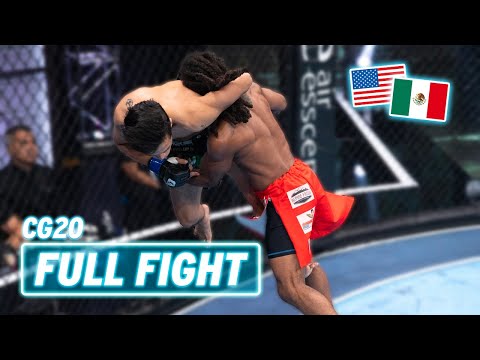
MMA Showdown: Monreal vs. Daniel - A Masterclass in Global Combat

Introduction: The Essence of Combat

Welcome, disciples, to Budo and Martial Arts. Today, we dissect not merely a fight, but a narrative etched in the octagon, a testament to the relentless pursuit of mastery. We're examining the highly anticipated bout between Monreal and Daniel, a clash broadcast under the banner of Combate Global. This isn't just about entertainment; it's about understanding the principles that govern combat, whether in the structured environment of an MMA fight or the unyielding reality of self-defense. Are we merely spectators, or are we students, absorbing the lessons embedded in every strike, every grapple, every moment of strategic brilliance?

The Crucible of Conflict: Monreal vs. Daniel

The publication date of April 30, 2022, marks this bout as a recent yet significant event in the evolving landscape of mixed martial arts. Combate Global, known for showcasing raw talent and compelling matchups, presented a platform where two warriors, Monreal and Daniel, would test their mettle. My role here is not to be a mere fan, but a critic, a scholar of combat, analyzing the intricate dance of aggression and defense that unfolds when two trained individuals engage with the intent to overcome. What drives a fighter to step into that confined space? It's a blend of courage, skill, and an unshakeable will to prove themselves.
The very essence of martial arts lies in the application of technique under pressure. While the flashy moves and knockout punches capture the casual observer's eye, the true beauty lies in the underlying principles: timing, distance, leverage, and the mental fortitude to execute under duress. Monreal and Daniel were tasked with demonstrating these principles. Did they succeed? Let's delve deeper.
"The ultimate aim of martial arts is not for victory or defeat, but for the perfection of the character." - Gichin Funakoshi
This bout, like any true test of martial skill, offers more than just a contest of physical prowess. It’s a microcosm of the broader martial philosophy, where discipline, respect, and continuous self-improvement are paramount.

Technical Breakdown: A Symphony of Strikes and Submissions

When we speak of MMA, we are referencing a discipline that melds the most effective techniques from various martial arts. This fight between Monreal and Daniel was a prime example. We must analyze the *types* of techniques employed:
  • Striking Arsenal: Did Monreal favor Muay Thai clinch and elbows, or did Daniel bring the crisp boxing of Western boxing? Were there elements of Karate's linear power or Taekwondo's dynamic kicks? Observing the footwork, the defensive guard, and the offensive combinations is crucial. A fighter who can seamlessly transition between offensive and defensive striking is a master of distance and timing.
  • Grappling Prowess: The ground game is where many MMA fights are won or lost. We look for successful takedowns, submission attempts (chokes, armbars, leg locks), and defensive grappling. Did we see the positional dominance of Brazilian Jiu-Jitsu (BJJ), the explosive power of Judo throws, or the utilitarian takedowns of wrestling? The ability to control an opponent, whether standing or on the mat, is a mark of a well-rounded fighter.
  • Transitional Flow: The most exciting moments often occur during transitions – escaping a submission, reversing a position, or chaining striking into a takedown. A fighter who can move fluidly between these phases demonstrates a high level of conditioning and technical understanding.
The question is, how effectively did Monreal and Daniel utilize their respective arsenals? Were there moments of technical brilliance that exemplify the pinnacle of #MartialArtsTraining? Or were there lapses that revealed areas ripe for improvement, offering valuable lessons to the aspiring #Fighter?

Strategic Overview: The Mind of the Warrior

Beyond the physical, the intellectual battle is often the deciding factor in combat sports. A fighter’s strategy is their roadmap to victory, a carefully constructed plan designed to exploit their opponent’s weaknesses and leverage their own strengths.
  • Game Plan Execution: Did Monreal and Daniel stick to their perceived game plans? Did one fighter successfully impose their will on the other, dictating the pace and the engagement range?
  • Adaptability: In the heat of battle, plans often crumble. The true mark of a warrior is their ability to adapt. When a strategy fails, can they pivot? Can they recognize and exploit unexpected opportunities? This mental flexibility is a cornerstone of true #MentalGame mastery.
  • Fight IQ: This encompasses a fighter's ability to read their opponent, manage the clock, understand risk versus reward, and make split-second decisions. A high Fight IQ often compensates for physical disadvantages.
"There are no shortcuts to any place worth going." - Beverly Sills (A principle that resonates deeply within the martial path)
The mental fortitude required to compete at this level is immense. It's about pushing past fear, doubt, and physical exhaustion.

Historical Context: MMA's Evolution on Global Platforms

Combate Global, while perhaps not as globally dominant as some other organizations, plays a crucial role in fostering #MartialArtists and providing them with a platform. The very existence of such promotions speaks to the growth and global appeal of MMA. From the early days of UFC 1, where stylistic clashes were raw and unpredictable, to the highly technical and strategic bouts we see today, MMA has evolved dramatically. This evolution mirrors the journey of many traditional martial arts. Initially focused on self-defense or battlefield application, many arts developed into codified systems with specific training methodologies and philosophical underpinnings. MMA, in its own way, is doing the same, distilling the most effective combat techniques into a singular, albeit complex, discipline. The continuous influx of talent from diverse backgrounds, like #Judo, #Karate, #Kickboxing, and #BJJ, enriches the sport and pushes its boundaries.

Sensei's Verdict: Beyond the Win/Loss

After scrutinizing the engagement between Monreal and Daniel, one must look beyond the final scorecard. Did they embody the warrior spirit? Did they display technical proficiency, strategic thinking, and commendable heart?
Cinturón Negro en Demostración de Voluntad
Monreal and Daniel, regardless of the outcome, provided a spectacle that was more than just a fight. They offered a glimpse into the dedication and sacrifice inherent in martial pursuits. The true victory lies in the lessons learned, both for the competitors and for us, the observers who seek to understand the deeper meaning of combat.

Training Essentials for the Aspiring Combatant

To even contemplate stepping into a competitive MMA bout, or to simply train effectively, a solid foundation is indispensable. Here are the key areas every aspiring combatant must focus on:
  • Comprehensive Skill Acquisition: Master striking fundamentals, grappling techniques (both offensive and defensive), and the crucial transitions between them.
  • Physical Conditioning: Develop explosive power, cardiovascular endurance, muscular strength, and flexibility. This requires a rigorous training regimen that includes strength and conditioning, as well as sport-specific drills.
  • Mental Toughness: Cultivate discipline, focus, resilience, and the ability to perform under pressure. This is often honed through meditation, visualization, and consistent sparring.
  • Nutrition and Recovery: Fuel your body correctly and prioritize rest for optimal performance and injury prevention.

Resources for Deeper Study

To truly grasp the nuances of combat sports and martial arts, continuous learning is vital. Seek out knowledge from reliable sources:
  • Books: Dive into classic texts like Miyamoto Musashi's "The Book of Five Rings" for strategic insights, or delve into the technical manuals of various martial arts.
  • Documentaries: Explore the lives and philosophies of martial arts masters and fighters.
  • Seminars and Workshops: Attend training sessions led by experienced instructors to gain hands-on experience and mentorship.

Frequently Asked Questions

Q: Is MMA the ultimate martial art?
A: MMA is a sport that tests the effectiveness of combined martial arts disciplines in a competitive setting. It is not necessarily "the ultimate" art, as many traditional arts focus on different aspects like self-cultivation, philosophy, or specialized self-defense scenarios.

Q: How important is the mental aspect in an MMA fight?
A: The mental aspect is paramount. A fighter with superior mental fortitude, strategic thinking, and the ability to overcome fear and pressure often defeats a physically stronger opponent.

Q: What is the difference between Budo and MMA?
A: Budo is a broader term encompassing traditional Japanese martial ways, often with a strong emphasis on character development and self-mastery beyond combat effectiveness. MMA is a modern combat sport that synthesizes techniques from various martial arts for competitive fighting.

Q: How can I start training for MMA?
A: Begin by finding a reputable gym that offers MMA training. Focus on building a strong foundation in core disciplines like Muay Thai, Boxing, BJJ, and Wrestling.

Dive Deeper into Your Path

Reflection of the Sensei: Your Next Step

We have dissected the physical and strategic elements of the Monreal vs. Daniel bout, but the true measure of a martial engagement lies in what it awakens within *you*. Consider this: in your own daily life, when faced with a challenge – be it a difficult task, a conflict with another, or an internal struggle – do you approach it with the calculated precision of a trained fighter, the adaptability of a seasoned strategist, or do you falter, overwhelmed by the pressure? Reflect on the 'why' behind every action. Is your goal merely to 'win' the immediate battle, or to emerge from it a more refined individual? ``` GEMINI_METADESC: Analyze the thrilling MMA bout between Monreal and Daniel from Combate Global. Explore techniques, strategy, and the warrior's spirit. Sensei's expert breakdown.