Showing posts sorted by relevance for query Perseverance. Sort by date Show all posts

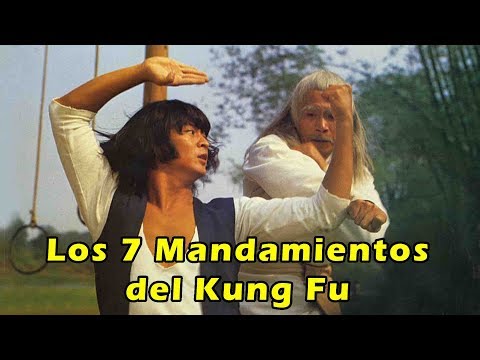
The Seven Commandments of Kung Fu: A Budo Master's Analysis

Is the path of the warrior merely about striking with precision and evading with grace? Or does true mastery lie not in the physical prowess, but in the unwavering principles that forge the spirit? Many are drawn to the dazzling displays of Kung Fu, captivated by the legendary "Seven Commandments" often depicted in films. But how many truly understand the profound philosophy embedded within these cinematic narratives? Today, we dissect the myth and the reality, separating the art from the spectacle, and revealing the timeless truths that even the most electrifying Martial Arts film struggles to fully capture. Prepare yourselves, for this is not a mere film review; this is a lesson in the very soul of Budo.

The Seven Commandments: Beyond the Screen

The allure of the Wu Tang Collection's "Seven Commandments of Kung Fu" lies in its promise of distilled wisdom, a cheat sheet to the highest levels of martial attainment. Yet, it's crucial to understand that such codified lists, while useful for narrative and thematic clarity in cinema, often serve as simplified representations of complex philosophical and ethical frameworks that have evolved over centuries. The essence of these commandments is not about a secret set of rules exclusive to one style, but about universal virtues that underpin all true paths of martial discipline.

"The supreme art of war is to subdue the enemy without fighting." - Sun Tzu

This ancient wisdom immediately tells us that the most critical battles are often internal. The "Seven Commandments," as presented, are designed to guide practitioners towards this internal victory. Let us explore what each likely represents, not just as cinematic plot devices, but as fundamental pillars of any serious martial pursuit, be it Karate, Judo, BJJ, or even the art of modern MMA.

Unearthing the Roots: Philosophy and Practice

The historical development of Kung Fu is as vast and varied as China itself, with countless styles and lineages. While specific lists of "commandments" might be more common in film adaptations to provide structure, the underlying principles are deeply rooted in Taoist, Buddhist, and Confucian thought, alongside the practical demands of combat. These principles emphasize not only effectiveness in conflict but also the development of character, self-awareness, and a harmonious relationship with oneself and the world. The goal is not merely to become a formidable fighter, but to cultivate a virtuous human being. This concept of holistic development is a cornerstone of traditions like BUDO, the Japanese Way of the Warrior.

Commandment I: Respect and Humility (敬 and 謙遜)

In any reputable dojo, the first lesson is often bowing. This simple act signifies respect for the training space, the instructor, and your fellow practitioners. It is the outward manifestation of inner humility – the understanding that there is always more to learn, and that no matter how skilled you are, there is someone who can teach you something, or someone you can help. Arrogance is the quickest route to stagnation and defeat. A fighter who believes they know it all is a fighter ripe for a humbling experience, often delivered by an opponent who embodies this first commandment. This is why even in highly competitive sports like UFC, we often see fighters show respect before and after a bout.

Commandment II: Perseverance and Indomitable Spirit (毅 and 不屈の精神)

The journey of a martial artist is rarely smooth. There will be plateaus, injuries, and moments of doubt. The "indomitable spirit" is the refusal to quit, the unwavering resolve to push through pain, exhaustion, and frustration. It's the warrior who gets back up after being knocked down, the student who returns to the mat day after day, even when progress feels slow. This is the essence of Perseverance. Think of the legendary fighters who have overcome incredible odds; their physical skill was essential, but their mental fortitude, their 'grit', was often the deciding factor. This spirit is what separates mere participants from true warriors.

Commandment III: Discipline and Self-Control (律 and 自制)

Martial arts training demands rigorous discipline. This extends beyond simply showing up for class. It means adhering to the training schedule, mastering the fundamentals, controlling one's temper both on and off the mat, and making healthy lifestyle choices. Self-control is paramount; it's the ability to remain calm under pressure, to execute techniques precisely when adrenaline is high, and to resist impulses that could lead to error or compromise one's integrity. Without discipline, even the most natural talent will wither. It's the bedrock upon which all other skills are built. This is why Discipline is a core value in almost every Martial Arts system.

Commandment IV: Patience and Endurance (忍 and 忍耐)

True mastery takes time. Impatience can lead to shortcuts, sloppy technique, and a superficial understanding of principles. Patience is the willingness to invest the necessary hours, days, months, and years into honing one's craft. Endurance, both physical and mental, is the capacity to withstand the rigors of training and competition. This isn't just about enduring pain; it's about the endurance to refine a single movement thousands of times until it becomes instinctual. It's the understanding that the marathon runner, not the sprinter, often wins the long race. This is closely linked to the concept of 'Shu', 'Ha', 'Ri' in Japanese martial arts: learning, breaking, and then transcending.

Commandment V: Harmony and Balance (和 and 調和)

This commandment speaks to a deeper level of martial understanding. It's about finding balance within oneself – between strength and flexibility, aggression and defense, mind and body. It also refers to harmony with one's opponent, understanding their movements and intentions to create an effective counter or defense, rather than engaging in a brute force struggle. In advanced stages, it’s about flowing with the opponent's energy, much like water adapting to the contours of the land. This principle is evident in arts like Aikido and Tai Chi, but its relevance can be seen in the strategic movement and timing of any skilled fighter, from a Kyokushin Karateka to a Judo master.

Commandment VI: Integrity and Righteousness (誠 and 正義)

A true warrior upholds ethical standards. This means fighting fairly, never using martial skills for personal gain or to bully the weak, and always acting with honesty and integrity. It is the understanding that martial power comes with immense responsibility. The "righteous path" guides the practitioner to use their skills only when necessary, for defense or to uphold justice, and never for gratuitous violence. This aligns with the bushido code's emphasis on honor and morality. A fighter lacking integrity, no matter how skilled, is ultimately a hollow vessel.

Commandment VII: Continuous Learning and Adaptation (学 and 適応)

The martial landscape is constantly evolving. Styles adapt, new techniques are developed, and opponents find new strategies. The commitment to continuous learning means remaining a student throughout one's life. It's about being open to new ideas, willing to unlearn outdated methods, and adapt to changing circumstances. This adaptability is what allows a martial artist to remain effective against diverse threats and challenges. It’s the reason why fighters who only know one approach often falter when faced with something outside their comfort zone. The MMA fighter who cross-trains in various disciplines exemplifies this.

Applying the Commandments: The Real Dojo

While the "Seven Commandments" might be dramatized for film, their essence is far from fictional. They represent the core values that transform a mere fighter into a martial artist, and a martial artist into a person of character. The true dojo is not just the physical space where you train; it's your life. How do you interact with others? How do you face challenges? How do you treat yourself and your responsibilities? These are the real tests.

Consider the discipline required to maintain a consistent workout at home, or the perseverance needed to master a complex technique that initially eludes you. These are daily applications of the warrior's code.

Cinematic Representation: Wu Tang's "Seven Commandments"

The Wu Tang Collection, through its curated selection of Martial Arts films, often highlights these thematic elements. While the specific narrative of "The Seven Commandments of Kung Fu" might present a fictionalized account, its intention is to convey these fundamental principles. These films serve as powerful allegories, illustrating through action and character development the consequences of upholding or neglecting these virtues. They invite us to consider how these ideals translate into physical confrontation and, more importantly, into everyday life. The visual spectacle, while entertaining, is often a vehicle for these deeper lessons.

"Knowing others is intelligence; knowing yourself is true wisdom. Mastering others is strength; mastering yourself is true power." - Lao Tzu

This quote perfectly encapsulates the inward focus required by many of these commandments, particularly discipline and self-mastery. The external fight is often secondary to the internal war.

Sensei's Verdict: More Than Just Moves

Is "The Seven Commandments of Kung Fu," as presented cinematically, a literal historical document of martial practice? Likely not. Is it a valuable tool for understanding the ethical and philosophical underpinnings of traditional Kung Fu and, by extension, all profound martial arts? Absolutely. The Wu Tang Collection often excels at showcasing films that, while perhaps not the most technically pure in terms of fight analysis, deliver powerful thematic messages. This particular theme serves as an excellent gateway for practitioners and enthusiasts to contemplate the deeper aspects of their chosen path. The true mastery isn't in the flashiest kick or the most devastating punch, but in the cultivation of a virtuous spirit guided by these timeless principles.

Cinturón Negro en Filosofía Marcial: While its direct historical accuracy may be debated, the thematic depth and philosophical impact are undeniable.

Essential Training Gear

While these commandments are about spirit and character, the physical practice of martial arts requires appropriate tools. Investing in quality gear not only enhances your training but also shows respect for the art and yourself.

  • Uniforms (Gi/Dobok/Kung Fu Uniform): Look for durable, comfortable materials that allow for a full range of motion. For styles emphasizing throws or grappling like Judo or BJJ, a heavier, double-woven gi is recommended. For striking arts, a lighter, more breathable uniform is ideal. Consider specific Karate merchandise if you practice that discipline.
  • Protective Gear: Sparring often requires headgear, mouthguards, shin guards, and groin protection. Ensure all gear meets safety standards for your specific discipline and training intensity.
  • Training Mats (Tatami/Mats): For styles with a significant amount of groundwork or falling techniques (Grappling, Judo, BJJ), investing in quality interlocking mats is crucial for safety and comfort during at-home workouts or dojo training.
  • Focus Mitts & Strike Shields: Essential for partner training and developing striking power, accuracy, and speed.
  • Stretching Bands & Agility Ladders: Crucial for improving flexibility, agility, and conditioning, supporting the principles of balance and endurance.

Frequently Asked Questions

  • Are the "Seven Commandments of Kung Fu" real historical rules?
    While the specific list might be a cinematic device, the underlying principles of respect, discipline, perseverance, patience, harmony, integrity, and continuous learning are foundational to virtually all traditional martial arts, including Kung Fu.
  • Can these commandments be applied to modern combat sports like MMA?
    Absolutely. While MMA is a competitive sport, the mental and ethical aspects – discipline, perseverance, respect for opponents and the craft, and continuous learning – are critical for success and longevity in the sport.
  • How does one cultivate "Indomitable Spirit" in their training?
    By consistently pushing past your perceived limits during training, refusing to quit when facing difficult techniques or physical fatigue, and maintaining a positive, determined mindset even after setbacks or losses.
  • What is the difference between discipline and perseverance?
    Discipline is the structured adherence to rules and routines for consistent improvement. Perseverance is the unwavering mental fortitude to continue despite obstacles and challenges, often fueled by that discipline.

Deepen Your Understanding

The journey into the heart of martial philosophy is vast. Here are some resources to continue your exploration:

The path of the martial artist is a lifelong endeavor, far more than just the techniques one learns. It is the cultivation of character, the refinement of spirit, and the unwavering commitment to becoming a better version of oneself. The "Seven Commandments," whether from film or tradition, serve as invaluable signposts on this profound journey.

Reflexion del Sensei: Tu Próximo Paso

You have studied the 'Seven Commandments'. Now, I ask you: which of these virtues do you find most challenging to embody in your daily life, and what single, concrete action can you take today to strengthen it? Do not offer me vague promises; show me the path you will walk, and be prepared to defend your choice with the conviction of a seasoned warrior.

``` GEMINI_METADESC: Un Sensei desglosa los \"Siete Mandamientos del Kung Fu\" del cine a la filosofía Budo. Descubre virtudes universales para guerreros y cómo aplicarlas hoy.

Budo's True Warriors: 6 Undeniable Signs You're More Than Just a Fighter

Martial arts. The very word evokes images of disciplined warriors, breathtaking techniques, and ancient traditions. For centuries, disciplines like Karate, Taekwondo, Judo, and Jiu-Jitsu have shaped not just bodies, but spirits across the globe. Yet, in the crucible of combat and competition, a critical distinction emerges: the difference between a mere 'fighter' and a 'true martial artist'. The latter transcends the physical exchange, embodying the profound principles of Budo – a way of life, a path of constant self-cultivation. Are you just engaging in combat, or are you truly walking the path? Let us examine the signs, the undeniable hallmarks, that separate the skilled combatant from the authentic martial artist.

The Unseen Strength: Humility

Many enter the martial world driven by ego, a desire to prove their superiority. This is the mark of a fighter. A true martial artist, however, carries their victories with quiet grace and their defeats with profound reflection. Humility is not weakness; it is the bedrock upon which true mastery is built. Such individuals harbor a deep respect for their training partners and opponents, understanding that each encounter is an opportunity to learn and refine. They recognize that the journey of martial arts is a lifelong pursuit, an endless horizon of self-improvement. They know that every Black Belt started as a white belt, and that even the most accomplished master has more to discover. This internal acknowledgment prevents arrogance and fosters continuous growth.

"Mastering others is strength. Mastering yourself is true power." - Lao Tzu

Think about your last sparring session. Did you focus on dominating, or on understanding your opponent's movements and your own reactions? The answer reveals much.

Master of the Self: Self-Control

The heat of a fierce exchange, the adrenaline surge, the frustration of a missed technique – these are the moments that test the mettle of any combatant. A fighter might lash out, become reckless, or crumble under pressure. A true martial artist, however, possesses formidable self-control. Their discipline extends beyond the dojo walls; it is an intrinsic part of their being. They understand that raw emotion is a chaotic force that clouds judgment and leads to critical errors. By mastering their emotions, they maintain clarity, precision, and strategic thinking, even when pushed to their limits. This mastery allows them to respond rather than react, to choose the most effective course of action rather than being swept away by impulse.

Consider the famed discipline of Kyokushin Karate. Its practitioners are trained to endure immense physical and mental pressure, not by succumbing to pain, but by harnessing their inner fortitude. This is self-control in action.

The Sacred Fire: Respect for the Art

Fighters often view martial arts solely as a means to an end – victory, self-defense, or physical conditioning. A true martial artist, however, views their chosen discipline as something sacred. They delve into its origins, study its history, understand its cultural context, and honor its traditions. This deep appreciation for the art itself transforms practice from mere repetition into a ritual of reverence. They understand that the techniques and philosophies passed down through generations are not arbitrary; they are the distilled wisdom of countless practitioners who faced similar challenges. This respect fuels their dedication and ensures they preserve and transmit the essence of the art, not just its physical manifestations.

Are you merely learning moves, or are you seeking to understand the lineage and philosophy behind them? A quick search for the history of Aikido or the development of Karate can offer profound insights into this respect.

Body and Mind: The Dual Pursuit of Fitness

Physical prowess is undoubtedly crucial in any martial pursuit. A fighter understands the necessity of a strong physique. But a true martial artist recognizes that their body is merely the vessel for their art; it must be both a powerful weapon and a finely tuned instrument. This requires holistic physical and mental fitness. They engage in rigorous training not just to build muscle or endurance, but to enhance coordination, agility, speed, and resilience. Simultaneously, they cultivate their mental faculties – sharpening focus, improving strategic thinking, and building mental toughness. This dual pursuit ensures they are not only capable of delivering powerful strikes or executing complex techniques but are also mentally prepared to adapt, strategize, and overcome any obstacle.

This integrated approach mirrors the philosophy behind many Budo disciplines, where the mind and body are seen as interconnected pathways to mastery.

The Unyielding Spirit: Perseverance

The path of the martial artist is rarely smooth. There will be plateaus, injuries, setbacks, and moments of doubt. A fighter might quit when faced with overwhelming adversity. A true martial artist embodies perseverance. They understand that struggle is not an endpoint but a catalyst for growth. They greet challenges not with despair, but with determination. Each failed attempt, each painful defeat, becomes a lesson learned, a stepping stone towards eventual success. This resilience, this refusal to surrender, is a testament to their inner strength and their unwavering commitment to the journey. They understand that true mastery is forged in the fires of hardship.

Think of the legendary careers of fighters like Jon Jones or Cyril Gane; their resilience in the face of intense pressure and competition is a prime example of this principle.

The Warrior's Heart: Kindness and Compassion

Perhaps the most profound differentiator: a fighter might wield their skills for dominance or personal gain. A true martial artist, however, understands that power comes with responsibility. They possess a heart of kindness and compassion. Their skills are honed not for wanton aggression, but for the protection of others and the betterment of the world. They use their abilities judiciously, never seeking to inflict unnecessary harm. They embody the principle that true strength lies not in the ability to destroy, but in the capacity to protect and uplift. This ethical compass guides their actions both inside and outside the dojo, making them not just skilled practitioners, but positive forces in society.

"The object of the do is to seek perfection of character." - Jigoro Kano

This sentiment is echoed across many martial traditions, emphasizing that the ultimate goal of training is personal development and service to others.

Gear Up for Your Journey

To truly embody the principles of Budo, the right equipment can be an invaluable ally. Whether you are honing your striking power, refining your grappling, or maintaining your physical and mental conditioning, quality gear makes a difference. Consider investing in:

  • Durable Uniforms (Gi/Kimono): Essential for traditional arts like Judo and Karate. Look for materials that can withstand rigorous training, such as a double-weave Judo gi or a sturdy Karate gi.
  • Protective Sparring Gear: For arts involving full contact, investing in high-quality MMA gloves, headgear, and shin guards is paramount for safe and effective training.
  • Training Equipment: A good quality punching bag or a makiwara can significantly improve your striking power and technique at home.
  • Comfortable Training Apparel: For conditioning or arts that require more freedom of movement, comfortable and breathable training shorts and t-shirts are a must.

At BYAM Budo y Artes Marciales, we understand the importance of quality gear. Explore our extensive collection of uniforms, protective equipment, and training accessories designed to support your journey towards martial arts mastery.

Frequently Asked Questions

What is Budo?

Budo, literally meaning "martial way," refers to the philosophies and practices of Japanese martial arts that focus on self-cultivation, discipline, and spiritual development, beyond mere combat effectiveness. It's a way of life.

Is there a difference between a fighter and a martial artist?

Yes, significantly. A fighter primarily focuses on winning combat encounters. A true martial artist integrates the physical skills with ethical principles, self-discipline, humility, and continuous personal growth, viewing their art as a path to self-perfection.

Can anyone become a true martial artist?

Absolutely. While talent can play a role, the core of being a true martial artist lies in the consistent application of principles like humility, self-control, respect, perseverance, and compassion. It's a journey available to anyone dedicated to the path.

How important is physical fitness in Budo?

Extremely important, but it's only half the equation. Budo emphasizes both physical conditioning (strength, speed, endurance, agility) and mental conditioning (focus, strategy, emotional control, resilience). One without the other is incomplete.

Can martial arts principles be applied outside of training?

Indeed. The principles of Budo – discipline, respect, perseverance, humility – are designed to be integrated into all aspects of life, leading to personal growth and a more positive impact on the world.

For Deeper Exploration on Your Path

Reflexion del Sensei: Your Next Step

We've examined the qualities that elevate a practitioner from a mere combatant to a true martial artist. Now, look inward. Are you merely going through the motions, or are you striving for genuine embodiment? If you recognize yourself in these signs, how can you further cultivate them in your daily life, both on and off the mat? If you see the fighter, what specific, actionable steps can you take starting *today* to nurture the seeds of Budo within you?

``` ```json { "@context": "https://schema.org", "@type": "FAQPage", "mainEntity": [ { "@type": "Question", "name": "What is Budo?", "acceptedAnswer": { "@type": "Answer", "text": "Budo, literally meaning \"martial way,\" refers to the philosophies and practices of Japanese martial arts that focus on self-cultivation, discipline, and spiritual development, beyond mere combat effectiveness. It's a way of life." } }, { "@type": "Question", "name": "Is there a difference between a fighter and a martial artist?", "acceptedAnswer": { "@type": "Answer", "text": "Yes, significantly. A fighter primarily focuses on winning combat encounters. A true martial artist integrates the physical skills with ethical principles, self-discipline, humility, and continuous personal growth, viewing their art as a path to self-perfection." } }, { "@type": "Question", "name": "Can anyone become a true martial artist?", "acceptedAnswer": { "@type": "Answer", "text": "Absolutely. While talent can play a role, the core of being a true martial artist lies in the consistent application of principles like humility, self-control, respect, perseverance, and compassion. It's a journey available to anyone dedicated to the path." } }, { "@type": "Question", "name": "How important is physical fitness in Budo?", "acceptedAnswer": { "@type": "Answer", "text": "Extremely important, but it's only half the equation. Budo emphasizes both physical conditioning (strength, speed, endurance, agility) and mental conditioning (focus, strategy, emotional control, resilience). One without the other is incomplete." } }, { "@type": "Question", "name": "Can martial arts principles be applied outside of training?", "acceptedAnswer": { "@type": "Answer", "text": "Indeed. The principles of Budo – discipline, respect, perseverance, humility – are designed to be integrated into all aspects of life, leading to personal growth and a more positive impact on the world." } } ] }

The Undeniable Power of Kyokushin Karate: More Than Just a Documentary

Welcome, fellow seekers of the Way. You arrive at BYAM Budo y Artes Marciales not merely by chance, but by a shared pursuit of something profound – the essence of martial arts. Today, we strip away the polished veneer of typical documentaries to confront the raw, unadulterated truth of Kyokushin Karate. Forget mere entertainment; we are here to dissect its strength, its rigorous philosophy, and the transformative fire it ignites within its practitioners. Prepare yourselves, for this is not a passive viewing; it is an immersion into the heart of combat sports, the depth of martial philosophy, and the tangible reality of training.

I. The Unyielding Essence of Kyokushin Karate

Let's address the elephant in the room immediately. When we speak of "The Strongest Karate," we are not exaggerating. Kyokushin, translating to "the ultimate truth" in Japanese, is not a style for the faint of heart. Forged by the legendary Masutatsu Oyama, its very name is a testament to its demanding nature. This is not about flashy kata performed in a sterile dojo; this is about forging physical and mental fortitude through relentless dedication. Its techniques are honed in the crucible of full-contact sparring and brutal training regimens that would break lesser men. Oyama understood that true strength isn't just about throwing punches; it's about developing the unyielding spirit, the Seishin, that allows a warrior to stand firm against any adversity.

Think about it: when you hear the term "Kyokushin," what comes to mind? Likely images of bone-jarring roundhouse kicks, powerful punches, and intense, unyielding sparring matches. This is the stark reality of Oyama's vision. He sought to create a martial art that tested the limits of human endurance, a discipline that would not only teach combat effectiveness but also instill an unbreakable will. This emphasis on realism, on facing an opponent with full commitment, is what separates Kyokushin from many other forms that prioritize form over function. It's a stark reminder that in the face of true conflict, there is no room for pretense.

"The difference between a hobby and a calling is the level of sacrifice you are willing to make." - A principle deeply ingrained in Kyokushin training.

This commitment to "ultimate truth" means confronting one's own limitations, pushing past perceived barriers, and emerging stronger. The rigorous Kihon (basics), the demanding Kata (forms), and the sheer intensity of Kumite (sparring) all serve a singular purpose: to build a warrior from the inside out.

II. The Warrior's Mindset: Embracing the Martial Philosophy

But Kyokushin Karate is far more than a mere combat system. It is a profound vehicle for self-discovery, a living embodiment of the Budo spirit. The principles etched into the dojo walls – humility, respect, perseverance, and self-control – are not abstract concepts. They are the very bedrock upon which a Kyokushin practitioner builds their character. This philosophy transcends the physical exchanges; it is a guide for navigating the complexities of life itself.

Consider the weight of Osu! – the all-encompassing expression of respect, gratitude, and perseverance. It’s not just a word; it’s a commitment. It’s what you utter when you’re tired, when you’re sore, when you want to quit but choose not to. This constant reinforcement of mental toughness, coupled with the respect shown to instructors and fellow students, cultivates a warrior's mindset. You learn to face challenges head-on, not with aggression, but with calm resolve. This is the essence of martial philosophy, a concept often lost in the modern world's pursuit of superficial victories.

The development of Zanshin (awareness) and Mushin (no-mind state) are not merely training goals; they are pathways to a more balanced and conscious existence. When you can react instinctively yet calmly under pressure, whether in a sparring match or a stressful life situation, you have truly begun to understand Kyokushin's deeper teachings. This journey fosters a profound sense of self-awareness, harmonizing the mind, body, and spirit – a balance that is increasingly rare in our chaotic world.

"The mind must be stilled. Only then can the body move with true purpose." - A foundational principle in the study of martial arts strategy.

III. Kyokushin's Impact on the Global Combat Sports Arena

Kyokushin Karate's uncompromising approach has undeniably left an indelible mark on the landscape of combat sports. It's a discipline that has consistently produced individuals with exceptional physical conditioning, mental fortitude, and a deep understanding of striking dynamics. These practitioners, forged in the intense environment of Kyokushin kumite, have translated their skills onto stages worldwide, proving the efficacy of their training.

We've seen Kyokushin exponents excel in various full-contact disciplines, often demonstrating superior conditioning and a never-say-die attitude. Their resilience in the face of powerful opponents and their ability to absorb punishment while continuing to fight are hallmarks of their training. Think of the famous historical bouts and the sheer grit displayed by these fighters. This raw, electrifying spectacle continues to captivate audiences, offering a compelling demonstration of martial arts prowess in its most direct and challenging form. The influence of Kyokushin's full-contact ethos can be seen, whether directly or indirectly, in many modern combat sports, pushing the boundaries of what athletes are capable of.

Whether it's through direct competition or the influence of their fighting spirit, Kyokushin Karate continues to enrich the world of combat sports, offering a testament to the power of dedicated, full-contact training. It’s a constant reminder that strength forged in truth can overcome many obstacles.

IV. Forging Bonds: The Kyokushin Karate Community

Here at BYAM Budo y Artes Marciales, we understand that the martial journey is rarely a solitary one. The dojo is a microcosm of society, a place where bonds are forged through shared sweat, mutual respect, and common goals. The Kyokushin Karate community is a prime example of this – a global network of individuals united by a passion for this demanding art.

This isn't just about training partners; it's about building a support system. In the shared struggle of pushing limits, enduring difficult training sessions, and learning from mistakes, friendships and a profound sense of camaraderie develop. This shared experience extends beyond the dojo itself. Online forums, social media groups, and gatherings all contribute to a vibrant tapestry of connection. It's a place where knowledge is exchanged, encouragement is freely given, and the principles of Budo are lived out collectively. You are never truly alone on this path.

We aim to be a nexus for these connections, a place where enthusiasts of Kyokushin and other martial disciplines can converge. By engaging in discussions, sharing personal experiences – the triumphs and the setbacks – we can all learn and grow. This collective effort nurtures not only individual progress but also a deeper, collective understanding and appreciation of the martial arts. Join us, and discover the strength that comes from being part of something greater than yourself.

V. Gear Up for Glory: Essential Kyokushin Merchandise

Our commitment to your martial arts journey extends beyond mere philosophical discourse. We believe that the right equipment can significantly enhance your training experience and serve as a constant reminder of your dedication. That’s why we offer a curated selection of high-quality Kyokushin merchandise and related gear.

From durable training uniforms that withstand the rigors of intense practice to comfortable apparel that embodies the spirit of the warrior, each item is selected with purpose. We offer books that delve deeper into Kyokushin's history and philosophy, training aids that can supplement your dojo practice, and accessories that let you carry the martial spirit with you every day. Think of it as arming yourself, not just for the physical fight, but for the mental and spiritual one as well.

For those serious about their Kyokushin training, consider investing in a high-quality Kyokushin gi. A well-made uniform is crucial for both comfort and durability during intense sparring sessions. Beyond the gi, explore our range of training equipment designed to help you hone your techniques, such as focus mitts for speed and accuracy drills, or even a makiwara to build devastating power. Supporting our platform through these purchases not only equips you for your path but also allows us to continue providing valuable content and fostering the martial arts community.

Equipo Esencial para tu Entrenamiento

  • Kyokushin Gi (Uniforme): Busca un tejido resistente y un corte que permita una amplia movilidad. Doble tejido es ideal para la durabilidad.
  • Guantes de Sparring (14-16oz): Esenciales para la seguridad durante el kumite.
  • Protector Bucal: No negociable para cualquier tipo de sparring.
  • Espinilleras y Empeineras: Recomendadas para entrenamiento de contacto completo.
  • Libros sobre Kyokushin y Budo: Para complementar tu aprendizaje técnico y filosófico.

Conclusion

Kyokushin Karate is far more than a martial art; it is a transformative way of life. It is a discipline that instills unwavering discipline, profound resilience, and an indomitable spirit. Through its practice, we uncover our innermost strength, empowering us not just to face challenges, but to conquer them with grace and steely determination. Join us at BYAM Budo y Artes Marciales, where we don't just discuss the beauty of martial arts; we celebrate its power, foster a thriving community, and provide the resources to enrich your personal martial arts journey. Together, let us embrace the raw power of Kyokushin Karate and embark on an enduring path of self-discovery and ultimate mastery.

Preguntas Frecuentes

  • What makes Kyokushin Karate different from other Karate styles? Kyokushin is distinct due to its emphasis on full-contact sparring with minimal protective gear, its rigorous physical conditioning, and its philosophical commitment to "the ultimate truth" in combat and life.
  • Is Kyokushin Karate suitable for beginners? Yes, Kyokushin offers specialized beginner classes designed to gradually introduce practitioners to its demanding techniques and philosophy, focusing on safety and foundational skills.
  • What are the main benefits of practicing Kyokushin Karate? Benefits include enhanced physical fitness, improved discipline and self-control, increased mental toughness, boosted confidence, and a deep understanding of respect and perseverance.
  • Can Kyokushin Karate be used for self-defense? Absolutely. The full-contact nature of Kyokushin training directly prepares practitioners for realistic self-defense scenarios, emphasizing practical application and resilience.

Reflexión del Sensei: Tu Próximo Paso

You have absorbed the essence, the philosophy, and the undeniable power of Kyokushin. Now, consider this: How does the "ultimate truth" of Kyokushin manifest not just in the dojo, but in the mundane moments of your daily life? Are you truly living with the discipline, respect, and perseverance you claim to embody?

For further exploration into the world of martial arts and combat sports, check out these related articles:

``` ```json { "@context": "http://schema.org", "@type": "FAQPage", "mainEntity": [ { "@type": "Question", "name": "What makes Kyokushin Karate different from other Karate styles?", "acceptedAnswer": { "@type": "Answer", "text": "Kyokushin is distinct due to its emphasis on full-contact sparring with minimal protective gear, its rigorous physical conditioning, and its philosophical commitment to \"the ultimate truth\" in combat and life." } }, { "@type": "Question", "name": "Is Kyokushin Karate suitable for beginners?", "acceptedAnswer": { "@type": "Answer", "text": "Yes, Kyokushin offers specialized beginner classes designed to gradually introduce practitioners to its demanding techniques and philosophy, focusing on safety and foundational skills." } }, { "@type": "Question", "name": "What are the main benefits of practicing Kyokushin Karate?", "acceptedAnswer": { "@type": "Answer", "text": "Benefits include enhanced physical fitness, improved discipline and self-control, increased mental toughness, boosted confidence, and a deep understanding of respect and perseverance." } }, { "@type": "Question", "name": "Can Kyokushin Karate be used for self-defense?", "acceptedAnswer": { "@type": "Answer", "text": "Absolutely. The full-contact nature of Kyokushin training directly prepares practitioners for realistic self-defense scenarios, emphasizing practical application and resilience." } } ] }

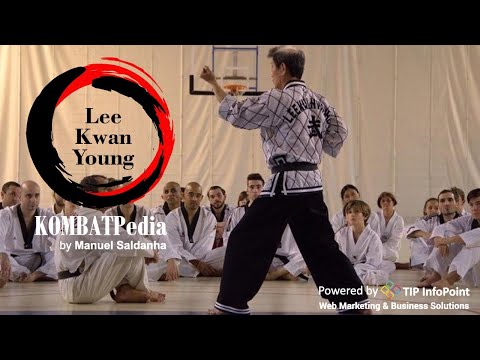
Lee Kwan Young: The Unseen Architect of Modern Taekwondo

The Shadow of a Master

When the word "Taekwondo" is uttered, what images flicker through the mind? The explosive, high-flying kicks? The disciplined formations of a poomsae? The intense bouts of Olympic competition? For many, these elements represent the pinnacle of this Korean martial art. Yet, behind the dazzling athleticism and the global recognition, lie the foundational figures whose vision and dedication sculpted the art into what it is today. One such titan, often operating just beyond the glare of the spotlight, is Grandmaster Lee Kwan Young. His name may not resonate with the immediate familiarity of a few other pioneers, but his impact is as profound as the deepest stance, as far-reaching as the most powerful spinning hook kick. This is not merely a biography; it is an exploration of the principles, the philosophy, and the practical application of a martial arts ethos that continues to shape practitioners worldwide.

The intention of this discourse is to illuminate the often-understated contributions of Grandmaster Lee Kwan Young, to dissect the core tenets of his approach to Taekwondo, and to inspire practitioners to look beyond the surface of techniques and understand the deeper currents of martial wisdom. Are you here to merely admire the kicks, or are you ready to truly understand the art? The path of martial arts is one of continuous learning, and understanding the architects of our chosen disciplines is a crucial step in this lifelong endeavor.

We are living in an era where the commercialization of martial arts can sometimes overshadow its philosophical underpinnings. Websites and platforms like KOMBATPedia aim to provide a repository of knowledge, a digital dojang for the global martial arts community. But true understanding comes not just from information, but from introspection and application. This exploration into Lee Kwan Young’s legacy is an invitation to do just that.

The Shadow of a Master

Grandmaster Lee Kwan Young, a figure of immense respect and a key architect in the standardization and international propagation of Taekwondo, embodies the spirit of perseverance and dedication. Born in 1948, his martial journey began in a Korea deeply scarred by war and striving to forge a national identity. In this crucible, Taekwondo—a synthesis of traditional Korean martial arts like Taekkyeon and Subak, and influences from Karate—emerged as a potent symbol of national pride and resilience. Lee Kwan Young was at the forefront of this movement, not just as a practitioner, but as a visionary leader.

His early training was steeped in the rigorous discipline demanded by the era. He witnessed firsthand the power of martial arts to instill discipline, build character, and foster a strong sense of community. This formative period shaped his philosophy, emphasizing the holistic development of an individual—mind, body, and spirit—as the ultimate goal of martial arts training. It’s a philosophy echoed across many traditional Budo disciplines, from the serene focus of Aikido to the unyielding spirit of Kyokushin Karate.

The push for Taekwondo’s international recognition gained momentum in the latter half of the 20th century, and Grandmaster Lee Kwan Young was instrumental in this global expansion. His efforts were not merely about teaching kicks; they were about disseminating a comprehensive martial art system, complete with its ethical code and philosophical depth. He understood that for Taekwondo to thrive on the world stage, it needed a unified structure, clear technical standards, and a compelling narrative.

"The martial artist seeks to know himself through the art. The techniques are but the tools for self-discovery. Without the introspection, they are merely empty movements." - A principle deeply embedded in the philosophy of Budo.

Beyond the Kicks: Lee Kwan Young's Enduring Influence

While Taekwondo is renowned for its dynamic kicking techniques, the true depth of the art lies in its underlying principles. Grandmaster Lee Kwan Young’s contribution extends far beyond the technical execution of a high kick. He was a proponent of what is often termed 'true Taekwondo,' emphasizing the harmonious development of physical prowess, mental fortitude, and moral integrity. This triad is the bedrock of any robust martial art system, aiming to cultivate not just a capable fighter, but a well-rounded individual.

His pedagogical approach focused on:

  • Technical Precision: Mastering the fundamental kicks, punches, and blocks with correct form, power, and speed.
  • Physical Conditioning: Building strength, flexibility, endurance, and agility through rigorous training. This resonates with modern demands for MMA conditioning, focusing on functional strength and explosive power.
  • Mental Discipline: Cultivating focus, concentration, self-control, patience, and a resilient spirit. The concept of Inner Strength is paramount here.
  • Ethical Development: Instilling values such as courtesy, integrity, perseverance, respect, and an indomitable spirit (baekjul boolgool). This aligns with the tenets of Budo.

These elements are not unique to Lee Kwan Young's teaching; they are the common threads that bind true martial traditions. Whether one studies Judo, Karate, or Brazilian Jiu-Jitsu, the pursuit of self-mastery through disciplined practice remains the core objective. The emphasis on character development over mere combative skill is what elevates martial arts from mere sports or combat techniques to a lifelong path of Self-Improvement.

Deconstructing the Art: The Essence of Lee Kwan Young's Taekwondo

What, then, distinguishes the Taekwondo as envisioned and propagated by masters like Lee Kwan Young? It is a holistic approach that eschews specialization in favor of balanced development. While modern Taekwondo competition, particularly Olympic style, might emphasize certain techniques or strategies for points, the traditional roots, which Lee Kwan Young champions, focus on:

  • The Power of the Stance: A strong, stable stance is the foundation of all movement. Kicks originate from the ground up, and a solid base is crucial for generating power and maintaining balance, especially when executing powerful leg techniques. This is a principle universally understood in Lucha and Combat Sports.
  • Body Mechanics and Coordination: Taekwondo kicks are not just leg movements; they involve the entire body. The rotation of the hips, the extension of the core, and the counter-movement of the arms all contribute to the power and effectiveness of a technique. Achieving this synergy requires immense body awareness and coordination, a skill honed through consistent Martial Arts Training.
  • Strategic Application: Beyond the sheer physical execution, the art involves understanding timing, distance, and opportunity. It’s about knowing *when* and *how* to apply a technique, not just *how* to execute it. This strategic element is critical in any form of Close Combat.
  • The Spiritual Dimension: The concept of Ki, or vital energy, is central. Training is not just about building muscles, but about cultivating and directing this internal energy. This spiritual development is what truly distinguishes a martial artist from a mere fighter.

The debate often arises: does modern Olympic Taekwondo, with its focus on speed and point-scoring, dilute the traditional essence? While competition has its merits in pushing athletic boundaries, it’s crucial for practitioners to remain connected to the foundational principles. Masters like Lee Kwan Young ensure that this connection is maintained, reminding us that the art is more than just a sport; it's a way of life.

Consider the philosophy of Miyamoto Musashi in his "Book of Five Rings," which, while focused on swordsmanship, emphasizes strategy, timing, and understanding one's opponent. These principles are universally applicable, whether wielding a katana or delivering a Taekwondo head kick. This strategic depth is often lost in the rush for quick victories, but it is the hallmark of true mastery.

"The way of the warrior is to master himself. This is achieved not by conquering others, but by overcoming the limitations within." - A reflection on Self-Mastery.

From Tradition to Global Sport: A Master's Adaptation

The journey of Taekwondo from its Korean roots to its status as an Olympic sport is a testament to the dedication of pioneers like Grandmaster Lee Kwan Young. He was involved in establishing the foundational curricula and the organizations that would govern the art’s development. This involved making critical decisions about standardization, which is never an easy task when dealing with a living, evolving art form.

The challenges were immense:

  • Unifying Diverse Styles: Korea had various kwans (schools) with slightly different approaches. Harmonizing these into a single, coherent system required diplomatic skill and a deep understanding of the art’s core principles.
  • Defining Competition Rules: Creating a fair and exciting sport that accurately reflected the art's capabilities was crucial. This involved balancing the emphasis on kicks with other martial elements and ensuring fighter safety.
  • International Promotion: Traveling, teaching, and establishing Taekwondo federations worldwide demanded immense personal sacrifice and unwavering commitment.

The success of Taekwondo in the global arena, culminating in its inclusion in the Olympic Games, is a victory not just for a sport, but for the martial philosophy it represents. It’s an affirmation that discipline, dedication, and the pursuit of excellence can transcend cultural barriers. However, as mentioned before, the evolution into a sport can sometimes lead to a divergence from the original philosophical intent. The emphasis on scoring can sometimes overshadow the development of practical self-defense skills or the cultivation of inner virtues. This is where the guidance of masters who remember and teach the 'old ways' becomes invaluable, guiding practitioners back to the essence of Budo.

For those interested in the history and development of martial arts, understanding the role of figures like Lee Kwan Young is akin to understanding the lineage of a great martial arts family. It’s about tracing the origins, appreciating the challenges overcome, and recognizing the foundational techniques and philosophies that have been passed down through generations. This historical context enriches one’s own training and fosters a deeper respect for the art.

Guiding Principles: Training with the Spirit of Lee Kwan Young

How can a modern practitioner, whether a beginner or an advanced student, embody the spirit and principles championed by Grandmaster Lee Kwan Young? It’s about more than just memorizing techniques; it’s about cultivating a specific mindset and approaching training with purpose.

Training Guide: Cultivating the Lee Kwan Young Ethos

  1. Master the Fundamentals: Dedicate significant time to perfecting basic stances, kicks (front kick, roundhouse kick, side kick), and punches. Don't rush to advanced techniques until the foundation is solid. This is the cornerstone of any effective Entrenamiento.
  2. Focus on Power Generation: Understand how to use your entire body – hips, core, and arms – to drive your kicks. Practice explosive movements and focus on maximizing power in each strike.
  3. Embrace Flexibility and Conditioning: Incorporate regular stretching routines to improve flexibility for higher kicks and injury prevention. Engage in cardiovascular and strength training to build the stamina and power required for sustained practice. Consider At-Home Workouts if access to a gym is limited.
  4. Practice with Intention: Every movement, every drill, should have a purpose. Visualize the application of techniques. Are you practicing for sport, self-defense, or personal development? Let your intention guide your practice.
  5. Cultivate Mental Fortitude: Practice mindfulness and focus during training. Use drills that challenge your concentration. Develop patience and perseverance, especially when facing difficult techniques or setbacks. This is where the Mental Game truly shines.
  6. Uphold the Ethical Code: Treat your instructors and training partners with respect. Show integrity in your actions both inside and outside the dojang. Remember that Taekwondo is a path of Perseverance and character building.

The key is consistency and deliberate practice. It’s about understanding that every training session is an opportunity to get closer to mastery, not just of techniques, but of oneself. This approach is applicable to any martial art, from the intricate Ninjitsu to the powerful Kickboxing.

Essential Gear for the Dedicated Taekwondo Practitioner

While Taekwondo is primarily about the practitioner's skill and dedication, having the right equipment can significantly enhance training safety, effectiveness, and comfort. Investing in quality gear is a commitment to your journey.

  • Uniform (Dobok): A well-fitting dobok is essential. For serious practitioners, a heavier, double-woven fabric offers better durability and a more traditional feel. Look for uniforms designed for durability during dynamic movements and sparring.
  • Belts: As you progress, your belt signifies your rank. Ensure you have the correct belt for your current level.
  • Sparring Gear: For safe sparring (kyorugi), protective gear is non-negotiable. This includes:
    • Head protector (helmet)
    • Forearm guards
    • Shin guards
    • Groin protector
    • Mouthguard
    • Hand mitts (designed for Taekwondo sparring)
  • Training Mats (Optional for home practice): If you are practicing some elements at home, especially conditioning or basic drills, interlocking foam mats can provide a safer surface than a hard floor.
  • Training Equipment:
    • Punches and Striking Pads: Useful for practicing power and accuracy.
    • Kick Shields: Essential for developing powerful kicks and for training with a partner.
    • Focus Mitts: Great for hand-eye coordination and rapid fire combinations.

Choosing the right Karate Merchandise or Taekwondo gear can be overwhelming. It’s often best to consult with your instructor for recommendations specific to your dojang’s requirements and your personal training needs. Quality gear not only ensures safety but can also boost your confidence and focus during training.

Sensei's Verdict: Is Lee Kwan Young's Legacy Still Relevant?

Absolutely. In a world increasingly dominated by specialized sports and fleeting trends, the holistic, character-building approach to martial arts championed by Grandmaster Lee Kwan Young is more relevant than ever. The emphasis on discipline, respect, integrity, and the continuous pursuit of self-improvement transcends the specific techniques of Taekwondo. These are timeless principles that apply to every facet of life.

While the competitive landscape of Taekwondo has evolved, the foundational wisdom that Lee Kwan Young helped to codify remains the bedrock upon which true mastery is built. The true spirit of Taekwondo, as he envisioned it, is not just about winning matches, but about forging a stronger, more disciplined, and ethically grounded individual. This is the enduring legacy, and it is a powerful guide for anyone committed to the path of martial arts, whether their focus is on Self-Defense, competitive sport, or personal growth.

Rating: 5 out of 5 Cinturones Negros

Frequently Asked Questions

What is the main philosophy behind Lee Kwan Young's Taekwondo?

The main philosophy emphasizes the holistic development of an individual: physical prowess, mental discipline, and ethical integrity. It's about cultivating a strong character through rigorous training, not just excelling in techniques.

How does Lee Kwan Young's approach differ from modern Olympic Taekwondo?

While Olympic Taekwondo focuses on point-scoring and athletic performance within a competitive framework, Lee Kwan Young's approach often emphasizes the traditional aspects, including practical self-defense applications, deeper philosophical tenets, and the cultivation of virtues like perseverance and indomitable spirit.

Is Taekwondo still relevant for self-defense?

Yes, traditional Taekwondo, with its emphasis on powerful kicks and body mechanics, can be very effective for self-defense. However, the effectiveness often depends on the practitioner's training focus and whether they have incorporated practical self-defense principles beyond competitive sport aspects.

What are the key principles of Budo that are reflected in Taekwondo?

Key Budo principles reflected in Taekwondo include discipline, respect, perseverance, self-control, humility, and the pursuit of self-mastery. The ethical code and the emphasis on character development are core Budo tenets.

To Deepen Your Journey

  • Artes Marciales: History, Techniques, and Philosophy
  • BUDO: The Way of the Warrior
  • Entrenamiento: Mastering Your Physical and Mental Capabilities
  • Historia de las Artes Marciales: Linajes y Evolución
  • Lucha y Defensa Personal: Principios Fundamentales

Reflection of the Sensei: Your Next Step

Grandmaster Lee Kwan Young’s legacy is a call to look beyond the flash and focus on the substance. In your own training, are you merely practicing movements, or are you cultivating the principles that underpin them? Are your kicks serving a purpose beyond scoring points, or are they expressions of a disciplined mind and body? Consider this: If you were stripped of all your advanced techniques, what would remain of your martial art? The answer to that question defines your true path.

``` GEMINI_METADESC: Explore the profound, yet often overlooked, contributions of Grandmaster Lee Kwan Young to the art of Taekwondo. Understand his philosophy, technical insights, and enduring legacy.

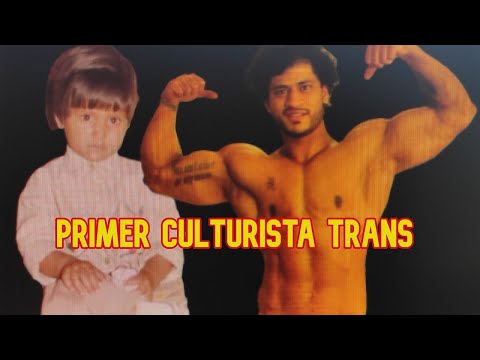
The Girl Who Underwent Surgery to Become a Bodybuilder: A Martial Arts Perspective

Introduction: Redefining Strength

Hello and welcome, students of the Way. Today, we venture into a topic that may initially seem far removed from the traditional dojo: the story of a young girl who chose surgery to pursue a career in bodybuilding. As practitioners of Budo and the myriad martial arts, we are constantly seeking to understand the essence of strength, discipline, and the human form's potential. Is this pursuit of physical perfection through radical means a testament to the indomitable human spirit, or a deviation from the core principles we hold dear? Let us delve into this compelling narrative, not just as observers, but as critical thinkers steeped in the philosophy and practice of the martial ways.
"True strength is not merely the absence of weakness, but the mastery of one's own being." - A principle often echoed in the halls of disciplined training.
Our journey today is about exploring the boundaries of physical transformation and questioning what it truly means to embody strength in its purest form. It’s a conversation starter, a challenge to our preconceptions, and an invitation to see the martial spirit in unexpected places.

The Unconventional Path: Beyond Traditional Aesthetics

The narrative of a young woman opting for surgical procedures to achieve a bodybuilding physique is, without question, unconventional. In many martial arts traditions, the ideal physique is often one of functional efficiency – lean, powerful, and agile, honed through relentless training rather than cosmetic intervention. Aesthetics take a backseat to utility; a fighter's body is a tool for survival and combat, not a canvas for sculpted perfection. However, to dismiss this pursuit outright would be a disservice to the fundamental principle of dedication. Bodybuilding, at its highest level, demands an extraordinary level of discipline, meticulous planning, and an unwavering commitment to pushing physical limits. These are qualities we deeply respect and cultivate in our own martial journeys. The question arises: does the *method* of achieving this physique invalidate the *spirit* of dedication? This is where our critical analysis must begin.

Martial Arts and Physical Transformation: A Synergistic Relationship?

The relationship between martial arts and physical transformation is as old as the arts themselves. From the Shaolin monks to the Greco-Roman wrestlers, the pursuit of physical prowess has always been intertwined with martial discipline. Yet, the *nature* of this transformation is key. Martial arts training aims to develop a body that is not only strong but also resilient, adaptable, and responsive. It’s about cultivating *Qi* (or Ki), the vital life force, which is believed to flow through and empower the body. This is a holistic approach, where mind, body, and spirit are developed in unison.
"The strength of a warrior is not in his muscles alone, but in the spirit that drives them." - Musashi's ethos, emphasizing the mind's command over the body.
In contrast, while bodybuilding undeniably requires immense effort, its primary focus is on hypertrophy and a specific aesthetic. Surgical intervention, while a tool, represents a different pathway to achieving that aesthetic. Can this pathway, when combined with the discipline of training, foster a spirit that resonates with martial principles? Or does it represent a fundamental divergence? This is a debate that ignites the very core of what we consider "martial."

Philosophical Considerations: The Warrior's Body

The concept of the "warrior's body" in martial arts is multifaceted. It’s a body forged in the crucible of training, capable of enduring pain, delivering devastating force, and adapting to unpredictable combat scenarios. It embodies *Mushin* (no-mind) and *Zanshin* (lingering awareness). This is a body that is a direct extension of the practitioner's will and spirit. When we consider the bodybuilder, we see a different kind of perfection – one that is often achieved through a combination of genetics, rigorous training, strict nutrition, and, in some cases, the aforementioned surgical enhancements. The intent behind these transformations is crucial. Is the intent to become a more formidable martial artist, or is it to achieve a specific visual ideal? Perhaps the most provocative question is: can a body altered by surgery still embody the *organic* development and resilience cultivated through traditional martial arts? Does it diminish the authenticity of the "fight" inherent in the training? Or, can the discipline required to recover from surgery and then train to the peak of bodybuilding serve as a unique, albeit unconventional, form of martial perseverance?

The Role of Surgery in the Pursuit of Excellence

Surgery, when viewed through a clinical lens, is a medical intervention. In the context of athletic or aesthetic pursuits, it can be seen as a tool to overcome physical limitations or to accelerate the achievement of a desired physique. In bodybuilding, this might involve procedures to enhance muscle definition or symmetry. From a martial perspective, this is where the debate truly ignites. Many martial arts philosophies emphasize the acceptance and mastery of one's natural form, or its refinement through effort and conditioning. The idea of "natural" vs. "augmented" strength is a significant point of contention. If the goal is to compete in bodybuilding, then surgery might be viewed as a strategic choice within that specific competitive domain. But if the implied aspiration is to embody the qualities of a martial artist – resilience, functional power, and adaptability – then the reliance on surgery raises questions about the depth and authenticity of the physical development. Is this a shortcut, or a different path to self-mastery?

Training Regimen and Discipline: The Core of Mastery

Regardless of the chosen path, the cornerstone of any true martial pursuit, or indeed any demanding physical discipline, is unwavering discipline and an exceptional training regimen. The individual in question, by undertaking surgery and then dedicating themselves to bodybuilding, demonstrates a profound level of commitment. The recovery from surgery itself requires immense fortitude and adherence to strict protocols. Following this with the grueling demands of bodybuilding training – precise nutrition, intensive workouts, and mental fortitude to push past discomfort – speaks volumes about their dedication. This level of commitment is a trait universally admired in the martial arts community. We see this same dedication in athletes who overcome severe injuries to return to competition, or in practitioners who spend decades perfecting a single technique. The *form* of the challenge may differ, but the *spirit* of perseverance and the cultivation of self-control are universal. This is where the narrative transcends the superficial and touches upon the core of what makes a warrior.

Equipment Essential for Your Training

While the focus of this narrative is on the individual's journey, effective training, whether for bodybuilding or martial arts, often benefits from appropriate equipment. For those pursuing strength and muscle development, particularly in a gym setting, certain gear can enhance performance and safety.
  • Weightlifting Gloves: Protect hands and improve grip during heavy lifting sessions, crucial for maximizing workout volume.
  • Lifting Straps: Aid in pulling exercises by reducing grip fatigue, allowing focus on the target muscle groups.
  • Weightlifting Belt: Provides core support during heavy compound lifts, helping to stabilize the spine and prevent injury.
  • Knee Sleeves or Wraps: Offer warmth and compression for the knees, beneficial for squats and other leg-dominant exercises.
  • Durable Training Shoes: Shoes with a stable, flat sole are essential for lifting, providing a solid base of support.
  • Resistance Bands: Versatile for warm-ups, cool-downs, and supplementary resistance work to target specific muscle groups.
For martial artists, the requirements differ, often emphasizing mobility and protection. For instance, practitioners of Judo or Karate would invest in specialized kimonos (`gi`). Those engaging in striking arts might require padded gloves or headgear for sparring. The underlying principle remains: the right tools support the practitioner's dedication. Exploring best kimonos for Judo or high-quality training gear can be a wise investment for any serious practitioner.

Frequently Asked Questions

Q1: Is it possible for someone who has had surgery to become a genuine martial artist? A1: The definition of "genuine martial artist" is often debated. If martial arts are defined by physical technique, discipline, and a code of conduct, then yes, it is possible. However, some traditions place a strong emphasis on organically developed physical prowess and resilience. Q2: How does the dedication required for bodybuilding compare to that required for martial arts? A2: Both demand immense discipline, sacrifice, and perseverance. Bodybuilding focuses intensely on physical aesthetics and muscular development, while martial arts often integrate physical training with mental, spiritual, and philosophical development. Q3: Can surgery enhance a martial artist's capabilities? A3: In specific therapeutic contexts (e.g., reconstructive surgery after injury), it can restore function. However, elective surgery purely for aesthetic enhancement in martial arts is not typically aligned with traditional philosophies, which often favor natural development. Q4: What is the role of "natural" versus "augmented" physical attributes in martial arts? A4: Traditional martial arts generally value attributes honed through natural training and inherent potential. While some augmentation through diet or specialized conditioning is accepted, significant reliance on surgical intervention for aesthetic or perceived performance gains is often viewed critically.

Veredict of the Sensei: A Question of Intent

This story presents a fascinating dichotomy. On one hand, the sheer dedication, discipline, and resilience required for both undergoing surgery and then pursuing peak bodybuilding form are undeniable and resonate with the spirit of perseverance that is central to Budo. This individual has clearly committed to a path of extreme self-challenge. However, from a purist martial arts perspective, the reliance on surgical intervention as a primary means to achieve a physique raises profound questions. The journey of a martial artist is traditionally about transforming the self from within, cultivating strength, resilience, and character through arduous, often uncomfortable, training. The body becomes a testament to that internal journey. Therefore, while I respect the dedication demonstrated, my "Veredict of the Sensei" is one of **Ambiguity, leaning towards Caution**. It is a testament to human determination, but the *intent* behind the transformation and its ultimate alignment with the holistic development sought in martial arts remain subjects for deep contemplation. It prompts us to ask: what is the ultimate goal of our physical pursuits? Is it the external form, or the internal transformation it represents? Cinturón Negro en Disciplina, pero ¿en Espíritu Marcial?

Further Learning on Your Path

For those who wish to explore the deeper aspects of martial arts philosophy, training, and discipline, consider delving into these related topics:

Reflection of the Sensei: Your Next Step

This narrative pushes us to confront our definitions of strength and dedication. The individual's path is unique, diverging significantly from traditional martial training. My question to you, warrior, is this: **If you were presented with a "shortcut" that promised rapid physical results, but deviated from the principles you hold dear, would you take it? Or would you reaffirm your commitment to the arduous, yet ultimately more profound, path of organic self-mastery?** Ponder this not just in your mind, but in the very fiber of your training. ``` GEMINI_METADESC: Explore the martial arts perspective on extreme physical transformation. Analyzing a bodybuilder's journey via surgery, this post questions discipline, strength, and the warrior's spirit.

Takanoyama Shuntarō: The "Small But Mighty" Master of Judo Throws in Sumo

Introduction: The Anomaly of Takanoyama

Have you ever watched a martial artist, seemingly outmatched by their opponent's size and strength, still emerge victorious? This isn't magic; it's the elegant application of technique, timing, and an indomitable spirit. In the world of Sumo, a sport often defined by sheer mass, one wrestler stood out, not for his bulk, but for his brilliance. Takanoyama Shuntarō, hailing from the Czech Republic, shattered expectations, proving that in combat, as in life, technique and tenacity can indeed conquer brute force. This analysis dives deep into his arsenal, dissecting the throws that made him a beloved figure and a testament to the "small but mighty" principle.

Takanoyama's Unique Journey: Defying Sumo's Giants

Takanoyama Shuntarō, born Martin Koselecta, carved a unique path in the hallowed dohyo of professional Sumo. As a European venturing into a deeply traditional Japanese sport, he faced an uphill battle from the outset. The average weight of a top-division Makuuchi wrestler often exceeds 150 kg. Takanoyama, however, consistently competed in the 80-100 kg range. This stark physical disparity could have been a career-ending limitation. Instead, it became his greatest teacher, forcing him to hone an exceptional understanding of leverage, timing, and evasive footwork. His speed and mastery of judo principles, a natural fit for his agile frame, allowed him to outmaneuver and defeat opponents who dwarfed him. He wasn't just a novelty; he was a strategic genius on the mat.

Technique Breakdown: The Arsenal of a Smaller Wrestler

The brilliance of Takanoyama lay in his ability to execute techniques that maximized his advantages while neutralizing his opponents' size. He didn't rely on overwhelming power; he employed precision and speed. Let's examine some of his signature finishes that consistently saw him victorious:

Kote-nage (Armlock Throw)

Takanoyama's kote-nage was a masterclass in deception and leverage. The core of this technique involves establishing a firm grip on the opponent's wrist (kote). From there, instead of forcing the throw, he artfully used the opponent's own forward momentum or attempted forward movement against them. A swift rotation of his body, combined with a pulling action on the captured wrist, redirected their energy, causing them to lose balance and be thrown over his back or to the side. This is a classic judo throw, but Takanoyama's execution, particularly the precise timing and angle, made it devastatingly effective against larger sumo wrestlers.

Koshi-guruma (Hip Wheel)

Another technique that highlights his judo background is the koshi-guruma. This throw involves wrapping one of Takanoyama's legs around the opponent's hip, creating a fulcrum. With a simultaneous pull forward and a powerful twist of his torso, he would elevate and unbalance his opponent, using his hip as the pivot point. The momentum generated would send the larger wrestler crashing down. The effectiveness here lies in getting the leg placement correct and generating the rotational force quickly, preventing the opponent from stabilizing or counteracting.

Oshi-dashi (Push Out)

While Takanoyama excelled in throwing techniques, his oshi-dashi, or push out, was a pure display of his speed and agility. This technique requires an explosive burst of energy to drive the opponent backward. Takanoyama, with his lighter frame, could generate rapid forward pressure. He would use quick, powerful shoves, often targeting the opponent's upper body and shoulders, to force them out of the ring. His ability to maintain balance and drive forward while his opponent was attempting to resist or counter was crucial to its success. It’s a testament to his conditioning and lower body strength.

Sukuinage (Beltless Arm Throw)

This technique, often seen in judo, involves an arm throw where the grip is established differently, often without a traditional belt grip. Takanoyama would secure a grip on his opponent's arm and, using a scooping motion with his body, throw them over his hip. The key here is to get under the opponent's center of gravity and use their own weight to complete the throw. His agility allowed him to make the necessary adjustments to create the throwing angle, turning a potential disadvantage into an offensive opportunity. It’s a dynamic throw that requires excellent body control.

Uchimuso (Inner Thigh Throw)

Takanoyama's mastery of judo skills shone through in his uchimuso. This throw involves attacking the opponent's legs or inner thigh area. He would use his grappling ability to secure a grip, often on the opponent's leg or gi near the thigh. With a precise hip movement and a lifting or sweeping action, he would unbalance the opponent, using their own forward pressure or stability against them. This technique requires significant timing and the ability to get low and deep, something Takanoyama was adept at, allowing him to execute it even against much larger opponents.

Beyond Technique: The Mental Game

What truly set Takanoyama apart, and what offers the most profound lessons for any martial artist, was his mental fortitude. He entered a sport steeped in tradition, where size was king, and had to overcome not only his physical limitations but also potential cultural barriers. His ability to persevere through rigorous training, maintain focus, and execute complex techniques under pressure is a testament to his inner strength and dedication. He proved that a warrior's heart and a sharp mind are often more critical than sheer physical dominance.

"In the martial path, it is not the size of the warrior that matters, but the size of their heart."

This adage resonates deeply when we consider Takanoyama's career. He embodied this philosophy, turning perceived weaknesses into strengths through sheer willpower and intelligent application of skill.

Lessons for Every Budoka: Perseverance and Adaptability

The journey of Takanoyama Shuntarō offers invaluable lessons for every practitioner of martial arts, regardless of their style or size. His career is a powerful reminder that:

  • Technique over Brute Force: Superior technique, timing, and leverage can overcome significant size and strength disparities.
  • Adaptability is Key: Understanding your own physical attributes and adapting your strategy and techniques accordingly is crucial for success.
  • Mental Strength is Paramount: True mastery is forged not just in the body, but in the mind. Perseverance, discipline, and a positive attitude are essential tools.
  • Embrace Challenges: Difficulties, whether physical limitations or external obstacles, can be catalysts for growth and innovation.

As martial artists, we face our own challenges, whether it's mastering a difficult technique breakdown, improving our mental strength, or simply staying dedicated. Takanoyama’s story encourages us to push past our perceived limits and continually refine our skills and our spirit.

Cross-Training: Expanding Your Martial Horizon

While Takanoyama's primary discipline was Sumo, his effective use of judo principles demonstrates the power of cross-training. For martial artists today, broadening one's skillset beyond a single discipline is not just beneficial, it's increasingly essential. Exploring different combat sports and martial arts can:

  • Introduce new strategic perspectives.
  • Develop different physical attributes (e.g., grappling, striking, flexibility).
  • Enhance problem-solving skills on the mat.
  • Provide a more well-rounded understanding of combat.

Whether it's incorporating Judo throws into your BJJ, understanding striking principles from Kickboxing for your Muay Thai training, or learning defensive strategies from Aikido, the martial world is interconnected. Embracing this diversity makes you a more complete and adaptable fighter.

Essential Gear for Your Training

To effectively train in disciplines like Judo, Sumo, or any other martial art, having the right equipment is crucial. For Judo practitioners, a high-quality Judo gi is paramount. Look for a durable, double-weave gi that can withstand the rigors of throws and grappling. For those interested in simulating Sumo or practicing specific throwing drills, sturdy mats are essential for safety. Consider investing in:

  • High-Quality Judo Gi: Look for brands known for durability and fit. A good gi enhances grip and withstands pulling forces.
  • Training Mats: Essential for safe practice of throws, falls (ukemi), and groundwork.
  • Wrestling Shoes: For styles that require precise footwork and grip on the mat.
  • Resistance Bands: Excellent for strength and conditioning, mimicking pulling and pushing motions relevant to grappling.

Exploring gear can also lead you to discover resources like specialized training manuals or online courses focused on specific technique breakdowns.

Frequently Asked Questions

What made Takanoyama unique in Sumo?

Takanoyama Shuntarō was unique due to his significantly smaller stature compared to his peers, competing between 80-100 kg in a sport dominated by wrestlers over 150 kg. He compensated with exceptional speed, agility, and judo-based techniques.

What are some key Judo techniques Takanoyama utilized?

He effectively employed techniques such as Kote-nage (armlock throw), Koshi-guruma (hip wheel), Sukuinage (beltless arm throw), and Uchimuso (inner thigh throw), adapting them for the Sumo ring.

How did Takanoyama overcome his size disadvantage?

He leveraged his speed, agility, and precise execution of Judo throws. His strategy focused on outmaneuvering opponents, using their momentum against them, and exploiting openings rather than relying on brute strength.

What broader lessons can martial artists learn from Takanoyama?

Martial artists can learn about the importance of technical mastery, adaptability, mental fortitude, perseverance in the face of adversity, and the strategic advantage of speed and timing over sheer size.

For Deeper Insight

Sensei's Reflection: Your Next Step

Takanoyama's story is more than just a series of successful throws; it's a living testament to the power of a determined spirit. He demonstrated that the physical ring of a dojo, or the clay of the dohyo, is but one arena. The true battlefield often lies within, where the fight against doubt and limitation is waged. Ask yourself:

"When faced with an opponent, or a challenge, that seems insurmountable due to size or perceived advantage, do you instinctively shrink, or do you instinctively seek the angle, the leverage, the technique that will allow you to prevail?"

Reflect on this. True martial arts mastery isn't just about knowing techniques; it's about embodying the spirit to apply them when it matters most. Now, let your actions speak louder than your thoughts.

```