Showing posts sorted by relevance for query MMA. Sort by date Show all posts

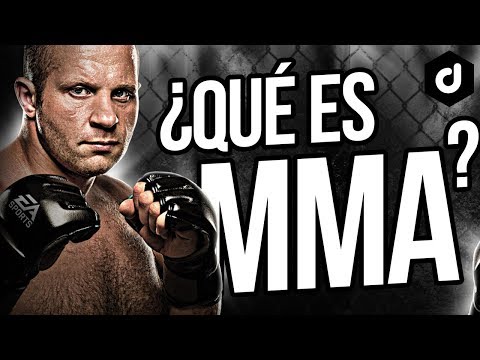
MMA: ¿Verdadera Prueba del Guerrero Moderno o Espectáculo Para Masas?

En las arenas del combate moderno, el MMA (Artes Marciales Mixtas) se alza como un crisol donde se funden disciplinas milenarias y técnicas depuradas para forjar al guerrero del siglo XXI. Pero, ¿es esta amalgama de estilos la cúspide de la evolución marcial, o un mero espectáculo televisivo despojado de su esencia más profunda? En este análisis, desmantelaremos la compleja tela del MMA, desde sus raíces hasta su encarnación actual, cuestionando su lugar en la estirpe de las artes marciales verdaderamente formativas.

El Rugido de la Arena: ¿Qué es Realmente el MMA?

El MMA, o Artes Marciales Mixtas, es una disciplina de combate deportivo que permite una amplia gama de técnicas de lucha, incluyendo golpeo (striking) y grappling, tanto de pie como en el suelo. Nacido de un deseo de determinar qué arte marcial era el más efectivo en un combate uno a uno, el MMA ha evolucionado hasta convertirse en un fenómeno global. Sin embargo, para un practicante de las artes marciales tradicionales, surge una pregunta fundamental: ¿el enfoque "mixto" del MMA diluye la profundidad filosófica y técnica de sus disciplinas progenitoras, o representa una sinergia innovadora para el combate moderno?

A menudo, se percibe el MMA como una lucha salvaje, una mera demostración de fuerza bruta y resistencia. Pero como cualquier arte que involucra el combate, el MMA exige una disciplina férrea, una comprensión profunda del cuerpo humano, la mente y la estrategia. Es en la síntesis de múltiples estilos donde reside su complejidad, y es en la aplicación bajo presión donde se revela la verdadera medida de un guerrero.

En este análisis, no nos conformaremos con el espectáculo. Desglosaremos la esencia del MMA, examinaremos su linaje, cuestionaremos sus metodologías de entrenamiento y valoraremos su impacto en el panorama marcial actual. ¿Está el MMA forjando verdaderos budokas modernos, o simplemente creando gladiadores para una nueva era?

De las Luchas Libres a Jaulas de Acero: La Evolución del MMA

Los orígenes del combate con múltiples disciplinas se remontan a la antigua Grecia con el Pancracio, una disciplina que combinaba boxeo y lucha, y a las demostraciones de artes marciales chinas que históricamente incluían la lucha libre y el combate a mano desnuda. Sin embargo, el MMA moderno tal como lo conocemos tiene sus raíces más directas en eventos de principios del siglo XX y, de manera más significativa, en el UFC (Ultimate Fighting Championship), fundado en 1993.

El concepto inicial del UFC era simple: enfrentar a luchadores de diferentes disciplinas marciales (boxeo, karate, jiu-jitsu brasileño, lucha libre, judo, muay thai, etc.) en un torneo para determinar qué estilo era el más dominante. El famoso jui-jitsu brasileño (BJJ) de la familia Gracie pronto demostró su eficacia en el suelo, cambiando la percepción del combate y obligando a los practicantes de otras disciplinas a expandir sus conocimientos.

Con el tiempo, la disciplina del MMA ha evolucionado. Los luchadores ya no son meros especialistas de un arte marcial; son atletas híbridos que entrenan una amalgama de golpeo (boxeo, kickboxing, muay thai, Sanda) y grappling (BJJ, lucha libre olímpica, lucha grecorromana, judo). La introducción de categorías de peso, reglas más estrictas y la profesionalización han transformado el MMA de un evento de "vale todo" a un deporte de élite altamente técnico y competitivo.

Pero, ¿esta evolución lo ha acercado más a la esencia de las artes marciales tradicionales o lo ha alejado? Las artes marciales clásicas a menudo ponen un fuerte énfasis en el desarrollo moral, la disciplina mental y la autodefensa fuera del contexto deportivo. El MMA, si bien exige estas cualidades, se centra predominantemente en la victoria deportiva. Esta dicotomía es fundamental para entender el debate sobre su legitimidad marcial.

"El arte de la guerra es de vital importancia para el Estado. Es un asunto de vida o muerte, un camino hacia la supervivencia o la pérdida. Por lo tanto, no debe ser descuidado." - Sun Tzu, El Arte de la Guerra

¿Más Allá del Golpeo y el Agarre? Principios Marciales en el MMA

Uno de los pilares de las artes marciales tradicionales es su componente filosófico: el Bushido en el caso de las artes japonesas, el Dao en las chinas, o el enfoque en el Karate-Do ("El Camino de la Mano Vacía"). Estos caminos no solo enseñan técnicas de combate, sino también principios de vida: respeto, humildad, perseverancia, autocontrol y la búsqueda de la perfección. ¿Podemos encontrar estos mismos principios en el MMA moderno?

La respuesta es compleja. Por un lado, el MMA exige una disciplina mental rigurosa para soportar entrenamientos extenuantes, superar el miedo al combate y mantener la calma bajo presión. La perseverancia es crucial, ya que cada combate y cada entrenamiento presentan desafíos que requieren superación constante. La resiliencia ante la derrota y la capacidad de aprender de los errores son también características que comparten los mejores luchadores de MMA con los maestros marciales.

Sin embargo, el enfoque principal del MMA está en la victoria deportiva. El combate cuerpo a cuerpo y la lucha en pie, si bien son elementos cruciales, a menudo se despojan de la sutileza de las técnicas tradicionales destinadas a la defensa personal más allá de la competición. El énfasis en el nocaut o la sumisión puede, en ocasiones, eclipsar el desarrollo de la armonía, la paz interior o la aplicación de técnicas para neutralizar amenazas de manera no letal, aspectos centrales en muchas escuelas marciales clásicas.

La cuestión es si la búsqueda de la victoria deportiva puede coexistir con la aplicación de principios marciales más amplios. ¿Puede un luchador de MMA ser un ejemplo de autodisciplina y automaestría, incluso cuando su objetivo principal es vencer a un oponente?

Los atletas de élite del MMA a menudo demuestran un profundo respeto por sus oponentes y por el deporte. Es común ver gestos de camaradería y reconocimiento mutuo después de combates intensos. Sin embargo, la naturaleza del espectáculo a veces promueve la confrontación y la exhibición de agresividad, lo que puede desdibujar la línea entre la fuerza marcial y la simple agresión.

El Arte de la Síntesis: Dominio de Múltiples Disciplinas

El MMA, en su núcleo, es un testimonio del poder de la versatilidad y la síntesis. Los luchadores de élite no son simplemente buenos en una cosa; son proficientes en varias. La capacidad de transitar fluidamente entre el golpeo, el derribo (takedown) y la lucha en el suelo (ground fighting) es lo que define a un campeón de MMA.

Consideremos la combinación de disciplinas:

  • Boxeo y Kickboxing: Proporcionan la base para el golpeo con puños y patadas, enseñando juego de pies, defensa, combinaciones y potencia.
  • Muay Thai: Añade el uso de codos, rodillas y el clinch, incrementando las opciones de ataque y defensa a corta distancia.
  • Jiu-Jitsu Brasileño (BJJ): Domina la lucha en el suelo, las sumisiones (llaves y estrangulaciones) y las posiciones de control. Es fundamental para someter a un oponente que puede ser más fuerte físicamente.
  • Lucha Libre y Grecorromana: Excelentes para los derribos, el control posicional y la defensa contra ellos. Son la puerta de entrada a la lona.
  • Judo: Aporta técnicas de derribo espectaculares y métodos para controlar al oponente en el suelo.

Un luchador de MMA verdaderamente completo debe comprender cómo defenderse de un golpe mientras intenta un derribo, cómo transicionar de una posición de control en el suelo a una sumisión, y cómo levantarse si es derribado. Esta interconexión de técnicas es lo que hace al MMA tan fascinante y desafiante.

Sin embargo, la profundidad de cada arte individual puede diluirse. Un especialista en BJJ puede encontrar que sus complejas técnicas de sumisión son menos efectivas contra un luchador de MMA que ha aprendido a defenderse de las llaves básicas y a escapar rápidamente a la lucha en pie. Del mismo modo, un boxeador puro puede tener dificultades para lidiar con patadas bajas o derribos inesperados.

La clave está en el entrenamiento inteligente y la capacidad de adaptación. No se trata solo de aprender muchas técnicas, sino de integrarlas de manera coherente y eficiente para el contexto del combate de MMA.

"La clave de la victoria reside en la capacidad de adaptarse a las circunstancias cambiantes." - Miyamoto Musashi, El Libro de los Cinco Anillos

El MMA en la Pantalla: Luces, Cámara, ¡Acción (o Ficción)!

La representación del MMA en el cine es a menudo una mezcla de acción espectacular y licencia artística. Si bien algunas películas buscan capturar la crudeza y el realismo del deporte, otras lo utilizan como telón de fondo para dramas o comedias, con coreografías de lucha que, aunque impresionantes visualmente, tienen poco que ver con la realidad del combate.

Películas como la saga de "Undisputed" o "Warrior" han intentado mostrar la intensidad y la técnica del MMA, a menudo con resultados mixtos. La coreografía de lucha en estas películas busca el impacto visual y la emoción del público, sacrificando en ocasiones la autenticidad técnica. ¿Es esto un problema? Desde la perspectiva de un crítico de cine marcial, sí. Un buen combate cinematográfico debe ser creíble dentro de su propio universo, y para los aficionados y practicantes de MMA, la precisión técnica añade una capa de autenticidad que eleva la experiencia.

Por otro lado, el cine de artes marciales, con figuras legendarias como Bruce Lee o Jackie Chan, a menudo se enfoca en un solo arte marcial (o una combinación más limitada) y prioriza la fluidez, la creatividad y, a veces, el espectáculo exagerado (como en las películas de "Drunken Master"). Estas películas, si bien no son simulaciones realistas de combate, a menudo capturan una filosofía marcial y un espíritu de superación que resuenan profundamente.

El desafío para el cine es equilibrar la necesidad de acción emocionante con la representación respetuosa y, en la medida de lo posible, auténtica de las disciplinas de combate. Cuando una película de MMA se centra demasiado en el drama humano y descuida la técnica, pierde credibilidad para los conocedores. Cuando exagera la acción para el espectáculo, puede alienar a quienes buscan una representación más fiel.

La reciente ola de documentales sobre luchadores y eventos de MMA ha hecho un mejor trabajo al mostrar la dedicación, el sacrificio y la compleja preparación que implica este deporte. Sin embargo, la ficción cinematográfica todavía lucha por encontrar el equilibrio perfecto.

Veredicto del Sensei: ¿Cinturón Negro en Combate o Rédoble de Tambores?

El MMA es, innegablemente, una manifestación moderna del instinto humano de competir y superarse a través del combate. Requiere una dedicación extrema, una inteligencia táctica notable y una resistencia física y mental de hierro. En este sentido, comparte muchas de las cualidades que definen a un verdadero artista marcial.

Sin embargo, la pregunta persiste: ¿es el MMA un camino marcial en sí mismo, o es una disciplina deportiva que bebe de las artes marciales tradicionales? Mi veredicto es que el MMA es un deporte de combate de alta exigencia, que en su forma más pura requiere la aplicación de principios marciales fundamentales como la disciplina, el respeto y la adaptabilidad.

No se puede negar la eficacia del MMA en el contexto de la pelea deportiva. Los luchadores de élite son atletas formidables. Pero si buscamos un camino que trascienda la victoria deportiva, que integre la autodefensa efectiva con el desarrollo personal profundo, y que cultive la paz interior tanto como la habilidad de combate, debemos ser cautelosos. El MMA, en su estado actual, a menudo prioriza el espectáculo y la victoria sobre la profundidad filosófica que caracteriza a las artes marciales más tradicionales.

Considero que el MMA es una herramienta potente para el desarrollo físico y táctico, pero para quienes buscan el camino completo del guerrero, es un punto de partida, no el destino final. Es un campo de pruebas brutal donde las técnicas se validan bajo presión, pero la verdadera maestría marcial requiere una exploración más profunda de la mente y el espíritu.

Calificación del Sensei:

  • Eficiencia en el Combate Deportivo: Cinturón Negro de Élite
  • Profundidad Filosófica y Tradición Marcial: Aún en Fase de Desarrollo

Equipo Esencial para tu Entrenamiento

Entrenar MMA exige una preparación específica para garantizar la seguridad y la efectividad. Aquí te presento el equipo fundamental:

  • Guantes de MMA: Diseñados con protección en nudillos pero permitiendo el agarre para lucha. Busca unos de 4oz para competición o 6-8oz para entrenamiento general.
  • Espinilleras: Cruciales para proteger tus tibias durante el entrenamiento de patadas (kicking drills).
  • Protector bucal: Indispensable para proteger tus dientes y mandíbula.
  • Protector inguinal (concha): Para proteger la zona pélvica.
  • Kimono de Judo o Jiu-Jitsu: Para entrenar las transiciones y técnicas de agarre que provienen del judo y BJJ. Busca un modelo resistente, como un kimono de doble tejido para Judo que soporte el rigor del grappling.
  • Pantalones de entrenamiento: Cómodos y resistentes para permitir libertad de movimiento.
  • Vendajes para las manos: Protegen tus muñcos y nudillos durante el golpeo.

Guía de Entrenamiento: Simulación de Sparring de MMA

Este ejercicio simula la transición entre el golpeo y el grappling, ideal para desarrollar la fluidez y la toma de decisiones bajo presión. Requiere un compañero y equipo de protección.

  1. Fase de Golpeo (2 minutos): Comiencen en guardia, simulando una pelea de pie. Practiquen combinaciones de boxeo, patadas y rodillas. El objetivo es mantener la presión y buscar oportunidades para derribar o ser derribado.
  2. Transición a Derribo (1 minuto): Uno de los practicantes (el atacante) intenta un derribo (takedown). El defensor debe intentar defenderse, usando técnicas de lucha y defensa de derribos.
  3. Fase de Lucha en el Suelo (3 minutos): Una vez en el suelo, la dinámica cambia. El objetivo es conseguir una posición dominante (montada, control lateral) o ejecutar una sumisión (estrangulación, llave de brazo). El defensor debe intentar escapar, defenderse o revertir la posición.
  4. Levantarse (1 minuto): Practiquen el arte de levantarse de forma segura y efectiva cuando uno de los luchadores está en desventaja en el suelo.
  5. Descanso y Cambio de Roles: Descansen 1-2 minutos. Luego, cambien los roles para que el defensor se convierta en atacante y viceversa.
  6. Repetir: Realicen varias rondas, alternando los enfoques (priorizando golpeo, luego derribo, luego suelo) para simular la imprevisibilidad de un combate real.

Nota del Sensei: La seguridad es primordial. Comunícate constantemente con tu compañero y reduce la intensidad si es necesario. El objetivo es aprender, no lesionarse.

Preguntas Frecuentes

  • ¿Es el MMA una disciplina marcial o un deporte?
  • El MMA es principalmente un deporte de combate. Si bien utiliza técnicas de diversas artes marciales, su enfoque principal es la competición deportiva.
  • ¿Puede el MMA ser considerado efectivo para la autodefensa?
  • Sí, el entrenamiento en MMA puede mejorar significativamente las habilidades de autodefensa debido a su enfoque en múltiples facetas del combate. Sin embargo, las artes marciales tradicionales a menudo ofrecen una formación más completa en escenarios de defensa personal específicos y no deportivos.
  • ¿Cuál es la diferencia principal entre el MMA y las artes marciales tradicionales?
  • Las artes marciales tradicionales suelen incorporar un fuerte componente filosófico y ético, enfocado en el desarrollo personal y la disciplina mental, además de las técnicas. El MMA se centra más en la demostración de eficacia competitiva.
  • ¿Es necesario entrenar todas las disciplinas que componen el MMA?
  • No es necesario ser un experto en todas. Un buen luchador de MMA es aquel que puede sintetizar las técnicas más efectivas de cada disciplina de manera coherente.

Para Profundizar en tu Camino

Reflexión del Sensei: Tu Próximo Paso

Si eres un practicante de MMA, te invito a mirar más allá de la jaula. Pregúntate: ¿qué principios de las artes marciales tradicionales puedo integrar en mi entrenamiento para ser no solo un mejor luchador, sino un mejor ser humano? Y si vienes de las artes marciales tradicionales, ¿cómo puedes adaptar tu conocimiento para enfrentar los desafíos del combate moderno sin perder la esencia de tu camino? La respuesta reside en tu propia búsqueda.


``` GEMINI_METADESC: Analiza el MMA como arte marcial moderno. Descubre su historia, técnicas, filosofía y la opinión del Sensei sobre su lugar en el camino del guerrero.
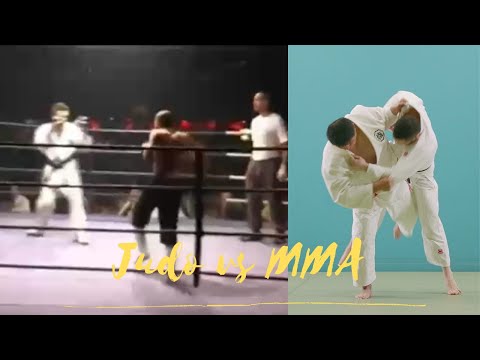
Judo vs. MMA: A Sensei's Tactical Breakdown of Dominance

The roar of the crowd, the glint of sweat under the arena lights, the coiled tension before a strike or a takedown. These are the primal elements that draw us to combat sports. But when a Judoka, a master of the throw and the ground game, steps into the cage against an MMA fighter, a specialist in a multi-disciplinary war, what transpires? Is it a clash of titans, or a predictable outcome? This isn't about mere physical prowess; it's about the application of refined principles honed over centuries versus a modern, brutal synthesis. We are about to dissect this very confrontation, not as mere spectators, but as students of the Budo, examining the strategic depth, the technical nuances, and the philosophical underpinnings that dictate victory.

The Genesis of the Duel: Judo vs. MMA

Welcome, practitioners of the Budo and aficionados of the martial arts. Today, we confront a scenario that has ignited countless debates in dojos and online forums alike: the direct confrontation between a pure Judoka and a seasoned Mixed Martial Arts (MMA) fighter. The question is not simply about who is stronger, but who can adapt, who can impose their will, and whose fundamental principles of combat will prevail. Is the devastating potential of a perfectly executed Uchi-mata enough to overcome a barrage of strikes? Can a master of O-soto-gari translate their grappling prowess to an environment devoid of the gi?

Let's be clear: these are not the same battles. Judo, as codified by Jigoro Kano, emphasizes mutual welfare and prosperity, a path of maximum efficiency with minimum effort. MMA, on the other hand, is a brutal crucible, a synthesis of the most effective techniques from across the globe, stripped of tradition and focused solely on victory. This dichotomy forms the bedrock of our analysis.

The Judoka's Arsenal: Unlocking the Power of Kuzushi

A Judoka enters the fray with a formidable foundation. Their understanding of kuzushi – the art of unbalancing an opponent – is paramount. This is not merely about brute strength; it's about leverage, timing, and understanding the opponent's center of gravity. Techniques like Seoi-nage, Ippon-seoi-nage, and the ubiquitous Uchi-mata are not just moves; they are physics-defying applications of kinetic energy transfer.

In a gi-based environment, a Judoka can employ grips that provide immense control, allowing them to break down an opponent's posture and set up devastating throws. The ability to transition seamlessly to the ground and apply submissions like Sankaku-gatame (triangle choke) or Gyaku-juji-jime (reverse cross choke) is another layer of their offensive capability. These are skills honed through thousands of repetitions, ingrained into muscle memory.

However, the MMA cage presents a starkly different landscape. The absence of a gi negates the primary method of control for a Judoka. Without the familiar fabric to grip, the art of kuzushi becomes exponentially more challenging, relying on body control and clinch work rather than the secure grips of the judogi. This is where the conceptual understanding of Judo must be rigorously tested.

The MMA Chameleon: Adapting to the Unfamiliar

The MMA fighter is, by definition, a generalist. They are trained to weather the storm from various martial disciplines – striking arts like Boxing and Muay Thai, grappling arts like Brazilian Jiu-Jitsu (BJJ) and Wrestling, and sometimes even elements of Karate or Taekwondo. Their strength lies not in singular mastery, but in their ability to seamlessly blend these arts and exploit an opponent's weaknesses.

An MMA fighter facing a Judoka will likely anticipate the takedown attempts. Their training will focus on defending throws, establishing dominant grips (or lack thereof), and creating space to employ their striking arsenal. A well-timed knee to the head in the clinch, or a barrage of punches while the Judoka attempts to secure a grip, can quickly neutralize the thrower's advantage. Furthermore, a skilled MMA fighter will have extensive training in defending submissions and, crucially, in executing their own submissions from various positions, often learned through the lens of BJJ.

"The supreme art of war is to subdue the enemy without fighting." - Sun Tzu. In MMA, this often translates to dictating the pace and range of engagement.

The MMA fighter’s conditioning is also typically tailored for longer, more grueling bouts where the intensity of grappling exchanges is sustained. While Judokas possess incredible stamina for their sport, the all-out, multi-faceted war of MMA is a different beast entirely. The ability to absorb damage and fight through adversity is a core component of an MMA fighter's mettle.

A Sensei's Technical Deep Dive: From Gi to Cage

Let's break down the technical battleground:

  • Standing Exchange: Here lies the Judoka's primary challenge. Without the gi, effective grips are difficult to establish. They must rely on open-hand clinching, head control, and exploiting minute openings to initiate a throw. Techniques requiring significant lapel or sleeve grip, like a strong O-uchi-gari or Harai-goshi, become significantly harder to execute. The MMA fighter, conversely, will aim to keep the distance, use their jab and straight punches to manage the space, and be ready to sprawl or counter a takedown attempt. The potential for striking is high here, which is a clear advantage for the MMA fighter.
  • The Clinch: This is where the battle for control intensifies. A Judoka's Tsurikomi-goshi or Uki-goshi might still be viable if they can secure a body lock. However, MMA clinch work often involves controlling the wrists and head, preventing the opponent from gaining the necessary leverage for a throw, while also looking for knees or short punches. A well-trained MMA wrestler can often counter a Judo clinch with superior head positioning and takedown defense (e.g., a double leg or single leg).
  • Ground Game: If the Judoka successfully secures a takedown and lands in a dominant position (e.g., kesa-gatame), their advantage is substantial. However, MMA fighters are adept at transitioning from defending takedowns to scrambling back to their feet or attacking from the bottom. Judo's emphasis on pins (Osaekomi-waza) is powerful, but MMA fighters are trained to escape pins quickly and create submission opportunities. BJJ's influence means MMA fighters are often more comfortable and dynamic in scrambles and submissions from disadvantageous positions than a pure Judoka might be, especially one accustomed to gi grips.

Consider the case of Uchi-mata. In Judo, it's a spectacular throw initiated with a specific pulling and reaping motion, often facilitated by gripping the opponent's gi. In MMA, without that grip, the reap becomes a more generalized leg sweep or sweep attempt, highly susceptible to being countered by a wrestler's sprawling or a striker's balance shift. The effectiveness of Judo techniques is intrinsically linked to the context in which they are applied.

Beyond the Physical: The Budo Spirit in Combat

At its core, Judo is a Budo, a "way of war" focused on self-development. It teaches discipline, respect, and resilience. The principle of Seiryoku Zenyo (maximum efficiency, minimum effort) is not just a physical tactic but a philosophical guide to life. Can this philosophy translate into the unforgiving environment of an MMA bout?

An MMA fighter's philosophy is often one of survival and dominance. While discipline and resilience are certainly necessary, the underlying ethos is different. It's about adapting to win, using whatever works. This pragmatism can be both a strength and a weakness. A Judoka, trained in the principles of Judo, might exhibit greater composure under pressure, focusing on the technical execution rather than succumbing to the chaos. However, that same adherence to Judo principles, if not adapted, can become a rigidity that an MMA fighter exploits.

"The true Budo practitioner is one who, even in the heat of battle, retains the calm and clarity of a serene mind. This is the essence of Mushin – no-mind."

The spiritual dimension of martial arts often provides a deep well of inner strength. For a Judoka, this might manifest as an unwavering focus on technique and process. For an MMA fighter, it might be a fierce tenacity, a refusal to be broken. Which spirit is better suited to the cage? It often depends on the individual, but the Judoka's ingrained discipline offers a powerful psychological advantage if they can maintain their composure and execute their game plan.

Veredict of the Sensei: Who Reigns Supreme?

Let us not mince words. In a direct, rules-free confrontation, the MMA fighter, by virtue of their comprehensive training, generally holds the advantage. Their ability to seamlessly transition between striking and grappling, their defense against Judo's primary weapons (throws and gi-based submissions), and their often superior conditioning for the specific demands of MMA combat give them a significant edge.

However, this is not to dismiss the Judoka. A Judoka who has cross-trained in MMA, specifically focusing on striking defense and no-gi grappling, can be an incredibly dangerous opponent. A Judoka who understands how to use their entries and timing without the gi, and who has developed strong wrestling defense, can absolutely impose their will. The key is adaptation. Without it, the Judoka faces an uphill battle.

Cinturón Negro en Adaptación: An MMA fighter who has spent years honing their craft across multiple disciplines. They understand the rhythm of the fight and can exploit openings in striking, clinch, or ground.
Cinturón Azul Descolorido: A pure Judoka, unaccustomed to striking, fighting without the gi, and unfamiliar with MMA grappling nuances. Their core Judo skills are present but may not be fully applicable.

The outcome is not predetermined. It hinges on the specific skillset and adaptability of the individual athletes. But in a vacuum of preparation, the MMA fighter's versatility is their ultimate weapon.

Essential Gear for Your Training

To excel in either Judo or MMA, the right equipment is not a luxury, but a necessity. Investing in quality gear shows respect for the art and for yourself. For aspiring Judokas, the fundamental piece of equipment is a durable judogi. Look for double-weave cotton kimonos that can withstand the rigors of throwing and grappling. For MMA, a good pair of training shorts (designed for movement and durability) and boxing or MMA gloves are essential. Shin guards and mouthguards are crucial for sparring safely. Consider investing in a quality makiwara for striking conditioning or a grappling dummy for solo submission drills.

  • Judogi: A high-quality, pre-shrunk judo uniform (e.g., best judo gis for competition and training).
  • MMA Shorts: Lightweight and flexible shorts that allow for a full range of motion.
  • Training Gloves: 4oz or 6oz MMA gloves for striking and light grappling.
  • Mouthguard: Essential for protecting your teeth and jaw during sparring.
  • Wrestling Shoes: For improved traction and ankle support in striking and grappling.
  • Training Matting: For safe practice at home.

Training Drills for Cross-Disciplinary Skills

To bridge the gap between Judo and MMA, specific drills are vital:

  1. No-Gi Grip Fighting & Clinch Control: Practice establishing body locks and head control without the gi. Focus on transitions and fighting for dominant positions in the clinch.
  2. Takedown Defense (Sprawls & Counters): Work on quickly recognizing takedown attempts and executing effective sprawls. Drill countering single and double leg takedowns with leg rides or trip attempts.
  3. Striking Integration: Incorporate punches, elbows, and knees into clinch work. Practice throwing and immediately transitioning to a dominant ground position or defending a counter-strike.
  4. Ground Escapes & Submission Defense: Practice escaping pins and unfavorable positions. Drill defending common MMA submissions like rear-naked chokes and armbars.
  5. Live Sparring (MMA Ruleset): Regular sparring under MMA rules, with partners who have diverse skill sets, is the ultimate test.

Frequently Asked Questions

Q1: Can a Judo throw always be adapted for MMA?
A1: Not always directly. Techniques that heavily rely on gi grips are difficult to execute effectively without them. However, the underlying principles of unbalancing (kuzushi) and leverage can be adapted.

Q2: Is BJJ better than Judo for MMA?
A2: BJJ and Judo have different focuses. BJJ emphasizes ground submissions and positional control, often without a gi. Judo excels in explosive throws and pins. Many top MMA fighters train in both, leveraging the strengths of each.

Q3: What is the most important skill for a Judoka moving to MMA?
A3: Adaptability and striking defense. Learning to defend strikes, establish control without the gi, and transition to offensive grappling or striking effectively are crucial.

Q4: How do Judokas train for MMA?
A4: They typically incorporate striking training (boxing, Muay Thai), no-gi grappling (often with BJJ or wrestling coaches), and specific conditioning for MMA rounds.

Deepen Your Journey

To truly understand the complexities of combat sports, one must explore various facets of the martial world. Here are some resources to further your education:

Reflexión del Sensei: Tu Próximo Paso

You have seen the technical and philosophical considerations of a Judo versus MMA encounter. Now, I ask you:

If you were a Judoka preparing for an MMA bout, what single Judo technique would you prioritize adapting, and why? Conversely, if you were an MMA fighter facing a Judoka, what is the first element of their game you would neutralize, and how?

The mats, the cage, and life itself are arenas for learning and adaptation. Prove your understanding. Discuss your strategy in the comments below. Do not hold back; your insights are valuable.

``` GEMINI_METADESC: Sensei's expert analysis: Judo vs. MMA. Discover the tactical advantages, technical differences, and philosophical clashes between these combat disciplines. Who truly dominates the cage?

Aikido vs. MMA: A Sensei's Unvarnished Critique of Effectiveness

The ring. The cage. The street. Different arenas, yet the fundamental principles of combat often echo through them. But what happens when a philosophy born from self-mastery and harmony, like Aikido, faces the raw, unadulterated pragmatism of modern Mixed Martial Arts (MMA)? This is not a question for casual observation; it demands a deep dive, a critical lens forged in the fires of tradition and tempered by the realities of contemporary conflict. Today, we dissect this apparent dichotomy, not to dismiss, but to understand.
The early days of MMA were a brutal spectacle, a chaotic clash of styles where bouts were often decided in the blink of an eye. It was a proving ground, a crucible that forged a new breed of warrior. But that era, characterized by lightning-fast finishes and stylistic shock, has given way to a sophisticated sport. Modern MMA is a meticulously crafted fusion, a synthesis of the most potent elements drawn from wrestling, Judo, Sambo, Brazilian Jiu-Jitsu, Kickboxing, Boxing, and Muay Thai. This amalgamation has propelled it to global popularity, captivating millions with its blend of technique, strategy, and raw athleticism. ### Tabla de Contenidos

The Philosophy of Aikido: Harmony and Control

Aikido, often translated as "the Way of Harmonizing Energy," is a martial art deeply rooted in philosophical principles. Founded by Morihei Ueshiba, its essence lies not in confronting force with force, but in blending with an attacker's energy, redirecting their momentum, and neutralizing them with minimal harm. The techniques emphasize circular movements, joint locks (kansetsu-waza), throws (nage-waza), and pins (osaekomi-waza). The goal is not to injure, but to control, to achieve victory through redirection and strategic application of pressure. It is a path that seeks to cultivate inner peace, discipline, and a profound understanding of human interaction. > "Victory over yourself is the greatest victory." - Morihei Ueshiba This emphasis on harmony and self-control is profoundly admirable. In a self-defense context against a street aggressor—often characterized by uncontrolled aggression and a lack of sophisticated technique—Aikido can indeed be remarkably effective. A well-executed wrist throw or a swift pin can disarm a cocky attacker, stopping a confrontation before it escalates into a more dangerous situation. The art teaches practitioners to read an opponent's intent and to use their attacker's own power against them.

The Unforgiving Arena of MMA

Mixed Martial Arts, by its very definition, is an environment where diverse fighting styles converge. Unlike the singular focus of many traditional arts, MMA demands proficiency across striking, grappling, and positional control. Fighters are trained to deliver and absorb powerful strikes, to execute takedowns, to defend against them, and to navigate the complex landscape of ground fighting. The ruleset, while evolving, generally allows for a comprehensive engagement of combat skills. This multi-faceted nature is what makes MMA so compelling and, for practitioners of more specialized arts, so challenging to adapt to. The sport has evolved from a stylistic free-for-all to a highly technical discipline. Fighters now train holistically, understanding that weaknesses in one area can be ruthlessly exploited by an opponent skilled in another. The era of the "stylistic clash" has matured into a strategic battleground where complete martial artists thrive.

Aikido's Principles on the MMA Canvas: A Tactical Breakdown

Now, let us address the core question: how would Aikido fare within the structured chaos of an MMA bout? We must analyze its core principles against the demands of the cage. The philosophy of Aikido centers on blending and redirection. This is exceptionally potent when facing an opponent who is charging in wildly or attempting a single, committed attack. An Aikido practitioner trained to sense this momentum could potentially deflect a wild haymaker or redirect a charging opponent into a throw. The fluidity and circular motion are designed to unbalance and control. However, the MMA environment presents a different kind of challenge. Unlike a street confrontation where an attacker might be unskilled and predictable, MMA opponents are highly trained specialists, often with devastating striking power and robust grappling abilities.

The Critical Flaw: Deflecting Strikes

Herein lies Aikido's most significant hurdle in an MMA context: striking defense. While Aikido techniques often involve deflecting or evading an incoming strike as part of a larger movement to a throw or lock, they are rarely designed to absorb or counter a direct, powerful blow. In MMA, fighters train extensively to deliver and withstand strikes. Punches, kicks, elbows, and knees are integral weapons. An Aikido practitioner's typical defensive posture and movements, focused on evasion and redirection *into* a grappling exchange, can leave them dangerously exposed to the sheer impact of determined strikes. Imagine an attempt to blend with a jab; while the intent might be to control the arm, a skilled MMA fighter will follow through with power, potentially landing the punch before the blend is complete, or initiating a barrage of strikes that the Aikido technique is not designed to parry effectively. While some Aikido styles incorporate strikes (atemi), they are often secondary to the throws and locks, and not developed to the same level of offensive and defensive sophistication as those found in Muay Thai or Boxing. The risk of absorbing significant damage before successfully executing a technique is exceptionally high.

The Nuances of Control: Aikido vs. Ground Combat

Aikido excels in controlling an opponent once engaged, particularly in standing grappling situations. Joint locks like *ikkyo* or *shihonage* are designed to incapacitate or unbalance. Throws can take an opponent down effectively. However, MMA's grappling is a different beast. Brazilian Jiu-Jitsu and Sambo, staples of MMA, focus heavily on positional control and submissions on the ground. The objective in MMA grappling is not merely to *control* an opponent, but to advance position, achieve dominant grappling positions (like mount or side control), and secure submissions (chokes and joint locks that force a tap-out). An Aikido throw might bring an opponent down, but it doesn't inherently guarantee a dominant position. An MMA fighter trained in BJJ or Sambo would likely use that transition to immediately work for a superior position or a submission. Furthermore, the emphasis on breaking an opponent's structure and balance in Aikido is different from the pressure-based, submission-oriented approach of ground fighting in MMA. While an Aikido lock might be effective, an MMA fighter accustomed to defending against a wide array of submissions might have the tools and training to escape or counter it. The concept of *mushin* (no-mind) in Aikido is about detached awareness, but in MMA, focused aggression and offensive pressure are often paramount. The physical conditioning and resilience required for MMA grappling are also distinct. Fighters are conditioned to endure prolonged periods of intense grappling, to generate power from static positions, and to resist submission attempts.

Beyond Technique: The Mental Battlefield

> "Empty your mind, be formless. Shapeless, like water. If you put water into a cup, it becomes the cup. You put water into the bottle and it becomes the bottle. You put it in the teapot, it becomes the teapot. Now, water can flow or it can crash. Be water, my friend." - Bruce Lee This quote, though from Bruce Lee, resonates with the adaptability preached in many martial arts, including Aikido's call for harmony and fluidity. However, the mental fortitude required in MMA is a unique blend of aggression, resilience, and strategic calculation. Aikido cultivates mental calm and presence. This is invaluable. However, MMA demands the ability to remain calm *while* under immense physical duress, absorbing strikes, defending submissions, and managing fatigue. It requires a specific kind of aggression—not uncontrolled anger, but a focused, combative drive to impose one's will and achieve victory within the rules. The "no-mind" state in Aikido is about achieving a state of flow and awareness where actions are instinctive and unhindered by conscious thought. In MMA, this *mushin* must be coupled with an acute awareness of the opponent's strategy, the fight clock, and the fighter's own physical condition—a much more complex mental calculus.

Sensei's Verdict: Effectiveness in the Cage

Let's be direct. As a primary martial art for competition in MMA, Aikido, in its traditional form, presents significant challenges. Its strengths—harmony, redirection, control—are formidable in their intended context, particularly for self-defense against untrained assailants. However, the MMA arena is a different ecosystem. The lack of a robust, dedicated striking arsenal and the potential vulnerability to powerful, precise strikes pose a critical issue. Furthermore, while Aikido's grappling is effective for control and takedowns, it doesn't inherently prepare a practitioner for the submission-heavy, positionally complex world of modern MMA ground fighting. An MMA fighter with a solid foundation in BJJ or Wrestling would likely have a significant advantage in neutralizing Aikido techniques and imposing their own grappling dominance. Is Aikido entirely useless in MMA? No. A practitioner with exceptional timing, an uncanny ability to read an opponent, and perhaps complementary training in striking or ground work, might find ways to incorporate its principles. The ability to sense an opponent's movement and off-balance them is a universal martial principle. However, relying solely on traditional Aikido techniques would be akin to bringing a finely crafted sword to a gunfight. It's a beautiful tool, but perhaps not the right one for this specific battle. Aikido's true strength lies in its philosophical depth and its effectiveness in de-escalation and self-defense outside the competitive sports realm. It cultivates qualities of character—discipline, respect, self-awareness—that are invaluable to any martial artist, regardless of their chosen discipline.

Essential Training Gear for Your Journey

To embark on any martial arts journey, the right equipment is crucial. While Aikido traditionally emphasizes the *hakama* and *gi*, MMA requires a more specialized set of gear for training and competition.
  • MMA Gloves: Padded gloves are essential for sparring to protect your hands and your training partners. Look for gloves around 4-6oz for MMA-specific sparring.
  • Mouthguard: Non-negotiable for any form of sparring or live drilling to protect your teeth and jaw.
  • Groin Protector: A vital piece of safety equipment to prevent serious injury.
  • Shin Guards: Necessary for Muay Thai or Kickboxing drills to protect your shins from repeated impact.
  • Rash Guards and Spats: These form-fitting garments reduce friction during grappling, helping to prevent mat burns and allowing for smoother movement.
  • Wrestling Shoes (Optional): Some practitioners prefer wrestling shoes for improved grip and ankle support during grappling sessions.
  • High-Quality Gi or Kimono: For Judo or BJJ training, a durable, double-weave gi is paramount. Consider brands known for their longevity and fit, like KarateMerchandise or brands specializing in Judo uniforms.
For those interested in the philosophical aspects or history, investing in foundational texts is always wise. Books on Budo, the Warrior Philosophy, or biographies of martial arts masters can provide invaluable insights.

Frequently Asked Questions

Is Aikido completely useless in MMA?

Not entirely. Its principles of balance, redirection, and timing can be beneficial. However, as a primary system for MMA competition, it lacks crucial elements like dedicated striking offense/defense and ground submission specialization.

What are the main differences between Aikido and MMA grappling?

Aikido grappling focuses on joint locks, throws, and controlling an opponent to neutralize them, often with minimal damage. MMA grappling (BJJ, Sambo, Wrestling) emphasizes positional dominance, submissions (chokes, joint locks designed to force a tap), and ground-and-pound.

Can an Aikido practitioner effectively defend against MMA strikes?

This is a significant challenge. Traditional Aikido defense is not designed to absorb or effectively counter the power and variety of strikes found in MMA. While evasion is key, direct impact is a major risk.

What martial arts are considered most effective in MMA?

Currently, a strong base in Brazilian Jiu-Jitsu (for grappling), Muay Thai or Kickboxing (for striking), and Wrestling (for takedowns and takedown defense) forms the core of most successful MMA fighters.

Is Aikido still valuable for self-defense?

Absolutely. Aikido's focus on de-escalation, controlling an attacker, and using an opponent's energy makes it highly effective in many real-world self-defense scenarios, especially against untrained aggressors.

Deepen Your Understanding

To truly grasp the nuances of martial arts philosophy and its application in combat, exploration is key. Continue your journey with these related topics:

Sensei's Reflection: Your Next Step

We have dissected the formidable world of MMA and contrasted it with the elegant philosophy of Aikido. The cage demands a different kind of warrior, one forged in a crucible of diverse combat disciplines. Yet, the pursuit of martial arts is not solely about victory in competition. It is about self-improvement, discipline, and understanding. The question then becomes: What is your objective? Are you seeking to compete in a sport where raw pragmatism reigns, or are you pursuing a path of self-mastery and harmonious control? Perhaps the true answer lies not in choosing one over the other, but in understanding their respective strengths and appreciating the wisdom each offers.

Reflexión del Sensei: Tu Próximo Paso

If you were to step into an MMA octagon tomorrow with only your Aikido training, what single principle or technique would you rely on, and what is the greatest danger you would face? Reflect on this not just as a theoretical exercise, but as a lesson in the specificity of martial application. GEMINI_METADESC: A Sensei analyzes Aikido's effectiveness in MMA, debating its philosophy against the cage's reality. Discover the strengths and limitations of each.

MMA: La Fusión Brutal que Redefinió el Combate

¿Qué es realmente el MMA? Muchos lo ven como un simple espectáculo de violencia, pero para quienes nos movemos en el universo de las artes marciales, el Mixed Martial Arts (MMA) representa mucho más. Es la culminación de siglos de evolución en el combate humano, un crisol donde se funden técnicas milenarias y modernas para dar forma a un deporte de confrontación total. Pero, ¿cuál es su verdadera esencia? ¿Es un arte marcial en sí mismo, o algo completamente distinto?

¿Qué es el MMA? Más Allá de la Superficie

El Mixed Martial Arts, o MMA, no nació de la noche a la mañana. Es el resultado de una evolución natural y, a menudo, brutal, de la necesidad humana de confrontarse y definirse a través del combate. Se le describe a menudo como el deporte de combate de más rápido crecimiento, y no es para menos. Su atractivo radica en su naturaleza indiscriminada, donde las reglas buscan la máxima expresión del choque entre habilidades diversas.

Sin embargo, la pregunta fundamental para cualquier practicante de artes marciales es: ¿es el MMA un arte marcial en sí mismo? Mi respuesta, y la de muchos maestros tradicionales, es que el MMA no es un arte marcial, sino un deporte de combate que integra técnicas de múltiples artes marciales y disciplinas de lucha. Es un campo de pruebas donde la eficacia de cada arte marcial se pone a prueba bajo un conjunto de reglas que minimizan las restricciones, permitiendo un abanico de acciones que pocos otros deportes contemplan.

La esencia del MMA reside en la adaptación y la eficacia. Los peleadores exitosos son aquellos que pueden transicionar fluidamente entre las distintas distancias y fases del combate: la lucha de pie (striking), el clinch, y la lucha en el suelo (grappling).

Orígenes y Evolución: Un Mosaico de Disciplinas

Para entender el MMA, debemos mirar atrás. No podemos hablar de MMA sin mencionar las raíces profundas que alimentan su estructura. El origen de la confrontación de estilos diversos se remonta a las competiciones griegas de pancracio, un antiguo deporte olímpico que permitía una libertad de acción casi total. Pero su manifestación moderna es una amalgama de disciplinas que han coexistido y competido durante siglos:

  • Lucha Olímpica (Grecorromana y Libre): Aporta la base de la lucha en pie, los derribos y el control posicional. La capacidad de controlar y someter a un oponente sin golpearlo es crucial.
  • Boxeo: El rey de los golpes con las manos. Su enfoque en la defensa, el juego de pies y la potencia de puñetazo es insustituible.
  • Muay Thai: Conocido como el "arte de las ocho extremidades", introduce codos, rodillas, patadas y el clinch tailandés, añadiendo una dimensión devastadora a la lucha de pie.
  • Jiu Jitsu Brasileño (BJJ): La disciplina que quizás más ha impactado el MMA moderno. Su enfoque en las sumisiones, las llaves y las luxaciones en el suelo ha revolucionado la forma en que los peleadores abordan la lucha en el piso.
  • Sambo: Un arte marcial ruso que combina elementos de Judo, Jiu Jitsu y lucha, con un fuerte énfasis en lanzamientos y sumisiones.
  • Catch Wrestling: Una forma de lucha profesional antigua con raíces en el Reino Unido y América, centrada en llaves y sumisiones, a menudo con un enfoque más agresivo y "sucio" que el BJJ moderno.
  • Karate y Taekwondo: Aportan patadas rápidas, potentes y a menudo espectaculares, así como principios de distancia y movimiento.

Eventos como los primeros Ultimate Fighting Championship (UFC) en los años 90 demostraron la eficacia de estas combinaciones. Vimos cómo un luchador de BJJ, como Royce Gracie, podía dominar a oponentes mucho más grandes y fuertes de otras disciplinas gracias a su maestría en el combate de sumisión. Esto obligó a todos a diversificarse, a entrenar todas las facetas del combate, dando lugar al MMA que conocemos hoy.

"El arte marcial no es una moda pasajera, es una disciplina para toda la vida." - Frase atribuida a varios maestros Zen.

La Filosofía del MMA: Adaptación y Eficacia Pura

La filosofía subyacente en el MMA es la de la eficacia. ¿Qué funciona? ¿Qué es lo más directo y eficiente para neutralizar a un oponente? No hay espacio para florituras innecesarias si no contribuyen al objetivo final: la victoria. Esto puede chocar con la visión más tradicional de algunas artes marciales, donde la forma, la tradición y el desarrollo personal a través de katas o formas específicas son primordiales. En el MMA, la forma sigue a la función.

Esta mentalidad fomenta una constante adaptación. Los peleadores y sus entrenadores analizan continuamente las tendencias, los puntos fuertes y débiles de los oponentes, y ajustan sus estrategias. Si una técnica o un estilo se vuelve dominante, rápidamente surgirán contra-estrategias y contramedidas. Es un ecosistema marcial en constante evolución, un reflejo de la propia naturaleza de la supervivencia.

Sin embargo, no todo es brutalidad. Existe un profundo respeto por el adversario, encapsulado en el saludo antes y después del combate. Es la demostración de que, a pesar de la intensidad de la lucha, se reconoce la valentía y la habilidad del oponente. Esta dualidad, la confrontación feroz con el respeto inherente, es una de las facetas más fascinantes del MMA.

Técnicas Clave y Estilos Fusionados

El MMA moderno es un tapiz tejido con hilos de innumerables disciplinas. Un peleador completo debe dominar:

  • Striking: Golpes de puño (boxeo), patadas (Muay Thai, Taekwondo, Karate), rodillazos y codazos (Muay Thai, Sambo), y el uso del clinch para controlar la distancia y lanzar golpes cortos.
  • Wrestling: Derribos, transiciones para llevar la lucha al suelo y defensas contra derribos. La capacidad de controlar dónde se desarrolla el combate es fundamental.
  • Grappling: Técnicas de sumisión, control posicional, escapes y transiciones en el suelo, principalmente provenientes del Jiu Jitsu Brasileño, Sambo y Catch Wrestling.

Lo que hace al MMA tan dinámico es la transición entre estas fases. Un peleador puede estar lanzando golpes devastadores de pie, ser derribado, defenderse eficazmente en el suelo y luego ser capaz de levantarse para continuar la pelea de pie, todo en cuestión de segundos. La versatilidad es la clave.

Hemos visto cómo estilos específicos han dominado eras del MMA. Los luchadores de BJJ triunfaron al principio. Luego, los expertos en Muay Thai y Boxeo desarrollaron defensas contra derribos y aprendieron a defenderse en el suelo. Hoy en día, los campeones más exitosos son aquellos que tienen un juego completo, capaces de competir en cualquier faceta del combate. Un ejemplo perfecto es la evolución de luchadores como Jon Jones, cuya versatilidad y adaptabilidad lo han mantenido en la cima durante años.

El MMA en la Cultura: ¿Arte o Espectáculo?

Aquí es donde a menudo surge la polémica. Para los puristas de las artes marciales tradicionales, el MMA puede parecer un alejamiento de los principios filosóficos y espirituales que buscan en sus disciplinas. Se centran en la competición deportiva y el espectáculo, a veces en detrimento de la profundidad marcial.

Sin embargo, no podemos ignorar el impacto cultural del MMA. Ha introducido a millones de personas en el mundo de las artes marciales y los deportes de combate. Ha inspirado a muchos a llevar una vida más saludable, disciplinada y con un mayor sentido de propósito. La dedicación, el sacrificio y la fortaleza mental que requiere un peleador de MMA son innegables.

Es un debate que seguirá existiendo. ¿Es el MMA la evolución natural del combate, o una degradación de las antiguas tradiciones? La verdad, como suele ocurrir, probablemente se encuentre en un punto intermedio. Depende de la perspectiva del observador y, lo que es más importante, de la intención del practicante.

"El éxito en el combate, como en la vida, no depende de la fuerza de un solo golpe, sino de la capacidad de recuperarse cuando se es golpeado." - Inspirado en principios de boxeo y resiliencia.

Veredicto del Sensei: ¿Una Auténtica Vía Marcial?

Desde mi perspectiva como estudioso de las artes marciales, el MMA es una disciplina fascinante y altamente eficaz para el combate deportivo. Demuestra la superioridad de un enfoque híbrido y adaptativo. Sin embargo, considero que, por sí solo, el MMA carece de la profundidad filosófica, espiritual y tradicional que definen a una verdadera vía marcial (Budo). No encontrarás en el MMA el mismo énfasis en el desarrollo del carácter, la armonía interior o la aplicación de principios éticos más allá del ring.

El MMA es una herramienta poderosa para el combate. Es una competición deportiva que empuja los límites humanos. Pero, ¿es un camino para la transformación personal en el sentido más profundo? Probablemente no para la mayoría. Si buscas la automejora integral, la disciplina mental y espiritual, y una conexión con tradiciones milenarias, quizás debas mirar hacia artes marciales más enfocadas en esos aspectos.

Calificación del Sensei: Cinturón Negro en Eficacia Deportiva, Negro en Adaptación. Le falta una estrella para el título de Vía Marcial Completa.

Equipo Esencial para tu Entrenamiento de MMA

Para aquellos que decidan explorar el mundo del MMA, contar con el equipo adecuado es fundamental para un entrenamiento seguro y efectivo. No necesitas un arsenal completo desde el primer día, pero ciertos elementos marcarán una gran diferencia en tu progresión:

  • Guantes de MMA: Diseñados para permitir tanto el golpeo como el agarre, con acolchado estratégico para proteger tus manos y las de tu compañero. Busca guantes de 4 a 6 oz para sparring.
  • Espinilleras: Esenciales para proteger tus espinillas durante el entrenamiento de patadas y para que tus compañeros no sufran lesiones innecesarias.
  • Protector bucal: Indispensable para proteger tus dientes y mandíbula en cualquier tipo de sparring.
  • Kimono de Jiu Jitsu Brasileño o Gi de Judo: Para entrenar la lucha en el suelo y los derribos. Un buen Gi, preferiblemente de tejido doble, resistirá el rigor del entrenamiento.
  • Pantalones de Lucha o Compression Shorts: Cómodos y que permitan libertad de movimiento, sin que el oponente pueda agarrarse fácilmente.
  • Vendajes para las manos: Siempre úsalos bajo los guantes para proteger tus muñecas y nudillos.

Si buscas equipamiento de calidad, marcas como Gotch Fightwear ofrecen camisetas y productos inspirados en la cultura del grappling y el Catch Wrestling, perfectos para mostrar tu pasión.

Guía de Entrenamiento: El Circuito de Condición Física Marcial

El MMA exige una condición física excepcional. Aquí tienes una rutina de circuito que puedes realizar, enfocándote en fuerza, resistencia y agilidad, adaptada a los movimientos marciales:

  1. Calentamiento (5-10 minutos): Movilidad articular, trote ligero, saltos de tijera.
  2. Circuito (Repetir 3-5 veces con 60-90 segundos de descanso entre rondas):
    1. Burpees con salto de rodilla al pecho: 10-12 repeticiones. Simula el esfuerzo explosivo y la agilidad necesaria para levantarse o iniciar un derribo.
    2. Sentadilla con salto: 15 repeticiones. Potencia de piernas para golpes y derribos.
    3. Flexiones (Push-ups): 15-20 repeticiones. Fuerza de tren superior, fundamental para el control en el suelo y los golpes. Varía con flexiones explosivas si buscas más intensidad.
    4. Mountain Climbers: 30 segundos. Resistencia cardiovascular y fuerza del core, imitando la lucha en el suelo.
    5. Lanzamientos de Balón Medicinal contra la pared (si tienes): 10 repeticiones explosivas. Simula la potencia de un golpe o un uppercut. Si no, haz patadas circulares al aire de forma explosiva.
    6. Plancha (Plank): Mantener 45-60 segundos. Fortalecimiento del core, esencial para la estabilidad y la transferencia de fuerza.
  3. Enfriamiento (5 minutos): Estiramientos estáticos de los principales grupos musculares.

Recuerda siempre escuchar a tu cuerpo y ajustar la intensidad según tu nivel.

Preguntas Frecuentes

  • ¿Es el MMA peligroso? Como cualquier deporte de contacto, el MMA conlleva riesgos. Sin embargo, con entrenamiento adecuado, equipo de protección y reglas establecidas, se gestionan muchos de estos riesgos. La seguridad debe ser siempre la prioridad.
  • ¿Puedo practicar MMA si vengo de otro arte marcial? Absolutamente. De hecho, tener una base sólida en una disciplina como el Jiu Jitsu, la Lucha o el Muay Thai te dará una gran ventaja. El MMA es precisamente la integración de estas bases.
  • ¿Cuánto tiempo se tarda en ser bueno en MMA? El MMA requiere una dedicación considerable. "Bueno" es subjetivo, pero para tener un nivel competitivo y completo, hablamos de años de entrenamiento constante y disciplinado.
  • ¿Qué arte marcial es la mejor para el MMA? No existe "una mejor" arte marcial. La clave en MMA es la versatilidad. Un peleador exitoso suele tener una base sólida en un área (ej. grappling) y ha desarrollado competencia en las otras (striking).

Para Profundizar en tu Camino

El MMA, con su fusión de estilos y su búsqueda implacable de la eficacia, ha reescrito las reglas del combate. Es un testimonio de la adaptabilidad humana y la constante evolución de las disciplinas marciales.

Reflexión del Sensei: Tu Próximo Paso

Si el MMA es la expresión máxima de la combinación de técnicas, ¿cuántas técnicas de tu arte marcial principal estás realmente aplicando en situaciones de combate real? ¿O te has quedado estancado en las formas, temeroso de poner a prueba tus habilidades ante un oponente que piensa y reacciona de manera diferente? ¿Estás preparado para salir de tu zona de confort, o te aferras a la seguridad de lo conocido?

``` GEMINI_METADESC: Descubre el mundo del MMA: qué es, su historia, la fusión de técnicas de Jiu Jitsu, Boxeo, Muay Thai y más. Un análisis marcial profundo.

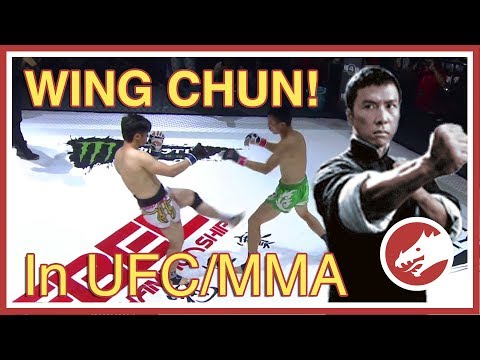
Wing Chun in the UFC/MMA Arena: Myth or Martial Reality?

As a Sensei who has dedicated a lifetime to the study and practice of combat, I've witnessed countless martial arts clash, both in the hallowed halls of dojos and in the brutal crucible of modern combat sports. The question often arises, whispered in hushed tones or debated heatedly online: Can a traditional art like Wing Chun, with its roots in close-quarters, theoretical combat, truly hold its own against the diverse and brutal disciplines seen in the UFC and wider MMA landscape? Many dismiss it as a relic, a cinematic fantasy popularized by Ip Man, unfit for the octagon. I, however, have always believed that the essence of any true martial art, when understood and applied correctly, possesses inherent value. Today, we delve into this contentious topic, not with blind faith, but with the critical eye of a seasoned warrior and film analyst.

The Whispers of Ip Man: Wing Chun's Mystique

Wing Chun. The name itself conjures images of Bruce Lee, of Ip Man, of lightning-fast strikes and an almost supernatural ability to absorb and redirect an opponent's force. Developed, legend has it, by a Buddhist nun, Ng Mui, this Southern Chinese martial art emphasizes efficient, direct movements, simultaneous blocking and striking (chi sao, or "sticky hands," being a prime example), and a strong centerline theory. Its proponents claim unparalleled effectiveness in close-range combat, a domain often found within the chaotic confines of an MMA bout.

The philosophy behind Wing Chun is one of simplicity and directness. It's not about flashy kicks or elaborate throws; it's about economy of motion, using your opponent's energy against them, and exploiting openings with devastating precision. This focus on principles rather than prescribed techniques is what, in theory, makes it adaptable.

"The most direct path is the most effective. In combat, we do not seek to impress, we seek to end the confrontation." - A foundational principle echoed by many Wing Chun practitioners.

Bridging the Gap: Core Principles vs. Octagon Reality

MMA, by its very nature, is a synthesis. It embraces striking (boxing, Muay Thai, Karate, Taekwondo), grappling (BJJ, Judo, Wrestling), and takes elements from countless other disciplines. To survive, let alone thrive, an MMA fighter must be a jack of all trades, master of one (often their primary discipline). So, where does Wing Chun, with its specific focus, fit into this multi-disciplinary tapestry?

The core principles of Wing Chun – centerline control, simultaneous block-and-strike, efficient footwork, and sensitivity development through chi sao – theoretically translate well. Imagine applying the simultaneous block-and-strike against a jab, or using centerline control to shut down an opponent's offensive reach. The emphasis on structure and power generation from the hips, rather than just brute force, could also be a significant advantage.

However, the stark reality of the octagon presents challenges. Wing Chun, in its purest form, often trains against stationary or predictable opponents. MMA is dynamic. Opponents don't stand still; they move, they grapple, they kick, they throw. Wing Chun's emphasis on standing within an opponent's striking range can be a perilous proposition against skilled Muay Thai clinch fighters or powerful wrestlers. Furthermore, many Wing Chun practitioners may not have developed the necessary conditioning or defensive grappling skills to deal with takedowns and ground combat, which are integral to MMA.

A Sensei's Analytical Breakdown: Core Techniques and Their MMA Viability

Let's dissect specific elements of Wing Chun and assess their potential application and pitfalls in an MMA context:

  • Pak Sao (Splitting Hand): This technique, designed to deflect an incoming strike and simultaneously open a path for your own attack, has direct parallels to defensive boxing and Muay Thai blocks. Its speed and efficiency are undeniable. However, in MMA, a deflected punch might still be followed by a grapple or a submission attempt.
  • Bong Sao (Arm Lever): Used to control an opponent's arm and create an opening, Bong Sao could be useful in the clinch. It offers a strong structure to redirect force. Yet, a skilled grappler can exploit the positioning created by Bong Sao to initiate a takedown.
  • Chain Punching (Biu Gee or "Thrusting Fingers"): The rapid-fire punching typical of Wing Chun is devastating in theory. Against a standard boxer, it could overwhelm. In MMA, however, the opponent is not only blocking but also defending takedowns, grappling, and employing a wider range of strikes. Maintaining the perfect structure for chain punches under such varied pressure is immensely difficult.
  • Wooden Dummy Training: The wooden dummy (Muk Yan Jong) is a cornerstone of Wing Chun training, refining structure, power, and technique. While excellent for developing muscle memory and biomechanical efficiency, it cannot replicate the unpredictable movement, resistance, and varied attack vectors of a live MMA opponent.
  • Chi Sao (Sticky Hands): This exercise trains sensitivity and reflex for close-range combat. It's invaluable for developing an intuitive understanding of an opponent's force. In MMA, chi sao principles are often seen implicitly in the clinch, but the lack of striking during traditional chi sao training means practitioners might be caught off guard by unexpected punches or takedowns.

The primary challenge is integration. Wing Chun's efficacy relies heavily on precise distance management and structure. In MMA, these factors are constantly in flux. A Wing Chun practitioner would need to adapt their principles to defend against kicks, learn takedown defense and offense, and develop a robust ground game. This isn't to say it's impossible, but it requires significant cross-training and a willingness to adapt the art.

The Path to Integration: Training Wing Chun for MMA

For a Wing Chun practitioner aspiring to compete in MMA, or simply to see their art's principles applied, a strategic training regimen is paramount. This involves:

  1. Prioritizing Takedown Defense: Learn to sprawl, defend single and double leg takedowns, and utilize the cage effectively.
  2. Developing Grappling Skills: Study Brazilian Jiu-Jitsu or Judo. Understanding how to escape submissions, control an opponent on the ground, and transition between positions is non-negotiable.
  3. Expanding Striking Range: While Wing Chun excels up close, MMA fighters must defend against and utilize kicks. Incorporate Muay Thai or Taekwondo techniques for leg kicks and kicks to the body.
  4. Sparring with Diverse Styles: Regularly spar with practitioners of different martial arts – boxers, wrestlers, Judokas, Muay Thai fighters. This is where theoretical applications meet practical resistance.
  5. Conditioning for Combat: MMA demands a high level of cardiovascular and muscular endurance. Traditional Wing Chun conditioning may need to be supplemented with HIIT (High-Intensity Interval Training) and strength training relevant to combat sports.

A practitioner who dedicates themselves to this cross-training can indeed leverage the efficiency and structural integrity of Wing Chun within an MMA framework. The key is not to abandon Wing Chun, but to build upon its foundation.

Zen Dragon's Perspective: Evidence in the Cage?

While direct, pure Wing Chun fighters are rare in the UFC, we can observe elements of its principles in the performance of many elite athletes. Think of the fight analysis of fighters like Cyril Gane, who, while primarily a striker with a background in Muay Thai, exhibits remarkable structural defense and precise, short-range power. Or consider the defensive reflexiveness seen in fighters like Jon Jones, whose ability to manage distance and deflect strikes, even while grappling, hints at sensitivity training akin to chi sao.

The provided video source itself, detailing "Wing Chun training & application in MMA" with footage of cage fights and sparring, attempts to demonstrate this very bridge. Observing such footage critically, one must ask: Are these truly pure Wing Chun applications, or are they adaptations by martial artists who have *incorporated* Wing Chun principles into a broader MMA skill set? This distinction is crucial.

The "Zen-Dragon elsewhere" links suggest a broader exploration of martial arts and philosophy. This integration is precisely what makes MMA so fascinating. It's a constant evolution, a proving ground where theory meets brutal reality.

Sensei's Verdict: Myth or Martial Reality?

Is Wing Chun viable in the UFC and MMA? My verdict, after years of study and observation, is nuanced but ultimately leans towards **Martial Reality, with caveats.**

Wing Chun, in its purest, unadulterated form, might struggle against the multifaceted threat of a seasoned MMA fighter. Its lack of explicit ground fighting and defense against varied striking ranges are significant liabilities. However, the principles of Wing Chun – its emphasis on efficiency, structure, centerline control, and sensitivity – are profoundly valuable.

A fighter who studies Wing Chun and then diligently integrates its core tenets into a comprehensive MMA skillset, supplementing it with robust grappling and diverse striking, can become a formidable force. The myth lies in believing Wing Chun alone is sufficient. The reality is that its principles, when understood and adapted, offer a unique and powerful edge in the close-quarters chaos of MMA.

Rating: Cinturón Negro en Potencial de Integración

Essential Gear for Your Training

To embark on your journey of integrating martial arts principles, having the right equipment is crucial. Whether you're focusing on Wing Chun fundamentals or preparing for MMA sparring, consider the following:

  • Protective Gear: For sparring, headgear, MMA gloves (typically 4oz or 6oz for striking, though heavier ones might be used for specific drills), shin guards, and mouthguards are indispensable for safety.
  • Training Partners: The most vital "gear" is a dedicated training partner or a good school. Sparring and chi sao drills require mutual effort and respect.
  • Training Aids: For Wing Chun, a well-constructed wooden dummy (Muk Yan Jong) is invaluable for practicing structure and striking. For MMA, heavy bags, speed bags, and focus mitts are essential for developing power and precision.
  • Comfortable Apparel: A breathable, flexible uniform or training attire is important for unrestricted movement. For styles that involve takedowns or ground work, a durable Judo gi or BJJ gi is necessary.

Frequently Asked Questions

  • Q: Can Wing Chun be used effectively for self-defense outside the cage?
    A: Absolutely. Wing Chun's emphasis on simultaneous block-and-strike, close-range efficiency, and disabling vital targets makes it highly practical for real-world self-defense scenarios. Its directness can end a confrontation quickly.
  • Q: What is the biggest challenge for a Wing Chun practitioner moving into MMA?
    A: The most significant challenge is the lack of dedicated training in takedown defense, grappling, and defending against a wider variety of striking ranges (especially kicks).
  • Q: Are there any famous MMA fighters who explicitly use Wing Chun?
    A: While few fighters are "pure" Wing Chun practitioners in MMA, many have incorporated its principles, such as effective centerline control, simultaneous blocking and striking, and efficient close-range power generation. Bruce Lee, though not an MMA fighter, was a proponent of Wing Chun and a pioneer in integrating martial arts.
  • Q: How does 'Chi Sao' compare to sparring in MMA?
    A: Chi Sao is a sensitivity drill focused on tactile feedback and reflex in close range, typically without full force or live striking. MMA sparring is a full-contact simulation that includes striking, grappling, takedowns, and submissions, demanding a much broader skillset and higher conditioning.

Deeper Dives into Your Journey

To truly understand the interplay of martial arts and combat sports, or to hone your own path, consider exploring these related topics:

Reflection of the Sensei: Your Next Step

We've dissected Wing Chun's potential within the MMA arena, moving beyond the cinematic mystique to the hard realities of combat. The question that remains is not whether Wing Chun *can* work, but rather, are you willing to bridge the gap? Are you prepared to take the efficient, direct principles of your art and forge them into a weapon capable of standing against the diverse onslaught of modern combat sports? Or will you remain content with the theoretical purity, a beautiful art form confined to demonstrations and hypothetical scenarios?

Ponder this: If a master of Wing Chun faced a master of Muay Thai in a street fight, with no rules, no referees, only survival – what principles would truly prevail? And more importantly, how can you train today to ensure that the 'real' you, in that critical moment, embodies those winning principles?

``` GEMINI_METADESC: Sensei analyzes if Wing Chun can truly be effective in UFC/MMA, examining its core principles, practical application, and challenges for practitioners.