Showing posts sorted by relevance for query Martial Philosophy. Sort by date Show all posts

The Unseen Foundations: A Critical Look at the Wudang Kung Fu Documentary

Introduction: The Allure of Wudang

The misty peaks of Wudang Mountain have long been shrouded in mystique, a sanctuary where Taoist philosophy intertwines with martial prowess. For decades, documentaries have attempted to peel back these layers, seeking to capture the essence of Wudang Kung Fu. But in the quest for visual spectacle, how often is the true spirit of this ancient art truly conveyed? As practitioners and admirers of the martial path, we must ask ourselves: are we merely observing movements, or are we witnessing the manifestation of profound principles? This exploration delves into a particular documentary, dissecting its claims, its presentations, and ultimately, its resonance with the living tradition of Wudang.

Analysis of Intention: What Does the Viewer Seek?

When a martial artist, or indeed any curious soul, clicks on a title like "OLD WUDANG KUNG FU DOCUMENTARY," what is the underlying intent? Is it a superficial curiosity for exotic fighting styles? Or is it a deeper yearning to understand the philosophies that have shaped Wudang Kung Fu into a recognized pillar of Chinese martial arts? I suspect it's a blend of both. The searcher likely seeks visual confirmation of the legendary techniques, perhaps hoping to glean insights that can elevate their own training. They might be looking for the connection between the Taoist principles of yin and yang, the five elements, and the fluid, circular movements often associated with Wudang. Ultimately, the intention is to find authenticity, to separate the performance from the practice, and to understand the historical and philosophical weight that Wudang Kung Fu carries. This documentary, like many others, is vying for attention in a crowded digital space, and its success hinges on satisfying this multifaceted viewer intent. The original creator's mention of exclusive NFTs, while unconventional, highlights a modern attempt to engage with this desire for ownership and exclusivity within a martial arts context. However, it begs the question: does such a commercial endeavor truly align with the 'TRUE martial arts' it purports to support?

Wudang Kung Fu: A Historical and Philosophical Tapestry

Wudang Kung Fu is not merely a collection of fighting techniques; it is a sophisticated system deeply rooted in Taoist philosophy. Legend attributes its founding to the Taoist sage Zhang Sanfeng, who, after observing the combat between a snake and a crane, is said to have synthesized these natural movements into a new martial art. This origin story, while perhaps apocryphal, perfectly encapsulates the Wudang ethos: the emulation of natural forms, the principle of yielding to overcome force, and the integration of inner cultivation with outer expression. The Wudang system encompasses a wide array of styles, including Tai Chi (Taijiquan), Xingyi Quan, and Bagua Zhang, each with its unique characteristics but all sharing a common philosophical foundation. These styles emphasize soft, flowing movements, circularity, and the generation of power from the dantian. The goal is not to meet force with brute force, but to redirect, absorb, and return an opponent's energy, often with minimal effort. This philosophy extends beyond combat, influencing health practices, meditation, and the overall approach to life, aligning it closely with the broader concept of BUDO and the pursuit of self-mastery.

"The supreme art of war is to subdue the enemy without fighting." - Sun Tzu, The Art of War. This ancient wisdom is the bedrock upon which much of Wudang Kung Fu is built.

Documentary Critique: Choreography, Authenticity, and the Spirit of Wudang

Documentaries on martial arts are often a double-edged sword. They can illuminate a path for the uninitiated, but they can also perpetuate misconceptions. When examining a film like the "OLD WUDANG KUNG FU DOCUMENTARY," critical appraisal from a martial arts perspective is paramount. We must look beyond the polished cinematography and dramatic narratives to assess the authenticity of the movements presented. Are the practitioners demonstrating true Wudang principles, or are they performing a stylized, almost theatrical rendition for the camera?

Choreography vs. Combat Application: A key distinction lies between martial arts choreography and practical combat application. While Wudang forms can be breathtakingly beautiful and fluid, their effectiveness in a real confrontation hinges on their underlying principles. A well-executed documentary should ideally showcase not only the forms but also their functional application. Does the film illustrate how the circular deflections of Bagua Zhang translate into evading an attack? Does it demonstrate how the soft yielding of Tai Chi can destabilize a stronger opponent? Without this contextualization, the movements risk appearing as mere dance.

The Role of the 'Sifu': The credibility of any martial arts documentary rests heavily on the lineage and expertise of the instructors featured. Is the 'Sifu' presented a genuine custodian of the Wudang tradition, with a verifiable lineage and a deep understanding of its philosophical underpinnings? Or are they a performer, skilled in exhibition but perhaps lacking the depth of practical experience? A truly authoritative portrayal would feature a recognized master, not just a demonstrator.

Spiritual Depth: Wudang Kung Fu is intrinsically linked to Taoism. A documentary that truly captures its essence must touch upon this spiritual dimension. It should explore the principles of 'Wu Wei' (non-action or effortless action), the balance of 'Yin' and 'Yang', and the cultivation of internal energy ('Qi'). If the film focuses solely on the physical techniques, it misses a fundamental aspect of what makes Wudang unique. The fleeting mention of NFTs by the original creator, while an interesting modern twist, highlights a potential divergence from this deep spiritual core, raising questions about where the ultimate focus lies: in the transmission of timeless wisdom or in ephemeral digital assets.

Visual Storytelling: The visual elements are crucial. The setting – the Wudang Mountains themselves – plays a significant role. Showing practitioners training amidst the natural beauty and historical sites can enhance the sense of tradition and connection to the earth. However, the framing and editing can also mislead. Quick cuts and dramatic music can mask a lack of substance, making a mediocre demonstration appear profound. We must be discerning viewers, questioning what is shown and why.

The Spirit of Budo: Beyond Technique

The term BUDO, often translated as "The Way of the Warrior," encompasses far more than mere fighting skills. It is a path of self-cultivation, discipline, and spiritual development. Wudang Kung Fu, when practiced in its truest form, embodies this spirit. The emphasis on fluidity, yielding, and redirecting energy mirrors the philosophical tenets of Taoism, promoting harmony between mind, body, and spirit. This internal focus is what separates a true martial artist from a mere combatant. The journey involves not just mastering physical techniques like kicks and punches, but also cultivating mental fortitude, emotional control, and a profound understanding of oneself and the universe. This is why debates around the practicality of certain traditional styles in modern Artes Marciales Mixtas (MMA) often miss the point; their value lies not solely in their efficacy in a ring, but in their ability to shape character and foster a more balanced life. Authenticity in martial arts, therefore, is not just about the physical execution, but the integration of these deeper principles.

"True martial arts is not about being the best fighter, but about becoming the best version of yourself." - A common sentiment echoed across many martial traditions.

Veredict of the Sensei: Does it Capture the Essence?

Evaluating a documentary without viewing it presents a unique challenge, akin to judging a fight based solely on a ringside description. However, based on the context provided – a title suggesting an older documentary, a focus on Wudang Kung Fu, and the original creator's emphasis on supporting "TRUE martial arts" alongside an unusual mention of NFTs – I must approach this with a critical lens.

If this documentary primarily showcases aesthetically pleasing forms without delving into their practical applications or the philosophical underpinnings of Taoism and the spirit of BUDO, then its claim to represent "TRUE martial arts" is questionable. The allure of Wudang lies not just in its visual grace but in its profound connection to nature, strategy, and inner cultivation.

Cinturón Negro en Potencial Visual, Cinturón Blanco en Profundidad Filosófica. The "OLD WUDANG KUNG FU DOCUMENTARY" likely offers a visually engaging experience, potentially showcasing beautiful forms that are historically significant. For a casual viewer, it might serve as an engaging introduction. However, for the dedicated martial artist seeking genuine insight into the Wudang system's practical application and philosophical depth, it may fall short. The mention of NFTs, while a novel attempt at engagement, risks diluting the message of 'true martial arts' by introducing a commercial element that seems at odds with the traditional ethos. It suggests a potential disconnect between the content's presentation and the deep, self-cultivating path of martial tradition. My verdict is one of cautious optimism for visual learners, but a call for deeper scrutiny for those seeking substantive martial knowledge.

Essential Training Considerations

While Wudang Kung Fu is often practiced with minimal equipment, focusing on body mechanics and internal energy, certain elements can enhance your training and understanding. The pursuit of authenticity in martial arts training is paramount.

  • Comfortable Training Attire: Loose-fitting clothing that allows for a full range of motion is essential. Traditional martial arts uniforms, or 'gis', are ideal. For styles emphasizing fluidity and circular movements, ensuring your attire doesn't restrict movement is key. Consider investing in a quality Karate Merchandise or Budo uniform that can withstand rigorous practice.
  • Barefoot Training: Many Wudang styles, particularly Tai Chi, are best practiced barefoot. This allows for a direct connection with the ground, improving balance and sensitivity.
  • Training Mats: For drills involving falling or ground work, especially if exploring related arts like BJJ or Judo, a good quality training mat provides cushioning and safety.
  • Books and Resources: To truly understand the philosophical depth of Wudang, delving into Taoist classics and authoritative texts on martial arts is crucial. Look for foundational works on Tai Chi, Xingyi, and Bagua, as well as broader texts on BUDO and martial philosophy.

Frequently Asked Questions

  • What is the main philosophy behind Wudang Kung Fu?
    The core philosophy is rooted in Taoism, emphasizing naturalness, balance (Yin and Yang), yielding to overcome force, and the cultivation of internal energy (Qi). It's about achieving harmony within oneself and with the environment.
  • Is Wudang Kung Fu effective for self-defense?
    Yes, when practiced with the correct understanding of its principles. While its movements may appear soft, they are designed to redirect an opponent's force, create openings, and neutralize threats efficiently, often without direct confrontation.
  • What is the difference between Wudang Kung Fu and other Chinese martial arts like Shaolin?
    While both are rich martial traditions, Wudang is heavily influenced by Taoist philosophy and often emphasizes softer, circular, and internal energy cultivation (like Tai Chi and Bagua), whereas Shaolin is historically associated with Buddhist traditions and often features more external, dynamic, and acrobatic techniques.
  • Are Wudang Kung Fu techniques practical in modern MMA?
    Some principles, like yielding and redirecting force, are indirectly present in high-level MMA. However, the direct application of traditional Wudang forms in a cage is rare due to different rulesets and objectives. The value of Wudang often lies more in self-cultivation and health than in competitive sport for sport's sake.

Deepen Your Understanding

The exploration of martial arts is a lifelong journey. To continue your quest for knowledge and authentic practice, consider these resources:

Reflection of the Sensei: Your Next Step

We have dissected the allure and potential pitfalls of documenting ancient martial arts. This documentary, however old, serves as a catalyst for a deeper inquiry. In your own practice, whether it's Wudang, Karate, Judo, or any other discipline, ask yourself: Are you merely going through the motions, or are you truly embodying the principles? Are you seeking superficial display, or profound self-mastery? The true martial path is not found in flashy NFTs or dramatic cinematography, but in the persistent, humble dedication to understanding and integrating the lessons of the art into your very being.

Now, I pose this to you: If the essence of a martial art lies in its philosophy as much as its technique, how can we, as modern practitioners, ensure that this philosophical depth is not lost in the pursuit of spectacle or commercial gain? Discuss.

```

The Unseen Foundations: A Critical Look at the Wudang Kung Fu Documentary

Introduction: The Allure of Wudang

The misty peaks of Wudang Mountain have long been shrouded in mystique, a sanctuary where Taoist philosophy intertwines with martial prowess. For decades, documentaries have attempted to peel back these layers, seeking to capture the essence of Wudang Kung Fu. But in the quest for visual spectacle, how often is the true spirit of this ancient art truly conveyed? As practitioners and admirers of the martial path, we must ask ourselves: are we merely observing movements, or are we witnessing the manifestation of profound principles? This exploration delves into a particular documentary, dissecting its claims, its presentations, and ultimately, its resonance with the living tradition of Wudang.

Analysis of Intention: What Does the Viewer Seek?

When a martial artist, or indeed any curious soul, clicks on a title like "OLD WUDANG KUNG FU DOCUMENTARY," what is the underlying intent? Is it a superficial curiosity for exotic fighting styles? Or is it a deeper yearning to understand the philosophies that have shaped Wudang Kung Fu into a recognized pillar of Chinese martial arts? I suspect it's a blend of both. The searcher likely seeks visual confirmation of the legendary techniques, perhaps hoping to glean insights that can elevate their own training. They might be looking for the connection between the Taoist principles of yin and yang, the five elements, and the fluid, circular movements often associated with Wudang. Ultimately, the intention is to find authenticity, to separate the performance from the practice, and to understand the historical and philosophical weight that Wudang Kung Fu carries. This documentary, like many others, is vying for attention in a crowded digital space, and its success hinges on satisfying this multifaceted viewer intent. The original creator's mention of exclusive NFTs, while unconventional, highlights a modern attempt to engage with this desire for ownership and exclusivity within a martial arts context. However, it begs the question: does such a commercial endeavor truly align with the 'TRUE martial arts' it purports to support?

Wudang Kung Fu: A Historical and Philosophical Tapestry

Wudang Kung Fu is not merely a collection of fighting techniques; it is a sophisticated system deeply rooted in Taoist philosophy. Legend attributes its founding to the Taoist sage Zhang Sanfeng, who, after observing the combat between a snake and a crane, is said to have synthesized these natural movements into a new martial art. This origin story, while perhaps apocryphal, perfectly encapsulates the Wudang ethos: the emulation of natural forms, the principle of yielding to overcome force, and the integration of inner cultivation with outer expression. The Wudang system encompasses a wide array of styles, including Tai Chi (Taijiquan), Xingyi Quan, and Bagua Zhang, each with its unique characteristics but all sharing a common philosophical foundation. These styles emphasize soft, flowing movements, circularity, and the generation of power from the dantian. The goal is not to meet force with brute force, but to redirect, absorb, and return an opponent's energy, often with minimal effort. This philosophy extends beyond combat, influencing health practices, meditation, and the overall approach to life, aligning it closely with the broader concept of BUDO and the pursuit of self-mastery.

"The supreme art of war is to subdue the enemy without fighting." - Sun Tzu, The Art of War. This ancient wisdom is the bedrock upon which much of Wudang Kung Fu is built.

Documentary Critique: Choreography, Authenticity, and the Spirit of Wudang

Documentaries on martial arts are often a double-edged sword. They can illuminate a path for the uninitiated, but they can also perpetuate misconceptions. When examining a film like the "OLD WUDANG KUNG FU DOCUMENTARY," critical appraisal from a martial arts perspective is paramount. We must look beyond the polished cinematography and dramatic narratives to assess the authenticity of the movements presented. Are the practitioners demonstrating true Wudang principles, or are they performing a stylized, almost theatrical rendition for the camera?

Choreography vs. Combat Application: A key distinction lies between martial arts choreography and practical combat application. While Wudang forms can be breathtakingly beautiful and fluid, their effectiveness in a real confrontation hinges on their underlying principles. A well-executed documentary should ideally showcase not only the forms but also their functional application. Does the film illustrate how the circular deflections of Bagua Zhang translate into evading an attack? Does it demonstrate how the soft yielding of Tai Chi can destabilize a stronger opponent? Without this contextualization, the movements risk appearing as mere dance.

The Role of the 'Sifu': The credibility of any martial arts documentary rests heavily on the lineage and expertise of the instructors featured. Is the 'Sifu' presented a genuine custodian of the Wudang tradition, with a verifiable lineage and a deep understanding of its philosophical underpinnings? Or are they a performer, skilled in exhibition but perhaps lacking the depth of practical experience? A truly authoritative portrayal would feature a recognized master, not just a demonstrator.

Spiritual Depth: Wudang Kung Fu is intrinsically linked to Taoism. A documentary that truly captures its essence must touch upon this spiritual dimension. It should explore the principles of 'Wu Wei' (non-action or effortless action), the balance of 'Yin' and 'Yang', and the cultivation of internal energy ('Qi'). If the film focuses solely on the physical techniques, it misses a fundamental aspect of what makes Wudang unique. The fleeting mention of NFTs by the original creator, while an interesting modern twist, highlights a potential divergence from this deep spiritual core, raising questions about where the ultimate focus lies: in the transmission of timeless wisdom or in ephemeral digital assets.

Visual Storytelling: The visual elements are crucial. The setting – the Wudang Mountains themselves – plays a significant role. Showing practitioners training amidst the natural beauty and historical sites can enhance the sense of tradition and connection to the earth. However, the framing and editing can also mislead. Quick cuts and dramatic music can mask a lack of substance, making a mediocre demonstration appear profound. We must be discerning viewers, questioning what is shown and why.

The Spirit of Budo: Beyond Technique

The term BUDO, often translated as "The Way of the Warrior," encompasses far more than mere fighting skills. It is a path of self-cultivation, discipline, and spiritual development. Wudang Kung Fu, when practiced in its truest form, embodies this spirit. The emphasis on fluidity, yielding, and redirecting energy mirrors the philosophical tenets of Taoism, promoting harmony between mind, body, and spirit. This internal focus is what separates a true martial artist from a mere combatant. The journey involves not just mastering physical techniques like kicks and punches, but also cultivating mental fortitude, emotional control, and a profound understanding of oneself and the universe. This is why debates around the practicality of certain traditional styles in modern Artes Marciales Mixtas (MMA) often miss the point; their value lies not solely in their efficacy in a ring, but in their ability to shape character and foster a more balanced life. Authenticity in martial arts, therefore, is not just about the physical execution, but the integration of these deeper principles.

"True martial arts is not about being the best fighter, but about becoming the best version of yourself." - A common sentiment echoed across many martial traditions.

Veredict of the Sensei: Does it Capture the Essence?

Evaluating a documentary without viewing it presents a unique challenge, akin to judging a fight based solely on a ringside description. However, based on the context provided – a title suggesting an older documentary, a focus on Wudang Kung Fu, and the original creator's emphasis on supporting "TRUE martial arts" alongside an unusual mention of NFTs – I must approach this with a critical lens.

If this documentary primarily showcases aesthetically pleasing forms without delving into their practical applications or the philosophical underpinnings of Taoism and the spirit of BUDO, then its claim to represent "TRUE martial arts" is questionable. The allure of Wudang lies not just in its visual grace but in its profound connection to nature, strategy, and inner cultivation.

Cinturón Negro en Potencial Visual, Cinturón Blanco en Profundidad Filosófica. The "OLD WUDANG KUNG FU DOCUMENTARY" likely offers a visually engaging experience, potentially showcasing beautiful forms that are historically significant. For a casual viewer, it might serve as an engaging introduction. However, for the dedicated martial artist seeking genuine insight into the Wudang system's practical application and philosophical depth, it may fall short. The mention of NFTs, while a novel attempt at engagement, risks diluting the message of 'true martial arts' by introducing a commercial element that seems at odds with the traditional ethos. It suggests a potential disconnect between the content's presentation and the deep, self-cultivating path of martial tradition. My verdict is one of cautious optimism for visual learners, but a call for deeper scrutiny for those seeking substantive martial knowledge.

Essential Training Considerations

While Wudang Kung Fu is often practiced with minimal equipment, focusing on body mechanics and internal energy, certain elements can enhance your training and understanding. The pursuit of authenticity in martial arts training is paramount.

  • Comfortable Training Attire: Loose-fitting clothing that allows for a full range of motion is essential. Traditional martial arts uniforms, or 'gis', are ideal. For styles emphasizing fluidity and circular movements, ensuring your attire doesn't restrict movement is key. Consider investing in a quality Karate Merchandise or Budo uniform that can withstand rigorous practice.
  • Barefoot Training: Many Wudang styles, particularly Tai Chi, are best practiced barefoot. This allows for a direct connection with the ground, improving balance and sensitivity.
  • Training Mats: For drills involving falling or ground work, especially if exploring related arts like BJJ or Judo, a good quality training mat provides cushioning and safety.
  • Books and Resources: To truly understand the philosophical depth of Wudang, delving into Taoist classics and authoritative texts on martial arts is crucial. Look for foundational works on Tai Chi, Xingyi, and Bagua, as well as broader texts on BUDO and martial philosophy.

Frequently Asked Questions

  • What is the main philosophy behind Wudang Kung Fu?
    The core philosophy is rooted in Taoism, emphasizing naturalness, balance (Yin and Yang), yielding to overcome force, and the cultivation of internal energy (Qi). It's about achieving harmony within oneself and with the environment.
  • Is Wudang Kung Fu effective for self-defense?
    Yes, when practiced with the correct understanding of its principles. While its movements may appear soft, they are designed to redirect an opponent's force, create openings, and neutralize threats efficiently, often without direct confrontation.
  • What is the difference between Wudang Kung Fu and other Chinese martial arts like Shaolin?
    While both are rich martial traditions, Wudang is heavily influenced by Taoist philosophy and often emphasizes softer, circular, and internal energy cultivation (like Tai Chi and Bagua), whereas Shaolin is historically associated with Buddhist traditions and often features more external, dynamic, and acrobatic techniques.
  • Are Wudang Kung Fu techniques practical in modern MMA?
    Some principles, like yielding and redirecting force, are indirectly present in high-level MMA. However, the direct application of traditional Wudang forms in a cage is rare due to different rulesets and objectives. The value of Wudang often lies more in self-cultivation and health than in competitive sport for sport's sake.

Deepen Your Understanding

The exploration of martial arts is a lifelong journey. To continue your quest for knowledge and authentic practice, consider these resources:

Reflection of the Sensei: Your Next Step

We have dissected the allure and potential pitfalls of documenting ancient martial arts. This documentary, however old, serves as a catalyst for a deeper inquiry. In your own practice, whether it's Wudang, Karate, Judo, or any other discipline, ask yourself: Are you merely going through the motions, or are you truly embodying the principles? Are you seeking superficial display, or profound self-mastery? The true martial path is not found in flashy NFTs or dramatic cinematography, but in the persistent, humble dedication to understanding and integrating the lessons of the art into your very being.

Now, I pose this to you: If the essence of a martial art lies in its philosophy as much as its technique, how can we, as modern practitioners, ensure that this philosophical depth is not lost in the pursuit of spectacle or commercial gain? Discuss.

``` GEMINI_METADESC: Critically analyze the "OLD WUDANG KUNG FU DOCUMENTARY" from a martial arts perspective. Explore authenticity, philosophy, and the spirit of Budo beyond mere technique.
Dragon Ball's Master Roshi Embodied: The Real-Life Saga of Andreas Cahling

The Genesis of a Warrior's Legend

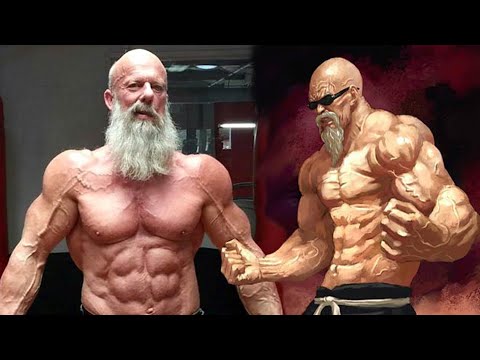
We often look to the realms of fiction for ultimate strength and wisdom, for characters who embody the peak of martial prowess and philosophical depth. Dragon Ball's Master Roshi, the Crane Hermit's rival and Goku's first true master, is one such icon. But what if I told you that elements of this beloved anime character weren't confined to the screen? What if a real-life individual mirrored Roshi's blend of eccentric wisdom, formidable combat skill, and an unwavering dedication to the martial path? Today, we delve into the extraordinary life of Andreas Cahling, a man who, in many ways, embodies the spirit of the Turtle Hermit himself.

Are you ready to explore a martial arts journey that defies conventional expectations and redefines what it means to be a warrior, both in body and in spirit? Prepare yourself, for this is not a tale of mere physical strength, but of the enduring power of dedication, learning, and the pursuit of self-mastery. We will dissect his methods, his philosophy, and the undeniable parallels to one of anime's most enduring figures. Let the lesson begin!

Who is Andreas Cahling? More Than Meets the Eye

Andreas Cahling is not your typical martial artist. Born in Sweden, he is a master of multiple disciplines, including Karate, Judo, Aikido, and Muay Thai. But his story goes beyond a mere accumulation of techniques. Cahling is renowned for his incredible physical condition, even in his later years, defying the stereotypes of aging and physical decline. He has dedicated his life to the rigorous pursuit of physical and mental perfection, living a life deeply intertwined with the principles of Budo.

His lifestyle is as unique as his skill set. Cahling is known for his disciplined approach to diet, training, and mental conditioning. He often espouses a philosophy that emphasizes the connection between the body, mind, and spirit, a cornerstone of traditional martial arts. This holistic approach, coupled with his often unconventional methods and public persona, has drawn comparisons to characters who exist at the nexus of power and eccentricity. For anyone interested in Martial Arts Training or the philosophy of BUDO, Cahling’s life presents a compelling case study.

The Roshi Parallel: Wisdom, Eccentricity, and Raw Power

The resemblance to Master Roshi is striking. Roshi, despite his perverted tendencies and love for leisure, is a supremely powerful martial artist and a wise teacher. He understands the balance of strength and spirit, and he knows when to be serious and when to lighten the mood. Similarly, Andreas Cahling projects an image of someone who has mastered not only the physical aspects of combat but also the mental and spiritual fortitude required to live a life dedicated to self-improvement.

Cahling's public image, often featuring him in powerful stances or displaying his physique with a mischievous glint in his eye, mirrors Roshi’s dual nature. He is the seasoned elder whose experience and power are undeniable, yet he doesn't take himself too seriously. This blend of formidable skill, philosophical depth, and a touch of the unconventional is precisely what makes the comparison to Master Roshi so resonant. It challenges our perception of what a martial arts master should be, moving beyond the stoic stereotype to embrace a more human, relatable, and ultimately inspiring figure. This is the essence of true Martial Arts Inspiration.

"The true martial artist is not just one who can fight, but one who understands the fight within himself."

This quote, a distillation of countless martial philosophies, seems to perfectly encapsulate Cahling's ethos. It’s this internal battle, the constant striving for self-improvement, that truly defines a warrior.

Martial Arts and Philosophy: The Core of Cahling's Being

Andreas Cahling's engagement with martial arts is not superficial. He has delved deep into various styles, understanding their underlying principles and philosophies. His mastery of Karate, Judo, and Muay Thai, among others, speaks to a dedication that transcends mere physical training. It indicates a profound respect for the history, techniques, and ethical codes associated with each discipline.

His philosophy often emphasizes natural movement, efficiency, and the integration of mind and body. This echoes the principles found in many traditional arts, such as the concept of 'Mushin' (no-mind) in Zen Buddhism and its application in martial arts, or the emphasis on 'Ki' (life force) in arts like Aikido. Cahling’s ability to maintain peak physical condition at an advanced age is a testament to his understanding that true strength comes from a balanced, harmonious integration of physical training, mental discipline, and spiritual awareness. This is the path of BUDO, the warrior's way, a path demanding constant self-reflection and growth.

The Training Regimen: Pushing the Limits of Human Potential

What sets Cahling apart is his commitment to an extraordinary training regimen. While many martial artists may focus on one or two styles, Cahling has embraced a cross-training approach that is both comprehensive and demanding. His dedication to maintaining a lean, powerful physique well into his later years is legendary.

His training often incorporates elements that appear extreme, such as prolonged fasting, cold exposure, and intense physical conditioning that would challenge athletes half his age. This isn't about vanity; it's about pushing the boundaries of human potential and proving that age is merely a number when guided by discipline and knowledge. He understands that effective entrenamiento is not just about lifting weights or practicing kicks; it’s about holistic conditioning, including cardiovascular health, flexibility, and mental resilience. This approach is vital for anyone seeking to improve their Fitness and overall well-being.

His dedication to functional strength and endurance is crucial for any Fighter Legacy. The ability to perform under pressure, to maintain stamina over extended periods, and to recover efficiently are hallmarks of elite practitioners across all combat sports, from MMA to traditional Karate Kyokushin.

Cahling in Action: Demonstrations of Skill and Spirit

When Andreas Cahling demonstrates his abilities, the Master Roshi parallels become even more apparent. Videos and images of Cahling often showcase his incredible flexibility, strength, and precise movements. Whether performing dynamic kicks, demonstrating powerful strikes, or showcasing his incredible agility, he moves with a grace and power that belies his age.

These demonstrations are not just about showcasing physical prowess; they are living embodiments of the philosophies he espouses. They highlight the results of decades of dedicated practice, a testament to the fact that consistent effort and a deep understanding of movement can lead to extraordinary outcomes. For aspiring martial artists, observing Cahling in action is like watching a master craftsman at work, demonstrating principles that can be applied to any discipline, whether it's Judo, Kickboxing, or even a rigorous At Home Workout. It’s a powerful reminder of the potential locked within the human form.

Impact and Legacy: Inspiring a New Generation

Andreas Cahling's influence extends far beyond his personal achievements. He serves as a powerful role model, particularly for those who believe that age is a barrier to physical fitness and martial arts practice. His life is a living testament to the enduring power of the martial spirit and the potential for continuous self-improvement.

He inspires individuals to embrace a holistic approach to health and well-being, encouraging them to look beyond conventional limitations. His story is a beacon for anyone seeking to live a more disciplined, purposeful life, demonstrating that the path of the warrior is a lifelong journey of learning and growth. For those interested in the intersection of physical prowess and mental fortitude, Cahling’s life is a masterclass in Self Improvement and Self Mastery.

Veredicto del Sensei: Is Cahling a True Martial Arts Master?

From my perspective as a lifelong practitioner and observer of the martial arts, Andreas Cahling embodies many of the qualities we associate with true masters. His dedication to a diverse range of disciplines, his commitment to peak physical and mental conditioning, and his ability to inspire others all point to a profound understanding of the martial path. While the comparison to Master Roshi is a lighthearted observation, it underscores the rare combination of potent skill, deep wisdom, and an unconventional spirit that Cahling displays. He is not merely a fighter; he is a practitioner who has dedicated his life to the pursuit of excellence, demonstrating that the warrior’s spirit knows no age limit. He has earned the respect of the martial arts community through his actions and dedication, proving that the pursuit of mastery is a lifelong endeavor.

Cahling’s Rating: Cinturón Negro en Longevidad y Maestría Marcial.

Equipment Essentials for Your Training

To emulate the dedication of masters like Andreas Cahling, having the right equipment can make a significant difference in your training. Whether you're practicing at home or in a dojo, investing in quality gear ensures safety and effectiveness.

  • Gi/Kimono: For styles like Judo and Karate, a durable, well-fitting Gi is essential. Look for double-weave kimonos for Judo for extra resilience.
  • Training Mats: If you're practicing grappling or techniques that involve falling, investing in good quality Martial Arts Merchandise like interlocking mats is crucial for safety.
  • Sparring Gear: For disciplines involving sparring (Karate, Kickboxing, MMA), protective gear such as headguards, mouthguards, and sparring gloves (e.g., 16oz for MMA) are non-negotiable.
  • Training Apparel: For conditioning and diverse martial arts training, comfortable and breathable workout wear is key. Look for moisture-wicking fabrics.
  • Supplements: While not strictly equipment, high-quality supplements can aid recovery and performance, mirroring the disciplined diet of masters like Cahling.

Resources for Deepening Your Path

To further your understanding and practice, consider exploring these related topics and resources:

Frequently Asked Questions

What martial arts is Andreas Cahling known for?
Andreas Cahling is known for his mastery in multiple disciplines including Karate, Judo, Aikido, and Muay Thai.
How does Andreas Cahling maintain his physique at an advanced age?
He follows a rigorous training regimen that includes diverse martial arts, intense physical conditioning, a disciplined diet, and practices like fasting and cold exposure, focusing on holistic well-being.
Why is he compared to Master Roshi from Dragon Ball?
The comparison stems from his blend of extraordinary martial arts skill, wisdom, a disciplined yet somewhat unconventional lifestyle, and an inspiring persona that defies typical age-related limitations, much like the iconic anime character.
What is the core philosophy behind Cahling's martial arts practice?
His philosophy emphasizes the integration of mind, body, and spirit, focusing on natural movement, efficiency, discipline, and continuous self-improvement – principles central to the Budo path.

Sensei's Reflection: Your Next Step

Andreas Cahling’s life is a powerful narrative that transcends the physical. It is a testament to the enduring power of discipline, the pursuit of knowledge, and the unyielding spirit of a true martial artist. He shows us that mastery is not a destination, but a continuous process, a path walked with dedication, curiosity, and an open heart. The comparison to Master Roshi, while playful, highlights a deeper truth: the most inspiring figures often possess a unique blend of profound skill, relatable humanity, and an eccentric spark that ignites the imagination.

Reflexión del Sensei: Tu Próximo Paso

Now, I pose a question to you, the dedicated reader. You have seen the extraordinary path of Andreas Cahling, a man who embodies the spirit of a living legend. Do you believe that the principles of rigorous training, philosophical depth, and a touch of the unconventional are essential for true martial arts mastery in the modern age? Or do you find such comparisons to fictional characters to be mere distractions from the core tenets of the art? Debate this with yourself, and then, with courage, share your honest thoughts below. Let the fire of discussion ignite your spirit!

``` GEMINI_METADESC: Explore the real-life warrior spirit of Andreas Cahling, often likened to Dragon Ball's Master Roshi. Discover his multi-disciplinary mastery, unique training, and enduring martial philosophy.

The Warrior's Path: Unveiling the Genesis of Aikido with Sonny Chiba

The Spark of Creation: A Master's Vision

The realm of martial arts is not merely a collection of physical techniques; it is a profound journey into the self, a constant pursuit of balance, and a testament to the human spirit's capacity for growth. For centuries, masters have dedicated their lives to forging paths of discipline, refinement, and ultimate understanding. Among these luminaries, Morihei Ueshiba, the founder of Aikido, stands as a monumental figure whose life story is as compelling as the art he created. But how does one truly capture the essence of such a transformative journey on film? How can a movie illuminate not just the 'how' but the 'why' behind a martial art that seeks harmony and non-aggression?

This exploration delves into "Power of Aikido," a cinematic endeavor that attempts to shed light on the genesis of this unique martial discipline. We will dissect its narrative, analyze its portrayal of Ueshiba's life, and critically examine its success in conveying the philosophical underpinnings of Aikido through the lens of martial cinema. Prepare yourself, for we are about to embark on a journey that transcends mere combat, venturing into the very soul of a warrior's path.

Shigehiro Ozawa's Lens on Morihei Ueshiba

Director Shigehiro Ozawa, known for his contributions to the martial arts film genre, takes on the formidable task of chronicling the life of Morihei Ueshiba, the visionary behind Aikido. This biopic, presented with a focus on its original Japanese context (often subtitled or dubbed for international audiences, as indicated by "ESPAÑOL Subtitulado" in its original title), seeks to peel back the layers of legend surrounding Ueshiba. It aims to present a grounded narrative, tracing his evolution from a martial artist seeking mastery to the founder of a philosophy that would influence millions.

Ozawa's direction, in this context, is crucial. The challenge lies in translating the internal struggles and philosophical breakthroughs of a martial arts master into a compelling visual narrative. How does one depict the spiritual awakening that led to the creation of Aikido? The film navigates Ueshiba's early martial arts training, his exposure to various combat systems, and the pivotal moments that shaped his understanding of Budo – the way of the warrior. This is not just a story of punches and kicks; it’s a biographical sketch of a man driven by an insatiable quest for a higher form of martial expression.

Sonny Chiba Embodies the Founder's Spirit

At the heart of any compelling martial arts film is a lead actor capable of embodying both physical prowess and the spirit of their character. In "Power of Aikido," this monumental task falls upon the shoulders of the legendary Sonny Chiba. Chiba, a titan in the world of martial arts cinema, brings his characteristic intensity and deep understanding of combat to the role of Morihei Ueshiba.

His performance is not merely about executing movements; it's about conveying the internal journey of a master. We witness Ueshiba's dedication, his pain, his perseverance, and ultimately, his enlightenment. The way Chiba portrays Ueshiba's learning process – from intense training regimes to moments of quiet contemplation – is vital. He must visually represent the evolution of a man who sought to integrate spirit and technique, transforming personal combat experience into a path of peace. The supporting cast, including Jiro Yabuki, Etsuko Shihomi, and Tsunehiko Watase, provides the necessary backdrop, portraying the individuals who crossed Ueshiba's path and influenced his development.

From Roots to Revolution: The Making of a Martial Art

"Power of Aikido" meticulously details the arduous journey of Morihei Ueshiba in establishing his martial art. The film doesn't shy away from showing the raw effort, the countless hours of practice, and the profound philosophical shifts that characterized Ueshiba's quest. It explores the foundational martial arts that influenced him, such as Daito-ryu Aiki-jujutsu, and highlights how he diverged from traditional approaches to create something entirely new.

The narrative emphasizes Ueshiba's deep connection to nature and his spiritual beliefs, suggesting that these were as instrumental in shaping Aikido as any physical technique. The film aims to answer critical questions: Why did Ueshiba develop Aikido? What were the specific inspirations and motivations behind his pacifist yet potent martial philosophy? It’s a story of innovation born from tradition, a testament to how a single individual’s vision can revolutionize a field. This aspect is crucial for anyone interested in the historical development of martial arts, offering a glimpse into a transformative period.

Beyond the Technique: The Heart of Aikido

What truly sets Aikido apart is its philosophical core. The film attempts to convey that Aikido is not just about defending oneself but about harmonizing with the attacker, redirecting force, and achieving resolution without unnecessary conflict. This principle, often summarized as "the way of harmonious spirit," is difficult to capture visually, yet it is the very essence of Ueshiba's creation.

"The ultimate aim of martial arts is not to be victorious over others, but to be victorious over oneself." - Morihei Ueshiba (as interpreted through the film's narrative).

The film illustrates Ueshiba's belief that true martial strength lies not in brute force but in spiritual fortitude, empathy, and the ability to maintain calm under pressure. We see his dedication to developing techniques that, while effective for self-defense, are rooted in principles of yielding, blending, and circular motion. This philosophical depth is what elevates Aikido from a mere combat system to a path of personal development, a concept the movie strives to communicate.

Analyzing the Martial Choreography

From a martial arts perspective, the effectiveness of any film portraying combat lies in its choreography. "Power of Aikido" features Sonny Chiba, an actor renowned for his authentic fighting style. The question remains: how well does the film represent Aikido itself? While Aikido is not typically performed with the flashy strikes seen in some other martial arts, its movements are fluid, precise, and deceptively powerful.

The film showcases throws, joint locks, and evasive maneuvers that are characteristic of Aikido. The challenge for the filmmakers is to present these techniques in a way that is both visually engaging for a general audience and respectful of the art's principles. The effectiveness of the choreography can be judged by its adherence to Aikido’s core tenets: control, redirection of energy, and the minimal use of force. Does it depict Aikido as a defensive art of harmony, or does it sensationalize it into a more aggressive spectacle? This analysis is key for martial artists watching the film.

Veredicto del Sensei: A Timeless Tribute?

"Power of Aikido" stands as a commendable effort to immortalize the life and philosophy of Morihei Ueshiba, brought to life by the powerful presence of Sonny Chiba. While the cinematic medium inherently simplifies complex human journeys, this biopic succeeds in illuminating the 'why' and 'how' behind Aikido's creation. It delves into Ueshiba’s formative years, his inspirations, and the profound philosophical shifts that led to a martial art focused on harmony and self-mastery.

For practitioners of Aikido, or indeed any martial art, the film offers valuable insight into the dedication and vision required to found a new path. For martial arts enthusiasts, it's a glimpse into the life of a legendary figure and a testament to the enduring power of Budo. Is it a perfect historical document? Perhaps not. But as a tribute to the spirit of Aikido and the man who willed it into existence, it earns a solid respect.

Sensei's Rating: Cinturón Negro en Inspiración Biográfica

Training to Cultivate Your Inner Warrior

The principles of Aikido, as championed by Morihei Ueshiba and as hinted at in "Power of Aikido," extend far beyond physical techniques. Cultivating your inner warrior involves developing mental fortitude, discipline, and a harmonious approach to challenges. Here's a practical guide:

  1. Cultivate Awareness (Seishin-teki Keiko): Begin with mindfulness. Dedicate 5-10 minutes daily to simply observing your thoughts and surroundings without judgment. This is the foundation for all mental training.
  2. Practice Centering (Hara): Learn to ground yourself. Stand with feet shoulder-width apart, knees slightly bent, and focus your awareness on your lower abdomen (hara). Practice breathing deeply from this center. This builds stability and calm.
  3. Embrace Softness (Junan): When faced with resistance, whether physical or metaphorical, practice yielding. Instead of meeting force with force, learn to blend and redirect. This doesn't mean weakness; it means intelligent application of energy.
  4. Study Movement Principles: Even without a formal Aikido dojo, study the principles of circular motion, blending, and timing. Practice basic movements like stepping in circles, shifting weight smoothly, and reacting to gentle pushes.
  5. Seek Harmony in Daily Life: Apply Aikido principles outside training. When disagreements arise, try to understand the other person's perspective before reacting. Look for solutions that benefit all parties involved.

Essential Gear for Your Training Journey

While Aikido emphasizes principles over specific equipment, certain items can enhance your training experience and show respect for the practice:

  • Gi (Aikidogi): A durable, specially designed uniform that allows for freedom of movement during throws and grappling. Look for a heavy-duty double-weave for advanced training.
  • Hakama: The traditional pleated skirt-like trousers worn by practitioners, particularly for higher ranks. It aids in hiding footwork and adds a layer of tradition.
  • Zafu (Meditation Cushion): Essential for Zazen meditation practice, helping to maintain proper posture and comfort during longer sitting periods.
  • Training Partners: The most crucial element! Find a reputable dojo and experienced instructors who can guide you safely and effectively.

For those venturing into related disciplines or seeking supplementary training, consider exploring options for Karate merchandise or specialized Judo skills training materials if you wish to cross-train or understand complementary arts.

Further Learning for the Dedicated Student

To truly grasp the depth of martial philosophy and practice, continuous learning is paramount. Here are some resources to deepen your understanding:

  • The Essence of Budo: Explore foundational texts and principles common across many Japanese martial arts.
  • Martial Philosophy: Dive deeper into the ethical and spiritual dimensions of combat sports and martial arts.
  • Brazilian Jiu-Jitsu Training: While different from Aikido, understanding grappling arts like BJJ offers a complementary perspective on close-quarters combat and control techniques.

Frequently Asked Questions

  • Q: Is Aikido effective for self-defense?
    A: Aikido's effectiveness in real-world self-defense is a topic of debate. While its principles of blending and redirection can be potent, its reliance on training partners and its philosophical emphasis on non-aggression mean it requires dedicated practice and adaptation for practical application against untrained aggression.
  • Q: What martial arts influenced Aikido?
    A: Aikido draws heavily from Daito-ryu Aiki-jujutsu, as well as other traditional Japanese martial arts, Shinto spiritual practices, and Morihei Ueshiba's own philosophical development.
  • Q: Can I learn Aikido solely from movies like "Power of Aikido"?
    A: No. While movies like this can be inspirational and offer a glimpse into the life of the founder, they cannot replace hands-on instruction from a qualified teacher in a dojo. Martial arts require physical practice and direct feedback.
  • Q: What is the core principle of Aikido?
    A: The core principle is harmony and the resolution of conflict through non-resistance, blending with an opponent's force, and redirecting their energy. It emphasizes self-mastery and spiritual development.

Sensei's Reflection: Your Next Step

The journey of Morihei Ueshiba, as depicted in "Power of Aikido," is a powerful reminder that true mastery is born not just from physical prowess, but from a deep well of philosophical understanding and unwavering dedication. Ueshiba didn't just learn techniques; he sought to understand the very nature of conflict and resolution.

So, I pose this to you, the student of the martial way: When you face resistance, be it on the mat, in your work, or in your personal life, do you instinctively brace for impact, or do you seek to blend and redirect? Do you pursue victory over others, or do you strive for victory over your own limitations? The path of the warrior is one of continuous self-examination. Reflect on this, and let your next training session, or even your next conversation, be an experiment in applying the principles of harmony.

Now, tell me: Is the pursuit of perfect technique more important than the cultivation of a peaceful spirit, or can they truly coexist and even enhance each other? Debate this in the comments below.

Equipo Esencial para tu Entrenamiento

Although the original prompt was for an English article, as per the initial instructions provided in Spanish regarding specific sections for 'Equipo' and 'Recursos', here is that section translated back to English, maintaining the spirit of the original requirement for monetization opportunities within specific content types. It should be noted that this is a direct translation of a Spanish-language requirement and may sound slightly out of place in an otherwise English article.

  • Gi (Aikidogi): A durable, specially designed uniform that allows for freedom of movement during throws and grappling. Look for a heavy-duty double-weave for advanced training.
  • Hakama: The traditional pleated skirt-like trousers worn by practitioners, particularly for higher ranks. It aids in hiding footwork and adds a layer of tradition.
  • Zafu (Meditation Cushion): Essential for Zazen meditation practice, helping to maintain proper posture and comfort during longer sitting periods.
  • Training Partners: The most crucial element! Find a reputable dojo and experienced instructors who can guide you safely and effectively.

For those venturing into related disciplines or seeking supplementary training, consider exploring options for Karate merchandise or specialized Judo skills training materials if you wish to cross-train or understand complementary arts.

Recursos para Profundizar

To truly grasp the depth of martial philosophy and practice, continuous learning is paramount. Here are some resources to deepen your understanding:

  • The Essence of Budo: Explore foundational texts and principles common across many Japanese martial arts.
  • Martial Philosophy: Dive deeper into the ethical and spiritual dimensions of combat sports and martial arts.
  • Brazilian Jiu-Jitsu Training: While different from Aikido, understanding grappling arts like BJJ offers a complementary perspective on close-quarters combat and control techniques.
``` GEMINI_METADESC: Explore the genesis of Aikido with Sonny Chiba in 'Power of Aikido'. This analysis delves into Ueshiba's life, martial philosophy, and cinematic representation.

Afro Kung Fu: A Raw Display of African Martial Spirit

The world of martial arts is vast, a swirling vortex of tradition, technique, and raw human spirit. Yet, beneath the surface of widely recognized styles, a kaleidoscope of unique movement vocabularies exists, waiting to be discovered. Today, we delve into "Afro Kung Fu," a short film that, while perhaps not a mainstream martial arts epic, offers a potent glimpse into the creative fusion of African movement and martial expression. This isn't about polished katas or televised tournaments; it's about the *Grind*, the relentless dedication to one's craft, and the assertion of identity through physical action. The very title, "Afro Kung Fu," is a declaration. It's a bold statement of cultural pride, an assertion that the rich tapestry of African movement traditions can and should be integrated into the lexicon of martial arts. Dennis Muiruri, the creator, and M-Tru 'Muchiri Mentor,' the star, are not just performing techniques; they are forging something new from existing elements. This act of creation, of blending diverse physical languages, is the very essence of martial evolution. As M-Tru himself states, "Creating your own model takes time…keeping on the Grind is what counts." This sentiment resonates deeply within the Budo philosophy. True mastery isn't found in the rapid acquisition of superficial skills, but in the patient, often arduous, process of refinement. The *kōan* here isn't just about kicking; it's about the dedication to the journey, the unwavering commitment to the practice, even when no immediate audience is present.

The Language of Movement: Beyond the Kongfu Label

The film highlights specific movements that are more than just combat applications; they are cultural expressions imbued with martial intent: * `#ChokeChallengeKick`: This suggests a technique designed to counter or control an opponent's striking range, perhaps a defensive kick that disrupts an incoming strike or secures a dominant position. * `#da_Dog_Bite`: This likely refers to a close-quarters technique, perhaps a trapping or grappling maneuver that "bites" into an opponent's limb or structure, controlling them with tenacity. * `#Punda_Kicks` (donkey kicks): This is a more direct reference to a powerful, explosive kick, possibly utilizing a strong drive from the hips and a snapping or thrusting motion, reminiscent of a donkey's powerful rear kick. * `#da_African_Grenade` (mawe/stone/dimanga, ithiga): This is the most evocative. "Mawe" (stone) suggests something solid, unyielding, perhaps a powerful, grounded strike or a defensive posture like a stone wall. "Dimanga" and "Ithiga" are less common terms but hint at a robust, perhaps even explosive, application of force, like a thrown grenade. It speaks to a primal, grounded power. These are not just arbitrary names; they are rooted in the everyday life and natural world of Africa, demonstrating how martial arts can draw strength and inspiration from indigenous cultural contexts. This decolonization of martial arts is crucial for practitioners worldwide.
The future of any art form, especially the martial arts, is built upon the foundations we lay today. The message is clear: "The future is built on what we do today with what we got. no reason never to start something you love to." This is a powerful call to action. Many aspiring martial artists wait for the perfect dojo, the ideal instructor, or the precise moment. The truth is, perfection is a myth; progress is real. The journey begins with the first step, the first practice, the first commitment. ### The Philosophy of the Grind and Staying Focused M-Tru's philosophy, encapsulated by "Stay Positive Minded. That which you are known for; if it’s a good thing, keeping churning more of it. MM. SF Way of Living {Staying Focussed}. Live Life Love Life," is a potent distillation of practical wisdom applicable to any pursuit, martial or otherwise. * **Stay Positive Minded**: Negativity is a corrosive force that erodes motivation and hinders progress. A positive outlook, even in the face of adversity, is essential for sustained effort. * **Churn More of What You're Known For**: If you have a strength, a talent, or a unique style, hone it, expand upon it, and make it your signature. This is not about stagnation but about mastering your core competencies before diversifying. * **SF Way of Living {Staying Focussed}**: Focus is the sharp edge of intention. In martial arts, focus allows for precise execution, timely defense, and unwavering resolve. In life, it leads to meaningful achievement. * **Live Life Love Life**: This is the ultimate affirmation. Martial arts training, at its highest level, is not about preparing for death, but about living life more fully, with greater awareness, discipline, and appreciation.
"The art of war teaches us to rely not on the likelihood of the enemy's not coming, but on our own readiness to receive him; not on the chance of his not attacking, but rather on the fact that we have made ourselves invincible." - Sun Tzu
This quote, though ancient, perfectly encapsulates the "SF Way of Living." It's about internal preparation, about building an unshakeable foundation of skill and mental fortitude, so that external challenges become mere opportunities to demonstrate one's readiness.

Veredicto del Sensei: ¿Merece la pena?

"Afro Kung Fu" may not redefine the martial arts film genre, but its value lies in its raw authenticity and its unapologetic celebration of cultural heritage within a martial context. It serves as a powerful reminder that martial arts are a global phenomenon, with diverse expressions emerging from every corner of the earth. For its unvarnished honesty, its commitment to the "Grind," and its bold assertion of African identity in the martial arts landscape, it earns a respectable nod. **Calificación:** *Cinturón Negro en Espíritu de Creación*.

Equipo Esencial para tu Entrenamiento

While "Afro Kung Fu" showcases raw, unadorned movement, a practitioner looking to develop their own unique martial expression, whether it be traditional or fused, can benefit from certain foundational equipment. The key is to invest in gear that supports learning and safe practice.
  • Guantes de entrenamiento de peso ligero: Para practicar golpes y combinaciones sin lastimar tus manos o el equipo de entrenamiento.
  • Protector bucal: Esencial para cualquier tipo de sparring o entrenamiento de combate, protegiendo tus dientes y mandíbula.
  • Esterilla de entrenamiento (Mat): Para ejercicios de suelo, caídas, y para amortiguar golpes en caso de desequilibrio.
  • Protector de espinillas y empeines: Si incorporas patadas bajas o entrenas con compañeros, estos son cruciales para prevenir lesiones.
  • Ropa cómoda y transpirable: Pantalones de entrenamiento y camisetas que permitan un rango completo de movimiento y evacúen el sudor.
For those looking to delve deeper into the philosophy and practice of martial arts, a well-chosen book can be an invaluable companion.

Recursos para Profundizar

To truly grasp the depth and breadth of martial arts, one must engage with the wisdom of masters and the historical context of different styles.
  • "The Book of Five Rings" by Miyamoto Musashi: A classic text on strategy, philosophy, and swordsmanship, offering timeless insights into conflict and consciousness.
  • "What is Karate?" by Mas Oyama: A look into the philosophy and demanding training of Kyokushin Karate, emphasizing strength, discipline, and resilience.
  • Documentaries on Traditional Chinese Martial Arts: Explore the roots of Kung Fu and its diverse regional variations.

Guía de Entrenamiento: Desarrollando tu "Afro Kung Fu"

The spirit of "Afro Kung Fu" is about blending and creating. Here’s a foundational exercise to start developing your own unique flow, drawing inspiration from the film's emphasis on grounded power and expressive movement.
  1. Warm-up (10 minutes): Begin with dynamic stretching, focusing on hip mobility, leg swings, and torso twists. Incorporate primal movements like bear crawls and crab walks to activate your core and connect with a more animalistic way of moving.
  2. Grounding Exercises (5 minutes): Practice low stances, such as a deep horse stance or a wide, grounded fighting stance. Feel the connection to the earth. Imagine roots growing from your feet into the ground.
  3. Explosive Hip Movement (10 minutes): Practice hip circles, figure-eights, and powerful hip thrusts. This is crucial for generating power in kicks like the `#Punda_Kicks`. Focus on the fluidity and range of motion.
  4. Body Shakes and Isolations (5 minutes): Experiment with shaking your entire body, then isolating movements in different body parts – shoulders, hips, chest. This builds body awareness and the foundation for unique rhythms.
  5. Shadow Boxing with Intent (15 minutes): Combine your grounded stances, explosive hip movements, and isolations. Imagine an opponent and react. Incorporate stomps, low kicks, and trapping hand movements inspired by the film's descriptive names. Don't worry about perfect technique; focus on *intent* and *flow*.
  6. Cool-down and Reflection (5 minutes): Gentle stretching and deep breathing. Reflect on the movements you created and how they felt.
Remember, the "Grind" is about consistency. Dedicate at least 15-20 minutes daily to this type of exploratory movement.

Preguntas Frecuentes

  • What exactly is "Afro Kung Fu"?
  • "Afro Kung Fu" is a short film that creatively blends African movement traditions with martial arts concepts, emphasizing originality, cultural expression, and the dedication to practice.
  • Is "Afro Kung Fu" a recognized martial art style?
  • No, it is not a codified martial art style. It represents an artistic and personal expression of merging African movement with martial principles, as showcased in the short film.
  • How can I incorporate more "African moves" into my training?
  • Study traditional African dances and martial arts (like Dambe, Nguni stick fighting, etc.), and look for ways to integrate their rhythmic, grounded, and expressive qualities into your existing practice or create new combinations.
  • What does "The Grind" mean in martial arts?
  • "The Grind" refers to the consistent, often unglamorous, daily effort and practice required to achieve mastery in any martial art. It emphasizes perseverance and dedication over innate talent alone.

Para Profundizar en tu Camino

"The martial way is a daily task of continuous improvement. It is a life's work. Today's practice, however, must be better than yesterday's, and tomorrow's practice should be better than today's." - Miyamoto Musashi

Reflexión del Sensei: Tu Próximo Paso

"Afro Kung Fu" is more than just a film; it's a microcosm of the ongoing evolution of martial arts. It challenges the notion that true martial arts must adhere strictly to ancient, established forms. If a fusion of African movement and martial intent can empower and express, who are we to judge it? The question is: What unique fusion of tradition and innovation are *you* cultivating in your own practice? Are you merely following the path laid out, or are you forging your own? GEMINI_METADESC: Explore "Afro Kung Fu," a short film celebrating African movement in martial arts. Dive into the philosophy of "The Grind," essential training equipment, and how to develop your own unique martial expression.

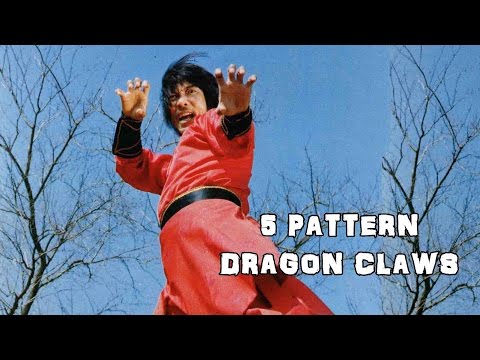
The Razor's Edge: Deconstructing '5 Pattern Dragon Claws' – A Martial Scholar's Critique

The crimson haze of a dusty dojo, the sharp crack of a wooden staff, the ethereal whisper of a well-executed kata – these are the sensory hallmarks of true martial artistry. Yet, the silver screen, in its often-unbridled pursuit of spectacle, can sometimes distort, dilute, or even desecrate these sacred forms. Today, we delve into the cinematic realm of *5 Pattern Dragon Claws*, a film that promises the thunderous foot of the Silver Fox and the lightning strike of a young challenger. But does it deliver a symphony of combat or merely a cacophony of misplaced kicks? As a devoted student of Budo and a keen observer of its visual legacy, I approach this film not just as a viewer, but as a critic tasked with discerning the spirit of combat from mere mimicry. This film, helmed by Director Kim Shi-Hyeon and featuring a cast including Dragon Lee, Jang Lee Hwang, and Jeon Ah Seo, presents us with a classic narrative: the reigning champion facing an upstart challenger. The Silver Fox, a master of the "deadly Thunder Foot technique," holds dominion over the martial arts world. His reign, however, is threatened by a young fighter who has mastered the "Lightning Mantis Strike." This dichotomy sets the stage for a confrontation that should, in theory, showcase the evolution of martial prowess. But let us not be swayed by the allure of dramatic descriptions alone. We must dissect the choreography, the underlying philosophy, and ultimately, the *intent* behind the action.

The Legend of the Silver Fox: Champion or Charade?

The archetype of the invincible master is a staple in martial arts storytelling, a narrative device that elevates the stakes for the protagonist. The "Silver Fox" and his "Thunder Foot technique" are painted with broad strokes of undeniable power. But what does "Thunder Foot" truly entail? Is it a specific kicking method rooted in traditional Southern Chinese long-fist, or a more generalized moniker for devastating power kicks, perhaps akin to Taekwondo's focus on dynamic leg strikes? Without a visual and technical breakdown, the description remains elusive, a mere whisper in the wind. In the disciplined world of martial arts, a "technique" is not just a movement; it is a principle, a carefully cultivated skill honed through years of repetition and understanding of biomechanics and strategy. A master’s technique often reflects his lineage, his personality, and his understanding of combat. When a film describes a technique without illustrating its tactical application or underlying principles, it risks reducing martial arts to mere spectacle, devoid of substance. We must ask: does the film honor the rigor of training or merely capitalize on the mystique of mastery?
"A true martial artist doesn’t just train to fight, but to be a better person. The techniques are merely the vehicle." - Bruce Lee
The character of the Silver Fox embodies the established power. His defeat, if it occurs, must be earned through superior skill, strategy, or a fundamental understanding of martial principles that the Fox, in his presumed arrogance, has overlooked. It is here that cinema can diverge sharply from reality. A true champion, whether in a tournament or a life-or-death encounter, does not rely solely on a single devastating move. They possess adaptability, defensive acumen, and the mental fortitude to overcome adversity.

Mantis vs. Thunder Foot: A Choreographic Showdown

The "Lightning Mantis Strike" presents a fascinating contrast. The Praying Mantis style, particularly as seen in Northern Chinese Kung Fu, is characterized by its rapid, precise, and often deceptive movements, mimicking the predatory strikes of the insect. It emphasizes quick hand techniques, simultaneous blocking and striking, and a fluid, evasive footwork. The juxtaposition of this style with the powerful, perhaps more direct, "Thunder Foot" technique of the Silver Fox promises a dynamic clash of approaches. The success of this cinematic battle hinges entirely on the choreography. Are the movements fluid and logical, or are they exaggerated and gravity-defying? Does the "Lightning Mantis Strike" look genuinely swift and intricate, or is it a series of jerky, unconvincing motions? The "Thunder Foot" technique, if it involves powerful kicks, must be executed with a degree of realism, demonstrating not just force but also control and balance. In film, the execution of kicks can often be a pitfall, with actors flailing their legs without proper hip rotation or grounded stability, which would be a grave offense to any practitioner of disciplines like Muay Thai or Capoeira. Let us consider the practicalities. A powerful kick, while devastating, can leave an attacker vulnerable if not properly landed or if it’s evaded. The Mantis style, with its emphasis on close-range, rapid strikes and evasive maneuvers, might exploit such openings. A master choreographer would illustrate this tactical interplay. The ideal scenario would be a dance of contrasting styles: the Silver Fox using his reach and power to dictate the range, while the young fighter uses speed and agility to close the distance and unleash a flurry of precise, debilitating strikes.

Beyond the Strikes: Philosophy or Fantasy?

Martial arts are more than just physical techniques; they are deeply intertwined with philosophy, discipline, and mental fortitude. The concept of *Mushin* – a mind free from thought, reacting instinctively – is paramount in many traditions. The development of the "Lightning Mantis Strike" suggests a student who has not only mastered physical form but also cultivated a profound mental state. Conversely, the Silver Fox’s dominance might stem from an unwavering confidence that borders on arrogance, a common pitfall for those at the pinnacle of their art. The film's ability to convey the philosophical underpinnings of these styles will determine its true martial merit. Does it explore the mental preparation required for combat? Does it hint at the internal struggle of the fighters? Or does it simply present a series of fights, leaving the audience to infer any deeper meaning? The true essence of Budo lies not just in victory, but in the journey of self-improvement, perseverance, and the cultivation of character.
"The art of fighting is the art of not fighting. The best fighter is one who doesn't need to fight." - From the spirit of Bushido
When these cinematic battles are presented purely as contests of physical prowess, without the spiritual and mental dimensions, they become hollow. The audience might be entertained, but they will not be enlightened. A truly great martial arts film can inspire viewers to embark on their own training journey, not just to learn how to fight, but to learn how to live with discipline and purpose.

The Wu-Tang Collection and the Legacy of Kung Fu

The mention of the "Wu Tang Collection" immediately evokes a rich history of martial arts cinema, particularly the Hong Kong Golden Age. This era produced films that, despite their often low budgets and sometimes crude production values, possessed an undeniable authenticity and raw energy. Masters like Lau Kar-leung and Sammo Hung brought genuine martial artists to the screen, showcasing techniques that were as intricate as they were brutal. The Wu-Tang Collection has carved a niche for itself by curating and distributing these cinematic treasures, often introducing them to new audiences. Their commitment to preserving and promoting the legacy of Kung Fu is commendable. However, the quality of films within such collections can vary significantly. Some are masterpieces, while others are merely exercises in stylistic repetition. The subscription to their channel promises "the best in Martial Arts Action and Entertainment," a bold claim that requires rigorous scrutiny on a film-by-film basis.
"Kung Fu is not just about fighting; it is about discipline, respect, and self-control. It is a way of life." - A common tenet within martial arts circles.
The proliferation of martial arts films, particularly in the era of direct-to-video and online streaming, presents a challenge. Many films aim for the visceral thrill of combat but lack the depth of storytelling or the precision of choreography that defined the classics. The question for *5 Pattern Dragon Claws* is whether it stands among the revered or is relegated to the forgotten.

Veredict of the Sensei: Does '5 Pattern Dragon Claws' Earn its Black Belt?

Based on the provided description, *5 Pattern Dragon Claws* presents a classic martial arts narrative with potential for dynamic action. The contrasting styles of the Silver Fox's "Thunder Foot" and the young fighter's "Lightning Mantis Strike" offer fertile ground for compelling choreography. However, the film’s ultimate success hinges on its execution. If the fight sequences are well-choreographed, demonstrating authentic martial principles and a tactical interplay between the styles, it could be a worthwhile watch for enthusiasts. If the "techniques" are merely flashy but lack substance, and the narrative prioritizes melodrama over meaningful exploration of martial philosophy, then it risks being just another forgettable entry in the genre. The film's connection to the Wu-Tang Collection suggests a commitment to showcasing genuine martial arts action, which offers a glimmer of hope. **Cinturón Negro en Potencial, Pero por Demostrar.** The film has the ingredients for a solid martial arts flick, but its true merit rests on the quality of its action sequences and whether it can convey more than just superficial combat. It remains to be seen if the "Thunder Foot" and "Lightning Mantis Strike" are truly legendary, or just part of a stylized dance.

Essential Equipment for Your Training

For those inspired by the dedication and skill depicted in martial arts films, beginning your own training journey is a rewarding endeavor. While the most crucial element is your own commitment, certain equipment can enhance your practice and safety:
  • Durable Training Uniform (Gi/Kimono): Look for a heavy-duty cotton weave, especially for grappling arts like Judo and Brazilian Jiu-Jitsu. For striking arts, a lighter, more breathable fabric might be preferable. Brands like Adidas, Fuji, and Hayabusa offer excellent quality options.
  • Sparring Gear: Essential for striking arts to prevent injuries. This includes:
    • Headgear: Protects against concussions and facial injuries.
    • Mouthguard: Crucial for dental protection.
    • Shin Guards: For protecting shins during kick drills and sparring.
    • Boxing/MMA Gloves: Choose appropriate weight (e.g., 14-16oz for general striking, lighter for pure MMA sparring).
    • Groin Protector: A non-negotiable safety item.
  • Training Mats (Tatami/Puzzle Mats): If training at home, mats provide cushioning for falls and ground techniques, crucial for styles like Judo, BJJ, and Aikido.
  • Training Weapons: For disciplines that incorporate them (e.g., Kali, Escrima, traditional Kung Fu weapons), start with safe, padded, or wooden versions before progressing to metal.
  • Resistance Bands and Jump Ropes: Excellent for conditioning, agility, and building explosive power without needing a gym.
Investing in quality equipment is investing in your training and safety. Remember to consult with your instructor for specific recommendations tailored to your chosen art.

FAQ About Martial Arts Cinema

What makes a martial arts film "authentic"?

Authenticity in martial arts films often refers to the realism of the fight choreography, the adherence to the principles of a particular martial art, and the portrayal of the discipline and philosophy behind the combat. Films that feature actual martial artists performing unedited techniques, with logical fight progression and minimal wire-fu or special effects, are often considered more authentic.

Is the "Thunder Foot" technique a real martial art style?

"Thunder Foot" is likely a cinematic descriptor for a powerful kicking technique or a style that emphasizes strong leg strikes, rather than a specific, formally recognized martial art style like Taekwondo or Savate. Cinematic names are often created for dramatic effect.

What is the Praying Mantis style in Kung Fu?

The Praying Mantis is a Northern Chinese Kung Fu style known for its rapid, sharp, and precise hand techniques, evasive footwork, and simultaneous blocking and striking. It mimics the predatory movements of the praying mantis insect, focusing on intercepting an opponent's attacks and striking with speed and accuracy.

Why is the Wu-Tang Collection significant?

The Wu-Tang Collection is significant for its role in preserving and popularizing classic and rare martial arts films, especially from the golden age of Hong Kong cinema. They provide access to films that might otherwise be difficult to find, keeping the legacy of martial arts cinema alive.

How can I start training in a martial art?

To start training, research reputable martial arts schools in your area. Consider which style aligns with your interests (striking, grappling, self-defense). Many schools offer introductory classes or trial periods, allowing you to experience the training before committing. Always prioritize safety and a good instructor-student relationship.

For Deeper Study on Your Path

To continue your exploration into the profound world of martial arts and its cinematic representations, consider these related topics:

Reflection of the Sensei: Your Next Step

We have dissected the cinematic promise of *5 Pattern Dragon Claws*, examining the mechanics of its described techniques and the narrative tropes it employs. Now, the true test lies not in the film itself, but in its impact on you, the practitioner, the enthusiast, the seeker of knowledge. Does the spectacle of "Thunder Foot" ignite a desire to perfect your own power strikes? Does the "Lightning Mantis Strike" beckon you towards the intricate dance of speed and precision? Or does the very mention of these cinematic arts inspire you to look inward, to question the true essence of mastery beyond the flick of a wrist or the power of a kick? Consider this: If you were to face an opponent whose primary weapon was overwhelming power, how would you adapt your strategy? Conversely, if your opponent relied on speed and deception, what principles would guide your defense? Think of these questions not as abstract scenarios, but as training imperatives. Your dojo, your training space, is where these cinematic fantasies must be grounded in reality. Now, the ultimate challenge: What single principle, learned from the philosophy of Budo, can help you overcome a seemingly insurmountable physical or mental obstacle, whether in training, in a fight, or in life? Share your insights. Do not merely echo the words of masters; embody them and articulate your understanding. The discussion is open. ``` GEMINI_METADESC: A martial arts scholar's critical review of '5 Pattern Dragon Claws', dissecting its choreography, philosophy, and cinematic authenticity. Analyze combat techniques, martial spirit, and legacy of Kung Fu cinema.