Showing posts sorted by relevance for query Discipline. Sort by date Show all posts

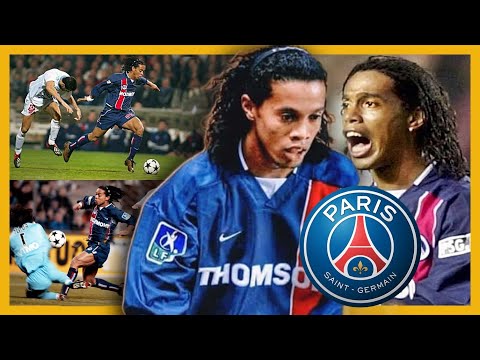
Ronaldinho: The PSG Beast's Martial Arts Mindset

Intent of Search: This article aims to explore the underlying discipline, strategic thinking, and physical prowess that made Ronaldinho a footballing legend, drawing parallels to martial arts principles. Readers are likely looking to understand the mindset and training behind elite athletic performance, and how those relate to the world of Budo and martial arts.

Entities & Keywords: Ronaldinho, Paris Saint-Germain (PSG), Budo, Martial Arts, Football, Discipline, Strategy, Physical Conditioning, Athleticism, Legend, Mindset, Football Legend, Warrior, Athlete, Training, Performance.

The Unforeseen Dojo: Ronaldinho's Ascent at PSG

When we speak of martial arts, we often conjure images of dojos, intense training sessions, and the unwavering pursuit of perfection. But what if I told you that a different kind of arena, the football pitch, can also be a crucible for forging warriors? Today, we delve into the electrifying era of Ronaldinho at Paris Saint-Germain, not just as a footballer, but as a testament to the martial spirit that fuels unparalleled athletic achievement.

Many will remember Ronaldinho for his dazzling footwork, his infectious smile, and the sheer joy he brought to the game. He was, in many ways, a virtuoso, a maestro of the beautiful game. However, beneath the flair and the spectacle lay a core of discipline, strategic brilliance, and physical resilience that any seasoned martial artist would recognize. This is not merely about kicking a ball; it's about understanding the mind of a champion, a true warrior on the pitch.

The Warrior's Mindset: Discipline Beyond the Dance

Football, at its highest level, is a combat sport. It requires strategic thinking, split-second decision-making, and immense mental fortitude. Ronaldinho, during his time at PSG, embodied this. While his style was often described as a dance, it was underpinned by a deep-seated discipline. He trained rigorously, honed his skills relentlessly, and understood the importance of preparation. This echoes the core tenets of Budo, the Japanese martial way, which emphasizes not just physical technique but also mental discipline and character development.

Think of the dedication required to master a complex kata in Karate or a high-level throw in Judo. It demands thousands of repetitions, a refusal to yield to fatigue, and an unwavering focus. Ronaldinho’s seemingly effortless brilliance was the result of countless hours spent perfecting his technique, building his stamina, and developing an intuitive understanding of the game. He didn't just play; he mastered his craft.

"The moment you stop learning, you start to die." - Miyamoto Musashi

This philosophy of continuous learning and improvement is central to martial arts and was evident in Ronaldinho's career. He evolved, adapted, and constantly sought to push his boundaries, demonstrating a true martial artist's commitment to growth.

Strategic Precision: The Art of the Game

A true martial artist doesn't just react; they anticipate. They understand spacing, timing, and the opponent's weaknesses. Ronaldinho was a master strategist on the field. His vision allowed him to see plays unfold before they happened, to exploit gaps in the opposition's defense, and to execute passes that defied logic. This is akin to a skilled swordsman who reads their opponent's movements, feints, and intentions.

Consider the strategic depth of a chess match, or the tactical nuances of a grappling exchange in Jiu-Jitsu. Ronaldinho possessed a similar spatial awareness and tactical intelligence in football. He could manipulate the flow of the game, create opportunities out of seemingly nothing, and control the tempo with his presence. His free-kicks, often executed with breathtaking accuracy, were a blend of power, precision, and strategic understanding of the wall and the goalkeeper's position.

The rivalry between players, the pressure of a big match, the need to perform under duress – these are all elements familiar to any competitive martial artist. Ronaldinho thrived in these high-stakes environments, using his skills and his mind to overcome challenges. His ability to perform under pressure speaks volumes about his mental strength, a quality paramount in any martial arts discipline.

Physical Conditioning: A Martial Edge

While Ronaldinho was celebrated for his technical gifts, his physical conditioning was the bedrock upon which his artistry was built. The explosive sprints, the sustained endurance throughout 90 minutes, the agility to evade tackles – these all require a level of physical fitness comparable to that of elite combat athletes. A well-conditioned body is not just about strength; it's about stamina, speed, power, and injury prevention.

In sports like MMA or Kickboxing, physical conditioning is non-negotiable. An athlete can have all the technique in the world, but without the physical capacity to execute it effectively, they will falter. Ronaldinho’s lean physique and incredible stamina allowed him to perform at his peak consistently. He could execute complex maneuvers, recover quickly from strenuous efforts, and maintain his intensity throughout the match. This showcases a dedication to his physical preparedness that mirrors the rigorous training regimens of martial artists worldwide.

The ability to absorb contact, to withstand the rigors of a full match, and to remain agile despite physical exertion is a testament to his dedication. This physical resilience is a key component of any successful martial artist, whether they practice Karate, Taekwondo, or any other discipline.

Sensei's Verdict: More Than Just a Game

Ronaldinho's tenure at PSG was more than just a series of spectacular goals and assists. It was a masterclass in athletic performance, demonstrating the fusion of technique, strategy, and physical conditioning that defines true mastery. He approached football with a spirit of innovation and joy, yet his success was undeniably built on a foundation of discipline and hard work – principles universally recognized in the world of martial arts.

While football and traditional martial arts may seem worlds apart, the underlying principles of dedication, strategic thinking, and physical preparedness are remarkably similar. Ronaldinho, in his own unique way, embodied the spirit of a warrior, a champion who transcended his sport. He showed us that excellence is not just about talent, but about the relentless pursuit of betterment, a lesson that resonates deeply with the path of the martial artist.

Rating: Cinturón Negro en Inteligencia Deportiva y Rendimiento. He clearly understood the strategic and physical demands of his art, executing with a mastery that few can achieve. He wasn't just a player; he was a formidable competitor.

Essential Gear for Your Training

For anyone inspired by the dedication of athletes like Ronaldinho, proper training gear is crucial. Whether you're on the football pitch or in the dojo, having the right equipment can enhance your performance and prevent injuries.

  • Performance Footwear: For football, specialized cleats designed for grip and agility are essential. For martial arts, depending on the discipline, you might need wrestling shoes, specialized Judo or Karate shoes, or simply train barefoot.
  • Protective Equipment: Shin guards for football, and for martial arts, consider mouthguards, groin protectors, and headgear for sparring sessions.
  • Comfortable Training Apparel: Moisture-wicking fabrics are key for both sports to keep you cool and dry during intense workouts. Think lightweight shorts and breathable t-shirts or jerseys.
  • Training Aids: While Ronaldinho's "equipment" was a ball, martial artists might utilize focus mitts, kicking shields, or sparring equipment like gloves and pads. For developing core strength and agility, consider agility ladders or resistance bands.

Training Guide: Developing an Athletic Mindset

Inspired by Ronaldinho's drive? Here's a practical guide to cultivating a similar mindset, applicable to any discipline, martial or otherwise:

  1. Set Clear, Achievable Goals: Define what you want to accomplish, breaking down larger ambitions into smaller, manageable steps. This applies whether you're aiming for a promotion in your martial art or mastering a new football skill.
  2. Embrace Rigorous Training: Consistency is key. Dedicate regular time to practice, pushing your limits each session. Don't shy away from hard work; it's the foundation of improvement.
  3. Develop Strategic Thinking: Analyze your performance. What worked? What didn't? How can you adapt your approach? In martial arts, this means studying opponents and learning from every encounter.
  4. Cultivate Mental Toughness: Learn to perform under pressure. Practice mindfulness or meditation techniques to stay calm and focused. Visualize success and positive outcomes.
  5. Prioritize Recovery: Just as important as training is rest. Ensure you get adequate sleep, proper nutrition, and active recovery to allow your body and mind to recuperate and adapt.

Frequently Asked Questions

Q1: Is football considered a martial art?
A1: While not a traditional martial art, football at a professional level demands many of the same qualities: discipline, strategy, agility, quick reflexes, and resilience, which are hallmarks of martial arts training.

Q2: How did Ronaldinho's creativity compare to martial arts techniques?
A2: Ronaldinho's creativity was akin to the improvisational and adaptive nature seen in some martial arts, like Baguazhang or advanced Judo randori. It showcased an intuitive understanding and mastery of fundamental movements, allowing for spontaneous and effective application.

Q3: What role did discipline play in Ronaldinho's success at PSG?
A3: Despite his free-spirited image, Ronaldinho's success was built on consistent training, dedication to his physical condition, and the strategic understanding required to perform at the highest level. This discipline is fundamental to all martial arts.

Q4: Can learning about athletes like Ronaldinho help martial artists?
A4: Absolutely. Understanding the mindset, training regimen, and strategic approach of elite athletes from any sport can offer valuable insights and motivation for martial artists seeking to improve their own skills and mental fortitude.

To Further Your Journey

The lessons learned from exceptional athletes extend far beyond their respective fields. For those seeking to deepen their understanding of the martial spirit and its application, consider exploring these related topics:

Reflexión del Sensei: Tu Próximo Paso

Ronaldinho displayed a mastery that was both technically brilliant and strategically profound. His presence on the field was that of a warrior wielding his chosen weapon – the football. The question for you, the dedicated practitioner, is this: In the arena of your own life and training, do you merely play the game, or do you strive to master your art with the precision, discipline, and strategic foresight of a true warrior?

``` GEMINI_METADESC: Discover the martial arts parallels in Ronaldinho's electrifying PSG career. Explore discipline, strategy, and athleticism beyond the football pitch.
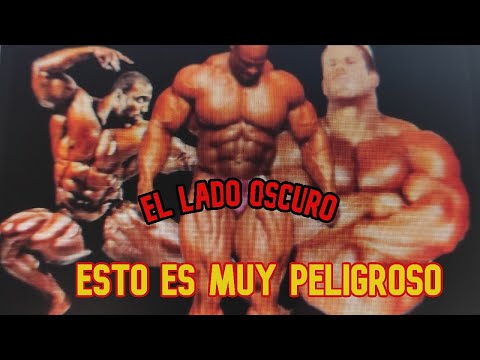
Cedric McMillan: The Martial Spirit Beyond the Bodybuilder's Frame

Hello, warriors and seekers of Budo. Welcome to Budo and Martial Arts, the internet's most comprehensive and ever-evolving hub for all things martial. Today, we delve into a subject that transcends mere physical spectacle: the enduring spirit of Cedric McMillan, a man whose physique inspired awe, but whose essence touched upon deeper martial principles. While the original title hinted at bodybuilding comparisons, our focus today is on the warrior within. The date of publication for this original post was May 3, 2022, but the lessons it contains are timeless. We are here not to merely report on a bodybuilder, but to dissect the *concept* of martial excellence and how it can manifest in unexpected forms. Join us as we explore the physical discipline, the mental fortitude, and the underlying philosophy that made Cedric McMillan a figure of admiration, even beyond the competitive stages. The world of combat sports and strength athletics often intersects in fascinating ways. While bodybuilders and martial artists occupy different arenas, the dedication, discipline, and the pursuit of peak physical and mental condition are common threads. Cedric McMillan, a name synonymous with bodybuilding excellence, also possessed a physical presence that hinted at a deeper understanding of force, balance, and control – elements central to any martial art. This exploration is not about ranking McMillan against legendary martial artists, but about recognizing the shared pursuit of self-mastery. It’s about understanding how the discipline required to sculpt a physique like his can mirror the discipline required to master a kata or perfect a grappling technique.

The Bodybuilder as a Martial Archetype?

Let's address the elephant in the room: Cedric McMillan was a bodybuilding icon. His physique was a testament to years of rigorous training, meticulous diet, and unparalleled genetic gifts. But does this place him outside the realm of martial consideration? I contend that it does not. The dedication to shaping one's body into a weapon, to pushing its limits, and to presenting an imposing physical presence shares a fundamental root with the martial arts. Consider the ancient Greek athletes, whose sculpted forms were admired not just for aesthetics, but for the power and discipline they represented. In a sense, the bodybuilder, at their peak, embodies a form of physical perfection that can be seen as a precursor or a parallel to the warrior's ideal physique. We must ask ourselves: what is the ultimate goal of martial arts training? Is it solely effective combat, or is it also the cultivation of an unshakeable self, capable of enduring hardship and projecting strength? McMillan's journey, while different, speaks to this latter aspect. The commitment to daily training, the understanding of biomechanics required to lift immense weights safely, and the mental toughness to endure grueling workouts are all qualities that resonate deeply within the Budo philosophy.

Parallel Paths: Bodybuilding and Budo Discipline

The path of a bodybuilder and the path of a martial artist, while diverging in their ultimate applications, share significant overlaps in their foundational requirements. Both demand an unwavering commitment to a structured regimen. For the bodybuilder, this means precise weightlifting protocols, calculated nutritional intake, and often, periods of intense bulking and cutting. For the martial artist, it involves consistent practice of techniques, katas, sparring, and conditioning exercises tailored to their specific art.
Think about the concept of progressive overload in weight training. You must continually challenge your muscles to grow stronger. Similarly, in martial arts, you must constantly push your boundaries, whether it’s increasing the speed of your strikes, the complexity of a throw, or the duration of your endurance holds. Both disciplines require a deep understanding of one's own physical capabilities and limitations, and a scientific approach to improvement. Furthermore, the mental fortitude required is immense. The sheer monotony of repetitive training, the overcoming of physical pain and fatigue, and the discipline to adhere to strict protocols even when motivation wanes are all common to both worlds. A martial artist who quits training because it's "too hard" will never achieve mastery, just as a bodybuilder who skips leg day will never achieve balanced development.
"The difference between a broken bone and a broken spirit is the mind." - Unknown Warrior
This quote, though general, highlights the critical role of the mental game. McMillan, through his competitive career and public persona, demonstrated a strong mental presence. While we didn't see him engaging in a traditional martial arts bout, his ability to command attention and project confidence on stage speaks volumes about his inner strength.

Beyond the Biceps: Understanding McMillan's Power

When one looks at Cedric McMillan, the immediate impression is one of immense physical power. But true power in any field, be it martial arts or strength sports, is not merely brute force. It is the intelligent application of that force. McMillan, like any elite athlete, would have possessed an understanding of leverage, balance, and body mechanics. In martial arts, a seemingly small individual can overcome a larger opponent through superior technique, timing, and understanding of force vectors. This is achieved through years of dedicated practice, honing the body into a finely tuned instrument. While McMillan's training was geared towards hypertrophy and symmetry, the underlying principles of controlling and generating force are universal. Consider the coiled power in a boxer's stance or the explosive energy in a karate punch. This isn't just muscle; it's the coordination of the entire body, the efficient transfer of energy from the ground up. McMillan’s physique, while visually dominant, would have been underpinned by a functional strength that, in theory, could be adapted. We saw glimpses of this in his athletic movements, his stage presence that was more than just static posing.

The Unseen Training: Mental Fortitude and Resilience

The most crucial aspect of any warrior's training often happens within the mind. The physical discipline of bodybuilding, like that of martial arts, is demanding, but it is the mental resilience that allows athletes to push through plateaus and endure the inevitable setbacks. For McMillan, this meant facing criticism, managing injuries, and maintaining an intense training and diet regimen for years. The mental discipline required to step onto a bodybuilding stage, to be judged on every inch of your physique, is immense. It requires a level of self-awareness and emotional control that many martial artists would recognize. Think about the concept of *mushin* (no-mind) in Zen Buddhism and its application in martial arts. It's about acting without conscious thought, allowing instinct and training to take over. While McMillan’s sport wasn't combat, the ability to perform under pressure, to execute a practiced routine flawlessly, suggests a cultivated mental state. The intense focus required for a bodybuilding competition is not dissimilar to the focus needed for a high-stakes martial arts match.

The Spirit of the Warrior: A Legacy Beyond the Stage

Cedric McMillan’s passing was a profound loss, not just to the bodybuilding community, but to the broader world of physical excellence. It forces us to reflect on what truly constitutes a legacy. Is it merely the trophies on a shelf, or is it the indelible mark one leaves on others through inspiration and example? McMillan inspired countless individuals to pursue their own physical goals. He demonstrated what is possible with dedication and hard work. This resonates deeply with the martial arts ethos of self-improvement and perseverance. The warrior’s spirit is not always found on the battlefield; it is found in the unwavering pursuit of one's chosen path, in the commitment to overcoming personal challenges. His influence extends beyond the physical. It lies in the embodiment of discipline, the resilience in the face of adversity, and the dedication to a craft. These are the qualities that define a true warrior, regardless of the arena.

Veredicto del Sensei: The Enduring Impact

"The body is the temple. Train it as such." - Ancient Proverb
While Cedric McMillan was not a martial artist in the traditional sense, his life’s work exemplified many of the core principles that we hold dear in Budo. The discipline, the dedication, the relentless pursuit of physical and mental excellence – these are the hallmarks of a warrior. His physique was a canvas upon which he painted a masterpiece of human potential. We can learn from McMillan's journey by recognizing that the pursuit of physical mastery, regardless of its specific application, is a martial endeavor in itself. It requires courage, perseverance, and an indomitable will. His legacy is a powerful reminder that the warrior spirit can be cultivated in many forms. Cinturón Negro en Disciplina y Dedicación.

Training Guide: Cultivating Martial Presence

While McMillan's training was specific to bodybuilding, we can adapt certain principles to enhance our martial presence. This isn't about building massive muscle, but about building functional strength and cultivating a commanding physical bearing.
  1. Foundation: Compound Movements: Focus on exercises that engage multiple muscle groups simultaneously. Squats, deadlifts, overhead presses, and rows build overall strength and coordination, mirroring the full-body engagement required in many martial arts techniques.
  2. Core Strength is Paramount: A strong core is the bridge between your upper and lower body, crucial for power generation and stability in any striking or grappling art. Incorporate planks, Russian twists, and hanging leg raises into your routine.
  3. Explosive Power: Plyometrics such as box jumps, clapping push-ups, and medicine ball throws can develop explosive power needed for rapid strikes and powerful takedowns.
  4. Endurance and Resilience: Integrate cardiovascular training and circuit training to improve your stamina. Martial arts requires sustained effort, and building endurance is key.
  5. Mind-Body Connection: While McMillan focused on the physical, remember to integrate this with your martial arts practice. Apply the discipline learned in the gym to your dojo training, and vice-versa. Focus on breath control and mindful execution of every movement.

Equipment Essential for Your Training

To emulate the dedication and pursue your own martial journey, having the right tools can make a significant difference. While McMillan’s equipment was specialized for bodybuilding, many items are versatile for martial arts conditioning.
  • Quality Training Shoes: Essential for stability during lifts and agility drills. Look for flat-soled shoes for better ground feel.
  • Weightlifting Gloves: To protect your hands during heavy lifting sessions and improve grip.
  • Resistance Bands: Versatile for warm-ups, cool-downs, and adding resistance to bodyweight exercises. Great for mobility work.
  • Jump Rope: An excellent tool for cardiovascular conditioning and improving footwork, fundamental in many martial arts.
  • Kimonos and Gis: For Judo, Karate, Aikido, or BJJ, a durable and well-fitting gi is paramount. Consider a double-weave gi for increased durability if you engage in grappling.
  • MMA Gloves: For striking-focused training or sparring, offering protection for both hands and your training partners.

Frequently Asked Questions

  • Is bodybuilding considered a martial art?

    Bodybuilding is not a martial art in itself. It is a discipline focused on developing muscle mass, symmetry, and definition. However, it shares core principles of discipline, dedication, and physical conditioning with martial arts.
  • How did Cedric McMillan's physique relate to martial arts principles?

    McMillan's physique represented peak physical conditioning, showcasing immense strength, balance, and body control. These are foundational elements that, while applied differently, are also vital in martial arts for power generation, stability, and injury prevention.
  • What can martial artists learn from bodybuilders like McMillan?

    Martial artists can learn the importance of rigorous, consistent training, meticulous attention to diet and recovery, and the mental fortitude required to push physical limits. The focus on biomechanics for safe and effective lifting also has parallels in striking and grappling.
  • Did Cedric McMillan ever train in martial arts?

    While widely known for bodybuilding, there are anecdotal mentions and a general respect for physical discipline that might suggest an appreciation for martial arts, but he was not primarily recognized as a practitioner. His athletic pursuits were centered on bodybuilding.

To Delve Deeper Into Your Path

To further enrich your understanding of the principles discussed, I recommend exploring these related topics on our blog:

Reflexión del Sensei: Your Next Step

McMillan’s life was a testament to physical dedication. But does sheer physical power, without the refined intention and application of a martial art, truly fulfill the warrior’s potential? Or is the mastery of the body merely a stepping stone to a deeper understanding of movement, spirit, and conflict? Reflect on this: If you were to apply the discipline McMillan brought to his training to the techniques of your chosen art, what insurmountable peaks could you conquer? The answer lies not in contemplation alone, but in the sweat and effort you commit tomorrow. ``` GEMINI_METADESC: Explore Cedric McMillan's legacy beyond bodybuilding. Discover the shared principles of discipline, strength, and mental fortitude between his journey and martial arts.

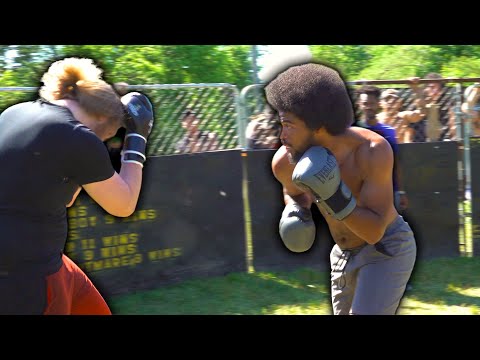
Afro Samurai vs. Practice Mode: Is This Budo or Just Brutality?

"The way of the warrior is to die in the pursuit of victory." - Miyamoto Musashi
The realm of martial arts is vast, encompassing disciplines honed over centuries, each with its unique philosophy and physical application. We delve into the raw, unfiltered world of Streetbeefs to dissect their offering, specifically the bout between "Afro Samurai" and "Practice Mode." But does this spectacle uphold the true spirit of Budo, or does it merely descend into unrefined brutality? This isn't merely a fight; it's a case study in the cultural interpretation of combat.

Table of Contents

The Genesis of Streetbeefs and Its Controversial Premise

Streetbeefs, as founded by SCARFACE (featured in the New York Times documentary "Guns to Gloves" and ESPN The Magazine), presents itself as an alternative to violent street disputes. The concept is stark: individuals with grievances settle them in a controlled environment, bare-knuckle or with gloves, under the watchful eye of a referee and spectators. This method, reportedly used to settle hundreds of disputes, aims to provide a safer outlet for aggression.

The premise is undeniably intriguing. Scarface's intent to curb lethal violence is commendable. However, the core question remains: does translating these "real beefs" into a spectator sport dilute the essence of martial arts or respect for combat itself? Is this a modernized form of dueling, or a descent into gladiatorial entertainment?

The original intent might be noble, but the execution is what truly matters. We must scrutinize whether the "entertainment" aspect overshadows the potential for genuine martial development or if it simply caters to a primal urge for visceral conflict.

Afro Samurai vs. Practice Mode: A Technical Breakdown

Now, let's address the specific encounter: Afro Samurai vs. Practice Mode. From a martial perspective, the term "Practice Mode" itself is telling. It suggests a lack of serious commitment or perhaps a training simulation rather than a true contest of skill.

Afro Samurai: This moniker evokes the iconic anime character, known for his exceptional swordsmanship and warrior spirit. In the context of Streetbeefs, we can only speculate if the participant possesses any training that mirrors such a persona, or if it's merely a theatrical name. Without observable technique, it's difficult to assess. Is there any semblance of a stance? Any footwork that suggests training? Or is it pure brawling?

Practice Mode: This participant's name implies they are either a novice, someone testing the waters, or perhaps an individual who believes in a less aggressive, more measured approach. However, in the brutal arena of Streetbeefs, "practice" often means engaging with the same raw intensity as a fully committed fighter, albeit perhaps with less developed technique.

Analyzing the actual footage (as referenced by

), one would look for fundamental striking principles::

  • Guard: Is it tight and protective, or loose and vulnerable?
  • Footwork: Is there movement, evasion, and repositioning, or just shuffling and standing flat-footed?
  • Striking Technique: Are punches thrown with proper form – hip rotation, extension, retraction – or are they wild flails?
  • Defensive Maneuvers: Are there attempts to block, parry, or evade incoming strikes, or is it a matter of absorbing punishment?

The inherent nature of Streetbeefs, with its emphasis on "real beefs" and a less formalized structure than traditional combat sports, often results in a chaotic display. It’s crucial to distinguish between raw aggression and trained technique. While aggression can be a powerful tool, without the framework of martial discipline, it often leads to inefficiency and predictable patterns.

"The ultimate aim of martial arts is not nor can be the perfection of strength or technique, but the perfection of oneself." - Unknown Master

The True Spirit of Budo: Discipline, Respect, and Self-Mastery

The term "Budo" (武道) translates to "the way of the warrior." It’s far more than just fighting; it’s a philosophy, a lifestyle that emphasizes:

  • Discipline (規律 - Kiritsu): Strict adherence to training, rules, and ethical conduct.
  • Respect (尊敬 - Sonkei): Reverence for instructors, opponents, and the art itself.
  • Self-Control (自制 - Jisei): Mastery over one's emotions, impulses, and physical actions.
  • Perseverance (忍耐 - Nintai): The ability to endure hardship and continue striving.
  • Humility (謙遜 - Kenson): Recognizing one's limitations and always seeking improvement.

In traditional martial arts, the opponent is not an enemy to be destroyed, but a partner in mutual development. The conflict on the mat or in the ring is a crucible for testing oneself, learning from mistakes, and ultimately, growing as a person. This profound philosophical underpinning is what elevates martial arts beyond mere combat.

When we observe events like Streetbeefs, we must ask if these core tenets of Budo are present. Is there mutual respect between Afro Samurai and Practice Mode? Is the primary goal self-improvement, or is it the visceral thrill of victory over an adversary? The answers often lie not just in the blows exchanged, but in the demeanor before, during, and after the contest.

Streetbeefs in the Cultural Landscape: Entertainment vs. Art

The line between martial arts as a discipline and combat sports as entertainment can be blurry. Boxing and MMA, while highly stylized and demanding immense skill, are primarily sports. Martial arts, particularly traditional ones, carry a deeper philosophical weight.

Streetbeefs occupies a unique and contentious space. It’s neither a formalized sport with strict rulesets and weight classes, nor a traditional martial art with a codified philosophy. It leans heavily towards raw, unscripted combat, framed as a solution to street violence and a form of entertainment. The inclusion of nicknames like "Afro Samurai" and "Practice Mode," the focus on "real beefs," and the promotion through channels like YouTube suggest a deliberate cultivation of a certain aesthetic – one that is gritty, perhaps sensationalist.

This approach taps into a primal fascination with conflict, a characteristic that has been a part of human culture for millennia, from ancient arenas to modern fight nights. However, it risks glorifying violence without the critical context of discipline and respect that true martial arts strive to instill. The danger is that it might be perceived by impressionable viewers as a legitimate or even desirable way to resolve conflict, overlooking the years of rigorous training and ethical development that authentic martial artists undertake.

Is this a necessary evil, a way to channel aggression safely, as Scarface suggests? Or does it merely amplify the spectacle of violence for consumption, potentially desensitizing audiences and encouraging aggression rather than channeling it?

Veredicto del Sensei: A Flawed Spectacle

While the intent behind Streetbeefs to provide a safer alternative to street violence is acknowledged, the "Afro Samurai vs. Practice Mode" bout, and the platform itself, falls short of embodying the true spirit of martial arts. The emphasis appears to be on the raw conflict and spectacle rather than the cultivation of character, discipline, and respect that define Budo.

The participants, given their monikers and the nature of the event, are unlikely to be practitioners of traditional martial arts with a deep understanding of its philosophical underpinnings. The choreography, if any, is likely emergent from untrained aggression rather than studied technique. It offers a visceral thrill, but lacks the depth, precision, and inherent ethical framework of genuine martial disciplines. It is raw combat, not martial art.

Rating: Flawed in the Fundamentals

Essential Gear for Your Training

While Streetbeefs might eschew formal gear, serious martial arts training requires proper equipment for safety and effectiveness. If you are inspired to pursue a disciplined path in martial arts, consider the following:

  • High-Quality Uniform (Gi): For styles like Karate, Judo, or BJJ, a durable gi is essential. Look for double-weave cotton for longevity and resistance to tearing during grappling.
  • Training Gloves: For striking arts or sparring sessions, properly fitting gloves (e.g., 14-16oz for sparring) are crucial to protect your hands and your training partner.
  • Mouthguard: A non-negotiable piece of safety equipment for any form of sparring or live drilling.
  • Shin Guards and Forearm Guards: Recommended for striking arts to minimize impact during heavy training.
  • Headgear: Essential for sparring sessions where head contact is a possibility.

Investing in good equipment is a commitment to your training and safety. Remember to check out specialized Karate merchandise and MMA training gear for the best options.

Developing Discipline: A Foundational Exercise

True martial prowess is built on discipline. Here's a simple yet effective exercise to cultivate it:

  1. Commit to a Daily Routine: Choose a specific time each day, even if it's just 15-30 minutes, for a martial arts-related activity (e.g., practicing stances, basic strikes, kata, or conditioning exercises).
  2. Set a Clear Goal for Each Session: Instead of aimlessly practicing, decide what you want to achieve. "Today, I will perfect the hip rotation on my reverse punch," or "I will hold a stable horse stance for 5 minutes."
  3. Minimize Distractions: Turn off your phone, find a quiet space, and focus solely on your practice.
  4. Practice With Intention: Even simple movements should be performed with focus and correct form. Imagine you are executing them in a high-stakes situation.
  5. Reflect and Adjust: At the end of your session, briefly consider what went well and what could be improved. This self-reflection is key to growth.

This structured approach to training builds consistency and reinforces the mental fortitude required in martial arts journeys.

Frequently Asked Questions

What is Budo?

Budo, translating to "the way of the warrior," is a broad term encompassing Japanese martial arts. It emphasizes not only physical techniques but also the ethical, spiritual, and philosophical development of the practitioner, focusing on discipline, respect, and self-mastery.

Is Streetbeefs a legitimate martial art?

Streetbeefs is not a recognized martial art. It is a platform for unsanctioned combat events that aim to resolve disputes. While it provides an outlet for aggression, it lacks the formal structure, philosophical underpinnings, and emphasis on character development found in traditional martial arts.

What are the key differences between Streetbeefs and professional MMA?

Professional MMA (Mixed Martial Arts) is a regulated sport with standardized rules, weight classes, safety equipment, and governing bodies. It focuses on athletic competition and skill. Streetbeefs, in contrast, is largely unsanctioned, often features less formalized rules, and emphasizes resolving pre-existing "beefs," blurring the line between sport and uncontrolled conflict.

Why is discipline so important in martial arts?

Discipline is the cornerstone of martial arts. It enables practitioners to endure rigorous training, refine techniques through repetition, control their emotions, and apply their skills ethically and responsibly. Without discipline, martial arts can become a mere form of uncontrolled violence.

For Deeper Exploration of Your Path

The world of combat is diverse, and understanding its various forms is crucial. While Streetbeefs offers a raw, unfiltered glimpse into conflict resolution, it is vital to seek out disciplines that foster not just the ability to fight, but the wisdom to know when and why to fight, and the character to uphold the principles of the warrior.

Reflexión del Sensei: Tu Próximo Paso

Afro Samurai vs. Practice Mode – is the spectacle worth the substance? If your only goal is to witness raw, unrefined conflict, then perhaps. But if you seek the path of the warrior, the true "way," where does your allegiance lie? Does the gladiator in the arena offer the same lessons as the disciplined student in the dojo? Contemplate this: In the crucible of conflict, what do you truly seek – the fleeting thrill of victory, or the enduring strength of character?

``` GEMINI_METADESC: Critical analysis of Streetbeefs' Afro Samurai vs. Practice Mode. Does this raw combat embody Budo or is it mere brutality? Explore the spirit of martial arts.

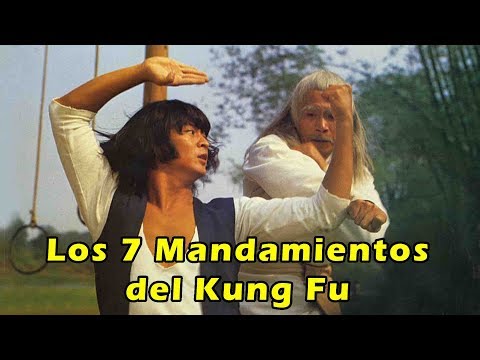
The Seven Commandments of Kung Fu: A Budo Master's Analysis

Is the path of the warrior merely about striking with precision and evading with grace? Or does true mastery lie not in the physical prowess, but in the unwavering principles that forge the spirit? Many are drawn to the dazzling displays of Kung Fu, captivated by the legendary "Seven Commandments" often depicted in films. But how many truly understand the profound philosophy embedded within these cinematic narratives? Today, we dissect the myth and the reality, separating the art from the spectacle, and revealing the timeless truths that even the most electrifying Martial Arts film struggles to fully capture. Prepare yourselves, for this is not a mere film review; this is a lesson in the very soul of Budo.

The Seven Commandments: Beyond the Screen

The allure of the Wu Tang Collection's "Seven Commandments of Kung Fu" lies in its promise of distilled wisdom, a cheat sheet to the highest levels of martial attainment. Yet, it's crucial to understand that such codified lists, while useful for narrative and thematic clarity in cinema, often serve as simplified representations of complex philosophical and ethical frameworks that have evolved over centuries. The essence of these commandments is not about a secret set of rules exclusive to one style, but about universal virtues that underpin all true paths of martial discipline.

"The supreme art of war is to subdue the enemy without fighting." - Sun Tzu

This ancient wisdom immediately tells us that the most critical battles are often internal. The "Seven Commandments," as presented, are designed to guide practitioners towards this internal victory. Let us explore what each likely represents, not just as cinematic plot devices, but as fundamental pillars of any serious martial pursuit, be it Karate, Judo, BJJ, or even the art of modern MMA.

Unearthing the Roots: Philosophy and Practice

The historical development of Kung Fu is as vast and varied as China itself, with countless styles and lineages. While specific lists of "commandments" might be more common in film adaptations to provide structure, the underlying principles are deeply rooted in Taoist, Buddhist, and Confucian thought, alongside the practical demands of combat. These principles emphasize not only effectiveness in conflict but also the development of character, self-awareness, and a harmonious relationship with oneself and the world. The goal is not merely to become a formidable fighter, but to cultivate a virtuous human being. This concept of holistic development is a cornerstone of traditions like BUDO, the Japanese Way of the Warrior.

Commandment I: Respect and Humility (敬 and 謙遜)

In any reputable dojo, the first lesson is often bowing. This simple act signifies respect for the training space, the instructor, and your fellow practitioners. It is the outward manifestation of inner humility – the understanding that there is always more to learn, and that no matter how skilled you are, there is someone who can teach you something, or someone you can help. Arrogance is the quickest route to stagnation and defeat. A fighter who believes they know it all is a fighter ripe for a humbling experience, often delivered by an opponent who embodies this first commandment. This is why even in highly competitive sports like UFC, we often see fighters show respect before and after a bout.

Commandment II: Perseverance and Indomitable Spirit (毅 and 不屈の精神)

The journey of a martial artist is rarely smooth. There will be plateaus, injuries, and moments of doubt. The "indomitable spirit" is the refusal to quit, the unwavering resolve to push through pain, exhaustion, and frustration. It's the warrior who gets back up after being knocked down, the student who returns to the mat day after day, even when progress feels slow. This is the essence of Perseverance. Think of the legendary fighters who have overcome incredible odds; their physical skill was essential, but their mental fortitude, their 'grit', was often the deciding factor. This spirit is what separates mere participants from true warriors.

Commandment III: Discipline and Self-Control (律 and 自制)

Martial arts training demands rigorous discipline. This extends beyond simply showing up for class. It means adhering to the training schedule, mastering the fundamentals, controlling one's temper both on and off the mat, and making healthy lifestyle choices. Self-control is paramount; it's the ability to remain calm under pressure, to execute techniques precisely when adrenaline is high, and to resist impulses that could lead to error or compromise one's integrity. Without discipline, even the most natural talent will wither. It's the bedrock upon which all other skills are built. This is why Discipline is a core value in almost every Martial Arts system.

Commandment IV: Patience and Endurance (忍 and 忍耐)

True mastery takes time. Impatience can lead to shortcuts, sloppy technique, and a superficial understanding of principles. Patience is the willingness to invest the necessary hours, days, months, and years into honing one's craft. Endurance, both physical and mental, is the capacity to withstand the rigors of training and competition. This isn't just about enduring pain; it's about the endurance to refine a single movement thousands of times until it becomes instinctual. It's the understanding that the marathon runner, not the sprinter, often wins the long race. This is closely linked to the concept of 'Shu', 'Ha', 'Ri' in Japanese martial arts: learning, breaking, and then transcending.

Commandment V: Harmony and Balance (和 and 調和)

This commandment speaks to a deeper level of martial understanding. It's about finding balance within oneself – between strength and flexibility, aggression and defense, mind and body. It also refers to harmony with one's opponent, understanding their movements and intentions to create an effective counter or defense, rather than engaging in a brute force struggle. In advanced stages, it’s about flowing with the opponent's energy, much like water adapting to the contours of the land. This principle is evident in arts like Aikido and Tai Chi, but its relevance can be seen in the strategic movement and timing of any skilled fighter, from a Kyokushin Karateka to a Judo master.

Commandment VI: Integrity and Righteousness (誠 and 正義)

A true warrior upholds ethical standards. This means fighting fairly, never using martial skills for personal gain or to bully the weak, and always acting with honesty and integrity. It is the understanding that martial power comes with immense responsibility. The "righteous path" guides the practitioner to use their skills only when necessary, for defense or to uphold justice, and never for gratuitous violence. This aligns with the bushido code's emphasis on honor and morality. A fighter lacking integrity, no matter how skilled, is ultimately a hollow vessel.

Commandment VII: Continuous Learning and Adaptation (学 and 適応)

The martial landscape is constantly evolving. Styles adapt, new techniques are developed, and opponents find new strategies. The commitment to continuous learning means remaining a student throughout one's life. It's about being open to new ideas, willing to unlearn outdated methods, and adapt to changing circumstances. This adaptability is what allows a martial artist to remain effective against diverse threats and challenges. It’s the reason why fighters who only know one approach often falter when faced with something outside their comfort zone. The MMA fighter who cross-trains in various disciplines exemplifies this.

Applying the Commandments: The Real Dojo

While the "Seven Commandments" might be dramatized for film, their essence is far from fictional. They represent the core values that transform a mere fighter into a martial artist, and a martial artist into a person of character. The true dojo is not just the physical space where you train; it's your life. How do you interact with others? How do you face challenges? How do you treat yourself and your responsibilities? These are the real tests.

Consider the discipline required to maintain a consistent workout at home, or the perseverance needed to master a complex technique that initially eludes you. These are daily applications of the warrior's code.

Cinematic Representation: Wu Tang's "Seven Commandments"

The Wu Tang Collection, through its curated selection of Martial Arts films, often highlights these thematic elements. While the specific narrative of "The Seven Commandments of Kung Fu" might present a fictionalized account, its intention is to convey these fundamental principles. These films serve as powerful allegories, illustrating through action and character development the consequences of upholding or neglecting these virtues. They invite us to consider how these ideals translate into physical confrontation and, more importantly, into everyday life. The visual spectacle, while entertaining, is often a vehicle for these deeper lessons.

"Knowing others is intelligence; knowing yourself is true wisdom. Mastering others is strength; mastering yourself is true power." - Lao Tzu

This quote perfectly encapsulates the inward focus required by many of these commandments, particularly discipline and self-mastery. The external fight is often secondary to the internal war.

Sensei's Verdict: More Than Just Moves

Is "The Seven Commandments of Kung Fu," as presented cinematically, a literal historical document of martial practice? Likely not. Is it a valuable tool for understanding the ethical and philosophical underpinnings of traditional Kung Fu and, by extension, all profound martial arts? Absolutely. The Wu Tang Collection often excels at showcasing films that, while perhaps not the most technically pure in terms of fight analysis, deliver powerful thematic messages. This particular theme serves as an excellent gateway for practitioners and enthusiasts to contemplate the deeper aspects of their chosen path. The true mastery isn't in the flashiest kick or the most devastating punch, but in the cultivation of a virtuous spirit guided by these timeless principles.

Cinturón Negro en Filosofía Marcial: While its direct historical accuracy may be debated, the thematic depth and philosophical impact are undeniable.

Essential Training Gear

While these commandments are about spirit and character, the physical practice of martial arts requires appropriate tools. Investing in quality gear not only enhances your training but also shows respect for the art and yourself.

  • Uniforms (Gi/Dobok/Kung Fu Uniform): Look for durable, comfortable materials that allow for a full range of motion. For styles emphasizing throws or grappling like Judo or BJJ, a heavier, double-woven gi is recommended. For striking arts, a lighter, more breathable uniform is ideal. Consider specific Karate merchandise if you practice that discipline.
  • Protective Gear: Sparring often requires headgear, mouthguards, shin guards, and groin protection. Ensure all gear meets safety standards for your specific discipline and training intensity.
  • Training Mats (Tatami/Mats): For styles with a significant amount of groundwork or falling techniques (Grappling, Judo, BJJ), investing in quality interlocking mats is crucial for safety and comfort during at-home workouts or dojo training.
  • Focus Mitts & Strike Shields: Essential for partner training and developing striking power, accuracy, and speed.
  • Stretching Bands & Agility Ladders: Crucial for improving flexibility, agility, and conditioning, supporting the principles of balance and endurance.

Frequently Asked Questions

  • Are the "Seven Commandments of Kung Fu" real historical rules?
    While the specific list might be a cinematic device, the underlying principles of respect, discipline, perseverance, patience, harmony, integrity, and continuous learning are foundational to virtually all traditional martial arts, including Kung Fu.
  • Can these commandments be applied to modern combat sports like MMA?
    Absolutely. While MMA is a competitive sport, the mental and ethical aspects – discipline, perseverance, respect for opponents and the craft, and continuous learning – are critical for success and longevity in the sport.
  • How does one cultivate "Indomitable Spirit" in their training?
    By consistently pushing past your perceived limits during training, refusing to quit when facing difficult techniques or physical fatigue, and maintaining a positive, determined mindset even after setbacks or losses.
  • What is the difference between discipline and perseverance?
    Discipline is the structured adherence to rules and routines for consistent improvement. Perseverance is the unwavering mental fortitude to continue despite obstacles and challenges, often fueled by that discipline.

Deepen Your Understanding

The journey into the heart of martial philosophy is vast. Here are some resources to continue your exploration:

The path of the martial artist is a lifelong endeavor, far more than just the techniques one learns. It is the cultivation of character, the refinement of spirit, and the unwavering commitment to becoming a better version of oneself. The "Seven Commandments," whether from film or tradition, serve as invaluable signposts on this profound journey.

Reflexion del Sensei: Tu Próximo Paso

You have studied the 'Seven Commandments'. Now, I ask you: which of these virtues do you find most challenging to embody in your daily life, and what single, concrete action can you take today to strengthen it? Do not offer me vague promises; show me the path you will walk, and be prepared to defend your choice with the conviction of a seasoned warrior.

``` GEMINI_METADESC: Un Sensei desglosa los \"Siete Mandamientos del Kung Fu\" del cine a la filosofía Budo. Descubre virtudes universales para guerreros y cómo aplicarlas hoy.

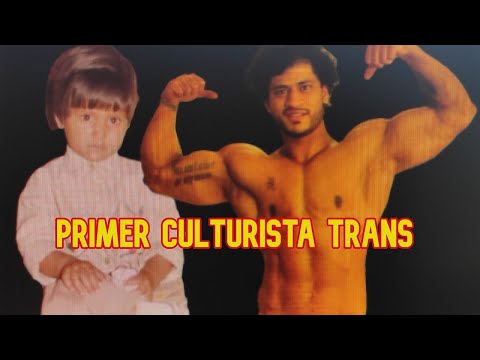
The Girl Who Underwent Surgery to Become a Bodybuilder: A Martial Arts Perspective

Introduction: Redefining Strength

Hello and welcome, students of the Way. Today, we venture into a topic that may initially seem far removed from the traditional dojo: the story of a young girl who chose surgery to pursue a career in bodybuilding. As practitioners of Budo and the myriad martial arts, we are constantly seeking to understand the essence of strength, discipline, and the human form's potential. Is this pursuit of physical perfection through radical means a testament to the indomitable human spirit, or a deviation from the core principles we hold dear? Let us delve into this compelling narrative, not just as observers, but as critical thinkers steeped in the philosophy and practice of the martial ways.
"True strength is not merely the absence of weakness, but the mastery of one's own being." - A principle often echoed in the halls of disciplined training.
Our journey today is about exploring the boundaries of physical transformation and questioning what it truly means to embody strength in its purest form. It’s a conversation starter, a challenge to our preconceptions, and an invitation to see the martial spirit in unexpected places.

The Unconventional Path: Beyond Traditional Aesthetics

The narrative of a young woman opting for surgical procedures to achieve a bodybuilding physique is, without question, unconventional. In many martial arts traditions, the ideal physique is often one of functional efficiency – lean, powerful, and agile, honed through relentless training rather than cosmetic intervention. Aesthetics take a backseat to utility; a fighter's body is a tool for survival and combat, not a canvas for sculpted perfection. However, to dismiss this pursuit outright would be a disservice to the fundamental principle of dedication. Bodybuilding, at its highest level, demands an extraordinary level of discipline, meticulous planning, and an unwavering commitment to pushing physical limits. These are qualities we deeply respect and cultivate in our own martial journeys. The question arises: does the *method* of achieving this physique invalidate the *spirit* of dedication? This is where our critical analysis must begin.

Martial Arts and Physical Transformation: A Synergistic Relationship?

The relationship between martial arts and physical transformation is as old as the arts themselves. From the Shaolin monks to the Greco-Roman wrestlers, the pursuit of physical prowess has always been intertwined with martial discipline. Yet, the *nature* of this transformation is key. Martial arts training aims to develop a body that is not only strong but also resilient, adaptable, and responsive. It’s about cultivating *Qi* (or Ki), the vital life force, which is believed to flow through and empower the body. This is a holistic approach, where mind, body, and spirit are developed in unison.
"The strength of a warrior is not in his muscles alone, but in the spirit that drives them." - Musashi's ethos, emphasizing the mind's command over the body.
In contrast, while bodybuilding undeniably requires immense effort, its primary focus is on hypertrophy and a specific aesthetic. Surgical intervention, while a tool, represents a different pathway to achieving that aesthetic. Can this pathway, when combined with the discipline of training, foster a spirit that resonates with martial principles? Or does it represent a fundamental divergence? This is a debate that ignites the very core of what we consider "martial."

Philosophical Considerations: The Warrior's Body

The concept of the "warrior's body" in martial arts is multifaceted. It’s a body forged in the crucible of training, capable of enduring pain, delivering devastating force, and adapting to unpredictable combat scenarios. It embodies *Mushin* (no-mind) and *Zanshin* (lingering awareness). This is a body that is a direct extension of the practitioner's will and spirit. When we consider the bodybuilder, we see a different kind of perfection – one that is often achieved through a combination of genetics, rigorous training, strict nutrition, and, in some cases, the aforementioned surgical enhancements. The intent behind these transformations is crucial. Is the intent to become a more formidable martial artist, or is it to achieve a specific visual ideal? Perhaps the most provocative question is: can a body altered by surgery still embody the *organic* development and resilience cultivated through traditional martial arts? Does it diminish the authenticity of the "fight" inherent in the training? Or, can the discipline required to recover from surgery and then train to the peak of bodybuilding serve as a unique, albeit unconventional, form of martial perseverance?

The Role of Surgery in the Pursuit of Excellence

Surgery, when viewed through a clinical lens, is a medical intervention. In the context of athletic or aesthetic pursuits, it can be seen as a tool to overcome physical limitations or to accelerate the achievement of a desired physique. In bodybuilding, this might involve procedures to enhance muscle definition or symmetry. From a martial perspective, this is where the debate truly ignites. Many martial arts philosophies emphasize the acceptance and mastery of one's natural form, or its refinement through effort and conditioning. The idea of "natural" vs. "augmented" strength is a significant point of contention. If the goal is to compete in bodybuilding, then surgery might be viewed as a strategic choice within that specific competitive domain. But if the implied aspiration is to embody the qualities of a martial artist – resilience, functional power, and adaptability – then the reliance on surgery raises questions about the depth and authenticity of the physical development. Is this a shortcut, or a different path to self-mastery?

Training Regimen and Discipline: The Core of Mastery

Regardless of the chosen path, the cornerstone of any true martial pursuit, or indeed any demanding physical discipline, is unwavering discipline and an exceptional training regimen. The individual in question, by undertaking surgery and then dedicating themselves to bodybuilding, demonstrates a profound level of commitment. The recovery from surgery itself requires immense fortitude and adherence to strict protocols. Following this with the grueling demands of bodybuilding training – precise nutrition, intensive workouts, and mental fortitude to push past discomfort – speaks volumes about their dedication. This level of commitment is a trait universally admired in the martial arts community. We see this same dedication in athletes who overcome severe injuries to return to competition, or in practitioners who spend decades perfecting a single technique. The *form* of the challenge may differ, but the *spirit* of perseverance and the cultivation of self-control are universal. This is where the narrative transcends the superficial and touches upon the core of what makes a warrior.

Equipment Essential for Your Training

While the focus of this narrative is on the individual's journey, effective training, whether for bodybuilding or martial arts, often benefits from appropriate equipment. For those pursuing strength and muscle development, particularly in a gym setting, certain gear can enhance performance and safety.
  • Weightlifting Gloves: Protect hands and improve grip during heavy lifting sessions, crucial for maximizing workout volume.
  • Lifting Straps: Aid in pulling exercises by reducing grip fatigue, allowing focus on the target muscle groups.
  • Weightlifting Belt: Provides core support during heavy compound lifts, helping to stabilize the spine and prevent injury.
  • Knee Sleeves or Wraps: Offer warmth and compression for the knees, beneficial for squats and other leg-dominant exercises.
  • Durable Training Shoes: Shoes with a stable, flat sole are essential for lifting, providing a solid base of support.
  • Resistance Bands: Versatile for warm-ups, cool-downs, and supplementary resistance work to target specific muscle groups.
For martial artists, the requirements differ, often emphasizing mobility and protection. For instance, practitioners of Judo or Karate would invest in specialized kimonos (`gi`). Those engaging in striking arts might require padded gloves or headgear for sparring. The underlying principle remains: the right tools support the practitioner's dedication. Exploring best kimonos for Judo or high-quality training gear can be a wise investment for any serious practitioner.

Frequently Asked Questions

Q1: Is it possible for someone who has had surgery to become a genuine martial artist? A1: The definition of "genuine martial artist" is often debated. If martial arts are defined by physical technique, discipline, and a code of conduct, then yes, it is possible. However, some traditions place a strong emphasis on organically developed physical prowess and resilience. Q2: How does the dedication required for bodybuilding compare to that required for martial arts? A2: Both demand immense discipline, sacrifice, and perseverance. Bodybuilding focuses intensely on physical aesthetics and muscular development, while martial arts often integrate physical training with mental, spiritual, and philosophical development. Q3: Can surgery enhance a martial artist's capabilities? A3: In specific therapeutic contexts (e.g., reconstructive surgery after injury), it can restore function. However, elective surgery purely for aesthetic enhancement in martial arts is not typically aligned with traditional philosophies, which often favor natural development. Q4: What is the role of "natural" versus "augmented" physical attributes in martial arts? A4: Traditional martial arts generally value attributes honed through natural training and inherent potential. While some augmentation through diet or specialized conditioning is accepted, significant reliance on surgical intervention for aesthetic or perceived performance gains is often viewed critically.

Veredict of the Sensei: A Question of Intent

This story presents a fascinating dichotomy. On one hand, the sheer dedication, discipline, and resilience required for both undergoing surgery and then pursuing peak bodybuilding form are undeniable and resonate with the spirit of perseverance that is central to Budo. This individual has clearly committed to a path of extreme self-challenge. However, from a purist martial arts perspective, the reliance on surgical intervention as a primary means to achieve a physique raises profound questions. The journey of a martial artist is traditionally about transforming the self from within, cultivating strength, resilience, and character through arduous, often uncomfortable, training. The body becomes a testament to that internal journey. Therefore, while I respect the dedication demonstrated, my "Veredict of the Sensei" is one of **Ambiguity, leaning towards Caution**. It is a testament to human determination, but the *intent* behind the transformation and its ultimate alignment with the holistic development sought in martial arts remain subjects for deep contemplation. It prompts us to ask: what is the ultimate goal of our physical pursuits? Is it the external form, or the internal transformation it represents? Cinturón Negro en Disciplina, pero ¿en Espíritu Marcial?

Further Learning on Your Path

For those who wish to explore the deeper aspects of martial arts philosophy, training, and discipline, consider delving into these related topics:

Reflection of the Sensei: Your Next Step

This narrative pushes us to confront our definitions of strength and dedication. The individual's path is unique, diverging significantly from traditional martial training. My question to you, warrior, is this: **If you were presented with a "shortcut" that promised rapid physical results, but deviated from the principles you hold dear, would you take it? Or would you reaffirm your commitment to the arduous, yet ultimately more profound, path of organic self-mastery?** Ponder this not just in your mind, but in the very fiber of your training. ``` GEMINI_METADESC: Explore the martial arts perspective on extreme physical transformation. Analyzing a bodybuilder's journey via surgery, this post questions discipline, strength, and the warrior's spirit.

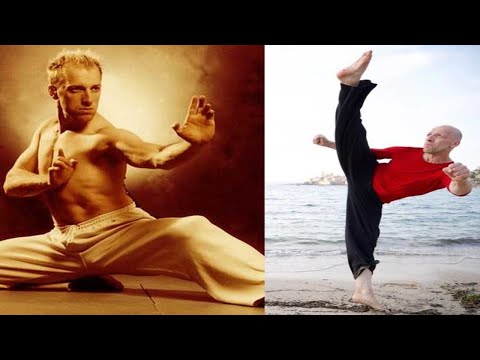
Cyril Raffaelli: More Than Just a Stuntman, a True Martial Artist?

In the pantheon of martial arts cinema, certain names resonate with an almost mythical power. We speak of Bruce Lee, Jackie Chan, Jet Li – titans who not only performed incredible feats but embodied the spirit and philosophy of the arts they represented. But what about those who operate slightly outside the limelight, yet possess a skill set that rivals, and in some ways, surpasses them? Today, we delve into the world of Cyril Raffaelli, a man often lauded for his parkour prowess and stunt work, but whose martial arts foundation is a critical, often overlooked, element of his on-screen persona. Was he merely a spectacular performer, or is there a deeper martial artistry at play?

The Early Years: Forging a Path of Discipline

Born in France, Cyril Raffaelli's journey into the world of physical discipline began not with a dream of Hollywood stardom, but with a deep-seated passion for martial arts. From a young age, he immersed himself in the rigorous training of Karate, specifically Kyokushin. This style, known for its full-contact sparring and demanding physical conditioning, instills a profound sense of discipline, resilience, and respect – cornerstones of true Budo.

Unlike many who dabble in various disciplines, Raffaelli’s commitment to Karate was absolute. He ascended through the ranks, earning a black belt and demonstrating not just technical proficiency but a deep understanding of the combative principles. This foundation is crucial. Many actors today might learn a few moves for a role, but Raffaelli lived and breathed martial arts long before the cameras rolled. This isn't just about executing a punch; it's about the mindset, the footwork, the defensive instincts, and the sheer physical and mental fortitude that only years of dedicated practice can forge.

"The Way of the Warrior is to be always prepared to die. If you allow the least margin of slip, you are done for." - Miyamoto Musashi, The Book of Five Rings

This quote from Musashi perfectly encapsulates the mindset required for mastery in any demanding discipline, whether it's sword fighting or advanced parkour. Raffaelli's dedication to Karate demonstrates an early understanding of this principle, a commitment that would later serve him exceptionally well.

From Stuntman to Star: The Rise of a Unique Skillset

Raffaelli's transition into the film industry was a natural progression for someone with his extraordinary physical capabilities. He began as a stuntman, a role that demands not only bravery but also an intimate knowledge of physics, timing, and safety. His Karate background gave him an edge, allowing him to perform complex fight choreography with an authenticity rarely seen in the stunt world. He could seamlessly integrate dynamic kicks and powerful blocks into sequences that required incredible spatial awareness and control.

His work on projects like *The Fifth Element* and various European action films showcased his raw talent. However, it was his development as a practitioner of parkour (or *l'art du déplacement*) that truly set him apart. Parkour, a discipline focused on overcoming obstacles through efficient movement, requires an astonishing level of agility, strength, and courage. When combined with his martial arts training, Raffaelli developed a style of on-screen action that was revolutionary.

Imagine a martial artist who doesn't just fight on a flat surface but utilizes walls, rooftops, and urban landscapes as integral parts of his combat. This is the synergy Raffaelli brought to the screen. His movement wasn't just about hitting a target; it was about navigating an environment with fluid, almost instinctual grace, all while maintaining the readiness for combat. This blend of disciplined martial arts and improvisational urban acrobatics is what made him a unique proposition for filmmakers.

District 13 and the Revolution of Cinematic Combat

The film that truly catapulted Cyril Raffaelli into international recognition was *District 13* (Banlieue 13) in 2004. Directed by Pierre Morel and produced by Luc Besson, this film was a deliberate departure from traditional martial arts cinema. It eschewed wire-fu and overly stylized choreography for a raw, visceral, and incredibly fast-paced blend of parkour and hand-to-hand combat. Raffaelli, playing the protagonist Damien Tomaso, was the perfect embodiment of this new style.

His fight sequences in *District 13* were breathtaking. He wasn't just fighting; he was leaping, climbing, and tumbling, integrating his environment into every exchange. His Karate background provided the foundation for powerful strikes and effective defensive maneuvers, while his parkour skills allowed for spectacular evasions and offensive initiations that left audiences stunned. This was not just a movie; it was a statement about the evolution of action cinema, and Raffaelli was at its forefront.

"In the dojo, you must be as earnest as in battle." - Unknown Master

Raffaelli's performances in films like *District 13* and its sequel *District 13: Ultimatum* demonstrated this earnestness. The dedication required to perform those stunts, the precision of his movements, and the intensity he brought to the screen were a testament to his years of rigorous training, both in Karate and parkour. He showed that cinematic combat could be both brutally effective and artistically fluid, a true fusion of martial discipline and athletic spectacle.

The critical question, however, remains: Does this phenomenal display of athleticism and choreographed violence equate to true martial artistry? Raffaelli's background in Kyokushin Karate provides a strong argument for his martial credentials. He possesses the discipline, the physical conditioning, and the technical foundation. Yet, his most iconic roles have heavily emphasized parkour and stunt work, which, while incredibly demanding, are distinct from the philosophical and combative core of many traditional martial arts.

Veredicto del Sensei: Is Raffaelli a Master of His Craft?

Cyril Raffaelli is undoubtedly a phenom. His integration of parkour into cinematic combat was groundbreaking, and his physical capabilities are, frankly, astounding. He possesses the discipline forged in the Kyokushin dojo, which is the bedrock of any serious martial artist. His ability to perform complex fight choreography with such precision and power is a testament to his dedication and skill.

However, is he a martial arts master in the traditional sense, like a Miyamoto Musashi or a Yip Man, whose teachings extend far beyond physical technique into philosophy and strategy? Perhaps not in the same vein. His fame rests largely on his ability to translate his physical gifts into breathtaking action sequences, a feat he accomplishes with unparalleled skill. He represents a modern evolution of the action hero, where physical prowess, acrobatic agility, and a strong martial arts base converge.

My Verdict: Raffaelli is a Cinturón Negro en Movimiento y Combate Cinematográfico. He may not be a philosopher-king of martial arts, but his mastery of his chosen physical disciplines, rooted in a solid Karate foundation, makes him one of the most compelling and skilled performers in the action genre. He pushed the boundaries of what was thought possible on screen, and for that, he commands immense respect.

Harnessing the Raffaelli Spirit: Training for Agility and Power

Inspired by Cyril Raffaelli's unique blend of skills? You can cultivate aspects of his physicality and mindset, even without Hollywood backing. The key lies in focusing on foundational strength, explosive power, and environmental awareness.

  1. Master Your Stance: Begin with a solid Karate stance (like the kiba-dachi or horse stance). Hold it for extended periods to build leg strength and stability. This is your anchor.
  2. Develop Explosive Power: Incorporate plyometric exercises such as jump squats, box jumps, and clap push-ups. These mimic the explosive nature of Raffaelli's leaps and strikes.
  3. Build Core Strength: A strong core is essential for balance, power transfer, and injury prevention. Incorporate planks, Russian twists, and hanging leg raises into your routine.
  4. Practice Agility Drills: Set up a simple obstacle course in a safe area (a park, a large room). Practice jumping over objects, weaving around them, and climbing over low barriers. Focus on fluid transitions.
  5. Integrate Basic Karate Strikes: Practice fundamental punches (tsuki) and kicks (geri) with power and precision. Focus on generating force from your hips and core.
  6. Environmental Awareness: When you train in an open space, consciously observe your surroundings. Identify potential obstacles and think about how you could navigate them. This is the essence of parkour's practical application.
  7. Sparring (If Possible): If you train in a martial art that includes sparring, apply your training. Focus on movement, evasion, and controlled aggression, much like Raffaelli does in his fight scenes.

Equipo Esencial para tu Entrenamiento

While Raffaelli's training is largely bodyweight-focused, certain equipment can enhance your practice and safety:

  • Karate Gi: For authentic training, especially if you are learning Karate. Look for a durable, double-weave gi for added resilience during more dynamic movements.
  • Comfortable Workout Gear: Breathable, flexible clothing that allows for a full range of motion is crucial for both martial arts and parkour-inspired training.
  • Training Shoes: A good pair of athletic shoes with excellent grip and cushioning is vital for jumping, landing, and running. Some prefer minimalist shoes for better ground feel in parkour training.
  • Protective Gear (Optional for Sparring): If you engage in full-contact sparring, consider mouthguards, groin protection, and potentially light sparring gloves.
  • Agility Ladder: Excellent for improving footwork, speed, and coordination – key components of Raffaelli's dynamic style.

Preguntas Frecuentes

Q1: Is Cyril Raffaelli a real martial artist, or just an actor?

A1: Raffaelli has a black belt in Kyokushin Karate and trained extensively in the discipline before his acting career. While his most famous roles highlight parkour and stunt work, his martial arts foundation is genuine and significant.

Q2: What is the difference between parkour and traditional martial arts like Karate?

A2: Karate is a martial art focused on self-defense, discipline, and combat techniques. Parkour (or l'art du déplacement) is a discipline of movement focused on efficiently overcoming obstacles in one's environment using a combination of running, jumping, climbing, and vaulting. Raffaelli uniquely blends these disciplines.

Q3: How can I train to be like Cyril Raffaelli?

A3: Focus on building a strong foundation in a martial art like Karate for discipline and technique, and incorporate parkour or freerunning for agility, spatial awareness, and obstacle navigation. Plyometrics and core training are also essential.

Q4: Did Cyril Raffaelli do all his own stunts?

A4: In his most iconic roles, particularly in *District 13*, Raffaelli performed the vast majority of his own stunts and fight choreography, which is a testament to his exceptional skill and dedication.

Para Profundizar en tu Camino

Reflexión del Sensei: Tu Próximo Paso

Raffaelli's career begs a crucial question: In the modern world, is the highest form of martial expression found in the purity of tradition, or in the innovative fusion of disciplines? Can the philosophical depth of Budo truly be translated into the explosive, environmentally integrated movement of parkour? Or does the very act of adapting a discipline for spectacle risk diluting its essence?

Now, it is your turn to contemplate. Where do you stand on the evolution of martial arts in cinema? Is Raffaelli a true successor to the martial arts legends, or a brilliant performer who utilizes martial arts as a tool? Defend your position in the comments below.

``` GEMINI_METADESC: Explore Cyril Raffaelli's martial arts journey: from Kyokushin Karate black belt to the groundbreaking action of District 13. Discover his training, impact, and the debate around his artistry.