Showing posts sorted by relevance for query MartialArtsJourney. Sort by date Show all posts

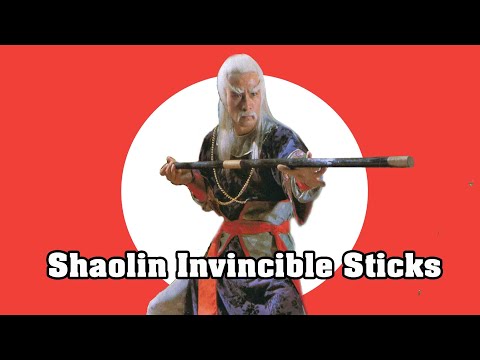
Wu-Tang Collection: Shaolin Invincible Sticks - A Masterclass in Pole Combat?

The name "Wu-Tang Collection" immediately conjures images of raw, unadulterated martial arts cinema, a treasure trove for any devotee of the **BUDO** and the visceral thrill of **combatsports**. Today, we dissect a gem from this collection: Shaolin Invincible Sticks. This isn't just another kung fu flick; it's a testament to the enduring power of traditional weapon-based combat, a cinematic exploration of discipline, rivalry, and the very essence of **lucha**.

Many come to these films seeking spectacle, the flashy maneuvers that dazzle the eye. But beneath the surface lies a deeper narrative, a reflection of the arduous **MartialArtsJourney**. Are these films mere entertainment, or do they hold valuable lessons for the modern practitioner? Let us delve into the philosophy and technique presented within Shaolin Invincible Sticks, and see if it truly earns its place as a masterclass in pole combat.

The Invincible Sticks Clan: Setting the Stage

Directed by the seasoned Lee Tso Nam, Shaolin Invincible Sticks introduces us to a world where lineage and skill are paramount. The narrative centers around Wong Tao's portrayal of the aspiring leader of the Invincible Sticks Clan. This is not simply a struggle for power; it's a deep dive into the martial ethos that defines such groups. The **MartialArtsJourney** is often fraught with internal conflict, and the clan's quest for control serves as a microcosm of this universal struggle.

Opposing Wong Tao's character is the formidable Air Splitting Pole Fighter, brought to life by Chang Yi. Their confrontations are the meat of the film, showcasing the destructive potential and elegant beauty of the staff as a weapon. The very concept of an "Invincible Sticks Clan" hints at a martial tradition built on a specific, highly refined skill set. In the world of **BUDO**, specialization often leads to mastery, and it is this mastery we are about to witness.

Pole Combat as a Narrative Device: The Art of the Staff

The staff, or bo in Japanese, is one of the oldest and most versatile martial arts weapons. Its use transcends borders and styles, from the Okinawan kobudo traditions to the Chinese gun shu. In Shaolin Invincible Sticks, the staff is not merely an extension of the body; it's a character in itself. The film's title isn't hyperbole; it highlights the central role of this weapon in defining the clan's identity and the conflict.

Wong Tao and Chang Yi engage in a series of duels that are choreographed to showcase the unique capabilities of the staff. We see sweeping strikes designed to control distance and disarm opponents, powerful thrusts aimed at vital points, and intricate parries that turn an adversary's force against them. The visual language of the film emphasizes the weapon's reach, its ability to generate momentum, and its capacity for both devastating offense and robust defense.

"The staff is the mother of all weapons." This ancient saying resonates deeply when watching masters like Wong Tao and Chang Yi. Their movements, while cinematic, echo centuries of practical application in close-quarters combat and battlefield scenarios.

For practitioners of **lucha** and **combatsports**, observing these weapon-based fights offers valuable insights into principles that apply even to unarmed combat: range management, timing, commitment to movement, and the strategic use of leverage. The film's dedication to showcasing staff work makes it a compelling watch for anyone interested in the **MartialArtsMastery** of traditional weapons.

Choreography: Grace, Power, and Deadly Intent

The effectiveness of any martial arts film hinges on its fight choreography, and Shaolin Invincible Sticks, directed by Lee Tso Nam, does not disappoint. The clashes between Wong Tao and Chang Yi are the film's centerpiece, meticulously crafted to display the fluidity and lethality of pole combat. We witness sequences that blend speed and precision, demonstrating the weapon's capacity for both rapid-fire attacks and decisive, powerful blows.

The choreographers understood the physics of the staff: the centrifugal force that amplifies strikes, the leverage that allows for blocks and counters with minimal effort, and the sheer reach that creates an advantage against unarmed opponents or those with shorter weapons. Chang Yi's "Air Splitting" moniker is well-earned, as his movements appear to cut through the air itself. Wong Tao, as the clan's future leader, must embody both the tradition and the innovation required to maintain dominance.

It's crucial to distinguish between stylized choreography and practical application. While these cinematic battles are heightened for dramatic effect, they are rooted in the fundamental principles of **gun shu** and other staff fighting arts. The sequences are not just visually impressive; they serve the narrative by illustrating the skill, dedication, and sometimes ruthless nature required to be a true warrior within the clan's hierarchy. The raw energy of these fights is palpable, a testament to the performers' dedication and the director's vision.

Beyond the Blows: Discipline and Rivalry in Budo

While the action is undeniably a major draw, Shaolin Invincible Sticks also touches upon deeper themes relevant to the **BUDO** philosophy. The rivalry between Wong Tao and Chang Yi is more than a personal dispute; it represents the eternal tension between tradition and change, individual ambition and the collective good. This internal conflict is a recurring motif in the **WarriorPhilosophy**.

The Invincible Sticks Clan, as an organization, demands immense discipline from its members. The mastery of the staff is not achieved overnight; it requires years of dedicated training, sacrifice, and adherence to strict rules. This mirrors the **SelfMastery** sought in all traditional martial arts. The film subtly portrays the character development that arises from such rigorous training – the cultivation of patience, resilience, and mental fortitude.

"The path of martial arts is a path of constant self-improvement, not just of the body, but of the mind and spirit." This ancient wisdom is echoed in the film's portrayal of the characters' journeys.

The film prompts us to consider the nature of leadership in a martial context. Is it merely about who can fight the best, or does it involve wisdom, responsibility, and the ability to unite a group? Wong Tao's quest for leadership is therefore not just a physical challenge, but a test of character. This aspect elevates the film beyond a simple action spectacle, inviting viewers to contemplate the **InnerStrength** and **SpiritualDevelopment** that are the true hallmarks of a martial artist.

Sensei's Verdict: A True Test of Skill?

Shaolin Invincible Sticks, while perhaps not reaching the dizzying heights of cinematic perfection, stands as a robust example of weapon-based martial arts cinema. Lee Tso Nam’s direction, coupled with the dedicated performances of Wong Tao and Chang Yi, delivers exciting and technically proficient **pole combat**. The choreography is well-executed, showcasing the versatility and danger of the staff with a satisfying blend of grace and power.

Does it offer a perfect representation of **BUDO** principles? Like many films of its era, it emphasizes spectacle. However, the underlying themes of discipline, rivalry, and the arduous **MartialArtsJourney** are present and lend substance to the action. It serves as an excellent primer for those interested in **kobudo** or Chinese staff arts, illustrating fundamental principles in an engaging format.

Sensei's Rating: Bronze Staff of Mastery

It's a film that respects its core subject matter, delivering solid action that resonates with the spirit of traditional martial arts. While not a documentary, it captures the essence of dedication required for weapon-based **training**. It's a worthwhile viewing for any enthusiast of **artes marciales**, **lucha**, and **combatsports**.

Essential Equipment for Your Training

For those inspired by the pole combat showcased in Shaolin Invincible Sticks, the primary piece of equipment is, of course, the staff itself. However, safety and proper technique are paramount, whether you're training with weapons or unarmed.

  • Training Staff (Bo): Opt for a sturdy yet lightweight staff, typically made of hardwood like oak or ash, or modern materials like fiberglass or carbon fiber. Beginners often start with a length that is roughly their own height.
  • Protective Gear: When engaging in sparring or practicing with partners, protective gear is essential. This includes headgear, mouthguards, padded gloves (such as **boxing gloves** for general striking practice), and shin guards. For **Judo** or **BJJ** training, a durable **kimono de judo** or **gi de jiu jitsu** is standard.
  • Training Mats: For practices involving throws, groundwork, or falling techniques (like those seen in **Aikido** or **Judo**), good quality **tatami mats** or **yoga mats** are crucial for safety.
  • Workout Apparel: Comfortable and flexible clothing is key. Breathable fabrics that allow for a full range of motion are ideal. For **Kyokushin Karate** training, a white gi is traditional.

Investing in quality **martial arts merchandise** and training tools can significantly enhance your practice and ensure your safety as you embark on your own **MartialArtsTraining**.

Frequently Asked Questions

Q1: Is the staff fighting shown in the movie realistic for self-defense?
A: While the film showcases impressive techniques, real-world self-defense scenarios often require simpler, more direct actions due to unpredictable environments and the legal ramifications of using a weapon. However, the principles of reach, leverage, and control demonstrated are fundamental.

Q2: What martial arts are represented by the "Invincible Sticks Clan"?
A: The film draws inspiration from traditional Chinese martial arts that prominently feature the staff, such as various forms of **Kung Fu** and **Wushu**. The name itself suggests a lineage dedicated to mastering the staff.

Q3: Can I learn staff fighting without formal training?
A: While it's possible to learn basic movements from resources like this film or online tutorials, formal training under a qualified instructor is highly recommended to develop proper technique, prevent injuries, and understand the nuances and safety protocols involved.

Q4: What is the "Wu-Tang Collection" and why is it significant?
A: The Wu-Tang Collection is a series of films focusing on classic Hong Kong martial arts cinema. These films are often celebrated for their authentic fight choreography, showcasing a wide array of **artes marciales** and providing a valuable historical record of the genre.

To Deepen Your Path

If the world of traditional weaponry and disciplined combat has captivated you, consider exploring these related topics:

Sensei's Reflection: Your Next Step

The kinetic energy of Shaolin Invincible Sticks is undeniable. It showcases a weapon that, in the hands of a master, becomes an extension of the soul, a tool for both creation and destruction. But the true lesson lies not just in the flourish of the staff, but in the dedication it took to achieve such proficiency. The **WarriorPhilosophy** teaches us that every great technique is born from countless hours of sweat, repetition, and unwavering focus. The film presents the climax, but the true story is in the training.

Now, I ask you: When faced with a daunting task, a complex technique, or a personal challenge, do you focus solely on the desired outcome, or do you embrace the rigorous, often unglamorous, process of training that leads to mastery? Reflect on this, and let your actions in the dojo, and in life, speak louder than any cinematic display.

``` GEMINI_METADESC: Explore the martial arts classic "Shaolin Invincible Sticks" from the Wu-Tang Collection. Analyze pole combat choreography, Budo philosophy, and its impact on martial arts cinema.

The Warrior's Crucible: Alan Belcher's BKFC Transformation and the True Spirit of Combat

The roar of the crowd, the scent of anticipation, the raw, unadulterated dance of combat. These are the elements that draw us to the arenas, to witness the primal struggle that defines so much of human endeavor. But what truly separates a mere spectacle from a testament to the martial spirit? Is it the ferocity of the strike, the strategic mastery of the clinch, or something far more profound? Today, we dissect the transformation of Alan Belcher, a name synonymous with tenacious MMA, as he stepped into the unforgiving crucible of bare-knuckle boxing at BKFC 20 against the formidable Tony Lopez. This isn't just about a fighter changing disciplines; it's about the enduring essence of the warrior.

Unveiling the Warrior's Path: Belcher's BKFC Debut

Alan Belcher, a veteran whose powerful striking and submission prowess made him a feared opponent in MMA promotions, made a daring foray into the world of bare-knuckle boxing at BKFC 20. His opponent, Tony Lopez, was no stranger to the brutal realities of this discipline, known for his resilience and warrior spirit. The very act of stepping into the ring without gloves, with only the calloused skin and honed technique as defense, is a testament to a fighter's commitment to the ultimate test of will and skill. This transition speaks volumes about Belcher's inherent drive to push his limits and confront fear head-on, a core tenet of #BUDO and the broader #MartialArtsJourney.

The transition from MMA to bare-knuckle is not a trivial one. The gloves, while offering some protection, also alter the dynamics of striking and grappling. Bare-knuckle demands a different kind of precision, a heightened awareness of distance, and an almost unimaginable fortitude to withstand the impact of unprotected blows. It strips away some of the technical layers of MMA, exposing the raw, unyielding spirit of the combatant. It’s a dive into the deep end of #CombateCuerpoACuerpo, testing the mettle in its most fundamental form. We often see fighters evolve, but this particular shift represents a profound test of character and #InnerStrength.

BKFC 20: A Clash of Titans and the Evolution of the Fighter

BKFC 20 showcased a card brimming with potential, but the encounter between Alan Belcher and Tony Lopez stood out as a focal point. It represented a clash not just of styles, but of legacies. For Belcher, it was a chance to prove that his warrior spirit, forged in the octagon, could translate to a different, arguably more primitive, arena. For Lopez, it was an opportunity to defend his territory against a high-profile newcomer.

The fight itself, while a significant event, serves as a microcosm for a larger discussion about fighter transformation. We saw Belcher apply his power and strategic thinking, adapting to the unique demands of bare-knuckle. This event, originally scheduled for August 20th, 2021, highlighted the continuous evolution within combat sports, a theme that resonates deeply with the principles of #Perseverance and #SelfImprovement that are central to any martial art.

It’s crucial to understand that this wasn't merely a superficial change. Stepping into the bare-knuckle arena is a conscious decision to embrace a more primal form of combat. It requires an immense amount of bravery and a deep understanding of the risks involved. This is where the line between a sport and a true test of warrior spirit blurs, making events like BKFC 20 fascinating case studies for anyone interested in the psychology of #Fighters and the human capacity for facing adversity. The inherent risks also bring a heightened sense of authenticity to the contest, a quality often sought by fans of #MMA and #CombatSports alike.

Beyond the Bare Knuckle: Belcher's Continued Journey and BKFC Fight Night Jackson

The narrative didn't end with Belcher's BKFC debut. His return to action at Fight Night Jackson on January 29th, 2022, facing Bobo O'Bannon, underscores the dedication required to remain at the forefront of this demanding sport. This event in Mississippi, held at the Jackson Convention Complex, further solidified the growing presence of bare-knuckle boxing, offering a platform for warriors to test their mettle in a raw, unvarnished format.

The fight card for this event was stacked, featuring a welterweight championship bout between Elvin Brito and Kaleb Harris, promising a night of intense action. The co-main event, featuring Belcher against O'Bannon, was highly anticipated, and the additional nine bare-knuckle bouts ensured a full spectrum of combat sports excitement. This demonstrates the expanding landscape of #CombatSports and the diverse avenues available for athletes to showcase their skills.

Events like BKFC Fight Night Jackson are vital for the growth of disciplines that demand such extraordinary courage and commitment. They provide opportunities for seasoned veterans and rising stars alike to prove their worth. For fans of the raw, unscripted drama of combat, these events offer an unparalleled experience, tapping into the ancient human fascination with the warrior's duel. It's a reminder that the spirit of combat, in its purest form, continues to captivate audiences worldwide, driving interest in #MartialArtists and the #WarriorPhilosophy.

The Anatomy of Transformation: What Drives a Fighter to Adapt?

Alan Belcher's journey is a powerful illustration of a fighter's innate drive for evolution. What compels an athlete, already established in one discipline, to step into a new and potentially more dangerous arena? Several factors come into play:

  • The Pursuit of a Pure Test: Bare-knuckle boxing strips away many of the layers of modern MMA, offering a more direct and primal test of skill, heart, and resilience. It appeals to those who seek the most fundamental form of combat.
  • Challenging Limitations: True warriors are never content. They constantly seek new mountains to climb, new ways to test their mettle and prove their capabilities. This is the essence of #SelfMastery.
  • The Lure of a Different Kind of Glory: While MMA offers fame and fortune, the raw, visceral nature of bare-knuckle combat provides a unique and potent form of recognition and accomplishment.
  • A Deeper Connection to History: Bare-knuckle boxing is a return to the roots of combat sports, echoing historical duels and tests of strength that have captivated humanity for millennia. It connects to a primal instinct, a core aspect of the #BUDO life.

This drive for adaptation and self-discovery is a universal theme, not confined to the fighting realm. It is the very essence of growth, whether in physical training, mental discipline, or philosophical understanding. It’s about embracing challenges that push you beyond your perceived limits. This concept is central to the #MartialArtsJourney, reminding us that progress often lies just outside our comfort zone.

Veredicto del Sensei: ¿Merece la pena?

The transition of a fighter like Alan Belcher into bare-knuckle boxing is, without question, a testament to the unyielding spirit of the warrior. It's not about glorifying violence, but about acknowledging the courage, discipline, and resilience required to face such a raw and fundamental test. Belcher's willingness to step into the crucible of BKFC demonstrates a deep commitment to his craft and an unwavering pursuit of self-challenge. It’s a display of **"Cinturón Negro en Coraje"** for embracing the unknown and confronting fear with strategic intent.

Equipo Esencial para tu Entrenamiento

While bare-knuckle boxing requires minimal equipment in the ring, the preparation for such a demanding discipline is extensive and relies on foundational training. To emulate the dedication of fighters like Alan Belcher, consider the following:

  • Guantes de Entrenamiento y Sparring: Essential for developing striking power and endurance safely during MMA or kickboxing preparation. Look for quality sparring gloves (14-16oz).
  • Protector Bucal: Non-negotiable for any form of combat training to protect your teeth and jaw.
  • Kimono de Judo/BJJ (si aplica): For fighters who cross-train, a durable gi is crucial for grappling practice. A double-weave gi is recommended for longevity.
  • Hombreras y Protecciones de Cabeza: Useful for specific drills to simulate impact and refine defensive techniques in MMA or boxing training.
  • Pesas y Equipo de Fuerza: For building the foundational strength necessary for powerful strikes and the endurance to withstand prolonged combat.
  • Cuerda de Saltar: An indispensable tool for improving footwork, coordination, and cardiovascular conditioning, crucial for fighters in any discipline.

Guía de Entrenamiento: Desarrollando la Resiliencia del Guerrero

The mental and physical fortitude required for bare-knuckle boxing is honed through rigorous, multi-faceted training. Here's a practical approach:

  1. Fundamentos de Striking: Master the basics of punches (jab, cross, hook, uppercut) and kicks (if applicable to your base art). Focus on precision, power generation from the hips, and proper form. Practice on heavy bags and with pads.
  2. Acondicionamiento Físico Intensivo: Incorporate high-intensity interval training (HIIT), circuit training, and long-distance cardiovascular work. Focus on building endurance for multiple rounds and explosive power for single, decisive strikes.
  3. Sparring Estratégico: Engage in sparring sessions that simulate the intensity and pace of bare-knuckle fighting. This involves controlled striking with emphasis on defense, distance management, and reaction time. Adapt drills to focus on hand protection and blocking.
  4. Fortalecimiento de Manos y Muñecas: Gradually incorporate exercises like rice bucket training, grip strengtheners, and specific wrist conditioning drills to prepare your hands for impact. Consult with a coach or physical therapist for safe progression.
  5. Preparación Mental y Visualización: Practice mindfulness and visualization techniques. Imagine yourself in challenging scenarios, executing techniques effectively, and maintaining composure under pressure. This builds the #MentalGame essential for combat.
  6. Recuperación Activa: Prioritize sleep, nutrition, stretching, and active recovery methods like foam rolling. A warrior is only as strong as their ability to recover and adapt.

Preguntas Frecuentes

¿Es el bare-knuckle boxing más peligroso que el MMA?

El bare-knuckle boxing presenta riesgos elevados debido a la falta de protección en las manos, lo que puede llevar a lesiones más severas y fracturas. Sin embargo, el MMA, con sus múltiples disciplinas (striking, grappling, sumisiones), conlleva su propio conjunto de riesgos significativos. La peligrosidad es alta en ambos, pero la naturaleza de las lesiones puede diferir.

¿Por qué un luchador de MMA se pasaría al bare-knuckle?

Los luchadores pueden hacer esta transición en busca de una prueba más pura de habilidad de combate, para desafiar sus límites, por la emoción de un nuevo comienzo, o por una conexión con las raíces históricas del combate. También puede ser una oportunidad para una carrera diferente o un cambio de ritmo.

¿Qué habilidades del MMA son más transferibles al bare-knuckle?

La potencia de golpeo, la gestión de la distancia, la resistencia cardiovascular, la fuerza mental, la capacidad de absorber golpes y la estrategia general de combate son altamente transferibles. Las habilidades de agarre (grappling) son menos relevantes directamente, pero la fuerza y el control corporal que se desarrollan son beneficiosos.

¿Cómo se prepara un peleador para la ausencia de guantes?

La preparación se centra en fortalecer las manos y muñecas, refinar la técnica de golpeo para maximizar la efectividad con el mínimo de riesgo de lesión, y desarrollar una resistencia psicológica aún mayor para soportar el dolor y la presión del combate sin la amortiguación de los guantes.

¿Representa el bare-knuckle una evolución o una involución en las artes marciales?

Es un debate complejo. Algunos lo ven como un retorno a las raíces más crudas del combate, una prueba de espíritu fundamental. Otros lo consideran una involución, alejándose de las técnicas más refinadas y seguras que se han desarrollado en las artes marciales modernas. El verdadero valor reside en la disciplina, el coraje y el respeto que los practicantes demuestren.

Para Profundizar en tu Camino

"El Kendo es la vida, el combate es la muerte." - Anónimo Zen. Esta profunda declaración nos recuerda que la disciplina del guerrero no es solo para la batalla, sino para la forma en que vivimos nuestras vidas.

Reflexión del Sensei: Tu Próximo Paso

Alan Belcher's journey into bare-knuckle boxing is a powerful narrative of courage and adaptation. It begs the question: what "bare-knuckle" challenge does your own training present? Are you avoiding the aspects of your martial art that are uncomfortable, that demand a raw confrontation with your limitations? Or are you, like the true warrior, willing to step into the arena of your own self-improvement, no matter how intimidating the path may seem?

¿Qué habilidad o aspecto de tu propio entrenamiento has estado evitando, y cómo puedes comenzar a enfrentarlo con la misma audacia que un guerrero en el cuadrilátero?

``` GEMINI_METADESC: Explore Alan Belcher's BKFC debut, BKFC Fight Night Jackson, and the warrior spirit in combat sports. Analyze MMA transitions and the true essence of fighting.

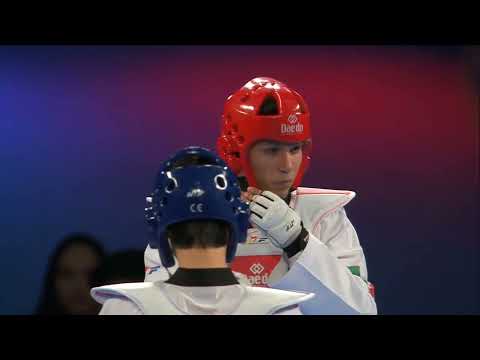
Does Taekwondo Serve for Self-Defense? Do Martial Arts Serve for Street Defense?

In the dojo, we train with precision, discipline, and a deep respect for tradition. We bow, we practice forms, we spar under controlled conditions. But when the dojo doors close and the harsh reality of the street presents itself, does the training truly hold up? This is a question that echoes through the minds of many martial artists, particularly those who dedicate themselves to arts like Taekwondo. Does its emphasis on high kicks and flashy techniques translate into effective self-defense when faced with an unscripted, dangerous encounter? Or are we merely practicing a beautiful, yet ultimately impractical, dance? The intention behind this exploration is to cut through the bravado and the marketing hype, and to honestly assess the practical application of Taekwondo, and by extension, many other martial arts, in the crucible of real-world self-defense. We will delve into the core principles, the common criticisms, and the potential for adaptation that separates mere practitioners from those who can truly defend themselves when their safety is on the line.

The Taekwondo Dilemma: High Kicks vs. Hard Realities

Taekwondo, meaning "the way of foot and fist," is globally recognized for its spectacular kicking techniques. Its practitioners demonstrate incredible flexibility, balance, and power, often culminating in visually stunning aerial maneuvers. These attributes are undeniably impressive and a testament to years of dedicated training. However, the martial arts community often finds itself divided on whether this polished discipline truly serves the purpose of self-defense on the unforgiving streets. The primary criticism leveled against Taekwondo in a self-defense context is its perceived lack of practicality. Many argue that the art’s focus on distance, linear movements, and high, telegraphed kicks, while effective in a sport setting or against a similarly trained opponent, leaves practitioners vulnerable against an untrained, aggressive attacker who may employ grappling, dirty tactics, or simply overwhelming force. The controlled environment of a sparring match, with its rules and referees, is a far cry from a street fight where there are no referees, no weight classes, and no ethical considerations for the assailant.
"In the real fight, there are no referees." - A common saying among those who advocate for practical self-defense.
This leads to a crucial question: Is the Taekwondo we see in competitions and demonstrations truly the same art that can protect someone from a mugging or an assault? Or has it evolved into a sport that, while beneficial for fitness and discipline, has perhaps sacrificed some of its original combative efficacy on the altar of athletic competition and aesthetic appeal? The debate is fierce, and the answer, as with most things in the martial world, is rarely black and white.

Beyond the Kicks: What Taekwondo *Does* Offer

While the criticisms are valid, it would be a grave error to dismiss Taekwondo entirely as a self-defense system. The effectiveness of any martial art is not solely determined by its techniques, but by the *principles* and *qualities* instilled in its practitioners. Taekwondo, when trained with the right mindset, offers significant advantages: * **Discipline and Focus**: The rigorous training regimen cultivates a level of discipline and mental fortitude that is invaluable in any high-stress situation. A calm, focused mind can make critical decisions under duress, which is arguably more important than any single technique. This mental conditioning is a cornerstone of what we call the #BudoLife. * **Physical Conditioning**: Taekwondo develops exceptional leg strength, cardiovascular endurance, and balance. These physical attributes are foundational for any form of combat, be it sport or self-defense. This contributes to overall #Fitness and #Fuerza. * **Coordination and Body Awareness**: The intricate movements and forms required in Taekwondo enhance proprioception and overall body control. Understanding how your body moves and how to generate power from your core is a universal martial skill. * **Confidence**: Achieving proficiency in Taekwondo, mastering difficult techniques, and participating in sparring can significantly boost a practitioner's self-confidence. This increased self-assurance can act as a deterrent; an attacker may be less likely to target someone who projects an aura of capability and control. * **Distance Management**: While some criticize the emphasis on distance, the ability to control the space between oneself and an opponent is a critical self-defense skill. Taekwondo’s kicks, when used effectively, can maintain that vital distance, keeping an attacker at bay. This is where the concept of #MartialArtsJourney and #SelfImprovement truly shines. The physical and mental benefits are undeniable, contributing to a more capable individual.

The Crucial Element: Intent and Application

The true effectiveness of Taekwondo, or any martial art, for self-defense hinges on the practitioner's intent and their ability to adapt techniques to real-world scenarios. A Taekwondo practitioner who only trains for sport, focusing solely on point-scoring and avoiding contact, will likely be unprepared for a street fight. However, a Taekwondo practitioner who understands the underlying principles, who trains for application, and who complements their art with other skills, can be incredibly dangerous. Consider the principles of #SelfDefense. It's not about winning a match; it's about ending a threat with minimal harm to yourself. This often means: * **De-escalation**: The best fight is the one you avoid. * **Awareness**: Recognizing potential threats before they materialize. * **Simplicity**: Complex techniques are prone to failure under stress. * **Forceful Resolution**: If avoidance and de-escalation fail, you must be prepared to act decisively and effectively. A Taekwondo practitioner can leverage their powerful kicks to create space and discourage an initial assault. However, if an attacker closes the distance, they must have a plan B. This might involve: * **Defensive Hand Techniques**: While kicks are primary, Taekwondo also trains hand strikes. These can be used effectively at close range. * **Blocking and Evasion**: Learning to defend against incoming attacks is paramount. * **Basic Clinching and Takedown Defense**: Understanding how to resist or counter a clinch or takedown attempt can be a lifesaver. This is why many modern self-defense approaches advocate for cross-training. Combining Taekwondo's dynamic kicking with the close-range effectiveness of Muay Thai, the groundwork of Brazilian Jiu-Jitsu (#BJJ), or the pragmatic striking of Boxing can create a well-rounded individual. This is the essence of #Versatility in combat.

Are Martial Arts for Street Defense Universally Effective? The Polemic

Here’s where we stir the pot. The question isn't just about Taekwondo; it's about the broader efficacy of martial arts for street defense. The romantic notion that a black belt in any style guarantees survival is, frankly, a dangerous myth. Many traditional martial arts, including Taekwondo, Karate, Aikido, and others, were developed in eras vastly different from our own. Their original contexts often involved duels, controlled challenges, or even battlefield scenarios where certain assumptions could be made about the opponent and the environment. Modern street violence is often chaotic, unpredictable, and brutal.
"The philosophy of a martial art is one thing; its practical application in a life-or-death struggle is another entirely." - A thought to ponder.
The issue isn't that these arts are "useless." It's about *what* they teach and *how* they are taught. If an art: * Prioritizes points over power. * Discourages realistic contact training. * Focuses on techniques that are highly dependent on specific conditions (e.g., a clean, open space for kicks). * Instills a false sense of invincibility. Then, yes, it may fall short in a true self-defense scenario. This is why so many fighters and self-defense experts advocate for systems that emphasize: * **Pressure Testing**: Sparring that simulates real-world stress and unpredictability. * **Rootedness and Balance**: Techniques that are effective even when off-balance or in confined spaces. * **Close-Quarters Combat**: How to fight when you are inches away from your attacker. * **Simplicity and Directness**: Techniques that are easy to recall and execute under extreme duress. This is where arts like MMA (#ArtesMarcialesMixtas), Muay Thai, Boxing, and BJJ often gain an edge in practicality. They are born from or heavily influenced by the need to survive brutal, uncompromised combat. Yet, even within these arts, there are levels of training and specialization. The true warrior understands that the journey is long, and true mastery requires constant adaptation and a willingness to confront uncomfortable truths about one's own skills. The #WarriorPhilosophy is not about blind adherence to one style, but about effective application.

Bridging the Gap: Making Taekwondo Work for Self-Defense

So, can a dedicated Taekwondo practitioner become proficient in self-defense? Absolutely. It requires conscious effort to bridge the gap between sport and street: 1. **Cross-Training**: Supplement Taekwondo with training in grappling arts (Judo, BJJ) and close-range striking (Boxing, Muay Thai). This provides essential skills for situations where kicking is not feasible. 2. **Realistic Sparring**: Seek out sparring sessions that are more intense and less regulated, under the guidance of a responsible instructor. Focus on pressure testing your techniques. 3. **Situational Awareness Training**: Learn to recognize and avoid dangerous situations. Understand common attack patterns and how to respond. 4. **Focus on Fundamental Techniques**: While advanced kicks are impressive, master the fundamental punches, blocks, and footwork. These are often more reliable under stress. 5. **Develop a "Street Mindset"**: Understand that street self-defense is about survival, not about points or respect. Be prepared to use the necessary force to escape danger.

Equipo Esencial para tu Entrenamiento

While Taekwondo primarily uses body mechanics, effective training, especially when adapting to self-defense scenarios, often benefits from proper equipment. This equipment not only protects you during practice but can also be indicative of a more serious, application-focused training regimen.
  • Protección Corporal (Hogus): Esencial para el entrenamiento de Taekwondo, pero asegúrate de que permite movimiento y no limita tu capacidad para sentir el impacto.
  • Guantes de Entrenamiento (Light Sparring Gloves): Para sesiones de sparring más realistas, especialmente si se combinan con otras artes marciales, unos guantes de 14-16oz ofrecen protección tanto a tus manos como a tu compañero.
  • Espinilleras y Empeineras: Indispensables para la práctica de patadas altas y para mitigar el riesgo de lesiones durante el entrenamiento de Taekwondo.
  • Protector Bucal: Obligatorio en cualquier tipo de sparring para proteger tus dientes y mandíbula.
  • Kimono Resistente (Dobok): Para aquellos que buscan una mayor durabilidad y autenticidad, un dobok de doble tejido o un kimono de Judo de alta calidad pueden ser una alternativa superior para entrenamientos más duros y para familiarizarse con el agarre y el control.
Investing in quality gear is not just about comfort; it's about the seriousness of your commitment to your training, whether for sport or for #DefensaPersonal.

Guía de Entrenamiento: El "Golpe Falso" para Creación de Espacio

Este ejercicio es una adaptación para simular la creación de distancia en un escenario de defensa personal, utilizando principios de Taekwondo. Requiere un compañero.
  1. Posición Inicial: Colócate frente a tu compañero a una distancia de unos 2 metros. Ambos en guardia, listos para moverse.
  2. Simulación de Ataque Cercano: Tu compañero avanza rápidamente, simulando un intento de agarre o un ataque a corta distancia.
  3. Reacción Defensiva (Paso Atrás y Bloqueo Falso): Inmediatamente al percibir el avance, realiza un paso atrás con tu pierna trasera para crear distancia inicial. Simultáneamente, levanta tu brazo delantero en un gesto que podría parecer un bloqueo preparatorio (esto puede distraer momentáneamente al atacante).
  4. La Patada de Creación de Espacio: Inmediatamente después del paso atrás y el "bloqueo falso", lanza una patada frontal baja o media con tu pierna delantera (ej. Ap Chagi). El objetivo no es golpear con potencia máxima, sino de forma rápida y sorpresiva para forzar al atacante a retroceder o a defenderse, ganando así espacio vital.
  5. Transición Rápida: Una vez que la patada ha cumplido su función de crear espacio, baja tu pierna de forma controlada y vuelve a tu guardia. Prepárate para el siguiente movimiento, ya sea una nueva creación de distancia o una respuesta diferente si el atacante persiste.
  6. Repetición y Adaptación: Repite el ejercicio, variando la distancia, la intensidad del avance del compañero y el tipo de patada. El compañero debe variar sus ataques para simular la imprevisibilidad.
Este drill te enseña a usar tus fortalezas (patadas) de manera estratégica para gestionar la distancia en un escenario peligroso, un principio fundamental en #CombateCuerpoACuerpo y #CombateEnLaCalle.

Preguntas Frecuentes

¿Es el Taekwondo el mejor arte marcial para defensa personal?

No hay un "mejor" arte marcial universal para la defensa personal. La efectividad depende de la aplicación del practicante, el entrenamiento realista y la complementación con otras disciplinas. Taekwondo tiene fortalezas, pero también debilidades que deben ser abordadas.

¿Puedo defenderme en la calle solo con Taekwondo?

Posiblemente, pero tus probabilidades aumentan significativamente si complementas tu Taekwondo con entrenamiento en grappling y combate a corta distancia, y si te enfocas en la conciencia situacional y la evasión de conflictos.

¿Por qué muchos argumentan que las patadas altas no sirven para la calle?

Las patadas altas son a menudo predecibles, requieren mucho espacio, desequilibran al que las ejecuta y pueden ser fácilmente bloqueadas o evadidas por un atacante no entrenado que podría estar buscando un agarre o un golpe a nivel del torso o la cabeza.

¿Qué hace que un arte marcial sea efectivo para la defensa personal?

Eficacia bajo estrés, simplicidad de técnicas, entrenamiento de contacto realista (sparring), adaptación a escenarios impredecibles, conciencia situacional y la mentalidad de supervivencia.

¿Debería un practicante de Taekwondo dejar su arte para dedicarse a otro?

No necesariamente. La clave es la adaptación y la integración. Un buen instructor de Taekwondo puede enseñar cómo aplicar los principios de su arte de forma más pragmática, y el estudiante debe buscar activamente complementar sus habilidades.

Para Profundizar en tu Camino

Reflexión del Sensei: Tu Próximo Paso

Hemos desmantelado la idea preconcebida, hemos analizado las fortalezas y debilidades, y hemos debatido la cruda realidad del combate callejero. Taekwondo, como muchas artes marciales, ofrece herramientas poderosas, pero su utilidad final no reside en las patadas espectaculares, sino en la mente del guerrero que las ejecuta. Ahora te pregunto: ¿Te conformas con la belleza de la forma, o buscas la eficacia del combate? ¿Estás dispuesto a cuestionar lo que te han enseñado y a buscar la verdad más allá de la comodidad del dojo? Si Taekwondo es tu camino, ¿cómo vas a moldearlo para que te sirva cuando la oscuridad te rodee? La respuesta no está en mis palabras, sino en tu acción y tu reflexión. Gemini_Metadesc: Explora si el Taekwondo es efectivo para la defensa personal en la calle. Un análisis crudo sobre la aplicabilidad de las artes marciales en escenarios reales, debatiendo sus fortalezas y debilidades. Gemini_Labels: Taekwondo, Defensa Personal, Artes Marciales, Combate Callejero, Budo, MMA, Lucha, Entrenamiento, Autodisciplina, Filosofía Marcial

Saitama vs. Lord Boros: A Masterclass in Overwhelming Power and Martial Philosophy

The Ultimate Showdown: Beyond Mere Combat

Hello and welcome, students, to the hallowed halls of Budo and Martial Arts. Today, we delve not into a historical duel or a philosophical treatise on the Bushido code, but into a fictional confrontation that, in its sheer absurdity, offers profound insights: Saitama versus Lord Boros from *One-Punch Man*. Forget the typical **#artesmarciales** discussions; this is about the *zenith* of destructive capability and what it means when a fight has no true challenge. Published on February 16, 2023, this particular clash, while animated, forces us to consider the very nature of mastery, intent, and the *purpose* of combat.

Deconstructing the "One-Punch Man" Phenomenon

The premise of *One-Punch Man* is simple yet revolutionary: Saitama, a hero burdened by overwhelming strength, can defeat any opponent with a single punch. This narrative device, while comedic, strips away the conventional drama of struggle and growth that defines most martial arts narratives. Instead, it focuses on the existential ennui of a being who has transcended the need for effort. Lord Boros, the formidable alien conqueror, represents perhaps the closest Saitama has come to a genuine challenge, making their battle a pivotal moment.

The Martial Artist's Perspective on the Saitama vs. Boros Clash

From a martial arts standpoint, the Saitama vs. Boros fight is a fascinating thought experiment. Boros, with his "Collapsing Star Roaring Cannon," is presented as a being capable of destroying planets. His power level is astronomical, his ambition boundless, and his fighting style, while alien, demonstrates a clear mastery of his own formidable abilities. He embodies the relentless pursuer, the **#combat**ant who has conquered galaxies and seeks a worthy opponent. When Boros finally faces Saitama, he unleashes his full might. Saitama, however, initially treats the encounter with his usual nonchalance. It is only when Boros reveals his final, planet-destroying attack that Saitama acknowledges a sliver of genuine threat – not to his life, but to his *pursuit of a challenge*.
"Fighting you is boring," Saitama laments. "I've been through this a million times. I won because I had to."
This line encapsulates the core of Saitama's internal conflict. He trains relentlessly, not for power, but for the *thrill of the fight*. When that thrill is absent, even victory becomes a hollow experience. This resonates deeply with the concept of **#BUDO**, the "martial way," which emphasizes self-improvement and the journey, not just the outcome. For Saitama, the *way* has become a burden because the destination – a satisfying fight – is perpetually out of reach.

Analyzing the "Techniques": Collapsing Star Roaring Cannon vs. Serious Punch

Boros's "Collapsing Star Roaring Cannon" is a visual spectacle of immense destructive power, a testament to the apex of alien might. Saitama's "Serious Punch," a move he reserves for opponents who push him even slightly, is the antithesis of over-the-top flashy attacks. It is pure, unadulterated force, honed to absolute efficiency. There's no **#karate** kata, no **#jiujitsu** submission, no **#taekwondo** kick with multiple rotations – just the raw application of overwhelming power.
This dichotomy highlights a crucial martial principle: effectiveness over aesthetics. While Boros's technique is visually stunning and planet-shattering, Saitama's "Serious Punch" is simply the most direct path to neutralizing his opponent. It’s a brutal lesson in **#efficiency** and the ultimate application of power, reminiscent of the core tenet of **#combatsports** where the most direct route to victory often prevails.

The Philosophical Underpinnings: The Burden of Mastery

Saitama's journey is a profound, albeit comedic, exploration of the burden of mastery. When you reach the pinnacle, where is the **#entrenamiento**? Where is the **#lucha**? Where is the growth that defines a true martial artist? Saitama represents the ultimate paradox: a hero who yearns for weakness, for the struggle that makes him feel alive. His "training" regime – 100 push-ups, 100 sit-ups, 100 squats, and a 10km run daily – is famously mundane. It’s a testament to consistency, to the relentless **#perseverance** that, in his case, led to unintended, cosmic levels of power. This resonates with the **#BUDO** philosophy that true strength comes from dedicated, often unglamorous, practice. However, Saitama’s story twists this: what happens when that practice yields *too much*? It becomes a form of **#selfimprovement** that leads to **#selfmastery** so complete, it eradicates the joy of the **#martialartsjourney**.

The Veredicto del Sensei: Saitama vs. Lord Boros

This isn't a fight to judge by conventional martial arts standards. It's an allegory. Boros, despite his immense power and ambition, is ultimately a pawn in Saitama's existential crisis. He exists to *almost* provide a challenge, to highlight the void that overwhelming strength has created in Saitama's life. Cinturón Negro en Filosofía Marcial Existencial. While the animation showcases incredible **#fight** choreography and power displays, the true lesson lies in the dialogue and Saitama's internal struggle. It's a reminder that the **#historia** of a martial artist is as much about the internal **#combat** as it is about the external.

Equipo Esencial para tu Entrenamiento (Conceptual)

While Saitama requires no equipment, and Boros's power is innate, a serious martial artist must consider their tools: * **Kimono de Entrenamiento Resistente**: Para soportar el desgaste de un entrenamiento constante. Un buen **#kimono** de **#judo** o **#karate** es fundamental. * **Guantes de Sparring**: Para la seguridad y efectividad en el **#combate** simulado. * **Esterillas de Entrenamiento**: Si practicas artes de agarre o suelo, una buena esterilla mejora la seguridad y la comodidad. * **Libros sobre Filosofía Marcial**: Para entender que el verdadero **#BUDO** va más allá de la técnica física. ## Guía de Entrenamiento: El Concepto del "Serious Punch" La esencia del "Serious Punch" de Saitama no es una técnica complicada, sino la aplicación pura de fuerza y *intención*. Aquí tienes un ejercicio mental para aproximarte a su principio: 1. **Visualiza tu Oponente**: Imagina tu desafío más grande, ya sea físico, mental o profesional. 2. **Elimina lo Superfluo**: ¿Qué movimientos innecesarios haces? ¿Qué dudas te frenan? Desecha todo lo que no sea esencial para superar el obstáculo. 3. **Enfócate en la Intención**: Concéntrate en un único objetivo: la victoria. No hay segundas opciones, no hay "si esto no funciona". Solo hay un camino. 4. **Aplica la Fuerza Bruta con Precisión**: Dirige toda tu energía, física y mental, hacia ese único punto de impacto. La fuerza debe ser total, la aplicación, directa y sin vacilación. Este ejercicio busca internalizar la mentalidad de la máxima efectividad, un principio válido en cualquier **#artesmarciales**.

Preguntas Frecuentes

¿Es Saitama un artista marcial?

Filosóficamente, sí. Aunque su poder es ficticio, su dedicación al entrenamiento (aunque infructuosa en términos de desafío) y su búsqueda de la superación personal son pilares del **#BUDO**. Su problema no es técnico, sino existencial.

¿Puede Lord Boros ser considerado un maestro del combate?

Absolutamente. Ha conquistado el universo y posee un poder devastador. Su búsqueda de un oponente digno demuestra un respeto por el **#combate** y una maestría de sus propias habilidades, a pesar de su eventual derrota.

¿Qué lección importante podemos extraer de esta pelea para nuestro entrenamiento?

La importancia de la **#disciplina** y la constancia en el entrenamiento, incluso si los resultados parecen decepcionantes a corto plazo. Además, nos enseña a reflexionar sobre el propósito de nuestras propias luchas: ¿buscamos solo ganar, o buscamos el crecimiento que surge de la superación?

Para Profundizar en tu Camino

* [El Arte de la Guerra: Comprendiendo la Estrategia en el Combate](https://www.ejemplo.com/artedelaGuerra) (Enlace Interno: #Filosofia) * [La Filosofía del Karate: Más Allá de los Golpes](https://www.ejemplo.com/karatefilosofia) (Enlace Interno: #KarateSpirit) * [Judo: El Camino de la Suavidad y la Eficacia](https://www.ejemplo.com/judoprincipios) (Enlace Interno: #judo)

Reflexión del Sensei: Tu Próximo Paso

Saitama ha alcanzado el final del camino. Boros, por su parte, encontró el fin de su viaje en una batalla que, aunque unilateral, representó su máximo esfuerzo. Ahora, yo te pregunto a ti, mi estudiante: ¿Estás entrenando para ganar, o estás entrenando para crecer? ¿Buscas la victoria fácil, o anhelas el desafío que te forjará en un verdadero artista marcial? La respuesta a estas preguntas define tu verdadero **#BUDO**.

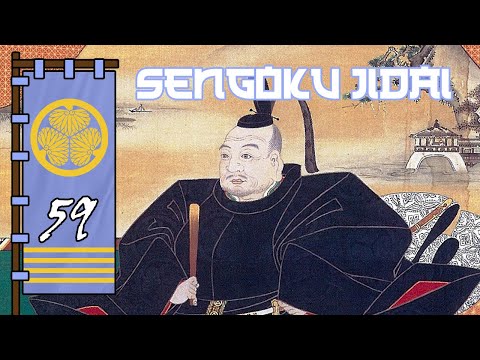
The Unseen Blade: How Tokugawa Ieyasu Forged the Shogunate and the Soul of Budo

The Sengoku Jidai. A period etched in blood and iron, where ambition clashed like swords and only the most cunning survived. We speak of a time that birthed legends, a crucible that forged the very essence of what it means to be a warrior in Japan. But even in this era of perpetual conflict, where every warlord sought dominion, one figure rose above the chaos, not just as a conqueror, but as a architect of an enduring legacy. Tokugawa Ieyasu. You might know the name, the man who finally unified Japan. But do you truly understand the profound martial and philosophical shift that his ascension to Shogun represented? This wasn't merely a change in political power; it was the birth of an era that would shape the soul of Budo for centuries.

The Crucible of War: Forging the Warrior-King

By 1603, the winds of change had swept across the land, and Tokugawa Ieyasu, a man forged in the fires of countless battles, had finally cemented his grip on the nation. His victory at Sekigahara in 1600 was not just a military triumph; it was the resounding declaration that the age of constant warfare was drawing to a close. But Ieyasu was more than just a battlefield general. He was a strategist, a pragmatist, and a deep student of human nature. He understood that true power wasn't just won by the sword, but by the establishment of order, by the careful weaving of tradition and innovation.

His naming as the new Shogun, the military ruler of all Japan, was not an end, but a beginning. It was the culmination of a lifetime dedicated to the martial arts, to the understanding of strategy, and to the unwavering pursuit of a singular vision: a stable, prosperous Japan under his rule. This was the ultimate prize, the ultimate demonstration of Bushido – the Way of the Warrior – not just in its combative aspects, but in its governance, its discipline, and its enduring principles.

"Victory attained by violence is a victory of ephemeral success." - Often attributed to Tokugawa Ieyasu, reflecting a pragmatic understanding of lasting peace.

The significance of this moment cannot be overstated. It marked the end of the chaotic Sengoku Jidai (Warring States period) and the dawn of the Edo period. A period that, while often characterized by peace, was undergirded by the very martial prowess that Ieyasu embodied. The philosophies and practices honed on the battlefield were now to be the bedrock of a new era, influencing everything from the samurai's code of honor to the very structure of martial training.

The Unseen Foundations: Philosophy Beyond the Battlefield

While the history books often focus on the political machinations and military campaigns, the true strength of the Tokugawa Shogunate lay in its philosophical underpinnings, deeply rooted in the martial traditions. Ieyasu didn't just defeat his enemies; he absorbed their lessons. He understood that a lasting legacy required more than just brute force. It required the cultivation of virtues like discipline, loyalty, perseverance, and self-mastery – the very cornerstones of Budo.

Consider the principles of Zen Buddhism, which profoundly influenced the samurai class. The pursuit of Mushin (no mind), the state of effortless action and intuition, was not just a meditative practice; it was a tactical advantage. In the heat of battle, the ability to react without conscious thought, to be one with the movement, was the difference between life and death. Ieyasu, through his patronage and understanding, ensured that these philosophical elements were not sidelined but were integrated into the very fabric of his regime.

This period saw a refinement of existing martial arts and the development of new ones, all under the umbrella of the Tokugawa peace. While large-scale warfare diminished, the emphasis shifted towards perfection of technique, mental fortitude, and the ethical application of martial skills. This is the true birth of many codified styles we recognize today, laying the groundwork for schools that would focus on the spiritual and ethical development of their practitioners, not just their combat effectiveness.

For those of you training today, understanding this historical context is crucial. The kata you practice, the stances you hold, the principles of respect you learn in the dojo – they are not mere relics of a bygone era. They are echoes of a time when survival depended on the razor's edge, and when the warrior's spirit was as vital as their sword arm. This is the essence of #BUDO and #MartialArtsJourney.

The Legacy in Motion: From Edo to Modern Dojos

The peace established by Tokugawa Ieyasu was not a stagnant one. It was a peace that allowed for the flourishing of arts and culture, including the martial arts. The samurai, no longer solely defined by their battlefield prowess, began to turn inwards, focusing on the refinement of their skills and the philosophical aspects of their way of life. This era saw the formalization of many classical #Jujutsu, #Kenjutsu, and other combat disciplines.

The ideals of loyalty, honor, and self-discipline, embodied by Ieyasu himself, became the guiding principles of #Bushido. These principles transcended the samurai class, influencing the broader societal structure and becoming aspirational virtues for all of Japan. This cultural permeation is what makes the history of the Tokugawa Shogunate so vital to understanding the enduring appeal of Japanese martial arts worldwide.

Think about the rigorous training regimens of #Kyokushin Karate or the intricate footwork of #Judo throws. These disciplines, while evolved, carry the indelible imprint of the era Ieyasu ushered in. The emphasis on discipline, perseverance, and the pursuit of perfection in every technique is a direct lineage from those who sought to build a stable society on the foundation of martial excellence.

Even today, when we watch modern combat sports like #MMA or #Kickboxing, we see echoes of this ancient warrior spirit. The dedication of athletes like Jon Jones or the strategic brilliance seen in fights like MorenovsFigueiredo, while vastly different in context, still resonate with the core principles of discipline and mastery that Ieyasu helped to codify.

Equipo Esencial para tu Entrenamiento

Para honrar la tradición y mejorar tu práctica marcial, es fundamental contar con el equipo adecuado. Ya sea que estés aprendiendo los fundamentos del #Karate o perfeccionando técnicas de #Grappling, la calidad de tu equipamiento puede marcar una gran diferencia. Aquí te presento algunos elementos clave:

  • Kimono de alta calidad: Busca un gi (judogi, karategi, etc.) de doble tejido o un tejido resistente que soporte el rigor de tus entrenamientos. Para #Judo, un judogi robusto es indispensable.
  • Guantes de sparring: Si tu práctica incluye contacto, unos buenos guantes (como los de 16oz para sparring general) son cruciales para tu seguridad y la de tu compañero.
  • Protecciones: Rodilleras, coderas y protectores bucales pueden ser necesarios dependiendo del estilo y la intensidad del entrenamiento.
  • Esterillas de entrenamiento (Tatami): Para estilos que implican caídas y agarres, como el #BJJ o el Aikido, unas esterillas adecuadas son esenciales para prevenir lesiones.
  • Armas de entrenamiento (Bokken, Bo, etc.): Para disciplinas como el Kendo o ciertas escuelas de Karate, las armas de madera seguras y bien mantenidas son parte integral del aprendizaje.

Invertir en #MartialArtsMerchandise de calidad no es un lujo, es una necesidad para progresar de forma segura y efectiva.

Veredicto del Sensei: ¿Merece la pena estudiar la historia de la Shogunate?

Absolutamente. Este período no es solo una lección de historia política o militar; es una inmersión profunda en la forja del espíritu marcial japonés. Comprendiendo la visión de Ieyasu y la era que inauguró, podemos apreciar de dónde provienen muchos de los principios que rigen las artes marciales hoy en día. Es un recordatorio de que la verdadera maestría marcial trasciende la mera técnica física y abraza la disciplina mental, la fortaleza espiritual y la sabiduría del liderazgo.

Calificación del Sensei: Cinturón Negro en Legado e Influencia Marcial

Guía de Entrenamiento: Cultivando la Paciencia del Guerrero

La consolidación del poder por parte de Tokugawa Ieyasu no fue un acto de un día, sino el resultado de años de estrategia, paciencia y perseverancia. Aplicar esta virtud en tu entrenamiento marcial es fundamental:

  1. Establece objetivos a largo plazo: No te enfoques solo en la próxima graduación, piensa en tu desarrollo como artista marcial en los próximos años.
  2. Practica con consistencia: Asiste a tus clases regularmente, incluso cuando no tengas ganas. La disciplina es la madre de la maestría.
  3. Repite los fundamentos: No subestimes el poder de perfeccionar las técnicas básicas. La simplicidad bien ejecutada es devastadora.
  4. Aprende de tus fracasos: Cada error, cada derrota, es una oportunidad de aprendizaje. Analiza qué salió mal y cómo puedes mejorar.
  5. Sé paciente con tu progreso: El desarrollo marcial es un maratón, no un sprint. Celebra tus pequeñas victorias y no te desanimes por los desafíos.

Esta mentalidad, cultivada en el dojo, te servirá mucho más allá del entrenamiento físico, influyendo en tu #SelfImprovement y #SuperaciónPersonal.

Preguntas Frecuentes

¿Quién fue Tokugawa Ieyasu?

Tokugawa Ieyasu (1543-1616) fue el fundador y primer Shogun del Shogunato Tokugawa de Japón. Estableció un gobierno militar que gobernó Japón durante más de 250 años, marcando el inicio del período Edo.

¿Qué fue el período Sengoku Jidai?

El Sengoku Jidai, o período de los Estados en Guerra, fue una época de intensa guerra civil y lucha por el poder en Japón, que duró desde mediados del siglo XV hasta principios del siglo XVII. Tokugawa Ieyasu puso fin a este período.

¿Cómo influyó el Budo en el gobierno del Shogunato Tokugawa?

El Budo, el "Camino del Guerrero", con sus énfasis en la disciplina, la ética, el autocontrol y la lealtad, no solo moldeó a los samuráis sino que también sirvió como base filosófica y de orden para el gobierno del Shogunato, promoviendo la estabilidad y la jerarquía.

¿Por qué es importante estudiar la historia de las artes marciales?

Estudiar la historia de las artes marciales nos permite comprender sus orígenes, la evolución de sus técnicas y filosofías, y el contexto cultural y social en el que surgieron. Esto enriquece nuestra práctica actual y nos da una apreciación más profunda del legado que portamos.

¿Qué es el Bushido?

Bushido, que significa "El Camino del Guerrero", es el código ético y moral que regía a los samuráis japoneses. Incluye virtudes como la lealtad, el honor, la rectitud, la valentía, la benevolencia, el respeto y la autodisciplina.

Para Profundizar en tu Camino

Reflexión del Sensei: Tu Próximo Paso

Ieyasu no solo conquistó, sino que construyó. Su legado no se basa únicamente en las batallas ganadas, sino en la estructura duradera que creó. Reflexiona sobre tu propio camino marcial: ¿Estás construyendo ladrillo a ladrillo, con disciplina y visión a largo plazo, o solo te enfocas en la "victoria" inmediata sin pensar en la estructura que dejas atrás? ¿Cuál es el legado que forjarás en tu propio dojo, en tu propia vida?

``` GEMINI_METADESC: Explore how Tokugawa Ieyasu's founding of the Shogunate unified Japan and cemented the philosophical and spiritual foundations of Budo, influencing martial arts to this day.

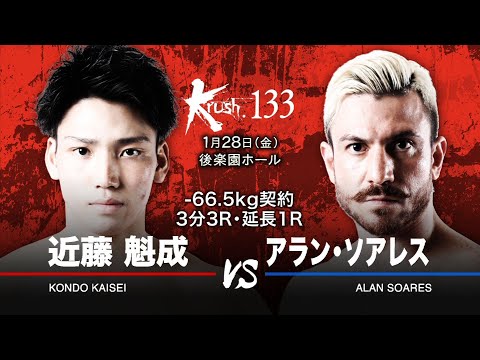
武道の真髄:近藤魁成 vs アラン・ソアレス戦における格闘技の哲学を徹底分析

我々、武道を愛し、その深淵なる精神性を探求する者たちよ。今宵、我々の心を燃え上がらせる一戦がある。それは、2022年1月28日に後楽園ホールで開催されたKrush.133、-66.5kg契約における近藤魁成選手とアラン・ソアレス選手の激突だ。これは単なる試合ではない。それは、武道家が人生で直面する数々の困難、そしてそれを乗り越えるための哲学そのものの体現である。煽りVTR(

)が公開され、両者の意気込みが伝わる中、我々は、この戦いを通して、格闘技、いや、武道に宿る普遍的な教訓を読み解いていこうではないか。

煽りVTRから読み解く、両者の「武士道」

Krush.133の煽りVTRは、単なる試合告知映像ではない。それは、近藤魁成選手とアラン・ソアレス選手、それぞれの「道」への覚悟と、勝利への執念を映し出す鏡である。VTRに映し出される表情、鍛え抜かれた肉体、そして対峙する眼差し。これら全てが、彼らが日頃からどれほど厳しい鍛錬を積み、この舞台に立つために何を捧げてきたのかを物語っている。

近藤選手は、若き才能として、その勢いを証明しようとしている。彼のスタイルには、恐れを知らぬ攻撃性と、それを支える繊細な技術が見え隠れする。一方、アラン・ソアレス選手は、経験に裏打ちされた落ち着きと、一瞬の隙を突く鋭い攻めが持ち味だろう。彼らがリングの上で繰り広げるであろう駆け引きは、まさに「武士道」の精神、すなわち、勇気、礼節、誠実さ、そして克己心のぶつかり合いに他ならない。

彼らの闘いは、我々が日常生活で直面する困難、例えば仕事のプレッシャー、人間関係の葛藤、あるいは自己成長への挑戦といったものと、本質的に何ら変わらない。重要なのは、いかにして逆境に立ち向かい、己の信念を貫き通すか、という点にある。

「武士道とは、死ぬことと見つけたり。」 - 山本常朝『葉隠』

この言葉は、単に命を惜しまないという意味ではない。それは、常に死を意識し、一瞬一瞬を全力で生き抜く覚悟を説いている。近藤選手とソアレス選手もまた、この覚悟を持ってリングに上がるのだ。

Krush.133:技術論と精神論の交差点

格闘技は、極めて高度な身体技術の結晶であると同時に、極限状態における精神力の試金石でもある。Krush.133のこの一戦においても、両者の技術のぶつかり合いはさることながら、それを支える精神力が勝敗を分ける鍵となるだろう。

近藤選手の攻撃は、おそらくスピーディーで、予測不能なコンビネーションを伴うだろう。彼は、相手のガードの隙間を縫うように、あるいは意表を突くタイミングでパンチやキックを繰り出すことに長けているのかもしれない。対してソアレス選手は、堅実なディフェンスを軸に、カウンターを狙う戦術を得意としている可能性がある。彼は、相手の攻撃を受け流し、その勢いを利用して反撃する、いわば「柔よく剛を制す」戦い方をするかもしれない。

しかし、どんなに優れた技術も、精神的な動揺には勝てない。相手の強烈な一撃を受けた時、あるいは試合が劣勢に傾いた時、そこで顔を出すのが「不動心」、すなわち、いかなる状況下でも冷静さを失わない精神力だ。この精神力は、日々の厳しい #MartialArtsTraining や #Meditation を通して培われる。

「Krush.133」は、まさにこの技術と精神の頂上決戦の場となる。観客は、両者の繰り広げる高度なテクニックに魅了されるだろうが、それ以上に、極限のプレッシャーの中で自分自身と戦う彼らの姿に、人間の強さ、そして #InnerStrength の真髄を見るはずだ。

「勝つ」ことだけではない、武道家の生き様

一般的に、格闘技は「勝敗」という二元論で語られがちだ。しかし、真の武道家にとって、試合で勝つことだけが全てではない。むしろ、その過程で何を学び、どのように成長するか、という点にこそ、本当の価値がある。

近藤魁成選手とアラン・ソアレス選手の戦いも、勝敗の結果がどうであれ、彼らの人生における貴重な経験となるはずだ。敗北は、次の勝利への糧となる。強敵との戦いは、己の限界を知り、それを超えるための原動力となる。

我々が彼らから学ぶべきは、単なる格闘技のテクニックではない。それは、 #Perseverance (忍耐力)、 #Discipline (規律)、そして #SelfMastery (自己制御)といった、人生を豊かに生きるために不可欠な資質である。彼らのひたむきな姿は、我々自身の #SelfImprovement (自己改善)への道を照らしてくれるだろう。

また、武道においては、相手への敬意もまた重要な要素だ。試合前の握手、試合後の健闘を称え合う姿。これらは、相手を倒すことだけを目的とするのではなく、互いを高め合う「稽古相手」としての関係性を重視する武道精神の表れである。

「勝利は、最高の技術を持つ者ではなく、最高の精神を持つ者に微笑む。」 - 不明

この言葉は、 Krush.133 のリングに立つ両者、そして全ての #MartialArtists に捧げたい。

武道における「間合い」と「呼吸」の重要性

格闘技、特に武道において、「間合い」と「呼吸」は、技術の根幹をなす極めて重要な要素である。これらを制する者は、戦いを制すると言っても過言ではない。

「間合い」とは、単に相手との物理的な距離のことだけを指すのではない。それは、相手の意図を読み、攻撃のタイミングを計り、最適な距離を保つ、高度な心理戦の領域にまで踏み込む概念である。近藤選手とソアレス選手は、リング上で常にこの「間合い」を巡って激しい攻防を繰り広げるだろう。一瞬の判断ミスが、致命的な隙を生み出す。

一方、「呼吸」は、武道における生命線である。力みすぎず、かといって緩みすぎず、自然で深い呼吸を保つこと。これにより、身体はリラックスし、エネルギーが円滑に循環する。激しい打撃の応酬の中でも、冷静に呼吸を整えられる者は、疲労を軽減し、精神的な安定を保つことができる。これは、 #aikido や #TaiChi といった内功を重視する武道では特に顕著な要素だが、 #Kyokushin Karate のようなハードなスタイルにおいても、その重要性は揺るぎない。

Krush.133 の試合映像を #ABEMA で視聴する際には、ぜひ両者の「間合い」の取り方と「呼吸」の仕方に注目してほしい。そこには、勝利への戦略と、武道家としての深遠な哲学が隠されている。

Veredicto del Sensei: この一戦が我々に与えるもの

近藤魁成 vs アラン・ソアレス戦、Krush.133 のこの一戦は、単なるスポーツイベント以上の意味を持つ。これは、人間の精神力、技術、そして #WarriorPhilosophy が織りなすドラマである。

両選手がリング上で見せるであろう、激しい攻防、緊迫した駆け引き、そして互いへの敬意。これらは、我々が日常の「戦い」に立ち向かうための示唆に富んでいる。失敗を恐れずに挑戦すること、困難に直面しても諦めないこと、そして何よりも、自分自身を律し、成長し続けることの重要性を、彼らは身をもって教えてくれるだろう。

この試合は、 #MMA や #Kickboxing といった現代格闘技のダイナミズムを示すと同時に、 #BUDO (武道)の持つ普遍的な価値を再認識させてくれる機会となるはずだ。

「Krush.133」は、 #ABEMA にて生中継される(1月28日(金)17:30 視聴URL https://gxyt4.app.goo.gl/e3r7A)。格闘技ファンはもちろん、 #MartialArtsJourney を歩む全ての人々に、ぜひ視聴していただきたい。

Krush.133 名勝負認定!

トレーニングに役立つ武道具・情報

真の武道家は、常に自己鍛錬の機会を求めている。試合の興奮が冷めやらぬ今こそ、自身の #MartialArtsTraining を一層深めるべき時だ。以下に、あなたのトレーニングをサポートするであろう、いくつかの重要な要素を挙げる。

  • 高品質な #KarateMerchandise (空手着): 動きやすさ、耐久性、そして伝統的なスタイルを兼ね備えた空手着は、稽古へのモチベーションを高める。素材や厚みは、あなたの #KarateKyokushin や #OkinawanKarate のスタイルに合わせて選ぶと良いだろう。
  • トレーニンググローブ: #Kickboxing や #MMA のトレーニングには、適切な衝撃吸収性を持つグローブが不可欠だ。16ozのグローブは、スパーリング時の相手への負担を軽減し、自身の手の保護にも役立つ。
  • #Judo 用柔道着: 投げ技や寝技の練習には、丈夫で動きやすい柔道着が必須だ。ダブルウィーブ(二重織り)の柔道着は、特に激しい稽古に耐えうる耐久性を持つ。
  • #BJJ (ブラジリアン柔術) ギ: 柔術特有のグラップリング技術を磨くためには、柔らかく、しかし破れにくい素材のギが求められる。
  • 武道に関する書籍: #Bushido 、 #Philosophy 、あるいは特定の #MartialArtsMastery に関する古典や現代の著作は、技術だけでなく、精神的な成長をもたらしてくれる。宮本武蔵の『五輪書』などは、時代を超えて愛される名著だ。

実践!武道家が磨くべき「心技体」

武道において「心技体」は、車輪の両輪、いや、三つの車輪であり、いずれか一つでも欠けては安定した走行はできない。Krush.133 の試合を観戦するだけでなく、自らの #Workout に活かすための具体的なトレーニング方法を提案しよう。

  1. 心の鍛錬:瞑想と呼吸法
    • 目的: 精神統一、集中力向上、感情のコントロール
    • 方法: 静かな場所で、背筋を伸ばし、楽な姿勢で座る。ゆっくりと鼻から息を吸い込み、口から静かに吐き出す。呼吸に意識を集中し、雑念が浮かんできたら、それに囚われず、再び呼吸に意識を戻す。10分から始めて、徐々に時間を延ばしていく。
    • 関連タグ: #MentalGame, #SpiritualDevelopment, #SelfMastery
  2. 技の鍛錬:基本技の反復練習
    • 目的: 正確性、スピード、パワーの向上
    • 方法: 自身の #MartialArts の基本となるパンチ、キック、受け、投げ技などを、鏡の前で、あるいは #PartnerTraining を通して徹底的に反復する。一回の動作の質を重視し、完璧を目指す。例えば、空手であれば、正拳突き、上段受け、前蹴りなどを、動画で確認しながら、または指導者の下で正確なフォームを身につける。
    • 関連タグ: #TechniqueBreakdown, #JudoSkills, #KarateCommunity
  3. 体の鍛錬:コンディショニングと強化
    • 目的: 筋力、持久力、柔軟性、瞬発力の向上
    • 方法:
      • 筋力: #NoEquipment トレーニング(腕立て伏せ、腹筋、スクワット)、ウェイトトレーニング(ベンチプレス、デッドリフトなど)。
      • 持久力: #RunningTips (インターバル走、ペース走)、 #AtHomeWorkout (HIIT)。
      • 柔軟性: 動的ストレッチ(ウォーミングアップ時)、静的ストレッチ(クールダウン時)、ヨガ。 #Flexibility は、怪我の予防とパフォーマンス向上に不可欠だ。
      • 瞬発力: プライオメトリクス(ジャンプトレーニング)、メディシンボールを使ったトレーニング。
    • 関連タグ: #Fitness, #Conditioning, #Agility

よくある質問

Krush.133 のような激しい試合や、武道全般に関して、よく寄せられる質問に簡潔に答えよう。

  • Q1: Krush.133 はどのように視聴できますか?
    A1: Krush.133 は、ABEMA にて生中継されます。試合当日の視聴URLは、記事冒頭の概要をご確認ください。
  • Q2: 近藤魁成選手とアラン・ソアレス選手の戦績は?
    A2: 具体的な戦績については、 Krush や k-1 の公式サイト、あるいは格闘技専門のデータベースサイトで確認できます。彼らのこれまでのキャリアが、この一戦にどう影響するかを考察するのも面白いでしょう。
  • Q3: 武道を始めるのに、年齢は関係ありますか?
    A3: いいえ、武道を始めるのに年齢は関係ありません。 #BeginnerWorkout として、 #aikido や #Judo は、比較的どのような年齢層でも始めやすい武道と言えるでしょう。重要なのは、自身の #Motivation です。
  • Q4: 格闘技のトレーニングは危険ですか?
    A4: 適切な指導と安全対策のもとで行われれば、格闘技のトレーニングは非常に安全です。しかし、 #MMA のようなコンタクトスポーツでは、当然ながら怪我のリスクも伴います。 #SafetyFirst を心がけ、無理のない範囲でトレーニングを続けることが重要です。
  • Q5: 武道における「礼」とは具体的に何を意味しますか?
    A5: 武道における「礼」は、相手への敬意、道場への感謝、そして稽古への真摯な姿勢を示す行為です。試合での挨拶はもちろん、稽古の開始・終了時、道具を扱う際など、あらゆる場面で「礼」は実践されます。

さらに深めるための武道探求

今回の Krush.133 の分析を通して、格闘技の奥深さに触れたことでしょう。しかし、武道の探求は終わりがありません。さらに自身の道を深めるために、以下の記事も参考にしてください。

師範からの問い:次なる一歩

近藤魁成選手とアラン・ソアレス選手の戦いは、技術、精神、そして生き様がぶつかり合う場であった。彼らの姿から、我々は多くのことを学んだはずだ。

しかし、学びとは、知識を得ることで完結するものではない。それは、行動を伴って初めて意味を持つ。

「知ることは、行うことのためにある。」 - 不明

今、君は、この試合から、そしてこの分析から、何を掴み取っただろうか? そして、その学びを、君自身の #MartialArtsJourney 、いや、人生という名のリングで、どのように活かしていくつもりだろうか?

師範からの問い:君は、今日、昨日よりも一歩でも成長しただろうか? その証を、コメント欄で示してみせよ。

``` GEMINI_METADESC: Krush.133 近藤魁成 vs アラン・ソアレス 戦を武道の哲学、技術、精神論の観点から徹底分析。格闘技の奥深さと人生訓を探求。

Karate's Raw Power: When Professionals Clash with Amateurs

Are you truly ready to witness the brutal truth of martial arts progression? We all start somewhere, fumbling with basic stances, perhaps dreaming of the devastating power we've seen on screen or in live demonstrations. But the chasm between a novice and a seasoned professional in Karate is not just about practice hours; it's a universe of difference in timing, precision, strategy, and sheer kinetic force. This isn't about celebrating one-sided beatings, but about understanding the profound journey of mastery. Today, we dissect what happens when the polished blade of a master confronts the unsharpened edge of a beginner. Prepare yourselves.

The Knockout Principle: More Than Just Force

The term "knockout" in martial arts evokes images of sudden, decisive defeat. In Karate, a knockout (often a result of a well-placed strike) signifies the ultimate efficiency of technique. It's not about brute strength alone; it's about understanding vectors, momentum, and the body's vulnerable points. A professional Karateka doesn't just punch or kick hard; they strike with *intent*, leveraging principles honed over years of dedicated entrenamiento and lucha. Consider the physics: a strike's power is a product of mass, acceleration, and, crucially, the point of impact. A professional maximizes these factors. Their acceleration is explosive, their impact point is surgically precise, and their understanding of structure ensures their body is aligned for maximum force transfer. A beginner, however, often expends energy inefficiently, their strikes lacking the honed acceleration and focused impact that define a true knockout blow. They might possess raw power, but it's untamed, undirected energy.

Professional Precision: The Art of the Decisive Blow

What separates a professional from an amateur in Karate? It's the difference between a hammer and a scalpel. * **Timing (Go no sen and Sen no sen):** Professionals master the art of timing. They understand when to initiate an attack (go no sen – responding to an opponent's attack) and when to preempt it (sen no sen – attacking before the opponent can fully commit). Amateurs often attack reactively or impulsively, leaving openings. * **Distance Management (Maai):** Controlling the space between you and your opponent is critical. Professionals instinctively know the optimal distance for their techniques, closing it with blinding speed or maintaining it to dictate the pace. Beginners frequently misjudge distance, leading to missed opportunities or vulnerability. * **Body Mechanics & Structure:** A professional's body is a unified tool. Every movement is efficient, with hips rotating, core engaged, and limbs extending with perfect alignment. This maximizes power and minimizes wasted energy. Beginners often rely on arm or leg strength alone, neglecting the kinetic chain that powers a true Karate strike. * **Targeting:** Professionals target vital points with accuracy honed through relentless artes marciales drilling. They aim for the chin, the solar plexus, the ribs – areas where a well-placed strike can end the pelea. Amateurs might strike broadly, lacking the precision to inflict a fight-ending blow.
"The ultimate aim of Karate is not victory or defeat, but the perfection of the human character." - Gichin Funakoshi
This quote, while philosophical, underpins the professional's approach. Their pursuit of perfection in technique is what enables the decisive strike. It's a byproduct of their dedication, not the sole objective.

Amateur Reality: The Struggle for Survival

Watching an amateur spar or face a professional is often a lesson in humility. It's a stark illustration of the learning curve. * **Energy Expenditure:** Amateurs tend to be frantic, throwing many techniques with significant effort but little effect. They tire quickly, their movements becoming sloppy. * **Defensive Vulnerabilities:** Their blocks may be too wide, their stances too narrow, or they might drop their guard too soon after attacking. These openings are precisely what professionals exploit. * **Lack of Strategy:** Many beginners fight on instinct alone, lacking a coherent strategy. They react to what their opponent does rather than imposing their own will. * **Fear and Hesitation:** The prospect of facing a skilled opponent, or the desire to land a "big" technique, can lead to hesitation. This pause is an invitation for a counter-attack. It’s crucial to remember that this phase is a necessary part of the MartialArtsJourney. Every master was once a beginner, perhaps even finding themselves on the receiving end of such a disparity.

Analysis of the Clash: Why the Gap Exists

The videos showcasing professionals vs. beginners often highlight a dramatic difference in speed, power, and technique application. This isn't about humiliation; it's about illustrating the tangible results of disciplined training. A professional Karateka’s strike isn’t just about pushing air; it’s about transferring maximum energy to the target in the shortest possible time. This involves: * **Hip Rotation:** The explosive twist of the hips generates rotational force, a primary power source in most Karate strikes. * **Body Alignment:** From foot to fist, a straight line of force is maintained, ensuring energy isn't lost through bending or awkward angles. * **Hip Extension:** A powerful drive from the legs and hips propels the body forward, adding mass to the strike. * **Kiai:** The sharp exhalation, or kiai, is not just a shout. It tightens the core muscles, adding stability and an explosive burst of power. An amateur might possess some of these elements, but rarely with the cohesion and refinement of a professional. Their power is often dissipated, their strikes lack the finishing "snap," and their defense is porous.

Philosophical Implications: The Path of Mastery

Beyond the physical spectacle, these clashes offer a profound lesson in the philosophy of BUDO. The journey to becoming a professional is one of immense dedication, discipline, and continuous self-improvement. It’s about embracing failure as a stepping stone, understanding that true strength lies not just in striking power, but in resilience and the unwavering pursuit of perfection.
"There are no easy victories in life. Only hard work, dedication, and the willingness to learn from every single moment, especially the defeats." - Sensei Anonymous
The disparity highlights the importance of a good Martial Arts Master and a structured curriculum. The amateur struggles because they may lack the foundational understanding and systematic progression that a seasoned instructor provides. The professional, conversely, embodies the fruits of such guidance.

Equipment Essential for Your Training

To bridge the gap between amateur and professional, the right equipment is crucial. While Karate emphasizes technique over gear, certain items facilitate effective and safe training: * **Karate Gi (Dogi):** A durable, well-fitting gi is essential. For intense training and sparring, a heavier, double-weave gi can withstand more punishment. Look for brands known for their quality stitching and fabric that allows for a full range of motion. Consider brands like Adidas or Tokaido for high-level competition gis. * **Mittens/Pads:** For partner drills and sparring, padded mitts (focus mitts, Thai pads) are vital for both the striker and the receiver to practice power strikes safely. * **Mouthguard:** Non-negotiable for any sparring. Protect your teeth and jaw. * **Groin Protector:** Essential for male practitioners during sparring. * **Foot Protection:** Some dojos require or recommend foot pads or karate shoes to protect feet during sparring and prevent slips. Investing in quality Karate Merchandise isn't just about aesthetics; it's about safety, durability, and enhancing your training experience.

FAQ: Karate Knockouts

For Deeper Exploration

So, what are your thoughts? Have you ever witnessed such a stark contrast in a live demonstration or training session? Do you believe the "spirit" of Karate is truly captured in these moments, or is it merely a display of physical disparity?

Reflection of the Sensei: Your Next Step

When you witness the power of a professional Karate strike, do you see only the force, or do you also recognize the years of discipline, the precise understanding of biomechanics, and the unwavering mental fortitude that culminates in that single, decisive moment? How does this understanding change your own approach to training and the way you view your own martial arts journey? GEMINI_METADESC: Explore the stark differences in power and technique between professional Karate practitioners and beginners. A deep dive into the physics, strategy, and 'spirit' of the knockout.