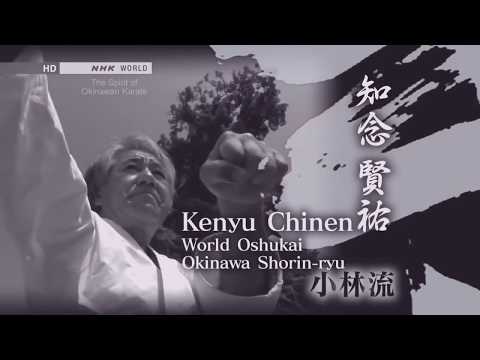
A question that echoes through countless dojos and training halls: what truly defines a martial art? Is it the ferocity of a knockout, the elegance of a kata, or the depth of its philosophical underpinnings? Many modern interpretations of Karate have become so fixated on the *winning*, on the external validation of competition, that they risk losing the very essence of what these ancient disciplines were designed to cultivate. Today, we turn our analytical gaze not to the glitz of a championship bout, but to a documentary that promises to peel back the layers and reveal the raw, transformative power of Okinawan Tee.
This isn't about whether Karate *can* be a sport; it demonstrably is. This is about understanding its roots, its original purpose, and for many, its most profound application: the arduous, often uncomfortable, journey of **Self-Mastery**. Are you truly ready to confront your own limitations, or are you merely seeking another trophy for the mantlepiece? Let's dissect this journey.
The documentary plunges us into the heart of Okinawa, the birthplace of Karate, to explore **Tee**. Immediately, the narrative sets itself apart. While modern Karate, particularly in its sporting permutations, often prioritizes the *external* victory – defeating an opponent, earning points, winning medals – Tee is presented as an introspective discipline. It’s a path inward, a rigorous exploration of the self. This distinction is crucial for any serious martial artist to grasp. The goal isn't just to *look* proficient; it's to *be* proficient, on every level.
The film follows an Englishman and an Italian, individuals presumably drawn by the allure of authentic martial arts tradition. Their presence underscores a global phenomenon: the migration of thousands annually to Okinawa, seeking not just physical techniques but a deeper understanding. This isn't a casual pursuit; it's a commitment. The documentary highlights that practitioners aren't chasing fleeting glory in tournaments. Instead, they dedicate themselves to **self-mastery**, a pursuit that demands relentless pushing of both physical and mental boundaries. This is where the true value of martial arts lies for many seasoned practitioners – in the crucible of training, one finds their true measure.
"The essence of Karate is not in the victory, but in the striving for perfection." - A common adage, but one Tee seeks to embody.
This emphasis on intrinsic motivation resonates deeply with the core tenets of **#BudoLife**. It separates the genuine disciple from the dilettante. The true martial artist understands that every practice session, every drop of sweat, is an investment in oneself, not merely a means to an external end.
The Journey Within: Struggles and Triumphs
The narrative of the documentary centers around a transformative summer for its protagonists. This isn't presented as a smooth, effortless acquisition of skills. No, this is where the steel is forged. The film showcases the protagonists confronting "personal challenges" and "inner demons." This is the gritty reality of deep martial arts training. It’s messy. It’s uncomfortable. It forces you to face the aspects of yourself you’d rather ignore.
The dedication, discipline, and resilience required are not just buzzwords here; they are the very currency of progress. The film makes a vital point: the path of martial arts is *not* solely about physical combat. This is a critical juncture. While techniques for **#CombateEnLaCalle** or **#ArtesMarcialesMixtas** are valuable, they are only one facet. Tee, as depicted, emphasizes honing one's character, cultivating humility – a quality often in short supply in competitive circles – and developing that elusive **#MindBodyConnection**. This holistic approach is what elevates a martial artist from a mere fighter to a refined individual.
Imagine the sheer willpower needed to execute a technique perfectly, not because the crowd is cheering, but because the internal standard demands it. This is the **#InnerStrength** that Tee cultivates. It’s the quiet resolve that allows one to stand firm, not just against an opponent, but against doubt, fear, and laziness.
Martial Philosophy: The Essence of Tee
Here, the documentary delves into the philosophical heart of Tee. It's described as a unique blend of physical techniques and profound **#MartialPhilosophy**. This fusion is the hallmark of true **#BUDO**. The principles of harmony, balance, and respect are not mere pleasantries; they are foundational.
* **Harmony**: Understanding how your body moves with intention, how your actions integrate with your environment.
* **Balance**: Not just physical equilibrium, but mental and emotional stability. The ability to remain centered amidst chaos.
* **Respect**: For your training partners, your instructors, the art itself, and crucially, for yourself.
These principles are presented as transferable, applicable to "all aspects of life." This is the transformative power that draws so many to disciplines like **#OkinawanKarate**. It's about developing discipline, self-control, and a clear sense of purpose that extends far beyond the dojo walls. By immersing themselves in Tee, the protagonists don't just learn to punch and block; they uncover "hidden strengths" and gain "invaluable insights into the nature of existence." This is the enlightened path that separates superficial training from genuine **#SelfMastery**.
"Karate ni sente nashi" – "There is no first strike in Karate." This principle, deeply embedded in the philosophy of Karate, speaks volumes about the ethos of respect and control that traditional arts aim to instill. Tee embodies this.
For those interested in the **#KarateSpirit**, understanding this philosophical bedrock is paramount. It's the difference between performing movements and embodying principles.
Community and Camaraderie
Martial arts, at their best, are inherently communal. Tee is no exception. The documentary illustrates how this practice transcends cultural and geographical divides, fostering a powerful sense of **#CommunityOfWarriors**. The protagonists, far from home, find connection and support among fellow practitioners in Okinawa.
These aren't just training partners; they form "deep bonds and lifelong friendships." This shared journey amplifies the individual experience. It reinforces the idea that while personal growth is central, it is often nurtured and solidified within a supportive collective. This is why forums and communities centered around **#MartialArtsCommunity** are so vital. They provide a space for shared learning, encouragement, and the collective pursuit of excellence. The struggle is individual, but the support network is communal.
Join the Tee Movement: Embrace Your Inner Warrior
The documentary aims to inspire. After witnessing the transformative experiences depicted, the implicit call to action is clear: embrace your own **#WarriorPhilosophy**. The "Tee movement" represents more than just a specific style of Karate; it signifies a commitment to a path of self-discovery and personal development through rigorous martial practice.
The blog, **BYAM Budo y Artes Marciales**, is positioned as a resource for those inspired by this journey. It’s a place to "delve deeper into the world of martial arts," offering a "treasure trove of knowledge, techniques, and philosophies." This aligns perfectly with the goal of fostering a vibrant online **#MartialArtsCommunity**, where enthusiasts can share, learn, and grow together.
Equipment Essential for Your Training
While Tee emphasizes the internal, certain foundational tools can significantly enhance your training journey. Investing in quality gear not only ensures comfort and safety but also demonstrates respect for the art.
High-Quality Karate Gi: Look for a durable, double-weave cotton gi that allows for full range of motion and can withstand rigorous training. Brands like Shureido or Tokaido are often favored by practitioners of traditional Okinawan styles.
Traditional Okinawan Kobudo Weapons (Optional): If your training incorporates weapons (Bo, Sai, Tonfa, Nunchaku), ensure they are well-crafted and balanced for effective practice.
Makiwara: A traditional striking post used for developing power, conditioning the hands, and refining striking technique. Essential for authentic Karate practice.
Comfortable Training Mats: For floor work, breakfalls, and groundwork, ensuring a safe and supportive surface is crucial.
For those seeking to deepen their understanding of Karate history and philosophy, consider acquiring some foundational texts. Books such as "Bubishi" or comprehensive guides on Okinawan Karate history can provide invaluable context. Investing in good **#KarateMerchandise** is an investment in your journey.
Frequently Asked Questions
What is the difference between Tee and modern Karate?
Tee emphasizes self-mastery, personal growth, and philosophical depth, whereas many modern Karate styles focus more on competitive sport, external victories, and combat effectiveness.
Why do so many people travel to Okinawa to learn Karate?
Okinawa is the birthplace of Karate. Practitioners seek the authentic traditions, the deeper philosophical teachings, and the direct lineage from the masters who developed and preserved these arts.
Is Tee suitable for self-defense?
Yes. While its primary focus is internal development, the discipline, awareness, and physical conditioning cultivated through Tee provide a strong foundation for practical self-defense. The principles learned transcend mere combat techniques.
How can I start practicing Tee if I live outside Okinawa?
Seek out reputable dojos that specifically teach Okinawan Karate styles (e.g., Goju-ryu, Shorin-ryu, Uechi-ryu) and prioritize instructors who emphasize the traditional philosophy and self-development aspects over purely sport-oriented training.
For Deeper Exploration
This documentary touches upon the profound impact of martial arts. If you're captivated by the transformative power of discipline and physical practice, you might find value in exploring these related topics on our blog:
"Tee Documentary" offers a vital perspective, reminding us that the most profound battles are often fought within. It champions the **#MartialArtsJourney** as a path of **#SelfMastery**, where discipline, resilience, and philosophical understanding are the true victories. Tee, as the documentary illustrates, is more than just a method of combat; it is a comprehensive system for personal transformation, fostering not only a strong body but an unshakeable spirit. It is the embodiment of the **#KarateSpirit** in its purest form.
Sensei's Reflection: Your Next Step
The documentary shows individuals confronting their limitations. What is the single greatest limitation you currently face in your own martial arts training, and how can you begin to dismantle it, not by seeking external validation, but by turning your gaze inward, as the practice of Tee demands?
```json
{
"@context": "https://schema.org",
"@type": "FAQPage",
"mainEntity": [
{
"@type": "Question",
"name": "What is the difference between Tee and modern Karate?",
"acceptedAnswer": {
"@type": "Answer",
"text": "Tee emphasizes self-mastery, personal growth, and philosophical depth, whereas many modern Karate styles focus more on competitive sport, external victories, and combat effectiveness."
}
},
{
"@type": "Question",
"name": "Why do so many people travel to Okinawa to learn Karate?",
"acceptedAnswer": {
"@type": "Answer",
"text": "Okinawa is the birthplace of Karate. Practitioners seek the authentic traditions, the deeper philosophical teachings, and the direct lineage from the masters who developed and preserved these arts."
}
},
{
"@type": "Question",
"name": "Is Tee suitable for self-defense?",
"acceptedAnswer": {
"@type": "Answer",
"text": "Yes. While its primary focus is internal development, the discipline, awareness, and physical conditioning cultivated through Tee provide a strong foundation for practical self-defense. The principles learned transcend mere combat techniques."
}
},
{
"@type": "Question",
"name": "How can I start practicing Tee if I live outside Okinawa?",
"acceptedAnswer": {
"@type": "Answer",
"text": "Seek out reputable dojos that specifically teach Okinawan Karate styles (e.g., Goju-ryu, Shorin-ryu, Uechi-ryu) and prioritize instructors who emphasize the traditional philosophy and self-development aspects over purely sport-oriented training."
}
}
]
}
"Las artes marciales no son solo una técnica de combate, sino un camino hacia la autodisciplina, la concentración y la iluminación espiritual." - Un antiguo monje Shaolin.
¿Te has preguntado alguna vez cuál es la verdadera esencia del guerrero? ¿Qué impulsa a un monje a dedicar su vida al entrenamiento marcial en las montañas sagradas? El Kung Fu de Shaolin, más que una disciplina física, es una filosofía de vida milenaria. Hoy desentrañamos su misterio a través del segundo capítulo del aclamado documental "The Kung Fu Shaolin", producido por la CCTV de China. Esta entrega, subtitulada cuidadosamente al español, no es solo un festín visual, sino una profunda inmersión en la historia, la técnica y el espíritu que han forjado la leyenda del templo Shaolin.
Este documental ha sido subtitulado al español con un propósito claro: el cultural y el educativo. No buscamos lucro, sino compartir el conocimiento. Esperamos fervientemente que esta ventana al Kung Fu Shaolin sea de gran ayuda para todos aquellos que buscan comprender mejor este arte marcial, su intrincada filosofía y su rica historia. Desde shaolinspain.com y culturasanwei.es, nos enorgullece presentar este material que nos acerca a las raíces del Budo.
El Templo Shaolin no es solo un lugar físico; es un epicentro de energía marcial, un crisol donde cuerpo y mente se forjan bajo la premisa del Dharma Budista. Este segundo capítulo nos transporta al corazón de esta institución, mostrándonos la vida diaria de los monjes guerreros. No se trata solo de patadas y puñetazos espectaculares, sino de la disciplina férrea que sustenta cada movimiento.
Observamos cómo la rutina matutina comienza antes del amanecer. El frío penetrante de las montañas, el ayuno, las largas horas de meditación... todo esto configura el carácter del practicante. En el mundo del BUDO, la fortaleza física es solo un reflejo de la fortaleza interior. El concepto de "Qi" (energía vital) fluye a través de sus prácticas, buscando la armonía entre el ser y el universo. ¿Podemos realmente separar el entrenamiento marcial de la disciplina espiritual? Este documental sugiere que es un error fundamental.
Filosofía y Disciplina: El Corazón del Budoka
La filosofía Shaolin se basa en la compasión, la paciencia y la no violencia, principios que, paradójicamente, se cultivan a través de un entrenamiento marcial riguroso. Es la paradoja del guerrero: el poder para destruir se canaliza hacia la autodefensa y la protección de los débiles. El documental explora cómo los monjes aplican estos principios en su vida diaria, desde la atención plena en cada tarea hasta la gestión de sus emociones.
La disciplina es el eje central. Vemos a jóvenes aspirantes, reclutados desde muy temprana edad, sometidos a un régimen estricto. Muchos fracasan, incapaces de soportar la presión física y mental. Aquellos que perseveran desarrollan una resiliencia asombrosa. Esto me recuerda a las enseñanzas de Miyamoto Musashi, quien en su "Libro de los Cinco Anillos" enfatiza la importancia de la constancia y la adaptación. Un verdadero artista marcial no se quiebra ante la adversidad; aprende de ella. Si buscas esa fortaleza, considera unirte a la #MartialArtsCommunity, donde el apoyo mutuo es clave.
Técnicas que Desafían la Realidad
El Kung Fu Shaolin es famoso por sus formas (Katas o Taolu) y sus estilos únicos, que imitan movimientos de animales o elementos de la naturaleza. "The Kung Fu Shaolin 02" muestra la complejidad de estas secuencias, la fluidez de los movimientos y la potencia explosiva que ocultan. Vemos el "Estilo de la Serpiente", el "Estilo del Mono", el "Estilo del Tigre", cada uno con sus propias mecánicas y principios.
Es fácil dejarse deslumbrar por la acrobacia y la aparente "magia" del Kung Fu. Sin embargo, bajo esa superficie reside una biomecánica precisa y una comprensión profunda del cuerpo humano. La coordinación ojo-mano, el equilibrio, la potencia generada desde el core... todos estos elementos se combinan para crear movimientos devastadoramente efectivos. ¿Son estas técnicas aplicables en un contexto real de combate, como las Artes Marciales Mixtas (MMA)? La respuesta es compleja y depende de la adaptación. El Judo, por ejemplo, se centra en el grappling y las proyecciones, mientras que el Karate se enfoca en el golpeo. La clave está en la adaptabilidad y en entender los principios fundamentales. No te dejes engañar por la espectacularidad; busca la eficiencia. Para empezar a comprender la base, un buen karate o taekwondo son excelentes puntos de partida.
El Legado en el Cine y la Cultura
La influencia del Kung Fu Shaolin en el cine de artes marciales es innegable. Películas protagonizadas por Bruce Lee, Jackie Chan o Jet Li han llevado estas técnicas a audiencias globales, inspirando a millones a iniciarse en las artes marciales. Este documental, al mostrar la fuente original, nos permite apreciar la autenticidad detrás de la ficción.
El cine de artes marciales a menudo exagera las capacidades humanas para el espectáculo. Sin embargo, la base técnica y el espíritu de lucha son reales. Es importante distinguir entre la representación cinematográfica y la práctica marcial pura. Películas como "Drunken Master" (donde Jackie Chan interpreta un estilo inspirado en Shaolin) son un ejemplo de cómo el cine ha popularizado, a veces de forma cómica, las técnicas de combate. Para aquellos interesados en el análisis de fight analysis en el cine, este documental ofrece un punto de referencia invaluable.
Veredicto del Sensei: ¿Un Viaje Esencial?
Este segundo capítulo de "The Kung Fu Shaolin" es, sin lugar a dudas, una pieza fundamental para cualquier practicante serio de artes marciales o para aquel que busca comprender la profundidad del Budo Life. Nos muestra que el Kung Fu de Shaolin es mucho más que una serie de movimientos; es una disciplina que moldea el carácter, fortalece la mente y eleva el espíritu. Si bien la espectacularidad es inherente, la verdadera lección reside en la dedicación, la perseverancia y la búsqueda de la armonía interior.
Para entender la raíz de muchas disciplinas marciales modernas, es crucial mirar a Shaolin. Este documental no es solo entretenimiento; es una lección de historia, filosofía y autodisciplina. Lo recomiendo no solo a los aficionados al combat, sino a cualquiera que busque inspiración para superar sus propios límites.
Equipo Esencial para tu Entrenamiento
Aunque el Kung Fu Shaolin tradicional se practica con el cuerpo como arma principal, ciertos elementos pueden mejorar tu entrenamiento y seguridad. Aquí te presento una lista de lo que podrías considerar:
Uniforme de Kung Fu (Yifu): Busca un tejido transpirable y cómodo que permita una total libertad de movimiento. Los uniformes tradicionales suelen ser de algodón.
Calzado Adecuado: Zapatillas ligeras y flexibles, o incluso calzado especializado de Kung Fu, que ofrezcan buen agarre y sensibilidad al suelo.
Protecciones (para sparring): Si llegas a la fase de sparring controlado, guantes acolchados y protectores bucales son fundamentales para evitar lesiones.
Esterilla de Entrenamiento: Para ejercicios de suelo, caídas y estiramientos.
Ma makiwara o Bolsa de Golpeo: Herramientas para desarrollar la potencia de golpeo y la resistencia de los nudillos (usar con extrema precaución y bajo supervisión). Si te interesa el kickboxing o el MMA, un buen equipo es clave.
Si buscas mejorar tu potencia de golpeo, considera invertir en unos buenos guantes de boxeo o karate merchandise de calidad. Para disciplinas de agarre, un buen kimono de Judo o BJJ es indispensable.
Guía de Entrenamiento: Fundamentos del Kung Fu
Este documental inspira, pero la verdadera práctica requiere acción. Aquí te presento una guía básica para empezar a sentir los principios del Kung Fu. Recuerda: la paciencia y la constancia son tus mejores aliados.
Postura Fundamental (Ma Bu - Postura del Caballo): Colócate con los pies separados al ancho de los hombros, rodillas flexionadas como si te sentaras en una silla baja. Mantén la espalda recta y el abdomen contraído. Sostén esta postura durante 1-3 minutos, respirando profundamente.
Puñetazo Básico (Zheng Quan): Desde la postura del caballo, con el puño cerrado y relajado, lleva un puño hacia adelante con una rotación de muñeca en el último instante, golpeando con los nudillos centrales. El otro puño se mantiene cerrado a la altura de la cadera, como protección. Mantén el cuerpo alineado y la energía centrada. Practica alternando puños.
Bloqueo Básico (Dang): Desde la postura del caballo, con un brazo extendido hacia el frente a la altura del plexo solar, utiliza el antebrazo opuesto para desviar un golpe imaginario que venga de frente, moviendo el brazo bloqueador desde la cadera hacia el exterior.
Respiración y Concentración: Dedica 5-10 minutos diarios a la respiración abdominal profunda. Inhala expandiendo el abdomen, exhala contrayéndolo. Visualiza la energía (Qi) llenando tu cuerpo. Esto es fundamental para el mental game.
Estiramientos Dinámicos: Moviliza todas las articulaciones (cuello, hombros, codos, muñecas, cadera, rodillas, tobillos) de forma suave y controlada. Esto mejora la flexibilidad y previene lesiones.
Este es solo el inicio. Busca un instructor cualificado si deseas profundizar. El camino del entrenamiento es largo, pero cada paso cuenta.
Preguntas Frecuentes
¿Es el Kung Fu Shaolin solo para monjes?
No, el Kung Fu Shaolin es para todos. Aunque tiene orígenes monásticos, sus principios y técnicas son aplicables y beneficiosos para cualquier persona que busque mejorar su condición física, mental y espiritual.
¿Cuánto tiempo se tarda en ser competente en Kung Fu Shaolin?
La maestría es un camino de por vida. Sin embargo, con entrenamiento regular y dedicado, se pueden ver mejoras significativas en la condición física, la coordinación y la autodisciplina en unos pocos años.
¿El Kung Fu Shaolin es efectivo para la defensa personal?
Sí, las técnicas de Kung Fu, especialmente las de sus estilos más directos y enfocados en el combate, son altamente efectivas para la defensa personal. Requieren entrenamiento y adaptación al contexto real de una amenaza.
¿Qué diferencia hay entre el Kung Fu Shaolin y otras artes marciales chinas?
Shaolin se distingue por su origen específico en el templo budista, su enfoque en la fuerza física y la resistencia, y la integración de principios budistas en su práctica. Otros estilos pueden tener enfoques diferentes, como el Tai Chi (más enfocado en la salud y la relajación) o el Wing Chun (más directo y pragmático en el combate cercano).
Reflexión del Sensei: Tu Próximo Paso
Hemos explorado la profundidad del Kung Fu Shaolin a través de este documental, vislumbrando no solo las técnicas, sino el espíritu indomable que reside en su práctica. Vemos la disciplina férrea, la conexión con la filosofía budista y el legado que ha cautivado al mundo.
Ahora, te pregunto directamente, budoka: ¿Qué te ha inspirado más de lo que has visto? ¿Es la resistencia ante el dolor? ¿La fluidez de los movimientos? ¿O la integración de la mente y el cuerpo? Más allá de la admiración pasiva, ¿cómo piensas incorporar esta lección de disciplina y profundidad en tu propio entrenamiento diario? ¿Estás preparado para mirar más allá de la superficie y buscar la esencia en tu camino marcial?
"El camino del guerrero es difícil. Requiere una voluntad de hierro y un corazón puro. Si buscas la verdad, debes primero encontrarte a ti mismo en el crisol del entrenamiento." - Un pensamiento que resuena desde las montañas de Shaolin.
```
GEMINI_METADESC: Sumérgete en el Kung Fu Shaolin con el documental \"The Kung Fu Shaolin 02\". Análisis marcial, filosófico y cultural para budokas.
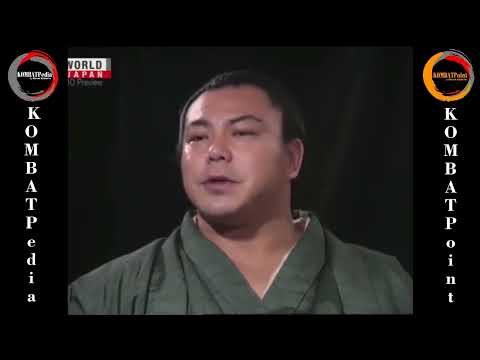
In the hallowed halls of Sumo, where tradition and raw power converge, few figures loom as large as Chiyonofuji Mitsugu. His dominance in the late 20th century was not merely a statistical anomaly; it was a testament to a profound understanding of Budo, the Way of the Warrior, a philosophy that transcends the wrestling ring and permeates the very essence of martial discipline. Today, we delve into the life and legacy of this legendary Yokozuna, not just as a Sumo wrestler, but as a paragon of martial artistry. This is not merely a biography; it is a dissection of the principles that forged a champion and what we, as practitioners of the martial arts, can learn from his enduring spirit.
Born Mitsugu Apopka, Chiyonofuji's journey began not with inherent divine talent, but with unwavering perseverance. From humble beginnings, he entered the world of Sumo with a slight frame that belied the ferocity within. His early career was marked by struggles, a common theme for many aspiring warriors. This period forged his mental fortitude, teaching him the invaluable lesson that true strength is cultivated, not merely bestowed.
His ascent through the ranks was a slow, arduous climb, each victory a hard-won battle against larger, more experienced opponents. He didn't just win; he conquered, dismantling opponents with a blend of speed, technique, and an almost palpable fighting spirit. This relentless pursuit of excellence laid the foundation for his eventual reign as the 58th Yokozuna, the highest rank in Sumo.
Beyond the Dohyo: Chiyonofuji and the Spirit of Budo
What truly set Chiyonofuji apart was his embodiment of Budo. In Japanese martial arts, Budo is more than just combat techniques; it is a way of life, a path of self-perfection through rigorous training and ethical conduct. Chiyonofuji approached Sumo with an intensity and dedication that mirrored the most disciplined Karateka or Kendo master.
"The spirit of the warrior is not to be afraid of defeat, but to be willing to die for victory."
This quote, though not directly attributed to Chiyonofuji, perfectly encapsulates the mindset he displayed. His unwavering resolve in the face of formidable opponents, his dignified demeanor both in victory and defeat, and his dedication to his craft spoke volumes. He understood that the dohyo (Sumo ring) was his dojo, and every bout was a lesson in humility, respect, and the constant pursuit of self-mastery. This is a principle that resonates deeply within the BUDO community and all artes marciales.
His training was famously grueling. He pushed his body to its limits, refining his techniques and building an indomitable will. This commitment to rigorous practice is a cornerstone of all effective martial arts, from Judo to Kyokushin Karate. The Budo way demands sacrifice and an unyielding commitment to self-improvement, qualities Chiyonofuji possessed in abundance.
The Art of the Strike: Chiyonofuji's Signature Techniques
While Sumo is characterized by throws and grappling, Chiyonofuji was renowned for his powerful tsuppari (thrusting strikes) and his exceptional agility. He was not a hulking brute, but a strategic warrior who used his speed and precise timing to overwhelm his opponents. His signature move, the uwatenage (overarm throw), executed with devastating speed and power, often left his opponents bewildered.
Consider the uwatenage: it requires impeccable timing, a strong grip, and the explosive power to lift and throw an opponent significantly larger than oneself. This is not brute force; it is applied physics, timing, and an understanding of leverage. It is a technique that requires immense skill and practice, much like a well-executed O-goshi in Judo or a powerful punch in Kickboxing.
His approach to the dohyo was akin to a seasoned fighter entering the Octagon for an MMA bout. He studied his opponents, exploited their weaknesses, and applied his strengths with calculated precision. The mental game, so crucial in all combat sports, was clearly one of his greatest assets. He entered each match with confidence, but without arrogance, a fine line that separates true champions from mere contenders.
Chiyonofuji's Enduring Impact on Martial Arts
Chiyonofuji's legacy extends far beyond the world of Sumo. He demonstrated that size is not always the ultimate advantage, and that technique, speed, and an indomitable spirit can overcome seemingly insurmountable odds. This is a universal truth in the martial arts.
His record of 31 tournament championships is a testament to his sustained excellence, a feat rarely seen in any sport. He inspired a generation of wrestlers and martial artists alike, proving that the principles of Budo – discipline, respect, perseverance, and self-mastery – are the bedrock of true achievement. His influence can be seen in the dedication of athletes across disciplines, from Karate practitioners honing their katas to BJJ athletes perfecting their ground game.
"To win is to die, to lose is to die. Thus, there is no room for carelessness." - A principle echoed in many warrior traditions.
He embodied the warrior's ethos: to strive for perfection, to face adversity with courage, and to conduct oneself with honor. This resonates deeply with the philosophy of WarriorPhilosophy and the broader MartialArtsCommunity.
Lessons for the Modern Warrior: Training Principles
Chiyonofuji's approach to training offers invaluable insights for any martial artist, regardless of their chosen discipline.
Guía de Entrenamiento: Principios de Chiyonofuji
Disciplina Inquebrantable: Commit to your training schedule with absolute regularity. Treat every session as if it were your most important bout.
Perfección Técnica: Focus on mastering the fundamentals. Chiyonofuji refined his core techniques to an art form, making them devastatingly effective.
Fortaleza Mental: Cultivate resilience. Learn to push past physical discomfort and mental fatigue. Visualize success and embrace challenges.
Respeto por el Arte: Approach your training with reverence for the traditions and principles of your martial art. This includes respect for your instructors, training partners, and the art itself.
Adaptabilidad: While mastering fundamentals is key, be willing to adapt your approach, as Chiyonofuji did, using speed and strategy to counter opponents' strengths.
These principles are not unique to Sumo; they are the universal tenets of BUDO and effective MartialArtsTraining. They form the core of what it means to be a true Martial Artist.
Veredicto del Sensei: A True Martial Master
Chiyonofuji Mitsugu was more than a Sumo champion; he was a living embodiment of the martial spirit. His career was a masterclass in dedication, discipline, and the philosophical underpinnings of Budo. He proved that true strength lies not just in physical power, but in the unwavering resolve of the spirit and the mastery of one's craft. He wasn't just a fighter; he was an artist of combat, a testament to what can be achieved when dedication meets innate talent, guided by a profound respect for the Way.
Calificación: Cinturón Negro de Honor en Espíritu Marcial.
Equipo Esencial para tu Entrenamiento
While Chiyonofuji's discipline was primarily body-weight focused within the unique context of Sumo, many martial arts require specific gear. For those seeking to emulate his dedication in related disciplines, consider:
Kimono de Judo/BJJ: A durable, double-weave kimono is essential for grappling arts, allowing for effective grips and techniques.
Guantes de Entrenamiento: For striking arts like Karate or Kickboxing, padded gloves are crucial for safe sparring and developing power.
Protector Bucal: A necessity for any contact sport to protect your teeth and jaw.
Espinilleras y Empeineras: For disciplines involving kicks, these offer protection and improve technique during practice.
Esterillas de Entrenamiento: For home practice of techniques involving falls and groundwork, ensuring safety and comfort.
Investing in quality MartialArtsMerchandise is a commitment to your training and safety.
Preguntas Frecuentes
¿Era Chiyonofuji un practicante de otras artes marciales además del Sumo?
Si bien Chiyonofuji dedicó su vida al Sumo, su entrenamiento y mentalidad reflejaban los principios del Budo, que son comunes a muchas artes marciales japonesas como el Karate, Judo y Kendo. Su enfoque en la disciplina, el respeto y la auto-mejora es universal en el mundo marcial.
¿Cuál fue el mayor logro de Chiyonofuji?
Su mayor logro es indiscutiblemente haber sido el 58º Yokozuna y haber ganado un récord de 31 torneos de Sumo, manteniendo la categoría de Yokozuna durante un período excepcionalmente largo.
¿Cómo influyó Chiyonofuji en el espíritu de lucha?
Chiyonofuji demostró que la agilidad, la técnica y una mentalidad inquebrantable podían superar la mera fuerza bruta, inspirando a atletas de todo el mundo a perseguir la excelencia a través de la disciplina y la perseverancia.
¿Se practica el "tsuppari" en otras artes marciales?
El concepto de golpes de empuje (tsuppari) se asemeja a las técnicas de puñetazo recto y empuje encontradas en artes como el Karate y el Taekwondo, aunque la aplicación y el contexto difieren.
Chiyonofuji Mitsugu nos dejó un legado imborrable, un recordatorio de que el espíritu de lucha, la disciplina férrea y la búsqueda constante de la maestría son los pilares sobre los que se construye un verdadero guerrero.
Reflexión del Sensei: Tu Próximo Paso
Chiyonofuji triunfó en un deporte que valora la tradición y la confrontación directa. Pero, ¿cuál es el verdadero "ring" en el que luchas tú cada día? ¿Son tus adversarios los demás, o eres tú mismo? ¿Estás dispuesto a sacrificar la comodidad por la conquista de tu propio potencial?
```
GEMINI_METADESC: Explore Sumo legend Chiyonofuji Mitsugu's mastery of Budo, warrior spirit, and disciplined training. A deep dive into his techniques and enduring legacy for martial artists.
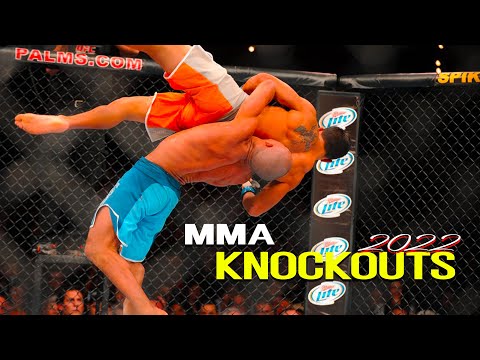
A raw display of power, precision, and sometimes, sheer brutality. The knockout in Mixed Martial Arts (MMA) is the ultimate punctuation mark, a moment that electrifies the arena and sends shockwaves through the sport. But what truly separates a fleeting strike from a fight-ending concussive blow? Is it merely about brute force, or is there a deeper martial philosophy at play that separates the amateurs from the apex predators of the cage? Today, we delve into the heart of the MMA knockout, dissecting its mechanics, its psychological impact, and what it truly signifies within the broader spectrum of combat sports.
The roar of the crowd when a fighter is rendered unconscious is primal. It’s a visceral reaction to the decisive end of conflict. However, for the seasoned martial artist, a knockout is more than just the opponent falling. It is the culmination of calculated strategy, superior technique, and often, a profound understanding of human physiology and psychology. In the context of MMA, where diverse martial arts collide, the knockout can be the ultimate testament to a fighter's ability to synthesize their chosen disciplines into a single, devastating offensive strategy.
Many dismiss MMA as mere brawling, a chaotic free-for-all. This couldn't be further from the truth. Each strike, each clinch, each takedown is a manifestation of years of dedicated training, drawing from traditional arts like Karate, Muay Thai, Boxing, Judo, and Wrestling. The knockout, therefore, is not an accident; it is the planned result of applying these principles under extreme pressure. It’s the perfect application of force to a specific, vulnerable point, exploiting the opponent’s defensive lapses.
A true understanding of the knockout requires looking beyond the immediate impact. It involves appreciating the setup, the defensive countermeasures that were overcome, and the sheer audacity of the fighter who delivered the final blow. It is a moment where the theory of combat science meets the harsh reality of physical engagement.
"There is no finesse in your strikes, only brutality. But there is a brutal beauty in a perfectly executed knockout." - A seasoned brawler, speaking under the guise of anonymity.
Anatomy of a Fight-Ender: Technique and Timing
What makes a knockout so effective? It's a confluence of physics and biology. A knockout punch or kick aims to transmit a rapid and powerful rotational force to the head. This force causes the brain to rapidly accelerate and decelerate within the skull, leading to a temporary disruption of neurological function. This can manifest as dizziness, loss of consciousness, or a complete inability to continue fighting.
Key factors contributing to a knockout strike include:
Power Generation: This isn't just about muscle mass. It involves efficient kinetic chain transfer, where power is generated from the ground up through the hips, core, and shoulders, culminating in the fist, elbow, knee, or foot.
Accuracy: Hitting the "button" – a vulnerable point like the jaw hinge, the temple, or the chin – significantly increases the likelihood of a knockout, even with less raw power.
Speed: A faster strike is harder to defend against and delivers more impact force upon contact.
Timing and Deception: Catching an opponent off-guard, as they are attacking, moving, or recovering from a previous exchange, is crucial. A well-timed counter-punch can be devastating.
Combination: Often, a knockout isn't the result of a single shot but a series of well-placed strikes that break down the opponent's defenses and equilibrium.
Consider the classic "check hook" in boxing or the devastating roundhouse kick in Karate. These techniques, when honed through rigorous MartialArtsTraining, become fight-enders. The goal is to exploit openings, and a fighter trained in diverse arts will have a wider arsenal of such fight-ending techniques. An experienced MMA fighter understands that a well-placed leg kick can not only inflict damage but also compromise their opponent’s base, setting them up for a subsequent head strike. This is the true art of MMA.
The Psychology of the KO: Mind Over Matter
The physical aspect of a knockout is undeniable, but the mental game is equally, if not more, important. A fighter who fears the knockout will often fight defensively, subconsciously protecting themselves and limiting their offensive output. Conversely, a fighter who projects confidence and aggression, coupled with knockout power, can psych themselves up and their opponent.
A fighter entering the cage with a strong MentalGame and a belief in their ability to finish the fight has a significant psychological edge. This stems from:
Belief in Training: Years of drilling techniques, sparring, and conditioning build unwavering confidence.
Fear Management: Learning to control fear and channel it into focused aggression is a hallmark of a true warrior.
Reading the Opponent: Identifying an opponent's weaknesses and anxieties can allow a fighter to dictate the pace and exploit their mental fragility.
Intimidation Factor: A reputation for knockout power can induce fear in opponents, making them more susceptible to mistakes.
This is where the martial philosophy truly shines. True mastery isn't just about technique; it's about cultivating a state of mind where fear is absent, and focus is absolute. Concepts like Budo’s "Mushin" (no-mind) or the Zen principle of "Zanshin" (lingering awareness) are crucial. A fighter operating in such a state is less likely to be surprised and more likely to land the decisive blow when the opportunity arises.
Evolution of the Knockout in MMA
Early MMA, particularly in the UFC's nascent years, often saw a heavy emphasis on grappling. Fighters like Royce Gracie dominated by utilizing Brazilian Jiu-Jitsu, submitting opponents rather than knocking them out. However, as the sport evolved, the necessity of well-roundedness became apparent.
The rise of strikers like Chuck Liddell, Anderson Silva, and later, fighters such as Conor McGregor and Israel Adesanya, showcased the devastating potential of combining striking arts with MMA strategy. These fighters didn't just possess power; they had the Agility, timing, and fight IQ to land their most potent weapons on opponents who were often trained predominantly in grappling.
The modern MMA landscape is characterized by fighters who are masters of multiple disciplines. A wrestler with KO power, a jiu-jitsu black belt with dangerous striking, or a striker who can seamlessly transition to grappling – these are the athletes who consistently produce highlight-reel knockouts. The sport has become a melting pot where the most effective techniques from all MartialArtsCommunity branches are integrated and refined for the ultimate goal: victory.
"You can't just be a one-trick pony in MMA. You need to be able to strike, wrestle, and grapple. But if that strike can end the fight, then you've got a significant advantage." - Quoted from a retired MMA champion.
Iconic MMA Knockouts: Moments That Defined Eras
The history of MMA is punctuated by knockouts that are etched into the minds of fight fans forever. These aren't just finishes; they are cultural touchstones:
Anderson Silva vs. Vitor Belfort (UFC 126): Silva’s front kick to the face, delivered with surgical precision, is a masterclass in timing and technique. It wasn't just a knockout; it was an artistic statement.
Conor McGregor vs. Jose Aldo (UFC 194): A 13-second demolition. McGregor's left hook, timed perfectly as Aldo stepped in, exemplified the power of deception and explosive striking.
Jorge Masvidal vs. Ben Askren (UFC 239): The flying knee. A brutal, instant knockout that showcased the explosive power and athleticism possible in MMA. This is a prime example of FightAnalysis at its most primal.
Israel Adesanya vs. Alex Pereira (UFC 287): Adesanya, who had lost to Pereira twice before (once via KO in kickboxing), engineered a stunning comeback knockout, proving that in MMA, revenge is best served with a knockout punch.
These moments, and countless others, illustrate the diverse methods by which an MMA fight can be ended with a single, decisive blow. They inspire aspiring fighters and showcase the pinnacle of MartialArtsMastery.
Training for Knockout Power: The Martial Approach
Developing knockout power is not merely about hitting the heavy bag harder. It requires a holistic approach, rooted in the principles of traditional ArtesMarciales, adapted for the demands of MMA.
Guía de Entrenamiento: Desarrollando Fuerza de Golpeo
Fortalecimiento del Core: A strong core is the engine of all powerful movements. Exercises like planks, Russian twists, and medicine ball slams are essential.
Potencia de Piernas y Caderas: Squats, deadlifts, lunges, and plyometric exercises (jump squats, box jumps) build the foundation for explosive power.
Técnica de Golpeo: This is paramount. Learn proper body mechanics from boxing, Muay Thai, and Karate. Focus on hip rotation, weight transfer, and snapping the limb through the target.
Velocidad y Explosividad: Incorporate plyometric drills and focus mitt work that emphasizes rapid striking. Think about striking as quickly as possible, then decelerating to control the limb.
Sparring Inteligente: Practice striking in sparring sessions, focusing on accuracy and timing rather than just raw power. Learn to set up your shots and exploit openings.
Acondicionamiento Específico: Incorporate drills that mimic fight scenarios, like striking after a takedown attempt or throwing combinations under fatigue.
Remember, efficiency is key. A technically sound strike delivered with moderate power can be far more effective than a wild, powerful swing that misses its mark. This is the philosophy that separates a mere brawler from a true martial artist.
Equipment Essential for Your Training
To effectively train for knockout power and overall MMA proficiency, having the right gear is crucial. Investing in quality equipment not only enhances your training but also helps prevent injuries, a common pitfall for fighters pushing their limits.
Boxing Gloves (10-16oz): For bag work, pad work, and sparring. Heavier gloves are generally used for sparring to protect both partners.
MMA Gloves: Essential for EntrenamientoDeMMA, allowing for grappling while still offering knuckle protection.
Shin Guards: Crucial for Muay Thai and kickboxing drills to protect your shins during kick exchanges.
Mouthguard: Non-negotiable for any striking or sparring activity.
Hand Wraps: Provide crucial support to your wrists and hands when hitting pads or bags.
Heavy Bag/Punching Bag: A staple for developing power, speed, and endurance.
Training Partner/Coach: Essential for effective pad work, sparring, and technical feedback.
For those looking to enhance their power generation at home, consider investing in resistance bands or a HomeWorkout setup that allows for explosive movements.
Veredict of the Sensei: Is the KO the Ultimate Goal?
From a pure spectacle standpoint, the knockout is king. It's definitive, exciting, and unequivocally proves dominance in that moment. However, as a practitioner of the martial arts, I must urge caution against making the knockout the *sole* objective.
The true path of martial arts is one of self-improvement, discipline, and respect. While knockout power is a valuable tool in MMA, relying solely on it can lead to a shallow understanding of combat. What happens when your power shots are blocked? What if you face an opponent who is immune to your strikes, or who can weather the storm? This is when technique, strategy, resilience, and the ability to adapt become paramount.
A fight can be won by submission, by points, or by a devastating knockout. Each path requires different skills and mindsets. The greatest martial artists are those who possess a complete arsenal, understanding when to strike hard, when to grapple, and when to simply outmaneuver their opponent with superior strategy and conditioning. Therefore, while the knockout is a thrilling aspect of MMA, it is but one facet of the intricate diamond that is the martial path.
My Verdict: MMA Knockouts are a Cinturón Negro en Espectáculo, but true mastery lies in the complete martial journey.
Frequently Asked Questions
What is the fastest knockout in UFC history?
The fastest knockout in UFC history is currently held by Jorge Masvidal, who knocked out Ben Askren in just 5 seconds with a flying knee at UFC 239.
Does MMA training improve striking power for self-defense?
Yes, MMA training, particularly the striking components from disciplines like Boxing and Muay Thai, can significantly improve striking power, accuracy, and timing, making it highly effective for self-defense scenarios.
Is it possible to train for knockout power without sparring?
You can develop significant power through bag work, pad work, plyometrics, and strength training. However, sparring is crucial for learning timing, accuracy under pressure, and how to apply that power effectively in a dynamic, unpredictable environment.
What are the main martial arts that contribute to MMA knockouts?
The primary martial arts contributing to MMA knockouts include Boxing (punches), Muay Thai (kicks, knees, elbows), Karate (powerful kicks and punches), and Taekwondo (dynamic kicking techniques).
How important is conditioning for landing a knockout blow?
Crucial. A fighter who is exhausted will not be able to generate optimal power or speed. Good conditioning allows a fighter to maintain their striking effectiveness throughout the fight, increasing the chances of landing a decisive blow even in later rounds.
Deepen Your Understanding
FightAnalysis: Learn to break down techniques and strategies.
MartialArtsTraining: Explore training methodologies for various combat sports.
MMA: Discover the intricacies of Mixed Martial Arts.
Reflection of the Sensei: Your Next Step
We've dissected the knockout, explored its mechanics, its psychological impact, and its place within the broader martial arts philosophy. But knowledge without application is like a sharpened sword left to rust. My question to you, warrior, is this: When you step onto the mats, or into the cage, or simply face the daily challenges of life, are you seeking only the decisive blow, or are you cultivating the complete skill set of a well-rounded martial artist, ready to adapt, endure, and overcome, no matter the circumstance?
Now, your turn. Does the allure of the knockout blind you to the deeper principles of martial arts, or do you see it as one powerful tool among many? Voice your thoughts below. Debate. Disagree. But above all, learn.
```
GEMINI_METADESC: Explore the mechanics, psychology, and martial philosophy behind the devastating MMA knockout. Is it the ultimate goal or just one weapon in a warrior's arsenal?
The flickering screen, the scent of incense, and the clang of steel – these are the sensory cues that transport us to the hallowed halls of martial arts cinema. Today, we dissect a film that has echoed through the annals of the genre: Shaolin Heroes. But does this Mandarin epic truly embody the spirit of the warrior, or is it merely another spectacle for the masses? As your Sensei, I demand more than just entertainment; I seek truth, precision, and the unvarnished essence of the martial way. Prepare yourselves, for we shall delve deep.
Directed by Yang Ching-Chen, Shaolin Heroes transports us to the twilight of the Ming dynasty. This was an era rife with internal strife and external threats, a fertile ground for tales of heroism and betrayal. The film posits a scenario where Mongolian secret agents infiltrate Central China, their objective sinister: to seize "The Light Sword." This is not merely a weapon; it is described as a conduit, a tool capable of uniting brave wanderers. Such narratives often tap into a deep cultural wellspring, reflecting anxieties about national security and the enduring struggle against foreign domination. But how authentically does it portray this historical backdrop, and more importantly, how does it imbue its characters with the martial spirit?
The premise is classic wuxia, a genre that has long captivated audiences with its blend of historical fiction, martial arts prowess, and often, fantastical elements. The "Light Sword" itself is a potent symbol, representing not just power, but perhaps also justice, destiny, or the very soul of China. The son of Lung Chen Ying, a master of the famed Light Sword style, is thrust into the narrative, tasked with defending this legacy. His actions – killing the leader of the Mongolian mission – temporarily thwart their ambitions. This act of defiance is the dramatic engine of the film, setting the stage for further conflict and testing the young hero's mettle.
"The true warrior is one who understands that the sword is an extension of the spirit, not merely a tool of destruction." - A principle echoed in many martial traditions.
The Plot Unveiled: More Than Just a Sword?
On its surface, Shaolin Heroes presents a straightforward conflict: a righteous defender against insidious invaders. The narrative focuses on the son of Lung Chen Ying, a figure clearly destined for greatness, inheriting the mantle of his master. His assassination of the Mongolian envoy is a pivotal moment, showcasing bravery and skill. However, a truly great martial arts film transcends mere plot mechanics. It explores the internal struggles of its characters, their motivations, and the philosophical implications of their actions. Does Shaolin Heroes achieve this depth?
The film attempts to weave a tapestry of loyalty, sacrifice, and the burden of responsibility. The "Light Sword" serves as a McGuffin, a plot device that drives the action. But what is the true nature of this sword? Is it a symbol of righteous power, or does its mere possession corrupt the wielder? These are the questions that separate mere action flicks from profound martial art narratives. While the film delivers on the promised conflict, the exploration of the characters' inner lives and the moral complexities of their choices could be more nuanced. The threat of Mongolian ambition is a potent external force, but the film's true success lies in how it tests the internal fortitude of its protagonist.
The legacy of the Light Sword style is paramount. The protagonist is not just fighting for his life, but for the continuation of a tradition, a martial philosophy passed down through generations. This adds weight to his actions, transforming a simple revenge plot into a defense of heritage. The temporary halt to Mongolian ambitions underscores the impact of individual courage, a common theme in stories of martial prowess.
The Dance of Death: Choreography and Combat Analysis
This is where the heart of any martial arts film lies. Yang Ching-Chen, working with a cast that includes Champ Wang, Tsung Hua, and Lung Jun, must deliver on the promise of visceral, authentic-feeling combat. The "Light Sword style" itself needs to be visually distinct and compelling. Is it a graceful, flowing style reminiscent of Tai Chi sword forms, or is it a more aggressive, direct approach? The effectiveness of the choreography is paramount. We must see the intent behind each movement, the feints, the parries, the decisive strikes.
From the brief description, we can infer that the combat sequences aim to showcase skill and decisiveness. The killing of the Mongolian leader implies a swift, efficient application of the Light Sword style. A crucial element for authenticity is the portrayal of impact. Do the blows feel real? Is there a sense of danger, or does it devolve into a ballet of unrealistic dodges and gratuitous spins? The physics of combat, even in a stylized wuxia film, must maintain a degree of internal consistency to resonate with martial artists.
The use of weapons, particularly the sword, is a critical aspect. A master of the sword is not merely a swordsman; they are an artist whose weapon is an extension of their being. The film needs to convey this mastery. Do the actors display proper grip, footwork, and body mechanics associated with swordplay? Or is it merely flashy arm movements? The presence of actors like Lung Jun suggests a potential for skilled performance, but without a full viewing, it remains conjecture. However, the promise of "Martial Arts Action and Entertainment" from the Wu Tang Collection suggests a focus on dynamic fight scenes.
"In swordplay, as in life, haste makes waste. Precision, timing, and unwavering focus are the true keys to victory." - A common maxim in many sword traditions.
Beyond the Blows: Philosophical Undertones
Does Shaolin Heroes merely offer spectacle, or does it delve into the philosophical underpinnings of the martial way? The very concept of the "Light Sword" can be interpreted metaphorically. It represents not just a physical weapon, but a guiding principle, a force for good that can rally like-minded individuals. The struggle against the Mongolians can be seen as an allegory for the eternal battle between order and chaos, between righteousness and corruption.
The Shaolin Temple, often depicted as a bastion of martial arts and spiritual discipline, is implied as the origin or guardian of this powerful sword style. This connection imbues the narrative with a deeper significance. The Shaolin monks are not just fighters; they are practitioners who have dedicated their lives to the pursuit of self-perfection through rigorous physical and mental training. Their martial arts are a means to achieve enlightenment, a path to inner peace and strength.
The protagonist's journey, therefore, is not just about mastering the Light Sword style, but about embodying the virtues associated with it: discipline, courage, compassion, and unwavering integrity. Does he face moral dilemmas? Does he grapple with the temptation of power? These are the elements that elevate a martial arts film from a simple action flick to a profound exploration of the human spirit. The "brave wanderers" the sword can gather suggest a community built on shared values, a concept vital in the #MartialArtsCommunity and #CommunityOfWarriors.
Veredicto del Sensei: Does it Pass the Test?
Assessing Shaolin Heroes without a full viewing requires a critical lens based on genre conventions and the provided synopsis. The film presents a compelling premise rooted in historical conflict and martial lore. The involvement of the Wu Tang Collection suggests a commitment to delivering high-quality martial arts action. However, the true measure of a martial arts film lies not just in its fight sequences, but in its ability to convey the philosophy and spirit of the warrior.
Based on the description, Shaolin Heroes appears to be a solid entry in the wuxia genre, likely delivering exciting swordplay and a clear narrative of good versus evil. The potential for deeper philosophical exploration is present, especially with the Shaolin connection and the symbolism of the "Light Sword." Yet, the effectiveness of this exploration hinges on the execution – the subtlety of the performances, the depth of the character development, and the philosophical underpinnings woven into the narrative. It is a film that promises action and likely delivers it, but whether it achieves true martial transcendence remains to be seen. For fans of classic Kung Fu and swordplay, it is undoubtedly a film worth seeking out.
Cinturón Negro en Acción y Leyenda.
Equipo Esencial para tu Entrenamiento
While Shaolin Heroes features legendary swords, your own martial journey requires foundational tools. Whether you practice Kung Fu, Karate, or Judo, the right equipment is crucial for safe and effective training. Investing in quality gear not only enhances performance but also prevents injuries, allowing you to progress further on your path.
Kimono de Entrenamiento (Gi): For styles like Karate and Judo, a durable, well-fitting Gi is essential. Look for double-weave fabrics for added strength, especially if you engage in grappling. (Consider exploring options for #KarateMerchandise or #JudoGear).
Guantes de Sparring: If your training involves sparring, whether in MMA or Kickboxing, protective gloves (e.g., 16oz for adults) are non-negotiable. They protect your hands and your training partners.
Espada de Entrenamiento (Bokken/Suburito): For sword-based martial arts, a wooden practice sword (bokken) or a heavier suburito is vital for developing proper technique and conditioning. Ensure it's balanced and free of splinters.
Esterilla de Entrenamiento (Tatami/Yoga Mat): For groundwork, breakfalls, and conditioning exercises, a comfortable and supportive mat is indispensable.
Protector Bucal: A mandatory item for any form of sparring or high-intensity drills to protect your teeth and jaw.
Guía de Entrenamiento: Simulación de Combate con Espada
The essence of Shaolin Heroes lies in its swordplay. While replicating the exact "Light Sword style" may be impossible without direct lineage, we can practice principles that enhance any weapon-based martial art. This guide focuses on foundational movements that build coordination, timing, and defensive awareness, applicable to various styles including Kendo or traditional Kung Fu sword forms.
Postura Fundamental (Kamae): Begin in a stable, balanced stance (e.g., Naihanchi-dachi for Karate, or a natural combat stance). Feet shoulder-width apart, knees slightly bent, weight distributed evenly.
Agarre Correcto: If using a bokken or similar training tool, ensure a firm but not overly tense grip. Your non-dominant hand should be closer to the pommel (tsuka), the dominant hand further up the handle.
Movimientos Básicos de Corte (Suburi): Practice fundamental downward cuts (Orosoto), upward cuts (Uchi-komi), and diagonal cuts. Focus on engaging your core and hips for power, not just your arms. Ensure smooth transitions between cuts.
Bloqueos y Desvíos: Practice receiving imaginary strikes. Use your blade to deflect incoming attacks, turning the opponent's force against them. Focus on minimal, efficient movements.
Juego de Pies (Ashi Sabaki): Integrate footwork with your cuts and blocks. Practice stepping forward, backward, and laterally while maintaining your balance and a proper distance (maai) from an imaginary opponent.
Simulación de Combate (Uke Nagashi): Imagine an opponent attacking. React with appropriate blocks or deflections, followed by a counter-attack. Vary the imaginary attacks (high, low, diagonal) and your responses.
Post-Combate: After each simulated exchange, return to a ready stance, observing your imaginary opponent's reaction. This mirrors the controlled nature of real martial arts practice, emphasizing awareness even after the 'action'.
Important Note: Always train under the supervision of a qualified instructor when learning weapon-based martial arts. Safety is paramount. This exercise is for developing coordination and basic principles, not for replacing formal instruction.
Preguntas Frecuentes
What is the "Light Sword style" mentioned in Shaolin Heroes?
The "Light Sword style" is a fictional martial arts technique featured in the film, depicted as a powerful and legendary sword fighting discipline associated with the Shaolin tradition. Its specific characteristics are elaborated within the movie's narrative.
Is Shaolin Heroes based on a true story?
While set during a historical period (late Ming Dynasty) and referencing real-world conflicts, the specific plot involving the "Light Sword" and the detailed events are fictional, characteristic of the wuxia genre.
What martial arts are depicted in Shaolin Heroes?
The film primarily showcases a fictionalized sword fighting style, likely drawing inspiration from traditional Chinese martial arts and cinematic interpretations of Kung Fu and swordplay. The name "Shaolin" implies a connection to Shaolin Kung Fu traditions.
Where can I watch Shaolin Heroes?
The provided description mentions subscribing to the Wu Tang Collection on YouTube for martial arts action and entertainment. You may find the film or clips related to it on their official channel or other authorized streaming platforms.
Shaolin Heroes presents a narrative of duty, legacy, and the defense of tradition against encroaching darkness. It reminds us that martial arts are more than mere physical techniques; they are a philosophy, a way of life that demands discipline, courage, and an unwavering commitment to what is right. The "Light Sword" may be a fictional artifact, but the light it represents – the light of knowledge, virtue, and self-mastery – is real and attainable by any dedicated practitioner.
Reflexión del Sensei: Tu Próximo Paso
Ask yourself this: When the challenges of life, like the invading Mongolians in the film, press upon you, do you possess your own inner "Light Sword"? Is it the sharpness of your intellect, the unwavering strength of your character, or the precision of your disciplined actions? Or do you find yourself wielding a dull blade, unprepared for the true battles that lie ahead? Reflect on the qualities portrayed by the young hero – his courage, his commitment to his master's style. How can you cultivate these attributes in your own training and daily life, not just for the sake of combat, but for the sake of becoming a more complete human being?
```
GEMINI_METADESC: Explore the martial arts film 'Shaolin Heroes' with a Sensei's critical eye. Analyze choreography, philosophy, and combat in this in-depth review.
¿Buscas la llave que abre la puerta de la invulnerabilidad aparente? ¿Sueñas con moverte entre los golpes como un fantasma, dejando a tus oponentes frustrados y desequilibrados? Muchos creen que esquivar es solo una cuestión de reflejos rápidos. ¡Qué error tan colosal! El verdadero arte de esquivar, el que separa a un simple boxeador de un maestro del combate, reside en la comprensión profunda de la estrategia, la anticipación y una conexión casi mística entre mente y cuerpo. Hoy desvelaremos no solo las técnicas que hacen de un peleador un maestro de la evasión, sino también la filosofía que sustenta este movimiento vital.
"La victoria pertenece a quien sabe cuándo luchar y cuándo no." - Sun Tzu
En este análisis, diseccionaremos las técnicas mostradas en el material de origen, pero no nos quedaremos en la superficie. Como buen Sensei, te guiaré a través de los fundamentos, las aplicaciones avanzadas y cómo puedes integrar estos principios en tu propio entrenamiento, incluso desde la comodidad de tu hogar. Prepárate, porque no solo aprenderás a esquivar golpes; aprenderás a bailar con el peligro.
Los 5 Esquives Fundamentales
El camino del guerrero, en cualquier disciplina, comienza con los cimientos. En el boxeo, y por extensión en muchas artes marciales de combate cuerpo a cuerpo, dominar los movimientos básicos de evasión es tan crucial como lanzar un jab. El video que nos inspira hoy, aunque se centra en el boxeo, toca principios universales. Vamos a desglosar esas 5 esquivas fundamentales, entendiendo que cada una es una herramienta en tu arsenal defensivo.
El Desplazamiento Lateral del Tronco (Leaning Back / Pulling): Quizás la más intuitiva. Consiste en inclinar el torso hacia atrás, arqueando la espalda ligeramente, para que un golpe recto (como un jab o un directo) pase por encima de tu cabeza o a un lado. La clave aquí es la cadencia y el control de la pelvis y el tren superior para no perder el equilibrio.
La Rotación del Tronco (Slipping / Bobbing): Aquí movemos el cuerpo en un ligero arco, a menudo girando la cintura, para que un golpe directo (jab o directo) pase rozando tu cabeza. Es un movimiento más dinámico que la simple inclinación, y prepara el terreno para un contraataque inmediato.
El Desplazamiento Lateral (The Angle / Side Step): Moverse lateralmente, no solo el tronco sino todo el cuerpo, para salir de la línea de ataque. Esto es vital contra golpes circulares o cuando el oponente avanza. No se trata solo de mover la cabeza, sino de reubicar todo tu centro de gravedad.
La Caída (Dropping): Bajar tu centro de gravedad rápidamente, doblando las rodillas y quizás inclinando el torso hacia adelante y abajo. Esto permite que golpes dirigidos a la cabeza pasen por encima, y es una defensa excelente contra uppercuts.
El Uso de la Cabeza (The Head Movement): Este concepto engloba los movimientos de cabeza que complementan los anteriores. Es el ajuste fino que te permite mantener la cabeza fuera de la trayectoria del golpe. Sin embargo, es un arma de doble filo: un movimiento mal ejecutado te deja expuesto.
Entender estas 5 bases es el primer paso. Pero, ¿son solo movimientos mecánicos?
La Base del Esquive: Más Allá del Movimiento
Si pensamos que esquivar es simplemente mover la cabeza o el cuerpo, estamos en un error garrafal. La verdadera maestría defensiva se cimienta en principios mucho más profundos, conceptos que resuenan en todas las artes marciales, desde el Karate hasta el Judo, y por supuesto, en el boxeo.
1. Anticipación: El arte de esquivar no comienza cuando el puño sale disparado, sino ANTES. Observa las señales del oponente: la tensión en sus hombros, la ligera flexión de sus rodillas, el movimiento de su cadera. Un maestro del esquive ve venir el golpe mucho antes de que se materialice. Esto se aprende con horas de práctica, observando y, sí, también recibiendo golpes para comprender la mecánica de un ataque.
2. Equilibrio y Centro de Gravedad: Cada movimiento defensivo debe realizarse sin sacrificar tu propia estabilidad. Si esquivas un golpe pero terminas desequilibrado, el siguiente ataque será devastador. Tus pies deben mantenerse firmes pero ágiles, capaces de reajustarse instantáneamente. El centro de gravedad bajo es una constante en muchas artes marciales, y el boxeo no es la excepción.
3. Distancia (Ma-ai): Saber cuánto espacio te separa de tu oponente es fundamental. A veces, la mejor forma de esquivar un golpe es no estar allí cuando llega. Esto implica un juego constante de pasos, entrar y salir del rango de ataque. La distancia adecuada te da tiempo y espacio para reaccionar.
4. La Observación del Adversario: Cada oponente tiene patrones. Algunos lanzan jabs predecibles. Otros tienen un directo devastador pero un movimiento de tronco lento. Tu habilidad para esquivar se potencia enormemente si puedes identificar y explotar estas tendencias. Esto requiere una mente analítica, casi de ajedrecista humano.
5. La Conexión Mente-Cuerpo: El concepto de Mushin (mente sin mente) es crucial aquí. Cuando tu cuerpo se mueve de forma instintiva, reaccionando a los estímulos sin el atasco del pensamiento consciente, es cuando alcanzas la verdadera fluidez defensiva. Esto se cultiva a través de la repetición hasta que el movimiento se vuelve natural, casi inconsciente.
"En el calor del combate, la mente más tranquila es la que ve la victoria." - Un viejo adagio del Budo.
El Arte de Esquivar en Movimiento
Esquivar estático es una cosa, pero esquivar mientras avanzas o te mueves bajo presión es donde se revela al verdadero artista marcial. Aquí, el juego de pies se vuelve tan importante como el movimiento del torso.
Movimiento de Presión: Cuando el oponente te acosa, tu instinto puede ser retroceder. ¡Error! Retroceder te acerca a las cuerdas y limita tus opciones. En su lugar, debes aprender a moverte lateralmente y angularmente, usando la presión del oponente a tu favor. Si te empujan hacia atrás, usa ese impulso para girar y crear un ángulo peligroso para ellos. Un movimiento de cabeza o torso seguido de un paso lateral puede sacarte de su alcance y colocarte en una posición de contraataque.
El Paso Lateral Coordinado: La clave es que el movimiento de tu cabeza/torso y el movimiento de tus pies estén perfectamente sincronizados. Si te inclinas hacia atrás, tu pie trasero puede dar un pequeño paso hacia atrás para mantener el equilibrio y la distancia. Si haces un slip hacia la izquierda, tu pie izquierdo debe moverse ligeramente hacia la izquierda para mantener tu base. Esta coordinación es lo que se practica incansablemente en el #entrenamientodeMMA y el boxeo.
Anticipando el Siguiente Movimiento: Después de esquivar, no te quedes quieto. Como vimos en el video de Diego Viteri, el "fundamento + paso" es crucial. Tan pronto como tu cuerpo se mueve para evadir, tu mente ya está calculando el siguiente movimiento: ¿un contraataque? ¿otro movimiento defensivo? ¿cambiar de nivel? La fluidez es la marca de un peleador avanzado.
Este tipo de movimiento requiere una agilidad excepcional. Un buen calentamiento, centrado en la movilidad articular y el trabajo de pies, es esencial. Para ello, recuerda la importancia de #[Agility] y #[Conditioning].
El Roll: La Danza del Peligro
El "roll" es una técnica fascinante, más común en el boxeo profesional y en algunas formas de lucha, pero sus principios son universales. Representa una evasión de bajo nivel, casi un abrazo con el suelo, para evitar golpes que vienen por encima, especialmente uppercuts o ganchos altos.
Fundamentos del Roll:
Bajar el Centro de Gravedad: Inicia doblando las rodillas y flexionando la cintura.
Giro del Tronco: No es solo agacharse. Implica un giro del torso, similar a un slip, pero ejecutado mucho más cerca del suelo.
Movimiento de Cabeza y Hombros: Tu cabeza y hombros trabajan juntos para trazar un arco, guiando el golpe por encima de ti.
Protección de la Mandíbula: A menudo, el brazo que está del lado del golpe que se esquiva se usa para proteger la mandíbula.
Roll con Paso: Aquí es donde la técnica se vuelve dinámica. Tras ejecutar el roll, no te quedes agachado. Inmediatamente, usa el impulso para dar un paso, reubicándote fuera de la línea de ataque y preparándote para tu siguiente acción. Este movimiento coordinado entre el agacharse, girar y dar un paso requiere una práctica considerable.
Roll con Paso y Reajuste de Ángulo: El nivel más avanzado. Después de la evasión y el paso, aprovechas el desequilibrio del oponente (o el tuyo propio) para cambiar radicalmente tu ángulo con respecto a él. Esto puede abrirle la guardia o dejarlo expuesto a un contraataque desde una posición inesperada. Es, en esencia, una forma de "bailar" con el ataque del oponente, utilizando su fuerza y movimiento para tu beneficio.
Este tipo de movimiento requiere flexibilidad y fuerza en el core. El enfoque en #[Flexibilidad] y #[Fuerza] es clave.
Entrenamiento en Casa: Forjando tu Defensa
¿Crees que necesitas un gimnasio de élite para mejorar tu capacidad de esquivar? ¡Piénsalo de nuevo! Los principios del Budo nos enseñan que el entrenamiento más importante ocurre dentro de uno mismo, y que el entorno es secundario. Aquí tienes cómo puedes aplicar estas lecciones sin salir de casa:
Práctica de Movimientos de Cabeza (Shadow Boxing defensivo): De pie, con una postura equilibrada, practica los movimientos de slip, pull y roll. Imagina los golpes y muévete con fluidez. Concéntrate en mantener el equilibrio.
Ejercicios de Reacción: Pídele a un compañero (o usa una aplicación con sonido) que grite "¡Derecha!" o "¡Izquierda!" para que practiques el slip o el pull correspondiente. Si estás solo, puedes simularlo con un espejo.
Entrenamiento de Pies en el Lugar: Practica movimientos laterales rápidos, pivots y pequeños pasos adelante y atrás, manteniendo una postura baja y equilibrada. Imagina que estás esquivando obstáculos.
Ejercicios de Core: Planchas, giros rusos (sin peso al principio), y ejercicios de abdominales son vitales para estabilizar tu tronco durante los movimientos de evasión.
Uso de Equipo Casero: Un palo ligero (como una escoba) puede servir para simular un brazo extendido que debes esquivar. Párate a una distancia prudencial y practica los movimientos.
Visualización: Cierra los ojos e imagina escenarios de combate. Visualiza cómo esquivarías diferentes tipos de golpes. La #[MentalStrength] es un arma tan poderosa como cualquier técnica física.
No subestimes el poder de la práctica consistente en casa. La repetición lleva a la maestría. Este tipo de entrenamiento es ideal para quienes buscan #[AtHomeWorkout] y #[NoEquipment] soluciones.
Más Allá del Boxeo: El Espíritu del Budo
El arte de esquivar, como muchas técnicas marciales, trasciende la mera defensa física. Se entrelaza con principios filosóficos que han guiado a los guerreros durante siglos. El Budo, el "camino del guerrero", nos enseña lecciones que aplican mucho más allá del ring o del tatami.
"La verdadera forma de lucha es la que no se presenta." - Miyamoto Musashi
¿Qué nos enseña esto sobre el esquive? Que la defensa suprema es, a menudo, no estar en el lugar del ataque. Esquivar es, en cierto modo, el arte de la evitación inteligente, de la estrategia sutil. No se trata solo de evitar un golpe, sino de evitar el conflicto innecesario, o de manejar el conflicto con la mínima resistencia posible. Esto se relaciona directamente con la #[SelfMastery] y la #[SpiritualDevelopment].
El concepto de #[Ki] o energía vital también juega un papel. Sentir el flujo del combate, percibir la intención del atacante, es una forma de conectar con esa energía. Un maestro no solo ve el golpe, lo "siente" venir. Esta conexión se cultiva a través de la meditación, la #[InnerStrength] y la constante práctica de la #[SelfImprovement].
Recordemos la enseñanza de "El Sereno Lobo" (Takanoyama Shuntaro) en el Sumo. Aunque el Sumo es un arte de confrontación directa, la capacidad de anticipar el movimiento del oponente y reaccionar eficientemente es clave. Cada arte marcial tiene sus propias expresiones de estos principios universales.
Veredicto del Sensei: ¿Merece la Pena el Entrenamiento?
Este video sobre el esquive en el boxeo de Diego Viteri nos ofrece una visión clara de técnicas aplicables. Desde los movimientos fundamentales hasta las aplicaciones en movimiento y el complejo "roll", vemos la importancia de una defensa dinámica y bien practicada.
Fortalezas: El video desglosa las técnicas de manera comprensible, proporcionando una base sólida para quienes buscan mejorar su defensa. El énfasis en la práctica en casa es particularmente valioso para la comunidad #[MartialArtsCommunity]. La secuencia de movimientos es lógica, guiando al espectador desde lo básico hasta lo más avanzado.
Debilidades: Si bien es excelente para el boxeo, la aplicación directa en otras artes marciales puede requerir adaptaciones. La profundidad filosófica, aunque presente implícitamente, podría explorarse más explícitamente para conectar con el espíritu del Budo.
Calificación del Sensei: ¡Cinturón Negro en Claridad Técnica! Este tipo de contenido es esencial para cualquier practicante serio. La defensa no es un añadido, es una parte integral del combate, y dominarla es fundamental para la supervivencia y la victoria.
Equipo Esencial para tu Entrenamiento
Para llevar tu entrenamiento de defensa y evasión al siguiente nivel, contar con el equipo adecuado puede marcar una gran diferencia. Si bien puedes empezar sin nada, considera lo siguiente para un progreso más efectivo y seguro:
Guantes de Boxeo: Indispensables para sparring y cualquier entrenamiento de contacto. Busca unos de #[ArtesMarcialesMixtas] o boxeo de al menos 12-16 oz para proteger tus manos y las de tu compañero.
Vendas para las Manos: Protegen tus muñecas y nudillos durante sesiones intensas, previniendo lesiones.
Protector Bucal: Absolutamente crucial para proteger tus dientes y mandíbula, especialmente al simular o realizar intercambios.
Saco de Boxeo o Pera Loca: Ideales para practicar golpes y trabajar la coordinación al golpear mientras te mueves o esquivas (aunque el esquive se practica mejor en shadow boxing o con un compañero).
Compañero de Entrenamiento: El mejor "equipo" para practicar evasión. Alguien que pueda lanzar golpes controlados para que puedas reaccionar.
Espejo Grande: Para autoevaluar tu postura y movimientos de cabeza/tronco.
La inversión en #[MartialArtsMerchandise] de calidad es una inversión en tu propia seguridad yprogreso.
Preguntas Frecuentes
¿Puedo aprender a esquivar solo viendo videos?
Puedes aprender los fundamentos y la técnica teórica, pero la coordinación, el tiempo y la reacción en vivo requieren práctica supervisada o sparring controlado. La visualización y el shadow boxing son herramientas valiosas, pero no sustituyen la experiencia real.
¿Cuánto tiempo se tarda en dominar el esquive?
Dominar es una palabra fuerte. Mejorar significativamente puede llevar meses de práctica constante. La maestría es un camino de toda la vida. Depende de la frecuencia, la calidad del entrenamiento y tu aptitud natural.
¿El esquive es efectivo contra patadas?
Los principios son similares, pero la aplicación cambia. Para patadas, moverse lateralmente, bajar el centro de gravedad o usar bloqueos y desvíos específicos del arte marcial son más comunes que un simple "pull" de boxeo. Sin embargo, la anticipación y el juego de pies siguen siendo clave.
¿Por qué es importante el roll en el boxeo?
El roll permite evadir golpes que vienen de arriba con gran potencia y mantener una posición ofensiva o defensiva baja, lo que dificulta que el oponente te golpee y te prepara para contraatacar desde ángulos bajos o para controlar la distancia.
Hemos explorado las mecánicas del esquive, desde los movimientos básicos hasta las complejidades de la evasión en movimiento y el "roll". Hemos conectado estas técnicas con la filosofía del Budo, recordándonos que la defensa es una forma de inteligencia, no solo de fuerza bruta.
Reflexión del Sensei: Tu Próximo Paso
Ahora te enfrentas a la siguiente pregunta: ¿tu defensa es una reacción automática o una estrategia consciente? ¿Te mueves con el ataque o luchas contra él? El verdadero arte marcial reside en la fluidez, en la aparente ingravidez ante el peligro.
Tu desafío: Durante tu próximo entrenamiento (o incluso mientras caminas por la calle), presta atención a cómo te mueves en relación con los "ataques" o obstáculos a tu alrededor. ¿Anticipas? ¿Te adaptas? ¿Te mantienes equilibrado? El camino hacia la maestría se construye observando y actuando, un movimiento fluido a la vez.
Ahora te toca a ti. ¿Crees que el esquive es la habilidad más infravalorada en el combate? ¿O hay alguna otra técnica que merezca más atención? ¡Demuéstralo en los comentarios!
```
GEMINI_METADESC: Domina el arte del esquive en combate. Aprende técnicas de boxeo, principios de evasión, entrenamiento en casa y la filosofía marcial para moverte como un maestro.