Showing posts sorted by relevance for query Training Tips for Beginners. Sort by date Show all posts

Budo Karate: A Deep Dive into the 61st JKA All Japan Championship Kumite Quarter-Final**

A Clash of Titans: The Essence of Kumite

Welcome, aspiring warriors, to Budo and Martial Arts! Today, we delve into the heart of traditional Karate with a gripping quarter-final match from the 61st JKA All Japan Championship in 2018. This wasn't just a fight; it was an 11-minute exhibition of skill, strategy, and the unwavering spirit of Budo between Daisuke Ueda Sensei and Yusuke Haga Sensei. In the realm of martial arts, especially Karate, *kumite* is where theory meets ferocious reality. It's the ultimate test of one's training, a dynamic interplay of offense and defense, a philosophical debate waged with physical prowess. But is this high-level competition truly reflective of what a practitioner needs for real-world application? Or is it a highly stylized art form, beautiful yet detached from the grit of self-defense? Let us dissect this encounter and uncover the lessons embedded within.

Daisuke Ueda Sensei: The Unyielding Spirit

Daisuke Ueda Sensei, a formidable 4th DAN JKA Karateka, embodies the principle of perseverance. His motto, "Never Give Up," is not merely a slogan but a testament to his dedication and the demanding path of traditional Karate training. In this quarter-final, his approach is characterized by relentless pressure and a refusal to yield, a true reflection of the *Bushido* code, even if not explicitly a samurai. We see this commitment in every exchange, every evaded strike, and every counter-attack. His stance is rooted, his movements economical, demonstrating years of disciplined practice. The sheer stamina required to maintain this level of intensity for 11 minutes is a marvel in itself, showcasing a conditioning level that many aspiring fighters overlook in their pursuit of flashy techniques.

Yusuke Haga Sensei: A Glimpse into Precision

Opposing Ueda Sensei is Yusuke Haga Sensei, whose presence in this elite tournament speaks volumes about his technical prowess. While less information is given about his personal philosophy in the original prompt, his performance in the ring showcases a fighter who relies on sharp technique, calculated movements, and strategic timing. The fluid transitions between offensive bursts and defensive postures highlight a deep understanding of *Sen* (initiative) and *Go no Sen* (counter-initiative). His ability to adapt to Ueda Sensei's relentless assault speaks to a well-rounded training regimen, likely incorporating elements of strategy and tactical awareness that are crucial in any form of combat, be it sport or self-defense.
"The ultimate aim of martial arts is not to be the best, but to be better than your former self." - A principle echoed in the dedication of both Ueda Sensei and Haga Sensei.

The Dance of Combat: Analyzing the 11-Minute Battle

This 11-minute *kumite* match is far more than a mere sporting contest; it's a living testament to the effectiveness of the JKA's Karate curriculum. Observe the economy of movement. There are no wasted gestures, no unnecessary flourishes. Every step, every block, every strike is imbued with purpose and power. This is the hallmark of *Chūō-tai* (centralized body) and efficient power generation. Notice how Ueda Sensei pressures forward, seeking to overwhelm Haga Sensei with consistent attacks. This is a classic offensive strategy, designed to break down the opponent's defense and create openings. His *gyaku-zuki* (reverse punch) and *mae-geri* (front kick) are delivered with significant force, demonstrating the explosive power that is a cornerstone of Karate. On the other hand, Haga Sensei’s defense is not passive. He employs sophisticated evasion techniques, *nagashi-uke* (flowing blocks), and timely counters. His ability to absorb Ueda Sensei's onslaught without breaking his stance or composure is a testament to his conditioning and mental fortitude. The speed of his counter-attacks, often exploiting the momentary imbalance of his opponent, is particularly noteworthy. Consider the nuances: a slight shift in weight, a subtle change in breathing, the flicker of an eye – these are the micro-battles within the larger war. A seasoned martial artist can often predict an opponent's next move by observing these minute details. This match offers a masterclass in reading an opponent. However, we must ask the provocative question: How much of this highly refined, point-scoring *kumite* translates to the chaotic reality of a street encounter? While the conditioning, discipline, and mental toughness are invaluable, the rules of sport Karate, with its focus on clean, decisive strikes and limited contact in many styles, differ vastly from a life-or-death situation. The techniques are pure, but the context is different. This is a debate that has raged for decades in martial arts circles, and this match, while inspiring, fuels it further.

Dojo Kun: The Guiding Principles of Karate

Beyond the physical confrontation, the true essence of Karate lies in its philosophical underpinnings. The "Dojo Kun," a set of principles recited at the end of training, encapsulates this spirit. While the video highlights "Full Match Highlights," it also includes "Dojo Kuns." These are not mere words; they are the ethical compass guiding the practitioner: * Seek perfection of character. * Be faithful. * Cultivate the spirit of effort. * Respect others. * Refrain from violent behavior. These tenets are what elevate Karate from a mere fighting style to a path of self-improvement, or *Do*. The dedication shown by both athletes in this match is a direct manifestation of cultivating the spirit of effort. Their respect for each other, even in fierce competition, exemplifies the principle of respecting others. The ultimate goal isn't merely to win, but to grow as a person through the rigorous discipline of training.

Training Guide: Sharpening Your Kumite Skills

To emulate the dedication and skill displayed by Ueda Sensei and Haga Sensei, structured training is paramount. Here’s a guide to sharpening your *kumite* abilities:
  1. Master the Fundamentals: Ensure your basic stances (tachi-kata), punches (tsuki), blocks (uke), and kicks (geri) are technically sound and powerful. Practice them daily.
  2. Develop Footwork: Agility and balance are key. Practice footwork drills (ashi-sabaki) to improve your ability to move in and out of range, evade attacks, and maintain a strong base. Incorporate exercises for Agility and Flexibility.
  3. Conditioning is King: Stamina is non-negotiable. Engage in cardiovascular training such as running (consider running tips for beginners) and interval training. Strength training, focusing on core power and explosive movements, is also vital. Look into no-equipment workouts for home.
  4. Sparring Practice (Kumite): Regularly engage in controlled sparring sessions. Start with light, technical sparring focusing on specific techniques and timing. Gradually increase intensity as your skill and confidence grow. Ensure your sparring partners are equally committed to safety and learning.
  5. Develop Tactical Awareness: Study matches, analyze fighters' strategies, and learn to anticipate your opponent's moves. Understand concepts like initiative (Sen) and counter-initiative (Go no Sen).
  6. Mental Fortitude: Practice mindfulness and meditation techniques to improve focus, control emotions, and develop resilience. The mental game is as crucial as the physical.
  7. Study Budo Principles: Understand the philosophy behind Karate. The Dojo Kun and principles of self-mastery will guide your journey.

Essential Equipment for Your Training

While traditional Karate emphasizes minimal equipment, certain items are crucial for safe and effective training, especially as you progress towards sparring. Investing in quality gear is an investment in your training longevity and safety.
  • Karate Gi (Kimono): A durable, high-quality Karate Gi is essential. For intense training and sparring, look for a thicker, heavier weave that can withstand rigorous movements and frequent washing. Brands offering a good double-weave fabric are ideal for more advanced practitioners. Consider searching for "best karate gi for kumite" to find suitable options.
  • Protective Gear: For sparring, safety equipment is non-negotiable. This includes:
    • Mouthguard: Protects your teeth and jaw.
    • Groin Protector: Essential for male practitioners.
    • Hand Mitts (Kumite Gloves): Specifically designed for Karate kumite, offering protection while allowing dexterity.
    • Shin Guards: Protect against accidental kicks.
    • Headgear: Recommended for full-contact sparring to prevent concussions and facial injuries.
  • Training Mats (Optional but Recommended): If you are practicing floor techniques or *kata* at home, padded mats can provide comfort and reduce the risk of injury.
  • Focus Mitts and Punching Pads: Useful for partner drills to improve accuracy, speed, and power.
  • Body Protector (Waza-ari Vest): Used in some competition rulesets to clearly define scoring areas.

Frequently Asked Questions

What is JKA Karate?

JKA stands for Japan Karate Association. It is one of the world's leading organizations for traditional Shotokan Karate, emphasizing a strong focus on fundamentals, discipline, and the philosophical aspects of Budo.

Is this match representative of self-defense?

While the discipline, conditioning, and mental strength developed in JKA Karate are highly beneficial for self-defense, the specific rules and scoring of sport kumite differ from real-world situations. Sport kumite trains reflexes and technique within a defined framework, whereas self-defense requires adaptability to unpredictable scenarios.

How long should a kumite training session last?

The duration can vary, but an effective kumite session might range from 30 minutes to over an hour, depending on the intensity and the practitioner's fitness level. It's crucial to include warm-ups, technical drills, sparring, and cool-downs.

What does "4th DAN" signify?

A 4th Degree Black Belt (Dan) indicates a high level of technical proficiency and experience. It signifies mastery of fundamental techniques and a deep understanding of the art, but it is by no means the end of the learning journey in Budo.

How can I improve my stamina for kumite?

Consistent cardiovascular training is key. Incorporate activities like running, swimming, cycling, and high-intensity interval training (HIIT). Specific Karate conditioning drills, such as repeated stances, dynamic movements, and bag work, are also vital.

Deepen Your Journey

To further your understanding of the martial way and the fierce beauty of combat:
  • Fight Analysis: Breaking down techniques and strategies in combat sports.
  • Martial Arts Mastery: The path to excellence in various disciplines.
  • BUDO: Exploring the philosophical and spiritual dimensions of martial ways.

Sensei's Reflection: Your Next Step

This battle between Daisuke Ueda Sensei and Yusuke Haga Sensei is a stark reminder of the dedication, discipline, and raw courage that defines traditional Karate. It showcases a level of technical execution and mental fortitude that is awe-inspiring. Yet, it also prompts a critical question: are we chasing the perfection of a sport, or the evolution of the warrior within? Are the techniques honed for the dojo truly forged for the crucible of life?

Sensei's Reflection: Your Next Step

Now, I pose this to you: Beyond the exhilaration of watching such a skilled display, how does this match ignite the fire within your own training? Do you see the application of these principles in your daily life, or do they remain confined to the padded mats? Consider this: **If your training is solely for the competition, what are you training for when the competition ends?** Reflect on this, and share your thoughts – and your disagreements – in the comments below. Let the debate commence! ``` GEMINI_METADESC: Analyze the intense 11-minute JKA All Japan Championship kumite match between Daisuke Ueda and Yusuke Haga. Explore techniques, Budo philosophy, and training insights.

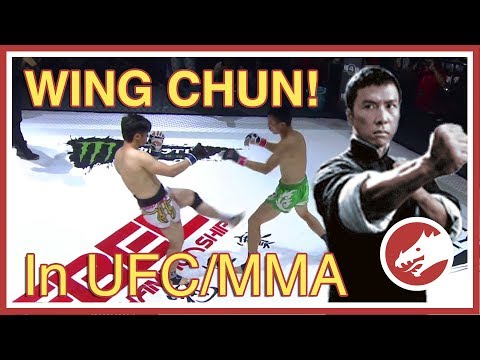
Wing Chun in the UFC/MMA Arena: Myth or Martial Reality?

As a Sensei who has dedicated a lifetime to the study and practice of combat, I've witnessed countless martial arts clash, both in the hallowed halls of dojos and in the brutal crucible of modern combat sports. The question often arises, whispered in hushed tones or debated heatedly online: Can a traditional art like Wing Chun, with its roots in close-quarters, theoretical combat, truly hold its own against the diverse and brutal disciplines seen in the UFC and wider MMA landscape? Many dismiss it as a relic, a cinematic fantasy popularized by Ip Man, unfit for the octagon. I, however, have always believed that the essence of any true martial art, when understood and applied correctly, possesses inherent value. Today, we delve into this contentious topic, not with blind faith, but with the critical eye of a seasoned warrior and film analyst.

The Whispers of Ip Man: Wing Chun's Mystique

Wing Chun. The name itself conjures images of Bruce Lee, of Ip Man, of lightning-fast strikes and an almost supernatural ability to absorb and redirect an opponent's force. Developed, legend has it, by a Buddhist nun, Ng Mui, this Southern Chinese martial art emphasizes efficient, direct movements, simultaneous blocking and striking (chi sao, or "sticky hands," being a prime example), and a strong centerline theory. Its proponents claim unparalleled effectiveness in close-range combat, a domain often found within the chaotic confines of an MMA bout.

The philosophy behind Wing Chun is one of simplicity and directness. It's not about flashy kicks or elaborate throws; it's about economy of motion, using your opponent's energy against them, and exploiting openings with devastating precision. This focus on principles rather than prescribed techniques is what, in theory, makes it adaptable.

"The most direct path is the most effective. In combat, we do not seek to impress, we seek to end the confrontation." - A foundational principle echoed by many Wing Chun practitioners.

Bridging the Gap: Core Principles vs. Octagon Reality

MMA, by its very nature, is a synthesis. It embraces striking (boxing, Muay Thai, Karate, Taekwondo), grappling (BJJ, Judo, Wrestling), and takes elements from countless other disciplines. To survive, let alone thrive, an MMA fighter must be a jack of all trades, master of one (often their primary discipline). So, where does Wing Chun, with its specific focus, fit into this multi-disciplinary tapestry?

The core principles of Wing Chun – centerline control, simultaneous block-and-strike, efficient footwork, and sensitivity development through chi sao – theoretically translate well. Imagine applying the simultaneous block-and-strike against a jab, or using centerline control to shut down an opponent's offensive reach. The emphasis on structure and power generation from the hips, rather than just brute force, could also be a significant advantage.

However, the stark reality of the octagon presents challenges. Wing Chun, in its purest form, often trains against stationary or predictable opponents. MMA is dynamic. Opponents don't stand still; they move, they grapple, they kick, they throw. Wing Chun's emphasis on standing within an opponent's striking range can be a perilous proposition against skilled Muay Thai clinch fighters or powerful wrestlers. Furthermore, many Wing Chun practitioners may not have developed the necessary conditioning or defensive grappling skills to deal with takedowns and ground combat, which are integral to MMA.

A Sensei's Analytical Breakdown: Core Techniques and Their MMA Viability

Let's dissect specific elements of Wing Chun and assess their potential application and pitfalls in an MMA context:

  • Pak Sao (Splitting Hand): This technique, designed to deflect an incoming strike and simultaneously open a path for your own attack, has direct parallels to defensive boxing and Muay Thai blocks. Its speed and efficiency are undeniable. However, in MMA, a deflected punch might still be followed by a grapple or a submission attempt.
  • Bong Sao (Arm Lever): Used to control an opponent's arm and create an opening, Bong Sao could be useful in the clinch. It offers a strong structure to redirect force. Yet, a skilled grappler can exploit the positioning created by Bong Sao to initiate a takedown.
  • Chain Punching (Biu Gee or "Thrusting Fingers"): The rapid-fire punching typical of Wing Chun is devastating in theory. Against a standard boxer, it could overwhelm. In MMA, however, the opponent is not only blocking but also defending takedowns, grappling, and employing a wider range of strikes. Maintaining the perfect structure for chain punches under such varied pressure is immensely difficult.
  • Wooden Dummy Training: The wooden dummy (Muk Yan Jong) is a cornerstone of Wing Chun training, refining structure, power, and technique. While excellent for developing muscle memory and biomechanical efficiency, it cannot replicate the unpredictable movement, resistance, and varied attack vectors of a live MMA opponent.
  • Chi Sao (Sticky Hands): This exercise trains sensitivity and reflex for close-range combat. It's invaluable for developing an intuitive understanding of an opponent's force. In MMA, chi sao principles are often seen implicitly in the clinch, but the lack of striking during traditional chi sao training means practitioners might be caught off guard by unexpected punches or takedowns.

The primary challenge is integration. Wing Chun's efficacy relies heavily on precise distance management and structure. In MMA, these factors are constantly in flux. A Wing Chun practitioner would need to adapt their principles to defend against kicks, learn takedown defense and offense, and develop a robust ground game. This isn't to say it's impossible, but it requires significant cross-training and a willingness to adapt the art.

The Path to Integration: Training Wing Chun for MMA

For a Wing Chun practitioner aspiring to compete in MMA, or simply to see their art's principles applied, a strategic training regimen is paramount. This involves:

  1. Prioritizing Takedown Defense: Learn to sprawl, defend single and double leg takedowns, and utilize the cage effectively.
  2. Developing Grappling Skills: Study Brazilian Jiu-Jitsu or Judo. Understanding how to escape submissions, control an opponent on the ground, and transition between positions is non-negotiable.
  3. Expanding Striking Range: While Wing Chun excels up close, MMA fighters must defend against and utilize kicks. Incorporate Muay Thai or Taekwondo techniques for leg kicks and kicks to the body.
  4. Sparring with Diverse Styles: Regularly spar with practitioners of different martial arts – boxers, wrestlers, Judokas, Muay Thai fighters. This is where theoretical applications meet practical resistance.
  5. Conditioning for Combat: MMA demands a high level of cardiovascular and muscular endurance. Traditional Wing Chun conditioning may need to be supplemented with HIIT (High-Intensity Interval Training) and strength training relevant to combat sports.

A practitioner who dedicates themselves to this cross-training can indeed leverage the efficiency and structural integrity of Wing Chun within an MMA framework. The key is not to abandon Wing Chun, but to build upon its foundation.

Zen Dragon's Perspective: Evidence in the Cage?

While direct, pure Wing Chun fighters are rare in the UFC, we can observe elements of its principles in the performance of many elite athletes. Think of the fight analysis of fighters like Cyril Gane, who, while primarily a striker with a background in Muay Thai, exhibits remarkable structural defense and precise, short-range power. Or consider the defensive reflexiveness seen in fighters like Jon Jones, whose ability to manage distance and deflect strikes, even while grappling, hints at sensitivity training akin to chi sao.

The provided video source itself, detailing "Wing Chun training & application in MMA" with footage of cage fights and sparring, attempts to demonstrate this very bridge. Observing such footage critically, one must ask: Are these truly pure Wing Chun applications, or are they adaptations by martial artists who have *incorporated* Wing Chun principles into a broader MMA skill set? This distinction is crucial.

The "Zen-Dragon elsewhere" links suggest a broader exploration of martial arts and philosophy. This integration is precisely what makes MMA so fascinating. It's a constant evolution, a proving ground where theory meets brutal reality.

Sensei's Verdict: Myth or Martial Reality?

Is Wing Chun viable in the UFC and MMA? My verdict, after years of study and observation, is nuanced but ultimately leans towards **Martial Reality, with caveats.**

Wing Chun, in its purest, unadulterated form, might struggle against the multifaceted threat of a seasoned MMA fighter. Its lack of explicit ground fighting and defense against varied striking ranges are significant liabilities. However, the principles of Wing Chun – its emphasis on efficiency, structure, centerline control, and sensitivity – are profoundly valuable.

A fighter who studies Wing Chun and then diligently integrates its core tenets into a comprehensive MMA skillset, supplementing it with robust grappling and diverse striking, can become a formidable force. The myth lies in believing Wing Chun alone is sufficient. The reality is that its principles, when understood and adapted, offer a unique and powerful edge in the close-quarters chaos of MMA.

Rating: Cinturón Negro en Potencial de Integración

Essential Gear for Your Training

To embark on your journey of integrating martial arts principles, having the right equipment is crucial. Whether you're focusing on Wing Chun fundamentals or preparing for MMA sparring, consider the following:

  • Protective Gear: For sparring, headgear, MMA gloves (typically 4oz or 6oz for striking, though heavier ones might be used for specific drills), shin guards, and mouthguards are indispensable for safety.
  • Training Partners: The most vital "gear" is a dedicated training partner or a good school. Sparring and chi sao drills require mutual effort and respect.
  • Training Aids: For Wing Chun, a well-constructed wooden dummy (Muk Yan Jong) is invaluable for practicing structure and striking. For MMA, heavy bags, speed bags, and focus mitts are essential for developing power and precision.
  • Comfortable Apparel: A breathable, flexible uniform or training attire is important for unrestricted movement. For styles that involve takedowns or ground work, a durable Judo gi or BJJ gi is necessary.

Frequently Asked Questions

  • Q: Can Wing Chun be used effectively for self-defense outside the cage?
    A: Absolutely. Wing Chun's emphasis on simultaneous block-and-strike, close-range efficiency, and disabling vital targets makes it highly practical for real-world self-defense scenarios. Its directness can end a confrontation quickly.
  • Q: What is the biggest challenge for a Wing Chun practitioner moving into MMA?
    A: The most significant challenge is the lack of dedicated training in takedown defense, grappling, and defending against a wider variety of striking ranges (especially kicks).
  • Q: Are there any famous MMA fighters who explicitly use Wing Chun?
    A: While few fighters are "pure" Wing Chun practitioners in MMA, many have incorporated its principles, such as effective centerline control, simultaneous blocking and striking, and efficient close-range power generation. Bruce Lee, though not an MMA fighter, was a proponent of Wing Chun and a pioneer in integrating martial arts.
  • Q: How does 'Chi Sao' compare to sparring in MMA?
    A: Chi Sao is a sensitivity drill focused on tactile feedback and reflex in close range, typically without full force or live striking. MMA sparring is a full-contact simulation that includes striking, grappling, takedowns, and submissions, demanding a much broader skillset and higher conditioning.

Deeper Dives into Your Journey

To truly understand the interplay of martial arts and combat sports, or to hone your own path, consider exploring these related topics:

Reflection of the Sensei: Your Next Step

We've dissected Wing Chun's potential within the MMA arena, moving beyond the cinematic mystique to the hard realities of combat. The question that remains is not whether Wing Chun *can* work, but rather, are you willing to bridge the gap? Are you prepared to take the efficient, direct principles of your art and forge them into a weapon capable of standing against the diverse onslaught of modern combat sports? Or will you remain content with the theoretical purity, a beautiful art form confined to demonstrations and hypothetical scenarios?

Ponder this: If a master of Wing Chun faced a master of Muay Thai in a street fight, with no rules, no referees, only survival – what principles would truly prevail? And more importantly, how can you train today to ensure that the 'real' you, in that critical moment, embodies those winning principles?

``` GEMINI_METADESC: Sensei analyzes if Wing Chun can truly be effective in UFC/MMA, examining its core principles, practical application, and challenges for practitioners.

Why BJJ Gyms That Neglect Striking Are Leaving Black Belts on the Table

Hey warriors and martial arts aficionados! It’s your Sensei here, ready to dissect a topic that’s been simmering in the dojo of my mind. We’ve all seen the evolution of combat sports. We’ve witnessed the legendary clashes, the strategic outmaneuvering, and the raw power that defines true mastery. Yet, a peculiar dogma persists in some traditional BJJ academies, a stubborn adherence to a singular discipline that, I argue, is a disservice to the art and its practitioners. Today, we're diving deep into the notion that Brazilian Jiu-Jitsu gyms neglecting the integration of striking are, quite frankly, missing out on a significant evolutionary leap. Eli Knight of @Knight Jiu-Jitsu articulates a compelling argument: the integration of strikes into regular BJJ classes isn't just a novelty; it's an essential step towards a more complete martial education. This isn't about diluting the art of the ground game, but about enriching it, about forging well-rounded combatants who understand the full spectrum of engagement.

The Interconnectedness of Grappling and Striking

For too long, the martial world has been compartmentalized. On one side, the devastating kicks and punches of Muay Thai, Karate, and Taekwondo. On the other, the intricate submission chains and takedowns of Judo and BJJ. Yet, the battlefield—be it a street confrontation or an MMA octagon—rarely respects these artificial boundaries. A fight can begin standing, transition to the ground, and then, just as suddenly, return to a standing position. To train solely for one phase is to train for only a fraction of the conflict.

Consider the origins of many martial arts. Judo, for instance, was born from a desire for a more comprehensive system than its predecessors. Kano Jigoro Shinto understood that balance was key. While BJJ, derived from Judo's groundwork (Ne-Waza), has achieved unparalleled sophistication on the mat, its "stand-up" component, while present in Judo's Tachi-Waza, often becomes secondary in pure BJJ curricula. This is where the disconnect occurs. How can a BJJ practitioner truly master the transition from standing to the ground if their striking defense and offense are rudimentary at best?

"True mastery lies not in mastering one aspect, but in understanding the interconnectedness of all." - A principle often echoed in the halls of martial wisdom.

Integrating striking, even at a fundamental level, provides invaluable context. It teaches practitioners timing, distance management, and the vital skill of striking defense. Learning to parry a punch, to slip a jab, or to maintain posture while under threat of being struck are skills that directly enhance a grappler's ability to execute takedowns and defend against submissions. Without this, a BJJ practitioner can become a formidable force once the fight hits the mat, but a sitting duck if the confrontation remains upright.

Beyond the Mat: Real-World Application and Mental Fortitude

While many BJJ gyms emphasize self-defense, the reality of a street altercation often involves threats that are not confined to grappling range. Attacks can come from unexpected angles, with fists, feet, or even improvised weapons. A BJJ practitioner trained only in ground techniques might find themselves overwhelmed before they even get the chance to implement their ground game. Adding striking training, even basic defensive maneuvers and controlled offensive bursts, provides a more realistic skillset for survival.

Furthermore, the mental aspect of martial arts training cannot be overstated. Facing a striking opponent in a controlled sparring environment builds a unique type of resilience. It instills a different kind of awareness, a heightened sense of danger, and the ability to remain composed under duress. This mental fortitude is transferable, making the practitioner calmer and more strategic in all aspects of their training and life. It fosters a deeper understanding of "Mushin," the mind without mind, essential for reacting instinctively and effectively in any scenario.

The argument isn't to turn BJJ gyms into full-blown MMA striking schools overnight. It's about progressive integration. Imagine incorporating drills that simulate striking exchanges before a takedown attempt, or adding basic defensive striking responses to common grappling attacks. This approach doesn't diminish the value of BJJ; it elevates it. It prepares practitioners for the multifaceted nature of combat, respecting the art of the ground while acknowledging the reality of the entire fight.

The "Why" Behind the Reluctance: Tradition vs. Evolution

So, why do some BJJ gyms shy away from incorporating striking? Often, it boils down to tradition and specialization. Many academies pride themselves on their pure grappling lineage, tracing their roots back to the Gracies and beyond. There's a reverence for the "Art of the Gentle Way" as it was originally conceived.

However, martial arts are not static entities. They are living, breathing disciplines that must adapt to survive and thrive. Karate has evolved. Judo has evolved. Even the hyper-specialized world of MMA is constantly innovating. To resist evolution is to risk stagnation. The original pioneers of BJJ were themselves innovators, adapting Judo groundwork for the reality of vale tudo. Continuing this spirit of innovation by integrating striking is the natural next step.

Consider the success of mixed martial artists. Many of the most dominant figures in MMA possess a strong foundation in grappling, but their success is amplified by their ability to strike effectively. Fighters like Khabib Nurmagomedov, despite his legendary grappling, understood the importance of striking to set up his takedowns and maintain control. This synergy is not a compromise; it's a testament to a complete martial education.

Equipo Esencial para tu Entrenamiento

While BJJ is often associated with just a gi, integrating striking requires a few key pieces of equipment to ensure safety and effectiveness. For any gym looking to expand its curriculum, these are non-negotiable:

  • Guantes de Boxeo/MMA: Essential for striking practice, ranging from 4oz MMA gloves for sparring to 10-16oz boxing gloves for bag work and partner drills. Different weights serve different purposes, but having a variety is beneficial.
  • Espinilleras (Shin Guards): Crucial for safe kick training and sparring, protecting both the striker and the grappler.
  • Casco de Sparring: Protects the head during striking drills, minimizing the risk of cuts and concussions, and allowing for more intense practice.
  • Protector Bucal (Mouthguard): A fundamental safety item for any form of sparring involving strikes.
  • Kimono de Doble Tejido para Judo y BJJ: While not directly for striking, a durable gi is paramount for the grappling component. Look for brands offering reinforced stitching and heavier fabrics that can withstand the rigors of integrated training.

Guía de Entrenamiento: Integrando Golpes Básicos en tu Rutina de BJJ

For the dedicated practitioners who find themselves in a BJJ-centric academy, here’s a simple way to start thinking about integration:

  1. Warm-up with Striking Drills: Begin your training session with 5-10 minutes of basic striking. Shadow boxing, focusing on jab, cross, hook, and uppercut, along with basic defensive movements like slipping and bobbing.
  2. Takedown Entries with Striking Threat: Practice initiating takedowns (e.g., double leg, single leg) while incorporating a punch or feint as a setup. This teaches you to manage distance and create openings.
  3. Guard Passing with Striking Defense: When drilling guard passes, have your partner (the one in guard) practice basic defensive strikes to create space or deter advances. This helps the passer learn to manage strikes while closing distance.
  4. Positional Sparring with Added Striking: During positional sparring (e.g., working from mount or side control), allow for controlled, light striking exchanges. This simulates the pressure of a fight where you might need to strike to improve your position or escape.
  5. Cool-down with Complementary Mobility: Finish with dynamic stretching that incorporates movements used in both striking and grappling, like rotational torso twists and lunges with punches.

Veredicto del Sensei: ¿Merece la pena?

The integration of striking into Brazilian Jiu-Jitsu training is not just a trend; it's a necessary evolution. To ignore it is to remain tethered to a singular aspect of combat, leaving practitioners vulnerable and less prepared for the dynamic reality of fighting. BJJ is a powerful art, but when combined with an understanding and application of striking, it transforms into a complete martial system capable of confronting any threat.

Calificación: Cinturón Negro en Visión Estratégica. A gyms that embrace this fusion, you are not just teaching BJJ; you are forging true martial artists.

Preguntas Frecuentes

What is the main argument for integrating striking into BJJ?

The primary argument is to create more well-rounded martial artists who are prepared for all phases of combat, from standing engagements to ground fighting, enhancing both effectiveness and real-world applicability.

Will adding strikes dilute the effectiveness of BJJ?

No, when integrated intelligently, striking can enhance BJJ by improving takedown entries, defense against strikes while grappling, and overall situational awareness, making the practitioner more complete.

What are the essential safety precautions when adding strikes to BJJ training?

Key precautions include using appropriate safety gear (gloves, mouthguards, shin guards, headgear), maintaining controlled sparring, and ensuring instructors are knowledgeable in both disciplines.

Is this approach suitable for beginners in BJJ?

Yes, basic defensive striking and controlled offensive drills can be introduced early on, helping beginners develop a better understanding of distance and timing, which complements their grappling development.

How can a traditional BJJ gym start incorporating striking?

They can begin with dedicated warm-ups featuring basic striking, incorporating striking setups into takedown drills, and allowing light, controlled striking during positional sparring sessions.

Para Profundizar en tu Camino

The journey of a martial artist is one of constant learning and adaptation. We must be willing to challenge our own preconceived notions and embrace new perspectives if we are to truly grow.

Reflexión del Sensei: Tu Próximo Paso

Consider your current training regimen. If you are in a BJJ academy, how often are strikes incorporated, even in a supplementary manner? If you train a striking art, how much emphasis is placed on transitioning to the ground? Are you a complete martial artist, or a specialist in a multi-faceted battlefield? The answer to these questions will reveal the true gaps in your preparation. Now, go forth and train with purpose, not just proficiency.

```

Why BJJ Gyms That Neglect Striking Are Leaving Black Belts on the Table

Hey warriors and martial arts aficionados! It’s your Sensei here, ready to dissect a topic that’s been simmering in the dojo of my mind. We’ve all seen the evolution of combat sports. We’ve witnessed the legendary clashes, the strategic outmaneuvering, and the raw power that defines true mastery. Yet, a peculiar dogma persists in some traditional BJJ academies, a stubborn adherence to a singular discipline that, I argue, is a disservice to the art and its practitioners. Today, we're diving deep into the notion that Brazilian Jiu-Jitsu gyms neglecting the integration of striking are, quite frankly, missing out on a significant evolutionary leap. Eli Knight of @Knight Jiu-Jitsu articulates a compelling argument: the integration of strikes into regular BJJ classes isn't just a novelty; it's an essential step towards a more complete martial education. This isn't about diluting the art of the ground game, but about enriching it, about forging well-rounded combatants who understand the full spectrum of engagement.

The Interconnectedness of Grappling and Striking

For too long, the martial world has been compartmentalized. On one side, the devastating kicks and punches of Muay Thai, Karate, and Taekwondo. On the other, the intricate submission chains and takedowns of Judo and BJJ. Yet, the battlefield—be it a street confrontation or an MMA octagon—rarely respects these artificial boundaries. A fight can begin standing, transition to the ground, and then, just as suddenly, return to a standing position. To train solely for one phase is to train for only a fraction of the conflict.

Consider the origins of many martial arts. Judo, for instance, was born from a desire for a more comprehensive system than its predecessors. Kano Jigoro Shinto understood that balance was key. While BJJ, derived from Judo's groundwork (Ne-Waza), has achieved unparalleled sophistication on the mat, its "stand-up" component, while present in Judo's Tachi-Waza, often becomes secondary in pure BJJ curricula. This is where the disconnect occurs. How can a BJJ practitioner truly master the transition from standing to the ground if their striking defense and offense are rudimentary at best?

"True mastery lies not in mastering one aspect, but in understanding the interconnectedness of all." - A principle often echoed in the halls of martial wisdom.

Integrating striking, even at a fundamental level, provides invaluable context. It teaches practitioners timing, distance management, and the vital skill of striking defense. Learning to parry a punch, to slip a jab, or to maintain posture while under threat of being struck are skills that directly enhance a grappler's ability to execute takedowns and defend against submissions. Without this, a BJJ practitioner can become a formidable force once the fight hits the mat, but a sitting duck if the confrontation remains upright.

Beyond the Mat: Real-World Application and Mental Fortitude

While many BJJ gyms emphasize self-defense, the reality of a street altercation often involves threats that are not confined to grappling range. Attacks can come from unexpected angles, with fists, feet, or even improvised weapons. A BJJ practitioner trained only in ground techniques might find themselves overwhelmed before they even get the chance to implement their ground game. Adding striking training, even basic defensive maneuvers and controlled offensive bursts, provides a more realistic skillset for survival.

Furthermore, the mental aspect of martial arts training cannot be overstated. Facing a striking opponent in a controlled sparring environment builds a unique type of resilience. It instills a different kind of awareness, a heightened sense of danger, and the ability to remain composed under duress. This mental fortitude is transferable, making the practitioner calmer and more strategic in all aspects of their training and life. It fosters a deeper understanding of "Mushin," the mind without mind, essential for reacting instinctively and effectively in any scenario.

The argument isn't to turn BJJ gyms into full-blown MMA striking schools overnight. It's about progressive integration. Imagine incorporating drills that simulate striking exchanges before a takedown attempt, or adding basic defensive striking responses to common grappling attacks. This approach doesn't diminish the value of BJJ; it elevates it. It prepares practitioners for the multifaceted nature of combat, respecting the art of the ground while acknowledging the reality of the entire fight.

The "Why" Behind the Reluctance: Tradition vs. Evolution

So, why do some BJJ gyms shy away from incorporating striking? Often, it boils down to tradition and specialization. Many academies pride themselves on their pure grappling lineage, tracing their roots back to the Gracies and beyond. There's a reverence for the "Art of the Gentle Way" as it was originally conceived.

However, martial arts are not static entities. They are living, breathing disciplines that must adapt to survive and thrive. Karate has evolved. Judo has evolved. Even the hyper-specialized world of MMA is constantly innovating. To resist evolution is to risk stagnation. The original pioneers of BJJ were themselves innovators, adapting Judo groundwork for the reality of vale tudo. Continuing this spirit of innovation by integrating striking is the natural next step.

Consider the success of mixed martial artists. Many of the most dominant figures in MMA possess a strong foundation in grappling, but their success is amplified by their ability to strike effectively. Fighters like Khabib Nurmagomedov, despite his legendary grappling, understood the importance of striking to set up his takedowns and maintain control. This synergy is not a compromise; it's a testament to a complete martial education.

Equipo Esencial para tu Entrenamiento

While BJJ is often associated with just a gi, integrating striking requires a few key pieces of equipment to ensure safety and effectiveness. For any gym looking to expand its curriculum, these are non-negotiable:

  • Guantes de Boxeo/MMA: Essential for striking practice, ranging from 4oz MMA gloves for sparring to 10-16oz boxing gloves for bag work and partner drills. Different weights serve different purposes, but having a variety is beneficial.
  • Espinilleras (Shin Guards): Crucial for safe kick training and sparring, protecting both the striker and the grappler.
  • Casco de Sparring: Protects the head during striking drills, minimizing the risk of cuts and concussions, and allowing for more intense practice.
  • Protector Bucal (Mouthguard): A fundamental safety item for any form of sparring involving strikes.
  • Kimono de Doble Tejido para Judo y BJJ: While not directly for striking, a durable gi is paramount for the grappling component. Look for brands offering reinforced stitching and heavier fabrics that can withstand the rigors of integrated training.

Guía de Entrenamiento: Integrando Golpes Básicos en tu Rutina de BJJ

For the dedicated practitioners who find themselves in a BJJ-centric academy, here’s a simple way to start thinking about integration:

  1. Warm-up with Striking Drills: Begin your training session with 5-10 minutes of basic striking. Shadow boxing, focusing on jab, cross, hook, and uppercut, along with basic defensive movements like slipping and bobbing.
  2. Takedown Entries with Striking Threat: Practice initiating takedowns (e.g., double leg, single leg) while incorporating a punch or feint as a setup. This teaches you to manage distance and create openings.
  3. Guard Passing with Striking Defense: When drilling guard passes, have your partner (the one in guard) practice basic defensive strikes to create space or deter advances. This helps the passer learn to manage strikes while closing distance.
  4. Positional Sparring with Added Striking: During positional sparring (e.g., working from mount or side control), allow for controlled, light striking exchanges. This simulates the pressure of a fight where you might need to strike to improve your position or escape.
  5. Cool-down with Complementary Mobility: Finish with dynamic stretching that incorporates movements used in both striking and grappling, like rotational torso twists and lunges with punches.

Veredicto del Sensei: ¿Merece la pena?

The integration of striking into Brazilian Jiu-Jitsu training is not just a trend; it's a necessary evolution. To ignore it is to remain tethered to a singular aspect of combat, leaving practitioners vulnerable and less prepared for the dynamic reality of fighting. BJJ is a powerful art, but when combined with an understanding and application of striking, it transforms into a complete martial system capable of confronting any threat.

Calificación: Cinturón Negro en Visión Estratégica. A gyms that embrace this fusion, you are not just teaching BJJ; you are forging true martial artists.

Preguntas Frecuentes

What is the main argument for integrating striking into BJJ?

The primary argument is to create more well-rounded martial artists who are prepared for all phases of combat, from standing engagements to ground fighting, enhancing both effectiveness and real-world applicability.

Will adding strikes dilute the effectiveness of BJJ?

No, when integrated intelligently, striking can enhance BJJ by improving takedown entries, defense against strikes while grappling, and overall situational awareness, making the practitioner more complete.

What are the essential safety precautions when adding strikes to BJJ training?

Key precautions include using appropriate safety gear (gloves, mouthguards, shin guards, headgear), maintaining controlled sparring, and ensuring instructors are knowledgeable in both disciplines.

Is this approach suitable for beginners in BJJ?

Yes, basic defensive striking and controlled offensive drills can be introduced early on, helping beginners develop a better understanding of distance and timing, which complements their grappling development.

How can a traditional BJJ gym start incorporating striking?

They can begin with dedicated warm-ups featuring basic striking, incorporating striking setups into takedown drills, and allowing light, controlled striking during positional sparring sessions.

Para Profundizar en tu Camino

The journey of a martial artist is one of constant learning and adaptation. We must be willing to challenge our own preconceived notions and embrace new perspectives if we are to truly grow.

Reflexión del Sensei: Tu Próximo Paso

Consider your current training regimen. If you are in a BJJ academy, how often are strikes incorporated, even in a supplementary manner? If you train a striking art, how much emphasis is placed on transitioning to the ground? Are you a complete martial artist, or a specialist in a multi-faceted battlefield? The answer to these questions will reveal the true gaps in your preparation. Now, go forth and train with purpose, not just proficiency.

GEMINI_METADESC: Explore why BJJ gyms are missing out by not integrating striking, enhancing combat readiness and creating well-rounded martial artists. Expert analysis and training tips.

The Incredible Story of MMA & The UFC: A Budo Warrior's Perspective

Introduction: The Birth of the Modern Gladiators

What is it that draws us to the raw, unfiltered spectacle of men and women testing their limits in combat? For centuries, humanity has been captivated by martial prowess, from the ancient Olympic pankration to the samurai's duel. Today, few arenas command such attention as the octagon, the birthplace of modern Mixed Martial Arts (MMA) and the epicentre of the Ultimate Fighting Championship (UFC). But how did we arrive at this point? Is MMA merely a brutal display of violence, or does it embody a profound lineage of warrior traditions? As a student of the Budo and a critic of martial arts cinema, I can assure you, the story is far richer and more complex than it appears on the surface. This is not just about knockouts and submissions; it's about the evolution of combat, the test of human spirit, and the enduring philosophy that underpins every strike, every grapple, every moment of victory and defeat. Prepare yourselves, for we are about to embark on a journey through the history of MMA and the UFC, viewed through the critical lens of a martial arts Sensei.

From Ancient Roots to Modern Arenas

The concept of "mixed martial arts" isn't a recent invention. Long before the UFC, combatants across the globe honed diverse skill sets to overcome their opponents. Think of the ancient Greeks and their pankration, a devastating blend of boxing and wrestling. Consider the Shaolin monks, who synthesized numerous fighting styles into a cohesive system. Even the legendary Miyamoto Musashi, with his unique "Niten Ichi-ryū" (Two Heavens as One style), advocated for mastering a multitude of weapons and strategies, not limiting oneself to a single approach. This fundamental principle – that a true warrior must be versatile – echoes through the ages and is the very soul of MMA. The desire to find the most effective way to fight, regardless of the discipline, is as old as conflict itself.
"Know the enemy and know yourself; in a hundred battles, you will never be in danger." - Sun Tzu, The Art of War. In MMA, "knowing yourself" means understanding your own strengths and weaknesses across various martial disciplines.
The very essence of MMA is this very principle: the cross-pollination of techniques, the ultimate test of martial effectiveness. It's a modern manifestation of an ancient human drive to excel in combat by embracing a holistic approach to fighting.

The Gritty Genesis of Mixed Martial Arts

Before the polished spectacle of today's UFC, MMA's roots were far more primal. Various organizations and historical events laid the groundwork. In Brazil, for instance, the Gracie family developed Brazilian Jiu-Jitsu (BJJ), emphasizing ground fighting and submissions. They famously promoted "Gracie Challenges," where practitioners would face exponents of other martial arts to prove the superiority of their grappling techniques. These were no-holds-barred affairs, testing not just skill but raw courage and endurance.
Elsewhere, Vale Tudo ("anything goes") tournaments in Brazil became legendary for their brutality and lack of rules. These were often chaotic, dangerous events that, while ethically questionable by modern standards, served as crucial proving grounds for different martial arts. They highlighted the strengths of grappling arts like BJJ and wrestling when pitted against striking disciplines like Karate or Taekwondo. The realization dawned: no single art held a monopoly on effective combat. A fighter needed a well-rounded arsenal.

The UFC's Crucible: Forging a Sport

The true revolution, however, began in 1993 with the inception of the Ultimate Fighting Championship. Initially conceived as a tournament to determine the most effective martial art, the early UFC events were stark, raw, and controversial. Eight fighters, representing diverse backgrounds like Karate, Kung Fu, Boxing, Kickboxing, Sumo, and Brazilian Jiu-Jitsu, entered an eight-man elimination bracket. The goal was simple: find out who would win in a no-rules fight. The early tournaments, particularly UFC 1, famously showcased the dominance of Royce Gracie, a slender BJJ practitioner who repeatedly submitted much larger, stronger opponents using his superior ground fighting skills. This was a paradigm shift. It forced practitioners of traditional striking arts to confront the efficacy of grappling and vice-versa. It shattered the myth that size and brute force alone determined victory.
"When you are in a fight, you cannot be looking for the perfect technique. You have to look for the technique that works in that moment, against that opponent." - A common sentiment echoed by many early MMA pioneers.
The UFC's early years were a chaotic, yet vital, experiment. It was a crucible where disparate martial arts collided, and from that collision, a new sport began to emerge. The initial lack of weight classes and the minimal ruleset, while horrifying to some, were precisely what allowed for this unprecedented comparison of martial effectiveness.

Evolution and Challenges: The Road to Mainstream

The raw, almost barbaric, nature of early MMA was a double-edged sword. It drew immense attention but also attracted significant criticism, leading to bans and widespread condemnation. Senator John McCain famously spearheaded efforts to ban the sport, deeming it "human cockfighting." This intense pressure forced the sport's governing bodies, including the UFC, to evolve. Gradually, rules were introduced and refined. Weight classes were established to ensure fairer competition. Stricter regulations on fouls and fighting conduct were implemented. The introduction of gloves, the prohibition of certain dangerous techniques, and the refinement of judging criteria transformed MMA from a spectacle of raw violence into a legitimate, albeit still intense, sport.
The Fertitta brothers' purchase of the UFC in 2001, with Dana White at the helm, marked a turning point. Through strategic marketing, groundbreaking television deals, and the development of the reality show "The Ultimate Fighter," the UFC began its meteoric rise. This series, in particular, humanized the fighters, showcasing their dedication, sacrifice, and the rigorous training required. It allowed audiences to connect with the athletes on a deeper level, understanding the discipline and the "why" behind their pursuit. MMA, once a fringe phenomenon, was steadily gaining mainstream acceptance, appealing to fans of boxing, wrestling, judo, karate, and virtually every other combat sport.

The Warrior's Code in the Octagon

While the rules have evolved, the spirit of the warrior, the core tenets of Budo, remain relevant in modern MMA. The discipline required to train for an MMA bout is immense. Fighters must master striking, grappling, wrestling, and conditioning. This necessitates an unwavering commitment to self-improvement, a core principle in all traditional martial arts. The concept of "Mushin" – a mind free from thought, a state of flow – is often displayed by elite MMA athletes. When a fighter operates in this state, their reactions are instinctive, honed by thousands of hours of practice. They are not thinking; they are *doing*. This is the pinnacle of martial training, whether in a dojo or an octagon. Furthermore, the respect shown between competitors, particularly after a grueling fight, embodies the martial ideal. Despite the intense conflict within the cage, there is often a profound respect for the opponent's skill and courage. This is the embodiment of "respect for the adversary," a cornerstone of martial philosophy. The octagon, in its own way, has become a modern dojo for testing not just physical prowess, but mental fortitude, discipline, and the warrior spirit.
"The ultimate aim of martial arts is not to be better than others, but to be better than your former self." - This ancient proverb is lived out daily by MMA fighters who push their limits in training and competition.
The journey from ancient combat systems to the global phenomenon of MMA and the UFC is a testament to the enduring human fascination with conflict, skill, and the spirit of the warrior. It’s a continuous evolution, driven by the desire to find the most effective way to overcome an opponent, always pushing the boundaries of human capability.

Essential Gear for Your Training

For those inspired to explore the world of combat sports, whether it's MMA, BJJ, Muay Thai, or Karate, having the right equipment is crucial. Quality gear not only enhances your training but also provides essential protection.
  • Gloves: For striking disciplines like Muay Thai, Kickboxing, or MMA sparring, 16oz training gloves are a standard. They offer ample padding to protect your hands and your training partners.
  • Hand Wraps: Always use hand wraps beneath your gloves to provide extra support to your knuckles and wrists, preventing injuries during intense striking sessions.
  • Mouthguard: Non-negotiable for any sparring. A custom-fitted mouthguard offers the best protection against dental injuries.
  • Shin Guards: Essential for Muay Thai and Kickboxing training to protect against kicks and improve your kicking defense.
  • Brazilian Jiu-Jitsu Gi: For BJJ practitioners, a durable Gi (Kimono) is necessary. Look for a double-weave or heavy weave Gi for added resilience. Brands like Tatami or Fuji offer excellent options for both beginners and advanced practitioners.
  • Wrestling Shoes: Lightweight, supportive shoes with good grip are beneficial for wrestling and BJJ training on the mats.
  • MMA Gloves: Designed with open fingers for grappling, these are specific to MMA training and competition.
Investing in good Karate merchandise or Judo equipment can also significantly improve your training experience and safety. Remember, proper attire is a sign of respect for the art and your fellow practitioners.

Frequently Asked Questions

  • What does MMA stand for?
    MMA stands for Mixed Martial Arts.
  • Is MMA a real sport?
    Yes, MMA is recognized as a legitimate and highly demanding sport worldwide, with professional organizations like the UFC hosting major international events.
  • What is the difference between MMA and UFC?
    MMA is the sport itself, the combination of various martial arts. The UFC (Ultimate Fighting Championship) is the largest and most prominent organization that promotes MMA events.
  • Do MMA fighters train in only one martial art?
    No, successful MMA fighters train in a variety of disciplines, including striking arts (like Boxing, Muay Thai, Karate) and grappling arts (like Brazilian Jiu-Jitsu, Wrestling, Judo).
  • How dangerous is MMA?
    Like many full-contact combat sports, MMA carries inherent risks. However, stringent rules, weight classes, and safety equipment have significantly reduced the dangers compared to its early days.

To Delve Deeper on Your Path

* The Rich Tapestry of Karate History * Understanding the Budo Warrior's Philosophy * Practical Tips for Your MMA Training Regimen

Sensei's Reflection: Your Next Step

We've traced the lineage of MMA from ancient battlefields to the roaring crowds of the UFC. We've seen how disparate martial arts, once rivals, have found common ground in the crucible of competition. The question remains: does the spirit of Budo truly endure in this modern gladiatorial arena? Or has the pursuit of spectacle overshadowed the path of self-mastery? Reflect on this: is the true essence of a martial art found in its ancient traditions, or in its capacity to adapt and prove its efficacy in the face of any challenge?

Reflexión del Sensei: Tu Próximo Paso

The journey from ancient combat systems to the global phenomenon of MMA and the UFC is a testament to the enduring human fascination with conflict, skill, and the spirit of the warrior. It’s a continuous evolution, driven by the desire to find the most effective way to overcome an opponent, always pushing the boundaries of human capability. Now, I pose this to you: If the goal of martial arts is to forge stronger individuals, both physically and mentally, does the modern MMA fighter, with their dedication to comprehensive training and their willingness to face diverse challenges, represent the ultimate evolution of the warrior spirit, or a dilution of ancient principles? Let your thoughts flow. Debate. Disagree. Prove your stance. Your next move is on the mat… or in the comments below. ``` GEMINI_METADESC: Un Sensei desmantela la historia de MMA y UFC, analizando su evolución desde las raíces marciales hasta el deporte moderno. ¿Encarna el espíritu del Budo?

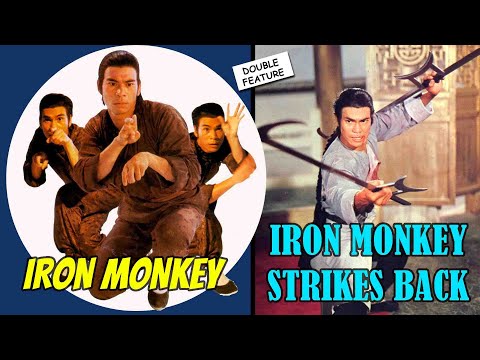
The Shaolin Monkey Fist: Unveiling the Ferocity of Wu-Tang's "Iron Monkey" Duology

The Call of the Monkey Fist

Ah, the Wu-Tang Collection! A name that conjures images of raw, unadulterated martial arts cinema. Today, we delve into a duo of films that, while perhaps not reaching the stratospheric heights of some Hong Kong classics, offer a potent glimpse into the enduring allure of the "Monkey Fist" style and the legendary Shaolin Temple. But are these films mere historical curiosities, or do they hold genuine lessons for the modern practitioner? That is the question we must dissect.

Many come to the world of cinema seeking not just entertainment, but the very spirit of the warrior. They want to understand the techniques, the philosophy, the dedication. They search for films that resonate with the sweat, the discipline, and the eventual enlightenment found on the training mats. This is where the "Iron Monkey" films, despite their imperfections, spark a particular curiosity.

Iron Monkey: Genesis of a Legend

Let us first dissect the original Iron Monkey, directed by Chen Kuan Tai. The premise is a familiar, yet potent, narrative arc: the sole survivor of a brutal massacre, driven by vengeance and fate, seeks refuge and mastery at the hallowed grounds of the Shaolin Temple. The casting features Chen Kuan Tai himself, Chi Kuan Chun, Wilson Tong, and Leung Kar Yan – names that, to the initiated, carry weight in the world of martial arts film.

The core of the story lies in the protagonist's journey to master the "Monkey Fist" method. This style, deeply rooted in animal mimicry, is characterized by its unpredictable, agile, and often acrobatic movements. Imagine a primate – its speed, its ability to change direction instantly, its deceptive simplicity masking a complex, devastating effectiveness. The film aims to showcase this, and in its better moments, it succeeds in conveying a sense of raw, untamed power.

"The Monkey style is not merely a collection of movements; it is an embodiment of adaptation and opportunism. It teaches us to flow, to deceive, and to strike when the moment is ripe, much like a monkey seizing a falling fruit." - A hypothetical elder from the Shaolin tradition.

Chen Kuan Tai, a veteran of the genre, brings a certain gravitas to the role. However, it is the depiction of the Monkey Fist itself that will draw the most attention from seasoned martial artists. Is the choreography a true representation, or a stylized interpretation for the screen? We shall examine this.

Shaolin's Shadow: The Monkey Style

The Shaolin Temple. The very name echoes through the annals of martial history. It is the mythical birthplace of countless combat disciplines, a place where the body and mind are forged into instruments of unparalleled skill and discipline. The integration of the Monkey Fist into this legendary institution is a narrative device that immediately elevates the stakes.

The Monkey style, in its essence, is about fluidity, evasiveness, and unpredictable attacks. It often incorporates elements of deception, mimicking the playful yet dangerous nature of its namesake. Movements can be low to the ground, incorporating rolls and evasions, then explosively transition to high, sweeping kicks or rapid-fire hand strikes. The emphasis is on agility and a seemingly chaotic, yet deeply ingrained, pattern of offense and defense. The goal is to overwhelm the opponent with a barrage of unexpected strikes and evasions, leaving them disoriented and vulnerable.

For a practitioner, mastering the Monkey Fist requires not just physical conditioning – extraordinary flexibility, agility, and stamina – but also a keen mental acuity. The ability to think on your feet, to adapt to your opponent's every move, and to exploit openings with lightning speed are paramount. This is where the film's narrative intent, however imperfectly realized, touches upon profound martial truths.

Iron Monkey Strikes Back: Detective Work and Deadly Fists

Following the initial installment, we have Iron Monkey Strikes Back, directed by Pao Hsueh Li. This film shifts gears, introducing a more investigative narrative. Chen Kuan Tai returns, this time as a Kung fu fighting detective, Mister Cool Head. The plot involves the murder of the emperor's wife and a deep-seated conspiracy at high levels of government.

The addition of the detective element adds a layer of intrigue, but the core appeal remains the martial arts. The film promises "untold fighting" from the team behind the first movie. This implies a continued focus on the action sequences, but the question remains: does the investigative plot detract from or enhance the martial arts spectacle?

Mister Cool Head, the protagonist, is tasked with unraveling this complex web of deceit. His methods, naturally, involve not just keen observation and deduction, but also the application of his formidable Kung fu skills. This blend of detective work and combat is a staple in many martial arts narratives, offering opportunities for both intellectual and physical prowess to shine.

The cast includes Chen Kuan Tai, Chen Sing, Chia Ling, and Suen Rong Jye, suggesting a continuation of the established martial arts talent. The promise of more fighting from the original team is a clear selling point for fans of the first film, but it also raises the bar for the quality and creativity of the action choreography.

Wu-Tang Collection: A Critical Eye on the Duology

Now, let us don our critical gi and examine these films through the lens of a seasoned martial artist and film enthusiast. The Wu-Tang Collection, in its ambition to showcase various facets of martial arts cinema, often presents films that are rough around the edges but possess a certain undeniable charm and historical significance.

Choreography and Authenticity: This is where the debate truly ignites. Does the "Monkey Fist" depicted here bear any resemblance to historically recognized forms? While cinematic interpretation often prioritizes spectacle over strict adherence, a truly great martial arts film will at least hint at the underlying principles of the style. The agility and unpredictability are key. If the movements feel rehearsed, lack a sense of grounded physics, or rely too heavily on wire-work without internal logic, then the film falters in its martial representation.

Acting and Narrative Cohesion: While the focus is on fighting, the narrative and performances still matter. Does the story hold together? Are the characters compelling, or merely archetypes going through the motions? In the case of Iron Monkey Strikes Back, the blend of detective work and martial arts needs to be handled with care. If the investigative plot feels shoehorned in, or if the transitions between dialogue and fight scenes are jarring, it detracts from the overall experience.

The "Spirit" of the Martial Art: Beyond the technical aspects, does the film capture the essence of the martial art it portrays? The Monkey Fist, like many traditional styles, is more than just physical technique. It embodies a philosophy of adaptability, wit, and sometimes, a playful approach to combat. Does the film convey this deeper meaning, or is it merely a series of flashy moves?

The films within the Wu-Tang Collection often serve as valuable archives, preserving styles and stories that might otherwise be lost to time. However, it is crucial to approach them with a discerning eye, appreciating their historical context while acknowledging their cinematic limitations.

Training the Monkey: Principles and Practice

For those inspired by the Monkey Fist style, actual training can be a rewarding, albeit challenging, endeavor. The core principles emphasize:

  1. Agility and Footwork: The ability to move quickly and change direction with minimal effort is paramount. This involves drills focusing on quick feet, evasive dodges, and dynamic stance transitions. Think of a monkey leaping from branch to branch – never staying in one place for too long.
  2. Unpredictable Strikes: Monkey Fist attacks are rarely linear. They can come from unexpected angles, often using the entire body to generate power. This requires practicing a wide variety of hand and foot techniques, incorporating spins, rolls, and sudden bursts of speed.
  3. Deception and Misdirection: A key element is making the opponent believe you are doing one thing while preparing to do another. This involves feints, changes in posture, and drawing your opponent's attention away from your true target.
  4. Lower Stances and Groundwork: Monkey style often incorporates very low stances and techniques that utilize the ground, allowing for rapid evasion and surprising offensive maneuvers from seemingly vulnerable positions.
  5. Upper Body Dexterity: Beyond punches, Monkey style often employs clawing motions, grasping techniques, and rapid, multi-limb attacks that mimic the grasping and striking of a primate.

While dedicated Monkey style Kung fu schools are rare outside of specialized martial arts circles, many of its principles can be incorporated into other training regimens. Focus on developing explosive power, enhancing flexibility, and practicing unpredictable combinations. Drills that involve reacting to stimuli, such as partner drills or agility courses, are invaluable.

Essential Gear for Your Training

To truly immerse yourself in the spirit of martial arts training, having the right equipment can make a significant difference. For styles that emphasize agility and fluidity, like the Monkey Fist, versatility in your attire is key.

  • Lightweight Kung Fu Uniforms: Opt for uniforms made from breathable, lightweight fabrics such as cotton or a poly-cotton blend. These allow for maximum freedom of movement without restricting your agility. A traditional loose-fitting top and comfortable trousers are ideal.
  • Flexible Training Shoes: For styles that involve a lot of footwork and low stances, flexible, minimalist shoes are recommended. These provide grip and a good connection to the ground without impeding natural foot movement. Many traditional martial arts footwear options fit this description.
  • Padding for Sparring (If Applicable): If you progress to sparring, appropriate safety gear is crucial. This includes padded gloves, shin guards, and headgear. Ensure they are lightweight and don't hinder your agility.
  • Training Mats: For practicing low stances, rolls, and falls, having a suitable training surface is important. Interlocking foam mats can provide a safe and comfortable environment for practicing these dynamic movements at home.

Remember, the best equipment is that which allows you to train effectively and safely, without hindering the core principles of your chosen art.

Frequently Asked Questions

What is the Monkey Fist style in Kung Fu?

The Monkey Fist is a traditional Kung Fu style that imitates the movements and behavior of a monkey. It is characterized by its extreme agility, unpredictable attacks, deceptive maneuvers, and often acrobatic techniques.

Are the "Iron Monkey" movies historically accurate representations of Shaolin Kung Fu?

While the films are inspired by Shaolin traditions and feature martial arts, they are primarily entertainment. Cinematic liberties are taken with choreography and narrative for dramatic effect. They offer a stylized glimpse rather than a documentary-accurate depiction.

Can I learn Monkey Fist style from these movies alone?

No. While inspiring, these films are not instructional. Authentic martial arts training requires guidance from a qualified instructor in a controlled environment to ensure safety and proper technique.

What are the main benefits of training in agile martial arts styles?

Training in agile styles enhances physical attributes like speed, flexibility, coordination, and balance. Mentally, it sharpens reflexes, improves problem-solving skills under pressure, and fosters adaptability.

Is the Wu-Tang Collection good for beginners in martial arts cinema?

The Wu-Tang Collection offers a unique, often raw, look into martial arts films from different eras and regions. While some entries might be less polished, they provide historical context and showcase a variety of styles. For beginners, it's a dive into the deep end, offering a different perspective than mainstream martial arts movies.

Deepen Your Understanding

The world of martial arts cinema is vast and rich. To continue your exploration of its nuances and connect with its enduring legacy, I recommend delving into related discussions and resources:

The Enduring Legacy of the Monkey

The "Iron Monkey" duology, as presented within the Wu-Tang Collection, serves as a potent reminder of the enduring appeal of the Monkey Fist style and the mythical aura surrounding the Shaolin Temple. While cinematic gloss may be absent in places, the raw energy, the dedication to showcasing dynamic combat, and the narrative of a warrior's journey resonate deeply.

For the martial artist, these films are not blueprints for combat, but rather sparks that can ignite further curiosity. They highlight principles of agility, deception, and adaptability that are fundamental to many fighting systems. They encourage us to look beyond mere technique and appreciate the philosophy and spirit that underpins true martial prowess.

Sensei's Reflection: Your Next Move

The monkey is known for its ability to adapt and thrive in diverse environments. After witnessing the trials of Iron Monkey and Mister Cool Head, consider this: In your own training and life, where do you find yourself most rigid? Where is your adaptability being tested? How can you incorporate the fluidity and unpredictability of the Monkey Fist, not just in your physical movements, but in your approach to challenges? Reflect on this, and let your actions speak louder than words.

``` GEMINI_METADESC: Dive into the fierce world of the Monkey Fist style with our critical analysis of Wu-Tang's \"Iron Monkey\" duology. Explore Shaolin secrets, fight choreography, and practical training tips.