The true warrior is a craftsman, a master of his art. To understand Karate, we must understand its origin, its very soul. This isn't just about punches and kicks; it's about history, philosophy, and a lineage that stretches back through time.
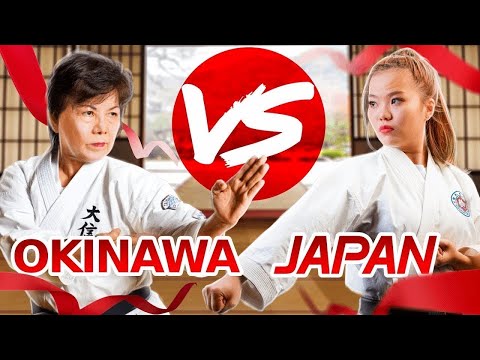
The world knows Karate. It’s a global phenomenon, a martial art that has graced Olympic stages and countless dojos from Tokyo to Toronto. Yet, how many truly grasp the profound chasm that separates the Karate born on the subtropical islands of Okinawa from the Karate that evolved on mainland Japan? This isn't a mere stylistic nuance; it’s a divergence rooted in history, culture, and the very purpose for which the art was honed. To truly appreciate Karate, one must delve into its genesis, and that journey begins in Okinawa. Here, I will illuminate ten critical distinctions that define the Karate of its birthplace versus its mainland evolution, offering you, the dedicated practitioner, a deeper, more critical understanding.
Karate's journey from the shores of Okinawa to the global stage is a testament to its efficacy and enduring appeal. Yet, in this global dissemination, certain core principles and distinctions have become diluted, misunderstood, or even lost. Understanding the differences between Okinawan Karate and Japanese Karate is not about declaring one superior, but about appreciating the distinct evolutionary paths each has taken. Okinawa, the cradle of Karate, developed an art forged in the crucible of survival and oppression. Japan, upon its introduction, adapted and transformed it, often for different societal roles and eventually, as a modern sport. This distinction is crucial for any serious martial artist seeking to connect with the art's historical integrity and profound depth.
Difference 1: Origins and Purpose - Survival vs. Modern Sport
The fundamental divergence lies in the initial *raison d'être*. Okinawan Karate, or 'Tōde' (Chinese Hand), emerged from a need for effective self-defense under the Satsuma domain's ban on weapons. Its primary objective was **survival**. Techniques were direct, brutal, and designed to incapacitate quickly. This ethos permeates the older Okinawan styles like Naha-te, Shuri-te, and Tomari-te.
Conversely, when Karate was introduced to mainland Japan by masters like Gichin Funakoshi (who, it's crucial to remember, was Okinawan himself), it was systematically reorganized and formalized. Funakoshi sought to integrate Karate into the Japanese educational system, emphasizing its character-building aspects and moving it away from its overtly combative roots. This led to the development of styles like Shotokan, which, while still powerful, often prioritized aesthetics, formalized sparring (kumite), and competitive sport aspects.
"The purpose of martial arts is not to defeat an enemy, but to defeat oneself." - Gichin Funakoshi
This quote, while profound, highlights the shift. Okinawan Karate's "self-defeat" was often literal: overcoming the enemy before they overcame you. Japanese Karate's "self-defeat" evolved towards overcoming personal limitations, ego, and developing discipline within a structured framework.
Difference 2: Kobudō Integration - Weapons as an Extension of the Body
In Okinawa, Karate and Kobudō (the art of weapon-based self-defense) are inextricably linked. Masters of Karate were often masters of weapons. The movements, principles, and body mechanics learned in empty-hand forms (kata) directly translated to the use of weapons like the *bō* (staff), *sai* (truncheon), *tonfa* (nightstick), and *kama* (sickle). Kobudō wasn't an add-on; it was an integral part of the complete martial education.
On mainland Japan, while Kobudō exists, it is often taught as a separate discipline from Karate. The focus shifted predominantly to empty-hand techniques, and the weapon arts, while respected, did not always retain the same symbiotic relationship with Karate training.
Difference 3: Bunkai Methodology - Practical Application vs. Abstract Forms
Bunkai, the practical application and analysis of Karate kata, is where the Okinawan emphasis on survival truly shines. In traditional Okinawan Karate, bunkai is dissected with ruthless practicality. Each movement, each block, each strike is analyzed for its most direct and effective application in a life-or-death scenario. The aim is to understand how to neutralize an opponent efficiently, often with joint locks, throws, or debilitating strikes to vital points.
While Japanese Karate styles also practice bunkai, the interpretation can become more abstract or focused on pre-arranged drills for sport kumite. The sheer number of potential applications and the nuanced interpretations sometimes overshadow the raw, unadorned effectiveness demanded by Okinawan masters. Think of it as the difference between studying a surgeon's scalpel for its precise function versus studying a warrior's blade for its decisive cut.
Difference 4: Hojō Undo - The Foundation of Functional Strength
Hojō Undo, meaning "supplementary training," is a cornerstone of Okinawan Karate. This involves the use of weighted tools like the *chi'ishi* (stone weights), *nigiri game* (gripping jars), and *makiwara* (striking posts). The purpose is to develop a deep, functional strength, power generation from the ground up, and resilience in the hands and body. The *makiwara*, in particular, is a training tool designed to condition the striking surfaces and develop powerful, accurate impact.
In many Japanese Karate dojos, Hojō Undo is less emphasized. Strength and conditioning often rely more on calisthenics, modern weight training, or sparring itself. While effective, it can lack the specific, hard-conditioning focus that Hojō Undo imparts, which directly correlates to the power needed for devastating strikes.
Difference 5: Iaijutsu Influence - The Art of the Quick Draw
While not a direct part of all Okinawan Karate, there’s a discernible influence of Japanese sword arts, particularly Iaijutsu, on some Okinawan Karate katas. This influence is seen in techniques that mimic drawing a sword, the rapid draw and cut motions, and the understanding of striking from a state of readiness. Masters like Miyamoto Musashi, though primarily a swordsman, embodied a holistic approach to combat that resonated beyond the sword.
The introduction of Karate to Japan coincided with a period when swordsmanship was being formally codified. This environment meant that Karate, when adapted, naturally incorporated some of the elegance and precision associated with these established Japanese martial traditions.
Difference 6: Emphasis on Kata - Purity of Form vs. Interpretation
Kata, the pre-arranged forms, are central to all Karate. However, the *approach* to kata can differ significantly. In Okinawan Karate, there's often a strong emphasis on preserving the kata's original form and understanding the myriad implied applications. The kata is viewed as a living repository of techniques and principles.
In Japan, particularly in styles that have embraced sport Karate, kata can sometimes be judged based on athletic performance, speed, power, and precision within a competitive framework. While this fosters discipline and performance, there's a risk that the deeper, more subtle applications and the original intent of the movements might be de-emphasized in favor of a visually impressive, yet potentially less practical, execution.
Difference 7: Self-Defense Realities - The 'Gegō' Principle
One of the most stark contrasts lies in the approach to self-defense. Okinawan Karate, born from necessity, often embodies the principle of *Gegō* – the concept of "attack to counterattack" or "strike before being struck." It embraces efficiency and decisiveness. The goal is to end the confrontation as quickly as possible.
Japanese Karate, in its more formalized and sport-oriented expressions, often trains in controlled sparring environments (kumite) where points are scored, and direct incapacitation is not the immediate goal. While this develops skill and reflexes, it may not fully prepare a practitioner for the chaotic, no-holds-barred nature of a genuine street encounter, where the Okinawan approach of decisive action might be more crucial.
"In the heat of battle, the clear mind of the warrior discerns the shortest path to victory. Hesitation is death." - Anonymous Okinawan Master
Difference 8: Teaching Methodology - Direct Transmission vs. Formalization
Historically, Okinawan Karate was often taught through direct, one-on-one transmission from master to student (a *Sensei-deshi* relationship). The teaching was highly personalized, adapting to the individual's strengths and weaknesses, and emphasizing practical application above all else. The curriculum was often fluid, guided by the master's experience and the student's progress.
Mainland Japan saw the formalization of Karate into a structured curriculum, with standardized syllabi, belt rankings, and uniform grading systems. This approach democratized Karate, making it accessible to a wider audience. However, it could also lead to a more generalized teaching style, where the nuanced, personalized instruction of the Okinawan *Sensei* might be less prevalent.
Difference 9: Spiritual and Philosophical Depth - 'Miyagi Chojun' and 'Gichin Funakoshi'
Both Okinawan and Japanese Karate are rich in philosophy, but the flavor differs. Okinawan masters like Chojun Miyagi (founder of Goju-ryu) emphasized the integration of mind, body, and spirit, often drawing from Chinese philosophical concepts, including Taoism and Buddhism, to develop inner strength and resilience. Their philosophy was deeply intertwined with the practicalities of survival and personal growth.
Gichin Funakoshi, while deeply spiritual, introduced Karate to a Japan steeped in its own warrior traditions (Bushido). His teachings, while rooted in Okinawan principles, also resonated with the Japanese ideals of discipline, respect, and self-cultivation within a hierarchical society. The emphasis on *Dō* (the Way) became more pronounced, transforming Karate into a path of lifelong personal development.
Difference 10: Cultural Nuances and the 'Okinawan Spirit'
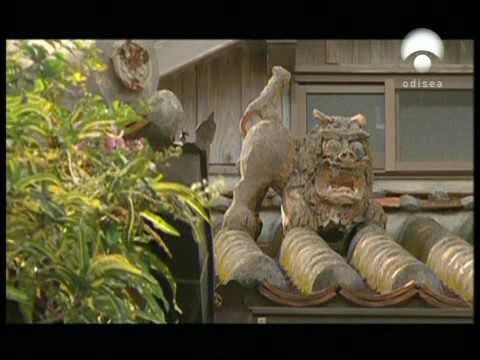
Okinawa has a unique cultural identity, distinct from mainland Japan, shaped by centuries of trade, isolation, and a history of both resilience and subjugation. This unique environment imbued Okinawan Karate with a particular spirit – one of pragmatism, resilience, and a deep respect for tradition, often expressed with understated intensity.
As Karate integrated into Japanese culture, it absorbed elements of Japanese societal norms, such as emphasis on politeness, formal etiquette, and group harmony within the dojo. While these are valuable, they represent a cultural adaptation that subtly alters the original Okinawan expression of the art.
Veredict of the Sensei: Which Karate Reigns Supreme?
To ask which is "supreme" is to misunderstand the martial path. Both Okinawan and Japanese Karate have immense value, but they serve different purposes and offer different lessons.
Okinawan Karate, with its direct lineage to the art's origins, offers a profound understanding of practical application, survival, and the raw, unadulterated principles of combat. It is the **foundation**.
Japanese Karate, particularly its sport-oriented manifestations, offers structure, accessibility, and a pathway to athletic excellence and character development on a global scale. It is the **evolution and dissemination**.
A true martial artist respects both. The ideal practitioner seeks to understand the roots in Okinawa to inform and deepen their practice, regardless of the style they train in Japan or elsewhere. My advice? Seek out the purest form of your chosen style, understand its historical context, and always strive for practicality.
Essential Equipment for Your Training
While Karate is adaptable, certain equipment can significantly enhance your training, particularly if you wish to explore the Okinawan approach.
Makiwara: Essential for developing striking power and conditioning. Look for a well-constructed striking post that allows for adjustable tension.
Chi'ishi and Nigiri Game: While often homemade, these traditional Okinawan tools are crucial for developing grip strength and dynamic power. Seek out resources or communities that can guide you in their use or creation.
Kobudō Weapons: If your dojo teaches Kobudō, invest in quality training weapons such as a Bō, Sai, or Tonfa. Ensure they are appropriately weighted and balanced for your size and skill level.
Quality Gi: A durable, well-fitting Karate gi is paramount. For intense training, consider a double-weave gi that can withstand rigorous practice, especially if you delve into Hojō Undo or controlled impact drills.
Training Mats (optional): If exploring throws or groundwork, consider appropriate mats for safety.
For those looking to invest in quality martial arts gear, exploring brands that focus on authentic designs and durability is key. Many online retailers offer a wide range of traditional Okinawan and Japanese Karate merchandise.
Training Guide: Developing Your Own Bunkai
Understanding bunkai is crucial, but it requires active engagement. Here's a guide to developing your own practical analysis:
Choose a Kata: Start with a foundational kata that you know well.
Isolate a Movement: Select a single block, strike, or stance from the kata.
Consider the Context: What movements precede and follow it? What is the overall direction of the kata at that point?
Brainstorm Applications:
How can this block defend against common attacks (punch, grab, strike)?
What kind of strike is this? Is it for distance, close range, or a follow-up?
Could this stance be used for balance, evasion, or transitioning to a throw/sweep?
Imagine different scenarios: a single attacker, multiple attackers, confined spaces.
Incorporate Principles: Think about body mechanics, hip rotation, connection, and breath. How do these contribute to the technique's effectiveness?
Sparring (Controlled): With a trusted training partner, test potential bunkai applications in a safe, controlled manner. Focus on understanding the principle, not necessarily landing a full-power blow.
Seek Guidance: Discuss your interpretations with your Sensei. Their experience is invaluable in refining your understanding.
Remember, bunkai is not just about replicating movements; it's about understanding the *why* and *how* behind them.
Frequently Asked Questions
What is 'Tōde'?
'Tōde' (meaning "Chinese Hand") is the original name for Karate as it was practiced in Okinawa before its formalization and introduction to mainland Japan. It reflects its Chinese martial arts origins.
Is Okinawan Karate more effective for self-defense?
Generally, Okinawan Karate, with its emphasis on practical application, directness, and historical context of survival, is often considered more directly applicable to self-defense scenarios. However, the effectiveness of any martial art ultimately depends on the practitioner, their training, and the specific style.
Should I switch styles if I train Japanese Karate?
Not necessarily. The goal is to understand the principles. A skilled practitioner of a Japanese style can still learn and apply the core concepts of Okinawan Karate. The key is to seek depth and practical understanding within your existing training.
How did Karate become an Olympic sport?
Karate was introduced to the Olympics in Tokyo 2020. This was a significant step, reflecting its global popularity. However, it primarily featured competitive aspects like Kata and Kumite, which some argue further emphasize the sport over the traditional martial art.
What is the significance of the 'makiwara'?
The makiwara is a vital training tool in traditional Okinawan Karate for developing striking power, proper technique, and conditioning the striking surface of the hand or foot. It is designed to provide tactile feedback and build resilience.
To Deepen Your Path
The journey into the depths of Karate is a lifelong commitment. To further enrich your understanding and practice, I recommend exploring these related subjects:
We have journeyed through the essence of Karate's origins, discerning the vital distinctions between its Okinawan cradle and its Japanese evolution. These are not mere academic points; they are keys to unlocking deeper understanding and more effective practice. Now, I pose this question:
When you stand on the dojo floor, practicing your kata, hitting your makiwara, or sparring, do you feel the weight of history, the echo of survival, and the practical intention behind every movement? Or do you merely execute a series of forms and techniques?
**The true test is not in knowing the differences, but in feeling their truth in your own body and spirit. What will you *do* with this knowledge?**
GEMINI_METADESC: Explore the 10 critical differences between Okinawan and Japanese Karate. Understand the roots, purpose, and evolution of Karate from its survivalist origins to its modern forms.
¿Es el Karate un arte marcial puramente deportivo, una disciplina de defensa personal efectiva, o algo mucho más profundo? Muchos se acercan al Karate con la imagen de puños demoledores y patadas voladoras, seducidos por su reputación de letalidad. Pero, ¿cuántos comprenden realmente la esencia de este arte milenario, su conexión intrínseca con el Budo y su lugar en el complejo tapiz de las artes marciales? Hoy, nos sumergimos en el corazón del Karate, desentrañando sus secretos más allá de los golpes y las katas, para entender por qué su legado perdura y cómo puede moldear no solo nuestro cuerpo, sino también nuestra mente.
A menudo traducido como "el camino de la mano vacía", el Karate es mucho más que una serie de técnicas de ataque y defensa. Originario de Okinawa, una isla con una rica historia de intercambio cultural, el Karate evolucionó a partir de diversas influencias, incluyendo las artes marciales chinas. Su desarrollo moderno, sin embargo, está intrínsecamente ligado a la filosofía japonesa del Budo, el "camino marcial" que enfatiza la autodisciplina, el respeto, la perseverancia y el desarrollo integral del individuo.
La simplicidad aparente del Karate esconde una complejidad profunda. Cada kata, cada movimiento, cada postura, está cargado de significado y de aplicaciones prácticas que van desde la autodefensa hasta la mejora del carácter. Los practicantes, o karatekas, no solo buscan dominar la técnica, sino también cultivar la calma bajo presión, la claridad mental y un espíritu inquebrantable. Como dijo un antiguo maestro: "El Karate no es solo para la batalla, es para la vida".
La Filosofía del Karate: El Espíritu del Budo en Acción
El Karate es un espejo del Budo, que busca la perfección del carácter a través del entrenamiento riguroso. Los principios que guían a un karateka son innegociables y se manifiestan en el Dojo Kun, los preceptos que todo estudiante debe grabar en su mente y corazón:
1. Busca la perfección del carácter.
2. Sé honesto y sincero.
3. Fomenta el espíritu de esfuerzo.
4. Respeta la etiqueta y la cortesía.
5. Domina la autocontención.
Estos no son meros eslóganes; son guías para la vida. Un verdadero maestro de Karate no solo enseña a golpear, sino a vivir con integridad. El concepto de Mushin, o "mente sin mente", es crucial aquí. No se trata de estar vacío, sino de estar libre de pensamientos distractores, permitiendo que las acciones fluyan de manera natural y espontánea, nacidas de años de entrenamiento instintivo. Es el estado mental que un peleador experimenta en el clímax de un combate, donde cada movimiento es preciso y sin vacilación.
"El objetivo último del Karate no reside en ganar o perder, sino en la perfección del carácter." - Gichin Funakoshi
Esta filosofía eleva al Karate de ser una simple técnica de combate a un camino de autodescubrimiento y mejora continua. La disciplina adquirida en el dojo se traslada a todos los aspectos de la vida, desde el trabajo hasta las relaciones personales. La paciencia, la resiliencia y la humildad se forjan en el crisol del entrenamiento constante.
Diversidad y Legado: Un Vistazo a los Estilos Principales
El Karate no es un monolito. Con el tiempo, ha florecido en una rica variedad de estilos, cada uno con sus matices y enfoques. Comprender esta diversidad es clave para apreciar la amplitud del arte.
Estilo
Origen
Énfasis Principal
Observaciones
Shotokan
Japón (fundado por Gichin Funakoshi)
Posiciones bajas y fuertes, golpes lineales y potentes (choku-zuki, gyaku-zuki).
Uno de los estilos más extendidos y practicados a nivel mundial.
Goju-ryu
Okinawa (fundado por Chojun Miyagi)
Combinación de movimientos duros (go) y blandos (ju), técnicas de mano abierta, sanchin kata.
Enfocado en el desarrollo de la respiración y la fuerza interna.
Wado-ryu
Japón (fundado por Hironori Otsuka)
Integración de técnicas de Karate con principios del Judo; énfasis en la evasión y el movimiento corporal (taisabaki).
Se caracteriza por movimientos fluidos y rápidos.
Shorin-ryu
Okinawa (derivado de las enseñanzas de Sokon Matsumura)
Movimientos rápidos, directos y circulares; énfasis en la agilidad y el combate a corta distancia.
Considerado uno de los estilos más antiguos de Okinawa.
Kyokushin
Japón (fundado por Masutatsu Oyama)
Combate a pleno contacto (full contact); énfasis en la fortaleza física y mental, kumite riguroso.
Famoso por sus exigentes pruebas físicas y su enfoque en la resiliencia.
Cada estilo, aunque diferente en su aplicación, comparte la misma raíz filosófica del Budo y la búsqueda de la maestría. La elección de un estilo a menudo depende de las preferencias personales y de la disponibilidad de instructores cualificados. Es importante recordar que la efectividad de cualquier arte marcial reside más en la dedicación del practicante que en el estilo en sí. Un buen instructor, sin importar el estilo, inculcará los principios fundamentales de disciplina, respeto y perseverancia.
Karate en el Combate Moderno: ¿Un Arte Obsoleto o una Base Sólida?
En la era de las Artes Marciales Mixtas (MMA) y el auge de disciplinas como el BJJ (Jiu-Jitsu Brasileño), el Muay Thai y el Kickboxing, surge la pregunta: ¿es el Karate tradicional efectivo en un combate real o deportivo moderno? La respuesta, como en la mayoría de las cosas complejas, no es un simple sí o no.
Históricamente, el Karate de Okinawa fue desarrollado para la defensa personal en situaciones de peligro real. Sus técnicas están diseñadas para neutralizar amenazas rápidamente. Sin embargo, la evolución del Karate hacia un deporte olímpico y su práctica en muchas escuelas han llevado a una distancia de estas aplicaciones originales, centrándose en el kumite deportivo con reglas específicas (protecciones, puntos por golpes limpios, etc.).
Los críticos argumentan que el Karate deportivo, con sus movimientos de "un solo paso" y el énfasis en el contacto limitado, no prepara adecuadamente para la complejidad de un combate real o de MMA, que a menudo involucra agarres, lucha en el suelo y la necesidad de absorber golpes.
"El Karate deportivo enseña a golpear sin recibir. La calle enseña a golpear y recibir." - Una verdad incómoda de muchos dojos.
Sin embargo, esto no significa que el Karate sea inútil. Los practicantes de Karate, especialmente aquellos de estilos como Kyokushin o que integran entrenamiento de combate cuerpo a cuerpo y lucha en pie, poseen una base formidable. La potencia de sus golpes, la agilidad, la coordinación y, crucialmente, la fortaleza mental y la capacidad de mantener la compostura bajo presión, son activos valiosos. Maestros como Gichin Funakoshi siempre enfatizaron que el Karate es un arte de autodefensa donde un solo golpe bien aplicado puede ser decisivo. En contextos de defensa personal, la velocidad y la contundencia de las técnicas de Karate, combinadas con un buen juego de pies y la capacidad de controlar la distancia, siguen siendo armas formidables.
El debate sobre su efectividad es, en sí mismo, un reflejo de la evolución de las artes marciales. Lo que fue diseñado para la supervivencia en un contexto histórico específico se ha adaptado, y en algunos casos diluido, en un entorno deportivo moderno. La clave para la efectividad reside en la profundidad y la autenticidad del entrenamiento. Un karateka dedicado que entrena con la mentalidad del Budo, que entiende las aplicaciones prácticas de sus técnicas y que se expone a diferentes tipos de sparring, puede ser un oponente formidable en casi cualquier escenario.
Es un error común pensar que las artes marciales son estáticas. La adaptación y la integración son vitales. Muchos practicantes de Karate hoy en día complementan su entrenamiento con Grappling o Kickboxing para obtener una perspectiva más completa del combate. Esto no devalúa el Karate, sino que lo enriquece, demostrando su adaptabilidad.
Guía de Entrenamiento: Principios Fundamentales del Karate
El entrenamiento en Karate se basa en pilares que buscan desarrollar un artista marcial completo. Aquí te presento una guía básica de los elementos clave:
Kihon (Técnicas Básicas):
Posiciones (Dachi): Practica posiciones fundamentales como Zenkutsu-dachi (posición delantera), Kiba-dachi (posición del jinete) y Kokutsu-dachi (posición trasera). La estabilidad y el equilibrio se construyen desde la base.
Bloqueos (Uke): Domina bloqueos básicos como Age-uke (bloqueo ascendente), Gedan-barai (barrido descendente) y Shuto-uke (bloqueo con el canto de la mano). La defensa efectiva precede al contraataque.
Golpes de Puño (Tsuki): Trabaja Choku-zuki (puñetazo recto), Gyaku-zuki (puñetazo inverso) y Sanbon-zuki (triple puñetazo). Enfócate en la alineación del cuerpo, la rotación de cadera y la penetración.
Golpes de Mano Abierta (Shuto): Ejercita el uso del canto de la mano para golpes y bloqueos, especialmente en estilos como Goju-ryu.
Patadas (Geri): Empieza con Mae-geri (patada frontal), Yoko-geri (patada lateral) y Mawashi-geri (patada circular). Prioriza la técnica, el equilibrio y la altura progresiva.
Kata (Formas):
El estudio de las katas es esencial. Son secuencias predefinidas de movimientos que simulan un combate contra múltiples oponentes. Cada kata enseña principios de distancia, tiempo, coordinación, fuerza y respiración. Comienza con Heian (en Shotokan) o Sanchin (en Goju-ryu) y progresa gradualmente.
Kumite (Combate):
El sparring es donde se integran las técnicas. Varía desde el combate libre controlado (jiyu kumite) hasta ejercicios preestablecidos (go hon kumite). El objetivo es aplicar las técnicas aprendidas en combate, desarrollando reflejos, estrategia y autocontrol. Para quienes buscan una aplicación más ruda, el kumite a pleno contacto en estilos como Kyokushin o el sparring de MMA son herramientas poderosas para medir la efectividad y la resiliencia.
Preparación Física:
Incluye entrenamiento de fuerza, resistencia, flexibilidad y agilidad. Ejercicios como flexiones, sentadillas, abdominales, saltos, y ejercicios de equilibrio son fundamentales. Un cuerpo fuerte y ágil es la base de un Karate efectivo. El entrenamiento de resistencia es vital para mantener la potencia durante combates prolongados.
Aspectos Mentales:
La meditación (mokuso), la visualización y la práctica de los principios del Budo (disciplina, respeto, humildad) son tan importantes como el entrenamiento físico. Cultivar la fuerza mental y la autodisciplina es el verdadero propósito del Karate.
Equipo Esencial para tu Entrenamiento
Si bien el Karate se basa en la "mano vacía", cierto equipamiento puede mejorar significativamente tu entrenamiento y seguridad:
Kimono (Gi): Busca un gi de buena calidad, hecho de algodón resistente, que soporte el desgaste del entrenamiento y los combates. Para estilos más intensos, un gi de doble tejido es más duradero.
Protectores (para Kumite Deportivo): Guantes acolchados, protectores bucales, espinilleras y empeineras son necesarios para el sparring seguro, especialmente en estilos que permiten cierto grado de contacto.
Vendajes para Manos: Ayudan a proteger tus nudillos y muñecas durante el entrenamiento con sacos pesados o sparring.
Saco de Boxeo o Makiwara (opcional): Para desarrollar la potencia de golpeo y la resistencia de tus puños. Un makiwara es una herramienta tradicional para endurecer los golpes.
Pelotas de Tenis o Herramientas de Masaje: Para la recuperación muscular y la prevención de lesiones.
Calzado de Entrenamiento (opcional): Algunos prefieren entrenar descalzos para sentir mejor la conexión con el suelo, pero zapatillas ligeras de artes marciales pueden ser útiles para ciertos ejercicios.
Al invertir en merchandise de calidad para tu entrenamiento, estás invirtiendo en tu propio progreso y bienestar. Busca en tiendas especializadas para encontrar el equipo adecuado para tu estilo y nivel.
Veredicto del Sensei: ¿El Karate Mantiene su Filo?
El Karate, en su forma más pura y profunda, es un arte marcial completo que va mucho más allá de la mera técnica. Su conexión con el Budo, su énfasis en el desarrollo del carácter y su legado de potencia y disciplina lo mantienen firmemente relevante. Sin embargo, la "letalidad" y efectividad de un practicante de Karate dependen en gran medida de la calidad de su entrenamiento y de la fidelidad de su escuela a los principios originales.
En el contexto deportivo moderno, el Karate puede parecer menos directo que el MMA o el Kickboxing. Pero como base, como camino para forjar el espíritu y el cuerpo, el Karate sigue siendo una disciplina de valor incalculable. Si buscas una práctica que te desafíe física y mentalmente, que te enseñe autodisciplina, respeto y la fuerza interior, el Karate sigue siendo una opción excepcional. La clave está en buscar un dojo y un instructor que honren no solo las técnicas, sino también la filosofía que las sustenta. El Karate no es obsoleto; su aplicación y el enfoque de su enseñanza han evolucionado, y depende de cada practicante decidir cómo honrar su legado.
Calificación del Sensei: Cinturón Negro en Legado y Filosofía. La efectividad práctica moderna puede variar según la escuela, pero los fundamentos para convertirse en un guerrero completo están intactos.
Preguntas Frecuentes
¿Es el Karate difícil de aprender?
Como cualquier arte marcial, el Karate requiere dedicación y paciencia. Los fundamentos pueden ser aprendidos relativamente rápido, pero alcanzar la maestría lleva años de práctica constante.
¿Cuánto tiempo se tarda en obtener un cinturón negro en Karate?
Generalmente, se necesitan entre 3 y 5 años de entrenamiento regular y dedicado para alcanzar el nivel de cinturón negro (Shodan), aunque esto puede variar significativamente entre estilos y escuelas.
¿Sirve el Karate para la defensa personal real?
Sí, especialmente los estilos que mantienen un enfoque en las aplicaciones prácticas y el combate real. Las técnicas de Karate pueden ser muy efectivas para neutralizar una amenaza, pero la efectividad depende de la formación y la capacidad del practicante para aplicar las técnicas bajo estrés.
¿Qué diferencia hay entre Karate y Kickboxing?
El Karate tradicional se enfoca en golpes, bloqueos y patadas, a menudo con un mayor énfasis en la forma y la filosofía. El Kickboxing es un deporte de combate más directo que permite golpes de puño y patadas con reglas deportivas específicas, a menudo con menos énfasis en la defensa y la filosofía, y más en la combinación y el impacto deportivo.
Reflexiona sobre este viaje por el Karate. ¿Qué resuena contigo? ¿Cuáles son los principios del Karate que más admiras y cuáles crees que han sido diluidos en la práctica moderna? La verdadera maestría marcial no se mide por cuántas técnicas conoces, sino por cómo vives los principios que estas técnicas representan.
Reflexión del Sensei: Tu Próximo Paso
El golpe más poderoso no es el que más duele, sino el que llega justo cuando no se espera, con la mente y el cuerpo en perfecta armonía. ¿Estás entrenando tu cuerpo, o estás forjando tu espíritu? Considera esto: si tu dojo desapareciera mañana, ¿se iría contigo el Karate, o viviría en la forma en que actúas, piensas y te relacionas con el mundo?
```
GEMINI_METADESC: Explora la letalidad y filosofía del Karate. Descubre su conexión con el Budo, estilos, efectividad en combate y guía de entrenamiento. ¡Domina el camino del puño vacío!
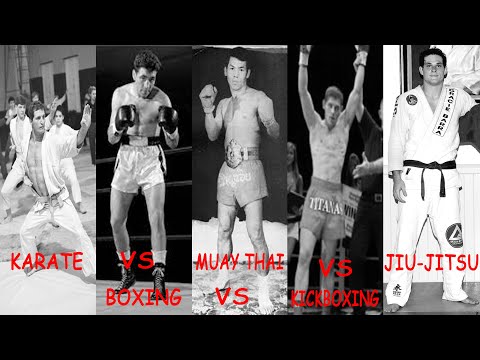
The roar of the crowd, the glint of sweat under the lights, the primal dance of combat. We’ve all seen the highlights, the explosive compilations that leave us breathless. But what lies beneath the surface of these electrifying clashes? Are we merely witnessing a spectacle, or are we seeing the fundamental principles of martial arts put to the ultimate test? Today, we dissect the age-old rivalries: Karate versus Jiu-Jitsu, and Boxing versus Muay Thai. This isn't just about which style "wins"; it's about understanding the essence of each discipline and how they represent the warrior's path. Prepare yourselves, for we are about to engage in a debate as fierce as any fought in the ring.
The Clash of Titans: Why These Comparisons Ignite Debate
The internet is awash with highlight reels showcasing the most brutal and beautiful moments in combat sports. Phrases like "Karate vs. Jiu-Jitsu," "Boxing vs. Muay Thai," and "Kickboxing highlights" are not just search terms; they represent a deep-seated human fascination with efficacy, strategy, and the raw display of physical and mental fortitude. As a martial arts scholar and practitioner, I find these comparisons both illuminating and, at times, frustratingly simplistic. My intention here is not to crown a single champion, but to offer a critical analysis, a **Sensei's perspective**, on what these matchups reveal about the evolution of combat, the philosophy of different martial traditions, and the practical application of techniques.
Many beginners, and even some seasoned practitioners, get lost in the spectacle, chasing the "knockout power" or the "submission chain" without grasping the underlying principles. The goal of this discourse is to provide clarity, to elevate the understanding beyond mere highlights, and to encourage a deeper appreciation for the dedication required in any martial discipline. We will delve into the core philosophies, the strategic differences, and the historical context that shapes these iconic rivalries. Furthermore, we'll touch upon the equipment that supports this journey, because even the most profound spiritual path requires the right tools.
Karate vs. Jiu-Jitsu: The Art of Striking Meets the Art of the Ground
The image of a Karateka delivering a precise, powerful punch or a devastating front kick is iconic. Rooted in Okinawan traditions and refined over decades, Karate emphasizes striking from a distance. Its practitioners train to develop explosive power, speed, and pinpoint accuracy. The core tenets often revolve around "Isshin-ryu" (one heart, one mind) or the striking principles found in various Karate styles like Shotokan or Kyokushin. The focus is on incapacitating an opponent with devastating blows to vital areas. Katas, the pre-arranged forms, are crucial for internalizing techniques and developing body mechanics. When you see "Karate Kid 3 final fight" or "Karate tournament" highlights, you are witnessing the culmination of years of practice in striking precision and evasive footwork.
Conversely, Brazilian Jiu-Jitsu (BJJ), heavily influenced by Judo's grappling and throws, thrives on the ground. Its philosophy centers on leverage and technique to overcome brute strength. A smaller, weaker person can defeat a larger, stronger adversary by taking them to the ground, controlling their position, and applying joint locks or chokeholds. The phrase "BJJ submissions" encapsulates the essence of this art. Masters like the Gracie family demonstrated the effectiveness of BJJ against practitioners of striking arts, famously in the early UFC events. Understanding "jiu jitsu basics" and "jiu jitsu takedowns" is fundamental to appreciating its effectiveness.
The true debate arises when these two arts meet. Can Karate's powerful strikes overcome Jiu-Jitsu's dominant ground game? Or will Jiu-Jitsu's ability to nullify striking by taking the fight to the mat prove superior? Historical encounters and modern MMA have shown that a successful fighter often needs proficiency in both striking and grappling. A pure Karateka might struggle against a skilled BJJ practitioner who can close the distance and initiate a ground battle. Conversely, a Jiu-Jitsu specialist must be wary of devastating kicks and punches if they cannot close the gap effectively. The key lies in the transition – how well each fighter can dictate the terms of engagement.
"The ultimate aim of martial arts is not victory or defeat, but the perfection of the human character." - Gichin Funakoshi
When we analyze "jiu jitsu vs wrestling", we see a similar dynamic: the art of taking an opponent down versus the art of staying up or controlling them once down. Both require immense strength, technique, and strategic thinking. The highlights often showcase the most dramatic moments – the spectacular submission or the powerful knockout punch. But the real lesson is in the preparation, the countless hours of drilling "jiu jitsu basics" and mastering the nuances of stance and striking in Karate.
Boxing vs. Muay Thai: The Sweet Science Versus the Art of Eight Limbs
Boxing, often called "the sweet science," is a discipline of elegant simplicity and profound complexity. It focuses exclusively on punches delivered with the fists, employing intricate footwork, defensive maneuvers like slipping and weaving, and strategic combinations. Legends like Muhammad Ali and Mike Tyson embody the pinnacle of this art, showcasing unparalleled speed, power, and ring generalship. A "boxing workout" emphasizes conditioning, accuracy, and the development of devastating punch combinations. Analyzing "boxing knockouts" reveals the power of focused strikes to critical targets.
Muay Thai, the "Art of Eight Limbs," incorporates a broader arsenal. In addition to punches, it utilizes elbows, knees, and kicks. The clinch, a grappling position where fighters can deliver knee strikes and control their opponent, is a significant element. This makes Muay Thai a more versatile striking art in certain contexts. When practitioners engage in "Muay Thai training", they develop a holistic striking ability, often incorporating the use of the shin for powerful kicks, reminiscent of the effectiveness seen in "kickboxing training".
The contrast between the two is stark. Can boxing’s refined punching technique and evasive footwork overcome Muay Thai’s devastating kicks, powerful knees, and close-range elbow strikes? Many believe that a boxer’s ability to control distance and land clean punches can neutralize Muay Thai’s wider range of weapons. However, a skilled Muay Thai fighter can use their kicks to control the distance, clinch to deliver damaging knees, and employ elbows to create openings. The "Muay Thai vs. Kickboxing" debate is also significant, as both share many striking techniques, though Muay Thai’s clinch and traditional elements often set it apart.
"When you are not practicing, remember that the world is practicing, and you will be surpassed." - Anonymous (often attributed to various martial arts masters)
"Boxing vs. Muay Thai" comparisons often highlight the stark difference in ranges. Boxers excel at mid-to-long range punches, while Muay Thai fighters are dangerous at all ranges, from long-range kicks to the devastating close-quarters combat of the clinch. The highlights of "Muay Thai knockouts" often showcase the brutal efficiency of the roundhouse kick or the fight-ending knee strike. Similarly, "boxing highlights" demonstrate the surgical precision and concussive force of a well-placed punch.
Kickboxing: A Synthesis or a Compromise?
Kickboxing, in its various forms (American, Japanese, Dutch), attempts to bridge the gap between boxing and traditional martial arts like Karate and Muay Thai. It generally allows punches and kicks, but often prohibits the extensive use of the clinch or certain types of throws and submissions found in BJJ or Judo. This creates a dynamic, high-paced striking environment. "Kickboxing for beginners" often focuses on mastering basic punches and kicks, building towards more complex combinations and footwork.
Comparing "kickboxing vs muay thai" is crucial. While both involve punches and kicks, Muay Thai's emphasis on the clinch, elbows, and shins provides a distinct flavor and tactical approach. Dutch kickboxing, for instance, is heavily influenced by boxing's power and combinations, integrated with powerful kicks. Japanese kickboxing often incorporates more dynamic, high-flying techniques. Kickboxing can be seen as a sport that distilled the most effective striking elements from various martial traditions into a competitive format.
The compilation of "kickboxing training" highlights often feature fast-paced exchanges, demonstrating powerful combinations and explosive kicks. This emphasis on striking offense makes it a popular choice for those seeking a high-intensity workout and a practical self-defense skillset. Analyzing "kickboxing workout with punching bag" routines shows how practitioners hone their power and technique.
Sensei's Verdict: Authenticity and Effectiveness
From my vantage point, the true "winner" in these comparisons is the practitioner who understands the depth and philosophy of their chosen art, and more importantly, the principles that transcend individual styles.
Karate vs. Jiu-Jitsu: Karate teaches discipline, focus, and devastating striking power. Jiu-Jitsu teaches leverage, control, and the ability to overcome strength with technique. In a practical self-defense scenario, a blend is ideal. For pure sport, the rules often dictate the effectiveness. A pure Karateka might find themselves in trouble if they can't keep a BJJ practitioner at bay. A pure BJJ practitioner needs to be aware of the striking threat. The "fight analysis" of MMA bouts often shows practitioners developing hybrid skillsets.
Boxing vs. Muay Thai: Boxing offers unparalleled hand speed, head movement, and punching power. Muay Thai provides a more comprehensive striking toolkit with kicks, knees, and elbows, along with the clinch. A boxer needs to defend against a wider array of attacks, while a Muay Thai fighter must be wary of a boxer's ability to control distance and deliver concussive punches. The strategic implications are vast.
Authenticity lies in respecting the lineage and principles of each art. Effectiveness is situational and depends on the practitioner, the opponent, and the context (sport vs. self-defense). These compilations, while entertaining, often present an incomplete picture. They showcase peak moments, not the years of diligent training, the failures, and the constant refinement required to master any martial path. The journey is as important as the destination, and true mastery involves understanding the 'why' behind the techniques.
Essential Training Gear for the Aspiring Warrior
To embark on the journey of martial arts, whether it's Karate, Jiu-Jitsu, Boxing, or Muay Thai, the right equipment is crucial for safety and effective training.
For Striking Arts (Karate, Boxing, Muay Thai, Kickboxing):
Gloves: For boxing and Muay Thai, 16oz sparring gloves are standard for protection. For bag work, 10-12oz training gloves are suitable.
Hand Wraps: Essential for protecting your wrists and knuckles during any punching activity.
Mouthguard: Non-negotiable for sparring in any combat sport to protect your teeth and jaw.
Shin Guards: Crucial for Muay Thai and Kickboxing training to protect against kicks.
Groin Protector: For both male and female practitioners, vital during sparring.
Kimono/Gi: For Karate, a durable Karate Gi is standard. For Judo/BJJ, a specialized heavyweight Judo Gi or BJJ Gi is required.
Headgear: Recommended for beginners during sparring to reduce the risk of cuts and bruises.
For Grappling Arts (Jiu-Jitsu, Judo):
Gi (Kimono): A high-quality double-weave BJJ Gi or single-weave Judo Gi is essential. Look for brands known for durability like Fuji or Tatami.
No-Gi Gear: Rash guards and grappling shorts are necessary for No-Gi Jiu-Jitsu training.
Mouthguard: Still essential for protection during grappling exchanges.
Investing in quality "Martial Arts Merchandise" is an investment in your safety and longevity in the sport. Don't skimp on protection; your body is your most valuable tool.
Frequently Asked Questions
Q: Which martial art is best for self-defense? A: The "best" martial art for self-defense is the one you train consistently and effectively. A combination of striking (like Karate or Boxing) and grappling (like Jiu-Jitsu or Judo) provides a well-rounded skillset. Focus on practical techniques and situational awareness.
Q: Is it true that Jiu-Jitsu can defeat any striking art? A: While Jiu-Jitsu is highly effective on the ground, it's not infallible. A skilled striker who can maintain distance and avoid being taken down can neutralize a pure Jiu-Jitsu practitioner. In mixed martial arts, the most successful fighters blend striking and grappling.
Q: Should I focus on Karate or Muay Thai for kickboxing? A: Both can contribute. Karate provides discipline and powerful linear strikes, while Muay Thai offers a broader range of kicks, knees, elbows, and clinch work. Many modern kickboxing systems integrate elements from both.
Q: How important is conditioning in combat sports? A: Conditioning is paramount. Stamina, strength, and speed are critical for executing techniques effectively and enduring the rigors of training and competition. A strong "Entrenamiento de MMA" program will always include rigorous conditioning.
Q: How can I improve my mental strength in martial arts? A: Mental strength is built through consistent practice, overcoming challenges, and developing discipline. Meditation, visualization, and learning to persevere through fatigue and discomfort are key components of the "Mental Game" in martial arts.
The comparisons we’ve explored—Karate vs. Jiu-Jitsu, Boxing vs. Muay Thai—are more than just highlight reels; they are crucibles where the philosophies and techniques of martial traditions are tested. Each art possesses its own unique beauty, effectiveness, and challenges. True mastery lies not in declaring one superior, but in understanding the principles that govern all combat, respecting the dedication of practitioners across disciplines, and continuously striving for self-improvement. The journey is long, demanding, and infinitely rewarding.
Sensei's Reflection: Your Next Step
You have witnessed the analysis of iconic martial rivalries. Now, the true test begins: application. Consider your own training. Are you focusing solely on your strengths, or are you venturing into the disciplines that challenge you most? Do you understand the fundamental principles that underpin your techniques, or are you merely mimicking movements? The essence of Budo is not about winning debates on forums, but about winning the quiet battles within yourself every single day.
"In martial arts, the highest goal is not to defeat an opponent, but to defeat oneself." - Unknown Master
So, I ask you: Which aspect of your training have you been neglecting out of comfort or perceived lack of importance? And more critically, what steps will you take, starting today, to address that deficit and embody the spirit of a true warrior? The path to mastery is paved with self-awareness and deliberate action. Share your thoughts and your commitment in the comments below. Let us learn from each other.
```
GEMINI_METADESC: A martial arts master dissects Karate vs. Jiu-Jitsu and Boxing vs. Muay Thai, analyzing techniques, philosophies, and effectiveness beyond the hype. Essential training insights included.
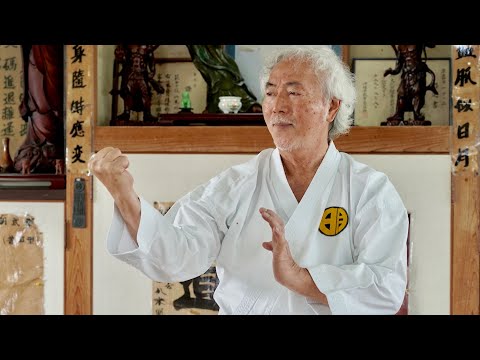
Are we truly honest about the martial arts we practice? Do we pursue the path of self-improvement and true combat effectiveness, or are we merely performing a dance for an audience? The echoes of Okinawa Karate carry a weight of history, a legacy forged in survival, not sport. It’s a lineage that whispers of techniques so potent, so refined, that they were once considered too dangerous for widespread dissemination. Today, we peel back the layers of tradition to confront the raw, unadulterated power of this ancient discipline.
When we speak of Okinawa Karate, we often conjure images of rigorous kata, precise movements passed down through generations. But to relegate this art to mere physical conditioning or a series of choreographed forms is to miss its very soul. The true Okinawan Karate master doesn't just perform kata; they embody them. Each movement, each breath, is imbued with a purpose that transcends aesthetic appeal. It’s about cultivating kime – a explosive, focused power that can incapacitate an opponent in a single, decisive blow. This is not about winning points in a competition; this is about ending conflict decisively. The emphasis is on efficiency, on economy of motion, delivering maximum impact with minimum effort.
The history of Okinawa Karate is deeply intertwined with the island's unique socio-political climate, periods of prohibition on weapons forcing its populace to develop highly effective unarmed combat systems for self-preservation. This context is crucial. It explains the development of techniques that target vital points, leverage body mechanics for maximum force generation, and employ deceptive strategies. Unlike arts that evolved in more peaceful eras, Okinawa Karate retained a primal edge, a directness born of necessity.
"The ultimate aim of martial arts is not victory or defeat, but the perfection of one's character." - Gichin Funakoshi
The Philosophy of Kesshu: The Root of Lethality
Lethality in Okinawa Karate isn't just about physical strength; it's deeply rooted in mental and spiritual discipline. The concept of Kesshu (in some contexts, relating to the root of the technique or the flow of energy) is paramount. Masters train not just their bodies, but their minds to achieve a state of unwavering focus. This means developing Mushin – "no mind" – a state where the practitioner reacts instinctively, without conscious thought, to the threat.
The training often involves developing what we might call "internal power," but this is not mystical energy in the sense often portrayed in popular cinema. It's about the synergistic application of breath control, precise body alignment, and the ability to generate explosive power from the core through the limbs. Consider the development of a powerful punch. It’s not just arm strength; it's the rotation of the hips, the stability of the stance, the coiling and uncoiling of the torso, and the final, focused impact at the moment of contact.
The philosophy extends beyond the dojo. True martial artists cultivate humility, respect, and an understanding that power should only be used as a last resort. However, when that resort is reached, the ability to defend oneself and one's loved ones must be absolute. This is the paradox: the pursuit of peace through the mastery of conflict.
Combative Principles in Practice
Let's talk about practicality. What makes Okinawa Karate techniques so effective in a real confrontation?
Directness: Techniques are designed to strike vital areas with power and precision. There are no wasted movements.
Economy of Motion: A single, powerful strike can end a confrontation. This is the essence of kime.
Rootedness and Stability: Strong stances (dachi) provide a stable base, allowing for the generation of immense power and resistance to throws or takedowns.
Leverage and Body Mechanics: Masters understand how to use their entire body as a weapon, maximizing force without relying solely on brute strength.
Adaptability: While kata appear rigid, they contain principles that can be adapted to fluid, unpredictable combat situations.
Consider a basic punch. In many modern interpretations, it might be a quick jab. In traditional Okinawa Karate, a punch is often delivered with the full body, sinking the hips, rotating the core, and snapping the fist into the target with maximum impact. This is the difference between a tap and a knockout blow.
The Role of the Makiwara
No discussion of Okinawa Karate's lethal edge is complete without mentioning the makiwara. This seemingly simple striking post is not just for building calluses; it's a tool for developing the specific type of power and focus required for effective striking. Striking the makiwara correctly teaches:
Correct form and hip rotation: It forces you to use your whole body to generate power.
Impact conditioning: It hardens the hands and forearms, preparing them for the rigors of combat.
Developing Kime: The recoil of the makiwara teaches you to snap your fist back quickly after impact, essential for rapid follow-up strikes and true concussive power.
Mental Fortitude: Consistent, disciplined training with the makiwara builds mental toughness and resilience.
The sound of a well-struck makiwara is a testament to focused power. It's a sound that resonates with generations of masters who understood that true strength comes from disciplined, repeated practice.
Okinawa Karate vs. Modern Combat: Relevance or Relic?
This is where the controversy often ignites. Some argue that traditional arts like Okinawa Karate are relics, ill-suited for the dynamic, multi-disciplinary nature of modern Artes Marciales Mixtas (MMA). They point to the lack of ground fighting or grappling in many traditional styles.
However, to dismiss Okinawa Karate is to misunderstand its core principles. The *effectiveness* of its techniques – the ability to deliver debilitating strikes, to create distance, and to maintain structural integrity – remains incredibly relevant. While MMA incorporates grappling, the ability to strike with devastating power from a standing position is still a fight-ending skill. Many MMA fighters incorporate elements of Karate into their striking arsenals. The question is not whether Karate can beat MMA, but rather, do the principles of Okinawa Karate – the focus, the power, the efficiency – still hold weight? My answer is a resounding yes. The key is how one trains and interprets these ancient principles in the modern era.
A master of Okinawa Karate, trained in the application of its techniques for self-defense, can be a formidable opponent. The techniques are not designed for points; they are designed to end a threat.
Veredicto del Sensei: Is Okinawa Karate Still a True Lethal Art?
The "lethal skills" of Okinawa Karate are not a secret formula hidden away; they are the result of decades, even centuries, of focused, disciplined, and often brutal training. The danger lies not in the art itself, but in the mastery of its principles. A practitioner who understands kime, who has honed their strikes on the makiwara, and who embodies the philosophy of decisive action, possesses a potent skill set.
The question of "lethality" is always contextual. In a life-or-death situation, any art that effectively neutralizes a threat can be considered lethal. Okinawa Karate, with its emphasis on powerful strikes to vital areas and efficient application of force, certainly qualifies. It’s an art where less is often more, and a single, perfectly executed technique can have devastating consequences. It requires rigorous training, deep understanding, and a respect for the power it imparts.
Cinturón Negro en Potencia de Impacto.
Equipo Esencial para tu Entrenamiento
While many aspects of Okinawa Karate can be trained with minimal equipment, certain items are crucial for developing the full potential of the art, especially its combative elements. Investing in quality gear not only enhances your training but also protects you.
Makiwara: An absolute essential for developing striking power and conditioning. Look for adjustable or traditional styles based on your preference and available space.
Karate Gi: A durable, high-quality gi is vital. For traditional Okinawa Karate, a heavier, double-weave cotton gi provides better durability and allows for more dynamic movement. Brands known for traditional martial arts uniforms are recommended.
Hand Wraps and Training Gloves: Essential for protecting your hands when using the makiwara or engaging in sparring sessions, even those focused on striking.
Focus Mitts and Thai Pads: Useful for partner drills to practice combinations, power generation, and accuracy.
Wooden Dummy (Mokuso): While not strictly Okinawan, a wooden dummy can be an excellent tool for practicing close-range techniques, transitions, and body mechanics.
Consider exploring Karate Merchandise that reflects the tradition and quality you seek.
Guía de Entrenamiento: Kihon no Kime (The Principle of Focus)
Mastering Kime is a journey, not a destination. This exercise focuses on developing that explosive, unified power.
Stance and Rooting: Begin in a stable, grounded stance like a sankaku-dachi or zenkutsu-dachi. Feel your connection to the ground. Your weight should be balanced, allowing for power generation from your lower body.
Body Coil: As you prepare to strike, subtly coil your torso. This involves rotating your hips and shoulders slightly in the opposite direction of your strike, storing potential energy. Imagine winding a spring.
Breath Control: Coordinate your breath with the movement. A sharp exhalation, often a "kiai" (shout), should coincide with the moment of impact. This sharp breath helps to tighten the core and focus energy.
The Strike: Extend your chosen technique (e.g., a straight punch, a reverse punch) with speed and intention. The power originates from the ground, travels through your hips and torso, and is delivered explosively through your striking limb.
The "Snap" at Impact: This is the essence of Kime. At the precise moment of impact, your body should feel like it's "snapping" into the target. The strike is delivered with full commitment, but then immediately retracted. This is not a push; it's a focused, penetrating strike.
Retraction and Recovery: Immediately after impact, snap your limb back to a guarded position. This rapid retraction is crucial for maintaining balance and preparing for follow-up techniques.
Repetition and Refinement: Practice this motion hundreds, even thousands, of times. Focus on feeling the power build from your feet up to your fist. Record yourself to check your form, hip rotation, and the explosive quality of your strike.
This fundamental practice, applied across all striking techniques, is the bedrock of Okinawa Karate's effectiveness.
Preguntas Frecuentes (FAQ)
Q: Is Okinawa Karate dangerous for beginners?
A: Like any potent martial art, it requires proper instruction and respect. While techniques can be lethal, training is typically progressive, focusing on safety and gradual skill development under a qualified instructor.
Q: Can Okinawa Karate be used for self-defense today?
A: Absolutely. Its principles of directness, efficiency, and powerful striking are highly relevant for real-world self-defense scenarios.
Q: What is the difference between Okinawa Karate and mainland Japanese Karate?
A: Okinawa Karate is the root, often retaining more traditional methods, emphasis on combat application, and specific training tools like the makiwara. Mainland Karate evolved, incorporating different emphases and competitive structures.
Q: Do I need to be strong to practice Okinawa Karate?
A: While strength is beneficial, Okinawa Karate emphasizes leverage, body mechanics, and technique over brute force. Proper training allows practitioners of all sizes to develop formidable power.
Para Profundizar en tu Camino
Karate Kyokushin: Explore another potent Karate style known for its full-contact approach.
Artes Marciales: Broaden your understanding of the martial landscape.
Defensa Personal: Understand the practical applications of martial skills.
Reflexión del Sensei: Tu Próximo Paso
The power of Okinawa Karate is not a mystical secret; it is forged in discipline, intention, and the relentless pursuit of perfection. The question is not whether these skills are still relevant, but whether YOU have the dedication to pursue them with the same spirit as the ancient masters. Are you training to impress, or are you training to survive? Are your techniques sharp enough to be decisive, or are they merely motions?
Now, go to your training space. Pick up a striking implement, or simply stand in your foundational stance. Breathe. Focus. And ask yourself: what is the true purpose of my practice? What is the 'kime' in your every movement?
```
GEMINI_METADESC: Explore the devastating effectiveness and ancient mastery of Okinawa Karate. Discover the lethal techniques, philosophy, and rigorous training that make it a true martial art.
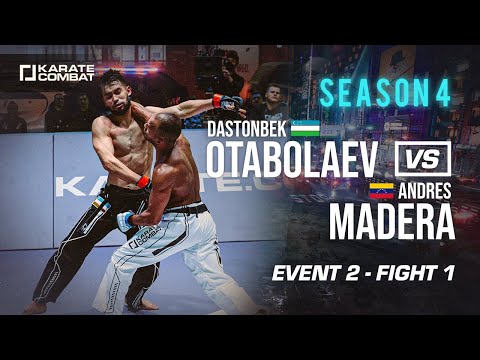
Greetings, warriors and seekers of the Way. You find yourselves at the digital dojo of Budo and Martial Arts, where we dissect not just techniques, but the very soul of combat. Today, we turn our analytical gaze to the electrifying spectacle of Karate Combat Season 4, Event 2, a night that promised raw power and strategic brilliance. The air crackled with anticipation as Dastonbek Otabolaev prepared to face Andres Madera. But was this merely a fight, or a living testament to the principles that have guided martial artists for centuries?
The question that burns in the minds of practitioners everywhere is: what truly defines success in a modern combat sport derived from ancient traditions? Is it the explosive power, the flawless technique, or the indomitable spirit? We embark on a deep dive, looking beyond the superficial to understand the true essence of this contest.
The Warriors: Otabolaev vs. Madera
On one side of the squared circle stood Dastonbek Otabolaev, a name that has begun to echo through the halls of Karate Combat. Representing Uzbekistan, Otabolaev embodies the fierce determination often associated with Central Asian martial traditions. His approach is typically characterized by relentless pressure, a powerful striking arsenal, and a willingness to engage in close-quarters exchanges. He is a practitioner who understands that true victory lies not just in landing blows, but in imposing one's will upon the opponent.
Opposing him was Andres Madera, a fighter hailing from the Dominican Republic. Madera brings a different flavor to the Karate Combat arena. Known for his speed, agility, and sharp, precise techniques, he often favors a more tactical, counter-striking approach. His ability to evade, redirect, and capitalize on openings makes him a dangerous adversary for any opponent. The contrast in styles promised a fascinating dynamic: the immovable object meeting the irresistible force, or perhaps, a master of offensive pressure against a strategist of defensive mastery.
Dissecting the Bout: A Technical Breakdown
The bout itself was a masterclass in strategic engagement. From the opening bell, Otabolaev sought to establish his dominance, advancing with purposeful strikes. His low kicks were potent, aiming to chop down Madera’s base, while his punches were delivered with concussive force. There were moments where Otabolaev’s raw power seemed overwhelming, forcing Madera to defend and absorb significant punishment.
However, Madera proved to be an exceptionally resilient and intelligent fighter. He absorbed Otabolaev’s initial onslaught with calculated composure, often using deft head movement and footwork to minimize the damage. As the rounds progressed, Madera began to find his rhythm. His counter-strikes became more frequent and accurate. A well-timed jab here, a sharp cross there – each landed blow was a testament to his patience and observational skills. The true battle was not just in the exchanges, but in the moments between them, where tactical decisions were made in fractions of a second.
What was particularly compelling was the application of Karate principles within the modern, high-octane environment of Karate Combat. We saw traditional stances adapted for dynamic movement, and the principles of Ki (energy) being channeled not just into power, but into the timing and precision of each technique. The fighters weren't just throwing punches; they were executing a plan, a dance of conflict honed by years of dedication.
One could observe the difference in their approach to distance. Otabolaev tried to keep the fight at punching range, where his power was most effective. Madera, conversely, sought to control the mid-range, utilizing his reach and speed to land quick combinations before Otabolaev could fully commit. This strategic back-and-forth, a constant adjustment of range and timing, is what elevates a fight from mere aggression to a true martial art.
"The supreme art of war is to subdue the enemy without fighting." - Sun Tzu, The Art of War. While direct combat was inevitable here, the underlying principle of strategic positioning and minimizing unnecessary engagement was evident in Madera's approach.
Beyond the Punches: The Bushido Spirit
The Karate Combat league, more than many other combat sports, strives to connect the modern athlete with the ancient warrior ethos. This bout between Otabolaev and Madera was a prime example. Both fighters displayed incredible heart and resilience. When one was pressed, the other did not falter; instead, they found a way to respond, to adapt, and to continue pushing forward. This unwavering commitment is the bedrock of the Bushido code – the way of the warrior.
We witnessed moments of controlled aggression, where power was tempered by technique, and moments of quiet contemplation in the fighters' corners, where strategy was refined. This duality – the fierce external battle and the calm internal focus – is the essence of true martial training. It's about mastering oneself as much as mastering the opponent. The ability to remain composed under pressure, to execute complex actions when your body is screaming in protest, this is where the true depth of martial arts is revealed.
The outcome of the fight, regardless of who stood victorious, was a demonstration of the values that Karate Combat seeks to champion: discipline, respect, courage, and perseverance. These are not just qualities for the ring; they are principles that can transform a life, guiding individuals through challenges far greater than any physical confrontation.
Sharpening the Blade: Training for the Karate Combat Arena
To compete at the level seen in Karate Combat requires a rigorous and multifaceted training regimen. It’s not enough to simply practice Karate katas or spar sporadically. The demands of this sport necessitate a holistic approach, blending traditional martial arts conditioning with modern athletic training.
For fighters like Otabolaev and Madera, training likely includes:
Technical Drilling: Repetitive practice of strikes, blocks, and footwork combinations to build muscle memory and refine technique. This ensures that movements become instinctive under duress.
Sparring Sessions: High-intensity sparring, both conditioned and free, to simulate the pressures of a real fight. This helps fighters adapt to different styles and scenarios.
Strength and Conditioning: A robust strength and conditioning program focusing on explosive power, muscular endurance, cardiovascular health, and injury prevention. This is where the foundational strength for powerful strikes and sustained pressure is built.
Flexibility and Agility Training: Essential for evasion, dynamic movement, and preventing injuries. Exercises like dynamic stretching, plyometrics, and agility drills are crucial.
Mental Preparation: Visualization, meditation, and strategic analysis to hone focus, build confidence, and develop fight IQ. The mental game is as critical as the physical.
The dedication required is immense. Early mornings, late nights, pushing through pain – these are the hallmarks of any serious martial artist’s journey. It’s a constant pursuit of self-improvement, seeking to unlock greater potential with each passing day.
Essential Gear for the Aspiring Karateka
While raw talent and dedication are paramount, the right equipment can significantly enhance training and performance. For those inspired by the striking power and technical prowess seen in Karate Combat, consider the following:
High-Quality Karate Gi: Look for a gi that is durable, offers a good range of motion, and can withstand intense training. A heavier weave gi is often preferred for its durability and snap.
Training Gloves: For sparring sessions, investing in proper sparring gloves is crucial. These protect your hands and your training partners. Opt for gloves specifically designed for striking sports that offer adequate padding.
Mouthguard: Non-negotiable for any sparring or combat training. Protect your teeth and jaw.
Shin Guards and Instep Protectors: Essential for full-contact sparring, protecting against kicks and foot strikes.
Duffel Bag: A sturdy bag to carry all your gear to and from the dojo or gym. Consider a bag that can compartmentalize wet and dry gear.
Investing in quality Karate merchandise is not just about practicality; it’s about showing respect for the art and your training.
Sensei's Verdict: Was This a Masterclass?
Karate Combat Season 4, Event 2, delivered a compelling contest between Dastonbek Otabolaev and Andres Madera. While both fighters showcased commendable skills and heart, Madera's strategic adaptability and precision proved to be the deciding factor in this encounter. He weathered the storm and found the openings to secure his victory.
Was it a masterclass? From Madera's perspective, it was certainly a performance demonstrating tactical brilliance and resilience under pressure. For Otabolaev, it was a tough lesson, a reminder that even the most powerful offense must be tempered with defensive awareness and strategic patience. As a viewer, it was an engaging display of modern karate fighting, showcasing the evolution of traditional techniques within a dynamic, competitive framework.
Sensei's Rating: Mastery of Strategy: 4.5/5 Stars Raw Power & Heart: 4/5 Stars Authenticity of Karate Spirit: 4/5 Stars
Frequently Asked Questions
What is Karate Combat?
Karate Combat is a professional fighting league that showcases a modern, full-contact version of Karate, incorporating aspects of traditional Karate techniques with a focus on exciting, fan-friendly action.
Who won the fight between Otabolaev and Madera?
Andres Madera won the bout against Dastonbek Otabolaev.
Is Karate Combat the same as traditional Karate?
While rooted in traditional Karate principles, Karate Combat is a full-contact sport with specific rulesets designed for competitive fighting, making it distinct from traditional, non-contact or semi-contact Karate disciplines.
How can I improve my own Karate training?
Focus on consistent technical practice, engage in rigorous conditioning, spar regularly (with proper safety gear), and cultivate mental discipline. Seek guidance from qualified instructors and always strive for self-improvement.
Deepen Your Journey
The path of martial arts is one of lifelong learning. To continue your exploration:
"The fight is won or lost far away from the arena, on the minds of the warriors." - Unknown. This sentiment perfectly encapsulates the strategic depth witnessed in the Otabolaev vs. Madera bout.
Reflection of the Sensei: Your Next Step
This fight was more than just a series of exchanges; it was a living demonstration of strategy, resilience, and the enduring spirit of the martial artist. Now, I pose a question to you, my students of the digital dojo:
When faced with an opponent whose style seems diametrically opposed to your own, do you adapt your strategy, or do you stubbornly cling to your ingrained methods, hoping brute force or familiarity will prevail?
Consider this carefully. Your answer, and how you apply it, will reveal much about your own journey.
```
GEMINI_METADESC: Analyze Karate Combat Season 4, Event 2: Otabolaev vs. Madera. Deep dive into strategy, technique, the Bushido spirit, and training. Sensei's verdict.
Hello and welcome, dedicated warriors and martial arts enthusiasts, to Budo and AM. We stand at the precipice of examining a true phenomenon in the world of Karate: Keisuke Nemoto. Six times a champion. Let that sink in. In a sport where fractions of a second and the slightest hesitation can mean the difference between victory and defeat, achieving this level of sustained dominance is not merely impressive; it's a testament to an almost supernatural dedication and mastery. But what truly makes a champion like Nemoto? Is it raw power, lightning speed, or something more profound, a spirit that refuses to break?
Many of you arrive here seeking to understand what it takes to ascend to such heights, perhaps hoping to translate a sliver of that success into your own training. You're not just looking for techniques; you're searching for the *Budo* itself, the Way of the Warrior. Today, we dissect the career of Keisuke Nemoto of the Japan Karate Association (JKA), particularly his incredible run in the 2018 All Japan Tournament. Prepare yourselves, for this is not just a highlight reel; it's a lesson in commitment, strategy, and the indomitable will that defines a true martial artist.
Deconstructing the Champion: A Sensei's Perspective
Witnessing Keisuke Nemoto's performance, particularly in the quarter-finals, semi-finals, and finals of the 2018 All Japan Tournament, is akin to studying a master painter at work. His movements are not just efficient; they are imbued with intent. Each step, each block, each strike carries the weight of countless hours of repetition, refinement, and understanding. The JKA, a bastion of traditional Karate, emphasizes deep stances, powerful hip rotation, and precise technique. Nemoto embodies these principles, yet elevates them.
His kumite (sparring) is a masterclass in timing and distance management. He doesn't just react; he anticipates. You see him subtly shift his weight, a micro-adjustment that baits his opponent, creating an opening that is then exploited with devastating accuracy. This isn't the frenetic chaos of some modern combat sports; it’s a calculated dance of engagement and disengagement, where every action has a consequence.
"The true warrior is not one who wins every battle, but one who understands the battle and faces it with unwavering resolve." - A principle often echoed in the dojos of Japan.
What often gets overlooked in analyzing champions is their mental fortitude. To win six times requires overcoming not only the physical challenge of each opponent but also the immense pressure of expectation, the fatigue of repeated high-stakes matches, and the mental exhaustion of maintaining peak performance. Nemoto's serene demeanor even in the heat of competition speaks volumes about his inner strength. This is the essence of Mushin (no mind), a state of effortless action born from absolute mastery.
Kumite Strategy: The Art of the Unseen
Let's delve deeper into Nemoto's kumite strategy. In the quarter-finals, you often see a more cautious approach. Fighters test each other, probing for weaknesses. Nemoto, however, displays an immediate assertiveness, establishing his presence and dictating the pace. His offensive techniques, primarily Tsuki (punches) and Geri (kicks), are executed with blinding speed and impeccable form. But it’s his defense that truly sets him apart.
His blocks are not merely passive deflections; they are active parries that often transition seamlessly into counter-attacks. This is a key difference between recreational Karate and the high-level competition seen here. The ability to flow from defense to offense without losing momentum is crucial. It requires an incredible understanding of body mechanics and an acute sense of timing.
Consider his footwork. It’s light, agile, allowing him to cover distance quickly or evade an incoming strike with minimal effort. He utilizes the ring space effectively, often forcing his opponents to the boundaries where their movement is restricted. This strategic use of space, combined with his offensive and defensive prowess, creates a suffocating environment for his opponents. The semi-finals would then reveal how he adapts this strategy against fighters who have likely studied his every move.
The finals, of course, are the ultimate test. Facing the best of the best, Nemoto’s ability to maintain his composure and execute his game plan under such intense scrutiny is what truly defines him as a six-time champion. It's not just about landing the decisive blow; it's about consistently performing at an elite level, match after match.
Kata Perfection: More Than Just Movements
While the footage highlights kumite, it's imperative to remember that a champion like Nemoto’s foundation is built upon the rigorous practice of Kata. Kata are not merely sequences of movements; they are codified combat applications, teaching principles of distance, timing, balance, and power generation. Mastering Kata instills muscle memory, develops Budo spirit, and provides the underlying techniques that are adapted for sparring.
The discipline required to perfect a single Kata, let alone the myriad of techniques that underpin a champion's arsenal, is immense. It demands introspection, patience, and a deep respect for the art's lineage. Nemoto’s ability to translate this Kata-honed precision into the dynamic, unpredictable environment of kumite is what makes his achievements so remarkable. It’s the bridge between static form and fluid combat.
"Karate is a lifetime study. There is no end to learning, no plateau of mastery." - A common sentiment among high-ranking Karateka.
The Cultural Impact of a Six-Time Champion
In Japan, and indeed across the global Karate community, figures like Keisuke Nemoto are more than just athletes; they are cultural icons. They embody the ideals of discipline, perseverance, and respect that are central to Japanese culture and the Budo philosophy. His success inspires countless young practitioners to dedicate themselves to their training, fostering a new generation of martial artists.
The JKA’s continued prominence on the international stage is significantly bolstered by the achievements of its top competitors. Nemoto’s reign is a powerful statement about the effectiveness and enduring relevance of the JKA's approach to Karate. His story serves as a beacon, demonstrating that traditional Karate, when practiced with dedication and intelligence, remains a formidable force. This isn't just about winning tournaments; it's about upholding a legacy and preserving the spirit of Karate for future generations.
Training Regimen: Forging the Champion's Body and Mind
What kind of training regimen would produce a six-time champion? While specific details are proprietary to Nemoto and his coaches, we can infer the essential components. At the elite level of Karate, training is multifaceted:
Physical Conditioning: Beyond standard Karate drills, expect intense cardiovascular training for endurance, strength training for power, and plyometrics for explosive movements. Agility drills would be paramount for footwork and evasion.
Technical Refinement: Endless hours spent perfecting stances, punches, kicks, and blocks. This involves drilling techniques thousands of times, focusing on precision, power, and speed.
Sparring Practice (Kumite): Regular, high-intensity sparring sessions, often with different partners to experience various styles and strategies. This is where theoretical knowledge meets practical application.
Kata Practice: Daily practice of Kata, focusing on both the form and the underlying bunkai (application).
Mental Training: Visualization techniques, meditation (like Zazen), and strategic analysis to build mental resilience, focus, and the ability to perform under pressure.
Recovery: Proper nutrition, rest, and injury prevention/management are critical for sustaining a demanding training schedule over years.
This holistic approach ensures that the physical, technical, and mental aspects are all honed to peak performance. It’s a commitment that extends far beyond the dojo floor. For those looking to enhance their own training, focusing on these pillars is key.
Essential Gear for Your Karate Journey
While Karate is fundamentally about the practitioner's own skill and spirit, the right equipment can significantly enhance training and safety. For serious Karateka aiming for competitive levels or simply seeking the best in their practice, consider the following:
High-Quality Karate Gi: A durable, well-fitting Karate Gi is essential. For serious practitioners, a double-weave or heavy-weight gi offers better structure and resilience during sparring. Look for brands known for their quality and durability in competitive Karate.
Protective Gear: When engaging in kumite, especially with full contact or under competition rules, protective gear is non-negotiable. This includes mitts, shin guards, and a groin protector. Ensure they meet competition standards if applicable.
Training Mats (if training at home): If you’re practicing techniques or drills at home, especially those involving falls or groundwork (though less common in traditional JKA Karate), consider appropriate training mats for safety.
Focus Mitts and Punching Pads: Excellent tools for partner training, allowing you to practice power strikes and combinations with a coach or training partner.
Investing in good equipment is not just about comfort; it's about safety and allowing you to focus entirely on your technique and Budo development. Remember to explore specific Karate Merchandise that aligns with your style and needs.
Veredicto del Sensei: A True Budo Legacy
Keisuke Nemoto’s six-time championship at the All Japan Tournament is a monumental achievement that solidifies his place in Karate history. This is not merely about athletic prowess; it is a profound display of the principles of Budo: discipline, respect, perseverance, and the relentless pursuit of perfection. His performances showcase the pinnacle of JKA Karate – a harmonious blend of power, speed, technical precision, and unwavering mental fortitude. He embodies the ideal that true mastery lies not just in winning, but in the journey of self-improvement and the dedication to the Way.
Rating: 5 out of 5 Dan Ranks - A Masterclass in Budo.
Frequently Asked Questions
Q1: How old is Keisuke Nemoto?
A1: While specific birthdates can be private, Keisuke Nemoto has competed at elite levels for many years, indicating he is an experienced adult practitioner. His longevity in competition is a testament to his dedication.
Q2: What specific style of Karate does Keisuke Nemoto practice?
A2: Keisuke Nemoto is a prominent Karateka within the Japan Karate Association (JKA), which is a leading organization for Shotokan Karate, known for its deep stances, powerful techniques, and emphasis on traditional principles.
Q3: Is JKA Karate practical for self-defense?
A3: JKA Karate, with its focus on powerful strikes, blocks, and strategic distancing, provides a strong foundation for self-defense. While competition rules differ from real-world scenarios, the core principles of timing, power generation, and decisive action are highly applicable. Many practitioners adapt their training for SelfDefense applications.
Q4: How can I develop the mental strength shown by Nemoto?
A4: Mental strength is cultivated through consistent practice, facing challenges head-on, and developing a resilient mindset. Techniques like meditation, visualization, and setting achievable goals within your training can significantly improve your Mental Game and Inner Strength.
Q5: Where can I watch Keisuke Nemoto's fights?
A5: You can find resources for watching Keisuke Nemoto's matches, including streaming and downloads with English subtitles, and DVD sales, through links provided by KURO-OBI WORLD INTERNATIONAL SERVICE (e.g., links to Vimeo or specific DVD sales portals).
To Deepen Your Path
The journey of a martial artist is continuous. To further enrich your understanding and practice, explore these related topics on our blog:
If you resonate with the spirit of true martial arts and wish to support our mission of sharing authentic Budo knowledge, consider exploring exclusive NFTs or merchandise that celebrate the dedication and artistry of warriors like Keisuke Nemoto.
Follow us on social networks and do not forget to visit our main page for the most complete and updated martial arts blog on the internet. We also invite you to visit our other blogs.
Reflexión del Sensei: Your Next Step
Nemoto’s six championships are not an endpoint, but a continuous state of being – a testament to the power of unwavering commitment. When you step onto the mat, are you merely going through motions, or are you truly embodying the principles that forge champions? What single, small action can you take *today* that echoes the dedication of a six-time winner? Is it one more repetition, a deeper bow, or a moment of focused breathing before your next drill? The path to mastery is paved with such deliberate steps. Now, go forth and apply this lesson. The dojo awaits.
GEMINI_METADESC: Analyze Keisuke Nemoto's 6-time Karate championship with a Sensei's eye. Discover Kumite strategy, Kata perfection, and the Budo spirit behind his JKA dominance.