Showing posts sorted by relevance for query Martial Arts Training for Self-Improvement. Sort by date Show all posts

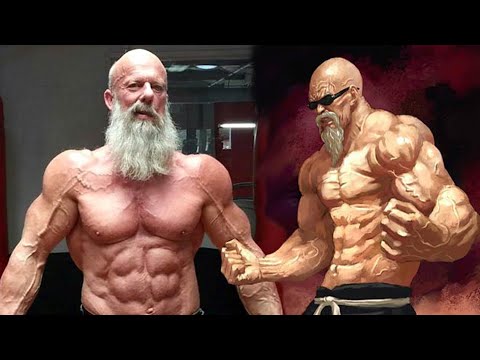
Dragon Ball's Master Roshi Embodied: The Real-Life Saga of Andreas Cahling

The Genesis of a Warrior's Legend

We often look to the realms of fiction for ultimate strength and wisdom, for characters who embody the peak of martial prowess and philosophical depth. Dragon Ball's Master Roshi, the Crane Hermit's rival and Goku's first true master, is one such icon. But what if I told you that elements of this beloved anime character weren't confined to the screen? What if a real-life individual mirrored Roshi's blend of eccentric wisdom, formidable combat skill, and an unwavering dedication to the martial path? Today, we delve into the extraordinary life of Andreas Cahling, a man who, in many ways, embodies the spirit of the Turtle Hermit himself.

Are you ready to explore a martial arts journey that defies conventional expectations and redefines what it means to be a warrior, both in body and in spirit? Prepare yourself, for this is not a tale of mere physical strength, but of the enduring power of dedication, learning, and the pursuit of self-mastery. We will dissect his methods, his philosophy, and the undeniable parallels to one of anime's most enduring figures. Let the lesson begin!

Who is Andreas Cahling? More Than Meets the Eye

Andreas Cahling is not your typical martial artist. Born in Sweden, he is a master of multiple disciplines, including Karate, Judo, Aikido, and Muay Thai. But his story goes beyond a mere accumulation of techniques. Cahling is renowned for his incredible physical condition, even in his later years, defying the stereotypes of aging and physical decline. He has dedicated his life to the rigorous pursuit of physical and mental perfection, living a life deeply intertwined with the principles of Budo.

His lifestyle is as unique as his skill set. Cahling is known for his disciplined approach to diet, training, and mental conditioning. He often espouses a philosophy that emphasizes the connection between the body, mind, and spirit, a cornerstone of traditional martial arts. This holistic approach, coupled with his often unconventional methods and public persona, has drawn comparisons to characters who exist at the nexus of power and eccentricity. For anyone interested in Martial Arts Training or the philosophy of BUDO, Cahling’s life presents a compelling case study.

The Roshi Parallel: Wisdom, Eccentricity, and Raw Power

The resemblance to Master Roshi is striking. Roshi, despite his perverted tendencies and love for leisure, is a supremely powerful martial artist and a wise teacher. He understands the balance of strength and spirit, and he knows when to be serious and when to lighten the mood. Similarly, Andreas Cahling projects an image of someone who has mastered not only the physical aspects of combat but also the mental and spiritual fortitude required to live a life dedicated to self-improvement.

Cahling's public image, often featuring him in powerful stances or displaying his physique with a mischievous glint in his eye, mirrors Roshi’s dual nature. He is the seasoned elder whose experience and power are undeniable, yet he doesn't take himself too seriously. This blend of formidable skill, philosophical depth, and a touch of the unconventional is precisely what makes the comparison to Master Roshi so resonant. It challenges our perception of what a martial arts master should be, moving beyond the stoic stereotype to embrace a more human, relatable, and ultimately inspiring figure. This is the essence of true Martial Arts Inspiration.

"The true martial artist is not just one who can fight, but one who understands the fight within himself."

This quote, a distillation of countless martial philosophies, seems to perfectly encapsulate Cahling's ethos. It’s this internal battle, the constant striving for self-improvement, that truly defines a warrior.

Martial Arts and Philosophy: The Core of Cahling's Being

Andreas Cahling's engagement with martial arts is not superficial. He has delved deep into various styles, understanding their underlying principles and philosophies. His mastery of Karate, Judo, and Muay Thai, among others, speaks to a dedication that transcends mere physical training. It indicates a profound respect for the history, techniques, and ethical codes associated with each discipline.

His philosophy often emphasizes natural movement, efficiency, and the integration of mind and body. This echoes the principles found in many traditional arts, such as the concept of 'Mushin' (no-mind) in Zen Buddhism and its application in martial arts, or the emphasis on 'Ki' (life force) in arts like Aikido. Cahling’s ability to maintain peak physical condition at an advanced age is a testament to his understanding that true strength comes from a balanced, harmonious integration of physical training, mental discipline, and spiritual awareness. This is the path of BUDO, the warrior's way, a path demanding constant self-reflection and growth.

The Training Regimen: Pushing the Limits of Human Potential

What sets Cahling apart is his commitment to an extraordinary training regimen. While many martial artists may focus on one or two styles, Cahling has embraced a cross-training approach that is both comprehensive and demanding. His dedication to maintaining a lean, powerful physique well into his later years is legendary.

His training often incorporates elements that appear extreme, such as prolonged fasting, cold exposure, and intense physical conditioning that would challenge athletes half his age. This isn't about vanity; it's about pushing the boundaries of human potential and proving that age is merely a number when guided by discipline and knowledge. He understands that effective entrenamiento is not just about lifting weights or practicing kicks; it’s about holistic conditioning, including cardiovascular health, flexibility, and mental resilience. This approach is vital for anyone seeking to improve their Fitness and overall well-being.

His dedication to functional strength and endurance is crucial for any Fighter Legacy. The ability to perform under pressure, to maintain stamina over extended periods, and to recover efficiently are hallmarks of elite practitioners across all combat sports, from MMA to traditional Karate Kyokushin.

Cahling in Action: Demonstrations of Skill and Spirit

When Andreas Cahling demonstrates his abilities, the Master Roshi parallels become even more apparent. Videos and images of Cahling often showcase his incredible flexibility, strength, and precise movements. Whether performing dynamic kicks, demonstrating powerful strikes, or showcasing his incredible agility, he moves with a grace and power that belies his age.

These demonstrations are not just about showcasing physical prowess; they are living embodiments of the philosophies he espouses. They highlight the results of decades of dedicated practice, a testament to the fact that consistent effort and a deep understanding of movement can lead to extraordinary outcomes. For aspiring martial artists, observing Cahling in action is like watching a master craftsman at work, demonstrating principles that can be applied to any discipline, whether it's Judo, Kickboxing, or even a rigorous At Home Workout. It’s a powerful reminder of the potential locked within the human form.

Impact and Legacy: Inspiring a New Generation

Andreas Cahling's influence extends far beyond his personal achievements. He serves as a powerful role model, particularly for those who believe that age is a barrier to physical fitness and martial arts practice. His life is a living testament to the enduring power of the martial spirit and the potential for continuous self-improvement.

He inspires individuals to embrace a holistic approach to health and well-being, encouraging them to look beyond conventional limitations. His story is a beacon for anyone seeking to live a more disciplined, purposeful life, demonstrating that the path of the warrior is a lifelong journey of learning and growth. For those interested in the intersection of physical prowess and mental fortitude, Cahling’s life is a masterclass in Self Improvement and Self Mastery.

Veredicto del Sensei: Is Cahling a True Martial Arts Master?

From my perspective as a lifelong practitioner and observer of the martial arts, Andreas Cahling embodies many of the qualities we associate with true masters. His dedication to a diverse range of disciplines, his commitment to peak physical and mental conditioning, and his ability to inspire others all point to a profound understanding of the martial path. While the comparison to Master Roshi is a lighthearted observation, it underscores the rare combination of potent skill, deep wisdom, and an unconventional spirit that Cahling displays. He is not merely a fighter; he is a practitioner who has dedicated his life to the pursuit of excellence, demonstrating that the warrior’s spirit knows no age limit. He has earned the respect of the martial arts community through his actions and dedication, proving that the pursuit of mastery is a lifelong endeavor.

Cahling’s Rating: Cinturón Negro en Longevidad y Maestría Marcial.

Equipment Essentials for Your Training

To emulate the dedication of masters like Andreas Cahling, having the right equipment can make a significant difference in your training. Whether you're practicing at home or in a dojo, investing in quality gear ensures safety and effectiveness.

  • Gi/Kimono: For styles like Judo and Karate, a durable, well-fitting Gi is essential. Look for double-weave kimonos for Judo for extra resilience.
  • Training Mats: If you're practicing grappling or techniques that involve falling, investing in good quality Martial Arts Merchandise like interlocking mats is crucial for safety.
  • Sparring Gear: For disciplines involving sparring (Karate, Kickboxing, MMA), protective gear such as headguards, mouthguards, and sparring gloves (e.g., 16oz for MMA) are non-negotiable.
  • Training Apparel: For conditioning and diverse martial arts training, comfortable and breathable workout wear is key. Look for moisture-wicking fabrics.
  • Supplements: While not strictly equipment, high-quality supplements can aid recovery and performance, mirroring the disciplined diet of masters like Cahling.

Resources for Deepening Your Path

To further your understanding and practice, consider exploring these related topics and resources:

Frequently Asked Questions

What martial arts is Andreas Cahling known for?
Andreas Cahling is known for his mastery in multiple disciplines including Karate, Judo, Aikido, and Muay Thai.
How does Andreas Cahling maintain his physique at an advanced age?
He follows a rigorous training regimen that includes diverse martial arts, intense physical conditioning, a disciplined diet, and practices like fasting and cold exposure, focusing on holistic well-being.
Why is he compared to Master Roshi from Dragon Ball?
The comparison stems from his blend of extraordinary martial arts skill, wisdom, a disciplined yet somewhat unconventional lifestyle, and an inspiring persona that defies typical age-related limitations, much like the iconic anime character.
What is the core philosophy behind Cahling's martial arts practice?
His philosophy emphasizes the integration of mind, body, and spirit, focusing on natural movement, efficiency, discipline, and continuous self-improvement – principles central to the Budo path.

Sensei's Reflection: Your Next Step

Andreas Cahling’s life is a powerful narrative that transcends the physical. It is a testament to the enduring power of discipline, the pursuit of knowledge, and the unyielding spirit of a true martial artist. He shows us that mastery is not a destination, but a continuous process, a path walked with dedication, curiosity, and an open heart. The comparison to Master Roshi, while playful, highlights a deeper truth: the most inspiring figures often possess a unique blend of profound skill, relatable humanity, and an eccentric spark that ignites the imagination.

Reflexión del Sensei: Tu Próximo Paso

Now, I pose a question to you, the dedicated reader. You have seen the extraordinary path of Andreas Cahling, a man who embodies the spirit of a living legend. Do you believe that the principles of rigorous training, philosophical depth, and a touch of the unconventional are essential for true martial arts mastery in the modern age? Or do you find such comparisons to fictional characters to be mere distractions from the core tenets of the art? Debate this with yourself, and then, with courage, share your honest thoughts below. Let the fire of discussion ignite your spirit!

``` GEMINI_METADESC: Explore the real-life warrior spirit of Andreas Cahling, often likened to Dragon Ball's Master Roshi. Discover his multi-disciplinary mastery, unique training, and enduring martial philosophy.


Why Embracing Martial Arts in Your 20s is a Non-Negotiable Power Move

Are you plagued by the persistent fear of missing out on crucial life experiences during your 20s, only to face regret later? Do you yearn to forge an unshakeable foundation and cultivate peak physical condition during these formative years? If your heart screams "Absolutely!" to these questions, then welcome, fellow traveler, to the exhilarating journey of the average twenty-something aiming to seize every opportunity. Your 20s are a golden era, a canvas meant for bold strokes of enjoyment and fearless exploration. Imagine, then, the profound advantage of intertwining this vibrant period with the acquisition of a skill as practical as it is invaluable: martial arts. To propel yourself beyond the comfortable confines of your known world at this stage is to ignite a spark that can illuminate your entire future path. As a Sensei who has witnessed countless students embark on this path, I can attest that the benefits extend far beyond the physical. Martial arts are not merely about punching and kicking; they are a rigorous discipline that sculpts the mind, fortifies the spirit, and instills a lifelong respect for oneself and others.

Laying the Foundation for Your Future

The decade of your 20s is a critical period for establishing habits and mindsets that will serve you for decades to come. Engaging in martial arts during this time is akin to building a robust skyscraper on solid bedrock. The physical conditioning you achieve – the enhanced cardiovascular health, increased strength, improved flexibility, and superior coordination – provides a vital platform for tackling life’s challenges. This isn't just about looking good; it's about feeling capable, resilient, and energetic. Consider the sheer discipline required to attend every class, to practice diligently, and to push past physical limitations. These are the very traits that translate directly into success in academic pursuits, career development, and personal relationships. A 20-something who dedicates themselves to the rigorous training of a martial art is simultaneously investing in their future self, building a reservoir of health and character that will pay dividends throughout their entire life.
"The journey of a thousand miles begins with a single step." – Lao Tzu. In your 20s, that first step onto the dojo floor can set you on a path of unparalleled personal growth.

The Physical Transformation: Beyond Mere Fitness

Let’s be blunt: most gym routines offer a superficial approach to fitness. They focus on aesthetics or isolated muscle groups. Martial arts, on the other hand, demand a holistic approach. You engage your entire body in complex, dynamic movements. Learning a proper: Judo throw like the O-soto-gari requires coordination of your hips, legs, arms, and core simultaneously. Executing a precise Karate kata, such as the Heian Nidan, builds muscular endurance and tests your ability to maintain form under fatigue. This comprehensive physical development enhances not just your athletic capabilities but also your proprioception – your body’s awareness in space. You become more agile, balanced, and less prone to injury in everyday life. Furthermore, the constant need for precision and control inherent in martial arts training sharpens reflexes and reaction times, skills that are invaluable in both sparring and unexpected real-world situations. This is far beyond the scope of a typical at-home workout; it’s a transformative process.

Forging Mental Fortitude: The Unseen Weapon

Perhaps the most profound impact of martial arts lies in its ability to forge mental fortitude. In the heat of sparring, facing an opponent who is actively trying to outmaneuver you, your mind is put to the ultimate test. You learn to remain calm under pressure, to analyze situations rapidly, and to make split-second decisions. This is the essence of mental strength, a quality that transcends the dojo and permeates every aspect of your life. The practice of Ki (or Chi) cultivation in many traditions is not mystical mumbo-jumbo; it is the disciplined focus of your mental and physical energy. Whether it’s the focused intent behind a Kyokushin Karate strike or the centered awareness required for an Aikido redirection, you are training your mind to be present and unwavering. This ability to control your thoughts and emotions, rather than being controlled by them, is the hallmark of true mastery.
"The mind is the most important part of fighting. The body is just a tool." – A principle echoed across countless martial disciplines.
Facing setbacks in training – failing to master a technique, losing a sparring match – teaches valuable lessons in perseverance and humility. These are not failures; they are stepping stones on the path to growth. The resilience cultivated in overcoming these challenges is an indispensable asset for navigating the inevitable difficulties of adult life. It fosters a self-improvement mindset that fuels continuous learning and adaptation.

The Philosophical Depth: A Way of Life

Beyond the physical and mental, martial arts offer a deep philosophical framework. Concepts like Bushido (the way of the warrior), Mushin (no-mind), and the constant pursuit of self-perfection are woven into the fabric of training. These philosophies provide a moral compass and a guiding set of principles for living a virtuous life. The emphasis on respect, integrity, and honor in traditional martial arts instills a profound sense of self-mastery and self-defense ethics. You learn not just how to defend yourself, but when and why. The martial artist understands that true strength lies not in aggression, but in restraint and the wisdom to use force only when absolutely necessary. This is the core of BUDO – the martial way. Consider the story of Miyamoto Musashi, the legendary samurai who developed the Niten Ichi-ryū style. His life was a testament to the relentless pursuit of martial perfection, applying philosophical principles to swordsmanship and beyond. Studying such figures provides tangible examples of how martial arts can shape not just a fighter, but a complete individual.

Choosing Your Path: A Crucial First Step

With a vast array of martial arts available, selecting the right one can seem daunting. Do you gravitate towards the explosive power of Kyokushin Karate, the grappling finesse of BJJ, the dynamic throws of Judo, or the fluid dynamics of Aikido? Perhaps the well-rounded approach of MMA appeals to your competitive spirit. My advice? Visit local dojos. Observe classes. Talk to instructors and students. The best martial art for you is the one that resonates with your personal goals and learning style, and crucially, where you feel a sense of community and respect. Look for instructors who embody the principles they teach, prioritizing technique and character development over ego. This is a Martial Arts Journey, not a race.

Training Essentials for the Budoka

To embark on your martial arts journey, you'll need a few fundamental pieces of equipment. While the specific needs vary by discipline, some items are universally beneficial. Investing in quality gear not only enhances your training experience but also ensures safety.
  • Dojo Uniform (Gi/Kimono): A durable and comfortable uniform is essential for most traditional arts like Karate, Judo, and BJJ. Look for: kimonos made of robust fabric that can withstand rigorous training.
  • Training Mats (Tatami): For arts involving throws or groundwork, protective mats are crucial for safe practice.
  • Protective Gear: Depending on the art, this might include:
    • Gloves: For striking arts like Karate, Kickboxing, or MMA, quality sparring gloves (e.g., 16oz gloves for sparring) are vital.
    • Headgear: Protects against concussions during full-contact sparring.
    • Mouthguard: Essential for all combat sports to protect teeth and jaw.
  • Training Aids: For home practice, consider items like a makiwara for striking conditioning or resistance bands for strength training.
Remember, the best equipment is an extension of your own dedication. You can find high-quality Karate merchandise and other martial arts gear from reputable suppliers who support the community.

Frequently Asked Questions

Is it too late to start martial arts in my 20s?

Absolutely not. Your 20s are an ideal time to begin. While children may develop certain physical attributes faster, adults bring maturity, focus, and a clearer understanding of their goals, often leading to rapid progress.

How often should I train?

For optimal progress and to avoid burnout, aim for 2-3 training sessions per week, complemented by regular conditioning and perhaps some personal study. Consistency is key.

What if I'm not naturally athletic?

Martial arts are designed to develop athleticism. You don't need to be a natural athlete to start; you'll become one through training. The focus is on skill development and dedicated practice.

Can martial arts help with my career?

Yes. The discipline, problem-solving skills, confidence, and resilience you gain are highly transferable to professional environments. Employers value these qualities.

What’s the difference between traditional martial arts and MMA?

Traditional arts often emphasize philosophy, self-discipline, and specific techniques rooted in history. MMA, while drawing from various martial arts, is a competitive sport focused on combining effective striking and grappling for combat. Both offer immense benefits, just in different ways.

Your Next Step

The decision to begin training in martial arts is more than just signing up for a class; it's a commitment to self-discovery and continuous improvement. It’s about embracing challenges, forging an unbreakable spirit, and becoming the best version of yourself. The physical and mental transformations are profound, but it's the underlying philosophy – the way of life – that truly endures. For those in their 20s, this decade is a unique window of opportunity. Seize it. Step out of your comfort zone and onto the dojo floor. The skills you acquire, the discipline you cultivate, and the person you become will be your most valuable assets for all the years to come.

For Deepening Your Path


``` GEMINI_METADESC: Your 20s are prime for martial arts. Build physical power, mental toughness, and lifelong discipline. Discover why this is a crucial investment in your future self.

Donnie Yen: Beyond the Blinding Fist - Facts Every Martial Artist Needs to Know

Welcome, seekers of the Way. Have you ever watched Donnie Yen move on screen and felt that spark, that primal recognition of true mastery? It's more than just choreography; it's a reflection of deep principles, honed over years of relentless dedication. But beyond the on-screen persona, who *is* the man behind the legend? Today, we delve into the lesser-known facts about Donnie Yen, peeling back the layers to reveal the martial artist and the individual. Prepare to have your understanding of this cinematic icon expanded.

Unveiling the Man: From Hong Kong to Hollywood

Donnie Yen Ji-dan is a name synonymous with high-octane action and breathtaking martial arts sequences. Yet, his journey is far from the simple narrative of a movie star. Born in Guangzhou, China, and raised in Hong Kong, Yen's early life was steeped in the discipline and traditions of martial arts, a fact that would profoundly shape his destiny. His mother, Kify Yen, was a martial arts master herself, renowned for her skills in Wushu and Tai Chi. This maternal influence was crucial, providing Donnie with a foundational understanding of movement, balance, and the underlying philosophy of combat.

While many associate Yen solely with Wing Chun, thanks to his iconic portrayal of Ip Man, his training regimen has been far more eclectic. He has immersed himself in a vast array of styles, from the graceful power of Tai Chi to the explosive techniques of Taekwondo and the raw pragmatism of Muay Thai. This diverse background is a testament to his commitment to understanding the breadth of martial combat, not just a single discipline. It's this polymathic approach to martial arts that allows him to adapt and excel in various cinematic roles.

The Crucible of Training: Early Years and Influences

The path to stardom was paved with sweat and discipline. Donnie Yen’s formative years were spent in intense training, often pushing his body and mind to their limits. His mother's martial arts school became his primary dojo, a place where he learned not just techniques, but the character-building aspects of the martial way. This relentless practice was not always easy; Yen himself has spoken about the challenges and the strictness of his early training.

"The martial arts, in essence, are about self-defense. But it's more than just physical; it's about cultivating inner strength, discipline, and respect. These are lessons that transcend the dojo and apply to every aspect of life."

His early exposure to diverse martial arts, including Judo and Kickboxing, through his exposure to various martial arts communities in Hong Kong, contributed to his versatile fighting style. This broad foundation allowed him to later blend these elements seamlessly into his cinematic fight choreography. He was not just learning to fight; he was learning to *think* like a martial artist, to analyze movement, strategy, and the psychological aspects of combat. This intellectual engagement with martial arts is a hallmark of true practitioners.

The 1980s saw Yen making his cinematic debut, but it was his relentless pursuit of martial arts excellence that truly set him apart. He didn't just act; he *trained* rigorously for each role, ensuring that his on-screen performances reflected genuine skill. This dedication is what began to earn him respect in the demanding world of Hong Kong action cinema.

More Than Just Ip Man: A Diverse Cinematic Journey

While the Ip Man series cemented Donnie Yen's global superstardom, his filmography is far richer and more varied than many realize. Before donning the iconic Wing Chun master's attire, Yen showcased his talents in films like Once Upon a Time in China II (1992), where he played a formidable antagonist, and Iron Monkey (1993), a critically acclaimed martial arts classic. These roles demonstrated his innate charisma and his ability to deliver thrilling fight sequences long before his international breakthrough.

His foray into directing and choreography further highlights his deep understanding of martial arts cinema. Films like Ballistic (2001) and Wing Chun (1994) allowed him to experiment with innovative fight sequences and showcase his evolving choreographic vision. He pushed boundaries, blending traditional techniques with modern cinematic flair, often creating fight scenes that were not only visually spectacular but also narratively compelling.

Yen's versatility extends beyond purely martial arts films. He has taken on roles in genres ranging from crime thrillers like SPL: Sha Po Lang (2005) – a film renowned for its gritty, realistic combat – to fantasy epics and even romantic comedies. This ability to inhabit diverse characters while maintaining his signature action prowess speaks volumes about his acting range and his enduring appeal. His performance in Rogue One: A Star Wars Story as the blind warrior Chirrut Îmwe, for instance, showcased his ability to imbue a character with spiritual depth and formidable martial skill on a global stage.

The Essence of Movement: Yen's Approach to Combat

What truly distinguishes Donnie Yen is his profound understanding of martial arts philosophy. He doesn't merely execute moves; he embodies principles. His fighting style is characterized by efficiency, precision, and a remarkable economy of motion. This is a direct reflection of the teachings of masters like Ip Man, who emphasized that true martial arts should be practical and direct, focusing on simultaneous attack and defense.

Yen often speaks about the importance of "feeling" the opponent and the flow of combat. This intuitive understanding, often described as Mushin (no-mind) in Zen Buddhism, allows him to react instantaneously and effectively. It's not about overwhelming the opponent with brute force, but about redirecting their energy, exploiting openings, and ending the encounter with minimal, decisive action. This resonates deeply with the core tenets of many traditional arts.

"For me, martial arts is a way of life. It’s about discipline, respect, humility, and continuous self-improvement. The physical aspect is important, but the mental and spiritual aspects are what truly define a martial artist."

His choreography often incorporates elements of improvisational flow, making the fights appear organic rather than rigidly rehearsed. This fluidity is a hallmark of advanced martial practitioners who have internalized their techniques to the point where they become an extension of their will. It’s this blend of rigorous training and philosophical depth that makes his on-screen battles so captivating and, for those who understand, so authentic.

A Lasting Impact: Donnie Yen's Contribution to Martial Arts Cinema

Donnie Yen has not only starred in martial arts films; he has actively reshaped the genre. His influence can be seen in the increased emphasis on realistic, hard-hitting fight choreography in modern action cinema. Films like SPL: Sha Po Lang revitalized the crime-fighting genre with its brutal, close-quarters combat sequences, drawing inspiration from styles like Krav Maga and MMA, but executed with a distinct Donnie Yen flair.

He has brought a new generation of martial arts fans to appreciate the depth and complexity of various fighting styles. His portrayal of Ip Man, in particular, has sparked renewed interest in Wing Chun globally. By showcasing the effectiveness and elegance of this art form, Yen has inspired countless individuals to take up martial arts training themselves.

Furthermore, his success in Hollywood, notably in the Star Wars universe and the upcoming John Wick: Chapter 4, has opened doors for other martial artists and Asian actors, breaking down barriers and fostering greater diversity in global cinema. He serves as a powerful ambassador for martial arts, demonstrating that dedication, discipline, and skill can lead to extraordinary achievements.

Sensei's Verdict: Is Donnie Yen a True Martial Arts Masterpiece?

From my perspective as a seasoned practitioner and observer of the martial arts, Donnie Yen is more than just a martial arts movie star; he is a genuine martial artist who has masterfully translated his lifelong dedication into a global cinematic phenomenon. His depth of knowledge across multiple styles, his rigorous training ethic, and his understanding of the philosophical underpinnings of combat are undeniable.

While the spotlight of cinema inevitably adds a layer of artistry and performance, Yen's foundational skills and his ability to convey the essence of martial arts principles are profound. He respects the traditions while innovatively pushing the boundaries of what is possible on screen. His influence on the genre and his inspiration to practitioners worldwide solidify his status.

Rating: 9.5/10 - A True Champion of the Martial Arts Way.

Essential Gear for Your Training

To train effectively, whether you're inspired by Donnie Yen's dynamic style or seeking to master your own chosen art, the right equipment is crucial. Investing in quality gear not only enhances your training experience but also ensures safety.

  • Durable Kimono/Gi: For arts like Judo and Karate, a robust gi made from high-quality cotton is essential. Look for double-weave fabrics for added durability, especially if you plan on sparring.
  • Sparring Gloves: If your training involves striking or sparring (like in Kickboxing or MMA), well-padded sparring gloves are a must to protect your hands and your partner.
  • Mouthguard: A properly fitted mouthguard is non-negotiable for any contact sport to prevent dental injuries.
  • Shin and Instep Guards: Crucial for arts involving kicks, these protect against impact and abrasions during training drills and sparring.
  • Training Mats (Tatami): For grappling arts or solo practice of forms and throws, quality training mats provide necessary cushioning and grip.

Remember, the best equipment is the kind that allows you to train safely and consistently, helping you progress on your martial journey. Investing in these items can make a significant difference in your development.

Frequently Asked Questions

What is Donnie Yen's primary martial art?
While Donnie Yen is most famously associated with Wing Chun due to his portrayal of Ip Man, he has trained extensively in a wide variety of martial arts, including Taekwondo, Judo, Kickboxing, Muay Thai, and Wushu.
How old was Donnie Yen when he started training?
Donnie Yen began his martial arts training at a very young age, influenced by his mother, Kify Yen, who was a martial arts master herself. He was reportedly around 4 years old when he started practicing Tai Chi and Wushu.
What is Donnie Yen's philosophy on martial arts?
Yen views martial arts as a way of life focused on discipline, respect, humility, and continuous self-improvement, with a strong emphasis on the mental and spiritual aspects alongside the physical.
Has Donnie Yen ever competed professionally?
While he has been involved in numerous performances and exhibitions, Donnie Yen is primarily known for his acting and choreography in films rather than professional competitive fighting in the vein of MMA or boxing.
What martial art style is most evident in his Ip Man portrayal?
His portrayal of Ip Man prominently features Wing Chun, the martial art that Ip Man himself was a grandmaster of. Yen's performance is lauded for its authenticity and skill in demonstrating Wing Chun principles.

To Further Your Path

Sensei's Reflection: Your Next Step

We've explored the facets of Donnie Yen's journey, from his rigorous early training to his global cinematic impact. But knowing is only half the battle. The true lesson lies in application.

"If you know the enemy and know yourself, you need not fear the result of a hundred battles." - Sun Tzu

Consider this: How does the principle of continuous learning, as embodied by Yen's diverse martial arts background, apply to your own training and life? Are you limiting yourself to one path, or are you open to exploring the myriad forms of combat and self-improvement available to you? The Way is vast, and stagnation is the enemy of progress. What new discipline will you explore next, even if only in theory, to broaden your understanding of the martial spirit?

```

Okinawan Karate: More Than Just Strikes - A Deep Dive into the Warrior's Path

In the vast universe of martial arts, the profound legacy of Japan stretches its influence far beyond the iconic shores of Okinawan Karate. While Karate stands as a titan, it is but one star in a constellation of disciplines that have ignited passion in enthusiasts across the globe. Alongside the thunderous power of Okinawan Karate, we find the yielding strength of Judo, the circular grace of Aikido, and the disciplined precision of Kendo. What binds these diverse arts? A common thread, as potent as any physical technique: their unwavering emphasis on spiritual development. Practitioners are not merely acquiring the tools of combat; they are embarking on a quest to sculpt better individuals, refined souls. Join us, students, on a journey through the profound philosophies and rigorous practices that forge the very essence of the martial arts world.

The Legacy Beyond Okinawa

The influence of Japanese martial arts is undeniable, a testament to centuries of refinement and philosophical depth. Many practitioners begin their journey with a single art, perhaps drawn by the dynamic movements of Karate or the strategic throws of Judo. However, a true appreciation for Budo, the "Way of Martial Arts," reveals a rich tapestry of interconnected principles.

The Way of the Warrior: A Life Philosophy

Is martial arts merely about fighting? A dangerous misconception, and one that undermines the very soul of Budo. True martial arts encompasses far more than mere physical combat; it is a comprehensive way of life. The real essence lies not in the blow landed, but in the continuous pursuit of self-improvement, the cultivation of unwavering character, and the profound journey of spiritual growth. The ancient samurai warriors, masters of their craft and their minds, understood this interconnectedness intimately. Their training was a holistic endeavor, seeking the perfect harmony of mind, body, and spirit. This timeless philosophy continues to resonate, shaping the teachings and the very spirit of various martial arts disciplines today.

"The warrior is one who digests his experiences and is not discouraged by them." - Miyamoto Musashi, The Book of Five Rings

Okinawan Karate: A Legacy Unparalleled

Among the most iconic martial arts to emerge from Japan, Okinawan Karate stands with a legacy that traces its proud roots back to the Ryukyu Kingdom. Renowned for its emphasis on explosive, powerful strikes delivered with fluid, almost dance-like movements, this discipline embodies the indomitable spirit and resilience of the Okinawan people. Practitioners of Karate do not merely acquire formidable self-defense skills; they cultivate profound virtues: unwavering discipline, deep-seated respect for their peers and instructors, and the tenacious spirit of perseverance in the face of adversity.

The sheer effectiveness of Karate's striking techniques, from the devastating Uraken (reverse punch) to the precise Gedan Barai (downward block), is legendary. Yet, beneath the surface of these physical applications lies a deep philosophical wellspring. The rigorous repetition of kata—prearranged forms that simulate combat—is not just muscle memory training; it is a meditative practice, a way to ingrain principles of balance, timing, and intention.

The Spiritual Essence of Martial Arts

In the disciplined world of martial arts, physical techniques are inextricably intertwined with deep, foundational spiritual principles. Ancient traditions, notably the profound philosophies of Zen Buddhism and the naturalistic reverence of Shintoism, have deeply influenced the philosophical underpinnings of these arts. Practices such as mindful meditation (Zazen), controlled breathing exercises (Kokyu ho), and pervasive mindfulness are not mere add-ons; they are integral components of many martial arts training regimens. These practices are the crucible in which practitioners forge mental fortitude, sharpen unwavering focus, and cultivate profound self-awareness.

Consider the concept of Mushin, the "no-mind" state often sought in Karate and other arts. It is not about being empty-headed, but about achieving a state of spontaneous, uninhibited action, free from conscious thought or fear. This is the spiritual essence—the ability to react instinctively and effectively under pressure. This state is cultivated through thousands of hours of dedicated practice and introspective training.

Unveiling the "Ways of the Warrior"

Beyond the striking prowess of Okinawan Karate, a pantheon of other esteemed "ways of the warrior" have garnered international acclaim and devoted followings. Judo, masterfully originating from Jigoro Kano's vision, champions the principle of "Seiryoku Zenyo" – maximum efficiency with minimal effort. It teaches us how to use an opponent's strength and momentum against them, a profound lesson in leverage and strategy.

Then there is Aikido, the art of peaceful harmony, founded by the legendary Morihei Ueshiba. Aikido’s philosophy centers on blending with and redirecting an opponent's energy, neutralizing aggression without causing undue harm. It is a testament to the principle that true strength lies not in brute force, but in adaptability and control.

And we cannot forget Kendo, the "way of the sword." This discipline meticulously preserves the spirit and techniques of the ancient samurai through rigorous, disciplined training, steeped in tradition and unwavering respect for the weapon and the opponent.

Martial Arts as a Path to Personal Growth

To engage with martial arts is to embark on a profoundly transformative journey. It is an experience that molds individuals, forging them into disciplined, confident, and compassionate human beings. The relentless pursuit of perfection in technique, coupled with the deep commitment to self-improvement, transcends the confines of the dojo and permeates every aspect of a practitioner's life. Martial arts offer a holistic approach to personal development, instilling invaluable virtues that positively influence relationships, career paths, and overall well-being.

The lessons learned on the mat – patience, perseverance, humility – are directly applicable to challenges faced off the mat. Facing a difficult boss? Remember the patience required to master a complex kata. Dealing with a personal setback? Recall the resilience built from countless sparring sessions and the commitment to rise after being thrown. This is the true power of Budo.

Building a Thriving Martial Arts Community

Martial arts not only bestow invaluable physical and mental benefits upon their practitioners but also cultivate a powerful sense of camaraderie and belonging. By training together, side-by-side, artists develop deep, enduring bonds, sharing hard-won experiences and offering unwavering support to one another on their individual paths. This interconnectedness fosters a vibrant, dynamic community where knowledge, wisdom, and mutual respect are continuously exchanged, enriching the journey for every single person involved.

A strong martial arts community provides a crucial support system. In moments of doubt or struggle, the encouragement of fellow practitioners can be the difference between quitting and pushing through. Sharing insights on techniques, discussing philosophical quandaries, and celebrating each other's progress builds a collective strength that empowers everyone.

Unlocking the Warrior Within

Embracing the path of martial arts is, in essence, an act of unlocking the latent, often untapped, potential residing within each individual. Through unwavering dedication, relentless perseverance, and an unyielding commitment to lifelong learning, practitioners embark on a profoundly transformative journey that extends far beyond mere physical techniques. The true, potent power lies in the awakening of the warrior within—an individual who embodies unwavering discipline, profound humility, and unshakeable determination in all endeavors.

Veredict of the Sensei: Does Okinawan Karate Live Up to the Hype?

This exploration into Okinawan Karate and its place within the broader martial arts landscape reveals an art form steeped in history, discipline, and profound philosophy. The documentary, while not explicitly reviewed here, sets the stage for understanding Karate's global impact. From the rigorous physicality to the mental fortitude it cultivates, Karate offers a complete system for self-development. However, like all martial arts, its true value lies in the practitioner's commitment to its underlying principles.

Rating: Cinturón Negro en Profundidad Filosófica

Essential Equipment for Your Training

While the spirit of the warrior can be honed with minimal equipment, certain items can significantly enhance your training experience and safety, particularly for Okinawan Karate and related disciplines:

  • Karate Gi: Look for a durable, comfortable Karate Gi made from cotton or a poly-cotton blend. A heavier gi is often preferred for competitive Karate and provides better durability for intense training.
  • Karate Belt: A sturdy Karate belt (Obi) is essential. Start with a white belt and progress through the ranks as you master techniques and demonstrate understanding of the principles.
  • Mouthguard: For sparring sessions (kumite), a well-fitting mouthguard is crucial to protect your teeth and jaw.
  • Groin Protector: Safety first. A groin protector is highly recommended for all male practitioners engaging in sparring.
  • Optional: Karate Training Mitts/Pads: For partner drills, training mitts and pads can be useful for practicing strikes safely and effectively.

For those interested in Judo, a robust Judo Gi (often heavier and designed for gripping) is essential. For Kendo, specialized protective gear and a bamboo sword (Shinai) are necessary.

Frequently Asked Questions

Is Okinawan Karate effective for self-defense?
Yes, Okinawan Karate, particularly styles that emphasize practical application and sparring, can be very effective for self-defense. Its focus on powerful strikes, blocks, and evasive movements provides a solid foundation.
What is the main difference between Karate and Judo?
Karate primarily focuses on striking techniques (punches, kicks, blocks), while Judo emphasizes grappling, throwing, and submission techniques. Both share a common emphasis on discipline and character development.
Can beginners start with any martial art?
Absolutely. Most martial arts schools are welcoming to beginners and offer foundational classes. The key is to find an art and an instructor that resonate with your personal goals and learning style.
How important is meditation in martial arts?
Meditation, or similar mindfulness practices, is highly important in many martial arts as it helps develop focus, emotional control, mental clarity, and a deeper understanding of oneself, which are all crucial for effective technique and personal growth.

Deepen Your Journey

To truly grasp the breadth and depth of the martial path, I encourage you to explore these related areas:

Reflection of the Sensei: Your Next Step

We have traversed the landscape of Okinawan Karate and its kin, glimpsing the profound philosophy that underpins these ancient disciplines. We've seen that the true battle is not against an external foe, but against the limitations within oneself. Now, I pose this question to you, my students:

When you bow at the end of training, are you bowing to your opponent, your instructor, or are you bowing to the improved version of yourself that you are striving to become? What does that bow truly signify in your life outside the dojo?

Ponder this. Discuss it. Let it fuel your practice. The journey of the warrior is a continuous one, and the deepest lessons are often found in the quiet moments of reflection.

``` ```json { "@context": "https://schema.org", "@type": "FAQPage", "mainEntity": [ { "@type": "Question", "name": "Is Okinawan Karate effective for self-defense?", "acceptedAnswer": { "@type": "Answer", "text": "Yes, Okinawan Karate, particularly styles that emphasize practical application and sparring, can be very effective for self-defense. Its focus on powerful strikes, blocks, and evasive movements provides a solid foundation." } }, { "@type": "Question", "name": "What is the main difference between Karate and Judo?", "acceptedAnswer": { "@type": "Answer", "text": "Karate primarily focuses on striking techniques (punches, kicks, blocks), while Judo emphasizes grappling, throwing, and submission techniques. Both share a common emphasis on discipline and character development." } }, { "@type": "Question", "name": "Can beginners start with any martial art?", "acceptedAnswer": { "@type": "Answer", "text": "Absolutely. Most martial arts schools are welcoming to beginners and offer foundational classes. The key is to find an art and an instructor that resonate with your personal goals and learning style." } }, { "@type": "Question", "name": "How important is meditation in martial arts?", "acceptedAnswer": { "@type": "Answer", "text": "Meditation, or similar mindfulness practices, is highly important in many martial arts as it helps develop focus, emotional control, mental clarity, and a deeper understanding of oneself, which are all crucial for effective technique and personal growth." } } ] }

Martial Arts Masters Believing Their Own Hype: A Critical Examination

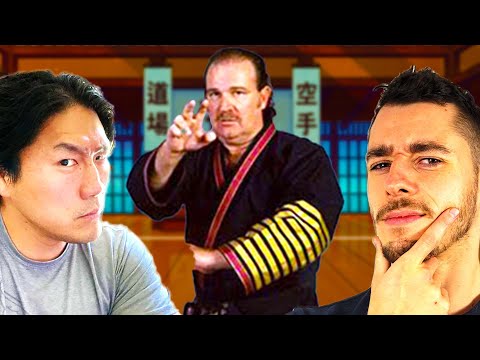
Hello and welcome to Budo and Martial Arts. Today, we delve into a phenomenon that has plagued the martial arts world for generations: the self-deception of masters who become so enamored with their own perceived prowess that they lose touch with reality. This isn't about genuine skill; it's about the corrosive effect of ego unchecked by humility and rigorous, honest application.

I recall a conversation with Shintaro Higashi, a formidable Judoka, where we dissected this very issue. We explored not just *why* some martial arts masters fall prey to believing their own hype, but the insidious mechanisms through which this delusion develops, and how their disciples often become complicit, perpetuating the myth.

The Illusion of Invincibility

The martial arts realm, with its emphasis on discipline, power, and esoteric knowledge, can be fertile ground for ego inflation. When a practitioner achieves a certain level of proficiency, especially if they are charismatic or lead a large following, the line between genuine mastery and self-aggrandizement can blur. This is particularly true in systems that emphasize tradition over demonstrable combat effectiveness.

A master who has dedicated decades to a particular art might, consciously or unconsciously, begin to believe their techniques are universally superior, capable of overcoming any opponent or situation. They might develop a rigid adherence to their methods, dismissing or outright ignoring the efficacy of other, potentially more practical, approaches. This self-imposed blindness is a dangerous state, as it stunts growth and, more importantly, can mislead students into dangerous situations.

"True mastery is recognizing the vastness of what you do not know. The moment you believe you know everything is the moment your learning ceases." - A principle often echoed in the highest circles of Budo.

The very nature of martial arts training, especially in its early stages, often involves a degree of "selling" the art to attract students. This can involve emphasizing its unique strengths and downplaying its limitations. However, for some, this marketing becomes a self-fulfilling prophecy, where the instructor genuinely begins to believe the exaggerated claims made about their system. This is where the term "McDojo" often arises – not just for fraudulent schools, but for those that peddle a diluted or ineffectual version of martial arts, wrapped in layers of ego and false promises.

How Masters Fall Into The Hype Trap

Several factors contribute to a master falling into the "hype trap." Firstly, a lack of consistent, high-level sparring against diverse styles is a primary culprit. If a master primarily engages with their own students, who are often less experienced, they receive constant reinforcement of their perceived superiority. Without the humbling experience of facing equally skilled or more skilled opponents from different disciplines, their understanding of combat can become theoretical rather than practical.

Secondly, the veneration of students can create an echo chamber. When students are taught from day one to respect and almost deify their instructor, they are less likely to question or challenge. Any perceived flaw in the master's technique might be explained away as a "higher-level concept" or "beyond their current understanding," rather than a genuine deficiency.

Thirdly, the historical narrative of martial arts often glorifies legendary figures who achieved near-mythical status. While inspiring, this can inadvertently encourage modern practitioners to emulate the *persona* of the legendary master rather than their disciplined, often brutal, training methods. The focus shifts from rigorous self-improvement to maintaining an image of invincibility. This is where the BUDO spirit of self-reflection and continuous improvement is lost.

The term "hype" itself is crucial here. It refers to exaggerated claims, often fueled by marketing, personality cults, and a selective presentation of evidence. When a master begins to believe this hype, they start acting from a place of ego rather than genuine martial principles. This can manifest in several ways:

  • Dismissing effective techniques from other arts as "inferior" or "street."
  • Refusing to engage in full-contact sparring with individuals outside their system.
  • Creating complex, performative techniques that look impressive but lack practical application.
  • Over-emphasizing abstract philosophical concepts to mask a lack of physical substance.

The Disciple's Role in Perpetuating the Myth

Students are not merely passive recipients of instruction; they are active participants in the shaping of their master's reputation. The "disciple syndrome" is a powerful force in perpetuating the myth of the invincible master.

A devoted student, having invested years of their life and considerable resources into training, develops a strong psychological investment in the validity of their chosen art and instructor. To question the master's abilities would be to question their own life choices, a deeply uncomfortable cognitive dissonance. Therefore, students often:

  • Interpret any teaching as profound wisdom, even when it's flawed.
  • Defend their master's reputation fiercely, often aggressively, against any criticism.
  • Actively promote the master's exaggerated claims through word-of-mouth and social media.
  • Filter their experiences to align with the master's narrative, ignoring contradictory evidence.

This creates a feedback loop. The master, seeing unwavering adoration, becomes more convinced of their own infallibility. The students, receiving "enlightenment" from their supposedly infallible master, feel validated. The martial art, in this distorted reality, becomes less about self-defense or personal growth and more about loyalty to a person and a narrative.

The original post mentions the experience of Rokas, who trained Aikido for 14 years. His realization that Aikido did not live up to its promises is a stark example of breaking free from this disciple syndrome. It took immense courage to close his dojo and pursue a more practical path, like MMA.

"The true disciple is one who seeks the truth, not one who seeks to please the master." - A fundamental tenet often overlooked.

Examining Styles: Where Reality and Myth Collide

It is crucial to approach the study of martial arts with a critical, analytical mind. While every art has its strengths, the danger lies in making absolute claims or fostering a belief in invincibility. Let's consider a few examples:

  • Traditional Karate: While rich in history and character development, many traditional Karate styles lack robust sparring protocols. Masters who claim their kata alone makes them unbeatable, without consistent, high-level application against resisting opponents, fall into the hype trap. The evolution of sports Karate and the integration of Karateka into Artes Marciales Mixtas (MMA) has begun to challenge these outdated notions.
  • Aikido: As Rokas’s journey illustrates, Aikido’s emphasis on blending and redirection can be highly effective in specific scenarios. However, many Aikido masters become so engrossed in the philosophical and spiritual aspects, or rely on choreographed demonstrations, that they lose touch with its potential effectiveness against a determined, untrained attacker. Claims of being able to neutralize any attack with minimal force often crumble under real-world pressure.
  • Wing Chun: This art often boasts of its directness and efficiency. However, some practitioners and masters develop an almost dogmatic belief in its superiority, dismissing grappling and groundwork as unnecessary. This can lead to a vulnerability against arts that integrate these elements seamlessly.

The core issue is not the art itself, but the mindset of the practitioner. A humble master of any style, who constantly seeks to test and refine their skills, is far more dangerous and effective than a proud master of a supposedly "superior" art who has stopped learning.

A Fighter's Reality Check: The SBG Approach

The journey described by Rokas, moving from a traditional art to MMA training at Straight Blast Gym (SBG) under Matt Thornton, highlights a critical philosophical difference. SBG's core philosophy is "The Art of Learning," emphasizing continuous evolution and a brutal honesty about what works. Matt Thornton himself is known for his direct approach and willingness to challenge established norms.

SBG's methodology is built on the premise that all martial arts must be tested against resisting opponents. This is crucial for shedding ego and understanding the true effectiveness of techniques. By training with individuals of varying backgrounds and skill levels in a dynamic, pressure-tested environment, practitioners are forced to confront their limitations. There is little room for "hype" when the opponent is actively trying to defeat you.

This perspective is invaluable. It encourages practitioners to:

  • Seek out challenging training partners.
  • Spar regularly with full commitment.
  • Be open to cross-training and learning from other disciplines.
  • Focus on principles rather than rigid dogma.

This approach is vital for anyone looking to develop genuine self-defense skills or competitive ability, and it serves as a powerful antidote to the "believing their own hype" syndrome. It's about shedding ego at the door and focusing on the relentless pursuit of effective skills.

Training Essentials for the Honest Practitioner

While genuine mastery is a mindset, the right equipment can facilitate honest, effective training. For those seeking to test their skills and build practical ability, consider the following:

  • Quality Sparring Gear: This includes durable headgear, reliable sparring gloves (16oz is standard for many disciplines), shin guards, and mouthguards. Investing in good gear ensures safety and allows for more intense, realistic practice.
  • Durable Training Uniforms (Gi/Kimono): For grappling arts like Judo or BJJ, a sturdy double-weave Gi is essential for resisting the stress of grappling. For striking arts, breathable and flexible uniforms allow for a full range of motion.
  • Training Mats (Tatami/Puzzle Mats): For arts involving throws, takedowns, or groundwork, adequate matting is non-negotiable for safety.
  • Personal Training Tools: A good quality makiwara for Karateka, or resistance bands for general conditioning, can supplement your training.
  • Notebook and Pen: To record insights, practice drills, and reflect on your training – a crucial tool for self-improvement.

Frequently Asked Questions

What is the primary danger of a martial arts master believing their own hype?

The primary danger is that they can mislead their students into believing in ineffective techniques or false senses of security, potentially leading to serious harm in a real confrontation. It also stunts the master's own growth.

How can a student identify if their master is caught in the hype?

Look for a refusal to spar with diverse, skilled opponents, an unwillingness to acknowledge or integrate effective techniques from other arts, and an over-reliance on choreographed demonstrations or theoretical explanations rather than practical application.

Is it possible for a master to be highly skilled yet still believe their own hype?

Yes. Skill is a prerequisite, but ego can corrupt even the most skilled. True mastery involves humility and continuous learning, which often means acknowledging limitations and seeking challenges.

What role does social media play in martial arts hype?

Social media can amplify hype by allowing masters to curate an image of invincibility, share highly produced demonstration videos, and attract a following that may not have direct experience with their actual combat effectiveness. It can create a false perception of widespread mastery.

How can one train to avoid falling into this trap?

Seek out honest, critical feedback. Engage in consistent, high-pressure sparring against a variety of opponents. Be open to cross-training. Cultivate humility and a genuine desire for self-improvement over external validation.

Deepen Your Understanding

The journey of martial arts is a lifelong pursuit of truth and effectiveness. It requires honesty, courage, and a willingness to confront uncomfortable realities about ourselves and our chosen paths. The line between a respected sensei and a deluded ego-tripper is often drawn by the presence, or absence, of genuine humility and a commitment to the unvarnished truth of combat.

Reflection of the Sensei: Your Next Step

Having dissected the ego-driven illusion of invincibility, consider this: When faced with your own limitations, do you seek to hide them behind a veil of dogma and adoration, or do you embrace the challenge of growth, even if it means admitting you don't have all the answers? Your response to this question will define your true martial path.

``` GEMINI_METADESC: A critical look at how martial arts masters fall prey to ego, the role of disciples, and why humility and honest training are key to true mastery in Budo.

The Ultimate Guide: Mastering the Most Effective Martial Arts for Self-Defense and Street Fighting

The Unavoidable Truth: Why Self-Defense is a Non-Negotiable Skill

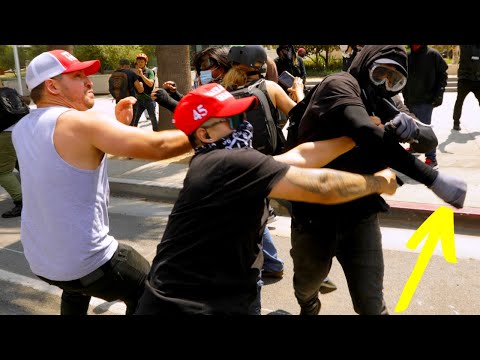
Have you ever found yourself in a situation, however brief, where a sudden surge of adrenaline made you question your ability to protect yourself? We all hope to live lives untouched by violence, but the reality of our world often presents us with stark choices. While aggression is never the first or best recourse, preparedness for self-defense is not about seeking conflict; it is about possessing the knowledge and capability to navigate dangerous encounters. Street fights, unlike the often-theatrical displays of martial arts movies, are brutal, unpredictable, and swift. They demand more than just a sharp tongue; they demand decisive action. Are you ready to back up your words with action when it truly matters?

Welcome to the Crucible: Budo & Martial Arts' Perspective

Welcome, warriors, to Budo and Martial Arts! You've landed on our definitive guide: "The Ultimate Guide: Mastering the Most Effective Martial Arts for Self-Defense and Street Fighting." Published on April 24, 2022, at 06:36 AM, this is your entry point into the most comprehensive and up-to-date resource on martial arts available online. We are dedicated to bringing you authentic knowledge, practical application, and the deep philosophy that underpins the warrior's path. Follow our journey on social networks and bookmark our main page: Budo & Martial Arts Main Page. We also invite you to explore our other platforms where we champion the spirit of true martial arts. If you resonate with our mission and wish to support the preservation and dissemination of authentic Budo, consider visiting our store for exclusive NFTs – a modern way to invest in the legacy of the warrior.

Table of Contents

The Warrior's Code: Defining "Effective" in Combat

Before we dive into specific disciplines, let's establish what "effective" truly means in the context of self-defense and street fighting. This isn't about scoring points in a tournament or performing visually stunning techniques. Effectiveness here is measured by:
  • Simplicity: Techniques that are easy to learn, remember, and execute under extreme duress.
  • Directness: Movements that efficiently neutralize a threat with minimal wasted motion.
  • Pragmatism: Focus on techniques that work against an untrained, aggressive opponent who does not adhere to rules.
  • Adaptability: The ability to apply principles across various scenarios, ranges of combat (standing, ground), and against different types of attackers.
  • Survival: The ultimate goal is to escape the encounter safely, not to "win" a fight.
Many traditional martial arts, while rich in philosophy and history, may emphasize forms (Katas) or sparring rules that don't directly translate to the chaos of the street. This is a point of contention that ignites fierce debate among practitioners.
"The supreme art of war is to subdue the enemy without fighting." - Sun Tzu, The Art of War
This ancient wisdom still holds true. However, when fighting is unavoidable, preparedness is paramount.

Top-Tier Defenders: Which Martial Arts Reign Supreme?

The quest for the "best" martial art is often fueled by ego and tribalism. As a seasoned martial artist and critic, I can tell you there's no single 'best.' The effectiveness of any art depends heavily on the individual practitioner, their training methodology, and the specific threat they face. However, certain arts have demonstrable strengths when it comes to self-defense:

Karate: The Striking Foundation

Traditional Karate, particularly styles like Kyokushin Karate, emphasizes powerful, direct strikes (punches, kicks, knee strikes) and strong stances. Its focus on conditioning and full-contact sparring in some styles builds resilience and power.
  • Strengths: Devastating striking power, excellent physical conditioning, builds discipline and mental fortitude.
  • Weaknesses (in pure street defense): Some traditional Karate may lack sufficient ground fighting or grappling training. Focus on pre-arranged forms (Katas) might not always translate directly to spontaneous combat.
For those seeking raw power and a disciplined striking base, Karate remains a formidable choice. It instills a deep understanding of body mechanics and explosive power generation. We've extensively covered the KarateCommunity and the OkinawanKarate lineage, highlighting its historical significance and practical applications.

Brazilian Jiu-Jitsu (BJJ): The Art of Ground Control

BJJ revolutionized the martial arts landscape by demonstrating the effectiveness of grappling and ground fighting. Its core principle is that a smaller, weaker person can defend against a larger, stronger assailant by using proper technique, leverage, and submissions (chokes, joint locks) on the ground.
  • Strengths: Unmatched effectiveness in ground fighting, allows smaller individuals to control larger opponents, develops strategic thinking and patience.
  • Weaknesses: Can be less effective if the practitioner is unable to take the fight to the ground against multiple opponents or in unfavorable environments (e.g., slippery surfaces, confined spaces). Striking is usually not a primary focus.
The strategic depth of BJJ is profound. Learning to control an opponent's body and leverage their weight against them is a critical skill. Mastering the nuances of grappling is essential for anyone serious about comprehensive self-defense.

Krav Maga: The Israeli System of Practical Survival

Developed for the Israeli military, Krav Maga is not a traditional martial art but a self-defense system. It focuses on practical, brutal efficiency, incorporating defenses against common attacks, weapon defenses, and situational awareness. Its philosophy is simple: get to safety as quickly as possible.
  • Strengths: Highly practical, emphasizes real-world scenarios, teaches defense against weapons, focuses on neutralizing threats quickly, excellent for situational awareness.
  • Weaknesses: Less emphasis on traditional discipline, etiquette, or spiritual development compared to Budo arts. Can be physically demanding and potentially lead to injuries if not trained carefully.
Krav Maga's directness is its greatest asset. It strips away complexities, focusing solely on survival. If your primary concern is escaping violent encounters with minimal harm, Krav Maga offers a starkly effective solution.

Muay Thai: The Science of Eight Limbs

Known as the "Art of Eight Limbs," Muay Thai utilizes fists, elbows, knees, and shins, along with devastating clinching techniques. It is an incredibly powerful striking art known for its conditioning and intensity.
  • Strengths: Devastating close-range combat, powerful strikes with all limbs, exceptional conditioning, effective clinch work.
  • Weaknesses: Primarily a striking art; ground fighting and complex grappling are typically not included.
The raw power generated in Kickboxing and Muay Thai is undeniable. Its emphasis on conditioning ensures practitioners are physically robust enough to endure and deliver powerful blows.

Wrestling: Fundamental Dominance

Wrestling, whether Olympic or folkstyle, is the bedrock of control. Its focus is on takedowns, positional control, and physical dominance. A skilled wrestler can dictate where and how a fight takes place, often neutralizing an opponent's striking ability through superior control.
  • Strengths: Superb control over distance and position, incredible physical conditioning, strong mentality, effective at neutralizing opponents.
  • Weaknesses: Primarily focused on takedowns and control, lacks striking or submission techniques found in arts like BJJ or Muay Thai.
The foundational strength of lucha en pie (standing grappling) and takedowns taught in wrestling is invaluable. It teaches dominance and control in a way few other arts can match.

Aikido: Philosophical Defense or Street Reality?

Aikido is often lauded for its graceful, circular movements and throws, emphasizing redirecting an opponent's energy. However, its efficacy in a chaotic street fight is a subject of intense debate.
  • Strengths: Teaches principles of blending, evasion, and control. Emphasizes minimal harm to the attacker (a philosophical ideal).
  • Weaknesses: Requires a compliant attacker for many techniques to be effective. Lack of focus on striking and aggressive defense against multiple assailants makes its direct street application questionable for many.
While the philosophical underpinnings of Aikido are profound, questions persist about its direct applicability in a life-or-death situation against an uncooperative attacker. Does the art of blending truly defend against a haymaker or a knife attack? This is a critical question for practitioners.

Combining Arts: The Modern Warrior's Approach

The most effective self-defense strategy today often involves drawing from multiple disciplines. This is the essence of Mixed Martial Arts (MMA). A well-rounded fighter understands striking, grappling, and how to transition between them.
"If you know the enemy and know yourself, you need not fear the result of a hundred battles." - Sun Tzu
Understanding your own capabilities and limitations, as well as those of potential threats, is key. The modern warrior embraces versatility. Training in striking arts like KarateKyokushin or Muay Thai, combined with ground fighting skills from BJJ or wrestling, provides a comprehensive skillset. For practical, no-nonsense defense, integrating elements of Krav Maga for situational awareness and weapon defense is also crucial. The Artes Marciales Mixtas landscape exemplifies this multidisciplinary approach.

Beyond Technique: The Mental and Physical Conditioning

True self-defense is not just about knowing how to throw a punch or apply a submission. It's about:
  • Mental Fortitude (Ki/Chi): The ability to remain calm under pressure, manage fear, and maintain focus. The concept of Ki or Chi in many Asian martial arts speaks to this vital energy and mental control.
  • Situational Awareness: Recognizing potential threats before they materialize. This is a cornerstone of Krav Maga and essential for everyone.
  • Physical Conditioning: Strength, endurance, flexibility, and agility are vital for executing techniques effectively and enduring stressful encounters.
  • Humility and Discipline: Understanding the responsibility that comes with martial skill. This is the heart of BUDO and the WarriorPhilosophy.
Mastering the mental game is as crucial as mastering physical techniques. This falls under the umbrella of SelfMastery and SpiritualDevelopment.

Essential Training Gear for the Aspiring Defender

To embark on your journey to effective self-defense, consider the following:
  • Protective Gear: Mouthguards are non-negotiable. Shin guards, groin protectors, and sparring headgear are essential for safe, high-intensity training in striking arts.
  • Training Uniforms (Gi/Kimono): For grappling arts like BJJ and Judo, a durable judo gi or BJJ gi is necessary. For striking arts, comfortable, breathable athletic wear is sufficient. Look for high-quality KarateMerchandise if you are pursuing that path.
  • Gloves: MMA gloves or bag gloves are essential for striking drills and sparring. For serious training, consider 16oz gloves for sparring to protect your hands and your partner's face.
  • Training Mats: For groundwork and takedown practice, wrestling mats or puzzle mats can significantly improve safety and comfort.
  • Reference Materials: Books and reputable online resources can supplement your training. Consider foundational texts on Budo or specific techniques.
Investing in quality MartialArtsMerchandise shows commitment and ensures your equipment supports, rather than hinders, your progress.

Frequently Asked Questions

  • Which martial art is the fastest to learn for self-defense?
    Systems like Krav Maga are designed for rapid learning and immediate application. However, true proficiency in any art requires consistent dedication.
  • Can I learn effective self-defense online?
    Online resources can supplement training, but the physical dynamics of sparring, timing, and distance management are best learned under the guidance of a qualified instructor.
  • Is it possible to be too old to learn martial arts?
    Absolutely not. While physical capacity may change, the mental benefits of discipline, focus, and self-improvement are accessible at any age. Many find immense value in SelfImprovement through martial arts later in life.
  • How do I choose the right martial art school?
    Visit multiple schools, observe classes, speak with instructors and students, and choose an environment that feels welcoming, safe, and aligned with your goals. Look for instructors with verifiable experience and a commitment to ethical teaching.

Sensei's Reflection: Your Next Step

The path of martial arts is a lifelong journey, not a destination. While we've explored disciplines proven effective for self-defense, remember that the most potent weapon is a well-prepared mind coupled with a resilient body. The techniques are tools, but the true power lies within the practitioner's spirit – their InnerStrength, their Perseverance, and their unwavering Discipline.

Reflexión del Sensei: Tu Próximo Paso

If you were suddenly faced with a threat, would you react with practiced efficiency, or would you freeze, relying on hope rather than skill? Reflect on this: Are you training for the dojo, or are you training for survival? The answer defines your path forward.

For further exploration into the warrior's path, delve into our resources:

``` GEMINI_METADESC: Master self-defense & street fighting with our ultimate guide. Explore Karate, BJJ, Krav Maga, Muay Thai, Wrestling & more. Discover effective techniques & training.