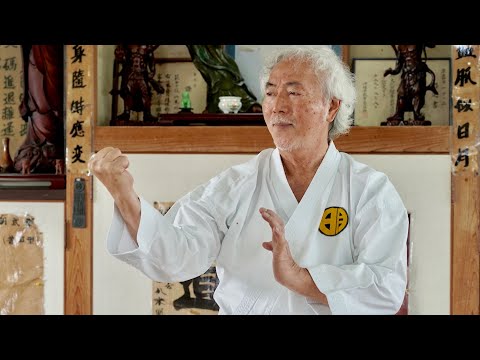
The pursuit of martial arts mastery is a lifelong endeavor, a relentless journey that demands dedication, discipline, and an open mind. Today, we delve into an experience that bridges the gap between traditional philosophy and practical application, a day spent training with a figure who has brought the spirit of martial arts to global prominence: Steven Seagal. This isn't just about mimicking techniques; it's about understanding the underlying principles, the historical context, and the practical implications that define a true warrior.
Our exploration begins with a hands-on approach, a method as old as combat itself: conditioning. Imagine receiving a *makiwara*, a traditional Japanese punching board, to toughen your hands and knuckles. This is not merely a tool; it is a testament to the importance of practical, tangible training in developing the warrior's physique and resilience. While Aikido, Seagal's primary art, is often celebrated for its circular, flowing movements and joint locks, it's crucial to recognize that its roots in Japanese Jiu-Jitsu encompass a far broader spectrum of combat.
"The true warrior is the one who understands that the art of war is about strategy, adaptation, and the unyielding will to survive, regardless of the terrain." - A paraphrased wisdom echoed in the halls of Budo.
This brings us to a critical distinction. Unlike the intricate submission grappling of Brazilian Jiu-Jitsu (BJJ), Seagal's approach, drawing from his extensive background, emphasizes the striking arts. Why this divergence? Consider the historical battlefield. A samurai, heavily armored and engaged in a skirmish, would find himself at a grave disadvantage if the fight devolved to the ground. The focus, therefore, was on incapacitating the opponent swiftly and decisively, standing. This principle, honed over centuries, remains a cornerstone of many traditional martial disciplines, highlighting the evolution of martial arts based on their original context of application.
The debate between ground fighting and striking, often seen in modern mixed martial arts (MMA), is not new. It is a reflection of different martial philosophies and objectives. While BJJ champions the art of the controlled takedown and submission, arts like Karate, Taekwondo, and the striking aspects of Aikido, as demonstrated by Seagal, prioritize effective stand-up combat. This difference in emphasis shapes the training methodology, the strategic thinking, and ultimately, the outcome of a confrontation.
This encounter wasn't just about witnessing a demonstration; it was an immersion into a day of rigorous training with Steven Seagal. His approach, deeply rooted in traditional martial arts, provides a unique lens through which to view the evolution of combat. It's a reminder that while styles may differ, the core principles of discipline, physical conditioning, and mental fortitude remain universal. The experience underscored the importance of practical, hands-on training that prepares the body for the demands of combat, whether on the mat or in a more dynamic confrontation.
The Makiwara: A Testament to Resilience
The act of being presented with a *makiwara* is significant. This seemingly simple tool is a cornerstone of hand and knuckle conditioning in many Okinawan Karate and Japanese martial arts. Its purpose is not to develop power in the way a heavy bag does, but to systematically condition the bones, tendons, and ligaments of the striking surfaces. Through repetitive, controlled strikes, practitioners build resilience, enabling them to deliver powerful blows without sustaining injury. It’s a practice that demands patience and consistency, embodying the martial principle of gradual improvement. This conditioning is vital for any art that emphasizes striking, ensuring that the tools of offense can withstand the impact of their own use.
Beyond Aikido: Striking in the Seagal Method
While Steven Seagal is internationally recognized for his mastery and promotion of Aikido, his personal practice is a testament to a broader martial arts philosophy. Aikido, as taught by its founder Morihei Ueshiba, indeed incorporates striking elements, often referred to as *atemi*. However, the emphasis in many Aikido dojos tends to be on evasion, joint manipulation, and throws. Seagal's training, informed by his deep understanding of Japanese Jiu-Jitsu and other arts, often places a more pronounced focus on the effectiveness of punches and kicks. This is not a contradiction but an expansion, demonstrating how a martial artist can integrate diverse techniques to create a comprehensive combat system. It highlights the versatility required in real-world self-defense situations where an opponent's actions dictate the necessary response.
Samurai on the Battlefield: Ground vs. Stand-up
The distinction drawn between Seagal's striking-focused approach and Brazilian Jiu-Jitsu's grappling dominance is deeply rooted in historical context. Imagine the Japanese samurai of feudal eras. Clad in heavy armor, often on horseback, and engaged in pitched battles, the goal was to neutralize threats quickly. A prolonged ground struggle would be impractical, even suicidal. The emphasis was on decisive strikes, disarms, and controlling distance to maintain an advantage.
Brazilian Jiu-Jitsu, conversely, evolved from Judo’s groundwork and was refined in a context where practitioners might not be encumbered by armor or facing multiple armed opponents simultaneously. Its genius lies in its ability to allow a smaller, weaker individual to control and submit a larger, stronger one on the ground. However, the battlefield pragmatism of the samurai suggests that prioritizing stand-up combat and striking provides a more universally applicable skill set for a wider range of dangerous scenarios. This historical perspective is crucial for understanding the strategic underpinnings of different martial disciplines.
"The ultimate aim of martial arts is not victory or defeat, but the perfection of the character of its practitioners." - A timeless principle that transcends technique.
The Epic Surprise: A Warrior's Revelation
The day concluded with a surprise that underscored the dynamic nature of martial arts and the importance of preparedness. While the exact nature of this surprise is best witnessed firsthand, it serves as a powerful reminder that the journey of martial arts is filled with unexpected lessons and profound insights. It’s a testament to the fact that even seasoned practitioners can be humbled and enlightened by new experiences and perspectives. Keep watching, as the final moments reveal a truly epic encounter, a culmination of the day's training and a fitting end to an extraordinary martial arts journey.
Equipment Essential for Your Training
To truly embody the spirit of the warrior and condition your body for the demands of martial arts, having the right equipment is crucial. While the *makiwara* is a specialized tool, there are other essentials that can significantly enhance your training.
Traditional Makiwara: For dedicated hand and knuckle conditioning, essential for striking arts.
Heavy Bags: Ideal for developing power, endurance, and practicing combinations.
Sparring Gear: Headgear, mouthguards, chest protectors, and shin guards are vital for safe, effective sparring.
Dojo Uniform (Gi/Kimono): A durable, well-fitting uniform is fundamental for most traditional martial arts training. Look for double-weave cotton for Judo or sturdy cotton for Karate.
Hand Wraps: Crucial for protecting your wrists and hands when using punching bags or during striking drills.
Training Mats (Tatami): For safe practice of falls, groundwork, and throws, especially important if you are exploring grappling or more dynamic techniques.
Training Guide: Mastering the Makiwara
The *makiwara* is more than just a board; it's a teacher. Proper technique is paramount to avoid injury and maximize conditioning.
Setup: Securely mount the *makiwara* at a height that allows you to strike it with a proper extension of your arm, typically chest or head height. Ensure it has a slight give but is firm.
Stance and Posture: Adopt a stable fighting stance, ensuring your weight is balanced and your core is engaged.
The Strike: Focus on delivering controlled, sharp strikes using the correct part of your fist – typically the first two knuckles. Imagine snapping the punch into the board rather than pushing into it.
Breathing and Kiai: Exhale sharply with each strike, accompanied by a *kiai* (shout). This engages your core and amplifies the power of the strike.
Repetition: Begin with short sessions, perhaps 10-15 strikes per hand. Gradually increase the number of strikes and the intensity as your hands and knuckles adapt. Listen to your body; rest is crucial for recovery and adaptation.
Vary the Angles: Once comfortable, practice strikes from different angles – straight punches, forehand strikes, and backhand strikes – to develop well-rounded conditioning.
Frequently Asked Questions
Is Aikido only about joint locks and throws? While known for these techniques, Aikido incorporates striking (*atemi*) and has principles applicable to stand-up combat, though its emphasis often lies elsewhere.
How does the *makiwara* help in combat? The *makiwara* conditions the bones, tendons, and ligaments of the hands and knuckles, reducing the risk of injury during powerful strikes and increasing their effectiveness.
Is ground fighting essential for all martial artists? It is highly beneficial for self-defense and sport, but its necessity depends on the specific art and its historical context. For historical battlefield arts, stand-up combat often took precedence.
What is the difference between Japanese Jiu-Jitsu and Brazilian Jiu-Jitsu? While both share roots, BJJ heavily emphasizes ground grappling and submissions, whereas traditional Japanese Jiu-Jitsu typically includes more striking, throwing, and joint-locking techniques effective in stand-up combat.
Deepen Your Understanding of the Warrior's Path
The pursuit of knowledge in martial arts is a continuous journey. To further your understanding and refine your practice, explore these related topics:
This day with Steven Seagal is a microcosm of the martial artist's journey: embracing tradition while adapting to reality. The *makiwara* teaches us patience and resilience. The distinction between ground and stand-up combat forces us to question the context of application. The surprise ending reminds us that growth often comes from the unexpected.
So, I ask you: When faced with an opponent, or indeed, a challenge in life, do you focus solely on the art you know best, or are you prepared to adapt your strategy based on the terrain, your tools, and the ultimate objective? Is your training preparing you for the battlefield as it was, or as it is? Discuss.
GEMINI_METADESC: Train for a day with Steven Seagal, exploring Aikido, striking, and the historical context of samurai combat. Learn about makiwara conditioning and the philosophy of Budo.
Are we truly honest about the martial arts we practice? Do we pursue the path of self-improvement and true combat effectiveness, or are we merely performing a dance for an audience? The echoes of Okinawa Karate carry a weight of history, a legacy forged in survival, not sport. It’s a lineage that whispers of techniques so potent, so refined, that they were once considered too dangerous for widespread dissemination. Today, we peel back the layers of tradition to confront the raw, unadulterated power of this ancient discipline.
When we speak of Okinawa Karate, we often conjure images of rigorous kata, precise movements passed down through generations. But to relegate this art to mere physical conditioning or a series of choreographed forms is to miss its very soul. The true Okinawan Karate master doesn't just perform kata; they embody them. Each movement, each breath, is imbued with a purpose that transcends aesthetic appeal. It’s about cultivating kime – a explosive, focused power that can incapacitate an opponent in a single, decisive blow. This is not about winning points in a competition; this is about ending conflict decisively. The emphasis is on efficiency, on economy of motion, delivering maximum impact with minimum effort.
The history of Okinawa Karate is deeply intertwined with the island's unique socio-political climate, periods of prohibition on weapons forcing its populace to develop highly effective unarmed combat systems for self-preservation. This context is crucial. It explains the development of techniques that target vital points, leverage body mechanics for maximum force generation, and employ deceptive strategies. Unlike arts that evolved in more peaceful eras, Okinawa Karate retained a primal edge, a directness born of necessity.
"The ultimate aim of martial arts is not victory or defeat, but the perfection of one's character." - Gichin Funakoshi
The Philosophy of Kesshu: The Root of Lethality
Lethality in Okinawa Karate isn't just about physical strength; it's deeply rooted in mental and spiritual discipline. The concept of Kesshu (in some contexts, relating to the root of the technique or the flow of energy) is paramount. Masters train not just their bodies, but their minds to achieve a state of unwavering focus. This means developing Mushin – "no mind" – a state where the practitioner reacts instinctively, without conscious thought, to the threat.
The training often involves developing what we might call "internal power," but this is not mystical energy in the sense often portrayed in popular cinema. It's about the synergistic application of breath control, precise body alignment, and the ability to generate explosive power from the core through the limbs. Consider the development of a powerful punch. It’s not just arm strength; it's the rotation of the hips, the stability of the stance, the coiling and uncoiling of the torso, and the final, focused impact at the moment of contact.
The philosophy extends beyond the dojo. True martial artists cultivate humility, respect, and an understanding that power should only be used as a last resort. However, when that resort is reached, the ability to defend oneself and one's loved ones must be absolute. This is the paradox: the pursuit of peace through the mastery of conflict.
Combative Principles in Practice
Let's talk about practicality. What makes Okinawa Karate techniques so effective in a real confrontation?
Directness: Techniques are designed to strike vital areas with power and precision. There are no wasted movements.
Economy of Motion: A single, powerful strike can end a confrontation. This is the essence of kime.
Rootedness and Stability: Strong stances (dachi) provide a stable base, allowing for the generation of immense power and resistance to throws or takedowns.
Leverage and Body Mechanics: Masters understand how to use their entire body as a weapon, maximizing force without relying solely on brute strength.
Adaptability: While kata appear rigid, they contain principles that can be adapted to fluid, unpredictable combat situations.
Consider a basic punch. In many modern interpretations, it might be a quick jab. In traditional Okinawa Karate, a punch is often delivered with the full body, sinking the hips, rotating the core, and snapping the fist into the target with maximum impact. This is the difference between a tap and a knockout blow.
The Role of the Makiwara
No discussion of Okinawa Karate's lethal edge is complete without mentioning the makiwara. This seemingly simple striking post is not just for building calluses; it's a tool for developing the specific type of power and focus required for effective striking. Striking the makiwara correctly teaches:
Correct form and hip rotation: It forces you to use your whole body to generate power.
Impact conditioning: It hardens the hands and forearms, preparing them for the rigors of combat.
Developing Kime: The recoil of the makiwara teaches you to snap your fist back quickly after impact, essential for rapid follow-up strikes and true concussive power.
Mental Fortitude: Consistent, disciplined training with the makiwara builds mental toughness and resilience.
The sound of a well-struck makiwara is a testament to focused power. It's a sound that resonates with generations of masters who understood that true strength comes from disciplined, repeated practice.
Okinawa Karate vs. Modern Combat: Relevance or Relic?
This is where the controversy often ignites. Some argue that traditional arts like Okinawa Karate are relics, ill-suited for the dynamic, multi-disciplinary nature of modern Artes Marciales Mixtas (MMA). They point to the lack of ground fighting or grappling in many traditional styles.
However, to dismiss Okinawa Karate is to misunderstand its core principles. The *effectiveness* of its techniques – the ability to deliver debilitating strikes, to create distance, and to maintain structural integrity – remains incredibly relevant. While MMA incorporates grappling, the ability to strike with devastating power from a standing position is still a fight-ending skill. Many MMA fighters incorporate elements of Karate into their striking arsenals. The question is not whether Karate can beat MMA, but rather, do the principles of Okinawa Karate – the focus, the power, the efficiency – still hold weight? My answer is a resounding yes. The key is how one trains and interprets these ancient principles in the modern era.
A master of Okinawa Karate, trained in the application of its techniques for self-defense, can be a formidable opponent. The techniques are not designed for points; they are designed to end a threat.
Veredicto del Sensei: Is Okinawa Karate Still a True Lethal Art?
The "lethal skills" of Okinawa Karate are not a secret formula hidden away; they are the result of decades, even centuries, of focused, disciplined, and often brutal training. The danger lies not in the art itself, but in the mastery of its principles. A practitioner who understands kime, who has honed their strikes on the makiwara, and who embodies the philosophy of decisive action, possesses a potent skill set.
The question of "lethality" is always contextual. In a life-or-death situation, any art that effectively neutralizes a threat can be considered lethal. Okinawa Karate, with its emphasis on powerful strikes to vital areas and efficient application of force, certainly qualifies. It’s an art where less is often more, and a single, perfectly executed technique can have devastating consequences. It requires rigorous training, deep understanding, and a respect for the power it imparts.
Cinturón Negro en Potencia de Impacto.
Equipo Esencial para tu Entrenamiento
While many aspects of Okinawa Karate can be trained with minimal equipment, certain items are crucial for developing the full potential of the art, especially its combative elements. Investing in quality gear not only enhances your training but also protects you.
Makiwara: An absolute essential for developing striking power and conditioning. Look for adjustable or traditional styles based on your preference and available space.
Karate Gi: A durable, high-quality gi is vital. For traditional Okinawa Karate, a heavier, double-weave cotton gi provides better durability and allows for more dynamic movement. Brands known for traditional martial arts uniforms are recommended.
Hand Wraps and Training Gloves: Essential for protecting your hands when using the makiwara or engaging in sparring sessions, even those focused on striking.
Focus Mitts and Thai Pads: Useful for partner drills to practice combinations, power generation, and accuracy.
Wooden Dummy (Mokuso): While not strictly Okinawan, a wooden dummy can be an excellent tool for practicing close-range techniques, transitions, and body mechanics.
Consider exploring Karate Merchandise that reflects the tradition and quality you seek.
Guía de Entrenamiento: Kihon no Kime (The Principle of Focus)
Mastering Kime is a journey, not a destination. This exercise focuses on developing that explosive, unified power.
Stance and Rooting: Begin in a stable, grounded stance like a sankaku-dachi or zenkutsu-dachi. Feel your connection to the ground. Your weight should be balanced, allowing for power generation from your lower body.
Body Coil: As you prepare to strike, subtly coil your torso. This involves rotating your hips and shoulders slightly in the opposite direction of your strike, storing potential energy. Imagine winding a spring.
Breath Control: Coordinate your breath with the movement. A sharp exhalation, often a "kiai" (shout), should coincide with the moment of impact. This sharp breath helps to tighten the core and focus energy.
The Strike: Extend your chosen technique (e.g., a straight punch, a reverse punch) with speed and intention. The power originates from the ground, travels through your hips and torso, and is delivered explosively through your striking limb.
The "Snap" at Impact: This is the essence of Kime. At the precise moment of impact, your body should feel like it's "snapping" into the target. The strike is delivered with full commitment, but then immediately retracted. This is not a push; it's a focused, penetrating strike.
Retraction and Recovery: Immediately after impact, snap your limb back to a guarded position. This rapid retraction is crucial for maintaining balance and preparing for follow-up techniques.
Repetition and Refinement: Practice this motion hundreds, even thousands, of times. Focus on feeling the power build from your feet up to your fist. Record yourself to check your form, hip rotation, and the explosive quality of your strike.
This fundamental practice, applied across all striking techniques, is the bedrock of Okinawa Karate's effectiveness.
Preguntas Frecuentes (FAQ)
Q: Is Okinawa Karate dangerous for beginners?
A: Like any potent martial art, it requires proper instruction and respect. While techniques can be lethal, training is typically progressive, focusing on safety and gradual skill development under a qualified instructor.
Q: Can Okinawa Karate be used for self-defense today?
A: Absolutely. Its principles of directness, efficiency, and powerful striking are highly relevant for real-world self-defense scenarios.
Q: What is the difference between Okinawa Karate and mainland Japanese Karate?
A: Okinawa Karate is the root, often retaining more traditional methods, emphasis on combat application, and specific training tools like the makiwara. Mainland Karate evolved, incorporating different emphases and competitive structures.
Q: Do I need to be strong to practice Okinawa Karate?
A: While strength is beneficial, Okinawa Karate emphasizes leverage, body mechanics, and technique over brute force. Proper training allows practitioners of all sizes to develop formidable power.
Para Profundizar en tu Camino
Karate Kyokushin: Explore another potent Karate style known for its full-contact approach.
Artes Marciales: Broaden your understanding of the martial landscape.
Defensa Personal: Understand the practical applications of martial skills.
Reflexión del Sensei: Tu Próximo Paso
The power of Okinawa Karate is not a mystical secret; it is forged in discipline, intention, and the relentless pursuit of perfection. The question is not whether these skills are still relevant, but whether YOU have the dedication to pursue them with the same spirit as the ancient masters. Are you training to impress, or are you training to survive? Are your techniques sharp enough to be decisive, or are they merely motions?
Now, go to your training space. Pick up a striking implement, or simply stand in your foundational stance. Breathe. Focus. And ask yourself: what is the true purpose of my practice? What is the 'kime' in your every movement?
```
GEMINI_METADESC: Explore the devastating effectiveness and ancient mastery of Okinawa Karate. Discover the lethal techniques, philosophy, and rigorous training that make it a true martial art.
El aire se satura con el grito Kiai. El crujir del gi contra la piel. El eco rítmico de golpes contra un makiwara. Sonidos que han resonado por siglos en los dojos, forjando guerreros no solo en cuerpo, sino en espíritu. Pero hoy, en la era del MMA, de los sistemas híbridos y de la gratificación instantánea, surge una pregunta que susurra en los pasillos y a veces se grita en los foros: ¿Tienen las artes marciales clásicas, el Karate-Do, el Judo, el Kung Fu ancestral, un lugar en el mundo moderno? ¿Son meras reliquias de un pasado glorioso, o encierran secretos de combate y autodisciplina que aún ostentan el poder de la transformación?
Soy un ferviente creyente de que el verdadero arte marcial es una disciplina viva, capaz de adaptarse sin perder su esencia. Pero la complacencia es el veneno más lento y letal para cualquier practicante. Hoy no vamos a debatir sobre las municiones más letales del mundo, como otros podrían hacerlo, sino sobre el arma más letal de todas: una mente y un cuerpo entrenados bajo los principios del Budo. Prepárense, porque este debate sacudirá los cimientos de su entendimiento.
Desentrañando el Legado: ¿Qué Define a un Arte Marcial Clásico?
Antes de lanzar la piedra, debemos entender la roca. Cuando hablamos de artes marciales clásicas, no nos referimos a una colección de movimientos estéticos o a una rutina de ejercicios. Hablamos de sistemas de combate integral, desarrollados a lo largo de siglos de conflicto real, con filosofías profundas arraigadas en la cultura y la ética de sus orígenes. Piensa en el Karate-Do de Okinawa, nacido de la necesidad de defensa en tiempos de opresión; el Judo de Jigoro Kano, que buscaba la máxima eficiencia con el mínimo esfuerzo; o las innumerables ramas del Kung Fu chino, cada una con su especialización y su propia cosmogonía.
Estas artes comparten características clave:
Énfasis en la Forma (Kata): El kata no es solo una coreografía. Es una biblioteca de técnicas, estrategias y principios de movimiento codificados. Cada movimiento, cada transición, tiene un propósito, una aplicación en combate (bunkai) y una lección de vida. Ignorar el kata es como querer aprender a leer sin conocer el alfabeto.
Filosofía y Ética (Do/Michi): El "Do" o "Michi" (camino) es fundamental. No se trata solo de aprender a golpear o a derribar. Se trata de cultivar la virtud: respeto, disciplina, humildad, valentía y autocontrol. Un maestro de Judo, por ejemplo, no solo enseña nage-waza (técnicas de proyección), sino el principio de Seiryoku Zenyo (máxima eficiencia con mínimo esfuerzo).
Entrenamiento Holístico: Las artes clásicas buscan el desarrollo integral del individuo: fuerza física, flexibilidad, velocidad, resistencia, pero también agudeza mental, paz interior y carácter moral. La conexión entre mente, cuerpo y espíritu es innegociable.
Legado y Transmisión: Se basan en una línea de transmisión directa de maestro a alumno, salvaguardando la pureza del arte a través de generaciones.
"El Karate es para defenderse, no para atacar. Si un hombre tiene maldad en su corazón, ya sea que golpee una vez o diez mil veces, sigue siendo un malvado. Si un hombre tiene buena voluntad, la benevolencia, entonces no importa si golpea o no. El Karate-Do es para el bien de uno mismo." - Chōjun Miyagi, fundador de Gōjū-ryū Karate-Do.
El Crisol del Siglo XXI: ¿Podemos Entrenar el Karate-Do de hace un Siglo Hoy?
Aquí es donde la controversia suele estallar. Algunos argumentan que las técnicas de Karate, por ejemplo, diseñadas para un combate a muerte en las calles de Okinawa, son ineficaces contra un luchador de MMA bien entrenado que combina golpes, derribos y sumisiones. Y, siendo brutalmente honestos, si tu único entrenamiento es un kata ejecutado sin aplicación práctica (bunkai), sí, podrías encontrarte en serios problemas.
Pero aquí radica el error fundamental: confundir la forma vacía con el contenido profundo. El problema no es el Karate, sino la interpretación y aplicación moderna de sus principios. Un kata como Kihon en Karate, o un Nembutsu en Budismo, es un punto de partida, una base. El verdadero maestro no se queda estancado en la repetición, sino que evoluciona, integra y adapta. ¿Significa esto que debemos adoptar patadas de taekwondo o llaves de BJJ en nuestro Karate? No necesariamente.
Significa que debemos:
Profundizar en el Bunkai: Entender las aplicaciones reales de cada movimiento del kata. Esto puede implicar aprender a defenderse de agarres, derribos o incluso del combate en el suelo, adaptando los principios del arte original.
Entrenamiento de Combate Realista: Introducir el kumite (combate) de forma progresiva y segura. El sparring ligero (jigeiko) y el combate con contacto controlado son esenciales. Incorporar elementos como el entrenamiento en grappling, incluso de forma recreativa, puede abrir nuevas perspectivas sobre la distancia, el equilibrio y el control corporal.
Condición Física Moderna: Las artes clásicas a menudo descuidaban ciertos aspectos de la preparación física que el deporte moderno ha perfeccionado. Integrar entrenamiento de fuerza funcional, explosividad (pliometría) y resistencia cardiovascular es crucial. ¡Un entrenamiento de Agility puede ser tan valioso para un Karateka como para un jugador de fútbol!
Si tu único objetivo es obtener un cinturón negro para colgarlo en la pared, entonces, sí, puedes aislarte del mundo. Pero si buscas el camino del guerrero, la maestría personal y la eficacia en cualquier circunstancia, entonces debes abrir tu mente.
MMA vs. Tradición: Una Batalla de Percepciones, No de Realidad
Verán, el MMA, en su esencia, no es un "arte marcial" en el sentido clásico, sino un deporte de combate. Es un campo de pruebas donde se combinan disciplinas para encontrar qué funciona bajo un conjunto específico de reglas. Jon Jones, con su excepcional uso del wrestling y su inteligencia de combate, o Georges St-Pierre, un maestro del grappling y el striking, demuestran que la eficacia se basa en una base sólida y una aplicación inteligente, no en la etiqueta del estilo.
Muchas técnicas de las artes marciales clásicas son directamente aplicables en el MMA, solo que a menudo se presentan bajo nombres diferentes o se integran de manera más fluida. Un buen O-soto-gari (gran barrido exterior) del Judo es un derribo devastador en MMA. Una patada frontal alta (mae-geri) bien ejecutada, con la distancia y el momento correctos, puede ser tan efectiva como un jab. La clave es la profundidad del entrenamiento y la capacidad de transición entre diferentes distancias y escenarios.
No se trata de que el Karate sea "mejor" o "peor" que el MMA. Se trata de que un practicante de Karate que solo entrena kata y kihon sin una aplicación combativa realista, está incompleto. Del mismo modo, un luchador de MMA que solo se enfoca en el combate deportivo, sin entender los principios de defensa personal o el desarrollo mental que ofrecen las artes tradicionales, también está perdiendo una parte vital del camino.
"El arte marcial más peligroso es aquel que se practica únicamente en el aire, sin nunca haber sido puesto a prueba en el fuego del combate o en la realidad de la calle." - Miyamoto Musashi (adaptación libre del espíritu de sus escritos).
Principios Inmortales del Budo: La Fuerza que Trasciende el Tiempo
Aquí yace la verdadera perdurabilidad de las artes marciales clásicas. Mientras que las técnicas pueden volverse obsoletas o ser superadas por métodos más eficientes en un contexto específico (como el deporte), los principios fundamentales del Budo permanecen eternos:
Mushin (Mente sin Mente): La capacidad de actuar sin pensamiento consciente, libre de miedo, duda o ego. Un estado de flujo que permite la reacción instintiva y perfecta. Esto se cultiva a través de la repetición infinita hasta que el movimiento se vuelve natural.
Zanshin (Mente Alerta): El estado de alerta continuada, incluso después de que la acción haya terminado. Estar consciente del entorno, de las posibles amenazas, es vital tanto en combate como en la vida.
Fudoshin (Mente Inamovible): La calma y la estabilidad mental ante la adversidad. No dejarse perturbar por el caos o la presión.
Shoshin (Mente de Principiante): Abordar cada entrenamiento, cada día, con la curiosidad, la apertura y la humildad de alguien que recién comienza.
Rei (Respeto): El respeto por el arte, por el maestro, por los compañeros y por uno mismo. La base de la etiqueta del dojo y de una sociedad armoniosa.
Estos principios son la médula espinal de cualquier arte marcial, ya sea el Judo de Kano, el Karate de Funakoshi, o incluso los fundamentos de Aikido de Ueshiba. Son la "materia prima" de la que se forja un verdadero guerrero, un individuo capaz de enfrentar no solo a un oponente físico, sino a los desafíos de la vida con resiliencia y sabiduría.
Taller Práctico: El Makiwara, un Aliado Olvidado
No todo tiene que ser análisis teórico. El Budo se vive en la práctica. El makiwara, esa tabla de madera anclada a un poste, es uno de los dispositivos de entrenamiento más antiguos y efectivos, y a menudo subestimado. ¿Por qué? Porque enseña golpes contundentes, correctos y desarrollados con el cuerpo entero.
Guía de Entrenamiento: Uso Básico del Makiwara
Preparación: Asegúrate de que el makiwara esté firmemente anclado. Comienza con golpes suaves para familiarizarte con la resistencia y el rebote. El objetivo NO es la fuerza bruta inicial, sino la técnica.
Posición: Adopta tu guardia natural, ya sea de Karate, Kung Fu o cualquier arte de lucha en pie.
Golpeo (Tsuki/Uchi): Ejecuta golpes rectos (tsuki) con el puño cerrado (seiken), o golpes circulares (uchi) con el puño o el antebrazo. Enfócate en:
Rotación de cadera y hombro: La potencia viene de la torsión del cuerpo, no solo del brazo.
Proyección del cuerpo: Transfiere tu peso y energía hacia el golpe.
Retracción rápida: Devuelve el puño a la guardia inmediatamente después del impacto. Esto protege tu mano y te prepara para el siguiente movimiento.
Impacto en el punto correcto: Generalmente, la primera falange de los dedos índice y medio, o el borde del antebrazo para shuto-uchi.
Variedad: Practica diferentes tipos de golpes: rectos, circulares, descendentes. Integra también golpes de pierna (geri) si tu arte lo permite, asegurando un impacto controlado y manteniendo el equilibrio.
Resistencia y Progresión: Aumenta gradualmente la potencia y la frecuencia de tus golpes a medida que tu cuerpo se adapta y tus manos se fortalecen. ¡No te apresures! El objetivo es la resistencia y la técnica, no la lesión.
Integración: Considera el makiwara como parte de un entrenamiento más amplio. Combina series de golpes en el makiwara con ejercicios de agilidad y acondicionamiento físico.
Este tipo de entrenamiento, aunque exigente, es fundamental para desarrollar la potencia de impacto, la resistencia de las articulaciones y la confianza en tu propia técnica. Es un legado directo de los guerreros que vinieron antes que nosotros.
El Arma Secreta: La Mente del Guerrero
Si me preguntan cuál es la diferencia entre un buen peleador y un gran campeón, la respuesta no está en sus músculos ni en su técnica, sino en su fortaleza mental. Las artes marciales clásicas, por su énfasis en la disciplina, la meditación (como el Zazen asociado a algunas escuelas de Karate o Kung Fu) y la superación de uno mismo, son incomparables para cultivar esta fortaleza.
El ego es el peor enemigo de un artista marcial. Creer que lo sabes todo, despreciar a los demás, aferrarse a las victorias pasadas. Esto te cierra las puertas al aprendizaje y te hace vulnerable. El principio de Shoshin (mente de principiante) es crucial. Siempre hay algo nuevo que aprender, una perspectiva diferente que considerar.
El estrés del combate, ya sea en el ring de la UFC o en una situación de peligro real, amplifica las fallas mentales. El miedo paraliza, la duda frena la acción. Las artes clásicas te entrenan para operar bajo presión, para mantener la calma, para pensar con claridad cuando todo parece caos. El mental game es tan importante como el físico.
Equipo Esencial para tu Entrenamiento (con Sabor Tradicional)
Aunque muchas artes marciales clásicas enfatizan el entrenamiento "con lo que tienes", cierto equipamiento puede potenciar enormemente tu progreso, especialmente si buscas integrar principios modernos o entrenar de forma más completa.
Kimono de Entrenamiento (Gi): Busca un kimono de doble tejido para Judo o un gi de Karate resistente. Un gi de buena calidad soporta el agarre y la tensión del entrenamiento de grappling y te acostumbra a la restricción de movimiento, algo crucial en el combate real.
Guantes de Entrenamiento: Si vas a incorporar sparring más intenso, unos guantes de 16oz para sparring son una buena inversión para proteger tus manos y las de tu compañero. Para entrenamiento de golpeo en saco o makiwara, guantes más ligeros o protectores de mano son adecuados.
Protección Bucal: Imprescindible si realizas sparring. Evita lesiones dentales graves.
Vendajes para Manos: Cruciales para proteger tus muñecas y nudillos durante entrenamientos de alta intensidad.
Makiwara: Como mencionamos, es un excelente dispositivo. Puedes construirlos tú mismo o adquirir uno.
Esterilla de Entrenamiento (Tatami): Para técnicas de suelo, caídas y para amortiguar el impacto en entrenamientos de Judo o BJJ.
Libros sobre Bushido y Filosofía Marcial: Para complementar tu entrenamiento físico, profundiza en la filosofía. Busca clásicos como "El Libro de los Cinco Anillos" de Miyamoto Musashi, o textos sobre el Bushido.
Preguntas Frecuentes
¿Es posible que las artes marciales clásicas sean demasiado lentas para la defensa personal actual?
Depende de la enseñanza. Si se centran únicamente en formas sin aplicación y combate, sí. Pero si se enfatiza el bunkai, el kumite realista y la condición física, pueden ser extremadamente efectivas. La velocidad es un resultado de la técnica, la anticipación y la condición física, no solo del estilo.
¿Debería un practicante de MMA entrenar artes marciales clásicas?
Absolutamente. Principios como el Mushin, Zanshin y la disciplina mental que se cultivan en las artes clásicas son invaluables para cualquier deportista de combate. Además, el estudio de kata puede revelar principios biomecánicos y estrategias a menudo olvidados en el enfoque puramente deportivo.
¿Qué arte marcial clásico es el "mejor"?
¡Esa es una pregunta trampa! No existe un "mejor" arte marcial. Lo que existe es el mejor arte marcial para ti, y el mejor entrenamiento para tus objetivos. El Karate, Judo, Aikido, Kung Fu... todos tienen méritos. La calidad reside en el maestro, el estudiante y la profundidad del entrenamiento, no en la etiqueta del estilo.
¿Cómo puedo saber si mi dojo enseña de forma efectiva y realista?
Busca un lugar donde se practique sparring de forma segura y regular. Donde se haga hincapié en el bunkai y las aplicaciones prácticas. Donde el instructor no solo te enseñe técnicas, sino que fomente el desarrollo del carácter. Y lo más importante: ¿sientes que estás progresando, no solo en técnica, sino como persona?
Para Profundizar en tu Camino
El debate sobre la relevancia de las artes marciales clásicas es tan antiguo como los propios estilos. Para seguir explorando esta fascinante intersección entre tradición y modernidad, te invito a leer estos otros posts:
La llama de las artes marciales clásicas sigue ardiendo. No está en peligro de extinción, sino en constante evolución. Como practicantes, tenemos la responsabilidad de honrar su legado, pero también de asegurarnos de que sigan siendo una fuerza vital y transformadora en el mundo moderno. No permitan que la complacencia o el dogma apague su luz.
Reflexión del Sensei: Tu Próximo Paso
Te he presentado un camino, una perspectiva. Pero la verdadera maestría no se encuentra en las palabras de un Sensei, sino en la acción del estudiante. Has leído, has reflexionado, quizás has debatido en tu mente. Ahora, dime tú: ¿Estás entrenando solo para aprender movimientos, o estás forjando un guerrero? ¿Tu dojo es un gimnasio de técnicas o un crisol para tu espíritu? La respuesta a estas preguntas definirá si tus artes marciales son un arte vivo o una reliquia polvorienta. Ahora, sal y demuestra tu verdad en el tatami... o donde sea que tu camino te lleve.
```
GEMINI_METADESC: Debate a fondo sobre la relevancia de las artes marciales clásicas hoy. ¿Son reliquias o herramientas vigentes? Análisis de Karate, Judo vs. MMA, y el camino del guerrero.
"The supreme art of war is to subdue the enemy without fighting." - Sun Tzu, The Art of War. Though Sun Tzu spoke of strategy, the power of the fist, when wielded with precision and intent, can be the ultimate argument in a physical confrontation. But who truly stands out in the annals of martial history for their sheer destructive power?
Hello and welcome to Budo & Martial Arts, the most comprehensive and up-to-date martial arts blog on the internet. Today, we delve into a topic that ignites debate among practitioners and fans alike: the ultimate fist. We're not just talking about brute force; we're dissecting the anatomy of power, the psychology behind it, and the historical figures who embodied it. Prepare yourselves, for this lesson will not be for the faint of heart.
Many names might spring to mind: Mike Tyson, a whirlwind of destruction in boxing; Bruce Lee, whose "one-inch punch" remains legendary; perhaps even figures from ancient legends. But our focus today is on a man whose fists were less a weapon and more an extension of a profound philosophical and physical discipline. We're exploring the legacy of **Mas Oyama**, the indomitable founder of Kyokukushin Karate.
The Genesis of Unrivaled Power: Mas Oyama's Path
Masutatsu "Mas" Oyama (born Choi Yeong-eui) wasn't just a martial artist; he was a force of nature. His journey into the depths of martial arts began in Korea, where he studied various styles before moving to Japan. It was in Japan that his legend truly began to forge, shaped by an almost ascetic dedication to training and a burning desire to understand the absolute limits of the human body and spirit.
His early training in Karate, particularly in the Shotokan style under Gichin Funakoshi, laid the foundation. However, Oyama felt that traditional Karate, while effective, lacked the brutal realism and self-testing required to truly embody the spirit of Budo. He sought to push beyond theoretical application and into the realm of practical, undeniable power. This led him to undertake intense, solitary training in the mountains of Japan, a period often referred to as his "retrieval" or "reclusion" phase.
During this time, Oyama subjected himself to grueling physical conditioning, involving thousands of punches and kicks daily, meditation, and the study of Zen philosophy. He famously practiced breaking rocks, bottles, and, most notably, bull horns with his bare hands. This wasn't mere showmanship; it was a calculated process of honing his body into a weapon capable of delivering devastating blows. His objective was to develop a Karate style that was a pure fighting art, stripped of all non-essentials – a style that could be tested in real combat.
Kyokukushin Karate: The Embodiment of Oyama's Philosophy
The result of Oyama's relentless pursuit was Kyokukushin Karate, meaning "the ultimate truth in Karate." This style is renowned for its full-contact fighting rules, demanding incredible physical and mental fortitude from its practitioners. Unlike many other Karate styles that employ point-scoring or controlled sparring, Kyokukushin sanctions direct, hard-hitting combat, with techniques allowed to the body and head (though head punches are prohibited in competition to reduce concussions, a pragmatic adjustment that still maintains a high level of physicality). The emphasis is on conditioning the body to withstand powerful strikes and developing techniques that can end a fight decisively.
Oyama's philosophy was simple yet profound: true martial arts must be tested. He famously stated, "Karate is for fighting. It is not a religion. It is not a game." This conviction fueled his legendary challenges, including his fights against bulls, where he would aim to disable the animal with a single decisive blow. These events, while controversial, served to popularize his style and demonstrate the raw power he believed was inherent in dedicated martial arts training.
The Power of the Fists: Technique and Conditioning
What made Oyama's fists so legendary? It was a combination of factors, honed through decades of rigorous, almost superhuman dedication:
Extreme Conditioning: Oyama's training was notoriously brutal. He would condition his hands, knuckles, and forearms relentlessly, often by striking makiwara (striking boards) and heavy bags for hours on end. This toughened the bones and connective tissues, making his hands incredibly resilient and capable of delivering immense impact force without injury.
Scientific Application of Force: While rooted in tradition, Oyama's approach was also scientifically minded. He understood leverage, body mechanics, and the generation of power through hip rotation and the entire body's kinetic chain. His punches were not just arm extensions; they were explosive movements originating from the ground up.
Mental Fortitude (Mushin): Perhaps the most critical element was his mental state. Oyama trained to achieve "Mushin" – a state of no-mind or emptiness, where the practitioner acts instinctively and without hesitation or fear. This allowed him to unleash his power with absolute focus and commitment, unburdened by doubt.
The "Iron Fist" Technique: While no single "secret technique" existed, the cumulative effect of his conditioning and understanding of force led to what many described as an "iron fist." This wasn't a specific punch, but rather the characteristic hardness and devastating impact of all his strikes.
Challenging the Modern Martial Arts Landscape
In today's world, where mixed martial arts (MMA) dominate the combat sports landscape, it's easy to dismiss older, single-discipline approaches. However, the principles embodied by Mas Oyama and Kyokukushin Karate remain profoundly relevant. MMA fighters today, like **Jon Jones** or **Cyril Gane**, understand the critical importance of conditioning and the ability to deliver powerful strikes. While the rules and techniques may differ, the underlying pursuit of peak physical and mental performance is identical.
Consider the devastating low kicks of **Emanuel Augustus** or the sheer knockout power displayed by fighters in events like **UFC 283**. This power doesn't come from wishful thinking; it's the product of countless hours in the gym, pushing physical and mental boundaries. Oyama's legacy serves as a stark reminder that dedicated, hard-hitting training can forge power that transcends specific styles.
The debates around the effectiveness of traditional martial arts versus modern MMA are ongoing. Some argue that styles like Kyokukushin, with its emphasis on raw power and conditioning, possess elements that are timeless. Others point to the evolution of combat, where a broader skillset is necessary. But what is undeniable is that the spirit of Mas Oyama – the pursuit of self-mastery through relentless training and the courage to face any challenge – is a cornerstone of all authentic martial arts.
Veredicto del Sensei: ¿Merece la pena?
Mas Oyama and Kyokukushin Karate are not just about breaking boards or fighting bulls; they are a testament to human potential. The "fists" that were most powerful were not merely physical instruments, but embodiments of unwavering discipline, philosophical depth, and a willingness to face hardship head-on. Oyama didn't just possess powerful fists; he forged them through a lifetime dedicated to the ultimate truth of martial arts. His legacy continues to inspire fighters to push their limits and understand that true power comes from within, honed through dedication and an unbreakable spirit. Kyokukushin stands as a pillar of authentic martial endeavor, a direct challenge to complacency.
Equipo Esencial para tu Entrenamiento
To truly understand and emulate the spirit of relentless training that Mas Oyama championed, certain equipment is crucial. While Oyama himself often relied on the bare minimum to test his own capabilities, modern practitioners can benefit from tools that enhance safety, conditioning, and skill development:
Heavy Bag: Essential for developing power, speed, and stamina in your punches and kicks. Look for a durable bag that can withstand intense training sessions.
Makiwara: While challenging to find commercially, a makiwara is vital for conditioning the hands and knuckles, as Oyama did. Ensure proper technique to avoid injury.
Karate Gi (Kimono): A sturdy, double-weave gi, like those favored in Kyokukushin, can withstand the rigors of full-contact training and grappling. Karate merchandise often features high-quality gis designed for durability.
Protective Gear: For sparring, especially when starting, items like MMA gloves (16oz for sparring), shin guards, and groin protectors are indispensable for safety.
Training Mats: If you're practicing groundwork or conditioning exercises, good quality mats provide cushioning and prevent injuries.
Guía de Entrenamiento: Desarrollando tu "Puño de Hierro"
Emulating Mas Oyama's power requires a multi-faceted approach. Here's a breakdown of training principles:
Base Conditioning: Start with foundational fitness. Focus on cardiovascular endurance through running or at-home workouts with no equipment, and build strength with bodyweight exercises.
Punching Technique and Power Generation: Study the mechanics of a proper punch. Focus on hip rotation, grounding, and snapping the fist through the target. Practice with focus mitts and a heavy bag.
Hand and Forearm Conditioning: Begin cautiously. Start by striking a padded makiwara or a sturdy heavy bag. Gradually increase intensity and frequency. Gradually introduce knuckle push-ups. Always listen to your body and prioritize safety.
Mental Training (Mushin and Zanshin): Incorporate meditation and mindfulness practices. Zazen meditation can help cultivate the stillness and focus required for Mushin. Practicing forms (Katas) with full intent and awareness helps develop Zanshin (lingering awareness).
Full Contact Sparring (with caution): Once you have a solid foundation, engage in controlled sparring sessions. Under the guidance of experienced instructors, this is where you learn to apply your power effectively and develop combat awareness. This is the core of Kyokushin training.
Preguntas Frecuentes
¿Fue Mas Oyama realmente invencible en combate?
Mas Oyama participated in many challenging bouts and demonstrations throughout his life. While he was an exceptionally powerful and skilled martial artist, the concept of "invincible" is often a mythologized ideal. His true strength lay in his dedication to pushing his limits and his ability to overcome immense physical and mental challenges.
¿Se permite el contacto total en Kyokukushin Karate?
Yes, Kyokukushin is known for its full-contact sparring. However, certain techniques, like head punches, are prohibited in competition to ensure fighter safety. The emphasis is on powerful, decisive strikes to the body and legs, demanding extreme conditioning.
¿Cómo puedo desarrollar la dureza en mis manos sin lesionarme?
Start slowly and gradually. Begin with conditioning exercises like knuckle push-ups on soft surfaces. Progress to striking a heavy bag with proper technique. If you acquire a makiwara, use it with extreme caution and follow expert guidance. Always warm up thoroughly and listen to your body. Pain is a signal to stop or adjust.
¿Son relevantes las técnicas de un solo estilo como Kyokukushin en el MMA moderno?
The principles of conditioning, power generation, and mental fortitude taught in Kyokukushin are highly relevant. While MMA requires a broader range of skills (grappling, wrestling), the ability to deliver devastating strikes and withstand punishment, as perfected in Kyokukushin, remains a crucial component of success.
¿Qué significa "ultimate truth" en Kyokukushin?
"Kyokushin" translates to "the ultimate truth." For Oyama, this ultimate truth referred to the pure, unadulterated essence of Karate as a fighting art, tested and proven through rigorous physical and mental discipline, stripped of all non-essential elements.
Para Profundizar en tu Camino
BUDO: El Camino del Guerrero y la Evolución Marcial
If you like what we do and want to support TRUE martial arts, we invite you to visit our store to buy exclusive content and merchandise. Follow us on social networks and do not forget to visit our main page. We also invite you to visit our other blogs.
"The more you sweat in training, the less you bleed in battle." - This adage, though not directly attributed to Oyama, perfectly encapsulates the philosophy behind his relentless pursuit of physical and mental conditioning.
Reflexión del Sensei: Tu Próximo Paso
Mas Oyama's "iron fists" were not a gift of nature, but a product of extraordinary will and discipline. Now, I ask you: What are you truly willing to sacrifice in your training to achieve your own "ultimate truth"? Are you content with mere technique, or do you seek the power that comes from forging yourself in the fires of adversity? Your answer will define your path.
```
GEMINI_METADESC: Explore the legendary power of Mas Oyama's fists and Kyokukushin Karate. Discover the training, philosophy, and combat effectiveness that made him a martial arts icon.
Hello and welcome, aspiring warriors and seasoned practitioners, to Budo and Martial Arts. Today, we delve into the annals of martial history to confront a figure whose legend looms as large as his physical presence: Mas Oyama. His name is synonymous with the raw, uncompromising spirit of full-contact karate. But was he merely a showman, or a true embodiment of Budo? Prepare yourselves, for we dissect the life and legacy of a man who pushed the boundaries of human potential, earning the thunderous moniker "Godhand." This is not just a story of a karate master; it's a testament to the relentless pursuit of strength, both physical and spiritual.
From Korea to Karate's Pinnacle
Born Choi Young-Eui in 1923 in Korea, Mas Oyama's journey into the martial world began at a tender age. His early training, reportedly in Korean martial arts and later under the tutelage of Gichin Funakoshi, the father of modern Shotokan Karate, laid the foundational stones of his formidable skill. But Oyama was never one to tread the conventional path. His insatiable hunger for self-improvement and his innate combative spirit drove him to seek out the most rigorous training methods available. He emigrated to Japan, a nation deeply entrenched in martial traditions, and began to forge his own unique path within the diverse landscape of Japanese martial arts.
Forging Kyokushin: The Birth of Full Contact
The true metamorphosis of Mas Oyama occurred with the establishment of his own style: Kyokushin Karate. The word "Kyokushin" itself translates to "ultimate truth," a fitting descriptor for a system that stripped away the non-essentials and focused on pure, unadulterated combat effectiveness. In an era where many karate styles emphasized kata and pre-arranged sparring, Oyama championed full contact – the unyielding clash of power, technique, and will, with knockouts not only permitted but expected. This radical approach was a seismic shift, resonating with those who sought a martial art grounded in practical application and genuine toughness. Kyokushin became more than just a style; it became a philosophy of life, demanding unwavering dedication and the courage to face adversity head-on.
"Karate is a form of daily training to become strong, not just for fighting." - Mas Oyama
The Myth and The Man: Fighting Bulls
Perhaps the most sensationalized aspect of Oyama's legend is his infamous series of fights against live bulls. He reportedly faced over 50 bulls, breaking horns with bare hands and, in many instances, subduing them with a single, decisive blow. Was this an act of bravado or a profound statement on the efficacy of his Kyokushin techniques? From a martial perspective, these demonstrations, while extreme, served to visually underscore the immense power and precision Oyama had cultivated. They were a stark illustration of his philosophy: that a true martial artist, through rigorous training, could achieve extraordinary feats of strength and control. This wasn't just about brute force; it was about applying focused energy, a principle central to many martial traditions, taken here to its absolute zenith.
The Crucible of Training: Pushing Beyond Human Limits
The "Godhand" moniker wasn't bestowed lightly. Mas Oyama's training regimen was legendary for its severity. He subjected his body to incredible stress, enduring countless repetitions of kicks, punches, and blocks against makiwara (striking pads), and honing his conditioning through grueling physical exercises. He practiced in harsh environments, from icy rivers to desolate mountains, all to temper his spirit and physical resilience. This relentless self-discipline, the willingness to endure pain and push past perceived limits, is the very essence of true martial arts training. It's a concept many modern practitioners, perhaps accustomed to more comfortable training environments, might struggle to fully grasp. Oyama's approach was a brutal, uncompromising path to self-mastery.
"The ultimate aim of Karate is to be strong, not only physically but also mentally and spiritually. The ultimate aim of Karate is to be strong, not only physically but also mentally and spiritually." - Mas Oyama
The Enduring Legacy of the "Godhand"
Mas Oyama's influence extends far beyond the dojo. Kyokushin Karate has spread across the globe, fostering a community of dedicated practitioners who embody his spirit of perseverance. His emphasis on full contact fighting paved the way for modern combat sports and continues to challenge individuals to test their limits in the most direct way possible. He proved that a single individual, armed with unwavering conviction and a brutal training regimen, could fundamentally alter the landscape of martial arts. His legacy is not just in the techniques or the style, but in the mindset he instilled: one of indomitable will and the pursuit of absolute truth through combat.
Sensei's Verdict: A Titan of the Martial World
Mas Oyama was more than a martial artist; he was a force of nature, a living embodiment of Budo's demanding spirit. His Kyokushin style, with its emphasis on full contact, challenged conventional wisdom and produced incredibly tough, resilient fighters. The legendary tales of fighting bulls, while perhaps embellished, served as powerful symbols of his extreme dedication to pushing the human body and spirit to their absolute limits. He wasn't just teaching karate; he was demonstrating the profound transformation that can occur when one dedicates themselves entirely to a martial path.
Sensei's Rating: A true Karate "10th Dan" in Impact and Legacy. A Masterclass in Dedication.
Essential Training Gear for the Dedicated Practitioner
To emulate even a fraction of Oyama's dedication, having the right equipment is paramount. While Oyama himself often trained with minimal gear, relying on his body's resilience, modern practitioners benefit from specialized equipment to train safely and effectively.
Durable Karate Gi: Look for a heavy-duty, double-weave or triple-weave Gi that can withstand the rigors of intense kumite and striking drills. Brands known for robust construction are ideal for styles like Kyokushin.
Makiwara: An essential tool for developing power and conditioning the hands and forearms. Ensure you have a well-mounted makiwara for effective striking practice.
16oz Sparring Gloves: For full-contact sparring, proper hand protection is non-negotiable. 16oz gloves offer excellent cushioning for both the wearer and their partner.
Groin Protector: In any full-contact training, safeguarding vital areas is crucial.
Mouthguard: Essential for protecting your teeth and jaw during sparring.
Shin Guards: Particularly useful for practicing kicks and absorbing impact during sparring.
For those interested in high-quality Karate merchandise, exploring reputable martial arts suppliers will offer a range of options to suit your training needs.
Training to Build Your Own "Godhand"
While replicating Oyama's feats is beyond most, the principles behind his training can guide your own journey. This is not about fighting bulls, but about cultivating inner strength and physical resilience.
Commit to Full Contact Sparring (Safely): If your style allows, engage in controlled, full-contact sparring under the supervision of experienced instructors. This is the crucible where techniques are tested and true resilience is forged.
Develop a Ruthless Conditioning Routine: Incorporate exercises that build explosive power and endurance. Think burpees, plyometrics, intense cardio, and strength training focused on functional movements.
Practice Striking Drills Daily: Regular, focused practice on striking pads (makiwara) or heavy bags is crucial for developing power, speed, and conditioning your striking surfaces. Ensure proper technique to avoid injury.
Embrace Mental Toughness: Visualize success, push through discomfort during training, and learn to remain calm under pressure. Meditation and mindfulness can be powerful tools here.
Build Physical Resilience: While Oyama pushed extremes, a consistent routine of stretching and mobility work can help prevent injuries and improve your body's ability to handle stress.
Seek Directness: Apply the "ultimate truth" principle. Focus on techniques that are proven effective and eliminate what is unnecessary.
Frequently Asked Questions
What is Kyokushin Karate?
Kyokushin Karate is a style of full-contact karate founded by Masutatsu Oyama. It emphasizes practical application, full-force sparring, and rigorous physical and mental conditioning.
Was Mas Oyama really able to fight bulls?
Yes, Mas Oyama famously fought and subdued numerous bulls as part of his extreme demonstrations of power and courage. While the exact details and outcomes are often debated, the core of these events is widely accepted as fact.
Is Kyokushin Karate still practiced today?
Absolutely. Kyokushin remains one of the most popular full-contact karate styles worldwide, with numerous organizations and dojos continuing its tradition.
What does "Godhand" mean in relation to Mas Oyama?
The nickname "Godhand" was given to Mas Oyama due to his extraordinary strength, power, and the seemingly superhuman feats he accomplished, particularly his ability to break bull horns with his bare hands.
How did Mas Oyama train?
Oyama's training was famously rigorous, involving thousands of repetitions of techniques, intense physical conditioning, and enduring harsh environmental challenges to build both physical and mental fortitude.
Deepen Your Understanding
Explore these essential topics to further your martial arts journey:
Oyama's life was a stark confrontation with limits – his own, and those society placed upon human capability. He didn't just practice karate; he *lived* it with an intensity that few can comprehend. Now, I pose this to you: In the face of your own perceived limitations, whether in the dojo, in your work, or in your personal life, do you retreat into comfort, or do you embrace the "ultimate truth" and confront adversity with unyielding spirit? Where do *you* find the strength to push beyond what you believe is possible?
```
GEMINI_METADESC: Explore the life and legacy of Mas Oyama, the founder of Kyokushin Karate, known as 'Godhand' for his incredible strength and his legendary bull fights.
The true warrior is a craftsman, a master of his art. To understand Karate, we must understand its origin, its very soul. This isn't just about punches and kicks; it's about history, philosophy, and a lineage that stretches back through time.
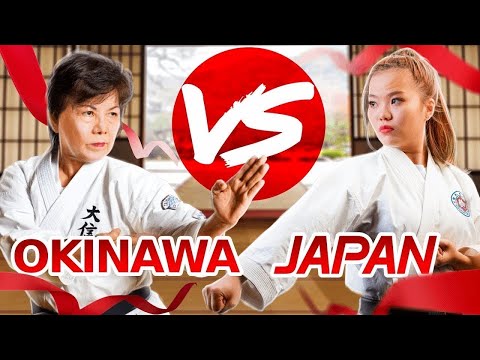
The world knows Karate. It’s a global phenomenon, a martial art that has graced Olympic stages and countless dojos from Tokyo to Toronto. Yet, how many truly grasp the profound chasm that separates the Karate born on the subtropical islands of Okinawa from the Karate that evolved on mainland Japan? This isn't a mere stylistic nuance; it’s a divergence rooted in history, culture, and the very purpose for which the art was honed. To truly appreciate Karate, one must delve into its genesis, and that journey begins in Okinawa. Here, I will illuminate ten critical distinctions that define the Karate of its birthplace versus its mainland evolution, offering you, the dedicated practitioner, a deeper, more critical understanding.
Karate's journey from the shores of Okinawa to the global stage is a testament to its efficacy and enduring appeal. Yet, in this global dissemination, certain core principles and distinctions have become diluted, misunderstood, or even lost. Understanding the differences between Okinawan Karate and Japanese Karate is not about declaring one superior, but about appreciating the distinct evolutionary paths each has taken. Okinawa, the cradle of Karate, developed an art forged in the crucible of survival and oppression. Japan, upon its introduction, adapted and transformed it, often for different societal roles and eventually, as a modern sport. This distinction is crucial for any serious martial artist seeking to connect with the art's historical integrity and profound depth.
Difference 1: Origins and Purpose - Survival vs. Modern Sport
The fundamental divergence lies in the initial *raison d'être*. Okinawan Karate, or 'Tōde' (Chinese Hand), emerged from a need for effective self-defense under the Satsuma domain's ban on weapons. Its primary objective was **survival**. Techniques were direct, brutal, and designed to incapacitate quickly. This ethos permeates the older Okinawan styles like Naha-te, Shuri-te, and Tomari-te.
Conversely, when Karate was introduced to mainland Japan by masters like Gichin Funakoshi (who, it's crucial to remember, was Okinawan himself), it was systematically reorganized and formalized. Funakoshi sought to integrate Karate into the Japanese educational system, emphasizing its character-building aspects and moving it away from its overtly combative roots. This led to the development of styles like Shotokan, which, while still powerful, often prioritized aesthetics, formalized sparring (kumite), and competitive sport aspects.
"The purpose of martial arts is not to defeat an enemy, but to defeat oneself." - Gichin Funakoshi
This quote, while profound, highlights the shift. Okinawan Karate's "self-defeat" was often literal: overcoming the enemy before they overcame you. Japanese Karate's "self-defeat" evolved towards overcoming personal limitations, ego, and developing discipline within a structured framework.
Difference 2: Kobudō Integration - Weapons as an Extension of the Body
In Okinawa, Karate and Kobudō (the art of weapon-based self-defense) are inextricably linked. Masters of Karate were often masters of weapons. The movements, principles, and body mechanics learned in empty-hand forms (kata) directly translated to the use of weapons like the *bō* (staff), *sai* (truncheon), *tonfa* (nightstick), and *kama* (sickle). Kobudō wasn't an add-on; it was an integral part of the complete martial education.
On mainland Japan, while Kobudō exists, it is often taught as a separate discipline from Karate. The focus shifted predominantly to empty-hand techniques, and the weapon arts, while respected, did not always retain the same symbiotic relationship with Karate training.
Difference 3: Bunkai Methodology - Practical Application vs. Abstract Forms
Bunkai, the practical application and analysis of Karate kata, is where the Okinawan emphasis on survival truly shines. In traditional Okinawan Karate, bunkai is dissected with ruthless practicality. Each movement, each block, each strike is analyzed for its most direct and effective application in a life-or-death scenario. The aim is to understand how to neutralize an opponent efficiently, often with joint locks, throws, or debilitating strikes to vital points.
While Japanese Karate styles also practice bunkai, the interpretation can become more abstract or focused on pre-arranged drills for sport kumite. The sheer number of potential applications and the nuanced interpretations sometimes overshadow the raw, unadorned effectiveness demanded by Okinawan masters. Think of it as the difference between studying a surgeon's scalpel for its precise function versus studying a warrior's blade for its decisive cut.
Difference 4: Hojō Undo - The Foundation of Functional Strength
Hojō Undo, meaning "supplementary training," is a cornerstone of Okinawan Karate. This involves the use of weighted tools like the *chi'ishi* (stone weights), *nigiri game* (gripping jars), and *makiwara* (striking posts). The purpose is to develop a deep, functional strength, power generation from the ground up, and resilience in the hands and body. The *makiwara*, in particular, is a training tool designed to condition the striking surfaces and develop powerful, accurate impact.
In many Japanese Karate dojos, Hojō Undo is less emphasized. Strength and conditioning often rely more on calisthenics, modern weight training, or sparring itself. While effective, it can lack the specific, hard-conditioning focus that Hojō Undo imparts, which directly correlates to the power needed for devastating strikes.
Difference 5: Iaijutsu Influence - The Art of the Quick Draw
While not a direct part of all Okinawan Karate, there’s a discernible influence of Japanese sword arts, particularly Iaijutsu, on some Okinawan Karate katas. This influence is seen in techniques that mimic drawing a sword, the rapid draw and cut motions, and the understanding of striking from a state of readiness. Masters like Miyamoto Musashi, though primarily a swordsman, embodied a holistic approach to combat that resonated beyond the sword.
The introduction of Karate to Japan coincided with a period when swordsmanship was being formally codified. This environment meant that Karate, when adapted, naturally incorporated some of the elegance and precision associated with these established Japanese martial traditions.
Difference 6: Emphasis on Kata - Purity of Form vs. Interpretation
Kata, the pre-arranged forms, are central to all Karate. However, the *approach* to kata can differ significantly. In Okinawan Karate, there's often a strong emphasis on preserving the kata's original form and understanding the myriad implied applications. The kata is viewed as a living repository of techniques and principles.
In Japan, particularly in styles that have embraced sport Karate, kata can sometimes be judged based on athletic performance, speed, power, and precision within a competitive framework. While this fosters discipline and performance, there's a risk that the deeper, more subtle applications and the original intent of the movements might be de-emphasized in favor of a visually impressive, yet potentially less practical, execution.
Difference 7: Self-Defense Realities - The 'Gegō' Principle
One of the most stark contrasts lies in the approach to self-defense. Okinawan Karate, born from necessity, often embodies the principle of *Gegō* – the concept of "attack to counterattack" or "strike before being struck." It embraces efficiency and decisiveness. The goal is to end the confrontation as quickly as possible.
Japanese Karate, in its more formalized and sport-oriented expressions, often trains in controlled sparring environments (kumite) where points are scored, and direct incapacitation is not the immediate goal. While this develops skill and reflexes, it may not fully prepare a practitioner for the chaotic, no-holds-barred nature of a genuine street encounter, where the Okinawan approach of decisive action might be more crucial.
"In the heat of battle, the clear mind of the warrior discerns the shortest path to victory. Hesitation is death." - Anonymous Okinawan Master
Difference 8: Teaching Methodology - Direct Transmission vs. Formalization
Historically, Okinawan Karate was often taught through direct, one-on-one transmission from master to student (a *Sensei-deshi* relationship). The teaching was highly personalized, adapting to the individual's strengths and weaknesses, and emphasizing practical application above all else. The curriculum was often fluid, guided by the master's experience and the student's progress.
Mainland Japan saw the formalization of Karate into a structured curriculum, with standardized syllabi, belt rankings, and uniform grading systems. This approach democratized Karate, making it accessible to a wider audience. However, it could also lead to a more generalized teaching style, where the nuanced, personalized instruction of the Okinawan *Sensei* might be less prevalent.
Difference 9: Spiritual and Philosophical Depth - 'Miyagi Chojun' and 'Gichin Funakoshi'
Both Okinawan and Japanese Karate are rich in philosophy, but the flavor differs. Okinawan masters like Chojun Miyagi (founder of Goju-ryu) emphasized the integration of mind, body, and spirit, often drawing from Chinese philosophical concepts, including Taoism and Buddhism, to develop inner strength and resilience. Their philosophy was deeply intertwined with the practicalities of survival and personal growth.
Gichin Funakoshi, while deeply spiritual, introduced Karate to a Japan steeped in its own warrior traditions (Bushido). His teachings, while rooted in Okinawan principles, also resonated with the Japanese ideals of discipline, respect, and self-cultivation within a hierarchical society. The emphasis on *Dō* (the Way) became more pronounced, transforming Karate into a path of lifelong personal development.
Difference 10: Cultural Nuances and the 'Okinawan Spirit'
Okinawa has a unique cultural identity, distinct from mainland Japan, shaped by centuries of trade, isolation, and a history of both resilience and subjugation. This unique environment imbued Okinawan Karate with a particular spirit – one of pragmatism, resilience, and a deep respect for tradition, often expressed with understated intensity.
As Karate integrated into Japanese culture, it absorbed elements of Japanese societal norms, such as emphasis on politeness, formal etiquette, and group harmony within the dojo. While these are valuable, they represent a cultural adaptation that subtly alters the original Okinawan expression of the art.
Veredict of the Sensei: Which Karate Reigns Supreme?
To ask which is "supreme" is to misunderstand the martial path. Both Okinawan and Japanese Karate have immense value, but they serve different purposes and offer different lessons.
Okinawan Karate, with its direct lineage to the art's origins, offers a profound understanding of practical application, survival, and the raw, unadulterated principles of combat. It is the **foundation**.
Japanese Karate, particularly its sport-oriented manifestations, offers structure, accessibility, and a pathway to athletic excellence and character development on a global scale. It is the **evolution and dissemination**.
A true martial artist respects both. The ideal practitioner seeks to understand the roots in Okinawa to inform and deepen their practice, regardless of the style they train in Japan or elsewhere. My advice? Seek out the purest form of your chosen style, understand its historical context, and always strive for practicality.
Essential Equipment for Your Training
While Karate is adaptable, certain equipment can significantly enhance your training, particularly if you wish to explore the Okinawan approach.
Makiwara: Essential for developing striking power and conditioning. Look for a well-constructed striking post that allows for adjustable tension.
Chi'ishi and Nigiri Game: While often homemade, these traditional Okinawan tools are crucial for developing grip strength and dynamic power. Seek out resources or communities that can guide you in their use or creation.
Kobudō Weapons: If your dojo teaches Kobudō, invest in quality training weapons such as a Bō, Sai, or Tonfa. Ensure they are appropriately weighted and balanced for your size and skill level.
Quality Gi: A durable, well-fitting Karate gi is paramount. For intense training, consider a double-weave gi that can withstand rigorous practice, especially if you delve into Hojō Undo or controlled impact drills.
Training Mats (optional): If exploring throws or groundwork, consider appropriate mats for safety.
For those looking to invest in quality martial arts gear, exploring brands that focus on authentic designs and durability is key. Many online retailers offer a wide range of traditional Okinawan and Japanese Karate merchandise.
Training Guide: Developing Your Own Bunkai
Understanding bunkai is crucial, but it requires active engagement. Here's a guide to developing your own practical analysis:
Choose a Kata: Start with a foundational kata that you know well.
Isolate a Movement: Select a single block, strike, or stance from the kata.
Consider the Context: What movements precede and follow it? What is the overall direction of the kata at that point?
Brainstorm Applications:
How can this block defend against common attacks (punch, grab, strike)?
What kind of strike is this? Is it for distance, close range, or a follow-up?
Could this stance be used for balance, evasion, or transitioning to a throw/sweep?
Imagine different scenarios: a single attacker, multiple attackers, confined spaces.
Incorporate Principles: Think about body mechanics, hip rotation, connection, and breath. How do these contribute to the technique's effectiveness?
Sparring (Controlled): With a trusted training partner, test potential bunkai applications in a safe, controlled manner. Focus on understanding the principle, not necessarily landing a full-power blow.
Seek Guidance: Discuss your interpretations with your Sensei. Their experience is invaluable in refining your understanding.
Remember, bunkai is not just about replicating movements; it's about understanding the *why* and *how* behind them.
Frequently Asked Questions
What is 'Tōde'?
'Tōde' (meaning "Chinese Hand") is the original name for Karate as it was practiced in Okinawa before its formalization and introduction to mainland Japan. It reflects its Chinese martial arts origins.
Is Okinawan Karate more effective for self-defense?
Generally, Okinawan Karate, with its emphasis on practical application, directness, and historical context of survival, is often considered more directly applicable to self-defense scenarios. However, the effectiveness of any martial art ultimately depends on the practitioner, their training, and the specific style.
Should I switch styles if I train Japanese Karate?
Not necessarily. The goal is to understand the principles. A skilled practitioner of a Japanese style can still learn and apply the core concepts of Okinawan Karate. The key is to seek depth and practical understanding within your existing training.
How did Karate become an Olympic sport?
Karate was introduced to the Olympics in Tokyo 2020. This was a significant step, reflecting its global popularity. However, it primarily featured competitive aspects like Kata and Kumite, which some argue further emphasize the sport over the traditional martial art.
What is the significance of the 'makiwara'?
The makiwara is a vital training tool in traditional Okinawan Karate for developing striking power, proper technique, and conditioning the striking surface of the hand or foot. It is designed to provide tactile feedback and build resilience.
To Deepen Your Path
The journey into the depths of Karate is a lifelong commitment. To further enrich your understanding and practice, I recommend exploring these related subjects:
We have journeyed through the essence of Karate's origins, discerning the vital distinctions between its Okinawan cradle and its Japanese evolution. These are not mere academic points; they are keys to unlocking deeper understanding and more effective practice. Now, I pose this question:
When you stand on the dojo floor, practicing your kata, hitting your makiwara, or sparring, do you feel the weight of history, the echo of survival, and the practical intention behind every movement? Or do you merely execute a series of forms and techniques?
**The true test is not in knowing the differences, but in feeling their truth in your own body and spirit. What will you *do* with this knowledge?**
GEMINI_METADESC: Explore the 10 critical differences between Okinawan and Japanese Karate. Understand the roots, purpose, and evolution of Karate from its survivalist origins to its modern forms.