Showing posts sorted by relevance for query Self Improvement. Sort by date Show all posts

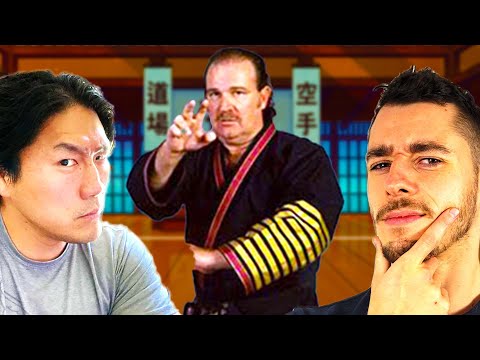
Martial Arts Masters Believing Their Own Hype: A Critical Examination

Hello and welcome to Budo and Martial Arts. Today, we delve into a phenomenon that has plagued the martial arts world for generations: the self-deception of masters who become so enamored with their own perceived prowess that they lose touch with reality. This isn't about genuine skill; it's about the corrosive effect of ego unchecked by humility and rigorous, honest application.

I recall a conversation with Shintaro Higashi, a formidable Judoka, where we dissected this very issue. We explored not just *why* some martial arts masters fall prey to believing their own hype, but the insidious mechanisms through which this delusion develops, and how their disciples often become complicit, perpetuating the myth.

The Illusion of Invincibility

The martial arts realm, with its emphasis on discipline, power, and esoteric knowledge, can be fertile ground for ego inflation. When a practitioner achieves a certain level of proficiency, especially if they are charismatic or lead a large following, the line between genuine mastery and self-aggrandizement can blur. This is particularly true in systems that emphasize tradition over demonstrable combat effectiveness.

A master who has dedicated decades to a particular art might, consciously or unconsciously, begin to believe their techniques are universally superior, capable of overcoming any opponent or situation. They might develop a rigid adherence to their methods, dismissing or outright ignoring the efficacy of other, potentially more practical, approaches. This self-imposed blindness is a dangerous state, as it stunts growth and, more importantly, can mislead students into dangerous situations.

"True mastery is recognizing the vastness of what you do not know. The moment you believe you know everything is the moment your learning ceases." - A principle often echoed in the highest circles of Budo.

The very nature of martial arts training, especially in its early stages, often involves a degree of "selling" the art to attract students. This can involve emphasizing its unique strengths and downplaying its limitations. However, for some, this marketing becomes a self-fulfilling prophecy, where the instructor genuinely begins to believe the exaggerated claims made about their system. This is where the term "McDojo" often arises – not just for fraudulent schools, but for those that peddle a diluted or ineffectual version of martial arts, wrapped in layers of ego and false promises.

How Masters Fall Into The Hype Trap

Several factors contribute to a master falling into the "hype trap." Firstly, a lack of consistent, high-level sparring against diverse styles is a primary culprit. If a master primarily engages with their own students, who are often less experienced, they receive constant reinforcement of their perceived superiority. Without the humbling experience of facing equally skilled or more skilled opponents from different disciplines, their understanding of combat can become theoretical rather than practical.

Secondly, the veneration of students can create an echo chamber. When students are taught from day one to respect and almost deify their instructor, they are less likely to question or challenge. Any perceived flaw in the master's technique might be explained away as a "higher-level concept" or "beyond their current understanding," rather than a genuine deficiency.

Thirdly, the historical narrative of martial arts often glorifies legendary figures who achieved near-mythical status. While inspiring, this can inadvertently encourage modern practitioners to emulate the *persona* of the legendary master rather than their disciplined, often brutal, training methods. The focus shifts from rigorous self-improvement to maintaining an image of invincibility. This is where the BUDO spirit of self-reflection and continuous improvement is lost.

The term "hype" itself is crucial here. It refers to exaggerated claims, often fueled by marketing, personality cults, and a selective presentation of evidence. When a master begins to believe this hype, they start acting from a place of ego rather than genuine martial principles. This can manifest in several ways:

  • Dismissing effective techniques from other arts as "inferior" or "street."
  • Refusing to engage in full-contact sparring with individuals outside their system.
  • Creating complex, performative techniques that look impressive but lack practical application.
  • Over-emphasizing abstract philosophical concepts to mask a lack of physical substance.

The Disciple's Role in Perpetuating the Myth

Students are not merely passive recipients of instruction; they are active participants in the shaping of their master's reputation. The "disciple syndrome" is a powerful force in perpetuating the myth of the invincible master.

A devoted student, having invested years of their life and considerable resources into training, develops a strong psychological investment in the validity of their chosen art and instructor. To question the master's abilities would be to question their own life choices, a deeply uncomfortable cognitive dissonance. Therefore, students often:

  • Interpret any teaching as profound wisdom, even when it's flawed.
  • Defend their master's reputation fiercely, often aggressively, against any criticism.
  • Actively promote the master's exaggerated claims through word-of-mouth and social media.
  • Filter their experiences to align with the master's narrative, ignoring contradictory evidence.

This creates a feedback loop. The master, seeing unwavering adoration, becomes more convinced of their own infallibility. The students, receiving "enlightenment" from their supposedly infallible master, feel validated. The martial art, in this distorted reality, becomes less about self-defense or personal growth and more about loyalty to a person and a narrative.

The original post mentions the experience of Rokas, who trained Aikido for 14 years. His realization that Aikido did not live up to its promises is a stark example of breaking free from this disciple syndrome. It took immense courage to close his dojo and pursue a more practical path, like MMA.

"The true disciple is one who seeks the truth, not one who seeks to please the master." - A fundamental tenet often overlooked.

Examining Styles: Where Reality and Myth Collide

It is crucial to approach the study of martial arts with a critical, analytical mind. While every art has its strengths, the danger lies in making absolute claims or fostering a belief in invincibility. Let's consider a few examples:

  • Traditional Karate: While rich in history and character development, many traditional Karate styles lack robust sparring protocols. Masters who claim their kata alone makes them unbeatable, without consistent, high-level application against resisting opponents, fall into the hype trap. The evolution of sports Karate and the integration of Karateka into Artes Marciales Mixtas (MMA) has begun to challenge these outdated notions.
  • Aikido: As Rokas’s journey illustrates, Aikido’s emphasis on blending and redirection can be highly effective in specific scenarios. However, many Aikido masters become so engrossed in the philosophical and spiritual aspects, or rely on choreographed demonstrations, that they lose touch with its potential effectiveness against a determined, untrained attacker. Claims of being able to neutralize any attack with minimal force often crumble under real-world pressure.
  • Wing Chun: This art often boasts of its directness and efficiency. However, some practitioners and masters develop an almost dogmatic belief in its superiority, dismissing grappling and groundwork as unnecessary. This can lead to a vulnerability against arts that integrate these elements seamlessly.

The core issue is not the art itself, but the mindset of the practitioner. A humble master of any style, who constantly seeks to test and refine their skills, is far more dangerous and effective than a proud master of a supposedly "superior" art who has stopped learning.

A Fighter's Reality Check: The SBG Approach

The journey described by Rokas, moving from a traditional art to MMA training at Straight Blast Gym (SBG) under Matt Thornton, highlights a critical philosophical difference. SBG's core philosophy is "The Art of Learning," emphasizing continuous evolution and a brutal honesty about what works. Matt Thornton himself is known for his direct approach and willingness to challenge established norms.

SBG's methodology is built on the premise that all martial arts must be tested against resisting opponents. This is crucial for shedding ego and understanding the true effectiveness of techniques. By training with individuals of varying backgrounds and skill levels in a dynamic, pressure-tested environment, practitioners are forced to confront their limitations. There is little room for "hype" when the opponent is actively trying to defeat you.

This perspective is invaluable. It encourages practitioners to:

  • Seek out challenging training partners.
  • Spar regularly with full commitment.
  • Be open to cross-training and learning from other disciplines.
  • Focus on principles rather than rigid dogma.

This approach is vital for anyone looking to develop genuine self-defense skills or competitive ability, and it serves as a powerful antidote to the "believing their own hype" syndrome. It's about shedding ego at the door and focusing on the relentless pursuit of effective skills.

Training Essentials for the Honest Practitioner

While genuine mastery is a mindset, the right equipment can facilitate honest, effective training. For those seeking to test their skills and build practical ability, consider the following:

  • Quality Sparring Gear: This includes durable headgear, reliable sparring gloves (16oz is standard for many disciplines), shin guards, and mouthguards. Investing in good gear ensures safety and allows for more intense, realistic practice.
  • Durable Training Uniforms (Gi/Kimono): For grappling arts like Judo or BJJ, a sturdy double-weave Gi is essential for resisting the stress of grappling. For striking arts, breathable and flexible uniforms allow for a full range of motion.
  • Training Mats (Tatami/Puzzle Mats): For arts involving throws, takedowns, or groundwork, adequate matting is non-negotiable for safety.
  • Personal Training Tools: A good quality makiwara for Karateka, or resistance bands for general conditioning, can supplement your training.
  • Notebook and Pen: To record insights, practice drills, and reflect on your training – a crucial tool for self-improvement.

Frequently Asked Questions

What is the primary danger of a martial arts master believing their own hype?

The primary danger is that they can mislead their students into believing in ineffective techniques or false senses of security, potentially leading to serious harm in a real confrontation. It also stunts the master's own growth.

How can a student identify if their master is caught in the hype?

Look for a refusal to spar with diverse, skilled opponents, an unwillingness to acknowledge or integrate effective techniques from other arts, and an over-reliance on choreographed demonstrations or theoretical explanations rather than practical application.

Is it possible for a master to be highly skilled yet still believe their own hype?

Yes. Skill is a prerequisite, but ego can corrupt even the most skilled. True mastery involves humility and continuous learning, which often means acknowledging limitations and seeking challenges.

What role does social media play in martial arts hype?

Social media can amplify hype by allowing masters to curate an image of invincibility, share highly produced demonstration videos, and attract a following that may not have direct experience with their actual combat effectiveness. It can create a false perception of widespread mastery.

How can one train to avoid falling into this trap?

Seek out honest, critical feedback. Engage in consistent, high-pressure sparring against a variety of opponents. Be open to cross-training. Cultivate humility and a genuine desire for self-improvement over external validation.

Deepen Your Understanding

The journey of martial arts is a lifelong pursuit of truth and effectiveness. It requires honesty, courage, and a willingness to confront uncomfortable realities about ourselves and our chosen paths. The line between a respected sensei and a deluded ego-tripper is often drawn by the presence, or absence, of genuine humility and a commitment to the unvarnished truth of combat.

Reflection of the Sensei: Your Next Step

Having dissected the ego-driven illusion of invincibility, consider this: When faced with your own limitations, do you seek to hide them behind a veil of dogma and adoration, or do you embrace the challenge of growth, even if it means admitting you don't have all the answers? Your response to this question will define your true martial path.

``` GEMINI_METADESC: A critical look at how martial arts masters fall prey to ego, the role of disciples, and why humility and honest training are key to true mastery in Budo.


Dragon Ball's Master Roshi Embodied: The Real-Life Saga of Andreas Cahling

The Genesis of a Warrior's Legend

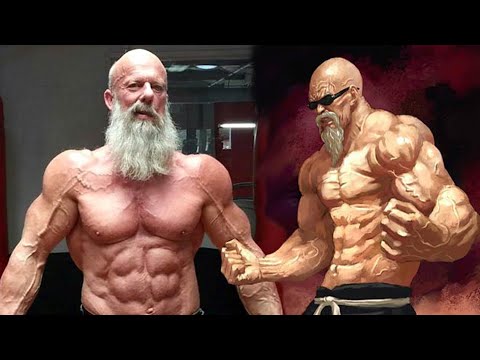
We often look to the realms of fiction for ultimate strength and wisdom, for characters who embody the peak of martial prowess and philosophical depth. Dragon Ball's Master Roshi, the Crane Hermit's rival and Goku's first true master, is one such icon. But what if I told you that elements of this beloved anime character weren't confined to the screen? What if a real-life individual mirrored Roshi's blend of eccentric wisdom, formidable combat skill, and an unwavering dedication to the martial path? Today, we delve into the extraordinary life of Andreas Cahling, a man who, in many ways, embodies the spirit of the Turtle Hermit himself.

Are you ready to explore a martial arts journey that defies conventional expectations and redefines what it means to be a warrior, both in body and in spirit? Prepare yourself, for this is not a tale of mere physical strength, but of the enduring power of dedication, learning, and the pursuit of self-mastery. We will dissect his methods, his philosophy, and the undeniable parallels to one of anime's most enduring figures. Let the lesson begin!

Who is Andreas Cahling? More Than Meets the Eye

Andreas Cahling is not your typical martial artist. Born in Sweden, he is a master of multiple disciplines, including Karate, Judo, Aikido, and Muay Thai. But his story goes beyond a mere accumulation of techniques. Cahling is renowned for his incredible physical condition, even in his later years, defying the stereotypes of aging and physical decline. He has dedicated his life to the rigorous pursuit of physical and mental perfection, living a life deeply intertwined with the principles of Budo.

His lifestyle is as unique as his skill set. Cahling is known for his disciplined approach to diet, training, and mental conditioning. He often espouses a philosophy that emphasizes the connection between the body, mind, and spirit, a cornerstone of traditional martial arts. This holistic approach, coupled with his often unconventional methods and public persona, has drawn comparisons to characters who exist at the nexus of power and eccentricity. For anyone interested in Martial Arts Training or the philosophy of BUDO, Cahling’s life presents a compelling case study.

The Roshi Parallel: Wisdom, Eccentricity, and Raw Power

The resemblance to Master Roshi is striking. Roshi, despite his perverted tendencies and love for leisure, is a supremely powerful martial artist and a wise teacher. He understands the balance of strength and spirit, and he knows when to be serious and when to lighten the mood. Similarly, Andreas Cahling projects an image of someone who has mastered not only the physical aspects of combat but also the mental and spiritual fortitude required to live a life dedicated to self-improvement.

Cahling's public image, often featuring him in powerful stances or displaying his physique with a mischievous glint in his eye, mirrors Roshi’s dual nature. He is the seasoned elder whose experience and power are undeniable, yet he doesn't take himself too seriously. This blend of formidable skill, philosophical depth, and a touch of the unconventional is precisely what makes the comparison to Master Roshi so resonant. It challenges our perception of what a martial arts master should be, moving beyond the stoic stereotype to embrace a more human, relatable, and ultimately inspiring figure. This is the essence of true Martial Arts Inspiration.

"The true martial artist is not just one who can fight, but one who understands the fight within himself."

This quote, a distillation of countless martial philosophies, seems to perfectly encapsulate Cahling's ethos. It’s this internal battle, the constant striving for self-improvement, that truly defines a warrior.

Martial Arts and Philosophy: The Core of Cahling's Being

Andreas Cahling's engagement with martial arts is not superficial. He has delved deep into various styles, understanding their underlying principles and philosophies. His mastery of Karate, Judo, and Muay Thai, among others, speaks to a dedication that transcends mere physical training. It indicates a profound respect for the history, techniques, and ethical codes associated with each discipline.

His philosophy often emphasizes natural movement, efficiency, and the integration of mind and body. This echoes the principles found in many traditional arts, such as the concept of 'Mushin' (no-mind) in Zen Buddhism and its application in martial arts, or the emphasis on 'Ki' (life force) in arts like Aikido. Cahling’s ability to maintain peak physical condition at an advanced age is a testament to his understanding that true strength comes from a balanced, harmonious integration of physical training, mental discipline, and spiritual awareness. This is the path of BUDO, the warrior's way, a path demanding constant self-reflection and growth.

The Training Regimen: Pushing the Limits of Human Potential

What sets Cahling apart is his commitment to an extraordinary training regimen. While many martial artists may focus on one or two styles, Cahling has embraced a cross-training approach that is both comprehensive and demanding. His dedication to maintaining a lean, powerful physique well into his later years is legendary.

His training often incorporates elements that appear extreme, such as prolonged fasting, cold exposure, and intense physical conditioning that would challenge athletes half his age. This isn't about vanity; it's about pushing the boundaries of human potential and proving that age is merely a number when guided by discipline and knowledge. He understands that effective entrenamiento is not just about lifting weights or practicing kicks; it’s about holistic conditioning, including cardiovascular health, flexibility, and mental resilience. This approach is vital for anyone seeking to improve their Fitness and overall well-being.

His dedication to functional strength and endurance is crucial for any Fighter Legacy. The ability to perform under pressure, to maintain stamina over extended periods, and to recover efficiently are hallmarks of elite practitioners across all combat sports, from MMA to traditional Karate Kyokushin.

Cahling in Action: Demonstrations of Skill and Spirit

When Andreas Cahling demonstrates his abilities, the Master Roshi parallels become even more apparent. Videos and images of Cahling often showcase his incredible flexibility, strength, and precise movements. Whether performing dynamic kicks, demonstrating powerful strikes, or showcasing his incredible agility, he moves with a grace and power that belies his age.

These demonstrations are not just about showcasing physical prowess; they are living embodiments of the philosophies he espouses. They highlight the results of decades of dedicated practice, a testament to the fact that consistent effort and a deep understanding of movement can lead to extraordinary outcomes. For aspiring martial artists, observing Cahling in action is like watching a master craftsman at work, demonstrating principles that can be applied to any discipline, whether it's Judo, Kickboxing, or even a rigorous At Home Workout. It’s a powerful reminder of the potential locked within the human form.

Impact and Legacy: Inspiring a New Generation

Andreas Cahling's influence extends far beyond his personal achievements. He serves as a powerful role model, particularly for those who believe that age is a barrier to physical fitness and martial arts practice. His life is a living testament to the enduring power of the martial spirit and the potential for continuous self-improvement.

He inspires individuals to embrace a holistic approach to health and well-being, encouraging them to look beyond conventional limitations. His story is a beacon for anyone seeking to live a more disciplined, purposeful life, demonstrating that the path of the warrior is a lifelong journey of learning and growth. For those interested in the intersection of physical prowess and mental fortitude, Cahling’s life is a masterclass in Self Improvement and Self Mastery.

Veredicto del Sensei: Is Cahling a True Martial Arts Master?

From my perspective as a lifelong practitioner and observer of the martial arts, Andreas Cahling embodies many of the qualities we associate with true masters. His dedication to a diverse range of disciplines, his commitment to peak physical and mental conditioning, and his ability to inspire others all point to a profound understanding of the martial path. While the comparison to Master Roshi is a lighthearted observation, it underscores the rare combination of potent skill, deep wisdom, and an unconventional spirit that Cahling displays. He is not merely a fighter; he is a practitioner who has dedicated his life to the pursuit of excellence, demonstrating that the warrior’s spirit knows no age limit. He has earned the respect of the martial arts community through his actions and dedication, proving that the pursuit of mastery is a lifelong endeavor.

Cahling’s Rating: Cinturón Negro en Longevidad y Maestría Marcial.

Equipment Essentials for Your Training

To emulate the dedication of masters like Andreas Cahling, having the right equipment can make a significant difference in your training. Whether you're practicing at home or in a dojo, investing in quality gear ensures safety and effectiveness.

  • Gi/Kimono: For styles like Judo and Karate, a durable, well-fitting Gi is essential. Look for double-weave kimonos for Judo for extra resilience.
  • Training Mats: If you're practicing grappling or techniques that involve falling, investing in good quality Martial Arts Merchandise like interlocking mats is crucial for safety.
  • Sparring Gear: For disciplines involving sparring (Karate, Kickboxing, MMA), protective gear such as headguards, mouthguards, and sparring gloves (e.g., 16oz for MMA) are non-negotiable.
  • Training Apparel: For conditioning and diverse martial arts training, comfortable and breathable workout wear is key. Look for moisture-wicking fabrics.
  • Supplements: While not strictly equipment, high-quality supplements can aid recovery and performance, mirroring the disciplined diet of masters like Cahling.

Resources for Deepening Your Path

To further your understanding and practice, consider exploring these related topics and resources:

Frequently Asked Questions

What martial arts is Andreas Cahling known for?
Andreas Cahling is known for his mastery in multiple disciplines including Karate, Judo, Aikido, and Muay Thai.
How does Andreas Cahling maintain his physique at an advanced age?
He follows a rigorous training regimen that includes diverse martial arts, intense physical conditioning, a disciplined diet, and practices like fasting and cold exposure, focusing on holistic well-being.
Why is he compared to Master Roshi from Dragon Ball?
The comparison stems from his blend of extraordinary martial arts skill, wisdom, a disciplined yet somewhat unconventional lifestyle, and an inspiring persona that defies typical age-related limitations, much like the iconic anime character.
What is the core philosophy behind Cahling's martial arts practice?
His philosophy emphasizes the integration of mind, body, and spirit, focusing on natural movement, efficiency, discipline, and continuous self-improvement – principles central to the Budo path.

Sensei's Reflection: Your Next Step

Andreas Cahling’s life is a powerful narrative that transcends the physical. It is a testament to the enduring power of discipline, the pursuit of knowledge, and the unyielding spirit of a true martial artist. He shows us that mastery is not a destination, but a continuous process, a path walked with dedication, curiosity, and an open heart. The comparison to Master Roshi, while playful, highlights a deeper truth: the most inspiring figures often possess a unique blend of profound skill, relatable humanity, and an eccentric spark that ignites the imagination.

Reflexión del Sensei: Tu Próximo Paso

Now, I pose a question to you, the dedicated reader. You have seen the extraordinary path of Andreas Cahling, a man who embodies the spirit of a living legend. Do you believe that the principles of rigorous training, philosophical depth, and a touch of the unconventional are essential for true martial arts mastery in the modern age? Or do you find such comparisons to fictional characters to be mere distractions from the core tenets of the art? Debate this with yourself, and then, with courage, share your honest thoughts below. Let the fire of discussion ignite your spirit!

``` GEMINI_METADESC: Explore the real-life warrior spirit of Andreas Cahling, often likened to Dragon Ball's Master Roshi. Discover his multi-disciplinary mastery, unique training, and enduring martial philosophy.

The Most Tragic Waste in Football: The Decline of Neymar Jr.'s Martial Arts Spirit

The roar of the crowd, the blinding stadium lights, the weight of a nation's hopes resting on one man's shoulders. This is the crucible of professional football, a stage where legends are forged and dreams are shattered. But what happens when a talent as prodigious as Neymar Jr.'s begins to fade, not due to injury, but due to a subtle, insidious erosion of the very spirit that once propelled him to greatness? Today, we delve into the heartbreaking trajectory of a career that, from a martial arts perspective, has tragically misplaced its focus. We are not just discussing missed goals or tactical errors; we are examining the philosophical void that has opened up where the warrior's heart should beat strongest.

As a lifelong practitioner and scholar of martial arts, I've witnessed countless battles on tatamis, in rings, and on celluloid. I've seen the dedication, the sacrifice, the unwavering mental fortitude required to master not just a technique, but a way of life. It is this lens through which we must view Neymar's story. His immense natural talent, his dazzling dribbling, his flair for the spectacular – these are akin to a fighter's innate athleticism, a potent physical gift. However, true mastery, the kind that transcends fleeting moments of brilliance, is forged in the fires of discipline, resilience, and an unshakeable commitment to the core principles of one's art. Where has that fire gone in Neymar's game?

The Illusion of Brilliance: Early Promise and Potential

From his early days at Santos, Neymar Jr. was a prodigy. His quick feet, his incredible balance, and his almost telepathic connection with the ball promised a future akin to the greatest footballers of all time. He possessed a natural agility, a fluidity of movement that was breathtaking. In martial arts terms, he was a natural prodigy, someone who seemed destined to inherit the mantle of greatness. His early performances were a testament to raw talent, a symphony of pirouettes and powerful shots that captivated audiences worldwide. He exhibited a flair that few could replicate, a dazzling display of individual skill that often decided matches single-handedly.

This was not merely talent; it was a raw, untamed force. A force that, with the right guidance and application, could have been honed into something truly legendary. It was the kind of raw potential that, in a dojo, would have been meticulously shaped by a stern but wise sensei. The raw power, the explosiveness, the uncanny ability to evade opponents – these are qualities every martial artist craves. He had the physical gifts, the inherent speed, and the sheer audacity to attempt the impossible. But football, much like martial arts, is not solely about individual brilliance. It is about collective effort, unwavering commitment, and the mental fortitude to overcome adversity.

The Empty Dojo: Where Discipline Fades

Here is where the martial analogy becomes starkly clear. A martial artist understands that true strength lies not just in physical prowess, but in mental discipline and strategic thinking. The concept of Budo, the "Way of the Warrior," emphasizes not just combat techniques but also character development, integrity, and perseverance. Neymar's career, sadly, seems to have drifted away from this core philosophy.

Instead of a relentless pursuit of improvement, we see periods of complacency, moments where the fire appears to dim. The relentless training that separates the good from the great – the countless hours spent drilling fundamentals, sparring with intensity, and studying strategy – seems to have been overshadowed. In martial arts, a fighter who relies solely on natural talent without consistent, rigorous training is destined to be surpassed. The opponent who trains smarter, harder, and with greater focus will inevitably find the openings. This is the brutal, unvarnished truth of combat, whether on the pitch or the mat.

"The more you sweat in peacetime, the less you bleed in wartime." - Ancient Proverb, applicable to all warriors.

The constant pursuit of individual glory, the emphasis on flair over substance, has become a hallmark of his later career. While spectacular goals are celebrated, the unglamorous but essential work – the defensive pressing, the consistent positional play, the leadership in tough moments – often seems to be missing. This mirrors a martial artist who focuses only on flashy kicks and ignores the fundamentals of stances, footwork, and defense. Such a fighter is a liability when the pressure truly mounts.

Beyond the Pitch: The Siren Call of Celebrity

The modern era presents unique challenges. The spotlight on athletes like Neymar is blinding, amplified by social media and a ravenous global media machine. The pressures of celebrity, the endorsement deals, the constant public scrutiny – these can be more formidable opponents than any defender. For a young man thrust into this maelstrom, the temptation to prioritize fame and fortune over the gritty realities of athletic development is immense.

This is the danger of the "celebrity athlete" versus the "warrior athlete." A martial artist's journey is often one of introspection, of seeking inner strength and self-mastery. It is a path that demands sacrifice, often leading to a life of relative austerity, focused on discipline and improvement. The allure of lavish lifestyles, constant adulation, and the ephemeral nature of fame can easily distract from this arduous, yet ultimately more rewarding, path. Neymar's public persona, his off-field activities, and his reported focus on personal branding often seem to eclipse the dedication required to remain at the absolute pinnacle of his sport. It is a narrative we have seen before, a cautionary tale whispered in dojos and training halls across the globe.

The relentless pursuit of social media validation, the need for constant online engagement, diverts precious mental and physical energy. The quiet hours needed for reflection, for studying film, for mental preparation – these are often lost in the noise of the digital world. A true martial artist understands that their greatest battles are often fought within, and that the external world can be a powerful adversary to inner peace and focus.

Lessons from Legends: The True Martial Artist's Path

Let us look at titans who have faced similar pressures and emerged with their spirit intact. Consider Cristiano Ronaldo, whose legendary work ethic and relentless drive for self-improvement have allowed him to defy age and maintain an extraordinary level of performance for nearly two decades. Or Lionel Messi, whose quiet dedication to his craft, his focus on the game above all else, has cemented his legacy. These athletes, while possessing immense natural talent, have demonstrated an unwavering commitment to the principles of hard work, discipline, and continuous learning – the very tenets of the martial arts.

Think of Miyamoto Musashi, the legendary swordsman. His life was a testament to single-minded dedication, documented in his seminal work, The Book of Five Rings. He understood that true mastery came from relentless practice, deep contemplation, and a life devoted to the art. He sought not fame, but perfection. His approach was one of rigorous self-examination and an unwavering commitment to his chosen path. This is the spirit that defines a true warrior, a spirit that seems to be absent in the later stages of Neymar's career.

"It is difficult to become an expert in a martial art without devotion and sacrifice. These are the foundations upon which all true mastery is built." - Master Anonymous

Even in the realm of MMA, where showmanship is part of the spectacle, fighters like Jon Jones or Georges St-Pierre exemplify a different approach. Their commitment to training, their strategic acumen, and their ability to adapt and evolve have allowed them to dominate their respective divisions for years. They understand that the roar of the crowd is fleeting, but the respect earned through consistent excellence and unwavering dedication is eternal.

The Missing Training: Rebuilding the Warrior's Mind

What would a martial arts regimen look like for Neymar? It would go beyond the physical demands of football. It would involve:

  1. Mental Conditioning: Mindfulness and meditation practices to enhance focus, reduce anxiety, and cultivate emotional resilience. Techniques to manage pressure and perform under duress.
  2. Strategic Study: Deep analysis of opponents and tactical approaches, akin to a martial artist studying their adversary's style and weaknesses.
  3. Physical Resilience: Cross-training that emphasizes injury prevention, core strength, and functional mobility. Perhaps incorporating elements of martial arts conditioning to build a more robust physique.
  4. Discipline Reinforcement: A structured approach to recovery, nutrition, and lifestyle that prioritizes athletic longevity over short-term indulgence.
  5. Reconnection with the "Why": A philosophical journey to rediscover the pure love of the game, separate from the trappings of fame and fortune.

This holistic approach, treating football not just as a game but as a demanding discipline, is what separates the enduring champions from the fleeting stars. It's about building a warrior's spirit that can withstand the inevitable setbacks and challenges.

Veredicto del Sensei: A Champion's Spirit Lost

Neymar Jr. possesses a talent that the martial arts world would envy. His technical skill, his dazzling footwork, his ability to create something from nothing – these are the hallmarks of a gifted warrior. However, the narrative arc of his career is a somber one, a stark reminder that raw talent alone is insufficient. True mastery is built on a foundation of discipline, mental fortitude, and an unwavering dedication to the principles of one's art.

From a martial arts perspective, Neymar's career is a tragic illustration of potential unfulfilled. He has the dazzling strikes, the evasive footwork, but seems to have lost the warrior's heart, the commitment to the arduous path of continuous self-improvement. He has traded the quiet dedication of the dojo for the fleeting adoration of the stadium, the profound satisfaction of mastery for the superficial allure of celebrity.

Sensei's Verdict: A Masterclass in Natural Talent, but a Failure in Martial Spirit.

Rating: 3 out of 5 Belts (for talent alone)

Frequently Asked Questions

Is Neymar Jr. still a top player?
While he remains a highly skilled footballer, his consistent impact and dominance have been hampered by injuries and a perceived lack of sustained discipline compared to his peak years.
What is Budo?
Budo, meaning "Way of the Warrior," is a Japanese term encompassing the various martial arts that evolved from samurai traditions. It emphasizes not only combat techniques but also moral and spiritual development.
Can football be considered a martial art?
While not a traditional martial art, football shares many core principles: discipline, strategy, teamwork, physical conditioning, and the mental fortitude to perform under pressure. The spirit of competition and striving for mastery are common to both.
What is the biggest lesson Neymar's career teaches us?
Neymar's career is a powerful reminder that natural talent, while a gift, must be coupled with unwavering discipline, mental resilience, and a commitment to continuous self-improvement to achieve and sustain true greatness.

To Dive Deeper into Your Path

Reflexión del Sensei: Tu Próximo Paso

If Neymar had a fraction of the unwavering dedication to his craft that a master like Miyamoto Musashi possessed, what heights could he have reached? Is the modern athlete, bombarded by external validation, inherently doomed to dilute their true potential, or is this merely a test of a different, more complex kind of warrior spirit? Consider this: in your own pursuit, what "distractions" are subtly eroding your focus? How do you shield the warrior within from the siren calls of superficial reward?

``` GEMINI_METADESC: A martial arts critique of Neymar Jr.'s career decline. Explore the loss of warrior spirit and discipline through the lens of Budo. Is talent enough without the Way of the Warrior?

The Philosophy of the Empty Hand: Decoding the Essence of Karate-Do

The Unseen Battlefield

The clang of weapons, the thud of leather on a heavy bag, the roar of a crowd – these are the external manifestations of combat. But what of the battlefield within? The true martial artist understands that the most significant struggles are often fought in the silent arena of the mind. This is especially true in the contemplative yet explosive world of Karate-Do, an art that, at its core, transcends mere physical confrontation. Today, we embark on a journey not to simply dissect punches and kicks, but to delve into the profound philosophy that makes Karate-Do a lifelong pursuit.

Beyond the Punch: The True Meaning of Karate-Do

The term "Karate-Do" itself offers our first clue: "Kara" (empty), "Te" (hand), and "Do" (way). So, the "Way of the Empty Hand." But what does this "emptiness" signify? Is it a literal absence of weapons, or something far more profound? I have seen countless practitioners, their hands laden with technique, yet their minds cluttered with ego and distraction. True Karate-Do, as taught by the masters of old, begins when the practitioner's hands are literally and metaphorically empty – devoid of malice, anger, and selfish desire. It is in this state of "Mushin" (no-mind) that the practitioner can react with unparalleled clarity and effectiveness.

"Karate is a lifetime study. The goal is not to win, but to perfect one's character." - Gichin Funakoshi

Many modern interpretations, unfortunately, focus solely on the "Te" – the physical techniques. They pursue knockout power and competitive victory, often at the expense of the "Do," the spiritual and ethical development. This is a critical misunderstanding, a common pitfall for those seeking superficial gains. The true intent of Karate-Do lies in self-improvement, in cultivating discipline, respect, and humility. The techniques are merely the vehicle, the tools to achieve a higher state of being.

The Pillars of the Empty Hand

Karate-Do is built upon a foundation of interconnected principles, each vital to the practitioner's growth. These aren't just abstract concepts; they are guiding forces that shape the very execution of a technique. Let us examine them:

  • Seiryoku Zenyo (Maximum Efficiency, Minimum Effort): This principle, famously associated with Jigoro Kano of Judo but deeply ingrained in Karate, emphasizes using an opponent's force against them, and achieving the desired outcome with the least amount of energy expenditure. It’s about leverage, timing, and understanding physics – not brute strength alone.
  • Jita Kyoei (Mutual Welfare and Benefit): This tenet underscores the importance of harmonious relationships and contributing to the well-being of society. In the dojo, it translates to respecting your training partners, helping them grow, and understanding that your progress is intertwined with theirs. It’s the antithesis of cutthroat competition detached from ethical considerations.
  • Zanshin (Remaining Mind/Awareness): After a technique is executed, the fight is not necessarily over. Zanshin is the state of continued awareness, a readiness to react to any subsequent threat. It’s about maintaining focus and vigilance, even in moments of perceived victory. Think of the boxer who has landed a blow but remains defensively aware of their opponent's counter.
  • Mushin (No Mind): As mentioned earlier, this is the state of being free from distracting thoughts – fear, anger, doubt, or even the thought of victory. It is a state of pure presence, allowing for instinctive, uninhibited action. It is the ultimate goal, a state of flowing with the moment.
  • Fudoshin (Immovable Mind): While Mushin is about an absence of thought, Fudoshin is about an unwavering mental fortitude. It is the calm, centered mind that cannot be shaken by adversity, fear, or surprise. A practitioner with Fudoshin stands firm, mentally and physically, regardless of the circumstances.

Kata: The Moving Meditation

For those unfamiliar with Karate, kata can appear as a series of stylized, almost dance-like movements. But to the seasoned practitioner, kata are intricate maps of combat, repositories of ancient wisdom passed down through generations. Each sequence, each block, each strike, and each stance within a kata tells a story of self-defense against imaginary opponents.

The practice of kata is a profound form of moving meditation. It demands meticulous attention to detail: precise footwork, correct breathing (Ibuki or Nogare), balance, and power generation (Kime). Performing a kata with mindfulness, focusing on the intent behind each movement, purifies the mind. It trains the body to execute techniques instinctively, preparing it for the sudden demands of a real confrontation. The repetition, the rigor, the deep concentration required – these elements strip away mental clutter, fostering the very principles of Zanshin and Mushin we discussed.

Consider the famous kata Bassai Dai. It's not just a series of movements; it's a simulated battle against multiple attackers, a test of evasion, parrying, striking, and maintaining composure under pressure. When practiced correctly, with the spirit of a true warrior, it becomes a powerful tool for self-discovery.

Bushido's Echo: The Warrior's Heart

Karate-Do, while originating in Okinawa with Chinese influences, shares a profound lineage with the samurai code of Bushido. The "Way of the Warrior" is not merely about fighting prowess; it is about integrity, loyalty, courage, and self-control. The ethical framework of Bushido is intrinsically linked to the philosophy of Karate-Do.

"There are no winners in Karate, only learners." - Mas Oyama

The emphasis on respect for the sensei and training partners, the strict etiquette within the dojo, the dedication to constant self-improvement – these are all echoes of the samurai spirit. A true martial artist, like a true samurai, understands that strength without character is a dangerous, ultimately destructive force. The pursuit of martial perfection is, therefore, inseparable from the pursuit of moral perfection. This ethical dimension is what elevates Karate-Do from a mere combat system to a path of life-long character development.

Mastering the Fundamentals: A Practical Approach

To embody the philosophy of Karate-Do, diligent practice of the fundamentals is paramount. Forget the flashy techniques seen in movies for a moment; true mastery lies in perfecting the basics. Here’s a structured approach:

  1. Stances (Dachi): Begin with a solid foundation. Practice Zenkutsu-dachi (forward stance), Kokutsu-dachi (back stance), Kiba-dachi (horse stance), and Nekoashi-dachi (cat stance). Focus on weight distribution, hip rotation, and maintaining a low center of gravity. Ensure your stances are stable and balanced.
  2. Basic Strikes (Tsuki/Uchi): Master the straight punch (Choku-zuki), reverse punch (Gyaku-zuki), and punches from various stances. Practice circular strikes (Mawashi-uchi) and hammer fists (Oroshi gan). Emphasize hip rotation for power and retraction of the supporting hand (Hikite) for balance and speed.
  3. Blocks (Uke): Develop strong defensive techniques. Practice Gedan-barai (down block), Jodan-uke (upper block), Soto-uke (outside block), and Uchi-uke (inside block). Focus on the sharpness of the block, the transition from readiness to execution, and maintaining a strong structure.
  4. Kicks (Keri): Start with foundational kicks like Mae-geri (front kick), Mawashi-geri (roundhouse kick), and Yoko-geri (side kick). Prioritize proper chambering of the knee, hip rotation, and extending the kick with control. Speed and precision are key, not just power.
  5. Kata Practice: Regularly practice your assigned kata, focusing on understanding the application (Bunkai) of each movement. Don't just go through the motions; visualize the opponent, feel the intent behind each action.
  6. Sparring (Kumite): Gradually engage in controlled sparring. This is where theory meets practice. Focus on timing, distance, recognizing opportunities, and applying techniques learned. Remember Jita Kyoei – spar with respect for your partner.

Consistency is the bedrock of progress. Aim for focused, quality training sessions over sporadic, intense bursts. Even 20-30 minutes of dedicated practice daily can yield significant results.

Essential Gear for Your Training Journey

While Karate-Do is an art of the "empty hand," proper equipment can significantly enhance your training safety and effectiveness. Investing in quality gear is a commitment to your practice.

  • Karategi (Uniform): A durable, well-fitting Karategi is essential. For beginners, a standard cotton uniform is sufficient. As you progress, consider a heavier, double-weave fabric for enhanced durability and presence during kata and kumite. Brands known for quality include Warrior Gear and Budo Supply.
  • Belt (Obi): Your belt signifies your rank and dedication. Ensure it is securely tied and appropriately colored for your level.
  • Protective Gear (for Kumite): For sparring, essential protective gear includes:
    • Mouthguard: Absolutely critical for preventing dental injuries.
    • Groin Protector: A non-negotiable item for male practitioners.
    • Hand Mitts (Kumite Gloves): Lightly padded gloves designed for kumite to protect knuckles and reduce impact.
    • Foot Protectors: Optional but recommended for added foot safety.
    • Chest Protector (WKF Approved): Mandatory for official competitions and highly recommended for intense sparring sessions.
  • Training Mats (Optional): If you are training at home, especially for grappling or falling techniques, consider investing in interlocking foam mats for safety.

Remember to always consult your dojo's specific requirements regarding equipment.

Sensei's Verdict: Is Karate-Do Still Relevant?

In an era dominated by MMA, where brute force and explosive athleticism often steal the spotlight, one might question the relevance of traditional Karate-Do. My answer is an emphatic **yes**. While the competitive landscape has evolved, the core principles of Karate-Do – discipline, self-control, respect, and the pursuit of character perfection – are more critical than ever. The ability to remain calm under pressure (Fudoshin), to act with presence and awareness (Zanshin and Mushin), and to employ efficiency over brute force (Seiryoku Zenyo) are universally applicable skills, far beyond the confines of a dojo.

Karate-Do, when practiced with the right intention, is not about fighting; it is about forging the self. It teaches you to overcome your own limitations, to face adversity with grace, and to contribute positively to the world. The techniques are a means to an end: the cultivation of a strong, ethical, and resilient individual. Therefore, Karate-Do is not just relevant; it is essential for navigating the complexities of modern life.

Cinturón Negro en Sabiduría Marcial.

Frequently Asked Questions

  • What is the main difference between Karate and other martial arts like Judo or Taekwondo?
    While all martial arts share common goals of self-improvement, Karate-Do primarily focuses on striking techniques using hands and feet, emphasizing linear movements and strong stances. Judo focuses on throws and grappling, while Taekwondo is renowned for its dynamic kicking techniques. The underlying philosophy, however, often converges on discipline and respect.
  • Do I need to be naturally athletic to start Karate?
    Absolutely not. Karate-Do is designed for individuals of all ages and physical conditions. The training process builds strength, flexibility, and coordination over time. The journey begins with the fundamentals, not with pre-existing athletic prowess.
  • Is Karate-Do useful for self-defense?
    Yes, but with an important caveat. Traditional Karate-Do teaches effective striking and defensive principles. However, real-world self-defense requires adapting these techniques to unpredictable situations and often involves de-escalation and awareness, aspects that are honed through consistent practice and the development of Zanshin and Fudoshin.
  • How long does it take to become a black belt?
    The time frame varies significantly depending on the style, the school, the individual's dedication, and the frequency of training. Typically, reaching the Shodan (first-degree black belt) level takes anywhere from 3 to 5 years of consistent, dedicated practice.

Deepen Your Understanding

The journey of martial arts is one of continuous learning. To further enrich your understanding of these profound disciplines, explore these related topics:

Reflexión del Sensei: Tu Próximo Paso

Have you truly emptied your hands, or are they still grasping at ego, at perceived victory, at the fleeting recognition of others? The essence of Karate-Do is not found in the perfection of a technique, but in the perfection of the self. This path is relentless, demanding honesty, perseverance, and a willingness to confront your own weaknesses with the same courage you would face an opponent. So, I ask you:

When you bow at the end of your next training session, will it be an empty gesture, or a sincere acknowledgment of the lessons learned and the commitment to continue your evolution?

``` GEMINI_METADESC: Explore the philosophical depth of Karate-Do, from the 'empty hand' meaning to principles like Mushin, Zanshin, and the ethical warrior code. Master fundamentals for self-improvement.

Humility in Combat: When Cocky Amateurs Learn the Hard Way

Ah, the siren song of overconfidence! It's a melody many amateur fighters find themselves humming, a tune that often precedes a harsh, humbling crescendo. We've all seen it, perhaps even experienced it ourselves on our journey: the fighter who believes their own hype, whose bravado precedes them like a poorly executed shout before a punch. This isn't just about pride; it's about a fundamental misunderstanding of what it truly means to be a warrior. In the heat of battle, true strength isn't displayed through arrogance, but through focus, respect, and an unyielding spirit.
This video, "Amateur Cocky Fighters Getting Owned Again And Again," published on June 14, 2022, serves as a stark reminder. While entertaining, it encapsulates a vital lesson that echoes through the annals of martial history: **disrespecting your opponent is a shortcut to defeat.** It's a concept deeply ingrained in the philosophy of many traditional arts, a principle that transcends mere physical competition and seeps into the very fabric of one's character.

The Illusion of Superiority: A Martial Perspective

The narrative of the cocky fighter is a recurring theme, not just in amateur bouts, but throughout the history of combat. Masters like Miyamoto Musashi, in his seminal work *The Book of Five Rings*, emphasized the importance of clear perception and a mind free from emotional clutter. He wrote:
"There is a time to be direct and a time to be indirect. Understand the way of the warrior. There is no rule that says you must never let your opponent know your thoughts."
However, Musashi's teachings also advocate for a detachment from ego. Arrogance, the outward manifestation of unchecked ego, blinds a fighter to their opponent's true capabilities and creates predictable openings. The "overbearing comments" or the feigned sense of complete control are often defensive mechanisms, a way to mask underlying fear or insecurity. A true master doesn't need to boast; their actions speak for themselves. Their confidence is not born of arrogance, but of rigorous training and a deep understanding of their art.

The Cost of Disrespect: Lessons from the Ring

The clips within this video likely showcase moments where this lack of respect proves to be the fighter's undoing. A punch thrown with a sneer, a defensive posture that's too relaxed, an overextension after a perceived advantage – these are the telltale signs. The opponent, perhaps quieter but more focused, seizes these moments. This isn't merely about winning or losing; it's about the integrity of the martial spirit. The great Karate master Gichin Funakoshi, founder of Shotokan Karate, instilled the principle of *Dojo Kun*, a set of tenets for karate practitioners. One of these states: "Seek perfection of character." Arrogance is the antithesis of character perfection. It corrodes the spirit and diminishes the value of any victory achieved through it.

Why Humility is Your Strongest Weapon

Humility in martial arts is not weakness; it is the foundation upon which true strength is built. It allows for:
  • Continuous Learning: A humble fighter is always open to learning, recognizing that there is always more to master.
  • Adaptability: Without ego blinding them, humble fighters can adapt their strategies mid-fight, responding effectively to their opponent's actions.
  • Resilience: They can absorb defeat without their spirit being broken, viewing it as a valuable learning experience.
  • Respect for the Art: Humility fosters a deeper appreciation for the traditions and philosophies of the martial arts.
Consider the legendary sumo wrestler Takanoyama Shuntaro. Despite his formidable presence, he was known for his humble demeanor and unwavering respect for his opponents and the sport. This humility did not diminish his fighting prowess; rather, it amplified his presence and earned him respect across the board.

The Philosophy Behind the Blows

It's crucial to understand that martial arts are more than just physical combat. They are pathways to self-discovery and self-mastery. The energy, or "Ki," that flows through a practitioner is deeply connected to their mental and emotional state. An arrogant mind is a turbulent mind, one where Ki becomes stagnant or chaotic, hindering fluid movement and clear decision-making. In contrast, a calm, humble mind allows Ki to flow freely, enhancing speed, power, and intuition. This is the essence of concepts like "Mushin" (no-mind) in Zen Buddhism and its application in martial arts, where the practitioner acts spontaneously and effectively, unburdened by ego or conscious thought. The very act of training in martial arts, whether it be Karate, Judo, BJJ, or Muay Thai, is designed to break down ego and build character. The repetitive drilling, the sparring, the discipline required – all serve to temper the individual. Those who enter the arena with arrogance often miss the profound lessons the martial path offers.

Equipo Esencial para tu Entrenamiento

While humility is a mindset, the right equipment can certainly support your physical training. For those dedicated to honing their skills and embracing the martial spirit, consider:
  • Gi/Kimono: A durable, well-fitting Gi is essential for grappling arts like Judo and Brazilian Jiu-Jitsu. Look for double-weave for increased longevity. For Karate, a lighter, more breathable gi is often preferred.
  • Gloves: For striking arts such as Karate, Kickboxing, or MMA, investing in quality sparring gloves (e.g., 16oz for general sparring) is crucial for protecting your hands and your training partners.
  • Mouthguard: Non-negotiable for any form of sparring to protect your teeth and jaw.
  • Shin Guards: Recommended for Muay Thai or Kickboxing training to protect against kicks.
  • Training Mats: For practicing throws or ground techniques safely at home.
Investing in quality gear is a sign of respect for your training and your journey.

Veredicto del Sensei: ¿Merece la pena la Arrogancia?

This video, while perhaps presented for entertainment, highlights a timeless truth. The flashy display of arrogance by amateur fighters, followed by their inevitable downfall, is a pedagogical tool in itself. It demonstrates that the martial path is not about proving superiority to others, but about striving for self-improvement. Victory born of disrespect is hollow. True mastery is achieved through discipline, dedication, and a profound respect for the art and all its practitioners. Calificación: Cinturón Negro en Lección de Humildad.

Guía de Entrenamiento: Cultivando la Humildad en el Dojo

Here’s a practical approach to integrate the lesson of humility into your training regimen. This isn't about specific techniques, but about the mindset.
  1. Active Listening: When your instructor speaks, truly listen. Absorb their words, not just the physical movements. Ask clarifying questions, but do so with genuine curiosity, not to challenge their authority.
  2. Respect Your Training Partners: Always greet them with a bow. During sparring, focus on learning from them, not just "beating" them. Acknowledge good techniques they use against you.
  3. Embrace Mistakes: When you make an error, don't get frustrated or defensive. See it as an opportunity. What can you learn from this mistake to improve?
  4. Focus on Process, Not Just Outcome: Celebrate consistent effort and improvement, not just wins. The journey of self-mastery is long and nuanced.
  5. Practice Gratitude: Be thankful for the opportunity to train, for your instructors, and for your training partners. This mindset naturally fosters humility.

Preguntas Frecuentes

What is the core philosophy behind respecting your opponent?

The core philosophy stems from the understanding that martial arts are a path to self-improvement and character development. Disrespecting an opponent hinders this growth, as it stems from ego and a lack of self-awareness. True martial artists seek to learn and grow, and this requires acknowledging the skill and effort of others.

Can arrogance be a sign of underlying insecurity in fighters?

Absolutely. Often, overbearing confidence, excessive trash-talking, or a dismissive attitude towards opponents are compensatory behaviors used to mask deep-seated insecurities or fear of failure. A truly confident fighter is often quiet and focused, their belief in their abilities stemming from diligent training rather than outward bravado.

How does the concept of "Ki" relate to humility in martial arts?

Ki, or internal energy, is believed to flow best when the mind is calm, focused, and free from the turbulence of ego and arrogance. An arrogant mind is cluttered, impeding the smooth and powerful flow of Ki. Humility, conversely, fosters a clear and centered mind, allowing for a more potent and effective use of internal energy.

Is it possible to be confident without being arrogant?

Certainly. Confidence is the belief in one's abilities, built upon consistent training, experience, and self-awareness. Arrogance is an inflated sense of self-importance, often projecting superiority. The former is a healthy internal state; the latter is a fragile facade that crumbles under pressure. True martial artists possess deep confidence tempered by humility.

How can someone who is naturally competitive avoid becoming arrogant?

The key is to channel competitive energy into self-improvement rather than external validation. Focus on your own progress, set personal goals, and always strive to learn from every experience, win or lose. Remember why you started training – for the journey of mastery, not just for the thrill of victory. Seek feedback, acknowledge the strengths of others, and understand that the martial path is a lifelong endeavor.

Para Profundizar en tu Camino

  • BUDO: Entiende los principios que rigen el camino del guerrero más allá del combate.
  • Entrenamiento: Descubre rutinas y consejos para optimizar tu preparación física y mental.
  • Historia: Explora las raíces y la evolución de las artes marciales a través de los siglos.

Reflexión del Sensei: Tu Próximo Paso

If you watched that video and chuckled at the humbled fighters, ask yourself this: in my own pursuit of martial excellence, have I ever allowed ego to cloud my judgment, to make me underestimate a challenge, or to disregard the lesson another offered me, even if unintentionally? Where does your own "cockiness" manifest, and how does it serve or hinder your true growth?
"The object of the training is not to win, but to improve." - Unknown Master.
The true fight is not against an opponent, but against the limitations within ourselves. Now, go forth and train with respect, with focus, and with the humility of a true student. ``` GEMINI_METADESC: A Sensei's critique on cocky amateur fighters, analyzing the martial philosophy of humility, respect, and the true path to self-mastery in combat.

The Steroid Question: Is Performance Enhancement the True Secret to Professional Bodybuilding?

Welcome, warriors and seekers of the martial path, to Budo and AM. Today, we delve into a question that often lurks in the shadows of physical prowess, a question that strikes at the core of dedication, genetics, and the very definition of athletic achievement: Are anabolic-androgenic steroids the clandestine key to unlocking professional bodybuilding success, even for those with seemingly unfavorable genetics? Can one truly ascend to the pinnacle of competitive bodybuilding, hoisting the coveted Mr. Olympia trophy, by relying on pharmacological assistance? Let us confront this controversial subject head-on.

The Siren Song of Steroids

The allure of rapid muscle growth, enhanced strength, and a sculpted physique is undeniable. For many aspiring bodybuilders, the path to professional status seems paved with countless hours in the gym, strict dietary regimens, and an unwavering commitment to discipline. Yet, the specter of performance-enhancing drugs (PEDs) looms large. The question is not merely academic; it is a deeply personal one for countless individuals who dedicate their lives to the pursuit of physical perfection.

We see the titans on stage, the Mr. Olympia champions whose physiques defy natural human limitations. Their musculature is dense, their vascularity extreme, their conditioning impeccable. While the mainstream narrative often emphasizes hard work and dedication, whispers persist about the role of anabolic steroids in achieving such extraordinary levels of development.

Is it possible that the "secret" isn't solely about genetics or training protocols, but about the judicious, or perhaps injudicious, use of these powerful substances? This is the very question we aim to dissect, not as a judgment, but as an exploration of the complex relationship between ambition, biology, and artificial enhancement.

Genetics: The Foundation or a Hurdle?

Genetics play a pivotal role in any athletic endeavor. They dictate our predisposition to muscle growth, our metabolism, our bone structure, and even our hormonal response. In bodybuilding, "good genetics" often translates to a favorable muscle insertion, a broad skeletal frame, and a natural propensity for hypertrophy. Conversely, individuals with perceived "bad genetics" might struggle to build muscle, possess a naturally higher body fat percentage, or have less favorable muscle insertions.

The question then becomes: can steroids act as a cheat code, leveling the playing field for those who believe their genetic lottery was an unlucky draw? Anabolic steroids work by increasing protein synthesis, promoting nitrogen retention, and enhancing red blood cell production, all of which can significantly accelerate muscle growth and recovery. For someone genetically predisposed to rapid muscle gain, steroids can amplify these effects exponentially. For someone with less favorable genetics, they can still induce significant changes, pushing the body beyond its natural potential.

However, it's crucial to understand that genetics are not the sole determinant of success. Dedication, nutritional science, training intensity, and recovery protocols are equally vital. While steroids can certainly enhance these factors, they cannot *replace* them entirely. A poorly executed training program or a flawed diet will yield subpar results, regardless of the chemical assistance.

"The human body is a miraculous machine, capable of incredible adaptation. But like any machine, it requires proper fuel, maintenance, and skilled operation. Chemical intervention can alter its performance, but it cannot fundamentally change its design without consequence." - Sensei anonymous observation

The Grueling Reality of Professional Bodybuilding

The journey to becoming a professional bodybuilder is not for the faint of heart, regardless of PED use. It demands an almost monastic level of discipline. Consider the extreme dietary protocols: meticulously calculated macronutrient intake, often involving prolonged periods of extreme calorie restriction and precise timing of meals. This is not just about eating; it's a science of fueling and shaping the body.

Then there's the training. Professional bodybuilders often train with an intensity that is difficult for the average person to comprehend. Volume, frequency, and exercise selection are pushed to their limits. Recovery becomes as critical as the training itself, necessitating ample sleep and strategic rest periods.

Furthermore, the competitive landscape requires peak conditioning – extremely low body fat levels coupled with maximum muscle mass. This phase is notoriously demanding and can be detrimental to health. Steroids might aid in achieving this conditioning, but the process itself is a brutal testament to human will and endurance.

The myth of steroids as a "magic bullet" often overlooks the sheer, unadulterated hard work required. Even with pharmacological assistance, the body must be pushed to its absolute limits through diet and training. Those who fail to grasp this fundamental truth will find that steroids, while potent, are not a substitute for dedication.

Performance Enhancement and the Spirit of Budo

From the perspective of traditional martial arts, the pursuit of physical perfection through artificial means raises profound questions. The core tenets of Budo—discipline, self-mastery, respect, humility, and the constant striving for self-improvement—are built upon the foundation of one's own inherent capabilities, honed through rigorous, honest effort.

When we speak of BUDO, we are referring to the "Way of the Warrior." This path emphasizes the development of both the physical and spiritual aspects of an individual. It's about conquering oneself before attempting to conquer an opponent or a challenge. The journey itself, the process of overcoming limitations through sheer will and training, is as important, if not more so, than the destination.

The use of steroids introduces a layer of artificiality that stands in stark contrast to this philosophy. It bypasses the natural struggle, the slow and arduous process of building strength, endurance, and resilience from within. While the goal of increased performance is shared, the methods diverge significantly. In martial arts, the purity of effort, the honesty of one's capabilities, is paramount.

Consider the concept of Ki (or Qi), the vital energy that martial artists cultivate. This internal force is believed to be developed through focused training, meditation, and breathwork. Can this internal cultivation be truly achieved when the body's hormonal balance is artificially manipulated? The debate is complex and deeply philosophical.

"The greatest victory is that which requires no battle." - Sun Tzu. In the context of self-improvement, the most profound victories are often those hard-won against our own limitations, not those achieved through artificial shortcuts.

Ethical Considerations and the Martial Artist's Perspective

The ethical implications of steroid use in competitive sports are multifaceted. For bodybuilders, the line between therapeutic use, enhancement, and outright abuse can become blurred. Competitions often have anti-doping policies, yet the prevalence of PEDs remains a widely acknowledged issue.

For a martial artist, the ethical dimension extends beyond mere rule-following. It touches upon the integrity of the competition and the respect for one's opponents. Is it fair to compete against individuals who may have augmented their natural abilities through drugs? Does it diminish the value of victory when it is achieved through pharmacological means rather than solely through skill, training, and spirit?

Moreover, the health risks associated with long-term steroid use cannot be ignored. Cardiovascular issues, liver damage, hormonal imbalances, and psychological effects are serious concerns. A true warrior understands the importance of longevity and self-preservation, not just short-term gains at any cost.

The martial arts teach us to be strategic and intelligent in our approach to conflict. This intelligence should extend to understanding the long-term consequences of our choices, both on and off the training mat. The pursuit of power should not come at the expense of health or ethical integrity.

Training Resources for the Dedicated Martial Artist

Whether your goal is bodybuilding, martial arts, or general fitness, dedicated training is paramount. For those interested in martial arts, understanding fundamental training methodologies is crucial.

Resources for Martial Arts Training:

  • Fundamental MMA Training: For those looking to understand the basics of mixed martial arts training, a comprehensive guide is essential.
  • Bodyweight Training: Many martial arts principles can be applied to bodyweight exercises, allowing for effective training anywhere.
  • Strength and Conditioning: Building a solid foundation of strength and endurance is critical for all martial artists.

While PEDs may offer a shortcut to physical changes, they cannot instill the technique, strategy, and mental fortitude developed through genuine training. Remember, true strength is built from within.

Veredicto del Sensei: A False Path?

Let me be unequivocally clear. While steroids can undoubtedly alter physique and enhance performance, relying on them as the "secret" to professional bodybuilding is a dangerous delusion. It is a path that bypasses the very essence of what it means to dedicate oneself to a discipline, be it bodybuilding or martial arts.

The true "secret" lies in unwavering dedication, intelligent training, meticulous nutrition, adequate recovery, and an indomitable spirit. Genetics are a factor, yes, but they are merely the starting point. The journey of self-improvement is about pushing beyond perceived limitations, not circumventing them with artificial aids. Those who seek the Olympia stage solely through chemical enhancement may achieve a physical spectacle, but they forfeit the profound personal growth and genuine mastery that define true athletic achievement. This is not the path of the warrior; it is a Faustian bargain for a fleeting glory.

Rating: Fallas en los Fundamentos - A powerful visual can be achieved, but the spirit of true accomplishment is lost.

Frequently Asked Questions

Q1: Can someone with bad genetics still become a professional bodybuilder without steroids?
A1: It is significantly more challenging, but not impossible. It requires exceptional dedication to training, nutrition, and recovery, potentially exceeding what genetically gifted individuals need. Success may also depend on the specific criteria and standards of the federation or competition.

Q2: What are the main health risks associated with steroid use?
A2: Risks include cardiovascular problems (heart attack, stroke), liver damage, kidney problems, hormonal imbalances (infertility, gynecomastia), acne, hair loss, and psychological effects like aggression ("roid rage").

Q3: Do steroids guarantee a win at Mr. Olympia?
A3: No. While widely believed to be prevalent at the professional level, steroids do not guarantee victory. A competitor must still possess superior genetics, an exceptional physique, flawless conditioning, and a winning stage presence.

Q4: How does the martial arts philosophy view the use of performance-enhancing drugs?
A4: Traditional martial arts philosophies, like Budo, emphasize self-mastery, discipline, and natural self-improvement. The use of PEDs is generally seen as antithetical to these principles, as it bypasses the internal development and honest effort central to the martial path.

For Further Deepening of Your Path

To truly understand the dedication required in the world of combat sports and martial arts, explore these related topics:

Reflexión del Sensei: Tu Próximo Paso

We have explored the complex landscape of steroids in bodybuilding. Now, I ask you: If the pursuit of physical excellence is a journey of self-mastery, where does artificial enhancement truly fit? Does achieving a goal through a shortcut truly represent mastery, or merely the mastery of the shortcut itself? Consider this: In the crucible of training, when the body screams to quit, what is the true force that drives you forward – external chemicals, or your own unyielding spirit?

```