Showing posts sorted by relevance for query Martial Arts Inspiration. Sort by date Show all posts

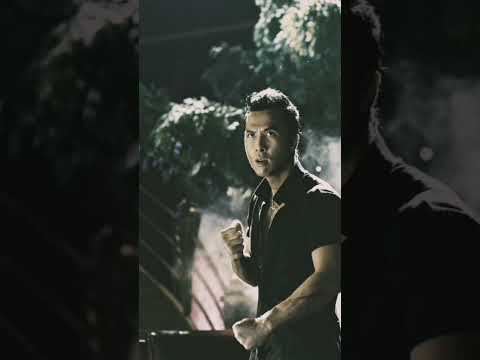
Donnie Yen: Beyond the Blinding Fist - Facts Every Martial Artist Needs to Know

Welcome, seekers of the Way. Have you ever watched Donnie Yen move on screen and felt that spark, that primal recognition of true mastery? It's more than just choreography; it's a reflection of deep principles, honed over years of relentless dedication. But beyond the on-screen persona, who *is* the man behind the legend? Today, we delve into the lesser-known facts about Donnie Yen, peeling back the layers to reveal the martial artist and the individual. Prepare to have your understanding of this cinematic icon expanded.

Unveiling the Man: From Hong Kong to Hollywood

Donnie Yen Ji-dan is a name synonymous with high-octane action and breathtaking martial arts sequences. Yet, his journey is far from the simple narrative of a movie star. Born in Guangzhou, China, and raised in Hong Kong, Yen's early life was steeped in the discipline and traditions of martial arts, a fact that would profoundly shape his destiny. His mother, Kify Yen, was a martial arts master herself, renowned for her skills in Wushu and Tai Chi. This maternal influence was crucial, providing Donnie with a foundational understanding of movement, balance, and the underlying philosophy of combat.

While many associate Yen solely with Wing Chun, thanks to his iconic portrayal of Ip Man, his training regimen has been far more eclectic. He has immersed himself in a vast array of styles, from the graceful power of Tai Chi to the explosive techniques of Taekwondo and the raw pragmatism of Muay Thai. This diverse background is a testament to his commitment to understanding the breadth of martial combat, not just a single discipline. It's this polymathic approach to martial arts that allows him to adapt and excel in various cinematic roles.

The Crucible of Training: Early Years and Influences

The path to stardom was paved with sweat and discipline. Donnie Yen’s formative years were spent in intense training, often pushing his body and mind to their limits. His mother's martial arts school became his primary dojo, a place where he learned not just techniques, but the character-building aspects of the martial way. This relentless practice was not always easy; Yen himself has spoken about the challenges and the strictness of his early training.

"The martial arts, in essence, are about self-defense. But it's more than just physical; it's about cultivating inner strength, discipline, and respect. These are lessons that transcend the dojo and apply to every aspect of life."

His early exposure to diverse martial arts, including Judo and Kickboxing, through his exposure to various martial arts communities in Hong Kong, contributed to his versatile fighting style. This broad foundation allowed him to later blend these elements seamlessly into his cinematic fight choreography. He was not just learning to fight; he was learning to *think* like a martial artist, to analyze movement, strategy, and the psychological aspects of combat. This intellectual engagement with martial arts is a hallmark of true practitioners.

The 1980s saw Yen making his cinematic debut, but it was his relentless pursuit of martial arts excellence that truly set him apart. He didn't just act; he *trained* rigorously for each role, ensuring that his on-screen performances reflected genuine skill. This dedication is what began to earn him respect in the demanding world of Hong Kong action cinema.

More Than Just Ip Man: A Diverse Cinematic Journey

While the Ip Man series cemented Donnie Yen's global superstardom, his filmography is far richer and more varied than many realize. Before donning the iconic Wing Chun master's attire, Yen showcased his talents in films like Once Upon a Time in China II (1992), where he played a formidable antagonist, and Iron Monkey (1993), a critically acclaimed martial arts classic. These roles demonstrated his innate charisma and his ability to deliver thrilling fight sequences long before his international breakthrough.

His foray into directing and choreography further highlights his deep understanding of martial arts cinema. Films like Ballistic (2001) and Wing Chun (1994) allowed him to experiment with innovative fight sequences and showcase his evolving choreographic vision. He pushed boundaries, blending traditional techniques with modern cinematic flair, often creating fight scenes that were not only visually spectacular but also narratively compelling.

Yen's versatility extends beyond purely martial arts films. He has taken on roles in genres ranging from crime thrillers like SPL: Sha Po Lang (2005) – a film renowned for its gritty, realistic combat – to fantasy epics and even romantic comedies. This ability to inhabit diverse characters while maintaining his signature action prowess speaks volumes about his acting range and his enduring appeal. His performance in Rogue One: A Star Wars Story as the blind warrior Chirrut Îmwe, for instance, showcased his ability to imbue a character with spiritual depth and formidable martial skill on a global stage.

The Essence of Movement: Yen's Approach to Combat

What truly distinguishes Donnie Yen is his profound understanding of martial arts philosophy. He doesn't merely execute moves; he embodies principles. His fighting style is characterized by efficiency, precision, and a remarkable economy of motion. This is a direct reflection of the teachings of masters like Ip Man, who emphasized that true martial arts should be practical and direct, focusing on simultaneous attack and defense.

Yen often speaks about the importance of "feeling" the opponent and the flow of combat. This intuitive understanding, often described as Mushin (no-mind) in Zen Buddhism, allows him to react instantaneously and effectively. It's not about overwhelming the opponent with brute force, but about redirecting their energy, exploiting openings, and ending the encounter with minimal, decisive action. This resonates deeply with the core tenets of many traditional arts.

"For me, martial arts is a way of life. It’s about discipline, respect, humility, and continuous self-improvement. The physical aspect is important, but the mental and spiritual aspects are what truly define a martial artist."

His choreography often incorporates elements of improvisational flow, making the fights appear organic rather than rigidly rehearsed. This fluidity is a hallmark of advanced martial practitioners who have internalized their techniques to the point where they become an extension of their will. It’s this blend of rigorous training and philosophical depth that makes his on-screen battles so captivating and, for those who understand, so authentic.

A Lasting Impact: Donnie Yen's Contribution to Martial Arts Cinema

Donnie Yen has not only starred in martial arts films; he has actively reshaped the genre. His influence can be seen in the increased emphasis on realistic, hard-hitting fight choreography in modern action cinema. Films like SPL: Sha Po Lang revitalized the crime-fighting genre with its brutal, close-quarters combat sequences, drawing inspiration from styles like Krav Maga and MMA, but executed with a distinct Donnie Yen flair.

He has brought a new generation of martial arts fans to appreciate the depth and complexity of various fighting styles. His portrayal of Ip Man, in particular, has sparked renewed interest in Wing Chun globally. By showcasing the effectiveness and elegance of this art form, Yen has inspired countless individuals to take up martial arts training themselves.

Furthermore, his success in Hollywood, notably in the Star Wars universe and the upcoming John Wick: Chapter 4, has opened doors for other martial artists and Asian actors, breaking down barriers and fostering greater diversity in global cinema. He serves as a powerful ambassador for martial arts, demonstrating that dedication, discipline, and skill can lead to extraordinary achievements.

Sensei's Verdict: Is Donnie Yen a True Martial Arts Masterpiece?

From my perspective as a seasoned practitioner and observer of the martial arts, Donnie Yen is more than just a martial arts movie star; he is a genuine martial artist who has masterfully translated his lifelong dedication into a global cinematic phenomenon. His depth of knowledge across multiple styles, his rigorous training ethic, and his understanding of the philosophical underpinnings of combat are undeniable.

While the spotlight of cinema inevitably adds a layer of artistry and performance, Yen's foundational skills and his ability to convey the essence of martial arts principles are profound. He respects the traditions while innovatively pushing the boundaries of what is possible on screen. His influence on the genre and his inspiration to practitioners worldwide solidify his status.

Rating: 9.5/10 - A True Champion of the Martial Arts Way.

Essential Gear for Your Training

To train effectively, whether you're inspired by Donnie Yen's dynamic style or seeking to master your own chosen art, the right equipment is crucial. Investing in quality gear not only enhances your training experience but also ensures safety.

  • Durable Kimono/Gi: For arts like Judo and Karate, a robust gi made from high-quality cotton is essential. Look for double-weave fabrics for added durability, especially if you plan on sparring.
  • Sparring Gloves: If your training involves striking or sparring (like in Kickboxing or MMA), well-padded sparring gloves are a must to protect your hands and your partner.
  • Mouthguard: A properly fitted mouthguard is non-negotiable for any contact sport to prevent dental injuries.
  • Shin and Instep Guards: Crucial for arts involving kicks, these protect against impact and abrasions during training drills and sparring.
  • Training Mats (Tatami): For grappling arts or solo practice of forms and throws, quality training mats provide necessary cushioning and grip.

Remember, the best equipment is the kind that allows you to train safely and consistently, helping you progress on your martial journey. Investing in these items can make a significant difference in your development.

Frequently Asked Questions

What is Donnie Yen's primary martial art?
While Donnie Yen is most famously associated with Wing Chun due to his portrayal of Ip Man, he has trained extensively in a wide variety of martial arts, including Taekwondo, Judo, Kickboxing, Muay Thai, and Wushu.
How old was Donnie Yen when he started training?
Donnie Yen began his martial arts training at a very young age, influenced by his mother, Kify Yen, who was a martial arts master herself. He was reportedly around 4 years old when he started practicing Tai Chi and Wushu.
What is Donnie Yen's philosophy on martial arts?
Yen views martial arts as a way of life focused on discipline, respect, humility, and continuous self-improvement, with a strong emphasis on the mental and spiritual aspects alongside the physical.
Has Donnie Yen ever competed professionally?
While he has been involved in numerous performances and exhibitions, Donnie Yen is primarily known for his acting and choreography in films rather than professional competitive fighting in the vein of MMA or boxing.
What martial art style is most evident in his Ip Man portrayal?
His portrayal of Ip Man prominently features Wing Chun, the martial art that Ip Man himself was a grandmaster of. Yen's performance is lauded for its authenticity and skill in demonstrating Wing Chun principles.

To Further Your Path

Sensei's Reflection: Your Next Step

We've explored the facets of Donnie Yen's journey, from his rigorous early training to his global cinematic impact. But knowing is only half the battle. The true lesson lies in application.

"If you know the enemy and know yourself, you need not fear the result of a hundred battles." - Sun Tzu

Consider this: How does the principle of continuous learning, as embodied by Yen's diverse martial arts background, apply to your own training and life? Are you limiting yourself to one path, or are you open to exploring the myriad forms of combat and self-improvement available to you? The Way is vast, and stagnation is the enemy of progress. What new discipline will you explore next, even if only in theory, to broaden your understanding of the martial spirit?

```

The Unseen Strength: Beyond Muscle, A Martial Perspective on America's Toughest Women

When we speak of "strength," what truly defines it? Is it merely the superficial bulge of muscle, the ability to lift the heaviest weight, or the power to dominate in a physical confrontation? In the world of martial arts, and particularly within the philosophies that underpin Budo, true strength is a far more nuanced concept. It encompasses resilience, mental fortitude, unwavering discipline, and the refined application of technique honed through years of dedicated practice. This exploration delves into what might be perceived as America's "strongest ladies," not just through the lens of physical prowess, but through the demanding crucible of martial discipline. These individuals, embodying dedication akin to professional athletes and warriors, serve as potent reminders that consistent, intense training is the bedrock of tangible results. Their journey is an inspiration, a testament to the transformative power of a martial path.

Defining True Strength: A Martial Arts Philosophy

The original prompt, "Top 10 Strongest Ladies In America," might immediately evoke images of powerlifters or athletes in brute strength competitions. While impressive, this is a limited view. In martial arts, particularly disciplines like Karate, Judo, or BJJ, strength is not solely about raw power. It's about the intelligent application of force, the ability to generate power from the entire body (linking the hips, core, and extremities), and the capacity to absorb impact and redirect an opponent's energy. A smaller, more technically proficient practitioner can overcome a larger, stronger opponent through superior understanding of leverage, timing, and strategy. This is the essence of Budo – the Way of the Warrior. It’s a path of continuous self-improvement, where physical strength is a tool, but mental and spiritual strength are the foundation.

"True strength is not to be arrogant, but to be able to humble oneself and continue learning. It is found not in brute force, but in the mastery of one's own impulses and actions." - A Principle of Budo

The women who dedicate themselves to serious martial arts training embody this broader definition of strength. Their workouts are intense, not just to build muscle, but to cultivate endurance, flexibility, explosiveness, and tactical awareness. The discipline required to consistently show up to the dojo, to push through physical discomfort, and to mentally overcome challenges is a testament to their inner fortitude. This is the kind of strength that transcends the gym and permeates all aspects of life.

The Unbreakable Mind: Mental Fortitude in Combat

A common misconception is that martial arts are purely physical. The truth is, the mental game is often far more critical. Consider the concept of Mushin (無心), often translated as "no-mind" or "mind without mind." It's a state of mental clarity and spontaneity, where actions flow naturally without conscious thought, free from fear, anger, or ego. Achieving this state requires immense mental discipline and training. The intense drills and sparring sessions in disciplines like Karate or Kickboxing are designed not just to hone physical reflexes, but to train the mind to remain calm and focused under pressure. This mental resilience is arguably the most potent form of strength an individual can possess, especially in combative situations.

Imagine stepping onto the mat for a high-stakes sparring match (a key aspect of Martial Arts Training). The adrenaline surges, the opponent is skilled and determined. The practitioner who can maintain emotional control, analyze the situation, and execute techniques effectively, rather than succumbing to panic or aggression, is the one who will prevail. This mental fortitude is cultivated through persistent practice, self-reflection, and the guidance of experienced instructors who understand the psychological demands of combat. It’s a form of strength that cannot be measured by a scale or a weightlifting record.

The Crucible of Training: Dedication Beyond the Surface

The original content mentions that "these workouts are so intense they train like the pros" and that one "has to be motivated and fully dedicated to this practice to get results." This resonates deeply within the martial arts community. The journey to mastery in any discipline, be it Karate, Judo, Taekwondo, or even the more hybrid approaches seen in MMA, is a long and arduous one. It demands unwavering commitment. The training regimen of a serious martial artist involves far more than just occasional gym visits. It includes:

  • Consistent Dojo Practice: Attending classes multiple times a week, diligently practicing katas (forms) and fundamental techniques.
  • Sparring (Kumite/Randori): Engaging in controlled combat to test techniques, timing, and strategy against live opponents. This is where the difference between theoretical knowledge and practical application is revealed.
  • Physical Conditioning: Supplementing dojo training with strength and conditioning exercises, cardiovascular work, and flexibility training to build a robust physical foundation. This could involve anything from bodyweight exercises for No Equipment workouts to specific weight training for Strength and power.
  • Mental Training: Practicing mindfulness, meditation (like Zazen for Zen Buddhist influences common in martial arts), and visualization techniques to enhance focus and emotional control.

The "strongest ladies" in the context of martial arts are those who have embraced this holistic approach. They understand that true power comes from integrating physical conditioning with mental discipline and technical skill. Their dedication is not a fleeting phase but a lifestyle choice.

Role Models of Resilience

While the original post may have focused on a specific, possibly less martial, interpretation of "strongest ladies," it's crucial to highlight women who exemplify strength within the martial arts world. These are the female instructors, champions, and dedicated practitioners who have broken barriers and inspired countless others. Think of figures like Ronda Rousey, who brought Judo and BJJ into the mainstream spotlight through her MMA career, or the countless female Karateka who demonstrate incredible power, technique, and spirit in competitions worldwide. These women are not just physically strong; they are mentally tough, strategically brilliant, and serve as powerful role models for aspiring martial artists of all genders.

"The martial way is a thing of the world. It is not just a matter of technique. It is a matter of learning to become strong in spirit as well as in body." - A common sentiment echoed by many martial arts masters.

Their dedication to training, their perseverance through injuries and setbacks, and their ability to perform under immense pressure showcase a profound level of strength that goes far beyond mere physical might. They are living embodiments of the principles of perseverance and self-mastery.

The Impact and Inspiration of Martial Women

The presence of strong, capable women in martial arts has a profound impact. They challenge traditional gender roles and demonstrate that martial prowess is not exclusive to men. For young girls and women, seeing these athletes and practitioners succeed is incredibly empowering. It shows them that they too can develop physical and mental strength, learn effective self-defense, and achieve remarkable feats through dedication and hard work. This inspiration is vital for fostering a more inclusive and diverse Martial Arts Community.

The "House of Bounce" content, while seemingly unrelated, touches upon dedication and the pursuit of excellence in athletic endeavors. The same principles of motivation, discipline, and consistent practice apply whether one is perfecting a slam dunk or mastering a complex Karate kata. The focus, the drive, and the willingness to push beyond perceived limits are universal attributes of those who excel.

Training Guidance: Building Your Own Inner Strength

If you are inspired to cultivate your own strength, whether physical or mental, here is a basic guide to incorporating martial principles into your training. This focuses on fundamental concepts applicable to many arts:

  1. Start with the Fundamentals: Pick an art – Karate, Judo, Taekwondo, BJJ – and find a reputable dojo. Learn the basic stances, blocks, strikes, and movements. For Judo or BJJ, focus on grips, throws, and groundwork.
  2. Develop a Consistent Training Schedule: Aim for at least 2-3 sessions per week. Consistency is key to building muscle memory and physical conditioning.
  3. Practice Your Katas/Forms Regularly: Even if you can't attend class daily, practicing your forms at home helps develop coordination, balance, and power generation.
  4. Incorporate Conditioning: Include exercises that build core strength (planks, crunches), leg strength (squats, lunges), and cardiovascular endurance (running, skipping). Don't neglect flexibility – regular stretching is crucial for preventing injuries and improving range of motion.
  5. Cultivate Mental Discipline: Practice mindfulness or short meditation sessions daily. Focus on controlled breathing during strenuous activities. When sparring, consciously try to remain calm and analytical rather than reactive.
  6. Seek Knowledge: Read books on martial arts philosophy, watch documentaries, and learn from experienced practitioners. Understanding the 'why' behind the techniques enhances their effectiveness.

Equipment Recommendations for Your Martial Journey

To embark on your training, having the right gear can make a significant difference. While the most crucial element is dedication, the proper equipment facilitates safe and effective practice:

  • Uniform (Gi/Dobok/Kimono): A well-fitting uniform is essential for most traditional arts like Karate, Judo, and Taekwondo. For grappling arts like Judo or BJJ, a durable, double-woven kimono is recommended for longevity.
  • Training Shoes: Depending on the art, you might train barefoot (Karate, Taekwondo) or wear specialized martial arts shoes for grip and support.
  • Protective Gear: For sparring (Kumite or Randori), consider investing in mouthguards, groin protection, and sparring gloves or mitts (especially for striking arts). A headguard may also be necessary for advanced sparring.
  • Training Mats (Optional): For home practice of groundwork or falls, floor mats can provide a safer surface.
  • Training Equipment: Depending on your discipline, items like focus mitts, striking pads, or even a makiwara (for Karate) can enhance your training.

When purchasing, look for quality and durability. Investing in good Karate merchandise or Judo equipment from reputable brands can enhance your training experience and last for years.

Veredicto del Sensei: Authenticity and Martial Spirit

The original concept of "Top 10 Strongest Ladies In America", when viewed through the lens of martial arts, demands a re-evaluation of "strength." While physical power is a component, it is the combination of physical prowess, mental resilience, technical skill, and unwavering dedication that defines true martial strength. The women who embody this holistic strength are the real exemplars. Their journeys, often fueled by intense and rigorous training, are inspiring. They demonstrate that strength is not merely about brute force, but about the disciplined application of one's capabilities, honed through dedication to a martial path. The true "strongest" are those who have mastered themselves, not just their opponents.

Rating: Cinturón Negro en Inspiración y Disciplina.

Frequently Asked Questions

Q1: How can I start training a martial art if I'm not naturally strong or athletic?
A1: Martial arts are designed to teach you how to overcome physical limitations through technique and strategy. Many arts focus on leverage and timing, allowing smaller individuals to defend themselves effectively. The training itself builds strength and athleticism over time.

Q2: Is it possible to develop significant strength just through bodyweight exercises for home training?
A2: Absolutely. Exercises like push-ups, squats, lunges, pull-ups, and planks, when performed with proper form and progressively challenging variations, can build substantial strength and endurance without any equipment. Consistency is the key.

Q3: What is the difference between strength in sports like powerlifting versus martial arts?
A3: Powerlifting focuses on maximal strength for specific lifts (squat, bench press, deadlift). Martial arts strength is functional – it's about generating power explosively, absorbing impact, maintaining balance, and applying force efficiently within dynamic combat scenarios.

For Profundizar en tu Camino

Like this video if you want to see more episodes and react in the comments section below.

Don't forget to turn on notifications so you don't miss our latest videos.

Follow us: Facebook: https://ift.tt/0yulotz Instagram: https://ift.tt/qCir5lH TikTok : https://ift.tt/mnvdgSl

House of Bounce is for NBA and basketball fans worldwide. The best dunks, tricks, dribbles and athletic feats are all on display plus in-depth stories of the NBA's best players and teams. House of Bounce is your one-stop-shop for all things basketball and NBA-related.

© House Of Bounce - Jellysmack

Reflexión del Sensei: Tu Próximo Paso

We've dissected the multifaceted nature of strength, moving beyond mere muscle to embrace the discipline, resilience, and technical mastery inherent in the martial path. Now, consider this: If the true measure of strength lies not just in physical power but in the unwavering cultivation of one's mind and spirit, how does your current daily practice reflect this philosophy? Are you merely training your body, or are you forging a warrior's soul? What single action can you take TODAY to deepen your mental fortitude or enhance your technical understanding, rather than just chasing superficial gains?

``` GEMINI_METADESC: Explore the true meaning of strength beyond muscle. A martial perspective on America's strongest women, focusing on discipline, mental fortitude, and Budo.

One Piece's Ashura Doji vs. Jack: A Battle of Will or Just a Cartoon Brawl?

Introduction: Beyond the Screen

Welcome, disciples, to the hallowed grounds of Budo and Martial Arts. Today, we cast our gaze not upon the polished dojo floor or the blood-stained canvas of a championship bout, but upon the digital realm. The question before us is whether a spectacle like the fight between Ashura Doji and Jack from "One Piece" – a battle that has ignited discussions among fans – holds any true martial merit, or if it is merely another animated frenzy destined to be forgotten.

Many of you, seeking the raw essence of combat and the profound philosophies that underpin it, stumbled upon this content. You may have been drawn by the sheer spectacle, the promise of a "full fight," or the captivating visuals. But as your Sensei, I must guide you to look deeper. Is this a true representation of the warrior's path, or a distorted echo?

The Clash of Titans: Ashura Doji and Jack

Ashura Doji, a formidable samurai from the Wano Country arc, and Jack the Drought, one of Kaido's most brutal commanders, represent power and brute force within the "One Piece" narrative. Their confrontations are depicted as titanic struggles, filled with immense destruction and sheer, unadulterated aggression. Ashura Doji, embodying the spirit of a bygone era of warriors, faces Jack, a relentless and cruel antagonist.

Their clashes are not merely physical; they are woven into the fabric of the story's conflict, symbolizing the struggle between tradition and destruction, loyalty and tyranny. The animation aims to convey the sheer destructive power each character wields, with impacts that shake the very foundations of their fictional world.

Analyzing the Choreography: Art or Anarchy?

From a martial arts perspective, the first question must be about the choreography. When we observe real combat arts – be it Karate, Judo, Kung Fu, or even modern MMA – there is an underlying logic, a flow dictated by physics, biomechanics, and strategic intent. Attacks are launched with purpose, defenses are executed with efficiency, and movement is economical.

In the case of Ashura Doji vs. Jack, the animation often prioritizes exaggerated impacts and physics-defying feats. While visually stunning, these moments can stray far from the principles of effective martial engagement. We see massive energy blasts, characters surviving impacts that would pulverize a real human, and movements that defy anatomical limitations. This is not to say there's no artistry; the animators are undoubtedly skilled in creating exciting sequences. However, the "martial" aspect often takes a backseat to the "art" of spectacle. The speed, the power, the sheer scale—these are amplified to serve the narrative, not necessarily to reflect the practical application of martial techniques.

"The true warrior is the one who knows when to fight and when not to fight." - Bruce Lee

This principle is often lost in such animated battles, where the narrative demands that characters fight until they can no longer stand, regardless of strategic advantage or personal risk. The concept of Sen-no-sen (attacking the opponent's attack) or Go-no-sen (countering after blocking) becomes less about timing and precision, and more about overwhelming power versus overwhelming defense.

Philosophical Undertones: The Warrior's Spirit in Fiction

Despite the visual liberties, fiction, even animated fight sequences, can explore fundamental aspects of the warrior's ethos. Ashura Doji's character, in particular, is steeped in the traditions of the samurai. His actions, even in an exaggerated context, can reflect concepts like Bushido – the way of the warrior. Concepts such as loyalty, honor, and the willingness to sacrifice oneself for a greater cause are often central to his motivations.

Jack, on the other hand, embodies a different kind of "warrior" – one driven by pure, unadulterated might and a nihilistic desire to destroy. His approach lacks the ethical framework that defines traditional martial philosophies. The conflict between them, therefore, can be seen as a microcosm of larger philosophical debates within martial traditions: the difference between true strength rooted in character and strength that is merely destructive force.

The narrative explores themes of resilience. Both characters endure incredible punishment. In a real fight, the ability to withstand blows, to continue fighting when injured, is crucial. While the degree of resilience shown in "One Piece" is beyond human capacity, the underlying principle of Gaman (endurance) and perseverance is undeniably present.

Real-World Application: What Can We Learn?

So, what practical lessons can a serious martial artist glean from a fight like Ashura Doji vs. Jack? The answer is nuanced. We cannot directly replicate the anime's physics or superpowers. However, we can observe the:

  • Intensity and Commitment: The sheer dedication these characters show to their objectives, even when outmatched or injured, is a powerful narrative tool for illustrating commitment. In training, this translates to pushing your limits.
  • Strategic Positioning (Simplified): While often chaotic, there are moments where characters attempt to gain advantageous positions or exploit openings. This can be a basic reminder of the importance of spatial awareness in any fight.
  • Psychological Warfare: The "aura" of power and intimidation that both characters project, while amplified, touches upon the mental aspect of combat. A warrior's mindset can be as formidable as their physical prowess.

However, it is crucial to distinguish this from practical technique. The specific strikes, blocks, and superhuman leaps are narrative devices, not instructional material. Relying on such portrayals for actual self-defense or combat training would be, to put it mildly, a grave error. As I often tell my students, the most dangerous opponent is not the one who hits hardest, but the one who understands timing, distance, and strategy – principles often obscured by the spectacular in anime.

Veredicto del Sensei: Does This Digital Duel Earn a Black Belt?

Let's be direct. The fight between Ashura Doji and Jack is a piece of entertainment, a vibrant and dynamic scene designed to thrill viewers of "One Piece." It showcases incredible imagination and visual storytelling. However, as a representation of practical martial arts principles, it falls short. The exaggerated physics, the lack of adherence to real-world biomechanics, and the narrative-driven nature of the conflict mean it cannot be considered a valid martial arts lesson in technique or strategy.

It earns points for illustrating themes of warrior spirit, resilience, and intense commitment, which can be inspiring. But in terms of actionable combat knowledge? It's more like a flashy exhibition than a fundamental training session.

Rating: A Folded Kimono in the Dust (High Entertainment Value, Low Martial Arts Instruction)

Equipment Essential for Your Training

While anime fights may not teach you how to throw a punch, proper training does require the right gear. Investing in quality equipment is not about looking the part; it's about safety, effectiveness, and respect for the art.

  • Durable Uniforms (Gi/Kimono): For arts like Judo, Karate, and BJJ, a sturdy uniform is paramount. Look for double-weave or reinforced stitching for longevity, especially for grappling arts.
  • Sparring Gear: When the time comes for controlled combat, headgear, mouthguards, shin guards, and appropriate sparring gloves (e.g., 16oz for boxing/kickboxing, specialized sparring gloves for BJJ) are non-negotiable for safety.
  • Training Mats (Tatami/Puzzle Mats): Essential for arts involving throws, takedowns, or groundwork to prevent injuries.
  • Striking Equipment: Punching bags, focus mitts, and kicking shields are vital for developing power, speed, and accuracy in striking arts.

Resources to Deepen Your Journey

To truly understand the depth of martial arts, beyond the visual flair of animation, one must delve into foundational texts and historical accounts. The path of the warrior is a lifelong study.

  • "The Book of Five Rings" by Miyamoto Musashi: A seminal work on strategy and philosophy from a legendary swordsman. Essential reading for any student of combat.
  • Biographies of Great Masters: Understanding the lives and philosophies of figures like Gichin Funakoshi (Karate), Jigoro Kano (Judo), or even modern figures who bridge the gap between tradition and sport, offers invaluable insight.
  • Documentaries on Traditional Martial Arts: Seek out well-researched documentaries that explore the history, techniques, and cultural significance of specific arts.

Frequently Asked Questions

Is the fight choreography in "One Piece" realistic?

No, the fight choreography in "One Piece" is highly exaggerated and often defies the laws of physics and human anatomy to create visually spectacular entertainment. It is not intended as a realistic depiction of martial arts.

What martial arts principles can be observed in anime fights?

While techniques are often unrealistic, anime fights can sometimes illustrate broader martial principles such as commitment, resilience, the importance of mindset, and the symbolic representation of conflict between different philosophies (e.g., honor vs. brutality).

Can I learn martial arts by watching "One Piece"?

You can gain inspiration and perhaps an appreciation for the *spirit* of combat, but you cannot learn actual martial arts techniques or strategies from "One Piece." Practical training under qualified instructors is essential.

What is the difference between a fictional fight and a real martial arts match?

Real martial arts matches and self-defense scenarios are governed by physics, human physiology, and strategic principles focused on efficiency and effectiveness. Fictional fights prioritize narrative, spectacle, and emotional impact, often disregarding realistic limitations.

What makes a martial arts fight "authentic"?

Authenticity in martial arts fighting comes from adherence to biomechanical principles, strategic application of techniques, control, timing, and the demonstration of skills honed through rigorous, practical training. It prioritizes effectiveness and safety within a given context (e.g., sport rules, self-defense scenarios).

Further Exploration of Your Path

The journey into the depths of martial arts is vast and continuous. If the analysis of combat, whether real or fictional, has sparked a deeper interest within you, consider exploring these related topics:

Reflection del Sensei: Your Next Step

You have witnessed the spectacle, analyzed the technique (or lack thereof), and considered the philosophical echoes within a fictional battle. Now, I pose this to you: When the roar of the crowd, or the dramatic score of an anime, fades, what truly distinguishes the warrior? Is it the power of their blows, or the clarity of their intent and the unwavering discipline behind each movement, whether in a dojo, on a battlefield, or in the quiet of their own mind?

Now it is your turn. Do you believe there is value in dissecting fictional combat for martial insights, or is it a waste of a warrior's time? Challenge me in the comments below. Let your conviction be your guide.

``` ```json { "@context": "https://schema.org", "@type": "FAQPage", "mainEntity": [ { "@type": "Question", "name": "Is the fight choreography in \"One Piece\" realistic?", "acceptedAnswer": { "@type": "Answer", "text": "No, the fight choreography in \"One Piece\" is highly exaggerated and often defies the laws of physics and human anatomy to create visually spectacular entertainment. It is not intended as a realistic depiction of martial arts." } }, { "@type": "Question", "name": "What martial arts principles can be observed in anime fights?", "acceptedAnswer": { "@type": "Answer", "text": "While techniques are often unrealistic, anime fights can sometimes illustrate broader martial principles such as commitment, resilience, the importance of mindset, and the symbolic representation of conflict between different philosophies (e.g., honor vs. brutality)." } }, { "@type": "Question", "name": "Can I learn martial arts by watching \"One Piece\"?", "acceptedAnswer": { "@type": "Answer", "text": "You can gain inspiration and perhaps an appreciation for the *spirit* of combat, but you cannot learn actual martial arts techniques or strategies from \"One Piece.\" Practical training under qualified instructors is essential." } }, { "@type": "Question", "name": "What is the difference between a fictional fight and a real martial arts match?", "acceptedAnswer": { "@type": "Answer", "text": "Real martial arts matches and self-defense scenarios are governed by physics, human physiology, and strategic principles focused on efficiency and effectiveness. Fictional fights prioritize narrative, spectacle, and emotional impact, often disregarding realistic limitations." } }, { "@type": "Question", "name": "What makes a martial arts fight \"authentic\"?", "acceptedAnswer": { "@type": "Answer", "text": "Authenticity in martial arts fighting comes from adherence to biomechanical principles, strategic application of techniques, control, timing, and the demonstration of skills honed through rigorous, practical training. It prioritizes effectiveness and safety within a given context (e.g., sport rules, self-defense scenarios)." } } ] }

The Monk of Kung Fu: A Deep Dive into a Cinematic Martial Arts Masterpiece

Ah, "The Monk of Kung Fu." The title alone conjures images of disciplined movements, spiritual fortitude, and the raw power of ancient martial arts distilled onto the silver screen. But what truly makes this film, and others like it, resonate with the soul of a martial artist? It's more than just well-choreographed fights; it's about the embodiment of a philosophy, the dedication to a craft, and the enduring spirit that defines the warrior's path. Today, we dissect this cinematic offering not merely as a movie, but as a testament to the enduring allure of the martial way.

A Cinematic Canvas of the Martial Way

Many films present martial arts as mere spectacle, a flurry of kicks and punches designed to thrill. "The Monk of Kung Fu," however, often aims for something deeper. It seeks to portray the discipline, the dedication, and the philosophical underpinnings that truly define the martial arts. The original source may be rooted in the vibrant traditions of Chinese cinema, but its appeal transcends borders, speaking to a universal desire for self-mastery and the pursuit of excellence.

The intention behind such films is often to inspire. They show us characters who, through rigorous training and unwavering commitment, overcome seemingly insurmountable odds. This is the core of what we, as martial artists, strive for: not just to fight, but to grow, to learn, and to embody the principles of the warrior's path. Let's delve into what makes this particular film a subject worthy of our attention.

The Monk as a Character: Embodiment of Discipline

At the heart of "The Monk of Kung Fu" lies its protagonist. Is he a representation of a Shaolin monk, a symbol of focused energy and spiritual depth? Or is he merely a narrative device to showcase dazzling combat sequences? The true strength of any martial arts film lies in its ability to portray the internal journey as much as the external conflict.

A monastic figure, by definition, represents a life dedicated to discipline. Their movements are not born of aggression, but of control, precision, and deep understanding. When such a character engages in combat, it's not about inflicting pain, but about resolving conflict with the most efficient and effective means, often with a spiritual detachment. This detachment, known in Zen Buddhism as Mushin (no-mind), allows for spontaneous reaction and perfect execution, unburdened by conscious thought or emotion. A well-portrayed monk character in a martial arts film should embody this state, making their actions appear almost effortless, yet devastatingly potent.

"The true warrior is one who has no desire to fight." - A common tenet in many martial philosophies, often misunderstood by those who only see the surface of combat.

We will explore how "The Monk of Kung Fu" portrays this ideal. Does the monk’s journey reflect the arduous path of self-improvement that defines true martial arts? Or does it fall into the trap of glorifying violence without the necessary context of its underlying philosophy? The answer often lies in the subtle nuances of the character's actions and their motivations.

Choreography and Authenticity: The Heartbeat of the Fight

When assessing any martial arts film, the choreography is paramount. Is it realistic? Does it draw from actual fighting systems, or is it purely for cinematic flair? For a film like "The Monk of Kung Fu," which directly references monastic martial arts, the expectation of authenticity is higher.

We look for elements that echo traditional systems. Are there recognizable stances, blocks, and strikes? Does the flow of combat suggest a deep understanding of principles like distance, timing, and leverage? Films that incorporate techniques from styles like Shaolin Kung Fu, Wing Chun, or even Karate, often draw from a rich wellspring of practical applications. The visual language of these styles, when translated effectively to film, can be incredibly powerful.

However, authenticity in cinema is a delicate balance. Pure realism can sometimes lead to less dynamic viewing. The best martial arts films find a way to integrate practical techniques with cinematic dynamism. They might exaggerate slightly for effect, but the underlying principles remain sound. For instance, a well-executed takedown in Judo or Brazilian Jiu-Jitsu might be amplified, but the mechanics of the throw or submission remain recognizable.

We must ask: Does "The Monk of Kung Fu" honor the martial traditions it depicts, or does it reduce them to mere special effects? The difference lies in the respect shown to the movements, the intent behind each action, and the understanding that martial arts are not just about winning a fight, but about the perfection of oneself.

Philosophical Underpinnings: More Than Just Movement

The true essence of BUDO and the broader concept of martial philosophy extends far beyond physical prowess. It delves into self-discipline, mental fortitude, respect, and the pursuit of inner peace. A film that claims to showcase monastic martial arts should, ideally, touch upon these deeper aspects.

Consider the principles of Bushido, the code of the samurai. While not directly applicable to monastic traditions, it shares common ground in its emphasis on integrity, loyalty, and self-control. Similarly, concepts like Ki (or Chi), the vital life force, are often central to Eastern martial arts, influencing both physical technique and mental state.

A truly profound martial arts film will weave these philosophical elements into its narrative. It might show the protagonist struggling with their inner demons, practicing meditation to achieve clarity, or demonstrating unwavering respect even towards their adversaries. These are the elements that elevate a film from a simple action flick to a meaningful exploration of the human spirit's capacity for growth and resilience.

Does "The Monk of Kung Fu" succeed in this? Does it present a narrative that inspires not just the desire to fight, but the desire to become a better person through the practice of martial arts? The film's ability to resonate with the deeper aspirations of martial artists will be the key determinant.

Sensei's Verdict: A True Test of Martial Spirit?

After careful consideration of "The Monk of Kung Fu," one must ask: does it truly capture the spirit of the martial way? From a cinematic standpoint, it likely offers engaging action sequences and a compelling narrative. However, from the perspective of a seasoned martial artist, its true value lies in how authentically it portrays the discipline, philosophy, and artistry of the combat it depicts.

If the film manages to showcase not just the physical prowess but also the mental and spiritual discipline inherent in monastic traditions, then it has succeeded. If it merely presents a series of well-executed fights without substance, it falls short of its potential. We look for films that, like a well-practiced kata, flow with purpose and convey a deeper meaning.

Final Judgement: The film is a valuable addition to the genre if it inspires viewers to explore the real-world practices that lie beneath the on-screen action. Its success is measured not just by its box office appeal, but by its ability to ignite a passion for the genuine martial arts journey.

Essential Equipment for Your Training

While "The Monk of Kung Fu" might showcase feats of incredible skill, remember that achieving such proficiency requires dedication and the right tools. For anyone inspired to embark on their own martial arts journey, the following equipment can significantly enhance their training:

  • Uniform (Gi/Kimono): For styles like Judo, Karate, or Aikido, a durable and well-fitting uniform is essential. Look for materials that can withstand rigorous practice. For Judo, a double-weave gi is recommended for its strength.
  • Sparring Gear: When engaging in sparring, protective gear such as headgear, mouthguards, chest protectors, and padded gloves is crucial for safety. The specific gear will vary depending on the martial art.
  • Training Mats (Tatami/Mats): For grappling arts or exercises involving throws and falls, proper floor mats are vital to prevent injuries.
  • Training Weapons: For disciplines that incorporate weapons (e.g., Kendo, Karate kobudo), safe, practice-grade weapons are necessary.
  • Hand Wraps and Gloves: For striking arts like Kickboxing or MMA, hand wraps protect your knuckles and wrists, and appropriately weighted sparring gloves provide protection.
  • Focus Mitts and Punching Bags: These are invaluable for solo training, developing power, speed, and accuracy.

Investing in quality equipment ensures safety and allows you to focus entirely on your technique and development. For those looking to start, simple items like comfortable workout clothes for at-home workouts and a clear space are a great beginning.

Training Guide: Monastic Drills for Focus and Power

Inspired by the discipline depicted in films like "The Monk of Kung Fu," here are some fundamental drills that emphasize focus, control, and power development, adaptable for various martial arts practices:

  1. Stance and Balance Exercises:
    • Start with a basic stance (e.g., horse stance, front stance). Hold for 2-5 minutes, focusing on proper alignment and root.
    • Practice shifting weight slowly and deliberately between stances, maintaining a low center of gravity.
    • Incorporate single-leg stances (e.g., crane stance) for extended periods to build ankle and core strength.
  2. Controlled Punching/Striking Drills:
    • Using a light punching bag or even just air, practice basic strikes (e.g., straight punch, roundhouse kick).
    • Focus on generating power from your hips and core, not just your limbs. Execute each strike with full extension and a decisive retraction.
    • Perform 10-20 repetitions per strike, focusing on perfect form over speed.
  3. Breathing and Meditation:
    • Find a quiet space. Sit comfortably, either on a cushion or chair, with your spine erect.
    • Close your eyes and focus on your breath. Inhale deeply through your nose, feeling your abdomen expand, and exhale slowly through your mouth.
    • Practice diaphragmatic breathing for 5-10 minutes. This calms the mind and improves stamina.
    • Gradually increase the duration as you become more comfortable. This practice builds mental resilience, crucial for advanced martial arts.
  4. Iron Palm/Body Conditioning (Advanced):
    • *Disclaimer: This requires careful progression and is best learned under qualified supervision.* Start with gentle striking on a padded surface or soft bag.
    • Gradually progress to striking firmer surfaces, focusing on controlled impact. This builds resilience and power over time.
    • Combine striking with conditioning exercises like push-ups, squats, and core work to build overall physical integrity.

These drills, when practiced consistently, cultivate the same discipline and focus seen in dedicated martial artists. Remember, progress is gradual; consistency and proper form are paramount.

Further Reading

To deepen your understanding of the martial arts philosophy and its cinematic representation, I recommend exploring these resources:

Frequently Asked Questions

Is "The Monk of Kung Fu" based on a true story?

While many martial arts films draw inspiration from real individuals and traditions, "The Monk of Kung Fu" is primarily a work of fiction created for cinematic entertainment. It aims to capture the essence of monastic martial arts rather than depict a specific historical account.

What martial arts style is typically associated with Shaolin monks?

Shaolin monks are traditionally associated with a wide array of Kung Fu styles, often collectively referred to as Shaolin Kung Fu. These styles are known for their dynamic movements, powerful strikes, and acrobatic techniques.

How can I start training in martial arts?

The best way to start is to find a reputable dojo or school in your area that teaches a style you are interested in. Many schools offer introductory classes, allowing you to experience the training before committing. For those who cannot access a physical school, numerous online resources and at-home workout programs can provide a solid foundation.

What is the importance of meditation in martial arts?

Meditation is crucial for developing mental clarity, focus, emotional control, and a deeper understanding of oneself. It complements physical training by enhancing concentration, reducing stress, and fostering a calm, decisive mind essential for effective combat and self-mastery.

Are the fight scenes in "The Monk of Kung Fu" realistic?

While the film likely features impressive choreography, its realism will vary. Many martial arts films blend practical techniques with cinematic exaggeration to enhance visual appeal. For true realism, one might look to competitive MMA bouts or documentaries focusing on the practical application of specific martial arts.

Sensei's Reflection: Your Next Step

We've dissected "The Monk of Kung Fu" not just as a film, but as a gateway to understanding the profound depths of the martial arts. We've touched upon the embodiment of discipline, the critical eye for choreography, and the philosophical underpinnings that separate mere spectacle from true martial wisdom.

Now, I pose this question to you:

When you witness extraordinary martial feats on screen, does it ignite a fire within you to pursue that same level of dedication and understanding in your own life, or does it merely serve as fleeting entertainment?

Reflect on this. Your answer will reveal the true path you are walking.

GEMINI_METADESC: Explore 'The Monk of Kung Fu' with a martial arts critic. Analyze choreography, philosophy, and the true spirit of Budo in cinema.

The Wu-Tang Collection: Magic Crane - A Martial Arts Masterpiece or a Flawed Crane?

The air in the cinema hall thrums with anticipation, much like the low hum of a gathered crowd before a tournament. Yet, this is no tournament. This is Hong Kong cinema in its glorious, chaotic '90s prime, and Benny Chan's "The Magic Crane" is a testament to that era's boundless energy. Based on the wuxia novel by Wolong Sheng, the film plunges us into a world where martial arts sects converge, not for peaceful discourse, but for a powder keg of feuds, duels, and pure, unadulterated mayhem. But does this "Magic Crane" truly take flight, or is it grounded by its own ambitions? Join me, Sensei, as we dissect this cinematic beast.

The Premise: A Wuxia Summit Gone Wrong

At its core, "The Magic Crane" presents a familiar wuxia trope: a grand gathering of martial artists. However, Wolong Sheng's narrative provides the fertile ground for conflict. This isn't about mutual respect; it's a viper's nest where ancient grudges and territorial disputes erupt into spectacular displays of martial prowess. The "conference" quickly devolves into a "battleground," a perfect setup for the kind of exhilarating, often gravity-defying, action that defined Hong Kong cinema. It promises a whirlwind of clashing swords, acrobatic kicks, and perhaps, a touch of mystical ability symbolized by the titular crane. The premise alone is enough to ignite the interest of any practitioner who understands that peace in the martial world is often a fragile illusion.

Cinematic Combat: Choreography, Authenticity, and the Spirit of Wuxia

Now, to the heart of the matter for any martial artist: the fight choreography. Benny Chan, a director known for his stylish action, delivers a visual feast. The "over-the-top martial arts" are not merely embellishments; they are the narrative's engine. We see a constant barrage of techniques, from lightning-fast swordplay to elaborate hand-to-hand combat sequences that defy human limitations. This is where the "Magic Crane" truly embodies the spirit of wuxia, a genre that celebrates the superhuman capabilities of its warriors.

However, let's be brutally honest. Authenticity is often sacrificed at the altar of spectacle in films like these. The techniques, while visually impressive, bear little resemblance to the practical applications found in traditional martial arts like Karate, Judo, or even the more fantastical elements of Shaolin kung fu. The "magic" in "Magic Crane" lies not in realistic Ki manipulation, but in cinematic wizardry. The wire-fu, the exaggerated impacts, the seemingly endless stamina of the combatants – these are all tools of the trade.

Yet, this is not necessarily a flaw. The film embraces its genre. It's about the *feeling* of martial arts – the power, the agility, the never-ending struggle. The duels are designed to be thrilling, pushing the boundaries of what's visually possible. In this regard, the choreography, while not aiming for MMA realism, achieves its own form of artistic expression. It's a dance of destruction, a ballet of blades.

"The essence of martial arts is not in the victory, but in the relentless pursuit of self-perfection through struggle." - A principle echoed in the spirit of wuxia.

The film excels in showcasing a variety of styles, even if stylized. We witness the grace of flowing movements, the brutal efficiency of direct attacks, and the strategic positioning typical of martial arts theory. The sheer volume of action is staggering, demanding immense physical conditioning from the actors, which, in itself, is a testament to the discipline required in martial arts.

The Cast and Their Crane Kicks

The strength of "The Magic Crane" also lies in its cast. Anita Mui, Tony Leung, Damien Lau, and Roseamund Kwan are not merely actors; they embody the archetypes of the wuxia world. Anita Mui, in particular, brings a captivating presence to her role, navigating the complex emotional and physical demands of the character with grace and power. Their performances elevate the material, adding a layer of depth that prevents the film from becoming just a series of disconnected fight scenes.

The chemistry between the actors, particularly in their on-screen rivalries and alliances, fuels the narrative. You can feel the weight of their histories, the intensity of their feuds. This human element is crucial, even in a film as action-packed as this. It reminds us that behind every powerful strike and every defensive block, there is a motivation, a story. This is akin to understanding the Warrior Philosophy – that martial skill is an extension of one's character and intent.

Beyond the Fists: The Philosophical Undercurrents (or Lack Thereof)

While "The Magic Crane" is undeniably an action spectacle, it’s worth considering what philosophical messages, if any, it conveys. Wuxia, at its best, often explores themes of honor, loyalty, justice, and the balance between good and evil. Here, these themes are present, but often overshadowed by the relentless pace of the action. The "feuding" and "shenanigans" suggest a world where moral ambiguity reigns, where lines between right and wrong are blurred by personal vendettas and power struggles.

The film certainly touches upon the idea of martial arts as a path, a discipline that attracts individuals from various walks of life, each with their own code. However, it rarely delves into the deeper aspects of Self-Improvement or Spiritual Development that are central to many traditional Artes Marciales. The focus is squarely on the conflict, the external battle rather than the internal one. This is not a criticism, but an observation of its genre. It's a celebration of the "fighting spirit" rather than a philosophical treatise.

This is where the film sparks a debate. Is it enough for martial arts cinema to simply provide thrilling action, or should it aspire to more profound messages? Films like "Ip Man," for instance, ground their action in historical context and personal ethics. "Magic Crane" opts for a more unrestrained, fantastical approach. Both have their place in the martial arts cinematic landscape. It’s a matter of what resonates with the viewer – the Fight Analysis of practical application or the sheer exhilaration of a well-choreographed fantasy.

Veredicto del Sensei: Does Magic Crane Soar?

Let's be clear: "The Magic Crane" is not aiming for the meditative depths of a Kendo master or the practical grit of an MMA fighter. It is a product of its time and its genre – a vibrant, kinetic, and wildly entertaining wuxia film that delivers on its promise of chaotic action. The choreography is imaginative, the performances are strong, and the sheer energy is infectious.

While its authenticity might be questionable in a technical martial arts sense, its spirit is undeniable. It captures the exhilaration and the fantastical possibilities that have captivated audiences for generations. It’s a film that understands the power of visual storytelling through movement.

Cinturón Negro en Entretenimiento Cinematográfico. It might not teach you a practical self-defense move, but it will undoubtedly leave you exhilarated and perhaps even inspired to move with a little more flair. It’s a testament to the enduring appeal of well-executed cinematic combat.

Essential Gear for Your Training (or Viewing)

While you won't need specialized gear for watching "The Magic Crane," if you're inspired to delve deeper into martial arts, consider these:

  • A Comfortable Seat: For extended viewing sessions of cinematic martial arts.
  • Notebook and Pen: To jot down observations about choreography or philosophical points that strike you.
  • A Good Set of Headphones: To fully immerse yourself in the film's sound design and musical score.
  • Proper Training Gear (for real training): If the film inspires you to train, invest in a quality Kimono for Judo or BJJ, or appropriate gloves for striking arts like Kickboxing.

Frequently Asked Questions

  • What is Wuxia? Wuxia is a genre of Chinese fiction concerning the adventures of martial artists in ancient China, often featuring chivalry, supernatural elements, and elaborate combat sequences.
  • Is "The Magic Crane" based on a true story? No, it is based on a wuxia novel by Wolong Sheng, meaning it is a work of fiction.
  • How authentic are the martial arts in the film? The martial arts are highly stylized and cinematic, prioritizing spectacle over strict realism. They are designed for visual impact rather than practical application in combat.
  • Who are the main actors? The main cast includes Anita Mui, Tony Leung, Damien Lau, and Roseamund Kwan.

Deeper Dives into Martial Arts Cinema

The world of martial arts cinema is vast and varied. "The Magic Crane" stands as a monument to the kinetic, often fantastical, storytelling that defined a generation of Hong Kong filmmaking. It’s a reminder that sometimes, the most profound lessons are not in the quiet discipline of the dojo, but in the explosive, gravity-defying battles on screen.

Reflexión del Sensei: Tu Próximo Paso

After witnessing the whirlwind of feuds and fantastical techniques in "The Magic Crane," ask yourself: Does the pursuit of martial arts, whether on screen or in the dojo, ultimately lead to greater harmony or deeper conflict? Where do you find the true "magic" in the martial path – in the external display of power, or the internal cultivation of peace?

GEMINI_METADESC: Critique of 'The Magic Crane' (Wu-Tang Collection) from a martial arts perspective. Analyzing choreography, wuxia spirit, and Hong Kong cinema impact.

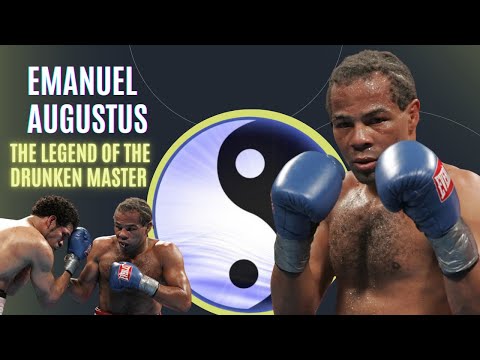
Emanuel Augustus: The Unconventional Legacy of the Drunken Master

Introduction: The Enigma of the Drunken Master

In the vast, often predictable landscape of combat sports, certain figures emerge not just as competitors, but as phenomena. They defy convention, shatter expectations, and leave an indelible mark on the collective consciousness of fans and practitioners alike. Emanuel Augustus, affectionately known as "The Drunken Master," is precisely such a figure. His career wasn't merely a series of wins and losses; it was a living testament to the unpredictable beauty and profound philosophy that can be found within the martial arts. This piece delves into the electrifying career of a fighter who didn't just participate in bouts, but orchestrated performances, blending raw aggression with an almost balletic grace that left audiences breathless. Join us as we revisit the path of a true martial arts legend whose unconventional style became his greatest weapon.

Unleashing the Drunken Master: More Than a Moniker

The adoption of the moniker "Drunken Master" by Emanuel Augustus was far from a mere marketing gimmick. Born Emanuel Burton, he drew inspiration from the iconic martial arts films that celebrated seemingly chaotic, yet devastatingly effective, fighting styles. This wasn't about mimicking a character; it was about embodying a philosophy. Augustus infused his fighting with a unique brand of agility, fluidity, and an almost maddening unpredictability. His movements often appeared disjointed, his stance unorthodox, leaving opponents struggling to anticipate his next move. This bewildering array of techniques – a chaotic dance of offense and defense – was the hallmark of his style, allowing him to showcase a skill set that transcended traditional boxing or kickboxing, demonstrating that true mastery can often lie just beyond the veil of perceived disorder.

"The most effective way to confuse an opponent is to be unpredictable. If they cannot read you, they cannot counter you." - A principle exemplified by Augustus.

The Artistry of Combat: A Symphony of Unpredictability

Augustus transcended the role of a mere pugilist; he was a kinetic artist. His fighting style was a masterful fusion, drawing threads from boxing, kickboxing, and the raw pragmatism of street fighting. His footwork was legendary – a constant, elusive dance that made him a difficult target. His punches, delivered with surprising speed and power, often came from unexpected angles. This wasn't just about throwing hands; it was about understanding angles, timing, and the psychological warfare inherent in combat. Emanuel Augustus embodied a profound Martial Philosophy, displaying not just aggression, but also immense respect for his opponents, unwavering discipline in his preparation, and the indomitable spirit of a warrior honed through countless hours of Martial Arts Training.

His approach challenged the rigid structures of conventional fighting. Many practitioners today still strive to replicate his signature elusiveness, a testament to the enduring effectiveness of his unorthodox methods. The core of his success lay in his ability to remain fluid and adaptable, a principle central to many BUDO disciplines.

The Fight of a Lifetime: A Masterclass Against Mayweather

Throughout his storied career, Emanuel Augustus graced the ring with a multitude of unforgettable contests. These weren't just fights; they were spectacles, ranging from brutal slugfests that tested the mettle of both combatants to technically brilliant displays of skill. He consistently delivered the kind of excitement that fuels the passion of Fight Fans worldwide.

Perhaps one of his most widely recognized and respected performances came during his bout against Floyd Mayweather Jr. In this encounter, Augustus didn't just compete; he showcased the full spectrum of his unique brilliance. Despite the eventual outcome, his performance earned him deep admiration, not only from the spectators but also from Mayweather himself, a rarity in the highly competitive world of professional boxing. It was a fight that highlighted Augustus's resilience and his ability to hang with the absolute elite, even with a style that defied convention. This particular fight remains a significant piece of the Fighter Legacy.

Legacy and Influence: Inspiring a Generation

Emanuel Augustus's legacy extends far beyond the statistics of his fight record. His profound impact resonates deeply within the Martial Arts Community. His unwavering dedication to his craft, his perseverance through significant adversity, and his sheer, unadulterated passion for fighting served as a powerful inspiration to countless aspiring athletes. Many fighters today incorporate elements of his distinctive style – that unpredictable movement, the creative striking angles – into their own training regimes. He proved that there isn't just one way to be a champion, fostering a generation that dares to think outside the traditional fighting box.

His influence is a prime example of how unique styles can push the boundaries of established sports. This is a core tenet we explore at BYAM, where we celebrate the diverse paths to mastery.

Building a Martial Arts Community: The BYAM Approach

At BYAM Budo y Artes Marciales, our mission mirrors the spirit of pioneers like Augustus: to cultivate and celebrate a vibrant global Martial Arts Community. We firmly believe that the journey of a martial artist is enriched when shared. We encourage our members to engage in robust discussions, share their personal training experiences, and forge connections with fellow enthusiasts from diverse backgrounds and disciplines. Whether you practice Judo, Karate, MMA, or any other art, your voice is valued here. Together, we can uphold the rich traditions, explore profound philosophies, and dissect the intricate techniques that define the world of martial arts.

Exploring Our Merchandise: Gear for Your Journey

As you immerse yourself in the world of martial arts, drawing inspiration from figures like Emanuel Augustus, it's crucial to have the right tools to support your dedication. Explore our exclusive Martial Arts Merchandise collection. We offer a curated selection of high-quality training equipment, apparel, and accessories designed to enhance your martial arts journey. From durable kimonos and sparring gear to specialized conditioning tools, our collection supports your pursuit of excellence and ensures you have the necessary support for your training regimen. Investing in quality gear is an investment in your own progress.

Join the Martial Arts Movement: Embrace the Warrior Within

The enduring legacy of Emanuel Augustus serves as a potent reminder of the transformative power inherent in martial arts training. It transcends mere physical combat, fostering discipline, resilience, and self-awareness. Whether you are a seasoned practitioner with years of experience or a curious beginner standing at the threshold of this incredible world, there is unequivocally a place for you within our growing community. Let us unite under the banner of our shared passion, exchange invaluable knowledge, and collectively grow stronger. By embracing the principles exemplified by masters like Augustus, we continue to explore the boundless possibilities that the martial arts offer.

This is your invitation to join the JoinTheMovement and discover the warrior spirit within yourself.

Sensei's Verdict: Did Augustus Master the Art of Fighting?

Emanuel Augustus didn't just fight; he performed. He brought a level of artistry and unpredictability to the ring that few have ever matched. While the term "Drunken Master" might conjure images of a brawler, Augustus was anything but. He was a strategist, a tactician, and a master of misdirection. His ability to absorb punishment, adapt mid-fight, and consistently come back with creative and effective offense was extraordinary. He faced top-tier competition and, while not always victorious, he rarely failed to impress or make his opponents work for every second of every round. His influence on subsequent fighters, who looked to his unconventional methods for inspiration, speaks volumes. He proved that true mastery isn't always about following the rules, but about understanding them so deeply that you can bend them to your will.

Verdict: A True Master of Unconventional Combat, earning a definitive "Cinturón Negro en Coreografía y Caos Controlado". His fights were living lessons in adaptability and the psychological edge.

Training Like Augustus: Embracing the Unconventional

Training like Emanuel Augustus is not for the faint of heart, nor is it about simply mimicking his movements. It's about internalizing his philosophy: unpredictability, adaptability, and relentless pressure.

  1. Develop Unconventional Footwork: Practice constant lateral movement, incorporate subtle shifts in weight, and develop rhythm changes. Think less about a stable stance and more about always being ready to pivot, evade, or explode forward.
  2. Master Angles of Attack: Don't always attack directly. Practice striking from angles that your opponent is unlikely to expect. This requires a deep understanding of body mechanics and spatial awareness.
  3. Cultivate Defensive Evasion: Augustus was known for his ability to slip punches and avoid damage. Focus on head movement, upper body flexibility, and using your entire frame to evade incoming strikes rather than just blocking.
  4. Embrace Fluid Transitions: Move seamlessly between offense and defense. A defensive maneuver should be able to transition instantly into a counter-attack. Don't "reset" unnecessarily.
  5. Study Various Styles: Like Augustus, draw inspiration from multiple disciplines. Understanding the fundamentals of boxing, kickboxing, and even grappling will provide a broader toolkit. Explore BJJ and Judo for grappling insights and Kickboxing for striking diversity.
  6. Train Your Chin and Body: Augustus absorbed significant punishment. While avoiding damage is key, developing resilience through conditioning and controlled sparring is also part of the equation. Incorporate body conditioning drills and focus on neck strength.
  7. Mental Fortitude: The most crucial element is the mental game. Develop the ability to stay calm under pressure, adapt to unexpected situations, and maintain confidence even when things aren't going your way. This is where Mental Game training and Inner Strength become paramount.

Frequently Asked Questions

  1. Who was Emanuel Augustus?
    Emanuel Augustus, born Emanuel Burton, was a highly unorthodox and entertaining American professional boxer and kickboxer, famously nicknamed "The Drunken Master" for his elusive and unpredictable fighting style.
  2. What made his fighting style unique?
    His style was characterized by unusual footwork, creative angles of attack, fluid transitions between offense and defense, and a remarkable ability to evade punches, often resembling the movements seen in martial arts films inspired by "drunken" styles.
  3. Who did Emanuel Augustus famously fight?
    He had notable bouts against numerous high-level opponents, including a widely recognized fight against Floyd Mayweather Jr., where he showcased his distinctive skills and earned respect despite the outcome.
  4. What is his lasting impact on martial arts and combat sports?
    Augustus inspired a generation of fighters with his resilience, unique approach, and dedication. He demonstrated that effective fighting doesn't always adhere to conventional norms and encouraged a more creative and adaptable mindset within the combat sports community.

Deepen Your Path

To further enrich your understanding and training:

Sensei's Reflection: Your Next Step

Augustus taught us that the most effective techniques are often born from a deep understanding of principles, allowing for creative adaptation rather than rigid adherence. He embraced chaos, not as a lack of control, but as a higher form of control that eludes conventional understanding.

Your challenge: In your next training session, identify one aspect of your technique that feels too rigid, too predictable. How can you introduce a subtle element of unpredictability, a shift in rhythm or angle, without sacrificing effectiveness? Can you find your own "drunken master" within the structure of your art?

``` ```json { "@context": "https://schema.org", "@type": "FAQPage", "mainEntity": [ { "@type": "Question", "name": "Who was Emanuel Augustus?", "acceptedAnswer": { "@type": "Answer", "text": "Emanuel Augustus, born Emanuel Burton, was a highly unorthodox and entertaining American professional boxer and kickboxer, famously nicknamed \"The Drunken Master\" for his elusive and unpredictable fighting style." } }, { "@type": "Question", "name": "What made his fighting style unique?", "acceptedAnswer": { "@type": "Answer", "text": "His style was characterized by unusual footwork, creative angles of attack, fluid transitions between offense and defense, and a remarkable ability to evade punches, often resembling the movements seen in martial arts films inspired by \"drunken\" styles." } }, { "@type": "Question", "name": "Who did Emanuel Augustus famously fight?", "acceptedAnswer": { "@type": "Answer", "text": "He had notable bouts against numerous high-level opponents, including a widely recognized fight against Floyd Mayweather Jr., where he showcased his distinctive skills and earned respect despite the outcome." } }, { "@type": "Question", "name": "What is his lasting impact on martial arts and combat sports?", "acceptedAnswer": { "@type": "Answer", "text": "Augustus inspired a generation of fighters with his resilience, unique approach, and dedication. He demonstrated that effective fighting doesn't always adhere to conventional norms and encouraged a more creative and adaptable mindset within the combat sports community." } } ] }