Showing posts sorted by relevance for query At Home Workout. Sort by date Show all posts

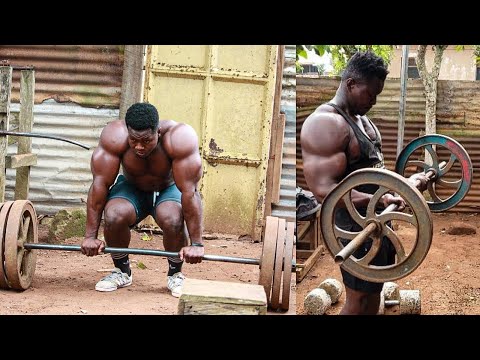
The Illusion of "Poor African/Chinese Physique": Mastering At-Home Training

The very notion of a "poor physique" tied to any continent is a fallacy, a dangerous generalization that martial artists and fitness enthusiasts alike must dismantle. What truly defines our physical prowess isn't our geographical origin or economic status, but our discipline, our understanding of biomechanics, and the consistent application of effort. Today, we delve into what it means to train at home *correctly*, transcending superficial labels and unlocking genuine physical development. This isn't about chasing trends or mimicking the aesthetics of fleeting online fame. It's about building a foundation rooted in functional strength, resilience, and the enduring spirit of the martial path. Whether you're a seasoned practitioner or just beginning your journey, the principles of effective home training remain constant. We will explore the essential equipment, the philosophical underpinnings, and the practical application that separates true progress from mere activity.

Table of Contents

The Strategic Advantage of At-Home Training

Many mistakenly believe that optimal training requires expensive gyms and specialized facilities. This perspective is flawed. The true dojo is not defined by its walls, but by the intent and dedication of the practitioner. At-home training, when approached with the right mindset, offers unparalleled benefits: **convenience, customization, and cost-effectiveness**. It removes the barriers of time and travel, allowing for more frequent and consistent practice. This consistency is the bedrock of all martial arts progress. Furthermore, training at home fosters a deeper connection with your own body and mind. Without the distractions of a crowded gym, you can focus on the nuances of movement, the subtle shifts in balance, and the internal generation of power (Ki). This intimate understanding is crucial for developing true martial skill.

Beyond "Poor Physique": The Martial Artist's Perspective

The very premise of categorizing physiques based on ethnicity or economic status is a superficial distraction. In the realm of martial arts, we are taught to look beyond appearances. A true master can emerge from any background. What matters is the **internal fortitude, the unwavering spirit (Seishin)**, and the **dedication to the path (Michi)**. Instead of focusing on perceived limitations, a martial artist seeks to *transform* their current state. This is the essence of the journey: using whatever resources are available to build a stronger, more capable self. The "poor African or Chinese physique" is a myth perpetuated by those who fail to understand the transformative power of consistent, intelligent training and the universal principles of biomechanics and conditioning. The true challenge lies not in one's origin, but in one's own commitment to overcoming perceived limitations.
"The martial way is nothing else but the application of all efforts for the perfection of self." - Mas Oyama

The Core Principles of Budo At-Home

To train effectively at home, we must first embrace the core tenets of Budo (the martial way):
  • Seiryoku Zenyo (精力善用) - Maximum Efficiency, Minimum Effort: This principle, central to Judo, emphasizes using an opponent's (or gravity's) force to your advantage. Applied to home training, it means performing exercises with proper form and technique to maximize muscle activation and minimize wasted energy.
  • Jita Kyoei (自他共栄) - Mutual Welfare and Benefit: While training alone at home, this translates to self-improvement for the benefit of others. A stronger, more disciplined you is better equipped to help your family, community, and society.
  • Mushin (無心) - No Mind: Cultivating a state of mental clarity and spontaneity. In training, this means reacting instinctively to movements, rather than overthinking.
  • Zanshin (残心) - Lingering Spirit/Awareness: Maintaining awareness even after an action is completed. In home workouts, this means staying focused throughout the entire session and being mindful of your body's recovery.

Essential Equipment for Your Training

While bodyweight exercises form the foundation, a few strategic pieces of equipment can significantly enhance your training capabilities and accelerate progress.
  • Pull-up Bar (Xà đơn gắn cửa treo tường): Absolutely essential for developing upper body pulling strength, crucial for many martial arts techniques.
  • Dumbbells (Tạ Đơn): Versatile for a wide range of exercises, allowing for progressive overload and targeted muscle development. Look for adjustable ones if space is a concern.
  • Push-up Handles (Dụng cụ hít đất đa năng): These reduce wrist strain and allow for a greater range of motion during push-ups, deepening the stretch and increasing the challenge.
  • Exercise Mat (Thảm Tập): Provides cushioning for floor exercises, protecting your joints and providing a stable surface.
  • Resistance Bands: Inexpensive and highly versatile, offering variable resistance for a full-body workout and excellent for dynamic warm-ups and mobility drills.
Investing in quality, durable equipment is a wise decision for long-term martial arts and fitness development. It's not about accumulating gear, but about acquiring tools that facilitate meaningful progress.

Training Guide: Building a Functional Body at Home

This routine is designed to be adaptable. Adjust repetitions and sets based on your current fitness level. Focus on **controlled movements and proper form** above all else.
  1. Warm-up (5-10 minutes):
    • Light Cardio: Jumping jacks, high knees, butt kicks (2 minutes).
    • Dynamic Stretching: Arm circles, leg swings, torso twists, hip circles (3 minutes).
    • Joint Rotations: Wrists, elbows, shoulders, neck, hips, knees, ankles (2 minutes).
  2. Workout Circuit (Perform 3-4 rounds with 60-90 seconds rest between rounds):
    • Bodyweight Squats: 15-20 repetitions. Focus on depth, keeping your chest up and back straight.
    • Push-ups: 10-15 repetitions (modify on knees if needed). Aim for a full range of motion, touching your chest to the floor.
    • Pull-ups (or assisted pull-ups/negatives): As many repetitions as possible (AMRAP). If you cannot do pull-ups yet, focus on negatives (jumping to the top and slowly lowering yourself down) or use resistance bands for assistance.
    • Lunges (Alternating legs): 10-12 repetitions per leg. Maintain balance and a stable core.
    • Plank: Hold for 30-60 seconds. Keep your body in a straight line from head to heels, engaging your core.
    • Dumbbell Rows (if available): 10-12 repetitions per arm. Hinge at the hips, maintaining a flat back, and pull the dumbbell towards your chest.
  3. Cool-down (5-10 minutes):
    • Static Stretching: Hold each stretch for 20-30 seconds. Focus on major muscle groups worked (quads, hamstrings, chest, back, shoulders).
    • Deep Breathing: Focus on diaphragmatic breathing to aid recovery.
This is a foundational circuit. Remember, consistency is key. Aim to perform this routine 3-4 times per week, allowing for rest days in between.

Variations and Progression for Long-Term Growth

To prevent plateaus and continue challenging your body, incorporate variations and progressions:
  • Increase Repetitions/Sets: Gradually add more reps to each exercise or add another round to your circuit.
  • Decrease Rest Times: Shorten the rest periods between exercises and rounds to increase intensity.
  • Tempo Training: Slow down the eccentric (lowering) phase of movements (e.g., 3-5 seconds to lower during a squat or push-up).
  • Explosive Movements: Incorporate plyometric variations like jump squats, clap push-ups, or jump pull-ups for power development.
  • Add Weight: If bodyweight becomes too easy, use dumbbells, resistance bands, or even household items to add resistance.
  • Change Exercise Variations: Move from standard push-ups to diamond push-ups, incline push-ups, or decline push-ups. For squats, try Bulgarian split squats or pistol squat progressions.
The goal is to constantly seek new stimuli for your body and mind. This mirrors the martial artist's continuous pursuit of improvement, learning new techniques and refining existing ones.

Integrating Martial Philosophy into Your Routine

Training at home is not merely a physical exercise; it's an opportunity to cultivate mental discipline and philosophical understanding.
"The greatest victory is the victory over oneself." - Unknown
Approach each workout with the same seriousness and intention as you would a session in a formal dojo.
  • Mindfulness: Be fully present during each repetition. Feel the muscles working, focus on your breath, and let go of external distractions.
  • Grit and Perseverance: When an exercise feels difficult, push through. This mental toughness developed during training will translate to all areas of your life.
  • Respect for Your Body: Listen to your body. Understand the difference between pushing your limits and risking injury. Proper recovery is as important as the training itself.
  • Continuous Learning: Always seek to improve your form, understand the biomechanics behind each movement, and explore new training methods.
This holistic approach transforms physical training into a path of self-mastery, aligning with the deeper principles of Budo.

Veredicto del Sensei: Mastering Your Environment

The concept of a "physique" dictated by geography is a shallow analysis, easily refuted by the principles of dedicated training. True strength and conditioning are cultivated through discipline, intelligence, and consistent effort, regardless of one's surroundings. At-home training, when executed with the spirit of a martial artist, is not a compromise; it is a powerful, adaptable, and accessible path to physical and mental excellence. **Cinturón Negro en Adaptabilidad y Disciplina.**

Preguntas Frecuentes

  • Q: How often should I train at home?
    A: Aim for 3-5 sessions per week, allowing for adequate rest and recovery between sessions. Listen to your body.
  • Q: What if I have very limited space?
    A: Focus on bodyweight exercises that require minimal space. Resistance bands and a jump rope are also excellent for small spaces.
  • Q: How do I ensure I'm performing exercises correctly without a trainer?
    A: Watch reputable online tutorials, record yourself to check form, and start with simpler variations before progressing. Prioritize slow, controlled movements.
  • Q: Can I really build muscle and strength with just bodyweight and minimal equipment?
    A: Absolutely. Progressive overload through variations, increased reps/sets, and tempo training can build significant muscle and strength.

Para Profundizar en tu Camino

GEMINI_METADESC: Master at-home martial arts training, debunking 'poor physique' myths. Learn discipline, essential gear, and effective routines for functional strength & self-mastery.

The Art of the Forge: Crafting a Martial Warrior's Physique with Interval Training

Introduction: The Unseen Battlefield Within

Welcome, students of the Way. Today, we delve not into the dynamics of a specific karate kata or the philosophy of BUDO, but into the very vessel that houses our spirit and executes our techniques: the human body. Many believe the path of martial arts is solely about mastering strikes, blocks, and throws. They are, pardon my directness, tragically mistaken. The true battlefield often lies within, in the relentless discipline of forging a physique capable of enduring, exploding, and adapting. The martial artist must be a blacksmith of their own form, and today, we examine a tool that can help shape that form: interval training. This isn't merely about fitness; it's about cultivating the engine of combat readiness.

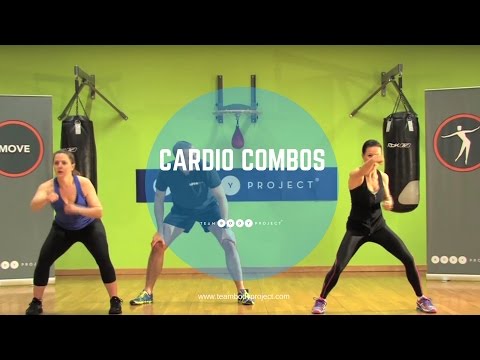
The concept presented here, a "25 minute interval cardio workout from home," published on April 2, 2015, might seem mundane on the surface. But I challenge you to look deeper. As a critic of martial arts representation and a practitioner of artes marciales for decades, I dissect every element. This isn't just about burning calories; it's about understanding the physiological demands placed upon a warrior, whether in a formal fight or the crucible of daily life.

The Body Project Philosophy: More Than Just Movement

The individuals behind "The Body Project" system, as indicated, are not simply purveyors of exercise routines. They speak of transforming the body in "10 weeks" and engaging in a "system." This implies a holistic approach, not a disconnected series of movements. In the realm of martial arts, we understand that true mastery is systematic. A single technique is not an isolated act; it’s the culmination of countless hours of foundational work, conditioning, and strategic understanding.

Daniel Bartlett, leading this particular session, guides participants through "combination cardio exercises." This is key. True martial application rarely involves single, isolated movements under duress. It's about seamlessly transitioning, combining evasions with strikes, blocks with counters. If this home workout mirrors that complexity, it offers a valuable simulation for the martial spirit. The promise of making the body a "calorie and fat burning machine" is, frankly, the byproduct of a well-conditioned physique, which is undeniably crucial for sustained combat.

"The body is like a spring. The more you compress it, the more power it has." - Bruce Lee

This sentiment echoes the core principle of interval training: periods of intense exertion followed by brief recovery. It’s not about endurance alone, but about developing the capacity for explosive power, a quality as vital in striking as it is in a desperate defensive maneuver. The convenience of exercising "from home" also speaks to the modern warrior's need for adaptability. The dojo is not always accessible, but the commitment to self-improvement must be unwavering.

Interval Training Demystified: The Rhythmic Pulse of Combat Conditioning

What, precisely, is interval training? At its heart, it’s a method of physical training that involves a series of intense bursts of exercise interspersed with periods of lower-intensity recovery. It's the ebb and flow of battle translated into physiological stress. Think of the rapid exchange of blows in a Muay Thai clinch, or the explosive takedown attempt in MMA, followed by the brief moment of strategic repositioning. This cycle of high-intensity effort and recovery trains the body's anaerobic and aerobic systems simultaneously.

This is fundamentally different from steady-state cardio, like a long, monotonous jog. While steady-state cardio builds endurance, interval training hones power, speed, and the ability to recover quickly – all critical for martial arts performance. It pushes your cardiovascular system and muscle groups to their limits in short, sharp bursts, forcing them to adapt and become more resilient. The goal is not just to *last* longer, but to be able to *perform* at a high level throughout the entirety of a confrontation, and then recover efficiently.

This form of training can significantly enhance:

  • VO2 Max: The maximum amount of oxygen your body can utilize during intense exercise. Higher VO2 max means better stamina.
  • Lactate Threshold: The point at which lactic acid builds up faster than your body can clear it. Pushing this threshold allows you to maintain higher intensity for longer.
  • Power Output: The ability to generate force quickly, essential for explosive strikes and movements.
  • Metabolic Rate: Interval training is known for its "afterburn effect," where your body continues to burn calories at an elevated rate long after the workout has finished.

The Workout Blueprint: A Tactical Approach to Home Training

The promise of a "25 minute interval cardio workout" is tantalizing. In the context of martial arts, time is often of the essence. A warrior cannot afford to spend hours on conditioning if it detracts from technical study or strategic thought. This workout, as described, focuses on "combination cardio exercises." This suggests a dynamic sequence, avoiding the monotony that can lead to mental fatigue, a warrior's true enemy.

The structure likely involves moving from one exercise to another with minimal rest, followed by a more extended rest period before repeating the circuit. This mirrors the tactical approach needed in a fight: execute a sequence of actions, recover momentarily, and prepare for the next engagement. If the exercises are varied – perhaps incorporating elements that mimic striking (e.g., high knees, jumping jacks, burpees, shadow boxing movements) – then this workout becomes a powerful simulator for the physical demands of combat. The key is intensity and the strategic use of recovery.

Consider the potential exercises:

  • High Intensity: Jumping Jacks, Burpees, Mountain Climbers, Sprints in place, Shadow Boxing combinations (rapid punches and kicks).
  • Recovery: Light jogging in place, walking lunges, deep breathing exercises.

The duration of 25 minutes is also significant. It’s long enough to elicit a substantial physiological response, yet short enough to fit into a busy schedule, respecting the principle of efficiency that guides any true martial endeavor.

Applying the Principles to Budo: The Link Between Physicality and Spirit

The modern interpretation of BUDO, the "Way of the Warrior," often emphasizes philosophical and spiritual development. However, to neglect the physical foundation is to build a temple on sand. The discipline cultivated through rigorous physical training directly translates to mental fortitude. The ability to push through fatigue, to maintain focus when your body screams for rest, is a direct manifestation of the mental game required in conflict.

This home workout, by its very nature, demands self-motivation. There is no Sempai or Sensei physically present to enforce discipline. The warrior must become their own master. This is where the true lesson lies: the development of inner strength, the self-mastery that allows one to adhere to training even when motivation wanes. This is the essence of discipline.

"The martial way is a daily effort of precise improvement." - Miyamoto Musashi

The consistent application of such training builds not just muscle and cardiovascular capacity, but resilience. It teaches the body and mind to respond to stress with controlled effort, rather than panicked reaction. This is the foundation upon which complex martial techniques are built. Without the engine of a conditioned body, even the most theoretically perfect technique is rendered ineffective.

Veredicto del Sensei: Is this a True Path to Martial Fitness?

Let us be direct. Is a 25-minute interval cardio workout, performed at home, a substitute for dedicated martial arts training? No. It is not. However, does it serve as a potent *supplement* and a valuable tool for enhancing the physical attributes necessary for martial prowess? Absolutely.

The effectiveness of this "Body Project" workout hinges on its execution and its integration into a broader training regimen. If the exercises are dynamic, challenging, and performed with intent – mimicking the explosiveness and recovery cycles of combat – then it is an excellent method for improving cardiovascular health, muscular endurance, and explosive power. The convenience factor makes it accessible, which is a significant advantage for practitioners who cannot always reach their dojo.

However, it lacks the technical refinement, the strategic application, and the direct feedback of instruction specific to a martial art like Karate, Judo, or BJJ. It builds the warrior's engine, but it does not teach them how to steer the vehicle.

Rating:
Cinturón Negro en Complemento Físico.

Equipo Esencial para tu Entrenamiento

While this workout emphasizes home-based training, a few key items can significantly enhance its effectiveness and your comfort. Remember, investing in your training is investing in yourself.
  • Calzado Deportivo Adecuado: Crucial for absorbing impact and providing stability during explosive movements. Look for shoes with good cushioning and support for lateral movements.
  • Ropa Cómoda y Transpirable: Allows for a full range of motion and prevents overheating. Moisture-wicking fabrics are ideal.
  • Esterilla de Entrenamiento: Provides cushioning for floor exercises like burpees and mountain climbers, and protects your joints.
  • Cronómetro o Aplicación de Intervalos: Essential for accurately timing your work and rest periods. Many free apps are available that can guide you through interval protocols.
  • Toalla: You will sweat. Be prepared.

Guía de Entrenamiento: Building a Foundation of Explosive Power

This is a sample circuit inspired by the principles of interval training, suitable for home practice. **Always consult with a healthcare professional before beginning any new exercise program.**
  1. Warm-up (5 minutes):
    • Light jogging in place
    • Arm circles (forward and backward)
    • Leg swings (forward/backward, side-to-side)
    • Dynamic stretches (e.g., torso twists, high knees gently)
  2. Work/Rest Circuit (20 minutes): Perform each exercise for 40 seconds, followed by 20 seconds of rest. Complete 4 rounds.
    1. Round 1:
      1. Jumping Jacks
      2. Rest
      3. High Knees (running in place, bringing knees high)
      4. Rest
      5. Bodyweight Squats (focus on depth and speed)
      6. Rest
      7. Mountain Climbers
      8. Rest
    2. Round 2:
      1. Burpees (modified if needed, without the jump or push-up)
      2. Rest
      3. Shadow Boxing (rapid combinations, focus on hip rotation)
      4. Rest
      5. Alternating Lunges (forward or reverse)
      6. Rest
      7. Plank Jacks
      8. Rest
    3. Round 3:
      1. Jumping Squats
      2. Rest
      3. Fast Feet (rapid stepping in place)
      4. Rest
      5. Push-ups (on knees or toes)
      6. Rest
      7. Butt Kicks (running in place, bringing heels to glutes)
      8. Rest
    4. Round 4:
      1. Skaters (lateral bounds)
      2. Rest
      3. Shadow Boxing (focus on defensive movements and counters)
      4. Rest
      5. Jump Lunges
      6. Rest
      7. Burpees
      8. Rest
  3. Cool-down (5 minutes):
    • Gentle stretching, holding each stretch for 20-30 seconds (quadriceps, hamstrings, chest, shoulders).
    • Deep breathing exercises to lower heart rate.

Preguntas Frecuentes

  • Q: Is this workout suitable for absolute beginners in martial arts?

    A: This workout can be adapted. Beginners should focus on form over speed and intensity. Modify exercises (e.g., step-back burpees instead of jumping) and consider longer rest periods initially. The key is consistency.

  • Q: How often should I perform this interval training?

    A: For optimal results and to avoid overtraining, aim for 2-3 sessions per week, with at least one rest day in between. This allows your body to recover and adapt.

  • Q: Can this replace my regular martial arts training?

    A: No, this workout is designed to complement, not replace. It enhances the physical conditioning required for martial arts, but lacks the technical instruction and application specific to your chosen art.

  • Q: What if I don't have much space at home?

    A: Many interval exercises can be modified for limited space. For instance, 'sprints in place' or 'fast feet' require minimal room. Focus on the intensity of movement within your available area.

Para Profundizar en tu Camino

To truly understand the synergy between physical conditioning and martial arts mastery, explore these essential topics:

Reflexión del Sensei: Tu Próximo Paso

We have examined a 25-minute interval cardio workout not merely as a fitness trend, but as a potential training tool for the martial artist. It offers a method to forge the body into a more effective instrument. But the tool itself is inert without the wielder's intent and understanding.

Consider this: the most powerful strike, the most unyielding defense, originates from a place of preparedness. This workout is a forge. The intensity is the hammer. But what is the metal? It is your spirit, your discipline, your unwavering commitment to the Way.

Your next step: This week, I challenge you not just to perform this workout, but to *observe* yourself during its peaks of exertion. Where does your mind wander? What thoughts arise when your body is pushed to its edge? Is it the thought of quitting, or the thought of the next technique, the next strategic move? Document these observations. True mastery is not just about what your body can do, but what your mind dictates it can do, even when it feels impossible. Now, tell me, in the comments below, which of your mental barriers did this type of training threaten to break, and which did it reinforce?

``` GEMINI_METADESC: Explore the martial significance of interval training. Learn how this home workout can forge a warrior's physique, build discipline, and complement your Budo journey.

The Unseen Battle: How Budo Principles Forge Unbreakable Physical and Mental Fortitude

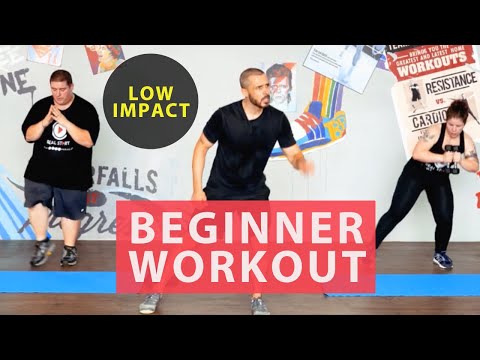
As a Sensei who has dedicated a lifetime to the rigorous path of Budo and martial arts, I've seen countless individuals enter the dojo with a singular goal: to burn fat, get stronger, and look better. And while these are valid aspirations, they often miss the deeper currents that truly transform a practitioner. The original prompt mentioned a "30 minute fat burning home workout for beginners," aiming for "achievable, low impact results." While such routines have their place, particularly for those just stepping onto the path, they can be a superficial starting point if not infused with the profound principles that underpin true martial development. Are we merely seeking to shed physical weight, or are we ready to confront the internal battles that forge resilience, discipline, and an unyielding spirit?

The essence of Budo is not merely in the external display of technique, but in the internal cultivation of character. It's about understanding that the "fat burning" many seek is often a metaphor for burning away the lethargy, the excuses, and the mental inertia that hold us back. This journey, especially for beginners, requires a mindful approach that prioritizes foundational strength, unwavering discipline, and a philosophical underpinning that transcends mere physical exertion.

The True Meaning of the Beginner's Path

The modern fitness landscape is often dominated by quick fixes and trendy routines. While a "30 minute fat burning home workout" might seem appealing, it risks reducing the profound practice of martial arts training to a mere calorie-counting exercise. True martial development, however, is a lifelong journey. For beginners, the initial focus should be on cultivating a stable foundation, understanding correct form, and developing the mental fortitude to persevere. This isn't just about shedding a few pounds; it's about forging a disciplined approach that will serve you far beyond the physical realm. The "Real Start" and "Real Start Plus" plans, mentioned in the original context, hint at this deeper commitment – a commitment to "real people with real people" suggests an inclusive, grounded approach, which aligns with the Budo spirit. However, we must elevate this beyond mere "low impact, realistic, and effective" to something truly transformative.

Welcome to Budo and Martial Arts. Today, we move beyond the superficial to explore how the enduring principles of martial discipline can inform even the most basic home workouts, turning a simple exercise session into a profound act of self-mastery.

Beyond the Clock: Core Budo Principles for Any Workout

The goal of burning fat is often a gateway, but the true destination lies in building strength, stamina, and unwavering discipline. These are the cornerstones of Budo, and they can be integrated into any training regimen, regardless of its duration or specific exercises.

  • Discipline (Kiritsu - 起律): This is the bedrock. Committing to a training schedule, even when motivation wanes, is paramount. It's about showing up for yourself.
  • Patience (Nintai - 忍耐): Results take time. True fitness, like mastery in any art, is a marathon, not a sprint. Avoid the temptation of shortcuts.
  • Mindfulness (Zanshin - 残心): Be present in your movements. Understand how your body feels, how each motion affects you. This awareness is crucial for preventing injury and maximizing effectiveness.
  • Intent (Sen - 先): Every movement should have purpose. Even in a simple squat, there's an intention to strengthen, to support, to prepare for future challenges.
  • Respect (Rei - 礼): Respect for the practice, for your body, and for the space you train in. This fosters a positive mindset and enhances focus.
"The way of the warrior is to know when to fight and when to wait." This principle extends to training. Know when to push your limits and when to focus on foundational consistency.

A Budo-Inspired Home Training Regimen

While a dedicated 30-minute routine can be a starting point, let's infuse it with martial intent. This is not about complex katas, but about applying the principles of focused, deliberate movement. We'll structure this as a progressive workout, focusing on compound movements that engage multiple muscle groups, promoting functional strength and efficient calorie expenditure.

Warm-up (5 minutes)

  1. Dynamic Stretching: Arm circles, leg swings (forward, backward, sideways), torso twists, and high knees. Focus on controlled, fluid movements.
  2. Joint Rotations: Gently rotate wrists, ankles, neck, and hips. This prepares the joints for more rigorous activity.
  3. Light Cardio: Jogging in place or jumping jacks (low impact variations if needed) to elevate the heart rate gradually.

Core Workout (20 minutes)

Perform each exercise for 45 seconds, followed by 15 seconds of rest. Complete 3-4 rounds of the entire circuit.

  1. Bodyweight Squats: Focus on maintaining a straight back and pushing your hips back as if sitting into a chair. Ensure your knees track over your toes. This builds lower body strength and foundational stability, crucial for stances in Karate or grappling in Judo.
  2. Push-ups (on knees or toes): Engage your core and keep your body in a straight line from head to heels. This develops upper body power, essential for striking arts like Karate or Kickboxing.
  3. Lunges (alternating legs): Step forward, lowering your hips until both knees are bent at approximately 90 degrees. The front knee should be directly above the ankle, and the back knee should hover just above the floor. This improves balance and leg strength, vital for dynamic movement.
  4. Plank: Hold a push-up position on your forearms, keeping your body in a straight line from head to heels. Engage your core muscles. This builds incredible core strength, the powerhouse of all martial arts techniques.
  5. Glute Bridges: Lie on your back with knees bent and feet flat on the floor. Lift your hips off the ground, squeezing your glutes at the top. This strengthens the posterior chain, vital for power generation.
  6. Bird-Dog: Start on your hands and knees. Extend your right arm forward and your left leg backward simultaneously, keeping your core engaged and back straight. Alternate sides. This enhances core stability and coordination.

Cool-down (5 minutes)

  1. Static Stretching: Hold stretches for major muscle groups (quadriceps, hamstrings, chest, shoulders, triceps) for 30 seconds each. Focus on deep breathing to aid recovery.
  2. Mindful Breathing: Sit or lie down comfortably. Focus on slow, deep inhales and exhales. This helps to calm the nervous system and reflects the meditative aspects of Aikido or Zen practices.

The Art of Practice: Filming and Understanding Your Progress

The original context mentions "filming." This is a powerful tool, not just for marketing, but for self-assessment. When you film yourself, you can objectively analyze your form.

"Observe yourself as you would observe your opponent." - Miyamoto Musashi (paraphrased).

Reviewing your own movements allows you to identify inefficiencies, weak points, and areas where your technique deviates from the ideal. In martial arts, precision is paramount. A slight misalignment in a punch or a kick can not only reduce its effectiveness but also increase the risk of injury. This self-observation is a critical aspect of martial development, helping you to internalize correct patterns and avoid ingrained bad habits. This analytical approach is key whether you are practicing Kyokushin Karate, MMA grappling, or even a simple home fitness routine.

Essential Gear for Your Home Dojo

While many home workouts can be done with bodyweight alone, a few key pieces of equipment can significantly enhance your training and expand your options. Investing in proper gear shows respect for your practice.

  • Comfortable Workout Mat: Essential for floor exercises, protecting your joints and providing grip.
  • Resistance Bands: Versatile for adding resistance to bodyweight exercises, increasing intensity and targeting specific muscle groups.
  • Jump Rope: An excellent tool for cardiovascular conditioning. Look for a speed rope for a greater challenge.
  • Durable Training Shoes: Provide support and stability for dynamic movements.
  • Water Bottle: Hydration is critical for performance and recovery.

For those looking to invest further, consider a good quality Karate Gi if you're studying the art formally, or a supportive Grappling dummy for BJJ or Judo practice.

Sensei's Verdict: The Long Game of Fitness

The concept of a "30 minute fat burning home workout for beginners" can serve as an entry point. However, it should not be the destination. True fitness, akin to mastery in any martial art, is about consistency, dedication, and a deeper understanding of the principles that govern physical and mental conditioning. The low-impact, achievable nature is suitable for beginners, but the real "results" are measured not just in weight lost, but in discipline gained, resilience built, and the unwavering spirit cultivated. This is not a fleeting trend; it is the forging of a warrior's body and mind.

Frequently Asked Questions

Q1: Is a 30-minute workout truly effective for fat loss?

Yes, consistency over time is more important than duration in a single session. A 30-minute workout, performed regularly and with proper intensity, can be highly effective for fat loss, especially when combined with a balanced diet. The key is to make it a sustainable habit.

Q2: How can I ensure I'm using proper form at home?

Utilize mirrors to check your alignment. Film yourself and compare your movements to instructional videos from reputable martial arts sources. Focus on controlled, deliberate execution rather than speed.

Q3: What's the difference between a general workout and Budo training?

General workouts often focus solely on physical outcomes. Budo training integrates physical conditioning with mental discipline, philosophical understanding, and character development. Every exercise in Budo has a purpose beyond the immediate physical result.

Q4: I'm a complete beginner. Where should I start with martial arts after this workout?

Seek out a reputable local dojo. Look for instructors who emphasize not just technique but also the philosophy and history of the art. Trying introductory classes in styles like Karate, Judo, or Taekwondo can be a great starting point.

Deeper Dives into the Warrior's Way

To truly understand the depths of martial training and its application beyond the physical, I encourage you to explore these resources:

If you wish to support the continuation of authentic martial arts content, consider exploring exclusive NFTs through our store.

This journey of self-improvement is ongoing. The physical challenges are merely the tools through which we forge an unshakeable spirit. The true victory is not in the sweat on the floor, but in the discipline etched into your soul.

Reflection of the Sensei: Your Next Step

Does the pursuit of "fat burning" truly satisfy the warrior's hunger, or is it a distraction from the deeper cultivation of strength, resilience, and purpose? Reflect on your motivations: are you training to merely change your appearance, or to fundamentally transform your character? Where do you see the greatest "fat" – physical or otherwise – that needs burning away in your life?

``` GEMINI_METADESC: Explore how Budo principles transform basic home workouts into profound self-mastery, focusing on discipline, intent, and the unseen battles of fitness.

Unleashing the Warrior Within: The Philosophy and Practice of Muay Thai Home Training

The spirit of Muay Thai, the "Art of Eight Limbs," resonates far beyond the sacred grounds of a Bangkok stadium. It's a philosophy, a discipline, and a testament to human resilience that can be cultivated anywhere, even within the confines of your own home, with minimal equipment. This isn't just about throwing punches and kicks; it's about forging an unbreakable connection between mind, body, and spirit. Many aspiring martial artists believe that specialized dojos and expensive gear are prerequisites for serious training. I'm here to tell you that such notions are the first obstacles to overcome on your path to mastery. The true essence of the warrior lies not in the tools they possess, but in the fire that burns within them.

Table of Contents

The Muay Thai Ethos: More Than Just a Fight

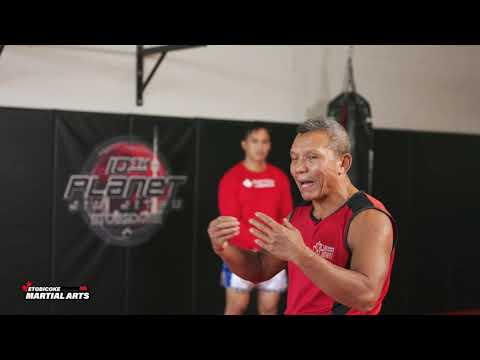
Muay Thai is often celebrated for its brutal effectiveness in combat sports like MMA and kickboxing. However, to reduce it solely to its combative applications is to miss its profound philosophical underpinnings. The "Art of Eight Limbs" – utilizing fists, elbows, knees, and shins – demands an intricate understanding of balance, timing, and strategy. More importantly, it instills core Budo principles: respect (Budo), discipline, perseverance, and humility. Ajahn Suchart, a renowned trainer whose students like Clifton Brown and Simon Marcus have reached world championship status, embodies this holistic approach. His teachings, often filmed in environments like Etobicoke Martial Arts and 10th Planet Etobicoke, demonstrate that the efficacy of the art is not dictated by the surroundings, but by the dedication of the practitioner. This is a critical insight for anyone looking to elevate their Martial Arts Training.
"The greatest victory is that which requires no battle." - Sun Tzu, The Art of War
This ancient wisdom is remarkably relevant to Muay Thai. While the art is a combat discipline, the truest victories are often won *before* the fight even begins – through rigorous training, unwavering self-belief, and a mind unclouded by doubt.

Forging the Art of Eight Limbs: A Home Workout Blueprint

The beauty of Muay Thai lies in its adaptability. Without needing specialized equipment, you can focus on the fundamental movements that build power, speed, and technique. The primary goal in home training is to replicate the demands of the art through bodyweight exercises and focused drills. 1. **Stance and Footwork**: Mastering the correct Muay Thai stance is paramount. It's your base for power generation and defense. * Stand with your feet shoulder-width apart, non-dominant foot slightly forward. * Keep your knees slightly bent, hips loose, and weight balanced. * Practice shifting your weight forward and backward, and side-to-side, mimicking the dynamic movement required in stand-up fighting. Imagine gliding across the canvas, not jumping. * Drill "stepping in" with your lead foot when throwing a punch, and "stepping through" with your rear foot for kicks. 2. **Punches (Jab, Cross, Hook, Uppercut)**: * **Jab**: A quick, straight punch. Practice snapping it out from your lead side, rotating your hips and shoulders, and returning your hand to guard quickly. * **Cross**: Your power punch, thrown from the rear side. Rotate your hips and torso fully, transferring weight into the punch. * **Hook**: A semi-circular punch. Pivot on your rear foot, keeping your elbow bent at 90 degrees, and drive it towards your target. * **Uppercut**: A rising punch. Bend your knees, drive upwards with your hips and shoulders, targeting the chin or body. * *Home Drill*: Shadowbox, focusing on perfect form and rotation. Imagine the targets. Maintain a tight guard at all times. 3. **Kicks (Teep, Roundhouse Kick)**: * **Teep (Push Kick)**: A straight kick used to maintain distance. Extend your leg, pushing with the ball of your foot or heel. Drive your hips forward for power. * **Roundhouse Kick**: The signature kick of Muay Thai. * Pivot on your supporting foot, turning your hips over. * Bring your knee up high, then extend your shin or instep towards the target. * Focus on hip rotation for power. Let your body recoil naturally. * *Home Drill*: Practice the chambering motion (bringing the knee up) and the hip rotation. Perform kicks slowly and controlled, focusing on balance. Gradually increase speed and power. Use an imaginary target. 4. **Elbow Strikes**: Muay Thai is famous for its devastating elbow techniques. * **Horizontal Elbow**: Used at close range. Pivot your hips and shoulders, driving the point of your elbow forward. * **Diagonal Elbow**: Dropping down from above. * **Upward Elbow**: Targeting the chin from below. * *Home Drill*: Practice the rotational movements. Even without a target, the mechanics build strength and coordination. 5. **Knee Strikes**: Powerful at close range. * **Straight Knee**: Drive your knee forward, using your arms to pull your opponent closer if needed. * **Diagonal Knee**: Targeting the ribs or head. * *Home Drill*: Practice chambering the knee, driving your hips forward. This develops core strength and explosive power.

Building a Warrior's Foundation: Conditioning for the Home Dojo

While technique is king, physical conditioning is the throne upon which it rests. Without a robust physical base, your techniques will falter under pressure. The good news? You don't need a gym to build a warrior's body. * **Cardiovascular Endurance**: Crucial for sustaining high-intensity rounds. * **Jumping Jacks**: A classic for a reason. Get your heart rate up. * **High Knees**: Focus on bringing your knees up to hip height. * **Burpees**: A full-body conditioning exercise that is relentlessly effective. * **Shadow Boxing**: Sustained shadow boxing rounds (e.g., 3 minutes on, 1 minute rest) mimic fight conditions. * **Running**: If you have access to safe outdoor space or a treadmill, running is unparalleled for stamina. It's a fantastic way to start running and build endurance. * **Strength and Power**: Develop the force behind your strikes. * **Push-ups**: Standard, wide-grip, close-grip, diamond push-ups – variations target different muscle groups. * **Squats**: Bodyweight squats, jump squats – essential for leg power and conditioning. * **Lunges**: Forward, backward, and walking lunges build leg strength and balance. * **Plank Variations**: For core stability – front plank, side plank. A strong core is the engine of every strike in Martial Arts. * **Calf Raises**: Essential for explosive kicking power. * **Flexibility and Mobility**: Prevents injuries and increases range of motion. * **Dynamic Stretching**: Leg swings (forward, backward, circular), arm circles, torso twists *before* training. * **Static Stretching**: Hamstring stretches, quad stretches, hip flexor stretches, shoulder stretches *after* training. Focus on holds of 30 seconds or more. * *Resource*: Look for bodyweight-only flexibility routines online. Many instructors focus on this, especially for arts like Aikido, which require extreme mobility.

The Heart of the Nak Muay: Cultivating Mental Fortitude

Beyond the physical, Muay Thai is a profound journey of self-discovery. The mental game is as critical as any physical technique. A fighter with superior willpower can often overcome a more technically skilled opponent. * **Discipline**: Showing up to train, even when you don't feel like it, is the bedrock of progress. This discipline extends to all areas of life, fostering Self-Improvement. * **Perseverance**: Pushing through fatigue during a workout, or through frustration when learning a difficult technique, builds resilience. This is the heart of the Warrior Philosophy. * **Focus and Concentration**: Maintaining awareness of your body, your surroundings, and your opponent (even an imaginary one) sharpens the mind. This is where practices like meditation can be incredibly beneficial, akin to the Mental Game crucial in MMA. * **Respect**: For your training, for yourself, and for the art itself. This is a core tenet of Budo, the Way of the Warrior.
"Empty your mind, be formless. Shapeless, like water. If you put water into a cup, it becomes the cup. You put water into the bottle, it becomes the bottle. You put it into the teapot, it becomes the teapot. Now, water can flow or it can crash. Be water, my friend." - Bruce Lee
This quote, while often associated with Jeet Kune Do, is universally applicable to any adaptable martial art, including Muay Thai. Your ability to adjust, to be fluid, and to react with clarity under pressure is the ultimate mark of a skilled practitioner.

Sensei's Verdict: Is Muay Thai Home Training a Path to Mastery?

Absolutely. While the atmosphere of a dedicated Martial Arts Community, with its experienced instructors and training partners, is invaluable, the spirit of Muay Thai can be nurtured anywhere. Ajahn Suchart's success is a testament to the power of dedicated instruction and student commitment, regardless of the specific training facility. Home training, when approached with the right mindset and structured correctly, is not a compromise – it's an opportunity. It hones self-reliance, discipline, and a deep understanding of your own body and capabilities. The lack of equipment forces you to focus on the essentials: movement, breath, and intent. This is the essence of "no equipment needed" training. It strips away the superficial and gets to the core of what makes a martial artist. It's a valid, powerful path for any aspiring Fighter or Martial Artist.

Frequently Asked Questions

1. **How often should I train Muay Thai at home?** Consistency is key. Aim for at least 3-4 sessions per week, combining technical drills with conditioning. Listen to your body, but push your limits. 2. **What is the most important strike to master first?** The Teep (push kick) and the Roundhouse Kick are foundational. Mastering the basic Jab and Cross is also critical for developing striking power and coordination. 3. **Can I really get effective without training partners?** Yes. While sparring is crucial for fight application, home training builds technique, conditioning, and mental toughness. You can simulate many aspects of training with focus and dedication. 4. **How do I progress if I don't have an instructor to correct my form?** Record yourself! Watching your own movements objectively can reveal flaws. Study reputable instructors' videos (like those featuring Ajahn Suchart) and compare your form. 5. **Is Muay Thai suitable for self-defense?** Absolutely. Its emphasis on powerful strikes, clinch work, and practical techniques makes it highly effective for Self Defense and Street Combat.

Further Exploration on Your Journey

The path of the martial artist is a lifelong pursuit of knowledge and self-mastery. To deepen your understanding and enrich your training, consider exploring these related areas:
  • MMA Training: Understand how Muay Thai integrates with other disciplines in modern combat sports.
  • The Budo Lifestyle: Explore the philosophical principles that underpin all traditional martial arts.
  • Self-Mastery: Discover how martial arts training cultivates inner strength and character development.
  • Effective Conditioning: Find more bodyweight exercises to boost your fitness.

Reflexion del Sensei: Tu Próximo Paso

You have the blueprint. You understand that the true arena is within you. Now, the question that echoes in the stillness of your home dojo: When the external world presents its challenges, will you stand firm like a mountain, or will you flow and adapt like water? Your training begins not with a punch, but with a decision. What will you choose today? GEMINI_METADESC: Master Muay Thai at home with Ajahn Suchart's philosophy. Learn essential strikes, conditioning, and mental fortitude for the Art of Eight Limbs without equipment. Forge your inner warrior.

Taekwondo at Home: A 20-Minute Beginner's Blueprint for Fitness and Flexibility

Have you ever watched the lightning-fast kicks and disciplined stances of Taekwondo masters and thought, "I could never do that"? Or perhaps you believe true martial arts training demands a formal dojo and expensive equipment. I stand before you today to shatter that illusion. The essence of Budo, the Way of the Warrior, isn't confined by walls or limited by what you own. It resides within, waiting to be awakened.

Taekwondo, a Korean martial art renowned for its spectacular kicks and rigorous discipline, is often perceived as inaccessible to the beginner. But I tell you, the seeds of mastery are sown in the simplest of movements. This isn't just about physical prowess; it's about forging mental fortitude, unwavering self-discipline, and a keen awareness of your own capabilities. Are you truly seeking to improve your fitness, unlock your flexibility, and build the foundational agility that underpins all effective combat skills? Then prepare yourself. Today, we embark on a journey – a 20-minute Taekwondo-inspired workout you can perform in your own living space, requiring nothing but your will and your body. This is your first step, but it is a step taken with the precision of a *Dollyo Chagi* and the power of a focused punch.

The Prelude: Warming Up the Warrior's Body

Before the first strike, before the first block, comes the most crucial element of any training session: the warm-up. Neglect this, and you invite weakness, inefficiency, and potentially, injury – the ultimate saboteur of a martial artist's journey. We are not machines; we are living, breathing vessels of energy, and energy must be channeled, not forced. Think of this as preparing your battlefield, ensuring every muscle fiber, every joint, is ready for the controlled explosion of movement.

  1. Jogging in Place (2-3 minutes): Elevate your heart rate. Feel the blood begin to flow, carrying oxygen to your extremities. This isn't a sprint; it's a gentle awakening, a steady increase in tempo.
  2. Dynamic Stretches:
    • Toe Touches: Standing or seated, reach for your toes. Feel the stretch in your hamstrings. This isn't about touching your toes; it's about engaging the posterior chain.
    • Arm Circles: Forward and backward, small and large. Loosen the shoulders, the core of your striking power.
    • Lunges: Step forward, bending both knees to 90 degrees. Feel the stretch in your hip flexors and quads. This prepares your legs for the power generation needed in kicks.

This phase is your mental preparation as much as your physical one. As you move, visualize the techniques to come. Clear your mind of distractions. You are in the dojo now.

The Core of the Practice: Essential Taekwondo Movements

Many believe Taekwondo is solely about elaborate kicks. While they are its hallmark, the foundation lies in precise stances, powerful punches, and intelligent blocking. This workout focuses on the fundamental movements that form the bedrock of any Taekwondo practitioner's skillset. We will refine your ability to generate power, maintain balance, and protect yourself, all without needing a heavy bag or a sparring partner. Remember, the true opponent is often within – complacency, doubt, and lack of technique.

1. The Swift Front Kick (Ap Chagi)

The Ap Chagi is the quintessential Taekwondo kick. It is direct, fast, and can be used for both offense and defense. Its power comes not just from leg extension, but from the full-body engagement that drives it forward. Imagine striking a vital point with the ball of your foot.

  1. Assume a natural stance, feet shoulder-width apart, a slight bend in your knees. Maintain a strong core.
  2. Lift your right knee towards your chest, chambering the kick. Keep your body balanced.
  3. Extend your right leg forward with a snapping motion, striking with the ball of your foot (or heel, depending on the target and purpose). Aim for a specific point.
  4. Retract your leg quickly, bringing your knee back towards your chest.
  5. Return your foot to the starting position.
  6. Repeat with the left leg.
  7. Perform 10 repetitions on each leg. Focus on control and form over speed.

2. The Devastating Roundhouse Kick (Dollyo Chagi)

The Dollyo Chagi is perhaps the most recognized Taekwondo kick, known for its power and versatility. It requires hip rotation and a precise trajectory to maximize impact. This isn't just a leg swing; it's a transfer of energy originating from your core.

  1. Start in the same natural stance.
  2. Lift your right knee, chambering the kick as you would for a front kick.
  3. As you begin to extend your leg, pivot on your left foot (the supporting leg). Rotate your hips explosively.
  4. Bring your right leg around in a circular, horizontal path, striking with the instep or the ball of your foot. Your heel should lead the motion initially.
  5. Bring your leg back along the same path, retracting your knee.
  6. Return your foot to the ground.
  7. Repeat with the left leg.
  8. Perform 10 repetitions on each leg. Feel the hip rotation; it's the engine of this kick.

3. The Piercing Side Kick (Yeop Chagi)

The Yeop Chagi is a linear, powerful kick that travels horizontally. It's known for its destructive potential, often used to break through an opponent's guard or impart significant force. Control is paramount here, as the trajectory is unforgiving.

  1. From your natural stance, lift your right knee, turning it outwards so your thigh is parallel to the ground.
  2. Pivot on your left foot, turning your body slightly sideways.
  3. Extend your right leg straight out to the side with a powerful, slicing motion. Strike with the edge of your foot (your blade).
  4. Retract your leg along the same path, bringing your knee back.
  5. Return your foot to the ground.
  6. Repeat with the left leg.
  7. Perform 10 repetitions on each leg. Focus on keeping your supporting leg firm and your chamber controlled.

4. The Focused Punch (Jireugi)

While Taekwondo emphasizes kicks, the punch remains a critical tool. A well-placed Jireugi can create openings, disrupt an opponent, or deliver a finishing blow. The power comes from your hips and core, channeled through a straight fist.

  1. Assume a natural fighting stance, slightly staggered.
  2. Form a tight fist with your right hand, thumb outside.
  3. Twist your hips and shoulders as you extend your right arm forward in a straight line, aiming for a target at chest or face level. Your fist should rotate as it extends, ending palm down.
  4. Bring your arm back to its starting position with control.
  5. Repeat with your left hand.
  6. Perform 10 repetitions with each hand. Visualize striking through your target, not just at it.

5. The Steadfast Block (Makgi)

Defense is not passive; it is an active engagement designed to neutralize an incoming threat. Taekwondo blocks, or Makgi, are designed to deflect, parry, or absorb strikes. This simple block trains basic defensive mechanics.

  1. Adopt a stable stance.
  2. Raise your right arm to shoulder height, forearm vertical, creating a barrier. Your elbow should be slightly bent.
  3. Simultaneously, bring your left arm across your body, elbow bent, ready to defend the other side.
  4. Lower your arms slowly to the starting position.
  5. Switch sides: Raise your left arm to shoulder height, bringing your right arm across your body.
  6. Perform 10 repetitions with each arm. Focus on the solidity of the block and maintaining your balance.

The Respite: Cooling Down and Recovery

The battle is over, but the warrior's work is not. Just as a blacksmith cools a freshly forged blade to temper its strength, so too must you cool your body to aid recovery and prevent stiffness. This is where flexibility truly begins to blossom, where the body repairs and grows stronger.

  1. Walking in Place (2-3 minutes): Gradually decrease your heart rate. Let your breathing return to normal.
  2. Static Stretches: Hold each stretch for 20-30 seconds.
    • Hamstring Stretches: Lie on your back and pull one knee towards your chest, then extend your leg upwards.
    • Quad Stretches: Stand and pull your heel towards your glutes, keeping your knees together.
    • Shoulder Stretches: Cross one arm across your body, gently pulling it closer with the other.

This cool-down is not an afterthought; it is integral to your progress, fostering resilience and preparing you for the next session.

Your First Victory: Embracing the Path

You have completed your first 20-minute Taekwondo-inspired workout. This is not merely exercise; it is the foundational practice of a martial art that has shaped warriors for centuries. You’ve done it at home, with no equipment, proving that dedication and a willingness to learn are the most potent tools in any practitioner's arsenal. This routine is designed to ignite your fitness, enhance your flexibility, and build the agility vital for dynamic movement.

The path of the martial artist is one of continuous learning. Master these fundamental movements, and you will find yourself ready to explore the deeper complexities of Taekwondo and its underlying philosophy. Always remember the golden rules: warm up diligently, cool down thoroughly, and practice with intent.

Consider this your initial *Dan Bon* – your first rank. It signifies not an end, but a beginning. The real challenge lies not in completing this single workout, but in the consistency of your practice.

Reflection of the Sensei: Your Next Step

This workout is but a single strike in a lifetime of practice. Do you believe that mastering these basic techniques is sufficient for actual self-defense? Or does the true art of Taekwondo, in your eyes, lie solely in its competitive aspects? I challenge you to contemplate this: Where does the true power of a martial art reside – in its flashy displays, or in its practical application and the character it builds? Your answer, and how you choose to train, will define your journey.

Frequently Asked Questions

1. Can I really get fit doing this workout at home?

Absolutely. Consistency is key. While this 20-minute routine is a fantastic starting point, performing it regularly will significantly improve your cardiovascular health, muscular endurance, and overall fitness. For advanced training, you might eventually consider equipment like a kicking shield or training dummies, but the foundation is built here.

2. I'm not flexible at all. Is Taekwondo suitable for me?

Taekwondo is excellent for improving flexibility. The dynamic warm-up and static cool-down stretches are specifically designed to increase your range of motion over time. Don't be discouraged by initial limitations; the practice itself is the solution. Many beginner workouts focus on gradual improvement.

3. How often should I do this workout?

For beginners, aiming for 3-4 times a week is a good starting point. Allow for rest days to let your body recover and adapt. As you progress, you can increase the frequency or duration, or incorporate more advanced martial arts training routines.

4. What's the difference between Taekwondo and Karate?

While both are striking martial arts, Taekwondo is renowned for its high, acrobatic kicks and emphasis on leg techniques, whereas Karate often features more powerful, linear hand strikes and lower stances. Both arts build discipline and physical conditioning, but their technical focus differs. Exploring resources on Kyokushin Karate versus Taekwondo can highlight these distinctions.

5. How do I progress from here?

Once you're comfortable with these basic movements, focus on perfecting your form, increasing repetitions, and exploring variations. Seek out a qualified instructor if possible. You can also delve into resources like Budo philosophy or specific technique breakdowns available through channels dedicated to martial arts community content.

``` ```json { "@context": "https://schema.org", "@type": "FAQPage", "mainEntity": [ { "@type": "Question", "name": "Can I really get fit doing this workout at home?", "acceptedAnswer": { "@type": "Answer", "text": "Absolutely. Consistency is key. While this 20-minute routine is a fantastic starting point, performing it regularly will significantly improve your cardiovascular health, muscular endurance, and overall fitness. For advanced training, you might eventually consider equipment like a kicking shield or training dummies, but the foundation is built here." } }, { "@type": "Question", "name": "I'm not flexible at all. Is Taekwondo suitable for me?", "acceptedAnswer": { "@type": "Answer", "text": "Taekwondo is excellent for improving flexibility. The dynamic warm-up and static cool-down stretches are specifically designed to increase your range of motion over time. Don't be discouraged by initial limitations; the practice itself is the solution. Many beginner workouts focus on gradual improvement." } }, { "@type": "Question", "name": "How often should I do this workout?", "acceptedAnswer": { "@type": "Answer", "text": "For beginners, aiming for 3-4 times a week is a good starting point. Allow for rest days to let your body recover and adapt. As you progress, you can increase the frequency or duration, or incorporate more advanced martial arts training routines." } }, { "@type": "Question", "name": "What's the difference between Taekwondo and Karate?", "acceptedAnswer": { "@type": "Answer", "text": "While both are striking martial arts, Taekwondo is renowned for its high, acrobatic kicks and emphasis on leg techniques, whereas Karate often features more powerful, linear hand strikes and lower stances. Both arts build discipline and physical conditioning, but their technical focus differs. Exploring resources on Kyokushin Karate versus Taekwondo can highlight these distinctions." } }, { "@type": "Question", "name": "How do I progress from here?", "acceptedAnswer": { "@type": "Answer", "text": "Once you're comfortable with these basic movements, focus on perfecting your form, increasing repetitions, and exploring variations. Seek out a qualified instructor if possible. You can also delve into resources like Budo philosophy or specific technique breakdowns available through channels dedicated to martial arts community content." } } ] }

The Unbending Leg: Mastering Lower Body Power and Shedding Fat from a Warrior's Perspective

The pursuit of physical prowess is a cornerstone of any true warrior's path. Yet, many practitioners, obsessed with upper body strength or flashy techniques, neglect the very foundation upon which all power is built: the legs. You might be searching for "leg workouts," "leg workouts home," "leg exercises at home," or "best leg exercises" with dumbbells. But are you truly understanding the *purpose* behind these movements? This isn't merely about aesthetics or building bulk; it's about cultivating explosive power, unwavering stability, and the lean, functional physique of a fighter. Today, we dissect the art of leg training and fat loss, not as a casual gym-goer, but as a martial artist seeking ultimate functional strength.

The Foundation of Power: Why Legs Matter

For too long, the discourse on "leg workouts" and "leg exercises" has been dominated by bodybuilding jargon. But let's be clear: a martial artist does not train to become a statue. We train to move, to strike, to defend, and to endure. The legs are our anchor, our engine, and our primary lever for generating force. Whether you're practicing the explosive leaps of Shaolin Kung Fu, the grounded stability of Karate's deep stances, or the powerful takedowns in Judo and BJJ, the legs are paramount. Neglecting them is akin to building a magnificent temple on sand – it will inevitably crumble. This article will delve into exercises that not only build strength and power but also contribute to shedding unwanted body fat, forging a resilient and functional physique worthy of a warrior.

Deconstructing the Movements: From Gym Exercises to Warrior Drills

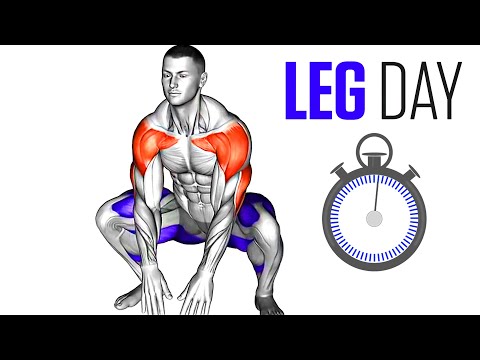
The original content lists exercises like "Squat With Side Leg Lift," "Plyo Side Lunge," "Heel Touch," and "Overhead Squat." These are indeed effective, but let's reframe them through the lens of martial arts. * **Squat Variations (Squat With Side Leg Lift, Overhead Squat, Squat variations):** The squat is the king of lower body movements. In martial arts, it translates to building the foundational strength for deep stances, powerful kicks, and stable grappling. The side leg lift adds an element of hip abduction, crucial for balance and controlling distance. The overhead squat, when executed with control, demands incredible core engagement and shoulder mobility – skills vital for advanced techniques and deflections. * **Lunges and Agility (Plyo Side Lunge, Half Burpees):** These movements cultivate explosive power and lateral agility. A plyometric lunge mimics the rapid shifting of weight needed for evasive maneuvers or closing the distance. Half burpees, while often seen as a conditioning tool, are excellent for developing the explosiveness required for takedowns or quick transitions. * **Core and Stability (Heel Touch, Single Leg Heel Touch, Glute March):** Don't underestimate the importance of seemingly simple exercises for core strength and single-leg stability. The "Heel Touch" engages the obliques, essential for rotational power in strikes. The single-leg variations, like the Single Leg Heel Touch and Glute March, are critical for balance and proprioception – being able to maintain your footing and execute techniques even when off-balance is a hallmark of a skilled fighter. * **Dynamic Mobility (Crossover Hip Flexor, Dynamic Hip Flexor):** Martial arts require a significant range of motion, particularly in the hips. These dynamic stretches prepare the muscles for explosive movements, improve flexibility, and help prevent injuries – a constant threat in combat sports.
Many of these "gym exercises" are simply modern interpretations of ancient principles. The emphasis on functional movement, core stability, and explosive power has always been central to martial training, long before the term "bodybuilding" existed.

Warrior's Leg Blueprint: A Home Training Regimen

Let's transform these concepts into a practical, at-home training regimen. You don't need a full gym to forge powerful legs.
  1. Warm-up (5-10 minutes):
    • Light jogging in place or dynamic stretching (arm circles, leg swings).
    • Dynamic Hip Flexor Stretch (30 seconds per leg).
    • Crossover Hip Flexor Stretch (30 seconds per leg).
  2. Bodyweight Foundation (3-4 sets of 10-15 repetitions each):
    1. Bodyweight Squats: Focus on depth and maintaining an upright torso. Imagine sinking into a low guard.
    2. Walking Lunges: Step forward, lowering your back knee towards the ground. Alternate legs.
    3. Glute Bridges: Lie on your back, knees bent, feet flat. Lift your hips, squeezing your glutes at the top.
    4. Calf Raises: Stand with feet flat, raise up onto the balls of your feet.
  3. Explosive Power & Stability (3-4 sets of 8-12 repetitions each):
    1. Jump Squats: From a squat position, explode upwards. Land softly back into a squat.
    2. Plyometric Side Lunges: Lunge to one side, then explosively push off to the other side, landing in a lunge. Alternate sides.
    3. Single Leg Squats (Pistol Squat progressions): Start by holding onto a sturdy object for balance. Aim for a controlled descent. If full pistol squats are too advanced, perform partial reps or use a chair for assistance.
    4. Single Leg Heel Touches: Stand on one leg, slightly bending the knee. Reach your opposite hand towards the floor, feeling a stretch in your hamstring and engaging your core. Alternate sides.
  4. Core Integration (3 sets of 15-20 repetitions):
    1. Plank with Alternating Leg Lifts: Hold a plank position. Slowly lift one leg a few inches off the ground, keeping hips stable. Alternate legs.
    2. Russian Twists (Bodyweight): Sit on the floor, knees bent, feet slightly off the ground. Twist your torso from side to side.
  5. Cool-down (5 minutes): Static stretching for quadriceps, hamstrings, and calves.
"The strength of the legs is the strength of the whole body. Without strong legs, a warrior is easily toppled." - A principle echoed in many martial traditions.

Beyond Reps and Sets: The Martial Artist's Approach to Fat Loss

Fat loss is not a separate discipline; it's an inevitable outcome of a disciplined martial lifestyle. While leg training burns calories, true fat loss comes from a holistic approach: * **Consistency:** The most potent "fat loss exercise" is the one you do consistently. Adherence to your training and dietary plan trumps sporadic intensity. * **Nutrition:** Fuel your body like a warrior. Prioritize lean proteins, complex carbohydrates, and healthy fats. Minimize processed foods, excessive sugars, and empty calories. The "food as medicine" philosophy is as relevant today as it was centuries ago. * **Intensity:** Incorporate high-intensity intervals (HIIT) within your leg workouts or as separate sessions. The explosive movements mentioned earlier are perfect for this. * **Mindfulness:** Understand your body's signals. Listen to hunger cues, recognize fatigue, and manage stress. A stressed body holds onto fat. * **Patience:** Transformation takes time. Embrace the journey, celebrate small victories, and trust the process.

Essential Gear for Your Training

While bodyweight training is powerful, a few key items can elevate your leg development and fat loss efforts.
  • Resistance Bands: Versatile for adding resistance to squats, lunges, and glute exercises. They are portable and come in various strengths.
  • Dumbbells (if available): Essential for adding progressive overload to squats, lunges, and deadlifts. Start with a moderate weight and gradually increase. Investing in a good pair can be a long-term asset.
  • Comfortable Training Shoes: Crucial for support and shock absorption during explosive movements. Look for shoes that offer a balance of cushioning and stability.
  • A Durable Mat: For floor exercises like glute marches and core work, a mat provides comfort and hygiene.
  • A Water Bottle: Hydration is key for performance and recovery.
For those serious about their training, consider looking into quality workout gear that supports your goals and enhances your training experience.

Sensei's Verdict: Functional Power vs. Mere Aesthetics

The exercises listed in the original content, when approached with a martial artist's mindset, are far more than just "leg workouts for men" or "leg workouts for women." They are tools for building the powerful, stable, and agile base required for combat and everyday life. If your goal is simply to have larger thighs, you might find satisfaction in more isolation-focused bodybuilding routines. However, if you seek the functional strength, explosive power, and lean conditioning of a true warrior capable of rapid movement and sustained effort, then these compound, dynamic exercises are superior. They burn more calories, engage more muscle groups, and translate directly to improved martial arts performance and real-world functionality. Cinturón Negro en Funcionalidad.

Frequently Asked Questions

  • How often should I train my legs for martial arts?
  • For most practitioners, training legs 2-3 times per week, with at least one rest day in between, is optimal. Listen to your body and adjust based on your training intensity and recovery.
  • Can I build leg strength at home without weights?
  • Absolutely. Bodyweight exercises, especially when performed with proper form, tempo, and increased repetitions, can be incredibly effective. Adding plyometrics and focusing on muscle engagement will maximize results.
  • How does leg training help with fat loss?
  • Legs are the largest muscle group in the body. Training them stimulates a significant metabolic response, burning more calories both during and after the workout. Compound leg exercises also improve overall muscle mass, which boosts your resting metabolism.
  • What's the difference between "leg exercises" for bodybuilding and martial arts?
  • Bodybuilding often focuses on isolating specific muscles for hypertrophy (growth). Martial arts training emphasizes compound movements that build functional strength, power, stability, and mobility, all of which are transferable to combat and movement.

To Further Your Path

Embarking on the journey of martial arts and fitness requires continuous learning. To deepen your understanding and refine your practice, I recommend exploring these related topics on our blog:

Sensei's Reflection: Your Next Step

We have examined leg training not as a mere physical chore, but as a vital component of the warrior's armament. We've discussed exercises that build power, agility, and the functional strength to withstand any combat scenario. Now, the true test lies not in reading, but in doing. **Reflexión del Sensei: Tu Próximo Paso** Consider this: When you stand rooted, stable and powerful, does your opponent see a wall or an opportunity? The strength you cultivate in your legs is not just for pushing off; it is for grounding yourself, absorbing force, and delivering your own. What is the most significant weakness in *your* current foundation, and how will you fortify it in your very next training session? ``` GEMINI_METADESC: Master leg training and fat loss from a warrior's perspective. Learn functional exercises, home workouts, and the Budo philosophy for building powerful, agile legs.

Karate Fitness Training at Home: The Unspoken Discipline and Physical Prowess You're Missing

Are you truly satisfied with your current fitness regimen? Do you feel a void, a lack of something more profound than mere physical exertion? Many of us chase the ephemeral gains of conventional exercise, only to find ourselves adrift, lacking the mental fortitude and disciplined spirit that true martial arts cultivate. This article isn't just about getting a sweat on; it's about forging an unyielding spirit, enhancing your physical capabilities, and tapping into a millennia-old tradition of combat and self-mastery, all from the sanctuary of your own home.

The Dual Edged Sword: Mind and Body in Karate Training

Karate, at its core, is far more than a series of punches and kicks. It's a rigorous discipline, a path known as Budo, that systematically sculpts both the physical form and the inner spirit. Many contemporary fitness trends offer fleeting aesthetic results, but they often neglect the cultivation of mental resilience, strategic thinking, and the unwavering discipline that are hallmarks of traditional martial arts. Karate fitness training at home, when approached with the right mindset, offers a potent combination of these elements.

The benefits are tangible and profound. Regular practice doesn't just build muscle; it hones your **strength**, sharpens your **flexibility**, and elevates your **cardiovascular fitness** to levels rarely achieved with generic routines. But the true power lies in the unseen: the enhancement of **focus**, the instillation of **discipline**, and the cultivation of **mental resilience**. In times of uncertainty, when the external world feels chaotic, these internal strengths become your anchor. This is why martial arts, and Karate specifically, offer a uniquely holistic approach to fitness.

"The object of the training is not to win, but to improve oneself." - Mas Oyama

Forging Your Home Dojo: Essential Gear and Space

Transforming your living space into a functional training ground requires minimal, yet crucial, elements. You don't need a specialized gymnasium, but thoughtful preparation is key. The core of your home dojo setup revolves around safety and functionality.

  • A Yoga Mat: Essential for cushioning your joints during floor exercises, stretching, and practicing stances. It defines your training space and provides a clean surface.
  • Resistance Bands: These versatile tools allow for dynamic warm-ups, strength building, and simulating the tension of striking techniques without heavy weights. They are excellent for developing explosive power.
  • Light Dumbbells: While not essential for every karate drill, a light set can be incorporated for supplementary strength training, enhancing punching power and core stability.

Beyond equipment, the spatial aspect is critical. You need enough room to move freely – to extend your limbs in punches and kicks without collision. Ensure your area is clear of obstacles. A cleared space isn't just about physical safety; it's about psychological preparation, signaling to your mind that it's time for focused training.

The Warrior's Warm-up: Preparing for Combat (and Fitness)

Before launching into the more demanding aspects of Karate fitness, a thorough warm-up is non-negotiable. This phase prepares your body for the intensity ahead, reducing the risk of injury and maximizing performance. Think of it as the strategic reconnaissance before a battle.

  1. Dynamic Stretching: Focus on movements that actively take your joints through their range of motion. Arm circles, leg swings, torso twists, and hip rotations are vital. This is about movement, not static holding.
  2. Light Cardio: A few minutes of jogging in place, jumping jacks, or high knees will elevate your heart rate, increase blood flow to your muscles, and prepare your cardiovascular system.

Striking the Right Balance: Core Karate Techniques for Fitness

Once you're warmed up, it's time to engage with the fundamental building blocks of Karate. These aren't just fighting techniques; they are powerful kinetic chains that, when practiced repeatedly and with intent, become potent fitness exercises. Focus on precision and control, not just speed or power, especially in the beginning.

  • Punches (Tsuki): Practice fundamental strikes like Chudan-tsuki (middle punch) and Jodan-tsuki (upper punch) from a stable stance like Zenkutsu-dachi (front stance). Focus on hip rotation and extending the fist with a proper snap. Aim for controlled repetitions, perhaps 10-15 per arm, focusing on form.
  • Kicks (Geri): Begin with basic kicks like Mae-geri (front kick) and Mawashi-geri (roundhouse kick). Practice them slowly at first, focusing on balance, hip alignment, and chambering the knee before extension. Perform sets of 10-15 kicks per leg.
  • Blocks (Uke): Essential for defense, blocks like Gedan-barai (downward sweep) and Age-uke (rising block) engage the core and upper body. Practice them with a crisp motion, imagining deflecting an incoming strike.

Structure these drills into sets or timed intervals. For instance, 30 seconds of intense punching, followed by 30 seconds of Mawashi-geri, then 30 seconds of Gedan-barai, with a brief rest in between. This interval training is exceptionally effective for cardiovascular conditioning.

The Ascent: Advancing Your Karate Fitness

As your body adapts and your technique refines, the path forward involves complexity and intensity. This is where the true transformative power of Karate fitness begins to manifest. Don't rush this stage; mastery of the basics is the bedrock of advanced skill.

  • Combinations: Link fundamental techniques together. A classic sequence might be: Punch, Block, Kick. Experiment with various combinations, focusing on fluid transitions and maintaining balance.
  • Kata Practice: While a full Kata (prearranged form) can be demanding, breaking down sections and practicing them repeatedly builds endurance, coordination, and a deeper understanding of movement principles.
  • Increased Intensity: Gradually increase the duration of your intervals, reduce rest periods, or add more repetitions. Explore plyometric variations of kicks and punches for explosive power development.

The key is consistent progression. Aim for incremental improvements. Perhaps one week you focus on increasing the speed of your Mae-geri, the next on adding a block before your punch, or extending the duration of your training session by five minutes. This gradual increase, known in training circles as progressive overload, is fundamental to continuous improvement.

Fueling the Flame: Motivation and Consistency in Your Journey

The greatest challenge in any home-based training program is maintaining motivation. Without the external structure of a dojo or a class, self-discipline becomes paramount. How do you keep the fire burning?

  • Set SMART Goals: Specific, Measurable, Achievable, Relevant, Time-bound goals are your compass. Instead of "get fitter," aim for "perform 50 consecutive Chudan-tsuki with good form by the end of the month" or "complete 3 rounds of my kick/punch interval routine without faltering."
  • Track Your Progress: A training log is invaluable. Record your workouts, noting the exercises, repetitions, durations, and how you felt. Seeing tangible evidence of your improvement is a powerful motivator.
  • Find Your Tribe: The digital age offers unprecedented access to martial arts communities. Joining online forums, following instructors on social media, or even finding a virtual training partner can provide accountability and shared experience. Platforms like YouTube offer a wealth of free instruction, but remember to seek out reputable sources with clear instruction.

Remember, consistency trumps intensity. A 20-minute workout done daily is far more effective than a grueling 2-hour session once a week that leaves you drained and demotivated.

Beyond the Physical: The Philosophical Heart of Budo

Karate fitness training is a gateway. As you engage more deeply with the art, you inevitably encounter the profound philosophy that underpins it – the way of the warrior, Budo. This is where the training transcends mere physical conditioning and becomes a path to holistic self-development.

"Karate is a lifelong pursuit. Its true meaning is not in winning or losing, but in the perfection of character." - Gichin Funakoshi

Principles like discipline (Jiketsu), respect (Rei), and humility (Kenkyo) are not abstract concepts; they are practiced with every bow, every controlled movement, every moment of focus. These virtues are transferable. Applying self-control learned in your Karate drills to your daily life, showing respect to those around you, and maintaining humility in success and failure – these are the enduring legacies of martial arts training. This cultivation of inner peace and well-being is a benefit that extends far beyond the physical, permeating every facet of your existence.

Elevating Your Practice: Quality Gear and Apparel

While you can begin Karate fitness training with minimal equipment, investing in quality martial arts gear can significantly enhance your practice, foster a sense of dedication, and improve comfort and safety. Whether it's a durable gi (uniform), proper training shoes, or specialized equipment, the right apparel shows commitment to the art.

For those seeking authentic and high-quality martial arts and Budo merchandise, reputable online retailers are your best allies. Exploring options like BYAM Budo y Artes Marciales can provide access to a wide array of uniforms, protective gear, and training tools that meet the standards of serious practitioners.

The Sensei's Verdict: Is Karate Fitness Truly Transformative?

In conclusion, transforming your fitness routine with Karate at home is not just a trend; it's an opportunity for profound personal growth. It offers a comprehensive approach that builds a strong body and an even stronger mind. The discipline, focus, and resilience cultivated through practicing these ancient techniques are invaluable in our fast-paced, often chaotic world. By integrating fundamental Karate movements, maintaining consistency, and embracing the underlying philosophy, you can unlock a level of fitness and self-mastery that conventional workouts often fail to provide. So, embrace the challenge. Step onto your mat, focus your mind, and begin your journey. The transformative power of Karate fitness awaits.

Veredicto del Sensei: ¿Merece la pena?

¡Absolutamente! Karate fitness training at home is not merely a substitute for gym workouts; it's a fundamental upgrade. It imbues physical training with purpose, discipline, and a deep philosophical underpinning. The benefits – physical conditioning, mental fortitude, and character development – are immense. If you are seeking a fitness regimen that builds more than just muscle, one that forges an unyielding spirit and enhances your life far beyond the training mat, then this path is unequivocally recommended. It’s not just a workout; it’s an investment in your complete self.

Calificación: Cinturón Negro en Entrenamiento Holístico.

Equipo Esencial para tu Entrenamiento

Para maximizar tu entrenamiento de Karate fitness en casa, considera los siguientes elementos. Cada uno juega un papel crucial en la seguridad, la efectividad y el fomento de la disciplina:

  • Kimono de Karate (Gi): Un gi de buena calidad, preferiblemente de algodón resistente, es esencial para la práctica de técnicas y katas. Busca uno que permita libertad de movimiento pero que mantenga su forma. Para entrenamientos más intensos, un gi más ligero puede ser ideal.
  • Protección Bucal: Si practicas movimientos que implican intensidad o simulación de combate, una protección bucal es una inversión prudente para proteger tu dentadura.
  • Esterilla de Entrenamiento Antideslizante: Si bien una esterilla de yoga es un buen comienzo, una esterilla de entrenamiento más gruesa y antideslizante ofrece mejor amortiguación y estabilidad para ejercicios de suelo y katas.
  • Guantes de Entrenamiento Ligeros: Útiles para simular golpes y proteger tus manos si realizas ejercicios de repetición de puñetazos contra objetivos blandos (nunca paredes duras).
  • Makiwara (Opcional): Un makiwara tradicional es una herramienta de entrenamiento de impacto que ayuda a desarrollar potencia y técnica de golpeo, pero requiere una instalación adecuada y conocimiento para su uso seguro.

Guía de Entrenamiento: Combinaciones Básicas de Karate

Aquí tienes una rutina de entrenamiento de 3 rondas para mejorar tu coordinación y resistencia. Descansa 60-90 segundos entre rondas. Enfócate en la forma correcta y la conexión mente-cuerpo.

  1. Ronda 1: Potencia y Defensa
    • 10x Zenkutsu-dachi (stance) a Chudan-tsuki (punch) por lado.
    • 10x Mae-geri (front kick) con control, por pierna.
    • 5x Gedan-barai (downward block) a cada lado, con énfasis en la rotación del cuerpo.
    • 30 segundos de Kiai (shouting) al ritmo de tus golpes.
  2. Ronda 2: Fluidez y Movimiento
    • 8x Kiba-dachi (horse stance) con Gedan-barai.
    • 8x Kiba-dachi con Jodan-uke (rising block) a cada lado.
    • 10x Mawashi-geri (roundhouse kick) con control de la rodilla, por pierna.
    • 30 segundos de movimientos circulares continuos con los brazos.
  3. Ronda 3: Combinación y Resistencia
    • Combinación: Zenkutsu-dachi -> Chudan-tsuki -> Age-uke -> Mae-geri (5 repeticiones por lado).
    • 20x Jumping Jacks para elevar el ritmo cardíaco.
    • Mantén una postura Fudo-dachi (rooted stance) durante 30 segundos, sintiendo la conexión con el suelo.
    • 10x Shuto-uchi (knife hand strike) simulado por lado.

Preguntas Frecuentes

¿Necesito un instructor para entrenar Karate en casa?
Si bien un instructor es ideal para correcciones de forma y seguridad, puedes comenzar con recursos en línea de alta calidad. Sin embargo, ten en cuenta las limitaciones y busca la corrección profesional tan pronto como sea posible para evitar malos hábitos.

¿Cuánto tiempo debo entrenar al día?
Para beneficios consistentes, apunta a sesiones de 30 a 60 minutos, 3-5 veces por semana. La clave es la regularidad. La calidad de tu entrenamiento (enfoque, intensidad, forma) es más importante que la duración.

¿Es el Karate fitness adecuado para principiantes sin experiencia marcial?
Absolutamente. Este enfoque está diseñado para ser accesible. Empieza con los fundamentos, enfócate en la forma correcta y progresa gradualmente. La disciplina inherente al Karate ayuda a los principiantes a construir una base sólida.

¿Qué diferencia hay entre Karate fitness y un entrenamiento de MMA?
Karate fitness se centra en las técnicas y principios específicos del Karate para el acondicionamiento físico y el desarrollo personal. MMA (Artes Marciales Mixtas) combina diversas disciplinas de combate (incluyendo Karate, boxeo, lucha, etc.) con un enfoque en la competición deportiva.

Para Profundizar en tu Camino

  • Descubre los secretos de la Disciplina y Autodisciplina en tu práctica marcial. #Autodisciplina
  • Explora cómo el Budo puede transformar tu vida más allá del dojo. #BUDO
  • Aprende sobre la Filosofía Marcial y su aplicación práctica. #philosophy