Showing posts sorted by relevance for query Martial Arts Merchandise. Sort by date Show all posts

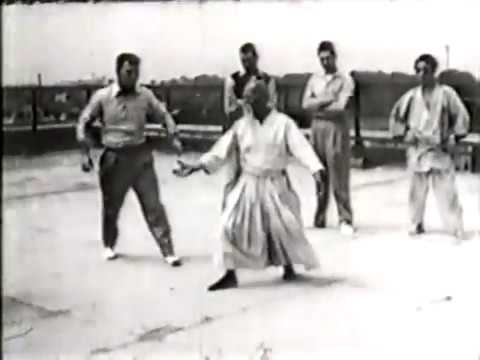
Aikido O Sensei in 1954: A Timeless Warrior's Legacy in Modern Combat Sports

The year 1954 gifted us a rare glimpse into the profound capabilities of Aikido O Sensei through a rediscovered video. This artifact, showcasing his mastery, serves as a potent reminder of the enduring power of traditional martial arts. Today, the echoes of such legends resonate powerfully, not only in dedicated dojos but also within the electrifying arenas of modern martial arts and combat sports. These disciplines, with their rich histories and timeless teachings, continue to captivate us, offering lessons that transcend mere physical prowess.

But what is the true essence of martial arts and Budo? Far beyond the technicalities of striking and grappling, they represent a holistic philosophy, a rigorous discipline, and ultimately, a pathway to self-development. The pursuit of perfection, a core tenet of Budo – the "way of the warrior" – is a journey of constant refinement, both physically and mentally.

The True Essence of Martial Arts and Budo

Martial arts are not merely a collection of techniques designed for conflict. They are a profound system for cultivating the individual. The ultimate aim is to forge a stronger self – physically resilient, mentally sharp, and spiritually grounded. This holistic development is what sets true martial arts apart.

Budo: More Than Just a Fighting Style

"Budo" translates directly to "the way of the warrior." This term encapsulates the spirit that underpins these disciplines. It's about the relentless pursuit of excellence, the mastery of oneself through rigorous training, and the application of these principles in all facets of life. It is a lifelong pursuit, not a destination.

"The ultimate aim of martial arts is not victory or defeat, but the perfection of the character of its practitioners." - A principle echoed across many martial traditions.

The Multifaceted Benefits of Martial Arts Training

The benefits of consistent training in martial arts are vast and touch every aspect of a practitioner's life. Beyond the obvious enhancement of self-defense skills, individuals develop:

  • Improved Physical Health: Increased strength, flexibility, cardiovascular endurance, and coordination.
  • Enhanced Mental Fortitude: Greater focus, discipline, patience, and stress management.
  • Unshakeable Self-Discipline: The ability to set goals and work towards them consistently, overcoming obstacles.
  • A Strong Sense of Community: The shared passion within the martial arts community fosters deep bonds, camaraderie, and mutual respect. This sense of belonging is invaluable.

This supportive environment is crucial. The shared struggles and triumphs in the dojo create a unique connection that strengthens the collective spirit.

Combat Sports: The Arena of Modern Competition

Contrast this with combat sports. While they share the roots of physical confrontation, their primary focus is often on competition and the quantifiable outcome of victory. Disciplines like MMA, boxing, and Judo demand extraordinary levels of physical conditioning, strategic thinking, and mental toughness. They are a testament to the human spirit's capacity to perform under immense pressure.

The athletes in these fields are modern warriors, pushing the boundaries of human potential. Their dedication, sacrifice, and ability to execute under the bright lights are truly inspiring. It is undeniable that these sports showcase incredible athleticism and tactical brilliance.

Showcasing Your Passion: Martial Arts and Combat Sports Merchandise

For enthusiasts and practitioners alike, the passion for martial arts and combat sports often extends beyond the training mat or the ring. This is where merchandise plays a role. From specialized Karate gis and durable Judo uniforms to training equipment and casual apparel, these items allow individuals to express their identity and support their chosen disciplines.

High-quality training equipment, such as punching bags, focus mitts, and protective gear, is essential for effective practice. Wearing apparel that represents your art or sport is a way to connect with the wider community and serve as a constant reminder of your commitment. These items also make fantastic gifts for fellow martial artists or combat sports fans.

Our Commitment at BYAM Budo y Artes Marciales

At BYAM Budo y Artes Marciales, we understand this passion. We are dedicated to providing a wide array of high-quality merchandise tailored for both martial arts practitioners and combat sports aficionados. Our selection is curated to meet the needs of everyone, from the absolute beginner taking their first steps in Aikido or Karate, to the seasoned expert honing their skills. Functionality and durability are paramount in our product design, ensuring that what you choose supports your journey.

We firmly believe that martial arts and combat sports are more than just physical activities; they are transformative life experiences. Our blog serves as a platform to share invaluable insights, including practical training tips, detailed technique breakdowns, and the philosophical underpinnings that make these arts so profound.

Deepen Your Journey: Recommended Resources

To further enrich your understanding and practice, I highly recommend exploring these resources:

Frequently Asked Questions

  • Q: Is Aikido still relevant in modern combat sports?
    A: While Aikido's direct application in MMA is debated, its principles of blending, redirection, and control offer invaluable lessons in balance, spatial awareness, and joint manipulation, which are transferable skills.
  • Q: What is the difference between Budo and just training martial arts?
    A: Budo emphasizes the spiritual and philosophical development of the individual, viewing training as a lifelong path to self-perfection. Simply training martial arts may focus more on the technical or competitive aspects without the deeper philosophical commitment.
  • Q: How can I start training martial arts if I'm a complete beginner?
    A: The best approach is to research local dojos or gyms offering styles that interest you. Many offer introductory classes. Focus on finding qualified instructors and a welcoming community, like those found in martial arts communities globally.

Sensei's Verdict: Is the Legacy Alive?

Looking back at O Sensei’s demonstration in 1954, and observing the dedication in today's dojos and the fierce competition in UFC bouts, one undeniable truth emerges: the warrior spirit, the essence of Budo, is very much alive. The methods evolve, the arenas change, but the fundamental principles of discipline, perseverance, and the quest for self-mastery remain constant.

Whether you are drawn to the intricate flows of Aikido, the powerful stances of Karate, or the dynamic exchanges in MMA, the path of martial arts offers a profound opportunity for growth. It is a journey that builds not just a fighter, but a better human being.

Sensei's Reflection: Your Next Step

O Sensei's movements in that 1954 film were not just physical actions; they were expressions of deep understanding and embodiment. The question for you, the dedicated practitioner and student of the Way, is this: How can you embody the principles you learn on the mat in the unpredictable dojo of your daily life? Do you merely mimic techniques, or do you strive to internalize the philosophy?

```

For Deeper Exploration on Your Path

Wu-Tang Collection: A Deep Dive into the Martial Spirit of "Chivalrous"

The Echoes of the Northern Song Dynasty

The Wu-Tang Collection, a veritable treasure trove for aficionados of classic martial arts cinema, often presents us with films that are more than just entertainment; they are windows into a bygone era, glimpses into the disciplined world of the warrior. Today, we turn our analytical gaze upon Chivalrous, a film that, while perhaps not a household name, carries the weight of its genre with a certain gravity. Directed by George Chi and featuring a cast including Lo Meng, Yan Xi, and Derek Kwok, this cinematic offering transports us to the turbulent Northern Song Dynasty. Here, amidst the grandeur of the Xuanwu Order, four martial arts families engage in a fierce struggle for dominance. But beyond the on-screen battles, what true martial spirit does Chivalrous embody? Does it merely showcase empty theatrics, or does it resonate with the deeper principles of Budo? Join me, your Sensei, as we dissect this film not just as viewers, but as practitioners seeking the essence of the martial way.

Deconstructing the Battle for Supremacy

The premise of Chivalrous is a classic martial arts trope: the clan war. The Xuanwu Order, a venerable institution, becomes the crucible where the destinies of four prominent martial arts families are forged through conflict. This setup immediately begs the question: what specific martial arts traditions are represented, and how do they clash? The narrative, though ostensibly about power struggles, is the canvas upon which the true art is painted. The film promises a visual spectacle of rivalries, alliances, and betrayals, all underscored by the movement and techniques of seasoned warriors. As a critic deeply rooted in the practical application and philosophical underpinnings of combat sports and martial arts, I look for authenticity, strategic depth, and the transmission of core values. The "supremacy in the martial world" isn't just about who can land the most blows, but who embodies the superior understanding of combat, strategy, and self-mastery. The question isn't merely "who wins?", but "how do they win, and what does that victory say about their art?"

The Dance of the Warrior: Choreography and Authenticity

The heart of any martial arts film lies in its fight choreography. In Chivalrous, with directors like George Chi at the helm and actors known for their physical prowess, we expect a certain standard. The film purports to depict the struggles between different martial arts families. This implies a diversity of styles, each with its own distinct visual language and strategic approach. Are the movements crisp, believable, and demonstrative of genuine techniques, or are they overly stylized and divorced from reality? I pay close attention to the flow of combat. Does it resemble a chaotic brawl, or a strategic exchange where each move has a purpose and a counter? The use of weaponry, the close-quarters grappling, and the striking techniques – all must be evaluated. Is there evidence of styles like Kung Fu, Karate, or perhaps even elements of Judo or BJJ, albeit historically anachronistic? The authenticity of the execution is paramount. Even in a historical setting, the fundamental principles of balance, leverage, and timing should be discernible. If the choreography relies too heavily on wire-fu or overly exaggerated movements that defy physics, the martial integrity of the film is compromised. This is where many films falter, becoming mere action spectacles rather than genuine martial arts narratives.

"True martial arts are not about winning every fight, but about striving for perfection of character and the development of a spirit that is unbreakable." - A principle often echoed by masters across disciplines.

The interaction between Lo Meng and his co-stars will be crucial here. Lo Meng, in particular, has a filmography that often showcases a solid foundation in martial arts. His performance, and that of Yan Xi and Derek Kwok, will be a key indicator of whether the film prioritizes genuine martial expression or mere dramatic flair. The way they engage, parry, and strike speaks volumes about their training and the director's vision.

Beyond the Fist: Underlying Martial Philosophy

While the visual spectacle of combat is undeniable, the true resonance of a martial arts film often lies in its philosophical underpinnings. The title itself, Chivalrous, hints at a code of conduct, a set of ethics that should guide the actions of these warriors. The concept of 'chivalry' in a martial context transcends mere politeness; it speaks to honor, righteousness, and the responsible use of power. In the Northern Song Dynasty, the 'martial world' was not just a battlefield but a complex social structure governed by its own unwritten laws. The struggle for supremacy by these four families should, ideally, reflect a deeper exploration of these principles. Are the characters motivated by greed and ego, or by a desire to uphold justice and protect the innocent? Does the film explore the concept of Mushin – the "no-mind" state of effortless action – or the principles of Bushido, even if not explicitly named as such? The dedication to a martial path often involves immense sacrifice, discipline, and a constant internal struggle. A film that merely depicts external conflict without touching upon this internal dimension often feels superficial. I look for moments of introspection, instances where a character grapples with the morality of their actions, or displays a profound understanding of the interconnectedness of life and combat. This is what elevates a martial arts film from a mere action flick to a profound exploration of the human spirit.

Veredicto del Sensei: Does "Chivalrous" Earn Its Black Belt?

Evaluating Chivalrous through the lens of a seasoned martial artist and film critic presents a nuanced picture. The film undoubtedly taps into the rich tradition of historical martial arts cinema, presenting a narrative of clan warfare and the pursuit of dominance. The setting of the Northern Song Dynasty and the core conflict between four martial arts families provide a fertile ground for showcasing diverse fighting styles. However, the true measure of its success lies in the execution. Based on the premise and the known quality of some of its participants, we can anticipate competent, if not revolutionary, fight choreography. The presence of actors like Lo Meng suggests a degree of authentic martial movement will likely be present. The philosophical depth, though hinted at by the title "Chivalrous," remains to be seen. Does it merely serve as a backdrop for action, or does it genuinely explore themes of honor, duty, and the ethical use of martial prowess?

Overall Assessment: Chivalrous is a solid entry within the martial arts genre, particularly for those who appreciate historical settings and classic clan rivalries. It offers competent action and a glimpse into the competitive spirit that drives martial artists. While it may not redefine the genre, it successfully delivers on the promise of martial conflict and honor.

Classification: A commendable performance, but perhaps not a legendary one. It’s a well-executed demonstration of foundational techniques. It doesn't break new ground, but it respects the traditions it portrays.

Training: Embracing the Spirit of Competition

The spirit of competition seen in films like Chivalrous can be a powerful motivator for your own training. While your dojo may not be a battlefield for clan supremacy, the drive to improve, to test your skills, and to overcome challenges is universal. Here’s how to channel that competitive energy constructively:

  1. Set Clear Goals: Just as the families in the film strive for dominance, define what you want to achieve. Is it mastering a specific kata, improving your sparring record, or achieving a higher rank?
  2. Embrace Sparring: Regular sparring with training partners is the closest you'll get to a real test. Focus on applying techniques learned, understanding timing, distance, and strategy. Remember, the goal is mutual improvement, not just victory.
  3. Analyze Your Performance: After sparring or training sessions, reflect. What worked? What didn’t? Where did you make mistakes? This self-assessment is critical for growth, just as a commander would review battle plans.
  4. Study Different Styles: The film depicts different families fighting. In your training, understanding the strengths and weaknesses of various martial arts can broaden your perspective. Consider cross-training in kickboxing, grappling, or other related arts.
  5. Cultivate Resilience: You will lose rounds, you will make mistakes, and you will face opponents who seem superior. The key is not to be defeated, but to learn from every setback. This resilience is the core of the martial spirit.
  6. Respect Your Opponent: True chivalry extends to the training floor. Treat your training partners and opponents with respect, acknowledging their effort and skill. The spirit of competition should never overshadow the spirit of camaraderie.

While Chivalrous is steeped in historical martial arts, modern training requires appropriate gear to ensure safety and effectiveness. Investing in quality equipment is a mark of respect for your art and yourself.

  • Durable Training Uniform (Gi/Kimono): For arts like Judo, Karate, or Aikido, a sturdy, double-weave gi is essential. It must withstand rigorous grappling and striking. Look for brands known for their longevity and comfort. Karate merchandise often includes high-quality gi options.
  • Sparring Gloves: Whether you’re practicing kickboxing, MMA, or conditioned sparring in Karate, appropriate gloves are crucial for protecting your hands and your partner’s face. For MMA training, 4oz to 6oz gloves are common. For heavier striking arts like Kyokushin Karate, specialized sparring gloves offer more padding.
  • Mouthguard: Non-negotiable for any form of sparring or live training. A good mouthguard can prevent serious dental injuries.
  • Shin Guards: Essential for kickboxing and Muay Thai, and highly recommended for Karate sparring involving leg kicks.
  • Training Mats (Tatami/Roll-out Mats): For home training, especially if you practice throws, groundwork, or dynamic falls, investing in quality mats is vital to prevent injuries.
  • Training Weapons (if applicable): If your art involves weapons (e.g., Kali, Fencing, Kendo), ensure you use safe training versions – wooden bokken, foam kali sticks, or padded fencing foils.

Preguntas Frecuentes

  • Q: What martial arts styles are depicted in "Chivalrous"?
    A: While not explicitly detailed, the film implies a historical Chinese martial arts context, likely encompassing various traditional Kung Fu styles common during that era. The focus is more on the inter-family rivalry than specific stylistic breakdowns.
  • Q: Is Lo Meng a skilled martial artist?
    A: Yes, Lo Meng is a veteran actor known for his extensive experience in martial arts films, often demonstrating a strong foundation in traditional Chinese martial arts.
  • Q: What is the historical context of the Northern Song Dynasty in martial arts?
    A: The Northern Song Dynasty (960-1127 AD) was a period of significant cultural and military development in China. While specific martial arts lineages from that exact period are debated, it was a time when various regional fighting systems were evolving and being codified.
  • Q: How does the film "Chivalrous" relate to the Wu-Tang Clan?
    A: The "Wu-Tang Collection" refers to a curated series of classic martial arts films often distributed or popularized by individuals or groups associated with the iconic hip-hop group Wu-Tang Clan, who are renowned for their deep appreciation and influence from martial arts culture.

Para Profundizar en tu Camino

"The opponent is your teacher. Through him, you can learn to overcome yourself." - A sentiment that resonates across all martial disciplines.

The allure of films like Chivalrous lies in their ability to ignite the imagination and stir the martial spirit within us. They remind us of the dedication, the discipline, and the code of honor that define true warriors. But as practitioners, we must go beyond passive viewing. We must internalize the lessons, apply the principles, and strive to embody the chivalry and martial integrity on and off the training floor.

Reflexión del Sensei: Tu Próximo Paso

After dissecting Chivalrous, a question lingers: In our modern world, saturated with fleeting trends and instant gratification, how do we cultivate the long-term dedication and ethical framework that the title "Chivalrous" implies? Is it enough to simply mimic the moves on screen, or must we truly embody the warrior's heart in our daily lives? Consider this: If your life were a martial arts film, what would be the central theme of your 'story,' and how would your actions demonstrate your commitment to that theme?

``` GEMINI_METADESC: An in-depth martial arts critique of the Wu-Tang Collection film 'Chivalrous', analyzing its choreography, authenticity, and adherence to martial principles. Featuring director George Chi and cast Lo Meng, Yan Xi, and Derek Kwok.

Hero's 4 (2006): A Deep Dive into a Martial Arts Spectacle

Hello and welcome, warriors, to Budo and Martial Arts. Today, we dissect a significant event in the annals of combat sports: Hero's 4, held on March 15, 2006, at the venerable Nippon Budokan in Tokyo. This wasn't just another fight night; it was a crucible where diverse martial disciplines collided, showcasing raw power, technical prowess, and the indomitable spirit that defines the warrior. But as with all representations of combat, the question lingers: how well does it truly capture the essence of the martial path?

You are watching Hero's 4 (2006), an event that, while presented through the lens of combat sports, offers much for the discerning martial artist to analyze. Forget the sensationalism for a moment, and let us approach this with the critical eye of a seasoned practitioner. We will delve into the bouts, the underlying philosophies, and the very nature of showcasing martial arts to a global audience. This is more than just a recap; it's a lesson in understanding the art behind the fight.

Match Analysis: The Heart of Hero's 4

Hero's 4 was a tapestry woven with individual battles, each a microcosm of contrasting styles and temperaments. Let's break down some of the key encounters:

  • Melvin Manhoef vs. Shungo Oyama (6:27): Manhoef, a fearsome striker known for his devastating power, against Oyama, a judoka with a tenacious ground game. This matchup immediately highlighted a classic stylistic clash. The question here isn't just who won, but how effectively each fighter adapted to the other's domain. Did Oyama's grappling nullify Manhoef's striking, or did the "Mad Man" land one of his signature bombs? A true test of adaptability.
  • Jerome Le Banner vs. Jimmy Ambriz (18:11): Le Banner, a legend in kickboxing with immense physical presence, faced Ambriz, a powerful American fighter. This bout promised explosive exchanges. The pure power versus power dynamic is always compelling, but it's the subtle footwork, the feints, and the defensive strategies that separate true martial artists from mere brawlers.
  • Kazuyuki Miyata vs. Erikas Petraitis (26:01): Miyata, known for his wrestling background and explosive style, against Petraitis. Wrestling in MMA and combat sports is often the foundation upon which striking and submissions are built. Observing Miyata's approach, we can infer much about the integration of wrestling principles into a more modern combat context.
  • Caol Uno vs. Rich Clementi (35:58): Uno, a seasoned Japanese fighter with a reputation for technical skill, faced Clementi. This often represents a battle of finesse versus raw aggression, or technical submission grappling against adaptable striking. The outcome here speaks volumes about the evolution of mixed martial arts.
  • Heath Herring vs. Gary Goodridge (53:22): Two heavy hitters known for their toughness and willingness to engage. Battles like these, while perhaps less technically intricate, showcase immense heart and resilience. It’s in these exchanges that we see the sheer will to endure, a cornerstone of the BUDO.
  • Yoshihiro Akiyama vs. Tokimitsu Ishizawa (1:04:44): Akiyama, a charismatic fighter with judo and striking skills, against Ishizawa. The performance of fighters like Akiyama often embodies the dynamism and spectacle that draws crowds, but also the need for well-roundedness.
  • Min Soo Kim vs. Yoshihisa Yamamoto (1:16:16): Another pairing that likely showcased contrasting skill sets, pushing the athletes to their limits and revealing their preparedness.
  • Genki Sudo vs. Ole Laursen (1:32:26): Sudo was known for his unconventional style and showmanship, often blending martial arts with performance art. This bout would be a fascinating study in how personality and martial skill intersect. Laursen's approach would provide the necessary counterpoint for analysis.
  • Hideo Tokoro vs. Yoshinori Ikeda (1:56:58): The final bout on this card, often reserved for a high-impact matchup, showcasing the best of what the event had to offer. The pacing and strategy in the final fight can often be a reflection of the event's overall narrative.

Each of these pairings, beyond the win or loss, offers a glimpse into the training methodologies, the strategic thinking, and the sheer physical conditioning required for high-level combat sports. We must ask ourselves: Are these fighters merely athletes, or do they embody the deeper principles of martial arts? The answer often lies not just in the victory, but in the manner of the fight.

"The supreme art of war is to subdue the enemy without fighting." - Sun Tzu

The Principle of Kiyoshi Matsui: Beyond the Knockout

While not explicitly featured in every bout, the spirit of masters like Kyokushin Karate's founder, Kyokushin Karate's founder, Kiyoshi Matsui, permeates the world of martial arts. Matsui's philosophy emphasizes unbreakable spirit, physical conditioning pushed to the extreme, and the pursuit of self-perfection through rigorous training. Observing the fighters at Hero's 4, one must consider how many truly embrace this philosophy.

Is the goal solely victory, a spectacular knockout, or a quick submission? Or is there an underlying commitment to pushing one's limits, enduring hardship, and demonstrating respect for the opponent and the art itself? The difference between a contest and a true martial endeavor lies in this fundamental intention. A fighter embodying Matsui's principles would showcase not just skill, but unwavering resolve, demonstrating a deep understanding of BUDO – the Way of the Warrior.

We can speculate that bouts featuring fighters with strong judo or Karate backgrounds, like those potentially seen here, would carry this inherent discipline. However, the rapid evolution of combat sports means that raw athleticism and strategic game planning often take precedence. This is not to diminish the athletes, but to critically assess the context in which their skills are displayed.

Filmmaking vs. The Fight: Authenticity on Screen

The presentation of martial arts in any format, be it a live event, a documentary, or even a fictional film, is crucial. Hero's 4, as a recorded event, presents a particular challenge. While the UFC and similar organizations have mastered the art of fight promotion, creating an environment that is both thrilling and potentially misleading for the uninitiated. The editing, the camera angles, the commentary – all contribute to the narrative.

As martial artists, we look beyond the spectacle. We analyze the footwork, the timing of strikes, the defensive transitions, and the strategic application of techniques. Does the camera capture the subtle movements that lead to an opening? Or does it solely focus on the explosive moments, potentially trivializing the years of dedication required to master such skills?

It's a delicate balance. The goal of such events is to entertain, but the hope for any true martial artist is that the fundamental principles of combat are not lost in translation. The inclusion of placeholders like `

` suggests that this event was originally presented with rich visual media, which would have amplified its impact but also its potential for selective narrative framing. Without that media, we are left to reconstruct the experience through our understanding of the fighters and the art.

Sensei's Verdict: Is Hero's 4 a Champion of Martial Arts Cinema?

Hero's 4, as a combat sports event, undeniably delivered excitement and showcased formidable athletes. However, when viewed through the lens of pure martial arts philosophy, its efficacy is debatable. It represents a significant step in the evolution of modern combat sports, demonstrating the integration of various disciplines. Yet, the emphasis on rapid-fire action and definitive finishes can sometimes overshadow the deeper, more nuanced aspects of martial training: patience, discipline, and the cultivation of inner strength.

It’s a potent display of physical prowess and competitive spirit, but does it inspire the pursuit of self-mastery in the way a traditional dojo practice might? Perhaps not directly. It’s a demonstration of skills honed, rather than a direct teaching of the Way.

Classification: A compelling Combat Sports spectacle that serves as a valuable case study for understanding modern MMA, but falls short of being a profound treatise on the philosophical depth of traditional Martial Arts. It’s a powerful punch, but not necessarily a perfectly executed kata.

Essential Gear for Your Training

To truly appreciate and engage in the world of martial arts, whether practicing or observing, having the right gear is paramount. Proper equipment not only enhances performance and safety but also fosters a deeper connection to the disciplines you pursue.

  • High-Quality Training Uniform (Gi/Kimono): For disciplines like Judo, Karate, or Brazilian Jiu-Jitsu (BJJ), a durable, well-fitting Gi is essential. Look for double-weave or heavyweight fabrics for grappling arts, and lighter, breathable materials for striking arts. Investing in a good Karate Gi or Martial Arts Merchandise is a sign of commitment.
  • Sparring Gloves: For striking arts like Kickboxing or MMA, appropriate sparring gloves (16oz is common for heavyweights) are crucial for protecting your hands and your training partners.
  • Mouthguard: Non-negotiable for any form of sparring or competitive combat. Protect your teeth and jaw.
  • Shin Guards: Essential for Muay Thai, Kickboxing, and some Taekwondo training to prevent injuries during kicks.
  • Training Mats (Tatami): If you are training grappling at home or need a safer surface for falling, tatami mats provide the necessary cushioning and grip.
  • Training Weights and Resistance Bands: For enhancing strength and conditioning, especially for At Home Workout sessions.

Remember, the best equipment is an extension of your will to train. Browse for reputable Martial Arts Merchandise that aligns with your chosen path.

Frequently Asked Questions

  • What martial arts were represented at Hero's 4?
    The event featured a mix of styles common in mixed martial arts, including striking (Kickboxing, Karate), grappling (Judo, Wrestling), and submissions, reflecting the diverse training backgrounds of the fighters.
  • Is Hero's 4 considered a pure martial arts event or a combat sports event?
    Hero's 4 is primarily classified as a combat sports event, similar to MMA organizations. While it showcases techniques derived from various martial arts, its format and objectives align more closely with competitive sports than traditional martial arts philosophy.
  • What is the significance of the Nippon Budokan as a venue?
    The Nippon Budokan is a highly respected arena in Tokyo, Japan, historically associated with martial arts championships, particularly in Judo and Karate. Hosting an event there lends a degree of prestige and cultural weight.
  • How does the presentation of fighters in events like Hero's 4 compare to traditional martial arts training?
    Events like Hero's 4 focus on competition and entertainment, often highlighting aggression and spectacle. Traditional martial arts training emphasizes discipline, self-improvement, character development, and often, a more philosophical approach to conflict and life, which may not be fully conveyed in a fight broadcast.
  • Can watching fights like those in Hero's 4 be motivational for martial arts training?
    Yes, watching high-level athletes compete can be incredibly motivational, showcasing dedication, skill, and resilience. However, it's crucial for practitioners to differentiate between the competitive aspect and the deeper ethical and philosophical tenets of their chosen art.

Deepen Your Journey

To truly grasp the multifaceted world of martial arts, explore these related topics:

Sensei's Reflection: Your Next Step

Hero's 4 presented a whirlwind of action, a testament to the physical capabilities and competitive spirit of its participants. We’ve dissected the bouts, pondered the underlying principles, and assessed its place in the broader martial arts landscape. But the true measure of our engagement with these events lies not just in observation, but in introspection.

Sensei's Reflection: Your Next Step

Did the raw power on display ignite a fire within you to push your own physical limits? Or did the strategic interplay of styles inspire you to delve deeper into the technical nuances of your chosen art? More importantly, beyond the roar of the crowd and the final bell, do you recognize the echo of the BUDO, the Way of the Warrior, in these performances? Reflect on this: How can you integrate the discipline, resilience, and adaptability witnessed here into the more subtle, yet profound, battles you face daily, both within yourself and in the world around you?

``` GEMINI_METADESC: Analyze Hero's 4 (2006) from a Sensei's perspective. Dive deep into fight analysis, martial philosophy, and its place in combat sports history.

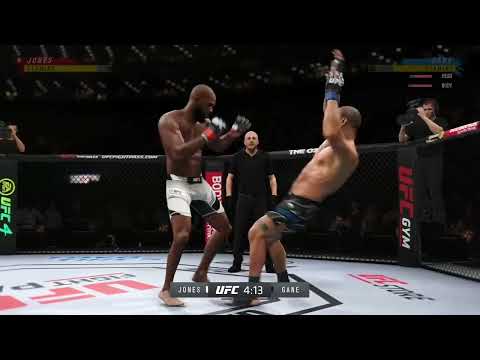
Jon Jones vs. Cyril Gane: A Deep Dive into the UFC Heavyweight Title Clash

Introduction: The Essence of the Showdown

When the worlds of martial arts collide in a bout that transcends mere competition, it becomes a spectacle that ignites the spirit of every enthusiast and draws in the curious alike. This is precisely the electrifying atmosphere building around the upcoming clash for the UFC Heavyweight Championship, pitting the legendary Jon Jones against the dynamic Cyril Gane. This encounter isn't just about belts; it's a profound exploration of martial philosophy, strategic brilliance, and the unyielding human will. As your Sensei, I see in this matchup a microcosm of everything we strive for in the dojo and beyond. We will dissect the nuances of this highly anticipated fight, not just as fans, but as students of the combative arts, examining the fighters, their statistical prowess, and how their individual journeys reflect timeless martial principles. Furthermore, we will touch upon the tangible aspects of our passion – the martial arts merchandise that connects us to this lineage – and its place within the vibrant ecosystem of combat sports, often fueled by platforms like AdSense.

Fighter Analysis: Striking Specialist vs. Versatile Warrior

The narrative of Jon Jones versus Cyril Gane is a captivating study in contrasts. On one side stands Jon Jones, a fighter whose name is synonymous with elite striking and an almost uncanny ability to dictate the pace and outcome of any fight. He is often heralded as a striking specialist, a master of distance, timing, and devastating accuracy. Yet, to label him solely as such would be a disservice to his evolution as a martial artist. Opposing him is Cyril Gane, a fighter who embodies the modern ideal of a versatile fighter. Gane's background, particularly in Muay Thai, has gifted him a powerful striking arsenal, but it's his seamless transitions into grappling and his adaptive approach that make him a truly formidable opponent. This matchup is a classic exhibition of how different training philosophies and developmental paths can converge in the brutal theater of the octagon. For us, as practitioners, this represents more than just a fight; it's a living testament to the diverse applications of martial principles and the strategic depth inherent in combat.

Jon Jones' Evolving Kickboxing Prowess

One of the most compelling narratives surrounding Jon Jones' move to heavyweight, and specifically this fight, is his display of advanced kickboxing skills. While his legendary status was built upon a foundation of striking, Jones has consistently demonstrated an ability to absorb new techniques and integrate them seamlessly. His arsenal has expanded, incorporating a wider array of kicks and more dynamic striking combinations. This evolution is a crucial lesson for all martial artists. It underscores that mastery is not a static destination but a continuous journey of adaptation and refinement. The spirit of Budo, the Way of the Warrior, demands perpetual learning. Seeing Jones, a seasoned champion, push the boundaries of his own skillset serves as a potent reminder that complacency is the enemy of progress in any martial discipline, whether it's Karate, Kickboxing, or Muay Thai.

"The art of war teaches us to rely not on the likelihood of the enemy's not coming, but on our own readiness to receive him; not on the probability of his not attacking, but rather on our having made ourselves indispensable as a means of his attack." - Sun Tzu, The Art of War. This principle is constantly at play in the octagon, as fighters adapt and prepare for every eventuality.

The Peril of the Ground Game in this UFC Bout

A critical aspect of this heavyweight showdown that cannot be overstated is the inherent danger of being caught on the ground. Both Jon Jones and Cyril Gane possess highly effective grappling abilities and a proven capacity to finish fights from dominant positions. Jones, with his extensive wrestling background and submission prowess, is a master of controlling his opponents and exploiting weaknesses on the mat. Gane, while perhaps more recognized for his striking, has also shown significant skill in wrestling defense and offensive grappling, capable of neutralizing threats and even securing takedowns. This bout is far from a one-dimensional striking contest; it's a high-stakes chess match where one misstep on the ground could prove catastrophic. This warning serves as a vital reminder for all combatants: versatility is paramount. One must be proficient in all ranges of combat to truly navigate the complexities of a fight, whether it’s in the UFC or a street encounter requiring swift self-defense.

Budo and the Deeper Meaning of the Fight

Beyond the raw athleticism and strategic maneuvering, fights like Jon Jones vs. Cyril Gane embody the core principles of Budo, the Japanese martial path. It’s not merely about achieving victory; it’s about the journey of self-improvement, the cultivation of character, and the embodiment of virtues such as discipline, respect, and unwavering perseverance. The dedication required to reach this elite level in sports like MMA, Kickboxing, or Judo mirrors the rigorous training mandated by martial arts philosophy. Each fighter, in their own way, is testing their limits, honing their mental fortitude, and demonstrating the physical and psychological resilience that defines a true warrior. This pursuit of excellence, the drive for self-mastery, is the essence of the martial spirit that resonates through generations, connecting practitioners across different disciplines and cultures.

Martial Arts Merchandise and the Sense of Community

In the vibrant ecosystem of combat sports, the connection fans and practitioners share with their heroes and disciplines extends to the tangible realm of martial arts merchandise. Supporting fighters like Jon Jones or Cyril Gane, or even specific arts like Kyokushin Karate or BJJ, is a powerful way to express passion and solidarity. The availability of MMA gear, kimonos for Judo and Brazilian Jiu-Jitsu, or specialized training equipment makes this connection accessible. Platforms often utilize AdSense to facilitate the sale of these items, effectively linking passionate audiences with the products that represent their dedication. This commercial aspect, while secondary to the art itself, plays a crucial role in fostering a sense of belonging and community among enthusiasts worldwide. It's a way to carry a piece of the dojo, the octagon, or the fight night spirit into everyday life.

Sensei's Verdict: A True Test of Martial Spirit

The anticipation for Jon Jones vs. Cyril Gane is immense, and rightly so. This isn't just a contest for a championship; it's a profound demonstration of contrasting yet complementary martial approaches. Jones' calculated aggression and evolving skillset against Gane's fluid versatility and powerful striking create a dynamic that promises a strategic masterpiece. Both fighters represent the pinnacle of dedication, discipline, and the relentless pursuit of self-improvement—hallmarks of the martial arts. The outcome will undoubtedly be a testament to who best embodies the principles of adaptability, resilience, and strategic acumen under immense pressure. It is a fight that will echo in the annals of combat sports history, serving as an inspiration for current and future generations of martial artists.

Training Guide: Enhancing Your Versatility

To truly embody the spirit of a well-rounded martial artist, focusing on versatility is key. Here's a practical approach to enhance your capabilities, applicable whether you train Karate, Judo, Kickboxing, or MMA:

  1. Cross-Train Strategically: If you primarily strike, dedicate time to grappling drills. If you're a grappler, focus on striking footwork and defense. For example, try incorporating basic Judo throws into your striking sparring sessions or practicing fundamental Karate stances and movements during your BJJ warm-ups.
  2. Develop Dynamic Mobility: True versatility requires more than just strength; it demands fluid movement. Incorporate dynamic stretching and mobility exercises, such as leg swings, torso rotations, and spinal waves, into your pre-training routine. This enhances your ability to transition smoothly between techniques and reduces the risk of injury.
  3. Sparring with Different Styles: Seek out training partners with diverse backgrounds. Sparring with a kickboxer as a grappler, or vice-versa, exposes you to different ranges, rhythms, and strategies. This is invaluable for developing adaptive defenses and offensive counters.
  4. Conditional Sparring Drills: Implement drills that force specific adaptations. For instance, start a round on the ground and have the objective to get back to your feet, or start standing and the objective is to secure a takedown. This hones your ability to function effectively in various phases of combat.
  5. Mindful Conditioning: Focus on conditioning that supports all aspects of your game. Include exercises that build explosive power (like plyometrics), cardiovascular endurance (long-distance running or HIIT), and core strength (planks, Russian twists).

To support your journey towards greater versatility and mastery in martial arts, having the right equipment is crucial. Investing in quality gear not only enhances your training experience but also ensures safety and durability. Whether you're perfecting your striking, refining your grappling, or engaging in full MMA sparring, consider the following:

  • High-Quality Sparring Gloves (16oz recommended for MMA/Kickboxing): Essential for protecting your hands and your training partners during striking drills and sparring. Brands known for durability and excellent padding are ideal.
  • Durable Kimono/Gi (Double Weave for Judo/BJJ): For grapplers, a sturdy kimono is indispensable. A double-weave gi offers greater longevity and resistance to the rigors of grappling.
  • Shin Guards and Mouthguards: Non-negotiable for striking training to prevent injuries. Ensure they offer adequate protection and a comfortable fit.
  • Training Matting: If you train at home, investing in proper matting can significantly improve safety for takedowns, falls, and ground work.
  • Resistance Bands and Jump Rope: Versatile and portable tools for enhancing strength, conditioning, and agility without requiring heavy equipment.

Frequently Asked Questions

Why is adaptability so important in martial arts?

Adaptability is crucial because real-world confrontations are unpredictable. A fighter who can seamlessly transition between striking and grappling, and adjust to an opponent's strategy, has a significant advantage. It reflects the core principle of martial arts: to overcome challenges through flexible and intelligent responses.

How does studying martial arts philosophy benefit a fighter?

Martial arts philosophy, such as that found in Budo, instills values like discipline, respect, perseverance, and self-control. These qualities are vital for consistent training, mental toughness during competition, and ethical conduct both inside and outside the dojo or octagon.

Is kickboxing sufficient for MMA, or is grappling necessary?

While kickboxing is a powerful striking art, it is generally not sufficient on its own for success in MMA. MMA demands proficiency in grappling for takedowns, ground control, and submissions. A well-rounded MMA fighter must integrate both striking and grappling disciplines.

What role does merchandise play in the combat sports community?

Martial arts merchandise serves as a tangible connection to the sport and its practitioners. It allows fans and athletes to express their identity, support their favorite fighters or disciplines, and foster a sense of belonging within the larger combat sports community.

For Deeper Exploration

The upcoming bout between Jon Jones and Cyril Gane is more than just a fight; it’s a dynamic exposition of martial arts principles in action. It highlights the blend of specialized skill and overall versatility that defines modern combat sports. As practitioners, we can learn immensely from observing such elite contests.

Sensei's Reflection: Your Next Step

Observing these champions, we see the dedication to honing specific weapons while simultaneously building a comprehensive arsenal. In your own training, are you merely practicing your strengths, or are you actively seeking to shore up your weaknesses? Are you a specialist who fears compromise, or a warrior who embraces the full spectrum of combat? Reflect on this: How will you integrate the lessons of versatility and continuous improvement from this epic clash into the very fabric of your own martial journey, starting today?

Luibel Lomparte: A Master's Legacy in the World of Martial Arts

Welcome, dedicated practitioners and curious minds, to Budo and Martial Arts. Today, we delve into the profound world of Luibel Lomparte, a figure whose name resonates with dedication, depth, and an unyielding commitment to the martial way. As we explore his contributions, remember that understanding the essence of any art form, especially the martial arts, requires more than just observing techniques; it demands an immersion into the philosophy, the history, and the spirit that breathes life into every movement.

Our journey today is not merely about a name, but about a philosophy embodied. Lomparte's work, as we'll dissect, represents a significant current in the vast ocean of martial practices. Are you ready to understand what makes a martial artist truly exceptional? Let us begin.

Who is Luibel Lomparte?

Luibel Lomparte is more than just a practitioner; he is a torchbearer for the authentic principles of Budo and martial arts. His influence, particularly noted around the publication date of January 25, 2023, stems from a deep-seated understanding of the disciplines he champions. The digital space, often filled with fleeting trends, benefits immensely from figures like Lomparte who provide a steadfast anchor to tradition while embracing the evolution of combat sports and self-defense. He represents a bridge between the ancient wisdom of the East and the modern realities of physical and mental combat.

In a world obsessed with the superficial, Lomparte’s dedication to the "most complete and updated martial arts blog on the internet" speaks volumes. This isn't just about being current; it's about the relentless pursuit of knowledge and the sharing of that wisdom. It’s a commitment that mirrors the very core of martial arts: continuous learning and refinement.

The Essence of Budo in Lomparte's Teachings

The term "Budo" itself signifies the "martial way." It transcends mere fighting techniques, encompassing ethical conduct, spiritual development, and the cultivation of character. Lomparte’s teachings, as observed in his prolific work, consistently emphasize this holistic approach. He doesn't just teach you how to throw a punch or execute a sweep; he guides you to understand the 'why' behind the 'what'.

Consider the philosophical underpinnings. Many modern martial arts have become increasingly sport-focused, sometimes at the expense of their deeper meanings. Lomparte, however, seems to champion a return to the roots, where discipline, respect, and self-mastery are paramount. This focus is crucial for anyone looking to develop not just a capable body, but a resilient mind.

"The martial way is a path of continuous learning. To stop learning is to cease being a martial artist." - A principle echoed in Lomparte's dedication.

His commitment to providing updated content suggests an understanding that martial arts are not static. They evolve, adapt, and integrate new knowledge. Yet, this evolution must always be grounded in the timeless principles that give them their power and meaning. This is the delicate balance Lomparte strives to maintain.

Analyzing Lomparte's Approach to Martial Arts Training

What distinguishes a truly effective martial arts training regimen? It's the integration of physical conditioning, technical proficiency, strategic thinking, and mental fortitude. Lomparte's work, by aiming for comprehensiveness, touches upon all these facets.

From the fundamental Karate techniques to the intricate Jiu-Jitsu grappling, and the explosive power required in Kickboxing, a well-rounded martial artist must draw from various disciplines. Lomparte's blog, by covering this breadth, implicitly encourages practitioners to explore beyond their primary art. This cross-training is vital for developing adaptability and a deeper understanding of combat dynamics. It’s this very versatility that defines modern Artes Marciales Mixtas (MMA) and is a testament to the enduring principles of combat efficiency.

For those focused on specific outcomes, such as self-defense or competitive success, Lomparte’s updated content likely provides insights into current training methodologies. This includes understanding the tactical advantages of certain combat scenarios, whether it’s standing fight or ground grappling. His platform serves as a valuable resource for honing skills applicable to a wide range of real-world situations and sporting arenas.

The Role of Philosophy and Mentality

Beyond the physical, the true battlefield often lies within the mind. Concepts like 'Ki' (energy), 'Mushin' (no mind), and 'Zanshin' (lingering awareness) are not mere abstract ideas; they are critical components of effective martial arts practice. Lomparte's commitment to updating his blog suggests a recognition that mental training is as crucial as physical training.

The discipline required to train consistently, the resilience to overcome setbacks, and the focus to execute techniques under pressure are all cultivated through a strong mental game. It's this internal strength that separates a mere fighter from a true martial artist. The philosophical texts, such as Miyamoto Musashi's "The Book of Five Rings," offer timeless wisdom on strategy and mindset that remains relevant today. Lomparte's work, by consistently providing rich content, implicitly guides readers toward this deeper understanding.

"Empty your mind, be formless, shapeless. Like water. If you put water into a cup, it becomes the cup. You put water into the bottle and it becomes the bottle. You put it into the teapot, it becomes the teapot. Now water can flow or it can crash. Be water, my friend." - Bruce Lee, a sentiment that resonates deeply within the philosophy of Budo.

Developing such mental clarity is not an overnight process. It requires dedicated practice, much like honing a physical technique. It involves introspection, meditation, and a willingness to confront one's own limitations.

Lomparte's Impact on the Martial Arts Community

In the interconnected world of the 21st century, the impact of a dedicated martial arts resource like Lomparte's blog cannot be understated. It serves as a central hub, aggregating information and fostering a sense of community among practitioners worldwide. Through his efforts, individuals gain access to knowledge that might otherwise be scattered or inaccessible.

The emphasis on being "complete and updated" is key here. It signifies a commitment to accuracy and relevance, essential in fields that are constantly evolving. Whether you're a beginner exploring options in Kyokushin Karate or an experienced practitioner of BJJ seeking advanced techniques, Lomparte's platform aims to cater to a broad spectrum of interests and skill levels.

His dedication to social media and directing traffic to his main page demonstrates an understanding of modern outreach. This allows him to connect with a wider audience, further promoting the values and practices of martial arts. This kind of consistent engagement is what builds lasting influence and supports the growth of the global Martial Arts Community.

Equipment Essential for Your Training

While the spirit and technique are paramount, the right equipment can significantly enhance your training experience and safety. For any serious martial artist, investing in quality gear is a wise decision. Consider these essentials:

  • Durable Gis: For arts like Judo and Karate, a sturdy Karate Gi or Judo Gi made from quality material is crucial. Look for double-weave options for increased longevity, especially if you engage in heavy sparring.
  • Sparring Gear: Depending on your art, this may include MMA gloves (16oz for sparring is standard), shin guards, headgear, and mouthguards. Safety first, always.
  • Training Mats: For ground work or dynamic movements, especially in styles like BJJ or Judo, having appropriate mats can prevent injuries and improve practice.
  • Focus Mitts and Pads: Essential for striking drills, allowing practitioners to refine power, accuracy, and timing.
  • Resistance Bands: Versatile for strength and conditioning, particularly useful for no-equipment or at-home workouts.

Choosing the right equipment can be daunting. For a comprehensive overview, exploring reputable Martial Arts Merchandise providers is recommended. Remember, proper gear not only protects you but also facilitates better technique execution.

Training Guide: Basic Striking Drills

Mastering the fundamentals is the bedrock of any martial art. Here's a simple yet effective drill focusing on basic striking, adaptable for various disciplines. Remember to perform these drills with proper form and control, focusing on precision over speed initially.

  1. Stance and Footwork: Begin in your fighting stance. Practice moving forward, backward, and laterally while maintaining balance. Ensure your weight distribution is correct and your guard is up.
  2. Jab Practice: From your stance, extend your lead hand in a straight line towards your target. Retract it quickly to your guard position. Focus on snapping the punch rather than pushing. Perform 2-3 sets of 15-20 repetitions.
  3. Cross Practice: Rotate your hips and shoulders as you extend your rear hand in a straight line. Ensure your power comes from your core rotation, not just your arm. Alternate this with jabs. Perform 2-3 sets of 15-20 repetitions.
  4. Hook Practice: With a slight bend in your elbow, bring your lead arm across your body in a horizontal arc towards your target. Keep your elbow at roughly a 90-degree angle. Perform 2-3 sets of 15-20 repetitions.
  5. Uppercut Practice: From a slightly lower position, drive your lead or rear hand upwards in a vertical arc towards your target. Focus on power generation from the legs and hips. Perform 2-3 sets of 15-20 repetitions.
  6. Combination: Combine the above strikes into simple sequences, such as Jab-Cross or Jab-Cross-Hook. Start slowly and gradually increase speed as your coordination improves.

Important Note: Always warm up thoroughly before starting any training session and cool down afterwards. If you are unsure about proper technique, seek guidance from a qualified instructor. This drill is a basic introduction and should be adapted to the specific rules and techniques of your chosen martial art.

Frequently Asked Questions

Q1: What is the primary focus of Luibel Lomparte's martial arts content?
A1: Luibel Lomparte's content aims to provide comprehensive and updated information on a wide range of martial arts, emphasizing the principles of Budo, training methodologies, and the philosophy behind the practice.

Q2: Is Lomparte's blog suitable for beginners?
A2: Yes, the blog's aim for completeness and updates suggests it caters to a broad audience, likely including beginners looking to understand the fundamentals and explore different martial arts.

Q3: How does Lomparte's work contribute to the martial arts community?
A3: By serving as a central, updated resource and utilizing social networks, Lomparte fosters community, disseminates knowledge, and connects practitioners globally.

Q4: What does 'Budo' mean in the context of martial arts?
A4: Budo, the "martial way," signifies a holistic approach that includes not only physical techniques but also ethical conduct, spiritual development, and the cultivation of character.

Reflection of the Sensei: Your Next Step

Luibel Lomparte's dedication to the expansive world of martial arts, as evidenced by his pursuit of creating a complete and updated resource, challenges us all. He reminds us that the journey of a martial artist is perpetual. Are you content with simply learning a few techniques, or are you prepared to embrace the lifelong path of the martial way? Do the methods and philosophies presented resonate with your own training, or do you find yourself questioning the path forward? The true lesson lies not just in absorbing information, but in applying it, refining it, and ultimately, making it your own.

Now, the floor is yours. Does Lomparte's comprehensive approach inspire you, or do you believe some arts are best left untouched by the modern 'update'? Where do you see the future of martial arts heading, and is Luibel Lomparte leading the charge or simply documenting the parade? Let the debate begin.

To Deepen Your Journey

Why Embracing Martial Arts in Your 20s is a Non-Negotiable Power Move

Are you plagued by the persistent fear of missing out on crucial life experiences during your 20s, only to face regret later? Do you yearn to forge an unshakeable foundation and cultivate peak physical condition during these formative years? If your heart screams "Absolutely!" to these questions, then welcome, fellow traveler, to the exhilarating journey of the average twenty-something aiming to seize every opportunity. Your 20s are a golden era, a canvas meant for bold strokes of enjoyment and fearless exploration. Imagine, then, the profound advantage of intertwining this vibrant period with the acquisition of a skill as practical as it is invaluable: martial arts. To propel yourself beyond the comfortable confines of your known world at this stage is to ignite a spark that can illuminate your entire future path. As a Sensei who has witnessed countless students embark on this path, I can attest that the benefits extend far beyond the physical. Martial arts are not merely about punching and kicking; they are a rigorous discipline that sculpts the mind, fortifies the spirit, and instills a lifelong respect for oneself and others.

Laying the Foundation for Your Future

The decade of your 20s is a critical period for establishing habits and mindsets that will serve you for decades to come. Engaging in martial arts during this time is akin to building a robust skyscraper on solid bedrock. The physical conditioning you achieve – the enhanced cardiovascular health, increased strength, improved flexibility, and superior coordination – provides a vital platform for tackling life’s challenges. This isn't just about looking good; it's about feeling capable, resilient, and energetic. Consider the sheer discipline required to attend every class, to practice diligently, and to push past physical limitations. These are the very traits that translate directly into success in academic pursuits, career development, and personal relationships. A 20-something who dedicates themselves to the rigorous training of a martial art is simultaneously investing in their future self, building a reservoir of health and character that will pay dividends throughout their entire life.
"The journey of a thousand miles begins with a single step." – Lao Tzu. In your 20s, that first step onto the dojo floor can set you on a path of unparalleled personal growth.

The Physical Transformation: Beyond Mere Fitness

Let’s be blunt: most gym routines offer a superficial approach to fitness. They focus on aesthetics or isolated muscle groups. Martial arts, on the other hand, demand a holistic approach. You engage your entire body in complex, dynamic movements. Learning a proper: Judo throw like the O-soto-gari requires coordination of your hips, legs, arms, and core simultaneously. Executing a precise Karate kata, such as the Heian Nidan, builds muscular endurance and tests your ability to maintain form under fatigue. This comprehensive physical development enhances not just your athletic capabilities but also your proprioception – your body’s awareness in space. You become more agile, balanced, and less prone to injury in everyday life. Furthermore, the constant need for precision and control inherent in martial arts training sharpens reflexes and reaction times, skills that are invaluable in both sparring and unexpected real-world situations. This is far beyond the scope of a typical at-home workout; it’s a transformative process.

Forging Mental Fortitude: The Unseen Weapon

Perhaps the most profound impact of martial arts lies in its ability to forge mental fortitude. In the heat of sparring, facing an opponent who is actively trying to outmaneuver you, your mind is put to the ultimate test. You learn to remain calm under pressure, to analyze situations rapidly, and to make split-second decisions. This is the essence of mental strength, a quality that transcends the dojo and permeates every aspect of your life. The practice of Ki (or Chi) cultivation in many traditions is not mystical mumbo-jumbo; it is the disciplined focus of your mental and physical energy. Whether it’s the focused intent behind a Kyokushin Karate strike or the centered awareness required for an Aikido redirection, you are training your mind to be present and unwavering. This ability to control your thoughts and emotions, rather than being controlled by them, is the hallmark of true mastery.
"The mind is the most important part of fighting. The body is just a tool." – A principle echoed across countless martial disciplines.
Facing setbacks in training – failing to master a technique, losing a sparring match – teaches valuable lessons in perseverance and humility. These are not failures; they are stepping stones on the path to growth. The resilience cultivated in overcoming these challenges is an indispensable asset for navigating the inevitable difficulties of adult life. It fosters a self-improvement mindset that fuels continuous learning and adaptation.

The Philosophical Depth: A Way of Life

Beyond the physical and mental, martial arts offer a deep philosophical framework. Concepts like Bushido (the way of the warrior), Mushin (no-mind), and the constant pursuit of self-perfection are woven into the fabric of training. These philosophies provide a moral compass and a guiding set of principles for living a virtuous life. The emphasis on respect, integrity, and honor in traditional martial arts instills a profound sense of self-mastery and self-defense ethics. You learn not just how to defend yourself, but when and why. The martial artist understands that true strength lies not in aggression, but in restraint and the wisdom to use force only when absolutely necessary. This is the core of BUDO – the martial way. Consider the story of Miyamoto Musashi, the legendary samurai who developed the Niten Ichi-ryū style. His life was a testament to the relentless pursuit of martial perfection, applying philosophical principles to swordsmanship and beyond. Studying such figures provides tangible examples of how martial arts can shape not just a fighter, but a complete individual.

Choosing Your Path: A Crucial First Step

With a vast array of martial arts available, selecting the right one can seem daunting. Do you gravitate towards the explosive power of Kyokushin Karate, the grappling finesse of BJJ, the dynamic throws of Judo, or the fluid dynamics of Aikido? Perhaps the well-rounded approach of MMA appeals to your competitive spirit. My advice? Visit local dojos. Observe classes. Talk to instructors and students. The best martial art for you is the one that resonates with your personal goals and learning style, and crucially, where you feel a sense of community and respect. Look for instructors who embody the principles they teach, prioritizing technique and character development over ego. This is a Martial Arts Journey, not a race.

Training Essentials for the Budoka

To embark on your martial arts journey, you'll need a few fundamental pieces of equipment. While the specific needs vary by discipline, some items are universally beneficial. Investing in quality gear not only enhances your training experience but also ensures safety.
  • Dojo Uniform (Gi/Kimono): A durable and comfortable uniform is essential for most traditional arts like Karate, Judo, and BJJ. Look for: kimonos made of robust fabric that can withstand rigorous training.
  • Training Mats (Tatami): For arts involving throws or groundwork, protective mats are crucial for safe practice.
  • Protective Gear: Depending on the art, this might include:
    • Gloves: For striking arts like Karate, Kickboxing, or MMA, quality sparring gloves (e.g., 16oz gloves for sparring) are vital.
    • Headgear: Protects against concussions during full-contact sparring.
    • Mouthguard: Essential for all combat sports to protect teeth and jaw.
  • Training Aids: For home practice, consider items like a makiwara for striking conditioning or resistance bands for strength training.
Remember, the best equipment is an extension of your own dedication. You can find high-quality Karate merchandise and other martial arts gear from reputable suppliers who support the community.

Frequently Asked Questions

Is it too late to start martial arts in my 20s?

Absolutely not. Your 20s are an ideal time to begin. While children may develop certain physical attributes faster, adults bring maturity, focus, and a clearer understanding of their goals, often leading to rapid progress.

How often should I train?

For optimal progress and to avoid burnout, aim for 2-3 training sessions per week, complemented by regular conditioning and perhaps some personal study. Consistency is key.

What if I'm not naturally athletic?

Martial arts are designed to develop athleticism. You don't need to be a natural athlete to start; you'll become one through training. The focus is on skill development and dedicated practice.

Can martial arts help with my career?

Yes. The discipline, problem-solving skills, confidence, and resilience you gain are highly transferable to professional environments. Employers value these qualities.

What’s the difference between traditional martial arts and MMA?

Traditional arts often emphasize philosophy, self-discipline, and specific techniques rooted in history. MMA, while drawing from various martial arts, is a competitive sport focused on combining effective striking and grappling for combat. Both offer immense benefits, just in different ways.

Your Next Step

The decision to begin training in martial arts is more than just signing up for a class; it's a commitment to self-discovery and continuous improvement. It’s about embracing challenges, forging an unbreakable spirit, and becoming the best version of yourself. The physical and mental transformations are profound, but it's the underlying philosophy – the way of life – that truly endures. For those in their 20s, this decade is a unique window of opportunity. Seize it. Step out of your comfort zone and onto the dojo floor. The skills you acquire, the discipline you cultivate, and the person you become will be your most valuable assets for all the years to come.

For Deepening Your Path


``` GEMINI_METADESC: Your 20s are prime for martial arts. Build physical power, mental toughness, and lifelong discipline. Discover why this is a crucial investment in your future self.