Showing posts sorted by relevance for query Wu Tang Collection. Sort by date Show all posts

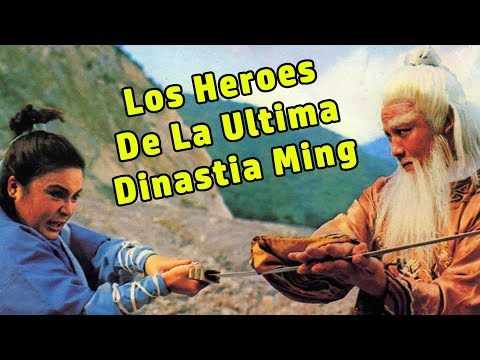
Wu Tang Collection - Heroes of the Last Ming Dynasty: A Martial Arts Masterpiece?

ENGLISH VERSION: https://youtu.be/B6DT0ZDgCKw

Ah, the dying days of the Ming Dynasty. A period ripe with intrigue, corruption, and, of course, the thunderous clash of fists and feet. The Wu Tang Collection presents "Heroes of the Last Ming Dynasty," a film that promises to transport us to an era where power was wielded not just by decree, but by the deadly grace of kung fu. But does this cinematic offering truly capture the spirit of the martial arts, or is it merely another flick lost in the annals of exploitation cinema? Today, we dissect this film from the perspective of a seasoned martial artist, looking beyond the flashy choreography to the underlying philosophy and combat efficacy.

The Perilous Ming Dynasty: A Setup for Conflict

The premise is classic martial arts cinema: "Evil Eunuchs with high kung fu skills try to hold onto power during the dying days of the Ming dynasty." This setup immediately evokes images of corrupt officials, desperate struggles for survival, and the inevitable rise of righteous warriors. The Ming Dynasty, a period of significant historical upheaval, provides a fertile ground for narratives of rebellion and heroism. For those of us who have studied the history of warfare and martial philosophy, such settings are not mere backdrops, but integral to understanding the motivations and the stakes involved. The desperation of a crumbling empire often breeds both the most ruthless villains and the most unyielding heroes. The question remains: does the film explore this dichotomy with any depth?

"In the midst of chaos, there is also opportunity." - A timeless principle echoing through many martial traditions.

The film positions its narrative within a context of political decay, a common theme in Chinese historical epics. Such stories often serve as allegories for contemporary issues, allowing audiences to explore themes of loyalty, betrayal, and justice through the lens of historical drama. The presence of "high kung fu skills" amongst the eunuchs immediately signals that this is not a film concerned with realistic combat, but with the theatrical and often exaggerated display of martial prowess that defined much of the Shaw Brothers era, which the Wu Tang Collection often celebrates.

Evil Eunuchs and Heroic Fighters: A Clash of Ideals

Roc Tien Peng, Pai Ying, Carter Wong, and Polly Shang Kwan – these names resonate with fans of classic kung fu cinema. Their presence promises a certain level of performance and dedication to the craft. The dichotomy presented is stark: the decadent, power-hungry eunuchs versus the as-yet-unnamed heroes who will inevitably challenge them. This archetypal conflict is the bedrock of countless martial arts narratives. It’s a battle not just of physical strength, but of ideologies. Are the eunuchs driven by a twisted sense of duty or pure avarice? What compels the heroes to risk their lives? Is it a sense of justice, personal vendetta, or a deeper philosophical commitment to the people?

Consider the philosophy of Bushido, the code of the samurai. While not directly applicable to Ming Dynasty China, its principles of honor, duty, and self-discipline offer a contrast to the depicted corruption. A true martial artist understands that technique is only one component; the mental and ethical framework is equally, if not more, important. A fighter without principle is merely a thug. The effectiveness of the heroes, therefore, should not solely be measured by their ability to land a kick, but by the righteousness of their cause.

Carter Wong, in particular, often portrayed formidable antagonists. His skill in portraying imposing figures adds weight to the threat posed by the eunuchs. Conversely, actors like Polly Shang Kwan were often associated with elegant yet deadly female warriors, bringing a different dimension to the fight sequences. The effectiveness of these performances will largely depend on how well they embody the internal struggles and motivations of their characters, going beyond mere physical execution.

The Heart of the Matter: Analyzing the Kung Fu

This is where the film, and by extension the Wu Tang Collection, truly lives or dies for the discerning martial arts enthusiast. When we talk about "high kung fu skills," what do we mean? Are we observing fluid, dynamic movements that display a genuine understanding of leverage, balance, and momentum? Or are we subjected to stylized, acrobatic sequences that prioritize visual spectacle over practical application?

The director, Wu Min-Hsiung, belongs to an era where the lines between traditional kung fu styles and more acrobatic, almost theatrical, fight choreography began to blur. This isn't inherently a bad thing. Styles like Drunken Master, for instance, utilize unconventional movements to their advantage. However, the key is authenticity within its own established rules. Does the film's choreography reflect any recognizable martial arts forms? Are the techniques employed believable within the context of what is being presented? For instance, a well-executed Tai Chi push, while seemingly soft, can generate immense power through rooting and structure. A flurry of kicks, while visually impressive, might lack the grounding necessary for real combat.

"The supreme art of war is to subdue the enemy without fighting." - Sun Tzu, ancient Chinese general and strategist. While this film is unlikely to focus on such subtlety, the underlying principle of efficiency and strategic thought should ideally be present in its combat.

We must look for signs of authentic martial principles:

  • Footwork and Stance: Are the fighters rooted? Is their movement efficient and balanced?
  • Use of Body Mechanics: Is power generated from the hips and core, or just flailing limbs?
  • Strategic Engagement: Do the fighters seem to understand distance and timing, or are they simply trading blows?
  • Realism vs. Spectacle: While some exaggeration is expected, does it cross into the realm of the physically impossible without narrative justification (e.g., superhuman leaps without setup)?

The term "kung fu" itself is broad, encompassing a vast array of styles developed over centuries. Observing the specific techniques – the hand strikes, the kicks, the throws, the weapon usage (if any) – can offer clues about the filmmakers' intent and the martial arts they aimed to showcase. A true master can often recognize the lineage or at least the foundational principles behind the movements, even in a highly stylized presentation.

The Wu Tang Collection's Role in Martial Arts Cinema

The Wu Tang Collection has carved a niche for itself by unearthing and distributing a plethora of classic martial arts films, often introducing them to new generations of fans. Their work is crucial in preserving the legacy of a genre that, while sometimes criticized for its B-movie qualities, has had a profound impact on global cinema and culture. They act as curators, bringing films like "Heroes of the Last Ming Dynasty" to audiences who might otherwise never encounter them.

Their commitment to showcasing diverse martial arts action is commendable. Whether it's the lightning-fast fist work of Wing Chun, the powerful stances of Kyokushin Karate, or the dynamic grappling of BJJ, the variety is key. This particular film, focusing on historical kung fu, likely draws from traditional Chinese martial arts systems. The challenge for the Wu Tang Collection is not just to show fights, but to present films that, even with their age and sometimes rough production values, offer genuine insight into the art and spirit of martial pursuits.

By subscribing to their channel, as the description suggests, viewers gain access to a treasure trove of cinematic history. This accessibility is invaluable for researchers, enthusiasts, and practitioners alike, providing a readily available resource for studying the evolution of martial arts representation on screen.

Veredicto del Sensei: Is it a Masterpiece or a Miss?

"Heroes of the Last Ming Dynasty" is, by its very nature as a product of its time and the Wu Tang Collection's catalog, a film that leans heavily into spectacle. The "high kung fu skills" of the evil eunuchs suggest a focus on elaborate, perhaps even gravity-defying, choreography rather than gritty realism. This can be incredibly entertaining, but it often sacrifices the profound philosophical underpinnings and practical combat applications that a serious martial artist seeks.

While the premise is solid and the cast comprises familiar faces from the genre, the film's true value lies in its execution of the fight scenes. If the choreography is intricate, well-paced, and demonstrates a respect for martial arts principles, it can be a valuable piece of cinematic history. If it devolves into repetitive, nonsensical flailing, it remains a historical curiosity at best.

Considering the typical output distributed by the Wu Tang Collection, expect a film that prioritizes action and entertainment over nuanced character development or deep philosophical exploration. It’s a window into a specific era of martial arts filmmaking, offering a vibrant, if often exaggerated, portrayal of conflict.

Classification: A solid "Cinturón Negro en Coreografía de Época" (Black Belt in Period Choreography), with potential deductions for realism.

Equipo Esencial para tu Entrenamiento

While "Heroes of the Last Ming Dynasty" showcases the culmination of intense training, your own journey requires the right foundation. Investing in quality gear can significantly enhance your practice and safety. For any serious martial artist, especially those practicing styles that involve striking or grappling, consider the following:

  • Kimono/Gi: A durable, well-fitting uniform is paramount for styles like Judo, Jiu-Jitsu, and Karate. Look for double-weave or heavyweight cotton for longevity during intense sparring.
  • Gloves: For striking arts or MMA, proper gloves are non-negotiable. For bag work and general conditioning, 14-16oz sparring gloves offer good protection. For lighter drills, bag gloves or even fingerless training gloves might suffice.
  • Pads and Protective Gear: Focus mitts, kicking shields, and groin protectors are essential for safe and effective sparring drills.
  • Training Mats: If you practice grappling or ground techniques, investing in interlocking foam mats can provide a safer training surface at home.
  • Strength and Conditioning Equipment: Resistance bands, kettlebells, and jump ropes are versatile tools for building the foundational strength and agility required for any martial art.

Frequently Asked Questions

  • What martial arts styles are typically depicted in films from the Wu Tang Collection?
    The collection features a wide array, but historically they focus on traditional Chinese kung fu, swordplay, and often elements of Wuxia (martial arts fantasy).
  • Is "Heroes of the Last Ming Dynasty" based on a true story?
    While set during the historical Ming Dynasty, the plot and characters are likely fictional, serving as a vehicle for martial arts action.
  • Are the eunuchs in the film depicted with realistic martial arts skills?
    Given the genre, it's highly probable their skills are exaggerated for dramatic and entertainment purposes, showcasing "high kung fu" as a narrative device.
  • What is the significance of the Ming Dynasty setting in martial arts films?
    This period often symbolizes corruption and decadence, providing a fertile ground for heroic narratives of rebellion and the restoration of order through martial prowess.

Para Profundizar en tu Camino

To truly understand the artistry and philosophy behind the action, delving deeper is essential. Consider exploring these related topics:

Reflexión del Sensei: Tu Próximo Paso

This film, like so many others, offers a blend of entertainment and a glimpse into the world of martial arts cinema. But is the spectacle enough? Does the visual prowess of the actors translate to a deeper understanding of the fighting spirit? Or does the emphasis on "high kung fu" detract from the grounded principles that define true mastery? Reflect on this: When you watch a martial arts film, are you simply looking for impressive kicks, or are you seeking a reflection of the discipline, the philosophy, and the unwavering spirit that lies at the core of every true warrior's path? How will you discern the superficial from the profound in your own training and appreciation?

``` GEMINI_METADESC: An in-depth martial arts analysis of the film 'Heroes of the Last Ming Dynasty' from the Wu Tang Collection, examining its choreography, historical context, and cinematic legacy.

Wu-Tang Collection: More Than Just Blades and Bruce Lee - A Martial Arts Film Deep Dive

The name "Wu-Tang Collection" often conjures images of masked warriors, lightning-fast fists, and the echoes of Bruce Lee's legend. But what happens when this formidable moniker graces a film that steps outside the traditional kung fu narrative? Today, we dissect "Wu Tang Collection - Ebony, Ivory and Jade," a cinematic offering that, while bearing the collection's name, presents a distinctly different flavor of martial arts action. Prepare yourselves, for this is not your average Shaolin temple sermon. This is a deep dive into a film that challenges our preconceptions and, dare I say, might even provoke a rumble in the dojo of film criticism.

Introduction: Beyond the Expected

When the title "Wu Tang Collection" appears, a martial arts aficionado's mind races. Visions of intricate choreography, stoic masters, and philosophical underpinnings of combat flood the senses. However, "Ebony, Ivory and Jade" dares to stray from this well-trodden path. It's a film that, while ostensibly part of a curated collection, presents a unique proposition. Is it a genuine extension of the spirit of the Wu-Tang legacy, or a deviation that tests the very definition of what belongs within its hallowed halls? As your Sensei, I am here to guide you through this labyrinth, to separate the genuine from the imitation, and to determine if this film truly embodies the principles of Budo, or if it's merely a fleeting shadow.

Film Details: A Glimpse Behind the Curtain

Let's first establish the foundational elements of this cinematic endeavor. Directed by the prolific Cirio H. Santiago, a name synonymous with a particular brand of genre filmmaking, "Ebony, Ivory and Jade" stars Rosanne Katon, Colleen Camp, and Sylvia Anderson. The premise, as presented, is deceptively simple: an American track team arrives in the Philippines for an international competition. Among them are Ginger and Pam, affectionately known as "Ivory" and "Ebony," who reunite with their friend Jackie, or "Jade." The narrative takes a sharp turn when the trio finds themselves the unfortunate targets of a local gang, leading to a desperate struggle for survival that hinges on their "fighting skills."

The true measure of a martial artist is not in the flashy techniques, but in the unwavering spirit when faced with adversity.

Plot Analysis: More Than Just a Kidnapping

The plot of "Ebony, Ivory and Jade" is, at its core, a classic exploitation film setup. A group of unsuspecting individuals is thrust into a dangerous situation, forcing them to tap into latent abilities to overcome their oppressors. While the initial description might sound like a straightforward damsel-in-distress narrative with a twist, the true interest for us lies in *how* this struggle unfolds. Does the film merely offer a superficial portrayal of women fighting back, or does it delve into the nuances of their training, their motivations, and the psychological impact of their predicament? The presence of the "fighting skills" element is our primary focus. Are these skills presented with any degree of realism, or are they mere plot devices? The potential for exploring themes of resilience, self-reliance, and the unexpected strengths that lie within us is palpable. However, the question remains: does Santiago's direction elevate this premise beyond the exploitative, or does it succumb to its more sensationalist tendencies?

Martial Arts Breakdown: Authenticity and Choreography

This is where the core of our critical examination lies. As disciples of the martial way, we understand that the representation of combat on screen is a delicate dance between spectacle and substance. For "Ebony, Ivory and Jade," the key question is: do the fighting skills on display possess any genuine martial merit? Were the actresses trained in specific disciplines? Is the choreography fluid, logical, and effective within the context of a real confrontation, or is it a series of disjointed, over-the-top moves designed purely for visual flair? We must analyze:

  • Technique: Are the strikes, blocks, and grappling movements recognizable forms from established martial arts, or are they invented for the film?
  • Realism: Do the fighters exhibit an understanding of distance, timing, and leverage? Or are the fights a series of impossible feats?
  • Pacing: Is the action frenetic and chaotic, or is there a discernible rhythm and strategy to the combat sequences?
  • Impact: Do the blows feel earned? Is there a sense of danger and consequence, or does everyone simply bounce back after being hit?

While the film might not feature seasoned martial arts masters like a Donnie Yen or a Yuen Woo-ping, it is crucial to assess the effort made to portray believable conflict. The "fighting skills" alluded to must be examined with a discerning eye, separating genuine martial arts principles from cinematic license. The Philippines itself has a rich history of indigenous martial arts, such as Kali and Eskrima. Does the film draw upon these traditions, or does it present a more generic, Westernized interpretation of combat?

Performances and Direction: The Human Element

Beyond the physical confrontation, the characters' journeys are vital. Rosanne Katon, Colleen Camp, and Sylvia Anderson are tasked with portraying women thrust into extraordinary circumstances. Do they convey fear, determination, and growth? Does their portrayal add emotional weight to the action, or are they simply archetypes moving through a series of staged fights? Cirio H. Santiago's direction is also under scrutiny. His films often possess a raw energy, but can he imbue "Ebony, Ivory and Jade" with enough narrative cohesion and character development to transcend its genre trappings? The effectiveness of the film hinges not only on the combat but on whether the audience can connect with the protagonists' plight.

The Wu-Tang Connection: Does it Hold Water?

This is the elephant in the room. The "Wu-Tang Collection" is curated to represent a certain caliber and style of martial arts cinema, often focusing on the golden age of Hong Kong filmmaking and the philosophical depth of Budo. How does "Ebony, Ivory and Jade," a product of Filipino filmmaking and a more exploitation-oriented narrative, fit into this esteemed collection? Is its inclusion a testament to its unique brand of action, its representation of female empowerment through combat, or is it a more tenuous association based on the shared theme of fighting? We must ask: does this film resonate with the core tenets that define the Wu-Tang legacy – the pursuit of mastery, the discipline of the warrior, the philosophical underpinnings of conflict? Or does it merely borrow the name for marketability?

Discipline is the bridge between goals and accomplishment. Without it, even the most fervent desire remains a dream.

Veredict of the Sensei: Worthy of the Name?

After much deliberation and a critical analysis of its components, "Ebony, Ivory and Jade" presents a complex case. While it may not possess the intricate choreography of a classic Shaw Brothers production or the profound philosophical weight of some entries in the martial arts canon, it offers a different, yet potent, form of empowerment. The film champions female agency in the face of brutal aggression, showcasing a raw and determined fight for survival. The action, while perhaps not textbook perfect, is certainly spirited and serves the narrative effectively. It taps into a primal instinct for self-preservation that resonates deeply within the martial spirit, even if the techniques are not the most refined.

Cinturón Negro en Determinación Femenina

Training Guide: Developing Your "Fighting Skills"

The film's narrative hinges on the protagonists' ability to defend themselves. While not explicitly detailed, we can infer that a basic level of physical conditioning and self-defense knowledge would be paramount. Here's how you can begin developing your own foundational fighting skills:

  1. Basic Stances and Footwork: Understand how to maintain balance and move efficiently. Practice shifting your weight and maintaining a stable base. This is the bedrock of all combat.
  2. Striking Fundamentals: Learn basic punches (jab, cross, hook, uppercut) and kicks (front kick, roundhouse kick, side kick). Focus on proper form and power generation from the core, not just the limbs.
  3. Blocking and Evasion: Develop the ability to deflect or avoid incoming attacks. This is crucial for survival and requires good reflexes and spatial awareness.
  4. Conditioning: Engage in cardiovascular exercises (running, jumping jacks) and strength training (bodyweight exercises, resistance bands) to build stamina and power.
  5. Sparring (with caution): Once you have a solid foundation, controlled sparring with a trained partner is essential to apply techniques under pressure. Always prioritize safety and proper supervision.

Essential Gear for Your Training

To embark on your martial arts journey and to potentially replicate the resilience shown by the characters in "Ebony, Ivory and Jade," consider equipping yourself with the following:

  • Comfortable Training Attire: Lightweight and breathable clothing that allows for full range of motion. For styles like Judo or Karate, a durable Karate Gi or Judo Gi is essential.
  • Hand Wraps and Gloves: Crucial for protecting your hands and wrists during striking practice and sparring. For striking arts, consider kickboxing gloves or MMA gloves depending on your focus.
  • Mouthguard: Non-negotiable for any form of sparring to protect your teeth and jaw.
  • Shin Guards and Forearm Guards: Recommended for higher-intensity sparring to prevent injuries.
  • Training Mat: Useful for ground work, breakfalls, and general comfort during floor exercises.

Frequently Asked Questions

  • Q: Is "Ebony, Ivory and Jade" a traditional martial arts film?
    A: While it features fighting, it leans more towards exploitation and action-thriller elements rather than being a traditional martial arts film focused on discipline and philosophy.
  • Q: Who directed "Ebony, Ivory and Jade"?
    A: The film was directed by Cirio H. Santiago.
  • Q: What martial arts are depicted in the film?
    A: The film doesn't explicitly focus on specific martial arts but rather on general "fighting skills" for self-defense and escape, likely influenced by Filipino martial arts and generic combat tropes.
  • Q: Is this film part of the actual Wu-Tang Clan's cinematic universe?
    A: No, it is part of the "Wu-Tang Collection," a curated series of martial arts films, but not directly produced or affiliated with the musical group Wu-Tang Clan.

Further Exploration: Deepen Your Path

The spirit of the warrior is a continuous journey. If "Ebony, Ivory and Jade" has ignited a spark within you, I encourage you to explore these related topics within our archives:

Reflection of the Sensei: Your Next Step

This film, "Ebony, Ivory and Jade," presents us with a raw, unpolished narrative of survival. It forces us to confront the question: when faced with immediate danger, what are your capabilities? Beyond the screen, in the arena of your own life, do you possess the inner fortitude, the "fighting skills" of spirit and mind, to navigate your own adversities? Or do you rely solely on the hope that danger will not find you? Reflect on this: In the face of an unexpected challenge, are you the observer, the victim, or the warrior who rises?

Now, the dojo awaits your response. Do you believe this film, despite its deviations, earns its place in the Wu-Tang Collection? Or is it a misstep that dilutes the legacy? Let the debate commence in the comments below. Show me your conviction!

GEMINI_METADESC: A critical Sensei analyzes 'Ebony, Ivory and Jade' from the Wu-Tang Collection, discussing its plot, martial arts portrayal, and connection to Budo.

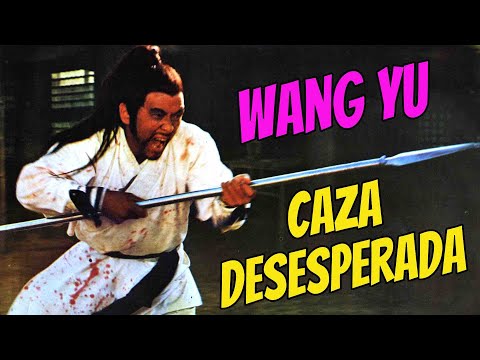
Wu Tang Collection - Caza Desesperada: ¿Un Clásico del Kung Fu o Una Reliquia Olvidada?

El Espíritu de la Wu Tang Collection

¿Qué define a un clásico del cine de artes marciales? ¿Es la crudeza de sus combates, la complejidad de su trama, o la profundidad de sus personajes? La Wu Tang Collection, una antología de películas de kung fu de la era dorada, a menudo evoca debates apasionados entre los aficionados. "Caza Desesperada" (Desperate Chase) es uno de esos títulos que, sin ser un éxito de taquilla monumental, destila la esencia de lo que muchos amamos del género: acción desenfrenada, un código de honor férreo y una lucha constante contra la opresión. Pero, ¿es esta película una pieza maestra que merece ser redescubierta, o un simple vestigio de una época pasada? Hoy, en este dojo digital, desgranaremos sus virtudes y defectos con la precisión de un golpe de Wing Chun. La intención de búsqueda detrás de un título como "Caza Desesperada" suele ser clara: encontrar acción marcial de calidad, quizás aprender de las técnicas representadas, o simplemente revivir la nostalgia de películas que marcaron una generación. Nuestra misión es clara: satisfacer esa sed de conocimiento y debate, analizando no solo la película, sino el espíritu marcial que (esperamos) emana de ella.

Análisis Cinematográfico: Ritmo, Combate y Trama

"Caza Desesperada" nos sumerge en una narrativa clásica de rebelión contra un tirano. El Gobernador, figura de la opresión, ha sembrado el descontento en su región. La trama se centra en la desesperada misión de entregar una lista de conspiradores, un McGuffin que impulsa la acción. El gobernador, interpretado con la crueldad esperada en estos filmes, representa el mal encarnado que debe ser erradicado por la justicia. El personaje de Lang "El Solitario" (interpretado por el legendario Wang Yu) es el arquetipo del héroe taciturno, un guerrero que interviene cuando la justicia está en peligro. Su aparición para salvar al muchacho de la patrulla gubernamental es un punto de inflexión, introduciendo el elemento de *wuxia* (caballería china) que eleva la narrativa más allá de una simple historia de venganza. La colaboración posterior entre Lang y el líder de los sublevados, luchando codo a codo contra un centenar de soldados, es el clímax de acción que los fans esperan. Sin embargo, no podemos obviar las limitaciones inherentes a muchas producciones de la época. La trama, aunque funcional, puede pecar de lineal y predecible. Las motivaciones de los personajes, si bien claras, carecen de la complejidad psicológica que veríamos en producciones posteriores. La calidad de la actuación, aunque carismática en Wang Yu, puede variar entre el resto del elenco. El ritmo de la película es, en general, ágil. El director Kao Pao Chu sabe cómo mantener al espectador al borde del asiento, alternando momentos de tensión política con explosiones de violencia coreografiada. La narrativa se construye sobre la urgencia de la misión, haciendo que cada encuentro y cada evasión se sientan cruciales.
"En el camino del guerrero, la velocidad es la clave. No solo la del movimiento, sino la de la decisión." - Un principio grabado en el corazón de todo artista marcial.

La Coreografía: ¿Espectáculo o Arte Marcial?

Aquí es donde el crítico marcial debe afilar sus sentidos. Las películas de la Wu Tang Collection, si bien a menudo espectaculares, rara vez buscaban la estricta fidelidad a estilos de combate específicos como lo haría un documental sobre el #Judo o el #KarateKyokushin. La coreografía en "Caza Desesperada" es un espectáculo vibrante, centrado en la espectacularidad, las acrobacias y la fluidez de los movimientos. Vemos patadas altas, golpes rápidos y secuencias de lucha que, si bien inspiradas en artes marciales reales, están diseñadas para el entretenimiento cinematográfico. Wang Yu, como "El Solitario", demuestra una agilidad y una destreza notables. Sus movimientos son fluidos, precisos y, en su contexto, creíbles como los de un maestro de kung fu. La secuencia final, donde él y el líder de los sublevados se enfrentan a un centenar de soldados, es un despliegue de técnica y resistencia. La coreografía busca el impacto visual, con golpes y bloqueos que fluyen como una danza mortal. ¿Es auténtica? Desde una perspectiva de combate real y sin coreografía, muchas secuencias serían imprácticas o peligrosas. Un luchador de #MMA, acostumbrado a la lucha en el suelo y a golpes más contundentes y directos, podría ver ciertas florituras como un desperdicio de energía. Sin embargo, la película no pretende ser un manual de #DefensaPersonal ni una simulación de combate de #artesmarcialesmixtas. Representa una visión idealizada del guerrero de kung fu, un héroe capaz de hazañas sobrehumanas. La autenticidad aquí reside en el espíritu: la disciplina, la valentía, la habilidad y el código moral que subyace a cada movimiento. El uso de armas tradicionales, aunque secundario en esta trama específica, es algo que la Wu Tang Collection a menudo explora, ofreciendo vislumbres de la versatilidad del armamento marcial. La película se apoya fuertemente en la habilidad de sus actores para ejecutar movimientos de forma convincente, lo que históricamente ha sido un pilar del cine de kung fu.

Veredicto del Sensei: ¿Un Tesoro Oculto?

"Caza Desesperada" no es, quizás, la joya más pulida de la corona de la Wu Tang Collection, pero posee un encanto innegable. Su trama es un vehículo para secuencias de acción bien coreografiadas y un ritmo que rara vez decae. Wang Yu brilla como el héroe enigmático, y la película captura ese espíritu de lucha por la justicia que tanto resuena en el corazón de los aficionados a las #artesmarciales. Si buscas una representación hiperrealista del combate o un drama psicológico complejo, puede que te decepcione. Pero si lo que buscas es entretenimiento puro, acción marcial estilo clásico y un héroe solitario que se enfrenta a probabilidades imposibles, "Caza Desesperada" cumple con creces. Es una película que celebra la habilidad, la resistencia y la audacia, elementos fundamentales en cualquier camino marcial. **Calificación del Sensei:** Cinturón Negro en Entretenimiento Clásico.

Equipo Esencial para tu Entrenamiento

Para aquellos inspirados por la agilidad y la resistencia de guerreros como Lang, el entrenamiento adecuado es fundamental. Si bien "Caza Desesperada" se centra en el combate sin armas, muchos de los principios de disciplina y condición física se aplican a diversos entrenamientos.
  • Guantes de entrenamiento: Imprescindibles para proteger tus manos si practicas #Kickboxing o #MMA, o incluso para mejorar el agarre en ejercicios de fuerza.
  • Esterilla de yoga o tatami: Para entrenamientos en casa (#AtHomeWorkout), ideal para ejercicios de suelo, estiramientos (#Estiramiento) y meditación, aportando confort y seguridad.
  • Ropa cómoda y transpirable: Que permita total libertad de movimiento es clave para cualquier disciplina marcial.
  • Esterilla de Judo o BJJ: Si te inclinas por el #Grappling o la lucha, una esterilla adecuada es vital para practicar caídas y técnicas de forma segura.
  • Makiwara o saco de boxeo: Para entrenar la potencia de tus golpes y mejorar tu técnica en #CombateCuerpoACuerpo.
Para quienes busquen iniciarse en estas disciplinas, el conocimiento es el primer equipo. Un buen kimono de #Judo o un uniforme de #Karate son un símbolo de respeto y compromiso.

Guía de Entrenamiento: La Resiliencia del "Solitario"

El personaje de Lang "El Solitario" encarna la resiliencia y la capacidad de enfrentar múltiples adversarios con eficacia. Este entrenamiento se enfoca en desarrollar esa tenacidad y habilidad para manejar la presión.
  1. Acondicionamiento Cardiovascular (30 minutos): Comienza con una sesión de carrera continua (#EmpezarACorrer) o saltos a la comba. Enfócate en mantener un ritmo constante para desarrollar resistencia. Si no puedes correr, realiza saltos de tijera, jumping jacks y burpees en intervalos de 1 minuto, con 30 segundos de descanso entre ejercicios. El objetivo es simular el esfuerzo prolongado de una "caza desesperada".
  2. Ejercicios de Agilidad y Reflejos (15 minutos):
    • Conos o marcas: Coloca 4-5 conos o marcas en el suelo formando un cuadrado o línea. Realiza drills de agilidad como desplazamientos laterales rápidos, sprints cortos entre conos y cambios de dirección bruscos. Simula los movimientos evasivos de Lang.
    • "Shadow Boxing" con reacción: Realiza movimientos de defensa y ataque en el aire, pero añádele un elemento de reacción. Imagina que un oponente lanza golpes específicos y reacciona con la defensa y contraataque correspondiente.
  3. Fuerza y Potencia de Extremidades (20 minutos):
    • Sentadillas y Zancadas: 3 series de 15 repeticiones por pierna. Trabaja la fuerza de las piernas, crucial para saltos y desplazamientos.
    • Flexiones (Push-ups): 3 series al fallo. Si es muy difícil, apoya las rodillas. Mejora la fuerza del tren superior, vital para bloqueos y contraataques.
    • Plancha (Plank): Mantén la posición de plancha durante 3 series de 45-60 segundos. Desarrolla la fuerza del core, fundamental para la estabilidad en combate.
  4. Técnicas de Kung Fu (simplificadas, 15 minutos):
    • Posición del Caballo (Ma Bu): Mantén la postura baja y estable durante 1 minuto. Enséñate la paciencia y la base sólida.
    • Bloqueo Alto y Bajo: Practica movimientos de bloqueo fluidos, imaginando cómo desviar los golpes de los soldados del Gobernador. Realiza 3 series de 10 repeticiones por lado.
    • Golpe de Palma (simple): Ejecuta golpes de palma rectos y potentes, imaginando que buscas un punto vital. 3 series de 10 repeticiones por brazo.
  5. Estiramiento y Recuperación (10 minutos): Dedica tiempo a estirar todos los grupos musculares principales, enfocándote en las piernas, brazos y espalda. La flexibilidad es un arma secreta.
Este entrenamiento busca emular la resistencia, la agilidad y la determinación de un guerrero que enfrenta adversidades. La clave es la constancia y la mentalidad de no rendirse, incluso cuando la lista parezca perdida.

Preguntas Frecuentes

  • ¿Es "Caza Desesperada" una película de la verdadera Wu Tang Clan?

    No. La "Wu Tang Collection" es un término utilizado para agrupar una serie de películas de artes marciales chinas de los años 70 y 80, a menudo distribuidas por la productora Wu-Tang Productions. No está directamente relacionada con el grupo de hip-hop Wu-Tang Clan, aunque estos últimos son grandes fans del cine de kung fu y se inspiraron en él.

  • ¿Qué arte marcial se representa principalmente en la película?

    Aunque las coreografías son estilizadas para el cine, la película se basa en el estilo general del Kung Fu Chino, con elementos que podrían recordarnos al estilo del actor Wang Yu, conocido por sus películas de espadachines y artes marciales.

  • ¿Por qué se dice que el cine de kung fu de esta época es "crudo" o "poco realista"?

    Se refiere a que las coreografías, si bien impresionantes, a menudo priorizaban el espectáculo y las acrobacias sobre la técnica de combate realista y las estrategias aplicables en una pelea callejera o deportiva. Los movimientos son más amplios, los golpes más estilizados y la resistencia a menudo sobrehumana, a diferencia de lo que se vería en disciplinas como el #BJJ o el #Judo moderno.

  • ¿Dónde puedo encontrar más películas de la "Wu Tang Collection"?

    Estas películas se pueden encontrar en plataformas de streaming especializadas, tiendas de coleccionismo o a través de distribuidores que rescatan cine de artes marciales clásico. Buscar por títulos específicos o por el nombre de actores como Wang Yu, Ti Lung, o directores como Lau Kar-leung es un buen punto de partida.

Para Profundizar en tu Camino

Si la temática de la lucha contra la opresión y la acción marcial te ha cautivado, te invito a explorar estos otros contenidos de nuestro dojo:

Reflexión del Sensei: Tu Próximo Paso

"Caza Desesperada" nos recuerda que la lucha por la justicia, aunque a menudo solitaria, puede encender la llama de la rebelión en muchos. Lang "El Solitario" no lucha solo por la lista, sino por un ideal. Ahora te pregunto: En tu propio camino marcial, ¿cuál es la "lista" que buscas entregar? ¿Qué opresión buscas desmantelar, ya sea en tu vida personal, en tu entrenamiento, o en tu comunidad? Y lo más importante, ¿estás dispuesto a ser el "Solitario" que dé el primer paso, aun cuando la "patrulla gubernamental" parezca invencible? Demuéstralo con tu acción y tu reflexión. GEMINI_METADESC: Análisis crítico de 'Caza Desesperada' (Wu Tang Collection). Exploramos la trama, coreografía y espíritu marcial de esta joya del kung fu con la mirada experta de un Sensei. ¿Merece ser redescubierta?

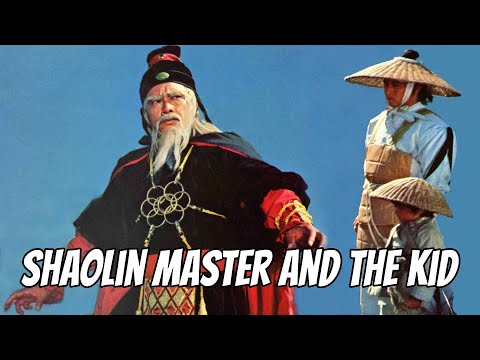
Wu-Tang Collection: Shaolin Master and the Kid - A Martial Arts Film Analysis

Introduction: The Echoes of Shaolin

Greetings, warriors and cinephiles of the martial arts. Today, we delve into a piece that resonates with the raw, untamed spirit of Shaolin cinema: "Shaolin Master and the Kid," a significant entry within the famed Wu-Tang Collection. You might stumble upon this film seeking a straightforward action flick, a blood-soaked revenge tale. But as any true practitioner knows, beneath the surface of every well-executed technique lies a deeper current of philosophy, discipline, and a profound understanding of human conflict. This film, directed by Lin Fu Ti, presents a narrative that, while seemingly simple, offers much for us to dissect. We will examine not just the fists and feet that fly across the screen, but the underlying principles that drive the characters and the filmmaking itself. Are you ready to go beyond the surface and uncover the true Budo within this cinematic journey?

Plot Summary: A Vengeful Descent

At its core, "Shaolin Master and the Kid" tells the story of a government law officer consumed by a singular, burning purpose: to avenge his brother's murder. As he embarks on this perilous quest, he finds himself a solitary target against a relentless wave of assassins. The synopsis promises a bloody mission, and indeed, the film delivers. Yet, the true intrigue lies not just in the quantity of fallen foes, but in the *manner* of their defeat. The narrative unfolds as a methodical dismantling of opposition, each assassin encountered met with a decisive, almost ritualistic end. This isn't just a rampage; it's a mission executed with precision and a militant style that hints at a deeper training, a profound mastery over combat.

"Justice is a double-edged sword. It can protect the innocent, or it can consume the wielder."

Martial Choreography: The "Militant Style" Deconstructed

The official description touts a "most militant style," and this is where the critical eye of the martial artist is truly needed. In films like these, the choreography is not merely about showcasing physical prowess; it's a visual language that speaks of the character's background and the film's intent. The "militant style" suggests a highly disciplined, efficient, and perhaps brutal approach to combat. We are looking for choreography that reflects rigorous training, possibly rooted in traditional Shaolin Kung Fu or similar styles known for their directness and power. Does the fighting embody the principles of center-line theory, economical movement, and devastating impact? Or is it a more flamboyant, dance-like display? The effectiveness of the combat sequences hinges on their ability to convey the protagonist's skill and determination. When a martial artist faces multiple opponents, the choreography must illustrate not just individual techniques, but strategic thinking – how to manage space, control distance, and exploit openings. The "militant style" should ideally translate to a sense of controlled ferocity, where each strike and block is purposeful, contributing to the ultimate objective of bringing the killers to justice. This contrasts sharply with the chaotic, sprawling brawls often seen in lesser films. Here, we are looking for the precision of a surgeon combined with the force of a thunderclap.

Philosophy on Screen: Justice, Brotherhood, and the Warrior's Path

Beyond the visceral thrill of combat, what deeper truths does "Shaolin Master and the Kid" explore? The driving force is the pursuit of justice for a fallen brother. This immediately brings to mind the concept of Giri (duty and obligation) and Ninjo (human feeling) that are central to many Eastern philosophies, particularly those influencing the samurai and, by extension, the Shaolin warrior. Is this a righteous quest for vengeance, or does it lead the protagonist down a path of self-destruction? The Shaolin tradition itself is deeply intertwined with Buddhist principles, emphasizing compassion and non-violence. Yet, we often see cinematic interpretations that grapple with the necessity of defensive force, the protection of the innocent, and the karmic implications of taking a life, even in retribution. The film, by focusing on a law officer, adds another layer: the tension between enforcing the law and enacting personal justice. Does the protagonist uphold his oath, or does he become judge, jury, and executioner? The way these themes are woven into the narrative, or starkly ignored, reveals much about the film's underlying message and its respect for the martial arts' philosophical heritage.

"The path of the warrior is not about seeking conflict, but about being prepared to meet it with unwavering resolve and clear purpose."

Authenticity vs. Spectacle: The Wu-Tang Touch

The Wu-Tang Collection is known for its dedication to showcasing martial arts films that often lean towards gritty realism and authentic techniques, albeit within the dramatic confines of cinema. "Shaolin Master and the Kid" likely embodies this ethos. While some martial arts films prioritize elaborate, gravity-defying stunts and fantastical powers, the best entries in this collection often focus on the practical application of techniques. We must ask: How much of the displayed combat feels grounded in reality? Are the movements believable? Does the film avoid common pitfalls like exaggerated sound effects for every minor blow or characters taking dozens of hits without consequence? The presence of actors like Yueh Hwa, Chen Sing, and Philip Ko, known for their contributions to martial arts cinema, suggests a commitment to quality fight performance. The "militant style" mentioned in the description hints at a focus on power, efficiency, and perhaps a grounded approach. This is where the true appreciation of martial arts cinema lies – in recognizing the skill, dedication, and artistry required to create believable and impactful action sequences that honor the essence of combat.

Sensei's Verdict: A Raw Gem for the Dedicated

"Shaolin Master and the Kid," as part of the Wu-Tang Collection, delivers a potent dose of classic martial arts action. While it may not possess the nuanced character development of some epics, its strength lies in its directness and commitment to showcasing effective, "militant style" combat. The narrative of vengeance is a well-trodden path, but the execution, driven by the core premise of bringing killers to justice, provides a solid framework for impressive fight sequences. The film is a testament to the enduring appeal of martial arts cinema that prioritizes impactful choreography and a clear narrative thrust. It's a film that respects the viewer's intelligence by not overcomplicating the action and delivering on its promise of disciplined, powerful martial arts. For enthusiasts of classic Hong Kong action and dedicated followers of the Wu-Tang Collection, this is a must-watch.

Rating: Cinturón Negro en Coreografía Directa

Training Insights: The Principles of Shaolin Discipline

The "militant style" presented in the film isn't just about looking good; it's about embodying principles that can be directly applied to your own training. Here's how to translate the spirit of this film into actionable training insights:

  1. Purposeful Movement: Every strike, block, and footwork pattern should have a clear intention. Avoid wasted motion. Train to make each movement contribute directly to your goal, whether it's offense, defense, or maintaining balance.
  2. Economy of Force: True mastery isn't about brute strength alone, but about using the most efficient application of force. Understand leverage, body mechanics, and momentum to maximize your impact with minimal energy expenditure.
  3. Controlled Aggression: The "militant style" implies ferocity, but it must be tempered with control. Learn to channel your aggression into focused power, rather than letting it become uncontrolled rage. This is the essence of Mushin (no mind) – acting decisively without being overwhelmed by emotion.
  4. Situational Awareness: The protagonist faces numerous assassins. This highlights the importance of being aware of your surroundings. Train to observe, anticipate, and react effectively to multiple threats.
  5. Resilience and Determination: His mission is bloody, his path fraught with danger, yet he persists. This is the ultimate lesson: unwavering determination in the face of adversity. Your training should build this mental fortitude as much as physical skill.

Resources for Deeper Study

To truly appreciate and emulate the discipline seen on screen, consider these resources:

  • Authentic Shaolin Kung Fu Training DVDs: Look for instructional materials from reputable masters that focus on foundational forms and practical applications.
  • Books on Budo Philosophy: Understanding the ethical and spiritual underpinnings of martial arts is crucial. Consider texts on Bushido or the principles of Zen Buddhism as applied to combat.
  • Documentaries on Classic Martial Arts Cinema: These can offer valuable context on the era, the actors, and the filmmaking techniques that shaped films like "Shaolin Master and the Kid."

Frequently Asked Questions

What is the significance of the Wu-Tang Collection?

The Wu-Tang Collection is renowned for preserving and distributing classic Hong Kong martial arts films, many of which were obscure or difficult to find in the West. It played a crucial role in introducing a generation of fans to seminal works in the genre.

Who are the main actors and what are their contributions?

The film features Yueh Hwa, Chen Sing, and Philip Ko. These actors were prominent figures in Hong Kong cinema, known for their martial arts prowess and contributions to numerous action films, bringing authenticity and skilled performances to their roles.

Is "Shaolin Master and the Kid" based on a true story?

While inspired by the dramatic tropes common in martial arts cinema, the film is a fictional narrative. It draws upon the legendary mystique of Shaolin warriors and common revenge plotlines rather than specific historical events.

What does "militant style" mean in the context of martial arts films?

It generally refers to a style of combat that is highly disciplined, efficient, direct, and often brutal. It emphasizes practical application, controlled aggression, and a no-nonsense approach, contrasting with more flamboyant or acrobatic styles.

Where can I watch more films like this?

Beyond the Wu-Tang Collection, exploring the filmographies of directors like Chang Cheh, or actors such as Ti Lung, David Chiang, and Gordon Liu can lead you to similar, high-quality martial arts cinema.

To Further Your Path

This film is a powerful reminder that the martial path is one of continuous learning and rigorous application. The "militant style" isn't just about physical confrontation; it's a metaphor for how we approach any challenge in life – with focus, discipline, and unwavering resolve.

Sensei's Reflection: Your Next Step

The law officer in the film is driven by a singular, powerful purpose. In your own training, what is the driving force? Is it self-improvement, discipline, or the pursuit of a particular skill? And more critically, how do you ensure that your actions, both within the dojo and outside, are as "militant" and purposeful as the hero's quest, yet guided by wisdom rather than blind rage? Consider this: If your life were a martial arts film, what would be its central theme, and how would you ensure your "choreography" reflects the deepest principles of your chosen path?

``` GEMINI_METADESC: Explore 'Shaolin Master and the Kid' from the Wu-Tang Collection. Sensei analyzes choreography, philosophy, and the "militant style."

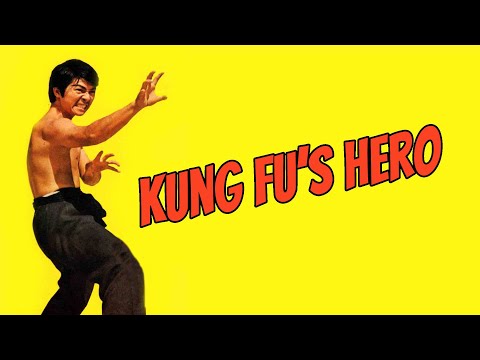
Wu Tang Collection - Kung Fu's Hero: A Martial Arts Film Analysis

As a Sensei deeply entrenched in the philosophical and practical realms of Budo and the kinetic poetry of martial arts cinema, I often find myself contemplating the very essence of what makes a martial arts film resonate. Is it the visceral thrill of a perfectly executed strike? The emotional depth of a character's journey? Or perhaps the subtle, yet powerful, transmission of a martial principle through the silver screen? Today, we delve into "Wu Tang Collection - Kung Fu's Hero," a film that, while perhaps not a household name like some of its contemporaries, offers a fascinating glimpse into the landscape of 70s and 80s Hong Kong action cinema.

Our intent, as practitioners and enthusiasts of the martial path, is to dissect this film not merely as entertainment, but as a cultural artifact that reflects, however imperfectly, the martial arts it purports to portray. We will examine its narrative, its performances, and crucially, its action choreography, seeking the threads of genuine martial spirit within the tapestry of its genre conventions.

Table of Contents

Introduction: The Glimmer of the Wu Tang Collection

The "Wu Tang Collection" itself evokes a certain mystique, promising raw, unadulterated kung fu action. "Kung Fu's Hero" is a testament to this promise, albeit one filtered through the specific lens of its director, Joseph Kong Hung. In an era when Hong Kong cinema was experiencing its golden age, films like this were the lifeblood of the genre, often produced with rapid turnarounds but fueled by a genuine passion for martial arts and storytelling. The question for us, the seasoned martial observer, is whether "Kung Fu's Hero" transcends its B-movie origins to offer something truly instructive or inspiring.

Many viewers approach these films looking for a pure distillation of martial arts. But as any seasoned practitioner knows, the path of Budo is not solely about physical prowess; it is about discipline, character, and the cultivation of an unshakeable spirit. Does "Kung Fu's Hero" manage to convey these deeper principles amidst its smuggling rings and undercover stings? Or is it merely a spectacle of kicks and punches? Let us investigate.

Director and Cast: Laying the Foundation

Directed by Joseph Kong Hung, "Kung Fu's Hero" features a cast that includes Cheung Nik, the formidable Bolo Yeung, Chiang Tao, and Lee Chiu. While not all names might immediately spark recognition for the casual viewer, within the circles of martial arts film aficionados, figures like Bolo Yeung are legendary. His imposing physique and brutal screen presence made him a staple in countless action films, often embodying the villain or the ultimate physical challenge.

Cheung Nik, as the protagonist, carries the weight of the narrative. The success of an undercover cop story hinges on the actor's ability to portray both the cunning strategist and the skilled warrior. Chiang Tao and Lee Chiu round out the ensemble, likely contributing to the intricate fight sequences and the overall texture of the film's world.

The synergy between director and cast is paramount in creating a believable martial arts world. A director’s vision, combined with the actors' dedication to their craft, can elevate a simple plot into a compelling martial arts drama. We must ask: what was Director Kong Hung’s vision? Did he aim for realism, for stylized spectacle, or for something in between?

Narrative Analysis: Undercover Ops and Kung Fu Tropes

The plot – an undercover cop infiltrating a gang of smugglers to save the women he loves – is a classic trope in action cinema. It provides ample opportunity for both tense dramatic scenes and explosive combat. The narrative arc typically involves the protagonist facing increasing danger, forming reluctant alliances, and ultimately confronting the main antagonists. The stakes are personal, driven by love and a sense of duty.

However, in martial arts films, the narrative often serves as a framework for the action. The "why" behind the fighting is important, but the "how" of the fighting takes center stage. The effectiveness of this plot in "Kung Fu's Hero" lies in how well it integrates the martial arts sequences. Do the fights emerge organically from the story, or do they feel shoehorned in? An undercover cop, for instance, might need to use stealth and close-quarters combat to avoid revealing his identity, offering a different tactical approach than a straightforward confrontation.

The inclusion of "saving the women he loves" adds a layer of personal motivation, a common theme that resonates deeply within the warrior ethos. Loyalty and protection are cornerstones of many martial traditions, and seeing these values reflected in a film's narrative can enhance its impact.

Fight Choreography: The Heart of the Matter

This is where a martial arts film truly earns its stripes, or in this case, its "Kung Fu's Hero" title. The choreography in films of this era often varied wildly in quality. Some were breathtakingly intricate, showcasing high-flying kicks, dynamic acrobatics, and precise weapon work. Others could be more rudimentary, relying on brute force and repetitive strikes.

We must examine:

  • Authenticity vs. Spectacle: Did the fight scenes attempt to mimic real martial arts techniques, or were they purely for visual flair?
  • Pacing and Flow: How well did the fights build tension and escalate? Was there a clear rhythm and progression?
  • Characterization Through Combat: Did the fighting style of each character reflect their personality or role in the story? A quick, agile fighter might contrast with a slower, powerful brawler.
  • Use of Environment: Were the fights confined to open spaces, or did the characters creatively utilize their surroundings?

The effectiveness of the choreography is often the deciding factor in whether a film becomes a beloved classic or a forgettable flick. In the context of Budo, the efficiency and economy of motion are key. While Hong Kong cinema is known for its spectacular, almost dance-like fighting, the underlying principles of leverage, balance, and impact remain.

The ultimate aim of martial arts is not only victory but also the cultivation of character, resilience, and a profound understanding of oneself.

Bolo Yeung's Presence: A Force to Reckon With

Bolo Yeung is a name synonymous with pure physical power on screen. His roles, particularly as a formidable antagonist, often presented an almost insurmountable obstacle for the hero. In "Kung Fu's Hero," his presence guarantees a certain level of intense physicality. Yeung’s natural physique and his commitment to portraying brute strength made him an iconic figure.

When actors like Bolo Yeung appear, the fight choreography often adapts to their strengths. Their scenes demand opponents who can either match their power or employ superior technique and speed to overcome the physical disadvantage. This dynamic creates compelling confrontations. His characters often embody the raw, untamed force that martial arts training seeks to overcome or control.

Cultural Context: The Era of Kung Fu Cinema

"Kung Fu's Hero" was released during a period of immense popularity for martial arts films, particularly those emerging from Hong Kong. This genre was not just entertainment; it was a cultural phenomenon that introduced millions worldwide to the concepts and visual language of various kung fu styles. Films like these often drew inspiration from traditional Chinese martial arts, folk legends, and historical epics.

The "Wu Tang Collection" itself often delved into the grittier, more direct styles of kung fu. These films were less about philosophical exposition and more about the raw application of techniques. They captured the imagination with their depictions of superhuman feats of strength, speed, and combat prowess, influencing a generation of filmmakers and martial artists.

Understanding this context is crucial. These films were made in a specific time, with specific budgets and often under challenging production conditions. Yet, they managed to export a potent image of martial arts power and artistry across the globe.

Veredicto del Sensei: Does it Earn its Black Belt?

"Wu Tang Collection - Kung Fu's Hero," while not reaching the pantheon of martial arts masterpieces, serves as a worthy entry into the annals of action cinema. Its narrative, though familiar, provides a solid scaffolding for the action sequences. The presence of Bolo Yeung lends significant weight to its combat scenes, and director Joseph Kong Hung navigates the genre conventions with a steady hand.

The fight choreography, while perhaps not as intricate as some contemporaries, likely delivers the hard-hitting, dynamic action that fans of the Wu Tang Collection expect. It successfully embodies the spirit of its era, offering a dose of pure, unadulterated kung fu entertainment. It's a film that understands its audience and delivers what they came for.

Cinturón Negro en Entretenimiento de Acción.

Training Advice: Lessons from the Screen to the Dojo

While we critique and analyze, there are always lessons to be gleaned. Even in films that prioritize spectacle, principles can be found:

  1. The Importance of Physical Conditioning: Observe the endurance and power displayed. This underscores the necessity of consistent physical training to perform demanding techniques.
  2. Adaptability in Combat: The undercover cop narrative implies the need for diverse skill sets – close-quarters combat, perhaps some stealth, and the ability to blend in. This translates to cross-training in various martial arts for a well-rounded foundation.
  3. Mindset of Resilience: Facing overwhelming odds is a recurring theme. This highlights the mental fortitude required to persevere, a core tenet of BUDO and all true martial arts.
  4. Utilizing the Environment: Even if exaggerated, fights often incorporate their surroundings. In training, consider how to use balance, positioning, and obstacles to your advantage.

Equipment Recommendations for Your Training

To emulate the dedication seen on screen, having the right gear is essential for serious training:

  • Durable Uniforms (Gi/Dobok): For styles like Judo or Karate, a robust uniform that withstands intense grappling and striking is crucial. Look for double-weave cotton for longevity.
  • Sparring Gear: Headguards, mouthguards, shin pads, and groin protectors are vital for safe sparring, allowing you to push your limits with confidence.
  • Training Mats (Tatami/Puzzle Mats): Essential for safe falls and grappling practice, especially if training at home.
  • Weighted Training Vest: To enhance conditioning and build functional strength, a weighted vest can simulate the resistance faced by screen warriors.
  • Body Protector (Pao): For practicing powerful strikes with a partner, a sturdy body protector is indispensable for both the striker and the receiver.

Investing in quality martial arts equipment is an investment in your safety and progress. For those interested in specific styles, consider looking for Karate merchandise or high-quality Judo gis.

Frequently Asked Questions

Q: Is "Kung Fu's Hero" based on a true story?
A: While inspired by classic martial arts tropes and potentially drawing from common criminal activities, the plot of an undercover cop infiltrating a smuggling ring is largely fictional, typical of the genre.

Q: Who is Bolo Yeung?
A: Bolo Yeung is a renowned martial artist and actor, famous for his muscular physique and powerful screen presence in numerous Hong Kong action films, including "Enter the Dragon" and "Bloodsport."

Q: What is the "Wu Tang Collection"?
A: The "Wu Tang Collection" is a series of films, often featuring classic Hong Kong martial arts action, known for their raw, unpolished, and often gritty style.

Q: How does this film compare to modern MMA films?
A: "Kung Fu's Hero" predates the mainstream popularity of modern MMA films. Its action is rooted in traditional kung fu styles and cinematic choreography, whereas MMA films tend to focus on mixed martial arts techniques like grappling and diverse striking arts.

To Deepen Your Journey

For those captivated by the spirit of martial arts cinema and philosophy, further exploration is always encouraged. Consider delving into:

  • BUDO and its philosophical underpinnings.
  • The history and diverse styles within artes marciales.
  • The impact of MMA on contemporary combat sports and filmmaking.
The true warrior is not one who wins every battle, but one who rises every time they fall. This spirit is what elevates mere combat into the realm of martial art.

Reflexión del Sensei: Your Next Step

You've analyzed the narrative, dissected the action, and considered the context. Now, the true lesson begins. In your own training, when you face a difficult technique or a frustrating plateau, do you retreat, or do you channel the "Kung Fu's Hero" within? Remember, the greatest battles are often those fought within the mind and the spirit. How will you approach your next training session, not just with physical effort, but with the unwavering resolve of a true martial artist?

``` GEMINI_METADESC: Critically analyze the martial arts film 'Kung Fu's Hero' from the Wu Tang Collection. Examine its narrative, fight choreography, Bolo Yeung's role, and cultural impact with a Sensei's expert eye.

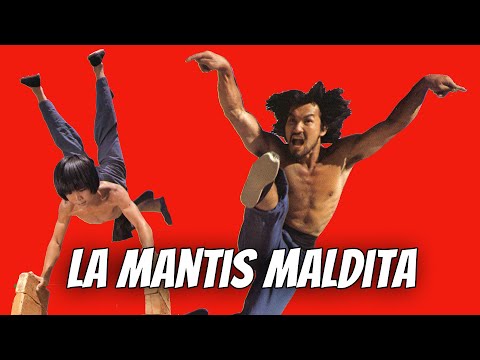
The Thundering Mantis: A Wu-Tang Collection Masterpiece or a Misstep?

Introduction: More Than Just Kung Fu

The world of martial arts cinema is a vast and often unforgiving landscape. Within it, certain collections stand out, promising a deep dive into the golden age of Hong Kong action. The Wu-Tang Collection, with its curated selection of kung fu classics, often ignites passionate debate. Today, we dissect one such gem, or perhaps a rough diamond, depending on your perspective: The Thundering Mantis (also known as The Mad Mantis). But is this film merely a showcase for Leung Ka-Yan's unique talents, or does it truly embody the spirit of the **Budo** it purports to represent? As a seasoned practitioner and critic, I approach this film not just as entertainment, but as a study in cinematic martial arts, examining its adherence to principles, its technical execution, and its lasting impact on the **Martial Arts Community**.

Are you ready to explore the thunderous power of the Mantis style, or will this film leave you feeling like a fly caught in its web? Let's find out.

Plot Analysis: The Tale of Ah Chi and the Mantis

Directed by Teddy Yip, The Thundering Mantis centers on Ah Chi, a young man whose **obsession with martial arts** is matched only by his penchant for trouble. His kung fu antics, often more clownish than formidable, inevitably lead him into conflict with the sinister Hsia of the notorious Jade Brotherhood. This initial clash forces Ah Chi’s master to expel him, a common trope in martial arts narratives that signifies a turning point, a stripping away of formal training to forge a more resilient fighter. This expulsion is a crucial element, testing the protagonist's fundamental resolve, much like the concept of Shuhari in Japanese martial arts – first learn, then break, then transcend.

Cast adrift and working as a fish vendor, Ah Chi stumbles upon a crafty young boy. This boy's uncle, Chow Tung, portrayed by the veteran Yuet Sang Chin, is revealed to be a master of a particularly frenetic and seemingly "insane" Mantis style. This meeting is the fulcrum of the narrative, introducing Ah Chi to a new, perhaps more unorthodox, path to mastery. The Jade Brotherhood, meanwhile, continues its ruthless pursuit of control over the small town, setting the stage for a classic hero's journey: the outcast who must rise to protect the innocent. Ah Chi, now under the tutelage of a new, unconventional master, finds his purpose not in personal glory, but in defending his neighborhood from the encroaching tyranny. It's a narrative that, while familiar, highlights the core of **Warrior Philosophy**: the responsibility that comes with the ability to fight.

Fight Choreography: Unleashing the Praying Mantis Style

The true test of any martial arts film lies in its action. The Thundering Mantis, as its title suggests, aims to showcase the Praying Mantis style. This particular kung fu system is renowned for its rapid hand techniques, mimicking the snapping claws and evasive movements of the insect. In the film, Leung Ka-Yan, who plays Ah Chi, brings a distinct physicality to his role. While his early "clowning" might suggest a lack of serious **technique breakdown**, it serves as a narrative device. His true potential is unlocked when he begins to train under Chow Tung.

The choreography here, while perhaps not reaching the artistic heights of a Lau Kar-leung film, is effective in conveying the Mantis style's essence. We see quick, darting movements, intricate hand formations, and sudden bursts of power. The film succeeds in depicting the style’s characteristic agility and deceptive speed. However, a critical eye might note that the "insane" aspect of the style is more in its visual presentation than a deep exploration of its underlying principles. True mastery of a **martial art** like **kung fu** requires not just mimicry, but an understanding of its core mechanics and applications, something that often gets lost in the spectacle of Hong Kong cinema. This is where the film might falter for purists seeking a true representation of **BUDO**.

"The Praying Mantis style is about striking from unexpected angles, using agility to evade and then delivering a decisive blow. It’s a dance of deception and sudden violence."

– Anonymous Martial Arts Master

Performances: The Heart of the Action

Leung Ka-Yan as Ah Chi carries the film with a blend of earnestness and physical prowess. His early scenes effectively convey the frustration of a young man struggling to control his powerful, yet undisciplined, martial arts skills. As he evolves, Leung convincingly portrays a budding hero, driven by a newfound sense of justice. Eddie Ko as Hsia embodies the classic villain – menacing and driven by greed, providing a formidable antagonist for Ah Chi to overcome.

The supporting cast, particularly Yuet Sang Chin as Chow Tung, brings gravitas and a touch of eccentricity to their roles. Chin’s portrayal of the Mantis master is crucial; he must be both formidable and slightly unhinged to live up to the "insane Mantis style" moniker. While the dialogue might be sparse and the characterizations somewhat archetypal, the actors’ commitment to the physicality of their roles is undeniable. This is where the film connects with its audience – through raw, unadulterated **Fight Night** energy, reminiscent of the early days of **MMA** before its global professionalization.

Wu-Tang Collection Influence: A Legacy of Martial Arts Cinema

The inclusion of The Thundering Mantis within the Wu-Tang Collection signifies its place within a lineage of influential martial arts films. The Wu-Tang Clan themselves, through their music and their appreciation for kung fu cinema, have cemented a cultural legacy. This collection serves as a gateway for new generations to discover these classic films, often introducing them to styles and storytelling techniques that have shaped modern action cinema and **Artes Marciales Mixtas**.

Films like The Thundering Mantis are not just stories; they are cultural artifacts. They represent a time when **kung fu** was king, when audiences were captivated by the sheer skill and dedication of the performers. The Wu-Tang Collection, by bringing these films to a wider audience, plays a vital role in preserving this cinematic heritage. It reminds us that the **spirit of the warrior** transcends time and culture, even when presented through the lens of stylized cinematic combat.

Veredicto del Sensei: ¿Merece la pena?

The Thundering Mantis is a solid entry into the kung fu genre, particularly for fans of the Wu-Tang Collection and Leung Ka-Yan. While the plot treads familiar ground and the "insane" Mantis style might be more visually striking than deeply explored, the film delivers on its core promise: exciting martial arts action. The choreography, while not groundbreaking, effectively showcases the Praying Mantis techniques, and the performances are committed.

It’s a film that understands its audience – those who crave the visceral thrill of **combate cuerpo a cuerpo** and appreciate the artistry of traditional **martial arts training**. It might not be a philosophical treatise on the **Inner Strength** required for true mastery, but it’s an entertaining ride that celebrates the dynamism of kung fu. For those seeking a pure dose of action and a glimpse into a specific martial art style, this film is a worthy watch.

Cinturón Negro en Acción de Kung Fu, pero con Notas al Margen en Profundidad Filosófica.

Guía de Entrenamiento: El Estilo Mantis en Casa

While mastering the authentic Praying Mantis style requires dedicated instruction from a qualified **Martial Arts Master**, we can explore some fundamental principles that can be practiced at home to enhance your agility and hand speed. Remember, this is a simplified adaptation for general fitness and coordination, not a substitute for professional training.

  1. Warm-up (5-10 minutes): Light cardio like jogging in place or jumping jacks. Focus on dynamic stretches for your wrists, arms, and shoulders.
  2. Stance Practice: Adopt a stable horse stance (Ma Bu). This builds leg strength and grounding, essential for power generation.
  3. Hand Striking Drills:
    • "Mantis Claws" (San Shou): Practice rapid, short jabs with your fingertips extended, targeting imaginary points in front of you. Focus on snapping your wrists for speed and precision.
    • "Palm Strikes" (Zhang Chui): Mimic the powerful palm strikes of the Mantis. Extend your arm quickly, striking with the heel of your palm. Alternate between short, sharp strikes and slightly longer, more powerful ones.
    • "Hooking and Grasping" (Gou Shou): Practice hooking motions with your arms, simulating the Mantis's ability to trap and control an opponent's limb. This develops wrist flexibility and control.
  4. Footwork Drills: Practice small, quick steps. Imagine moving like an insect, darting and evading. Focus on maintaining a low center of gravity.
  5. Combination Practice: Combine 2-3 hand strikes with a step. For example: jab, jab, hook, step forward. Focus on fluidity and smooth transitions.
  6. Cool-down (5 minutes): Static stretching, holding each stretch for 30 seconds. Pay attention to your forearms, wrists, and fingers.

Important Note: This is a basic outline. The true Mantis style is far more complex, involving intricate forms (Katas), specific breathing techniques, and application drills. Always prioritize safety and listen to your body. For authentic training, seek out a reputable **KarateKyokushin** dojo or a traditional **Kung Fu** school.

Equipo Esencial para tu Entrenamiento

While The Thundering Mantis focuses on the art of the Mantis style, much of your home training can be done with minimal equipment. However, to truly enhance your **Martial Arts Training** and simulate more realistic scenarios, consider the following:

  • Durable Training Mat: Essential for practicing stances and any ground movements to protect your joints.
  • Wrist Wraps: Crucial for supporting your wrists during rapid hand striking drills, especially if you have a history of wrist pain.
  • Punch Mitts or Focus Mitts: Ideal for practicing striking accuracy and power with a partner, or even by yourself if you can anchor them securely. This helps develop precision and timing, vital for any **combat sports**.
  • Training Dummy (e.g., Wing Chun Dummy, Makiwara): While not directly for Mantis, these tools can help develop striking power, accuracy, and conditioned striking surfaces. A makiwara, in particular, is a traditional tool for developing hardened knuckles and forearm strength.
  • Comfortable Training Attire: Loose-fitting clothing that allows for a full range of motion is key. A **Kimono** or a traditional martial arts uniform can enhance the training experience.

Preguntas Frecuentes

  • What is the "Mantis Style" in kung fu?
    The Praying Mantis style is a Chinese martial art known for its rapid hand techniques, evasive footwork, and mimicking the movements of the praying mantis insect. It often involves quick strikes, trapping techniques, and fluid transitions.
  • Who are the main actors in The Thundering Mantis?
    The film stars Leung Ka-Yan as Ah Chi, Eddie Ko as Hsia, Huang Yi Lung as the crafty kid, and Chin Yuet Sang as Master Chow Tung.
  • Is The Thundering Mantis a true story?
    No, it is a fictional martial arts film, typical of the genre from the golden age of Hong Kong cinema.
  • Where can I find more Wu-Tang Collection films?
    These films are often available through specialty distributors, online streaming platforms that curate classic cinema, or dedicated martial arts film archives.
  • What are the benefits of training martial arts for mental health?
    Martial arts training cultivates discipline, focus, stress relief, and **Self-Mastery**. The **Mental Game** is as crucial as the physical, fostering resilience and confidence.

Para Profundizar en tu Camino

Reflexión del Sensei: Tu Próximo Paso

We have dissected The Thundering Mantis, examining its narrative, its action, and its place within the grand tapestry of martial arts cinema. The film, like many of its era, offers a potent blend of stylized violence and a simple, yet effective, tale of good versus evil. But does the pursuit of impressive fight choreography ever overshadow the deeper philosophical tenets of **BUDO** and **Self-Improvement**? When we watch these films, are we merely entertained, or are we subtly absorbing lessons about discipline, perseverance, and the warrior's code?

Now, I pose this to you: In your own training, whether it be in a formal dojo or through your own solitary practice, how do you balance the pursuit of technical mastery with the cultivation of the warrior's spirit? Are you a Mantis, swift and deceptive, or do you embody the unyielding stone? Share your thoughts and experiences in the comments below. Let the debate begin!

``` GEMINI_METADESC: Review of "The Thundering Mantis" from the Wu-Tang Collection. Explore plot, choreography, performances, and its legacy in martial arts cinema. Includes training tips.