Showing posts sorted by relevance for query Warrior Philosophy in Martial Arts. Sort by date Show all posts

Okinawan Karate: More Than Just Strikes - A Deep Dive into the Warrior's Path

In the vast universe of martial arts, the profound legacy of Japan stretches its influence far beyond the iconic shores of Okinawan Karate. While Karate stands as a titan, it is but one star in a constellation of disciplines that have ignited passion in enthusiasts across the globe. Alongside the thunderous power of Okinawan Karate, we find the yielding strength of Judo, the circular grace of Aikido, and the disciplined precision of Kendo. What binds these diverse arts? A common thread, as potent as any physical technique: their unwavering emphasis on spiritual development. Practitioners are not merely acquiring the tools of combat; they are embarking on a quest to sculpt better individuals, refined souls. Join us, students, on a journey through the profound philosophies and rigorous practices that forge the very essence of the martial arts world.

The Legacy Beyond Okinawa

The influence of Japanese martial arts is undeniable, a testament to centuries of refinement and philosophical depth. Many practitioners begin their journey with a single art, perhaps drawn by the dynamic movements of Karate or the strategic throws of Judo. However, a true appreciation for Budo, the "Way of Martial Arts," reveals a rich tapestry of interconnected principles.

The Way of the Warrior: A Life Philosophy

Is martial arts merely about fighting? A dangerous misconception, and one that undermines the very soul of Budo. True martial arts encompasses far more than mere physical combat; it is a comprehensive way of life. The real essence lies not in the blow landed, but in the continuous pursuit of self-improvement, the cultivation of unwavering character, and the profound journey of spiritual growth. The ancient samurai warriors, masters of their craft and their minds, understood this interconnectedness intimately. Their training was a holistic endeavor, seeking the perfect harmony of mind, body, and spirit. This timeless philosophy continues to resonate, shaping the teachings and the very spirit of various martial arts disciplines today.

"The warrior is one who digests his experiences and is not discouraged by them." - Miyamoto Musashi, The Book of Five Rings

Okinawan Karate: A Legacy Unparalleled

Among the most iconic martial arts to emerge from Japan, Okinawan Karate stands with a legacy that traces its proud roots back to the Ryukyu Kingdom. Renowned for its emphasis on explosive, powerful strikes delivered with fluid, almost dance-like movements, this discipline embodies the indomitable spirit and resilience of the Okinawan people. Practitioners of Karate do not merely acquire formidable self-defense skills; they cultivate profound virtues: unwavering discipline, deep-seated respect for their peers and instructors, and the tenacious spirit of perseverance in the face of adversity.

The sheer effectiveness of Karate's striking techniques, from the devastating Uraken (reverse punch) to the precise Gedan Barai (downward block), is legendary. Yet, beneath the surface of these physical applications lies a deep philosophical wellspring. The rigorous repetition of kata—prearranged forms that simulate combat—is not just muscle memory training; it is a meditative practice, a way to ingrain principles of balance, timing, and intention.

The Spiritual Essence of Martial Arts

In the disciplined world of martial arts, physical techniques are inextricably intertwined with deep, foundational spiritual principles. Ancient traditions, notably the profound philosophies of Zen Buddhism and the naturalistic reverence of Shintoism, have deeply influenced the philosophical underpinnings of these arts. Practices such as mindful meditation (Zazen), controlled breathing exercises (Kokyu ho), and pervasive mindfulness are not mere add-ons; they are integral components of many martial arts training regimens. These practices are the crucible in which practitioners forge mental fortitude, sharpen unwavering focus, and cultivate profound self-awareness.

Consider the concept of Mushin, the "no-mind" state often sought in Karate and other arts. It is not about being empty-headed, but about achieving a state of spontaneous, uninhibited action, free from conscious thought or fear. This is the spiritual essence—the ability to react instinctively and effectively under pressure. This state is cultivated through thousands of hours of dedicated practice and introspective training.

Unveiling the "Ways of the Warrior"

Beyond the striking prowess of Okinawan Karate, a pantheon of other esteemed "ways of the warrior" have garnered international acclaim and devoted followings. Judo, masterfully originating from Jigoro Kano's vision, champions the principle of "Seiryoku Zenyo" – maximum efficiency with minimal effort. It teaches us how to use an opponent's strength and momentum against them, a profound lesson in leverage and strategy.

Then there is Aikido, the art of peaceful harmony, founded by the legendary Morihei Ueshiba. Aikido’s philosophy centers on blending with and redirecting an opponent's energy, neutralizing aggression without causing undue harm. It is a testament to the principle that true strength lies not in brute force, but in adaptability and control.

And we cannot forget Kendo, the "way of the sword." This discipline meticulously preserves the spirit and techniques of the ancient samurai through rigorous, disciplined training, steeped in tradition and unwavering respect for the weapon and the opponent.

Martial Arts as a Path to Personal Growth

To engage with martial arts is to embark on a profoundly transformative journey. It is an experience that molds individuals, forging them into disciplined, confident, and compassionate human beings. The relentless pursuit of perfection in technique, coupled with the deep commitment to self-improvement, transcends the confines of the dojo and permeates every aspect of a practitioner's life. Martial arts offer a holistic approach to personal development, instilling invaluable virtues that positively influence relationships, career paths, and overall well-being.

The lessons learned on the mat – patience, perseverance, humility – are directly applicable to challenges faced off the mat. Facing a difficult boss? Remember the patience required to master a complex kata. Dealing with a personal setback? Recall the resilience built from countless sparring sessions and the commitment to rise after being thrown. This is the true power of Budo.

Building a Thriving Martial Arts Community

Martial arts not only bestow invaluable physical and mental benefits upon their practitioners but also cultivate a powerful sense of camaraderie and belonging. By training together, side-by-side, artists develop deep, enduring bonds, sharing hard-won experiences and offering unwavering support to one another on their individual paths. This interconnectedness fosters a vibrant, dynamic community where knowledge, wisdom, and mutual respect are continuously exchanged, enriching the journey for every single person involved.

A strong martial arts community provides a crucial support system. In moments of doubt or struggle, the encouragement of fellow practitioners can be the difference between quitting and pushing through. Sharing insights on techniques, discussing philosophical quandaries, and celebrating each other's progress builds a collective strength that empowers everyone.

Unlocking the Warrior Within

Embracing the path of martial arts is, in essence, an act of unlocking the latent, often untapped, potential residing within each individual. Through unwavering dedication, relentless perseverance, and an unyielding commitment to lifelong learning, practitioners embark on a profoundly transformative journey that extends far beyond mere physical techniques. The true, potent power lies in the awakening of the warrior within—an individual who embodies unwavering discipline, profound humility, and unshakeable determination in all endeavors.

Veredict of the Sensei: Does Okinawan Karate Live Up to the Hype?

This exploration into Okinawan Karate and its place within the broader martial arts landscape reveals an art form steeped in history, discipline, and profound philosophy. The documentary, while not explicitly reviewed here, sets the stage for understanding Karate's global impact. From the rigorous physicality to the mental fortitude it cultivates, Karate offers a complete system for self-development. However, like all martial arts, its true value lies in the practitioner's commitment to its underlying principles.

Rating: Cinturón Negro en Profundidad Filosófica

Essential Equipment for Your Training

While the spirit of the warrior can be honed with minimal equipment, certain items can significantly enhance your training experience and safety, particularly for Okinawan Karate and related disciplines:

  • Karate Gi: Look for a durable, comfortable Karate Gi made from cotton or a poly-cotton blend. A heavier gi is often preferred for competitive Karate and provides better durability for intense training.
  • Karate Belt: A sturdy Karate belt (Obi) is essential. Start with a white belt and progress through the ranks as you master techniques and demonstrate understanding of the principles.
  • Mouthguard: For sparring sessions (kumite), a well-fitting mouthguard is crucial to protect your teeth and jaw.
  • Groin Protector: Safety first. A groin protector is highly recommended for all male practitioners engaging in sparring.
  • Optional: Karate Training Mitts/Pads: For partner drills, training mitts and pads can be useful for practicing strikes safely and effectively.

For those interested in Judo, a robust Judo Gi (often heavier and designed for gripping) is essential. For Kendo, specialized protective gear and a bamboo sword (Shinai) are necessary.

Frequently Asked Questions

Is Okinawan Karate effective for self-defense?
Yes, Okinawan Karate, particularly styles that emphasize practical application and sparring, can be very effective for self-defense. Its focus on powerful strikes, blocks, and evasive movements provides a solid foundation.
What is the main difference between Karate and Judo?
Karate primarily focuses on striking techniques (punches, kicks, blocks), while Judo emphasizes grappling, throwing, and submission techniques. Both share a common emphasis on discipline and character development.
Can beginners start with any martial art?
Absolutely. Most martial arts schools are welcoming to beginners and offer foundational classes. The key is to find an art and an instructor that resonate with your personal goals and learning style.
How important is meditation in martial arts?
Meditation, or similar mindfulness practices, is highly important in many martial arts as it helps develop focus, emotional control, mental clarity, and a deeper understanding of oneself, which are all crucial for effective technique and personal growth.

Deepen Your Journey

To truly grasp the breadth and depth of the martial path, I encourage you to explore these related areas:

Reflection of the Sensei: Your Next Step

We have traversed the landscape of Okinawan Karate and its kin, glimpsing the profound philosophy that underpins these ancient disciplines. We've seen that the true battle is not against an external foe, but against the limitations within oneself. Now, I pose this question to you, my students:

When you bow at the end of training, are you bowing to your opponent, your instructor, or are you bowing to the improved version of yourself that you are striving to become? What does that bow truly signify in your life outside the dojo?

Ponder this. Discuss it. Let it fuel your practice. The journey of the warrior is a continuous one, and the deepest lessons are often found in the quiet moments of reflection.

``` ```json { "@context": "https://schema.org", "@type": "FAQPage", "mainEntity": [ { "@type": "Question", "name": "Is Okinawan Karate effective for self-defense?", "acceptedAnswer": { "@type": "Answer", "text": "Yes, Okinawan Karate, particularly styles that emphasize practical application and sparring, can be very effective for self-defense. Its focus on powerful strikes, blocks, and evasive movements provides a solid foundation." } }, { "@type": "Question", "name": "What is the main difference between Karate and Judo?", "acceptedAnswer": { "@type": "Answer", "text": "Karate primarily focuses on striking techniques (punches, kicks, blocks), while Judo emphasizes grappling, throwing, and submission techniques. Both share a common emphasis on discipline and character development." } }, { "@type": "Question", "name": "Can beginners start with any martial art?", "acceptedAnswer": { "@type": "Answer", "text": "Absolutely. Most martial arts schools are welcoming to beginners and offer foundational classes. The key is to find an art and an instructor that resonate with your personal goals and learning style." } }, { "@type": "Question", "name": "How important is meditation in martial arts?", "acceptedAnswer": { "@type": "Answer", "text": "Meditation, or similar mindfulness practices, is highly important in many martial arts as it helps develop focus, emotional control, mental clarity, and a deeper understanding of oneself, which are all crucial for effective technique and personal growth." } } ] }
Wu-Tang Collection: A Deep Dive into the Martial Spirit of "Chivalrous"

The Echoes of the Northern Song Dynasty

The Wu-Tang Collection, a veritable treasure trove for aficionados of classic martial arts cinema, often presents us with films that are more than just entertainment; they are windows into a bygone era, glimpses into the disciplined world of the warrior. Today, we turn our analytical gaze upon Chivalrous, a film that, while perhaps not a household name, carries the weight of its genre with a certain gravity. Directed by George Chi and featuring a cast including Lo Meng, Yan Xi, and Derek Kwok, this cinematic offering transports us to the turbulent Northern Song Dynasty. Here, amidst the grandeur of the Xuanwu Order, four martial arts families engage in a fierce struggle for dominance. But beyond the on-screen battles, what true martial spirit does Chivalrous embody? Does it merely showcase empty theatrics, or does it resonate with the deeper principles of Budo? Join me, your Sensei, as we dissect this film not just as viewers, but as practitioners seeking the essence of the martial way.

Deconstructing the Battle for Supremacy

The premise of Chivalrous is a classic martial arts trope: the clan war. The Xuanwu Order, a venerable institution, becomes the crucible where the destinies of four prominent martial arts families are forged through conflict. This setup immediately begs the question: what specific martial arts traditions are represented, and how do they clash? The narrative, though ostensibly about power struggles, is the canvas upon which the true art is painted. The film promises a visual spectacle of rivalries, alliances, and betrayals, all underscored by the movement and techniques of seasoned warriors. As a critic deeply rooted in the practical application and philosophical underpinnings of combat sports and martial arts, I look for authenticity, strategic depth, and the transmission of core values. The "supremacy in the martial world" isn't just about who can land the most blows, but who embodies the superior understanding of combat, strategy, and self-mastery. The question isn't merely "who wins?", but "how do they win, and what does that victory say about their art?"

The Dance of the Warrior: Choreography and Authenticity

The heart of any martial arts film lies in its fight choreography. In Chivalrous, with directors like George Chi at the helm and actors known for their physical prowess, we expect a certain standard. The film purports to depict the struggles between different martial arts families. This implies a diversity of styles, each with its own distinct visual language and strategic approach. Are the movements crisp, believable, and demonstrative of genuine techniques, or are they overly stylized and divorced from reality? I pay close attention to the flow of combat. Does it resemble a chaotic brawl, or a strategic exchange where each move has a purpose and a counter? The use of weaponry, the close-quarters grappling, and the striking techniques – all must be evaluated. Is there evidence of styles like Kung Fu, Karate, or perhaps even elements of Judo or BJJ, albeit historically anachronistic? The authenticity of the execution is paramount. Even in a historical setting, the fundamental principles of balance, leverage, and timing should be discernible. If the choreography relies too heavily on wire-fu or overly exaggerated movements that defy physics, the martial integrity of the film is compromised. This is where many films falter, becoming mere action spectacles rather than genuine martial arts narratives.

"True martial arts are not about winning every fight, but about striving for perfection of character and the development of a spirit that is unbreakable." - A principle often echoed by masters across disciplines.

The interaction between Lo Meng and his co-stars will be crucial here. Lo Meng, in particular, has a filmography that often showcases a solid foundation in martial arts. His performance, and that of Yan Xi and Derek Kwok, will be a key indicator of whether the film prioritizes genuine martial expression or mere dramatic flair. The way they engage, parry, and strike speaks volumes about their training and the director's vision.

Beyond the Fist: Underlying Martial Philosophy

While the visual spectacle of combat is undeniable, the true resonance of a martial arts film often lies in its philosophical underpinnings. The title itself, Chivalrous, hints at a code of conduct, a set of ethics that should guide the actions of these warriors. The concept of 'chivalry' in a martial context transcends mere politeness; it speaks to honor, righteousness, and the responsible use of power. In the Northern Song Dynasty, the 'martial world' was not just a battlefield but a complex social structure governed by its own unwritten laws. The struggle for supremacy by these four families should, ideally, reflect a deeper exploration of these principles. Are the characters motivated by greed and ego, or by a desire to uphold justice and protect the innocent? Does the film explore the concept of Mushin – the "no-mind" state of effortless action – or the principles of Bushido, even if not explicitly named as such? The dedication to a martial path often involves immense sacrifice, discipline, and a constant internal struggle. A film that merely depicts external conflict without touching upon this internal dimension often feels superficial. I look for moments of introspection, instances where a character grapples with the morality of their actions, or displays a profound understanding of the interconnectedness of life and combat. This is what elevates a martial arts film from a mere action flick to a profound exploration of the human spirit.

Veredicto del Sensei: Does "Chivalrous" Earn Its Black Belt?

Evaluating Chivalrous through the lens of a seasoned martial artist and film critic presents a nuanced picture. The film undoubtedly taps into the rich tradition of historical martial arts cinema, presenting a narrative of clan warfare and the pursuit of dominance. The setting of the Northern Song Dynasty and the core conflict between four martial arts families provide a fertile ground for showcasing diverse fighting styles. However, the true measure of its success lies in the execution. Based on the premise and the known quality of some of its participants, we can anticipate competent, if not revolutionary, fight choreography. The presence of actors like Lo Meng suggests a degree of authentic martial movement will likely be present. The philosophical depth, though hinted at by the title "Chivalrous," remains to be seen. Does it merely serve as a backdrop for action, or does it genuinely explore themes of honor, duty, and the ethical use of martial prowess?

Overall Assessment: Chivalrous is a solid entry within the martial arts genre, particularly for those who appreciate historical settings and classic clan rivalries. It offers competent action and a glimpse into the competitive spirit that drives martial artists. While it may not redefine the genre, it successfully delivers on the promise of martial conflict and honor.

Classification: A commendable performance, but perhaps not a legendary one. It’s a well-executed demonstration of foundational techniques. It doesn't break new ground, but it respects the traditions it portrays.

Training: Embracing the Spirit of Competition

The spirit of competition seen in films like Chivalrous can be a powerful motivator for your own training. While your dojo may not be a battlefield for clan supremacy, the drive to improve, to test your skills, and to overcome challenges is universal. Here’s how to channel that competitive energy constructively:

  1. Set Clear Goals: Just as the families in the film strive for dominance, define what you want to achieve. Is it mastering a specific kata, improving your sparring record, or achieving a higher rank?
  2. Embrace Sparring: Regular sparring with training partners is the closest you'll get to a real test. Focus on applying techniques learned, understanding timing, distance, and strategy. Remember, the goal is mutual improvement, not just victory.
  3. Analyze Your Performance: After sparring or training sessions, reflect. What worked? What didn’t? Where did you make mistakes? This self-assessment is critical for growth, just as a commander would review battle plans.
  4. Study Different Styles: The film depicts different families fighting. In your training, understanding the strengths and weaknesses of various martial arts can broaden your perspective. Consider cross-training in kickboxing, grappling, or other related arts.
  5. Cultivate Resilience: You will lose rounds, you will make mistakes, and you will face opponents who seem superior. The key is not to be defeated, but to learn from every setback. This resilience is the core of the martial spirit.
  6. Respect Your Opponent: True chivalry extends to the training floor. Treat your training partners and opponents with respect, acknowledging their effort and skill. The spirit of competition should never overshadow the spirit of camaraderie.

While Chivalrous is steeped in historical martial arts, modern training requires appropriate gear to ensure safety and effectiveness. Investing in quality equipment is a mark of respect for your art and yourself.

  • Durable Training Uniform (Gi/Kimono): For arts like Judo, Karate, or Aikido, a sturdy, double-weave gi is essential. It must withstand rigorous grappling and striking. Look for brands known for their longevity and comfort. Karate merchandise often includes high-quality gi options.
  • Sparring Gloves: Whether you’re practicing kickboxing, MMA, or conditioned sparring in Karate, appropriate gloves are crucial for protecting your hands and your partner’s face. For MMA training, 4oz to 6oz gloves are common. For heavier striking arts like Kyokushin Karate, specialized sparring gloves offer more padding.
  • Mouthguard: Non-negotiable for any form of sparring or live training. A good mouthguard can prevent serious dental injuries.
  • Shin Guards: Essential for kickboxing and Muay Thai, and highly recommended for Karate sparring involving leg kicks.
  • Training Mats (Tatami/Roll-out Mats): For home training, especially if you practice throws, groundwork, or dynamic falls, investing in quality mats is vital to prevent injuries.
  • Training Weapons (if applicable): If your art involves weapons (e.g., Kali, Fencing, Kendo), ensure you use safe training versions – wooden bokken, foam kali sticks, or padded fencing foils.

Preguntas Frecuentes

  • Q: What martial arts styles are depicted in "Chivalrous"?
    A: While not explicitly detailed, the film implies a historical Chinese martial arts context, likely encompassing various traditional Kung Fu styles common during that era. The focus is more on the inter-family rivalry than specific stylistic breakdowns.
  • Q: Is Lo Meng a skilled martial artist?
    A: Yes, Lo Meng is a veteran actor known for his extensive experience in martial arts films, often demonstrating a strong foundation in traditional Chinese martial arts.
  • Q: What is the historical context of the Northern Song Dynasty in martial arts?
    A: The Northern Song Dynasty (960-1127 AD) was a period of significant cultural and military development in China. While specific martial arts lineages from that exact period are debated, it was a time when various regional fighting systems were evolving and being codified.
  • Q: How does the film "Chivalrous" relate to the Wu-Tang Clan?
    A: The "Wu-Tang Collection" refers to a curated series of classic martial arts films often distributed or popularized by individuals or groups associated with the iconic hip-hop group Wu-Tang Clan, who are renowned for their deep appreciation and influence from martial arts culture.

Para Profundizar en tu Camino

"The opponent is your teacher. Through him, you can learn to overcome yourself." - A sentiment that resonates across all martial disciplines.

The allure of films like Chivalrous lies in their ability to ignite the imagination and stir the martial spirit within us. They remind us of the dedication, the discipline, and the code of honor that define true warriors. But as practitioners, we must go beyond passive viewing. We must internalize the lessons, apply the principles, and strive to embody the chivalry and martial integrity on and off the training floor.

Reflexión del Sensei: Tu Próximo Paso

After dissecting Chivalrous, a question lingers: In our modern world, saturated with fleeting trends and instant gratification, how do we cultivate the long-term dedication and ethical framework that the title "Chivalrous" implies? Is it enough to simply mimic the moves on screen, or must we truly embody the warrior's heart in our daily lives? Consider this: If your life were a martial arts film, what would be the central theme of your 'story,' and how would your actions demonstrate your commitment to that theme?

``` GEMINI_METADESC: An in-depth martial arts critique of the Wu-Tang Collection film 'Chivalrous', analyzing its choreography, authenticity, and adherence to martial principles. Featuring director George Chi and cast Lo Meng, Yan Xi, and Derek Kwok.

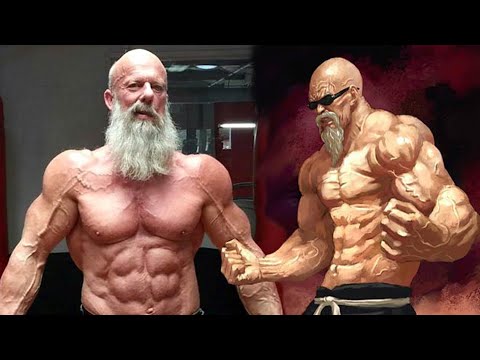
Dragon Ball's Master Roshi Embodied: The Real-Life Saga of Andreas Cahling

The Genesis of a Warrior's Legend

We often look to the realms of fiction for ultimate strength and wisdom, for characters who embody the peak of martial prowess and philosophical depth. Dragon Ball's Master Roshi, the Crane Hermit's rival and Goku's first true master, is one such icon. But what if I told you that elements of this beloved anime character weren't confined to the screen? What if a real-life individual mirrored Roshi's blend of eccentric wisdom, formidable combat skill, and an unwavering dedication to the martial path? Today, we delve into the extraordinary life of Andreas Cahling, a man who, in many ways, embodies the spirit of the Turtle Hermit himself.

Are you ready to explore a martial arts journey that defies conventional expectations and redefines what it means to be a warrior, both in body and in spirit? Prepare yourself, for this is not a tale of mere physical strength, but of the enduring power of dedication, learning, and the pursuit of self-mastery. We will dissect his methods, his philosophy, and the undeniable parallels to one of anime's most enduring figures. Let the lesson begin!

Who is Andreas Cahling? More Than Meets the Eye

Andreas Cahling is not your typical martial artist. Born in Sweden, he is a master of multiple disciplines, including Karate, Judo, Aikido, and Muay Thai. But his story goes beyond a mere accumulation of techniques. Cahling is renowned for his incredible physical condition, even in his later years, defying the stereotypes of aging and physical decline. He has dedicated his life to the rigorous pursuit of physical and mental perfection, living a life deeply intertwined with the principles of Budo.

His lifestyle is as unique as his skill set. Cahling is known for his disciplined approach to diet, training, and mental conditioning. He often espouses a philosophy that emphasizes the connection between the body, mind, and spirit, a cornerstone of traditional martial arts. This holistic approach, coupled with his often unconventional methods and public persona, has drawn comparisons to characters who exist at the nexus of power and eccentricity. For anyone interested in Martial Arts Training or the philosophy of BUDO, Cahling’s life presents a compelling case study.

The Roshi Parallel: Wisdom, Eccentricity, and Raw Power

The resemblance to Master Roshi is striking. Roshi, despite his perverted tendencies and love for leisure, is a supremely powerful martial artist and a wise teacher. He understands the balance of strength and spirit, and he knows when to be serious and when to lighten the mood. Similarly, Andreas Cahling projects an image of someone who has mastered not only the physical aspects of combat but also the mental and spiritual fortitude required to live a life dedicated to self-improvement.

Cahling's public image, often featuring him in powerful stances or displaying his physique with a mischievous glint in his eye, mirrors Roshi’s dual nature. He is the seasoned elder whose experience and power are undeniable, yet he doesn't take himself too seriously. This blend of formidable skill, philosophical depth, and a touch of the unconventional is precisely what makes the comparison to Master Roshi so resonant. It challenges our perception of what a martial arts master should be, moving beyond the stoic stereotype to embrace a more human, relatable, and ultimately inspiring figure. This is the essence of true Martial Arts Inspiration.

"The true martial artist is not just one who can fight, but one who understands the fight within himself."

This quote, a distillation of countless martial philosophies, seems to perfectly encapsulate Cahling's ethos. It’s this internal battle, the constant striving for self-improvement, that truly defines a warrior.

Martial Arts and Philosophy: The Core of Cahling's Being

Andreas Cahling's engagement with martial arts is not superficial. He has delved deep into various styles, understanding their underlying principles and philosophies. His mastery of Karate, Judo, and Muay Thai, among others, speaks to a dedication that transcends mere physical training. It indicates a profound respect for the history, techniques, and ethical codes associated with each discipline.

His philosophy often emphasizes natural movement, efficiency, and the integration of mind and body. This echoes the principles found in many traditional arts, such as the concept of 'Mushin' (no-mind) in Zen Buddhism and its application in martial arts, or the emphasis on 'Ki' (life force) in arts like Aikido. Cahling’s ability to maintain peak physical condition at an advanced age is a testament to his understanding that true strength comes from a balanced, harmonious integration of physical training, mental discipline, and spiritual awareness. This is the path of BUDO, the warrior's way, a path demanding constant self-reflection and growth.

The Training Regimen: Pushing the Limits of Human Potential

What sets Cahling apart is his commitment to an extraordinary training regimen. While many martial artists may focus on one or two styles, Cahling has embraced a cross-training approach that is both comprehensive and demanding. His dedication to maintaining a lean, powerful physique well into his later years is legendary.

His training often incorporates elements that appear extreme, such as prolonged fasting, cold exposure, and intense physical conditioning that would challenge athletes half his age. This isn't about vanity; it's about pushing the boundaries of human potential and proving that age is merely a number when guided by discipline and knowledge. He understands that effective entrenamiento is not just about lifting weights or practicing kicks; it’s about holistic conditioning, including cardiovascular health, flexibility, and mental resilience. This approach is vital for anyone seeking to improve their Fitness and overall well-being.

His dedication to functional strength and endurance is crucial for any Fighter Legacy. The ability to perform under pressure, to maintain stamina over extended periods, and to recover efficiently are hallmarks of elite practitioners across all combat sports, from MMA to traditional Karate Kyokushin.

Cahling in Action: Demonstrations of Skill and Spirit

When Andreas Cahling demonstrates his abilities, the Master Roshi parallels become even more apparent. Videos and images of Cahling often showcase his incredible flexibility, strength, and precise movements. Whether performing dynamic kicks, demonstrating powerful strikes, or showcasing his incredible agility, he moves with a grace and power that belies his age.

These demonstrations are not just about showcasing physical prowess; they are living embodiments of the philosophies he espouses. They highlight the results of decades of dedicated practice, a testament to the fact that consistent effort and a deep understanding of movement can lead to extraordinary outcomes. For aspiring martial artists, observing Cahling in action is like watching a master craftsman at work, demonstrating principles that can be applied to any discipline, whether it's Judo, Kickboxing, or even a rigorous At Home Workout. It’s a powerful reminder of the potential locked within the human form.

Impact and Legacy: Inspiring a New Generation

Andreas Cahling's influence extends far beyond his personal achievements. He serves as a powerful role model, particularly for those who believe that age is a barrier to physical fitness and martial arts practice. His life is a living testament to the enduring power of the martial spirit and the potential for continuous self-improvement.

He inspires individuals to embrace a holistic approach to health and well-being, encouraging them to look beyond conventional limitations. His story is a beacon for anyone seeking to live a more disciplined, purposeful life, demonstrating that the path of the warrior is a lifelong journey of learning and growth. For those interested in the intersection of physical prowess and mental fortitude, Cahling’s life is a masterclass in Self Improvement and Self Mastery.

Veredicto del Sensei: Is Cahling a True Martial Arts Master?

From my perspective as a lifelong practitioner and observer of the martial arts, Andreas Cahling embodies many of the qualities we associate with true masters. His dedication to a diverse range of disciplines, his commitment to peak physical and mental conditioning, and his ability to inspire others all point to a profound understanding of the martial path. While the comparison to Master Roshi is a lighthearted observation, it underscores the rare combination of potent skill, deep wisdom, and an unconventional spirit that Cahling displays. He is not merely a fighter; he is a practitioner who has dedicated his life to the pursuit of excellence, demonstrating that the warrior’s spirit knows no age limit. He has earned the respect of the martial arts community through his actions and dedication, proving that the pursuit of mastery is a lifelong endeavor.

Cahling’s Rating: Cinturón Negro en Longevidad y Maestría Marcial.

Equipment Essentials for Your Training

To emulate the dedication of masters like Andreas Cahling, having the right equipment can make a significant difference in your training. Whether you're practicing at home or in a dojo, investing in quality gear ensures safety and effectiveness.

  • Gi/Kimono: For styles like Judo and Karate, a durable, well-fitting Gi is essential. Look for double-weave kimonos for Judo for extra resilience.
  • Training Mats: If you're practicing grappling or techniques that involve falling, investing in good quality Martial Arts Merchandise like interlocking mats is crucial for safety.
  • Sparring Gear: For disciplines involving sparring (Karate, Kickboxing, MMA), protective gear such as headguards, mouthguards, and sparring gloves (e.g., 16oz for MMA) are non-negotiable.
  • Training Apparel: For conditioning and diverse martial arts training, comfortable and breathable workout wear is key. Look for moisture-wicking fabrics.
  • Supplements: While not strictly equipment, high-quality supplements can aid recovery and performance, mirroring the disciplined diet of masters like Cahling.

Resources for Deepening Your Path

To further your understanding and practice, consider exploring these related topics and resources:

Frequently Asked Questions

What martial arts is Andreas Cahling known for?
Andreas Cahling is known for his mastery in multiple disciplines including Karate, Judo, Aikido, and Muay Thai.
How does Andreas Cahling maintain his physique at an advanced age?
He follows a rigorous training regimen that includes diverse martial arts, intense physical conditioning, a disciplined diet, and practices like fasting and cold exposure, focusing on holistic well-being.
Why is he compared to Master Roshi from Dragon Ball?
The comparison stems from his blend of extraordinary martial arts skill, wisdom, a disciplined yet somewhat unconventional lifestyle, and an inspiring persona that defies typical age-related limitations, much like the iconic anime character.
What is the core philosophy behind Cahling's martial arts practice?
His philosophy emphasizes the integration of mind, body, and spirit, focusing on natural movement, efficiency, discipline, and continuous self-improvement – principles central to the Budo path.

Sensei's Reflection: Your Next Step

Andreas Cahling’s life is a powerful narrative that transcends the physical. It is a testament to the enduring power of discipline, the pursuit of knowledge, and the unyielding spirit of a true martial artist. He shows us that mastery is not a destination, but a continuous process, a path walked with dedication, curiosity, and an open heart. The comparison to Master Roshi, while playful, highlights a deeper truth: the most inspiring figures often possess a unique blend of profound skill, relatable humanity, and an eccentric spark that ignites the imagination.

Reflexión del Sensei: Tu Próximo Paso

Now, I pose a question to you, the dedicated reader. You have seen the extraordinary path of Andreas Cahling, a man who embodies the spirit of a living legend. Do you believe that the principles of rigorous training, philosophical depth, and a touch of the unconventional are essential for true martial arts mastery in the modern age? Or do you find such comparisons to fictional characters to be mere distractions from the core tenets of the art? Debate this with yourself, and then, with courage, share your honest thoughts below. Let the fire of discussion ignite your spirit!

``` GEMINI_METADESC: Explore the real-life warrior spirit of Andreas Cahling, often likened to Dragon Ball's Master Roshi. Discover his multi-disciplinary mastery, unique training, and enduring martial philosophy.

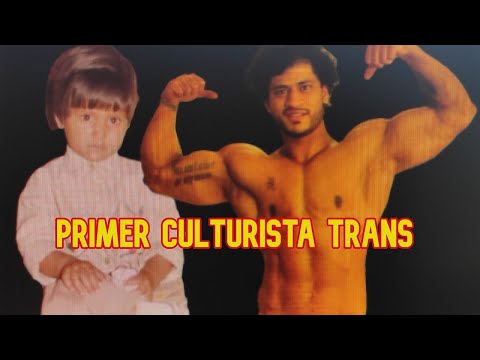
The Girl Who Underwent Surgery to Become a Bodybuilder: A Martial Arts Perspective

Introduction: Redefining Strength

Hello and welcome, students of the Way. Today, we venture into a topic that may initially seem far removed from the traditional dojo: the story of a young girl who chose surgery to pursue a career in bodybuilding. As practitioners of Budo and the myriad martial arts, we are constantly seeking to understand the essence of strength, discipline, and the human form's potential. Is this pursuit of physical perfection through radical means a testament to the indomitable human spirit, or a deviation from the core principles we hold dear? Let us delve into this compelling narrative, not just as observers, but as critical thinkers steeped in the philosophy and practice of the martial ways.
"True strength is not merely the absence of weakness, but the mastery of one's own being." - A principle often echoed in the halls of disciplined training.
Our journey today is about exploring the boundaries of physical transformation and questioning what it truly means to embody strength in its purest form. It’s a conversation starter, a challenge to our preconceptions, and an invitation to see the martial spirit in unexpected places.

The Unconventional Path: Beyond Traditional Aesthetics

The narrative of a young woman opting for surgical procedures to achieve a bodybuilding physique is, without question, unconventional. In many martial arts traditions, the ideal physique is often one of functional efficiency – lean, powerful, and agile, honed through relentless training rather than cosmetic intervention. Aesthetics take a backseat to utility; a fighter's body is a tool for survival and combat, not a canvas for sculpted perfection. However, to dismiss this pursuit outright would be a disservice to the fundamental principle of dedication. Bodybuilding, at its highest level, demands an extraordinary level of discipline, meticulous planning, and an unwavering commitment to pushing physical limits. These are qualities we deeply respect and cultivate in our own martial journeys. The question arises: does the *method* of achieving this physique invalidate the *spirit* of dedication? This is where our critical analysis must begin.

Martial Arts and Physical Transformation: A Synergistic Relationship?

The relationship between martial arts and physical transformation is as old as the arts themselves. From the Shaolin monks to the Greco-Roman wrestlers, the pursuit of physical prowess has always been intertwined with martial discipline. Yet, the *nature* of this transformation is key. Martial arts training aims to develop a body that is not only strong but also resilient, adaptable, and responsive. It’s about cultivating *Qi* (or Ki), the vital life force, which is believed to flow through and empower the body. This is a holistic approach, where mind, body, and spirit are developed in unison.
"The strength of a warrior is not in his muscles alone, but in the spirit that drives them." - Musashi's ethos, emphasizing the mind's command over the body.
In contrast, while bodybuilding undeniably requires immense effort, its primary focus is on hypertrophy and a specific aesthetic. Surgical intervention, while a tool, represents a different pathway to achieving that aesthetic. Can this pathway, when combined with the discipline of training, foster a spirit that resonates with martial principles? Or does it represent a fundamental divergence? This is a debate that ignites the very core of what we consider "martial."

Philosophical Considerations: The Warrior's Body

The concept of the "warrior's body" in martial arts is multifaceted. It’s a body forged in the crucible of training, capable of enduring pain, delivering devastating force, and adapting to unpredictable combat scenarios. It embodies *Mushin* (no-mind) and *Zanshin* (lingering awareness). This is a body that is a direct extension of the practitioner's will and spirit. When we consider the bodybuilder, we see a different kind of perfection – one that is often achieved through a combination of genetics, rigorous training, strict nutrition, and, in some cases, the aforementioned surgical enhancements. The intent behind these transformations is crucial. Is the intent to become a more formidable martial artist, or is it to achieve a specific visual ideal? Perhaps the most provocative question is: can a body altered by surgery still embody the *organic* development and resilience cultivated through traditional martial arts? Does it diminish the authenticity of the "fight" inherent in the training? Or, can the discipline required to recover from surgery and then train to the peak of bodybuilding serve as a unique, albeit unconventional, form of martial perseverance?

The Role of Surgery in the Pursuit of Excellence

Surgery, when viewed through a clinical lens, is a medical intervention. In the context of athletic or aesthetic pursuits, it can be seen as a tool to overcome physical limitations or to accelerate the achievement of a desired physique. In bodybuilding, this might involve procedures to enhance muscle definition or symmetry. From a martial perspective, this is where the debate truly ignites. Many martial arts philosophies emphasize the acceptance and mastery of one's natural form, or its refinement through effort and conditioning. The idea of "natural" vs. "augmented" strength is a significant point of contention. If the goal is to compete in bodybuilding, then surgery might be viewed as a strategic choice within that specific competitive domain. But if the implied aspiration is to embody the qualities of a martial artist – resilience, functional power, and adaptability – then the reliance on surgery raises questions about the depth and authenticity of the physical development. Is this a shortcut, or a different path to self-mastery?

Training Regimen and Discipline: The Core of Mastery

Regardless of the chosen path, the cornerstone of any true martial pursuit, or indeed any demanding physical discipline, is unwavering discipline and an exceptional training regimen. The individual in question, by undertaking surgery and then dedicating themselves to bodybuilding, demonstrates a profound level of commitment. The recovery from surgery itself requires immense fortitude and adherence to strict protocols. Following this with the grueling demands of bodybuilding training – precise nutrition, intensive workouts, and mental fortitude to push past discomfort – speaks volumes about their dedication. This level of commitment is a trait universally admired in the martial arts community. We see this same dedication in athletes who overcome severe injuries to return to competition, or in practitioners who spend decades perfecting a single technique. The *form* of the challenge may differ, but the *spirit* of perseverance and the cultivation of self-control are universal. This is where the narrative transcends the superficial and touches upon the core of what makes a warrior.

Equipment Essential for Your Training

While the focus of this narrative is on the individual's journey, effective training, whether for bodybuilding or martial arts, often benefits from appropriate equipment. For those pursuing strength and muscle development, particularly in a gym setting, certain gear can enhance performance and safety.
  • Weightlifting Gloves: Protect hands and improve grip during heavy lifting sessions, crucial for maximizing workout volume.
  • Lifting Straps: Aid in pulling exercises by reducing grip fatigue, allowing focus on the target muscle groups.
  • Weightlifting Belt: Provides core support during heavy compound lifts, helping to stabilize the spine and prevent injury.
  • Knee Sleeves or Wraps: Offer warmth and compression for the knees, beneficial for squats and other leg-dominant exercises.
  • Durable Training Shoes: Shoes with a stable, flat sole are essential for lifting, providing a solid base of support.
  • Resistance Bands: Versatile for warm-ups, cool-downs, and supplementary resistance work to target specific muscle groups.
For martial artists, the requirements differ, often emphasizing mobility and protection. For instance, practitioners of Judo or Karate would invest in specialized kimonos (`gi`). Those engaging in striking arts might require padded gloves or headgear for sparring. The underlying principle remains: the right tools support the practitioner's dedication. Exploring best kimonos for Judo or high-quality training gear can be a wise investment for any serious practitioner.

Frequently Asked Questions

Q1: Is it possible for someone who has had surgery to become a genuine martial artist? A1: The definition of "genuine martial artist" is often debated. If martial arts are defined by physical technique, discipline, and a code of conduct, then yes, it is possible. However, some traditions place a strong emphasis on organically developed physical prowess and resilience. Q2: How does the dedication required for bodybuilding compare to that required for martial arts? A2: Both demand immense discipline, sacrifice, and perseverance. Bodybuilding focuses intensely on physical aesthetics and muscular development, while martial arts often integrate physical training with mental, spiritual, and philosophical development. Q3: Can surgery enhance a martial artist's capabilities? A3: In specific therapeutic contexts (e.g., reconstructive surgery after injury), it can restore function. However, elective surgery purely for aesthetic enhancement in martial arts is not typically aligned with traditional philosophies, which often favor natural development. Q4: What is the role of "natural" versus "augmented" physical attributes in martial arts? A4: Traditional martial arts generally value attributes honed through natural training and inherent potential. While some augmentation through diet or specialized conditioning is accepted, significant reliance on surgical intervention for aesthetic or perceived performance gains is often viewed critically.

Veredict of the Sensei: A Question of Intent

This story presents a fascinating dichotomy. On one hand, the sheer dedication, discipline, and resilience required for both undergoing surgery and then pursuing peak bodybuilding form are undeniable and resonate with the spirit of perseverance that is central to Budo. This individual has clearly committed to a path of extreme self-challenge. However, from a purist martial arts perspective, the reliance on surgical intervention as a primary means to achieve a physique raises profound questions. The journey of a martial artist is traditionally about transforming the self from within, cultivating strength, resilience, and character through arduous, often uncomfortable, training. The body becomes a testament to that internal journey. Therefore, while I respect the dedication demonstrated, my "Veredict of the Sensei" is one of **Ambiguity, leaning towards Caution**. It is a testament to human determination, but the *intent* behind the transformation and its ultimate alignment with the holistic development sought in martial arts remain subjects for deep contemplation. It prompts us to ask: what is the ultimate goal of our physical pursuits? Is it the external form, or the internal transformation it represents? Cinturón Negro en Disciplina, pero ¿en Espíritu Marcial?

Further Learning on Your Path

For those who wish to explore the deeper aspects of martial arts philosophy, training, and discipline, consider delving into these related topics:

Reflection of the Sensei: Your Next Step

This narrative pushes us to confront our definitions of strength and dedication. The individual's path is unique, diverging significantly from traditional martial training. My question to you, warrior, is this: **If you were presented with a "shortcut" that promised rapid physical results, but deviated from the principles you hold dear, would you take it? Or would you reaffirm your commitment to the arduous, yet ultimately more profound, path of organic self-mastery?** Ponder this not just in your mind, but in the very fiber of your training. ``` GEMINI_METADESC: Explore the martial arts perspective on extreme physical transformation. Analyzing a bodybuilder's journey via surgery, this post questions discipline, strength, and the warrior's spirit.

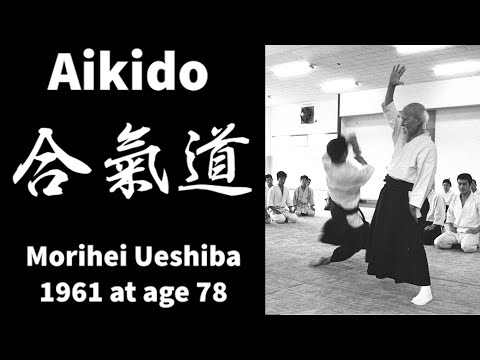
Aikido's Essence: Analyzing O'Sensei Ueshiba's 1961 Masterclass

Introduction: A Glimpse into the Soul of Budo

This rare 1961 footage, capturing a 78-year-old Morihei Ueshiba, the revered founder of Aikido, is far more than just a martial arts demonstration. It's a profound window into the very essence of Budo, a concept that transcends mere physical combat. Many today, particularly those drawn to the explosive dynamism of MMA or the brutal efficiency of Kyokushin Karate, might question the relevance of Aikido's fluid movements. Does its emphasis on blending and redirection hold water in a world that often values brute force? Let me tell you, this video is the answer. It's a masterclass in principles that are eternally valid, not just for the dojo, but for life itself. We will dissect this gem, exploring Ueshiba's techniques, his philosophy, and the enduring legacy of Budo.

Ueshiba in Action: The Art of Blending and Redirecting

Watching Ueshiba Sensei at this advanced age is awe-inspiring. His movements, while perhaps not possessing the raw power of a younger man, are imbued with an almost supernatural grace and precision. The documentary showcases his mastery of Aikido techniques – the effortless throws, the seemingly gentle yet devastating joint locks. He doesn't meet force with force; instead, he becomes one with his attacker's energy, subtly redirecting their momentum. This is the core of Aikido, and it's a principle that many arts, even the fiercely competitive BJJ or Judo, can learn from. The seemingly passive nature of his defense is, in reality, a highly active and intelligent application of physics and timing. He demonstrates that true strength lies not in overpowering an opponent, but in understanding and harmonizing with their movements. Have you ever sparred with someone who just seems to *flow* with your attacks, nullifying them before they even land? That's the echo of Ueshiba Sensei's teaching.
"The true meaning of martial arts is to unify the world." - Morihei Ueshiba

The Philosophy of Aikido: Harmony, Compassion, and Unity

Beyond the physical application, Ueshiba Sensei's words in this documentary reveal a philosophy that is both deeply spiritual and remarkably practical. He speaks of Aikido not as a means of destruction, but as a path to reconciliation. Harmony, balance, and compassion are not mere buzzwords here; they are the foundational pillars of his art. This stands in stark contrast to some of the more combative depictions of martial arts in popular culture, where violence is often glorified without consequence. Ueshiba's vision is one of connection, of resolving conflict not through aggression, but through understanding and empathy. It’s a message that resonates even more powerfully today, in our often fragmented and contentious world. This philosophy is the very heart of BUDO, the "Way of the Warrior," which demands not just martial prowess but moral integrity.

Budo: More Than Just Fighting

The term Budo itself is crucial here. It's not simply "martial arts" in the Western sense. It encompasses the entire way of life, the philosophy of the warrior, drawing heavily from principles like Bushido. This means more than just mastering techniques for a fight. It's about self-cultivation, rigorous discipline, and unwavering honor. Ueshiba Sensei embodies this perfectly. His practice was a lifelong dedication to refining not just his body, but his mind and spirit. The documentary offers a fleeting glimpse, but it's enough to understand that for masters like him, the training never truly ends. It's a constant pursuit of self-improvement, a journey that shapes one's character in profound ways.
"The martial way is a thing of daily practice. It is a continuous process of refinement. The master is simply a student who never quit." - Attributed to various martial arts masters

Training and Self-Cultivation: The Path to Inner Peace

The practice of martial arts, as exemplified by Ueshiba's Aikido, is a powerful tool for inner growth. It offers a structured path to control one's ego, to confront and overcome fear and anger, and to cultivate a deep sense of inner peace. This isn't just about learning to defend yourself physically; it's about building mental resilience. The physical demands – improving fitness, flexibility, and coordination – are significant, but the mental benefits are arguably even greater. In a world rife with stress and anxiety, the discipline and focus required in martial arts training provide an invaluable sanctuary. It's a lifelong pursuit, a journey of personal development that extends far beyond the dojo mats. The principles learned in Karate, Judo, or Aikido can positively impact every facet of life.

Veredicto del Sensei: A Timeless Testament

This 1961 documentary is not just a historical artifact; it's a living testament to the enduring power of Budo. Ueshiba Sensei, even at 78, displays a level of mastery that transcends time and style. While the martial arts landscape has evolved dramatically, with hyper-realistic sports like MMA and UFC capturing global attention, the core principles demonstrated here remain vital. The emphasis on harmony, respect, and self-cultivation is a counterbalance to the often aggressive narratives surrounding combat sports. This film is essential viewing for anyone who seeks a deeper understanding of martial arts, not just as a means of fighting, but as a path to becoming a better human being. Rating: 10/10 Cinturones Negros en Sabiduría y Maestría.

Essential Equipment for Your Training

To embark on your own martial arts journey, whether it's Aikido, Karate, Judo, or any other discipline, the right equipment is essential. At BYAM Budo y Artes Marciales, we understand the needs of practitioners at all levels.
  • Gi (Uniforme): A durable, comfortable Gi is fundamental. For arts like Judo and Aikido, a heavier weave might be preferred for grip resistance.
  • Protective Gear: Depending on your style, consider sparring headgear, mouthguards, and shin guards for safe combat training.
  • Training Mats (Tatami): Essential for safe practice of throws and falls, especially in arts like Judo and Aikido.
  • Training Weapons: For specific disciplines, wooden bokken (swords) or jo (staffs) are necessary.
Investing in quality gear enhances your training experience and ensures safety. Explore our range of Martial Arts Merchandise to find what you need.

Frequently Asked Questions

  • What is Budo? Budo is a Japanese term that refers to the systematic practice of martial arts, emphasizing not only combat techniques but also spiritual and moral development.
  • Is Aikido effective for self-defense? Yes, Aikido's principles of blending, redirection, and using an attacker's momentum can be highly effective for self-defense, though its effectiveness in highly aggressive scenarios is a subject of ongoing debate.
  • What is the difference between Budo and Bushido? Bushido is the code of honor and conduct of the samurai warrior class, while Budo is the broader term encompassing the practices and philosophies of martial arts derived from that warrior tradition.
  • How can martial arts training improve mental health? Through discipline, focus, stress reduction techniques, and the cultivation of inner peace and self-control.

For a Deeper Dive into Your Path

Reflexión del Sensei: Tu Próximo Paso

Ueshiba Sensei demonstrated that true mastery lies in harmonization, not domination. In a world that often rewards aggression and competition, can you find the strength in yielding? Can you apply the principles of blending and redirecting not just against a physical opponent, but against the challenges and conflicts of your daily life? The video is a lesson; your response to its message is the application. ```json { "@context": "https://schema.org", "@type": "FAQPage", "mainEntity": [ { "@type": "Question", "name": "What is Budo?", "acceptedAnswer": { "@type": "Answer", "text": "Budo is a Japanese term that refers to the systematic practice of martial arts, emphasizing not only combat techniques but also spiritual and moral development." } }, { "@type": "Question", "name": "Is Aikido effective for self-defense?", "acceptedAnswer": { "@type": "Answer", "text": "Yes, Aikido's principles of blending, redirection, and using an attacker's momentum can be highly effective for self-defense, though its effectiveness in highly aggressive scenarios is a subject of ongoing debate." } }, { "@type": "Question", "name": "What is the difference between Budo and Bushido?", "acceptedAnswer": { "@type": "Answer", "text": "Bushido is the code of honor and conduct of the samurai warrior class, while Budo is the broader term encompassing the practices and philosophies of martial arts derived from that warrior tradition." } }, { "@type": "Question", "name": "How can martial arts training improve mental health?", "acceptedAnswer": { "@type": "Answer", "text": "Through discipline, focus, stress reduction techniques, and the cultivation of inner peace and self-control." } } ] }

The Wu-Tang Collection - Four Invincibles: A Deep Dive into Raw Kung Fu & The Spirit of the Warrior

This is not your typical Hollywood martial arts flick. "The Wu-Tang Collection - Four Invincibles" plunges us into a world where desperation breeds extraordinary skill, and the spirit of combat transcends physical limitations. Forget sleek choreography and Hollywood gloss; this is raw, unadulterated kung fu, reminiscent of the golden era where the narrative might be simple but the fighting ethos is profound. It's a testament to the enduring appeal of the warrior's journey, a theme that resonates across all cultures and combat disciplines. When we speak of martial arts cinema, we often gravitate towards the technical prowess of Bruce Lee or the balletic grace of Jackie Chan. However, there's a powerful, albeit grittier, narrative to be found in films like "Four Invincibles," which focus on overcoming adversity through sheer willpower and honed technique. The very premise—four disabled fighters banding together—speaks volumes about the inherent strength found not just in the body, but in the indomitable human spirit. It’s this spirit, this unyielding will to fight against seemingly insurmountable odds, that lies at the heart of true martial philosophy.

Introduction: Beyond the Screen

As a martial arts scholar and critic, I’ve witnessed countless cinematic interpretations of combat. Many fall into the trap of prioritizing flashy visuals over substance, creating mere spectacles rather than genuine reflections of the warrior's path. "Four Invincibles," a gem unearthed from the Wu-Tang Collection, challenges this notion. It might not possess the narrative complexity of a modern epic, nor the meticulously choreographed action sequences of current blockbusters, but it delivers something far more potent: an unvarnished look at the core principles of martial arts – resilience, determination, and the collective strength forged in shared struggle. This film is a potent reminder that the true measure of a fighter isn't the absence of flaws, but the courage to confront them and forge ahead.

The Premise: Adversity as a Crucible

The narrative centers on a poignant premise: four individuals, each facing significant physical disabilities, unite against a common, malevolent force. This isn't merely a plot device; it's a profound exploration of how adversity can, paradoxically, become a source of immense strength. In the world of martial arts, we often speak of honing the body, but this film emphasizes the primacy of the spirit and the mind. The limitations these characters face are not presented as weaknesses but as catalysts for developing unique skills and an unparalleled fighting spirit. They are forced to innovate, to find unconventional solutions, and to rely on each other in ways that a fully abled group might not. This is the essence of true BUDO: the development of character through rigorous training, regardless of external circumstances. It forces us to ask: how do *you* adapt when faced with challenges on the mat or in life?

Fighting Philosophy: The Four Invincibles' Edge

What makes "Four Invincibles" compelling from a martial perspective is its implicit philosophy. These fighters aren't simply overcoming their physical conditions; they are demonstrating that the true essence of fighting lies beyond perfect physical form. It’s about strategy, timing, leverage, and, most importantly, a deep understanding of one's own capabilities and limitations. Their disabilities likely forced them to develop hyper-acute senses, an exceptional understanding of balance, and an intimate knowledge of the opponent's vulnerabilities. This aligns perfectly with the concept of KI, or internal energy, and the idea that true power emanates from within. They embody the principle that a warrior’s strength is not just in his fists, but in his unwavering resolve. This mirrors the teachings found in classical texts like Miyamoto Musashi's "The Book of Five Rings," which emphasizes strategy and adaptability over brute force.

"The greatest victory is that which requires no battle." - Sun Tzu

While Sun Tzu speaks of preemptive victory, the spirit of "Four Invincibles" resonates with the idea of fighting with ultimate purpose when battle is unavoidable. Their struggle isn't about aggression; it's about survival and the defense of what they hold dear.

Cinematic Analysis: Authenticity Over Spectacle

From a filmmaking standpoint, "Four Invincibles" leans heavily into the gritty, sometimes brutal, aesthetic of classic Kung Fu cinema. The fight choreography, while perhaps not as technically refined as later productions, possesses a raw energy and a sense of desperate struggle that is often missing in modern action films. There's an authenticity to the performances and the combat that feels grounded, even within its fantastical elements. This film prioritizes a narrative of perseverance and the warrior's spirit over dazzling visual effects or intricate plotlines. It’s a testament to the power of storytelling within the martial arts genre, demonstrating that compelling action doesn't always require elaborate setups. The fight scenes are direct, impactful, and serve the story by showcasing the characters' unique approaches to combat, born from their specific circumstances.

The Demonic Foe: Mar Chen Hui and the Devil's Palm

At the heart of the conflict lies the fearsome student Mar Chen Hui, who seizes control by mastering the "Devil's Palm" technique. This archetype of the corrupted warrior, who succumbs to dark arts in pursuit of power, is a recurring theme in martial arts lore. The Devil's Palm represents not just a physical skill but a descent into a path devoid of honor and discipline – the antithesis of true martial philosophy. It's a stark reminder that power without principle is destructive. The effectiveness of such a villain lies in how he challenges the protagonists' core values and forces them to confront not only his physical prowess but also the temptation of darker paths. The struggle against Mar Chen Hui is, therefore, a battle for the soul of the clan, and a microcosm of the eternal struggle between good and evil, discipline and corruption.

"To conquer oneself is the highest victory." - Plato

Mar Chen Hui represents the conquered self, a cautionary tale for any aspiring warrior who might be tempted by shortcuts or unethical means to achieve their goals.

The Wu-Tang Connection: More Than Just a Title

The inclusion of "Wu-Tang Collection" in the title is significant. It evokes the legendary Shaolin monastery and the mythical origins of many Chinese martial arts. While this film is not a direct product of the Wu-Tang Clan (the famous hip-hop group), its inclusion suggests a lineage, a connection to the deep well of martial arts history and culture that the group famously drew inspiration from. The Wu-Tang Clan's own philosophy, centered on discipline, self-improvement, and a warrior ethos, mirrors the themes present in "Four Invincibles." This connection adds a layer of mystique and cultural weight to the film, hinting at a tradition of fierce warriors overcoming immense odds.

Veredict of the Sensei: Does it Earn the Black Belt?

Let's be clear: "Four Invincibles" is not a polished, modern martial arts film. Its production values are of its era, and its narrative is straightforward. However, if you appreciate raw, heartfelt kung fu that emphasizes the warrior's spirit and the triumph of the human will over adversity, this film is a must-watch. It delivers a powerful message about resilience and the true meaning of strength. For its unpretentious approach to combat, its earnest portrayal of overcoming limitations, and its adherence to fundamental martial principles, "Four Invincibles" earns a solid standing.

Classification: A true testament to the warrior spirit. It might not have the gloss, but it has the grit.

Training Guide: Cultivating Inner Strength

The true lesson of "Four Invincibles" lies not in specific techniques, but in the cultivation of inner strength. Here’s how you can apply their spirit to your training:

  1. Identify Your Limitations: Honestly assess your physical or mental weaknesses. Don't shy away from them.
  2. Adapt and Innovate: Instead of seeing limitations as barriers, view them as opportunities to develop unique strategies and approaches. How can you compensate? What alternative methods can you employ?
  3. Focus on Fundamentals: Even with unique challenges, a strong foundation in basic principles—balance, leverage, timing—is crucial.
  4. Build Collective Strength: Train with others. Support each other's development, share strategies, and build a strong sense of camaraderie. A strong dojo is a united dojo.
  5. Embrace the Struggle: Understand that genuine progress comes from pushing through discomfort and adversity. The fight is often as much internal as it is external.
  6. Cultivate Unwavering Will: Your mental fortitude is your most powerful weapon. Practice mindfulness, develop focus, and never give up on your goals. This is the essence of perseverance and Self-Mastery.

Recommended Gear for Your Dojo

While "Four Invincibles" focuses on spirit over equipment, having the right gear can enhance your training and safety. For those looking to build a solid foundation in various martial arts, consider the following:

  • Durable Training Uniform (Gi/Dobok): Essential for styles like Judo, Karate, and Taekwondo. Look for one made of sturdy cotton that can withstand rigorous movements and grappling. For Judo, a heavier weave is often preferred for its durability.
  • Sparring Gloves (16oz recommended for MMA/Kickboxing): Crucial for protecting your hands and your training partners during drills and light sparring. Ensure they offer good padding and wrist support.
  • Mouthguard: Non-negotiable for any form of sparring or contact training to protect your teeth and jaw.
  • Shin Guards: Important for styles involving kicks, such as Taekwondo or Kickboxing, to prevent injuries.
  • Training Mats (Tatami/Foam Mats): If you're training at home, especially grappling arts like BJJ or Judo, mats are vital for safe falls and groundwork.
  • Resistance Bands: Versatile for strength training, conditioning, and even simulating resistance in certain techniques, offering a low-impact, portable training tool.

Frequently Asked Questions

What is the primary message of "Four Invincibles"?

The film's core message is about the power of the human spirit and the ability to overcome any obstacle through determination, adaptation, and collective strength, even in the face of significant physical limitations.

Is this film historically accurate to the Wu-Tang Clan?

No, the film is not directly affiliated with the Wu-Tang Clan hip-hop group. The "Wu-Tang Collection" title likely refers to the genre of classic Chinese martial arts films that inspired the group, suggesting a shared cultural heritage of warrior philosophy.

How does this film represent martial arts philosophy?

It emphasizes that true martial strength comes from inner resolve, strategic thinking, and adaptability rather than solely from physical perfection. It highlights the importance of discipline and the ethical use of martial skills.

To Further Your Journey

Reflection of the Sensei: Your Next Step

The fighters in "Four Invincibles" turned their perceived weaknesses into formidable strengths. Ask yourself: What is the greatest perceived weakness in your own martial arts training or in your life? Are you letting it define you, or are you preparing to forge it into your most powerful weapon?

``` GEMINI_METADESC: Explore "The Wu-Tang Collection - Four Invincibles": A deep dive into raw kung fu, warrior spirit, and overcoming adversity. Sensei's critical analysis and training insights.