Showing posts sorted by date for query BUDO and Artes Marciales MMA History. Sort by relevance Show all posts

The Undeniable Power of Kyokushin Karate: More Than Just a Documentary

Welcome, fellow seekers of the Way. You arrive at BYAM Budo y Artes Marciales not merely by chance, but by a shared pursuit of something profound – the essence of martial arts. Today, we strip away the polished veneer of typical documentaries to confront the raw, unadulterated truth of Kyokushin Karate. Forget mere entertainment; we are here to dissect its strength, its rigorous philosophy, and the transformative fire it ignites within its practitioners. Prepare yourselves, for this is not a passive viewing; it is an immersion into the heart of combat sports, the depth of martial philosophy, and the tangible reality of training.

I. The Unyielding Essence of Kyokushin Karate

Let's address the elephant in the room immediately. When we speak of "The Strongest Karate," we are not exaggerating. Kyokushin, translating to "the ultimate truth" in Japanese, is not a style for the faint of heart. Forged by the legendary Masutatsu Oyama, its very name is a testament to its demanding nature. This is not about flashy kata performed in a sterile dojo; this is about forging physical and mental fortitude through relentless dedication. Its techniques are honed in the crucible of full-contact sparring and brutal training regimens that would break lesser men. Oyama understood that true strength isn't just about throwing punches; it's about developing the unyielding spirit, the Seishin, that allows a warrior to stand firm against any adversity.

Think about it: when you hear the term "Kyokushin," what comes to mind? Likely images of bone-jarring roundhouse kicks, powerful punches, and intense, unyielding sparring matches. This is the stark reality of Oyama's vision. He sought to create a martial art that tested the limits of human endurance, a discipline that would not only teach combat effectiveness but also instill an unbreakable will. This emphasis on realism, on facing an opponent with full commitment, is what separates Kyokushin from many other forms that prioritize form over function. It's a stark reminder that in the face of true conflict, there is no room for pretense.

"The difference between a hobby and a calling is the level of sacrifice you are willing to make." - A principle deeply ingrained in Kyokushin training.

This commitment to "ultimate truth" means confronting one's own limitations, pushing past perceived barriers, and emerging stronger. The rigorous Kihon (basics), the demanding Kata (forms), and the sheer intensity of Kumite (sparring) all serve a singular purpose: to build a warrior from the inside out.

II. The Warrior's Mindset: Embracing the Martial Philosophy

But Kyokushin Karate is far more than a mere combat system. It is a profound vehicle for self-discovery, a living embodiment of the Budo spirit. The principles etched into the dojo walls – humility, respect, perseverance, and self-control – are not abstract concepts. They are the very bedrock upon which a Kyokushin practitioner builds their character. This philosophy transcends the physical exchanges; it is a guide for navigating the complexities of life itself.

Consider the weight of Osu! – the all-encompassing expression of respect, gratitude, and perseverance. It’s not just a word; it’s a commitment. It’s what you utter when you’re tired, when you’re sore, when you want to quit but choose not to. This constant reinforcement of mental toughness, coupled with the respect shown to instructors and fellow students, cultivates a warrior's mindset. You learn to face challenges head-on, not with aggression, but with calm resolve. This is the essence of martial philosophy, a concept often lost in the modern world's pursuit of superficial victories.

The development of Zanshin (awareness) and Mushin (no-mind state) are not merely training goals; they are pathways to a more balanced and conscious existence. When you can react instinctively yet calmly under pressure, whether in a sparring match or a stressful life situation, you have truly begun to understand Kyokushin's deeper teachings. This journey fosters a profound sense of self-awareness, harmonizing the mind, body, and spirit – a balance that is increasingly rare in our chaotic world.

"The mind must be stilled. Only then can the body move with true purpose." - A foundational principle in the study of martial arts strategy.

III. Kyokushin's Impact on the Global Combat Sports Arena

Kyokushin Karate's uncompromising approach has undeniably left an indelible mark on the landscape of combat sports. It's a discipline that has consistently produced individuals with exceptional physical conditioning, mental fortitude, and a deep understanding of striking dynamics. These practitioners, forged in the intense environment of Kyokushin kumite, have translated their skills onto stages worldwide, proving the efficacy of their training.

We've seen Kyokushin exponents excel in various full-contact disciplines, often demonstrating superior conditioning and a never-say-die attitude. Their resilience in the face of powerful opponents and their ability to absorb punishment while continuing to fight are hallmarks of their training. Think of the famous historical bouts and the sheer grit displayed by these fighters. This raw, electrifying spectacle continues to captivate audiences, offering a compelling demonstration of martial arts prowess in its most direct and challenging form. The influence of Kyokushin's full-contact ethos can be seen, whether directly or indirectly, in many modern combat sports, pushing the boundaries of what athletes are capable of.

Whether it's through direct competition or the influence of their fighting spirit, Kyokushin Karate continues to enrich the world of combat sports, offering a testament to the power of dedicated, full-contact training. It’s a constant reminder that strength forged in truth can overcome many obstacles.

IV. Forging Bonds: The Kyokushin Karate Community

Here at BYAM Budo y Artes Marciales, we understand that the martial journey is rarely a solitary one. The dojo is a microcosm of society, a place where bonds are forged through shared sweat, mutual respect, and common goals. The Kyokushin Karate community is a prime example of this – a global network of individuals united by a passion for this demanding art.

This isn't just about training partners; it's about building a support system. In the shared struggle of pushing limits, enduring difficult training sessions, and learning from mistakes, friendships and a profound sense of camaraderie develop. This shared experience extends beyond the dojo itself. Online forums, social media groups, and gatherings all contribute to a vibrant tapestry of connection. It's a place where knowledge is exchanged, encouragement is freely given, and the principles of Budo are lived out collectively. You are never truly alone on this path.

We aim to be a nexus for these connections, a place where enthusiasts of Kyokushin and other martial disciplines can converge. By engaging in discussions, sharing personal experiences – the triumphs and the setbacks – we can all learn and grow. This collective effort nurtures not only individual progress but also a deeper, collective understanding and appreciation of the martial arts. Join us, and discover the strength that comes from being part of something greater than yourself.

V. Gear Up for Glory: Essential Kyokushin Merchandise

Our commitment to your martial arts journey extends beyond mere philosophical discourse. We believe that the right equipment can significantly enhance your training experience and serve as a constant reminder of your dedication. That’s why we offer a curated selection of high-quality Kyokushin merchandise and related gear.

From durable training uniforms that withstand the rigors of intense practice to comfortable apparel that embodies the spirit of the warrior, each item is selected with purpose. We offer books that delve deeper into Kyokushin's history and philosophy, training aids that can supplement your dojo practice, and accessories that let you carry the martial spirit with you every day. Think of it as arming yourself, not just for the physical fight, but for the mental and spiritual one as well.

For those serious about their Kyokushin training, consider investing in a high-quality Kyokushin gi. A well-made uniform is crucial for both comfort and durability during intense sparring sessions. Beyond the gi, explore our range of training equipment designed to help you hone your techniques, such as focus mitts for speed and accuracy drills, or even a makiwara to build devastating power. Supporting our platform through these purchases not only equips you for your path but also allows us to continue providing valuable content and fostering the martial arts community.

Equipo Esencial para tu Entrenamiento

  • Kyokushin Gi (Uniforme): Busca un tejido resistente y un corte que permita una amplia movilidad. Doble tejido es ideal para la durabilidad.
  • Guantes de Sparring (14-16oz): Esenciales para la seguridad durante el kumite.
  • Protector Bucal: No negociable para cualquier tipo de sparring.
  • Espinilleras y Empeineras: Recomendadas para entrenamiento de contacto completo.
  • Libros sobre Kyokushin y Budo: Para complementar tu aprendizaje técnico y filosófico.

Conclusion

Kyokushin Karate is far more than a martial art; it is a transformative way of life. It is a discipline that instills unwavering discipline, profound resilience, and an indomitable spirit. Through its practice, we uncover our innermost strength, empowering us not just to face challenges, but to conquer them with grace and steely determination. Join us at BYAM Budo y Artes Marciales, where we don't just discuss the beauty of martial arts; we celebrate its power, foster a thriving community, and provide the resources to enrich your personal martial arts journey. Together, let us embrace the raw power of Kyokushin Karate and embark on an enduring path of self-discovery and ultimate mastery.

Preguntas Frecuentes

  • What makes Kyokushin Karate different from other Karate styles? Kyokushin is distinct due to its emphasis on full-contact sparring with minimal protective gear, its rigorous physical conditioning, and its philosophical commitment to "the ultimate truth" in combat and life.
  • Is Kyokushin Karate suitable for beginners? Yes, Kyokushin offers specialized beginner classes designed to gradually introduce practitioners to its demanding techniques and philosophy, focusing on safety and foundational skills.
  • What are the main benefits of practicing Kyokushin Karate? Benefits include enhanced physical fitness, improved discipline and self-control, increased mental toughness, boosted confidence, and a deep understanding of respect and perseverance.
  • Can Kyokushin Karate be used for self-defense? Absolutely. The full-contact nature of Kyokushin training directly prepares practitioners for realistic self-defense scenarios, emphasizing practical application and resilience.

Reflexión del Sensei: Tu Próximo Paso

You have absorbed the essence, the philosophy, and the undeniable power of Kyokushin. Now, consider this: How does the "ultimate truth" of Kyokushin manifest not just in the dojo, but in the mundane moments of your daily life? Are you truly living with the discipline, respect, and perseverance you claim to embody?

For further exploration into the world of martial arts and combat sports, check out these related articles:

``` ```json { "@context": "http://schema.org", "@type": "FAQPage", "mainEntity": [ { "@type": "Question", "name": "What makes Kyokushin Karate different from other Karate styles?", "acceptedAnswer": { "@type": "Answer", "text": "Kyokushin is distinct due to its emphasis on full-contact sparring with minimal protective gear, its rigorous physical conditioning, and its philosophical commitment to \"the ultimate truth\" in combat and life." } }, { "@type": "Question", "name": "Is Kyokushin Karate suitable for beginners?", "acceptedAnswer": { "@type": "Answer", "text": "Yes, Kyokushin offers specialized beginner classes designed to gradually introduce practitioners to its demanding techniques and philosophy, focusing on safety and foundational skills." } }, { "@type": "Question", "name": "What are the main benefits of practicing Kyokushin Karate?", "acceptedAnswer": { "@type": "Answer", "text": "Benefits include enhanced physical fitness, improved discipline and self-control, increased mental toughness, boosted confidence, and a deep understanding of respect and perseverance." } }, { "@type": "Question", "name": "Can Kyokushin Karate be used for self-defense?", "acceptedAnswer": { "@type": "Answer", "text": "Absolutely. The full-contact nature of Kyokushin training directly prepares practitioners for realistic self-defense scenarios, emphasizing practical application and resilience." } } ] }


Budo's True Warriors: 6 Undeniable Signs You're More Than Just a Fighter

Martial arts. The very word evokes images of disciplined warriors, breathtaking techniques, and ancient traditions. For centuries, disciplines like Karate, Taekwondo, Judo, and Jiu-Jitsu have shaped not just bodies, but spirits across the globe. Yet, in the crucible of combat and competition, a critical distinction emerges: the difference between a mere 'fighter' and a 'true martial artist'. The latter transcends the physical exchange, embodying the profound principles of Budo – a way of life, a path of constant self-cultivation. Are you just engaging in combat, or are you truly walking the path? Let us examine the signs, the undeniable hallmarks, that separate the skilled combatant from the authentic martial artist.

The Unseen Strength: Humility

Many enter the martial world driven by ego, a desire to prove their superiority. This is the mark of a fighter. A true martial artist, however, carries their victories with quiet grace and their defeats with profound reflection. Humility is not weakness; it is the bedrock upon which true mastery is built. Such individuals harbor a deep respect for their training partners and opponents, understanding that each encounter is an opportunity to learn and refine. They recognize that the journey of martial arts is a lifelong pursuit, an endless horizon of self-improvement. They know that every Black Belt started as a white belt, and that even the most accomplished master has more to discover. This internal acknowledgment prevents arrogance and fosters continuous growth.

"Mastering others is strength. Mastering yourself is true power." - Lao Tzu

Think about your last sparring session. Did you focus on dominating, or on understanding your opponent's movements and your own reactions? The answer reveals much.

Master of the Self: Self-Control

The heat of a fierce exchange, the adrenaline surge, the frustration of a missed technique – these are the moments that test the mettle of any combatant. A fighter might lash out, become reckless, or crumble under pressure. A true martial artist, however, possesses formidable self-control. Their discipline extends beyond the dojo walls; it is an intrinsic part of their being. They understand that raw emotion is a chaotic force that clouds judgment and leads to critical errors. By mastering their emotions, they maintain clarity, precision, and strategic thinking, even when pushed to their limits. This mastery allows them to respond rather than react, to choose the most effective course of action rather than being swept away by impulse.

Consider the famed discipline of Kyokushin Karate. Its practitioners are trained to endure immense physical and mental pressure, not by succumbing to pain, but by harnessing their inner fortitude. This is self-control in action.

The Sacred Fire: Respect for the Art

Fighters often view martial arts solely as a means to an end – victory, self-defense, or physical conditioning. A true martial artist, however, views their chosen discipline as something sacred. They delve into its origins, study its history, understand its cultural context, and honor its traditions. This deep appreciation for the art itself transforms practice from mere repetition into a ritual of reverence. They understand that the techniques and philosophies passed down through generations are not arbitrary; they are the distilled wisdom of countless practitioners who faced similar challenges. This respect fuels their dedication and ensures they preserve and transmit the essence of the art, not just its physical manifestations.

Are you merely learning moves, or are you seeking to understand the lineage and philosophy behind them? A quick search for the history of Aikido or the development of Karate can offer profound insights into this respect.

Body and Mind: The Dual Pursuit of Fitness

Physical prowess is undoubtedly crucial in any martial pursuit. A fighter understands the necessity of a strong physique. But a true martial artist recognizes that their body is merely the vessel for their art; it must be both a powerful weapon and a finely tuned instrument. This requires holistic physical and mental fitness. They engage in rigorous training not just to build muscle or endurance, but to enhance coordination, agility, speed, and resilience. Simultaneously, they cultivate their mental faculties – sharpening focus, improving strategic thinking, and building mental toughness. This dual pursuit ensures they are not only capable of delivering powerful strikes or executing complex techniques but are also mentally prepared to adapt, strategize, and overcome any obstacle.

This integrated approach mirrors the philosophy behind many Budo disciplines, where the mind and body are seen as interconnected pathways to mastery.

The Unyielding Spirit: Perseverance

The path of the martial artist is rarely smooth. There will be plateaus, injuries, setbacks, and moments of doubt. A fighter might quit when faced with overwhelming adversity. A true martial artist embodies perseverance. They understand that struggle is not an endpoint but a catalyst for growth. They greet challenges not with despair, but with determination. Each failed attempt, each painful defeat, becomes a lesson learned, a stepping stone towards eventual success. This resilience, this refusal to surrender, is a testament to their inner strength and their unwavering commitment to the journey. They understand that true mastery is forged in the fires of hardship.

Think of the legendary careers of fighters like Jon Jones or Cyril Gane; their resilience in the face of intense pressure and competition is a prime example of this principle.

The Warrior's Heart: Kindness and Compassion

Perhaps the most profound differentiator: a fighter might wield their skills for dominance or personal gain. A true martial artist, however, understands that power comes with responsibility. They possess a heart of kindness and compassion. Their skills are honed not for wanton aggression, but for the protection of others and the betterment of the world. They use their abilities judiciously, never seeking to inflict unnecessary harm. They embody the principle that true strength lies not in the ability to destroy, but in the capacity to protect and uplift. This ethical compass guides their actions both inside and outside the dojo, making them not just skilled practitioners, but positive forces in society.

"The object of the do is to seek perfection of character." - Jigoro Kano

This sentiment is echoed across many martial traditions, emphasizing that the ultimate goal of training is personal development and service to others.

Gear Up for Your Journey

To truly embody the principles of Budo, the right equipment can be an invaluable ally. Whether you are honing your striking power, refining your grappling, or maintaining your physical and mental conditioning, quality gear makes a difference. Consider investing in:

  • Durable Uniforms (Gi/Kimono): Essential for traditional arts like Judo and Karate. Look for materials that can withstand rigorous training, such as a double-weave Judo gi or a sturdy Karate gi.
  • Protective Sparring Gear: For arts involving full contact, investing in high-quality MMA gloves, headgear, and shin guards is paramount for safe and effective training.
  • Training Equipment: A good quality punching bag or a makiwara can significantly improve your striking power and technique at home.
  • Comfortable Training Apparel: For conditioning or arts that require more freedom of movement, comfortable and breathable training shorts and t-shirts are a must.

At BYAM Budo y Artes Marciales, we understand the importance of quality gear. Explore our extensive collection of uniforms, protective equipment, and training accessories designed to support your journey towards martial arts mastery.

Frequently Asked Questions

What is Budo?

Budo, literally meaning "martial way," refers to the philosophies and practices of Japanese martial arts that focus on self-cultivation, discipline, and spiritual development, beyond mere combat effectiveness. It's a way of life.

Is there a difference between a fighter and a martial artist?

Yes, significantly. A fighter primarily focuses on winning combat encounters. A true martial artist integrates the physical skills with ethical principles, self-discipline, humility, and continuous personal growth, viewing their art as a path to self-perfection.

Can anyone become a true martial artist?

Absolutely. While talent can play a role, the core of being a true martial artist lies in the consistent application of principles like humility, self-control, respect, perseverance, and compassion. It's a journey available to anyone dedicated to the path.

How important is physical fitness in Budo?

Extremely important, but it's only half the equation. Budo emphasizes both physical conditioning (strength, speed, endurance, agility) and mental conditioning (focus, strategy, emotional control, resilience). One without the other is incomplete.

Can martial arts principles be applied outside of training?

Indeed. The principles of Budo – discipline, respect, perseverance, humility – are designed to be integrated into all aspects of life, leading to personal growth and a more positive impact on the world.

For Deeper Exploration on Your Path

Reflexion del Sensei: Your Next Step

We've examined the qualities that elevate a practitioner from a mere combatant to a true martial artist. Now, look inward. Are you merely going through the motions, or are you striving for genuine embodiment? If you recognize yourself in these signs, how can you further cultivate them in your daily life, both on and off the mat? If you see the fighter, what specific, actionable steps can you take starting *today* to nurture the seeds of Budo within you?

``` ```json { "@context": "https://schema.org", "@type": "FAQPage", "mainEntity": [ { "@type": "Question", "name": "What is Budo?", "acceptedAnswer": { "@type": "Answer", "text": "Budo, literally meaning \"martial way,\" refers to the philosophies and practices of Japanese martial arts that focus on self-cultivation, discipline, and spiritual development, beyond mere combat effectiveness. It's a way of life." } }, { "@type": "Question", "name": "Is there a difference between a fighter and a martial artist?", "acceptedAnswer": { "@type": "Answer", "text": "Yes, significantly. A fighter primarily focuses on winning combat encounters. A true martial artist integrates the physical skills with ethical principles, self-discipline, humility, and continuous personal growth, viewing their art as a path to self-perfection." } }, { "@type": "Question", "name": "Can anyone become a true martial artist?", "acceptedAnswer": { "@type": "Answer", "text": "Absolutely. While talent can play a role, the core of being a true martial artist lies in the consistent application of principles like humility, self-control, respect, perseverance, and compassion. It's a journey available to anyone dedicated to the path." } }, { "@type": "Question", "name": "How important is physical fitness in Budo?", "acceptedAnswer": { "@type": "Answer", "text": "Extremely important, but it's only half the equation. Budo emphasizes both physical conditioning (strength, speed, endurance, agility) and mental conditioning (focus, strategy, emotional control, resilience). One without the other is incomplete." } }, { "@type": "Question", "name": "Can martial arts principles be applied outside of training?", "acceptedAnswer": { "@type": "Answer", "text": "Indeed. The principles of Budo – discipline, respect, perseverance, humility – are designed to be integrated into all aspects of life, leading to personal growth and a more positive impact on the world." } } ] }

The Unveiled Truths: Decoding Knife Fighting Concepts from Ancient Arts to Modern Combat

The glint of steel, the dance of survival. Knife fighting, a brutal and often misunderstood facet of combat, has echoed through history. But how do we reconcile the raw, primal nature of blade combat with the structured discipline of martial arts? This isn't about flashy moves for the silver screen; it's about understanding principles that have preserved lives for centuries.

Many approach knife fighting seeking a quick fix, a secret technique. I tell you now, the true strength lies not in a single move, but in the unwavering foundation of one's martial spirit and the intelligent application of time-tested principles. Are you ready to look beyond the superficial and delve into the heart of effective blade combat?

Ancient Roots and Modern Interpretations

The video you're referring to, filmed over five years ago, isn't merely a demonstration; it's a bridge connecting eras. It showcases how concepts honed in the crucible of historical combat continue to resonate. We speak of traditions like Historic European Martial Arts (HEMA), with its sword and dagger work, and the intricate, often deadly, systems found within old-school Japanese Martial Arts such as Tantojutsu (the art of the dagger) and Aikijujutsu.

These ancient disciplines were not born in sterile dojos but in the harsh realities of self-preservation, warfare, and duels. They emphasized efficiency, economy of motion, and an understanding of anatomy and leverage that is timeless. The application of armor in historical combat forced practitioners to develop techniques that could overcome these defenses, techniques that, when stripped of their historical context and adapted, remain incredibly relevant.

"The supreme art of war is to subdue the enemy without fighting." - Sun Tzu, The Art of War. While this adage speaks of strategy, it also underscores the ultimate goal: survival. In knife combat, preventing the engagement is the highest victory.

The essence of these old ways was often about controlling the weapon arm, creating openings through precise timing and movement, and exploiting vulnerabilities with devastating effect. AARES Combatives Research's contribution lies in reinterpreting these principles for a contemporary audience, demonstrating their application in modern scenarios, often within the context of armored training – a critical element for safe and effective skill development.

AARES Combatives Research: A Modern Master's Perspective

AARES Combatives Research, the expert behind this valuable resource, understood a crucial truth: martial arts are not static relics. They are living, evolving disciplines. His instructional project, aimed at military and law enforcement personnel, was not about creating aggressive fighters, but about imparting a functional understanding of extreme close-quarters combat. The success of such a project speaks volumes about the clarity and efficacy of his methodology.

His modern application of ancient knife fighting concepts is a testament to his deep understanding. He doesn't just show *how* to use a knife; he teaches *why* certain movements are effective, drawing parallels to the strategic thinking embedded in HEMA and Japanese traditions. This approach elevates the material from mere technique demonstration to a comprehensive lesson in martial philosophy.

This focus on modern application is vital. The battlefield, the street, or even a training scenario presents unique challenges. Understanding how historical masters dealt with similar problems – be it an armored opponent or a grappling entanglement involving a blade – provides a robust framework for developing adaptable skills. The insights offered are not just about self-defense but about a deeper comprehension of BUDO and the warrior's mindset.

Core Principles: Stance, Footwork, and Disarming

At the heart of any effective combat system, especially one involving such a lethal tool as a knife, lie fundamental principles. The video meticulously emphasizes these:

  1. Strong Stance and Body Positioning: This is the bedrock. A proper stance provides stability, allowing for explosive movement and effective defense. It’s not just about planting your feet; it's about presenting a difficult target while maintaining the ability to generate power and shift angles rapidly. Think of the rootedness of a Karate practitioner or the balanced mobility of a Judoka.
  2. Agile Footwork: In knife combat, distance management is paramount. Your feet are your first line of defense and offense. The ability to move in, out, and laterally with speed and precision can mean the difference between life and death. This is where concepts from Aikido, with its emphasis on circular movement and evasion, or the dynamic footwork seen in MMA, become incredibly relevant.
  3. Disarming Techniques: While often sensationalized, disarming is a high-risk, high-reward maneuver. It requires impeccable timing, understanding of leverage, and a willingness to enter a dangerous range. The principles are rooted in joint locks, redirection of force, and simultaneous attack and defense – concepts present in various martial arts disciplines, from Judo throws to BJJ submissions, adapted for the presence of a blade.
  4. Defense Against an Armed Attacker: This encompasses a holistic approach. It involves awareness, de-escalation (if possible), creating distance, and if conflict is unavoidable, understanding how to disrupt the attacker's balance and weapon control. This is where the tactical thinking from Self Defense training meets the practical application of martial skills.

The video does an excellent job of breaking down these elements, showing how they interrelate. It’s a clear demonstration that effective fight is not just about brute force, but about intelligence, technique, and the ability to execute under pressure.

The Philosophy of Training: Beyond the Blade

What truly sets apart a martial artist from someone who merely knows a few moves is the underlying philosophy. AARES Combatives Research’s work implicitly touches upon this. The commitment to creating instructional content, the methodical approach to teaching, and the emphasis on understanding the *why* behind techniques all point to a deeper dedication to the artes marciales.

Knife fighting training, especially when incorporating armored drills, teaches invaluable lessons about:

  • Risk Assessment: Understanding the inherent dangers involved and learning to mitigate them.
  • Precision and Control: The necessity of exact movements to avoid catastrophic error.
  • Mindset Under Pressure: Maintaining calm and tactical thinking when faced with extreme threat. This is the core of Mental Game development.
  • Adaptability: Recognizing that no two encounters are identical and requiring the ability to adjust strategies on the fly.
"Even in the deadliest of encounters, the mind must be a calm ocean, reflecting the sky with perfect clarity." - A principle passed down through generations of BUDO practitioners.

This comprehensive approach transforms the practitioner. It’s not just about learning to fight with a knife; it’s about developing resilience, discipline, and a profound respect for the tools and techniques of combat. The value extends far beyond the combative application, fostering personal growth and Self Improvement.

Essential Equipment for Your Training

Engaging with knife fighting concepts, especially those involving live blades or armored sparring, requires specific safety and training equipment. Investing in the right gear is not a luxury; it is a necessity for safe and effective practice.

  • Training Knives: Made from durable, yet blunted materials (like rubber or hardened plastic), these are essential for practicing techniques without causing injury. Look for models that mimic the weight and balance of real blades.
  • Protective Gear: When engaging in any form of sparring, especially with training knives, protective gear is non-negotiable. This includes:
    • Headgear: To protect against impacts.
    • Groin Protector: Essential for all male practitioners.
    • Hand/Forearm Protection: Padded gloves and guards to absorb impact and prevent abrasions.
    • Body Armor/Padded Suits: For armored drills, specific padded suits or vests designed to simulate blunt force trauma are crucial. These are vital for practicing techniques that involve close contact and weapon retention/acquisition.
  • First Aid Kit: Always have a comprehensive first aid kit readily accessible during any training session.

For those interested in specific brands or types, consulting with experienced instructors or reputable Martial Arts Merchandise suppliers can provide tailored recommendations based on the specific training methodology you are following.

Frequently Asked Questions

What is Tantojutsu?

Tantojutsu is a traditional Japanese martial art focused on the use of the tanto, a short sword or dagger. It often emphasizes close-quarters combat, joint locks, and grappling techniques adapted for situations involving a blade.

Is knife fighting practical for self-defense?

While the video demonstrates practical applications, engaging in knife combat is inherently dangerous. The focus in self-defense should always be on avoiding conflict, de-escalation, and escape. If avoidance is impossible, then the principles of defense, which may include disarming or using a weapon if legally justified and ethically sound, become critical. However, training for such scenarios requires expert guidance and safety precautions.

How does armor change knife fighting techniques?

Armor necessitates different approaches. Direct thrusts might be ineffective against heavier protection, pushing practitioners to focus on vital points, joint manipulation, or grappling to create openings. It also forces a greater understanding of leverage and control to overcome the defender's mobility limitations.

Are old martial arts concepts still relevant today?

Absolutely. The core principles of movement, timing, leverage, and understanding human anatomy are universal and timeless. Modern martial arts and combative systems often reinterpret and adapt these ancient concepts to contemporary threats and training methodologies.

Further Learning on Your Path

The journey into understanding the intricacies of martial arts is a continuous one. To deepen your knowledge and broaden your perspective, explore these related topics:

Veredicto del Sensei: ¿Merece la pena?

Este análisis de las técnicas de lucha con cuchillo, arraigado en la sabiduría de las artes marciales históricas y presentado a través de una lente moderna, es un recurso de valor incalculable. No se trata de glorificar la violencia, sino de comprender las realidades del combate y honrar la disciplina que requiere. AARES Combatives Research ha creado una obra que va más allá de la mera instrucción técnica; es una lección de historia marcial, estrategia y mentalidad. Si buscas una comprensión profunda y matizada de cómo los principios antiguos se aplican a las amenazas modernas, este contenido es un Cinturón Negro en Divulgación Marcial.

Reflexión del Sensei: Tu Próximo Paso

Ahora, te enfrentas a esta sabiduría. Las técnicas están ahí, los principios están expuestos. Pero la verdadera maestría no se encuentra en la observación pasiva, sino en la aplicación activa. ¿Cómo integrarás la lección de la simplicidad estratégica en tu propio entrenamiento, sea cual sea el arte que practiques? ¿Te detendrás a considerar la raíz histórica de tus movimientos o te conformarás con la superficie? El camino del guerrero exige una curiosidad insaciable y una reflexión constante. Considera esto: ¿cuál es el 'arma' más peligrosa que llevas contigo, y cómo la has estado entrenando?

Para Profundizar en tu Camino

FULL FIGHT ANALYSIS: Canelo vs. GGG III - A Masterclass or a Missed Opportunity?

The sweet science. Boxing. For millennia, humanity has found a primal, captivating rhythm in the clash of fists, a testament to skill, heart, and sheer will. It’s a dance of strategy and power, where every feint, every jab, every uppercut tells a story of dedication and pain. But in the modern arena, amidst the glitz and the hype, how often do we witness true martial artistry, a genuine test of the warrior's spirit? Too often, the spectacle overshadows the substance.

Enter Saúl 'Canelo' Álvarez and Gennadiy 'GGG' Golovkin. Their saga is more than just a rivalry; it's a narrative woven into the fabric of contemporary boxing, a chapter that fans have devoured, debated, and desperately craved more of. Their first two encounters were seismic events, etched in controversy and leaving an insatiable thirst for a definitive conclusion. Today, we dissect their third dance, not just as a boxing match, but as a potential lesson in the enduring principles of combat. Was it a final, masterful demonstration of Budo principles, or a poignant reminder of how the game can sometimes betray the art?

The History: A Trilogy Forged in Controversy

The saga began on September 16, 2017. The air crackled with anticipation. Canelo Álvarez, the Mexican phenom, met Gennadiy Golovkin, the "Triple G" terror from Kazakhstan. This wasn't just a fight; it was a clash of titans, a stylistic chess match played at a furious pace. The bout, a brutal, back-and-forth war, ended in a split draw.

A draw? For many, it felt like an injustice. Spectators, pundits, and fellow martial artists scrutinized the scorecards, many convinced Golovkin had done enough to secure victory. The visceral impact of Golovkin's power shots, the relentless pressure he applied, seemed to eclipse Canelo's more tactical, albeit potent, counter-punching. This controversial outcome, rather than satiating the fanbase, ignited a bonfire of demand for a rematch. It highlighted a recurring theme in combat sports: the subjective nature of judging and the enduring power of raw aggression versus calculated defense. This is a debate that echoes through countless martial disciplines, from the striking arts of Karate to the intricate throws of Judo.

The Rematch: Canelo's Ascent, GGG's Stride

One year later, on September 15, 2018, the stage was set for redemption. The anticipation was even greater, the stakes higher. The rematch delivered another high-octane affair, a testament to both fighters' grit and skill. This time, the narrative shifted. Canelo, adapting and growing, clinched a majority decision victory.

Yet, even in victory, the controversy lingered. Arguments persisted that Golovkin's consistent output and powerful blows warranted a different result. It’s a familiar dilemma: does the cleaner, more technically precise fighter win, or the one who imposes his will and lands the heavier blows? This dance between technical merit and overwhelming force is a core philosophical question in martial arts. How does one truly measure victory when both participants display such profound mastery and warrior spirit? The debates raged on, ensuring that the desire for a final, unambiguous chapter remained.

Canelo vs. GGG III: The Anticipation and the Reality

The boxing world held its breath. A potential third fight between these two warriors was the stuff of dreams for fight fans. Both fighters, acknowledging their storied history, expressed openness to a rubber match. Canelo, by then firmly established as the undisputed king of the super-middleweight division, saw it as a chance to definitively close the book on his greatest rival. Golovkin, older but no less dangerous, viewed it as his final opportunity to reclaim his perceived throne and etch his name in boxing immortality against the man who had twice denied him undisputed victory.

On September 17, 2022, it finally happened. The trilogy was complete. But this time, the story felt different. Canelo, despite a hand injury he sustained early in the fight, controlled the bout with calculated aggression. His defense was tighter, his counter-punches sharp, and his ring generalship masterful. Golovkin, while still possessing his signature power and a warrior's heart, struggled to impose his will against a more seasoned and defensively astute Canelo. The unanimous decision for Álvarez was clear, decisive, and largely uncontroversial. The debate this time wasn't about who won, but rather about the aged warrior facing his prime.

Style vs. Substance: A Martial Perspective

From a martial artist's perspective, the Canelo-Golovkin rivalry offers a rich tapestry of contrasting philosophies. Canelo embodies the astute counter-puncher, a master of timing, distance, and calculated risk. His style is reminiscent of a skilled swordsman, waiting for the opponent's opening to deliver a decisive, precise strike. He understands the importance of defense not just as a means of avoiding damage, but as a platform for offense. This echoes principles found in **Tai Chi**, where yielding and redirecting an opponent's force is paramount.

Golovkin, on the other hand, is the embodiment of relentless pressure and concussive power. His "Triple G" moniker isn't just for show; his punches carry the weight of a sledgehammer. He represents the direct, overwhelming force, a style that demands unwavering commitment and a chin of granite. This approach shares similarities with the powerful, forward-moving strategies seen in some styles of **Kyokushin Karate** or the unyielding advance of a **Sumo** wrestler.

The third fight showcased Canelo’s evolution. He demonstrated that while power is a formidable weapon, the strategic application of skills – defense, timing, and adapting to an opponent's weaknesses – can overcome sheer aggression, especially as a fighter ages. It's a lesson that transcends boxing, a principle observed across numerous disciplines, from the fluid movements of **Aikido** to the strategic positioning in **Judo**.

"The supreme art of war is to subdue the enemy without fighting." - Sun Tzu, The Art of War. While Canelo didn't win without a fight, his strategic control in the third bout demonstrated a masterful subduing of GGG's strengths.

Beyond the Trilogy: The Ever-Evolving World of Combat

While the Canelo-Golovkin saga captured the boxing world's imagination, it’s crucial to remember that the landscape of combat sports is vast and ever-changing. Exciting matchups are constantly brewing across various disciplines. Consider the heavyweight boxing clashes, such as the highly anticipated bouts featuring **Tyson Fury** and **Deontay Wilder**, each bringing a unique blend of power and personality to the ring. These fights remind us that raw power and the "knockout punch" remain a thrilling, albeit unpredictable, element in combat.

The rise of **Mixed Martial Arts (MMA)**, with its fusion of striking, grappling, and submission arts, has further broadened the definition of a complete fighter. Athletes like **Jon Jones** and **Cyril Gane** showcase incredible versatility, blending techniques from **Muay Thai**, **Brazilian Jiu-Jitsu (BJJ)**, **Wrestling**, and **Karate** into a formidable arsenal. This cross-disciplinary approach mirrors the ancient martial philosophies that encouraged the study of multiple weapons and fighting styles to achieve true mastery. The ability to seamlessly transition between striking and grappling, as seen in fights at **UFC** events, demonstrates a holistic understanding of combat that few single-discipline fighters can match.

Equipo Esencial para tu Entrenamiento

For aspiring boxers and martial artists seeking to emulate the dedication and skill displayed by Canelo and Golovkin, proper training equipment is paramount. Investing in the right gear not only enhances performance but also significantly reduces the risk of injury. Here’s a foundational list:

  • Guantes de Boxeo/MMA (14-16oz): Essential for sparring and heavy bag work to protect your hands and wrists.
  • Vendas para Manos: Crucial for added wrist and knuckle support during intense training sessions.
  • Protector Bucal: Non-negotiable for any form of sparring or competitive fighting to protect your teeth and jaw.
  • Protector de Ingle: Vital for protecting sensitive areas during sparring.
  • Kimono (Judo/BJJ): For grappling-focused disciplines, a durable gi is essential for practicing throws and groundwork. Look for high-quality, double-weave fabrics for longevity.
  • Cuerda de Saltar: An indispensable tool for improving footwork, coordination, and cardiovascular endurance – a staple for any fighter’s conditioning.
  • Saco de Boxeo o Pera Loca: For developing power, speed, and accuracy in striking.
  • Rodilleras y Coderas: Useful for conditioning drills and protecting against impact during certain training exercises.

Whether you're training in boxing, **Judo**, **Karate**, or **BJJ**, the right equipment is an investment in your journey. Consider exploring specialized **Karate Merchandise** or **MMA Gear** from reputable brands to ensure quality and durability.

Guía de Entrenamiento: El "Golovkin Jab" y la "Canelo Counter"

Let's break down two fundamental elements that defined the early exchanges between these titans. While complex strategies are involved, understanding these core concepts can elevate your own training.

  1. El Jab de Golovkin (La Presión Constante):
    • Posición: Mantén una guardia sólida, pies bien plantados, ligeramente separados, rodillas flexionadas.
    • El Movimiento: Extiende tu brazo de lanzar (generalmente el izquierdo para un diestro) rápidamente, girando ligeramente la muñeca al contacto para maximizar el impacto. Tu cuerpo debe transferir peso hacia adelante de manera sutil.
    • El Propósito: No es solo un golpe de alcance; es para medir distancia, mantener al oponente a raya, interrumpir su ritmo y preparar golpes más potentes. GGG lo usaba implacablemente para dictar el espacio.
    • Entrenamiento: Practica miles de jabs contra un saco pesado, enfocándote en la velocidad, la extensión completa y la rápida retracción a la guardia. Visualiza a tu oponente y golpea puntos específicos.
  2. La Contra de Canelo (El Golpe Preciso en el Momento Justo):
    • Posición: Similar a la guardia de boxeo, pero con una mayor flexibilidad y movilidad en la parte superior del cuerpo.
    • El Movimiento: Permite que el oponente lance su golpe (ej. un jab o un recto). En el instante en que su puño sale, usa tu guardia para bloquear, desviar, o incluso deslizarte ligeramente, y contraataca con un golpe potente (un gancho o un recto) a un punto vulnerable. La clave es la sincronización perfecta.
    • El Propósito: Capitalizar el error del oponente, castigar su ofensiva y tomar el control de la pelea. Canelo es un maestro en encontrar la brecha y golpear con autoridad.
    • Entrenamiento: El *sparring* es crucial aquí. Trabaja con un compañero que entienda el concepto de lanzar golpes específicos. Practica el bloqueo/desvío y contraataque simultáneamente. Usa el "espejo" (golpear solo cuando el compañero golpea) para refinar el tiempo.

Dominar estos elementos requiere innumerables horas de práctica dedicada, la filosofía de perseverancia y la disciplina que son pilares de las **Artes Marciales Mixtas (MMA)** y del **Budo** en general.

"The difference between a novice and a master is not that the master never makes mistakes, but that the master learns from every mistake. The master has failed more times than the novice has even tried." - Bruce Lee. This philosophy underpins the entire journey of martial arts mastery.

Veredicto del Sensei: ¿Merece la pena?

The Canelo vs. Golovkin trilogy is a landmark achievement in modern boxing. While the first two fights were marred by controversial decisions, they showcased an incredible rivalry between two supremely talented warriors. The third fight, though perhaps lacking the same level of back-and-forth drama, provided a definitive conclusion and a masterclass in boxing strategy from Canelo Álvarez. From a martial perspective, it served as a powerful reminder that while raw power and aggression are potent forces, the disciplined application of skill, timing, and strategic defense often prevails, especially in the twilight of a legendary career.

Calificación del Sensei: Cinturón Negro en Rivalidad, Maestro en Estrategia.

Preguntas Frecuentes

  • ¿Por qué fue tan controvertida la primera pelea entre Canelo y Golovkin?
    La controversia se debió principalmente a las tarjetas de los jueces. Muchos observadores creían que Golovkin había ganado claramente, pero la pelea terminó en un empate dividido, lo que dejó a muchos sintiendo que se le robó la victoria.
  • ¿Fue la tercera pelea tan emocionante como las dos primeras?
    Si bien la tercera pelea fue estratégicamente fascinante y demostró la maestría de Canelo, muchos fanáticos la encontraron menos emocionante que las dos primeras, que fueron batallas más reñidas y llenas de acción impredecible.
  • ¿Qué aprendemos de la técnica de ambos peleadores desde una perspectiva marcial?
    Canelo demuestra la importancia de la defensa, el tiempo y el contraataque preciso, similar a las tácticas de algunos estilos de Karate y Judo. Golovkin representa la fuerza bruta, la presión implacable y la búsqueda del nocaut, un enfoque visto en disciplinas como el Kyokushin Karate. La trilogía ilustra cómo diferentes filosofías marciales pueden coexistir y competir en el mismo ring.
  • ¿Es probable que haya una cuarta pelea entre Canelo y Golovkin?
    Dada la edad de Golovkin y la dominante victoria de Canelo en la tercera pelea, una cuarta contienda parece muy improbable. Canelo ha indicado que desea continuar consolidando su legado en otras divisiones, mientras que GGG podría estar considerando el final de su carrera.

Para Profundizar en tu Camino

Reflexión del Sensei: Tu Próximo Paso

The roar of the crowd, the sweat, the exhaustion, the controversy, and ultimately, the definitive victory. This trilogy offered more than just punches; it offered lessons. Canelo's strategic adaptation and Golovkin's unyielding spirit are echoes of timeless martial principles. But now, I ask you:

When the final bell rings in your own life's battles, will you be remembered for your raw power, or for the wisdom and adaptability with which you navigated the storm? How will *you* write the final chapter of your own saga?

``` ```json { "@context": "https://schema.org", "@type": "FAQPage", "mainEntity": [ { "@type": "Question", "name": "Why was the first fight between Canelo and Golovkin so controversial?", "acceptedAnswer": { "@type": "Answer", "text": "The controversy stemmed from the judges' scorecards. Many observers believed Golovkin had clearly won, but the fight ended in a split draw, leaving many feeling he was robbed of a victory." } }, { "@type": "Question", "name": "Was the third fight as exciting as the first two?", "acceptedAnswer": { "@type": "Answer", "text": "While strategically fascinating and showcasing Canelo's mastery, many fans found the third fight less exciting than the first two, which were closer, more unpredictable battles." } }, { "@type": "Question", "name": "What can we learn from both fighters' techniques from a martial perspective?", "acceptedAnswer": { "@type": "Answer", "text": "Canelo demonstrates the importance of defense, timing, and precise counter-punching, akin to strategies in Karate and Judo. Golovkin embodies raw power, relentless pressure, and the pursuit of a knockout, a style seen in disciplines like Kyokushin Karate. The trilogy illustrates how different martial philosophies can compete effectively." } }, { "@type": "Question", "name": "Is a fourth fight between Canelo and Golovkin likely?", "acceptedAnswer": { "@type": "Answer", "text": "Given Golovkin's age and Canelo's dominant performance in the third fight, a fourth bout seems highly improbable. Canelo aims to solidify his legacy in other divisions, while GGG may be considering retirement." } } ] }

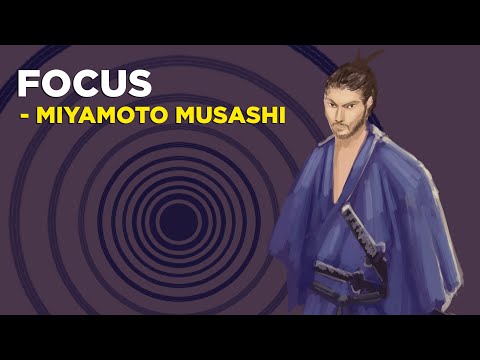
Miyamoto Musashi's Unyielding Focus: 7 Pillars of a Warrior's Mindset

The path of the warrior is not merely one of physical prowess, but of an ironclad mind. In the annals of martial history, few names resonate with the same electrifying intensity as Miyamoto Musashi. This legendary swordsman, a figure almost mythical in his prowess, was not just a master of the blade; he was a profound philosopher whose discipline transcended the dueling grounds to permeate every facet of his existence. His life, a testament to unwavering dedication, offers a profound blueprint for achieving mastery, not just in combat, but in life itself. This discourse will delve into the very essence of Musashi's wisdom, extracting seven core principles that forged his legendary focus. We will dissect these tenets not as abstract theories, but as actionable strategies for the modern practitioner striving for peak performance and mental fortitude. Are you truly ready to understand the mindset that separated a legend from the mere multitude?

Table of Contents

The Enigma of Miyamoto Musashi: More Than Just a Swordsman

Musashi was not born into privilege; he emerged from the crucible of constant conflict, participating in over sixty duels before the age of thirty, emerging victorious from each. His magnum opus, the *Dokkōdō* (The Way of Walking Alone), and his seminal work, *The Book of Five Rings* (*Go Rin No Sho*), are not merely treatises on swordsmanship. They are profound philosophical guides. His mastery over the *Niten Ichi-ryū* (Two Heavens as One style), a dual-wielding technique, is legendary. Yet, his true genius lay in his ability to distill the essence of combat and life into principles that resonate across centuries and disciplines. His pursuit of the "Way" (*Do*) was holistic, encompassing not just the physical clash but the mental, spiritual, and artistic dimensions. This is the foundation upon which his teachings of focus are built.

Pillar 1: Forge Your True North – The Quest for Passion

Musashi’s first decree is an absolute imperative: **Find your passion and commit to it with an unwavering spirit.** This is not a casual suggestion; it is the bedrock of all sustained effort. He understood that true dedication springs from a deep-seated resonance with one's chosen path. When your endeavor aligns with your soul's calling, the arduous climb becomes a compelling journey. This alignment fuels the relentless drive needed to overcome obstacles that would deter the uninspired. Consider the countless hours a martial artist dedicates to perfecting a single technique, be it a precise karate kata, a devastating judo throw, or the elusive BJJ grappling exchange. This devotion is not born from obligation, but from a profound love for the craft. This is the essence of finding your passion. It transforms grueling martial arts training from a chore into a calling.
"If you understand the Way of strategy, you can see the Way in all things."
— Miyamoto Musashi

Pillar 2: The Siren Song of Distraction – Renouncing Fleeting Pleasures

In an era saturated with instant gratification, Musashi’s admonition to **avoid short-term pleasures** is more potent than ever. He recognized these "pleasures" as insidious thieves of potential, luring individuals away from their loftier aspirations with the promise of fleeting comfort. These distractions, whether the ephemeral dopamine hit of social media or the immediate gratification of indulgence, create a psychological fog, obscuring long-term objectives. The disciplined warrior understands that true fulfillment lies not in momentary ease, but in the hard-won satisfaction of achieving meaningful goals. This requires the fortitude to say "no" to the immediate and to embrace the arduous path towards lasting reward. The modern warrior must cultivate this discernment, understanding that every moment spent chasing trivialities is a moment stolen from the pursuit of mastery.

Pillar 3: The Full Spectrum of Effort – No Half Measures

Musashi’s third pillar is a stark declaration: **Never undertake any task with half-hearted effort.** Mediocrity is the enemy of progress, and a half-committed spirit breeds a culture of indifference. He understood that the *quality* of our effort directly dictates the *outcome*. To engage with anything less than your full capacity is to invite failure, not through external forces, but through internal deficiency. This principle is fundamental to any rigorous training regimen. Whether you are practicing Kyokushin Karate drills, honing your kickboxing combinations, or performing conditioning exercises, the intensity and focus you bring to each repetition are paramount. This holistic application of effort builds not just skill, but character – a resolute commitment that bleeds into every aspect of your life.

Pillar 4: The Cleansing Fire – Releasing the Burden of Resentment

The warrior’s mind must be a clear battlefield, unburdened by the toxic weight of negativity. Musashi’s teaching to **let go of resentments and grudges** is crucial. Holding onto bitterness is akin to self-poisoning; it corrodes mental clarity, saps emotional energy, and actively hinders progress. These lingering resentments create internal conflict, distracting from the focused pursuit of objectives. True strength lies not in holding onto past grievances, but in the wisdom to learn from them and move forward. For the martial artist, this translates to shedding animosity towards rivals or past defeats. Instead, one must channel that energy into constructive training and self-improvement, allowing the pursuit of mastery to burn brighter than any lingering flame of anger.
"Grasping the sword, with a spirit of determination and courage, strike as though you were going to cut the enemy in two."
— Miyamoto Musashi

Pillar 5: The Unwritten Page – Embracing a Future Free of Regret

Musashi’s wisdom extends to our temporal perspective. He implored his followers to **not regret anything.** Regret is a backward-facing emotion, tethered to the past, that paralyzes forward momentum. It consumes valuable mental resources that should be directed towards present action and future planning. The lessons learned from past missteps are invaluable, but dwelling on them breeds stagnation. The disciplined mind, like the focused warrior, is always looking ahead. Past battles inform strategy, but they do not define the outcome of the next confrontation. By extracting lessons from experience without succumbing to regret, one cultivates resilience and a proactive mindset, essential for navigating the unpredictable currents of life and combat.

Pillar 6: The Chasm Between Desire and Purpose – Avoiding the Traps of Love and Lust

Musashi’s teachings also touch upon the potent distractions of primal urges. He advised to **not chase love or lust.** While human connection and desire are natural, their unchecked pursuit can derail the disciplined path. Chasing fleeting romantic or physical affections can divert focus from one’s primary goals, leading to wasted energy and emotional turmoil. The true warrior understands the difference between healthy connection and consuming obsession. Prioritizing one's chosen "Way," whether it be martial mastery, artistic creation, or philosophical inquiry, demands a clear focus that can be easily compromised by the erratic pursuit of passionate, yet potentially transient, desires. This doesn't advocate for asceticism, but for the prioritization of purpose over impulse.

Pillar 7: The River of Life – Accepting the Unforeseen

Finally, Musashi’s philosophy culminates in the acceptance of life's inherent unpredictability. He taught the importance of **accepting life as it happens.** Life is a dynamic, often chaotic, force. Our attempts to exert absolute control are often futile and lead to frustration. The truly resilient individual learns to adapt and flow with the currents of existence. For the martial artist, this translates to adaptability in combat. An opponent’s unexpected move, a change in the fight’s dynamics – these require a calm, accepting mind capable of immediate adjustment. Instead of resisting the unpredictable, the disciplined practitioner embraces it, finding strength in flexibility and resilience. This acceptance does not imply passivity, but rather a clear-eyed understanding of what is within our control and what is not, allowing us to focus our energy effectively.

Veredicto del Sensei: ¿La Sabiduría de Musashi Sigue Vigente?

The teachings of Miyamoto Musashi are not mere historical curiosities; they are timeless principles for cultivating an unshakeable focus. In a world clamoring for our attention with a thousand fleeting stimuli, his seven pillars offer a robust framework for mental discipline. Whether you are training in Aikido, honing your Judo skills, or engaging in intense MMA sparring, Musashi's wisdom provides the mental bedrock for true mastery. His principles are a stark reminder that the greatest battles are often fought within the confines of our own minds. This article does not just explain his teachings; it presents a direct challenge to adopt them. The wisdom of the "Way of Walking Alone" is a martial art in itself, demanding practice and unwavering commitment. Calificación: Cinturón Negro en Sabiduría Marcial.

Guía de Entrenamiento: Ejercicio de Visualización Musashi

This exercise is designed to internalize Musashi's principles, enhancing your focus and mental resilience.
  1. Preparation: Find a quiet space where you won't be disturbed. Sit or stand in a comfortable posture, perhaps a natural fighting stance or a meditative posture like Zazen. Close your eyes and take several deep, calming breaths. Visualize your target or goal with utmost clarity – a specific technique, a competition outcome, a personal project.
  2. Integrate Pillar 1 (Passion): Feel the deep-seated passion for this goal. Imagine yourself succeeding not because you have to, but because this is your chosen path, your "Way." See the joy and fulfillment it brings.
  3. Resist Distractions (Pillar 2): As you focus on your goal, imagine distractions appearing – tempting noises, intrusive thoughts, the allure of immediate gratification. Visualize yourself calmly acknowledging them and then letting them pass, like clouds in the sky, without engaging.
  4. Full Effort Visualization (Pillar 3): Envision yourself performing the actions required to achieve your goal with absolute dedication. See every movement, every thought, every effort executed with maximum intensity and precision. There is no room for laziness; only full commitment.
  5. Release Negativity (Pillar 4): If any feelings of past resentment or frustration arise, visualize them as dark smoke. Breathe them out and watch them dissipate, leaving your mind clear and unburdened.
  6. Future Focus (Pillar 5): Picture yourself looking towards the future, a blank page. Acknowledge any past mistakes as learning experiences, but consciously let go of regret. Your focus is entirely on the present action and the path ahead.
  7. Purpose Over Impulse (Pillar 6): Imagine fleeting desires (lust, immediate pleasure) as tempting paths branching off your main "Way." Acknowledge their existence but firmly commit to staying on your dedicated path, recognizing that true satisfaction comes from achieving your core purpose.
  8. Embrace the Flow (Pillar 7): Visualize the unpredictable nature of your journey. See unexpected challenges or changes arise. Instead of resisting, visualize yourself adapting gracefully, like water flowing around a rock, maintaining your core focus and adjusting your strategy.
  9. Completion: Hold the image of your focused, disciplined self achieving your goal. Take a few more deep breaths, feeling the power of this mental state. When you are ready, slowly open your eyes, bringing this heightened focus back into your physical reality.

Recursos para Profundizar en el Budo

To truly embody the principles of the warrior, access to the right knowledge and tools is crucial. Investing in your development is investing in yourself.
  • Essential Reading: For a deep dive into Musashi's philosophy, seek out translations of "The Book of Five Rings" and "The Dokkōdō." These texts are foundational for understanding his approach to strategy and life. Consider also delving into "The Hagakure" for insights into the samurai spirit.
  • Training Gear: While Musashi's focus was mental, proper training equipment enhances physical practice. For striking arts like Karate or Kickboxing, investing in quality boxing gloves and protective gear is paramount for safe and effective homeworkout sessions. For grappling arts such as Judo or BJJ, a durable judo gi is indispensable.
  • Mindfulness Tools: Incorporate meditation aids like comfortable meditation cushions or simply dedicate a quiet corner in your home for reflection. The key is consistency, not costly equipment.

Preguntas Frecuentes

  • Q: How did Musashi apply these principles to art and other fields?
    A: Musashi viewed strategy as a universal principle. His discipline in swordsmanship mirrored his approach to painting, calligraphy, and even gardening, emphasizing meticulous observation, decisiveness, and absolute commitment in all endeavors.
  • Q: Is Musashi's advice applicable to modern, non-combat professions?
    A: Absolutely. The principles of focus, dedication, avoiding distractions, and consistent effort are universally applicable to any profession or personal pursuit aiming for excellence.
  • Q: How can I start applying Musashi's teachings if I'm a complete beginner?
    A: Begin with one principle at a time. For instance, dedicate yourself to practicing one new skill (a physical technique, a piece of knowledge) with full effort daily for a week. Observe your internal state and results.
  • Q: What is the significance of "The Way of Walking Alone"?
    A: It signifies self-reliance, independent thought, and the pursuit of mastery without external validation or adherence to conventional paths. It's about forging your unique journey.

Para Profundizar en tu Camino

Reflexión del Sensei: Tu Próximo Paso

Musashi spent his life honing his "Way." He did not achieve mastery by dabbling, but by diving headfirst into the deep waters of his chosen path. Now, consider this: What is *your* "Way"? And more critically, are you approaching it with the same ferocity of focus that Miyamoto Musashi brought to the battlefield of his life? Or are you allowing the siren songs of distraction and half-hearted effort to dilute your potential? The choice, as always, rests with you. Prove your commitment. ```json { "@context": "https://schema.org", "@type": "FAQPage", "mainEntity": [ { "@type": "Question", "name": "How did Musashi apply these principles to art and other fields?", "acceptedAnswer": { "@type": "Answer", "text": "Musashi viewed strategy as a universal principle. His discipline in swordsmanship mirrored his approach to painting, calligraphy, and even gardening, emphasizing meticulous observation, decisiveness, and absolute commitment in all endeavors." } }, { "@type": "Question", "name": "Is Musashi's advice applicable to modern, non-combat professions?", "acceptedAnswer": { "@type": "Answer", "text": "Absolutely. The principles of focus, dedication, avoiding distractions, and consistent effort are universally applicable to any profession or personal pursuit aiming for excellence." } }, { "@type": "Question", "name": "How can I start applying Musashi's teachings if I'm a complete beginner?", "acceptedAnswer": { "@type": "Answer", "text": "Begin with one principle at a time. For instance, dedicate yourself to practicing one new skill (a physical technique, a piece of knowledge) with full effort daily for a week. Observe your internal state and results." } }, { "@type": "Question", "name": "What is the significance of \"The Way of Walking Alone\"?", "acceptedAnswer": { "@type": "Answer", "text": "It signifies self-reliance, independent thought, and the pursuit of mastery without external validation or adherence to conventional paths. It's about forging your unique journey." } } ] }

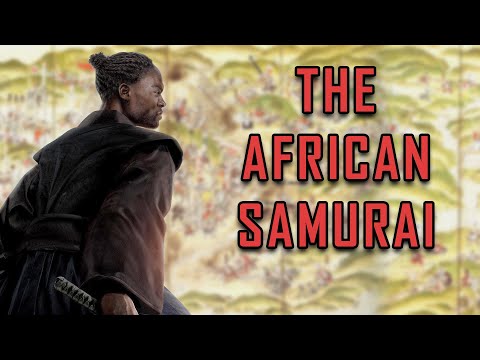
The Unvarnished Truth: Yasuke, The African Samurai – A Warrior's Spirit Transcending Borders

How many of you, when you hear "samurai," immediately picture a stoic figure in traditional armor, born and bred in the rigorous crucible of feudal Japan? It's a powerful archetype, isn't it? But what if I told you that the most compelling narratives often break these very molds? Today, we dissect the extraordinary life of Yasuke, the African samurai. This isn't just a historical footnote; it's a profound testament to how the warrior spirit, the unwavering dedication to martial excellence, knows no color, no origin, and no boundary.

We will delve into the gritty reality of his ascent, not through romanticized fiction, but through the lens of martial principles. Was he merely a curiosity, a novelty for Oda Nobunaga? Or was he a genuine practitioner of the sword, a warrior whose skills earned him respect in the most unforgiving of arenas? Prepare yourselves, for this is not a gentle stroll through history; it is an exploration of raw courage, adaptation, and the unyielding pursuit of mastery in the face of prejudice and overwhelming odds.

Yasuke's Origins: More Than Just a Slave

Let's strip away the myth. Yasuke, born in Africa – the exact region remains a scholarly debate, a point of contention for historians – was not born into nobility, nor was he a free man for much of his early life. He was, by all accounts, enslaved. This is a brutal truth, a stark contrast to the idealized samurai narrative. However, a slave’s life is not always a predetermined path of suffering. His journey, facilitated by the Jesuit missionary Alessandro Valignano, led him to Japan in 1579. Imagine the culture shock, the sheer alien nature of a land so distant from his own.

This arrival was not subtle. His physical presence alone—taller than the average Japanese man of the era, powerfully built—would have immediately drawn attention. But it was his potential, his aura of capability, that truly captured the eye of Oda Nobunaga, the formidable *Daimyo* who was rapidly consolidating power in Japan. Nobunaga was known for his strategic mind, his openness to new ideas, and his interest in foreign novelties. Yasuke was more than a novelty; he was a warrior waiting to be recognized. This meeting, this pivotal moment, was not just the encounter of a slave with a lord, but the spark that ignited an extraordinary martial destiny.

"Nobunaga, upon seeing Yasuke, was struck by his stature and physical presence. He was a man unlike any he had encountered. The initial fascination, however, was soon to be surpassed by respect for his martial spirit."

Forged in the Flames: Training Under Nobunaga

To become a samurai was not a matter of choice; it was a life of rigorous discipline, an internalization of the warrior's code, bushido. Yasuke, under Nobunaga's direct patronage, embarked on this path. This wasn't a mere display of strength; it was an assimilation into a system of honor, loyalty, and devastating martial skill. He learned the intricacies of the katana, the soul of the samurai. He trained in swordsmanship, grappling, and the tactical nuances of warfare.

Think about the challenges. He wasn't just learning techniques; he was learning a philosophy, a way of life that demanded absolute commitment. The fact that he, an outsider, an African slave, was not only accepted but actively trained and elevated speaks volumes about Nobunaga's pragmatism and perhaps, his foresight. Yasuke's physique, different from the Japanese ideal, likely offered unique advantages in combat. His training wasn't about conforming to a pre-existing template; it was about adapting the samurai way to his own formidable capabilities. He proved to be more than just a strong man; he was a natural warrior, a quick study, and someone who could embody the samurai ethos. This rapid ascent is not something one achieves through mere physical presence. It requires dedication, discipline, and an innate understanding of combat.

His African heritage, rather than being a barrier, may have even informed his fighting style, adding an unpredictable edge to the already deadly samurai arts. This fusion of backgrounds is where true martial innovation often lies.

The Crucible of War: Yasuke's Role in Nobunaga's Army

History books, often written by victors and survivors, can be selective. But the accounts of Yasuke's involvement in battles are clear: he fought. He wasn't a ceremonial figure; he was in the thick of it. The Battle of Tenmokuzan in 1582 is a prime example. Nobunaga's forces, against considerable odds, achieved a decisive victory. Yasuke's presence and contributions were noted. This wasn't a minor skirmish; it was a significant military engagement where strategic prowess and individual bravery determined the outcome.

His role as a trusted advisor and bodyguard to Nobunaga was not bestowed lightly. It implies a level of skill, loyalty, and battlefield competence that few possessed. Imagine the pressure, the constant threat of assassination or betrayal in the Sengoku period. To be chosen as a personal guardian by one of Japan's most powerful and ruthless warlords was the ultimate validation of his martial capabilities.

"In the heat of battle, where the clash of steel and the cries of men fill the air, true warriors reveal themselves. Yasuke was not found wanting. His ferocity, combined with his samurai training, made him a formidable force on any battlefield."

After Nobunaga's tragic end at Honnō-ji, Yasuke didn't vanish. This is a crucial point that distinguishes him from a mere footnote. He continued to serve other influential figures like Hideyoshi Toyotomi and later, Ieyasu Tokugawa. His journey continued through periods of intense conflict, including the Siege of Osaka Castle. This longevity in service, moving between different powerful lords, demonstrates a consistent reputation for reliability and martial prowess. It suggests that his acceptance and respect were not solely dependent on Nobunaga's whim, but on his enduring abilities as a warrior and advisor.

Echoes in Time: Yasuke's Enduring Legacy

Why do we still speak of Yasuke centuries later? Because his story is inherently powerful. He is the "only black samurai" – a title that encapsulates both his uniqueness and the broad strokes of his achievement. But his legacy is more than a racial designation. It’s about the triumph of the individual spirit, the ability to transcend one's origins and forge a new identity through skill and determination.

His life has inspired countless artistic interpretations: books, films, and documentaries. This widespread fascination is not superficial. It speaks to a universal human desire to see the underdog succeed, to witness the improbable become reality. For martial artists, Yasuke represents the ultimate embodiment of adaptability and perseverance. His journey reminds us that mastery isn't about adhering strictly to tradition, but about internalizing its core principles and applying them with your unique strengths. The ki, the fighting spirit, can manifest in any warrior, regardless of their background. His story is a powerful reminder that the path of the warrior is open to all who possess the will to walk it.

Veredicto del Sensei: ¿Un Samurai Auténtico?

Let's cut through the historical debate and the romanticized notions. Was Yasuke a samurai in the strictest, most traditional sense, born into the samurai class and adhering to every minute facet of its inherited culture? Perhaps not in the way a son of a samurai was. However, was he a warrior who lived by the code of bushido, trained rigorously in the martial arts of Japan, fought alongside samurai, earned their respect, and wielded the katana with skill? ABSOLUTELY.

His adoption into Nobunaga's service, his training, his participation in battles, and his continued service under other lords all point to a man who earned his place through martial merit and loyalty. The very essence of being a samurai was one's ability to serve as a warrior. Yasuke fulfilled this role to an exceptional degree. To deny him the title of "samurai" based on his origin would be to misunderstand the fluid, albeit rigid, social dynamics of feudal Japan and the pragmatic nature of warlords like Nobunaga. He wasn't just a foreign curiosity; he became a respected warrior.

Calificación: Cinturón Negro en Adaptación y Coraje Marcial.

Equipo Esencial para tu Entrenamiento

While Yasuke's journey was unique, the principles of martial training remain universal. To truly immerse yourself in the path of the warrior, having the right tools is crucial.

  • Armadura (Réplica o Ligera): While full samurai armor (gusoku) is impractical for most modern training, understanding its components and weight distribution is key. For light practice, a sturdy training uniform is sufficient.
  • Katana de Entrenamiento (Iaido/Bokken): A bokken (wooden sword) is essential for safe practice of sword techniques. For those advanced enough, a sharpened steel katana (iaito for practice, or a functional blade for experienced practitioners) is the ultimate tool.
  • Kimono de Judo/Karate: A durable, high-quality martial arts gi is fundamental for any discipline involving grappling or striking. Look for double-weave fabrics for added resilience during intense #entrenamiento.
  • Guantes de Entrenamiento: For any striking practice or sparring, appropriate padding is non-negotiable for safety and longevity in your #combat.
  • Protección para la Cabeza (Bojutsu): If practicing with longer staffs or polearms, head protection can be beneficial during drills.

Guía de Entrenamiento: El Espíritu del Guerrero Adaptable

Yasuke's life teaches us that adaptation is a core martial principle. Here’s a practical approach to cultivating that spirit:

  1. Fundamentos Sólidos: Begin with the basics of your chosen art. Whether it's #karate stances, #judo throws, or #MMA striking, master the core mechanics. This is your base.
  2. Cross-Training Inteligente: Don't confine yourself. Explore different martial disciplines. Integrate striking with grappling, learn weapon retention, and understand distance management. This builds versatility.
  3. Entrenamiento de Fuerza y Acondicionamiento: Develop explosive power and endurance. Yasuke's physique was an asset; yours can be too. Focus on functional strength training.
  4. Técnicas de Espada (Simuladas): If your art involves weapons, practice diligently with a bokken or training knife. Focus on clean lines, precise movements, and understanding range.
  5. Mental Conditioning: Practice mindfulness, meditation, and visualization. Develop resilience to stress and the ability to remain calm under pressure, just as Yasuke likely did in the chaos of #battle.
  6. Adaptación en Sparring: During sparring sessions, intentionally put yourself in challenging positions. Practice defending against unfamiliar styles or techniques. The goal is to learn, not just to win.

Preguntas Frecuentes

¿Es Yasuke el único samurái negro en la historia de Japón?

Basado en los registros históricos disponibles, Yasuke es la figura más conocida y documentada de un guerrero africano que alcanzó el estatus de samurái en el Japón feudal. Si bien es posible que otros individuos de ascendencia africana estuvieran presentes, Yasuke es el único para el cual existe evidencia sustancial de su servicio y estatus.

¿Qué habilidades marciales poseía Yasuke?

Yasuke era descrito como un guerrero físicamente imponente y hábil. Se entrenó en las artes marciales de los samuráis, incluyendo el manejo de la katana. Se sabe que luchó en batallas junto a Oda Nobunaga, demostrando competencia en combate. Su habilidad y fuerza le permitieron ganar el respeto de sus contemporáneos.

¿Cuál fue la importancia de su servicio bajo Oda Nobunaga?

Servir bajo Oda Nobunaga, uno de los tres grandes unificadores de Japón, fue un logro significativo. Nobunaga era un líder progresista que valoraba la habilidad y la lealtad por encima de la ascendencia. El hecho de que Nobunaga adoptara a Yasuke como vasallo y le confiara responsabilidades militares y de consejero demostró la destreza y el valor de Yasuke como guerrero.

¿Cómo impactó su vida en la percepción de los extranjeros en Japón en esa época?

La presencia de Yasuke, un africano sirviendo como samurái, desafió las percepciones convencionales y demostró que el estatus y el respeto en la sociedad japonesa podían obtenerse a través del mérito marcial y el servicio, independientemente del origen extranjero. Su historia contribuyó a la fascinación que los europeos y otros forasteros despertaban en el Japón de finales del siglo XVI.

Para Profundizar en tu Camino

  • Descubre el rigor detrás de la espada en nuestro artículo sobre #Karate y su legado: [Enlace Interno al Post de Karate]
  • Explora los principios fundamentales del guerrero en: #BUDO, el Camino del Guerrero: [Enlace Interno al Post de Budo]
  • Comprende la fuerza mental en el combate: La Importancia del #ki en la Lucha: [Enlace Interno al Post de Ki]

Reflexión del Sensei: Tu Próximo Paso

Yasuke's life is a blazing indictment of limitations. He faced prejudice, the chains of slavery, and the cultural chasm of a foreign land, yet he carved his name into history through sheer will and martial skill.

Consider this: In your own training, where do you impose limits? What perceived barriers—lack of talent, time, resources, or even your own self-doubt—are you allowing to define your potential? Are you training to adapt, to overcome, or merely to go through the motions?

Reflexión del Sensei: Tu Próximo Paso

The warrior spirit is not bestowed; it is forged. Yasuke’s journey from the African continent to the heart of the samurai elite was not a fluke of fate. It was a testament to unwavering dedication, brutal discipline, and the courage to embrace the unknown. Now, look within. What 'uncharted territory' does your martial journey demand you conquer? Are you prepared to face it with the same ferocity and adaptability that defined the African Samurai?

Let the debate begin. Does Yasuke’s story change your perception of what a samurai truly embodies? Are there other historical figures whose martial journeys defy conventional expectations? Share your insights, your arguments, your challenges. The dojo of knowledge is vast, and discussion is the finest sharpening stone for the mind.