Showing posts sorted by relevance for query flexibility. Sort by date Show all posts

The Unseen Foundation: 3 Drills That Will Revolutionize Your High Kick (Regardless of Your Martial Art)

Feeling like your high kicks are plateauing? Do you watch others unleash devastating upward strikes while yours fall short, lacking power or precision? This isn't a problem of innate talent, but often a deficiency in fundamental, consistent practice. If you're not incorporating these three deceptively simple drills into your daily training, you are leaving significant potential on the table. This isn't about adding hours to your regimen; a mere 10-15 minutes of focused effort daily can yield dramatic improvements within days, and after a month, your high kicks will be a force to be reckoned with. But beware: the devil is in the details. Execute these with intention, and you will witness transformation. This advice is universal, whether your path leads through the tenets of Karate, the dynamic power of Taekwondo, the devastating elbows of Muay Thai, the multifaceted MMA, or any other striking art. The quest for martial perfection is a journey of constant refinement. Many practitioners focus solely on complex techniques and sparring, neglecting the foundational drills that build the true body mechanics, flexibility, and power necessary for high-level execution. This oversight is precisely where stagnation takes root. Today, we dissect three such fundamental drills that, when practiced consistently, will unlock a new dimension in your kicking ability. ## Drill 1: The Dynamic Hip Opener & Rotator

The Dynamic Hip Opener & Rotator

This drill is designed to build the explosive rotational power of the hips, which is the engine of any powerful high kick. It also crucially improves the mobility and stability of the hip joint, essential for both the chambering and extension phases.
  1. Starting Position: Stand tall, feet shoulder-width apart. Find a stable object to lightly hold for balance if needed – a wall, a sturdy pole, or even your own hand lightly touching your thigh.
  2. The Action:
    1. Initiate by bringing one knee up towards your chest, as if you were chambering a roundhouse kick.
    2. As your knee reaches its highest point, externally rotate your hip and swing your leg outwards and then downwards in a controlled circular motion. Imagine drawing a large circle with your foot.
    3. Return your leg to the starting position, then immediately repeat the motion, this time swinging the leg inwards and then downwards. This completes one full rotation.
  3. Execution: Perform 15-20 controlled rotations in each direction (outward then inward, and vice-versa) per leg. Focus on the feeling of the hip joint opening and rotating. The movement should be fluid, not jerky.
  4. Sensei's Insight: This isn't about speed; it's about control and range of motion. As you gain flexibility, you'll naturally increase the diameter of your "circle." Think of it as lubricating the hip's natural mechanics for powerful, uninhibited movement. This drill directly translates to a higher chamber and a more powerful hip torque on your kicks.
## Drill 2: The Wall-Assisted Leg Swing Progression

The Wall-Assisted Leg Swing Progression

Flexibility is paramount for high kicks, but it must be *active* and *controlled* flexibility, not just passive stretching. This drill uses a wall for support to push past your comfortable range of motion safely and dynamically.
  1. Starting Position: Stand facing a wall, about arm's length away. Place your hands on the wall at shoulder height for support.
  2. The Action (Forward Swing):
    1. Keeping your leg as straight as possible (a slight bend in the knee is permissible initially), begin to swing it forward and upward.
    2. Use the wall for support to help guide your leg higher than you might be able to kick unassisted. The swing should be smooth and controlled.
    3. As your leg reaches its peak, momentarily pause to feel the stretch, then smoothly bring it back down.
  3. The Action (Side Swing / Scissor Kick):
    1. Turn to face sideways to the wall, placing your hands on it for support.
    2. Begin swinging your leg across your body and then upwards and outwards, like a scissor motion.
    3. Again, use the wall to help lift the leg higher than you normally would, focusing on stretching the hamstring and hip flexor.
    4. Hold briefly at the peak, then control the descent.
  4. Execution: Perform 15-20 controlled swings in each direction (forward and side) for each leg. Gradually try to increase the height with each swing, but never force it to the point of pain.
  5. Sensei's Insight: This drill builds dynamic flexibility and teaches your nervous system to accept and control a greater range of motion. For the side swing, focus on stretching the inner thigh and hip flexor – critical for the chambering of a high roundhouse or a hook kick. The forward swing targets the hamstrings and improves the mechanics for techniques like a front kick or even the initial chamber of a spinning kick.
## Drill 3: The Static Balance & Snap Extension

The Static Balance & Snap Extension

Power in a kick isn't just about height; it's about the speed and snap at the point of impact. This drill isolates the extension phase, improving both balance and the ability to deliver a sharp, focused strike.
  1. Starting Position: Stand with your feet shoulder-width apart. Find a stable reference point (like a mark on the wall or a spot on the floor) to help maintain focus and balance.
  2. The Action:
    1. Chamber one leg as if preparing for a front kick or a high roundhouse kick. Hold this chambered position with control.
    2. From the chamber, explosively extend your leg forward (for a front kick) or upward and forward (for a roundhouse). The emphasis is on a quick "snap" rather than a slow push.
    3. Imagine striking a target with the ball of your foot or heel.
    4. Immediately retract the leg back to the chambered position.
    5. Hold the retracted position for a second, maintaining your balance.
    6. Slowly lower your leg back to the starting position.
  3. Execution: Perform 10-15 controlled extensions per leg. For the first few repetitions, focus purely on balance. As you become more stable, concentrate on making the extension as fast and "snappy" as possible, followed by a controlled retraction.
  4. Sensei's Insight: This drill is about precision and speed. The chamber and retraction build leg strength and control, while the explosive extension hones your striking power. The ability to snap your leg out and retract it quickly is what differentiates a powerful, effective kick from a slow, telegraphed one. This is crucial for fighters in high-tempo arts like Kickboxing and MMA.

Training Regimen: Integrating the Drills

The true power of these drills lies in consistency. Here’s how to integrate them effectively:
  • Morning Routine (10-15 minutes):
    • 5 minutes: Dynamic Hip Opener & Rotator (Drill 1) - 2-3 minutes per leg.
    • 5 minutes: Wall-Assisted Leg Swing Progression (Drill 2) - 2-3 minutes per leg, alternating forward and side swings.
    • 5 minutes: Static Balance & Snap Extension (Drill 3) - Focus on quality over quantity.
  • Before Sparring/Training Session:
    • Perform 5-10 repetitions of each drill dynamically to warm up the hips and legs.
  • Cool-down:
    • Gentle static stretching focusing on hips, hamstrings, and quadriceps.
Consistency is king. Even if you can only dedicate 5 minutes some days, do it. The cumulative effect over weeks and months is where the real magic happens.
"The difference between the impossible and the possible lies in a man's determination." - Tommy Lasorda (While not a martial artist, the principle applies universally to overcoming limitations in training.)

Veredicto del Sensei: ¿Un Salto en Tu Patada o una Caída al Vacío?

Let's be blunt. If you are looking for a magic pill or a single technique to instantly elevate your high kick, you will be disappointed. These drills are not flashy; they are the unglamorous, essential work that forms the bedrock of true kicking prowess. However, if you approach them with discipline, patience, and a commitment to understanding the mechanics, they are not just helpful – they are **transformative**. The difference lies in your *intent*. Are you going through the motions, or are you actively engaging your body, focusing on control, range, and speed? This is where the martial spirit – the dedication to self-improvement – comes into play. Neglect these fundamentals, and your kicks will remain predictable and weak. Embrace them, and you will see a tangible leap in height, power, and fluidity. This is a **Cinturón Negro en Fundamentos** for your kicking game.

Equipo Esencial para tu Entrenamiento

While these drills require minimal equipment, certain items can enhance their effectiveness and safety:
  • Comfortable Training Attire: Loose-fitting pants that allow for maximum range of motion.
  • A Stable Surface: Ensure you are training on a non-slip surface. A martial arts mat is ideal, but a carpeted floor or yoga mat works well.
  • A Wall or Sturdy Object: For balance support in Drill 2.
  • Optional: Resistance Bands: For advanced progression, light resistance bands can be added to the leg swings to increase muscle engagement. For those looking to invest further in their striking, consider quality kickboxing gloves or Taekwondo uniforms for sparring sessions that integrate your improved kicking.

Preguntas Frecuentes

  • How soon will I see results? You should feel increased mobility and a greater sense of control within days. Significant improvements in height and power typically manifest within 2-4 weeks of consistent daily practice.
  • Can I skip a drill if I feel it's too easy? No. Even if a drill feels easy, consistent practice reinforces muscle memory, flexibility, and control. Advanced practitioners should focus on increasing the speed, range, and control of each movement.
  • What if I feel pain? Pain is a signal to stop. These drills should create a stretching sensation or muscle fatigue, but never sharp pain. If you experience pain, consult a medical professional or a qualified martial arts instructor.
  • Can I do these drills if I have limited flexibility? Absolutely. These drills are designed to *improve* flexibility. Start with the range of motion you currently have and gradually push the boundaries with control. Never force a stretch.
  • How do these drills apply to spinning kicks? The hip rotation from Drill 1 and the dynamic flexibility from Drill 2 are crucial for spinning kicks. Drill 3 helps develop the explosive extension needed after the rotation.

Para Profundizar en tu Camino

To truly master the art of kicking, one must understand the broader context of martial philosophy and rigorous training. Explore these related topics:
"Mastery is not a destination, but a continuous journey of refinement." - Anonymous Warrior

Reflexión del Sensei: Tu Próximo Paso

You have been given the blueprint. Three simple, yet profound, drills that can unlock a new level of power and precision in your high kicks. The knowledge is now yours. The question that remains is: Will you let it gather dust on the shelf of your mind, or will you forge it into a weapon on the anvil of your daily training? Consider this: In the heat of a confrontation, in the controlled chaos of sparring, or even in the solitary pursuit of self-mastery, where does true power originate? Is it in the flashiest technique, or in the unshakeable foundation built through relentless, intelligent practice? Now, face yourself. Are you a warrior of action, or a spectator of potential? Now it is your turn. Do you believe these drills are the key, or are they merely a distraction from the *real* work? Prove your point in the comments below. GEMINI_METADESC: Unlock your high kick potential with 3 essential daily drills for Karate, Taekwondo, MMA, and more. Improve power, flexibility, and speed in just 10-15 minutes.

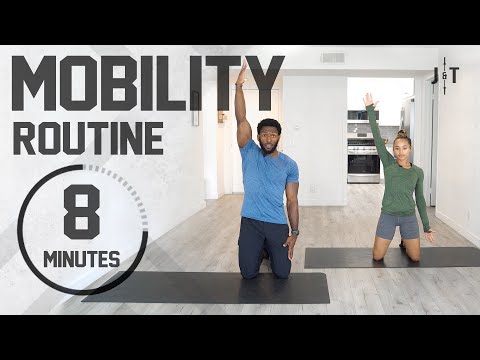
Mastering Mobility: An 8-Minute Full-Body Routine for Every Warrior

In the relentless pursuit of martial mastery, the body becomes both the weapon and the battlefield. Yet, how often do we, the dedicated practitioners of the Budo and the fighting arts, truly listen to its whispers before they become shouts of protest? Flexibility and range of motion are not mere accessories; they are the very foundation upon which power, speed, and injury prevention are built. Ignoring them is akin to forging a blade and leaving it to rust. This is where the art of mobility training enters the dojo.

Too many aspiring fighters and seasoned martial artists alike fall into the trap of thinking that brute strength and explosive power are the only keys to success. They pound the mats, lift heavy weights, and push their bodies to the limit, only to find themselves sidelined by nagging injuries or a crippling lack of fluidity. This is not the path of the warrior; it is the path of the soon-to-be-broken. True martial prowess demands a holistic approach, one that honors the intricate biomechanics of the human form.

This routine is born from the necessity of adapting, of moving with intention, and of ensuring that our bodies are capable of executing the techniques demanded by combat – whether that be the intricate throws of Judo, the devastating kicks of Kyokushin Karate, or the strategic grappling of Brazilian Jiu-Jitsu. It’s designed for the warrior who understands that recovery and preparation are as crucial as the fight itself. A warrior without mobility is a warrior with a limited arsenal.

The Call to Mobility: Why It Matters

Building flexibility and mobility isn't just about touching your toes; it's about unlocking your body's true potential. In the sphere of martial arts, compromised mobility can mean the difference between a successful counter-attack and a painful defeat. Consider the simple act of evading a strike. A stiff torso limits your evasive maneuvers, making you an easier target. Similarly, tight hips can hinder your ability to generate hip torque for powerful strikes or to execute a deep sweep in grappling. This routine aims to combat precisely these limitations.

Think of your joints as hinges. If those hinges are rusted and stiff, they won't move freely, and the mechanisms they control – your limbs – will operate with a fraction of their intended efficiency and power. An 8-minute investment can yield significant returns, preventing the aches and pains that often plague practitioners and allowing for more consistent, effective training sessions. This is not about becoming a contortionist; it's about becoming a more complete and resilient martial artist.

"True mastery is found not in the rigidity of the stance, but in the fluidity of the transition." - A Principle of Budo

This routine serves as a bridge – a way to connect your rest days to your training days, ensuring your body is primed for action or is given the gentle care it deserves post-exertion. It’s a proactive measure against the common pitfalls of intense physical training. It’s about making your body an instrument that can play any tune, not just a hammer that can only strike.

The 8-Minute Full-Body Mobility Routine

This routine is designed for maximum impact in minimal time. Focus on controlled movements, breathing deeply, and feeling the stretch. Do not force any movement beyond a comfortable range. The goal is to improve your range of motion over time, not to injure yourself in a single session.

  1. Neck Rolls (1 minute): Gently tilt your head from side to side, then slowly roll your chin to your chest and up towards the ceiling. Avoid full backward circles if you feel any discomfort. Focus on slow, deliberate movements.
  2. Shoulder Circles (1 minute): Perform small, then increasingly larger circles with your shoulders, both forward and backward. Focus on isolating the shoulder joint.
  3. Arm Circles & Cross-Overs (1 minute): Extend your arms to the sides and make small circles forward and backward. Then, bring your arms across your chest, alternating which arm is on top, feeling the stretch in the shoulder girdle.
  4. Thoracic Rotations (1 minute): Stand with feet shoulder-width apart, hands clasped behind your head. Gently rotate your torso from side to side, keeping your hips relatively stable. Imagine you are trying to look over your shoulders.
  5. Cat-Cow Pose (1 minute): On your hands and knees, inhale as you drop your belly and arch your back (Cow pose), and exhale as you round your spine towards the ceiling (Cat pose). Coordinate your breath with the movement. This is fundamental for spinal health.
  6. Hip Circles (1 minute): From a standing position, lift one knee and make slow, controlled circles with your hip, both inwards and outwards. Repeat on the other leg. This is vital for generating power in strikes and throws.
  7. Leg Swings (1 minute): Holding onto a stable surface, swing one leg forward and backward in a controlled manner. Then, swing it side to side across your body. Repeat on the other leg. This dynamic movement opens up the hip flexors and hamstrings.
  8. Ankle & Wrist Rotations (1 minute): Rotate your ankles in circles, both clockwise and counter-clockwise. Do the same for your wrists. These often-neglected joints are critical for grip strength and stable footing.

Harmonizing Mind and Body: The Philosophy of Movement

The martial path is not solely about physical conditioning; it is a profound journey of self-discovery and discipline. This mobility routine, while seemingly simple, embodies key principles of Budo. The focus on breath control, for instance, mirrors the importance of maintaining composure under pressure – a core tenet taught by masters of Judo and Karate alike.

The deliberate and controlled nature of each movement is a practical application of "Mushin" (no mind) – allowing the body to move without conscious hesitation, a state achievable only through rigorous, mindful practice. It’s about developing an intuitive connection with your physical self, so that when the moment of confrontation arrives, your body responds with trained reflex, not awkward uncertainty.

"The warrior understands that his body is a temple, and its maintenance is a sacred duty."

By dedicating just 8 minutes to this practice, you are affirming your commitment to your journey. You are telling yourself that you value longevity, effectiveness, and the holistic development of your martial spirit. This is how true champions are forged – not just in the fires of competition, but in the quiet discipline of daily preparation.

Essential Gear for Your Training

While this mobility routine requires no specialized equipment, optimizing your training environment can enhance your practice. For any martial art, the foundation of your physical preparation is key. Investing in quality gear not only improves comfort but can also prevent injuries. Remember, the right equipment can be a silent partner in your pursuit of mastery.

  • Durable Training Mat: For floor exercises like the Cat-Cow pose, a good mat provides cushioning and grip, protecting your joints.
  • Comfortable Workout Attire: Lightweight, breathable clothing allows for maximum freedom of movement without restriction. Consider options designed for high-intensity training.
  • Quality Footwear (if applicable): For arts that involve standing and dynamic footwork, proper shoes are crucial for stability and support.
  • Water Bottle: Staying hydrated is paramount for muscle function and recovery.

For those serious about their training, consider investing in a high-quality Judo Gi or a durable Karate Gi. These are not mere uniforms but tools that withstand the rigors of sparring and demonstrate respect for the art. Similarly, for striking arts, investing in proper MMA gloves or kickboxing protection is non-negotiable for safety.

Frequently Asked Questions

  • Can I really see results from an 8-minute routine? Yes, consistency is key. While 8 minutes is a short duration, performing this routine daily or on rest days will build up over time, significantly improving your mobility and flexibility.
  • When is the best time to do this mobility routine? This routine is highly versatile. It's excellent as a warm-up before any training session to prepare your joints, or as a cool-down afterward to aid in recovery. It's also perfect for rest days to maintain flexibility and reduce stiffness.
  • What if I feel pain during a stretch? Never push through sharp or significant pain. Back off the movement until you feel a gentle stretch. If pain persists, consult a healthcare professional or a qualified martial arts instructor. Listen to your body; it's your most important guide.
  • Is this routine suitable for all martial arts styles? Absolutely. The fundamental principles of mobility and flexibility are universal across all combat disciplines, from the striking arts like Karate and Kickboxing to grappling arts like Judo and BJJ.

Deepen Your Path

Your journey in the martial arts is a continuous one, demanding dedication not only to combat techniques but also to the physical and mental conditioning that underpins them. To further enrich your training, explore these related topics:

Sensei's Reflection: Your Next Step

This 8-minute routine is more than just a sequence of movements; it's a commitment. A commitment to your craft, to your body, and to the longevity of your martial journey. The world of combat arts is replete with individuals who, in their haste for power, neglect the supple grace that truly defines a master. They become brittle, predictable, and ultimately, vulnerable.

Now, I pose this question to you, student of the way:

Reflexión del Sensei: Tu Próximo Paso

After completing this routine, do you feel a newfound connection to your body? Does the prospect of integrating this simple practice into your daily discipline excite you, or does the allure of more grueling, yet less effective, training methods still hold sway? Where do you find your greatest resistance – in the physical act of stretching, or in the mental discipline of consistent practice? Your honest answer will reveal much about your path forward.

``` GEMINI_METADESC: Master your martial arts with an 8-minute full-body mobility routine. Enhance flexibility, range of motion, and injury prevention for every warrior.

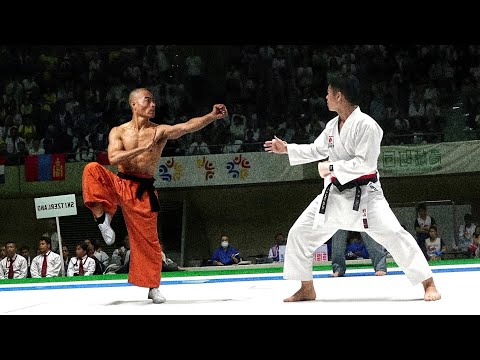
Kung Fu vs. Karate vs. Taekwondo: A Sensei's Unvarnished Breakdown

Introduction: The Martial Trinity

Ah, another generation of eager minds drawn to the ancient fires of the martial arts. You come seeking clarity, a path through the fog of differing styles, asking: Kung Fu, Karate, Taekwondo – which reigns supreme? It's a question as old as the techniques themselves, a perpetual debate that echoes through dojos and training halls worldwide. But to ask which is 'supreme' is to misunderstand the very essence of Budo. These are not mere combat sports to be ranked; they are distinct philosophies, rigorous disciplines, and living traditions, each forged in the crucible of history and human ingenuity.

In this exposition, we will dissect these three titans of martial tradition. Forget the Hollywood theatrics for a moment. We delve into their origins, their core principles, their methodologies, and, critically, their effectiveness. Are you here to learn a devastating technique, understand a philosophical underpinning, or simply satisfy a burning curiosity ignited by celluloid heroes like Bruce Lee and Jackie Chan? Regardless, prepare for a lesson that cuts to the bone. This is not about finding a winner; it's about understanding the unique strengths and spirit of each art. Let the examination begin.

Kung Fu: The Dragon's Breath and the Monkey's Agility

When one speaks of Kung Fu (功夫), or Gōngfu in Mandarin, we are not referring to a single, monolithic art. Instead, we are referencing a vast constellation of Chinese martial arts, each with its own lineage, techniques, and underlying philosophy. Shaolin Kung Fu, Wing Chun, Hung Gar, Choy Li Fut, Monkey Style – the list is extensive and bewildering to the uninitiated. The term itself, "Kung Fu," originally meant acquired skill through hard work and dedication, applicable to any craft. It was only later, particularly with international exposure, that it became synonymous with Chinese martial arts.

The diversity of Kung Fu stems from its long and complex history, influenced by centuries of philosophical development (Taoism, Buddhism), military strategy, and even observations of animalistic movements. Shaolin monks, for instance, developed styles mimicking animals like the tiger, crane, leopard, snake, and dragon, integrating them with Buddhist meditation and principles of qi (vital energy) cultivation. This results in styles that can be brutally direct and powerful, or fluid and deceptively agile, often incorporating a wide array of open-hand techniques, joint locks, throws, and an impressive repertoire of weaponry. The visual spectacle of Kung Fu, with its acrobatic leaps and intricate forms (taolu), has captivated audiences for decades, painting a picture of martial prowess that is both beautiful and deadly.

The true martial artist is not one who studies a thousand techniques, but one who has mastered a single technique a thousand times. The essence of Kung Fu lies in this dedication.

From a training perspective, Kung Fu often emphasizes extensive taolu practice, conditioning exercises designed to build explosive power and resilience, and sparring that can range from controlled, pre-arranged drills to more dynamic, free-flowing exchanges, depending on the specific style and lineage.

Karate: The Empty Hand's Unyielding Power

Originating in Okinawa, Japan, Karate (空手), meaning "empty hand," is a striking art that emphasizes linear, powerful movements, direct attacks, and a strong defensive posture. Its development was heavily influenced by indigenous Okinawan fighting methods and Chinese Kung Fu, particularly Fujian White Crane styles, brought to the island by traders and scholars. Under Japanese rule, Karate was systematized and integrated into the Japanese martial arts curriculum, leading to its global proliferation.

Karate's philosophy is deeply rooted in Bushido, the way of the warrior. It stresses discipline, respect, self-control, and the concept of ikken hissatsu (一拳必殺) – "to annihilate with one blow." This principle dictates that a Karate practitioner should strive to end a conflict with a single, decisive strike, embodying efficiency and commitment. Training involves rigorous repetition of kata (forms that are sequences of offensive and defensive techniques), conditioning to build strength and stamina, and kumite (sparring). Traditional Karate styles often eschew kicking techniques above the waist and focus on powerful punches, elbow strikes, knee strikes, and low, powerful stances. Modern sport Karate, however, has evolved, with many styles incorporating higher kicks and more dynamic footwork to suit competitive formats.

The aesthetic of Karate is often perceived as stoic and direct, with sharp, focused movements. The Kiai (気合), a sharp, explosive yell, is integral to channeling energy and spirit into a technique. While often seen as a pure striking art, many Karate lineages also incorporate grappling and throwing elements, though these are not typically the primary focus.

Taekwondo: The Foot's Dance of Destruction

Taekwondo (태권도), meaning "the way of the foot and the fist," is a Korean martial art renowned for its spectacular and dynamic kicking techniques. While its roots can be traced to ancient Korean fighting traditions like Taekkyon and Subak, modern Taekwondo was largely established in the mid-20th century, heavily influenced by Karate and Chinese martial arts. It was officially recognized as a distinct Korean art and later became an Olympic sport.

The hallmark of Taekwondo is its incredible emphasis on leg techniques, featuring high, fast, and spinning kicks that are both visually impressive and highly effective for distance management and powerful strikes. Practitioners train extensively to develop flexibility, balance, and explosive power in their legs. While kicking is paramount, Taekwondo also includes a robust system of hand strikes, blocks, and defensive maneuvers. Poomsae (forms) are central to training, requiring precision, power, and controlled breathing. Sparring, known as Kyorugi, is highly dynamic and points-based, particularly in its Olympic iteration, emphasizing agility and scoring with kicks.

Taekwondo's philosophy often centers on self-discipline, courage, respect, and the pursuit of justice. The art cultivates mental fortitude and physical resilience, aiming to produce well-rounded individuals. The visual of a Taekwondo practitioner executing a spinning hook kick or a flying side kick is iconic, symbolizing a martial art that is both a discipline and a breathtaking display of athleticism.

Head-to-Head: A Comparative Analysis

Let's lay out the fundamental differences and similarities in a clear, comparative manner. This is where we start to see the nuances that differentiate these powerful arts.

Feature Kung Fu (General) Karate Taekwondo
Origin China Okinawa, Japan Korea
Primary Focus Diverse (striking, grappling, forms, animal movements, weapons) Linear, powerful striking (punches, blocks, kicks); emphasis on 'ikken hissatsu' Dynamic kicking techniques, agility, speed; emphasis on footwork
Range of Techniques Extremely broad; includes strikes, locks, throws, sweeps, pressure points, and weapons. Primarily hand strikes (punches, blocks), kicks (often below the waist in traditional forms), elbow/knee strikes. Extensive kicking arsenal (high, spinning, jumping), supplemented by punches and blocks.
Forms (Kata/Poomsae/Taolu) Taolu: Highly varied, often complex, mirroring animal movements or combat scenarios. Kata: Structured sequences emphasizing power, precision, and balance. Poomsae: Emphasize dynamic kicking, speed, and flexibility.
Sparring (Kumite/Kyorugi) Varies greatly by style; can be pre-arranged, free-sparring, or focus on specific elements. Kumite: Can range from controlled, point-based sparring to full-contact in some styles. Kyorugi: Often fast-paced, point-based, with a strong emphasis on scoring with kicks. Olympic sport format.
Philosophy/Emphasis Adaptability, balance of hard/soft techniques, harnessing Qi, self-discovery. Discipline, respect, self-control, directness, power, 'ikken hissatsu'. Integrity, perseverance, self-control, indomitable spirit, athleticism.

Beyond the Techniques: The Soul of Each Art

While the physical techniques offer a visible distinction, it's the underlying philosophy that truly shapes an art. Kung Fu, with its myriad styles, often embodies a Taoist or Buddhist worldview, emphasizing balance, harmony with nature, and the flow of qi. The practitioner seeks not just to defeat an opponent, but to understand the universal principles of energy and movement. Some styles are overtly spiritual, incorporating meditation and philosophical study as integral to training.

Karate, particularly its Okinawan roots, is steeped in the stoic discipline of the samurai and the Zen Buddhist principles of mindfulness and direct action. The pursuit of perfection in the mundane – the punch, the block, the stance – is seen as a path to self-mastery. The concept of reigi (etiquette) is paramount, fostering humility and respect. It's about forging an unyielding spirit through rigorous, often repetitive, physical and mental discipline.

Taekwondo, while sharing the emphasis on discipline and respect with Karate, carries a more overt competitive and athletic spirit, especially in its modern context as an Olympic sport. It celebrates dynamism, grace, and the power of the human body, particularly the legs, to express martial principles. Its philosophy often centers on building courage and perseverance through challenging oneself physically and mentally, striving for continuous improvement.

"To win one hundred victories in one hundred battles is not the highest skill. To subdue the enemy without fighting is the highest skill." - Sun Tzu, The Art of War (a principle that resonates deeply within many Kung Fu styles)

Real-World Efficacy: Myths vs. Reality

Here's where the debate often gets heated, fueled by anecdotal evidence and romanticized notions. Can a Taekwondo practitioner defend themselves against a Muay Thai fighter? Does Wing Chun Kung Fu truly work in a street fight? Is traditional Karate obsolete?

The truth, as always, is more nuanced than these simplistic dichotomies. The effectiveness of any martial art in a real-world confrontation depends less on the *style* and more on the practitioner, their training methodology, and their mindset. A highly skilled and dedicated practitioner of any of these arts can be formidable.

However, we can make some observations:

  • Kung Fu: Its diversity is its strength and weakness. A practitioner of a style like Wing Chun, which emphasizes close-range combat, trapping, and simultaneous blocking/striking, might fare well in confined spaces. Styles that incorporate throws and grappling also offer a broader self-defense spectrum. The challenge for many traditional Kung Fu styles is a lack of realistic, high-intensity sparring in their curriculum, which can lead to a disconnect between form and function.
  • Karate: Traditional Karate's focus on distance and powerful, linear strikes can be highly effective against an opponent who doesn't know how to close the distance or counter its power. However, its limitations can appear in close-quarters combat or against opponents who can absorb strikes or use grappling. Sport Karate, while exciting, often sacrifices some of the self-defense efficacy in favor of points and rules.
  • Taekwondo: Its spectacular kicking can be a potent weapon, capable of keeping an opponent at bay and delivering powerful blows. However, traditional Taekwondo training often neglects close-range fighting and grappling, leaving practitioners vulnerable if an attacker closes the distance. The focus on high kicks can also be predictable and easily countered if not executed with exceptional skill and timing.

The critical factor is "realistic training." If a martial art incorporates sparring that simulates the chaos and unpredictability of a real fight, teaches effective range management, and develops strategic thinking, its practitioners will be better prepared. The best martial artists, regardless of style, possess a strong foundation, adaptability, and the mental fortitude to handle pressure. You can have the most "effective" style, but if your training is divorced from reality, its efficacy will be theoretical, not practical.

A Glimpse into Training Regimens

Understanding how each art is trained offers insight into its character.

  1. Kung Fu:
    • Forms (Taolu): Extensive practice of pre-arranged sequences, often mimicking animals or combat scenarios.
    • Conditioning: Iron palm training, stance training, flexibility drills, strength exercises (e.g., bodyweight training, weighted exercises).
    • Sparring: Varies widely. Some styles focus on application drills, others on full-contact sparring.
    • Meditation/Qi Gong: Cultivation of internal energy and mental focus.
  2. Karate:
    • Kata: Repetitive practice of forms to refine technique, power, and balance.
    • Kihon: Basic techniques (punches, blocks, kicks, stances) practiced individually.
    • Kumite: Sparring, from controlled point-fighting to full-contact depending on the style (e.g., Kyokushin vs. Shotokan).
    • Conditioning: Strength training, cardiovascular endurance, and flexibility.
  3. Taekwondo:
    • Poomsae: Forms requiring speed, power, and flexibility, particularly in kicking.
    • Kicks: Intense focus on developing a wide array of dynamic kicking techniques.
    • Kyorugi (Sparring): Fast-paced, often point-based, emphasizing agility and scoring with kicks.
    • Conditioning: High levels of cardiovascular fitness, leg strength, and flexibility training.

Essential Gear for Your Martial Journey

Choosing the right equipment can significantly enhance your training and safety. While some arts are more equipment-heavy than others, foundational items are crucial. For those interested in striking arts like Karate or Taekwondo, or even some Kung Fu styles, consider:

  • Uniform (Gi/Dobok/Kwoon): A durable, comfortable uniform is essential. Look for Karate merchandise or a well-fitting Taekwondo dobok. For Kung Fu, a loose-fitting, traditional uniform is ideal.
  • Training Shoes: Lightweight, flexible shoes are important for footwork, especially in Taekwondo and some Kung Fu styles. For Karate, training is often done barefoot.
  • Hand Protection: For sparring, MMA gloves or specific sparring gloves (e.g., 16oz for full contact) are vital to protect your hands and your partner.
  • Mouthguard: Non-negotiable for any sparring session to protect your teeth and jaw.
  • Shin Guards and Forearm Guards: Recommended for higher-contact sparring to prevent injuries.
  • Training Mats: For home practice, especially for grappling or falling techniques, consider Judo or BJJ mats.

For those exploring the deeper philosophical aspects or seeking to understand the theoretical underpinnings, consider investing in key texts. Books on BUDO philosophy, biographies of martial arts masters, or even classic military strategy texts like Sun Tzu's The Art of War can provide invaluable insights.

Sensei's Verdict: Which Path is Yours?

This is not about declaring a victor, but about guiding you to the path that resonates most with your spirit and goals. If your soul yearns for the explosive, dynamic artistry of the legs and a focus on speed and agility, Taekwondo calls to you. If you seek the unyielding power of the "empty hand," the stoic discipline, and the concept of decisive impact, Karate awaits.

And if you crave a vast tapestry of movement, a deep philosophical connection to nature and energy, and a path that offers immense diversity and adaptability – perhaps even incorporating weaponry and animal mimicry – then the world of Kung Fu is your domain.

Consider what you seek:

  • Self-Defense in Tight Quarters? Look towards styles of Kung Fu or grappling arts.
  • Spectacular Kicking and Athleticism? Taekwondo is your art.
  • Disciplined Striking and Mental Fortitude? Karate offers this path.
  • A Broad, Philosophically Rich Journey? Explore the many branches of Kung Fu.

The "best" martial art is the one you commit to with unwavering dedication. It's the one that challenges you, teaches you discipline, builds your character, and, yes, prepares you to defend yourself if the unthinkable occurs. Don't chase the 'supreme' art; find your art.

Frequently Asked Questions

What is the main difference between Kung Fu, Karate, and Taekwondo?

The primary differences lie in their origin (China, Japan/Okinawa, Korea respectively), their emphasis (Kung Fu's diversity, Karate's linear striking, Taekwondo's dynamic kicking), and their philosophical underpinnings.

Is Taekwondo useful for self-defense?

Yes, Taekwondo can be very useful, especially its powerful kicking techniques for distance control. However, practitioners must also train for close-range defense and grappling, as this is less emphasized in traditional curricula.

Which martial art is the hardest to learn?

Difficulty is subjective and depends on the individual's aptitude, dedication, and the specific school or lineage. All three arts require significant commitment to achieve proficiency.

Can I learn Kung Fu, Karate, and Taekwondo at the same time?

While possible, it's generally recommended to focus on one art initially to build a strong foundation and avoid diluting your training. Advanced practitioners may cross-train, but beginners often benefit from singular focus.

Which art has the most effective kicks?

Taekwondo is renowned for its diverse and powerful kicking techniques, often featuring higher and more dynamic kicks than traditional Karate or many Kung Fu styles. However, effectiveness always depends on the practitioner and the context.

Deeper into Your Path

To truly grasp the depth of these martial traditions, I urge you to explore further. Understanding the historical context and the philosophical evolution is as crucial as mastering a technique.

  • BUDO: The overarching philosophy of Japanese martial ways, which informs Karate.
  • Shaolin Monks and their impact on Kung Fu.
  • The Olympic journey of Taekwondo and its competitive evolution.
  • Martial Arts Inspiration: Insights from masters across traditions.

Reflection of the Sensei: Your Next Step

You have seen the paths laid out: the swirling dragon of Kung Fu, the unwavering fist of Karate, the soaring foot of Taekwondo. But a map is not the territory. Have you truly *felt* the discipline of a low stance? Have you experienced the snap of a clean strike or the controlled power of a precise kick? My challenge to you is this: Stop debating which art is 'best' on the internet. Find a reputable dojo for one of these styles, commit to a trial class, and *feel* it in your bones. Your journey begins not with analysis, but with action. Now, go. Train.

``` ``` GEMINI_METADESC: Un Sensei desglosa Kung Fu, Karate y Taekwondo: orígenes, técnicas, filosofía y eficacia real. ¡Encuentra tu camino marcial!

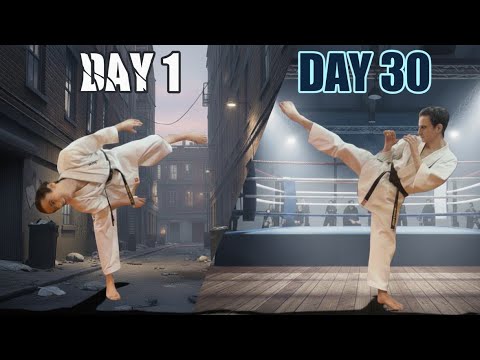
Taekwondo at Home: A 20-Minute Beginner's Blueprint for Fitness and Flexibility

Have you ever watched the lightning-fast kicks and disciplined stances of Taekwondo masters and thought, "I could never do that"? Or perhaps you believe true martial arts training demands a formal dojo and expensive equipment. I stand before you today to shatter that illusion. The essence of Budo, the Way of the Warrior, isn't confined by walls or limited by what you own. It resides within, waiting to be awakened.

Taekwondo, a Korean martial art renowned for its spectacular kicks and rigorous discipline, is often perceived as inaccessible to the beginner. But I tell you, the seeds of mastery are sown in the simplest of movements. This isn't just about physical prowess; it's about forging mental fortitude, unwavering self-discipline, and a keen awareness of your own capabilities. Are you truly seeking to improve your fitness, unlock your flexibility, and build the foundational agility that underpins all effective combat skills? Then prepare yourself. Today, we embark on a journey – a 20-minute Taekwondo-inspired workout you can perform in your own living space, requiring nothing but your will and your body. This is your first step, but it is a step taken with the precision of a *Dollyo Chagi* and the power of a focused punch.

The Prelude: Warming Up the Warrior's Body

Before the first strike, before the first block, comes the most crucial element of any training session: the warm-up. Neglect this, and you invite weakness, inefficiency, and potentially, injury – the ultimate saboteur of a martial artist's journey. We are not machines; we are living, breathing vessels of energy, and energy must be channeled, not forced. Think of this as preparing your battlefield, ensuring every muscle fiber, every joint, is ready for the controlled explosion of movement.

  1. Jogging in Place (2-3 minutes): Elevate your heart rate. Feel the blood begin to flow, carrying oxygen to your extremities. This isn't a sprint; it's a gentle awakening, a steady increase in tempo.
  2. Dynamic Stretches:
    • Toe Touches: Standing or seated, reach for your toes. Feel the stretch in your hamstrings. This isn't about touching your toes; it's about engaging the posterior chain.
    • Arm Circles: Forward and backward, small and large. Loosen the shoulders, the core of your striking power.
    • Lunges: Step forward, bending both knees to 90 degrees. Feel the stretch in your hip flexors and quads. This prepares your legs for the power generation needed in kicks.

This phase is your mental preparation as much as your physical one. As you move, visualize the techniques to come. Clear your mind of distractions. You are in the dojo now.

The Core of the Practice: Essential Taekwondo Movements

Many believe Taekwondo is solely about elaborate kicks. While they are its hallmark, the foundation lies in precise stances, powerful punches, and intelligent blocking. This workout focuses on the fundamental movements that form the bedrock of any Taekwondo practitioner's skillset. We will refine your ability to generate power, maintain balance, and protect yourself, all without needing a heavy bag or a sparring partner. Remember, the true opponent is often within – complacency, doubt, and lack of technique.

1. The Swift Front Kick (Ap Chagi)

The Ap Chagi is the quintessential Taekwondo kick. It is direct, fast, and can be used for both offense and defense. Its power comes not just from leg extension, but from the full-body engagement that drives it forward. Imagine striking a vital point with the ball of your foot.

  1. Assume a natural stance, feet shoulder-width apart, a slight bend in your knees. Maintain a strong core.
  2. Lift your right knee towards your chest, chambering the kick. Keep your body balanced.
  3. Extend your right leg forward with a snapping motion, striking with the ball of your foot (or heel, depending on the target and purpose). Aim for a specific point.
  4. Retract your leg quickly, bringing your knee back towards your chest.
  5. Return your foot to the starting position.
  6. Repeat with the left leg.
  7. Perform 10 repetitions on each leg. Focus on control and form over speed.

2. The Devastating Roundhouse Kick (Dollyo Chagi)

The Dollyo Chagi is perhaps the most recognized Taekwondo kick, known for its power and versatility. It requires hip rotation and a precise trajectory to maximize impact. This isn't just a leg swing; it's a transfer of energy originating from your core.

  1. Start in the same natural stance.
  2. Lift your right knee, chambering the kick as you would for a front kick.
  3. As you begin to extend your leg, pivot on your left foot (the supporting leg). Rotate your hips explosively.
  4. Bring your right leg around in a circular, horizontal path, striking with the instep or the ball of your foot. Your heel should lead the motion initially.
  5. Bring your leg back along the same path, retracting your knee.
  6. Return your foot to the ground.
  7. Repeat with the left leg.
  8. Perform 10 repetitions on each leg. Feel the hip rotation; it's the engine of this kick.

3. The Piercing Side Kick (Yeop Chagi)

The Yeop Chagi is a linear, powerful kick that travels horizontally. It's known for its destructive potential, often used to break through an opponent's guard or impart significant force. Control is paramount here, as the trajectory is unforgiving.

  1. From your natural stance, lift your right knee, turning it outwards so your thigh is parallel to the ground.
  2. Pivot on your left foot, turning your body slightly sideways.
  3. Extend your right leg straight out to the side with a powerful, slicing motion. Strike with the edge of your foot (your blade).
  4. Retract your leg along the same path, bringing your knee back.
  5. Return your foot to the ground.
  6. Repeat with the left leg.
  7. Perform 10 repetitions on each leg. Focus on keeping your supporting leg firm and your chamber controlled.

4. The Focused Punch (Jireugi)

While Taekwondo emphasizes kicks, the punch remains a critical tool. A well-placed Jireugi can create openings, disrupt an opponent, or deliver a finishing blow. The power comes from your hips and core, channeled through a straight fist.

  1. Assume a natural fighting stance, slightly staggered.
  2. Form a tight fist with your right hand, thumb outside.
  3. Twist your hips and shoulders as you extend your right arm forward in a straight line, aiming for a target at chest or face level. Your fist should rotate as it extends, ending palm down.
  4. Bring your arm back to its starting position with control.
  5. Repeat with your left hand.
  6. Perform 10 repetitions with each hand. Visualize striking through your target, not just at it.

5. The Steadfast Block (Makgi)

Defense is not passive; it is an active engagement designed to neutralize an incoming threat. Taekwondo blocks, or Makgi, are designed to deflect, parry, or absorb strikes. This simple block trains basic defensive mechanics.

  1. Adopt a stable stance.
  2. Raise your right arm to shoulder height, forearm vertical, creating a barrier. Your elbow should be slightly bent.
  3. Simultaneously, bring your left arm across your body, elbow bent, ready to defend the other side.
  4. Lower your arms slowly to the starting position.
  5. Switch sides: Raise your left arm to shoulder height, bringing your right arm across your body.
  6. Perform 10 repetitions with each arm. Focus on the solidity of the block and maintaining your balance.

The Respite: Cooling Down and Recovery

The battle is over, but the warrior's work is not. Just as a blacksmith cools a freshly forged blade to temper its strength, so too must you cool your body to aid recovery and prevent stiffness. This is where flexibility truly begins to blossom, where the body repairs and grows stronger.

  1. Walking in Place (2-3 minutes): Gradually decrease your heart rate. Let your breathing return to normal.
  2. Static Stretches: Hold each stretch for 20-30 seconds.
    • Hamstring Stretches: Lie on your back and pull one knee towards your chest, then extend your leg upwards.
    • Quad Stretches: Stand and pull your heel towards your glutes, keeping your knees together.
    • Shoulder Stretches: Cross one arm across your body, gently pulling it closer with the other.

This cool-down is not an afterthought; it is integral to your progress, fostering resilience and preparing you for the next session.

Your First Victory: Embracing the Path

You have completed your first 20-minute Taekwondo-inspired workout. This is not merely exercise; it is the foundational practice of a martial art that has shaped warriors for centuries. You’ve done it at home, with no equipment, proving that dedication and a willingness to learn are the most potent tools in any practitioner's arsenal. This routine is designed to ignite your fitness, enhance your flexibility, and build the agility vital for dynamic movement.

The path of the martial artist is one of continuous learning. Master these fundamental movements, and you will find yourself ready to explore the deeper complexities of Taekwondo and its underlying philosophy. Always remember the golden rules: warm up diligently, cool down thoroughly, and practice with intent.

Consider this your initial *Dan Bon* – your first rank. It signifies not an end, but a beginning. The real challenge lies not in completing this single workout, but in the consistency of your practice.

Reflection of the Sensei: Your Next Step

This workout is but a single strike in a lifetime of practice. Do you believe that mastering these basic techniques is sufficient for actual self-defense? Or does the true art of Taekwondo, in your eyes, lie solely in its competitive aspects? I challenge you to contemplate this: Where does the true power of a martial art reside – in its flashy displays, or in its practical application and the character it builds? Your answer, and how you choose to train, will define your journey.

Frequently Asked Questions

1. Can I really get fit doing this workout at home?

Absolutely. Consistency is key. While this 20-minute routine is a fantastic starting point, performing it regularly will significantly improve your cardiovascular health, muscular endurance, and overall fitness. For advanced training, you might eventually consider equipment like a kicking shield or training dummies, but the foundation is built here.

2. I'm not flexible at all. Is Taekwondo suitable for me?

Taekwondo is excellent for improving flexibility. The dynamic warm-up and static cool-down stretches are specifically designed to increase your range of motion over time. Don't be discouraged by initial limitations; the practice itself is the solution. Many beginner workouts focus on gradual improvement.

3. How often should I do this workout?

For beginners, aiming for 3-4 times a week is a good starting point. Allow for rest days to let your body recover and adapt. As you progress, you can increase the frequency or duration, or incorporate more advanced martial arts training routines.

4. What's the difference between Taekwondo and Karate?

While both are striking martial arts, Taekwondo is renowned for its high, acrobatic kicks and emphasis on leg techniques, whereas Karate often features more powerful, linear hand strikes and lower stances. Both arts build discipline and physical conditioning, but their technical focus differs. Exploring resources on Kyokushin Karate versus Taekwondo can highlight these distinctions.

5. How do I progress from here?

Once you're comfortable with these basic movements, focus on perfecting your form, increasing repetitions, and exploring variations. Seek out a qualified instructor if possible. You can also delve into resources like Budo philosophy or specific technique breakdowns available through channels dedicated to martial arts community content.

``` ```json { "@context": "https://schema.org", "@type": "FAQPage", "mainEntity": [ { "@type": "Question", "name": "Can I really get fit doing this workout at home?", "acceptedAnswer": { "@type": "Answer", "text": "Absolutely. Consistency is key. While this 20-minute routine is a fantastic starting point, performing it regularly will significantly improve your cardiovascular health, muscular endurance, and overall fitness. For advanced training, you might eventually consider equipment like a kicking shield or training dummies, but the foundation is built here." } }, { "@type": "Question", "name": "I'm not flexible at all. Is Taekwondo suitable for me?", "acceptedAnswer": { "@type": "Answer", "text": "Taekwondo is excellent for improving flexibility. The dynamic warm-up and static cool-down stretches are specifically designed to increase your range of motion over time. Don't be discouraged by initial limitations; the practice itself is the solution. Many beginner workouts focus on gradual improvement." } }, { "@type": "Question", "name": "How often should I do this workout?", "acceptedAnswer": { "@type": "Answer", "text": "For beginners, aiming for 3-4 times a week is a good starting point. Allow for rest days to let your body recover and adapt. As you progress, you can increase the frequency or duration, or incorporate more advanced martial arts training routines." } }, { "@type": "Question", "name": "What's the difference between Taekwondo and Karate?", "acceptedAnswer": { "@type": "Answer", "text": "While both are striking martial arts, Taekwondo is renowned for its high, acrobatic kicks and emphasis on leg techniques, whereas Karate often features more powerful, linear hand strikes and lower stances. Both arts build discipline and physical conditioning, but their technical focus differs. Exploring resources on Kyokushin Karate versus Taekwondo can highlight these distinctions." } }, { "@type": "Question", "name": "How do I progress from here?", "acceptedAnswer": { "@type": "Answer", "text": "Once you're comfortable with these basic movements, focus on perfecting your form, increasing repetitions, and exploring variations. Seek out a qualified instructor if possible. You can also delve into resources like Budo philosophy or specific technique breakdowns available through channels dedicated to martial arts community content." } } ] }

The Unyielding Spirit: What It Truly Takes to Forge a Shaolin Warrior

The very name "Shaolin" echoes through the annals of martial history, conjuring images of ascetic monks performing feats that defy the ordinary. These are not mere acrobats; they are the embodiment of discipline, the pinnacle of physical and mental conditioning, the ultimate Buddhist warriors. But beyond the legend, what is the stark reality of the path to becoming a Shaolin monk? What sacrifices are demanded, and what is the profound transformation that occurs within those hallowed temple walls?

The Enduring Legacy of Shaolin

The Shaolin Monastery, nestled in China's Henan province, is more than just an ancient edifice; it's the birthplace of a martial tradition that has captivated the world. For centuries, its monks have dedicated their lives to the pursuit of enlightenment through rigorous physical and spiritual training. This fusion of Buddhism and martial arts, known as Kung Fu, has produced practitioners with astonishing capabilities. Their legendary prowess in flexibility, strength, and pain endurance has cemented their status as the ultimate Buddhist warriors.

"El cuerpo es el templo del alma. Si el templo está descuidado, ¿cómo puede el alma alcanzar la pureza?" - Un principio fundamental en el Budo.

This global reverence, however, often obscures the profound dedication and sacrifice required. It's easy to marvel at the final product – the breathtaking displays of skill – but the journey is arduous, demanding a commitment that few are truly prepared for.

The Path Begins: Beyond the Legend

The decision to become a Shaolin monk is not made lightly. It typically begins in childhood, often with boys as young as five or six years old, sent by their parents seeking discipline, education, and a spiritual path. This early separation from family is the first of many profound sacrifices. From the outset, candidates are immersed in a life of stark simplicity, stripped of personal possessions and societal comforts. The monastery becomes their entire world, their family, and their training ground.

Initial acceptance is not a guarantee of lifelong status. Novices undergo a probationary period, a crucible designed to test their resolve and aptitude. They learn to follow the monastic rules, perform chores, and begin the foundational stages of martial arts training. It's a period of intense observation, where their character is as closely scrutinized as their physical coordination.

The Rigors of Training: Forging the Body

The physical training of a Shaolin monk is legendary for its intensity. It's a multi-faceted discipline that aims to develop every aspect of the human body:

  • Stances and Foundations: Hours are spent perfecting basic stances like the Horse Stance (Ma Bu), a fundamental exercise that builds leg strength, balance, and stamina.
  • Flexibility and Conditioning: Extreme stretching regimes push the body to its limits, developing the incredible flexibility seen in high kicks and contortions. This is not just for show; it's essential for avoiding injury and executing techniques effectively.
  • Strength Training: Traditional methods involving bodyweight exercises, weighted implements, and the development of iron body techniques build formidable power.
  • Forms (Katas/Taolu): Complex sequences of movements, known as Taolu, are meticulously practiced. These forms encapsulate fighting techniques, strategic principles, and the physical conditioning required to perform them.
  • Weaponry: Monks train with a variety of traditional Shaolin weapons, including the staff, spear, and broadsword, demanding precision, power, and control.

This training is not confined to a few hours a day. It's a full-time commitment, often starting before dawn and continuing until dusk, six days a week. The process is incremental, building resilience and capability through repetitive, demanding practice. The goal is not merely to acquire skills, but to integrate them so deeply that they become second nature.

The Unseen Battle: Forging the Mind

While the physical prowess of Shaolin monks is undeniable, it is their mental and spiritual fortitude that truly sets them apart. The martial training is inextricably linked to Buddhist philosophy, creating a holistic discipline.

  • Meditation (Zazen): Daily meditation is central to Shaolin life. It cultivates focus, calmness, and self-awareness – crucial for enduring the pain of training and maintaining composure in conflict. The concept of Mushin, or "no-mind," is a key aspiration, allowing for intuitive and unhesitating action.
  • Discipline and Sacrifice: Monks must adhere to strict rules of conduct, dietary restrictions (often vegetarian), and a life of asceticism. This constant self-denial builds immense discipline and the ability to resist impulses.
  • Resilience and Perseverance: The sheer difficulty of the training ensures that only the most determined persevere. Learning to push past physical and mental barriers, to rise after every fall, is a core lesson.
  • Mindfulness: Every action, from sweeping the floor to executing a kick, is performed with complete presence. This mindfulness extends beyond the training hall, permeating all aspects of monastic life.
"La verdadera fuerza no reside en la ausencia de miedo, sino en la capacidad de actuar a pesar de él." - Un eco del espíritu guerrero.

This mental conditioning is perhaps the most challenging aspect of becoming a Shaolin monk. It requires confronting one's own limitations and ego on a daily basis.

Philosophy and Practice: The Heart of Shaolin

The martial arts of Shaolin are not solely about combat effectiveness; they are a vehicle for spiritual growth. The teachings of Buddhism permeate every technique and every movement. The monk learns that violence is a last resort, and true mastery lies in the ability to control oneself and, if necessary, to neutralize threats with minimal harm. Compassion and non-violence are paramount, even for those trained in devastating techniques.

The integration of Budo principles – the way of the warrior – with Buddhist philosophy creates a unique warrior ethic. This is not about aggression, but about self-mastery, responsibility, and the cultivation of inner strength. It's a path where the martial techniques are a means to an end: a more enlightened existence.

For those interested in the philosophical underpinnings, delving into texts like Miyamoto Musashi's "The Book of Five Rings" can offer parallels to the strategic and mental discipline required, even though Musashi was not a Shaolin monk. The underlying principles of focus, timing, and decisive action resonate across different warrior traditions.

Shaolin in the Modern Era

Today, the Shaolin Monastery continues to attract disciples from around the globe. While the core tenets remain, the institution has also adapted to the modern world. There are now official performances, international branches, and even ventures into film and media. This adaptation, while necessary for survival and propagation, sometimes raises questions about the purity of the tradition.

However, for those who commit, the fundamental experience of disciplined training, meditation, and spiritual pursuit remains the heart of the Shaolin way. The challenges are immense, the rewards profound, and the transformation is undeniable.

Veredicto del Sensei: ¿Merece la pena?

Observar las proezas de los monjes Shaolin es, sin duda, fascinante. Su dedicación al arte marcial como camino espiritual es un testimonio del poder de la disciplina. Sin embargo, es crucial entender que este camino es extremo, exigiendo una renuncia casi total a una vida "normal" desde una edad temprana. No es una moda pasajera ni un hobby; es un compromiso de vida que moldea cada aspecto del ser.

Si buscas una demostración de lo que el cuerpo y la mente humanos pueden lograr bajo una disciplina férrea y un propósito espiritual, los monjes Shaolin son un ejemplo incomparable. Pero si tu intención es simplemente aprender algunas técnicas de Kung Fu, existen caminos más accesibles que no requieren sacrificar la totalidad de tu existencia. La autenticidad del camino Shaolin reside en su totality – su rigor, su renuncia, y su profunda conexión con la filosofía budista.

Calificación: ¡Cinturón Negro en Dedicación y Transformación Corporal/Espiritual!

Equipo Esencial para tu Entrenamiento

Si bien los monjes Shaolin entrenan en gran medida con el peso corporal, hay ciertos elementos que complementan el desarrollo marcial y pueden ser útiles para aquellos que buscan emular su disciplina en casa.

  • Kimono (Gi) de Doble Tejido: Para estilos que requieren movimiento y agarre, como el Judo o BJJ, un gi robusto es esencial.
  • Guantes de MMA o Kickboxing: Si te enfocas en técnicas de golpeo, unos guantes adecuados son cruciales para proteger tus manos y las de tu compañero de entrenamiento.
  • Esterilla de Entrenamiento: Para ejercicios de suelo, caídas y rutinas de calistenia, una buena esterilla proporciona amortiguación y comodidad.
  • Bastones de Entrenamiento (Bo Staff): Si deseas explorar el manejo de armas largas, un bastón de entrenamiento de madera dura o materiales sintéticos es un buen punto de partida.
  • Libros sobre Budo y Filosofía Marcial: Para complementar el entrenamiento físico, la lectura de textos clásicos como los de Musashi o tratados sobre el Bushido enriquecerá tu comprensión.

Guía de Entrenamiento: Postura del Jinete (Ma Bu)

La postura del jinete (Ma Bu) es uno de los pilares del entrenamiento de Kung Fu, especialmente en Shaolin. Dominarla construye una base sólida de fuerza en las piernas, equilibrio y resistencia.

  1. Posición Inicial: Párate con los pies separados aproximadamente el ancho de tres hombros, apuntando ligeramente hacia afuera.
  2. Descenso: Lentamente, baja las caderas como si fueras a sentarte en una silla invisible. Mantén la espalda recta y el torso erguido.
  3. Rodillas y Pies: Asegúrate de que tus rodillas se doblen hacia afuera, alineadas con tus pies. Evita que las rodillas colapsen hacia adentro. Tus muslos deben estar paralelos al suelo, o lo más bajo que puedas mantener la forma correcta.
  4. Brazos: Coloca tus antebrazos paralelos al suelo, con las palmas hacia abajo y los codos ligeramente hacia afuera, como si estuvieras abrazando un gran árbol.
  5. Postura: Mantén la cabeza erguida, la mirada al frente. Siente el peso distribuido uniformemente, con una sensación de arraigo profundo.
  6. Respiración: Respira de manera profunda y natural, enfocándote en la conexión entre tu respiración y la firmeza de la postura.
  7. Duración: Comienza manteniendo la postura durante 30 segundos a 1 minuto, y aumenta gradualmente el tiempo a medida que desarrollas fuerza y resistencia.

Error Común a Evitar: Hundir la espalda, permitir que las rodillas colapsen hacia adentro, o relajar la tensión muscular. La postura debe sentirse sólida y controlada.

Preguntas Frecuentes

  • ¿Es posible aprender Kung Fu Shaolin sin ser monje?
    Sí, existen academias y escuelas que enseñan el Kung Fu Shaolin. Sin embargo, replicar la profundidad de la disciplina y la integración espiritual de los monjes es extremadamente difícil fuera del monasterio.
  • ¿Los monjes Shaolin luchan en combates reales?
    Tradicionalmente, los monjes eran defensores del templo y de la ley. Hoy en día, aunque entrenan combate, su enfoque principal es la práctica espiritual y la preservación de las artes. Algunos pueden participar en demostraciones o competiciones controladas.
  • ¿Cuánto tiempo se tarda en volverse un "experto" Shaolin?
    Es un camino de toda la vida. Incluso los monjes más experimentados continúan entrenando y aprendiendo. La maestría se mide en décadas de dedicación.
  • ¿Qué diferencia al Kung Fu Shaolin de otras artes marciales chinas?
    Su profunda conexión con el Budismo Chan (Zen), su énfasis en el desarrollo integral del cuerpo y la mente, y su histórica procedencia directa del Templo Shaolin.

Para Profundizar en tu Camino

Reflexión del Sensei: Tu Próximo Paso

Hemos desentrañado las capas de mito y realidad que rodean a los monjes Shaolin, contemplando la profundidad de su compromiso. Ahora, la pregunta se cierne sobre ti, el practicante que lee estas palabras:

¿Qué elemento de la disciplina Shaolin — ya sea la rigidez de sus posturas, la serenidad de su meditación, o la inquebrantable perseverancia ante el dolor — puedes integrar en tu propio camino marcial, sin importar cuán diferente sea tu arte? ¿Estás dispuesto a mirar más allá de la superficie de las técnicas y comprender el espíritu que las anima?

Demuestra tu comprensión y tu voluntad de crecer. Comparte tus pensamientos y tus planes en los comentarios. ¡El conocimiento se expande cuando se comparte y se pone en práctica!

``` GEMINI_METADESC: Descubre la dura realidad detrás de la legendaria disciplina de los monjes Shaolin, su entrenamiento, filosofía y el verdadero espíritu del guerrero budista.

The Unmistakable Aura of a Warrior: Deconstructing Giga Chikadze's Training Regimen

Esteemed practitioners of the martial way, welcome. Today, we dissect not merely a video, but the very essence of dedication and martial prowess. Our subject, Giga Chikadze, often labelled a "sports model," exhibits a kinetic artistry that transcends superficial labels. His movements, his conditioning, his evident commitment to the physical and mental rigors of combat—these are the hallmarks of a true warrior, irrespective of his chosen profession. The question is not *if* he possesses the talent for mixed martial arts, but rather, how such raw capability is honed and expressed. We have all witnessed moments of exceptional athleticism, flashes of brilliance that hint at a deeper potential. Chikadze's training clips reveal a symphony of motion: the lightning-fast kicks that seem to defy gravity, the precision of his punches, a speed and fluidity that speak volumes about his conditioning and innate talent. These are not the random actions of a gifted athlete; they are the cultivated outputs of rigorous discipline. While the term "real-life ninja" is often used hyperbolically, it evokes a specific set of skills and philosophies—stealth, adaptability, mastery of movement, and often, a connection to ancient martial traditions like Ninjutsu. Whether Giga Chikadze has formally trained in Ninjutsu is secondary to the observable fact that his movements embody the *spirit* of such an art. His efficiency, his deceptive speed, and his ability to control space are qualities that resonate deeply within the martial world. It begs the question: what underlying principles guide such development?
"The ultimate aim of martial arts is not merely to triumph over the enemy, but to triumph over oneself." - Traditional Budo Proverb
In this analysis, we move beyond the superficial admiration of his athleticism to explore the *why* and *how* of his formidable presence. We will delve into the likely components of such a regimen, the mental fortitude required, and the martial philosophies that might underpin his approach.

The Pillars of Chikadze's Martial Conditioning

To achieve such a level of kinetic expression requires a multi-faceted approach, integrating strength, speed, endurance, flexibility, and a sharp tactical mind.

1. Explosive Power and Speed Development

Chikadze's kicks and strikes are characterized by their sudden onset and rapid extension. This suggests a training regimen focused on: * **Plyometrics**: Exercises like jump squats, box jumps, and medicine ball throws develop explosive power by utilizing the stretch-shortening cycle. These movements mimic the rapid engagement and release of muscle fibers needed for powerful strikes. * **Sprinting and Agility Drills**: Short bursts of high-intensity running, shuttle runs, and cone drills enhance anaerobic capacity and the ability to change direction explosively. This translates directly to footwork on the mat. * **Resistance Training (Specific)**: Incorporating exercises that mimic striking motions with light resistance, such as cable punches or banded kicks, can improve speed and power transfer.

2. Unyielding Endurance: The Foundation of Sustained Performance

The ability to maintain a high level of output throughout a demanding match is paramount. This points to: * **High-Intensity Interval Training (HIIT)**: Alternating between short periods of intense exertion and brief recovery mimics the ebb and flow of combat. This is crucial for building the stamina needed for MMA or other close-quarters combat. * **Long-Distance Cardiovascular Training**: While seemingly counterintuitive for explosive sports, a strong aerobic base is essential for recovery between high-intensity bursts and overall resilience. Consistent running, as discussed in running tips, builds this vital foundation. * **Circuit Training**: Moving through a series of strength and conditioning exercises with minimal rest effectively builds both muscular and cardiovascular endurance.

3. The Art of Movement: Flexibility and Mobility

The fluidity and range of motion displayed by Chikadze are not accidental. They are the result of dedicated work on: * **Dynamic Stretching**: Performed before training, dynamic stretches prepare the muscles for movement, increasing range of motion and reducing the risk of injury. Leg swings, arm circles, and torso twists are examples. * **Static Stretching and Yoga**: Post-training static stretching and practices like yoga or flexibility exercises improve overall mobility, allowing for higher kicks and more complex evasive maneuvers. This is a cornerstone of BUDO philosophy, emphasizing harmony and flow.

Beyond the Physical: The Mental Game

A practitioner of Chikadze's caliber is not merely a physical specimen; he is a mental warrior. The discipline required to show up daily, to push through pain and fatigue, to strategize and adapt—these are cultivated mental attributes. * **Discipline and Consistency**: The very act of adhering to a rigorous training schedule demonstrates profound self-discipline. This is the bedrock upon which all martial progress is built, a concept deeply embedded in the Budo Life. * **Focus and Concentration**: The ability to remain focused amidst chaos, to anticipate an opponent's move, and to execute one's own plan requires intense mental concentration, a skill honed through practices like meditation (though not explicitly stated for Chikadze, it is a common trait among elite martial artists). * **Resilience and Adaptability**: Martial arts training, much like life, is fraught with setbacks. The capacity to learn from defeat, to adapt strategies, and to persevere when faced with challenges is crucial. This ties into the broader themes of superación personal.
"In martial arts, the mind must be like a mirror, reflecting without distortion." - Miyamoto Musashi, The Book of Five Rings
Chikadze’s journey, as far as these clips suggest, is a testament to the power of dedicated training. He embodies the warrior spirit, demonstrating that labels are secondary to the undeniable truth of one's abilities and commitment. Whether he steps into the competitive MMA arena or continues to impress in his current capacity, his dedication serves as an inspiration.

Veredicto del Sensei: ¿Merece la pena?

Absolutely. Giga Chikadze's training footage is a masterclass in dedication and the raw expression of martial talent. While the "sports model" moniker might invite skepticism from hardened martial artists, his demonstrated physical capabilities—speed, power, agility, and fluidity—are undeniable indicators of elite conditioning and potential. He possesses the core attributes that make a formidable combatant. His clips are not just impressive; they are instructive, showcasing the tangible results of rigorous, intelligent training. If this is what he achieves outside the formal structures of professional combat sports, imagine his potential within them.

Equipo Esencial para tu Entrenamiento

While Giga Chikadze’s personal regimen is proprietary, a practitioner aiming to emulate his conditioning would benefit from:
  • Zapatillas Deportivas de Alto Rendimiento: Para agilidad y absorción de impacto durante ejercicios de pies y saltos.
  • Ropa de Entrenamiento Transpirable: Para maximizar la comodidad y el rendimiento durante sesiones intensas.
  • Guantes de Boxeo/MMA (para trabajo de saco/esparring ligero): Si se busca desarrollar la técnica de golpeo en un entorno seguro.
  • Cuerda de Saltar: Un pilar para el acondicionamiento cardiovascular y la coordinación.
  • Pesas Libres y Kettlebells: Para un entrenamiento de fuerza versátil y funcional.
  • Bandas de Resistencia: Ideales para el entrenamiento de velocidad y potencia, mimicking striking motions.

Guía de Entrenamiento: Ejercicio de Agilidad de Reacción

This drill focuses on improving reaction time and footwork, inspired by the deceptive movements of martial artists like Chikadze.
  1. Setup: Place cones or markers in a small, irregular pattern (e.g., a circle with some cones inside and outside) within a 5x5 meter area. You can also use a sparring partner or coach to call out movements.
  2. Starting Stance: Assume an athletic stance, feet shoulder-width apart, knees slightly bent, weight balanced on the balls of your feet.
  3. Initiation: Have a partner or coach call out a direction (e.g., "Left!", "Right!", "Forward!", "Back!") or a number corresponding to a cone.
  4. Execution: React instantly to the command. If a direction is called, move quickly in that direction, maintaining your athletic stance. If a cone is called, sprint to that cone, touch it, and immediately return to the center.
  5. Progression: Increase the speed of commands. Have the caller use verbal cues combined with hand signals. Introduce combinations of movements (e.g., "Left, then touch cone 3").
  6. Focus: Keep your eyes up, scanning your environment. Stay light on your feet. The goal is to minimize wasted movement and react with maximum efficiency.
  7. Duration: Perform for 30-60 second intervals, with 30-60 seconds of rest. Repeat for 3-5 rounds.

Preguntas Frecuentes

What makes Giga Chikadze's training stand out?

His exceptional speed, power, fluidity of movement, and apparent dedication to conditioning suggest a highly effective training regimen that combines explosive power development with robust endurance and flexibility.

Is "real-life ninja" a literal description?

The term is largely metaphorical, highlighting his impressive agility, deceptive speed, and efficient movement. While he may not have formal Ninjutsu training, his physical capabilities evoke qualities associated with ninja arts.

Can someone without formal martial arts background achieve such a physique?

Yes, with extreme dedication, intelligent training, and proper conditioning, athletes from various disciplines can develop remarkable martial attributes. However, formal martial arts training provides the technical framework and tactical understanding essential for combat.

What are the key takeaways for aspiring martial artists from Chikadze's clips?

The importance of consistent, hard training; the integration of strength, speed, and endurance; the development of fluid movement; and the mental fortitude required to excel.

Is it beneficial to analyze training clips of fighters?

Absolutely. Observing how high-level practitioners train can provide invaluable insights into effective conditioning methods, technical execution, and the dedication required for mastery. It’s a form of learning through observation.

Para Profundizar en tu Camino

Reflexión del Sensei: Tu Próximo Paso

We have dissected the visible manifestations of Giga Chikadze's martial spirit. But what lies beneath the surface? Are you merely an observer, content to admire from afar? Or do you recognize the echoes of your own aspirations within his dedication? Consider this: if a "sports model" can cultivate such formidable martial attributes, what prevents you from unlocking your own latent potential? Is your training merely a routine, or a ritual of self-mastery? The answer, as always, lies not in the observation, but in the unwavering execution. Now, go forth and train with intention. GEMINI_METADESC: Explore Giga Chikadze's intense training, revealing the martial principles behind his speed, power, and agility. An expert analysis for aspiring warriors and Budo practitioners.