Showing posts sorted by relevance for query strength. Sort by date Show all posts

The Unseen Strength: Beyond Muscle, A Martial Perspective on America's Toughest Women

When we speak of "strength," what truly defines it? Is it merely the superficial bulge of muscle, the ability to lift the heaviest weight, or the power to dominate in a physical confrontation? In the world of martial arts, and particularly within the philosophies that underpin Budo, true strength is a far more nuanced concept. It encompasses resilience, mental fortitude, unwavering discipline, and the refined application of technique honed through years of dedicated practice. This exploration delves into what might be perceived as America's "strongest ladies," not just through the lens of physical prowess, but through the demanding crucible of martial discipline. These individuals, embodying dedication akin to professional athletes and warriors, serve as potent reminders that consistent, intense training is the bedrock of tangible results. Their journey is an inspiration, a testament to the transformative power of a martial path.

Defining True Strength: A Martial Arts Philosophy

The original prompt, "Top 10 Strongest Ladies In America," might immediately evoke images of powerlifters or athletes in brute strength competitions. While impressive, this is a limited view. In martial arts, particularly disciplines like Karate, Judo, or BJJ, strength is not solely about raw power. It's about the intelligent application of force, the ability to generate power from the entire body (linking the hips, core, and extremities), and the capacity to absorb impact and redirect an opponent's energy. A smaller, more technically proficient practitioner can overcome a larger, stronger opponent through superior understanding of leverage, timing, and strategy. This is the essence of Budo – the Way of the Warrior. It’s a path of continuous self-improvement, where physical strength is a tool, but mental and spiritual strength are the foundation.

"True strength is not to be arrogant, but to be able to humble oneself and continue learning. It is found not in brute force, but in the mastery of one's own impulses and actions." - A Principle of Budo

The women who dedicate themselves to serious martial arts training embody this broader definition of strength. Their workouts are intense, not just to build muscle, but to cultivate endurance, flexibility, explosiveness, and tactical awareness. The discipline required to consistently show up to the dojo, to push through physical discomfort, and to mentally overcome challenges is a testament to their inner fortitude. This is the kind of strength that transcends the gym and permeates all aspects of life.

The Unbreakable Mind: Mental Fortitude in Combat

A common misconception is that martial arts are purely physical. The truth is, the mental game is often far more critical. Consider the concept of Mushin (無心), often translated as "no-mind" or "mind without mind." It's a state of mental clarity and spontaneity, where actions flow naturally without conscious thought, free from fear, anger, or ego. Achieving this state requires immense mental discipline and training. The intense drills and sparring sessions in disciplines like Karate or Kickboxing are designed not just to hone physical reflexes, but to train the mind to remain calm and focused under pressure. This mental resilience is arguably the most potent form of strength an individual can possess, especially in combative situations.

Imagine stepping onto the mat for a high-stakes sparring match (a key aspect of Martial Arts Training). The adrenaline surges, the opponent is skilled and determined. The practitioner who can maintain emotional control, analyze the situation, and execute techniques effectively, rather than succumbing to panic or aggression, is the one who will prevail. This mental fortitude is cultivated through persistent practice, self-reflection, and the guidance of experienced instructors who understand the psychological demands of combat. It’s a form of strength that cannot be measured by a scale or a weightlifting record.

The Crucible of Training: Dedication Beyond the Surface

The original content mentions that "these workouts are so intense they train like the pros" and that one "has to be motivated and fully dedicated to this practice to get results." This resonates deeply within the martial arts community. The journey to mastery in any discipline, be it Karate, Judo, Taekwondo, or even the more hybrid approaches seen in MMA, is a long and arduous one. It demands unwavering commitment. The training regimen of a serious martial artist involves far more than just occasional gym visits. It includes:

  • Consistent Dojo Practice: Attending classes multiple times a week, diligently practicing katas (forms) and fundamental techniques.
  • Sparring (Kumite/Randori): Engaging in controlled combat to test techniques, timing, and strategy against live opponents. This is where the difference between theoretical knowledge and practical application is revealed.
  • Physical Conditioning: Supplementing dojo training with strength and conditioning exercises, cardiovascular work, and flexibility training to build a robust physical foundation. This could involve anything from bodyweight exercises for No Equipment workouts to specific weight training for Strength and power.
  • Mental Training: Practicing mindfulness, meditation (like Zazen for Zen Buddhist influences common in martial arts), and visualization techniques to enhance focus and emotional control.

The "strongest ladies" in the context of martial arts are those who have embraced this holistic approach. They understand that true power comes from integrating physical conditioning with mental discipline and technical skill. Their dedication is not a fleeting phase but a lifestyle choice.

Role Models of Resilience

While the original post may have focused on a specific, possibly less martial, interpretation of "strongest ladies," it's crucial to highlight women who exemplify strength within the martial arts world. These are the female instructors, champions, and dedicated practitioners who have broken barriers and inspired countless others. Think of figures like Ronda Rousey, who brought Judo and BJJ into the mainstream spotlight through her MMA career, or the countless female Karateka who demonstrate incredible power, technique, and spirit in competitions worldwide. These women are not just physically strong; they are mentally tough, strategically brilliant, and serve as powerful role models for aspiring martial artists of all genders.

"The martial way is a thing of the world. It is not just a matter of technique. It is a matter of learning to become strong in spirit as well as in body." - A common sentiment echoed by many martial arts masters.

Their dedication to training, their perseverance through injuries and setbacks, and their ability to perform under immense pressure showcase a profound level of strength that goes far beyond mere physical might. They are living embodiments of the principles of perseverance and self-mastery.

The Impact and Inspiration of Martial Women

The presence of strong, capable women in martial arts has a profound impact. They challenge traditional gender roles and demonstrate that martial prowess is not exclusive to men. For young girls and women, seeing these athletes and practitioners succeed is incredibly empowering. It shows them that they too can develop physical and mental strength, learn effective self-defense, and achieve remarkable feats through dedication and hard work. This inspiration is vital for fostering a more inclusive and diverse Martial Arts Community.

The "House of Bounce" content, while seemingly unrelated, touches upon dedication and the pursuit of excellence in athletic endeavors. The same principles of motivation, discipline, and consistent practice apply whether one is perfecting a slam dunk or mastering a complex Karate kata. The focus, the drive, and the willingness to push beyond perceived limits are universal attributes of those who excel.

Training Guidance: Building Your Own Inner Strength

If you are inspired to cultivate your own strength, whether physical or mental, here is a basic guide to incorporating martial principles into your training. This focuses on fundamental concepts applicable to many arts:

  1. Start with the Fundamentals: Pick an art – Karate, Judo, Taekwondo, BJJ – and find a reputable dojo. Learn the basic stances, blocks, strikes, and movements. For Judo or BJJ, focus on grips, throws, and groundwork.
  2. Develop a Consistent Training Schedule: Aim for at least 2-3 sessions per week. Consistency is key to building muscle memory and physical conditioning.
  3. Practice Your Katas/Forms Regularly: Even if you can't attend class daily, practicing your forms at home helps develop coordination, balance, and power generation.
  4. Incorporate Conditioning: Include exercises that build core strength (planks, crunches), leg strength (squats, lunges), and cardiovascular endurance (running, skipping). Don't neglect flexibility – regular stretching is crucial for preventing injuries and improving range of motion.
  5. Cultivate Mental Discipline: Practice mindfulness or short meditation sessions daily. Focus on controlled breathing during strenuous activities. When sparring, consciously try to remain calm and analytical rather than reactive.
  6. Seek Knowledge: Read books on martial arts philosophy, watch documentaries, and learn from experienced practitioners. Understanding the 'why' behind the techniques enhances their effectiveness.

Equipment Recommendations for Your Martial Journey

To embark on your training, having the right gear can make a significant difference. While the most crucial element is dedication, the proper equipment facilitates safe and effective practice:

  • Uniform (Gi/Dobok/Kimono): A well-fitting uniform is essential for most traditional arts like Karate, Judo, and Taekwondo. For grappling arts like Judo or BJJ, a durable, double-woven kimono is recommended for longevity.
  • Training Shoes: Depending on the art, you might train barefoot (Karate, Taekwondo) or wear specialized martial arts shoes for grip and support.
  • Protective Gear: For sparring (Kumite or Randori), consider investing in mouthguards, groin protection, and sparring gloves or mitts (especially for striking arts). A headguard may also be necessary for advanced sparring.
  • Training Mats (Optional): For home practice of groundwork or falls, floor mats can provide a safer surface.
  • Training Equipment: Depending on your discipline, items like focus mitts, striking pads, or even a makiwara (for Karate) can enhance your training.

When purchasing, look for quality and durability. Investing in good Karate merchandise or Judo equipment from reputable brands can enhance your training experience and last for years.

Veredicto del Sensei: Authenticity and Martial Spirit

The original concept of "Top 10 Strongest Ladies In America", when viewed through the lens of martial arts, demands a re-evaluation of "strength." While physical power is a component, it is the combination of physical prowess, mental resilience, technical skill, and unwavering dedication that defines true martial strength. The women who embody this holistic strength are the real exemplars. Their journeys, often fueled by intense and rigorous training, are inspiring. They demonstrate that strength is not merely about brute force, but about the disciplined application of one's capabilities, honed through dedication to a martial path. The true "strongest" are those who have mastered themselves, not just their opponents.

Rating: Cinturón Negro en Inspiración y Disciplina.

Frequently Asked Questions

Q1: How can I start training a martial art if I'm not naturally strong or athletic?
A1: Martial arts are designed to teach you how to overcome physical limitations through technique and strategy. Many arts focus on leverage and timing, allowing smaller individuals to defend themselves effectively. The training itself builds strength and athleticism over time.

Q2: Is it possible to develop significant strength just through bodyweight exercises for home training?
A2: Absolutely. Exercises like push-ups, squats, lunges, pull-ups, and planks, when performed with proper form and progressively challenging variations, can build substantial strength and endurance without any equipment. Consistency is the key.

Q3: What is the difference between strength in sports like powerlifting versus martial arts?
A3: Powerlifting focuses on maximal strength for specific lifts (squat, bench press, deadlift). Martial arts strength is functional – it's about generating power explosively, absorbing impact, maintaining balance, and applying force efficiently within dynamic combat scenarios.

For Profundizar en tu Camino

Like this video if you want to see more episodes and react in the comments section below.

Don't forget to turn on notifications so you don't miss our latest videos.

Follow us: Facebook: https://ift.tt/0yulotz Instagram: https://ift.tt/qCir5lH TikTok : https://ift.tt/mnvdgSl

House of Bounce is for NBA and basketball fans worldwide. The best dunks, tricks, dribbles and athletic feats are all on display plus in-depth stories of the NBA's best players and teams. House of Bounce is your one-stop-shop for all things basketball and NBA-related.

© House Of Bounce - Jellysmack

Reflexión del Sensei: Tu Próximo Paso

We've dissected the multifaceted nature of strength, moving beyond mere muscle to embrace the discipline, resilience, and technical mastery inherent in the martial path. Now, consider this: If the true measure of strength lies not just in physical power but in the unwavering cultivation of one's mind and spirit, how does your current daily practice reflect this philosophy? Are you merely training your body, or are you forging a warrior's soul? What single action can you take TODAY to deepen your mental fortitude or enhance your technical understanding, rather than just chasing superficial gains?

``` GEMINI_METADESC: Explore the true meaning of strength beyond muscle. A martial perspective on America's strongest women, focusing on discipline, mental fortitude, and Budo.
Top 4 Unique Exercises for INSANE Strength in BJJ: A Masterclass in Functional Power

"The supreme art of war is to subdue the enemy without fighting." - Sun Tzu, The Art of War
The mats of Brazilian Jiu-Jitsu are a proving ground, a modern battlefield where leverage, technique, and raw physical power converge. Many practitioners focus on the intricate dance of submissions and guards, often neglecting a fundamental pillar of dominance: **strength**. Not just any strength, mind you, but functional, applied power that translates directly to the grappling arena. My intention today, as your Sensei, is to delve beyond the superficial and illuminate exercises that forge that "insane strength" you crave for BJJ. We'll dissect what truly builds power, why common approaches fall short, and how specific, often overlooked, movements can revolutionize your game. Prepare for a lesson that will challenge your understanding of strength training and its profound impact on your Jiu-Jitsu.

Table of Contents

The Kettlebell Swing: More Than Just a Swing

Many see the kettlebell swing as a simple ballistic exercise. They are wrong. When performed correctly, the kettlebell swing is a full-body explosion, a primal movement that mimics the hip hinge crucial for powerful sweeps, takedowns, and even escaping bad positions. It's not about arm strength; it's about leveraging the posterior chain – the glutes, hamstrings, and lower back – to generate force. **Why it’s essential for BJJ:**
  • Hip Hinge Mastery: This is the foundation of most powerful movements in BJJ. A strong hip hinge allows you to generate immense force from your hips, not your arms, for takedowns and sweeps.
  • Explosive Power: The rapid contraction of your glutes and hamstrings during the peak of the swing translates directly to explosive burst for guard passes or takedowns.
  • Core Strength: Maintaining a rigid torso throughout the movement builds incredible endurance in your core, vital for resisting pressure and maintaining posture.
  • Cardiovascular Conditioning: Performed in sets, swings can also elevate your heart rate, building endurance needed for long, grueling matches.
The key is *intent*. You are not *lifting* the kettlebell; you are *hiking* it with your hips and letting the momentum carry it. The peak of the swing should be driven by a powerful, instantaneous contraction of your glutes. Think of it as a primal scream of power from your hips.

The Farmer's Walk: Building Unshakeable Grip and Core Stability

In BJJ, a weak grip is a death sentence. Your opponent can control your posture, break your grips, and dictate the pace of the fight if your hands fail you. The Farmer's Walk, a simple yet brutal exercise, is the antidote. Holding heavy weights in each hand and walking for distance or time builds unparalleled grip strength, forearm endurance, and shoulder stability. **Why it’s essential for BJJ:**
  • Dominant Grip Strength: Holding onto wrist control, an armbar, or even maintaining posture against a strong opponent requires tenacious grip. The Farmer's Walk directly trains this.
  • Upper Back and Shoulder Strength: The ability to maintain an upright posture under load is critical. This exercise strengthens the traps, rhomboids, and rotator cuff muscles, preventing your posture from being collapsed.
  • Core Bracing: To walk upright with heavy weights, your core must constantly engage to stabilize your spine. This translates to better defense against takedowns and more effective guard retention.
  • Overall Work Capacity: It’s a fantastic way to build fatigue resistance throughout your entire upper body and core.
Start with weights that challenge you but allow you to maintain a strong, upright posture. Focus on squeezing the handles as hard as possible and keeping your shoulders back and down. The goal is not just to carry the weight, but to do so with perfect form, reinforcing good postural habits.

The Turkish Get-Up: The Ultimate Full-Body Power Builder

This exercise looks awkward. It feels awkward. And that's precisely why it's so effective for BJJ. The Turkish Get-Up (TGU) is a slow, controlled, multi-stage movement that takes you from a lying position to standing, and back down again, all while holding a weight overhead. It demands strength, mobility, balance, and coordination – all critical attributes for a martial artist. **Why it’s essential for BJJ:**
  • Unilateral Strength and Balance: The TGU forces you to strengthen one side of your body while stabilizing with the other, mimicking the asymmetrical nature of grappling.
  • Shoulder Health and Stability: Moving a weight overhead through such a complex range of motion builds robust shoulder stability, crucial for preventing injuries and controlling limbs.
  • Core Engagement Through Ranges of Motion: Unlike static core exercises, the TGU requires your core to work dynamically through multiple planes of movement, building true functional stability.
  • Proprioception and Body Awareness: The slow, deliberate nature of the TGU enhances your mind-body connection, improving your ability to sense your position and your opponent's.
Focus on the transition. Each step must be deliberate and controlled. Think of it as a moving meditation that builds power and control. Do not rush it. The slower and more controlled you are, the greater the benefit.

The Sled Push/Pull: Harnessing Raw, Explosive Force

Forget the delicate art of technique for a moment; sometimes, BJJ requires brute force. The sled push and pull are primal movements that build raw, explosive power and incredible muscular endurance. Pushing a heavy sled across the floor engages your quads, glutes, and core with immense force, while pulling it engages your posterior chain and back. **Why it’s essential for BJJ:**
  • Explosive Drive: The initial burst required to move a heavy sled translates to powerful hip thrusts for guard passes, takedowns, or powering through tough scrambles.
  • Leg and Glute Power: These muscles are your engines in grappling. Sled work builds incredible strength and hypertrophy in these areas.
  • Grit and Mental Toughness: Pushing or pulling a heavy sled until failure is a mental battle as much as a physical one. This builds the kind of grit needed to endure painful positions or push through fatigue.
  • Conditioning: Done for distance or time, sled work is a fantastic conditioning tool that builds anaerobic capacity, vital for high-intensity grappling exchanges.
Experiment with both pushing and pulling. For pushes, focus on a low, driving posture. For pulls, maintain an upright posture and drive through your heels. Vary the weight and distance to continually challenge your system.
"The essence of martial arts is not to be the strongest, but to be the most adaptable and resilient." - Unknown Master

The Science Behind Functional Strength for BJJ

It's easy to get lost in the world of bodybuilding-style training, aiming for sheer muscle mass. But in BJJ, we require a different kind of strength: **functional strength**. This is strength that translates directly to the demands of the sport. It's about:
  • Power: The ability to generate force quickly.
  • Endurance: The capacity to sustain that force over time.
  • Stability: The control of your body through various ranges of motion.
  • Mobility: The freedom of movement required to execute techniques and avoid injury.
The exercises I've outlined above are not just about getting "stronger" in an abstract sense. They are specifically chosen because they improve these key components of functional power, directly impacting your ability to execute techniques, resist your opponent, and perform at a high level for the duration of a match. They train your body as a unified system, much like BJJ itself demands.

Veredicto del Sensei: ¿Merece la pena?

This isn't about chasing the latest fad in fitness. These exercises – the Kettlebell Swing, Farmer's Walk, Turkish Get-Up, and Sled Push/Pull – are foundational movements that have been tested by time and proven effective across numerous disciplines, including combat sports. They build a type of raw, resilient, and functional strength that is indispensable for any serious BJJ practitioner. If your goal is to dominate on the mats, to have an unshakeable base, a crushing grip, and the power to explode when it matters most, then incorporating these exercises is not just beneficial – it is **essential**. This is not just training; it is forging the warrior within. Calificación del Sensei: Cinturón Negro en Poder Funcional

Equipo Esencial para tu Entrenamiento

To implement these powerful exercises, you'll need a few key pieces of equipment. Quality matters, as these tools will be under significant stress.
  • Kettlebells: Invest in a range of weights. For swings, you'll eventually want something challenging, often starting around 16kg for women and 24kg for men, progressing upwards.
  • Dumbbells or Weight Plates: For Farmer's Walks, heavy dumbbells or specialized farmer's walk handles are ideal. Ensure they are heavy enough to be a true challenge.
  • Barbell with Plates: Essential for the Turkish Get-Up (start light, perhaps just the bar, and progress) and for heavier Sled work if you don't have a dedicated sled.
  • Sled and Prowler: If your gym has one, utilize it! Otherwise, creative solutions involving resistance bands and heavy objects can be employed.
  • Comfortable Training Gear: While not directly equipment for the exercises, wearing comfortable athletic wear and appropriate footwear (or training barefoot if you prefer for BJJ) is crucial.
Consider investing in a quality heavy duty workout gear to ensure longevity and safety. For dedicated BJJ training, a durable high quality BJJ gi is also a wise investment.

Guía de Entrenamiento: Integrando Estos Ejercicios

The key to effective strength training is smart integration. Don't just throw these into your existing routine haphazardly. Here’s a sample approach:
  1. Warm-up (10-15 minutes): Dynamic stretching, joint mobility drills, and a few light sets of bodyweight movements.
  2. Strength Component (Choose 1-2 exercises per session):
    • Day 1 (e.g., Lower Body/Power Focus): Kettlebell Swings (3-4 sets of 10-15 reps), Sled Push (3-4 sets of 20-30 yards).
    • Day 2 (e.g., Upper Body/Stability Focus): Farmer's Walk (3-4 sets of 30-50 yards), Turkish Get-Up (3 sets of 2-3 reps per side).
  3. BJJ Technique/Sparring: Integrate your wrestling or grappling practice.
  4. Cool-down: Static stretching and foam rolling.
Aim to perform your strength sessions 2-3 times per week, ensuring adequate rest between sessions. Listen to your body; recovery is as crucial as the training itself.
"The only true strength is the strength that comes from within." - Unknown Martial Artist

Preguntas Frecuentes

Q1: Can I do these exercises if I'm a beginner in BJJ?

A1: Absolutely. Start with lighter weights and focus on perfect form. For the Turkish Get-Up, begin with just your bodyweight, then progress to a light dumbbell or even a water bottle. For swings and farmer's walks, prioritize technique over load.

Q2: How often should I incorporate these exercises?

A2: 2-3 times per week is ideal for most practitioners. Ensure you have at least one rest day between strength sessions, especially if you are also training BJJ intensely.

Q3: Will these exercises make me "too bulky" for BJJ?

A3: These exercises build functional strength and power, not necessarily hypertrophy (muscle bulk) associated with bodybuilding. The focus is on efficient, athletic strength that enhances your grappling, not hinders it.

Q4: What if I don't have access to a sled?

A4: You can simulate sled work by attaching resistance bands to a heavy object (like a weight tree or a large tire) and dragging it, or by using a heavy dumbbell or kettlebell for a "death march" walk.

Para Profundizar en tu Camino

To truly understand the depth of physical preparation required for martial arts, explore these related topics on our blog:

This journey into strength is a lifelong pursuit. The principles of discipline, perseverance, and continuous improvement that we cultivate in BJJ are the same ones that drive progress in the gym. Embrace the challenge, trust the process, and you will undoubtedly see your power on the mats grow exponentially.

Reflexión del Sensei: Tu Próximo Paso

You have been given the blueprint for forging a stronger, more powerful you on the mats. The knowledge is now yours. The true test, however, lies not in understanding, but in application. Do you possess the discipline to walk this path, or will you remain a spectator to your own potential? The answer lies not in my words, but in your actions. Will you step onto the training floor tomorrow with renewed purpose, or will the allure of complacency keep you bound? GEMINI_METADESC: Master BJJ strength with 4 unique exercises: Kettlebell Swings, Farmer's Walks, Turkish Get-Ups, and Sled work. Forge functional power and dominate the mats.

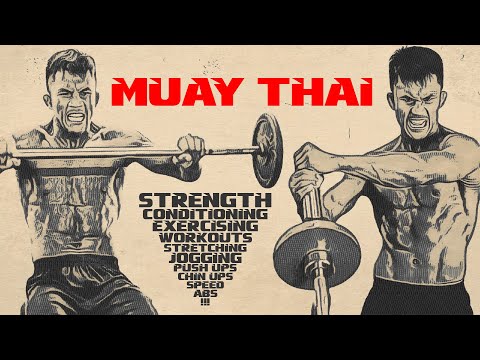
Mastering Muay Thai: The Ultimate Guide to Strength, Power, and Conditioning

Welcome, fellow warriors, to a session dedicated to the very engine of the Nak Muay: strength, power, and conditioning. Many approach their physical training as a mere afterthought, a grim necessity to endure rounds. But I tell you, true mastery of Muay Thai, of any combat art, is forged in the crucible of intelligent, targeted physical development. This isn't just about lifting weights; it's about building a weaponized body – resilient, explosive, and endlessly capable.

We often see fighters who possess incredible technique but lack the raw physical attributes to implement it effectively under pressure. Are you one of them? Do you find yourself gassed after a few intense exchanges? Does your power falter as the rounds progress? If so, this lesson is for you. We will dissect the core components of a potent Muay Thai physique, drawing from the wisdom of seasoned trainers and the hard-won experience of champions. Prepare to have your assumptions challenged and your training revolutionized.

Table of Contents

The Foundation: Why Physicality is Paramount in Muay Thai

A Nak Muay is not merely a technician of kicks and elbows; they are an embodiment of explosive power and unyielding resilience. In the brutal arena of Muay Thai, where every exchange can be decisive, raw physicality isn't a bonus – it's a prerequisite. A fighter must be explosive. Actions must be fast, delivered with devastating intent.

In both training and fighting, we learn to move with precision and speed, but critically, we must also move with explosive power. This requires a fundamentally different approach to training than one might adopt for mere general fitness. The muscular structure needs to be powerful, flexible, and fast. Big muscles, often pursued for aesthetic reasons, are of limited use if they are slow and cumbersome. This is the core philosophy that separates elite combat athletes from the merely fit.

Muay Thai and Muscle: Beyond Aesthetics

The discussion around strength training for combat sports, especially for an art as demanding as Muay Thai, often gets mired in misunderstandings. Many practitioners believe that building significant muscle mass will slow them down, hindering the lightning-fast movements and explosive power essential for the sport. This is a flawed perspective born from training for aesthetics rather than for function.

My years of working with a diverse range of athletes – from seasoned wrestlers like Piet Kanters and Henk van der Stoep, to professional rugby players and American football pros – have taught me a crucial lesson. Arthur Mulder, a brilliant athletic trainer and physiotherapist, was instrumental in shaping this understanding. The principles of strength training for combat are not aligned with those for bodybuilding. Every resistance training session must be built upon functional movements that directly translate to fighting prowess. We are not aiming for gargantuan biceps; we are aiming for a muscular structure that is powerful, flexible, and fast.

The Great Debate: Do We Really Need Jogging?

03:02 - This is a question that sparks fervent debate among coaches and athletes alike. Traditionalists often swear by long-distance jogging as a cornerstone of conditioning for any combat sport. However, when you analyze the physiological demands of Muay Thai – the short, intense bursts of power, the rapid footwork, the explosive clinch exchanges – the efficacy of steady-state cardio comes into question.

While jogging can improve general cardiovascular health and build a base level of aerobic fitness, it doesn't adequately replicate the specific energy systems utilized in a fight. The high-intensity, anaerobic demands of Muay Thai require a different kind of conditioning. Is jogging completely useless? Perhaps not entirely, but it should not be the primary or sole focus of a fighter's endurance training. We must prioritize methods that build the capacity for explosive power and rapid recovery.

The Ubiquitous Jump Rope: A Fighter's Best Friend

04:20 - If there is one piece of equipment that transcends almost all combat sports, it is the humble jump rope. For Muay Thai, it is practically indispensable. Skipping rope is a phenomenal tool for developing a multitude of physical attributes crucial for the Nak Muay.

Firstly, it is an exceptional cardiovascular conditioner. It elevates the heart rate, improves stamina, and builds the aerobic base necessary for enduring multiple rounds. Secondly, it hones footwork and coordination. The rhythmic bouncing, the precise timing required to avoid tripping, and the constant adjustment of foot placement translate directly to improved agility and evasiveness in the ring. Thirdly, it builds ankle and calf strength and resilience, areas often subjected to significant stress in Muay Thai. Skipping rope is a simple, cost-effective, and profoundly effective method for building the fundamental physical capacity required to excel.

Forging Unyielding Endurance: The Heart of the Champion

05:40 - Endurance in Muay Thai is not merely about lasting the distance; it's about maintaining peak performance throughout. It's about having the stamina to deliver powerful strikes even in the championship rounds, to defend effectively when fatigued, and to recover quickly between exchanges. Simply put, a fighter with superior endurance often holds a significant advantage.

Beyond the basic cardiovascular benefits, endurance training in Muay Thai must focus on developing the body's ability to sustain high-intensity efforts and resist fatigue. This involves a combination of aerobic conditioning (like the jump rope) and more specific anaerobic methods.

The Art of Explosiveness: Interval & Speed Training

05:56 - This is where we begin to sculpt the explosive fighter. Interval training and speed workouts are designed to mimic the stop-start, high-intensity nature of combat. The goal is to train the body to perform at maximum capacity for short durations, with minimal recovery time, and then to recover quickly enough to repeat the effort.

Interval Training in Thai Boxing (05:56): This typically involves alternating between periods of intense work (e.g., heavy bag rounds, sprint intervals, plyometrics) and brief recovery periods. The intensity is high, pushing your anaerobic threshold. This trains your body to become more efficient at clearing lactate and to sustain explosive efforts.

Muay Thai Speed Workout (06:40): This focuses specifically on increasing the velocity of movement. Think rapid pad work, explosive shadow boxing focusing on fast combinations, and drills designed to shorten movement times. The emphasis here is on maximal speed, even if it means slightly fewer repetitions compared to endurance intervals.

These methods are crucial for developing the kind of lightning-fast reactions and devastating power that define a true Nak Muay.

Unlocking Raw Power: Strength Training Principles

07:00 - Power, in the context of combat, is the ability to exert maximal force in the shortest possible time. It is strength applied rapidly. Simply being strong is insufficient; you must be able to deploy that strength with explosive speed. This is where dedicated power and strength workouts come into play.

The principles of training for power are distinct. We focus on compound, functional movements that engage multiple muscle groups simultaneously, mirroring the kinetic chains used in striking. Exercises like:

  • Olympic Lifts (or variations): Cleans, snatches, and jerks (when performed correctly) are unparalleled for developing explosive triple extension (hips, knees, ankles).
  • Medicine Ball Throws: Excellent for developing rotational power and explosive core engagement, directly applicable to punches and kicks.
  • Plyometrics: Box jumps, broad jumps, and explosive push-ups train the neuromuscular system to recruit muscle fibers rapidly.

It is vital that these movements are executed with maximal intent and speed. The weight should be challenging but allow for explosive execution, not slow, grinding repetitions.

Beyond Reps and Sets: Tactical and Circuit Training

07:22 - True martial arts training integrates physical conditioning with tactical application. This is where the concepts of tactical training and circuit training become invaluable.

Muay Thai Tactical Training (07:22): This involves conditioning drills that simulate specific fight scenarios. For example, a drill might involve defending against a barrage of punches, transitioning to a clinch, executing knee strikes, and then breaking away – all performed under fatigue. It integrates physical exertion with strategic decision-making and technique execution.

Circuit Training in Thai Boxing (07:56): Circuit training involves performing a series of different exercises back-to-back with minimal rest between them, then resting for a longer period at the end of the circuit before repeating. This is an efficient way to build both muscular endurance and cardiovascular fitness simultaneously. A Muay Thai circuit might include stations for heavy bag work, shadow boxing, push-ups, squats, core exercises, and rope skipping, flowing from one to the next.

These methods ensure that your physical conditioning directly supports your ability to fight intelligently and effectively.

The Strategic Mind: Periodization in Martial Arts

08:47 - Perhaps one of the most overlooked aspects of athletic development, especially in individual combat sports, is strategic planning through periodization. Simply training hard all year round is a recipe for burnout, injury, and plateaued performance.

Periodical Martial Arts Training and Planning: Periodization involves structuring your training into distinct phases, each with specific goals. This might include:

  • General Preparation Phase: Building a broad base of strength, endurance, and fundamental skills.
  • Specific Preparation Phase: Focusing on the unique demands of Muay Thai, increasing intensity, and refining techniques under fatigue.
  • Competition Phase: Peaking for upcoming fights, reducing volume while maintaining intensity and sharpness.
  • Transition/Recovery Phase: Active rest and recovery to allow the body and mind to recuperate before the next training cycle.

A well-planned periodized program ensures that you arrive at your peak performance when it matters most, preventing overtraining and maximizing long-term progress. It’s about working smarter, not just harder.

Sean's Must-Have Exercises for Muay Thai

09:40 - When asked about the absolute essential exercises for any Muay Thai practitioner, the focus must always be on functional strength and explosive power. These aren't just random movements; they are foundational building blocks for a powerful Nak Muay.

"The principles of strength training are not the same way those for fitness training. Every resistance training is based on functional movements. Big muscles are of no use. Our muscular structure needs to be powerful, flexible and fast."

Drawing from this philosophy, the key exercises revolve around developing the entire kinetic chain:

  • Compound Lifts: Squats, deadlifts (or trap bar deadlifts for reduced technical demand), and overhead presses build overall strength and muscle mass in a functional manner.
  • Explosive Movements: Kettlebell swings, medicine ball slams, and plyometric jumps are critical for developing power.
  • Rotational Power: Russian twists, wood chops, and rotational medicine ball throws enhance the power behind punches and kicks.
  • Grip and Forearm Strength: Essential for clinch work and maintaining control.
These exercises, when programmed correctly within a periodized plan, form the bedrock of a fighter's physical arsenal.

The Unshakeable Core: Muay Thai Abs Training

10:44 - The core is the powerhouse of every strike, every defensive maneuver, and every balance adjustment in Muay Thai. A strong, stable core acts as the central link between the lower and upper body, allowing for efficient transfer of force and providing a solid base for power generation. Neglecting core training is akin to building a skyscraper on a weak foundation.

Muay Thai abs training goes beyond the standard crunch. We need exercises that challenge the core in multiple planes of motion and engage it under load:

  • Planks (and variations): Front, side, and dynamic planks build isometric strength and endurance.
  • Hanging Leg Raises: Excellent for developing lower abdominal strength and hip flexor control.
  • Wood Chops (with cable or band): These develop rotational strength and oblique power, crucial for striking.
  • Ab Wheel Rollouts: A highly effective exercise for challenging the entire core musculature.
  • Cable Crunches: When performed explosively, these can help develop dynamic core strength.

A consistent and varied core routine is non-negotiable for any serious Muay Thai practitioner.

Bodyweight Mastery: Push-ups and Chin-ups

11:32 - While weighted training has its place, the mastery of fundamental bodyweight exercises like push-ups and chin-ups remains paramount. These exercises, when performed correctly, are incredibly effective for building upper body strength, power, and endurance—all critical components for Muay Thai.

Muay Thai Push Ups (11:32): Standard push-ups build chest, shoulder, and triceps strength. However, variations are key for combat athletes. Consider explosive push-ups (plyometric), diamond push-ups (for triceps emphasis), and wide-grip push-ups (for chest development). They are vital for powerful punches and effective defensive posture.

Muay Thai Chin Ups (12:44): Chin-ups and pull-ups are arguably the king of upper body pulling exercises. They build back strength (lats, rhomboids), biceps, and forearms. This is crucial for clinch control, defending takedowns (though less common in Muay Thai, the principle applies to controlling an opponent's posture), and generating power in pulling movements. If standard chin-ups are too difficult, assisted variations or negatives can be used.

The Controversial Stretch: To Stretch or Not to Stretch?

13:30 - The role of stretching in athletic preparation is a topic fraught with conflicting advice. Some argue it's essential for flexibility and injury prevention, while others claim it can decrease power output if performed incorrectly or at the wrong time.

#SeanAnswers: Do we really need stretching in Muay Thai? My answer is a qualified yes. Stretching is indeed necessary, but how and when you stretch matters immensely. Pre-workout, static stretching (holding a stretch for an extended period) can temporarily reduce muscle power and potentially increase the risk of injury if the muscles are not adequately warmed. Instead, dynamic stretching, which involves moving joints through their full range of motion, is far more beneficial as part of a warm-up.

Post-workout or on recovery days, static stretching can be highly effective for improving flexibility, aiding muscle recovery, and restoring the body to a neutral state. The goal is not to be rubbery, but to have a functional range of motion that allows for powerful, unrestricted movement.

A Comprehensive Muay Thai Stretching Program

14:43 - A well-rounded flexibility program is crucial for optimizing performance and minimizing injury risk in Muay Thai. This program should target the key muscle groups used in striking, clinching, and defending.

Here is a sample full-body Muay Thai stretching program, best performed after training or on recovery days:

  1. Neck Rolls: Gentle rotations to relieve tension.
  2. Shoulder Stretches: Cross-body arm stretch, overhead triceps stretch.
  3. Chest Stretch: Doorway chest stretch.
  4. Torso Twists: Seated or standing, to improve spinal mobility.
  5. Hip Flexor Stretch: Kneeling lunge stretch.
  6. Hamstring Stretch: Seated forward fold or standing hamstring stretch.
  7. Quadriceps Stretch: Standing quad pull.
  8. Calf Stretch: Gastrocnemius and soleus stretches against a wall.
  9. Inner Thigh Stretch (Adductors): Butterfly stretch or straddle stretch.
  10. Glute Stretch: Figure-four stretch or pigeon pose.
  11. Wrist and Finger Stretches: Gentle flexion and extension.

Hold each stretch for 20-30 seconds, focusing on deep, relaxed breathing. The goal is to improve flexibility without compromising strength or power.

Sean Douglas's Post-Training Protocol

19:17 - The work doesn't end when the training session is over. Recovery is where the body adapts and grows stronger. Neglecting recovery is like forging a blade and then leaving it to rust. Sean Douglas, a fighter who understands this intimately, emphasizes a comprehensive post-training routine.

While the exact details of his protocol are extensive, the core principles revolve around:

  • Active Recovery: Light movement, such as walking or gentle cycling, to promote blood flow and remove metabolic waste.
  • Stretching and Mobility: Addressing muscle tightness and restoring range of motion (as discussed above).
  • Nutrition: Replenishing glycogen stores and providing protein for muscle repair. Proper hydration is also paramount.
  • Sleep: The most critical recovery tool. Aim for 7-9 hours of quality sleep per night.
  • Hydrotherapy (optional): Contrast showers or ice baths can aid in reducing inflammation and speeding up recovery.

Treating your body with respect during the recovery phase is as important as the intensity of your training.

The Fighter's Physique: Functional Movement Over Big Muscles

The overarching philosophy that emerges from this deep dive into Muay Thai conditioning is clear: functional strength and explosive power trump brute size. The goal is not to look like a bodybuilder, but to move like a lethal weapon.

A proper strength program is built as follows:

  • Basic Strength: Building a foundational level of muscular strength across all major movement patterns.
  • Speed Training: Enhancing the rate of force development for quick, powerful actions.
  • Combined Strength and Speed Training: Integrating power development into strength exercises (e.g., jump squats, plyometric push-ups).
  • Flexibility: Ensuring a full, unrestricted range of motion for optimal technique and injury prevention.
  • Endurance Strength Training: The ability to sustain muscular effort over extended periods, crucial for grappling and clinching.
  • Tendon Training: A lesser-known but vital aspect, focusing on strengthening the connective tissues that bear the brunt of explosive movements.

It is imperative to understand that strength training for fighting has evolved into a specialized discipline focused on improving the quality and efficacy of fighting movements. As Arnaud van der Veere notes in his book "Muay Thai," the objective is to develop a physique that is not just strong, but fighting strong.

Essential Equipment for Your Muay Thai Training

To truly maximize your strength, power, and conditioning for Muay Thai, having the right tools can make a significant difference. While the Nak Muay spirit emphasizes adaptability, certain equipment enhances training efficacy:

  • Hand Wraps and Boxing Gloves: Essential for protecting your hands and wrists during striking drills. Look for gloves suitable for sparring (14-16oz) and lighter gloves for pad work.
  • Jump Rope: A high-quality speed rope is invaluable for cardiovascular and footwork conditioning.
  • Medicine Ball: For explosive rotational power and core training. Weighted balls are ideal.
  • Resistance Bands: Versatile for warm-ups, mobility work, and strength-specific exercises.
  • Kettlebells: Excellent for dynamic strength and conditioning movements like swings and cleans.
  • Gym Access (Optional but Recommended): For compound lifts like squats, deadlifts, and overhead presses, as well as weight machines for targeted muscle development.
  • Shin Guards and Mouthguard: Crucial for sparring safety.

Investing in good quality equipment is an investment in your training and your longevity as a fighter. Consider looking for durable Muay Thai merchandise to keep your spirit high.

Frequently Asked Questions

Q1: How often should I do strength training for Muay Thai?
A1: For most practitioners, 2-3 sessions of strength and conditioning per week, integrated with your Muay Thai technical training, is optimal. Avoid heavy lifting on the same day as intense sparring or technical sessions.

Q2: Can I build power without lifting heavy weights?
A2: Absolutely. Explosive bodyweight exercises (plyometrics), medicine ball work, and fast-paced, high-intensity interval training can develop significant power. Weight training is beneficial but not the only path.

Q3: Is it okay to do my strength training before or after my Muay Thai class?
A3: It depends on your goals and energy levels. Doing it after class can be effective for prioritizing technique, but ensure you have adequate nutrition and recovery. Doing it before can fatigue you for technical work. Many find separate days or splitting sessions to be ideal.

Q4: How do I balance Muay Thai technical training with strength and conditioning?
A4: Prioritize. If you have a fight approaching, technique and sparring often take precedence. For general development, balance is key. Listen to your body and adjust volume and intensity accordingly. Periodization is your best friend here.

Q5: What is the most important physical attribute for a Muay Thai fighter?
A5: While all are important, the ability to combine explosive power with sustained endurance is often the deciding factor. This means your conditioning must support your ability to generate force rapidly, round after round.

Sensei's Reflection: Your Next Step

You have now traversed the landscape of Muay Thai strength, power, and conditioning. We’ve moved beyond the simplistic notion of just "training hard" to understand the nuanced science of building a truly formidable fighting physique. From the debated necessity of jogging to the critical importance of explosive movements and intelligent recovery, the path is laid out.

But knowledge without application is merely academic. The true test lies in your commitment to implement these principles. Will you continue to train haphazardly, hoping for results, or will you embrace a structured, intelligent approach?

Sensei's Reflection: Your Next Step

Consider this: The next time you step onto the training mats, are you merely going through the motions, or are you actively engaged in building the specific physical attributes that will make you a more dangerous, resilient, and effective Nak Muay? Identify one area discussed today – be it your core strength, your explosive power, or your endurance capacity – and commit to improving it this week. How will you translate this knowledge into tangible action?

Deepen Your Journey

To continue honing your martial spirit and physical prowess, explore these related topics:

``` GEMINI_METADESC: Unleash your potential with this comprehensive guide to Muay Thai strength, power, and physical training. Explore essential exercises, conditioning techniques, and the philosophy behind building a truly explosive Nak Muay.

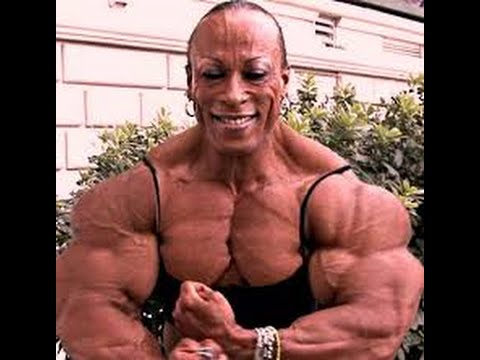
The Fiercest Warrior: Unveiling the Myth of the "Most Muscular Woman in History"

Is brute strength the ultimate arbiter of martial prowess? This is a question that echoes through the hallowed halls of dojos and the dusty arenas of combat sports. We've all seen the titans, the individuals whose sheer physicality seems to defy the very laws of nature. But when the conversation turns to the "most muscular woman in history," a certain mythos often surrounds figures like Renne Toney. Yet, as practitioners of Budo and martial arts, we know that true strength lies not just in the sinews of the body, but in the spirit, technique, and unwavering discipline. Today, we dissect this notion, not just as a matter of physiology, but as a profound lesson in what constitutes power in the martial world.

The Budo Perspective: Beyond the Biceps

The initial query, focusing on physical records like "most muscular woman," often stems from a common misunderstanding of martial arts. It’s an impulse born from a world that often equates size and brute force with effectiveness. However, in the disciplined path of Budo, and indeed across countless martial traditions, the focus is far more nuanced. We train the body, yes, but we also forge the mind and temper the spirit. The goal is not merely to possess overwhelming muscularity, but to harness the body's potential with precision, efficiency, and strategic application. Think of the legendary masters who, despite not being physically imposing, could fell opponents with a single, perfectly placed strike or a seemingly effortless technique. Their power wasn't solely derived from muscle mass, but from a deep understanding of biomechanics, timing, and the intangible energy known as Ki.

The very concept of being the "most muscular" is a modern, often Westernized metric, one that doesn't always translate directly into martial effectiveness. An athlete might train to maximize muscle hypertrophy for aesthetic or specific strength-based sports, but this can sometimes come at the cost of the flexibility, speed, and endurance crucial for dynamic combat. Furthermore, the sheer size and bulk of excessive muscle can impede fluid movement, making one a larger, slower target.

"The supreme art of war is to subdue the enemy without fighting." - Sun Tzu, The Art of War. This wisdom underscores that true martial strength is often about control and strategy, not just overwhelming physical force.

Renne Toney: A Study in Physical Prowess

When we mention Renne Toney, or other athletes who have pushed the boundaries of human muscularity, we are acknowledging an incredible feat of dedication and physiological adaptation. These individuals have dedicated years, often decades, to rigorous training, precise nutrition, and an unwavering commitment to their physical goals. Their physiques are testaments to what the human body can achieve when pushed to its absolute limits through dedicated training regimens. Their discipline in the gym, their adherence to strict diets, and their mental fortitude to endure such intense physical demands are, in their own right, remarkable.

However, it is critical to differentiate between the goals of bodybuilding or powerlifting and the objectives of martial arts training. While both require immense discipline and physical conditioning, their ultimate aims diverge. Bodybuilding focuses on aesthetics and muscle development. Powerlifting prioritizes maximal strength in specific lifts. Martial arts, on the other hand, seek to integrate mind, body, and spirit to achieve effectiveness in conflict, self-defense, or athletic competition. This often involves a balance of strength, speed, agility, flexibility, and strategic thinking.

The Martial Artist's Toolkit: More Than Just Muscle

In the arena of martial arts, a practitioner's "strength" is a multifaceted concept. It encompasses:

  • Physical Strength: Yes, strength is a component, but it's about functional strength – the ability to generate power efficiently, to withstand force, and to control an opponent. This is distinct from sheer mass.
  • Technical Proficiency: A perfectly executed technique, utilizing leverage and timing, can overcome a much larger, stronger opponent. Think of the power generated in a Judo throw like O-goshi or a Karate punch like Gyaku-zuki.
  • Speed and Agility: The ability to move quickly, change direction, and evade attacks is paramount. Excessive musculature can sometimes hinder these attributes.
  • Endurance and Stamina: A fight can be a war of attrition. A practitioner with superior cardiovascular fitness can maintain effectiveness longer than one who tires quickly, regardless of muscle mass.
  • Mental Fortitude (Shin Gi Tai): The synergy of Mind (Shin), Technique (Gi), and Body (Tai) is the cornerstone of true martial power. A strong mind can overcome physical disadvantages, and unwavering spirit can push a fighter past their perceived limits.
  • Strategy and Tactics: Understanding an opponent's weaknesses, anticipating their moves, and employing the right strategy can be more decisive than raw power.

Consider the legendary figures in martial arts history. Miyamoto Musashi, the ronin and master swordsman, was not described as a behemoth. His genius lay in his two-sword style, his strategic acumen, and his philosophy of "The Book of Five Rings." Bruce Lee, though exceptionally conditioned, was not built like a modern bodybuilder. His speed, his precision, and his philosophical approach to combat were his true strengths.

"It is not the size of a man, but the size of his heart that matters." - Evander Holyfield. This rings true in martial arts as much as in boxing. Heart, spirit, and will are immeasurable forces.

The Search for True Power: Training Principles

For those who admire physical prowess but are drawn to the path of martial arts, the approach to training should be integrated. It's not about choosing between muscle and technique, but about how to build a body that serves the martial arts, not the other way around.

Guía de Entrenamiento: Cultivando Fuerza Marcial

Here’s how to build a martial physique that prioritizes effectiveness:

  1. Compound Strength Training: Focus on multi-joint exercises like squats, deadlifts, overhead presses, and rows. These build functional strength and engage multiple muscle groups simultaneously, mimicking the demands of combat.
  2. Explosive Power Exercises: Incorporate plyometrics, kettlebell swings, and medicine ball throws to develop explosive power – the ability to generate force rapidly. This is crucial for strikes and throws.
  3. Cardiovascular Conditioning: Engage in activities like running, swimming, or High-Intensity Interval Training (HIIT) to build stamina and resilience. This ensures you can maintain peak performance throughout a prolonged engagement.
  4. Flexibility and Mobility Work: Dedicate time to stretching, yoga, or dynamic mobility drills. This improves range of motion, reduces the risk of injury, and enhances the fluidity of your techniques.
  5. Martial Arts Specific Drills: Practice your art! Kata, sparring, and technique repetition are the most direct ways to train your body for the specific demands of your chosen discipline. This integrates strength, speed, and technique synergistically.
  6. Mindful Nutrition: Fuel your body for performance and recovery. Focus on whole foods, adequate protein, and hydration. Avoid excessive calorie surpluses that lead to unnecessary bulk, unless your specific goal is purely bodybuilding.

Veredicto del Sensei: ¿Poder Puro o Poder Aplicado?

While individuals like Renne Toney represent the pinnacle of muscular development, their achievements, while impressive, exist in a different domain than the nuanced application of martial arts. The "most muscular woman in history" is a title for the realm of aesthetics and physical records. In the context of martial arts, the true power lies not in the sheer volume of muscle, but in its intelligent, disciplined, and effective application. It is the fusion of a strong body, a sharp mind, and an indomitable spirit that defines a true warrior. Therefore, while acknowledging the incredible dedication of individuals who achieve extreme muscularity, we must understand that martial power is a far more complex and holistic construct.

Equipo Esencial para tu Entrenamiento

To truly embody the principles of martial strength, consider investing in quality equipment that supports balanced development:

  • Durable Training Mats: For safe practice of throws and groundwork.
  • Resistance Bands: Versatile for strength, conditioning, and mobility work.
  • Kettlebells: Excellent for explosive power and functional strength training.
  • Quality Kimono (Gi): Essential for Judo, Karate, BJJ, and Aikido practitioners, ensuring durability and proper fit for technique execution. Look for a double-weave gi for added resilience.
  • Punch Mitts and Focus Pads: For partner drills that enhance striking accuracy and power.
  • Jump Rope: A simple yet highly effective tool for cardiovascular conditioning and footwork.

Recursos para Profundizar

To further your understanding of martial philosophy and practical application, I recommend exploring these resources:

Preguntas Frecuentes

  • Is extreme muscularity detrimental to martial arts?

    Not inherently, but excessive bulk can hinder agility and speed if not balanced with complementary training. The key is functional strength and efficient movement.

  • Can women achieve significant muscularity and be effective martial artists?

    Absolutely. Many female martial artists possess impressive strength and conditioning. The goal is balanced development for combat effectiveness, not just maximum muscle mass.

  • What is more important in martial arts: strength or technique?

    Both are vital. However, superior technique can often overcome a strength disadvantage. The ideal is the synergy of both, guided by a strong mind and spirit (Shin Gi Tai).

  • How can I improve my explosive power for martial arts?

    Incorporate plyometrics, kettlebell training, medicine ball exercises, and sport-specific drills like dynamic striking or throwing practice.

Para Profundizar en tu Camino

Reflexión del Sensei: Tu Próximo Paso

The pursuit of physical records is a human endeavor, but the path of the martial artist is one of continuous refinement and adaptation. Renne Toney's dedication to her physique is undeniable, but ask yourself: When you face adversity, is it the sheer mass of your muscles that will see you through, or the sharp precision of your technique, the unwavering strength of your spirit, and the intelligent application of your training? This is the true measure of power. Now, ponder this: How can you better integrate the principles of functional strength and mental fortitude into your own practice, moving beyond the superficial metrics of mass to cultivate genuine martial effectiveness?

``` GEMINI_METADESC: Explore the true meaning of strength in martial arts, going beyond physical records like the \"most muscular woman\" to understand the power of technique, spirit, and discipline.

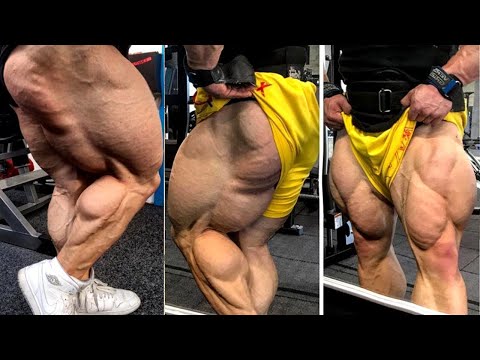
The Unseen Power: Mastering the Legs for True Martial Prowess

Welcome, warriors, to the hallowed grounds of Budo and Martial Arts, where we dissect not just the flashy techniques, but the fundamental pillars that support them. Today, we confront a truth often overlooked, a foundation often neglected: the power of the legs. We've all seen the spectacular kicks, the devastating sweeps, the explosive leaps. But what fuels them? It's not just about agility; it's about raw, unyielding leg strength and the precise application of biomechanical force. Many aspiring martial artists focus solely on upper body striking or grappling, leaving their lower extremities underdeveloped. This is a critical error, a sure path to mediocrity, or worse, vulnerability. Are you truly a martial artist if your base is unstable? If your power dissipates before it even leaves your body? This is not merely about aesthetics; it's about survival, efficiency, and the very essence of grounded combat. Prepare yourselves, for we are about to explore the forgotten arsenal of the legs.

Introduction: The Overlooked Foundation

In the grand tapestry of martial arts, the legs are the roots of the tree. Without strong, resilient roots, the tree cannot withstand the storm, nor can it bear fruit. Too often, we see practitioners with powerful arms but a weak foundation, easily swept off their feet or unable to generate meaningful force. This is a fundamental misunderstanding of combat dynamics. Your legs are your engine, your anchor, and your primary tool for leverage and mobility. Neglecting them is akin to a samurai forging a magnificent blade but neglecting the strength of his own stance. Today, we challenge this common oversight and delve deep into why leg training is not just important, but paramount for any serious martial artist, regardless of their chosen style.

The 6 Cardinal Sins of Leg Training in Martial Arts

Many individuals unknowingly commit grave errors when it comes to developing their lower body for combat. These aren't minor slip-ups; they are fundamental flaws that cripple potential. Let us expose these six cardinal sins:

  1. Sin 1: The "One-Trick Pony" Approach. Focusing solely on kicking. While powerful kicks are vital in arts like Taekwondo or Muay Thai, legs do more than just strike. They provide stability for grappling, power for explosive movements, and resilience against takedowns. Training only for kicks neglects essential functions like balance, leg strength endurance, and the ability to absorb impact.
  2. Sin 2: Ignoring Explosive Power. Many believe leg training is just about slow, controlled movements. This is a grave error. Martial arts often demand lightning-fast reactions and explosive bursts of power. Plyometrics, jump squats, and bounds are crucial for developing the fast-twitch muscle fibers necessary for quick strikes, powerful takedowns, and agile evasions.
  3. Sin 3: Neglecting Core Strength Integration. Leg power is useless if it cannot be transferred efficiently through the core to the upper body. A strong core acts as the conduit. Without it, even the most powerful leg strike will lack snap and precision. Think of it as trying to throw a spear with a flimsy shaft – the force dissipates.
  4. Sin 4: Forgetting Balance and Stability. A fighter who can't maintain balance is a fighter who will be easily defeated. Exercises that specifically target proprioception, ankle strength, and the ability to recover from off-balance positions are critical. Single-leg exercises, balance drills, and practicing stances under duress are non-negotiable.
  5. Sin 5: The "No Pain, No Gain" Fallacy Without Proper Form. Pushing too hard with incorrect form leads to injury, not improvement. This is especially true for legs, where the joints and muscles are under immense stress. Prioritize perfect execution of movements over lifting heavier weights or doing more repetitions incorrectly.
  6. Sin 6: Avoiding the Grind of Endurance. While explosive power is vital, sustained combat demands endurance. Long rounds in boxing, continuous grappling exchanges in BJJ, or maintaining a dynamic defensive posture requires legs that can function under fatigue without faltering. Hill sprints, long-distance running, and high-rep bodyweight exercises build this crucial resilience.
"The strength of the legs determines the stability of the entire body. A strong stance is the foundation of all technique." - A principle echoed across many dojos.

Leg Power Across Disciplines: More Than Just Kicking

Let's be clear: the application of leg power transcends mere striking. Consider these examples:

  • Judo and BJJ: The legendary O-soto-gari (major outer reaping) in Judo relies entirely on the precise use of the legs to unbalance an opponent. In Brazilian Jiu-jiu-itsu, leg strength is critical for controlling distance, executing guard passes, maintaining a strong base, and delivering powerful sweeps. A weak lower body makes you a prime target for takedowns and submissions.
  • Karate and Taekwondo: While renowned for their kicks, the power generation for these strikes originates from the hips and is anchored by the legs. A stable, powerful stance allows for devastating Kihon (basics) and complex Katas.
  • Boxing: Boxers might focus on punches, but their footwork, defensive slips, and the power behind every jab and cross are rooted in their leg strength and balance. The ability to move efficiently, cut off angles, and absorb punches relies heavily on a strong lower body.
  • Wrestling: This discipline is a testament to the power of the legs. Takedowns, sprawls, maintaining control, and explosively driving through an opponent are all functions of phenomenal leg development.

The core concept is transfer of energy. Your legs are the ground connection; they absorb force, generate momentum, and transmit power. Without this solid connection, you are like a faulty electrical circuit – the energy never reaches its destination.

Mastering Your Stance: A Practical Training Guide

Developing formidable legs requires a systematic approach. Here’s a guide to get you started:

  1. Foundation: Squats. The king of leg exercises.
    • Bodyweight Squats: Master the form first. Keep your chest up, back straight, and descend as if sitting into a chair. Aim for at least 3 sets of 15-20 repetitions.
    • Goblet Squats: Holding a dumbbell or kettlebell at your chest adds resistance. Focus on depth. 3 sets of 10-15 reps.
    • Barbell Back Squats: The ultimate strength builder. If accessible, learn proper form from a qualified coach. Start light. 3-5 sets of 5-8 reps.
  2. Explosive Power: Plyometrics.
    • Jump Squats: From a squat position, explode upwards, landing softly and immediately returning to the squat. 3 sets of 10-12 reps.
    • Box Jumps: Jump onto a stable box, landing softly. Focus on height and controlled landing. 3 sets of 8-10 reps.
    • Lunge Jumps: Alternate legs in a jumping lunge. 3 sets of 10-12 reps per leg.
  3. Single-Leg Strength and Balance.
    • Lunges (Forward, Reverse, Walking): Essential for unilateral strength and stability. 3 sets of 10-12 reps per leg.
    • Pistol Squats (Assisted): Work towards this advanced single-leg squat. Use a wall or TRX for support initially. Aim for 3 sets of 5-8 reps per leg.
    • Single-Leg Deadlifts: Improves hamstring strength and balance. 3 sets of 8-10 reps per leg.
  4. Endurance and Resilience.
    • Calf Raises: Standing or seated. Crucial for ankle strength and explosive push-off. 3 sets of 20-25 reps.
    • Hill Sprints or Stair Sprints: Build cardiovascular and muscular endurance in the legs. 8-10 sprints.
    • Long-Distance Running (if applicable to your style): For overall conditioning.
  5. Core Integration.
    • Plank Variations: Front, side, and dynamic planks.
    • Russian Twists: With or without weight.
    • Leg Raises: For lower abdominal strength.

Frequency: Aim to train legs 2-3 times per week, ensuring adequate rest and recovery between sessions. Listen to your body; injury is the enemy of progress.

Essential Equipment for Your Lower Body Arsenal

While bodyweight training is effective, certain equipment can significantly enhance your progress:

  • Dumbbells and Kettlebells: Versatile for squats, lunges, deadlifts, and carries.
  • Barbell and Weight Plates: For progressive overload in foundational lifts like squats and deadlifts.
  • Resistance Bands: Excellent for activation exercises, adding resistance to bodyweight movements, and rehabilitation.
  • Jump Rope: A classic for cardiovascular conditioning and developing footwork speed.
  • Plyometric Box: For safe and effective jump training.
  • Weightlifting Shoes: Offer a stable platform and heel elevation for better squat mechanics.
  • A Good Pair of Training Shoes: For running, agility drills, and general conditioning.

Investing in quality kimonos for grappling arts or durable training apparel suitable for intense workouts is also crucial for comfort and performance. Don't underestimate the impact of comfortable, supportive gear on your training intensity.

Warrior's Verdict: Leg Day is Every Day

The notion of a dedicated "leg day" is often a bodybuilding concept. In martial arts, your legs are in constant use. Every movement, every stance, every strike, every defense is underpinned by the strength and control of your lower body. Therefore, leg training isn't an afterthought; it's an integrated, daily discipline. Even on days dedicated to upper body work, your stance, your footwork, and your ability to absorb impact are all leg-dependent. Treat every training session as an opportunity to reinforce your foundation. Are you content with a shaky base, or do you aspire to stand unmovable, a testament to your dedication?

Frequently Asked Questions

Q1: Can I build leg strength effectively with only bodyweight exercises?

Yes, absolutely. Through progressive overload with variations of squats, lunges, calf raises, and plyometrics, you can build significant leg strength and power using only your bodyweight. Focus on increasing repetitions, reducing rest times, and improving the range of motion.

Q2: How do I avoid injuries while training my legs intensely?

Prioritize proper form above all else. Warm up thoroughly before each session, focusing on dynamic stretching. Cool down with static stretches. Gradually increase intensity and volume. Listen to your body and rest when needed. If you experience sharp pain, stop immediately.

Q3: How does leg strength specifically help in grappling arts like Judo or BJJ?

Leg strength is crucial for maintaining a strong base to resist takedowns, driving forward during guard passes, creating leverage for sweeps and submissions, and controlling your opponent's hips. A strong base prevents you from being easily manipulated or swept.

Q4: Is running a good way to train my legs for martial arts?

Running builds cardiovascular endurance and leg stamina, which are vital. However, it doesn't develop the specific explosive power or the multi-directional strength needed for many martial arts techniques. Combine running with targeted strength and plyometric exercises for a well-rounded approach.

Deepen Your Understanding

To truly embody the principles discussed, further exploration into related concepts is essential. Continue your journey through these vital topics:

Sensei's Reflection: Your Next Step

We've dissected the anatomy of power, the often-ignored foundation upon which true martial mastery is built. Your legs are not mere appendages for locomotion; they are the bedrock of your combat effectiveness. Have you been treating them as such? Or have you been neglecting the very roots from which your techniques should spring?

Reflexión del Sensei: Tu Próximo Paso

Consider this: The next time you step onto the mat, or into the ring, or face a confrontation on the street, where does your true power originate? Is it in the calculated strike of your fist, or in the unwavering stability of your stance that allows that strike to land with decisive force? If you were to face an opponent who could instantly destabilize you, what would be your immediate undoing? Examine your training. Are you building a skyscraper on sand, or a fortress on granite? The choice, and the work, is yours.

``` GEMINI_METADESC: Discover why leg training is paramount in martial arts. Learn the 6 common mistakes to avoid and get a practical guide to building powerful, stable legs.