Showing posts sorted by relevance for query The Book of Five Rings. Sort by date Show all posts

Wu-Tang Collection: Begging Swordsman - A Martial Cinema Examination

Greetings, fellow travelers on the warrior's path. Today, we delve into the cinematic realm, a canvas where the spirit of Budo and the raw power of martial arts are often depicted, sometimes with brilliant clarity, other times... with less auspicious results. Our subject: Wu-Tang Collection: Begging Swordsman. As a critic and a lifelong practitioner, my gaze dissects not just the narrative, but the very essence of the martial arts portrayed. Does this film embody the principles of discipline, resilience, and precision that define true martial prowess, or is it merely a fleeting spectacle of choreographed violence? Let us find out.

The Premise: A Debt of Honor and a Symphony of Steel

Directed by the prolific Yang Su, Begging Swordsman presents a classic martial arts trope: a young hero, driven by filial duty and a debt of honor, venturing into a dangerous urban landscape. The narrative centers on a swordsman tasked with protecting his father's benefactor, Inspector Chang, from a quartet of formidable antagonists known as "the four monsters." These villains are described as the most violent martial artists in China. This setup immediately signals a potential for intricate combat sequences and a test of our protagonist's skill and character against overwhelming odds.

Analysis of the Martial Core: Beyond the Swordplay

The true measure of a martial arts film lies not solely in its action, but in the authenticity and spirit with which the martial arts are presented. While the original synopsis is brief, the mention of "swordsman" and "four monsters" suggests a focus on traditional weapon-based combat and perhaps a variety of distinct fighting styles embodied by the antagonists. In the world of Budo, the sword, or katana in its Japanese iteration, is more than a weapon; it is an extension of the self, a tool for disciplined expression. The proficiency with which a character wields their blade often reflects their inner state: their focus, their resolve, their understanding of distance and timing. The concept of Heiho, as expounded by Miyamoto Musashi in his seminal work, The Book of Five Rings, emphasizes strategy, timing, and the understanding of one's opponent's movements. We must ask, does Begging Swordsman reflect these deeper principles, or does it merely showcase flashy, disconnected movements?

"There are no easy ways to learn the Way. You must be prepared to devote your life to it." - Miyamoto Musashi, The Book of Five Rings

The "four monsters" present an intriguing challenge. In the martial arts philosophy, facing multiple opponents requires not only exceptional individual skill but also a sophisticated understanding of positioning, evasion, and the ability to neutralize threats efficiently. The ideal scenario, of course, is to avoid such confrontations altogether through wisdom and strategic avoidance. However, when conflict is inevitable, the principles of Sōgō Kakutō (comprehensive fighting) and the effective use of space become paramount. Are these monsters distinct in their martial disciplines, offering a spectrum of challenges, or are they a homogenous threat? The diversity of styles within Chinese martial arts offers a rich tapestry for cinematic representation, from the elegant fluidity of Tai Chi to the explosive power of Wing Chun or the acrobatic prowess of Shaolin Kung Fu. The success of the film in this regard will depend on how Yang Su and his choreography team have translated these potential styles onto the screen.

Director and Cast: The Architects of the Martial Spectacle

Director Yang Su has a notable history in martial arts cinema, often contributing to films that, while perhaps not always reaching the heights of cinematic artistry, deliver on the promise of robust action. His involvement here suggests a certain level of expectation for the fight choreography. The cast, including Wang Ling, Ulysses Au-Yeung Jun, Ma Kei, Chang Feng, and Julie Lee Chi-Lun, comprises performers who have likely honed their skills in the demanding environment of Hong Kong action cinema. The effectiveness of their performances will be judged by their ability to convey the physical discipline and emotional weight required by their roles. A true martial artist understands that expression through movement is as vital as spoken dialogue. The subtle tension in a stance, the controlled aggression in a strike, the controlled recovery after a defensive maneuver – these are the details that elevate a performance from mere acting to embodying the martial spirit.

The Wu-Tang Collection Context: A Legacy of Cinematic Combat

The inclusion of "Wu-Tang Collection" in the title is significant. This collection is renowned for its curation of classic martial arts films, many of which are celebrated for their raw, often brutal, but always compelling depictions of combat. These films often eschewed the wire-fu acrobatics that became prevalent in later eras, favoring a more grounded, impactful style. Begging Swordsman, by association, is positioned within this lineage of gritty, authentic martial arts storytelling. For fans of the genre, this promises a certain quality of fight scene – less about gravity-defying leaps and more about the visceral impact of fists, feet, and blades connecting.

"The sword is the body, the technique is the mind." - A common saying in martial arts circles, emphasizing the unity of physical action and mental intent.

The "exclusive videos on our FREE App" mention, while a modern promotional tool, hints at a broader effort to engage audiences with martial arts content. This speaks to a growing interest in understanding these disciplines beyond passive viewing, perhaps encouraging practical application or deeper historical appreciation. The digital age offers unprecedented access to resources for learning and experiencing martial arts, bridging the gap between cinematic fantasy and tangible practice. For those inspired by films like this, seeking out authentic training in disciplines like Karate, Judo, Aikido, or various forms of Kung Fu is the natural next step.

The Philosophical Undercurrent: More Than Just a Fight

While the premise focuses on confronting adversaries, the underlying philosophy of Budo is crucial. True martial arts training is not merely about learning to fight; it is about self-improvement, developing resilience, and cultivating mental fortitude. The concept of Mushin – the state of "no mind" where one acts instinctively and without hesitation – is a pinnacle of martial development. It requires years of dedicated practice, pushing beyond physical limitations to achieve a state of pure, unadulterated action. Does the protagonist in Begging Swordsman demonstrate this level of mastery, or is his journey one of learning and growing through adversity? The latter often makes for a more relatable and compelling narrative, showcasing the arduous yet rewarding process of becoming a martial artist.

The film's success in conveying this journey will hinge on its ability to show the protagonist's development, not just his inherent talent. Every successful strike should feel earned, every defensive maneuver a result of keen observation and learned technique. The "debt of honor" aspect further enriches the narrative, touching upon themes of loyalty and duty that are cornerstones in many traditional martial arts philosophies, particularly those influenced by the Bushido code.

Veredicto del Sensei: ¿Merece la pena?

Based on the available information, Wu-Tang Collection: Begging Swordsman appears to be a film squarely aimed at enthusiasts of classic Hong Kong martial arts cinema. Its strength will likely lie in its adherence to the traditions of the Wu-Tang Collection, promising unembellished, impactful fight choreography and a straightforward, honor-bound narrative. If your intention is to witness skilled performers engage in well-executed sword fights and hand-to-hand combat that prioritizes realism over fantastical spectacle, then this film is likely to satisfy. It’s a chance to glimpse the "spirit of the warrior" through the lens of cinematic combat, reminding us that the path of martial arts, whether on screen or in the dojo, is one of continuous challenge and dedication. It may not be a philosophical treatise on the Way, but it promises to be a potent dose of martial cinema.

Reflexión del Sensei: Tu Próximo Paso

The screen flickers, the swords clash, and the audience is enthralled. But what truly separates the cinematic warrior from the true martial artist? Is it the number of on-screen victories, or the depth of inner discipline cultivated through daily practice? Consider this: when faced with your own "four monsters" – be they personal challenges, moments of doubt, or physical obstacles – what principles from the martial arts can you call upon to guide your actions? Is it the precision of the blade, the resilience of the spirit, or the wisdom of the Way?

Equipo Esencial para tu Entrenamiento

While Begging Swordsman showcases weapon-based combat, the foundation of any martial artist's journey lies in rigorous, disciplined training. For those inspired to take their practice seriously, having the right equipment is crucial. Consider the following:

  • Kimono de Judo/Karate: For training in grappling arts like Judo or striking arts like Karate, a durable, well-fitting uniform is essential. Look for double-weave cotton for durability.
  • Guantes de Entrenamiento: For striking disciplines such as Kickboxing or MMA, padded gloves are vital for protecting your hands and your training partners during sparring.
  • Protector Bucal: A mandatory piece of safety equipment for any sparring or contact training to prevent dental injuries.
  • Espinilleras y Empeineras: Particularly useful for Taekwondo, Kickboxing, and some forms of Karate, these protect the shins and feet during drills and sparring.
  • Esterillas de Tatami: For arts that involve falling or grappling, such as BJJ or Judo, quality floor mats are indispensable for safe practice.
  • Makiwara: A traditional Okinawan tool for developing striking power and conditioning the hands for Karate. Building your own can be a rewarding project.

Guía de Entrenamiento: El "Swordsman's Stance" (Posición del Espadachín)

While a direct cinematic translation is impossible, we can adapt the *spirit* of a swordsman's readiness into a foundational martial stance that emphasizes balance, awareness, and preparedness. This is a simplified exercise for developing core stability and focus.

  1. Foundation: Stand with your feet shoulder-width apart, toes pointing slightly outward. Imagine a line drawn through the center of your body.
  2. Knees & Hips: Slightly bend your knees, as if preparing to absorb an impact or spring into action. Your hips should be relaxed but stable, not locked stiff.
  3. Torso & Posture: Keep your back straight but not rigid. Your chest should be slightly lifted, and your core engaged – think of drawing your navel gently towards your spine.
  4. Arms: Bring your hands up to a ready position. For a swordsman feel, you might imagine holding a sword hilt in front of your center, or simply keep your hands relaxed but poised, palms facing inward. Avoid tension.
  5. Gaze: Your eyes should be looking forward, with a broad, aware gaze. Do not stare intently at one point; instead, maintain peripheral awareness.
  6. Breathing: Breathe deeply and steadily from your diaphragm. This is crucial for maintaining focus and energy.
  7. Duration: Hold this stance for 30 seconds to 1 minute, focusing on maintaining balance, core engagement, and steady breathing. Relax, then repeat 3-5 times.

This exercise cultivates the groundedness and readiness essential for any martial artist, mirroring the poised vigilance of a skilled swordsman.

Preguntas Frecuentes

¿Es realista la coreografía de las películas de artes marciales?

La mayoría de las películas de artes marciales presentan coreografías estilizadas para el entretenimiento. Si bien algunas películas buscan un mayor realismo, muchas optan por movimientos más llamativos y acrobáticos que no siempre reflejan la efectividad en un combate real. La autenticidad varía enormemente entre películas y directores.

¿Qué significa "Wu-Tang Collection"?

"Wu-Tang Collection" es una serie de lanzamientos de películas de artes marciales, a menudo seleccionadas por su enfoque en la acción cruda y auténtica, y su conexión con el cine de Hong Kong. Se asocia con un estilo particular de cine de lucha.

¿Es importante el entrenamiento con armas en las artes marciales?

El entrenamiento con armas es fundamental en muchas artes marciales tradicionales chinas y japonesas, como el Kung Fu y el Kendo. Complementa el combate sin armas al enseñar principios de distancia, manejo del espacio, precisión y coordinación, que luego pueden aplicarse al combate cuerpo a cuerpo.

¿Puedo aprender artes marciales solo viendo películas?

Ver películas de artes marciales puede ser inspirador y educativo sobre la filosofía y la estética, pero no sustituye el entrenamiento práctico. La técnica, la seguridad y la aplicación dependen de la instrucción de un instructor calificado y la práctica regular en un dojo o gimnasio.

¿Qué arte marcial se enfoca más en el manejo de la espada?

Las artes marciales japonesas como el Kendo (esgrima japonesa) y el Kenjutsu se centran exclusivamente en el manejo de la espada. Además, muchas escuelas de Kung Fu chino y otras disciplinas marciales incluyen el entrenamiento con espadas como parte de su currículo.

Para Profundizar en tu Camino

``` GEMINI_METADESC: Examine 'Begging Swordsman' from the Wu-Tang Collection with a martial arts master's critical eye. Analyze its choreography, spirit, and cinematic legacy.

StreetBeefs: Analyzing the Raw Spectacle of ASA vs. PECK - Where Does Real Combat Meet Entertainment?

Introduction: The Allure of the Raw Brawl

The digital age has brought the raw, unfiltered aspects of human conflict to our screens with unprecedented immediacy. Platforms like StreetBeefs capitalize on this, presenting what they claim is a solution to real-world disputes: organized, yet ostensibly raw, combat. The matchup of ASA vs. PECK is a prime example, drawing viewers into a world where the line between genuine animosity and staged spectacle blurs. But as practitioners of martial arts, we must dissect such events not merely as entertainment, but through the lens of true combat efficacy, philosophy, and ethics. Is this the evolution of conflict resolution, or a dangerous descent into primal exhibitionism?

As a Sensei who has dedicated decades to the rigorous study and practice of Budo, I approach these events with a critical eye. The "pure sport" or "real beef" dichotomy presented by StreetBeefs is a fascinating, albeit troubling, starting point for discussion. Let us examine what ASA vs. PECK truly represents within the broader context of combat.

The Streetbeefs Philosophy: Settling Scores in Satan's Backyard

The founder, Scarface, articulated a mission born from witnessing violence in his community: to offer an alternative to lethal conflict. The concept of "Satan's Backyard" as a venue is as provocative as the matches themselves. It aims to channel aggression into a controlled environment, replacing weapons and mob violence with bare-knuckle boxing or MMA rules, albeit in an amateur setting.
"After years of watching people in my area severely hurt each other over various disputes, I decided to offer a solution. Come to SATANS BACKYARD and put gloves on to settle your dispute. No guns, No knives, No gang of friends jumping in. Just you, your Foe, the referee, and a group of spectators."
This approach, while ostensibly offering a safer outlet, walks a dangerous ethical tightrope. It legitimizes violence as a means of dispute resolution, albeit a more controlled form. The emphasis on "purely for sport" versus "REAL beef" highlights the inherent duality. Are these genuine attempts at conflict resolution, or are they carefully curated performances designed for viewer engagement?

The documentary features by the New York Times and ESPN lend a certain gravitas, suggesting that StreetBeefs has captured public attention beyond its immediate community. However, the raw nature of these encounters, often lacking the refined technique of professional combat sports, begs the question: what is truly being learned or resolved?

ASA vs. PECK: A Critical Breakdown

While detailed technical analysis of every street fight is often limited by camera angles and the unpredictable nature of the combatants, we can infer general observations about the ASA vs. PECK encounter. These events typically feature individuals with varying levels of combat experience, leading to a spectrum of technical proficiency.

In many StreetBeefs bouts, participants may rely more on raw aggression and power than on intricate techniques. This can manifest as:

  • Unorthodox Striking: Punches may lack proper form, leading to wasted energy and increased vulnerability.
  • Limited Footwork: Fighters often stand flat-footed, making them easy targets and hindering evasive maneuvers.
  • Grappling Clashes: When grappling occurs, it can be desperate and lack the structured control seen in disciplines like Judo or Brazilian Jiu-Jitsu.
  • Mental Fortitude: The psychological pressure of a public dispute settlement can be immense, sometimes leading to premature submission or uncontrolled outbursts.

The appeal for viewers often lies in this very rawness – the visceral display of dominance and submission, the perceived authenticity of the conflict. However, for those who have dedicated years to mastering martial arts, such displays can be frustrating, showcasing a stark contrast between true combative skill and the heat of the moment.

Beyond the Brawl: A Martial Perspective

From a martial standpoint, the effectiveness of StreetBeefs relies heavily on the participants' underlying training. If ASA or PECK, or indeed any participant, possesses a background in boxing, Muay Thai, Karate, or any other combat discipline, their actions in the ring will reflect that training. However, if they are untrained individuals simply acting out of aggression, the encounter becomes less about skill and more about brute force and instinct.

A core principle in Budo is the pursuit of perfection through disciplined repetition. This isn't merely about physical technique, but about developing mental clarity, strategic thinking, and emotional control. In a StreetBeefs match:

  • Technique vs. Aggression: While aggression can be a powerful tool, it is often a double-edged sword. Trained martial artists learn to harness their aggression, channeling it through precise techniques rather than letting it consume them.
  • Awareness and Strategy: True martial arts training cultivates situational awareness – understanding distance, timing, and the opponent's intentions. Uncontrolled brawls often lack this strategic depth.
  • The Role of Rules: Even with amateur rules, the environment of StreetBeefs can be chaotic. Unlike the structured environment of a dojo or a professional MMA octagon, the psychological pressure and the very "real beef" origin of some fights can lead to unpredictable outcomes, sometimes outside the spirit of sport.
"There are no winners in street violence, only degrees of loss." - A principle echoed in many martial traditions, highlighting the destructive nature of uncontrolled conflict.

The pursuit of Mushin (no-mind) or Heijoshin (ordinary mind) – states of calm, spontaneous action – is the hallmark of advanced martial practitioners. These states are cultivated through years of dedicated practice, and are rarely, if ever, achieved in the chaotic environment of a street fight, even one under makeshift rules.

The Ethical Tightrope: Sport, Spectacle, and Survival

The most significant critique of platforms like StreetBeefs from a martial philosophy perspective is the inherent danger and the ethical implications of glorifying violence.
  • Legitimizing Violence: While aiming to reduce lethal violence, it undeniably promotes physical confrontation as a primary means of conflict resolution. This can create a cycle where aggression is normalized and even rewarded with views and engagement.
  • The Illusion of Safety: Amateur rules and gloves do not eliminate the risk of severe injury. Concussions, broken bones, and long-term physical and psychological damage are very real possibilities, especially for untrained individuals.
  • Exploitation: Is there a risk that individuals with genuine grievances are being exploited for entertainment? The raw emotion and desperation can be compelling to watch, but the underlying reality for the participants might be far grimmer.

Miyamoto Musashi, in his *Book of Five Rings*, emphasized strategic thinking and the importance of understanding the "way" of combat. While he advocated for decisive action, it was within a framework of strategy and self-mastery, not mere brute force or emotional outburst.

"If you don't understand the way of things, you will not understand the way of the warrior." - Miyamoto Musashi, The Book of Five Rings.

StreetBeefs, by its very nature, taps into a primal human fascination with conflict. However, it risks presenting a distorted view of martial arts and combat, where spectacle often trumps skill and genuine self-improvement is overshadowed by the immediate drama of the confrontation.

Essential Gear for the Determined Practitioner

While StreetBeefs often features makeshift conditions, serious martial arts training demands appropriate equipment for safety and effectiveness. Investing in the right gear is an extension of respecting the art and yourself.
  • Quality Gloves: For any striking art, whether boxing or MMA, well-fitting, protective gloves are paramount. Look for options ranging from 10oz to 16oz depending on the discipline and whether you're hitting pads, sparring, or competing.
  • Protective Headgear: Essential for sparring to mitigate the risk of concussions and facial injuries.
  • Mouthguards: A non-negotiable item for any combat sport.
  • Durable Kimono (Gi): For arts like Judo, Jiu-Jitsu, or Karate, a sturdy, well-fitting Gi is crucial. Consider double-weave fabrics for longevity in disciplines that involve a lot of grappling or intense striking.
  • Shin Guards and Instep Protectors: Important for Muay Thai, kickboxing, and some Karate styles to protect against impact and abrasions.
  • Training Mats: For floor work, grappling, or conditioning exercises, quality floor mats provide necessary cushioning and safety.

For those looking to elevate their training beyond amateur brawls, exploring reputable brands for boxing gloves and MMA sparring gear is a wise investment.

Frequently Asked Questions

  • What is the main difference between StreetBeefs and professional MMA?
    StreetBeefs focuses on settling real-life disputes with amateur rules, often featuring less technically proficient fighters. Professional MMA involves highly trained athletes competing under standardized rulesets for sport and competition, with rigorous sanctioning and safety protocols.
  • Are the fights in StreetBeefs always real disputes?
    The platform states that some matches are for sport, while others stem from "real beef." The exact proportion and verification of these claims remain opaque.
  • Is StreetBeefs a safe way to settle disagreements?
    While it aims to be safer than weaponized violence, it still involves physical confrontation with inherent risks of injury, especially for untrained individuals. It is not a recommended method for conflict resolution by martial arts philosophy.
  • What martial arts are typically seen in StreetBeefs?
    The participants may have backgrounds in various martial arts, but many appear to be untrained individuals relying on instinct and raw aggression rather than refined techniques.

Deepen Your Understanding

To gain a more profound understanding of martial arts philosophy, technique, and the cultural impact of combat sports, I recommend exploring the following resources:

Sensei's Reflection: Your Next Step

The spectacle of ASA vs. PECK on StreetBeefs, like many such raw confrontations, is a double-edged sword. It exposes the human drive for dominance and resolution, yet often through means that lack the discipline, control, and philosophical depth that true martial arts cultivate. While Scarface's intent to reduce lethal violence is noted, the method itself normalizes aggression.

Sensei's Reflection: Your Next Step

Consider this: If your goal is true mastery, not just a fleeting victory, where do you seek your training? Do you chase the raw, unfiltered spectacle for its immediate thrill, or do you commit to the arduous, yet ultimately more rewarding, path of disciplined self-improvement within a traditional martial art? The answer to this question will define not only your journey in the dojo, but your approach to conflict and challenge throughout your life. Reflect deeply on what 'combat readiness' truly means.

``` GEMINI_METADESC: Analyze the StreetBeefs event featuring ASA vs. PECK. A martial arts perspective on raw combat, ethics, and the line between sport and spectacle. Is it real conflict resolution or dangerous entertainment?

The Unyielding Spirit: Mastering the Art of Emotional Defense in Martial Circles

The modern martial practitioner faces not only physical adversaries but also a labyrinth of emotional challenges. In a world saturated with fleeting connections and digital interactions, the ability to maintain one's center, to defend against emotional manipulation, and to uphold personal boundaries is as crucial as any defensive block or offensive strike. This is the essence of emotional mastery, a concept deeply interwoven with the core philosophies of Budo and the true spirit of martial arts. We often focus on the ferocity of the fight, the precision of the technique, the history of the combat, but what of the inner battlefield? This post delves into the nuanced art of emotional defense, a skill honed not on the mats but within the crucible of everyday life, drawing parallels to the disciplined training required for physical combat.

The Emotional Dojo: A New Frontier

The term "friendzone" itself, while colloquial and often used with a dismissive tone, points to a complex social dynamic. In the realm of martial arts, we understand that true victory comes not from brute force alone, but from strategy, discipline, and an unshakeable inner core. Similarly, navigating the social landscape requires a form of emotional defense. It's about establishing boundaries, communicating clearly, and understanding one's own emotional state to avoid being manipulated or overwhelmed. This isn't about harshness; it's about self-respect and the cultivation of a resilient spirit, much like a seasoned fighter who remains calm under pressure.

The original context of the "Ella Mandó a Friendzone a Medio Internet 💔" piece, while seemingly light-hearted, touches upon a universal human experience: the desire for connection and the necessity of setting personal limits. In the disciplined world of BUDO, this translates to understanding the principles of mutual respect and ethical conduct, even in the face of unreciprocated feelings. The internet, with its amplified social interactions, has become a new arena for these age-old dynamics.

The Philosophy of Unwavering Resolve

True martial prowess is built upon a foundation of mental fortitude. Masters across disciplines, from Miyamoto Musashi's concept of "Water" in The Book of Five Rings to the Zen Buddhist ideal of Mushin (no-mind), emphasize the importance of a mind unclouded by emotion and free from distraction. This unwavering resolve is not about being emotionless, but about controlling one's emotional responses. It's about achieving a state where external pressures, whether from an opponent on the mat or a social situation online, do not dictate internal peace.

"In the dojo, one learns to control the body. In life, one learns to control the mind. The two are inseparable." - A principle echoed by many martial lineages.

This mastery extends to how we interact. When emotional boundaries are crossed, or when expectations are not met, the instinctive reaction can be anger, frustration, or sadness. However, a practitioner of martial arts is trained to observe, to analyze, and to respond with calculated precision, not with knee-jerk emotional outbursts. This is the essence of the "ki", the vital energy, being directed constructively, not dissipated by uncontrolled emotional storms.

Analyzing the Opponent: Emotional Tactics

In any form of combat, be it physical or social, understanding the opponent's tactics is paramount. In the context of emotional interactions, this means recognizing when someone is attempting to leverage your emotions for their own gain, or when you are allowing your own emotional state to be swayed unduly. This can manifest in various ways: guilt-tripping, passive-aggression, manipulation, or simply an overwhelming barrage of emotional appeals.

The internet, and platforms like Twitch and social media, serve as fertile ground for observing these dynamics on a massive scale. When a creator sets clear boundaries, as hinted at in the original post's title, they are performing an act of self-defense. They are signaling their limits, a crucial skill that prevents emotional exploitation. Just as a judoka analyzes an opponent's center of gravity before executing a throw, one must analyze the emotional undercurrents in interactions.

Consider the subtle art of Karate's kime – the focused, explosive power delivered at the end of a technique. This same focused energy, applied mentally, allows one to deliver a clear, firm response without emotional overload. It's about precision in communication, not a wild flurry of defensiveness.

Techniques of Emotional Defense

Drawing from the principles of self-defense and mental discipline, several techniques can be employed to strengthen one's emotional resilience:

  • Awareness (Kansatsu): The first step is to recognize your own emotional state. Are you feeling pressured, manipulated, or simply overwhelmed? Developing self-awareness is akin to a fighter constantly assessing their own balance and the opponent's stance.
  • Boundary Setting (Kakuritsu): Clearly defining and communicating your personal limits is vital. This is not about aggression, but about self-preservation. Think of it as establishing your fighting space. Phrases like "I am not comfortable discussing this" or "I need to end this conversation now" are direct, like a clean strike.
  • Controlled Response (Seigyo): Instead of reacting impulsively, pause. Take a breath. This allows your rational mind to engage, preventing emotional escalation. This pause is the martial artist's moment to de-escalate or to prepare their next move.
  • Detachment (Muga): While not advocating for apathy, learning to emotionally detach from overwhelming situations can be powerful. This means understanding that you cannot control others' reactions, only your own. It's like stepping back from a flurry of blows to find an opening.
  • Focus on Intent (Isho): Understanding the underlying intentions behind someone's words or actions can help you navigate the situation more effectively. Are they genuinely seeking connection, or are they trying to gain something?

These are not mere social niceties; they are active strategies for maintaining one's inner equilibrium, essential for anyone engaged in the practice of martial arts or any demanding endeavor.

Applying Budo Principles to Relationships

The core tenets of Budo offer profound insights into building healthy relationships, whether online or offline. Consider the principle of "Wa" (harmony). While it implies mutual understanding and cooperation, it does not mean compromising one's integrity or succumbing to unreasonable demands.

A martial artist training in Judo learns to yield to gain advantage, but they never lose their fundamental balance or position. In relationships, this translates to being flexible and understanding, yet firm in one's core values and boundaries. It's about finding a balance, a dynamic harmony, rather than a passive acceptance of every situation.

Furthermore, the concept of "Rei" (respect) is fundamental. This respect is two-fold: respect for others and, crucially, self-respect. When self-respect is cultivated, as in the disciplined training of Kyokushin Karate, one naturally commands the respect of others and is less susceptible to external emotional pressures.

Veredict of the Sensei: A Call to Inner Strength

The online world, with its rapid-fire interactions and often superficial connections, can feel like a chaotic battlefield. While the original post might have hinted at a specific social dynamic, the underlying principle is universal: the need for a strong inner defense. The ability to set boundaries and maintain emotional integrity is not a sign of weakness or coldness, but of profound strength and self-mastery. It is the hallmark of a true warrior, regardless of whether their battles are fought with fists, feet, or words.

Cinturón Negro en Resiliencia Emocional. The capacity to navigate complex social interactions with grace, firmness, and an unshakeable inner core is a testament to a well-honed spirit. This is the ultimate lesson that martial arts offer: that true power lies not in dominating others, but in mastering oneself.

Equipment Essential for Your Training

While emotional resilience is an internal art, certain tools can support the physical and mental discipline that underpins it. Practicing martial arts regularly can significantly bolster one's ability to handle stress and emotional challenges.

  • High-Quality Gi: For disciplines like Judo, Karate, or Aikido, a durable and comfortable kimono is essential for effective training. Look for double-weave fabrics for longevity.
  • Sparring Gear: If you engage in sparring, appropriate gloves (e.g., 16oz for boxing/kickboxing) and headgear are crucial for safety.
  • Training Mats (Tatami): For disciplines requiring throws or ground work, good quality mats are indispensable for safe practice.
  • Books on Philosophy and Strategy: Works like "The Book of Five Rings" or texts on Zen Buddhism can provide invaluable mental training.

Training Guide: Cultivating Emotional Resilience

Developing emotional resilience is an ongoing training process, much like refining a physical technique. Here's a step-by-step approach:

  1. Daily Mindfulness Practice: Dedicate 5-10 minutes each day to meditation or deep breathing exercises. This cultivates awareness of your inner state.
  2. Journaling: Keep a journal to record your emotional responses to various situations. Identify patterns and triggers.
  3. Identify Your Core Values: Understand what is truly important to you. This forms the bedrock of your boundaries.
  4. Practice Assertive Communication: Role-play setting boundaries in safe environments. Start with low-stakes situations.
  5. Seek Feedback from Trusted Sources: Ask martial arts instructors or close friends for honest feedback on your communication style.
  6. Analyze Your Reactions to Online Interactions: Pay attention to how social media or online forums affect your mood and emotional state. Implement the boundaries discussed earlier.

FAQ: Emotional Mastery

Q1: Is setting emotional boundaries selfish?

A1: No. Setting healthy boundaries is an act of self-respect and essential for maintaining emotional well-being. It allows for more authentic and sustainable relationships.

Q2: How can I tell if someone is emotionally manipulating me?

A2: Look for patterns of guilt-tripping, inconsistency, constant demands that drain your energy, or if you consistently feel responsible for their emotions.

Q3: Can martial arts truly help with emotional control?

A3: Absolutely. The discipline, focus, and self-awareness cultivated in martial arts training directly translate to better emotional regulation and resilience.

Q4: What is the difference between being emotionless and controlling emotions?

A4: Being emotionless implies a lack of feeling, while controlling emotions means acknowledging them but choosing a measured, rational response rather than an impulsive one.

Q5: How does the concept of "friendzone" relate to martial arts philosophy?

A5: It highlights the importance of clear communication, mutual understanding, and respecting personal boundaries in all interactions, mirroring the ethical principles of martial arts.

For Profundizar en tu Camino

Final Reflection: Your Next Step

The digital age has amplified the arenas in which we must practice our inner arts. The principles of BUDO and martial arts are not confined to the dojo; they are life skills that empower us to navigate every aspect of existence with greater clarity, strength, and resilience. The ability to maintain one's center amidst emotional storms, to communicate with integrity, and to uphold personal boundaries is a testament to true mastery.

Reflexión del Sensei: Tu Próximo Paso

In the arena of human interaction, where words can be as sharp as any blade, how will you choose to defend your spirit today? Will you react with the impulse of an untrained fighter, or will you respond with the calm precision of a seasoned warrior? The choice, and the power, lies within you.

``` GEMINI_METADESC: Master emotional defense with Budo principles. Learn to set boundaries, cultivate resilience, and apply martial arts philosophy to real-life interactions.

Budo & Martial Arts: Decoding the "Ash Charizard vs. Gary Blastoise" Phenomenon

Introduction: Beyond the Screen

Greetings, aspiring warriors, and welcome back to Budo and Martial Arts. Today, we dissect a peculiar phenomenon that has captured the attention of many, a digital duel that, while seemingly detached from our physical disciplines, carries echoes of the principles we hold dear: the "Ash Charizard vs. Gary Blastoise" confrontation. Forget the traditional dojo for a moment; we’re venturing into the realm of digital combat, but as practitioners, we must ask ourselves: what can we glean from such spectacles? Is there a kernel of truth, a martial lesson, hidden beneath the pixels and sound effects? This is not merely about entertainment; it's about understanding the universal language of conflict, strategy, and the unwavering spirit of competition.

The Budoka's Intent: Why This Matters

As a practitioner of the martial ways, your intent when engaging with any form of combat, real or simulated, is paramount. Are you seeking to understand strategy? To analyze the application of force? Or perhaps to find inspiration for your own training? The "Ash Charizard vs. Gary Blastoise" scenario, though rooted in a world of animated creatures, taps into primal competitive drives. You might be searching for insights into:
  • The nature of offensive and defensive tactics in a simplified, yet strategic, environment.
  • How different "styles" or "creatures" (analogous to martial arts) approach conflict.
  • The psychological element of facing a formidable opponent.
  • How media can interpret and present combat scenarios, even if fantastical.
Our goal here is not to laud this particular digital confrontation as a paragon of martial arts, but to use it as a lens through which we can examine broader principles. We will delve into the tactical decisions, the elemental matchups, and the sheer power dynamics at play, drawing parallels, however subtle, to the physical world of Budo.

The "Fight" Analyzed: A Critical Perspective

Let us be unequivocally clear: this is not a traditional martial arts bout. We are observing a digital encounter between fictional creatures, governed by rules far removed from the physical realities of human combat. However, the very structure of such a conflict, from the "move sets" to the "type advantages," mirrors strategic thinking that is foundational to any martial art. Consider the "type matchups" – Water versus Fire. This is a rudimentary application of counter-strategies, where one element inherently negates the other's strengths. In martial arts, this translates to understanding leverage against strength, speed against power, or utilizing an opponent's momentum against them. A Charizard, representing fire, faces a Blastoise, representing water. The immediate, almost instinctual, tactical disadvantage for Charizard is evident. This is akin to a Karateka facing a Judo practitioner; without proper strategy, the fundamental advantage of the opponent can be overwhelming. The "moves" themselves – Flamethrower, Hydro Pump, Dragon Claw, etc. – are the specific techniques. While fanciful, their strategic deployment matters. A well-timed Flamethrower, a powerful Hydro Pump. In our world, this is the precision of a well-placed strike, the timing of a takedown, the strategic use of a grapple. The game's mechanics force players to consider range, power, and sequence, echoing the principles of "Sen" (initiative) and "Go no Sen" (counter-initiative) that are central to swordsmanship and empty-hand combat.
"Strategy without execution is the mere daydream of a poet." - Miyamoto Musashi, The Book of Five Rings. While this digital battle is about execution of programmed moves, the underlying strategic thought process is what we dissect.
From a critical standpoint, the "Ash Charizard vs. Gary Blastoise" encounter often hinges on predictive capability and resource management (PP, health). These are core elements in any protracted combat scenario. A fighter who expends their energy recklessly, or fails to anticipate their opponent's next move, courts defeat. This battle, like any true martial engagement, rewards foresight and measured aggression.

Core Principles: What Can We Learn?

While we cannot directly translate a "Hydro Pump" into a physical technique, we can abstract the underlying principles:
  • Elemental Advantage: Understanding the strengths and weaknesses of your chosen art against others. A powerful striking art might struggle against a skilled grappler if not properly adapted.
  • Sequencing of Techniques: The order in which moves are deployed. A feint, followed by a strike, is a classic example seen in both Pokémon battles and Karate kata.
  • Resource Management: Whether it's energy, stamina, or "PP," conservation and strategic expenditure are vital for sustained performance.
  • Adaptability: The ability to switch tactics when faced with an unfavorable matchup or an unexpected counter.
This digital "fight" highlights the fundamental concept that **no single approach is universally dominant**. The effectiveness of a Charizard or a Blastoise is contingent upon the context of the battle, the opponent, and the skill of the trainer. This mirrors the martial artist's journey: the necessity of cross-training, understanding different ranges of combat, and adapting one's core art to diverse threats.

The Philosophical Underpinnings of Simulated Combat

At its heart, Budo is about self-mastery and the refinement of character through rigorous training. Even in a simulated environment, the pursuit of victory, the strategies employed, and the lessons learned contribute, albeit indirectly, to this larger philosophical quest. The intense focus required to manage a team of Pokémon, anticipate opponent moves, and execute precise commands can cultivate:
  • Concentration (Zanshin): Maintaining awareness even after a technique has been executed.
  • Mental Fortitude: Overcoming setbacks and continuing to strategize even when facing defeat.
  • Discipline: Adhering to a plan and practicing consistently to master complex strategies.
The "Radhe song" overlay, while seemingly a mere stylistic choice, speaks to the human need to imbue conflict with narrative and emotion. Every martial art, in its own way, tells a story of struggle, resilience, and ultimate triumph – or acceptance. These digital narratives, however fantastical, resonate with that fundamental human experience.
"The supreme art of war is to subdue the enemy without fighting." - Sun Tzu, The Art of War. While this digital bout *is* fighting, the strategic planning to *ensure* victory before the first "move" lands is where the true artistry lies, even in this context.

Essential Training Gear for the Dedicated Warrior

While you won't need a Poké Ball for your martial arts journey, having the right equipment is crucial for effective and safe training. Investing in quality gear demonstrates your commitment to the path.
  • Uniform (Gi/Kimono): For disciplines like Judo, Karate, and BJJ, a durable and well-fitting uniform is essential. Look for double-weave kimonos for Judo for superior resilience during grappling.
  • Training Mats (Tatami): For striking arts or those involving falls, protective mats are indispensable for safety.
  • Protective Gear: Sparring gloves (e.g., 16oz for MMA), headgear, and shin guards are vital for conditioning and sparring sessions to minimize injury.
  • Training Equipment: Consider items like speed bags, heavy bags, or even a DIY makiwara for striking power development.
  • Books on Martial Philosophy: Deepen your understanding with seminal texts like Miyamoto Musashi's "The Book of Five Rings" or works on Bushido.

Drills to Sharpen Your Reactive Skills

While we can't train Charizard's Flamethrower, we can enhance your real-world reactive capabilities. These drills focus on anticipating, adapting, and acting decisively.
  1. Partner Drills with Varied Attack Angles: Have a partner throw a series of punches or kicks from different directions. Focus on moving offline, blocking, or countering based on the angle and speed of the attack. This mirrors anticipating an opponent's "move set."
  2. Reaction Ball Exercises: Use a reaction ball (a ball with irregular surfaces) to improve hand-eye coordination and reflex speed. Throw it against a wall and catch it.
  3. Sparring with Specific Objectives: In your sparring sessions, set clear goals. For example, focus on defending against low kicks for one round, or practicing counter-attacks to straight punches in the next. This mirrors specializing in certain "types" or "moves."
  4. Mindful Observation Drills: Watch recordings of high-level martial arts matches (e.g., UFC fights or Karate tournaments). Pause at critical moments and try to predict the next action.

Frequently Asked Questions

Q1: Is the "Ash Charizard vs. Gary Blastoise" fight relevant to actual martial arts? A: Directly, no. It's a digital simulation. However, it offers insights into strategic thinking, elemental advantages, and competitive dynamics, which are universal to conflict. Q2: What can a beginner take away from analyzing this? A: A beginner can learn the importance of understanding an opponent's strengths and weaknesses, the concept of "type advantage" translated to different martial arts, and the need for strategic planning. Q3: How does this relate to concepts like "Ki" or "Chi"? A: While the digital world lacks true energy flow, the focus, intent, and willpower needed to succeed in such battles are analogous to cultivating internal energy. A trainer's "will" drives their Pokémon, much like a martial artist's intent guides their techniques. Q4: Should I watch these "fights" if I'm serious about martial arts? A: It depends on your goal. If you seek direct technique instruction, look elsewhere. If you want to analyze strategy in a broad sense, or simply appreciate the concept of adversarial contests, then it can be a supplementary, albeit abstract, form of study.

For Further Deepening Your Path

To truly grasp the essence of martial arts, explore these related topics on our blog:

Sensei's Reflection: Your Next Step

We have dissected a digital battle, finding echoes of strategy, foresight, and competitive spirit. The world of Ash and Gary is far removed from the sweat and discipline of the dojo, yet the underlying principles of engagement, advantage, and execution are timeless. So, I pose this question to you, my student: In your own training, when faced with a challenge, whether it's a new technique, a formidable sparring partner, or a moment of doubt, how do you analyze your "type advantage"? How do you strategize your "moveset" to overcome the inherent difficulties? Do you possess the foresight to counter your opponent's strengths, or are you merely reacting, hoping for the best?
"The more you can keep cool with fire, the better you can fight." - Bruce Lee. Apply this to your training. Maintain composure, analyze, and execute.
Now, I expect your honest appraisal. Do you see the parallels I've drawn, or do you dismiss this as mere digital fantasy? Your insights are valuable. Share them in the comments below. Let us engage in a true battle of minds. ```json { "@context": "https://schema.org", "@type": "FAQPage", "mainEntity": [ { "@type": "Question", "name": "Is the \"Ash Charizard vs. Gary Blastoise\" fight relevant to actual martial arts?", "acceptedAnswer": { "@type": "Answer", "text": "Directly, no. It's a digital simulation. However, it offers insights into strategic thinking, elemental advantages, and competitive dynamics, which are universal to conflict." } }, { "@type": "Question", "name": "What can a beginner take away from analyzing this?", "acceptedAnswer": { "@type": "Answer", "text": "A beginner can learn the importance of understanding an opponent's strengths and weaknesses, the concept of \"type advantage\" translated to different martial arts, and the need for strategic planning." } }, { "@type": "Question", "name": "How does this relate to concepts like \"Ki\" or \"Chi\"?", "acceptedAnswer": { "@type": "Answer", "text": "While the digital world lacks true energy flow, the focus, intent, and willpower needed to succeed in such battles are analogous to cultivating internal energy. A trainer's \"will\" drives their Pokémon, much like a martial artist's intent guides their techniques." } }, { "@type": "Question", "name": "Should I watch these \"fights\" if I'm serious about martial arts?", "acceptedAnswer": { "@type": "Answer", "text": "It depends on your goal. If you seek direct technique instruction, look elsewhere. If you want to analyze strategy in a broad sense, or simply appreciate the concept of adversarial contests, then it can be a supplementary, albeit abstract, form of study." } } ] }

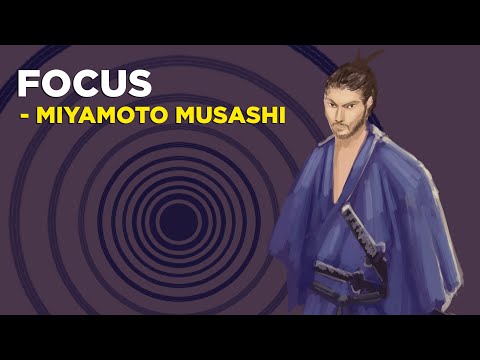
Miyamoto Musashi's Unyielding Focus: 7 Pillars of a Warrior's Mindset

The path of the warrior is not merely one of physical prowess, but of an ironclad mind. In the annals of martial history, few names resonate with the same electrifying intensity as Miyamoto Musashi. This legendary swordsman, a figure almost mythical in his prowess, was not just a master of the blade; he was a profound philosopher whose discipline transcended the dueling grounds to permeate every facet of his existence. His life, a testament to unwavering dedication, offers a profound blueprint for achieving mastery, not just in combat, but in life itself. This discourse will delve into the very essence of Musashi's wisdom, extracting seven core principles that forged his legendary focus. We will dissect these tenets not as abstract theories, but as actionable strategies for the modern practitioner striving for peak performance and mental fortitude. Are you truly ready to understand the mindset that separated a legend from the mere multitude?

Table of Contents

The Enigma of Miyamoto Musashi: More Than Just a Swordsman

Musashi was not born into privilege; he emerged from the crucible of constant conflict, participating in over sixty duels before the age of thirty, emerging victorious from each. His magnum opus, the *Dokkōdō* (The Way of Walking Alone), and his seminal work, *The Book of Five Rings* (*Go Rin No Sho*), are not merely treatises on swordsmanship. They are profound philosophical guides. His mastery over the *Niten Ichi-ryū* (Two Heavens as One style), a dual-wielding technique, is legendary. Yet, his true genius lay in his ability to distill the essence of combat and life into principles that resonate across centuries and disciplines. His pursuit of the "Way" (*Do*) was holistic, encompassing not just the physical clash but the mental, spiritual, and artistic dimensions. This is the foundation upon which his teachings of focus are built.

Pillar 1: Forge Your True North – The Quest for Passion

Musashi’s first decree is an absolute imperative: **Find your passion and commit to it with an unwavering spirit.** This is not a casual suggestion; it is the bedrock of all sustained effort. He understood that true dedication springs from a deep-seated resonance with one's chosen path. When your endeavor aligns with your soul's calling, the arduous climb becomes a compelling journey. This alignment fuels the relentless drive needed to overcome obstacles that would deter the uninspired. Consider the countless hours a martial artist dedicates to perfecting a single technique, be it a precise karate kata, a devastating judo throw, or the elusive BJJ grappling exchange. This devotion is not born from obligation, but from a profound love for the craft. This is the essence of finding your passion. It transforms grueling martial arts training from a chore into a calling.
"If you understand the Way of strategy, you can see the Way in all things."
— Miyamoto Musashi

Pillar 2: The Siren Song of Distraction – Renouncing Fleeting Pleasures

In an era saturated with instant gratification, Musashi’s admonition to **avoid short-term pleasures** is more potent than ever. He recognized these "pleasures" as insidious thieves of potential, luring individuals away from their loftier aspirations with the promise of fleeting comfort. These distractions, whether the ephemeral dopamine hit of social media or the immediate gratification of indulgence, create a psychological fog, obscuring long-term objectives. The disciplined warrior understands that true fulfillment lies not in momentary ease, but in the hard-won satisfaction of achieving meaningful goals. This requires the fortitude to say "no" to the immediate and to embrace the arduous path towards lasting reward. The modern warrior must cultivate this discernment, understanding that every moment spent chasing trivialities is a moment stolen from the pursuit of mastery.

Pillar 3: The Full Spectrum of Effort – No Half Measures

Musashi’s third pillar is a stark declaration: **Never undertake any task with half-hearted effort.** Mediocrity is the enemy of progress, and a half-committed spirit breeds a culture of indifference. He understood that the *quality* of our effort directly dictates the *outcome*. To engage with anything less than your full capacity is to invite failure, not through external forces, but through internal deficiency. This principle is fundamental to any rigorous training regimen. Whether you are practicing Kyokushin Karate drills, honing your kickboxing combinations, or performing conditioning exercises, the intensity and focus you bring to each repetition are paramount. This holistic application of effort builds not just skill, but character – a resolute commitment that bleeds into every aspect of your life.

Pillar 4: The Cleansing Fire – Releasing the Burden of Resentment

The warrior’s mind must be a clear battlefield, unburdened by the toxic weight of negativity. Musashi’s teaching to **let go of resentments and grudges** is crucial. Holding onto bitterness is akin to self-poisoning; it corrodes mental clarity, saps emotional energy, and actively hinders progress. These lingering resentments create internal conflict, distracting from the focused pursuit of objectives. True strength lies not in holding onto past grievances, but in the wisdom to learn from them and move forward. For the martial artist, this translates to shedding animosity towards rivals or past defeats. Instead, one must channel that energy into constructive training and self-improvement, allowing the pursuit of mastery to burn brighter than any lingering flame of anger.
"Grasping the sword, with a spirit of determination and courage, strike as though you were going to cut the enemy in two."
— Miyamoto Musashi

Pillar 5: The Unwritten Page – Embracing a Future Free of Regret

Musashi’s wisdom extends to our temporal perspective. He implored his followers to **not regret anything.** Regret is a backward-facing emotion, tethered to the past, that paralyzes forward momentum. It consumes valuable mental resources that should be directed towards present action and future planning. The lessons learned from past missteps are invaluable, but dwelling on them breeds stagnation. The disciplined mind, like the focused warrior, is always looking ahead. Past battles inform strategy, but they do not define the outcome of the next confrontation. By extracting lessons from experience without succumbing to regret, one cultivates resilience and a proactive mindset, essential for navigating the unpredictable currents of life and combat.

Pillar 6: The Chasm Between Desire and Purpose – Avoiding the Traps of Love and Lust

Musashi’s teachings also touch upon the potent distractions of primal urges. He advised to **not chase love or lust.** While human connection and desire are natural, their unchecked pursuit can derail the disciplined path. Chasing fleeting romantic or physical affections can divert focus from one’s primary goals, leading to wasted energy and emotional turmoil. The true warrior understands the difference between healthy connection and consuming obsession. Prioritizing one's chosen "Way," whether it be martial mastery, artistic creation, or philosophical inquiry, demands a clear focus that can be easily compromised by the erratic pursuit of passionate, yet potentially transient, desires. This doesn't advocate for asceticism, but for the prioritization of purpose over impulse.

Pillar 7: The River of Life – Accepting the Unforeseen

Finally, Musashi’s philosophy culminates in the acceptance of life's inherent unpredictability. He taught the importance of **accepting life as it happens.** Life is a dynamic, often chaotic, force. Our attempts to exert absolute control are often futile and lead to frustration. The truly resilient individual learns to adapt and flow with the currents of existence. For the martial artist, this translates to adaptability in combat. An opponent’s unexpected move, a change in the fight’s dynamics – these require a calm, accepting mind capable of immediate adjustment. Instead of resisting the unpredictable, the disciplined practitioner embraces it, finding strength in flexibility and resilience. This acceptance does not imply passivity, but rather a clear-eyed understanding of what is within our control and what is not, allowing us to focus our energy effectively.

Veredicto del Sensei: ¿La Sabiduría de Musashi Sigue Vigente?

The teachings of Miyamoto Musashi are not mere historical curiosities; they are timeless principles for cultivating an unshakeable focus. In a world clamoring for our attention with a thousand fleeting stimuli, his seven pillars offer a robust framework for mental discipline. Whether you are training in Aikido, honing your Judo skills, or engaging in intense MMA sparring, Musashi's wisdom provides the mental bedrock for true mastery. His principles are a stark reminder that the greatest battles are often fought within the confines of our own minds. This article does not just explain his teachings; it presents a direct challenge to adopt them. The wisdom of the "Way of Walking Alone" is a martial art in itself, demanding practice and unwavering commitment. Calificación: Cinturón Negro en Sabiduría Marcial.

Guía de Entrenamiento: Ejercicio de Visualización Musashi

This exercise is designed to internalize Musashi's principles, enhancing your focus and mental resilience.
  1. Preparation: Find a quiet space where you won't be disturbed. Sit or stand in a comfortable posture, perhaps a natural fighting stance or a meditative posture like Zazen. Close your eyes and take several deep, calming breaths. Visualize your target or goal with utmost clarity – a specific technique, a competition outcome, a personal project.
  2. Integrate Pillar 1 (Passion): Feel the deep-seated passion for this goal. Imagine yourself succeeding not because you have to, but because this is your chosen path, your "Way." See the joy and fulfillment it brings.
  3. Resist Distractions (Pillar 2): As you focus on your goal, imagine distractions appearing – tempting noises, intrusive thoughts, the allure of immediate gratification. Visualize yourself calmly acknowledging them and then letting them pass, like clouds in the sky, without engaging.
  4. Full Effort Visualization (Pillar 3): Envision yourself performing the actions required to achieve your goal with absolute dedication. See every movement, every thought, every effort executed with maximum intensity and precision. There is no room for laziness; only full commitment.
  5. Release Negativity (Pillar 4): If any feelings of past resentment or frustration arise, visualize them as dark smoke. Breathe them out and watch them dissipate, leaving your mind clear and unburdened.
  6. Future Focus (Pillar 5): Picture yourself looking towards the future, a blank page. Acknowledge any past mistakes as learning experiences, but consciously let go of regret. Your focus is entirely on the present action and the path ahead.
  7. Purpose Over Impulse (Pillar 6): Imagine fleeting desires (lust, immediate pleasure) as tempting paths branching off your main "Way." Acknowledge their existence but firmly commit to staying on your dedicated path, recognizing that true satisfaction comes from achieving your core purpose.
  8. Embrace the Flow (Pillar 7): Visualize the unpredictable nature of your journey. See unexpected challenges or changes arise. Instead of resisting, visualize yourself adapting gracefully, like water flowing around a rock, maintaining your core focus and adjusting your strategy.
  9. Completion: Hold the image of your focused, disciplined self achieving your goal. Take a few more deep breaths, feeling the power of this mental state. When you are ready, slowly open your eyes, bringing this heightened focus back into your physical reality.

Recursos para Profundizar en el Budo

To truly embody the principles of the warrior, access to the right knowledge and tools is crucial. Investing in your development is investing in yourself.
  • Essential Reading: For a deep dive into Musashi's philosophy, seek out translations of "The Book of Five Rings" and "The Dokkōdō." These texts are foundational for understanding his approach to strategy and life. Consider also delving into "The Hagakure" for insights into the samurai spirit.
  • Training Gear: While Musashi's focus was mental, proper training equipment enhances physical practice. For striking arts like Karate or Kickboxing, investing in quality boxing gloves and protective gear is paramount for safe and effective homeworkout sessions. For grappling arts such as Judo or BJJ, a durable judo gi is indispensable.
  • Mindfulness Tools: Incorporate meditation aids like comfortable meditation cushions or simply dedicate a quiet corner in your home for reflection. The key is consistency, not costly equipment.

Preguntas Frecuentes

  • Q: How did Musashi apply these principles to art and other fields?
    A: Musashi viewed strategy as a universal principle. His discipline in swordsmanship mirrored his approach to painting, calligraphy, and even gardening, emphasizing meticulous observation, decisiveness, and absolute commitment in all endeavors.
  • Q: Is Musashi's advice applicable to modern, non-combat professions?
    A: Absolutely. The principles of focus, dedication, avoiding distractions, and consistent effort are universally applicable to any profession or personal pursuit aiming for excellence.
  • Q: How can I start applying Musashi's teachings if I'm a complete beginner?
    A: Begin with one principle at a time. For instance, dedicate yourself to practicing one new skill (a physical technique, a piece of knowledge) with full effort daily for a week. Observe your internal state and results.
  • Q: What is the significance of "The Way of Walking Alone"?
    A: It signifies self-reliance, independent thought, and the pursuit of mastery without external validation or adherence to conventional paths. It's about forging your unique journey.

Para Profundizar en tu Camino

Reflexión del Sensei: Tu Próximo Paso

Musashi spent his life honing his "Way." He did not achieve mastery by dabbling, but by diving headfirst into the deep waters of his chosen path. Now, consider this: What is *your* "Way"? And more critically, are you approaching it with the same ferocity of focus that Miyamoto Musashi brought to the battlefield of his life? Or are you allowing the siren songs of distraction and half-hearted effort to dilute your potential? The choice, as always, rests with you. Prove your commitment. ```json { "@context": "https://schema.org", "@type": "FAQPage", "mainEntity": [ { "@type": "Question", "name": "How did Musashi apply these principles to art and other fields?", "acceptedAnswer": { "@type": "Answer", "text": "Musashi viewed strategy as a universal principle. His discipline in swordsmanship mirrored his approach to painting, calligraphy, and even gardening, emphasizing meticulous observation, decisiveness, and absolute commitment in all endeavors." } }, { "@type": "Question", "name": "Is Musashi's advice applicable to modern, non-combat professions?", "acceptedAnswer": { "@type": "Answer", "text": "Absolutely. The principles of focus, dedication, avoiding distractions, and consistent effort are universally applicable to any profession or personal pursuit aiming for excellence." } }, { "@type": "Question", "name": "How can I start applying Musashi's teachings if I'm a complete beginner?", "acceptedAnswer": { "@type": "Answer", "text": "Begin with one principle at a time. For instance, dedicate yourself to practicing one new skill (a physical technique, a piece of knowledge) with full effort daily for a week. Observe your internal state and results." } }, { "@type": "Question", "name": "What is the significance of \"The Way of Walking Alone\"?", "acceptedAnswer": { "@type": "Answer", "text": "It signifies self-reliance, independent thought, and the pursuit of mastery without external validation or adherence to conventional paths. It's about forging your unique journey." } } ] }

Jiri Prochazka: The Bushido Code as the Ultimate Weapon in the UFC Octagon

Hello and welcome to Budo and Martial Arts. Are you ready to witness how ancient philosophy can forge a modern champion? Today, we delve into the compelling case of Jiri Prochazka, a man who has not only reached the pinnacle of mixed martial arts but has done so carrying the spirit of the samurai. We'll dissect his unique approach, questioning whether the warrior's path truly is the ultimate weapon in the brutal arena of the UFC.

The mystique of the samurai is undeniable. But what if that ancient warrior training, steeped in the principles of Bushido and the wisdom of Miyamoto Musashi, were to be transplanted into the savage landscape of the Ultimate Fighting Championship? What if one of the most ruthless environments of modern civilization were to be tested by a warrior whose very essence echoes the code of the samurai? Jiri Prochazka's ascent to the UFC championship, culminating in a brutal yet masterful victory over the formidable Glover Teixeira, suggests this is not mere fantasy. Today, we dissect what truly makes "Denisa" a formidable force, focusing on what I believe to be his most potent, yet often overlooked, weapon: his profound sense of meaning. Thank you for joining me as we take a closer, more critical look.

The Samurai's Echo in the Octagon

Observe Jiri Prochazka closely, and you'll quickly grasp his deep admiration for Japanese culture. His affinity extends even to anime, a fact subtly hinted at by his appreciation for characters embodying raw power, such as Yujiro Hanma from Baki. Every facet of Jiri screams Japan, from his distinctive lulling, fluid movement.

"Fixation is the way to death. Fluidity is the way to life." – Miyamoto Musashi

This quote from the legendary swordsman Miyamoto Musashi perfectly encapsulates Prochazka's fighting style. He constantly shifts, flows, and fluidly transitions between stances, creating a beautiful, almost hypnotic martial dance interwoven with his aggressive combat approach. This inherent unpredictability makes him exceptionally difficult to read, a crucial advantage for any fighter, especially one who delivers fight-ending strikes with such ferocity.

Fluidity of Movement: A Martial Dance

Prochazka's physical fluidity is not just aesthetically pleasing; it's a tactical masterpiece. His ability to seamlessly shift weight, change angles, and maintain a constantly moving base makes him a phantom in the striking realm. Opponents often find themselves lunging at air, their own offensive momentum being expertly evaded. This dynamic movement disrupts their rhythm, exhausts them, and opens critical windows for counter-attacks. It’s a testament to years of dedicated practice, moving beyond rigid adherence to technique and embracing a more organic, responsive form of combat.

The Hands-Down Karate Style

But Jiri's arsenal extends beyond mere fluidity. He incorporates a distinctive "hands-down" karate style, a nod to traditional Okinawan karate or perhaps even styles like Kyokushin Karate, known for its powerful striking and no-nonsense approach. This defensive posture, while seemingly risky, allows him to utilize his exceptional head movement and reflexes to avoid incoming fire. It also frees his hands to deliver devastating blows – the "bombs" that have earned him numerous knockouts. This fusion of martial arts disciplines – the fluidity of perhaps Judo or Aikido grappling principles combined with the striking power of Karate – creates a novel, complex style that is extraordinarily difficult for opponents to gauge and counter. It’s a testament to his understanding that true martial prowess lies not in mastering one art, but in synthesizing the most effective elements of many.

The True Weapon: A Profound Sense of Meaning

Yet, as potent as his striking and fluidity are, they are not the most dangerous elements of Jiri Prochazka's game. What truly elevates him, what transforms him from a skilled fighter into a formidable champion, is the profound sense of meaning he derives from the Bushido code and Miyamoto Musashi's samurai principles. This isn't just about adopting superficial aesthetics; it's about embracing a philosophical framework that gives his life and his fighting a deep, unshakeable purpose. This is what many men in today's world desperately need. He treats what might seem like mere playacting to some as a serious, grounding framework for his existence.

Bushido as a Grounding Framework

In an era often characterized by existential drift and a palpable sense of despair, a man anchored by a strong sense of meaning is a rare and powerful entity. Without such a framework, life can feel bleak, chaotic, and confusing. But a man who has found his guiding principles, a man willing to dedicate his life—and indeed, risk it—for a higher purpose, is transformed. He becomes a different kind of warrior entirely. This is the essence of the BUDO philosophy: finding profound meaning in the discipline and dedication to a chosen path.

The Pursuit of Mastery

Witnessing Jiri endure punishment at the highest levels of martial arts, watching him relentlessly grind towards mastery even after hard-won victories, reveals the engine driving his championship ascent. This relentless pursuit, fueled by Japanese philosophy, is what separates him. It's a lesson for every man seeking direction: find a framework that not only orients you but imbues your existence with a deep, resonant sense of meaning. Without it, the human condition can feel cold, dark, and devoid of purpose. With it, the individual is ignited, and even great suffering can be perceived as worthwhile. It's this search for meaning, this commitment to a higher code, that truly arms a life.

"We all need something to help the vastness feel meaningful."

Jiri Prochazka embodies this principle. By brandishing his Bushido code, he offers a powerful lesson to us all. Whether it's the wisdom found in Musashi's The Book of Five Rings or another guiding philosophy, the need for a framework that lends meaning to the vastness of existence is universal. Thank you, Jiri Prochazka, for this profound lesson in combat and in life. And thank you all for witnessing this exploration.

Sensei's Verdict: Is Jiri Prochazka's Philosophy a Blueprint for Success?

Jiri Prochazka's journey to the UFC title is more than just a triumph of physical prowess; it's a compelling argument for the power of philosophical grounding. His embrace of the Bushido code, coupled with his fluid striking and unique martial arts synthesis, presents a formidable package. He doesn't just fight; he fights with purpose. While direct application of samurai codes in modern combat is complex, Prochazka demonstrates that a deep sense of meaning, discipline, and a willingness to embrace fluidity are undeniably potent assets. His approach is a powerful reminder that true strength often lies not just in the muscles, but in the mind and spirit.

Verdict: Cinturón Negro en Filosofía Marcial Aplicada.

Training Essential for Your Martial Journey

To emulate the dedication and synthesis of champions like Jiri Prochazka, a solid foundation in training is paramount. While his approach is unique, certain equipment can significantly enhance your development:

  • High-Quality Sparring Gloves: For striking disciplines like Karate and MMA, 16oz gloves offer crucial protection for both you and your training partners during sparring sessions.
  • Durable Training Uniform (Gi/Kimono): Whether you're practicing Judo, Jiu-Jitsu, or Karate, a robust uniform designed for rigorous training is essential. Look for double-weave fabrics for Karate or Judo gi that can withstand intense grappling.
  • Protective Gear: Mouthguards, shin guards, and headgear are vital for safe practice in striking and grappling arts, minimizing the risk of injury.
  • Training Mats: For conditioning, drills, and safe falling practice, a set of comfortable and durable training mats can transform your practice space.
  • Reference Books: To deepen your understanding of the philosophies that drive champions, invest in seminal works like Miyamoto Musashi's The Book of Five Rings or texts on Bushido.

Frequently Asked Questions

  1. Is Jiri Prochazka's fighting style truly based on traditional samurai techniques?
    While Prochazka is deeply inspired by samurai philosophy and culture, his style is a modern synthesis. He incorporates elements from Karate, and his fluid movement may draw from grappling arts, all filtered through his unique interpretation of martial principles rather than direct replication of historical samurai combat.
  2. Can any martial artist benefit from embracing the Bushido code?
    Absolutely. The core tenets of Bushido – discipline, honor, loyalty, self-control, and the pursuit of mastery – are universal values that can profoundly benefit any martial artist, regardless of their specific style, by providing a strong ethical and motivational framework.
  3. How important is fluidity in modern combat sports like the UFC?
    Fluidity is critically important. It allows fighters to adapt quickly to changing situations, evade attacks, generate power efficiently, and maintain a constant offensive and defensive pressure. Opponents who are rigid and predictable are easily countered.
  4. What is the significance of Jiri Prochazka's "hands-down" Karate style?
    This style emphasizes incredible reflexes, head movement, and timing to avoid punches while keeping the hands free to deliver powerful counter-strikes. It requires immense confidence and skill, turning a seemingly risky defense into an offensive opportunity.

To Dive Deeper into Your Path

If you enjoyed this analysis and wish to delve further into the intersection of martial arts, philosophy, and combat sports, I urge you to engage with the material. Reflect on the principles discussed, and more importantly, consider how they apply to your own training and life.

Reflexión del Sensei: Tu Próximo Paso

Jiri Prochazka demonstrates that the greatest weapon is not a technique, but a profound sense of meaning forged in a guiding philosophy. Now, I ask you:

What is the "Bushido" of your life? What guiding philosophy, what code of conduct, do you embody that gives your struggle meaning and turns potential suffering into a worthwhile pursuit? And if you haven't found it, are you willing to seek it with the ferocity of a champion?

Your training in the dojo is but a microcosm of your training in life. The lessons are intertwined. Do not let this reflection be a fleeting thought. Take it to your mat, to your daily life, and let it ignite your purpose.