Showing posts sorted by relevance for query Martial Arts Community. Sort by date Show all posts

Luibel Lomparte: A Master's Legacy in the World of Martial Arts

Welcome, dedicated practitioners and curious minds, to Budo and Martial Arts. Today, we delve into the profound world of Luibel Lomparte, a figure whose name resonates with dedication, depth, and an unyielding commitment to the martial way. As we explore his contributions, remember that understanding the essence of any art form, especially the martial arts, requires more than just observing techniques; it demands an immersion into the philosophy, the history, and the spirit that breathes life into every movement.

Our journey today is not merely about a name, but about a philosophy embodied. Lomparte's work, as we'll dissect, represents a significant current in the vast ocean of martial practices. Are you ready to understand what makes a martial artist truly exceptional? Let us begin.

Who is Luibel Lomparte?

Luibel Lomparte is more than just a practitioner; he is a torchbearer for the authentic principles of Budo and martial arts. His influence, particularly noted around the publication date of January 25, 2023, stems from a deep-seated understanding of the disciplines he champions. The digital space, often filled with fleeting trends, benefits immensely from figures like Lomparte who provide a steadfast anchor to tradition while embracing the evolution of combat sports and self-defense. He represents a bridge between the ancient wisdom of the East and the modern realities of physical and mental combat.

In a world obsessed with the superficial, Lomparte’s dedication to the "most complete and updated martial arts blog on the internet" speaks volumes. This isn't just about being current; it's about the relentless pursuit of knowledge and the sharing of that wisdom. It’s a commitment that mirrors the very core of martial arts: continuous learning and refinement.

The Essence of Budo in Lomparte's Teachings

The term "Budo" itself signifies the "martial way." It transcends mere fighting techniques, encompassing ethical conduct, spiritual development, and the cultivation of character. Lomparte’s teachings, as observed in his prolific work, consistently emphasize this holistic approach. He doesn't just teach you how to throw a punch or execute a sweep; he guides you to understand the 'why' behind the 'what'.

Consider the philosophical underpinnings. Many modern martial arts have become increasingly sport-focused, sometimes at the expense of their deeper meanings. Lomparte, however, seems to champion a return to the roots, where discipline, respect, and self-mastery are paramount. This focus is crucial for anyone looking to develop not just a capable body, but a resilient mind.

"The martial way is a path of continuous learning. To stop learning is to cease being a martial artist." - A principle echoed in Lomparte's dedication.

His commitment to providing updated content suggests an understanding that martial arts are not static. They evolve, adapt, and integrate new knowledge. Yet, this evolution must always be grounded in the timeless principles that give them their power and meaning. This is the delicate balance Lomparte strives to maintain.

Analyzing Lomparte's Approach to Martial Arts Training

What distinguishes a truly effective martial arts training regimen? It's the integration of physical conditioning, technical proficiency, strategic thinking, and mental fortitude. Lomparte's work, by aiming for comprehensiveness, touches upon all these facets.

From the fundamental Karate techniques to the intricate Jiu-Jitsu grappling, and the explosive power required in Kickboxing, a well-rounded martial artist must draw from various disciplines. Lomparte's blog, by covering this breadth, implicitly encourages practitioners to explore beyond their primary art. This cross-training is vital for developing adaptability and a deeper understanding of combat dynamics. It’s this very versatility that defines modern Artes Marciales Mixtas (MMA) and is a testament to the enduring principles of combat efficiency.

For those focused on specific outcomes, such as self-defense or competitive success, Lomparte’s updated content likely provides insights into current training methodologies. This includes understanding the tactical advantages of certain combat scenarios, whether it’s standing fight or ground grappling. His platform serves as a valuable resource for honing skills applicable to a wide range of real-world situations and sporting arenas.

The Role of Philosophy and Mentality

Beyond the physical, the true battlefield often lies within the mind. Concepts like 'Ki' (energy), 'Mushin' (no mind), and 'Zanshin' (lingering awareness) are not mere abstract ideas; they are critical components of effective martial arts practice. Lomparte's commitment to updating his blog suggests a recognition that mental training is as crucial as physical training.

The discipline required to train consistently, the resilience to overcome setbacks, and the focus to execute techniques under pressure are all cultivated through a strong mental game. It's this internal strength that separates a mere fighter from a true martial artist. The philosophical texts, such as Miyamoto Musashi's "The Book of Five Rings," offer timeless wisdom on strategy and mindset that remains relevant today. Lomparte's work, by consistently providing rich content, implicitly guides readers toward this deeper understanding.

"Empty your mind, be formless, shapeless. Like water. If you put water into a cup, it becomes the cup. You put water into the bottle and it becomes the bottle. You put it into the teapot, it becomes the teapot. Now water can flow or it can crash. Be water, my friend." - Bruce Lee, a sentiment that resonates deeply within the philosophy of Budo.

Developing such mental clarity is not an overnight process. It requires dedicated practice, much like honing a physical technique. It involves introspection, meditation, and a willingness to confront one's own limitations.

Lomparte's Impact on the Martial Arts Community

In the interconnected world of the 21st century, the impact of a dedicated martial arts resource like Lomparte's blog cannot be understated. It serves as a central hub, aggregating information and fostering a sense of community among practitioners worldwide. Through his efforts, individuals gain access to knowledge that might otherwise be scattered or inaccessible.

The emphasis on being "complete and updated" is key here. It signifies a commitment to accuracy and relevance, essential in fields that are constantly evolving. Whether you're a beginner exploring options in Kyokushin Karate or an experienced practitioner of BJJ seeking advanced techniques, Lomparte's platform aims to cater to a broad spectrum of interests and skill levels.

His dedication to social media and directing traffic to his main page demonstrates an understanding of modern outreach. This allows him to connect with a wider audience, further promoting the values and practices of martial arts. This kind of consistent engagement is what builds lasting influence and supports the growth of the global Martial Arts Community.

Equipment Essential for Your Training

While the spirit and technique are paramount, the right equipment can significantly enhance your training experience and safety. For any serious martial artist, investing in quality gear is a wise decision. Consider these essentials:

  • Durable Gis: For arts like Judo and Karate, a sturdy Karate Gi or Judo Gi made from quality material is crucial. Look for double-weave options for increased longevity, especially if you engage in heavy sparring.
  • Sparring Gear: Depending on your art, this may include MMA gloves (16oz for sparring is standard), shin guards, headgear, and mouthguards. Safety first, always.
  • Training Mats: For ground work or dynamic movements, especially in styles like BJJ or Judo, having appropriate mats can prevent injuries and improve practice.
  • Focus Mitts and Pads: Essential for striking drills, allowing practitioners to refine power, accuracy, and timing.
  • Resistance Bands: Versatile for strength and conditioning, particularly useful for no-equipment or at-home workouts.

Choosing the right equipment can be daunting. For a comprehensive overview, exploring reputable Martial Arts Merchandise providers is recommended. Remember, proper gear not only protects you but also facilitates better technique execution.

Training Guide: Basic Striking Drills

Mastering the fundamentals is the bedrock of any martial art. Here's a simple yet effective drill focusing on basic striking, adaptable for various disciplines. Remember to perform these drills with proper form and control, focusing on precision over speed initially.

  1. Stance and Footwork: Begin in your fighting stance. Practice moving forward, backward, and laterally while maintaining balance. Ensure your weight distribution is correct and your guard is up.
  2. Jab Practice: From your stance, extend your lead hand in a straight line towards your target. Retract it quickly to your guard position. Focus on snapping the punch rather than pushing. Perform 2-3 sets of 15-20 repetitions.
  3. Cross Practice: Rotate your hips and shoulders as you extend your rear hand in a straight line. Ensure your power comes from your core rotation, not just your arm. Alternate this with jabs. Perform 2-3 sets of 15-20 repetitions.
  4. Hook Practice: With a slight bend in your elbow, bring your lead arm across your body in a horizontal arc towards your target. Keep your elbow at roughly a 90-degree angle. Perform 2-3 sets of 15-20 repetitions.
  5. Uppercut Practice: From a slightly lower position, drive your lead or rear hand upwards in a vertical arc towards your target. Focus on power generation from the legs and hips. Perform 2-3 sets of 15-20 repetitions.
  6. Combination: Combine the above strikes into simple sequences, such as Jab-Cross or Jab-Cross-Hook. Start slowly and gradually increase speed as your coordination improves.

Important Note: Always warm up thoroughly before starting any training session and cool down afterwards. If you are unsure about proper technique, seek guidance from a qualified instructor. This drill is a basic introduction and should be adapted to the specific rules and techniques of your chosen martial art.

Frequently Asked Questions

Q1: What is the primary focus of Luibel Lomparte's martial arts content?
A1: Luibel Lomparte's content aims to provide comprehensive and updated information on a wide range of martial arts, emphasizing the principles of Budo, training methodologies, and the philosophy behind the practice.

Q2: Is Lomparte's blog suitable for beginners?
A2: Yes, the blog's aim for completeness and updates suggests it caters to a broad audience, likely including beginners looking to understand the fundamentals and explore different martial arts.

Q3: How does Lomparte's work contribute to the martial arts community?
A3: By serving as a central, updated resource and utilizing social networks, Lomparte fosters community, disseminates knowledge, and connects practitioners globally.

Q4: What does 'Budo' mean in the context of martial arts?
A4: Budo, the "martial way," signifies a holistic approach that includes not only physical techniques but also ethical conduct, spiritual development, and the cultivation of character.

Reflection of the Sensei: Your Next Step

Luibel Lomparte's dedication to the expansive world of martial arts, as evidenced by his pursuit of creating a complete and updated resource, challenges us all. He reminds us that the journey of a martial artist is perpetual. Are you content with simply learning a few techniques, or are you prepared to embrace the lifelong path of the martial way? Do the methods and philosophies presented resonate with your own training, or do you find yourself questioning the path forward? The true lesson lies not just in absorbing information, but in applying it, refining it, and ultimately, making it your own.

Now, the floor is yours. Does Lomparte's comprehensive approach inspire you, or do you believe some arts are best left untouched by the modern 'update'? Where do you see the future of martial arts heading, and is Luibel Lomparte leading the charge or simply documenting the parade? Let the debate begin.
To Deepen Your Journey

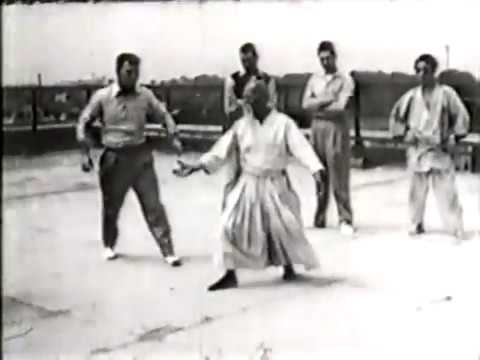
Aikido O Sensei in 1954: A Timeless Warrior's Legacy in Modern Combat Sports

The year 1954 gifted us a rare glimpse into the profound capabilities of Aikido O Sensei through a rediscovered video. This artifact, showcasing his mastery, serves as a potent reminder of the enduring power of traditional martial arts. Today, the echoes of such legends resonate powerfully, not only in dedicated dojos but also within the electrifying arenas of modern martial arts and combat sports. These disciplines, with their rich histories and timeless teachings, continue to captivate us, offering lessons that transcend mere physical prowess.

But what is the true essence of martial arts and Budo? Far beyond the technicalities of striking and grappling, they represent a holistic philosophy, a rigorous discipline, and ultimately, a pathway to self-development. The pursuit of perfection, a core tenet of Budo – the "way of the warrior" – is a journey of constant refinement, both physically and mentally.

The True Essence of Martial Arts and Budo

Martial arts are not merely a collection of techniques designed for conflict. They are a profound system for cultivating the individual. The ultimate aim is to forge a stronger self – physically resilient, mentally sharp, and spiritually grounded. This holistic development is what sets true martial arts apart.

Budo: More Than Just a Fighting Style

"Budo" translates directly to "the way of the warrior." This term encapsulates the spirit that underpins these disciplines. It's about the relentless pursuit of excellence, the mastery of oneself through rigorous training, and the application of these principles in all facets of life. It is a lifelong pursuit, not a destination.

"The ultimate aim of martial arts is not victory or defeat, but the perfection of the character of its practitioners." - A principle echoed across many martial traditions.

The Multifaceted Benefits of Martial Arts Training

The benefits of consistent training in martial arts are vast and touch every aspect of a practitioner's life. Beyond the obvious enhancement of self-defense skills, individuals develop:

  • Improved Physical Health: Increased strength, flexibility, cardiovascular endurance, and coordination.
  • Enhanced Mental Fortitude: Greater focus, discipline, patience, and stress management.
  • Unshakeable Self-Discipline: The ability to set goals and work towards them consistently, overcoming obstacles.
  • A Strong Sense of Community: The shared passion within the martial arts community fosters deep bonds, camaraderie, and mutual respect. This sense of belonging is invaluable.

This supportive environment is crucial. The shared struggles and triumphs in the dojo create a unique connection that strengthens the collective spirit.

Combat Sports: The Arena of Modern Competition

Contrast this with combat sports. While they share the roots of physical confrontation, their primary focus is often on competition and the quantifiable outcome of victory. Disciplines like MMA, boxing, and Judo demand extraordinary levels of physical conditioning, strategic thinking, and mental toughness. They are a testament to the human spirit's capacity to perform under immense pressure.

The athletes in these fields are modern warriors, pushing the boundaries of human potential. Their dedication, sacrifice, and ability to execute under the bright lights are truly inspiring. It is undeniable that these sports showcase incredible athleticism and tactical brilliance.

Showcasing Your Passion: Martial Arts and Combat Sports Merchandise

For enthusiasts and practitioners alike, the passion for martial arts and combat sports often extends beyond the training mat or the ring. This is where merchandise plays a role. From specialized Karate gis and durable Judo uniforms to training equipment and casual apparel, these items allow individuals to express their identity and support their chosen disciplines.

High-quality training equipment, such as punching bags, focus mitts, and protective gear, is essential for effective practice. Wearing apparel that represents your art or sport is a way to connect with the wider community and serve as a constant reminder of your commitment. These items also make fantastic gifts for fellow martial artists or combat sports fans.

Our Commitment at BYAM Budo y Artes Marciales

At BYAM Budo y Artes Marciales, we understand this passion. We are dedicated to providing a wide array of high-quality merchandise tailored for both martial arts practitioners and combat sports aficionados. Our selection is curated to meet the needs of everyone, from the absolute beginner taking their first steps in Aikido or Karate, to the seasoned expert honing their skills. Functionality and durability are paramount in our product design, ensuring that what you choose supports your journey.

We firmly believe that martial arts and combat sports are more than just physical activities; they are transformative life experiences. Our blog serves as a platform to share invaluable insights, including practical training tips, detailed technique breakdowns, and the philosophical underpinnings that make these arts so profound.

Deepen Your Journey: Recommended Resources

To further enrich your understanding and practice, I highly recommend exploring these resources:

Frequently Asked Questions

  • Q: Is Aikido still relevant in modern combat sports?
    A: While Aikido's direct application in MMA is debated, its principles of blending, redirection, and control offer invaluable lessons in balance, spatial awareness, and joint manipulation, which are transferable skills.
  • Q: What is the difference between Budo and just training martial arts?
    A: Budo emphasizes the spiritual and philosophical development of the individual, viewing training as a lifelong path to self-perfection. Simply training martial arts may focus more on the technical or competitive aspects without the deeper philosophical commitment.
  • Q: How can I start training martial arts if I'm a complete beginner?
    A: The best approach is to research local dojos or gyms offering styles that interest you. Many offer introductory classes. Focus on finding qualified instructors and a welcoming community, like those found in martial arts communities globally.

Sensei's Verdict: Is the Legacy Alive?

Looking back at O Sensei’s demonstration in 1954, and observing the dedication in today's dojos and the fierce competition in UFC bouts, one undeniable truth emerges: the warrior spirit, the essence of Budo, is very much alive. The methods evolve, the arenas change, but the fundamental principles of discipline, perseverance, and the quest for self-mastery remain constant.

Whether you are drawn to the intricate flows of Aikido, the powerful stances of Karate, or the dynamic exchanges in MMA, the path of martial arts offers a profound opportunity for growth. It is a journey that builds not just a fighter, but a better human being.

Sensei's Reflection: Your Next Step

O Sensei's movements in that 1954 film were not just physical actions; they were expressions of deep understanding and embodiment. The question for you, the dedicated practitioner and student of the Way, is this: How can you embody the principles you learn on the mat in the unpredictable dojo of your daily life? Do you merely mimic techniques, or do you strive to internalize the philosophy?

```

For Deeper Exploration on Your Path

Okinawan Karate: More Than Just Strikes - A Deep Dive into the Warrior's Path

In the vast universe of martial arts, the profound legacy of Japan stretches its influence far beyond the iconic shores of Okinawan Karate. While Karate stands as a titan, it is but one star in a constellation of disciplines that have ignited passion in enthusiasts across the globe. Alongside the thunderous power of Okinawan Karate, we find the yielding strength of Judo, the circular grace of Aikido, and the disciplined precision of Kendo. What binds these diverse arts? A common thread, as potent as any physical technique: their unwavering emphasis on spiritual development. Practitioners are not merely acquiring the tools of combat; they are embarking on a quest to sculpt better individuals, refined souls. Join us, students, on a journey through the profound philosophies and rigorous practices that forge the very essence of the martial arts world.

The Legacy Beyond Okinawa

The influence of Japanese martial arts is undeniable, a testament to centuries of refinement and philosophical depth. Many practitioners begin their journey with a single art, perhaps drawn by the dynamic movements of Karate or the strategic throws of Judo. However, a true appreciation for Budo, the "Way of Martial Arts," reveals a rich tapestry of interconnected principles.

The Way of the Warrior: A Life Philosophy

Is martial arts merely about fighting? A dangerous misconception, and one that undermines the very soul of Budo. True martial arts encompasses far more than mere physical combat; it is a comprehensive way of life. The real essence lies not in the blow landed, but in the continuous pursuit of self-improvement, the cultivation of unwavering character, and the profound journey of spiritual growth. The ancient samurai warriors, masters of their craft and their minds, understood this interconnectedness intimately. Their training was a holistic endeavor, seeking the perfect harmony of mind, body, and spirit. This timeless philosophy continues to resonate, shaping the teachings and the very spirit of various martial arts disciplines today.

"The warrior is one who digests his experiences and is not discouraged by them." - Miyamoto Musashi, The Book of Five Rings

Okinawan Karate: A Legacy Unparalleled

Among the most iconic martial arts to emerge from Japan, Okinawan Karate stands with a legacy that traces its proud roots back to the Ryukyu Kingdom. Renowned for its emphasis on explosive, powerful strikes delivered with fluid, almost dance-like movements, this discipline embodies the indomitable spirit and resilience of the Okinawan people. Practitioners of Karate do not merely acquire formidable self-defense skills; they cultivate profound virtues: unwavering discipline, deep-seated respect for their peers and instructors, and the tenacious spirit of perseverance in the face of adversity.

The sheer effectiveness of Karate's striking techniques, from the devastating Uraken (reverse punch) to the precise Gedan Barai (downward block), is legendary. Yet, beneath the surface of these physical applications lies a deep philosophical wellspring. The rigorous repetition of kata—prearranged forms that simulate combat—is not just muscle memory training; it is a meditative practice, a way to ingrain principles of balance, timing, and intention.

The Spiritual Essence of Martial Arts

In the disciplined world of martial arts, physical techniques are inextricably intertwined with deep, foundational spiritual principles. Ancient traditions, notably the profound philosophies of Zen Buddhism and the naturalistic reverence of Shintoism, have deeply influenced the philosophical underpinnings of these arts. Practices such as mindful meditation (Zazen), controlled breathing exercises (Kokyu ho), and pervasive mindfulness are not mere add-ons; they are integral components of many martial arts training regimens. These practices are the crucible in which practitioners forge mental fortitude, sharpen unwavering focus, and cultivate profound self-awareness.

Consider the concept of Mushin, the "no-mind" state often sought in Karate and other arts. It is not about being empty-headed, but about achieving a state of spontaneous, uninhibited action, free from conscious thought or fear. This is the spiritual essence—the ability to react instinctively and effectively under pressure. This state is cultivated through thousands of hours of dedicated practice and introspective training.

Unveiling the "Ways of the Warrior"

Beyond the striking prowess of Okinawan Karate, a pantheon of other esteemed "ways of the warrior" have garnered international acclaim and devoted followings. Judo, masterfully originating from Jigoro Kano's vision, champions the principle of "Seiryoku Zenyo" – maximum efficiency with minimal effort. It teaches us how to use an opponent's strength and momentum against them, a profound lesson in leverage and strategy.

Then there is Aikido, the art of peaceful harmony, founded by the legendary Morihei Ueshiba. Aikido’s philosophy centers on blending with and redirecting an opponent's energy, neutralizing aggression without causing undue harm. It is a testament to the principle that true strength lies not in brute force, but in adaptability and control.

And we cannot forget Kendo, the "way of the sword." This discipline meticulously preserves the spirit and techniques of the ancient samurai through rigorous, disciplined training, steeped in tradition and unwavering respect for the weapon and the opponent.

Martial Arts as a Path to Personal Growth

To engage with martial arts is to embark on a profoundly transformative journey. It is an experience that molds individuals, forging them into disciplined, confident, and compassionate human beings. The relentless pursuit of perfection in technique, coupled with the deep commitment to self-improvement, transcends the confines of the dojo and permeates every aspect of a practitioner's life. Martial arts offer a holistic approach to personal development, instilling invaluable virtues that positively influence relationships, career paths, and overall well-being.

The lessons learned on the mat – patience, perseverance, humility – are directly applicable to challenges faced off the mat. Facing a difficult boss? Remember the patience required to master a complex kata. Dealing with a personal setback? Recall the resilience built from countless sparring sessions and the commitment to rise after being thrown. This is the true power of Budo.

Building a Thriving Martial Arts Community

Martial arts not only bestow invaluable physical and mental benefits upon their practitioners but also cultivate a powerful sense of camaraderie and belonging. By training together, side-by-side, artists develop deep, enduring bonds, sharing hard-won experiences and offering unwavering support to one another on their individual paths. This interconnectedness fosters a vibrant, dynamic community where knowledge, wisdom, and mutual respect are continuously exchanged, enriching the journey for every single person involved.

A strong martial arts community provides a crucial support system. In moments of doubt or struggle, the encouragement of fellow practitioners can be the difference between quitting and pushing through. Sharing insights on techniques, discussing philosophical quandaries, and celebrating each other's progress builds a collective strength that empowers everyone.

Unlocking the Warrior Within

Embracing the path of martial arts is, in essence, an act of unlocking the latent, often untapped, potential residing within each individual. Through unwavering dedication, relentless perseverance, and an unyielding commitment to lifelong learning, practitioners embark on a profoundly transformative journey that extends far beyond mere physical techniques. The true, potent power lies in the awakening of the warrior within—an individual who embodies unwavering discipline, profound humility, and unshakeable determination in all endeavors.

Veredict of the Sensei: Does Okinawan Karate Live Up to the Hype?

This exploration into Okinawan Karate and its place within the broader martial arts landscape reveals an art form steeped in history, discipline, and profound philosophy. The documentary, while not explicitly reviewed here, sets the stage for understanding Karate's global impact. From the rigorous physicality to the mental fortitude it cultivates, Karate offers a complete system for self-development. However, like all martial arts, its true value lies in the practitioner's commitment to its underlying principles.

Rating: Cinturón Negro en Profundidad Filosófica

Essential Equipment for Your Training

While the spirit of the warrior can be honed with minimal equipment, certain items can significantly enhance your training experience and safety, particularly for Okinawan Karate and related disciplines:

  • Karate Gi: Look for a durable, comfortable Karate Gi made from cotton or a poly-cotton blend. A heavier gi is often preferred for competitive Karate and provides better durability for intense training.
  • Karate Belt: A sturdy Karate belt (Obi) is essential. Start with a white belt and progress through the ranks as you master techniques and demonstrate understanding of the principles.
  • Mouthguard: For sparring sessions (kumite), a well-fitting mouthguard is crucial to protect your teeth and jaw.
  • Groin Protector: Safety first. A groin protector is highly recommended for all male practitioners engaging in sparring.
  • Optional: Karate Training Mitts/Pads: For partner drills, training mitts and pads can be useful for practicing strikes safely and effectively.

For those interested in Judo, a robust Judo Gi (often heavier and designed for gripping) is essential. For Kendo, specialized protective gear and a bamboo sword (Shinai) are necessary.

Frequently Asked Questions

Is Okinawan Karate effective for self-defense?
Yes, Okinawan Karate, particularly styles that emphasize practical application and sparring, can be very effective for self-defense. Its focus on powerful strikes, blocks, and evasive movements provides a solid foundation.
What is the main difference between Karate and Judo?
Karate primarily focuses on striking techniques (punches, kicks, blocks), while Judo emphasizes grappling, throwing, and submission techniques. Both share a common emphasis on discipline and character development.
Can beginners start with any martial art?
Absolutely. Most martial arts schools are welcoming to beginners and offer foundational classes. The key is to find an art and an instructor that resonate with your personal goals and learning style.
How important is meditation in martial arts?
Meditation, or similar mindfulness practices, is highly important in many martial arts as it helps develop focus, emotional control, mental clarity, and a deeper understanding of oneself, which are all crucial for effective technique and personal growth.

Deepen Your Journey

To truly grasp the breadth and depth of the martial path, I encourage you to explore these related areas:

Reflection of the Sensei: Your Next Step

We have traversed the landscape of Okinawan Karate and its kin, glimpsing the profound philosophy that underpins these ancient disciplines. We've seen that the true battle is not against an external foe, but against the limitations within oneself. Now, I pose this question to you, my students:

When you bow at the end of training, are you bowing to your opponent, your instructor, or are you bowing to the improved version of yourself that you are striving to become? What does that bow truly signify in your life outside the dojo?

Ponder this. Discuss it. Let it fuel your practice. The journey of the warrior is a continuous one, and the deepest lessons are often found in the quiet moments of reflection.

``` ```json { "@context": "https://schema.org", "@type": "FAQPage", "mainEntity": [ { "@type": "Question", "name": "Is Okinawan Karate effective for self-defense?", "acceptedAnswer": { "@type": "Answer", "text": "Yes, Okinawan Karate, particularly styles that emphasize practical application and sparring, can be very effective for self-defense. Its focus on powerful strikes, blocks, and evasive movements provides a solid foundation." } }, { "@type": "Question", "name": "What is the main difference between Karate and Judo?", "acceptedAnswer": { "@type": "Answer", "text": "Karate primarily focuses on striking techniques (punches, kicks, blocks), while Judo emphasizes grappling, throwing, and submission techniques. Both share a common emphasis on discipline and character development." } }, { "@type": "Question", "name": "Can beginners start with any martial art?", "acceptedAnswer": { "@type": "Answer", "text": "Absolutely. Most martial arts schools are welcoming to beginners and offer foundational classes. The key is to find an art and an instructor that resonate with your personal goals and learning style." } }, { "@type": "Question", "name": "How important is meditation in martial arts?", "acceptedAnswer": { "@type": "Answer", "text": "Meditation, or similar mindfulness practices, is highly important in many martial arts as it helps develop focus, emotional control, mental clarity, and a deeper understanding of oneself, which are all crucial for effective technique and personal growth." } } ] }

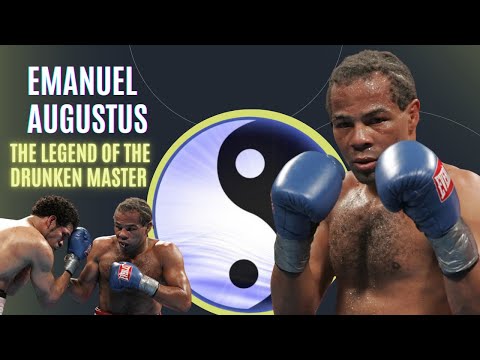
Emanuel Augustus: The Unconventional Legacy of the Drunken Master

Introduction: The Enigma of the Drunken Master

In the vast, often predictable landscape of combat sports, certain figures emerge not just as competitors, but as phenomena. They defy convention, shatter expectations, and leave an indelible mark on the collective consciousness of fans and practitioners alike. Emanuel Augustus, affectionately known as "The Drunken Master," is precisely such a figure. His career wasn't merely a series of wins and losses; it was a living testament to the unpredictable beauty and profound philosophy that can be found within the martial arts. This piece delves into the electrifying career of a fighter who didn't just participate in bouts, but orchestrated performances, blending raw aggression with an almost balletic grace that left audiences breathless. Join us as we revisit the path of a true martial arts legend whose unconventional style became his greatest weapon.

Unleashing the Drunken Master: More Than a Moniker

The adoption of the moniker "Drunken Master" by Emanuel Augustus was far from a mere marketing gimmick. Born Emanuel Burton, he drew inspiration from the iconic martial arts films that celebrated seemingly chaotic, yet devastatingly effective, fighting styles. This wasn't about mimicking a character; it was about embodying a philosophy. Augustus infused his fighting with a unique brand of agility, fluidity, and an almost maddening unpredictability. His movements often appeared disjointed, his stance unorthodox, leaving opponents struggling to anticipate his next move. This bewildering array of techniques – a chaotic dance of offense and defense – was the hallmark of his style, allowing him to showcase a skill set that transcended traditional boxing or kickboxing, demonstrating that true mastery can often lie just beyond the veil of perceived disorder.

"The most effective way to confuse an opponent is to be unpredictable. If they cannot read you, they cannot counter you." - A principle exemplified by Augustus.

The Artistry of Combat: A Symphony of Unpredictability

Augustus transcended the role of a mere pugilist; he was a kinetic artist. His fighting style was a masterful fusion, drawing threads from boxing, kickboxing, and the raw pragmatism of street fighting. His footwork was legendary – a constant, elusive dance that made him a difficult target. His punches, delivered with surprising speed and power, often came from unexpected angles. This wasn't just about throwing hands; it was about understanding angles, timing, and the psychological warfare inherent in combat. Emanuel Augustus embodied a profound Martial Philosophy, displaying not just aggression, but also immense respect for his opponents, unwavering discipline in his preparation, and the indomitable spirit of a warrior honed through countless hours of Martial Arts Training.

His approach challenged the rigid structures of conventional fighting. Many practitioners today still strive to replicate his signature elusiveness, a testament to the enduring effectiveness of his unorthodox methods. The core of his success lay in his ability to remain fluid and adaptable, a principle central to many BUDO disciplines.

The Fight of a Lifetime: A Masterclass Against Mayweather

Throughout his storied career, Emanuel Augustus graced the ring with a multitude of unforgettable contests. These weren't just fights; they were spectacles, ranging from brutal slugfests that tested the mettle of both combatants to technically brilliant displays of skill. He consistently delivered the kind of excitement that fuels the passion of Fight Fans worldwide.

Perhaps one of his most widely recognized and respected performances came during his bout against Floyd Mayweather Jr. In this encounter, Augustus didn't just compete; he showcased the full spectrum of his unique brilliance. Despite the eventual outcome, his performance earned him deep admiration, not only from the spectators but also from Mayweather himself, a rarity in the highly competitive world of professional boxing. It was a fight that highlighted Augustus's resilience and his ability to hang with the absolute elite, even with a style that defied convention. This particular fight remains a significant piece of the Fighter Legacy.

Legacy and Influence: Inspiring a Generation

Emanuel Augustus's legacy extends far beyond the statistics of his fight record. His profound impact resonates deeply within the Martial Arts Community. His unwavering dedication to his craft, his perseverance through significant adversity, and his sheer, unadulterated passion for fighting served as a powerful inspiration to countless aspiring athletes. Many fighters today incorporate elements of his distinctive style – that unpredictable movement, the creative striking angles – into their own training regimes. He proved that there isn't just one way to be a champion, fostering a generation that dares to think outside the traditional fighting box.

His influence is a prime example of how unique styles can push the boundaries of established sports. This is a core tenet we explore at BYAM, where we celebrate the diverse paths to mastery.

Building a Martial Arts Community: The BYAM Approach

At BYAM Budo y Artes Marciales, our mission mirrors the spirit of pioneers like Augustus: to cultivate and celebrate a vibrant global Martial Arts Community. We firmly believe that the journey of a martial artist is enriched when shared. We encourage our members to engage in robust discussions, share their personal training experiences, and forge connections with fellow enthusiasts from diverse backgrounds and disciplines. Whether you practice Judo, Karate, MMA, or any other art, your voice is valued here. Together, we can uphold the rich traditions, explore profound philosophies, and dissect the intricate techniques that define the world of martial arts.

Exploring Our Merchandise: Gear for Your Journey

As you immerse yourself in the world of martial arts, drawing inspiration from figures like Emanuel Augustus, it's crucial to have the right tools to support your dedication. Explore our exclusive Martial Arts Merchandise collection. We offer a curated selection of high-quality training equipment, apparel, and accessories designed to enhance your martial arts journey. From durable kimonos and sparring gear to specialized conditioning tools, our collection supports your pursuit of excellence and ensures you have the necessary support for your training regimen. Investing in quality gear is an investment in your own progress.

Join the Martial Arts Movement: Embrace the Warrior Within

The enduring legacy of Emanuel Augustus serves as a potent reminder of the transformative power inherent in martial arts training. It transcends mere physical combat, fostering discipline, resilience, and self-awareness. Whether you are a seasoned practitioner with years of experience or a curious beginner standing at the threshold of this incredible world, there is unequivocally a place for you within our growing community. Let us unite under the banner of our shared passion, exchange invaluable knowledge, and collectively grow stronger. By embracing the principles exemplified by masters like Augustus, we continue to explore the boundless possibilities that the martial arts offer.

This is your invitation to join the JoinTheMovement and discover the warrior spirit within yourself.

Sensei's Verdict: Did Augustus Master the Art of Fighting?

Emanuel Augustus didn't just fight; he performed. He brought a level of artistry and unpredictability to the ring that few have ever matched. While the term "Drunken Master" might conjure images of a brawler, Augustus was anything but. He was a strategist, a tactician, and a master of misdirection. His ability to absorb punishment, adapt mid-fight, and consistently come back with creative and effective offense was extraordinary. He faced top-tier competition and, while not always victorious, he rarely failed to impress or make his opponents work for every second of every round. His influence on subsequent fighters, who looked to his unconventional methods for inspiration, speaks volumes. He proved that true mastery isn't always about following the rules, but about understanding them so deeply that you can bend them to your will.

Verdict: A True Master of Unconventional Combat, earning a definitive "Cinturón Negro en Coreografía y Caos Controlado". His fights were living lessons in adaptability and the psychological edge.

Training Like Augustus: Embracing the Unconventional

Training like Emanuel Augustus is not for the faint of heart, nor is it about simply mimicking his movements. It's about internalizing his philosophy: unpredictability, adaptability, and relentless pressure.

  1. Develop Unconventional Footwork: Practice constant lateral movement, incorporate subtle shifts in weight, and develop rhythm changes. Think less about a stable stance and more about always being ready to pivot, evade, or explode forward.
  2. Master Angles of Attack: Don't always attack directly. Practice striking from angles that your opponent is unlikely to expect. This requires a deep understanding of body mechanics and spatial awareness.
  3. Cultivate Defensive Evasion: Augustus was known for his ability to slip punches and avoid damage. Focus on head movement, upper body flexibility, and using your entire frame to evade incoming strikes rather than just blocking.
  4. Embrace Fluid Transitions: Move seamlessly between offense and defense. A defensive maneuver should be able to transition instantly into a counter-attack. Don't "reset" unnecessarily.
  5. Study Various Styles: Like Augustus, draw inspiration from multiple disciplines. Understanding the fundamentals of boxing, kickboxing, and even grappling will provide a broader toolkit. Explore BJJ and Judo for grappling insights and Kickboxing for striking diversity.
  6. Train Your Chin and Body: Augustus absorbed significant punishment. While avoiding damage is key, developing resilience through conditioning and controlled sparring is also part of the equation. Incorporate body conditioning drills and focus on neck strength.
  7. Mental Fortitude: The most crucial element is the mental game. Develop the ability to stay calm under pressure, adapt to unexpected situations, and maintain confidence even when things aren't going your way. This is where Mental Game training and Inner Strength become paramount.

Frequently Asked Questions

  1. Who was Emanuel Augustus?
    Emanuel Augustus, born Emanuel Burton, was a highly unorthodox and entertaining American professional boxer and kickboxer, famously nicknamed "The Drunken Master" for his elusive and unpredictable fighting style.
  2. What made his fighting style unique?
    His style was characterized by unusual footwork, creative angles of attack, fluid transitions between offense and defense, and a remarkable ability to evade punches, often resembling the movements seen in martial arts films inspired by "drunken" styles.
  3. Who did Emanuel Augustus famously fight?
    He had notable bouts against numerous high-level opponents, including a widely recognized fight against Floyd Mayweather Jr., where he showcased his distinctive skills and earned respect despite the outcome.
  4. What is his lasting impact on martial arts and combat sports?
    Augustus inspired a generation of fighters with his resilience, unique approach, and dedication. He demonstrated that effective fighting doesn't always adhere to conventional norms and encouraged a more creative and adaptable mindset within the combat sports community.

Deepen Your Path

To further enrich your understanding and training:

Sensei's Reflection: Your Next Step

Augustus taught us that the most effective techniques are often born from a deep understanding of principles, allowing for creative adaptation rather than rigid adherence. He embraced chaos, not as a lack of control, but as a higher form of control that eludes conventional understanding.

Your challenge: In your next training session, identify one aspect of your technique that feels too rigid, too predictable. How can you introduce a subtle element of unpredictability, a shift in rhythm or angle, without sacrificing effectiveness? Can you find your own "drunken master" within the structure of your art?

``` ```json { "@context": "https://schema.org", "@type": "FAQPage", "mainEntity": [ { "@type": "Question", "name": "Who was Emanuel Augustus?", "acceptedAnswer": { "@type": "Answer", "text": "Emanuel Augustus, born Emanuel Burton, was a highly unorthodox and entertaining American professional boxer and kickboxer, famously nicknamed \"The Drunken Master\" for his elusive and unpredictable fighting style." } }, { "@type": "Question", "name": "What made his fighting style unique?", "acceptedAnswer": { "@type": "Answer", "text": "His style was characterized by unusual footwork, creative angles of attack, fluid transitions between offense and defense, and a remarkable ability to evade punches, often resembling the movements seen in martial arts films inspired by \"drunken\" styles." } }, { "@type": "Question", "name": "Who did Emanuel Augustus famously fight?", "acceptedAnswer": { "@type": "Answer", "text": "He had notable bouts against numerous high-level opponents, including a widely recognized fight against Floyd Mayweather Jr., where he showcased his distinctive skills and earned respect despite the outcome." } }, { "@type": "Question", "name": "What is his lasting impact on martial arts and combat sports?", "acceptedAnswer": { "@type": "Answer", "text": "Augustus inspired a generation of fighters with his resilience, unique approach, and dedication. He demonstrated that effective fighting doesn't always adhere to conventional norms and encouraged a more creative and adaptable mindset within the combat sports community." } } ] }

Martial Arts & Combat Sports: A Necessary Legal Accord

Welcome, dedicated students of the path. Before we delve into the intricacies of technique, the philosophy of the warrior, or the analysis of combat, we must first establish the foundational principles that govern our interaction here. Just as a boxer respects the rules of the ring, and a swordsman adheres to the etiquette of the duelist, we must understand the legal framework that surrounds our digital dojo. This is not a mere formality; it is a crucial aspect of responsible engagement within the realm of martial arts and combat sports. Consider this your initial briefing on the 'rules of engagement' for our shared space.

Understanding the Stakes: Beyond the Dojo

The pursuit of martial arts and combat sports is a journey that demands respect, discipline, and an unwavering commitment to self-improvement. It is a path often fraught with challenges, both physical and mental. While we strive to foster a community of warriors dedicated to honing their skills and sharing knowledge, it is imperative to acknowledge that the very nature of these disciplines carries inherent risks. Our aim is to empower you with information, inspiration, and a platform for discussion, but this platform operates within a real-world context that necessitates clear understanding and agreement on certain terms. This legal accord is designed to protect both you, the user, and the integrity of our platform, ensuring that our collective pursuit of Budo remains constructive and safe.

By entering this digital arena, you, the esteemed practitioner, signify your unreserved agreement to these terms and conditions. This is your sworn oath to our virtual dojo. Before you engage in any discussion, consume any information, or participate in any community activity, it is paramount that you meticulously review these stipulations. Should any clause herein not align with your principles, we respectfully request that you withdraw your presence from our website. Ignorance of these terms is not a valid defense; it is a failing in your readiness to engage responsibly.

"The foundation of a warrior’s strength lies not only in their physical prowess but also in their clarity of mind and adherence to principles, both spoken and unspoken." - A principle echoed through generations of Budo.

Scope of Information: Accuracy and Risk

The information disseminated here is intended for general enlightenment, a guiding light for your martial journey. We dedicate considerable effort to ensure that the content – whether it be technical breakdowns of Judo throws, historical insights into Kyokushin Karate, or strategic analyses of MMA bouts – is both accurate and current. However, as any seasoned martial artist knows, absolute certainty is a rare commodity. Therefore, we make no absolute representations or warranties, express or implied, regarding the completeness, exactitude, veracity, applicability, or perpetual availability of the information, products, services, or any related graphical elements presented on this website for any specific purpose. Any trust you place in such information is solely your responsibility. Remember, in the heat of combat, relying solely on theoretical knowledge without practical application can be perilous.

We bear no liability for any loss or damage, direct, indirect, consequential, or otherwise, arising from the use or inability to use this website, including, but not limited to, loss of data, profits, or any other form of material or immaterial damage.

Our website may feature pathways leading to external domains, other dojos and training grounds across the digital landscape. These links are provided for your exploration, but understand this: they are not under our dominion. We exercise no control over the nature, content, or continuous availability of these external sites. The inclusion of any link does not imply endorsement or agreement with the views propagated within them. It is your duty, as a discerning warrior, to critically assess the value and reliability of any external resource you encounter.

We also acknowledge that technical disruptions can occur. Every endeavor is made to maintain our website’s smooth operation. However, we shall not be held accountable for temporary unavailability stemming from technical issues beyond our reasonable control. Consider it akin to a momentary lapse in your guard; it can happen, but swift recovery is key.

User-Generated Content and Community Discourse

This platform may host user-generated content, such as insightful comments and spirited forum discussions. While we champion the open exchange of ideas within our community, we do not endorse or assume responsibility for the content of these contributions. We reserve the right to moderate, and indeed remove, any material that is deemed inappropriate, offensive, or detrimental to the constructive atmosphere we cultivate. Engage with respect, debate with conviction, but always with the honor of the warrior.

Martial Arts and Combat Sports Warning

A critical component of our mission is to discuss and analyze martial arts and combat sports, including information that may relate to training, techniques, and even the sale of associated materials. It is vital to understand that engaging in these disciplines is inherently dangerous. Such activities carry a significant risk of injury, and in extreme circumstances, even more severe consequences. We strongly advise seeking guidance from a qualified, certified professional instructor before embarking on any martial arts or combat sports training. Your safety and well-being are paramount. This disclaimer is not intended to discourage your passion, but to ground it in reality and encourage responsible practice. For those interested in exploring foundational training methods, consider investigating resources on Beginner Workout or No Equipment workouts if gym access is limited, but always prioritize professional instruction.

"The difference between a skilled martial artist and a reckless brawler often lies in the understanding and respect for risk, coupled with the wisdom to mitigate it."

Fair Use Doctrine in the Martial Arts Context

In our analysis and commentary, particularly in sections like Fight Analysis or historical deep dives, we may utilize copyrighted material under the doctrine of "Fair Use." This principle, codified in Section 107 of the U.S. Copyright Act, permits limited use of copyrighted works for purposes such as criticism, commentary, news reporting, teaching, scholarship, and research. The balance tips towards fair use when the use is non-profit, educational, or personal. For instance, quoting excerpts from a seminal text like Miyamoto Musashi's The Book of Five Rings for illustration in a discussion on Bushido, or analyzing a specific technique from a bout for educational purposes, falls within this doctrine.

Key factors considered for fair use include:

  • The purpose and character of the use, including whether it's commercial or non-profit educational.
  • The nature of the copyrighted work.
  • The amount and substantiality of the portion used relative to the whole work.
  • The effect of the use on the potential market for or value of the copyrighted work.

While the line between fair use and infringement can be nuanced, our intention is always to inform, educate, and foster deeper understanding within the martial arts community, adhering strictly to the spirit and letter of these guidelines. This approach allows us to discuss historical fights or techniques without infringing on intellectual property rights, promoting learning for enthusiasts of styles like Karate Kyokushin and Judo.

Privacy Policy for the Warrior

As devoted practitioners of martial arts and martial philosophy, we deeply understand the sanctity of privacy and the paramount importance of safeguarding personal information. Our commitment is to provide a secure and trustworthy online environment. Therefore, we uphold our privacy policy with the same rigor we apply to our training.

Information Collection and Use: When you join our community, we may collect information such as your name or email address to enhance your experience, respond to your inquiries, deliver newsletters, or facilitate access to resources related to MMA and combat sports. This is done to serve you better, not to exploit your data.

Information Sharing and Disclosure: Your privacy is respected. We will never sell, rent, or share your personal information with third parties without your explicit consent. Disclosure will only occur in response to legal mandates, court orders, or to protect our rights and property.

Cookies and Tracking Technologies: Like many digital dojos, we employ cookies to refine user experience, analyze traffic, and personalize content. These are small data files that help us remember your preferences. You maintain control through your browser settings.

Security: The security of your information is a high priority. We implement robust measures against unauthorized access. However, no digital system is impenetrable. We cannot guarantee absolute security, but we assure you of our diligent efforts.

Changes to this Policy: This policy may be revised periodically. We encourage you to revisit it to stay informed.

Contact Us: Should you have questions or concerns, do not hesitate to reach out. Your feedback strengthens our resolve.

Essential Gear for Your Training

While our focus is often on the intangible aspects of martial arts – discipline, strategy, philosophy – the right equipment can significantly enhance your training experience and safety. For practitioners engaging in striking arts like Karate or Kickboxing, investing in quality protective gear is non-negotiable. For grappling disciplines such as Judo or BJJ, the appropriate uniform and training aids are crucial.

  • Sparring Gloves (16oz recommended): Essential for any striking martial art training involving contact. Protect your hands and your partner.
  • Shin Guards: Crucial for kickboxing and Muay Thai training to prevent injuries during leg kick drills.
  • Mouthguard: A non-negotiable piece of protective equipment for all combat sports.
  • Gi/Kimono: For Judo, BJJ, and Aikido, a durable, well-fitting gi is fundamental. Consider double-weave for longevity in rigorous training.
  • Headgear: Recommended for high-intensity sparring in sports like Taekwondo or Boxing.
  • Training Mats (if applicable): For practicing falls, throws, or ground techniques safely at home.

Remember, investing in good equipment is an investment in your longevity as a martial artist. Explore options for Karate Merchandise or specialized Martial Arts Merchandise to find reliable gear.

Frequently Asked Questions

1. Is this website a substitute for professional legal advice?

No. This legal disclaimer provides general terms of use. It is not a substitute for professional legal counsel. If you have specific legal concerns, consult with a qualified legal professional.

2. Can I link to your website from my own martial arts blog?

Yes, provided your link respects our terms of use and does not imply endorsement or association where none exists. We encourage sharing knowledge within the community.

3. What happens if I violate these terms?

Violation of these terms may result in the suspension or termination of your access to our website and community features. Repeated offenses demonstrate a lack of respect for the established order.

4. Do you use my data for advertising?

We collect data to improve user experience and content. We do not sell your personal information to third-party advertisers. Please refer to our Privacy Policy for detailed information.

For Deeper Understanding

Reflection of the Sensei: Your Next Step

We have traversed the necessary legal terrain, much like clearing the debris from the training grounds before a crucial sparring session. Understanding these terms is not about limiting your engagement, but about ensuring it is conducted with clarity, respect, and responsibility. Just as a martial artist must understand the boundaries of the ring, the lines of the kata, and the ethics of combat, you must understand the framework that governs our shared space.

Now, I pose this question to you: How does understanding these legal parameters influence your perception of participating in online martial arts communities? Does it breed caution, or does it foster a greater sense of order and trust? Reflect on this, and let your considered response guide your future interactions here and beyond.

``` ```json { "@context": "https://schema.org", "@type": "FAQPage", "mainEntity": [ { "@type": "Question", "name": "Is this website a substitute for professional legal advice?", "acceptedAnswer": { "@type": "Answer", "text": "No. This legal disclaimer provides general terms of use. It is not a substitute for professional legal counsel. If you have specific legal concerns, consult with a qualified legal professional." } }, { "@type": "Question", "name": "Can I link to your website from my own martial arts blog?", "acceptedAnswer": { "@type": "Answer", "text": "Yes, provided your link respects our terms of use and does not imply endorsement or association where none exists. We encourage sharing knowledge within the community." } }, { "@type": "Question", "name": "What happens if I violate these terms?", "acceptedAnswer": { "@type": "Answer", "text": "Violation of these terms may result in the suspension or termination of your access to our website and community features. Repeated offenses demonstrate a lack of respect for the established order." } }, { "@type": "Question", "name": "Do you use my data for advertising?", "acceptedAnswer": { "@type": "Answer", "text": "We collect data to improve user experience and content. We do not sell your personal information to third-party advertisers. Please refer to our Privacy Policy for detailed information." } } ] }

Why Embracing Martial Arts in Your 20s is a Non-Negotiable Power Move

Are you plagued by the persistent fear of missing out on crucial life experiences during your 20s, only to face regret later? Do you yearn to forge an unshakeable foundation and cultivate peak physical condition during these formative years? If your heart screams "Absolutely!" to these questions, then welcome, fellow traveler, to the exhilarating journey of the average twenty-something aiming to seize every opportunity. Your 20s are a golden era, a canvas meant for bold strokes of enjoyment and fearless exploration. Imagine, then, the profound advantage of intertwining this vibrant period with the acquisition of a skill as practical as it is invaluable: martial arts. To propel yourself beyond the comfortable confines of your known world at this stage is to ignite a spark that can illuminate your entire future path. As a Sensei who has witnessed countless students embark on this path, I can attest that the benefits extend far beyond the physical. Martial arts are not merely about punching and kicking; they are a rigorous discipline that sculpts the mind, fortifies the spirit, and instills a lifelong respect for oneself and others.

Laying the Foundation for Your Future

The decade of your 20s is a critical period for establishing habits and mindsets that will serve you for decades to come. Engaging in martial arts during this time is akin to building a robust skyscraper on solid bedrock. The physical conditioning you achieve – the enhanced cardiovascular health, increased strength, improved flexibility, and superior coordination – provides a vital platform for tackling life’s challenges. This isn't just about looking good; it's about feeling capable, resilient, and energetic. Consider the sheer discipline required to attend every class, to practice diligently, and to push past physical limitations. These are the very traits that translate directly into success in academic pursuits, career development, and personal relationships. A 20-something who dedicates themselves to the rigorous training of a martial art is simultaneously investing in their future self, building a reservoir of health and character that will pay dividends throughout their entire life.
"The journey of a thousand miles begins with a single step." – Lao Tzu. In your 20s, that first step onto the dojo floor can set you on a path of unparalleled personal growth.

The Physical Transformation: Beyond Mere Fitness

Let’s be blunt: most gym routines offer a superficial approach to fitness. They focus on aesthetics or isolated muscle groups. Martial arts, on the other hand, demand a holistic approach. You engage your entire body in complex, dynamic movements. Learning a proper: Judo throw like the O-soto-gari requires coordination of your hips, legs, arms, and core simultaneously. Executing a precise Karate kata, such as the Heian Nidan, builds muscular endurance and tests your ability to maintain form under fatigue. This comprehensive physical development enhances not just your athletic capabilities but also your proprioception – your body’s awareness in space. You become more agile, balanced, and less prone to injury in everyday life. Furthermore, the constant need for precision and control inherent in martial arts training sharpens reflexes and reaction times, skills that are invaluable in both sparring and unexpected real-world situations. This is far beyond the scope of a typical at-home workout; it’s a transformative process.

Forging Mental Fortitude: The Unseen Weapon

Perhaps the most profound impact of martial arts lies in its ability to forge mental fortitude. In the heat of sparring, facing an opponent who is actively trying to outmaneuver you, your mind is put to the ultimate test. You learn to remain calm under pressure, to analyze situations rapidly, and to make split-second decisions. This is the essence of mental strength, a quality that transcends the dojo and permeates every aspect of your life. The practice of Ki (or Chi) cultivation in many traditions is not mystical mumbo-jumbo; it is the disciplined focus of your mental and physical energy. Whether it’s the focused intent behind a Kyokushin Karate strike or the centered awareness required for an Aikido redirection, you are training your mind to be present and unwavering. This ability to control your thoughts and emotions, rather than being controlled by them, is the hallmark of true mastery.
"The mind is the most important part of fighting. The body is just a tool." – A principle echoed across countless martial disciplines.
Facing setbacks in training – failing to master a technique, losing a sparring match – teaches valuable lessons in perseverance and humility. These are not failures; they are stepping stones on the path to growth. The resilience cultivated in overcoming these challenges is an indispensable asset for navigating the inevitable difficulties of adult life. It fosters a self-improvement mindset that fuels continuous learning and adaptation.

The Philosophical Depth: A Way of Life

Beyond the physical and mental, martial arts offer a deep philosophical framework. Concepts like Bushido (the way of the warrior), Mushin (no-mind), and the constant pursuit of self-perfection are woven into the fabric of training. These philosophies provide a moral compass and a guiding set of principles for living a virtuous life. The emphasis on respect, integrity, and honor in traditional martial arts instills a profound sense of self-mastery and self-defense ethics. You learn not just how to defend yourself, but when and why. The martial artist understands that true strength lies not in aggression, but in restraint and the wisdom to use force only when absolutely necessary. This is the core of BUDO – the martial way. Consider the story of Miyamoto Musashi, the legendary samurai who developed the Niten Ichi-ryū style. His life was a testament to the relentless pursuit of martial perfection, applying philosophical principles to swordsmanship and beyond. Studying such figures provides tangible examples of how martial arts can shape not just a fighter, but a complete individual.

Choosing Your Path: A Crucial First Step

With a vast array of martial arts available, selecting the right one can seem daunting. Do you gravitate towards the explosive power of Kyokushin Karate, the grappling finesse of BJJ, the dynamic throws of Judo, or the fluid dynamics of Aikido? Perhaps the well-rounded approach of MMA appeals to your competitive spirit. My advice? Visit local dojos. Observe classes. Talk to instructors and students. The best martial art for you is the one that resonates with your personal goals and learning style, and crucially, where you feel a sense of community and respect. Look for instructors who embody the principles they teach, prioritizing technique and character development over ego. This is a Martial Arts Journey, not a race.

Training Essentials for the Budoka

To embark on your martial arts journey, you'll need a few fundamental pieces of equipment. While the specific needs vary by discipline, some items are universally beneficial. Investing in quality gear not only enhances your training experience but also ensures safety.
  • Dojo Uniform (Gi/Kimono): A durable and comfortable uniform is essential for most traditional arts like Karate, Judo, and BJJ. Look for: kimonos made of robust fabric that can withstand rigorous training.
  • Training Mats (Tatami): For arts involving throws or groundwork, protective mats are crucial for safe practice.
  • Protective Gear: Depending on the art, this might include:
    • Gloves: For striking arts like Karate, Kickboxing, or MMA, quality sparring gloves (e.g., 16oz gloves for sparring) are vital.
    • Headgear: Protects against concussions during full-contact sparring.
    • Mouthguard: Essential for all combat sports to protect teeth and jaw.
  • Training Aids: For home practice, consider items like a makiwara for striking conditioning or resistance bands for strength training.
Remember, the best equipment is an extension of your own dedication. You can find high-quality Karate merchandise and other martial arts gear from reputable suppliers who support the community.

Frequently Asked Questions

Is it too late to start martial arts in my 20s?

Absolutely not. Your 20s are an ideal time to begin. While children may develop certain physical attributes faster, adults bring maturity, focus, and a clearer understanding of their goals, often leading to rapid progress.

How often should I train?

For optimal progress and to avoid burnout, aim for 2-3 training sessions per week, complemented by regular conditioning and perhaps some personal study. Consistency is key.

What if I'm not naturally athletic?

Martial arts are designed to develop athleticism. You don't need to be a natural athlete to start; you'll become one through training. The focus is on skill development and dedicated practice.

Can martial arts help with my career?

Yes. The discipline, problem-solving skills, confidence, and resilience you gain are highly transferable to professional environments. Employers value these qualities.

What’s the difference between traditional martial arts and MMA?

Traditional arts often emphasize philosophy, self-discipline, and specific techniques rooted in history. MMA, while drawing from various martial arts, is a competitive sport focused on combining effective striking and grappling for combat. Both offer immense benefits, just in different ways.

Your Next Step

The decision to begin training in martial arts is more than just signing up for a class; it's a commitment to self-discovery and continuous improvement. It’s about embracing challenges, forging an unbreakable spirit, and becoming the best version of yourself. The physical and mental transformations are profound, but it's the underlying philosophy – the way of life – that truly endures. For those in their 20s, this decade is a unique window of opportunity. Seize it. Step out of your comfort zone and onto the dojo floor. The skills you acquire, the discipline you cultivate, and the person you become will be your most valuable assets for all the years to come.

For Deepening Your Path


``` GEMINI_METADESC: Your 20s are prime for martial arts. Build physical power, mental toughness, and lifelong discipline. Discover why this is a crucial investment in your future self.