Showing posts sorted by relevance for query MMA fights. Sort by date Show all posts

Bellator FC 1 (2009): A Raw Look at MMA's Early Struggles and Gritty Knockouts

The dawn of a new era in professional mixed martial arts was heralded on April 3, 2009, with Bellator Fighting Championships' inaugural event. Held at the Seminole Hard Rock Hotel & Casino in Hollywood, Florida, Bellator FC 1 was not the polished spectacle that modern fight fans are accustomed to. Instead, it offered a raw, unadulterated glimpse into the burgeoning landscape of MMA, showcasing a roster of fighters hungry to prove themselves on a new platform. This event, steeped in the foundational spirit of combat, serves as a crucial historical marker, reminding us of the gritty realities that underpin the sport's evolution.

Table of Contents

A Look Back: Bellator's Humble Beginnings

Bellator FC 1 wasn't just another fight night; it was a statement of intent. In an MMA landscape dominated by established giants, Bellator aimed to carve its own niche by focusing on tournament formats and developing homegrown talent. This first event, broadcast on April 3, 2009, was a critical step in that ambitious journey. The energy was palpable, a mix of anticipation and the raw, untamed spirit of competition that defines the martial world. It represented the initial spark of a flame that would grow to become a significant force in the sport.

The preliminary and main card fights that unfolded that night were a testament to the fighters' dedication and the fundamental principles of combat sports. Each bout was a microcosm of the larger martial arts philosophy: the relentless pursuit of victory, the respect for one's opponent, and the unwavering spirit to overcome adversity. As we delve into the specifics of the fights, remember that these athletes were not just engaging in a physical contest; they were embodying the spirit of BUDO and the warrior's path.

Deconstructing the Bellator FC 1 Fight Card

The fight card for Bellator FC 1 featured a mix of established prospects and emerging talent, all eager to make their mark. The structure of the event, while perhaps less glamorous than today's blockbuster productions, was designed to highlight individual performances and create compelling narratives. The timings provided – 9:16 for Toby Imada vs. Alonzo Martinez, 24:46 for Joe Soto vs. Ben Greer, and so on – give us a temporal map of the evening's progression, a testament to the endurance and tactical depth of each contest.

We are about to dissect each major bout, not merely as a fan of the spectacle, but as a student of martial arts. We will analyze the techniques, the strategies, and the underlying principles that governed these encounters. This is more than just a recap; it's an educational journey into the heart of MMA's early days.

Toby Imada vs. Alonzo Martinez: A Submission Showcase

The bout between Toby Imada and Alonzo Martinez, clocking in at a substantial 9:16, was a significant moment on the card. Imada, known for his submission prowess, demonstrated the effectiveness of grappling in MMA. Martinez, a powerful striker, presented a contrasting style, setting the stage for a classic clash of disciplines. The duration of the fight suggests a strategic battle, where both fighters had opportunities to impose their will. This matchup highlighted the ongoing debate about striking versus grappling, a fundamental question in the philosophy of artes marciales.

The beauty of mixed martial arts lies in its synthesis. Tonight, we witnessed how different martial backgrounds can collide, creating unique and compelling narratives within the cage.

The outcome, likely a submission victory for Imada given his reputation, underscored the importance of ground fighting skills in MMA. A well-executed submission can end a fight decisively, often forcing a well-conditioned athlete to tap out, a moment of surrender that is deeply humbling and instructive.

Joe Soto vs. Ben Greer: Establishing Dominance

Following Imada's display, the fight between Joe Soto and Ben Greer (24:46) provided another compelling narrative. Soto, with his background in wrestling, brought a strong physical presence to the octagon. Greer, likely seeking to keep the fight standing, aimed to utilize his striking. The length of this contest indicates a significant back-and-forth, perhaps a grueling test of will and conditioning. In the world of combat sports, endurance is often as crucial as technique. A fighter who can maintain their power and accuracy throughout multiple rounds is a formidable opponent.

This fight would have been an excellent case study for understanding the application of wrestling fundamentals in an MMA context. Takedowns, control from dominant positions, and the strategic use of clinching are all vital components that can dictate the pace and outcome of a bout.

Estevan Payan vs. Luis Palomino: A Striking War

The clash between Estevan Payan and Luis Palomino, lasting 39:46, promised fireworks. Both fighters were known for their aggressive striking styles. Palomino, in particular, has a reputation for delivering exciting stand-up battles. A fight of this duration suggests a high-octane encounter, where both competitors landed significant blows and showcased their resilience. This is where the essence of striking arts like Karate and Kickboxing truly comes to life within the MMA framework.

Watching such a fight is an opportunity to study the nuances of striking: footwork, head movement, the art of the feint, and the power generated from the hips and core. It’s a brutal ballet, where precision and timing are paramount. The ability to absorb punishment and continue fighting speaks volumes about a fighter's Inner Strength and Mental Game.

Yahir Reyes vs. Nick Gonzalez: Raw Power on Display

The bout featuring Yahir Reyes and Nick Gonzalez, recorded at 1:02:12, likely represented a more explosive encounter. Fighters who bring raw power often end fights quickly. This match could have been a demonstration of knockout artistry, where precision striking meets brute force. While technique is paramount in martial arts, the sheer power that can end a fight with a single blow is undeniable. This aspect of combat is often what draws new fans to the sport.

Analyzing fights like these requires an understanding of kinetic chains and the physics of impact. How is power generated? How is it delivered effectively? These are questions that have been studied for centuries in various combat disciplines.

Eddie Alvarez vs. Greg Loughran: The Rise of a Star

The fight between Eddie Alvarez and Greg Loughran, at 1:12:53, holds particular significance. Eddie Alvarez is a name synonymous with elite MMA, a fighter whose career trajectory has been nothing short of remarkable. Facing Loughran on this card marked an early step in Alvarez's ascent. His performances have consistently showcased a blend of aggressive striking, powerful grappling, and incredible heart. This fight would have been a prime example of his developing skill set.

The path of a true warrior is paved with challenges. Eddie Alvarez's early career embodied this principle, demonstrating a relentless drive to improve and dominate.

Studying Alvarez's fights from this era provides invaluable insights into the development of a top-tier mixed martial artist. His ability to adapt, overcome, and consistently perform at the highest level is a testament to his dedication and the underlying philosophy of continuous improvement inherent in BUDO.

Jorge Masvidal vs. Nick Agallar: A Glimpse of Future Greatness

Finally, the bout between Jorge Masvidal and Nick Agallar, recorded at 1:27:04, was another crucial encounter. Masvidal, much like Alvarez, has become a household name in MMA, celebrated for his explosive striking and street-fighting pedigree. His performances are often characterized by audacious displays of skill and an unwavering confidence. This early fight would have offered a look at the raw talent that would later define his legendary career.

Masvidal's fighting style is a compelling example of how diverse martial arts backgrounds can be integrated into a devastatingly effective MMA approach. His ability to switch between striking and grappling seamlessly, coupled with his knockout power, makes him a formidable opponent. This fight is a valuable piece of history for anyone interested in the evolution of modern fight strategies.

The Spirit of Budo in Modern MMA

While MMA is a modern combat sport, its roots are deeply embedded in traditional martial arts. The principles of discipline, respect, perseverance, and self-mastery – the core tenets of Budo – are as relevant today as they were centuries ago. Bellator FC 1, with its raw energy and the earnest efforts of its fighters, served as a platform where these timeless values were put to the test.

The concept of Ki, or life force energy, while not always explicitly discussed in MMA, is certainly present. A fighter's ability to channel their energy, maintain focus under pressure, and push through physical exhaustion is a manifestation of this concept. The rigorous entrenamiento required for MMA is a physical and mental crucible, forging resilience and character.

Veredicto del Sensei: ¿Merece la pena?

Bellator FC 1 might not have the production value of today's super-fights, but its historical significance and the raw talent on display make it a must-watch for any serious student of MMA. It's a window into the sport's formative years, showcasing the dedication and grit that laid the groundwork for its global popularity. For those who appreciate the evolution of combat sports and the foundational principles that underpin every bout, this event is a valuable lesson. It demonstrates that even in its nascent stages, the spirit of the warrior and the relentless pursuit of mastery were alive and well.

Calificación: Cinturón Negro en Historia del MMA

Equipo Esencial para tu Entrenamiento

Para quienes se inspiran en la tenacidad de estos peleadores y desean mejorar su propio entrenamiento, contar con el equipo adecuado es fundamental. No necesitas un gimnasio de élite para empezar, pero sí algunas herramientas clave:

  • Guantes de MMA: Imprescindibles para el entrenamiento de golpeo y el sparring. Busca unos con buen soporte para la muñeca y acolchado adecuado.
  • Protector bucal: La seguridad es primordial. Un buen protector bucal puede prevenir lesiones dentales graves.
  • Espinilleras: Esenciales para proteger tus espinillas durante el entrenamiento de patadas.
  • Kimono de Judo o Gi de BJJ: Si tu interés se inclina hacia el grappling, tener un buen gi te permitirá entrenar técnicas de sumisión y control de manera efectiva. Busca judo gis o BJJ gis de doble tejido para mayor durabilidad.
  • Esterilla o tappet: Para entrenar técnicas de suelo de forma segura en casa.

Guía de Entrenamiento: Simulación de Combate en MMA

Incorporar elementos de simulación de combate en tu rutina te ayudará a mejorar tu capacidad de reacción y a aplicar técnicas bajo presión. Aquí tienes una guía práctica:

  1. Calentamiento Dinámico: Comienza con movilidad articular y ejercicios cardiovasculares ligeros (saltos, trotes en el sitio).
  2. Drills de Movimiento (Sin Oponente): Practica combinaciones de golpes y esquivas, imaginando un oponente. Enfócate en el juego de pies y la fluidez. Usa ejercicios como el shadow boxing con resistencia.
  3. Drills con Equipo (Partner): Si tienes un compañero de entrenamiento, practica combinaciones de golpes y contraataques. Uno ataca con guantes, el otro defiende y contraataca con protecciones.
  4. Simulación de Takedowns y Defensas: Practica la ejecución de derribos (como el Judo O-soto-gari) y las defensas contra ellos. La clave es la explosividad y la técnica.
  5. Trabajo de Suelo (Grappling): Si tienes acceso a un gi, practica transiciones de posición, escapes y sumisiones. Si no, trabaja sobre la esterilla simulando escenarios de lucha.
  6. Sparring Ligero: Al final, si el nivel lo permite, realiza rondas cortas de sparring con intensidad controlada, centrándote en la aplicación de lo aprendido y la seguridad.
  7. Enfriamiento y Estiramientos: Finaliza con estiramientos estáticos para mejorar la flexibilidad y reducir la tensión muscular.

Preguntas Frecuentes

¿Cuál fue el evento principal de Bellator FC 1?

Aunque el evento contó con múltiples combates destacados, la pelea entre Eddie Alvarez y Greg Loughran es una de las más recordadas por la proyección de Alvarez en la escena de las Artes Marciales Mixtas.

¿Qué estilos de artes marciales estaban representados en Bellator FC 1?

El evento presentaba luchadores de diversos orígenes, incluyendo striking (boxeo, kickboxing), lucha libre, jiu-jitsu brasileño y judo, reflejando la naturaleza mixta del deporte.

¿Es Bellator FC 1 relevante para los practicantes de Budo?

Absolutamente. El evento es un testimonio de la evolución de las artes marciales de combate en un contexto moderno. Los principios de disciplina, respeto y perseverancia que sustentan el Budo son evidentes en el desempeño de los atletas.

¿Dónde se puede ver Bellator FC 1?

La disponibilidad puede variar, pero a menudo se pueden encontrar combates y resúmenes de eventos históricos de Bellator en plataformas de video como YouTube, o a través de servicios de suscripción de MMA que archivan peleas antiguas.

¿Qué diferencia a Bellator FC 1 de los eventos de MMA actuales?

Bellator FC 1 representaba una etapa más temprana del deporte, con una producción menos pulida y un enfoque en el desarrollo de nuevos talentos a través de formatos de torneo. Los eventos modernos suelen ser producciones de gran escala con mayor presupuesto y reconocimiento global.

Para Profundizar en tu Camino

  • MMA: El contexto y la evolución del deporte.
  • BUDO: Los principios filosóficos del camino marcial.
  • Historia de las Artes Marciales: Un vistazo a las raíces del combate.

Hello and welcome to Budo and Martial Arts. You are watching Bellator FC 1 (2009). Welcome to the most complete and updated martial arts blog on the internet. Follow us on social networks and do not forget to visit our main page: Budo and Martial Arts.

The journey of martial arts is one of continuous learning and adaptation. Bellator FC 1, though a single event, offers a wealth of knowledge for those who seek to understand the intricacies of combat sports and the enduring spirit of the warrior. The dedication of these fighters, their willingness to push boundaries, and their commitment to their craft are lessons that transcend the cage.

Reflexión del Sensei: Tu Próximo Paso

Observar la evolución de un deporte, desde sus inicios crudos hasta su sofisticación actual, nos enseña sobre la impermanencia y la mejora continua. Pero, ¿puede la crudeza de los inicios enseñar algo que la sofisticación actual ha perdido? ¿O es la evolución inevitablemente una mejora que debemos abrazar sin mirar atrás? Considera la esencia de la disciplina que amas: ¿dónde residen sus valores más puros, en su origen o en su desarrollo?

``` ```json { "@context": "http://schema.org", "@type": "FAQPage", "mainEntity": [ { "@type": "Question", "name": "What was the main event of Bellator FC 1?", "acceptedAnswer": { "@type": "Answer", "text": "While the event featured multiple standout bouts, the fight between Eddie Alvarez and Greg Loughran is one of the most remembered due to Alvarez's projection in the Mixed Martial Arts scene." } }, { "@type": "Question", "name": "What martial arts styles were represented at Bellator FC 1?", "acceptedAnswer": { "@type": "Answer", "text": "The event featured fighters from diverse backgrounds, including striking (boxing, kickboxing), wrestling, Brazilian jiu-jitsu, and judo, reflecting the mixed nature of the sport." } }, { "@type": "Question", "name": "Is Bellator FC 1 relevant for Budo practitioners?", "acceptedAnswer": { "@type": "Answer", "text": "Absolutely. The event is a testament to the evolution of martial arts combat in a modern context. The principles of discipline, respect, and perseverance that underpin Budo are evident in the athletes' performances." } }, { "@type": "Question", "name": "Where can I watch Bellator FC 1?", "acceptedAnswer": { "@type": "Answer", "text": "Availability may vary, but historical Bellator event bouts and summaries can often be found on video platforms like YouTube, or through MMA subscription services that archive old fights." } }, { "@type": "Question", "name": "What differentiates Bellator FC 1 from current MMA events?", "acceptedAnswer": { "@type": "Answer", "text": "Bellator FC 1 represented an earlier stage of the sport, with less polished production and a focus on developing new talent through tournament formats. Modern events are typically large-scale productions with higher budgets and global recognition." } } ] }

Dream Fight for Japan - Genki Desu Ka! New Year! 2011: A Critical Martial Analysis

"El arte de la guerra es de vital importancia para el Estado. Es un asunto de vida o muerte, un camino hacia la supervivencia o la pérdida. Por lo tanto, no debe ser descuidado." - Sun Tzu, El Arte de la Guerra.

Hello and welcome, warriors and students of the Way, to Budo and Martial Arts. Today, we dissect an event that, while perhaps not a pillar of martial arts history, offered a glimpse into the fervent spirit of Japanese combat sports at the turn of the year 2011. We delve into Dream Fight for Japan - Genki Desu Ka! New Year! 2011, held at the Saitama Super Arena. Was it a mere spectacle, or did it hold moments of genuine martial significance? Let's not just watch the fights; let's *analyze* them.

A Martial Lens on Dream Fight 2011

The New Year's Eve tradition in Japan, particularly in the realm of combat sports, has often been a showcase of diverse fighting styles and a platform for dream matchups. "Genki Desu Ka!" (Are You Energetic?) was a recurring event that aimed to bring together top talent from various disciplines. Dream Fight for Japan - Genki Desu Ka! New Year! 2011 was no exception, featuring a card that blended MMA bouts with K-1 kickboxing contests. But as practitioners and students of the martial path, we must look beyond the superficial entertainment. We must ask: What martial principles were on display? What can we learn from the exchanges, the strategies, and the outcomes?

This event, held on December 31, 2011, brought together a significant roster of fighters, many of whom were established names or rising stars. The intention, as with most such events, was to create exciting contests that would captivate a broad audience. However, the true value for us lies in dissecting the application of techniques, the mental fortitude of the combatants, and the underlying philosophies that guide their actions within the squared circle or the cage.

Match Breakdown: More Than Just Hits and Throws

Let's move beyond simply listing the fight times. We need to examine the essence of each contest through the prism of martial arts expertise.

  • Yusup Saadulaev vs. Hideo Tokoro: Saadulaev, a Sambo practitioner, often brings a strong grappling base. Tokoro, a veteran Japanese fighter, is known for his tenacity and diverse striking and submissions. This bout would likely showcase a clash of grappling control versus elusive striking and submission hunting. Did Saadulaev impose his will on the ground, or did Tokoro's experience and adaptability prevail?
  • Antonio Banuelos vs. Masakazu Imanari: Imanari is legendary for his leg lock game, particularly the Imanari Roll. Banuelos, a powerful wrestler, would need to manage distance and avoid Imanari's submission traps. This is a classic grappler vs. submission specialist matchup. The critical question: could Banuelos neutralize Imanari's famed ground attacks?
  • Bibiano Fernandes vs. Rodolfo Marques: Fernandes, a highly decorated BJJ black belt and former ADCC champion, is a submission wizard. Marques would be facing an uphill battle if it went to the ground. Was Fernandes able to implement his strategy, or did Marques manage to keep the fight standing where he might have had a better chance?
  • Masaaki Noiri vs. Kengo Sonoda (K-1): This K-1 bout represents the striking-focused aspect of the event. Noiri, known for his powerful Muay Thai-influenced striking, would likely engage in a fierce kickboxing war. Sonoda's strategy would be crucial. Did they exchange heavy blows, or was there a tactical chess match of feints and counters?
  • Yuta Kubo vs. Nils Widlund: Another K-1 contest. Kubo, a dynamic Japanese striker, against Widlund. The analysis here focuses on the effectiveness of their respective striking arsenals. Were there textbook combinations, or did it devolve into a slugfest?
  • Hayato Sakurai vs. Ryo Chonan: Both Sakurai ("Mach") and Chonan are well-respected Japanese MMA veterans. Mach is known for his striking and submissions, while Chonan is famous for his spectacular flying scissor heel kick knockout. This fight is a test of veteran savvy and tactical execution. Who dictated the pace and imposed their game plan?
  • Tatsuya Kawajiri vs. Kazuyuki Miyata: Kawajiri, a powerful wrestler and striker, often known as "The Crusher." Miyata, an Olympic wrestler. This is a wrestling-heavy MMA bout. The focus would be on takedowns, ground control, and the ability to transition between wrestling offense and striking defense. Did Kawajiri's aggression and striking overpower Miyata's Olympic-level wrestling, or vice-versa?
  • Megumi Fujii vs. Karla Benitez: Fujii was a pioneer and a dominant force in women's MMA, known for her exceptional submission skills. Benitez would have faced a monumental challenge. The analysis here centers on Fujii's mastery of technique and positional control. Did Benitez show resilience and any effective counter-strategies, or was it a demonstration of Fujii's overwhelming skill?
  • Yuichiro Nagashima vs. Katsunori Kikuno (K-1 & MMA): This bout potentially bridged the gap between K-1 striking and MMA grappling. Nagashima, known for his flamboyant entrances and aggressive style, against Kikuno, a skilled striker. How did they adapt their styles to the mixed ruleset, if applicable?
  • Bibiano Fernandes vs. Antonio Banuelos: A second fight for both fighters on the card. This is interesting. It suggests perhaps an injury or a change in the original lineup. Fernandes facing Banuelos again highlights the strategic challenges each fighter presented to the other.
  • Hiroyuki Takaya vs. Takeshi Inoue: Two Japanese combatants. Takaya, a Featherweight champion, and Inoue, a highly regarded boxer transitioning to MMA. This bout tests the striking prowess and adaptability of both. Did Inoue's boxing skills translate effectively against Takaya's MMA striking and potential grappling?
  • Shinya Aoki vs. Satoru Kitaoka: Aoki is an MMA legend, renowned for his suffocating Jiu-Jitsu and submission game. Kitaoka is also a skilled grappler. This is a high-level submission grappling chess match within an MMA context. Who could impose their ground game, and how did they defend against each other's formidable submission threats?
  • Fedor Emelianenko vs. Satoshi Ishii: The headline fight. Fedor "The Last Emperor" Emelianenko is arguably the greatest heavyweight MMA fighter of all time. Ishii is an Olympic gold medalist in Judo. This is a fascinating clash of titans: Fedor's unparalleled MMA dominance against an Olympic-level judoka known for his powerful throws and ground control. The key questions: Could Ishii's judo takedowns neutralize Fedor's striking and submissions? How did Fedor manage the Olympic wrestling threat?

The K-1 vs. MMA Conundrum

The inclusion of K-1 bouts within an MMA event is not uncommon, especially on New Year's Eve cards designed for maximum entertainment. However, from a martial perspective, it presents a dichotomy. K-1 emphasizes striking – punches, kicks, knees, and sometimes elbows. MMA, on the other hand, is a comprehensive combat sport that integrates striking, wrestling, and grappling.

When a K-1 fighter steps into an MMA bout, or vice versa, we witness a test of adaptability. Can a pure striker defend takedowns and survive on the ground? Can a grappler effectively strike with someone who has dedicated their life to it? The Dream Fight 2011 card offered these comparisons, forcing fighters to operate outside their primary comfort zones. The success of fighters like Nagashima and Kikuno in a mixed environment, or the effectiveness of striking specialists like Noiri and Kubo against potentially more defensively-minded opponents, provides valuable insights into the cross-training and stylistic evolution within combat sports.

"There are no shortcuts in life, but the most effective path is often the one that is least travelled. It requires the most dedication, the most discipline, and the most courage." - A principle instilled by my early instructors.

Individual Performances and Martial Spirit

Beyond the technical execution, the true measure of a martial artist lies in their spirit – their Seishin. Did the fighters display:

  • Resilience: How did they react when hurt or put in a disadvantageous position? Did they crumble, or did they fight back with renewed determination?
  • Discipline: Did they stick to their game plan, or did they abandon strategy in the heat of the moment?
  • Courage: Stepping into the ring against formidable opponents requires immense bravery. Who showed the most heart?
  • Respect: While the combat is fierce, the post-fight sportsmanship, the bow, the handshake – these are remnants of the traditional martial arts that deserve acknowledgment.

For instance, in a fight like Fedor vs. Ishii, the mental game is paramount. Fedor's legendary composure under pressure against Ishii's Olympic-level power and potential for explosive judo throws would be a significant test of both fighters' mental fortitude. Similarly, Megumi Fujii's dominance would not only be technical but also mental – projecting an aura of control that could demoralize opponents.

Legacy and Lessons Learned

What does an event like Dream Fight 2011 leave behind? For the casual observer, it's a collection of exciting fights. For the martial artist, it's a learning opportunity. We can analyze techniques, study strategic adaptations, and reflect on the mental attributes required for high-level competition.

Fights like Aoki vs. Kitaoka offer a masterclass in submission grappling. Fedor vs. Ishii, regardless of the outcome, provides case studies in heavyweight MMA strategy. The K-1 bouts serve as reminders of the striking arts' power and precision. Each fight, win or lose, contributes to the fighter's journey and, by extension, to the collective knowledge base of the martial arts community.

It's also a moment to reflect on the "why." Why do these athletes push their bodies and minds to such extremes? It's a pursuit of self-mastery, a demonstration of dedication, and a quest for excellence. As Sun Tzu wisely stated, "Know your enemy and know yourself, and you will win a hundred battles." This event, in its own way, was a crucible for fighters to test that knowledge.

Training Guide: Developing Your Fighting Spirit

The spirit displayed in these fights is not exclusive to professional athletes. It's a quality we can cultivate in our own training. Here’s how to apply the principles observed:

  1. Simulate Pressure: During sparring, deliberately put yourself in uncomfortable positions. This trains your mind to remain calm and analytical, not panic.
  2. Drill with Purpose: Don't just go through the motions. For every technique, understand its application, its counters, and its underlying principles.
  3. Embrace the Challenge: Seek out training partners who are better than you. This is where true growth occurs.
  4. Visualize Success: Before training or sparring, visualize executing techniques perfectly and overcoming obstacles.
  5. Mindfulness and Breath Control: Practice deep breathing exercises (like those found in BUDO or meditation) to manage stress and enhance focus, crucial for maintaining composure in any confrontation.

Essential Gear for Your Training

To properly train and emulate the dedication seen in these bouts, having the right equipment is paramount. Whether you're practicing striking, grappling, or a blend like in MMA, quality gear is an investment in your safety and progress. Consider:

  • High-Quality Gloves: For MMA or striking training, durable gloves (e.g., 4oz MMA gloves or 10-16oz training gloves) are essential for protection and effective striking. Investing in brands known for durability can save money in the long run.
  • Protective Cup: Non-negotiable for any combat sport involving lower body attacks or accidental strikes.
  • Mouthguard: Protect your teeth and jaw. A custom-fitted mouthguard offers the best protection and comfort.
  • Shin Guards: Crucial for Muay Thai or Kickboxing training to prevent injuries during kick drills.
  • Grappling Dummy or Partner: For practicing throws, takedowns, and submissions, a reliable training partner or a quality judo or bjj dummy is invaluable.
  • Durable Gi/Kimono: If your training involves styles like judo or Brazilian Jiu-Jitsu, a sturdy, double-weave gi is a must.

Frequently Asked Questions

What is the main difference between K-1 rules and MMA rules?

K-1 primarily focuses on stand-up striking, allowing punches, kicks, and knees. MMA allows striking, wrestling, and grappling (submissions and ground control), making it a more comprehensive combat system.

Was Fedor Emelianenko at his peak during this fight?

By late 2011, Fedor's absolute dominance streak had ended, but he remained a formidable heavyweight contender. His fight against Ishii was still a significant matchup featuring a legend.

What is "Genki Desu Ka!"?

"Genki Desu Ka!" is a Japanese phrase that translates to "Are You Energetic?" or "How Are You Feeling?". It was often used as a rallying cry and event title, particularly for New Year's Eve shows in Japan, aiming to energize the audience and fighters.

How can I improve my mental game in martial arts?

Consistent practice, mindfulness techniques, visualization, and facing challenges head-on during training are key to developing mental toughness. Learning to stay calm under pressure is as vital as learning a technique.

Are K-1 fighters typically good at MMA?

Not always. While striking is a component of MMA, success requires proficiency in wrestling and grappling defense. Pure strikers often struggle significantly against well-rounded MMA fighters unless they have dedicated cross-training.

To Deepen Your Path

To continue your journey into the deeper aspects of martial arts philosophy and practice, explore these related topics on our blog:

Reflection of the Sensei: Your Next Step

We have dissected a card filled with high-level competition. Now, reflect: In the face of overwhelming odds, like Ishii against Fedor, or Benitez against Fujii, what truly separates a fighter who merely participates from one who embodies the martial spirit? Is it technique, physical conditioning, or something less tangible? Contemplate this before your next training session.

``` GEMINI_METADESC: Analyze Dream Fight for Japan - Genki Desu Ka! New Year! 2011: A critical martial arts breakdown of fights, techniques, and the spirit of combat.

Dream 1 (2008): A Deep Dive into a Pivotal MMA Grand Prix

The roar of the Saitama Super Arena on March 15, 2008, wasn't just noise; it was the sound of a new era in combat sports unfolding. Dream 1, the inaugural event of the DREAM promotion, showcased a Lightweight Grand Prix that would etch itself into the annals of mixed martial arts history. For us, practitioners and enthusiasts of Budo and the myriad of artes marciales, this event offers a fascinating case study in the evolution of combat, the confluence of diverse martial traditions, and the sheer spectacle of human athletic endeavor. Welcome to Budo and Martial Arts. You are watching Dream 1 (2008), a pivotal event that offers more than just fights; it's a masterclass in strategy, resilience, and the never-ending pursuit of perseverance.

Table of Contents

Dream 1: The Genesis of a Grand Prix

Dream 1 wasn't merely a fight card; it was the birth of a promotion that aimed to recapture the golden age of Japanese MMA, drawing heavily from the legacy of PRIDE FC. The Lightweight Grand Prix was the centerpiece, a tournament designed to crown the best 155-pound fighters. The stakes were high, the talent deep, and the stage was set for a night of exhilarating combat. This event was more than just a competition; it was a statement, a declaration that the spirit of BUDO and high-level Martial Arts Training was alive and well in Japan.

The Lightweight Grand Prix: A Crucible of Styles

The beauty of any MMA grand prix, especially one held in the early days of the sport's widespread global appeal, is the sheer diversity of fighting styles on display. Dream 1 was no exception. We witnessed traditional strikers, submission specialists, and well-rounded mixed martial artists all vying for supremacy. This tournament was a testament to how different artes marciales, from Karate's powerful stances to Jiu-Jitsu's intricate grappling, could be blended and tested under the ultimate pressure of competition. The first round featured a constellation of talent: * Ikuhisa Minowa vs. Kwan Bum Lee * Hayato Sakurai vs. Hidetaka Monma * Joachim Hansen vs. Kotetsu Boku * Luiz Firmino vs. Kazuyuki Miyata * Katsuhiko Nagata vs. Artur Oumakhanov * Mitsuhiro Ishida vs. Jung Bu-kyung * Mirko "Cro Cop" v Tatsuya Mizuno * Eddie Alvarez vs. André Amado * Tatsuya Kawajiri vs. Kultar Gill * Gesias Cavalcante vs. Shinya Aoki This lineup alone promised a spectacle, a true test of skill and heart. It was a chance to see how the principles of Ki, often discussed in traditional martial arts, might manifest in the raw, kinetic energy of professional fighting.

Match Analysis: From Knockouts to Submissions

Let's delve into some of the pivotal matchups and what they represented from a martial perspective.
* **Mirko "Cro Cop" vs. Tatsuya Mizuno (1:32:25):** While Mirko was more known for his Heavyweight prowess, seeing him in a Lightweight Grand Prix bout, even if it was an exhibition or a non-GP fight (as this date suggests it might have been a separate bout on the card, or a misunderstanding of the GP structure), always brought a level of raw power and striking expertise. Mizuno, a Japanese fighter, represented the home crowd's hope. This fight, like many involving Mirko, was a study in devastating kicking and punching techniques, a stark reminder of the impact that precise, powerful strikes can have. It's a demonstration of striking principles honed in Karate and Taekwondo, adapted for the MMA arena. * **Eddie Alvarez vs. André Amado (1:37:15):** Eddie Alvarez, a name synonymous with elite lightweight competition, was already a force to be reckoned with. His inclusion in this GP underscored the quality of the field. Alvarez's game is built on a potent blend of aggressive striking and tenacious grappling. This fight was a microcosm of modern MMA, where fighters must be proficient in both striking and submission arts. It showcased the effectiveness of wrestling-based takedowns and the danger of a fighter who can finish the fight on the ground. For those interested in MMA and grappling, Alvarez's performances are always instructive. * **Gesias Cavalcante vs. Shinya Aoki (1:46:40):** This bout was a clash of styles and a preview of future rivalries. Aoki, the submission wizard, represented the cutting edge of Brazilian Jiu-Jitsu adapted for MMA. Cavalcante, on the other hand, was a powerful striker and a strong competitor. Their fight was a strategic battle, a demonstration of how a high-level submission artist can overcome a more physically imposing opponent through technique and timing. Aoki's intricate leg locks and chokes are legendary, and his performances always highlight the philosophical underpinnings of Judo and Jiu-Jitsu: using an opponent's strength and momentum against them. The entire tournament was a showcase of how traditional martial arts form the bedrock of modern combat sports. Techniques honed over centuries in arts like Karate, Judo, and Taekwondo were either directly applied or significantly influenced the strategies employed by these elite athletes.

The Lasting Echo of Dream 1

Dream 1, and the subsequent Grand Prix fights, played a crucial role in shaping the lightweight division in MMA. It provided a platform for fighters like Aoki, Alvarez, and Kawajiri to reach new heights in their careers and gain international recognition. The promotion itself, though it faced its challenges, left an indelible mark on the sport, particularly in Japan. This event reminds us that while the rules and arenas may change, the core principles of BUDO remain constant: discipline, respect, perseverance, and the continuous pursuit of self-improvement. The dedication seen in these fighters mirrors the dedication required in any martial art training, whether it's mastering a kata, perfecting a throw, or developing the mental fortitude to face adversity.
The martial way is a path of continuous learning and refinement. What we witness in a grand prix like Dream 1 is the culmination of countless hours spent in training, pushing the boundaries of human capability.

Veredicto del Sensei: A Masterclass in MMA Evolution

Dream 1 was a crucial moment in MMA history, offering a glimpse into the future of the sport through a lens of diverse martial traditions. The Lightweight Grand Prix itself was a brilliant concept, pitting specialists against each other and forcing them to adapt. The matchups presented a rich tapestry of striking, grappling, and pure will. While some individual fights might not have reached the technical heights of later MMA eras, the overall event was a resounding success in showcasing the burgeoning talent and the evolving landscape of mixed martial arts. The production values, the caliber of fighters, and the underlying spirit of competition all combined to create a memorable event. **Calificación del Sensei:** Cinturón Negro en Evolución del Deporte.

Essential Gear for Your Combat Journey

To truly appreciate the dedication of these fighters, and to embark on your own martial path, having the right equipment is paramount. Whether you are practicing striking arts or grappling, quality gear not only enhances your training but also provides essential protection.
  • MMA Gloves: For sparring and even some training drills, gloves that offer a balance of protection and striking feel are crucial. Look for gloves around 4-6oz for MMA-specific training.
  • Shin Guards: If your training involves kicking, high-quality shin guards are non-negotiable for preventing injuries during sparring.
  • Mouthguard: A properly fitted mouthguard is vital for protecting your teeth and jaw during any form of combat sport.
  • Groin Protector: Essential for both striking and grappling to safeguard sensitive areas.
  • Kimono/Gi: For grappling arts like Judo and Jiu-Jitsu, a durable kimono de judo or Jiu-Jitsu gi is your primary training tool.
  • Training Shoes: Lightweight, flexible shoes are ideal for striking-based arts, allowing for quick footwork and pivots.
Investing in quality gear is an investment in your training longevity and safety. It’s akin to a samurai maintaining his katana; a warrior respects his tools.

Training Principles for the Aspiring Warrior

The fighters in Dream 1 demonstrated principles that transcend any single martial art:

Guía de Entrenamiento: Building a Resilient Mindset

  1. Consistent Practice: Like the fighters preparing for the Grand Prix, regular training is key. Dedicate specific times each week to your chosen art.
  2. Sparring (Controlled): Engage in controlled sparring sessions to test your techniques against a resisting opponent. This builds timing, distance management, and reaction speed. Always train with a knowledgeable partner and under supervision.
  3. Physical Conditioning: MMA fighters require exceptional stamina, strength, and flexibility. Incorporate cardiovascular exercises, strength training, and mobility work into your routine. Consider At Home Workouts if gym access is limited.
  4. Mental Fortitude: Practice mindfulness, visualization, and stress management techniques. The mental game is as critical as the physical. Reflect on the Inner Strength required to step into any competitive arena.
  5. Study and Observation: Watch fights, analyze techniques, and read about the history and philosophy of martial arts. Understanding the "why" behind techniques enhances their application.

Frequently Asked Questions

  • What is DREAM 1?
    DREAM 1 was the inaugural event of the Japanese MMA promotion DREAM, held on March 15, 2008, featuring the first round of its Lightweight Grand Prix.
  • Who won the Dream 1 Lightweight Grand Prix?
    The first round of the Lightweight Grand Prix was held at Dream 1. The full tournament concluded at subsequent DREAM events, with Shinya Aoki eventually winning the inaugural Lightweight Championship.
  • What martial arts styles were represented at Dream 1?
    Dream 1 featured a wide array of martial arts styles, including striking arts like Karate and Kickboxing, grappling arts like Judo and Brazilian Jiu-Jitsu, and wrestling, all integrated into the MMA format.
  • Why is Dream 1 significant?
    It marked the revival of major MMA events in Japan under a new banner and showcased a high-caliber Lightweight Grand Prix that featured many of the sport's rising stars.

For Deeper Insight into Your Path

Reflexión del Sensei: Tu Próximo Paso

Observar combates de alto nivel como los que se presentaron en Dream 1 nos muestra la eficacia de los principios marciales aplicados en un contexto moderno. Pero, ¿es la mera imitación de técnicas suficientes, o debemos buscar la comprensión profunda de los principios que las rigen? ¿Cómo podemos discernir entre un espectáculo de fuerza bruta y la verdadera aplicación de un arte marcial que busca el desarrollo integral del ser humano? Medita sobre esto, y comparte tu perspectiva. ```html
The martial way is a path of continuous learning and refinement. What we witness in a grand prix like Dream 1 is the culmination of countless hours spent in training, pushing the boundaries of human capability.
Matchup Estimated Time Martial Arts Focus Key Takeaway
Ikuhisa Minowa vs. Kwan Bum Lee 14:11 All-around MMA, striking emphasis Minowa's "Minotaurus" style represented tenacity.
Hayato Sakurai vs. Hidetaka Monma 20:40 Striking, grappling integration Sakurai's experience was a testament to Japanese MMA vets.
Joachim Hansen vs. Kotetsu Boku 26:35 Striking, Muay Thai influence Hansen's striking power was a significant threat.
Luiz Firmino vs. Kazuyuki Miyata 45:33 Wrestling, submission defense Miyata's wrestling background was evident.
Katsuhiko Nagata vs. Artur Oumakhanov 55:25 Grappling, Judo/Wrestling A clash of powerful grapplers.
Mitsuhiro Ishida vs. Jung Bu-kyung 1:13:42 Striking, pressure fighting Ishida's aggressive boxing style.
Mirko "Cro Cop" vs. Tatsuya Mizuno 1:32:25 Elite Striking (Kickboxing, Karate) Mirko's legendary kicking game.
Eddie Alvarez vs. André Amado 1:37:15 All-around MMA, powerful striking & grappling Alvarez's ferocious approach and finishing ability.
Tatsuya Kawajiri vs. Kultar Gill 1:46:40 Wrestling, striking offense Kawajiri's relentless pace.
Gesias Cavalcante vs. Shinya Aoki 2:13:03 Submission Grappling (BJJ), striking Aoki's masterful submission artistry.
The essence of martial arts is not in the victory, but in the struggle for self-perfection. The ring is merely a stage upon which this internal battle is fought.
``` GEMINI_METADESC: Explore Dream 1 (2008) and its pivotal Lightweight Grand Prix. Analyze martial arts styles, key fights, and the event's impact on MMA evolution.

Dream 17 (2011): A Deep Dive into Japanese MMA's Golden Era

The Japanese mixed martial arts scene, particularly during its "Golden Era," was a crucible of innovation, raw talent, and unforgettable spectacle. Among the events that defined this period, Dream 17, held at the Saitama Super Arena on September 24, 2011, stands as a testament to the evolution and passion within the sport. This wasn't just a collection of fights; it was a showcase of diverse martial disciplines, from the gritty grappling of BJJ and Judo to the striking prowess of Karate and Kickboxing, all woven into the complex tapestry of modern MMA. This event, published on June 6, 2022, on Budo and Martial Arts, invites us to dissect the fights, the fighters, and the underlying martial philosophies that made this night legendary. Welcome, warriors, to a deeper exploration of Dream 17.

The Undercard That Stole the Show

Dream 17 was more than just its headliners; it was a proving ground where fighters showcased their diverse skill sets. From the opening bouts, the energy was palpable.
  • Ikuhisa Minowa vs. Baru Harn (30:56): Minowa, a veteran known for his unconventional style and resilience, faced Harn in a clash that set the tone. Minowa's ability to absorb punishment and still look for openings embodies the spirit of perseverance.
  • Rodolfo Marques vs. Yusup Saadulaev (57:59): This bout highlighted the brutal effectiveness of grappling. Saadulaev, a formidable wrestler, met Marques in a contest of ground control and submission attempts.
  • Masakazu Imanari vs. Abel Cullum (1:21:14): Imanari is a name synonymous with leg locks. His unorthodox style and relentless pursuit of submissions are legendary, making this a must-watch for any submission grappling enthusiast.
  • Bibiano Fernandes vs. Takafumi Otsuka (1:34:32): Fernandes, a multiple-time ADCC champion, entered the MMA world with a reputation for his suffocating BJJ. His fight against Otsuka was a crucial step in his transition to mixed martial arts.
  • Antonio Banuelos vs. Hideo Tokoro (2:00:15): A striker's battle, this fight pitted Banuelos' aggressive boxing against Tokoro's dynamic kickboxing and submission defense.
  • Gerald Harris vs. Kazuhiro Nakamura (2:27:18): Harris, known for his explosive power and wrestling background, faced Nakamura, a veteran of PRIDE FC with a reputation for his toughness and striking.
  • Satoru Kitaoka vs. Willamy Freire (2:57:37): Kitaoka, a submission specialist, and Freire, a dangerous striker, offered a classic stylistic clash.
"The true warrior is not afraid of the path he walks, but embraces the lessons found in every step, whether it leads to victory or defeat." - A principle echoed in the dedication of these fighters.

Imanari's Enigma: A Submission Masterclass

Masakazu Imanari is a fighter who defies conventional wisdom. His "Imanari roll," a signature move designed to transition into a heel hook or other leg locks, is a perfect example of how martial arts can evolve. Against Abel Cullum, Imanari demonstrated his unparalleled ability to hunt for submissions, even from seemingly disadvantageous positions. This fight is a masterclass in offensive grappling, showcasing a level of technique that few possess. For those interested in the art of submission, studying Imanari's approach offers invaluable insights into attacking and defending the lower body – a crucial, yet often neglected, aspect of martial arts training.

Bibiano Fernandes: The Rise of a Grappling King

Bibiano Fernandes arrived in Dream with a stellar reputation from the world of Brazilian Jiu-Jitsu. His ADCC titles spoke volumes about his submission prowess. Facing Takafumi Otsuka, Fernandes aimed to prove that his elite grappling skills could translate seamlessly into the high-stakes environment of MMA. This fight was a significant moment in Fernandes' career, laying the groundwork for his future dominance in other promotions. It underscores a fundamental principle in modern martial arts: the exceptional skill in one discipline, when strategically applied, can become a dominant force in a multi-faceted sport. For those looking to enhance their ground game, the tactical application of BJJ seen in fights like this is essential.

The Power Striker vs. The Hardened Veteran

Gerald Harris and Kazuhiro Nakamura provided a captivating stylistic contrast. Harris, a dynamic American fighter with a strong wrestling and boxing background, brought explosive power and athleticism. Nakamura, a seasoned Japanese fighter who competed extensively in PRIDE FC, was known for his resilience, aggressive striking, and sheer toughness. This bout was a test of grit and strategy: could Harris' power overwhelm Nakamura, or would the veteran's experience and durability prevail? It's a classic MMA dynamic that speaks to the varied paths to victory in the sport, where brute force can meet calculated experience.

Shinya Aoki: The Submission Artificer

Shinya Aoki is a name that resonates with submission fans worldwide. His nickname, "Tobikan Judan" (The Great Master of Flying Escapes), barely scratches the surface of his lethal submission skills, particularly his deadly triangle choke. In his bout against Rob McCullough, Aoki was expected to dominate on the ground, and he did not disappoint. This fight exemplifies the devastating effectiveness of specialized martial arts skills when honed to perfection. For students of Judo or BJJ, Aoki's fights are not just entertainment; they are practical lessons in submission mechanics and strategic positioning. His ability to transition seamlessly from striking exchanges to fight-ending submissions is a masterclass in MMA strategy.
"The difference between a master and a beginner is that the master has failed more times than the beginner has tried." This sentiment perfectly captures the journey of fighters like Aoki, whose submission artistry is built on countless hours of practice and refinement.

Kazushi Sakuraba: The Enduring Legend

Kazushi Sakuraba. The name itself evokes a sense of martial arts history. Known as "The Gracie Hunter" for his victories over members of the legendary Brazilian Jiu-Jitsu family, Sakuraba was a pioneer of Japanese MMA. His fight against Yan Cabral at Dream 17 was a poignant moment in his legendary career. While his physical prime may have been in the past, Sakuraba's presence alone brought an aura of respect and a reminder of the evolution of mixed martial arts. His legacy is not just in his wins, but in his willingness to face any opponent, a true embodiment of the warrior spirit. For anyone interested in the history of MMA and the martial arts that shaped it, Sakuraba is an indispensable figure.

Veredict of the Sensei: Did Dream 17 Deliver?

Dream 17 was, by any measure, a success. It delivered a compelling fight card that showcased a blend of established stars and rising talent. The event captured the essence of Japanese MMA during a pivotal era – exciting, technically diverse, and filled with moments of true martial artistry. While some bouts might not have reached the seismic heights of PRIDE FC's legendary events, Dream 17 offered a high level of competition across multiple martial disciplines. It reminded us why this sport captivates so many, blending the ancient traditions of combat with modern athletic competition. Rating: Cinturón Negro en Espectáculo y Técnica

Essential Gear for Your Training

To truly appreciate the dedication and skill on display at Dream 17, and to begin your own martial arts journey, having the right equipment is crucial. Whether you're practicing striking, grappling, or a blend of both, quality gear can enhance your training and safety.
  • MMA Gloves: For sparring and bouts, high-quality MMA gloves are essential for protecting your hands and your training partners.
  • Grappling Dummy: If you train Brazilian Jiu-Jitsu or Judo at home, a grappling dummy can simulate an opponent for solo drilling.
  • Mouthguard: A well-fitting mouthguard is non-negotiable for any combat sport training.
  • Shin Guards: For kickboxing and Muay Thai training, investing in durable shin guards will prevent injuries.
  • Kimono (Gi): If your path leads you to Judo or BJJ, a sturdy Judo gi or BJJ gi is paramount.

Frequently Asked Questions

  • What were the main attractions of Dream 17?
    The event featured several high-profile matchups, including Shinya Aoki vs. Rob McCullough and the legendary Kazushi Sakuraba's appearance against Yan Cabral.
  • Was Dream 17 considered a part of PRIDE FC's legacy?
    Yes, Dream was largely seen as the spiritual successor to PRIDE FC, carrying on the tradition of exciting Japanese MMA with a unique flair.
  • What martial arts disciplines were prominently featured?
    The card showcased a wide array of martial arts, including Brazilian Jiu-Jitsu, Judo, Karate, Kickboxing, Wrestling, and Sambo, integrated into MMA rulesets.
  • Where can I watch full fights from Dream 17?
    Full fight videos from Dream 17 can often be found on MMA streaming platforms or through dedicated martial arts communities online, though availability may vary.

To Dive Deeper Into Your Journey

To continue your exploration of martial arts and combat sports, here are some related articles that offer further insight:

Reflection of the Sensei: Your Next Step

Dream 17 was a symphony of combat, a testament to the dedication required to excel in mixed martial arts. It showcased that while distinct martial arts provide the foundation, it is the integration, the adaptation, and the relentless pursuit of mastery that truly define a fighter. Now, I ask you: In a sport that demands constant evolution, which martial art form do you believe offers the most critical advantage in the modern MMA landscape, and why? Does the overwhelming technicality of submission grappling trump the explosive power of striking, or is the true advantage found in the fighter who can seamlessly blend them all? Engage your minds, and let your voices be heard in the comments below. GEMINI_METADESC: Explore the electrifying action and martial arts mastery of Dream 17 (2011) held at Saitama Super Arena. A deep dive into MMA's golden era.

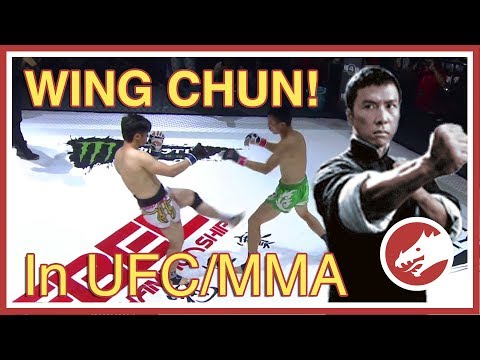
Wing Chun in the UFC/MMA Arena: Myth or Martial Reality?

As a Sensei who has dedicated a lifetime to the study and practice of combat, I've witnessed countless martial arts clash, both in the hallowed halls of dojos and in the brutal crucible of modern combat sports. The question often arises, whispered in hushed tones or debated heatedly online: Can a traditional art like Wing Chun, with its roots in close-quarters, theoretical combat, truly hold its own against the diverse and brutal disciplines seen in the UFC and wider MMA landscape? Many dismiss it as a relic, a cinematic fantasy popularized by Ip Man, unfit for the octagon. I, however, have always believed that the essence of any true martial art, when understood and applied correctly, possesses inherent value. Today, we delve into this contentious topic, not with blind faith, but with the critical eye of a seasoned warrior and film analyst.

The Whispers of Ip Man: Wing Chun's Mystique

Wing Chun. The name itself conjures images of Bruce Lee, of Ip Man, of lightning-fast strikes and an almost supernatural ability to absorb and redirect an opponent's force. Developed, legend has it, by a Buddhist nun, Ng Mui, this Southern Chinese martial art emphasizes efficient, direct movements, simultaneous blocking and striking (chi sao, or "sticky hands," being a prime example), and a strong centerline theory. Its proponents claim unparalleled effectiveness in close-range combat, a domain often found within the chaotic confines of an MMA bout.

The philosophy behind Wing Chun is one of simplicity and directness. It's not about flashy kicks or elaborate throws; it's about economy of motion, using your opponent's energy against them, and exploiting openings with devastating precision. This focus on principles rather than prescribed techniques is what, in theory, makes it adaptable.

"The most direct path is the most effective. In combat, we do not seek to impress, we seek to end the confrontation." - A foundational principle echoed by many Wing Chun practitioners.

Bridging the Gap: Core Principles vs. Octagon Reality

MMA, by its very nature, is a synthesis. It embraces striking (boxing, Muay Thai, Karate, Taekwondo), grappling (BJJ, Judo, Wrestling), and takes elements from countless other disciplines. To survive, let alone thrive, an MMA fighter must be a jack of all trades, master of one (often their primary discipline). So, where does Wing Chun, with its specific focus, fit into this multi-disciplinary tapestry?

The core principles of Wing Chun – centerline control, simultaneous block-and-strike, efficient footwork, and sensitivity development through chi sao – theoretically translate well. Imagine applying the simultaneous block-and-strike against a jab, or using centerline control to shut down an opponent's offensive reach. The emphasis on structure and power generation from the hips, rather than just brute force, could also be a significant advantage.

However, the stark reality of the octagon presents challenges. Wing Chun, in its purest form, often trains against stationary or predictable opponents. MMA is dynamic. Opponents don't stand still; they move, they grapple, they kick, they throw. Wing Chun's emphasis on standing within an opponent's striking range can be a perilous proposition against skilled Muay Thai clinch fighters or powerful wrestlers. Furthermore, many Wing Chun practitioners may not have developed the necessary conditioning or defensive grappling skills to deal with takedowns and ground combat, which are integral to MMA.

A Sensei's Analytical Breakdown: Core Techniques and Their MMA Viability

Let's dissect specific elements of Wing Chun and assess their potential application and pitfalls in an MMA context:

  • Pak Sao (Splitting Hand): This technique, designed to deflect an incoming strike and simultaneously open a path for your own attack, has direct parallels to defensive boxing and Muay Thai blocks. Its speed and efficiency are undeniable. However, in MMA, a deflected punch might still be followed by a grapple or a submission attempt.
  • Bong Sao (Arm Lever): Used to control an opponent's arm and create an opening, Bong Sao could be useful in the clinch. It offers a strong structure to redirect force. Yet, a skilled grappler can exploit the positioning created by Bong Sao to initiate a takedown.
  • Chain Punching (Biu Gee or "Thrusting Fingers"): The rapid-fire punching typical of Wing Chun is devastating in theory. Against a standard boxer, it could overwhelm. In MMA, however, the opponent is not only blocking but also defending takedowns, grappling, and employing a wider range of strikes. Maintaining the perfect structure for chain punches under such varied pressure is immensely difficult.
  • Wooden Dummy Training: The wooden dummy (Muk Yan Jong) is a cornerstone of Wing Chun training, refining structure, power, and technique. While excellent for developing muscle memory and biomechanical efficiency, it cannot replicate the unpredictable movement, resistance, and varied attack vectors of a live MMA opponent.
  • Chi Sao (Sticky Hands): This exercise trains sensitivity and reflex for close-range combat. It's invaluable for developing an intuitive understanding of an opponent's force. In MMA, chi sao principles are often seen implicitly in the clinch, but the lack of striking during traditional chi sao training means practitioners might be caught off guard by unexpected punches or takedowns.

The primary challenge is integration. Wing Chun's efficacy relies heavily on precise distance management and structure. In MMA, these factors are constantly in flux. A Wing Chun practitioner would need to adapt their principles to defend against kicks, learn takedown defense and offense, and develop a robust ground game. This isn't to say it's impossible, but it requires significant cross-training and a willingness to adapt the art.

The Path to Integration: Training Wing Chun for MMA

For a Wing Chun practitioner aspiring to compete in MMA, or simply to see their art's principles applied, a strategic training regimen is paramount. This involves:

  1. Prioritizing Takedown Defense: Learn to sprawl, defend single and double leg takedowns, and utilize the cage effectively.
  2. Developing Grappling Skills: Study Brazilian Jiu-Jitsu or Judo. Understanding how to escape submissions, control an opponent on the ground, and transition between positions is non-negotiable.
  3. Expanding Striking Range: While Wing Chun excels up close, MMA fighters must defend against and utilize kicks. Incorporate Muay Thai or Taekwondo techniques for leg kicks and kicks to the body.
  4. Sparring with Diverse Styles: Regularly spar with practitioners of different martial arts – boxers, wrestlers, Judokas, Muay Thai fighters. This is where theoretical applications meet practical resistance.
  5. Conditioning for Combat: MMA demands a high level of cardiovascular and muscular endurance. Traditional Wing Chun conditioning may need to be supplemented with HIIT (High-Intensity Interval Training) and strength training relevant to combat sports.

A practitioner who dedicates themselves to this cross-training can indeed leverage the efficiency and structural integrity of Wing Chun within an MMA framework. The key is not to abandon Wing Chun, but to build upon its foundation.

Zen Dragon's Perspective: Evidence in the Cage?

While direct, pure Wing Chun fighters are rare in the UFC, we can observe elements of its principles in the performance of many elite athletes. Think of the fight analysis of fighters like Cyril Gane, who, while primarily a striker with a background in Muay Thai, exhibits remarkable structural defense and precise, short-range power. Or consider the defensive reflexiveness seen in fighters like Jon Jones, whose ability to manage distance and deflect strikes, even while grappling, hints at sensitivity training akin to chi sao.

The provided video source itself, detailing "Wing Chun training & application in MMA" with footage of cage fights and sparring, attempts to demonstrate this very bridge. Observing such footage critically, one must ask: Are these truly pure Wing Chun applications, or are they adaptations by martial artists who have *incorporated* Wing Chun principles into a broader MMA skill set? This distinction is crucial.

The "Zen-Dragon elsewhere" links suggest a broader exploration of martial arts and philosophy. This integration is precisely what makes MMA so fascinating. It's a constant evolution, a proving ground where theory meets brutal reality.

Sensei's Verdict: Myth or Martial Reality?

Is Wing Chun viable in the UFC and MMA? My verdict, after years of study and observation, is nuanced but ultimately leans towards **Martial Reality, with caveats.**

Wing Chun, in its purest, unadulterated form, might struggle against the multifaceted threat of a seasoned MMA fighter. Its lack of explicit ground fighting and defense against varied striking ranges are significant liabilities. However, the principles of Wing Chun – its emphasis on efficiency, structure, centerline control, and sensitivity – are profoundly valuable.

A fighter who studies Wing Chun and then diligently integrates its core tenets into a comprehensive MMA skillset, supplementing it with robust grappling and diverse striking, can become a formidable force. The myth lies in believing Wing Chun alone is sufficient. The reality is that its principles, when understood and adapted, offer a unique and powerful edge in the close-quarters chaos of MMA.

Rating: Cinturón Negro en Potencial de Integración

Essential Gear for Your Training

To embark on your journey of integrating martial arts principles, having the right equipment is crucial. Whether you're focusing on Wing Chun fundamentals or preparing for MMA sparring, consider the following:

  • Protective Gear: For sparring, headgear, MMA gloves (typically 4oz or 6oz for striking, though heavier ones might be used for specific drills), shin guards, and mouthguards are indispensable for safety.
  • Training Partners: The most vital "gear" is a dedicated training partner or a good school. Sparring and chi sao drills require mutual effort and respect.
  • Training Aids: For Wing Chun, a well-constructed wooden dummy (Muk Yan Jong) is invaluable for practicing structure and striking. For MMA, heavy bags, speed bags, and focus mitts are essential for developing power and precision.
  • Comfortable Apparel: A breathable, flexible uniform or training attire is important for unrestricted movement. For styles that involve takedowns or ground work, a durable Judo gi or BJJ gi is necessary.

Frequently Asked Questions

  • Q: Can Wing Chun be used effectively for self-defense outside the cage?
    A: Absolutely. Wing Chun's emphasis on simultaneous block-and-strike, close-range efficiency, and disabling vital targets makes it highly practical for real-world self-defense scenarios. Its directness can end a confrontation quickly.
  • Q: What is the biggest challenge for a Wing Chun practitioner moving into MMA?
    A: The most significant challenge is the lack of dedicated training in takedown defense, grappling, and defending against a wider variety of striking ranges (especially kicks).
  • Q: Are there any famous MMA fighters who explicitly use Wing Chun?
    A: While few fighters are "pure" Wing Chun practitioners in MMA, many have incorporated its principles, such as effective centerline control, simultaneous blocking and striking, and efficient close-range power generation. Bruce Lee, though not an MMA fighter, was a proponent of Wing Chun and a pioneer in integrating martial arts.
  • Q: How does 'Chi Sao' compare to sparring in MMA?
    A: Chi Sao is a sensitivity drill focused on tactile feedback and reflex in close range, typically without full force or live striking. MMA sparring is a full-contact simulation that includes striking, grappling, takedowns, and submissions, demanding a much broader skillset and higher conditioning.

Deeper Dives into Your Journey

To truly understand the interplay of martial arts and combat sports, or to hone your own path, consider exploring these related topics:

Reflection of the Sensei: Your Next Step

We've dissected Wing Chun's potential within the MMA arena, moving beyond the cinematic mystique to the hard realities of combat. The question that remains is not whether Wing Chun *can* work, but rather, are you willing to bridge the gap? Are you prepared to take the efficient, direct principles of your art and forge them into a weapon capable of standing against the diverse onslaught of modern combat sports? Or will you remain content with the theoretical purity, a beautiful art form confined to demonstrations and hypothetical scenarios?

Ponder this: If a master of Wing Chun faced a master of Muay Thai in a street fight, with no rules, no referees, only survival – what principles would truly prevail? And more importantly, how can you train today to ensure that the 'real' you, in that critical moment, embodies those winning principles?

``` GEMINI_METADESC: Sensei analyzes if Wing Chun can truly be effective in UFC/MMA, examining its core principles, practical application, and challenges for practitioners.

PRIDE FC 3 (1998): A Critical Martial Arts Retrospective

PRIDE Fighting Championships 3, held at the iconic Nippon Budokan in Tokyo on June 24, 1998, was more than just another event; it was a crucible where the nascent sport of mixed martial arts (MMA) was forged in the fires of Japanese combat sports tradition. As a practitioner and scholar of the martial path, I approach such events not merely as spectacles, but as living documents that reveal the evolution of combat, the spirit of the warrior, and the philosophical underpinnings of direct confrontation. This event, in particular, stands as a pivotal moment, showcasing a raw, unadulterated brand of fighting that captivated a global audience and set the stage for modern MMA. This isn't just another fight card recap. This is a dissection of what PRIDE FC 3 meant for the martial world, for the practitioners who strive for mastery, and for the viewers who seek to understand the true essence of combat. We will delve into the matchups, the performances, and the underlying martial principles – or lack thereof – that defined this historic night.

Table of Contents

Match Analysis: Beyond the Wins and Losses

The fight card itself was a testament to PRIDE's vision, blending established stars with emerging talents and showcasing a variety of martial backgrounds. Let's dissect some of the key encounters, not just by the outcome, but by the martial execution and strategic intent displayed.

Daijiro Matsui vs. Akira Shoji (2:04): This opening bout, though brief, offered a glimpse into the aggressive, no-holds-barred style that PRIDE would become known for. Shoji's relentless pressure and Matsui's spirited defense set a high tempo. While not a technical masterpiece, it embodied the raw fighting spirit that resonated with audiences.

Daiju Takase vs. Emmanuel Yarborough (48:34): A classic David vs. Goliath narrative. Takase, a skilled grappler, faced the immense physical presence of Yarborough. This fight was a study in overcoming significant size disparities. Takase's agility and submission prowess were tested against Yarborough's sheer mass. It's in these encounters that practitioners learn the true meaning of leverage and timing over brute force.

Kazushi Sakuraba vs. Carlos Newton (1:07:08): This was, arguably, the co-main event and a highly anticipated grappling battle. Sakuraba, the "Gracie Hunter," was known for his unorthodox submissions and resilience. Newton, a former UFC champion, was a master of technical striking and submission defense. Their clash was a chess match on the mat, showcasing the intricate dance of control, escape, and counter-attack that defines high-level grappling. The way Sakuraba navigated Newton's attacks, and Newton's own tactical acumen, provided invaluable lessons for any student of judo or BJJ.

Gary Goodridge vs. Amir Rahnavardi (1:25:58): Goodridge, a formidable K-1 kickboxer and BJJ practitioner, brought raw power and aggression. Rahnavardi, though perhaps less experienced at this elite level, represented a different martial art lineage. Fights like these highlight the clashes of different combat philosophies – the striking-heavy approach versus the submission-focused game.

Mark Kerr vs. Pedro Otavio (1:35:48): Kerr, the "Smashing Machine," was a collegiate wrestling powerhouse with devastating striking. His matches were often explosive. Facing Otavio, he demonstrated the sheer force that can be generated from a wrestling base, often overwhelming opponents before they could implement their own strategies. This is a prime example of how dominant wrestling can dictate the terms of engagement in MMA.

Nobuhiko Takada vs. Kyle Sturgeon (1:41:39): Takada, a Pancrase legend and a figurehead for PRIDE, carried immense expectations. His fights were not just contests; they were narratives. While Sturgeon was perhaps a less heralded opponent, the focus was on Takada's performance and his role in elevating the sport. The crowd's energy during Takada's fights was palpable, a testament to the cultural significance of martial arts heroes in Japan.

"The true martial artist is not one who masters many techniques, but one who masters the application of one technique." - A principle echoed in the diverse approaches seen at PRIDE FC 3.

Sakuraba vs. Newton: A Masterclass in Strategy

The bout between Kazushi Sakuraba and Carlos Newton is a standout example of strategic brilliance in MMA. Sakuraba, with his unconventional background, often employed unorthodox sweeps and submission setups. Newton, conversely, was known for his precise striking and powerful grappling. Their fight was a testament to the depth of martial arts. It wasn't about landing the most powerful blow, but about controlling position, setting traps, and capitalizing on the smallest of openings. Sakuraba's ability to transition between striking and grappling seamlessly, coupled with Newton's defensive mastery, created a captivating display of skill. For practitioners, observing this fight is akin to studying a complex battlefield strategy, where every movement has purpose and consequence. The "Gracie Hunter's" resilience, even in defeat at times, exemplified the never-give-up spirit central to the Budo path.

The Unstoppable Force: Mark Kerr's Raw Power

Mark Kerr's presence in PRIDE FC was synonymous with overwhelming power. His background as a decorated wrestler allowed him to impose his will through sheer physical dominance. In his bout against Pedro Otavio, we see a clear illustration of how wrestling can serve as a foundational pillar in MMA. Kerr's strategy was direct: close the distance, secure the takedown, and utilize ground and pound or transition to a dominant position. This approach, while perhaps lacking the technical nuance of other disciplines, was brutally effective. It highlights a crucial lesson for all martial artists: understand your strengths and leverage them ruthlessly. However, it also raises questions about the long-term sustainability of such a singular approach against more well-rounded opponents, a challenge that many early MMA fighters faced.

Philosophical Underpinnings: The Bushido Spirit in the Ring

PRIDE FC was deeply rooted in Japanese combat sports culture, a culture steeped in the principles of Bushido – the Way of the Warrior. While the fights were often brutal and the outcomes decisive, there was an underlying respect for the opponent and for the art of combat itself. Nobuhiko Takada, a legendary figure, embodied this spirit. His participation was more than a physical contest; it was a cultural statement. The roar of the crowd at the Nippon Budokan was not just for the violence, but for the courage, discipline, and honor displayed by the fighters. This is where the "martial" in martial arts truly shines. It’s about self-improvement, perseverance, and facing adversity head-on, regardless of the outcome. This spirit is what separates mere fighting from true martial philosophy.
"Victory is won by the one who knows when to fight and when not to fight." - Sun Tzu, a principle that even the most aggressive fighters implicitly understand.

The Evolution of MMA: PRIDE's Enduring Legacy

PRIDE FC 3 was a crucial stepping stone in the evolution of mixed martial arts. It provided a global platform for fighters from diverse backgrounds to test their skills against one another, fostering an environment of innovation and cross-pollination of techniques. The unique ruleset, the iconic walkouts, and the sheer excitement generated by the Japanese audience created a formula that influenced the sport for years to come. Events like this demonstrated that MMA was not just a fleeting trend but a legitimate combat sport with deep historical roots in various martial traditions. The raw, unpolished nature of early PRIDE bouts, while sometimes criticized, was also its strength. It showcased the fundamental effectiveness of different arts when stripped down to their core principles. It paved the way for the more refined, strategic battles we see in promotions like the UFC today, but the spirit of PRIDE – the raw, unadulterated combat – remains a vital part of MMA's DNA.

Veredicto del Sensei: ¿Merece la pena?

Veredicto del Sensei: Cinturón Negro en Legado Histórico. PRIDE FC 3 (1998) is not just a collection of fights; it's a historical document of immense importance for any student of combat sports. While the production values and stylistic presentation might seem dated compared to today's slick MMA broadcasts, the raw intensity and the demonstration of diverse martial arts colliding are timeless. The legendary status of fighters like Sakuraba and the sheer power of Kerr make this event a must-watch for understanding the formative years of modern MMA. The event successfully captured the essence of a true battle, where diverse fighting traditions converged.

Equipo Esencial para tu Entrenamiento

While PRIDE FC 3 showcased raw talent, the modern martial artist benefits immensely from proper preparation. To truly hone your skills, whether in striking, grappling, or a combination thereof, investing in quality equipment is paramount.
  • Guantes de Entrenamiento/Sparring: Essential for protecting your hands and your training partners. Look for gloves ranging from 10oz for bag work to 16oz for sparring, depending on your discipline. Brands like Marcial Arts Merchandise often offer durable options.
  • Kimono/Gi: For practitioners of Judo, Brazilian Jiu-Jitsu, or traditional Karate, a well-fitting, durable Gi is crucial. Double-weave kimonos are ideal for grappling arts due to their resistance to tearing.
  • Protector Bucal: Non-negotiable for any sparring or competition to prevent dental injuries.
  • Espinilleras y Guantes de Boxeo/Kickboxing: If your training involves striking, these are vital for absorbing impact during drills and sparring.
  • Esterillas de Entrenamiento: For home practice of grappling techniques or conditioning, a set of comfortable and safe floor mats can make a significant difference.

Guía de Entrenamiento: Desarrollando la Resiliencia Mental

The mental fortitude displayed by fighters like Sakuraba is as critical as their physical prowess. Developing mental resilience is a lifelong pursuit, crucial for overcoming adversity both in training and in life.
  1. Meditación Diaria (Zazen/Mindfulness): Dedicate 5-15 minutes daily to quiet contemplation. Focus on your breath, observe your thoughts without judgment, and cultivate a sense of inner stillness. This builds focus and emotional regulation.
  2. Visualización Positiva: Before training or facing a challenge, visualize yourself succeeding. Picture yourself executing techniques perfectly, remaining calm under pressure, and achieving your goals. This primes your mind for success.
  3. Establecer Metas Realistas: Break down larger objectives into smaller, manageable steps. Celebrate each small victory. This builds confidence and momentum, preventing overwhelm.
  4. Aceptar la Dificultad: Recognize that challenges are opportunities for growth. Instead of resisting discomfort, lean into it. Ask yourself, "What can I learn from this difficult situation?"
  5. Practicar la Paciencia: True mastery takes time. Understand that progress is often non-linear. Cultivate patience with yourself and the learning process. This is the core of perseverance.

Preguntas Frecuentes

1. What was the significance of the Nippon Budokan venue for PRIDE FC 3? The Nippon Budokan is a historically significant venue in Japan, known for hosting prestigious martial arts events. Its use for PRIDE FC 3 underscored the sport's integration into Japan's rich combat sports heritage and lent it a sense of gravitas. 2. How did PRIDE FC 3 contribute to the development of MMA? This event showcased a diverse roster of fighters from various martial arts backgrounds, demonstrating the viability and excitement of mixed-rules combat. It helped popularize MMA globally and influenced the format and presentation of future events. 3. Was Nobuhiko Takada a legitimate fighter or more of a showman? Nobuhiko Takada was a genuine legend in Japanese professional wrestling and combat sports. While his later MMA career faced challenges, his legacy as a charismatic figurehead and an early advocate for mixed combat in Japan is undeniable. His fights were always events. 4. How does the fighting style seen in PRIDE FC 3 compare to modern MMA? Early PRIDE bouts were often more raw and less refined, with a greater emphasis on showcasing individual martial arts styles. Modern MMA tends to be more integrated, with fighters possessing a more rounded skill set across striking and grappling. However, the foundational principles of aggression, strategy, and resilience seen in PRIDE remain central. 5. What made PRIDE's commentary and presentation unique? PRIDE was known for its larger-than-life characters, dramatic entrances, and passionate commentary, often featuring distinct personalities like Mauro Ranallo and Stephen Quadros. This unique flair contributed significantly to its cult following.

Para Profundizar en tu Camino

Reflexión del Sensei: Tu Próximo Paso

PRIDE FC 3 showed us the raw fusion of combat sports. It highlighted that skill, strategy, and sheer will can overcome any single discipline. But more importantly, it asked a question that echoes through every dojo and training hall: In the face of overwhelming odds, what is the true measure of a warrior? Is it the technique you possess, or the spirit with which you employ it? Now, consider your own training. Are you merely going through the motions, or are you striving to embody the principles that transcend technique? Where do you see the "spirit" of the warrior in your daily practice? Challenge yourself to answer. ``` GEMINI_METADESC: Dive into a critical martial arts analysis of PRIDE FC 3 (1998). Sensei dissects legendary matchups, fighter philosophies, and PRIDE's lasting impact on MMA.