Showing posts sorted by relevance for query Mouthguard. Sort by date Show all posts

Top 5 Shotokan Karate Masters: Pillars of a Global Martial Art

Is Shotokan Karate merely a series of powerful techniques, or is it a profound path to self-mastery? Many practitioners chase the perfect punch, the crispest block, or the most dynamic kick, yet often miss the deeper currents that flow beneath the surface of this venerable martial art. Are we truly living the Budo spirit, or are we just performing movements? Today, we delve into the very heart of Shotokan, not just by dissecting its techniques, but by honoring the titans who shaped it, challenged its evolution, and ensured its survival through sheer dedication. Prepare to confront the legacy of the masters.

Introduction: The Unwavering Spirit of Shotokan

Karate, a discipline born on the shores of Okinawa, Japan, has transcended its origins to become a global phenomenon. Among its myriad styles, Shotokan stands as a colossus, a testament to the vision of its founder, Gichin Funakoshi. Forged in the early 20th century, Shotokan is characterized by its thunderous strikes, acrobatic kicks, and an almost monastic devotion to rigorous training and unwavering discipline. But what truly elevates Shotokan beyond mere physical combat? It's the philosophy, the character development, the Budo spirit that these masters embodied and transmitted.

In this exposé, we move beyond a simple list. We dissect the contributions of five titans whose influence reverberates through every dojo today. These are not just names in a history book; they are the architects of a martial art that continues to shape minds and bodies worldwide. Are they truly the "best," or were they simply the most *influential*? That's a debate for the ages, one we'll certainly ignite.

1. Gichin Funakoshi: The Father of Modern Karate

To speak of Shotokan is to speak of Gichin Funakoshi. Born in Okinawa in 1868, this visionary is not merely the founder; he is the very bedrock upon which modern Karate is built. Often hailed as the "father of modern Karate," Funakoshi dedicated his life to refining and popularizing this art form. His journey began at a young age, immersed in the traditional Okinawan fighting arts. Yet, it was his move to Tokyo in 1922 that proved pivotal, introducing Karate to mainland Japan and setting the stage for its global ascent.

Funakoshi’s approach transcended mere physical prowess. He stressed the paramount importance of character development, believing that the true essence of Karate lay not in defeating an opponent, but in perfecting oneself. His teachings are encapsulated in his immortal words:

"The ultimate aim of Karate lies not in victory or defeat, but in the perfection of the character of its participants."

This philosophical anchor is what separates true Budo from mere fighting. His legacy is not just in the techniques, but in the enduring spirit of self-improvement that defines Shotokan.

2. Masatoshi Nakayama: Architect of the JKA System

Emerging from the shadow of Funakoshi, Masatoshi Nakayama stands as one of the most crucial figures in shaping Shotokan into the structured, globally recognized art it is today. Born in 1913, Nakayama was not just a student; he was an innovator, a strategist, and the driving force behind the establishment of the Japan Karate Association (JKA) in 1949. As its chief instructor for many years, he meticulously codified training methodologies, ensuring a consistent and effective transmission of Funakoshi's teachings.

Nakayama’s contribution extends beyond organizational prowess. He authored several seminal books on Karate, delving deep into the technical nuances and practical application of Shotokan techniques. His work in developing the JKA's comprehensive training program was instrumental in standardizing Karate instruction, making it accessible and replicable across different regions. He understood that for an art to truly flourish, it needs a robust system. Did he achieve that system, or did he inadvertently create rigidity? The debate rages, but his impact is undeniable.

3. Hidetaka Nishiyama: The American Pioneer

While Funakoshi laid the foundation and Nakayama built the structure, Hidetaka Nishiyama carried the torch across the Pacific, becoming a pivotal figure in the development of Karate in the United States. Born in 1928, Nishiyama made his significant move to the U.S. in 1960, armed with a profound understanding of Shotokan and a burning desire to share it.

His entrepreneurial spirit led him to found the All American Karate Federation (AAKF) in 1969. Through relentless promotion via tournaments, demonstrations, and educational initiatives, Nishiyama was instrumental in igniting the Karate boom in America. He wasn't just teaching techniques; he was cultivating a community. Like Nakayama, he authored several influential books, but his particular genius lay in his meticulous focus on the technical intricacies of the martial art, ensuring that the purity of Shotokan remained intact amidst its rapid expansion. How much of the American Karate scene owes its existence to his direct efforts?

"Karate is a martial art that originated in Okinawa, Japan... One of the most popular styles of Karate is Shotokan Karate..."

4. Taiji Kase: The Technical Virtuoso and Spiritual Seeker

Taiji Kase, born in 1929, represents a different facet of Shotokan mastery – a deep technical prowess interwoven with a profound spiritual understanding. While many focused on the competitive aspects or the organizational structures, Kase delved into the *essence* of Karate, exploring its spiritual dimensions alongside its physical manifestations. His understanding of Ki (life force) and its application in martial arts was legendary.

Relocating to Europe in the 1960s, Kase became a crucial catalyst for Karate's growth on the continent. His founding of the European Shotokan Karate Association (ESKA) in 1975 and his long tenure as its chief instructor cemented his influence. Kase’s teachings often emphasized subtle yet powerful principles, encouraging practitioners to look beyond brute force and discover the efficiency and fluidity inherent in well-executed technique. He embodied the idea that true power comes not just from muscle, but from cultivated energy and precise intent.

5. Hirokazu Kanazawa: The Living Legacy

In the pantheon of Shotokan masters, Hirokazu Kanazawa (born 1931) stands as a living embodiment of the art’s technical brilliance and its traditional roots. A top student under Masatoshi Nakayama, Kanazawa honed his skills within the prestigious Japan Karate Association (JKA), serving as an instructor and further refining his understanding of the style.

However, his vision extended beyond the JKA. In 1977, he founded the Shotokan Karate International Federation (SKIF), an organization that has grown to encompass millions of practitioners worldwide. Kanazawa is renowned for his exceptional technique, his dynamic demonstrations, and his unwavering commitment to preserving the traditional spirit of Karate while adapting it for the modern practitioner. He represents continuity and evolution, a master who has not only mastered Shotokan but has also become its global ambassador.

Veredict of the Sensei: Acknowledging the Pillars

To definitively rank these masters as "best" is a fool's errand, akin to asking if a sword is better than a spear – it depends entirely on the wielder and the context. What is undeniable is their collective impact. Funakoshi ignited the flame, Nakayama built the engine, Nishiyama spread the fuel across continents, Kase explored its deeper energies, and Kanazawa continues to fan the flames with unparalleled technical mastery. They are the indispensable pillars upon which modern Shotokan rests. Without them, the landscape of martial arts would be drastically different. They represent different facets of mastery: the visionary founder, the systematic organizer, the international pioneer, the technical-spiritual synthesist, and the living repository of tradition. Each deserves profound respect.

Essential Equipment for Your Training

While the mind and spirit are the ultimate tools in Karate, the right equipment can significantly enhance your training, safety, and progression. For Shotokan practitioners, focusing on durability and proper fit is key:

  • Karate Gi: Look for a double-woven or heavyweight gi (kimono) for sparring and advanced training. A 10-12 oz gi offers good durability and a satisfying snap during technique execution. Brands like Adidas, Mizuno, and Shureido are highly regarded.
  • Belts (Obi): Ensure your belt is strong enough to withstand the rigors of training, especially during grappling or intense kata practice. A multi-layered cotton belt is recommended.
  • Mouthguard: Essential for sparring. A custom-fitted mouthguard offers the best protection and comfort.
  • Groin Protector (for males): A non-negotiable piece of safety gear for any full-contact sparring.
  • Shin and Instep Guards: Increasingly common and recommended for sparring, especially for practitioners focusing on dynamic kicks, to prevent injuries.
  • Training Mats (optional): For practicing falls (ukemi) and some solo drills, especially if training at home.

Training Guide: Mastering the Fundamentals

The essence of Shotokan lies in its foundational techniques. Mastery doesn't come from complexity, but from perfecting the simple. Here’s a basic framework for practicing key elements:

  1. Stances (Dachi):
    • Zenkutsu-dachi (Forward Stance): Focus on a deep, stable base, ensuring the front knee is aligned over the toes and the back leg is straight and firm. Practice transitioning smoothly into and out of this stance.
    • Kiba-dachi (Horse Stance): Maintain a wide, low stance with knees pushed outwards. Ensure the back is straight and the core is engaged. Practice holding this stance for extended periods to build leg strength and stability.
    • Kokutsu-dachi (Backward Stance): Shift weight predominantly to the rear leg, keeping the front leg light for quick retraction or extension. Ensure the back is straight and the hips are relatively square to the front.
  2. Basic Strikes (Tsuki):
    • Choku-zuki (Middle Punch): Practice with a straight, linear motion, focusing on hip rotation and exhaling sharply at the point of impact. Ensure a clean retraction of the fist.
    • Gedan-barai (Downward Block): Execute with power from the shoulder, drawing a straight line downwards to deflect an incoming attack. Maintain a strong, stable stance throughout.
  3. Basic Blocks (Uke):
    • Age-uke (Rising Block): Practice deflecting attacks aimed at the head. Ensure the block travels in a clear upward path, using the forearm as the primary defensive surface.
    • Soto-uke (Outside Block): Visualize deflecting a blow coming from the outside (e.g., across the face). Focus on a circular motion originating from the elbow.
  4. Kata Practice:
    • Begin with the fundamental kata like Taigyoku (if taught in your dojo) or Heian Shodan. Focus on precise movements, correct stances, breathing, and the underlying Budo principles within each sequence.
    • Record yourself practicing kata and analyze your form, looking for improvements in posture, power generation, and fluidity.
  5. Conditioning:
    • Incorporate basic conditioning exercises like push-ups, squats, and core work daily.
    • Practice dynamic stretching before training and static stretching afterwards to improve flexibility and prevent injuries.

Frequently Asked Questions

What is the difference between Shotokan and other Karate styles?

Shotokan, founded by Gichin Funakoshi, is known for its deep, long stances (like Zenkutsu-dachi), powerful linear movements, and strong emphasis on basic techniques (kihon) and kata. Other styles might emphasize different stances, faster or more circular movements, or different philosophical underpinnings.

Is Shotokan Karate effective for self-defense?

Yes, when taught and practiced with the correct intent. While its primary focus is on character development and discipline, the powerful techniques, effective blocking strategies, and physical conditioning inherent in Shotokan provide a solid foundation for self-defense. However, practical application often requires specific training in close-quarters combat and realistic scenarios.

How important is the philosophical aspect of Shotokan?

The philosophical aspect, encapsulated in Funakoshi's quote about character perfection, is arguably the most important element. It elevates Karate from a mere fighting system to a path of personal growth (Do). Without this understanding, one risks practicing only the physical shell without the true Budo spirit.

What is "Ki" in the context of Shotokan?

Ki (or Qi) refers to life force or energy. In Shotokan, understanding and harnessing Ki is crucial for generating power efficiently, moving fluidly, and developing presence. Masters like Taiji Kase specifically emphasized this aspect, showing how focused intent and breath control can amplify physical techniques.

Are Shotokan masters still actively teaching today?

While the foundational masters mentioned have passed on, their students and grand-students continue to teach and lead organizations worldwide. Masters like Hirokazu Kanazawa have been active for decades, preserving and propagating the art. New generations of skilled instructors are also emerging globally.

Veredict of the Sensei: Acknowledging the Pillars

To definitively rank these masters as "best" is a fool's errand, akin to asking if a sword is better than a spear – it depends entirely on the wielder and the context. What is undeniable is their collective impact. Funakoshi ignited the flame, Nakayama built the engine, Nishiyama spread the fuel across continents, Kase explored its deeper energies, and Kanazawa continues to fan the flames with unparalleled technical mastery. They are the indispensable pillars upon which modern Shotokan rests. Without them, the landscape of martial arts would be drastically different. They represent different facets of mastery: the visionary founder, the systematic organizer, the international pioneer, the technical-spiritual synthesist, and the living repository of tradition. Each deserves profound respect.

Essential Equipment for Your Training

While the mind and spirit are the ultimate tools in Karate, the right equipment can significantly enhance your training, safety, and progression. For Shotokan practitioners, focusing on durability and proper fit is key:

  • Karate Gi: Look for a double-woven or heavyweight gi (kimono) for sparring and advanced training. A 10-12 oz gi offers good durability and a satisfying snap during technique execution. Brands like Adidas, Mizuno, and Shureido are highly regarded.
  • Belts (Obi): Ensure your belt is strong enough to withstand the rigors of training, especially during grappling or intense kata practice. A multi-layered cotton belt is recommended.
  • Mouthguard: Essential for sparring. A custom-fitted mouthguard offers the best protection and comfort.
  • Groin Protector (for males): A non-negotiable piece of safety gear for any full-contact sparring.
  • Shin and Instep Guards: Increasingly common and recommended for sparring, especially for practitioners focusing on dynamic kicks, to prevent injuries.
  • Training Mats (optional): For practicing falls (ukemi) and some solo drills, especially if training at home.

Training Guide: Mastering the Fundamentals

The essence of Shotokan lies in its foundational techniques. Mastery doesn't come from complexity, but from perfecting the simple. Here’s a basic framework for practicing key elements:

  1. Stances (Dachi):
    • Zenkutsu-dachi (Forward Stance): Focus on a deep, stable base, ensuring the front knee is aligned over the toes and the back leg is straight and firm. Practice transitioning smoothly into and out of this stance.
    • Kiba-dachi (Horse Stance): Maintain a wide, low stance with knees pushed outwards. Ensure the back is straight and the core is engaged. Practice holding this stance for extended periods to build leg strength and stability.
    • Kokutsu-dachi (Backward Stance): Shift weight predominantly to the rear leg, keeping the front leg light for quick retraction or extension. Ensure the back is straight and the hips are relatively square to the front.
  2. Basic Strikes (Tsuki):
    • Choku-zuki (Middle Punch): Practice with a straight, linear motion, focusing on hip rotation and exhaling sharply at the point of impact. Ensure a clean retraction of the fist.
    • Gedan-barai (Downward Block): Execute with power from the shoulder, drawing a straight line downwards to deflect an incoming attack. Maintain a strong, stable stance throughout.
  3. Basic Blocks (Uke):
    • Age-uke (Rising Block): Practice deflecting attacks aimed at the head. Ensure the block travels in a clear upward path, using the forearm as the primary defensive surface.
    • Soto-uke (Outside Block): Visualize deflecting a blow coming from the outside (e.g., across the face). Focus on a circular motion originating from the elbow.
  4. Kata Practice:
    • Begin with the fundamental kata like Taigyoku (if taught in your dojo) or Heian Shodan. Focus on precise movements, correct stances, breathing, and the underlying Budo principles within each sequence.
    • Record yourself practicing kata and analyze your form, looking for improvements in posture, power generation, and fluidity.
  5. Conditioning:
    • Incorporate basic conditioning exercises like push-ups, squats, and core work daily.
    • Practice dynamic stretching before training and static stretching afterwards to improve flexibility and prevent injuries.

Frequently Asked Questions

What is the difference between Shotokan and other Karate styles?

Shotokan, founded by Gichin Funakoshi, is known for its deep, long stances (like Zenkutsu-dachi), powerful linear movements, and strong emphasis on basic techniques (kihon) and kata. Other styles might emphasize different stances, faster or more circular movements, or different philosophical underpinnings.

Is Shotokan Karate effective for self-defense?

Yes, when taught and practiced with the correct intent. While its primary focus is on character development and discipline, the powerful techniques, effective blocking strategies, and physical conditioning inherent in Shotokan provide a solid foundation for self-defense. However, practical application often requires specific training in close-quarters combat and realistic scenarios.

How important is the philosophical aspect of Shotokan?

The philosophical aspect, encapsulated in Funakoshi's quote about character perfection, is arguably the most important element. It elevates Karate from a mere fighting system to a path of personal growth (Do). Without this understanding, one risks practicing only the physical shell without the true Budo spirit.

What is "Ki" in the context of Shotokan?

Ki (or Qi) refers to life force or energy. In Shotokan, understanding and harnessing Ki is crucial for generating power efficiently, moving fluidly, and developing presence. Masters like Taiji Kase specifically emphasized this aspect, showing how focused intent and breath control can amplify physical techniques.

Are Shotokan masters still actively teaching today?

While the foundational masters mentioned have passed on, their students and grand-students continue to teach and lead organizations worldwide. Masters like Hirokazu Kanazawa have been active for decades, preserving and propagating the art. New generations of skilled instructors are also emerging globally.

For Further Learning on Your Path

Sensei's Reflection: Your Next Step

We have examined the giants upon whose shoulders the edifice of Shotokan Karate stands. Their dedication, their vision, their relentless pursuit of perfection are undeniable. But knowledge without application is like a powerful technique without proper execution – it lacks true meaning.

The question that lingers is not merely about their greatness, but about yours. Are you merely practicing Karate, or are you *living* Budo? How will you honor these masters not just with your fists and feet, but with the cultivation of your character? What single principle learned from these titans will you strive to embody this week, both on and off the mat?

Deontay Wilder vs. Gerald Washington: A Boxing Masterclass or a Hesitant Display?

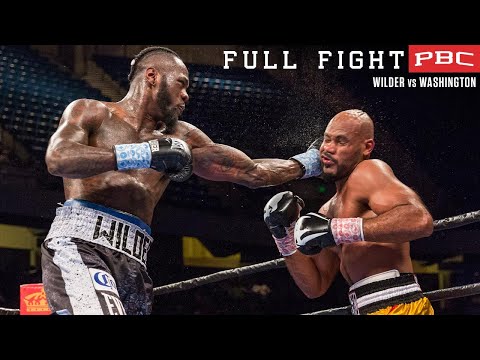
(February 25, 2017) – The heavyweight division, a realm where one punch can rewrite history, often showcases raw power and explosive action. On this particular night in Birmingham, Alabama, WBC Heavyweight Champion Deontay Wilder faced Gerald Washington. The narrative of this bout, however, isn't a simple tale of dominance, but rather a fascinating study in patience, recovery, and the sheer, unyielding force of "The Bronze Bomber."

The Calm Before the Storm: Early Rounds and Strategic Hesitation

Deontay Wilder didn't emerge with his customary, thunderous ferocity. Against Gerald Washington, a man with a surprising aggressive streak in the early going, the champion seemed almost measured. This initial hesitancy, especially for a fighter known for his devastating early knockouts, raises a critical question for any student of combat sports: **When is calculated patience a virtue, and when does it become a dangerous liability?** Wilder, fighting for the first time since surgery on his right hand and bicep sustained during his TKO victory over Chris Arreola, was clearly operating under a modified strategy. His team’s original plan, as revealed post-fight, was to rely on jabs and movement – a stark contrast to his usual barrage. This adjustment, however, was reportedly abandoned in the dressing room mere moments before the opening bell. This decision-making process, under pressure and close to a major title defense, highlights the fluid nature of pre-fight strategy and the courage to deviate when necessary. Gerald Washington, a former University of Southern California football player and a Navy helicopter mechanic, surprised many by dictating the pace in the initial rounds. His effectiveness as the aggressor put Wilder on the back foot, prompting chants of "De-on-tay, De-on-tay" from the supportive home crowd by the third round. This dynamic shift underscores a fundamental principle in all combat: **adaptability is key**. Even the most powerful champion must be prepared to adjust when facing an opponent who deviates from the expected script.
"The art of war teaches us to rely not on the likelihood of the enemy's not coming, but on our own readiness to receive him." - Sun Tzu, The Art of War. Wilder's patience, in this instance, was a testament to his readiness to receive Washington's unexpected advances.

The Awakening of the Bomber: Third Round Onwards

It wasn't until the third round that Wilder began to consistently deploy his jab, a crucial tool for distance management and setting up power shots. The fight was remarkably close on the judges' scorecards through four rounds, with Wilder holding a slight advantage on one. This deadlock highlights that even a perceived mismatch can be a gruelling contest, demanding resilience and the ability to seize opportunities. The fourth round provided a pivotal moment. Washington landed a solid left hand that seemed to serve as a wake-up call for Wilder. The champion responded with a thundering left-right combination to Washington's body, a clear indication that the tide was beginning to turn. This exchange illustrates the crucial role of "receiving" a hard shot and immediately retaliating, a common tactic in boxing and many other martial arts to regain initiative.

The Finish: A Demonstration of Ruthless Efficiency

The fifth round saw Wilder unleash his full arsenal. He caught Washington with a punishing lead right hand, followed by a devastating left hook that sent the challenger to the canvas. Though Washington managed to beat the count, Wilder was relentless. He unleashed a violent flurry, a barrage of left hooks that overwhelmed his opponent and prompted referee Mike Griffin to wave off the fight at the 1:45 mark. This decisive finish is what Wilder is known for. It's a stark reminder that in heavyweight boxing, the fight is never truly over until the referee intervenes. His ability to inflict such damage after a slow start speaks volumes about his power and his capacity to turn a fight on its head in an instant.

Post-Fight Reflections and Future Ambitions

Wilder, now 31 years old and defending his title for the fifth time, expressed no concern about his initial sluggishness. He took the time to salute the crowd of 12,346, as "Sweet Home Alabama" reverberated through the arena, with fans adding their own spirited "Roll Tide Roll!" This connection with his home crowd, a vital element in the psychological warfare of combat sports, undoubtedly fueled his performance. The circumstances surrounding this fight also revealed the unpredictable nature of the sport. Wilder was originally slated to face Andrzej Wawrzyk, who was removed from the card after testing positive for performance-enhancing drugs. This opened the door for Washington, illustrating how a single positive test can dramatically alter a fighter's career trajectory and present unexpected challenges.

Veredicto del Sensei: ¿Merece la pena?

From a pure martial arts perspective, this fight offers a valuable, albeit less flashy, lesson. It’s not just about the knockout power, which Wilder possesses in abundance. It’s about the **strategic adaptation, the resilience to overcome physical setbacks (his hand and bicep surgery), and the mental fortitude to remain composed when an opponent takes the initiative.** While not a textbook display of continuous offensive pressure, Wilder's patience and eventual explosive finish demonstrate the effectiveness of calculated timing and overwhelming power. **Score:** Cinturón Negro en Paciencia y Poder.

Equipo Esencial para tu Entrenamiento

While boxing doesn't require the same specialized gear as some other martial arts, having the right equipment can significantly enhance your training and safety. * **Guantes de Boxeo (16oz):** Crucial for sparring to protect both your hands and your partner's face. For bag work, lighter gloves (12-14oz) can be used, but 16oz is the standard for protective sparring. * **Vendas para Manos:** Essential for wrist and knuckle support during any form of striking. These should always be worn under your sparring gloves. * **Bucal (Mouthguard):** Non-negotiable for any sparring or live drills to protect your teeth and jaw. * **Suela de Zapatillas:** Shoes with good grip are vital for footwork. Boxing-specific shoes offer excellent ankle support. * **Cuerda de Saltar:** An indispensable tool for conditioning, footwork, and rhythm. If you're looking to get started, consider investing in a starter kit that includes gloves, hand wraps, and a mouthguard. For those serious about boxing or striking martial arts, a durable heavy bag and proper training space are key. You might also explore specialized **Karate merchandise** if you're also interested in traditional striking arts, ensuring you have the right *gi* for practice.

Guía de Entrenamiento: El Jab y la Recuperación

This fight highlighted the importance of the jab and the ability to recover from being put on the defensive. Here's a simple drill you can incorporate: 1. **Jab Focus:** Stand in your orthodox or southpaw stance. Practice throwing your lead jab – not just as a range-finder, but with snap and intention. Focus on keeping your rear hand up to protect your chin. 2. **Defensive Drill:** Have a partner (or imagine one) throw a punch at your head. Practice slipping the punch to the side (pulling your head back or to the side) and immediately countering with your jab. The key is to transition smoothly from defense to offense. 3. **Body Combinations:** After practicing the jab, work on following up with body shots. A common combination is jab to the head, then a straight right or left hook to the body. This trains you to attack the most vulnerable areas when an opponent drops their guard. 4. **Recovery Breathing:** After a hard combination or a defensive maneuver, take a moment to breathe and reset. Wilder's initial slow start wasn't detrimental because he maintained his composure and recovered his rhythm. Practice deep breaths to control your heart rate and regain focus.

Preguntas Frecuentes

* **Q: Was Deontay Wilder's slow start concerning for his legacy?** A: While his aggressive style is what made him famous, his ability to adapt and still secure a dominant win demonstrated maturity and strategic depth, which can be seen as a positive evolution rather than a concern. * **Q: How important is the jab in boxing and other martial arts?** A: The jab is arguably the most important punch. It establishes distance, sets up power shots, disrupts an opponent's rhythm, and can score points. Its principles apply to many striking martial arts. * **Q: Can you learn anything from a fight that wasn't a back-and-forth slugfest from the start?** A: Absolutely. Fights like this teach about patience, strategy, the importance of recovery, and how a fighter can adjust their game plan mid-bout. Not every fight is a high-octane brawl from bell to bell. * **Q: What was the significance of Wilder fighting in Alabama?** A: Fighting in his home state brought immense crowd support, which can be a significant psychological advantage. It also highlights the importance of home-field advantage in many combat sports.

Para Profundizar en tu Camino

* Análisis de la Potencia de Deontay Wilder * Tácticas de Combate: Adaptación y Paciencia * El Arte del K.O.: Momentos Icónicos del Boxeo

Reflexión del Sensei: Tu Próximo Paso

Wilder's victory wasn't just about his physical prowess; it was about his strategic mind, his ability to absorb adversity, and his ultimate commitment to finishing the job. So I ask you, the dedicated practitioner: **When faced with an unexpected challenge in your training or in life, do you immediately resort to your strongest, most familiar attacks, or do you first assess, adapt, and patiently wait for the opportune moment to strike with decisive force?** Consider this the koan of your next training session. ``` GEMINI_METADESC: Analyze Deontay Wilder vs. Gerald Washington with a martial arts expert. Explore strategy, power, resilience, and lessons for your training.

Streetbeefs: Killa Kyle vs. Zion Da Lion - A Raw Look at Modern "Beef" Settling

The Spectacle of "Streetbeefs"

Welcome, students, to another examination of the martial world, where the lines between sport, spectacle, and genuine conflict often blur. Today, we dissect a phenomenon known as "Streetbeefs," focusing on a specific encounter: Killa Kyle vs. Zion Da Lion. This isn't a traditional dojo, nor a sanctioned athletic contest. It's raw, unadulterated, and presented as a solution to escalating disputes. We'll approach this with the critical eye of a seasoned martial artist, dissecting not just the physical exchange, but the underlying philosophy and its place, if any, within the broader context of martial traditions.

Deconstructing the Intent: Why Watch This?

The intent behind Streetbeefs, as articulated by its founder, Scarface, is ostensibly to provide a safer alternative to real-world violence. He speaks of years witnessing severe harm and offering a controlled environment – "Satan's Backyard" – where disputes can be settled with gloves, a referee, and spectators. The goal is to prevent the use of weapons, gang involvement, and ultimately, jail time. It’s presented as a club, fostering bonds and friendships while offering an outlet for aggression. From a viewer's perspective, the intent is multifaceted. For some, it's pure entertainment – a modern-day gladiatorial spectacle. For others, it might be a morbid curiosity about how individuals resolve conflict outside conventional systems. There’s also a segment that might see it as a necessary evil, a pragmatic if brutal, solution for communities lacking traditional conflict resolution mechanisms. For the practitioner of traditional martial arts, the intent is more complex: is this a valid application of combat principles, or a descent into a primal urge stripped of discipline? This is the central question we must confront.

Analysis of the "Fight": Substance or Spectacle?

When analyzing an encounter like Killa Kyle vs. Zion Da Lion, it’s crucial to distinguish between a martial art and a physical confrontation. Traditional martial arts, even combat sports, are built upon decades, even centuries, of refinement. They emphasize technique, strategy, discipline, conditioning, and often, a philosophical underpinning. Streetbeefs, by its very nature, appears to eschew much of this. The "matches" are presented as amateur exhibitions, often stemming from "real beef." This implies a high degree of emotional charge, which, as any experienced martial artist knows, can be a double-edged sword. While it can fuel adrenaline, it frequently compromises clear thinking and technical execution. Without specific footage or detailed accounts of the Killa Kyle vs. Zion Da Lion bout, a technical breakdown is difficult. However, the *context* of Streetbeefs suggests that participants are likely not trained martial artists in the classical sense. They are individuals with grievances, given a platform to express them physically. This often leads to: * **Wild Swings**: Lacking proper form and balance, attacks become less about precision and more about sheer force. * **Poor Defense**: Blocking and evasion techniques are often rudimentary or non-existent, replaced by simply absorbing or trying to avoid blows. * **Limited Grappling/Groundwork**: Most street-level confrontations, even when sanctioned, tend to remain standing. The complex transitions and submissions of BJJ or Judo are rarely seen. * **Emphasis on "Toughness"**: The narrative often centers on who can take the most punishment, rather than who can strategically disable their opponent most effectively. This isn't to say there's no skill involved. Some participants may have rudimentary boxing or fighting experience. However, the environment and the motivations behind the fights typically do not foster the kind of technical mastery we associate with the martial arts.
"True martial arts is not about fighting; it is about the refinement of the human spirit, discipline, and the cultivation of character. The fight is merely a means to an end, not the end itself." - Attributed to various martial masters.

The Budo Paradox: Can This Be Called Martial Art?

This is where the debate truly ignites. The term "martial art" implies a system of codified techniques and, crucially, a philosophy. Budo, the Japanese term encompassing martial ways, emphasizes principles like discipline, respect, integrity, and self-control. Even combat sports like boxing or MMA, while heavily focused on competition, still operate within strict rulesets and require immense dedication to training and conditioning that fosters a certain mental fortitude. Streetbeefs exists in a gray area. It attempts to impose rules (gloves, referee, no weapons) to mitigate the inherent danger of a street fight. It offers an "outlet," a "safer" alternative. But does providing a controlled environment for a dispute resolution automatically elevate it to the level of a martial art? Arguably, no. The core of Budo is self-improvement and the spiritual development derived from rigorous training. While Streetbeefs might offer a *temporary* resolution to a specific conflict, it doesn't necessarily contribute to the long-term personal growth that is central to martial traditions. The focus is on settling a *current* beef, rather than cultivating the individual to prevent future conflicts through inner strength and wisdom.
"To win a hundred battles is not the height of skill. To subdue the enemy without fighting is the height of skill." - Sun Tzu, The Art of War
Streetbeefs, while aiming to reduce physical harm, still relies on physical confrontation as the primary method of resolution. It’s a fascinating social experiment, perhaps even a pragmatic solution for certain demographics, but labeling it a "martial art" stretches the definition considerably. It’s more accurately a form of sanctioned, bare-knuckle-style exhibition fighting for dispute resolution.

Essential Gear for the Modern Warrior (Or Spectator)

While Streetbeefs participants may not require the specialized equipment of a professional MMA fighter, certain items are crucial for safety and performance in any combat scenario, even an exhibition.
  • Boxing Gloves: Mandatory for any sanctioned striking. The weight (16oz is common for amateur bouts) can vary, but they are essential for hand protection and reducing the impact on the opponent.
  • Mouthguard: Absolutely critical for protecting teeth, jaw, and preventing concussions. A good custom-fitted mouthguard is a sound investment.
  • Groin Protection (Cup): Essential for absorbing accidental low blows, which are common in intense, less controlled exchanges.
  • Hand Wraps: Worn under gloves, these provide crucial support to the wrists and knuckles, preventing sprains and fractures.
  • Appropriate Footwear: Wrestling or boxing shoes offer good grip and ankle support without being too restrictive.
  • Comfortable Athletic Wear: Allowing for maximum range of motion without snagging.
For spectators, comfortable seating and a clear view are paramount. For organizers, reliable referees, medical personnel, and a clear ruleset are non-negotiable.

Simulating Controlled Aggression: A Safe Approach

For those who find themselves in situations where aggression needs a controlled outlet, but are not ready or willing to participate in events like Streetbeefs, traditional martial arts offer a structured path. Here’s a simple exercise to develop control and release:
  1. Find a Safe Space: A gym, a park, or even a sturdy makiwara in your backyard.
  2. Warm-up Thoroughly: Focus on dynamic stretching, joint rotations, and light cardio.
  3. Focus on a Single Technique: Choose a basic punch (e.g., straight jab) or kick (e.g., front kick).
  4. Start Slowly: Execute the technique at 30% power, focusing entirely on form, balance, and breathing. Visualize the target.
  5. Gradually Increase Intensity: Over several repetitions, slowly ramp up the power to about 70%. Maintain form. This is where controlled aggression begins.
  6. Introduce Reactive Drills: If training with a partner, use focus mitts or Thai pads. The partner calls out the target or timing. This simulates reacting to an opponent.
  7. Cool-down and Reflect: Finish with static stretching and a few minutes of mindfulness or meditation. Reflect on the controlled release of energy.
This approach teaches discipline and technique, channeling energy constructively rather than simply unleashing it.

Sensei's Verdict: Is Streetbeefs a Viable Alternative?

Streetbeefs presents a provocative, albeit crude, solution to a pervasive societal problem. While it attempts to channel aggressive disputes into a less lethal format, it fundamentally lacks the discipline, technical depth, and philosophical rigor of true martial arts. It's a spectacle, a raw release, and perhaps a necessary evil for some, but it is not Budo.
**Cinturón Negro en Provocación, Cinturón Blanco en Disciplina.** Streetbeefs succeeds in its primary goal: providing an outlet that is *less* dangerous than a street fight. It has successfully reduced actual violence for many. However, it operates on the fringes, existing in a space that, while safer than the alternative, still doesn't align with the principles of self-mastery and continuous refinement that define martial arts. It is entertaining, and its founder’s background lends it a certain gritty authenticity, but it is not a path to true martial development.

Frequently Asked Questions

  • What is Streetbeefs?
    Streetbeefs is an organization that provides a platform for individuals with disputes to settle them through sanctioned, one-on-one boxing or fighting matches, acting as a safer alternative to street violence.
  • Are Streetbeefs matches legal?
    The organization states that their matches are 100% legal amateur exhibitions, with all participants being 18 years or older.
  • What is the difference between Streetbeefs and professional MMA?
    Streetbeefs focuses on dispute resolution with less emphasis on technical skill and more on raw confrontation. Professional MMA is a highly regulated sport requiring extensive training, technical expertise, and adherence to strict rulesets designed for athletic competition.
  • Can participating in Streetbeefs help someone learn martial arts?
    While it can develop toughness and some basic fighting instincts, it does not offer the comprehensive training, discipline, and philosophical development found in traditional martial arts.

Deepen Your Martial Journey

To truly understand the principles that govern effective combat and personal development, explore these resources:

Sensei's Final Reflection: Your Next Step

We've peeled back the layers of Streetbeefs, examining its intent, its execution, and its philosophical standing relative to established martial traditions. The founder's ambition to curb real-world violence is commendable, and the organization provides a stark, unfiltered look at conflict resolution in certain communities. Yet, the question lingers: Is this the only way? Is this the *best* way to channel human aggression? Or does the path of true martial art, with its emphasis on inner control and continuous refinement, offer a more profound and lasting solution, not just for the individual, but for society?

Reflexión del Sensei: Tu Próximo Paso

If faced with a "beef," would you choose the raw spectacle of "Satan's Backyard," or would you seek the disciplined path of self-mastery within a dojo? Consider not just the immediate resolution, but the long-term impact on your character and spirit. Where does your true path lie? ``` GEMINI_METADESC: Analyze Streetbeefs Killa Kyle vs Zion Da Lion: Is this modern combat a martial art? Sensei's critique on discipline, philosophy, and spectacle.

When Maradona Went to Japan for "Captain Tsubasa": A Martial Arts Perspective on Fandom and Legacy

The roar of a stadium, the strategic genius of a master tactician, the dedication honed through relentless training – these elements, often associated with the highest echelons of martial arts, also resonate deeply within the world of football. But what happens when a legend of the arena, Diego Maradona, crosses paths with a legendary narrative of sport, "Captain Tsubasa"? This isn't merely a crossover of titans; it's an opportunity to dissect the underlying principles of dedication, rivalry, and the indelible mark one leaves on their chosen discipline, viewed through the stringent lens of Budo and martial philosophy. As a Sensei who has dedicated a lifetime to understanding the 'way' of combat and discipline, I find profound parallels between the dedication of a footballer like Maradona and the unwavering spirit of a martial artist. This exploration aims to unpack the narrative of Maradona's appearance in "Captain Tsubasa," not just as a fan anecdote, but as a testament to the universal language of mastery and passion.

The Unlikely Intersection: Maradona and "Captain Tsubasa"

The series "Captain Tsubasa" is more than just a cartoon for many; it's a gateway into the world of football for millions. Its exaggerated yet inspiring portrayal of dedication, unique techniques, and fierce rivalries mirrors the very essence of martial arts narratives. When a figure as colossal as Diego Maradona, a true "Fighter" in his own right on the football pitch, was featured, it transcended mere fan service. It was a confluence of two distinct yet related cultural phenomena, both deeply rooted in the pursuit of excellence and the drama of competition. From a martial arts standpoint, we often speak of Shu-Ha-Ri (守破離), the stages of learning: imitation, breaking, and transcending. "Captain Tsubasa" embodies this by inspiring imitation of techniques, while Maradona, a master who broke conventions and transcended his sport, represents the pinnacle of Ri.

Maradona: A Fighter's Heartbeat

Diego Maradona was not just a footballer; he was a force of nature. His style of play was a testament to raw talent, exceptional skill, and an almost unparalleled tenacity. In the martial arts world, we recognize such individuals as possessing a rare combination of innate ability and relentless drive. His dribbling was akin to a master swordsman weaving through opponents, his vision on the field a strategic mind calculating every move, and his sheer willpower to win, even against overwhelming odds, was the embodiment of a warrior's spirit. Think of the legendary duels in martial arts history, the one-on-one battles where individual skill and mental fortitude are tested to their absolute limit. Maradona brought that same intensity and narrative depth to every match he played.

"The difference between the impossible and the possible lies in a man's determination." - Tommy Lasorda. Maradona embodied this maxim, demonstrating time and again that with sheer will, seemingly impossible feats were attainable.

His presence in "Captain Tsubasa" was not an arbitrary cameo. It was an acknowledgment of a shared spirit – the relentless pursuit of perfection, the heart of a competitor, and the ability to inspire millions through unparalleled mastery. For any martial artist, observing Maradona’s career is akin to studying the principles of Mushin (無心), the state of ‘no mind’ where instinct and action become one, honed through years of rigorous practice.

"Captain Tsubasa": The Dojo of Dreams

The world of "Captain Tsubasa" is a heightened reality, a martial arts dojo for aspiring footballers. Tsubasa Ozora's journey is a classic narrative arc of a young prodigy striving for greatness, facing formidable rivals, and pushing the boundaries of what is thought possible in his sport. The iconic moves – the Drive Shot, the Skylab Hurricane, the Twin Shot – are not just fictional techniques; they represent the idealization of skill and creativity that every martial artist strives for. Each rival, from Kojiro Hyuga with his raw power (much like a Kyokushin Karate practitioner’s focus on impact) to Genzo Wakabayashi’s impenetrable defense (reminiscent of a skilled Judo or BJJ practitioner’s guard), presents a unique challenge, forcing the protagonist to evolve and adapt.

This mirrors the training ground of any dojo. We face opponents who test our weaknesses, forcing us to refine our techniques and strengthen our resolve. The rivalries depicted in "Captain Tsubasa" are not born of malice, but of mutual respect and the desire to elevate each other through competition – a core tenet of the martial spirit. The series teaches invaluable lessons in perseverance, teamwork, and the importance of overcoming one's own limitations, all principles that are foundational to any serious martial arts journey.

The Martial Arts Analogy of Crossover Appeal

When two celebrated figures or narratives converge, it’s often more than just entertainment; it’s a reflection of shared values. Maradona’s appearance in "Captain Tsubasa" is a perfect example of how the spirit of a champion resonates across different domains. In the martial arts community, we see this when practitioners of different styles spar, learning from each other's strengths and developing a broader understanding of combat. This is not about one style being superior, but about the universal principles that govern effective technique and strategic application.

Consider the "super moves" in "Captain Tsubasa" – they are fantasies, yes, but they are rooted in the *potential* of human athleticism and dedication. Similarly, the legendary feats of martial artists throughout history, from Miyamoto Musashi’s undefeated duels to the unparalleled striking power of a Muay Thai champion, are born from pushing the boundaries of human capability. Maradona, in his prime, was a living embodiment of such extraordinary potential, a true "Martial Artist" of the football field.

Equipment Essentials for Your Training

While Maradona and "Captain Tsubasa" may exist in realms beyond physical combat training, the principles they represent are deeply tied to the gear and environment that facilitate martial arts development. For those inspired to pursue their own path of discipline, the right equipment is crucial:

  • Quality Kimono (Gi): Essential for Judo, BJJ, and Aikido. Look for durable weaves that withstand intense grappling and allow for freedom of movement. A well-fitting Judo Gi or a reinforced BJJ Gi is a significant investment in your training.
  • Training Gloves: For striking arts like Karate, Kickboxing, and MMA, protective gloves are paramount. Whether it's sparring gloves for conditioning or MMA gloves for a more complete combat simulation, they protect you and your partner.
  • Mouthguard: Non-negotiable for any contact sport. A custom-fitted mouthguard is vital for protecting teeth and preventing concussions.
  • Training Mats (Tatami): For home practice or dedicated dojos, mats provide essential cushioning for falls and throws, reducing the risk of injury.
  • Focus Mitts and Punching Bags: Crucial tools for developing striking power, speed, and accuracy. These are staples in many boxing gyms and martial arts dojos.

Lessons from the Field and the Pitch

The narrative of Maradona’s foray into "Captain Tsubasa" serves as a potent metaphor for the journey of any martial artist. It highlights:

  • Dedication to Mastery: Both Maradona's football career and Tsubasa's fictional arc are built on an unwavering commitment to their craft. This mirrors the countless hours spent on the mat, perfecting techniques, and conditioning the body and mind.
  • The Power of Rivalry: Just as Tsubasa faced formidable rivals who pushed him to new heights, martial artists grow through facing challenging opponents. These encounters forge resilience and refine skill.
  • Inspiring the Next Generation: Maradona inspired millions with his skill, much like "Captain Tsubasa" has inspired countless individuals to take up football. Similarly, martial arts masters and inspiring figures in the community motivate new students to begin their own training journeys.
  • Legacy Beyond the Arena: Both Maradona and the characters of "Captain Tsubasa" have left an indelible mark. Their stories transcend their respective sports, becoming part of popular culture and continuing to inspire. This is the ultimate goal of the martial way – to live a life of discipline, integrity, and positive impact.

Frequently Asked Questions

  • Did Maradona actually appear in "Captain Tsubasa"?
    Yes, Diego Maradona was featured as a character in the "Captain Tsubasa" manga and anime series, often depicted as a legendary player whose skills inspired the main characters.
  • What is the main message of "Captain Tsubasa"?
    The series emphasizes themes of friendship, perseverance, teamwork, and the pursuit of excellence through hard work and dedication, often showcasing unique and fantastical football techniques.
  • How does Maradona's style relate to martial arts?
    Maradona's exceptional skill, agility, tenacity, and strategic play on the football field can be likened to the attributes of a master martial artist – precision, resilience, adaptability, and an unwavering competitive spirit.
  • What is "Budo"?
    Budo (武道) translates to "martial way" and encompasses the traditional Japanese martial arts. It emphasizes not just combat techniques but also the spiritual, mental, and moral development of the practitioner.

Veredicto del Sensei: ¿Merece la pena la conexión?

Absolutamente. La aparición de Maradona en "Captain Tsubasa" no es solo una curiosidad; es una resonancia. Es la validación de que los principios que rigen el pináculo del deporte – la dedicación inquebrantable, la superación de límites, la pasión ardiente – son universales. Maradona, como un verdadero campeón, un "Guerrero" en el campo, encontró su eco en la narrativa de ensueño de "Captain Tsubasa". Para nosotros, los practicantes de las artes marciales, esto nos recuerda que el espíritu del Budo, la búsqueda de la excelencia y la maestría, se manifiesta de innumerables formas. Es una lección de que los grandes maestros, ya sea en un dojo o en un estadio, comparten la misma alma de lucha y superación.

Para Profundizar en tu Camino

Reflexión del Sensei: Tu Próximo Paso

Maradona se convirtió en un mito en el fútbol, y "Captain Tsubasa" ha inspirado a generaciones de jugadores. ¿Cuál será tu legado? No se trata de ganar trofeos o de aparecer en series animadas, sino de la calidad de tu esfuerzo, la pureza de tu intención y el impacto que tienes en quienes te rodean. Cuando te enfrentes a tu próximo desafío, ya sea en el tatami, en el campo, o en la vida, pregúntate: ¿Estoy persiguiendo la excelencia con la misma devoción que un campeón? ¿Estoy dejando una huella positiva a través de mi dedicación?

``` GEMINI_METADESC: Explore the surprising connection between football legend Diego Maradona and the anime "Captain Tsubasa" through the lens of martial arts philosophy, discipline, and legacy. A Sensei's analysis.

Babar Azam vs. Amir: A Combat Sports Analysis Beyond the Hype

Introduction: More Than Just a Match

Hello, and welcome to Budo and Martial Arts. You are watching a brief clip that has generated buzz online, labeled as "Babar Azam 🔥 Full Fight vs Amir." While the spectacle might draw viewers, as practitioners and enthusiasts of true martial arts, our focus must extend beyond mere popularity. This isn't just a casual encounter; it's an opportunity to dissect the nature of conflict, competition, and the principles that govern them. Today, we delve into what this particular "fight" represents, and more importantly, what it *doesn't* represent in the grand tapestry of combat sports and martial disciplines.

The Budoka's Intent: Understanding the "Fight"

The intention behind a search for "Babar Azam Full Fight vs Amir" is often multifaceted. For the casual observer, it's curiosity fueled by social media trends and the recognition of prominent names. They seek entertainment, a glimpse of action, perhaps a viral moment. However, for the discerning budoka, the intent shifts. We are looking to understand the context: Is this a demonstration of skill? A genuine contest of combat prowess? A symbolic clash? Our aim is to analyze the *essence* of the encounter, to see if any authentic martial principles, even in a non-traditional setting, are present. We're searching for lessons, whether through positive example or cautionary tale. The entities we dissect here are **Babar Azam** and **Amir**, names associated with public profiles, and the concept of a **"Full Fight"** within the context of a **PSL (Pakistan Super League)** match. The semantically related terms include **cricket**, **competition**, **controversy**, **viral clips**, and the inherent difference between sportsmanship and actual combat. This post aims to bridge the gap between popular online content and the rigorous standards of martial arts philosophy.

Deconstructing the "Babar Azam vs. Amir" Encounter

Let us be clear from the outset: A "fight" in the context of cricket, even one involving a heated exchange, is fundamentally different from a martial arts bout or a street confrontation. Cricket is a sport of strategic play, precise skills, and intense mental pressure, but it is not designed for physical combat. When a player like Babar Azam, known for his prowess on the cricket pitch, is involved in an on-field altercation, the "fight" is likely to be characterized by verbal sparring, perhaps some pushing or shoving, but rarely by the structured techniques or intentional harm associated with true martial arts. The primary "battle" here occurs within the framework of a competitive sport. It's about competitive spirit, egos, and the high-stakes environment of the PSL. While intense, these exchanges lack the intent to incapacitate or inflict significant damage, a cornerstone of any martial confrontation. We must differentiate between competitive aggression and combative intent.
The true martial artist seeks not to win, but to perfect. Perfection in combat is the absence of conflict. But in the interim, it is the disciplined application of technique, not the impulsive outburst.

Analyzing the "Techniques" on Display

When we strip away the labels and examine the potential "actions" that might be construed as a fight between cricketers, we are unlikely to find any recognizable martial arts techniques. Instead, we might observe:
  • Verbal Confrontations: Exclamations, arguments, and potentially taunts. This is communication, albeit aggressive, not combat.
  • Body Language: Aggressive posturing, pointing, and perhaps closing the distance. This is a display of dominance or intimidation, not a planned offensive or defensive sequence.
  • Limited Physical Contact: In rare instances, there might be pushing, shoving, or a brief grappling for position. However, these are typically impulsive reactions, lacking the refinement and purpose of a well-executed punch, kick, or throw.
From a technical standpoint, these actions hold little value for a martial artist. They are not rooted in principles of leverage, timing, or anatomical targeting. The goal is not to neutralize an opponent effectively, but often to assert dominance or express frustration. This is where the critical distinction lies.

The Underlying Philosophy: Competition vs. Combat

This brings us to a core philosophical divergence. Martial arts, at their heart, are systems designed for self-defense and personal development through rigorous training. They emphasize discipline, respect, and the controlled application of force. Cricket, on the other hand, is a sport where the objective is to score more runs than the opponent, employing specific skills within a defined rule set.
Aspect Martial Arts (Budo) Cricket (PSL Match)
Primary Objective Self-defense, personal development, mastery of technique Scoring runs, winning the match within rules
Nature of Conflict Potentially life-or-death, focused on neutralization Competitive, governed by strict rules, focused on points
Use of Physical Force Controlled, precise, intentional to disable or control Extremely limited, primarily for interaction within rules (e.g., fielding), not combat
Philosophy Discipline, respect, humility, continuous improvement Teamwork, strategy, sportsmanship, performance
An altercation in cricket, while emotionally charged, is a deviation from the expected conduct of sportsmanship. It's a breakdown of the rules, not an application of combat science.

Sensei's Verdict: Beyond the Social Media Frenzy

While the "Babar Azam 🔥 Full Fight vs Amir" clip might be trending on social media platforms like YouTube Shorts, its value from a martial arts perspective is minimal to non-existent. It offers no authentic techniques, no profound philosophical insights into combat, and no practical lessons for self-defense. It is, at best, a display of competitive frustration.
The desire for conflict, when not tempered by discipline and purpose, leads only to chaos and a loss of true strength.
Rating: Fails the Fundamentals (0/5 Belts). This is entertainment, not martial arts. Seek content that delves into the true principles of Budo and combat sports for genuine learning.

Essential Equipment for Your Training (Hypothetical)

While this specific encounter doesn't lend itself to direct training advice, if one were to pursue genuine combat sports or martial arts that might involve such physical exchanges (e.g., certain forms of boxing, kickboxing, or even MMA if the context were different), certain equipment becomes indispensable.
  • High-Quality Gloves: For sports like boxing or kickboxing, properly fitted 16oz gloves are crucial for sparring safety.
  • Protective Gear: Headgear, mouthguards, and shin guards are essential for mitigating injury during intense training sessions.
  • Durable Training Apparel: Comfortable yet robust gis or fight shorts that allow for a full range of motion are paramount.
  • A Quality Mouthguard: Protect your teeth and jaw. A custom-fitted mouthguard offers the best protection.
  • A Sturdy Makiwara or Punching Bag: For developing power and technique (though this is for more advanced, specific training).
Investing in proper equipment is a sign of respect for your training and your training partners. It signals a commitment to safety and continuous improvement. For those interested in authentic martial arts equipment, consider browsing for specialized gis or boxing gear from reputable brands.

Frequently Asked Questions

What is the PSL?

The PSL stands for the Pakistan Super League, a professional Twenty20 cricket league contested by teams based in major cities of Pakistan.

Is this a real fight between Babar Azam and Amir?

The term "fight" in this context is likely a sensationalized description of a heated on-field argument or confrontation between players during a cricket match, not a genuine martial arts or combat sports bout.

What is the difference between a sports match and a martial arts fight?

A sports match, like cricket, is governed by strict rules aimed at competition and entertainment. A martial arts fight, or combat, is focused on the application of techniques for self-defense, control, or incapacitation, often with higher stakes and different ethical considerations.

Why is this content not considered martial arts?

It lacks the core elements of martial arts: structured techniques, a philosophical foundation of self-improvement and discipline through combat training, and the intent to neutralize or control an opponent effectively. It represents competitive frustration within a sport, not martial skill.

To Dive Deeper on Your Path

Reflection of the Sensei: Your Next Step

You have witnessed how easily the line between genuine combat and mere competitive fervor can be blurred in the digital age. The ease with which a cricket-related incident can be labeled a "fight" exposes a common misconception about conflict. So, I ask you: When you encounter aggressive displays online or in person, how do you differentiate between true martial intent and the heat of a sporting or social moment? Does the label matter more than the substance?

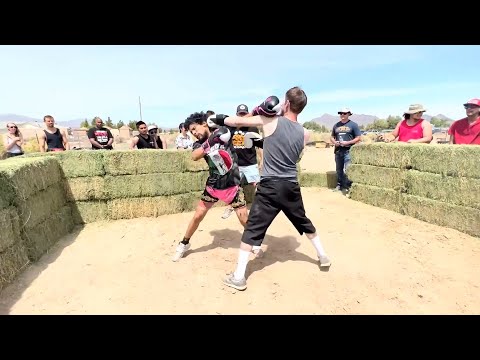
Hexo vs. Bam Bam at SBWC17: A Warrior's Analysis of Raw Combat

Ah, the primal call of combat. You've stumbled upon a raw, unvarnished display of what happens when two warriors step into the arena, seeking to prove their mettle. This is not the choreographed ballet of a kung fu film, nor the strategic chess match of elite MMA. This is STREETBEEFS, and Hexo versus Bam Bam is its latest testament. Welcome, practitioners, to Budo and Martial Arts, where we dissect not just techniques, but the very spirit of conflict.

The Primal Arena: STREETBEEFS Unveiled

STREETBEEFS. The name itself evokes a visceral image. It's a platform that strips away the gloss of professional sports, presenting combat in its most elemental form. This isn't about point systems or judges' scorecards; it's about direct confrontation, often fueled by raw courage and perhaps a touch of desperation. Hexo vs. Bam Bam at SBWC17 is a prime example. The date, June 11, 2022, marks another chapter in this ongoing saga of unsanctioned bouts. As a critic of martial arts, whether in film or reality, I approach such displays with a dual perspective: appreciating the courage while analyzing the effectiveness and underlying principles, or lack thereof.

Many of you might be drawn here by the sheer spectacle, the "what if" of ordinary individuals stepping into a fight. Others might be searching for validation of a particular style or simply curious about the limits of human aggression. Your intention, budoka, is valid. But to truly understand, we must look beyond the surface-level brutality. We must ask: what can we learn from this?

Beyond the Brawl: A Technical Breakdown

Let's be brutally honest. If you're looking for textbook technique, you might be disappointed. STREETBEEFS is less about perfect form and more about application under duress. In this Hexo vs. Bam Bam encounter, we likely witnessed a chaotic blend of instinct and rudimentary offense. There might have been wild swings, desperate clinches, and perhaps a few well-timed, albeit unpolished, strikes.

Was there refined footwork? Probably not. Did Hexo or Bam Bam execute a textbook roundhouse kick with proper hip rotation? Unlikely. The goal here is not aesthetic perfection, but dominance. We must analyze the *intent* behind the movements:

  • Offensive Momentum: Who pressed forward? Who dictated the pace? Even without perfect technique, the ability to advance and force your opponent backward is a significant advantage.
  • Defensive Awareness: Were they able to block, parry, or evade effectively? Or was it a slugfest where both fighters absorbed punishment? Survival instinct plays a huge role here, often overriding trained defensive measures.
  • Power Generation: While technique refines power, raw power can still be effective. Did either fighter possess a notable advantage in sheer force?
  • Endurance: How long could they maintain their offensive output? Fighting is physically demanding, and the ability to last longer can turn the tide, even against a more skilled opponent.

The "street" in STREETBEEFS means the rules are often fluid, and the environment unforgiving. This isn't a controlled sparring session. It's a test of grit, where a single well-placed, albeit crude, strike can end the contest. We observe the "what works" rather than the "how it should be done."

"The supreme art of war is to subdue the enemy without fighting." - Sun Tzu, The Art of War. While STREETBEEFS is the antithesis of this, it reminds us that combat is the last resort. Yet, when fighting is unavoidable, the principles of control and effectiveness remain paramount, even in their most basic form.

The Underlying Philosophy: What This Combat Truly Represents

Beyond the punches and grunts, what does a platform like STREETBEEFS truly signify? It taps into a primal human need for validation, for proving oneself. In a world that can often feel abstract and detached, physical confrontation offers a clear, undeniable measure of strength, courage, and resilience. It's a modern manifestation of ancient rites of passage, where individuals test their mettle against peers.

Is this Budo? In its purest, most disciplined form, perhaps not. Budo, the Way of the Warrior, emphasizes not just combat skill but moral and spiritual development. It's about self-mastery, discipline, respect, and the cultivation of inner strength. STREETBEEFS often lacks these formal elements. However, it *does* showcase other aspects of the warrior spirit:

  • Courage (勇 - Yū): Stepping into any fight requires immense bravery. The willingness to face fear and engage is a fundamental trait of any warrior.
  • Willpower (意志 - Ishi): The determination to continue, to push through pain and exhaustion, is a powerful force.
  • Authenticity: There's a raw honesty to these encounters. No hidden agendas, just a direct test of who prevails.

This raises a critical question for practitioners: How do we reconcile the disciplined pursuit of a martial art with the raw, often chaotic, nature of real conflict? Can the spirit of STREETBEEFS – the directness, the courage – be integrated into a more refined practice? Or are they fundamentally incompatible?

Lessons for the Dojo: Applying the Streetbeefs Ethos

While we wouldn't recommend replicating these unsanctioned bouts, the Hexo vs. Bam Bam encounter offers valuable, albeit harsh, lessons for those who train:

  1. The Importance of Pressure Testing: Even if your techniques are polished, can they hold up under genuine stress? SPARRING, especially with intensity, is crucial. This doesn't mean reckless abandon, but controlled pressure that simulates real-world scenarios.
  2. Grit Over Polish: Sometimes, pure determination can overcome superior technique. Cultivating mental toughness, the ability to keep going when you're tired, hurt, or losing, is as vital as any physical skill.
  3. Simplicity is Key: In a chaotic situation, complex techniques often fail. Mastering fundamental, high-percentage moves that are difficult to defend against can be more effective than flashy, intricate sequences.
  4. Awareness of the Unpredictable: Real fights are rarely fair. Be prepared for opponents who don't follow rules, who might use unconventional tactics or possess surprising strength. This reinforces the need for comprehensive self-defense training.

A dedicated martial artist must always seek to bridge the gap between the dojo and the street. This means training not just for perfection, but for effectiveness under the harshest conditions. It means developing not just skill, but the unyielding spirit to use it when necessary.

Essential Gear for the Aspiring Warrior

While STREETBEEFS often features minimal gear, serious martial artists understand the value of appropriate equipment for training and safety. Investing in quality gear is an investment in your progress and well-being.

  • High-Quality Training Gloves: For any striking art, proper gloves protect your hands and your training partners. Consider 10-16oz sparring gloves for varied training intensities.
  • Durable Kimono/Gi: For arts like Judo, Jiu-Jitsu, or Karate, a sturdy, well-fitting Gi is essential. Look for double-weave fabrics for longevity in grappling arts.
  • Mouthguard: Non-negotiable for any striking or sparring activity. A custom-fitted mouthguard offers the best protection.
  • Shin Guards: Crucial for kickboxing and Muay Thai training to prevent injuries during leg kick exchanges.
  • Headgear: Protect your most valuable asset. Good headgear can significantly reduce the impact of blows to the head during sparring.

Remember, the right equipment not only enhances safety but can also improve your performance and confidence on the mats.

Sensei's Verdict: Raw Heart, Unrefined Skill

Hexo vs. Bam Bam at SBWC17 is a raw, unfiltered look at combat. It showcases immense courage and a primal will to compete. However, from a martial arts perspective, it lacks the technical refinement, discipline, and ethical framework that define true Budo. It's a testament to human aggression and the desire to prove oneself, but it's far from a masterclass in martial science.

Verdict: A testament to raw courage, but lacking in martial artistry. Worth watching for insight into unfiltered combat, but not for technical instruction.

Frequently Asked Questions

  • What is STREETBEEFS?
    STREETBEEFS is an organization that hosts unsanctioned, often bare-knuckle or minimally-gloved, street fights between individuals. It focuses on raw, unfiltered combat outside of traditional sporting regulations.
  • Is STREETBEEFS considered a martial art?
    No, STREETBEEFS is not a martial art. While it involves combat, it typically lacks the structured training, philosophical underpinnings, and emphasis on discipline and self-mastery that define martial arts like Karate, Judo, or Kung Fu.
  • What are the risks involved in STREETBEEFS?
    The risks are extremely high due to the lack of safety regulations, often minimal protective gear, and the unpredictable nature of the fights. Injuries can be severe, including broken bones, concussions, and other serious trauma.
  • Can I learn effective self-defense from watching STREETBEEFS?
    While you might observe moments of raw effectiveness, it is generally not advisable to learn self-defense from platforms like STREETBEEFS. Real self-defense requires structured training in techniques that prioritize de-escalation, escape, and control, often taught by certified instructors in a safe environment.

To Deepen Your Path

This encounter between Hexo and Bam Bam is a stark reminder that the battlefield takes many forms. Whether in the disciplined dojo or the chaotic arena, the warrior's journey is one of constant learning, adaptation, and unwavering spirit. The techniques may differ, the rules may bend, but the core tenets of courage and perseverance remain.

Sensei's Reflection: Your Next Step

You've witnessed a raw display of human conflict. Now, ask yourself: When faced with a challenge, whether physical or metaphorical, do you seek the cleanest, most efficient path to victory, or do you rely on brute force and sheer will? How will you integrate the lessons of raw courage with the discipline of perfected technique in your own journey?

``` GEMINI_METADESC: Explore the raw combat of Hexo vs. Bam Bam at SBWC17. A martial arts Sensei analyzes the fight's technique, philosophy, and lessons for your own training.