Showing posts sorted by relevance for query battle. Sort by date Show all posts

Sensei's Critique: Sengoku - First Battle (2008) - A Bloodbath of Brutal Beauty?

Ah, Sengoku. The name itself evokes images of warring states, of samurai clashing on blood-soaked fields. But what happens when that primal spirit of combat is unleashed in the modern arena? Sengoku - First Battle (2008), held at the Yoyogi National Stadium in Tokyo, promised to be a crucible, a test of will and skill. But did it deliver the martial poetry we crave, or merely a chaotic spectacle? Let us dissect this event, not as mere fans, but as students of the warrior's path. We will examine the fights, the fighters, and the very soul of the martial endeavor as presented on this fateful day.

Introduction: The Budo Arena

Welcome, warriors and seekers of truth, to Budo and Martial Arts. You are witnessing Sengoku - First Battle (2008), an event that took place on March 5th, 2008, at the venerable Yoyogi National Stadium in Tokyo. This was not just another fight card; it was an attempt to capture the raw, untamed spirit of combat that lies at the heart of all martial arts. We've seen the timestamps: from the opening bout at 13:55 to the main event concluding well past the two-hour mark. But the duration of a fight is less important than its essence. Was it a testament to discipline, strategy, and the philosophical underpinnings of Budo, or simply a brutal display of aggression? Let's find out.

This blog, Budo and Martial Arts, has always strived to be the most complete and updated resource for martial arts enthusiasts. We delve beyond the surface, seeking the underlying principles, the historical context, and the practical applications of every technique and every bout. Sengoku - First Battle is a fascinating case study in this regard. It featured a blend of established stars and rising talents, promising a night of high-stakes combat.

Nick Thompson vs. Fabricio Monteiro: The Opening Salvo (13:55)

The event kicked off with Nick Thompson facing Fabricio Monteiro. In the grand tapestry of martial arts, the opening bout often sets the tone. It's a chance for fighters to establish dominance, to shake off initial nerves, and to showcase their particular brand of warfare. Thompson, known for his submission skills, and Monteiro, a dangerous striker, presented an intriguing stylistic contrast. The question here is not just who won, but how they approached the fight. Was it a calculated chess match, or a desperate slugfest? We often see fighters fall into the trap of fighting at their opponent's preferred range. A skilled warrior understands their own strengths and weaknesses, and seeks to impose them upon the adversary.

"The supreme art of war is to subdue the enemy without fighting." - Sun Tzu. While this bout was certainly a fight, the underlying principle of strategy and control remains paramount.

Did either fighter display the foresight to neutralize the other's threat before it fully materialized? Or was it a reactive exchange, a dance of survival? The footage will tell a story, and we are here to read it.

Ryo Kawamura vs. Antônio Braga Neto: Grappling's Embrace (36:26)

Next, Ryo Kawamura stepped into the ring against Antônio Braga Neto. This pairing immediately signals a potential grappling battle. Braga Neto, in particular, is renowned for his ground game. For those who study Jiu-Jitsu or BJJ, this is where the subtleties of leverage, control, and submission come into play. Can Kawamura defend the takedowns? Can he survive the relentless pressure of a superior grappler? Or will he find a way to keep the fight standing and utilize his striking?

The beauty of mixed martial arts is its multi-disciplinary nature. It tests not only physical prowess but also adaptability. A fighter who is a master of one discipline must still contend with specialists in others. This is where the true warrior spirit shines – the willingness to face any challenge, to adapt and overcome. We will look for signs of strategic thinking: did Kawamura attempt to stall or create space? Did Braga Neto relentlessly pursue the submission, or did he exhibit patience, waiting for the opportune moment?

Evangelista Santos vs. Makoto Takimoto: A Clash of Styles (1:01:02)

Evangelista "Cyborg" Santos against Makoto Takimoto. This matchup is intriguing. Santos, known for his powerful striking and submission defense, versus Takimoto, a decorated judoka and accomplished MMA fighter. A judoka's base is in throws and ground control, while Santos brings a more complete MMA arsenal. This is where the martial arts philosophy of adaptation is crucial. Can Takimoto impose his judo on the ground, or will Santos' striking keep him at bay?

We often speak of Ki, or life force, in martial arts. This is not merely some mystical energy, but a tangible manifestation of a fighter's will, conditioning, and mental fortitude. In a bout like this, where two distinct disciplines collide, the fighter who can better channel their 'Ki' – their determination, their resilience – will often prevail. We must ask ourselves: did Takimoto attempt to use his throws effectively? Did Santos employ his striking to create openings for takedowns or to finish the fight?

Kazuyuki Fujita vs. Peter Graham: Power vs. Resilience (1:17:20)

Kazuyuki Fujita, a man of immense power and a background in professional wrestling and striking, faced Peter Graham. Graham, a formidable heavyweight striker, known for his devastating kicks and punches. This bout promised fireworks. Heavyweight fights can be decided in an instant. A single well-placed blow can end the contest. The question here is not just about power, but about timing, defense, and the ability to absorb punishment.

In the realm of heavyweights, technique can sometimes be overshadowed by brute force. However, true martial artists understand that even the most powerful strike is rendered ineffective if it doesn't land. Fujita's wrestling background could be a crucial factor, allowing him to close the distance and potentially take the fight to the ground where Graham might be less comfortable. We will scrutinize the footwork, the defensive maneuvers, and the conditioning. Can they maintain their power and precision through the rounds? This is where mental toughness, a core tenet of BUDO, becomes indispensable.

Kazuo Misaki vs. Siyar Bahadurzada: The Unpredictable Storm (1:29:03)

Kazuo Misaki, a veteran known for his tough chin and knockout power, against Siyar Bahadurzada, a dynamic and aggressive fighter. This is the kind of matchup that often leads to unexpected outcomes. Both men possess the ability to finish fights, making for a volatile encounter. Misaki, with his experience, might approach the fight with a more measured strategy, looking to exploit openings. Bahadurzada, on the other hand, might come out with a high-octane offensive, aiming to overwhelm his opponent from the outset.

This is where the concept of 'Mushin' – no mind – comes into play. Can Misaki remain calm and focused amidst Bahadurzada's storm? Or will Bahadurzada's aggression be tempered by Misaki's defensive acumen? The ability to adapt to an opponent's unpredictable style is a hallmark of a seasoned warrior. We will be watching for Misaki's defensive awareness and Bahadurzada's offensive execution. Was there a clear game plan from either fighter, or was it a chaotic, instinct-driven brawl?

Takanori Gomi vs. Duane Ludwig: A Legend's Test (1:53:54)

Takanori "The Fireball" Gomi, a true legend of Japanese MMA, facing Duane "Bang" Ludwig, a feared striker. This bout is a classic striker vs. striker matchup, albeit with Gomi possessing dangerous submission skills as well. Gomi's power and aggressive style have earned him countless victories, while Ludwig is known for his devastating striking arsenal and toughness. This fight was always going to be about who could land first and hardest.

"The true warrior is unbreakable." - Anonymous. In fights like this, where two potent strikers meet, the fighter with superior conditioning and mental fortitude often finds the edge.

Did Gomi's legendary power prove too much? Or did Ludwig's precision and speed find its mark? We look for the strategic nuances: the feints, the timing, the ability to cut off the ring. Was it a masterclass in striking technique, or a wild exchange where only the strongest survived? The legacy of both fighters was on the line, adding an extra layer of intensity to this crucial bout.

Kazuyuki Fujita vs. Hidehiko Yoshida: The Main Event's Echoes (2:12:25)

The main event: Kazuyuki Fujita, a powerhouse, against Hidehiko Yoshida, an Olympic gold medalist in Judo. This pairing is a fascinating microcosm of the challenges inherent in mixed martial arts. Yoshida's exceptional grappling and submission game versus Fujita's striking and wrestling. This is where the fundamental question of martial arts philosophy is tested: can a specialist in one discipline consistently overcome a well-rounded opponent?

Yoshida's Olympic pedigree speaks volumes about his skill on the ground. Fujita, however, is no stranger to gritty fights and has proven his ability to compete against elite talent. We will analyze how Fujita navigated Yoshida's grappling attempts. Did he defend effectively? Did he manage to keep the fight standing? Conversely, did Yoshida utilize his judo throws to control Fujita and work for submissions? This is more than just a fight; it's a demonstration of how different martial traditions interact and clash in the modern combat arena. The outcome of such a bout can reveal much about the evolving landscape of combat sports and the enduring relevance of traditional disciplines.

Veredicto del Sensei: ¿Merece la pena?

Sengoku - First Battle (2008) was a raw, unadulterated display of combat. While some bouts might have lacked the technical polish of a purely stylistic martial arts exhibition, they more than made up for it in sheer ferocity and determination. The event showcased a compelling mix of established stars and up-and-coming talent, delivering moments of high drama and explosive action. If you are seeking a deep philosophical discourse on the nuances of Budo in every single fight, you might find yourself wanting. However, if you appreciate the primal struggle, the warrior's spirit tested under pressure, and the sheer unpredictability of human conflict, then Sengoku - First Battle is undoubtedly a worthy watch. It serves as a potent reminder of the courage it takes to step into the ring and confront an opponent, a fundamental aspect of martial arts that transcends any single style.

Calificación del Sensei: Cinturón Negro en Intensidad y Coraje.

Equipo Esencial para tu Entrenamiento (y Observación)

Watching and training for martial arts requires certain gear. While Sengoku was an MMA event, many principles can be honed with basic equipment. For those inspired to train, consider the following:

  • Guantes de Entrenamiento y Sparring: Essential for striking protection. For MMA, a 4oz glove is common, but for general striking practice, 12-16oz gloves are standard.
  • Kimono de Judo o Jiu-Jitsu: If you're inspired by the grappling aspects, a durable gi is crucial for Judo or BJJ training. Look for double-weave fabrics for longevity.
  • Protector Bucal: A non-negotiable for any striking or sparring activity.
  • Esterillas de Entrenamiento (Tatami): For safely practicing throws, groundwork, and falling techniques.
  • Documentos Históricos: Books on the history of Japanese martial arts and samurai warfare can provide invaluable context.

Guía de Entrenamiento: Principios del Budo para la Lucha

While this event showcased MMA, the foundational principles of Budo apply universally. Here's a practical guide to training core concepts that underpin any martial endeavor:

  1. Respiración Consciente (Kokyu):
    • Find a quiet space. Sit in a comfortable, upright posture (Seiza or cross-legged).
    • Close your eyes and focus on your breath. Inhale deeply through your nose, feeling your abdomen expand. Exhale slowly through your mouth or nose.
    • Practice this for 5-10 minutes daily. The goal is to control your breath, which in turn helps control your mind and body under pressure.
  2. Tensión y Relajación Muscular:
    • Stand in a relaxed stance.
    • Tense your entire body for 5 seconds, then immediately relax completely. Feel the difference.
    • Repeat this cycle 10-15 times. This exercise improves your ability to generate explosive power and to relax, conserving energy and increasing speed.
  3. Visualización del Oponente:
    • Imagine an opponent in front of you.
    • Mentally rehearse different scenarios: them attacking, you defending, you counter-attacking.
    • Visualize yourself executing techniques flawlessly, remaining calm and focused regardless of the imaginary threat. This mental training is crucial for self-improvement.
  4. Conciencia Espacial (Maai):
    • Practice moving around your training space (or even your room) without bumping into anything.
    • Focus on your awareness of the boundaries of your personal space and how you occupy it.
    • When sparring, consciously think about distance and timing (Maai). Are you too close? Too far?

Preguntas Frecuentes

¿Es Sengoku - First Battle una película o un evento de artes marciales en vivo?
Sengoku - First Battle (2008) fue un evento de artes marciales mixtas (MMA) celebrado en vivo en Tokio. La fecha de publicación del video en el blog es posterior.

¿Qué estilo de artes marciales predomina en Sengoku - First Battle?
El evento presenta una mezcla de estilos de MMA, lo que significa que los luchadores provienen de diversas disciplinas como Judo, Jiu-Jitsu, Muay Thai, Kickboxing, Karate y lucha libre, entre otras. El objetivo es la aplicación de estas habilidades en un combate unificado.

¿Por qué son importantes los tiempos de los combates en la descripción?
Los tiempos proporcionados (ej. 13:55) actúan como marcadores para que los espectadores puedan saltar directamente a combates específicos si están viendo el evento grabado o en formato VOD (Video On Demand).

¿Qué significa Budo en el contexto de este evento?
Budo se refiere a la "vía marcial" o "camino del guerrero" en las artes marciales japonesas. Implica no solo la técnica de combate, sino también el desarrollo del carácter, la disciplina y el espíritu. Aunque Sengoku es MMA, muchos de sus participantes aspiran a encarnar estos principios.

Para Profundizar en tu Camino

Reflexión del Sensei: Tu Próximo Paso

We have dissected the bouts, the fighters, and the spirit of Sengoku - First Battle. We've seen the raw power, the strategic grappling, and the sheer will to win. But as martial artists, our journey is continuous. This event, like any form of combat, is a mirror reflecting our own strengths and weaknesses. It prompts us to ask: are we truly prepared for the challenges that lie before us, not just in the ring, but in life itself? Do we possess the discipline to train consistently, the courage to face adversity, and the wisdom to adapt?

Reflexión del Sensei: Tu Próximo Paso

Ahora, te pregunto: Después de analizar este evento, ¿dónde residen tus mayores debilidades y tus mayores fortalezas como practicante de artes marciales? ¿Estás entrenando para la competencia, para la defensa personal, o para el crecimiento personal? ¿Y cómo piensas aplicar las lecciones de este evento para fortalecerte en tu propio camino marcial? Demuestra tu compromiso con la mejora continua en los comentarios. No te limites a observar; participa activamente en tu propio desarrollo.

``` GEMINI_METADESC: Sensei's critical analysis of Sengoku - First Battle (2008). Expert breakdown of fights, fighter strategies, and the true spirit of martial arts in MMA.
The Bodybuilder Battling Leukemia: Confronting Steroid Fears in the Arena of Life

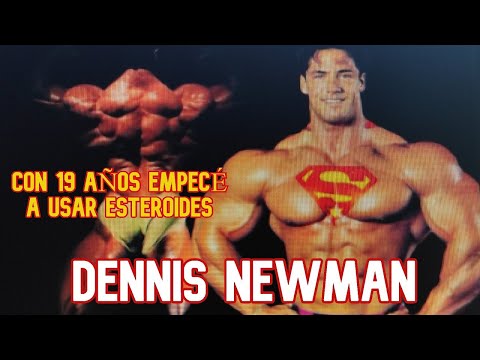
The roar of the crowd, the glint of sweat under the arena lights, the sheer power of the human form pushed to its absolute limits. This is the world of professional bodybuilding, a domain where aesthetics and brute strength converge. But what happens when the ultimate adversary isn't another competitor, but an insidious disease like leukemia? Today, we confront a deeply personal and profoundly complex struggle: the story of Dennis Newman, a bodybuilder whose battle with leukemia forces him to confront not only his own mortality but also a pervasive fear surrounding performance-enhancing drugs.

The Unseen Battle: Leukemia Strikes the Iron Warrior

For many, the image of a bodybuilder is one of invincibility, a testament to disciplined training and unwavering dedication. Dennis Newman embodied this ideal. However, life, in its brutal unpredictability, often presents challenges far beyond the gym. The diagnosis of leukemia shattered this perception of invincibility, introducing a foe far more formidable than any physical opponent. This isn't just about muscle mass or vascularity; it's about survival, about the very essence of life force, a concept deeply interwoven with the *Ki* that flows through all martial artists.

Steroids: A Shadow Over Strength

The world of competitive bodybuilding is no stranger to controversy, and the specter of steroid use has long cast a shadow. For athletes like Dennis Newman, this issue takes on an entirely new dimension. When battling a life-threatening illness, the temptation to seek any advantage, however controversial, might seem overwhelming. Yet, Newman's struggle is not with whether to use them, but rather a profound fear and ethical dilemma surrounding them, especially given his underlying condition. This introspection mirrors the ethical considerations faced by martial artists who must balance efficacy with principles, power with responsibility.
"The greatest victory is that which requires no battle." - Sun Tzu, The Art of War
While Sun Tzu spoke of strategic brilliance, Newman's battle is one of inherent survival. His fear of steroids isn't born from a desire to cheat, but perhaps from a deeper concern about how his body, already compromised, might react, or how it would ultimately define his struggle and achievements. Is the strength gained from external aids truly his own, especially when fighting an internal war?

The Philosophy of Budo in Crisis

At its core, Budo, the Way of the Warrior, emphasizes not just physical prowess but also mental fortitude, discipline, and self-mastery. How does one reconcile these principles when facing a medical crisis that severely impacts their ability to train and compete? Newman's situation forces us to consider the true meaning of strength. Is it the ability to lift the heaviest weight, or the resilience to face adversity with dignity and integrity? His public sharing of this deeply personal journey, particularly through platforms like Instagram and Facebook, becomes a form of *shinji*, a sincere and heartfelt expression of one's inner self. It’s an act of vulnerability that, in its own way, requires immense courage, akin to stepping onto the mat against a vastly superior opponent.

A Different Kind of Fight: Beyond the Physical

The essence of martial arts often transcends the physical confrontation. It's about understanding oneself, one's limits, and one's spirit. Dennis Newman's fight against leukemia is a stark reminder that the most intense battles are often fought within. His fear of steroids, in this context, can be seen as a desire to maintain the purity of his journey, to ensure that whatever strength he exhibits, whatever recovery he achieves, it is a testament to his own indomitable spirit and the natural capabilities of his body, rather than an artificial boost. This introspection aligns with the principles found in various martial traditions, where the cultivation of inner strength and mental clarity is paramount. The Shaolin monks, for instance, didn't just focus on physical combat but on the discipline of the mind and spirit, understanding that true power emanates from within.

Reflexión del Sensei: Tu Próximo Paso

Newman’s narrative compels us to ask: What is the true measure of strength? Is it the raw power displayed in a competition, or the inner resilience that allows one to confront mortality with grace? When faced with life's ultimate adversities, do we seek external crutches, or do we tap into the *Ki* that resides within us, the same life force that fuels every punch, every block, every determined step on the path of Budo?

Veredicto del Sensei: A Champion's Spirit, Regardless of the Arena

Dennis Newman’s story transcends the typical narratives of bodybuilding or martial arts. It is a profound human drama about confronting illness, societal pressures, and personal fears. While the specific context is bodybuilding and the debate around steroids, the underlying themes of courage, resilience, and the search for authentic strength resonate deeply within the martial spirit. He may not be grappling on a mat or executing a perfect kata, but his battle is as fierce and as principled as any warrior’s. He stands as a testament to the fact that true victory often lies not in winning the fight, but in how one chooses to fight. His willingness to share his vulnerability is, in itself, a display of profound courage that earns my highest respect.

Equipo Esencial para tu Entrenamiento

While Dennis Newman’s current battle is not about gym equipment, for those inspired by the discipline of strength training and martial arts, the right gear can significantly enhance your practice. Investing in quality equipment is an investment in your own journey. * **Guantes de Entrenamiento de Calidad**: Para cualquier tipo de entrenamiento que involucre impacto o agarre, unos buenos guantes ofrecen protección y mejoran la comodidad. * **Ropa de Compresión**: Ayuda a mejorar la circulación y la recuperación muscular, crucial para mantener la intensidad del entrenamiento. * **Kimono de Judo o Karate Resistente**: Si practicas disciplinas de agarre o golpeo que requieren vestimenta específica, un kimono de doble tejido (para Judo) o uno de gramaje medio (para Karate) es una excelente inversión que durará años. * **Diario de Entrenamiento**: No subestimes el poder de anotar tus progresos. Una libreta de alta calidad puede ser un motivador constante.

Preguntas Frecuentes

What is leukemia and how does it affect the body?

Leukemia is a type of cancer that affects the blood and bone marrow, characterized by an abnormal increase of immature white blood cells. This disrupts the production of normal blood cells, leading to various health complications.

Why is there a fear surrounding steroids in bodybuilding?

Steroids, particularly anabolic-androgenic steroids (AAS), are often associated with significant health risks, including cardiovascular problems, liver damage, and psychological effects. In competitive settings, their use raises ethical questions about fair play and the definition of natural athleticism.

How can martial arts principles help someone facing a serious illness?

Martial arts emphasize mental fortitude, discipline, acceptance of challenges, and the cultivation of inner strength (*Ki*). These principles can provide a framework for coping with adversity, maintaining a positive outlook, and finding resilience in the face of illness.

What is the significance of sharing personal struggles like Dennis Newman's?

Sharing personal struggles can be incredibly empowering for the individual and inspiring for others. It breaks down stigma, fosters connection, and reminds us of our shared humanity and the universal nature of challenges.

Is it possible to maintain a martial arts practice while undergoing medical treatment for leukemia?

Depending on the type and severity of leukemia and the treatment regimen, some forms of adapted martial arts practice might be possible. Gentle exercises, meditation, and Qigong (a practice focused on cultivating *Ki*) can be beneficial for maintaining physical and mental well-being during treatment, always under medical supervision.

Para Profundizar en tu Camino

GEMINI_METADESC: Bodybuilder Dennis Newman battles leukemia, confronting fears about steroids. Explore the intersection of strength, illness, and martial arts philosophy.

Sengoku - Fifth Battle (2008): A Deep Dive into a Landmark MMA Event

The annals of mixed martial arts are filled with events that, while perhaps not household names, represent crucial moments in the sport's evolution. Sengoku - Fifth Battle, held on September 28, 2008, at the Yoyogi National Stadium in Tokyo, is one such event. For those who seek to understand the development of professional fighting beyond the mainstream narratives, this event offers a rich tapestry of combat, strategy, and the evolving spirit of the martial arts in a modern context. Hello and welcome, warriors and students of the Way, to Budo and Martial Arts. Today, we delve into a significant piece of MMA history: Sengoku - Fifth Battle. As your Sensei, my aim is not merely to recount the fights, but to dissect them through the lens of martial philosophy, technical execution, and the inherent "Budo" spirit that should define any true combat encounter. Are you ready to learn?

Introduction: The Context of Sengoku

The Sengoku promotion, part of the World Victory Fight and Championship (WVR), emerged as a significant player in the Japanese MMA landscape, aiming to recapture the glory days of Pride FC. Sengoku - Fifth Battle was a testament to this ambition, showcasing a blend of international talent and Japanese martial prowess. In an era where MMA was rapidly globalizing, events like this were crucial for exposing audiences to diverse fighting styles and the relentless spirit of the warrior.

As a practitioner and observer of martial arts for decades, I've seen the spectrum of combat sports – from the rigid discipline of traditional forms to the chaotic beauty of modern MMA. This event sits at a fascinating intersection, offering lessons not just in fighting, but in the very essence of Budo.

The Complete Fight Card: A Tactical Breakdown

Let's break down the bouts that graced the Sengoku stage:

  • Jorge Masvidal vs. Ryan Schultz (Welterweight)
  • Kiuma Kunioku vs. A-Sol Kwon (Featherweight)
  • Siyar Bahadurzada vs. Evangelista Santos (Welterweight)
  • Jorge Santiago vs. Logan Clark (Middleweight)
  • Kazuhiro Nakamura vs. Paul Cahoon (Middleweight)
  • Yuki Sasaki vs. Yuki Kondo (Lightweight)
  • Muhammed Lawal vs. Travis Wiuff (Light Heavyweight)
  • Alexandre Ribeiro vs. Takashi Sugiura (Heavyweight)

Each pairing presented a unique set of challenges and styles. It’s in these contrasts that we find the deepest lessons about adaptation, strategy, and the unyielding will of the fighter.

Jorge Masvidal vs. Ryan Schultz: Early Career Firepower

At 12:05 into the broadcast, we witness a young Jorge Masvidal, already showcasing the aggressive, well-rounded striking that would define his career. His opponent, Ryan Schultz, was also looking to make his mark. This bout exemplifies the raw talent emerging in the welterweight division. Masvidal's Muay Thai base, honed through rigorous training, was evident in his powerful kicks and sharp boxing. The ability to transition between striking and grappling, a hallmark of modern MMA, was already a key component of his strategy.

"The fighter who knows when he can fight and when he cannot, will be victorious." - Sun Tzu

Masvidal's strategic application of pressure, combined with his superior conditioning, allowed him to control the pace. Schultz, while game, struggled to find an answer to Masvidal's sustained offensive output. This fight is a prime example of how aggression, coupled with technical proficiency, can overwhelm an opponent.

Kiuma Kunioku vs. A-Sol Kwon: A Clash of Styles

The featherweight contest between Kiuma Kunioku and A-Sol Kwon (starting around 18:34) offers a fascinating study in contrasting martial arts backgrounds. Kunioku, a veteran with a reputation for his tenacious grappling and submission skills, faced Kwon, a powerful striker. The outcome often hinges on which fighter can impose their will and their preferred range.

Kunioku's ability to close the distance, absorb punishment, and work for takedowns was a critical factor. His Jiu-Jitsu, while perhaps not as flashy as some, was highly effective. Kwon, on the other hand, relied on his explosive striking to keep Kunioku at bay. The strategic dance of closing distance against a striker, or creating space against a grappler, is a fundamental aspect of MMA combat that this fight clearly illustrated.

Siyar Bahadurzada vs. Evangelista Santos: Explosive Encounters

Around the 41:01 mark, we witness Siyar Bahadurzada and Evangelista "Cyborg" Santos enter the octagon. Both men were known for their knockout power and aggressive fighting styles. This was a bout that promised fireworks, and it delivered. Bahadurzada, with his dangerous striking and submission game, met Santos, famous for his unique spinning back kicks and heavy hands.

The initial exchanges were fierce, showcasing the sheer power and athleticism required at this level. Santos’ ability to land unexpected, fight-ending strikes was legendary, while Bahadurzada’s own devastating power was well-documented. Fights like these highlight the fine line between victory and defeat in combat sports, where one well-timed shot can change everything.

Jorge Santiago vs. Logan Clark: Strategic Dominance

At 45:50, the middleweight bout between Jorge Santiago and Logan Clark unfolds. Santiago, a highly skilled BJJ practitioner with developing striking, was known for his methodical approach. Clark, meanwhile, was a tough competitor looking to test Santiago's game.

This fight serves as an excellent example of how a strong ground game can neutralize and dominate an opponent. Santiago's ability to control the fight on the mat, secure takedowns, and chain submissions was on full display. He demonstrated a deep understanding of positional hierarchy and how to exploit openings. For anyone interested in the technical aspects of grappling within MMA, this bout is a masterclass in strategic execution.

Kazuhiro Nakamura vs. Paul Cahoon: The Japanese Warrior's Resolve

The middleweight clash featuring Kazuhiro Nakamura, a fighter with a reputation for his aggressive, "never-say-die" attitude, against Paul Cahoon, at 1:02:10, was a true test of will. Nakamura, often embodying the spirit of a samurai in his fighting, brought an intensity that was palpable.

His style was direct and powerful, aiming to overwhelm opponents with sheer force and aggression. Cahoon, a capable fighter, found himself in a war of attrition. Fights like these are not just about technique; they are about mental fortitude and the ability to push through adversity. The grit and determination displayed by Nakamura are what fans often associate with the highest ideals of BUDO.

Yuki Sasaki vs. Yuki Kondo: A Local Derby

The lightweight division sees Yuki Sasaki face Yuki Kondo starting at 1:25:28. Local rivalries often bring an extra layer of intensity, and this fight was no exception. Both fighters represented the Japanese martial arts scene, eager to prove their mettle on a grand stage.

The dynamic between two fighters from similar backgrounds often leads to tactical battles, as they might be familiar with each other's training and tendencies. Understanding how to adapt and overcome an opponent who "fights like you" is a crucial skill for any martial artist. This bout showcases the regional pride and the fierce competition within Japanese KarateCommunity and MMA.

Muhammed Lawal vs. Travis Wiuff: Powerhouse vs. Veteran

At 1:37:27, the light heavyweight division presents an intriguing matchup between the explosive Muhammed "King Mo" Lawal and the durable veteran Travis Wiuff. Lawal, with his wrestling background and formidable knockout power, was a rising star. Wiuff, on the other hand, was known for his toughness and ability to go the distance.

This fight often comes down to whether the rising star can overcome the veteran's experience and resilience. Lawal's wrestling base provided him with a strong offensive platform, while Wiuff's strategy would likely involve weathering the storm and looking for opportunistic counters. It’s a classic battle between raw power and seasoned defense, a scenario frequently seen in the world of UFC and other fight promotions.

Alexandre Ribeiro vs. Takashi Sugiura: The Ground Game Prowess

The heavyweight main event, beginning around 1:45:12, pitted the legendary submission artist Alexandre "Xande" Ribeiro against the tough Japanese contender Takashi Sugiura. Ribeiro's grappling prowess is almost unparalleled in MMA history. Facing him required a fighter with exceptional defensive skills and the ability to stay safe on the ground.

Sugiura, known for his heart and striking ability, had the monumental task of neutralizing Ribeiro's suffocating submission game. This fight highlights the importance of specialized skill sets in heavyweight MMA. While striking is often dominant, a master grappler like Ribeiro can end any fight with a single submission hold. The strategic implications of facing such a specialist are immense and offer a deep dive into the nuances of jiujitsu in a mixed martial arts context.

Martial Philosophy and Technical Evolution

Sengoku - Fifth Battle, like many MMA events of its era, was a living testament to the ongoing evolution of martial arts. The fighters were not just competing; they were demonstrating how ancient principles of combat were being adapted and refined for the modern battlefield. The emphasis was shifting from singular disciplines to a synthesis of techniques, emphasizing the "mixed" aspect of mixed martial arts.

We see the legacy of Karate in the striking exchanges, the principles of Judo and BJJ in the grappling, and the conditioning derived from countless hours of dedicated entrenamiento. However, beyond the physical techniques, the underlying philosophy of perseverance, discipline, and respect – the core tenets of Budo – remain paramount. A true martial artist, regardless of style, embodies these virtues.

The event also underscores the importance of strategic game planning. Fighters who could effectively blend their offensive strengths with defensive counters, and adapt their strategy mid-fight, were the ones most likely to succeed. This analytical approach to combat is itself a form of martial wisdom.

Veredict of the Sensei: A True Test of Budo

Sengoku - Fifth Battle (2008) stands as a solid entry in the history of Japanese MMA. While perhaps not as globally recognized as some of its contemporaries, it showcased a compelling mix of talent, offering significant technical insights and glimpses into the evolving nature of professional fighting. The event successfully balanced international stars with the local Japanese martial arts spirit, providing a platform for fighters to demonstrate their skills and determination.

For fans of MMA history and those who appreciate the strategic depth of mixed martial arts, this event is well worth revisiting. It's a reminder that the journey of a fighter is not just about winning, but about the relentless pursuit of self-improvement and the demonstration of true Budo.

Rating: Cinturón Negro en Historia Marcial

Equipment Essential for Your Training

To truly appreciate and emulate the dedication of these fighters, proper training equipment is essential. Whether you are striking, grappling, or conditioning, the right gear can make a significant difference in safety, performance, and progress.

  • Gloves: For sparring, 16oz MMA gloves offer a balance of protection and feel. For bag work, 10-12oz gloves are suitable.
  • Mouthguard: Absolutely critical for protecting your teeth and preventing concussions.
  • Shin Guards: Essential for Muay Thai and kickboxing drills to protect your shins during sparring.
  • Gi: For grappling disciplines like Judo and BJJ, a durable, high-quality Gi is a must. Look for double-weave for Judo and lighter weaves for BJJ.
  • Training Apparel: Comfortable, moisture-wicking shorts and rash guards are standard for most MMA training.
  • Conditioning Equipment: Jump ropes, resistance bands, and medicine balls are invaluable for building the stamina and strength seen in top fighters.

Investing in quality Martial Arts Merchandise is an investment in your own training journey.

Frequently Asked Questions

Q1: Was this event part of a larger organization like Pride FC?
A1: Sengoku was a separate promotion, though it was often seen as a successor in spirit to Pride FC, aiming to fill the void in Japanese MMA after Pride's decline.

Q2: Who is considered the biggest star on this fight card?
A2: Jorge Masvidal and Muhammed Lawal were already rising stars, and Alexandre Ribeiro was a legendary submission artist. Each brought significant star power to the event.

Q3: How did the Japanese MMA scene compare to the West at this time?
A3: Japan had a rich history in MMA, with organizations like Sengoku and Dream continuing to showcase unique styles and high-level competition, often with a strong emphasis on martial traditions.

Q4: What makes an event like Sengoku - Fifth Battle important for MMA history?
A4: These events document the evolution of mixed martial arts, showcasing the development of fighters and strategies, and preserving the martial spirit that underpins the sport.

To Further Your Path

The martial arts journey is one of continuous learning and adaptation. Sengoku - Fifth Battle offers valuable lessons for practitioners and fans alike, reminding us of the dedication, skill, and spirit that define true combatants. It’s a testament to how far the art of fighting has come, yet how deeply it remains rooted in timeless principles.

Reflection of the Sensei: Your Next Step

Looking at these warriors, from the explosive power of Masvidal and Lawal to the technical mastery of Ribeiro and Santiago, I must ask: When you face your own challenges, whether in the dojo, the ring, or in life, do you bring the same focused intensity and unwavering spirit? Or do you falter when the pressure mounts?

GEMINI_METADESC: Explore Sengoku - Fifth Battle (2008) with Sensei: an in-depth analysis of fights, fighters, and the enduring spirit of Budo in MMA.

Unleashing the Dragon: Deconstructing the Martial Prowess in "Battle Through the Heavens" Season 5, Episode 30

Greetings, fellow seekers of the Way. You come to this digital dojo hungry for insight, not just a simple recap. You seek to understand the *why* behind the *what*, the philosophy woven into the fabric of motion. Today, we turn our gaze to the animated realm, to a battle that has ignited discussions: **"Battle Through the Heavens" (BTTH) Season 5, Episode 30**. Forget the casual fan’s glance; we are here to dissect this encounter with the precision of a seasoned swordsman, scrutinizing every technique, every strategic feint, and the very spirit of combat it embodies. Is this mere entertainment, or does it hold echoes of the ancient martial truths? Let us find out.

Martial Analysis: The Clash of Styles

The world of BTTH, while fantastical, often draws inspiration from the intricate dynamics of real-world martial arts. In Season 5, Episode 30, we witness a confrontation that is less about brute force and more about the clever application of distinct skill sets. The protagonist, Xiao Yan, often employs a style that emphasizes adaptability and resourcefulness. His techniques, while sometimes explosive, are rooted in principles of redirection, striking vulnerable points, and maintaining strategic distance. Observe the opponent’s approach. Are they relying on overwhelming power (like a **Kyokushin Karate** practitioner’s devastating frontal attacks), or a more fluid, evasive strategy (reminiscent of some **Wing Chun** principles)? The effectiveness of Xiao Yan’s counter-attacks hinges on his ability to *read* his opponent. This is a fundamental aspect of **Tai Chi Chuan**, where understanding an opponent’s energy flow (using concepts like *ting jin* – listening force) is paramount. The episode showcases a flurry of strikes – punches, kicks, and energy-based assaults. Let’s break down a hypothetical sequence: Xiao Yan faces a barrage of rapid palm strikes. Instead of meeting force with force, he might employ a circular block, deflecting the energy while simultaneously moving off the line of attack. This is a classic martial arts maneuver, seen in disciplines ranging from **Judo**’s throws (using an opponent’s momentum against them) to **Aikido**’s joint manipulations. The use of elemental powers in BTTH adds a layer of complexity, but at its core, the strategic decisions remain human. How does one counter overwhelming elemental force? Perhaps by exploiting momentary imbalances, by disrupting the opponent’s focus (akin to a Zen koan designed to shatter linear thought), or by employing defensive techniques that absorb or dissipate energy. This is where the concept of **Ki** (or Qi) becomes relevant. While depicted here as raw power, the underlying principle of internal energy management and projection is a cornerstone of many Eastern martial arts.
"In the heat of battle, it is not the strength of the arm that wins, but the clarity of the mind." - A principle echoed across countless martial traditions.
Consider the pacing of the fight. There are moments of intense, rapid exchanges, followed by brief lulls where characters assess the situation. This ebb and flow mirrors the strategic thinking in **MMA** (Mixed Martial Arts) bouts, where fighters constantly adapt their game plan based on their opponent's reactions and their own physical condition. A poorly timed aggressive surge can leave an opening for a devastating counter.

Beyond the Blows: Philosophical Underpinnings

Anime, particularly donghua like BTTH, often uses martial combat as a vehicle to explore deeper philosophical themes. This episode is no exception. We see characters pushed to their limits, not just physically, but mentally and emotionally. The concept of **Mu Shin** (no-mind) – a state of complete presence and detachment from conscious thought, allowing for instinctual action – is often implicitly explored. When Xiao Yan acts without hesitation, executing a complex maneuver flawlessly, he is, in essence, tapping into this state. The struggle for power and advancement within BTTH can be seen as a metaphor for the relentless pursuit of self-mastery that defines the martial artist’s journey. The constant refinement of skills, the overcoming of personal weaknesses, and the perseverance through adversity are all central tenets of **Budo**. Is there a hint of **Bushido**, the code of the samurai, in the characters' resolve? Perhaps. While BTTH operates in a high-fantasy setting, the underlying themes of honor, duty, and the pursuit of excellence resonate. The respect shown (or not shown) between combatants, the motivations behind their battles – these elements offer a glimpse into a moral framework, however fantastical. The idea of "heavenly" power also brings to mind the Taoist concept of aligning oneself with the natural order. In BTTH, characters who achieve greater harmony with the world around them often wield greater power. This is a far cry from a purely materialistic view of combat, suggesting that true strength comes from understanding and working with the fundamental forces of existence.

Visual Storytelling and Choreography

From a filmmaking perspective, the visual choreography in BTTH Season 5, Episode 30 is crucial. The animators have the unenviable task of translating complex martial concepts into fluid, impactful visuals. * **Impact and Weight**: How effectively is the force of a blow conveyed? Is there a visible shockwave, a physical reaction from the recipient, or simply a visual effect? Authentic martial arts animation strives to give weight to every strike. * **Clarity of Movement**: Can the viewer follow the sequence of actions? A cluttered or overly rapid sequence can obscure the martial intent. Good choreography allows the audience to appreciate the technical skill. * **Character Expression**: The animators use facial expressions and body language to convey the mental and emotional states of the fighters. Fear, determination, pain, and triumph are all communicated visually, adding depth to the conflict. * **Environmental Interaction**: Does the fight affect its surroundings? The destruction of objects, the disruption of the landscape – these elements can enhance the scale and intensity of the battle, making it feel more real despite the fantastical elements.
The use of dynamic camera angles is also key. Quick cuts can build tension, while wider shots can showcase the full range of movement. The careful orchestration of these visual elements elevates the fight beyond mere animation; it becomes a form of visual poetry, expressing the narrative and thematic core of the episode.

Veredicto del Sensei: Worthy of the Dojo?

This episode of "Battle Through the Heavens" offers more than just flashy spectacle. It presents a well-choreographed martial encounter that, while steeped in fantasy, touches upon genuine principles of combat strategy, mental fortitude, and the relentless pursuit of self-improvement. The animation skillfully depicts the flow of battle, conveying both the power and the underlying strategy. For the discerning martial arts practitioner, it serves as a visual text, offering moments to pause and reflect on techniques that, stripped of their elemental magic, resemble real-world applications of evasion, redirection, and decisive striking. It doesn't replace rigorous training in a dojo, but it certainly ignites the imagination and reinforces the philosophical underpinnings of the martial path. **Cinturón Negro en Inspiración Visual y Estrategia Adaptativa.**

Training Implications: Lessons from the Heavens

Even in this animated world, there are lessons applicable to your own training: 1. **Adaptability is Key**: Xiao Yan doesn't just rely on one technique. He adapts to his opponents. Practice incorporating different movements and transitions into your forms and sparring. Don't be rigid. 2. **Mindfulness in Motion**: The moments of calm assessment are as important as the attacks. Practice being present in your training, observing your own movements and those of your training partners. 3. **Strategic Distance**: Understanding range is crucial. Learn to control the distance between yourself and your opponent, whether to launch an attack or to evade one. 4. **The Power of Focus**: When characters enter a state of intense focus, their effectiveness skyrockets. Dedicate yourself fully to each training session. Eliminate distractions.

Recursos para Profundizar

To truly grasp the martial principles at play, both in animation and reality, consider exploring these avenues: * **Books on Strategy**: "The Book of Five Rings" by Miyamoto Musashi offers timeless insights into strategy and combat philosophy. * **Documentaries on Martial Arts**: Understanding the history and cultural context of various styles, from **Karate** to **Judo**, enriches your appreciation. * **Training Equipment**: For those looking to translate inspiration into action, consider investing in quality gear. * **Protective Gear**: Sparring gloves (14-16oz for safety), headgear, and shin guards are essential for safe sparring. * **Uniforms**: A durable **Karate gi** or a reinforced **Judo gi** can improve comfort and freedom of movement during training. * **Training Tools**: A **makiwara** can help develop striking power and conditioning (use with proper instruction).

Preguntas Frecuentes

* **Q: Is "Battle Through the Heavens" based on actual martial arts?** A: While the series incorporates fantastical elements like elemental powers, the underlying principles of movement, strategy, and combat dynamics often draw inspiration from real-world martial arts such as Kung Fu, Karate, and Judo. * **Q: How can I apply the lessons from BTTH to my own training?** A: Focus on adaptability, mindfulness during practice, controlling distance, and maintaining unwavering focus. These are core principles applicable across all martial disciplines. * **Q: Is the depiction of Ki/Qi in BTTH accurate?** A: The show portrays Ki as a potent, visible energy force. In traditional martial arts, Ki (or Qi) is often understood as vital life force and internal energy, cultivated through breathing and movement, rather than an external weapon. However, the concept of cultivating internal strength for external application is consistent. * **Q: Should I start training a martial art after watching this episode?** A: If this episode has inspired you, absolutely! Seek out qualified instructors in styles that appeal to you, whether it's **Taekwondo**, **BJJ**, **Kickboxing**, or traditional styles like **Shaolin Kung Fu**.

Para Profundizar en tu Camino

* Martial Arts Inspiration: Beyond the Screen * Fight Analysis: Deconstructing Combat Techniques * The Philosophy of Budo: Cultivating the Warrior Spirit

Reflexión del Sensei: Tu Próximo Paso

We have dissected the clash, explored the philosophy, and considered the application. But the true test lies not in analyzing the dragon, but in becoming one. Does the fire of inspiration burn within you? Or will this be just another fleeting image? Consider this: If the characters in BTTH can push beyond their perceived limits through sheer will and refined skill, what boundaries can *you* shatter in your own dojo, in your own life? Is your current training regime a reflection of true dedication, or merely a ritual? What is the one obstacle – physical or mental – that you have been avoiding, and how will you face it head-on this week? Now, let the debate begin. Do you believe animated martial arts can genuinely teach us about combat, or is it pure fantasy? Challenge my analysis, share your own insights, and let us forge a deeper understanding together.

God of War Ragnarok: Analyzing Atreus vs. Heimdall through a Martial Lens

Welcome, warriors and seekers of the Way, to Budo and AM! Today, we delve not into the dusty scrolls of ancient dojos, nor the sweat-soaked mats of modern combat, but into the digital arena of a battle that has captivated thousands. We dissect the clash between Atreus and Heimdall in *God of War Ragnarok*. While the thunder of Thor's hammer or the roar of Odin might echo through the Nine Realms, it is the smaller, yet potent, struggles that often reveal the deepest truths about combat and character. This is not merely a video game boss fight; it's a narrative tapestry woven with threads of ancestral duty, burgeoning power, and the brutal dance of conflict.

A Martial Perspective on Digital Combat

Hello and welcome to Budo and Martial Arts. You are watching *God of War Ragnarok* - Atreus vs. Heimdall Boss Battle Full Fight. Published on February 9, 2023, at 12:52 AM. Welcome to the most complete and updated martial arts blog on the internet.

The question is inevitable for any seasoned practitioner: can a digital confrontation, however spectacular, truly teach us anything about the martial arts? My answer, honed over decades of observing, training, and critiquing, is a resounding YES. The principles of combat, the psychological warfare, the strategic application of force – these are universal. When rendered with the artistry of developers like Santa Monica Studio, they become potent metaphors, offering insights into the very essence of conflict.

This encounter between Atreus and Heimdall is particularly rich. It's a clash of generations, of destiny, and of raw, unbridled power. Let us break it down, not as mere spectators, but as students of the Way.

Heimdall: The Guardian's Stance

Heimdall, the vigilant guardian of the Bifrost, embodies the unwavering sentinel. In martial terms, he represents the immovable object, the master of defense and anticipatory strikes. His characteristic stance is one of coiled readiness, his gaze, as his epithet suggests, seeing all threats before they materialize.

His fighting style is not about brute force alone, but about precision and overwhelming counter-offensives. Consider his use of his sword, Hofund. It is not wielded with wild swings but with deliberate, cutting arcs designed to punish any lapse in an opponent's guard. This mirrors the philosophy of masters like Miyamoto Musashi, who emphasized precision over power, and understanding the opponent's rhythm to strike at the opportune moment.

"If you don't know your enemy and don't know yourself, you will be in trouble in every fight." - Sun Tzu

Heimdall *knows* his enemy, or at least, he knows his role. His confidence, bordering on arrogance, stems from this perceived omniscience. In a real-world martial context, this translates to the highly experienced fighter who can read an opponent's intention almost before it forms. His attacks are often designed to herd, to restrict movement, much like a skilled grappler controls their opponent's limbs.

Atreus: The Emerging Warrior's Fury

Atreus, the "Loki" of the group, is a fascinating study in burgeoning potential and controlled chaos. His journey from a young boy to a formidable warrior is the heart of his narrative arc. In this battle, we see the culmination of his training, a blend of the archery skills honed from his father and a newfound ferocity, a hint of the trickster god he is destined to become.

His style is more dynamic, more fluid than Heimdall's. He relies on agility, evasion, and swift, targeted strikes. His arrows are not just projectiles; they are extensions of his will, imbued with various elemental effects that can disrupt Heimdall's formidable defense. This mirrors the strategy of a nimble fighter in Artes Marciales Mixtas (MMA) who uses footwork and diverse attack vectors to overcome a more static opponent.

The key here is his adaptability. While Heimdall is the rock, Atreus is the rushing water, seeking any crevice, any weakness. His desperation, fueled by the stakes of Ragnarok, translates into a raw, almost primal, aggression. This is the "killer instinct" that separates a practitioner from a true warrior. It's the understanding that sometimes, the greatest defense is an overwhelming offense, albeit a strategic one.

The Choreography: A Symphony of Steel and Spirit

The visual spectacle of this fight is undeniable. The developers have crafted a sequence that is both brutal and beautiful. From a martial choreography standpoint, several elements stand out:

  • Movement and Spacing: Notice how the arena itself plays a role. The combatants utilize the environment, forcing each other into advantageous or disadvantageous positions. This is crucial in any form of combat, be it Karate, Judo, or a street fight. Understanding spatial awareness (Maai) is paramount.
  • Rhythm and Tempo: The fight ebbs and flows. There are moments of intense pressure, followed by brief lulls where one combatant seeks an opening. This mirrors the natural rhythm of a real fight – feints, exchanges, dodges, and recovery periods. A novice might see only a flurry of attacks; an experienced eye sees the strategy in the pacing.
  • Impact and Feedback: The visual and auditory feedback of each strike is meticulously designed. The clang of steel, the grunt of effort, the visual jolt of a successful hit – these elements convey the weight and consequence of each action. This visceral feedback is what separates cinematic spectacle from genuine martial art representation. While exaggerated, it aims to convey the underlying reality of force transfer.
  • Unique Skill Sets: The distinct fighting styles – Heimdall's precise sword work and defensive posture versus Atreus's agile archery and magical abilities – are visually represented. This is akin to seeing a Muay Thai fighter's devastating kicks go up against a BJJ practitioner's ground game. The clash of distinct disciplines creates dramatic tension and showcases strategic diversity.

While no video game can perfectly replicate the unpredictable variables of real combat, the *intention* behind the choreography here is clear: to portray a desperate, high-stakes duel between two powerful beings with contrasting abilities.

Philosophical Undertones: Duty, Destiny, and Deception

Beyond the physical exchange, the battle between Atreus and Heimdall is steeped in mythology and philosophical conflict.

  • Duty vs. Destiny: Heimdall's unwavering duty to protect the Bifrost clashes with Atreus's unfolding destiny as a key figure in Ragnarok. This is a timeless theme in martial philosophy: the conflict between one's assigned role and the path one carves for oneself. Many martial arts traditions, like the warrior code of BUDO, grapple with the burden of duty and the choices that define a warrior.
  • Truth and Deception: Heimdall is known as the "Whitest God," the epitome of vigilance and truth. Yet, in this narrative, he is a pawn, deceived by Odin. Atreus, on the other hand, is a trickster god in the making, his path filled with deception and revelation. This highlights the complex nature of truth in conflict. Is Heimdall's rigid adherence to his perceived truth a strength, or his ultimate downfall? It forces us to question our own assumptions about certainty and belief.
  • The Burden of Power: Both characters wield immense power, but Atreus is still learning to control his. This internal struggle – mastering one's own abilities and emotions – is a cornerstone of martial arts training. The journey from untrained potential to controlled mastery is fraught with peril, much like Atreus's own path.
"The supreme art of war is to subdue the enemy without fighting." - Sun Tzu

While this battle is one of direct confrontation, the underlying narrative explores the idea that true mastery often lies in understanding and navigating complex moral and philosophical landscapes, not just in the physical execution of techniques.

Impact on the Warrior Spirit

Does watching Atreus face Heimdall ignite the warrior spirit within us? Absolutely.

  • Resilience: Atreus is battered, overwhelmed, yet he perseveres. This is the quintessential spirit of the martial artist – to get up after being knocked down, to push past your perceived limits.
  • Adaptability: He doesn't face Heimdall with a single strategy. He shifts, he adapts, he uses the environment and his varied skills. This highlights the importance of versatility in any combative discipline. Sticking rigidly to one plan often leads to defeat.
  • Courage: Facing an opponent of Heimdall's caliber, especially with the weight of prophecy on his shoulders, requires immense courage. The courage not just to fight, but to confront destiny and the truths, however harsh, that it reveals. This is the courage to train, to face your own weaknesses, and to step onto the mat, time and time again.

This digital battle serves as a potent reminder that the principles of combat – strategy, resilience, adaptability, and courage – are timeless and transcend the medium through which they are presented. It’s a narrative that encourages us to examine our own inner strength and the battles we face, both internal and external.

Veredict of the Sensei: Does this Digital Duel Earn a Black Belt?

As a representation of martial spirit, strategic combat, and narrative depth, the Atreus vs. Heimdall boss battle in *God of War Ragnarok* earns a high distinction. The choreography is visually stunning, the narrative stakes are palpable, and the underlying themes resonate deeply with the martial ethos of perseverance, adaptation, and courage.

While it lacks the raw, unpredictable authenticity of real combat, it masterfully *conveys* the spirit of it. It teaches us about the importance of understanding our opponent, leveraging our strengths, and facing adversity head-on. For its compelling portrayal of a warrior's journey and its thematic resonance with the martial arts, I award it:

Cinturón Negro en Representación Marcial Narrativa

Equipment Essential for Your Training

To hone the skills, both physical and mental, that are celebrated in battles like this, proper training is key. While you can't equip runic abilities, you can certainly equip yourself with the right gear to enhance your practice.

  • High-Quality Kimono/Gi: For disciplines like Judo, Aikido, or Karate, a durable, well-fitting gi is essential. Look for reinforced stitching and breathable fabric. A good Karate gi will stand up to rigorous training.
  • Training Sparring Gear: If your path involves sparring, investing in reliable MMA gloves, headgear, and shin guards is crucial for safety. This allows you to train with intensity while minimizing the risk of injury.
  • Dojo Equipment: For home practice, consider items like a training dummy (Makiwara or Bokken), resistance bands for strength and conditioning, or even a yoga mat for flexibility and meditation exercises.
  • Reference Books: Understanding the philosophy and techniques behind the martial arts is as important as the physical practice. Books on Bushido, strategy, or specific martial art histories can provide invaluable context.

Training Guide: Cultivating Focus and Controlled Aggression

The Atreus vs. Heimdall fight showcases the delicate balance between sharp focus and controlled aggression. Here's a simple drill to cultivate this duality:

  1. Stance and Ready Position: Assume your standard fighting stance. Focus on maintaining a relaxed yet alert posture. This is your base, your calm center.
  2. Controlled Breathing: Take several deep, slow breaths. Inhale through the nose, exhale through the mouth. Feel your body centering. This is the foundation of focus.
  3. Simulated Attack Sequence:
    • Perform a series of swift, precise movements (e.g., a jab-cross combination, a simple kata sequence, or a fundamental technique like an Okinawan Karate strike). Imagine these as your calculated strikes, aiming for accuracy and efficiency.
    • Immediately following these precise movements, unleash a short burst of simulated aggression. This could be a loud kiai, a forceful stomp, or a rapid series of wilder, less controlled (but safe!) movements. This represents the raw energy and urgency required in critical moments.
  4. Return to Calm: After the burst of aggression, immediately return to your ready stance and deep breathing. Re-center yourself.
  5. Repetition: Repeat this cycle for several minutes. The goal is to practice transitioning smoothly between focused execution and controlled explosive energy, and then returning to a state of calm readiness. This mirrors how Atreus shifts between calculated shots and desperate barrages.

This exercise, when practiced consistently, helps develop the mental fortitude to remain focused under pressure while channeling necessary aggression effectively. It’s about harnessing your inner fire without letting it consume you.

Frequently Asked Questions

  • Q: Is it important to analyze fictional fights for martial arts lessons?
    A: Yes, fictional battles can serve as powerful allegorical tools, illustrating principles of combat, strategy, and character development that are applicable to real-world martial arts training and philosophy.
  • Q: How does Heimdall's character relate to real-world martial arts?
    A: Heimdall embodies the stoic, vigilant defender. His fighting style emphasizes readiness, precision, and overwhelming counter-offensives, reflecting the qualities of a master strategist and an immovable guardian in combat.
  • Q: What can Atreus's fighting style teach us?
    A: Atreus represents the evolving warrior – adaptable, agile, and increasingly ferocious. His approach highlights the importance of fluid movement, varied attack vectors, and the courage to embrace one's potential, even when facing overwhelming odds.
  • Q: What is the core martial philosophy behind the fight?
    A: The core philosophy lies in the clash of duty versus destiny, the nature of truth in conflict, and the internal struggle to control one's burgeoning power. These are fundamental themes explored throughout martial arts history and philosophy.

Further Exploration

To continue your journey into the deeper aspects of martial arts philosophy and practice, I recommend exploring these related topics on our blog:

Reflexion del Sensei: Tu Próximo Paso

Heimdall's vigilance and Atreus's adaptability are not just characteristics of mythical beings; they are principles that can be cultivated within any martial artist. When you step onto the mat, or into any challenging situation, do you act as the steadfast guardian, anticipating every threat? Or do you move like the dynamic warrior, fluidly adapting to overcome obstacles? Or, perhaps, the true mastery lies in the ability to embody *both* – to be the unshakeable foundation when needed, and the adaptable storm when the situation demands. Reflect on your own training: where do you lean? And more importantly, how can you cultivate the complementary aspect to become a more complete warrior?

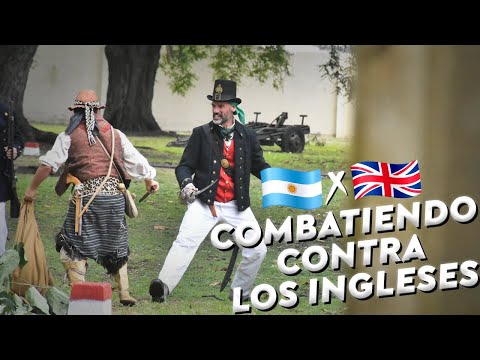
The Crucible of Conflict: Reenacting the English Invasions - A Warrior's Perspective

Do you seek to understand the spirit of historical combat? To grasp the raw essence of conflict beyond the sterile dojo mat or the digital screen? For too long, the true nature of martial engagement, the grit, the strategy, the sheer will to survive, has been diluted by modern interpretations. This vlog entry, however, takes us on a journey not just through a historical reenactment, but through the very principles that underpin every true martial art. We are not merely observers; we are participants in the ongoing dialogue of combat history.

Table of Contents

The Call to Arms: Historical Reenactment and Martial Integrity

The very act of reenactment is a double-edged sword in the eyes of a true martial artist. On one hand, it offers a tangible connection to the past, a physical manifestation of historical conflicts that can illuminate the strategies and spirit of bygone eras. On the other, there's the ever-present danger of it devolving into mere theatre, a superficial display lacking the visceral truth of combat. This particular vlog explores an event that delves into the historical invasions of English forces, a scenario ripe for examination of both historical accuracy and the underlying martial principles. As we step into this arena, we must ask: does the reenactment capture the *kiai* – the spirit, the intent – of the original conflict, or is it a hollow echo? The very tag #BUDO suggests an aspiration towards this deeper understanding.

A Glimpse into the Past

This chronicle follows a day dedicated to preparing for and participating in a significant historical reenactment. It’s a journey that begins with the personal ritual of preparation – the donning of attire, the mental centering – a prelude to stepping into a simulated battlefield. The initial moments, the travel, the quiet anticipation, are as crucial to the martial artist as the clash itself. It is in these transitions that focus is sharpened, and the mind aligns with the body’s purpose.
"The warrior prays before the battle. He does not pray for victory, but for strength to endure." - A principle echoed across countless warrior traditions.

The Dance of Steel: El Arte de la Esgrima Criolla

The narrative quickly moves to a specific martial discipline: "Clases de Esgrima Criolla." This is where the heart of martial analysis truly begins. Esgrima Criolla, a form of fencing rooted in the combat traditions of the region, often involving sabre or cutlass, presents a fascinating case study. Unlike the formalized dueling of European aristocracy, Criolla fencing likely incorporated more practical, battlefield-oriented techniques. We must consider: * **Weapon Handling:** How effectively are the period weapons utilized? Is there a sense of weight, balance, and lethal intent behind each movement? * **Footwork and Stance:** Does the practitioner demonstrate a stable, adaptable base? Is their movement fluid and economical, conserving energy while maintaining offensive and defensive posture? * **Engagement and Distance:** How do they manage the distance between themselves and their opponent? Are they able to control the engagement, dictating the terms of the encounter? * **Application of Techniques:** Beyond mere parries and thrusts, are there signs of transitions into grappling, disarms, or more brutal close-quarters combat often necessitated by historical battles? The very essence of #combat and #fight is encapsulated in these skills. A true Esgrima Criolla class would not just teach movements, but the philosophy of engagement, the reading of an opponent, and the decisiveness required to prevail.

Echoes of Battle: The Military History Museum Event

The core of the vlog is the recreación of the English invasions at the Museo Histórico Militar. This is where the abstract principles of Esgrima Criolla are placed within a broader historical context. The success of such a reenactment, from a martial perspective, hinges on several critical factors: * **Tactical Coherence:** Is the formation of troops logical? Do the movements of groups reflect historical military tactics? Are commands clear and followed with discipline? * **Authenticity of Engagement:** While not real combat, the *simulated* clash should convey the chaos, the desperation, and the structured aggression of battle. Are the interactions between individuals and groups believable? * **The Warrior's Mentality:** Beyond the physical execution, do the participants *embody* the spirit of the warriors they represent? This is where the concept of #BUDO, the Way of the Warrior, is truly tested. Is there a shared commitment to the narrative and the *intent* of the conflict? * **Respect for the Fallen:** Even in reenactment, there's a profound lesson to be learned about the cost of war. The solemnity of the occasion, the respect shown for the historical event, is as important as the action itself. The length dedicated to this portion (01:17 to 03:54) suggests a significant focus on the event itself. It is within these minutes that we can analyze the choreography, the commitment, and the overall effectiveness of the historical portrayal. The #history tags are central here, but the #battle and #martialarts elements are what give it true weight.

Modern Mettle: A Momentary Diversion

The brief detour into "Momento Tik Tok" (04:06) serves as a stark contrast. While social media platforms like TikTok can be used for disseminating martial arts knowledge, they often prioritize brevity and entertainment over depth. It’s a reminder of the challenges in bridging the gap between the serious pursuit of martial disciplines and the demands of modern digital engagement. This transition highlights how even dedicated martial artists must navigate the contemporary landscape, balancing their core pursuits with the need for broader reach. It's a nod to the #news and #community aspects of the martial arts world, but one that must be approached with discernment.

Sensei's Verdict: Does the Spirit Endure?

This vlog, while presented as a personal log, offers a valuable insight into the intersection of history, martial arts, and public engagement. The reenactment of the English invasions, particularly with the focus on Esgrima Criolla, provides a rare opportunity to witness historical combat principles brought to life. **The spirit of martial arts, the essence of #BUDO and #combat, is most effectively conveyed when there is a genuine commitment to understanding the underlying principles, not just mimicking the surface actions.** The clarity of the Esgrima Criolla instruction is promising, suggesting a dedication to technique. The question remains, however, whether the broader reenactment truly captured the relentless intensity and strategic nuance of historical warfare, or if it was primarily a historical spectacle. For participants and observers alike, the true takeaway is the reminder that martial arts, in all their forms—historical, modern, combative, or philosophical—demand respect, discipline, and a constant pursuit of deeper understanding. The vlog successfully captures a moment where these elements converge, albeit briefly. **Rating: Cinturón Negro en Curiosidad Histórica, Naranja en Profundidad Marcial.**

Honing Your Edge: Essential Training for Historical Combat

To truly prepare for the demands of historical combat reenactment or study, a multifaceted training regimen is essential. This goes beyond simply wielding a prop weapon.
  1. Physical Conditioning: Develop robust cardiovascular endurance for sustained periods of activity. Build functional strength, focusing on core stability, grip strength, and explosive power. Practice agility and balance to navigate uneven terrain and maintain posture under duress.
  2. Weapon-Specific Drills: Master the fundamentals of the weapon being used (e.g., saber, sword). Focus on proper grip, stance, footwork, thrusts, cuts, and blocks. Practice drills that simulate common combat scenarios.
  3. Simulated Sparring: Engage in controlled sparring sessions with safety gear. This is crucial for developing timing, distance management, reaction speed, and the ability to adapt to an opponent’s movements.
  4. Historical Research and Tactical Study: Understand the context of the battles you are reenacting. Study historical tactics, formations, and the typical engagements of the period. This knowledge informs movement and decision-making.
  5. Mental Fortitude: Cultivate focus, discipline, and resilience. The ability to remain calm under simulated pressure is paramount. Practice visualization techniques to mentally rehearse scenarios.
  6. Understanding of Historical Attire and Equipment: Learn how to move effectively while wearing period clothing and potentially armor. Understand the limitations and advantages these might impose.

Essential Equipment for Your Training

While the vlog focuses on a specific historical event, for those inspired to train in related disciplines, certain equipment is invaluable.
  • Protective Gear: For sparring or advanced drills, invest in high-quality protective gear. This includes padded swords (synthetic or specially designed training weapons), robust sparring masks, gloves, chest protectors, and shin guards. Safety is non-negotiable.
  • Period-Appropriate Training Weapons: If focusing on Esgrima Criolla or similar styles, acquiring well-balanced training replicas of sabres or cutlasses is key. Ensure they are designed for safe practice.
  • Durable Workout Apparel: Comfortable, flexible clothing that allows for a full range of motion is essential for conditioning and drills. Think breathable fabrics that can withstand rigorous activity.
  • A Solid Training Space: Whether it's a dedicated martial arts dojo, a cleared space in your home, or an outdoor area, ensure you have adequate room to move freely and safely.
  • Reference Books and Resources: For deeper study, acquire texts on historical fencing, military history of the era, and martial philosophy. Good books on #BUDO and #martialarts history can provide invaluable context.

Frequently Asked Questions

  • What is Esgrima Criolla?

    Esgrima Criolla refers to a style of fencing that developed in the Río de la Plata region, often drawing from Iberian traditions but adapted to local conditions and weaponry, typically involving sabres or cutlasses for practical combat.
  • Is historical reenactment a true martial art?

    While reenactment itself is not a martial art, it can be a valuable tool for studying and *applying* historical martial arts principles. Its effectiveness depends on the participants' dedication to authenticity and the underlying martial spirit.
  • How can I find historical reenactment groups?

    Research local historical societies, military history museums, and online communities dedicated to historical reenactment. Many groups focus on specific eras and regions.
  • What are the risks involved in reenactment?

    The primary risks stem from the use of prop weapons and the physical exertion. Proper training, safety protocols, and adherence to rules set by organizers are crucial to minimize these risks.

To Dive Deeper into Your Path

Sensei's Reflection: Your Next Step

We have traversed the simulated battlegrounds, witnessed the clash of steel, and considered the spirit that fuels such endeavors. The reenactment, like any martial practice, is a mirror reflecting our own commitment to understanding and embodying the principles we seek. It is easy to be swept up in the spectacle, but the true lesson lies in the preparation, the execution, and the reflection that follows. Now, consider this: If you were to participate in such a reenactment, not as an actor, but as a warrior embodying your chosen art, what single principle from your training would you prioritize above all others, and why? Would it be the tactical awareness of #MMA, the precise footwork of #Karate, the grounded stability of #Judo, or the relentless spirit of #Kyokushin? The true test is not the portrayal, but the internalization. Go forth and find your answer. GEMINI_METADESC: Explore a historical reenactment of the English Invasions, analyzing Esgrima Criolla and the warrior spirit. Learn about training and equipment for combat history.