Showing posts sorted by relevance for query History of Wing Chun. Sort by date Show all posts

Ip Man: The Enduring Legacy of Wing Chun in Cinema

The Spirit of the Wing Chun Master: Beyond the Screen

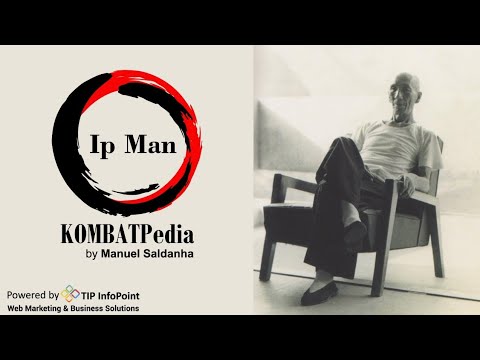
Hello and welcome, students of the martial path. Today, we delve into a figure who has not only preserved but amplified the legacy of a formidable martial art: Ip Man. While Donnie Yen's portrayal has brought Wing Chun to global prominence, the true essence of this art and its master transcends the silver screen. Are we merely entertained by spectacular fight choreography, or are we witnessing a genuine transmission of principles that have shaped warriors for generations? This article aims to dissect the cinematic portrayal of Ip Man and Wing Chun, exploring its authenticity, its philosophical underpinnings, and its impact on the modern martial landscape.

The Cinematic Boom: Ip Man and the Global Stage

The Ip Man film series, particularly the installments starring Donnie Yen, has been nothing short of a phenomenon. These movies introduced a generation to the elegance and brutal efficiency of Wing Chun. We saw a humble, yet fiercely principled man, defend his community and his art against overwhelming odds. The films masterfully weave historical context with thrilling combat sequences, presenting Ip Man not just as a martial artist, but as a symbol of integrity and resilience. But herein lies the critical question for any serious practitioner: how much of what we see on screen reflects the reality of Wing Chun, and how much is artistic license designed for dramatic effect?

The impact is undeniable. Interest in Wing Chun has surged globally, with new schools opening and enthusiasts eager to learn the "sticky hands" (Chi Sao) and the rapid-fire punches attributed to the system. It’s a powerful demonstration of cinema's ability to inspire and disseminate martial arts culture. However, as a seasoned Sensei, I must caution against accepting the cinematic portrayal as pure gospel. The speed of fights, the exaggerated force of impacts, and the near-superhuman abilities are, of course, amplified for entertainment. Yet, the core principles – structure, centerline theory, simultaneous block-and-strike – are often discernible.

Deconstructing the Art: Is it Wing Chun, or Hollywood Fiction?

Wing Chun, attributed to the nun Ng Mui and developed by Yim Wing-Chun, is renowned for its directness, efficiency, and economy of motion. It emphasizes close-range combat, utilizing the body's natural structure and the concept of the "centerline" to deliver powerful strikes while maintaining a strong defense. Key elements include:

  • Siu Nim Tao (Little Idea): The foundational form, focusing on structure, body mechanics, and energy generation.
  • Chum Kiu (Seeking the Bridge): Introduces footwork, stepping, and turning, linking the body's movements.
  • Biu Jee (Thrusting Fingers): The emergency technique form, designed for critical situations, emphasizing structure recovery and powerful, often indirect, strikes.
  • Chi Sao (Sticky Hands): A crucial sensitivity training drill that develops reflexes, structure integrity under pressure, and the ability to feel and react to an opponent's force.
  • Muk Yan Jong (Wooden Dummy): A training tool that refines technique, footwork, and power generation against a static opponent.

The films showcase many of these elements, particularly the rapid punches, the close-range engagements, and Ip Man's calm demeanor under duress. However, the sheer number of opponents Ip Man often faces simultaneously, and the seemingly effortless way he dispatches them, stretches credulity. In reality, Wing Chun, while devastatingly effective, requires immense dedicated training to master. The filmic depiction of Chi Sao often appears more like a choreographed dance than the nuanced, sensitive, and often intensely physical drill it is. The brutal impact of a single punch that sends trained fighters flying across rooms is also an exaggeration. While Wing Chun strikes are powerful and delivered through structural integrity, the physics of human anatomy and impact are not quite so forgiving on screen.

"The effectiveness of Wing Chun lies not in brute force, but in understanding and exploiting the opponent's structure and centerline. It is a science of combat, not a spectacle of power." - A principle echoed through generations of Wing Chun practitioners.

The films also sometimes conflate Wing Chun with other martial arts for visual flair. While Ip Man himself was a master, his cinematic exploits sometimes blend techniques that might not strictly belong to his art, a common practice in martial arts cinema to enhance visual appeal. Nevertheless, the fundamental principles of efficiency, directness, and simultaneous attack/defense are often conveyed.

The Master's Code: Principles Beyond the Punch

Beyond the physical techniques, Ip Man embodies a profound philosophy that resonates deeply with the core tenets of Budo. His unwavering integrity, his quiet dignity, and his commitment to defending the weak are hallmarks of a true martial artist. He rarely initiates conflict but will always stand firm when challenged, not out of ego, but out of necessity and principle.

This stoic resilience is a crucial aspect of the martial path. It speaks to the concept of Mushin (無心) – a mind without mind, a state of flow where actions are spontaneous and unhindered by fear or conscious thought. Ip Man's calm in the face of overwhelming danger suggests a deep cultivation of this state. He reacts, he does not overthink. This is the ultimate goal of martial training: to integrate the techniques so deeply that they become second nature, allowing the mind to remain clear and focused.

His actions also reflect the Confucian ideals of righteousness and loyalty, intertwined with the warrior spirit. He protects his students, his family, and his community. This sense of duty and responsibility is a cornerstone of traditional martial arts, emphasizing that true strength lies not only in the ability to fight but in the wisdom and compassion to know when and why to fight.

"To be a true martial artist is to be a protector, a guardian of peace, not a purveyor of violence. The ultimate victory is to win without fighting." - A sentiment often associated with masters like Ip Man and Bruce Lee, his most famous student.

The films often highlight Ip Man’s humility. Despite his immense skill, he does not boast. He teaches his students the importance of hard work and dedication. This humility is critical; true masters understand the vastness of the martial universe and the constant need for refinement. It is this blend of martial prowess and ethical conduct that makes the cinematic Ip Man so compelling and influential.

Essential Equipment for Your Training

While Wing Chun is famously known for its emphasis on body mechanics and less on external equipment, certain items can significantly enhance your training and understanding. For those serious about pursuing Wing Chun, consider these:

  • Wing Chun Uniform (Kwoon Tong / Yip Man Tong): While not strictly necessary for beginners, a traditional uniform signifies dedication and is often required by established schools. Look for durable cotton or linen blends that allow for freedom of movement.
  • Wooden Dummy (Muk Yan Jong): This is the cornerstone of Wing Chun solo training. Investing in a quality dummy, or finding a school that provides access to one, is crucial for developing proper structure, power, and technique application. There are various models, from wall-mounted to free-standing.
  • Training Partner/Sifu: While not equipment, the most vital component of learning Wing Chun effectively is a qualified instructor and consistent practice with a partner for drills like Chi Sao.
  • Comfortable Training Shoes: Essential for proper footwork and stability.

For those exploring related arts or seeking supplementary training, exploring high-quality Karate Gi or robust Judo uniforms can be beneficial for understanding different forms of martial arts attire.

Your First Steps in Wing Chun: A Foundational Guide

Embarking on the Wing Chun journey requires dedication and a structured approach. Here’s a basic guide to get you started:

  1. Find a Qualified Instructor: This is paramount. Seek out a reputable Wing Chun school or lineage that emphasizes authenticity and safety. A good Sifu will guide you through the fundamental forms and principles.
  2. Master Siu Nim Tao: Begin with the first form. Focus intently on your posture, the alignment of your body, and the correct execution of each movement. Practice this form until it becomes second nature.
  3. Understand Centerline Theory: Grasp the concept of attacking and defending along the central axis of the body. This is fundamental to Wing Chun’s directness.
  4. Practice Basic Stances and Hand Techniques: Learn the primary stances (e.g., Yee Jee Kim Yeung Ma) and fundamental hand strikes (e.g., Bong Sao, Tan Sao, Fook Sao, Jut Sao, and the straight punch).
  5. Engage in Chi Sao Drills: Once you have a grasp of the basics, begin practicing Chi Sao with a partner. This develops sensitivity, reflexes, and the ability to maintain structure under pressure. Start slowly and focus on feeling your partner's energy.
  6. Study the Wooden Dummy Form: As you progress, learn the Muk Yan Jong form. This advanced training tool will solidify your techniques and power generation.
  7. Integrate Philosophy and Discipline: Remember that Wing Chun, like all true martial arts, is also a path of self-improvement. Cultivate discipline, patience, and respect.

This structured approach mirrors the learning process in many disciplined arts, such as the foundational katas in Karate or the basic throws in Judo.

The Enduring Influence: Ip Man's Martial Footprint

The legacy of Ip Man, amplified by the cinematic universe, continues to inspire. His story serves as a powerful reminder that martial arts are not merely about fighting, but about character, discipline, and the courage to stand for what is right. The films have undeniably sparked a global interest in Wing Chun, bringing this art to a wider audience than ever before. This increased visibility encourages more practitioners, perpetuates the art's evolution, and fosters a broader appreciation for martial arts culture.

Bruce Lee, perhaps the most famous student of Ip Man, took the principles he learned and revolutionized martial arts and action cinema. His philosophy of Jeet Kune Do, emphasizing adaptability and directness, clearly shows the influence of his Wing Chun training. The cinematic Ip Man, in many ways, represents the foundational wisdom that fueled Lee's innovations.

The question remains: are these films merely entertainment, or do they serve as a genuine gateway to understanding martial principles? I believe they are both. They are a spectacular form of entertainment that captures the imagination, but they also, if viewed with a critical eye, offer glimpses into the profound philosophy and effective techniques of Wing Chun. They inspire us to seek out the real art, to train diligently, and to embody the principles of integrity and resilience that Ip Man represents.

Frequently Asked Questions

Is Wing Chun effective for self-defense?

Yes, Wing Chun is highly effective for self-defense, particularly in close-quarters combat. Its focus on directness, efficiency, and simultaneous attack/defense allows for rapid neutralization of threats. However, like any art, its effectiveness depends on the practitioner's dedication and training.

Are the fight scenes in the Ip Man movies accurate to Wing Chun?

The fight scenes are a stylized cinematic representation. While they often incorporate recognizable Wing Chun techniques and principles, they are exaggerated for dramatic effect, featuring unrealistic numbers of opponents and impact forces. The core concepts, however, are often present.

What is the difference between Wing Chun and other Chinese martial arts like Kung Fu?

"Kung Fu" is a broad term encompassing all Chinese martial arts. Wing Chun is a specific style of Kung Fu, known for its directness, structure, and close-range efficiency, distinguishing it from other styles that may emphasize acrobatics, external power, or different ranges of combat.

How long does it take to become proficient in Wing Chun?

Proficiency varies greatly depending on individual aptitude, training frequency, and the quality of instruction. However, developing a solid foundation in Wing Chun typically requires several years of consistent, dedicated practice. Mastery is a lifelong pursuit.

Can I learn Wing Chun solely from movies and online resources?

While movies and online resources can provide inspiration and supplementary information, they are insufficient for learning Wing Chun effectively. The art requires hands-on instruction from a qualified Sifu to ensure correct technique, structure, and sensitivity development, especially for drills like Chi Sao.

Further Learning on Your Path

  • BUDO: Explore the overarching philosophy and spirit that connects diverse martial disciplines.
  • MartialArts: Dive deeper into the history, styles, and practitioners that shape our world.
  • Karate: Compare and contrast the principles and training methodologies of Wing Chun with this popular Japanese art.
  • MMA: Understand how Wing Chun's principles might translate into the modern mixed martial arts arena.

Sensei's Reflection: Your Next Step

The Ip Man films present a powerful narrative of martial integrity and skill. But are you content to be a spectator, marveling at the spectacle? Or will you be moved to seek the substance behind the style? The true essence of Wing Chun, like any profound art, is not found in passive observation, but in the arduous, yet rewarding, journey of personal practice and dedicated learning. Now, the challenge is yours: what element of Ip Man's character or Wing Chun's philosophy will you commit to cultivating in your own training this week, and how will you measure its tangible impact?

``` GEMINI_METADESC: Explore the cinematic legacy of Ip Man and Wing Chun. Analyze film authenticity, core principles, and the philosophy of this iconic martial art with Budo y AM.
Wing Chun in the UFC/MMA Arena: Myth or Martial Reality?

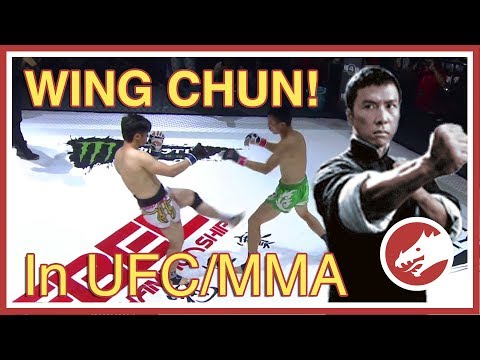
As a Sensei who has dedicated a lifetime to the study and practice of combat, I've witnessed countless martial arts clash, both in the hallowed halls of dojos and in the brutal crucible of modern combat sports. The question often arises, whispered in hushed tones or debated heatedly online: Can a traditional art like Wing Chun, with its roots in close-quarters, theoretical combat, truly hold its own against the diverse and brutal disciplines seen in the UFC and wider MMA landscape? Many dismiss it as a relic, a cinematic fantasy popularized by Ip Man, unfit for the octagon. I, however, have always believed that the essence of any true martial art, when understood and applied correctly, possesses inherent value. Today, we delve into this contentious topic, not with blind faith, but with the critical eye of a seasoned warrior and film analyst.

The Whispers of Ip Man: Wing Chun's Mystique

Wing Chun. The name itself conjures images of Bruce Lee, of Ip Man, of lightning-fast strikes and an almost supernatural ability to absorb and redirect an opponent's force. Developed, legend has it, by a Buddhist nun, Ng Mui, this Southern Chinese martial art emphasizes efficient, direct movements, simultaneous blocking and striking (chi sao, or "sticky hands," being a prime example), and a strong centerline theory. Its proponents claim unparalleled effectiveness in close-range combat, a domain often found within the chaotic confines of an MMA bout.

The philosophy behind Wing Chun is one of simplicity and directness. It's not about flashy kicks or elaborate throws; it's about economy of motion, using your opponent's energy against them, and exploiting openings with devastating precision. This focus on principles rather than prescribed techniques is what, in theory, makes it adaptable.

"The most direct path is the most effective. In combat, we do not seek to impress, we seek to end the confrontation." - A foundational principle echoed by many Wing Chun practitioners.

Bridging the Gap: Core Principles vs. Octagon Reality

MMA, by its very nature, is a synthesis. It embraces striking (boxing, Muay Thai, Karate, Taekwondo), grappling (BJJ, Judo, Wrestling), and takes elements from countless other disciplines. To survive, let alone thrive, an MMA fighter must be a jack of all trades, master of one (often their primary discipline). So, where does Wing Chun, with its specific focus, fit into this multi-disciplinary tapestry?

The core principles of Wing Chun – centerline control, simultaneous block-and-strike, efficient footwork, and sensitivity development through chi sao – theoretically translate well. Imagine applying the simultaneous block-and-strike against a jab, or using centerline control to shut down an opponent's offensive reach. The emphasis on structure and power generation from the hips, rather than just brute force, could also be a significant advantage.

However, the stark reality of the octagon presents challenges. Wing Chun, in its purest form, often trains against stationary or predictable opponents. MMA is dynamic. Opponents don't stand still; they move, they grapple, they kick, they throw. Wing Chun's emphasis on standing within an opponent's striking range can be a perilous proposition against skilled Muay Thai clinch fighters or powerful wrestlers. Furthermore, many Wing Chun practitioners may not have developed the necessary conditioning or defensive grappling skills to deal with takedowns and ground combat, which are integral to MMA.

A Sensei's Analytical Breakdown: Core Techniques and Their MMA Viability

Let's dissect specific elements of Wing Chun and assess their potential application and pitfalls in an MMA context:

  • Pak Sao (Splitting Hand): This technique, designed to deflect an incoming strike and simultaneously open a path for your own attack, has direct parallels to defensive boxing and Muay Thai blocks. Its speed and efficiency are undeniable. However, in MMA, a deflected punch might still be followed by a grapple or a submission attempt.
  • Bong Sao (Arm Lever): Used to control an opponent's arm and create an opening, Bong Sao could be useful in the clinch. It offers a strong structure to redirect force. Yet, a skilled grappler can exploit the positioning created by Bong Sao to initiate a takedown.
  • Chain Punching (Biu Gee or "Thrusting Fingers"): The rapid-fire punching typical of Wing Chun is devastating in theory. Against a standard boxer, it could overwhelm. In MMA, however, the opponent is not only blocking but also defending takedowns, grappling, and employing a wider range of strikes. Maintaining the perfect structure for chain punches under such varied pressure is immensely difficult.
  • Wooden Dummy Training: The wooden dummy (Muk Yan Jong) is a cornerstone of Wing Chun training, refining structure, power, and technique. While excellent for developing muscle memory and biomechanical efficiency, it cannot replicate the unpredictable movement, resistance, and varied attack vectors of a live MMA opponent.
  • Chi Sao (Sticky Hands): This exercise trains sensitivity and reflex for close-range combat. It's invaluable for developing an intuitive understanding of an opponent's force. In MMA, chi sao principles are often seen implicitly in the clinch, but the lack of striking during traditional chi sao training means practitioners might be caught off guard by unexpected punches or takedowns.

The primary challenge is integration. Wing Chun's efficacy relies heavily on precise distance management and structure. In MMA, these factors are constantly in flux. A Wing Chun practitioner would need to adapt their principles to defend against kicks, learn takedown defense and offense, and develop a robust ground game. This isn't to say it's impossible, but it requires significant cross-training and a willingness to adapt the art.

The Path to Integration: Training Wing Chun for MMA

For a Wing Chun practitioner aspiring to compete in MMA, or simply to see their art's principles applied, a strategic training regimen is paramount. This involves:

  1. Prioritizing Takedown Defense: Learn to sprawl, defend single and double leg takedowns, and utilize the cage effectively.
  2. Developing Grappling Skills: Study Brazilian Jiu-Jitsu or Judo. Understanding how to escape submissions, control an opponent on the ground, and transition between positions is non-negotiable.
  3. Expanding Striking Range: While Wing Chun excels up close, MMA fighters must defend against and utilize kicks. Incorporate Muay Thai or Taekwondo techniques for leg kicks and kicks to the body.
  4. Sparring with Diverse Styles: Regularly spar with practitioners of different martial arts – boxers, wrestlers, Judokas, Muay Thai fighters. This is where theoretical applications meet practical resistance.
  5. Conditioning for Combat: MMA demands a high level of cardiovascular and muscular endurance. Traditional Wing Chun conditioning may need to be supplemented with HIIT (High-Intensity Interval Training) and strength training relevant to combat sports.

A practitioner who dedicates themselves to this cross-training can indeed leverage the efficiency and structural integrity of Wing Chun within an MMA framework. The key is not to abandon Wing Chun, but to build upon its foundation.

Zen Dragon's Perspective: Evidence in the Cage?

While direct, pure Wing Chun fighters are rare in the UFC, we can observe elements of its principles in the performance of many elite athletes. Think of the fight analysis of fighters like Cyril Gane, who, while primarily a striker with a background in Muay Thai, exhibits remarkable structural defense and precise, short-range power. Or consider the defensive reflexiveness seen in fighters like Jon Jones, whose ability to manage distance and deflect strikes, even while grappling, hints at sensitivity training akin to chi sao.

The provided video source itself, detailing "Wing Chun training & application in MMA" with footage of cage fights and sparring, attempts to demonstrate this very bridge. Observing such footage critically, one must ask: Are these truly pure Wing Chun applications, or are they adaptations by martial artists who have *incorporated* Wing Chun principles into a broader MMA skill set? This distinction is crucial.

The "Zen-Dragon elsewhere" links suggest a broader exploration of martial arts and philosophy. This integration is precisely what makes MMA so fascinating. It's a constant evolution, a proving ground where theory meets brutal reality.

Sensei's Verdict: Myth or Martial Reality?

Is Wing Chun viable in the UFC and MMA? My verdict, after years of study and observation, is nuanced but ultimately leans towards **Martial Reality, with caveats.**

Wing Chun, in its purest, unadulterated form, might struggle against the multifaceted threat of a seasoned MMA fighter. Its lack of explicit ground fighting and defense against varied striking ranges are significant liabilities. However, the principles of Wing Chun – its emphasis on efficiency, structure, centerline control, and sensitivity – are profoundly valuable.

A fighter who studies Wing Chun and then diligently integrates its core tenets into a comprehensive MMA skillset, supplementing it with robust grappling and diverse striking, can become a formidable force. The myth lies in believing Wing Chun alone is sufficient. The reality is that its principles, when understood and adapted, offer a unique and powerful edge in the close-quarters chaos of MMA.

Rating: Cinturón Negro en Potencial de Integración

Essential Gear for Your Training

To embark on your journey of integrating martial arts principles, having the right equipment is crucial. Whether you're focusing on Wing Chun fundamentals or preparing for MMA sparring, consider the following:

  • Protective Gear: For sparring, headgear, MMA gloves (typically 4oz or 6oz for striking, though heavier ones might be used for specific drills), shin guards, and mouthguards are indispensable for safety.
  • Training Partners: The most vital "gear" is a dedicated training partner or a good school. Sparring and chi sao drills require mutual effort and respect.
  • Training Aids: For Wing Chun, a well-constructed wooden dummy (Muk Yan Jong) is invaluable for practicing structure and striking. For MMA, heavy bags, speed bags, and focus mitts are essential for developing power and precision.
  • Comfortable Apparel: A breathable, flexible uniform or training attire is important for unrestricted movement. For styles that involve takedowns or ground work, a durable Judo gi or BJJ gi is necessary.

Frequently Asked Questions

  • Q: Can Wing Chun be used effectively for self-defense outside the cage?
    A: Absolutely. Wing Chun's emphasis on simultaneous block-and-strike, close-range efficiency, and disabling vital targets makes it highly practical for real-world self-defense scenarios. Its directness can end a confrontation quickly.
  • Q: What is the biggest challenge for a Wing Chun practitioner moving into MMA?
    A: The most significant challenge is the lack of dedicated training in takedown defense, grappling, and defending against a wider variety of striking ranges (especially kicks).
  • Q: Are there any famous MMA fighters who explicitly use Wing Chun?
    A: While few fighters are "pure" Wing Chun practitioners in MMA, many have incorporated its principles, such as effective centerline control, simultaneous blocking and striking, and efficient close-range power generation. Bruce Lee, though not an MMA fighter, was a proponent of Wing Chun and a pioneer in integrating martial arts.
  • Q: How does 'Chi Sao' compare to sparring in MMA?
    A: Chi Sao is a sensitivity drill focused on tactile feedback and reflex in close range, typically without full force or live striking. MMA sparring is a full-contact simulation that includes striking, grappling, takedowns, and submissions, demanding a much broader skillset and higher conditioning.

Deeper Dives into Your Journey

To truly understand the interplay of martial arts and combat sports, or to hone your own path, consider exploring these related topics:

Reflection of the Sensei: Your Next Step

We've dissected Wing Chun's potential within the MMA arena, moving beyond the cinematic mystique to the hard realities of combat. The question that remains is not whether Wing Chun *can* work, but rather, are you willing to bridge the gap? Are you prepared to take the efficient, direct principles of your art and forge them into a weapon capable of standing against the diverse onslaught of modern combat sports? Or will you remain content with the theoretical purity, a beautiful art form confined to demonstrations and hypothetical scenarios?

Ponder this: If a master of Wing Chun faced a master of Muay Thai in a street fight, with no rules, no referees, only survival – what principles would truly prevail? And more importantly, how can you train today to ensure that the 'real' you, in that critical moment, embodies those winning principles?

``` GEMINI_METADESC: Sensei analyzes if Wing Chun can truly be effective in UFC/MMA, examining its core principles, practical application, and challenges for practitioners.

Wing Chun vs. Karate: Debunking the Myths of Traditional Masters

The eternal question echoes through dojos and online forums alike: How do traditional martial arts fare when pitted against the disciplined rigor of modern combat sports or contrasting traditional styles? Today, we delve into the fascinating, and often fiercely debated, comparison between Wing Chun and Karate. Forget the sensationalism of "master vs. master" showdowns for a moment. Let's analyze the core principles, the practical applications, and the often-misunderstood philosophies that define these two formidable disciplines. Are they truly worlds apart, or do they share a common root in the pursuit of effective self-expression through physicality and strategy?

Introduction: The Clash of Titans

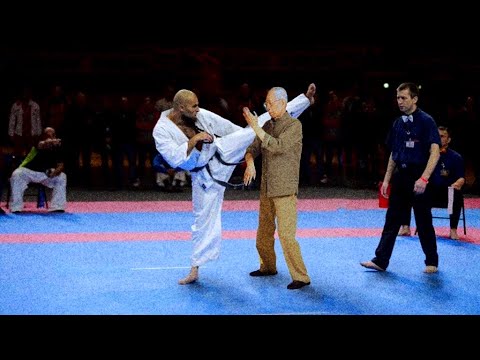
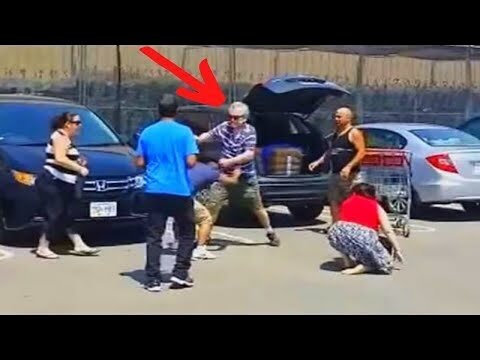
The image is iconic: a seasoned Wing Chun practitioner, perhaps an "old man" in the popular imagination, facing off against a dynamic Karate black belt. It's a scenario ripe for dramatic interpretation, often fueled by online videos that showcase stark contrasts in movement and philosophy. But what lies beneath the surface of these viral clips? Is it a genuine battle of styles, or a carefully curated exhibition? My intention here is not to declare a victor, but to dissect the underlying mechanics and philosophies that make each art unique. We aim to provide a nuanced understanding, moving beyond the superficial hype to the essence of what makes both Wing Chun and Karate enduring systems of combat and self-development.

Wing Chun: Simplicity, Efficiency, and Centerline

Wing Chun, often attributed to the nun Ng Mui and famously popularized by Ip Man, is a testament to minimalist design. Its core philosophy revolves around efficiency: direct, economical movements designed to achieve maximum impact with minimal effort. The "centerline theory" is paramount. Imagine an invisible vertical line running from the top of your head to the ground between your feet. Wing Chun teaches you to attack this centerline and defend your own. Why? Because it's where your vital targets lie – your nose, mouth, throat, sternum, and solar plexus.

The primary striking tools are rapid-fire punches, often delivered in a "chain-punching" style from a forward-facing stance. Unlike the larger, wind-up motions of some other arts, Wing Chun’s punches are short, powerful, and delivered with the entire body's structure, not just the arm. Sticky hands, or Chi Sao, is a crucial training method. It’s not a fight, but a sensory drill designed to develop sensitivity, reaction, and the ability to feel and redirect an opponent's force while maintaining your own structure and balance. This intimate, close-range engagement emphasizes instinct and reflex over pre-planned sequences.

Key principles of Wing Chun:

  • Centerline Control: Dominating the imaginary vertical line for attack and defense.
  • Economy of Motion: Direct, efficient movements, avoiding wasted energy.
  • Simultaneous Block and Strike: Defending and attacking in a single, fluid motion.
  • Structure and Balance: Maintaining an unshakeable connection to the ground.
  • Sensitivity (Chi Sao): Developing tactile awareness for close-range combat.

The beauty of Wing Chun lies in its directness. It doesn't rely on brute strength, but on precise structure, leverage, and rapid, overwhelming attacks once an opening is found. It’s a system designed for the smaller, weaker individual to overcome a larger, stronger opponent, a principle that has resonated throughout its history.

Karate: Power, Precision, and Linear Force

Karate, originating from the Ryukyu Islands (modern-day Okinawa), is a more diverse art with numerous styles, but common threads bind them. Its essence is often summarized as "Karate ni sente nashi," meaning "There is no first attack in Karate." This emphasizes its defensive nature and the pursuit of perfecting techniques to deliver a decisive blow when necessary. Power generation is key, often achieved through hip rotation, body mechanics, and a strong, stable stance.

Karate emphasizes linear movements – strong punches (like the Tsuki), powerful kicks (like the Mawashi Geri or Mae Geri), and solid blocks (Uke). Stances are typically wider and more rooted, providing a stable platform for delivering and absorbing force. The practice of Kata is central. These choreographed forms are not just sequences of movements; they are considered repositories of combat knowledge, containing hidden applications (Bunkai) against imaginary opponents. Mastering Kata is believed to refine technique, power, timing, and mental focus.

While Wing Chun thrives in the infight, Karate often excels at mid-range engagements. Its techniques are designed to create distance, control an opponent's approach, and deliver impactful strikes that can incapacitate an attacker quickly. The emphasis on discipline, respect, and character development is as integral to Karate as the physical techniques themselves.

Key principles of Karate:

  • Linear Power: Emphasis on direct, forceful strikes and blocks.
  • Hip Rotation: The source of much of Karate's explosive power.
  • Strong Stances: Providing stability and a base for power generation.
  • Kata: The practice of forms to refine technique and combat applications.
  • Kime: The focused, explosive delivery of power at the moment of impact.

Karate demands dedication. It's a path of continuous refinement, where each strike, block, and stance is practiced to perfection, aiming for the ultimate expression of disciplined power.

Historical Context: Masters, Myths, and Modernity

The allure of the "old master" in Wing Chun, often portrayed as a wizened, unassuming figure capable of humbling any challenger, is a powerful narrative. Ip Man himself is a legendary figure, his encounters with various martial artists and his legendary status in Hong Kong cementing the art's reputation. Similarly, Karate has its own pantheon of grandmasters – Gichin Funakoshi, Mas Oyama, and countless others – whose dedication shaped the art into what it is today. These stories, however, are often romanticized.

In reality, the effectiveness of any martial art in a real confrontation depends heavily on the individual practitioner's dedication, training intensity, and adaptability. A Wing Chun master who only practices forms and Chi Sao without pressure testing might be vulnerable. Likewise, a Karate black belt who has never sparred with full contact might struggle against a truly skilled opponent, regardless of their rank. The online videos often present a controlled environment, not a true, unpredictable street fight. One might be an exceptional practitioner of their art, while the other might be less experienced, or the scenario might be staged to favor one art over the other.

"There is no perfect martial art. There is only the perfect martial artist." - Miyamoto Musashi (paraphrased)

The true measure of an art isn't in a single, potentially biased, demonstration, but in the depth of its principles and the effectiveness of its training methodology when applied with skill and intent.

Practical Application: Street vs. Sport

This is where the debate truly ignites. Wing Chun's close-range, trapping, and simultaneous block-strike nature seems ideal for tight spaces where a larger opponent might try to overpower you. Its directness bypasses lengthy wind-ups, making it appear potent in confined environments.

Karate, with its emphasis on strong stances and linear attacks, can be highly effective at mid-range. Its powerful kicks can keep an opponent at bay, while its solid blocks can absorb incoming attacks. However, some critics argue that its wider stances might be less advantageous in very close quarters, and its linear nature can be predictable.

Here's a brutal truth: The effectiveness of either art on the "street" is less about the art itself and more about the training.

  • A Wing Chun practitioner who trains Chi Sao under pressure and incorporates realistic scenario drills will fare better than one who doesn't.
  • A Karateka who spars regularly with full contact (within safety parameters, of course) and understands distance management will be far more effective than one who only practices Kata in isolation.

Moreover, the context of a confrontation matters. Is it a surprise attack? Is there room to maneuver? Are there multiple assailants? Modern **Artes Marciales Mixtas (MMA)** have demonstrated how integrating skills from various disciplines – striking, grappling, wrestling – creates a more complete fighter. However, this doesn't negate the value of specialized arts. A focused Wing Chun practitioner might still have an edge in pure trapping and close-range striking, while a skilled Karateka might possess superior long-range power and defensive structure.

The modern approach often involves cross-training. Many practitioners understand that integrating elements from different arts, or at least understanding their principles, makes them more versatile. For instance, incorporating the footwork and evasiveness of **Muay Thai** or the grappling of **Brazilian Jiu-Jitsu** can significantly enhance the capabilities of a Wing Chun or Karate practitioner.

Training Differences: The Path to Mastery

The path to mastery in Wing Chun and Karate, while both demanding discipline, follows distinct routes.

Wing Chun Training:

  • Siu Nim Tao: The first form, focusing on structure, intention, and the basic arm movements.
  • Chum Kiu: The second form, introducing body movement, footwork, and bridging the distance.
  • Biu Jee: The third form, often considered the "thrusting fingers" form, dealing with desperate situations and recovery.
  • Chi Sao (Sticky Hands): The core sensory drill for developing sensitivity, reflexes, and control in close range.
  • Applications (Bunkai): Practicing the combative uses of Wing Chun techniques against live resistance.
  • Wooden Dummy (Mok Yan Jong): A training tool for refining angles, power, and footwork.

Karate Training:

  • Kihon: The fundamental techniques – punches, blocks, kicks, and stances practiced repeatedly.
  • Kata: The pre-arranged forms that encapsulate the art's principles and techniques.
  • Bunkai: The practical application and interpretation of Kata movements.
  • Kumite: Sparring, ranging from pre-arranged drills to free sparring with controlled contact or full contact depending on the style and dojo.
  • Conditioning: Strength and flexibility training to support powerful techniques and resilience.

The divergence is clear: Wing Chun places a heavy emphasis on tactile sensitivity and close-range control, while Karate focuses on perfecting powerful, linear strikes from a more stable platform, often at a distance. Both require immense dedication, perseverance, and a willingness to constantly refine one's skills. You cannot master either art by simply watching videos of masters; it requires sweat, repetition, and direct experience.

Essential Gear for Your Martial Journey

While both Wing Chun and Karate can be practiced with minimal equipment, certain items enhance the training experience and are crucial for progression. For serious practitioners aiming to truly understand the depths of these arts, investing in the right gear is not a luxury, but a necessity.

  • Karate Gi: Look for a durable, double-weave gi (often called "heavyweight") if you plan on serious sparring or want a gi that can withstand the rigors of **Kyokushin** or similar full-contact styles. A lighter gi is suitable for general practice and forms. Brands like Adidas, Shureido, and Tokaido are highly regarded.
  • Wing Chun Wooden Dummy (Mok Yan Jong): An investment for any dedicated Wing Chun practitioner. Ensure it's well-constructed with appropriate springiness. These can be costly, but many find DIY options or smaller training aids to be effective starting points.
  • Training Gloves (for Sparring): Essential for both Karate kumite and Wing Chun sparring drills that involve controlled impact. For Karate, open-faced sparring gloves are common. For Wing Chun, lighter, padded gloves might be used to protect hands during specific drills. Look for 10oz or 12oz for general sparring, and 16oz for heavier contact.
  • Mouthguard: Non-negotiable for any form of sparring. Protect your teeth and jaw.
  • Shin Guards & Forearm Guards: Often required for Karate kumite to ensure safety during sparring.
  • Proper Footwear: While many traditional arts train barefoot, specialized martial arts shoes can offer grip and support for specific training styles or environments.
  • Reference Books: For Karate, consider books by masters like Gichin Funakoshi or Mas Oyama. For Wing Chun, look for works by Ip Man or authors who delve into the practical applications and lineage of the art. Books on **Budo** philosophy are also excellent for context.

Practical Training: Developing the Core

Let's move beyond theory and into practice. How can you begin to develop the core elements of these arts?

Developing Wing Chun Sensitivity (Chi Sao Drill)

  1. Partner Up: Find a training partner, preferably someone familiar with Wing Chun basics.
  2. Basic Stance: Assume a standard Wing Chun forward stance (often called Yee Jee Kim Yeung Ma). Maintain a relaxed but structurally sound posture.
  3. Contact Points: Rest your forearms lightly on your partner's forearms, typically at the wrists or mid-forearm.
  4. Maintain Contact: The goal is to keep constant, light contact. Do not grip or push hard. Think of it as "listening" with your arms.
  5. Respond to Pressure: When your partner applies slight pressure or moves, your body should naturally react to maintain your structure and balance while absorbing or redirecting their force.
  6. Gentle Probing: Experiment with small pushes, pulls, and sweeps to feel how your partner reacts and how you can maintain your centerline.
  7. Practice Patience: This is a sensory drill. Focus on feeling, not on attacking. Attack comes *after* you've developed sensitivity and understood your partner's movement.
  8. Incorporate Basic Strikes: Once comfortable, integrate very light, controlled chain punches as you feel openings, always maintaining contact.

Developing Karate Power (Basic Punch Drill)

  1. Stable Stance: Assume a solid, grounded Karate stance, like a natural stance (Shizentai) or a forward stance (Zenkutsu dachi). Ensure your hips are somewhat turned and your weight is balanced.
  2. Guard Up: Bring your hands to a defensive guard position, protecting your head and body.
  3. Initiate Hip Rotation: The power comes from the hips. Begin to rotate your hips as if turning a dial.
  4. Extend the Arm: As your hips rotate, extend your punching arm (e.g., a reverse punch, Gyaku-zuki) towards your target. The arm should extend quickly and powerfully, but not rigidly.
  5. Focus on Kime: At the moment of imagined impact, "snap" your wrist and tighten your fist for a fraction of a second to deliver maximum force. Your hips should be fully rotated at this point.
  6. Retract Quickly: Immediately retract your punching arm back to your guard position, maintaining your balance and structure.
  7. Breath Control: Exhale sharply on the strike (Kiai is often used here) to help generate power and maintain focus.
  8. Practice Both Sides: Repeat the process, practicing with your lead hand and your rear hand.

Frequently Asked Questions

Is Wing Chun or Karate better for self-defense?

Both arts, when practiced diligently and realistically, can be highly effective for self-defense. Wing Chun excels at close-range, while Karate offers powerful mid-range striking. The "better" art depends on the practitioner's training, the specific situation, and their ability to adapt. Real-world scenarios rarely favor one technique over another; they favor the trained individual.

Can a Wing Chun master really defeat a Karate black belt?

This is a common hypothetical question often used in online videos. In reality, it depends entirely on the individual practitioners. A highly skilled and experienced Wing Chun master might defeat a less experienced Karate black belt, and vice versa. Rank and style alone do not guarantee victory. The level of actual combat experience, sparring ability, and mental fortitude are far more significant factors.

Is Wing Chun too close-range for practical use?

Wing Chun's effectiveness is maximized at close to mid-range. While its efficiency is undeniable, practitioners must develop skills to manage distance, either by closing it effectively or by integrating techniques that can create space when needed. The **combate en la calle** often involves close quarters, making Wing Chun's principles highly relevant in those specific scenarios.

Does Karate have effective close-range techniques?

Yes. While often perceived as a mid-range art, Karate includes effective close-range blocks, elbow strikes, knee strikes (in some styles), and close-in punches. The key is understanding how to transition between ranges and employ the appropriate techniques. Kata analysis often reveals hidden close-range applications.

Should I cross-train if I practice Wing Chun or Karate?

Cross-training can significantly enhance a martial artist's capabilities. Integrating elements from other arts, such as grappling from **Judo** or **Lucha** (wrestling), or different striking methods from **Kickboxing** or **MMA**, can provide a more well-rounded skillset and a deeper understanding of combat dynamics. It helps to identify weaknesses and build upon strengths.

Deeper Dive into the Martial Arts

The world of martial arts is vast and interconnected. Understanding the nuances of Wing Chun and Karate is just one step on a lifelong journey. To truly appreciate the warrior's path, explore these related topics:

"The martial way is a lifelong pursuit. It is not about winning or losing, but about perfecting oneself." - Unknown Master

Reflection of the Sensei: Your Next Step

We've dissected the elegance of Wing Chun's directness and the power of Karate's precision. We've peered behind the curtain of sensationalized videos and considered the true factors that determine effectiveness. But knowledge without application is like a sword left to rust. Now, I ask you: Where do you see the greatest potential for overlap or synergy between these two styles? Can the sensitivity of Chi Sao truly inform the power of a Karate punch, or is the fundamental difference in approach too great to bridge? Consider the practitioners you admire. What qualities do they possess that transcend their chosen style? Reflect on this, and let your answer forge your next step in your own martial journey.

"The effective martial artist is not the one who knows many techniques, but the one who has mastered a few and can apply them under pressure." - Sensei Anonymous

Now, go forth. Train with purpose. Question everything. And may your path be one of continuous growth.

Artes Marciales Lucha Karate Wing Chun Combate Defensa Personal Filosofía Marcial ``` GEMINI_METADESC: Explore the age-old debate: Wing Chun vs. Karate. Discover their core principles, practical applications, training methods, and historical context.

Wing Chun vs. Karate: A Street Fight Analysis for All Ages

The world of martial arts is a vast ocean, filled with currents of tradition, waves of innovation, and the occasional whirlpool of myth. Today, we dive deep into a comparison that sparks eternal debate: Wing Chun versus Karate, not on a padded mat, but in the unforgiving crucible of a street fight. And we'll explore why Wing Chun, often overlooked by younger, more aggressive styles, might just be the pragmatic choice, even for our elders.

The Core of the Conflict: Origins and Philosophy

Let's strip away the Hollywood gloss and examine the DNA of these martial disciplines. Wing Chun, a name whispered with respect in the close-quarters combat circles, is often hailed as the "Mercedes S-Class" of martial arts. Its reputation is built on efficiency, directness, and a profound understanding of biomechanics, allowing practitioners to overcome larger, stronger adversaries. It was, in essence, designed to defeat other martial arts, a concept far ahead of its time. This principle of **Kime** – the unified intent of mind, body, and spirit at the point of impact, though more commonly associated with Karate, finds a practical, almost brutal, expression in Wing Chun's philosophy of simultaneous defense and attack.

Karate, on the other hand, boasts a rich history, its roots tracing back to Chinese combat systems like Shuri-Te and Naha-Te before flourishing in Japan. The historical context of weapons bans forged Karate into a powerful hand-to-hand art. Traditional training emphasizes the synchronization of body movements – leaps, blocks, and strikes – developing the body into a formidable weapon. The mastery of willpower and the direct, forceful application of techniques are hallmarks of Karate, aiming for maximum speed and power.

"The essence of Karate technique is Kime. Kime is where mind, body, and spirit meet with the intent from the core of your being to the point of delivery."

This emphasis on a singular, powerful strike is both a strength and, as we shall see, a potential vulnerability in the chaotic arena of the street.

Street Smarts vs. Dojo Discipline: A Practical Comparison

Here's where the real sparring begins. Many practitioners of traditional Wing Chun Kung Fu believe their system is inherently street-ready due to its effectiveness in close quarters. However, a critical examination reveals a potential chasm: their aptitude against skilled grapplers or armed assailants often falls short. This is a common pitfall across many martial arts; a system honed for a specific environment can falter when removed from its comfort zone.

Karate, with its linear, powerful movements, trains the efficiency and strength of arms and legs for both offense and defense. However, its focus on blocking first, then attacking, can be a critical disadvantage when facing an opponent who strikes instantaneously. Wing Chun, by contrast, champions a philosophy of **deflection and attack in the same movement**. This economy of motion is invaluable when seconds matter and space is a luxury you don't possess.

The fundamental difference lies in their approach to conflict. Karate trains you to meet force with force, to synchronize your entire being into a powerful impact. Wing Chun, built on human biomechanics, teaches you to neutralize an opponent's force and redirect it, often with minimal physical exertion. This efficiency is precisely why Wing Chun is often considered a more practical self-defense system, especially in scenarios where you cannot dictate the terms of engagement.

Wing Chun for the Wisdom Years: Why Age is Just a Number

Now, let's address the elephant in the room: Wing Chun for the elderly. This is where Wing Chun truly shines and why the original prompt’s comparison is so insightful. Unlike styles that demand explosive power, extreme flexibility, or constant high-impact movements, Wing Chun is remarkably accessible.

  • Biomechanically Sound: Its principles are rooted in natural body structure and movement, not brute strength. A smaller, older individual can generate significant power by leveraging their structure and generating force through precise, coordinated movements, rather than relying on muscular power alone.
  • Close-Quarters Advantage: The street fight scenario is often a messy, close-in affair. Wing Chun excels here, minimizing the need for large, sweeping movements that can be difficult for older individuals and easily exploited by a younger, stronger attacker.
  • Simultaneous Block and Strike: The ability to defend and attack in a single motion is a game-changer. It reduces the time an opponent has to react and exploit openings, a critical advantage when physical stamina may be limited.
  • Focus on Structure and Sensitivity: Wing Chun training cultivates sensitivity to an opponent’s movements and the ability to maintain structural integrity under pressure. These are skills that can be developed and refined with age, not diminished by it.
  • Reduced Risk of Injury: While any martial art carries risk, Wing Chun's emphasis on efficient, controlled movements and redirection generally leads to less strain on joints and a lower overall risk of injury compared to high-impact styles.

Karate, while a powerful art, often requires a level of physical conditioning and explosive power that can become challenging to maintain as one ages. The forceful blocks, deep stances, and rapid-fire strikes demand significant physical output. While modifications are always possible, Wing Chun's foundational principles are inherently more adaptable to varying physical capabilities.

Veredicto del Sensei: ¿Merece la pena?

In the context of a street fight, both Wing Chun and Karate offer valuable lessons. However, when the goal is practical self-defense for *everyone*, including those in their golden years, Wing Chun emerges as the more universally applicable and potentially devastating art. Its emphasis on efficiency, structure, and simultaneous offense-defense makes it a pragmatic, potent choice. Karate's power is undeniable, but its reliance on explosive force and linear attacks can be more challenging to wield effectively against a determined, uncooperative assailant, especially when age or physical limitations are a factor.

Cinturón Negro en Pragmatismo y Accesibilidad.

Equipo Esencial para tu Entrenamiento

Para comenzar tu viaje en cualquiera de estas disciplinas, el equipo adecuado es fundamental. Aunque el Wing Chun se enfoca en la autodefensa y puede practicarse con mínima indumentaria, la inversión en equipo te permitirá entrenar de forma más segura y efectiva.

  • Kimono (Gi): Para Karate, un kimono de doble tejido para Judo o un Gi de Karate de alta calidad es esencial. Para Wing Chun, aunque no es estrictamente necesario un uniforme, puedes optar por ropa cómoda y resistente. Busca [mejores kimonos de judo](https://www.example.com/kimonos-judo) para mayor durabilidad.
  • Protecciones: Guantes de 16oz para sparring, espinilleras, protectores bucales y coquillas son vitales para el entrenamiento seguro, especialmente en Karate y durante el sparring de Wing Chun.
  • Instrumentos de Entrenamiento: Un makiwara para el entrenamiento de golpes, un maniquí de madera (Mook Yan Jong) para Wing Chun, y sacos de boxeo para ambos estilos son inversiones que acelerarán tu progreso.
  • Calzado: Zapatillas de artes marciales con buena tracción y soporte son importantes para evitar resbalones y proteger tus pies.

Guía de Entrenamiento: El Principio de la Línea Central en Wing Chun

Uno de los pilares del Wing Chun es la "Línea Central". Comprender y aplicar este concepto es crucial para su efectividad. Aquí tienes un ejercicio básico:

  1. Postura: Adopta la postura de caballo (Yee Jee Kim Yeung Ma), pies separados a la anchura de los hombros, rodillas flexionadas, espalda recta. Siente tu conexión con el suelo.
  2. Posición de Brazos: Coloca tus manos en la posición de "Bong Sao" (brazo en ala) a cada lado, codos ligeramente flexionados y pegados al cuerpo, puños a la altura del pecho.
  3. Visualización: Imagina una línea recta que atraviesa tu cuerpo de arriba a abajo, tu "Línea Central". Esta línea es vital para la defensa y el ataque.
  4. Movimiento de Ataque (Simultáneo): Desde Bong Sao, imagina que un oponente intenta atacar tu línea central. Simultáneamente, desplaza tu mano delantera en un golpe directo (Centralidad Puño - Jat Sao) a la línea central del oponente mientras la otra mano se mueve a una posición defensiva preparatoria (como una leve rotación de muñeca o un paso lateral suave). El ataque debe ser rápido, directo y centrado.
  5. Deflexión y Ataque: Practica sentir la presión imaginaria en tu Bong Sao y, en lugar de apartarla, úsala para iniciar tu propio ataque. La mano que defiende debe moverse *al mismo tiempo* que la mano que ataca.
  6. Repetición: Realiza este movimiento cientos de veces, enfocándote en la coordinación, la fluidez y la economía de movimiento. La clave está en que la defensa y el ataque ocurran casi instantáneamente.

Preguntas Frecuentes

¿Es el Wing Chun realmente más efectivo que el Karate en una pelea real?

En el contexto de una pelea callejera desorganizada y violenta, el Wing Chun a menudo demuestra ser más pragmático debido a su énfasis en la eficiencia, el uso de la estructura corporal y la capacidad de atacar y defender simultáneamente. El Karate, si bien es poderoso, puede requerir más espacio y una ejecución más atlética que puede ser difícil de mantener bajo estrés extremo.

¿Puede una persona mayor aprender Wing Chun y defenderse eficazmente?

Absolutamente. El Wing Chun se basa en la biomecánica y la estructura, no en la fuerza bruta. Estos principios lo hacen accesible y efectivo para personas de todas las edades y capacidades físicas, permitiéndoles neutralizar a oponentes más grandes y fuertes.

¿Qué arte marcial es mejor para la defensa personal en general?

La "mejor" arte marcial para la defensa personal depende del individuo, del instructor y del enfoque del entrenamiento. Sin embargo, sistemas como el Wing Chun, Krav Maga ojeet kune do a menudo se destacan por su enfoque directo y pragmático en escenarios de la vida real, priorizando la supervivencia y la eficiencia sobre la estética o la tradición pura.

¿Por qué el Wing Chun se considera un "Arte Marcial Mixto" original?

Se le considera original por su enfoque integrado que combina principios y técnicas que hoy asociamos con las Artes Marciales Mixtas (MMA). Incorpora elementos de ataque a corta distancia, control de la estructura, y la neutralización de la fuerza del oponente, todo ello con un énfasis en la eficiencia y la adaptabilidad contra diversos estilos de lucha.

¿El entrenamiento de Wing Chun o Karate puede ser perjudicial para las articulaciones?

Como cualquier actividad física intensa, ambas artes marciales conllevan un riesgo de lesión si no se practican correctamente. Sin embargo, el Wing Chun, con su énfasis en la estructura, la relajación y la desviación de la fuerza, tiende a ser menos propenso a causar lesiones articulares agudas en comparación con las técnicas de alto impacto y las posturas profundas y sostenidas del Karate tradicional, especialmente si el entrenamiento es supervisado por un instructor cualificado.

Para Profundizar en tu Camino

Reflexión del Sensei: Tu Próximo Paso

Hemos desmantelado las capas de estos dos titanes marciales, revelando las fortalezas y debilidades de cada uno en el fragor del combate real. Wing Chun, con su elegancia brutal y su enfoque en la estructura, emerge como un campeón inesperado, especialmente para aquellos que buscan una defensa personal pragmática y accesible. Pero, ¿es la eficiencia lo único que cuenta? ¿O hay un espíritu en el rigor del Karate que prepara la mente de una manera única?

Tu desafío: En tu próximo entrenamiento, ya sea en el dojo o en tu rutina personal, practica un movimiento de tu arte marcial elegido. Ahora, pregúntate: ¿Estoy aplicando la máxima eficiencia o la máxima potencia? ¿Podría mi defensa anticipar y neutralizar en lugar de simplemente bloquear? Reflexiona sobre cómo la filosofía de tu arte se traduce en el "mundo real", más allá de las reglas y los uniformes. ¡El verdadero aprendizaje reside en esta auto-evaluación constante!

``` GEMINI_METADESC: Explore the Wing Chun vs. Karate street fight debate. Discover why Wing Chun's efficiency and biomechanics make it ideal for self-defense, even for seniors.

The Illusion of Invincibility: Unmasking Fake Masters and the Harsh Reality of Combat

The world of martial arts is rife with tales of legendary masters, individuals who embody centuries of tradition and possess seemingly supernatural abilities. Yet, beneath this veneer of mystique, a darker reality often lurks: the prevalence of "fake masters." These are individuals who, through misrepresentation or outright deception, claim mastery without possessing the genuine skills, often leading to embarrassing and sometimes dangerous encounters. We will delve into the stark contrast between these pretenders and true fighters, examining eight instances where fraudulent claims were brutally exposed, and then dissecting the underlying principles that explain this recurring phenomenon.

Table of Contents

8 Fake Masters Exposed by Real Fighters

The narrative of martial arts is often embellished, and unfortunately, this has given rise to individuals who exploit the public's fascination. These "fake masters" often rely on theatricality, selective demonstrations, and a lack of genuine, high-pressure combat experience to perpetuate their myth. The following are cautionary tales:
  • 00:38 #8 Tai Chi vs MMA - A 5-Second KO: Witness the swift and brutal reality check delivered when a self-proclaimed Tai Chi master meets the unforgiving environment of mixed martial arts. The speed and power disparity are starkly evident.
  • 01:01 #7 One-Armed Boxer vs. Wing Chun Master: This bout highlights how specialized, yet untested, "traditional" skills can crumble against a disciplined and effective opponent. The perceived advantages of the Wing Chun master quickly vanish.
  • 02:10 #6 Wing Chun Hobbyist Challenges Mike Tyson: The sheer audacity of a hobbyist challenging one of the most feared heavyweight boxers in history is met with an immediate and humbling demonstration of professional power. This isn't just a mismatch; it's a fundamental misunderstanding of skill levels.
  • 02:59 #5 Tai Chi Fighter Fights an MMA Fighter: Another instance where the theoretical application of Tai Chi in a controlled setting is no match for the dynamic, multi-disciplinary approach of modern MMA. The fight is a testament to adaptability.
  • 03:43 #4 No-Touch Master Challenges MMA Fighter: This case is perhaps the most egregious, showcasing a practitioner claiming to control opponents without physical contact. The MMA fighter's decisive victory exposes the charade for what it is – pure delusion.
  • 04:33 #3 Tai Chi vs. Wrestling Match: The controlled environment of wrestling presents a different set of challenges than striking, yet the principles of leverage, control, and dominance remain paramount. The outcome demonstrates the limitations of a purely theoretical approach.
  • 05:08 #2 Wing Chun Hobbyist Challenges Professional MMA Fighter: Escalating the stakes, this hobbyist faces a seasoned professional. The fight underscores the difference between casual practice and the rigorous demands of professional competition.
  • 05:33 #1 Smaller Fighter vs. Wing Chun: Size is a factor, but skill and strategy are often the ultimate determinants. This fight illustrates how a smaller, perhaps more technically sound or aggressive fighter, can overcome a stylistic opponent.

The Science Behind the Illusion: Why Fake Masters Believe They're Invincible

The persistence of these "fake masters" isn't solely about deception; it often stems from a deeply ingrained psychological phenomenon. Understanding this is crucial for any serious martial artist. The core of this issue lies in what psychologists call **cognitive biases** and the **Dunning-Kruger effect**.
"The Dunning-Kruger effect is a cognitive bias whereby people with low ability, expertise, or experience regarding a certain type of task or area of knowledge tend to overestimate their ability or knowledge. Some researchers also include the opposite effect for high performers: due to the unequal distribution in skill levels, high performers may even underestimate their relative competence, incorrectly assuming that tasks which are easy for them are also easy for others." - Wikipedia
For the fake master, this manifests in several ways:
  • Confirmation Bias: They actively seek out evidence that supports their existing beliefs (e.g., only remembering the times their "powers" seemed to work, ignoring failures) and disregard contradictory evidence.
  • Illusory Superiority (Dunning-Kruger): Their lack of true skill prevents them from recognizing their own incompetence. They cannot accurately assess their abilities because they don't possess the metacognitive capacity to do so. They genuinely believe they are far more skilled than they are.
  • Anecdotal Evidence Over Empirical Data: They rely on stories, testimonials, and selective demonstrations rather than rigorous testing against competent opponents. Their "successes" are often against untrained individuals, children, or staged scenarios.
  • Misinterpretation of Principles: They may grasp a superficial aspect of a martial art's philosophy or technique but fail to understand its practical application under duress. For instance, they might talk about "energy flow" (Ki) but lack the physical conditioning and timing to make it effective in a real fight.
  • Fear of Exposure and Rationalization: When confronted or challenged, they often resort to excuses: "You are not ready," "The energy was not right," "I was holding back," or even aggression to silence criticism. The true fighter accepts the result and learns. The fake master rationalizes.

A true martial artist understands that true mastery is a lifelong pursuit, marked by constant learning, humility, and the willingness to test oneself against genuine challenges. The journey of BUDO is not about ego; it's about self-improvement and facing reality, no matter how harsh. My own journey, documented on my Martial Arts Journey YouTube channel, began precisely from this realization – that some traditional arts, when practiced without rigorous application, can indeed fall short of their promises when compared to the pragmatic demands of MMA.

"The ego is a fascinating thing. It shields us from the uncomfortable truth of our own limitations. In the dojo, the ego must be shed like an old skin, making way for genuine growth."

Essential Gear for Your Training

While the mind and spirit are paramount, the right equipment can significantly enhance your training and safety. For those looking to bridge the gap between traditional arts and modern combat, consider:
  • High-Quality Sparring Gloves: Essential for protecting your hands and your training partners during drills and sparring. Look for gloves appropriate for the style you're training (e.g., 16oz for MMA sparring, lighter gloves for striking-only drills).
  • Durable Training Uniform (Gi/Kimono): For arts like Judo or Gi-based Brazilian Jiu-Jitsu, a reinforced Gi is crucial. Even for Karate or Taekwondo, a well-made uniform withstands rigorous practice. Consider a double-weave for Judo or a sturdy single-weave for Karate.
  • Mouthguard: Non-negotiable for any form of sparring or live drilling to protect your teeth and jaw.
  • Shin Guards: Particularly important for kickboxing and Muay Thai training to prevent injuries during kicking drills.
  • Training Mat (Tatami/Puzzle Mats): For home training, especially if you're working on grappling or takedowns, mats are vital for safety.
For those interested in pushing their limits, exploring resources like the ones found on Martial Arts Merchandise can be beneficial.

Frequently Asked Questions

  • What is the primary reason fake masters are exposed?

    The primary reason is the lack of genuine, high-pressure combat experience. Their skills, often developed in controlled or staged environments, fail to translate to real confrontations against trained fighters.
  • Can Tai Chi be effective in a real fight?

    While Tai Chi principles can be applied, its effectiveness in a modern combat scenario against trained MMA fighters is highly debatable. The emphasis on yielding and redirection often proves insufficient against aggressive, powerful, and well-conditioned opponents. Its combat applications are vastly different from its health and meditative aspects.
  • What is the Dunning-Kruger effect?

    It's a cognitive bias where individuals with low competence in a particular area overestimate their ability, often because they lack the awareness to recognize their own shortcomings.
  • How can I avoid being deceived by fake martial artists?

    Look for evidence of their skills against competent opponents in realistic scenarios. Be wary of claims of supernatural abilities, no-touch KOs, or secret techniques. Seek out instructors with verifiable fighting experience or a proven track record of producing effective students. Genuine mastery is humble and focuses on practical application.

Deepen Your Understanding

To continue your exploration into the realities of martial arts, consider these related topics:

Reflection of the Sensei: Your Next Step

The spectacle of a fake master being humbled is, in a way, a necessary purge. It clears the air, reminding us that martial arts are not about illusions, but about genuine efficacy and the relentless pursuit of truth through rigorous practice and self-assessment. The question is not whether you *believe* in the efficacy of your art, but whether you can *prove* it when the stakes are real. So, I ask you: In your own training, are you seeking the applause of the crowd through theatricality, or are you diligently forging the unshakeable foundation of a true fighter, ready to face any challenge with humble confidence? What are you truly training for?
``` GEMINI_METADESC: Unmasking fake martial arts masters: 8 examples of pretenders defeated by real fighters, with a scientific explanation of the Dunning-Kruger effect.

The Ninja's Shadow: Unveiling the Truth Behind "The Ninja Power"

As a lifelong student and ardent admirer of the martial arts, I've witnessed countless cinematic interpretations of our sacred disciplines. From the elegant precision of Wing Chun to the explosive power of Kyokushin Karate, film has the unique ability to both inspire and, at times, deeply disappoint us. Today, we dissect a film that promises "Ninja Power" and "Best Chinese Action Kung Fu," but does it deliver the substance, or just the spectacle? Prepare yourselves, for this is not merely a review; it is a lesson in what separates true martial artistry from mere mimicry on screen. The intention of any viewer clicking on a title like "The Ninja Power || Best Chinese Action Kung Fu Movie in English" is clear: they seek authentic martial arts action, a captivating story, and perhaps even a glimpse into the philosophies that underpin these ancient practices. They yearn for the thrill of a perfectly executed kata, the tension of a genuine fight, and the wisdom imparted by masters. My purpose here is to assess if this film, bearing the hallmarks of a low-budget production often found online, truly satisfies this yearning, or if it's another fleeting distraction for the uninitiated. We are diving deep into the world of the ninja, a figure shrouded in myth and often misrepresented. The term "ninja" itself evokes images of stealth, deadly precision, and supernatural abilities. But what does this entail from a martial perspective? The ninja's arsenal was not just about swords and shuriken; it encompassed a holistic approach to combat and survival, integrating a variety of techniques, espionage, and a profound understanding of human psychology. This film, however, seems to lean heavily on the more sensationalized aspects, which is a common pitfall.
The allure of "Best Chinese Action Kung Fu Movie" suggests a lineage tracing back to legends like Bruce Lee or Jackie Chan, masters who not only showcased incredible skill but also infused their performances with narrative depth and undeniable charisma. It implies a reverence for the art, a dedication to authenticity that resonates with practitioners worldwide. But let's be brutally honest: the "channel subscription" prompt and the generic YouTube source tag embedded within the original text immediately raise a red flag. Is this an earnest attempt to share a cinematic gem, or a bid for quick views with a misleading title?

The Illusory Power of the Ninja: A Critical Examination

The very concept of "Ninja Power" as presented in such titles often deviates drastically from historical and practical martial realities. True ninja prowess, or *ninjutsu*, was not about flashy, impossible feats. It was about efficiency, adaptability, and understanding the environment. A true practitioner of *ninjutsu* would prioritize escape and evasion over direct confrontation if the mission demanded it. They would use deception, misdirection, and a deep knowledge of terrain to their advantage. The film's portrayal likely focuses on the more visually striking, albeit often inaccurate, elements: high leaps, improbable weaponry, and seemingly effortless defeats of numerous opponents. This superficiality is where many martial arts films falter. They mistake choreography for combat, and aggression for skill. A skilled martial artist will recognize the tell-tale signs: exaggerated movements, slow-motion sequences designed to highlight a non-existent blow, and a complete disregard for realistic physics. The term "Kung Fu" itself is a broad umbrella, encompassing a vast array of Chinese martial arts. To claim a film is the "Best Chinese Action Kung Fu Movie" is a bold, and often unsubstantiated, assertion. It implies a mastery of principles like *Tai Chi's* yielding power, *Wing Chun's* centerline theory, or *Shaolin's* dynamic athleticism. Does "The Ninja Power" demonstrate any of these? Based on the typical offerings of such channels, I suspect the answer is a resounding no.
The supreme art of war is to subdue the enemy without fighting. - Sun Tzu, The Art of War
This fundamental principle, a cornerstone of strategic thought and martial philosophy, is often the first casualty in films that prioritize action over intellect. The true ninja, a master of strategy and espionage, would understand the value of this quote. A film that solely showcases brute force and endless fights often misses the point entirely, reducing complex arts to simple violence.

Diving Deeper: What Constitutes Authentic Martial Representation?

For those of us who dedicate our lives to the rigorous training of martial arts, authenticity is paramount. We seek films that respect the dedication, discipline, and inherent philosophies of our chosen paths. This means: * **Realistic Choreography**: Fights that mimic actual combat, respecting ranges, angles, and the physical limitations of the human body. Even stylized fights should have internal logic. * **Philosophical Depth**: Exploration of concepts like *Mushin* (no-mind), *Zanshin* (lingering awareness), or the importance of character development, not just physical prowess. * **Respect for the Art**: Demonstrating the foundational techniques, the stances, the footwork, and the spirit of the martial art, rather than gratuitous displays of improbable power. Unfortunately, many online films tagged as "Kung Fu" or "Ninja" often fall short. They rely on cheap theatrics, repetitive fight sequences, and plot holes large enough to drive a truck through. This is not to say that all martial arts films produced outside of major studios are bad, but rather that discerning viewers should approach them with a critical eye. Consider the legendary Miyamoto Musashi, whose *Book of Five Rings* is a testament to strategic thinking that transcends mere swordsmanship. His philosophy emphasized fluidity, adaptation, and an understanding of conflict that is rarely captured by films content with explosions and kicks. A film that truly embodies the spirit of *Budo* – the Way of the Warrior – would reflect this depth.

Equipo Esencial para tu Entrenamiento

While this particular film may not offer a practical guide, the pursuit of martial arts excellence requires proper preparation. For those inspired to take their training seriously, consider the following:
  • Kimono/Gi: A durable, well-fitting gi is essential for styles like Judo, BJJ, Karate, and Taekwondo. Look for double-weave cotton for Judo or lighter, more breathable fabrics for Karate.
  • Sparring Gear: For safe sparring, investing in quality headgear, mouthguards, shin guards, and fist protectors (gloves or mitts) is non-negotiable.
  • Training Mats: If you're practicing grappling or falling techniques at home, tatami mats or puzzle mats provide crucial cushioning and safety.
  • Striking Equipment: For striking arts, consider a heavy bag, speed bag, or practice pads (focus mitts) to develop power and accuracy.
  • Makiwara/Striking Post: For Karate practitioners aiming to develop hand conditioning and power, a makiwara is a traditional and effective tool.

Guía de Entrenamiento: Principios de Movimiento Ninja

While we cannot replicate the mythical abilities shown in such films, we can incorporate principles of ninja movement into our training for enhanced agility and awareness. This is not about "ninja power" but about disciplined movement.
  1. Stance and Balance: Practice a low, stable stance (e.g., kamae) that allows for quick transitions. Focus on keeping your center of gravity low and your weight distributed.
  2. Footwork (Ashi Sabaki): Incorporate shuffling steps, quick pivots, and evasive movements. Practice moving forward, backward, and sideways with fluidity, ensuring your feet do not become tangled.
  3. Situational Awareness: Engage in drills that heighten your senses. Practice moving blindfolded (with a spotter!) or in environments with unexpected obstacles to improve your ability to perceive and react to your surroundings.
  4. Stealth Movement: Experiment with moving quietly across different surfaces. Focus on controlled breathing and minimizing any extraneous noise. This builds body control and a connection to your environment.
  5. Breathing Control: Practice deep diaphragmatic breathing, synchronizing it with your movements. This is crucial for maintaining calm under pressure and conserving energy.

Veredicto del Sensei: ¿Merece la pena?

Let's address the elephant in the room. The title "The Ninja Power || Best Chinese Action Kung Fu Movie in English" is, in all likelihood, a deceptive lure. While the film might offer some basic action sequences, it is highly improbable that it delivers on the promise of "best" or even authentic "ninja power" or "kung fu." My experience in martial arts and film criticism leads me to believe this is a low-effort production designed for views, not for serious martial artists. The inclusion of a direct YouTube channel subscription prompt and a vague source tag further dilutes any credibility. Therefore, my verdict is this: approach with extremely low expectations. If you are a seasoned practitioner seeking to learn or appreciate genuine martial artistry, you will likely be disappointed. If you are a casual viewer looking for mindless action, it might serve as a fleeting distraction. **Calificación:** "Falla en los Fundamentos" – Lacks authenticity, depth, and likely delivers only superficial spectacle.
True martial artists do not seek to be the best; they seek to be better than they were yesterday. - Unknown

Preguntas Frecuentes

What defines "Ninja Power" in martial arts?

In a realistic context, "Ninja Power" refers to the strategic application of skills, stealth, adaptability, and psychological warfare developed by ninja operatives. It's about efficiency and effectiveness, not supernatural feats.

How can I tell if a martial arts movie is authentic?

Look for realistic choreography that respects physics and combat principles. Authentic films often explore martial philosophy, develop characters beyond their fighting ability, and showcase foundational techniques with precision.

Is Ninjutsu still practiced today?

Yes, Ninjutsu is practiced today, though often with different interpretations and emphases depending on the school. Modern practitioners focus on self-defense, physical conditioning, and the philosophical aspects of ninjutsu.

Where can I find high-quality martial arts films?

Explore films from renowned directors and actors known for their martial arts expertise (e.g., Shaw Brothers Studio classics, Jackie Chan, Donnie Yen). Documentaries about martial arts history and masters can also be highly informative.

What is the difference between Kung Fu and other Chinese martial arts?

"Kung Fu" is a general term referring to any Chinese martial art achieved through hard work and practice. Specific styles like Wing Chun, Shaolin, Tai Chi, and Baguazhang fall under the broader umbrella of Chinese martial arts.

Para Profundizar en tu Camino

Reflexión del Sensei: Tu Próximo Paso

If this film has taught you anything, it is the stark contrast between illusion and reality. The true path of martial arts is paved with sweat, discipline, and constant self-reflection, not with easily digestible online entertainment. The question you must now ask yourself is: are you seeking the fleeting illusion of "power," or are you committed to the arduous, yet infinitely rewarding, journey of genuine self-mastery? Where does your true dedication lie? ``` GEMINI_METADESC: Sensei analyzes "The Ninja Power," a supposed Chinese Kung Fu film, dissecting its authenticity, choreography, and philosophical depth for martial artists.