Showing posts sorted by relevance for query BJJ vs Muay Thai. Sort by date Show all posts

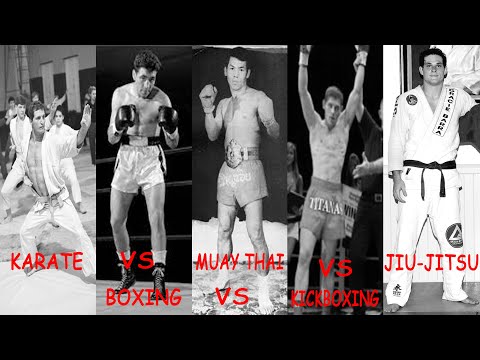
Karate vs. Jiu-Jitsu, Boxing vs. Muay Thai: A Master's Critique of Combat Sports' Pinnacle Showdowns

The roar of the crowd, the glint of sweat under the lights, the primal dance of combat. We’ve all seen the highlights, the explosive compilations that leave us breathless. But what lies beneath the surface of these electrifying clashes? Are we merely witnessing a spectacle, or are we seeing the fundamental principles of martial arts put to the ultimate test? Today, we dissect the age-old rivalries: Karate versus Jiu-Jitsu, and Boxing versus Muay Thai. This isn't just about which style "wins"; it's about understanding the essence of each discipline and how they represent the warrior's path. Prepare yourselves, for we are about to engage in a debate as fierce as any fought in the ring.

The Clash of Titans: Why These Comparisons Ignite Debate

The internet is awash with highlight reels showcasing the most brutal and beautiful moments in combat sports. Phrases like "Karate vs. Jiu-Jitsu," "Boxing vs. Muay Thai," and "Kickboxing highlights" are not just search terms; they represent a deep-seated human fascination with efficacy, strategy, and the raw display of physical and mental fortitude. As a martial arts scholar and practitioner, I find these comparisons both illuminating and, at times, frustratingly simplistic. My intention here is not to crown a single champion, but to offer a critical analysis, a **Sensei's perspective**, on what these matchups reveal about the evolution of combat, the philosophy of different martial traditions, and the practical application of techniques.

Many beginners, and even some seasoned practitioners, get lost in the spectacle, chasing the "knockout power" or the "submission chain" without grasping the underlying principles. The goal of this discourse is to provide clarity, to elevate the understanding beyond mere highlights, and to encourage a deeper appreciation for the dedication required in any martial discipline. We will delve into the core philosophies, the strategic differences, and the historical context that shapes these iconic rivalries. Furthermore, we'll touch upon the equipment that supports this journey, because even the most profound spiritual path requires the right tools.

Karate vs. Jiu-Jitsu: The Art of Striking Meets the Art of the Ground

The image of a Karateka delivering a precise, powerful punch or a devastating front kick is iconic. Rooted in Okinawan traditions and refined over decades, Karate emphasizes striking from a distance. Its practitioners train to develop explosive power, speed, and pinpoint accuracy. The core tenets often revolve around "Isshin-ryu" (one heart, one mind) or the striking principles found in various Karate styles like Shotokan or Kyokushin. The focus is on incapacitating an opponent with devastating blows to vital areas. Katas, the pre-arranged forms, are crucial for internalizing techniques and developing body mechanics. When you see "Karate Kid 3 final fight" or "Karate tournament" highlights, you are witnessing the culmination of years of practice in striking precision and evasive footwork.

Conversely, Brazilian Jiu-Jitsu (BJJ), heavily influenced by Judo's grappling and throws, thrives on the ground. Its philosophy centers on leverage and technique to overcome brute strength. A smaller, weaker person can defeat a larger, stronger adversary by taking them to the ground, controlling their position, and applying joint locks or chokeholds. The phrase "BJJ submissions" encapsulates the essence of this art. Masters like the Gracie family demonstrated the effectiveness of BJJ against practitioners of striking arts, famously in the early UFC events. Understanding "jiu jitsu basics" and "jiu jitsu takedowns" is fundamental to appreciating its effectiveness.

The true debate arises when these two arts meet. Can Karate's powerful strikes overcome Jiu-Jitsu's dominant ground game? Or will Jiu-Jitsu's ability to nullify striking by taking the fight to the mat prove superior? Historical encounters and modern MMA have shown that a successful fighter often needs proficiency in both striking and grappling. A pure Karateka might struggle against a skilled BJJ practitioner who can close the distance and initiate a ground battle. Conversely, a Jiu-Jitsu specialist must be wary of devastating kicks and punches if they cannot close the gap effectively. The key lies in the transition – how well each fighter can dictate the terms of engagement.

"The ultimate aim of martial arts is not victory or defeat, but the perfection of the human character." - Gichin Funakoshi

When we analyze "jiu jitsu vs wrestling", we see a similar dynamic: the art of taking an opponent down versus the art of staying up or controlling them once down. Both require immense strength, technique, and strategic thinking. The highlights often showcase the most dramatic moments – the spectacular submission or the powerful knockout punch. But the real lesson is in the preparation, the countless hours of drilling "jiu jitsu basics" and mastering the nuances of stance and striking in Karate.

Boxing vs. Muay Thai: The Sweet Science Versus the Art of Eight Limbs

Boxing, often called "the sweet science," is a discipline of elegant simplicity and profound complexity. It focuses exclusively on punches delivered with the fists, employing intricate footwork, defensive maneuvers like slipping and weaving, and strategic combinations. Legends like Muhammad Ali and Mike Tyson embody the pinnacle of this art, showcasing unparalleled speed, power, and ring generalship. A "boxing workout" emphasizes conditioning, accuracy, and the development of devastating punch combinations. Analyzing "boxing knockouts" reveals the power of focused strikes to critical targets.

Muay Thai, the "Art of Eight Limbs," incorporates a broader arsenal. In addition to punches, it utilizes elbows, knees, and kicks. The clinch, a grappling position where fighters can deliver knee strikes and control their opponent, is a significant element. This makes Muay Thai a more versatile striking art in certain contexts. When practitioners engage in "Muay Thai training", they develop a holistic striking ability, often incorporating the use of the shin for powerful kicks, reminiscent of the effectiveness seen in "kickboxing training".

The contrast between the two is stark. Can boxing’s refined punching technique and evasive footwork overcome Muay Thai’s devastating kicks, powerful knees, and close-range elbow strikes? Many believe that a boxer’s ability to control distance and land clean punches can neutralize Muay Thai’s wider range of weapons. However, a skilled Muay Thai fighter can use their kicks to control the distance, clinch to deliver damaging knees, and employ elbows to create openings. The "Muay Thai vs. Kickboxing" debate is also significant, as both share many striking techniques, though Muay Thai’s clinch and traditional elements often set it apart.

"When you are not practicing, remember that the world is practicing, and you will be surpassed." - Anonymous (often attributed to various martial arts masters)

"Boxing vs. Muay Thai" comparisons often highlight the stark difference in ranges. Boxers excel at mid-to-long range punches, while Muay Thai fighters are dangerous at all ranges, from long-range kicks to the devastating close-quarters combat of the clinch. The highlights of "Muay Thai knockouts" often showcase the brutal efficiency of the roundhouse kick or the fight-ending knee strike. Similarly, "boxing highlights" demonstrate the surgical precision and concussive force of a well-placed punch.

Kickboxing: A Synthesis or a Compromise?

Kickboxing, in its various forms (American, Japanese, Dutch), attempts to bridge the gap between boxing and traditional martial arts like Karate and Muay Thai. It generally allows punches and kicks, but often prohibits the extensive use of the clinch or certain types of throws and submissions found in BJJ or Judo. This creates a dynamic, high-paced striking environment. "Kickboxing for beginners" often focuses on mastering basic punches and kicks, building towards more complex combinations and footwork.

Comparing "kickboxing vs muay thai" is crucial. While both involve punches and kicks, Muay Thai's emphasis on the clinch, elbows, and shins provides a distinct flavor and tactical approach. Dutch kickboxing, for instance, is heavily influenced by boxing's power and combinations, integrated with powerful kicks. Japanese kickboxing often incorporates more dynamic, high-flying techniques. Kickboxing can be seen as a sport that distilled the most effective striking elements from various martial traditions into a competitive format.

The compilation of "kickboxing training" highlights often feature fast-paced exchanges, demonstrating powerful combinations and explosive kicks. This emphasis on striking offense makes it a popular choice for those seeking a high-intensity workout and a practical self-defense skillset. Analyzing "kickboxing workout with punching bag" routines shows how practitioners hone their power and technique.

Sensei's Verdict: Authenticity and Effectiveness

From my vantage point, the true "winner" in these comparisons is the practitioner who understands the depth and philosophy of their chosen art, and more importantly, the principles that transcend individual styles.

  • Karate vs. Jiu-Jitsu: Karate teaches discipline, focus, and devastating striking power. Jiu-Jitsu teaches leverage, control, and the ability to overcome strength with technique. In a practical self-defense scenario, a blend is ideal. For pure sport, the rules often dictate the effectiveness. A pure Karateka might find themselves in trouble if they can't keep a BJJ practitioner at bay. A pure BJJ practitioner needs to be aware of the striking threat. The "fight analysis" of MMA bouts often shows practitioners developing hybrid skillsets.
  • Boxing vs. Muay Thai: Boxing offers unparalleled hand speed, head movement, and punching power. Muay Thai provides a more comprehensive striking toolkit with kicks, knees, and elbows, along with the clinch. A boxer needs to defend against a wider array of attacks, while a Muay Thai fighter must be wary of a boxer's ability to control distance and deliver concussive punches. The strategic implications are vast.

Authenticity lies in respecting the lineage and principles of each art. Effectiveness is situational and depends on the practitioner, the opponent, and the context (sport vs. self-defense). These compilations, while entertaining, often present an incomplete picture. They showcase peak moments, not the years of diligent training, the failures, and the constant refinement required to master any martial path. The journey is as important as the destination, and true mastery involves understanding the 'why' behind the techniques.

Essential Training Gear for the Aspiring Warrior

To embark on the journey of martial arts, whether it's Karate, Jiu-Jitsu, Boxing, or Muay Thai, the right equipment is crucial for safety and effective training.

  • For Striking Arts (Karate, Boxing, Muay Thai, Kickboxing):
    • Gloves: For boxing and Muay Thai, 16oz sparring gloves are standard for protection. For bag work, 10-12oz training gloves are suitable.
    • Hand Wraps: Essential for protecting your wrists and knuckles during any punching activity.
    • Mouthguard: Non-negotiable for sparring in any combat sport to protect your teeth and jaw.
    • Shin Guards: Crucial for Muay Thai and Kickboxing training to protect against kicks.
    • Groin Protector: For both male and female practitioners, vital during sparring.
    • Kimono/Gi: For Karate, a durable Karate Gi is standard. For Judo/BJJ, a specialized heavyweight Judo Gi or BJJ Gi is required.
    • Headgear: Recommended for beginners during sparring to reduce the risk of cuts and bruises.
  • For Grappling Arts (Jiu-Jitsu, Judo):
    • Gi (Kimono): A high-quality double-weave BJJ Gi or single-weave Judo Gi is essential. Look for brands known for durability like Fuji or Tatami.
    • No-Gi Gear: Rash guards and grappling shorts are necessary for No-Gi Jiu-Jitsu training.
    • Mouthguard: Still essential for protection during grappling exchanges.

Investing in quality "Martial Arts Merchandise" is an investment in your safety and longevity in the sport. Don't skimp on protection; your body is your most valuable tool.

Frequently Asked Questions

  • Q: Which martial art is best for self-defense?
    A: The "best" martial art for self-defense is the one you train consistently and effectively. A combination of striking (like Karate or Boxing) and grappling (like Jiu-Jitsu or Judo) provides a well-rounded skillset. Focus on practical techniques and situational awareness.
  • Q: Is it true that Jiu-Jitsu can defeat any striking art?
    A: While Jiu-Jitsu is highly effective on the ground, it's not infallible. A skilled striker who can maintain distance and avoid being taken down can neutralize a pure Jiu-Jitsu practitioner. In mixed martial arts, the most successful fighters blend striking and grappling.
  • Q: Should I focus on Karate or Muay Thai for kickboxing?
    A: Both can contribute. Karate provides discipline and powerful linear strikes, while Muay Thai offers a broader range of kicks, knees, elbows, and clinch work. Many modern kickboxing systems integrate elements from both.
  • Q: How important is conditioning in combat sports?
    A: Conditioning is paramount. Stamina, strength, and speed are critical for executing techniques effectively and enduring the rigors of training and competition. A strong "Entrenamiento de MMA" program will always include rigorous conditioning.
  • Q: How can I improve my mental strength in martial arts?
    A: Mental strength is built through consistent practice, overcoming challenges, and developing discipline. Meditation, visualization, and learning to persevere through fatigue and discomfort are key components of the "Mental Game" in martial arts.

To Deepen Your Path

The comparisons we’ve explored—Karate vs. Jiu-Jitsu, Boxing vs. Muay Thai—are more than just highlight reels; they are crucibles where the philosophies and techniques of martial traditions are tested. Each art possesses its own unique beauty, effectiveness, and challenges. True mastery lies not in declaring one superior, but in understanding the principles that govern all combat, respecting the dedication of practitioners across disciplines, and continuously striving for self-improvement. The journey is long, demanding, and infinitely rewarding.

Sensei's Reflection: Your Next Step

You have witnessed the analysis of iconic martial rivalries. Now, the true test begins: application. Consider your own training. Are you focusing solely on your strengths, or are you venturing into the disciplines that challenge you most? Do you understand the fundamental principles that underpin your techniques, or are you merely mimicking movements? The essence of Budo is not about winning debates on forums, but about winning the quiet battles within yourself every single day.

"In martial arts, the highest goal is not to defeat an opponent, but to defeat oneself." - Unknown Master

So, I ask you: Which aspect of your training have you been neglecting out of comfort or perceived lack of importance? And more critically, what steps will you take, starting today, to address that deficit and embody the spirit of a true warrior? The path to mastery is paved with self-awareness and deliberate action. Share your thoughts and your commitment in the comments below. Let us learn from each other.

``` GEMINI_METADESC: A martial arts master dissects Karate vs. Jiu-Jitsu and Boxing vs. Muay Thai, analyzing techniques, philosophies, and effectiveness beyond the hype. Essential training insights included.
Muay Thai vs. Street Combat: Does the Art of Eight Limbs Conquer the Concrete Jungle?

The roar of the crowd, the rhythmic chanting, the clash of shin on shin – this is the spectacle of Muay Thai. But strip away the stadium lights, the rules, and the referee, and what remains when the "Art of Eight Limbs" confronts the brutal, unscripted reality of a street fight? This is a question that has long echoed in the dojos and training halls of martial artists worldwide. Can the techniques honed for centuries in the disciplined environment of Thai boxing truly translate to the chaotic, unforgiving arena of self-defense on asphalt? We're about to dissect this, not with the superficial gloss of a sports highlight reel, but with the critical eye of a seasoned Sensei.

Table of Contents

The Legacy of Muay Thai: More Than Just a Sport

Muay Thai, or Thai boxing, is not merely a modern athletic pursuit; it's a living testament to a rich history, dating back to the 13th century during the Sukhothai Kingdom of Thailand. Originally forged in the crucible of military training and actual battlefield engagements, its purpose was survival. It was a method of warfare, refined over generations, designed to incapacitate an enemy using every available part of the body as a weapon. This martial heritage imbues Muay Thai with a raw, utilitarian edge that sets it apart from many contemporary combat sports. Its journey from ancient battlegrounds to the global stage is a fascinating narrative of cultural preservation and martial evolution.

Muay Thai's Evolution and Global Reach

Fast forward to the present day, and Muay Thai has transcended its national borders to become a globally recognized and respected martial art. Its electrifying techniques, devastating power, and emphasis on conditioning have captivated practitioners and fans alike. From the bustling stadiums of Bangkok to the quiet dojos of Europe and the Americas, the 'Art of Eight Limbs' is practiced by millions. But this widespread popularity has also invited scrutiny: how much of its original combat efficacy remains after its transformation into a regulated sport?

The Brutal Reality of Street Combat

Street fighting is the antithesis of sport. There are no weight classes, no referees, no rules dictating fair play. The objective is not points, but survival. Threats can come from any direction, involve multiple assailants, or utilize weapons entirely absent from a sanctioned bout. The environment itself – uneven terrain, confined spaces, obstacles – becomes a factor. Unlike the controlled aggression of a ring, a street confrontation is often a sudden, desperate explosion of violence, fueled by fear, anger, or desperation.

"The supreme art of war is to subdue the enemy without fighting." - Sun Tzu, The Art of War. While this is a fundamental principle of strategy, it's crucial to acknowledge that sometimes, the fight is unavoidable. This is where a practical, brutal art like Muay Thai finds its most potent, albeit dangerous, application.

Analyzing the "Eight Limbs" in a Street Scenario

Muay Thai's strategic brilliance lies in its utilization of eight points of contact: two fists, two elbows, two knees, and two shins. This comprehensive arsenal is a significant advantage. In a street fight, the ability to deliver concussive blows with knees and elbows – often considered 'dirty' tactics in other contexts – can be decisive. Unlike a sport where certain strikes might be penalized or disallowed, the street offers no such leniency.

Punches, Kicks, Knees, and Elbows: A Tactical Breakdown

Punches: Standard boxing combinations are a staple, offering ways to set up more devastating strikes or create distance. However, in a street fight, relying solely on punches can be risky if the opponent closes the distance quickly.

Kicks: The powerful roundhouse kicks of Muay Thai, delivered with the shin, can deliver immense impact. However, in a confined urban setting, a high, sweeping kick might be impractical or even dangerous, potentially throwing you off balance if it misses or is caught. Lower kicks (leg kicks) remain highly effective for mobility impairment and are less risky.

Knees: Devastating in the clinch, knees can target the torso or the legs. On the street, a well-timed knee to the groin or thigh can be crippling. They are short, powerful, and require less wind-up than a full kick.

Elbows: Perhaps Muay Thai's most brutal and direct street weapon. Elbow strikes are short, sharp, and designed for close-quarters combat. An elbow to the head can cause severe lacerations and knockouts. In a clinch or a messy scramble, they are incredibly effective and often overlooked by untrained opponents.

The Power of the Clinch: Dominance or Danger?

The Muay Thai clinch is a position of control and devastating offense. The ability to trap an opponent's head and neck, control their posture, and deliver knees and elbows is incredibly potent. On the street, a skilled Muay Thai practitioner can use the clinch to nullify an opponent's reach, prevent them from escaping or attacking effectively, and inflict damage at close range. However, the clinch also carries risks: a poorly managed clinch can lead to takedowns or expose you to other attacks.

When the Art Faces Reality: Limitations and Risks

Despite its formidable arsenal, applying Muay Thai in a street fight isn't without its significant limitations:

  • The Ground Game: Muay Thai traditionally focuses on stand-up combat. While some practitioners incorporate grappling, it's not its core strength. Many street altercations can end up on the ground, where a Muay Thai specialist might be at a disadvantage against a trained grappler (e.g., in Judo or BJJ).
  • Multiple Attackers: The "Art of Eight Limbs" is designed for one-on-one combat. Facing multiple opponents simultaneously significantly increases the danger, regardless of your skill level. Techniques that work against one person can leave you exposed to others.
  • Environmental Hazards: The slick floors of a gym are vastly different from a wet street, broken glass, or a confined space. Techniques that require balance and space can become liabilities.
  • Legal Ramifications: The techniques taught in Muay Thai are designed to incapacitate. Using them in a street fight, even in self-defense, can carry severe legal consequences. Understanding proportionality of force is paramount.
  • Psychological Factor: The adrenaline dump of a real violent encounter can override technical proficiency. The discipline ingrained through consistent training is what separates those who can apply their art from those who freeze or panic.
"To know your enemy and know yourself, you need not fear the result of a hundred battles. To know yourself, but not the enemy, will subject you to alternate victories and defeats. To know neither the enemy nor yourself, you will succumb in every battle." - Sun Tzu, The Art of War. In street combat, the 'enemy' is not just the person attacking you, but also the environment, the unpredictability, and your own fear.

Adapting Muay Thai for Self-Defense

For Muay Thai to be truly effective on the street, training must adapt:

  • Sparring Realism: Sparring should incorporate more unpredictable elements, simulate confined spaces, and potentially allow for techniques typically disallowed in sport (e.g., groin strikes, headbutts – with extreme caution and under expert guidance).
  • Integrating Grappling: Cross-training in grappling arts like Judo, BJJ, or even wrestling, is crucial to cover the 'ground game' deficiency.
  • Scenario Training: Practicing self-defense scenarios against multiple attackers or in varied environments helps prepare the mind and body for real-world chaos.
  • De-escalation and Awareness: The most effective self-defense is avoiding conflict altogether. Training in situational awareness and de-escalation techniques is as important as mastering a strong guard.

Veredicto del Sensei: ¿Merece la pena?

Muay Thai provides an unparalleled foundation for stand-up striking combat. Its power, efficiency, and directness are undeniable. If confronted on the street, a proficient Muay Thai practitioner possesses a potent arsenal capable of ending a confrontation quickly. However, to claim it's a perfect street fighting art without acknowledging its limitations, particularly concerning ground combat and multiple assailants, is naive. Muay Thai is a formidable tool, but like any tool, its effectiveness depends on the skill of the wielder, the context of its use, and a comprehensive understanding of its strengths and weaknesses. It's a powerful component of self-defense, but rarely the complete solution.

Calificación: Cinturón Negro en Power Strikes, Cinturón Azul en Ground Control.

Equipo Esencial para tu Entrenamiento

Para maximizar tu entrenamiento de Muay Thai y prepararte para situaciones de combate más amplias, considera el siguiente equipo:

  • Guantes de Muay Thai (16oz): Indispensables para el sparring, protegen tus manos y las de tu compañero.
  • Vendajes para manos: Esenciales para proteger tus muñecas y nudillos durante golpes potentes.
  • Espinilleras: Para proteger tus espinillas durante los bloqueos y patadas de entrenamiento.
  • Protector bucal: Obligatorio para cualquier sparring serio.
  • Pantalones de Muay Thai: Diseñados para permitir la máxima movilidad de las piernas, crucial para patadas y desplazamientos.
  • Guantes de MMA: Para entrenamiento cruzado con grappling, permiten mayor libertad de movimiento de los dedos.
  • Kimono de Judo o Gi de BJJ: Si buscas entrenar grappling y defensa personal en el suelo.

Preguntas Frecuentes

¿Es el Muay Thai más efectivo que el Kickboxing en la calle?
El Muay Thai tiende a ser más brutal y directo, con un mayor énfasis en codos, rodillas y el clinch, lo que puede ser ventajoso en la calle. El kickboxing puede variar en su enfoque, pero a menudo carece de la misma crudeza marcial.

¿Qué arte marcial es mejor para la defensa personal en la calle?
No hay un único "mejor" arte. Una combinación de artes, como Muay Thai para el combate de pie y BJJ/Judo para el combate en el suelo, junto con entrenamiento en conciencia situacional, ofrece la defensa más completa.

¿Puede un peleador de Muay Thai defenderse contra armas?
Ningún arte marcial te hace invencible contra armas. La mejor defensa es siempre la evitación y la desescalada. Si te enfrentas a un arma, la distancia y la inteligencia son tus aliados, no la fuerza bruta.

¿Es el Muay Thai peligroso para aprender?
Como cualquier arte marcial de contacto, conlleva riesgos de lesión. Sin embargo, bajo la guía de instructores cualificados y con el equipo de protección adecuado, el riesgo se minimiza significativamente.

Para Profundizar en tu Camino

Reflexión del Sensei: Tu Próximo Paso

Has absorbido las lecciones sobre el Muay Thai y su potencial en el implacable escenario de la calle. Pero el conocimiento sin aplicación es como una espada sin filo. La próxima vez que te entrenes, pregúntate: ¿Estoy solo practicando movimientos, o estoy cultivando la mentalidad y la adaptabilidad necesarias para sobrevivir si el gimnasio se convierte en la jungla urbana? ¿Cómo integrarás la brutalidad necesaria sin perder la disciplina y la estrategia?

``` GEMINI_METADESC: Un análisis profundo sobre la efectividad del Muay Thai en peleas callejeras. Descubre si el 'Arte de las Ocho Extremidades' es la mejor defensa en el caos urbano.

Muay Thai en su Máxima Expresión: Análisis del Combate López vs. Duarte en BSC Vol. 5

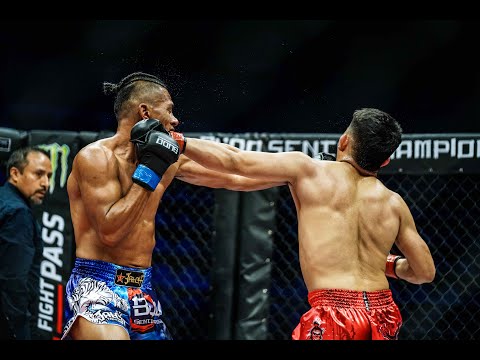
La danza de la muerte, el arte de la guerra silenciosa, el espectáculo del espíritu indomable. En las artes marciales, a menudo buscamos esa chispa que enciende el alma, ese destello de genialidad técnica y furia controlada que define a un verdadero guerrero. Hoy, no vamos a diseccionar un kata ancestral ni a debatir la filosofía del Bushido en abstracto. Nos sumergiremos en la cruda realidad del combate moderno, analizando un enfrentamiento que encapsula la esencia del Muay Thai: el choque entre Shey López y Blas Duarte en el Budo Sento Championship (BSC) Vol. 5.

El Corazón del Muay Thai: BSC Vol. 5

Vivimos en una era donde la información fluye como un río caudaloso, y los combates de artes marciales se presentan ante nosotros con una frecuencia vertiginosa. Sin embargo, no todos los enfrentamientos son creados iguales. El Budo Sento Championship se ha labrado un nombre por presentar combates de alto calibre, y su Vol. 5, protagonizado por Shey López y Blas Duarte, no fue la excepción. Este duelo es un microcosmos de lo que hace al Muay Thai un arte tan fascinante y brutal: una sinfonía de patadas, codos, rodillas y puños, todo ejecutado bajo la presión de un público ávido y la determinación de la victoria.

Pero, ¿qué distingue a un combate memorable de uno fugaz? ¿Es la pura técnica, la intensidad emocional, la estrategia o el espíritu guerrero que irradia de cada contendiente? Mi labor como Sensei es desentrañar estas capas, no solo para los que aman el Muay Thai, sino para todos aquellos que buscan entender la profundidad de las artes marciales. Y este combate, con su mezcla de bravura y habilidad, nos ofrece un lienzo perfecto para la reflexión.

Análisis Técnico: López vs. Duarte

El Muay Thai, conocido como el "Arte de las Ocho Extremidades", exige una combinación única de fuerza, agilidad y resistencia. En el enfrentamiento entre López y Duarte, pudimos observar la aplicación de estas disciplinas fundamentales. Shey López, conocido por su agresividad y su capacidad para presionar, usualmente despliega un juego de ataque frontal, buscando desmantelar la guardia del oponente con combinaciones de puños y patadas bajas. Su estilo a menudo se describe como directo, sin florituras innecesarias, buscando siempre el impacto.

Por otro lado, Blas Duarte, a menudo exhibe un enfoque más técnico y calculador. Su fortaleza reside en la defensa sólida, la anticipación de los movimientos del oponente y el uso estratégico de las rodillas y los codos, especialmente en el clinch. El clinch, esa fase de combate cuerpo a cuerpo tan característica del Muay Thai, es donde Duarte puede imponer su ritmo, controlando la distancia y buscando puntos de daño precisos. Observar cómo estos dos estilos chocan es un estudio de contrastes:

  • Shey López: Enfoque ofensivo, presión constante, combinaciones de puños y patadas bajas, agresividad controlada.
  • Blas Duarte: Defensa robusta, contraataques precisos, uso del clinch, golpes de rodilla y codo, estrategia metódica.

Durante el combate, el desarrollo táctico fue crucial. ¿Logró López imponer su ritmo inicial? ¿Pudo Duarte absorber el castigo y contraatacar de forma efectiva? Las transiciones entre la lucha de pie y el clinch son momentos clave donde la experiencia y el temple marcial se ponen a prueba. Un error en la distancia, una guardia baja por un instante, pueden ser fatales ante un oponente de la talla de estos guerreros. Las patadas circulares (roundhouse kicks), los rodillazos directos (teeps) y las devastadoras ofensivas con codos y rodillas definieron el curso de los asaltos. Es importante notar que la efectividad de estas técnicas depende en gran medida de la **agilidad** y el **timing**, dos aspectos que quedan a menudo fuera de los titulares pero que son la base de cualquier victoria.

La Filosofía del Ring: Más Allá de los Golpes

Las artes marciales, en su esencia más pura, no son solo una serie de movimientos físicos; son un camino de autoconocimiento y mejora continua. El Muay Thai, aunque conocido por su ferocidad, no es ajeno a esta filosofía. El concepto de "Jai Yen Yen" (corazón frío, mente tranquila) es fundamental. Significa mantener la calma bajo presión, pensar con claridad incluso cuando el cuerpo está bajo asalto. En un combate como este, donde cada golpe puede cambiar el rumbo, mantener la serenidad es tan importante como la fuerza del impacto.

"La fuerza no proviene de la capacidad física. Proviene de una voluntad inquebrantable." - Mahatma Gandhi. Aplicado al combate, esta frase resuena con la tenacidad de los peleadores que, a pesar del dolor y la fatiga, siguen adelante.

El respeto mutuo entre los contendientes, incluso en medio de la batalla, es otro pilar del Budo. Si bien la competencia es feroz, el reconocimiento del adversario como un igual en el arte es un signo de verdadera maestría. Cada pelea es una oportunidad de aprendizaje, una lección sobre uno mismo y sobre la condición humana. La capacidad de levantarse después de una caída, de seguir luchando cuando el cuerpo grita rendición, eso es lo que verdaderamente define a un artista marcial.

El Rol del Arbitraje y la Integridad Deportiva

En cualquier deporte de combate, el papel del árbitro es indispensable. Su misión va más allá de contar golpes o declarar vencedores; su principal tarea es garantizar la seguridad de los peleadores. En el Muay Thai, donde las técnicas pueden ser particularmente dañinas, la intervención oportuna del árbitro es crucial para prevenir lesiones graves. Un árbitro experimentado sabe cuándo detener una pelea, cuándo separar a los contendientes en el clinch y cuándo advertir sobre infracciones.

La integridad del combate también depende de la objetividad del arbitraje. Decisiones cuestionables pueden sembrar la duda y empañar la gloria de la victoria. En enfrentamientos de alta tensión como el de López vs. Duarte, la justicia en las decisiones arbitrales es fundamental para mantener la confianza en la competición y para honrar el esfuerzo de los atletas. Analizar la actuación del árbitro es, a menudo, tan interesante como el propio combate, pues revela la complejidad de hacer cumplir las reglas en un entorno tan dinámico y peligroso.

El Impacto Cultural del Muay Thai y BSC

El Muay Thai, originario de Tailandia, ha trascendido sus froncones para convertirse en un fenómeno global. Su popularidad se debe a su efectividad como arte marcial y deporte de combate, pero también a su rica historia y a la profundidad de su filosofía. Eventos como el Budo Sento Championship juegan un papel vital en esta difusión, ofreciendo plataformas para que los artistas marciales demuestren su talento y para que el público global se conecte con la emoción del combate.

La presencia de elementos visuales y promocionales, como se ve en el contenido original (enlaces a redes sociales, playlists de combates anteriores), es una estrategia inteligente para construir una comunidad. El hashtag #muaythai es solo la punta del iceberg; la verdadera conexión se forja a través del contenido compartido, las interacciones y el sentido de pertenencia a una tribu de guerreros. BSC, al ofrecer no solo combates sino también acceso a un universo de contenido relacionado (volúmenes anteriores, disciplinas variadas), fomenta una lealtad que va más allá del evento en sí.

El BUDO, como concepto de camino o vía, impregna muchas artes marciales asiáticas, y el Muay Thai, aunque pragmático y a menudo brutal, también posee sus propios caminos de disciplina y respeto. Eventos que promueven el aspecto comunitario y de superación personal, como BSC, contribuyen a humanizar el deporte y a destacar los valores positivos que emanan de él. No se trata solo de la pelea, sino del proceso de preparación, la disciplina mental y la **superación personal** que conlleva.

Veredicto del Sensei: ¿Una Batalla para Recordar?

Tras analizar la dinámica del enfrentamiento entre Shey López y Blas Duarte en el BSC Vol. 5, queda claro que presenciamos un combate que representa fielmente la esencia del Muay Thai. Ambos contendientes demostraron habilidad, coraje y una férrea determinación. Si bien la naturaleza exacta de la victoria (KO, decisión unánime, etc.) no se detalla aquí, la intensidad del choque, el despliegue técnico y la pasión exhibida son dignos de reconocimiento.

"La victoria pertenece a quien más la desea." - Napoleón Bonaparte. En el ring, este deseo se traduce en una voluntad inquebrantable de superar al oponente y las propias limitaciones.

Desde una perspectiva marcial, este combate es un excelente ejemplo de cómo diferentes estilos pueden colisionar y complementarse, ofreciendo un espectáculo tanto de poder como de estrategia. Es un recordatorio de que el Muay Thai es mucho más que una disciplina de combate; es un arte que pone a prueba el cuerpo y el espíritu, cultivando la **disciplina**, la **resistencia** y el respeto.

¿Merece la pena ver este combate? Absolutamente. Para los aficionados al Muay Thai, es una oportunidad de ver a dos guerreros en plena forma. Para los aspirantes a artistas marciales, es una lección práctica sobre tácticas, defensa y ataque. Es la prueba de que la pasión por el combate puede ser un vehículo para el crecimiento personal y la construcción de comunidad.

Equipo Esencial para tu Entrenamiento

Para aquellos inspirados por este combate y deseosos de comenzar o mejorar su entrenamiento en Muay Thai, contar con el equipo adecuado es fundamental. Un buen equipamiento no solo mejora el rendimiento, sino que también previene lesiones. Aquí tienes una lista de elementos clave:

  • Guantes de Muay Thai (16 oz): Ideales para sparring, ofreciendo protección tanto para tus manos como para tu compañero de entrenamiento.
  • Vendas para las Manos: Esenciales para proteger las muñecas y los nudillos durante el entrenamiento de golpes.
  • Shorts de Muay Thai: Diseñados para permitir libertad de movimiento en las patadas y el clinch.
  • Protector Bucal: Indispensable para proteger tus dientes y mandíbula, especialmente durante el sparring.
  • Espinilleras: Protegen tus espinillas de los impactos directos y amortiguan tus patadas.
  • Kimono de Judo o BJJ (opcional, para grappling): Si tu entrenamiento incluye aspectos de lucha en el suelo, un kimono resistente es necesario.
  • Botas de Kickboxing/Muay Thai: Ofrecen buen agarre y soporte para el tobillo.
  • Petos de Entrenamiento (Paos): Para que tu entrenador pueda trabajar contigo las combinaciones y la potencia de tus golpes.

Buscar **mejores kimonos de judo** o el equipo más adecuado para entrenamiento de MMA puede ser un buen punto de partida si tu interés se extiende a otras disciplinas de combate. El mercado ofrece una amplia gama de opciones para cada necesidad.

Guía de Entrenamiento: El Uso del "Clinch" en Muay Thai

El clinch (o "plàt") es una fase crucial y a menudo decisiva en el Muay Thai. Dominarlo requiere técnica, fuerza y control. Aquí una guía paso a paso para empezar:

  1. Posición Inicial: Acércate a tu oponente controlando la distancia. El objetivo es agarrar la nuca o los brazos de tu adversario mientras proteges tu propio cuello y cabeza.
  2. Agarre: Hay varias formas de agarrar. Un agarre común es con una mano en la nuca del oponente y la otra mano sujetando uno de sus brazos, o ambas manos en la nuca si tu oponente tiene la cabeza más baja. La clave es tener control sobre su cabeza y cuello para dirigir sus movimientos.
  3. Control de la Postura: Mantén tu cuerpo compacto y tus pies firmes en el suelo, ligeramente separados, para evitar ser desequilibrado. Dobla ligeramente las rodillas para tener una base sólida.
  4. Presión y Movimiento: Usa tu cuerpo para aplicar presión y dirigir la cabeza de tu oponente hacia abajo o hacia un lado. Esto abre oportunidades para golpear.
  5. Técnicas de Ataque: Desde el clinch, puedes lanzar rodillazos al cuerpo o a los muslos. También puedes usar golpes cortos con los codos, o intentar desequilibrar a tu oponente con movimientos de cadera y cuerpo.
  6. Defensa en el Clinch: Si tu oponente te domina, concéntrate en defenderte de sus rodillazos y codos, buscando romper su agarre o crear espacio para escapar. Usa tus propios agarres para controlar su postura y limitar sus opciones.
  7. Salida del Clinch: Cuando sea el momento adecuado, rompe el agarre de forma controlada y retrocede para retomar la distancia de combate de pie.

La práctica constante, preferiblemente bajo la supervisión de un instructor experimentado, es la única manera de dominar el clinch. ¡No olvides la importancia del calentamiento y el **estiramiento** previo!

Preguntas Frecuentes

¿Es el Muay Thai adecuado para principiantes?

Sí, el Muay Thai puede ser practicado por principiantes. Los gimnasios suelen ofrecer clases introductorias enfocadas en los fundamentos y la seguridad. Es importante elegir un dojo o gimnasio con instructores cualificados que sepan adaptar el entrenamiento.

¿Cuál es la diferencia entre Muay Thai y Kickboxing?

Aunque comparten similitudes, el Muay Thai permite el uso de codos, rodillas y el clinch de forma mucho más extensa que la mayoría de las reglas de Kickboxing. El Muay Thai también pone un énfasis mayor en la resistencia y el control en el clinch.

¿Es peligroso entrenar Muay Thai?

Como cualquier deporte de contacto, el Muay Thai conlleva riesgos. Sin embargo, con el equipo de protección adecuado, un entrenamiento progresivo y la supervisión de instructores competentes, el riesgo de lesiones graves se minimiza significativamente.

¿Puedo usar las técnicas de Muay Thai en defensa personal?

Sí, muchas técnicas de Muay Thai, como las patadas bajas, los rodillazos y los golpes de codo, son altamente efectivas en situaciones de defensa personal real. La capacidad de luchar en el clinch también es una ventaja significativa en espacios reducidos.

Para Profundizar en tu Camino

Si la intensidad y la técnica del Muay Thai te han cautivado, te invito a explorar más sobre el mundo de las artes marciales y el combate en nuestro blog:

El viaje en las artes marciales es largo y lleno de descubrimientos. Cada combate, cada entrenamiento, es una oportunidad para crecer.

Reflexión del Sensei: Tu Próximo Paso

Hemos desglosado este combate, admirado la técnica y reflexionando sobre la filosofía que subyace en cada golpe. Ahora, la pregunta que os lanzo es la siguiente: Cuando os encontréis ante vuestro propio desafío, sea en el tatami, en la vida cotidiana, o ante un adversario, ¿qué parte de vuestro entrenamiento priorizaréis: la fuerza bruta del ataque, la astucia de la defensa, o la serenidad del corazón frío? ¿Os conformaréis con la victoria superficial, o buscaréis la profunda victoria sobre vosotros mismos que solo el verdadero Budo puede ofrecer?

Ahora te toca a ti. ¿Estás de acuerdo con mi análisis o crees que he pasado por alto algún matiz crucial en este duelo de titanes? Demuéstralo en los comentarios. ¡Espero vuestros argumentos con el mismo interés con el que espero un buen combate!

``` GEMINI_METADESC: Análisis experto del combate de Muay Thai entre Shey López y Blas Duarte en BSC Vol. 5. Explora técnica, estrategia y la filosofía detrás del arte de las ocho extremidades.

PRIDE FC 21 - Demolition (2002): A Critical Analysis of a Monumental MMA Card

Welcome, warriors and scholars of the martial path, to a deep dive into one of the most electrifying events in mixed martial arts history: PRIDE FC 21 - Demolition, held at the Saitama Super Arena on June 23, 2002. As a Sensei with decades spent in the dojo and countless hours dissecting the art of combat, both real and cinematic, I approach such events not just as spectacles, but as laboratories of human will, physical prowess, and the evolution of fighting philosophies. This card, featuring a constellation of legendary names, offers a rich tapestry for examination, from the raw power of Bob Sapp to the strategic brilliance of Renzo Gracie and the burgeoning legend of Fedor Emelianenko. The intention behind a card like PRIDE FC 21 was clear: to push the boundaries of combat sports, showcasing the most formidable athletes and pitting them against each other in a format that celebrated diverse martial backgrounds. For the aspiring fighter, this event is a masterclass in varied skill sets. For the martial arts historian, it's a critical juncture in the development of modern MMA. And for the fan, it's pure, unadulterated exhilaration. We are not merely watching a fight; we are witnessing the distillation of countless martial traditions into a single, explosive arena. The energy of PRIDE was palpable, a unique blend of respectful combat and unbridled aggression. It was a stage where the philosophical underpinnings of martial arts met the rawest form of human confrontation. This wasn't just about winning; it was about demonstrating the efficacy of one's chosen path, the embodiment of dedication, and the indomitable spirit that defines a true warrior.

Table of Contents

Bob Sapp vs. Kiyoshi Tamura: The Immovable Object Meets the Unstoppable Force?

The card kicked off with a highly anticipated clash that encapsulated the PRIDE spectacle: Bob Sapp, the behemoth of American football turned fighter, against the seasoned Japanese veteran, Kiyoshi Tamura. Sapp's sheer physical presence was a spectacle in itself, a testament to the brute force that can be honed in sports like American football. Tamura, on the other hand, represented the technical grit and resilience often found in Japanese martial arts exponents. From a martial standpoint, this fight was a classic David vs. Goliath narrative, but with a twist. Tamura's strategy revolved around survival and exploiting any opening. Sapp's was simple: overwhelm with power. The initial moments were tense, with Tamura looking to weather the storm and Sapp looking for a quick finish. This match highlights the fundamental question in combat: can technique and strategy overcome overwhelming physical disparity? We've seen similar dynamics in Karate vs. Judo bouts in exhibition settings, where a larger, stronger judoka might initially struggle with the striking range, but ultimately the grappling and weight advantage can prove decisive.

Gary Goodridge vs. Achmed Labasanov: Raw Power and Conditioning

Next, we saw Gary Goodridge, a feared striker and submission artist, face off against Achmed Labasanov. Goodridge was known for his devastating hands and his ability to finish fights on the ground. Labasanov, while perhaps less of a household name globally, represented the determination and the often-underestimated power of fighters from less mainstream martial backgrounds. This bout was a test of raw power and, crucially, endurance. Goodridge, a veteran of many wars, knew how to pace himself, but Labasanov was there to make it a grueling affair. We often see this in Kickboxing vs. Muay Thai contests; the Thai fighters' conditioning can often outlast their opponents in the later rounds, allowing them to impose their will. The question here was whether Labasanov could match Goodridge's explosiveness and conditioning.
"The difference between a master and a beginner is that the master has failed more times than the beginner has tried." - Anonymous

Anderson Silva vs. Alex Stiebling: The Emergence of a Phenom

This is where the card truly began to showcase the future. Anderson Silva, then a rising force, took on Alex Stiebling. "The Spider" was already demonstrating flashes of the uncanny striking ability and creativity that would later make him one of the greatest to ever compete in MMA. His movement, timing, and the sheer unpredictability of his attacks were revolutionary. Stiebling, a tough opponent, was tasked with stifling Silva's offensive flair. This match serves as an excellent case study for any fighter looking to understand how to deal with an opponent who possesses superior, unorthodox striking. The principles of distance management and defensive awareness are paramount. Silva's eventual knockout victory was a sign of things to come, a glimpse into the era of striking artistry he would usher in.

Jeremy Horn vs. Gilbert Yvel: A Gritty Striker vs. A Dangerous Submission Artist

The middleweight division was represented by Jeremy Horn and Gilbert Yvel. Horn was a durable fighter known for his relentless pressure and submission skills, a true grinder who could wear opponents down. Yvel, a Dutch fighter, possessed dangerous knockout power and a penchant for aggressive striking. This was a classic stylistic clash: the submission specialist against the powerful striker. Such matchups often hinge on who can impose their game. Can Horn get the fight to the ground and secure a submission, or will Yvel's hands find their mark? This dynamic is frequently observed in BJJ vs. Muay Thai scenarios within MMA, where the grappling prowess of BJJ specialists is tested against the devastating striking of Muay Thai practitioners.

Shungo Oyama vs. Renzo Gracie: The Gracie Jiu-Jitsu Legacy in Action

The Gracie family name is synonymous with the birth and evolution of Brazilian Jiu-Jitsu and its integration into MMA. Renzo Gracie, a respected member of the clan, faced off against Shungo Oyama. Oyama, a Japanese fighter, likely brought a more traditional striking or wrestling background to the mat. This bout was a clear opportunity to observe the practical application of Gracie Jiu-Jitsu in a high-stakes environment. The Gracie philosophy emphasizes leverage, technique, and positional control over brute strength, a principle that revolutionized combat sports. Renzo's performance here would serve as an inspiration to countless BJJ practitioners worldwide, demonstrating that the art of the ground game, when executed masterfully, can overcome diverse martial backgrounds. We see this principle echoed in the dominance of grappling in MMA for decades.

Fedor Emelianenko vs. Semmy Schilt: The Tsar's Ascent

This was arguably the co-main event, a fight that pitted the surging phenom Fedor Emelianenko against the imposing Semmy Schilt. Fedor, already known as "The Last Emperor," was on an incredible run, showcasing an almost supernatural ability to absorb punishment, deliver devastating blows, and secure submissions. His calm demeanor belied a terrifying fighting spirit. Schilt, a Dutch kickboxing legend, brought a wealth of striking experience and significant size. This fight was a major test for Fedor. Could he overcome the reach and striking power of a world-class kickboxer? Fedor's ability to close distance, negate punches, and transition to offense was on full display. His victory here solidified his reputation as a dominant force and a future legend, demonstrating the power of well-roundedness and mental fortitude. The resilience shown by fighters like Fedor is a cornerstone of Budo philosophy.

Don Frye vs. Yoshihiro Takayama: The Unforgettable Brawl

And then there was Frye vs. Takayama. This fight transcended mere competition; it became an iconic moment in MMA history. Don Frye, the flamboyant American wrestler with a warrior's spirit, met Yoshihiro Takayama, a man whose sheer enthusiasm and toughness were legendary. What unfolded was not so much a technical battle as it was an almost primal exchange of blows, where both men seemed to absorb an incredible amount of punishment and continued to push forward. Their post-fight handshake, a sign of mutual respect after such a war, is a moment that defines the spirit of combat sports. This bout is a powerful, albeit brutal, illustration of the human capacity for resilience and the warrior's refusal to yield. It's a fight that embodies the warrior philosophy of never giving up, regardless of the odds.

Veredicto del Sensei: Is PRIDE FC 21 Still Relevant?

PRIDE FC 21 - Demolition was more than just a collection of fights; it was a microcosm of the evolution of mixed martial arts. While the techniques and conditioning have advanced significantly since 2002, the core principles on display remain timeless. The raw courage, the strategic interplay of different martial arts, and the sheer willpower of the athletes are lessons that still resonate today. For Anderson Silva, it was a coming-out party. For Fedor Emelianenko, it was another step towards cementing his legacy. And for fans of combat, it was a reminder of the unadulterated excitement that only PRIDE could deliver. The card might not feature the complex submission chains of modern BJJ in MMA or the intricate striking combinations seen in today's elite kickboxing championships, but its impact on the sport is undeniable. It remains a touchstone for what made PRIDE so special. **Cinturón Negro en Espectáculo y Evolución Marcial.** This event is a must-watch for anyone interested in the historical development of MMA and the sheer drama of combat.

Training Tips: Incorporating Principles from PRIDE Fights

Observing fights like those on PRIDE FC 21 can offer invaluable insights for your own training.
  • Anderson Silva's Striking: Focus on fluid movement, unpredictable angles, and precision over power. Practice striking drills that involve feints and diverse attack patterns.
  • Fedor Emelianenko's Well-Roundedness: Emphasize a balanced approach to your training. Don't neglect striking, grappling, or conditioning. Work on smooth transitions between different phases of combat.
  • Gracie Jiu-Jitsu's Effectiveness: If you're not already training grappling, consider it. Understanding leverage and positional control is crucial for any martial artist, regardless of their primary discipline.
  • The Warrior Spirit: Cultivate mental toughness. Train with intensity and learn to push through fatigue and discomfort. Resilience is forged in the crucible of hard work.

Equipo Esencial para tu Entrenamiento

To emulate the dedication seen in these fighters, you need the right tools. Whether you're focusing on striking, grappling, or all-around conditioning, having quality gear can make a significant difference.
  • Guantes de Entrenamiento: For striking practice, invest in a good pair of MMA gloves or boxing gloves that offer adequate padding and support.
  • Kimono de Judo/BJJ: If you plan to incorporate grappling, a durable kimono de Judo or BJJ gi is essential for drilling techniques.
  • Protector Bucal: Safety first. A good protector bucal is non-negotiable for any sparring or intense training.
  • Comba de Saltar: For conditioning, a speed rope is an excellent tool for improving cardiovascular fitness and footwork, a staple in many fighters' routines.

Preguntas Frecuentes

  • Q: Was this event considered a major success for PRIDE FC?
    A: Yes, PRIDE FC 21 was a significant event for the promotion, featuring a stacked card with many of its biggest stars and contributing to its growing global popularity.
  • Q: How did Fedor Emelianenko perform in his fight against Semmy Schilt?
    A: Fedor Emelianenko defeated Semmy Schilt via first-round knockout, further solidifying his status as a dominant heavyweight champion.
  • Q: What martial arts were primarily represented on this card?
    A: The card showcased a diverse range of martial arts, including American wrestling, Brazilian Jiu-Jitsu, Dutch kickboxing, Japanese Jiu-Jitsu, Muay Thai, and elements of traditional Karate and Sambo.
  • Q: Is the fight between Don Frye and Yoshihiro Takayama famous for its technical skill or its raw intensity?
    A: It is famous for its raw intensity and the incredible toughness displayed by both fighters, rather than intricate technical execution. It's often cited as one of the most memorable brawls in MMA history.

Para Profundizar en tu Camino

* The Evolution of Mixed Martial Arts: From Vale Tudo to the Modern Octagon * Fedor Emelianenko: A Deep Dive into the Legacy of "The Last Emperor" * How Gracie Jiu-Jitsu Revolutionized Combat Sports

Reflexión del Sensei: Tu Próximo Paso

PRIDE FC 21 presented a raw, unfiltered exhibition of human combat. We saw immense power, strategic brilliance, and sheer, unadulterated grit. But beyond the knockouts and submissions, what truly endures? Is it the victory, or the manner in which the battle was fought? When you face your own challenges – in the dojo, in your work, in your life – do you seek merely to win, or to embody the principles of perseverance, respect, and unwavering spirit that defined the warriors of PRIDE? Consider this: In the heat of competition, or the quiet struggle of daily life, where does your true strength lie? In the technique you've memorized, or the character you've forged through countless hours of dedication and hardship? The answer to this question will shape your journey far more than any single victory. GEMINI_METADESC: Analyze PRIDE FC 21 - Demolition (2002) with a martial arts expert. Explore Bob Sapp, Fedor Emelianenko, Anderson Silva, Renzo Gracie, and the fights' impact on MMA history and training.

PRIDE FC 2 (1998): A Crucible of Combat and Controversy

Step into the arena, warriors. Today, we dissect a pivotal moment in the evolution of modern combat sports: PRIDE FC 2. Forget the sanitised versions of fighting you see on television; this event was raw, unpredictable, and a genuine test of martial spirit. If you believe in the unadulterated pursuit of martial arts excellence, then pay heed.
Many claim to understand the essence of true combat, but few have witnessed a spectacle that so starkly illuminated the brutal beauty and inherent risks of fighting at its most visceral. PRIDE FC 2, held in the Yokohama Arena on March 15th, 1998, was not just another MMA event; it was a crucible where diverse martial disciplines clashed, tested, and often, spectacularly failed to translate. This was the era before the polish, before the corporate sheen, when the sport was still finding its identity, and PRIDE was at its bleeding edge.

Royler Gracie vs Naoki Sano: The Gracie Dominance Begins

The opening bout featured a familiar name, yet an unfamiliar opponent for many: Royler Gracie against Naoki Sano. This was a clear statement from the Gracie family – their Brazilian Jiu-Jitsu was not just a martial art, but a dominant force in this new MMA landscape. Sano, a capable striker, found himself utterly outmatched on the ground. The Gracie guard, the positional control, the relentless pursuit of submissions – it was all on display. This wasn't just a win; it was a clinic. It showcased the fundamental truth that for many grappling-based martial arts, the ability to control an opponent and apply a submission is paramount. Many Karate practitioners and kickboxers would learn this lesson the hard way in the early days of PRIDE.

Akira Shoji vs Juan Mott: A Battle of Wills

Next, Akira Shoji faced Juan Mott. This fight exemplified the spirit of BUDO – the warrior's path. It wasn't a technical masterpiece, but it was a war of attrition. Both fighters came forward, trading blows, showing immense heart and a refusal to back down. Shoji, known for his aggressive style, met Mott head-on. This bout highlighted the mental fortitude required in combat. While technique can win fights, sheer will and the ability to absorb punishment and keep moving forward are often the deciding factors when techniques falter or when opponents are evenly matched. A true test of spirit, not just skill.

William van Roosmalen vs Ralph White: Kickboxing Unleashed

The card then shifted gears with a Kickboxing bout between William van Roosmalen and Ralph White. This was a reminder that PRIDE FC wasn't solely focused on grappling. It was a platform for all forms of stand-up combat. Van Roosmalen, a powerful Dutch striker, demonstrated the effectiveness of Muay Thai and kickboxing techniques. The crisp punches, devastating kicks, and strategic clinching showed the beauty and danger of striking arts. It served as a stark contrast to the grappling exchanges, illustrating the diverse skill sets that could be seen within a single event. For fans of pure striking, this was a highlight.

Kazushi Sakuraba vs Vernon White: The Gracie Hunter's Early Steps

Then came Kazushi Sakuraba against Vernon White. Sakuraba, who would later earn the moniker "The Gracie Hunter," was already a rising star known for his unorthodox style and incredible resilience. While this fight might not be as legendary as his later battles, it showed glimpses of the fighter who would take on and defeat multiple members of the Gracie family. His ability to adapt, his unconventional submissions, and his sheer determination were evident. This bout was a crucial step in Sakuraba's journey, proving his ability to compete and win against diverse opponents. It foreshadowed the challenges that even dominant grappling families would face against versatile fighters.

"The supreme art of war is to subdue the enemy without fighting." - Sun Tzu. In the early days of PRIDE, this philosophy was often tested, as fighters were forced into the crucible of combat to prove their mastery.

Renzo Gracie vs Sanae Kikuta: The Art of Submission

Renzo Gracie faced Sanae Kikuta in another compelling submission grappling display. Renzo, a prominent member of the legendary Gracie family, brought his formidable Brazilian Jiu-Jitsu to the ring. Kikuta, a tough judoka, represented another martial discipline. The fight was a tactical chess match on the mat, with each fighter attempting to gain positional advantage and set up submissions. It highlighted the strategic depth of grappling arts and the constant interplay between offense and defense. The tension was palpable as Renzo sought to impose his will, showcasing the effectiveness of positional control leading to submission.

Tasis Petridis vs George Randolph: Striking Showdown

The card continued to showcase a variety of styles with Tasis Petridis taking on George Randolph in a kickboxing bout. These matches were vital for demonstrating the power and precision of striking arts. Petridis and Randolph likely brought a dynamic, fast-paced exchange of blows, kicks, and knees. It was another opportunity for fans to appreciate the different skill sets and the raw aggression that characterizes stand-up fighting. This variety ensured that PRIDE FC appealed to a broader audience, not just those solely interested in grappling.

Marco Ruas vs Gary Goodridge: The Ground and Pound Era Begins

Marco Ruas versus Gary Goodridge was a fight that truly showcased the emerging "ground and pound" strategy. Ruas, a pioneer of MMA with his Ruas Vale Tudo style, was known for his lethal kicks and devastating ground strikes. Goodridge, a powerful striker and judoka, presented a significant challenge. The fight was a brutal affair, highlighting how fighters were beginning to integrate striking with grappling from dominant positions. This was a glimpse into the future of MMA, where transitioning seamlessly between striking and grappling became the hallmark of elite fighters. The raw power and aggression on display were undeniable.

Mark Kerr vs Branko Cikatic: Giants Collide

The main event featured two behemoths of the sport: Mark Kerr and Branko Cikatic. Kerr, an Olympic wrestler, was a physical specimen with devastating power, while Cikatic was a feared Muay Thai and kickboxing champion. This was a clash of titans, a true heavyweight battle. The stakes were incredibly high, and the potential for a knockout was immense. Fights like these captured the public imagination, showcasing the sheer physical power and courage required to compete at the highest level of combat sports. The outcome, regardless of technical nuance, was guaranteed to be explosive.

"There are no shortcuts to any place worth going." - Beverly Sills. This applies to every martial art, and certainly to the brutal proving ground of PRIDE FC. Every submission, every strike, every moment of endurance was earned.

Sensei's Verdict: Was PRIDE FC 2 a Blueprint for Modern Combat?

PRIDE FC 2 was more than just a collection of fights; it was a snapshot of martial arts evolution. It showcased the burgeoning dominance of Brazilian Jiu-Jitsu, the persistent effectiveness of striking arts like kickboxing, and the emerging synthesis that would become modern MMA. While some bouts were lopsided, others were brutal wars of attrition, demonstrating that heart and will are as crucial as any technique.

The event undeniably laid groundwork for what was to come. It proved that a global audience craved authentic, hard-fought combat. However, it also highlighted the dangers and the sometimes-brutal mismatches that characterized the early days of the sport. The emphasis on diverse styles clashing, rather than a singular, refined approach, made it compelling. It asked fundamental questions: Can a Judoka defeat a BJJ practitioner? Can a Muay Thai fighter survive a wrestling takedown? PRIDE FC 2 answered many of these, often with dramatic finality.

Cinturón Negro en Rawness, Diploma en Controversia.

Essential Gear for Your Training

To truly appreciate the dedication of these warriors, and to embark on your own Martial Arts Journey, proper equipment is crucial. Whether you're practicing BJJ, Karate, or Kickboxing, investing in quality gear not only protects you but also enhances your training.

  • Gi/Kimono: For grappling arts like Judo and BJJ, a durable double-weave gi is essential. Look for brands known for their resilience.
  • Gloves: For striking arts and MMA, 16oz sparring gloves are a standard for safe practice. Ensure they offer good wrist support.
  • Mouthguard: Non-negotiable for any sparring session to protect your teeth and jaw.
  • Shin Guards: Crucial for kickboxing and Muay Thai training to prevent injuries during kicking drills.
  • Hand Wraps: Essential for protecting your hands and wrists during striking training.

Consider exploring Karate Merchandise or specialized Martial Arts Merchandise to show your dedication.

Frequently Asked Questions

What martial arts styles were represented at PRIDE FC 2?
The event featured Brazilian Jiu-Jitsu, Kickboxing, and likely elements of Wrestling and Judo, reflecting the diverse styles that formed the early landscape of MMA.
Who was the main event fighter, Mark Kerr known for?
Mark Kerr was renowned as an Olympic wrestling gold medalist and a formidable heavyweight fighter known for his immense strength and knockout power in the early days of MMA.
Why was PRIDE FC significant in the history of combat sports?
PRIDE FC was instrumental in popularizing MMA globally, showcasing a high level of competition, unique fighting styles, and a flair for dramatic presentation that captured the attention of a worldwide audience.
How did PRIDE FC differ from later MMA organizations?
PRIDE FC was known for its more open ruleset regarding striking, its longer fight times, and its unique presentation, often featuring elaborate entrances and a more "tournament of champions" feel compared to the more standardized approach of organizations like the UFC.

To Dive Deeper Into Your Journey

Sensei's Reflection: Your Next Step

PRIDE FC 2 was a testament to the clash of disciplines, the raw courage of fighters, and the evolving nature of combat sports. It wasn't always pretty, but it was always real. It forces us to ask: In your own training, are you merely practicing techniques, or are you forging a warrior's spirit? Are you open to the lessons that lie outside your comfort zone, or do you cling to the familiar? The true BUDO path demands both mastery and an unyielding willingness to learn and adapt.

Now, it is your turn. Did this deep dive into PRIDE FC 2 resonate with your understanding of martial arts? Do you believe the early "wild west" era of MMA fostered more genuine combat or more dangerous mismatches? Share your unvarnished thoughts below. Let the debate begin!

``` GEMINI_METADESC: Analyze PRIDE FC 2 (1998): explore the martial arts clash, fighter legacies like Gracie and Sakuraba, and its impact on modern MMA.

El Crisol del Combate: Mark Martin vs. Erick Montaño - Un Análisis Marcial de Combate Global

Intención de Búsqueda del Budoka: Los practicantes de artes marciales mixtas (MMA) y aficionados al combate buscan comprender la estrategia, las técnicas y el espíritu de peleadores profesionales, analizando cómo los diferentes estilos (Muay Thai y Jiu-Jitsu) se enfrentan en la división de Peso Wélter. Quieren una visión profunda que vaya más allá de la mera crónica de una pelea, buscando lecciones aplicables a su propio entrenamiento.

La división de Peso Wélter en las artes marciales mixtas es, a menudo, un crisol donde se funden la técnica depurada, la potencia bruta y la astucia estratégica. No es simplemente un peso; es un escenario donde guerreros de caminos marciales distintos chocan, buscando imponer su voluntad y su arte sobre el rival. En este particular encuentro, dos nombres resuenan con la promesa de un espectáculo inolvidable: Mark "Showtime" Martin y Erick "Perry" Montaño. ¿Estamos ante una simple exhibición de fuerza, o ante una demostración de la filosofía marcial en su máxima expresión? Hoy, desentrañaremos los hilos de este combate, analizando las fortalezas, debilidades y la probable danza de golpes y llaves que definirán al ganador.

Análisis Preliminar: El Peso Wélter como Campo de Batalla

La división de Peso Wélter (aproximadamente entre 70 kg y 77 kg) es conocida por albergar a peleadores completos, capaces de combinar la velocidad y la explosividad de los pesos ligeros con la fuerza y resistencia de los pesos medios. Es un terreno donde la variedad de estilos florece, y donde la adaptabilidad se convierte en la herramienta más valiosa. Mark Martin, con su apodo "Showtime", sugiere un peleador que busca el espectáculo, la contundencia y, muy probablemente, una mentalidad ofensiva. Por otro lado, Erick Montaño, ganador del "Ultimate Fighter LATAM", trae consigo el prestigio de haber triunfado en un entorno de alta presión, lo que indica una gran fortaleza mental y un dominio técnico probada bajo escrutinio.

La preparación para un combate de esta magnitud requiere una comprensión profunda de no solo las propias habilidades, sino también de las del oponente. En el mundo de las MMA, esto se traduce en un análisis minucioso del striking, el grappling, la capacidad de resistencia y la mentalidad del rival. La pregunta fundamental es: ¿cómo encajan los arsenales de Martin y Montaño en este ecosistema del Peso Wélter?

El Arsenal de Martin: Muay Thai y la Brutal Eficacia del "Showtime"

Cuando hablamos de Mark "Showtime" Martin, la mención del Muay Thai no es casual. El "Arte de las Ocho Extremidades" es un sistema de combate devastador, centrado en el uso de puños, codos, rodillas y patadas, complementado por un clinch que puede ser tanto una posición de control como un arma de destrucción masiva. Las rodillas y los codos, en particular, son armas que Martin probablemente usará para infligir daño significativo, especialmente si logra llevar la pelea al clinch o a corta distancia.

El Muay Thai exige una gran resistencia física y mental. Los peleadores de este arte suelen tener una mandíbula fuerte y una capacidad de encajar golpes impresionante. Si Martin aplica su entrenamiento de Muay Thai de manera efectiva, podemos esperar que presione a Montaño, buscando cerrar la distancia para lanzar combinaciones de rodillazos al cuerpo y a la cabeza, o golpes de codo que pueden abrir cortes y terminar combates rápidamente. La estrategia de Martin probablemente implicará mantener la pelea de pie, donde su arte brilla con mayor intensidad. Utilizará sus poderosos golpes, buscando desgastar a Montaño y capitalizar cualquier apertura con un castigo implacable.

Un principio fundamental del Muay Thai es el uso del "clinch" para controlar al oponente y aplicar rodillazos o codazos. Martin, al ser un practicante experimentado, sabrá cómo usar esta posición a su favor, impidiendo que Montaño desarrolle su juego de suelo y castigándolo sin darle respiro. La potencia de sus golpes, combinada con la disciplina del Muay Thai, lo convierte en un contendiente formidable.

Montaño: La Amenaza del Jiu-Jitsu y el Striking Sorprendente

Por otro lado, tenemos a Erick Montaño, un nombre que evoca el prestigio de haber conquistado el "Ultimate Fighter LATAM". Esta victoria no solo es un título, sino una declaración de su calibre como peleador. El hecho de que haya sorprendido al público con su striking e inigualables técnicas de jiu-jitsu sugiere un peleador completo y multifacético, capaz de adaptarse a diferentes escenarios de combate.

El Jiu-Jitsu Brasileño (BJJ) es un arte marcial enfocado en el combate en el suelo, donde la técnica de sumisión supera a la fuerza bruta. Si Montaño logra llevar la pelea al suelo, tendrá una gran ventaja. Su capacidad para realizar transiciones fluidas, asegurar posiciones dominantes y aplicar llaves de sumisión como estrangulaciones o luxaciones articulares, puede ser decisiva. Los practicantes de BJJ a menudo tienen una comprensión intuitiva del cuerpo humano y cómo manipularlo para lograr un resultado favorable.

Sin embargo, la mención de su striking "sorprendente" añade una capa de complejidad a su perfil. No es solo un grappler; es un peleador que puede amenazar de pie. Esto podría significar que Montaño no solo buscará derribar a Martin, sino que también podría estar dispuesto a intercambiar golpes, buscando una oportunidad para conectar un golpe limpio que abra el camino a la lucha en el suelo, o incluso terminar la pelea de pie. Su versatilidad lo convierte en un oponente peligroso para cualquier estilo.

Un detalle crucial en el jiu-jitsu es la paciencia. Montaño, al ser un ganador del TUF, habrá aprendido a mantener la calma bajo presión, esperando el momento preciso para ejecutar un derribo o una sumisión. Esta capacidad de no apresurarse, de leer el flujo del combate, es lo que distingue a los verdaderos maestros del BJJ.

La Coreografía del Combate: Un Duelo de Estilos

Este combate entre Martin y Montaño es, en esencia, un enfrentamiento de filosofías marciales. ¿Triunfará la contundencia vertical y el golpeo de precisión del Muay Thai de Martin, o prevalecerá la adaptabilidad y la maestría en el suelo del Jiu-Jitsu y Striking de Montaño? La coreografía de esta pelea se desplegará en la interacción entre sus estilos.

Si Martin logra mantener a Montaño contra la jaula, impidiendo sus intentos de derribo y castigándolo con rodillazos y golpes cortos, tendrá una clara ventaja. Por otro lado, si Montaño logra evadir la presión de Martin, encontrar el espacio para lanzar sus golpes y, sobre todo, asegurar un derribo exitoso, el escenario cambiará drásticamente. La habilidad para defenderse de los derribos será clave para Martin, mientras que la capacidad de Montaño para ejecutar transiciones y escapes será fundamental para él.

Podríamos ver una dinámica donde Martin presiona constantemente, buscando imponer su ritmo y su golpeo, y Montaño contragolpea y busca oportunidades para el derribo o para imponer su juego de suelo. La "danza" del combate, esa sucesión de ataques, defensas y contraataques, será fascinante de observar.

"La estrategia es la madre de la victoria." - Miyamoto Musashi

Esta cita de Musashi resuena con fuerza aquí. La estrategia no solo se refiere a las técnicas, sino a la forma en que se planifica y ejecuta el combate. Martin podría planear presionar desde el inicio, mientras que Montaño podría tener un plan más reactivo, buscando capitalizar los errores de Martin.

Estrategia y Adaptación: Más Allá de las Técnicas

En el MMA moderno, la mera posesión de habilidades técnicas ya no es suficiente. La estrategia y la capacidad de adaptación son cruciales. ¿Cómo cambiarán sus planes a medida que avanza la pelea? Si Martin, por ejemplo, se encuentra con problemas para derribar a Montaño, ¿podrá adaptar su estrategia para seguir siendo efectivo de pie? Si Montaño se ve superado en el intercambio de golpes, ¿mantendrá la calma para buscar el derribo o se dejará llevar por la frustración?

La resistencia mental es un factor a menudo subestimado. La capacidad de un peleador para recuperarse de un golpe fuerte, para mantener la concentración después de haber sido derribado, o para sobrellevar un momento de desventaja, puede ser la diferencia entre la victoria y la derrota. Ambos peleadores han demostrado tener esta fortaleza en sus carreras, pero en este combate, será puesta a prueba.

Un aspecto clave en la adaptación es el "cornering", es decir, las instrucciones que reciben de sus entrenadores entre asaltos. Un buen entrenador puede identificar debilidades en el oponente o en la estrategia propia y ofrecer soluciones efectivas. La comunicación y la capacidad de ambos peleadores para procesar y aplicar estas instrucciones serán vitales.

Veredicto del Sensei: ¿El Peso Wélter es para el Show o la Sutilidad?

Analizando el enfrentamiento entre Mark Martin y Erick Montaño, no estamos ante una simple pelea de Peso Wélter; estamos ante una demostración de cómo dos caminos marciales distintos convergen en la jaula. Martin, con su agresividad y dominio del Muay Thai, promete un espectáculo de poder y técnica de golpeo. Montaño, con la versatilidad del Jiu-Jitsu y un striking prometedor, representa la adaptabilidad y la inteligencia táctica.

Si Martin logra imponer su ritmo y mantener la pelea de pie, donde sus rodillazos y golpes de codo son una amenaza constante, podría llevarse la victoria por TKO. Sin embargo, si Montaño logra utilizar su agilidad para evadir los golpes más potentes, asegurar derribos y controlar la pelea en el suelo, tiene el potencial de finalizar a Martin con una sumisión. La pregunta clave es si el "Showtime" de Martin eclipsará la sutileza letal del Jiu-Jitsu de Montaño.

Este combate es un claro ejemplo de por qué las artes marciales mixtas son tan fascinantes: es un ajedrez humano donde la fuerza física se combina con la estrategia mental. La decisión unánime es una posibilidad, pero no descartemos un final prematuro por KO o sumisión, dada la capacidad ofensiva de ambos contendientes.

Veredicto del Sensei: Un choque de titanes donde la clave estará en quién impone su juego. Martin busca el KO espectacular, Montaño la sumisión técnica o el golpe decisivo. Ambos tienen el potencial de sorprender. Recomiendo seguir de cerca cómo Montaño maneja la presión inicial de Martin y si Martin puede defenderse eficazmente de los intentos de derribo. Si buscas emoción pura, la potencia de Martin es innegable. Si valoras la técnica y la estrategia adaptable, Montaño es tu hombre. Sin embargo, **Mi Apuesta Personal se inclina hacia la versatilidad de Montaño, capaz de encontrar una apertura para llevar la pelea a donde mejor se desenvuelve, probablemente culminando en una victoria por sumisión o decisión basada en control.**

Equipo Esencial para tu Entrenamiento

Para aquellos que buscan emular la dedicación y el rigor de estos peleadores, contar con el equipo adecuado es fundamental. Ya sea que te enfoques en el golpeo del Muay Thai o en el grappling del Jiu-Jitsu, la calidad de tu equipo puede marcar una gran diferencia en tu progreso y seguridad.

  • Guantes de MMA: Imprescindibles para el sparring y las sesiones de entrenamiento. Busca unos con buen acolchado para proteger tus manos y las de tu compañero, pero lo suficientemente ligeros para permitir técnicas de agarre.
  • Kimono de Jiu-Jitsu (Gi): Si tu enfoque principal es el Jiu-Jitsu, un gi de buena calidad y ajuste es crucial. Busca tejidos resistentes que aguanten el rigor de los entrenamientos intensos.
  • Pantalones Cortos de MMA (Shorts): Cómodos y diseñados para no restringir el movimiento, permitiendo patadas altas y movimientos rápidos.
  • Protector Bucal: La seguridad es primordial. Un protector bucal de calidad protege tus dientes y mandíbula de impactos.
  • Espinilleras y Guantes de Kickboxing: Si también practicas striking o quieres complementar tu entrenamiento de MMA con sesiones de kickboxing, estas son esenciales.
  • Vendaje para Manos: Protegen tus muñecas y nudillos de lesiones durante el golpeo intenso.

Guía de Entrenamiento: Sparring Inteligente

Para aplicar las lecciones de un combate como este, el sparring es vital. Pero no se trata solo de intercambiar golpes, sino de hacerlo de forma inteligente, simulando escenarios realistas y enfocándose en el aprendizaje.

  1. Define un Objetivo: Antes de iniciar el sparring, decide qué aspecto quieres trabajar. Podría ser tu defensa contra derribos, tus combinaciones de golpeo, tu capacidad para mantener la distancia, o tus transiciones en el suelo.
  2. Establece Reglas Claras: Comunica a tu compañero de sparring cuáles son tus objetivos y qué nivel de intensidad esperas. Por ejemplo, podrías acordar "solo golpes al cuerpo" o "intentos de sumisión controlados".
  3. Simula Escenarios: Si Martin se especializa en Muay Thai y Montaño en Jiu-Jitsu, puedes simular este tipo de enfrentamientos. Uno practica el control de distancia y golpeo, mientras el otro se enfoca en derribos y control en el suelo.
  4. Analiza tu Rendimiento: Después del sparring, reflexiona sobre lo que funcionó y lo que no. ¿Pudiste ejecutar tus técnicas? ¿Te sentiste cómodo en las posiciones donde usualmente tienes ventaja?
  5. Incorpora Movimientos Específicos: Si quieres mejorar tus rodillazos como Martin, dedica tiempo a practicar ese movimiento específico en el clinch durante el sparring. Si buscas la fluidez de Montaño en el suelo, enfócate en transiciones rápidas.

Preguntas Frecuentes

  • ¿Quién es Mark Martin en el mundo de las MMA? Mark Martin es un peleador conocido por su estilo de golpeo agresivo, influenciado por el Muay Thai.
  • ¿Qué méritos tiene Erick Montaño? Erick Montaño es un peleador de artes marciales mixtas que ganó el reality show "Ultimate Fighter LATAM", demostrando habilidad tanto en striking como en jiu-jitsu.
  • ¿Qué arte marcial domina Mark Martin? Mark Martin está asociado principalmente con el Muay Thai, conocido como el "Arte de las Ocho Extremidades".
  • ¿Cuál es el arte marcial principal de Erick Montaño? Erick Montaño destaca por su dominio del Jiu-Jitsu Brasileño y también posee habilidades de striking.
  • ¿Qué es Combate Global? Combate Global es una organización de artes marciales mixtas que promueve peleas en diferentes divisiones de peso.

Para Profundizar en tu Camino

Preguntas Frecuentes

  • ¿Quién es Mark Martin en el mundo de las MMA? Mark Martin es un peleador conocido por su estilo de golpeo agresivo, influenciado por el Muay Thai.
  • ¿Qué méritos tiene Erick Montaño? Erick Montaño es un peleador de artes marciales mixtas que ganó el reality show "Ultimate Fighter LATAM", demostrando habilidad tanto en striking como en jiu-jitsu.
  • ¿Qué arte marcial domina Mark Martin? Mark Martin está asociado principalmente con el Muay Thai, conocido como el "Arte de las Ocho Extremidades".
  • ¿Cuál es el arte marcial principal de Erick Montaño? Erick Montaño destaca por su dominio del Jiu-Jitsu Brasileño y también posee habilidades de striking.
  • ¿Qué es Combate Global? Combate Global es una organización de artes marciales mixtas que promueve peleas en diferentes divisiones de peso.

Reflexión del Sensei: Tu Próximo Paso

La pelea entre Martin y Montaño nos ofrece una lección clara: en el crisol de las artes marciales mixtas, la especialización es poderosa, pero la adaptabilidad y la versatilidad son las llaves de la victoria a largo plazo. Martin con su golpeo de Muay Thai busca imponer su voluntad. Montaño, con su dominio del suelo y golpeo sorprendente, busca imponer su control. Pero, ¿cuál de estos enfoques es verdaderamente superior? ¿Depende acaso de la habilidad individual de cada guerrero para llevar el combate a su terreno predilecto? O, quizás, ¿reside la verdadera maestría en la capacidad de dominar MÁS DE UN terreno?

Ahora te toca a ti. Observa los combates. Entrena con la mentalidad de un estratega, no solo de un ejecutor. Pregúntate: ¿En qué arte marcial o disciplina de combate resides tú? ¿Y cómo puedes, como Montaño, integrar otras facetas para convertirte en un peleador más completo? ¿O, como Martin, puedes perfeccionar un arte hasta el punto de la invencibilidad en tu terreno? **La pregunta es: ¿Estás dispuesto a salir de tu zona de confort para forjar tu propio camino marcial, o te conformarás con la comodidad de lo conocido?**

``` GEMINI_METADESC: Análisis marcial de la pelea de Peso Wélter entre Mark Martin (Muay Thai) y Erick Montaño (Jiu-Jitsu) en Combate Global. Descubre estrategias, técnicas y el espíritu de combate.