Showing posts sorted by relevance for query warrior philosophy. Sort by date Show all posts

The Wu-Tang Collection - Four Invincibles: A Deep Dive into Raw Kung Fu & The Spirit of the Warrior

This is not your typical Hollywood martial arts flick. "The Wu-Tang Collection - Four Invincibles" plunges us into a world where desperation breeds extraordinary skill, and the spirit of combat transcends physical limitations. Forget sleek choreography and Hollywood gloss; this is raw, unadulterated kung fu, reminiscent of the golden era where the narrative might be simple but the fighting ethos is profound. It's a testament to the enduring appeal of the warrior's journey, a theme that resonates across all cultures and combat disciplines. When we speak of martial arts cinema, we often gravitate towards the technical prowess of Bruce Lee or the balletic grace of Jackie Chan. However, there's a powerful, albeit grittier, narrative to be found in films like "Four Invincibles," which focus on overcoming adversity through sheer willpower and honed technique. The very premise—four disabled fighters banding together—speaks volumes about the inherent strength found not just in the body, but in the indomitable human spirit. It’s this spirit, this unyielding will to fight against seemingly insurmountable odds, that lies at the heart of true martial philosophy.

Introduction: Beyond the Screen

As a martial arts scholar and critic, I’ve witnessed countless cinematic interpretations of combat. Many fall into the trap of prioritizing flashy visuals over substance, creating mere spectacles rather than genuine reflections of the warrior's path. "Four Invincibles," a gem unearthed from the Wu-Tang Collection, challenges this notion. It might not possess the narrative complexity of a modern epic, nor the meticulously choreographed action sequences of current blockbusters, but it delivers something far more potent: an unvarnished look at the core principles of martial arts – resilience, determination, and the collective strength forged in shared struggle. This film is a potent reminder that the true measure of a fighter isn't the absence of flaws, but the courage to confront them and forge ahead.

The Premise: Adversity as a Crucible

The narrative centers on a poignant premise: four individuals, each facing significant physical disabilities, unite against a common, malevolent force. This isn't merely a plot device; it's a profound exploration of how adversity can, paradoxically, become a source of immense strength. In the world of martial arts, we often speak of honing the body, but this film emphasizes the primacy of the spirit and the mind. The limitations these characters face are not presented as weaknesses but as catalysts for developing unique skills and an unparalleled fighting spirit. They are forced to innovate, to find unconventional solutions, and to rely on each other in ways that a fully abled group might not. This is the essence of true BUDO: the development of character through rigorous training, regardless of external circumstances. It forces us to ask: how do *you* adapt when faced with challenges on the mat or in life?

Fighting Philosophy: The Four Invincibles' Edge

What makes "Four Invincibles" compelling from a martial perspective is its implicit philosophy. These fighters aren't simply overcoming their physical conditions; they are demonstrating that the true essence of fighting lies beyond perfect physical form. It’s about strategy, timing, leverage, and, most importantly, a deep understanding of one's own capabilities and limitations. Their disabilities likely forced them to develop hyper-acute senses, an exceptional understanding of balance, and an intimate knowledge of the opponent's vulnerabilities. This aligns perfectly with the concept of KI, or internal energy, and the idea that true power emanates from within. They embody the principle that a warrior’s strength is not just in his fists, but in his unwavering resolve. This mirrors the teachings found in classical texts like Miyamoto Musashi's "The Book of Five Rings," which emphasizes strategy and adaptability over brute force.

"The greatest victory is that which requires no battle." - Sun Tzu

While Sun Tzu speaks of preemptive victory, the spirit of "Four Invincibles" resonates with the idea of fighting with ultimate purpose when battle is unavoidable. Their struggle isn't about aggression; it's about survival and the defense of what they hold dear.

Cinematic Analysis: Authenticity Over Spectacle

From a filmmaking standpoint, "Four Invincibles" leans heavily into the gritty, sometimes brutal, aesthetic of classic Kung Fu cinema. The fight choreography, while perhaps not as technically refined as later productions, possesses a raw energy and a sense of desperate struggle that is often missing in modern action films. There's an authenticity to the performances and the combat that feels grounded, even within its fantastical elements. This film prioritizes a narrative of perseverance and the warrior's spirit over dazzling visual effects or intricate plotlines. It’s a testament to the power of storytelling within the martial arts genre, demonstrating that compelling action doesn't always require elaborate setups. The fight scenes are direct, impactful, and serve the story by showcasing the characters' unique approaches to combat, born from their specific circumstances.

The Demonic Foe: Mar Chen Hui and the Devil's Palm

At the heart of the conflict lies the fearsome student Mar Chen Hui, who seizes control by mastering the "Devil's Palm" technique. This archetype of the corrupted warrior, who succumbs to dark arts in pursuit of power, is a recurring theme in martial arts lore. The Devil's Palm represents not just a physical skill but a descent into a path devoid of honor and discipline – the antithesis of true martial philosophy. It's a stark reminder that power without principle is destructive. The effectiveness of such a villain lies in how he challenges the protagonists' core values and forces them to confront not only his physical prowess but also the temptation of darker paths. The struggle against Mar Chen Hui is, therefore, a battle for the soul of the clan, and a microcosm of the eternal struggle between good and evil, discipline and corruption.

"To conquer oneself is the highest victory." - Plato

Mar Chen Hui represents the conquered self, a cautionary tale for any aspiring warrior who might be tempted by shortcuts or unethical means to achieve their goals.

The Wu-Tang Connection: More Than Just a Title

The inclusion of "Wu-Tang Collection" in the title is significant. It evokes the legendary Shaolin monastery and the mythical origins of many Chinese martial arts. While this film is not a direct product of the Wu-Tang Clan (the famous hip-hop group), its inclusion suggests a lineage, a connection to the deep well of martial arts history and culture that the group famously drew inspiration from. The Wu-Tang Clan's own philosophy, centered on discipline, self-improvement, and a warrior ethos, mirrors the themes present in "Four Invincibles." This connection adds a layer of mystique and cultural weight to the film, hinting at a tradition of fierce warriors overcoming immense odds.

Veredict of the Sensei: Does it Earn the Black Belt?

Let's be clear: "Four Invincibles" is not a polished, modern martial arts film. Its production values are of its era, and its narrative is straightforward. However, if you appreciate raw, heartfelt kung fu that emphasizes the warrior's spirit and the triumph of the human will over adversity, this film is a must-watch. It delivers a powerful message about resilience and the true meaning of strength. For its unpretentious approach to combat, its earnest portrayal of overcoming limitations, and its adherence to fundamental martial principles, "Four Invincibles" earns a solid standing.

Classification: A true testament to the warrior spirit. It might not have the gloss, but it has the grit.

Training Guide: Cultivating Inner Strength

The true lesson of "Four Invincibles" lies not in specific techniques, but in the cultivation of inner strength. Here’s how you can apply their spirit to your training:

  1. Identify Your Limitations: Honestly assess your physical or mental weaknesses. Don't shy away from them.
  2. Adapt and Innovate: Instead of seeing limitations as barriers, view them as opportunities to develop unique strategies and approaches. How can you compensate? What alternative methods can you employ?
  3. Focus on Fundamentals: Even with unique challenges, a strong foundation in basic principles—balance, leverage, timing—is crucial.
  4. Build Collective Strength: Train with others. Support each other's development, share strategies, and build a strong sense of camaraderie. A strong dojo is a united dojo.
  5. Embrace the Struggle: Understand that genuine progress comes from pushing through discomfort and adversity. The fight is often as much internal as it is external.
  6. Cultivate Unwavering Will: Your mental fortitude is your most powerful weapon. Practice mindfulness, develop focus, and never give up on your goals. This is the essence of perseverance and Self-Mastery.

Recommended Gear for Your Dojo

While "Four Invincibles" focuses on spirit over equipment, having the right gear can enhance your training and safety. For those looking to build a solid foundation in various martial arts, consider the following:

  • Durable Training Uniform (Gi/Dobok): Essential for styles like Judo, Karate, and Taekwondo. Look for one made of sturdy cotton that can withstand rigorous movements and grappling. For Judo, a heavier weave is often preferred for its durability.
  • Sparring Gloves (16oz recommended for MMA/Kickboxing): Crucial for protecting your hands and your training partners during drills and light sparring. Ensure they offer good padding and wrist support.
  • Mouthguard: Non-negotiable for any form of sparring or contact training to protect your teeth and jaw.
  • Shin Guards: Important for styles involving kicks, such as Taekwondo or Kickboxing, to prevent injuries.
  • Training Mats (Tatami/Foam Mats): If you're training at home, especially grappling arts like BJJ or Judo, mats are vital for safe falls and groundwork.
  • Resistance Bands: Versatile for strength training, conditioning, and even simulating resistance in certain techniques, offering a low-impact, portable training tool.

Frequently Asked Questions

What is the primary message of "Four Invincibles"?

The film's core message is about the power of the human spirit and the ability to overcome any obstacle through determination, adaptation, and collective strength, even in the face of significant physical limitations.

Is this film historically accurate to the Wu-Tang Clan?

No, the film is not directly affiliated with the Wu-Tang Clan hip-hop group. The "Wu-Tang Collection" title likely refers to the genre of classic Chinese martial arts films that inspired the group, suggesting a shared cultural heritage of warrior philosophy.

How does this film represent martial arts philosophy?

It emphasizes that true martial strength comes from inner resolve, strategic thinking, and adaptability rather than solely from physical perfection. It highlights the importance of discipline and the ethical use of martial skills.

To Further Your Journey

Reflection of the Sensei: Your Next Step

The fighters in "Four Invincibles" turned their perceived weaknesses into formidable strengths. Ask yourself: What is the greatest perceived weakness in your own martial arts training or in your life? Are you letting it define you, or are you preparing to forge it into your most powerful weapon?

``` GEMINI_METADESC: Explore "The Wu-Tang Collection - Four Invincibles": A deep dive into raw kung fu, warrior spirit, and overcoming adversity. Sensei's critical analysis and training insights.

WARRIOR: Deconstructing Georges St-Pierre's Mindset for Martial Supremacy

As practitioners and admirers of the martial way, we constantly seek the blueprint for mastery. What separates the fleeting contender from the enduring legend? The answer, as illuminated by the WARRIOR mini-documentary focusing on Georges St-Pierre (GSP), lies not merely in physical prowess, but in a deeply ingrained mindset. This isn't just about winning fights; it's about embodying the spirit of a warrior in every facet of life.

The Warrior's Fuel: More Than Just Nutrition

The documentary, available at https://ift.tt/dBGcRTJ, offers an unfiltered glimpse into the life and psyche of one of MMA's greatest champions. But the opening statement, "If you want to be a WARRIOR, you need to fuel like one," is a profound declaration. This isn't solely about caloric intake. It speaks to a holistic approach: the physical conditioning, the mental fortitude, the strategic preparation, and the unyielding spirit that defines a true warrior. GSP's journey, from his formative years in Montreal to the pinnacle of UFC success, underscores this.

From Montreal to the Octagon: The Genesis of a Champion

GSP's path to greatness was not linear. The narrative touches upon his early life, a crucial period where the seeds of his warrior spirit were undoubtedly sown. Every artist martial, regardless of discipline, has a genesis point, a time and place where the foundation of their practice was laid. Understanding these origins is key to appreciating the depth of commitment required.
"Loss is not the enemy; stagnation is. True warriors understand that setbacks are merely opportunities to recalibrate and return stronger."
The documentary highlights his UFC title loss to Matt Serra. This moment, often seen as a downfall, is presented as a pivotal turning point. It’s here, in the crucible of defeat, that the true character of a warrior is forged. The ability to analyze failure, extract lessons, and recommit with renewed vigor is the hallmark of sustained excellence.

The John Danaher Influence: Refining the Warrior's Strategy

The inclusion of legendary coach John Danaher in the narrative is significant. Danaher, known for his cerebral approach to grappling and his ability to dissect complex martial concepts, provides a critical lens through which GSP's journey is viewed. Their collaboration underscores the idea that even the most naturally gifted athletes benefit from expert guidance and strategic refinement. This symbiotic relationship is a powerful example of how intellectual mastery complements physical execution in any art martial.

Defining Victory: The Warrior's True Measure

GSP's philosophy, as articulated in the documentary, transcends the confines of the Octagon: "if we are to live our lives as a true Warrior, it does not mean never losing… it means always coming back to fight another day." This is the Kime – the decisive point – of the entire piece. It redefines what it means to be a warrior. It’s not about invincibility, but about resilience. It's about the courage to face adversity, learn from it, and persist. This applies equally to a high-stakes MMA bout, a grueling Karate kumite, or the daily challenges of life.
"The true test of a warrior is not how they stand after victory, but how they rise after defeat."
This concept resonates deeply within the principles of Budo. Whether you practice [KarateKyokushin](#), [Judo](#), [BJJ](#), or any other discipline, the ability to persevere through hardship is paramount. The journey is often more formative than the destination itself.

Table of Contents

Veredicto del Sensei: ¿Es GSP el Guerrero Definitivo?

This mini-documentary is more than just a biographical sketch; it's a masterclass in the martial mindset. GSP, through his narrative and philosophy, exemplifies what it means to be a warrior in the modern era. His journey illustrates that true strength is a combination of physical conditioning, strategic intelligence, and, most importantly, unshakeable mental resilience. **Calificación del Sensei:** Cinturón Negro en Mentalidad de Guerrero.

Equipo Esencial para tu Entrenamiento

To truly embody the warrior spirit, your training environment and equipment should support your aspirations. While GSP's journey is in MMA, the principles apply across all martial arts.
  • Kimono de alta resistencia: Ya sea para [Judo](#) o [BJJ](#), un kimono de doble o triple tejido resistirá los rigores del entrenamiento intenso. Busca marcas reconocidas por su durabilidad.
  • Guantes de entrenamiento y sparring: Para disciplinas de golpeo como el [Karate](#) (especialmente Kyokushin) o el Kickboxing, unos guantes bien acolchados son cruciales para proteger tus manos y las de tu compañero.
  • Protector bucal: Fundamental para cualquier actividad con riesgo de impacto facial, protegiendo tus dientes y mandíbula.
  • Esterillas de tatami: Para entrenamientos en casa de [BJJ](#), Judo, o incluso para mejorar la seguridad en katas de Karate, unas buenas esterillas son una inversión en tu bienestar.
  • Libros sobre Budo y Filosofía Marcial: El conocimiento es un arma poderosa. Clásicos como "El Libro de los Cinco Anillos" de Miyamoto Musashi son indispensables.

Guía de Entrenamiento: Cultivando la Mentalidad del Guerrero

The WARRIOR documentary is inspirational, but inspiration without action is merely a fleeting thought. Here's a practical guide to cultivating that warrior mindset:
  1. Define tu "Por Qué": Antes de cada sesión de entrenamiento, visualiza el objetivo final. ¿Qué te impulsa? ¿Cuál es tu propósito? Conectar con esta motivación profunda te dará la fuerza en los momentos de fatiga. Esto es similar a la introspección que impulsa la práctica del [BUDO](#).
  2. Abraza el Desafío: No huyas de las sesiones difíciles. Busca activamente los ejercicios o las situaciones que te sacan de tu zona de confort. Cada vez que superas una dificultad, tu resiliencia aumenta.
  3. Analiza tus Derrotas: Si pierdes un combate, una sesión de sparring, o fallas en un intento, no te culpes ni te rindas. Siéntate, reflexiona objetivamente. ¿Qué salió mal? ¿Qué podrías haber hecho diferente? Extrae la lección. Este es el "siempre volviendo a luchar otro día" de GSP.
  4. Práctica la Disciplina Diaria: La consistencia es clave. El guerrero no entrena solo cuando siente ganas. Entrena porque es su camino. Incorpora el entrenamiento físico y mental como un pilar inamovible de tu rutina. Considera la meditación o ejercicios de [Ki](#) para fortalecer tu centro.
  5. Visualiza el Éxito (y el Fracaso): Practica la visualización mental. Imagina no solo ejecutar tus técnicas perfectamente, sino también cómo reaccionarías ante imprevistos o adversidades.

Preguntas Frecuentes

  • ¿Qué arte marcial practicaba Georges St-Pierre principalmente? GSP es más conocido por su carrera en las Artes Marciales Mixtas (MMA), donde combinó su base en Karate (obteniendo un cinturón negro) y Jiu-Jitsu Brasileño (BJJ), junto con un excepcional Muay Thai y lucha libre.
  • ¿Es importante el aspecto psicológico en las artes marciales? Absolutamente. La mentalidad de un guerrero, la resiliencia, la disciplina y la capacidad de recuperarse de la derrota son tan cruciales como la técnica física. Como GSP demuestra, la mente es a menudo el factor decisivo.
  • ¿Recomienda el documental WARRIOR para principiantes en artes marciales? Sí. Aunque se centra en un atleta de élite, los principios de perseverancia, la importancia de la mentalidad y el análisis de las derrotas son lecciones universales para cualquier persona en su camino marcial.
  • ¿Cuál es la diferencia entre "luchar" y "ser un guerrero"? Luchar puede ser una acción; ser un guerrero es un estado del ser. Un guerrero se define por su código de conducta, su resiliencia, su disciplina y su capacidad para enfrentar desafíos con coraje, incluso en la derrota.
The WARRIOR mini-documentary featuring Georges St-Pierre is a potent reminder that the path of the martial artist is a lifelong endeavor. It's a journey defined not by the absence of failure, but by the unwavering commitment to rise, learn, and fight again. This philosophy is the bedrock of all true martial traditions, from the ancient disciplines to the modern combat sports.

Reflexión del Sensei: Tu Próximo Paso

GSP's mantra is clear: "always coming back to fight another day." This is your challenge. Reflect on the last time you faced a significant setback in your training or life. Did you see it as an end, or as a new beginning? How will you embody this "warrior's comeback" in your very next training session?

Para Profundizar en tu Camino

``` GEMINI_METADESC: Explore Georges St-Pierre's warrior mindset in the WARRIOR mini-documentary. Learn about resilience, strategy, and the true meaning of martial arts mastery.

Shaolin Ultra Warrior: A Deep Dive into its Martial Prowess and Cinematic Impact

The echo of the Shaolin temple's drums resonates through history, a testament to a martial tradition that has captivated the world for centuries. But beyond the legends and the mystique, what truly defines the essence of Shaolin Kung Fu? And how does a film like Shaolin Ultra Warrior translate this formidable art onto the silver screen? Today, we delve into the heart of this cinematic offering, dissecting its martial authenticity, philosophical underpinnings, and its place within the pantheon of martial arts cinema.

The Shaolin Legacy and Cinematic Interpretations

For practitioners and enthusiasts alike, Shaolin Kung Fu is more than just a fighting system; it is a philosophy, a discipline, and a spiritual path. Its origins, shrouded in monastic tradition and tales of warrior monks defending the innocent, have provided fertile ground for countless stories. Films like Shaolin Ultra Warrior often aim to capture this spirit, promising a glimpse into the rigorous training and formidable skills honed within the temple walls.

But herein lies the perennial challenge: how does one authentically portray the dedication, the pain, the profound mental fortitude required to master Shaolin arts in a medium that often prioritizes spectacle and drama? Many films fall into the trap of exaggeration, mistaking elaborate wire-fu for genuine technique or flashy stances for practical application. My own journey through the martial world, spanning decades and disciplines, has taught me that true mastery lies in simplicity, efficiency, and an unshakeable spirit, not in mere theatrics.

The intention behind watching a film like Shaolin Ultra Warrior, for many, is clear: to witness a vibrant and powerful representation of Kung Fu, perhaps to draw inspiration for their own training, or even to learn about the legendary monks and their ways. Does this film deliver on that promise? Let us dissect it with the precision of a skilled swordsman.

Deconstructing the "Shaolin Ultra Warrior" Spectacle

Shaolin Ultra Warrior, like many films in its genre, presents us with a narrative that often hinges on a young protagonist’s journey from novice to master. We see the arduous training, the overcoming of seemingly insurmountable odds, and the ultimate triumph against a nefarious force. It’s a classic arc, deeply embedded in the martial arts storytelling tradition, echoing tales from ancient China to modern MMA arenas.

The film’s depiction of Shaolin monks is, as is common, a blend of historical reverence and cinematic license. While the discipline and dedication are often highlighted, the portrayal can sometimes lean towards the fantastical. The speed, the power, the seemingly impossible feats – these are elements designed to awe the audience. However, as an experienced practitioner and critic, I must ask: where is the grit? Where is the sweat, the blood, the true essence of overcoming physical and mental barriers?

The film presents various Shaolin forms and techniques. From the powerful stances that ground a fighter to the swift, precise strikes that can incapacitate an opponent, the visual language of Kung Fu is on full display. We see elements that might remind viewers of specific Karate katas, the explosive power reminiscent of Kyokushin Karate, or even the grappling concepts found in Judo and BJJ, albeit filtered through the lens of traditional Chinese martial arts.

The fundamental question for any martial artist viewing such a film is authenticity. Does the choreography reflect the principles of the art it purports to represent? Are the techniques practical, or are they designed solely for visual impact? My experience tells me that the most effective techniques are often the simplest, the most direct, and the most grounded in biomechanics. Flashy movements can be impressive, but they often lack the efficiency needed in a real confrontation.

"True martial arts training is a journey of self-discovery, not just a preparation for combat. It is about honing the body, clarifying the mind, and strengthening the spirit." - A principle I often impart to my students.

The Art of Movement: Choreography and Technique

The heart of any martial arts film lies in its action sequences. In Shaolin Ultra Warrior, the fight choreography is a critical element that determines its success as both entertainment and a representation of martial arts. We are treated to a barrage of kicks, punches, sweeps, and blocks, often executed with remarkable speed and fluidity.

Let's break down what makes some of these sequences work and where they might falter from a purist's perspective:

  • Striking Techniques: The film showcases a variety of punches and kicks, some appearing to be rooted in animal styles of Kung Fu, others more direct and powerful. We often see the classic "straight punch" (Zheng Quan), the rapid-fire "chain punches," and various kicks like the roundhouse (Hui Tui) and side kick (Ce Tui). The effectiveness here lies in the clarity of execution and the visual representation of impact.
  • Form and Flow: Shaolin is known for its elaborate forms (Taolu), which are sequences of movements that simulate combat. While the film might display fragments of these, the focus is usually on the combative application. The fluidity and transition between techniques are key indicators of a well-trained fighter.
  • Weaponry: While not always central, Shaolin traditions also include a wide array of weapons. If Shaolin Ultra Warrior incorporates these, the skill in handling the staff, swords, or other implements would be a significant factor in assessing its martial fidelity. The grace and precision with which a weapon is wielded can speak volumes about the practitioner's discipline.
  • The "Wire-Fu" Factor: A common element in many Chinese action films is the use of wires to achieve seemingly impossible jumps and aerial maneuvers. While visually exciting, this can sometimes detract from the realism of the martial arts. A true warrior relies on their body's natural capabilities, not external aids, for the most part. The balance between awe-inspiring action and grounded reality is delicate.

From a critical standpoint, a truly exceptional martial arts sequence will demonstrate:

  • Economy of Motion: Every movement serves a purpose, whether it's to strike, defend, or create an opening.
  • Grounded Power: Strikes should feel impactful, originating from the ground up through core engagement.
  • Realistic Defense: Blocks and parries should be logical and efficient, leading to counter-opportunities.
  • Intent and Focus: The eyes and body language of the fighters should convey determination and a clear objective.

Does Shaolin Ultra Warrior achieve this balance? It certainly aims for it, providing a visually engaging experience that, at its best, hints at the profound training behind the Shaolin legend. However, viewers attuned to the finer points of martial arts will likely recognize moments where cinematic flair takes precedence over strict adherence to combat reality.

Beyond the Fist: The Philosophical Core

What elevates Shaolin Kung Fu beyond mere combat is its deep philosophical underpinnings, intertwined with Buddhist principles. Concepts like mindfulness, detachment, compassion, and the pursuit of inner peace are as crucial as any physical technique. Films often touch upon these aspects, usually through the character of the wise old master or the protagonist's internal struggles.

Shaolin Ultra Warrior, in its narrative, likely explores themes of discipline, perseverance, and the development of character. The rigorous training sequences serve not just to build physical prowess but also to cultivate mental fortitude. The ability to withstand pain, to push past one's limits, and to maintain focus under duress are all hallmarks of a true warrior's spirit, echoing the principles of BUDO and the warrior's code.

"The supreme art of war is to subdue the enemy without fighting." - Sun Tzu, The Art of War. This philosophy, while seemingly paradoxical for a martial film, speaks to the ultimate goal of mastering oneself to the point where conflict is either avoided or resolved with minimal violence.

The film’s depiction of the monks' lifestyle – their dedication to meditation, their simple living, their adherence to a code – offers a glimpse into this philosophical dimension. However, the true depth of these principles can only be truly appreciated through dedicated practice and contemplation, a journey far more profound than what a two-hour film can convey.

The pursuit of "Moo Duk Kwan" (the way of virtue and power) or the Zen concept of "Mushin" (no-mind) are not easily translated to the screen. Yet, when a film manages to convey even a fraction of this inner struggle and growth, it transcends mere action and touches upon something more meaningful.

Veredicto del Sensei: Is It a True Warrior's Film?

Shaolin Ultra Warrior offers an entertaining, action-packed journey into the world of Shaolin Kung Fu. It delivers on visual spectacle, showcasing dynamic fight sequences and a compelling narrative of a warrior's rise. For those seeking pure entertainment and a visually impressive display of martial arts, it certainly satisfies.

However, from the perspective of a seasoned martial artist and critic, its fidelity to the true spirit and technical nuances of Shaolin Kung Fu can be debated. The film leans heavily on cinematic conventions, employing wire-fu and stylized combat that, while exciting, may not fully represent the grounded, practical nature of authentic Shaolin training. The philosophical depth, while alluded to, remains largely in the realm of narrative rather than being truly embodied in the action.

Final Assessment: A strong visual feast for fans of Kung Fu cinema, offering moments of impressive choreography. However, it falls short of being a definitive or deeply authentic representation of Shaolin martial philosophy and practice.

Rating: 3.5 out of 5 (Cinturón Negro en Espectáculo, Cinturón Rojo en Autenticidad)

Training to Emulate the Shaolin Spirit

While watching Shaolin Ultra Warrior can be inspiring, true emulation of the Shaolin spirit requires dedicated, rigorous training. Here’s how you can begin to incorporate their principles into your own practice:

  1. Foundation First: Begin with fundamental stances (Ma Bu - horse stance, Gong Bu - bow stance) and basic striking techniques (punches, blocks, kicks). Focus on proper posture, alignment, and generating power from the ground.
  2. Develop Conditioning: Shaolin monks are renowned for their incredible physical conditioning. Incorporate strength training, cardiovascular exercises, and flexibility drills into your routine. Think bodyweight exercises, running, and dynamic stretching.
  3. Practice Forms (Taolu): If possible, seek instruction in a recognized Shaolin system or a related Karate or Kung Fu style. Learning forms builds coordination, memory, and the flow of movement.
  4. Mindfulness and Meditation: Dedicate time daily for meditation. This cultivates focus, mental clarity, and emotional control – essential aspects of the warrior's mindset.
  5. Sparring (Application): Once you have a solid foundation, engage in controlled sparring. This is where you test your techniques against a resisting opponent, learning timing, distance, and strategy. Look for opportunities in MMA or traditional martial arts clubs.
  6. Cultivate Patience and Perseverance: Mastery takes years, even decades. Embrace the journey, learn from setbacks, and never give up. The "Shaolin spirit" is built through consistent effort and a resilient attitude.

Essential Gear for Your Shaolin Journey

While Shaolin training traditionally emphasizes minimal equipment, certain items can enhance your practice and ensure safety, particularly when engaging in more dynamic training or sparring:

  • Durable Uniform (Gi/Uniform): A sturdy, comfortable uniform is essential. For styles mimicking Shaolin, a traditional Kung Fu uniform or a robust Karate gi would be suitable. Look for options made from breathable cotton or poly-cotton blends.
  • Training Shoes: Lightweight, flexible martial arts shoes or even comfortable athletic shoes with good grip are recommended for footwork and stability.
  • Protective Gear (for Sparring): If you engage in sparring, invest in quality protective gear:
    • Headgear
    • Mouthguard
    • Groin protector
    • Shin guards
    • Forearm guards
    • Sparring gloves (consider 16oz gloves for general sparring, lighter ones for drills)
  • Training Mats: For practicing falls, throws, and ground techniques, a set of interlocking foam mats provides cushioning and safety.
  • Water Bottle: Staying hydrated is crucial for performance and recovery.

For those looking to deepen their understanding of combat sports conditioning, exploring options like resistance bands, kettlebells, or even a quality makiwara (punching board) can be beneficial for developing striking power and resilience.

Frequently Asked Questions

What is the history of Shaolin Kung Fu?

Shaolin Kung Fu originated in the Shaolin Temple in Henan province, China, believed to have been founded in the 5th century AD. It is renowned for its development of both unarmed combat techniques and the use of various weapons, deeply intertwined with Buddhist philosophy.

Is Shaolin Kung Fu effective for self-defense?

Authentic Shaolin training, when focused on practical application rather than solely performance, can be highly effective for self-defense. Its emphasis on conditioning, speed, power, and adaptability makes it a formidable martial art. However, like any art, effectiveness depends on the quality of instruction and the dedication of the practitioner.

What are the main differences between Shaolin Kung Fu and Karate?

While both are striking-based martial arts, Shaolin Kung Fu often incorporates a wider variety of animal-based movements, more fluid transitions, and a deeper integration with Buddhist philosophy. Karate, particularly styles like Kyokushin, tends to be more linear and direct in its striking, with a strong emphasis on discipline and conditioning through rigorous practice.

How long does it take to become proficient in Shaolin Kung Fu?

Proficiency varies greatly depending on the individual's dedication, training frequency, quality of instruction, and specific goals. Basic competence might be achieved in a few years, but true mastery, especially incorporating the philosophical aspects, is a lifelong pursuit.

Can I learn Shaolin Kung Fu from movies like Shaolin Ultra Warrior?

While movies can be inspirational and offer a visual introduction, they are not a substitute for actual instruction. Learning martial arts requires hands-on guidance from a qualified instructor to ensure correct technique, safety, and a proper understanding of the art's principles.

Deeper Dives into the Budo Path

To further enrich your understanding of martial arts and the philosophies that underpin them, I recommend exploring these related topics:

Reflection del Sensei: Tu Próximo Paso

Shaolin Ultra Warrior presents a dazzling, albeit stylized, vision of martial prowess. It stirs the imagination and perhaps ignites a flicker of inspiration. But the true warrior's path is not paved with cinematic fantasy, but with the sweat of honest effort and the quiet contemplation of the self. The techniques you see on screen are the result of thousands of repetitions, countless hours of meditation, and an unwavering commitment to discipline. The question you must ask yourself now is: Are you willing to put in the work to move beyond the spectator and become a practitioner? What single, small step can you take today to bring the spirit of the Shaolin warrior, or any warrior, closer to your own reality?

``` GEMINI_METADESC: Dive deep into Shaolin Ultra Warrior: Is it authentic Kung Fu or pure spectacle? Analyze fight choreography, philosophy, and real-world martial application.

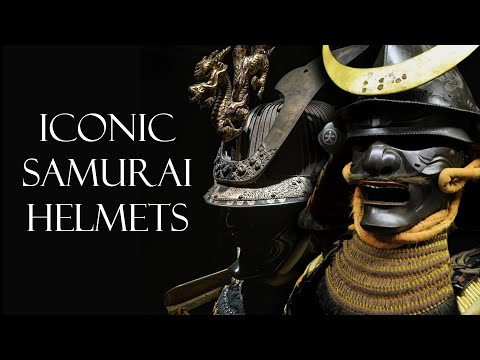
The Enduring Majesty: Unveiling the Kabuto, Symbol of the Samurai Warrior

The clash of steel, the scent of exertion, the silent focus before the storm. These are the hallmarks of the martial path. But beyond the physical, the warrior’s spirit is often defined by his symbols, his armor, his very identity. Few symbols are as potent, as instantly recognizable, as the Kabuto (兜), the helmet of the Japanese samurai. More than mere head protection, the Kabuto was a statement, a canvas for artistry, and a testament to the warrior's status and philosophy. Today, we delve beyond the visual, dissecting the Kabuto not just as an artifact of history, but as an extension of the samurai's martial spirit. Are we merely admiring metalwork, or are we connecting with the very essence of BUDO and the warrior's journey?

The Sengoku Period (c. 1467-1615) was an era of relentless conflict, a crucible where samurai warfare reached its zenith. It was during this turbulent time that the Kabuto evolved from functional headgear to elaborate works of art, each piece reflecting the personality, beliefs, and even the fears of its wearer. Join me as we explore the evolution and significance of these iconic warrior emblems.

The Evolution of the Sengoku Kabuto

To truly appreciate the Kabuto, we must understand its lineage. While its origins trace back much further, the Sengoku period saw a dramatic surge in innovation and stylistic diversity. Early Kabuto were often simpler, prioritizing pure defense. However, as warfare became more sophisticated and battles more prolonged, the need for lighter, more comfortable, and perhaps even psychologically intimidating helmets grew.

The evolution wasn't just about form; it was deeply intertwined with the very nature of combat during this era. Ashigaru, the foot soldiers, often wore simpler helmets like the Jingasa (陣笠), a conical hat that offered basic protection but was far less elaborate than the samurai's Kabuto. This distinction in headwear underscored the rigid social hierarchy of the time, a concept mirrored in the training methodologies of various artes marciales today, where different ranks or specializations might use distinct gear or training approaches. The samurai’s Kabuto was a declaration: "I am a warrior of standing."

The materials and construction techniques also advanced. Lacquered iron plates, often lacquered paper or leather for lighter options, were meticulously assembled. The iconic 'suji' (ridges) were not merely decorative; they helped to deflect blows. And then there were the maedate (前立) – the crests adorning the front of the helmet. These could range from simple symbols to elaborate representations of animals, insects, or mythical creatures. What did these symbols communicate to the enemy, and more importantly, to the wearer himself?

"The helmet shields the head, the soul's dwelling place. Its strength is the warrior's resolve." - A sentiment echoed in many martial traditions.

The Sengoku Kabuto was a fusion of practical engineering and symbolic expression. It was designed to protect the most vital part of the body, yet it also served as a powerful psychological weapon, projecting an image of strength, ferocity, or divine protection. This duality is a lesson for any practitioner of lucha or pelea: true strength lies not just in physical prowess, but in mental fortitude and unwavering self-belief, often symbolized by one's chosen insignia or entrenamiento ethos.

Iconic Kabuto Examples: A Glimpse into Warrior Identity

The late Sengoku Period gifted us some of the most breathtaking and historically significant Kabuto. Examining these surviving examples is like peering directly into the minds of legendary warriors.

  • The Kabuto of Tokugawa Ieyasu: Known for its simplicity and sheer functionality, Ieyasu's helmets often featured prominent horns or deer antlers, possibly symbolizing strength and leadership. They were built for war, reflecting his pragmatic and enduring nature – a trait essential for anyone aiming for long-term success in combate.
  • The Kabuto of Oda Nobunaga: Nobunaga, a visionary and often ruthless leader, favored Kabuto that were both imposing and innovative. Some are noted for their distinctive 'monkey face' designs, perhaps intended to intimidate or to signify agility and cunning. His approach to warfare, much like his helmet designs, broke from tradition, a bold move that resonates with modern fighters who innovate within the MMA framework.
  • The Kabuto of Date Masamune: Perhaps the most visually striking, Masamune's famous helmet, known as the "Dragonfly Kabuto," is instantly recognizable by its massive crescent moon crest and often elaborate ear-like flanges. This design speaks of a warrior who was not afraid to stand out, to project an image of power and unique identity. His legend is a powerful reminder that embracing one's individuality can be a strategic advantage.

These are not mere historical curiosities. Each Kabuto tells a story of the man who wore it. Consider the strategic advantage of psychological warfare. How does your entrenamiento prepare you not just physically, but mentally, to face an opponent who might be intimidated by your presence alone? The samurai understood this deeply. Their Kabuto was part of that deliberate presentation.

This aspect is crucial for anyone studying defensaPersonal or combate en la calle. While elaborate crests are unnecessary, the mindset they represent – confidence, preparedness, and a focused intent – is paramount. A calm demeanor and a ready stance can be as effective as any physical technique.

Kabuto vs. Modern Helmets: A Philosophical Divide

In modern combat sports like MMA, kickboxing, or judo, helmets are typically used only during training for safety. The full-face helmets seen in sports like American football or hockey serve a purely protective function, devoid of the symbolic or aesthetic flair of the Kabuto. This difference highlights a shift in the warrior's philosophy.

The samurai wore his Kabuto as an extension of himself, a piece of art that declared his presence and identity on the battlefield. Modern athletes wear protective gear primarily to prevent injury, allowing them to train harder and push their limits. While both aim to protect the warrior, the *intention* behind the gear differs profoundly. The Kabuto was a declaration of status and spirit; modern protective gear is a tool for optimized performance and longevity in the sport.

Is there a lesson here? Perhaps it is that while the outward forms of conflict change, the inner spirit of the warrior must adapt. We must embrace the advancements in safety and training science while never forgetting the core principles of discipline, resilience, and the mental fortitude that the samurai embodied. The spirit of BUDO transcends time and technology.

"The way of the warrior is to choose death over dishonor. But a wise warrior also chooses his armor well, for it is the shield of his future battles." - A distillation of martial wisdom.

Consider the philosophy of artes marciales themselves. Some traditional styles emphasize the philosophical and spiritual aspects, akin to the samurai's Kabuto, while others are purely performance-oriented, like modern sports. The true master, however, finds a balance, integrating the spirit into the practice.

Training with the Spirit of the Samurai

How can we, in the 21st century, channel the spirit embodied by the Kabuto and the samurai who wore them? It's not about donning armor, but about cultivating the mindset.

Focus and Intent: The Maedate of the Mind

Just as a samurai chose a crest to represent his identity and intent, we must define our purpose in training. What is your maedate? Is it self-mastery, physical fitness, or the pursuit of Artes Marciales Mixtas excellence? Define it clearly and let it guide every drill.

Resilience and Endurance: The Strength of the Suji

The ridges (suji) on a Kabuto were designed to deflect blows. Our mental resilience acts similarly. When facing setbacks in training or life – a tough spar, a missed objetivos alcanzables, a difficult entrenamiento session – can you deflect the negativity and keep moving forward? This requires consistent effort, much like the rigorous entrenamiento de MMA or the conditioning for Karate Kyokushin.

Discipline and Dedication: The Foundation of the Bowl

The fundamental bowl of the Kabuto provided the essential protection. Similarly, fundamental discipline is the bedrock of all martial progress. Showing up, putting in the work, maintaining focus – these are the unglamorous but vital components of mastery. This is the essence of disciplina and autodisciplina that underpins all effective entrenamiento.

Adaptability and Innovation: The Evolving Styles

The Kabuto evolved to meet changing battlefield needs. Likewise, martial artists must be adaptable. The world of UFC and MMA constantly evolves, demanding that fighters learn and integrate new techniques. Staying stagnant is a sure path to being overtaken, whether by an opponent or by life's challenges.

Training Guide: Developing the Warrior's Mindset

  1. Define Your 'Maedate': At the beginning of each training session, or even each day, take 60 seconds to clearly state your intention for that period. Write it down if necessary.
  2. Embrace the 'Suji' of Resilience: When a drill feels too hard or a technique doesn't click, instead of frustration, focus on *effort*. Acknowledge the difficulty, but redirect your energy into finding a solution or simply persevering.
  3. Cultivate Fundamental Discipline: Commit to your training schedule. If you miss a session, don't despair; simply plan for the next one. Consistency builds the foundation.
  4. Seek Adaptation: Actively look for ways to improve. Watch fights, read about different styles, ask your training partners for feedback. Be open to learning, even from those you consider less experienced.

Equipment Essentials for Your Training

While we are not donning Kabuto for modern training, the right equipment is crucial for safety, efficiency, and emulating the dedication of past warriors. Investing in quality gear is an investment in your own journey.

  • Protective Gear: For sparring in MMA, kickboxing, or BJJ, ensure you have quality headgear, mouthguards, and appropriate sparring gloves (e.g., 16oz for full contact).
  • Training Uniforms: A durable kimono for Judo or BJJ, or a comfortable gi for Karate, is essential. Look for breathable, tough fabrics that withstand rigorous training. For striking arts, consider moisture-wicking shorts and rash guards.
  • Training Tools: Depending on your focus, consider items like training dummies, striking pads, jump ropes for conditioning, or resistance bands for strength work.
  • Books and Resources: To deepen your understanding of martial history and philosophy, invest in reputable books on the subject.

Remember, the right equipment should facilitate your training, not be a distraction. Quality over quantity is often the wiser path.

Frequently Asked Questions

  • What is the primary function of a Kabuto? The primary function of a Kabuto was to protect the wearer's head from blades, arrows, and blunt force trauma during combat. However, it also served as a significant symbol of status, identity, and psychological impact.
  • Were all samurai helmets the same? No. Kabuto varied significantly in design, materials, and ornamentation depending on the era, the wearer's rank, wealth, and personal preferences. The Sengoku period, in particular, saw immense diversification.
  • Can Kabuto designs still influence modern martial arts? While not directly, the *spirit* behind the designs – the intention, the symbolism of strength, the psychological projection – can absolutely influence a modern martial artist's mindset and approach to training and competition.
  • How did Ashigaru helmets differ from Samurai Kabuto? Ashigaru, being foot soldiers, typically wore simpler, less ornate helmets like the Jingasa, prioritizing basic protection and cost-effectiveness over the elaborate artistry and status symbols found in samurai Kabuto.

For Further Deepening Your Path

  • History of Samurai Armor: Explore the evolution of warrior protection.
  • BUDO Philosophy: Understand the core principles of the Japanese martial way.
  • Entrenamiento for Warriors: Strategies to build both body and mind.

Sensei's Reflection: Your Next Step

The Kabuto is more than just a helmet; it is a tangible link to the warrior's spirit, a symbol of identity, resilience, and the unwavering commitment to the path of combat. As we've seen, its evolution mirrored the changing landscape of warfare, and its design reflected the very soul of the samurai.

But history is not a static museum piece. It is a living teacher. The principles embodied in the Kabuto – intent, resilience, discipline, adaptability – are not relics of a bygone era. They are the very foundations upon which true mastery in any Artes Marciales Mixtas or any discipline is built.

Reflexión del Sensei: Tu Próximo Paso

Now, I ask you: When you step onto the training floor, what 'Kabuto' are you wearing? Is it one of genuine intent and resilience, or merely a passive shield against the effort? Examine your own training. Where is your maedate? What are you declaring with your presence, your effort, your spirit? Do not simply admire the warriors of the past; become one in your own right, by embodying their enduring principles.

``` GEMINI_METADESC: Unveil the Samurai Kabuto: history, evolution, iconic examples, and its deep connection to warrior identity and martial philosophy. Learn how its spirit informs modern training.

The Unseen Philosophy: Beyond the Knockout in MMA and Boxing

Many seek the raw power, the explosive KO, the sheer dominance displayed in the octagon or the ring. They crave the visceral thrill of a knockout punch or a perfectly executed takedown. But what lies beneath the surface of combat sports? Is it merely brute force, or is there a deeper current of philosophy, a Budo spirit that transcends the physical contest? Today, we delve beyond the funniest moments, the viral clips, and the readily digestible soundbites, to explore the profound lessons embedded within the heart of wrestling, MMA, and boxing. Prepare to be astonished, not by a single breathtaking moment, but by the enduring principles that shape the warrior's journey.

The Essence of Combat Sports: More Than Just a Fight

While the captivating spectacle of MMA and boxing often focuses on knockouts and controversial decisions, to dismiss these disciplines as mere entertainment is to miss a vital truth. These arenas are crucibles, forging not just physical prowess, but profound mental and spiritual fortitude. The ancient art of wrestling, the strategic combat of MMA, the precise striking of boxing – they all share a common ancestor: the human drive to understand oneself through controlled conflict. This is where the spirit of Budo, the Way of the Warrior, finds its modern expression.

"The ultimate aim of martial arts is not victory or defeat, but the perfection of the human character." - Gichin Funakoshi

Think of the immense discipline required to step into the ring or cage. It's not just about throwing punches or executing takedowns; it's about facing fear, managing adversity, and understanding one's own limitations. The training itself is a lesson in perseverance. The early mornings, the grueling conditioning, the constant refinement of technique – these are the building blocks of self-mastery. Every drop of sweat, every ache, every minor injury overcome is a testament to the warrior's commitment. This commitment, this unwavering dedication to self-improvement, is the very essence of martial philosophy.

Bushido in the Modern Arena: Echoes of the Samurai

The code of the samurai, Bushido, or "The Way of the Warrior," is not merely a historical artifact. Its principles resonate powerfully within the competitive landscape of combat sports. Consider Rei (respect). A true warrior shows respect to their opponent, their coaches, and the rules of engagement. Even in the heat of battle, there's an unspoken acknowledgment of shared struggle and mutual courage. It’s a stark contrast to the disrespect and trash talk that sadly permeates some corners of modern sports, but it is the ideal that true practitioners strive for.

Then there is Yūjō (loyalty). Loyalty to one's dojo, one's teammates, and one's own moral compass. This loyalty is tested under pressure, when the easy path might be to betray principles for a perceived advantage. And perhaps most importantly, Makoto (sincerity) and Chūgi (devotion). The warrior is sincere in their efforts, always giving their best, and devoted to the pursuit of excellence. This isn't about winning at all costs; it's about embodying the warrior spirit in every action, win or lose.

Fighters like Jon Jones, despite their controversies, often display a mastery of striking and grappling that is undeniable, showcasing years of dedicated adherence to training. However, it is the fighters who consistently demonstrate humility and respect, like the stoic Takanoyama Shuntaro in sumo, who truly embody the deeper principles of Budo.

The Mental Game: Mushin no Shin (Mind of No Mind)

The concept of Mushin no Shin, a state of "no mind" or "emptiness," is central to many Eastern martial arts and is incredibly relevant in the high-stakes world of MMA and boxing. It's a state of complete presence, where the fighter is free from fear, anger, or doubt. Their reactions are instinctual, honed by thousands of hours of practice, allowing them to respond fluidly and effectively to any situation without overthinking.

In a fight, a moment of hesitation, a flicker of doubt, can be the difference between victory and defeat. A fighter in Mushin doesn't 'think' about blocking a punch; they simply react. They don't 'plan' their next move; they execute it. This state is not achieved through sheer willpower, but through rigorous training and mental conditioning. It’s about emptying the mind of distractions and allowing the practiced body and spirit to take over. This is why the mental aspect of training is as crucial as the physical. It's the foundation upon which all technique is built.

The ability to achieve this state is what separates good fighters from legends. Consider the incredible composure of fighters like Cyril Gane or the focused intensity of Emanuel Augustus; these athletes often operate at a level where conscious thought is superseded by pure instinct and perfected technique.

Finding Discipline in the Chaos

The path of a martial artist, whether in traditional arts or modern combat sports, is a path of discipline. This discipline extends far beyond the training mats or the ring. It permeates every aspect of life, fostering autodisciplina, self-improvement, and a strong sense of purpose.

The commitment to a training regimen, the adherence to a healthy lifestyle, the dedication to constant learning – these are all manifestations of discipline. It teaches individuals to push past their perceived limits, to face challenges head-on, and to understand the rewards of sustained effort. This is why martial arts are so often lauded for their transformative effects on character. They provide a structured environment where individuals can cultivate the mental toughness and resilience needed to navigate the complexities of modern life.

The journey from beginner to proficient practitioner is a testament to this principle. It requires consistent effort, patience, and the ability to learn from setbacks. This journey is what fuels the warrior philosophy and strengthens the individual's inner strength.

Essential Gear for Your Training

While skill and spirit are paramount, the right equipment can significantly enhance your training experience and safety. Investing in quality gear shows respect for the art and for yourself. For those serious about striking arts like boxing or Muay Thai, good quality training gloves are essential for protecting your hands and your training partners during sparring. For MMA, a well-fitting pair of MMA gloves offers a balance of protection and dexterity for grappling. If your focus is on grappling arts like Judo or BJJ, a durable and comfortable gi (kimono) is a must. Look for kimonos made from strong, double-weave fabric for longevity, especially in Judo. For those looking to build striking power at home, a sturdy makiwara or a quality heavy bag can be invaluable additions.

Resources to Deepen Your Understanding

To truly grasp the philosophy and techniques of combat sports, continuous learning is key. Here are some resources to help you on your journey:

  • Explore the rich history and principles of Japanese martial arts through texts on Budo.
  • For in-depth tactical analysis, look for documentaries or articles focusing on MMA and boxing fight breakdowns.
  • To understand the warrior's mindset, delve into classic texts like Miyamoto Musashi's "The Book of Five Rings" and explore discussions on the Martial Philosophy behind various disciplines.

FAQ: Frequently Asked Questions

Is MMA just about fighting?

While fighting is the core activity, MMA is also a discipline that cultivates physical fitness, mental toughness, strategic thinking, and respect for oneself and opponents. Many practitioners find profound personal growth through its practice.

How can I develop the "mind of no mind" (Mushin)?

Achieving Mushin requires consistent, dedicated practice of your chosen martial art, coupled with mindfulness exercises and meditation. It's a state of being that arises from deeply ingrained instinct and freedom from conscious thought, developed over years of training.

What is the most important virtue in Budo?

While many virtues are crucial, principles like respect (Rei), sincerity (Makoto), and self-control are often considered foundational to the Budo spirit. The emphasis is always on character development.

Can I learn martial arts without formal instruction?

While self-study can be a supplementary tool, formal instruction under a qualified instructor is highly recommended. An instructor provides crucial feedback, ensures safe practice, and transmits the deeper philosophical aspects of the art that are often missed in self-teaching.

Reflection of the Sensei: Your Next Step

We've journeyed beyond the fleeting excitement of viral moments to touch upon the profound philosophy that underpins combat sports. The knockout punch is but a single note in a symphony of discipline, resilience, and character development. The true victory lies not solely in the scoreboard, but in the internal transformation that each practitioner undergoes. Are you merely watching the dance of warriors, or are you ready to step onto the floor and learn the steps yourself?

Reflexión del Sensei: Tu Próximo Paso

The greatest fighters are not just masters of technique, but masters of themselves. Have you truly begun to master yourself, or are you still a spectator to your own potential? The true fight is within. What are you doing today to win it?


For Deeper Exploration into Your Path

  • Aikido: Understanding Flow and Harmony in Conflict
  • Judo Skills: Mastering the Art of Leverage and Balance
  • Karate Spirit: The Foundation of Strength and Discipline
``` GEMINI_METADESC: Explore the profound philosophy behind MMA and boxing, moving beyond viral moments to discover the spirit of Budo, Mushin, and the discipline that shapes true warriors.

The Ultimate Warrior's Guide: Mastering the Art of the Fight Beyond the Ring

Are you truly prepared for the test of will, skill, and spirit that defines the warrior? In the electrifying world of martial arts and combat sports, we often focus on the explosive power of a knockout or the intricate dance of a grapple. But what lies beneath the surface? What truly separates a fleeting contender from an enduring legend? Welcome, seekers of the path, to Budo and Martial Arts. Today, we dissect not just a fight, but the very essence of combat and its place in our lives.

Table of Contents

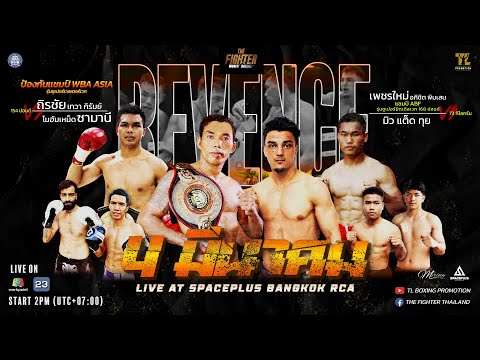
We live in an era saturated with combat sports spectacles, from the raw intensity of boxing to the multi-disciplinary battles of MMA. Yet, how many truly grasp the profound philosophy and rigorous discipline that underpin these arts? The event you might have seen, "The Fighter World Boxing Full Fight | March 4, 2023," is merely a snapshot, a fleeting moment in the grand tapestry of human conflict and self-mastery. But as a true budoka, your gaze must extend far beyond the immediate spectacle. Your intention here, I suspect, is not just to watch a fight, but to understand the warrior within, to learn, to refine, and perhaps, to conquer your own limitations.

The Warrior's Mindset: Beyond Physicality

The common observer sees only the physical exchange: the power, the speed, the brutality. But for the practitioner, the true battleground is internal. The Japanese concept of Mushin, often translated as "no mind" or "mind without mind," is the ultimate goal. It's a state of flow where action and reaction are instantaneous, unburdened by thought or hesitation. This state is not achieved through brute force alone, but through relentless training, unwavering discipline, and a deep understanding of oneself.

Many believe that martial arts are solely about aggression. This is a fundamental misunderstanding. True martial arts are about control – control of oneself, control of the situation, and yes, control of the opponent with minimal necessary force. It's about channeling your Ki (or Qi), your vital energy, with precision and intent. The fight is a crucible, yes, but its true purpose is transformation, not destruction.

"The warrior is not one who fights, but one who has cultivated the discipline to know when and how to act, and when and how not to." - A principle echoed across many martial traditions.

Deconstructing the Fight: More Than Just a Bout

Let's consider the fighters themselves. Take the bout from March 4, 2023, for instance. We see individuals like Petchmai Aphichit Phimsen and Mew Ted Tui. Beyond their names and weight class (73 kg for 6 rounds), what are we truly observing? We are witnessing the culmination of countless hours of dedication. We see the application of specific techniques, the result of rigorous entrenamiento and lucha strategy. But are these techniques authentic? Are they rooted in practical self-defense, or are they performative elements designed for audience appeal?

This is where the critical eye of the martial artist comes into play. We analyze the footwork, the guard, the transitions between striking and grappling. Is there an adherence to classical principles? Or is it a modern fusion, perhaps influenced by ArtesMarcialesMixtas? A truly skilled fighter, regardless of style, demonstrates efficiency and effectiveness. Every movement should serve a purpose, be it to attack, defend, or control distance. The spectacle can be thrilling, but the underlying mechanics reveal the true mastery.

The concept of Kime in Karate, the decisive exhalation and focus of power at the moment of impact, is a perfect example of this effectiveness. It's not just a shout; it's the embodiment of concentrated energy. A fight is a living demonstration of these principles, or a stark illustration of their absence.

Echoes of the Ancients: History and Martial Arts

The roots of every modern combat sport run deep into history. Boxing, for example, while refined into a sport, has origins in Pankration and older forms of pugilism. Karate, originating from Okinawan traditions influenced by Chinese martial arts, carries the legacy of farmers defending themselves against bandits. Even the seemingly chaotic flurry of an MMA bout can be traced back to ancient combative systems designed for battlefield survival.

Understanding this historia provides context and respect. It reminds us that these are not mere pastimes, but traditions honed over centuries. Masters like Miyamoto Musashi, with his treatise "The Book of Five Rings" (Go Rin No Sho), laid down principles of strategy and mindset that transcend time and specific martial arts. His emphasis on adapting to circumstances, much like water taking the shape of its container, is a lesson vital for any combatsports practitioner.

"Consider the boxing ring, the wrestling mat, or the dojo floor. These are not just stages for competition; they are extensions of the ancient battlefields where survival, honor, and discipline were forged."

The martial arts themselves are a living history. From the Shaolin monks to the samurai, each tradition has a story, a philosophy, and a unique approach to combat. Ignoring this heritage is like building a house without a foundation – it may stand for a while, but it lacks true strength and resilience.

Forging the Blade: Principles of Effective Training

Watching a fight is one thing; preparing for one is an entirely different discipline. Effective training goes beyond simply hitting pads or sparring. It involves a holistic approach:

  • Physical Conditioning: Building the stamina, strength, and agility required to perform under pressure. This includes cardiovascular endurance, muscular strength, and flexibility.
  • Technical Proficiency: Mastering the fundamental movements, strikes, blocks, throws, and grappling techniques of your chosen art. This requires repetition until movements become second nature.
  • Mental Fortitude: Developing resilience, focus, and the ability to remain calm under duress. This is where concepts like Mushin are cultivated.
  • Strategic Understanding: Learning to read an opponent, adapt tactics, and exploit weaknesses.

For those aiming to improve their entrenamiento, remember the words of Bruce Lee: "I fear not the man who has practiced 10,000 kicks once, but I fear the man who has practiced 1 kick 10,000 times." Consistency and deliberate practice are paramount.

Equipment for the Dedicated Practitioner

While the warrior's spirit is paramount, the right equipment can significantly enhance your training and performance. For boxers and kickboxers, good quality entrenamiento gloves (16oz for sparring) and hand wraps are essential to prevent injury. For those in grappling arts like Judo or BJJ, a durable, well-fitting Karate gi or Judo gi (double-weave is recommended for longevity) is crucial. Protective gear, mouthguards, and groin protectors are non-negotiable for safe sparring. Investing in quality gear is an investment in your longevity as a martial artist. Consider exploring some of the recommended KarateMerchandise or specialized MartialArtsMerchandise for durable and functional options.

A Practical Exercise: Developing 'Mushin'

Achieving a state of 'Mushin' is a lifelong pursuit. Here’s a simple exercise to begin cultivating it:

  1. Find a quiet space. Minimize distractions.
  2. Assume a stable, comfortable stance. This could be a neutral stance, a Karate Heisoku-dachi, or a relaxed Judo stance.
  3. Focus on your breath. Deep, steady breaths. Inhale through the nose, exhale through the mouth.
  4. Engage your senses. Notice the temperature of the air, the sounds around you, the feeling of your feet on the ground. Do not judge these sensations; simply observe them.
  5. Gently introduce a simple, repetitive movement. This could be a slow, controlled block, a subtle shift of weight, or even just clenching and unclenching your fists.
  6. Perform the movement continuously. Allow your mind to focus on the physical sensation of the movement and your breath.
  7. When thoughts arise (and they will), acknowledge them without judgment and gently return your focus to the breath and movement. Do not fight the thoughts; let them pass like clouds.
  8. Continue for 5-10 minutes. The goal is not to empty your mind, but to become aware of your thoughts without being controlled by them, and to return to a state of present moment awareness.

This exercise, rooted in BUDO principles, helps train the mind to be present and less reactive. It's a foundational step towards that fluid, intuitive state of action.

Frequently Asked Questions

Q1: Is watching fight footage like "The Fighter World Boxing Full Fight" beneficial for my training?
A: Yes, but with discernment. Analyze technique, strategy, and conditioning. However, remember that fights are often performances. Always cross-reference with authentic martial arts principles and training methods.

Q2: How much emphasis should I place on philosophy versus practical fighting skills?
A: Both are essential. Philosophy provides the 'why' and the ethical framework, while practical skills provide the 'how.' A warrior without understanding is just a thug; a philosopher without skill is ineffective. The ideal is a balance, where philosophy informs action and action deepens understanding.

Q3: Is it better to specialize in one martial art or cross-train in multiple disciplines?
A: For deep mastery, specialization is often key. However, cross-training (as seen in ArtesMarcialesMixtas) can broaden your skillset and understanding of combat dynamics. The best approach depends on your goals, be it self-defense, competition, or personal development.

Q4: How can I maintain motivation for consistent training?
A: Set clear goals, find training partners who motivate you, vary your routines to prevent boredom, and regularly remind yourself of the deeper philosophical reasons you began your journey. Remember that SuperaciónPersonal is a marathon, not a sprint.

Deepen Your Understanding

To truly grasp the warrior's path, external knowledge is as vital as internal cultivation. Explore these resources:

The world of combat sports and martial arts is vast and profound. It offers more than just physical prowess; it offers a path to self-discovery, discipline, and resilience. Whether you are drawn to the explosive power of boxing, the intricate throws of Judo, the dynamic strikes of Karate, or the holistic discipline of Budo, remember that the true fight is always within. The goal is not simply to win a bout, but to forge a better version of yourself, tempered by effort and guided by wisdom.

Reflexión del Sensei: Tu Próximo Paso

When you witness a fight, whether live or on screen, what do you see? Do you see only the blows, or do you perceive the years of dedication, the mental fortitude, and the underlying philosophy? In your next training session, or even in a challenging moment in your daily life, how will you consciously seek to embody the principles of Mushin and Kime, acting with decisive focus yet remaining free from the chaos of overthinking?

``` ```json { "@context": "https://schema.org", "@type": "FAQPage", "mainEntity": [ { "@type": "Question", "name": "Is watching fight footage like \"The Fighter World Boxing Full Fight\" beneficial for my training?", "acceptedAnswer": { "@type": "Answer", "text": "Yes, but with discernment. Analyze technique, strategy, and conditioning. However, remember that fights are often performances. Always cross-reference with authentic martial arts principles and training methods." } }, { "@type": "Question", "name": "How much emphasis should I place on philosophy versus practical fighting skills?", "acceptedAnswer": { "@type": "Answer", "text": "Both are essential. Philosophy provides the 'why' and the ethical framework, while practical skills provide the 'how.' A warrior without understanding is just a thug; a philosopher without skill is ineffective. The ideal is a balance, where philosophy informs action and action deepens understanding." } }, { "@type": "Question", "name": "Is it better to specialize in one martial art or cross-train in multiple disciplines?", "acceptedAnswer": { "@type": "Answer", "text": "For deep mastery, specialization is often key. However, cross-training (as seen in ArtesMarcialesMixtas) can broaden your skillset and understanding of combat dynamics. The best approach depends on your goals, be it self-defense, competition, or personal development." } }, { "@type": "Question", "name": "How can I maintain motivation for consistent training?", "acceptedAnswer": { "@type": "Answer", "text": "Set clear goals, find training partners who motivate you, vary your routines to prevent boredom, and regularly remind yourself of the deeper philosophical reasons you began your journey. Remember that SuperaciónPersonal is a marathon, not a sprint." } } ] }