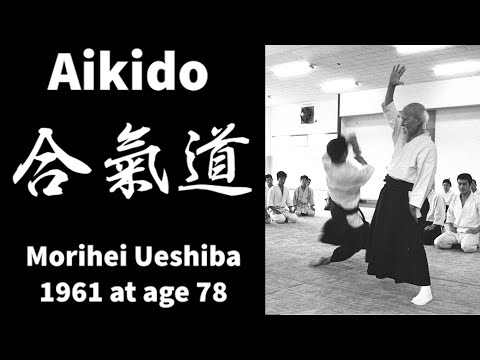
This rare 1961 footage, capturing a 78-year-old Morihei Ueshiba, the revered founder of Aikido, is far more than just a martial arts demonstration. It's a profound window into the very essence of Budo, a concept that transcends mere physical combat. Many today, particularly those drawn to the explosive dynamism of MMA or the brutal efficiency of Kyokushin Karate, might question the relevance of Aikido's fluid movements. Does its emphasis on blending and redirection hold water in a world that often values brute force? Let me tell you, this video is the answer. It's a masterclass in principles that are eternally valid, not just for the dojo, but for life itself. We will dissect this gem, exploring Ueshiba's techniques, his philosophy, and the enduring legacy of Budo.
Ueshiba in Action: The Art of Blending and Redirecting
Watching Ueshiba Sensei at this advanced age is awe-inspiring. His movements, while perhaps not possessing the raw power of a younger man, are imbued with an almost supernatural grace and precision. The documentary showcases his mastery of Aikido techniques – the effortless throws, the seemingly gentle yet devastating joint locks. He doesn't meet force with force; instead, he becomes one with his attacker's energy, subtly redirecting their momentum. This is the core of Aikido, and it's a principle that many arts, even the fiercely competitive BJJ or Judo, can learn from. The seemingly passive nature of his defense is, in reality, a highly active and intelligent application of physics and timing. He demonstrates that true strength lies not in overpowering an opponent, but in understanding and harmonizing with their movements. Have you ever sparred with someone who just seems to *flow* with your attacks, nullifying them before they even land? That's the echo of Ueshiba Sensei's teaching.
"The true meaning of martial arts is to unify the world." - Morihei Ueshiba
The Philosophy of Aikido: Harmony, Compassion, and Unity
Beyond the physical application, Ueshiba Sensei's words in this documentary reveal a philosophy that is both deeply spiritual and remarkably practical. He speaks of Aikido not as a means of destruction, but as a path to reconciliation. Harmony, balance, and compassion are not mere buzzwords here; they are the foundational pillars of his art. This stands in stark contrast to some of the more combative depictions of martial arts in popular culture, where violence is often glorified without consequence. Ueshiba's vision is one of connection, of resolving conflict not through aggression, but through understanding and empathy. It’s a message that resonates even more powerfully today, in our often fragmented and contentious world. This philosophy is the very heart of BUDO, the "Way of the Warrior," which demands not just martial prowess but moral integrity.
Budo: More Than Just Fighting
The term Budo itself is crucial here. It's not simply "martial arts" in the Western sense. It encompasses the entire way of life, the philosophy of the warrior, drawing heavily from principles like Bushido. This means more than just mastering techniques for a fight. It's about self-cultivation, rigorous discipline, and unwavering honor. Ueshiba Sensei embodies this perfectly. His practice was a lifelong dedication to refining not just his body, but his mind and spirit. The documentary offers a fleeting glimpse, but it's enough to understand that for masters like him, the training never truly ends. It's a constant pursuit of self-improvement, a journey that shapes one's character in profound ways.
"The martial way is a thing of daily practice. It is a continuous process of refinement. The master is simply a student who never quit." - Attributed to various martial arts masters
Training and Self-Cultivation: The Path to Inner Peace
The practice of martial arts, as exemplified by Ueshiba's Aikido, is a powerful tool for inner growth. It offers a structured path to control one's ego, to confront and overcome fear and anger, and to cultivate a deep sense of inner peace. This isn't just about learning to defend yourself physically; it's about building mental resilience. The physical demands – improving fitness, flexibility, and coordination – are significant, but the mental benefits are arguably even greater. In a world rife with stress and anxiety, the discipline and focus required in martial arts training provide an invaluable sanctuary. It's a lifelong pursuit, a journey of personal development that extends far beyond the dojo mats. The principles learned in Karate, Judo, or Aikido can positively impact every facet of life.
Veredicto del Sensei: A Timeless Testament
This 1961 documentary is not just a historical artifact; it's a living testament to the enduring power of Budo. Ueshiba Sensei, even at 78, displays a level of mastery that transcends time and style. While the martial arts landscape has evolved dramatically, with hyper-realistic sports like MMA and UFC capturing global attention, the core principles demonstrated here remain vital. The emphasis on harmony, respect, and self-cultivation is a counterbalance to the often aggressive narratives surrounding combat sports. This film is essential viewing for anyone who seeks a deeper understanding of martial arts, not just as a means of fighting, but as a path to becoming a better human being.
Rating: 10/10 Cinturones Negros en Sabiduría y Maestría.
Essential Equipment for Your Training
To embark on your own martial arts journey, whether it's Aikido, Karate, Judo, or any other discipline, the right equipment is essential. At BYAM Budo y Artes Marciales, we understand the needs of practitioners at all levels.
Gi (Uniforme): A durable, comfortable Gi is fundamental. For arts like Judo and Aikido, a heavier weave might be preferred for grip resistance.
Protective Gear: Depending on your style, consider sparring headgear, mouthguards, and shin guards for safe combat training.
Training Mats (Tatami): Essential for safe practice of throws and falls, especially in arts like Judo and Aikido.
Training Weapons: For specific disciplines, wooden bokken (swords) or jo (staffs) are necessary.
Investing in quality gear enhances your training experience and ensures safety. Explore our range of Martial Arts Merchandise to find what you need.
Frequently Asked Questions
What is Budo?
Budo is a Japanese term that refers to the systematic practice of martial arts, emphasizing not only combat techniques but also spiritual and moral development.
Is Aikido effective for self-defense?
Yes, Aikido's principles of blending, redirection, and using an attacker's momentum can be highly effective for self-defense, though its effectiveness in highly aggressive scenarios is a subject of ongoing debate.
What is the difference between Budo and Bushido?
Bushido is the code of honor and conduct of the samurai warrior class, while Budo is the broader term encompassing the practices and philosophies of martial arts derived from that warrior tradition.
How can martial arts training improve mental health?
Through discipline, focus, stress reduction techniques, and the cultivation of inner peace and self-control.
Ueshiba Sensei demonstrated that true mastery lies in harmonization, not domination. In a world that often rewards aggression and competition, can you find the strength in yielding? Can you apply the principles of blending and redirecting not just against a physical opponent, but against the challenges and conflicts of your daily life? The video is a lesson; your response to its message is the application.
```json
{
"@context": "https://schema.org",
"@type": "FAQPage",
"mainEntity": [
{
"@type": "Question",
"name": "What is Budo?",
"acceptedAnswer": {
"@type": "Answer",
"text": "Budo is a Japanese term that refers to the systematic practice of martial arts, emphasizing not only combat techniques but also spiritual and moral development."
}
},
{
"@type": "Question",
"name": "Is Aikido effective for self-defense?",
"acceptedAnswer": {
"@type": "Answer",
"text": "Yes, Aikido's principles of blending, redirection, and using an attacker's momentum can be highly effective for self-defense, though its effectiveness in highly aggressive scenarios is a subject of ongoing debate."
}
},
{
"@type": "Question",
"name": "What is the difference between Budo and Bushido?",
"acceptedAnswer": {
"@type": "Answer",
"text": "Bushido is the code of honor and conduct of the samurai warrior class, while Budo is the broader term encompassing the practices and philosophies of martial arts derived from that warrior tradition."
}
},
{
"@type": "Question",
"name": "How can martial arts training improve mental health?",
"acceptedAnswer": {
"@type": "Answer",
"text": "Through discipline, focus, stress reduction techniques, and the cultivation of inner peace and self-control."
}
}
]
}
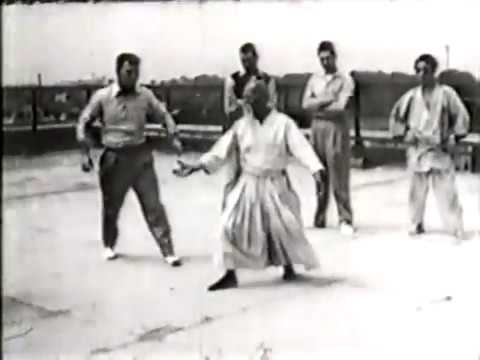
The year 1954 gifted us a rare glimpse into the profound capabilities of Aikido O Sensei through a rediscovered video. This artifact, showcasing his mastery, serves as a potent reminder of the enduring power of traditional martial arts. Today, the echoes of such legends resonate powerfully, not only in dedicated dojos but also within the electrifying arenas of modern martial arts and combat sports. These disciplines, with their rich histories and timeless teachings, continue to captivate us, offering lessons that transcend mere physical prowess.
But what is the true essence of martial arts and Budo? Far beyond the technicalities of striking and grappling, they represent a holistic philosophy, a rigorous discipline, and ultimately, a pathway to self-development. The pursuit of perfection, a core tenet of Budo – the "way of the warrior" – is a journey of constant refinement, both physically and mentally.
Martial arts are not merely a collection of techniques designed for conflict. They are a profound system for cultivating the individual. The ultimate aim is to forge a stronger self – physically resilient, mentally sharp, and spiritually grounded. This holistic development is what sets true martial arts apart.
Budo: More Than Just a Fighting Style
"Budo" translates directly to "the way of the warrior." This term encapsulates the spirit that underpins these disciplines. It's about the relentless pursuit of excellence, the mastery of oneself through rigorous training, and the application of these principles in all facets of life. It is a lifelong pursuit, not a destination.
"The ultimate aim of martial arts is not victory or defeat, but the perfection of the character of its practitioners." - A principle echoed across many martial traditions.
The Multifaceted Benefits of Martial Arts Training
The benefits of consistent training in martial arts are vast and touch every aspect of a practitioner's life. Beyond the obvious enhancement of self-defense skills, individuals develop:
Improved Physical Health: Increased strength, flexibility, cardiovascular endurance, and coordination.
Enhanced Mental Fortitude: Greater focus, discipline, patience, and stress management.
Unshakeable Self-Discipline: The ability to set goals and work towards them consistently, overcoming obstacles.
A Strong Sense of Community: The shared passion within the martial arts community fosters deep bonds, camaraderie, and mutual respect. This sense of belonging is invaluable.
This supportive environment is crucial. The shared struggles and triumphs in the dojo create a unique connection that strengthens the collective spirit.
Combat Sports: The Arena of Modern Competition
Contrast this with combat sports. While they share the roots of physical confrontation, their primary focus is often on competition and the quantifiable outcome of victory. Disciplines like MMA, boxing, and Judo demand extraordinary levels of physical conditioning, strategic thinking, and mental toughness. They are a testament to the human spirit's capacity to perform under immense pressure.
The athletes in these fields are modern warriors, pushing the boundaries of human potential. Their dedication, sacrifice, and ability to execute under the bright lights are truly inspiring. It is undeniable that these sports showcase incredible athleticism and tactical brilliance.
Showcasing Your Passion: Martial Arts and Combat Sports Merchandise
For enthusiasts and practitioners alike, the passion for martial arts and combat sports often extends beyond the training mat or the ring. This is where merchandise plays a role. From specialized Karate gis and durable Judo uniforms to training equipment and casual apparel, these items allow individuals to express their identity and support their chosen disciplines.
High-quality training equipment, such as punching bags, focus mitts, and protective gear, is essential for effective practice. Wearing apparel that represents your art or sport is a way to connect with the wider community and serve as a constant reminder of your commitment. These items also make fantastic gifts for fellow martial artists or combat sports fans.
Our Commitment at BYAM Budo y Artes Marciales
At BYAM Budo y Artes Marciales, we understand this passion. We are dedicated to providing a wide array of high-quality merchandise tailored for both martial arts practitioners and combat sports aficionados. Our selection is curated to meet the needs of everyone, from the absolute beginner taking their first steps in Aikido or Karate, to the seasoned expert honing their skills. Functionality and durability are paramount in our product design, ensuring that what you choose supports your journey.
We firmly believe that martial arts and combat sports are more than just physical activities; they are transformative life experiences. Our blog serves as a platform to share invaluable insights, including practical training tips, detailed technique breakdowns, and the philosophical underpinnings that make these arts so profound.
Deepen Your Journey: Recommended Resources
To further enrich your understanding and practice, I highly recommend exploring these resources:
Q: Is Aikido still relevant in modern combat sports? A: While Aikido's direct application in MMA is debated, its principles of blending, redirection, and control offer invaluable lessons in balance, spatial awareness, and joint manipulation, which are transferable skills.
Q: What is the difference between Budo and just training martial arts? A: Budo emphasizes the spiritual and philosophical development of the individual, viewing training as a lifelong path to self-perfection. Simply training martial arts may focus more on the technical or competitive aspects without the deeper philosophical commitment.
Q: How can I start training martial arts if I'm a complete beginner? A: The best approach is to research local dojos or gyms offering styles that interest you. Many offer introductory classes. Focus on finding qualified instructors and a welcoming community, like those found in martial arts communities globally.
Sensei's Verdict: Is the Legacy Alive?
Looking back at O Sensei’s demonstration in 1954, and observing the dedication in today's dojos and the fierce competition in UFC bouts, one undeniable truth emerges: the warrior spirit, the essence of Budo, is very much alive. The methods evolve, the arenas change, but the fundamental principles of discipline, perseverance, and the quest for self-mastery remain constant.
Whether you are drawn to the intricate flows of Aikido, the powerful stances of Karate, or the dynamic exchanges in MMA, the path of martial arts offers a profound opportunity for growth. It is a journey that builds not just a fighter, but a better human being.
Sensei's Reflection: Your Next Step
O Sensei's movements in that 1954 film were not just physical actions; they were expressions of deep understanding and embodiment. The question for you, the dedicated practitioner and student of the Way, is this: How can you embody the principles you learn on the mat in the unpredictable dojo of your daily life? Do you merely mimic techniques, or do you strive to internalize the philosophy?
The sweet science. Boxing. For millennia, humanity has found a primal, captivating rhythm in the clash of fists, a testament to skill, heart, and sheer will. It’s a dance of strategy and power, where every feint, every jab, every uppercut tells a story of dedication and pain. But in the modern arena, amidst the glitz and the hype, how often do we witness true martial artistry, a genuine test of the warrior's spirit? Too often, the spectacle overshadows the substance.
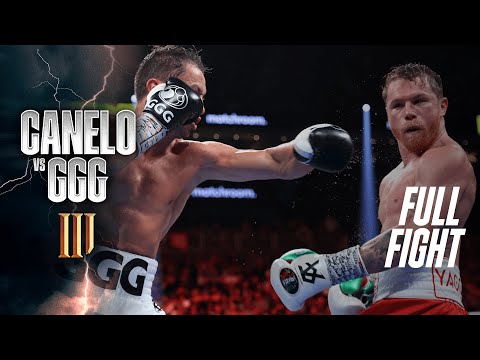
Enter Saúl 'Canelo' Álvarez and Gennadiy 'GGG' Golovkin. Their saga is more than just a rivalry; it's a narrative woven into the fabric of contemporary boxing, a chapter that fans have devoured, debated, and desperately craved more of. Their first two encounters were seismic events, etched in controversy and leaving an insatiable thirst for a definitive conclusion. Today, we dissect their third dance, not just as a boxing match, but as a potential lesson in the enduring principles of combat. Was it a final, masterful demonstration of Budo principles, or a poignant reminder of how the game can sometimes betray the art?
The History: A Trilogy Forged in Controversy
The saga began on September 16, 2017. The air crackled with anticipation. Canelo Álvarez, the Mexican phenom, met Gennadiy Golovkin, the "Triple G" terror from Kazakhstan. This wasn't just a fight; it was a clash of titans, a stylistic chess match played at a furious pace. The bout, a brutal, back-and-forth war, ended in a split draw.
A draw? For many, it felt like an injustice. Spectators, pundits, and fellow martial artists scrutinized the scorecards, many convinced Golovkin had done enough to secure victory. The visceral impact of Golovkin's power shots, the relentless pressure he applied, seemed to eclipse Canelo's more tactical, albeit potent, counter-punching. This controversial outcome, rather than satiating the fanbase, ignited a bonfire of demand for a rematch. It highlighted a recurring theme in combat sports: the subjective nature of judging and the enduring power of raw aggression versus calculated defense. This is a debate that echoes through countless martial disciplines, from the striking arts of Karate to the intricate throws of Judo.
The Rematch: Canelo's Ascent, GGG's Stride
One year later, on September 15, 2018, the stage was set for redemption. The anticipation was even greater, the stakes higher. The rematch delivered another high-octane affair, a testament to both fighters' grit and skill. This time, the narrative shifted. Canelo, adapting and growing, clinched a majority decision victory.
Yet, even in victory, the controversy lingered. Arguments persisted that Golovkin's consistent output and powerful blows warranted a different result. It’s a familiar dilemma: does the cleaner, more technically precise fighter win, or the one who imposes his will and lands the heavier blows? This dance between technical merit and overwhelming force is a core philosophical question in martial arts. How does one truly measure victory when both participants display such profound mastery and warrior spirit? The debates raged on, ensuring that the desire for a final, unambiguous chapter remained.
Canelo vs. GGG III: The Anticipation and the Reality
The boxing world held its breath. A potential third fight between these two warriors was the stuff of dreams for fight fans. Both fighters, acknowledging their storied history, expressed openness to a rubber match. Canelo, by then firmly established as the undisputed king of the super-middleweight division, saw it as a chance to definitively close the book on his greatest rival. Golovkin, older but no less dangerous, viewed it as his final opportunity to reclaim his perceived throne and etch his name in boxing immortality against the man who had twice denied him undisputed victory.
On September 17, 2022, it finally happened. The trilogy was complete. But this time, the story felt different. Canelo, despite a hand injury he sustained early in the fight, controlled the bout with calculated aggression. His defense was tighter, his counter-punches sharp, and his ring generalship masterful. Golovkin, while still possessing his signature power and a warrior's heart, struggled to impose his will against a more seasoned and defensively astute Canelo. The unanimous decision for Álvarez was clear, decisive, and largely uncontroversial. The debate this time wasn't about who won, but rather about the aged warrior facing his prime.
Style vs. Substance: A Martial Perspective
From a martial artist's perspective, the Canelo-Golovkin rivalry offers a rich tapestry of contrasting philosophies. Canelo embodies the astute counter-puncher, a master of timing, distance, and calculated risk. His style is reminiscent of a skilled swordsman, waiting for the opponent's opening to deliver a decisive, precise strike. He understands the importance of defense not just as a means of avoiding damage, but as a platform for offense. This echoes principles found in **Tai Chi**, where yielding and redirecting an opponent's force is paramount.
Golovkin, on the other hand, is the embodiment of relentless pressure and concussive power. His "Triple G" moniker isn't just for show; his punches carry the weight of a sledgehammer. He represents the direct, overwhelming force, a style that demands unwavering commitment and a chin of granite. This approach shares similarities with the powerful, forward-moving strategies seen in some styles of **Kyokushin Karate** or the unyielding advance of a **Sumo** wrestler.
The third fight showcased Canelo’s evolution. He demonstrated that while power is a formidable weapon, the strategic application of skills – defense, timing, and adapting to an opponent's weaknesses – can overcome sheer aggression, especially as a fighter ages. It's a lesson that transcends boxing, a principle observed across numerous disciplines, from the fluid movements of **Aikido** to the strategic positioning in **Judo**.
"The supreme art of war is to subdue the enemy without fighting." - Sun Tzu, The Art of War. While Canelo didn't win without a fight, his strategic control in the third bout demonstrated a masterful subduing of GGG's strengths.
Beyond the Trilogy: The Ever-Evolving World of Combat
While the Canelo-Golovkin saga captured the boxing world's imagination, it’s crucial to remember that the landscape of combat sports is vast and ever-changing. Exciting matchups are constantly brewing across various disciplines. Consider the heavyweight boxing clashes, such as the highly anticipated bouts featuring **Tyson Fury** and **Deontay Wilder**, each bringing a unique blend of power and personality to the ring. These fights remind us that raw power and the "knockout punch" remain a thrilling, albeit unpredictable, element in combat.
The rise of **Mixed Martial Arts (MMA)**, with its fusion of striking, grappling, and submission arts, has further broadened the definition of a complete fighter. Athletes like **Jon Jones** and **Cyril Gane** showcase incredible versatility, blending techniques from **Muay Thai**, **Brazilian Jiu-Jitsu (BJJ)**, **Wrestling**, and **Karate** into a formidable arsenal. This cross-disciplinary approach mirrors the ancient martial philosophies that encouraged the study of multiple weapons and fighting styles to achieve true mastery. The ability to seamlessly transition between striking and grappling, as seen in fights at **UFC** events, demonstrates a holistic understanding of combat that few single-discipline fighters can match.
Equipo Esencial para tu Entrenamiento
For aspiring boxers and martial artists seeking to emulate the dedication and skill displayed by Canelo and Golovkin, proper training equipment is paramount. Investing in the right gear not only enhances performance but also significantly reduces the risk of injury. Here’s a foundational list:
Guantes de Boxeo/MMA (14-16oz): Essential for sparring and heavy bag work to protect your hands and wrists.
Vendas para Manos: Crucial for added wrist and knuckle support during intense training sessions.
Protector Bucal: Non-negotiable for any form of sparring or competitive fighting to protect your teeth and jaw.
Protector de Ingle: Vital for protecting sensitive areas during sparring.
Kimono (Judo/BJJ): For grappling-focused disciplines, a durable gi is essential for practicing throws and groundwork. Look for high-quality, double-weave fabrics for longevity.
Cuerda de Saltar: An indispensable tool for improving footwork, coordination, and cardiovascular endurance – a staple for any fighter’s conditioning.
Saco de Boxeo o Pera Loca: For developing power, speed, and accuracy in striking.
Rodilleras y Coderas: Useful for conditioning drills and protecting against impact during certain training exercises.
Whether you're training in boxing, **Judo**, **Karate**, or **BJJ**, the right equipment is an investment in your journey. Consider exploring specialized **Karate Merchandise** or **MMA Gear** from reputable brands to ensure quality and durability.
Guía de Entrenamiento: El "Golovkin Jab" y la "Canelo Counter"
Let's break down two fundamental elements that defined the early exchanges between these titans. While complex strategies are involved, understanding these core concepts can elevate your own training.
El Jab de Golovkin (La Presión Constante):
Posición: Mantén una guardia sólida, pies bien plantados, ligeramente separados, rodillas flexionadas.
El Movimiento: Extiende tu brazo de lanzar (generalmente el izquierdo para un diestro) rápidamente, girando ligeramente la muñeca al contacto para maximizar el impacto. Tu cuerpo debe transferir peso hacia adelante de manera sutil.
El Propósito: No es solo un golpe de alcance; es para medir distancia, mantener al oponente a raya, interrumpir su ritmo y preparar golpes más potentes. GGG lo usaba implacablemente para dictar el espacio.
Entrenamiento: Practica miles de jabs contra un saco pesado, enfocándote en la velocidad, la extensión completa y la rápida retracción a la guardia. Visualiza a tu oponente y golpea puntos específicos.
La Contra de Canelo (El Golpe Preciso en el Momento Justo):
Posición: Similar a la guardia de boxeo, pero con una mayor flexibilidad y movilidad en la parte superior del cuerpo.
El Movimiento: Permite que el oponente lance su golpe (ej. un jab o un recto). En el instante en que su puño sale, usa tu guardia para bloquear, desviar, o incluso deslizarte ligeramente, y contraataca con un golpe potente (un gancho o un recto) a un punto vulnerable. La clave es la sincronización perfecta.
El Propósito: Capitalizar el error del oponente, castigar su ofensiva y tomar el control de la pelea. Canelo es un maestro en encontrar la brecha y golpear con autoridad.
Entrenamiento: El *sparring* es crucial aquí. Trabaja con un compañero que entienda el concepto de lanzar golpes específicos. Practica el bloqueo/desvío y contraataque simultáneamente. Usa el "espejo" (golpear solo cuando el compañero golpea) para refinar el tiempo.
Dominar estos elementos requiere innumerables horas de práctica dedicada, la filosofía de perseverancia y la disciplina que son pilares de las **Artes Marciales Mixtas (MMA)** y del **Budo** en general.
"The difference between a novice and a master is not that the master never makes mistakes, but that the master learns from every mistake. The master has failed more times than the novice has even tried." - Bruce Lee. This philosophy underpins the entire journey of martial arts mastery.
Veredicto del Sensei: ¿Merece la pena?
The Canelo vs. Golovkin trilogy is a landmark achievement in modern boxing. While the first two fights were marred by controversial decisions, they showcased an incredible rivalry between two supremely talented warriors. The third fight, though perhaps lacking the same level of back-and-forth drama, provided a definitive conclusion and a masterclass in boxing strategy from Canelo Álvarez. From a martial perspective, it served as a powerful reminder that while raw power and aggression are potent forces, the disciplined application of skill, timing, and strategic defense often prevails, especially in the twilight of a legendary career.
Calificación del Sensei: Cinturón Negro en Rivalidad, Maestro en Estrategia.
Preguntas Frecuentes
¿Por qué fue tan controvertida la primera pelea entre Canelo y Golovkin?
La controversia se debió principalmente a las tarjetas de los jueces. Muchos observadores creían que Golovkin había ganado claramente, pero la pelea terminó en un empate dividido, lo que dejó a muchos sintiendo que se le robó la victoria.
¿Fue la tercera pelea tan emocionante como las dos primeras?
Si bien la tercera pelea fue estratégicamente fascinante y demostró la maestría de Canelo, muchos fanáticos la encontraron menos emocionante que las dos primeras, que fueron batallas más reñidas y llenas de acción impredecible.
¿Qué aprendemos de la técnica de ambos peleadores desde una perspectiva marcial?
Canelo demuestra la importancia de la defensa, el tiempo y el contraataque preciso, similar a las tácticas de algunos estilos de Karate y Judo. Golovkin representa la fuerza bruta, la presión implacable y la búsqueda del nocaut, un enfoque visto en disciplinas como el Kyokushin Karate. La trilogía ilustra cómo diferentes filosofías marciales pueden coexistir y competir en el mismo ring.
¿Es probable que haya una cuarta pelea entre Canelo y Golovkin?
Dada la edad de Golovkin y la dominante victoria de Canelo en la tercera pelea, una cuarta contienda parece muy improbable. Canelo ha indicado que desea continuar consolidando su legado en otras divisiones, mientras que GGG podría estar considerando el final de su carrera.
The roar of the crowd, the sweat, the exhaustion, the controversy, and ultimately, the definitive victory. This trilogy offered more than just punches; it offered lessons. Canelo's strategic adaptation and Golovkin's unyielding spirit are echoes of timeless martial principles. But now, I ask you:
When the final bell rings in your own life's battles, will you be remembered for your raw power, or for the wisdom and adaptability with which you navigated the storm? How will *you* write the final chapter of your own saga?
```
```json
{
"@context": "https://schema.org",
"@type": "FAQPage",
"mainEntity": [
{
"@type": "Question",
"name": "Why was the first fight between Canelo and Golovkin so controversial?",
"acceptedAnswer": {
"@type": "Answer",
"text": "The controversy stemmed from the judges' scorecards. Many observers believed Golovkin had clearly won, but the fight ended in a split draw, leaving many feeling he was robbed of a victory."
}
},
{
"@type": "Question",
"name": "Was the third fight as exciting as the first two?",
"acceptedAnswer": {
"@type": "Answer",
"text": "While strategically fascinating and showcasing Canelo's mastery, many fans found the third fight less exciting than the first two, which were closer, more unpredictable battles."
}
},
{
"@type": "Question",
"name": "What can we learn from both fighters' techniques from a martial perspective?",
"acceptedAnswer": {
"@type": "Answer",
"text": "Canelo demonstrates the importance of defense, timing, and precise counter-punching, akin to strategies in Karate and Judo. Golovkin embodies raw power, relentless pressure, and the pursuit of a knockout, a style seen in disciplines like Kyokushin Karate. The trilogy illustrates how different martial philosophies can compete effectively."
}
},
{
"@type": "Question",
"name": "Is a fourth fight between Canelo and Golovkin likely?",
"acceptedAnswer": {
"@type": "Answer",
"text": "Given Golovkin's age and Canelo's dominant performance in the third fight, a fourth bout seems highly improbable. Canelo aims to solidify his legacy in other divisions, while GGG may be considering retirement."
}
}
]
}
Welcome, students of the Way, to Budo and Martial Arts. Today, we cast our analytical gaze upon a contemporary battlefield: the Octagon. Specifically, we dissect the clash between Derek Brunson and Dricus Du Plessis, a bout that, while appearing as a modern spectacle of mixed martial arts, is in fact a profound demonstration of age-old martial principles. Forget the flashy logos and roaring crowds for a moment. Beneath the surface, this is a conversation of strategy, timing, resilience, and the application of physical force honed through disciplined practice – the very essence of Budo.
This is not merely a recap of who landed more strikes or secured the most takedowns. This is an examination from the perspective of a lifelong practitioner, a Sensei who sees the deeper currents flowing beneath the waves of combat. We will explore the strategic intent, the technical execution, and the mental fortitude displayed by both warriors.
### Table of Contents
The Crucible of the Octagon: More Than Just a Fight
The modern world often misinterprets martial arts. We see the spectacle of the UFC, the raw power, the athleticism, and perhaps, the brutality. But to truly understand a fight like Derek Brunson versus Dricus Du Plessis, we must strip away the superficial and delve into the heart of martial philosophy. Every strike thrown, every defensive maneuver, every strategic decision made by these fighters is a manifestation of their training, their discipline, and their understanding of combat.
The intention behind searching for a full fight video is often twofold: to witness a high-level contest, and perhaps, for dedicated martial artists, to glean insights into effective combat. It’s our duty here at Budo and Martial Arts to provide that deeper layer of understanding. We are not just reviewing a fight; we are dissecting a live-action seminar on applied martial science.
Derek Brunson: The Veteran Grappler's Strategic Approach
Derek Brunson, with his extensive experience in the UFC, embodies the role of the seasoned warrior. His game plan often revolves around his formidable wrestling background. This isn't just about taking an opponent down; it’s about control, pressure, and breaking their will through relentless grappling. Brunson’s strategy is a testament to the principle of *dominance through groundwork*, a core tenet in arts like Judo and Brazilian Jiu-Jitsu.
His striking, while often powerful, serves a dual purpose: to set up his takedowns or to punish an opponent who is too focused on defending the clinch. A fighter like Brunson understands that the ultimate goal isn't just to stand and trade, but to impose one's preferred method of combat. This strategic foresight is a hallmark of a mature martial artist. He doesn't necessarily seek the flashy knockout; he seeks the methodical victory.
Dricus Du Plessis: The Emerging Striker's Calculated Aggression
Dricus Du Plessis, on the other hand, presents a different facet of martial artistry. While also capable of grappling, his more prominent threat often lies in his striking power and aggression. Du Plessis showcases a willingness to engage, to pressure his opponent with dynamic punches and kicks. His approach speaks to the fiery spirit found in styles like Kyokushin Karate, where devastating power is paramount.
However, to dismiss Du Plessis as merely a "striker" would be a grave error. The best MMA fighters understand the necessity of a well-rounded game. Du Plessis’s ability to blend his striking with opportunistic takedown defense, and sometimes even offensive grappling, makes him a complex challenge. His fighting style often reflects an "attack is the best defense" mentality, forcing his opponents onto the back foot.
Core Martial Principles on Display
This bout, like any high-level MMA contest, is a practical application of countless martial principles:
Timing (Suji): Both fighters must anticipate and react to the opponent's movements. A well-timed counter-strike or takedown can change the course of a fight instantly.
Distance Management (Maai): Controlling the space between fighters is crucial. Brunson aims to close the distance for his grappling, while Du Plessis likely seeks to maintain striking range.
Adaptability (Henka): The ability to change tactics on the fly is paramount. When a game plan isn't working, a fighter must be able to pivot.
Explosiveness (Kiai): The sudden burst of energy needed for a takedown, a powerful strike, or a defensive scramble.
Resilience (Gaman): The mental and physical fortitude to withstand punishment and continue fighting.
"The supreme art of war is to subdue the enemy without fighting." - Sun Tzu. While this bout involves fighting, the underlying principle of strategic imposition of will is very much alive.
Analysis of Key Moments: A Tactical Breakdown
Watching the full fight, several moments stand out from a martial perspective. Brunson's initial attempts to close the distance and secure takedowns are textbook examples of wrestling entries. The feints, the level changes, the penetration steps – these are skills honed through countless hours on the mats. Du Plessis, conversely, must demonstrate excellent takedown defense, using angles and underhooks to prevent Brunson from establishing dominant positions.
When the fight remains standing, observe the striking exchanges. Is Du Plessis utilizing his reach effectively, or is he getting drawn into Brunson's preferred range? Is Brunson using his jab to control distance and set up his power shots, or is he being too predictable? The *flow* of the fight, the back-and-forth momentum, is where true martial insight can be gained. A fighter who can consistently dictate the terms of engagement is one who understands the deeper mechanics of combat.
The Philosophical Undercurrent: Beyond the Physical
Beyond the physical techniques, this fight is a psychological battle. Brunson, the veteran, might draw upon his experience, his calmness under pressure. Du Plessis, the challenger, might rely on youthful exuberance and a hunger to prove himself. This mental game is as critical as any physical attribute.
In traditional Budo, the concept of Ki (or Qi) – vital energy – is central. While difficult to quantify in a televised fight, the fighters' energy levels, their willingness to push through fatigue, their *spirit* when things get tough, all reflect this underlying concept. A fighter who appears to "have more energy" or "fight harder" when exhausted often possesses a stronger internal fortitude. This is the essence of the Warrior Philosophy that underpins all true martial arts.
Veredict of the Sensei: A True Test of Martial Will
This bout between Derek Brunson and Dricus Du Plessis was a compelling display of contrasting, yet effective, martial approaches. Brunson's strategic wrestling and measured offense met Du Plessis's dynamic striking and aggressive pressure. The fight served as a reminder that there isn't one single path to victory in martial arts; rather, it’s about understanding your strengths, exploiting your opponent’s weaknesses, and executing your plan with precision and unwavering resolve.
Both fighters demonstrated significant skill, strategic thinking, and the crucial element of perseverance. While the outcome of any single fight can be debated, the commitment to the martial path, the dedication to training and self-improvement, is what truly earns respect.
Equipment Essential for Your Training
To truly embody the martial spirit demonstrated in bouts like this, proper training gear is essential. Whether you are focusing on striking, grappling, or a complete MMA regimen, the right equipment can enhance your safety and effectiveness.
High-Quality Training Gloves: For striking practice and sparring, 10-16oz gloves are standard for protection.
Shin Guards: Essential for kickboxing and Muay Thai training to prevent injuries.
Mouthguard: Non-negotiable for any form of sparring or combat training to protect your teeth and jaw.
Grappling Shorts/Spats: Durable and comfortable for BJJ and wrestling.
Mouthguard: Non-negotiable for any form of sparring or combat training to protect your teeth and jaw.
Training Apparel: Comfortable, moisture-wicking clothing that allows for full range of motion. Consider investing in a durable Karate gi or Judo gi for specific discipline training.
For those looking to invest in their martial journey, exploring options for specialized equipment is a wise step. Many reputable brands offer martial arts merchandise that can elevate your training experience.
Training Guide: Simulating Fight Scenarios
To integrate the lessons learned from watching high-level fights, it's vital to apply them in your training. Here’s a simple drill to simulate aspects of the Brunson vs. Du Plessis dynamic:
Round 1: Brunson's Pressure. One partner (the "attacker") continuously pressures forward, attempting level changes and single/double leg takedowns. The other partner (the "defender") focuses solely on defending takedowns, using sprawls, underhooks, and footwork to stay on their feet. No strikes are thrown, just pure grappling defense.
Round 2: Du Plessis's Output. Switch roles. Now, the "attacker" focuses on striking from a distance, using jabs, crosses, and kicks. The "defender" practices blocking, parrying, and slipping strikes while maintaining footwork to manage distance. The goal is not to counter-strike, but to defend and stay safe.
Round 3: Combined Threat. Both partners are now allowed to mix their attacks and defenses. The attacker can attempt takedowns or strikes, and the defender must use all their tools to survive and, if possible, create opportunities to escape or counter. This round simulates the complex nature of MMA, where offensive and defensive actions blend seamlessly.
Post-Drill Reflection: After each round, discuss what worked, what didn't, and how the strategies felt. This mental processing is as crucial as the physical repetition.
This drill, when practiced with intensity and focus, can help develop the reaction times and tactical awareness seen in professional fights.
Frequently Asked Questions
Q1: Is this fight representative of traditional martial arts? While modern MMA evolves, the core principles of strategy, timing, conditioning, and mental fortitude are direct descendants of traditional Budo and martial arts. The context is different, but the fundamental application of skill and will remains.
Q2: How can I develop the resilience shown by these fighters? Resilience is built through consistent, challenging training that pushes your physical and mental limits. Sparring, difficult conditioning drills, and mental exercises like meditation are key.
Q3: What is the importance of a fighter's "game plan"? A game plan is crucial for success. It leverages a fighter's strengths and exploits their opponent's weaknesses. However, the ability to adapt the game plan when necessary is equally vital.
Q4: Can watching fights improve my own martial arts practice? Absolutely. By analyzing techniques, strategies, and the mental approach of high-level practitioners, you can gain valuable insights to incorporate into your own training. It's a form of active learning.
Further Reading: Deepen Your Martial Understanding
To truly grasp the depth of martial philosophy and its application, I urge you to explore these resources:
This analysis of Brunson vs. Du Plessis is merely a glimpse into the vast ocean of martial knowledge. The Octagon, like any dojo, training hall, or even the quiet solitude of nature, is a place where we test ourselves and learn. The question I leave you with is this: When you watch any contest of skill and will, be it a high-stakes UFC bout or a quiet practice session, do you see only the blows, or do you perceive the underlying principles? Do you see the martial artist, or merely the combatant?
Now, the floor is yours. What martial lessons did *you* draw from this particular fight? Did it inspire you, frustrate you, or perhaps, challenge your preconceptions? Share your insights in the comments below. Let us engage in the discourse that sharpens our understanding.
Ah, UFC 284. A card that promised a clash of titans, a true test of champions from different realms of combat. Many see it as a simple boxing match with kicks, but as any seasoned practitioner of the traditional martial ways knows, there's a universe of philosophy and technique beneath the surface of modern combat sports. Today, we dissect this pivotal event not just as fans of the octagon, but as students of the warrior's path. Was this merely a display of brute force, or did we witness the embodiment of true martial principles? Let us delve deep.
The Clash of Styles: Dagestani Power vs. The People's Champion
Islam Makhachev, the heir apparent to Khabib Nurmagomedov's legacy, represents the relentless, suffocating pressure of Dagestani wrestling. His base is Sambo and wrestling, arts that prioritize control, leverage, and the crushing weight of positional dominance. His strikes, while effective and improving, are often tools to set up his grappling – a pathway to ground control where he is a master predator. His ki, his inner energy, seems to flow with the unwavering force of a mountain river.
On the other side stood Alexander Volkanovski, the undisputed king of the UFC Featherweight division. A former rugby player, Volkanovski brings a unique blend of power, exceptional footwork, and a deep understanding of striking dynamics. His background in kickboxing and wrestling provides a well-rounded base, but it's his fight IQ, his ability to adapt mid-bout, and his sheer grit that set him apart. He is the embodiment of fighting smart, not just hard.
The initial intrigue surrounding this fight was immense: could Volkanovski's masterful striking and defensive wrestling nullify Makhachev's suffocating top-game? Or would Makhachev simply impose his will, drag the fight to the mat, and secure another dominant victory? This wasn't just a #battle; it was a strategic chess match played out with human bodies.
Technical Breakdown: Makhachev's Ground Game and Volkanovski's Resilience
From the opening bell, the intention was clear. Makhachev sought to close the distance, to initiate the clinch and work towards a takedown. Volkanovski, conversely, used his excellent head movement and lateral movement to keep the center of the octagon and pepper Makhachev with strikes. The early rounds showcased Volkanovski's exceptional defense against the takedown. He demonstrated an understanding of leverage and balance that surprised many, stuffing Makhachev's initial attempts with impressive technique.
However, the relentless pressure of Makhachev is something few can withstand indefinitely. In the championship rounds, Makhachev began to find success. His trips and sweeps became more potent, and he managed to secure crucial takedowns. Once on the ground, Makhachev was, as expected, a master of control. He pinned Volkanovski, worked for submissions, and minimized Volkanovski's ability to create space or launch effective counter-offensives. The skill on display was a testament to countless hours of #entrenamiento.
"In a real fight, the simplicity of movement, the economy of motion, is paramount. Makhachev’s grappling, though complex in its execution, stems from fundamentally simple principles of leverage and control, honed to absolute perfection."
What truly impressed, however, was Volkanovski's indomitable spirit. Even when taken down, controlled, and rocked in the later rounds, he refused to yield. His ability to survive dangerous positions and even threaten with submissions from his back showed a level of heart and resilience that transcends mere athletic prowess. This is the **spirit of the warrior**, the refusal to quit even when facing overwhelming odds. It’s this intangible quality that often defines true martial artists, regardless of their style.
Beyond the Octagon: What UFC 284 Teaches Us About True Martial Arts
The debate often arises: are modern MMA fighters true martial artists? In the context of UFC 284, I would argue yes, with caveats. Makhachev displays the dedication, discipline, and mastery of a specific combat system that is the hallmark of traditional arts. His pursuit of ground dominance mirrors the relentless pursuit of technique found in Judo or BJJ. His focus is unwavering, a pure manifestation of the Budo spirit.
Volkanovski, on the other hand, showcases the adaptability and strategic thinking that is crucial in any combative scenario. His ability to learn, adjust, and overcome challenges mid-fight speaks volumes about his martial mind. He embodies the principle of "Shuhari" – Shu (protect, follow), Ha (break, detach), Ri (transcend) – by mastering the fundamentals and then adapting them to his unique circumstances.
Yet, we must also consider what might be lost. The ritual, the philosophical depth, the emphasis on character development that permeates traditional martial arts like Karate or Aikido, are often secondary in the high-stakes world of professional MMA. The ki cultivated in traditional arts, focusing on internal harmony and connection, is channeled differently. Here, it’s about raw power, conditioning, and strategic application for victory. But does that negate their martial status? No. It simply highlights the diverse paths one can take on the journey of the warrior.
This fight reminds us that while the goal of self-defense or self-mastery might be shared, the methods and emphasis can differ vastly. It’s a testament to the evolution of combat and the human drive to push boundaries. The pursuit of excellence, however, remains constant, whether one is perfecting a kata or executing a submission.
Applying the Lessons: How to Integrate UFC 284 Insights into Your Training
For those who train in striking arts like Karate or Kickboxing, Volkanovski offers invaluable lessons in distance management, footwork, and defensive strategies against grappling. His ability to stay upright against Makhachev's onslaught is a masterclass in itself. Incorporate drills that focus on:
Lateral movement and head movement: Practice slipping punches and moving offline to avoid clinches.
Takedown defense: Work on sprawls, knee-to-chest defense, and fighting grips in the clinch.
Counter-striking: Develop the ability to land strikes while the opponent is initiating their offense.
For those focused on grappling arts like Judo, BJJ, or Sambo, Makhachev provides a living example of pressure, control, and submission hunting. His relentless pursuit of dominant positions is a blueprint for success on the ground. Focus on:
Clinch control: Learn to secure body locks, underhooks, and overhooks to dictate position.
Takedown execution: Refine your entries for single-leg, double-leg, and trip variations.
Ground and pound / positional dominance: Understand how to maintain top position, advance to better control, and set up submissions or strikes.
Crucially, both fighters exemplify the importance of **mental fortitude**. The ability to push through fatigue, to remain composed under pressure, and to never give up is perhaps the most vital lesson. This can be trained through intense sparring sessions, physical conditioning that tests your limits, and focused meditation or mindfulness practices to build inner strength.
Veredicto del Sensei: Did UFC 284 Uphold the Martial Spirit?
UFC 284 was a spectacle of elite athleticism and strategic combat. Islam Makhachev’s victory was a testament to the power and efficacy of his chosen martial path, while Alexander Volkanovski’s performance showcased the resilience and adaptability that define a true warrior. Did it uphold the martial spirit? Yes, but in a modern context. It demonstrated the evolution of combat, where specialization and cross-training have created a new breed of martial artist. It highlighted that while traditional arts may offer a deeper philosophical foundation, the relentless pursuit of victory and mastery in any arena requires discipline, courage, and an unwavering will to fight. It was a battle that left us with much to contemplate about the enduring nature of the combative spirit.
Cinturón Negro en Resiliencia y Adaptación
Equipo Esencial para tu Entrenamiento
To truly emulate the dedication shown by these athletes, having the right equipment is crucial. For striking training, consider:
Boxing Gloves: High-quality 16oz gloves for sparring are essential for safety and effective pad work.
Shin Guards: Protect yourself and your training partners during kick drills.
Mouthguard: Non-negotiable for any sparring to protect your teeth and jaw.
For grappling, you'll need:
BJJ Gi or Judo Gi: A durable, double-weave gi is recommended for longevity and proper grip training. Look for brands known for their reinforced stitching.
Wrestling Shoes: Lightweight and offering good traction for mat work.
Investing in good **martial arts merchandise** not only protects you but also signifies your commitment to your training.
Preguntas Frecuentes
¿Quién ganó la pelea principal de UFC 284?
Islam Makhachev ganó la pelea principal contra Alexander Volkanovski por decisión unánime.
¿Fue la pelea tan emocionante como se esperaba?
Sí, la pelea fue extremadamente reñida y considerada por muchos como una de las mejores peleas por el título de peso pluma en la historia de la UFC, yendo a decisión dividida.
¿Qué arte marcial practica principalmente Islam Makhachev?
Islam Makhachev practica Sambo y lucha, con un fuerte énfasis en el grappling y el control en el suelo.
¿Qué arte marcial practica principalmente Alexander Volkanovski?
Alexander Volkanovski tiene un trasfondo en kickboxing y lucha, con un estilo bien redondeado que combina golpes efectivos y defensa contra derribos.
¿Representa esta pelea la culminación del Budo moderno?
Representa una faceta del Budo moderno, enfocada en la competencia y la efectividad en un entorno específico. El Budo tradicional a menudo abarca aspectos filosóficos y de desarrollo personal más amplios.
Para Profundizar en tu Camino
La Filosofía del Budo: Explora los principios éticos y morales detrás de las artes marciales tradicionales.
Entrenamiento de MMA: Consejos prácticos y análisis de técnicas para luchadores de artes marciales mixtas.
El Espíritu del Karate: Descubre la historia, las técnicas y la filosofía del Karate tradicional.
This MMA news update was published at February 16, 2023. Support us: Subscribe, Comment, Like and Share. Thanks for watching... hello and welcome to Budo and Martial Arts.
Reflexión del Sensei: Tu Próximo Paso
Makhachev's suffocating pressure, Volkanovski's tenacious defense – two philosophies of combat laid bare. But in the quiet moments after the roar of the crowd subsides, what truly endures? Is it the victory, the technique, or the spirit with which the challenge was met? Consider this: When you face your own 'octagon' – be it a sparring match, a difficult task, or a moment of personal doubt – what will be your guiding principle? Will you impose your will like the mountain, or adapt and overcome like the flowing river? And more importantly, how will you cultivate the inner strength, the ki, to stand firm and fight with honor, regardless of the outcome?
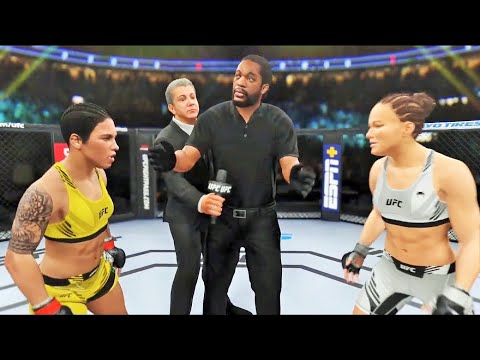
The digital octagon beckons, and with it, the promise of simulated warfare between two formidable warriors. Today, we dissect a virtual clash of titans: Jessica Andrade versus Erin Blanchfield within the confines of UFC 4. This simulation, brought to you by Budo and Martial Arts, is more than just a game; it's an opportunity to analyze simulated combat strategies, statistical representations of fighter attributes, and the emergent dance of offense and defense when two distinct styles collide under CPU control. While the outcome is predetermined by algorithms, the underlying principles of martial engagement remain a fertile ground for study.
The Simulated Clash: Andrade vs. Blanchfield in UFC 4
On February 13, 2023, at 03:04 PM, our blog, Budo and Martial Arts, published a simulation that sparked discussion: Jessica Andrade versus Erin Blanchfield in UFC 4. This wasn't merely a presentation of digital prowess, but an invitation to analyze how game mechanics translate the real-world attributes of these fighters. Do the statistics accurately reflect their striking power, grappling acumen, and defensive resilience? The CPU versus CPU format allows us to observe their inherent tendencies and programmed strategies play out without human intervention, offering a raw, unfiltered look at how their virtual counterparts might engage.
The allure of such simulations lies in their ability to distill complex martial arts into quantifiable data. In the real world, Andrade, a former UFC Women's Strawweight Champion, is known for her explosive power, aggressive striking, and ability to close the distance. Blanchfield, on the other hand, represents a new wave of talent, showcasing a well-rounded game with a strong grappling base and improving striking. How does UFC 4, with its intricate engine and detailed fighter ratings, represent these distinct skill sets?
Analyzing the Digital Gladiators
In UFC 4, fighter attributes are meticulously crafted. Jessica Andrade’s digital avatar likely boasts high ratings in striking power, speed, and aggression. Her simulated output would likely focus on powerful combinations, driving forward to overwhelm her opponent. This mirrors her real-life fight style, where she often initiates exchanges with significant force.
Erin Blanchfield’s simulation, conversely, would probably highlight her grappling proficiency. Expect to see strong takedown attempts, control on the ground, and submission threat ratings that challenge Andrade’s defensive instincts. Her striking, while perhaps not as overtly powerful as Andrade's, would likely be depicted as more technical and precise, aiming to set up grappling exchanges or outpoint her opponent.
The intersection of these simulated attributes is where the true fascination lies. Can Andrade’s raw power break through Blanchfield’s technical defense and grappling? Can Blanchfield’s strategic control and submission threat neutralize Andrade’s explosive offense? The simulation provides a digital canvas for this tactical battle.
Strategic Dynamics: CPU vs. CPU
Observing CPU versus CPU combat in a game like UFC 4 offers a unique perspective. Unlike human players, the AI’s decision-making is governed by algorithms designed to emulate fighter archetypes. This means we can witness:
Tendency to engage: Does the AI prioritize striking exchanges or grappling battles based on the fighter's profile?
Defensive reactions: How does the AI react to significant strikes or takedown attempts? Does it employ evasive maneuvers or counter-offense?
Strategic adaptation: While limited, do the AI fighters exhibit any level of adaptation within the fight, or do they follow a set pattern?
In this specific simulation, the dynamic would likely be a clash between Andrade’s offensive pressure and Blanchfield’s tactical counter-engagement, potentially leading to moments where Andrade attempts to corner Blanchfield with strikes, only for Blanchfield to initiate a clinch or a takedown to regain control. The effectiveness of these simulated strategies is a direct reflection of the game's engine and the data fed into it.
"The martial spirit is not about winning or losing, but about the perfection of the human body and spirit." - Gichin Funakoshi
While this is a simulation, it touches upon the core of martial arts: the relentless pursuit of self-improvement and strategic application of skill. Even in a digital realm, understanding how these principles are represented can be educational.
Veredicto del Sensei: ¿Merece la pena?
From a martial arts enthusiast's perspective, simulations like this offer a compelling, albeit indirect, way to engage with the sport. UFC 4's engine does a commendable job of translating fighter attributes into a visually engaging spectacle. For fans of Andrade and Blanchfield, it provides a hypothetical scenario and a glimpse into their respective strengths as interpreted by the game developers.
However, it is crucial to remember this is a simulation. It cannot replicate the unpredictability of human emotion, the adrenaline of a live fight, or the true nuances of real-world combat. The tactical decisions are algorithmic, not born of instinct honed through years of dedicated training. It’s a fascinating digital representation, but it is no substitute for the real art.
Rating: Cinturón Azul en Representación Digital. Cumple con las expectativas de un simulador de combate, pero le falta el alma del verdadero Budo.
Equipo Esencial para tu Entrenamiento
While you won't need a virtual avatar for your training, the right equipment can significantly enhance your martial arts journey. Investing in quality gear is an investment in your progress and safety. Consider the following:
Kimono/Gi: For Judo, BJJ, and Karate, a durable, well-fitting gi is paramount. Look for double-weave fabrics for grappling arts and traditional single-weave for Karate, depending on your style.
Gloves: Essential for striking arts like Karate, Kickboxing, and Muay Thai. For sparring, 16oz gloves offer superior protection. Training gloves are lighter for pad work and drills.
Mouthguard: Non-negotiable for any combat sport involving striking. Protect your teeth and jaw.
Shin Guards: Crucial for sparring in Muay Thai and Kickboxing to prevent injuries.
Training Mats: For home practice of groundwork, falling techniques (ukemi), or body conditioning exercises.
For those interested in specific martial arts, exploring brands known for their quality in Karate merchandise or BJJ gis can be a worthwhile endeavor.
Guía de Entrenamiento: Preparando tu Mente para la Lucha
Beyond physical prowess, the mental fortitude of a martial artist is paramount. This simulation, though digital, underscores the importance of strategy and composure. Here's a practical guide to cultivating mental strength:
Mindfulness Meditation (Zazen): Dedicate 10-15 minutes daily to silent sitting. Focus on your breath, observing thoughts without judgment. This builds concentration and emotional regulation.
Visualization: Before training or a simulated bout, vividly imagine yourself executing techniques perfectly, defending effectively, and maintaining a calm, focused mindset.
Breath Control Exercises: Practice deep diaphragmatic breathing. Learn to control your breath under stress, which is crucial for maintaining composure in intense situations.
Scenario Training (Mental Rehearsal): Mentally walk through various combat scenarios. Consider your opponent’s potential moves and plan your responses. This sharpens your tactical thinking.
Positive Self-Talk: Replace doubt with affirmations. Focus on your strengths and past successes. Remind yourself of the principles you train for.
Developing this Inner Strength is as vital as any physical conditioning. It’s the foundation upon which all martial skills are built, ensuring that in any battle, whether real or simulated, your mind remains your sharpest weapon.
Preguntas Frecuentes
Q1: How realistic is the UFC 4 simulation for Jessica Andrade vs. Erin Blanchfield?
A1: UFC 4 offers a high degree of realism for a video game, with detailed fighter attributes and animations. However, it's a simulation governed by algorithms and cannot perfectly replicate the unpredictability and human element of a real fight.
Q2: Can playing UFC 4 improve my actual martial arts skills?
A2: It can help with understanding strategy, spacial awareness, and recognizing basic techniques. However, it is not a substitute for hands-on training, proper instruction, and the physical conditioning required for real martial arts.
Q3: What are the key differences in fighting styles between Jessica Andrade and Erin Blanchfield in real life?
A3: Jessica Andrade is known for her powerful, aggressive striking and her ability to overwhelm opponents with volume and force. Erin Blanchfield is recognized for her well-rounded game, particularly her strong grappling, submission skills, and technical striking.
This digital duel, while entertaining, ultimately serves as a mirror. It reflects the skills we train for, the strategies we employ, and the spirit we cultivate. But tell me, warrior: When the algorithms cease and the screen goes dark, how does the discipline learned from this simulated battle translate into the unwavering resolve of your next real-world training session? Do you see the game as a mere distraction, or as another facet of the martial world to understand and conquer?
```json
{
"@context": "https://schema.org",
"@type": "FAQPage",
"mainEntity": [
{
"@type": "Question",
"name": "How realistic is the UFC 4 simulation for Jessica Andrade vs. Erin Blanchfield?",
"acceptedAnswer": {
"@type": "Answer",
"text": "UFC 4 offers a high degree of realism for a video game, with detailed fighter attributes and animations. However, it's a simulation governed by algorithms and cannot perfectly replicate the unpredictability and human element of a real fight."
}
},
{
"@type": "Question",
"name": "Can playing UFC 4 improve my actual martial arts skills?",
"acceptedAnswer": {
"@type": "Answer",
"text": "It can help with understanding strategy, spacial awareness, and recognizing basic techniques. However, it is not a substitute for hands-on training, proper instruction, and the physical conditioning required for real martial arts."
}
},
{
"@type": "Question",
"name": "What are the key differences in fighting styles between Jessica Andrade and Erin Blanchfield in real life?",
"acceptedAnswer": {
"@type": "Answer",
"text": "Jessica Andrade is known for her powerful, aggressive striking and her ability to overwhelm opponents with volume and force. Erin Blanchfield is recognized for her well-rounded game, particularly her strong grappling, submission skills, and technical striking."
}
}
]
}
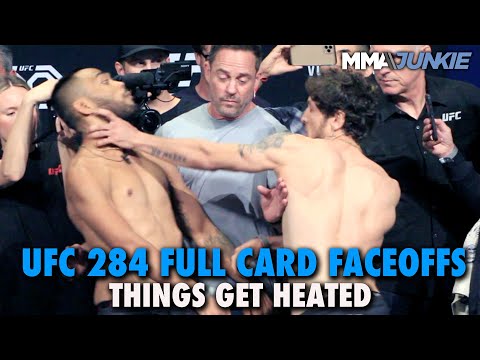
Hello, warriors, and welcome back to the hallowed halls of Budo and Martial Arts. Today, we dissect an incident that, while ostensibly part of the theatrical build-up to UFC 284, reveals deeper truths about the primal nature of combat and the psychology of the fighter. We're examining the UFC 284 ceremonial weigh-in faceoffs, specifically when the tension between athletes from the 13-fight card transcended mere intimidation and erupted into a physical shove.
This event, published on February 10, 2023, at 11:38 PM, serves as a potent reminder that behind every choreographed bout, there lies a raw, untamed spirit. This isn't just about flashy kicks or powerful punches; it's about the mental warfare that precedes the physical. It's about the razor's edge between controlled aggression and explosive confrontation.
The UFC 284 ceremonial weigh-ins are designed to be a final, intense confrontation between combatants before they enter the octagon. These faceoffs are theatrical, yes, but they also tap into fundamental aspects of martial arts: the psychological pressure, the assertion of dominance, and the channeling of primal aggression. When a staredown escalates to a physical shove, as it did at UFC 284, it’s not merely an uncontrolled outburst; it’s a breach of protocol that reveals the volatile nature of high-stakes combat.
This incident, captured and shared widely, forces us to consider the line between performance and genuine animosity. Did the athletes intend for this to happen, or did the pressure of the moment, the roaring crowd, and the weight of expectation push them over the edge? From a martial perspective, understanding these triggers is crucial.
The Psychology of the Faceoff: A Martial Ploy
In the world of martial arts, the mental game is as significant as physical prowess. A faceoff, or "staredown," is a tactic as old as warfare itself. It's about imposing your will before the first strike is thrown. It’s a display of confidence, a test of nerve, and an attempt to unsettle the opponent. Masters throughout history have understood this. Miyamoto Musashi, in his seminal "Book of Five Rings," alluded to the importance of perception and psychological advantage.
"To win one hundred victories in one hundred battles is not the acme of skill. To subdue the enemy without fighting is the acme of skill."
While the UFC faceoff is not "fighting," it is a precursor, a psychological battleground. The shove at UFC 284 was a failure in this aspect of control. It demonstrated that, for those individuals at that moment, the mental discipline required to maintain the controlled aggression of the martial artist had momentarily yielded to raw emotion. This isn't a criticism of their skill, but an observation of the human element that even highly trained individuals grapple with.
Analyzing the Shove: Technique vs. Emotion
When analyzing the physical aspect of the shove itself, we must distinguish between controlled technique and an emotional reaction. A deliberate, calculated push in a grappling context is different from an impulsive shove born of anger. In the UFC 284 incident, it appeared to be the latter. It lacked the precision of a trained movement and instead resembled a primal reaction.
This is a critical distinction for any practitioner of Budo. Martial arts are not merely about physical techniques; they are about cultivating self-control, discipline, and the ability to act decisively without being consumed by emotion. The "Mushin" (no-mind) state, often discussed in Zen and martial arts, refers to a state of mind free from distraction and attachment, allowing for effortless action. The shove at UFC 284, for the individual involved, represented a departure from this ideal.
Cultural Context in Combat Sports
The UFC, being a global phenomenon, is a melting pot of different martial traditions and cultural expressions of combat. While some martial arts emphasize stoicism and respect above all else, others, particularly in modern combat sports, embrace a more flamboyant and aggressive showmanship.
The "trash talk" and heated faceoffs are part of the spectacle that draws audiences. This duality is fascinating. On one hand, you have the discipline and philosophy of arts like Karate or Judo; on the other, you have the raw, confrontational nature of MMA. The shove at UFC 284 highlights this tension. It's a performance, yes, but for the fighters, the line between performance and personal animosity can blur under immense pressure. We see this dynamic mirrored in historical rivalries, though often expressed through more formal means like formal challenges or duels.
Philosophical Implications for the Budoka
For the dedicated practitioner of any martial art, the UFC 284 incident serves as a case study. It prompts us to ask: What is the ultimate purpose of our training? Is it solely to win fights, or is it to cultivate a superior character?
The philosophy of Budo, encompassing traditional Japanese martial arts, often emphasizes self-mastery as the paramount goal. Winning is secondary to personal development, to becoming a better human being. A moment of uncontrolled aggression, like a shove to the neck during a weigh-in, suggests that perhaps the "self-mastery" aspect was momentarily absent.
"True strength is not in the fist, but in the mind. It is in the ability to control oneself before controlling others."
This principle, though not attributed to a single master, resonates deeply within martial traditions. The UFC 284 incident, while electrifying for spectators, is a reminder for serious martial artists to constantly strive for that inner control.
Veredict of the Sensei: The Raw Edge of Competition
The UFC 284 faceoff confrontation was undoubtedly exciting and a significant talking point for fight fans. It showcased the raw, untamed intensity that makes combat sports so compelling. However, from the perspective of a seasoned martial artist, it represents a missed opportunity for demonstrating superior mental fortitude.
While the spectacle is part of the modern fight game, the core of martial arts lies in discipline and respect, even amidst fierce competition. The shove was a moment of emotional overflow, a breach of the controlled warrior's code. It’s a demonstration of passion, certainly, but perhaps not the highest form of martial discipline.
**Rating: A Solid Performance in Intensity, but a Minor Foul in Discipline.**
Training Drill: Cultivating Mental Fortitude
To prevent such emotional outbursts from derailing your own progress, consider this drill:
Mindful Staring Contest: Find a training partner. Stand facing each other, a few feet apart. Maintain eye contact without blinking or reacting for as long as possible. Focus on your breathing. If you feel your emotions rising, take a slow, deep breath and return your focus to the present moment. The goal is not to "win" by making the other person break, but to maintain your inner calm.
Controlled Aggression Sparring: During sparring sessions, deliberately practice controlling your impulses. If an opponent makes a mistake, resist the urge to gloat or retaliate excessively. Focus on executing your technique cleanly and efficiently. The aim is to win through skill and strategy, not through intimidation or uncontrolled aggression.
Post-Training Reflection: After each training session, take five minutes to reflect on your emotional state during the practice. Did you feel frustrated? Angry? Did you manage those feelings effectively? Journaling these observations can help you identify triggers and develop strategies for emotional regulation.
Equipment Essential for Your Training
While the UFC incident was about raw emotion, consistent and effective training requires the right gear. For practitioners looking to hone their skills, especially in striking arts like Karate or Kickboxing, investing in quality equipment is crucial.
Durable Training Gloves: For sparring and bag work, investing in a good pair of 14oz or 16oz gloves is essential for protecting your hands and your training partners. Look for brands known for their padding and wrist support.
Shin Guards: If you're practicing kicking techniques, quality shin guards are non-negotiable to prevent injuries during drills and sparring.
Mouthguard: An absolute must for any form of sparring to protect your teeth and jaw.
Headgear: For more intense sparring sessions, headgear can provide an extra layer of protection.
Dojo Uniform (Gi/Kimono): For traditional arts like Karate or Judo, a well-made, durable Gi is foundational to your training. Look for double-weave options for added longevity in demanding arts.
What is the main purpose of a UFC weigh-in faceoff?
The primary purpose is to build anticipation and psychological tension for the fight. It's a final staredown designed to intimidate the opponent and engage the audience, but it should ideally remain within the bounds of controlled showmanship.
Is it common for UFC faceoffs to become physical?
While heated exchanges and verbal confrontations are common, outright physical shoves are less frequent but do occur. When they happen, they often signify a loss of emotional control by one or more of the fighters involved.
How does this incident relate to traditional martial arts philosophy?
Traditional martial arts, particularly those emphasizing Budo, prioritize self-control, discipline, and respect. An uncontrolled physical shove would be seen as a failure to uphold these principles, demonstrating that the practitioner is still subject to their emotions rather than in mastery of them.
What is "Mushin" in the context of martial arts?
Mushin, or "no-mind," is a Zen Buddhist concept adopted by martial arts. It describes a state of mind where one's actions are spontaneous, fluid, and free from conscious thought or emotional interference, allowing for peak performance and effective response.
For Deeper Exploration
To truly understand the interplay of physical technique and mental fortitude in combat, delve into these related topics on our blog:
The UFC 284 incident serves as a potent, albeit dramatic, reminder of the human element within the martial endeavor. We saw a flash of raw emotion override practiced control. Now, I pose this to you: In moments of intense pressure, whether in training, competition, or daily life, do you react from a place of disciplined strength, or do you let the storm within dictate your actions? How will you cultivate your inner resilience to ensure your 'faceoff' moments, whatever they may be, are met with the calm authority of a true warrior, not the impulsive outburst of a mere combatant? Reflect on this, and let your actions be your answer.