Showing posts sorted by relevance for query ufc merchandise. Sort by date Show all posts

El Crisol de Campeones: Las 10 Rachas Invictas Devoradas por la UFC

La Fragilidad de la Invencibilidad

¿Qué sucede cuando el acero más puro se enfrenta al yunque más duro? En el brutal y fascinante universo de las Artes Marciales Mixtas (MMA), la invencibilidad es un mito tentador, una racha gloriosa que alimenta la leyenda. Pero, ¿cuánto vale realmente una racha de victorias cuando aún no se ha probado el sabor del verdadero acero, el de la UFC? La pregunta resuena en cada dojo, en cada gimnasio donde los aspirantes sueñan con la gloria. ¿Es la UFC un santuario o un abismo para quienes ostentan el codiciado récord de imbatibilidad?

La UFC: El Purgatorio de las Rachas

En las MMA, donde la frecuencia de combate se mide en un puñado de veces al año, una racha invicta puede ser un espejo que refleja no solo habilidad, sino también la fortuna de haber evitado, hasta ese momento, a los contendientes más letales del planeta. Estas rachas, construidas a menudo contra oponentes de menor calibre, se convierten en escudos psicológicos, en la base de la confianza que un peleador proyecta. Sin embargo, el ascenso a la Ultimate Fighting Championship (UFC) representa el examen definitivo. Es el momento en que el mito se enfrenta a la realidad cruda, donde la teoría del invicto se pone a prueba contra los guerreros que han sobrevivido y prosperado en la élite mundial. Aquí, las debilidades ocultas se exponen, los puntos ciegos se magnifican y la presión se vuelve insoportable. La UFC no perdona. Transforma el camino de los héroes en lecciones para los aspirantes.

Análisis Marcial de las Rachas Rotas

La transición de una carrera exitosa fuera de la UFC a la organización líder mundial es un precipicio. Los oponentes en la UFC poseen una diversidad de estilos, una agresividad calculada y un bagaje de combates de élite que rara vez se encuentra en otras promociones. Un peleador que domina un aspecto del combate, como el striking, puede encontrarse desequilibrado por un grappler excepcional. Aquel que confía en su fuerza bruta puede ser superado por la técnica y la inteligencia de combate de un veterano. Las rachas invictas a menudo se construyen sobre la base de la especialización y la evasión de desafíos extremos. Al entrar en la UFC, esta estrategia se desmorona. Cada enfrentamiento es una batalla campal donde todas las facetas del arte marcial deben estar pulidas hasta el filo de la navaja. Los peleadores que han logrado mantener su récord intacto durante años, enfrentando un nivel competitivo decreciente, a menudo descubren que sus fortalezas se vuelven vulnerabilidades cuando se enfrentan a un arsenal completo de habilidades y una mentalidad forjada en el fuego de la UFC.

"La verdadera medida de un guerrero no es cuántas veces gana, sino cómo se levanta después de cada caída." - Un principio grabado en la piedra del Budo.

Los 10 Peleadores que Vieron su Invencibilidad Quebrada

Si bien el ego humano anhela la perfección y la invencibilidad, el camino del guerrero está pavimentado con lecciones aprendidas a través del fracaso. La UFC, como el crisol definitivo de las artes marciales mixtas, ha sido el escenario donde muchas rachas impresionantes han llegado a su fin. Aquí, presentamos 10 ejemplos de peleadores cuya invencibilidad fue finalmente destrozada en el octágono más famoso del mundo. Estos casos no son meras estadísticas, sino estudios de caso sobre la dura realidad de la competencia de élite.

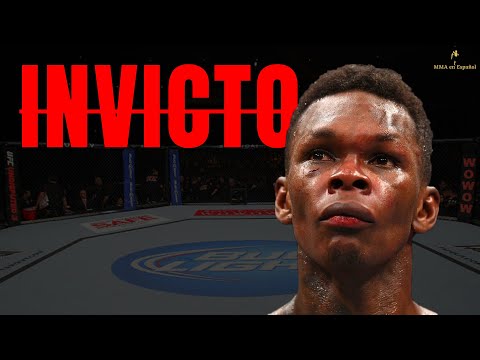
1. Israel Adesanya (Racha previa: 18-0)

El "Estilo de Doncella" llegó a la UFC con un aura de misterio y una técnica de striking hipnótica. Su racha previa era un testimonio de su dominio en el kickboxing y su adaptación a las MMA. Sin embargo, en UFC 287, Alex Pereira, alguien a quien ya había derrotado previamente, le propinó una brutal derrota por nocaut, rompiendo una de las rachas más esperadas en la historia reciente de la división de peso medio. La victoria de Pereira demostró que en la élite, las leyendas pueden ser destronadas.

2. Paulo Costa (Racha previa: 13-0)

El brasileño "Borrachinha" irrumpió en la UFC con una furia depredadora, derribando a sus oponentes con una potencia devastadora. Su físico imponente y su agresividad lo convirtieron en una amenaza inmediata. Su racha invicta se construyó sobre nocauts espectaculares. No obstante, su enfrentamiento contra Israel Adesanya en UFC 253, donde fue superado y finalmente detenido en el segundo asalto, marcó el fin de su invencibilidad y expuso ciertas lagunas en su defensa y resistencia bajo presión extrema.

3. Jon Jones (Racha previa: 14-0 en MMA, 13-0 en UFC)

Si bien Jon Jones ha tenido una derrota controversial por descalificación en su historial, en términos de competencia legítima, su récord era impecable hasta su enfrentamiento contraAlexander Gustafsson en UFC 165. Jones, considerado por muchos el mejor de todos los tiempos, se enfrentó a un desafío titánico. Gustafsson, con su alcance y boxeo técnico, puso a Jones al límite, y aunque finalmente "Bones" se alzó con la victoria por decisión, esa pelea demostró la vulnerabilidad del campeón y la posibilidad real de que su racha perfecta fuera rota. Posteriormente, la pelea contraDominick Reyes en UFC 247 fue otra batalla muy reñida, aunque esta vez la victoria por decisión fue más controvertida, lo que deja una sombra sobre la linealidad de su invencibilidad percibida.

3.5. Cris Cyborg (Racha previa: 19-1, pero 16-0 desde 2005 hasta 2018)

Aunque su registro muestra una derrota muy temprana en su carrera, Cris "Cyborg" Justino ostentaba una de las rachas de victorias más dominantes y prolongadas en la historia de las MMA femeninas, con 16 victorias consecutivas y múltiples defensas de títulos en diferentes organizaciones. Su llegada a la UFC generó expectación, y si bien dominó durante un tiempo, su enfrentamiento contra Amanda Nunes en UFC 232 fue el evento que puso fin a esta legendaria racha. Nunes la noqueó en solo 51 segundos, un resultado que conmocionó al mundo del deporte y demostró que, incluso para las más grandes, el fin de la invencibilidad es inevitable.

4. Francis Ngannou (Racha previa: 10-0)

El "Depredador" Ngannou se labró una reputación como el golpeador más temido de la división de peso pesado. Su racha invicta previa a la UFC era un preludio de la destrucción que causaría en la organización. Sin embargo, su primer encuentro contra Stipe Miocic en UFC 220, aunque terminó en victoria para Ngannou, fue una lección de resistencia y estrategia para el camerunés. La verdadera prueba llegó en su revancha contra Miocic en UFC 260, donde Francis fue superado tácticamente y noqueado en el segundo asalto, perdiendo así su racha y el título.

5. Conor McGregor (Racha previa: 15-2, pero 7-0 en UFC antes de su derrota contra Nate Diaz)

Aunque su récord general no era completamente invicto, Conor McGregor llegó a la UFC con un impulso imparable y una racha de 15 victorias consecutivas antes de su segunda derrota profesional. Dentro de la UFC, logró una racha de 7 victorias consecutivas que lo catapultaron a la fama mundial. Sin embargo, su enfrentamiento contra Nate Diaz en UFC 196 fue el momento en que esa trayectoria perfecta dentro de la promotión se rompió. Diaz lo sometió en el segundo asalto, un resultado que demostró que incluso el "Rey de Dublín" podía ser derrotado.

6. Holly Holm (Racha previa: 9-0)

Una campeona mundial de boxeo con una trayectoria invicta en MMA, Holly Holm se presentaba en la UFC como una fuerza a tener en cuenta. Su debut espectacular, noqueando a Bethe Correia, fue solo el comienzo. En UFC 196, se enfrentó a Miesha Tate, y tras un dominio inicial, una racha de victorias que parecía destinada a continuar, fue sorprendida con una sumisión en el quinto asalto. La derrota fue amarga y demostró la imprevisibilidad del combate femenino de élite.

7. Tyron Woodley (Racha previa: 16-3, pero 4-0 en UFC antes de su título)

Tyron Woodley demostró ser un contendiente formidable en la división welter de la UFC. Tras un récord inicial de 3-0 dentro de la promoción, incluyendo un nocaut brutal sobre Robbie Lawler para ganar el título, parecía imparable. Sin embargo, la segunda defensa de su título contra Kamaru Usman en UFC 235 fue una demostración de poder a poder, donde Usman dominó cada aspecto del combate, rompiendo la racha de victorias de Woodley y su reinado como campeón.

8. Jose Aldo (Racha previa: 14-0 en UFC, 22-1 en general)

Durante años, Jose Aldo fue el rey indiscutible de la división de peso pluma de la UFC. Su racha de 14 victorias consecutivas dentro de la organización, incluyendo numerosas defensas del título, lo consolidó como una leyenda. Sin embargo, en UFC 194, se enfrentó a Conor McGregor. En un instante que congeló el tiempo, McGregor lo noqueó en solo 13 segundos, poniendo fin a una era y a una de las rachas más impresionantes en la historia de la UFC.

9. Anderson Silva (Racha previa: 16-0 en UFC, 22-4 en general)

El "Araña" Anderson Silva es una de las figuras más icónicas de la UFC, conocido por su impresionante racha de 16 victorias consecutivas y 10 defensas de título en peso medio. Esta racha es legendaria. Sin embargo, su declive comenzó con una derrota ante Chris Weidman en UFC 162, quien lo noqueó en el segundo asalto. Esta victoria no solo terminó la racha del brasileño, sino que también marcó un punto de inflexión en su legendaria carrera.

10. Charles Oliveira (Racha previa: 11-0)

"Do Bronx" Oliveira ha tenido una carrera de altibajos, pero su transformación en los últimos años fue asombrosa. Logró una impresionante racha de 11 victorias consecutivas, ganando el cinturón de peso ligero y defendiéndolo. Sin embargo, en UFC 274, al no poder dar el peso para su defensa titular contra Justin Gaethje, perdió la oportunidad de retener el título, y aunque ganó la pelea, la racha de victorias se vio manchada por la polémica y la imposibilidad de defender su corona en la báscula.

El Golpe Maestro: Cómo una Derrota Transforma al Guerrero

La pérdida de una racha invicta, especialmente en un escenario tan público como la UFC, es mucho más que un simple cambio en el registro de un peleador. Psicológicamente, puede ser devastador, obligando a una reevaluación completa de sus habilidades, su preparación y su mentalidad. Sin embargo, para el verdadero artista marcial, esta experiencia es un catalizador para el crecimiento. Maestros como Miyamoto Musashi, en su Libro de los Cinco Anillos, enfatizaban la importancia de la perspectiva y la adaptabilidad. Una derrota puede eliminar la complacencia, forzar al atleta a cerrar las brechas técnicas y tácticas, y endurecer su espíritu. Los peleadores que emergen más fuertes después de perder su invencibilidad a menudo son los que logran una mayor longevidad y éxito a largo plazo. Aprenden humildad, resiliencia y la cruda verdad de que cada combate es una nueva batalla, y la victoria pasada no garantiza el triunfo futuro.

"El arte de la lucha es el arte de la vida. Si no puedes pelear contra ti mismo, no puedes pelear contra el mundo." - Un precepto que resuena en la filosofía marcial.

Equipo Esencial para tu Entrenamiento de Combate

Para alcanzar la grandeza o simplemente para entrenar con seguridad y eficacia, el equipo adecuado es fundamental. Ya sea que aspires a competir en la UFC o simplemente a mejorar tu condición física y tus habilidades marciales, invertir en el material correcto te ayudará a progresar y prevenir lesiones. Recuerda que la calidad del equipo puede marcar la diferencia en tu rendimiento y en tu motivación.

  • Guantes de MMA: Indispensables para el entrenamiento de striking y sparring. Busca un par con buen acolchado para proteger tus manos y muñecas, pero que permita la movilidad para el grappling. Unos 4-6 oz suelen ser los más comunes para sparring.
  • Espinilleras (Shinguards): Cruciales para proteger tus espinillas de los impactos al golpear los sacos o al hacer sparring de patadas. Busca unas que ofrezcan buena cobertura y sujeción.
  • Protector Bucal: Un elemento de seguridad no negociable para cualquier tipo de sparring o combate. Protege tus dientes, mandíbula y puede ayudar a prevenir conmociones cerebrales.
  • Kimono de Judo o Jiu-Jitsu Brasileño: Si tu enfoque incluye el grappling, un kimono de alta calidad (doble tejido para judo o jiu-jitsu) es una inversión a largo plazo. Busca marcas reconocidas por su durabilidad y ajuste.
  • Vendajes para Manos: Antes de ponerte los guantes, usa vendajes para dar soporte a tus muñecas y nudillos, reduciendo el riesgo de lesiones.
  • Ropa de Entrenamiento: Pantalones cortos de MMA y camisetas transpirables que permitan un rango completo de movimiento son esenciales.

Explorar merchandise de artes marciales de calidad te asegurará que tu equipo esté a la altura de tus aspiraciones.

Preguntas Frecuentes

¿Por qué es tan difícil mantener una racha invicta en la UFC?
La UFC reúne a los mejores peleadores del mundo, cada uno con habilidades diversas y un nivel de competencia extremadamente alto. La presión, la calidad de los oponentes y la exigencia táctica hacen que mantener un récord perfecto sea un desafío monumental.
¿Es una derrota el fin de la carrera de un peleador?
Absolutamente no. Para muchos, una derrota es el comienzo de un viaje de redescubrimiento y mejora. Los grandes campeones a menudo aprenden más de sus derrotas que de sus victorias, volviendo más fuertes y sabios.
¿Qué arte marcial es el más efectivo en la UFC?
No existe un único arte marcial "más efectivo". El éxito en la UFC proviene de la integración de diversas disciplinas (boxeo, muay thai, lucha libre, jiu-jitsu brasileño) y la capacidad de adaptarse a diferentes oponentes y situaciones. La versatilidad es clave.
¿Cómo afecta la presión mediática a los peleadores con rachas invictas?
La presión mediática puede ser inmensa. Los peleadores invictos a menudo se convierten en estrellas de la noche a la mañana, y la expectativa de mantener esa perfección puede generar ansiedad. La UFC, con su alcance global, amplifica esta presión.

Para Profundizar en tu Camino

Reflexión del Sensei: Tu Próximo Paso

Hemos desgranado las historias de guerreros que, en su momento, parecieron tocar el cielo de la invencibilidad, solo para ser humillados por la dura realidad del octágono. Pero, ¿es la derrota lo que define a un campeón, o es la respuesta a esa derrota? ¿Qué parte de tu propia "armadura" mental te protege de la complacencia, y qué parte te impide evolucionar realmente?

Ahora te toca a ti. Observa tus propias rachas de "victorias" en cualquier aspecto de tu vida. ¿Son verdaderas fortalezas, o espejismos construidos sobre oponentes de menor resistencia? ¿Estás listo para invitar al desafío que te haga crecer, incluso si eso significa enfrentar la posibilidad de una "derrota"? Demuestra tu verdad en los comentarios.

``` GEMINI_METADESC: Las 10 rachas invictas que la UFC aplastó. Analizamos las historias de campeones, la psicología de la derrota y el verdadero significado de la invencibilidad en las MMA.
Sensei's Critique: UFC 3 - The American Dream (1994) - A Primitive Clash of Warriors

Table of Contents

Introduction: The Raw Dawn of a New Era

Welcome, aspiring warriors and seasoned martial artists, to Budo and Martial Arts, the most comprehensive and up-to-date martial arts blog on the internet. Today, we journey back to a time when the octagon was less a regulated arena and more a crucible of pure, unadulterated combat. We're dissecting UFC 3: The American Dream, an event that, while primitive by today's standards, laid the groundwork for the spectacle we now know as Mixed Martial Arts. Forget the polished performances; this was a raw, brutal exhibition where technique often battled sheer will. Are you ready to understand the primal roots of modern artes marciales and combat sports? Prepare yourselves.

UFC 3: A Glimpse into the Uncaged Past

Held on September 9, 1994, at the Grady Cole Center in Charlotte, North Carolina, UFC 3 was a pivotal moment in the nascent history of the Ultimate Fighting Championship. This was not about intricate judo throws or the precise striking of Kyokushin Karate. This was about survival, about discovering what martial disciplines truly held up when pushed to their absolute limits against a variety of styles. The tournament format, a hallmark of early UFC events, promised a night of intense combate, testing the endurance and adaptability of each fighter. The era was characterized by minimal rules, a heavy emphasis on grappling, and the almost mythical status of figures like Royce Gracie. It was a testament to the enduring human fascination with the fight.

Match Breakdown: The Savage Artistry on Display

UFC 3 featured a single-elimination tournament designed to crown a champion. While the production values were rudimentary, the fights themselves offered a raw, often brutal, display of martial prowess. The matchups were eclectic, pitting vastly different body types and skill sets against each other. Let's break down the key encounters that defined this historic event.

Keith Hackney vs. Emmanuel Yarbrough: The David vs. Goliath Narrative

This bout is an enduring symbol of the unpredictability inherent in early UFC. Emmanuel Yarbrough, a colossal figure at over 600 pounds, represented overwhelming physical mass. Keith Hackney, while not small, was dwartfed by his opponent. The narrative was clear: could technique and agility overcome sheer size? Yarbrough’s strategy was simple: smother and crush. Hackney, however, displayed surprising resilience and awareness, managing to land effective strikes and avoid being fully immobilized. This fight highlighted a recurring theme: size isn't everything, but it's a significant factor that must be accounted for in any entrenamiento. The dynamic between Hackney's explosiveness and Yarbrough's imposing presence was a visual metaphor for the challenges faced by all martial artists.
"In the octagon, as in life, the greatest challenges often come in the most unexpected forms. Do not underestimate the power of a smaller, well-trained warrior." - Sensei's Observation

Ken Shamrock vs. Christophe Leninger: Early Submission Mastery

Ken Shamrock was already a recognized force, a pioneer in the burgeoning world of submission wrestling and Artes Marciales Mixtas. His bout against Christophe Leninger was a showcase of his famed grappling prowess. Shamrock's approach was methodical, seeking to control the engagement and apply his signature submissions. This fight served as an early testament to the effectiveness of specialized grappling in a tournament setting where many fighters lacked deep knowledge of submission defense. It underscored the importance of understanding ground fighting, a discipline often overlooked by traditional striking arts.

Harold Howard vs. Roland Payne: The Unpredictable Element

This encounter, like many in UFC 3, demonstrated the chaotic nature of unfiltered combat. Harold Howard, a martial artist with a diverse background, faced Roland Payne in a bout that epitomized the unpredictable nature of the early UFC. While specific details might be less prominent than other fights, it served as a reminder that in a competition with few rules, any fighter could potentially upset another. It was a contest that required fighters to be adaptable and ready for anything.

Royce Gracie vs. Kimo Leopoldo: The BJJ Versus Raw Power

This was arguably the marquee matchup of the tournament. Royce Gracie, the embodiment of Brazilian Jiu-Jitsu's effectiveness, faced the imposing Kimo Leopoldo. Kimo, with his formidable physique and aggressive approach, represented a different kind of challenge for Royce. The early UFC was largely defined by Royce Gracie's dominance, demonstrating the superiority of BJJ against styles that were unfamiliar with ground fighting. This fight, however, showed Kimo's ability to withstand some of Royce's pressure, illustrating that raw power and a strong will could at least complicate the effectiveness of a superior technical art. It was a critical moment that pushed Royce and BJJ into the spotlight even further, forcing other martial artists to confront the reality of ground combat. If you're looking to improve your own grappling, consider exploring the fundamentals of BJJ.

Ken Shamrock vs. Felix Lee Mitchell: The Lion's Roar Continues

Ken Shamrock's path through UFC 3 continued to impress. His second fight against Felix Lee Mitchell was another demonstration of his skill and determination. Shamrock's ability to navigate different styles and secure victories showcased his well-roundedness as an early MMA fighter. His performances were instrumental in popularizing submission grappling and establishing the credibility of the UFC as a platform for serious competition.

Steve Jennum vs. Harold Howard: A Contested Conclusion

The final bout of the tournament featured Steve Jennum and Harold Howard. This fight, like many in the early days of the UFC, was not without its controversies and unexpected turns. The outcomes were often decided by factors beyond pure technical superiority, including fighter fatigue and strategic errors. This particular matchup, while perhaps less iconic than others, added to the tapestry of UFC 3's unpredictable narrative.

Cinematic Analysis: The Brutal Choreography of Reality

From a filmmaking perspective, UFC 3 is fascinating. The camerawork is raw, often shaky, reflecting the nascent stage of sports broadcasting for such an event. There are no slow-motion replays of spectacular knockouts in the modern sense, no intricate graphics detailing fighter statistics before the bout.
The "choreography" here is not planned; it's the emergent dance of conflict. We see the sheer effort, the desperation, the moments of brilliance born from necessity, and the brutal reality of impact. The editing, while basic, serves its purpose: to present the action. The lack of polish is, in itself, a statement about the authenticity of the competition. It’s a stark contrast to the highly produced events of today, reminding us of the sport's wild origins.
"Authenticity in martial arts is not found in polished presentations, but in the raw, unvarnished truth of combat. UFC 3 offers this truth in abundance." - Sensei's Reflection

The Philosophy of UFC 3: Survival and the Spirit of Budo

Beneath the surface of brute force and submission holds lies a deeper philosophy, one that resonates with the ancient principles of Budo. UFC 3, in its unrefined state, stripped away the cultural and stylistic embellishments of individual martial arts to reveal the core tenets of combat effectiveness. The "American Dream" tagline perhaps alluded to the opportunity for any individual, regardless of their specific art, to prove their mettle. The willingness to step into the octagon, to face an unknown opponent from a different discipline, embodies the spirit of pushing one's limits – a cornerstone of martial development. It’s about confronting fear, embracing adversity, and seeking self-mastery through the crucible of conflict. This primal pursuit of truth through struggle is, in essence, the heart of the warrior's path.

Veredicto del Sensei: A Foundational, Yet Flawed, Spectacle

UFC 3: The American Dream is a historical artifact, a crucial stepping stone in the evolution of modern combat sports. As a pure sporting spectacle, it's rough around the edges, lacking the refined technique and safety protocols of today's MMA. However, its significance lies in its raw honesty. It showed the world, without pretense, what happened when different martial disciplines clashed. The fighters were pioneers, venturing into uncharted territory with courage and conviction. **Cinturón Negro en Autenticidad, Cinturón Blanco en Reglas.** This event is essential viewing for anyone seeking to understand the lineage of MMA. It’s a reminder of where we came from and the incredible journey the sport has undertaken. While the fighting itself might seem crude, the spirit of the warrior is undeniable.

Guía de Entrenamiento: Cultivating the Warrior's Mindset

While UFC 3 was a physical spectacle, its lessons extend to the mental training crucial for any martial artist. Cultivating the warrior's mindset is as vital as mastering any technique.
  1. Embrace Discomfort: Seek out training scenarios that push you beyond your comfort zone. This could mean sparring with larger or more experienced partners, practicing techniques until exhaustion, or drilling in adverse conditions.
  2. Analyze and Adapt: Study different martial arts and combat strategies. Understand their strengths and weaknesses. Don't be afraid to incorporate elements from other disciplines into your own practice. True mastery lies in versatility.
  3. Develop Resilience: Expect setbacks and failures. The key is not to avoid them, but to learn from them. Analyze what went wrong, adjust your approach, and come back stronger. This is the essence of SuperaciónPersonal.
  4. Cultivate Intent (Kiai): Develop a powerful presence and a focused intent. This translates not just to striking power, but to an overall commanding aura that can affect an opponent.
  5. Practice Imperfectly: Understand that perfect training is an illusion. Focus on consistent effort and deliberate practice, even when conditions are not ideal. This is how true resistencia is built.

Equipo Esencial para tu Entrenamiento

To properly engage with the disciplines showcased, even in their raw form, having the right equipment is fundamental. While UFC 3 had minimal regulations, modern training demands specific gear to ensure safety and efficacy.
  • Guantes de Entrenamiento/Sparring: For striking arts and MMA, investing in a quality pair of 16oz sparring gloves is paramount to protect your hands and your partner's safety.
  • Protector Bucal: Essential for any combat sport involving striking to prevent dental injuries.
  • Guantes de MMA: If you plan to train or compete in MMA, specialized MMA gloves with open fingers allow for grappling while offering knuckle protection.
  • Kimono de Judo/BJJ: For grappling arts like Judo and BJJ, a durable, high-quality gi is indispensable. Look for double-weave fabrics for longevity.
  • Espinilleras y Protector de Empeine: Crucial for sparring in arts like Taekwondo or Kickboxing to prevent leg injuries.
  • Rodilleras: Offer protection during ground training and striking drills.
If you're serious about enhancing your training, consider exploring options for Karate Merchandise or dedicated MMA gear.

Preguntas Frecuentes

What was the main significance of UFC 3?

UFC 3 was significant because it continued to showcase the effectiveness of different martial arts against each other, particularly highlighting the dominance of grappling arts like Brazilian Jiu-Jitsu, and solidified the concept of an open-weight tournament with minimal rules.

Were the fights in UFC 3 dangerous?

Yes, by modern standards, UFC 3 was considerably dangerous due to the lack of weight classes, limited rules, and rudimentary medical attention. This raw format pushed the boundaries of human endurance and combat.

Who won UFC 3?

Harold Howard won UFC 3 by defeating Steve Jennum in the tournament final. However, his victory was somewhat controversial due to the nature of the final match.

How did Royce Gracie perform at UFC 3?

Royce Gracie fought Kimo Leopoldo, defeating him via submission. However, due to the tournament format and the structure of the event, he did not win the overall tournament that night.

What is the legacy of UFC 3 today?

UFC 3's legacy lies in its contribution to the foundational understanding of mixed martial arts. It demonstrated the necessity for well-rounded fighters and influenced the development of more structured rules and weight classes in subsequent UFC events and modern MMA.

Para Profundizar en tu Camino

  • historia de las Artes Marciales Mixtas: Un Análisis Profundo de sus Raíces
  • El Espíritu de Budo: Más Allá de la Técnica en el Combate
  • Entrenamiento de MMA: Fundamentos Esenciales para el Guerrero Moderno
GEMINI_METADESC: Delve into the raw, primal combat of UFC 3: The American Dream (1994). Sensei analyzes the historic clashes, the early MMA philosophy, and the enduring spirit of Budo in this foundational event.

UFC 284 Faceoffs: When Staredowns Escalate to Physical Confrontations - A Martial Artist's Perspective

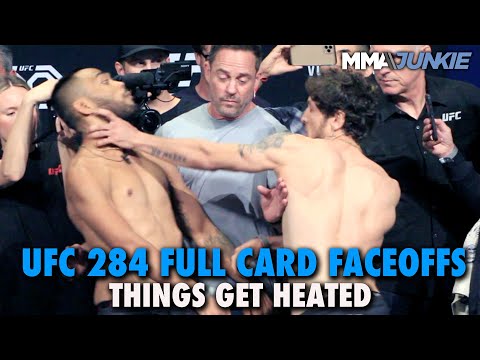
Hello, warriors, and welcome back to the hallowed halls of Budo and Martial Arts. Today, we dissect an incident that, while ostensibly part of the theatrical build-up to UFC 284, reveals deeper truths about the primal nature of combat and the psychology of the fighter. We're examining the UFC 284 ceremonial weigh-in faceoffs, specifically when the tension between athletes from the 13-fight card transcended mere intimidation and erupted into a physical shove. This event, published on February 10, 2023, at 11:38 PM, serves as a potent reminder that behind every choreographed bout, there lies a raw, untamed spirit. This isn't just about flashy kicks or powerful punches; it's about the mental warfare that precedes the physical. It's about the razor's edge between controlled aggression and explosive confrontation.

The Escalation: More Than Just a Staredown

The UFC 284 ceremonial weigh-ins are designed to be a final, intense confrontation between combatants before they enter the octagon. These faceoffs are theatrical, yes, but they also tap into fundamental aspects of martial arts: the psychological pressure, the assertion of dominance, and the channeling of primal aggression. When a staredown escalates to a physical shove, as it did at UFC 284, it’s not merely an uncontrolled outburst; it’s a breach of protocol that reveals the volatile nature of high-stakes combat. This incident, captured and shared widely, forces us to consider the line between performance and genuine animosity. Did the athletes intend for this to happen, or did the pressure of the moment, the roaring crowd, and the weight of expectation push them over the edge? From a martial perspective, understanding these triggers is crucial.

The Psychology of the Faceoff: A Martial Ploy

In the world of martial arts, the mental game is as significant as physical prowess. A faceoff, or "staredown," is a tactic as old as warfare itself. It's about imposing your will before the first strike is thrown. It’s a display of confidence, a test of nerve, and an attempt to unsettle the opponent. Masters throughout history have understood this. Miyamoto Musashi, in his seminal "Book of Five Rings," alluded to the importance of perception and psychological advantage.
"To win one hundred victories in one hundred battles is not the acme of skill. To subdue the enemy without fighting is the acme of skill."
While the UFC faceoff is not "fighting," it is a precursor, a psychological battleground. The shove at UFC 284 was a failure in this aspect of control. It demonstrated that, for those individuals at that moment, the mental discipline required to maintain the controlled aggression of the martial artist had momentarily yielded to raw emotion. This isn't a criticism of their skill, but an observation of the human element that even highly trained individuals grapple with.

Analyzing the Shove: Technique vs. Emotion

When analyzing the physical aspect of the shove itself, we must distinguish between controlled technique and an emotional reaction. A deliberate, calculated push in a grappling context is different from an impulsive shove born of anger. In the UFC 284 incident, it appeared to be the latter. It lacked the precision of a trained movement and instead resembled a primal reaction. This is a critical distinction for any practitioner of Budo. Martial arts are not merely about physical techniques; they are about cultivating self-control, discipline, and the ability to act decisively without being consumed by emotion. The "Mushin" (no-mind) state, often discussed in Zen and martial arts, refers to a state of mind free from distraction and attachment, allowing for effortless action. The shove at UFC 284, for the individual involved, represented a departure from this ideal.

Cultural Context in Combat Sports

The UFC, being a global phenomenon, is a melting pot of different martial traditions and cultural expressions of combat. While some martial arts emphasize stoicism and respect above all else, others, particularly in modern combat sports, embrace a more flamboyant and aggressive showmanship. The "trash talk" and heated faceoffs are part of the spectacle that draws audiences. This duality is fascinating. On one hand, you have the discipline and philosophy of arts like Karate or Judo; on the other, you have the raw, confrontational nature of MMA. The shove at UFC 284 highlights this tension. It's a performance, yes, but for the fighters, the line between performance and personal animosity can blur under immense pressure. We see this dynamic mirrored in historical rivalries, though often expressed through more formal means like formal challenges or duels.

Philosophical Implications for the Budoka

For the dedicated practitioner of any martial art, the UFC 284 incident serves as a case study. It prompts us to ask: What is the ultimate purpose of our training? Is it solely to win fights, or is it to cultivate a superior character? The philosophy of Budo, encompassing traditional Japanese martial arts, often emphasizes self-mastery as the paramount goal. Winning is secondary to personal development, to becoming a better human being. A moment of uncontrolled aggression, like a shove to the neck during a weigh-in, suggests that perhaps the "self-mastery" aspect was momentarily absent.
"True strength is not in the fist, but in the mind. It is in the ability to control oneself before controlling others."
This principle, though not attributed to a single master, resonates deeply within martial traditions. The UFC 284 incident, while electrifying for spectators, is a reminder for serious martial artists to constantly strive for that inner control.

Veredict of the Sensei: The Raw Edge of Competition

The UFC 284 faceoff confrontation was undoubtedly exciting and a significant talking point for fight fans. It showcased the raw, untamed intensity that makes combat sports so compelling. However, from the perspective of a seasoned martial artist, it represents a missed opportunity for demonstrating superior mental fortitude. While the spectacle is part of the modern fight game, the core of martial arts lies in discipline and respect, even amidst fierce competition. The shove was a moment of emotional overflow, a breach of the controlled warrior's code. It’s a demonstration of passion, certainly, but perhaps not the highest form of martial discipline. **Rating: A Solid Performance in Intensity, but a Minor Foul in Discipline.**

Training Drill: Cultivating Mental Fortitude

To prevent such emotional outbursts from derailing your own progress, consider this drill:
  1. Mindful Staring Contest: Find a training partner. Stand facing each other, a few feet apart. Maintain eye contact without blinking or reacting for as long as possible. Focus on your breathing. If you feel your emotions rising, take a slow, deep breath and return your focus to the present moment. The goal is not to "win" by making the other person break, but to maintain your inner calm.
  2. Controlled Aggression Sparring: During sparring sessions, deliberately practice controlling your impulses. If an opponent makes a mistake, resist the urge to gloat or retaliate excessively. Focus on executing your technique cleanly and efficiently. The aim is to win through skill and strategy, not through intimidation or uncontrolled aggression.
  3. Post-Training Reflection: After each training session, take five minutes to reflect on your emotional state during the practice. Did you feel frustrated? Angry? Did you manage those feelings effectively? Journaling these observations can help you identify triggers and develop strategies for emotional regulation.

Equipment Essential for Your Training

While the UFC incident was about raw emotion, consistent and effective training requires the right gear. For practitioners looking to hone their skills, especially in striking arts like Karate or Kickboxing, investing in quality equipment is crucial.
  • Durable Training Gloves: For sparring and bag work, investing in a good pair of 14oz or 16oz gloves is essential for protecting your hands and your training partners. Look for brands known for their padding and wrist support.
  • Shin Guards: If you're practicing kicking techniques, quality shin guards are non-negotiable to prevent injuries during drills and sparring.
  • Mouthguard: An absolute must for any form of sparring to protect your teeth and jaw.
  • Headgear: For more intense sparring sessions, headgear can provide an extra layer of protection.
  • Dojo Uniform (Gi/Kimono): For traditional arts like Karate or Judo, a well-made, durable Gi is foundational to your training. Look for double-weave options for added longevity in demanding arts.
Consider exploring options for Karate merchandise or robust UFC merchandise to show your support and find practical training aids.

Frequently Asked Questions

What is the main purpose of a UFC weigh-in faceoff?

The primary purpose is to build anticipation and psychological tension for the fight. It's a final staredown designed to intimidate the opponent and engage the audience, but it should ideally remain within the bounds of controlled showmanship.

Is it common for UFC faceoffs to become physical?

While heated exchanges and verbal confrontations are common, outright physical shoves are less frequent but do occur. When they happen, they often signify a loss of emotional control by one or more of the fighters involved.

How does this incident relate to traditional martial arts philosophy?

Traditional martial arts, particularly those emphasizing Budo, prioritize self-control, discipline, and respect. An uncontrolled physical shove would be seen as a failure to uphold these principles, demonstrating that the practitioner is still subject to their emotions rather than in mastery of them.

What is "Mushin" in the context of martial arts?

Mushin, or "no-mind," is a Zen Buddhist concept adopted by martial arts. It describes a state of mind where one's actions are spontaneous, fluid, and free from conscious thought or emotional interference, allowing for peak performance and effective response.

For Deeper Exploration

To truly understand the interplay of physical technique and mental fortitude in combat, delve into these related topics on our blog:

Reflection of the Sensei: Your Next Step

The UFC 284 incident serves as a potent, albeit dramatic, reminder of the human element within the martial endeavor. We saw a flash of raw emotion override practiced control. Now, I pose this to you: In moments of intense pressure, whether in training, competition, or daily life, do you react from a place of disciplined strength, or do you let the storm within dictate your actions? How will you cultivate your inner resilience to ensure your 'faceoff' moments, whatever they may be, are met with the calm authority of a true warrior, not the impulsive outburst of a mere combatant? Reflect on this, and let your actions be your answer.

UFC 2: "No Way Out" - A Budo Master's Analysis of MMA's Raw Genesis

Introduction: The Uncivilized Dawn of Modern Combat

Hello, warriors and seekers of truth! Welcome back to Budo and Martial Arts, your sanctuary for unfiltered analysis of combat sports and their philosophical underpinnings. Today, we tear open the dusty pages of history to dissect an event that, for better or worse, irrevocably shaped the landscape of combat: UFC 2, subtitled "No Way Out." Forget the polished spectacle of modern MMA; this was raw, brutal, and utterly captivating. Were these mere brawls, or were they nascent expressions of martial evolution? I invite you to join me, not just as a viewer, but as a critical observer, to understand the *why* behind the *what*.

The question that burns in my mind, and should burn in yours, is this: Did UFC 2 represent a genuine advancement in martial science, or was it a crude display of physical dominance masquerading as skill? Many today dismiss these early events as chaotic slugfests, devoid of technique. But I tell you, beneath the blood and the grit, the seeds of what we now call Mixed Martial Arts were being sown. And it is our duty, as students of the Budo, to understand this genesis.

"The supreme art of war is to subdue the enemy without fighting." - Sun Tzu, The Art of War.

While Sun Tzu speaks of strategy, the early UFC forced practitioners to confront the stark reality of direct, unadulterated combat. Was there true strategy here, or simply the instinct to survive?

The Setting: Denver, March 11, 1994

The Fillmore Auditorium in Denver, Colorado, on March 11, 1994. Not exactly Madison Square Garden, was it? This was a raw, unfiltered stage. The atmosphere must have crackled with a primal energy, a mix of anticipation and apprehension. This wasn't a sport; it was an experiment. An experiment to answer the age-old question: which martial art reigns supreme? The rules were minimal, the stakes incredibly high. This was the Wild West of combat sports, where the line between hero and brute was blurred.

Remember, in this era, martial arts were often siloed. A Karateka might scoff at a Judo practitioner, and vice versa. The UFC's premise was a brutal, direct challenge to these divisions. It was a "no holds barred" (NHB) event, a stark contrast to the structured competition many arts espoused. The very name, "No Way Out," suggests a trap, a desperate struggle for survival. There was no graceful exit, only victory or defeat.

Analyzing the Battles: A Deep Dive into UFC 2 Fights

Let us dissect the card, not just as spectators, but as martial analysts. The timings provided offer a glimpse into the duration of these encounters, hinting at the ebb and flow of combat.

  • 1:43 ........Scott Morris vs Sean Daugherty: A brief encounter. Was it a quick submission, a KO, or a referee stoppage? The brevity suggests dominance or perhaps a technical mismatch from the outset.
  • 5:02 ........Patrick Smith vs Ray Wizard: Over five minutes. This allows for more exchanges. Did Smith's Power Punching, for which he was known, overwhelm Wizard? Or was there grappling involved?
  • 8:55 ........Johnny Rhodes vs David Levicki: A longer bout. This suggests a back-and-forth, a test of wills and stamina. Levicki was a boxer; Rhodes, a wrestler. A clash of styles here is undeniable.
  • 27:36 ......Frank Hamaker vs Thaddeus Luster: A significant duration. This indicates a sustained engagement, likely with multiple transitions and a deep exploration of techniques. Hamaker was known for his Savate.
  • 34:56 ......Orlando Wiet vs Robert Lucarelli: Another extended fight. Wiet, a Savate master, against a boxer. The stylistic clash here is pronounced.
  • 39:00 ......Remco Pardoel vs Alberto Cerro León: Pardoel, a Dutch judoka and sambo practitioner, faced León. This promised a significant grappling contest.
  • 50:54 ......Jason DeLucia vs Scott Baker: DeLucia, a skilled martial artist with diverse training, against Baker. The length implies a tactical battle.
  • 58:28 ......Royce Gracie vs Minoki Ichihara: A shorter fight, only 27 seconds. This is the signature Gracie efficiency. Ichihara was a Karateka. The speed of the tap-out speaks volumes about the effectiveness of BJJ against striking-based arts in its infancy.

The tournament structure of UFC 2 meant fighters could potentially compete multiple times in one night. This adds another layer of difficulty and strategic consideration.

Royce Gracie: The Silent Storm and the Evolution of BJJ

Royce Gracie is the undeniable focal point of UFC 2. His calm demeanor, his seemingly effortless submissions – these were revolutionary. He wasn't the biggest or the strongest, yet he systematically dismantled opponents who dwarfed him. This was the power of technique, the art of leverage, and the philosophy of BJJ.

His fights, particularly the short ones, demonstrated a profound understanding of applying pressure and exploiting weaknesses. He didn't engage in wild exchanges; he controlled the distance, secured a takedown, and then methodically worked for a submission. This was not brute force; it was intelligent application of physics and anatomy. The **Brazilian Jiu-Jitsu** he represented was proving its mettle against styles that relied solely on striking power.

What's fascinating is the contrast between Royce's serene presence and the often frantic energy of his opponents. This is a core tenet of Budo: maintaining composure under duress. He embodied the principle of ju (gentleness, yielding) in Judo, but applied it to a more aggressive, submission-focused grappling art. His victories were not just physical; they were a philosophical statement.

"The essence of martial arts is not to win, but to conquer oneself." - Unknown Master.

Royce Gracie's self-mastery was on full display. He didn't get drawn into his opponents' games; he imposed his own. This is a lesson for every practitioner, regardless of style.

Technical Breakdown: What Worked, What Didn't

Let's be clear: the techniques on display at UFC 2 were a mixed bag. We saw raw power, desperate clinches, and moments of surprising skill. Here's what stood out:

  • Takedowns and Ground Control: The Gracie family's emphasis on takedowns and ground fighting was a revelation. Styles that lacked solid takedown defense or ground survival skills were severely disadvantaged.
  • Submission Efficiency: Royce's submissions, primarily chokes and joint locks, were incredibly effective. They bypassed brute strength, targeting anatomical vulnerabilities.
  • Striking Limitations: While some boxers and Savate practitioners showed offensive capabilities, they often struggled once the fight hit the ground. Their striking training didn't adequately prepare them for the NHB environment.
  • Wrestling Foundations: Wrestlers like Johnny Rhodes showed their ability to control position and wear down opponents, even if they lacked sophisticated submission skills.
  • The "Wild Card" Factor: Some fighters seemed to rely on raw aggression and power, with less emphasis on structured technique. This highlights the difference between a trained martial artist and a fighter.

The tournament format itself was a test of conditioning and adaptability. Fighters had to make weight, fight, recover (briefly), and fight again. This is where stamina and mental fortitude became as crucial as any specific technique. We are seeing echoes of this in modern MMA conditioning.

The Spirit of Budo in the Octagon's Crucible

What does "Budo" truly mean in the context of UFC 2? It's not just about the techniques from Japan. Budo, in its essence, is the "Way of the Warrior." It encompasses discipline, respect, self-improvement, and the pursuit of mastery. Even in this seemingly lawless environment, elements of Budo were present, albeit in a raw form:

  • Courage: Stepping into that cage against unknown opponents from different disciplines required immense courage. This is a fundamental aspect of the warrior spirit.
  • Perseverance: Fighters like Patrick Smith, who fought multiple times, showed incredible resilience and a refusal to quit.
  • Adaptability: The event forced martial artists to adapt their skills or be exposed. This mirrors the Budo principle of flowing like water, adapting to circumstances.
  • The Pursuit of Truth: At its core, the UFC was an attempt to find practical truth in martial arts. Which style *truly* worked when the chips were down?

However, it’s crucial to note what was perhaps missing or underdeveloped: the emphasis on humility and mutual respect. The early UFC was often characterized by bravado and aggression, sometimes overshadowing the deeper philosophical aspects of Budo. Yet, the very act of testing oneself against diverse opponents, and the subsequent evolution of MMA, can be seen as a long-term pathway towards a more comprehensive understanding of combat effectiveness, and thus, a form of truth-seeking inherent in Budo.

Sensei's Verdict: Did UFC 2 Pave the Way or Stumble?

UFC 2 was a vital, albeit messy, step. It wasn't perfect – far from it. The lack of unified rules, the brutal mismatch of styles, and the sheer violence were shocking. However, it undeniably proved that a highly technical grappling art, when applied effectively, could overcome traditional striking disciplines. It forced martial artists to re-evaluate their training and confront the reality of cross-disciplinary combat.

While many individual bouts were short or one-sided, the overall impact was profound. It ignited a global conversation about martial arts effectiveness and laid the groundwork for the sophisticated sport of MMA we see today. The fighters who excelled were those who combined skill with a warrior's heart.

Sensei's Verdict: While crude and controversial, UFC 2 was a seismic event. It was a necessary, albeit brutal, evolutionary leap. It didn't just showcase fights; it forced a confrontation with reality that accelerated martial arts development globally.

Cinturón Negro en Impacto Histórico.

Essential Gear for the Aspiring Grappler

If watching UFC 2 has ignited a fire in your belly to explore grappling, you'll need the right equipment. Quality gear is crucial for both safety and performance. Investing in good equipment can significantly enhance your training experience.

  • Gi (Kimono) for Jiu-Jitsu/Judo: Look for a durable double-weave or triple-weave gi. Brands like Tatami, Fuji, or Shoyoroll offer excellent options. For Judo, ensure it meets IJF standards if you plan to compete.
  • Rash Guards: Essential for no-gi grappling to prevent mat burns and provide a layer of compression.
  • Spats/Grappling Shorts: Comfortable and durable shorts designed for grappling are a must.
  • Mouthguard: Protect your teeth and jaw, especially during sparring. Brands like Shock Doctor are reliable.
  • Groin Protector (Cup): Crucial for protecting sensitive areas during intense grappling exchanges.

Remember, proper fit is key. A gi that's too loose can be grabbed easily, and one that's too tight restricts movement. For aspiring grapplers looking for top-tier equipment, exploring options like BJJ merchandise or specific Judo gear is highly recommended.

Training Drill: Simulating Ground Control

The Gracie dominance at UFC 2 highlighted the importance of ground control. Here’s a simple drill you can practice, even solo, to build fundamental skills:

  1. Guard Retention Practice (Solo): Start in a seated position on the floor. Practice bringing your legs up to form a closed guard, protecting your torso.
  2. Scissor Sweep Motion: From closed guard, practice the motion of a scissor sweep. Lie back, hook your opponent's hips, and extend one leg while bringing the other across their body, simulating the sweep action.
  3. Hip Escape (Shrimping): Lie on your back. Lift your hips and bridge slightly, then slide your hips to one side, creating space. This is fundamental for escaping bad positions. Practice shrimping both left and right.
  4. Mount Escape Simulation: Imagine someone is mounted on top of you. Practice the "bridge and roll" motion: arch your back, drive your hips up into your opponent, and try to roll them off.
  5. Side Control Transitions (Imaginary): Start on your side. Practice bridging your hips to create space and attempt to transition to guard, or practice framing your opponent's head and shoulders to maintain distance.

While this drill lacks the resistance of a live opponent, it helps build muscle memory for crucial movements. For dynamic training, partner drills focusing on positional control and submission defense are paramount. You can find great resources for at-home workouts that incorporate bodyweight exercises beneficial for grappling strength.

Frequently Asked Questions

  • What was the main goal of UFC 2?
    The primary goal was to test various martial arts against each other in a no-holds-barred environment to determine the most effective fighting style.
  • Who was the most dominant fighter at UFC 2?
    Royce Gracie was undoubtedly the most dominant, showcasing the effectiveness of Brazilian Jiu-Jitsu with multiple submission victories.
  • Were there any significant rule changes from UFC 1 to UFC 2?
    While rules remained minimal, UFC 2 saw the introduction of more "tournament" style brackets, meaning fighters could potentially compete multiple times in one night.
  • How did UFC 2 influence the future of MMA?
    It proved the viability of grappling and submissions against striking-based arts, forcing traditional disciplines to adapt and laying the foundation for the sport of Mixed Martial Arts.
  • What martial arts were represented at UFC 2?
    Various styles were represented, including Brazilian Jiu-Jitsu, Boxing, Wrestling, Savate, and Karate, among others.

Further Reading on Your Journey

The path of martial arts is one of continuous learning. To deepen your understanding, I recommend exploring these topics:

  • BUDO: The foundational principles of Japanese warrior traditions.
  • Martial Arts: A broader exploration of global combat systems.
  • MMA: The modern evolution of cross-disciplinary fighting.
  • Judo: The gentle art that influenced much of the grappling seen in early UFC.
  • Karate Community: Understand the striking arts that were challenged.
  • Grappling: The art of controlling an opponent on the ground.

Sensei's Reflection: Your Next Step

UFC 2 was a brutal crucible. It stripped away the pretense and forced practitioners to confront the raw truth of combat. Looking back at these early encounters, what single principle from your own martial art do you believe would have been most effective against the fighters of UFC 2? And more importantly, how can you apply that principle of ruthless effectiveness and adaptability not just on the mat, but in the daily battles of life?

The path of the warrior is never-ending. Now, go forth and train with purpose.

``` GEMINI_METADESC: Analyze UFC 2 "No Way Out" (1994) from a Budo Master's perspective. Explore MMA's raw genesis, Royce Gracie's dominance, and the spirit of combat.

UFC 20: The Ultimate Battle for the Gold (1999) - A Martial Master's Retrospective

Welcome, students of the Budo, to a dissection of a pivotal moment in the brutal ballet of professional combat. Today, we plunge into the raw, unvarnished ferocity of UFC 20, a card that, in 1999, sought to crown its champions at the Boutwell Auditorium in Birmingham, Alabama. This wasn't just a series of fights; it was a crucible, testing the mettle of warriors in an era where the lines between martial discipline and unadulterated aggression were still being drawn. Forget the polish and promotion of today; this was the raw, visceral heart of the early UFC, a testament to the unyielding spirit that drives martial artists to test their skills against the best. We are here to analyze, to critique, and to understand the forces at play when gold, glory, and the primal urge to prove oneself collide.

Table of Contents

The Unfolding of UFC 20

Published on May 11, 2022, our examination of UFC 20 – "The Battle for the Gold" – revisits a time when the Ultimate Fighting Championship was forging its identity. This event, held on May 7, 1999, was more than just a series of bouts; it was a microcosm of the evolution of combat sports. As the "most complete and updated martial arts blog on the internet," we are compelled to break down these encounters, not just for their entertainment value, but for the martial lessons they offer. We will dissect the techniques, the strategic decisions, and the raw courage displayed by these athletes who stepped into the Octagon seeking supremacy.

Reflexión del Sensei: Tu Próximo Paso

Does the pursuit of "gold" truly define a martial artist, or is the true prize the refinement of self through rigorous combat and unwavering discipline? Ponder this as we delve into the heart of UFC 20.

Laverne Clark vs. Fabiano Iha: A Technical Duel

(Time Stamp: 8:37) This opening bout showcased a stark contrast in styles. Clark, perhaps relying on a more traditional striking base, met Iha, who seemed to possess a more grappling-oriented approach. In the early UFC, these stylistic clashes were the very essence of what made the sport so compelling. It tested the notion of whether a proficient striker could overcome a skilled grappler, or vice-versa. While the official record might not highlight this bout as a legendary encounter, it served its purpose: setting the stage and demonstrating the diverse skill sets converging in the Octagon. The question remains, however, for viewers looking to improve their own martial arts, how can one effectively train to counter such varied approaches?

Wanderlei Silva vs. Tony Petarra: The Axe Murderer Arrives

(Time Stamp: 16:52) This is where the legend of Wanderlei Silva truly began to ignite. Against Tony Petarra, "The Axe Murderer" displayed the ferocious, relentless pressure that would become his hallmark. His striking was heavy, his aggression almost overwhelming. This fight serves as a potent example of how a single fighter's intensity can dictate the tempo and outcome of a bout. For those studying Kyokushin Karate, the sheer ferocity and commitment to power striking here is something to observe, albeit with a crucial understanding of the rules and safety protocols inherent in traditional dojo training. The concept of *kiai* (spirited shouting) takes on a visceral, almost terrifying dimension in Silva's performance.
The spirit of the warrior is not to be afraid of what lies ahead, but to embrace it with a focused mind and an unbroken will.

Marcelo Mello vs. David Roberts: Strength vs. Strategy

(Time Stamp: 25:10) This matchup presented a classic dilemma: brute strength versus calculated strategy. Marcelo Mello, likely embodying a more power-based approach, would face David Roberts, who might have employed a more cerebral, technique-driven game plan. The outcome hinges on which fighter could impose their will and their preferred fighting style. Analyzing such bouts offers valuable insights into the importance of strategic adaptation within the MMA training regimen. Can sheer physical power overcome superior technique and foresight? The history of combat sports is replete with examples of both.

Ron Waterman vs. Chris Condo: The Heavyweights Collide

(Time Stamp: 31:24) Heavyweight bouts in any combat sport carry an inherent excitement due to the devastating power wielded by these athletes. Ron Waterman and Chris Condo were no exception. Their clash represented the raw, unadulterated power that often defines the heavyweight division. These fights underscore the importance of conditioning and explosive power in combat sports. For aspiring fighters, understanding the biomechanics of power generation is as crucial as mastering a complex submission technique.

Pete Williams vs. Travis Fulton: A Grudge Match Defined

(Time Stamp: 35:40) This particular bout was steeped in pre-fight animosity, a "grudge match" in the truest sense. Pete Williams and Travis Fulton brought not only skill but also palpable emotion into the Octagon. Such encounters highlight the psychological aspect of combat: how to manage anger, channel aggression, and maintain focus under extreme duress. This is where the teachings of Budo philosophy become paramount – the understanding that true mastery lies not just in physical prowess, but in the control of one's internal state.
"There is no victory in the heat of battle, only the opportunity to test one's resolve." - Unknown Master

Pedro Rizzo vs. Tra Telligman: The Striker's Gambit

(Time Stamp: 48:29) Pedro Rizzo, a formidable striker, would face Tra Telligman. This matchup was a fascinating study in striking versus potentially more diversified grappling. Rizzo’s crisp, powerful kicks and punches were a testament to his dedication to striking arts. The effectiveness of such a focused striking game plan against opponents who might try to clinch or take the fight to the ground is a perennial question in MMA strategy. It begs the question: can a pure striker truly dominate in a sport designed to test all facets of combat?

Bas Rutten vs. Kevin Randleman: A Clash of Titans

(Time Stamp: 1:01:08) The co-main event, and indeed a headline-worthy clash, featured two formidable figures: Bas Rutten and Kevin Randleman. Rutten, a legendary Dutch martial artist with a background in kickboxing and submission grappling, brought an array of devastating strikes and submission skills. Randleman, an NCAA wrestling champion, possessed explosive power and the ability to finish fights with thunderous slams or powerful strikes. This was a true battle of titans, a testament to the evolution of MMA championships, where champions from diverse martial backgrounds converged. The sheer athleticism and combat acumen displayed here are a benchmark. This fight embodies the pursuit of mastery in multiple disciplines, a core tenet of modern Martial Arts Training.

Veredicto del Sensei: ¿Merece la pena?

UFC 20, "The Battle for the Gold," stands as a crucial artifact from the early days of the UFC. While the production values and some of the matchups might seem rudimentary by today's standards, the raw passion, the emerging stars like Wanderlei Silva, and the sheer grit displayed by every fighter make it an essential watch for any serious student of combat sports. It’s a window into a time when the sport was raw, less refined, but undeniably compelling. For its historical significance and the glimpses it offers into the development of MMA, it earns a solid "Cinturón Negro en Evolución." It’s a testament to the unyielding spirit that drives martial artists to push the boundaries of human performance.

Equipo Esencial para tu Entrenamiento

To truly understand and emulate the dedication shown by these fighters, proper training equipment is vital. While UFC 20 predates much of the specialized gear available today, the principles remain.
  • Guantes de Entrenamiento/Sparring (14-16 oz): Crucial for developing striking power while protecting your hands and your partner.
  • Casco de Sparring: Essential for protecting the head during striking drills and sparring to minimize concussions.
  • Kimono de Jiu-Jitsu (Gi): If you're delving into grappling, a durable Gi is paramount for drilling and competing.
  • Espinilleras y Guantes de MMA: For conditioning drills and specific MMA sparring, these are indispensable.
  • Protector Bucal: Non-negotiable for any form of sparring or intense training.
When investing in your martial journey, consider brands known for durability and safety. Look for items that meet the standards of your respective federations or gym. For those interested in striking, check out the latest in Karate merchandise and kickboxing gear to find quality that lasts.

Guía de Entrenamiento: Desarrollando tu Resiliencia

The fighters at UFC 20 exemplified resilience. Here’s a simple, yet effective, training regimen to build your own mental and physical fortitude, adaptable for any martial artist:
  1. Ronda de Calentamiento (10 minutos): Begin with dynamic stretching and light cardio to prepare your body. This is not just physical; it's a mental transition into training mode.
  2. Series de Poder (5 rondas):
    • Round 1: Striking Power - Realiza 5 sets de 10 "punch-outs" (como flexiones pero con un golpe de puño al subir) y 10 patadas frontales con cada pierna.
    • Round 2: Grappling Endurance - Si tienes acceso a un compañero o un saco pesado, practica 5 series de 1 minuto de movimientos de derribo y control, seguido de 30 segundos de intentos de sumisión.
    • Round 3: Core Strength - 5 sets de 30 segundos de plancha (plank), seguidos de 30 segundos de "Russian twists" con peso.
    • Round 4: Explosive Movement - 5 series de 10 saltos explosivos (burpees con salto, saltos de rodilla al pecho).
    • Round 5: Active Recovery/Flexibility - Realiza estiramientos estáticos profundos, enfocándote en las caderas, hombros y piernas.
  3. Enfriamiento y Meditación (10 minutos): Termina con estiramientos suaves y 5 minutos de meditación enfocada en la respiración. Visualiza tu próxima sesión de entrenamiento o tu próximo desafío.
This routine emphasizes power, endurance, and mental discipline – key attributes showcased by the fighters of UFC 20. Remember, consistency is more important than intensity. Find your own rhythm, but never stop pushing your limits. For those training at home, exploring no-equipment workouts can be just as effective.

Preguntas Frecuentes

  • ¿Qué hace que UFC 20 sea importante históricamente?
    UFC 20 es significativo por ser una de las primeras carteleras que contó con futuros grandes nombres del deporte, como Wanderlei Silva y Bas Rutten, en un momento crucial de la evolución de las Artes Marciales Mixtas (MMA).
  • ¿Es el estilo de Wanderlei Silva aplicable hoy en día?
    El estilo agresivo y de presión de Silva es innegablemente efectivo, pero la MMA moderna requiere una mayor diversidad de habilidades y una defensa más refinada contra derribos y sumisiones. Su estilo sigue siendo inspirador, pero debe adaptarse.
  • ¿Cuál era el nivel de competencia en UFC 20 comparado con UFC de hoy?
    El nivel de competencia era considerablemente más crudo. Si bien había atletas excepcionales, la especialización y el entrenamiento integral que vemos hoy en día en academias de MMA training aún estaban en desarrollo.
  • ¿Cómo puedo ver las peleas de UFC 20?
    Las peleas de UFC 20 son a menudo difíciles de encontrar en plataformas oficiales debido a los derechos de autor y la antigüedad. Sin embargo, pueden aparecer en colecciones de videos históricos en plataformas como YouTube o en foros dedicados a la historia de las artes marciales y el combat sports.

Para Profundizar en tu Camino

GEMINI_METADESC: Un análisis crítico de UFC 20 'The Battle for the Gold' (1999) desde la perspectiva de un Sensei experto en artes marciales, evaluando combates clave, técnicas y su legado.

The Incredible Story of MMA & The UFC: A Budo Warrior's Perspective

Introduction: The Birth of the Modern Gladiators

What is it that draws us to the raw, unfiltered spectacle of men and women testing their limits in combat? For centuries, humanity has been captivated by martial prowess, from the ancient Olympic pankration to the samurai's duel. Today, few arenas command such attention as the octagon, the birthplace of modern Mixed Martial Arts (MMA) and the epicentre of the Ultimate Fighting Championship (UFC). But how did we arrive at this point? Is MMA merely a brutal display of violence, or does it embody a profound lineage of warrior traditions? As a student of the Budo and a critic of martial arts cinema, I can assure you, the story is far richer and more complex than it appears on the surface. This is not just about knockouts and submissions; it's about the evolution of combat, the test of human spirit, and the enduring philosophy that underpins every strike, every grapple, every moment of victory and defeat. Prepare yourselves, for we are about to embark on a journey through the history of MMA and the UFC, viewed through the critical lens of a martial arts Sensei.

From Ancient Roots to Modern Arenas

The concept of "mixed martial arts" isn't a recent invention. Long before the UFC, combatants across the globe honed diverse skill sets to overcome their opponents. Think of the ancient Greeks and their pankration, a devastating blend of boxing and wrestling. Consider the Shaolin monks, who synthesized numerous fighting styles into a cohesive system. Even the legendary Miyamoto Musashi, with his unique "Niten Ichi-ryū" (Two Heavens as One style), advocated for mastering a multitude of weapons and strategies, not limiting oneself to a single approach. This fundamental principle – that a true warrior must be versatile – echoes through the ages and is the very soul of MMA. The desire to find the most effective way to fight, regardless of the discipline, is as old as conflict itself.
"Know the enemy and know yourself; in a hundred battles, you will never be in danger." - Sun Tzu, The Art of War. In MMA, "knowing yourself" means understanding your own strengths and weaknesses across various martial disciplines.
The very essence of MMA is this very principle: the cross-pollination of techniques, the ultimate test of martial effectiveness. It's a modern manifestation of an ancient human drive to excel in combat by embracing a holistic approach to fighting.

The Gritty Genesis of Mixed Martial Arts

Before the polished spectacle of today's UFC, MMA's roots were far more primal. Various organizations and historical events laid the groundwork. In Brazil, for instance, the Gracie family developed Brazilian Jiu-Jitsu (BJJ), emphasizing ground fighting and submissions. They famously promoted "Gracie Challenges," where practitioners would face exponents of other martial arts to prove the superiority of their grappling techniques. These were no-holds-barred affairs, testing not just skill but raw courage and endurance.
Elsewhere, Vale Tudo ("anything goes") tournaments in Brazil became legendary for their brutality and lack of rules. These were often chaotic, dangerous events that, while ethically questionable by modern standards, served as crucial proving grounds for different martial arts. They highlighted the strengths of grappling arts like BJJ and wrestling when pitted against striking disciplines like Karate or Taekwondo. The realization dawned: no single art held a monopoly on effective combat. A fighter needed a well-rounded arsenal.

The UFC's Crucible: Forging a Sport

The true revolution, however, began in 1993 with the inception of the Ultimate Fighting Championship. Initially conceived as a tournament to determine the most effective martial art, the early UFC events were stark, raw, and controversial. Eight fighters, representing diverse backgrounds like Karate, Kung Fu, Boxing, Kickboxing, Sumo, and Brazilian Jiu-Jitsu, entered an eight-man elimination bracket. The goal was simple: find out who would win in a no-rules fight. The early tournaments, particularly UFC 1, famously showcased the dominance of Royce Gracie, a slender BJJ practitioner who repeatedly submitted much larger, stronger opponents using his superior ground fighting skills. This was a paradigm shift. It forced practitioners of traditional striking arts to confront the efficacy of grappling and vice-versa. It shattered the myth that size and brute force alone determined victory.
"When you are in a fight, you cannot be looking for the perfect technique. You have to look for the technique that works in that moment, against that opponent." - A common sentiment echoed by many early MMA pioneers.
The UFC's early years were a chaotic, yet vital, experiment. It was a crucible where disparate martial arts collided, and from that collision, a new sport began to emerge. The initial lack of weight classes and the minimal ruleset, while horrifying to some, were precisely what allowed for this unprecedented comparison of martial effectiveness.

Evolution and Challenges: The Road to Mainstream

The raw, almost barbaric, nature of early MMA was a double-edged sword. It drew immense attention but also attracted significant criticism, leading to bans and widespread condemnation. Senator John McCain famously spearheaded efforts to ban the sport, deeming it "human cockfighting." This intense pressure forced the sport's governing bodies, including the UFC, to evolve. Gradually, rules were introduced and refined. Weight classes were established to ensure fairer competition. Stricter regulations on fouls and fighting conduct were implemented. The introduction of gloves, the prohibition of certain dangerous techniques, and the refinement of judging criteria transformed MMA from a spectacle of raw violence into a legitimate, albeit still intense, sport.
The Fertitta brothers' purchase of the UFC in 2001, with Dana White at the helm, marked a turning point. Through strategic marketing, groundbreaking television deals, and the development of the reality show "The Ultimate Fighter," the UFC began its meteoric rise. This series, in particular, humanized the fighters, showcasing their dedication, sacrifice, and the rigorous training required. It allowed audiences to connect with the athletes on a deeper level, understanding the discipline and the "why" behind their pursuit. MMA, once a fringe phenomenon, was steadily gaining mainstream acceptance, appealing to fans of boxing, wrestling, judo, karate, and virtually every other combat sport.

The Warrior's Code in the Octagon

While the rules have evolved, the spirit of the warrior, the core tenets of Budo, remain relevant in modern MMA. The discipline required to train for an MMA bout is immense. Fighters must master striking, grappling, wrestling, and conditioning. This necessitates an unwavering commitment to self-improvement, a core principle in all traditional martial arts. The concept of "Mushin" – a mind free from thought, a state of flow – is often displayed by elite MMA athletes. When a fighter operates in this state, their reactions are instinctive, honed by thousands of hours of practice. They are not thinking; they are *doing*. This is the pinnacle of martial training, whether in a dojo or an octagon. Furthermore, the respect shown between competitors, particularly after a grueling fight, embodies the martial ideal. Despite the intense conflict within the cage, there is often a profound respect for the opponent's skill and courage. This is the embodiment of "respect for the adversary," a cornerstone of martial philosophy. The octagon, in its own way, has become a modern dojo for testing not just physical prowess, but mental fortitude, discipline, and the warrior spirit.
"The ultimate aim of martial arts is not to be better than others, but to be better than your former self." - This ancient proverb is lived out daily by MMA fighters who push their limits in training and competition.
The journey from ancient combat systems to the global phenomenon of MMA and the UFC is a testament to the enduring human fascination with conflict, skill, and the spirit of the warrior. It’s a continuous evolution, driven by the desire to find the most effective way to overcome an opponent, always pushing the boundaries of human capability.

Essential Gear for Your Training

For those inspired to explore the world of combat sports, whether it's MMA, BJJ, Muay Thai, or Karate, having the right equipment is crucial. Quality gear not only enhances your training but also provides essential protection.
  • Gloves: For striking disciplines like Muay Thai, Kickboxing, or MMA sparring, 16oz training gloves are a standard. They offer ample padding to protect your hands and your training partners.
  • Hand Wraps: Always use hand wraps beneath your gloves to provide extra support to your knuckles and wrists, preventing injuries during intense striking sessions.
  • Mouthguard: Non-negotiable for any sparring. A custom-fitted mouthguard offers the best protection against dental injuries.
  • Shin Guards: Essential for Muay Thai and Kickboxing training to protect against kicks and improve your kicking defense.
  • Brazilian Jiu-Jitsu Gi: For BJJ practitioners, a durable Gi (Kimono) is necessary. Look for a double-weave or heavy weave Gi for added resilience. Brands like Tatami or Fuji offer excellent options for both beginners and advanced practitioners.
  • Wrestling Shoes: Lightweight, supportive shoes with good grip are beneficial for wrestling and BJJ training on the mats.
  • MMA Gloves: Designed with open fingers for grappling, these are specific to MMA training and competition.
Investing in good Karate merchandise or Judo equipment can also significantly improve your training experience and safety. Remember, proper attire is a sign of respect for the art and your fellow practitioners.

Frequently Asked Questions

  • What does MMA stand for?
    MMA stands for Mixed Martial Arts.
  • Is MMA a real sport?
    Yes, MMA is recognized as a legitimate and highly demanding sport worldwide, with professional organizations like the UFC hosting major international events.
  • What is the difference between MMA and UFC?
    MMA is the sport itself, the combination of various martial arts. The UFC (Ultimate Fighting Championship) is the largest and most prominent organization that promotes MMA events.
  • Do MMA fighters train in only one martial art?
    No, successful MMA fighters train in a variety of disciplines, including striking arts (like Boxing, Muay Thai, Karate) and grappling arts (like Brazilian Jiu-Jitsu, Wrestling, Judo).
  • How dangerous is MMA?
    Like many full-contact combat sports, MMA carries inherent risks. However, stringent rules, weight classes, and safety equipment have significantly reduced the dangers compared to its early days.

To Delve Deeper on Your Path

* The Rich Tapestry of Karate History * Understanding the Budo Warrior's Philosophy * Practical Tips for Your MMA Training Regimen

Sensei's Reflection: Your Next Step

We've traced the lineage of MMA from ancient battlefields to the roaring crowds of the UFC. We've seen how disparate martial arts, once rivals, have found common ground in the crucible of competition. The question remains: does the spirit of Budo truly endure in this modern gladiatorial arena? Or has the pursuit of spectacle overshadowed the path of self-mastery? Reflect on this: is the true essence of a martial art found in its ancient traditions, or in its capacity to adapt and prove its efficacy in the face of any challenge?

Reflexión del Sensei: Tu Próximo Paso

The journey from ancient combat systems to the global phenomenon of MMA and the UFC is a testament to the enduring human fascination with conflict, skill, and the spirit of the warrior. It’s a continuous evolution, driven by the desire to find the most effective way to overcome an opponent, always pushing the boundaries of human capability. Now, I pose this to you: If the goal of martial arts is to forge stronger individuals, both physically and mentally, does the modern MMA fighter, with their dedication to comprehensive training and their willingness to face diverse challenges, represent the ultimate evolution of the warrior spirit, or a dilution of ancient principles? Let your thoughts flow. Debate. Disagree. Prove your stance. Your next move is on the mat… or in the comments below. ``` GEMINI_METADESC: Un Sensei desmantela la historia de MMA y UFC, analizando su evolución desde las raíces marciales hasta el deporte moderno. ¿Encarna el espíritu del Budo?