Showing posts sorted by relevance for query fight analysis. Sort by date Show all posts

PRIDE FC 22: Beasts from the East 2 - A Martial Critic's Deep Dive into a Modern Combat Epic

Welcome, warriors and students of the Way, to a dissection not merely of a sporting event, but of a pivotal moment in the evolution of modern combat. You are watching *PRIDE FC 22: Beasts from the East 2*, an event that, on September 29, 2002, unleashed a torrent of raw power and tactical brilliance upon the Nagoya Rainbow Hall. Published on June 2, 2022, this is more than just a record; it's a living testament to the brutal ballet that is professional mixed martial arts. Prepare yourselves, for we are about to peer into the heart of the beast.

Table of Contents

Introduction: The Dawn of a New Combat Era

Hello and welcome to Budo and Martial Arts. You are watching PRIDE FC 22 - Beasts from the East 2 (2002), an event published on June 2, 2022. Welcome to the most complete and updated martial arts blog on the internet. The martial world is a vast ocean, and while the shores of traditional karate, judo, and kung fu have been charted for centuries, new continents of combat are constantly being discovered. PRIDE FC wasn't just a promotion; it was a crucible where diverse martial disciplines were forged into a new, explosive art form. This event, *Beasts from the East 2*, was a prime example, showcasing a roster of fighters who embodied the very essence of combat prowess. But what truly separates these warriors from mere brawlers? It's the underlying principles, the mental fortitude, the *Budo* spirit, even in its most modern, high-octane manifestation.

The Genesis of PRIDE FC: A Clash of Cultures and Combat

Before we delve into the specific bouts, it's crucial to understand the landscape. PRIDE FC emerged from Japan, a nation with a profound martial heritage. It was a stage where Western wrestling met Eastern striking, where submission grappling found its ultimate test against powerful knockouts. Unlike many of its contemporaries, PRIDE embraced the spectacle, the larger-than-life personalities, and the sheer, unadulterated ferocity that defined combat sports in the early 2000s. This event, held in Nagoya, was a testament to that philosophy, bringing together a melting pot of styles and nations, each fighter a representative of their own unique martial journey. The energy in the Nagoya Rainbow Hall on that day was palpable, a testament to the growing global fascination with the organized chaos of MMA.

Fight Analysis: Kevin Randleman vs. Michiyoshi Ohara - The Powerbomb Prelude

The card kicks off with a bang: Kevin Randleman vs. Michiyoshi Ohara. Randleman, a powerhouse collegiate wrestler, was known for his explosive athleticism and devastating slams. Ohara, a judoka and sambist, brought a different kind of power to the ring. This fight, though short (6:46), set the tone. Randleman's ability to transition from striking to takedowns, culminating in his notorious slams, was a preview of the physical dominance that would define his PRIDE career. While Ohara attempted to impose his grappling, Randleman's sheer strength and drive to finish proved overwhelming. It was a stark reminder that in MMA, the ability to dictate where the fight takes place, and how, is paramount.
"The supreme art of war is to subdue the enemy without fighting." - Sun Tzu, The Art of War. While Sun Tzu spoke of strategy, Randleman demonstrated that in MMA, a decisive, overwhelming physical action *can* be the "subduing" that ends the conflict before it truly begins.

Fight Analysis: Guy Mezger vs. Yoshihisa Yamamoto - The Veteran's Grasp

Next, we see Guy Mezger facing Yoshihisa Yamamoto (39:59). Mezger, a seasoned veteran from the early days of MMA, brought a wealth of experience in striking and submission grappling. Yamamoto, a Japanese fighter with a background in judo and karate, was known for his resilience. This bout showcased the chess match that MMA can become. Mezger used his striking to set up his takedowns, controlling the pace and looking for openings. Yamamoto, however, displayed incredible toughness, weathering Mezger's offense and looking for his own counter-attacks. The fight eventually went to the judges, highlighting Mezger's control and Yamamoto's enduring spirit. It’s a bout that emphasizes the importance of patience and strategic accumulation of advantage in a longer fight.

Fight Analysis: Anderson Silva vs. Alexander Otsuka - The Spider's Web Begins to Form

At 1:09:29, we witness a young Anderson Silva taking on Alexander Otsuka. This fight is particularly fascinating through the lens of history. Even at this stage, Silva's fluidity and striking accuracy were evident. His ability to weave in and out of range, using feints and dynamic kicks, was already a hallmark. Otsuka, a fighter known for his grit and submission skills, represented a significant challenge. Silva's victory here was a powerful statement, hinting at the superstardom that awaited him. The way Silva managed distance and landed precise shots, breaking down his opponent's defense before securing the finish, was a masterclass in striking fundamentals applied to the chaotic MMA environment. This wasn't just a win; it was a declaration of intent from a future legend.

Fight Analysis: Paulo Filho vs. Akira Shoji - Submission Mastery

Following that, at 1:41:41, we have Paulo Filho against Akira Shoji. Filho, a Brazilian Jiu-Jitsu prodigy, was a submission specialist. Shoji, a Japanese fighter known for his toughness and Muay Thai base, presented a challenge that required tactical brilliance rather than brute force. This fight was a prime example of grappling dominance. Filho systematically worked his way into dominant positions, using his Brazilian Jiu-Jitsu expertise to control Shoji and ultimately secure a submission. It’s a vital lesson for aspiring grapplers: understanding leverage, body mechanics, and patience can overcome even the most tenacious of opponents. The precision of Filho's transitions and final lock was a testament to the effectiveness of well-honed submission techniques.

Fight Analysis: Heath Herring vs. Yuriy Kochkine - The "Texas Crazy Horse" Stampede

At 1:49:54, the "Texas Crazy Horse," Heath Herring, enters the ring against Yuriy Kochkine. Herring was known for his aggressive, crowd-pleasing style, often involving wild exchanges and powerful strikes. Kochkine, a Russian fighter with a background in combat sambo, brought a dangerous blend of striking and grappling. This fight was a display of raw aggression and power. Herring's Muay Thai-infused striking and takedown defense were put to the test, but his signature style, characterized by relentless pressure and heavy hands, ultimately prevailed. It’s a fight that exemplifies the heart and determination required to compete at this level, where sheer will can often be as potent a weapon as technique.

Fight Analysis: Mario Sperry vs. Andrei Kopylov - The Brazilian Jiu-Jitsu Dominance

Moving on to 2:03:38, we have Mario Sperry facing Andrei Kopylov. Sperry, another prominent figure from the Brazilian Jiu-Jitsu scene, was a master of ground fighting. Kopylov, a Russian fighter, was known for his striking prowess and sambo background. This bout was a stylistic clash that highlighted the effectiveness of ground-based martial arts. Sperry's ability to control the grappling exchanges and exploit transitions was evident throughout the fight. He used his superior mat skills to nullify Kopylov's striking threat and eventually secure a victory through submission. This fight underscores the importance of understanding grappling mechanics, as it can be the deciding factor in MMA bouts.

Fight Analysis: Quinton "Rampage" Jackson vs. Igor Vovchanchyn - A War of Attrition

At 2:20:42, we witness what many consider a legendary clash: Quinton "Rampage" Jackson vs. Igor Vovchanchyn. Both fighters were renowned for their devastating power and aggressive fighting styles. Vovchanchyn, a fearsome striker with a sambo background, was a PRIDE legend. "Rampage" Jackson, a powerful wrestler and striker, was emerging as a major force. This fight was a brutal war, a true test of wills. Both fighters exchanged heavy blows, with takedown attempts and scrambles adding to the intensity. It was a back-and-forth affair that showcased the resilience and heart of both competitors. Ultimately, Jackson secured the victory, but the fight left an indelible mark on the history of MMA. This is the kind of fight that makes you appreciate the sheer physical and mental fortitude required to step into the ring.
"In the heat of battle, you cannot be concerned with what might happen. You must act. You must commit." - A sentiment embodied by both Jackson and Vovchanchyn in their relentless exchange.

Fight Analysis: Ryan Gracie vs. Shungo Oyama - The Gracie Legacy in Action

Finally, at 2:34:28, the card concludes with Ryan Gracie vs. Shungo Oyama. As a member of the legendary Gracie family, Ryan carried the torch of Brazilian Jiu-Jitsu and its effectiveness in combat. Oyama, a Japanese fighter, represented the diverse martial arts landscape of PRIDE. This bout was a demonstration of the Gracie Jiu-Jitsu philosophy: control the fight on the ground and exploit the opponent's weaknesses. Ryan Gracie's tactical approach, focused on clinching and grappling, eventually led to a submission victory. It was a fitting end to a card that showcased a variety of martial disciplines, proving that the Gracie lineage's impact on combat sports was profound and enduring.

The Spirit of Budo in MMA: Beyond the Knockout

Now, some might scoff. "Where is the *Budo*," they might ask, "in this modern spectacle?" I say to you: it is everywhere, for those with eyes to see. *Budo* is not merely about tradition; it is about the cultivation of character through rigorous training and the pursuit of mastery. In MMA, we see this in the dedication of fighters like Anderson Silva, honing his striking with relentless precision. We see it in the submission artistry of Paulo Filho, a testament to years spent perfecting the craft of grappling. We see it in the sheer resilience of fighters like Igor Vovchanchyn, who absorb punishment and continue to fight with unwavering resolve. The discipline to cut weight, the mental fortitude to step into the cage knowing you might face pain, the respect shown to opponents even after a fierce battle – these are all threads of *Budo* woven into the fabric of modern combat. This event, *PRIDE FC 22*, was a vibrant canvas illustrating the evolution of martial practice. It showed that while the methods evolve, the core tenets of courage, discipline, and the pursuit of excellence remain timeless. The fighters are not just combatants; they are modern-day samurai, gladiators, and warriors, each bringing their unique heritage and skill set to the ultimate test.

Veredicto del Sensei: A Blueprint for Modern Warriors

*PRIDE FC 22: Beasts from the East 2* is more than just a collection of fights; it's a historical document of a golden era in MMA. It showcases a diverse array of martial arts talent, from Olympic-level wrestlers and submission experts to seasoned strikers. The event successfully blended the raw spectacle PRIDE was known for with genuine martial artistry. The pacing of the card, the caliber of the fights, and the presence of emerging and established legends make it a must-watch for any serious student of combat sports. **Cinturón Negro en Legacy and Raw Combat.**

Equipo Esencial para tu Entrenamiento

To emulate the dedication of these fighters, a solid training regimen is crucial. Here's some equipment that will serve you well:
  • Guantes de MMA: Essential for striking and grappling without hindering submissions. Look for durable, well-padded options.
  • Protector bucal: Non-negotiable for safety during sparring.
  • Espilleras y protectores de empeine: Protect your lower legs and feet during striking drills.
  • Kimono de Judo o Jiu-Jitsu: For ground grappling training. A durable, double-weave Gi is recommended for longevity.
  • Esterillas o tatami: Crucial for safe falling and grappling practice.
  • Comba de saltar: For improving footwork, conditioning, and explosive power.

Guía de Entrenamiento: Desarrollando la Resiliencia del Guerrero

To truly absorb the lessons of PRIDE FC 22, one must train not just the body, but the mind and spirit. Here’s a basic framework for developing the kind of resilience seen in these bouts:
  1. Calentamiento Dinámico (15 minutos): Prioritize mobility and explosive movements. Think jumping jacks, high knees, butt kicks, arm circles, leg swings, and light jogging.
  2. Striking Drills (20 minutos): Focus on fundamental punches, kicks, and knee strikes. Practice combinations with a partner or on heavy bags. Emphasize proper form and power generation from the hips.
  3. Wrestling & Takedown Practice (20 minutos): Work on basic takedowns (single leg, double leg) and defensive sprawl techniques. If you have a partner, practice controlled takedown attempts and defenses.
  4. Grappling & Submission Drills (30 minutos): Focus on positional control (mount, side control, guard) and basic submissions like armbars and chokes. Work from safe positions to build technique and control.
  5. Conditioning Circuit (15 minutos): Incorporate exercises like burpees, push-ups, squats, and sit-ups with minimal rest. This builds the stamina needed for prolonged combat.
  6. Cool-down & Stretching (10 minutos): Static stretching to improve flexibility and aid recovery. Hold each stretch for 30 seconds.
  7. Mental Fortitude Exercise: End each session with 5 minutes of focused breathing or meditation. Visualize success and resilience.
Remember, consistency is key. Aim to train at least 3-4 times a week, gradually increasing the intensity and duration as your conditioning improves.

Preguntas Frecuentes

  • Q: Was PRIDE FC 22 a significant event in MMA history?
    A: Yes, PRIDE FC 22 was part of a highly influential era for mixed martial arts, showcasing top talent and contributing to the sport's global growth.
  • Q: What martial arts styles were most prominent in PRIDE FC 22?
    A: The event featured a diverse mix, including wrestling, judo, sambo, Brazilian Jiu-Jitsu, Muay Thai, and karate, reflecting the cross-disciplinary nature of MMA.
  • Q: How did PRIDE FC differ from modern MMA organizations?
    A: PRIDE was known for its unique ruleset (e.g., soccer kicks on downed opponents), emphasis on ring entrances, and larger roster of international stars, creating a distinct spectacle.
  • Q: Is Kevin Randleman's slam still considered one of the most powerful in MMA?
    A: Absolutely. Randleman's slams, particularly his signature "Randleplex," are legendary and remain some of the most impactful takedowns ever seen in MMA.
  • Q: Can I still watch PRIDE FC 22?
    A: Full fights and highlights are often available on platforms like YouTube and specialized MMA streaming services, though licensing can vary.

Para Profundizar en tu Camino

Embarking on the path of martial arts is a lifelong journey. To continue your exploration and understanding of the martial world, I recommend delving into these related topics:

Reflexión del Sensei: Tu Próximo Paso

You have witnessed the raw power, the calculated strategy, and the indomitable spirit displayed at PRIDE FC 22. But watching is passive. The true lesson lies not in spectating, but in embodying. Ask yourself: When faced with an overwhelming opponent, whether in the ring or in life, do you resort to chaos, or do you find your center? Do you rely solely on brute force, or do you weave in the precision of technique, the wisdom of experience, and the quiet strength of your spirit? The next step is not merely to train harder, but to train smarter, to train with intention. Analyze your own approach to challenges. Where do you falter? Where can you integrate the lessons of these warriors into your own daily practice? The arena of life demands just as much courage and skill as any fighting ring. What will be your decisive move? GEMINI_METADESC: An in-depth martial arts critique of PRIDE FC 22: Beasts from the East 2, analyzing key fights, fighter techniques, and the enduring spirit of Budo in modern combat sports.

10 Unexpected Moments in MMA and Boxing: A Sensei's Critical Analysis

In the arena of combat sports, where the ebb and flow of battle can shift in an instant, unpredictability is not merely a feature; it is the very essence that electrifies the crowd and tests the mettle of the warrior. MMA and boxing, in their rawest forms, are cauldrons of chaos, designed to push individuals to their absolute limits. From the electric atmosphere of a packed stadium to the quiet intensity of a training dojo, the most profound lessons are often learned not from meticulous planning, but from the unexpected. This is where true character is forged, and where legends are born from moments that defy all logic. Today, we delve deep into the annals of pugilistic and mixed martial arts history to dissect 10 of the most astonishing and unforeseen occurrences that have left spectators breathless and fighters re-evaluating their understanding of the fight game.

The Illusion of Control: When Predictability Shatters

The allure of combat sports lies in this inherent tension: the planned strategy versus the spontaneous reaction. We, as practitioners and aficionados, meticulously study techniques, analyze opponents, and train relentlessly, all in pursuit of control. Yet, time and again, the ring and the cage have proven to be humbling arenas where the best-laid plans can be dissolved by a single, unexpected blow, a sudden shift in momentum, or an act of sheer, unadulterated will. These are the moments that transcend mere athletic achievement; they become etched into the lore of the sport, prompting debates that echo through generations of martial artists.

A Sensei's Perspective on the Unforeseen

As a lifelong student and teacher of the martial path, I've witnessed countless bouts, trained under formidable masters, and felt the sting of defeat and the euphoria of victory. What fascinates me most are not the technically perfect performances, but those instances where the unexpected intervenes. These moments reveal the deeper truths of combat: the importance of adaptability, the raw power of human spirit, and the humbling realization that even in the most structured disciplines, a profound element of the uncontrollable exists. It is in confronting this unpredictability that we truly grow, both as fighters and as individuals. The following ten moments are not just historical footnotes; they are case studies in the unpredictable nature of war, sport, and life itself.

The Ten Most Unexpected Moments Examined

Let us now dissect these pivotal moments, not just as historical curiosities, but as lessons in strategy, psychology, and the sheer resilience of the human spirit. We will analyze the techniques (or lack thereof), the mental states, and the situational dynamics that led to these unforgettable spectacles.

1. Buster Douglas Knocks Out Mike Tyson (1990)

Analysis: The heavyweight boxing landscape, at this time, was dominated by the aura of Mike Tyson. He was perceived as invincible. Douglas, an underdog by every conceivable metric, delivered a performance that defied all pre-fight narratives. It wasn't just a knockout; it was a masterclass in resilience, as Douglas rose from a knockdown to systematically dismantle the seemingly unstoppable 'Iron Mike'. This moment underscores a cardinal principle: never underestimate the opponent, and always fight until the final bell. The mental fortitude displayed by Douglas was as crucial as his physical prowess. This is a prime example of how Fighter Legacy can be rewritten in a single night.

2. Matt Serra Knocks Out Georges St-Pierre (2007)

Analysis: Georges St-Pierre was on an ascent to becoming an all-time great in the UFC's welterweight division. Matt Serra, while a skilled fighter, was considered a significant underdog. In their bout at UFC 69, Serra landed a short, powerful hook that sent GSP crashing to the canvas, leading to a stunning TKO victory. This fight is a stark reminder of the 'puncher's chance' in MMA. A single mistake, a momentary lapse in concentration, can lead to absolute devastation, regardless of your dominance up to that point. It highlights the critical need for constant vigilance, a concept fundamental to BUDO philosophy – always be ready for the unexpected. This is why conditioning is so vital, and why a NoEquipment home workout can still prepare you for the unimaginable.

3. Anderson Silva vs. Chael Sonnen II (2012)

Analysis: The first fight between Silva and Sonnen was a tactical masterpiece by Sonnen, who dominated with his wrestling for most of the bout, only to be caught in a triangle choke in the final minutes. In the rematch, Sonnen again controlled the fight with his wrestling, seemingly poised to finally dethrone Silva. However, in the fifth round, with Sonnen pressing aggressively, Silva landed a devastating knee strike as Sonnen was dropping down. The precision and timing were immaculate. This exemplifies the 'kill or be killed' mentality often seen in MMA. Even when seemingly on the verge of defeat, a true champion like Silva finds a way to exploit an opening. It reinforces the importance of mental toughness in Martial Arts, a core tenet of SelfMastery.

4. Manny Pacquiao vs. Oscar De La Hoya (2008)

Analysis: This was a highly anticipated superfight. De La Hoya, a much larger man and a boxing icon, was expected to dominate. However, 'Pac-Man' Pacquiao, moving up in weight, looked incredibly sharp and powerful. He systematically outboxed and outfought De La Hoya, who eventually retired on his stool after the eighth round. This fight demonstrated Pacquiao's incredible speed, power, and adaptability, defying the size disparity. It's a testament to the fact that technique, speed, and heart can often overcome sheer size – a lesson relevant to any Kickboxing or Boxing practitioner. It’s a perfect illustration of how Agility and precision can conquer brute force.

5. Ronda Rousey vs. Holly Holm (2015)

Analysis: Ronda Rousey was a dominant force in the UFC women's bantamweight division, seemingly untouchable with her formidable judo and armbar skills. Holly Holm, a decorated boxer and kickboxer, was stepping into the octagon as a significant underdog. The fight's narrative was that Holm’s striking would be tested against Rousey’s grappling. Instead, Holm masterfully utilized her superior boxing, evading Rousey's attempts to close the distance and landing crisp, powerful shots, culminating in a spectacular head kick knockout. This was a harsh lesson in the limitations of an overly specialized skillset and the importance of a well-rounded approach, a crucial aspect of Artes Marciales Mixtas (MMA). It reminds us that while Judo is powerful, it cannot stand alone against diverse threats.

6. Julian Jackson vs. Herol Graham (1990)

Analysis: This fight is famous for one of the most devastating knockouts in boxing history. Herol Graham was a masterful boxer, incredibly elusive and seemingly untouchable. He was ahead on all scorecards and controlling the fight with ease. In the fourth round, Jackson, known for his explosive power, threw a seemingly harmless jab. Graham, trying to counter, moved his head into the path of Jackson's follow-up right hand, which landed with catastrophic effect. Graham collapsed instantly, unconscious. It's a stark reminder of the power that can be generated in boxing and the danger that lurks even when a fighter appears completely in control. This highlights the principle that in Combat Sports, even a single moment of defensive vulnerability can be fatal. This fight is a testament to the raw power, the KnockoutPower that can change a fight instantly.

7. Shogun Rua vs. Lyoto Machida (2009)

Analysis: This light heavyweight title fight was a stylistic clash of titans. Shogun Rua, a dangerous Muay Thai striker known for his powerful kicks and aggressive style, faced Lyoto Machida, the elusive "Dragon" who employed a unique, karate-based style focused on counter-striking and defense. Machida appeared to be outboxing Shogun and controlling the pace. However, in the first fight, Machida was controversially awarded a split decision. In the rematch, Shogun Rua switched tactics, becoming more aggressive and pressuring Machida, ultimately knocking him out in the first round. This showed a critical adaptation by Rua, proving that while a unique style can be effective, sometimes a more direct, aggressive approach is needed to break down a defensive master. It’s a brilliant example of how fighters must adapt and overcome, a key skill in Martial Philosophy and Grappling alike.

8. Takanoyama Shuntaro vs. Kyokutenho (2011)

Analysis: In the world of Sumo wrestling, size and mass are typically paramount. Takanoyama, a Czech sumo wrestler, was significantly smaller than most of his opponents. In a match against the much larger Kyokutenho, Takanoyama faced immense pressure. Against all expectations, and defying the typical power dynamics of Sumo, Takanoyama executed a masterful throw, sending his much larger opponent to the clay. This moment is a profound illustration of how technique, leverage, and spirit can overcome sheer physical advantage. It’s a powerful message for anyone practicing Judo or any discipline where understanding body mechanics is key. This is a perfect example for those interested in Sumo Wrestling, showing that SmallButMighty can indeed triumph.

9. Dan Henderson vs. Mauricio "Shogun" Rua (2011)

Analysis: This fight, voted Fight of the Year by many, was a brutal back-and-forth war. Both fighters were knocked down and appeared to be on the verge of defeat multiple times. Henderson landed his signature "H-bomb" right hand, nearly finishing Rua. Later, Rua had Henderson in deep trouble with ground-and-pound. The fight went to the judges, who controversially awarded Henderson a split decision. What made it unexpected was the sheer, unrelenting ferocity and the constant shifts in momentum. It was a battle of wills, pushing both warriors to their absolute limits, demonstrating the resilience required in MMA and the concept of Perseverance in the face of overwhelming odds. Such fights are why fans flock to UFC events, seeking that raw Fight.

10. The Upsets in UFC 283: Moreno vs. Figueiredo & Glover Teixeira vs. Jamahal Hill

Analysis: UFC 283 featured not one, but two significant title changes that defied many predictions. The highly anticipated fourth fight in the Brandon Moreno vs. Deiveson Figueiredo flyweight saga saw Moreno decisively win, unifying the belts. More surprisingly, the light heavyweight title fight saw Jamahal Hill, who many considered the underdog against the veteran champion Glover Teixeira, put on a dominant performance and win via unanimous decision. Teixeira, a beloved champion known for his toughness, was thoroughly outclassed. These fights highlight the ever-evolving nature of MMA, where new talent constantly emerges and established champions can be dethroned. It’s a testament to the sport’s dynamism and the continuous need for fighters to evolve, a lesson applicable to any pursuit requiring SelfImprovement.

Veredicto del Sensei: La Belleza de lo Impredecible

What unites these disparate moments across boxing and MMA? It is the raw, untamed spirit of competition and the humbling power of the unexpected. These are not mere sporting events; they are profound illustrations of human resilience, strategic adaptation, and the ever-present possibility of the improbable. Each instance serves as a vital lesson for any martial artist: prepare diligently, train relentlessly, but always, ALWAYS, be ready to discard your plan when the fight demands it. The true master is not the one who avoids chaos, but the one who thrives within it.

Equipo Esencial para tu Entrenamiento

While the moments discussed are often born of spontaneous action, a solid foundation in training is crucial for capitalizing on opportunities and enduring the rigors of combat sports. Investing in the right equipment can significantly enhance your practice and safety.

  • Guantes de Entrenamiento: Para boxeo y MMA, unos guantes de 14-16 oz son ideales para sparring, ofreciendo protección para ti y tu compañero.
  • Vendajes para las Manos: Imprescindibles para proteger tus muñecas y nudillos durante entrenamientos intensos.
  • Kimono de Judo/BJJ: Un gi de doble tejido es robusto y duradero, perfecto para las sesiones de grappling y el desgaste constante. Considera buscar Karate Merchandise o kimonos específicos para tu disciplina.
  • Protector Bucal: Absolutamente esencial para proteger tus dientes y mandíbula en cualquier disciplina de contacto.
  • Esterillas de Entrenamiento: Para prácticas en casa o en el dojo, especialmente para técnicas de suelo o caídas, unas buenas esterillas son clave para la seguridad. Explora opciones para un AtHomeWorkout.

Guía de Entrenamiento: El "Sensei's Stance" para la Adaptabilidad

A continuación, te presento un ejercicio práctico, bautizado como el "Sensei's Stance", diseñado para mejorar tu adaptabilidad y reacción ante lo inesperado. Requiere un compañero de entrenamiento o puedes adaptarlo para practicar solo frente a un espejo.

  1. Posición Inicial: Adopta tu postura de guardia habitual. Tu compañero estará frente a ti, a una distancia de combate moderada.
  2. La Señal Aleatoria: Tu compañero te dará una señal aleatoria (un sonido, un movimiento súbito de mano, una palabra).
  3. Reacción Inmediata: Inmediatamente después de la señal, debes reaccionar con una acción defensiva o evasiva predeterminada (ej: un bloqueo, un paso lateral, una finta). La clave es que la señal sea impredecible.
  4. Contrataque o Contra-Evasión: Tras tu reacción inicial, tu compañero intentará capitalizar tu movimiento o te presentará una nueva oportunidad. Debes reaccionar a esta nueva situación.
  5. Aumenta la Complejidad: A medida que te sientas más cómodo, introduce más variables: múltiples señales, diferentes tipos de ataques simulados, cambios de distancia rápidos.
  6. Práctica en Soledad (Adaptación): Si entrenas solo, simula las señales tú mismo o utiliza un dispositivo de audio con sonidos aleatorios. Practica tu capacidad de mantener la guardia alta y estar listo para moverte o defenderte en cualquier instante. Esto fomenta la Mental Game.

Este ejercicio desarrolla tu Flexibility no solo física, sino mental, preparándote para los giros inesperados de un combate real, como los vistos en UFC Fight.

Preguntas Frecuentes

¿Por qué la imprevisibilidad es tan importante en las artes marciales?

La imprevisibilidad mantiene a tu oponente adivinando y te permite explotar sus reacciones. En un entorno de combate real, la predictibilidad te convierte en un blanco fácil. El BUDO enfatiza la adaptabilidad como una virtud esencial.

¿Pueden los momentos inesperados ser estudiados o previstos?

Si bien la sorpresa es inherente, la preparación rigurosa en diversas áreas (físicas, técnicas, mentales) te equipa mejor para afrontar y, a veces, incluso anticipar ciertas eventualidades. El estudio de patrones de movimiento y psicología del combate ayuda.

¿Cómo puedo entrenar para ser más adaptable en mi propio entrenamiento?

Introduce variabilidad en tus entrenamientos. Entrena con diferentes compañeros, cambia tus rutinas, practica bajo diferentes condiciones (fatiga, estrés simulado), y estudia una amplia gama de técnicas de diferentes Artes Marciales. El objetivo es desarrollar una respuesta instintiva y eficaz ante lo desconocido.

Para Profundizar en tu Camino

  • Fight Analysis: Cómo los maestros desglosan combates para extraer lecciones valiosas.
  • Martial Arts Inspiration: Historias de luchadores que superaron adversidades increíbles.
  • SelfMastery: El camino hacia el control interno y la resiliencia mental en el Budo.

Reflexión del Sensei: Tu Próximo Paso

Hemos recorrido momentos de asombro, combates que reescribieron la historia y demostraciones de que, en el fragor de la batalla, nada está garantizado. Estos eventos son más que meros espectáculos; son enseñanzas directas del campo de batalla. Mi pregunta para ti es la siguiente: En tu propio entrenamiento, ¿cuánto tiempo dedicas a prepararte para lo 'esperado' versus lo 'inesperado'? ¿Estás cultivando la flexibilidad mental y física para adaptarte cuando tu plan se desmorone, como inevitablemente ocurrirá? El verdadero guerrero no teme el caos; lo abraza y lo utiliza como su arma más poderosa. Ahora, analiza tus propias sesiones de entrenamiento: ¿te estás preparando para la guerra o solo para un simulacro?

``` GEMINI_METADESC: A martial arts Sensei dissects 10 unexpected upsets and moments in MMA & Boxing history, offering critical analysis and training insights.

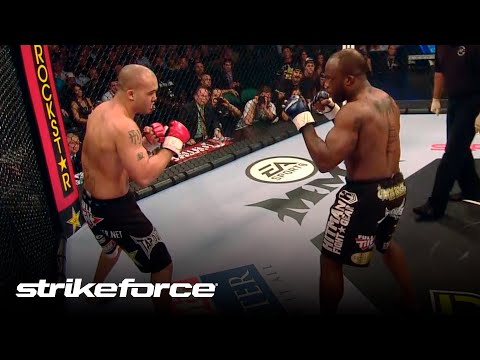
Robbie Lawler vs. Melvin Manhoef: A Striking Masterclass in the Crucible of Strikeforce

The Genesis of a Striking War

Greetings, warriors and students of the martial path. Today, we delve into a contest that, while perhaps not a philosophical discourse on the principles of Zen, undeniably showcased the raw, primal beauty of striking combat. We dissect the 2010 Strikeforce encounter between Robbie Lawler and Melvin Manhoef. Was this merely a slugfest, or a testament to the devastating effectiveness of well-honed striking techniques under immense pressure? Prepare yourselves, for we are about to embark on an analysis that cuts deeper than mere highlights.

Context: The Strikeforce Era and Stylistic Clash

"Ruthless" Robbie Lawler versus "No Mercy" Melvin Manhoef. The names themselves evoke images of thunderous strikes and concussive power. Strikeforce, in 2010, was a premier organization, a formidable rival to the UFC, boasting a roster of incredible talent. This particular matchup, staged in Miami, was a collision course of two fighters renowned for their aggression and their uncanny ability to end a fight with a single blow. Lawler, a product of American Top Team, was a seasoned veteran with a reputation for his relentless pressure and powerful boxing. Manhoef, a Surinamese destroyer, was a Muay Thai legend, feared globally for his devastating kicks and an almost mythical knockout power that had left a trail of fallen opponents.

The intention behind such a booking was clear: to deliver an explosive spectacle. From a fan's perspective, it promised a high-octane exchange. From a martial artist's viewpoint, it presented a fascinating study in contrasting, yet equally lethal, striking arsenals. How would Lawler's pressure boxing fare against Manhoef's explosive, long-range artillery? This was not a fight for the faint of heart, nor for those seeking intricate grappling exchanges. This was a pilgrimage to the heart of striking warfare.

Analysis: "Ruthless" Robbie Lawler's Ferocity

Robbie Lawler, at this stage of his career, embodied the spirit of the "fighter's fighter." His Muay Thai and boxing background were evident in his devastating close-range power. Lawler possessed exceptional hand speed, concussive power in both his hooks and uppercuts, and a chin that seemed forged from adamantium. What truly set him apart was his ability to absorb punishment and continue moving forward, a characteristic that earned him the moniker "Ruthless." His game plan often involved cutting off the cage, forcing his opponent against the fence, and unleashing a barrage of powerful strikes. This relentless pressure was not merely about aggression; it was a calculated strategy to drain his opponent's energy and create openings for his fight-ending combinations.

His conditioning was also a significant factor. Lawler could maintain a high pace throughout a fight, a crucial advantage against an opponent who relied on explosive bursts. Understanding Lawler’s approach means recognizing his mastery of infighting and his ability to exploit even the smallest defensive lapse. He was a master of the short, brutal exchange, where power and accuracy converged to deliver incapacitating blows.

Analysis: Melvin Manhoef's Devastating Knockout Power

Melvin Manhoef. The name alone is synonymous with knockout power. His Muay Thai striking is legendary, characterized by explosive kicks, particularly his devastating roundhouse kicks and flying knees, and a boxing ability that could shut down lights in an instant. Manhoef possessed an almost supernatural ability to generate power, seemingly from anywhere, at any time. His approach was often one of calculated aggression, looking for the perfect moment to unleash his fight-ending weaponry. He was a specialist in the art of the KO, a technician of destruction.

"The true warrior is a craftsman of his own destiny. He does not wait for the world to give him answers; he seeks them with a determined spirit."

Manhoef's style was inherently risky, often leaving him open to counter-attacks. However, his power was such that opponents were often forced to fight defensively, respecting his ability to end the contest with a single, well-placed strike. His kicks, in particular, were weapons of mass destruction, capable of shattering bones and causing immediate incapacitation. The psychological impact of facing a fighter with Manhoef's reputation was immense. It forced opponents into a defensive posture, potentially limiting their offensive output and playing directly into Manhoef's hands if he could land cleanly.

Fight Breakdown: A Symphony of Violence

The bout between Lawler and Manhoef was a stark illustration of the "kill or be killed" mentality. From the opening bell, the intent was clear: stand and trade. Manhoef, true to form, came out aggressively, throwing powerful kicks and looking to establish his range. Lawler, however, was unfazed. He absorbed Manhoef's initial onslaught, using his defensive skills and forward pressure to close the distance.

The first round saw moments of brilliance from both fighters. Manhoef landed some heavy shots, including powerful kicks that clearly rattled Lawler. Yet, Lawler’s resilience was on full display. He weathered the storm, bobbed and weaved, and continued to advance. The tactical battle was fascinating: Manhoef seeking to maintain distance and land his heavy artillery, Lawler attempting to get inside where his boxing could be most effective.

The critical juncture arrived in the first round. Lawler managed to land a significant uppercut that dropped Manhoef. What followed was a display of Lawler's predatory instinct. He swarmed Manhoef, unleashing a torrent of punches that ultimately led to the stoppage. It was a brutal, efficient finish, showcasing Lawler’s ability to capitalize on an opening.

Technical Observations: The Art of the KO

This fight, though short, offered valuable insights into the mechanics of knockout striking. Lawler's victory was not a fluke; it was the result of several key technical factors:

  1. Defensive Absorption: Lawler’s ability to take Manhoef’s best shots without significant damage was crucial. He demonstrated the importance of a strong chin and proper defensive posture (e.g., tight guard, head movement).
  2. Pressure and Cage Cutting: Lawler's relentless forward movement and his skill in cutting off the cage prevented Manhoef from establishing his preferred long-range striking. This trapped Manhoef in a disadvantageous position.
  3. Timing and Counter-Striking: The fight-ending uppercut was a masterclass in timing. Lawler anticipated Manhoef's movement and delivered a perfectly timed counter, exploiting the opening created by Manhoef’s own offensive attempt.
  4. Finishing Instinct: Once Manhoef was down, Lawler did not hesitate. He moved in with ferocity and precision, delivering the decisive blows. This "killer instinct" is a hallmark of elite strikers.

Manhoef, on the other hand, demonstrated the double-edged sword of extreme knockout power. While his strikes carried immense danger, his offensive output occasionally left openings. His reliance on explosive power, while effective, could be countered by a disciplined and resilient opponent like Lawler.

Legacy and Impact: More Than Just a Fight

The Lawler vs. Manhoef fight, while a relatively quick affair, etched itself into the memory of fight fans. It represented the apex of striking-based combat within Strikeforce. For Robbie Lawler, it was another significant victory, further solidifying his reputation as one of the most dangerous strikers in the sport. It served as a stepping stone to greater achievements, including his legendary UFC Welterweight Championship reign.

For Melvin Manhoef, it was a stark reminder of the unforgiving nature of mixed martial arts. Despite his devastating power, a single mistake against a top-tier opponent could lead to defeat. Yet, Manhoef's legacy transcends any single loss. He remains an icon of striking, a fighter who consistently brought excitement and danger to the cage. His career paved the way for future generations of devastating strikers, proving that raw power, when combined with skill and courage, can captivate audiences worldwide.

"The moment you stop learning, you stop living. And in the martial arts, the moment you stop learning, you start to decay."

This fight underscores a vital principle in combat sports: the interplay between offensive aggression and defensive resilience. It's a delicate balance, and in this bout, Lawler mastered it more effectively.

Sensei's Verdict: Is This Fight a Must-Watch?

Absolutely. While the fight was brief, it was packed with action and demonstrated fundamental principles of striking in a high-stakes environment. It’s a perfect example of how strategic aggression and the ability to withstand an opponent’s power can lead to victory.

Cinturón Negro en Ferocidad y Ejecución. This fight showcases the brutal efficiency of elite strikers. It’s a quick, powerful, and definitive encounter that leaves no doubt about the outcome or the skill involved. A must-see for anyone who appreciates the art of standing combat.

Essential Gear for Your Training

To emulate the striking prowess seen in bouts like Lawler vs. Manhoef, proper training gear is paramount. Focus on quality and safety:

  • Quality Boxing Gloves: For heavy bag work and sparring, invest in well-padded gloves (14-16oz for sparring, 10-12oz for bag work). Brands like Title, Everlast, or Fairtex offer excellent options.
  • Hand Wraps: Essential for protecting your wrists and knuckles during intense striking sessions.
  • Shin Guards: Crucial for Muay Thai and kickboxing training to protect against kicks and condition your shins.
  • Mouthguard: Non-negotiable for any sparring or contact training.
  • Training Partner: The most important piece of "gear" you'll ever have.

Resources to Deepen Your Understanding

To truly appreciate the nuances of striking and the careers of fighters like Lawler and Manhoef, consider these resources:

  • Biographies and Interviews: Seek out detailed accounts of their training regimens, fight philosophies, and career paths.
  • Technical Breakdown Videos: Many MMA analysts offer deep dives into fight footage, explaining the techniques and strategies employed.
  • Books on Striking Arts: Explore foundational texts on Muay Thai, Boxing, and Karate to understand the principles that underpin modern MMA striking. Consider "The Art of Shaolin Kung Fu" for a broader perspective on martial principles.

Frequently Asked Questions

Q1: Was this the only time Lawler and Manhoef fought?

A1: Yes, this was their sole professional MMA encounter. It took place in Strikeforce in 2010.

Q2: What is Robbie Lawler's nickname and why?

A2: Robbie Lawler's nickname is "Ruthless." He earned it due to his aggressive, unrelenting fighting style and his ability to finish fights decisively, often while absorbing significant damage himself.

Q3: What is Melvin Manhoef known for?

A3: Melvin Manhoef is renowned for his devastating knockout power, particularly his kicks and punches. He is considered one of the most dangerous strikers in the history of combat sports.

Q4: Did this fight have a significant impact on their careers?

A4: For Lawler, it was a significant win that bolstered his reputation as a top-tier striker. For Manhoef, it was a tough loss, but his legacy as a fearsome striker remained intact.

To Deepen Your Journey

Reflexion of the Sensei: Your Next Step

We have dissected a fight that, on the surface, might seem like mere brutality. But look closer. See the timing, the strategy, the resilience. See the dedication to honing a specific, deadly skill. Now, I ask you: When you face adversity in your own training, or in life, do you advance with the ruthless pressure of Lawler, seeking to exploit the opening? Or do you retreat, respecting the perceived power of the challenge, as Manhoef perhaps did too late? Ponder this, and let your actions be your answer.

``` GEMINI_METADESC: Analyze the brutal Strikeforce clash between Robbie Lawler and Melvin Manhoef. Discover striking techniques, fighter analysis, and the legacy of this explosive MMA fight.

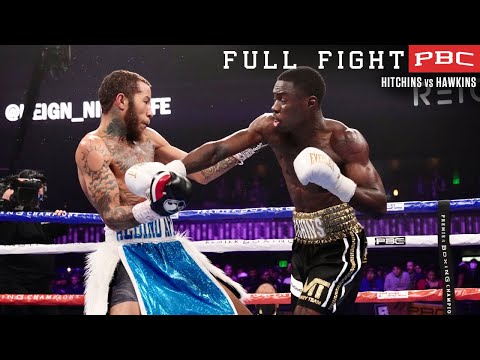
Richardson Hitchins vs. Malik Hawkins: A Tactical Masterclass or a Missed Opportunity?

The allure of an undefeated contender facing a seasoned opponent always sparks a fire in the hearts of martial arts and combat sports enthusiasts. On December 18, 2021, the super lightweight division witnessed such a clash: Richardson Hitchins, a man of seemingly impenetrable defense and calculated aggression, against Malik Hawkins, a fighter known for his power and willingness to engage. The bout, part of the PBC on FS1 card, promised fireworks. But did it deliver the explosive exchange we craved, or was it a sterile display of tactical dominance? As a seasoned practitioner and critic of the martial world, I approach this not just as a fight, but as a case study in strategic execution, mental fortitude, and the evolving landscape of modern combat.

Introduction: The Super Lightweight Showdown

In the intricate dance of pugilism, strategy is often the silent killer. Richardson Hitchins (13-0, 5 KOs) stepped into the ring with a perfect record, a testament to his discipline and skill. His opponent, Malik Hawkins (18-2, 11 KOs), carried the weight of experience and the promise of knockout power. The super lightweight division, often overlooked but fiercely competitive, demands a unique blend of speed, power, and tactical acumen. This fight was presented as a test for Hitchins – could he maintain his unblemished record against a fighter who had proven capable of stopping opponents? Or would Hawkins find a way to dismantle the seemingly impenetrable?

The pre-fight narrative often sets expectations, but it is the performance within the squared circle that dictates the truth. Hitchins' declaration, "My strategy was to box him and make it easy," hints at a game plan focused on control and minimizing risk. This is a common approach for fighters who possess superior technical skills and a desire to conserve energy. However, in the high-stakes arena of professional boxing, "making it easy" can be a slippery slope, often allowing an opponent the space to adapt and find openings. Hawkins, on the other hand, needed to impose his will, to disrupt Hitchins' rhythm and introduce the chaos that often favors the power puncher.

Hitchins' Blueprint: Boxing and Frustration

Hitchins' post-fight assessment reveals a clear tactical intent: to neutralize Hawkins' strengths through superior boxing. "I knew he was strong, but I hurt him in the fight," Hitchins admitted, indicating that while he aimed for a controlled performance, moments of real danger for Hawkins did arise. The underlying belief was that Hawkins' physical prowess was offset by a lack of speed, making him susceptible to a calculated boxing approach. Hitchins' confidence was palpable when he stated, "I just wanted to make it an easy fight because I knew he was too slow to outbox me." This wasn't just about winning; it was about demonstrating a qualitative superiority.

He further elaborated on his opponent's anticipated strategy: "I knew his new coaches were going to train him to walk me down." This shows an understanding of the tactical chess match at play. Hitchins was not only planning his own moves but also anticipating Hawkins' counters. The objective was to stay on the outside, utilize the jab, control the distance, and land scoring punches without getting drawn into a slugfest. This is the hallmark of a technically sound boxer, someone who understands that in the long rounds of a championship fight, endurance and calculated offense often trump raw aggression.

Hawkins' Response: The Challenge of the Undefeated

While Hitchins dictated much of the narrative, the fight was ultimately judged by the scorecards: 100-90, 97-93, and 96-94. These scores, while all in favor of Hitchins, reveal a divergence in how the fight was perceived. The 100-90 card suggests a complete shutout, a demonstration of absolute dominance. The other two, however, indicate that Hawkins managed to win rounds and make the fight more competitive than a single scorecard might suggest. This discrepancy is not uncommon in boxing and often reflects the different criteria judges may emphasize – aggression versus effective scoring, ring control versus landed punches.

For Hawkins, the challenge lay in breaching Hitchins' defenses. Fighters like Hitchins often employ a high guard, good footwork, and subtle head movement, making it difficult for opponents to land clean, powerful shots. The key for Hawkins would have been to cut off the ring effectively, force Hitchins into uncomfortable positions, and land his own power shots with conviction. The fact that he was able to influence two judges to score rounds in his favor suggests he didn't entirely falter. He likely landed some significant blows and demonstrated moments of offensive threat, preventing the fight from becoming a mere exhibition.

In-Depth Fight Analysis: Beyond the Scorecards

From a martial perspective, this bout offers a fascinating look into the application of strategy in a controlled combat environment. Hitchins' strategy, while seemingly straightforward, requires immense discipline. Maintaining a consistent jab, controlling distance, and avoiding prolonged engagements with a power puncher are skills honed through countless hours of dedicated #MartialArtsTraining. The ability to "hurt" Hawkins, as Hitchins mentioned, speaks to the effectiveness of his power punches when they landed, despite his aim to avoid a brawl. This suggests that even within a tactical framework, opportunities for decisive offense were present and exploited.

Hawkins' performance, though ultimately unsuccessful, should not be dismissed. To withstand the pressure of an undefeated contender and influence judges' scorecards requires resilience. A fighter like Hawkins often thrives when the fight devolves into a grittier affair. The question remains: did he adapt his strategy sufficiently to counter Hitchins' boxing prowess, or was he consistently a step behind? The scores suggest the latter, but the fact that he wasn't completely overwhelmed points to moments where he likely tested Hitchins' resolve. The effectiveness of his "new coaches" in preparing him to "walk down" Hitchins is debatable, as the outcome suggests the plan didn't fully materialize against Hitchins' defensive acumen.

"The supreme art of war is to subdue the enemy without fighting." - Sun Tzu, The Art of War. Hitchins embodied this principle, aiming to win by controlling the engagement, not necessarily through outright destruction.

The discrepancy in the judges' scores can also highlight the subjective nature of boxing. While Hitchins' cleaner boxing and ring control likely impressed one judge, the landed power shots and moments of pressure from Hawkins might have swayed others. This is where the debate in the #FightFans community truly ignites. Was the 100-90 score a reflection of genuine dominance, or did it overlook Hawkins' contributions to the bout? These are the questions that fuel the passion for #MMA and boxing analysis.

Sensei's Verdict: A Blueprint for Future Contenders

Richardson Hitchins secured a **Cinturón Negro en Estrategia y Control**. His performance was a textbook example of how to systematically dismantle an opponent by exploiting their perceived weaknesses while mitigating their strengths. He didn't just win; he executed a plan with precision, demonstrating the discipline that separates good fighters from great ones. While the fight may not have been a barnburner, its strategic depth offers valuable lessons.

Malik Hawkins, while falling short, gained valuable experience against an elite opponent. The challenge for him and his team is to analyze where the game plan faltered. Was it the preparation, the execution within the ring, or simply facing a superior tactician on that particular night? The path forward for Hawkins involves refining his approach, perhaps incorporating more varied offensive strategies or improving his defensive counter-measures against boxers of Hitchins' caliber.

Training Considerations: Adapting to Elite Competition

For practitioners of any martial art, this fight underscores the importance of multifaceted training. Hitchins' victory wasn't just about punching; it was about footwork, distance management, defensive technique, and mental fortitude. If you're looking to enhance your own #MartialArtsTraining, consider these points:

  • Footwork Drills: Practice moving laterally, forward, and backward efficiently. Focus on maintaining balance and a stable base.
  • Distance Control Exercises: Use tools like a heavy bag or focus mitts to practice striking at optimal ranges and retreating effectively.
  • Defensive Sparring: Engage in sparring sessions where the primary goal is defense, emphasizing blocking, slipping, and rolling with punches.
  • Mental Conditioning: Develop strategies to remain calm under pressure and execute your game plan even when fatigued or facing adversity. This is crucial for #MentalGame development.
  • Analysis of Opponents: Learn to study your opponents, identifying their strengths and weaknesses, and formulating a counter-strategy. This is a key aspect of #FightAnalysis.

For fighters like Hawkins, the focus might shift to improving offensive pressure without sacrificing defensive integrity. This could involve developing new combinations, improving ring-cutting techniques, and understanding how to disrupt an opponent's rhythm more effectively. The journey of a #FighterLegacy is one of constant learning and adaptation.

Resources for Deeper Study

Understanding the strategic nuances of boxing requires more than just watching fights. Delving into the history and philosophy of combat sports can provide invaluable context. For those interested in enhancing their physical conditioning to support such tactical demands, exploring resources for #AtHomeWorkout or specific #EntrenamientoDeMMA can be beneficial.

Frequently Asked Questions

  • What was the official result of the Hitchins vs. Hawkins fight?
    Richardson Hitchins won by unanimous decision, with judges' scores of 100-90, 97-93, and 96-94.
  • Who is Richardson Hitchins?
    He is an undefeated American super lightweight professional boxer.
  • What is Premier Boxing Champions (PBC)?
    PBC is an American boxing promotion company known for its televised events on networks like FS1, FOX, Showtime, and Amazon Prime Video.
  • Did Malik Hawkins have a significant advantage in power?
    Hawkins possessed knockout power (11 KOs in 18 wins), but Hitchins' strategy focused on neutralizing this threat through superior boxing technique and defensive awareness.

Deepen Your Understanding

To truly grasp the complexities of martial arts and combat sports, continuous learning is essential. Explore the rich tapestry of techniques, philosophies, and historical context that shapes these disciplines. The journey of a #MartialArtists is a lifelong pursuit of knowledge and self-improvement.

Sensei's Reflection: Your Next Step

Hitchins' victory was a testament to superior strategy and execution. But in the unforgiving arena of combat, can a purely tactical approach always guarantee victory against raw power and determination? Or does the true mastery lie in blending calculated strategy with the ferocity of the warrior spirit?

``` GEMINI_METADESC: Analyze the tactical battle between Richardson Hitchins and Malik Hawkins. Sensei breaks down the boxing strategy, judges' scores, and offers martial insights.

FULL FIGHT MELAWAN WITHER DI UDARA: A Martial Master's Perspective

Greetings, warriors and seekers of the Way. Welcome to Budo and Martial Arts, your digital dojo for dissecting the profound and the visceral aspects of combat. Today, we plunge headfirst into a contest that demands our analytical gaze: FULL FIGHT MELAWAN WITHER DI UDARA. Published on March 17, 2023, this encounter isn't merely a spectacle of blows; it's a crucible where technique, spirit, and strategy are laid bare for all to scrutinize.

Introduction: The Arena of Analysis

In the vast expanse of online combat footage, much is noise, and little is signal. My role here, as your Sensei, is to cut through that cacophony. We are not here to merely watch fighters clash; we are here to learn. To understand the 'why' behind the 'what'. This particular bout, FULL FIGHT MELAWAN WITHER DI UDARA, offers a fertile ground for such examination. We will delve into the physical execution, yes, but more importantly, we will dissect the underlying principles of combat, the mental fortitude, and the philosophical echoes that resonate from every exchanged strike.

Are you ready to move beyond passive observation and embrace the critical eye of a martial artist? Let us begin.

Fighter Analysis: Melawan and Wither

Every combat is a dialogue between two individuals, each bringing their unique arsenal of skills, experiences, and intent. Before we dissect the action, let us consider the combatants themselves. Though details on their individual backgrounds might be scarce in the raw footage, their actions on the canvas speak volumes. We must observe:

  • Melawan: What is his primary stance? Does it suggest a striking background, a grappling foundation, or a hybrid approach? Observe his footwork. Is it rooted and powerful, or fluid and evasive? His offensive patterns – are they aggressive and overwhelming, or calculated and opportunistic?
  • Wither: Conversely, what does Wither's posture and movement reveal? Is he defensively astute, absorbing pressure and looking for counters? Or is he initiating exchanges, dictating the pace? His reactions to Melawan's onslaught will be telling.

The interplay between these two styles is the heart of the contest. Does one dominate the other? Or do we witness a dynamic ebb and flow, a true chess match of physical prowess?

Technique Breakdown: Key Moments

This is where the true value of martial arts analysis lies. We must identify moments of technical brilliance, critical errors, and strategic pivots. As we watch FULL FIGHT MELAWAN WITHER DI UDARA, I implore you to look for:

  • Striking Accuracy and Power: Were the punches and kicks landing effectively? Did they have the necessary snap and intention? A glancing blow is not a successful strike. We are looking for intent to damage, to incapacitate.
  • Defensive Efficacy: How well did each fighter defend? Were blocks tight and purposeful, or loose and reactive? Did they employ head movement, slips, or rolls? True defense is not just about absorbing impact, but about preventing it altogether.
  • Grappling Exchanges (if any): If the fight went to the ground, observe the transitions, the control, and the submission attempts. Was there an understanding of leverage and body mechanics, or was it a desperate scramble?
  • Transitional Smoothness: The ability to seamlessly move from striking to grappling, or vice versa, is a hallmark of skilled martial artists. Did either fighter exhibit this fluidity?
"In conflict, the most obvious advantage is not necessarily the most important. The true edge often lies in the subtle mastery of transition and adaptation." - A principle I have learned from countless hours of study and practice.

The seemingly small details – the angle of a defensive posture, the timing of a counter-attack, the economy of motion – often separate victory from defeat. This is not merely a physical contest; it is a test of applied knowledge.

The Strategic Battlefield: Beyond the Punches

Beyond individual techniques, we must analyze the overarching strategies employed. A fight is a complex system, and understanding the strategic layer is paramount. Consider:

  • Pacing: Did one fighter come out like a storm, expending vast energy, while the other conserved and probed? Or was there a measured, consistent pressure from the start?
  • Distance Management: How did each fighter control the range of engagement? Did they maintain their optimal fighting distance, or were they consistently drawn into their opponent's preferred territory?
  • Adaptability: When Plan A failed, did the fighter resort to Plan B, or did they crumble? The ability to adjust tactics based on the opponent's reactions is a sign of a mature martial artist.
  • Mental Fortitude: How did each fighter react to adversity? A knockdown, a sustained barrage, a painful submission attempt – these are moments that reveal true character. Did they falter, or did they find inner strength?

This goes beyond brute force. It is about intelligent application of skill, foresight, and an understanding of the psychological dynamics at play. The **Mental Game** is as crucial as any physical technique.

Philosophical Implications: What the Fight Teaches Us

For those who truly understand the Budo path, every fight is a lesson. FULL FIGHT MELAWAN WITHER DI UDARA, like any genuine contest, offers profound philosophical insights:

  • The Impermanence of Form: Techniques can be countered, strategies can be broken. True mastery lies not in clinging to a specific method, but in the ability to embody the principles behind all techniques.
  • The Nature of Conflict: Is conflict always about destruction, or can it be a catalyst for growth? Witnessing the resilience and spirit of the fighters can inspire us to face our own challenges with greater fortitude.
  • The Concept of 'Ki' (Energy): While not always visibly apparent in every bout, the flow of energy – the momentum, the pressure, the sheer force of will – is undeniable. Can you feel it? Can you channel it?
"The supreme art of war is to subdue the enemy without fighting." - Sun Tzu. While this bout involves fighting, the underlying principle of strategic superiority, of imposing one's will, echoes this ancient wisdom.

The martial path is one of continuous learning, and each fight, win or lose, contributes to that journey. It refines our understanding of ourselves and the world around us.

Veredicto del Sensei: A Final Judgement

Analyzing FULL FIGHT MELAWAN WITHER DI UDARA reveals a contest where raw aggression meets tactical application. While the raw power and resilience of both Melawan and Wither are evident, the fight serves as a potent reminder of the multifaceted nature of combat. It's not just about who hits harder, but who fights smarter, who adapts, and who possesses the unyielding spirit to persevere. This is not a fight for the faint of heart, nor for those who seek only superficial entertainment. It is a study for the dedicated martial artist.

Cinturón Negro en Aplicación de Principios de Combate.

Equipo Esencial para tu Entrenamiento

To truly internalize the lessons from bouts like this, dedicated practice is key. While specific gear depends on your chosen art, a few items are universally beneficial:

  • Guantes de Entrenamiento: For any striking discipline, protecting your hands is paramount. Opt for gloves that offer good padding and wrist support (e.g., 12-16oz for general sparring).
  • Kimono/Gi: Essential for Judo, BJJ, Aikido, and Karate. The quality of the fabric and the weave significantly impact durability and movement. A double-weave gi, for instance, is exceptionally robust for grappling arts.
  • Protector Bucal: Non-negotiable for any form of sparring where there is a risk of impact to the head.
  • Esterillas de Entrenamiento (Tatami): Crucial for arts involving throws or ground fighting to ensure safety and proper technique execution.

Recursos para Profundizar

To further your understanding of martial arts philosophy and technique, explore these essential resources:

Preguntas Frecuentes

¿Es este tipo de combate representativo de todas las artes marciales?
While this specific bout showcases certain elements, it's a snapshot. Different arts emphasize different principles. Karate, Judo, BJJ, and Aikido, for instance, each have unique focuses, yet share underlying Budo principles.

¿Qué puedo aprender de un solo luchador si el otro no parece tan hábil?
Even in a mismatch, you can learn. Observe the superior fighter's efficiency, strategy, and how they exploit weaknesses. You can also learn from the less skilled fighter's mistakes and their resilience.

¿Cómo puedo mejorar mi 'Ki' o energía interna?
Cultivating 'Ki' is a lifelong pursuit, often developed through dedicated practice of meditative techniques, correct breathing exercises, and consistent physical conditioning in your chosen art.

¿Por qué analizamos peleas en lugar de solo entrenar?
Analysis provides context and strategic understanding. Training hones physical skills; analysis refines the mind, turning raw technique into applied combat intelligence.

Reflexión del Sensei: Tu Próximo Paso

We have dissected FULL FIGHT MELAWAN WITHER DI UDARA, moving beyond the surface-level action to examine the techniques, strategies, and philosophies at play. This bout serves as a microcosm of the martial journey – a path paved with challenges, demanding constant adaptation, unwavering spirit, and profound self-reflection.

Reflexión del Sensei: Tu Próximo Paso

Now, turn your gaze inward. When you next face a challenge, be it in the dojo, in your training, or in life itself, do you react with the raw aggression of Melawan, the calculated defense of Wither, or do you strive for the seamless integration of both? How will you embody the principles we've discussed not just in combat, but in the crucible of your daily existence?

Alexander Volkanovski vs. "The Korean Zombie": A Masterclass in Featherweight Dominance

Greetings, warriors! Sensei here, ready to dissect another pivotal moment in the annals of combat sports. Today, we're not just watching a fight; we're analyzing a demonstration of **mastery**, a testament to the principles of **Budo** and the relentless pursuit of **perfection** in the demanding world of **MMA**. The clash between Alexander Volkanovski and "The Korean Zombie" Chan Sung Jung at UFC 273, though technically a prelude to Volkanovski's next challenge at UFC 276, serves as a profound lesson for anyone dedicated to the **martial arts journey**. The current featherweight champion, Volkanovski, didn't just win; he **dominated**. His performance was a textbook example of **strategic brilliance** and **technical execution**, securing a fourth-round knockout against a legend. This victory wasn't merely a notch on his belt; it solidified his position at the apex of the division, proving that his reign is built on a foundation of **unwavering discipline** and **superior skill**. As he prepared to face Max Holloway once more in their trilogy bout, it's essential to understand the elements that made his previous performance so compelling.
"The supreme art of war is to subdue the enemy without fighting." - Sun Tzu, The Art of War
While Volkanovski's upcoming bout promises fireworks, his decisive victory over Jung is a subject worthy of deep contemplation. It’s in these moments of clear **dominance** that we can extract the most valuable lessons for our own training, whether on the mats, in the ring, or in the crucible of life itself. This isn't just about striking or grappling; it’s about the **mental game**, the **preparation**, and the **will to win** that separates the good from the truly great.

The Essence of Volkanovski's Dominance

Alexander Volkanovski's victory was not a stroke of luck; it was the culmination of meticulous **entrenamiento** and an innate understanding of the **fight**. His **fight analysis** reveals a fighter who understands range, timing, and the subtle art of controlling the pace. Against "The Korean Zombie," a fighter known for his heart and resilience, Volkanovski displayed a remarkable ability to neutralize threats while systematically dismantling his opponent. This fight is a powerful illustration of how **technique**, when honed to perfection through countless hours of **conditioning** and **drills**, can overcome sheer aggression. Volkanovski's footwork, his feints, and his ability to mix strikes with takedown threats demonstrate a well-rounded **martial arts mastery** that few can rival. For practitioners of **Karate**, **Taekwondo**, **Judo**, or **Jiu-Jitsu**, there are transferable principles here: the importance of **stance**, **balance**, and the strategic application of **power**.

"The Korean Zombie": A Symbol of Resilience

Chan Sung Jung, "The Korean Zombie," embodies the spirit of **perseverance**. Even in defeat, his willingness to engage, to push forward, and to never give up is a testament to his **warrior philosophy**. He represents that indomitable spirit that we often associate with the **BUDO** ethos – the fighting spirit that endures even when faced with overwhelming odds. His nickname is not merely for show; it reflects a deep-seated **resilience** that has captivated fans for years. Watching Jung, we see the importance of the **mental game**. He may not have had the ultimate victory on this night, but his presence in the octagon, his continued threat even after absorbing significant damage, speaks volumes about his **inner strength**. This is a crucial lesson for anyone in **combat sports**: the ability to withstand pressure and to keep fighting for your objectives is as vital as any physical **technique**.

Lessons for the Modern Martial Artist

This fight offers a rich tapestry of learning opportunities for practitioners across all disciplines. * **Strategic Striking**: Volkanovski’s ability to dictate the range and timing of the exchanges is a masterclass. For **Kickboxing** and **Karate** practitioners, observing his jab, his cross, and his body shots provides invaluable insight into effective striking. * **Grappling Control**: While this fight leaned heavily on striking, Volkanovski's defensive grappling and ability to stuff takedowns are crucial. This highlights the importance of **grappling** in **MMA**, reminding us that a well-rounded fighter is always thinking about **lucha en pie** and **ground game**. * **Physical Conditioning**: The pace of an **MMA** fight, especially at the championship level, demands incredible **endurance**. Both fighters, though Volkanovski ultimately prevailed, showcased high levels of **fitness**. This emphasizes the need for rigorous **workout** routines, including **agility** and **cardio** training, for anyone serious about **combat**. * **Mental Fortitude**: As mentioned, "The Korean Zombie's" spirit is legendary. This fight is a stark reminder that the will to win, the ability to overcome adversity, and the **self-mastery** required to keep fighting are paramount.

The Significance of the Trilogy Bout Context

The fact that Volkanovski was preparing for a trilogy fight against Max Holloway at UFC 276 adds another layer to this analysis. Trilogy bouts are often the most telling, revealing how fighters adapt and evolve. This win over "The Korean Zombie" was a crucial step in Volkanovski’s journey, proving he was still at his peak and ready for his next major challenge. The anticipation for UFC 276, with Volkanovski vs. Holloway III, underscored the importance of continuous improvement and the perpetual cycle of **challenge and growth** in the **martial arts community**.

Veredicto del Sensei: ¿Merece la pena?

Absolutely. This fight, while a **free fight** offering, is a **must-watch** for anyone interested in the strategic depth of **MMA**. Volkanovski’s performance is a masterclass in **fight analysis** and **technical execution**. "The Korean Zombie’s" resilience serves as a potent reminder of the **warrior spirit**. It’s a fight that transcends the sport, offering tangible lessons in **discipline**, **strategy**, and **perseverance** that can be applied far beyond the **octagon**. This is a prime example of **Martial Arts Mastery** on full display.

Equipo Esencial para tu Entrenamiento

To emulate the dedication and effectiveness of fighters like Volkanovski and "The Korean Zombie," having the right **equipment** is crucial. Investing in quality gear not only enhances your **training** but also ensures safety. * **Guantes de Boxeo/MMA**: For striking practice and **sparring**, high-quality gloves are non-negotiable. Look for gloves that offer good wrist support and adequate padding. * **Protector Bucal**: Essential for protecting your teeth and jaw during any form of **combat**. * **Espinilleras**: Crucial for **kickboxing** and **Taekwondo** training to protect against impact. * **Kimono de Judo/BJJ**: If your focus includes **Judo** or **BJJ**, a durable, well-fitting gi is fundamental for proper **grappling** **entrenamiento**. * **Protector de Ingle**: A vital piece of safety gear for all types of **combat sports**. * **Rodilleras**: Particularly useful for **grappling** and for protecting against impact on hard surfaces. * **Bandas de Resistencia**: Excellent for **at-home workouts** and **conditioning** to build **fuerza** and **flexibilidad**. For those serious about their **entrenamiento**, consider exploring **Karate Merchandise** or specialized **MMA Merchandise** that can inspire and equip you for your **martial arts journey**.

Guía de Entrenamiento: Simulación de Ritmo de Combate

To better prepare for the intensity of a fight like Volkanovski vs. "The Korean Zombie," incorporating rhythm and intensity simulation into your **workout** is key. 1. **Calentamiento (10 minutos)**: Light cardio (jumping jacks, high knees) followed by dynamic stretching (arm circles, leg swings). 2. **Ronda de Striking (3 minutos)**: Focus on striking combinations. Imagine Volkanovski's precise jab or Jung's relentless forward pressure. Alternate between punches, kicks, and knees. 3. **Transición a Grappling (2 minutos)**: Simulate a clinch or a takedown attempt. Practice defensive maneuvers and maintaining a strong base. 4. **Ronda de Control/Posicionamiento (3 minutos)**: Practice maintaining dominant positions or escaping bad ones. Focus on **fuerza** and **control**. 5. **Transición a Striking de Nuevo (2 minutos)**: Return to striking, perhaps focusing on ground and pound if simulating a ground scenario. 6. **Resistencia y Acondicionamiento (3 minutos)**: High-intensity interval training (HIIT) – burpees, mountain climbers, squat jumps. Push your **resistencia**. 7. **Enfriamiento y Estiramiento (10 minutos)**: Static stretching, holding each stretch for 30 seconds. Focus on major muscle groups used in **combat**. Repeat this circuit 3-5 times, adjusting the duration and intensity based on your **fitness** level. This type of **entrenamiento** will build the **endurance** and **mental toughness** needed for sustained **combat**.

Preguntas Frecuentes

¿Qué arte marcial principal utilizó Alexander Volkanovski para dominar a "The Korean Zombie"?

Alexander Volkanovski's primary martial art background is in wrestling and boxing, which he masterfully blends with Muay Thai and Karate for his MMA **striking**. His **fight analysis** showcases a diverse skill set, but his wrestling base provides a strong foundation for his **grappling** defense and ability to control the fight's pace.

¿Cómo mantiene "The Korean Zombie" su apodo con tanta resiliencia en sus combates?

"The Korean Zombie" earned his nickname due to his incredible ability to absorb punishment and continue pressing forward, much like a zombie that keeps coming. This resilience stems from his **mental strength**, **perseverance**, and a deep-seated **warrior spirit** cultivated through years of **entrenamiento** and **combate**.

¿Es la técnica de Volkanovski aplicable a otros deportes de combate como el Karate o el Judo?

Yes, absolutely. While **MMA** is a unique discipline, the fundamental principles Volkanovski employs—footwork, timing, power generation, and strategic positioning—are universal. **Karate practitioners** can learn from his striking precision and defensive awareness, while **Judo** athletes can benefit from studying his defensive grappling and ability to control distance, even in a striking-focused bout. The **BUDO** philosophy of continuous improvement transcends specific styles.

¿Qué lecciones de entrenamiento se pueden extraer de esta pelea para un principiante?

For beginners, this fight highlights the importance of **consistency** in **entrenamiento**, the value of **discipline**, and the necessity of **holistic conditioning** (both physical and mental). Start with the fundamentals of your chosen art, focus on building a solid base of **fuerza** and **resistencia**, and cultivate a positive **mental game**. Even simple drills focusing on **agility** and **stance** can significantly impact your progress.

Para Profundizar en tu Camino

* MMA Strategy: Deconstructing Championship Fights * The Evolution of Striking: Karate's Place in Modern Combat * The Core Principles of Budo: More Than Just Fighting

Reflexión del Sensei: Tu Próximo Paso

Volkanovski's calculated approach and Jung's unyielding spirit offer more than just entertainment; they present a dichotomy of effective combat applied through different philosophies. One thrives on strategic dissection, the other on relentless pressure. Now, I ask you: In your own training, which path do you find yourself leaning towards? Are you the architect meticulously planning every move, or the immovable force that bends the will of your opponent through sheer persistence? Or perhaps, like the best masters, you seek to integrate both? Ponder this, and let your actions in the dojo, or wherever your training takes you, reflect your evolving understanding.