Showing posts sorted by relevance for query kyokushin. Sort by date Show all posts

¿Es el Karate Kyokushin un Camino Efectivo hacia la Maestría Marcial? Análisis Crítico del "Oleaje de Oyama"

¿Alguna vez te has detenido a observar el fragor de un combate de Karate Kyokushin y te has preguntado si toda esa intensidad, todo ese contacto pleno, es realmente el camino más directo hacia la eficacia marcial? Muchos llegan a nuestro dojo buscando respuestas, pero la mayoría trae consigo un bagaje de mitos y malentendidos. Hoy, vamos a desmantelar algunos de ellos y a examinar si el legado del Gran Maestro Masutatsu Oyama sigue resonando con la misma fuerza en el vertiginoso mundo de las artes marciales modernas, especialmente frente a titanes como el MMA.

El Karate Kyokushin, a menudo percibido como la vanguardia del karate de contacto pleno, es un bastión de disciplina y resistencia. Pero, ¿es esta dureza una virtud incondicional o puede convertirse en un arma de doble filo si no se entiende su contexto filosófico y práctico? Mi propia travesía, marcada por innumerables sudorosas sesiones de entrenamiento y el eco de los golpes resonando en el dojo, me ha enseñado que la respuesta es mucho más compleja de lo que aparenta.

Introducción Crítica: Más Allá del Contacto Pleno

El mundo de las artes marciales es un tapiz intrincado, tejido con hilos de tradición, innovación y, a menudo, de simplificación excesiva. El Karate Kyokushin, fundado por el legendario Masutatsu Oyama, se presenta con una imagen de brutalidad controlada, un estilo que abraza el combate de contacto pleno como piedra angular. Pero, ¿es esta adhesión inquebrantable al contacto la clave de su efectividad, o es una de las muchas herramientas en su arsenal, a menudo magnificada en detrimento de otros aspectos cruciales?

Mi propio viaje marcial me ha llevado a través de diversas disciplinas, y el Kyokushin dejó una marca indeleble. La dureza de sus entrenamientos es innegable, forjando cuerpos y mentes capaces de soportar una presión considerable. Sin embargo, mi experiencia me dicta que la verdadera maestría no reside únicamente en la capacidad de recibir y dar golpes con fuerza bruta, sino en la comprensión profunda de cuándo y cómo aplicar cada técnica. El Kyokushin ofrece una plataforma excepcional para esto, pero es fundamental no caer en la trampa de reducirlo a un mero ejercicio de resistencia.

Los Pilares del Kyokushin: Filosofía de la Dureza y la Superación

El Karate Kyokushin, traducido a menudo como "la asociación de la verdad última", se cimienta sobre principios que trascienden la mera técnica física. El Gran Maestro Oyama infundió en su estilo una filosofía de superación personal arraigada en la disciplina férrea y el coraje de enfrentar la adversidad de frente. La famosa frase, "El Karate-Do es una búsqueda para perfeccionar el carácter", resuena con particular fuerza en el Kyokushin, donde el contacto pleno en el kumite se convierte en un espejo que refleja las debilidades y fortalezas del practicante.

Esta filosofía se manifiesta en la exigencia de los entrenamientos, en la prohibición de ataques a la cabeza con las manos (lo que promueve una defensa sólida y el uso de otras armas corporales), y en la cultura de respeto y humildad que debe permear el dojo. No se trata solo de ser "duro", sino de usar esa dureza como catalizador para el crecimiento interior. La resistencia al dolor, la capacidad de levantarse tras una caída, la concentración bajo presión; estos son los frutos tangibles de un entrenamiento dedicado bajo el paraguas del Kyokushin. A menudo veo practicantes de otros estilos, que evitan el contacto real, quedar desconcertados ante la intensidad. ¿Es esa desconexión un fallo de sus métodos o una validación del Kyokushin?

"El Karate-Do es una búsqueda para perfeccionar el carácter. El entrenamiento constante es la llave. La fuerza física y la agudeza mental son el resultado." - Masutatsu Oyama (adaptado)

La disciplina es el aceite que mantiene en movimiento la maquinaria del Kyokushin. Desde la formalidad de los saludos hasta la rigurosidad de los katas, cada aspecto del entrenamiento está diseñado para moldear no solo el cuerpo, sino también la mente. Esta autodisciplina es una semilla que, una vez plantada, germina en todas las facetas de la vida del practicante, demostrando que el Karate Kyokushin es mucho más que un deporte de combate.

El Kumite Kyokushin: Un Análisis del Combate de Contacto Pleno

La joya de la corona del Karate Kyokushin es, sin duda, su kumite. A diferencia de muchos estilos de Karate que emplean un contacto ligero o preestablecido (go-hon kumite, ippon kumite), el Kyokushin practica el jiyu kumite con contacto pleno. Esto significa que los golpes y patadas se lanzan con potencia y se conectan, buscando el efecto buscado, pero siempre dentro de un marco de control y reglas específicas.

¿Qué implica esto en la práctica?:

  • Potencia Real: Los golpes no son meras demostraciones; deben tener la intención de causar impacto. Esto enseña al practicante a lanzar técnicas con autoridad y a anticipar la fuerza real de un oponente.
  • Resistencia Física: El contacto continuo exige una resistencia cardiovascular y muscular excepcional. Los peleadores deben ser capaces de mantener un ritmo alto bajo asalto.
  • Técnicas Amplias: Incluye golpes con puño, patadas a la cabeza y al cuerpo, y patadas bajas (geri). Sorprendentemente, también se permiten algunas técnicas de derribo y agarre limitado, lo que le da una dimensión más tridimensional que el karate tradicional de "sólo golpeo".
  • Defensa Activa: Ante la ausencia de ataques a la cabeza con la mano, los practicantes desarrollan una defensa sólida basada en el bloqueo, la absorción de impactos y los movimientos de cabeza y cuerpo.

Sin embargo, aquí es donde surgen las críticas y los debates. ¿Es este estilo de combate, al no permitir ataques directos a la cabeza con el puño, una preparación incompleta para un combate callejero o incluso para el MMA, donde dichos ataques son la norma? Algunos argumentan que la necesidad de absorber golpes en el cuerpo o de esquivar ataques a la cabeza promueve una defensa más robusta y una mayor capacidad de "aguantar" el castigo. Otros, sin embargo, ven una limitación inherente.

La verdad, como suele suceder, es matizada. El Kyokushin enseña a lidiar con la presión del impacto de una manera que pocos estilos pueden igualar. La capacidad de mantener la compostura y seguir atacando mientras se recibe un golpe en el torso es una habilidad de combate invaluable. No obstante, para una aplicación total en el MMA, la integración de técnicas específicas para la cabeza y el juego de suelo se vuelve indispensable.

Desarrollo Físico y Mental: El Crisol del Entrenamiento

Mi propia experiencia en el Kyokushin fue una metamorfosis. Los entrenamientos son, para ser franco, brutales. Las sesiones de kihon (técnicas básicas) se extienden hasta el agotamiento. El cardio se lleva al límite. Y el kumite, el kumite es un horno donde se forja el acero de la voluntad. He visto a muchos llegar con grandes aspiraciones y ser forzados a confrontar sus propias limitaciones, sus miedos, su tendencia a rendirse.

Los beneficios físicos son evidentes:

  • Resistencia Cardiovascular: Los combates prolongados y los ejercicios de alta intensidad garantizan un corazón de hierro.
  • Fuerza y Potencia: El énfasis en la técnica correcta y el lanzamiento de golpes con todo el cuerpo desarrollan una potencia explosiva.
  • Flexibilidad y Agilidad: Las patadas, especialmente las altas, y los movimientos de evasión promueven una buena movilidad articular y agilidad.
  • Tolerancia al Dolor y Resiliencia: El contacto pleno enseña a manejar el dolor y a seguir adelante a pesar de la incomodidad, una habilidad vital en cualquier aspecto desafiante de la vida.

Pero es el desarrollo mental lo que realmente distingue al Kyokushin. La autodisciplina no es una opción, es un requisito. La perseverancia se cultiva gota a gota, golpe a golpe. Te enseñan a caer y a levantarte, no solo físicamente, sino figuradamente. En momentos de adversidad, ese recuerdo del entrenamiento riguroso, de las veces que pensaste que no podías más pero lo hiciste, se convierte en un ancla de fortaleza. Esta es la esencia de la superación personal que Oyama buscaba inculcar.

"La fuerza no viene de la capacidad física. Viene de una voluntad indomable." - Mahatma Gandhi (Adaptado al contexto marcial)

Este entrenamiento integral, que golpea tanto el cuerpo como el espíritu, es lo que confiere al practicante de Kyokushin una mentalidad de guerrero, preparada no solo para el combate, sino para los desafíos inherentes a la existencia humana.

Kyokushin vs. MMA: ¿Una Batalla de Estilos o una Sinergia Inesperada?

Aquí es donde el debate se enciende. Muchos aficionados al MMA ven el Karate Kyokushin como un estilo "limitado" debido a la prohibición de ataques a la cabeza con el puño y su enfoque predominantemente en el combate de pie. "¿Cómo puede ser efectivo contra un luchador de Jiu-Jitsu brasileño en el suelo, o contra un boxeador que lanza jabs y ganchos a la cara?", preguntan con razón.

Mi respuesta: el Kyokushin no fue diseñado para ser MMA, pero ofrece herramientas formidables que pueden integrarse perfectamente.

  • Potencia de Golpeo: Los peleadores de Kyokushin desarrollan una potencia de golpeo y patada considerable. Un Mae Geri (patada frontal) o un Mawashi Geri (patada circular) lanzados con la intención Kyokushin pueden ser devastadores contra el cuerpo, las piernas o incluso el brazo que bloquea.
  • Resistencia al Dolor: La capacidad de absorber golpes, especialmente en el torso, es crucial en MMA. Un peleador de Kyokushin suele tener una mayor tolerancia al castigo, lo que le permite seguir presionando.
  • Condición Física: La resistencia cardiovascular y la potencia muscular que se desarrollan en el Kyokushin son excepcionales, ideales para mantener un ritmo alto en un combate de MMA.
  • Mentalidad: La dureza mental, la determinación y la capacidad de superar el dolor son activos invaluables en el MMA.

Históricamente, peleadores como Georges St-Pierre han mostrado la influencia del karate de contacto en su juego. Si bien un practicante de Kyokushin puro podría enfrentar desafíos contra un especialista en grappling o un boxeador consumado sin entrenamiento adicional en esas áreas, la base que ofrece el Kyokushin es sólida. La clave está en la versatilidad y la voluntad de integrar, no en la exclusión. Muchos peleadores de MMA han descubierto el valor de las patadas potentes del Kyokushin o su inquebrantable temple. No es una competencia de "esto contra aquello", sino una apreciación de las fortalezas que cada arte aporta.

Debemos considerar que el MMA moderno es una síntesis, y el Kyokushin es una fuente de potencia y resiliencia que puede enriquecer esa síntesis. **El Karate Kyokushin no es un sustituto del MMA, pero es un componente potentísimo y valioso.**

Defensa Personal: ¿Realidad vs. Ideal en el Kyokushin?

Cuando hablamos de defensa personal, el debate sobre el Kyokushin se vuelve aún más agudo. Por un lado, el contacto pleno y la dureza mental entrenada parecen ser la receta perfecta para una confrontación real. Por otro, las reglas del dojo, que excluyen los golpes a la cabeza con la mano, y la falta de entrenamiento en agarres y lucha en el suelo, presentan lagunas evidentes.

Mi perspectiva es la siguiente: el Kyokushin proporciona una base física y mental para la defensa personal que pocos estilos igualan. La capacidad de generar potencia con golpes y patadas, la resistencia para soportar un ataque inicial, y la fortaleza mental para no ceder ante el miedo, son activos incalculables. Un practicante de Kyokushin puede, con alta probabilidad, incapacitar a un agresor con una patada bien colocada en el muslo o el cuerpo. El combate cuerpo a cuerpo, el manejo de la distancia, y la capacidad de mantener la calma bajo estrés son lecciones aprendidas en el dojo.

Sin embargo, la defensa personal real rara vez se desarrolla en un ring con reglas. Los agresores no avisan, atacan de forma impredecible y a menudo con desventajas físicas o en inferioridad numérica. Aquí es donde el Kyokushin puede quedarse corto si no se complementa:

  • Ataques a la Cabeza: La falta de entrenamiento en recibir y lanzar golpes de puño a la cabeza es una omisión significativa.
  • Lucha en el Suelo (Grappling): La mayoría de los altercados reales terminan en el suelo. Un conocimiento, aunque sea básico, de cómo defenderse de un ataque en esta posición es vital. El Kyokushin tradicional ofrece poco en este aspecto.
  • Armas y Múltiples Oponentes: El dojo no suele preparar para escenarios que involucran armas o múltiples atacantes.

Por lo tanto, mientras que el Kyokushin es una excelente base para desarrollar la fortaleza y el coraje necesarios en la defensa personal, los practicantes deben ser conscientes de sus limitaciones. La integración de técnicas específicas para la defensa contra golpes a la cabeza, agarres y, si es posible, algún conocimiento de grappling, lo convertiría en un sistema de defensa personal mucho más completo. Es un punto crucial que a menudo se pasa por alto en la veneración del contacto pleno.

Veredicto del Sensei: ¿Un Camino Hacia la Maestría?

Entonces, ¿funciona el Karate Kyokushin? La respuesta es un rotundo sí, pero con matices importantes. Si tu objetivo es desarrollar una resistencia física y mental formidable, una disciplina férrea, y una potencia de golpeo significativa, el Kyokushin es un camino directo y exigente.

Si buscas una preparación "completa" para el MMA sin añadir entrenamiento adicional, o una solución mágica para todas las situaciones de defensa personal, podrías encontrar que el Kyokushin, por sí solo, tiene huecos. Sin embargo, la base que ofrece es de una solidez asombrosa. La dureza, la perseverancia y la capacidad de enfrentar el dolor son lecciones universales que trascienden cualquier disciplina específica.

Mi veredicto: Cinturón Negro en Resistencia y Determinación, Marrón en Aplicación Integral para MMA y Defensa Personal (sin complementos).

El Karate Kyokushin es una escuela de vida. Te enseña sobre ti mismo, te obliga a crecer y te equipa con herramientas para enfrentar no solo oponentes, sino los desafíos inherentes a la existencia. Su legado de dureza y verdad sigue siendo relevante, siempre y cuando se aborde con una mente abierta y un deseo de integrar sus lecciones en un panorama marcial más amplio.

Equipo Esencial para tu Entrenamiento Kyokushin

Para embarcarte en el riguroso camino del Karate Kyokushin, necesitas el equipo adecuado que te proteja y te permita entrenar con eficacia. Aquí tienes una guía de lo esencial:

  • Gi (Kimono) de Karate: Busca un gi resistente, de algodón grueso (doble tejido si es posible), que pueda soportar los rigores del kumite y el entrenamiento constante.
  • Protectores Bucales: Indispensables para proteger tus dientes y mandíbula durante el sparring.
  • Guantes de Boxeo/MMA (Opcional para entrenamiento específico): Si bien el Kyokushin no usa guantes en el kumite tradicional, pueden ser útiles para entrenamientos de saco o para prepararte para sesiones de cross-training en MMA. Elige guantes de unos 10-12 oz para protección general.
  • Vendajes para Manos: Cruciales para proteger tus muñecas y nudillos durante golpes potentes.
  • Pantalones de Karate Resistentes: A menudo, los pantalones de los gis de Kyokushin son más reforzados para permitir patadas bajas y movimientos amplios.
  • Shin Guards (Espinilleras) y Empeineras (Opcional para kumite competitivo): Algunas escuelas pueden requerirlas para entrenamientos de kumite con contacto, aunque en competición oficial de Kyokushin no se usan la mayoría de protecciones.

Invierte en equipo de calidad, ya que será tu mejor aliado para mantenerte seguro y enfocado en tu desarrollo marcial.

Guía de Entrenamiento: Los Fundamentos del Kyokushin

El Kyokushin se construye sobre una base sólida de técnicas fundamentales. Aquí tienes un esquema para un entrenamiento básico, centrado en los principios del estilo:

  1. Calentamiento (10-15 min):
    • Cardio ligero: Trote, jumping jacks, saltos de cuerda.
    • Movilidad articular: Rotaciones de cuello, hombros, caderas, rodillas, tobillos.
    • Estiramientos dinámicos: Brazos, piernas, tronco.
  2. Kihon (Técnicas Básicas) (20-30 min):
    • Posiciones: Zenkutsu Dachi (posición adelante), Kokutsu Dachi (posición atrás), Kiba Dachi (posición a caballo). Practica la correcta transferencia de peso y el centro de gravedad bajo.
    • Bloqueos: Gedan Barai (bloqueo bajo), Jodan Uke (bloqueo alto), Soto Uke (bloqueo exterior). Enfócate en la rigidez y la trayectoria corta y directa.
    • Golpes de Puño: Choku Tsuki (puño recto frontal), Gyaku Tsuki (puño recto cruzado). Busca la rotación de cadera y la extensión completa.
    • Patadas: Mae Geri (frontal), Mawashi Geri (circular), Mikazuki Geri (media luna). Trabaja la elevación de la rodilla y la explosividad en el impacto.

    Práctica: Realiza cada técnica 10-20 repeticiones por lado en cada posición.

  3. Kata (Formas) (15-20 min):

    Elige un kata fundamental como Taikyoku Sono Ichi, Ni, San y practícalo con enfoque en la precisión de cada movimiento, la respiración (ibuki) y la potencia (kime) en el golpe final.

  4. Kumite (Combate) (20-30 min):

    Ejercicios de Reflejos y Ataque/Defensa:

    • Sanbon Kumite: Ataque de tres pasos (ej: tres golpes de puño seguido de bloqueo y contraataque).
    • Gohon Kumite: Ataque de cinco pasos.
    • Jiyu Kumite (Sparring): Combate libre con contacto controlado. Enfócate en mantener una guardia alta, moverte constantemente y aplicar las técnicas aprendidas. Recuerda las reglas del Kyokushin: no puñetazos a la cara, sí patadas a la cabeza y al cuerpo, y derribos permitidos.
  5. Acondicionamiento Físico (10-15 min):

    Flexiones, sentadillas, abdominales, ejercicios de core, y estiramientos estáticos para mejorar la recuperación y la flexibilidad.

  6. Enfriamiento y Meditación (5 min):

    Respiración profunda, relajación y un momento de reflexión sobre el entrenamiento.

Este es un ejemplo básico. Adapta la intensidad y duración según tu nivel y las indicaciones de tu instructor.

Preguntas Frecuentes

¿El Karate Kyokushin es peligroso? Como cualquier arte marcial de contacto, existe un riesgo inherente de lesiones. Sin embargo, el Kyokushin se practica bajo reglas estrictas y con un fuerte énfasis en el control. Las lesiones graves son menos comunes que en otros deportes de combate de alto impacto, pero pueden ocurrir. Un buen instructor y el uso de equipo de protección adecuado minimizan los riesgos.

¿Necesito experiencia previa en artes marciales para empezar Kyokushin? No. El Karate Kyokushin es accesible para principiantes. Los dojos suelen tener programas diseñados para enseñar los fundamentos a personas sin experiencia previa.

¿El Kyokushin enseña lucha en el suelo (grappling)? Tradicionalmente, el Kyokushin se centra en el combate de pie y solo incluye derribos limitados. No enseña técnicas de sumisión o lucha en el suelo de manera extensiva como lo hacen el Judo o el Jiu-Jitsu brasileño. Si buscas eso, deberías considerar un entrenamiento complementario.

¿Puedo usar el Karate Kyokushin para defensa personal? Sí, pero con consideraciones. Proporciona una base sólida en resistencia física, mentalidad de lucha y potencia de golpeo. Sin embargo, para una defensa personal completa, es recomendable complementar el entrenamiento con técnicas específicas para ataques a la cabeza, agarres y situaciones de múltiples oponentes.

¿Cuál es la diferencia principal entre Kyokushin y otros estilos de Karate? La principal diferencia radica en el kumite de contacto pleno. Mientras que muchos otros estilos practican formas de sparring más ligeras o preestablecidas, el Kyokushin permite golpes y patadas contundentes conectando. Además, el Kyokushin tiene un enfoque más amplio en la resistencia física y mental a través de entrenamientos extremadamente duros.

Para Profundizar en tu Camino

Si el Karate Kyokushin ha capturado tu interés, te animo a explorar más a fondo:

Reflexión del Sensei: Tu Próximo Paso

Hemos desgranado la esencia del Karate Kyokushin, sus fortalezas indomables y sus áreas de potencial mejora. Hemos visto cómo la dureza y la resistencia forjan un carácter inquebrantable, pero también hemos reconocido que la maestría marcial completa requiere una visión más amplia, una síntesis de lo mejor de cada arte.

Ahora te toca a ti:

¿Te conformas con la fuerza de un solo pilar, o buscas construir un templo marcial completo, integrando el oleaje del Kyokushin con las mareas de otras disciplinas? ¿Dónde reside, en tu opinión, el verdadero equilibrio entre la pureza de un estilo y la adaptabilidad del guerrero moderno?

Comparte tus pensamientos y defiende tu posición. Que el debate comience en los comentarios.

``` ```json { "@context": "https://schema.org", "@type": "FAQPage", "mainEntity": [ { "@type": "Question", "name": "¿El Karate Kyokushin es peligroso?", "acceptedAnswer": { "@type": "Answer", "text": "Como cualquier arte marcial de contacto, existe un riesgo inherente de lesiones. Sin embargo, el Kyokushin se practica bajo reglas estrictas y con un fuerte énfasis en el control. Las lesiones graves son menos comunes que en otros deportes de combate de alto impacto, pero pueden ocurrir. Un buen instructor y el uso de equipo de protección adecuado minimizan los riesgos." } }, { "@type": "Question", "name": "¿Necesito experiencia previa en artes marciales para empezar Kyokushin?", "acceptedAnswer": { "@type": "Answer", "text": "No. El Karate Kyokushin es accesible para principiantes. Los dojos suelen tener programas diseñados para enseñar los fundamentos a personas sin experiencia previa." } }, { "@type": "Question", "name": "¿El Kyokushin enseña lucha en el suelo (grappling)?", "acceptedAnswer": { "@type": "Answer", "text": "Tradicionalmente, el Kyokushin se centra en el combate de pie y solo incluye derribos limitados. No enseña técnicas de sumisión o lucha en el suelo de manera extensiva como lo hacen el Judo o el Jiu-Jitsu brasileño. Si buscas eso, deberías considerar un entrenamiento complementario." } }, { "@type": "Question", "name": "¿Puedo usar el Karate Kyokushin para defensa personal?", "acceptedAnswer": { "@type": "Answer", "text": "Sí, pero con consideraciones. Proporciona una base sólida en resistencia física, mentalidad de lucha y potencia de golpeo. Sin embargo, para una defensa personal completa, es recomendable complementar el entrenamiento con técnicas específicas para ataques a la cabeza, agarres y situaciones de múltiples oponentes." } }, { "@type": "Question", "name": "¿Cuál es la diferencia principal entre Kyokushin y otros estilos de Karate?", "acceptedAnswer": { "@type": "Answer", "text": "La principal diferencia radica en el kumite de contacto pleno. Mientras que muchos otros estilos practican formas de sparring más ligeras o preestablecidas, el Kyokushin permite golpes y patadas contundentes conectando. Además, el Kyokushin tiene un enfoque más amplio en la resistencia física y mental a través de entrenamientos extremadamente duros." } } ] }
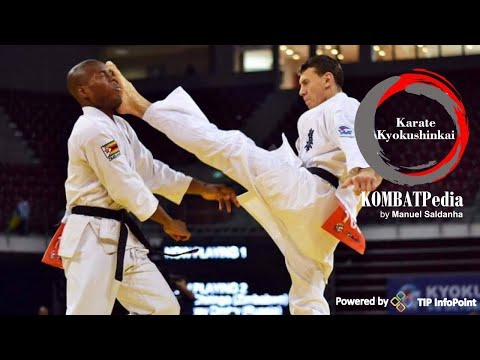
The Undeniable Power of Kyokushin Karate: More Than Just a Documentary

Welcome, fellow seekers of the Way. You arrive at BYAM Budo y Artes Marciales not merely by chance, but by a shared pursuit of something profound – the essence of martial arts. Today, we strip away the polished veneer of typical documentaries to confront the raw, unadulterated truth of Kyokushin Karate. Forget mere entertainment; we are here to dissect its strength, its rigorous philosophy, and the transformative fire it ignites within its practitioners. Prepare yourselves, for this is not a passive viewing; it is an immersion into the heart of combat sports, the depth of martial philosophy, and the tangible reality of training.

I. The Unyielding Essence of Kyokushin Karate

Let's address the elephant in the room immediately. When we speak of "The Strongest Karate," we are not exaggerating. Kyokushin, translating to "the ultimate truth" in Japanese, is not a style for the faint of heart. Forged by the legendary Masutatsu Oyama, its very name is a testament to its demanding nature. This is not about flashy kata performed in a sterile dojo; this is about forging physical and mental fortitude through relentless dedication. Its techniques are honed in the crucible of full-contact sparring and brutal training regimens that would break lesser men. Oyama understood that true strength isn't just about throwing punches; it's about developing the unyielding spirit, the Seishin, that allows a warrior to stand firm against any adversity.

Think about it: when you hear the term "Kyokushin," what comes to mind? Likely images of bone-jarring roundhouse kicks, powerful punches, and intense, unyielding sparring matches. This is the stark reality of Oyama's vision. He sought to create a martial art that tested the limits of human endurance, a discipline that would not only teach combat effectiveness but also instill an unbreakable will. This emphasis on realism, on facing an opponent with full commitment, is what separates Kyokushin from many other forms that prioritize form over function. It's a stark reminder that in the face of true conflict, there is no room for pretense.

"The difference between a hobby and a calling is the level of sacrifice you are willing to make." - A principle deeply ingrained in Kyokushin training.

This commitment to "ultimate truth" means confronting one's own limitations, pushing past perceived barriers, and emerging stronger. The rigorous Kihon (basics), the demanding Kata (forms), and the sheer intensity of Kumite (sparring) all serve a singular purpose: to build a warrior from the inside out.

II. The Warrior's Mindset: Embracing the Martial Philosophy

But Kyokushin Karate is far more than a mere combat system. It is a profound vehicle for self-discovery, a living embodiment of the Budo spirit. The principles etched into the dojo walls – humility, respect, perseverance, and self-control – are not abstract concepts. They are the very bedrock upon which a Kyokushin practitioner builds their character. This philosophy transcends the physical exchanges; it is a guide for navigating the complexities of life itself.

Consider the weight of Osu! – the all-encompassing expression of respect, gratitude, and perseverance. It’s not just a word; it’s a commitment. It’s what you utter when you’re tired, when you’re sore, when you want to quit but choose not to. This constant reinforcement of mental toughness, coupled with the respect shown to instructors and fellow students, cultivates a warrior's mindset. You learn to face challenges head-on, not with aggression, but with calm resolve. This is the essence of martial philosophy, a concept often lost in the modern world's pursuit of superficial victories.

The development of Zanshin (awareness) and Mushin (no-mind state) are not merely training goals; they are pathways to a more balanced and conscious existence. When you can react instinctively yet calmly under pressure, whether in a sparring match or a stressful life situation, you have truly begun to understand Kyokushin's deeper teachings. This journey fosters a profound sense of self-awareness, harmonizing the mind, body, and spirit – a balance that is increasingly rare in our chaotic world.

"The mind must be stilled. Only then can the body move with true purpose." - A foundational principle in the study of martial arts strategy.

III. Kyokushin's Impact on the Global Combat Sports Arena

Kyokushin Karate's uncompromising approach has undeniably left an indelible mark on the landscape of combat sports. It's a discipline that has consistently produced individuals with exceptional physical conditioning, mental fortitude, and a deep understanding of striking dynamics. These practitioners, forged in the intense environment of Kyokushin kumite, have translated their skills onto stages worldwide, proving the efficacy of their training.

We've seen Kyokushin exponents excel in various full-contact disciplines, often demonstrating superior conditioning and a never-say-die attitude. Their resilience in the face of powerful opponents and their ability to absorb punishment while continuing to fight are hallmarks of their training. Think of the famous historical bouts and the sheer grit displayed by these fighters. This raw, electrifying spectacle continues to captivate audiences, offering a compelling demonstration of martial arts prowess in its most direct and challenging form. The influence of Kyokushin's full-contact ethos can be seen, whether directly or indirectly, in many modern combat sports, pushing the boundaries of what athletes are capable of.

Whether it's through direct competition or the influence of their fighting spirit, Kyokushin Karate continues to enrich the world of combat sports, offering a testament to the power of dedicated, full-contact training. It’s a constant reminder that strength forged in truth can overcome many obstacles.

IV. Forging Bonds: The Kyokushin Karate Community

Here at BYAM Budo y Artes Marciales, we understand that the martial journey is rarely a solitary one. The dojo is a microcosm of society, a place where bonds are forged through shared sweat, mutual respect, and common goals. The Kyokushin Karate community is a prime example of this – a global network of individuals united by a passion for this demanding art.

This isn't just about training partners; it's about building a support system. In the shared struggle of pushing limits, enduring difficult training sessions, and learning from mistakes, friendships and a profound sense of camaraderie develop. This shared experience extends beyond the dojo itself. Online forums, social media groups, and gatherings all contribute to a vibrant tapestry of connection. It's a place where knowledge is exchanged, encouragement is freely given, and the principles of Budo are lived out collectively. You are never truly alone on this path.

We aim to be a nexus for these connections, a place where enthusiasts of Kyokushin and other martial disciplines can converge. By engaging in discussions, sharing personal experiences – the triumphs and the setbacks – we can all learn and grow. This collective effort nurtures not only individual progress but also a deeper, collective understanding and appreciation of the martial arts. Join us, and discover the strength that comes from being part of something greater than yourself.

V. Gear Up for Glory: Essential Kyokushin Merchandise

Our commitment to your martial arts journey extends beyond mere philosophical discourse. We believe that the right equipment can significantly enhance your training experience and serve as a constant reminder of your dedication. That’s why we offer a curated selection of high-quality Kyokushin merchandise and related gear.

From durable training uniforms that withstand the rigors of intense practice to comfortable apparel that embodies the spirit of the warrior, each item is selected with purpose. We offer books that delve deeper into Kyokushin's history and philosophy, training aids that can supplement your dojo practice, and accessories that let you carry the martial spirit with you every day. Think of it as arming yourself, not just for the physical fight, but for the mental and spiritual one as well.

For those serious about their Kyokushin training, consider investing in a high-quality Kyokushin gi. A well-made uniform is crucial for both comfort and durability during intense sparring sessions. Beyond the gi, explore our range of training equipment designed to help you hone your techniques, such as focus mitts for speed and accuracy drills, or even a makiwara to build devastating power. Supporting our platform through these purchases not only equips you for your path but also allows us to continue providing valuable content and fostering the martial arts community.

Equipo Esencial para tu Entrenamiento

  • Kyokushin Gi (Uniforme): Busca un tejido resistente y un corte que permita una amplia movilidad. Doble tejido es ideal para la durabilidad.
  • Guantes de Sparring (14-16oz): Esenciales para la seguridad durante el kumite.
  • Protector Bucal: No negociable para cualquier tipo de sparring.
  • Espinilleras y Empeineras: Recomendadas para entrenamiento de contacto completo.
  • Libros sobre Kyokushin y Budo: Para complementar tu aprendizaje técnico y filosófico.

Conclusion

Kyokushin Karate is far more than a martial art; it is a transformative way of life. It is a discipline that instills unwavering discipline, profound resilience, and an indomitable spirit. Through its practice, we uncover our innermost strength, empowering us not just to face challenges, but to conquer them with grace and steely determination. Join us at BYAM Budo y Artes Marciales, where we don't just discuss the beauty of martial arts; we celebrate its power, foster a thriving community, and provide the resources to enrich your personal martial arts journey. Together, let us embrace the raw power of Kyokushin Karate and embark on an enduring path of self-discovery and ultimate mastery.

Preguntas Frecuentes

  • What makes Kyokushin Karate different from other Karate styles? Kyokushin is distinct due to its emphasis on full-contact sparring with minimal protective gear, its rigorous physical conditioning, and its philosophical commitment to "the ultimate truth" in combat and life.
  • Is Kyokushin Karate suitable for beginners? Yes, Kyokushin offers specialized beginner classes designed to gradually introduce practitioners to its demanding techniques and philosophy, focusing on safety and foundational skills.
  • What are the main benefits of practicing Kyokushin Karate? Benefits include enhanced physical fitness, improved discipline and self-control, increased mental toughness, boosted confidence, and a deep understanding of respect and perseverance.
  • Can Kyokushin Karate be used for self-defense? Absolutely. The full-contact nature of Kyokushin training directly prepares practitioners for realistic self-defense scenarios, emphasizing practical application and resilience.

Reflexión del Sensei: Tu Próximo Paso

You have absorbed the essence, the philosophy, and the undeniable power of Kyokushin. Now, consider this: How does the "ultimate truth" of Kyokushin manifest not just in the dojo, but in the mundane moments of your daily life? Are you truly living with the discipline, respect, and perseverance you claim to embody?

For further exploration into the world of martial arts and combat sports, check out these related articles:

``` ```json { "@context": "http://schema.org", "@type": "FAQPage", "mainEntity": [ { "@type": "Question", "name": "What makes Kyokushin Karate different from other Karate styles?", "acceptedAnswer": { "@type": "Answer", "text": "Kyokushin is distinct due to its emphasis on full-contact sparring with minimal protective gear, its rigorous physical conditioning, and its philosophical commitment to \"the ultimate truth\" in combat and life." } }, { "@type": "Question", "name": "Is Kyokushin Karate suitable for beginners?", "acceptedAnswer": { "@type": "Answer", "text": "Yes, Kyokushin offers specialized beginner classes designed to gradually introduce practitioners to its demanding techniques and philosophy, focusing on safety and foundational skills." } }, { "@type": "Question", "name": "What are the main benefits of practicing Kyokushin Karate?", "acceptedAnswer": { "@type": "Answer", "text": "Benefits include enhanced physical fitness, improved discipline and self-control, increased mental toughness, boosted confidence, and a deep understanding of respect and perseverance." } }, { "@type": "Question", "name": "Can Kyokushin Karate be used for self-defense?", "acceptedAnswer": { "@type": "Answer", "text": "Absolutely. The full-contact nature of Kyokushin training directly prepares practitioners for realistic self-defense scenarios, emphasizing practical application and resilience." } } ] }

Kyokushin Karate: More Than Just a Punch – A Deep Dive into its Core Principles

What truly defines an art form? Is it merely the spectacle of its execution, the raw power displayed in a single, decisive blow? Or is it the underlying philosophy, the discipline etched into the very soul of its practitioners? When we speak of Kyokushin Karate, we often see images of bone-crushing punches and devastating kicks, a testament to its reputation as a full-contact discipline. But to stop there is to miss the essence, the profound Budo spirit that Mas Oyama painstakingly forged into this martial art. Are you truly ready to understand Kyokushin, or are you content to merely admire its surface?

This article delves beyond the highlight reels, dissecting the foundational principles, the historical context, and the philosophical underpinnings that make Kyokushin Karate a singular path for self-mastery. We will explore how this discipline, born from the ashes of war and the wisdom of ancient warriors, continues to shape martial artists into individuals of strength, resilience, and unwavering character.

The Genesis of Kyokushin: Mas Oyama's Vision

To comprehend Kyokushin, one must first understand its architect, Masutatsu Oyama. Born Choi Yeong-eui in Korea during a turbulent period, Oyama's journey was one of relentless pursuit. He trained in various martial arts, including Korean Karate and Taekwondo, before dedicating himself to Japanese Karate under the tutelage of Gichin Funakoshi, the father of modern Karate. However, Oyama felt that existing Karate styles had become too focused on form and less on practical application. He yearned for a return to the roots of Budo, a path where martial arts were a vehicle for forging character, not just a sport.

After intensive training in the mountains of Japan, a period of profound asceticism and self-discovery, Oyama emerged with a revolutionary vision: Kyokushin. The name itself, "Kyokushin," translates to "ultimate truth" or "the association of the ultimate truth." This wasn't just about physical confrontation; it was about seeking truth through rigorous training and pushing the human spirit to its absolute limits.

He established the first Honbu (headquarters) in 1953, and the Kyokushin kaikan (international headquarters) was officially founded in 1964. Oyama's approach was radical: he advocated for full-contact sparring with minimal protective gear, believing that true martial spirit could only be cultivated through direct, unadulterated combat. This philosophy set Kyokushin apart, demanding immense courage and resilience from its adherents.

"The name Kyokushin signifies the ultimate truth. It is the aim of this organization to lead its disciples to the ultimate truth through the rigorous training of martial arts." - Mas Oyama

The Unyielding Spirit: Bushido's Echo in Kyokushin

Kyokushin Karate is intrinsically linked to the ancient warrior code of Bushido. The principles of Bushido – such as loyalty, honor, self-discipline, respect, courage, and benevolence – are not merely ideals but practical guides for living. In Kyokushin, these virtues are cultivated through every aspect of training:

  • Osu (押忍): More than just a greeting or a shout of exertion, "Osu" embodies perseverance, respect, and fortitude. It's a constant reminder to push forward, to endure, and to maintain a respectful demeanor even under duress. It signifies acknowledging the opponent and oneself, embracing the challenge.
  • Seishin (精神) - Spirit/Mind: The mental aspect of Kyokushin is paramount. The ability to remain calm under pressure, to focus intent, and to overcome fear are as crucial as any physical technique. This mental resilience is honed through intense conditioning, meditation, and the constant confrontation with one's own limitations.
  • Rei (礼) - Respect: Respect for the dojo, the instructors, fellow students, and the art itself is non-negotiable. This is demonstrated through bowing, proper etiquette, and a humble attitude towards learning. This principle extends beyond the dojo, influencing how practitioners interact with the world.
  • Mushin (無心) - No Mind: While often associated with Zen Buddhism, the concept of "Mushin" is vital in Kyokushin. It describes a state of heightened awareness where the mind is free from conscious thought, allowing for instinctive reactions and fluid execution. This is the ultimate goal of practice: to act without hesitation or doubt.

The path of Kyokushin is a path of self-improvement, not solely of defeating others. It is about facing yourself in the mirror of combat and emerging stronger, both physically and mentally. This is the true "ultimate truth" Oyama sought to impart.

Pillars of Power: Stances, Strikes, and the Full-Contact Philosophy

Kyokushin's technical repertoire, while drawing from Karate's roots, is distinctively pragmatic and powerful. The emphasis is on direct, effective techniques designed to incapacitate an opponent. Key elements include:

  • Stances (Tachi): Kyokushin utilizes strong, grounded stances such as Sanchin dachi (three-part stance), Zenkutsu dachi (forward stance), and Kokutsu dachi (back stance). These provide stability and power generation. The Sanchin dachi, in particular, is trained with immense focus, developing core strength, breath control, and unwavering balance.
  • Strikes (Uchi & Tsuki): Punches like the Gyaku-tsuki (reverse punch) and Oi-tsuki (lunge punch) are fundamental. However, Kyokushin is renowned for its powerful low kicks (Gedan mawashi-geri) which are aimed below the belt, a deliberate departure from many Karate styles that focus on high kicks. The objective is to disable an opponent's mobility and power base.
  • Blocks (Uke): Defensive techniques are robust and designed to absorb or deflect powerful blows. Emphasis is placed on strong, committed blocks that often transition seamlessly into counter-attacks.
  • Full-Contact Sparring (Kumite): This is the hallmark of Kyokushin. Unlike sport Karate with its limited contact, Kyokushin kumite allows for full power punches and kicks, with the exception of strikes to the head during regular sparring (though head kicks are permitted in some tournament formats, and historically, Oyama himself fought bears with his bare hands, a testament to his extreme approach). This demands exceptional physical conditioning and mental fortitude, as practitioners learn to absorb and deliver powerful blows.

The technical application in Kyokushin is built on the understanding that the body is a unified weapon. Every stance, every strike, is imbued with intent and powered by the entire physique, driven by a well-controlled breath and an iron will. This is not about flashy movements; it's about raw, unadulterated effectiveness.

Kata: The Mirror of Mastery

Kata are the choreographed forms that preserve the techniques and strategies of Karate. In Kyokushin, while the focus is heavily on kumite, kata remain integral to the training system. Each kata represents a duel against multiple imaginary opponents, a silent dialogue with the past.

Practicing Kyokushin kata involves:

  • Precision: Executing each movement with sharpness, power, and correct form.
  • Timing: Understanding the rhythm and flow of the techniques.
  • Breathing: Integrating deep abdominal breathing (Iki) with physical exertion, building internal power (Ki).
  • Intent (Kime): Infusing each technique with focused energy, simulating a real combat situation.

Through kata, practitioners refine their body mechanics, develop coordination, improve balance, and cultivate the mental focus that is essential for effective kumite. They are the living history of the art, a testament to the wisdom passed down through generations.

Kumite: The Crucible of Character

If kata is the silent study, then kumite is the roaring exam. In Kyokushin, kumite is not merely a sparring match; it is a profound test of character. The full-contact nature forces practitioners to confront their fears, their weaknesses, and their physical limits head-on. It is in the crucible of kumite that the principles of Budo are truly forged.

Kumite teaches invaluable lessons:

  • Resilience: Learning to stand up after being knocked down, both literally and figuratively.
  • Control: The ability to deliver powerful blows while maintaining restraint, a crucial element of martial ethics.
  • Adaptability: Responding effectively to an opponent's strategies and adapting one's own tactics in real-time.
  • Humility: Accepting defeat with grace and learning from every encounter.

The rigorous sparring sessions, including the legendary "100 Man Kumite" undertaken by Oyama and his senior students, are designed to push individuals beyond what they believe is possible, unlocking reserves of strength and determination they never knew they possessed. This is where true growth occurs.

The Rigors of Training: More Than Physical Prowess

Training in Kyokushin is demanding, often described as brutally effective. It’s a holistic approach that goes far beyond punching and kicking:

  1. Physical Conditioning: Intense cardiovascular training, strength building (often through bodyweight exercises and partner drills), and flexibility work are essential. This isn't about looking good; it's about building a body capable of withstanding and delivering immense impact.
  2. Technical Practice: Constant repetition of stances, strikes, blocks, and kata to achieve mastery.
  3. Sparring (Kumite): Regular, often intense, sparring sessions to apply techniques under pressure.
  4. Mental Training: Developing focus, discipline, and emotional control through meditation, breathing exercises, and the inherent challenges of training.
  5. Makiwara Training: Striking a padded post (makiwara) to develop power, conditioning the hands and forearms, and improving impact technique.

This comprehensive approach ensures that practitioners develop not just a skilled body, but also an indomitable spirit. The training is designed to break down ego and rebuild character on a foundation of strength and humility.

Kyokushin in the Modern Arena: Relevance and Evolution

In an era dominated by mixed martial arts (MMA) and a plethora of specialized combat sports, Kyokushin Karate might seem like a relic of the past. However, its core principles remain incredibly relevant. While many MMA fighters incorporate striking techniques from various Karate styles, the Kyokushin practitioner brings a unique blend of:

  • Unmatched physical conditioning and toughness.
  • Powerful, direct striking offense.
  • Exceptional low-kick effectiveness.
  • A mental fortitude forged through extreme full-contact sparring.

The debate continues regarding the direct applicability of Kyokushin in a no-holds-barred MMA environment, particularly concerning the lack of head punches in traditional sparring and grappling. However, the discipline's emphasis on spirit, resilience, and unwavering commitment to pushing one's limits transcends any specific ruleset. Many MMA fighters who have trained in Kyokushin, such as Cyril Gane and others, credit its rigorous training with building their fundamental toughness and mental resolve. It provides a potent foundation, even if it requires adaptation to other combat systems. The question isn't whether Kyokushin *can* compete, but rather how its practitioners adapt and integrate its powerful ethos into diverse combative landscapes.

Equipment Essentials for Your Training

While Kyokushin emphasizes training with minimal gear for kumite, certain items are crucial for effective and safe practice:

  • Kyokushin Gi: A durable, heavyweight uniform designed for the rigors of full-contact training. Look for a double-stitched or reinforced model for longevity.
  • Mouthguard: Essential for all sparring sessions to protect your teeth and jaw.
  • Groin Protector: Recommended for all male practitioners during sparring.
  • Hand Wraps: To support the wrists and knuckles during intense striking practice and sparring.
  • Sparring Gloves (Optional/Contextual): While traditional Kyokushin sparring is bare-knuckle, some dojos or specific training scenarios might utilize light, padded sparring gloves for added protection, especially for beginners.
  • Shin Guards (Optional/Contextual): For heavy kicking drills or specific sparring sessions where leg conditioning is prioritized.

Investing in quality gear ensures that your training is safe and that your uniform can withstand the intensity of Kyokushin practice. For those looking for top-tier apparel, consider searching for brands specializing in karate merchandise or durable martial arts uniforms.

Frequently Asked Questions

What is the core philosophy of Kyokushin Karate?

The core philosophy is "Ultimate Truth," emphasizing rigorous physical and mental training to achieve self-perfection, cultivate character, and develop an unbreakable spirit through full-contact combat.

Is Kyokushin Karate dangerous?

As a full-contact martial art, Kyokushin carries inherent risks of injury. However, training is conducted under strict supervision, with an emphasis on control, respect, and safety protocols to mitigate these risks.

Can I start Kyokushin Karate at any age?

Yes, Kyokushin can be practiced by individuals of all ages. While children and adults will have different training intensities and focus areas, the fundamental principles of discipline and self-improvement are universal.

What is the difference between Kyokushin and other Karate styles?

The primary difference lies in the full-contact nature of Kyokushin kumite, allowing powerful, unpulled strikes and kicks, unlike many sport Karate styles that employ point-based or limited-contact sparring.

Does Kyokushin Karate include grappling?

Traditional Kyokushin Karate focuses primarily on striking techniques (punches, kicks, and blocks). While some practitioners may incorporate elements of grappling or self-defense, it is not a core component of the standard curriculum.

For Deeper Exploration on Your Path

Reflection of the Sensei: Your Next Step

We have explored the powerful depths of Kyokushin Karate, moving beyond the raw power to uncover the philosophical bedrock and the unyielding spirit. You've seen how Mas Oyama's vision transcended mere combat, aiming to forge individuals of integrity and strength. But knowledge is merely potential until it is acted upon. Do the principles of "Osu," self-discipline, and the relentless pursuit of truth resonate with your own aspirations? Or does the idea of full-contact sparring ignite a fear you haven't yet conquered? Is it the sheer physical challenge that calls to you, or the promise of inner transformation?

Consider this: In your own life, where do you currently shy away from the "ultimate truth" of your own limitations? What "full-contact" challenge, be it physical, mental, or emotional, are you avoiding? And how will you embody the spirit of "Osu" to face it? Your answer, and your subsequent action, will reveal your true readiness to embrace the path of Budo.

``` GEMINI_METADESC: Explore the profound principles of Kyokushin Karate, from its Budo philosophy and Mas Oyama's vision to its rigorous full-contact training and enduring relevance.

Kyokushin Karate: La Verdadera Fuerza de un Guerrero Moderno

¿Qué sucede cuando la brutalidad del combate real se encuentra con la disciplina del espíritu marcial? No me refiero a las coreografías de Hollywood ni a las exhibiciones de destreza vacía. Hablo de la esencia pura de la lucha, de la resistencia que quiebra al oponente y de la fortaleza mental que sobrevive al dolor. El Karate Kyokushin no es un estilo para los débiles de corazón. Es un camino forjado en el fuego del esfuerzo, una prueba de carácter y una demostración palpable de lo que el cuerpo y la mente humanos son capaces de lograr. Hoy desvelaremos los secretos de este arte marcial que se precia de ser 'el karate más fuerte'.

¿Qué es el Karate Kyokushin? El Legado de Oyama

El nombre Masutatsu Oyama resuena con poder en el panteón de las artes marciales. Fundado en 1964, el Karate Kyokushin no es una simple escuela de lucha, sino una filosofía de vida encarnada en el movimiento. Oyama, un hombre que desafió a toros salvajes y combatió a 270 oponentes en combates consecutivos de 100 asaltos, forjó un estilo que exigía resistencia inquebrantable y una fuerza de voluntad férrea. El Kyokushin se distingue por su enfoque en el combate a pleno contacto (kumite), donde los golpes se lanzan con la intención de impactar, sin protecciones excesivas. El objetivo es claro: desarrollar la capacidad de defenderse eficazmente en una confrontación real, superando no solo al oponente, sino también las propias limitaciones.

"El Karate es un arte que puede servir para toda la vida. Si entrenas con seriedad, te vuelves más fuerte, aprendes disciplina y desarrollas un espíritu de perseverancia." - Masutatsu Oyama.

A diferencia de muchos estilos modernos que priorizan la puntuación o la demostración, el Kyokushin se centra en la autenticidad del combate. El dolor es un maestro, y el miedo, un obstáculo a vencer. Los practicantes, a menudo llamados uchi-deshi (discípulos internos) en sus formaciones más intensas, aprenden a absorber golpes y a seguir luchando. Este riguroso entrenamiento moldea no solo el cuerpo, sino también el carácter, inculcando valores como el respeto (Rei), la humildad (Kenkyo) y la valentía (Yuuki).

Los Pilares de la Fuerza: Resistencia, Golpes y Espíritu

La reputación de "fuerza" del Karate Kyokushin no es una exageración. Se basa en varios pilares fundamentales que lo diferencian de otras disciplinas marciales:

  • Resistencia Física y Mental: Los entrenamientos en Kyokushin son legendariamente duros. Sesiones de kihon (técnicas básicas) prolongadas, largas rutinas de kata (formas) y, sobre todo, kumite interminable preparan al cuerpo para soportar el castigo. Más crucial aún es el desarrollo de la fortaleza mental. Aprender a seguir adelante cuando el cuerpo grita "basta" es una lección de vida que trasciende el dojo.
  • Técnicas de Golpeo Potente: El tsuki (puñetazo) y el geri (patada) son las armas principales. En Kyokushin, se enfatiza la generación de potencia desde el centro del cuerpo (hara) y la transferencia de peso completa en cada golpe. La precisión se combina con la fuerza bruta, buscando incapacitar al oponente con un solo impacto. La prohibición de golpear la cabeza con las manos en la mayoría de las competiciones promueve un enfoque en golpes al cuerpo (uchi-uke y geri a las piernas y torso), lo que requiere una resistencia excepcional para continuar la lucha.
  • Combate Cuerpo a Cuerpo (Kumite): Si bien el Karate es predominantemente un arte de golpeo, el Kyokushin integra de manera orgánica el ippon kumite (combate a un punto) y el jiyu kumite (combate libre). Los agarres y derribos básicos se practican, aunque su aplicación formal es menos prominente que en estilos como el Judo o el Jiu-Jitsu. El énfasis reside en mantener la distancia de golpeo y desestabilizar al oponente.
  • El Espíritu "Osu!": Detrás de la fuerza física y la técnica reside un concepto clave: "Osu!". Esta interjección, que surge de "Oshi Shinobu" (persistir y soportar), encapsula la filosofía de Kyokushin. Significa respeto, aprecio, saludo y perseverancia. Se utiliza para responder a una orden, para mostrar determinación, y para reconocer el esfuerzo propio y ajeno. Es la manifestación verbal del espíritu de lucha.
  • Más Allá del Dojo: Kyokushin en la Batalla

    La pregunta que todo entusiasta de las artes marciales se hace: ¿Es el Karate Kyokushin efectivo en el combate real? Si definimos "combate real" como una situación de autodefensa improvisada, donde las reglas desaparecen y la supervivencia es el único objetivo, la respuesta tiende a ser afirmativa. Los practicantes de Kyokushin están condicionados para:

    • Soportar el Dolor y la Presión: Su entrenamiento les enseña a continuar luchando a pesar de recibir golpes.
    • Golpear con Fuerza y Precisión: La potencia de sus ataques puede ser decisiva en una confrontación.
    • Mantener la Calma Bajo Estrés: La disciplina mental desarrollada en el dojo es crucial.
    • Adaptarse a un Oponente Agresivo: El kumite a pleno contacto los expone a la intensidad de la lucha.

    Sin embargo, como Sensei, debo ser incisivo: el Kyokushin, como cualquier arte marcial, tiene sus limitaciones. No entrena extensivamente para combate en el suelo (ne-waza) o para defensas contra múltiples atacantes armados, escenarios que se ven a menudo en el mundo real. Compararlo directamente con las Artes Marciales Mixtas (MMA) sería simplista. Mientras que el Kyokushin es un sistema de golpeo puro y exigente, el MMA busca la integración de diversas disciplinas. Pero ojo, muchos campeones de MMA han basado su éxito en una base sólida de golpeo, y ahí es donde el espíritu de Oyama deja su huella.

    "La fuerza no proviene de la victoria. Tus luchas desarrollan tus fortalezas. Cuando atraviesas dificultades y decides no rendirte, eso es fuerza." - Dwayne "The Rock" Johnson (Un ejemplo de mentalidad de guerrero aplicable a cualquier disciplina marcial).

    Un practicante de Kyokushin con años de entrenamiento riguroso tendrá una ventaja significativa en una pelea callejera contra alguien sin experiencia marcial. La resiliencia inculcada en este estilo es su mayor activo. No se trata solo de saber cómo lanzar un golpe, sino de tener la voluntad de hacerlo cuando el miedo te paraliza.

    Forjando un Guerrero: Tu Camino en el Kyokushin

    ¿Sientes la llamada del espíritu de lucha? Si el concepto de "el karate más fuerte" te atrae, el primer paso es la acción. Buscar un dojo es esencial. Pero no cualquier dojo. Debes encontrar un instructor calificado y con experiencia, alguien que no solo enseñe la técnica, sino que también inculque los valores del Kyokushin.

    El compromiso es la clave. El entrenamiento en Kyokushin es exigente:

    1. Entrenamiento Básico (Kihon): Dominar los fundamentos: posiciones, bloqueos, golpes de puño y patadas. Se practica hasta la perfección, repitiendo movimientos miles de veces.
    2. Formas (Kata): Secuencias de movimientos que simulan un combate contra múltiples adversarios. Requieren coordinación, potencia y memoria muscular.
    3. Combate (Kumite): La columna vertebral del Kyokushin. Desde el go-hon kumite (combate a cinco pasos) hasta el jiyu kumite (combate libre), se aprende a aplicar técnicas en escenarios dinámicos. Prepárate para el hyaku nin kumite (cien hombres kumite) como la prueba máxima de resistencia.
    4. Entrenamiento Físico: Fortalecimiento muscular, ejercicios de resistencia cardiovascular y acondicionamiento físico general son indispensables.

    Este camino requiere disciplina, perseverancia y un deseo genuino de superación. El ki (energía vital) se cultiva a través de la concentración y el esfuerzo continuo.

    Veredicto del Sensei: ¿Es Kyokushin el Rey?

    El Karate Kyokushin se erige como un monumento a la fuerza pura, la resistencia indomable y el espíritu de guerrero. Su enfoque en el combate a pleno contacto y su riguroso entrenamiento lo convierten en uno de los estilos de Karate más efectivos para la autodefensa y el desarrollo personal. Si buscas un arte marcial que te desafíe hasta la médula, que te enseñe el verdadero significado de la perseverancia y que te prepare para enfrentar adversidades dentro y fuera del dojo, el Kyokushin es una elección de primer orden.

    Calificación: Cinturón Negro en Resiliencia y Potencia de Golpeo.

    Equipo Esencial para tu Entrenamiento

    Para embarcarte en el camino del Kyokushin, necesitarás el equipo adecuado. Si bien el estilo se centra en el impacto directo, el equipo protege y mejora tu entrenamiento:

    • Kimono (Gi) Resistente: Busca un kimono de Karate grueso, diseñado para soportar el rigor del kumite. El de doble tejido es ideal para practicantes avanzados.
    • Protectores Bucales: Obligatorios en la mayoría de los dojos para proteger tus dientes y mandíbula.
    • Guantes de 16oz para Sparring: Aunque el Kyokushin prohibe el contacto a la cara con las manos en muchos reglamentos, los guantes son esenciales para el entrenamiento de kumite prolongado, protegiendo tus manos y las de tu compañero.
    • Espinilleras y Empeineras: Para el entrenamiento de patadas y el kumite, estas protecciones son vitales para evitar lesiones.
    • Vendas para Manos: Complementan la protección de los guantes y previenen esguinces y fracturas.
    • Libros sobre Budo y Karate Kyokushin: Profundiza en la filosofía y técnica. Busca biografías de Masutatsu Oyama y textos sobre el Bushido.

    Preguntas Frecuentes

    • ¿El Karate Kyokushin es peligroso? Como cualquier arte marcial de contacto, conlleva riesgos. Sin embargo, un buen instructor enseña la seguridad primero, y los protocolos de entrenamiento minimizan las lesiones graves. La clave está en el respeto y el control.
    • ¿Puedo empezar Kyokushin si soy mayor o no tengo buena condición física? ¡Absolutamente! El Kyokushin es para todos. Tu punto de partida es tu base, y el entrenamiento te ayudará a construir la condición física necesaria. La superación personal es un pilar del Kyokushin.
    • ¿Qué diferencia hay entre Kyokushin y otros estilos de Karate? La principal diferencia radica en el contacto pleno. Otros estilos a menudo se centran en el contacto a un solo toque o en el control de la fuerza, mientras que Kyokushin busca simular el combate real con golpes potentes pero controlados.
    • ¿Es necesario hacer el "hyaku nin kumite"? El hyaku nin kumite es la prueba suprema, raramente exigida a menos que un estudiante aspire a alcanzar el 3er Dan. Es un hito legendario, no una obligación para todos los practicantes.

    Para Profundizar en tu Camino

    • BUDO: La filosofía marcial detrás de las artes.
    • Karate Kyokushin: Profundizando en el estilo más duro.
    • Entrenamiento: Consejos y técnicas para mejorar tu práctica.

    El camino del guerrero nunca termina. El Karate Kyokushin ofrece una ruta desafiante pero inmensamente gratificante para aquellos que buscan la verdadera fuerza, no solo en el cuerpo, sino en el alma.

    Reflexión del Sensei: Tu Próximo Paso

    Hemos explorado la esencia del Karate Kyokushin, un arte que exige todo de ti. Pero la lección más importante no está en los golpes ni en las patadas, sino en la resistencia mental. Cuando el cansancio apriete, cuando la duda te asalte, ¿qué te permitirá seguir adelante? ¿Es el orgullo, la disciplina, el respeto por tu maestro, o esa chispa interna que se niega a extinguirse? Reflexiona: ¿Qué significa para ti "Osu!", y cómo puedes encarnar esa persistencia en tu vida diaria, más allá de los límites del dojo?

Kyokushin Karate vs. Muay Thai: A Brutal Clash of Styles - Who Prevails?

The air crackles with anticipation. Two titans of striking martial arts stand poised to collide: Kyokushin Karate, a discipline forged in the crucible of Okinawan tradition and relentless conditioning, against Muay Thai, the devastating "Art of Eight Limbs" from the heart of Thailand. This isn't merely a fight; it's a philosophical and physical showdown, a test of contrasting principles and brutal efficacy. But which style, when pitted against the other, truly reigns supreme? And more importantly, what can *we*, as dedicated practitioners, learn from such a clash?
Many might see this as a simple slugfest, a raw display of aggression. However, as a seasoned Sensei, I see it as an opportunity to dissect the very essence of combat effectiveness, to peel back the layers of tradition and explore the practical application of each art. Today, we delve into the core principles of Kyokushin Karate and Muay Thai, analyze their historical development, and critically examine their brutal encounter. Are you ready to move beyond the spectacle and into the realm of true understanding?

Table of Contents

The Unyielding Spirit of Kyokushin Karate

Karate, meaning "empty hand" (空手), is a martial art that blossomed in the Ryukyu Kingdom, now Okinawa. Its roots delve deep, evolving from indigenous fighting systems known as "te" (手), or "hand," profoundly influenced by the martial arts of China, particularly the Fujian White Crane style. It's more than just a combat system; it's a path of self-mastery, a discipline that sculpts both the body and the spirit. At its core, modern Karate, especially the Kyokushin lineage established by Masutatsu Oyama (大山 倍達), is a striking art. It champions punching, kicking, knee strikes, elbow strikes, and the powerful open-hand techniques like knife-hands and palm-heels. However, to dismiss Karate as *merely* striking is to misunderstand its depth. Historically, and in many of its purer forms, Karate also incorporates grappling, throws, joint locks, restraints, and strikes to vital points. A practitioner, the karateka (空手家), embarks on a journey of rigorous physical and mental conditioning, often involving intense kata (型) practice and demanding kumite (組手) – sparring. Kyokushin, in particular, is renowned for its no-holds-barred kumite, emphasizing full contact with minimal protective gear, forging an indomitable will and unparalleled resilience.
"Karate is not a show. It is a path of perseverance. The strength you gain is not just of the body, but of the spirit." - Masutatsu Oyama (paraphrased).

The Art of Eight Limbs: The Devastation of Muay Thai

Muay Thai (มวยไทย), often referred to as Thai boxing, is the national sport of Thailand and a combat art of formidable reputation. Its moniker, "The Art of Eight Limbs," perfectly encapsulates its brutal efficiency, leveraging the combined power of fists, elbows, knees, and shins. This isn't just a sport; it's a deeply ingrained cultural discipline, a synthesis of physical prowess and strategic acumen honed over centuries. Unlike styles that rely heavily on evasion or blocking, Muay Thai embraces direct engagement. It is characterized by powerful strikes, relentless aggression, and masterful clinching techniques. The fighters utilize their entire bodies as weapons, delivering devastating blows that can end a fight in an instant. Its widespread international recognition in the 20th century was no accident; practitioners proved their mettle against proponents of other martial arts, establishing Muay Thai's dominance in the full-contact striking arena. Governed by various bodies such as the Professional Boxing Association of Thailand (P.A.T.) and the World Muaythai Federation (WMF), Muay Thai continues to be a benchmark for effective striking combat.

Battlefield Analysis: Contrasting Techniques and Philosophies

When Kyokushin Karate faces Muay Thai, it's a fascinating study in strategic divergence. Kyokushin, at its heart, is about delivering decisive, powerful strikes with immense force, often focusing on the integrity of a single, well-placed blow. The emphasis is on conditioning the body to withstand punishment and delivering it in kind. The characteristic low stances and powerful, linear movements are designed to generate maximum power and stability. Defensive strategies often involve absorbing strikes or deflecting them with hard blocks, relying on the practitioner's fortitude. Muay Thai, on the other hand, is a more multifaceted striking art. Its practitioners are adept at using all eight limbs offensively and defensively. The use of the shin as a weapon is legendary, capable of shattering bone. The clinch is a crucial element, allowing fighters to control their opponent and deliver devastating knees and elbows at close range. While Kyokushin might favor a single, devastating knockout punch or kick, Muay Thai often employs a barrage of attacks, wearing down the opponent through relentless pressure and a diverse arsenal of strikes.

Kyokushin's Strengths: Power, Conditioning, and Simplicity

The core strength of Kyokushin lies in its uncompromising approach to full-contact sparring. This breeds: * **Unmatched Power and Impact**: Kyokushin training emphasizes generating maximum power from the ground up. Every punch, kick, and block is trained to carry devastating force. * **Superior Physical Conditioning**: The relentless kumite and conditioning drills forge an extraordinary level of stamina, toughness, and pain tolerance. Kyokushin practitioners are known for their ability to endure immense punishment. * **Simplicity and Directness**: The techniques, while deeply complex in their execution, are fundamentally direct and efficient. There's less emphasis on intricate setups and more on delivering powerful, impactful strikes with unwavering commitment. * **Mental Fortitude**: The philosophy of Osu! (押忍!) – a spirit of perseverance, respect, and endurance – is deeply ingrained, building an iron will that refuses to yield.

The Art of Eight Limbs: The Devastation of Muay Thai

Muay Thai's effectiveness stems from its comprehensive approach to striking: * **Versatility of Weapons**: The utilization of fists, elbows, knees, and shins provides an incredibly diverse attacking range. * **Devastating Clinching**: The ability to control an opponent in the clinch and deliver powerful knee and elbow strikes is a fight-ending capability unique to Muay Thai. * **Effective Shin Conditioning**: The renowned conditioning of the shins makes them powerful weapons for both offense (kicks) and defense (checking kicks). * **Adaptability and Flow**: Muay Thai fighters often display remarkable fluidity, transitioning seamlessly between different types of strikes and using the environment (like the ropes of the ring) to their advantage.

Battlefield Analysis: Contrasting Techniques and Philosophies

When Kyokushin Karate faces Muay Thai, it's a fascinating study in strategic divergence. Kyokushin, at its heart, is about delivering decisive, powerful strikes with immense force, often focusing on the integrity of a single, well-placed blow. The emphasis is on conditioning the body to withstand punishment and delivering it in kind. The characteristic low stances and powerful, linear movements are designed to generate maximum power and stability. Defensive strategies often involve absorbing strikes or deflecting them with hard blocks, relying on the practitioner's fortitude. Muay Thai, on the other hand, is a more multifaceted striking art. Its practitioners are adept at using all eight limbs offensively and defensively. The use of the shin as a weapon is legendary, capable of shattering bone. The clinch is a crucial element, allowing fighters to control their opponent and deliver devastating knees and elbows at close range. While Kyokushin might favor a single, devastating knockout punch or kick, Muay Thai often employs a barrage of attacks, wearing down the opponent through relentless pressure and a diverse arsenal of strikes.

Kyokushin's Strengths: Power, Conditioning, and Simplicity

The core strength of Kyokushin lies in its uncompromising approach to full-contact sparring. This breeds: * **Unmatched Power and Impact**: Kyokushin training emphasizes generating maximum power from the ground up. Every punch, kick, and block is trained to carry devastating force. * **Superior Physical Conditioning**: The relentless kumite and conditioning drills forge an extraordinary level of stamina, toughness, and pain tolerance. Kyokushin practitioners are known for their ability to endure immense punishment. * **Simplicity and Directness**: The techniques, while deeply complex in their execution, are fundamentally direct and efficient. There's less emphasis on intricate setups and more on delivering powerful, impactful strikes with unwavering commitment. * **Mental Fortitude**: The philosophy of Osu! (押忍!) – a spirit of perseverance, respect, and endurance – is deeply ingrained, building an iron will that refuses to yield.

Muay Thai's Edge: Versatility, Clinching, and Devastating Strikes

Muay Thai's effectiveness stems from its comprehensive approach to striking: * **Versatility of Weapons**: The utilization of fists, elbows, knees, and shins provides an incredibly diverse attacking range. * **Devastating Clinching**: The ability to control an opponent in the clinch and deliver powerful knee and elbow strikes is a fight-ending capability unique to Muay Thai. * **Effective Shin Conditioning**: The renowned conditioning of the shins makes them powerful weapons for both offense (kicks) and defense (checking kicks). * **Adaptability and Flow**: Muay Thai fighters often display remarkable fluidity, transitioning seamlessly between different types of strikes and using the environment (like the ropes of the ring) to their advantage.

The Brutal Encounter: Beyond the Ring

When these two styles meet, the result is often spectacular and, frankly, brutal. Kyokushin's powerful, straight-line attacks often clash against Muay Thai's sweeping kicks and elbow strikes. The challenge for a Kyokushin practitioner is to close the distance safely, past the Muay Thai fighter's formidable arsenal of kicks and knees, to deliver their own devastating blows. Conversely, a Muay Thai fighter must contend with the sheer resilience and stopping power of a Kyokushin fighter, who is trained to absorb significant damage and still launch counter-offensives.
"In the brutal dance of striking arts, the difference between victory and defeat is often measured in inches, milliseconds, and the strength of one's will."
The effectiveness of each style often depends on the specific ruleset, the individual fighters' skill sets, and their ability to impose their game plan. In a purely striking match with few rules, the versatility and clinch work of Muay Thai can offer a significant advantage. However, the sheer, unadulterated power and unyielding spirit forged in Kyokushin's full-contact tradition are forces to be reckoned with.

Veredicto del Sensei: Which Style Proves Superior?

To declare one style definitively superior is to miss the point of martial arts evolution. Both Kyokushin Karate and Muay Thai are incredibly effective and dangerous fighting systems, each with its own unique strengths and philosophies. In a direct, full-contact confrontation under rules that favor striking (like those often seen in international tournaments or even bare-knuckle fights), Muay Thai's wider array of tools – particularly its devastating clinch techniques, elbows, and knees – often gives it an edge in versatility and immediate finishing potential. The strategic use of the clinch to control and inflict damage is a significant advantage that Kyokushin, with its more direct striking focus, may struggle to counter effectively without grappling skills. However, Kyokushin's immense power, iron conditioning, and mental fortitude cannot be underestimated. A Kyokushin practitioner, if able to close the distance and unleash their full-power strikes, can certainly end a fight. Their resilience in absorbing punishment is legendary. Ultimately, "superiority" is often dictated by the practitioner's dedication, training, and adaptability, rather than the inherent qualities of the art alone. A highly skilled and well-trained fighter from *either* discipline can defeat a less dedicated practitioner of the other. **My Verdict:** While both arts are pinnacle forms of striking, the sheer versatility and strategic complexity of **Muay Thai often give it a slight edge in a chaotic, full-contact encounter against a pure striking art like Kyokushin.** However, the spirit of Kyokushin and its raw power are undeniable, making any such bout a fiercely contested and potentially decisive engagement.

Essential Training Gear for Striking Arts

To truly hone your skills in striking disciplines like Kyokushin or Muay Thai, proper equipment is crucial. Investing in quality gear not only enhances your training but also ensures safety and longevity in your martial arts journey.
  • High-Quality Training Gloves: For sparring and bag work, durable gloves (12-16 oz for sparring, lighter for bag work) are essential to protect your hands and wrists.
  • Shin Guards: Absolutely critical for both Muay Thai and Kyokushin, especially during sparring. Look for thick, well-padded guards that offer maximum protection.
  • Mouthguard: Non-negotiable for any serious sparring. A good boil-and-bite mouthguard can prevent serious dental injuries.
  • Groin Protector: Essential for male practitioners during sparring to protect a vulnerable area.
  • Headgear (for sparring): While Kyokushin often eschews headgear in competition, it's a wise investment for intensive sparring sessions in either art to mitigate the risk of concussions.
  • Training Uniform (Gi/Shorts): A durable Gi for Karate training or comfortable, flexible shorts for Muay Thai are necessary for unrestricted movement.
  • Hand Wraps: Worn underneath gloves, hand wraps provide crucial support and prevent injuries.
For those looking to practice at home, consider investing in a good punching bag or a makiwara to develop striking power.

Frequently Asked Questions

What is the main difference between Kyokushin Karate and Muay Thai?

The primary difference lies in their arsenal and philosophy. Kyokushin focuses on powerful, direct striking with fists and feet, emphasizing resilience and mental fortitude. Muay Thai utilizes eight points of contact (fists, elbows, knees, shins), incorporates a highly effective clinch, and emphasizes adaptability and a wider range of striking techniques.

Is Kyokushin Karate effective in a real fight?

Yes, Kyokushin Karate is highly effective, particularly due to its emphasis on full-contact sparring, rigorous conditioning, and powerful, direct strikes. Its practitioners are known for their toughness and ability to withstand significant punishment. However, like any art, its effectiveness in a street confrontation can be enhanced by cross-training in other areas like grappling.

Can a Muay Thai fighter beat a Kyokushin Karateka?

Absolutely. Given Muay Thai's wider range of weapons, particularly the devastating clinch, elbows, and knees, a skilled Muay Thai fighter often has the tools to overcome a Kyokushin practitioner. The strategic use of the clinch to control and inflict damage is a significant advantage.

What does "Osu!" mean in Kyokushin?

"Osu!" (押忍!) is a multifaceted term in Kyokushin Karate, embodying spirit, perseverance, respect, and endurance. It's used as a greeting, a sign of acknowledgement, and an expression of commitment during training and combat.

Deepen Your Martial Journey

To truly grasp the nuances of combat and martial philosophy, explore these related topics:

Reflexión del Sensei: Tu Próximo Paso

We have dissected the raw power of Kyokushin and the cunning brutality of Muay Thai. We've seen how their strengths clash and where their vulnerabilities might lie. Now, consider this: In the heat of battle, with exhaustion setting in and adrenaline coursing, what truly makes the difference? Is it the sheer force of a technique, the breadth of your arsenal, or the unyielding strength of your spirit? Which of these elements do you cultivate most diligently in your own training? GEMINI_METADESC: Explore the brutal clash between Kyokushin Karate and Muay Thai. Analyze their origins, techniques, strengths, and weaknesses in this in-depth martial arts comparison.