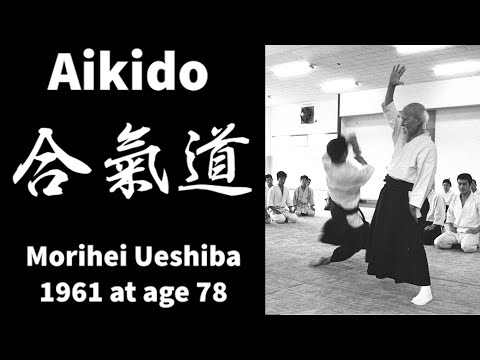
This rare 1961 footage, capturing a 78-year-old Morihei Ueshiba, the revered founder of Aikido, is far more than just a martial arts demonstration. It's a profound window into the very essence of Budo, a concept that transcends mere physical combat. Many today, particularly those drawn to the explosive dynamism of MMA or the brutal efficiency of Kyokushin Karate, might question the relevance of Aikido's fluid movements. Does its emphasis on blending and redirection hold water in a world that often values brute force? Let me tell you, this video is the answer. It's a masterclass in principles that are eternally valid, not just for the dojo, but for life itself. We will dissect this gem, exploring Ueshiba's techniques, his philosophy, and the enduring legacy of Budo.
Ueshiba in Action: The Art of Blending and Redirecting
Watching Ueshiba Sensei at this advanced age is awe-inspiring. His movements, while perhaps not possessing the raw power of a younger man, are imbued with an almost supernatural grace and precision. The documentary showcases his mastery of Aikido techniques – the effortless throws, the seemingly gentle yet devastating joint locks. He doesn't meet force with force; instead, he becomes one with his attacker's energy, subtly redirecting their momentum. This is the core of Aikido, and it's a principle that many arts, even the fiercely competitive BJJ or Judo, can learn from. The seemingly passive nature of his defense is, in reality, a highly active and intelligent application of physics and timing. He demonstrates that true strength lies not in overpowering an opponent, but in understanding and harmonizing with their movements. Have you ever sparred with someone who just seems to *flow* with your attacks, nullifying them before they even land? That's the echo of Ueshiba Sensei's teaching.
"The true meaning of martial arts is to unify the world." - Morihei Ueshiba
The Philosophy of Aikido: Harmony, Compassion, and Unity
Beyond the physical application, Ueshiba Sensei's words in this documentary reveal a philosophy that is both deeply spiritual and remarkably practical. He speaks of Aikido not as a means of destruction, but as a path to reconciliation. Harmony, balance, and compassion are not mere buzzwords here; they are the foundational pillars of his art. This stands in stark contrast to some of the more combative depictions of martial arts in popular culture, where violence is often glorified without consequence. Ueshiba's vision is one of connection, of resolving conflict not through aggression, but through understanding and empathy. It’s a message that resonates even more powerfully today, in our often fragmented and contentious world. This philosophy is the very heart of BUDO, the "Way of the Warrior," which demands not just martial prowess but moral integrity.
Budo: More Than Just Fighting
The term Budo itself is crucial here. It's not simply "martial arts" in the Western sense. It encompasses the entire way of life, the philosophy of the warrior, drawing heavily from principles like Bushido. This means more than just mastering techniques for a fight. It's about self-cultivation, rigorous discipline, and unwavering honor. Ueshiba Sensei embodies this perfectly. His practice was a lifelong dedication to refining not just his body, but his mind and spirit. The documentary offers a fleeting glimpse, but it's enough to understand that for masters like him, the training never truly ends. It's a constant pursuit of self-improvement, a journey that shapes one's character in profound ways.
"The martial way is a thing of daily practice. It is a continuous process of refinement. The master is simply a student who never quit." - Attributed to various martial arts masters
Training and Self-Cultivation: The Path to Inner Peace
The practice of martial arts, as exemplified by Ueshiba's Aikido, is a powerful tool for inner growth. It offers a structured path to control one's ego, to confront and overcome fear and anger, and to cultivate a deep sense of inner peace. This isn't just about learning to defend yourself physically; it's about building mental resilience. The physical demands – improving fitness, flexibility, and coordination – are significant, but the mental benefits are arguably even greater. In a world rife with stress and anxiety, the discipline and focus required in martial arts training provide an invaluable sanctuary. It's a lifelong pursuit, a journey of personal development that extends far beyond the dojo mats. The principles learned in Karate, Judo, or Aikido can positively impact every facet of life.
Veredicto del Sensei: A Timeless Testament
This 1961 documentary is not just a historical artifact; it's a living testament to the enduring power of Budo. Ueshiba Sensei, even at 78, displays a level of mastery that transcends time and style. While the martial arts landscape has evolved dramatically, with hyper-realistic sports like MMA and UFC capturing global attention, the core principles demonstrated here remain vital. The emphasis on harmony, respect, and self-cultivation is a counterbalance to the often aggressive narratives surrounding combat sports. This film is essential viewing for anyone who seeks a deeper understanding of martial arts, not just as a means of fighting, but as a path to becoming a better human being.
Rating: 10/10 Cinturones Negros en Sabiduría y Maestría.
Essential Equipment for Your Training
To embark on your own martial arts journey, whether it's Aikido, Karate, Judo, or any other discipline, the right equipment is essential. At BYAM Budo y Artes Marciales, we understand the needs of practitioners at all levels.
Gi (Uniforme): A durable, comfortable Gi is fundamental. For arts like Judo and Aikido, a heavier weave might be preferred for grip resistance.
Protective Gear: Depending on your style, consider sparring headgear, mouthguards, and shin guards for safe combat training.
Training Mats (Tatami): Essential for safe practice of throws and falls, especially in arts like Judo and Aikido.
Training Weapons: For specific disciplines, wooden bokken (swords) or jo (staffs) are necessary.
Investing in quality gear enhances your training experience and ensures safety. Explore our range of Martial Arts Merchandise to find what you need.
Frequently Asked Questions
What is Budo?
Budo is a Japanese term that refers to the systematic practice of martial arts, emphasizing not only combat techniques but also spiritual and moral development.
Is Aikido effective for self-defense?
Yes, Aikido's principles of blending, redirection, and using an attacker's momentum can be highly effective for self-defense, though its effectiveness in highly aggressive scenarios is a subject of ongoing debate.
What is the difference between Budo and Bushido?
Bushido is the code of honor and conduct of the samurai warrior class, while Budo is the broader term encompassing the practices and philosophies of martial arts derived from that warrior tradition.
How can martial arts training improve mental health?
Through discipline, focus, stress reduction techniques, and the cultivation of inner peace and self-control.
Ueshiba Sensei demonstrated that true mastery lies in harmonization, not domination. In a world that often rewards aggression and competition, can you find the strength in yielding? Can you apply the principles of blending and redirecting not just against a physical opponent, but against the challenges and conflicts of your daily life? The video is a lesson; your response to its message is the application.
```json
{
"@context": "https://schema.org",
"@type": "FAQPage",
"mainEntity": [
{
"@type": "Question",
"name": "What is Budo?",
"acceptedAnswer": {
"@type": "Answer",
"text": "Budo is a Japanese term that refers to the systematic practice of martial arts, emphasizing not only combat techniques but also spiritual and moral development."
}
},
{
"@type": "Question",
"name": "Is Aikido effective for self-defense?",
"acceptedAnswer": {
"@type": "Answer",
"text": "Yes, Aikido's principles of blending, redirection, and using an attacker's momentum can be highly effective for self-defense, though its effectiveness in highly aggressive scenarios is a subject of ongoing debate."
}
},
{
"@type": "Question",
"name": "What is the difference between Budo and Bushido?",
"acceptedAnswer": {
"@type": "Answer",
"text": "Bushido is the code of honor and conduct of the samurai warrior class, while Budo is the broader term encompassing the practices and philosophies of martial arts derived from that warrior tradition."
}
},
{
"@type": "Question",
"name": "How can martial arts training improve mental health?",
"acceptedAnswer": {
"@type": "Answer",
"text": "Through discipline, focus, stress reduction techniques, and the cultivation of inner peace and self-control."
}
}
]
}
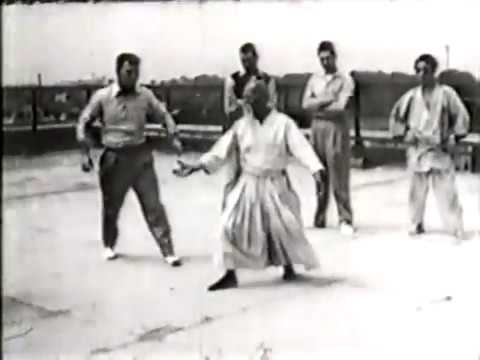
The year 1954 gifted us a rare glimpse into the profound capabilities of Aikido O Sensei through a rediscovered video. This artifact, showcasing his mastery, serves as a potent reminder of the enduring power of traditional martial arts. Today, the echoes of such legends resonate powerfully, not only in dedicated dojos but also within the electrifying arenas of modern martial arts and combat sports. These disciplines, with their rich histories and timeless teachings, continue to captivate us, offering lessons that transcend mere physical prowess.
But what is the true essence of martial arts and Budo? Far beyond the technicalities of striking and grappling, they represent a holistic philosophy, a rigorous discipline, and ultimately, a pathway to self-development. The pursuit of perfection, a core tenet of Budo – the "way of the warrior" – is a journey of constant refinement, both physically and mentally.
Martial arts are not merely a collection of techniques designed for conflict. They are a profound system for cultivating the individual. The ultimate aim is to forge a stronger self – physically resilient, mentally sharp, and spiritually grounded. This holistic development is what sets true martial arts apart.
Budo: More Than Just a Fighting Style
"Budo" translates directly to "the way of the warrior." This term encapsulates the spirit that underpins these disciplines. It's about the relentless pursuit of excellence, the mastery of oneself through rigorous training, and the application of these principles in all facets of life. It is a lifelong pursuit, not a destination.
"The ultimate aim of martial arts is not victory or defeat, but the perfection of the character of its practitioners." - A principle echoed across many martial traditions.
The Multifaceted Benefits of Martial Arts Training
The benefits of consistent training in martial arts are vast and touch every aspect of a practitioner's life. Beyond the obvious enhancement of self-defense skills, individuals develop:
Improved Physical Health: Increased strength, flexibility, cardiovascular endurance, and coordination.
Enhanced Mental Fortitude: Greater focus, discipline, patience, and stress management.
Unshakeable Self-Discipline: The ability to set goals and work towards them consistently, overcoming obstacles.
A Strong Sense of Community: The shared passion within the martial arts community fosters deep bonds, camaraderie, and mutual respect. This sense of belonging is invaluable.
This supportive environment is crucial. The shared struggles and triumphs in the dojo create a unique connection that strengthens the collective spirit.
Combat Sports: The Arena of Modern Competition
Contrast this with combat sports. While they share the roots of physical confrontation, their primary focus is often on competition and the quantifiable outcome of victory. Disciplines like MMA, boxing, and Judo demand extraordinary levels of physical conditioning, strategic thinking, and mental toughness. They are a testament to the human spirit's capacity to perform under immense pressure.
The athletes in these fields are modern warriors, pushing the boundaries of human potential. Their dedication, sacrifice, and ability to execute under the bright lights are truly inspiring. It is undeniable that these sports showcase incredible athleticism and tactical brilliance.
Showcasing Your Passion: Martial Arts and Combat Sports Merchandise
For enthusiasts and practitioners alike, the passion for martial arts and combat sports often extends beyond the training mat or the ring. This is where merchandise plays a role. From specialized Karate gis and durable Judo uniforms to training equipment and casual apparel, these items allow individuals to express their identity and support their chosen disciplines.
High-quality training equipment, such as punching bags, focus mitts, and protective gear, is essential for effective practice. Wearing apparel that represents your art or sport is a way to connect with the wider community and serve as a constant reminder of your commitment. These items also make fantastic gifts for fellow martial artists or combat sports fans.
Our Commitment at BYAM Budo y Artes Marciales
At BYAM Budo y Artes Marciales, we understand this passion. We are dedicated to providing a wide array of high-quality merchandise tailored for both martial arts practitioners and combat sports aficionados. Our selection is curated to meet the needs of everyone, from the absolute beginner taking their first steps in Aikido or Karate, to the seasoned expert honing their skills. Functionality and durability are paramount in our product design, ensuring that what you choose supports your journey.
We firmly believe that martial arts and combat sports are more than just physical activities; they are transformative life experiences. Our blog serves as a platform to share invaluable insights, including practical training tips, detailed technique breakdowns, and the philosophical underpinnings that make these arts so profound.
Deepen Your Journey: Recommended Resources
To further enrich your understanding and practice, I highly recommend exploring these resources:
Q: Is Aikido still relevant in modern combat sports? A: While Aikido's direct application in MMA is debated, its principles of blending, redirection, and control offer invaluable lessons in balance, spatial awareness, and joint manipulation, which are transferable skills.
Q: What is the difference between Budo and just training martial arts? A: Budo emphasizes the spiritual and philosophical development of the individual, viewing training as a lifelong path to self-perfection. Simply training martial arts may focus more on the technical or competitive aspects without the deeper philosophical commitment.
Q: How can I start training martial arts if I'm a complete beginner? A: The best approach is to research local dojos or gyms offering styles that interest you. Many offer introductory classes. Focus on finding qualified instructors and a welcoming community, like those found in martial arts communities globally.
Sensei's Verdict: Is the Legacy Alive?
Looking back at O Sensei’s demonstration in 1954, and observing the dedication in today's dojos and the fierce competition in UFC bouts, one undeniable truth emerges: the warrior spirit, the essence of Budo, is very much alive. The methods evolve, the arenas change, but the fundamental principles of discipline, perseverance, and the quest for self-mastery remain constant.
Whether you are drawn to the intricate flows of Aikido, the powerful stances of Karate, or the dynamic exchanges in MMA, the path of martial arts offers a profound opportunity for growth. It is a journey that builds not just a fighter, but a better human being.
Sensei's Reflection: Your Next Step
O Sensei's movements in that 1954 film were not just physical actions; they were expressions of deep understanding and embodiment. The question for you, the dedicated practitioner and student of the Way, is this: How can you embody the principles you learn on the mat in the unpredictable dojo of your daily life? Do you merely mimic techniques, or do you strive to internalize the philosophy?
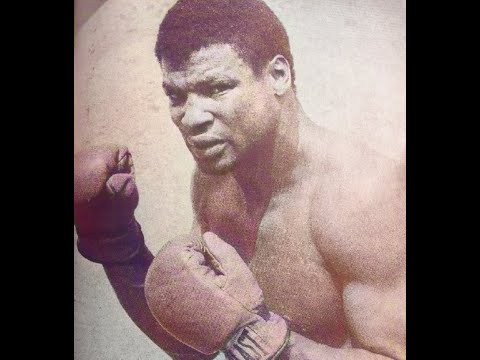
Welcome, warriors and scholars of the martial way, to a deep dive into the controversial and undeniably compelling figure of Tex Cobb. Today, we cast our analytical gaze not merely as boxing fans, but as practitioners and aficionados of martial arts, dissecting a life that, while not strictly adhering to traditional martial disciplines, embodies a raw, unadulterated fighting spirit that resonates through the very core of combat. We are here to explore the legacy of one of boxing's most colorful outlaws of the 1980s, a man whose presence in the ring was as unpredictable as it was captivating.
This isn't just another retrospective; it's an exploration through the prism of martial philosophy. How does a figure like Cobb, often characterized by his brawling style and larger-than-life persona, connect with the principles we hold dear in disciplines like Karate, Judo, or Jiu-Jitsu? Can we find echoes of Bushido in his actions, or perhaps a stark contrast to the spiritual development we strive for?
The world of combat sports is replete with characters, but few burned as brightly and erratically as Tex Cobb. His boxing career was a whirlwind of controversial fights, audacious pronouncements, and a physical presence that commanded attention. For us, immersed in the discipline, tradition, and philosophy of martial arts, it's crucial to ask: what can we glean from such a figure? Is his raw aggression a testament to the primal nature of combat that martial arts aim to refine, or a cautionary tale of uncontrolled impulse? We will dissect his career, examining his fights not just for knockout power or defensive prowess, but for the underlying intent, the spirit of engagement, and what it reveals about the universal pursuit of conflict resolution, whether through sport or through the more profound paths of Budo.
Tex Cobb: The Fighter's Fire
Tex Cobb wasn't your textbook boxer. He wasn't known for the intricate footwork of a Sugar Ray Robinson or the technical precision of a Muhammad Ali. Instead, Cobb brought an almost primal ferocity to the ring. His style was often described as rugged, aggressive, and seemingly without fear. He faced formidable opponents, including Larry Holmes and earned a reputation for being a tough, durable fighter who could absorb punishment and dish it out.
His fights were often chaotic, a reflection of his persona. While not a practitioner of codified martial arts like Karate or Judo, Cobb's raw courage and willingness to engage in brutal exchanges speak to a certain, albeit untamed, fighting spirit. This willingness to confront adversity head-on, even when outmatched technically, is a core element often discussed in discussions of martial arts philosophy. It’s the "can-do" attitude, the refusal to yield, the embodiment of the warrior's heart.
"In any form of combat, the will to fight is as important as the skill to fight. Cobb, for all his flaws, never lacked the will." - A common sentiment among combat sports analysts.
His career was a testament to a particular brand of resilience. He wasn't always winning, but he was always in the fight, often in a very real, visceral sense. This is where we, as martial artists, can find points of connection and divergence. While we strive for technical perfection and mental discipline, Cobb's journey highlights the fundamental human drive to overcome, to compete, and to survive.
Martial Principles in the Ring: Substance or Spectacle?
This is where our critical analysis truly begins. Martial arts, at their core, are systems of self-development that often extend far beyond physical combat. They teach discipline, respect, humility, and the strategic application of force. Tex Cobb's boxing, while undeniably a form of combat, often appeared to prioritize brute force and aggressive engagement over the refined principles that define many traditional martial arts.
Consider the concept of "Mushin" (no-mind) in Japanese martial arts, or the strategic depth of Sun Tzu's "The Art of War." These principles emphasize calm, awareness, and decisive action born from understanding, not just raw impulse. Cobb's style, at times, seemed to embody the opposite: a reactive, almost emotional approach driven by the heat of the moment.
However, one must also consider the context of professional boxing. It is a sport, a spectacle, and often a brutal business. Cobb operated within these parameters, and within that arena, his aggression and toughness were his primary tools. Could his willingness to absorb punishment, his sheer grit, be interpreted as a form of extreme resilience, a trait valued in disciplines like Kyokushin Karate, known for its full-contact sparring?
Perhaps the distinction lies in *intent* and *control*. While a martial artist seeks to control the engagement, to subdue with minimal necessary force, Cobb's approach often seemed to revel in the raw power of the exchange. This isn't to condemn him, but to understand the different pathways that combat can take. He might not have been performing a kata with perfect form, but he was certainly engaging in a dynamic, high-stakes physical confrontation.
The Philosophy of the Outlaw: A Different Kind of Budo
Is it possible to find a form of Budo, the "martial way," in the life of a boxer like Tex Cobb, even one labeled an "outlaw"? Budo is not solely about the techniques; it's about the journey, the self-mastery, and the ethical development that arises from rigorous training. Cobb's life, both in and out of the ring, was certainly one of struggle and constant confrontation.
He was known for his outspoken nature and his willingness to challenge norms, even within the boxing world. This defiance, while perhaps lacking the refined etiquette of a dojo, speaks to a fierce independence and a refusal to be molded into something he was not. In a way, this mirrors the spirit of independent martial traditions that sometimes developed outside established systems, prioritizing practical effectiveness and individual expression.
However, the ethical dimension of Budo is where this connection becomes most tenuous. The Five Maxims of Budo emphasize virtues like courtesy, integrity, and courage. While Cobb displayed courage in abundance, the "outlaw" label often implies a disregard for rules or conventional morality. This is a crucial point of divergence. Martial arts training aims to *elevate* character, not just *hone* combat skills. Cobb's path suggests that raw fighting ability can exist without the accompanying moral and spiritual refinement that is the hallmark of true Budo.
We can learn from his tenacity, his refusal to back down. But we must also critically examine the lack of discipline and ethical grounding that separated him from the ideals of many martial traditions. It's a debate that sparks passion: can true "way" exist without strict ethical adherence?
Legacy and Impact: More Than Just a Boxer
Tex Cobb's influence extends beyond his boxing record. He also ventured into acting, appearing in films that often played on his imposing presence and tough-guy persona. This diversification of his career highlights a potential for adaptation and reinvention, traits that are also valued in martial arts. A martial artist must be adaptable, able to adjust their strategy and technique to different opponents and situations.
His public image was that of a larger-than-life character, a man who lived life on his own terms. This charisma, while perhaps chaotic, is a powerful force. It draws people in, it creates interest, and it leaves a lasting impression. In the realm of martial arts, while discipline and humility are paramount, the ability to inspire and command respect, even through a different style, is also a form of influence.
What resonates most profoundly is the raw, unapologetic nature of his existence. He was a product of his environment and his choices, a man who confronted life with a fighting spirit. For martial artists, this can serve as a reminder of the fundamental human drive to overcome obstacles, a drive that fuels our training every day. His story prompts us to consider what "fighting spirit" truly means and how it manifests in different arenas.
Veredict of the Sensei: Cobb's Place in the Combat Pantheon
Tex Cobb was a fighter. He possessed the raw courage and physical resilience that are prerequisites for anyone stepping into a combative arena. He wasn't a martial artist in the traditional sense; he didn't follow a codified path of self-development through structured techniques and philosophical tenets. His career was raw, often brutal, and driven by an instinctual will to compete.
He earns a "Cinturón Negro en Tenacidad Bruta," but he falls short of "Maestro de Disciplina Marcial." His legacy is that of a compelling, albeit flawed, warrior whose life serves as a fascinating case study on the diverse expressions of the fighting spirit. He reminds us that while the path of Budo is a refined journey of mind, body, and spirit, the primal impulse to fight and overcome is a universal force that shapes many lives, in and out of the ring. He’s a reminder that not all warriors walk the disciplined path of the dojo, but their struggles can still offer profound lessons to those who do.
Training Essentials for the Unconventional Fighter
While Cobb’s style was unique and often unconventional, certain fundamental training principles are crucial for anyone aspiring to excel in combat sports or martial arts. If you find yourself drawn to the intensity and resilience he displayed, consider these areas:
* **Cardiovascular Conditioning**: Essential for any fighter. Endurance allows you to maintain intensity throughout a bout, absorb more punishment, and make better decisions under duress. Think high-intensity interval training (HIIT) and long-distance running.
* **Strength and Power Training**: Boxing, like many martial arts, requires explosive power. Focus on compound movements like squats, deadlifts, and explosive push-ups.
* **Grit and Mental Fortitude**: This is where Cobb’s spirit truly shines. Developing mental toughness involves pushing your limits in training, facing discomfort, and learning to persevere when you want to quit. Practicing MentalStrength exercises and mindfulness techniques can build this resilience.
* **Sparring Experience**: While Cobb sparred in a boxing context, engaging in sparring within your chosen martial art is crucial for developing timing, reflexes, and tactical awareness. Look for safe and controlled environments.
* **Understanding of Leverage and Body Mechanics**: Even in a brawling style, understanding how to generate power through your entire body, not just your arms, is key. This is a core principle in Grappling and many striking arts.
For those looking to enhance their training, investing in quality equipment is vital.
### Equipo Esencial para tu Entrenamiento
* **Guantes de Boxeo/MMA de Alta Calidad**: Protect your hands and your training partners. Aim for 16oz for sparring.
* **Casco de Entrenamiento**: Essential for protecting your head during intense sparring sessions, especially if focusing on striking.
* **Protector Bucal**: Non-negotiable for any combat sport involving impact.
* **Ropa de Entrenamiento Cómoda y Duradera**: Look for breathable fabrics that allow for a full range of motion. For striking arts, consider supportive shoes.
* **Protector de Ingle**: Crucial for protecting sensitive areas.
* **Saco de Boxeo o Pera Rápida**: For developing power and speed.
* **Mochila de Entrenamiento o Equipo de Ejercicios en Casa**: For incorporating strength and conditioning without a gym, focusing on NoEquipment workouts.
### Recursos para Profundizar
* **Libros sobre la Psicología del Combate**: Understand the mental game that separates the good from the great.
* **Biografías de Grandes Peleadores y Maestros Marciales**: Learn from their journeys, their triumphs, and their failures.
* **Documentales sobre Diferentes Artes Marciales y Deportes de Combate**: Expand your understanding of the vast world of combat.
Frequently Asked Questions
Is Tex Cobb considered a martial artist?
No, Tex Cobb was primarily known as a professional boxer and actor. While he possessed immense courage and a fighting spirit, he did not train in or adhere to the principles of traditional martial arts disciplines.
What was Tex Cobb's fighting style in boxing?
Cobb was known for his rugged, aggressive, and tenacious boxing style. He was durable and willing to engage in fierce exchanges, often relying on his toughness and power rather than refined technical skill.
Can we learn anything from non-martial artists like Tex Cobb?
Absolutely. While not a martial artist, Cobb's career and life story offer insights into courage, resilience, the raw nature of combat, and the pursuit of one's path, even if unconventional. His tenacity can be a source of motivation for any fighter.
How does Cobb's approach differ from traditional Budo?
Traditional Budo emphasizes not only physical technique but also mental discipline, spiritual development, respect, and ethical conduct. Cobb's "outlaw" persona and aggressive style often showcased raw impulse and a disregard for conventional rules, contrasting with the refined self-mastery sought in Budo.
What made Tex Cobb such a colorful figure?
His larger-than-life persona, outspoken nature, willingness to take on tough opponents, and his transition into acting contributed to his status as a unique and memorable character in the world of combat sports and entertainment.
Further Exploration
To continue your journey into the multifaceted world of martial arts and combat, explore these related topics on our blog:
Fight Analysis: Deconstructing bouts and fighter strategies.
Martial Arts History: Unearthing the origins and evolution of various disciplines.
BUDO: The deeper philosophical aspects of the martial way.
Combat Sports: Exploring the diverse landscape of competitive fighting.
Reflexión del Sensei: Tu Próximo Paso
Cobb confronted his world with a raw, unyielding spirit. We, in the dojo, seek to temper that spirit with discipline, wisdom, and a profound understanding of the 'why' behind our actions. The question remains: When faced with your own internal or external battles, do you channel the raw power of the outlaw, or do you seek the refined precision of the warrior who has mastered the self? How will you integrate the lessons of tenacity with the principles of discipline in your own training and life? Reflect on this. Let the answer forge your next move.
GEMINI_METADESC: Explore Tex Cobb's boxing legacy through a martial arts lens. Analyze his fighting spirit, resilience, and controversial career. Discover lessons on tenacity and the true meaning of combat.
Martial arts. The very word evokes images of disciplined warriors, breathtaking techniques, and ancient traditions. For centuries, disciplines like Karate, Taekwondo, Judo, and Jiu-Jitsu have shaped not just bodies, but spirits across the globe. Yet, in the crucible of combat and competition, a critical distinction emerges: the difference between a mere 'fighter' and a 'true martial artist'. The latter transcends the physical exchange, embodying the profound principles of Budo – a way of life, a path of constant self-cultivation. Are you just engaging in combat, or are you truly walking the path? Let us examine the signs, the undeniable hallmarks, that separate the skilled combatant from the authentic martial artist.
The Unseen Strength: Humility
Many enter the martial world driven by ego, a desire to prove their superiority. This is the mark of a fighter. A true martial artist, however, carries their victories with quiet grace and their defeats with profound reflection. Humility is not weakness; it is the bedrock upon which true mastery is built. Such individuals harbor a deep respect for their training partners and opponents, understanding that each encounter is an opportunity to learn and refine. They recognize that the journey of martial arts is a lifelong pursuit, an endless horizon of self-improvement. They know that every Black Belt started as a white belt, and that even the most accomplished master has more to discover. This internal acknowledgment prevents arrogance and fosters continuous growth.
"Mastering others is strength. Mastering yourself is true power." - Lao Tzu
Think about your last sparring session. Did you focus on dominating, or on understanding your opponent's movements and your own reactions? The answer reveals much.
Master of the Self: Self-Control
The heat of a fierce exchange, the adrenaline surge, the frustration of a missed technique – these are the moments that test the mettle of any combatant. A fighter might lash out, become reckless, or crumble under pressure. A true martial artist, however, possesses formidable self-control. Their discipline extends beyond the dojo walls; it is an intrinsic part of their being. They understand that raw emotion is a chaotic force that clouds judgment and leads to critical errors. By mastering their emotions, they maintain clarity, precision, and strategic thinking, even when pushed to their limits. This mastery allows them to respond rather than react, to choose the most effective course of action rather than being swept away by impulse.
Consider the famed discipline of Kyokushin Karate. Its practitioners are trained to endure immense physical and mental pressure, not by succumbing to pain, but by harnessing their inner fortitude. This is self-control in action.
The Sacred Fire: Respect for the Art
Fighters often view martial arts solely as a means to an end – victory, self-defense, or physical conditioning. A true martial artist, however, views their chosen discipline as something sacred. They delve into its origins, study its history, understand its cultural context, and honor its traditions. This deep appreciation for the art itself transforms practice from mere repetition into a ritual of reverence. They understand that the techniques and philosophies passed down through generations are not arbitrary; they are the distilled wisdom of countless practitioners who faced similar challenges. This respect fuels their dedication and ensures they preserve and transmit the essence of the art, not just its physical manifestations.
Are you merely learning moves, or are you seeking to understand the lineage and philosophy behind them? A quick search for the history of Aikido or the development of Karate can offer profound insights into this respect.
Body and Mind: The Dual Pursuit of Fitness
Physical prowess is undoubtedly crucial in any martial pursuit. A fighter understands the necessity of a strong physique. But a true martial artist recognizes that their body is merely the vessel for their art; it must be both a powerful weapon and a finely tuned instrument. This requires holistic physical and mental fitness. They engage in rigorous training not just to build muscle or endurance, but to enhance coordination, agility, speed, and resilience. Simultaneously, they cultivate their mental faculties – sharpening focus, improving strategic thinking, and building mental toughness. This dual pursuit ensures they are not only capable of delivering powerful strikes or executing complex techniques but are also mentally prepared to adapt, strategize, and overcome any obstacle.
This integrated approach mirrors the philosophy behind many Budo disciplines, where the mind and body are seen as interconnected pathways to mastery.
The Unyielding Spirit: Perseverance
The path of the martial artist is rarely smooth. There will be plateaus, injuries, setbacks, and moments of doubt. A fighter might quit when faced with overwhelming adversity. A true martial artist embodies perseverance. They understand that struggle is not an endpoint but a catalyst for growth. They greet challenges not with despair, but with determination. Each failed attempt, each painful defeat, becomes a lesson learned, a stepping stone towards eventual success. This resilience, this refusal to surrender, is a testament to their inner strength and their unwavering commitment to the journey. They understand that true mastery is forged in the fires of hardship.
Think of the legendary careers of fighters like Jon Jones or Cyril Gane; their resilience in the face of intense pressure and competition is a prime example of this principle.
The Warrior's Heart: Kindness and Compassion
Perhaps the most profound differentiator: a fighter might wield their skills for dominance or personal gain. A true martial artist, however, understands that power comes with responsibility. They possess a heart of kindness and compassion. Their skills are honed not for wanton aggression, but for the protection of others and the betterment of the world. They use their abilities judiciously, never seeking to inflict unnecessary harm. They embody the principle that true strength lies not in the ability to destroy, but in the capacity to protect and uplift. This ethical compass guides their actions both inside and outside the dojo, making them not just skilled practitioners, but positive forces in society.
"The object of the do is to seek perfection of character." - Jigoro Kano
This sentiment is echoed across many martial traditions, emphasizing that the ultimate goal of training is personal development and service to others.
Gear Up for Your Journey
To truly embody the principles of Budo, the right equipment can be an invaluable ally. Whether you are honing your striking power, refining your grappling, or maintaining your physical and mental conditioning, quality gear makes a difference. Consider investing in:
Durable Uniforms (Gi/Kimono): Essential for traditional arts like Judo and Karate. Look for materials that can withstand rigorous training, such as a double-weave Judo gi or a sturdy Karate gi.
Protective Sparring Gear: For arts involving full contact, investing in high-quality MMA gloves, headgear, and shin guards is paramount for safe and effective training.
Training Equipment: A good quality punching bag or a makiwara can significantly improve your striking power and technique at home.
Comfortable Training Apparel: For conditioning or arts that require more freedom of movement, comfortable and breathable training shorts and t-shirts are a must.
At BYAM Budo y Artes Marciales, we understand the importance of quality gear. Explore our extensive collection of uniforms, protective equipment, and training accessories designed to support your journey towards martial arts mastery.
Frequently Asked Questions
What is Budo?
Budo, literally meaning "martial way," refers to the philosophies and practices of Japanese martial arts that focus on self-cultivation, discipline, and spiritual development, beyond mere combat effectiveness. It's a way of life.
Is there a difference between a fighter and a martial artist?
Yes, significantly. A fighter primarily focuses on winning combat encounters. A true martial artist integrates the physical skills with ethical principles, self-discipline, humility, and continuous personal growth, viewing their art as a path to self-perfection.
Can anyone become a true martial artist?
Absolutely. While talent can play a role, the core of being a true martial artist lies in the consistent application of principles like humility, self-control, respect, perseverance, and compassion. It's a journey available to anyone dedicated to the path.
How important is physical fitness in Budo?
Extremely important, but it's only half the equation. Budo emphasizes both physical conditioning (strength, speed, endurance, agility) and mental conditioning (focus, strategy, emotional control, resilience). One without the other is incomplete.
Can martial arts principles be applied outside of training?
Indeed. The principles of Budo – discipline, respect, perseverance, humility – are designed to be integrated into all aspects of life, leading to personal growth and a more positive impact on the world.
We've examined the qualities that elevate a practitioner from a mere combatant to a true martial artist. Now, look inward. Are you merely going through the motions, or are you striving for genuine embodiment? If you recognize yourself in these signs, how can you further cultivate them in your daily life, both on and off the mat? If you see the fighter, what specific, actionable steps can you take starting *today* to nurture the seeds of Budo within you?
```
```json
{
"@context": "https://schema.org",
"@type": "FAQPage",
"mainEntity": [
{
"@type": "Question",
"name": "What is Budo?",
"acceptedAnswer": {
"@type": "Answer",
"text": "Budo, literally meaning \"martial way,\" refers to the philosophies and practices of Japanese martial arts that focus on self-cultivation, discipline, and spiritual development, beyond mere combat effectiveness. It's a way of life."
}
},
{
"@type": "Question",
"name": "Is there a difference between a fighter and a martial artist?",
"acceptedAnswer": {
"@type": "Answer",
"text": "Yes, significantly. A fighter primarily focuses on winning combat encounters. A true martial artist integrates the physical skills with ethical principles, self-discipline, humility, and continuous personal growth, viewing their art as a path to self-perfection."
}
},
{
"@type": "Question",
"name": "Can anyone become a true martial artist?",
"acceptedAnswer": {
"@type": "Answer",
"text": "Absolutely. While talent can play a role, the core of being a true martial artist lies in the consistent application of principles like humility, self-control, respect, perseverance, and compassion. It's a journey available to anyone dedicated to the path."
}
},
{
"@type": "Question",
"name": "How important is physical fitness in Budo?",
"acceptedAnswer": {
"@type": "Answer",
"text": "Extremely important, but it's only half the equation. Budo emphasizes both physical conditioning (strength, speed, endurance, agility) and mental conditioning (focus, strategy, emotional control, resilience). One without the other is incomplete."
}
},
{
"@type": "Question",
"name": "Can martial arts principles be applied outside of training?",
"acceptedAnswer": {
"@type": "Answer",
"text": "Indeed. The principles of Budo – discipline, respect, perseverance, humility – are designed to be integrated into all aspects of life, leading to personal growth and a more positive impact on the world."
}
}
]
}
A powerful physique, a defiant proclamation, and a life tragically cut short. Jeff Sims was a man forged in the crucible of hardship, a former convict who stepped into the hallowed halls of the Fifth Street Boxing Gym, ready to reclaim his narrative. He declared himself "The King of Miami Beach," a title that resonated with raw ambition and the burning desire for redemption. But what fate awaited this self-proclaimed monarch on the unforgiving streets he sought to rule?
Welcome, seekers of truth and practitioners of the martial way, to Budo and Martial Arts. Today, we delve into a narrative that transcends the spectacle of the ring, exploring the life and untimely demise of Jeff Sims. This is not just a story of a boxer; it's a stark reminder of the societal forces that can shape and, tragically, shatter a warrior's destiny.
The Genesis of a Warrior: From Cell to Canvas
Sims' entry into the legendary Fifth Street Boxing Gym was a scene straight out of a cinematic drama. His imposing presence and the audacity of his declaration – "The King of Miami Beach" – immediately set him apart. For many, the gym represents a sanctuary, a place where discipline, sweat, and sheer willpower can forge a new identity. For Sims, it was a last chance, a battleground where his past would confront his future.
His powerful build hinted at a life of physical struggle, perhaps even survival. The transition from the confines of prison to the demanding regimen of professional boxing is a monumental leap. It requires not only physical prowess but an ironclad mental fortitude. The question lingers: was his bold proclamation a testament to genuine confidence, or a desperate cry against the shadows of his past?
The Allure and Peril of the Pugilist's Path
Boxing, at its core, is a brutal yet elegant dance of combat. It demands an intimate understanding of timing, distance, and the psychology of an opponent. The journey of a boxer is often one of sacrifice: grueling training, strict diets, and the constant threat of physical harm. Yet, for those who embrace it, it offers a path to self-mastery, a chance to prove one's mettle against formidable challenges.
The Fifth Street Boxing Gym in Miami has a storied history, a breeding ground for champions and a place where raw talent is honed into lethal skill. For an ex-convict like Sims, to step through its doors was to seek not just a career, but a rebirth. The "King of Miami Beach" moniker, while perhaps flamboyant, spoke to a desire to command respect, to establish dominance in a world that had previously cast him aside.
"The path of the warrior is the path of relentless self-improvement. It is a journey, not a destination, paved with discipline and sacrifice." - A principle echoing through the halls of martial history.
Beyond the Ring: The Unseen Battles
However, the story of Jeff Sims extends far beyond the boundaries of the boxing ring. His life was a testament to the fact that the most significant battles are often fought outside the arena. The harsh realities of life on the streets, the lingering effects of past transgressions, and the societal perceptions of an ex-convict are formidable opponents in themselves. The narrative of Sims tragically ending up murdered on the streets of Miami is a somber epilogue, a stark contrast to the triumphant proclamations he once made.
This devastating end raises critical questions about the reintegration of individuals with criminal pasts. Does society offer sufficient avenues for redemption? Are the tools and support systems in place strong enough to prevent a relapse into the circumstances that led to their initial downfall? The story of Jeff Sims serves as a poignant, albeit grim, case study.
Reflections on Ambition and Mortality
Sims' ambition to be "The King of Miami Beach" can be interpreted in multiple ways. Was it a genuine belief in his boxing prowess, or a desperate attempt to carve out a new identity, to reclaim control of a life that had been dictated by external forces? Regardless, his journey underscores the universal human desire for recognition, respect, and a sense of belonging.
The ultimate tragedy lies in the extinguishing of that ambition, of that life, on the very streets he sought to conquer. It is a powerful reminder of the fragility of life and the unpredictable nature of fate. The martial path, in its purest form, is about more than just physical combat; it's about inner resilience, understanding the impermanence of all things, and striving for a state of enlightenment even amidst adversity.
Veredicto del Sensei: ¿Un KO en la Vida Real?
The life and death of Jeff Sims are not easily categorized. As a boxer, his potential was evident, a force to be reckoned with. His story, however, transcends the sport. It is a deeply human tragedy, a stark portrayal of ambition colliding with harsh realities, and ultimately, a life that ended far too soon, not by the count of a referee, but by the violence of the streets. We can only speculate what could have been if circumstances had been different, if the path to redemption had been clearer and more supported. This narrative serves as a cautionary tale, a testament to the fact that the "fight" for a better life is often the most arduous.
Equipo Esencial para tu Entrenamiento
For those inspired by the dedication required in disciplines like boxing and the broader martial arts, having the right equipment is crucial. It’s not just about gear; it's about investing in your journey and ensuring safety and efficacy in your training.
Guantes de Boxeo (16oz o más): Indispensables for sparring and heavy bag work to protect your hands and wrists. The weight provides better conditioning.
Vendas para Manos: Always wear hand wraps under your gloves to prevent injuries. Essential for any serious striking discipline.
Kimono de Entrenamiento (Doble Tejido para Judo/Jiu-Jitsu): If your path leans towards grappling, a durable gi is paramount. A double-weave offers longevity and withstands intense mat work.
Protector Bucal: A non-negotiable for any form of sparring or combat practice.
Botas de Lucha/Entrenamiento: For standing disciplines like Karate or Kickboxing, proper footwear provides stability and grip.
Guía de Entrenamiento: Fortaleciendo la Resiliencia Mental
The resilience of Jeff Sims, both in his physical build and his declaration, points to an inner strength. Cultivating this mental fortitude is as crucial as any physical training. Here’s an exercise inspired by Zen principles:
Encuentra tu "Dojo": Select a quiet space where you won't be disturbed. This could be a corner of your room, a park bench, or even during a run.
Postura del Guerrero: Sit or stand with a straight spine, shoulders relaxed, and hands resting comfortably. Imagine the stability of a mountain.
Enfoca tu "Ki": Close your eyes and focus on your breath. Feel the energy (Ki) flowing in and out. Don't force it; simply observe.
Observa los "Pensamientos-Oponentes": When thoughts arise – doubts, regrets, anxieties (like Sims' past) – acknowledge them without judgment. Imagine them as clouds passing in the sky or leaves floating down a stream. Do not engage; simply observe their passage.
Regreso al Centro: Gently guide your focus back to your breath. This is the practice: returning to your center, your anchor.
Duración y Frecuencia: Begin with 5-10 minutes daily. Consistency is key. This practice builds mental discipline, emotional regulation, and the ability to remain centered under pressure – vital for any warrior.
Preguntas Frecuentes
Q1: What was Jeff Sims' boxing record?
While Jeff Sims was known for his powerful physique and presence at the Fifth Street Boxing Gym, detailed official boxing records for him are scarce. His story is more of a cautionary tale and a reflection of life's struggles than a documented professional career.
Q2: What is the significance of the Fifth Street Boxing Gym?
The Fifth Street Boxing Gym in Miami is a historic and iconic establishment, renowned for training numerous world champions and serving as a gritty, authentic training ground for fighters from all walks of life. It represents a place of opportunity and hard work for aspiring boxers.
Q3: How can one support true martial arts communities?
Supporting true martial arts communities can involve many avenues: training diligently, respecting the principles of Budo, attending local events, purchasing authentic merchandise, sharing knowledge responsibly, and financially supporting dojos and organizations that uphold the integrity of traditional training.
Q4: What does "Budo" truly mean?
"Budo" translates to "the martial way." It encompasses not just the physical techniques of combat but also the philosophical, ethical, and spiritual principles that guide the practitioner. It emphasizes self-discipline, respect, perseverance, and continuous self-improvement.
"The true test of a warrior is not in the victory, but in how they face defeat and the lessons they carry forward." - A timeless adage for those on the martial path.
Reflexión del Sensei: Tu Próximo Paso
Jeff Sims sought to be "The King of Miami Beach," a title of external dominance. But what is the true measure of kingship? Is it the power one wields over others, or the mastery one achieves over oneself? Reflect on this: In the arena of your own life, what crown do you truly seek, and what price are you willing to pay not for conquest, but for self-mastery?
```
GEMINI_METADESC: Explore the life and tragic end of Jeff Sims, an ex-convict boxer. Dive into his ambition, the martial path, and lessons on self-mastery. A true warrior's tale.
Welcome, students of the martial path. Today, we delve into the life and legacy of a man whose name resonates with the very essence of dynamic Shotokan Karate: Mikio Yahara. Born in 1947, Yahara Sensei is not merely a practitioner; he is a force of nature within the dojo and a living testament to the power of unwavering spirit. Masatoshi Nakayama, a titan of Karate himself, recognized this when he declared Yahara "the best fighter of his generation." This is not hyperbole; it is a pronouncement earned through sweat, discipline, and an unshakeable commitment to the principles of martial combat.
But what truly sets Yahara Sensei apart, and what we will explore today, is his profound dedication to reintroducing Karate to its ancient Budo roots. In an era where Karate often drifts towards sport or mere physical exercise, Yahara Sensei stands as a beacon, reminding us of the deeper, combative, and spiritual dimensions of our art. Prepare yourselves for a lesson not just in Karate, but in the enduring philosophy of the warrior.
Forged in the Crucible of the JKA
Mikio Yahara emerged from the prestigious Japan Karate Association (JKA) dojo, an institution synonymous with the standardization and global dissemination of Shotokan Karate. This was no easy environment. The JKA of Yahara's formative years was a breeding ground for exceptional talent, a place where only the strongest, most dedicated, and most skilled could thrive. To be recognized within this elite group, let alone singled out for praise, speaks volumes about Yahara's innate abilities and relentless work ethic.
His achievements within the JKA are legendary. Winning the JKA Grand Championship is not a minor feat; it signifies conquering the highest echelon of competitive Karate. This victory was more than just a trophy; it was a declaration of dominance, a validation of his physical prowess and tactical acumen. He proved himself on the most demanding stage, a feat that solidified his reputation as a formidable competitor.
"The JKA was a proving ground. Every session, every kumite, was a test. Yahara didn't just pass these tests; he redefined them."
His early success wasn't accidental. It was the direct result of countless hours spent honing his techniques, perfecting his timing, and cultivating an indomitable spirit. The intensity of training within the JKA under masters like Nakayama instilled a level of discipline and combat readiness that few could match.
A Style Born of Necessity
What made Mikio Yahara a fan favorite and a feared opponent was his truly unique fighting style. It wasn't simply about executing perfect techniques; it was about a raw, energetic, and often unpredictable approach to kumite. This dynamism wasn't just for show; it was a product of his deep understanding of combat and his commitment to effectiveness.
In the world of martial arts, especially in competition, styles often evolve. Some become more reliant on speed, others on power, and some on strategic point-scoring. Yahara Sensei, however, embodied a style that was both explosive and deeply rooted. He attacked with a ferocity that belied his technical precision, making him a captivating figure to watch. His movements were not just movements; they were manifestations of focused intent, designed to overwhelm and disable an opponent.
This fighting style, described as "energetic" and "dynamic," is a hallmark of true martial artists who understand that combat is not static. It requires adaptability, a willingness to press the advantage, and the courage to face adversity head-on. His approach was a stark contrast to more conservative styles, making him a standout performer and an inspiration to many who sought a more aggressive, yet still principled, way to fight.
The impact of such a style on the perception of Shotokan Karate cannot be overstated. It demonstrated that the art, while possessing a rich tradition, could also be expressed through powerful, modern combat applications. This versatility is key to the longevity of any martial art, and Yahara Sensei was a living embodiment of this principle.
The Path Back to Budo
While his prowess in competition is undeniable, it is Yahara Sensei's later focus on the philosophical underpinnings of Karate that has cemented his status as a modern master. He is a fervent advocate for reintroducing Karate to its original Budo roots. This is a critical distinction and one that resonates deeply with those who believe Karate is more than just a sport.
Budo, the "way of warfare" or "martial way," encompasses not just technical proficiency but also the spiritual, ethical, and mental cultivation of the practitioner. It emphasizes discipline, respect, self-control, and the development of character. In its purest form, Budo is a lifelong path of self-improvement, where combat is a means to an end—the perfection of self—rather than the ultimate goal.
"Karate, in its original Budo context, was not merely about striking. It was about understanding the totality of conflict, both external and internal."
Yahara Sensei's commitment to this philosophy is not just theoretical; it's a guiding principle in his teachings and his personal practice. He believes that by returning to these core principles, Karate can regain its profound depth and continue to be a transformative force in practitioners' lives. This perspective challenges many modern interpretations of Karate, which may focus heavily on sport Karate or self-defense without fully embracing the holistic development inherent in traditional Budo.
His exploration of Budo Karate has made him a pivotal figure today, guiding Karateka toward a more complete understanding of their art. This is crucial in a world that often separates physical training from mental and spiritual growth. Yahara Sensei bridges this gap, reminding us that the strongest fighter is not just the one with the most powerful technique, but the one with the most disciplined and enlightened mind.
The journey back to Budo is a call to arms for martial artists worldwide. It is an invitation to look beyond the immediate rewards of competition or self-defense and to embrace the lifelong pursuit of wisdom and character development that martial arts, at their best, offer.
Enduring Influence and the Future of Karate
Mikio Yahara's influence extends far beyond his competitive achievements. His dedication to the Budo aspect of Karate ensures that his teachings will continue to shape the art for generations to come. He represents a vital bridge between the historical roots of Karate and its future potential.
As Karate continues to evolve, with its inclusion in the Olympic Games and its diverse manifestations across the globe, voices like Yahara Sensei's are essential. They serve as a reminder of the art's origins and its potential for profound personal development. His legacy is not just in the techniques he performed, but in the philosophical direction he champions for Karate.
The question for practitioners today is: How do we integrate the dynamism and competitive spirit, for which Yahara Sensei is renowned, with the depth and wisdom of Budo? It is a challenge that requires careful consideration, dedication, and a willingness to look beyond superficial achievements. The path forward for Karate, as championed by masters like Yahara, involves a holistic approach that nourishes both the body and the spirit.
Sensei's Verdict: A Champion's Legacy
Mikio Yahara is more than just a decorated Karateka; he is a living embodiment of the martial spirit. His career exemplifies the peak of Shotokan competition, earning him accolades and the respect of his peers. Yet, it is his unwavering commitment to the deeper principles of Budo that truly elevates his status. He reminds us that true mastery lies not only in victory but in the continuous pursuit of self-perfection and the preservation of an art's soul.
Rating: 10th Dan in Legacy & Philosophy
Essential Training Gear for Karateka
To emulate the dedication of masters like Mikio Yahara, having the right equipment is fundamental. Quality training gear not only enhances performance but also ensures safety and respect for the dojo.
High-Quality Karate Gi: Look for a double-weave or heavyweight gi for durability during intense kumite and kata. Brands offering a good balance of tradition and modern fit are ideal.
Protective Gear: For sparring (kumite), ensure you have proper sparring gear including mitts, foot protectors, and a chest protector. Safety is paramount.
Training Mats (if applicable): For home practice or specific dojo drills, consider mats that offer good cushioning and grip.
Bokken or Bo Staff (for related disciplines): While not always central to Shotokan, if exploring weapons-based Budo, a wooden sword (bokken) or staff (bo) is essential.
Books on Budo and Karate History: Supplement your physical training with knowledge. Understanding the philosophy and history deepens your practice.
Investing in quality Karate merchandise is an investment in your own development.
Frequently Asked Questions
Who is Mikio Yahara?
Mikio Yahara is a highly respected 10th Dan Shotokan Karate practitioner, renowned for his dynamic fighting style and his advocacy for returning Karate to its Budo roots.
What is Budo Karate?
Budo Karate emphasizes the martial way, focusing not only on combat techniques but also on the spiritual, ethical, and mental development of the practitioner, akin to traditional samurai disciplines.
What was Yahara's significance in the JKA?
Yahara was considered "the best fighter of his generation" by Masatoshi Nakayama and won the prestigious JKA Grand Championship, showcasing exceptional skill and competitive spirit.
Why is his focus on Budo important today?
In a landscape where Karate can sometimes lean heavily towards sport or self-defense without deeper philosophical engagement, Yahara Sensei's emphasis on Budo reminds practitioners of the art's holistic potential for character development and spiritual growth.
To Dive Deeper Into Your Journey
The path of the martial artist is one of continuous learning. To further enrich your understanding and practice, explore these related topics:
Yahara Sensei's life is a testament to the idea that true martial arts mastery is a blend of fierce combat effectiveness and profound philosophical depth. He urges us to look beyond the immediate victory and seek the enduring lessons of the path. Now, I ask you:
Can the fierce warrior and the contemplative sage truly coexist within a single martial artist? And if so, how does one cultivate both without sacrificing the essence of the other?
Share your thoughts, your doubts, and your insights. Let us engage in a discussion that honors the spirit of Budo and the legacy of masters like Mikio Yahara.
```
GEMINI_METADESC: Explore the dynamic fighting style and profound Budo philosophy of 10th Dan Shotokan Karate master Mikio Yahara, hailed as the best fighter of his generation.
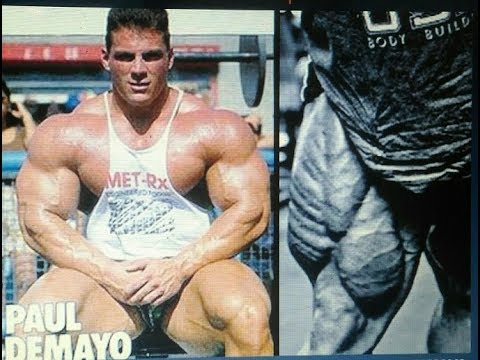
The world of martial arts, though often associated with disciplined stoicism and the pursuit of inner peace, is not immune to the harsh realities of life's struggles. We speak today not of a formal martial artist in the traditional sense, but of a man whose life, though rooted in physical prowess, ended in a manner that serves as a stark reminder of the battles fought beyond the dojo or the competition arena. Paul DeMayo, a name known to many in the realm of professional bodybuilding, also represents a life cut tragically short, a testament to the fact that strength in one arena does not always translate to victory in all of life's demanding bouts.
Paul DeMayo, born September 12, 1967, and passing away on June 2, 2005, was primarily recognized as a professional bodybuilder associated with the IFBB (International Federation of BodyBuilding and Fitness). While his professional life was dedicated to sculpting the human form to its aesthetic peak, his story, unfortunately, is often intertwined with darker narratives that speak of struggles beyond the stage lights. The image of DeMayo conjures that of immense physical power, a testament to rigorous training and dedication, yet it is a power that, in his case, could not ultimately shield him from personal demons.
Hello and welcome to Budo and Martial Arts, the most complete and updated martial arts blog on the internet. Here, we delve into the heart of combat, the philosophy of the warrior, and the disciplines that forge strength and character. Follow us on social networks and do not forget to visit our main page.
The Bodybuilding Arena: A Different Kind of Combat
The path of a professional bodybuilder is, in its own right, a demanding martial discipline. It requires an unwavering commitment to training, an almost obsessive attention to diet, and a psychological fortitude to endure constant physical stress and self-scrutiny. It is a battle against one's own genetics, a relentless pursuit of an idealized physique. Unlike the direct confrontation of martial arts, bodybuilding is a contest against oneself, where the opponent is the limit of human potential and the judges are arbiters of aesthetic perfection. Yet, the dedication, the sacrifice, and the sheer willpower involved are echoes of the warrior's spirit.
The rigor of preparation, the constant pushing of physical boundaries, and the mental toughness required to step onto a stage under intense scrutiny share common ground with the demands placed upon athletes in combat sports. The precision required in posing, the control over one's body, and the ability to project confidence are all skills honed through a form of disciplined practice, not unlike the katas or forms practiced in traditional martial arts. However, the absence of direct physical opposition removes a crucial element: the dynamic reaction and adaptation necessary in a true fight.
"The ultimate aim of martial arts is not the victory or defeat, but the perfection of the character of its practitioners." - Gichin Funakoshi (though often attributed, this sentiment reflects the core philosophy)
Beyond the Physique: Unseen Battles
It is crucial to understand that a formidable physique does not equate to an impregnable spirit. Paul DeMayo's life, as reported, was marked by challenges that extended far beyond the gym. His passing, attributed to an overdose, highlights the pervasive and devastating nature of addiction. This is a battle many individuals, regardless of their physical strength or public persona, face with varying degrees of success. In the martial arts, we speak of conquering the self, of mastering one's emotions and impulses. This mastery is not a singular achievement but a lifelong endeavor, a continuous process of refinement.
The IFBB stage, while showcasing peak physical condition, cannot reveal the internal struggles an athlete may be enduring. The pressure to maintain a certain image, the potential for substance abuse to cope with physical pain or psychological stress, and the isolation that can sometimes accompany extreme dedication are all factors that can weigh heavily. This is where the true spirit of martial arts – the cultivation of inner strength, resilience, and self-awareness – becomes paramount. While DeMayo's expertise was in bodybuilding, the principles of mental fortitude and self-care are universal.
The journey of a warrior is not just about striking power or defensive reflexes; it is about the ability to withstand life's storms. This includes confronting personal vulnerabilities and seeking help when needed. The martial path teaches us that true strength lies not only in the ability to inflict harm but in the capacity to protect oneself from self-destruction, a concept often embodied by the principle of Mushin (no mind), a state of effortless action arising from pure instinct and awareness, unclouded by fear or doubt.
Lessons from a Life Ended Too Soon
The narrative of Paul DeMayo serves as a poignant, albeit tragic, case study. It compels us to look beyond the surface – beyond the rippling muscles and the posed perfection – to acknowledge the complex interplay of physical, mental, and emotional well-being. For practitioners of martial arts, this is a profound lesson. Our training is not merely about mastering techniques; it is about developing the holistic individual. It is about cultivating resilience in the face of adversity, both external and internal.
The question often arises: could stronger martial arts principles have offered DeMayo a different path? While it's speculative, the core tenets of many martial arts – discipline, self-control, mindfulness, and community support – are designed to build an individual's capacity to navigate life's challenges. The ethos of Bushido, the way of the warrior, emphasizes not just bravery and loyalty but also integrity and self-discipline. The ability to face one's own weaknesses with the same courage one would face an opponent is a hallmark of true mastery.
The community aspect found in many martial arts dojos also plays a vital role. The camaraderie, the shared struggle, and the mutual encouragement can provide a powerful support system. This sense of belonging is critical, especially when individuals are battling personal demons. In the absence of such a structured support system, or when personal struggles become overwhelming, the consequences can be dire, as tragically exemplified in DeMayo's case.
"The supreme art of war is to subdue the enemy without fighting." - Sun Tzu, The Art of War. This applies not only to external conflicts but, more importantly, to the internal battles we must win.
Veredict of the Sensei: A Cautionary Tale
Paul DeMayo's life story, while not a direct account of martial arts prowess, offers a critical lens through which to view the holistic development of an individual. His journey into the world of professional bodybuilding demonstrates immense dedication to physical form, a form of discipline in itself. However, his untimely death underscores the undeniable truth that physical strength alone is insufficient to overcome life's deepest challenges, particularly those of addiction and mental health. As a martial arts practitioner and instructor, I see this not as a failure of his chosen discipline, but as a universal reminder of the comprehensive nature of true strength. True mastery encompasses the mind and spirit as much as, if not more than, the body. This is a story that resonates beyond the bodybuilding stage, a stark warning etched into the annals of human struggle. It is a reminder that the most important fights are often those waged within ourselves, and that the journey of self-improvement is a lifelong, often arduous, path.
Equipment Essential for Your Training
While Paul DeMayo's discipline was bodybuilding, many of you who follow Budo and Martial Arts are dedicated to other paths. Regardless of your chosen art, proper equipment is crucial for safe and effective training. Investing in the right gear not only enhances your performance but also minimizes the risk of injury. Here's a look at some essentials:
Quality Training Mats: Essential for grappling arts like BJJ and Judo, and for safety in striking arts. Look for mats with good shock absorption.
Durable Uniforms (Gi/Kimono): Whether you practice Judo, Karate, or Aikido, a well-made, reinforced uniform is vital. Consider double-weave fabrics for Judo for added durability during grappling.
Protective Gear: Mouthguards, sparring headgear, and shin guards are indispensable for any sparring session to prevent common injuries.
Training Weights and Resistance Bands: For developing explosive power and muscular endurance, crucial for fighters in MMA or Kickboxing.
Agility Training Tools: Agility ladders and cones are excellent for improving footwork, speed, and coordination, vital for any combat sport.
For those interested in the aesthetic strength that bodybuilding cultivates, while not a martial art, weights and resistance bands are obviously key. For those looking into the specific gear for martial arts, searching for "best judo kimonos" or "lightweight karate gis" can lead to excellent options.
FAQ About Paul DeMayo and Life Lessons
Who was Paul DeMayo primarily known as?
Paul DeMayo was primarily known as a professional bodybuilder affiliated with the IFBB.
What led to Paul DeMayo's early passing?
His passing was reportedly due to an overdose, highlighting struggles with addiction.
Can bodybuilding be considered a martial art?
While bodybuilding demands immense discipline, physical training, and mental fortitude, it is not a martial art as it lacks direct physical confrontation and combative application. However, it shares principles of dedication and self-mastery.
What is the greatest lesson from Paul DeMayo's life story for martial artists?
The greatest lesson is that physical prowess alone does not guarantee inner peace or the ability to overcome personal struggles. True strength encompasses mental and emotional resilience, self-awareness, and seeking support when needed.
How do martial arts principles help in overcoming personal battles?
Martial arts cultivate discipline, self-control, mindfulness, perseverance, and often a strong sense of community, all of which are crucial tools for navigating and overcoming life's adversities, including addiction and mental health challenges.
Paul DeMayo's story is a somber echo in the grand symphony of human experience. We train our bodies to be strong, our minds to be sharp, and our spirits to be resilient. But how often do we truly confront the unseen battles within? In your own training, are you merely perfecting techniques, or are you cultivating the unwavering spirit that can withstand any storm, internal or external? Consider this: What is the most vital 'fight' you are currently engaged in, and what principles from your martial path can you apply to ensure victory, not just on the mat, but in the deepest arena of your own life?
If you like what I do and want to support TRUE martial arts, I invite you to visit our store to buy exclusive NFTs.
We also invite you to visit our other blogs.
```
GEMINI_METADESC: Explore the life and tragic end of Paul DeMayo, a bodybuilder whose story serves as a powerful, cautionary tale for all martial artists about inner strength and the unseen battles of life.