Showing posts sorted by relevance for query Hip Mobility Drills MMA. Sort by date Show all posts

The Unseen Foundation: 3 Drills That Will Revolutionize Your High Kick (Regardless of Your Martial Art)

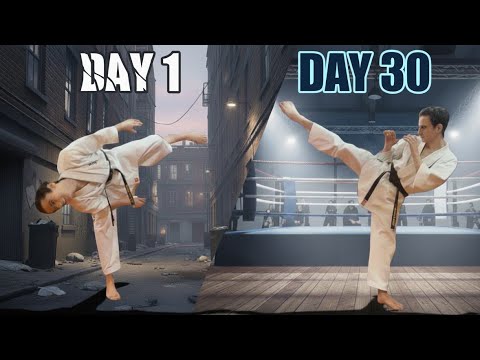
Feeling like your high kicks are plateauing? Do you watch others unleash devastating upward strikes while yours fall short, lacking power or precision? This isn't a problem of innate talent, but often a deficiency in fundamental, consistent practice. If you're not incorporating these three deceptively simple drills into your daily training, you are leaving significant potential on the table. This isn't about adding hours to your regimen; a mere 10-15 minutes of focused effort daily can yield dramatic improvements within days, and after a month, your high kicks will be a force to be reckoned with. But beware: the devil is in the details. Execute these with intention, and you will witness transformation. This advice is universal, whether your path leads through the tenets of Karate, the dynamic power of Taekwondo, the devastating elbows of Muay Thai, the multifaceted MMA, or any other striking art. The quest for martial perfection is a journey of constant refinement. Many practitioners focus solely on complex techniques and sparring, neglecting the foundational drills that build the true body mechanics, flexibility, and power necessary for high-level execution. This oversight is precisely where stagnation takes root. Today, we dissect three such fundamental drills that, when practiced consistently, will unlock a new dimension in your kicking ability. ## Drill 1: The Dynamic Hip Opener & Rotator

The Dynamic Hip Opener & Rotator

This drill is designed to build the explosive rotational power of the hips, which is the engine of any powerful high kick. It also crucially improves the mobility and stability of the hip joint, essential for both the chambering and extension phases.
  1. Starting Position: Stand tall, feet shoulder-width apart. Find a stable object to lightly hold for balance if needed – a wall, a sturdy pole, or even your own hand lightly touching your thigh.
  2. The Action:
    1. Initiate by bringing one knee up towards your chest, as if you were chambering a roundhouse kick.
    2. As your knee reaches its highest point, externally rotate your hip and swing your leg outwards and then downwards in a controlled circular motion. Imagine drawing a large circle with your foot.
    3. Return your leg to the starting position, then immediately repeat the motion, this time swinging the leg inwards and then downwards. This completes one full rotation.
  3. Execution: Perform 15-20 controlled rotations in each direction (outward then inward, and vice-versa) per leg. Focus on the feeling of the hip joint opening and rotating. The movement should be fluid, not jerky.
  4. Sensei's Insight: This isn't about speed; it's about control and range of motion. As you gain flexibility, you'll naturally increase the diameter of your "circle." Think of it as lubricating the hip's natural mechanics for powerful, uninhibited movement. This drill directly translates to a higher chamber and a more powerful hip torque on your kicks.
## Drill 2: The Wall-Assisted Leg Swing Progression

The Wall-Assisted Leg Swing Progression

Flexibility is paramount for high kicks, but it must be *active* and *controlled* flexibility, not just passive stretching. This drill uses a wall for support to push past your comfortable range of motion safely and dynamically.
  1. Starting Position: Stand facing a wall, about arm's length away. Place your hands on the wall at shoulder height for support.
  2. The Action (Forward Swing):
    1. Keeping your leg as straight as possible (a slight bend in the knee is permissible initially), begin to swing it forward and upward.
    2. Use the wall for support to help guide your leg higher than you might be able to kick unassisted. The swing should be smooth and controlled.
    3. As your leg reaches its peak, momentarily pause to feel the stretch, then smoothly bring it back down.
  3. The Action (Side Swing / Scissor Kick):
    1. Turn to face sideways to the wall, placing your hands on it for support.
    2. Begin swinging your leg across your body and then upwards and outwards, like a scissor motion.
    3. Again, use the wall to help lift the leg higher than you normally would, focusing on stretching the hamstring and hip flexor.
    4. Hold briefly at the peak, then control the descent.
  4. Execution: Perform 15-20 controlled swings in each direction (forward and side) for each leg. Gradually try to increase the height with each swing, but never force it to the point of pain.
  5. Sensei's Insight: This drill builds dynamic flexibility and teaches your nervous system to accept and control a greater range of motion. For the side swing, focus on stretching the inner thigh and hip flexor – critical for the chambering of a high roundhouse or a hook kick. The forward swing targets the hamstrings and improves the mechanics for techniques like a front kick or even the initial chamber of a spinning kick.
## Drill 3: The Static Balance & Snap Extension

The Static Balance & Snap Extension

Power in a kick isn't just about height; it's about the speed and snap at the point of impact. This drill isolates the extension phase, improving both balance and the ability to deliver a sharp, focused strike.
  1. Starting Position: Stand with your feet shoulder-width apart. Find a stable reference point (like a mark on the wall or a spot on the floor) to help maintain focus and balance.
  2. The Action:
    1. Chamber one leg as if preparing for a front kick or a high roundhouse kick. Hold this chambered position with control.
    2. From the chamber, explosively extend your leg forward (for a front kick) or upward and forward (for a roundhouse). The emphasis is on a quick "snap" rather than a slow push.
    3. Imagine striking a target with the ball of your foot or heel.
    4. Immediately retract the leg back to the chambered position.
    5. Hold the retracted position for a second, maintaining your balance.
    6. Slowly lower your leg back to the starting position.
  3. Execution: Perform 10-15 controlled extensions per leg. For the first few repetitions, focus purely on balance. As you become more stable, concentrate on making the extension as fast and "snappy" as possible, followed by a controlled retraction.
  4. Sensei's Insight: This drill is about precision and speed. The chamber and retraction build leg strength and control, while the explosive extension hones your striking power. The ability to snap your leg out and retract it quickly is what differentiates a powerful, effective kick from a slow, telegraphed one. This is crucial for fighters in high-tempo arts like Kickboxing and MMA.

Training Regimen: Integrating the Drills

The true power of these drills lies in consistency. Here’s how to integrate them effectively:
  • Morning Routine (10-15 minutes):
    • 5 minutes: Dynamic Hip Opener & Rotator (Drill 1) - 2-3 minutes per leg.
    • 5 minutes: Wall-Assisted Leg Swing Progression (Drill 2) - 2-3 minutes per leg, alternating forward and side swings.
    • 5 minutes: Static Balance & Snap Extension (Drill 3) - Focus on quality over quantity.
  • Before Sparring/Training Session:
    • Perform 5-10 repetitions of each drill dynamically to warm up the hips and legs.
  • Cool-down:
    • Gentle static stretching focusing on hips, hamstrings, and quadriceps.
Consistency is king. Even if you can only dedicate 5 minutes some days, do it. The cumulative effect over weeks and months is where the real magic happens.
"The difference between the impossible and the possible lies in a man's determination." - Tommy Lasorda (While not a martial artist, the principle applies universally to overcoming limitations in training.)

Veredicto del Sensei: ¿Un Salto en Tu Patada o una Caída al Vacío?

Let's be blunt. If you are looking for a magic pill or a single technique to instantly elevate your high kick, you will be disappointed. These drills are not flashy; they are the unglamorous, essential work that forms the bedrock of true kicking prowess. However, if you approach them with discipline, patience, and a commitment to understanding the mechanics, they are not just helpful – they are **transformative**. The difference lies in your *intent*. Are you going through the motions, or are you actively engaging your body, focusing on control, range, and speed? This is where the martial spirit – the dedication to self-improvement – comes into play. Neglect these fundamentals, and your kicks will remain predictable and weak. Embrace them, and you will see a tangible leap in height, power, and fluidity. This is a **Cinturón Negro en Fundamentos** for your kicking game.

Equipo Esencial para tu Entrenamiento

While these drills require minimal equipment, certain items can enhance their effectiveness and safety:
  • Comfortable Training Attire: Loose-fitting pants that allow for maximum range of motion.
  • A Stable Surface: Ensure you are training on a non-slip surface. A martial arts mat is ideal, but a carpeted floor or yoga mat works well.
  • A Wall or Sturdy Object: For balance support in Drill 2.
  • Optional: Resistance Bands: For advanced progression, light resistance bands can be added to the leg swings to increase muscle engagement. For those looking to invest further in their striking, consider quality kickboxing gloves or Taekwondo uniforms for sparring sessions that integrate your improved kicking.

Preguntas Frecuentes

  • How soon will I see results? You should feel increased mobility and a greater sense of control within days. Significant improvements in height and power typically manifest within 2-4 weeks of consistent daily practice.
  • Can I skip a drill if I feel it's too easy? No. Even if a drill feels easy, consistent practice reinforces muscle memory, flexibility, and control. Advanced practitioners should focus on increasing the speed, range, and control of each movement.
  • What if I feel pain? Pain is a signal to stop. These drills should create a stretching sensation or muscle fatigue, but never sharp pain. If you experience pain, consult a medical professional or a qualified martial arts instructor.
  • Can I do these drills if I have limited flexibility? Absolutely. These drills are designed to *improve* flexibility. Start with the range of motion you currently have and gradually push the boundaries with control. Never force a stretch.
  • How do these drills apply to spinning kicks? The hip rotation from Drill 1 and the dynamic flexibility from Drill 2 are crucial for spinning kicks. Drill 3 helps develop the explosive extension needed after the rotation.

Para Profundizar en tu Camino

To truly master the art of kicking, one must understand the broader context of martial philosophy and rigorous training. Explore these related topics:
"Mastery is not a destination, but a continuous journey of refinement." - Anonymous Warrior

Reflexión del Sensei: Tu Próximo Paso

You have been given the blueprint. Three simple, yet profound, drills that can unlock a new level of power and precision in your high kicks. The knowledge is now yours. The question that remains is: Will you let it gather dust on the shelf of your mind, or will you forge it into a weapon on the anvil of your daily training? Consider this: In the heat of a confrontation, in the controlled chaos of sparring, or even in the solitary pursuit of self-mastery, where does true power originate? Is it in the flashiest technique, or in the unshakeable foundation built through relentless, intelligent practice? Now, face yourself. Are you a warrior of action, or a spectator of potential? Now it is your turn. Do you believe these drills are the key, or are they merely a distraction from the *real* work? Prove your point in the comments below. GEMINI_METADESC: Unlock your high kick potential with 3 essential daily drills for Karate, Taekwondo, MMA, and more. Improve power, flexibility, and speed in just 10-15 minutes.

Ernesto Hoost's Low Kicks: A Masterclass in Martial Efficiency

The debate echoes through dojos and sparring rings: what constitutes the "perfect" technique? Many chase ephemeral beauty, sacrificing efficacy for a visually pleasing, yet ultimately flawed, execution. But then, there are those rare individuals who embody pure, unadulterated function. Ernesto "The Hurricane" Hoost is one such legend. His low kicks, often cited as a benchmark of devastating effectiveness, are not merely strikes; they are lessons in applied physics, strategy, and the unyielding spirit of the warrior. This analysis, which you might recall gained traction thanks to a certain prominent podcaster tweeting about it, is a deep dive into the mechanics and philosophy behind why Hoost's low kicks were, and remain, a masterclass in martial efficiency. We owe a debt of gratitude to the nearly 400,000 fight fans who have supported this journey into the heart of combat sports. Your engagement fuels our exploration of the martial world.

Understanding the Low Kick: More Than Just a Strike

Before dissecting Hoost's brilliance, we must first grasp the fundamental principles of the low kick itself. In arts like Muay Thai, Kickboxing, and even in certain applications derived from Karate, the low kick targets the opponent's thigh. Its primary objectives are:

  • To impede mobility: Damaging the quadriceps and hamstrings makes it difficult for an opponent to stand, deliver their own kicks, or maintain a stable base.
  • To drain stamina: Repeated low kicks accumulate damage, leading to fatigue and reduced power in the opponent's legs.
  • To create openings: A well-placed low kick can force an opponent to shift their weight, expose their head, or become unbalanced, creating opportunities for follow-up strikes.

However, the execution is critical. A poorly thrown low kick can be easily checked, blocked, or even lead to the attacker losing balance. This is where true masters differentiate themselves.

Hoost's Methodology: The Art of Precision and Power

What set Ernesto Hoost apart was not just raw power, but an almost surgical precision. His low kicks were characterized by:

  • The Shin, Not the Foot: Hoost consistently emphasized using the hard part of his shin bone, not the top of his foot, to strike the opponent's thigh. This maximizes bone-on-bone impact, delivering maximum shock and minimizing the risk of injury to himself.
  • Rotation and Hip Drive: His kicks were not arm-swinging affairs. The power originated from the ground up, with a powerful rotation of the hips and a driving motion of the leg. This generated immense torque and transferred kinetic energy efficiently.
  • Targeting Specific Areas: Hoost was adept at targeting the vastus medialis (inner thigh) and the muscles of the outer thigh. These areas are particularly vulnerable and their damage has a significant impact on an opponent's stability.
  • Seismic Power Generation: Even when not throwing with full force, his kicks carried a weight and impact that felt disproportionate to the movement. This is the hallmark of a fighter who understands how to generate power from their core and transfer it through the entire kinetic chain.
  • Economy of Motion: There was no wasted movement. The setup was minimal, the chambering of the leg efficient, and the follow-through was precise. This made his kicks faster and harder to anticipate.
"The martial way is a thing of practical application. Beauty is a distraction. Power, delivered with intent, that is the true path." - A distillation of principles observed in many legendary fighters.

Biomechanics of Devastation: The Science Behind the Kick

From a biomechanical standpoint, Hoost's low kicks were a masterclass in leveraging physics. Key elements include:

  • Leverage: The leg acts as a lever. By rotating the hips and extending the leg with maximum velocity, Hoost effectively increased the force applied to the target.
  • Momentum Transfer: The weight of his body, combined with the speed of his leg, allowed for a significant transfer of momentum upon impact. Think of a wrecking ball – the mass and velocity combine for devastating effect.
  • Striking Surface: Using the shin, the hardest part of the leg, ensures that the force is concentrated and delivered effectively. Striking with the foot often dissipates energy or can result in the foot being injured on a blocked kick.
  • Core Engagement: A strong, engaged core is the engine of any powerful strike. Hoost's core strength allowed him to generate rotational force and maintain balance even while delivering a powerful kick.

The combination of these factors resulted in kicks that were not only painful but could literally stop a fighter in their tracks, rendering them incapable of continuing.

Strategic Application: When and Why to Deploy the Low Kick

Hoost was not a fighter who threw techniques indiscriminately. His low kicks were deployed with strategic intent:

  • Against Aggressive Strikers: When an opponent pressed forward, Hoost would often meet them with sharp low kicks to the lead leg. This instantly halted their momentum and punished their forward pressure.
  • To Neutralize Power Leg: Against opponents known for their powerful kicks, Hoost would systematically break down their support leg, diminishing the threat they posed.
  • As a Range Control Tool: The low kick is an excellent tool for managing distance. It keeps the opponent at bay and discourages them from closing the gap for wild exchanges.
  • To Set Up Other Strikes: A damaged lead leg can cause an opponent to drop their guard or shift their weight, opening up opportunities for head kicks, punches, or body shots.

His fight IQ was as impressive as his physical prowess, making him a truly formidable opponent.

Training the Perfect Low Kick: A Practical Guide

Developing a low kick with Hoost's level of effectiveness requires dedicated, intelligent training. Here's a breakdown:

  1. Develop Hip Mobility and Flexibility:
    • Focus on dynamic stretching for the hips, groin, and hamstrings.
    • Incorporate exercises like Cossack squats, leg swings (forward, backward, and side-to-side), and hip circles.
  2. Build Core Strength:
    • Essential for power generation and stability.
    • Exercises: Planks, Russian twists, leg raises, and medicine ball throws.
  3. Condition Your Shin:
    • This is crucial and must be done progressively to avoid injury.
    • Start by gently tapping your shin against a heavy bag or a conditioning tool. Gradually increase the intensity and duration.
    • Consider exercises like shin-rolling with a bottle or specialized conditioning tools.
  4. Practice the Mechanics:
    • Stance: Maintain a balanced, athletic stance. Keep your hands up to protect your head.
    • Chambering: Bring your kicking leg's knee up, not necessarily high, but enough to allow for proper hip rotation.
    • Rotation: Pivot on your standing foot. The power comes from the hip's rotation, not just the leg's extension.
    • Impact: Strike with the hard part of your shin. Aim for the muscle of the thigh.
    • Follow-through: Allow your leg to swing through the target naturally, then recover to your stance quickly.
    • Practice on a Heavy Bag: Start with controlled kicks, focusing on technique. Gradually increase power as you build conditioning and confidence.
    • Sparring: Gradually introduce low kicks into sparring sessions, starting with light contact and focusing on timing and accuracy. Always communicate with your sparring partners and ensure safety.
  5. Develop Speed and Precision:
    • Practice kicking drills at varying speeds.
    • Work on combinations, integrating low kicks with punches and other techniques.
    • Visualize your target and execute with intent.

Equipment Essentials for Your Training

To effectively train and condition yourself for powerful low kicks, consider the following equipment:

  • Heavy Bag: Essential for practicing power, speed, and combinations. Look for a well-constructed bag that can withstand significant impact.
  • Shin Guards: Crucial for protecting your shins during sparring and high-intensity bag work, especially as you condition them. Look for durable, well-padded options.
  • Groin Protector: A non-negotiable item for any sparring, especially when kicks are involved.
  • Training Partner: For learning timing, defensive checks, and applying techniques in a dynamic environment.
  • Optional: Conditioning Tools: Specialized tools for shin conditioning can be beneficial but should be used with caution and progression.

For those serious about their training, investing in a good pair of kickboxing gloves and a durable Thai pad set will also greatly enhance your practice sessions.

Veredict of the Sensei: The Hurricane's Legacy

Ernesto Hoost's low kicks were more than just strikes; they were a testament to the martial principle of "Kake" – the principle of efficient, applied force. They were devastatingly effective, strategically deployed, and executed with a precision that bordered on art. While many strive for flash, Hoost embodied substance. His low kicks were a perfect fusion of power, technique, and fight IQ, earning him the respect of peers and the awe of fans worldwide.

Cinturón Negro en Eficiencia Marcial. His technique stands as a benchmark for any aspiring kickboxer or martial artist looking to understand the true meaning of a devastatingly effective strike.

Frequently Asked Questions

  • Can I use my foot to kick low? While possible, it's far more effective and safer to use your shin. Striking with the foot risks injury and delivers less concentrated force.
  • How long does it take to develop strong low kicks? This varies greatly depending on your training frequency, intensity, and individual aptitude. Consistent, dedicated training over months and years is typically required.
  • Are low kicks effective in self-defense? Yes, low kicks can be highly effective in self-defense for their ability to incapacitate an attacker by impairing their mobility and causing significant pain.
  • What's the difference between a Muay Thai low kick and a Karate low kick? While both target the leg, Muay Thai kicks often involve more hip rotation and a sweeping motion, while Karate low kicks might be more linear and focused on snapping the leg. Hoost's style borrowed heavily from the explosive, rotational power seen in Muay Thai.

Deepen Your Path

Reflection of the Sensei: Your Next Step

Hoost's mastery wasn't born overnight; it was forged through relentless dedication to fundamentals and a deep understanding of application. As you contemplate these mechanics, ask yourself: Are you training for show, or are you training for effect? When you step onto the mat, are you embodying efficiency, or are you simply going through the motions? The true martial artist seeks not applause, but efficacy. How will you refine your own "low kick" – whether literal or metaphorical – to carry the weight of genuine power?

``` GEMINI_METADESC: Explore Ernesto Hoost's legendary low kicks: a masterclass in martial efficiency, biomechanics, strategy, and training. Learn from the best.

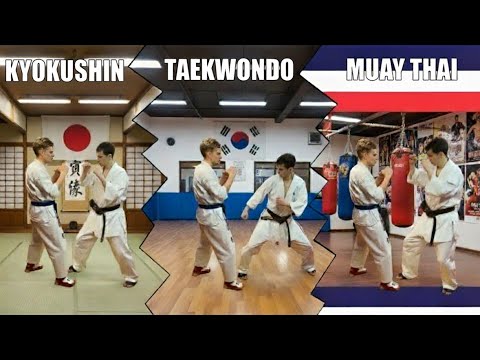
The Unseen Foundation: Taekwondo, Muay Thai, and Kyokushin Karate Stances - A Martial Master's Critique

Follow us on Instagram: https://ift.tt/1jG7Zvy A disciple once approached me, breathlessly asking about the "best" fighting stance. A dangerous question, born from impatience and a misunderstanding of the deep roots of martial arts. This isn't about finding a single, invincible posture. It's about understanding the *why* behind the *how*, the philosophy etched into the very posture of a warrior. Today, we dissect the textbook stances of Taekwondo, Muay Thai, and Kyokushin Karate – not just to compare their mechanics, but to unveil the spirit they embody.

Tabla de Contenidos

Introduction: The Stance as a Canvas

The body, in martial arts, is never static. It is a living sculpture, constantly adjusting, reacting, and preparing to unleash. A fighting stance is not merely a position; it's a declaration. It speaks of your intent, your strengths, your vulnerabilities, and the very philosophy of the art you practice. This analysis delves into the foundational fighting stances of three prominent martial disciplines: Taekwondo, Muay Thai, and Kyokushin Karate. We will explore their inherent pros and cons, not in isolation, but as reflections of their respective combat systems. Remember, these are often idealized "textbook" representations. True mastery lies in adapting these principles to the dynamic reality of combat.
"A true warrior is not a fighter, but a student. The stance is the first lesson, the alphabet of combat."
The world of martial arts is vast and diverse. For those seeking to understand the intricacies of combat, the foundational stance is a critical starting point. Welcome to Budo and Martial Arts, your comprehensive guide to the martial world. Published on May 8, 2022, at 05:00 AM, this article aims to provide the most complete and updated perspective on fighting stances. We invite you to explore our main page for more insights and to follow us on social networks.

The Taekwondo Stance: Speed and Precision

Taekwondo, often celebrated for its dynamic kicking techniques, emphasizes agility, speed, and reach. Its most common fighting stance reflects this. Typically, it's an **on-guard** or **parallel stance**, with feet shoulder-width apart or slightly narrower.
  • Pros:
    • Excellent for Kicking: This stance allows for rapid generation of power and speed in leg techniques. The slightly narrower base facilitates quick pivoting and evasive footwork.
    • Agility and Evasion: The upright posture and balanced weight distribution make it easier to move quickly, dodge, and change direction.
    • Wide Stance for Defensive Maneuvers: A slightly wider variation can provide a stable base for blocking and parrying.
  • Cons:
    • Vulnerability to Low Attacks: The more upright posture can leave the legs exposed to low kicks or takedowns.
    • Limited Power Generation for Hand Techniques: While hand strikes are part of Taekwondo, this stance isn't optimized for generating maximum punching power compared to more forward-leaning stances.
    • Less Stable Against Strong Push/Pull: The narrower base can be less stable if an opponent attempts to unbalance you with significant force.
The mental aspect here is one of readiness for explosive movement, anticipating the opponent's attack to deliver a swift, decisive counter, often with the legs. It embodies the spirit of a swift predator, waiting for the opportune moment to strike.

The Muay Thai Stance: The Art of the Clinch and Damage

Muay Thai, the "Art of Eight Limbs," integrates punches, kicks, elbows, and knees, with a strong emphasis on the clinch. Its fighting stance is characteristically wider and more grounded than Taekwondo's.
  • Pros:
    • Exceptional Stability: The wider base provides a solid platform for absorbing strikes, delivering powerful kicks and knee strikes, and resisting takedowns.
    • Readiness for Clinch Work: The slightly bent knees and balanced weight allow for easy transitions into grappling and clinching exchanges.
    • Damage Resistance: The guard is typically higher, with elbows tucked, offering better protection against strikes.
    • Power Generation for Knees and Elbows: The grounded stance allows for powerful rotation and thrusting motions vital for close-range weapons.
  • Cons:
    • Less Agile for Evasive Footwork: The wider, more rooted stance makes rapid side-to-side movement or quick retreats more challenging.
    • Slightly Slower Kicks: While powerful, the generation of speed for high kicks might be slightly slower compared to a Taekwondo stance.
    • Potential Opening for Takedowns: While generally stable, a skilled grappler might still find opportunities to exploit the stance for sweeps or takedowns if the practitioner isn't vigilant.
The Muay Thai stance embodies resilience and relentless pressure. It’s the stance of a seasoned warrior who expects to endure damage and inflict it in return, ready for the brutal exchanges that define the sport.

The Kyokushin Karate Stance: Unwavering Power

Kyokushin Karate, known for its full-contact sparring (kumite) and emphasis on conditioning, utilizes a stance that prioritizes power transmission and resilience. The **Naihanchi-dachi** (or deep horse stance) and variations are common, characterized by a very low center of gravity and a forward-leaning posture.
  • Pros:
    • Immense Power Transfer: The low center of gravity allows for explosive hip rotation and direct force transmission through punches and kicks.
    • Incredible Stability and Rooting: It's extremely difficult to move a Kyokushin practitioner from this stance.
    • Strong Defensive Base: The low profile and solid structure make it effective for absorbing body shots and resisting forward pressure.
    • Built for Endurance and Conditioning: Holding such a stance for extended periods builds formidable leg strength and mental fortitude.
  • Cons:
    • Very Limited Mobility: Agility and rapid evasion are severely hampered. Movement is often a sliding or shuffling motion rather than quick steps.
    • Vulnerable to High Attacks: The forward lean can expose the head and face to well-timed high kicks or punches.
    • Demanding Physically: Maintaining this stance requires significant physical conditioning and can lead to fatigue if not properly trained.
This stance is the embodiment of unwavering resolve. It speaks of a warrior who stands their ground, absorbing the storm and returning it with overwhelming force. The mental discipline required is immense, mirroring the philosophy of perseverance inherent in Kyokushin.

Comparative Analysis: Stance, Strategy, and Spirit

The differences in these stances are not arbitrary; they are strategic extensions of each art's core principles.
Feature Taekwondo Stance Muay Thai Stance Kyokushin Karate Stance
Primary Focus Speed, Kicking Reach, Evasion Stability, Damage Resistance, Clinch Readiness Power Transmission, Unwavering Stability, Resilience
Mobility High Moderate Low
Center of Gravity Mid-High Mid Low
Vulnerabilities Low attacks, grappling Extreme mobility, high head attacks High attacks, extreme mobility required by opponent
Spirit Embodied Swiftness, Precision, Anticipation Resilience, Relentlessness, Combat Readiness Steadfastness, Power, Unyielding Spirit

Guía de Entrenamiento: Cultivating Your Foundation

Developing a strong fighting stance is not just about imitating a posture; it's about building the physical and mental foundation to support it.
  1. Start with Basic Postures: Practice each stance (Taekwondo, Muay Thai, Kyokushin) separately. Hold each for increasing durations, focusing on correct alignment, weight distribution, and muscle engagement.
  2. Core Engagement: Learn to tense your abdominal muscles (koshi-e) in each stance. This is crucial for stability and power transfer across all martial arts.
  3. Footwork Drills: Practice moving in and out of each stance. For Taekwondo, focus on quick steps and pivots. For Muay Thai, practice shuffling and maintaining balance. For Kyokushin, work on sliding motions and controlled forward movement.
  4. Simulated Strikes: Practice generating power for strikes from each stance. For Taekwondo, focus on hip rotation for kicks. For Muay Thai, practice knee thrusts and elbow strikes. For Kyokushin, practice piston-like punches and grounded kicks.
  5. Balance Exercises: Stand on one leg while holding a stance variation, or practice shifting weight smoothly between feet. This enhances proprioception and control.
  6. Drill with a Partner (Safely): If possible, practice with a partner. One person can gently push or test the stability of the stance, while the other focuses on maintaining it. This is also a good place to incorporate defensive drills.
Remember, the goal is not to find the "best" stance, but to understand how each stance serves its art and how you can adapt these principles to your own training.

Equipo Esencial para tu Entrenamiento

While many stances can be practiced with minimal equipment, certain gear can significantly enhance your training and understanding.
  • Kimono/Gi: For Taekwondo and Kyokushin Karate, a durable karate gi is essential. Look for a double-weave fabric for durability during intense sparring.
  • Boxing Gloves/MMA Gloves: For Muay Thai and for punching drills in Taekwondo/Kyokushin, quality MMA gloves or Muay Thai specific gloves are recommended. For sparring, ensure they are well-padded (10-16oz is common).
  • Shin Guards: Crucial for Taekwondo and Muay Thai kick training to protect against impact.
  • Mouthguard: Non-negotiable for any sparring session.
  • Optional: Training Dummy/Partner: While not strictly equipment, consistent practice with a partner or a dummy can help refine your stance application.
Investing in the right equipment not only protects you but also signifies your commitment to the path of martial arts.

Veredicto del Sensei: More Than Just a Pose

The common textbook stances of Taekwondo, Muay Thai, and Kyokushin Karate are more than just ergonomic positions; they are codified expressions of distinct martial philosophies. Taekwondo’s stance is the dance of a swift, precise warrior. Muay Thai’s is the grounded, resilient stance of a fighter who wades through fire. Kyokushin’s is the unyielding fortress of a warrior rooted in the earth, prepared to absorb and repel any assault. Are these stances perfect? In their idealized forms, perhaps not for every situation. But their strength lies in their specificity, their suitability for the techniques and strategies they are designed to support. To truly master a stance is to internalize the spirit of the art it represents. It is to understand that the foundation, however unassuming, is the bedrock upon which all technique and power are built. **Calificación:** Cinturón Negro en Fundamentos Filosóficos. These stances teach us that true strength is not just in striking, but in how we stand and endure.

Preguntas Frecuentes

¿Cuál es la mejor postura de combate para la defensa personal?

Para defensa personal, la "mejor" postura es la más adaptable. Una posición ligeramente más ancha que la de Taekwondo pero menos rígida que la de Kyokushin, con un centro de gravedad bajo y la capacidad de moverte rápidamente, suele ser más práctica. Debe permitirte lanzar golpes, patear bajo y tener una defensa sólida contra el agarre.

¿Puedo mezclar elementos de diferentes posturas en mi entrenamiento?

Absolutamente. Una vez que entiendas los principios fundamentales de cada postura, puedes experimentar. Un practicante avanzado puede saber cuándo adoptar una postura más amplia para la estabilidad o una más estrecha para la movilidad, adaptándose a la situación.

¿La rigidez de la postura de Kyokushin la hace lenta?

Sí, la postura de Kyokushin está diseñada para la potencia y la resistencia, no para la agilidad extrema. El movimiento se realiza más por deslizamiento y rotación que por pasos rápidos. Esto es un compromiso estratégico para maximizar la fuerza y la estabilidad en combate de contacto pleno.

¿Es importante la altura de la guardia en cada postura?

Sí. La altura de la guardia varía según el arte. Taekwondo puede tener una guardia más baja para facilitar patadas altas, mientras que Muay Thai y Kyokushin suelen tener guardias más altas y compactas para protegerse mejor de los golpes directos y las patadas al cuerpo.

¿Cómo afecta la respiración a mi postura de combate?

Una respiración profunda y controlada es esencial. Ayuda a mantener la calma, a oxigenar los músculos y a potenciar la fuerza de los movimientos. En artes como el Kyokushin, la exhalación fuerte (kiai) a menudo acompaña a un golpe potente, reforzando la postura.

Para Profundizar en tu Camino

  • Kyokushin Karate: Exploramos la filosofía y las técnicas de este duro arte.
  • Taekwondo: Descubre la esencia de las patadas y la disciplina coreana.
  • Muay Thai: Sumérgete en el arte de las ocho extremidades.

Reflexión del Sensei: Tu Próximo Paso

After dissecting these fundamental stances, the true lesson emerges: the body is a weapon, and the stance is its sheath. But how do you truly *feel* the earth beneath your feet? How do you make that connection a source of power, not a limitation? Does understanding the *why* of a stance truly change how you train, or is it merely academic knowledge? ``` GEMINI_METADESC: A martial master dissects the fighting stances of Taekwondo, Muay Thai, and Kyokushin Karate, analyzing their pros, cons, philosophy, and training.

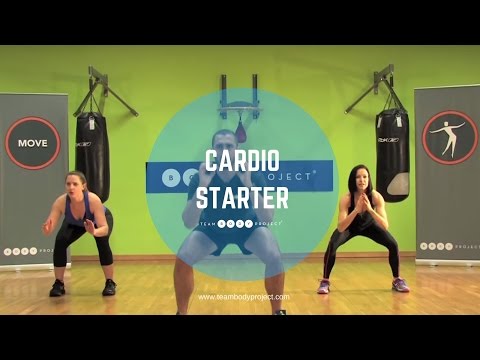
Low Impact Cardio: A 30-Minute Warrior's Workout for All Levels

The path of the warrior is not solely one of brutal confrontation, but also of disciplined self-improvement. Even in the modern dojo, where the clash of steel and the thud of flesh echo through the ages, the need for foundational conditioning remains paramount. This isn't about a mere "cardio workout"; it's about forging a resilient body, a core capable of enduring the rigors of training, and a spirit that remains unbroken even when fatigued.

The Warrior's Foundation: Beyond Mere Exercise

Many mistake the intense combat of martial arts for the entirety of its practice. They see the flying kicks, the lightning-fast strikes, and assume that's all there is. But before any warrior can stand on the battlefield, they must first build their fortress. This 30-minute session is not merely a "cardio workout" in the modern sense; it is a fundamental conditioning drill, designed to prepare the body for the demands of more specialized training. It's about cultivating stamina, building a resilient cardiovascular system, and igniting the inner fire that fuels every strike and parry. Daniel, our guide here, understands that true strength isn't just brute force; it's the ability to sustain effort, to endure. This is the essence of Budo, a principle that transcends the specific techniques of any single art. As the old masters taught, a strong foundation is the bedrock of all skill.

The Philosophy of Low Impact: Strength Without Strain

The term "low impact" might conjure images of gentle strolls, but for a martial artist, it signifies a critical tactical advantage: the ability to train intensely without incurring unnecessary wear and tear on the body. Joints are our allies, not adversaries to be battered and broken. This routine prioritizes movements that are efficient and effective, minimizing stress on the knees, ankles, and spine. It's about building functional strength and cardiovascular endurance that translates directly to the dojo or the ring. Think of it as honing your blade – you want it sharp and resilient, not chipped and brittle. This approach ensures longevity in your martial journey, allowing you to train harder and smarter for years to come. It’s the difference between a warrior who fights for a decade and one who burns out in two years.

Your 30-Minute Tactical Conditioning Drill

This session is structured as a series of interval drills, a common tactic in martial arts training to maximize effort in short bursts, mimicking the ebb and flow of combat. Each segment is designed to elevate your heart rate, stimulate the release of endorphins – those natural mood boosters and pain relievers – and burn calories efficiently. Remember, consistency is key. Applying this routine regularly will forge the endurance you need to outlast your opponent.

  1. Warm-up (5 Minutes): Essential for preparing the body. This includes dynamic stretches and light movements to increase blood flow and joint mobility. Never skip this phase; it's your first line of defense against injury.
  2. Interval Drills (20 Minutes): This is the core of the session. You'll engage in varied movements for specific durations, followed by short recovery periods. The intensity should be challenging but sustainable. Focus on maintaining proper form throughout.
    • Drill 1: High Knees (30 seconds ON, 30 seconds OFF)
    • Drill 2: Butt Kicks (30 seconds ON, 30 seconds OFF)
    • Drill 3: Jumping Jacks (30 seconds ON, 30 seconds OFF)
    • Drill 4: Modified Burpees (no push-up if preferred) (30 seconds ON, 30 seconds OFF)
    • Drill 5: Mountain Climbers (30 seconds ON, 30 seconds OFF)
    • Repeat this cycle 4 times.
  3. Cool-down (5 Minutes): Gentle stretching and breathing exercises to help your body recover and prevent stiffness. This phase is as crucial as the workout itself for long-term physical well-being.

Understanding the Drills: Power in Simplicity

Each drill, while seemingly basic, serves a distinct purpose in a martial artist's conditioning:

  • High Knees: Mimics the rapid footwork and driving leg power required for explosive movements, advances, and evasion. It builds hip flexor strength and core stability.
  • Butt Kicks: Focuses on hamstring engagement and the quick recoil of the leg, essential for powerful kicks and dynamic foot transitions.
  • Jumping Jacks: A classic for a reason. It's a full-body movement that raises the heart rate rapidly and improves coordination and stamina.
  • Modified Burpees: This compound movement engages multiple muscle groups, building functional strength and cardiovascular endurance. The low-impact modification ensures accessibility without sacrificing effectiveness. It's a test of grit.
  • Mountain Climbers: A superior exercise for core strength and stability, crucial for transferring power through the body during strikes and grappling.

The beauty of these drills lies in their universality. A Karateka can visualize snapping kicks, a Judoka can imagine explosive pulls, and a Muay Thai fighter can see the necessity of sustained knee strikes. The underlying physical attributes are the same.

"The supreme art of war is to subdue the enemy without fighting." - Sun Tzu, The Art of War. This doesn't mean avoiding conflict, but rather being so supremely prepared that the outcome is almost guaranteed before the first blow is struck. Conditioning is that preparation.

Sensei's Verdict: Is This a True Martial Conditioning Method?

From the perspective of a seasoned martial artist, this routine is a valuable component of a holistic training regimen. It’s not a substitute for specialized technique training – it won't teach you a perfect hip throw or a devastating elbow strike. However, it provides the foundational cardiovascular endurance and muscular resilience necessary to perform those techniques effectively and repeatedly. The "low impact" nature makes it accessible for beginners and those recovering from minor injuries, allowing them to maintain fitness without exacerbating problems. It successfully employs interval training, a method proven effective in combat sports for developing anaerobic and aerobic capacity. While the terminology is modern fitness-speak, the underlying principle – building a body that can withstand and deliver force – is as ancient as Budo itself.

Sensei's Rating: "Bronze Medal for Stamina" – A solid, accessible method for building the engine of a warrior, provided it's integrated with specific martial arts training.

Essential Gear for Your Training Path

While this workout requires minimal equipment, a few items can enhance your experience and support your long-term training:

  • Comfortable Workout Attire: Breathable fabrics that allow for a full range of motion.
  • Supportive Footwear: Shoes designed for cross-training or athletic activities to provide cushioning and stability.
  • Water Bottle: Staying hydrated is critical for performance and recovery.
  • Exercise Mat (Optional): For added comfort during floor exercises like mountain climbers and cool-down stretches.
  • Heart Rate Monitor (Optional): To precisely track your exertion levels and ensure you're training within your target zones.

Resources to Deepen Your Understanding

To truly integrate this conditioning into your martial arts journey, consider exploring these related areas:

  • Conditioning for Martial Arts: Learn advanced drills and strategies to build functional strength and endurance specific to combat sports.
  • The Philosophy of Budo: Understand the principles and ethics that guide the martial path beyond mere fighting techniques.
  • Self-Defense Techniques: Explore practical applications for real-world situations, where physical conditioning plays a vital role.
  • Kyokushin Karate Training: Witness a style that emphasizes full-contact sparring and demands exceptional physical conditioning.

Frequently Asked Questions

Can I really get fit in 30 minutes?

Yes, if the workout is structured effectively, like this interval-based session. Consistency over time is more important than the duration of a single session. This routine is designed for efficiency.

Is this workout safe for absolute beginners?

The "low impact" nature makes it safer than high-impact alternatives. However, it is crucial to listen to your body, maintain proper form, and consult a healthcare professional before starting any new exercise program, especially if you have pre-existing conditions.

How often should I do this workout?

For optimal results and to build a solid foundation, performing this routine 3-4 times per week is recommended. Ensure you incorporate rest days and your specific martial arts training into your schedule.

What's the difference between this and a specialized martial arts drill?

This is general conditioning; martial arts drills are technique-specific. Think of this as building the engine of a car, while martial arts drills are teaching you how to race that car – steering, braking, and navigating the track. Both are essential.

Can I modify this workout further?

Absolutely. You can adjust the work-to-rest ratios, increase the number of rounds, or substitute exercises with similar low-impact movements that target the same muscle groups. The key is to maintain intensity and proper form.

Para Profundizar en tu Camino

Sensei's Reflection: Your Next Move

The physical conditioning is but one aspect of the warrior's journey. This workout builds the vessel, but what will you fill it with? Will it be discipline, resilience, and unwavering spirit? Or will it be neglected, leaving your powerful engine to rust unused? The true measure of a martial artist is not just their ability to fight, but their commitment to constant self-improvement, both physically and mentally. This 30-minute drill is a tool, an opportunity. The question is:

When your body calls out in fatigue during sparring, is it a sign to quit, or a testament to the strength you have already cultivated?

Reflect on this. And then, commit to the next drill. Your journey demands it.

``` GEMINI_METADESC: Forge your warrior's body with this 30-minute low-impact cardio workout. Master endurance, build resilience, and enhance your martial arts training with this effective, interval-based conditioning.

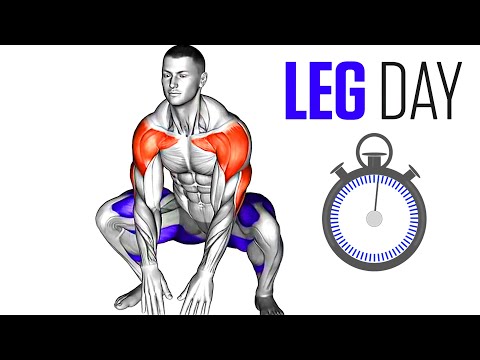
The Unbending Leg: Mastering Lower Body Power and Shedding Fat from a Warrior's Perspective

The pursuit of physical prowess is a cornerstone of any true warrior's path. Yet, many practitioners, obsessed with upper body strength or flashy techniques, neglect the very foundation upon which all power is built: the legs. You might be searching for "leg workouts," "leg workouts home," "leg exercises at home," or "best leg exercises" with dumbbells. But are you truly understanding the *purpose* behind these movements? This isn't merely about aesthetics or building bulk; it's about cultivating explosive power, unwavering stability, and the lean, functional physique of a fighter. Today, we dissect the art of leg training and fat loss, not as a casual gym-goer, but as a martial artist seeking ultimate functional strength.

The Foundation of Power: Why Legs Matter

For too long, the discourse on "leg workouts" and "leg exercises" has been dominated by bodybuilding jargon. But let's be clear: a martial artist does not train to become a statue. We train to move, to strike, to defend, and to endure. The legs are our anchor, our engine, and our primary lever for generating force. Whether you're practicing the explosive leaps of Shaolin Kung Fu, the grounded stability of Karate's deep stances, or the powerful takedowns in Judo and BJJ, the legs are paramount. Neglecting them is akin to building a magnificent temple on sand – it will inevitably crumble. This article will delve into exercises that not only build strength and power but also contribute to shedding unwanted body fat, forging a resilient and functional physique worthy of a warrior.

Deconstructing the Movements: From Gym Exercises to Warrior Drills

The original content lists exercises like "Squat With Side Leg Lift," "Plyo Side Lunge," "Heel Touch," and "Overhead Squat." These are indeed effective, but let's reframe them through the lens of martial arts. * **Squat Variations (Squat With Side Leg Lift, Overhead Squat, Squat variations):** The squat is the king of lower body movements. In martial arts, it translates to building the foundational strength for deep stances, powerful kicks, and stable grappling. The side leg lift adds an element of hip abduction, crucial for balance and controlling distance. The overhead squat, when executed with control, demands incredible core engagement and shoulder mobility – skills vital for advanced techniques and deflections. * **Lunges and Agility (Plyo Side Lunge, Half Burpees):** These movements cultivate explosive power and lateral agility. A plyometric lunge mimics the rapid shifting of weight needed for evasive maneuvers or closing the distance. Half burpees, while often seen as a conditioning tool, are excellent for developing the explosiveness required for takedowns or quick transitions. * **Core and Stability (Heel Touch, Single Leg Heel Touch, Glute March):** Don't underestimate the importance of seemingly simple exercises for core strength and single-leg stability. The "Heel Touch" engages the obliques, essential for rotational power in strikes. The single-leg variations, like the Single Leg Heel Touch and Glute March, are critical for balance and proprioception – being able to maintain your footing and execute techniques even when off-balance is a hallmark of a skilled fighter. * **Dynamic Mobility (Crossover Hip Flexor, Dynamic Hip Flexor):** Martial arts require a significant range of motion, particularly in the hips. These dynamic stretches prepare the muscles for explosive movements, improve flexibility, and help prevent injuries – a constant threat in combat sports.
Many of these "gym exercises" are simply modern interpretations of ancient principles. The emphasis on functional movement, core stability, and explosive power has always been central to martial training, long before the term "bodybuilding" existed.

Warrior's Leg Blueprint: A Home Training Regimen

Let's transform these concepts into a practical, at-home training regimen. You don't need a full gym to forge powerful legs.
  1. Warm-up (5-10 minutes):
    • Light jogging in place or dynamic stretching (arm circles, leg swings).
    • Dynamic Hip Flexor Stretch (30 seconds per leg).
    • Crossover Hip Flexor Stretch (30 seconds per leg).
  2. Bodyweight Foundation (3-4 sets of 10-15 repetitions each):
    1. Bodyweight Squats: Focus on depth and maintaining an upright torso. Imagine sinking into a low guard.
    2. Walking Lunges: Step forward, lowering your back knee towards the ground. Alternate legs.
    3. Glute Bridges: Lie on your back, knees bent, feet flat. Lift your hips, squeezing your glutes at the top.
    4. Calf Raises: Stand with feet flat, raise up onto the balls of your feet.
  3. Explosive Power & Stability (3-4 sets of 8-12 repetitions each):
    1. Jump Squats: From a squat position, explode upwards. Land softly back into a squat.
    2. Plyometric Side Lunges: Lunge to one side, then explosively push off to the other side, landing in a lunge. Alternate sides.
    3. Single Leg Squats (Pistol Squat progressions): Start by holding onto a sturdy object for balance. Aim for a controlled descent. If full pistol squats are too advanced, perform partial reps or use a chair for assistance.
    4. Single Leg Heel Touches: Stand on one leg, slightly bending the knee. Reach your opposite hand towards the floor, feeling a stretch in your hamstring and engaging your core. Alternate sides.
  4. Core Integration (3 sets of 15-20 repetitions):
    1. Plank with Alternating Leg Lifts: Hold a plank position. Slowly lift one leg a few inches off the ground, keeping hips stable. Alternate legs.
    2. Russian Twists (Bodyweight): Sit on the floor, knees bent, feet slightly off the ground. Twist your torso from side to side.
  5. Cool-down (5 minutes): Static stretching for quadriceps, hamstrings, and calves.
"The strength of the legs is the strength of the whole body. Without strong legs, a warrior is easily toppled." - A principle echoed in many martial traditions.

Beyond Reps and Sets: The Martial Artist's Approach to Fat Loss

Fat loss is not a separate discipline; it's an inevitable outcome of a disciplined martial lifestyle. While leg training burns calories, true fat loss comes from a holistic approach: * **Consistency:** The most potent "fat loss exercise" is the one you do consistently. Adherence to your training and dietary plan trumps sporadic intensity. * **Nutrition:** Fuel your body like a warrior. Prioritize lean proteins, complex carbohydrates, and healthy fats. Minimize processed foods, excessive sugars, and empty calories. The "food as medicine" philosophy is as relevant today as it was centuries ago. * **Intensity:** Incorporate high-intensity intervals (HIIT) within your leg workouts or as separate sessions. The explosive movements mentioned earlier are perfect for this. * **Mindfulness:** Understand your body's signals. Listen to hunger cues, recognize fatigue, and manage stress. A stressed body holds onto fat. * **Patience:** Transformation takes time. Embrace the journey, celebrate small victories, and trust the process.

Essential Gear for Your Training

While bodyweight training is powerful, a few key items can elevate your leg development and fat loss efforts.
  • Resistance Bands: Versatile for adding resistance to squats, lunges, and glute exercises. They are portable and come in various strengths.
  • Dumbbells (if available): Essential for adding progressive overload to squats, lunges, and deadlifts. Start with a moderate weight and gradually increase. Investing in a good pair can be a long-term asset.
  • Comfortable Training Shoes: Crucial for support and shock absorption during explosive movements. Look for shoes that offer a balance of cushioning and stability.
  • A Durable Mat: For floor exercises like glute marches and core work, a mat provides comfort and hygiene.
  • A Water Bottle: Hydration is key for performance and recovery.
For those serious about their training, consider looking into quality workout gear that supports your goals and enhances your training experience.

Sensei's Verdict: Functional Power vs. Mere Aesthetics

The exercises listed in the original content, when approached with a martial artist's mindset, are far more than just "leg workouts for men" or "leg workouts for women." They are tools for building the powerful, stable, and agile base required for combat and everyday life. If your goal is simply to have larger thighs, you might find satisfaction in more isolation-focused bodybuilding routines. However, if you seek the functional strength, explosive power, and lean conditioning of a true warrior capable of rapid movement and sustained effort, then these compound, dynamic exercises are superior. They burn more calories, engage more muscle groups, and translate directly to improved martial arts performance and real-world functionality. Cinturón Negro en Funcionalidad.

Frequently Asked Questions

  • How often should I train my legs for martial arts?
  • For most practitioners, training legs 2-3 times per week, with at least one rest day in between, is optimal. Listen to your body and adjust based on your training intensity and recovery.
  • Can I build leg strength at home without weights?
  • Absolutely. Bodyweight exercises, especially when performed with proper form, tempo, and increased repetitions, can be incredibly effective. Adding plyometrics and focusing on muscle engagement will maximize results.
  • How does leg training help with fat loss?
  • Legs are the largest muscle group in the body. Training them stimulates a significant metabolic response, burning more calories both during and after the workout. Compound leg exercises also improve overall muscle mass, which boosts your resting metabolism.
  • What's the difference between "leg exercises" for bodybuilding and martial arts?
  • Bodybuilding often focuses on isolating specific muscles for hypertrophy (growth). Martial arts training emphasizes compound movements that build functional strength, power, stability, and mobility, all of which are transferable to combat and movement.

To Further Your Path

Embarking on the journey of martial arts and fitness requires continuous learning. To deepen your understanding and refine your practice, I recommend exploring these related topics on our blog:

Sensei's Reflection: Your Next Step

We have examined leg training not as a mere physical chore, but as a vital component of the warrior's armament. We've discussed exercises that build power, agility, and the functional strength to withstand any combat scenario. Now, the true test lies not in reading, but in doing. **Reflexión del Sensei: Tu Próximo Paso** Consider this: When you stand rooted, stable and powerful, does your opponent see a wall or an opportunity? The strength you cultivate in your legs is not just for pushing off; it is for grounding yourself, absorbing force, and delivering your own. What is the most significant weakness in *your* current foundation, and how will you fortify it in your very next training session? ``` GEMINI_METADESC: Master leg training and fat loss from a warrior's perspective. Learn functional exercises, home workouts, and the Budo philosophy for building powerful, agile legs.

Unleashing the Warrior Within: The Philosophy and Practice of Muay Thai Home Training

The spirit of Muay Thai, the "Art of Eight Limbs," resonates far beyond the sacred grounds of a Bangkok stadium. It's a philosophy, a discipline, and a testament to human resilience that can be cultivated anywhere, even within the confines of your own home, with minimal equipment. This isn't just about throwing punches and kicks; it's about forging an unbreakable connection between mind, body, and spirit. Many aspiring martial artists believe that specialized dojos and expensive gear are prerequisites for serious training. I'm here to tell you that such notions are the first obstacles to overcome on your path to mastery. The true essence of the warrior lies not in the tools they possess, but in the fire that burns within them.

Table of Contents

The Muay Thai Ethos: More Than Just a Fight

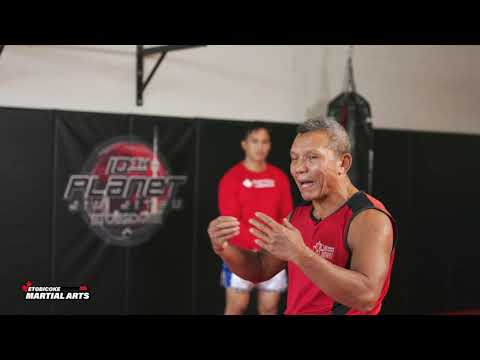
Muay Thai is often celebrated for its brutal effectiveness in combat sports like MMA and kickboxing. However, to reduce it solely to its combative applications is to miss its profound philosophical underpinnings. The "Art of Eight Limbs" – utilizing fists, elbows, knees, and shins – demands an intricate understanding of balance, timing, and strategy. More importantly, it instills core Budo principles: respect (Budo), discipline, perseverance, and humility. Ajahn Suchart, a renowned trainer whose students like Clifton Brown and Simon Marcus have reached world championship status, embodies this holistic approach. His teachings, often filmed in environments like Etobicoke Martial Arts and 10th Planet Etobicoke, demonstrate that the efficacy of the art is not dictated by the surroundings, but by the dedication of the practitioner. This is a critical insight for anyone looking to elevate their Martial Arts Training.
"The greatest victory is that which requires no battle." - Sun Tzu, The Art of War
This ancient wisdom is remarkably relevant to Muay Thai. While the art is a combat discipline, the truest victories are often won *before* the fight even begins – through rigorous training, unwavering self-belief, and a mind unclouded by doubt.

Forging the Art of Eight Limbs: A Home Workout Blueprint

The beauty of Muay Thai lies in its adaptability. Without needing specialized equipment, you can focus on the fundamental movements that build power, speed, and technique. The primary goal in home training is to replicate the demands of the art through bodyweight exercises and focused drills. 1. **Stance and Footwork**: Mastering the correct Muay Thai stance is paramount. It's your base for power generation and defense. * Stand with your feet shoulder-width apart, non-dominant foot slightly forward. * Keep your knees slightly bent, hips loose, and weight balanced. * Practice shifting your weight forward and backward, and side-to-side, mimicking the dynamic movement required in stand-up fighting. Imagine gliding across the canvas, not jumping. * Drill "stepping in" with your lead foot when throwing a punch, and "stepping through" with your rear foot for kicks. 2. **Punches (Jab, Cross, Hook, Uppercut)**: * **Jab**: A quick, straight punch. Practice snapping it out from your lead side, rotating your hips and shoulders, and returning your hand to guard quickly. * **Cross**: Your power punch, thrown from the rear side. Rotate your hips and torso fully, transferring weight into the punch. * **Hook**: A semi-circular punch. Pivot on your rear foot, keeping your elbow bent at 90 degrees, and drive it towards your target. * **Uppercut**: A rising punch. Bend your knees, drive upwards with your hips and shoulders, targeting the chin or body. * *Home Drill*: Shadowbox, focusing on perfect form and rotation. Imagine the targets. Maintain a tight guard at all times. 3. **Kicks (Teep, Roundhouse Kick)**: * **Teep (Push Kick)**: A straight kick used to maintain distance. Extend your leg, pushing with the ball of your foot or heel. Drive your hips forward for power. * **Roundhouse Kick**: The signature kick of Muay Thai. * Pivot on your supporting foot, turning your hips over. * Bring your knee up high, then extend your shin or instep towards the target. * Focus on hip rotation for power. Let your body recoil naturally. * *Home Drill*: Practice the chambering motion (bringing the knee up) and the hip rotation. Perform kicks slowly and controlled, focusing on balance. Gradually increase speed and power. Use an imaginary target. 4. **Elbow Strikes**: Muay Thai is famous for its devastating elbow techniques. * **Horizontal Elbow**: Used at close range. Pivot your hips and shoulders, driving the point of your elbow forward. * **Diagonal Elbow**: Dropping down from above. * **Upward Elbow**: Targeting the chin from below. * *Home Drill*: Practice the rotational movements. Even without a target, the mechanics build strength and coordination. 5. **Knee Strikes**: Powerful at close range. * **Straight Knee**: Drive your knee forward, using your arms to pull your opponent closer if needed. * **Diagonal Knee**: Targeting the ribs or head. * *Home Drill*: Practice chambering the knee, driving your hips forward. This develops core strength and explosive power.

Building a Warrior's Foundation: Conditioning for the Home Dojo

While technique is king, physical conditioning is the throne upon which it rests. Without a robust physical base, your techniques will falter under pressure. The good news? You don't need a gym to build a warrior's body. * **Cardiovascular Endurance**: Crucial for sustaining high-intensity rounds. * **Jumping Jacks**: A classic for a reason. Get your heart rate up. * **High Knees**: Focus on bringing your knees up to hip height. * **Burpees**: A full-body conditioning exercise that is relentlessly effective. * **Shadow Boxing**: Sustained shadow boxing rounds (e.g., 3 minutes on, 1 minute rest) mimic fight conditions. * **Running**: If you have access to safe outdoor space or a treadmill, running is unparalleled for stamina. It's a fantastic way to start running and build endurance. * **Strength and Power**: Develop the force behind your strikes. * **Push-ups**: Standard, wide-grip, close-grip, diamond push-ups – variations target different muscle groups. * **Squats**: Bodyweight squats, jump squats – essential for leg power and conditioning. * **Lunges**: Forward, backward, and walking lunges build leg strength and balance. * **Plank Variations**: For core stability – front plank, side plank. A strong core is the engine of every strike in Martial Arts. * **Calf Raises**: Essential for explosive kicking power. * **Flexibility and Mobility**: Prevents injuries and increases range of motion. * **Dynamic Stretching**: Leg swings (forward, backward, circular), arm circles, torso twists *before* training. * **Static Stretching**: Hamstring stretches, quad stretches, hip flexor stretches, shoulder stretches *after* training. Focus on holds of 30 seconds or more. * *Resource*: Look for bodyweight-only flexibility routines online. Many instructors focus on this, especially for arts like Aikido, which require extreme mobility.

The Heart of the Nak Muay: Cultivating Mental Fortitude

Beyond the physical, Muay Thai is a profound journey of self-discovery. The mental game is as critical as any physical technique. A fighter with superior willpower can often overcome a more technically skilled opponent. * **Discipline**: Showing up to train, even when you don't feel like it, is the bedrock of progress. This discipline extends to all areas of life, fostering Self-Improvement. * **Perseverance**: Pushing through fatigue during a workout, or through frustration when learning a difficult technique, builds resilience. This is the heart of the Warrior Philosophy. * **Focus and Concentration**: Maintaining awareness of your body, your surroundings, and your opponent (even an imaginary one) sharpens the mind. This is where practices like meditation can be incredibly beneficial, akin to the Mental Game crucial in MMA. * **Respect**: For your training, for yourself, and for the art itself. This is a core tenet of Budo, the Way of the Warrior.
"Empty your mind, be formless. Shapeless, like water. If you put water into a cup, it becomes the cup. You put water into the bottle, it becomes the bottle. You put it into the teapot, it becomes the teapot. Now, water can flow or it can crash. Be water, my friend." - Bruce Lee
This quote, while often associated with Jeet Kune Do, is universally applicable to any adaptable martial art, including Muay Thai. Your ability to adjust, to be fluid, and to react with clarity under pressure is the ultimate mark of a skilled practitioner.

Sensei's Verdict: Is Muay Thai Home Training a Path to Mastery?

Absolutely. While the atmosphere of a dedicated Martial Arts Community, with its experienced instructors and training partners, is invaluable, the spirit of Muay Thai can be nurtured anywhere. Ajahn Suchart's success is a testament to the power of dedicated instruction and student commitment, regardless of the specific training facility. Home training, when approached with the right mindset and structured correctly, is not a compromise – it's an opportunity. It hones self-reliance, discipline, and a deep understanding of your own body and capabilities. The lack of equipment forces you to focus on the essentials: movement, breath, and intent. This is the essence of "no equipment needed" training. It strips away the superficial and gets to the core of what makes a martial artist. It's a valid, powerful path for any aspiring Fighter or Martial Artist.

Frequently Asked Questions

1. **How often should I train Muay Thai at home?** Consistency is key. Aim for at least 3-4 sessions per week, combining technical drills with conditioning. Listen to your body, but push your limits. 2. **What is the most important strike to master first?** The Teep (push kick) and the Roundhouse Kick are foundational. Mastering the basic Jab and Cross is also critical for developing striking power and coordination. 3. **Can I really get effective without training partners?** Yes. While sparring is crucial for fight application, home training builds technique, conditioning, and mental toughness. You can simulate many aspects of training with focus and dedication. 4. **How do I progress if I don't have an instructor to correct my form?** Record yourself! Watching your own movements objectively can reveal flaws. Study reputable instructors' videos (like those featuring Ajahn Suchart) and compare your form. 5. **Is Muay Thai suitable for self-defense?** Absolutely. Its emphasis on powerful strikes, clinch work, and practical techniques makes it highly effective for Self Defense and Street Combat.

Further Exploration on Your Journey

The path of the martial artist is a lifelong pursuit of knowledge and self-mastery. To deepen your understanding and enrich your training, consider exploring these related areas:
  • MMA Training: Understand how Muay Thai integrates with other disciplines in modern combat sports.
  • The Budo Lifestyle: Explore the philosophical principles that underpin all traditional martial arts.
  • Self-Mastery: Discover how martial arts training cultivates inner strength and character development.
  • Effective Conditioning: Find more bodyweight exercises to boost your fitness.

Reflexion del Sensei: Tu Próximo Paso

You have the blueprint. You understand that the true arena is within you. Now, the question that echoes in the stillness of your home dojo: When the external world presents its challenges, will you stand firm like a mountain, or will you flow and adapt like water? Your training begins not with a punch, but with a decision. What will you choose today? GEMINI_METADESC: Master Muay Thai at home with Ajahn Suchart's philosophy. Learn essential strikes, conditioning, and mental fortitude for the Art of Eight Limbs without equipment. Forge your inner warrior.

Henry Cejudo vs. Marlon Moraes: A Masterclass in Combat Strategy at UFC 238

The Unseen War: Beyond the Octagon's Roar

The clash between Henry Cejudo and Marlon Moraes at UFC 238 wasn't just a fight; it was a high-stakes chess match played out with fists, feet, and the formidable power of **wrestling** and **striking**. While the result saw Cejudo victorious, emerging as the new UFC Bantamweight Champion, the true lesson lies not just in the knockout, but in the strategic evolution and the philosophical underpinnings of combat that were on full display. Many fans see only the flash and the fury, the **knockout power** and the **grappling** exchanges, but a true student of the martial way, a **budoka**, looks deeper. They analyze the **mental game**, the **discipline**, and the subtle shifts in momentum that dictate the outcome of such intense **battles**. This wasn't merely a **fight**; it was a testament to decades of rigorous **training** and the relentless pursuit of mastery.

Cejudo's Legacy: From Olympic Gold to MMA King

Henry Cejudo's journey is a saga of dedication that transcends mere athletic achievement. As an Olympic gold medalist in freestyle wrestling, Cejudo brought an unparalleled level of mat control and **explosive takedowns** to the **MMA** arena. His record, a formidable 16-2-0, speaks volumes, but it's his fight IQ and adaptability that truly set him apart. He’s not just a wrestler; Cejudo honed his **striking** skills to a lethal degree, weaving together a potent arsenal of punches, kicks, and knees. He embodies the principle that mastery in one domain can be powerfully amplified when integrated with another. This synergy is the hallmark of a true martial artist, constantly evolving and integrating new knowledge. For those aspiring to excel, consider the importance of a well-rounded **training** regimen. A solid foundation in **wrestling** or **judo**, combined with dynamic **kickboxing** or **Karate** techniques, can create an unstoppable force.

Moraes: The Striking Maestro's Challenge

Marlon Moraes, a Brazilian warrior with a professional record of 22-6-1, arrived at UFC 238 as a seasoned contender, a former WSOF Bantamweight Champion renowned for his exceptional **striking skills**. With 17 wins by KO/TKO, Moraes possessed the kind of fight-ending power that kept opponents constantly on edge. His **defensive skills** were equally impressive, a testament to meticulous **training** designed to nullify an opponent's attack. He made it incredibly difficult for fighters to land clean shots, a crucial aspect of survival and victory in any **combat sport**. The dynamic between Cejudo's wrestling prowess and Moraes's striking excellence set the stage for a classic confrontation, a true test of different martial philosophies.

The Strategic Dance: Deconstructing Cejudo vs. Moraes

The initial exchanges were a strategic dance, a palpable tension filling the arena. Cejudo, true to his roots, immediately sought to close the distance, aiming for the clinch and the inevitable takedown that has defined much of his career. However, Moraes, with his keen understanding of range and timing, displayed superb **takedown defense**. He managed to keep the **fight** standing, a critical objective against a renowned wrestler. The first round saw Moraes utilize his powerful leg kicks, which visibly seemed to impact Cejudo's mobility. This was a smart tactic, aiming to blunt the wrestler's offensive capabilities. Yet, the hallmark of a champion isn't just skill, but the ability to adapt. In the second round, Cejudo made the crucial adjustments. He began to time his entries more effectively, finally breaching Moraes's defenses and securing a takedown. Once on the ground, the dynamic shifted dramatically. Cejudo's control was absolute, his **ground-and-pound** relentlessly targeting Moraes. This phase of the fight underscored a fundamental principle in **Budo**: once you have your opponent where you want them, exploit the advantage with decisive action. The third round saw Cejudo continuing his dominance, blending his wrestling with effective striking. Moraes, though resilient, appeared to be tiring, a common consequence of defending relentless takedowns and absorbing ground strikes. The **ki** flow seemed to be with Cejudo. The decisive moment arrived in the fourth round. Cejudo landed a powerful knee strike that sent Moraes crashing to the canvas. This was the **knockout** that fans craved, the definitive punctuation to a masterful performance. The follow-up ground strikes led to the referee's stoppage, crowning Cejudo the new champion. This victory wasn't just about raw power; it was about strategic evolution, demonstrating that even a fighter known for one discipline can conquer another with dedication and intelligent application of skills.

Veredicto del Sensei: ¿Merece la pena?

This **fight** is a prime example of how a well-rounded martial artist, who understands the interplay between different disciplines, can overcome specialized talent. Cejudo's victory over Moraes is a **lesson in strategy**, showcasing the importance of adaptability and the integration of **wrestling** and **striking**. For any **martial arts** enthusiast, this bout is a must-watch, not just for the excitement, but for the deep tactical insights it offers. It’s a clear demonstration that while **specialization** has its merits, true mastery lies in the ability to blend and adapt. Cejudo earned his **Cinturón Negro en Combate Estratégico**.

Equipo Esencial para tu Entrenamiento

To emulate the dedication and skill displayed by these warriors, the right **equipment** is paramount. Whether you're focusing on **wrestling**, **striking**, or a blend of disciplines, investing in quality gear is an investment in your own **training** and safety.
  • Guantes de MMA: Look for gloves that offer a good balance of protection for striking and dexterity for **grappling**. 16oz gloves are generally recommended for sparring sessions to ensure adequate padding.
  • Kimono de Judo o Jiu-Jitsu: For those focusing on ground **fighting** and **wrestling**, a durable, double-weave kimono (gi) is essential. It needs to withstand the rigors of constant pulling and grappling.
  • Protector Bucal: Non-negotiable for any form of sparring or intense **training**. Protect your teeth and jaw.
  • Espinilleras y Guantes de Kickboxing/Karate: If your **training** leans more towards **striking**, invest in proper shin guards and sparring gloves to prevent injuries.
  • Protector Genital: A vital piece of **equipment** for all male practitioners involved in any combat sport.
For those looking to deepen their understanding of martial principles, consider exploring foundational texts. The wisdom within books like "The Book of Five Rings" by Miyamoto Musashi offers insights that are as relevant to the **Octagon** as they are to any **battlefield**.

Guía de Entrenamiento: Integrando Wrestling y Striking

Aspiring fighters often struggle to bridge the gap between **wrestling** and **striking**. This exercise, inspired by the strategic shifts seen in Cejudo's performance, aims to improve your transitions and overall combat effectiveness.
  1. Warm-up (15 mins): Begin with dynamic stretching and light cardio. Focus on movements that simulate both striking and wrestling actions – hip rotations, leg swings, arm circles, torso twists.
  2. Striking Drills (10 mins): Practice combinations like jab-cross-hook, followed by a low kick. Focus on footwork and maintaining a balanced stance. Alternate between offensive drills and defensive drills (e.g., slipping punches, blocking kicks).
  3. Wrestling Entries (10 mins): Practice level changes and shooting for double-leg or single-leg takedowns. Focus on explosiveness and driving through the takedown. Imagine you are attacking a stationary opponent.
  4. Transition Drills (15 mins): This is the core of the drill.
    • Start in a striking stance. Throw a combination (e.g., jab-cross). As your opponent (or a partner) attempts to defend or counter, immediately transition into a takedown attempt.
    • If the takedown is defended, immediately pop back up to your striking stance and prepare to strike.
    • Alternatively, if you are taken down, practice effective get-ups (e.g., technical stand-up) while defending against ground-and-pound or submissions.
    • Work on clinching from striking range, transitioning to knees or elbows, and then potentially to a takedown if the opportunity arises.
  5. Sparring (10 mins): Engage in light, controlled sparring, focusing specifically on making these transitions. Don't worry about winning; focus on executing the *transition* from striking to wrestling and back.
  6. Cool-down and Stretching (5 mins): Static stretching, holding each stretch for 30 seconds.
Remember, consistency is key. Integrating these phases smoothly takes time and dedicated practice. The goal is to make these transitions second nature, a fluid response rather than a conscious decision.

Future Fights: What Lies Ahead?

Cejudo's victory was a crowning achievement, leading him to announce his retirement – a decision that, while understandable, left fans yearning for more. Yet, his hints at a potential return keep the flame of possibility alive. The UFC landscape is always shifting, and a fighter of Cejudo’s caliber can never truly be counted out. His legacy is secure, but the allure of one more **fight** often calls to the warrior’s spirit. For Marlon Moraes, this loss represents not an end, but a challenging crossroads. He remains a formidable force in the Bantamweight division, possessing the skills and the heart to bounce back. His journey will be watched closely, as he seeks to re-establish himself against the division's top contenders. Who will be his next opponent? This uncertainty is part of the thrill of **combat sports**. The path to redemption is often harder than the initial climb, but it yields a far greater reward.

Preguntas Frecuentes

What is Henry Cejudo's primary martial arts background?

Henry Cejudo is an Olympic gold medalist in freestyle **wrestling**. This background heavily influences his **MMA** style, focusing on takedowns and control.

How did Marlon Moraes typically win his fights?

Marlon Moraes is known for his exceptional **striking skills**, with a significant number of his wins coming by KO/TKO.

Was the fight between Cejudo and Moraes a close contest?

While Moraes displayed resilience and dangerous striking, Cejudo's strategic adjustments and **wrestling** advantage allowed him to gain control, ultimately leading to a TKO victory in the fourth round.

What does "TKO" mean in MMA?

TKO stands for Technical Knockout. It occurs when the referee stops the **fight** because one fighter is deemed unable to safely continue, even if they are not fully unconscious.

Does Cejudo's retirement mean he will never fight again?

While Cejudo has announced retirement, he has also hinted at a possible return. The world of **martial arts** often sees champions make comebacks.

Para Profundizar en tu Camino

  • BUDO: Explore the broader philosophy and principles behind martial disciplines.
  • MMA: Dive deeper into the world of Mixed Martial Arts, its history, and its stars.
  • DefensaPersonal: Understand how techniques learned in sports translate to real-world self-defense scenarios.

Reflexión del Sensei: Tu Próximo Paso

Cejudo conquered the **Octagon** by blending his wrestling dominance with sharpened striking. He didn't just fight; he strategized, he adapted, he overcame. This is the essence of true martial artistry. It is not merely about possessing skills, but about knowing *when* and *how* to apply them, and importantly, how to evolve when faced with adversity. So I ask you, my students, and all who seek mastery: When you face your own challenges – be it on the mat, in the ring, or in the complex arenas of life – do you adapt, or do you crumble? Do you possess the foresight to shift your strategy when your initial approach falters, or do you cling to a failing method with the stubbornness of a novice? The true warrior doesn't just throw punches; they understand the rhythm of the battle, the ebb and flow of power, and can transition seamlessly from attack to defense, from strategy to instinct. Consider this your **koan** for the week. ``` ```json { "@context": "https://schema.org", "@type": "FAQPage", "mainEntity": [ { "@type": "Question", "name": "What is Henry Cejudo's primary martial arts background?", "acceptedAnswer": { "@type": "Answer", "text": "Henry Cejudo is an Olympic gold medalist in freestyle wrestling. This background heavily influences his MMA style, focusing on takedowns and control." } }, { "@type": "Question", "name": "How did Marlon Moraes typically win his fights?", "acceptedAnswer": { "@type": "Answer", "text": "Marlon Moraes is known for his exceptional striking skills, with a significant number of his wins coming by KO/TKO." } }, { "@type": "Question", "name": "Was the fight between Cejudo and Moraes a close contest?", "acceptedAnswer": { "@type": "Answer", "text": "While Moraes displayed resilience and dangerous striking, Cejudo's strategic adjustments and wrestling advantage allowed him to gain control, ultimately leading to a TKO victory in the fourth round." } }, { "@type": "Question", "name": "What does \"TKO\" mean in MMA?", "acceptedAnswer": { "@type": "Answer", "text": "TKO stands for Technical Knockout. It occurs when the referee stops the fight because one fighter is deemed unable to safely continue, even if they are not fully unconscious." } }, { "@type": "Question", "name": "Does Cejudo's retirement mean he will never fight again?", "acceptedAnswer": { "@type": "Answer", "text": "While Cejudo has announced retirement, he has also hinted at a possible return. The world of martial arts often sees champions make comebacks." } } ] }