Showing posts sorted by relevance for query Fighters. Sort by date Show all posts

PRIDE FC 9: New Blood - A Brutal Genesis in the World of Combat Sports

Hello, warriors and students of the path! You've stumbled upon a relic, a testament to the raw, untamed evolution of mixed martial arts. We delve into PRIDE FC 9: New Blood, a pivotal event from June 4, 2000, that showcased the burgeoning talent and unforgiving nature of this sport. As a Sensei, I’ve witnessed countless clashes, but the early days of PRIDE held a special kind of savagery – a blend of martial tradition and brutal pragmatism that forced practitioners to evolve at an astonishing pace. This event is not merely a collection of fights; it’s a snapshot of a martial ecosystem in flux, where established styles clashed with new, aggressive strategies. Are you ready to dissect the techniques, the spirit, and the sheer will displayed on this legendary night?

Table of Contents

The Genesis of PRIDE's New Blood

The year 2000 was a critical juncture for mixed martial arts. The UFC was still finding its footing, and organizations like PRIDE FC were emerging, offering a different canvas for combat. PRIDE 9, held in Nagoya, was a testament to this evolution, presenting a card packed with fighters who would become legends, and showcasing a level of competition that was both thrilling and terrifying. The "New Blood" moniker wasn't just a title; it signified a new wave of fighters pushing the boundaries of what was possible in a competitive, no-holds-barred environment. It’s where the pure martial artist began to truly adapt and strategize against a wider array of disciplines, moving beyond singular art forms.

Watching these early PRIDE events is like looking at the primordial soup of MMA. The techniques might seem rudimentary by today’s standards, but the ferocity, the heart, and the sheer will to survive and conquer are timeless. It’s a visceral reminder that at its core, combat sports are about a fundamental human drive to test oneself against another. The fighters on this card weren't just athletes; they were modern-day gladiators, their bodies honed weapons and their minds sharp instruments of strategy.

Dissecting the Battles: A Fight-by-Fight Analysis

Let us now break down the individual contests, not merely as spectators, but as students of the martial way, analyzing the strategic choices, technical execution, and the mental fortitude displayed.

Heath Herring vs. Willie Peeters

This bout set the tone for the evening. Heath "The Texas Outlaw" Herring, known for his aggressive striking and powerful physique, faced Willie Peeters. Herring’s approach was direct, aiming to overwhelm his opponent with power shots and aggressive grappling. While Peeters showed resilience, Herring's relentless pressure and superior conditioning proved too much. This fight exemplified the early PRIDE style: high-paced, powerful, and unforgiving. It's a good example of how raw power and a proactive approach can dismantle a less experienced opponent. We often see this dynamic in grappling-heavy styles where a skilled offensive fighter can overcome passive defense.

Carlos Barreto vs. Tra Telligman

A clash of styles here. Carlos Barreto, a BJJ black belt, aimed to take the fight to the ground and utilize his submission skills. Tra Telligman, a solid striker and tough fighter, looked to keep the fight standing. Barreto’s strategic goal was clear: secure a takedown and work for a submission. The fight eventually saw Barreto achieve this, but Telligman’s defensive grappling and sheer toughness made it a challenging path. This bout underscores the importance of ground game in MMA, and how crucial it is for strikers to develop solid takedown defense and submission awareness. The mental game is paramount here; Telligman’s refusal to submit easily speaks volumes.

Allan Goes vs. Vernon White

Allan Goes, another submission specialist, faced the powerful and dynamic Vernon "Tiger" White. Goes sought to control the grappling exchanges, while White aimed to utilize his striking and athletic prowess. This fight often becomes a tactical chess match on the mat, with both fighters looking for dominant positions. The ability to transition seamlessly between striking and grappling, a hallmark of modern MMA, was still developing. Fighters like Goes were pioneers in showcasing the offensive power of BJJ in a mixed-rules setting. The question of *how* to integrate styles effectively was central to these bouts.

Carlos Newton vs. Naoki Sano

Carlos Newton, a pioneer of MMA and a master of submissions and technical striking, faced Naoki Sano, a respected Japanese fighter. Newton’s career was built on a foundation of intelligence and precision. He could adapt his game plan mid-fight, a rarity in those days. Sano, representing a more traditional combat sports background, presented a stern test. This fight was a prime example of strategic depth, where Newton’s ability to dictate the pace and leverage his well-rounded skills would be put to the ultimate test. Many observers considered Newton a true martial artist, embodying the Budo spirit.

Akira Shoji vs. John Renken

Akira Shoji, a fan favorite known for his tenacity and aggressive style, faced John Renken. Shoji often fought with a "never say die" attitude, willing to absorb damage to deliver his own. Renken, though perhaps less known, brought his own brand of combat to the ring. Fights like these highlight the importance of heart and resilience. It’s not just about technique; it’s about who wants it more when fatigue sets in and pain becomes a constant companion. This is where true mental strength, a cornerstone of BUDO, shines through.

Ricco Rodriguez vs. Gary Goodridge

This was a heavyweight slugfest waiting to happen. Gary Goodridge, a formidable striker and submission artist, was a dangerous opponent for anyone. Ricco Rodriguez, a powerful grappler, aimed to impose his will on the ground. Heavyweight bouts in PRIDE were often brutal affairs, characterized by immense power and the potential for instant knockouts. The strategies here were usually simpler: land a decisive blow or secure a takedown and finish. The raw, explosive nature of this division is always captivating, representing the ultimate test of physical might.

Igor Vovchanchyn vs. Daijiro Matsui

Igor Vovchanchyn was a terror in the heavyweight division, a fighter whose knockout power was legendary. His opponent, Daijiro Matsui, was a fighter known for his resilience and unconventional style. Vovchanchyn’s mission was typically straightforward: to end the fight quickly and decisively. Matsui, however, represented the unpredictable element, the fighter who could potentially cause an upset through sheer grit and surprising techniques. This fight is a stark reminder of the power and danger inherent in the heavyweight division. It’s a domain where one mistake can spell the end of the contest.

Vitor Belfort vs. Gilbert Yvel

A matchup featuring two dynamic and powerful strikers. Vitor Belfort, "The Phenom," was at a stage in his career where his striking was devastating. Gilbert Yvel, a powerful puncher with a reputation for aggression, was never an easy opponent. This bout promised fireworks, a display of speed, power, and knockout artistry. The strategic approach often involves calculated aggression, looking for openings to land decisive blows while maintaining defensive awareness. The early rounds of such matchups are often the most explosive, as both fighters seek to establish dominance. This particular bout, unfortunately, ended controversially, highlighting the raw and sometimes chaotic nature of early MMA.

The Dance of Styles: What PRIDE 9 Taught Us

PRIDE FC 9: New Blood was more than just a showcase of individual fights; it was a microcosm of the martial arts world colliding. We saw the dominance of grappling, the explosive power of strikers, and the emerging strategy of blending disciplines. Fighters were forced to confront styles they might never have encountered in their original art. A Karateka had to worry about a Judo throw, a BJJ practitioner had to defend against Muay Thai knees. This cross-pollination was the engine driving MMA forward.

The concept of "Mushin" (no-mind) was often tested here. Can a fighter truly achieve a state of egolessness when facing such diverse threats? The ability to react instinctively, without conscious thought, was paramount. This is where dedicated training in the BUDO disciplines, focusing on repetition and muscle memory, truly paid dividends. The fighters who could let go of preconceived notions and simply fight, adapting to the moment, were the ones who succeeded.

"The true warrior is a craftsman of his own spirit. He does not merely win; he becomes more through the struggle." - A principle echoed by many masters.

The legacy of PRIDE FC lies in its fearless embrace of this chaos. It allowed fighters to innovate, to fail, and to learn in the most public arena. It pushed the evolution of combat sports faster than many anticipated. The fighters on this card were not just competing; they were contributing to the grand narrative of martial arts.

Gear Up Your Training: Essential Tools for the Modern Warrior

To truly appreciate and emulate the dedication of these fighters, proper training equipment is crucial. Whether you're practicing striking, grappling, or a blend of both, the right gear enhances performance, prevents injury, and builds confidence.

  • High-Quality Gi/Kimono: For Judo, Jiu-Jitsu, and Karate practitioners, a durable, well-fitting gi is non-negotiable. Look for double-weave or heavy-duty fabrics for intense training. Brands like Fuji Sports or Mizuno are often favored by serious martial artists.
  • Training Gloves: Essential for striking drills, sparring, and MMA training. Ensure they offer adequate padding and wrist support. For mixed martial arts, specialized MMA gloves are recommended. Look for 4oz to 6oz for speed and feel, or 10oz to 16oz for sparring.
  • Mouthguard: Protect your smile and your brain. A good, custom-fitted mouthguard is vital for any combat sport training.
  • Shin Guards: Crucial for Muay Thai, Kickboxing, and MMA conditioning drills to protect against kicks.
  • Training Mats (Tatami): If you're training grappling at home, interlocking mats provide a safe surface.

Frequently Asked Questions

  • What makes PRIDE FC unique compared to other MMA organizations?
    PRIDE FC was known for its unique ruleset, its presentation (including the iconic entrance music and ring girls), and its emphasis on a more brutal, less regulated style of fighting in its early years, attracting a global roster of top talent.
  • Was Vitor Belfort vs. Gilbert Yvel a controversial fight?
    Yes, the fight was stopped controversially due to Yvel's reaction to an eye poke from Belfort, leading to a disqualification of Belfort and a heated aftermath.
  • Which fighters from PRIDE 9 later became UFC champions?
    Carlos Newton became a UFC Middleweight Champion. Vitor Belfort became a UFC Light Heavyweight Champion.
  • How did PRIDE FC influence modern MMA?
    PRIDE FC significantly popularized MMA globally, showcasing a wider range of martial arts and fighters, and influencing event production and athlete development in the sport.

Deep Dive into the Warrior's Path

To truly understand the spirit of events like PRIDE 9, one must look beyond the techniques and into the philosophy that underpins martial arts. The journey of a fighter is not just about physical prowess but about mental fortitude, discipline, and continuous self-improvement. The concept of KI, or life force, is often discussed in Eastern martial arts, and its cultivation through rigorous training is what separates a mere fighter from a true martial artist.

The path of BUDO is one of constant learning and refinement. It’s about confronting your limitations, both physical and mental, and pushing beyond them. Each Karate kata, each Judo throw, each Jiu-Jitsu submission is a lesson. The lessons learned in the dojo are meant to translate into life outside of it, fostering discipline, respect, and resilience. The fighters in PRIDE FC, whether they realized it or not, were living embodiments of this struggle, pushing the boundaries of human potential.

"The fighting spirit that appears in the martial arts is the spirit of reverence, the spirit of sincerity." - Morihei Ueshiba, founder of Aikido. This sentiment is applicable across all martial disciplines.

Sensei's Reflection: Your Next Step

PRIDE FC 9: New Blood was a raw testament to the evolution of combat sports. It showcased fighters pushing boundaries, embracing diverse styles, and demonstrating incredible grit. But what does this mean for *your* training? Are you content with mastering a single discipline, or are you willing to confront the unknown, to integrate, and to evolve? Are you simply going through the motions, or are you seeking the deeper meaning behind each technique, each breath, each moment of intense effort? The path of the warrior is never easy, but it is profoundly rewarding. Now, tell me: in the face of overwhelming opposition or a style you've never encountered, what is your first instinct – to freeze, to retreat, or to adapt and attack? Let the debate begin.

For Further Exploration on Your Path

  • BUDO: Understanding the overarching philosophy of martial ways.
  • Karate: Delve into the striking art that continues to influence MMA.
  • Judo & Jiu-Jitsu: Explore the grappling arts that form the foundation of ground fighting in MMA.
``` GEMINI_METADESC: Analyze PRIDE FC 9: New Blood, a pivotal MMA event. Dive into fight breakdowns, style analysis, and the martial legacy of this brutal genesis in combat sports.

8 MMA Double Knockouts: The Rarest, Most Stunning Endings in the Octagon

Welcome, warriors of the Budo, to a deep dive into one of the most electrifying and, frankly, bewildering outcomes in the world of Mixed Martial Arts. Today, we're dissecting the rare phenomenon of the double knockout. Prepare yourselves, because we're about to explore what happens when fate intervenes with a concussive force simultaneously felt by both combatants.

What Exactly Is a Double Knockout in MMA?

At its core, an MMA double knockout occurs when both fighters in a bout simultaneously render each other unconscious, or at least unable to continue, typically from a simultaneous exchange of strikes. It’s a scenario so improbable, so out of the ordinary, that its rarity only amplifies its legendary status amongst fight fans. Imagine two athletes, trained to the peak of human conditioning, each delivering a fight-ending blow at precisely the same moment. It’s a poetic, if brutal, dance of destruction.

This is not merely about two fighters exchanging blows; it's about the ultimate symmetry of impact. The science of striking, the art of timing, and a significant dose of sheer chance converge to create these unforgettable moments. While a single knockout is a display of power and precision, a double knockout is a testament to the inherent dangers and unpredictable nature of combat sports.

The Rare Beauty of Uncertainty

All combatants who step into the Octagon, or any fighting arena for that matter, understand the stakes. They train relentlessly, honing their skills, their bodies, and their minds, all with the singular objective of victory. The cage door closes, the bell rings, and the primal instinct to survive and dominate takes over. Most often, one warrior stands triumphant, the other defeated. It's the established order.

However, the beauty of Mixed Martial Arts lies in its inherent uncertainty. It's a crucible where diverse skill sets collide, where strategy meets raw will, and where the unexpected is not just possible, but often inevitable. As seasoned practitioners know, the human element, combined with the sheer ferocity of a fight, can lead to outcomes that defy conventional prediction. Amongst these unpredictable results, the double knockout stands as a pinnacle of surreal occurrences.

"In the heat of battle, the most complex strategies can dissolve into the rawest instincts. A double knockout is a stark reminder that sometimes, the universe itself intervenes in the most unexpected ways."

The sheer improbability of it is what makes these moments so captivating. It's not just about one fighter's technique or power; it's a confluence of timing, defense (or lack thereof), and that undeniable element of luck. A single, perfectly timed connection on the "button"—that elusive spot that ends a fighter's consciousness—can bring any bout to an abrupt halt. When this happens to both combatants simultaneously, the result is something truly extraordinary.

How a Double Knockout Is Ruled

This is where the practicalities of MMA officiating come into play, and it's often a point of confusion for casual observers. When the unthinkable happens and both fighters hit the canvas, the referee's immediate concern is the safety of the athletes. The count begins.

Typically, if one fighter manages to rise to their feet before the referee reaches the count of ten, and the other remains down, the fighter who recovers is declared the winner. This acknowledges their ability to overcome the adversity and continue.

However, if both fighters are unable to answer the ten-count, the bout is officially ruled a technical draw. In this scenario, the fight does not go to the judges' scorecards, as there is no clear winner. Both combatants are essentially eliminated from winning that particular round or fight by decision. It's a scenario that leaves both fighters and fans alike in a state of suspended disbelief, a testament to the raw power exchanged.

There's also a rarer possibility: both fighters might stir before the ten-count. In such instances, the referee must assess their condition. If both are deemed fit to continue by the official, the fight resumes. This adds another layer of drama, as the battle can reignite from what seemed like a definitive conclusion. But when the count reaches ten for both, the draw is the only logical outcome.

The Best Double Knockouts in MMA History

While the annals of MMA are filled with countless incredible knockouts, the double knockout remains a rare gem. Finding documented instances is challenging, as they are, by definition, exceedingly uncommon. However, the moments that have occurred are etched in the memories of fight historians and dedicated fans.

These instances often stem from incredibly active exchanges where both fighters throw significant power shots simultaneously. The physics involved are fascinating: the transfer of kinetic energy, the precise angles of impact, and the physiological response of the human brain to severe trauma.

One might recall specific amateur bouts or obscure regional promotions where such events have been captured. While mainstream MMA organizations like the UFC, Bellator, or ONE Championship have not seen many definitively ruled double knockouts that concluded a fight, the spirit of such exchanges is present in many fierce battles. Sometimes, a fighter might be knocked down, but immediately get up to see their opponent also fall, creating a near-double knockout scenario. These moments, while not always officially recorded as such, capture the same heart-stopping drama.

The thrill of a double knockout isn't just about the brutality; it's about the sheer, unadulterated chaos and the sporting gods seemingly intervening. It’s a moment where the fight's narrative is rewritten by a singular, simultaneous event.

Veredict of the Sensei: A Spectacle of the Unforeseen

As a student and practitioner of Budo, I approach the spectacle of combat with a dual perspective: appreciating the martial skill and strategic depth, while also acknowledging the raw, unpredictable nature of a fight. Double knockouts in MMA, though rare, embody this unpredictability. They are not a product of deliberate strategy but rather a chaotic confluence of aggressive intent and unfortunate timing.

From a technical standpoint, they highlight how dangerous an aggressive, reciprocal exchange can be. Fighters are trained to defend, but in the heat of battle, with adrenaline surging, the desire to land a decisive blow can sometimes override caution. The result? A moment of mutual vulnerability that can lead to a simultaneous incapacitation.

Do these moments serve a strategic purpose? Not directly. But they serve as powerful reminders of the inherent risks in combat. They are nature's way of reminding us that even the most skilled warriors are human, susceptible to a single, perfectly placed strike. While I don't endorse seeking out such outcomes, I can certainly appreciate their dramatic impact on the sport. They are a testament to the raw, untamed spirit of competition.

Essential Gear for Your Training

For any martial artist, proper training equipment is paramount. Whether you're aspiring to MMA greatness or honing traditional Budo arts, the right gear ensures safety, enhances performance, and respects the discipline.

  • MMA Gloves: Essential for sparring, offering protection for both hands and your training partners. Look for gloves that balance padding with dexterity.
  • Headgear: Crucial during sparring sessions, especially when working on striking.
  • Shin Guards: Protect your shins from kicks and help condition them over time.
  • Mouthguard: Non-negotiable for any form of sparring or live training to protect your teeth and jaw.
  • Groin Protector: A vital piece of safety equipment often overlooked.
  • Training Shoes: Lightweight, flexible shoes with good grip are ideal for MMA training.
  • BJJ Gis/Kimono: If your MMA training incorporates significant grappling, a durable Judo kimono or BJJ gi is necessary.

Investing in quality martial arts training equipment is not an expense; it's a commitment to your safety and development as a practitioner.

Frequently Asked Questions

Q1: Can a double knockout lead to a tie in professional MMA?
Yes, if both fighters are unable to continue and fail to beat the referee's ten-count, the bout is ruled a technical draw.
Q2: Are there any famous double knockouts in the UFC?
While dramatic simultaneous knockdowns have occurred, a true, fight-ending double knockout where both fighters are counted out is exceptionally rare in major promotions like the UFC. Most often, one fighter recovers faster.
Q3: What's the difference between a double knockout and a simultaneous knockdown?
A double knockout implies both fighters are rendered unable to continue and are counted out. A simultaneous knockdown means both fighters fall, but at least one is able to recover and continue the fight before the ten-count.
Q4: How often do double knockouts happen in MMA?
They are extremely rare, occurring far less frequently than single knockouts or submissions. Their infrequency is part of what makes them so memorable.

Deepen Your Path

To truly understand the nuances of combat and martial philosophy, it's crucial to explore related disciplines and historical contexts.

``` GEMINI_METADESC: Explore the rare and electrifying phenomenon of double knockouts in MMA. Understand the rules, witness the beauty of uncertainty, and delve into the most stunning outcomes in fight history.

When Female Fighters Deliver a Brutal Lesson: Humility in the Arena

The Fatal Flaw of Arrogance: A Martial Arts Perspective

A common thread runs through the history of combat, from ancient duels to modern MMA arenas: the underestimation of an opponent. This cardinal sin, often born from ego and a misplaced sense of superiority, has led to countless humbling defeats. Today, we delve into those visceral moments where the arrogance of male fighters met an unyielding, skilled female force, leaving them with a harsh, unforgettable lesson. This isn't about gender; it's about the timeless principle of respecting every adversary, regardless of their perceived physical attributes. In the crucible of combat, skill, strategy, and spirit trump shallow assumptions.

From Cocky Confidence to Crushing Defeat: Lessons from the Canvas

We've all witnessed it – the swaggering confidence of a fighter who believes their victory is a foregone conclusion. Too often, this internal narrative blinds them to the reality unfolding before them. The following encounters serve as stark reminders that such hubris is a dangerous companion in any combate. The women in these fights, often dismissed or underestimated, possessed a depth of training and a ferocity that shattered their male counterparts' illusions. They didn't just win; they dismantled the ego, proving that true martial prowess is cultivated through dedication, not dictated by gender. This is the essence of BUDO – a path of constant refinement and respect for the journey, not just the destination.

The Unwritten Rules of Respect in Martial Arts

The world of martial arts, in its purest form, is built on a foundation of discipline, respect, and continuous self-improvement. Budo, the "way of the warrior," emphasizes not just physical technique but also the cultivation of mental fortitude and humility. It teaches us that every interaction, every encounter, demands our full attention and respect. To dismiss an opponent, to believe oneself inherently superior based on superficial characteristics like gender, is to violate the very spirit of martial practice. This arrogance creates blind spots, dulls reflexes, and ultimately, leads to the kind of downfall we're examining today. It’s a lesson as relevant in the Karate dojo as it is in the UFC octagon.

When Skill Overwhelms Assumption: Case Studies

Let us analyze these moments not as simple victories, but as profound case studies in the application of martial principles. When a seemingly dominant male fighter is bested by a female opponent they may have overlooked, it's a testament to several factors: * **Superior Technical Prowess:** The female fighters often demonstrated a more refined understanding of technique, timing, and distance management. Their training, perhaps more rigorous due to the need to overcome inherent physical disadvantages, paid dividends. * **Strategic Acumen:** Underestimation can lead to complacency. The male fighters may have become predictable, their strategies diluted by overconfidence. The female fighters, conversely, likely approached the bout with a clear, precise game plan. * **Mental Fortitude (The Heart of the Warrior):** The ability to remain calm, focused, and adaptable under pressure is crucial. Those who are too assured of victory often falter when challenged. The female fighters displayed the mental resilience that is the hallmark of true martial artists. They fought with intention, not just bravado. * **The "Never Underestimate" Doctrine:** This isn't merely a cliché; it's a survival imperative. In any close-quarters combat scenario, whether it's an artes marciales match or a street encounter, approaching every individual with a healthy dose of respect for their potential is paramount.

The Philosophy of the Underdog

History is replete with examples of the underdog triumphing. Think of Miyamoto Musashi, who, despite his legendary status, never approached a duel lightly. Or the countless Kyokushin karateka who push their limits in brutal conditioning and sparring, understanding that true strength comes from within. The women in these fights embody this spirit. They represent the dedication that transcends physical disparity, the intelligence that outmaneuvers brute force, and the sheer will to prove that skill and heart know no gender.

Reflexión del Sensei: Your Next Step

We have dissected moments where arrogance met its match, where assumptions were shattered, and where the true spirit of martial arts—respect for the opponent and the relentless pursuit of self-mastery—prevailed. Now, I pose this question to you, student of the Way: In your own training, in your own life, where does your ego create blind spots? Do you approach every challenge, every person, with the humility of a beginner, or do you fall prey to the siren song of perceived superiority? Reflect on this, for the most dangerous opponent you will ever face is often the one within.

Equipo Esencial para tu Entrenamiento

To truly embody the principles of martial arts and avoid the pitfalls of underestimation, dedicated training is non-negotiable. Whether you practice Judo, Karate, or MMA, having the right gear can significantly enhance your progress and safety.
  • Kimono de Entrenamiento de Doble Tejido: For disciplines like Judo and Brazilian Jiu-Jitsu (BJJ), a durable, double-weave gi is essential for enduring rigorous grappling sessions.
  • Guantes de Sparring de 16oz: Crucial for striking arts like Kickboxing and MMA, these provide vital protection for both the wearer and their training partners.
  • Espinilleras y Empeineras: Necessary for arts involving kicks, such as Taekwondo and Muay Thai, to prevent injuries during drills and sparring.
  • Protector Bucal: A non-negotiable item for any form of sparring or competition to protect your teeth and jaw.
  • Esterillas de Tatami: For home training, especially in grappling or throws, investing in proper floor mats ensures safety and comfort.

Recursos para Profundizar

The journey of a martial artist is a lifelong pursuit of knowledge. To further your understanding of the philosophies and techniques discussed, I recommend exploring these resources:
  • The USA Dojo website for a wealth of information on various martial arts.
  • Classic texts such as "The Book of Five Rings" by Miyamoto Musashi, offering profound insights into strategy and mindset.

Preguntas Frecuentes

What is the core principle being taught by these fights?

The central lesson is the absolute necessity of respecting every opponent, regardless of gender or perceived physical differences. Arrogance blinds fighters and leads to defeat.

Is this article suggesting that women are inherently better fighters than men?

Absolutely not. The focus is on the principle of humility and the dangers of underestimation. The skill, dedication, and mental fortitude demonstrated by the female fighters serve as a powerful example, regardless of the gender of the combatants.

How can I apply this lesson in my own martial arts training?

Always approach training with respect for your training partners. Listen to your instructors, be open to learning from everyone, and never assume you know everything. Cultivate humility alongside your technical skills.

Are there specific martial arts that emphasize this philosophy more than others?

While the principle of respect is universal in Budo and martial traditions worldwide, arts like Aikido and traditional Karate often place a strong emphasis on philosophical development and mutual respect alongside physical technique.

Where can I see more examples of this?

You can find numerous fight compilations on platforms like YouTube that highlight fights where underdogs, including female athletes, have overcome seemingly superior opponents by employing skill and strategy. Search for terms like "female fighter upsets male fighter" or "underestimated fighter wins."

Para Profundizar en tu Camino

To further your understanding and application of these martial principles, I encourage you to explore these related articles on our blog: ``` GEMINI_METADESC: Explore the critical martial arts lesson learned when male fighters underestimate their female opponents. Learn why humility, skill, and respect are paramount in any combat scenario.

Mastering the Art of the Strike: Deconstructing Freddie Roach's Advanced Punching Techniques

The Maestro of the Corner

What separates a mere brawler from a true artist of combat? It's not just brute force; it's the precision, the strategy, and the deep understanding of the kinetic chain. In the pantheon of boxing trainers, few names resonate with the authority and respect of Freddie Roach. His legendary tenure in the corner has sculpted champions, and his methods for teaching advanced punching techniques are a masterclass in themselves. But have you ever truly stopped to dissect *why* his fighters connect with such devastating effectiveness? Today, we move beyond the superficial allure of knockout power to explore the intricate science and art behind Roach's advanced striking philosophy. Prepare to have your understanding of the punch fundamentally challenged.

Beyond the Jab: Roach's Philosophy of Punching

Freddie Roach's approach to boxing is rooted in a profound understanding of the sport's fundamentals, elevated by an intuitive grasp of strategy and fighter psychology. He doesn't just teach punches; he teaches *how* to punch effectively within the dynamic ebb and flow of a fight. His philosophy centers on several core principles:

  • Simplicity is Strength: While we're discussing advanced techniques, Roach often emphasizes that the most effective punches are often the simplest, executed with perfect timing and power. Flashy, overly complex movements are a recipe for disaster in a real fight.
  • Economy of Motion: Every movement must serve a purpose. Roach instills in his fighters the importance of conserving energy, ensuring that each punch thrown carries maximum impact without unnecessary exertion.
  • Reading the Opponent: The true art lies in anticipating your opponent's moves and exploiting their weaknesses. Roach trains his fighters to see the openings before they appear, to feel the rhythm of the fight and react accordingly.
  • The Power of the Setup: A powerful punch rarely lands in isolation. Roach's genius lies in teaching fighters how to set up their big shots, using jabs, feints, and body work to create opportunities.
"The most important punch in boxing is the next one." - Freddie Roach

This quote encapsulates the Roach mindset: a constant focus on improvement and forward momentum. It's a philosophy that transcends the physical, demanding mental acuity and unwavering dedication. This dedication to the craft is what we often see in the disciplined world of BUDO, where constant refinement is key.

Deconstructing the Arsenal: Key Advanced Techniques

Let's delve into the specific techniques that define Roach's advanced curriculum. These aren't just random punches; they are tools designed to dismantle an opponent strategically.

The Power Jab: More Than Just an Opening

The jab is the most frequently thrown punch in boxing, but Roach teaches a jab that is far from basic. His power jab is:

  • Used for more than just range-finding: It's a weapon to stun, to disrupt an opponent's rhythm, and to set up more powerful combinations.
  • Executed with full shoulder and hip rotation: This isn't just flicking the wrist. The entire body contributes, transferring weight and generating significant force.
  • Delivered with conviction: A half-hearted jab is easily defended. Roach emphasizes commitment to every strike.

Think of this as the foundational move, much like a basic stance in Karate. Without a solid jab, advanced techniques become significantly less effective.

The Straight Right Cross: The Backbone of Power

For orthodox fighters, the straight right (or left for southpaws) is often the most powerful punch in their arsenal. Roach's instruction focuses on:

  • Maximum hip and shoulder torque: The rotation begins from the ground up, with the hips driving the power transfer.
  • Keeping the elbow tucked: This protects the arm and ensures a more direct line of impact, minimizing exposure.
  • Snapback: After impact, the hand immediately retracts to guard, maintaining defensive posture.

This technique requires immense core strength and coordination, areas often honed through rigorous MMA conditioning drills.

Hooks and Uppercuts: Infighting Mastery

When the fight moves inside, Roach's fighters are adept at delivering devastating hooks and uppercuts.

  • Hooks: Delivered with bent elbows, these punches target the jaw, temple, and ribs. Roach stresses the importance of pivoting on the lead foot to generate power and maintain balance.
  • Uppercuts: These upward striking punches are devastating when landed correctly, targeting the chin and solar plexus. Roach teaches fighters to explode upwards from a slightly bent knee position, driving through the target.

Mastering these close-range weapons is crucial for effective combat, especially in scenarios demanding tight defense and quick transitions, reminiscent of the close-quarters grappling in Judo or BJJ.

Combinations and Angles: The Art of Deception

Perhaps the most "advanced" aspect of Roach's teaching is the art of combination punching and changing angles. This involves:

  • Sequencing: Throwing punches in a logical, fluid order that overwhelms the opponent's defense. A common sequence might be jab-cross-hook.
  • Feints and Misdirection: Using subtle body movements or fake punches to draw a reaction and create an opening for a real strike.
  • Angle Changes: Slipping or stepping offline after a punch to present a new, unexpected target and avoid counter-attacks.

This strategic element is where the true artistry of boxing, and indeed many martial arts, shines. It's about outthinking, not just out-hitting, your opponent. The strategic depth here mirrors the intricate tactical planning seen in disciplines like Kendo.

Training Drills: Sharpening Your Edge

How does one cultivate these advanced techniques? Roach employs a variety of drills:

  1. Heavy Bag Work: Focus on power, speed, and endurance. Roach often instructs fighters to throw punches with maximum force for short bursts, followed by active recovery.
  2. Pad Work: This is where the magic happens with Roach. He uses the pads to simulate an opponent, calling out combinations, dictating the pace, and forcing fighters to react, defend, and counter with precision. This drill is invaluable for developing timing and accuracy.
  3. Sparring: Controlled sparring sessions are crucial for applying learned techniques under pressure. Emphasis is placed on implementing combinations, defensive maneuvers, and strategic thinking, not just trading blows.
  4. Shadow Boxing with Focus: Not just flailing arms. Shadow boxing with a mental image of an opponent, focusing on form, speed, and the execution of specific combinations and defensive movements.

For those looking to enhance their agility and footwork, which are critical components for delivering and evading punches, exploring Agility drills can be immensely beneficial.

Sensei's Verdict: Roach's Enduring Legacy

Freddie Roach isn't just a boxing trainer; he's a boxing savant. His ability to distill complex fighting principles into actionable techniques for his fighters is unparalleled. He understands that true advancement in striking isn't about reinventing the wheel, but about perfecting the wheel's rotation, its spokes, and its connection to the axle. His methods emphasize a holistic approach – physical conditioning, mental fortitude, and strategic intelligence. While the flashy knockout is what fans often remember, it's the subtle, disciplined execution of fundamental techniques, elevated to an art form, that truly defines his legacy.

Roach's System: 10/10 - A Masterclass in Striking Science.

Essential Equipment for Your Training

To effectively train advanced punching techniques, having the right gear is crucial. While Roach himself can adapt to various setups, here's what you'll need:

  • Quality Boxing Gloves: For bag work and sparring, invest in gloves that offer good wrist support and adequate padding (14-16oz is a good starting point for general training).
  • Hand Wraps: Essential for protecting your knuckles and wrists during intense sessions.
  • Punching Bag: A heavy bag is fundamental for power development and conditioning. Consider a speed bag for hand-eye coordination.
  • Focus Mitts (Pads): Ideal for practicing combinations and defensive reactions, especially if you can train with a partner.
  • Jump Rope: A classic tool for building stamina, coordination, and footwork.
  • Mouthguard: Non-negotiable for any form of sparring or high-intensity training.

For those serious about competitive Artes Marciales Mixtas, specific Entrenamiento de MMA gear is also advisable.

Frequently Asked Questions

Q: Can these techniques be applied to other martial arts?
A: Absolutely. While Roach's teachings are rooted in boxing, the principles of power generation, timing, defense, and combination punching are transferable to many striking arts, including kickboxing and even some aspects of Aikido's defensive positioning.

Q: How long does it take to learn these advanced techniques?
A: Mastery is a lifelong pursuit. However, with consistent and dedicated training under good instruction, you can begin to effectively implement core advanced techniques within months, not years.

Q: Is sparring necessary to learn these techniques?
A: Sparring is highly recommended for applying and refining advanced techniques in a dynamic, reactive environment. However, dedicated pad work and drills can build a strong foundation.

Q: What's the biggest mistake beginners make with punching?
A: Throwing punches with only arm strength, neglecting hip and core rotation, and failing to retract the punch quickly, leaving them vulnerable to counters.

Q: How do Roach's methods differ from other boxing coaches?
A: Roach's unique ability to connect with fighters on a personal level, combined with his deep strategic insight and willingness to adapt, sets him apart. He emphasizes not just the physical but the mental and emotional aspects of the fight.

Dive Deeper Into Your Journey

To continue your exploration of the martial path, consider these resources:

Sensei's Reflection: Your Next Step

Freddie Roach teaches us that true power in striking isn't just about having a sledgehammer; it's about knowing precisely when and where to swing it. It’s about the subtle shifts in weight, the deceptive feint, the disciplined retraction. Now, I ask you: When you throw your next punch, are you merely striking, or are you engaging in the art of combat? Are you simply moving your arm, or are you unleashing the power of your entire being, honed by intention and strategy?

Your challenge: For the next week, during your training, focus on one principle Roach emphasizes – be it economy of motion, setting up your power shots, or defensive retraction. Don't just go through the motions. Truly internalize it. Then, tell me in the comments: What did you discover? Did it change your perspective? Or do you believe the true essence of advanced striking lies elsewhere? Prove me wrong. Let the debate commence.

``` GEMINI_METADESC: Explore Freddie Roach's legendary methods for advanced boxing punch techniques, focusing on strategy, power generation, and combat effectiveness.

Sensei's Critique: World Vale Tudo Championship 10 - A Raw Glimpse into Combat's Unfettered Chaos

Welcome, seekers of truth and practitioners of the Way. Today, we turn our gaze not to the serene dojo, nor the disciplined katas, but to the brutal, untamed arena of the World Vale Tudo Championship 10. This event, held in Recife, Brazil, on May 27, 2000, wasn't merely a competition; it was a testament to a time when the lines between martial arts, combat sports, and sheer survival were blurred to a razor's edge. For those who believe that the essence of combat lies in its rawest form, this event offers a compelling, if sometimes unsettling, spectacle. You are watching the World Vale Tudo Championship 10 (2000), a relic from a bygone era of combat, published on March 27, 2022. This is not just a blog; it is a digital dojo, dedicated to being the most comprehensive and up-to-date resource for all things Budo and Martial Arts.

Table of Contents

Introduction: The Spectacle of Vale Tudo

The World Vale Tudo Championship (WVC) was a pioneer in mixed martial arts, predating many of the organizations we know today. WVC 10, subtitled "Demolition Day," embodies the spirit of this era. Forget the Marquess of Queensberry rules for a moment; Vale Tudo was about testing fighters in a no-holds-barred environment. This wasn't about points or penalties; it was about submission, knockout, or survival. For the uninitiated, it can be jarring. For those steeped in martial tradition, it offers a stark reminder of what happens when the "art" is stripped away, leaving only the "martial." The very nature of Vale Tudo forces a critical examination of what constitutes effective fighting. It’s a crucible where every technique, every strategy, and every ounce of physical and mental fortitude is put to the ultimate test. This event, in particular, showcases a range of fighters, from seemingly unpolished brawlers to individuals exhibiting glimmers of disciplined martial skill.

Match Breakdown: A Symphony of Savage Encounters

WVC 10 presented a card filled with raw, unadulterated combat. While official run times can vary, the schedule presented offers a glimpse into the brutal structure of the event:
  • Joao Batista vs. Carlos Alberto (3:48): The opener, setting the tone for the day's brutality. Expect aggression and a fight to establish dominance early.
  • Luiz Firmino vs. Reginaldo Santana (12:39): Firmino would go on to become a prominent figure in the WVC, and his performances often showcased a blend of striking and grappling.
  • Sergey Bychkov vs. Antonio Conceição (18:52): A clash of styles, likely pitting Bychkov's presumed European combat background against Conceição's Brazilian roots.
  • Eli Soares vs. Luis Oliveira (42:17): Soares is another name that echoes through WVC history, often associated with tenacity and a never-say-die attitude.
  • Marcelo Belmiro vs. Sergey Zavadsky (47:10): A heavyweight clash that promises power and a test of resilience.
  • Luiz Firmino vs. Sergey Bychkov (55:33): A pivotal bout, potentially a semi-final or a major clash, highlighting Firmino's progression.
  • Eli Soares vs. Marcelo Belmiro (1:38:05): Another significant encounter, pitting two fighters known for their toughness against each other.
  • Eli Soares vs. Luiz Firmino (2:08:48): The grand finale. This would likely be the championship bout, where the ultimate victor of "Demolition Day" would be crowned.
Each fight in Vale Tudo is a narrative. It’s about more than just the exchange of blows; it's about strategy, adaptation, and the psychological battle waged between two individuals under immense pressure. Analyzing these bouts reveals not just fighting techniques, but the very core of human resilience and the primal instinct to overcome.

Analysis of Combat: Beyond Technique, Lies Will

What does an event like WVC 10 teach us from a martial perspective? It forces us to confront the fundamental purpose of combat. While modern MMA has evolved with sophisticated training regimens, weight classes, and rule sets, Vale Tudo strips it down. Here, the "art" often takes a backseat to sheer grit and the ability to endure punishment. Observe the fighters: are they utilizing refined martial arts principles, or are they relying on raw power and aggression? You will see techniques that, while perhaps not textbook perfect, are brutally effective in a no-rules environment. A well-timed leg kick, a tenacious sprawl, a submission locked in with relentless pressure – these are the elements that define victory here.
"The supreme art of war is to subdue the enemy without fighting." - Sun Tzu, The Art of War. While WVC 10 is the antithesis of this, understanding *why* these fighters engage in such raw combat can offer insights into the unbroken will that Sun Tzu valued.
The physical conditioning required for such prolonged, no-holds-barred engagements is immense. Fighters must possess not only skill but also an indomitable spirit, a refusal to yield. This mental fortitude, this unshakeable resolve, is a crucial component of any martial discipline, whether practiced in a dojo or an octagon.

Historical Context: The Unchained Era

The late 1990s and early 2000s were a formative period for mixed martial arts. Organizations like the WVC played a vital role in shaping the sport, providing a platform for fighters to explore the boundaries of combat. This was an era of experimentation, where fighters from diverse martial backgrounds clashed, and the effectiveness of each art was tested in a real-world scenario. Unlike today's highly regulated sport, Vale Tudo events were often characterized by their lack of strict rules. This rawness is what made them both compelling and controversial. It was a reflection of combat in its most primal form, a stark contrast to the more structured martial arts traditions. Understanding this context is key to appreciating the significance of WVC 10. It was a stepping stone, a wild frontier that paved the way for the modern MMA landscape.

Sensei's Verdict: Is it True Budo?

This is where the polemic begins. Is World Vale Tudo Championship 10 a display of Budo, the "Martial Way"? In its purest definition, Budo encompasses not just fighting technique but also spiritual development, discipline, and ethical conduct. WVC 10, by its very nature, prioritizes the "martial" aspect to an extreme degree. There's a brutal honesty to Vale Tudo: the winner is the one who overcomes. However, it often lacks the philosophical depth, the emphasis on self-improvement, and the respect for one's opponent that are cornerstones of traditional Budo. While fighters demonstrate incredible courage and skill, the context is less about refining the self and more about dominating another. I would label WVC 10 not as Budo, but as **"Primal Combat: A Study in Unfiltered Fighting Spirit."** It's a crucial historical document for understanding the evolution of combat sports, a raw exhibition of human will, but it doesn't embody the complete philosophical and ethical framework that defines true Budo. It is, however, an invaluable lesson in the sheer application of force and the unyielding spirit required to win when all else is stripped away. It certainly earns a **"Cinturón Negro en Coraje Brutal"** for its participants and its historical significance in the raw evolution of combat.

Training Essentials for the Aspiring Warrior

To train effectively for combat, whether it's in a regulated sport or for self-defense, the right equipment is crucial. While WVC 10 might have featured minimal gear, modern training requires a focus on safety and progression.
  • High-Quality MMA Gloves: Essential for striking training and sparring, offering protection for your hands and your training partners. Look for gloves around 6-8oz for drills and sparring.
  • Shin Guards: Crucial for Muay Thai, Kickboxing, and MMA training to protect against powerful kicks.
  • Mouthguard: Non-negotiable for any combat sport training to protect your teeth and jaw.
  • Groin Protector: Vital for protecting sensitive areas during sparring or intense drills.
  • Training Mat/Tatami: For safe practice of grappling, throws, and ground techniques.
  • Durable Training Apparel: Comfortable shorts and rash guards that allow for a full range of motion.
Investing in proper gear is an investment in your training longevity and safety. It allows you to push your limits with confidence.

Frequently Asked Questions

  • What does "Vale Tudo" mean?
    "Vale Tudo" is Portuguese for "Anything Goes." It signifies a no-holds-barred fighting style and competition.
  • Is Vale Tudo still practiced today?
    While the original, unregulated Vale Tudo is rare, its spirit lives on in modern Mixed Martial Arts (MMA), which has adopted and adapted many of its core principles under a more structured rule set.
  • What martial arts were typically seen in Vale Tudo?
    Fighters often came from backgrounds such as Brazilian Jiu-Jitsu, Luta Livre, Boxing, Kickboxing, and various Karate styles, blending their disciplines in the ring.
  • Why was Vale Tudo controversial?
    The lack of rules, including prohibitions on eye-gouging or biting in some events, and the potential for severe injury, made it a controversial spectacle for many.

Deeper Dive into the Warrior's Path

To truly understand the martial path, one must explore its diverse facets. Here are some resources to deepen your knowledge and training:

Reflection of the Sensei: Your Next Step

We have witnessed the raw, unbridled power of WVC 10. But I ask you this: In the pursuit of effectiveness, have we lost something vital? Is the relentless drive for victory at any cost truly the pinnacle of martial development, or is it a dangerous detour from the path of true self-mastery? Consider where the true "win" lies – in the submission of an opponent, or in the conquest of one's own limitations and imperfections. GEMINI_METADESC: Dive deep into the raw combat of World Vale Tudo Championship 10 with Sensei's critical analysis. Explore its place in martial arts history and its controversial legacy.

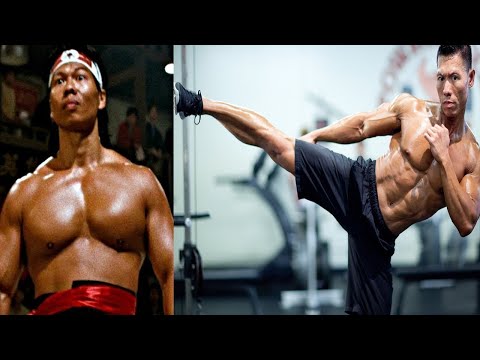
The Unseen Shadow: David Yen's Quest to Forge His Own Legacy Beyond Bolo Yeung

Every martial artist dreams of greatness, of etching their name into the annals of combat history. But what happens when your very name carries the weight of a legend? This is the crucible in which David Yen, son of the iconic Bolo Yeung, has forged his own path. For too long, he has lived in the imposing shadow of his father, a man synonymous with brutal physicality and unforgettable screen presence. Yet, David’s journey is not one of mere imitation, but of a distinct evolution, a testament to the enduring spirit of martial arts and the complex dynamics of legacy. In this analysis, we delve into David Yen’s own accomplishments, his transition from bodybuilding prowess to MMA training, and what this means for the broader landscape of martial arts influence.

For those who wish to support the continuation of this deep dive into martial arts lineage and dedication, contributions are welcomed. Your support fuels the research and analysis that allows us to explore these fascinating figures.

"The student often surpasses the master, not by copying, but by understanding the core principles and applying them in a new context." - A principle echoed through generations of martial arts philosophy.

The common narrative often places David Yen in relation to his father, Bolo Yeung. While it's undeniable that Bolo’s formidable physique and on-screen ferocity in films like "Enter the Dragon" and "Bloodsport" set an incredibly high bar, David’s story is far more nuanced. He hasn’t sought to replicate his father’s cinematic career, but rather to carve out his own niche, demonstrating a remarkable capacity for adaptation and skill development. His achievements in bodybuilding, a discipline demanding immense discipline and physical control, laid a potent foundation. This rigorous training wasn't just about aesthetics; it instilled the perseverance and understanding of the human body that would later inform his work with fighters.

David Yen's Bodybuilding Prowess

Before stepping onto the mats as a coach, David Yen himself achieved significant recognition in the world of bodybuilding. This is a crucial aspect often overlooked when solely focusing on his father. Bodybuilding is not merely about aesthetics; it’s a rigorous discipline that cultivates an intimate understanding of muscle function, recovery, and the sheer willpower required to push physical limits. This experience provided David with a unique perspective on strength conditioning, nutrition, and the dedication necessary for peak physical performance—all vital components that translate directly into the demanding world of combat sports. He understands the grind, the plateaus, and the mental fortitude required to sculpt a champion’s physique, a lesson invaluable when guiding fighters.

The Transition to MMA Coaching

The pivot from individual bodybuilding to coaching Mixed Martial Arts (MMA) is a fascinating evolution. It suggests a deep-seated passion for the combat arts that extends beyond personal achievement. Training MMA fighters requires a different skillset: understanding the intricate interplay of striking, grappling, and submission arts, as well as the strategic and psychological aspects of competition. David Yen, by immersing himself in this arena, demonstrates a commitment to the dynamic, evolving nature of modern combat. He is not simply leveraging his name; he is actively contributing to the development of new talent, bringing his unique blend of strength, discipline, and strategic insight to the corner.

His work with MMA fighters signifies a profound respect for the sport's multifaceted demands. It's a journey from perfecting one's own physical form to orchestrating the development of others'. This shift speaks volumes about his character and his dedication to the martial arts community. He has embraced the challenge of understanding diverse fighting styles and tailoring training regimens to maximize each fighter's potential.

Legacy and Influence: Beyond the Shadow

The inherent challenge for any child of a famous figure is to establish their own identity. David Yen has navigated this with a quiet determination. While his father defined an era of cinematic martial arts, David is contributing to the practical, competitive side of combat sports. This is a subtle yet significant distinction. His influence is felt not through iconic movie scenes, but in the tangible improvements he helps his fighters achieve. He is building his legacy brick by brick, fight by fight, demonstrating that true strength lies not just in inherited fame, but in earned respect and demonstrable expertise.

"A true legacy is not what you inherit, but what you build. It is the impact you have on others, the skills you impart, and the example you set."

His presence in the MMA coaching circuit suggests a desire to move beyond the direct comparisons and to prove his own mettle. It's a testament to a generation of martial artists and their offspring who are expanding their definition of success, integrating diverse disciplines and pushing the boundaries of what it means to be a martial artist in the 21st century. The "Bolo Yeung" name carries immense recognition, but David Yen is actively cultivating his own name through dedicated effort and a forward-thinking approach to training.

Training Philosophy for Fighters

While specific details of David Yen’s coaching methodologies might be proprietary, his background provides strong clues. His bodybuilding past suggests a strong emphasis on:

  • Core Strength & Stability: Essential for power generation in strikes and stability in grappling exchanges.
  • Explosive Power Development: Training for the quick, dynamic movements crucial in MMA.
  • Muscular Endurance: Building the stamina to perform at a high level throughout a fight.
  • Nutritional Guidance: Understanding the body’s fuel source for optimal performance and recovery.
  • Mental Fortitude: Instilling the discipline and resilience learned through personal bodybuilding challenges.

This foundation is critical. Unlike pure martial arts that might focus solely on technique, David’s approach likely integrates a holistic understanding of the fighter’s physical machine. He understands that technique without the physical capacity to execute it under duress is incomplete. This blend of strength conditioning and combat-specific training is a hallmark of effective modern coaching.

Equipment Essential for MMA Training

For aspiring coaches or fighters looking to emulate the dedication seen in figures like David Yen, having the right equipment is paramount. While David’s personal gym setup is likely extensive, some fundamental pieces are crucial for any serious MMA training environment:

  • High-Quality MMA Gloves: For striking drills and sparring, offering protection for both the wearer and their training partners. Look for gloves with good padding distribution and a secure fit.
  • Durable Training Shorts: Lightweight, flexible shorts that allow for a full range of motion during grappling and striking.
  • Sparring Headgear: Essential for mitigating impact during sparring sessions, protecting against cuts and concussions.
  • Shin Guards: Crucial for protecting the shins during kickboxing drills and sparring.
  • Mouthguards: Non-negotiable for protecting teeth and jaw during any contact training.
  • Wrestling/Grappling Mats: A safe and stable surface is vital for practicing takedowns, ground control, and submissions.
  • Resistance Bands and Weights: For strength and conditioning exercises that supplement skill training.
  • Jump Ropes: An excellent tool for cardiovascular conditioning and footwork development.

Investing in good MMA merchandise and training gear not only enhances safety but also fosters a more serious training mindset. It signals a commitment to the craft, much like the dedication David Yen himself embodies.

Veredict of the Sensei: A New Generation of Martial Arts Leadership

David Yen represents a fascinating evolution in martial arts lineage. He has taken the formidable foundation laid by his father, Bolo Yeung, and adapted it for the modern combat sports landscape. His journey from a successful bodybuilder to an MMA coach demonstrates a profound understanding that true mastery lies in continuous learning and application. He hasn’t tried to be his father; he has strived to be the best version of himself, contributing meaningfully to the sport. His influence may not be etched in celluloid, but in the grit, skill, and spirit of the fighters he trains. He is a prime example of how the principles of martial arts and physical discipline can be channeled into diverse, impactful careers within the broader combat community. He is earning his stripes, one fighter at a time.

"The path of the warrior is not a destination, but a continuous journey of refinement. David Yen embodies this journey, transitioning from one arena of physical mastery to another, proving that the principles of discipline and strength are universal."

Frequently Asked Questions

Who is David Yen?
David Yen is the son of the renowned martial arts actor and bodybuilder Bolo Yeung. He is known for his own accomplishments in bodybuilding and his current work as an MMA trainer.
Did David Yen act in movies like his father?
While his father is famous for his movie roles, David Yen has primarily focused on bodybuilding and MMA coaching, rather than a direct acting career.
What is David Yen’s contribution to MMA?
David Yen trains MMA fighters, leveraging his background in bodybuilding and physical conditioning to enhance their performance and prepare them for competition.
How does David Yen's bodybuilding background help in MMA training?
His bodybuilding experience provides a deep understanding of strength, conditioning, discipline, and physical limits, which are directly applicable to preparing MMA athletes for the rigors of combat.

Further Exploration

The journey of martial arts families and their evolving influence is a rich topic. To continue your exploration into the diverse paths within the martial arts world, consider these related topics:

Reflection of the Sensei: Your Next Step

David Yen’s story compels us to consider how we approach our own legacies. Are we defined solely by our heritage, or do we have the agency to forge our own unique impact? How will you ensure your contributions are recognized for their own merit, not just in relation to those who came before you? Ponder this deeply. Your answer will shape the path you walk.

``` GEMINI_METADESC: Explore David Yen's journey beyond his father Bolo Yeung's shadow. From bodybuilding to MMA coaching, discover his unique legacy in combat sports.

King of the Streets 100: BLOOD MONEY - Where Legends Are Forged in the Crucible of Combat

Introduction: The Raw Heart of Underground Fighting

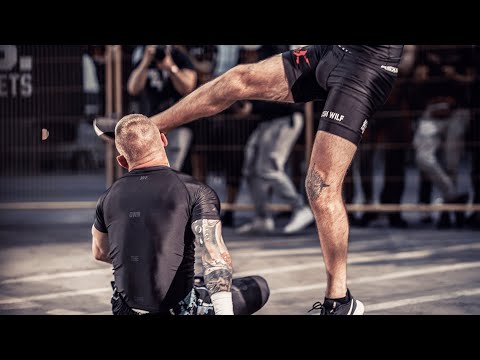
Welcome, warriors, to a deep dive into the visceral world of "King of the Streets," and specifically, the brutal spectacle of "Blood Money." Forget the sanitised arenas and corporate sponsorships. This is where the primal urge to test oneself, to fight for honour and prize money, burns brightest. You're not just watching a fight; you're witnessing a raw, unfiltered display of human will and combat prowess. Today, we dissect the clash between "English Wilf" and "Tomczak," a bout that embodies the very essence of this underground fight club. But beyond the blood and the KOs, what can we truly learn from these contests? What martial principles, if any, survive in such an environment? Prepare yourselves, for we shall explore the heart of the fight, the philosophy that underpins even the most chaotic brawls, and what it means to truly be a warrior in the modern age.

The martial world often debates the efficacy and spirit of different disciplines. Karateka spar under strict rules, Judo practitioners seek the perfect throw, and MMA fighters blend it all into a global tapestry of combat. But then there are places like King of the Streets – a stark reminder that the fundamental drive to fight, to conquer, and to survive, transcends any codified style. It's a primal theatre where the stakes are high, and the lessons learned are etched not just in memory, but often in scars.

In this analysis, we will go beyond the hype and the raw footage. We will examine the ethos of "King of the Streets," the specific rulesets that govern these encounters, the fighters themselves, and what this raw form of combat tells us about the enduring spirit of the warrior.

The Rules of Engagement: K.O. ONLY & NO RULES

King of the Streets operates on a fundamental principle: the fight must have a definitive, decisive end. This isn't about point-scoring or strategic stalling. It's about finishing the opponent. The two primary formats dictate the intensity and potential danger:
  • K.O. ONLY: This format is unforgiving. All techniques are permissible, but the victory MUST come via a Knockout. Submissions are invalid. This means fighters must actively seek to incapacitate their opponent, leading to explosive exchanges and a constant pressure to deliver concussive blows.
  • NO RULES: The most extreme iteration. Here, literally anything goes. Submissions are valid, strikes are unrestricted, and the fight continues until one combatant either KOs their opponent or forces a submission. There are no rounds, no time limits – only the will of the fighters to see it through.

This deliberate absence of restrictive rules is a critical factor. It strips away the conventional boundaries of sport combat, forcing fighters to rely on their most effective, perhaps most brutal, tools. It harks back to older forms of combat where survival and incapacitation were paramount. While it may seem chaotic, there’s a brutal purity to it. It strips away the extraneous, leaving only the core elements of attack, defence, and resilience.

This approach challenges the notion of "sport" vs. "combat." King of the Streets blurs that line, demanding a level of commitment and a willingness to push physical and mental limits that few sanctioned sporting events can replicate. It’s a testament to the human drive to compete at its most fundamental level.

The Combatants: "English Wilf" vs. "Tomczak"

Let's turn our attention to the warriors who stepped into the crucible for this particular encounter:

"English Wilf" (HC83)

  • Affiliation: HYPE CREW ENGLAND
  • Weight: 78 KG
  • Height: 181 CM
  • Age: 30 Years
  • Discipline: Lethwei / MMA

Representing the Hype Crew, "English Wilf" brings a background steeped in Lethwei, the "Art of Nine Limbs," known for its ferocious use of elbows, knees, headbutts, and even bare-knuckle striking. Coupled with MMA training, he's a versatile and dangerous opponent, accustomed to a high level of aggression and direct confrontation. His previous appearances in King of the Streets suggest he thrives in this environment, having faced tough opposition before.

"Tomczak" (Streetfighter)

  • Affiliation: STREETFIGHTER POLAND
  • Weight: 78 KG
  • Height: 175 CM
  • Age: 32 Years
  • Discipline: MMA

"Tomczak," a self-proclaimed Streetfighter from Poland, also comes with a solid MMA foundation. While his listed discipline is MMA, the moniker "Streetfighter" hints at a raw, perhaps less refined but no less effective, approach to combat. His similar weight class to Wilf promises a closely contested battle where technique, heart, and adaptability will be key.

The contrast in their backgrounds – Lethwei's ancient brutality versus MMA's modern synthesis – makes this a fascinating stylistic clash. Who will impose their will? Who will adapt faster to the unique pressures of the King of the Streets environment? These are the questions that fuel the anticipation.

The Legacy of King of the Streets

King of the Streets is more than just a series of fights; it's a statement. In an era where combat sports are increasingly regulated and often sanitised, it serves as a throwback to a time when fighting was a more direct, visceral test of skill and courage. This platform provides an opportunity for fighters who might not fit the mould of traditional sports organizations, or who simply crave a more primal challenge, to prove their mettle.

The "Blood Money" event signifies the high stakes involved. This isn't about fame or championship belts in the conventional sense. It's about the immediate reward, the tangible proof of one's ability to win and earn. This financial incentive, coupled with the "win by any means necessary" ethos, creates a unique pressure cooker environment. Fighters here are often driven by a potent mix of necessity, pride, and the pure love of combat.

Many modern martial artists debate the practicality of their training. Does their art translate to the "street"? King of the Streets offers a stark, often brutal, testing ground for such questions. The fighters who succeed here are those who can adapt, improvise, and execute under extreme duress, often drawing upon a deep well of resilience and fighting spirit.

"The difference between a sport and a fight is the presence of rules. Remove the rules, and you reveal the true nature of combat."

Beyond the Brawl: The Underlying Budo

While the outward appearance of King of the Streets might suggest pure anarchy, there's an underlying martial philosophy that governs those who truly excel. Even in the most chaotic "No Rules" bout, fundamental principles of Budo are at play.
  • Adaptability (Ju): The ability to flow and adapt to your opponent's movements and the changing circumstances of the fight is paramount. A rigid approach will be exploited. This is the essence of Judo's "maximum efficiency, minimum effort" and Karate's fluid transitions.
  • Willpower (Ishi): The sheer mental fortitude to continue when you are tired, hurt, or seemingly outmatched. This "fighting spirit" or Seishin is the bedrock of all martial arts. In King of the Streets, where there are no rounds to rest, this becomes even more critical.
  • Simplicity and Directness: Complex techniques often fail under duress. The most effective strategies are usually simple, direct, and executed with conviction. This is a principle echoed by masters like Miyamoto Musashi, who emphasized directness in his approach to swordsmanship.
  • Understanding Distance and Timing: Even without formal rounds, managing space and knowing when to engage or disengage is vital. This fundamental martial concept remains unchanged, regardless of the ruleset.

Lethwei, with its emphasis on aggression and hard strikes, and MMA, with its comprehensive skill set, both provide excellent foundations. However, the true differentiator in this environment is not just technical skill, but the mental toughness and adaptability to apply that skill when facing an opponent who is equally determined, with few limitations.

The question then arises: can a practitioner of a more traditional art, say Okinawan Karate, thrive here? Perhaps not immediately without cross-training, but the core principles – discipline, respect (even for an opponent), focus, and the relentless pursuit of self-improvement – are universal. King of the Streets simply amplifies the consequences of their absence.

Essential Gear for the Aspiring Fighter

While King of the Streets pushes the boundaries of combat, certain equipment can enhance safety and performance, even in its more extreme formats. For those inspired to test themselves, whether in an underground setting or a more structured environment, understanding the right gear is crucial.
  • Protective Gloves: Even in bare-knuckle Lethwei or "K.O. Only" MMA, hand wraps are essential to protect your hands. If permitted, MMA gloves (typically 4oz or 6oz) offer a balance between striking power and protection. For those serious about striking, a good pair of sparring gloves (14oz-16oz) for training is non-negotiable.
  • Mouthguard: Absolutely critical. A custom-fitted mouthguard is a small investment that can prevent severe dental injury. This is non-negotiable for any form of combat sport.
  • Groin Protector: In formats where groin strikes are not explicitly banned, or if the referee's discretion is final, this offers essential protection.
  • Shin Guards: For MMA training and sparring, good quality shin guards are vital to protect against the impact of kicks.
  • Kimono/Gi (for grappling focus): If your approach leans towards grappling, a durable double-weave Judo gi or a strong BJJ kimono is essential for resisting rips and tears during intense ground exchanges.

Remember, proper training and technique are always more important than equipment, but the right gear can prevent career-ending injuries and allow you to train harder and smarter. Investing in quality training equipment is an investment in your martial journey.

Frequently Asked Questions

Q1: What is "King of the Streets" specifically?
A1: King of the Streets is an underground fight club that hosts real combat bouts with prize money. It operates under extreme rulesets like "K.O. ONLY" and "NO RULES," with no rounds or time limits. Q2: Are submissions allowed in the "K.O. ONLY" format?
A2: No, in the "K.O. ONLY" format, submissions are not a valid way to win. Victory must be achieved by Knockout. Q3: How do I apply to fight in King of the Streets?
A3: To apply, you need to use the Telegram app. You can message the application account (kots_fightapplication) or follow specific steps if you encounter issues with non-mutual contacts. Q4: What martial arts background do "English Wilf" and "Tomczak" have?
A4: "English Wilf" has a background in Lethwei and MMA, while "Tomczak" is listed as an MMA fighter with a "Streetfighter" designation. Q5: What is the main difference between "K.O. ONLY" and "NO RULES"?
A5: The key difference is that "NO RULES" allows for submissions as a win condition, whereas "K.O. ONLY" strictly requires a knockout.

Deepen Your Understanding

For those who found this examination of raw combat compelling, further exploration into the wider world of martial arts and combat sports is highly recommended. Understanding the context and evolution of these disciplines enriches our appreciation for every contest, from the most brutal underground bouts to the most refined traditional duels.
  • BUDO: Explore the foundational philosophy and principles that underpin traditional Japanese martial arts.
  • MMA: Dive into the world of Mixed Martial Arts, understanding its techniques, strategies, and prominent figures.
  • KarateCommunity: Discover the rich history, diverse styles, and modern practice of Karate.
  • CombateEnLaCalle: Examine the principles and training methods relevant to self-defense scenarios.
  • FightAnalysis: Learn to break down fights, understand tactics, and appreciate the strategic depth of combat sports.

Reflection of the Sensei: Your Next Step

We have witnessed the raw power and unyielding spirit of "King of the Streets." We've seen how, even in the absence of traditional rules, fundamental martial principles endure. But the true test is not in observing, but in applying. Consider this: In your own training, are you merely going through the motions, or are you truly preparing for the "fight" – be it a competition, a self-defense scenario, or the daily challenges of life? What aspect of your training, if stripped bare of all rules, would prove most effective? Where is your true fighting spirit, your Seishin, forged? Reflect on this, and let your next training session be an answer. ``` ``` GEMINI_METADESC: Analyze the brutal world of King of the Streets: Blood Money. Review the 'English Wilf' vs. 'Tomczak' fight, rulesets, and the underlying martial philosophy.