Showing posts sorted by relevance for query hara. Sort by date Show all posts

The Unseen Force: Mastering Ki in Martial Arts - Beyond the Hype

Greetings, warriors. It is I, your Sensei, and today we delve into a concept that has fueled countless myths, inspired legendary tales, and, frankly, been grossly misunderstood in the dojo and on the screen: Ki (気). You've heard the whispers, seen the exaggerated portrayals in films, perhaps even felt a faint resonance within your own training. But what is Ki, truly? Is it merely a mystical energy, or does it hold a tangible, practical significance for the dedicated martial artist?

Many practitioners approach Ki with either outright skepticism or an uncritical embrace of its esoteric interpretations. We've all witnessed the "no-touch knockout" in movies, or heard claims of masters manipulating life force. These are often sensationalized distortions. My goal today is to cut through the dogma, the mysticism, and the marketing, and bring you to the core of Ki – its practical application and philosophical underpinnings in the world of Budo and martial arts. Prepare yourselves, for this will be a lesson designed to challenge your perceptions and ignite a deeper understanding.

What is Ki, Really? Beyond the Myth

At its most fundamental level, Ki, often translated as "energy," "spirit," or "breath," is the vital force that animates all living beings. In the context of martial arts, it refers to the cultivated internal energy that enhances power, focus, awareness, and resilience. It is not a magical aura, nor is it some intangible force that defies the laws of physics. Instead, think of it as the unified expression of your physical, mental, and spiritual energy, channeled with intent.

Historically, many East Asian philosophies and practices, including martial arts, Taoism, and Buddhism, have recognized the existence and importance of this vital energy. Masters learned to harness and direct it, not through incantations or supernatural means, but through rigorous physical training, controlled breathing, mental discipline, and deep meditative practices. The goal was always to achieve a state of heightened awareness and efficient power generation – a far cry from the mystical energy blasts seen in popular culture.

Consider the difference between a raw, brute-force punch and a punch delivered with perfect posture, aligned intention, and focused breath. The latter carries a different quality, a more profound impact. This difference, practitioners would argue, is rooted in the cultivation and direction of Ki. It’s about leveraging your entire being, not just your muscles.

"To conquer 1000 enemies, is to conquer 1000 enemies. To conquer yourself, that is the true victory." - Zen Proverb

This proverb speaks directly to the internal journey of martial arts. Developing Ki is, in essence, the journey of conquering oneself. It's about mastering your own physical and mental faculties to their peak potential. It requires patience, persistence, and a willingness to look inward.

Ki in Practice: Tangible Applications in Combat

Dismissing Ki as mere superstition is a grave error that many modern combat sports enthusiasts make. The principles behind Ki, when stripped of their mystical veneer, translate into highly practical combat applications:

  • Power Generation (Koshi/Hara): The concept of power emanating from the core (hara or tanden) is central to Ki cultivation. This isn't about a magic center of gravity, but about efficient biomechanics. When your hips, core, and legs are aligned and engaged, you can generate significantly more power than relying solely on arm strength. This unified body movement is what experienced martial artists intuitively understand as "generating power from the Ki." Think of how a whip cracks – the energy travels from the handle to the tip. Your body works similarly when properly aligned.
  • Stability and Rooting (Maai): A strong Ki allows a practitioner to remain stable and grounded, even under duress. This is achieved through proper posture, weight distribution, and a connected, centered feeling. When an opponent tries to destabilize you, a strong Ki acts as an anchor, making you difficult to move. This is not about sheer muscular tension, but about a relaxed, yet unyielding, structure.
  • Focus and Intent (Zanshin/Mushin): Ki training cultivates intense mental focus and unwavering intent. This allows for heightened situational awareness, rapid decision-making, and the ability to execute techniques with precision under pressure. Zanshin, the state of lingering awareness, and Mushin, the "no-mind" state of spontaneous action, are direct manifestations of a well-developed Ki. Your actions become fluid, decisive, and often instinctive.
  • Resilience and Recovery: A practitioner with a strong Ki often exhibits greater resilience to pain and fatigue. This is not because they are immune to injury, but because they can better manage their physical and mental state, drawing on internal reserves to push through discomfort and recover more quickly. It’s about managing your internal energy economy.
  • Detecting Opponent's Intent: Advanced practitioners often speak of "feeling" an opponent's next move. This isn't telepathy. It's an acute sensitivity to subtle shifts in posture, breath, and tension developed through years of focused practice and awareness of Ki dynamics. You become attuned to the "energy" of the other person.

To deny these practical applications is to ignore the effectiveness of disciplines that have stood the test of time. The ability to generate power from the core, maintain balance, stay focused, and possess mental fortitude are universally recognized as crucial elements of effective combat.

The Scientific Perspective: Connecting Mind and Body

While the term "Ki" might sound mystical, modern science is increasingly validating many of the principles associated with its cultivation. Neuroscience, biomechanics, and sports psychology offer insights into how Ki-like effects are achieved:

  • Proprioception and Body Awareness: Years of martial arts training, particularly those emphasizing internal energy, significantly enhance proprioception – the body's awareness of its position and movement in space. This heightened awareness allows for more precise and powerful movements.
  • Core Strength and Stability: The focus on the 'hara' or 'tanden' in Ki cultivation directly aligns with the modern understanding of the importance of core strength for athletic performance. A strong, engaged core provides a stable base for all limb movements, maximizing force transfer and power.
  • Diaphragmatic Breathing and Stress Response: Controlled, deep breathing (often emphasized in Ki training) activates the parasympathetic nervous system, reducing stress, improving focus, and enhancing physical performance. This is a well-documented physiological response.
  • Mental Focus and Flow States: Practices aimed at cultivating Mushin or Zanshin are essentially training the brain to enter states of deep focus and flow. This reduces distractions, improves reaction times, and allows for peak performance, phenomena studied extensively in sports psychology.
  • Mind-Body Connection: The holistic approach of martial arts, integrating physical, mental, and breathwork, fosters a strong mind-body connection. This allows for a more efficient and coordinated use of physical capabilities, often perceived as an enhanced "energy."

Therefore, when we talk about Ki, we are often talking about the synergistic optimization of our physical and mental faculties, a phenomenon that science is now beginning to explain. It's not about supernatural energy, but about mastering the biological and psychological systems we possess.

Developing Your Ki: Practical Training Methods

Cultivating Ki is not an overnight process. It requires dedication, consistent practice, and a methodical approach. Here are several avenues to explore:

Guía de Entrenamiento: Respiración y Meditación

  1. Diaphragmatic Breathing (Abdominal Breathing): Sit or lie comfortably. Place one hand on your chest and the other on your abdomen. Inhale slowly through your nose, feeling your abdomen rise (your chest should move minimally). Exhale slowly through your mouth, drawing your navel towards your spine. Focus on the sensation of breath filling your lower belly. Practice this daily for 5-10 minutes.
  2. Standing Meditation (Tachidori/Mokuso): Stand with feet shoulder-width apart, knees slightly bent, back straight. Relax your shoulders and let your arms hang loosely, or adopt a natural posture. Close your eyes (or soften your gaze) and focus solely on your breath and the sensation of being grounded. Aim to clear your mind of extraneous thoughts. Start with 5-10 minute sessions, gradually increasing duration.
  3. Mindful Movement: Integrate mindfulness into every technique. As you execute a punch, feel the energy originating from your hara, traveling through your core, and exploding from your fist. As you perform a block, feel your connection to the ground and your stability. Every movement should be deliberate and aware.

Guía de Entrenamiento: Movimiento y Fuerza

  1. Kata/Form Practice: Performing martial arts forms (Katas) with intention and focus is a profound way to cultivate Ki. Focus on the flow, the power generation from the core, and the mindful transitions between movements. Don't just go through the motions; embody the spirit of each technique.
  2. Static Strength Holds: While not solely focused on Ki, exercises like horse stance (kiba dachi) or wall sits, performed with proper breathing and mental focus, help build the physical and mental fortitude that supports Ki development. Focus on relaxed tension rather than rigid strain.
  3. Sparring with Awareness: Engage in sparring (kumite or randori) with the intention of not just winning, but of applying your understanding of Ki. Focus on maintaining your center, generating power from your core, and staying mindful of your opponent's movements and energy.

The key is consistency and intent. Each practice session is an opportunity to deepen your connection to your own vital force.

Ki on Screen: When Hollywood Gets It Wrong

The cinematic portrayal of martial arts, while often entertaining, frequently distorts the concept of Ki to serve dramatic effect. This leads to widespread misconceptions.

The "No-Touch Knockout": This is perhaps the most egregious cinematic fantasy. The idea that a master can knock out an opponent without physical contact is pure fiction. While a skilled practitioner can certainly intimidate, unbalance, or psychologically affect an opponent, the physical act of incapacitation requires physical engagement. The dramatic effect of an opponent flying backward from a gesture is pure Hollywood magic, often achieved with wires, editing tricks, or the opponent’s cooperation.

Superhuman Abilities: Movies often depict martial artists performing feats impossible for the human body – jumping incredible heights, surviving impossible falls, or throwing punches with the force of a wrecking ball without proper biomechanical preparation. While martial arts training can push human limits, these portrayals often cross the line into fantasy, attributing these abilities to a mystical "Ki" rather than acknowledging the extreme training and genetic predisposition of stunt performers.

The "Energy Blast": The visual effects of energy beams or waves emanating from a martial artist's hands are another common trope. This is a visual metaphor for power, but it has no basis in reality. True power in martial arts comes from efficient technique, timing, leverage, and the unified application of the body's force, not from visible energy emissions.

"The fighting spirit of the warrior is the one that wins." - Miyamoto Musashi

Musashi's emphasis on the "fighting spirit" is a crucial reminder. While he was a master of technique, the mental and spiritual component—which we can relate to Ki—was paramount. But this spirit manifests through skill and strategy, not through magical displays.

These cinematic exaggerations do a disservice to the discipline and hard work that true martial artists undertake. They create unrealistic expectations and foster a misunderstanding of the genuine power that can be developed through dedicated practice.

Veredicto del Sensei: Beyond the Hype

Is Ki real? Yes. Is it a mystical force that allows for supernatural feats? No. The true power of Ki lies in the cultivation of a fully integrated mind-body connection, leading to optimized physical performance, enhanced mental clarity, and profound resilience. It is the disciplined expression of one's total self, channeled with unwavering intent.

For the serious martial artist, understanding and cultivating Ki is not about acquiring superpowers; it's about becoming a more effective, efficient, and complete human being. It’s the difference between a superficial display of force and the deep, resonant power of a master. When Hollywood gets Ki wrong, it distracts from the incredible, tangible benefits that dedication to this principle can yield.

Calificación: Cinturón Negro en Potencial Real

Equipo Esencial para tu Entrenamiento

While Ki cultivation is primarily an internal endeavor, certain external elements can support your journey:

  • Gi (Kimono de Karate, Judo, etc.): A well-fitting Gi, especially one made of durable, high-quality fabric, allows for freedom of movement while also providing resistance that can help build strength and power. For styles like Judo or Brazilian Jiu-Jitsu, a tougher double-weave Gi is recommended for grappling.
  • Training Mat (Tatami/Yoga Mat): For meditation, stretching, and floor exercises, a comfortable and supportive mat can prevent injury and enhance focus by providing a dedicated training space.
  • Comfortable Workout Apparel: For exercises focused on dynamic movement and breathwork, lightweight, breathable clothing is essential.
  • Books on Martial Philosophy: Texts on strategy, philosophy, and the history of Budo are invaluable for understanding the deeper principles that underpin Ki cultivation.

Investing in quality gear isn't about vanity; it's about creating an environment conducive to focused, safe, and effective training. Look for durable Kimono de Judo or robust Karate Gi that will withstand rigorous practice.

Preguntas Frecuentes

  • ¿Puedo desarrollar Ki sin un maestro? While a good teacher is invaluable for guiding your Ki development, it is possible to make progress through diligent self-study, disciplined practice of breathing and meditation techniques, and mindful application in your training.
  • ¿Es Ki diferente en cada arte marcial? The fundamental principles of Ki are universal, but its expression and emphasis vary. Karate might focus on explosive power, Aikido on blending and redirecting, and Tai Chi on fluidity and relaxation. However, all draw from the same wellspring of integrated vital energy.
  • ¿Cuánto tiempo se tarda en "sentir" Ki? This varies greatly. Some individuals are naturally more attuned and may feel subtle effects within months. For others, it may take years of dedicated practice to develop a noticeable connection to their internal energy. Patience and consistency are key.
  • ¿Está Ki relacionado con la fuerza física? Ki enhances the effectiveness of physical strength by optimizing its application. It allows you to generate more power with less perceived effort, but it does not replace the need for fundamental physical conditioning.

Para Profundizar en tu Camino

The path to mastering Ki is a lifelong journey of self-discovery and refinement. It demands that we look beyond the sensational, embrace discipline, and understand that true power is cultivated from within.

Reflexión del Sensei: Tu Próximo Paso

We have dissected the concept of Ki, separating the tangible from the fantastical. Now, I pose this question to you: In your last training session, did you simply go through the motions, or did you strive to embody the principle of unified action? Where did you feel your energy flow, and where did it stagnate? Reflect not on what you *saw* in movies, but on what you *felt* within yourself. Your answer will reveal the true state of your understanding and the path ahead.

``` GEMINI_METADESC: Master Ki (気) in martial arts beyond movie myths. Learn practical applications for power, focus, and resilience, with training tips and a Sensei's verdict.
The Most Unsettling Mysteries in Boxing: A Budo Master's Perspective

The roar of the crowd, the sharp crack of leather on leather, the dance of titans in the ring – boxing, at its core, is a brutal ballet of discipline, strategy, and raw courage. Yet, beneath this veneer of controlled chaos, a darker, more enigmatic current runs through its storied history. For some, these enigmas are mere entertainment, a thrilling narrative to be consumed from the safety of the screen. But for those who have dedicated their lives to the martial path, where every action, every moment, is imbued with meaning and consequence, these mysteries can be profoundly unsettling. Today, we delve into the strangest enigmas that have haunted the annals of boxing, questioning not just the events themselves, but the very essence of what it means to compete and to win, or to lose. Welcome, warriors, to Budo and Martial Arts. You are about to witness a journey through the most peculiar occurrences in boxing history. This exploration, published on April 17, 2022, at 08:06 AM, is brought to you by the most comprehensive and up-to-date martial arts resource on the internet. Follow our journey across social networks and never forget to visit our main page for the deepest insights into the martial world.
"The martial path is one of constant self-discovery. Even in defeat, there are lessons to be learned. But what happens when the very notion of victory is called into question by the inexplicable?"
We also invite you to explore our other platforms where the spirit of the warrior thrives. If you resonate with the pursuit of genuine martial arts and wish to support this endeavor, consider visiting our store to acquire exclusive NFTs, a modern testament to the enduring legacy of these ancient disciplines.
## The Contested Victory: When the Bell Doesn't Tell the Whole Story Boxing, more than most sports, is built on clear metrics: knockouts, points, the ringing of the bell. Yet, history is littered with bouts where the official result felt like a betrayal of what the eyes saw. The most infamous, perhaps, is the first fight between **Muhammad Ali** and **Joe Frazier**. While Ali was known for his dazzling footwork and poetic taunts, Frazier was "Smokin'," a relentless pressure fighter whose left hook could end any contest. Frazier won decisively, knocking Ali down in the final round, a moment etched into boxing lore. But what about the fights where the decision seems less clear-cut? Consider the controversial rematch between **Sugar Ray Leonard** and **Roberto Durán**. Durán, a hardened warrior from the tough streets of Panama, had famously told Leonard "No más" (No more) in their previous encounter. In the rematch, Leonard's tactical genius seemed to outmaneuver Durán, yet the scoring leading up to Durán's abrupt stoppage was fiercely debated. Was it a tactical surrender, or something more sinister? This ambiguity shakes the very foundation of competitive sport, forcing us to question the integrity of the contest. ### The Phantom Punch: Moments of Unseen Devastation The knockout is the ultimate punctuation mark in boxing. But what about knockouts that defy explanation? The legendary **"Phantom Punch"** of **Max Baer** against **Tony Galento** is one such instance. Galento, a beer-drinking, brawling heavyweight, was known for his slugging power. In their 1935 bout, he was knocked out by what appeared to be a glancing blow, a punch many observers claimed never even landed cleanly. How could such a blow fell a man of Galento's resilience? This leads us to the broader phenomenon of the "flash knockdown" or "lights out" punch. Often, it's not the brute force alone, but the precise timing, the angle, and the opponent's momentary lapse in defense or balance that creates the illusion of a supernatural event. ## The Unexplained Absences: Fighters Who Vanished Beyond the ring itself, some of boxing's most baffling mysteries involve fighters who simply disappeared. **Kid McCoy**, a middleweight champion of the late 19th and early 20th centuries, famously staged his own death to escape his wife and gambling debts, only to reappear years later. More recently, the disappearance of **Aaron Pryor**, a fearsome junior welterweight known for his explosive power, remains a subject of speculation. After a stellar career, Pryor battled substance abuse and personal demons, and his life took a turn towards the reclusive. The lack of clear information, the void left by these figures, allows speculation to fester, turning them from athletes into tragic enigmas. ### The Unfinished Business: What If? Every sport has its "what ifs," but in boxing, they often carry a heavier weight. What if **Rocky Marciano**, the only undefeated heavyweight champion, hadn't retired at his peak? What if **Mike Tyson** had maintained his early career discipline and focus throughout his reign? These are philosophical questions, but they touch upon the very nature of legacy and destiny in combat sports. The potential for greatness, unfulfilled due to circumstances beyond control or poor choices, leaves an indelible mark on the sport's narrative. ## The Strange Rituals and Superstitions: The Mind Game A significant part of any martial art, and indeed boxing, is the mental fortitude required. This often manifests in peculiar superstitions and rituals. While some are benign – **Sugar Ray Robinson**'s lucky violet attire, **Jack Dempsey**'s insistence on fighting in a specific hotel – others border on the bizarre. We've seen fighters with elaborate pre-fight routines that seem more like exorcisms than preparation. This psychological dimension, the battle waged within the mind before the physical one even begins, is fertile ground for mystery. How much does belief, or the lack thereof, truly influence the outcome?
"The mind is the true weapon. The body is merely the tool. When the mind is clouded by doubt or fear, the tool becomes useless, regardless of its sharpness." - Adapted from a principle of Bushido
## Veredicto del Sensei: ¿Merece la pena? While this exploration delves into the *mysteries* of boxing, it's crucial to distinguish between genuine enigmas and mere folklore. The strangest mysteries in boxing history, when viewed through the lens of martial philosophy, highlight the immense pressure and psychological toll of high-stakes combat. They remind us that boxing, at its heart, is a human endeavor, prone to the same frailties, oddities, and unexplained phenomena that mark all aspects of life. These stories are not just about fights; they are about the human spirit pushed to its limits, sometimes triumphing, sometimes succumbing to forces unseen or misunderstood. They are worth contemplating, not for morbid fascination, **but to better understand the profound mental and emotional landscape our combatants navigate.** ## Equipo Esencial para tu Entrenamiento While we're not discussing techniques directly, the tools of the trade are fundamental. For aspiring boxers or martial artists who incorporate boxing elements, the right equipment is paramount. It's not just about protection, but about optimizing performance and respecting the art.
  • Guantes de Boxeo (10-16 oz): Para sparring, elige guantes más pesados (14-16 oz) para una mayor protección de ambas partes. Para entrenamiento de saco, 10-12 oz pueden ser suficientes. La calidad del acolchado y el ajuste son cruciales.
  • Vendas para Manos: Indispensables para proteger tus muñecas y nudillos durante el entrenamiento intenso y el sparring. Deben ser de un material absorbente y resistente.
  • Protector Bucal: La protección bucal es vital. Busca uno que se ajuste bien a tu dentadura y te permita respirar con facilidad. Existen modelos termoformables para un ajuste personalizado.
  • Casco de Sparring: Para entrenamientos de contacto, un buen casco de sparring protege la cabeza de cortes y contusiones graves. Asegúrate de que ofrezca buena visibilidad.
  • Saco de Boxeo / Pera de Velocidad: Elementos básicos para desarrollar potencia, velocidad y coordinación. La calidad del saco (peso y material) y la estabilidad de la pera afectarán tu entrenamiento.
## Guía de Entrenamiento: Fortaleciendo tu "Ki" en el Combate The concept of "Ki" (or Qi) is central to many East Asian martial arts, representing vital life force or energy. While not always explicitly discussed in Western boxing, the cultivation of this internal energy is crucial for explosive power, resilience, and mental clarity. Here’s a basic exercise to begin developing your internal energy:
  1. Postura: Adopta una postura de caballo baja (Kamae) o una posición de combate natural y relajada. Cierra los ojos.
  2. Respiración Profunda: Inhala lentamente por la nariz, sintiendo cómo el aire llena tu abdomen (Hara). Visualiza esta energía bajando hacia tu centro, unos centímetros debajo del ombligo.
  3. Concentración en el Hara: Mantén la atención en tu centro. Siente la quietud y la potencia que reside allí.
  4. Visualización de Energía: Imagina una luz cálida y dorada en tu Hara. Al exhalar suavemente por la boca, visualiza esta luz expandiéndose suavemente.
  5. Conexión Corporal: Al inhalar, siente cómo esta energía fluye hacia tus extremidades, dándoles fuerza y propósito. Imagina la fuerza de tu golpe viniendo desde este centro.
  6. Rutina: Practica durante 5-10 minutos diarios. Con el tiempo, notarás una mayor estabilidad, potencia y una sensación general de vitalidad en tu entrenamiento y en tu vida.
## Preguntas Frecuentes

¿Realmente existen los "golpes fantasma" inexplicables?

Los llamados "golpes fantasma" suelen ser el resultado de una combinación de factores: un oponente hábil que explota una micro-apertura, la precisión del golpe en un punto vulnerable (como la sien o la mandíbula), y la propia fragilidad del cuerpo humano. Raramente es magia, sino ciencia marcial aplicada en un instante crítico.

¿Cómo afecta la superstición a un boxeador?

Las supersticiones pueden ser un arma de doble filo. Pueden proporcionar una falsa sensación de control y confianza, pero también pueden generar ansiedad si el ritual no se cumple o si el oponente parece ignorarlas por completo. La verdadera fortaleza reside en la disciplina mental, no en amuletos o rutinas inflexibles.

¿Qué papel juega la condición física en la resolución de misterios en el boxeo?

Una condición física óptima es la base. Permite al boxeador mantener la concentración, la resistencia y la capacidad de reacción a lo largo de los asaltos. Un cuerpo bien entrenado responde mejor, minimizando las "aperturas" que los adversarios astutos o los eventos inexplicables pueden explotar.

¿Es ético aprovecharse de las "rarezas" de un oponente?

En el combate, el objetivo es ganar, utilizando las reglas y las habilidades a tu disposición. Si un oponente muestra debilidades, ya sean físicas, mentales o rituales, un estratega marcial inteligente buscará explotarlas. La ética reside en el respeto mutuo y en la aplicación justa de la habilidad, no en la lástima hacia el adversario.

Para Profundizar en tu Camino

Reflexión del Sensei: Tu Próximo Paso

Now, consider this: In a sport built on precision, courage, and clear outcomes, what is the greatest mystery you've personally encountered, not just in boxing, but in your own martial journey? Was it a moment of inexplicable strength, a decision that defied logic, or a lesson learned from an unexpected defeat? Share your profoundest "mystery" and how you navigated it. GEMINI_METADESC: Un maestro de Budo desentraña los misterios más extraños del boxeo, desde victorias dudosas hasta golpes inexplicables, analizando la mentalidad del guerrero.

El Cuerpo de Guerrero: Domina Glúteos, Abdomen y Piernas con Principios Marciales

¿Buscas un cuerpo que no solo sea estéticamente impresionante, sino que posea la potencia y la resistencia de un verdadero guerrero? La rutina GAP —Glúteos, Abdomen y Piernas—, si bien popular en el fitness moderno, puede ser elevada a una disciplina marcial si aplicamos los principios correctos. No se trata solo de estética, sino de construir una base sólida, un *koshi* (cadera) fuerte y un centro de gravedad inquebrantable. Olvida las promesas vacías; la construcción de un cuerpo formidable es una batalla que se gana con sudor, disciplina y una estrategia clara.

Tabla de Contenidos

Más Allá de la Estética: El Enfoque Budo

Muchos ven la rutina GAP como una simple serie de ejercicios para moldear el cuerpo. Sin embargo, un practicante de artes marciales, un verdadero *budoka*, entiende que cada movimiento, cada fibra muscular trabajada, debe servir a un propósito más elevado: la efectividad en el combate y la fortaleza integral. Un abdomen fuerte no es solo para lucir un "six-pack", es el centro de tu poder, el *hara*, desde donde emana tu fuerza. Unas piernas robustas son la base de tu movilidad, tu capacidad de generar potencia y absorber impactos. Y unos glúteos fuertes son esenciales para la explosividad, la estabilidad y la transferencia de fuerza. Este enfoque va más allá de la apariencia. Se trata de cultivar la disciplina, la resistencia mental y la conexión mente-cuerpo que son el corazón del Budo. Como dijo Miyamoto Musashi en su *Dokkōdō* (Camino Solitario), "Considera la práctica como tu vida entera". Tu rutina GAP no es solo una sesión de gimnasio; es una extensión de tu entrenamiento marcial, un camino para forjar la armadura física que te protegerá y te potenciará.

Los Cinco Pilares Marciales de tu Rutina GAP

La clave para transformar una rutina de fitness en un entrenamiento marcial reside en la aplicación de principios fundamentales:
  • 1. Propósito (Iki - 意志): Cada ejercicio debe tener un objetivo claro. ¿Fortalece tu conexión con el suelo? ¿Mejora tu estabilidad? ¿Aumenta la potencia de tus movimientos de cadera? No hagas sentadillas por hacerlas; hazlas para sentir cómo tu base se ancla al terreno, preparándote para un golpe o una parada.
  • 2. Precisión (Seimitsu - 精密): La forma lo es todo. Un movimiento descuidado es un punto débil. Ejecuta cada repetición con control, sintiendo la tensión en los músculos objetivo. La calidad supera a la cantidad.
  • 3. Intensidad (Kōunryoku - 駆動力): Entrena con la mentalidad de un guerrero. Si vas a hacer una sentadilla, hazla con la intención de mover el mundo. La resistencia no se construye en la zona de confort, sino empujando tus límites con respeto y control.
  • 4. Respiración (Kokyū - 呼吸): Coordina tu respiración con el movimiento, tal como en el Karate o el Judo. Exhala en el esfuerzo, inhala en la recuperación. Una respiración controlada es una mente controlada, y una mente controlada es la base de la calma bajo presión.
  • 5. Conexión Mente-Cuerpo (Shin-tai ichi - 心体一致): Siente cada músculo trabajando. Visualiza la fuerza fluyendo desde tu *hara* hasta tus extremidades. Esto no es solo ejercicio físico; es meditación en movimiento, un entrenamiento para la conciencia total.

Errores Comunes que Debilitan tu Base

Aquí es donde la mayoría de los "gimnastas" fallan, y donde tú, como aspirante a guerrero, debes destacar.
"La excelencia es un hábito, no un acto." - Aristóteles
1. **Falta de Disciplina y Constancia:** Muchos comienzan con entusiasmo, pero abandonan al primer obstáculo o cuando los resultados no son inmediatos. La disciplina marcial no es negociable. Los resultados llegan, pero son la consecuencia natural del esfuerzo sostenido, no un capricho del destino. No esperes tener un cuerpo "triple A" si tu esfuerzo es esporádico y tu alimentación un campo de batalla perdido. El verdadero avance se forja en la repetición constante y en el compromiso inquebrantable. 2. **Enfoque Exclusivo en la Estética:** Si solo buscas un abdomen visible sin entrenar la fuerza funcional de tu core, estás construyendo una fachada. Un core débil te hará vulnerable. Tu entrenamiento debe enfocarse en la potencia y la estabilidad, no solo en la apariencia. 3. **Técnica Deficiente:** Realizar ejercicios como sentadillas o zancadas con mala forma no solo es inefectivo, sino peligroso. Te expone a lesiones que te sacarán del combate por completo. Un movimiento imperfecto es una invitación a la derrota. 4. **Ignorar la Alimentación:** Un cuerpo de guerrero se nutre adecuadamente. No puedes construir una fortaleza con materiales de baja calidad. Una dieta equilibrada y consciente es tan crucial como el entrenamiento mismo. El cuerpo es tu arma principal; trátala como tal.

Equipo Esencial para tu Entrenamiento

Si bien muchos ejercicios GAP se pueden realizar sin equipo, para maximizar tu potencial y simular las exigencias de un entrenamiento marcial más riguroso, considera lo siguiente:
  • Calzado de Entrenamiento Estable: Busca zapatillas con buena sujeción lateral y una suela plana o con un ligero drop para una base sólida durante sentadillas y zancadas.
  • Ropa Cómoda y Transpirable: Que te permita moverte libremente sin restricciones. Piensa en la practicidad, no en la ostentación.
  • Esterilla de Yoga o Entrenamiento: Para ejercicios de suelo como planchas, crunches y estiramientos, ofreciendo comodidad y agarre.
  • Bandas de Resistencia (Opcional pero Recomendado): Ideales para añadir resistencia progresiva a ejercicios como las elevaciones de glúteo o las patadas traseras, simulando la tensión muscular que encontrarás en muchas técnicas de combate. Busca bandas de diferentes niveles de resistencia para poder progresar.
  • Pesas Ligeras o Mancuernas (Opcional): Para aumentar la intensidad de zancadas, sentadillas o trabajo de abdomen. Un par de mancuernas de 5-10 kg pueden ser un excelente punto de partida para añadir un desafío adicional.
Para aquellos que buscan profundizar en el entrenamiento de fuerza general, un buen **kimono de Judo** o un **doble tejido de Karate** no solo son para la práctica en el dojo, sino que también pueden ser utilizados ocasionalmente para ejercicios de resistencia (con precaución).

Guía de Entrenamiento: El Camino del Guerrero GAP

Este es un ejemplo de cómo estructurar tu sesión. Recuerda, la clave es la calidad y la intención. Realiza esta rutina 2-3 veces por semana, permitiendo al menos un día de descanso para la recuperación muscular.
  1. Calentamiento (5-10 minutos):
    • Movilidad articular: Rotaciones de tobillos, rodillas, caderas, tronco, hombros.
    • Activación: 1 minuto de jumping jacks o carrera en el sitio.
    • Estiramientos dinámicos: Circunducciones de brazos, patadas suaves al frente y atrás, zancadas caminando.
  2. Entrenamiento Principal: Realiza 3 series de 12-15 repeticiones por ejercicio, descansando 60-90 segundos entre series.
    • 1. Sentadilla Profunda (Squat):

      Párate con los pies separados al ancho de los hombros, puntas ligeramente hacia afuera. Baja la cadera como si te fueras a sentar en una silla alta, manteniendo la espalda recta y el pecho erguido. Asegúrate de que las rodillas no sobrepasen las puntas de los pies. Siente la tensión en cuádriceps y glúteos. Baja con control (4 segundos), sube explosivamente (1 segundo).

    • 2. Zancada Inversa (Reverse Lunge):

      Desde posición de pie, da un gran paso hacia atrás con una pierna, bajando la rodilla trasera casi hasta el suelo. Ambas rodillas deben formar un ángulo de 90 grados. Mantén el torso erguido y la rodilla delantera alineada con el tobillo. Empuja con el talón de la pierna delantera para volver a la posición inicial. Alterna piernas. Enfócate en la estabilidad.

    • 3. Elevación de Cadera (Glute Bridge):

      Acuéstate boca arriba, rodillas flexionadas, pies apoyados en el suelo cerca de los glúteos. Levanta la cadera apretando fuertemente los glúteos en la cima del movimiento, formando una línea recta desde las rodillas hasta los hombros. Mantén la contracción por un segundo antes de bajar lentamente.

    • 4. Plancha Abdominal (Plank):

      Apoya los antebrazos y las puntas de los pies en el suelo. Mantén el cuerpo en línea recta desde la cabeza hasta los talones. Aprieta el abdomen y los glúteos para evitar que la cadera caiga o se eleve demasiado. Mantén la posición (objetivo: 45-60 segundos).

    • 5. Crunch Abdominal (Crunches):

      Acuéstate boca arriba, rodillas flexionadas, manos detrás de la cabeza (sin tirar del cuello) o cruzadas sobre el pecho. Levanta los hombros del suelo contrayendo el abdomen. Exhala al subir. Enfócate en sentir la contracción del recto abdominal, no en mover la cabeza.

    • 6. Patada de Glúteo (Donkey Kicks):

      A cuatro patas, mantén la espalda recta. Levanta una pierna flexionada hacia atrás y hacia arriba, como si quisieras golpear el techo con el talón. Siente la contracción en el glúteo. Baja controladamente. Alterna piernas.

  3. Enfriamiento y Estiramientos (5-10 minutos):
    • Estiramientos estáticos: Mantén cada estiramiento (isquiotibiales, cuádriceps, glúteos, abdomen) durante 20-30 segundos.
    • Respiración profunda: Dedica 1-2 minutos a respirar profundamente, volviendo a un estado de calma.

Preguntas Frecuentes

  • ¿Cuánto tiempo tardaré en ver resultados?

    Los resultados dependen intrínsecamente de tu esfuerzo, disciplina y dieta. Un cuerpo de guerrero no se forja en semanas, sino con constancia. Con una rutina disciplinada y una alimentación adecuada, podrías empezar a notar cambios en 4-8 semanas, pero la verdadera transformación lleva meses y años de dedicación.

  • ¿Puedo hacer esta rutina todos los días?

    No es recomendable. Tus músculos necesitan tiempo para recuperarse y crecer. Permite al menos un día de descanso entre sesiones de entrenamiento GAP intensas. Puedes complementar con actividades de baja intensidad como caminar o estirar en los días de descanso.

  • ¿Qué hago si el ejercicio se vuelve demasiado fácil?

    Aumenta la resistencia. Puedes usar bandas de resistencia, mancuernas, o simplemente aumentar el número de repeticiones o series. También puedes probar variaciones más desafiantes de cada ejercicio, como sentadillas con salto (Jump Squats) o planchas laterales (Side Planks).

  • ¿Cómo puedo asegurarme de que mi técnica es correcta?

    Observa videos de demostración de fuentes fiables, practica frente a un espejo y, si es posible, busca la guía de un entrenador cualificado o un instructor de artes marciales que pueda corregir tu forma. Un error común es mover la espalda en lugar de usar el abdomen durante los crunches.

  • ¿Es importante la nutrición para esta rutina?

    Absolutamente. No puedes construir un cuerpo fuerte y resistente si no lo alimentas correctamente. Una dieta rica en proteínas, carbohidratos complejos y grasas saludables es fundamental para la recuperación muscular y el rendimiento. Sin una nutrición adecuada, tu entrenamiento será mucho menos efectivo.

Para Profundizar en tu Camino

Reflexión del Sensei: Tu Próximo Paso

Has aprendido los fundamentos de cómo aplicar la disciplina marcial a tu rutina GAP. Pero el conocimiento sin aplicación es tan útil como un sable sin filo. Ahora te pregunto: ¿Estás entrenando para ser un guerrero que construye su cuerpo, o solo para tener un cuerpo que aparenta serlo? Si hoy decides que tu entrenamiento es un campo de batalla donde la disciplina es tu arma y la constancia tu estrategia, ¿cómo transformarás tu próxima sesión de ejercicios GAP para que refleje esa mentalidad de acero? Demuéstrame tu compromiso.
"El arte de la lucha es el arte de la vida. Si quieres ser un maestro en el arte de la lucha, debes ser un maestro en el arte de la vida." - Bruce Lee
Ahora, te toca a ti. ¿Estás de acuerdo con esta perspectiva marcial sobre el entrenamiento físico, o crees que estoy extrapolando conceptos de forma exagerada? ¿Qué ejercicios crees que son fundamentales para un verdadero "cuerpo de guerrero" y por qué? Expresa tus pensamientos, tus dudas, tus certezas. El debate es el crisol donde se forja la verdadera comprensión. GEMINI_METADESC: Transforma tu rutina GAP en un entrenamiento marcial. Domina glúteos, abdomen y piernas con principios Budo, disciplina y efectividad de combate.

Karate de Okinawa: El Verdadero Budo Más Allá de los Puñetazos

¿Qué es Realmente el Karate de Okinawa?

El Karate de Okinawa. Un nombre que evoca imágenes de golpes potentes, bloqueos firmes y una disciplina férrea. Pero, ¿cuántos de los que hoy practican lo que llaman "Karate" comprenden verdaderamente su esencia? La mayoría piensa en competiciones deportivas, en puntos y trofeos. Sin embargo, el Karate de Okinawa, el Karate de verdad, es algo mucho más profundo, un camino marcial con raíces ancestrales que se extienden hasta el corazón mismo del BUDO. Mi pregunta para ustedes, mis aprendices, es directa y sin tapujos: ¿Están buscando realmente el "Karate de Verdad", o simplemente el espectáculo deportivo? El Karate de Okinawa no es un mero conjunto de técnicas de combate. Es una disciplina integral que busca la mejora del ser humano a través del esfuerzo físico, la fortaleza mental y el desarrollo espiritual. Es la personificación del concepto BUDO: el camino del guerrero, un sendero de autoperfeccionamiento que trasciende el ring o el tatami. Hoy, desentrañaremos los secretos de esta venerable arte marcial, despojándola de la confusión moderna para revelar su alma más pura.

La Filosofía que Da Forma al Guerrero

Antes de lanzar un solo golpe, el practicante de Karate de Okinawa debe comprender sus cimientos filosóficos. El Karate de las islas Ryūkyū no nació en un vacío; es el resultado de siglos de intercambio cultural y adaptación. Se nutre de las artes de combate chinas, particularmente del Fujian, pero también de las tradiciones de autodefensa locales. El resultado es un sistema que prioriza la economía de movimiento, la máxima efectividad y, crucialmente, el desarrollo del carácter. Principios como

"Ichigeki Hissatsu" (un golpe, una muerte)

no deben interpretarse de forma literal y sádica, sino como la búsqueda de la máxima eficiencia y concentración en cada acción. Implica que cada movimiento, cada golpe, debe ser ejecutado con la intención y la potencia necesarias para resolver una situación de combate de manera decisiva y rápida. Esto no es crueldad, es pragmatismo marcial. Además, el Karate de Okinawa se guía por preceptos éticos que rigen la conducta tanto dentro como fuera del dojo. El respeto por el maestro y los compañeros, la humildad, la perseverancia y la autocrítica son tan importantes como cualquier técnica de mano abierta. El Maestro Gichin Funakoshi, padre del Karate moderno, enfatizó esto con sus "Veinte Preceptos del Karate", sentando las bases de una filosofía de vida.
"El Karate no es para ganar, sino para el perfeccionamiento del carácter." - Gichin Funakoshi
Esta máxima resuena en el corazón del BUDO. El verdadero objetivo no es humillar al oponente, sino superarse a uno mismo. El combate es una herramienta para alcanzar esa superación, un espejo que refleja nuestras fortalezas y debilidades.

Técnicas y Principios: El Corazón del Karate Tradicional

El Karate de Okinawa se distingue por su énfasis en el kihon (fundamentos), el kata (formas preestablecidas) y el kumite (combate). Sin embargo, la forma en que estos elementos se practican difiere significativamente de las versiones deportivas. En el kihon, no se trata solo de repetir movimientos mecánicamente. Se busca la perfección en cada postura, cada bloqueo, cada golpe. Se presta atención a la generación de potencia desde el centro del cuerpo (hara), la correcta alineación de la cadera, la tensión y relajación muscular en el momento preciso. Técnicas como el

Oi-zuki (puñetazo con avance) o el

Gedan Barai (bloqueo bajo) se practican con una intensidad que simula un combate real, buscando siempre el impacto máximo. Los kata son el alma del Karate tradicional. No son meras rutinas de movimientos, sino bibliotecas vivientes de técnicas de combate, principios de movimiento y estrategias defensivas y ofensivas. Cada kata es una historia contada a través del cuerpo, una danza con un adversario invisible. Maestros como Choshin Chibana y Kenwa Mabuni dedicaron sus vidas a preservar y enseñar la correcta ejecución de los kata, reconociendo su valor como método de entrenamiento completo. El kumite, en el Karate de Okinawa, históricamente se practicaba de forma mucho más aplicada. Si bien el Gohon Kumite (kumite de 5 pasos) y el Sanbon Kumite (kumite de 3 pasos) son comunes, el Ikken Hissatsu buscaba la aplicación real de las técnicas. El Goh Kumite (kumite de 5 pasos) o Kihon Kumite (kumite básico) son pasos fundamentales, pero el objetivo último es llegar al Jiyu Kumite (kumite libre) o Bunkai Kumite (kumite de aplicación del kata), donde se pone a prueba la comprensión y ejecución de las técnicas aprendidas. Sin embargo, la seguridad siempre ha sido primordial, y se evitaban los contactos contundentes que pudieran causar lesiones graves, a diferencia de lo que se ve en muchas competiciones deportivas actuales.

El Dojo: Más que un Gimnasio, un Templo de Disciplina

El dojo, en el contexto del Karate de Okinawa, es sagrado. Es un espacio donde el individuo se despoja de sus pretensiones externas y se enfrenta a sí mismo. La etiqueta y el respeto son fundamentales. El saludo al entrar y salir del dojo, el respeto al sensei (maestro) y a los compañeros, son manifestaciones de la disciplina mental que se cultiva. El entrenamiento en el dojo de Okinawa no se limita a la resistencia física; es un crisol para forjar la autodisciplina y la resiliencia. Cada gota de sudor representa un paso más en el camino hacia la maestría. El silencio atento durante las instrucciones, la repetición incansable de los fundamentos, el enfrentarse a la frustración cuando una técnica no sale, todo ello construye un carácter inquebrantable. Es la esencia del mental game que distingue a un verdadero artista marcial.
"En el karate, el primer movimiento es el saludo, el último movimiento es el saludo. La sinceridad es la base del karate." - Gichin Funakoshi
Esta simplicidad en la forma esconde una profundidad inmensa. El saludo no es un mero gesto, es un reconocimiento mutuo de la aspiración compartida hacia el BUDO.

Karate de Okinawa vs. Karate Deportivo: ¿Una Batalla Irreconciliable?

Aquí es donde la controversia, la verdadera discusión que buscamos, debe surgir. El Karate deportivo, con sus sistemas de puntuación, sus petos protectores y su enfoque en la competición, ha llevado el arte marcial a audiencias masivas. Sin duda, tiene sus méritos en términos de fitness, disciplina y espíritu competitivo. Sin embargo, ¿ha sacrificado su esencia marcial en el altar del espectáculo? El Karate de Okinawa, en su forma más pura, prioriza la efectividad en situaciones de autodefensa y el desarrollo personal. El Karate deportivo, a menudo, se centra en técnicas que puntúan, que son seguras y espectaculares para el público, pero que no necesariamente reflejan la realidad de un enfrentamiento real. Pensemos en el MMA. Aquí vemos la aplicación cruda y directa de las técnicas en un entorno de alto riesgo. El Karate de Okinawa se acerca más a esta realidad en su aplicación, aunque con un código ético y de seguridad distinto. Muchos maestros tradicionales critican la tendencia moderna a la "deportivización" del Karate, argumentando que se pierde el espíritu del BUDO. Consideran que el énfasis en la competición puede fomentar la vanidad y la agresividad innecesaria, en lugar de la humildad y el control que predica el Karate de Okinawa. Pensemos en la defensa personal en la calle. ¿Son aplicables los movimientos que dan puntos en un torneo? Raramente. El Karate de Okinawa, con su énfasis en la contundencia y la aplicación práctica de las técnicas aprendidas en los kata, ofrece un camino más directo para la autodefensa.

Veredicto del Sensei: ¿El Karate de Okinawa es el Verdadero Budo?

Desde mi perspectiva, como alguien que ha transitado por innumerables dojos y ha visto de todo, el Karate de Okinawa se acerca mucho más al ideal del BUDO que muchas de sus variantes deportivas modernas. El énfasis en la formación del carácter, el respeto por la tradición, la búsqueda de la efectividad y la filosofía subyacente, son pilares innegociables del camino marcial. El Karate deportivo tiene su lugar, sin duda, como una actividad física y competitiva valiosa. Pero si buscas el camino del guerrero, la transformación personal a través del combate, entonces debes mirar hacia las raíces. El Karate de Okinawa te desafía a confrontar tus limitaciones, a cultivar la disciplina interna y a vivir de acuerdo con principios éticos elevados. **Mi Veredicto:** El Karate de Okinawa es, en su esencia, un camino marcial de alto valor. Las variantes deportivas pueden ser excelentes para el fitness y la competición, pero el Karate tradicional de las islas Ryūkyū es donde reside el verdadero BUDO. Es un camino más arduo, menos glamuroso en el sentido moderno, pero inmensamente más gratificante para el alma del practicante.

Equipo Esencial para tu Entrenamiento

Para emprender el camino del Karate de Okinawa, no necesitas un arsenal. La simplicidad es clave, pero hay algunos elementos que te ayudarán a entrenar de forma segura y efectiva.
  • Kimono de Karate (Gi): Busca uno de buena calidad, preferiblemente de algodón grueso (doble tejido es ideal para kumite y durabilidad). Un buen gi debe permitir libertad de movimiento pero ser lo suficientemente resistente para resistir el uso rudo. Considera marcas reconocidas que ofrezcan kimonos diseñados para la práctica tradicional.
  • Vendajes para Manos: Para proteger tus muñecas y nudillos durante el entrenamiento de kihon y kumite.
  • Guantillas de Protección (Opcional): Si tu dojo lo permite y se enfoca en kumite ligero o semi-contacto, unas guantillas acolchadas pueden ser útiles. Sin embargo, para el Karate tradicional puro, el entrenamiento de manos desnudas es fundamental para desarrollar la técnica correcta y la fortaleza.
  • Protector Bucal (Opcional pero Recomendable): Especialmente si practicas kumite. La seguridad es primordial, incluso en el camino marcial.
  • Calzado (Dependiendo del Dojo): Muchos practican Karate de Okinawa descalzos para mejorar la conexión con el suelo y el equilibrio. Sin embargo, algunos dojos pueden requerir zapatillas de interior o específicas para entrenamiento.
La inversión en equipo de calidad es una inversión en tu propia práctica. ¡No escatimes en aquello que te ayuda a crecer!

Guía de Entrenamiento: Dominando el Kihon (Fundamentos)

El kihon es la base de todo. Sin unos fundamentos sólidos, tus kata y tu kumite carecerán de potencia y propósito. Aquí te presento una guía básica para trabajar tus fundamentos. Recuerda, la perfección se alcanza con la repetición consciente y la guía de un buen maestro.
  1. Postura Fundamental (Heiko Dachi): Comienza en una postura natural, con los pies separados al ancho de los hombros. Relaja el cuerpo.
  2. Generación de Potencia: Siente tu centro de gravedad (hara), aproximadamente dos dedos por debajo del ombligo. Todo movimiento de golpeo o bloqueo debe originarse desde aquí, utilizando la rotación de la cadera y el cuerpo.
  3. Puñetazo Básico (Choku-zuki): Desde

    Heiko Dachi

    , rota la cadera y extiende el puño (con el puño cerrado correctamente, los dos nudillos superiores en contacto) hacia adelante, con la palma hacia abajo. Retrae el otro puño de forma simultánea y tensa el abdomen en el momento del impacto (imaginario). El movimiento debe ser una línea recta y explosiva.
  4. Bloqueo Bajo (Gedan Barai): Desde una postura de guardia, con el brazo que va a bloquear extendido hacia abajo en un ángulo de 45 grados. El antebrazo debe ser la parte que realiza el bloqueo, girando la cadera para generar potencia y asegurar que el bloqueo llegue a la altura del hombro al final del movimiento. La mano libre permanece en guardia.
  5. Bloqueo Medio (Uchi Uke): Desde la guardia, trae el antebrazo desde el exterior hacia el interior del cuerpo, bloqueando un ataque a la zona media (costillas, plexo solar). La palma de la mano puede estar hacia abajo o hacia arriba, dependiendo de la técnica específica.
  6. Postura de Lucha (Zenkutsu Dachi): Da un paso adelante, con el pie delantero apuntando recto y el pie trasero perpendicular. La rodilla delantera flexionada, la trasera estirada, con aproximadamente el 60% del peso en la pierna delantera. Esta postura permite lanzar golpes de forma explosiva y mantener una defensa sólida.
  7. El Kata como Herramienta de Kihon: Practica los kata básicos como

    Taigyoku

    o

    Heian Shodan

    enfocándote en la correcta aplicación de cada técnica fundamental. Siente la transición entre posturas, la generación de potencia y la respiración.
Recuerda: la velocidad y la fuerza bruta no son el objetivo principal. La intención, la precisión y la conexión con el hara son la clave.

Preguntas Frecuentes

  • ¿Es el Karate de Okinawa el único camino para ser un verdadero artista marcial?
    Absolutamente no. Existen muchos caminos nobles en las artes marciales. Sin embargo, el Karate de Okinawa representa un modelo específico de BUDO que enfatiza ciertos principios fundamentales.
  • ¿Puedo seguir practicando Karate deportivo y aprender del Karate de Okinawa?
    Sí, con la actitud correcta. Puedes complementar tu entrenamiento deportivo buscando un dojo tradicional, estudiando kata con énfasis en la aplicación o leyendo textos de maestros como Gichin Funakoshi.
  • ¿El Karate de Okinawa es efectivo para la defensa personal real?
    Diseñado para serlo. Sus técnicas son directas y buscan la neutralización rápida del oponente, aunque la aplicación real depende del entrenamiento, el instinto y la situación.
  • ¿Cuál es la diferencia principal entre el Karate de Okinawa y el Karate japonés moderno?
    El Karate de Okinawa tiende a mantener un enfoque más tradicional en la autodefensa y el desarrollo del carácter, mientras que muchas variantes japonesas modernas se han adaptado más al ámbito deportivo.

Para Profundizar en tu Camino

  • El Espíritu del BUDO: Más Allá de la Técnica
  • Defensa Personal Real: ¿Qué Funciona en la Calle?
  • La Historia del Karate: De Okinawa al Mundo

  • ``` GEMINI_METADESC: Descubre la esencia del Karate de Okinawa: filosofía, técnicas tradicionales y su legado como verdadero Budo, diferenciándolo del Karate deportivo.

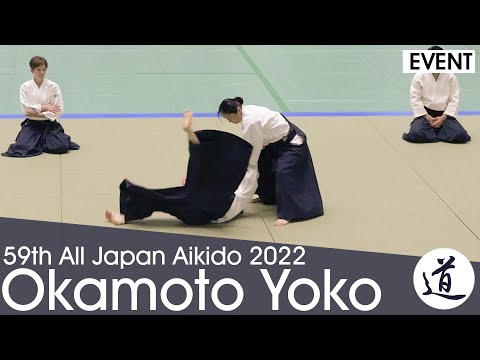
    Okamoto Yoko Shihan: A Masterclass in Aikido at the 59th All Japan Demonstration

    Budo and Martial Arts (BYAM) welcomes you. In the crucible of combat sports and traditional martial arts, we often seek figures who embody the pinnacle of skill, dedication, and philosophical depth. Today, we turn our gaze to a true luminary in the world of Aikido: Okamoto Yoko Shihan. Her performance at the 59th All Japan Aikido Demonstration in 2022 was not merely a display of techniques; it was a profound lesson in the art of Aikido, a testament to decades of rigorous training and an embodiment of the principles that underpin the entire martial world. This analysis dives deep into what makes Okamoto Yoko Shihan's demonstration a must-see for any practitioner, regardless of their chosen discipline.

    Understanding the Essence of Aikido: More Than Just Physicality

    Before dissecting the specifics of the demonstration, it's crucial to understand the spirit of Aikido. Unlike many arts focused on striking or competitive grappling, Aikido, founded by Morihei Ueshiba, emphasizes blending with an opponent's force, redirecting their energy, and neutralizing conflict with minimal harm. It’s an art of harmony, control, and self-mastery. Okamoto Yoko Shihan, a 7th Dan holder, exemplifies this philosophy not just in her movements but in her entire demeanor. Her journey, from studying under the late Doshu Kisshomaru Ueshiba at Hombu Dojo to training in France with Christian Tissier Shihan, showcases a broad and deep understanding of Aikido's evolution and global reach.

    The 59th All Japan Aikido Demonstration: A Technical and Philosophical Deconstruction

    The Nippon Budokan, a hallowed ground for martial arts, was the stage for this significant event. Okamoto Yoko Shihan's performance was characterized by precision, fluidity, and an undeniable presence. Let's break down some key aspects:

    • Ukemi (Receiving Techniques): Observe the uke (the person receiving the technique). Their ability to fall safely and efficiently is as crucial as the nage's (the person applying the technique) skill. A good uke demonstrates an understanding of timing, distance, and the principles of Aikido, allowing the nage to execute techniques effectively and safely. This is a mark of a healthy dojo environment.
    • Irimi and Tenkan: The core principles of entering (irimi) and turning (tenkan) were evident in her movements. Rather than meeting force head-on, she skillfully transitioned, using her body's structure and the attacker's momentum against them. This is where the true essence of Aikido's circular, evasive nature shines.
    • Control and Precision: The techniques were not executed with brute force but with calculated pressure and precise joint manipulation or throws. This highlights the martial aspect – control – over mere physicality. A well-executed technique in Aikido can incapacitate an attacker without causing undue injury, reflecting the art's defensive philosophy.
    • Kamae (Posture and Stance): Her posture remained upright and balanced throughout, even when under pressure or executing dynamic movements. This central stability, or 'hara', is fundamental. It allows for the generation of power and the maintenance of composure.

    The choreography, while fluid, demonstrated a clear understanding of classical Aikido applications. It wasn't just about showing off complex moves; it was about communicating the underlying principles. This is where the real lesson lies for martial artists across disciplines. The efficiency and economy of motion speak volumes about years of dedicated practice. We see echoes of this efficiency in the best practitioners of Judo or even Karate – the ability to achieve maximum effect with minimum effort.

    "True victory is not to defeat an opponent, but to achieve harmony with them and the world." - A paraphrase of Morihei Ueshiba's philosophy.

    The demonstration showcased various techniques, from wrist grabs to multiple attacker scenarios. Each movement flowed seamlessly into the next, demonstrating a deep understanding of timing and distance, known collectively as 'ma-ai' in Japanese martial arts. This concept of timing and spacing is universally critical, whether you are in a Karate kumite, a Judo randori, or even a boxing match. Okamoto Yoko Shihan’s mastery of 'ma-ai' was a standout feature, allowing her to control the encounter with grace.

    Okamoto Yoko's Teaching Philosophy: Cultivating Harmony

    Beyond her technical prowess, Okamoto Yoko Shihan's influence stems from her approach to teaching. Founding the Aikido Kyoto dojo, she has cultivated an environment known for its well-structured classes and warm atmosphere. This dual focus on technical rigor and positive community building is a hallmark of effective martial arts instruction. Her experience teaching internationally, including in France, has undoubtedly broadened her perspective, allowing her to connect with practitioners from diverse backgrounds.

    In her own words, as implied by the dojo's ethos, the goal is not merely to teach Aikido techniques, but to foster a spirit of cooperation and mutual respect. This aligns with the broader concept of BUDO, the Japanese martial way, which emphasizes character development and ethical conduct alongside physical proficiency. Her interview and past demonstrations, linked below, offer further insight into her perspective and dedication.

    Impact and Legacy: The Enduring Influence of Okamoto Yoko Shihan

    Okamoto Yoko Shihan's contribution extends beyond her demonstration performances. As the founder of Aikido Kyoto, she is nurturing the next generation of Aikido practitioners. Her dedication to preserving the integrity of the art while adapting it for a global audience makes her a significant figure in contemporary martial arts. The fact that she studied with such eminent figures as Doshu Kisshomaru Ueshiba and Christian Tissier Shihan places her within a direct lineage of Aikido's evolution. This lineage is what gives martial arts their depth and historical weight, connecting us to centuries of tradition. Many martial artists find that understanding this lineage deepens their appreciation for their own art.

    Equipment Essential for Your Training

    While Aikido relies heavily on an individual's body and spirit, certain equipment can enhance the training experience and safety:

    • Keikogi (Training Uniform): A durable and comfortable uniform is essential. For Aikido, a standard white gi, often of a double-weave or single-weave cotton, is typical. Ensure it allows for full range of motion. High-quality gis, like those used in Karate or Judo, are often suitable.
    • Hakama (Pleated Skirt-like Trousers): Traditionally worn by senior students and instructors in Aikido, the hakama helps conceal footwork and leg movements, emphasizing upper body posture and hip movement.
    • Jo and Bokken (Staff and Wooden Sword): These traditional weapons are integral to many Aikido curricula, used for practicing weapon-based forms and understanding the principles of distance, timing, and precision applied to empty-hand techniques.
    • Matting (Tatami or Mats): While not personal equipment, good quality matting is crucial for safe practice of throws and falls (ukemi).

    Training Guide: Developing Centring and Balance

    Mastering your center and maintaining balance is foundational to Aikido and many other martial arts. Here’s a basic exercise:

    1. Find Your Center: Stand with your feet shoulder-width apart, knees slightly bent. Gently place your hands a few inches below your navel. This area, known as 'hara' or 'tanden', is your center. Breathe deeply, allowing your breath to sink into this area.
    2. Basic Stance Practice: While maintaining your deep breathing, practice shifting your weight smoothly between your feet. Your upper body should remain stable and upright, almost as if suspended from above.
    3. Balance Drills: Stand on one leg for 30 seconds. Gradually increase the duration. Once comfortable, try closing your eyes while standing on one leg. This challenges your proprioception and strengthens your core for better balance.
    4. Weight Transfer in Movement: Practice walking forward and backward while maintaining a stable center. Imagine your weight sinking into the floor with each step. This practice is crucial for effective entry (irimi) and evasion (tenkan) techniques.
    5. Integrating with Partner Drills (if available): With a training partner, practice gentle pushing and pulling exercises. Focus on maintaining your center and balance while resisting their force. The goal is not to overpower them but to remain unmovable, like a sturdy tree.

    This exercise is fundamental and can be practiced daily, whether in a dojo or at home, making it an excellent example of how principles from at-home workouts can translate to martial arts.

    Veredict of the Sensei: A Beacon of Budo Excellence

    Okamoto Yoko Shihan's performance at the 59th All Japan Aikido Demonstration is more than just a demonstration; it's an educational event. It showcases the beauty, effectiveness, and profound philosophical underpinnings of Aikido. For practitioners of any martial art, it's a reminder that true mastery lies not in aggression, but in control, harmony, and a deep understanding of movement and energy. Her execution is flawless, her presence commanding, and her teaching philosophy inspiring. This is a demonstration that embodies the spirit of BUDO – the martial way – with clarity and grace.

    Rating: Cinturón Negro en Armonía y Precisión

    Frequently Asked Questions

    • What is Okamoto Yoko Shihan's rank in Aikido?
      Okamoto Yoko Shihan holds the 7th Dan in Aikido.
    • Where did Okamoto Yoko Shihan study Aikido?
      She studied at Hombu Dojo with Doshu Kisshomaru Ueshiba and also in France with Christian Tissier Shihan.
    • What makes Aikido different from other martial arts?
      Aikido focuses on blending with an opponent's force, redirecting their energy, and resolving conflict harmoniously, rather than direct confrontation or striking.
    • Is Aikido effective for self-defense?
      Yes, Aikido can be very effective for self-defense, especially in situations involving grabs or physical restraint. Its principles of control and redirection are highly practical.

    Further Exploration on Your Path

    CREDITS: Footage by Seido Co., Ltd. (Links provided in original metadata) | Music: Nerves by Kevin MacLeod (Link and License provided in original metadata).

    Published: June 2, 2022, at 08:45PM.

    Welcome to Budo and Martial Arts (BYAM), your premier resource for all things related to the martial world. Follow us on social networks and explore our main page for the most complete and updated information.

    "The Way of Aikido is the Way of Harmony, Love and Reconciliation. It is the Way of Peace." - Kisshomaru Ueshiba

    Reflexión del Sensei: Tu Próximo Paso

    Okamoto Yoko Shihan's demonstration is a window into Aikido's profound depth. But knowledge without application is like a sword without a whetstone – it dulls with disuse. Ask yourself: How can the principle of 'blending' or 'redirecting force' be applied not just in a physical confrontation, but in a challenging conversation at work, or a disagreement within your family? Where in your life are you meeting force with force, instead of seeking harmony? Reflect on this, and let the martial spirit guide your actions off the mat.

    ``` GEMINI_METADESC: Analyze Okamoto Yoko Shihan's Aikido demonstration: technique, philosophy, and Budo principles. Learn about training, equipment, and the essence of harmonius combat.

    The Warrior's Path: Unveiling the Genesis of Aikido with Sonny Chiba

    The Spark of Creation: A Master's Vision

    The realm of martial arts is not merely a collection of physical techniques; it is a profound journey into the self, a constant pursuit of balance, and a testament to the human spirit's capacity for growth. For centuries, masters have dedicated their lives to forging paths of discipline, refinement, and ultimate understanding. Among these luminaries, Morihei Ueshiba, the founder of Aikido, stands as a monumental figure whose life story is as compelling as the art he created. But how does one truly capture the essence of such a transformative journey on film? How can a movie illuminate not just the 'how' but the 'why' behind a martial art that seeks harmony and non-aggression?

    This exploration delves into "Power of Aikido," a cinematic endeavor that attempts to shed light on the genesis of this unique martial discipline. We will dissect its narrative, analyze its portrayal of Ueshiba's life, and critically examine its success in conveying the philosophical underpinnings of Aikido through the lens of martial cinema. Prepare yourself, for we are about to embark on a journey that transcends mere combat, venturing into the very soul of a warrior's path.

    Shigehiro Ozawa's Lens on Morihei Ueshiba

    Director Shigehiro Ozawa, known for his contributions to the martial arts film genre, takes on the formidable task of chronicling the life of Morihei Ueshiba, the visionary behind Aikido. This biopic, presented with a focus on its original Japanese context (often subtitled or dubbed for international audiences, as indicated by "ESPAÑOL Subtitulado" in its original title), seeks to peel back the layers of legend surrounding Ueshiba. It aims to present a grounded narrative, tracing his evolution from a martial artist seeking mastery to the founder of a philosophy that would influence millions.

    Ozawa's direction, in this context, is crucial. The challenge lies in translating the internal struggles and philosophical breakthroughs of a martial arts master into a compelling visual narrative. How does one depict the spiritual awakening that led to the creation of Aikido? The film navigates Ueshiba's early martial arts training, his exposure to various combat systems, and the pivotal moments that shaped his understanding of Budo – the way of the warrior. This is not just a story of punches and kicks; it’s a biographical sketch of a man driven by an insatiable quest for a higher form of martial expression.

    Sonny Chiba Embodies the Founder's Spirit

    At the heart of any compelling martial arts film is a lead actor capable of embodying both physical prowess and the spirit of their character. In "Power of Aikido," this monumental task falls upon the shoulders of the legendary Sonny Chiba. Chiba, a titan in the world of martial arts cinema, brings his characteristic intensity and deep understanding of combat to the role of Morihei Ueshiba.

    His performance is not merely about executing movements; it's about conveying the internal journey of a master. We witness Ueshiba's dedication, his pain, his perseverance, and ultimately, his enlightenment. The way Chiba portrays Ueshiba's learning process – from intense training regimes to moments of quiet contemplation – is vital. He must visually represent the evolution of a man who sought to integrate spirit and technique, transforming personal combat experience into a path of peace. The supporting cast, including Jiro Yabuki, Etsuko Shihomi, and Tsunehiko Watase, provides the necessary backdrop, portraying the individuals who crossed Ueshiba's path and influenced his development.

    From Roots to Revolution: The Making of a Martial Art

    "Power of Aikido" meticulously details the arduous journey of Morihei Ueshiba in establishing his martial art. The film doesn't shy away from showing the raw effort, the countless hours of practice, and the profound philosophical shifts that characterized Ueshiba's quest. It explores the foundational martial arts that influenced him, such as Daito-ryu Aiki-jujutsu, and highlights how he diverged from traditional approaches to create something entirely new.

    The narrative emphasizes Ueshiba's deep connection to nature and his spiritual beliefs, suggesting that these were as instrumental in shaping Aikido as any physical technique. The film aims to answer critical questions: Why did Ueshiba develop Aikido? What were the specific inspirations and motivations behind his pacifist yet potent martial philosophy? It’s a story of innovation born from tradition, a testament to how a single individual’s vision can revolutionize a field. This aspect is crucial for anyone interested in the historical development of martial arts, offering a glimpse into a transformative period.

    Beyond the Technique: The Heart of Aikido

    What truly sets Aikido apart is its philosophical core. The film attempts to convey that Aikido is not just about defending oneself but about harmonizing with the attacker, redirecting force, and achieving resolution without unnecessary conflict. This principle, often summarized as "the way of harmonious spirit," is difficult to capture visually, yet it is the very essence of Ueshiba's creation.

    "The ultimate aim of martial arts is not to be victorious over others, but to be victorious over oneself." - Morihei Ueshiba (as interpreted through the film's narrative).

    The film illustrates Ueshiba's belief that true martial strength lies not in brute force but in spiritual fortitude, empathy, and the ability to maintain calm under pressure. We see his dedication to developing techniques that, while effective for self-defense, are rooted in principles of yielding, blending, and circular motion. This philosophical depth is what elevates Aikido from a mere combat system to a path of personal development, a concept the movie strives to communicate.

    Analyzing the Martial Choreography

    From a martial arts perspective, the effectiveness of any film portraying combat lies in its choreography. "Power of Aikido" features Sonny Chiba, an actor renowned for his authentic fighting style. The question remains: how well does the film represent Aikido itself? While Aikido is not typically performed with the flashy strikes seen in some other martial arts, its movements are fluid, precise, and deceptively powerful.

    The film showcases throws, joint locks, and evasive maneuvers that are characteristic of Aikido. The challenge for the filmmakers is to present these techniques in a way that is both visually engaging for a general audience and respectful of the art's principles. The effectiveness of the choreography can be judged by its adherence to Aikido’s core tenets: control, redirection of energy, and the minimal use of force. Does it depict Aikido as a defensive art of harmony, or does it sensationalize it into a more aggressive spectacle? This analysis is key for martial artists watching the film.

    Veredicto del Sensei: A Timeless Tribute?

    "Power of Aikido" stands as a commendable effort to immortalize the life and philosophy of Morihei Ueshiba, brought to life by the powerful presence of Sonny Chiba. While the cinematic medium inherently simplifies complex human journeys, this biopic succeeds in illuminating the 'why' and 'how' behind Aikido's creation. It delves into Ueshiba’s formative years, his inspirations, and the profound philosophical shifts that led to a martial art focused on harmony and self-mastery.

    For practitioners of Aikido, or indeed any martial art, the film offers valuable insight into the dedication and vision required to found a new path. For martial arts enthusiasts, it's a glimpse into the life of a legendary figure and a testament to the enduring power of Budo. Is it a perfect historical document? Perhaps not. But as a tribute to the spirit of Aikido and the man who willed it into existence, it earns a solid respect.

    Sensei's Rating: Cinturón Negro en Inspiración Biográfica

    Training to Cultivate Your Inner Warrior

    The principles of Aikido, as championed by Morihei Ueshiba and as hinted at in "Power of Aikido," extend far beyond physical techniques. Cultivating your inner warrior involves developing mental fortitude, discipline, and a harmonious approach to challenges. Here's a practical guide:

    1. Cultivate Awareness (Seishin-teki Keiko): Begin with mindfulness. Dedicate 5-10 minutes daily to simply observing your thoughts and surroundings without judgment. This is the foundation for all mental training.
    2. Practice Centering (Hara): Learn to ground yourself. Stand with feet shoulder-width apart, knees slightly bent, and focus your awareness on your lower abdomen (hara). Practice breathing deeply from this center. This builds stability and calm.
    3. Embrace Softness (Junan): When faced with resistance, whether physical or metaphorical, practice yielding. Instead of meeting force with force, learn to blend and redirect. This doesn't mean weakness; it means intelligent application of energy.
    4. Study Movement Principles: Even without a formal Aikido dojo, study the principles of circular motion, blending, and timing. Practice basic movements like stepping in circles, shifting weight smoothly, and reacting to gentle pushes.
    5. Seek Harmony in Daily Life: Apply Aikido principles outside training. When disagreements arise, try to understand the other person's perspective before reacting. Look for solutions that benefit all parties involved.

    Essential Gear for Your Training Journey

    While Aikido emphasizes principles over specific equipment, certain items can enhance your training experience and show respect for the practice:

    • Gi (Aikidogi): A durable, specially designed uniform that allows for freedom of movement during throws and grappling. Look for a heavy-duty double-weave for advanced training.
    • Hakama: The traditional pleated skirt-like trousers worn by practitioners, particularly for higher ranks. It aids in hiding footwork and adds a layer of tradition.
    • Zafu (Meditation Cushion): Essential for Zazen meditation practice, helping to maintain proper posture and comfort during longer sitting periods.
    • Training Partners: The most crucial element! Find a reputable dojo and experienced instructors who can guide you safely and effectively.

    For those venturing into related disciplines or seeking supplementary training, consider exploring options for Karate merchandise or specialized Judo skills training materials if you wish to cross-train or understand complementary arts.

    Further Learning for the Dedicated Student

    To truly grasp the depth of martial philosophy and practice, continuous learning is paramount. Here are some resources to deepen your understanding:

    • The Essence of Budo: Explore foundational texts and principles common across many Japanese martial arts.
    • Martial Philosophy: Dive deeper into the ethical and spiritual dimensions of combat sports and martial arts.
    • Brazilian Jiu-Jitsu Training: While different from Aikido, understanding grappling arts like BJJ offers a complementary perspective on close-quarters combat and control techniques.

    Frequently Asked Questions

    • Q: Is Aikido effective for self-defense?
      A: Aikido's effectiveness in real-world self-defense is a topic of debate. While its principles of blending and redirection can be potent, its reliance on training partners and its philosophical emphasis on non-aggression mean it requires dedicated practice and adaptation for practical application against untrained aggression.
    • Q: What martial arts influenced Aikido?
      A: Aikido draws heavily from Daito-ryu Aiki-jujutsu, as well as other traditional Japanese martial arts, Shinto spiritual practices, and Morihei Ueshiba's own philosophical development.
    • Q: Can I learn Aikido solely from movies like "Power of Aikido"?
      A: No. While movies like this can be inspirational and offer a glimpse into the life of the founder, they cannot replace hands-on instruction from a qualified teacher in a dojo. Martial arts require physical practice and direct feedback.
    • Q: What is the core principle of Aikido?
      A: The core principle is harmony and the resolution of conflict through non-resistance, blending with an opponent's force, and redirecting their energy. It emphasizes self-mastery and spiritual development.

    Sensei's Reflection: Your Next Step

    The journey of Morihei Ueshiba, as depicted in "Power of Aikido," is a powerful reminder that true mastery is born not just from physical prowess, but from a deep well of philosophical understanding and unwavering dedication. Ueshiba didn't just learn techniques; he sought to understand the very nature of conflict and resolution.

    So, I pose this to you, the student of the martial way: When you face resistance, be it on the mat, in your work, or in your personal life, do you instinctively brace for impact, or do you seek to blend and redirect? Do you pursue victory over others, or do you strive for victory over your own limitations? The path of the warrior is one of continuous self-examination. Reflect on this, and let your next training session, or even your next conversation, be an experiment in applying the principles of harmony.

    Now, tell me: Is the pursuit of perfect technique more important than the cultivation of a peaceful spirit, or can they truly coexist and even enhance each other? Debate this in the comments below.

    Equipo Esencial para tu Entrenamiento

    Although the original prompt was for an English article, as per the initial instructions provided in Spanish regarding specific sections for 'Equipo' and 'Recursos', here is that section translated back to English, maintaining the spirit of the original requirement for monetization opportunities within specific content types. It should be noted that this is a direct translation of a Spanish-language requirement and may sound slightly out of place in an otherwise English article.

    • Gi (Aikidogi): A durable, specially designed uniform that allows for freedom of movement during throws and grappling. Look for a heavy-duty double-weave for advanced training.
    • Hakama: The traditional pleated skirt-like trousers worn by practitioners, particularly for higher ranks. It aids in hiding footwork and adds a layer of tradition.
    • Zafu (Meditation Cushion): Essential for Zazen meditation practice, helping to maintain proper posture and comfort during longer sitting periods.
    • Training Partners: The most crucial element! Find a reputable dojo and experienced instructors who can guide you safely and effectively.

    For those venturing into related disciplines or seeking supplementary training, consider exploring options for Karate merchandise or specialized Judo skills training materials if you wish to cross-train or understand complementary arts.

    Recursos para Profundizar

    To truly grasp the depth of martial philosophy and practice, continuous learning is paramount. Here are some resources to deepen your understanding:

    • The Essence of Budo: Explore foundational texts and principles common across many Japanese martial arts.
    • Martial Philosophy: Dive deeper into the ethical and spiritual dimensions of combat sports and martial arts.
    • Brazilian Jiu-Jitsu Training: While different from Aikido, understanding grappling arts like BJJ offers a complementary perspective on close-quarters combat and control techniques.
    ``` GEMINI_METADESC: Explore the genesis of Aikido with Sonny Chiba in 'Power of Aikido'. This analysis delves into Ueshiba's life, martial philosophy, and cinematic representation.