Showing posts sorted by relevance for query Fedor Emelianenko. Sort by date Show all posts

Fedors Emelianenko vs. Brett Rogers: A Critical Analysis of a Strikeforce Heavyweight Clash

The roar of the crowd, the palpable tension in the arena, the clash of titans – these are the elements that define a true martial arts spectacle. On November 7, 2009, the Sears Centre Arena in Hoffman Estates, Illinois, bore witness to such a moment when Strikeforce and M-1 Global brought together a card headlined by arguably the greatest heavyweight of all time, Fedor Emelianenko, against the thunderous Brett Rogers. This wasn't just a fight; it was a test of wills, a showcase of raw power, and a pivotal moment in the heavyweight landscape. Hello and welcome, warriors, to Budo and Martial Arts. Today, we dissect a bout that sent shockwaves through the MMA world. You are watching the Strikeforce & M-1 Global – Fedor vs. Rogers (2009) event, a landmark in heavyweight combat.

Table of Contents

The Main Event: Fedor Emelianenko vs. Brett Rogers (Runtime: 1:23:58)

The anticipation for Fedor Emelianenko’s Strikeforce debut was immense. "The Last Emperor," as he was known, had a legendary undefeated streak and a reputation for dismantling opponents with a terrifying blend of precision striking and suffocating ground game. His opponent, Brett "The Grim" Rogers, was a fearsome knockout artist, riding a wave of brutal victories, most notably his stunning upset of Andrei Arlovski. Rogers possessed raw power, a granite chin, and the kind of aggression that could turn a fight on its head in an instant. The narrative going into this fight was simple: could Rogers' brute force overcome Fedor's almost supernatural technicality and fight IQ? From the opening bell, Fedor established his dominance. While Rogers came out with his characteristic aggression, swinging for the fences, Fedor remained composed, moving with fluid grace, evading the worst of the onslaught. The first round saw Fedor begin to pick his shots, landing sharp combinations and threatening with submissions. Rogers, however, absorbed them, showing incredible resilience. It was in the second round that Fedor truly began to exert his will. After a brief scramble, Fedor secured a dominant position and, with his characteristic efficiency, unleashed a barrage of ground and pound. The fight was ultimately stopped at 1:44 of the second round, with Fedor Emelianenko once again proving why he was considered the king of the heavyweight division.
"In martial arts, the difference between a master and a student often lies not in the force of the blow, but in the precision and timing of its delivery."
This fight was a testament to Fedor's unmatched skill set. He weathered the storm, dictated the pace, and finished the fight decisively. It was a performance that solidified his legacy and left fans in awe.

Co-Main Event: Fabricio Werdum vs. Antônio Silva (Runtime: 6:10)

Before the main event, the heavyweight division was already buzzing with another significant clash: Fabricio "Vai Cavalo" Werdum against Antônio "Bigfoot" Silva. Both men were known for their power and resilience. This bout was a tactical battle, a chess match played with fists and feet. Werdum, a master of jiu-jitsu with improving striking, controlled much of the fight. He utilized his jab effectively, keeping Silva at bay, and looked to exploit openings. Silva, a powerful striker and grappler in his own right, struggled to find his rhythm against Werdum's measured approach. The fight went the distance, with Werdum ultimately securing a unanimous decision victory. It was a performance that highlighted Werdum's growth as a well-rounded mixed martial artist and set him up for future challenges.

Gegard Mousasi vs. Rameau Thierry Sokoudjou (Runtime: 29:11)

The middleweight division was represented by a highly anticipated bout between the technically brilliant Gegard Mousasi and the explosive Rameau Thierry Sokoudjou. Mousasi, known for his diverse striking arsenal and solid grappling, was a significant favorite. Sokoudjou, notorious for his devastating knockout power, was always a dangerous opponent. The fight unfolded with Mousasi dictating the tempo. He used his superior reach and striking accuracy to keep Sokoudjou guessing. While Sokoudjou showed flashes of his dangerous power, Mousasi's defensive skills and tactical acumen kept him safe. In the second round, Mousasi secured a dominant position and transitioned to a rear-naked choke, forcing Sokoudjou to tap at 3:43 of the second round. This victory further cemented Mousasi's status as a top middleweight contender.

Jake Shields vs. Jason Miller: A Grudge Match (Runtime: 49:54)

This bout was more than just a fight; it was a personal rivalry that had simmered for years. Jake Shields, the stoic submission specialist and former Strikeforce Welterweight Champion, faced the charismatic and trash-talking Jason "Mayhem" Miller. The animosity between the two was evident, adding an extra layer of intensity to the contest. The fight was a tactical grappling affair. Shields, a master of control and submission, worked tirelessly to implement his game plan. Miller, while less technically refined, possessed heart and a willingness to engage. Shields eventually secured a dominant position and locked in an arm-triangle choke, forcing Miller to submit at 3:09 of the third round. The victory for Shields was a statement of his undeniable skill, while Miller, despite the loss, had once again shown his fighting spirit.

Veredicto del Sensei: A Masterclass in Dominance

This Strikeforce event, headlined by Fedor Emelianenko vs. Brett Rogers, was a resounding success, showcasing a blend of thrilling matchups and decisive finishes. Fedor’s performance against Rogers was, frankly, expected. While Rogers brought the thunder, Fedor brought the storm. His ability to absorb damage, maintain composure, and then systematically dismantle his opponent is a hallmark of true greatness. Rogers’ power was undeniable, and he showed remarkable resilience, but facing Fedor Emelianenko is akin to walking into the eye of a hurricane and expecting to emerge unscathed. Fedor's defensive skills, striking accuracy, and unparalleled ground game are simply on another level. This fight, while not a lengthy war, was a perfect illustration of Fedor's strategic brilliance. He didn't just win; he controlled the narrative of the fight from the first second. The undercard also delivered. Werdum’s decision win over Silva demonstrated his continued evolution. Mousasi's submission victory over Sokoudjou was a display of his technical superiority. And the Shields vs. Miller bout, while perhaps not technically groundbreaking, delivered the expected intensity of a grudge match. **Cinturón Negro en Dominio Hegemónico.**

Training Focus: The Art of Power Striking

Fedor Emelianenko's performance against Brett Rogers serves as an excellent case study for power striking. While Fedor is renowned for his precision, his ability to generate fight-ending power is undeniable. Here's what we can glean for our training: * **Combinations Over Single Shots:** Fedor often sets up his power shots with preceding strikes. Look for opportunities to chain punches and kicks. * **Timing is Crucial:** Power is most effective when timed correctly. Observe your opponent, anticipate their movements, and strike when they are most vulnerable. * **Body Mechanics:** Generating true power comes from the ground up. Ensure your stance is balanced, your hips are rotating, and your core is engaged in every strike. * **Sparring with Purpose:** Practice power striking in sparring, but do so with control. The goal is to develop effective power, not to inflict unnecessary damage. Focus on accuracy and timing when delivering heavier shots.

Equipo Esencial para tu Entrenamiento

To truly hone your striking skills, like those displayed by Fedor Emelianenko and Brett Rogers, the right equipment is crucial:
  • Guantes de Boxeo/MMA: Essential for protecting your hands and wrists during striking drills and sparring. For heavy bag work, 14-16oz gloves are recommended.
  • Muñequeras: Provide additional support and stability to your wrists, especially when throwing powerful shots.
  • Protector Bucal: Non-negotiable for any striking or sparring session to protect your teeth and jaw.
  • Saco de Boxeo Pesado: A fundamental tool for developing power, speed, and endurance in your strikes.
  • Comba (Saltador): Excellent for improving footwork, coordination, and cardiovascular conditioning – all vital for effective striking.

Preguntas Frecuentes

What was Fedor Emelianenko's record at the time of this fight?

At the time of his fight against Brett Rogers in November 2009, Fedor Emelianenko's professional MMA record was an astounding 29 wins and 0 losses.

Was Brett Rogers a notable opponent before facing Fedor?

Yes, Brett Rogers was a highly regarded knockout artist with a record of 10 wins and 0 losses. His previous victory over Andrei Arlovski, a former UFC champion, had significantly raised his profile.

How long did the Fedor vs. Rogers fight last?

The fight lasted 1 minute and 44 seconds into the second round.

Did Fedor Emelianenko ever lose in Strikeforce?

Yes, Fedor Emelianenko lost his next fight in Strikeforce to Fabricio Werdum, marking his first professional MMA loss.

What is the significance of the M-1 Global partnership with Strikeforce?

The partnership allowed Russian MMA organization M-1 Global to promote their top talent, most notably Fedor Emelianenko, on a major American platform like Strikeforce, expanding their reach and influence in the sport.

Para Profundizar en tu Camino

Preguntas Frecuentes

What was Fedor Emelianenko's record at the time of this fight?

At the time of his fight against Brett Rogers in November 2009, Fedor Emelianenko's professional MMA record was an astounding 29 wins and 0 losses.

Was Brett Rogers a notable opponent before facing Fedor?

Yes, Brett Rogers was a highly regarded knockout artist with a record of 10 wins and 0 losses. His previous victory over Andrei Arlovski, a former UFC champion, had significantly raised his profile.

How long did the Fedor vs. Rogers fight last?

The fight lasted 1 minute and 44 seconds into the second round.

Did Fedor Emelianenko ever lose in Strikeforce?

Yes, Fedor Emelianenko lost his next fight in Strikeforce to Fabricio Werdum, marking his first professional MMA loss.

What is the significance of the M-1 Global partnership with Strikeforce?

The partnership allowed Russian MMA organization M-1 Global to promote their top talent, most notably Fedor Emelianenko, on a major American platform like Strikeforce, expanding their reach and influence in the sport.

Reflexión del Sensei: Tu Próximo Paso

Fedor Emelianenko's reign was built not just on raw talent, but on an almost divine understanding of timing, distance, and control. Brett Rogers represented the explosive, powerful challenge that many faced but few could overcome. This fight highlights a fundamental truth: power without precision is mere noise. How do you ensure your power strikes are not just loud, but devastatingly effective? Consider this: When you throw your most powerful strike, are you prioritizing control and accuracy, or are you simply trying to hit as hard as possible? The answer to this question often dictates the difference between a near miss and a knockout.

``` GEMINI_METADESC: A critical analysis of Fedor Emelianenko vs. Brett Rogers (2009) from Strikeforce. Explore techniques, power striking, and the legacy of 'The Last Emperor'.
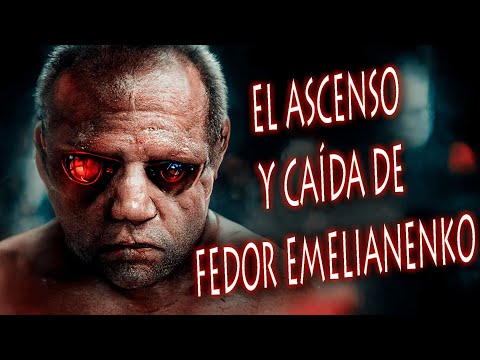
Fedor Emelianenko: El Ascenso y Caída del Último Emperador de las MMA

Cuando hablamos de leyendas en las Artes Marciales Mixtas (MMA), hay nombres que resuenan con una fuerza particular, nombres que se graban a fuego en la memoria colectiva de los aficionados y practicantes. Uno de esos nombres, quizás el más emblemático para una generación entera, es el de Fedor Emelianenko. Conocido como "El Último Emperador", Fedor no fue solo un campeón; fue un fenómeno, una fuerza de la naturaleza que dominó la escena de los pesos pesados durante casi una década sin conocer la derrota. Pero, ¿qué hay detrás de esa imponente figura? ¿Cómo forjó su leyenda y qué ocurrió en su inevitable declive? En este análisis profundo, desentrañaremos la historia del ascenso y la caída de Fedor Emelianenko, examinando su impacto en el mundo de la lucha y las lecciones que su carrera nos ofrece.

¿Quién es Fedor Emelianenko? El Último Emperador

Fedor Vladimirovich Emelianenko nació en Severodonetsk, Ucrania, en 1976, pero creció y desarrolló su carrera en Rusia. Su camino en las artes marciales comenzó temprano, incursionando en el Sambo, un arte marcial ruso que combina técnicas de lucha, Judo y Judo de combate, y también en Judo. Estas bases sentarían los cimientos de un luchador excepcionalmente completo y peligroso. Sin embargo, fue en las MMA donde Fedor encontró su verdadero escenario. Debutó profesionalmente en el año 2000 y su ascenso fue meteórico.

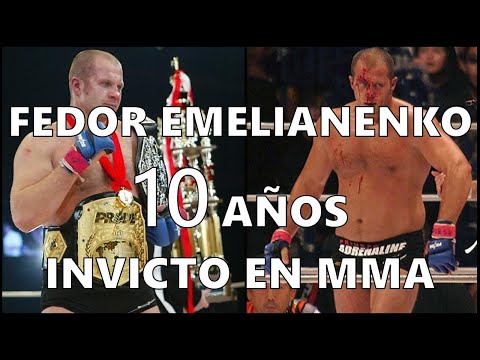
Lo que distinguía a Fedor no era solo su récord invicto durante 10 años, sino la forma en que dominaba a oponentes formidable. A pesar de no tener el físico imponente de otros pesos pesados, Fedor poseía una combinación letal de velocidad, potencia, técnica depurada y, sobre todo, un corazón de guerrero inquebrantable. Su paso por organizaciones como PRIDE Fighting Championships (Japón) lo catapultó a la fama mundial, enfrentándose y venciendo a algunos de los nombres más importantes de la era dorada de las MMA.

"La fuerza no proviene solo de lo que el cuerpo puede hacer. Proviene de una voluntad indomable." - Un principio que Fedor encarnó en cada uno de sus combates.

La Era Dorada: Un Dominio Ininterrumpido

El apogeo de Fedor Emelianenko se desarrolló principalmente bajo el estandarte de PRIDE FC. Entre 2001 y 2007, Fedor encadenó una racha de 27 victorias consecutivas, muchas de ellas contra los mejores del mundo. Su dominio en la categoría de peso pesado era absoluto. Venció a leyendas como Mark Hunt, Mirko "Cro Cop" Filipović, Josh Barnett, Kevin Randleman y Antonio Rodrigo "Minotauro" Nogueira (dos veces). Cada pelea era una demostración de su habilidad, su temple y su capacidad para salir victorioso contra rivales que, en muchos casos, parecían superiores físicamente.

PRIDE FC se caracterizaba por su espectacularidad y por reunir a los luchadores más carismáticos y peligrosos. Fedor, con su enigmática personalidad y su estilo devastador, se convirtió en el buque insignia de la organización. Sus combates no solo eran eventos deportivos, eran espectáculos que cautivaban a millones de fans en todo el mundo. El término "Último Emperador" no era una exageración; era un reflejo de su reinado indiscutible.

La clave de su éxito radicaba en una mentalidad férrea. Mientras otros cedían ante la presión o el miedo, Fedor mantenía la calma. Su famoso "estado de Mushin" (mente sin mente), un concepto derivado de las artes marciales tradicionales japonesas, le permitía reaccionar instintivamente y con precisión en el fragor del combate. No se trataba de una ausencia de pensamiento, sino de un pensamiento tan rápido y fluido que se percibía como espontáneo.

Técnica y Filosofía Marcial: Más Allá de la Fuerza Bruta

Es un error común pensar que Fedor basaba su éxito únicamente en la fuerza o la suerte. Su juego era un compendio de habilidades perfeccionadas a lo largo de años de entrenamiento riguroso en Sambo, Judo y, posteriormente, MMA. Su juego de grappling era excepcional. Tenía la capacidad de derribar a sus oponentes con facilidad, controlar la posición en el suelo y aplicar llaves o estrangulaciones con una precisión letal. Su s-control (control lateral) y su habilidad para pasar guardia eran de primer nivel.

Pero donde Fedor realmente marcaba la diferencia era en su striking. A pesar de su apariencia tranquila fuera del ring, dentro de él se transformaba. Poseía una pegada devastadora, capaz de noquear a cualquiera con un solo golpe. Sus ganchos y uppercuts eran potentes y precisos, y su capacidad para cerrar la distancia y conectar mientras esquivaba los ataques del rival era asombrosa. Especialmente memorable es su temido ground and pound (golpeo desde el suelo), donde podía infligir un daño considerable a sus oponentes inmovilizados.

La filosofía de Fedor era igualmente admirable. A diferencia de muchos luchadores que cultivan una personalidad agresiva y provocadora, Fedor se caracterizaba por su humildad y su calma. Hablaba poco, pero sus acciones en el octágono hablaban por sí solas. Su respeto por sus oponentes y su enfoque en el arte de la lucha, más allá del espectáculo, le ganaron la admiración de muchos. Era la personificación de lo que muchos consideran el espíritu del Budo: disciplina, respeto, coraje y perseverancia.

"El verdadero arte marcial no es una cuestión de violencia, sino de disciplina, respeto y mejora continua." - Principio que se refleja en la carrera de Fedor.

Análisis de Combate: La Estrategia Silenciosa

Analizar los combates de Fedor es estudiar la simplicidad llevada a la perfección. Rara vez se complicaba. Su estrategia solía ser la misma: absorber la presión inicial, buscar el derribo o atraer al oponente a una distancia en la que él pudiera conectar su poderosa pegada. Su defensa era sólida, utilizando movimientos sutiles de cabeza y cuerpo para evitar los golpes más peligrosos, y luego lanzaba contraataques devastadores.

Un ejemplo clásico es su pelea contra Antonio Rodrigo Nogueira en PRIDE. Minotauro era conocido por su peligroso juego de sumisión desde abajo. Fedor, sin embargo, logró controlar la pelea en el suelo, neutralizando las amenazas de Nogueira y lanzando golpes certeros. Otro combate icónico fue contra Mirko "Cro Cop" Filipović, uno de los pateadores más temidos de la historia. Fedor demostró una valentía increíble al absorber las temibles patadas de Cro Cop y, estratégicamente, llevar la pelea al suelo donde impuso su dominio.

Su habilidad para cambiar de ritmo era notable. Podía ser paciente, esperando la oportunidad perfecta, o podía lanzar una ofensiva explosiva que dejaba a sus rivales sin respuesta. Esta versatilidad, combinada con su resistencia al daño, lo convertía en un oponente aterrador. Pocos luchadores han exhibido un dominio tan completo en todas las facetas del combate de MMA.

La Caída: El Crepúsculo de una Leyenda

Nada dura para siempre, y el reinado de Fedor no fue la excepción. El declive de su carrera comenzó tras el cierre de PRIDE FC en 2007. Fedor continuó luchando en organizaciones como M-1 Global y Showtime, pero el nivel de competencia y la visibilidad de sus oponentes no eran los mismos que en PRIDE. La transición a las grandes ligas occidentales, como la UFC, se hizo esperar durante años, alimentando debates y especulaciones.

Cuando finalmente llegó su oportunidad de pelear en la UFC en 2016, Fedor ya no era el mismo. Tras una victoria sobre Brett Rogers en Strikeforce en 2009, que mantuvo viva la ilusión de su invencibilidad, llegaron las derrotas. En 2010, Fedor sufrió su primera derrota profesional ante Fabricio Werdum por sumisión. Este fue un momento crucial; el mito de la invencibilidad se había roto. Le siguieron derrotas ante Stipe Miocic y Dan Henderson, aunque esta última fue una derrota de último minuto en un combate que había dominado.

Si bien Fedor continuó compitiendo y sumando victorias en organizaciones como Bellator, ya no ostentaba el aura de imbatibilidad. Las lesiones, el paso del tiempo y la constante evolución del deporte de las MMA pasaron factura. Su última pelea fue en febrero de 2024, una derrota ante Bellator Heavyweight World Champion Ryan Bader, marcando el final definitivo de su legendaria carrera.

El Legado de Fedor: ¿Qué Nos Enseña el Último Emperador?

El legado de Fedor Emelianenko trasciende sus victorias y derrotas. Representa la culminación de la era dorada de las MMA y un estándar de excelencia para los luchadores de peso pesado. Su impacto en el deporte es innegable:

  • Unificación de Estilos: Fedor demostró que un luchador podía ser dominante en todas las facetas del combate, combinando la potencia del striking con la eficacia del grappling.
  • Humildad y Respeto: Su comportamiento fuera del ring, alejado de las bravuconadas, sirvió como un modelo de deportividad y respeto por el arte marcial.
  • Corazón de Campeón: Nunca se rindió, incluso cuando las probabilidades estaban en su contra. Su resiliencia y determinación inspiraron a innumerables atletas.
  • El "Último Emperador": Durante una década, definió lo que significaba ser el mejor peso pesado del mundo, estableciendo un listón muy alto para las generaciones futuras.

Las MMA son un deporte en constante evolución, y Fedor Emelianenko fue un pilar fundamental en esa evolución. Su carrera nos enseña que el dominio total es efímero, pero que el espíritu de lucha, la disciplina y la dedicación pueden construir un legado perdurable.

Veredicto del Sensei: El Espíritu de Lucha

Fedor Emelianenko no fue solo un luchador; fue un artista marcial en su más puro sentido. Su calma ante el peligro, su técnica refinada y su espíritu inquebrantable lo elevaron por encima de la mera competencia. Aunque su declive fue inevitable, como le ocurre a todo ser humano, su legado como "El Último Emperador" permanece intacto. Demostró que el verdadero poder reside no solo en la fuerza física, sino en la fortaleza mental y la maestría del arte marcial. Su carrera es una lección de humildad, perseverancia y excelencia. Fedor merece un lugar en el panteón de los más grandes, no solo de las MMA, sino de todas las artes marciales.

Calificación del Sensei: Cinturón Negro de Leyenda.

Equipo Esencial para tu Entrenamiento

Para aquellos inspirados por el espíritu de lucha de Fedor, es crucial contar con el equipo adecuado para llevar tu entrenamiento al siguiente nivel. Ya sea que practiques MMA, Sambo, Judo o cualquier otra disciplina de combate, la inversión en buen equipamiento es fundamental:

  • Guantes de MMA: Busca guantes que ofrezcan protección para tus manos sin sacrificar la movilidad para el grappling. Unos guantes de MMA de 4oz a 6oz son ideales para sparring y competición.
  • Kimono (Gi) de Judo o BJJ: Si te enfocas en el grappling, un kimono resistente es esencial. Un kimono de doble tejido es una excelente inversión para quienes buscan durabilidad y un buen agarre.
  • Protectores Bucales: Indispensables para proteger tus dientes y mandíbula durante cualquier tipo de sparring.
  • Espilleras y Vendas para Manos: Protegen tus piernas y articulaciones, previniendo lesiones comunes en los entrenamientos intensos.
  • Calzado de Lucha: Ligero y con buen agarre, te proporcionará estabilidad y agilidad en el tatami.

Recuerda, el equipo es una herramienta. La verdadera maestría se forja en el dojo, pero el equipo correcto te ayudará a entrenar de forma más segura y efectiva.

Preguntas Frecuentes

  • ¿Quién es Fedor Emelianenko y por qué se le conoce como "El Último Emperador"?
    Fedor Emelianenko es un legendario luchador ruso de MMA, considerado uno de los mejores pesos pesados de la historia. Se le llamó "El Último Emperador" por su dominio ininterrumpido en la categoría de peso pesado durante casi una década, especialmente en PRIDE FC.
  • ¿Cuándo y dónde tuvo lugar la primera derrota profesional de Fedor Emelianenko?
    La primera derrota profesional de Fedor ocurrió el 26 de junio de 2010, contra Fabricio Werdum, en una pelea de Strikeforce.
  • ¿Qué artes marciales practicaba Fedor Emelianenko antes de dedicarse a las MMA?
    Fedor tiene una sólida base en Sambo, un arte marcial ruso, y también practicó Judo y Judo de combate.
  • ¿Contra quién tuvo sus peleas más emblemáticas en PRIDE FC?
    Sus peleas más memorables en PRIDE fueron contra Antonio Rodrigo Nogueira (dos veces), Mirko "Cro Cop" Filipović, Mark Hunt y Kevin Randleman, entre otros.
  • ¿Cuál es el legado principal de Fedor Emelianenko en el mundo de las MMA?
    Su legado principal es su dominio sin precedentes en la división de pesos pesados, su demostración de que un luchador puede ser completo en todas las áreas (striking y grappling), y su ejemplo de humildad y espíritu marcial.

Para Profundizar en tu Camino

Reflexión del Sensei: Tu Próximo Paso

La historia de Fedor Emelianenko nos enseña que incluso los más grandes enfrentan desafíos y, eventualmente, el crepúsculo. Pero lo que define a un verdadero guerrero no es la ausencia de derrotas, sino la manera en que se levanta, aprende y continúa. Su carrera es un testimonio de la disciplina férrea, la fortaleza mental y el respeto por el arte que profesamos.

Reflexión del Sensei: Tu Próximo Paso

Ahora te toca a ti. Has visto el ascenso de un emperador y su inevitable declive. En tu propio camino marcial, ¿cómo manejas la adversidad? ¿Tu ego te ciega ante tus limitaciones, o buscas constantemente la superación personal con la humildad de un principiante y la determinación de un campeón? ¿Estás entrenando para ser un luchador o para ser un guerrero en todos los aspectos de tu vida? Reflexiona sobre ello. La verdadera lucha comienza cuando te enfrentas a ti mismo.

``` GEMINI_METADESC: Fedor Emelianenko: Explora el ascenso meteórico, el dominio indiscutible y la eventual caída del 'Último Emperador' de las MMA. Análisis técnico, filosófico y de legado.

Fedor Emelianenko: La Leyenda Invicta y el Alma del Sambo Ruso

El Último Emperador: Más Allá de los Números

¿Qué define a un verdadero campeón? ¿Son las victorias, los títulos, la racha de imbatibilidad? O quizás es algo más profundo, un espíritu inquebrantable, una maestría técnica que trasciende el tiempo y la geografía. Hoy, en Budo y AM, nos sumergimos en la figura de un hombre que encarna todas estas cualidades y más: **Fedor Emelianenko**, el "Último Emperador". Durante una década, este titán de las artes marciales mixtas (MMA) reinó de forma invicta, desafiando las expectativas y redefiniendo lo que significaba ser un peleador de élite. Su legado no es solo una colección de combates memorables, sino una lección viva de dedicación, disciplina y la profunda conexión entre el cuerpo y la mente, forjada en el crisol del **Sambo**, el arte marcial ruso. Prepárense, porque hoy no solo analizaremos un campeón, sino que desentrañaremos el alma de un guerrero.

El Sambo: El Arte Ruso del Combate Cuerpo a Cuerpo

Antes de adentrarnos en la leyenda de Fedor, es crucial comprender la base de su poder: el Sambo. Este sistema de lucha y defensa personal, desarrollado en la Unión Soviética, es un híbrido fascinante de diversas técnicas de lucha, Judo y Jiu-Jitsu, con un énfasis particular en las sumisiones y los lanzamientos. El Sambo no es solo una disciplina deportiva; es una filosofía de supervivencia, un método para transformar al individuo en un combatiente completo. Fedor Emelianenko, con su formación en esta disciplina, demostró al mundo la brutal efectividad del Sambo en el escenario más competitivo: las MMA. Su dominio de los derribos, el control en el suelo y la potencia en sus golpes son un testimonio directo de la calidad de su entrenamiento en Sambo.
"El Sambo es un sistema que enseña a defenderse de cualquier agresor, en cualquier situación. Es la culminación de siglos de conocimiento marcial adaptado a la vida moderna."
La habilidad de Fedor para transitar sin esfuerzo entre la lucha en pie y el combate en el suelo, desmantelando a oponentes de diversas disciplinas, es un reflejo del carácter integral y adaptable del Sambo. Esta versatilidad es lo que lo convirtió en una fuerza imparable.

Análisis Marcial del "Último Emperador"

La racha de 10 años de Fedor como campeón invicto en la categoría de peso pesado de PRIDE Fighting Championships es una hazaña que rara vez se ve en cualquier deporte, y menos aún en las volátiles MMA. ¿Cómo logró mantener esa supremacía? Su estilo era una amalgama de potencia bruta, una resistencia asombrosa y una técnica pulida, todo ello envuelto en una calma depredadora. * **Golpeo Potente y Preciso**: Fedor no era un simple noqueador. Poseía una precisión inquietante, conectando golpes devastadores, a menudo desde posiciones difíciles. Su uppercut y su jab eran armas mortales, capaces de terminar una pelea en un instante. La clave de su golpeo residía en la transferencia de peso desde sus sólidos fundamentos de Sambo. * **Lanzamientos Dominantes**: Como experto en Sambo, sus derribos eran eficientes y contundentes. Podía llevar a sus oponentes al suelo con facilidad, controlando la narrativa del combate y dictando el ritmo. * **Maestría en el Suelo**: Una vez en el suelo, Fedor se convertía en un depredador implacable. Su capacidad para mantener el control posicional, aplicar transiciones fluidas y buscar sumisiones, complementaba su demoledor golpeo. Pocos podían sobrevivir a su "ground and pound". * **Resiliencia Mental y Física**: Quizás su atributo más formidable era su tenacidad. Fedor era conocido por recuperarse de situaciones adversas, e incluso de golpes duros, para regresar con fuerza y cambiar el curso de la pelea. Esta resiliencia no se construye de la noche a la mañana; es el resultado de un entrenamiento riguroso y una fortaleza mental excepcional. Muchos peleadores de MMA se especializan en una o dos áreas. Fedor, sin embargo, demostró una maestría excepcional en todas las facetas del combate. Esto lo elevó por encima de sus contemporáneos y solidificó su estatus como uno de los mejores de todos los tiempos.

Filosofía y Mentalidad de un Campeón Invencible

Más allá de la técnica, la grandeza de Fedor Emelianenko radicaba en su enfoque mental. En un deporte de alta presión y confrontación constante, Fedor mantenía una humildad y una serenidad que desconcertaban a muchos.
"La victoria es importante, pero el camino para llegar a ella es más importante. Si luchas con honor y respeto, incluso en la derrota, eres un ganador."
Su mantra parecía ser la mejora continua, la dedicación al entrenamiento y el respeto por sus oponentes. No buscaba la humillación, sino la demostración de su habilidad y la superación personal. Esta filosofía no solo lo hizo un atleta formidable, sino también una figura inspiradora. Su capacidad para mantener la calma bajo ataque, analizar las situaciones y ejecutar su plan de juego demuestra una profunda conexión con el principio de **Mushin** (mente sin mente), un estado de flujo donde la acción se vuelve instintiva y libre de pensamiento consciente.

Equipo Esencial para tu Entrenamiento de MMA y Sambo

Para aquellos inspirados por la leyenda de Fedor y deseosos de emprender su propio camino en las MMA o el Sambo, contar con el equipo adecuado es fundamental para optimizar el entrenamiento y prevenir lesiones.
  • Guantes de MMA (10-12 oz): Indispensables para el sparring y el trabajo de golpeo. Busca aquellos con buen acolchado y diseño ergonómico para proteger tus manos y muñecas.
  • Kimono de Judo o Sambo: Un gi resistente, preferiblemente de doble tejido, es esencial para la práctica de agarres, lanzamientos y trabajo en el suelo. Busca un ajuste que permita movilidad sin ser excesivamente holgado.
  • Protector Bucal: La seguridad bucal es primordial en cualquier deporte de contacto. Un buen protector bucal puede prevenir desde cortes hasta fracturas mandibulares.
  • Espinilleras: Útiles para el entrenamiento de patadas y para proteger tus tibias durante ejercicios de sparring o combate.
  • Vendajes para Manos: Ofrecen soporte adicional a las muñecas y protegen los nudillos durante el golpeo intenso.
  • Calzado Deportivo Adecuado: Para el trabajo de pie y desplazamientos, unas zapatillas ligeras y con buena tracción son necesarias.
Invertir en equipo de calidad no es un lujo, es una necesidad para cualquier artista marcial serio. Considera explorar merchandise de artes marciales de marcas reputadas para asegurar durabilidad y funcionalidad.

Guía de Entrenamiento: Principios Básicos del Sambo para MMA

La filosofía de Fedor Emelianenko se basa en la dedicación al entrenamiento. Aquí te presento un esquema de cómo podrías integrar principios del Sambo en tu preparación de MMA, enfocándote en los pilares que Fedor dominaba.
  1. Calentamiento Dinámico (15-20 min): Comienza con movilidad articular general (círculos de cuello, hombros, caderas, rodillas, tobillos) seguida de movimientos balísticos controlados como saltos de tijera, elevaciones de rodilla, talones al glúteo y estiramientos dinámicos (swinging legs, arm circles).
  2. Técnica de Derribos (30-40 min): Enfócate en uno o dos derribos fundamentales del Sambo, como el O-goshi (gran cadera) o el Harai-goshi (barrido de cadera). Practica la entrada, el agarre correcto (Kumi-kata) y la transferencia de peso. Realiza repeticiones lentas y controladas con un compañero, aumentando gradualmente la velocidad.
  3. Poses y Transiciones en el Suelo (30-40 min): Trabaja la transición de la posición de "montada" (mount) a posiciones de control lateral (side control), y viceversa. Practica la defensa contra intentos de sumisión desde estas posiciones y busca oportunidades para pasar la guardia. El objetivo es la fluidez y la eficiencia.
  4. Golpeo Ligado a Derribos (20-30 min): Integra combinaciones de golpeo con entradas a derribo. Por ejemplo, un jab-cross seguido de un derribo a una pierna. Esto simula las transiciones que Fedor ejecutaba con maestría, confundiendo al oponente.
  5. Acondicionamiento Físico de Combate (20-30 min): Incorpora ejercicios de alta intensidad que simulen la demanda de un combate. Esto puede incluir circuitos de burpees, saltos a cajón, flexiones pliométricas, sprints cortos y ejercicios de agarre. Busca la resistencia y la potencia.
  6. Enfriamiento y Estiramientos Estáticos (10-15 min): Termina con estiramientos profundos de los principales grupos musculares trabajados, manteniendo cada posición durante 20-30 segundos. Esto ayuda a la recuperación muscular y a mantener la flexibilidad.
Este es solo un ejemplo. La clave es la consistencia y la adaptación a tus propias necesidades y objetivos. ¡El camino del entrenamiento es un maratón, no un sprint!

Veredicto del Sensei: ¿Una Leyenda o una Ilusión?

Desde la perspectiva de un crítico marcial, Fedor Emelianenko no es una ilusión; es una encarnación de lo que un artista marcial completo puede llegar a ser. Su reinado de una década como campeón invicto en la era dorada de las MMA no fue producto de la suerte, sino de una dedicación férrea al arte marcial, una disciplina inquebrantable y una profunda comprensión de la naturaleza del combate. Su estilo, arraigado en el Sambo ruso, demostró que la combinación de potencia, técnica y un corazón de guerrero es imbatible. Fedor no solo ganó peleas; enseñó al mundo una lección sobre la verdadera maestría. **Calificación del Sensei:** 🏆🏆🏆🏆🏆 (Cinturón Negro en Liderazgo y Legado)

Preguntas Frecuentes sobre Fedor Emelianenko

  • ¿Por qué le llaman "El Último Emperador"?
    Se le apodó así por su reinado prolongado e invicto como campeón de peso pesado en PRIDE FC, un título que simbolizaba una autoridad suprema y duradera, similar a un emperador romano o ruso.
  • ¿Qué arte marcial practicaba Fedor Emelianenko?
    Su base principal era el Sambo, un arte marcial ruso, pero también tenía experiencia en Judo y combinaba estas habilidades con técnicas de golpeo para competir en MMA.
  • ¿Cuál fue la racha invicta de Fedor Emelianenko?
    Ostentó una impresionante racha de 31 peleas sin conocer la derrota a lo largo de casi 10 años, desde 2001 hasta 2010, un récord casi inaudito en las MMA.
  • ¿Es el Sambo efectivo en la MMA moderna?
    Absolutamente. El Sambo proporciona una base sólida en derribos, control en el suelo y transiciones que son altamente efectivas en las MMA. Fedor es el ejemplo más claro de su potencial.

Para Profundizar en tu Camino

Si la leyenda de Fedor Emelianenko te ha inspirado, te invito a explorar más sobre los pilares de su grandeza:

Ahora, budoka, reflexiona: ¿Qué cualidad de Fedor Emelianenko resuena más contigo? ¿Su tenacidad ante la adversidad, su humildad en la victoria, o su dominio técnico? ¿Cómo puedes aplicar esa lección en tu propio entrenamiento y en tu vida diaria? El conocimiento es un arma, pero la aplicación es el golpe mortal. ¡Demuestra que has aprendido!

``` GEMINI_METADESC: Descubre la leyenda de Fedor Emelianenko, el "Último Emperador", campeón invicto de MMA y maestro de Sambo ruso. Análisis marcial, filosofía y entrenamiento.

AGAIN KNOCKOUT! Fedor Emelianenko vs. Ryan Bader: A Martial Arts Masterclass Analysis

Greetings, warriors and seekers of martial truth. Welcome to Budo y AM, your sanctuary for the deepest understanding of the martial path. Today, we dissect a clash that reverberated through the MMA world: Fedor Emelianenko vs. Ryan Bader. This wasn't merely a fight; it was a convergence of legacies, a test of wills, and a potent display of combat prowess.

A Clash of Titans: Setting the Stage

The announcement of Fedor Emelianenko facing Ryan Bader was met with a mixture of anticipation and solemn reflection. Fedor, "The Last Emperor," a figure synonymous with martial arts dominance for over a decade, was stepping into the cage. Bader, a seasoned champion in his own right, represented a formidable challenge. This encounter, published on February 5, 2023, wasn't just another bout; it was a narrative woven with threads of history, perseverance, and the brutal beauty of combat sports.

We at Budo y AM delve beyond the superficial roar of the crowd to analyze the underlying techniques, the strategic chess match, and the intangible spirit that defines true martial artists. Prepare yourselves, for this is more than just a fight recap; it's a lesson in the very essence of BUDO.

The Emperor's Reign: Fedor Emelianenko's Enduring Aura

Fedor Emelianenko is more than a fighter; he is an epoch. For years, his name alone commanded respect, his unblemished record a testament to an almost mythical level of skill and resilience. His journey through PRIDE FC and beyond showcased a unique blend of devastating striking, surprisingly effective grappling, and an uncanny ability to absorb punishment and return with decisive force.

His style, often described as deceptively simple, was rooted in a profound understanding of timing, distance, and power generation. Fedor’s punches weren’t just thrown; they were delivered with the concussive force of a seasoned craftsman. His defensive posture, often relaxed, belied a lightning-fast reaction time, allowing him to evade danger and counter with devastating effect. Even as the years passed, the aura of "The Emperor" persisted, a testament to his unparalleled career.

"The true warrior is one who can endure the storm and emerge not just intact, but stronger." This is the silent creed of Fedor.

The Bader Barrage: A Legacy Forged in Combat

Ryan Bader, on the other hand, has carved his own indelible mark in the annals of combat sports. A decorated collegiate wrestler and a veteran of numerous high-stakes UFC and Bellator battles, Bader brought a different, yet equally potent, arsenal to the cage. His wrestling base provided a strong foundation for takedowns and ground control, while his striking evolved significantly over his career, becoming a potent weapon in its own right.

Bader’s path to this encounter was one of relentless competition. He had faced and overcome a myriad of challenges, proving his mettle against diverse styles. His power is undeniable, and his championship pedigree meant he would not be intimidated by Fedor’s legendary status. He represented a dangerous, hungry contender, eager to etch his name in history by defeating one of the greatest of all time.

Dissecting the Combat: The Science and Art of the Knockout

The fight between Fedor and Bader was a stark reminder of the brutal efficiency that defines championship-level combat. Within moments, the bout lived up to its electrifying billing. Bader, demonstrating his strategic acumen, closed the distance quickly, looking to impose his physicality and wrestling. Fedor, ever the observant strategist, sought to maintain distance and land his powerful shots.

The critical moment arrived swiftly. In a testament to the volatile nature of heavyweight fights, Bader landed a decisive blow that ended the contest. This wasn't merely a lucky punch; it was the culmination of strategy, timing, and the sheer destructive power that both men possessed. The knockout was definitive, a stark illustration of how quickly a battle can turn at this elite level.

It’s easy to simply say "knockout," but as martial artists, we must analyze *how* it happened. Bader’s ability to close the gap effectively, combined with Fedor’s momentary vulnerability, created the opening. This highlights a crucial principle in all martial arts: capitalizing on the opponent's mistakes and creating opportunities through calculated aggression.

Beyond the Blows: Technical Nuances and Strategic Depth

While the knockout is the most visible element, true martial analysis requires looking deeper. Consider Bader's initial approach. He didn't shy away from Fedor’s striking range but instead navigated it with purpose. This suggests a game plan focused on negating Fedor's preferred fighting distance and introducing his own strengths early.

Fedor, known for his calm demeanor, likely recognized the threat and adjusted his stance accordingly. The speed of the fight's conclusion, however, meant that many of the intricate exchanges that might have unfolded – feints, level changes, grappling exchanges – were cut short. This is a common occurrence in high-stakes bouts where every second counts and a single error can be fatal to one's chances.

From a technical standpoint, the fight underscores the importance of:

  • Distance Management: Controlling the space between combatants is paramount.
  • Timing: The ability to strike or move at the precise moment the opponent is exposed.
  • Power Generation: Efficiently transferring body weight into strikes for maximum impact.
  • Adaptability: The capacity to shift strategy based on the flow of the fight.

The Unseen Force: Mental Fortitude and Budo Principles

Beyond the physical techniques, the spirit of the warrior—the seishin—is what truly separates ordinary combatants from legends. In this fight, we witnessed the unwavering resolve of both men. Bader’s conviction in his game plan and Fedor’s legendary composure, even in defeat, speak volumes about their internal fortitude.

"Defeat is not the opposite of victory; it is a stepping stone towards it." - A wisdom echoed in the hearts of true martial artists.

Fedor’s career is a testament to the ability to rise from adversity, to continue training and competing with honor even when the physical peak may have passed. Bader's victory is a testament to his own dedication and the mental strength required to execute under immense pressure. This fight, like so many others, serves as a potent reminder that the mind is often the most critical battlefield.

The concept of Mushin – a mind free from thought and emotion, reacting instinctively – is the ideal, but even approaching it requires immense mental discipline and countless hours of dedicated entrenamiento.

Veredicto del Sensei: Was it a Masterpiece?

This encounter, while brief, was a powerful display of heavyweight combat sports at its finest. It showcased the razor-thin margins between victory and defeat in the elite ranks. For Bader, it was a career-defining moment, a testament to his skill and resilience. For Fedor, it was a poignant moment in a storied career, a reminder of the relentless march of time and competition.

Rating: Cinturón Negro en Intensidad.

While the fight's duration prevented an in-depth technical exhibition, the sheer impact and decisive finish were undeniable. It served as a profound lesson in the unforgiving nature of competition and the enduring spirit required to compete at such a high level. This fight is essential viewing for anyone interested in the raw, unadulterated drama of modern fighting.

Equipo Esencial para tu Entrenamiento

To emulate the dedication and skill displayed by these warriors, proper training gear is crucial. Investing in quality equipment not only enhances your training experience but also helps prevent injuries, allowing you to focus on developing your techniques and conditioning.

  • Guantes de MMA de Alta Calidad: For effective sparring and striking practice, ensuring knuckle protection and grip support.
  • Protector Bucal: Essential for all sparring and competitive scenarios to protect your teeth and jaw.
  • Espilleras y Tibiales: Crucial for kickboxing and Muay Thai training to safeguard against impact.
  • Kimono de Judo o Jiu-Jitsu: For grappling disciplines, a durable, well-fitting gi is indispensable. Look for double-weave fabrics for longevity.
  • Protector Genital: A non-negotiable item for any combat sport training involving impact.

Recursos para Profundizar

To truly grasp the martial principles at play, continuous learning is key. Here are some resources to help you deepen your understanding:

  • BUDO: Explore the philosophical underpinnings of Japanese martial traditions.
  • Artes Marciales Mixtas: Understand the evolving landscape of modern combat sports.
  • Defensa Personal: Learn practical applications for real-world self-protection.
  • Historia: Discover the rich heritage of various martial arts.

Preguntas Frecuentes

Was Fedor Emelianenko retired before this fight?

No, Fedor Emelianenko was not officially retired. While he had expressed thoughts of retirement previously, he continued to compete after his tenure in the UFC and prior to this Bellator bout.

Is Ryan Bader a former UFC champion?

Yes, Ryan Bader is a former UFC champion, having held the Light Heavyweight title. He has also been a prominent champion in Bellator MMA.

How long did the Fedor vs. Bader fight last?

The fight was very short, ending by knockout in the first round at approximately 50 seconds.

What martial arts background does Fedor Emelianenko have?

Fedor Emelianenko's primary background is in Sambo, a combat sport originating in Russia, and Judo. He also possesses significant striking skills developed through years of MMA competition.

What is the significance of the knockout in this fight?

The knockout signifies a significant victory for Ryan Bader, proving his ability to defeat one of the most legendary figures in MMA history. For Fedor, it marked a challenging moment in the twilight of his career.

Para Profundizar en tu Camino

Reflexión del Sensei: Tu Próximo Paso

We have analyzed the kinetic exchange, the strategic intent, and the warrior spirit of Fedor Emelianenko vs. Ryan Bader. But what does it truly mean for *your* path? Is it enough to simply witness greatness, or must you strive to embody it?

Consider this: Every fighter, from the legendary Emperor to the rising contender, faced moments of uncertainty, moments of physical limitation, and the stark reality of defeat. Yet, they continued to train, to adapt, to persevere.

Your challenge: In the face of your next training obstacle, your next personal setback, or your next moment of doubt – what will be your response? Will you falter, or will you channel the spirit of the warrior and find a way forward, not just to endure, but to emerge stronger?

Now, it is your turn. Do you believe Fedor’s legacy is defined by this outcome, or by the totality of his unparalleled career? Share your thoughts below. Let the debate begin!

PRIDE FC 21 - Demolition (2002): A Critical Analysis of a Monumental MMA Card

Welcome, warriors and scholars of the martial path, to a deep dive into one of the most electrifying events in mixed martial arts history: PRIDE FC 21 - Demolition, held at the Saitama Super Arena on June 23, 2002. As a Sensei with decades spent in the dojo and countless hours dissecting the art of combat, both real and cinematic, I approach such events not just as spectacles, but as laboratories of human will, physical prowess, and the evolution of fighting philosophies. This card, featuring a constellation of legendary names, offers a rich tapestry for examination, from the raw power of Bob Sapp to the strategic brilliance of Renzo Gracie and the burgeoning legend of Fedor Emelianenko. The intention behind a card like PRIDE FC 21 was clear: to push the boundaries of combat sports, showcasing the most formidable athletes and pitting them against each other in a format that celebrated diverse martial backgrounds. For the aspiring fighter, this event is a masterclass in varied skill sets. For the martial arts historian, it's a critical juncture in the development of modern MMA. And for the fan, it's pure, unadulterated exhilaration. We are not merely watching a fight; we are witnessing the distillation of countless martial traditions into a single, explosive arena. The energy of PRIDE was palpable, a unique blend of respectful combat and unbridled aggression. It was a stage where the philosophical underpinnings of martial arts met the rawest form of human confrontation. This wasn't just about winning; it was about demonstrating the efficacy of one's chosen path, the embodiment of dedication, and the indomitable spirit that defines a true warrior.

Table of Contents

Bob Sapp vs. Kiyoshi Tamura: The Immovable Object Meets the Unstoppable Force?

The card kicked off with a highly anticipated clash that encapsulated the PRIDE spectacle: Bob Sapp, the behemoth of American football turned fighter, against the seasoned Japanese veteran, Kiyoshi Tamura. Sapp's sheer physical presence was a spectacle in itself, a testament to the brute force that can be honed in sports like American football. Tamura, on the other hand, represented the technical grit and resilience often found in Japanese martial arts exponents. From a martial standpoint, this fight was a classic David vs. Goliath narrative, but with a twist. Tamura's strategy revolved around survival and exploiting any opening. Sapp's was simple: overwhelm with power. The initial moments were tense, with Tamura looking to weather the storm and Sapp looking for a quick finish. This match highlights the fundamental question in combat: can technique and strategy overcome overwhelming physical disparity? We've seen similar dynamics in Karate vs. Judo bouts in exhibition settings, where a larger, stronger judoka might initially struggle with the striking range, but ultimately the grappling and weight advantage can prove decisive.

Gary Goodridge vs. Achmed Labasanov: Raw Power and Conditioning

Next, we saw Gary Goodridge, a feared striker and submission artist, face off against Achmed Labasanov. Goodridge was known for his devastating hands and his ability to finish fights on the ground. Labasanov, while perhaps less of a household name globally, represented the determination and the often-underestimated power of fighters from less mainstream martial backgrounds. This bout was a test of raw power and, crucially, endurance. Goodridge, a veteran of many wars, knew how to pace himself, but Labasanov was there to make it a grueling affair. We often see this in Kickboxing vs. Muay Thai contests; the Thai fighters' conditioning can often outlast their opponents in the later rounds, allowing them to impose their will. The question here was whether Labasanov could match Goodridge's explosiveness and conditioning.
"The difference between a master and a beginner is that the master has failed more times than the beginner has tried." - Anonymous

Anderson Silva vs. Alex Stiebling: The Emergence of a Phenom

This is where the card truly began to showcase the future. Anderson Silva, then a rising force, took on Alex Stiebling. "The Spider" was already demonstrating flashes of the uncanny striking ability and creativity that would later make him one of the greatest to ever compete in MMA. His movement, timing, and the sheer unpredictability of his attacks were revolutionary. Stiebling, a tough opponent, was tasked with stifling Silva's offensive flair. This match serves as an excellent case study for any fighter looking to understand how to deal with an opponent who possesses superior, unorthodox striking. The principles of distance management and defensive awareness are paramount. Silva's eventual knockout victory was a sign of things to come, a glimpse into the era of striking artistry he would usher in.

Jeremy Horn vs. Gilbert Yvel: A Gritty Striker vs. A Dangerous Submission Artist

The middleweight division was represented by Jeremy Horn and Gilbert Yvel. Horn was a durable fighter known for his relentless pressure and submission skills, a true grinder who could wear opponents down. Yvel, a Dutch fighter, possessed dangerous knockout power and a penchant for aggressive striking. This was a classic stylistic clash: the submission specialist against the powerful striker. Such matchups often hinge on who can impose their game. Can Horn get the fight to the ground and secure a submission, or will Yvel's hands find their mark? This dynamic is frequently observed in BJJ vs. Muay Thai scenarios within MMA, where the grappling prowess of BJJ specialists is tested against the devastating striking of Muay Thai practitioners.

Shungo Oyama vs. Renzo Gracie: The Gracie Jiu-Jitsu Legacy in Action

The Gracie family name is synonymous with the birth and evolution of Brazilian Jiu-Jitsu and its integration into MMA. Renzo Gracie, a respected member of the clan, faced off against Shungo Oyama. Oyama, a Japanese fighter, likely brought a more traditional striking or wrestling background to the mat. This bout was a clear opportunity to observe the practical application of Gracie Jiu-Jitsu in a high-stakes environment. The Gracie philosophy emphasizes leverage, technique, and positional control over brute strength, a principle that revolutionized combat sports. Renzo's performance here would serve as an inspiration to countless BJJ practitioners worldwide, demonstrating that the art of the ground game, when executed masterfully, can overcome diverse martial backgrounds. We see this principle echoed in the dominance of grappling in MMA for decades.

Fedor Emelianenko vs. Semmy Schilt: The Tsar's Ascent

This was arguably the co-main event, a fight that pitted the surging phenom Fedor Emelianenko against the imposing Semmy Schilt. Fedor, already known as "The Last Emperor," was on an incredible run, showcasing an almost supernatural ability to absorb punishment, deliver devastating blows, and secure submissions. His calm demeanor belied a terrifying fighting spirit. Schilt, a Dutch kickboxing legend, brought a wealth of striking experience and significant size. This fight was a major test for Fedor. Could he overcome the reach and striking power of a world-class kickboxer? Fedor's ability to close distance, negate punches, and transition to offense was on full display. His victory here solidified his reputation as a dominant force and a future legend, demonstrating the power of well-roundedness and mental fortitude. The resilience shown by fighters like Fedor is a cornerstone of Budo philosophy.

Don Frye vs. Yoshihiro Takayama: The Unforgettable Brawl

And then there was Frye vs. Takayama. This fight transcended mere competition; it became an iconic moment in MMA history. Don Frye, the flamboyant American wrestler with a warrior's spirit, met Yoshihiro Takayama, a man whose sheer enthusiasm and toughness were legendary. What unfolded was not so much a technical battle as it was an almost primal exchange of blows, where both men seemed to absorb an incredible amount of punishment and continued to push forward. Their post-fight handshake, a sign of mutual respect after such a war, is a moment that defines the spirit of combat sports. This bout is a powerful, albeit brutal, illustration of the human capacity for resilience and the warrior's refusal to yield. It's a fight that embodies the warrior philosophy of never giving up, regardless of the odds.

Veredicto del Sensei: Is PRIDE FC 21 Still Relevant?

PRIDE FC 21 - Demolition was more than just a collection of fights; it was a microcosm of the evolution of mixed martial arts. While the techniques and conditioning have advanced significantly since 2002, the core principles on display remain timeless. The raw courage, the strategic interplay of different martial arts, and the sheer willpower of the athletes are lessons that still resonate today. For Anderson Silva, it was a coming-out party. For Fedor Emelianenko, it was another step towards cementing his legacy. And for fans of combat, it was a reminder of the unadulterated excitement that only PRIDE could deliver. The card might not feature the complex submission chains of modern BJJ in MMA or the intricate striking combinations seen in today's elite kickboxing championships, but its impact on the sport is undeniable. It remains a touchstone for what made PRIDE so special. **Cinturón Negro en Espectáculo y Evolución Marcial.** This event is a must-watch for anyone interested in the historical development of MMA and the sheer drama of combat.

Training Tips: Incorporating Principles from PRIDE Fights

Observing fights like those on PRIDE FC 21 can offer invaluable insights for your own training.
  • Anderson Silva's Striking: Focus on fluid movement, unpredictable angles, and precision over power. Practice striking drills that involve feints and diverse attack patterns.
  • Fedor Emelianenko's Well-Roundedness: Emphasize a balanced approach to your training. Don't neglect striking, grappling, or conditioning. Work on smooth transitions between different phases of combat.
  • Gracie Jiu-Jitsu's Effectiveness: If you're not already training grappling, consider it. Understanding leverage and positional control is crucial for any martial artist, regardless of their primary discipline.
  • The Warrior Spirit: Cultivate mental toughness. Train with intensity and learn to push through fatigue and discomfort. Resilience is forged in the crucible of hard work.

Equipo Esencial para tu Entrenamiento

To emulate the dedication seen in these fighters, you need the right tools. Whether you're focusing on striking, grappling, or all-around conditioning, having quality gear can make a significant difference.
  • Guantes de Entrenamiento: For striking practice, invest in a good pair of MMA gloves or boxing gloves that offer adequate padding and support.
  • Kimono de Judo/BJJ: If you plan to incorporate grappling, a durable kimono de Judo or BJJ gi is essential for drilling techniques.
  • Protector Bucal: Safety first. A good protector bucal is non-negotiable for any sparring or intense training.
  • Comba de Saltar: For conditioning, a speed rope is an excellent tool for improving cardiovascular fitness and footwork, a staple in many fighters' routines.

Preguntas Frecuentes

  • Q: Was this event considered a major success for PRIDE FC?
    A: Yes, PRIDE FC 21 was a significant event for the promotion, featuring a stacked card with many of its biggest stars and contributing to its growing global popularity.
  • Q: How did Fedor Emelianenko perform in his fight against Semmy Schilt?
    A: Fedor Emelianenko defeated Semmy Schilt via first-round knockout, further solidifying his status as a dominant heavyweight champion.
  • Q: What martial arts were primarily represented on this card?
    A: The card showcased a diverse range of martial arts, including American wrestling, Brazilian Jiu-Jitsu, Dutch kickboxing, Japanese Jiu-Jitsu, Muay Thai, and elements of traditional Karate and Sambo.
  • Q: Is the fight between Don Frye and Yoshihiro Takayama famous for its technical skill or its raw intensity?
    A: It is famous for its raw intensity and the incredible toughness displayed by both fighters, rather than intricate technical execution. It's often cited as one of the most memorable brawls in MMA history.

Para Profundizar en tu Camino

* The Evolution of Mixed Martial Arts: From Vale Tudo to the Modern Octagon * Fedor Emelianenko: A Deep Dive into the Legacy of "The Last Emperor" * How Gracie Jiu-Jitsu Revolutionized Combat Sports

Reflexión del Sensei: Tu Próximo Paso

PRIDE FC 21 presented a raw, unfiltered exhibition of human combat. We saw immense power, strategic brilliance, and sheer, unadulterated grit. But beyond the knockouts and submissions, what truly endures? Is it the victory, or the manner in which the battle was fought? When you face your own challenges – in the dojo, in your work, in your life – do you seek merely to win, or to embody the principles of perseverance, respect, and unwavering spirit that defined the warriors of PRIDE? Consider this: In the heat of competition, or the quiet struggle of daily life, where does your true strength lie? In the technique you've memorized, or the character you've forged through countless hours of dedication and hardship? The answer to this question will shape your journey far more than any single victory. GEMINI_METADESC: Analyze PRIDE FC 21 - Demolition (2002) with a martial arts expert. Explore Bob Sapp, Fedor Emelianenko, Anderson Silva, Renzo Gracie, and the fights' impact on MMA history and training.

PRIDE FC 25: Body Blow - A Masterclass in Primal Combat

Welcome, warriors and scholars of the martial way. Today, we descend into the brutal, yet often elegant, arena of MMA, specifically to dissect PRIDE FC 25: "Body Blow," an event that transpired on March 16, 2003, at the Yokohama Arena. This wasn't merely a series of fights; it was a living testament to the evolution of combat sports, a canvas upon which raw power, strategic acumen, and sheer indomitable spirit were painted. For those who believe martial arts are solely about ancient forms and philosophical musings, I implore you to witness the visceral reality of professional fighting. PRIDE FC, in its golden era, was a spectacle of unparalleled intensity, a crucible where warriors tested their mettle against the best in the world. "Body Blow" was no exception, featuring a lineup that reads like a who's who of legendary figures who shaped modern combat.

Table of Contents

The Genesis of PRIDE FC 25

This event, published on June 20, 2022, but rooted in the raw energy of 2003, represents a pivotal moment in the history of mixed martial arts. PRIDE FC was known for its unique ruleset, larger ring (the "Pride ring"), and a roster of fighters who were often larger, more diverse in their martial backgrounds, and arguably, more fearsome than their counterparts in other organizations. This event, "Body Blow," was designed to showcase the sheer physical impact of combat, hence its evocative title. It promised a night of intense action, and it delivered with a ferocity rarely seen.

Deciphering the Bouts: A Sensei's Analysis

The fight card of PRIDE FC 25 is a masterclass in matchmaking, pitting established legends against rising stars and contrasting styles to create compelling narratives within each bout. Let us break down the key matchups and glean the martial wisdom embedded within them.

Antônio Rogério Nogueira vs. Kazuhiro Nakamura: The Unveiling of "Minotoro"

This bout marked an early opportunity for the world to witness the potential of Antônio Rogério Nogueira, younger brother of the legendary Antônio Rodrigo Nogueira. "Minotoro" was known for his crisp boxing and dangerous submissions. Kazuhiro Nakamura, a judoka with a fierce fighting spirit, represented the challenge of a strong base against a more dynamic striker. The exchange between Nakamura's aggression and Nogueira's technical striking showcased the perpetual chess match between different martial disciplines. While Nakamura possessed heart, Nogueira's superior striking and grappling control ultimately prevailed. This fight underscored the importance of well-roundedness in the modern combat landscape.

Akira Shoji vs. Alex Stiebling: A Battle of Styles

Akira Shoji, a veteran known for his aggressive stand-up and willingness to engage in wild exchanges, faced Alex Stiebling, a powerful wrestler with a solid ground game. This was a classic striker versus grappler encounter. Shoji’s trademark was his unpredictable striking and ability to absorb punishment, often leading to thrilling, if sometimes chaotic, fights. Stiebling aimed to use his wrestling to control the pace and secure takedowns. The bout exemplified how different martial arts philosophies clash and how adaptability is key to overcoming a contrasting style.

Anderson Silva vs. Carlos Newton: The Spider's Web Begins to Form

This fight is a significant marker in the burgeoning career of Anderson Silva, a man who would go on to become one of the greatest strikers in UFC and MMA history. Carlos Newton, a former UFC champion, was a highly skilled submission artist and a formidable opponent with a background in judo and wrestling. Silva, even at this early stage, displayed the uncanny ability to defend takedowns and land devastating strikes from seemingly impossible angles. His "spider web" defense and counter-striking prowess were on full display, hinting at the legendary status he would soon achieve. This bout was a masterclass in defensive fighting and opportunistic offense.
"The most important part of fighting is not the punch, but the intention behind it." - A sentiment often echoed by masters, and acutely visible in Silva's precision.

Dan Henderson vs. Shungo Oyama: The H-Bomb Meets Unyielding Spirit

Dan Henderson, an Olympic-level wrestler and a man whose "H-Bomb" right hand was feared across multiple organizations, faced the tenacious Shungo Oyama. Oyama, a judoka and sambo practitioner, was known for his rugged durability and aggressive approach. This was a clash of raw power versus resilient spirit. Henderson's mission was clear: land that signature overhand right. Oyama's goal was to survive the initial onslaught and implement his own offense. The fight tested Henderson's ability to manage distance and Oyama's capacity to withstand power.

Antônio Schembri vs. Kazushi Sakuraba: "The Gracie Hunter" in His Element

Kazushi Sakuraba, affectionately known as "The Gracie Hunter" for his groundbreaking victories over members of the famed Gracie family, was a master of grappling and submission. Antônio Schembri, a judoka and Brazilian Jiu-Jitsu black belt, presented a significant challenge on the ground. Sakuraba’s unique style, often involving unorthodox submission attempts and a seemingly endless gas tank, made him a cult hero. This fight was a deep dive into the intricate art of ground fighting, where strategy, leverage, and timing dictate the outcome. Sakuraba's ability to navigate complex submission exchanges was a testament to years of dedicated practice.

Quinton "Rampage" Jackson vs. Kevin Randleman: A Collision of Titans

This was, quite simply, a heavyweight war. Quinton "Rampage" Jackson, a powerful striker with a background in wrestling and wrestling, faced Kevin Randleman, a former collegiate wrestling champion known for his explosive power and incredible athleticism, including a legendary slam. The physical presence and raw aggression of both fighters promised a brutal encounter. This bout showcased the sheer power and intensity that can erupt when two larger-than-life combatants meet in the ring. It was a spectacle of concussive strikes and relentless pressure.
"In combat, there is no room for hesitation. Every action must be decisive." - A principle embodied by both Jackson and Randleman in this thrilling encounter.

Fedor Emelianenko vs. Antônio Rodrigo Nogueira: The Apex of Heavyweight Combat

The main event featured two of the most revered heavyweights in the sport's history: Fedor Emelianenko and Antônio Rodrigo "Minotauro" Nogueira. Fedor, the "Last Emperor," was on his ascent to legendary status, known for his impenetrable defense, devastating ground and pound, and an almost supernatural ability to absorb punishment and come back stronger. Nogueira, a former PRIDE Heavyweight Champion, was a submission wizard with an iron chin and a relentless will. This fight was a pivotal moment in heavyweight MMA. It represented the pinnacle of heavyweight grappling and striking exchanges, a tactical battle between two giants who seemed to defy the limits of human endurance and skill. The strategy, the resilience, and the sheer heart displayed by both fighters made this a bout for the ages, a true testament to the martial spirit at its highest level.

Veredicto del Sensei: ¿Merece la pena?

PRIDE FC 25: "Body Blow" is, without question, a landmark event for any serious student of MMA and combat sports. The sheer caliber of talent on display, particularly in the later fights, provides an invaluable education in the art of fighting. From the strategic grappling of Sakuraba to the devastating striking of Silva and the heavyweight epic between Fedor and Nogueira, this event offers a comprehensive look at what makes mixed martial arts so captivating. The raw intensity and the display of diverse martial backgrounds are inspiring and instructive. **Calificación del Sensei:** ¡Cinturón Negro en Legado de Combate!

Equipo Esencial para tu Entrenamiento

To engage in the spirit of these warriors, one must have the right tools for training. While direct combat training requires a qualified instructor and proper facilities, certain equipment can significantly enhance your practice:
  • Guantes de Entrenamiento (14-16 oz): Crucial for developing striking power while protecting your hands and your training partners during sparring.
  • Protector Bucal: Non-negotiable for any form of sparring or intense training to safeguard your teeth and jaw.
  • Espinilleras: Essential for kickboxing and Muay Thai drills to protect against impact and develop powerful kicks.
  • Kimono de Judo o Jiu-Jitsu (Doble Tejido): For grappling arts, a durable gi is paramount for resisting grips and executing throws and submissions effectively. Look for brands known for their strength and comfort.
  • Esterilla de Entrenamiento: For practicing throws, groundwork, and bodyweight exercises safely.
Investing in quality martial arts merchandise for training is an investment in your safety and progress.

Para Profundizar en tu Camino

Este evento histórico resuena con muchos principios y figuras importantes en el mundo de las artes marciales. Para expandir tu conocimiento, te recomiendo explorar los siguientes temas:

Preguntas Frecuentes

¿Qué hace tan especial a PRIDE FC en comparación con otras organizaciones de MMA?

PRIDE FC se distinguió por su mayor tamaño de ring, su regla de "no golpes a la cabeza en el suelo" (en sus inicios, antes de cambiar), y un enfoque en la presentación de luchadores con diversos trasfondos marciales, a menudo permitiendo combates más largos y menos restrictivos, lo que fomentaba un estilo de lucha más espectacular y primitivo.

¿Es Fedor Emelianenko considerado el mejor peso pesado de todos los tiempos?

Fedor Emelianenko es consistentemente nombrado entre los mejores, si no el mejor, peso pesado de todos los tiempos por muchos expertos y aficionados debido a su impresionante récord invicto en PRIDE, su dominio en una era difícil y su capacidad para vencer a oponentes de élite con un estilo único.

¿Cuál es la importancia de la lucha en el MMA moderno?

La lucha (wrestling) es fundamental en el MMA moderno. Proporciona la base para el control en el clinch, las derribos para llevar la pelea al suelo, y la defensa contra derribos. Un luchador con sólidas habilidades de lucha puede dictar dónde y cómo se desarrolla la pelea.

¿Cómo influye el entrenamiento en el "ki" o energía interna en el combate?

Aunque el concepto de "ki" es a menudo asociado con artes marciales más tradicionales, su influencia en el combate moderno se manifiesta en la resistencia, la concentración, la gestión del estrés y la eficiencia del movimiento. Un luchador con una fuerte energía interna puede mantener la calma bajo presión y ejecutar técnicas de manera más fluida y poderosa.

¿Por qué es importante estudiar combates históricos como los de PRIDE FC 25?

Estudiar combates históricos nos permite comprender la evolución de las tácticas y técnicas, apreciar el desarrollo de los luchadores legendarios y obtener lecciones valiosas sobre estrategia, resiliencia y mentalidad de combate que son aplicables tanto dentro como fuera del tatami.

Reflexión del Sensei: Tu Próximo Paso

Hemos recorrido el camino de guerreros legendarios en PRIDE FC 25, hemos analizado sus estrategias, su valentía y la pureza de su combate. Ahora te pregunto: ¿Cuál de estas demostraciones de espíritu marcial resuena más contigo? ¿Te inspiran las feroces técnicas de golpeo, la intrincada danza de las sumisiones, o la indomable voluntad de aquellos que se niegan a ceder? Identifica el hilo conductor de tu propia aspiración marcial. ¿Estás listo para aplicar la disciplina y la ferocidad que has presenciado en tu propio entrenamiento, o te contentas con ser un mero espectador? La verdadera maestría reside en la acción. gemini_metadesc: Explore PRIDE FC 25 "Body Blow" with Sensei's expert martial arts analysis. Dive into fights featuring Fedor Emelianenko, Anderson Silva, and more. gemini_labels: PRIDE FC, MMA History, Fedor Emelianenko, Anderson Silva, Heavyweight MMA, Combat Sports Analysis, Martial Arts Philosophy, Budo

PRIDE FC 23: Championship Chaos - A Masterclass in Modern Combat Spectacle

The roar of the crowd, the tension palpable in the air, the glimmer of sweat under the arena lights – these are the hallmarks of true martial arts spectacle. PRIDE FC 23, held on November 24, 2002, at the Tokyo Dome, wasn't just a fight card; it was a visceral testament to the evolution of combat sports. As a practitioner and scholar of the martial way, I approach such events not merely as entertainment, but as living case studies in strategy, psychology, and the raw, unadulterated application of physical discipline. Let's dissect what made this event, "Championship Chaos 2," a significant chapter in the annals of combat.

Table of Contents

The PRIDE Phenomenon: More Than Just Fights

PRIDE FC wasn't merely another organization; it was a cultural force that redefined what a mixed martial arts event could be. Unlike its contemporaries, PRIDE embraced a theatricality that amplified the raw power of its athletes. The ring itself, a vast, unforgiving canvas, demanded stamina and a different tactical approach than the cage. This event, *Championship Chaos 2*, showcases this philosophy perfectly, pitting a diverse array of martial artists against each other, forcing them to adapt and overcome. It's a crucible where styles clash, and the most adaptable, the most strategically sound, and the most resilient spirit prevails.
When we analyze PRIDE FC 23, we are looking at a specific moment in time, a confluence of talent and ambition. The fighters on this card represent various martial disciplines: from the grappling prowess of Brazilian Jiu-Jitsu black belts like Nogueira and Arona, to the striking ferocity of Muay Thai legends like Wanderlei Silva, and the judo background of Hidehiko Yoshida. Each bout is a microcosm of the larger martial arts world, a testing ground for techniques honed over years, sometimes centuries, of tradition.

Dissecting the Battles: Key Matchups and Their Martial Significance

The card itself reads like a who's who of the era, promising fireworks from the outset. While the full list of bouts is extensive, let's focus on some of the pivotal clashes that defined the night and offered profound insights into the martial arts:
  • Hirotaka Yokoi vs. Jerrel Venetiaan: A solid opening bout that sets the tone.
  • Kevin Randleman vs. Kenichi Yamamoto: A clash of power and tenacity.
  • Ricardo Arona vs. Murilo Rua: A highly anticipated grappling-centric encounter.
These initial bouts, while perhaps not headliners, are crucial. They test the fighters' ability to perform under pressure from the very start, to manage nerves, and to implement their game plan without hesitation. The discipline required to maintain focus and execute techniques when the adrenaline is courting is a fundamental aspect of any martial training.

Fedor Emelianenko vs. Heath Herring: The Apex Predator

The heavyweight division has always been the pinnacle of raw power, and the bout between Fedor Emelianenko and Heath Herring was a landmark encounter. Fedor, even at this stage of his career, was an enigma – a seemingly unstoppable force with a terrifying blend of striking, grappling, and an almost supernatural ability to absorb punishment. Herring, known for his aggressive style and intimidating presence, was a formidable opponent. This fight wasn't just about brute strength; it was a strategic chess match. Fedor's ability to remain calm under pressure, his precise timing, and his devastating ground-and-pound were on full display. Herring, true to his nature, came out with ferocity, but Fedor weathered the storm and systematically dismantled his opponent. This is where the true spirit of martial arts shines through: adaptability, resilience, and the execution of technique with perfect timing. Fedor's victory here cemented his status as one of the greatest heavyweights of all time, a testament to his comprehensive skill set and indomitable will.
"To conquer the enemy, one must first conquer oneself." - A principle that Fedor Emelianenko seemed to embody in every performance.

Antônio Rodrigo Nogueira vs. Semmy Schilt: A Clash of Styles

The pairing of Antônio Rodrigo "Minotauro" Nogueira with Semmy Schilt represented a classic stylistic dichotomy: the submission specialist versus the towering striker. Nogueira, a master of Brazilian Jiu-Jitsu, possessed an uncanny ability to find submissions even from disadvantageous positions. Schilt, a giant in the heavyweight division with a background in kickboxing and judo, presented a significant reach and power advantage. The fight was a tactical battle. Nogueira sought to close the distance, neutralize Schilt's reach, and get the fight to the ground where his submission game could shine. Schilt, conversely, aimed to keep Nogueira at bay, utilizing his superior height and striking to keep the Brazilian at a distance. Such matchups are invaluable for martial artists, as they highlight the importance of distance management, entry techniques, and the ability to adapt one's strategy based on the opponent's strengths. Nogueira's eventual submission victory was a testament to his superior grappling technique and his unwavering commitment to his art.

Wanderlei Silva vs. Hiromitsu Kanehara: The Axe Murderer's Reign

Wanderlei "The Axe Murderer" Silva was a force of nature in the PRIDE middleweight division. His aggressive, relentless striking style, characterized by devastating knees and punches, earned him a fearsome reputation. His bout against Hiromitsu Kanehara was a demonstration of this dominance. Silva's approach was pure controlled aggression. He pressed forward, cutting off the ring, and unleashed a torrent of strikes designed to overwhelm his opponent. Kanehara, while game, struggled to cope with Silva's sheer offensive output. The fight ended swiftly, a brutal reminder of Silva's prowess. This bout underscores the importance of conditioning and offensive strategy in martial arts. While defense is critical, an overwhelming offensive capability, coupled with the mental fortitude to implement it, can be decisive.

Hidehiko Yoshida vs. Don Frye: The Samurai's Standoff

This matchup was particularly fascinating due to the contrasting personas and backgrounds of the fighters. Hidehiko Yoshida, an Olympic gold medalist in Judo, embodied the stoicism and discipline of the samurai. Don Frye, a colorful and charismatic fighter, was known for his brawling style and often theatrical ring presence. The fight was a compelling study in contrasting martial approaches. Yoshida's judo background meant he was constantly looking for grips, throws, and takedowns, aiming to leverage his superior balance and technique. Frye, on the other hand, relied on his toughness, his powerful striking, and his ability to impose his will. The bout showcased the strategic depth of Judo when applied in a mixed martial arts context, demonstrating how traditional martial arts can not only survive but thrive against modern hybrid styles.

The Martial Arts Philosophy of PRIDE

PRIDE FC 23 wasn't just about the wins and losses; it was about the philosophy it embodied. It celebrated the diversity of martial arts, providing a platform for practitioners of different disciplines to test their skills against one another. This cross-pollination is vital for the evolution of any martial art. It forces practitioners to confront their weaknesses and to innovate. The organization's approach to rules, its unique presentation, and the sheer talent on display fostered a sense of genuine combat. It reminded us that while techniques can be codified, the true martial spirit lies in the fighter's heart, their willingness to face adversity, and their commitment to the path of self-improvement. This event serves as a powerful reminder that the lessons learned on the mat – discipline, respect, perseverance – extend far beyond the confines of the arena.
"The martial way is a path of study and self-discovery. It is not merely about fighting, but about perfecting oneself." - A timeless principle exemplified by the dedication of PRIDE athletes.

Essential Gear for the Modern Combatant

To truly appreciate and participate in the spirit of combat sports, having the right equipment is crucial. Whether you are training for striking, grappling, or a combination, quality gear enhances safety, performance, and longevity in training.
  • High-Quality Sparring Gloves: For striking disciplines like Kickboxing, Muay Thai, or MMA, 14-16oz gloves are standard for sparring to protect both hands and your training partners.
  • Durable Jiu-Jitsu Gi: If you're delving into the world of grappling, a well-made BJJ gi, perhaps a double-weave for added durability, is a must.
  • Shin Guards: Essential for Muay Thai and Kickboxing drills to protect against kicks and improve kicking technique.
  • Mouthguard: Non-negotiable for any combat sport involving striking or takedowns.
  • Training Shoes: Depending on the discipline, specific footwear can offer grip and support. For MMA, low-profile cross-training shoes are often preferred.
For those looking to start their journey, investing in a reputable brand for these essentials is key. Consider looking into options for Karate merchandise if your focus is on striking arts, or explore Judo skills resources that often pair well with grappling attire.

Frequently Asked Questions

  • What made PRIDE FC unique compared to other MMA organizations?

    PRIDE FC was known for its unique ring, its more theatrical presentation, and its focus on spectacular matchups that often featured fighters from diverse martial arts backgrounds. The organization also had a distinct culture and a passionate fanbase, particularly in Japan.
  • Was PRIDE FC 23 focused on specific martial arts styles?

    No, PRIDE FC 23, like most PRIDE events, featured a wide array of martial arts. Fighters came from Judo, Brazilian Jiu-Jitsu, Karate, Muay Thai, Kickboxing, and wrestling backgrounds, showcasing the diversity of modern combat sports.
  • Who was considered the top heavyweight at the time of PRIDE FC 23?

    Fedor Emelianenko was rapidly solidifying his claim as the top heavyweight in the world during the PRIDE era, and his performance at PRIDE FC 23 against Heath Herring further bolstered this reputation.
  • How did PRIDE FC contribute to the development of MMA?

    PRIDE FC played a crucial role in popularizing MMA globally, particularly in its formative years. It showcased a high level of competition and introduced many fans to the strategic depth and excitement of mixed martial arts, influencing countless fighters and future events.

Deepen Your Understanding

To truly grasp the martial arts philosophy and the evolution of combat sports, continuous learning is essential. Here are some resources to further your journey:

Sensei's Reflection: Your Next Step

PRIDE FC 23 was a spectacle, yes, but more importantly, it was a living testament to the power of dedicated practice and the endless possibilities when diverse martial traditions collide. We saw fighters push their limits, adapt to unforeseen challenges, and demonstrate the core principles that underpin all true martial arts: resilience, strategy, and the unwavering pursuit of excellence. Now, consider this: In your own training, where do you find yourself most tested? Is it when facing an opponent with a completely different skillset? Is it when your carefully laid plans are disrupted? Or is it in the quiet moments of introspection, when you must confront your own limitations? True mastery isn't about winning every battle, but about how you approach the struggle, how you learn from defeat, and how you consistently strive to refine your spirit and technique.

Reflection of the Sensei: Your Next Step

Reflect on the fight that most resonated with you from PRIDE FC 23. What specific technique, strategy, or moment of resilience did you observe? How can you integrate that lesson into your own training, not just physically, but mentally? Are you willing to step outside your comfort zone and face an opponent whose style challenges your own deeply held beliefs about combat? The true martial path is paved with such challenging, yet rewarding, self-discovery. ``` GEMINI_METADESC: Dive into the thrilling spectacle of PRIDE FC 23: Championship Chaos 2. A deep martial arts analysis of Fedor, Nog, Silva, and more. Explore combat strategies and philosophy.