Showing posts sorted by relevance for query Discipline in Budo. Sort by date Show all posts

Cedric McMillan: The Martial Spirit Beyond the Bodybuilder's Frame

Hello, warriors and seekers of Budo. Welcome to Budo and Martial Arts, the internet's most comprehensive and ever-evolving hub for all things martial. Today, we delve into a subject that transcends mere physical spectacle: the enduring spirit of Cedric McMillan, a man whose physique inspired awe, but whose essence touched upon deeper martial principles. While the original title hinted at bodybuilding comparisons, our focus today is on the warrior within. The date of publication for this original post was May 3, 2022, but the lessons it contains are timeless. We are here not to merely report on a bodybuilder, but to dissect the *concept* of martial excellence and how it can manifest in unexpected forms. Join us as we explore the physical discipline, the mental fortitude, and the underlying philosophy that made Cedric McMillan a figure of admiration, even beyond the competitive stages. The world of combat sports and strength athletics often intersects in fascinating ways. While bodybuilders and martial artists occupy different arenas, the dedication, discipline, and the pursuit of peak physical and mental condition are common threads. Cedric McMillan, a name synonymous with bodybuilding excellence, also possessed a physical presence that hinted at a deeper understanding of force, balance, and control – elements central to any martial art. This exploration is not about ranking McMillan against legendary martial artists, but about recognizing the shared pursuit of self-mastery. It’s about understanding how the discipline required to sculpt a physique like his can mirror the discipline required to master a kata or perfect a grappling technique.

The Bodybuilder as a Martial Archetype?

Let's address the elephant in the room: Cedric McMillan was a bodybuilding icon. His physique was a testament to years of rigorous training, meticulous diet, and unparalleled genetic gifts. But does this place him outside the realm of martial consideration? I contend that it does not. The dedication to shaping one's body into a weapon, to pushing its limits, and to presenting an imposing physical presence shares a fundamental root with the martial arts. Consider the ancient Greek athletes, whose sculpted forms were admired not just for aesthetics, but for the power and discipline they represented. In a sense, the bodybuilder, at their peak, embodies a form of physical perfection that can be seen as a precursor or a parallel to the warrior's ideal physique. We must ask ourselves: what is the ultimate goal of martial arts training? Is it solely effective combat, or is it also the cultivation of an unshakeable self, capable of enduring hardship and projecting strength? McMillan's journey, while different, speaks to this latter aspect. The commitment to daily training, the understanding of biomechanics required to lift immense weights safely, and the mental toughness to endure grueling workouts are all qualities that resonate deeply within the Budo philosophy.

Parallel Paths: Bodybuilding and Budo Discipline

The path of a bodybuilder and the path of a martial artist, while diverging in their ultimate applications, share significant overlaps in their foundational requirements. Both demand an unwavering commitment to a structured regimen. For the bodybuilder, this means precise weightlifting protocols, calculated nutritional intake, and often, periods of intense bulking and cutting. For the martial artist, it involves consistent practice of techniques, katas, sparring, and conditioning exercises tailored to their specific art.
Think about the concept of progressive overload in weight training. You must continually challenge your muscles to grow stronger. Similarly, in martial arts, you must constantly push your boundaries, whether it’s increasing the speed of your strikes, the complexity of a throw, or the duration of your endurance holds. Both disciplines require a deep understanding of one's own physical capabilities and limitations, and a scientific approach to improvement. Furthermore, the mental fortitude required is immense. The sheer monotony of repetitive training, the overcoming of physical pain and fatigue, and the discipline to adhere to strict protocols even when motivation wanes are all common to both worlds. A martial artist who quits training because it's "too hard" will never achieve mastery, just as a bodybuilder who skips leg day will never achieve balanced development.
"The difference between a broken bone and a broken spirit is the mind." - Unknown Warrior
This quote, though general, highlights the critical role of the mental game. McMillan, through his competitive career and public persona, demonstrated a strong mental presence. While we didn't see him engaging in a traditional martial arts bout, his ability to command attention and project confidence on stage speaks volumes about his inner strength.

Beyond the Biceps: Understanding McMillan's Power

When one looks at Cedric McMillan, the immediate impression is one of immense physical power. But true power in any field, be it martial arts or strength sports, is not merely brute force. It is the intelligent application of that force. McMillan, like any elite athlete, would have possessed an understanding of leverage, balance, and body mechanics. In martial arts, a seemingly small individual can overcome a larger opponent through superior technique, timing, and understanding of force vectors. This is achieved through years of dedicated practice, honing the body into a finely tuned instrument. While McMillan's training was geared towards hypertrophy and symmetry, the underlying principles of controlling and generating force are universal. Consider the coiled power in a boxer's stance or the explosive energy in a karate punch. This isn't just muscle; it's the coordination of the entire body, the efficient transfer of energy from the ground up. McMillan’s physique, while visually dominant, would have been underpinned by a functional strength that, in theory, could be adapted. We saw glimpses of this in his athletic movements, his stage presence that was more than just static posing.

The Unseen Training: Mental Fortitude and Resilience

The most crucial aspect of any warrior's training often happens within the mind. The physical discipline of bodybuilding, like that of martial arts, is demanding, but it is the mental resilience that allows athletes to push through plateaus and endure the inevitable setbacks. For McMillan, this meant facing criticism, managing injuries, and maintaining an intense training and diet regimen for years. The mental discipline required to step onto a bodybuilding stage, to be judged on every inch of your physique, is immense. It requires a level of self-awareness and emotional control that many martial artists would recognize. Think about the concept of *mushin* (no-mind) in Zen Buddhism and its application in martial arts. It's about acting without conscious thought, allowing instinct and training to take over. While McMillan’s sport wasn't combat, the ability to perform under pressure, to execute a practiced routine flawlessly, suggests a cultivated mental state. The intense focus required for a bodybuilding competition is not dissimilar to the focus needed for a high-stakes martial arts match.

The Spirit of the Warrior: A Legacy Beyond the Stage

Cedric McMillan’s passing was a profound loss, not just to the bodybuilding community, but to the broader world of physical excellence. It forces us to reflect on what truly constitutes a legacy. Is it merely the trophies on a shelf, or is it the indelible mark one leaves on others through inspiration and example? McMillan inspired countless individuals to pursue their own physical goals. He demonstrated what is possible with dedication and hard work. This resonates deeply with the martial arts ethos of self-improvement and perseverance. The warrior’s spirit is not always found on the battlefield; it is found in the unwavering pursuit of one's chosen path, in the commitment to overcoming personal challenges. His influence extends beyond the physical. It lies in the embodiment of discipline, the resilience in the face of adversity, and the dedication to a craft. These are the qualities that define a true warrior, regardless of the arena.

Veredicto del Sensei: The Enduring Impact

"The body is the temple. Train it as such." - Ancient Proverb
While Cedric McMillan was not a martial artist in the traditional sense, his life’s work exemplified many of the core principles that we hold dear in Budo. The discipline, the dedication, the relentless pursuit of physical and mental excellence – these are the hallmarks of a warrior. His physique was a canvas upon which he painted a masterpiece of human potential. We can learn from McMillan's journey by recognizing that the pursuit of physical mastery, regardless of its specific application, is a martial endeavor in itself. It requires courage, perseverance, and an indomitable will. His legacy is a powerful reminder that the warrior spirit can be cultivated in many forms. Cinturón Negro en Disciplina y Dedicación.

Training Guide: Cultivating Martial Presence

While McMillan's training was specific to bodybuilding, we can adapt certain principles to enhance our martial presence. This isn't about building massive muscle, but about building functional strength and cultivating a commanding physical bearing.
  1. Foundation: Compound Movements: Focus on exercises that engage multiple muscle groups simultaneously. Squats, deadlifts, overhead presses, and rows build overall strength and coordination, mirroring the full-body engagement required in many martial arts techniques.
  2. Core Strength is Paramount: A strong core is the bridge between your upper and lower body, crucial for power generation and stability in any striking or grappling art. Incorporate planks, Russian twists, and hanging leg raises into your routine.
  3. Explosive Power: Plyometrics such as box jumps, clapping push-ups, and medicine ball throws can develop explosive power needed for rapid strikes and powerful takedowns.
  4. Endurance and Resilience: Integrate cardiovascular training and circuit training to improve your stamina. Martial arts requires sustained effort, and building endurance is key.
  5. Mind-Body Connection: While McMillan focused on the physical, remember to integrate this with your martial arts practice. Apply the discipline learned in the gym to your dojo training, and vice-versa. Focus on breath control and mindful execution of every movement.

Equipment Essential for Your Training

To emulate the dedication and pursue your own martial journey, having the right tools can make a significant difference. While McMillan’s equipment was specialized for bodybuilding, many items are versatile for martial arts conditioning.
  • Quality Training Shoes: Essential for stability during lifts and agility drills. Look for flat-soled shoes for better ground feel.
  • Weightlifting Gloves: To protect your hands during heavy lifting sessions and improve grip.
  • Resistance Bands: Versatile for warm-ups, cool-downs, and adding resistance to bodyweight exercises. Great for mobility work.
  • Jump Rope: An excellent tool for cardiovascular conditioning and improving footwork, fundamental in many martial arts.
  • Kimonos and Gis: For Judo, Karate, Aikido, or BJJ, a durable and well-fitting gi is paramount. Consider a double-weave gi for increased durability if you engage in grappling.
  • MMA Gloves: For striking-focused training or sparring, offering protection for both hands and your training partners.

Frequently Asked Questions

  • Is bodybuilding considered a martial art?

    Bodybuilding is not a martial art in itself. It is a discipline focused on developing muscle mass, symmetry, and definition. However, it shares core principles of discipline, dedication, and physical conditioning with martial arts.
  • How did Cedric McMillan's physique relate to martial arts principles?

    McMillan's physique represented peak physical conditioning, showcasing immense strength, balance, and body control. These are foundational elements that, while applied differently, are also vital in martial arts for power generation, stability, and injury prevention.
  • What can martial artists learn from bodybuilders like McMillan?

    Martial artists can learn the importance of rigorous, consistent training, meticulous attention to diet and recovery, and the mental fortitude required to push physical limits. The focus on biomechanics for safe and effective lifting also has parallels in striking and grappling.
  • Did Cedric McMillan ever train in martial arts?

    While widely known for bodybuilding, there are anecdotal mentions and a general respect for physical discipline that might suggest an appreciation for martial arts, but he was not primarily recognized as a practitioner. His athletic pursuits were centered on bodybuilding.

To Delve Deeper Into Your Path

To further enrich your understanding of the principles discussed, I recommend exploring these related topics on our blog:

Reflexión del Sensei: Your Next Step

McMillan’s life was a testament to physical dedication. But does sheer physical power, without the refined intention and application of a martial art, truly fulfill the warrior’s potential? Or is the mastery of the body merely a stepping stone to a deeper understanding of movement, spirit, and conflict? Reflect on this: If you were to apply the discipline McMillan brought to his training to the techniques of your chosen art, what insurmountable peaks could you conquer? The answer lies not in contemplation alone, but in the sweat and effort you commit tomorrow. ``` GEMINI_METADESC: Explore Cedric McMillan's legacy beyond bodybuilding. Discover the shared principles of discipline, strength, and mental fortitude between his journey and martial arts.

Tex Cobb: Boxing's Unruly Icon - A Martial Arts Perspective

Welcome, warriors and scholars of the martial way, to a deep dive into the controversial and undeniably compelling figure of Tex Cobb. Today, we cast our analytical gaze not merely as boxing fans, but as practitioners and aficionados of martial arts, dissecting a life that, while not strictly adhering to traditional martial disciplines, embodies a raw, unadulterated fighting spirit that resonates through the very core of combat. We are here to explore the legacy of one of boxing's most colorful outlaws of the 1980s, a man whose presence in the ring was as unpredictable as it was captivating. This isn't just another retrospective; it's an exploration through the prism of martial philosophy. How does a figure like Cobb, often characterized by his brawling style and larger-than-life persona, connect with the principles we hold dear in disciplines like Karate, Judo, or Jiu-Jitsu? Can we find echoes of Bushido in his actions, or perhaps a stark contrast to the spiritual development we strive for?

Introduction: Beyond the Canvas

The world of combat sports is replete with characters, but few burned as brightly and erratically as Tex Cobb. His boxing career was a whirlwind of controversial fights, audacious pronouncements, and a physical presence that commanded attention. For us, immersed in the discipline, tradition, and philosophy of martial arts, it's crucial to ask: what can we glean from such a figure? Is his raw aggression a testament to the primal nature of combat that martial arts aim to refine, or a cautionary tale of uncontrolled impulse? We will dissect his career, examining his fights not just for knockout power or defensive prowess, but for the underlying intent, the spirit of engagement, and what it reveals about the universal pursuit of conflict resolution, whether through sport or through the more profound paths of Budo.

Tex Cobb: The Fighter's Fire

Tex Cobb wasn't your textbook boxer. He wasn't known for the intricate footwork of a Sugar Ray Robinson or the technical precision of a Muhammad Ali. Instead, Cobb brought an almost primal ferocity to the ring. His style was often described as rugged, aggressive, and seemingly without fear. He faced formidable opponents, including Larry Holmes and earned a reputation for being a tough, durable fighter who could absorb punishment and dish it out. His fights were often chaotic, a reflection of his persona. While not a practitioner of codified martial arts like Karate or Judo, Cobb's raw courage and willingness to engage in brutal exchanges speak to a certain, albeit untamed, fighting spirit. This willingness to confront adversity head-on, even when outmatched technically, is a core element often discussed in discussions of martial arts philosophy. It’s the "can-do" attitude, the refusal to yield, the embodiment of the warrior's heart.
"In any form of combat, the will to fight is as important as the skill to fight. Cobb, for all his flaws, never lacked the will." - A common sentiment among combat sports analysts.
His career was a testament to a particular brand of resilience. He wasn't always winning, but he was always in the fight, often in a very real, visceral sense. This is where we, as martial artists, can find points of connection and divergence. While we strive for technical perfection and mental discipline, Cobb's journey highlights the fundamental human drive to overcome, to compete, and to survive.

Martial Principles in the Ring: Substance or Spectacle?

This is where our critical analysis truly begins. Martial arts, at their core, are systems of self-development that often extend far beyond physical combat. They teach discipline, respect, humility, and the strategic application of force. Tex Cobb's boxing, while undeniably a form of combat, often appeared to prioritize brute force and aggressive engagement over the refined principles that define many traditional martial arts. Consider the concept of "Mushin" (no-mind) in Japanese martial arts, or the strategic depth of Sun Tzu's "The Art of War." These principles emphasize calm, awareness, and decisive action born from understanding, not just raw impulse. Cobb's style, at times, seemed to embody the opposite: a reactive, almost emotional approach driven by the heat of the moment. However, one must also consider the context of professional boxing. It is a sport, a spectacle, and often a brutal business. Cobb operated within these parameters, and within that arena, his aggression and toughness were his primary tools. Could his willingness to absorb punishment, his sheer grit, be interpreted as a form of extreme resilience, a trait valued in disciplines like Kyokushin Karate, known for its full-contact sparring? Perhaps the distinction lies in *intent* and *control*. While a martial artist seeks to control the engagement, to subdue with minimal necessary force, Cobb's approach often seemed to revel in the raw power of the exchange. This isn't to condemn him, but to understand the different pathways that combat can take. He might not have been performing a kata with perfect form, but he was certainly engaging in a dynamic, high-stakes physical confrontation.

The Philosophy of the Outlaw: A Different Kind of Budo

Is it possible to find a form of Budo, the "martial way," in the life of a boxer like Tex Cobb, even one labeled an "outlaw"? Budo is not solely about the techniques; it's about the journey, the self-mastery, and the ethical development that arises from rigorous training. Cobb's life, both in and out of the ring, was certainly one of struggle and constant confrontation. He was known for his outspoken nature and his willingness to challenge norms, even within the boxing world. This defiance, while perhaps lacking the refined etiquette of a dojo, speaks to a fierce independence and a refusal to be molded into something he was not. In a way, this mirrors the spirit of independent martial traditions that sometimes developed outside established systems, prioritizing practical effectiveness and individual expression. However, the ethical dimension of Budo is where this connection becomes most tenuous. The Five Maxims of Budo emphasize virtues like courtesy, integrity, and courage. While Cobb displayed courage in abundance, the "outlaw" label often implies a disregard for rules or conventional morality. This is a crucial point of divergence. Martial arts training aims to *elevate* character, not just *hone* combat skills. Cobb's path suggests that raw fighting ability can exist without the accompanying moral and spiritual refinement that is the hallmark of true Budo. We can learn from his tenacity, his refusal to back down. But we must also critically examine the lack of discipline and ethical grounding that separated him from the ideals of many martial traditions. It's a debate that sparks passion: can true "way" exist without strict ethical adherence?

Legacy and Impact: More Than Just a Boxer

Tex Cobb's influence extends beyond his boxing record. He also ventured into acting, appearing in films that often played on his imposing presence and tough-guy persona. This diversification of his career highlights a potential for adaptation and reinvention, traits that are also valued in martial arts. A martial artist must be adaptable, able to adjust their strategy and technique to different opponents and situations. His public image was that of a larger-than-life character, a man who lived life on his own terms. This charisma, while perhaps chaotic, is a powerful force. It draws people in, it creates interest, and it leaves a lasting impression. In the realm of martial arts, while discipline and humility are paramount, the ability to inspire and command respect, even through a different style, is also a form of influence. What resonates most profoundly is the raw, unapologetic nature of his existence. He was a product of his environment and his choices, a man who confronted life with a fighting spirit. For martial artists, this can serve as a reminder of the fundamental human drive to overcome obstacles, a drive that fuels our training every day. His story prompts us to consider what "fighting spirit" truly means and how it manifests in different arenas.

Veredict of the Sensei: Cobb's Place in the Combat Pantheon

Tex Cobb was a fighter. He possessed the raw courage and physical resilience that are prerequisites for anyone stepping into a combative arena. He wasn't a martial artist in the traditional sense; he didn't follow a codified path of self-development through structured techniques and philosophical tenets. His career was raw, often brutal, and driven by an instinctual will to compete. He earns a "Cinturón Negro en Tenacidad Bruta," but he falls short of "Maestro de Disciplina Marcial." His legacy is that of a compelling, albeit flawed, warrior whose life serves as a fascinating case study on the diverse expressions of the fighting spirit. He reminds us that while the path of Budo is a refined journey of mind, body, and spirit, the primal impulse to fight and overcome is a universal force that shapes many lives, in and out of the ring. He’s a reminder that not all warriors walk the disciplined path of the dojo, but their struggles can still offer profound lessons to those who do.

Training Essentials for the Unconventional Fighter

While Cobb’s style was unique and often unconventional, certain fundamental training principles are crucial for anyone aspiring to excel in combat sports or martial arts. If you find yourself drawn to the intensity and resilience he displayed, consider these areas: * **Cardiovascular Conditioning**: Essential for any fighter. Endurance allows you to maintain intensity throughout a bout, absorb more punishment, and make better decisions under duress. Think high-intensity interval training (HIIT) and long-distance running. * **Strength and Power Training**: Boxing, like many martial arts, requires explosive power. Focus on compound movements like squats, deadlifts, and explosive push-ups. * **Grit and Mental Fortitude**: This is where Cobb’s spirit truly shines. Developing mental toughness involves pushing your limits in training, facing discomfort, and learning to persevere when you want to quit. Practicing MentalStrength exercises and mindfulness techniques can build this resilience. * **Sparring Experience**: While Cobb sparred in a boxing context, engaging in sparring within your chosen martial art is crucial for developing timing, reflexes, and tactical awareness. Look for safe and controlled environments. * **Understanding of Leverage and Body Mechanics**: Even in a brawling style, understanding how to generate power through your entire body, not just your arms, is key. This is a core principle in Grappling and many striking arts. For those looking to enhance their training, investing in quality equipment is vital. ### Equipo Esencial para tu Entrenamiento * **Guantes de Boxeo/MMA de Alta Calidad**: Protect your hands and your training partners. Aim for 16oz for sparring. * **Casco de Entrenamiento**: Essential for protecting your head during intense sparring sessions, especially if focusing on striking. * **Protector Bucal**: Non-negotiable for any combat sport involving impact. * **Ropa de Entrenamiento Cómoda y Duradera**: Look for breathable fabrics that allow for a full range of motion. For striking arts, consider supportive shoes. * **Protector de Ingle**: Crucial for protecting sensitive areas. * **Saco de Boxeo o Pera Rápida**: For developing power and speed. * **Mochila de Entrenamiento o Equipo de Ejercicios en Casa**: For incorporating strength and conditioning without a gym, focusing on NoEquipment workouts. ### Recursos para Profundizar * **Libros sobre la Psicología del Combate**: Understand the mental game that separates the good from the great. * **Biografías de Grandes Peleadores y Maestros Marciales**: Learn from their journeys, their triumphs, and their failures. * **Documentales sobre Diferentes Artes Marciales y Deportes de Combate**: Expand your understanding of the vast world of combat.

Frequently Asked Questions

Is Tex Cobb considered a martial artist?

No, Tex Cobb was primarily known as a professional boxer and actor. While he possessed immense courage and a fighting spirit, he did not train in or adhere to the principles of traditional martial arts disciplines.

What was Tex Cobb's fighting style in boxing?

Cobb was known for his rugged, aggressive, and tenacious boxing style. He was durable and willing to engage in fierce exchanges, often relying on his toughness and power rather than refined technical skill.

Can we learn anything from non-martial artists like Tex Cobb?

Absolutely. While not a martial artist, Cobb's career and life story offer insights into courage, resilience, the raw nature of combat, and the pursuit of one's path, even if unconventional. His tenacity can be a source of motivation for any fighter.

How does Cobb's approach differ from traditional Budo?

Traditional Budo emphasizes not only physical technique but also mental discipline, spiritual development, respect, and ethical conduct. Cobb's "outlaw" persona and aggressive style often showcased raw impulse and a disregard for conventional rules, contrasting with the refined self-mastery sought in Budo.

What made Tex Cobb such a colorful figure?

His larger-than-life persona, outspoken nature, willingness to take on tough opponents, and his transition into acting contributed to his status as a unique and memorable character in the world of combat sports and entertainment.

Further Exploration

To continue your journey into the multifaceted world of martial arts and combat, explore these related topics on our blog:
  • Fight Analysis: Deconstructing bouts and fighter strategies.
  • Martial Arts History: Unearthing the origins and evolution of various disciplines.
  • BUDO: The deeper philosophical aspects of the martial way.
  • Combat Sports: Exploring the diverse landscape of competitive fighting.

Reflexión del Sensei: Tu Próximo Paso

Cobb confronted his world with a raw, unyielding spirit. We, in the dojo, seek to temper that spirit with discipline, wisdom, and a profound understanding of the 'why' behind our actions. The question remains: When faced with your own internal or external battles, do you channel the raw power of the outlaw, or do you seek the refined precision of the warrior who has mastered the self? How will you integrate the lessons of tenacity with the principles of discipline in your own training and life? Reflect on this. Let the answer forge your next move. GEMINI_METADESC: Explore Tex Cobb's boxing legacy through a martial arts lens. Analyze his fighting spirit, resilience, and controversial career. Discover lessons on tenacity and the true meaning of combat.

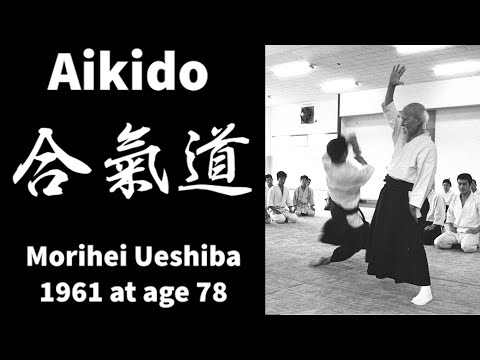
Aikido's Essence: Analyzing O'Sensei Ueshiba's 1961 Masterclass

Introduction: A Glimpse into the Soul of Budo

This rare 1961 footage, capturing a 78-year-old Morihei Ueshiba, the revered founder of Aikido, is far more than just a martial arts demonstration. It's a profound window into the very essence of Budo, a concept that transcends mere physical combat. Many today, particularly those drawn to the explosive dynamism of MMA or the brutal efficiency of Kyokushin Karate, might question the relevance of Aikido's fluid movements. Does its emphasis on blending and redirection hold water in a world that often values brute force? Let me tell you, this video is the answer. It's a masterclass in principles that are eternally valid, not just for the dojo, but for life itself. We will dissect this gem, exploring Ueshiba's techniques, his philosophy, and the enduring legacy of Budo.

Ueshiba in Action: The Art of Blending and Redirecting

Watching Ueshiba Sensei at this advanced age is awe-inspiring. His movements, while perhaps not possessing the raw power of a younger man, are imbued with an almost supernatural grace and precision. The documentary showcases his mastery of Aikido techniques – the effortless throws, the seemingly gentle yet devastating joint locks. He doesn't meet force with force; instead, he becomes one with his attacker's energy, subtly redirecting their momentum. This is the core of Aikido, and it's a principle that many arts, even the fiercely competitive BJJ or Judo, can learn from. The seemingly passive nature of his defense is, in reality, a highly active and intelligent application of physics and timing. He demonstrates that true strength lies not in overpowering an opponent, but in understanding and harmonizing with their movements. Have you ever sparred with someone who just seems to *flow* with your attacks, nullifying them before they even land? That's the echo of Ueshiba Sensei's teaching.
"The true meaning of martial arts is to unify the world." - Morihei Ueshiba

The Philosophy of Aikido: Harmony, Compassion, and Unity

Beyond the physical application, Ueshiba Sensei's words in this documentary reveal a philosophy that is both deeply spiritual and remarkably practical. He speaks of Aikido not as a means of destruction, but as a path to reconciliation. Harmony, balance, and compassion are not mere buzzwords here; they are the foundational pillars of his art. This stands in stark contrast to some of the more combative depictions of martial arts in popular culture, where violence is often glorified without consequence. Ueshiba's vision is one of connection, of resolving conflict not through aggression, but through understanding and empathy. It’s a message that resonates even more powerfully today, in our often fragmented and contentious world. This philosophy is the very heart of BUDO, the "Way of the Warrior," which demands not just martial prowess but moral integrity.

Budo: More Than Just Fighting

The term Budo itself is crucial here. It's not simply "martial arts" in the Western sense. It encompasses the entire way of life, the philosophy of the warrior, drawing heavily from principles like Bushido. This means more than just mastering techniques for a fight. It's about self-cultivation, rigorous discipline, and unwavering honor. Ueshiba Sensei embodies this perfectly. His practice was a lifelong dedication to refining not just his body, but his mind and spirit. The documentary offers a fleeting glimpse, but it's enough to understand that for masters like him, the training never truly ends. It's a constant pursuit of self-improvement, a journey that shapes one's character in profound ways.
"The martial way is a thing of daily practice. It is a continuous process of refinement. The master is simply a student who never quit." - Attributed to various martial arts masters

Training and Self-Cultivation: The Path to Inner Peace

The practice of martial arts, as exemplified by Ueshiba's Aikido, is a powerful tool for inner growth. It offers a structured path to control one's ego, to confront and overcome fear and anger, and to cultivate a deep sense of inner peace. This isn't just about learning to defend yourself physically; it's about building mental resilience. The physical demands – improving fitness, flexibility, and coordination – are significant, but the mental benefits are arguably even greater. In a world rife with stress and anxiety, the discipline and focus required in martial arts training provide an invaluable sanctuary. It's a lifelong pursuit, a journey of personal development that extends far beyond the dojo mats. The principles learned in Karate, Judo, or Aikido can positively impact every facet of life.

Veredicto del Sensei: A Timeless Testament

This 1961 documentary is not just a historical artifact; it's a living testament to the enduring power of Budo. Ueshiba Sensei, even at 78, displays a level of mastery that transcends time and style. While the martial arts landscape has evolved dramatically, with hyper-realistic sports like MMA and UFC capturing global attention, the core principles demonstrated here remain vital. The emphasis on harmony, respect, and self-cultivation is a counterbalance to the often aggressive narratives surrounding combat sports. This film is essential viewing for anyone who seeks a deeper understanding of martial arts, not just as a means of fighting, but as a path to becoming a better human being. Rating: 10/10 Cinturones Negros en Sabiduría y Maestría.

Essential Equipment for Your Training

To embark on your own martial arts journey, whether it's Aikido, Karate, Judo, or any other discipline, the right equipment is essential. At BYAM Budo y Artes Marciales, we understand the needs of practitioners at all levels.
  • Gi (Uniforme): A durable, comfortable Gi is fundamental. For arts like Judo and Aikido, a heavier weave might be preferred for grip resistance.
  • Protective Gear: Depending on your style, consider sparring headgear, mouthguards, and shin guards for safe combat training.
  • Training Mats (Tatami): Essential for safe practice of throws and falls, especially in arts like Judo and Aikido.
  • Training Weapons: For specific disciplines, wooden bokken (swords) or jo (staffs) are necessary.
Investing in quality gear enhances your training experience and ensures safety. Explore our range of Martial Arts Merchandise to find what you need.

Frequently Asked Questions

  • What is Budo? Budo is a Japanese term that refers to the systematic practice of martial arts, emphasizing not only combat techniques but also spiritual and moral development.
  • Is Aikido effective for self-defense? Yes, Aikido's principles of blending, redirection, and using an attacker's momentum can be highly effective for self-defense, though its effectiveness in highly aggressive scenarios is a subject of ongoing debate.
  • What is the difference between Budo and Bushido? Bushido is the code of honor and conduct of the samurai warrior class, while Budo is the broader term encompassing the practices and philosophies of martial arts derived from that warrior tradition.
  • How can martial arts training improve mental health? Through discipline, focus, stress reduction techniques, and the cultivation of inner peace and self-control.

For a Deeper Dive into Your Path

Reflexión del Sensei: Tu Próximo Paso

Ueshiba Sensei demonstrated that true mastery lies in harmonization, not domination. In a world that often rewards aggression and competition, can you find the strength in yielding? Can you apply the principles of blending and redirecting not just against a physical opponent, but against the challenges and conflicts of your daily life? The video is a lesson; your response to its message is the application. ```json { "@context": "https://schema.org", "@type": "FAQPage", "mainEntity": [ { "@type": "Question", "name": "What is Budo?", "acceptedAnswer": { "@type": "Answer", "text": "Budo is a Japanese term that refers to the systematic practice of martial arts, emphasizing not only combat techniques but also spiritual and moral development." } }, { "@type": "Question", "name": "Is Aikido effective for self-defense?", "acceptedAnswer": { "@type": "Answer", "text": "Yes, Aikido's principles of blending, redirection, and using an attacker's momentum can be highly effective for self-defense, though its effectiveness in highly aggressive scenarios is a subject of ongoing debate." } }, { "@type": "Question", "name": "What is the difference between Budo and Bushido?", "acceptedAnswer": { "@type": "Answer", "text": "Bushido is the code of honor and conduct of the samurai warrior class, while Budo is the broader term encompassing the practices and philosophies of martial arts derived from that warrior tradition." } }, { "@type": "Question", "name": "How can martial arts training improve mental health?", "acceptedAnswer": { "@type": "Answer", "text": "Through discipline, focus, stress reduction techniques, and the cultivation of inner peace and self-control." } } ] }

Mike Tyson's Meltdowns: A Study in Lost Control

Intención de Búsqueda: Análisis de figuras icónicas del boxeo y su psicología de combate.

Entidad Principal: Mike Tyson, Boxeo.

Palabras Clave: Mike Tyson, boxeo, campeón de peso pesado, control emocional, psicología de combate, disciplina marcial, Budo, artes marciales, comportamiento en el ring, momentos polémicos.

Introduction: The Iron Fist and the Fiery Temper

Mike Tyson. The name alone conjures images of raw power, devastating knockouts, and a ferocity rarely seen in the annals of sport. He remains one of boxing's most electrifying figures, a true heavyweight icon who shattered records and fear alike. Yet, for all his unparalleled skill and dominance, Tyson's career is also indelibly marked by moments of extreme volatility, instances where the "Iron Mike" persona fractured, revealing a volatile temperament that often overshadowed his prowess. This isn't just a story about boxing; it's a profound exploration of control, discipline, and the thin line between warrior spirit and uncontrolled rage. It’s a lesson that resonates far beyond the squared circle and deep into the core principles of Budo and martial arts.

Hello and welcome to Budo and Martial Arts, the most complete and updated martial arts blog on the internet. Today, we dissect a legend whose power was matched only by his unpredictability. We'll delve into what makes a fighter lose their cool, why it matters in the context of true martial spirit, and what we can learn from these explosive, yet often cautionary, tales.

The Legacy of Iron Mike: A Double-Edged Sword

Undeniably, Mike Tyson etched his name in history as the youngest heavyweight champion ever. His early career was a whirlwind of destruction, a testament to his explosive speed, immense power, and intimidating aura. Opponents feared him, not just for his skill, but for the palpable sense of impending doom he exuded. He was a force of nature, a fighter that few dared to face, and fewer still could withstand.

However, this same intensity that propelled him to the pinnacle also became his Achilles' heel. Tyson’s career is punctuated by controversial moments – outbursts, disqualifications, and an almost theatrical inability to contain his emotions under pressure. This duality is what makes him such a compelling, albeit complex, figure. Was his aggression a carefully honed weapon, or a primal force that threatened to consume him? The answer, as with most things in the martial world, is rarely simple.

In the realm of combat sports, discipline is paramount. It’s the bedrock upon which skill is built and honed. While Tyson displayed phenomenal physical attributes and boxing technique, his struggles with emotional regulation raise critical questions about the true nature of mastery.

Analyzing Tyson's Most Infamous Moments

The most glaring example, of course, is the infamous 1997 rematch against Evander Holyfield. The incident where Tyson bit off a piece of Holyfield's ear is seared into the collective memory of sports fans worldwide. It was a moment of pure, unadulterated loss of control, a primal act that defied the rules and the spirit of boxing. This wasn't strategic aggression; it was a descent into savagery.

Beyond the ear-biting incident, Tyson’s career was littered with other instances of temperamental breakdowns. His confrontation with Lennox Lewis during a press conference, his verbal tirades, and his aggressive posturing outside the ring all painted a picture of a fighter constantly on the brink. These weren't isolated incidents; they were patterns that suggested a deeper struggle with managing the immense pressure and emotions that come with elite-level competition.

"When you are in the ring, you have to have a clear mind. If you let your emotions take over, you are lost. You are no longer a fighter; you are a victim of your own fury." - A principle often echoed in traditional dojos.

These moments serve as potent case studies. They highlight how even the most physically gifted athletes can falter when their mental and emotional fortitude crumbles. In a fight, as in life, uncontrolled anger can lead to disastrous decisions, costing not only victory but also one's reputation and integrity.

The Psychology of Lost Control in Combat

What drives a fighter like Tyson, a man trained to exert dominance, to suddenly lose his composure? Several psychological factors come into play:

  • Pressure Cooker Environment: High-stakes fights, the roar of the crowd, the immense expectations – these create an unparalleled level of psychological pressure. For some, this can be a catalyst for peak performance. For others, it can be overwhelming.
  • Frustration and Frustration: When a fight isn't going as planned, when an opponent proves more resilient or skillful than anticipated, frustration can build. This can lead to desperation and impulsive actions. Tyson's aggression often escalated when he felt cornered or outmaneuvered.
  • Ego and Identity: For fighters like Tyson, their identity is deeply intertwined with their power and dominance. Any perceived threat to this can trigger a defensive, often aggressive, response that bypasses rational thought.
  • Lack of Emotional Regulation Tools: While physically trained to perfection, not all fighters are equally equipped with the mental and emotional tools to navigate extreme stress. The discipline required to master oneself is as crucial as the discipline to master a technique.

The psychological battle in martial arts is often more significant than the physical one. A calm, focused mind can overcome brute strength. Rage, conversely, clouds judgment, slows reaction times, and makes one predictable. It’s the enemy within, more formidable than any opponent across the ring.

Lessons from Budo: The Importance of Mushin

In the context of traditional Japanese martial arts, or Budo, the concept of Mushin (無心), often translated as "no-mind" or "mind without mind," is paramount. It describes a state of mental clarity and spontaneity where one acts instinctively and effectively without conscious thought or emotional interference.

Mushin is not about being emotionless; rather, it is about transcending the ego, fear, anger, and doubt. It’s about being fully present, responding to a situation with pure, unadulterated action derived from countless hours of training. A fighter operating in Mushin is fluid, adaptable, and unburdened by psychological noise.

Tyson's meltdowns represent the antithesis of Mushin. They are prime examples of the ego and raw emotion hijacking the martial spirit. While his raw power was undeniable, his inability to consistently achieve and maintain a state of mental calm suggests a deficiency in cultivating this deeper aspect of martial practice. True mastery, according to Budo, lies not just in the power of the blow, but in the purity of the intent and the clarity of the mind behind it.

"To win, you must first defeat yourself." - A timeless martial principle.

Comparing Tyson's Explosiveness to Modern MMA

While boxing is a more focused discipline, the principles of emotional control and strategic aggression are equally, if not more, critical in Mixed Martial Arts (MMA). We see fighters in the UFC and other promotions who possess Tyson-esque power in their strikes, but the multi-faceted nature of MMA demands a broader spectrum of control.

Consider fighters like Jon Jones, known for his strategic brilliance and ability to adapt mid-fight, or Cyril Gane, whose calm demeanor belies his dangerous striking. These athletes, despite facing immense pressure, rarely succumb to uncontrolled rage. They understand that a moment of lost composure can mean the difference between victory and defeat, whether it’s a submission or a knockout.

Fighters who can seamlessly blend power with technique, strategy with instinct, and composure with aggression are the ones who achieve lasting success. Tyson's explosive power was a phenomenal weapon, but without the consistent application of mental discipline, it was ultimately insufficient to guarantee sustained, unblemished dominance. The modern MMA landscape, with its diverse skill sets and strategic depth, further underscores the need for holistic warrior development, encompassing mind, body, and spirit.

Training Your Inner Warrior: Discipline Over Domination

Mike Tyson's journey offers invaluable lessons for anyone aspiring to excel in martial arts or any demanding pursuit. It's a stark reminder that physical prowess is only one component of true strength.

Here's how to cultivate the discipline that even Iron Mike struggled to consistently maintain:

  • Embrace Mindfulness: Practices like meditation (Zazen, for instance) or simply focused breathing exercises can significantly improve your ability to stay calm under pressure. Learn to observe your thoughts and emotions without judgment.
  • Develop Situational Awareness: Understand your triggers. Recognize when frustration or anger is starting to build. Early detection is key to preventing an emotional explosion.
  • Focus on the Process, Not Just the Outcome: While winning is the goal, obsessing over it can create anxiety. Concentrate on executing techniques correctly, learning from each training session, and improving incrementally.
  • Sparring as a Training Ground for Mind: Treat sparring not as a battle to be won at all costs, but as an opportunity to practice emotional control. Experiment with staying calm when things get tough. Your training partners are there to help you grow, not just to be defeated.
  • Seek Knowledge Beyond Physicality: Read about the philosophy behind your chosen art. Understand the principles of respect, humility, and perseverance. This broader perspective can ground you when emotions run high.

True strength is not about overpowering others, but about mastering oneself. It’s about having the discipline to control your impulses and channel your energy constructively, especially when faced with adversity.

Sensei's Verdict: More Than Just a Fighter

Mike Tyson was a phenomenon. His raw power and terrifying speed redefined the heavyweight division and captured the world's imagination. He was a physical specimen unmatched in his era, a devastating force that few could comprehend, let alone withstand. However, his legacy is also a testament to the fact that physical dominance alone is insufficient for true martial greatness. The uncontrolled outbursts, the infamous incidents, all speak to a fighter who, despite his incredible talent, never fully conquered the inner demons that plagued him.

From a martial arts perspective, Tyson's career serves as a powerful, albeit extreme, illustration of what happens when skill is not tempered by discipline and emotional regulation. He was a spectacular performer, a whirlwind of controlled chaos for much of his career, but the moments of uncontrolled rage revealed the fragility beneath the iron exterior. He achieved incredible heights through sheer physical might, but his struggles with self-mastery prevent him from being held as a paragon of the martial spirit.

Overall Rating: A Masterclass in Power, a Cautionary Tale in Control. He earns a high mark for his impact and skill, but the lack of consistent mental fortitude prevents a perfect score in the eyes of Budo.

Frequently Asked Questions

Q1: Was Mike Tyson the greatest heavyweight boxer of all time?
A1: While his physical prowess and knockout power are undeniable and place him among the all-time greats, his career's controversies and inconsistencies make a definitive "greatest of all time" title debatable for many analysts and fans.

Q2: How did Mike Tyson's temper affect his boxing career?
A2: His temper was a double-edged sword. It contributed to his intimidating aura and his overwhelming fighting style in his prime. However, it also led to costly fouls, disqualifications, and moments of poor decision-making that ultimately impacted his legacy and career trajectory.

Q3: What is Mushin in martial arts?
A3: Mushin, or "no-mind," is a state of mental clarity and spontaneity achieved through rigorous training, where one acts instinctively and effectively without conscious thought or emotional interference. It’s a core concept in Budo.

Q4: Can anger be a useful tool in combat?
A4: Controlled aggression can be effective, but uncontrolled rage is detrimental. While a surge of adrenaline can enhance physical capabilities, extreme anger clouds judgment, reduces precision, and makes a fighter predictable and vulnerable.

Q5: What can ordinary people learn from Mike Tyson's emotional struggles?
A5: The most significant lesson is the importance of emotional self-regulation. Like elite athletes, we all face pressure and frustration. Learning to manage these emotions constructively is vital for success and well-being in all aspects of life.

Further Reading on Your Journey

Sensei's Reflection: Your Next Step

Mike Tyson's story is a powerful narrative of human fallibility, even at the peak of physical prowess. He achieved unparalleled power, yet faltered when his inner self was tested. Now, I ask you: In the heat of your own challenges, whether in sparring or in life, are you a master of your emotions, or are you a slave to them? How will you forge the unshakeable mental discipline that true warriors possess?

``` GEMINI_METADESC: Explore Mike Tyson's career beyond the knockouts. Analyze his loss of control, the psychology of rage in combat, and lessons from Budo on achieving Mushin.

The Warrior's Path to Vitality: Mastering the Art of Weight Management Through Budo Principles

The Unseen Battle: Beyond Mere Aesthetics

Greetings, seekers of the martial way. You've arrived at Budo and Martial Arts, drawn by the promise of transformation. But let me ask you: are you here for a fleeting aesthetic change, or are you seeking the profound strength and resilience that true martial discipline bestows? The pursuit of optimal physical condition is not merely about shedding pounds; it's about cultivating an indomitable spirit, a body that serves your purpose, and a mind that remains unclouded. This is the unseen battle, the internal conflict that separates the dilettante from the dedicated practitioner. We will dissect the modern obsession with rapid weight loss and reframe it through the timeless lens of Budo, exploring how the principles of martial arts can forge not just a leaner physique, but a more powerful individual.

The Budo Lens: Reframing Weight Loss

The search query, "How to Lose Weight Fast," speaks volumes. It reveals an intention driven by immediate gratification, a desire for a quick fix. While such urgency is understandable, it often bypasses the deeper, sustainable principles that govern true mastery. In the realm of Budo, we don't merely "lose weight"; we cultivate our bodies as instruments of precision and power. We seek efficiency, discipline, and a harmonious balance between mind and body. This isn't about a "workout plan for weight loss" in isolation; it's about integrating a holistic approach that honors the journey, not just the destination.

Consider the entity: the human body. In Budo, it's not just a vessel for carrying weight, but a complex system that requires understanding, respect, and rigorous training. The associated keywords—Budo, Martial Arts Training, Fitness, Self-Mastery, Mental Game, Discipline, Warrior Philosophy—point towards a deeper engagement than a simple transactional approach to weight management.

The popular conception of "losing weight fast" often clashes with the foundational tenets of Budo. Speed can be a weapon, yes, but only when tempered by control and strategy. A rapid weight loss program, pursued without understanding the underlying principles, can be as detrimental as a poorly executed strike. It can lead to burnout, injury, and a loss of the very vitality we seek.

Core Principles for the Aspiring Warrior

The journey to optimal physical conditioning, much like mastering a martial art, is built upon a bedrock of fundamental principles. These aren't just exercises; they are the building blocks of a disciplined and powerful physique.

  • Discipline (規律 - Kiritsu): This is the non-negotiable foundation. Without discipline, any plan, no matter how effective, will falter. It’s the commitment to show up, to push through discomfort, and to adhere to your regimen even when motivation wanes.
  • Intent (意図 - Ito): Why are you pursuing this? Is it for fleeting vanity, or for the enduring strength, health, and self-mastery that a martial path offers? A clear, purpose-driven intent fuels unwavering resolve.
  • Balance (均衡 - Kinkō): True vitality isn't just about shedding pounds; it's about a harmonious integration of physical conditioning, mental fortitude, and mindful nutrition. An overemphasis on one aspect at the expense of others leads to imbalance.
  • Efficiency (効率 - Kōritsu): Every movement, every exercise, should serve a purpose. Just as a skilled martial artist wastes no motion, your training should be focused and impactful, maximizing results with intelligent effort.
  • Progression (進歩 - Shinpo): Mastery is a journey, not a destination. Understand the importance of gradual advancement. Pushing too hard, too soon, leads to injury. Consistent, incremental gains build lasting strength and resilience.

These principles, honed over centuries in the dojo, are directly applicable to the pursuit of optimal physical condition. They guide us to see beyond superficial changes and embrace a transformation rooted in strength and character.

The Warrior's Regimen: A Practical Guide

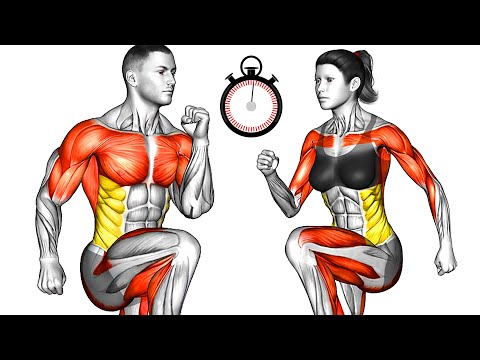
Let us now translate these principles into actionable training. While the original prompt mentions "weight loss," we shall approach this as a regimen to cultivate a warrior's vitality and resilience. The exercises listed below are not mere "fat-burning" tools, but movements that build functional strength, cardiovascular endurance, and mental tenacity.

A true martial artist understands that training is not solely about fighting, but about building the body and mind to withstand any challenge. While the below exercises are potent for improving cardiovascular health and building lean muscle—aspects often associated with weight management—their true value lies in fostering discipline and resilience.

Consider this a fundamental conditioning program, a stepping stone before you dive into more specialized training found in our extensive Entrenamiento de MMA or Karate Kyokushin content.

High Knee Run

This is more than just a cardio exercise; it's a test of coordination and stamina.

  1. Stand tall with your feet hip-width apart.
  2. Begin running in place, bringing your knees up towards your chest as high as possible.
  3. Simultaneously, pump your arms in a running motion.
  4. Maintain a brisk pace, focusing on lifting your knees explosively.
  5. Aim for continuous motion, engaging your core to maintain stability.

Sensei's Insight: This movement mimics the agility required to evade or advance rapidly in combat, building explosive power in the legs and improving cardiovascular capacity.

Plyo Side Lunge

Develops explosive power and stability in the lower body.

  1. Stand with your feet hip-width apart.
  2. Step out to the right into a lunge, lowering your hips until your right thigh is parallel to the floor. Ensure your right knee stays over your ankle.
  3. Push off with your right foot explosively, jumping and switching legs in mid-air.
  4. Land softly in a lunge on your left side.
  5. Repeat, alternating sides with each powerful push-off.

Sensei's Insight: Lateral movements are crucial in combate cuerpo a cuerpo and self-defense scenarios. This exercise hones the ability to move dynamically and powerfully.

Air Crunch

A foundational movement for core strength and abdominal development.

  1. Lie on your back with your knees bent and feet flat on the floor.
  2. Place your hands behind your head or across your chest.
  3. Engage your abdominal muscles and lift your head and shoulders off the floor, keeping your lower back pressed into the mat.
  4. Focus on squeezing your abdominal muscles at the top of the movement.
  5. Slowly lower yourself back down with control.

Sensei's Insight: A strong core is paramount. It's the power center from which all strikes and movements originate. This exercise builds that essential foundation.

Mountain Climber

A full-body exercise that enhances cardiovascular fitness and core strength.

  1. Start in a high plank position, with your hands directly under your shoulders and your body in a straight line from head to heels.
  2. Engage your core and bring one knee towards your chest, keeping your hips low.
  3. Immediately switch legs, bringing the other knee towards your chest as the first leg extends back.
  4. Continue alternating legs in a rapid, controlled pace, mimicking a climbing motion.

Sensei's Insight: This is an excellent drill for building stamina and core stability, critical for sustained fight or demanding training sessions.

Jump Squat

Explosive lower body power and a significant cardiovascular challenge.

  1. Stand with your feet shoulder-width apart, chest up.
  2. Lower into a squat, as if sitting back into a chair, ensuring your thighs are parallel to the floor.
  3. Explosively jump upwards, extending your legs and arms.
  4. Land softly back into the squat position, absorbing the impact.
  5. Repeat for the desired number of repetitions.

Sensei's Insight: The ability to generate explosive power from a stable base is vital for techniques like powerful kicks or defensive maneuvers. This exercise cultivates that.

Elbow Plank Variations

A cornerstone for building isometric strength and endurance in the core and shoulders.

  1. Begin in a standard elbow plank: resting on your forearms and toes, with your body forming a straight line from head to heels. Engage your core and glutes.
  2. Variation 1: Plank Jacks: Keeping your hips stable, jump your feet wider apart, then jump them back together.
  3. Variation 2: Hip Dips: From the plank, rotate your hips to one side, lowering them towards the floor, then return to center and repeat on the other side.
  4. Variation 3: Leg Raises: While maintaining a stable plank, lift one leg a few inches off the ground, hold briefly, then lower and switch legs.

Sensei's Insight: Planks are the embodiment of sustained effort and core control, fundamental to holding your ground and generating power in any martial discipline.

Plank Knee to Elbow

Combines core stabilization with dynamic rotational movement.

  1. Start in a high plank position (on hands).
  2. Keeping your core engaged and hips as still as possible, bring your right knee towards your right elbow.
  3. Return your foot to the starting position.
  4. Repeat with your left knee towards your left elbow.
  5. Continue alternating sides in a controlled manner.

Sensei's Insight: This movement challenges your body's ability to stabilize while initiating limb movement, mimicking the complex actions in martial arts techniques and enhancing core control.

Half Burpees

A less intense but still effective way to build full-body conditioning and cardiovascular fitness.

  1. Start in a standing position.
  2. Squat down and place your hands on the floor in front of you.
  3. Kick your feet back into a high plank position.
  4. Immediately bring your feet back towards your hands.
  5. Stand up explosively.
  6. (Optional: Add a small jump at the end for increased intensity).

Sensei's Insight: Burpees, in any form, are a test of will and a builder of raw physical power. They teach us to overcome fatigue, a vital skill in any combat situation.

Remember, consistency is key. Aim to integrate these exercises into your training routine diligently. The true value lies not just in the burn, but in the discipline cultivated through their execution.

Sensei's Verdict: Is This the Path to True Vitality?

The exercises presented here are effective tools for building a robust and resilient body. They are a solid foundation for anyone seeking to improve their physical conditioning, which is, in essence, a crucial aspect of the martial path. However, the original framing of "losing weight fast" misses the profound philosophy of Budo. This isn't a magic bullet; it's a component of a larger discipline. True vitality, the kind that stems from a warrior's spirit, is cultivated through consistent effort, mindful nutrition, and an unwavering commitment to self-improvement. These exercises, when practiced with intent and discipline, can contribute significantly to that journey. They offer a pathway to greater strength, improved endurance, and a body better equipped to meet life's challenges.

Classification:

Core Strength & Conditioning: Black Belt Proficiency

These movements provide the fundamental physical attributes necessary for any martial artist. They build the engine and the chassis. However, the 'fast' aspect is where the true nuance lies. A true warrior understands that mastery is a marathon, not a sprint, even when employing explosive techniques.

Essential Gear for Your Training Journey

While many of these exercises require no equipment, enhancing your training can be achieved with simple tools that embody the spirit of dedication:

  • Comfortable Training Attire: Look for breathable fabrics that allow for a full range of motion. For women, supportive sports bras are essential.
  • Exercise Mat: Provides cushioning and grip for floor exercises like crunches and planks.
  • Water Bottle: Hydration is critical for performance and recovery.
  • Heart Rate Monitor (Optional): To better track your cardiovascular exertion and ensure you're training effectively.
  • Journal and Pen: For tracking progress, noting down your training sessions, and reflecting on your journey. A vital tool for disciplined progress.

Investing in quality Karate Merchandise or comfortable Martial Arts Merchandise can also serve as a constant reminder of your commitment to the path.

Frequently Asked Questions

  • Can these exercises truly help with weight loss?
    Yes, these exercises are excellent for improving cardiovascular health and building lean muscle, both of which are crucial for managing body weight effectively. However, they are most impactful when combined with a balanced, mindful nutrition plan.
  • How often should I perform this routine?
    For optimal results and recovery, aim to perform this routine 3-5 times per week. Allow rest days for muscle repair and adaptation.
  • I'm a complete beginner. Is this routine too intense?
    Start slowly. Focus on correct form rather than speed or duration. You can modify exercises (e.g., do knee planks instead of elbow planks) and gradually increase intensity as your fitness improves. Our Beginner Workout and Consejos Para Principiantes sections offer more guidance.
  • How long until I see results?
    Results vary based on individual factors like diet, consistency, and metabolism. However, with dedicated practice 3-5 times a week, you can expect to notice improvements in strength and endurance within a few weeks, and visible changes over a few months.

Deeper Dive into Your Path

The journey of a warrior is continuous, and this regimen is but one aspect of cultivating a powerful physique and mind. To truly embody the principles of Budo, explore these related resources:

Reflexion of the Sensei: Your Next Step

These exercises are but tools, like a sword or a kata. The true power lies not in the tool itself, but in the hands and the mind of the wielder. Ask yourself: Are you performing these movements with the focused intent of a warrior preparing for battle, or are you simply going through the motions? Does your effort stem from a deep well of discipline, or is it dictated by the fickle winds of motivation? The path to true vitality is paved with conscious, deliberate action. Do you see your training as a means to an end, or as the end in itself – a practice of discipline that refines your character with every repetition?

``` GEMINI_METADESC: Learn how Budo principles transform weight management into a quest for vitalty. Discover essential exercises, core philosophies, and the warrior's mindset for lasting health.

The Unseen Battle: How Budo Principles Forge Unbreakable Physical and Mental Fortitude

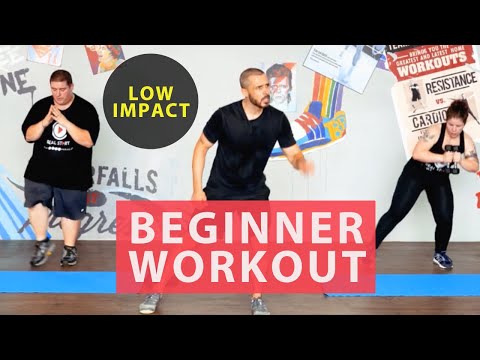
As a Sensei who has dedicated a lifetime to the rigorous path of Budo and martial arts, I've seen countless individuals enter the dojo with a singular goal: to burn fat, get stronger, and look better. And while these are valid aspirations, they often miss the deeper currents that truly transform a practitioner. The original prompt mentioned a "30 minute fat burning home workout for beginners," aiming for "achievable, low impact results." While such routines have their place, particularly for those just stepping onto the path, they can be a superficial starting point if not infused with the profound principles that underpin true martial development. Are we merely seeking to shed physical weight, or are we ready to confront the internal battles that forge resilience, discipline, and an unyielding spirit?

The essence of Budo is not merely in the external display of technique, but in the internal cultivation of character. It's about understanding that the "fat burning" many seek is often a metaphor for burning away the lethargy, the excuses, and the mental inertia that hold us back. This journey, especially for beginners, requires a mindful approach that prioritizes foundational strength, unwavering discipline, and a philosophical underpinning that transcends mere physical exertion.

The True Meaning of the Beginner's Path

The modern fitness landscape is often dominated by quick fixes and trendy routines. While a "30 minute fat burning home workout" might seem appealing, it risks reducing the profound practice of martial arts training to a mere calorie-counting exercise. True martial development, however, is a lifelong journey. For beginners, the initial focus should be on cultivating a stable foundation, understanding correct form, and developing the mental fortitude to persevere. This isn't just about shedding a few pounds; it's about forging a disciplined approach that will serve you far beyond the physical realm. The "Real Start" and "Real Start Plus" plans, mentioned in the original context, hint at this deeper commitment – a commitment to "real people with real people" suggests an inclusive, grounded approach, which aligns with the Budo spirit. However, we must elevate this beyond mere "low impact, realistic, and effective" to something truly transformative.

Welcome to Budo and Martial Arts. Today, we move beyond the superficial to explore how the enduring principles of martial discipline can inform even the most basic home workouts, turning a simple exercise session into a profound act of self-mastery.

Beyond the Clock: Core Budo Principles for Any Workout

The goal of burning fat is often a gateway, but the true destination lies in building strength, stamina, and unwavering discipline. These are the cornerstones of Budo, and they can be integrated into any training regimen, regardless of its duration or specific exercises.

  • Discipline (Kiritsu - 起律): This is the bedrock. Committing to a training schedule, even when motivation wanes, is paramount. It's about showing up for yourself.
  • Patience (Nintai - 忍耐): Results take time. True fitness, like mastery in any art, is a marathon, not a sprint. Avoid the temptation of shortcuts.
  • Mindfulness (Zanshin - 残心): Be present in your movements. Understand how your body feels, how each motion affects you. This awareness is crucial for preventing injury and maximizing effectiveness.
  • Intent (Sen - 先): Every movement should have purpose. Even in a simple squat, there's an intention to strengthen, to support, to prepare for future challenges.
  • Respect (Rei - 礼): Respect for the practice, for your body, and for the space you train in. This fosters a positive mindset and enhances focus.
"The way of the warrior is to know when to fight and when to wait." This principle extends to training. Know when to push your limits and when to focus on foundational consistency.

A Budo-Inspired Home Training Regimen

While a dedicated 30-minute routine can be a starting point, let's infuse it with martial intent. This is not about complex katas, but about applying the principles of focused, deliberate movement. We'll structure this as a progressive workout, focusing on compound movements that engage multiple muscle groups, promoting functional strength and efficient calorie expenditure.

Warm-up (5 minutes)

  1. Dynamic Stretching: Arm circles, leg swings (forward, backward, sideways), torso twists, and high knees. Focus on controlled, fluid movements.
  2. Joint Rotations: Gently rotate wrists, ankles, neck, and hips. This prepares the joints for more rigorous activity.
  3. Light Cardio: Jogging in place or jumping jacks (low impact variations if needed) to elevate the heart rate gradually.

Core Workout (20 minutes)

Perform each exercise for 45 seconds, followed by 15 seconds of rest. Complete 3-4 rounds of the entire circuit.

  1. Bodyweight Squats: Focus on maintaining a straight back and pushing your hips back as if sitting into a chair. Ensure your knees track over your toes. This builds lower body strength and foundational stability, crucial for stances in Karate or grappling in Judo.
  2. Push-ups (on knees or toes): Engage your core and keep your body in a straight line from head to heels. This develops upper body power, essential for striking arts like Karate or Kickboxing.
  3. Lunges (alternating legs): Step forward, lowering your hips until both knees are bent at approximately 90 degrees. The front knee should be directly above the ankle, and the back knee should hover just above the floor. This improves balance and leg strength, vital for dynamic movement.
  4. Plank: Hold a push-up position on your forearms, keeping your body in a straight line from head to heels. Engage your core muscles. This builds incredible core strength, the powerhouse of all martial arts techniques.
  5. Glute Bridges: Lie on your back with knees bent and feet flat on the floor. Lift your hips off the ground, squeezing your glutes at the top. This strengthens the posterior chain, vital for power generation.
  6. Bird-Dog: Start on your hands and knees. Extend your right arm forward and your left leg backward simultaneously, keeping your core engaged and back straight. Alternate sides. This enhances core stability and coordination.

Cool-down (5 minutes)

  1. Static Stretching: Hold stretches for major muscle groups (quadriceps, hamstrings, chest, shoulders, triceps) for 30 seconds each. Focus on deep breathing to aid recovery.
  2. Mindful Breathing: Sit or lie down comfortably. Focus on slow, deep inhales and exhales. This helps to calm the nervous system and reflects the meditative aspects of Aikido or Zen practices.

The Art of Practice: Filming and Understanding Your Progress

The original context mentions "filming." This is a powerful tool, not just for marketing, but for self-assessment. When you film yourself, you can objectively analyze your form.

"Observe yourself as you would observe your opponent." - Miyamoto Musashi (paraphrased).

Reviewing your own movements allows you to identify inefficiencies, weak points, and areas where your technique deviates from the ideal. In martial arts, precision is paramount. A slight misalignment in a punch or a kick can not only reduce its effectiveness but also increase the risk of injury. This self-observation is a critical aspect of martial development, helping you to internalize correct patterns and avoid ingrained bad habits. This analytical approach is key whether you are practicing Kyokushin Karate, MMA grappling, or even a simple home fitness routine.

Essential Gear for Your Home Dojo

While many home workouts can be done with bodyweight alone, a few key pieces of equipment can significantly enhance your training and expand your options. Investing in proper gear shows respect for your practice.

  • Comfortable Workout Mat: Essential for floor exercises, protecting your joints and providing grip.
  • Resistance Bands: Versatile for adding resistance to bodyweight exercises, increasing intensity and targeting specific muscle groups.
  • Jump Rope: An excellent tool for cardiovascular conditioning. Look for a speed rope for a greater challenge.
  • Durable Training Shoes: Provide support and stability for dynamic movements.
  • Water Bottle: Hydration is critical for performance and recovery.

For those looking to invest further, consider a good quality Karate Gi if you're studying the art formally, or a supportive Grappling dummy for BJJ or Judo practice.

Sensei's Verdict: The Long Game of Fitness

The concept of a "30 minute fat burning home workout for beginners" can serve as an entry point. However, it should not be the destination. True fitness, akin to mastery in any martial art, is about consistency, dedication, and a deeper understanding of the principles that govern physical and mental conditioning. The low-impact, achievable nature is suitable for beginners, but the real "results" are measured not just in weight lost, but in discipline gained, resilience built, and the unwavering spirit cultivated. This is not a fleeting trend; it is the forging of a warrior's body and mind.

Frequently Asked Questions

Q1: Is a 30-minute workout truly effective for fat loss?

Yes, consistency over time is more important than duration in a single session. A 30-minute workout, performed regularly and with proper intensity, can be highly effective for fat loss, especially when combined with a balanced diet. The key is to make it a sustainable habit.

Q2: How can I ensure I'm using proper form at home?

Utilize mirrors to check your alignment. Film yourself and compare your movements to instructional videos from reputable martial arts sources. Focus on controlled, deliberate execution rather than speed.

Q3: What's the difference between a general workout and Budo training?

General workouts often focus solely on physical outcomes. Budo training integrates physical conditioning with mental discipline, philosophical understanding, and character development. Every exercise in Budo has a purpose beyond the immediate physical result.

Q4: I'm a complete beginner. Where should I start with martial arts after this workout?

Seek out a reputable local dojo. Look for instructors who emphasize not just technique but also the philosophy and history of the art. Trying introductory classes in styles like Karate, Judo, or Taekwondo can be a great starting point.

Deeper Dives into the Warrior's Way

To truly understand the depths of martial training and its application beyond the physical, I encourage you to explore these resources:

If you wish to support the continuation of authentic martial arts content, consider exploring exclusive NFTs through our store.

This journey of self-improvement is ongoing. The physical challenges are merely the tools through which we forge an unshakeable spirit. The true victory is not in the sweat on the floor, but in the discipline etched into your soul.

Reflection of the Sensei: Your Next Step

Does the pursuit of "fat burning" truly satisfy the warrior's hunger, or is it a distraction from the deeper cultivation of strength, resilience, and purpose? Reflect on your motivations: are you training to merely change your appearance, or to fundamentally transform your character? Where do you see the greatest "fat" – physical or otherwise – that needs burning away in your life?

``` GEMINI_METADESC: Explore how Budo principles transform basic home workouts into profound self-mastery, focusing on discipline, intent, and the unseen battles of fitness.