Showing posts sorted by relevance for query Boxing vs Karate. Sort by date Show all posts

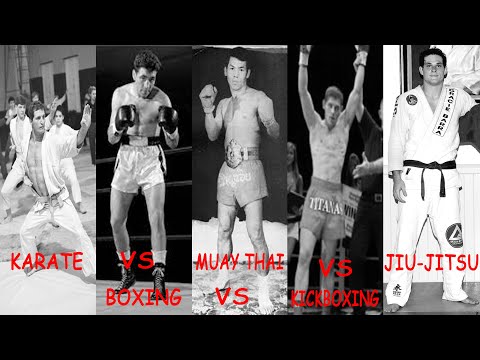
Karate vs. Jiu-Jitsu, Boxing vs. Muay Thai: A Master's Critique of Combat Sports' Pinnacle Showdowns

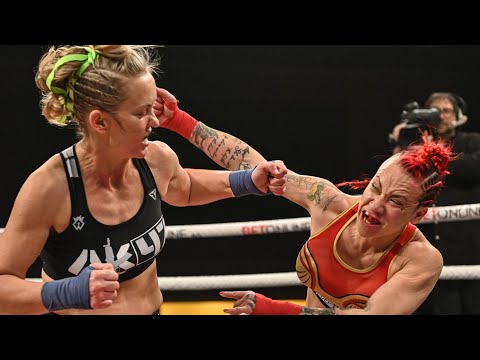
The roar of the crowd, the glint of sweat under the lights, the primal dance of combat. We’ve all seen the highlights, the explosive compilations that leave us breathless. But what lies beneath the surface of these electrifying clashes? Are we merely witnessing a spectacle, or are we seeing the fundamental principles of martial arts put to the ultimate test? Today, we dissect the age-old rivalries: Karate versus Jiu-Jitsu, and Boxing versus Muay Thai. This isn't just about which style "wins"; it's about understanding the essence of each discipline and how they represent the warrior's path. Prepare yourselves, for we are about to engage in a debate as fierce as any fought in the ring.

The Clash of Titans: Why These Comparisons Ignite Debate

The internet is awash with highlight reels showcasing the most brutal and beautiful moments in combat sports. Phrases like "Karate vs. Jiu-Jitsu," "Boxing vs. Muay Thai," and "Kickboxing highlights" are not just search terms; they represent a deep-seated human fascination with efficacy, strategy, and the raw display of physical and mental fortitude. As a martial arts scholar and practitioner, I find these comparisons both illuminating and, at times, frustratingly simplistic. My intention here is not to crown a single champion, but to offer a critical analysis, a **Sensei's perspective**, on what these matchups reveal about the evolution of combat, the philosophy of different martial traditions, and the practical application of techniques.

Many beginners, and even some seasoned practitioners, get lost in the spectacle, chasing the "knockout power" or the "submission chain" without grasping the underlying principles. The goal of this discourse is to provide clarity, to elevate the understanding beyond mere highlights, and to encourage a deeper appreciation for the dedication required in any martial discipline. We will delve into the core philosophies, the strategic differences, and the historical context that shapes these iconic rivalries. Furthermore, we'll touch upon the equipment that supports this journey, because even the most profound spiritual path requires the right tools.

Karate vs. Jiu-Jitsu: The Art of Striking Meets the Art of the Ground

The image of a Karateka delivering a precise, powerful punch or a devastating front kick is iconic. Rooted in Okinawan traditions and refined over decades, Karate emphasizes striking from a distance. Its practitioners train to develop explosive power, speed, and pinpoint accuracy. The core tenets often revolve around "Isshin-ryu" (one heart, one mind) or the striking principles found in various Karate styles like Shotokan or Kyokushin. The focus is on incapacitating an opponent with devastating blows to vital areas. Katas, the pre-arranged forms, are crucial for internalizing techniques and developing body mechanics. When you see "Karate Kid 3 final fight" or "Karate tournament" highlights, you are witnessing the culmination of years of practice in striking precision and evasive footwork.

Conversely, Brazilian Jiu-Jitsu (BJJ), heavily influenced by Judo's grappling and throws, thrives on the ground. Its philosophy centers on leverage and technique to overcome brute strength. A smaller, weaker person can defeat a larger, stronger adversary by taking them to the ground, controlling their position, and applying joint locks or chokeholds. The phrase "BJJ submissions" encapsulates the essence of this art. Masters like the Gracie family demonstrated the effectiveness of BJJ against practitioners of striking arts, famously in the early UFC events. Understanding "jiu jitsu basics" and "jiu jitsu takedowns" is fundamental to appreciating its effectiveness.

The true debate arises when these two arts meet. Can Karate's powerful strikes overcome Jiu-Jitsu's dominant ground game? Or will Jiu-Jitsu's ability to nullify striking by taking the fight to the mat prove superior? Historical encounters and modern MMA have shown that a successful fighter often needs proficiency in both striking and grappling. A pure Karateka might struggle against a skilled BJJ practitioner who can close the distance and initiate a ground battle. Conversely, a Jiu-Jitsu specialist must be wary of devastating kicks and punches if they cannot close the gap effectively. The key lies in the transition – how well each fighter can dictate the terms of engagement.

"The ultimate aim of martial arts is not victory or defeat, but the perfection of the human character." - Gichin Funakoshi

When we analyze "jiu jitsu vs wrestling", we see a similar dynamic: the art of taking an opponent down versus the art of staying up or controlling them once down. Both require immense strength, technique, and strategic thinking. The highlights often showcase the most dramatic moments – the spectacular submission or the powerful knockout punch. But the real lesson is in the preparation, the countless hours of drilling "jiu jitsu basics" and mastering the nuances of stance and striking in Karate.

Boxing vs. Muay Thai: The Sweet Science Versus the Art of Eight Limbs

Boxing, often called "the sweet science," is a discipline of elegant simplicity and profound complexity. It focuses exclusively on punches delivered with the fists, employing intricate footwork, defensive maneuvers like slipping and weaving, and strategic combinations. Legends like Muhammad Ali and Mike Tyson embody the pinnacle of this art, showcasing unparalleled speed, power, and ring generalship. A "boxing workout" emphasizes conditioning, accuracy, and the development of devastating punch combinations. Analyzing "boxing knockouts" reveals the power of focused strikes to critical targets.

Muay Thai, the "Art of Eight Limbs," incorporates a broader arsenal. In addition to punches, it utilizes elbows, knees, and kicks. The clinch, a grappling position where fighters can deliver knee strikes and control their opponent, is a significant element. This makes Muay Thai a more versatile striking art in certain contexts. When practitioners engage in "Muay Thai training", they develop a holistic striking ability, often incorporating the use of the shin for powerful kicks, reminiscent of the effectiveness seen in "kickboxing training".

The contrast between the two is stark. Can boxing’s refined punching technique and evasive footwork overcome Muay Thai’s devastating kicks, powerful knees, and close-range elbow strikes? Many believe that a boxer’s ability to control distance and land clean punches can neutralize Muay Thai’s wider range of weapons. However, a skilled Muay Thai fighter can use their kicks to control the distance, clinch to deliver damaging knees, and employ elbows to create openings. The "Muay Thai vs. Kickboxing" debate is also significant, as both share many striking techniques, though Muay Thai’s clinch and traditional elements often set it apart.

"When you are not practicing, remember that the world is practicing, and you will be surpassed." - Anonymous (often attributed to various martial arts masters)

"Boxing vs. Muay Thai" comparisons often highlight the stark difference in ranges. Boxers excel at mid-to-long range punches, while Muay Thai fighters are dangerous at all ranges, from long-range kicks to the devastating close-quarters combat of the clinch. The highlights of "Muay Thai knockouts" often showcase the brutal efficiency of the roundhouse kick or the fight-ending knee strike. Similarly, "boxing highlights" demonstrate the surgical precision and concussive force of a well-placed punch.

Kickboxing: A Synthesis or a Compromise?

Kickboxing, in its various forms (American, Japanese, Dutch), attempts to bridge the gap between boxing and traditional martial arts like Karate and Muay Thai. It generally allows punches and kicks, but often prohibits the extensive use of the clinch or certain types of throws and submissions found in BJJ or Judo. This creates a dynamic, high-paced striking environment. "Kickboxing for beginners" often focuses on mastering basic punches and kicks, building towards more complex combinations and footwork.

Comparing "kickboxing vs muay thai" is crucial. While both involve punches and kicks, Muay Thai's emphasis on the clinch, elbows, and shins provides a distinct flavor and tactical approach. Dutch kickboxing, for instance, is heavily influenced by boxing's power and combinations, integrated with powerful kicks. Japanese kickboxing often incorporates more dynamic, high-flying techniques. Kickboxing can be seen as a sport that distilled the most effective striking elements from various martial traditions into a competitive format.

The compilation of "kickboxing training" highlights often feature fast-paced exchanges, demonstrating powerful combinations and explosive kicks. This emphasis on striking offense makes it a popular choice for those seeking a high-intensity workout and a practical self-defense skillset. Analyzing "kickboxing workout with punching bag" routines shows how practitioners hone their power and technique.

Sensei's Verdict: Authenticity and Effectiveness

From my vantage point, the true "winner" in these comparisons is the practitioner who understands the depth and philosophy of their chosen art, and more importantly, the principles that transcend individual styles.

  • Karate vs. Jiu-Jitsu: Karate teaches discipline, focus, and devastating striking power. Jiu-Jitsu teaches leverage, control, and the ability to overcome strength with technique. In a practical self-defense scenario, a blend is ideal. For pure sport, the rules often dictate the effectiveness. A pure Karateka might find themselves in trouble if they can't keep a BJJ practitioner at bay. A pure BJJ practitioner needs to be aware of the striking threat. The "fight analysis" of MMA bouts often shows practitioners developing hybrid skillsets.
  • Boxing vs. Muay Thai: Boxing offers unparalleled hand speed, head movement, and punching power. Muay Thai provides a more comprehensive striking toolkit with kicks, knees, and elbows, along with the clinch. A boxer needs to defend against a wider array of attacks, while a Muay Thai fighter must be wary of a boxer's ability to control distance and deliver concussive punches. The strategic implications are vast.

Authenticity lies in respecting the lineage and principles of each art. Effectiveness is situational and depends on the practitioner, the opponent, and the context (sport vs. self-defense). These compilations, while entertaining, often present an incomplete picture. They showcase peak moments, not the years of diligent training, the failures, and the constant refinement required to master any martial path. The journey is as important as the destination, and true mastery involves understanding the 'why' behind the techniques.

Essential Training Gear for the Aspiring Warrior

To embark on the journey of martial arts, whether it's Karate, Jiu-Jitsu, Boxing, or Muay Thai, the right equipment is crucial for safety and effective training.

  • For Striking Arts (Karate, Boxing, Muay Thai, Kickboxing):
    • Gloves: For boxing and Muay Thai, 16oz sparring gloves are standard for protection. For bag work, 10-12oz training gloves are suitable.
    • Hand Wraps: Essential for protecting your wrists and knuckles during any punching activity.
    • Mouthguard: Non-negotiable for sparring in any combat sport to protect your teeth and jaw.
    • Shin Guards: Crucial for Muay Thai and Kickboxing training to protect against kicks.
    • Groin Protector: For both male and female practitioners, vital during sparring.
    • Kimono/Gi: For Karate, a durable Karate Gi is standard. For Judo/BJJ, a specialized heavyweight Judo Gi or BJJ Gi is required.
    • Headgear: Recommended for beginners during sparring to reduce the risk of cuts and bruises.
  • For Grappling Arts (Jiu-Jitsu, Judo):
    • Gi (Kimono): A high-quality double-weave BJJ Gi or single-weave Judo Gi is essential. Look for brands known for durability like Fuji or Tatami.
    • No-Gi Gear: Rash guards and grappling shorts are necessary for No-Gi Jiu-Jitsu training.
    • Mouthguard: Still essential for protection during grappling exchanges.

Investing in quality "Martial Arts Merchandise" is an investment in your safety and longevity in the sport. Don't skimp on protection; your body is your most valuable tool.

Frequently Asked Questions

  • Q: Which martial art is best for self-defense?
    A: The "best" martial art for self-defense is the one you train consistently and effectively. A combination of striking (like Karate or Boxing) and grappling (like Jiu-Jitsu or Judo) provides a well-rounded skillset. Focus on practical techniques and situational awareness.
  • Q: Is it true that Jiu-Jitsu can defeat any striking art?
    A: While Jiu-Jitsu is highly effective on the ground, it's not infallible. A skilled striker who can maintain distance and avoid being taken down can neutralize a pure Jiu-Jitsu practitioner. In mixed martial arts, the most successful fighters blend striking and grappling.
  • Q: Should I focus on Karate or Muay Thai for kickboxing?
    A: Both can contribute. Karate provides discipline and powerful linear strikes, while Muay Thai offers a broader range of kicks, knees, elbows, and clinch work. Many modern kickboxing systems integrate elements from both.
  • Q: How important is conditioning in combat sports?
    A: Conditioning is paramount. Stamina, strength, and speed are critical for executing techniques effectively and enduring the rigors of training and competition. A strong "Entrenamiento de MMA" program will always include rigorous conditioning.
  • Q: How can I improve my mental strength in martial arts?
    A: Mental strength is built through consistent practice, overcoming challenges, and developing discipline. Meditation, visualization, and learning to persevere through fatigue and discomfort are key components of the "Mental Game" in martial arts.

To Deepen Your Path

The comparisons we’ve explored—Karate vs. Jiu-Jitsu, Boxing vs. Muay Thai—are more than just highlight reels; they are crucibles where the philosophies and techniques of martial traditions are tested. Each art possesses its own unique beauty, effectiveness, and challenges. True mastery lies not in declaring one superior, but in understanding the principles that govern all combat, respecting the dedication of practitioners across disciplines, and continuously striving for self-improvement. The journey is long, demanding, and infinitely rewarding.

Sensei's Reflection: Your Next Step

You have witnessed the analysis of iconic martial rivalries. Now, the true test begins: application. Consider your own training. Are you focusing solely on your strengths, or are you venturing into the disciplines that challenge you most? Do you understand the fundamental principles that underpin your techniques, or are you merely mimicking movements? The essence of Budo is not about winning debates on forums, but about winning the quiet battles within yourself every single day.

"In martial arts, the highest goal is not to defeat an opponent, but to defeat oneself." - Unknown Master

So, I ask you: Which aspect of your training have you been neglecting out of comfort or perceived lack of importance? And more critically, what steps will you take, starting today, to address that deficit and embody the spirit of a true warrior? The path to mastery is paved with self-awareness and deliberate action. Share your thoughts and your commitment in the comments below. Let us learn from each other.

``` GEMINI_METADESC: A martial arts master dissects Karate vs. Jiu-Jitsu and Boxing vs. Muay Thai, analyzing techniques, philosophies, and effectiveness beyond the hype. Essential training insights included.
Mike Tyson's Peekaboo Style: A Karate Connection? A Critical Analysis

Introduction: The Provocative Claim

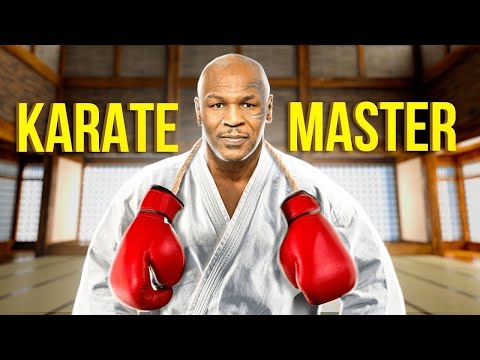
The world of combat sports is rife with legends, and few loom as large as Mike Tyson. Known for his explosive power, intimidating presence, and a fighting style that seemed to defy conventional logic, "Iron Mike" carved his name into history. But what if I told you that a cornerstone of his devastating technique, the famed "Peekaboo" style, was allegedly inspired by Karate? This is a claim that sparks immediate debate among martial artists and boxing aficionados alike. Is it a mere historical footnote, a misinterpretation, or is there genuine substance to the assertion that the baddest man on the planet drew inspiration from an ancient Japanese art? Prepare yourselves, for we are about to embark on a journey to dissect this claim with the precision of a doctor's scalpel and the blunt force of a well-placed jab.
"The genesis of a powerful technique often lies in unexpected unions. To dismiss connections out of hand is to limit our understanding of combat's evolution."
This article aims not just to present information, but to ignite critical thinking. We will explore the mechanics of Tyson's style, compare them to core principles of Karate, and critically evaluate the validity of this intriguing connection. Whether you're a seasoned Karateka, a dedicated boxer, or simply a student of combat, this analysis is designed to challenge your perceptions and deepen your appreciation for the intricate tapestry of martial arts.

Deconstructing Tyson's "Peekaboo" Style

Before we can assess any alleged Karate influence, we must first understand the Peekaboo style itself. Developed by Cus D'Amato and honed by Tyson, Peekaboo is characterized by its aggressive forward pressure, exceptional head movement, and devastating offensive combinations. * **High Guard:** Fighters using Peekaboo keep their gloves held high, close to their face and temples, hence the "peekaboo" moniker. This guard serves a dual purpose: protecting the head and face from incoming strikes while simultaneously setting up offensive maneuvers. * **Constant Movement:** The style emphasizes continuous, bobbing and weaving motion. This isn't just about evasion; it's about creating angles, disrupting the opponent's rhythm, and making oneself a difficult target. The fighter is always moving in, out, and around, making it hard for the opponent to establish a solid base or land accurate shots. * **Explosive Combinations:** Once an opening is created, Tyson unleashed brutal, short-range combinations, often targeting the head and body in rapid succession. His ability to close distance quickly and deliver power from unconventional angles was legendary. * **Lowered Center of Gravity:** A key element is maintaining a low, balanced stance. This provides stability, allows for powerful hip rotation in punches, and makes it harder to knock the fighter off balance. D'Amato famously described Peekaboo not just as a defensive stance but as an offensive weapon, designed to pressure the opponent relentlessly until they break. It’s a style built on timing, aggression, and an almost supernatural ability to slip punches while simultaneously preparing to deliver devastating blows.

The Alleged Karate Link: Examining the Evidence

The assertion that Mike Tyson's style is based on Karate movements stems from D'Amato's own statements and observations. D'Amato, an astute observer of combat, studied various martial arts. He reportedly saw similarities between the defensive head movements and evasive footwork of Peekaboo and certain Karate techniques.
Specifically, proponents of this theory point to: * **Footwork and Evasion:** The bobbing and weaving, the subtle shifts in weight, and the ability to move in and out of range quickly are seen as analogous to the footwork found in many Karate styles, particularly Okinawan Karate. The concept of *nagashi-uke* (flowing block) or evasive body shifts to avoid direct impact finds echoes here. * **Defensive Principles:** Karate emphasizes blending with an opponent's force rather than meeting it head-on. The Peekaboo fighter’s ability to slip punches and use the opponent's momentum against them aligns with this principle. * **Close-Range Combat:** While boxing is primarily a punching art, Tyson excelled in close quarters, using uppercuts and hooks effectively. Some Karate applications, especially in older forms, involve close-range striking and trapping. However, it's crucial to note that D'Amato never claimed Tyson was *performing Karate*. The connection is more about shared underlying principles of movement and evasion rather than direct technique transfer.

Sensei's Analysis: Similarities, Differences, and Misconceptions

As a lifelong student of the martial path, I find this claim fascinating, but also one that requires careful dissection. Let's lay down the objective truth, as any true Sensei would. Firstly, boxing and Karate are fundamentally different disciplines. Boxing focuses exclusively on punches with gloved hands to the upper body and head, emphasizing rhythm, timing, and power generation through hip rotation and footwork. Karate, on the other hand, is a comprehensive system encompassing punches, kicks, blocks, sweeps, and throws, often utilizing open-hand techniques and targeting various parts of the body.
"To equate the defensive subtleties of Karate evasion with the aggressive bobbing and weaving of Peekaboo is a stretch, yet not entirely without merit if we consider the underlying principles of kinetic efficiency." - My Interpretation based on countless hours of study.
**Where the Alleged Similarities Hold Water (The Nuance):** 1. **Evasion as a Primary Defense:** Both disciplines understand that avoiding a strike is often more effective than blocking it. The constant head movement in Peekaboo, designed to make Tyson a difficult target, mirrors the defensive body shifts and evasive footwork taught in many Karate styles to avoid an opponent's attack. Think of a Karateka moving off the line of attack (*tai sabaki*) to evade a punch or kick. The *purpose* is the same: to not be where the attack lands. 2. **Generating Power from the Ground Up:** Both Tyson's boxing and traditional Karate emphasize the importance of a strong base and hip rotation for generating power. A low center of gravity, crucial for Tyson's explosive power, is a fundamental tenet in many Karate stances (*kamae*). **Where the Connection Falters (The Hard Truth):** 1. **Targeting and Techniques:** Tyson's goal was to land punches. His techniques were honed for that singular purpose. Karate techniques are far more diverse. While a Karateka might use a subtle body shift to evade a punch, their subsequent action could be a block, a counter-punch, a kick, or even a throw – far beyond the scope of boxing. 2. **The "Peekaboo" Glove Position:** The high, tight guard of Peekaboo is specific to boxing. In Karate, while hands are often kept up for protection, the specific positioning and use of the gloves are different, and open-hand techniques are prevalent. 3. **Intent and Application:** D'Amato's genius was in adapting principles. He likely saw how evasive movements could be incorporated into boxing to create openings and defense. However, this is adaptation, not direct adoption. Tyson wasn't performing Karate katas; he was using boxing techniques with a defensive layer inspired by principles he observed elsewhere. The true connection, in my estimation, lies not in identical movements but in a shared philosophy of efficient body mechanics and evasive strategies. D'Amato, a student of strategy, likely recognized these universal principles and integrated them into the boxing context. It's a testament to the interconnectedness of combat theory, not a direct lineage.

Training Drills: Enhancing Footwork and Defensive Head Movement

Whether you're a boxer or a Karateka, improving your footwork and defensive head movement is paramount. Here are drills inspired by both disciplines:
  1. Shadow Boxing with Emphasis on Head Movement:
    • Assume your fighting stance (Boxing guard or Karate kamae).
    • Practice bobbing and weaving under imaginary punches. Focus on using your legs, not just your waist. Keep your knees bent and your rear planted.
    • Practice slipping punches side-to-side. Imagine a punch coming straight at your nose and slip it to the left, then to the right. Maintain balance.
    • Incorporate quick footwork changes – stepping in, stepping out, circling – while maintaining the high guard and head movement.
    • Focus on returning to a balanced stance after each movement, ready to counter.
  2. Partner Drills (Controlled Sparring):
    • With a trusted partner, practice throwing slow, deliberate punches at your head. Your goal is to evade without blocking, using only slips and weaves.
    • Your partner can gradually increase the speed, but the focus remains on your evasion, not on countering.
    • Once comfortable, introduce simple combinations from your partner, and practice reacting with appropriate head movement and footwork adjustments.
    • Karate Application: A Karateka can practice *tai sabaki* (body evasion) against basic punches, focusing on moving off the line of attack and maintaining a stable base.
  3. Mirror Drills:
    • Face a mirror and perform your footwork and head movement drills. This allows you to visually check your form, balance, and the fluidity of your transitions.
    • Ensure your movements are economical and that you're not telegraphing your intentions.
Remember, consistency is key. Incorporate these drills into your regular training sessions to build muscle memory and develop natural evasive instincts.

Essential Gear for Striking Training

To train effectively and safely in striking arts like boxing or Karate, having the right equipment is crucial. Investing in quality gear not only enhances your performance but also significantly reduces the risk of injury.
  • Boxing Gloves: For sparring and bag work, opt for gloves that offer good wrist support and adequate padding. 16oz gloves are generally recommended for sparring.
  • Hand Wraps: Always use hand wraps under your gloves to protect your metacarpals and wrists from impact.
  • Mouthguard: Essential for any form of sparring or combat simulation to protect your teeth and jaw.
  • Headgear: Recommended for heavy sparring sessions to mitigate the risk of cuts and concussions.
  • Karate Gi: If you are training Karate, a durable, well-fitting Gi is essential. Look for double-weave cotton for durability, especially if you plan on engaging in kumite (sparring). For heavier styles like Kyokushin, a reinforced Gi is a must.
  • Shin Guards and Instep Guards: Particularly useful for Karate or Kickboxing training involving kicks, offering protection for your lower legs and feet.
  • Jump Rope: An indispensable tool for improving footwork, coordination, and cardiovascular endurance – a staple in both boxing and Karate conditioning.

Sensei's Verdict: Did Tyson Truly Use Karate?

The assertion that Mike Tyson’s Peekaboo style was *based on* Karate is, in my professional opinion, an oversimplification that borders on myth. While Cus D'Amato was undoubtedly influenced by observed principles of movement from various arts, including potentially Karate, the direct translation of Karate techniques into Tyson's boxing is not evident. Tyson's style was a masterclass in *boxing*. Its effectiveness stemmed from the brilliant adaptation of fundamental boxing principles – explosive power, relentless pressure, aggressive defense, and superior timing – within the specific ruleset of the sport. D'Amato's genius lay in refining these boxing elements, perhaps drawing inspiration from the *concept* of evasive maneuvers found in Karate, but the execution remained purely within the domain of pugilism. Therefore, while there might be a philosophical or mechanical overlap in *certain aspects* of evasion and balance, it's misleading to claim Tyson *used Karate*. He used Boxing, perfected to an art form, potentially enhanced by D'Amato's broader understanding of combat dynamics.
"Iron Mike wasn't a Karateka, but the echoes of efficient movement, a universal language in combat, might have whispered through the strategic mind of his mentor."
Cinturón Negro en Adaptación Estratégica, pero no en Karate.

Frequently Asked Questions

Did Cus D'Amato ever explicitly state Tyson used Karate?

While D'Amato studied various martial arts and reportedly saw similarities, there's no definitive record of him stating Tyson's style was directly *based on* Karate techniques. The connection is more interpretative, focusing on shared principles of movement and evasion.

What are the core differences between boxing and Karate?

Boxing focuses solely on punches to the head and torso with gloved fists within a specific ring. Karate is a comprehensive martial art including punches, kicks, blocks, throws, and open-hand techniques, often practiced in a dojo with a focus on self-defense and discipline.

Could a boxer benefit from studying Karate's defensive principles?

Absolutely. Karate's emphasis on *tai sabaki* (body evasion), understanding distance, and utilizing minimal movement for maximum effect can certainly enhance a boxer's defensive capabilities and strategic thinking.

Is the Peekaboo style still used today?

While few fighters adopt it wholesale due to its demanding nature and high risk, elements of the Peekaboo style, particularly the high guard and aggressive head movement, are still seen and utilized by many modern boxers.

Dive Deeper Into Your Journey

Sensei's Reflection: Your Next Step

The allure of combining disparate martial arts is strong, a testament to the universal principles that govern effective combat. But how often do we mistake superficial resemblance for fundamental connection? Reflect on your own training: are you truly understanding the *essence* of the techniques you practice, or are you merely collecting movements? Go forth, train with intention, and seek the underlying truths, not just the borrowed styles. GEMINI_METADESC: Unravel the truth behind Mike Tyson's Peekaboo style and its alleged Karate influence. An expert analysis of boxing vs. Karate principles.

Bivol vs. Valera: A Masterclass in Boxing Strategy for the Modern Martial Artist

The roar of the crowd, the glint of sweat under the arena lights, the palpable tension before the first bell. For those of us steeped in the world of martial arts, these are the familiar echoes of discipline, dedication, and the unforgiving test of combat. But how does a purely boxing match, like Bivol vs. Valera for the WBA Championship, speak to the broader practitioner of Budo and the martial way? More than you might think.

Welcome, fellow travelers on the path of the warrior, to Budo and Martial Arts. Today, we dissect not just a fight, but a strategic engagement that offers profound lessons for any discipline that seeks to master the art of conflict. This bout, broadcast on March 15, 2023, under the banner of the WBA World Championship, is far more than a simple exchange of punches; it's a testament to the application of principles that transcend specific styles.

Strategic Mastery: Beyond the Punch

Many observers, particularly those outside the boxing fraternity, might dismiss Bivol vs. Valera as mere 'slugging matches.' This perspective is fundamentally flawed. What we witnessed was a sophisticated chess game played with fists, where every movement, feint, and punch was a calculated step. Dmitry Bivol, in particular, demonstrated a level of strategic foresight that is the hallmark of any true martial artist, regardless of their primary art form.

His control of the ring, his ability to dictate the pace, and his intelligent use of defense to create offensive opportunities are lessons that translate directly to the close-quarters combat we explore in martial arts. It's about more than brute force; it's about intelligent application of power and pressure. This fight underscores the principle that *understanding the opponent's tendencies and exploiting them is paramount*. Bivol didn't just fight; he dissected Valera's approach and capitalized on its weaknesses.

"The supreme art of war is to subdue the enemy without fighting." - Sun Tzu. While this fight involved fighting, Bivol's strategic dominance exemplified the spirit of this ancient wisdom, making the eventual victory a near inevitability rather than a desperate struggle.

The Science of Distance and Timing

Distance, in any martial art, is life. In boxing, it’s the space between the gloves. Bivol’s mastery of this fundamental concept was on full display. He maintained an optimal range where his jab could control Valera’s forward movement, while simultaneously keeping himself out of the most dangerous striking zones. This is the same principle that governs the effective use of a Karate kick or a Judo throw. Too close, and you lose your leverage; too far, and you cannot land your attack.

Timing, the often-overlooked sibling of distance, was equally crucial. Bivol didn't just throw punches; he threw them *at the right time*. He exploited openings created by Valera’s movements, his breath, or moments of imbalance. This precision is what separates a novice from a master. In MMA or Karate, this translates to timing a takedown as your opponent attempts a strike, or slipping a punch to land a counter. The timing of Bivol’s combinations, particularly his powerful uppercuts and straight rights, was textbook.

Conditioning: The Unseen Weapon

A fight is not won or lost in the first round; it is often decided in the later rounds when fatigue begins to set in. Bivol’s exceptional strength and stamina were evident throughout the bout. While Valera showed flashes of power, it was Bivol who maintained his output, his technique, and his composure as the rounds progressed. This speaks volumes about his training regimen. The conditioning required to maintain peak performance for twelve rounds of intense boxing is immense and is a direct parallel to the endurance needed for a prolonged grappling session or a demanding Kyokushin Karate kumite.

The dedication to physical preparation, the grueling hours in the gym, the sacrifices made – this is the unseen weapon that often determines the outcome. For any martial artist, understanding that superior conditioning can overcome technical disadvantages is a critical insight. It’s about building a body that can execute techniques effectively, withstand impact, and recover rapidly. This is where the modern athlete, whether boxer or MMA fighter, must embrace rigorous training.

Mental Fortitude: The Core of Combat

Beyond the physical, the mental game is where true warriors are forged. In the crucible of a championship bout, pressure can crumble even the most skilled. Bivol displayed remarkable mental fortitude. He absorbed Valera’s best shots without faltering, maintained his strategic focus under duress, and executed his game plan with unwavering resolve. This ability to remain calm and focused when the stakes are highest is a universal attribute of effective combatants.

The mental game in martial arts is often as important as the physical. It’s about controlling fear, managing adrenaline, and maintaining unwavering belief in one's abilities. When facing a superior opponent, or when pushed to your limits, it’s the mental strength that allows you to dig deeper and find that extra reserve. Bivol’s calm demeanor, even when exchanging heavy blows, is a testament to his mental conditioning.

"There are no shortcuts to any place worth going." - Beverly Sills. This applies with absolute truth to the mental conditioning of a fighter. The quiet hours of introspection, the visualization, the relentless self-discipline – these are the investments that pay dividends when the spotlight shines.

Veredicto del Sensei: A Boxing Bout Worth Studying

While not a martial art in the traditional sense of incorporating strikes, kicks, throws, and grappling across a broad spectrum, boxing, as exemplified by Dmitry Bivol's performance against Sullivan Barrera, is a discipline demanding peak physical and mental conditioning, strategic brilliance, and unwavering courage. The fight serves as a potent case study for any practitioner seeking to understand the nuances of combat, particularly in areas like distance management, timing, and the psychological fortitude required under pressure.

The tactical approach, the efficient movement, and the sheer willpower displayed are all elements that resonate deeply with the core principles of Budo. Therefore, I award this bout a high mark for its educational value to the wider martial arts community.

Rating: Cinturón Negro en Estrategia y Ejecución Táctica

Equipment Essential for Your Training

To truly emulate the dedication of fighters like Bivol, proper training gear is essential. Whether you're honing your boxing skills, practicing Karate katas, or grappling on the BJJ mats, the right equipment can make a significant difference in performance, safety, and motivation.

  • Boxing Gloves: For sparring and heavy bag work, 14oz to 16oz gloves offer a good balance of protection and feel.
  • Hand Wraps: Crucial for protecting the wrists and knuckles during intense punching sessions.
  • Jump Rope: An indispensable tool for cardiovascular conditioning and improving footwork coordination – a staple in conditioning routines for all combat sports.
  • Training Shoes: Lightweight, supportive shoes designed for lateral movement are vital for boxing and many MMA training sessions.
  • Mouthguard: Essential for protecting your teeth and jaw during any form of sparring.
  • Headgear: For sparring, particularly when learning, headgear provides an extra layer of protection.

Training Guide: Improving Your Footwork

Effective footwork is the foundation of movement in striking arts and crucial for balance and positioning in grappling. Here’s a simple drill to enhance your footwork, inspired by the movement seen in bouts like Bivol vs. Valera:

  1. Stance: Assume a balanced fighting stance. Your feet should be shoulder-width apart, with your lead foot slightly forward, and your weight evenly distributed.
  2. Forward Movement: Step forward with your lead foot, then bring your rear foot up to maintain your stance width. Never let your feet cross.
  3. Backward Movement: Step backward with your rear foot, then bring your lead foot back to meet it, maintaining your stance width and balance.
  4. Lateral Movement (Left): Step to the left with your lead foot, then bring your rear foot to meet it.
  5. Lateral Movement (Right): Step to the right with your rear foot, then bring your lead foot to meet it.
  6. Combination: Practice moving forward, backward, and laterally in a continuous, fluid motion. Imagine navigating a confined space, constantly adjusting your position while maintaining balance.
  7. Add Dynamics: Once comfortable, incorporate light shadowboxing or defensive movements (slips, rolls) as you move. Aim for smooth, controlled transitions.

Dedicate 5-10 minutes daily to this drill. Focus on maintaining a stable base and fluid transitions, just as Bivol maintained his composure and balance throughout his championship fight.

Frequently Asked Questions

Q1: Is boxing a martial art?
A1: While boxing focuses solely on punching, it embodies many core martial principles like discipline, strategy, conditioning, and mental toughness. Many consider it a striking-based combat sport with strong martial roots.

Q2: How does Bivol's boxing strategy apply to Karate?
A2: Bivol's control of distance and timing, and his ability to use defense to set up offense, are directly applicable to Karate. For example, understanding when to parry and counter, or how to manage space to land effective kicks, mirrors his approach.

Q3: What is the most important lesson from Bivol vs. Valera for a beginner martial artist?
A3: The importance of conditioning and mental fortitude. Physical preparation and a strong mindset are often the differentiators, especially when technique is still developing.

Q4: What does WBA stand for?
A4: WBA stands for World Boxing Association, one of the major sanctioning bodies for professional boxing.

For Further Deepening Your Path

The battle between Dmitry Bivol and Sullivan Barrera was a display of skill, strategy, and heart. It’s a reminder that the principles of effective combat are universal, even if the tools and techniques differ.

Reflection of the Sensei: Your Next Step

Observing a high-level boxing match like Bivol vs. Valera offers a mirror to our own training. Ask yourself: Where in your practice do you exhibit strategic mastery? Are you truly in control of your distance and timing, or are you reacting? How dedicated is your conditioning, and is it truly preparing you for the late rounds of your own personal challenges? And most critically, is your mental game as sharp as your physical techniques?

Now, speak. Did this analysis of a boxing match reveal new insights into your own martial journey? Or do you believe the lessons learned from the ring are irrelevant to the dojo? Defend your position with the conviction of a warrior.

``` ```json { "@context": "https://schema.org", "@type": "FAQPage", "mainEntity": [ { "@type": "Question", "name": "Is boxing a martial art?", "acceptedAnswer": { "@type": "Answer", "text": "While boxing focuses solely on punching, it embodies many core martial principles like discipline, strategy, conditioning, and mental toughness. Many consider it a striking-based combat sport with strong martial roots." } }, { "@type": "Question", "name": "How does Bivol's boxing strategy apply to Karate?", "acceptedAnswer": { "@type": "Answer", "text": "Bivol's control of distance and timing, and his ability to use defense to set up offense, are directly applicable to Karate. For example, understanding when to parry and counter, or how to manage space to land effective kicks, mirrors his approach." } }, { "@type": "Question", "name": "What is the most important lesson from Bivol vs. Valera for a beginner martial artist?", "acceptedAnswer": { "@type": "Answer", "text": "The importance of conditioning and mental fortitude. Physical preparation and a strong mindset are often the differentiators, especially when technique is still developing." } }, { "@type": "Question", "name": "What does WBA stand for?", "acceptedAnswer": { "@type": "Answer", "text": "WBA stands for World Boxing Association, one of the major sanctioning bodies for professional boxing." } } ] }

Budo's Verdict: Ayala vs. Gonzalez - A Raw Look at Boxing's Unscripted Drama

The roar of the crowd, the glint of sweat under the arena lights, the primal dance of two warriors facing off – this is the essence of combat sports. But beyond the spectacle, what truly defines a fight? Is it the flawless technique, the thunderous knockout, or the unwavering spirit that refuses to yield? Today, we delve into the raw, unvarnished reality of a boxing match: Gaston Ayala vs. Cristian Gonzalez. This isn't just about highlights; it's about dissecting the very soul of the battle.

The Essence of the Bout

The matchup between Gaston Ayala and Cristian Gonzalez, presented as a boxing event, serves as a microcosm of the broader world of combat. While boxing itself is a specific discipline, the underlying principles of dedication, strategy, and mental fortitude are universal across all martial arts. We're not just watching punches thrown; we're observing the culmination of countless hours of training, sacrifice, and the relentless pursuit of self-mastery.

Boxing, in its purest form, is a brutal ballet. It demands incredible physical conditioning, lightning-fast reflexes, and an iron will. Every jab, hook, and uppercut is a product of intense repetition and a deep understanding of timing and distance. This particular fight, while perhaps not reaching the legendary status of Ali-Frazier, offers valuable insights for any practitioner of the martial path.

"The supreme art of war is to subdue the enemy without fighting." - Sun Tzu

While Sun Tzu's wisdom speaks of strategic victory, a boxing ring is where that strategy is put to the ultimate test, often resulting in a direct confrontation. The "highlights" reel often focuses on the decisive moments, the knockdowns, and the explosive exchanges. But the true story lies in the rounds leading up to them, the subtle shifts in momentum, and the mental battles waged between each fighter.

Dissecting the Combat: Technique vs. Tenacity

In analyzing the encounter between Ayala and Gonzalez, we must move beyond the mere spectacle. From a martial perspective, it's crucial to observe the application of technique. Did Ayala employ superior footwork to create openings? Did Gonzalez demonstrate effective defensive strategies, such as the peek-a-boo guard or the Philly shell? These are the elements that separate mere brawlers from true martial artists.

We're looking for:

  • Stance and Balance: Was their base solid? Did they maintain their center of gravity throughout exchanges? A fighter who can't stay balanced is a fighter who will fall.
  • Punching Mechanics: Were punches thrown with proper hip rotation and body weight transfer? Or were they arm punches, lacking power and efficiency?
  • Defensive Awareness: Beyond simply blocking, did they utilize slips, rolls, and upper body movement to evade strikes?
  • Ring Generalship: Who dictated the pace and controlled the center of the ring? This often indicates a superior understanding of boxing strategy.

It's easy to be swayed by raw power or a dramatic knockdown. However, a seasoned martial eye seeks the underlying principles. A clean, economical combination that scores points is often more impressive, from a technical standpoint, than a wild flurry that misses its mark. We need to ask: was this a display of masterful boxing, or a testament to sheer grit and determination? Often, it's a potent mix of both.

The training required for such a fight is immense. It involves not just punching bags and sparring, but conditioning, strength work, and mental preparation. The endurance displayed in later rounds, when fatigue sets in, is as critical as the explosive power of an early knockout punch.

Beyond the Punch: The Mindset of a Warrior

The true martial artist understands that combat is as much a mental game as it is physical. A boxer's mindset is crucial. How does one handle adversity when knocked down? Does the spirit break, or does it ignite a fiercer resolve? This is where the concept of Ki, or internal energy, becomes relevant, even in a sport not explicitly focused on it.

A fighter who displays unwavering courage after absorbing heavy blows demonstrates a profound inner strength. This mental resilience, the ability to push past pain and doubt, is a hallmark of any serious martial practitioner. It's the "never give up" spirit that transcends specific techniques or styles.

"Defeat is not the opposite of success, it’s part of success." - Unknown Martial Artist

In the context of Ayala vs. Gonzalez, observing how each fighter reacted to being pressured is key. Did they adapt their strategy, or did they cling to what wasn't working? This adaptability is a core tenet of martial philosophy. The ability to flow like water, to bend without breaking, is a sign of true mastery.

Boxing's Place in the Martial Tapestry

While often viewed as a separate entity, boxing occupies a significant space within the broader martial arts landscape. It is one of the oldest forms of codified combat. Its influence can be seen in the striking techniques of many other disciplines, and its focus on disciplined training and competition has inspired generations.

The discipline required to become a competent boxer mirrors the dedication needed for any traditional art form. The endless hours spent perfecting a single punch, the sacrifice of social life for training, the mental fortitude to face opponents – these are shared values across the martial spectrum. Whether it's the sharp, precise movements of boxing or the flowing circularity of Aikido, the underlying commitment is the same.

Consider the evolution of Artes Marciales Mixtas (MMA). Boxing remains a foundational striking art within MMA. Fighters like Jon Jones and Cyril Gane, renowned for their MMA prowess, have backgrounds that often incorporate boxing techniques, demonstrating the enduring relevance of the sport. The raw power of a boxing knockout is a spectacle that continues to captivate audiences worldwide.

It's important to distinguish between the sport of boxing and its application in other contexts. While the rules of a boxing match are specific, the principles of striking, defense, and conditioning are transferable. This is why studying fights like Ayala vs. Gonzalez can be beneficial, even for practitioners of arts like Karate or Judo. It's about understanding different facets of combat.

Veredicto del Sensei: Is This a True Test of Martial Prowess?

Gaston Ayala vs. Cristian Gonzalez, as presented, is a clear demonstration of the sport of boxing. It showcases the dedication, the physical demands, and the mental fortitude inherent in this ancient discipline. From a pure boxing perspective, it offers an exciting display of skill and heart. However, to assess it as a "true test of martial prowess" in the broadest sense requires context.

If the question is whether it exemplifies the core principles of disciplined training, courage under fire, and strategic application of technique – then yes, it largely succeeds. The raw combat elements are undeniable. However, boxing operates within a strict rule set that limits its scope compared to arts designed for self-defense or broader combat scenarios.

Rating: 3.5 out of 5 Black Belts in Raw Combat Intensity.

While the fight delivers on excitement and demonstrates the dedication of the athletes, its applicability as a singular "martial" experience is confined to the realm of boxing. It's a powerful spectacle, but lacks the versatility found in more comprehensive martial systems.

Essential Equipment for Your Training

To truly engage with the spirit of any martial art, including the discipline that fuels boxers, the right equipment is paramount. Whether you're in a dojo, a boxing gym, or training at home, quality gear enhances both performance and safety.

  • Boxing Gloves: For sparring, 14-16oz gloves are standard for most weight classes to protect both hands and your partner. For bag work, 10-12oz gloves offer a good balance of protection and feedback.
  • Hand Wraps: Essential for protecting the metacarpals and wrists during intense training.
  • Mouthguard: A non-negotiable piece of safety equipment for any form of sparring or live-contact training.
  • Jump Rope: An excellent tool for cardiovascular conditioning and developing footwork, crucial for boxing and many other martial arts.
  • Focus Mitts and Thai Pads: If training with a partner, these are invaluable for practicing combinations and defensive maneuvers.
  • Durable Training Shoes: Offering good ankle support and grip, essential for dynamic movements.

Investing in quality martial arts merchandise is an investment in your training journey. It shows respect for the art and ensures you can train safely and effectively.

Frequently Asked Questions

What makes boxing a martial art?

Boxing is considered a martial art due to its emphasis on disciplined training, codified techniques, strategic combat, and the development of physical and mental attributes like discipline, courage, and resilience. While its scope is focused on punching, its roots and the dedication required place it within the martial tradition.

How does boxing differ from other martial arts?

The primary difference lies in its rule set and focus. Boxing strictly prohibits kicks, grappling, and strikes below the belt, focusing solely on punching with gloved hands. Other martial arts, like Karate, Taekwondo, Judo, or BJJ, incorporate a wider range of techniques, including kicks, throws, joint locks, and ground fighting.

Can boxing techniques be useful for self-defense?

Absolutely. Boxing's emphasis on powerful punching, evasive footwork, head movement, and defensive blocking provides a solid foundation for self-defense, especially in close-range encounters. However, it's crucial to supplement boxing training with other skills (like grappling or situational awareness) for comprehensive self-protection.

What is the importance of "highlights" in fight analysis?

Highlights offer a quick, exciting glimpse into the most impactful moments of a fight – knockdowns, impressive combinations, or dramatic comebacks. However, for a true martial understanding, they are insufficient. They often omit the strategic buildup, defensive nuances, and conditioning efforts that define a fighter's performance over the entire bout.

To Dive Deeper Into Your Journey

  • Kickboxing vs. Boxing: A Technical Showdown
  • The Role of Discipline in Mastering Any Martial Art
  • MMA Training: How Boxing Fits into the Modern Warrior's Arsenal

The confrontation between Gaston Ayala and Cristian Gonzalez is more than just a fight; it's a testament to the human spirit's capacity for struggle and triumph. It reminds us that every discipline, from the most complex martial art to the focused intensity of boxing, demands a profound commitment.

Reflexión del Sensei: Tu Próximo Paso

We've dissected the combat, explored the philosophy, and considered boxing's place in the vast world of martial arts. Now, I pose this question to you, the dedicated practitioner: In your own training, are you merely going through the motions, or are you actively seeking to understand the deeper principles that bind all martial disciplines? Are your "highlights" truly representative of your commitment, or do they mask the quiet hours of dedication that truly forge a warrior?

``` ```json { "@context": "https://schema.org", "@type": "FAQPage", "mainEntity": [ { "@type": "Question", "name": "What makes boxing a martial art?", "acceptedAnswer": { "@type": "Answer", "text": "Boxing is considered a martial art due to its emphasis on disciplined training, codified techniques, strategic combat, and the development of physical and mental attributes like discipline, courage, and resilience. While its scope is focused on punching, its roots and the dedication required place it within the martial tradition." } }, { "@type": "Question", "name": "How does boxing differ from other martial arts?", "acceptedAnswer": { "@type": "Answer", "text": "The primary difference lies in its rule set and focus. Boxing strictly prohibits kicks, grappling, and strikes below the belt, focusing solely on punching with gloved hands. Other martial arts, like Karate, Taekwondo, Judo, or BJJ, incorporate a wider range of techniques, including kicks, throws, joint locks, and ground fighting." } }, { "@type": "Question", "name": "Can boxing techniques be useful for self-defense?", "acceptedAnswer": { "@type": "Answer", "text": "Absolutely. Boxing's emphasis on powerful punching, evasive footwork, head movement, and defensive blocking provides a solid foundation for self-defense, especially in close-range encounters. However, it's crucial to supplement boxing training with other skills (like grappling or situational awareness) for comprehensive self-protection." } }, { "@type": "Question", "name": "What is the importance of \"highlights\" in fight analysis?", "acceptedAnswer": { "@type": "Answer", "text": "Highlights offer a quick, exciting glimpse into the most impactful moments of a fight – knockdowns, impressive combinations, or dramatic comebacks. However, for a true martial understanding, they are insufficient. They often omit the strategic buildup, defensive nuances, and conditioning efforts that define a fighter's performance over the entire bout." } } ] }

Fight Night Jackson Prelims: A Sensei's Analysis of Bare-Knuckle Combat

Greetings, warriors and students of the martial way. Tonight, we turn our gaze not to the ancient dojos of the East, but to the raw, unvarnished arena of bare-knuckle boxing. While the tradition of unarmed combat stretches back millennia, the modern iteration, as exemplified by events like Fight Night Jackson, offers a stark, primal contrast to the refined philosophies often discussed within martial arts circles. But is there wisdom to be found in this brutal display? Can the principles of Budo – the Way of the Warrior – be discerned even in the most unforgiving of contests? That, my friends, is the question we shall explore.

The prospect of Fight Night Jackson, with its promise of free prelims, immediately ignites a debate: what is the true essence of combat? Is it the controlled precision of a Kata, the strategic depth of Judo, or the unbridled aggression of a street brawl? This event, featuring fighters like Elvin Britto and the legendary Alan Belcher, forces us to confront these questions head-on. The BKFC (Bare Knuckle Fighting Championship) has carved a niche by stripping away the gloves, amplifying the impact and demanding a level of mental fortitude that few disciplines can truly replicate.

Event Details: Where and When

Fight Night Jackson (Mississippi) took place on Saturday, January 29th, 2022, at the Jackson Convention Complex. The free prelims commenced at 8 PM EST, with the main card following at 9 PM EST, accessible via the BKTV App. This accessibility, a stark contrast to the often exclusive training halls of traditional martial arts, signifies a shift in how combat sports reach their audience. The low barrier to entry for the main card, priced at $4.99 and including a month of BKTV All Access, highlights the commercial evolution of fighting, a far cry from the spiritual pursuit of mastery.

The Fight Card: A Glimpse into the Arena

The card itself presents a fascinating array of matchups. The main event featured Elvin Britto challenging Kaleb Harris for the welterweight championship, a testament to the evolving landscape of combat sports where new contenders rise. The co-main event boasted the inclusion of Alan Belcher, a seasoned veteran whose transition from MMA to bare-knuckle signifies a warrior's relentless pursuit of challenge. His bout against Bobo O'Bannon, alongside nine other bouts, promises an evening of intense action.

Let us examine some of the announced matchups:

  • Elvin Brito vs. Kaleb Harris (Welterweight Championship)
  • Alan Belcher vs. Bobo O'Bannon
  • Quentin Henry vs. Chris Sarro
  • Scott O'Shaughnessy vs Jared Warren
  • Jocelyn Jones-Lybarger vs Martyna Krol
  • David Diaz vs Albert Inclan
  • Audra Cummings vs Crystal Pittman
  • Ryan Jones vs Brandon Johnson
  • Teddy Webster vs Robert Morrow
  • Jeremiah Riggs vs Eric Thompson

Each pairing represents a microcosm of the combat world. While some may be newcomers like Brito, others, like Belcher, bring a wealth of experience from disciplines like MMA and traditional fighting sports. This blend of fresh talent and seasoned warriors is what fuels the excitement and the debate about the true nature of skill and courage in combat.

The Philosophy of Bare Knuckle: Beyond the Blood

Now, to the core of our inquiry. Can we glean any insights from the bare-knuckle arena that resonate with the principles of Budo? At first glance, it appears diametrically opposed. Traditional martial arts emphasize control, precision, respect, and often, a spiritual dimension. Bare-knuckle boxing, in its purest form, seems to celebrate raw power, aggression, and the visceral impact of direct contact. However, I posit that beneath the surface, common threads exist.

"True strength lies not in the absence of fear, but in the courage to overcome it." – A principle echoed across many martial traditions.

Consider the concept of Mushin – no-mind. In the heat of combat, whether it’s a chess match between Grandmasters or a bare-knuckle bout, the ability to act without conscious hesitation, to react instinctively, is paramount. Fighters in the BKFC, stripped of the cushioning and potential for unseen damage from gloves, must possess an extraordinary level of mental discipline. Every punch thrown, every evasion, is a direct application of their training, with immediate, unfiltered consequences. This raw application can be seen as a brutal form of achieving Mushin, where the mind is silenced by the sheer immediacy of the physical reality.

Furthermore, the principle of perseverance, a cornerstone of any martial path, is on full display. Fighters endure punishment that would break lesser individuals. They get up when knocked down, they press forward when fatigued, driven by an inner fire. This unyielding spirit is precisely what we strive to cultivate in our own training, regardless of the specific art. It’s the mental toughness, the refusal to yield, that binds the bare-knuckle brawler to the disciplined practitioner of Karate or Judo.

Skill vs. Will: The Ultimate Test

A common critique leveled against bare-knuckle boxing is that it prioritizes raw aggression over refined technique. While there is truth to this – a powerful hook with no setup can be devastating – it’s a simplistic view. The fighters who succeed consistently are not mere brawlers. They possess a keen understanding of distance, timing, and the ability to absorb punishment. Alan Belcher, for instance, brings a high level of tactical awareness honed through years of MMA competition. He understands how to use feints, control the pace, and exploit openings – skills that are fundamental to any effective fighting system.

The difference lies in the consequences. In UFC or boxing, gloves offer a degree of protection. Bare-knuckle, the impact is magnified. A well-placed shot without padding can end a fight instantly, highlighting the critical importance of defensive technique and, paradoxically, the need for mental resilience to withstand such impacts. It’s a brutal equation where skill must be married to an indomitable will, a principle that remains constant across all martial disciplines. The fighter who lacks both is destined for defeat.

Training for the Unforgiving: What it Takes

The physical and mental demands of preparing for a bare-knuckle bout are immense. Unlike sports that offer specialized equipment for protection, this discipline requires a unique approach to training. Fighters need to develop:

  • Exceptional Hand Conditioning: This is not merely about toughening the skin, but about strengthening the bones and connective tissues to withstand repeated impact. Exercises like striking padded posts or makiwara training (though the latter is more associated with Karate) can be adapted, but the intensity must be significantly higher.
  • High Pain Tolerance: This is cultivated through rigorous sparring and conditioning drills that push the limits of endurance.
  • Strategic Punching: Precision is key. A fighter who wastes energy on wild, ineffective swings will quickly tire and leave themselves open. This requires a deep understanding of leverage and timing, similar to what’s taught in disciplines like Kickboxing or even Muay Thai.
  • Defensive Agility: With no gloves to block shots, fighters must rely more heavily on head movement, footwork, and body positioning. Think of the elusive footwork seen in classic Karate or the defensive artistry of boxing legends.
  • Mental Fortitude: This is perhaps the most crucial element. The ability to remain calm under extreme pressure, to recover from being hit, and to maintain focus despite the chaos of the fight. This is where the principles of discipline and mental game become paramount, bridging the gap to traditional Budo.

For those interested in this type of conditioning, consider incorporating high-intensity interval training (AtHomeWorkout friendly!) and functional strength exercises. Building core strength is vital for power generation and absorbing impacts. While specific bare-knuckle training gear isn't common, focusing on fundamental conditioning used across many Martial Arts Training disciplines will build a solid foundation.

Sensei's Verdict: Is This True Combat?

My verdict? Yes, bare-knuckle boxing is a form of combat, albeit one that exists at the extreme edge of the spectrum. It strips away much of the formalism and ritual found in traditional martial arts, revealing a raw, primal struggle. It’s not the path of every warrior, nor does it encompass the full philosophical breadth of Budo. However, to dismiss it entirely is to ignore the courage, the skill, and the mental fortitude required to step into that ring. It tests a warrior’s spirit in ways that few other disciplines can.

Does it offer the same path to self-mastery and inner peace as, say, Aikido or Zen meditation? Likely not for most. But it undeniably tests the limits of human resilience and determination. It is a different expression of the warrior's heart, a raw, untamed force that demands respect, even from those who walk a more refined path.

Frequently Asked Questions

Is bare-knuckle boxing a traditional martial art?

While unarmed combat has ancient roots, modern bare-knuckle boxing as seen in promotions like BKFC is a contemporary sport. It shares the fundamental elements of combat with traditional martial arts but lacks the extensive philosophical, spiritual, and historical lineage of arts like Karate, Judo, or Kung Fu.

What is the main difference between bare-knuckle boxing and regular boxing?

The most significant difference is the absence of gloves. This leads to harder-hitting punches, increased risk of hand injuries for the fighter, and a higher potential for cuts and immediate knockouts due to direct impact on bone structure.

Can skills from other martial arts be applied to bare-knuckle boxing?

Absolutely. The core principles of footwork, distance management, timing, defensive maneuvers, and mental fortitude are transferable. Fighters often come from MMA, boxing, or kickboxing backgrounds, bringing their existing skill sets to the bare-knuckle arena.

Is bare-knuckle fighting dangerous?

Yes, like all full-contact combat sports, bare-knuckle fighting carries significant risks of injury. The lack of padding on the hands can exacerbate the severity of impacts and the potential for hand fractures.

What does "8PM EST" mean for fight times?

"EST" stands for Eastern Standard Time, a time zone primarily used in North America. So, 8 PM EST is 8 o'clock in the evening in that specific time zone.

Deepen Your Understanding

The world of combat sports is vast and interconnected. To truly appreciate the nuances of events like Fight Night Jackson, one must understand the broader context of martial traditions.

Reflexion del Sensei: Tu Próximo Paso

We have dissected the raw spectacle of bare-knuckle fighting, finding echoes of martial principles in its primal intensity. But the question remains: does understanding this raw combat elevate your own practice, or merely satisfy a morbid curiosity? If you witnessed the power, the resilience, the unyielding spirit – where do you find the intersection with your own path? Do you seek to temper your own spirit through hardship, or refine your technique through disciplined study? The arena of your own dojo, whether physical or mental, awaits your next deliberate action. What will it be?

``` GEMINI_METADESC: Sensei analyzes Fight Night Jackson bare-knuckle bouts, exploring combat principles, skill, will, and the philosophical connection to Budo.

Gervonta Davis vs. Jesús Cuellar: A Masterclass in Striking or a Fumble of the Fundamentals?

The mere mention of "Gervonta Davis vs. Jesús Cuellar" ignites a spark in the hearts of boxing aficionados. You've likely landed here through that very anticipation, seeking not just highlights, but a deeper understanding of this particular clash of titans. We understand the hunger for comprehensive insight, and that's precisely what we aim to quench. This wasn't merely a fight; it was a pivotal moment in the lightweight division, a crucible where skill, strategy, and sheer will collided. But beyond the sensationalism of a knockout, what can a true martial artist glean from such an encounter? Does it offer lessons in the pure art of striking, or does it expose the fragile underbelly of boxing when confronted with the raw, unadulterated principles that underpin all combat disciplines?

Table of Contents

A Tale of Two Warriors: Setting the Stage

The bout between "Tank" Davis and "El Jinete" Cuellar was more than just a headline; it was a convergence of paths for two fighters at distinct junctures of their careers. Davis, the prodigious power-puncher from Baltimore, USA, a protégé of Floyd Mayweather Jr., carried the weight of immense expectation. Cuellar, the seasoned Argentine warrior, known for his granite chin and relentless pressure, represented a significant hurdle. The WBA (Regular) Lightweight title hung in the balance, amplifying the stakes for this electrifying encounter, which took place on December 28th, 2019, at the State Farm Arena in Atlanta, Georgia. The air crackled with palpable energy, a testament to the fervent support for both combatants. For a martial artist, this isn't just about two men exchanging blows; it's about observing the application of learned principles under extreme duress.
"The supreme art of war is to subdue the enemy without fighting." - Sun Tzu, The Art of War
While this fight certainly involved fighting, the underlying strategies and adaptations made by each fighter offer a compelling study in tactical execution, or lack thereof.

Deconstructing the Bout: Beyond the Canvas

The narrative of the fight itself is crucial for understanding its martial implications. The initial rounds were a strategic dance, a chess match played with fists. Cuellar, with his reach advantage, sought to keep Davis at bay, dictating the distance with his jab. Davis, however, embodied the principle of closing the gap, relentlessly pursuing, attempting to negate Cuellar's length with sheer speed and explosive power. This is where the nuances of boxing, a singular art form, come into play. From a pure striking perspective, Davis's approach was a masterclass in controlled aggression. He didn't just brawl; he stalked. His footwork, though seemingly simple, was devastatingly effective in cutting off angles, preventing Cuellar from establishing a comfortable rhythm. Cuellar, known for his resilience, found himself increasingly unable to dictate the terms of engagement. This highlights a fundamental martial truth: control of space and initiative is paramount. The turning point, the seventh-round knockout, was not an accident. It was the culmination of Davis's sustained pressure and Cuellar's inability to adapt sufficiently. Davis’s ability to land a single, decisive blow underscores the power that can be generated when technique, timing, and physical conditioning align perfectly. For Cuellar, it was a stark reminder that even the most robust defense can be breached if the offensive pressure is relentless and the openings are exploited with precision. But what does this mean for a practitioner of, say, Karate or Judo? Boxing, while a brutal and effective combat sport, is focused almost exclusively on striking. It lacks the grappling, the throwing, and the submissions that are integral to many traditional arts. While Davis's knockout was spectacular, it’s vital to analyze it within the context of its own discipline.

Veredicto del Sensei: Boxing's Artistry and its Limits

Gervonta Davis's performance against Jesús Cuellar was, within the confines of boxing, a performance worthy of high praise. His speed, power, and ability to close distance were exceptional. The knockout was not merely a lucky shot; it was the reward for strategic aggression and precise execution. However, from a broader martial arts perspective, the fight serves as a potent illustration of specialization. Boxing hones the striking hand to an almost unparalleled degree. But what happens when the fight goes to the ground? What if Cuellar had possessed the skills to clinch, to disrupt Davis's rhythm with a throw, or to defend against those devastating hooks with techniques beyond blocking? Boxing, at its elite level, is an incredibly refined art. Davis demonstrated that. But it is an art that, by definition, restricts itself. The question then becomes: is it the *most effective* art for all-encompassing self-defense or combat? I posit that it is not. While Davis's victory was decisive, and his skills undeniable, it remains a testament to the dominance of one specific skillset within a defined rule set. Cuellar, despite his courage, was ultimately outmatched by a specialist. **Cinturón Negro en Striking (Boxeo)**: Gervonta Davis displayed the pinnacle of boxing technique, power, and ring generalship, leading to a definitive victory. **Una Lección en Adaptabilidad**: The fight underscores the importance of a multifaceted approach to combat. While boxing excels in striking, true martial mastery often requires proficiency across multiple ranges and disciplines.

Training Essentials for the Modern Striker

For those inspired by the striking prowess displayed in bouts like Davis vs. Cuellar, or for any martial artist looking to enhance their stand-up game, specific training is paramount. Whether your art is boxing, kickboxing, Muay Thai, or even Karate with a strong striking focus, these elements are non-negotiable.
  • Footwork and Agility Drills: The ability to move efficiently, cut off angles, and maintain balance is fundamental. Exercises like shadow boxing with an emphasis on movement, ladder drills, and cone drills are invaluable.
  • Power Development: Striking power comes from the legs, core, and hips. Strength training focusing on compound movements like squats, deadlifts, and explosive medicine ball throws is crucial.
  • Speed and Reaction Training: Focus mitts, heavy bags, and reaction balls are excellent tools for improving hand speed and response time.
  • Conditioning for Endurance: Championship rounds demand unwavering stamina. High-intensity interval training (HIIT), sparring, and roadwork (running) build the necessary cardiovascular base.
  • Technical Refinement with Sparring Partners: The most critical aspect is applying techniques against resisting opponents. Controlled sparring sessions allow you to test your skills, learn to read opponents, and adapt under pressure.

Preguntas Frecuentes

¿Fue el KO de Davis contra Cuellar la culminación de una estrategia o un golpe de suerte?

The knockout was not a matter of luck but a calculated outcome of Davis's sustained pressure, superior speed, and precise power application, perfectly exploiting an opening against a determined but outmatched opponent.

¿Qué lecciones de boxeo son directamente aplicables a otras artes marciales como Karate o Taekwondo?

Key transferable skills include footwork, distance management, head movement, and the concept of generating power from the ground up. Understanding these principles can enhance the effectiveness of striking techniques in other disciplines.

¿Es el boxeo una forma de arte marcial completa por sí sola?

Boxing is undoubtedly a highly refined combat sport and a distinct martial art focused on punching. However, it is not "complete" in the sense of encompassing all ranges of combat, such as grappling, throws, and submissions, which are integral to many traditional martial arts.

¿Cómo puede un practicante mejorar su "mordida" (poder de golpeo) en el entrenamiento?

Improving striking power involves a combination of strength and conditioning (legs, core, hips), proper biomechanics (hip rotation, weight transfer), speed training, and consistent practice with heavy bags and focus mitts to refine technique and timing.

¿Qué papel juega la mentalidad en un combate de boxeo como este?

Mental fortitude is paramount. It encompasses resilience to withstand pressure, focus to execute strategy, the courage to attack and defend, and the discipline to maintain composure even when facing adversity or a powerful opponent.

Para Profundizar en tu Camino

The world of combat sports and martial arts is vast and interconnected. To truly understand the principles at play, delve into related topics:
The fight between Gervonta Davis and Jesús Cuellar was a compelling spectacle, a testament to the dedication and skill within the sport of boxing. Davis’s victory was a clear demonstration of mastery in his chosen field. We trust this analysis has provided you with a perspective that transcends mere highlights, offering insights into the martial principles that govern all forms of combat. Continue your journey with us for more in-depth explorations of the martial world.

Reflexión del Sensei: Tu Próximo Paso

Davis conquered Cuellar with the precision of a surgeon and the force of a storm, all within the squared circle. But in the unpredictable chaos of a real-world confrontation, would his devastating hooks be enough? Or would the fight become a grim dance of grappling, evasion, and potentially, more lethal techniques? Consider this: if you were forced to defend yourself with only the skills you possess *today*, which range of combat would you feel most confident in, and why? Your answer reveals not just your training, but your understanding of the martial path.