Showing posts sorted by relevance for query Muay Thai. Sort by date Show all posts

Muay Thai's Ferocious Beauty: A Sensei's Analysis of the "Art of Eight Limbs"

Introduction: The Raw Power of Muay Thai

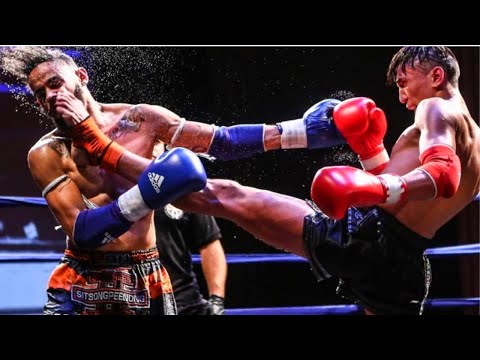
Welcome, disciples, to Budo and Martial Arts. Today, we dissect a force that has captivated the martial world: Muay Thai. You might have seen compilations of its most devastating knockouts, flashes of pure, unadulterated impact. But to truly understand Muay Thai, we must look beyond the spectacular finish and delve into its very soul. Is it merely a brutal exchange of blows, or does it embody the profound principles of Budo, the Way of the Warrior? Prepare yourselves; we are about to uncover the fierce elegance and the demanding discipline of the "Art of Eight Limbs."

The Essence of Muay Thai: More Than Just Knockouts

Let's be clear from the outset: while the spectacular knockout is often the siren call of Muay Thai, it is far from its complete definition. The raw power you see in compilations is the *result*, not the *foundation*. Muay Thai, or "Thai boxing" as it's sometimes known, is a martial art and combat sport forged in the crucible of real combat. It's a stand-up striking discipline, yes, but its true genius lies in the seamless integration of punches, kicks, elbow strikes, and knee attacks, all woven together with sophisticated *clinch* techniques. This is where the moniker "art of eight limbs" truly resonates – a symphony of destruction orchestrated by hands, elbows, knees, and shins. It’s a system designed for effectiveness, honed over centuries, not for mere showmanship, though its visual impact is undeniable.
"Muay Thai is the art of standing. It is the art of the battlefield. It is the art of the king." - A common saying among Thai instructors.
The international proliferation of Muay Thai in the late 20th and early 21st centuries brought its ferocity to global stages. Thai practitioners, often venturing into kickboxing and mixed-rules matches, showcased a level of striking proficiency that few could match. Governed professionally by The Professional Boxing Association of Thailand (P.A.T) and sanctioned by The Sports Authority of Thailand (S.A.T.), its structure ensures a high standard of competition. But its origins are far more ancient, deeply intertwined with its regional martial cousins like Musti-yuddha, Muay Chaiya, Muay Boran, Muay Lao, Lethwei, Pradal Serey, and Tomoi. Understanding these connections is crucial for appreciating Muay Thai’s evolutionary journey. A practitioner of Muay Thai is known as a *nak muay*. The term *nak muay farang* specifically refers to foreign boxers practicing in Thailand, highlighting the art's deep national roots. This distinction is not merely semantic; it speaks to a cultural immersion and respect that goes beyond physical technique.

A Warrior's Lineage: The Deep Roots of Muay Thai

To truly grasp the power and philosophy behind Muay Thai, we must look back. Its development from the traditional *Muay Boran* is not a simple evolutionary step; it's a lineage, a testament to the enduring need for practical combat skills in Thailand's history. Muay Boran, meaning "ancient boxing," was a more comprehensive battlefield system, encompassing unarmed combat techniques vital for warriors. As warfare evolved, the battlefield techniques were adapted for duels and self-defense, eventually leading to the more standardized sport we recognize today. This evolution is not unique. Many martial arts, from Karate to Taekwondo, trace their roots to older, often more brutal, combat systems. The key difference lies in how these systems are preserved and transmitted. Muay Thai, thankfully, has retained a strong connection to its roots, ensuring that its practitioners understand the ‘why’ behind the ‘what’. This is a critical distinction that separates mere sport from genuine martial discipline. Many so-called "modern" martial arts have shed their combat heritage in favor of an almost exclusive focus on competition, sometimes to their detriment. Muay Thai, while embracing the sport aspect, has largely resisted this dilution.

The Eight Limbs in Action: A Technical Breakdown

The "eight limbs" – two fists, two elbows, two knees, two shins – are the foundational tools of the *nak muay*. * **Fists (Chuan)**: While punches in Muay Thai may appear similar to Western boxing, they often carry different intentions. They can be used for setting up power shots with the other limbs, for controlling distance, or for delivering sharp, decisive blows. Hooks, uppercuts, and straight punches are all employed, but with a particular emphasis on generating power from hip rotation and body weight transfer. * **Elbows (Sok)**: This is where Muay Thai truly distinguishes itself. Elbow strikes are devastatingly effective at close range, capable of cutting opponents and ending fights quickly. Horizontal, upward, and downward elbow strikes can be used from various angles, often incorporated seamlessly out of a clinch. The speed and precision required to land these dangerous weapons are honed through rigorous practice. * **Knees (Khao)**: Similar to elbows, knees are brutal weapons, particularly effective in the clinch. Powerful knee strikes to the body can sap an opponent's strength, while knees to the head can be fight-ending. The ability to generate force through the entire body into a knee strike is a hallmark of a skilled *nak muay*. * **Shins (Tee* / *Sork*)**: The conditioning of the shins is legendary. Muay Thai practitioners develop incredibly tough shins capable of delivering powerful roundhouse kicks (*teep*) that can knock an opponent off balance or deliver concussive force to the body. Unlike the more "snappy" kicks found in some other martial arts, Muay Thai kicks often involve a full transfer of weight and power through the leg. The *clinch* (Plaa Mum*) is another defining element. It's not merely a wrestling hold; it’s an active exchange where fighters use their upper body to control their opponent, delivering knees and elbows while defending against their opponent's attacks. Mastering the clinch requires immense strength, balance, and tactical awareness. It is an art form in itself, often misunderstood by those unfamiliar with Muay Thai’s depth.

Forging the Nak Muay: The Rigors of Muay Thai Training

The path of a *nak muay* is not for the faint of heart. The training regimen is notoriously demanding, designed to build not only physical prowess but also mental fortitude.
  1. Roadwork: Early morning runs, often several miles, are a staple to build cardiovascular endurance.
  2. Bag Work: Heavy bag training develops power, endurance, and the ability to deliver combinations. The sheer volume of strikes often exceeds that of many other martial arts.
  3. Pad Work: Working with pads, held by a trainer, is crucial for refining technique, timing, and accuracy. This is where combinations are practiced, and power shots are delivered with precision.
  4. Clinch Drills: Extensive time is spent practicing clinch techniques, focusing on control, balance, and delivering knees and elbows effectively.
  5. Sparring: Controlled sparring sessions are essential for applying techniques in a dynamic environment, developing timing, distance management, and the ability to think under pressure. This is often done with a higher intensity than seen in many other martial arts.
  6. Strength and Conditioning: Bodyweight exercises, resistance training, and plyometrics are incorporated to build the explosive power and resilience required for Muay Thai.
  7. Shin Conditioning: Perhaps one of the most iconic aspects, practitioners deliberately condition their shins, often through repeated striking of heavy bags or specialized equipment, to withstand the impact of kicks.
This relentless training imbues the *nak muay* with incredible physical resilience and mental toughness. The constant pushing of physical limits, the enduring of pain, and the focus required to master complex techniques build a character that transcends the gym.

Beyond the Ring: Muay Thai's Cultural Significance

Muay Thai is more than just a sport; it is an integral part of Thai culture and national identity. Traditionally, matches were accompanied by the hypnotic strains of Thai classical music, creating an almost spiritual atmosphere. Fighters would perform a ritual dance known as the *wai kru ram muay* before each fight, a display of respect for their teachers, their opponents, and their art. While the more traditional elements are less prevalent in international professional settings, they remain a powerful symbol of Muay Thai’s heritage. The respect for elders and instructors (*kru*) is paramount, a core tenet that aligns perfectly with the principles of Budo. This cultural context is vital for understanding the art's deeper meaning and the mindset of its practitioners. It’s a discipline that demands not just physical skill but also respect, humility, and a deep understanding of tradition.

Cinematic Knockouts: A Critical Look at Muay Thai in Media

The visceral impact of Muay Thai makes it a natural fit for cinematic action. Compilations showcasing devastating knockouts, like the one that inspired this discussion, often highlight the art's raw power. However, the depiction of Muay Thai in film can be a mixed bag. When done correctly, films can showcase the art's technicality and beauty. Choreographers who understand Muay Thai can translate its principles into dynamic, visually stunning fight sequences. However, often in Hollywood, the emphasis shifts from authentic technique to pure spectacle. Elbows and knees might be thrown without proper setup, clinches are often simplified, and the conditioning aspect is rarely, if ever, depicted. The danger lies in these exaggerated portrayals creating misconceptions. Viewers might believe that landing a spinning back elbow is as simple as in the movies, or that the formidable conditioning is an optional extra. As a critic, I often find myself wincing at the liberties taken. While the intent may be to thrill, the result can be a dilution of the art's true essence. A truly great cinematic portrayal of Muay Thai would capture not only the impact but also the discipline, the strategy, and the cultural context that makes it so profound.

Essential Gear for Your Muay Thai Journey

To begin your training in Muay Thai, you'll need a few key pieces of equipment. Investing in quality gear will not only enhance your training experience but also ensure your safety.
  • Muay Thai Shorts: Shorter and looser than boxing shorts, allowing for greater freedom of movement, especially for kicks and knees.
  • Hand Wraps: Essential for protecting your hands and wrists during intense punching drills and sparring.
  • Boxing Gloves: Typically 10-16 oz, depending on your training phase (sparring requires heavier gloves than bag work). Look for gloves designed for Muay Thai or general striking.
  • Shin Guards: Crucial for protecting your shins during kick drills and sparring. Quality shin guards are a must-have.
  • Mouthguard: Non-negotiable for sparring and any form of live practice.
  • Groin Protector: Highly recommended for sparring.
  • Optional: Forearm Guards/Pads: Some practitioners use forearm guards for conditioning, and pad work necessitates training pads.
For those looking to deepen their understanding or simply equip themselves for home training, consider investing in good quality **Thai pads** and a **heavy bag**. These are fundamental for developing power and technique. Additionally, books on **Muay Thai techniques** can offer valuable insights when paired with practical instruction.

Frequently Asked Questions

Is Muay Thai too dangerous for beginners?

Like any combat sport, Muay Thai carries inherent risks. However, with proper instruction, gradual progression, and the right safety equipment (especially shin guards and mouthguards during sparring), beginners can train safely and effectively. The focus is on learning technique and conditioning progressively.

Can women practice Muay Thai?

Absolutely. Muay Thai is practiced by men and women worldwide. Its emphasis on technique, timing, and conditioning makes it an excellent martial art for practitioners of all genders.

How long does it take to learn Muay Thai?

Martial arts mastery is a lifelong journey. You can learn the fundamental techniques and conditioning principles of Muay Thai within months, allowing you to participate safely in sparring. However, developing true proficiency, nuanced strategy, and mastery of the clinch can take many years of dedicated practice.

Is Muay Thai the most effective striking art?

Effectiveness is highly dependent on the practitioner, the context, and the ruleset. Muay Thai is exceptionally effective in stand-up striking exchanges and close-range combat due to its comprehensive use of all eight limbs and clinching techniques. Its effectiveness in mixed martial arts (MMA) has been proven repeatedly, though it often needs to be complemented with grappling skills.

What is the difference between Muay Thai and Kickboxing?

While related, they differ significantly. Muay Thai permits extensive use of the clinch, elbows, and knees, with a greater emphasis on conditioning the body (especially shins) for powerful kicks and impact. Traditional kickboxing often limits clinching, disallows elbows, and may have different rules regarding sweeps and throws.

For Deeper Exploration of Your Path

To truly integrate the principles of Muay Thai into your martial journey, consider exploring these related topics:

Further Reading and Essential Resources

To truly understand the "Art of Eight Limbs" and its place within the broader spectrum of martial disciplines, I implore you to explore these foundational texts and concepts:
  • The Book of Five Rings (Go Rin No Sho) by Miyamoto Musashi: While not directly about Muay Thai, Musashi's treatise on strategy and swordsmanship offers timeless principles applicable to any martial art, emphasizing mindset, timing, and the understanding of one's opponent.
  • Budo: The Martial Way by various masters: Exploring the philosophical underpinnings of Japanese martial arts can provide a valuable comparative framework for understanding the Budo spirit that can, and should, be present in all disciplines, including Muay Thai.
  • Classic texts on the history of Thai martial arts: For those serious about the origins, delving into scholarly works on the history of Siamese warfare and martial traditions will offer profound context.

Training Guide: Conditioning Your Shins for Muay Thai

Proper shin conditioning is vital for Muay Thai practitioners to deliver powerful kicks and endure the impact of their opponents'. This process requires patience and consistency.
  1. Start Gently: Begin by lightly striking a heavy bag with your shins. The goal is not to hurt yourself but to begin the process of desensitization and strengthening.
  2. Increase Intensity Gradually: Over weeks and months, progressively increase the force and duration of your shin strikes on the bag.
  3. Vary Kick Types: Practice different types of kicks (roundhouse, teep) to condition the entire shin bone and surrounding muscles.
  4. Listen to Your Body: It is crucial to differentiate between soreness (normal) and sharp pain (a sign of injury). Do not push through injury. Allow adequate rest and recovery.
  5. Consistency is Key: Regular, even short, sessions of shin conditioning are more effective than infrequent, brutal ones. Aim for daily practice, if possible, integrated into your training.
  6. Consider Professional Guidance: A qualified Muay Thai instructor can provide specific techniques and advice tailored to your individual needs and progress. They can also demonstrate the proper form to avoid injury.
Veredicto del Sensei: ¿Merece la pena?

Muay Thai, in its essence, is a profound martial art that demands respect, discipline, and relentless effort. While the spectacular knockouts are a tantalizing glimpse, they are but the tip of a colossal iceberg of dedication and skill. For the practitioner, it offers unparalleled physical conditioning, mental fortitude, and a deep connection to a rich cultural heritage. Its effectiveness in combat is undeniable, making it a cornerstone of modern striking arts and MMA. For the observer, it is a testament to human resilience and the pursuit of perfected technique. The "Art of Eight Limbs" is not just about inflicting damage; it's about precision, timing, strategy, and the unwavering spirit of the warrior. It earns my highest respect. Calificación: Cinturón Negro en Eficacia y Tradición.

Reflexión del Sensei: Tu Próximo Paso

The ferocity of Muay Thai is undeniable, its efficiency legendary. Yet, remember that the strongest oak began as a seed, nurtured by patience and resilience. You have seen the power, the technique, the tradition. Now, consider this: If Muay Thai teaches us to use all eight limbs with devastating effectiveness, what "limbs"—skills, knowledge, virtues—are you neglecting in your own life's battles? Are you focused only on your fists, or are you honing your "knees" of adaptability, your "shins" of perseverance, your "elbows" of sharp wit, and your "core" of unwavering spirit? Reflect on this. GEMINI_METADESC: Explore the profound depths of Muay Thai beyond knockouts. A Sensei's analysis of its techniques, history, cultural significance, and rigorous training.

Kyokushin Karate vs. Muay Thai: A Budo Master's Analysis of Striking Prowess

Osu!

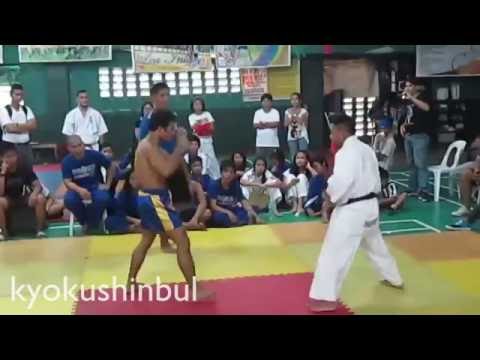
Today, we confront a question that ignites the dojo floor and echoes in the minds of many martial artists: How does the unyielding spirit and foundational power of Kyokushin Karate stand against the relentless, devastating efficacy of Muay Thai? This isn't merely a theoretical debate; it's a clash of philosophies, training methodologies, and raw combat application. We've seen glimpses of this, like the legendary encounters featuring figures such as Sensei Artemio Mancol of Kyokushin Philippines facing Muay Thai practitioners. The question is not if one art is "better," but how their distinct approaches to combat fare when directly contrasted.

The Core Philosophies: Resilience vs. Ruthlessness

At its heart, martial arts training is a journey of self-discovery and self-mastery. Kyokushin, founded by Masutatsu Oyama, embodies the principle of Osu – perseverance, resilience, and unwavering spirit. It emphasizes full-contact sparring with minimal protection, forging mental fortitude and physical toughness. The goal is not just to win, but to become a stronger individual through rigorous challenge. This philosophy cultivates a deep, grounded power, a resilience akin to ancient oak.

Muay Thai, the national sport of Thailand, is often dubbed the "Art of Eight Limbs" due to its use of fists, elbows, knees, and shins. Its history is steeped in battlefield application, evolving into a highly effective combat sport. The philosophy here is direct and brutal: to inflict damage, control the clinch, and break down the opponent efficiently. It's a pragmatic, battle-hardened art that prioritizes devastating impact and tactical aggression.

"Karate is a study in power, the ultimate application of force. Muay Thai is the ultimate expression of that force, refined for brutal efficiency."

Kyokushin: The Way of the Ultimate Truth

Kyokushin Karate is characterized by its emphasis on spirit, discipline, and physical conditioning. Its practitioners develop incredible leg strength and power through relentless kicking drills and conditioning exercises. The iconic 1000-man kumite is a testament to this dedication, pushing the limits of human endurance and mental strength. Techniques are often direct, powerful, and delivered with a strong emphasis on body conditioning, especially the shins and forearms, to withstand impact.

A core tenet is the development of a strong, unbroken spirit. This is cultivated through harsh training, constant sparring (kumite), and the strict adherence to dojo etiquette. The spiritual development is as crucial as the physical. Techniques are not merely movements; they are expressions of a hardened will. Concepts like Mushin (no-mind) are sought, where actions flow instinctively without conscious thought, born from thousands of hours of repetition and genuine combat experience.

Key Tenets of Kyokushin:

  • Osu: The spirit of perseverance, respect, and determination.
  • Full Contact Kumite: Sparring with minimal protective gear to simulate real combat.
  • Physical Conditioning: Intense training of the entire body, focusing on leg and shin conditioning.
  • Spiritual Development: Cultivating mental fortitude, humility, and discipline.
  • Simplicity and Power: Techniques are direct, powerful, and designed for maximum impact.

Muay Thai: The Art of Eight Limbs

Muay Thai is celebrated for its comprehensive arsenal. The strategic use of punches, kicks (particularly the roundhouse kick delivered with the shin), elbows, and knee strikes, combined with devastating clinch work, makes it a formidable striking art. The conditioning is intense and geared towards power, speed, and the ability to absorb and deliver punishment. Practitioners develop exceptionally strong shins, capable of delivering bone-shattering kicks.

Unlike the sometimes rigid stances of traditional Karate, Muay Thai often involves a more fluid, evasive stance, allowing for quick movement and rapid attacks. The clinch is a critical element, where fighters grapple, deliver knees and elbows, and wear down their opponents. This makes Muay Thai a complete striking system, adaptable to various ranges of combat.

Key Principles of Muay Thai:

  • Art of Eight Limbs: Maximizing offensive and defensive tools with fists, elbows, knees, and shins.
  • Clinch Work: Dominating the opponent in close-range grappling situations.
  • Devastating Kicks: Powerful roundhouse kicks delivered with the shin for maximum impact.
  • Aggressive Offense: Constant pressure and a focus on overwhelming the opponent.
  • Adaptability: Effective in both striking exchanges and close-quarters combat.

Striking Analysis: Power, Speed, and Application

In a direct confrontation, the differences in striking become apparent. Kyokushin strikes, particularly punches and kicks, are trained for devastating power. The emphasis on hip rotation and a stable base generates immense force behind each blow. However, the lack of open-hand techniques and a more restricted kicking repertoire (compared to Muay Thai's wide range) can be a limiting factor against a skilled Muay Thai practitioner.

Muay Thai excels in variety and speed of striking. The lightning-fast jab, the powerful roundhouse, the vicious elbow strikes, and the piercing knee strikes offer a diverse offensive threat. A key difference lies in the *intent*. Kyokushin aims to incapacitate through power and spirit. Muay Thai aims to break down the opponent, often targeting specific areas like the legs, ribs, and head with a relentless barrage.

Comparison of Striking:

  • Power: Both arts possess immense power, but Kyokushin's power is often more grounded and explosive, while Muay Thai's is more about rapid, cumulative damage.
  • Variety: Muay Thai has a significant advantage in the variety of strikes available (elbows, knees, varied kicks).
  • Speed: Muay Thai often appears faster due to its emphasis on fluid transitions and evasive footwork.
  • Targeting: Kyokushin focuses on direct, powerful strikes, while Muay Thai often employs strategic targeting to weaken the opponent over time.

Defensive Strategies: Blocking, Evasion, and Absorption

Kyokushin Karate's defense relies heavily on strong blocks, parries, and a resilient stance. Practitioners train to absorb blows, especially to the body and legs, developing a remarkable pain tolerance. The philosophy is often to stand your ground and meet force with force. This can be effective but can also lead to absorbing more damage than necessary if the opponent is skilled at feinting or changing attack angles.

Muay Thai incorporates sophisticated defensive techniques, including catching kicks, checking leg kicks with hardened shins, slipping punches, and using elbows and knees to deter close-range attacks. The clinch also serves as a defensive mechanism, allowing a fighter to stall, reset, or deliver counter-attacks. The ability to "check" kicks with their shin is a hallmark of Muay Thai defense, turning an offensive weapon into a defensive barrier.

"In combat, a defense that relies solely on absorption is a failing defense. True mastery lies in deflection, evasion, and the opportune counter."

Conditioning and Training Regimens

The training regimens are worlds apart, yet both forge warriors. Kyokushin's training is brutal and repetitive, focusing on building raw strength, stamina, and an unshakeable will. This includes extensive basic training (kihon), kata, and, most importantly, kumite. The emphasis on conditioning the body – especially the shins, forearms, and torso – to withstand heavy blows is paramount. This might include hitting makiwara, striking heavy bags, and endurance exercises.

Muay Thai conditioning is equally rigorous, but with a distinct focus. It involves intense roadwork, shadowboxing, bag work, pad work (focus mitts and Thai pads), and sparring. A significant portion of training is dedicated to developing the "eight limbs" and the clinch. Strength and conditioning often include bodyweight exercises, explosive movements, and core work, all designed to maximize power and resilience for the specific demands of Muay Thai fighting.

Training Regimen Differences:

  • Kyokushin: Emphasis on Kihon, Kata, Kumite, and intense body conditioning.
  • Muay Thai: Emphasis on Pad Work, Bag Work, Clinch Training, and explosive conditioning.

Combative Scenarios: Where Styles Collide

In a hypothetical matchup between a top Kyokushin Karateka and a top Muay Thai fighter, several factors would come into play:

  • Range: Muay Thai fighters are generally more comfortable at all ranges, especially close. Kyokushin practitioners might prefer a slightly more distanced striking exchange.
  • Kicking Game: Muay Thai's shin-to-shin kicks are designed to wear down the opponent's legs, while Kyokushin's kicks, though powerful, might not have the same debilitating effect if the Muay Thai fighter can check them effectively.
  • Hands and Elbows: Muay Thai's use of elbows and a wider variety of punching combinations could pose a significant threat.
  • Clinch: This is a clear advantage for Muay Thai. A Kyokushin practitioner would need to develop strong defenses against clinching or find a way to escape it quickly.
  • Spirit: This is where Kyokushin could shine. The sheer willpower and refusal to quit, the essence of Osu, could see a Kyokushin fighter endure tremendous pressure.

The outcome would likely depend on the specific individuals, their training levels, and their ability to adapt. A Kyokushin fighter who has trained extensively in cross-training or has faced diverse styles might fare better. Similarly, a Muay Thai fighter with a strong defensive structure and mental resilience could counter the power of Kyokushin.

Veredicto del Sensei: ¿Merece la pena?

This stylistic comparison is not about declaring a definitive "winner." It is about understanding the strengths and weaknesses of each art. Kyokushin Karate offers unparalleled resilience, mental fortitude, and grounded power, forged through rigorous, full-contact training. Muay Thai provides a devastatingly effective, versatile striking arsenal honed on the battlefield and refined in the ring.

If your goal is to develop unwavering spirit, immense physical toughness, and a foundational power that can withstand anything, Kyokushin is a path of profound transformation. If you seek a practical, aggressive striking system with a wide array of weapons and proven effectiveness in combat sports, Muay Thai is an excellent choice. Many a martial artist today benefits from cross-training, drawing the best from systems like these to create a more complete fighter.

Cinturón Negro en Resistencia y Poder vs. Maestría en el Arte de los Ocho Miembros. Ambas son dignas de estudio.

Equipo Esencial para tu Entrenamiento

While the spirit of Kyokushin thrives on simplicity, and Muay Thai emphasizes bare-knuckle effectiveness, certain equipment can significantly enhance your training:

  • Guantes de entrenamiento: Para sparring en Kyokushin, guantes ligeros pero protectores son útiles. Para Muay Thai, guantes de 14-16oz son estándar para sparring, y guantes más ligeros para trabajo de saco y pads.
  • Espinilleras: Absolutamente esenciales para Muay Thai para proteger tus espinillas y las de tu compañero durante el entrenamiento de patadas. En Kyokushin, se utilizan para proteger durante el sparring intenso si es permitido por el dojo.
  • Bucal: Imprescindible para cualquier tipo de sparring para proteger tus dientes y mandíbula.
  • Kimono de Karate/Gi: Para la práctica de Kyokushin, un Gi resistente es fundamental. Busca uno de doble tejido (#KarateMerchandise, #MartialArtsMerchandise).
  • Vendajes para manos: Cruciales para proteger tus muñecas y nudillos durante el entrenamiento de boxeo y Muay Thai.

Guía de Entrenamiento: El "Push-Up" de Kyokushin para Resistencia

This exercise is a staple in many Kyokushin dojos to build explosive power and stamina. It simulates the controlled, powerful movements of Karate strikes.

  1. Positioning: Start in a standard push-up position, hands slightly wider than shoulder-width apart. Ensure your body forms a straight line from head to heels.
  2. The Drop: Lower your chest towards the floor, aiming to go as low as possible while maintaining control. Keep your elbows tucked slightly, not flared out wide.
  3. The Explosive Push: This is key. Instead of a standard push-up, push off the ground with enough force to lift your hands off the floor briefly. Aim for a distinct *clap* of your hands if you are advanced, or simply a clear separation from the ground.
  4. Controlled Landing: Absorb the impact of your landing by bending your elbows slightly. Do not let your body crash down.
  5. Repetition: Continue for a set number of repetitions or for a timed interval. Focus on quality over quantity.

This exercise, when done consistently, builds the explosive power needed for Kyokushin's signature strikes and enhances shoulder and chest endurance.

Preguntas Frecuentes

¿Es el Karate Kyokushin efectivo para defensa personal?
Sí, Kyokushin enseña principios de combate directo, resistencia al dolor y poder de impacto que son muy efectivos para la defensa personal. Su énfasis en el combate real (kumite) lo prepara para situaciones de estrés.

¿Puede un practicante de Muay Thai usar patadas bajas contra un Karateka Kyokushin?
Absolutamente. Las patadas bajas (low kicks) son una herramienta fundamental en Muay Thai, diseñadas para inmovilizar y debilitar al oponente. Un Karateka Kyokushin necesitaría desarrollar una defensa sólida contra ellas, ya sea bloqueando con las espinillas o aprendiendo a contraatacar.

¿Qué arte es más rápido, Kyokushin o Muay Thai?
Muay Thai a menudo parece más rápido debido a su fluidez, variedad de ataques y uso de combinaciones rápidas. Kyokushin se enfoca en la potencia y la intención detrás de cada golpe, lo que puede parecer menos "rápido" pero igualmente devastador.

¿Cuál es la principal diferencia filosófica entre ambos?
La principal diferencia radica en el énfasis. Kyokushin se centra en el desarrollo del espíritu indomable y la resiliencia a través de la superación personal. Muay Thai se enfoca en la eficacia pragmática y la dominación a través de un arsenal de técnicas letales.

Para Profundizar en tu Camino

Reflexión del Sensei: Tu Próximo Paso

Has contemplado las fortaleques de dos titanes del combate: la férrea voluntad de Kyokushin y la implacable precisión de Muay Thai. Ahora, la pregunta que resuena en el silencio de tu dojo personal es: ¿Cómo integras estas lecciones, no solo en tu entrenamiento físico, sino en la batalla diaria contra tus propias limitaciones y miedos? ¿Serás tú la roca inamovible o la tormenta imparable?

``` GEMINI_METADESC: Analyze the striking prowess, philosophies, and training of Kyokushin Karate vs. Muay Thai. Discover their strengths, weaknesses, and combative applications from a Budo master's perspective.

El Muay Thai: El Arte de las Ocho Extremidades y tu Camino Hacia la Maestría

¡Atención, Budokas! ¿Estáis Listos para Enfrentar la Realidad del Combate?

Bienvenidos a este santuario de conocimiento marcial. Hoy no nos centraremos en movimientos coreografiados para la pantalla grande, ni en filosofías abstractas que se pierden en la bruma. Hoy, la arena es real, el sudor quema y el impacto es palpable. Hablaremos del Muay Thai, el "Arte de las Ocho Extremidades", una disciplina que exige una entrega total y cuyo eco resuena en el fragor de la batalla moderna, incluso en el ring de la MMA. Si tu intención es ir más allá de la estética y abrazar la potencia bruta y la eficiencia letal, has llegado al dojo correcto. Preparad vuestras mentes y vuestros cuerpos, porque esta es una lección que no olvidaréis.

Tabla de Contenidos

¿Qué es el Muay Thai y Por Qué Debería Importarte?

Muchos llegan a este arte marcial buscando una mejora física, un escape del sedentarismo, o la promesa de defensa personal. Y sí, el Muay Thai ofrece todo eso. Pero seamos francos: su verdadera esencia trasciende la simple salud. Es una disciplina de combate de contacto pleno, donde la velocidad, la potencia y la inteligencia táctica se fusionan en un torrente de acción. Originario de Tailandia, este deporte se ha ganado un respeto global por su brutal eficacia, ganándose el apodo de "El Arte de las Ocho Extremidades". ¿Por qué ocho? Porque utiliza no solo los puños y los pies, sino también los codos y las rodillas como armas formidables. Si buscas una disciplina que te desafíe hasta la médula, que te empuje a superar tus límites y te prepare para la adversidad, el Muay Thai es, sin duda, una de las respuestas más contundentes.

Las Raíces Tailandesas: Más que un Deporte, una Tradición de Guerra

El Muay Thai no nació en gimnasios modernos con luces de neón. Sus orígenes se hunden en las antiguas tradiciones guerreras de Siam (la actual Tailandia). Era el arte marcial de los soldados, entrenado para la defensa del reino y para la supervivencia en batallas cuerpo a cuerpo. Esta herencia marcial impregna cada aspecto del Muay Thai moderno. No se trata solo de lanzar golpes; es una danza letal de estrategia, resistencia y coraje. El respeto por el oponente, la conexión con las raíces y la búsqueda del "Wai Kru Ram Muay" (un ritual de respeto y preparación antes del combate) son testimonios de esta profunda conexión histórica y espiritual. Ignorar esta historia es quedarse solo con la cáscara, perdiendo la esencia misma de este arte.
"El Muay Thai es la ciencia de la guerra. Requiere una mente aguda, un cuerpo fuerte y un espíritu indomable. No es para los débiles de corazón." - Una verdad proclamada en innumerables campos de entrenamiento tailandeses.

El Poder de las Ocho Extremidades: Puños, Codos, Rodillas y Patadas

Aquí es donde el Muay Thai se diferencia drásticamente. Mientras otros estilos de artes marciales se centran en una o dos "armas" principales, el Muay Thai abraza la totalidad.
  • Puños: Técnicas de boxeo clásicas, directos, ganchos y uppercuts, pero adaptados a la estrategia tailandesa.
  • Codos: Quizás el arma más devastadora y distintiva. Un codazo bien aplicado puede finalizar un combate instantáneamente, especialmente en el clinch.
  • Rodillas: Utilizadas con potencia en el clinch o a distancia, las rodillas son armas devastadoras que pueden apuntar al cuerpo o a la cabeza.
  • Patadas: El famoso "roundhouse kick" tailandés, ejecutado con la espinilla, tiene una potencia destructiva capaz de noquear a un oponente. También se emplean patadas frontales, laterales y descendentes.
  • Clinch: No es solo una técnica de agarre, sino una fase del combate donde se utiliza el control del oponente para lanzar rodillazos y codazos, o para desequilibrarlo y derribarlo.
Dominar estas "ocho extremidades" requiere una combinación de fuerza, flexibilidad y una coordinación excepcional. No es solo aprender los movimientos; es entender cuándo y cómo aplicarlos para maximizar el daño y la eficacia.

La Brutal Eficacia del Entrenamiento de Muay Thai

Si buscas un entrenamiento ligero, sigue buscando. El entrenamiento de Muay Thai es notoriamente duro, diseñado para forjar cuerpos capaces de soportar un combate real. Prepárate para:
  • Sparring Intenso: Práctica de combate contra oponentes reales, simulando las condiciones de una pelea.
  • Pelea de Bolsa (Saco): Desarrollar potencia y resistencia en tus golpes y patadas.
  • Entrenamiento de Clinch: Dominar el arte del agarre y el control para lanzar rodillazos y codazos efectivos.
  • Ejercicios de Pierna: Millones de patadas al saco para desarrollar fuerza y resistencia en las piernas.
  • Entrenamiento de Fuerza y Acondicionamiento: Desarrollar la resistencia cardiovascular y muscular necesaria para combatir durante rounds.
  • Ejercicios de Defensa: Practicar bloqueos, esquivas y contraataques.
Este tipo de entrenamiento no solo construye un físico imponente, sino que también desarrolla una fortaleza mental inquebrantable, una resistencia al dolor y una disciplina férrea.

Muay Thai en el Crisol de las Artes Marciales Mixtas

El Muay Thai ha demostrado ser una de las bases más sólidas para los peleadores de Artes Marciales Mixtas (MMA). La mayoría de los campeones de MMA tienen una sólida formación en Muay Thai, y por buenas razones. La potencia de sus golpes, la efectividad de sus rodillas y codos, y su habilidad en el clinch son activos invaluables en un entorno de combate que integra diversas disciplinas. Sin embargo, es crucial entender que el Muay Thai puro no incluye el grappling (lucha en el suelo) o las sumisiones, aspectos fundamentales en la MMA. Un practicante de Muay Thai que transiciona a las MMA deberá complementar su entrenamiento con Jiu Jitsu Brasileño, Lucha Olímpica u otras artes de sumisión para ser verdaderamente completo.
"En el ring de MMA, un buen jab de Muay Thai es vital, pero si caes al suelo y no sabes defenderte, ese jab no te salvará." - Un recordatorio de la interconexión y las limitaciones.

Más Allá del Combate: Transforma tu Cuerpo y tu Mente

Los beneficios del Muay Thai se extienden mucho más allá del ring:
  • Mejora Cardiovascular: El entrenamiento es un ejercicio cardiovascular de alta intensidad que fortalece tu corazón y pulmones.
  • Pérdida de Peso y Tonificación: Es una forma increíblemente efectiva de quemar calorías y esculpir un físico atlético.
  • Aumento de la Fuerza y Potencia: Desarrollarás fuerza funcional en todo tu cuerpo.
  • Mejora de la Coordinación y Reflejos: La complejidad de las técnicas agudiza tu coordinación y tus tiempos de reacción.
  • Incremento de la Confianza: Saber que puedes defenderte y haber superado retos físicos imponentes genera una autoconfianza inigualable.
  • Disciplina y Autocontrol: El rigor del entrenamiento fomenta la disciplina, la paciencia y el manejo del estrés y la frustración.
  • Resiliencia Mental: Aprender a levantarte después de un golpe (literal y figurativamente) es una lección invaluable para la vida.

Encontrando tu Hogar Marcial: Consejos para Elegir Academia

La elección de una academia es tan crucial como la técnica misma. Aquí te dejo algunas claves:
  • Instructores Cualificados: Busca maestros con experiencia real, preferiblemente con linaje tailandés o alumnos directos de maestros reconocidos.
  • Ambiente Respetuoso: El dojo debe ser un lugar de respeto mutuo, donde la camaradería prime sobre la arrogancia.
  • Clases para tu Nivel: Asegúrate de que ofrezcan programas para principiantes. Nadie debería sentirse abrumado desde el primer día.
  • Enfoque en la Técnica y la Seguridad: Si bien el Muay Thai es intenso, un buen instructor priorizará la técnica correcta y la seguridad para prevenir lesiones.
  • Comunidad Activa: Un gimnasio donde los alumnos se apoyan y entrenan juntos suele ser un indicador de un buen ambiente.
Si estás en España y buscas una opción, la dedicación de los gimnasios locales a menudo refleja la pasión por este arte.

Equipo Esencial para tu Entrenamiento

Para iniciarte en el Muay Thai, no necesitas un arsenal, pero sí un equipamiento básico de calidad:
  • Guantes de Muay Thai/Boxeo: Indispensables para proteger tus manos y las de tu compañero durante el sparring y el entrenamiento con saco. Busca unos de 14-16 onzas para entrenamiento general.
  • Vendas para Manos: Imprescindibles para dar soporte adicional a tus muñecas y nudillos bajo los guantes.
  • Shorts de Muay Thai: Diseñados para máxima movilidad, son ligeros y permiten un amplio rango de movimiento para las patadas y el clinch.
  • Protector Bucal: Absolutamente crucial para proteger tus dientes y mandíbula, especialmente durante el sparring.
  • Espinilleras: Protegen tus espinillas de los impactos y a tu compañero de posibles lesiones durante las patadas.
  • Concha (para hombres): Protección indispensable para la zona genital.
  • Kimono o Ropa de Entrenamiento Cómoda: Ropa que te permita moverte libremente y que soporte el sudor.
Una buena inversión en equipo no solo mejora tu experiencia de entrenamiento, sino que también es una inversión en tu seguridad.

Preguntas Frecuentes

  • ¿Es el Muay Thai demasiado peligroso para principiantes?
    Como cualquier deporte de contacto, tiene riesgos. Sin embargo, con instructores cualificados y un enfoque progresivo en la técnica y la seguridad, los principiantes pueden aprender y entrenar de forma segura. La clave está en la progresión y el respeto por el proceso.
  • ¿Cuánto tiempo se tarda en ser competente en Muay Thai?
    La competencia es relativa. Puedes aprender las bases y disfrutar de sus beneficios físicos en unos meses. Sin embargo, para alcanzar un nivel avanzado y tener una comprensión profunda del arte, hablamos de años de dedicación constante. La maestría es un viaje, no un destino.
  • ¿Puedo aprender Muay Thai si no soy muy flexible?
    ¡Absolutamente! La flexibilidad es algo que se desarrolla con el entrenamiento. Las rutinas de calentamiento y estiramiento específicas del Muay Thai te ayudarán a mejorar gradualmente tu rango de movimiento. La técnica y la potencia pueden compensar una flexibilidad inicial limitada.
  • ¿El Muay Thai es solo para hombres?
    ¡Absurdo! El Muay Thai es para todos. Mujeres de todas las edades y niveles de condición física practican y destacan en Muay Thai en todo el mundo. La disciplina, la fuerza y la técnica no tienen género.

Reflexión del Sensei: Tu Próximo Paso

Hemos desgranado la potencia del Muay Thai, su rica historia y su impacto en el mundo del combate moderno. Ahora, la pregunta no es si el Muay Thai es efectivo (lo es hasta la médula), sino si tú estás preparado para aceptar el desafío. ¿Te conformarás con observar desde la barrera, o cruzarás el umbral del dojo y te enfrentarás a ti mismo?

Reflexión del Sensei: Tu Próximo Paso

Ahora te toca a ti. ¿Estás dispuesto a sentir el impacto de tus propios puños contra un saco, a medir tu resistencia en el clinch, a dominar el arte de las ocho extremidades? ¿O prefieres seguir coleccionando filosofías sin nunca haber sentido el sudor en tu frente y el latido de tu corazón en tus oídos? La disciplina se forja en la acción, no en la contemplación. **¿Cuál será tu primer paso MAÑANA para honrar este arte y a ti mismo?**

Para profundizar en tu camino y explorar otras facetas del BUDO:

``` ```json { "@context": "https://schema.org", "@type": "FAQPage", "mainEntity": [ { "@type": "Question", "name": "¿Es el Muay Thai demasiado peligroso para principiantes?", "acceptedAnswer": { "@type": "Answer", "text": "Como cualquier deporte de contacto, tiene riesgos. Sin embargo, con instructores cualificados y un enfoque progresivo en la técnica y la seguridad, los principiantes pueden aprender y entrenar de forma segura. La clave está en la progresión y el respeto por el proceso." } }, { "@type": "Question", "name": "¿Cuánto tiempo se tarda en ser competente en Muay Thai?", "acceptedAnswer": { "@type": "Answer", "text": "La competencia es relativa. Puedes aprender las bases y disfrutar de sus beneficios físicos en unos meses. Sin embargo, para alcanzar un nivel avanzado y tener una comprensión profunda del arte, hablamos de años de dedicación constante. La maestría es un viaje, no un destino." } }, { "@type": "Question", "name": "¿Puedo aprender Muay Thai si no soy muy flexible?", "acceptedAnswer": { "@type": "Answer", "text": "¡Absolutamente! La flexibilidad es algo que se desarrolla con el entrenamiento. Las rutinas de calentamiento y estiramiento específicas del Muay Thai te ayudarán a mejorar gradualmente tu rango de movimiento. La técnica y la potencia pueden compensar una flexibilidad inicial limitada." } }, { "@type": "Question", "name": "¿El Muay Thai es solo para hombres?", "acceptedAnswer": { "@type": "Answer", "text": "¡Absurdo! El Muay Thai es para todos. Mujeres de todas las edades y niveles de condición física practican y destacan en Muay Thai en todo el mundo. La disciplina, la fuerza y la técnica no tienen género." } } ] }

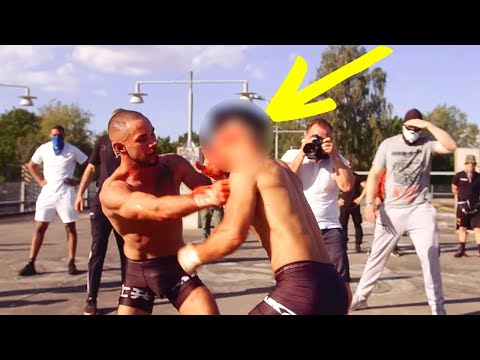
Muay Thai vs. Street Combat: Does the Art of Eight Limbs Conquer the Concrete Jungle?

The roar of the crowd, the rhythmic chanting, the clash of shin on shin – this is the spectacle of Muay Thai. But strip away the stadium lights, the rules, and the referee, and what remains when the "Art of Eight Limbs" confronts the brutal, unscripted reality of a street fight? This is a question that has long echoed in the dojos and training halls of martial artists worldwide. Can the techniques honed for centuries in the disciplined environment of Thai boxing truly translate to the chaotic, unforgiving arena of self-defense on asphalt? We're about to dissect this, not with the superficial gloss of a sports highlight reel, but with the critical eye of a seasoned Sensei.

Table of Contents

The Legacy of Muay Thai: More Than Just a Sport

Muay Thai, or Thai boxing, is not merely a modern athletic pursuit; it's a living testament to a rich history, dating back to the 13th century during the Sukhothai Kingdom of Thailand. Originally forged in the crucible of military training and actual battlefield engagements, its purpose was survival. It was a method of warfare, refined over generations, designed to incapacitate an enemy using every available part of the body as a weapon. This martial heritage imbues Muay Thai with a raw, utilitarian edge that sets it apart from many contemporary combat sports. Its journey from ancient battlegrounds to the global stage is a fascinating narrative of cultural preservation and martial evolution.

Muay Thai's Evolution and Global Reach

Fast forward to the present day, and Muay Thai has transcended its national borders to become a globally recognized and respected martial art. Its electrifying techniques, devastating power, and emphasis on conditioning have captivated practitioners and fans alike. From the bustling stadiums of Bangkok to the quiet dojos of Europe and the Americas, the 'Art of Eight Limbs' is practiced by millions. But this widespread popularity has also invited scrutiny: how much of its original combat efficacy remains after its transformation into a regulated sport?

The Brutal Reality of Street Combat

Street fighting is the antithesis of sport. There are no weight classes, no referees, no rules dictating fair play. The objective is not points, but survival. Threats can come from any direction, involve multiple assailants, or utilize weapons entirely absent from a sanctioned bout. The environment itself – uneven terrain, confined spaces, obstacles – becomes a factor. Unlike the controlled aggression of a ring, a street confrontation is often a sudden, desperate explosion of violence, fueled by fear, anger, or desperation.

"The supreme art of war is to subdue the enemy without fighting." - Sun Tzu, The Art of War. While this is a fundamental principle of strategy, it's crucial to acknowledge that sometimes, the fight is unavoidable. This is where a practical, brutal art like Muay Thai finds its most potent, albeit dangerous, application.

Analyzing the "Eight Limbs" in a Street Scenario

Muay Thai's strategic brilliance lies in its utilization of eight points of contact: two fists, two elbows, two knees, and two shins. This comprehensive arsenal is a significant advantage. In a street fight, the ability to deliver concussive blows with knees and elbows – often considered 'dirty' tactics in other contexts – can be decisive. Unlike a sport where certain strikes might be penalized or disallowed, the street offers no such leniency.

Punches, Kicks, Knees, and Elbows: A Tactical Breakdown

Punches: Standard boxing combinations are a staple, offering ways to set up more devastating strikes or create distance. However, in a street fight, relying solely on punches can be risky if the opponent closes the distance quickly.

Kicks: The powerful roundhouse kicks of Muay Thai, delivered with the shin, can deliver immense impact. However, in a confined urban setting, a high, sweeping kick might be impractical or even dangerous, potentially throwing you off balance if it misses or is caught. Lower kicks (leg kicks) remain highly effective for mobility impairment and are less risky.

Knees: Devastating in the clinch, knees can target the torso or the legs. On the street, a well-timed knee to the groin or thigh can be crippling. They are short, powerful, and require less wind-up than a full kick.

Elbows: Perhaps Muay Thai's most brutal and direct street weapon. Elbow strikes are short, sharp, and designed for close-quarters combat. An elbow to the head can cause severe lacerations and knockouts. In a clinch or a messy scramble, they are incredibly effective and often overlooked by untrained opponents.

The Power of the Clinch: Dominance or Danger?

The Muay Thai clinch is a position of control and devastating offense. The ability to trap an opponent's head and neck, control their posture, and deliver knees and elbows is incredibly potent. On the street, a skilled Muay Thai practitioner can use the clinch to nullify an opponent's reach, prevent them from escaping or attacking effectively, and inflict damage at close range. However, the clinch also carries risks: a poorly managed clinch can lead to takedowns or expose you to other attacks.

When the Art Faces Reality: Limitations and Risks

Despite its formidable arsenal, applying Muay Thai in a street fight isn't without its significant limitations:

  • The Ground Game: Muay Thai traditionally focuses on stand-up combat. While some practitioners incorporate grappling, it's not its core strength. Many street altercations can end up on the ground, where a Muay Thai specialist might be at a disadvantage against a trained grappler (e.g., in Judo or BJJ).
  • Multiple Attackers: The "Art of Eight Limbs" is designed for one-on-one combat. Facing multiple opponents simultaneously significantly increases the danger, regardless of your skill level. Techniques that work against one person can leave you exposed to others.
  • Environmental Hazards: The slick floors of a gym are vastly different from a wet street, broken glass, or a confined space. Techniques that require balance and space can become liabilities.
  • Legal Ramifications: The techniques taught in Muay Thai are designed to incapacitate. Using them in a street fight, even in self-defense, can carry severe legal consequences. Understanding proportionality of force is paramount.
  • Psychological Factor: The adrenaline dump of a real violent encounter can override technical proficiency. The discipline ingrained through consistent training is what separates those who can apply their art from those who freeze or panic.
"To know your enemy and know yourself, you need not fear the result of a hundred battles. To know yourself, but not the enemy, will subject you to alternate victories and defeats. To know neither the enemy nor yourself, you will succumb in every battle." - Sun Tzu, The Art of War. In street combat, the 'enemy' is not just the person attacking you, but also the environment, the unpredictability, and your own fear.

Adapting Muay Thai for Self-Defense

For Muay Thai to be truly effective on the street, training must adapt:

  • Sparring Realism: Sparring should incorporate more unpredictable elements, simulate confined spaces, and potentially allow for techniques typically disallowed in sport (e.g., groin strikes, headbutts – with extreme caution and under expert guidance).
  • Integrating Grappling: Cross-training in grappling arts like Judo, BJJ, or even wrestling, is crucial to cover the 'ground game' deficiency.
  • Scenario Training: Practicing self-defense scenarios against multiple attackers or in varied environments helps prepare the mind and body for real-world chaos.
  • De-escalation and Awareness: The most effective self-defense is avoiding conflict altogether. Training in situational awareness and de-escalation techniques is as important as mastering a strong guard.

Veredicto del Sensei: ¿Merece la pena?

Muay Thai provides an unparalleled foundation for stand-up striking combat. Its power, efficiency, and directness are undeniable. If confronted on the street, a proficient Muay Thai practitioner possesses a potent arsenal capable of ending a confrontation quickly. However, to claim it's a perfect street fighting art without acknowledging its limitations, particularly concerning ground combat and multiple assailants, is naive. Muay Thai is a formidable tool, but like any tool, its effectiveness depends on the skill of the wielder, the context of its use, and a comprehensive understanding of its strengths and weaknesses. It's a powerful component of self-defense, but rarely the complete solution.

Calificación: Cinturón Negro en Power Strikes, Cinturón Azul en Ground Control.

Equipo Esencial para tu Entrenamiento

Para maximizar tu entrenamiento de Muay Thai y prepararte para situaciones de combate más amplias, considera el siguiente equipo:

  • Guantes de Muay Thai (16oz): Indispensables para el sparring, protegen tus manos y las de tu compañero.
  • Vendajes para manos: Esenciales para proteger tus muñecas y nudillos durante golpes potentes.
  • Espinilleras: Para proteger tus espinillas durante los bloqueos y patadas de entrenamiento.
  • Protector bucal: Obligatorio para cualquier sparring serio.
  • Pantalones de Muay Thai: Diseñados para permitir la máxima movilidad de las piernas, crucial para patadas y desplazamientos.
  • Guantes de MMA: Para entrenamiento cruzado con grappling, permiten mayor libertad de movimiento de los dedos.
  • Kimono de Judo o Gi de BJJ: Si buscas entrenar grappling y defensa personal en el suelo.

Preguntas Frecuentes

¿Es el Muay Thai más efectivo que el Kickboxing en la calle?
El Muay Thai tiende a ser más brutal y directo, con un mayor énfasis en codos, rodillas y el clinch, lo que puede ser ventajoso en la calle. El kickboxing puede variar en su enfoque, pero a menudo carece de la misma crudeza marcial.

¿Qué arte marcial es mejor para la defensa personal en la calle?
No hay un único "mejor" arte. Una combinación de artes, como Muay Thai para el combate de pie y BJJ/Judo para el combate en el suelo, junto con entrenamiento en conciencia situacional, ofrece la defensa más completa.

¿Puede un peleador de Muay Thai defenderse contra armas?
Ningún arte marcial te hace invencible contra armas. La mejor defensa es siempre la evitación y la desescalada. Si te enfrentas a un arma, la distancia y la inteligencia son tus aliados, no la fuerza bruta.

¿Es el Muay Thai peligroso para aprender?
Como cualquier arte marcial de contacto, conlleva riesgos de lesión. Sin embargo, bajo la guía de instructores cualificados y con el equipo de protección adecuado, el riesgo se minimiza significativamente.

Para Profundizar en tu Camino

Reflexión del Sensei: Tu Próximo Paso

Has absorbido las lecciones sobre el Muay Thai y su potencial en el implacable escenario de la calle. Pero el conocimiento sin aplicación es como una espada sin filo. La próxima vez que te entrenes, pregúntate: ¿Estoy solo practicando movimientos, o estoy cultivando la mentalidad y la adaptabilidad necesarias para sobrevivir si el gimnasio se convierte en la jungla urbana? ¿Cómo integrarás la brutalidad necesaria sin perder la disciplina y la estrategia?

``` GEMINI_METADESC: Un análisis profundo sobre la efectividad del Muay Thai en peleas callejeras. Descubre si el 'Arte de las Ocho Extremidades' es la mejor defensa en el caos urbano.

The Evolution of Muay Thai: From Bare Knuckles to Modern Gloves

Ah, Muay Thai. The "Art of Eight Limbs." A brutal, beautiful, and utterly effective system of combat that has captivated martial artists and fight fans for generations. But how did this fearsome art arrive at its modern form? Was it always about the iconic gloves, the shin guards, and the rhythmic chanting of Sarama music? Far from it. Today, we delve deep into the evolution of Muay Thai, a journey from its raw, bare-knuckle origins to the highly structured, globally recognized sport we see today.

The core question that often sparks debate among practitioners is: Did the older, more primal forms of Muay Thai hold an advantage in terms of effectiveness, or were the modern adaptations a necessary step for its survival and widespread adoption? Let's dissect this.

Ancient Roots: Muay Boran and Bare-Knuckle Combat

Before it was a regulated sport, Muay Thai was known as Muay Boran, or "ancient boxing." This was combat in its purest, most unadulterated form. Fought on dusty fields, in village squares, and even on battlefields, Muay Boran was less about points and more about survival and dominance. Fighters often wrapped their hands and forearms in hemp rope, a coarse material that would fray and harden, turning their limbs into formidable weapons. Some accounts even suggest fighters would soak these ropes in glue or sand to increase their damaging potential – a far cry from the padded gloves of today.

The techniques were brutal and direct. All eight limbs – fists, elbows, knees, and shins – were employed with devastating force. There were no weight classes, no rounds, and often no clear end to a fight other than incapacitation. This was a test of sheer will, physical conditioning, and an innate understanding of combat. The focus was on overwhelming the opponent through relentless pressure and powerful strikes. It was primal, raw, and deeply ingrained in Thai culture as a form of self-defense, military training, and entertainment.

"The true essence of combat is not in the beauty of the movement, but in the certainty of its effect." – A principle often echoed in the study of ancient martial forms.

The lack of protective gear meant fighters developed incredible resilience and pain tolerance. Every block, every parry, every impact was felt directly. This fostered a deep respect for the opponent and the consequences of every action, a philosophical tenet that, ideally, carries through to modern practitioners. This raw intensity is something many contemporary martial artists strive to recapture in their training, even within a more structured environment.

The Modernization of Muay Thai

The transition of Muay Thai from Muay Boran to its modern sport iteration was a gradual process, significantly influenced by the desire for wider appeal and international recognition. The mid-20th century saw crucial developments that shaped the sport we know. The introduction of boxing rings, standardized rules, rounds, weight classes, and, most importantly, padded gloves, were pivotal.

These changes were not without controversy. Purists argued that the introduction of gloves softened the art, reducing its lethality and altering its fundamental character. They felt the focus shifted from debilitating strikes to accumulating points, potentially sacrificing the devastating power of a well-placed elbow or knee strike delivered with full intent. However, these adaptations were essential for Muay Thai's survival and growth. They made the sport safer, more accessible, and easier to understand for audiences outside of Thailand. It allowed Muay Thai to compete on a global stage alongside other combat sports like boxing and kickboxing.

Consider the impact of the MMA and Kickboxing worlds. These disciplines have embraced Muay Thai techniques, but their rule sets and presentation are vastly different from the gritty origins of Muay Boran. This global integration, while beneficial for exposure, also necessitates a clear understanding of the original art's intent versus its sport manifestation.

Technical Evolution: From Primal Instinct to Refined Strategy

The technical evolution is fascinating. In Muay Boran, the emphasis was on overwhelming force and enduring damage. Elbows and knees were used with a direct, often brutal, efficiency. Fights could end with a single, perfectly landed strike. The hemp wraps, while offering some protection, did little to cushion the impact for the opponent.

With the advent of padded gloves, the punching techniques became more refined, resembling Western boxing more closely. Fighters could throw more punches with less risk of breaking their hands. This also led to a greater emphasis on defensive boxing skills. However, the core of Muay Thai – the devastating kicks, powerful knees, and vicious elbows – remained. The clinch, a close-quarters grappling and striking exchange, also became a more prominent feature, with fighters using it to set up knees, elbows, and trips.

Did this evolution diminish its effectiveness? This is where the debate truly ignites. Some argue that the focus on striking with gloves, combined with lighter, more agile opponents in a sport context, means less emphasis on the bone-shattering power of a bare-knuckle elbow. Conversely, modern Muay Thai has developed incredible speed, precision, and strategic depth. Fighters are conditioned to fight for multiple rounds, employing a wider array of offensive and defensive tactics. The conditioning is immense, focusing on explosive power, endurance, and the ability to absorb punishment.

A skilled Muay Thai practitioner today can still deliver fight-ending blows. The difference lies in the context. In a Muay Boran scenario, a single, well-placed elbow could end a life or career. In a modern Muay Thai bout, that same elbow might result in a cut, a knockdown, or a point deduction, but the fight would likely continue under the referee's supervision. The effectiveness is undeniable, but the *implication* of that effectiveness has shifted from potential fatality to athletic competition.

The Philosophical Shift: Budo Meets Commercial Sport

Every true martial art carries a philosophy, a code of conduct, a way of life – the Budo. Muay Boran was deeply intertwined with the warrior culture of Siam, emphasizing respect, discipline, courage, and humility. Fighters would perform the Wai Kru Ram Muay before a bout, a ritual paying homage to their teachers, their parents, and their heritage. This was more than just a show; it was a spiritual preparation and a demonstration of respect.

As Muay Thai entered the global sporting arena, this philosophical underpinning sometimes takes a backseat to the commercial aspects. Sponsorships, television rights, and the pursuit of championships can, for some, overshadow the deeper principles. However, the spirit of Muay Thai endures. Many gyms and trainers worldwide still instill the traditional values of respect, discipline, and perseverance. The Wai Kru Ram Muay is still practiced, and the core tenets of martial ethics are taught alongside the physical techniques.

This duality is common in many martial arts that have achieved global popularity. Take Kyokushin Karate or Judo, for instance. While they have stringent competition rules, the underlying Budo principles remain paramount for those who seek true mastery.

"Mastery is not a destination, but a continuous journey of self-discovery and refinement." – A lesson applicable to both ancient Muay Boran and modern Muay Thai.

The challenge for modern practitioners is to embrace the sport's evolution and its global reach without losing sight of the profound philosophy that birthed it. It requires conscious effort to cultivate the discipline, respect, and mental fortitude that are the hallmarks of true martial artistry.

Veredicto del Sensei: The Enduring Spirit of the Warrior

So, was Muay Thai "better" in its bare-knuckle days? From a purely effectiveness standpoint in a no-holds-barred life-or-death scenario, one could argue that the unadulterated brutality of Muay Boran, with its emphasis on debilitating strikes and unyielding resilience, might have an edge. The lack of protective gear forged a different kind of warrior, one who operated at the absolute edge of physical and mental capacity.

However, judging Muay Thai solely on its historical combat utility misses the point of its evolution. Modern Muay Thai is a highly sophisticated sport, a testament to human adaptability and the refinement of skill. The gloves, the rules, the training methodologies – they have transformed it, yes, but they have also preserved its core principles and made it accessible to millions. The precision of kicks, the power of punches, the strategic use of elbows and knees, and the mastery of the clinch are all still present, honed to an incredible degree.

Muay Thai today is a perfect example of how a martial art can adapt to survive and thrive. It has retained enough of its ferocious spirit to remain one of the most respected striking arts in the world, while also embracing the structure necessary for a modern sport.

Cinturón Negro en Adaptabilidad.

Equipo Esencial para tu Entrenamiento

To truly appreciate and train in Muay Thai, having the right equipment is crucial. While the art began with bare fists and hemp wraps, modern training demands specific gear to ensure safety and effectiveness:

  • Muay Thai Shorts: Lightweight and designed for maximum mobility, essential for the high kicks and dynamic movements.
  • Hand Wraps: Crucial for protecting your knuckles, wrists, and hands when hitting pads and heavy bags.
  • Boxing Gloves: Typically 10-16oz for training, providing cushioning for both the wearer and their training partners.
  • Shin Guards: Padded guards to protect the shins during sparring and pad work, a critical part of Muay Thai's arsenal.
  • Mouthguard: Non-negotiable for any sparring session to protect your teeth and jaw.
  • Groin Protector: Essential for protecting vital areas during sparring.
  • Optional: Focus Mitts and Thai Pads: For trainers to work with students, developing precision, power, and timing.

Investing in quality martial arts merchandise can significantly enhance your training experience and longevity in the sport.

Guía de Entrenamiento: Practicing the Clinch

The clinch (or Plum) is a cornerstone of Muay Thai. It's a close-range battle where technique and leverage often trump brute strength. Here’s a basic approach:

  1. Entry: Once inside your opponent's striking range, use a frame with your arms (biceps and forearms) to control their head and posture.
  2. Grip: Secure a dominant grip on your opponent's neck or head. Common grips include a single collar tie (one hand on the back of the neck) or a double collar tie (both hands).
  3. Posture Control: Keep your posture upright and pull your opponent's head down, breaking their posture. This makes them vulnerable and limits their ability to strike effectively.
  4. Knee Strikes: With their posture broken, drive your knees upward into their body (abdomen, thighs, or even head if the rules permit and technique is sound). Angle your hips to generate power.
  5. Elbow Strikes: From the clinch, you can also deliver short, powerful elbow strikes.
  6. Sweeps and Trips: Utilize leverage to unbalance your opponent and execute sweeps or trips to take them to the ground (if the context allows).
  7. Defense: Maintain a strong base, keep your posture, and use your own grips to counter your opponent's movements and prevent them from striking or sweeping you.

Consistent practice of the clinch, ideally with a qualified instructor, is vital for developing this crucial aspect of Muay Thai. For more on conditioning for close-range combat, explore resources on combate cuerpo a cuerpo.

Preguntas Frecuentes

Is Muay Thai only about striking?

No, while Muay Thai is renowned for its devastating strikes using fists, elbows, knees, and shins, it also incorporates significant grappling elements, particularly in the clinch (Plum), where sweeps and throws are utilized.

What is the difference between Muay Thai and Kickboxing?

While both involve striking with fists and kicks, Muay Thai permits the use of elbows and knees with much greater freedom and effectiveness, and the clinch work is far more extensive and strategic than in most forms of kickboxing.

Is Muay Thai effective for self-defense?

Absolutely. The techniques are direct, powerful, and designed to end threats quickly. The art's emphasis on using all eight limbs, combined with resilience and aggression, makes it highly practical for real-world situations, though training often adapts for sport rules.

How long does it take to become proficient in Muay Thai?

Proficiency is a lifelong pursuit. However, with consistent training (3-5 times per week), most individuals can learn the fundamental techniques and develop a good level of conditioning within 6-12 months. Mastery takes years, if not a lifetime.

Para Profundizar en tu Camino

Fight Vision video courses (Old school Muay Thai, Kickboxing, Karate): www.fightvision.net

Support channel and become sponsor: https://www.youtube.com/channel/UCK-bMpkmfqdNB0-TbWbwVhw/join

Soundtrack by MAZE MIND: https://www.youtube.com/channel/UCBQcqqhObWW0Y_sYnAN-_dw

Reflexión del Sensei: Tu Próximo Paso

We've traced the formidable lineage of Muay Thai, from its visceral, bare-knuckle roots to the polished, global sport it is today. We've pondered the efficacy of its original form versus its modern iteration. But the true lesson lies not in declaring one superior, but in understanding the purpose and context of each.

Now, I ask you: When you step onto the mat, or even face a challenge in your daily life, are you approaching it with the raw, unyielding spirit of Muay Boran, or the refined, strategic discipline of modern Muay Thai? More importantly, are you consciously choosing your approach based on the situation, or are you simply a product of your training, unaware of the deeper forces at play? Reflect on this. The answer will shape not just your technique, but your very character.

``` GEMINI_METADESC: Explore the evolution of Muay Thai from ancient bare-knuckle combat to the modern sport. Analyze technique, philosophy, and effectiveness.