Showing posts sorted by date for query the philosophy of mushin in combat. Sort by relevance Show all posts

The Undeniable Power of Kyokushin Karate: More Than Just a Documentary

Welcome, fellow seekers of the Way. You arrive at BYAM Budo y Artes Marciales not merely by chance, but by a shared pursuit of something profound – the essence of martial arts. Today, we strip away the polished veneer of typical documentaries to confront the raw, unadulterated truth of Kyokushin Karate. Forget mere entertainment; we are here to dissect its strength, its rigorous philosophy, and the transformative fire it ignites within its practitioners. Prepare yourselves, for this is not a passive viewing; it is an immersion into the heart of combat sports, the depth of martial philosophy, and the tangible reality of training.

I. The Unyielding Essence of Kyokushin Karate

Let's address the elephant in the room immediately. When we speak of "The Strongest Karate," we are not exaggerating. Kyokushin, translating to "the ultimate truth" in Japanese, is not a style for the faint of heart. Forged by the legendary Masutatsu Oyama, its very name is a testament to its demanding nature. This is not about flashy kata performed in a sterile dojo; this is about forging physical and mental fortitude through relentless dedication. Its techniques are honed in the crucible of full-contact sparring and brutal training regimens that would break lesser men. Oyama understood that true strength isn't just about throwing punches; it's about developing the unyielding spirit, the Seishin, that allows a warrior to stand firm against any adversity.

Think about it: when you hear the term "Kyokushin," what comes to mind? Likely images of bone-jarring roundhouse kicks, powerful punches, and intense, unyielding sparring matches. This is the stark reality of Oyama's vision. He sought to create a martial art that tested the limits of human endurance, a discipline that would not only teach combat effectiveness but also instill an unbreakable will. This emphasis on realism, on facing an opponent with full commitment, is what separates Kyokushin from many other forms that prioritize form over function. It's a stark reminder that in the face of true conflict, there is no room for pretense.

"The difference between a hobby and a calling is the level of sacrifice you are willing to make." - A principle deeply ingrained in Kyokushin training.

This commitment to "ultimate truth" means confronting one's own limitations, pushing past perceived barriers, and emerging stronger. The rigorous Kihon (basics), the demanding Kata (forms), and the sheer intensity of Kumite (sparring) all serve a singular purpose: to build a warrior from the inside out.

II. The Warrior's Mindset: Embracing the Martial Philosophy

But Kyokushin Karate is far more than a mere combat system. It is a profound vehicle for self-discovery, a living embodiment of the Budo spirit. The principles etched into the dojo walls – humility, respect, perseverance, and self-control – are not abstract concepts. They are the very bedrock upon which a Kyokushin practitioner builds their character. This philosophy transcends the physical exchanges; it is a guide for navigating the complexities of life itself.

Consider the weight of Osu! – the all-encompassing expression of respect, gratitude, and perseverance. It’s not just a word; it’s a commitment. It’s what you utter when you’re tired, when you’re sore, when you want to quit but choose not to. This constant reinforcement of mental toughness, coupled with the respect shown to instructors and fellow students, cultivates a warrior's mindset. You learn to face challenges head-on, not with aggression, but with calm resolve. This is the essence of martial philosophy, a concept often lost in the modern world's pursuit of superficial victories.

The development of Zanshin (awareness) and Mushin (no-mind state) are not merely training goals; they are pathways to a more balanced and conscious existence. When you can react instinctively yet calmly under pressure, whether in a sparring match or a stressful life situation, you have truly begun to understand Kyokushin's deeper teachings. This journey fosters a profound sense of self-awareness, harmonizing the mind, body, and spirit – a balance that is increasingly rare in our chaotic world.

"The mind must be stilled. Only then can the body move with true purpose." - A foundational principle in the study of martial arts strategy.

III. Kyokushin's Impact on the Global Combat Sports Arena

Kyokushin Karate's uncompromising approach has undeniably left an indelible mark on the landscape of combat sports. It's a discipline that has consistently produced individuals with exceptional physical conditioning, mental fortitude, and a deep understanding of striking dynamics. These practitioners, forged in the intense environment of Kyokushin kumite, have translated their skills onto stages worldwide, proving the efficacy of their training.

We've seen Kyokushin exponents excel in various full-contact disciplines, often demonstrating superior conditioning and a never-say-die attitude. Their resilience in the face of powerful opponents and their ability to absorb punishment while continuing to fight are hallmarks of their training. Think of the famous historical bouts and the sheer grit displayed by these fighters. This raw, electrifying spectacle continues to captivate audiences, offering a compelling demonstration of martial arts prowess in its most direct and challenging form. The influence of Kyokushin's full-contact ethos can be seen, whether directly or indirectly, in many modern combat sports, pushing the boundaries of what athletes are capable of.

Whether it's through direct competition or the influence of their fighting spirit, Kyokushin Karate continues to enrich the world of combat sports, offering a testament to the power of dedicated, full-contact training. It’s a constant reminder that strength forged in truth can overcome many obstacles.

IV. Forging Bonds: The Kyokushin Karate Community

Here at BYAM Budo y Artes Marciales, we understand that the martial journey is rarely a solitary one. The dojo is a microcosm of society, a place where bonds are forged through shared sweat, mutual respect, and common goals. The Kyokushin Karate community is a prime example of this – a global network of individuals united by a passion for this demanding art.

This isn't just about training partners; it's about building a support system. In the shared struggle of pushing limits, enduring difficult training sessions, and learning from mistakes, friendships and a profound sense of camaraderie develop. This shared experience extends beyond the dojo itself. Online forums, social media groups, and gatherings all contribute to a vibrant tapestry of connection. It's a place where knowledge is exchanged, encouragement is freely given, and the principles of Budo are lived out collectively. You are never truly alone on this path.

We aim to be a nexus for these connections, a place where enthusiasts of Kyokushin and other martial disciplines can converge. By engaging in discussions, sharing personal experiences – the triumphs and the setbacks – we can all learn and grow. This collective effort nurtures not only individual progress but also a deeper, collective understanding and appreciation of the martial arts. Join us, and discover the strength that comes from being part of something greater than yourself.

V. Gear Up for Glory: Essential Kyokushin Merchandise

Our commitment to your martial arts journey extends beyond mere philosophical discourse. We believe that the right equipment can significantly enhance your training experience and serve as a constant reminder of your dedication. That’s why we offer a curated selection of high-quality Kyokushin merchandise and related gear.

From durable training uniforms that withstand the rigors of intense practice to comfortable apparel that embodies the spirit of the warrior, each item is selected with purpose. We offer books that delve deeper into Kyokushin's history and philosophy, training aids that can supplement your dojo practice, and accessories that let you carry the martial spirit with you every day. Think of it as arming yourself, not just for the physical fight, but for the mental and spiritual one as well.

For those serious about their Kyokushin training, consider investing in a high-quality Kyokushin gi. A well-made uniform is crucial for both comfort and durability during intense sparring sessions. Beyond the gi, explore our range of training equipment designed to help you hone your techniques, such as focus mitts for speed and accuracy drills, or even a makiwara to build devastating power. Supporting our platform through these purchases not only equips you for your path but also allows us to continue providing valuable content and fostering the martial arts community.

Equipo Esencial para tu Entrenamiento

  • Kyokushin Gi (Uniforme): Busca un tejido resistente y un corte que permita una amplia movilidad. Doble tejido es ideal para la durabilidad.
  • Guantes de Sparring (14-16oz): Esenciales para la seguridad durante el kumite.
  • Protector Bucal: No negociable para cualquier tipo de sparring.
  • Espinilleras y Empeineras: Recomendadas para entrenamiento de contacto completo.
  • Libros sobre Kyokushin y Budo: Para complementar tu aprendizaje técnico y filosófico.

Conclusion

Kyokushin Karate is far more than a martial art; it is a transformative way of life. It is a discipline that instills unwavering discipline, profound resilience, and an indomitable spirit. Through its practice, we uncover our innermost strength, empowering us not just to face challenges, but to conquer them with grace and steely determination. Join us at BYAM Budo y Artes Marciales, where we don't just discuss the beauty of martial arts; we celebrate its power, foster a thriving community, and provide the resources to enrich your personal martial arts journey. Together, let us embrace the raw power of Kyokushin Karate and embark on an enduring path of self-discovery and ultimate mastery.

Preguntas Frecuentes

  • What makes Kyokushin Karate different from other Karate styles? Kyokushin is distinct due to its emphasis on full-contact sparring with minimal protective gear, its rigorous physical conditioning, and its philosophical commitment to "the ultimate truth" in combat and life.
  • Is Kyokushin Karate suitable for beginners? Yes, Kyokushin offers specialized beginner classes designed to gradually introduce practitioners to its demanding techniques and philosophy, focusing on safety and foundational skills.
  • What are the main benefits of practicing Kyokushin Karate? Benefits include enhanced physical fitness, improved discipline and self-control, increased mental toughness, boosted confidence, and a deep understanding of respect and perseverance.
  • Can Kyokushin Karate be used for self-defense? Absolutely. The full-contact nature of Kyokushin training directly prepares practitioners for realistic self-defense scenarios, emphasizing practical application and resilience.

Reflexión del Sensei: Tu Próximo Paso

You have absorbed the essence, the philosophy, and the undeniable power of Kyokushin. Now, consider this: How does the "ultimate truth" of Kyokushin manifest not just in the dojo, but in the mundane moments of your daily life? Are you truly living with the discipline, respect, and perseverance you claim to embody?

For further exploration into the world of martial arts and combat sports, check out these related articles:

``` ```json { "@context": "http://schema.org", "@type": "FAQPage", "mainEntity": [ { "@type": "Question", "name": "What makes Kyokushin Karate different from other Karate styles?", "acceptedAnswer": { "@type": "Answer", "text": "Kyokushin is distinct due to its emphasis on full-contact sparring with minimal protective gear, its rigorous physical conditioning, and its philosophical commitment to \"the ultimate truth\" in combat and life." } }, { "@type": "Question", "name": "Is Kyokushin Karate suitable for beginners?", "acceptedAnswer": { "@type": "Answer", "text": "Yes, Kyokushin offers specialized beginner classes designed to gradually introduce practitioners to its demanding techniques and philosophy, focusing on safety and foundational skills." } }, { "@type": "Question", "name": "What are the main benefits of practicing Kyokushin Karate?", "acceptedAnswer": { "@type": "Answer", "text": "Benefits include enhanced physical fitness, improved discipline and self-control, increased mental toughness, boosted confidence, and a deep understanding of respect and perseverance." } }, { "@type": "Question", "name": "Can Kyokushin Karate be used for self-defense?", "acceptedAnswer": { "@type": "Answer", "text": "Absolutely. The full-contact nature of Kyokushin training directly prepares practitioners for realistic self-defense scenarios, emphasizing practical application and resilience." } } ] }

Okinawan Karate: More Than Just Strikes - A Deep Dive into the Warrior's Path

In the vast universe of martial arts, the profound legacy of Japan stretches its influence far beyond the iconic shores of Okinawan Karate. While Karate stands as a titan, it is but one star in a constellation of disciplines that have ignited passion in enthusiasts across the globe. Alongside the thunderous power of Okinawan Karate, we find the yielding strength of Judo, the circular grace of Aikido, and the disciplined precision of Kendo. What binds these diverse arts? A common thread, as potent as any physical technique: their unwavering emphasis on spiritual development. Practitioners are not merely acquiring the tools of combat; they are embarking on a quest to sculpt better individuals, refined souls. Join us, students, on a journey through the profound philosophies and rigorous practices that forge the very essence of the martial arts world.

The Legacy Beyond Okinawa

The influence of Japanese martial arts is undeniable, a testament to centuries of refinement and philosophical depth. Many practitioners begin their journey with a single art, perhaps drawn by the dynamic movements of Karate or the strategic throws of Judo. However, a true appreciation for Budo, the "Way of Martial Arts," reveals a rich tapestry of interconnected principles.

The Way of the Warrior: A Life Philosophy

Is martial arts merely about fighting? A dangerous misconception, and one that undermines the very soul of Budo. True martial arts encompasses far more than mere physical combat; it is a comprehensive way of life. The real essence lies not in the blow landed, but in the continuous pursuit of self-improvement, the cultivation of unwavering character, and the profound journey of spiritual growth. The ancient samurai warriors, masters of their craft and their minds, understood this interconnectedness intimately. Their training was a holistic endeavor, seeking the perfect harmony of mind, body, and spirit. This timeless philosophy continues to resonate, shaping the teachings and the very spirit of various martial arts disciplines today.

"The warrior is one who digests his experiences and is not discouraged by them." - Miyamoto Musashi, The Book of Five Rings

Okinawan Karate: A Legacy Unparalleled

Among the most iconic martial arts to emerge from Japan, Okinawan Karate stands with a legacy that traces its proud roots back to the Ryukyu Kingdom. Renowned for its emphasis on explosive, powerful strikes delivered with fluid, almost dance-like movements, this discipline embodies the indomitable spirit and resilience of the Okinawan people. Practitioners of Karate do not merely acquire formidable self-defense skills; they cultivate profound virtues: unwavering discipline, deep-seated respect for their peers and instructors, and the tenacious spirit of perseverance in the face of adversity.

The sheer effectiveness of Karate's striking techniques, from the devastating Uraken (reverse punch) to the precise Gedan Barai (downward block), is legendary. Yet, beneath the surface of these physical applications lies a deep philosophical wellspring. The rigorous repetition of kata—prearranged forms that simulate combat—is not just muscle memory training; it is a meditative practice, a way to ingrain principles of balance, timing, and intention.

The Spiritual Essence of Martial Arts

In the disciplined world of martial arts, physical techniques are inextricably intertwined with deep, foundational spiritual principles. Ancient traditions, notably the profound philosophies of Zen Buddhism and the naturalistic reverence of Shintoism, have deeply influenced the philosophical underpinnings of these arts. Practices such as mindful meditation (Zazen), controlled breathing exercises (Kokyu ho), and pervasive mindfulness are not mere add-ons; they are integral components of many martial arts training regimens. These practices are the crucible in which practitioners forge mental fortitude, sharpen unwavering focus, and cultivate profound self-awareness.

Consider the concept of Mushin, the "no-mind" state often sought in Karate and other arts. It is not about being empty-headed, but about achieving a state of spontaneous, uninhibited action, free from conscious thought or fear. This is the spiritual essence—the ability to react instinctively and effectively under pressure. This state is cultivated through thousands of hours of dedicated practice and introspective training.

Unveiling the "Ways of the Warrior"

Beyond the striking prowess of Okinawan Karate, a pantheon of other esteemed "ways of the warrior" have garnered international acclaim and devoted followings. Judo, masterfully originating from Jigoro Kano's vision, champions the principle of "Seiryoku Zenyo" – maximum efficiency with minimal effort. It teaches us how to use an opponent's strength and momentum against them, a profound lesson in leverage and strategy.

Then there is Aikido, the art of peaceful harmony, founded by the legendary Morihei Ueshiba. Aikido’s philosophy centers on blending with and redirecting an opponent's energy, neutralizing aggression without causing undue harm. It is a testament to the principle that true strength lies not in brute force, but in adaptability and control.

And we cannot forget Kendo, the "way of the sword." This discipline meticulously preserves the spirit and techniques of the ancient samurai through rigorous, disciplined training, steeped in tradition and unwavering respect for the weapon and the opponent.

Martial Arts as a Path to Personal Growth

To engage with martial arts is to embark on a profoundly transformative journey. It is an experience that molds individuals, forging them into disciplined, confident, and compassionate human beings. The relentless pursuit of perfection in technique, coupled with the deep commitment to self-improvement, transcends the confines of the dojo and permeates every aspect of a practitioner's life. Martial arts offer a holistic approach to personal development, instilling invaluable virtues that positively influence relationships, career paths, and overall well-being.

The lessons learned on the mat – patience, perseverance, humility – are directly applicable to challenges faced off the mat. Facing a difficult boss? Remember the patience required to master a complex kata. Dealing with a personal setback? Recall the resilience built from countless sparring sessions and the commitment to rise after being thrown. This is the true power of Budo.

Building a Thriving Martial Arts Community

Martial arts not only bestow invaluable physical and mental benefits upon their practitioners but also cultivate a powerful sense of camaraderie and belonging. By training together, side-by-side, artists develop deep, enduring bonds, sharing hard-won experiences and offering unwavering support to one another on their individual paths. This interconnectedness fosters a vibrant, dynamic community where knowledge, wisdom, and mutual respect are continuously exchanged, enriching the journey for every single person involved.

A strong martial arts community provides a crucial support system. In moments of doubt or struggle, the encouragement of fellow practitioners can be the difference between quitting and pushing through. Sharing insights on techniques, discussing philosophical quandaries, and celebrating each other's progress builds a collective strength that empowers everyone.

Unlocking the Warrior Within

Embracing the path of martial arts is, in essence, an act of unlocking the latent, often untapped, potential residing within each individual. Through unwavering dedication, relentless perseverance, and an unyielding commitment to lifelong learning, practitioners embark on a profoundly transformative journey that extends far beyond mere physical techniques. The true, potent power lies in the awakening of the warrior within—an individual who embodies unwavering discipline, profound humility, and unshakeable determination in all endeavors.

Veredict of the Sensei: Does Okinawan Karate Live Up to the Hype?

This exploration into Okinawan Karate and its place within the broader martial arts landscape reveals an art form steeped in history, discipline, and profound philosophy. The documentary, while not explicitly reviewed here, sets the stage for understanding Karate's global impact. From the rigorous physicality to the mental fortitude it cultivates, Karate offers a complete system for self-development. However, like all martial arts, its true value lies in the practitioner's commitment to its underlying principles.

Rating: Cinturón Negro en Profundidad Filosófica

Essential Equipment for Your Training

While the spirit of the warrior can be honed with minimal equipment, certain items can significantly enhance your training experience and safety, particularly for Okinawan Karate and related disciplines:

  • Karate Gi: Look for a durable, comfortable Karate Gi made from cotton or a poly-cotton blend. A heavier gi is often preferred for competitive Karate and provides better durability for intense training.
  • Karate Belt: A sturdy Karate belt (Obi) is essential. Start with a white belt and progress through the ranks as you master techniques and demonstrate understanding of the principles.
  • Mouthguard: For sparring sessions (kumite), a well-fitting mouthguard is crucial to protect your teeth and jaw.
  • Groin Protector: Safety first. A groin protector is highly recommended for all male practitioners engaging in sparring.
  • Optional: Karate Training Mitts/Pads: For partner drills, training mitts and pads can be useful for practicing strikes safely and effectively.

For those interested in Judo, a robust Judo Gi (often heavier and designed for gripping) is essential. For Kendo, specialized protective gear and a bamboo sword (Shinai) are necessary.

Frequently Asked Questions

Is Okinawan Karate effective for self-defense?
Yes, Okinawan Karate, particularly styles that emphasize practical application and sparring, can be very effective for self-defense. Its focus on powerful strikes, blocks, and evasive movements provides a solid foundation.
What is the main difference between Karate and Judo?
Karate primarily focuses on striking techniques (punches, kicks, blocks), while Judo emphasizes grappling, throwing, and submission techniques. Both share a common emphasis on discipline and character development.
Can beginners start with any martial art?
Absolutely. Most martial arts schools are welcoming to beginners and offer foundational classes. The key is to find an art and an instructor that resonate with your personal goals and learning style.
How important is meditation in martial arts?
Meditation, or similar mindfulness practices, is highly important in many martial arts as it helps develop focus, emotional control, mental clarity, and a deeper understanding of oneself, which are all crucial for effective technique and personal growth.

Deepen Your Journey

To truly grasp the breadth and depth of the martial path, I encourage you to explore these related areas:

Reflection of the Sensei: Your Next Step

We have traversed the landscape of Okinawan Karate and its kin, glimpsing the profound philosophy that underpins these ancient disciplines. We've seen that the true battle is not against an external foe, but against the limitations within oneself. Now, I pose this question to you, my students:

When you bow at the end of training, are you bowing to your opponent, your instructor, or are you bowing to the improved version of yourself that you are striving to become? What does that bow truly signify in your life outside the dojo?

Ponder this. Discuss it. Let it fuel your practice. The journey of the warrior is a continuous one, and the deepest lessons are often found in the quiet moments of reflection.

``` ```json { "@context": "https://schema.org", "@type": "FAQPage", "mainEntity": [ { "@type": "Question", "name": "Is Okinawan Karate effective for self-defense?", "acceptedAnswer": { "@type": "Answer", "text": "Yes, Okinawan Karate, particularly styles that emphasize practical application and sparring, can be very effective for self-defense. Its focus on powerful strikes, blocks, and evasive movements provides a solid foundation." } }, { "@type": "Question", "name": "What is the main difference between Karate and Judo?", "acceptedAnswer": { "@type": "Answer", "text": "Karate primarily focuses on striking techniques (punches, kicks, blocks), while Judo emphasizes grappling, throwing, and submission techniques. Both share a common emphasis on discipline and character development." } }, { "@type": "Question", "name": "Can beginners start with any martial art?", "acceptedAnswer": { "@type": "Answer", "text": "Absolutely. Most martial arts schools are welcoming to beginners and offer foundational classes. The key is to find an art and an instructor that resonate with your personal goals and learning style." } }, { "@type": "Question", "name": "How important is meditation in martial arts?", "acceptedAnswer": { "@type": "Answer", "text": "Meditation, or similar mindfulness practices, is highly important in many martial arts as it helps develop focus, emotional control, mental clarity, and a deeper understanding of oneself, which are all crucial for effective technique and personal growth." } } ] }

The Divine Techniques of Morihei Ueshiba: Aikido's Pinnacle or a Philosopher's Dream?

The Enigma of Aikido's Founder

Aikido. The very name conjures images of graceful, seemingly effortless movements that neutralize aggression without inflicting unnecessary harm. It's a martial art that has captivated practitioners worldwide, promising not just self-defense, but a path toward inner peace and universal harmony. But how much of this ideal is rooted in practical application, and how much is a philosophical construct? At its heart stands its founder, O Sensei Morihei Ueshiba, a man whose martial journey spanned decades, culminating in what many consider the zenith of his art: the "divine techniques." But were these techniques truly divine in their efficacy, or merely the sublime expressions of a martial philosopher in his twilight years? Let's dissect this, for the path of Budo is rarely as simple as it appears.
Born in 1883 and passing in 1969, Ueshiba's life was a crucible where the fire of myriad martial arts—including Daito-ryu Aiki-jujutsu, Yagyu Shinkage-ryu, and even tenets from Shintoism and Omoto-kyo—were forged into the unique art of Aikido. His vision transcended mere combat; he aimed to create an art that could protect both oneself and one's attacker, fostering a spirit of reconciliation. This lofty goal, however, inevitably raises questions. Can an art so focused on peace truly stand against the brutal realities of conflict? And what of these celebrated "divine techniques"?

The Twilight Years: Crafting Divine Techniques (1962-1969)

It is during the final seven years of his life, from 1962 to 1969, that O Sensei Morihei Ueshiba is said to have perfected what are now termed the "divine techniques." This period is often viewed as the culmination of his life's work, a time when his understanding of Aikido reached its most profound level. These weren't new styles, but rather refinements and deeper expressions of existing principles, imbued with an almost ethereal quality. These techniques are characterized by their exceptional fluidity, a seamless integration of movement and intention that appears almost magical to the untrained eye. The practitioner seems to flow around an attack, redirecting the aggressor's force with minimal physical exertion. It’s easy to see why the term "divine" was applied. It suggests a level of mastery that transcends the ordinary, a harmony between spirit, mind, and body that few martial artists ever achieve. But let us not be swayed solely by the poetic descriptions. Every martial technique, divine or otherwise, must possess a foundation in practical mechanics. These late-stage techniques, while beautiful, demand an extraordinary level of internalized principles. They are the result of decades of relentless training, a deep understanding of biomechanics, and, crucially, a profound connection to the attacker's intent and energy.

The Essence of Blending: Beyond Mere Self-Defense

At the core of Aikido, and particularly within these "divine techniques," lies the principle of *aiki*—often translated as "joining energy" or "harmony of spirit." This is not about brute force against brute force. Instead, it's about understanding the attacker's momentum, intention, and center of gravity, then subtly guiding them to their own detriment. Ueshiba's genius was in systematizing this into a practical art form. The divine techniques elevate this concept. They are not simply counters; they are demonstrations of how to become one with the attacker's movement. Imagine water flowing around a rock, or wind bending a reed—the Aikidoka, through these techniques, becomes an extension of the attacker's force, not an obstacle. This requires an almost predictive quality, an ability to sense the incoming attack before it fully materializes and to position oneself to redirect it. This is where the philosophical and the practical converge. To achieve this seamless redirection, the practitioner must cultivate a state of *mushin*—a "no-mind" or mind free from ego, fear, and distraction. Without this mental clarity, the subtle adjustments and precise timing required for these techniques become impossible. The divine techniques, therefore, are not just physical movements; they are exercises in mindfulness and spiritual development.
"The Art of Peace is not a weapon or an engine of destruction. It is a means of bringing about reconciliation and harmony, a way to achieve unity with the universe." - Morihei Ueshiba

More Than Movement: Aikido as a Martial Philosophy

O Sensei Ueshiba himself referred to Aikido as a "martial philosophy." This isn't hyperbole; it's central to understanding his creation. While many martial arts focus on the objective of defeating an opponent, Ueshiba's aim was broader: to cultivate a spirit that could resolve conflict without violence, or at least with minimal harm. The ultimate goal was not to win a fight, but to win the peace. The "divine techniques" embody this philosophy. They are designed to neutralize an opponent's aggression by unbalancing them, controlling them, or guiding them to the ground, often leaving them unharmed but incapacitated. This requires an immense amount of control and understanding—control over one's own body and mind, and an understanding of the attacker's biomechanics and psychology. Is this idealism? Perhaps. In the heat of a life-or-death struggle, the refined principles of Aikido might seem like a distant dream. However, the practice itself cultivates attributes that are invaluable in any situation: discipline, awareness, composure under pressure, and a respect for oneself and others. These are the true "divine" aspects of the art, transcending any specific physical movement.

The Question of Effectiveness: Divine Techniques in the Crucible

This is where the debate often ignites. Critics, particularly from the realm of more direct combat sports like MMA or traditional Karate, question the practical applicability of Aikido's higher forms, especially against determined, uncooperative attackers. "Can these flowing movements truly stop a punch or a kick from someone who isn't blending?" they ask. It’s a fair question, and one that O Sensei Ueshiba himself grappled with, albeit from a different perspective. His focus was on creating a *better* way, a way that reflected a more evolved human spirit. The effectiveness of the divine techniques hinges on several factors: the practitioner's skill level, the attacker's compliance (or lack thereof), and the context of the encounter. In a dojo setting, with a willing *uke* (attacker) practicing techniques, the divine movements are undeniably beautiful and effective. They demonstrate profound principles of leverage, timing, and body mechanics. However, translating this into a chaotic street fight is another matter entirely. The sheer commitment to peaceful resolution might be a disadvantage against an adversary intent on causing harm.
"Aikido is not about fighting. It is about resolving conflict without unnecessary harm. It is a path of peace." - Morihei Ueshiba (paraphrased)
Some argue that the core principles of unbalancing and redirecting can be adapted, but the exquisite fluidity of the "divine" forms is most potent when there's a degree of synergy with the attacker. This doesn't negate their value; it simply places them within a specific context. The true test lies not just in execution, but in understanding *when* and *how* to apply these principles.

Mastering the Flow: What it Takes to Execute Ueshiba's Vision

Executing Ueshiba's divine techniques is not a matter of simply memorizing movements. It requires a deep integration of mind, body, and spirit. Here's a breakdown of the essential elements:
  1. Centering and Grounding: The practitioner must establish a stable center (hara) and maintain a strong connection to the ground. This provides the base from which to absorb and redirect force.
  2. Body Structure and Movement: Learn to move as a single unit, utilizing the entire body's power rather than isolated limbs. This involves proper posture, hip rotation, and footwork (*taisabaki*).
  3. Sensing the Attack: Develop the ability to perceive the attacker's intention, energy, and timing. This often comes through extensive practice and sensitivity drills.
  4. Blending and Redirection: Rather than meeting force with force, learn to blend with the attacker's line of movement, becoming an extension of their energy. This allows for effortless redirection.
  5. Timing and Kuzushi: Mastering the art of unbalancing the attacker (*kuzushi*) at the precise moment is critical. This often involves subtle shifts in weight or posture.
  6. Spirit and Intention: Cultivate a calm, focused mind (*mushin*). The intention should always be to neutralize the threat, not to dominate or harm.
  7. Breath Control: Synchronizing breath with movement enhances power, fluidity, and mental clarity.
These are not steps to be ticked off a list; they are principles to be embodied through years of dedicated training. The path to mastering these techniques is long, demanding patience, perseverance, and a willingness to constantly learn and refine.

BYAM Budo & Artes Marciales: Equipping the Aikidoka

Understanding the philosophy and mechanics of Aikido is one thing; training effectively is another. At BYAM Budo & Artes Marciales, we recognize the dedication required to walk the path of Budo. Whether you are delving into the intricacies of O Sensei's divine techniques or just beginning your journey, the right equipment can make a significant difference. We are committed to providing practitioners with high-quality gear that supports their training. From durable kimonos designed to withstand the rigors of grappling and throws, to essential accessories that aid in practice and conditioning, our selection aims to empower your martial arts journey. We believe that quality training tools should be accessible, enabling more individuals to pursue the transformative benefits of martial arts like Aikido.

Veredicto del Sensei: ¿Un Arte Sagrado o un Sueño Filosófico?

The "divine techniques" of Morihei Ueshiba are undeniably a beautiful and profound expression of martial art principles. They represent a pinnacle of Aikido's development, emphasizing harmony, control, and the resolution of conflict. However, to label them purely "divine" without acknowledging the rigorous physical and mental discipline required, or to ignore the perennial debate about their practical efficacy in extreme situations, would be a disservice to critical analysis. Are they a practical self-defense system for every scenario? Perhaps not in their purest, most flowing form against a wholly aggressive opponent. But as a method of cultivating awareness, control, and a philosophy of peace, they are unparalleled. Ueshiba’s legacy is not just in the techniques, but in the ethical and spiritual framework he built around them. **Calificación:** ⭐ ⭐ ⭐ ⭐ (4 de 5 Estrellas) - Un Arte Sublime con Profundas Implicaciones Filosóficas, Requiere Contexto para la Aplicación Práctica.

Frequently Asked Questions

What makes Aikido's "divine techniques" so special?

These techniques, developed in the later years of O Sensei Morihei Ueshiba's life, are characterized by exceptional fluidity, grace, and efficiency, seemingly neutralizing an attacker's energy with minimal effort by blending movements.

Are these techniques practical for self-defense in real-world situations?

Their effectiveness is debated. While they demonstrate profound principles of leverage and timing, their fluid nature is often most potent against attackers who offer some degree of cooperation or predictability. In chaotic, high-aggression scenarios, adaptation might be necessary.

What is the role of philosophy in Aikido's divine techniques?

Aikido is fundamentally a martial philosophy. The divine techniques embody O Sensei's vision of peace and harmony, aiming to resolve conflict without unnecessary harm, promoting self-mastery and respect for the attacker.

How does one train to perform these techniques?

Mastering them requires years of dedicated practice focused on centering, precise body movement, sensitivity to the attacker's energy, effective blending and redirection (*kuzushi*), and cultivating a calm, focused mind (*mushin*).

What kind of equipment is recommended for Aikido training?

A high-quality, durable kimono (gi) is essential. Training shoes or bare feet are common. Some practitioners also use wooden weapons like the *bokken* (sword) and *jo* (staff) for supplementary training, as they help develop principles applicable to empty-hand techniques.

Further Exploration

``` ```json { "@context": "http://schema.org", "@type": "FAQPage", "mainEntity": [ { "@type": "Question", "name": "What makes Aikido's 'divine techniques' so special?", "acceptedAnswer": { "@type": "Answer", "text": "These techniques, developed in the later years of O Sensei Morihei Ueshiba's life, are characterized by exceptional fluidity, grace, and efficiency, seemingly neutralizing an attacker's energy with minimal effort by blending movements." } }, { "@type": "Question", "name": "Are these techniques practical for self-defense in real-world situations?", "acceptedAnswer": { "@type": "Answer", "text": "Their effectiveness is debated. While they demonstrate profound principles of leverage and timing, their fluid nature is often most potent against attackers who offer some degree of cooperation or predictability. In chaotic, high-aggression scenarios, adaptation might be necessary." } }, { "@type": "Question", "name": "What is the role of philosophy in Aikido's divine techniques?", "acceptedAnswer": { "@type": "Answer", "text": "Aikido is fundamentally a martial philosophy. The divine techniques embody O Sensei's vision of peace and harmony, aiming to resolve conflict without unnecessary harm, promoting self-mastery and respect for the attacker." } }, { "@type": "Question", "name": "How does one train to perform these techniques?", "acceptedAnswer": { "@type": "Answer", "text": "Mastering them requires years of dedicated practice focused on centering, precise body movement, sensitivity to the attacker's energy, effective blending and redirection (kuzushi), and cultivating a calm, focused mind (mushin)." } }, { "@type": "Question", "name": "What kind of equipment is recommended for Aikido training?", "acceptedAnswer": { "@type": "Answer", "text": "A high-quality, durable kimono (gi) is essential. Training shoes or bare feet are common. Some practitioners also use wooden weapons like the bokken (sword) and jo (staff) for supplementary training, as they help develop principles applicable to empty-hand techniques." } } ] }

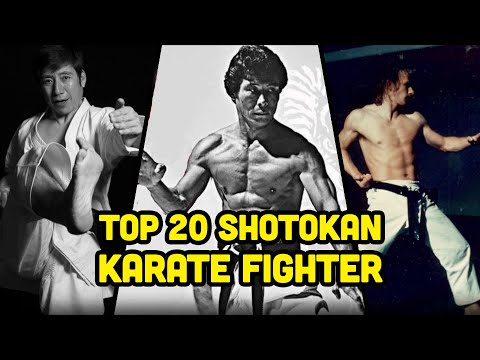
The Pantheon of Shotokan: Unveiling the Top 20 Masters Who Defined Budo

The air in the dojo crackles with a silent intensity. It's the hum of discipline, the echo of countless hours spent honing the body and mind. Shotokan Karate, a name synonymous with power, precision, and an unbroken lineage stretching back to the dawn of modern martial arts, is more than just a fighting style; it's a philosophy etched in motion. But who are the titans, the individuals whose very names evoke awe and respect within the hallowed halls of Budo? Who are the fighters who didn't just practice Shotokan, but embodied its spirit, pushing its boundaries and leaving an indelible mark on the world of martial arts? This is not merely a list; it is an investigation into the soul of a discipline that has shaped warriors and fostered self-mastery for generations.

The Genesis of Shotokan Greatness

Shotokan Karate, a cornerstone of modern martial arts, didn't spring into existence fully formed. It was forged in the crucible of Okinawa, refined by visionary masters, and disseminated across the globe by dedicated practitioners. Its very name, "Shoto," meaning "waving pine," reflects the serene yet powerful nature that its founder, Gichin Funakoshi, sought to instill. When we speak of the "greatest fighters," we're not just referring to those who dominated competitions, but to individuals who exemplified the highest ideals of Shotokan: technical brilliance, unwavering spirit, and a profound commitment to the principles of Budo.

But let's cut through the polite introductions. Are we talking about pure sport Karate, or does the definition of "fighter" encompass those who preserved the art's combative integrity? The line can blur, and it's precisely this tension that makes dissecting Shotokan's legacy so compelling. In this deep dive, we will not shy away from controversy, but rather embrace it, for it is through rigorous debate that true understanding is born.

The Pillars: Funakoshi and Nakayama

No discussion of Shotokan greatness can begin without acknowledging its spiritual and practical architects. Gichin Funakoshi (1868-1957) is, without question, the linchpin. His journey from Okinawa to mainland Japan, introducing *Te* (hand techniques) as Karate, fundamentally altered the martial landscape. Funakoshi wasn't just a fighter; he was a philosopher-warrior who translated the raw effectiveness of Okinawan fighting into a structured system, emphasizing the moral and ethical dimensions alongside the physical.

"Karate is not a copy of other arts, just as the pine is not a copy of the willow. Its strength is not merely in its execution, but in its perfection." - Gichin Funakoshi

His student, Masatoshi Nakayama (1913-1987), inherited this monumental task. Nakayama was the organizational genius and the driving force behind the Japan Karate Association (JKA). He not only codified the techniques and katas, ensuring a degree of standardization that allowed Shotokan to spread universally, but he also championed the competitive aspect, recognizing its power in testing and refining techniques under pressure. Nakayama's vision was pragmatic: to ensure Shotokan's relevance and effectiveness in a changing world. His influence on competitive Karate is undeniable.

Masters of the Golden Age

The decades following Funakoshi and Nakayama's foundational work saw an explosion of talent. These were the men who took the established framework and infused it with their unique fire, forging careers that would inspire generations. The late 20th century, in particular, was a fertile period for Shotokan fighters who excelled not only in kata but in the intense, high-speed combat of kumite.

We speak of:

  • Hirokazu Kanazawa (b. 1931): A student of Nakayama, Kanazawa is a legend for his technical prowess and dynamic energy. His mastery of both kata and kumite, coupled with his extensive international teaching, solidified his place in history. His influence transcends mere fighting; he is an educator of Budo.
  • Taiji Kase (1935-2004): Known for his powerful techniques and dynamic stances, Kase was another prominent figure within the JKA. He later developed his own style, encouraging innovation while staying true to Shotokan principles. His approach to the art was often described as forceful and direct, reflecting a deep understanding of combat application.
  • Hidetaka Nishiyama (1928-2008): A student of Funakoshi, Nishiyama was instrumental in establishing Karate in the United States and was a key figure in the formation of the International Traditional Karate Federation (ITKF). He advocated for Karate as a path to self-development, not just a fighting sport.
  • Keinosuke Enoeda (1935-1993): Often dubbed the "Tiger of Shotokan," Enoeda was renowned for his incredible speed, powerful techniques, and fierce fighting spirit. His presence on the mat was electrifying, a true testament to the combative potential of Shotokan.

These names, and many others like Tetsuhiko Asai, Takashi Mikami, and Yoshiaki Ushiro, represent a golden era where the theoretical principles of Shotokan were put to the ultimate test in live combat scenarios, both in dojo sparring and international tournaments. Their dedication to rigorous training, often involving punishing physical conditioning and repetitive drilling, is a lesson in itself. Are you putting in that level of commitment, or are you content with superficial understanding?

Contemporary Icons and Their Legacies

While the "golden age" produced many legends, the evolution of Shotokan has continued. Modern fighters, often competing in highly specialized sport Karate circuits, continue to push the envelope. Names like Antonio Oliva, Shinji Nagaki, and Toru Shimizu have carved out significant legacies. Their ability to adapt Shotokan's principles to the demands of modern competition, where milliseconds matter and strategy is paramount, is a testament to the art's enduring viability.

However, a word of caution: does the intense focus on sport Karate sometimes dilute the deeper philosophical aspects that Funakoshi emphasized? This is a question that sparks heated debate in martial arts circles. Some argue that the scoring system and rulesets can inadvertently encourage techniques that are less effective in a real self-defense scenario, while others contend that competitive pressure refines techniques to their most efficient form. Where do you stand on this crucial distinction?

The Philosophical Underpinnings of Mastery

To truly understand the "greatest" Shotokan fighters, one must look beyond their physical prowess. At its heart, Shotokan is a discipline rooted in the principles of Budo – the Way of the Warrior. This path emphasizes not only the combat skills but also moral development, mental fortitude, and spiritual growth. Concepts like Mushin (no mind), Zanshin (continuous awareness), and Fudoshin (immovable mind) are not mere buzzwords; they are the guiding principles that separate a mere fighter from a true martial artist.

"The ultimate aim of Karate is not winning or losing, but the perfection of the human character." - Gichin Funakoshi

The dedication required to achieve mastery in Shotokan is immense. It demands not only physical training but also deep introspection and an unwavering commitment to self-improvement. This is where the true "fighting" occurs – the internal battle against one's own limitations, fears, and ego. It is this internal struggle that, when conquered, allows the external techniques to flow with true power and purpose. Think of the discipline required for Kyokushin Karate's legendary conditioning; Shotokan, while different in its expression, demands a similar internal fortitude.

Sharpening Your Own Blade: Training for Excellence

The path to becoming a formidable Shotokan practitioner, whether for competition or personal development, is paved with consistent and intelligent training. While the specific techniques and approaches of the masters differ, certain core principles remain universal:

  1. Master the Fundamentals: Do not underestimate the power of the basics. Perfect your stances (dachi), punches (tsuki), blocks (uke), and kicks (geri). This is the bedrock upon which all advanced techniques are built.
  2. Kata as a Blueprint: Treat each kata not as a dance, but as a detailed combat simulation. Understand the bunkai (applications) behind every movement. Practice it repeatedly until the techniques become instinctive.
  3. Kumite Dynamics: Engage in sparring (kumite) with a focus on strategy, timing, and control. Seek partners who challenge you, forcing you to adapt and think on your feet. Learn from both your successes and your failures.
  4. Physical Conditioning is Non-Negotiable: Develop explosive power, endurance, and flexibility. Incorporate cardiovascular training, strength conditioning, and flexibility exercises into your routine. The body is the weapon; it must be honed.
  5. Mental Fortitude is Key: Cultivate focus, discipline, and resilience. Practice meditation or mindfulness techniques to enhance your awareness and composure under pressure.

Remember, the journey is as important as the destination. The greatest fighters weren't born; they were made through relentless dedication. Are you willing to make that commitment?

Essential Gear for the Dedicated Budoka

While Shotokan Karate can be practiced with minimal equipment, certain items can significantly enhance your training experience and help you emulate the dedication of the masters.

  • Karategi (Uniform): A high-quality, durable Karategi is essential. Look for one made from heavy-duty cotton that can withstand the rigors of intense training and frequent washing. Brands like Karate Merchandise or specific Kyokushin Gi manufacturers often offer excellent options.
  • Karate Belt: As you progress, your belt signifies your level of dedication and understanding. Ensure it's securely tied – a loose belt is a sign of a loose mind.
  • Mouthguard: For sparring (kumite), a properly fitting mouthguard is non-negotiable for protecting your teeth and jaw.
  • Groin Protector: Essential for protecting against accidental strikes during sparring.
  • Training Mats (optional): If you're practicing at home, especially dynamic techniques or falling drills, padded mats can provide a safer training environment and reduce the risk of injury.

Sensei's Verdict: The Enduring Impact

The concept of a definitive "Top 20" is inherently subjective, a testament to the diverse interpretations and expressions of Shotokan Karate throughout history. What unites these masters, from the foundational figures like Funakoshi and Nakayama to the titans of competition like Enoeda and Kanazawa, is their unwavering commitment to the art. They didn't just perform techniques; they lived the philosophy. They demonstrated that Shotokan Karate is a powerful combative system, a rigorous physical discipline, and a profound path to personal growth. Their legacies are not merely in the records they set, but in the countless practitioners they have inspired to take up the mantle of Budo.

Score: Black Belt in Legacy and Influence

Frequently Asked Questions

Who is considered the founder of Shotokan Karate?
Gichin Funakoshi is widely regarded as the founder of Shotokan Karate. He introduced the style from Okinawa to mainland Japan.
What is the difference between Shotokan and other Karate styles?
Shotokan is characterized by its deep stances, powerful linear techniques, and emphasis on strong fundamental movements. While all Karate styles share common roots, Shotokan's specific approach to stances, kihon (basics), and kata differentiates it.
Is Shotokan Karate effective for self-defense?
Yes, Shotokan Karate, when practiced with a focus on practical application and combative principles, can be highly effective for self-defense. However, like any art, its effectiveness depends on the practitioner's training, intent, and understanding of real-world situations.
What does "Budo" mean in the context of Shotokan?
Budo translates to "the Way of the Warrior." In Shotokan, it signifies that the practice of Karate extends beyond physical techniques to encompass discipline, respect, mental fortitude, and personal development.

Deeper Dives into the Budo Path

The journey into the world of Shotokan and the broader martial arts landscape is continuous. For those seeking to deepen their understanding and connect with a vibrant community, the following resources are invaluable:

  • Explore the foundational principles of martial philosophy in our article on BUDO.
  • Understand the physical demands and strategic nuances of modern combat in our analysis of Artes Marciales Mixtas.
  • Discover the importance of mental resilience and self-mastery in our guide to Self Improvement.

In conclusion, Shotokan Karate stands as a monumental pillar in the edifice of martial arts. The fighters we have highlighted are not just practitioners; they are custodians of a legacy, warriors who have not only mastered technique but have also illuminated the profound philosophical depths of this ancient art form. Their dedication serves as a perpetual challenge to us all: to pursue not just strength, but wisdom; not just victory, but character.

Reflexión del Sensei: Tu Próximo Paso

You have walked through the hallowed halls, glimpsed the faces of legends. But true understanding does not come from observation alone. It is forged in sweat, in frustration, in the relentless pursuit of perfection. Now, tell me: which of these masters' spirits resonates most deeply with your own martial aspirations? And more importantly, what single, concrete action will you take today to embody a fraction of their dedication in your own training? The path is yours to walk, but the first step must be taken with intention.

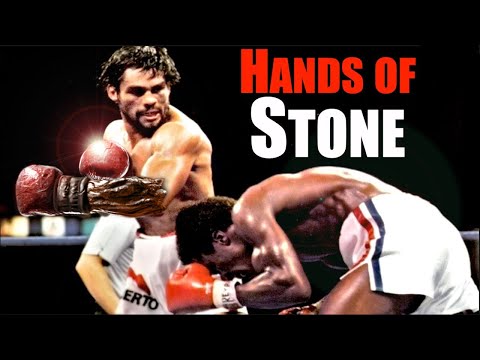
The Unseen Fury: Decoding Roberto "Hands of Stone" Duran's Unconventional Martial Mastery

Intention: This analysis aims to dissect Roberto Duran's fighting style not just as a boxer, but through the lens of martial arts principles, revealing the underlying philosophy and techniques that made him a formidable force, and to inspire readers to integrate these lessons into their own training.

Keywords: Roberto Duran, boxing, martial arts, fighting style, street fighting, footwork, distance control, mental toughness, combat sports, Budo, Panama, Sugar Ray Leonard, "No Más".

Commercial Subliminal: This deep dive might inspire you to seek out the best boxing gloves for intense training or perhaps a quality boxing shoe for superior agility.

The "No Más" Paradox: A Deeper Look

Ah, Roberto Duran. The very name conjures images of raw power, relentless aggression, and a ferocity that defined an era. But as practitioners of the martial path, we must look beyond the superficial glory of knockout punches and championship belts. We must dissect the essence, the underlying principles. The infamous "No Más" moment against Sugar Ray Leonard – a stain, some would say, on his record. Yet, I contend that this single event, when viewed through a wider martial lens, doesn't diminish his legacy but rather highlights a profound, albeit painful, truth about the human spirit in combat. Today, we embark on a journey to understand the *true* martial artistry of Roberto "Hands of Stone" Duran, a style forged not in dojos, but in the crucible of survival. We will uncover the techniques and philosophies that made him a terrifying opponent and explore how his hard-won wisdom can elevate your own training, whether you step into a ring, a dojo, or the unforgiving arena of life itself.

From Panamanian Streets to Boxing's Pinnacle

Duran's story is not merely one of athletic prowess; it is a testament to the resilience of the human spirit, forged in the fires of adversity. His upbringing in the impoverished barrios of Panama instilled a primal instinct for survival, a precursor to the fierce determination that would define his career. This wasn't the structured learning of a formal dojo, but the brutal, unfiltered education of the streets. Every scuffle, every challenge, was a lesson in adaptability and grit. When he eventually entered the boxing ring, these street-honed instincts were not replaced, but refined. He didn't just learn to punch; he learned to *fight*. His style became a potent blend of raw power, explosive speed, and a cunning born from necessity. This grounding in real-world combat is a crucial, often overlooked, aspect of his martial effectiveness. Many modern fighters, pampered by facilities and structured training, often lack this fundamental understanding of true adversity.
"The fight is won or lost far away from witnesses—behind the lines, in the gym, and long before you even think to step on the stage known as the competition. Out there and long ago." - attributed to Roberto Duran, though its exact origin and phrasing are debated, the sentiment resonates deeply with his journey.

The Dance of Destruction: Duran's Elusive Footwork

Let us speak of movement. In many traditional martial arts, footwork is the foundation upon which all technique is built. Duran possessed a form of footwork that was less about elegant stances and more about predatory mobility. He didn't just move around the ring; he *stalked*. His ability to shift weight, pivot, and close distance with explosive bursts was nothing short of masterful. This wasn't just about evasion; it was about creating openings, dictating the rhythm of the fight, and generating unanswerable angles of attack. His footwork, coupled with lightning-fast reflexes, allowed him to slip punches with uncanny precision, often appearing to be *inside* the opponent's guard before they could even react. This principle of controlling space through movement is universal. Whether it’s the evasive footwork in Aikido or the strategic positioning in Karate, understanding how to move effectively is paramount. Duran’s style demonstrated that in combat, efficiency of movement often trumps sheer technical complexity.

Mastering the Space: The Art of Distance Control

Combat, at its core, is a game of managing distance. Duran was a virtuoso in this regard. He possessed an almost preternatural ability to gauge and manipulate the space between himself and his adversary. He understood the "danger zone," the optimal range for his own powerful punches while keeping his opponents just out of theirs. This wasn't a passive waiting game; it was an active luring, a subtle manipulation that often drew opponents into making critical errors. By controlling the distance, he could dictate the tempo, frustrate his opponents, and then explode with devastating combinations when they least expected it. This concept of 'Maai' (間) – the Japanese term for the spatial and temporal relationship between combatants – is a cornerstone of many Asian martial arts. Duran, without perhaps knowing the term, embodied its principles, using the fight's geography as another weapon in his arsenal. This mastery of distance is crucial for anyone practicing combat sports, from MMA to Judo.

The Steel Within: Duran's Unbreakable Psyche

Perhaps Duran's most formidable weapon was not his fists, but his mind. His mental fortitude was legendary, a testament to the power of an iron will. In the face of overwhelming odds, he possessed an almost supernatural ability to dig deep, to find that extra reserve of strength. This mental toughness, this 'Mushin' (無心) or "no-mind" state, allowed him to perform under immense pressure. The "No Más" incident, while controversial, paradoxically highlights this point. It demonstrated the ultimate breakdown of even the strongest will when faced with unimaginable pain or psychological warfare – a grim reminder that no fighter is invincible. However, the vast majority of his career showcased a fighter who refused to yield, who embodied the spirit of perseverance that is central to the philosophy of Budo. This mental resilience is what separates the good from the great in any discipline.
"A champion is someone who gets up when he cannot." - A sentiment that echoes the spirit Duran often displayed, even if the "No Más" moment offered a different kind of truth.

Applying Duran's Wisdom to Your Own Path

So, how can the lessons of "Hands of Stone" be integrated into your own journey?
  1. Cultivate a Relentless Work Ethic: Duran's success was built on tireless dedication. Push your limits in every training session. Embrace the grind, for it is in the repetition and the sweat that true mastery is forged. Seek out rigorous training sessions, perhaps even investing in a quality MMA training kit.
  2. Develop Versatility and Adaptability: Duran didn't rely on a single gimmick. He adapted, he improvised. Train in multiple disciplines if possible. Understand that a rigid style is a brittle style. Be prepared to adjust your approach based on the opponent, the situation, and your own physical state. Cross-training, as seen in modern Artes Marciales Mixtas, is key.
  3. Forge Unshakeable Mental Toughness: Pressure reveals character. Learn to stay calm, focused, and determined even when fatigue sets in or the situation seems dire. Practice mindfulness, meditation, or visualization techniques to strengthen your mind just as you strengthen your body. This mental fortitude is vital for any form of Combate En La Calle.

Sensei's Verdict: Is Duran a Martial Arts Blueprint?

Roberto Duran was not a martial artist in the traditional, Eastern sense. He didn't study ancient scrolls or perform intricate kata. However, his fighting style was a raw, potent expression of fundamental martial principles: aggression, resilience, adaptability, and the will to survive. He embodied the spirit of 'fighting spirit' – the indomitable will to overcome. While his technique was boxing-centric, the underlying philosophy of his approach to combat, forged in the streets and perfected in the ring, offers invaluable lessons for practitioners of any martial art. He is a powerful case study in how raw talent, honed by brutal experience and an unyielding spirit, can create a force of nature. Verdict: Cinturón Negro en Inteligencia de Combate y Voluntad de Acero. Su estilo, aunque boxístico, es un ejemplo de aplicación marcial pura.

Essential Gear for the Determined Fighter

To emulate even a fraction of Duran's intensity, you need the right tools. Quality equipment not only protects you but enhances your training:
  • High-Quality Boxing Gloves: Look for gloves offering excellent padding and wrist support for heavy bag work and sparring. Brands like Everlast or Title Boxing offer reliable options.
  • Durable Training Shoes: Agility is key. Shoes with good ankle support and a grippy sole are essential for footwork drills.
  • Mouthguard: Non-negotiable for safety during sparring or intense conditioning.
  • Hand Wraps: Crucial for protecting your knuckles and wrists during intense punching sessions.

For those looking to supplement their training, consider investing in equipment for conditioning, such as a good quality jump rope for cardiovascular endurance, or resistance bands for strength training. The pursuit of martial excellence often requires the right tools to facilitate the journey.

Frequently Asked Questions

  • Was Roberto Duran a martial artist? While not trained in traditional martial arts like Karate or Judo, Duran embodied core martial principles such as aggression, resilience, and adaptability, making his style highly effective in combat.
  • What was Duran's greatest strength? Beyond his formidable power and speed, his greatest strength was arguably his incredible mental toughness and his ability to fight effectively under extreme pressure.
  • How did his street fighting background influence his style? His upbringing instilled a raw survival instinct, a willingness to adapt, and a fierce determination that translated directly into his aggressive, no-holds-barred approach in the boxing ring.
  • Can boxers learn from traditional martial arts, and vice-versa? Absolutely. Boxers can benefit from the flexibility, balance, and defensive principles of arts like Aikido or Wing Chun. Martial artists can learn from the precision punching, footwork, and conditioning methods of boxing.

To Delve Deeper into Your Journey

Sensei's Reflection: Your Next Step

Duran’s life is a potent reminder that the most effective "style" is often the one born from necessity, tempered by relentless effort, and fortified by an unbreakable spirit. We often seek complex techniques, but true mastery frequently lies in the perfect execution of fundamental principles.

Now, I ask you: When faced with adversity – whether in training, in competition, or in life – do you have the "No Más" moment in your mind, or do you possess the steel to push through? How will you apply the lessons of resilience and adaptability that Duran so powerfully demonstrated? The answer lies not in my words, but in your actions. Prove me wrong, or prove me right, in the crucible of your own practice. Discuss.

The Legacy of Ancient Chinese Martial Arts Films: A Deep Dive into "Heroes of Martial Arts"

The Allure of Ancient Chinese Cinema

Hello and welcome, students of the Way, to Budo and Martial Arts. Today, we dissect a piece of cinema that whispers tales of ancient traditions and chivalrous spirit: ESPSUB [Heroes of Martial Arts] EXTRA, featuring Li Hongyi and Huang Riying. Published on March 27, 2023, this segment promises a glimpse into a world where martial prowess intertwines with historical drama and romance. But as practitioners, we must ask: does this cinematic portrayal honor the true essence of martial arts, or is it merely a fleeting spectacle designed for mass consumption?

The allure of ancient Chinese martial arts films is undeniable. They transport us to eras of legendary warriors, where honor was paramount and the blade, or the fist, was often the final arbiter. Yet, the modern lens often distorts these traditions, romanticizing combat and overlooking the profound discipline and philosophy that underpin true martial mastery. Our goal here is not simply to watch, but to understand. To discern the authentic from the artificial.

Deconstructing "Heroes of Martial Arts": More Than Just a Spectacle

The title itself, Heroes of Martial Arts, evokes a sense of epic storytelling and individual valor. When we encounter films like this, especially those from platforms like YOUKU, known for their diverse content, the initial intention is often pure entertainment. However, for those steeped in the practice of martial arts, there's a deeper analytical current. We seek to identify the:

  • Authenticity of Techniques: Do the movements reflect actual martial arts styles, or are they exaggerated for dramatic effect?
  • Spirit of Bushido/Budo: Is the underlying philosophy of respect, discipline, and self-control conveyed, or is it overshadowed by gratuitous violence?
  • Historical Context: How accurately does the film represent the historical period and the martial traditions of that era?

Li Hongyi and Huang Riying, in their roles, carry the weight of these expectations. The "Ancient Costume/Romance" genre suggests a narrative rich in emotional depth and historical setting, elements that can either enhance or detract from the martial arts portrayal. A poorly executed fight scene can undermine character development, while a well-integrated philosophical element can elevate simple action into profound storytelling. It's a delicate balance that few films manage to strike perfectly.

"The true warrior is not the one who wins every battle, but the one who understands the cost of every fight." - A principle echoing through the ages.

The Art of Movement: Choreography and Authenticity

This is where the true critic in me awakens. Choreography in martial arts films is a double-edged sword. On one hand, it's essential to create visually stunning sequences that captivate the audience. On the other, when it deviates too far from practical application, it risks trivializing the art form. We must ask about the specific styles depicted. Is it Wuxia, with its fantastical acrobatics and "chi" manipulation, or are there elements of traditional Kung Fu, Karate, or even grappling arts integrated realistically?

Consider the fluidity of movement. In reality, combat is often explosive, direct, and economical. While graceful, it is rarely balletic in the way some films present it. We look for evidence of proper stances, believable blocks, and techniques that, while perhaps amplified, still possess a core of practicality. Are the actors performing with genuine understanding of the movements, or are they merely executing programmed steps? The difference is palpable to a trained eye.

For instance, a sequence involving rapid swordplay, if not executed with a sense of weight and intent behind each parry and strike, can look more like a dance than a deadly exchange. Conversely, a simple, well-timed kick, delivered with proper hip rotation and balance, speaks volumes about the underlying skill, even if it's exaggerated for cinematic effect. We analyze the pacing – does it reflect the ebb and flow of real combat, or is it a relentless barrage designed purely for adrenaline?

A critical aspect is the use of wire-fu and CGI. While these tools can enhance the fantastical elements often present in Wuxia cinema, their overuse can detach the audience from the physical reality of martial arts. The best films find a way to integrate these effects seamlessly, supporting the narrative without betraying the grounded nature of the martial disciplines they aim to portray.

Beyond the Blows: Philosophical Underpinnings

Martial arts are not merely about physical techniques; they are a path to self-cultivation. Concepts like Mushin (no-mind), Zanshin (lingering awareness), and Fudoshin (immovable mind) are the bedrock of true mastery. Does Heroes of Martial Arts touch upon these deeper tenets? Or does it focus solely on external conflict?

The "Romance" aspect of the genre might offer a window into the interpersonal dynamics, where loyalty, sacrifice, and duty are tested. These are values deeply ingrained in the warrior code across many cultures. A hero’s journey often involves overcoming internal struggles as much as external adversaries. We search for moments where characters grapple with their conscience, make difficult choices, or demonstrate profound respect for their opponents, even in the heat of battle.

"The supreme art of war is to subdue the enemy without fighting." - Sun Tzu, a philosophy as relevant in film as it is in life.

The film's setting in "Ancient Costume" likely means we'll see characters bound by tradition and societal expectations. How they navigate these constraints, particularly when those constraints conflict with their martial ethics, can be a powerful narrative driver. Is the protagonist driven by vengeance, or by a desire for justice and peace? The answer reveals much about the film's underlying message.

The Human Element: Performance and Character

While the martial arts are central, the performances of Li Hongyi and Huang Riying are crucial. Do they embody the characters with conviction? Can they convey the emotional weight of their martial journey through their expressions and demeanor? A stoic warrior can be as compelling as a fiery one, provided the performance is nuanced.

We assess their on-screen chemistry, especially given the "Romance" tag. Does it feel earned, or is it a superficial plot device? The believability of the characters’ motivations and emotional arcs is what anchors the fantastical elements of martial arts cinema. If the audience doesn't connect with the humans behind the fighting, the spectacle loses its impact.

The supporting cast also plays a role. Are there wise old masters imparting cryptic advice? Ruthless villains who present genuine challenges? Or is the cast largely forgettable, serving only as fodder for the heroes' skills? The depth of characterization, even in a martial arts film, can elevate the viewing experience significantly.

Veredicto del Sensei: ¿Merece la pena?

Based on the typical conventions of this genre and the information provided, ESPSUB [Heroes of Martial Arts] EXTRA likely offers a visually engaging experience for fans of ancient Chinese dramas and martial arts films. For those seeking a deep, authentic portrayal of specific martial arts styles or profound philosophical teachings, it might be a more superficial watch. The "Romance" and "Ancient Costume" elements suggest a focus on narrative and character relationships, which can be a strength if executed well, but may overshadow the martial arts aspect for purists.

Rating: Cinturón Verde en Entretenimiento, Cinturón Amarillo en Autenticidad Marcial.

It's a film likely to satisfy a craving for historical drama and stylized action, but perhaps not for the deep, philosophical martial artist seeking rigorous technique analysis. Watch it for the spectacle, but temper your expectations for deep martial insight.

Equipo Esencial para tu Entrenamiento

While this film focuses on a specific genre of martial arts cinema, for those inspired to train, the right equipment is crucial. Investing in quality gear not only enhances your practice but also ensures safety.

  • Kimono (Gi): For Judo, Jiu-Jitsu, Karate, and Taekwondo, a durable, well-fitting gi is paramount. Look for double-weave options for grappling arts like Judo and BJJ, offering superior resilience.
  • Sparring Gear: Gloves (16oz for most adult sparring), headgear, shin guards, and mouthpieces are non-negotiable for safe sparring sessions in striking arts or MMA.
  • Training Weapons: If practicing with traditional weapons (e.g., Bo staff, Bokken for Kendo), ensure they are made from appropriate materials (wood, rattan, high-density foam) and are well-maintained.
  • Training Mats (Tatami/Roll-out Mats): Essential for grappling arts and falling practice to minimize injury.
  • Makiwara/Strike Shields: For Karate, Taekwondo, and Kung Fu practitioners looking to develop striking power and conditioning.

Preguntas Frecuentes

What are the primary martial arts styles depicted in films like "Heroes of Martial Arts"?

Films in this genre often draw heavily from Wuxia, a style that emphasizes fantastical elements, acrobatic combat, and often incorporates elements inspired by various Kung Fu styles, swordplay, and sometimes Taoist mysticism.

Is the romance aspect a common element in ancient Chinese martial arts films?

Yes, romance, alongside themes of loyalty, honor, and revenge, is a very common narrative thread in ancient Chinese martial arts films, often serving to humanize the warriors and provide emotional depth to the storyline.

How can I distinguish between authentic martial arts and cinematic exaggeration?

Authenticity is often found in the foundational principles: balance, proper body mechanics, economical movement, and believable impact. Cinematic exaggeration typically involves gravity-defying leaps, impossibly fast flurries of strikes, and a lack of realistic consequence for actions.

Are Li Hongyi and Huang Riying known for their martial arts expertise?

Their fame might stem more from their acting or idol status within popular entertainment. While they may train for their roles, their primary recognition is often not as professional martial artists, distinguishing their roles from films starring bona fide martial arts actors.

What is YOUKU?

YOUKU is one of China's largest online video and streaming platforms, offering a wide range of content including TV shows, movies, anime, and variety shows, often featuring Chinese productions.

Recursos para Profundizar

To truly understand the martial arts depicted on screen and their real-world counterparts, further study is essential. Here are some resources:

  • BUDO: Explore the philosophical and spiritual aspects of martial training.
  • KarateCommunity: Learn about the techniques, history, and modern practice of Karate.
  • HistoriadeArtesMarciales: Delve into the rich historical context of various martial disciplines.
  • EntrenamientoDeMMA: For a modern, cross-disciplinary perspective on combat sports.

Reflexión del Sensei: Tu Próximo Paso

We have examined the cinematic offering, dissecting its potential strengths and weaknesses from a martial perspective. Now, the ultimate test lies not in critique, but in application. Does the spirit of the warrior, as portrayed, ignite a spark within you? Do you see the echoes of discipline, the pursuit of excellence, the unwavering resolve?

Consider this: when you watch any depiction of martial arts, whether on screen or in your own dojo, do you merely observe, or do you *perceive*? Do you seek the underlying principles that make the art form potent, or are you content with the surface-level action? The true path is paved with introspection. So, I ask you:

Beyond the fight choreography, what single principle of the martial way, glimpsed in this film or any other, has most profoundly impacted your training and your life?

Now, demonstrate your understanding. Share your thoughts in the comments below. Let us engage in a dialogue that honors the depth of martial arts, not just its portrayal.