Showing posts sorted by date for query mental game. Sort by relevance Show all posts

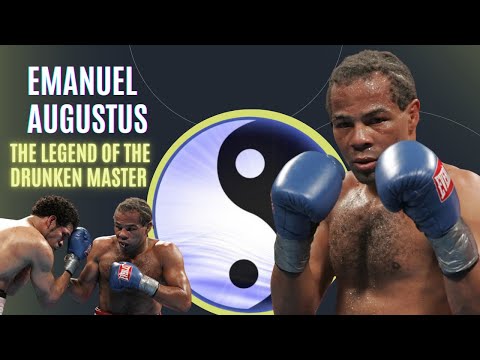
Emanuel Augustus: The Unconventional Legacy of the Drunken Master

Introduction: The Enigma of the Drunken Master

In the vast, often predictable landscape of combat sports, certain figures emerge not just as competitors, but as phenomena. They defy convention, shatter expectations, and leave an indelible mark on the collective consciousness of fans and practitioners alike. Emanuel Augustus, affectionately known as "The Drunken Master," is precisely such a figure. His career wasn't merely a series of wins and losses; it was a living testament to the unpredictable beauty and profound philosophy that can be found within the martial arts. This piece delves into the electrifying career of a fighter who didn't just participate in bouts, but orchestrated performances, blending raw aggression with an almost balletic grace that left audiences breathless. Join us as we revisit the path of a true martial arts legend whose unconventional style became his greatest weapon.

Unleashing the Drunken Master: More Than a Moniker

The adoption of the moniker "Drunken Master" by Emanuel Augustus was far from a mere marketing gimmick. Born Emanuel Burton, he drew inspiration from the iconic martial arts films that celebrated seemingly chaotic, yet devastatingly effective, fighting styles. This wasn't about mimicking a character; it was about embodying a philosophy. Augustus infused his fighting with a unique brand of agility, fluidity, and an almost maddening unpredictability. His movements often appeared disjointed, his stance unorthodox, leaving opponents struggling to anticipate his next move. This bewildering array of techniques – a chaotic dance of offense and defense – was the hallmark of his style, allowing him to showcase a skill set that transcended traditional boxing or kickboxing, demonstrating that true mastery can often lie just beyond the veil of perceived disorder.

"The most effective way to confuse an opponent is to be unpredictable. If they cannot read you, they cannot counter you." - A principle exemplified by Augustus.

The Artistry of Combat: A Symphony of Unpredictability

Augustus transcended the role of a mere pugilist; he was a kinetic artist. His fighting style was a masterful fusion, drawing threads from boxing, kickboxing, and the raw pragmatism of street fighting. His footwork was legendary – a constant, elusive dance that made him a difficult target. His punches, delivered with surprising speed and power, often came from unexpected angles. This wasn't just about throwing hands; it was about understanding angles, timing, and the psychological warfare inherent in combat. Emanuel Augustus embodied a profound Martial Philosophy, displaying not just aggression, but also immense respect for his opponents, unwavering discipline in his preparation, and the indomitable spirit of a warrior honed through countless hours of Martial Arts Training.

His approach challenged the rigid structures of conventional fighting. Many practitioners today still strive to replicate his signature elusiveness, a testament to the enduring effectiveness of his unorthodox methods. The core of his success lay in his ability to remain fluid and adaptable, a principle central to many BUDO disciplines.

The Fight of a Lifetime: A Masterclass Against Mayweather

Throughout his storied career, Emanuel Augustus graced the ring with a multitude of unforgettable contests. These weren't just fights; they were spectacles, ranging from brutal slugfests that tested the mettle of both combatants to technically brilliant displays of skill. He consistently delivered the kind of excitement that fuels the passion of Fight Fans worldwide.

Perhaps one of his most widely recognized and respected performances came during his bout against Floyd Mayweather Jr. In this encounter, Augustus didn't just compete; he showcased the full spectrum of his unique brilliance. Despite the eventual outcome, his performance earned him deep admiration, not only from the spectators but also from Mayweather himself, a rarity in the highly competitive world of professional boxing. It was a fight that highlighted Augustus's resilience and his ability to hang with the absolute elite, even with a style that defied convention. This particular fight remains a significant piece of the Fighter Legacy.

Legacy and Influence: Inspiring a Generation

Emanuel Augustus's legacy extends far beyond the statistics of his fight record. His profound impact resonates deeply within the Martial Arts Community. His unwavering dedication to his craft, his perseverance through significant adversity, and his sheer, unadulterated passion for fighting served as a powerful inspiration to countless aspiring athletes. Many fighters today incorporate elements of his distinctive style – that unpredictable movement, the creative striking angles – into their own training regimes. He proved that there isn't just one way to be a champion, fostering a generation that dares to think outside the traditional fighting box.

His influence is a prime example of how unique styles can push the boundaries of established sports. This is a core tenet we explore at BYAM, where we celebrate the diverse paths to mastery.

Building a Martial Arts Community: The BYAM Approach

At BYAM Budo y Artes Marciales, our mission mirrors the spirit of pioneers like Augustus: to cultivate and celebrate a vibrant global Martial Arts Community. We firmly believe that the journey of a martial artist is enriched when shared. We encourage our members to engage in robust discussions, share their personal training experiences, and forge connections with fellow enthusiasts from diverse backgrounds and disciplines. Whether you practice Judo, Karate, MMA, or any other art, your voice is valued here. Together, we can uphold the rich traditions, explore profound philosophies, and dissect the intricate techniques that define the world of martial arts.

Exploring Our Merchandise: Gear for Your Journey

As you immerse yourself in the world of martial arts, drawing inspiration from figures like Emanuel Augustus, it's crucial to have the right tools to support your dedication. Explore our exclusive Martial Arts Merchandise collection. We offer a curated selection of high-quality training equipment, apparel, and accessories designed to enhance your martial arts journey. From durable kimonos and sparring gear to specialized conditioning tools, our collection supports your pursuit of excellence and ensures you have the necessary support for your training regimen. Investing in quality gear is an investment in your own progress.

Join the Martial Arts Movement: Embrace the Warrior Within

The enduring legacy of Emanuel Augustus serves as a potent reminder of the transformative power inherent in martial arts training. It transcends mere physical combat, fostering discipline, resilience, and self-awareness. Whether you are a seasoned practitioner with years of experience or a curious beginner standing at the threshold of this incredible world, there is unequivocally a place for you within our growing community. Let us unite under the banner of our shared passion, exchange invaluable knowledge, and collectively grow stronger. By embracing the principles exemplified by masters like Augustus, we continue to explore the boundless possibilities that the martial arts offer.

This is your invitation to join the JoinTheMovement and discover the warrior spirit within yourself.

Sensei's Verdict: Did Augustus Master the Art of Fighting?

Emanuel Augustus didn't just fight; he performed. He brought a level of artistry and unpredictability to the ring that few have ever matched. While the term "Drunken Master" might conjure images of a brawler, Augustus was anything but. He was a strategist, a tactician, and a master of misdirection. His ability to absorb punishment, adapt mid-fight, and consistently come back with creative and effective offense was extraordinary. He faced top-tier competition and, while not always victorious, he rarely failed to impress or make his opponents work for every second of every round. His influence on subsequent fighters, who looked to his unconventional methods for inspiration, speaks volumes. He proved that true mastery isn't always about following the rules, but about understanding them so deeply that you can bend them to your will.

Verdict: A True Master of Unconventional Combat, earning a definitive "Cinturón Negro en Coreografía y Caos Controlado". His fights were living lessons in adaptability and the psychological edge.

Training Like Augustus: Embracing the Unconventional

Training like Emanuel Augustus is not for the faint of heart, nor is it about simply mimicking his movements. It's about internalizing his philosophy: unpredictability, adaptability, and relentless pressure.

  1. Develop Unconventional Footwork: Practice constant lateral movement, incorporate subtle shifts in weight, and develop rhythm changes. Think less about a stable stance and more about always being ready to pivot, evade, or explode forward.
  2. Master Angles of Attack: Don't always attack directly. Practice striking from angles that your opponent is unlikely to expect. This requires a deep understanding of body mechanics and spatial awareness.
  3. Cultivate Defensive Evasion: Augustus was known for his ability to slip punches and avoid damage. Focus on head movement, upper body flexibility, and using your entire frame to evade incoming strikes rather than just blocking.
  4. Embrace Fluid Transitions: Move seamlessly between offense and defense. A defensive maneuver should be able to transition instantly into a counter-attack. Don't "reset" unnecessarily.
  5. Study Various Styles: Like Augustus, draw inspiration from multiple disciplines. Understanding the fundamentals of boxing, kickboxing, and even grappling will provide a broader toolkit. Explore BJJ and Judo for grappling insights and Kickboxing for striking diversity.
  6. Train Your Chin and Body: Augustus absorbed significant punishment. While avoiding damage is key, developing resilience through conditioning and controlled sparring is also part of the equation. Incorporate body conditioning drills and focus on neck strength.
  7. Mental Fortitude: The most crucial element is the mental game. Develop the ability to stay calm under pressure, adapt to unexpected situations, and maintain confidence even when things aren't going your way. This is where Mental Game training and Inner Strength become paramount.

Frequently Asked Questions

  1. Who was Emanuel Augustus?
    Emanuel Augustus, born Emanuel Burton, was a highly unorthodox and entertaining American professional boxer and kickboxer, famously nicknamed "The Drunken Master" for his elusive and unpredictable fighting style.
  2. What made his fighting style unique?
    His style was characterized by unusual footwork, creative angles of attack, fluid transitions between offense and defense, and a remarkable ability to evade punches, often resembling the movements seen in martial arts films inspired by "drunken" styles.
  3. Who did Emanuel Augustus famously fight?
    He had notable bouts against numerous high-level opponents, including a widely recognized fight against Floyd Mayweather Jr., where he showcased his distinctive skills and earned respect despite the outcome.
  4. What is his lasting impact on martial arts and combat sports?
    Augustus inspired a generation of fighters with his resilience, unique approach, and dedication. He demonstrated that effective fighting doesn't always adhere to conventional norms and encouraged a more creative and adaptable mindset within the combat sports community.

Deepen Your Path

To further enrich your understanding and training:

Sensei's Reflection: Your Next Step

Augustus taught us that the most effective techniques are often born from a deep understanding of principles, allowing for creative adaptation rather than rigid adherence. He embraced chaos, not as a lack of control, but as a higher form of control that eludes conventional understanding.

Your challenge: In your next training session, identify one aspect of your technique that feels too rigid, too predictable. How can you introduce a subtle element of unpredictability, a shift in rhythm or angle, without sacrificing effectiveness? Can you find your own "drunken master" within the structure of your art?

``` ```json { "@context": "https://schema.org", "@type": "FAQPage", "mainEntity": [ { "@type": "Question", "name": "Who was Emanuel Augustus?", "acceptedAnswer": { "@type": "Answer", "text": "Emanuel Augustus, born Emanuel Burton, was a highly unorthodox and entertaining American professional boxer and kickboxer, famously nicknamed \"The Drunken Master\" for his elusive and unpredictable fighting style." } }, { "@type": "Question", "name": "What made his fighting style unique?", "acceptedAnswer": { "@type": "Answer", "text": "His style was characterized by unusual footwork, creative angles of attack, fluid transitions between offense and defense, and a remarkable ability to evade punches, often resembling the movements seen in martial arts films inspired by \"drunken\" styles." } }, { "@type": "Question", "name": "Who did Emanuel Augustus famously fight?", "acceptedAnswer": { "@type": "Answer", "text": "He had notable bouts against numerous high-level opponents, including a widely recognized fight against Floyd Mayweather Jr., where he showcased his distinctive skills and earned respect despite the outcome." } }, { "@type": "Question", "name": "What is his lasting impact on martial arts and combat sports?", "acceptedAnswer": { "@type": "Answer", "text": "Augustus inspired a generation of fighters with his resilience, unique approach, and dedication. He demonstrated that effective fighting doesn't always adhere to conventional norms and encouraged a more creative and adaptable mindset within the combat sports community." } } ] }

Takanoyama Shuntarō: The "Small But Mighty" Master of Judo Throws in Sumo

Introduction: The Anomaly of Takanoyama

Have you ever watched a martial artist, seemingly outmatched by their opponent's size and strength, still emerge victorious? This isn't magic; it's the elegant application of technique, timing, and an indomitable spirit. In the world of Sumo, a sport often defined by sheer mass, one wrestler stood out, not for his bulk, but for his brilliance. Takanoyama Shuntarō, hailing from the Czech Republic, shattered expectations, proving that in combat, as in life, technique and tenacity can indeed conquer brute force. This analysis dives deep into his arsenal, dissecting the throws that made him a beloved figure and a testament to the "small but mighty" principle.

Takanoyama's Unique Journey: Defying Sumo's Giants

Takanoyama Shuntarō, born Martin Koselecta, carved a unique path in the hallowed dohyo of professional Sumo. As a European venturing into a deeply traditional Japanese sport, he faced an uphill battle from the outset. The average weight of a top-division Makuuchi wrestler often exceeds 150 kg. Takanoyama, however, consistently competed in the 80-100 kg range. This stark physical disparity could have been a career-ending limitation. Instead, it became his greatest teacher, forcing him to hone an exceptional understanding of leverage, timing, and evasive footwork. His speed and mastery of judo principles, a natural fit for his agile frame, allowed him to outmaneuver and defeat opponents who dwarfed him. He wasn't just a novelty; he was a strategic genius on the mat.

Technique Breakdown: The Arsenal of a Smaller Wrestler

The brilliance of Takanoyama lay in his ability to execute techniques that maximized his advantages while neutralizing his opponents' size. He didn't rely on overwhelming power; he employed precision and speed. Let's examine some of his signature finishes that consistently saw him victorious:

Kote-nage (Armlock Throw)

Takanoyama's kote-nage was a masterclass in deception and leverage. The core of this technique involves establishing a firm grip on the opponent's wrist (kote). From there, instead of forcing the throw, he artfully used the opponent's own forward momentum or attempted forward movement against them. A swift rotation of his body, combined with a pulling action on the captured wrist, redirected their energy, causing them to lose balance and be thrown over his back or to the side. This is a classic judo throw, but Takanoyama's execution, particularly the precise timing and angle, made it devastatingly effective against larger sumo wrestlers.

Koshi-guruma (Hip Wheel)

Another technique that highlights his judo background is the koshi-guruma. This throw involves wrapping one of Takanoyama's legs around the opponent's hip, creating a fulcrum. With a simultaneous pull forward and a powerful twist of his torso, he would elevate and unbalance his opponent, using his hip as the pivot point. The momentum generated would send the larger wrestler crashing down. The effectiveness here lies in getting the leg placement correct and generating the rotational force quickly, preventing the opponent from stabilizing or counteracting.

Oshi-dashi (Push Out)

While Takanoyama excelled in throwing techniques, his oshi-dashi, or push out, was a pure display of his speed and agility. This technique requires an explosive burst of energy to drive the opponent backward. Takanoyama, with his lighter frame, could generate rapid forward pressure. He would use quick, powerful shoves, often targeting the opponent's upper body and shoulders, to force them out of the ring. His ability to maintain balance and drive forward while his opponent was attempting to resist or counter was crucial to its success. It’s a testament to his conditioning and lower body strength.

Sukuinage (Beltless Arm Throw)

This technique, often seen in judo, involves an arm throw where the grip is established differently, often without a traditional belt grip. Takanoyama would secure a grip on his opponent's arm and, using a scooping motion with his body, throw them over his hip. The key here is to get under the opponent's center of gravity and use their own weight to complete the throw. His agility allowed him to make the necessary adjustments to create the throwing angle, turning a potential disadvantage into an offensive opportunity. It’s a dynamic throw that requires excellent body control.

Uchimuso (Inner Thigh Throw)

Takanoyama's mastery of judo skills shone through in his uchimuso. This throw involves attacking the opponent's legs or inner thigh area. He would use his grappling ability to secure a grip, often on the opponent's leg or gi near the thigh. With a precise hip movement and a lifting or sweeping action, he would unbalance the opponent, using their own forward pressure or stability against them. This technique requires significant timing and the ability to get low and deep, something Takanoyama was adept at, allowing him to execute it even against much larger opponents.

Beyond Technique: The Mental Game

What truly set Takanoyama apart, and what offers the most profound lessons for any martial artist, was his mental fortitude. He entered a sport steeped in tradition, where size was king, and had to overcome not only his physical limitations but also potential cultural barriers. His ability to persevere through rigorous training, maintain focus, and execute complex techniques under pressure is a testament to his inner strength and dedication. He proved that a warrior's heart and a sharp mind are often more critical than sheer physical dominance.

"In the martial path, it is not the size of the warrior that matters, but the size of their heart."

This adage resonates deeply when we consider Takanoyama's career. He embodied this philosophy, turning perceived weaknesses into strengths through sheer willpower and intelligent application of skill.

Lessons for Every Budoka: Perseverance and Adaptability

The journey of Takanoyama Shuntarō offers invaluable lessons for every practitioner of martial arts, regardless of their style or size. His career is a powerful reminder that:

  • Technique over Brute Force: Superior technique, timing, and leverage can overcome significant size and strength disparities.
  • Adaptability is Key: Understanding your own physical attributes and adapting your strategy and techniques accordingly is crucial for success.
  • Mental Strength is Paramount: True mastery is forged not just in the body, but in the mind. Perseverance, discipline, and a positive attitude are essential tools.
  • Embrace Challenges: Difficulties, whether physical limitations or external obstacles, can be catalysts for growth and innovation.

As martial artists, we face our own challenges, whether it's mastering a difficult technique breakdown, improving our mental strength, or simply staying dedicated. Takanoyama’s story encourages us to push past our perceived limits and continually refine our skills and our spirit.

Cross-Training: Expanding Your Martial Horizon

While Takanoyama's primary discipline was Sumo, his effective use of judo principles demonstrates the power of cross-training. For martial artists today, broadening one's skillset beyond a single discipline is not just beneficial, it's increasingly essential. Exploring different combat sports and martial arts can:

  • Introduce new strategic perspectives.
  • Develop different physical attributes (e.g., grappling, striking, flexibility).
  • Enhance problem-solving skills on the mat.
  • Provide a more well-rounded understanding of combat.

Whether it's incorporating Judo throws into your BJJ, understanding striking principles from Kickboxing for your Muay Thai training, or learning defensive strategies from Aikido, the martial world is interconnected. Embracing this diversity makes you a more complete and adaptable fighter.

Essential Gear for Your Training

To effectively train in disciplines like Judo, Sumo, or any other martial art, having the right equipment is crucial. For Judo practitioners, a high-quality Judo gi is paramount. Look for a durable, double-weave gi that can withstand the rigors of throws and grappling. For those interested in simulating Sumo or practicing specific throwing drills, sturdy mats are essential for safety. Consider investing in:

  • High-Quality Judo Gi: Look for brands known for durability and fit. A good gi enhances grip and withstands pulling forces.
  • Training Mats: Essential for safe practice of throws, falls (ukemi), and groundwork.
  • Wrestling Shoes: For styles that require precise footwork and grip on the mat.
  • Resistance Bands: Excellent for strength and conditioning, mimicking pulling and pushing motions relevant to grappling.

Exploring gear can also lead you to discover resources like specialized training manuals or online courses focused on specific technique breakdowns.

Frequently Asked Questions

What made Takanoyama unique in Sumo?

Takanoyama Shuntarō was unique due to his significantly smaller stature compared to his peers, competing between 80-100 kg in a sport dominated by wrestlers over 150 kg. He compensated with exceptional speed, agility, and judo-based techniques.

What are some key Judo techniques Takanoyama utilized?

He effectively employed techniques such as Kote-nage (armlock throw), Koshi-guruma (hip wheel), Sukuinage (beltless arm throw), and Uchimuso (inner thigh throw), adapting them for the Sumo ring.

How did Takanoyama overcome his size disadvantage?

He leveraged his speed, agility, and precise execution of Judo throws. His strategy focused on outmaneuvering opponents, using their momentum against them, and exploiting openings rather than relying on brute strength.

What broader lessons can martial artists learn from Takanoyama?

Martial artists can learn about the importance of technical mastery, adaptability, mental fortitude, perseverance in the face of adversity, and the strategic advantage of speed and timing over sheer size.

For Deeper Insight

Sensei's Reflection: Your Next Step

Takanoyama's story is more than just a series of successful throws; it's a living testament to the power of a determined spirit. He demonstrated that the physical ring of a dojo, or the clay of the dohyo, is but one arena. The true battlefield often lies within, where the fight against doubt and limitation is waged. Ask yourself:

"When faced with an opponent, or a challenge, that seems insurmountable due to size or perceived advantage, do you instinctively shrink, or do you instinctively seek the angle, the leverage, the technique that will allow you to prevail?"

Reflect on this. True martial arts mastery isn't just about knowing techniques; it's about embodying the spirit to apply them when it matters most. Now, let your actions speak louder than your thoughts.

```

Morihei Ueshiba O Sensei's 1957 Aikido Demonstration: A Masterclass in Harmony and Unseen Power

The Founder's Legacy

For centuries, the intricate tapestry of martial arts has woven itself into the fabric of human culture, offering not just combat prowess but profound philosophical insights. These disciplines, honed through generations, continue to inspire and shape individuals worldwide. Among the most revered is Aikido, a uniquely Japanese martial art born from the vision and mastery of Morihei Ueshiba, revered by practitioners as O Sensei.

Today, we delve into a rare treasure: a 1957 demonstration video featuring the founder himself. This is not merely a historical artifact; it's a living lesson. We will dissect the art of Aikido, its core philosophy of harmony, and the transformative benefits that await those who dedicate themselves to its practice. Prepare to witness the embodiment of principles that transcend mere physical conflict.

A Glimpse into the Past: The 1957 Demonstration

The video from 1957 is an invaluable window into the very soul of Aikido, as expressed through the founder's movements. It showcases Morihei Ueshiba O Sensei demonstrating techniques that define the art's essence. Observe the fluidity, the economy of motion, and the palpable control. This is not about brute force; it's about redirecting an opponent's power with precision and minimal effort. The demonstration stands as a powerful testament to the beauty, effectiveness, and spiritual depth of Aikido.

In this rare footage, O Sensei doesn't just perform techniques; he embodies them. You'll see the principles of blending, evasion, and redirection executed with a mastery that few have achieved since. It’s a visual symphony of conflict resolution, demonstrating how to neutralize an attack not by meeting force with force, but by becoming one with the attacker's energy.

The Essence of Aikido: Beyond Conflict

At its heart, Aikido is a martial art dedicated to the principle of harmony – Wa (和). Practitioners strive not to dominate or destroy an opponent, but to harmonize with their energy and movements. The objective is to neutralize an attack by skillfully guiding the attacker's force, often leading them into a state of imbalance from which they can be controlled or subdued without causing undue harm.

This philosophy extends far beyond the dojo. The ultimate aim of Aikido is to achieve harmony not only with oneself and one's opponent but with the universe itself. It's a path of self-discovery and mutual respect, where conflict is resolved not through violence, but through understanding and integration. O Sensei often spoke of protecting oneself while simultaneously safeguarding the attacker's well-being, a concept that radically redefines the nature of martial engagement.

"The Art of Peace is a game that changes the way you see the world. It is an endeavor to achieve harmony with the world." - Morihei Ueshiba O Sensei

Deconstructing O Sensei's Art

Examining O Sensei's movements in the 1957 video reveals techniques rooted in deep understanding of biomechanics and energy dynamics. Notice the subtle shifts in weight, the precise angles of entry, and the circular motions that absorb and redirect an attacker's momentum. Techniques like Irimi (entering) and Tenkan (turning/pivoting) are executed with seamless grace, demonstrating how to move *with* the attack rather than against it.

The effectiveness lies in the principle of Aiki (合気) – literally, "joining energy" or "harmony energy." This is not simply about physical leverage; it's about understanding and manipulating the attacker's intention and kinetic energy. Observe how O Sensei uses minimal physical force, often relying on timing, positioning, and the attacker's own commitment to their movement to achieve a decisive outcome. This mastery is what distinguishes true Aikido from mere physical combat.

More Than Just Movement: The Holistic Gains

The practice of Aikido offers a profound spectrum of benefits, extending far beyond the physical realm. Physically, it enhances flexibility, improves balance, and builds overall conditioning, engaging the entire body in a coordinated and dynamic manner. It sharpens coordination and reaction times, essential for both self-defense and daily life.

Mentally and spiritually, Aikido is a powerful tool for personal development. It cultivates discipline, sharpens focus, and instills a sense of calmness under pressure. Practitioners learn to manage their emotions, channeling their energy constructively. This journey fosters inner peace, boosts confidence, and builds mental resilience, equipping individuals to face life's challenges with greater equanimity.

Cultivating Harmony: Essential Aikido Drills

To truly internalize the principles demonstrated by O Sensei, consistent practice is key. Here are fundamental exercises to develop your Aikido foundation:

  1. Basic Body Movement Drills: Practice Tai Sabaki (body movement) in isolation. Focus on natural, efficient footwork, maintaining a stable yet relaxed posture. Execute forward, backward, and lateral movements, as well as pivoting actions (Tenkan), ensuring your center remains grounded.
  2. Ukemi Practice: Learning to receive techniques safely is paramount. Practice Uke Nagashi (receiving and deflecting) and basic rolls (Mawari Ukemi). Focus on dissipating energy upon impact and recovering quickly.
  3. Irimi & Tenkan Combinations: Practice entering (Irimi) and turning (Tenkan) motions in response to imaginary attacks or with a training partner. Focus on the seamless transition between these core movements.
  4. Ki Breathing Exercises: Engage in Kokyu Ho (breathing methods). These exercises, often done seated, teach breath control and the development of internal energy (Ki), which is fundamental to Aikido's power.
  5. Solo Weapon Practice (if applicable): For styles that incorporate Jo (staff) or Bokken (wooden sword), practice basic strikes, blocks, and forms (Kata) to refine timing, distance, and precision.

Remember, the essence is not just performing the movements but understanding the principles behind them. Seek qualified instruction to ensure proper technique and safety.

Equipping Your Journey: Essential Aikido Gear

At BYAM Budo y Artes Marciales, we understand that the right equipment can significantly enhance your training experience. We are passionate about supporting practitioners on their journey towards inner harmony and physical excellence.

  • Aikido Uniforms (Gi): A durable, well-fitting uniform is essential for comfort and freedom of movement. Look for reinforced stitching for longevity, especially in the pants and collar.
  • Training Weapons: For styles that practice with them, a quality Bokken (wooden sword), Jo (staff), or Tanto (knife) is crucial. Ensure they are balanced and free of splinters.
  • Zori or Martial Arts Footwear: Appropriate footwear for the dojo floor aids in footwork and hygiene.
  • Practice Mats (if training at home): Interlocking mats can provide cushioning and safety for solo practice of falling techniques.

We carefully select our merchandise, working only with trusted suppliers who share our commitment to quality and the spirit of martial arts. Enhance your practice with gear designed for performance and durability.

Frequently Asked Questions

What is the fundamental principle of Aikido?

The fundamental principle is harmony (Wa), which involves blending with an opponent's energy and movements to neutralize an attack without causing unnecessary harm.

Is Aikido effective for self-defense?

Yes, Aikido provides practical self-defense skills by teaching practitioners to control an attacker's balance and momentum, often using joint locks and throws derived from the attacker's own force.

Do I need to be strong to practice Aikido?

No, Aikido emphasizes technique, timing, and leverage over brute strength. This makes it accessible and effective for individuals of all ages and physical builds.

What are the main differences between Aikido and Judo?

While both are Japanese martial arts that involve throws, Aikido focuses on redirecting an opponent's energy and blending, often with minimal physical contact until the final technique. Judo traditionally involves more direct gripping and emphasizes takedowns and grappling on the ground.

Deepen Your Understanding

To continue your exploration into the profound world of martial arts and the philosophy of Budo, we recommend the following resources:

"True victory is victory over oneself." - Morihei Ueshiba O Sensei

The 1957 demonstration by Morihei Ueshiba O Sensei is more than just footage; it's a blueprint for a way of life. Aikido offers a path to self-mastery, conflict resolution, and profound inner peace. Its techniques are elegant, its philosophy is deep, and its benefits are transformative.

At BYAM Budo y Artes Marciales, we are dedicated to fostering this journey. We believe in providing practitioners with the highest quality tools to support their training and growth. Visit our website to explore our curated selection of Aikido merchandise and join a community dedicated to the pursuit of martial excellence.

Sensei's Reflection: Your Next Step

O Sensei’s art embodies the ultimate principle: finding strength in yielding, power in harmony. When faced with an unyielding force, do you meet it head-on, or do you learn to flow around it, redirecting its energy with masterful subtlety? Consider this: In moments of personal conflict or challenge, are you an unbending oak, or a bamboo swaying in the wind? How can you apply the principle of Aiki – blending and harmonizing – not just in physical combat, but in the everyday battles of life?

``` ```json { "@context": "https://schema.org", "@type": "FAQPage", "mainEntity": [ { "@type": "Question", "name": "What is the fundamental principle of Aikido?", "acceptedAnswer": { "@type": "Answer", "text": "The fundamental principle is harmony (Wa), which involves blending with an opponent's energy and movements to neutralize an attack without causing unnecessary harm." } }, { "@type": "Question", "name": "Is Aikido effective for self-defense?", "acceptedAnswer": { "@type": "Answer", "text": "Yes, Aikido provides practical self-defense skills by teaching practitioners to control an attacker's balance and momentum, often using joint locks and throws derived from the attacker's own force." } }, { "@type": "Question", "name": "Do I need to be strong to practice Aikido?", "acceptedAnswer": { "@type": "Answer", "text": "No, Aikido emphasizes technique, timing, and leverage over brute strength. This makes it accessible and effective for individuals of all ages and physical builds." } }, { "@type": "Question", "name": "What are the main differences between Aikido and Judo?", "acceptedAnswer": { "@type": "Answer", "text": "While both are Japanese martial arts that involve throws, Aikido focuses on redirecting an opponent's energy and blending, often with minimal physical contact until the final technique. Judo traditionally involves more direct gripping and emphasizes takedowns and grappling on the ground." } } ] }

El Ascenso Imparable de Brandon Moreno: De Tijuana a la Cima del Octágono

Introducción: El Nacimiento de una Leyenda

¿Qué distingue a un campeón de un aspirante? ¿Es solo la fuerza bruta, la técnica refinada o un golpe de suerte? En el vertiginoso mundo de las artes marciales mixtas (MMA), donde la estrategia se encuentra con el instinto más puro, el ascenso de **Brandon Moreno**, apodado con justicia "The Assassin Baby", es una saga que desafía las expectativas y redefine el concepto de perseverancia. Desde las humildes calles de Tijuana, México, hasta convertirse en el primer campeón mexicano en la historia del UFC, su trayectoria no es solo un testimonio de habilidad marcial, sino un faro de esperanza y un golpe directo al rostro de la adversidad. ¿Estamos ante el arquetipo del guerrero moderno, o simplemente ante un luchador excepcional? Acompáñame en este análisis profundo.

Los Primeros Años: Forjando el Guerrero

La historia de Brandon Moreno comienza lejos del brillo de los grandes estadios, en el corazón de una ciudad fronteriza conocida por su energía vibrante y sus desafíos. Cada artista marcial conoce la importancia de los cimientos, y los de Moreno se construyeron en esa misma tierra, absorbiendo no solo el arte de la lucha, sino también la resiliencia necesaria para prosperar. Comenzó su viaje en las artes marciales mixtas como amateur, un campo de pruebas donde la pasión se curte a golpe de sudor y determinación. La transición al profesionalismo en 2011 marcó el inicio de un camino dedicado, sembrado de victorias que poco a poco comenzaron a llamar la atención de las grandes ligas. No se trataba de un talento nato que simplemente aparecía, sino de un esfuerzo continuo, una demostración palpable de que el *Budo* —el camino del guerrero— se forja día a día.

El Sueño de UFC: El Debut de "The Assassin Baby"

El objetivo de todo luchador de MMA es, sin duda, pisar el octágono del UFC. Para Brandon Moreno, ese sueño se materializó en octubre de 2016, en el evento UFC Fight Night: Lineker vs. Dodson. Su debut no fue un mero trámite; fue una declaración de intenciones. Una victoria por sumisión sentó las bases de lo que vendría, demostrando su habilidad para finalizar combates y su capacidad para adaptarse a la presión del escenario más grande del mundo. El apodo "The Assassin Baby" no nació en el vacío; refleja la velocidad, la precisión y la letalidad que puede desplegar. Cada movimiento, cada estrategia, era un paso más hacia la consolidación de su legado.
"La victoria es solo un resultado. El verdadero arte reside en el esfuerzo, la disciplina y la superación constante." - Un principio que todo verdadero guerrero debe interiorizar.

El Camino a la Gloria y las Dificultades

Pero el camino hacia la cumbre en el mundo de las MMA raramente es una línea recta y ascendente. Tras una derrota en UFC 216 en 2017, Moreno experimentó uno de los reveses más duros: la liberación de la organización. Este momento, que podría haber quebrado a muchos, se convirtió en un crisol para Moreno. En lugar de rendirse, luchó en otras promociones, puliendo aún más sus habilidades y fortaleciendo su espíritu. Este período de adversidad es crucial para entender la magnitud de su posterior éxito. Es en estos momentos de lucha contra viento y marea donde se demuestra el verdadero carácter de un artista marcial. Su regreso a UFC en 2019 no fue una casualidad, sino la recompensa a su tenacidad inquebrantable. Desde su retorno, acumuló una racha impresionante, silenciando a los escépticos y confirmando su lugar entre la élite. Este resurgir es un ejemplo magistral de la filosofía del BUDO: levantarse siempre, sin importar cuántas veces se caiga.

La Corona Mexicana: Una Victoria Histórica

El culmen de su esfuerzo llegó en UFC 263, un evento que quedó grabado en la historia del deporte. Brandon Moreno no solo venció a Deiveson Figueiredo, uno de los pesos moscas más temidos, sino que lo hizo por sumisión en el tercer asalto. Con esta victoria, Moreno se alzó con el cinturón de campeón, convirtiéndose en el primer mexicano en la historia del UFC en lograr tal hazaña. Este momento trascendió el ámbito deportivo; fue un hito cultural para México, inspirando a millones y abriendo nuevas puertas para el talento latinoamericano en las artes marciales mixtas. La celebración de este triunfo resonó en cada rincón del país, demostrando el poder unificador del deporte y el orgullo nacional.

Más que un Campeón: Humildad y Comunidad

Lo que verdaderamente eleva a Brandon Moreno más allá de sus habilidades combativas es su profunda conexión con sus raíces y su comunidad. A pesar de alcanzar la gloria mundial, mantiene una humildad que desarma y una dedicación a su gente que inspira. En un país donde las oportunidades pueden ser escasas y la lucha diaria es una constante, Moreno se erige como un símbolo de que es posible alcanzar los sueños más ambiciosos. Su mensaje es claro: el éxito en las artes marciales mixtas, o en cualquier disciplina, puede ser un catalizador para el cambio social, motivando a la próxima generación de atletas y líderes. Él encarna el espíritu del guerrero que no olvida de dónde viene, un principio fundamental en la filosofía de muchas artes marciales tradicionales.
"El camino del guerrero es un camino de autodescubrimiento. No se trata solo de vencer al oponente, sino de vencerse a uno mismo." - Brandon Moreno (implícito en su trayectoria)

Veredicto del Sensei: ¿Un Ícono del MMA Moderno?

Brandon "The Assassin Baby" Moreno no es solo un campeón; es un fenómeno. Su ascenso meteórico, marcado por la perseverancia frente a la adversidad, una técnica pulida y una humildad conmovedora, lo establece como una figura icónica en el panorama actual de las MMA. Ha demostrado que la disciplina, la fe en uno mismo y el trabajo incansable son las verdaderas armas que forjan el éxito duradero. Su impacto va más allá de los cinturones y los récords; ha encendido una chispa de inspiración en México y en el mundo. **Calificación del Sensei:** ⭐⭐⭐⭐⭐ (Cinturón Negro de Inspiración)

Equipo Esencial para tu Entrenamiento

Si el espíritu de Brandon Moreno te ha inspirado a entrenar MMA o mejorar tu práctica de cualquier arte marcial, contar con el equipo adecuado es fundamental para progresar de forma segura y efectiva.
  • Guantes de MMA: Busca unos que ofrezcan buena protección para tus manos y muñecas durante el sparring y el entrenamiento.
  • Espilleras y Protector Bucal: Esenciales para minimizar el riesgo de lesiones durante los entrenamientos de combate.
  • Kimono de Judo o BJJ: Si tu enfoque incluye el grappling, un buen kimono es una inversión en durabilidad y comodidad.
  • Ropa de Entrenamiento Transpirable: Camisetas y pantalones cortos diseñados para combate te permitirán moverte libremente y mantenerte fresco.
  • Calzado Adecuado: Dependiendo de tu disciplina, puedes necesitar zapatillas ligeras para lucha en pie o calzado específico para grappling.

Para Profundizar en tu Camino

Sumérgete aún más en el fascinante mundo de las artes marciales y el espíritu de lucha que define a campeones como Brandon Moreno.

Preguntas Frecuentes

  • ¿Cuál es el arte marcial principal de Brandon Moreno?
    Brandon Moreno es principalmente un luchador de artes marciales mixtas (MMA), con una sólida base en jiujitsu, boxeo y lucha libre.
  • ¿Por qué lo apodan "The Assassin Baby"?
    El apodo se debe a su agresividad, precisión y su juventud cuando comenzó a ganar notoriedad en las artes marciales mixtas.
  • ¿Ha defendido Brandon Moreno su título de UFC?
    Sí, Brandon Moreno ha defendido su título de peso mosca en múltiples ocasiones, demostrando su dominio en la división.
  • ¿Cómo influye su origen mexicano en su carrera?
    Su origen es una fuente de gran motivación e inspiración, tanto para él como para su comunidad, y ha sido clave para su popularidad y conexión con los fanáticos.

Reflexión del Sensei: Tu Próximo Paso

El viaje de Brandon Moreno nos enseña que la verdadera victoria no es solo colgarse un cinturón, sino la fortaleza inquebrantable para levantarse después de cada caída, la humildad para recordar tus orígenes y la visión para usar tu plataforma en beneficio de otros. Ahora te pregunto, ¿cuál es esa "caída" en tu propio camino marcial o vital que aún te pesa? ¿Y cómo podrías aplicar la resiliencia y la humildad de "The Assassin Baby" para convertirla en tu próximo gran impulso? Reflexiona, entrena y, sobre todo, ¡no te rindas jamás!
"El verdadero maestro es el que nunca deja de aprender y nunca teme enfrentar sus propias debilidades."
``` ```json { "@context": "https://schema.org", "@type": "FAQPage", "mainEntity": [ { "@type": "Question", "name": "¿Cuál es el arte marcial principal de Brandon Moreno?", "acceptedAnswer": { "@type": "Answer", "text": "Brandon Moreno es principalmente un luchador de artes marciales mixtas (MMA), con una sólida base en jiujitsu, boxeo y lucha libre." } }, { "@type": "Question", "name": "¿Por qué lo apodan \"The Assassin Baby\"?", "acceptedAnswer": { "@type": "Answer", "text": "El apodo se debe a su agresividad, precisión y su juventud cuando comenzó a ganar notoriedad en las artes marciales mixtas." } }, { "@type": "Question", "name": "¿Ha defendido Brandon Moreno su título de UFC?", "acceptedAnswer": { "@type": "Answer", "text": "Sí, Brandon Moreno ha defendido su título de peso mosca en múltiples ocasiones, demostrando su dominio en la división." } }, { "@type": "Question", "name": "¿Cómo influye su origen mexicano en su carrera?", "acceptedAnswer": { "@type": "Answer", "text": "Su origen es una fuente de gran motivación e inspiración, tanto para él como para su comunidad, y ha sido clave para su popularidad y conexión con los fanáticos." } } ] }

The Unveiled Truths: Decoding Knife Fighting Concepts from Ancient Arts to Modern Combat

The glint of steel, the dance of survival. Knife fighting, a brutal and often misunderstood facet of combat, has echoed through history. But how do we reconcile the raw, primal nature of blade combat with the structured discipline of martial arts? This isn't about flashy moves for the silver screen; it's about understanding principles that have preserved lives for centuries.

Many approach knife fighting seeking a quick fix, a secret technique. I tell you now, the true strength lies not in a single move, but in the unwavering foundation of one's martial spirit and the intelligent application of time-tested principles. Are you ready to look beyond the superficial and delve into the heart of effective blade combat?

Ancient Roots and Modern Interpretations

The video you're referring to, filmed over five years ago, isn't merely a demonstration; it's a bridge connecting eras. It showcases how concepts honed in the crucible of historical combat continue to resonate. We speak of traditions like Historic European Martial Arts (HEMA), with its sword and dagger work, and the intricate, often deadly, systems found within old-school Japanese Martial Arts such as Tantojutsu (the art of the dagger) and Aikijujutsu.

These ancient disciplines were not born in sterile dojos but in the harsh realities of self-preservation, warfare, and duels. They emphasized efficiency, economy of motion, and an understanding of anatomy and leverage that is timeless. The application of armor in historical combat forced practitioners to develop techniques that could overcome these defenses, techniques that, when stripped of their historical context and adapted, remain incredibly relevant.

"The supreme art of war is to subdue the enemy without fighting." - Sun Tzu, The Art of War. While this adage speaks of strategy, it also underscores the ultimate goal: survival. In knife combat, preventing the engagement is the highest victory.

The essence of these old ways was often about controlling the weapon arm, creating openings through precise timing and movement, and exploiting vulnerabilities with devastating effect. AARES Combatives Research's contribution lies in reinterpreting these principles for a contemporary audience, demonstrating their application in modern scenarios, often within the context of armored training – a critical element for safe and effective skill development.

AARES Combatives Research: A Modern Master's Perspective

AARES Combatives Research, the expert behind this valuable resource, understood a crucial truth: martial arts are not static relics. They are living, evolving disciplines. His instructional project, aimed at military and law enforcement personnel, was not about creating aggressive fighters, but about imparting a functional understanding of extreme close-quarters combat. The success of such a project speaks volumes about the clarity and efficacy of his methodology.

His modern application of ancient knife fighting concepts is a testament to his deep understanding. He doesn't just show *how* to use a knife; he teaches *why* certain movements are effective, drawing parallels to the strategic thinking embedded in HEMA and Japanese traditions. This approach elevates the material from mere technique demonstration to a comprehensive lesson in martial philosophy.

This focus on modern application is vital. The battlefield, the street, or even a training scenario presents unique challenges. Understanding how historical masters dealt with similar problems – be it an armored opponent or a grappling entanglement involving a blade – provides a robust framework for developing adaptable skills. The insights offered are not just about self-defense but about a deeper comprehension of BUDO and the warrior's mindset.

Core Principles: Stance, Footwork, and Disarming

At the heart of any effective combat system, especially one involving such a lethal tool as a knife, lie fundamental principles. The video meticulously emphasizes these:

  1. Strong Stance and Body Positioning: This is the bedrock. A proper stance provides stability, allowing for explosive movement and effective defense. It’s not just about planting your feet; it's about presenting a difficult target while maintaining the ability to generate power and shift angles rapidly. Think of the rootedness of a Karate practitioner or the balanced mobility of a Judoka.
  2. Agile Footwork: In knife combat, distance management is paramount. Your feet are your first line of defense and offense. The ability to move in, out, and laterally with speed and precision can mean the difference between life and death. This is where concepts from Aikido, with its emphasis on circular movement and evasion, or the dynamic footwork seen in MMA, become incredibly relevant.
  3. Disarming Techniques: While often sensationalized, disarming is a high-risk, high-reward maneuver. It requires impeccable timing, understanding of leverage, and a willingness to enter a dangerous range. The principles are rooted in joint locks, redirection of force, and simultaneous attack and defense – concepts present in various martial arts disciplines, from Judo throws to BJJ submissions, adapted for the presence of a blade.
  4. Defense Against an Armed Attacker: This encompasses a holistic approach. It involves awareness, de-escalation (if possible), creating distance, and if conflict is unavoidable, understanding how to disrupt the attacker's balance and weapon control. This is where the tactical thinking from Self Defense training meets the practical application of martial skills.

The video does an excellent job of breaking down these elements, showing how they interrelate. It’s a clear demonstration that effective fight is not just about brute force, but about intelligence, technique, and the ability to execute under pressure.

The Philosophy of Training: Beyond the Blade

What truly sets apart a martial artist from someone who merely knows a few moves is the underlying philosophy. AARES Combatives Research’s work implicitly touches upon this. The commitment to creating instructional content, the methodical approach to teaching, and the emphasis on understanding the *why* behind techniques all point to a deeper dedication to the artes marciales.

Knife fighting training, especially when incorporating armored drills, teaches invaluable lessons about:

  • Risk Assessment: Understanding the inherent dangers involved and learning to mitigate them.
  • Precision and Control: The necessity of exact movements to avoid catastrophic error.
  • Mindset Under Pressure: Maintaining calm and tactical thinking when faced with extreme threat. This is the core of Mental Game development.
  • Adaptability: Recognizing that no two encounters are identical and requiring the ability to adjust strategies on the fly.
"Even in the deadliest of encounters, the mind must be a calm ocean, reflecting the sky with perfect clarity." - A principle passed down through generations of BUDO practitioners.

This comprehensive approach transforms the practitioner. It’s not just about learning to fight with a knife; it’s about developing resilience, discipline, and a profound respect for the tools and techniques of combat. The value extends far beyond the combative application, fostering personal growth and Self Improvement.

Essential Equipment for Your Training

Engaging with knife fighting concepts, especially those involving live blades or armored sparring, requires specific safety and training equipment. Investing in the right gear is not a luxury; it is a necessity for safe and effective practice.

  • Training Knives: Made from durable, yet blunted materials (like rubber or hardened plastic), these are essential for practicing techniques without causing injury. Look for models that mimic the weight and balance of real blades.
  • Protective Gear: When engaging in any form of sparring, especially with training knives, protective gear is non-negotiable. This includes:
    • Headgear: To protect against impacts.
    • Groin Protector: Essential for all male practitioners.
    • Hand/Forearm Protection: Padded gloves and guards to absorb impact and prevent abrasions.
    • Body Armor/Padded Suits: For armored drills, specific padded suits or vests designed to simulate blunt force trauma are crucial. These are vital for practicing techniques that involve close contact and weapon retention/acquisition.
  • First Aid Kit: Always have a comprehensive first aid kit readily accessible during any training session.

For those interested in specific brands or types, consulting with experienced instructors or reputable Martial Arts Merchandise suppliers can provide tailored recommendations based on the specific training methodology you are following.

Frequently Asked Questions

What is Tantojutsu?

Tantojutsu is a traditional Japanese martial art focused on the use of the tanto, a short sword or dagger. It often emphasizes close-quarters combat, joint locks, and grappling techniques adapted for situations involving a blade.

Is knife fighting practical for self-defense?

While the video demonstrates practical applications, engaging in knife combat is inherently dangerous. The focus in self-defense should always be on avoiding conflict, de-escalation, and escape. If avoidance is impossible, then the principles of defense, which may include disarming or using a weapon if legally justified and ethically sound, become critical. However, training for such scenarios requires expert guidance and safety precautions.

How does armor change knife fighting techniques?

Armor necessitates different approaches. Direct thrusts might be ineffective against heavier protection, pushing practitioners to focus on vital points, joint manipulation, or grappling to create openings. It also forces a greater understanding of leverage and control to overcome the defender's mobility limitations.

Are old martial arts concepts still relevant today?

Absolutely. The core principles of movement, timing, leverage, and understanding human anatomy are universal and timeless. Modern martial arts and combative systems often reinterpret and adapt these ancient concepts to contemporary threats and training methodologies.

Further Learning on Your Path

The journey into understanding the intricacies of martial arts is a continuous one. To deepen your knowledge and broaden your perspective, explore these related topics:

Veredicto del Sensei: ¿Merece la pena?

Este análisis de las técnicas de lucha con cuchillo, arraigado en la sabiduría de las artes marciales históricas y presentado a través de una lente moderna, es un recurso de valor incalculable. No se trata de glorificar la violencia, sino de comprender las realidades del combate y honrar la disciplina que requiere. AARES Combatives Research ha creado una obra que va más allá de la mera instrucción técnica; es una lección de historia marcial, estrategia y mentalidad. Si buscas una comprensión profunda y matizada de cómo los principios antiguos se aplican a las amenazas modernas, este contenido es un Cinturón Negro en Divulgación Marcial.

Reflexión del Sensei: Tu Próximo Paso

Ahora, te enfrentas a esta sabiduría. Las técnicas están ahí, los principios están expuestos. Pero la verdadera maestría no se encuentra en la observación pasiva, sino en la aplicación activa. ¿Cómo integrarás la lección de la simplicidad estratégica en tu propio entrenamiento, sea cual sea el arte que practiques? ¿Te detendrás a considerar la raíz histórica de tus movimientos o te conformarás con la superficie? El camino del guerrero exige una curiosidad insaciable y una reflexión constante. Considera esto: ¿cuál es el 'arma' más peligrosa que llevas contigo, y cómo la has estado entrenando?

Para Profundizar en tu Camino

Henry Cejudo vs. Marlon Moraes: A Masterclass in Combat Strategy at UFC 238

The Unseen War: Beyond the Octagon's Roar

The clash between Henry Cejudo and Marlon Moraes at UFC 238 wasn't just a fight; it was a high-stakes chess match played out with fists, feet, and the formidable power of **wrestling** and **striking**. While the result saw Cejudo victorious, emerging as the new UFC Bantamweight Champion, the true lesson lies not just in the knockout, but in the strategic evolution and the philosophical underpinnings of combat that were on full display. Many fans see only the flash and the fury, the **knockout power** and the **grappling** exchanges, but a true student of the martial way, a **budoka**, looks deeper. They analyze the **mental game**, the **discipline**, and the subtle shifts in momentum that dictate the outcome of such intense **battles**. This wasn't merely a **fight**; it was a testament to decades of rigorous **training** and the relentless pursuit of mastery.

Cejudo's Legacy: From Olympic Gold to MMA King

Henry Cejudo's journey is a saga of dedication that transcends mere athletic achievement. As an Olympic gold medalist in freestyle wrestling, Cejudo brought an unparalleled level of mat control and **explosive takedowns** to the **MMA** arena. His record, a formidable 16-2-0, speaks volumes, but it's his fight IQ and adaptability that truly set him apart. He’s not just a wrestler; Cejudo honed his **striking** skills to a lethal degree, weaving together a potent arsenal of punches, kicks, and knees. He embodies the principle that mastery in one domain can be powerfully amplified when integrated with another. This synergy is the hallmark of a true martial artist, constantly evolving and integrating new knowledge. For those aspiring to excel, consider the importance of a well-rounded **training** regimen. A solid foundation in **wrestling** or **judo**, combined with dynamic **kickboxing** or **Karate** techniques, can create an unstoppable force.

Moraes: The Striking Maestro's Challenge

Marlon Moraes, a Brazilian warrior with a professional record of 22-6-1, arrived at UFC 238 as a seasoned contender, a former WSOF Bantamweight Champion renowned for his exceptional **striking skills**. With 17 wins by KO/TKO, Moraes possessed the kind of fight-ending power that kept opponents constantly on edge. His **defensive skills** were equally impressive, a testament to meticulous **training** designed to nullify an opponent's attack. He made it incredibly difficult for fighters to land clean shots, a crucial aspect of survival and victory in any **combat sport**. The dynamic between Cejudo's wrestling prowess and Moraes's striking excellence set the stage for a classic confrontation, a true test of different martial philosophies.

The Strategic Dance: Deconstructing Cejudo vs. Moraes

The initial exchanges were a strategic dance, a palpable tension filling the arena. Cejudo, true to his roots, immediately sought to close the distance, aiming for the clinch and the inevitable takedown that has defined much of his career. However, Moraes, with his keen understanding of range and timing, displayed superb **takedown defense**. He managed to keep the **fight** standing, a critical objective against a renowned wrestler. The first round saw Moraes utilize his powerful leg kicks, which visibly seemed to impact Cejudo's mobility. This was a smart tactic, aiming to blunt the wrestler's offensive capabilities. Yet, the hallmark of a champion isn't just skill, but the ability to adapt. In the second round, Cejudo made the crucial adjustments. He began to time his entries more effectively, finally breaching Moraes's defenses and securing a takedown. Once on the ground, the dynamic shifted dramatically. Cejudo's control was absolute, his **ground-and-pound** relentlessly targeting Moraes. This phase of the fight underscored a fundamental principle in **Budo**: once you have your opponent where you want them, exploit the advantage with decisive action. The third round saw Cejudo continuing his dominance, blending his wrestling with effective striking. Moraes, though resilient, appeared to be tiring, a common consequence of defending relentless takedowns and absorbing ground strikes. The **ki** flow seemed to be with Cejudo. The decisive moment arrived in the fourth round. Cejudo landed a powerful knee strike that sent Moraes crashing to the canvas. This was the **knockout** that fans craved, the definitive punctuation to a masterful performance. The follow-up ground strikes led to the referee's stoppage, crowning Cejudo the new champion. This victory wasn't just about raw power; it was about strategic evolution, demonstrating that even a fighter known for one discipline can conquer another with dedication and intelligent application of skills.

Veredicto del Sensei: ¿Merece la pena?

This **fight** is a prime example of how a well-rounded martial artist, who understands the interplay between different disciplines, can overcome specialized talent. Cejudo's victory over Moraes is a **lesson in strategy**, showcasing the importance of adaptability and the integration of **wrestling** and **striking**. For any **martial arts** enthusiast, this bout is a must-watch, not just for the excitement, but for the deep tactical insights it offers. It’s a clear demonstration that while **specialization** has its merits, true mastery lies in the ability to blend and adapt. Cejudo earned his **Cinturón Negro en Combate Estratégico**.

Equipo Esencial para tu Entrenamiento

To emulate the dedication and skill displayed by these warriors, the right **equipment** is paramount. Whether you're focusing on **wrestling**, **striking**, or a blend of disciplines, investing in quality gear is an investment in your own **training** and safety.
  • Guantes de MMA: Look for gloves that offer a good balance of protection for striking and dexterity for **grappling**. 16oz gloves are generally recommended for sparring sessions to ensure adequate padding.
  • Kimono de Judo o Jiu-Jitsu: For those focusing on ground **fighting** and **wrestling**, a durable, double-weave kimono (gi) is essential. It needs to withstand the rigors of constant pulling and grappling.
  • Protector Bucal: Non-negotiable for any form of sparring or intense **training**. Protect your teeth and jaw.
  • Espinilleras y Guantes de Kickboxing/Karate: If your **training** leans more towards **striking**, invest in proper shin guards and sparring gloves to prevent injuries.
  • Protector Genital: A vital piece of **equipment** for all male practitioners involved in any combat sport.
For those looking to deepen their understanding of martial principles, consider exploring foundational texts. The wisdom within books like "The Book of Five Rings" by Miyamoto Musashi offers insights that are as relevant to the **Octagon** as they are to any **battlefield**.

Guía de Entrenamiento: Integrando Wrestling y Striking

Aspiring fighters often struggle to bridge the gap between **wrestling** and **striking**. This exercise, inspired by the strategic shifts seen in Cejudo's performance, aims to improve your transitions and overall combat effectiveness.
  1. Warm-up (15 mins): Begin with dynamic stretching and light cardio. Focus on movements that simulate both striking and wrestling actions – hip rotations, leg swings, arm circles, torso twists.
  2. Striking Drills (10 mins): Practice combinations like jab-cross-hook, followed by a low kick. Focus on footwork and maintaining a balanced stance. Alternate between offensive drills and defensive drills (e.g., slipping punches, blocking kicks).
  3. Wrestling Entries (10 mins): Practice level changes and shooting for double-leg or single-leg takedowns. Focus on explosiveness and driving through the takedown. Imagine you are attacking a stationary opponent.
  4. Transition Drills (15 mins): This is the core of the drill.
    • Start in a striking stance. Throw a combination (e.g., jab-cross). As your opponent (or a partner) attempts to defend or counter, immediately transition into a takedown attempt.
    • If the takedown is defended, immediately pop back up to your striking stance and prepare to strike.
    • Alternatively, if you are taken down, practice effective get-ups (e.g., technical stand-up) while defending against ground-and-pound or submissions.
    • Work on clinching from striking range, transitioning to knees or elbows, and then potentially to a takedown if the opportunity arises.
  5. Sparring (10 mins): Engage in light, controlled sparring, focusing specifically on making these transitions. Don't worry about winning; focus on executing the *transition* from striking to wrestling and back.
  6. Cool-down and Stretching (5 mins): Static stretching, holding each stretch for 30 seconds.
Remember, consistency is key. Integrating these phases smoothly takes time and dedicated practice. The goal is to make these transitions second nature, a fluid response rather than a conscious decision.

Future Fights: What Lies Ahead?

Cejudo's victory was a crowning achievement, leading him to announce his retirement – a decision that, while understandable, left fans yearning for more. Yet, his hints at a potential return keep the flame of possibility alive. The UFC landscape is always shifting, and a fighter of Cejudo’s caliber can never truly be counted out. His legacy is secure, but the allure of one more **fight** often calls to the warrior’s spirit. For Marlon Moraes, this loss represents not an end, but a challenging crossroads. He remains a formidable force in the Bantamweight division, possessing the skills and the heart to bounce back. His journey will be watched closely, as he seeks to re-establish himself against the division's top contenders. Who will be his next opponent? This uncertainty is part of the thrill of **combat sports**. The path to redemption is often harder than the initial climb, but it yields a far greater reward.

Preguntas Frecuentes

What is Henry Cejudo's primary martial arts background?

Henry Cejudo is an Olympic gold medalist in freestyle **wrestling**. This background heavily influences his **MMA** style, focusing on takedowns and control.

How did Marlon Moraes typically win his fights?

Marlon Moraes is known for his exceptional **striking skills**, with a significant number of his wins coming by KO/TKO.

Was the fight between Cejudo and Moraes a close contest?

While Moraes displayed resilience and dangerous striking, Cejudo's strategic adjustments and **wrestling** advantage allowed him to gain control, ultimately leading to a TKO victory in the fourth round.

What does "TKO" mean in MMA?

TKO stands for Technical Knockout. It occurs when the referee stops the **fight** because one fighter is deemed unable to safely continue, even if they are not fully unconscious.

Does Cejudo's retirement mean he will never fight again?

While Cejudo has announced retirement, he has also hinted at a possible return. The world of **martial arts** often sees champions make comebacks.

Para Profundizar en tu Camino

  • BUDO: Explore the broader philosophy and principles behind martial disciplines.
  • MMA: Dive deeper into the world of Mixed Martial Arts, its history, and its stars.
  • DefensaPersonal: Understand how techniques learned in sports translate to real-world self-defense scenarios.

Reflexión del Sensei: Tu Próximo Paso

Cejudo conquered the **Octagon** by blending his wrestling dominance with sharpened striking. He didn't just fight; he strategized, he adapted, he overcame. This is the essence of true martial artistry. It is not merely about possessing skills, but about knowing *when* and *how* to apply them, and importantly, how to evolve when faced with adversity. So I ask you, my students, and all who seek mastery: When you face your own challenges – be it on the mat, in the ring, or in the complex arenas of life – do you adapt, or do you crumble? Do you possess the foresight to shift your strategy when your initial approach falters, or do you cling to a failing method with the stubbornness of a novice? The true warrior doesn't just throw punches; they understand the rhythm of the battle, the ebb and flow of power, and can transition seamlessly from attack to defense, from strategy to instinct. Consider this your **koan** for the week. ``` ```json { "@context": "https://schema.org", "@type": "FAQPage", "mainEntity": [ { "@type": "Question", "name": "What is Henry Cejudo's primary martial arts background?", "acceptedAnswer": { "@type": "Answer", "text": "Henry Cejudo is an Olympic gold medalist in freestyle wrestling. This background heavily influences his MMA style, focusing on takedowns and control." } }, { "@type": "Question", "name": "How did Marlon Moraes typically win his fights?", "acceptedAnswer": { "@type": "Answer", "text": "Marlon Moraes is known for his exceptional striking skills, with a significant number of his wins coming by KO/TKO." } }, { "@type": "Question", "name": "Was the fight between Cejudo and Moraes a close contest?", "acceptedAnswer": { "@type": "Answer", "text": "While Moraes displayed resilience and dangerous striking, Cejudo's strategic adjustments and wrestling advantage allowed him to gain control, ultimately leading to a TKO victory in the fourth round." } }, { "@type": "Question", "name": "What does \"TKO\" mean in MMA?", "acceptedAnswer": { "@type": "Answer", "text": "TKO stands for Technical Knockout. It occurs when the referee stops the fight because one fighter is deemed unable to safely continue, even if they are not fully unconscious." } }, { "@type": "Question", "name": "Does Cejudo's retirement mean he will never fight again?", "acceptedAnswer": { "@type": "Answer", "text": "While Cejudo has announced retirement, he has also hinted at a possible return. The world of martial arts often sees champions make comebacks." } } ] }

AI vs. The Fist: Has Artificial Intelligence Earned Its Black Belt in Boxing?

The Unlikely Sparring Partner

The ancient discipline of BUDO and the raw, explosive art of boxing have always shared a spiritual and physical kinship. Think of the dedication, the relentless pursuit of perfection, the almost meditative focus required to master striking. Now, picture a new contender stepping into this age-old arena: Artificial Intelligence. Forget about mere algorithms; we're talking about AI that's not just learning to punch, but learning to deliver a knockout blow. Is this the dawn of a new era in combat sports, or a mere technological curiosity? Prepare yourselves, for this is not just about code; it's about the very evolution of the fight.

"True boxing is a matter of instinct and intelligence. You must react, not think." - A sentiment often echoed, but what happens when machines begin to mimic that instinct?

The question is no longer *if* AI can box, but *how* it learns, and more importantly, what it means for us, the practitioners and observers of martial arts. We delve into this fascinating intersection, dissecting the technology and its implications with the precision of a well-executed jab.

Beyond Programming: The Neural Network's Dojo

Let's dispel a common misconception immediately: teaching an AI to box isn't as simple as writing a script that says "punch, punch, dodge." That’s like expecting a student to master the Sai after reading a manual. The reality is far more intricate, employing sophisticated machine learning techniques. At its core lies the power of deep neural networks. Imagine these networks as vast digital dojos, where AI studies not just individual movements, but the intricate patterns, timing, and strategic flow of countless real-world bouts.

By analyzing colossal datasets – thousands upon thousands of hours of professional boxing matches, capturing every feint, every combination, every defensive maneuver – the AI begins to discern the underlying principles of striking power and accuracy. It learns contextually, much like a human student observing a master. This isn't programming; it’s emergent learning, a digital evolution of combat prowess.

Enter Dactyl: A Machine with a Punch

The company at the forefront of this technological marvel is OpenAI, a name that has sent ripples through the AI community. Their creation, an AI system known as Dactyl, is not just a participant; it's a formidable force. Reports suggest Dactyl has demonstrated the capability to deliver punches with such devastating force that it has even managed to score knockouts against seasoned professional boxers during training simulations. How can a system, devoid of flesh and bone, achieve such a feat?

The answer, again, lies in the relentless optimization through machine learning. Dactyl has been trained on an immense digital library of boxing data. This exhaustive analysis allows it to understand the biomechanics of a powerful punch – the hip rotation, the core engagement, the speed of the arm extension – with a precision that can surpass even human intuition. It’s a digital echo of the perfect strike, refined through data.

This advancement raises profound questions about the future of combat and training. Could AI become the ultimate sparring partner, pushing human athletes to their absolute limits?

The Human Element: Where Code Meets Consciousness

However, as with any technological leap, we must temper enthusiasm with a dose of reality. AI, despite its impressive strides, still operates within a framework of data and algorithms. The true essence of combat, especially in disciplines like Karate or boxing, is more than just physical execution. It's about the intangible qualities that define a warrior.

Can AI truly replicate the strategic depth of reading an opponent's subtle body language? Can it anticipate a sudden shift in momentum born from sheer grit or desperation? The intuitive understanding, the psychological warfare inherent in a fight – these are domains where human consciousness, emotion, and lived experience still reign supreme. A machine can simulate a punch, but can it feel the pressure of the crowd, the sting of a blow, or the unwavering will to overcome?

"The true martial artist is one who has conquered himself." - This level of self-mastery, forged through struggle and introspection, remains a distinctly human endeavor.

While AI can learn patterns, it doesn't possess the lived experience of overcoming adversity, the fear that must be confronted, or the sheer willpower that separates a champion from a contender. This is where the human element continues to hold its unique power in the world of martial arts and battle.

The Digital Sensei: AI as a Coach

Beyond direct competition, the most immediate and perhaps most valuable application of AI in combat sports lies in its potential as a sophisticated training tool. Imagine an AI system acting as a tireless, objective coach, analyzing every aspect of an athlete's performance in real-time.

This AI could meticulously track an athlete's stance, punch speed, footwork efficiency, and defensive reactions. Based on this granular data, it could provide personalized feedback, identify weaknesses, and suggest specific drills to bridge those gaps. For amateur athletes, especially those without consistent access to elite coaching, this could be revolutionary. It democratizes high-level analysis, offering insights that were once the exclusive domain of seasoned masters.

Consider the application in BUDO, where precision and efficiency are paramount. An AI could help refine katas, correct posture, and ensure the optimal application of force. This is not about replacing human coaches, but augmenting their capabilities, providing a data-driven layer to traditional wisdom.

Stepping into the VR Ring

The fusion of AI with virtual reality (VR) opens up even more exciting possibilities. Imagine stepping into a VR environment where you can spar with an AI opponent that adapts to your style, learns your tendencies, and provides a hyper-realistic challenge. This isn’t just a game; it’s a powerful training simulation.

VR boxing simulations, powered by AI, could offer athletes a safe yet incredibly effective way to prepare for real-world confrontations. They could practice specific strategies, test new techniques, and build ring generalship without the physical toll or risk of injury associated with constant sparring. This technology could revolutionize how fighters prepare for major events, offering an unparalleled level of immersive training.

Furthermore, for the general public, these AI-driven VR experiences could offer an engaging and accessible way to experience the thrill of boxing and martial arts, fostering a broader appreciation for these disciplines.

Sensei's Verdict: Boxing's Future, Coded or Cultivated?

AI's foray into boxing is undeniably impressive, showcasing the power of machine learning to mimic and even, in certain quantifiable aspects, surpass human physical capabilities. The ability of systems like Dactyl to deliver knockout power is a testament to technological advancement. However, as a lifelong student and practitioner of the martial arts, I must emphasize that the spirit of combat, the true art of the fight, encompasses more than just the physical strike. It's about resilience, strategy born from experience, the psychological battle, and the inner journey of self-mastery.

AI can be a powerful tool – a digital sensei for training, a fascinating subject for simulation. But the heart of boxing, the raw courage and the refined technique honed through years of sweat and dedication, remains profoundly human. For now, AI earns a respectable Cinturón Verde en Simulación de Combate, demonstrating immense potential as an analytical and training tool, but it has yet to earn the master's black belt of true martial understanding.

Essential Gear for Your Own Training Journey

While we marvel at AI's boxing prowess, let's not forget the foundation of human training. To truly engage with the physical and mental demands of striking arts, the right equipment is crucial:

  • Quality Boxing Gloves: For sparring, 16oz gloves offer the best balance of protection for both you and your partner.
  • Hand Wraps: Essential for wrist and knuckle support during heavy bag work or pad sessions.
  • Mouthguard: Non-negotiable for any form of sparring or high-intensity training to protect your teeth and jaw.
  • Durable Training Shoes: Lightweight and providing good grip for footwork.
  • Professional Coaching: The most critical "equipment" – guidance from experienced martial artists and boxers.

Investing in quality KarateMerchandise or boxing gear is a commitment to your own development.

Frequently Asked Questions

Can AI truly understand the "spirit" of martial arts?

Currently, AI excels at pattern recognition and data analysis. It can simulate techniques and predict outcomes based on learned data, but it lacks consciousness, emotion, and the lived experience that form the "spirit" or "philosophy" of martial arts like BUDO.

Will AI replace human boxers or martial artists?

It's highly unlikely AI will fully replace human athletes. While AI can be a superior training tool and formidable opponent in simulations, the inherent human elements of competition, such as psychological resilience, adaptation, and the pursuit of self-mastery, remain unmatched.

How can AI help in martial arts training?

AI can significantly enhance training by providing objective performance analysis, personalized feedback, injury prevention insights, and creating realistic virtual sparring environments. It can act as an invaluable supplementary tool for coaches and athletes.

What are the ethical considerations of AI in combat sports?

Ethical concerns include fairness in competition, the potential for AI-assisted cheating, data privacy, and the dehumanization of combat if AI becomes too dominant. Responsible development and clear regulations are crucial.

Is AI boxing purely about power, or also technique?

While the initial focus has been on generating power, advanced AI systems learn complex techniques by analyzing vast amounts of data. This includes footwork, combinations, defensive strategies, and timing – demonstrating a growing capacity for technical proficiency.

Deepen Your Understanding

The intersection of technology and martial arts is a rapidly evolving field. To further explore this fascinating territory, consider these resources:

  • Fight Analysis: Understanding the strategic and technical aspects of combat.
  • Martial Philosophy: Exploring the deeper meanings and principles behind the practice.
  • Training: Resources on effective methods for human athletes.

The journey of martial arts is one of constant learning and adaptation. Whether human or artificial, the pursuit of excellence in combat continues to push boundaries.

Reflection of the Sensei: Your Next Step

We've seen AI learn to mimic the power of a punch, a feat that challenges our understanding of skill and intelligence. But does the ability to execute a devastating strike equate to true mastery? Consider this: If a machine can learn to hit harder than any human through data alone, what does that say about the true value of *your* dedication, *your* discipline, and the years of sweat you invest in honing your own craft? Is the "knockout power" of AI a threat, an opportunity, or simply a mirror reflecting the ever-expanding potential of what can be learned and achieved? Ponder this deeply, and let your training be your answer.

``` ```json { "@context": "https://schema.org", "@type": "FAQPage", "mainEntity": [ { "@type": "Question", "name": "Can AI truly understand the \"spirit\" of martial arts?", "acceptedAnswer": { "@type": "Answer", "text": "Currently, AI excels at pattern recognition and data analysis. It can simulate techniques and predict outcomes based on learned data, but it lacks consciousness, emotion, and the lived experience that form the \"spirit\" or \"philosophy\" of martial arts like BUDO." } }, { "@type": "Question", "name": "Will AI replace human boxers or martial artists?", "acceptedAnswer": { "@type": "Answer", "text": "It's highly unlikely AI will fully replace human athletes. While AI can be a superior training tool and formidable opponent in simulations, the inherent human elements of competition, such as psychological resilience, adaptation, and the pursuit of self-mastery, remain unmatched." } }, { "@type": "Question", "name": "How can AI help in martial arts training?", "acceptedAnswer": { "@type": "Answer", "text": "AI can significantly enhance training by providing objective performance analysis, personalized feedback, injury prevention insights, and creating realistic virtual sparring environments. It can act as an invaluable supplementary tool for coaches and athletes." } }, { "@type": "Question", "name": "What are the ethical considerations of AI in combat sports?", "acceptedAnswer": { "@type": "Answer", "text": "Ethical concerns include fairness in competition, the potential for AI-assisted cheating, data privacy, and the dehumanization of combat if AI becomes too dominant. Responsible development and clear regulations are crucial." } }, { "@type": "Question", "name": "Is AI boxing purely about power, or also technique?", "acceptedAnswer": { "@type": "Answer", "text": "While the initial focus has been on generating power, advanced AI systems learn complex techniques by analyzing vast amounts of data. This includes footwork, combinations, defensive strategies, and timing – demonstrating a growing capacity for technical proficiency." } } ] }