Showing posts sorted by relevance for query Training. Sort by date Show all posts

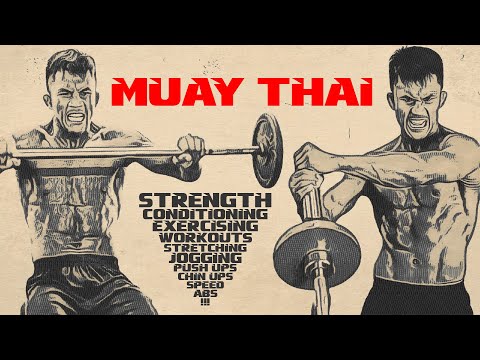
Mastering Muay Thai: The Ultimate Guide to Strength, Power, and Conditioning

Welcome, fellow warriors, to a session dedicated to the very engine of the Nak Muay: strength, power, and conditioning. Many approach their physical training as a mere afterthought, a grim necessity to endure rounds. But I tell you, true mastery of Muay Thai, of any combat art, is forged in the crucible of intelligent, targeted physical development. This isn't just about lifting weights; it's about building a weaponized body – resilient, explosive, and endlessly capable.

We often see fighters who possess incredible technique but lack the raw physical attributes to implement it effectively under pressure. Are you one of them? Do you find yourself gassed after a few intense exchanges? Does your power falter as the rounds progress? If so, this lesson is for you. We will dissect the core components of a potent Muay Thai physique, drawing from the wisdom of seasoned trainers and the hard-won experience of champions. Prepare to have your assumptions challenged and your training revolutionized.

Table of Contents

The Foundation: Why Physicality is Paramount in Muay Thai

A Nak Muay is not merely a technician of kicks and elbows; they are an embodiment of explosive power and unyielding resilience. In the brutal arena of Muay Thai, where every exchange can be decisive, raw physicality isn't a bonus – it's a prerequisite. A fighter must be explosive. Actions must be fast, delivered with devastating intent.

In both training and fighting, we learn to move with precision and speed, but critically, we must also move with explosive power. This requires a fundamentally different approach to training than one might adopt for mere general fitness. The muscular structure needs to be powerful, flexible, and fast. Big muscles, often pursued for aesthetic reasons, are of limited use if they are slow and cumbersome. This is the core philosophy that separates elite combat athletes from the merely fit.

Muay Thai and Muscle: Beyond Aesthetics

The discussion around strength training for combat sports, especially for an art as demanding as Muay Thai, often gets mired in misunderstandings. Many practitioners believe that building significant muscle mass will slow them down, hindering the lightning-fast movements and explosive power essential for the sport. This is a flawed perspective born from training for aesthetics rather than for function.

My years of working with a diverse range of athletes – from seasoned wrestlers like Piet Kanters and Henk van der Stoep, to professional rugby players and American football pros – have taught me a crucial lesson. Arthur Mulder, a brilliant athletic trainer and physiotherapist, was instrumental in shaping this understanding. The principles of strength training for combat are not aligned with those for bodybuilding. Every resistance training session must be built upon functional movements that directly translate to fighting prowess. We are not aiming for gargantuan biceps; we are aiming for a muscular structure that is powerful, flexible, and fast.

The Great Debate: Do We Really Need Jogging?

03:02 - This is a question that sparks fervent debate among coaches and athletes alike. Traditionalists often swear by long-distance jogging as a cornerstone of conditioning for any combat sport. However, when you analyze the physiological demands of Muay Thai – the short, intense bursts of power, the rapid footwork, the explosive clinch exchanges – the efficacy of steady-state cardio comes into question.

While jogging can improve general cardiovascular health and build a base level of aerobic fitness, it doesn't adequately replicate the specific energy systems utilized in a fight. The high-intensity, anaerobic demands of Muay Thai require a different kind of conditioning. Is jogging completely useless? Perhaps not entirely, but it should not be the primary or sole focus of a fighter's endurance training. We must prioritize methods that build the capacity for explosive power and rapid recovery.

The Ubiquitous Jump Rope: A Fighter's Best Friend

04:20 - If there is one piece of equipment that transcends almost all combat sports, it is the humble jump rope. For Muay Thai, it is practically indispensable. Skipping rope is a phenomenal tool for developing a multitude of physical attributes crucial for the Nak Muay.

Firstly, it is an exceptional cardiovascular conditioner. It elevates the heart rate, improves stamina, and builds the aerobic base necessary for enduring multiple rounds. Secondly, it hones footwork and coordination. The rhythmic bouncing, the precise timing required to avoid tripping, and the constant adjustment of foot placement translate directly to improved agility and evasiveness in the ring. Thirdly, it builds ankle and calf strength and resilience, areas often subjected to significant stress in Muay Thai. Skipping rope is a simple, cost-effective, and profoundly effective method for building the fundamental physical capacity required to excel.

Forging Unyielding Endurance: The Heart of the Champion

05:40 - Endurance in Muay Thai is not merely about lasting the distance; it's about maintaining peak performance throughout. It's about having the stamina to deliver powerful strikes even in the championship rounds, to defend effectively when fatigued, and to recover quickly between exchanges. Simply put, a fighter with superior endurance often holds a significant advantage.

Beyond the basic cardiovascular benefits, endurance training in Muay Thai must focus on developing the body's ability to sustain high-intensity efforts and resist fatigue. This involves a combination of aerobic conditioning (like the jump rope) and more specific anaerobic methods.

The Art of Explosiveness: Interval & Speed Training

05:56 - This is where we begin to sculpt the explosive fighter. Interval training and speed workouts are designed to mimic the stop-start, high-intensity nature of combat. The goal is to train the body to perform at maximum capacity for short durations, with minimal recovery time, and then to recover quickly enough to repeat the effort.

Interval Training in Thai Boxing (05:56): This typically involves alternating between periods of intense work (e.g., heavy bag rounds, sprint intervals, plyometrics) and brief recovery periods. The intensity is high, pushing your anaerobic threshold. This trains your body to become more efficient at clearing lactate and to sustain explosive efforts.

Muay Thai Speed Workout (06:40): This focuses specifically on increasing the velocity of movement. Think rapid pad work, explosive shadow boxing focusing on fast combinations, and drills designed to shorten movement times. The emphasis here is on maximal speed, even if it means slightly fewer repetitions compared to endurance intervals.

These methods are crucial for developing the kind of lightning-fast reactions and devastating power that define a true Nak Muay.

Unlocking Raw Power: Strength Training Principles

07:00 - Power, in the context of combat, is the ability to exert maximal force in the shortest possible time. It is strength applied rapidly. Simply being strong is insufficient; you must be able to deploy that strength with explosive speed. This is where dedicated power and strength workouts come into play.

The principles of training for power are distinct. We focus on compound, functional movements that engage multiple muscle groups simultaneously, mirroring the kinetic chains used in striking. Exercises like:

  • Olympic Lifts (or variations): Cleans, snatches, and jerks (when performed correctly) are unparalleled for developing explosive triple extension (hips, knees, ankles).
  • Medicine Ball Throws: Excellent for developing rotational power and explosive core engagement, directly applicable to punches and kicks.
  • Plyometrics: Box jumps, broad jumps, and explosive push-ups train the neuromuscular system to recruit muscle fibers rapidly.

It is vital that these movements are executed with maximal intent and speed. The weight should be challenging but allow for explosive execution, not slow, grinding repetitions.

Beyond Reps and Sets: Tactical and Circuit Training

07:22 - True martial arts training integrates physical conditioning with tactical application. This is where the concepts of tactical training and circuit training become invaluable.

Muay Thai Tactical Training (07:22): This involves conditioning drills that simulate specific fight scenarios. For example, a drill might involve defending against a barrage of punches, transitioning to a clinch, executing knee strikes, and then breaking away – all performed under fatigue. It integrates physical exertion with strategic decision-making and technique execution.

Circuit Training in Thai Boxing (07:56): Circuit training involves performing a series of different exercises back-to-back with minimal rest between them, then resting for a longer period at the end of the circuit before repeating. This is an efficient way to build both muscular endurance and cardiovascular fitness simultaneously. A Muay Thai circuit might include stations for heavy bag work, shadow boxing, push-ups, squats, core exercises, and rope skipping, flowing from one to the next.

These methods ensure that your physical conditioning directly supports your ability to fight intelligently and effectively.

The Strategic Mind: Periodization in Martial Arts

08:47 - Perhaps one of the most overlooked aspects of athletic development, especially in individual combat sports, is strategic planning through periodization. Simply training hard all year round is a recipe for burnout, injury, and plateaued performance.

Periodical Martial Arts Training and Planning: Periodization involves structuring your training into distinct phases, each with specific goals. This might include:

  • General Preparation Phase: Building a broad base of strength, endurance, and fundamental skills.
  • Specific Preparation Phase: Focusing on the unique demands of Muay Thai, increasing intensity, and refining techniques under fatigue.
  • Competition Phase: Peaking for upcoming fights, reducing volume while maintaining intensity and sharpness.
  • Transition/Recovery Phase: Active rest and recovery to allow the body and mind to recuperate before the next training cycle.

A well-planned periodized program ensures that you arrive at your peak performance when it matters most, preventing overtraining and maximizing long-term progress. It’s about working smarter, not just harder.

Sean's Must-Have Exercises for Muay Thai

09:40 - When asked about the absolute essential exercises for any Muay Thai practitioner, the focus must always be on functional strength and explosive power. These aren't just random movements; they are foundational building blocks for a powerful Nak Muay.

"The principles of strength training are not the same way those for fitness training. Every resistance training is based on functional movements. Big muscles are of no use. Our muscular structure needs to be powerful, flexible and fast."

Drawing from this philosophy, the key exercises revolve around developing the entire kinetic chain:

  • Compound Lifts: Squats, deadlifts (or trap bar deadlifts for reduced technical demand), and overhead presses build overall strength and muscle mass in a functional manner.
  • Explosive Movements: Kettlebell swings, medicine ball slams, and plyometric jumps are critical for developing power.
  • Rotational Power: Russian twists, wood chops, and rotational medicine ball throws enhance the power behind punches and kicks.
  • Grip and Forearm Strength: Essential for clinch work and maintaining control.
These exercises, when programmed correctly within a periodized plan, form the bedrock of a fighter's physical arsenal.

The Unshakeable Core: Muay Thai Abs Training

10:44 - The core is the powerhouse of every strike, every defensive maneuver, and every balance adjustment in Muay Thai. A strong, stable core acts as the central link between the lower and upper body, allowing for efficient transfer of force and providing a solid base for power generation. Neglecting core training is akin to building a skyscraper on a weak foundation.

Muay Thai abs training goes beyond the standard crunch. We need exercises that challenge the core in multiple planes of motion and engage it under load:

  • Planks (and variations): Front, side, and dynamic planks build isometric strength and endurance.
  • Hanging Leg Raises: Excellent for developing lower abdominal strength and hip flexor control.
  • Wood Chops (with cable or band): These develop rotational strength and oblique power, crucial for striking.
  • Ab Wheel Rollouts: A highly effective exercise for challenging the entire core musculature.
  • Cable Crunches: When performed explosively, these can help develop dynamic core strength.

A consistent and varied core routine is non-negotiable for any serious Muay Thai practitioner.

Bodyweight Mastery: Push-ups and Chin-ups

11:32 - While weighted training has its place, the mastery of fundamental bodyweight exercises like push-ups and chin-ups remains paramount. These exercises, when performed correctly, are incredibly effective for building upper body strength, power, and endurance—all critical components for Muay Thai.

Muay Thai Push Ups (11:32): Standard push-ups build chest, shoulder, and triceps strength. However, variations are key for combat athletes. Consider explosive push-ups (plyometric), diamond push-ups (for triceps emphasis), and wide-grip push-ups (for chest development). They are vital for powerful punches and effective defensive posture.

Muay Thai Chin Ups (12:44): Chin-ups and pull-ups are arguably the king of upper body pulling exercises. They build back strength (lats, rhomboids), biceps, and forearms. This is crucial for clinch control, defending takedowns (though less common in Muay Thai, the principle applies to controlling an opponent's posture), and generating power in pulling movements. If standard chin-ups are too difficult, assisted variations or negatives can be used.

The Controversial Stretch: To Stretch or Not to Stretch?

13:30 - The role of stretching in athletic preparation is a topic fraught with conflicting advice. Some argue it's essential for flexibility and injury prevention, while others claim it can decrease power output if performed incorrectly or at the wrong time.

#SeanAnswers: Do we really need stretching in Muay Thai? My answer is a qualified yes. Stretching is indeed necessary, but how and when you stretch matters immensely. Pre-workout, static stretching (holding a stretch for an extended period) can temporarily reduce muscle power and potentially increase the risk of injury if the muscles are not adequately warmed. Instead, dynamic stretching, which involves moving joints through their full range of motion, is far more beneficial as part of a warm-up.

Post-workout or on recovery days, static stretching can be highly effective for improving flexibility, aiding muscle recovery, and restoring the body to a neutral state. The goal is not to be rubbery, but to have a functional range of motion that allows for powerful, unrestricted movement.

A Comprehensive Muay Thai Stretching Program

14:43 - A well-rounded flexibility program is crucial for optimizing performance and minimizing injury risk in Muay Thai. This program should target the key muscle groups used in striking, clinching, and defending.

Here is a sample full-body Muay Thai stretching program, best performed after training or on recovery days:

  1. Neck Rolls: Gentle rotations to relieve tension.
  2. Shoulder Stretches: Cross-body arm stretch, overhead triceps stretch.
  3. Chest Stretch: Doorway chest stretch.
  4. Torso Twists: Seated or standing, to improve spinal mobility.
  5. Hip Flexor Stretch: Kneeling lunge stretch.
  6. Hamstring Stretch: Seated forward fold or standing hamstring stretch.
  7. Quadriceps Stretch: Standing quad pull.
  8. Calf Stretch: Gastrocnemius and soleus stretches against a wall.
  9. Inner Thigh Stretch (Adductors): Butterfly stretch or straddle stretch.
  10. Glute Stretch: Figure-four stretch or pigeon pose.
  11. Wrist and Finger Stretches: Gentle flexion and extension.

Hold each stretch for 20-30 seconds, focusing on deep, relaxed breathing. The goal is to improve flexibility without compromising strength or power.

Sean Douglas's Post-Training Protocol

19:17 - The work doesn't end when the training session is over. Recovery is where the body adapts and grows stronger. Neglecting recovery is like forging a blade and then leaving it to rust. Sean Douglas, a fighter who understands this intimately, emphasizes a comprehensive post-training routine.

While the exact details of his protocol are extensive, the core principles revolve around:

  • Active Recovery: Light movement, such as walking or gentle cycling, to promote blood flow and remove metabolic waste.
  • Stretching and Mobility: Addressing muscle tightness and restoring range of motion (as discussed above).
  • Nutrition: Replenishing glycogen stores and providing protein for muscle repair. Proper hydration is also paramount.
  • Sleep: The most critical recovery tool. Aim for 7-9 hours of quality sleep per night.
  • Hydrotherapy (optional): Contrast showers or ice baths can aid in reducing inflammation and speeding up recovery.

Treating your body with respect during the recovery phase is as important as the intensity of your training.

The Fighter's Physique: Functional Movement Over Big Muscles

The overarching philosophy that emerges from this deep dive into Muay Thai conditioning is clear: functional strength and explosive power trump brute size. The goal is not to look like a bodybuilder, but to move like a lethal weapon.

A proper strength program is built as follows:

  • Basic Strength: Building a foundational level of muscular strength across all major movement patterns.
  • Speed Training: Enhancing the rate of force development for quick, powerful actions.
  • Combined Strength and Speed Training: Integrating power development into strength exercises (e.g., jump squats, plyometric push-ups).
  • Flexibility: Ensuring a full, unrestricted range of motion for optimal technique and injury prevention.
  • Endurance Strength Training: The ability to sustain muscular effort over extended periods, crucial for grappling and clinching.
  • Tendon Training: A lesser-known but vital aspect, focusing on strengthening the connective tissues that bear the brunt of explosive movements.

It is imperative to understand that strength training for fighting has evolved into a specialized discipline focused on improving the quality and efficacy of fighting movements. As Arnaud van der Veere notes in his book "Muay Thai," the objective is to develop a physique that is not just strong, but fighting strong.

Essential Equipment for Your Muay Thai Training

To truly maximize your strength, power, and conditioning for Muay Thai, having the right tools can make a significant difference. While the Nak Muay spirit emphasizes adaptability, certain equipment enhances training efficacy:

  • Hand Wraps and Boxing Gloves: Essential for protecting your hands and wrists during striking drills. Look for gloves suitable for sparring (14-16oz) and lighter gloves for pad work.
  • Jump Rope: A high-quality speed rope is invaluable for cardiovascular and footwork conditioning.
  • Medicine Ball: For explosive rotational power and core training. Weighted balls are ideal.
  • Resistance Bands: Versatile for warm-ups, mobility work, and strength-specific exercises.
  • Kettlebells: Excellent for dynamic strength and conditioning movements like swings and cleans.
  • Gym Access (Optional but Recommended): For compound lifts like squats, deadlifts, and overhead presses, as well as weight machines for targeted muscle development.
  • Shin Guards and Mouthguard: Crucial for sparring safety.

Investing in good quality equipment is an investment in your training and your longevity as a fighter. Consider looking for durable Muay Thai merchandise to keep your spirit high.

Frequently Asked Questions

Q1: How often should I do strength training for Muay Thai?
A1: For most practitioners, 2-3 sessions of strength and conditioning per week, integrated with your Muay Thai technical training, is optimal. Avoid heavy lifting on the same day as intense sparring or technical sessions.

Q2: Can I build power without lifting heavy weights?
A2: Absolutely. Explosive bodyweight exercises (plyometrics), medicine ball work, and fast-paced, high-intensity interval training can develop significant power. Weight training is beneficial but not the only path.

Q3: Is it okay to do my strength training before or after my Muay Thai class?
A3: It depends on your goals and energy levels. Doing it after class can be effective for prioritizing technique, but ensure you have adequate nutrition and recovery. Doing it before can fatigue you for technical work. Many find separate days or splitting sessions to be ideal.

Q4: How do I balance Muay Thai technical training with strength and conditioning?
A4: Prioritize. If you have a fight approaching, technique and sparring often take precedence. For general development, balance is key. Listen to your body and adjust volume and intensity accordingly. Periodization is your best friend here.

Q5: What is the most important physical attribute for a Muay Thai fighter?
A5: While all are important, the ability to combine explosive power with sustained endurance is often the deciding factor. This means your conditioning must support your ability to generate force rapidly, round after round.

Sensei's Reflection: Your Next Step

You have now traversed the landscape of Muay Thai strength, power, and conditioning. We’ve moved beyond the simplistic notion of just "training hard" to understand the nuanced science of building a truly formidable fighting physique. From the debated necessity of jogging to the critical importance of explosive movements and intelligent recovery, the path is laid out.

But knowledge without application is merely academic. The true test lies in your commitment to implement these principles. Will you continue to train haphazardly, hoping for results, or will you embrace a structured, intelligent approach?

Sensei's Reflection: Your Next Step

Consider this: The next time you step onto the training mats, are you merely going through the motions, or are you actively engaged in building the specific physical attributes that will make you a more dangerous, resilient, and effective Nak Muay? Identify one area discussed today – be it your core strength, your explosive power, or your endurance capacity – and commit to improving it this week. How will you translate this knowledge into tangible action?

Deepen Your Journey

To continue honing your martial spirit and physical prowess, explore these related topics:

``` GEMINI_METADESC: Unleash your potential with this comprehensive guide to Muay Thai strength, power, and physical training. Explore essential exercises, conditioning techniques, and the philosophy behind building a truly explosive Nak Muay.
The Unbreakable Spirit: Decoding the True Essence of the Weider Principles Beyond Muscle

The Unbreakable Spirit: Beyond Reps and Sets

Many approach the gym with the sole objective of building a physique that mirrors the titans of bodybuilding. They chase the pump, the visible muscle growth, the aesthetic ideal. But I ask you, what is the true purpose of strength? Is it merely for show, a fleeting external adornment? Or is it a tool, a foundation upon which character is built, a weapon honed for the challenges life inevitably throws at us? Today, we dissect the much-lauded Weider Principles, not just as a bodybuilding dogma, but as a lens through which to understand the deeper currents of training, discipline, and the indomitable spirit that is the very soul of Budo.

The world of fitness often celebrates Joe Weider's systematic approach to muscle hypertrophy. While his contributions to bodybuilding are undeniable, have we, in our pursuit of mirrored gains, overlooked the fundamental martial essence embedded within his principles? Let us embark on a journey to uncover the layers of meaning, to separate the superficial from the profound, and to determine if the Weider system, when viewed through the eyes of a martial artist, holds more value than meets the eye.

Joe Weider: The Architect of Modern Bodybuilding

Joe Weider, often hailed as the "Father of Bodybuilding," revolutionized the way we approach physical training. His vision extended beyond mere weightlifting; he sought to create a scientific framework, a system that would unlock the full potential of the human body. Through his magazines, like Muscle & Fitness and Flex, he disseminated his ideas, popularizing concepts that became cornerstones of training for millions. He understood the power of marketing, but more importantly, he grasped the psychology of self-improvement and the deep-seated human desire to push beyond perceived limits.

His empire was built on a foundation of specific training protocols, often referred to collectively as the "Weider Principles." These were not arbitrary rules but observations and strategic applications designed to maximize muscle growth, recovery, and overall physical development. While the focus was often on aesthetics and strength for the sake of physique, the underlying themes of consistency, intelligent adaptation, and relentless effort are universally applicable, even in the most demanding martial disciplines.

Deconstructing the Weider Principles: A Martial Perspective

Let us address the heart of the matter. The Weider Principles, in their most commonly cited forms, include concepts such as:

  • The Principle of Variation
  • The Principle of Progression
  • The Principle of Intensity
  • The Principle of Muscle Confusion
  • The Principle of Isolation vs. Compound Movements
  • The Principle of Pyramids
  • The Principle of Supersets
  • The Principle of Rest and Recovery

While some of these, like isolation exercises, might seem at odds with the holistic approach of many martial arts, others offer profound insights that resonate deeply with the Budo philosophy. We will focus on the principles that transcend the bodybuilding gym and speak to the warrior's spirit.

The Principle of Variation: Never Let Your Training Plateau

This is perhaps one of the most critical principles, both in bodybuilding and in martial arts. The human body, and indeed the mind, adapts. If you perform the same exercises, with the same resistance, in the same manner, day after day, your progress will eventually stagnate. This is the dreaded plateau. Weider recognized this and advocated for changing exercises, rep ranges, and training routines periodically.

Consider this from a martial standpoint: If a boxer only ever spars with the same opponent, using the same strategies, they become predictable and their growth is stunted. Similarly, a Karateka who only practices the same kata without understanding its applications, or a Judoka who only drills a few throws, will find themselves outmatched when faced with novel situations. The Principle of Variation teaches us to be adaptable, to constantly seek new challenges, and to prevent complacency from eroding our hard-won skills. It is the enemy of stagnation, and in combat, stagnation is a death sentence.

"The supreme art of war is to subdue the enemy without fighting." - Sun Tzu. While this speaks to strategy, the foundation of that strategy is an adaptable, ever-evolving capability.

In training, this means varying your approach. If you always do 3 sets of 10, try 5 sets of 5, or even drop sets. If you always train with weights, incorporate bodyweight resistance, plyometrics, or even explosive drills. For martial artists, this translates to training with different partners, practicing against varied styles, learning new techniques, and exploring different training methodologies.

The Principle of Progression: The Stairway to Mastery

This is the very engine of improvement. The Principle of Progression states that to continue making gains, you must gradually increase the demands placed upon your body or mind. This can mean lifting more weight, performing more repetitions, increasing the duration of an exercise, reducing rest times, or mastering a more complex technique.

In bodybuilding, this is straightforward: lift heavier. But in martial arts, progression is more nuanced. It's about increasing not just physical strength, but also speed, precision, timing, and mental fortitude. A young Taekwondo student progresses from basic kicks to complex combinations, from sparring drills to full-contact bouts. A Jiu-Jitsu practitioner moves from basic escapes to intricate submission chains. This gradual ascent, this constant striving for a higher level, is the essence of progression. It requires patience, discipline, and an unwavering commitment to self-improvement. Without it, stagnation (as discussed above) becomes inevitable.

This principle mirrors the concept of Kaizen, the Japanese philosophy of continuous improvement. It's not about giant leaps, but about small, consistent advancements that, over time, lead to profound transformation. Think of it as climbing a mountain; each step, however small, brings you closer to the summit. Skipping steps, or attempting to sprint too soon, often leads to failure.

The Principle of Intensity: Forging Steel Through Fire

Intensity is not merely about lifting heavy; it's about the focused effort and the degree of exertion applied during training. Weider emphasized training to muscular failure, pushing beyond the point of comfort. This is where growth truly occurs.

In the martial arts, intensity is paramount. It's the focused aggression in a Muay Thai roundhouse kick, the unwavering resolve in a Judo throw, the razor-sharp concentration during a Kendo duel. It's the willingness to push your physical and mental limits, to embrace discomfort, and to perform with maximum effort, even when fatigue threatens to overwhelm you. This is not reckless abandon, but controlled, focused exertion.

The mind plays a crucial role here. Achieving peak intensity requires a powerful mental game. It demands that you silence the voice of doubt, push past the perceived barriers of pain and exhaustion, and tap into reserves you didn't know you possessed. This mental toughness, cultivated through intense training, is what separates the dabbler from the true warrior. It is the fire that forges the steel of your spirit.

"The moment a man buries his feet in the earth, he becomes the master of his own fate." - Bruce Lee. This speaks to the self-mastery achievable through intense dedication and focus.

The Principle of Muscle Confusion: The Art of Deception

This principle, perhaps the most debated, suggests that to keep muscles growing, you must constantly change your training stimulus. The idea is that muscles "adapt" to the same routine and stop responding, hence the need for "confusion."

From a strict bodybuilding perspective, the scientific basis for "muscle confusion" is often questioned. However, its underlying intent – to prevent adaptation and stagnation – is valid and aligns with the Principle of Variation. For martial artists, the concept of "confusion" can be interpreted in a more profound way: the ability to be unpredictable, to mix up your attacks, to feint, to use unexpected angles, and to keep your opponent guessing.

Think of a master strategist. They don't rely on a single tactic. They possess a repertoire of moves, strategies, and counter-strategies. They can shift from a powerful offensive to a subtle defensive, from a direct assault to a flanking maneuver. This unpredictability, this "confusion" sown in the opponent's mind, is a powerful weapon. It breaks down their rhythm, erodes their confidence, and opens them up for decisive action. The Principle of Muscle Confusion, when reframed, is about cultivating tactical versatility and strategic deception – skills invaluable in any form of combat.

Beyond Aesthetics: The Martial Application of Strength

The most significant divergence between traditional bodybuilding and martial arts lies in their ultimate goals. Bodybuilding often prioritizes symmetry, proportion, and the sheer size of muscle mass. While impressive, these are primarily aesthetic concerns.

Martial arts, on the other hand, seek strength that is functional, efficient, and integrated. Strength is a tool for power generation in strikes and throws, for maintaining balance under duress, for absorbing impact, and for controlling an opponent. A martial artist needs strength that is agile, resilient, and responsive, not necessarily the sheer bulk that can sometimes hinder speed and flexibility.

Consider the sumo wrestler. They possess immense strength and mass, but their unique style of wrestling requires a specific type of power and stability. Compare this to the lean, explosive power of a professional MMA fighter or the supple, dynamic strength of a Wing Chun practitioner. Each style demands a different manifestation of physical prowess, tailored to its specific demands. Weider's principles, when applied with a martial intent, should focus on developing strength that serves the art, not strength that merely adorns the body.

Training Philosophy Clash: Bodybuilding vs. Budo

At its core, bodybuilding is often a solitary pursuit focused on individual physical development. The primary adversary is one's own physical limitations and the desire for aesthetic perfection. The tools are barbells, dumbbells, and machines.

Budo, conversely, is inherently relational and often communal. The training is not just about self-improvement but about learning to confront, adapt to, and overcome an opponent. It’s about discipline, respect, humility, and the cultivation of character. While physical strength is vital, it is often subservient to technique, strategy, and mental fortitude. The "adversary" is not just the training equipment, but the training partner, the curriculum of the art, and ultimately, oneself.

Joe Weider's principles can be seen as a highly effective system for achieving a specific outcome – muscular hypertrophy. However, they can also be viewed as a framework for developing the discipline, consistency, and resilience that are foundational to any successful martial journey. The key is the intention behind the training. Are you training to look good, or are you training to be capable?

Practical Application: Integrating Weider's Wisdom into Your Budo

So, how can a martial artist leverage the essence of the Weider Principles? Focus on the universal tenets:

  1. Embrace Variation: Regularly switch up your training partners, sparring drills, and even your training environment. Learn different katas or forms if your art allows. Cross-train in complementary disciplines (e.g., a striker cross-training in grappling).
  2. Commit to Progression: Never stop striving to improve. Push your limits in technique, power, speed, and endurance. Seek out higher-ranked practitioners or more challenging opponents. Set ambitious but achievable goals for your technical proficiency and physical conditioning.
  3. Train with Intensity: When you train, train with absolute focus and maximum effort. Treat every drill, every spar, every kata like a real confrontation. Cultivate the mental fortitude to push through discomfort and fatigue.
  4. Be Tactically Unpredictable: Develop a broad range of techniques and be able to employ them effectively. Practice feints, unpredictable sequences, and varied attack angles. Keep your opponents, and even yourself, on your toes.

You might incorporate targeted strength training sessions to supplement your martial arts practice. For instance, focusing on compound movements like squats, deadlifts, and overhead presses to build a strong, functional base. Using principles like progressive overload to ensure your strength training continues to yield results, thereby enhancing your martial capabilities.

While the Weider Principles emphasize technique and effort, having the right equipment can enhance your training experience and safety. For those looking to supplement their martial arts with bodybuilding-style strength training, consider:

  • Durable Weightlifting Gloves: To protect your hands and improve grip during heavy lifting sessions. Look for models offering good palm support.
  • Wrist Wraps: Essential for stabilizing wrists during heavy pressing movements like bench presses and overhead presses, crucial for shoulder health and power transfer.
  • Lifting Belt: For supporting your core during very heavy compound lifts (squats, deadlifts), promoting proper form and reducing injury risk.
  • Comfortable Training Shoes: Providing stability and support for a variety of exercises.
  • High-Quality Protein Powder: To aid muscle recovery and growth post-workout, supporting your overall training regimen.

Frequently Asked Questions

Q1: Can the Weider Principles be directly applied to my specific martial art (e.g., Karate, Judo, BJJ)?
A1: While some principles, like isolation exercises, might not directly translate, the core concepts of variation, progression, intensity, and strategic unpredictability are universally applicable and can significantly enhance your martial arts performance.

Q2: Is focusing on aesthetics detrimental to martial arts training?
A2: Not necessarily, but if aesthetics become the primary goal, it can detract from functional strength and skill development. The key is to ensure your training serves your martial objectives.

Q3: How often should I change my training routine according to the Principle of Variation?
A3: This can vary, but generally, reassessing and modifying your routine every 4-8 weeks is a good practice to prevent plateaus and keep your body (and mind) stimulated.

Q4: What is the difference between intensity in bodybuilding and martial arts?
A4: In bodybuilding, intensity often refers to lifting heavy weights and pushing to muscular failure. In martial arts, it encompasses physical exertion, focus, strategic intent, and mental fortitude applied with maximum effort.

Further Exploration on Your Path

To truly understand the interconnectedness of physical training and martial philosophy, delve deeper into these related topics:

The Unbreakable Core

Joe Weider's principles, stripped of their purely aesthetic bodybuilding context, offer a powerful blueprint for dedication, adaptation, and relentless self-improvement. The pursuit of a stronger physique can indeed be a pathway to a stronger mind and a more capable warrior. By embracing variation, committing to progression, training with unwavering intensity, and cultivating tactical unpredictability, we can harness these principles to forge not just muscle, but an unbreakable spirit.

Reflection of the Sensei: Your Next Step

The gym is a laboratory for physical adaptation, but the dojo is where character is forged. How will you integrate the discipline learned from pushing your physical limits into the intricate dance of combat? Will your strength serve your technique, or will your technique be a mere appendage to brute force? The path to true mastery lies not just in the repetition of exercises, but in the conscious application of learned principles to every facet of your martial journey.

``` GEMINI_METADESC: Explore the Weider Principles through a martial arts lens. Discover how variation, progression, intensity, and strategic unpredictability build not just muscle, but an unbreakable spirit.

Indian Monster Gym | 3 Signs Your Gym Workout is Paying Off

Welcome, seekers of strength and masters of the self, to Budo and Martial Arts! Today, we confront a question that echoes in every dojo, every training hall, and every sweat-drenched mind: How do you truly know if your efforts in the gym are yielding results? Many walk through the hallowed doors of fitness, pushing iron and pounding mats, only to stagnate, their progress a mirage. Is it the weight on the bar, the speed of your punches, or something deeper that signals genuine advancement?

This is not merely about aesthetics, but about the cultivation of true martial prowess. We will dissect the signs, the unmistakable indicators that your training is forging you into a more capable individual, not just physically, but mentally and spiritually. Prepare yourselves, for we are about to embark on a journey to understand the *true* measure of progress.

The Iron and the Spirit: Beyond the Mirror's Deception

The allure of the gym is often tied to external validation – the physique that turns heads, the numbers on the scale. But a true martial artist understands that the body is a vessel, an instrument to be honed for purpose. The "Indian Monster Gym" often implies a brute force approach, yet true progress in martial arts, whether you're lifting weights or practicing Judo throws, transcends mere brute strength. We must look beyond the superficial. What are the *real* markers of a training regimen that is not just effective, but transformative?

Many mistake vanity for victory. A bulging bicep doesn't guarantee you can execute a clean O-soto-gari, nor does a six-pack equate to the mental fortitude of a Kyokushin Karateka facing a full-contact opponent. The signs we seek are woven into the fabric of your being, manifesting in how you move, how you recover, and how you face adversity.

Sign 1: The Evolution of Functional Strength

The first undeniable sign that your gym training is effective is not just an increase in the weight you lift, but the improvement in your functional strength. This is strength that translates directly to your martial arts practice and, crucially, to life itself.

Are you able to generate more power in your strikes? Can you maintain a stable base during grappling exchanges? Does that Kyokushin Karate kata feel more grounded, more explosive? These are the hallmarks of functional strength. It's the difference between being strong in a static pose and being strong in motion, in combat.

"Strength is not a matter of life and death. It is more important than life and death." - Mas Oyama (paraphrased principle, fundamental to Kyokushin)

Consider the deadlift. While impressive, its true value for a martial artist lies in how that coordinated, full-body power can be applied. Can you use that explosive hip drive to power through an opponent in a MMA clinch? Can the stability gained from squats translate to a stronger guard in BJJ? If your gym work enhances your ability to perform these martial movements with greater force, control, and efficiency, then your training is on the right path.

Conversely, if you're gaining strength but your agility suffers, or your stamina for prolonged combate decreases, then your strength is becoming *dysfunctional*. This is where the martial artist must be discerning. The gym should supplement, not supplant, the core skills of your chosen art. A Judo throw requires explosive hip and leg power, coordinated with upper body control. If your squats are helping you drive your hips with more force, that's functional. If they're making your knees ache and hindering your ability to get low for a sweep, that's a red flag.

Sign 2: Enhanced Physical Resilience and Recovery

The grind of martial arts training is relentless. Sparring sessions, high-intensity drills, the constant push against your limits – it takes a toll. An effective gym regimen doesn't just build you up; it fortifies your ability to withstand this wear and tear and, crucially, to recover quickly.

Are you experiencing fewer nagging injuries? Do muscle soreness and fatigue subside faster after a tough training day? Can you bounce back from a gruelling MMA sparring session with your UFC teammates and be ready for the next one with minimal detriment? These are signs of improved physical resilience.

This resilience is built through a combination of strength training that strengthens connective tissues, mobility work that prevents imbalances, and a conscious effort to optimize recovery. Techniques like dynamic stretching before training and static stretching post-training, coupled with adequate sleep and nutrition, become even more effective when supported by a solid foundational strength.

Think about it: a stronger core provides a stable platform, reducing stress on your lower back during grappling. Enhanced shoulder and rotator cuff strength can prevent injuries from repetitive striking or throwing. Improved cardiovascular conditioning from intense gym circuits will allow you to maintain your technique for longer, whether you're practicing Taekwondo forms or engaging in a Kickboxing bout.

"The body achieves what the mind believes." - Napoleon Hill, a principle that applies universally to physical and mental conditioning.

If your gym training leads to chronic pain, persistent fatigue that hinders your martial arts practice, or an increased susceptibility to minor strains, it's time to re-evaluate. The goal is not to break your body down, but to build it into a more robust, resilient instrument.

Sign 3: The Unshakeable Mindset (The Warrior's Edge)

Perhaps the most profound, yet often overlooked, sign of effective training is the impact it has on your mental fortitude. The discipline required to consistently show up at the gym, to push through discomfort, and to strive for improvement is a direct transfer to the martial path.

Do you find yourself approaching challenges with greater calm and focus? Has your ability to concentrate during intense sparring sessions improved? Do you feel a deeper sense of self-control and discipline in your daily life, extending beyond the gym or the dojo? This mental toughness, this warrior's edge, is a critical indicator.

The late nights, the early mornings, the sheer willpower to perform one more set when your muscles scream in protest – these build mental resilience. This mirrors the mental fortitude required to face an opponent, to execute a complex technique under pressure, or to persevere through a grueling fight.

Think of the concept of Mushin (no-mind) in Zen Buddhism and its application in martial arts like Aikido or Kendo. While not directly taught in most gyms, the self-discipline fostered by consistent training cultivates the fertile ground upon which Mushin can grow. A focused mind, unburdened by distraction or doubt, is the hallmark of a true warrior. If your gym workouts are building this mental discipline, you are on the path to mastery.

The gymnasium can be a crucible for forging not just muscle, but unshakeable resolve. When the physical challenges of training spill over into a stronger, more disciplined, and more resilient mental state, you know your efforts are truly effective. This is the true "monster" you should aim to create.

Training Guidance: Applying the Signs

To truly gauge your progress and ensure your gym work enhances your martial arts journey, integrate these signs into your training philosophy.

  1. Track Functional Movements: Beyond lifting numbers, record how your martial arts skills improve. Can you execute techniques with more speed, power, and control? Are your Artes Marciales Mixtas transitions smoother?
  2. Monitor Recovery Metrics: Pay attention to how quickly you recover from intense sessions. Are you sleeping better? Is daily soreness manageable and short-lived? If not, adjust your gym volume and intensity, and prioritize recovery protocols.
  3. Journal Your Mental State: Keep a log of your focus, discipline, and resilience both in training and in daily life. Note instances where your mental toughness, honed in the gym, helped you overcome challenges on the mat or in life.
  4. Seek Feedback: Ask your instructors and training partners if they notice improvements in your physical capabilities and mental approach. External observation can offer valuable insights.

Essential Gear for Your Training

While discipline is paramount, the right equipment can certainly aid your journey. For those looking to bolster their training, consider:

  • High-Quality Training Shoes: For stability and grip during lifts and dynamic movements.
  • Comfortable Training Apparel: Moisture-wicking fabrics that allow for a full range of motion are crucial for both gym and martial arts training.
  • Wrist Wraps & Knee Sleeves: For added support during heavy lifting, helping to prevent injuries and improve performance.
  • Jump Rope: An excellent tool for cardiovascular conditioning and agility work, easily integrated into any workout.
  • Resistance Bands: Versatile for warm-ups, mobility work, and supplementary strength training.

Sensei's Verdict: Is This Gym Worth the Sweat?

The concept of an "Indian Monster Gym" evokes images of raw power and relentless dedication. If the training within such a facility focuses on building functional strength that directly enhances martial capabilities, promotes robust physical resilience, and cultivates an unwavering mental fortitude, then yes, it is absolutely worth the sweat. However, if it's solely about aesthetics or brute force without application, it falls short. True progress lies in the holistic development of the martial artist.

Rating: Cinturón Negro en Potencial de Desarrollo Integral

Frequently Asked Questions

Q1: How quickly should I expect to see results from my gym training?

True results are multifaceted. Physical strength and resilience can improve noticeably within 4-8 weeks with consistent training. However, the mental discipline and functional application in martial arts can take months or even years to fully manifest and integrate. Patience and persistence are key.

Q2: My gym focuses heavily on isolation exercises. Is this bad for my martial arts?

Isolation exercises have their place for addressing specific weaknesses or muscle imbalances. However, for martial artists, compound, multi-joint movements (like squats, deadlifts, overhead presses, and rows) are generally more beneficial as they mimic the coordinated actions used in combat and everyday life. Prioritize compound lifts and supplement with isolation work as needed.

Q3: Can I do too much gym training and harm my martial arts progress?

Absolutely. Overtraining can lead to burnout, increased injury risk, and decreased performance in both your gym and martial arts sessions. Listen to your body, prioritize recovery, and ensure your gym volume and intensity complement, rather than detract from, your primary martial arts training.

Deeper Dives into Your Journey

To truly master your path, continue your exploration of the principles that underpin true martial strength and discipline.

Sensei's Reflection: Your Next Step

The signs are clear: functional strength, resilience, and an unshakeable mind. But are you truly observing them? Or are you merely chasing the echo of effort, mistaking sweat for substance?

Your challenge: For the next week, dedicate one training session (either gym or martial arts) solely to observing one of these three signs. Does your squat improve your ability to drive into an opponent? Does your recovery feel faster after a hard sparring match? Is your focus sharper during meditation or kata practice? Document your observations. Then, confront yourself: are you truly growing as a martial artist, or merely going through the motions? The path to mastery is paved with honest self-assessment. Now, prove your mettle.

``` GEMINI_METADESC: Learn the 3 key signs your gym workouts are truly effective for martial arts: functional strength, physical resilience, and mental fortitude. Elevate your training.

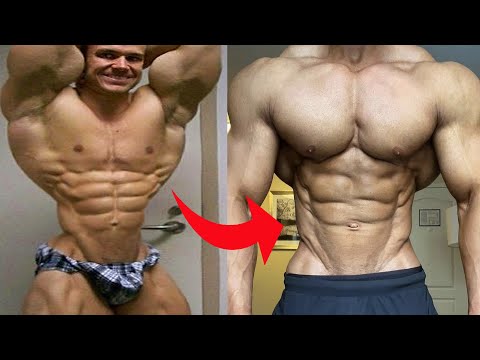
The Absurdity of the "Six-Pack Obsession": Are Endless Crunches Truly Martial?

The pursuit of the sculpted abdomen is a modern fetish, a visual trophy in the gymnasium and on social media. We are bombarded with images of perfectly chiseled torsos, hailed as the pinnacle of physical fitness. But for the dedicated martial artist, the question lingers: does endless abdominal training truly serve our path? Or is it a distraction, a vanity project that pulls us away from the core principles of true Budo? Let us delve into this, not as fitness gurus, but as warriors seeking efficiency and efficacy.

Table of Contents

The Illusory "Six-Pack" Myth

We see it everywhere: endless sit-ups, crunches, leg raises, all promising the coveted six-pack. This obsession is largely a byproduct of Western bodybuilding culture and its media portrayal. While a visible rectus abdominis *can* indicate low body fat and some degree of muscular development, it is by no means the sole or even primary indicator of true physical readiness for combat. In fact, an overemphasis on isolating these superficial muscles can lead to imbalances and injuries, hindering rather than helping the martial artist.

Consider the legendary figures of martial history. Did Miyamoto Musashi, in his duel at Ganryu Island, contemplate his abdominal definition? Did ancient Shaolin monks dedicate hours to static ab exercises? Unlikely. Their focus was on holistic strength, resilience, and the application of power through integrated body mechanics. The "six-pack" is a visual cue, a consequence, not the goal itself.

"The supreme art of war is to subdue the enemy without fighting." - Sun Tzu

This wisdom extends to training. Subduing the enemy (or your opponent) comes from integrated strength, not isolated muscle groups. The pursuit of a "six-pack" often distracts from this fundamental truth.

True Core Strength: Beyond the Rectus Abdominis

The "core" in martial arts is far more than just the muscles visible externally. It encompasses a complex network of deep abdominal muscles (transverse abdominis, obliques), the lower back muscles (erector spinae, multifidus), the diaphragm, and the pelvic floor. This is the engine of your power, the foundation of your stability, and the shock absorber for your entire body.

Think of a powerful punch or kick. The energy originates from the ground, travels through the legs, is powerfully rotated and accelerated by the hips and torso (the core!), and then transferred to the striking limb. If your core is weak or unbalanced, this kinetic chain is broken. You'll lack power, speed, and stability. Moreover, a strong, integrated core protects your spine from the immense forces generated in combat.

Exercises that target the entire core complex – including anti-rotation, anti-extension, and anti-lateral flexion movements – are far more beneficial than repetitive crunches. Examples include:

  • Plank variations (standard, side planks)
  • Pallof presses
  • Farmer's walks
  • Bird-dog
  • Turkish Get-ups

These exercises build functional strength that translates directly to the dojo, the ring, or the street. They teach your body to work as a cohesive unit, which is the hallmark of a skilled martial artist.

Functional Training for Combat: The Martial Artist's Perspective

The goal of martial arts training is not to win a bodybuilding contest; it is to develop the physical and mental capacity to defend oneself, overcome an opponent, and cultivate discipline. Therefore, our training must be functional – meaning it directly improves our ability to perform the actions required in combat.

What does combat demand?

  • Explosive Power: The ability to generate force quickly.
  • Stability: Maintaining balance under pressure and during dynamic movements.
  • Resilience: Withstanding impact and fatigue.
  • Agility: Moving efficiently and adapting to changing situations.
  • Endurance: Sustaining effort over time.

While abdominal muscles play a role, they are part of a larger system. A truly effective training regimen will incorporate elements that address all these demands. This means spending more time on:

  • Compound movements: Squats, deadlifts, overhead presses, Olympic lifts (if properly instructed).
  • Explosive drills: Plyometrics, medicine ball throws, kettlebell swings.
  • Grip strength training: Essential for clinching and controlling an opponent.
  • Cardiovascular conditioning: To maintain stamina throughout a fight.
  • Practice of martial arts techniques: This is the most specific training.

Focusing solely on isolated abdominal exercises is like a swordsman practicing only how to polish the blade, neglecting the stance, the grip, and the entire motion of the cut.

The Philosophy of Minimalism in Training

Many traditional martial arts emphasize efficiency and economy of motion. This principle can and should extend to our training. Why spend hours on exercises with diminishing returns when you can achieve superior results with focused, compound movements and direct martial arts practice?

The concept of "less is more" is powerful. Instead of a high volume of low-intensity ab work, consider a few challenging sets of core-strengthening exercises integrated into a full-body workout, or better yet, focus on how your core engages during your actual martial arts techniques.

"Mastering others is strength. Mastering yourself is true power." - Lao Tzu

True mastery, true strength, comes from within, from understanding your body's interconnectedness and potential. The external display of abs is secondary to this internal development.

A Training Regimen for the Warrior

Here is a template for a more martial-arts-centric approach to physical preparation. This is not a rigid prescription, but a guide to principles. Adapt it to your specific art and needs.

Phase 1: Foundational Strength & Conditioning (Focus: Building the Base)

  1. Warm-up (10-15 mins): Dynamic stretching, light cardio (jogging in place, jumping jacks), joint mobility.
  2. Compound Lifts (3x per week):
    • Squats (Barbell, Goblet)
    • Deadlifts (Conventional, Romanian)
    • Overhead Press
    • Bench Press or Push-ups (variations)
    • Pull-ups or Rows
  3. Core Integration (Post-lifting or on separate days):
    • Plank: 3 sets, hold for 45-60 seconds
    • Side Plank: 3 sets per side, hold for 30-45 seconds
    • Pallof Press: 3 sets of 10-12 reps per side
    • Farmer's Walk: 3 sets, walk for 30-40 yards
  4. Cardiovascular Conditioning (2-3x per week): High-Intensity Interval Training (HIIT) – e.g., 30 seconds on, 30 seconds off for 10-15 rounds of exercises like burpees, mountain climbers, sprints.
  5. Cool-down (5-10 mins): Static stretching, focusing on major muscle groups.

Phase 2: Power & Specificity (Focus: Martial Application)

  1. Continue Compound Lifts: Focus on increasing weight or reps.
  2. Introduce Explosive Work:
    • Medicine Ball Throws (rotational, overhead)
    • Kettlebell Swings
    • Plyometric Box Jumps
  3. Martial Arts Practice: This is where the magic happens. Dedicate ample time to your chosen art. Focus on power generation from the ground up, core engagement in every movement, and technique refinement.
  4. Sparring/Application Drills: Test your conditioning and strength in a controlled, combative environment.

Notice how direct abdominal isolation exercises (like crunches) are minimized, if not absent. The focus is on movements that build integrated, functional strength – the true "core" of a martial artist.

Veredict of the Sensei: Is the Six-Pack Worth the Fight?

From a martial perspective, the obsession with a visible six-pack is largely a misdirection. It is a cosmetic goal that can lead to unbalanced training and neglect of the deeper, more crucial functional strength required for combat. While a strong core is paramount, its development should be a byproduct of integrated training and martial arts practice, not an end in itself.

Rating: Falls short of a Black Belt in Warrior Fitness. Requires a fundamental shift in focus from aesthetics to efficacy.

Equipment Essential for Your Training

While the best martial arts training requires minimal equipment, certain tools can enhance your physical preparation. Investing in quality gear is an investment in your progress and safety.

  • Durable Training Mat: For floor exercises and safe falls.
  • Resistance Bands: Versatile for warm-ups, mobility, and adding resistance to exercises.
  • Kettlebells: Excellent for dynamic core training, explosive power, and conditioning. Start with a moderate weight (16-24kg for men, 8-16kg for women) and progress.
  • Medicine Balls: Crucial for developing rotational power and explosiveness.
  • Quality Training Shoes: For stability and support during lifting and dynamic movements.
  • A Good Quality Gi or Training Uniform: Essential for practicing most traditional martial arts. Look for double-weave or reinforced stitching for durability.
  • Heart Rate Monitor: To track your conditioning intensity and recovery.

For those serious about building a powerful physique that complements their martial arts, consider investing in some basic **home gym equipment** or a **high-quality training gear** setup. Proper equipment can make a significant difference in your training consistency and effectiveness.

Frequently Asked Questions

Q1: Can I build a strong core without doing endless crunches?
A1: Absolutely. True core strength comes from engaging the entire core complex in functional movements like planks, anti-rotational exercises, and dynamic martial arts techniques. Excessive crunches can even be detrimental.

Q2: If I have a low body fat percentage, will I automatically have abs?
A2: Generally, yes. Visible abdominal muscles are a sign of low body fat, which allows them to be seen. However, low body fat alone doesn't guarantee functional core strength for combat.

Q3: How much time should I dedicate to core training versus martial arts practice?
A3: Prioritize your martial arts practice. Integrate core strengthening into your overall conditioning, but ensure the bulk of your training time is spent on developing your specific art's techniques and principles.

Q4: Are there any martial arts where abdominal strength is less important?
A4: While the *manifestation* of core strength differs, a strong, stable core is crucial for *all* martial arts, from the explosive power of Karate and Taekwondo to the grappling stability of Judo and BJJ, and the evasive movement of Aikido.

To Deepen Your Journey

Reflection of the Sensei: Your Next Step

The pursuit of a six-pack is a siren's call, luring many away from the true essence of martial development. It is a hollow victory, a fleeting aesthetic that offers little in the crucible of combat. My challenge to you is this: look past the superficial. Does your training build a body that is resilient, powerful, and efficient? Or are you merely sculpting a trophy for display? Spend one week focusing solely on functional core integration and powerful martial arts movements, and then assess your body's readiness. Tell me, honestly, where does your true strength lie?

``` GEMINI_METADESC: Critiques the modern obsession with six-pack abs from a martial arts perspective, advocating for functional core strength vital for combat.

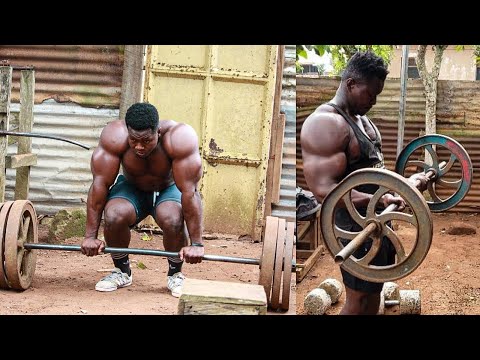
The Illusion of "Poor African/Chinese Physique": Mastering At-Home Training

The very notion of a "poor physique" tied to any continent is a fallacy, a dangerous generalization that martial artists and fitness enthusiasts alike must dismantle. What truly defines our physical prowess isn't our geographical origin or economic status, but our discipline, our understanding of biomechanics, and the consistent application of effort. Today, we delve into what it means to train at home *correctly*, transcending superficial labels and unlocking genuine physical development. This isn't about chasing trends or mimicking the aesthetics of fleeting online fame. It's about building a foundation rooted in functional strength, resilience, and the enduring spirit of the martial path. Whether you're a seasoned practitioner or just beginning your journey, the principles of effective home training remain constant. We will explore the essential equipment, the philosophical underpinnings, and the practical application that separates true progress from mere activity.

Table of Contents

The Strategic Advantage of At-Home Training

Many mistakenly believe that optimal training requires expensive gyms and specialized facilities. This perspective is flawed. The true dojo is not defined by its walls, but by the intent and dedication of the practitioner. At-home training, when approached with the right mindset, offers unparalleled benefits: **convenience, customization, and cost-effectiveness**. It removes the barriers of time and travel, allowing for more frequent and consistent practice. This consistency is the bedrock of all martial arts progress. Furthermore, training at home fosters a deeper connection with your own body and mind. Without the distractions of a crowded gym, you can focus on the nuances of movement, the subtle shifts in balance, and the internal generation of power (Ki). This intimate understanding is crucial for developing true martial skill.

Beyond "Poor Physique": The Martial Artist's Perspective

The very premise of categorizing physiques based on ethnicity or economic status is a superficial distraction. In the realm of martial arts, we are taught to look beyond appearances. A true master can emerge from any background. What matters is the **internal fortitude, the unwavering spirit (Seishin)**, and the **dedication to the path (Michi)**. Instead of focusing on perceived limitations, a martial artist seeks to *transform* their current state. This is the essence of the journey: using whatever resources are available to build a stronger, more capable self. The "poor African or Chinese physique" is a myth perpetuated by those who fail to understand the transformative power of consistent, intelligent training and the universal principles of biomechanics and conditioning. The true challenge lies not in one's origin, but in one's own commitment to overcoming perceived limitations.
"The martial way is nothing else but the application of all efforts for the perfection of self." - Mas Oyama

The Core Principles of Budo At-Home

To train effectively at home, we must first embrace the core tenets of Budo (the martial way):
  • Seiryoku Zenyo (精力善用) - Maximum Efficiency, Minimum Effort: This principle, central to Judo, emphasizes using an opponent's (or gravity's) force to your advantage. Applied to home training, it means performing exercises with proper form and technique to maximize muscle activation and minimize wasted energy.
  • Jita Kyoei (自他共栄) - Mutual Welfare and Benefit: While training alone at home, this translates to self-improvement for the benefit of others. A stronger, more disciplined you is better equipped to help your family, community, and society.
  • Mushin (無心) - No Mind: Cultivating a state of mental clarity and spontaneity. In training, this means reacting instinctively to movements, rather than overthinking.
  • Zanshin (残心) - Lingering Spirit/Awareness: Maintaining awareness even after an action is completed. In home workouts, this means staying focused throughout the entire session and being mindful of your body's recovery.

Essential Equipment for Your Training

While bodyweight exercises form the foundation, a few strategic pieces of equipment can significantly enhance your training capabilities and accelerate progress.
  • Pull-up Bar (Xà đơn gắn cửa treo tường): Absolutely essential for developing upper body pulling strength, crucial for many martial arts techniques.
  • Dumbbells (Tạ Đơn): Versatile for a wide range of exercises, allowing for progressive overload and targeted muscle development. Look for adjustable ones if space is a concern.
  • Push-up Handles (Dụng cụ hít đất đa năng): These reduce wrist strain and allow for a greater range of motion during push-ups, deepening the stretch and increasing the challenge.
  • Exercise Mat (Thảm Tập): Provides cushioning for floor exercises, protecting your joints and providing a stable surface.
  • Resistance Bands: Inexpensive and highly versatile, offering variable resistance for a full-body workout and excellent for dynamic warm-ups and mobility drills.
Investing in quality, durable equipment is a wise decision for long-term martial arts and fitness development. It's not about accumulating gear, but about acquiring tools that facilitate meaningful progress.

Training Guide: Building a Functional Body at Home

This routine is designed to be adaptable. Adjust repetitions and sets based on your current fitness level. Focus on **controlled movements and proper form** above all else.
  1. Warm-up (5-10 minutes):
    • Light Cardio: Jumping jacks, high knees, butt kicks (2 minutes).
    • Dynamic Stretching: Arm circles, leg swings, torso twists, hip circles (3 minutes).
    • Joint Rotations: Wrists, elbows, shoulders, neck, hips, knees, ankles (2 minutes).
  2. Workout Circuit (Perform 3-4 rounds with 60-90 seconds rest between rounds):
    • Bodyweight Squats: 15-20 repetitions. Focus on depth, keeping your chest up and back straight.
    • Push-ups: 10-15 repetitions (modify on knees if needed). Aim for a full range of motion, touching your chest to the floor.
    • Pull-ups (or assisted pull-ups/negatives): As many repetitions as possible (AMRAP). If you cannot do pull-ups yet, focus on negatives (jumping to the top and slowly lowering yourself down) or use resistance bands for assistance.
    • Lunges (Alternating legs): 10-12 repetitions per leg. Maintain balance and a stable core.
    • Plank: Hold for 30-60 seconds. Keep your body in a straight line from head to heels, engaging your core.
    • Dumbbell Rows (if available): 10-12 repetitions per arm. Hinge at the hips, maintaining a flat back, and pull the dumbbell towards your chest.
  3. Cool-down (5-10 minutes):
    • Static Stretching: Hold each stretch for 20-30 seconds. Focus on major muscle groups worked (quads, hamstrings, chest, back, shoulders).
    • Deep Breathing: Focus on diaphragmatic breathing to aid recovery.
This is a foundational circuit. Remember, consistency is key. Aim to perform this routine 3-4 times per week, allowing for rest days in between.

Variations and Progression for Long-Term Growth

To prevent plateaus and continue challenging your body, incorporate variations and progressions:
  • Increase Repetitions/Sets: Gradually add more reps to each exercise or add another round to your circuit.
  • Decrease Rest Times: Shorten the rest periods between exercises and rounds to increase intensity.
  • Tempo Training: Slow down the eccentric (lowering) phase of movements (e.g., 3-5 seconds to lower during a squat or push-up).
  • Explosive Movements: Incorporate plyometric variations like jump squats, clap push-ups, or jump pull-ups for power development.
  • Add Weight: If bodyweight becomes too easy, use dumbbells, resistance bands, or even household items to add resistance.
  • Change Exercise Variations: Move from standard push-ups to diamond push-ups, incline push-ups, or decline push-ups. For squats, try Bulgarian split squats or pistol squat progressions.
The goal is to constantly seek new stimuli for your body and mind. This mirrors the martial artist's continuous pursuit of improvement, learning new techniques and refining existing ones.

Integrating Martial Philosophy into Your Routine

Training at home is not merely a physical exercise; it's an opportunity to cultivate mental discipline and philosophical understanding.
"The greatest victory is the victory over oneself." - Unknown
Approach each workout with the same seriousness and intention as you would a session in a formal dojo.
  • Mindfulness: Be fully present during each repetition. Feel the muscles working, focus on your breath, and let go of external distractions.
  • Grit and Perseverance: When an exercise feels difficult, push through. This mental toughness developed during training will translate to all areas of your life.
  • Respect for Your Body: Listen to your body. Understand the difference between pushing your limits and risking injury. Proper recovery is as important as the training itself.
  • Continuous Learning: Always seek to improve your form, understand the biomechanics behind each movement, and explore new training methods.
This holistic approach transforms physical training into a path of self-mastery, aligning with the deeper principles of Budo.

Veredicto del Sensei: Mastering Your Environment

The concept of a "physique" dictated by geography is a shallow analysis, easily refuted by the principles of dedicated training. True strength and conditioning are cultivated through discipline, intelligence, and consistent effort, regardless of one's surroundings. At-home training, when executed with the spirit of a martial artist, is not a compromise; it is a powerful, adaptable, and accessible path to physical and mental excellence. **Cinturón Negro en Adaptabilidad y Disciplina.**

Preguntas Frecuentes

  • Q: How often should I train at home?
    A: Aim for 3-5 sessions per week, allowing for adequate rest and recovery between sessions. Listen to your body.
  • Q: What if I have very limited space?
    A: Focus on bodyweight exercises that require minimal space. Resistance bands and a jump rope are also excellent for small spaces.
  • Q: How do I ensure I'm performing exercises correctly without a trainer?
    A: Watch reputable online tutorials, record yourself to check form, and start with simpler variations before progressing. Prioritize slow, controlled movements.
  • Q: Can I really build muscle and strength with just bodyweight and minimal equipment?
    A: Absolutely. Progressive overload through variations, increased reps/sets, and tempo training can build significant muscle and strength.

Para Profundizar en tu Camino

GEMINI_METADESC: Master at-home martial arts training, debunking 'poor physique' myths. Learn discipline, essential gear, and effective routines for functional strength & self-mastery.