Showing posts sorted by date for query Zanshin. Sort by relevance Show all posts

The Undeniable Power of Kyokushin Karate: More Than Just a Documentary

Welcome, fellow seekers of the Way. You arrive at BYAM Budo y Artes Marciales not merely by chance, but by a shared pursuit of something profound – the essence of martial arts. Today, we strip away the polished veneer of typical documentaries to confront the raw, unadulterated truth of Kyokushin Karate. Forget mere entertainment; we are here to dissect its strength, its rigorous philosophy, and the transformative fire it ignites within its practitioners. Prepare yourselves, for this is not a passive viewing; it is an immersion into the heart of combat sports, the depth of martial philosophy, and the tangible reality of training.

I. The Unyielding Essence of Kyokushin Karate

Let's address the elephant in the room immediately. When we speak of "The Strongest Karate," we are not exaggerating. Kyokushin, translating to "the ultimate truth" in Japanese, is not a style for the faint of heart. Forged by the legendary Masutatsu Oyama, its very name is a testament to its demanding nature. This is not about flashy kata performed in a sterile dojo; this is about forging physical and mental fortitude through relentless dedication. Its techniques are honed in the crucible of full-contact sparring and brutal training regimens that would break lesser men. Oyama understood that true strength isn't just about throwing punches; it's about developing the unyielding spirit, the Seishin, that allows a warrior to stand firm against any adversity.

Think about it: when you hear the term "Kyokushin," what comes to mind? Likely images of bone-jarring roundhouse kicks, powerful punches, and intense, unyielding sparring matches. This is the stark reality of Oyama's vision. He sought to create a martial art that tested the limits of human endurance, a discipline that would not only teach combat effectiveness but also instill an unbreakable will. This emphasis on realism, on facing an opponent with full commitment, is what separates Kyokushin from many other forms that prioritize form over function. It's a stark reminder that in the face of true conflict, there is no room for pretense.

"The difference between a hobby and a calling is the level of sacrifice you are willing to make." - A principle deeply ingrained in Kyokushin training.

This commitment to "ultimate truth" means confronting one's own limitations, pushing past perceived barriers, and emerging stronger. The rigorous Kihon (basics), the demanding Kata (forms), and the sheer intensity of Kumite (sparring) all serve a singular purpose: to build a warrior from the inside out.

II. The Warrior's Mindset: Embracing the Martial Philosophy

But Kyokushin Karate is far more than a mere combat system. It is a profound vehicle for self-discovery, a living embodiment of the Budo spirit. The principles etched into the dojo walls – humility, respect, perseverance, and self-control – are not abstract concepts. They are the very bedrock upon which a Kyokushin practitioner builds their character. This philosophy transcends the physical exchanges; it is a guide for navigating the complexities of life itself.

Consider the weight of Osu! – the all-encompassing expression of respect, gratitude, and perseverance. It’s not just a word; it’s a commitment. It’s what you utter when you’re tired, when you’re sore, when you want to quit but choose not to. This constant reinforcement of mental toughness, coupled with the respect shown to instructors and fellow students, cultivates a warrior's mindset. You learn to face challenges head-on, not with aggression, but with calm resolve. This is the essence of martial philosophy, a concept often lost in the modern world's pursuit of superficial victories.

The development of Zanshin (awareness) and Mushin (no-mind state) are not merely training goals; they are pathways to a more balanced and conscious existence. When you can react instinctively yet calmly under pressure, whether in a sparring match or a stressful life situation, you have truly begun to understand Kyokushin's deeper teachings. This journey fosters a profound sense of self-awareness, harmonizing the mind, body, and spirit – a balance that is increasingly rare in our chaotic world.

"The mind must be stilled. Only then can the body move with true purpose." - A foundational principle in the study of martial arts strategy.

III. Kyokushin's Impact on the Global Combat Sports Arena

Kyokushin Karate's uncompromising approach has undeniably left an indelible mark on the landscape of combat sports. It's a discipline that has consistently produced individuals with exceptional physical conditioning, mental fortitude, and a deep understanding of striking dynamics. These practitioners, forged in the intense environment of Kyokushin kumite, have translated their skills onto stages worldwide, proving the efficacy of their training.

We've seen Kyokushin exponents excel in various full-contact disciplines, often demonstrating superior conditioning and a never-say-die attitude. Their resilience in the face of powerful opponents and their ability to absorb punishment while continuing to fight are hallmarks of their training. Think of the famous historical bouts and the sheer grit displayed by these fighters. This raw, electrifying spectacle continues to captivate audiences, offering a compelling demonstration of martial arts prowess in its most direct and challenging form. The influence of Kyokushin's full-contact ethos can be seen, whether directly or indirectly, in many modern combat sports, pushing the boundaries of what athletes are capable of.

Whether it's through direct competition or the influence of their fighting spirit, Kyokushin Karate continues to enrich the world of combat sports, offering a testament to the power of dedicated, full-contact training. It’s a constant reminder that strength forged in truth can overcome many obstacles.

IV. Forging Bonds: The Kyokushin Karate Community

Here at BYAM Budo y Artes Marciales, we understand that the martial journey is rarely a solitary one. The dojo is a microcosm of society, a place where bonds are forged through shared sweat, mutual respect, and common goals. The Kyokushin Karate community is a prime example of this – a global network of individuals united by a passion for this demanding art.

This isn't just about training partners; it's about building a support system. In the shared struggle of pushing limits, enduring difficult training sessions, and learning from mistakes, friendships and a profound sense of camaraderie develop. This shared experience extends beyond the dojo itself. Online forums, social media groups, and gatherings all contribute to a vibrant tapestry of connection. It's a place where knowledge is exchanged, encouragement is freely given, and the principles of Budo are lived out collectively. You are never truly alone on this path.

We aim to be a nexus for these connections, a place where enthusiasts of Kyokushin and other martial disciplines can converge. By engaging in discussions, sharing personal experiences – the triumphs and the setbacks – we can all learn and grow. This collective effort nurtures not only individual progress but also a deeper, collective understanding and appreciation of the martial arts. Join us, and discover the strength that comes from being part of something greater than yourself.

V. Gear Up for Glory: Essential Kyokushin Merchandise

Our commitment to your martial arts journey extends beyond mere philosophical discourse. We believe that the right equipment can significantly enhance your training experience and serve as a constant reminder of your dedication. That’s why we offer a curated selection of high-quality Kyokushin merchandise and related gear.

From durable training uniforms that withstand the rigors of intense practice to comfortable apparel that embodies the spirit of the warrior, each item is selected with purpose. We offer books that delve deeper into Kyokushin's history and philosophy, training aids that can supplement your dojo practice, and accessories that let you carry the martial spirit with you every day. Think of it as arming yourself, not just for the physical fight, but for the mental and spiritual one as well.

For those serious about their Kyokushin training, consider investing in a high-quality Kyokushin gi. A well-made uniform is crucial for both comfort and durability during intense sparring sessions. Beyond the gi, explore our range of training equipment designed to help you hone your techniques, such as focus mitts for speed and accuracy drills, or even a makiwara to build devastating power. Supporting our platform through these purchases not only equips you for your path but also allows us to continue providing valuable content and fostering the martial arts community.

Equipo Esencial para tu Entrenamiento

  • Kyokushin Gi (Uniforme): Busca un tejido resistente y un corte que permita una amplia movilidad. Doble tejido es ideal para la durabilidad.
  • Guantes de Sparring (14-16oz): Esenciales para la seguridad durante el kumite.
  • Protector Bucal: No negociable para cualquier tipo de sparring.
  • Espinilleras y Empeineras: Recomendadas para entrenamiento de contacto completo.
  • Libros sobre Kyokushin y Budo: Para complementar tu aprendizaje técnico y filosófico.

Conclusion

Kyokushin Karate is far more than a martial art; it is a transformative way of life. It is a discipline that instills unwavering discipline, profound resilience, and an indomitable spirit. Through its practice, we uncover our innermost strength, empowering us not just to face challenges, but to conquer them with grace and steely determination. Join us at BYAM Budo y Artes Marciales, where we don't just discuss the beauty of martial arts; we celebrate its power, foster a thriving community, and provide the resources to enrich your personal martial arts journey. Together, let us embrace the raw power of Kyokushin Karate and embark on an enduring path of self-discovery and ultimate mastery.

Preguntas Frecuentes

  • What makes Kyokushin Karate different from other Karate styles? Kyokushin is distinct due to its emphasis on full-contact sparring with minimal protective gear, its rigorous physical conditioning, and its philosophical commitment to "the ultimate truth" in combat and life.
  • Is Kyokushin Karate suitable for beginners? Yes, Kyokushin offers specialized beginner classes designed to gradually introduce practitioners to its demanding techniques and philosophy, focusing on safety and foundational skills.
  • What are the main benefits of practicing Kyokushin Karate? Benefits include enhanced physical fitness, improved discipline and self-control, increased mental toughness, boosted confidence, and a deep understanding of respect and perseverance.
  • Can Kyokushin Karate be used for self-defense? Absolutely. The full-contact nature of Kyokushin training directly prepares practitioners for realistic self-defense scenarios, emphasizing practical application and resilience.

Reflexión del Sensei: Tu Próximo Paso

You have absorbed the essence, the philosophy, and the undeniable power of Kyokushin. Now, consider this: How does the "ultimate truth" of Kyokushin manifest not just in the dojo, but in the mundane moments of your daily life? Are you truly living with the discipline, respect, and perseverance you claim to embody?

For further exploration into the world of martial arts and combat sports, check out these related articles:

``` ```json { "@context": "http://schema.org", "@type": "FAQPage", "mainEntity": [ { "@type": "Question", "name": "What makes Kyokushin Karate different from other Karate styles?", "acceptedAnswer": { "@type": "Answer", "text": "Kyokushin is distinct due to its emphasis on full-contact sparring with minimal protective gear, its rigorous physical conditioning, and its philosophical commitment to \"the ultimate truth\" in combat and life." } }, { "@type": "Question", "name": "Is Kyokushin Karate suitable for beginners?", "acceptedAnswer": { "@type": "Answer", "text": "Yes, Kyokushin offers specialized beginner classes designed to gradually introduce practitioners to its demanding techniques and philosophy, focusing on safety and foundational skills." } }, { "@type": "Question", "name": "What are the main benefits of practicing Kyokushin Karate?", "acceptedAnswer": { "@type": "Answer", "text": "Benefits include enhanced physical fitness, improved discipline and self-control, increased mental toughness, boosted confidence, and a deep understanding of respect and perseverance." } }, { "@type": "Question", "name": "Can Kyokushin Karate be used for self-defense?", "acceptedAnswer": { "@type": "Answer", "text": "Absolutely. The full-contact nature of Kyokushin training directly prepares practitioners for realistic self-defense scenarios, emphasizing practical application and resilience." } } ] }
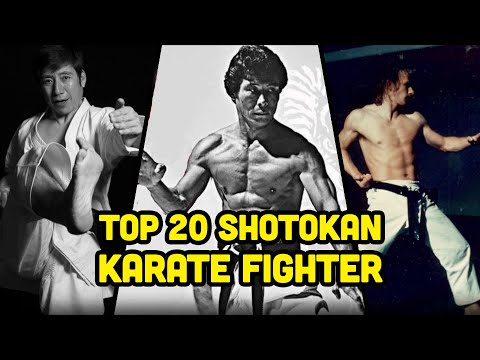
The Pantheon of Shotokan: Unveiling the Top 20 Masters Who Defined Budo

The air in the dojo crackles with a silent intensity. It's the hum of discipline, the echo of countless hours spent honing the body and mind. Shotokan Karate, a name synonymous with power, precision, and an unbroken lineage stretching back to the dawn of modern martial arts, is more than just a fighting style; it's a philosophy etched in motion. But who are the titans, the individuals whose very names evoke awe and respect within the hallowed halls of Budo? Who are the fighters who didn't just practice Shotokan, but embodied its spirit, pushing its boundaries and leaving an indelible mark on the world of martial arts? This is not merely a list; it is an investigation into the soul of a discipline that has shaped warriors and fostered self-mastery for generations.

The Genesis of Shotokan Greatness

Shotokan Karate, a cornerstone of modern martial arts, didn't spring into existence fully formed. It was forged in the crucible of Okinawa, refined by visionary masters, and disseminated across the globe by dedicated practitioners. Its very name, "Shoto," meaning "waving pine," reflects the serene yet powerful nature that its founder, Gichin Funakoshi, sought to instill. When we speak of the "greatest fighters," we're not just referring to those who dominated competitions, but to individuals who exemplified the highest ideals of Shotokan: technical brilliance, unwavering spirit, and a profound commitment to the principles of Budo.

But let's cut through the polite introductions. Are we talking about pure sport Karate, or does the definition of "fighter" encompass those who preserved the art's combative integrity? The line can blur, and it's precisely this tension that makes dissecting Shotokan's legacy so compelling. In this deep dive, we will not shy away from controversy, but rather embrace it, for it is through rigorous debate that true understanding is born.

The Pillars: Funakoshi and Nakayama

No discussion of Shotokan greatness can begin without acknowledging its spiritual and practical architects. Gichin Funakoshi (1868-1957) is, without question, the linchpin. His journey from Okinawa to mainland Japan, introducing *Te* (hand techniques) as Karate, fundamentally altered the martial landscape. Funakoshi wasn't just a fighter; he was a philosopher-warrior who translated the raw effectiveness of Okinawan fighting into a structured system, emphasizing the moral and ethical dimensions alongside the physical.

"Karate is not a copy of other arts, just as the pine is not a copy of the willow. Its strength is not merely in its execution, but in its perfection." - Gichin Funakoshi

His student, Masatoshi Nakayama (1913-1987), inherited this monumental task. Nakayama was the organizational genius and the driving force behind the Japan Karate Association (JKA). He not only codified the techniques and katas, ensuring a degree of standardization that allowed Shotokan to spread universally, but he also championed the competitive aspect, recognizing its power in testing and refining techniques under pressure. Nakayama's vision was pragmatic: to ensure Shotokan's relevance and effectiveness in a changing world. His influence on competitive Karate is undeniable.

Masters of the Golden Age

The decades following Funakoshi and Nakayama's foundational work saw an explosion of talent. These were the men who took the established framework and infused it with their unique fire, forging careers that would inspire generations. The late 20th century, in particular, was a fertile period for Shotokan fighters who excelled not only in kata but in the intense, high-speed combat of kumite.

We speak of:

  • Hirokazu Kanazawa (b. 1931): A student of Nakayama, Kanazawa is a legend for his technical prowess and dynamic energy. His mastery of both kata and kumite, coupled with his extensive international teaching, solidified his place in history. His influence transcends mere fighting; he is an educator of Budo.
  • Taiji Kase (1935-2004): Known for his powerful techniques and dynamic stances, Kase was another prominent figure within the JKA. He later developed his own style, encouraging innovation while staying true to Shotokan principles. His approach to the art was often described as forceful and direct, reflecting a deep understanding of combat application.
  • Hidetaka Nishiyama (1928-2008): A student of Funakoshi, Nishiyama was instrumental in establishing Karate in the United States and was a key figure in the formation of the International Traditional Karate Federation (ITKF). He advocated for Karate as a path to self-development, not just a fighting sport.
  • Keinosuke Enoeda (1935-1993): Often dubbed the "Tiger of Shotokan," Enoeda was renowned for his incredible speed, powerful techniques, and fierce fighting spirit. His presence on the mat was electrifying, a true testament to the combative potential of Shotokan.

These names, and many others like Tetsuhiko Asai, Takashi Mikami, and Yoshiaki Ushiro, represent a golden era where the theoretical principles of Shotokan were put to the ultimate test in live combat scenarios, both in dojo sparring and international tournaments. Their dedication to rigorous training, often involving punishing physical conditioning and repetitive drilling, is a lesson in itself. Are you putting in that level of commitment, or are you content with superficial understanding?

Contemporary Icons and Their Legacies

While the "golden age" produced many legends, the evolution of Shotokan has continued. Modern fighters, often competing in highly specialized sport Karate circuits, continue to push the envelope. Names like Antonio Oliva, Shinji Nagaki, and Toru Shimizu have carved out significant legacies. Their ability to adapt Shotokan's principles to the demands of modern competition, where milliseconds matter and strategy is paramount, is a testament to the art's enduring viability.

However, a word of caution: does the intense focus on sport Karate sometimes dilute the deeper philosophical aspects that Funakoshi emphasized? This is a question that sparks heated debate in martial arts circles. Some argue that the scoring system and rulesets can inadvertently encourage techniques that are less effective in a real self-defense scenario, while others contend that competitive pressure refines techniques to their most efficient form. Where do you stand on this crucial distinction?

The Philosophical Underpinnings of Mastery

To truly understand the "greatest" Shotokan fighters, one must look beyond their physical prowess. At its heart, Shotokan is a discipline rooted in the principles of Budo – the Way of the Warrior. This path emphasizes not only the combat skills but also moral development, mental fortitude, and spiritual growth. Concepts like Mushin (no mind), Zanshin (continuous awareness), and Fudoshin (immovable mind) are not mere buzzwords; they are the guiding principles that separate a mere fighter from a true martial artist.

"The ultimate aim of Karate is not winning or losing, but the perfection of the human character." - Gichin Funakoshi

The dedication required to achieve mastery in Shotokan is immense. It demands not only physical training but also deep introspection and an unwavering commitment to self-improvement. This is where the true "fighting" occurs – the internal battle against one's own limitations, fears, and ego. It is this internal struggle that, when conquered, allows the external techniques to flow with true power and purpose. Think of the discipline required for Kyokushin Karate's legendary conditioning; Shotokan, while different in its expression, demands a similar internal fortitude.

Sharpening Your Own Blade: Training for Excellence

The path to becoming a formidable Shotokan practitioner, whether for competition or personal development, is paved with consistent and intelligent training. While the specific techniques and approaches of the masters differ, certain core principles remain universal:

  1. Master the Fundamentals: Do not underestimate the power of the basics. Perfect your stances (dachi), punches (tsuki), blocks (uke), and kicks (geri). This is the bedrock upon which all advanced techniques are built.
  2. Kata as a Blueprint: Treat each kata not as a dance, but as a detailed combat simulation. Understand the bunkai (applications) behind every movement. Practice it repeatedly until the techniques become instinctive.
  3. Kumite Dynamics: Engage in sparring (kumite) with a focus on strategy, timing, and control. Seek partners who challenge you, forcing you to adapt and think on your feet. Learn from both your successes and your failures.
  4. Physical Conditioning is Non-Negotiable: Develop explosive power, endurance, and flexibility. Incorporate cardiovascular training, strength conditioning, and flexibility exercises into your routine. The body is the weapon; it must be honed.
  5. Mental Fortitude is Key: Cultivate focus, discipline, and resilience. Practice meditation or mindfulness techniques to enhance your awareness and composure under pressure.

Remember, the journey is as important as the destination. The greatest fighters weren't born; they were made through relentless dedication. Are you willing to make that commitment?

Essential Gear for the Dedicated Budoka

While Shotokan Karate can be practiced with minimal equipment, certain items can significantly enhance your training experience and help you emulate the dedication of the masters.

  • Karategi (Uniform): A high-quality, durable Karategi is essential. Look for one made from heavy-duty cotton that can withstand the rigors of intense training and frequent washing. Brands like Karate Merchandise or specific Kyokushin Gi manufacturers often offer excellent options.
  • Karate Belt: As you progress, your belt signifies your level of dedication and understanding. Ensure it's securely tied – a loose belt is a sign of a loose mind.
  • Mouthguard: For sparring (kumite), a properly fitting mouthguard is non-negotiable for protecting your teeth and jaw.
  • Groin Protector: Essential for protecting against accidental strikes during sparring.
  • Training Mats (optional): If you're practicing at home, especially dynamic techniques or falling drills, padded mats can provide a safer training environment and reduce the risk of injury.

Sensei's Verdict: The Enduring Impact

The concept of a definitive "Top 20" is inherently subjective, a testament to the diverse interpretations and expressions of Shotokan Karate throughout history. What unites these masters, from the foundational figures like Funakoshi and Nakayama to the titans of competition like Enoeda and Kanazawa, is their unwavering commitment to the art. They didn't just perform techniques; they lived the philosophy. They demonstrated that Shotokan Karate is a powerful combative system, a rigorous physical discipline, and a profound path to personal growth. Their legacies are not merely in the records they set, but in the countless practitioners they have inspired to take up the mantle of Budo.

Score: Black Belt in Legacy and Influence

Frequently Asked Questions

Who is considered the founder of Shotokan Karate?
Gichin Funakoshi is widely regarded as the founder of Shotokan Karate. He introduced the style from Okinawa to mainland Japan.
What is the difference between Shotokan and other Karate styles?
Shotokan is characterized by its deep stances, powerful linear techniques, and emphasis on strong fundamental movements. While all Karate styles share common roots, Shotokan's specific approach to stances, kihon (basics), and kata differentiates it.
Is Shotokan Karate effective for self-defense?
Yes, Shotokan Karate, when practiced with a focus on practical application and combative principles, can be highly effective for self-defense. However, like any art, its effectiveness depends on the practitioner's training, intent, and understanding of real-world situations.
What does "Budo" mean in the context of Shotokan?
Budo translates to "the Way of the Warrior." In Shotokan, it signifies that the practice of Karate extends beyond physical techniques to encompass discipline, respect, mental fortitude, and personal development.

Deeper Dives into the Budo Path

The journey into the world of Shotokan and the broader martial arts landscape is continuous. For those seeking to deepen their understanding and connect with a vibrant community, the following resources are invaluable:

  • Explore the foundational principles of martial philosophy in our article on BUDO.
  • Understand the physical demands and strategic nuances of modern combat in our analysis of Artes Marciales Mixtas.
  • Discover the importance of mental resilience and self-mastery in our guide to Self Improvement.

In conclusion, Shotokan Karate stands as a monumental pillar in the edifice of martial arts. The fighters we have highlighted are not just practitioners; they are custodians of a legacy, warriors who have not only mastered technique but have also illuminated the profound philosophical depths of this ancient art form. Their dedication serves as a perpetual challenge to us all: to pursue not just strength, but wisdom; not just victory, but character.

Reflexión del Sensei: Tu Próximo Paso

You have walked through the hallowed halls, glimpsed the faces of legends. But true understanding does not come from observation alone. It is forged in sweat, in frustration, in the relentless pursuit of perfection. Now, tell me: which of these masters' spirits resonates most deeply with your own martial aspirations? And more importantly, what single, concrete action will you take today to embody a fraction of their dedication in your own training? The path is yours to walk, but the first step must be taken with intention.

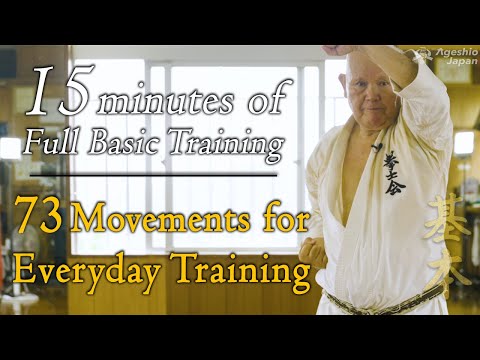
Mastering the Fundamentals: A Deep Dive into 73 Okinawan Karate Movements with Hanshi Yoshimasa Kakazu

Introduction: The Essence of Okinawan Karate

Let us be blunt. In the cacophony of modern martial arts, where flashy techniques and fleeting popularity often overshadow true substance, the purity of Okinawan Karate can seem like a distant echo. Yet, for those who seek the bedrock of a martial path, the original teachings from the birthplace of Karate are an unparalleled treasure. Today, we dissect a compelling resource: the instructional video featuring the esteemed Shorin-ryu Hanshi 10th dan, Yoshimasa Kakazu. This isn't just another exercise video; it's a portal into the very soul of Karate, a testament to the power of fundamentals.

The promise? 73 basic movements, designed for daily practice, right in your home. But can a 15-minute routine truly distill centuries of martial wisdom? Can the essence of Karate be captured and transmitted through a screen? We delve deep to answer these questions, examining not just the techniques, but the philosophy underpinning them, as presented by a master who embodies the spirit of the Okinawan dojo.

Part 1: Building the Foundation – 24 Essential Movements

Kakazu Sensei wastes no time. The video opens with a powerful assertion: Karate is not confined to the meticulously swept floors of a dojo. It is a way of life, a practice that can and *should* permeate every aspect of our existence, starting with dedicated daily training. This is the first lesson: consistency over intensity. A daily 15-minute commitment, performed with full intent (zanshin), is far more potent than sporadic, exhaustive sessions.

The initial 24 movements are the very scaffolding of Karate. Forget gratuitous flair; here we find the raw materials:

  • Punches: Straight, powerful extensions of the body, emphasizing correct fist formation and the generation of force from the hips and core. It's not just about punching the air; it's about projecting power through an imaginary opponent.
  • Blocks: The forearm is the primary instrument, but the entire body must engage. These aren't passive deflections; they are active deflections designed to redirect force, control distance, and set up counter-offensives.
  • Kicks: Precision, speed, and a sharp, snapping motion are paramount. Kakazu Sensei demonstrates kicks that are not only powerful but also economical, conserving energy while maximizing impact.
  • Footwork: The foundation of all movement. The drills focus on maintaining balance, changing direction efficiently, and covering distance without telegraphing intentions. This is the dance of combat, the silent conversation of movement.

Observe the hikite (pulling hand) – it's not merely for show; it's integral to hip rotation and power generation. Notice the rootedness of the stances; they are not static postures but dynamic platforms from which explosive movement can originate. This is where the martial artist learns to be both an immovable object and an unstoppable force.

"The true purpose of Karate is to build character, discipline, and a strong mind. Techniques are merely the means to this end." - A principle echoed by many Okinawan masters.

Part 2: Expanding the Arsenal – 27 Advanced Techniques

Once the foundational blocks are solid, Kakazu Sensei introduces a new layer of complexity and application. The next 27 movements delve into closer-range combat, requiring a higher degree of spatial awareness and coordination.

  • Elbow Strikes: These are devastating weapons when used correctly. The video emphasizes generating power through short, explosive movements, often using the entire body's weight.
  • Knee Strikes: Similar to elbow strikes, knee strikes demand precision and timing, particularly effective in clinching situations.
  • Throws: While Karate is primarily known for strikes, its Okinawan roots include effective grappling and throwing techniques (nage-waza). These movements teach balance disruption and leveraging an opponent's momentum against them.

This section is a critical reminder that Karate is a complete martial art. To dismiss its grappling and close-quarters aspects is to misunderstand its lineage. The integration of these techniques with the striking arsenal creates a truly formidable practitioner, capable of adapting to a variety of combat scenarios. Mastering these requires not just physical repetition but a mental shift – understanding leverage, timing, and the geometry of conflict.

Part 3: Refining the Craft – 22 Combinations and Flow

The final 22 movements are where the art truly begins to coalesce. This isn't just about individual techniques anymore; it's about the seamless transition between them, the creation of fluid combinations that overwhelm an opponent.

Here, we see the application of principles learned earlier:

  • Combinations: Punch-block-kick sequences, or more complex chains that exploit openings created by prior movements. The focus is on natural transitions, minimizing wasted motion and maximizing offensive pressure.
  • Advanced Kicks: More complex kicks, perhaps incorporating spins or multiple chambers, demanding greater flexibility and control.
  • Agility Drills: Movements designed to enhance speed, explosive power, and the ability to change direction instantly.

This is the stage where the practitioner moves from simply executing techniques to *applying* them with intent and strategy. It’s about developing Ki – the vital energy – and channeling it through precise, powerful actions. The sheer number of movements (73 in total) might seem daunting, but the beauty lies in their interconnectedness. Each movement is a building block, and these final combinations are the masterpiece taking shape.

Veredicto del Sensei: ¿Vale la Pena Ver el Video?

Cinturón Negro en Enseñanza de Fundamentos. This video is a valuable asset for any Karate practitioner, regardless of style or experience level. Kakazu Sensei's instruction is clear, precise, and imbued with the authority of decades of dedicated practice. The emphasis on fundamental movements and daily home practice is a timely reminder in an era often obsessed with novelty. While seeing the techniques in person at the Kenshikai dojo in Okinawa would undoubtedly offer deeper insights, this video provides an excellent, accessible foundation. It doesn't replace a qualified instructor, but it powerfully supplements home training.

Guía de Entrenamiento: Integrando los Movimientos de Kakazu Sensei

To truly benefit from the 73 movements, a structured approach is essential. Here’s how to integrate them into your daily regimen:

  1. Part 1 (Days 1-7): Focus exclusively on the first 24 movements. Practice each movement 10-20 times, ensuring correct form, balance, and power generation. Pay close attention to the hip rotation and breathing.
  2. Part 2 (Days 8-14): Integrate the next 27 movements. Spend time understanding the mechanics of elbow/knee strikes and the basic principles of throws. Ensure your foundational techniques remain sharp.
  3. Part 3 (Days 15-21): Introduce the final 22 movements. Focus on linking techniques smoothly. Practice combinations slowly at first, then gradually increase speed.
  4. Week 4 Onwards: Cycle through all 73 movements, aiming for fluidity and power. Use the video as a reference but strive to perform from memory. Incorporate applications (bunkai) mentally or with a training partner.
  5. Daily Practice: Even 15 minutes daily is better than hours once a week. Maintain Zanshin throughout your practice.

Recursos para Profundizar en tu Camino Marcial

To truly embody the principles of Okinawan Karate, consider these resources:

  • Kimono de Karate de Alta Calidad: Look for kimonos de doble tejido designed for durability and freedom of movement. A well-fitting gi enhances your practice.
  • Guantes de Entrenamiento: For sparring practice, investing in guantes de 16oz para sparring can protect your hands and your partner's.
  • Libros sobre Bushido y Filosofía Marcial: Understanding the warrior's code is as crucial as physical training. Explore texts on Bushido and the philosophy of the samurai.
"Karate is a lifetime pursuit. There is no end to learning, only constant improvement." - Attributed to many Karate masters.

Preguntas Frecuentes

¿Es necesario tener experiencia previa en Karate para seguir este video?

No, aunque tener una base ayuda, el video está diseñado para ser accesible. La claridad de Kakazu Sensei permite a los principiantes comenzar a construir una base sólida. Sin embargo, se recomienda buscar instrucción presencial para correcciones personalizadas.

¿Puedo realmente mejorar mi Karate solo con este video y práctica en casa?

Este video es una herramienta excelente para el entrenamiento diario y la mejora de los fundamentos. Sin embargo, para un desarrollo marcial completo, la guía de un instructor calificado en un dojo es insustituible para el sparring, el bunkai (aplicaciones) y la corrección técnica detallada.

¿Qué significa "Shorin-ryu Hanshi 10th dan"?

"Shorin-ryu" es uno de los estilos principales de Karate Okinawense. "Hanshi" es un título honorífico otorgado a maestros de alto nivel (generalmente 8º Dan o superior) con décadas de experiencia. "10th dan" indica el rango más alto posible en la mayoría de las organizaciones de Karate.

¿Por qué tantos movimientos básicos en Karate?

Los movimientos básicos (Kihon) son los cimientos sobre los que se construye todo el arte. Dominar el Kihon asegura potencia, precisión, equilibrio y eficiencia, principios cruciales para cualquier técnica, por compleja que sea.

¿Es la práctica de Karate útil para la defensa personal real?

El Karate tradicional, especialmente cuando se entrena con aplicaciones prácticas y se enfoca en la mentalidad combativa, puede ser muy efectivo para la defensa personal. Sin embargo, la efectividad depende en gran medida de la calidad del entrenamiento y del enfoque del practicante. Estilos como el Kyokushin (Karate Kyokushin) a menudo incluyen entrenamiento más enfocado en el combate real.

Para Profundizar en tu Camino

```

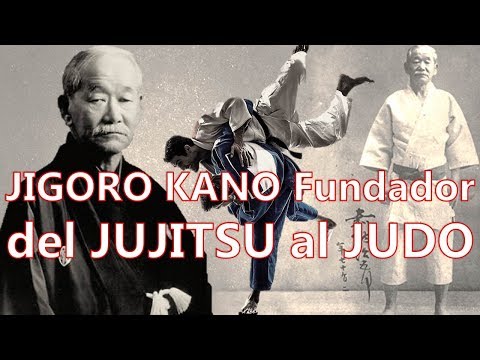
Jigoro Kano Sensei: El Arquitecto del Judo y la Revolución del Jujitsu

¿Creéis que el Judo, tal como lo conocemos hoy, nació de la noche a la mañana? ¡Tonterías! Detrás de cada proyección perfecta, de cada inmovilización que somete la voluntad del oponente, hay una historia de profunda reflexión, de una visión audaz que transformó la brutalidad del jujitsu ancestral en un camino de desarrollo físico, mental y social. Hoy, mis alumnos, vamos a desentrañar el legado de un hombre cuyo nombre resuena con la fuerza de un seoi nage bien ejecutado: Jigoro Kano Sensei. Este no es un simple recuento histórico. Es un análisis de cómo una mente brillante y un espíritu marcial inquebrantable pueden moldear el destino de un arte marcial, llevándolo de las sombras a la luz del reconocimiento mundial. Preparensé, porque vamos a examinar la génesis, la filosofía y el impacto duradero de la transformación del jujitsu en judo.

La Génesis del Visionario: De Mikage al Kodokan

Jigoro Kano vio la luz por primera vez el 28 de octubre de 1860, en la pintoresca ciudad de Mikage, cerca de la vibrante Kobe, Japón. Nacido en el seno de una familia de samuráis, el respeto por la disciplina, el honor y la maestría marcial estaba tejido en su ADN. Sin embargo, Kano no era solo un guerrero en ciernes; era un intelectual precoz. Su sed de conocimiento lo llevó a las aulas de la prestigiosa Universidad Imperial de Tokio, un caldo de cultivo para las mentes más brillantes de la época. Fue allí, en medio del fervor académico, donde el joven Kano, a la edad de 17 años, comenzó su inmersión en el mundo del jujitsu. Pero para Kano, el estudio de las artes marciales nunca fue un fin en sí mismo. Siempre buscó más, una comprensión más profunda, una aplicación más noble.

El Despertar del Maestro: La Insuficiencia del Jujitsu Tradicional

Mientras Kano Sensei profundizaba en las técnicas del jujitsu, una verdad se hizo cada vez más evidente para él: el sistema tradicional, aunque efectivo en su ferocidad, estaba plagado de limitaciones. Muchas de sus técnicas eran demasiado peligrosas, orientadas a la lesión grave o incluso la muerte, lo que las hacía poco prácticas para el desarrollo personal y la práctica regular. Además, carecía de una estructura pedagógica clara y un propósito unificador más allá de la mera autodefensa o el combate. Kano Sensei, con su mente analítica, reconoció que un arte marcial verdaderamente superior debía ser más que un conjunto de movimientos letales. Debía ser un vehículo para el crecimiento integral del individuo y, en última instancia, para el progreso de la sociedad. El jujitsu, en su forma predominante, no cumplía con esta visión. Le faltaba una base filosófica sólida, un sistema educativo y un enfoque que trascendiera la mera confrontación física.
"El estudio y la práctica de las artes marciales deben tener como objetivo no solo la destreza física, sino también el desarrollo del carácter, la disciplina y el respeto mutuo." - Un principio que resuena con la filosofía de Kano.

El Nacimiento del Judo: Una Filosofía en Movimiento

Impulsado por esta profunda insatisfacción y su visión de un arte marcial más completo, Jigoro Kano se embarcó en una tarea monumental: la reforma del jujitsu. No buscaba simplemente pulir las técnicas existentes; pretendía destilar la esencia de la lucha efectiva y revestirla con una filosofía que promoviera la mejora personal y el bien común. Así nació el Judo, cuyo nombre encierra la clave de su esencia: "Ju" (suavidad, flexibilidad) y "Do" (camino, vía). El Judo no era solo un método de lucha, era un "camino de la suavidad", un sistema que enfatizaba el uso de la fuerza del oponente contra sí mismo, la armonía del movimiento y la maximización de la eficiencia. Eliminó las técnicas más peligrosas y cruentas del jujitsu, aquellas que infligían daño innecesario. En su lugar, Kanō Sensei perfeccionó y sistematizó las proyecciones (nage waza) y las técnicas de control en el suelo (katame waza), incluyendo estrangulaciones (shime waza) y llaves articulares (kansetsu waza), siempre con el objetivo de la sumisión sin herir gravemente. Este enfoque no solo hizo del judo una disciplina más segura para la práctica regular, sino que también elevó su valor educativo, permitiendo a los practicantes explorar la dinámica del combate sin el riesgo constante de lesiones incapacitantes.

Kodokan: El Templo de la Perfección Marcial

El año 1882 marcó un hito crucial: Jigoro Kano abrió las puertas de su propio dojo, el Kodokan, en Tokio. Este no era un dojo cualquiera; era el crisol donde el jujitsu se fundía y renacía como judo. El Kodokan se convirtió rápidamente en un epicentro de conocimiento marcial, atrayendo a estudiantes de todas partes de Japón, ansiosos por aprender del ingenio de Kano Sensei. Aquí, la enseñanza iba más allá de la simple instrucción técnica. Se inculcaba una profunda comprensión de los principios filosóficos del judo: el **Seiryoku Zenyo** (máxima eficiencia con el mínimo esfuerzo) y el **Jita Kyoei** (mutuo bienestar y prosperidad). El Kodokan se erigió como un santuario donde el cuerpo, la mente y el espíritu se forjaban en un crisol de disciplina y respeto.

Judo: Deporte Olímpico y Legado Global

La visión de Kano Sensei trascendió las fronteras de Japón. A medida que el judo ganaba adeptos en su país natal, su fama se extendió internacionalmente. El punto culminante de su reconocimiento global llegó en 1964, cuando el judo fue incluido como deporte olímpico en los Juegos de Tokio. Este hito catapultó la disciplina a la fama mundial, y hoy, millones de personas, desde niños que dan sus primeros pasos en el tatami hasta veteranos que encuentran en él una forma de mantenerse activos y enfocados, practican el judo. Es un testimonio del poder de la visión de Kano que su creación se haya convertido en una fuerza unificadora a escala planetaria.
"El judo no es solo una forma de vencer al adversario, sino una forma de mejorar uno mismo y de contribuir al bienestar de la sociedad." - Jigoro Kano Sensei

El Espíritu de Kano: Más Allá del Tatami

El legado de Jigoro Kano Sensei no se limita a las técnicas de proyección o sumisión. Su influencia se extiende al ámbito de la educación y al desarrollo humano integral. Para Kano, el judo era una "vía de vida", un método para cultivar virtudes esenciales como el respeto (rei), la disciplina (shuchu) y la humildad (kenkyo). Creía firmemente que los principios aprendidos en el dojo debían ser aplicados en todos los aspectos de la vida, promoviendo así una sociedad más armoniosa y justa. Hoy, la Federación Internacional de Judo (IJF) continúa esta misión, difundiendo los valores intrínsecos del judo y organizando eventos que unen a practicantes de todo el mundo bajo el estandarte del **BUDO**.

Veredicto del Sensei: El Impacto Innegable de Kano

La transformación del jujitsu en judo por Jigoro Kano Sensei es, sin lugar a dudas, uno de los eventos más trascendentales en la historia de las artes marciales. No fue una simple adaptación, sino una elevación, un renacimiento filosófico y pedagógico. Kano no solo creó un deporte olímpico, sino un sistema de vida que fomenta la superación personal y el respeto mutuo. Su visión humanista y su enfoque en la eficiencia y el bienestar han asegurado que el judo siga siendo relevante y admirado siglos después de su concepción. **Calificación del Sensei**: Un Sólido Cinturón Negro en Innovación y Legado.

Equipo Esencial para tu Entrenamiento

Para emprender tu camino en el judo, el equipo adecuado es fundamental. No necesitas un arsenal completo, pero sí elementos que garanticen seguridad y funcionalidad:
  • Kimono de Judo (Judogi): Busca un judogi de doble tejido (double weave) para mayor durabilidad, especialmente si planeas hacer randori (combate libre) intensivo. Asegúrate de que sea cómodo y cumpla con las normativas de la IJF si buscas competir.
  • Cinturón (Obi): El cinturón es más que un accesorio; simboliza tu rango y tu dedicación. El color varía según tu nivel de progresión.
  • Calzado para el Tatami: En muchos dojos se practica descalzo, pero para el calentamiento o actividades fuera del tatami, unas zapatillas ligeras pueden ser útiles.
  • Protecciones (opcional): Para el entrenamiento inicial, el propio judogi ofrece protección. Más adelante, si se practican otras disciplinas o hay énfasis en la defensa personal, se pueden considerar protectores de boca o espinilleras para entrenamientos específicos.

Si buscas mejorar tu técnica de agarre fuera del tatami, considera una barra de dominadas para puerta o incluso un sparring partner dedicado (¡si puedes encontrar uno tan paciente como el nuestro!).

Guía de Entrenamiento: Principios Fundamentales del Judo

El judo se basa en la fluidez y el uso de la energía. Aquí te presento una rutina simple para empezar a interiorizar sus principios:
  1. Calentamiento (Hojō Undo):
    • 5 minutos de trote ligero para elevar el ritmo cardíaco.
    • Movilidad articular: Rotaciones de cuello, hombros, caderas, rodillas y tobillos.
    • Estiramientos dinámicos: Balanceos de piernas, círculos con los brazos, torsiones de tronco.
  2. Desarrollo de la Postura (Shisei):
    • Practica mantener una postura baja y estable (Shizentai - postura natural, y Jigotai - postura defensiva) durante 2 minutos, sintiendo la conexión con el suelo.
  3. Fundamentos de Proyección (Nage Waza - simulacro):
    • O-soto Gari (Gran Barrido Exterior): Sin un compañero, practica el movimiento del cuerpo: la entrada, el pivote, la extensión de la pierna de barrido y la retirada de la pierna de apoyo. Haz 10 repeticiones a cada lado, concentrándote en la cadencia y el desplazamiento del peso.
    • Seoi Nage (Proyección por encima del hombro): Simula la entrada, el agarre (imaginario), el pivote y el movimiento de tsuri komi (tracción). Realiza 10 repeticiones a cada lado.
  4. Control en el Suelo (Katame Waza - simulacro):
    • Kesa Gatame (Control en hombro): Practica el movimiento de colocación y la presión desde una posición de pie, como si estuvieras cayendo y aplicando el control. 5 repeticiones.
  5. Respiración y Concentración (Kokyū y Zanshin):
    • Termina con 5 minutos de meditación sentada (Zazen), enfocándote en tu respiración y en mantener la conciencia de tu entorno (Zanshin).

Este es un punto de partida. La clave es la repetición consciente y la búsqueda de la perfección en cada movimiento. ¡La constancia vence a la fuerza bruta!

Preguntas Frecuentes

  • ¿Es el Judo peligroso para los principiantes?
    El Judo moderno, especialmente bajo la guía de instructores cualificados en un dojo respetuoso, está diseñado para ser seguro. Las técnicas peligrosas fueron eliminadas o modificadas. El énfasis en la caída (ukemi) enseña a absorber el impacto, minimizando el riesgo de lesiones.
  • ¿Cuánto tiempo se tarda en obtener el cinturón negro en Judo?
    El tiempo varía enormemente dependiendo de la frecuencia de entrenamiento, la calidad de la instrucción, la aptitud individual y el sistema de progresión del dojo. Sin embargo, generalmente se necesitan entre 4 y 10 años de práctica constante.
  • ¿Cuál es la diferencia principal entre Judo y Jujitsu?
    El Judo es una evolución del Jujitsu tradicional. Kano Sensei sistematizó, simplificó y despojó al Jujitsu de sus técnicas más peligrosas para crear un arte marcial enfocado en la proyección, el control y el desarrollo personal, adecuado para la práctica deportiva y educativa. El Jujitsu moderno puede variar mucho, desde estilos tradicionales hasta versiones adaptadas para la defensa personal o combinadas con otras disciplinas.
  • ¿Puedo practicar Judo si no soy muy fuerte o ágil?
    ¡Absolutamente! El principio fundamental del Judo, Seiryoku Zenyo, enseña a maximizar la eficiencia y a usar la fuerza del oponente contra él. Por lo tanto, no se requiere una fuerza bruta inicial. La agilidad y la técnica se desarrollan con el tiempo y la práctica.

Para Profundizar en tu Camino

Reflexión del Sensei: Tu Próximo Paso

Kano Sensei nos mostró que la verdadera maestría no reside en la violencia, sino en la sabiduría de canalizar la energía, tanto la propia como la del adversario. Nos enseñó que un arte marcial es un espejo de nuestra propia vida: ¿refleja brutalidad y caos, o armonía y control? Ahora te pregunto: en tu propio entrenamiento, ¿estás simplemente repitiendo movimientos, o estás buscando activamente el "camino" (Do) que Jigoro Kano trazó? ¿Estás utilizando el Seiryoku Zenyo en tu vida diaria, buscando la máxima eficiencia con el mínimo esfuerzo, o te desgastas en luchas inútiles? ---

The Legacy of Ancient Chinese Martial Arts Films: A Deep Dive into "Heroes of Martial Arts"

The Allure of Ancient Chinese Cinema

Hello and welcome, students of the Way, to Budo and Martial Arts. Today, we dissect a piece of cinema that whispers tales of ancient traditions and chivalrous spirit: ESPSUB [Heroes of Martial Arts] EXTRA, featuring Li Hongyi and Huang Riying. Published on March 27, 2023, this segment promises a glimpse into a world where martial prowess intertwines with historical drama and romance. But as practitioners, we must ask: does this cinematic portrayal honor the true essence of martial arts, or is it merely a fleeting spectacle designed for mass consumption?

The allure of ancient Chinese martial arts films is undeniable. They transport us to eras of legendary warriors, where honor was paramount and the blade, or the fist, was often the final arbiter. Yet, the modern lens often distorts these traditions, romanticizing combat and overlooking the profound discipline and philosophy that underpin true martial mastery. Our goal here is not simply to watch, but to understand. To discern the authentic from the artificial.

Deconstructing "Heroes of Martial Arts": More Than Just a Spectacle

The title itself, Heroes of Martial Arts, evokes a sense of epic storytelling and individual valor. When we encounter films like this, especially those from platforms like YOUKU, known for their diverse content, the initial intention is often pure entertainment. However, for those steeped in the practice of martial arts, there's a deeper analytical current. We seek to identify the:

  • Authenticity of Techniques: Do the movements reflect actual martial arts styles, or are they exaggerated for dramatic effect?
  • Spirit of Bushido/Budo: Is the underlying philosophy of respect, discipline, and self-control conveyed, or is it overshadowed by gratuitous violence?
  • Historical Context: How accurately does the film represent the historical period and the martial traditions of that era?

Li Hongyi and Huang Riying, in their roles, carry the weight of these expectations. The "Ancient Costume/Romance" genre suggests a narrative rich in emotional depth and historical setting, elements that can either enhance or detract from the martial arts portrayal. A poorly executed fight scene can undermine character development, while a well-integrated philosophical element can elevate simple action into profound storytelling. It's a delicate balance that few films manage to strike perfectly.

"The true warrior is not the one who wins every battle, but the one who understands the cost of every fight." - A principle echoing through the ages.

The Art of Movement: Choreography and Authenticity

This is where the true critic in me awakens. Choreography in martial arts films is a double-edged sword. On one hand, it's essential to create visually stunning sequences that captivate the audience. On the other, when it deviates too far from practical application, it risks trivializing the art form. We must ask about the specific styles depicted. Is it Wuxia, with its fantastical acrobatics and "chi" manipulation, or are there elements of traditional Kung Fu, Karate, or even grappling arts integrated realistically?

Consider the fluidity of movement. In reality, combat is often explosive, direct, and economical. While graceful, it is rarely balletic in the way some films present it. We look for evidence of proper stances, believable blocks, and techniques that, while perhaps amplified, still possess a core of practicality. Are the actors performing with genuine understanding of the movements, or are they merely executing programmed steps? The difference is palpable to a trained eye.

For instance, a sequence involving rapid swordplay, if not executed with a sense of weight and intent behind each parry and strike, can look more like a dance than a deadly exchange. Conversely, a simple, well-timed kick, delivered with proper hip rotation and balance, speaks volumes about the underlying skill, even if it's exaggerated for cinematic effect. We analyze the pacing – does it reflect the ebb and flow of real combat, or is it a relentless barrage designed purely for adrenaline?

A critical aspect is the use of wire-fu and CGI. While these tools can enhance the fantastical elements often present in Wuxia cinema, their overuse can detach the audience from the physical reality of martial arts. The best films find a way to integrate these effects seamlessly, supporting the narrative without betraying the grounded nature of the martial disciplines they aim to portray.

Beyond the Blows: Philosophical Underpinnings

Martial arts are not merely about physical techniques; they are a path to self-cultivation. Concepts like Mushin (no-mind), Zanshin (lingering awareness), and Fudoshin (immovable mind) are the bedrock of true mastery. Does Heroes of Martial Arts touch upon these deeper tenets? Or does it focus solely on external conflict?

The "Romance" aspect of the genre might offer a window into the interpersonal dynamics, where loyalty, sacrifice, and duty are tested. These are values deeply ingrained in the warrior code across many cultures. A hero’s journey often involves overcoming internal struggles as much as external adversaries. We search for moments where characters grapple with their conscience, make difficult choices, or demonstrate profound respect for their opponents, even in the heat of battle.

"The supreme art of war is to subdue the enemy without fighting." - Sun Tzu, a philosophy as relevant in film as it is in life.

The film's setting in "Ancient Costume" likely means we'll see characters bound by tradition and societal expectations. How they navigate these constraints, particularly when those constraints conflict with their martial ethics, can be a powerful narrative driver. Is the protagonist driven by vengeance, or by a desire for justice and peace? The answer reveals much about the film's underlying message.

The Human Element: Performance and Character

While the martial arts are central, the performances of Li Hongyi and Huang Riying are crucial. Do they embody the characters with conviction? Can they convey the emotional weight of their martial journey through their expressions and demeanor? A stoic warrior can be as compelling as a fiery one, provided the performance is nuanced.

We assess their on-screen chemistry, especially given the "Romance" tag. Does it feel earned, or is it a superficial plot device? The believability of the characters’ motivations and emotional arcs is what anchors the fantastical elements of martial arts cinema. If the audience doesn't connect with the humans behind the fighting, the spectacle loses its impact.

The supporting cast also plays a role. Are there wise old masters imparting cryptic advice? Ruthless villains who present genuine challenges? Or is the cast largely forgettable, serving only as fodder for the heroes' skills? The depth of characterization, even in a martial arts film, can elevate the viewing experience significantly.

Veredicto del Sensei: ¿Merece la pena?

Based on the typical conventions of this genre and the information provided, ESPSUB [Heroes of Martial Arts] EXTRA likely offers a visually engaging experience for fans of ancient Chinese dramas and martial arts films. For those seeking a deep, authentic portrayal of specific martial arts styles or profound philosophical teachings, it might be a more superficial watch. The "Romance" and "Ancient Costume" elements suggest a focus on narrative and character relationships, which can be a strength if executed well, but may overshadow the martial arts aspect for purists.

Rating: Cinturón Verde en Entretenimiento, Cinturón Amarillo en Autenticidad Marcial.

It's a film likely to satisfy a craving for historical drama and stylized action, but perhaps not for the deep, philosophical martial artist seeking rigorous technique analysis. Watch it for the spectacle, but temper your expectations for deep martial insight.

Equipo Esencial para tu Entrenamiento

While this film focuses on a specific genre of martial arts cinema, for those inspired to train, the right equipment is crucial. Investing in quality gear not only enhances your practice but also ensures safety.

  • Kimono (Gi): For Judo, Jiu-Jitsu, Karate, and Taekwondo, a durable, well-fitting gi is paramount. Look for double-weave options for grappling arts like Judo and BJJ, offering superior resilience.
  • Sparring Gear: Gloves (16oz for most adult sparring), headgear, shin guards, and mouthpieces are non-negotiable for safe sparring sessions in striking arts or MMA.
  • Training Weapons: If practicing with traditional weapons (e.g., Bo staff, Bokken for Kendo), ensure they are made from appropriate materials (wood, rattan, high-density foam) and are well-maintained.
  • Training Mats (Tatami/Roll-out Mats): Essential for grappling arts and falling practice to minimize injury.
  • Makiwara/Strike Shields: For Karate, Taekwondo, and Kung Fu practitioners looking to develop striking power and conditioning.

Preguntas Frecuentes

What are the primary martial arts styles depicted in films like "Heroes of Martial Arts"?

Films in this genre often draw heavily from Wuxia, a style that emphasizes fantastical elements, acrobatic combat, and often incorporates elements inspired by various Kung Fu styles, swordplay, and sometimes Taoist mysticism.

Is the romance aspect a common element in ancient Chinese martial arts films?

Yes, romance, alongside themes of loyalty, honor, and revenge, is a very common narrative thread in ancient Chinese martial arts films, often serving to humanize the warriors and provide emotional depth to the storyline.

How can I distinguish between authentic martial arts and cinematic exaggeration?

Authenticity is often found in the foundational principles: balance, proper body mechanics, economical movement, and believable impact. Cinematic exaggeration typically involves gravity-defying leaps, impossibly fast flurries of strikes, and a lack of realistic consequence for actions.

Are Li Hongyi and Huang Riying known for their martial arts expertise?

Their fame might stem more from their acting or idol status within popular entertainment. While they may train for their roles, their primary recognition is often not as professional martial artists, distinguishing their roles from films starring bona fide martial arts actors.

What is YOUKU?

YOUKU is one of China's largest online video and streaming platforms, offering a wide range of content including TV shows, movies, anime, and variety shows, often featuring Chinese productions.

Recursos para Profundizar

To truly understand the martial arts depicted on screen and their real-world counterparts, further study is essential. Here are some resources:

  • BUDO: Explore the philosophical and spiritual aspects of martial training.
  • KarateCommunity: Learn about the techniques, history, and modern practice of Karate.
  • HistoriadeArtesMarciales: Delve into the rich historical context of various martial disciplines.
  • EntrenamientoDeMMA: For a modern, cross-disciplinary perspective on combat sports.

Reflexión del Sensei: Tu Próximo Paso

We have examined the cinematic offering, dissecting its potential strengths and weaknesses from a martial perspective. Now, the ultimate test lies not in critique, but in application. Does the spirit of the warrior, as portrayed, ignite a spark within you? Do you see the echoes of discipline, the pursuit of excellence, the unwavering resolve?

Consider this: when you watch any depiction of martial arts, whether on screen or in your own dojo, do you merely observe, or do you *perceive*? Do you seek the underlying principles that make the art form potent, or are you content with the surface-level action? The true path is paved with introspection. So, I ask you:

Beyond the fight choreography, what single principle of the martial way, glimpsed in this film or any other, has most profoundly impacted your training and your life?

Now, demonstrate your understanding. Share your thoughts in the comments below. Let us engage in a dialogue that honors the depth of martial arts, not just its portrayal.

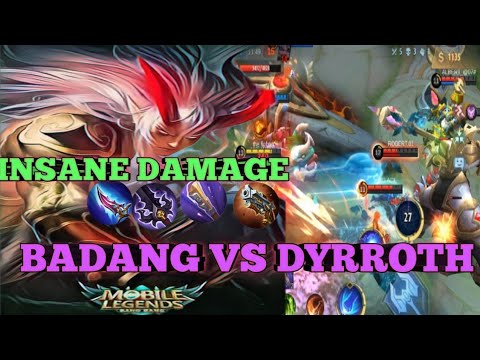
The Unseen Warrior: Analyzing the "Badang vs. Dyrroth" Duel Through a Martial Lens

To understand the battlefield, one must first understand the warrior. But what happens when the battlefield is not of flesh and blood, but of pixels and code? Today, we dissect a "fight" that has captured the attention of thousands, not with the clang of steel or the thud of a well-placed strike, but with the intricate dance of digital combatants. Welcome, students, to Budo and Martial Arts, where even the virtual arena offers lessons if you know where to look. We delve into the seemingly simple clash of "Badang vs. Dyrroth," a prime example from the realm of mobile gaming, and seek the deeper martial principles—or perhaps, the absence thereof—within this digital spectacle.

Table of Contents

The Virtual Arena: More Than Just a Game?

Published on March 17, 2023, the "Badang vs. Dyrroth Full Fight" video sparks a question that echoes in many minds: Can a digital confrontation truly mirror the intensity, strategy, and discipline of martial arts? We are conditioned to associate combat with physical exertion, with the sweat, pain, and the palpable risk of injury. Yet, the popularity of games like Mobile Legends: Bang Bang, where Badang and Dyrroth engage in their digital rivalry, suggests a different kind of engagement. Is it merely entertainment, or are there underlying principles of strategy, timing, and resource management that, if viewed through a martial arts lens, offer a peculiar kind of insight?

As your Sensei, I approach such phenomena not with dismissal, but with curiosity. Every form of competition, every simulated conflict, can teach us something about conflict itself. The key is to discern what is genuine martial wisdom and what is mere digital artifice. This analysis aims to peel back the layers of the game, examining the "Badang vs. Dyrroth" encounter not as a mere esports highlight reel, but as a potential, albeit distant, relative of the martial arts discipline we hold dear.

Deconstructing the "Duel": Strategy, Skill, or Simulation?

Let us be clear from the outset: this is not a test of physical prowess, nor is it a display of raw, unadulterated courage in the face of imminent danger. The "Badang vs. Dyrroth Full Fight" represents a highly stylized simulation, a strategic engagement within a pre-defined set of rules and mechanics. Badang, often depicted as a warrior with immense physical strength, and Dyrroth, a formidable demonic warrior, clash in the EXP lane. Their "fight" is dictated by character abilities, item builds, and the player's reaction time and strategic acumen.

The objective in such encounters is not to incapacitate an opponent through physical force, but to deplete their "health bar" by deploying specific skills and attacks at opportune moments. The "best build" refers to the optimal combination of in-game items that enhance a character's offensive and defensive capabilities, a concept that, in a rudimentary sense, mirrors the importance of proper equipment and conditioning in real martial arts. A samurai would not face a formidable foe without his katana, nor would a boxer enter the ring without appropriate gloves.

However, the critical distinction lies in the absence of true consequence. A fallen avatar respawns. A lost match does not result in physical injury. This detachment from visceral reality fundamentally alters the nature of the "combat." The player's strategy might be brilliant, their reflexes lightning-fast, but the core element of risk, the very essence of martial struggle, is absent. It is a battle of wits and programmed capabilities, not of spirit and will forged in the crucible of direct confrontation.

Echoes of the Dojo in the Digital Realm

Despite the inherent differences, we can observe faint parallels between this digital duel and the principles of martial arts:

  • Strategy and Tactics: Both Badang and Dyrroth players must understand their character's strengths and weaknesses, as well as those of their opponent. This mirrors the tactical considerations in martial arts, where understanding an opponent's style, reach, and common attacks is crucial for developing a counter-strategy.
  • Timing and Spacing (Zanshin): Successful execution in Mobile Legends relies heavily on precise timing of abilities and maintaining optimal distance from the enemy. This relates to the martial concept of Maai (distance) and Zanshin (lingering awareness), where one must maintain situational awareness and be prepared for the next move even after an apparent successful action.
  • Resource Management: Players must manage their character's "mana" (energy) and "cooldowns" for abilities. This is analogous to managing one's own physical and mental energy during a prolonged training session or a fight, knowing when to expend energy and when to conserve it.
  • Adaptability: Players who can adapt their build and strategy mid-game based on the evolving situation on the battlefield are often more successful. This reflects the martial artist's need to remain fluid and adaptable, a core tenet of many traditional arts.
"There are no easy ways to master the martial arts. There is only hard work and discipline." - Unknown Master

Yet, these parallels are superficial. The digital realm can simulate strategy, but it cannot replicate the profound psychological and spiritual conditioning that comes from facing genuine adversity. The pressure of a live opponent, the physiological responses to stress, the moral implications of inflicting or receiving harm – these are aspects that remain firmly outside the scope of a video game.

Sensei's Verdict: A Spectacle, Not a Struggle

Let us address this directly. While the "Badang vs. Dyrroth Full Fight" showcases impressive player skill, strategic thinking, and rapid execution within its own context, it fundamentally falls short of being a true martial arts encounter. It is a display of prowess in a simulated environment, akin to a chess match or a complex strategic board game, rather than the visceral, high-stakes reality of martial combat.

The core of martial arts lies in the development of the whole person: physical conditioning, mental fortitude, emotional control, and spiritual growth. It is about self-mastery through overcoming genuine challenges. This video, while entertaining and showcasing skillful gameplay, offers entertainment and strategic engagement, but it does not provide the transformative experience that is the hallmark of dedicated martial arts training. It is a compelling spectacle, but not a true representation of the martial spirit.

Rating: Digital Skill Token (Satisfactory in its domain, but not a reflection of Budō)

Equipment for the Modern Warrior (Beyond the Screen)

While we've analyzed the virtual gear within the game, let's pivot to what the real-world martial artist needs. True training requires dedication and the right tools, even if those tools are simpler than a digital avatar's arsenal.

  • Durable Gi/Kimono: For arts like Judo, Karate, and Aikido, a sturdy, well-fitting uniform is essential for training and grappling. Look for double-weave or heavyweight cotton for longevity.
  • Sparring Gear: Depending on your art, this could include headgear, mouthguards, groin protectors, shin guards, and appropriate gloves (e.g., 16oz for boxing/kickboxing sparring, specialized MMA gloves for grappling-heavy arts).
  • Training Mats (Tatami/Roll-out Mats): Crucial for safe practice of throws, groundwork, and falling techniques.
  • Punching Bags and Pads: Essential for developing striking power, speed, and accuracy. Consider various types: heavy bags, speed bags, and focus mitts.
  • Makiwara: A traditional Okinawan training tool for striking conditioning.
  • Resistance Bands: Versatile for strength, conditioning, and speed drills without the need for heavy weights.

Training Guide: Honing Your Real-World Skills

The "Badang vs. Dyrroth" engagement is about quick decisions and ability usage. Let's translate that into practical martial arts training, focusing on reaction and strategic application.

  1. Reaction Drills:
    1. Visual Cue Drills: Have a partner use hand signals or different colored objects. React by striking a target, blocking, or moving as instructed. Focus on speed and accuracy.
    2. Ball Drop: Stand with your arm extended. Have a partner hold a small ball (like a tennis ball) at a height where it will drop in front of your outstretched hand. Try to catch it before it hits the ground. This trains reflex and timing.
  2. Strategic Movement Practice (Maai):
    1. Footwork Drills: Practice moving forward, backward, and laterally with control. Focus on maintaining a balanced stance and executing steps smoothly.
    2. Distance Control with a Partner: With a training partner, practice stepping in to strike or attack, and then immediately stepping back to a safe distance. This builds awareness of range and control.
  3. Simulated Combat Scenarios:
    1. Controlled Sparring Rounds: Engage in sparring with a focus on a specific objective, e.g., "only use hand strikes" or "focus on defensive movement." This simulates the tactical focus seen in gaming but with real physical engagement.
    2. "Ability" Simulation: Assign specific movements or techniques to certain cues (e.g., partner claps – perform a block and counter).

Frequently Asked Questions

Q1: Can playing video games like Mobile Legends improve real martial arts skills?
A1: Indirectly, perhaps. It can enhance reaction time, strategic thinking, and understanding of simulated combat scenarios. However, it cannot replace the physical, mental, and spiritual development gained from actual physical training and real-world risk. The core elements of martial arts – discipline, resilience, respect, and the handling of genuine physical confrontation – are absent.

Q2: What is the main difference between a video game "fight" and a real martial arts fight?
A2: The most significant difference is the presence of genuine consequence. In video games, there is no risk of physical injury, no permanent loss, and often no true emotional or psychological toll. Real martial arts are about facing adversity, managing fear, and developing resilience through tangible challenges.

Q3: How can I apply the concept of "builds" from games to my martial arts training?
A3: Think of "builds" as your personal training regimen and equipment. A "tank build" might translate to focusing on strength, conditioning, and defensive techniques. A "damage dealer build" could mean prioritizing speed, striking power, and offensive combinations. It’s about customizing your approach based on your goals and strengths, much like selecting the right items in a game.

For Deeper Study

"The ultimate aim of martial arts is not victory or defeat, but the perfection of the human character." - Jigoro Kano

Sensei's Reflection: Your Next Move

We have dissected the digital duel of Badang versus Dyrroth, acknowledging its entertainment value and the strategic thinking involved, yet firmly distinguishing it from the profound path of Budō. The virtual arena can offer echoes, but never the true resonance of a martial struggle. Now, consider this:

In your own life, what are the "virtual battles" you engage in? Are you merely playing the game, optimizing your "build" for superficial wins, or are you training for the real challenges that forge character, build resilience, and cultivate the true spirit of a warrior? Where do you invest your energy: in simulated victories, or in the unglamorous, yet deeply rewarding, work of self-mastery?

The floor is yours. Is this analysis too harsh, too dismissive of the modern digital warrior? Or have I struck a chord of truth about the nature of true combat? Engage your mind. Sharpen your spirit. Discuss below.

``` ```json { "@context": "https://schema.org", "@type": "FAQPage", "mainEntity": [ { "@type": "Question", "name": "Can playing video games like Mobile Legends improve real martial arts skills?", "acceptedAnswer": { "@type": "Answer", "text": "Indirectly, perhaps. It can enhance reaction time, strategic thinking, and understanding of simulated combat scenarios. However, it cannot replace the physical, mental, and spiritual development gained from actual physical training and real-world risk. The core elements of martial arts – discipline, resilience, respect, and the handling of genuine physical confrontation – are absent." } }, { "@type": "Question", "name": "What is the main difference between a video game \"fight\" and a real martial arts fight?", "acceptedAnswer": { "@type": "Answer", "text": "The most significant difference is the presence of genuine consequence. In video games, there is no risk of physical injury, no permanent loss, and often no true emotional or psychological toll. Real martial arts are about facing adversity, managing fear, and developing resilience through tangible challenges." } }, { "@type": "Question", "name": "How can I apply the concept of \"builds\" from games to my martial arts training?", "acceptedAnswer": { "@type": "Answer", "text": "Think of \"builds\" as your personal training regimen and equipment. A \"tank build\" might translate to focusing on strength, conditioning, and defensive techniques. A \"damage dealer build\" could mean prioritizing speed, striking power, and offensive combinations. It’s about customizing your approach based on your goals and strengths, much like selecting the right items in a game." } } ] }