Showing posts sorted by relevance for query Martial Arts Strategy. Sort by date Show all posts

The Unseen Warrior: Analyzing the "Badang vs. Dyrroth" Duel Through a Martial Lens

To understand the battlefield, one must first understand the warrior. But what happens when the battlefield is not of flesh and blood, but of pixels and code? Today, we dissect a "fight" that has captured the attention of thousands, not with the clang of steel or the thud of a well-placed strike, but with the intricate dance of digital combatants. Welcome, students, to Budo and Martial Arts, where even the virtual arena offers lessons if you know where to look. We delve into the seemingly simple clash of "Badang vs. Dyrroth," a prime example from the realm of mobile gaming, and seek the deeper martial principles—or perhaps, the absence thereof—within this digital spectacle.
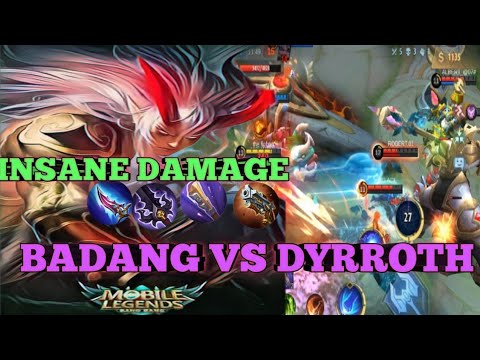
Table of Contents

The Virtual Arena: More Than Just a Game?

Published on March 17, 2023, the "Badang vs. Dyrroth Full Fight" video sparks a question that echoes in many minds: Can a digital confrontation truly mirror the intensity, strategy, and discipline of martial arts? We are conditioned to associate combat with physical exertion, with the sweat, pain, and the palpable risk of injury. Yet, the popularity of games like Mobile Legends: Bang Bang, where Badang and Dyrroth engage in their digital rivalry, suggests a different kind of engagement. Is it merely entertainment, or are there underlying principles of strategy, timing, and resource management that, if viewed through a martial arts lens, offer a peculiar kind of insight?

As your Sensei, I approach such phenomena not with dismissal, but with curiosity. Every form of competition, every simulated conflict, can teach us something about conflict itself. The key is to discern what is genuine martial wisdom and what is mere digital artifice. This analysis aims to peel back the layers of the game, examining the "Badang vs. Dyrroth" encounter not as a mere esports highlight reel, but as a potential, albeit distant, relative of the martial arts discipline we hold dear.

Deconstructing the "Duel": Strategy, Skill, or Simulation?

Let us be clear from the outset: this is not a test of physical prowess, nor is it a display of raw, unadulterated courage in the face of imminent danger. The "Badang vs. Dyrroth Full Fight" represents a highly stylized simulation, a strategic engagement within a pre-defined set of rules and mechanics. Badang, often depicted as a warrior with immense physical strength, and Dyrroth, a formidable demonic warrior, clash in the EXP lane. Their "fight" is dictated by character abilities, item builds, and the player's reaction time and strategic acumen.

The objective in such encounters is not to incapacitate an opponent through physical force, but to deplete their "health bar" by deploying specific skills and attacks at opportune moments. The "best build" refers to the optimal combination of in-game items that enhance a character's offensive and defensive capabilities, a concept that, in a rudimentary sense, mirrors the importance of proper equipment and conditioning in real martial arts. A samurai would not face a formidable foe without his katana, nor would a boxer enter the ring without appropriate gloves.

However, the critical distinction lies in the absence of true consequence. A fallen avatar respawns. A lost match does not result in physical injury. This detachment from visceral reality fundamentally alters the nature of the "combat." The player's strategy might be brilliant, their reflexes lightning-fast, but the core element of risk, the very essence of martial struggle, is absent. It is a battle of wits and programmed capabilities, not of spirit and will forged in the crucible of direct confrontation.

Echoes of the Dojo in the Digital Realm

Despite the inherent differences, we can observe faint parallels between this digital duel and the principles of martial arts:

  • Strategy and Tactics: Both Badang and Dyrroth players must understand their character's strengths and weaknesses, as well as those of their opponent. This mirrors the tactical considerations in martial arts, where understanding an opponent's style, reach, and common attacks is crucial for developing a counter-strategy.
  • Timing and Spacing (Zanshin): Successful execution in Mobile Legends relies heavily on precise timing of abilities and maintaining optimal distance from the enemy. This relates to the martial concept of Maai (distance) and Zanshin (lingering awareness), where one must maintain situational awareness and be prepared for the next move even after an apparent successful action.
  • Resource Management: Players must manage their character's "mana" (energy) and "cooldowns" for abilities. This is analogous to managing one's own physical and mental energy during a prolonged training session or a fight, knowing when to expend energy and when to conserve it.
  • Adaptability: Players who can adapt their build and strategy mid-game based on the evolving situation on the battlefield are often more successful. This reflects the martial artist's need to remain fluid and adaptable, a core tenet of many traditional arts.
"There are no easy ways to master the martial arts. There is only hard work and discipline." - Unknown Master

Yet, these parallels are superficial. The digital realm can simulate strategy, but it cannot replicate the profound psychological and spiritual conditioning that comes from facing genuine adversity. The pressure of a live opponent, the physiological responses to stress, the moral implications of inflicting or receiving harm – these are aspects that remain firmly outside the scope of a video game.

Sensei's Verdict: A Spectacle, Not a Struggle

Let us address this directly. While the "Badang vs. Dyrroth Full Fight" showcases impressive player skill, strategic thinking, and rapid execution within its own context, it fundamentally falls short of being a true martial arts encounter. It is a display of prowess in a simulated environment, akin to a chess match or a complex strategic board game, rather than the visceral, high-stakes reality of martial combat.

The core of martial arts lies in the development of the whole person: physical conditioning, mental fortitude, emotional control, and spiritual growth. It is about self-mastery through overcoming genuine challenges. This video, while entertaining and showcasing skillful gameplay, offers entertainment and strategic engagement, but it does not provide the transformative experience that is the hallmark of dedicated martial arts training. It is a compelling spectacle, but not a true representation of the martial spirit.

Rating: Digital Skill Token (Satisfactory in its domain, but not a reflection of Budō)

Equipment for the Modern Warrior (Beyond the Screen)

While we've analyzed the virtual gear within the game, let's pivot to what the real-world martial artist needs. True training requires dedication and the right tools, even if those tools are simpler than a digital avatar's arsenal.

  • Durable Gi/Kimono: For arts like Judo, Karate, and Aikido, a sturdy, well-fitting uniform is essential for training and grappling. Look for double-weave or heavyweight cotton for longevity.
  • Sparring Gear: Depending on your art, this could include headgear, mouthguards, groin protectors, shin guards, and appropriate gloves (e.g., 16oz for boxing/kickboxing sparring, specialized MMA gloves for grappling-heavy arts).
  • Training Mats (Tatami/Roll-out Mats): Crucial for safe practice of throws, groundwork, and falling techniques.
  • Punching Bags and Pads: Essential for developing striking power, speed, and accuracy. Consider various types: heavy bags, speed bags, and focus mitts.
  • Makiwara: A traditional Okinawan training tool for striking conditioning.
  • Resistance Bands: Versatile for strength, conditioning, and speed drills without the need for heavy weights.

Training Guide: Honing Your Real-World Skills

The "Badang vs. Dyrroth" engagement is about quick decisions and ability usage. Let's translate that into practical martial arts training, focusing on reaction and strategic application.

  1. Reaction Drills:
    1. Visual Cue Drills: Have a partner use hand signals or different colored objects. React by striking a target, blocking, or moving as instructed. Focus on speed and accuracy.
    2. Ball Drop: Stand with your arm extended. Have a partner hold a small ball (like a tennis ball) at a height where it will drop in front of your outstretched hand. Try to catch it before it hits the ground. This trains reflex and timing.
  2. Strategic Movement Practice (Maai):
    1. Footwork Drills: Practice moving forward, backward, and laterally with control. Focus on maintaining a balanced stance and executing steps smoothly.
    2. Distance Control with a Partner: With a training partner, practice stepping in to strike or attack, and then immediately stepping back to a safe distance. This builds awareness of range and control.
  3. Simulated Combat Scenarios:
    1. Controlled Sparring Rounds: Engage in sparring with a focus on a specific objective, e.g., "only use hand strikes" or "focus on defensive movement." This simulates the tactical focus seen in gaming but with real physical engagement.
    2. "Ability" Simulation: Assign specific movements or techniques to certain cues (e.g., partner claps – perform a block and counter).

Frequently Asked Questions

Q1: Can playing video games like Mobile Legends improve real martial arts skills?
A1: Indirectly, perhaps. It can enhance reaction time, strategic thinking, and understanding of simulated combat scenarios. However, it cannot replace the physical, mental, and spiritual development gained from actual physical training and real-world risk. The core elements of martial arts – discipline, resilience, respect, and the handling of genuine physical confrontation – are absent.

Q2: What is the main difference between a video game "fight" and a real martial arts fight?
A2: The most significant difference is the presence of genuine consequence. In video games, there is no risk of physical injury, no permanent loss, and often no true emotional or psychological toll. Real martial arts are about facing adversity, managing fear, and developing resilience through tangible challenges.

Q3: How can I apply the concept of "builds" from games to my martial arts training?
A3: Think of "builds" as your personal training regimen and equipment. A "tank build" might translate to focusing on strength, conditioning, and defensive techniques. A "damage dealer build" could mean prioritizing speed, striking power, and offensive combinations. It’s about customizing your approach based on your goals and strengths, much like selecting the right items in a game.

For Deeper Study

"The ultimate aim of martial arts is not victory or defeat, but the perfection of the human character." - Jigoro Kano

Sensei's Reflection: Your Next Move

We have dissected the digital duel of Badang versus Dyrroth, acknowledging its entertainment value and the strategic thinking involved, yet firmly distinguishing it from the profound path of Budō. The virtual arena can offer echoes, but never the true resonance of a martial struggle. Now, consider this:

In your own life, what are the "virtual battles" you engage in? Are you merely playing the game, optimizing your "build" for superficial wins, or are you training for the real challenges that forge character, build resilience, and cultivate the true spirit of a warrior? Where do you invest your energy: in simulated victories, or in the unglamorous, yet deeply rewarding, work of self-mastery?

The floor is yours. Is this analysis too harsh, too dismissive of the modern digital warrior? Or have I struck a chord of truth about the nature of true combat? Engage your mind. Sharpen your spirit. Discuss below.

``` ```json { "@context": "https://schema.org", "@type": "FAQPage", "mainEntity": [ { "@type": "Question", "name": "Can playing video games like Mobile Legends improve real martial arts skills?", "acceptedAnswer": { "@type": "Answer", "text": "Indirectly, perhaps. It can enhance reaction time, strategic thinking, and understanding of simulated combat scenarios. However, it cannot replace the physical, mental, and spiritual development gained from actual physical training and real-world risk. The core elements of martial arts – discipline, resilience, respect, and the handling of genuine physical confrontation – are absent." } }, { "@type": "Question", "name": "What is the main difference between a video game \"fight\" and a real martial arts fight?", "acceptedAnswer": { "@type": "Answer", "text": "The most significant difference is the presence of genuine consequence. In video games, there is no risk of physical injury, no permanent loss, and often no true emotional or psychological toll. Real martial arts are about facing adversity, managing fear, and developing resilience through tangible challenges." } }, { "@type": "Question", "name": "How can I apply the concept of \"builds\" from games to my martial arts training?", "acceptedAnswer": { "@type": "Answer", "text": "Think of \"builds\" as your personal training regimen and equipment. A \"tank build\" might translate to focusing on strength, conditioning, and defensive techniques. A \"damage dealer build\" could mean prioritizing speed, striking power, and offensive combinations. It’s about customizing your approach based on your goals and strengths, much like selecting the right items in a game." } } ] }


Donnie Yen: Beyond the Blinding Fist - Facts Every Martial Artist Needs to Know

Welcome, seekers of the Way. Have you ever watched Donnie Yen move on screen and felt that spark, that primal recognition of true mastery? It's more than just choreography; it's a reflection of deep principles, honed over years of relentless dedication. But beyond the on-screen persona, who *is* the man behind the legend? Today, we delve into the lesser-known facts about Donnie Yen, peeling back the layers to reveal the martial artist and the individual. Prepare to have your understanding of this cinematic icon expanded.

Unveiling the Man: From Hong Kong to Hollywood

Donnie Yen Ji-dan is a name synonymous with high-octane action and breathtaking martial arts sequences. Yet, his journey is far from the simple narrative of a movie star. Born in Guangzhou, China, and raised in Hong Kong, Yen's early life was steeped in the discipline and traditions of martial arts, a fact that would profoundly shape his destiny. His mother, Kify Yen, was a martial arts master herself, renowned for her skills in Wushu and Tai Chi. This maternal influence was crucial, providing Donnie with a foundational understanding of movement, balance, and the underlying philosophy of combat.

While many associate Yen solely with Wing Chun, thanks to his iconic portrayal of Ip Man, his training regimen has been far more eclectic. He has immersed himself in a vast array of styles, from the graceful power of Tai Chi to the explosive techniques of Taekwondo and the raw pragmatism of Muay Thai. This diverse background is a testament to his commitment to understanding the breadth of martial combat, not just a single discipline. It's this polymathic approach to martial arts that allows him to adapt and excel in various cinematic roles.

The Crucible of Training: Early Years and Influences

The path to stardom was paved with sweat and discipline. Donnie Yen’s formative years were spent in intense training, often pushing his body and mind to their limits. His mother's martial arts school became his primary dojo, a place where he learned not just techniques, but the character-building aspects of the martial way. This relentless practice was not always easy; Yen himself has spoken about the challenges and the strictness of his early training.

"The martial arts, in essence, are about self-defense. But it's more than just physical; it's about cultivating inner strength, discipline, and respect. These are lessons that transcend the dojo and apply to every aspect of life."

His early exposure to diverse martial arts, including Judo and Kickboxing, through his exposure to various martial arts communities in Hong Kong, contributed to his versatile fighting style. This broad foundation allowed him to later blend these elements seamlessly into his cinematic fight choreography. He was not just learning to fight; he was learning to *think* like a martial artist, to analyze movement, strategy, and the psychological aspects of combat. This intellectual engagement with martial arts is a hallmark of true practitioners.

The 1980s saw Yen making his cinematic debut, but it was his relentless pursuit of martial arts excellence that truly set him apart. He didn't just act; he *trained* rigorously for each role, ensuring that his on-screen performances reflected genuine skill. This dedication is what began to earn him respect in the demanding world of Hong Kong action cinema.

More Than Just Ip Man: A Diverse Cinematic Journey

While the Ip Man series cemented Donnie Yen's global superstardom, his filmography is far richer and more varied than many realize. Before donning the iconic Wing Chun master's attire, Yen showcased his talents in films like Once Upon a Time in China II (1992), where he played a formidable antagonist, and Iron Monkey (1993), a critically acclaimed martial arts classic. These roles demonstrated his innate charisma and his ability to deliver thrilling fight sequences long before his international breakthrough.

His foray into directing and choreography further highlights his deep understanding of martial arts cinema. Films like Ballistic (2001) and Wing Chun (1994) allowed him to experiment with innovative fight sequences and showcase his evolving choreographic vision. He pushed boundaries, blending traditional techniques with modern cinematic flair, often creating fight scenes that were not only visually spectacular but also narratively compelling.

Yen's versatility extends beyond purely martial arts films. He has taken on roles in genres ranging from crime thrillers like SPL: Sha Po Lang (2005) – a film renowned for its gritty, realistic combat – to fantasy epics and even romantic comedies. This ability to inhabit diverse characters while maintaining his signature action prowess speaks volumes about his acting range and his enduring appeal. His performance in Rogue One: A Star Wars Story as the blind warrior Chirrut Îmwe, for instance, showcased his ability to imbue a character with spiritual depth and formidable martial skill on a global stage.

The Essence of Movement: Yen's Approach to Combat

What truly distinguishes Donnie Yen is his profound understanding of martial arts philosophy. He doesn't merely execute moves; he embodies principles. His fighting style is characterized by efficiency, precision, and a remarkable economy of motion. This is a direct reflection of the teachings of masters like Ip Man, who emphasized that true martial arts should be practical and direct, focusing on simultaneous attack and defense.

Yen often speaks about the importance of "feeling" the opponent and the flow of combat. This intuitive understanding, often described as Mushin (no-mind) in Zen Buddhism, allows him to react instantaneously and effectively. It's not about overwhelming the opponent with brute force, but about redirecting their energy, exploiting openings, and ending the encounter with minimal, decisive action. This resonates deeply with the core tenets of many traditional arts.

"For me, martial arts is a way of life. It’s about discipline, respect, humility, and continuous self-improvement. The physical aspect is important, but the mental and spiritual aspects are what truly define a martial artist."

His choreography often incorporates elements of improvisational flow, making the fights appear organic rather than rigidly rehearsed. This fluidity is a hallmark of advanced martial practitioners who have internalized their techniques to the point where they become an extension of their will. It’s this blend of rigorous training and philosophical depth that makes his on-screen battles so captivating and, for those who understand, so authentic.

A Lasting Impact: Donnie Yen's Contribution to Martial Arts Cinema

Donnie Yen has not only starred in martial arts films; he has actively reshaped the genre. His influence can be seen in the increased emphasis on realistic, hard-hitting fight choreography in modern action cinema. Films like SPL: Sha Po Lang revitalized the crime-fighting genre with its brutal, close-quarters combat sequences, drawing inspiration from styles like Krav Maga and MMA, but executed with a distinct Donnie Yen flair.

He has brought a new generation of martial arts fans to appreciate the depth and complexity of various fighting styles. His portrayal of Ip Man, in particular, has sparked renewed interest in Wing Chun globally. By showcasing the effectiveness and elegance of this art form, Yen has inspired countless individuals to take up martial arts training themselves.

Furthermore, his success in Hollywood, notably in the Star Wars universe and the upcoming John Wick: Chapter 4, has opened doors for other martial artists and Asian actors, breaking down barriers and fostering greater diversity in global cinema. He serves as a powerful ambassador for martial arts, demonstrating that dedication, discipline, and skill can lead to extraordinary achievements.

Sensei's Verdict: Is Donnie Yen a True Martial Arts Masterpiece?

From my perspective as a seasoned practitioner and observer of the martial arts, Donnie Yen is more than just a martial arts movie star; he is a genuine martial artist who has masterfully translated his lifelong dedication into a global cinematic phenomenon. His depth of knowledge across multiple styles, his rigorous training ethic, and his understanding of the philosophical underpinnings of combat are undeniable.

While the spotlight of cinema inevitably adds a layer of artistry and performance, Yen's foundational skills and his ability to convey the essence of martial arts principles are profound. He respects the traditions while innovatively pushing the boundaries of what is possible on screen. His influence on the genre and his inspiration to practitioners worldwide solidify his status.

Rating: 9.5/10 - A True Champion of the Martial Arts Way.

Essential Gear for Your Training

To train effectively, whether you're inspired by Donnie Yen's dynamic style or seeking to master your own chosen art, the right equipment is crucial. Investing in quality gear not only enhances your training experience but also ensures safety.

  • Durable Kimono/Gi: For arts like Judo and Karate, a robust gi made from high-quality cotton is essential. Look for double-weave fabrics for added durability, especially if you plan on sparring.
  • Sparring Gloves: If your training involves striking or sparring (like in Kickboxing or MMA), well-padded sparring gloves are a must to protect your hands and your partner.
  • Mouthguard: A properly fitted mouthguard is non-negotiable for any contact sport to prevent dental injuries.
  • Shin and Instep Guards: Crucial for arts involving kicks, these protect against impact and abrasions during training drills and sparring.
  • Training Mats (Tatami): For grappling arts or solo practice of forms and throws, quality training mats provide necessary cushioning and grip.

Remember, the best equipment is the kind that allows you to train safely and consistently, helping you progress on your martial journey. Investing in these items can make a significant difference in your development.

Frequently Asked Questions

What is Donnie Yen's primary martial art?
While Donnie Yen is most famously associated with Wing Chun due to his portrayal of Ip Man, he has trained extensively in a wide variety of martial arts, including Taekwondo, Judo, Kickboxing, Muay Thai, and Wushu.
How old was Donnie Yen when he started training?
Donnie Yen began his martial arts training at a very young age, influenced by his mother, Kify Yen, who was a martial arts master herself. He was reportedly around 4 years old when he started practicing Tai Chi and Wushu.
What is Donnie Yen's philosophy on martial arts?
Yen views martial arts as a way of life focused on discipline, respect, humility, and continuous self-improvement, with a strong emphasis on the mental and spiritual aspects alongside the physical.
Has Donnie Yen ever competed professionally?
While he has been involved in numerous performances and exhibitions, Donnie Yen is primarily known for his acting and choreography in films rather than professional competitive fighting in the vein of MMA or boxing.
What martial art style is most evident in his Ip Man portrayal?
His portrayal of Ip Man prominently features Wing Chun, the martial art that Ip Man himself was a grandmaster of. Yen's performance is lauded for its authenticity and skill in demonstrating Wing Chun principles.

To Further Your Path

Sensei's Reflection: Your Next Step

We've explored the facets of Donnie Yen's journey, from his rigorous early training to his global cinematic impact. But knowing is only half the battle. The true lesson lies in application.

"If you know the enemy and know yourself, you need not fear the result of a hundred battles." - Sun Tzu

Consider this: How does the principle of continuous learning, as embodied by Yen's diverse martial arts background, apply to your own training and life? Are you limiting yourself to one path, or are you open to exploring the myriad forms of combat and self-improvement available to you? The Way is vast, and stagnation is the enemy of progress. What new discipline will you explore next, even if only in theory, to broaden your understanding of the martial spirit?

```

Wu-Tang Collection: A Deep Dive into the Martial Spirit of "Chivalrous"

The Echoes of the Northern Song Dynasty

The Wu-Tang Collection, a veritable treasure trove for aficionados of classic martial arts cinema, often presents us with films that are more than just entertainment; they are windows into a bygone era, glimpses into the disciplined world of the warrior. Today, we turn our analytical gaze upon Chivalrous, a film that, while perhaps not a household name, carries the weight of its genre with a certain gravity. Directed by George Chi and featuring a cast including Lo Meng, Yan Xi, and Derek Kwok, this cinematic offering transports us to the turbulent Northern Song Dynasty. Here, amidst the grandeur of the Xuanwu Order, four martial arts families engage in a fierce struggle for dominance. But beyond the on-screen battles, what true martial spirit does Chivalrous embody? Does it merely showcase empty theatrics, or does it resonate with the deeper principles of Budo? Join me, your Sensei, as we dissect this film not just as viewers, but as practitioners seeking the essence of the martial way.

Deconstructing the Battle for Supremacy

The premise of Chivalrous is a classic martial arts trope: the clan war. The Xuanwu Order, a venerable institution, becomes the crucible where the destinies of four prominent martial arts families are forged through conflict. This setup immediately begs the question: what specific martial arts traditions are represented, and how do they clash? The narrative, though ostensibly about power struggles, is the canvas upon which the true art is painted. The film promises a visual spectacle of rivalries, alliances, and betrayals, all underscored by the movement and techniques of seasoned warriors. As a critic deeply rooted in the practical application and philosophical underpinnings of combat sports and martial arts, I look for authenticity, strategic depth, and the transmission of core values. The "supremacy in the martial world" isn't just about who can land the most blows, but who embodies the superior understanding of combat, strategy, and self-mastery. The question isn't merely "who wins?", but "how do they win, and what does that victory say about their art?"

The Dance of the Warrior: Choreography and Authenticity

The heart of any martial arts film lies in its fight choreography. In Chivalrous, with directors like George Chi at the helm and actors known for their physical prowess, we expect a certain standard. The film purports to depict the struggles between different martial arts families. This implies a diversity of styles, each with its own distinct visual language and strategic approach. Are the movements crisp, believable, and demonstrative of genuine techniques, or are they overly stylized and divorced from reality? I pay close attention to the flow of combat. Does it resemble a chaotic brawl, or a strategic exchange where each move has a purpose and a counter? The use of weaponry, the close-quarters grappling, and the striking techniques – all must be evaluated. Is there evidence of styles like Kung Fu, Karate, or perhaps even elements of Judo or BJJ, albeit historically anachronistic? The authenticity of the execution is paramount. Even in a historical setting, the fundamental principles of balance, leverage, and timing should be discernible. If the choreography relies too heavily on wire-fu or overly exaggerated movements that defy physics, the martial integrity of the film is compromised. This is where many films falter, becoming mere action spectacles rather than genuine martial arts narratives.

"True martial arts are not about winning every fight, but about striving for perfection of character and the development of a spirit that is unbreakable." - A principle often echoed by masters across disciplines.

The interaction between Lo Meng and his co-stars will be crucial here. Lo Meng, in particular, has a filmography that often showcases a solid foundation in martial arts. His performance, and that of Yan Xi and Derek Kwok, will be a key indicator of whether the film prioritizes genuine martial expression or mere dramatic flair. The way they engage, parry, and strike speaks volumes about their training and the director's vision.

Beyond the Fist: Underlying Martial Philosophy

While the visual spectacle of combat is undeniable, the true resonance of a martial arts film often lies in its philosophical underpinnings. The title itself, Chivalrous, hints at a code of conduct, a set of ethics that should guide the actions of these warriors. The concept of 'chivalry' in a martial context transcends mere politeness; it speaks to honor, righteousness, and the responsible use of power. In the Northern Song Dynasty, the 'martial world' was not just a battlefield but a complex social structure governed by its own unwritten laws. The struggle for supremacy by these four families should, ideally, reflect a deeper exploration of these principles. Are the characters motivated by greed and ego, or by a desire to uphold justice and protect the innocent? Does the film explore the concept of Mushin – the "no-mind" state of effortless action – or the principles of Bushido, even if not explicitly named as such? The dedication to a martial path often involves immense sacrifice, discipline, and a constant internal struggle. A film that merely depicts external conflict without touching upon this internal dimension often feels superficial. I look for moments of introspection, instances where a character grapples with the morality of their actions, or displays a profound understanding of the interconnectedness of life and combat. This is what elevates a martial arts film from a mere action flick to a profound exploration of the human spirit.

Veredicto del Sensei: Does "Chivalrous" Earn Its Black Belt?

Evaluating Chivalrous through the lens of a seasoned martial artist and film critic presents a nuanced picture. The film undoubtedly taps into the rich tradition of historical martial arts cinema, presenting a narrative of clan warfare and the pursuit of dominance. The setting of the Northern Song Dynasty and the core conflict between four martial arts families provide a fertile ground for showcasing diverse fighting styles. However, the true measure of its success lies in the execution. Based on the premise and the known quality of some of its participants, we can anticipate competent, if not revolutionary, fight choreography. The presence of actors like Lo Meng suggests a degree of authentic martial movement will likely be present. The philosophical depth, though hinted at by the title "Chivalrous," remains to be seen. Does it merely serve as a backdrop for action, or does it genuinely explore themes of honor, duty, and the ethical use of martial prowess?

Overall Assessment: Chivalrous is a solid entry within the martial arts genre, particularly for those who appreciate historical settings and classic clan rivalries. It offers competent action and a glimpse into the competitive spirit that drives martial artists. While it may not redefine the genre, it successfully delivers on the promise of martial conflict and honor.

Classification: A commendable performance, but perhaps not a legendary one. It’s a well-executed demonstration of foundational techniques. It doesn't break new ground, but it respects the traditions it portrays.

Training: Embracing the Spirit of Competition

The spirit of competition seen in films like Chivalrous can be a powerful motivator for your own training. While your dojo may not be a battlefield for clan supremacy, the drive to improve, to test your skills, and to overcome challenges is universal. Here’s how to channel that competitive energy constructively:

  1. Set Clear Goals: Just as the families in the film strive for dominance, define what you want to achieve. Is it mastering a specific kata, improving your sparring record, or achieving a higher rank?
  2. Embrace Sparring: Regular sparring with training partners is the closest you'll get to a real test. Focus on applying techniques learned, understanding timing, distance, and strategy. Remember, the goal is mutual improvement, not just victory.
  3. Analyze Your Performance: After sparring or training sessions, reflect. What worked? What didn’t? Where did you make mistakes? This self-assessment is critical for growth, just as a commander would review battle plans.
  4. Study Different Styles: The film depicts different families fighting. In your training, understanding the strengths and weaknesses of various martial arts can broaden your perspective. Consider cross-training in kickboxing, grappling, or other related arts.
  5. Cultivate Resilience: You will lose rounds, you will make mistakes, and you will face opponents who seem superior. The key is not to be defeated, but to learn from every setback. This resilience is the core of the martial spirit.
  6. Respect Your Opponent: True chivalry extends to the training floor. Treat your training partners and opponents with respect, acknowledging their effort and skill. The spirit of competition should never overshadow the spirit of camaraderie.

While Chivalrous is steeped in historical martial arts, modern training requires appropriate gear to ensure safety and effectiveness. Investing in quality equipment is a mark of respect for your art and yourself.

  • Durable Training Uniform (Gi/Kimono): For arts like Judo, Karate, or Aikido, a sturdy, double-weave gi is essential. It must withstand rigorous grappling and striking. Look for brands known for their longevity and comfort. Karate merchandise often includes high-quality gi options.
  • Sparring Gloves: Whether you’re practicing kickboxing, MMA, or conditioned sparring in Karate, appropriate gloves are crucial for protecting your hands and your partner’s face. For MMA training, 4oz to 6oz gloves are common. For heavier striking arts like Kyokushin Karate, specialized sparring gloves offer more padding.
  • Mouthguard: Non-negotiable for any form of sparring or live training. A good mouthguard can prevent serious dental injuries.
  • Shin Guards: Essential for kickboxing and Muay Thai, and highly recommended for Karate sparring involving leg kicks.
  • Training Mats (Tatami/Roll-out Mats): For home training, especially if you practice throws, groundwork, or dynamic falls, investing in quality mats is vital to prevent injuries.
  • Training Weapons (if applicable): If your art involves weapons (e.g., Kali, Fencing, Kendo), ensure you use safe training versions – wooden bokken, foam kali sticks, or padded fencing foils.

Preguntas Frecuentes

  • Q: What martial arts styles are depicted in "Chivalrous"?
    A: While not explicitly detailed, the film implies a historical Chinese martial arts context, likely encompassing various traditional Kung Fu styles common during that era. The focus is more on the inter-family rivalry than specific stylistic breakdowns.
  • Q: Is Lo Meng a skilled martial artist?
    A: Yes, Lo Meng is a veteran actor known for his extensive experience in martial arts films, often demonstrating a strong foundation in traditional Chinese martial arts.
  • Q: What is the historical context of the Northern Song Dynasty in martial arts?
    A: The Northern Song Dynasty (960-1127 AD) was a period of significant cultural and military development in China. While specific martial arts lineages from that exact period are debated, it was a time when various regional fighting systems were evolving and being codified.
  • Q: How does the film "Chivalrous" relate to the Wu-Tang Clan?
    A: The "Wu-Tang Collection" refers to a curated series of classic martial arts films often distributed or popularized by individuals or groups associated with the iconic hip-hop group Wu-Tang Clan, who are renowned for their deep appreciation and influence from martial arts culture.

Para Profundizar en tu Camino

"The opponent is your teacher. Through him, you can learn to overcome yourself." - A sentiment that resonates across all martial disciplines.

The allure of films like Chivalrous lies in their ability to ignite the imagination and stir the martial spirit within us. They remind us of the dedication, the discipline, and the code of honor that define true warriors. But as practitioners, we must go beyond passive viewing. We must internalize the lessons, apply the principles, and strive to embody the chivalry and martial integrity on and off the training floor.

Reflexión del Sensei: Tu Próximo Paso

After dissecting Chivalrous, a question lingers: In our modern world, saturated with fleeting trends and instant gratification, how do we cultivate the long-term dedication and ethical framework that the title "Chivalrous" implies? Is it enough to simply mimic the moves on screen, or must we truly embody the warrior's heart in our daily lives? Consider this: If your life were a martial arts film, what would be the central theme of your 'story,' and how would your actions demonstrate your commitment to that theme?

``` GEMINI_METADESC: An in-depth martial arts critique of the Wu-Tang Collection film 'Chivalrous', analyzing its choreography, authenticity, and adherence to martial principles. Featuring director George Chi and cast Lo Meng, Yan Xi, and Derek Kwok.

The Unseen Battle: Deconstructing the "Mc Stan vs. Salin" Phenomenon Beyond the Hype

The digital age has blurred the lines between entertainment, celebrity gossip, and genuine conflict. We often see headlines screaming about "fights" that are less about martial prowess and more about manufactured drama. Today, we're diving deep into a prime example: the sensationalized "Mc Stan vs. Salin Full Fight" and the surrounding media frenzy about Mc Stan's personal life, all amplified within the context of a Bigg Boss episode. But what does this have to do with the true spirit of martial arts? As your Sensei, I'm here to dissect this phenomenon not just as a fan of combat, but as a guardian of Budo. We'll explore the intent behind such spectacles, how they warp our perception of conflict, and what actual martial artists can glean from this digital tempest – if anything.

Table of Contents

The Media Circus: When Entertainment Trumps Truth

The title itself – "Mc Stan और Salin Full Fight 😈🤬 !! मीडिया ने पुछा Mc Stan की शादी 🥰 !! Bigg Boss Today Episode" – is a masterclass in clickbait. It’s designed to provoke, to pique curiosity through emojis and loaded questions. We see the word "Fight" amplified, juxtaposed with a personal inquiry about marriage, all wrapped in the package of a popular reality show. This isn't about martial arts; it's about eyeballs. The media's role here is crucial. They amplify the drama, dissecting every raised voice, every perceived insult, turning fleeting moments into viral sensations. The intention? Engagement. Views. Virality. The underlying message is that conflict, especially when tied to celebrity, is inherently entertaining. This perspective is dangerous because it trivializes genuine struggle and the discipline required to navigate it constructively.
"If you think you are too small to make a difference, try sleeping with a mosquito in the room." - Tenzin Gyatso (The 14th Dalai Lama)
This quote, while philosophical, highlights how even small events can have significant impact. In the context of Mc Stan and Salin, the "impact" is manufactured, amplified, and ultimately, superficial. True martial impact comes from honed skill and disciplined spirit, not from viral whispers.

Understanding Mc Stan and Salin: Beyond the Bigg Boss Persona

Mc Stan, a rapper, and Salin are figures within the realm of Indian entertainment, particularly known for their participation in "Bigg Boss," a reality television show known for fostering interpersonal conflicts and public scrutiny. Their "fight" is likely a product of the show's environment, designed to create narrative arcs and boost viewership. It's crucial to understand that their on-screen personas and the conflicts they engage in are often performances. The "fight" might involve heated arguments, accusations, or even a physical altercation, but it's rarely, if ever, a demonstration of trained martial ability. The intensity of the reaction – the emojis, the media's probing questions about marriage – suggests that the public is more invested in the gossip and the drama surrounding the personalities than in any underlying combat skill.
The interest in Mc Stan's personal life, specifically his marriage, further underscores this point. It signals a public fascination with celebrity gossip, a far cry from the disciplined introspection of a martial arts practitioner.

What Constitutes a "Real Fight"? The Martial Arts Perspective

In the disciplined world of martial arts, a "fight" is not merely an outburst of emotion or a staged confrontation. It is the ultimate test of skill, conditioning, mental fortitude, and adherence to principles. Whether it's the precision of Karate, the grappling of Judo or BJJ, or the dynamic striking of Kickboxing, a real fight is an application of years of dedicated training. Key elements of a true martial encounter include:
  • Technique: The application of learned skills, whether strikes, throws, locks, or submissions.
  • Strategy: The ability to read an opponent, adapt to changing circumstances, and employ tactics.
  • Conditioning: The physical stamina, strength, and resilience to endure a prolonged engagement.
  • Mental Fortitude (Mushin): The state of "no mind," where actions are instinctive and free from fear or hesitation. This is often cultivated through rigorous training and meditation.
  • Intent: In self-defense, the intent is survival and de-escalation. In sport, it's competition within defined rules.
Comparing the potential scuffle between Mc Stan and Salin to a sparring session between seasoned martial artists, or a historical duel between swordsmen, reveals a vast chasm. One is a spectacle for entertainment; the other is a high-stakes application of developed skill and character.

The Concept of Ki (Qi) and Its Absence in Manufactured Conflict

The concept of "Ki" (or Qi) is central to many East Asian martial arts, including Karate, Taekwondo, and Aikido. It represents the vital life force, the energy that animates the body and can be channeled through focused intention and training. In martial arts, harnessing Ki isn't just about physical power; it's about mental clarity, spirit, and an almost intuitive connection to one's actions.
"The ultimate aim of Karate is not victory or defeat, but the perfection of the character of its participants." - Gichin Funakoshi
This statement from the founder of Shotokan Karate encapsulates the essence of Budo. The physical techniques are tools for self-improvement, for cultivating qualities like discipline, respect, and emotional control. A true martial artist strives to embody this perfection of character. In the context of Mc Stan and Salin, their "fight" is likely fueled by ego, anger, and perhaps a misunderstanding – emotions that are the antithesis of the calm, focused energy of Ki. There is no evidence of technique, strategy, or the cultivation of character. The "fight" is a display of uncontrolled emotional discharge, not the purposeful channeling of energy that defines martial arts. The media's focus on the drama, the gossip, and the "who said what" further highlights the absence of any deeper, more significant "energy" at play.

Lessons for the Budoka: Extracting Value from the Noise

While the Mc Stan and Salin spectacle offers little in terms of direct martial application, we can still learn from it, albeit indirectly. Firstly, it serves as a stark reminder of what martial arts are *not*. They are not about manufactured drama, seeking validation through public conflict, or equating emotional outbursts with strength. This contrast can strengthen our resolve and deepen our appreciation for the discipline we practice. Secondly, it highlights the power of narrative and media. As martial artists, we must be mindful of how our craft is portrayed. We should advocate for authentic representation and educate others on the true values of Budo. Thirdly, it presents an opportunity to reflect on our own emotional regulation. The raw, uncontrolled reactions seen in such spectacles are a testament to the importance of the mental training we undertake. The pursuit of "Mushin" – a state of clear, unhindered consciousness – becomes even more valuable when contrasted with the chaos of unmanaged emotions. Finally, it underscores the importance of contextualizing conflict. A fight in a reality show is a performance for entertainment. A fight for survival on the street requires entirely different preparation. Understanding these distinctions is critical for any serious practitioner of self-defense.

Veredicto del Sensei: A Spectacle, Not a Study

The "Mc Stan vs. Salin Full Fight" is, in essence, a digital mirage. It presents a facsimile of conflict, amplified by the entertainment industry and fueled by public curiosity about celebrity lives. It offers no valuable insights into martial techniques, no lessons in strategy, and certainly no demonstration of Budo's core principles. While it generates clicks and conversation, it distracts from the profound journey of self-mastery that defines true martial arts. It’s a fleeting spectacle, akin to watching a child’s squabble amplified for mass consumption. **Rating:** Fail on Fundamentals, Exhibit A in Manufactured Drama.

Equipo Esencial para tu Entrenamiento

While the Mc Stan spectacle doesn't warrant specific equipment, a dedicated martial artist understands the importance of proper gear for effective and safe training. Investing in the right equipment can significantly enhance your practice and prevent injuries.
  • Kimono/Gi: Essential for Judo, Karate, Taekwondo, and BJJ. Look for durable fabrics that allow for a full range of motion. For Judo, a double-weave gi is recommended for its resilience.
  • Training Uniforms: For arts like Kung Fu or Wushu where traditional uniforms are preferred, ensure breathability and comfort.
  • Sparring Gear: Headgear, mouthguards, groin protectors, and chest protectors are vital for safe sparring in striking arts.
  • Gloves: MMA gloves or 16oz boxing gloves are necessary for any form of striking or sparring that involves hand contact.
  • Training Mats: For arts involving throws or ground work, mats provide crucial cushioning.
  • Focus Mitts & Punching Bags: Excellent tools for improving striking accuracy, power, and speed.
  • Makiwara (Optional): A traditional Okinawan striking post for developing power and conditioning the hands. Requires careful technique and progression.
Remember, the best equipment is the one that allows you to train consistently and safely, pushing your limits without undue risk. Exploring options for "Karate merchandise" or "MMA training gear" can lead you to reputable suppliers.

Preguntas Frecuentes

  • Q: Was the "Mc Stan vs. Salin Fight" a real martial arts confrontation?
    A: Highly unlikely. It was part of a reality TV show and likely a manufactured conflict for entertainment purposes, not a demonstration of trained martial skill.
  • Q: What is the difference between a reality show "fight" and a martial arts match?
    A: A reality show "fight" is often performative and driven by emotion and narrative. A martial arts match is governed by rules, emphasizes technique and strategy, and is a test of skill honed through rigorous training.
  • Q: How can martial artists avoid being influenced by sensationalized media?
    A: By understanding the principles of Budo, focusing on personal development, and critically evaluating the content consumed. True martial arts value substance over spectacle.

Para Profundizar en tu Camino

Here are some resources to help you delve deeper into the authentic world of martial arts:

Reflexión del Sensei: Your Next Step

The digital realm bombards us with spectacles of conflict, often devoid of true meaning or skill. The phenomenon of "Mc Stan vs. Salin" is a prime example, parading as a fight but revealing itself as mere entertainment noise. Now, I ask you, the dedicated practitioner: When you see such staged drama, how does it affect your perception of conflict? Does it reinforce your commitment to the disciplined path of martial arts, or does it tempt you with the allure of superficial drama? Reflect on this: Is your pursuit of martial arts about the roar of the crowd and fleeting headlines, or is it about the quiet, internal battle for self-mastery? Your answer in the quiet of your dojo, or your training space, is more important than any viral video. ``` ```json { "@context": "https://schema.org", "@type": "FAQPage", "mainEntity": [ { "@type": "Question", "name": "Was the \"Mc Stan vs. Salin Fight\" a real martial arts confrontation?", "acceptedAnswer": { "@type": "Answer", "text": "Highly unlikely. It was part of a reality TV show and likely a manufactured conflict for entertainment purposes, not a demonstration of trained martial skill." } }, { "@type": "Question", "name": "What is the difference between a reality show \"fight\" and a martial arts match?", "acceptedAnswer": { "@type": "Answer", "text": "A reality show \"fight\" is often performative and driven by emotion and narrative. A martial arts match is governed by rules, emphasizes technique and strategy, and is a test of skill honed through rigorous training." } }, { "@type": "Question", "name": "How can martial artists avoid being influenced by sensationalized media?", "acceptedAnswer": { "@type": "Answer", "text": "By understanding the principles of Budo, focusing on personal development, and critically evaluating the content consumed. True martial arts value substance over spectacle." } } ] }

One Piece's Ashura Doji vs. Jack: A Battle of Will or Just a Cartoon Brawl?

Introduction: Beyond the Screen

Welcome, disciples, to the hallowed grounds of Budo and Martial Arts. Today, we cast our gaze not upon the polished dojo floor or the blood-stained canvas of a championship bout, but upon the digital realm. The question before us is whether a spectacle like the fight between Ashura Doji and Jack from "One Piece" – a battle that has ignited discussions among fans – holds any true martial merit, or if it is merely another animated frenzy destined to be forgotten.

Many of you, seeking the raw essence of combat and the profound philosophies that underpin it, stumbled upon this content. You may have been drawn by the sheer spectacle, the promise of a "full fight," or the captivating visuals. But as your Sensei, I must guide you to look deeper. Is this a true representation of the warrior's path, or a distorted echo?

The Clash of Titans: Ashura Doji and Jack

Ashura Doji, a formidable samurai from the Wano Country arc, and Jack the Drought, one of Kaido's most brutal commanders, represent power and brute force within the "One Piece" narrative. Their confrontations are depicted as titanic struggles, filled with immense destruction and sheer, unadulterated aggression. Ashura Doji, embodying the spirit of a bygone era of warriors, faces Jack, a relentless and cruel antagonist.

Their clashes are not merely physical; they are woven into the fabric of the story's conflict, symbolizing the struggle between tradition and destruction, loyalty and tyranny. The animation aims to convey the sheer destructive power each character wields, with impacts that shake the very foundations of their fictional world.

Analyzing the Choreography: Art or Anarchy?

From a martial arts perspective, the first question must be about the choreography. When we observe real combat arts – be it Karate, Judo, Kung Fu, or even modern MMA – there is an underlying logic, a flow dictated by physics, biomechanics, and strategic intent. Attacks are launched with purpose, defenses are executed with efficiency, and movement is economical.

In the case of Ashura Doji vs. Jack, the animation often prioritizes exaggerated impacts and physics-defying feats. While visually stunning, these moments can stray far from the principles of effective martial engagement. We see massive energy blasts, characters surviving impacts that would pulverize a real human, and movements that defy anatomical limitations. This is not to say there's no artistry; the animators are undoubtedly skilled in creating exciting sequences. However, the "martial" aspect often takes a backseat to the "art" of spectacle. The speed, the power, the sheer scale—these are amplified to serve the narrative, not necessarily to reflect the practical application of martial techniques.

"The true warrior is the one who knows when to fight and when not to fight." - Bruce Lee

This principle is often lost in such animated battles, where the narrative demands that characters fight until they can no longer stand, regardless of strategic advantage or personal risk. The concept of Sen-no-sen (attacking the opponent's attack) or Go-no-sen (countering after blocking) becomes less about timing and precision, and more about overwhelming power versus overwhelming defense.

Philosophical Undertones: The Warrior's Spirit in Fiction

Despite the visual liberties, fiction, even animated fight sequences, can explore fundamental aspects of the warrior's ethos. Ashura Doji's character, in particular, is steeped in the traditions of the samurai. His actions, even in an exaggerated context, can reflect concepts like Bushido – the way of the warrior. Concepts such as loyalty, honor, and the willingness to sacrifice oneself for a greater cause are often central to his motivations.

Jack, on the other hand, embodies a different kind of "warrior" – one driven by pure, unadulterated might and a nihilistic desire to destroy. His approach lacks the ethical framework that defines traditional martial philosophies. The conflict between them, therefore, can be seen as a microcosm of larger philosophical debates within martial traditions: the difference between true strength rooted in character and strength that is merely destructive force.

The narrative explores themes of resilience. Both characters endure incredible punishment. In a real fight, the ability to withstand blows, to continue fighting when injured, is crucial. While the degree of resilience shown in "One Piece" is beyond human capacity, the underlying principle of Gaman (endurance) and perseverance is undeniably present.

Real-World Application: What Can We Learn?

So, what practical lessons can a serious martial artist glean from a fight like Ashura Doji vs. Jack? The answer is nuanced. We cannot directly replicate the anime's physics or superpowers. However, we can observe the:

  • Intensity and Commitment: The sheer dedication these characters show to their objectives, even when outmatched or injured, is a powerful narrative tool for illustrating commitment. In training, this translates to pushing your limits.
  • Strategic Positioning (Simplified): While often chaotic, there are moments where characters attempt to gain advantageous positions or exploit openings. This can be a basic reminder of the importance of spatial awareness in any fight.
  • Psychological Warfare: The "aura" of power and intimidation that both characters project, while amplified, touches upon the mental aspect of combat. A warrior's mindset can be as formidable as their physical prowess.

However, it is crucial to distinguish this from practical technique. The specific strikes, blocks, and superhuman leaps are narrative devices, not instructional material. Relying on such portrayals for actual self-defense or combat training would be, to put it mildly, a grave error. As I often tell my students, the most dangerous opponent is not the one who hits hardest, but the one who understands timing, distance, and strategy – principles often obscured by the spectacular in anime.

Veredicto del Sensei: Does This Digital Duel Earn a Black Belt?

Let's be direct. The fight between Ashura Doji and Jack is a piece of entertainment, a vibrant and dynamic scene designed to thrill viewers of "One Piece." It showcases incredible imagination and visual storytelling. However, as a representation of practical martial arts principles, it falls short. The exaggerated physics, the lack of adherence to real-world biomechanics, and the narrative-driven nature of the conflict mean it cannot be considered a valid martial arts lesson in technique or strategy.

It earns points for illustrating themes of warrior spirit, resilience, and intense commitment, which can be inspiring. But in terms of actionable combat knowledge? It's more like a flashy exhibition than a fundamental training session.

Rating: A Folded Kimono in the Dust (High Entertainment Value, Low Martial Arts Instruction)

Equipment Essential for Your Training

While anime fights may not teach you how to throw a punch, proper training does require the right gear. Investing in quality equipment is not about looking the part; it's about safety, effectiveness, and respect for the art.

  • Durable Uniforms (Gi/Kimono): For arts like Judo, Karate, and BJJ, a sturdy uniform is paramount. Look for double-weave or reinforced stitching for longevity, especially for grappling arts.
  • Sparring Gear: When the time comes for controlled combat, headgear, mouthguards, shin guards, and appropriate sparring gloves (e.g., 16oz for boxing/kickboxing, specialized sparring gloves for BJJ) are non-negotiable for safety.
  • Training Mats (Tatami/Puzzle Mats): Essential for arts involving throws, takedowns, or groundwork to prevent injuries.
  • Striking Equipment: Punching bags, focus mitts, and kicking shields are vital for developing power, speed, and accuracy in striking arts.

Resources to Deepen Your Journey

To truly understand the depth of martial arts, beyond the visual flair of animation, one must delve into foundational texts and historical accounts. The path of the warrior is a lifelong study.

  • "The Book of Five Rings" by Miyamoto Musashi: A seminal work on strategy and philosophy from a legendary swordsman. Essential reading for any student of combat.
  • Biographies of Great Masters: Understanding the lives and philosophies of figures like Gichin Funakoshi (Karate), Jigoro Kano (Judo), or even modern figures who bridge the gap between tradition and sport, offers invaluable insight.
  • Documentaries on Traditional Martial Arts: Seek out well-researched documentaries that explore the history, techniques, and cultural significance of specific arts.

Frequently Asked Questions

Is the fight choreography in "One Piece" realistic?

No, the fight choreography in "One Piece" is highly exaggerated and often defies the laws of physics and human anatomy to create visually spectacular entertainment. It is not intended as a realistic depiction of martial arts.

What martial arts principles can be observed in anime fights?

While techniques are often unrealistic, anime fights can sometimes illustrate broader martial principles such as commitment, resilience, the importance of mindset, and the symbolic representation of conflict between different philosophies (e.g., honor vs. brutality).

Can I learn martial arts by watching "One Piece"?

You can gain inspiration and perhaps an appreciation for the *spirit* of combat, but you cannot learn actual martial arts techniques or strategies from "One Piece." Practical training under qualified instructors is essential.

What is the difference between a fictional fight and a real martial arts match?

Real martial arts matches and self-defense scenarios are governed by physics, human physiology, and strategic principles focused on efficiency and effectiveness. Fictional fights prioritize narrative, spectacle, and emotional impact, often disregarding realistic limitations.

What makes a martial arts fight "authentic"?

Authenticity in martial arts fighting comes from adherence to biomechanical principles, strategic application of techniques, control, timing, and the demonstration of skills honed through rigorous, practical training. It prioritizes effectiveness and safety within a given context (e.g., sport rules, self-defense scenarios).

Further Exploration of Your Path

The journey into the depths of martial arts is vast and continuous. If the analysis of combat, whether real or fictional, has sparked a deeper interest within you, consider exploring these related topics:

Reflection del Sensei: Your Next Step

You have witnessed the spectacle, analyzed the technique (or lack thereof), and considered the philosophical echoes within a fictional battle. Now, I pose this to you: When the roar of the crowd, or the dramatic score of an anime, fades, what truly distinguishes the warrior? Is it the power of their blows, or the clarity of their intent and the unwavering discipline behind each movement, whether in a dojo, on a battlefield, or in the quiet of their own mind?

Now it is your turn. Do you believe there is value in dissecting fictional combat for martial insights, or is it a waste of a warrior's time? Challenge me in the comments below. Let your conviction be your guide.

``` ```json { "@context": "https://schema.org", "@type": "FAQPage", "mainEntity": [ { "@type": "Question", "name": "Is the fight choreography in \"One Piece\" realistic?", "acceptedAnswer": { "@type": "Answer", "text": "No, the fight choreography in \"One Piece\" is highly exaggerated and often defies the laws of physics and human anatomy to create visually spectacular entertainment. It is not intended as a realistic depiction of martial arts." } }, { "@type": "Question", "name": "What martial arts principles can be observed in anime fights?", "acceptedAnswer": { "@type": "Answer", "text": "While techniques are often unrealistic, anime fights can sometimes illustrate broader martial principles such as commitment, resilience, the importance of mindset, and the symbolic representation of conflict between different philosophies (e.g., honor vs. brutality)." } }, { "@type": "Question", "name": "Can I learn martial arts by watching \"One Piece\"?", "acceptedAnswer": { "@type": "Answer", "text": "You can gain inspiration and perhaps an appreciation for the *spirit* of combat, but you cannot learn actual martial arts techniques or strategies from \"One Piece.\" Practical training under qualified instructors is essential." } }, { "@type": "Question", "name": "What is the difference between a fictional fight and a real martial arts match?", "acceptedAnswer": { "@type": "Answer", "text": "Real martial arts matches and self-defense scenarios are governed by physics, human physiology, and strategic principles focused on efficiency and effectiveness. Fictional fights prioritize narrative, spectacle, and emotional impact, often disregarding realistic limitations." } }, { "@type": "Question", "name": "What makes a martial arts fight \"authentic\"?", "acceptedAnswer": { "@type": "Answer", "text": "Authenticity in martial arts fighting comes from adherence to biomechanical principles, strategic application of techniques, control, timing, and the demonstration of skills honed through rigorous, practical training. It prioritizes effectiveness and safety within a given context (e.g., sport rules, self-defense scenarios)." } } ] }

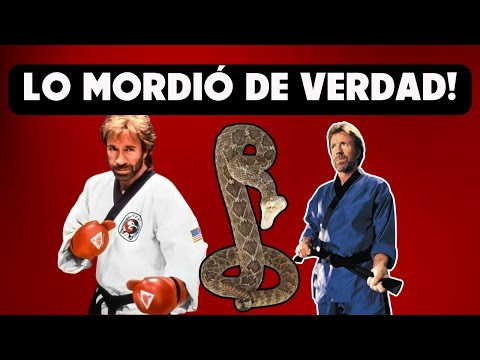
Chuck Norris: The Unyielding Force - A Martial Arts Legend's True Story

Have you ever wondered if the legends surrounding Chuck Norris hold any water? Does the man who embodies sheer toughness and martial prowess live up to the larger-than-life persona? Many are drawn to the mystique, the unbreakable will, and the sheer efficacy of his martial arts. But beyond the memes and the exaggerated tales, what truly forged the man? This deep dive aims to separate the myth from the reality, exploring the rigorous training, the philosophical underpinnings, and the pivotal moments that cemented Chuck Norris's status as an undisputed martial arts icon. Prepare to understand the discipline, the sacrifice, and the genuine skill that shaped the "Chuck Norris" we all recognize.

The Genesis of a Warrior: From Carlos Ray Norris to Chuck Norris

Before the iconic roundhouse kicks and the stoic gaze, there was Carlos Ray Norris. Born in Ryan, Oklahoma, his early life was marked by hardship and transience, a stark contrast to the controlled power he would later command. The seeds of his martial journey were sown not in a glittering dojo, but in the pursuit of discipline and self-control. Stationed at the U.S. Air Force base in South Korea, Norris began his formal martial arts training in 1958, immersing himself in Tang Soo Do. This was not merely a hobby; it was a revelation. The structured philosophy, the demanding physical conditioning, and the emphasis on character development resonated deeply with the young airman. He would go on to earn black belts in multiple disciplines, a testament to his relentless dedication.

The Crucible of Competition: Forging a Champion's Spirit

Upon returning to the United States, Norris didn't rest on his laurels. The martial arts world of the 1960s was a burgeoning landscape of competitive tournaments, and Norris entered this arena with fierce determination. He founded his own martial arts schools, the "Chuck Norris Schools of Self-Defense," which quickly became known for their rigorous approach. His competitive career culminated in winning the prestigious Middleweight Karate Champion title in 1968, a title he defended repeatedly. He remained undefeated for years, a formidable presence in a sport that demanded both physical prowess and unwavering mental fortitude. This era was crucial; it was where the theoretical knowledge of martial arts was tested against real opponents, under intense pressure. It was in these battles that Norris honed not just his techniques, but his strategic mind and his legendary ability to withstand punishment.

"The time Chuck Norris spent competing was not just about winning trophies; it was about building the unshakeable foundation of his martial arts philosophy. Every bout was a lesson in resilience, strategy, and the true meaning of discipline."

Beyond the Tournament: The Philosophical Core of a Martial Artist

While his competitive success is undeniable, the true essence of Norris's impact lies in his commitment to the philosophical underpinnings of Budo. He wasn't just a fighter; he was a student and proponent of the warrior's way. He deeply studied and integrated principles from various martial arts, including Taekwondo, Judo, and Brazilian Jiu-Jitsu, but his overarching framework was rooted in the disciplined spirit of Karate. The concept of Mushin (no-mind) – the state of effortless action achieved through intense practice – became a guiding principle. It's this mental state, cultivated through thousands of hours of training, that allows a martial artist to react instinctively and effectively, devoid of conscious thought or hesitation. Norris's approach emphasizes that true mastery transcends mere physical technique; it is about inner transformation, self-mastery, and the ethical application of strength.

From Martial Artist to Global Icon: The Cinematic Legacy

Norris's transition to Hollywood was a natural, albeit challenging, evolution. His raw charisma and undeniable martial arts skill quickly caught the attention of filmmakers. Early roles in films like "The Wrecking Crew" (1968) and "Way of the Dragon" (1972), where he famously faced off against Bruce Lee, showcased his potential. His confrontation with Lee is legendary; it wasn't just a cinematic duel, but a meeting of two martial arts titans, each a master of their respective crafts. The fight sequence in "Way of the Dragon" is a masterclass in screen combat, a testament to the brutal efficiency of Tang Soo Do against Jeet Kune Do.

"Way of the Dragon": A Clash of Titans

The scene between Chuck Norris and Bruce Lee in "Way of the Dragon" remains one of the most iconic martial arts sequences in film history. Norris, playing the formidable Colt, was a real-life martial arts champion, bringing an authentic intensity to the role. Lee, the innovator of Jeet Kune Do, brought his unparalleled speed and philosophical approach to combat. Their duel in the Colosseum of Rome was more than just a fight; it was a philosophical debate enacted through movement. Norris's powerful, grounded style contrasted sharply with Lee's fluid, adaptive techniques, creating a captivating visual narrative of opposing yet equally potent martial philosophies. This encounter wasn't just a career highlight for Norris; it was a significant moment in martial arts cinema, proving that screen combat could indeed be a legitimate art form when guided by genuine practitioners.

Following this, Norris embarked on a prolific career, starring in a string of action films that capitalized on his tough-guy image and formidable fighting skills. Films like "Lone Wolf McQuade" (1983), "Missing in Action" (1984), and later, the television series "Walker, Texas Ranger" (1993-2001), solidified his status as an action hero. In "Walker, Texas Ranger," he embodied Cordell Walker, a Texas Ranger who uses his martial arts expertise to uphold justice. The series, while often dramatized, consistently featured Norris demonstrating various martial arts techniques, reinforcing his image as a protector and a master of combat.

The "Chuck Norris Facts": Myth vs. Reality

The late 2000s saw the rise of "Chuck Norris Facts" – a series of humorous, hyperbolic statements attributing superhuman abilities to him. While entertaining, these "facts" often obscure the genuine dedication and skill that built his reputation. They are a cultural phenomenon, a testament to his widespread recognition, but they are not a reflection of his actual martial arts journey. Norris himself has often responded with good humor, understanding that these exaggerations stem from a place of admiration, albeit a distorted one. It’s crucial for serious martial artists to look past the memes and appreciate the years of sweat, discipline, and genuine fighting prowess that underpin his legend.

Training Regimen: The Foundation of Unstoppable Power

What does it take to achieve and maintain the level of physical and mental conditioning associated with Chuck Norris? His training was, and remains, incredibly demanding. While specific routines evolve, the core principles are consistent:

  • Early Morning Discipline: Norris has long been an advocate for early morning workouts, viewing them as crucial for setting a disciplined tone for the day.
  • Intense Cardiovascular Training: Beyond martial arts practice, he incorporated rigorous cardio to build endurance essential for long fights and demanding film shoots.
  • Strength and Conditioning: Bodyweight exercises, weight training, and plyometrics are staples to build functional strength and explosive power.
  • Martial Arts Practice: Daily practice of his core disciplines, focusing on kata, sparring, and technical refinement. He often incorporated elements from various arts to maintain versatility.
  • Flexibility and Agility: Incorporating stretching and agility drills to maintain the fluidity and range of motion necessary for his signature kicks.

Guía de Entrenamiento: El Power Roundhouse Kick de Chuck Norris

  1. Posición Inicial: Párate con los pies separados al ancho de los hombros, en una postura de combate equilibrada. Elige tu pierna de pivote (la opuesta a la pierna que pateará).
  2. Elevación de la Rodilla: Levanta la rodilla de la pierna de patada hacia el pecho lo más alto posible. Mantén el equilibrio, girando ligeramente el torso y la cadera hacia el oponente.
  3. Pivote del Pie de Apoyo: Pivota agresivamente sobre el pie de apoyo, orientando el talón hacia el objetivo. Este movimiento es CRUCIAL para la potencia y la rotación.
  4. Extensión y Enfoque: Extiende la pierna de patada con fuerza explosiva, dirigiendo el talón o el borde exterior del pie hacia el objetivo. Mantén los brazos en posición defensiva para mantener el equilibrio.
  5. Impacto y Retracción: Al impactar, enfócate en la potencia y la explosividad. Retrae la pierna de patada de vuelta a la posición inicial rápidamente para mantener el equilibrio y prepararte para el siguiente movimiento.
  6. Enfriamiento y Repetición: Después de varias repeticiones, realiza estiramientos suaves. Practica este movimiento lentamente al principio para asegurar la forma correcta antes de aumentar la velocidad y la potencia.

Veredicto del Sensei: ¿Merece la pena?

Chuck Norris transcends the typical celebrity; he is a practitioner, a teacher, and a living embodiment of martial arts ideals. While the "facts" paint a picture of invincibility, the reality is that his legend is built on decades of relentless training, competitive success, and a profound dedication to the Budo lifestyle. His influence on martial arts cinema and popular culture is undeniable. He didn't just popularize kicks; he popularized the idea of the martial artist as a force for good, a disciplined individual who wields power with responsibility. For anyone aspiring to understand the depth of martial arts, Chuck Norris's journey offers invaluable lessons in perseverance, discipline, and the lifelong pursuit of mastery. He is, without question, a "Cinturón Negro en el Legado Marcial."

Equipo Esencial para tu Entrenamiento

To emulate the dedication of masters like Chuck Norris, the right equipment is not just beneficial, it's essential. Investing in quality gear signifies your commitment to the path.

  • Karate Gi: A durable, well-fitting Karate Gi is fundamental. Look for one made from high-quality cotton that allows for a full range of motion, essential for dynamic movements like the roundhouse kick. Brands offering traditional cuts and reinforced stitching are ideal.
  • Training Shoes: For specific conditioning drills or light sparring, lightweight, flexible training shoes can provide support without hindering agility.
  • Hand and Foot Protection: While Norris's era might not have had the advanced gear we see today, for modern training, especially if you plan on sparring, investing in certified hand mitts and foot guards is crucial for safety and effective practice.
  • Agility Ladder and Cones: To develop the footwork and coordination seen in Norris's dynamic kicking techniques, an agility ladder and cones are excellent tools for at-home or dojo drills.
  • Dumbbells and Resistance Bands: For strength and conditioning, a set of adjustable dumbbells and a variety of resistance bands offer a versatile way to build power and endurance.

Preguntas Frecuentes

What martial arts did Chuck Norris train in?

Chuck Norris's primary martial art is Tang Soo Do, from which he holds a black belt. He also holds black belts in Taekwondo, Karate, Judo, and Brazilian Jiu-Jitsu, showcasing a comprehensive understanding of various combat disciplines.

Are the "Chuck Norris Facts" true?

No, the "Chuck Norris Facts" are humorous exaggerations and internet memes. While they highlight his tough image, they are not based on actual events. His real accomplishments stem from dedicated training and competitive success.

What is the philosophy behind Chuck Norris's martial arts?

Norris's philosophy is deeply rooted in the principles of Budo, emphasizing discipline, self-control, perseverance, and the ethical use of strength. He believes in the transformative power of martial arts for both the body and the mind, often referencing concepts like Mushin (no-mind).

How did Chuck Norris influence martial arts cinema?

Chuck Norris brought a new level of authentic martial arts action to film. His role in "Way of the Dragon" against Bruce Lee is legendary, and his subsequent starring roles in action films and the series "Walker, Texas Ranger" popularized martial arts for a global audience, making him an enduring action hero.

Para Profundizar en tu Camino

Reflexión del Sensei: Tu Próximo Paso

Norris's journey is a powerful reminder that legends are not born; they are forged. The man known for his roundhouse kicks and stoic demeanor spent a lifetime dedicating himself to the rigorous path of martial arts. The "facts" are a distraction, but the true story is one of discipline, adaptation, and the relentless pursuit of excellence.

Now, consider this: In your own training, are you merely going through the motions, or are you actively seeking to understand the deeper principles? Are you willing to push past the comfortable, to face the challenges that build true strength, both physical and mental? The path of the warrior is not easy, but it is immensely rewarding.

Your challenge: Identify one aspect of your training that you've been neglecting, whether it's flexibility, conditioning, or the philosophical study of your chosen art. Dedicate the next week to focusing *solely* on improving that one area. Embrace the discomfort, for it is the crucible of growth.

Share your commitment and your challenges in the comments below. Let us forge our own legends, one disciplined step at a time.

``` GEMINI_METADESC: Explore the true martial arts journey of Chuck Norris, from his early training to his legendary film career and the philosophy behind his iconic status.